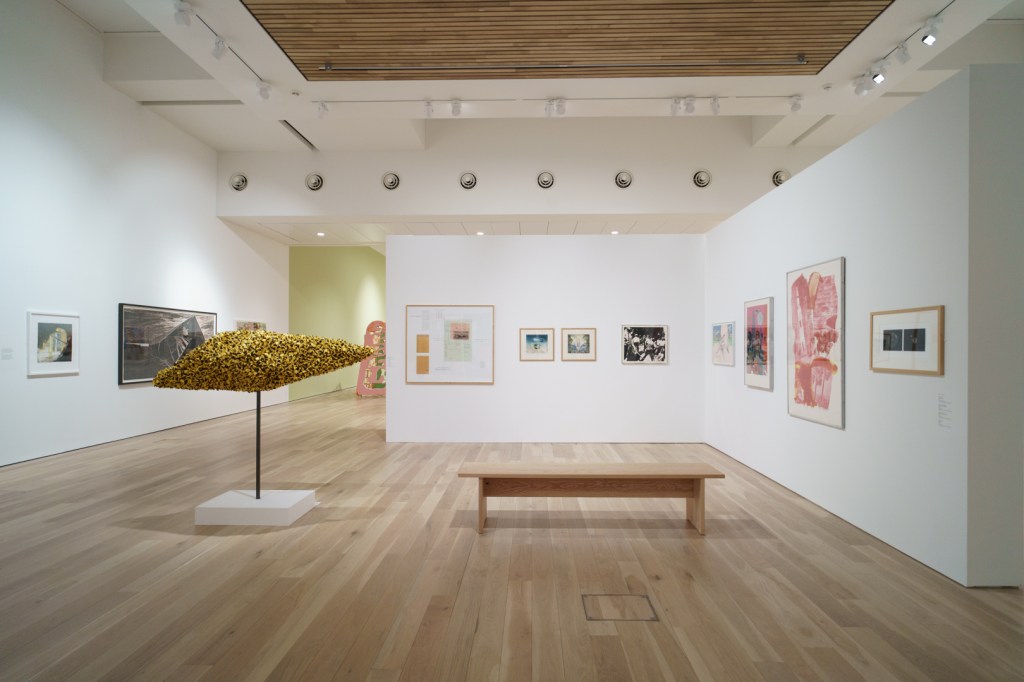
University art collections are precious things. Aside from being convenient, valuable resources for students to study objects in person, they can stimulate important discussions and promote progressive thinking just by existing in public spaces. I can personally attest to this, having studied at the University of Kent and at the Courtauld Institute, both with varied collections of their own.
This fact was observed in the Robbins Report of 1963, which consequently inspired seven new universities – the ‘Shakespeare Seven’ – to start acquiring works of art for their campuses; the University of Warwick was one of them, after some much-needed persuasion from its founding architect Eugene Rosenberg.
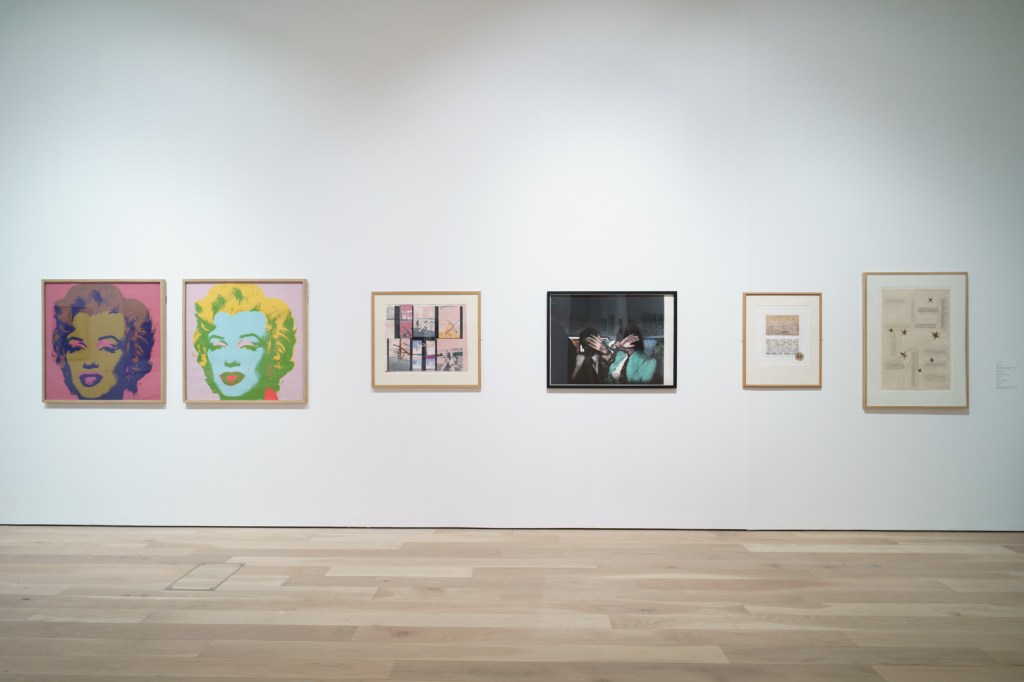
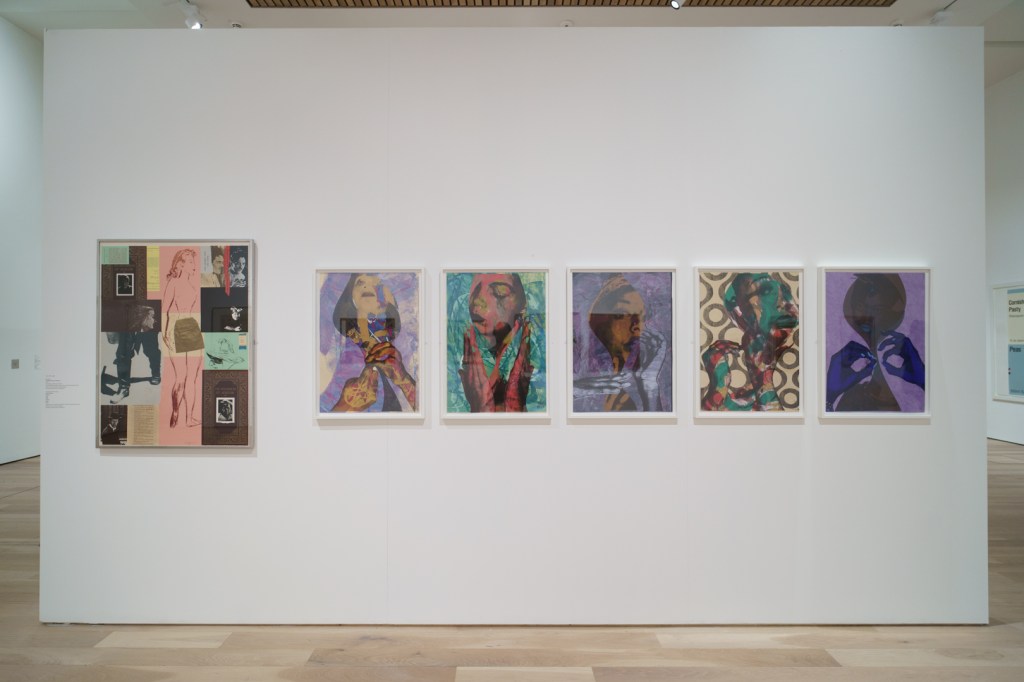
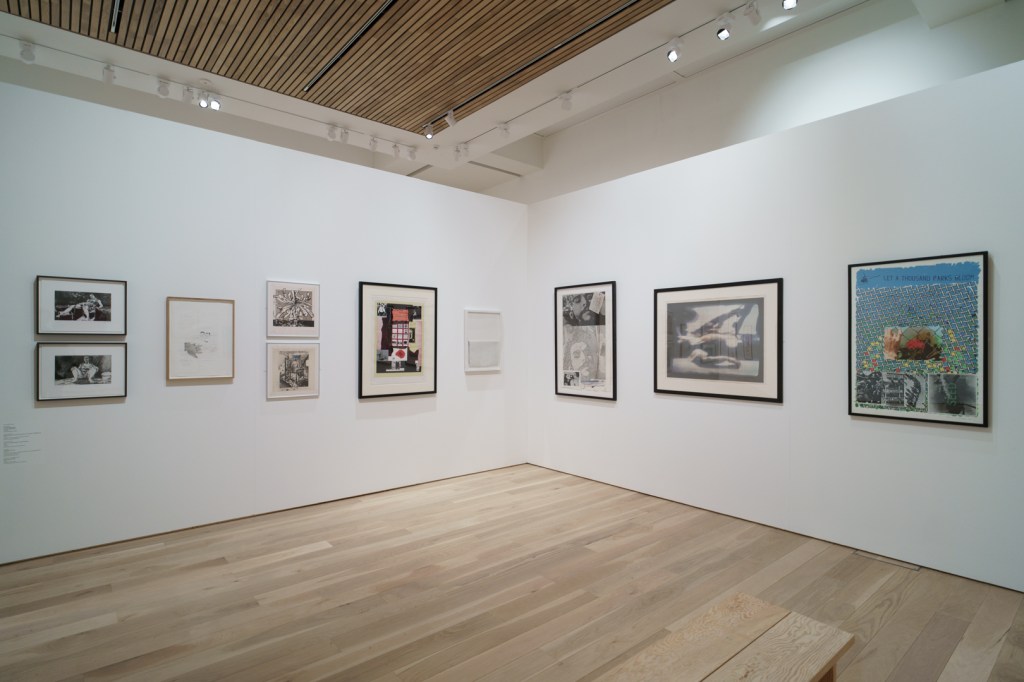
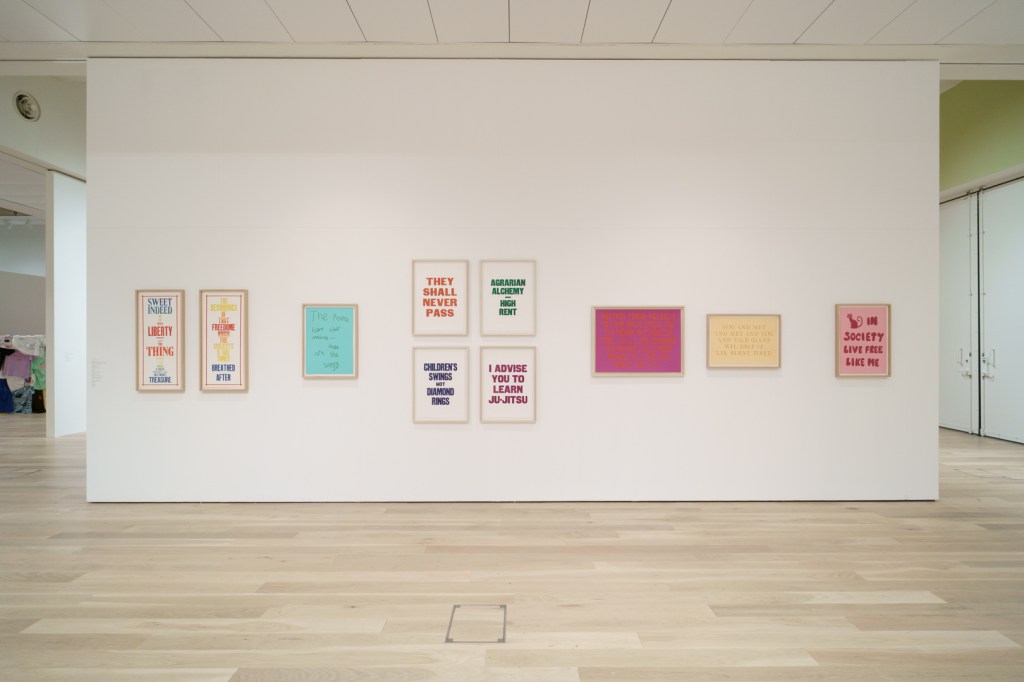
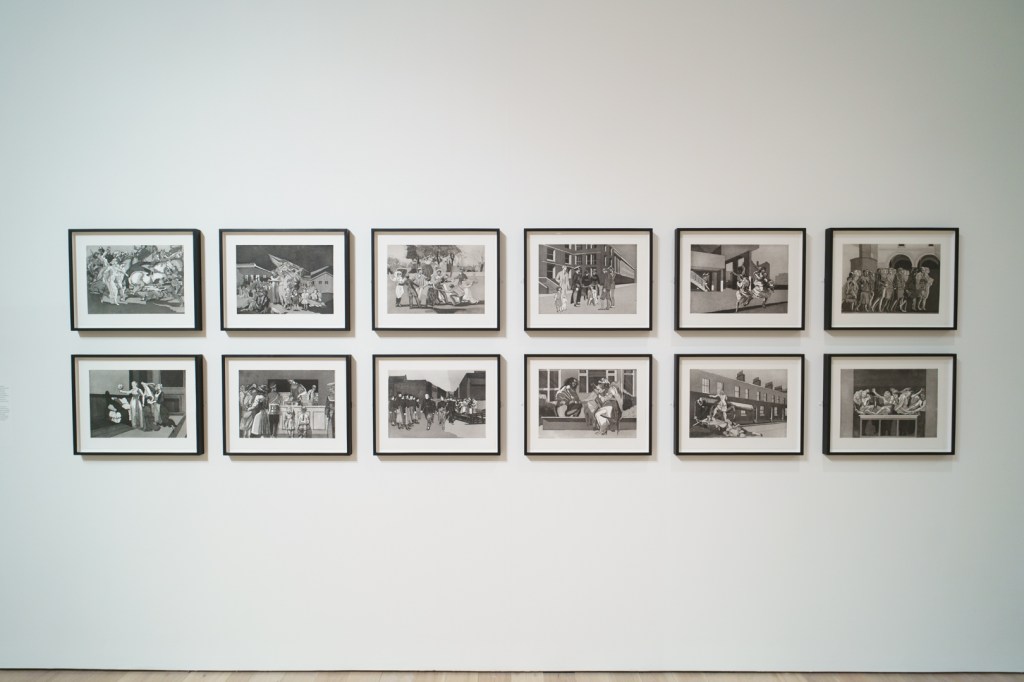
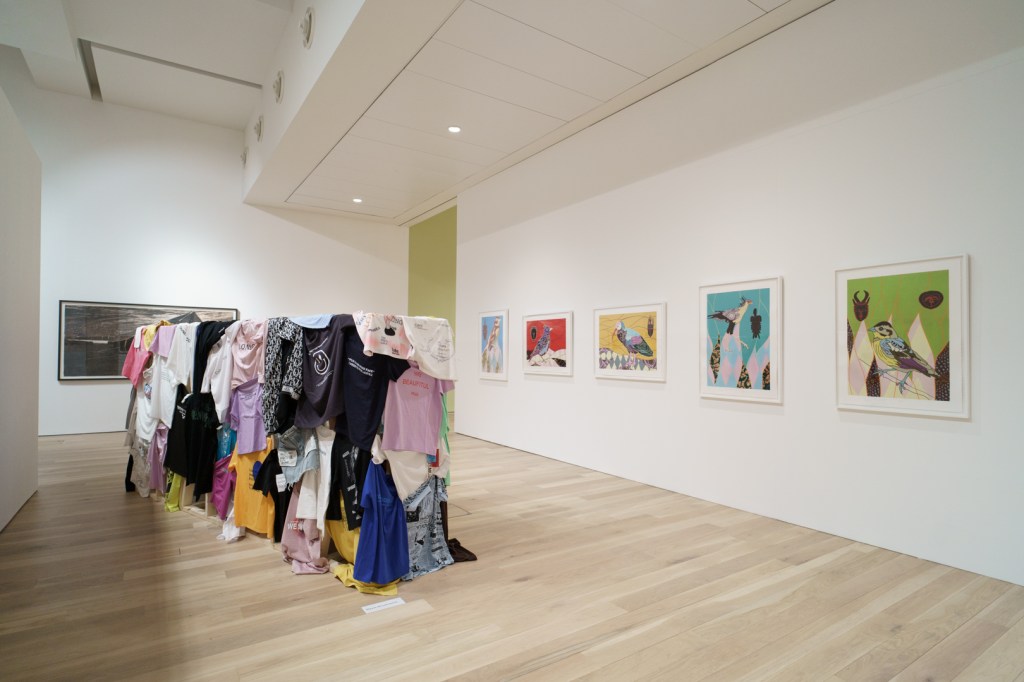
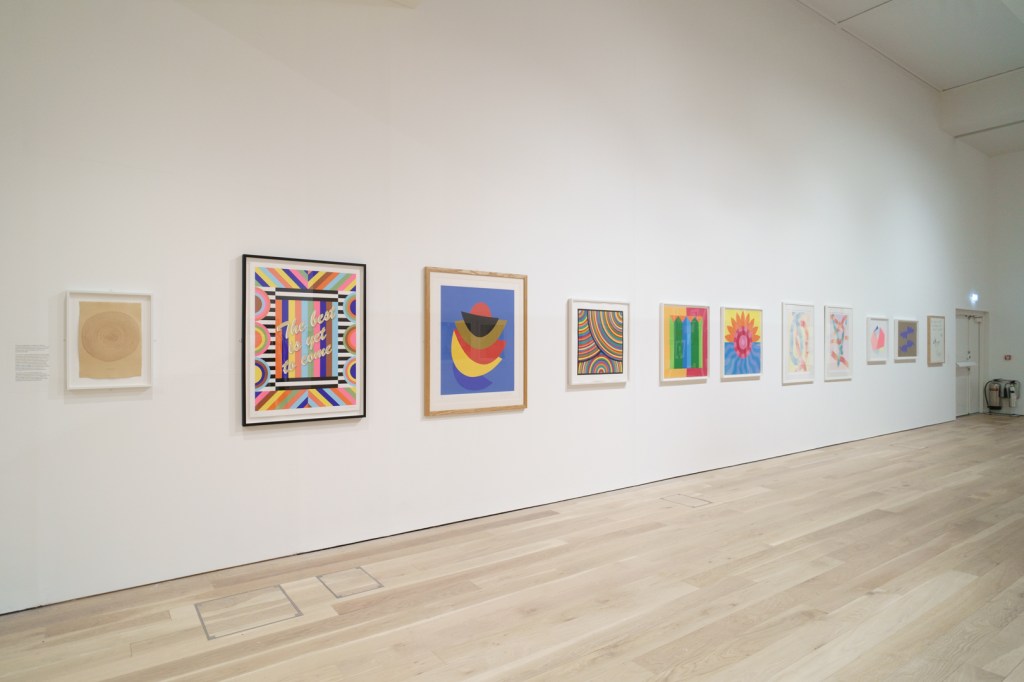
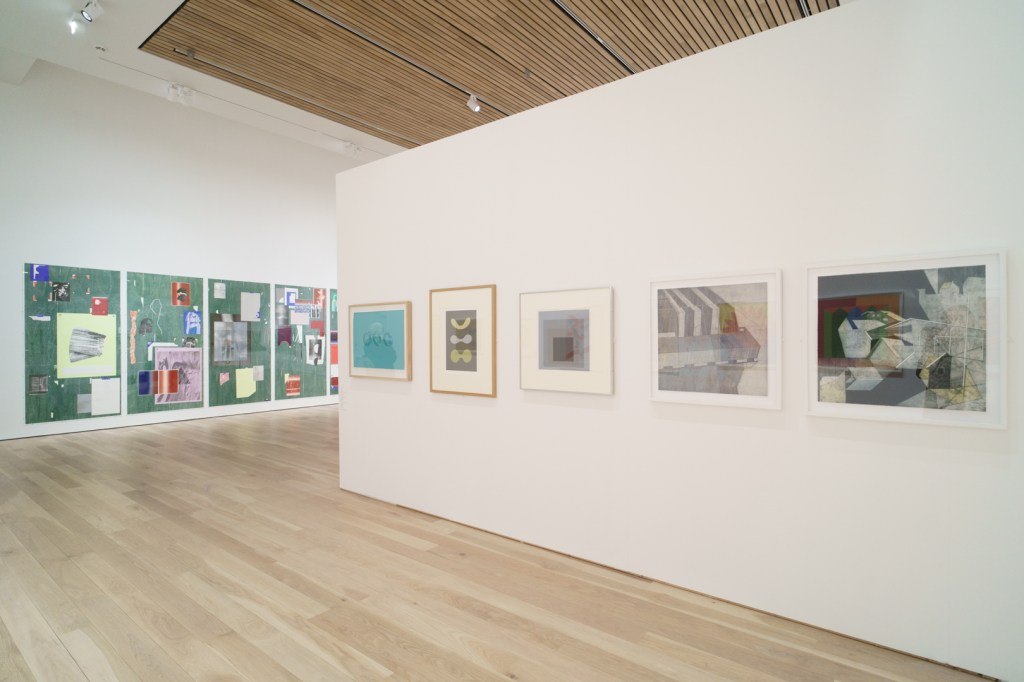
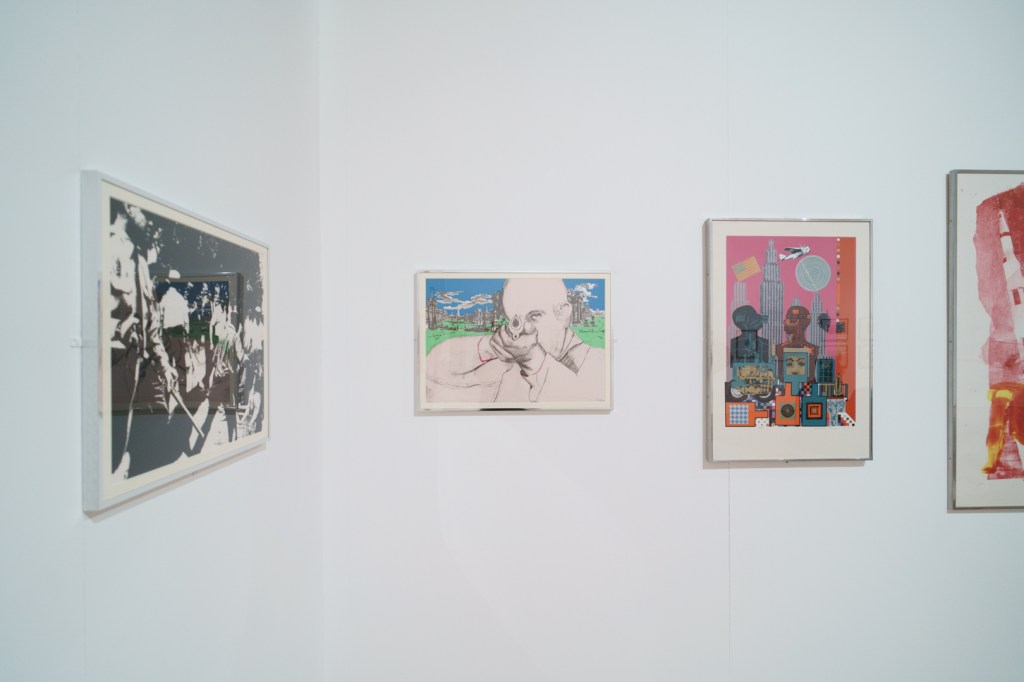
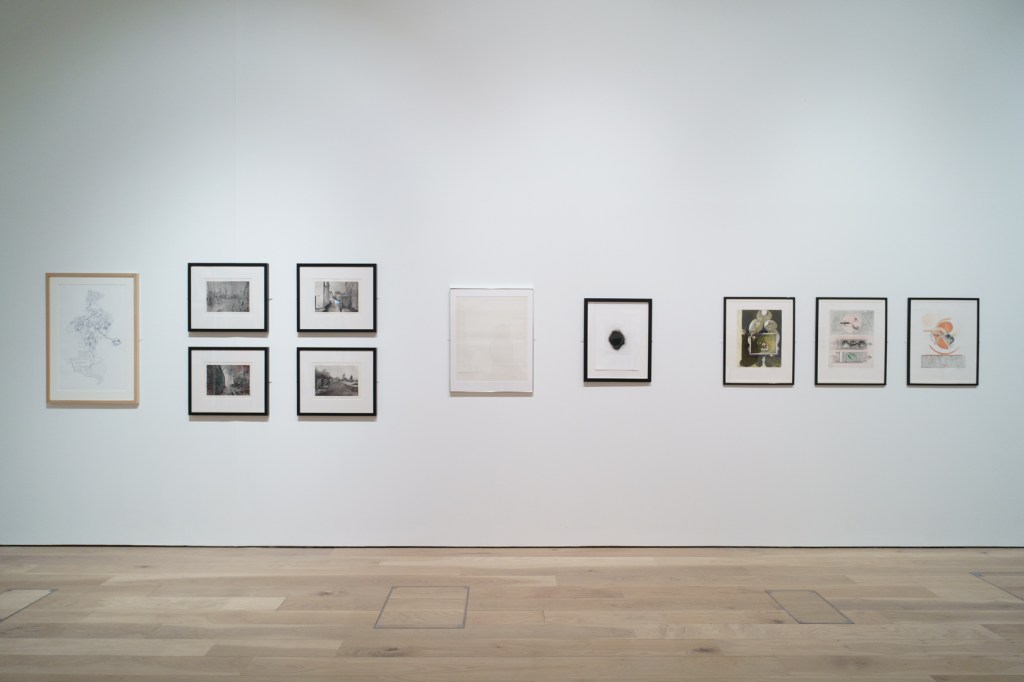
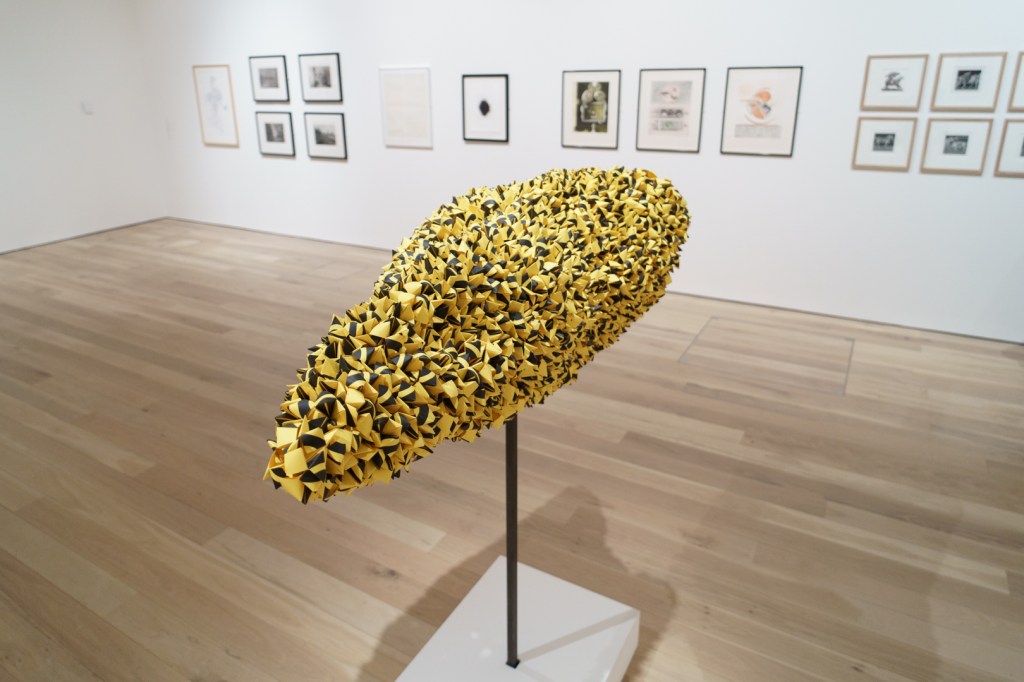
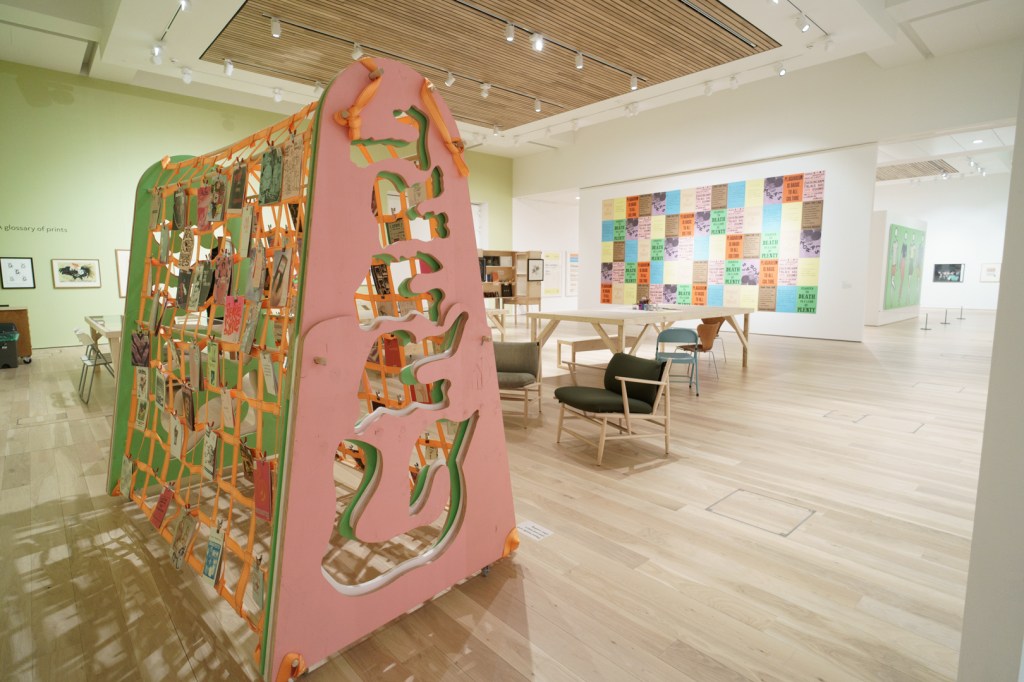
In 1986, they opened the Mead Gallery where – for the first time in 60 years – a substantial portion (67) of the university’s print collection have now been gathered in a single space for the exhibition The Future is Today: Prints and the University of Warwick, 1965 to now, facilitated with various loans from public and private collections. They would normally be hung in various locations throughout the campus, so this is a rare opportunity to assess the collection’s strengths and recurring themes, which encompass a wide range of social and political issues. These can also be accessed digitally on their website, where over 1,000 artworks have been meticulously catalogued.
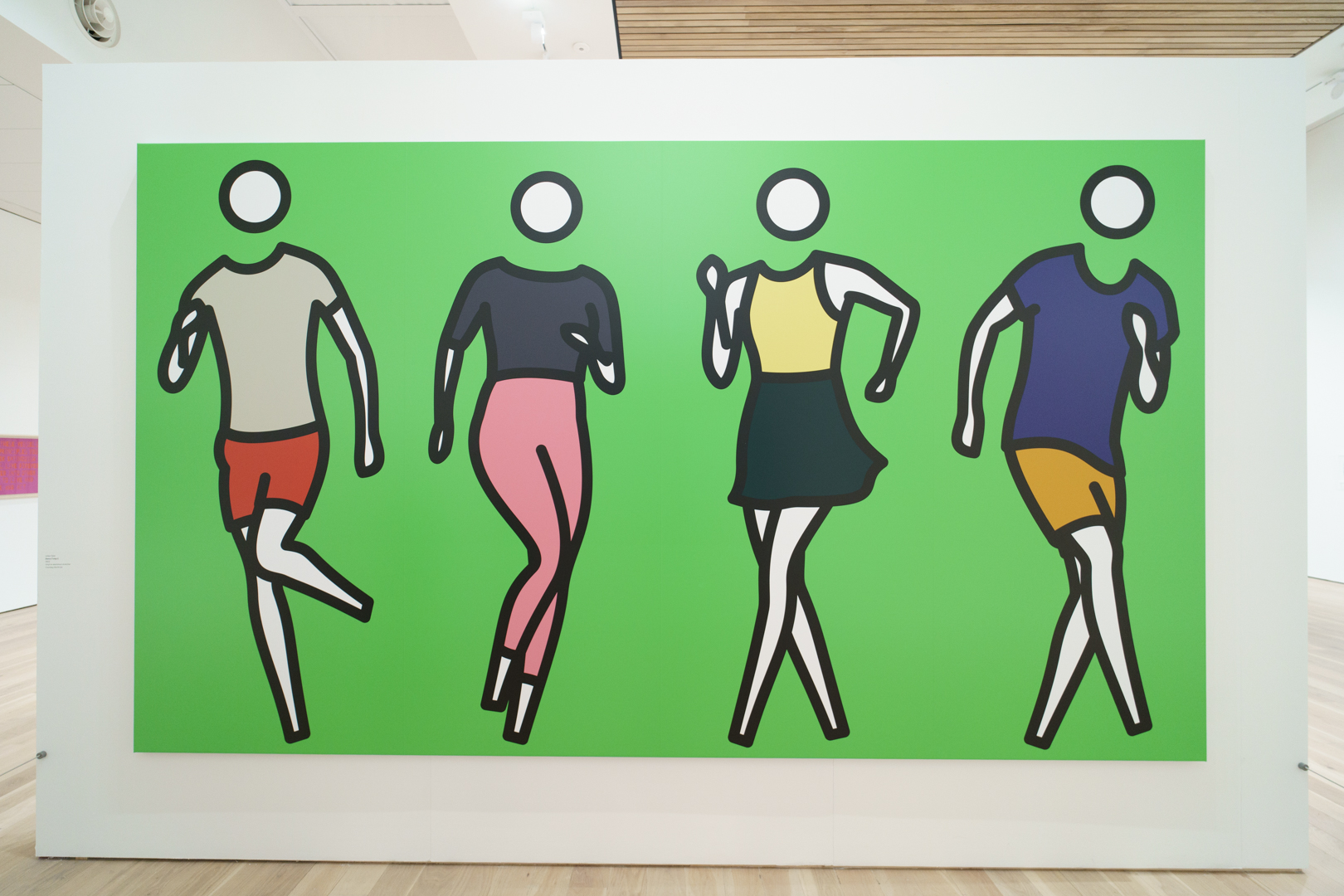
Unlike painting and sculpture, prints are a far more affordable way to build up a collection. As this exhibition demonstrates across three rooms, they are often more creative and experimental than other artforms. Walking through it is like a Who’s Who of the biggest names in modern and contemporary art, starting with a massive Julian Opie at the entrance.
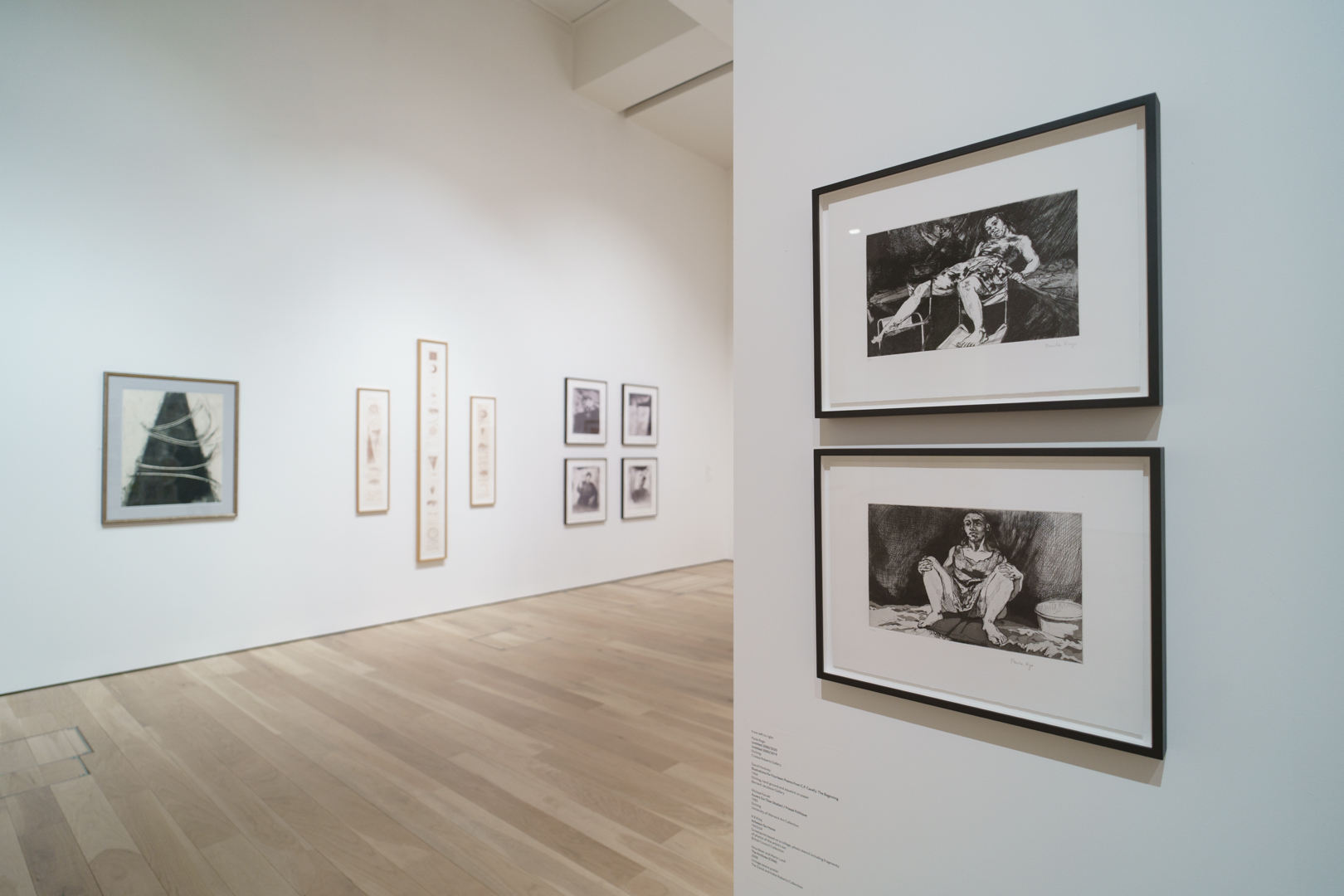
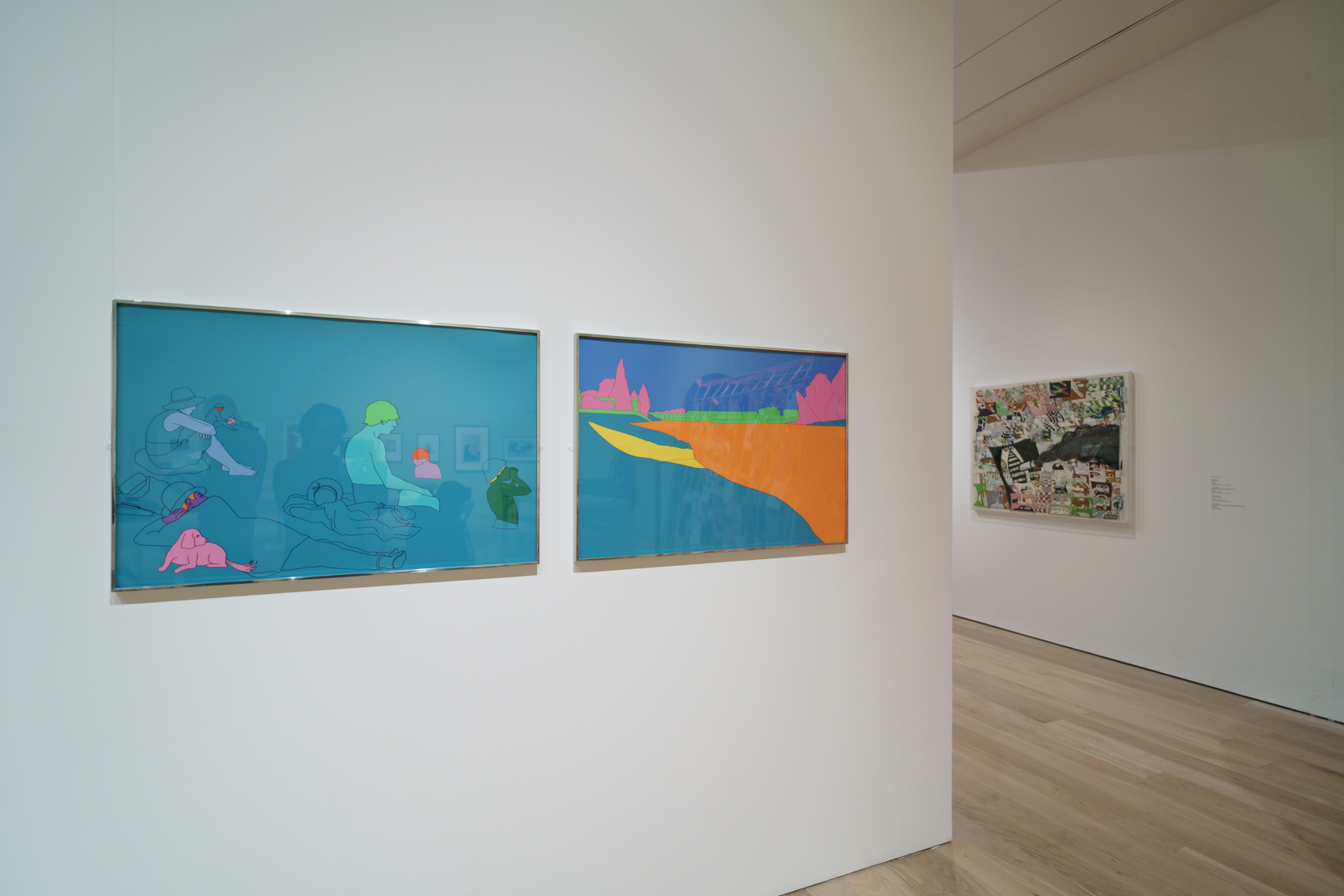
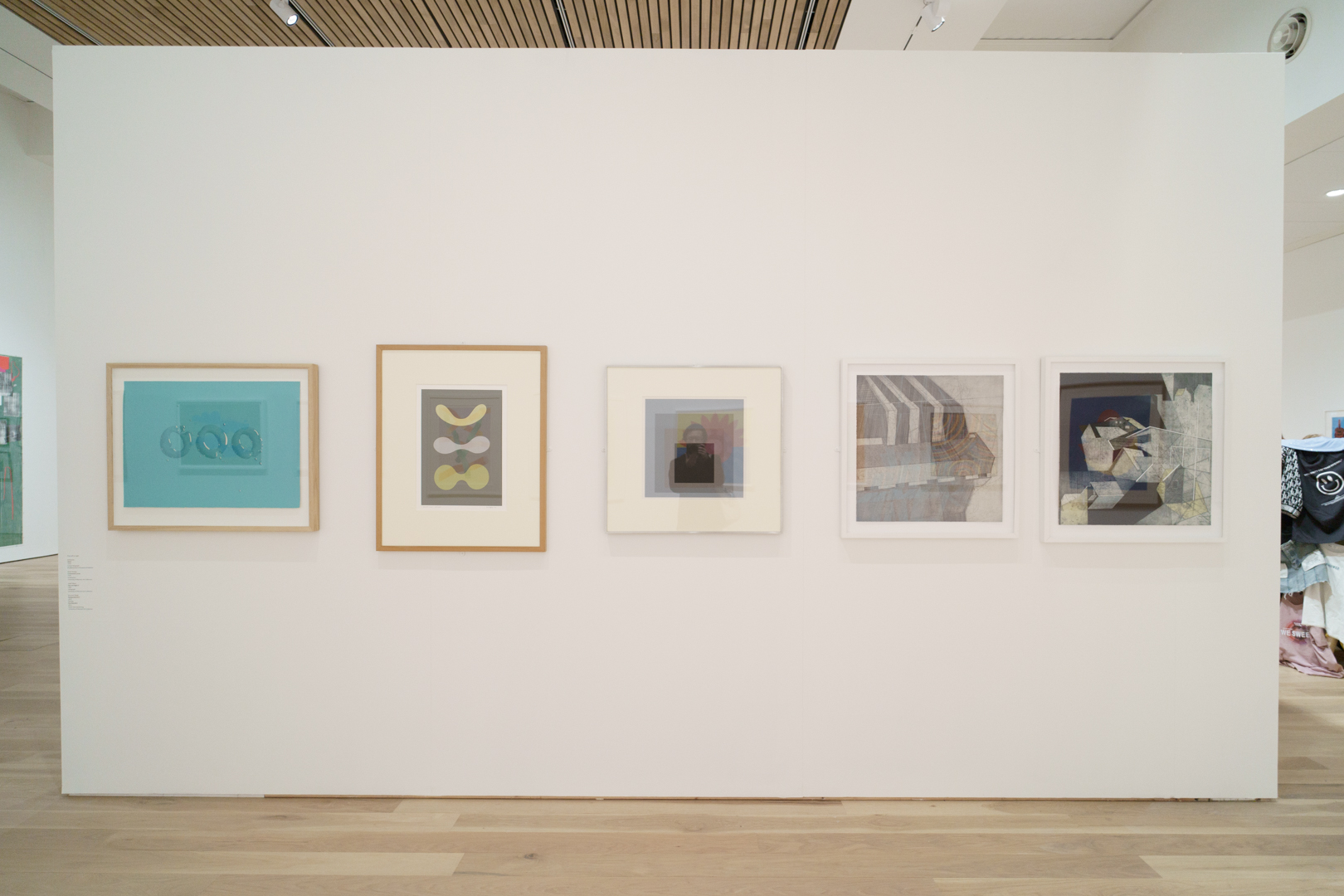
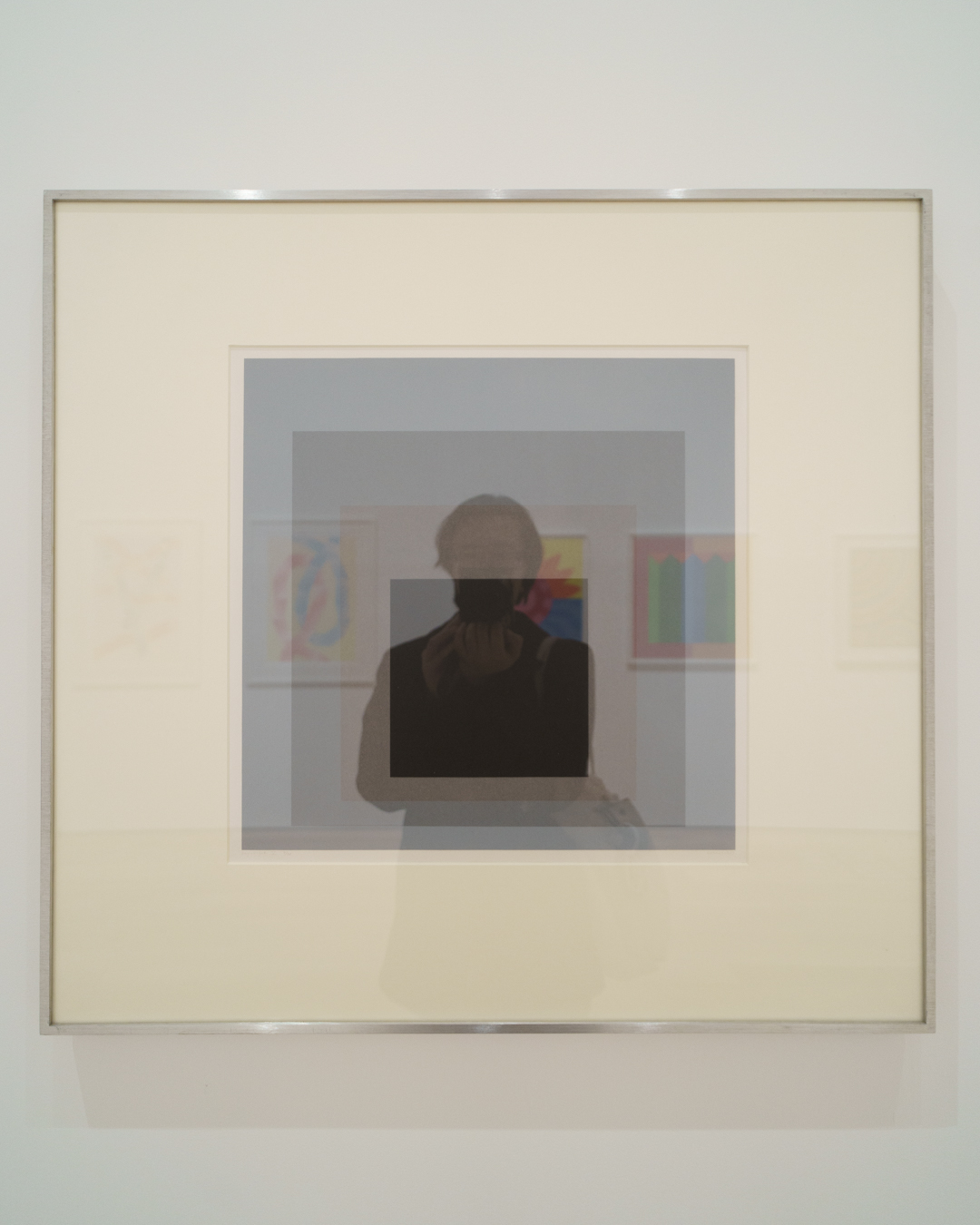
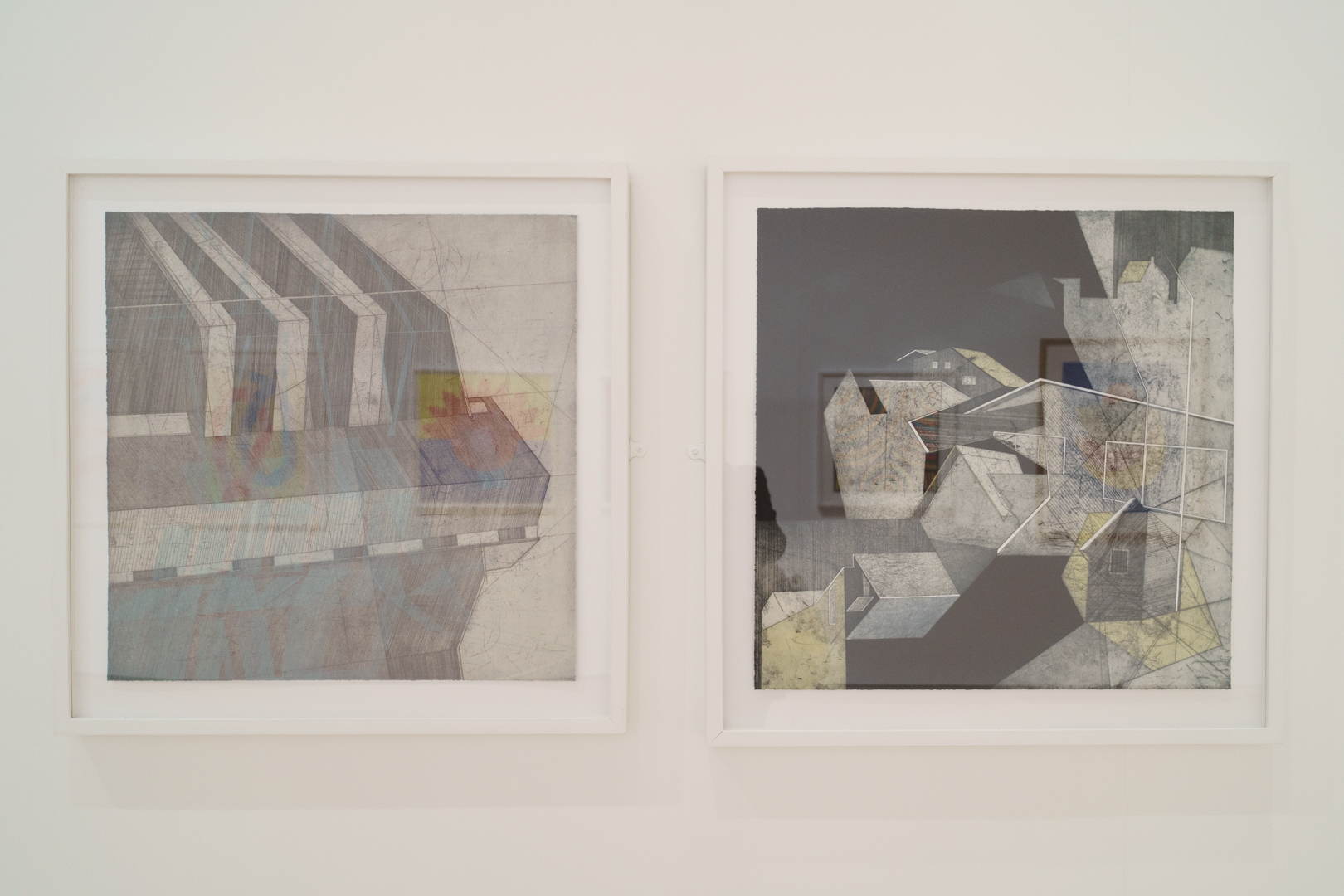
This is not a chronological display of printmaking, nor is it a timeline of how the collection was built up in different phases of the university’s history. Instead, core pieces from the founding collection intermingle with relevant artists of today on a foundation of mutual themes and subject matter. One of the earliest significant works from continental Europe is Josef Alber’s lithograph Day and Night V (1963), acquired by Rosenberg using the £6,000 budget he was given by the university to buy works of art; it joins a wall of abstract prints that include industrial etchings by Bronwen Sleigh from 2014.
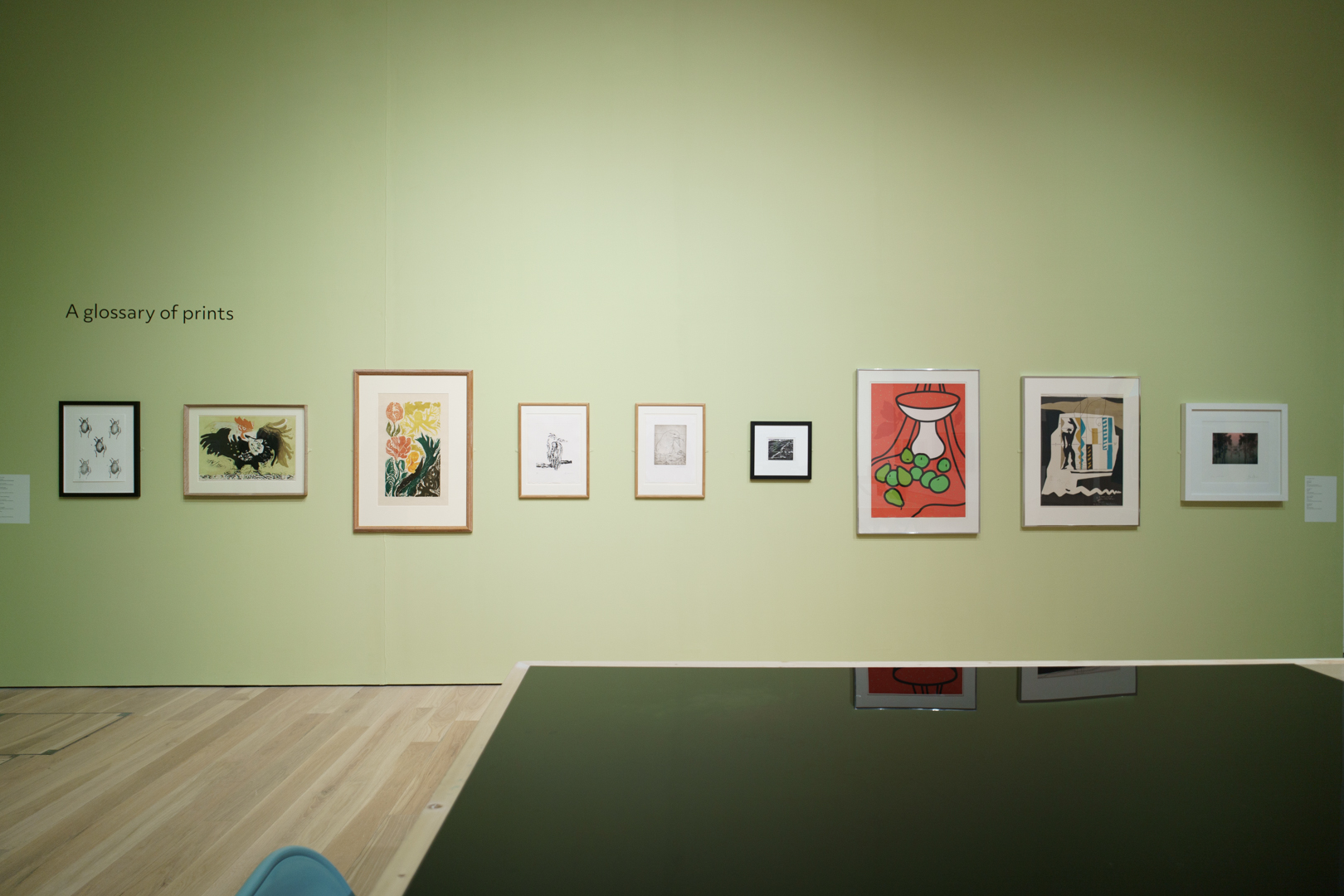
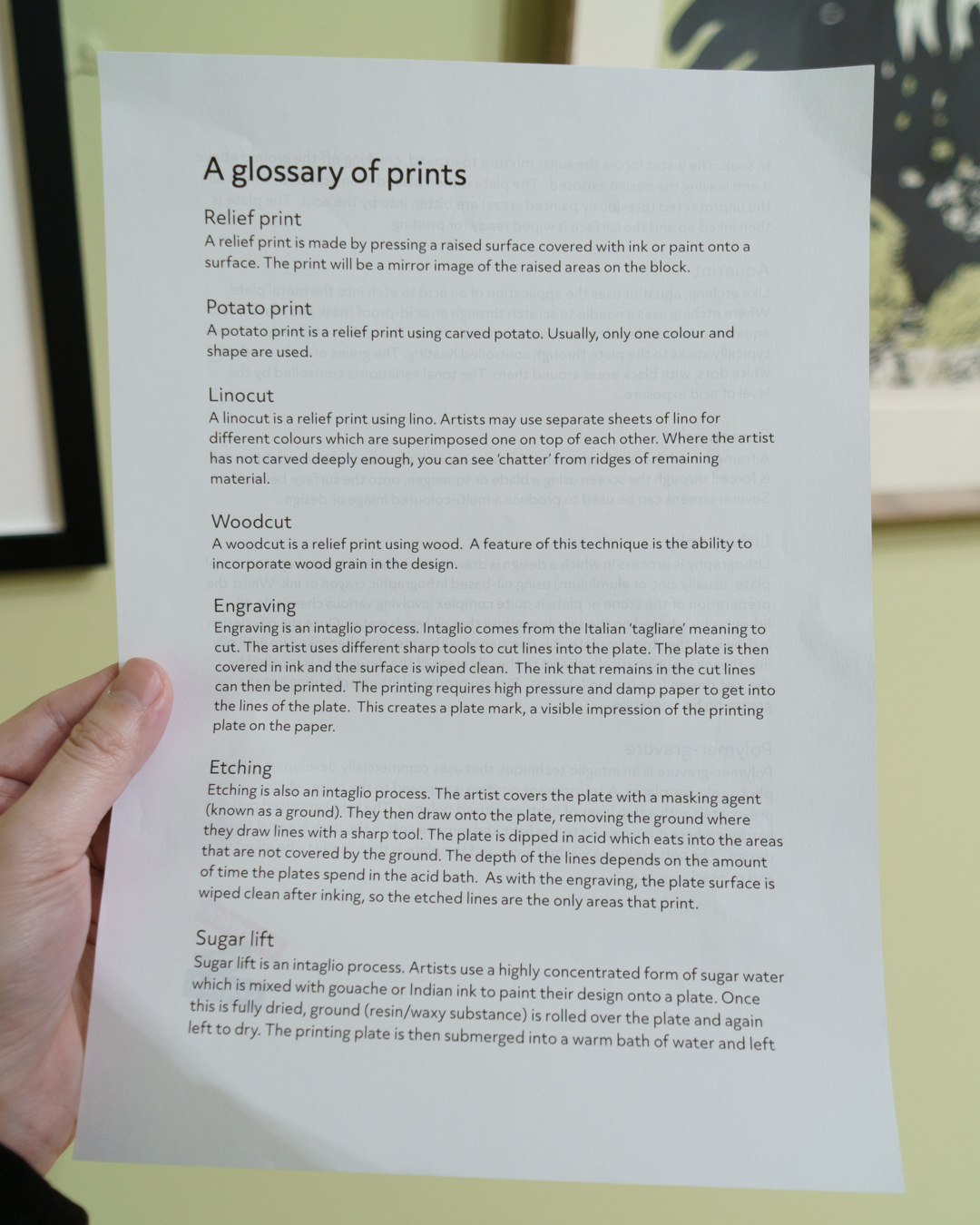
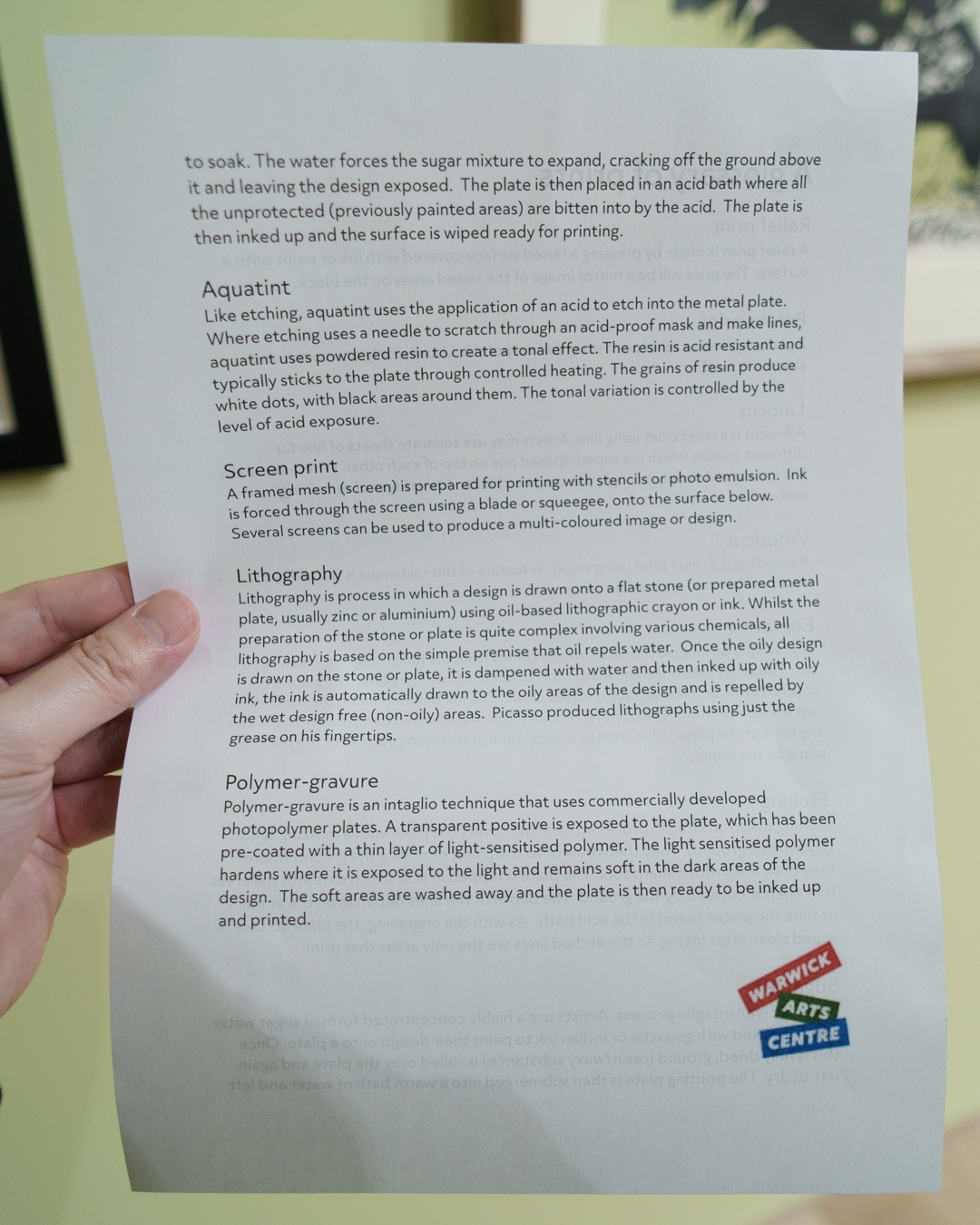
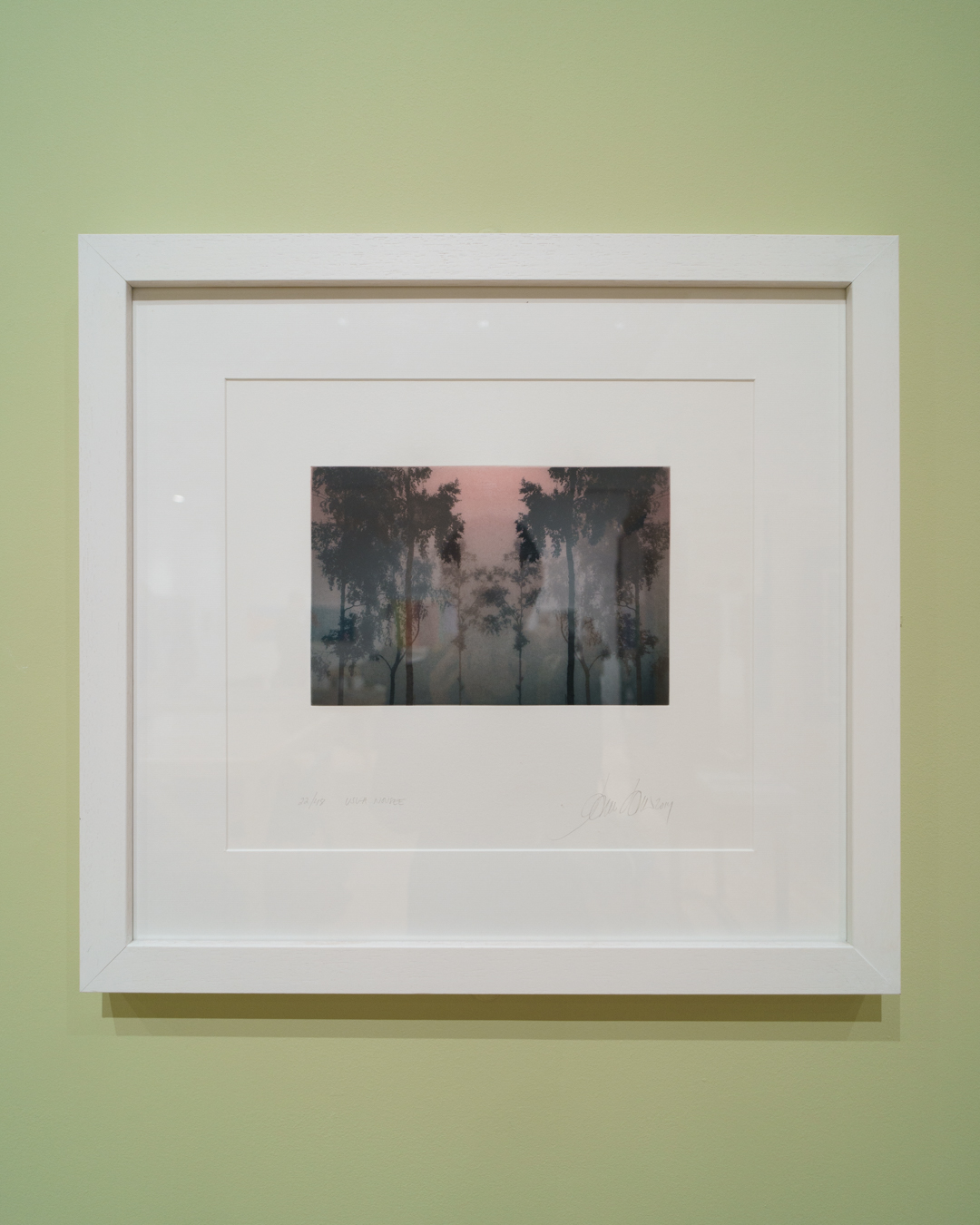
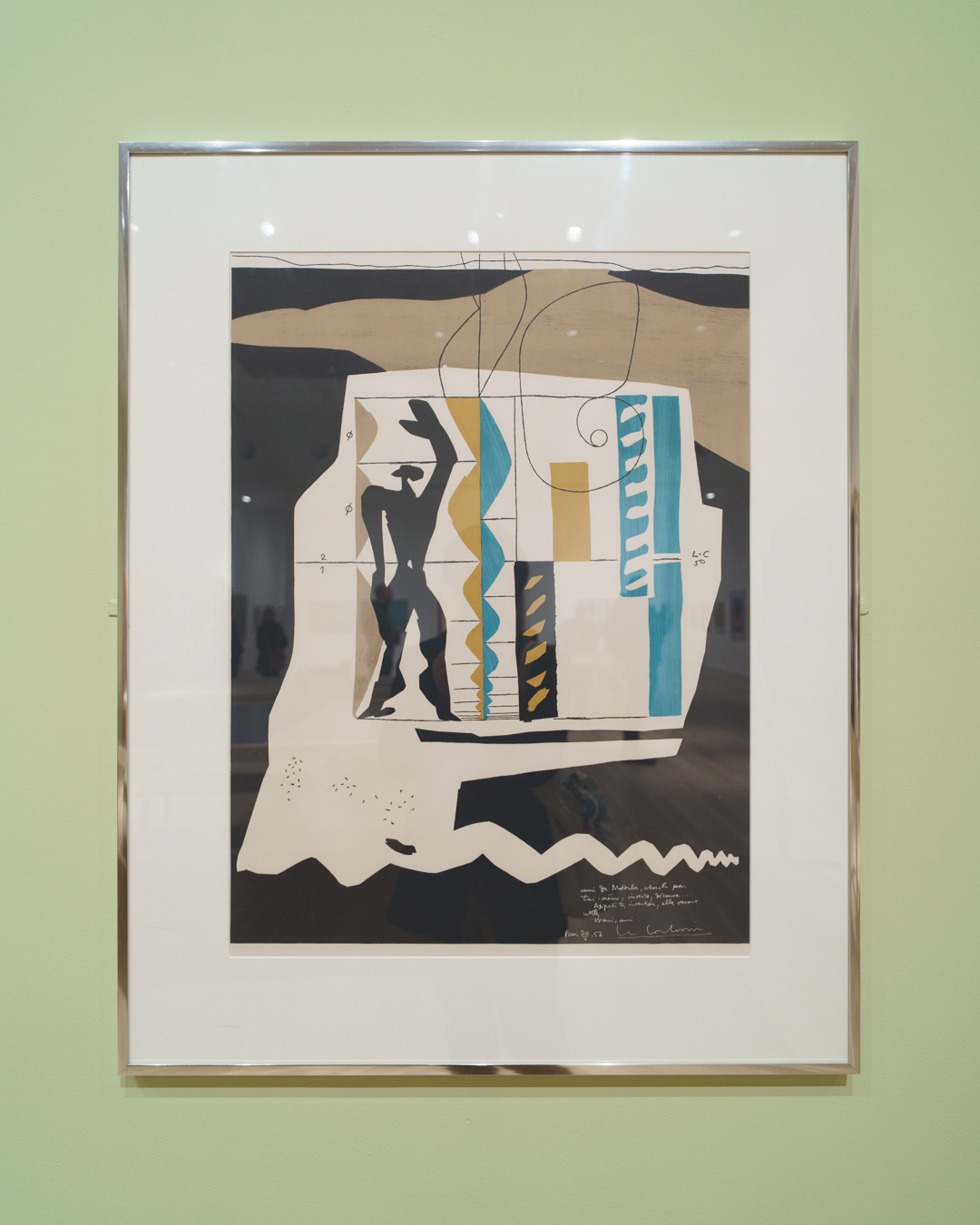
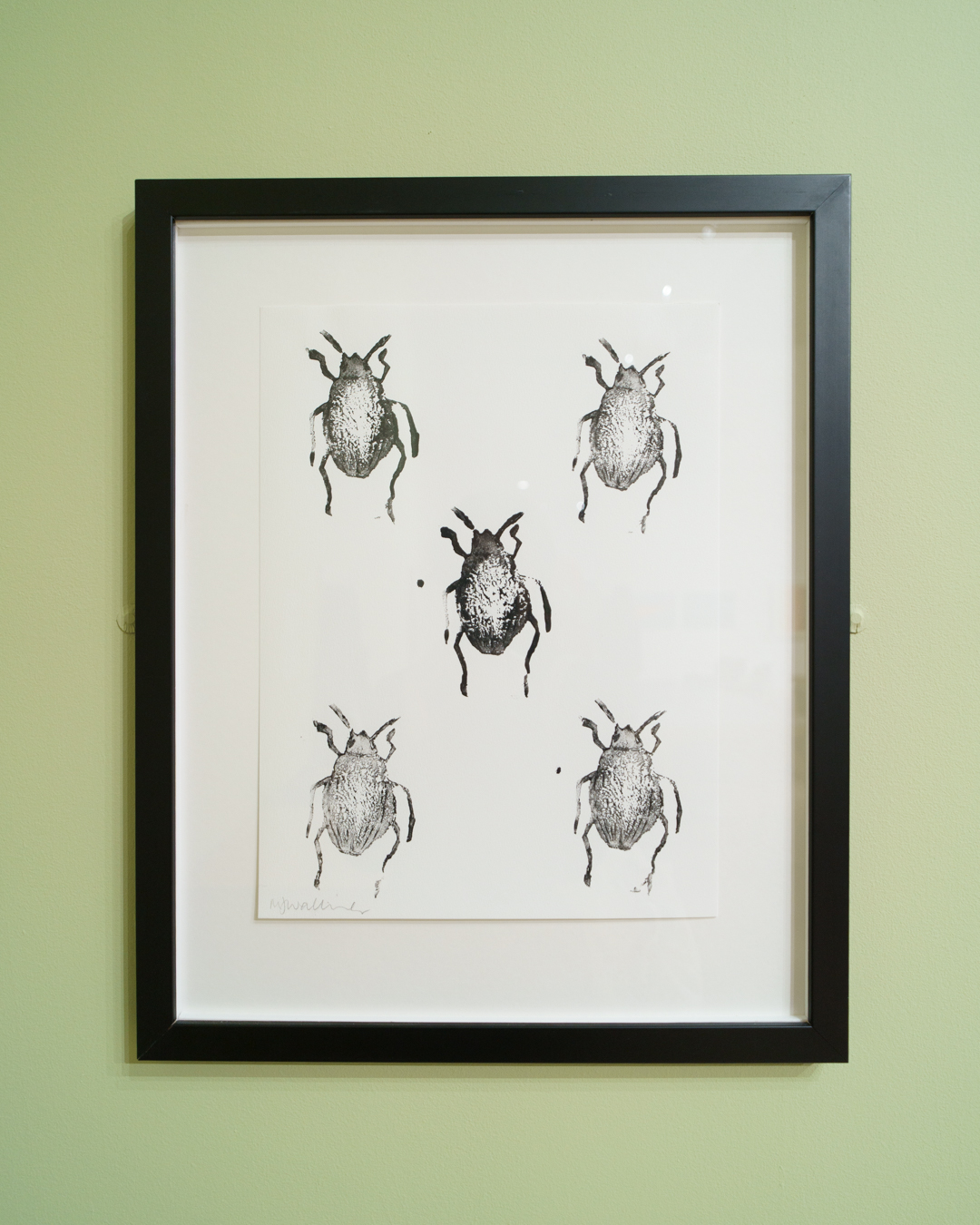
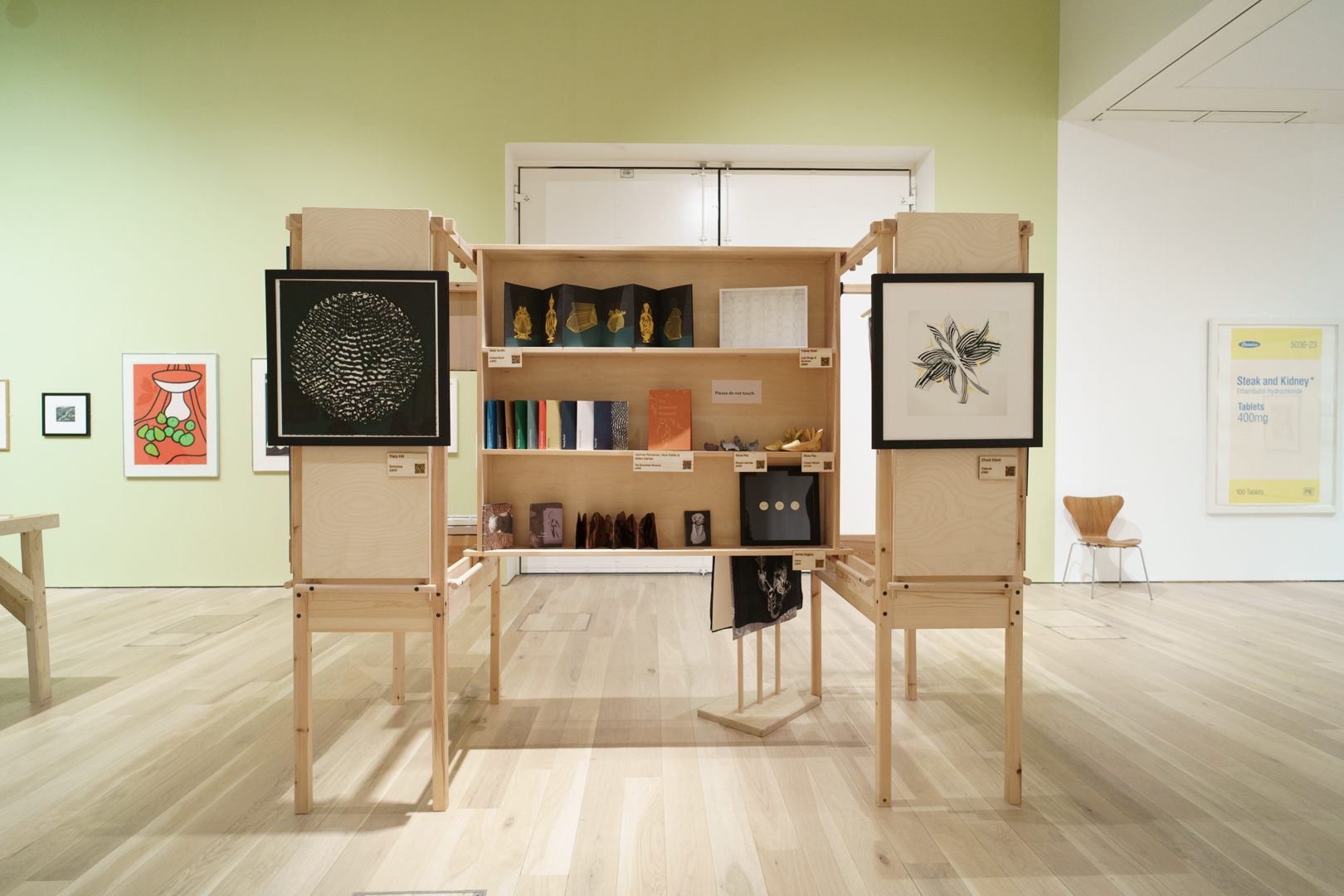
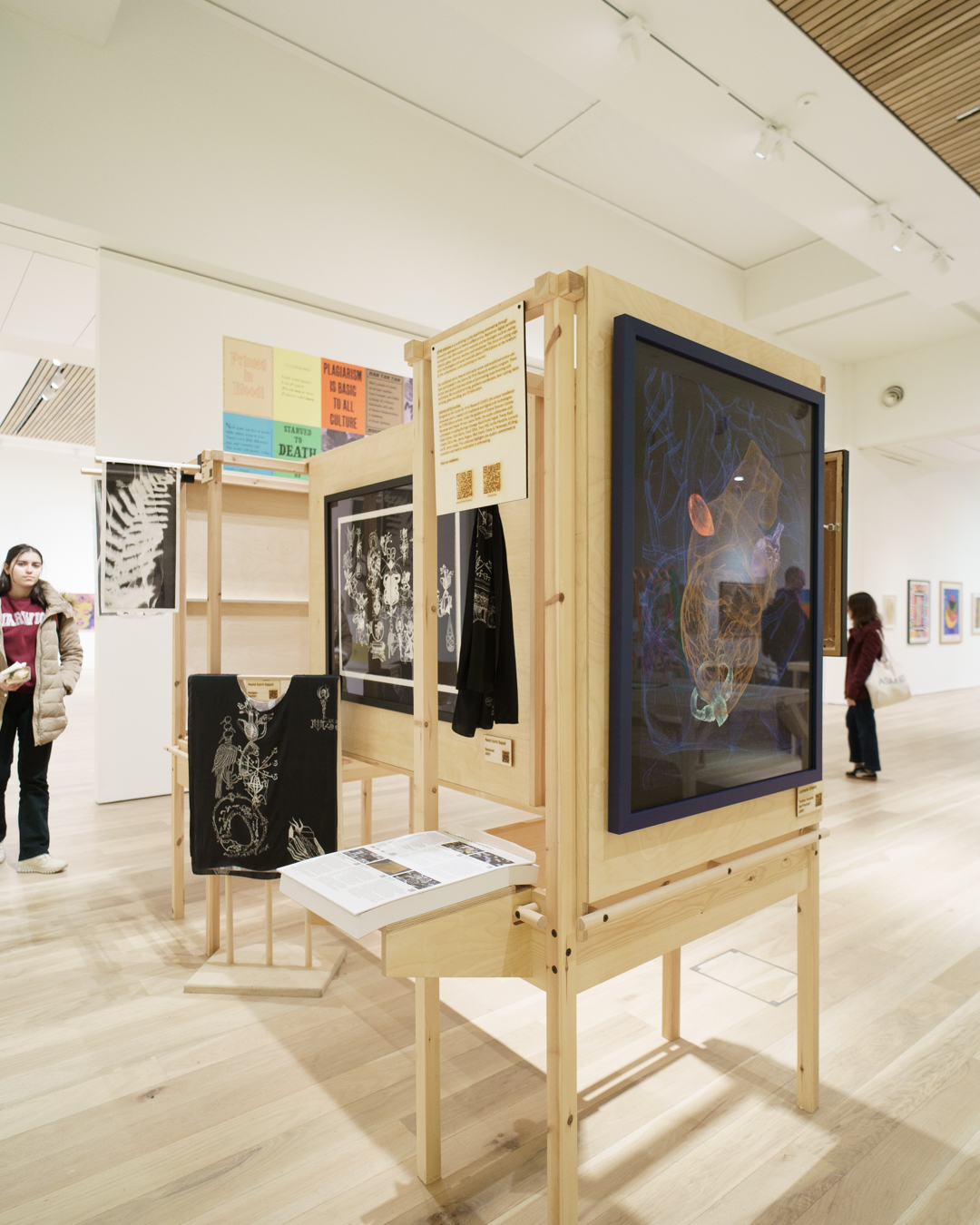
Rosenberg also bought Le Corbusier’s Modular lithograph (1960), which hangs as part of a nine-piece display illustrating different types of printmaking, from a humble potato print by Mark Wallinger to Janne Laine’s polymer-gravure with aquatint. This is accompanied by an informative leaflet explaining each technique, while the adjacent installation from the Centre for Print Research (CFPR) carries the message of innovation in contemporary printmaking.
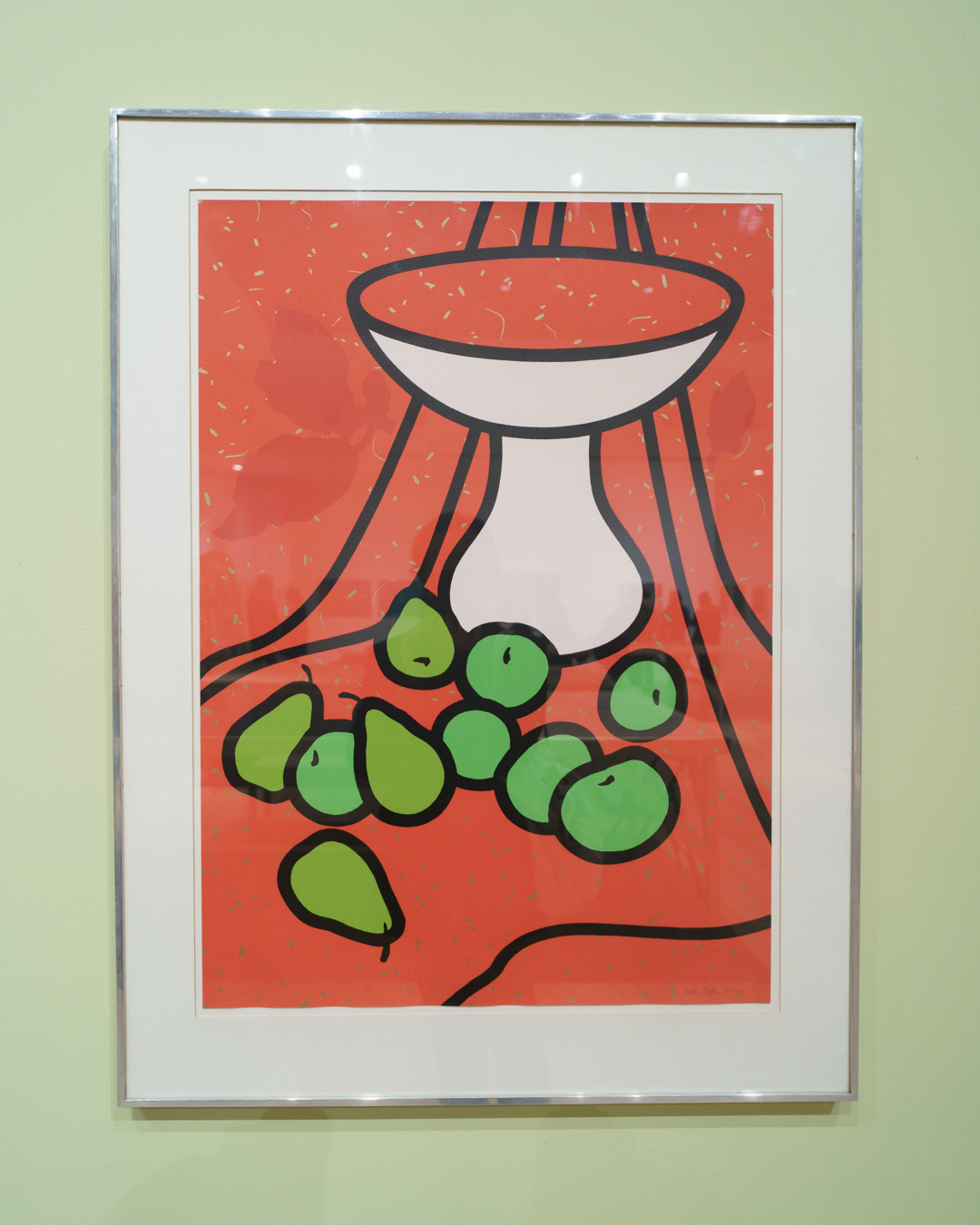
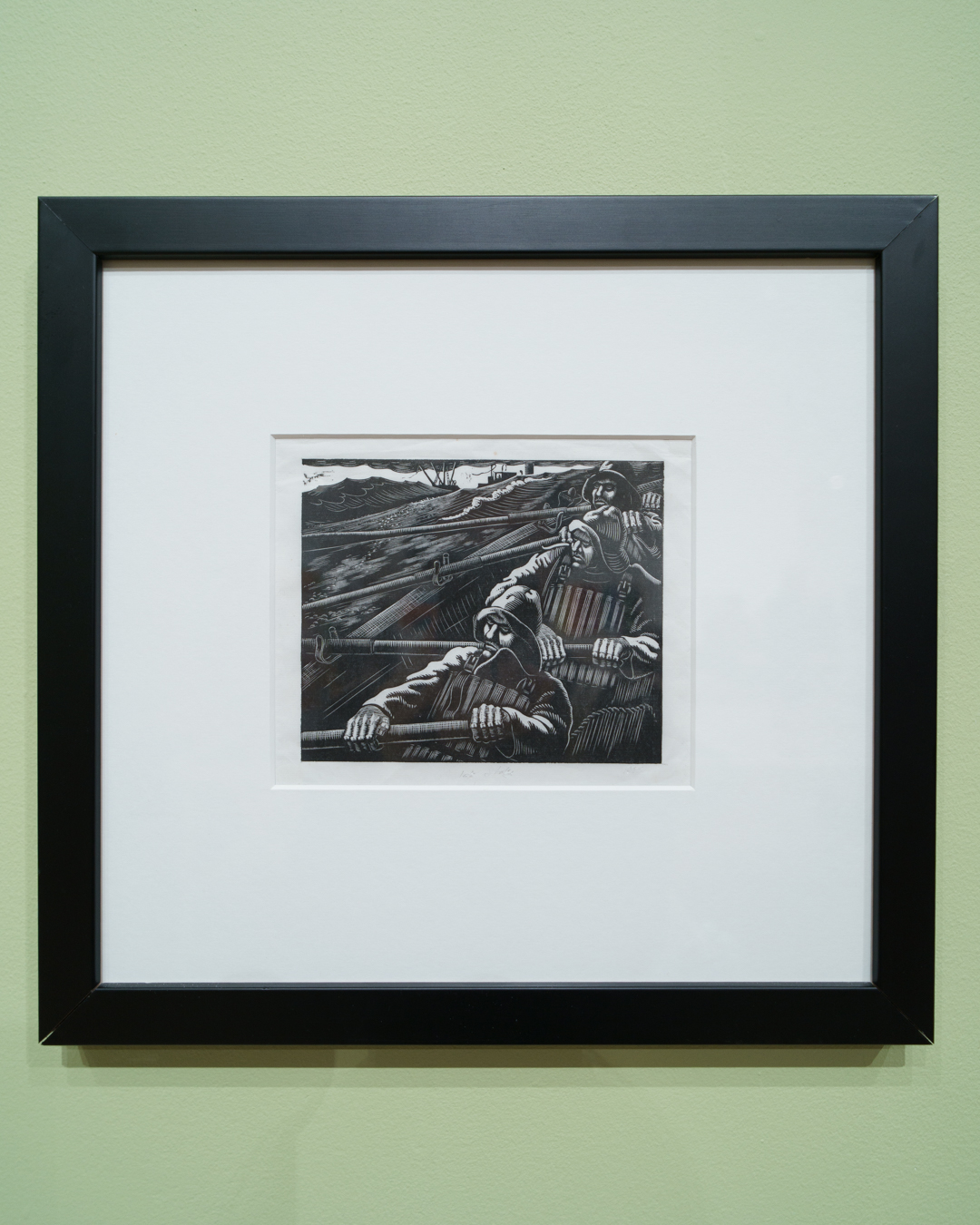
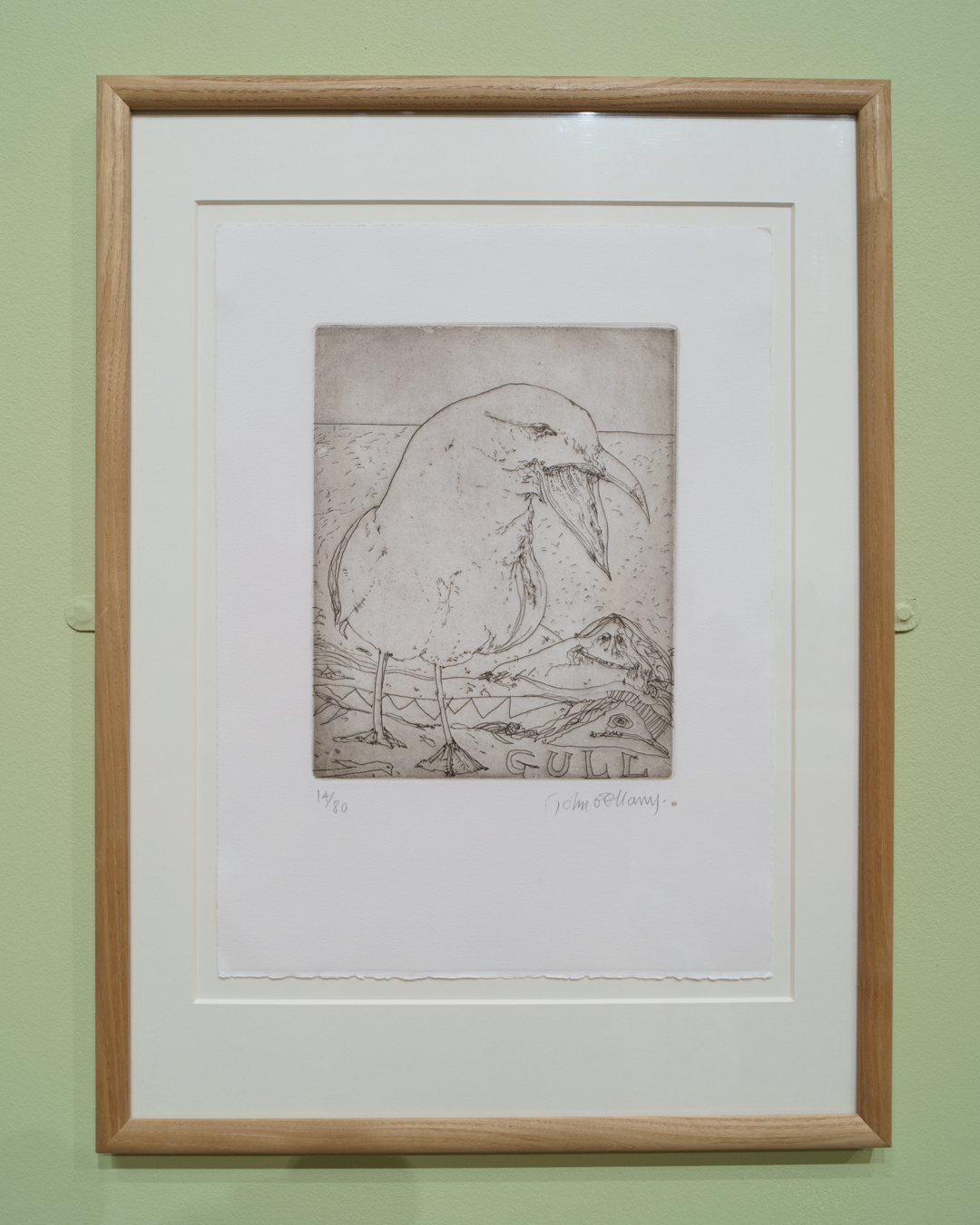
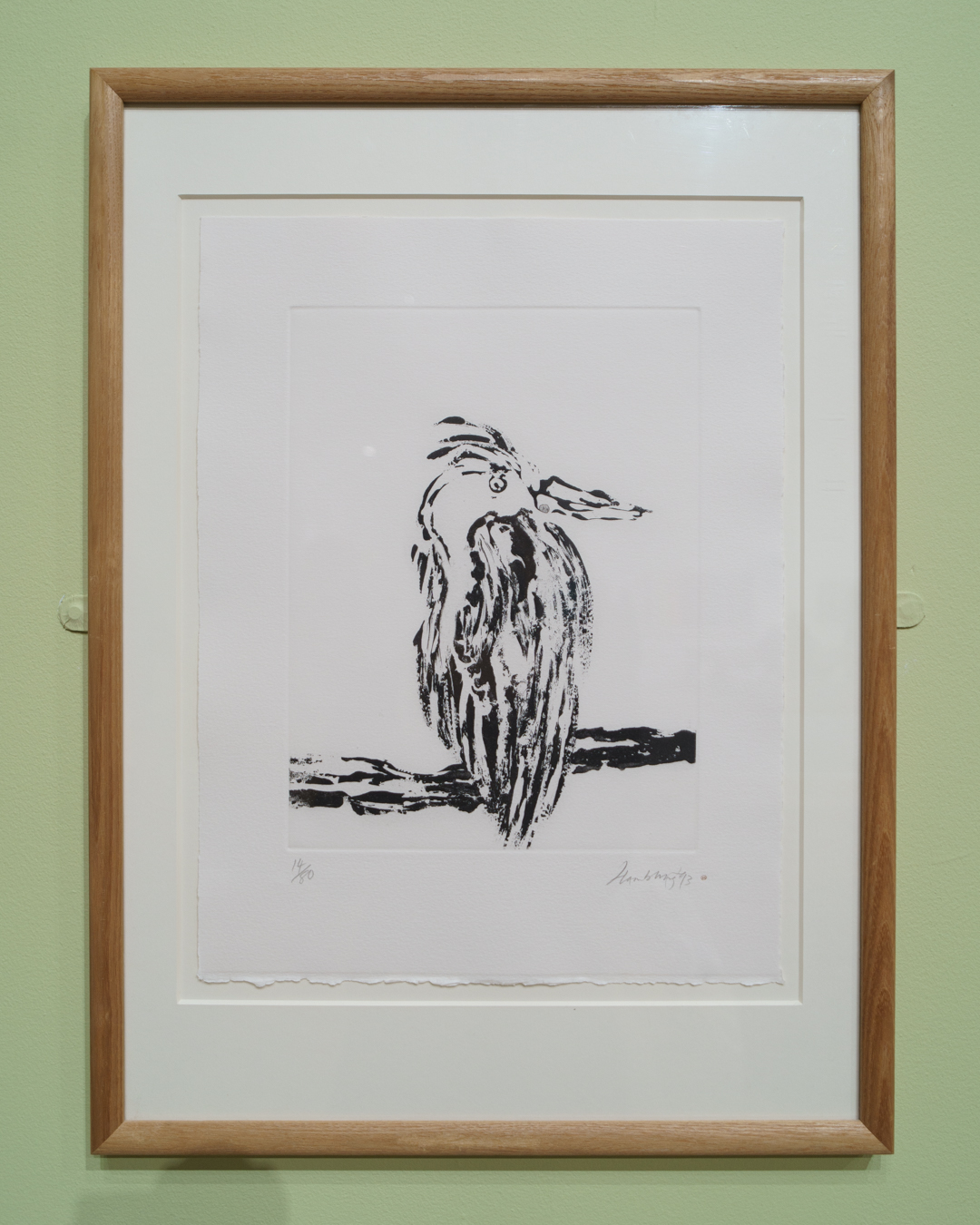
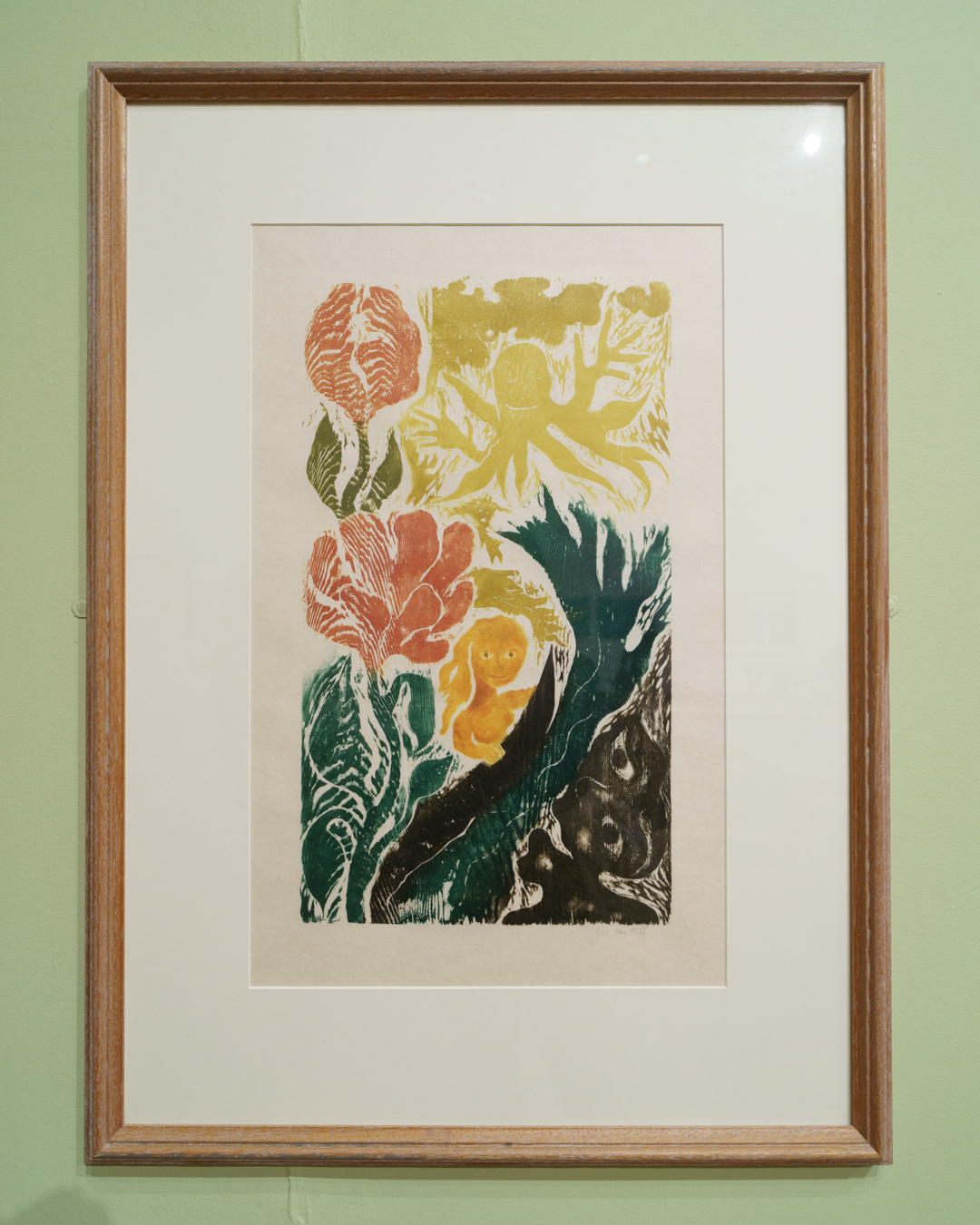
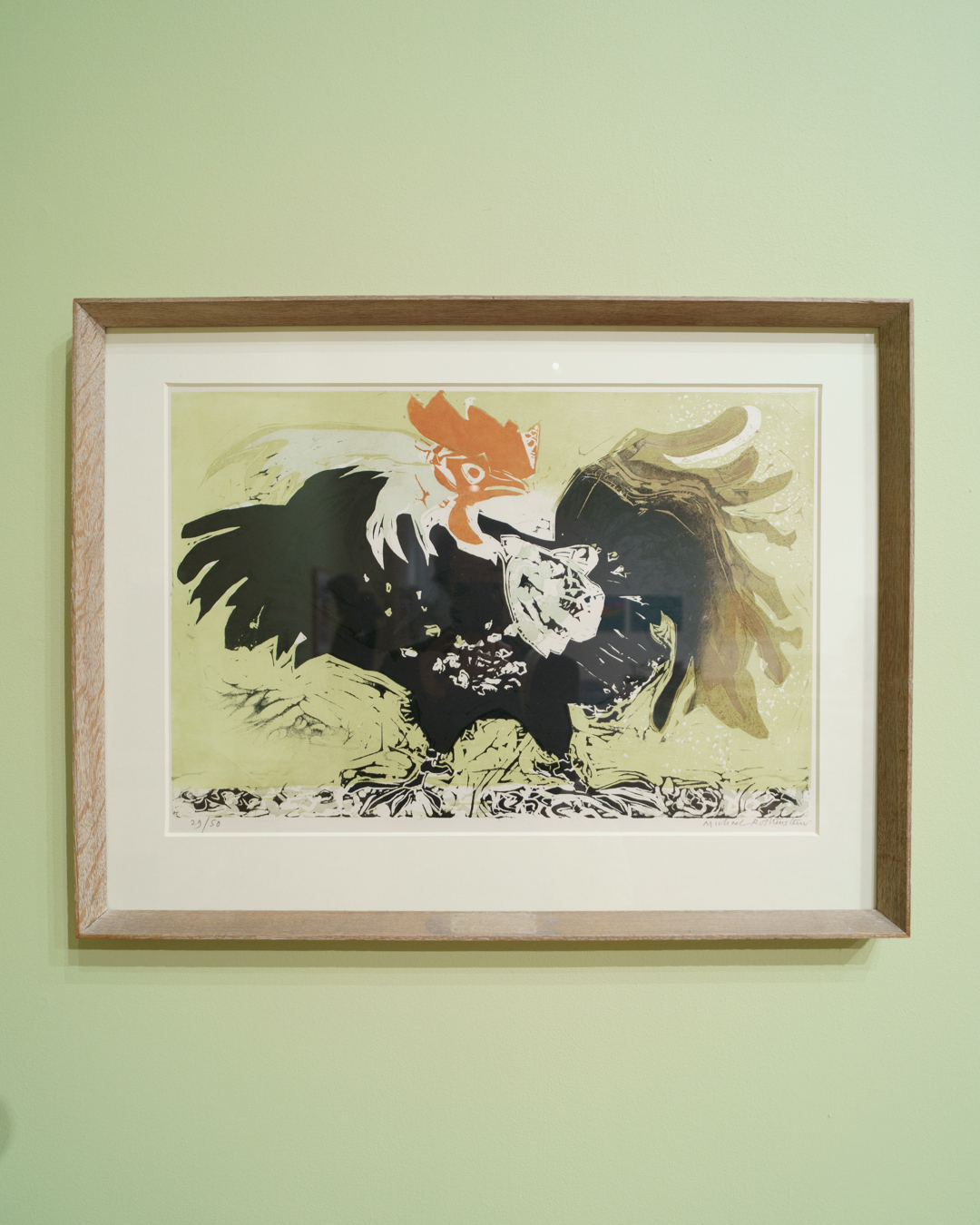
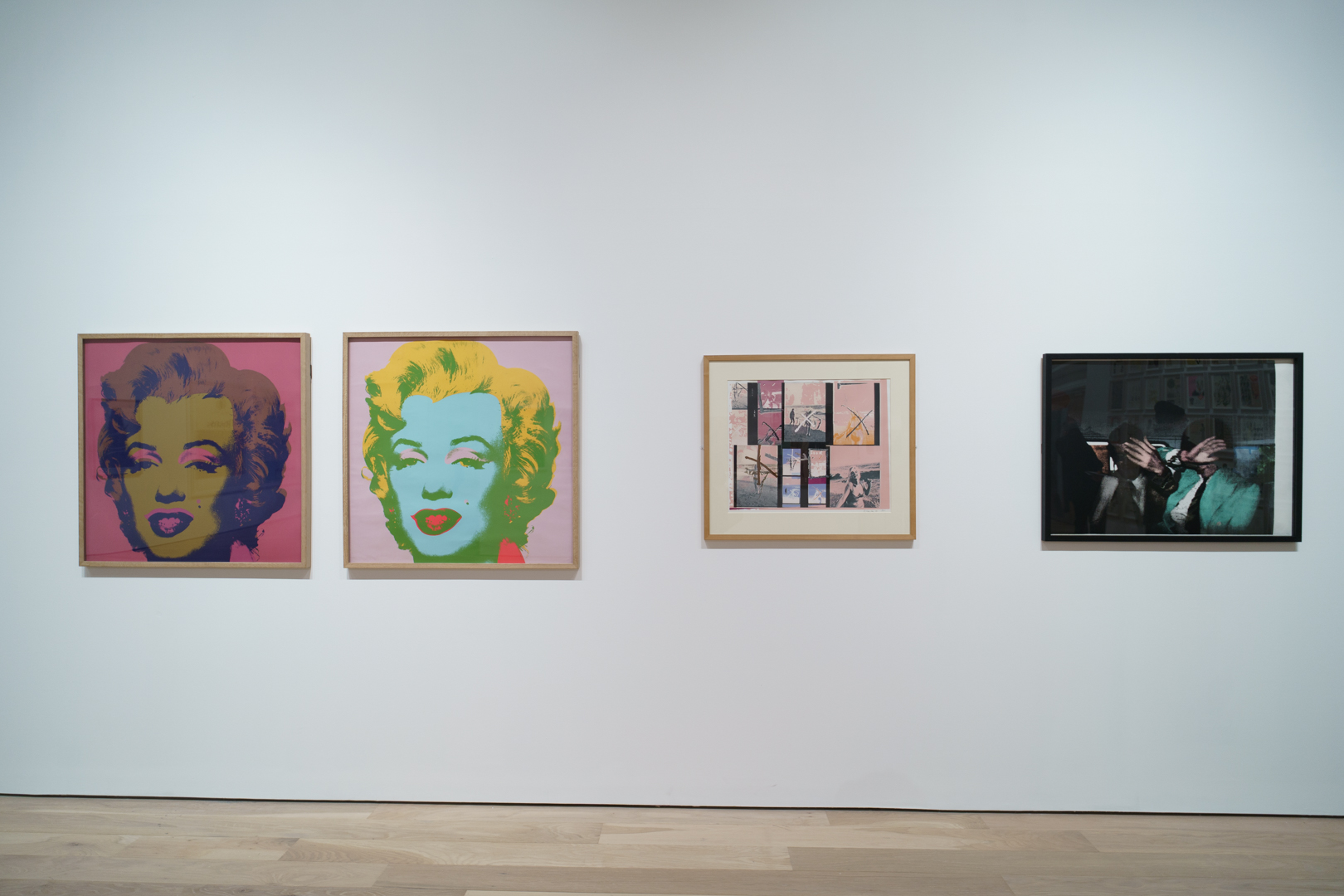
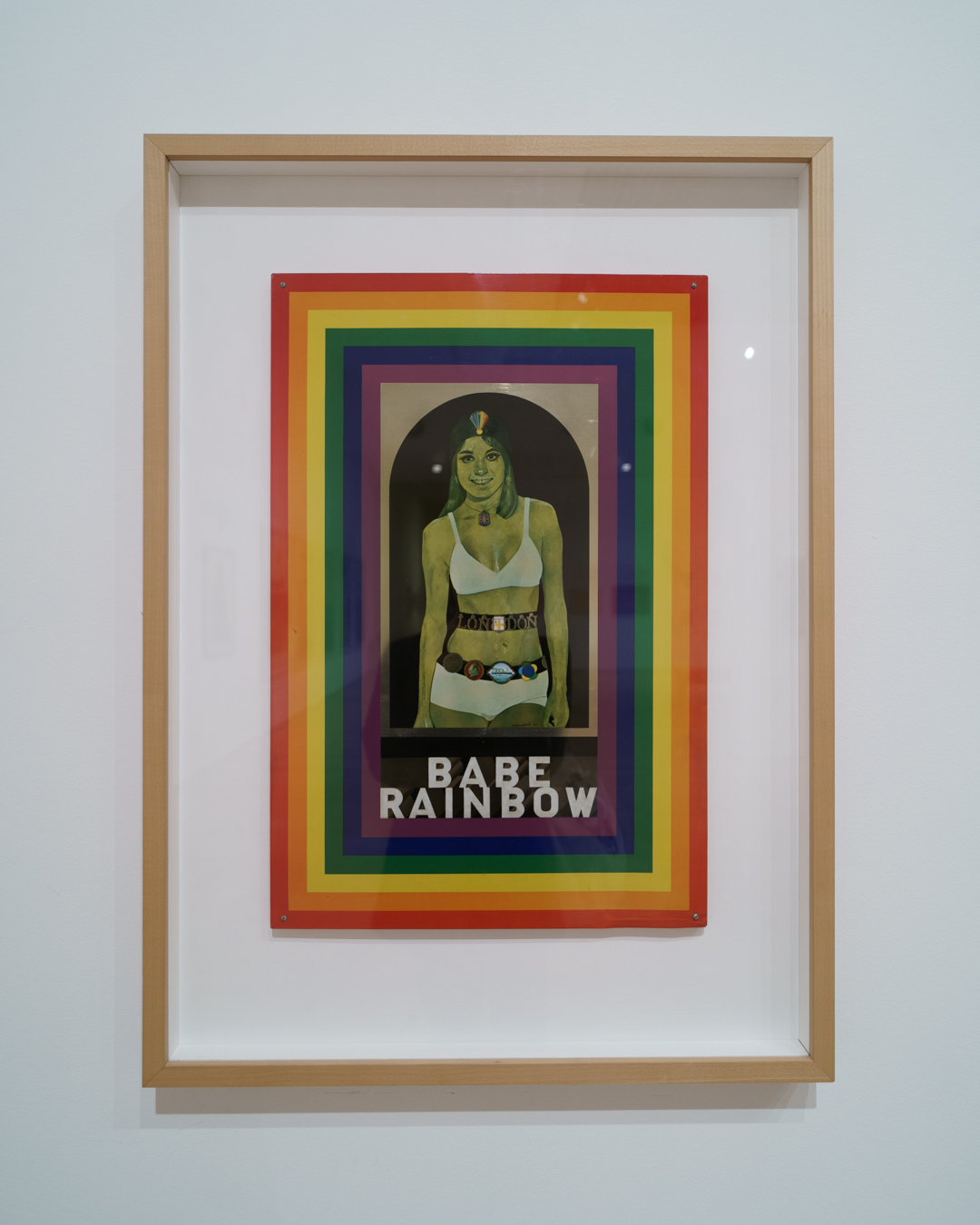
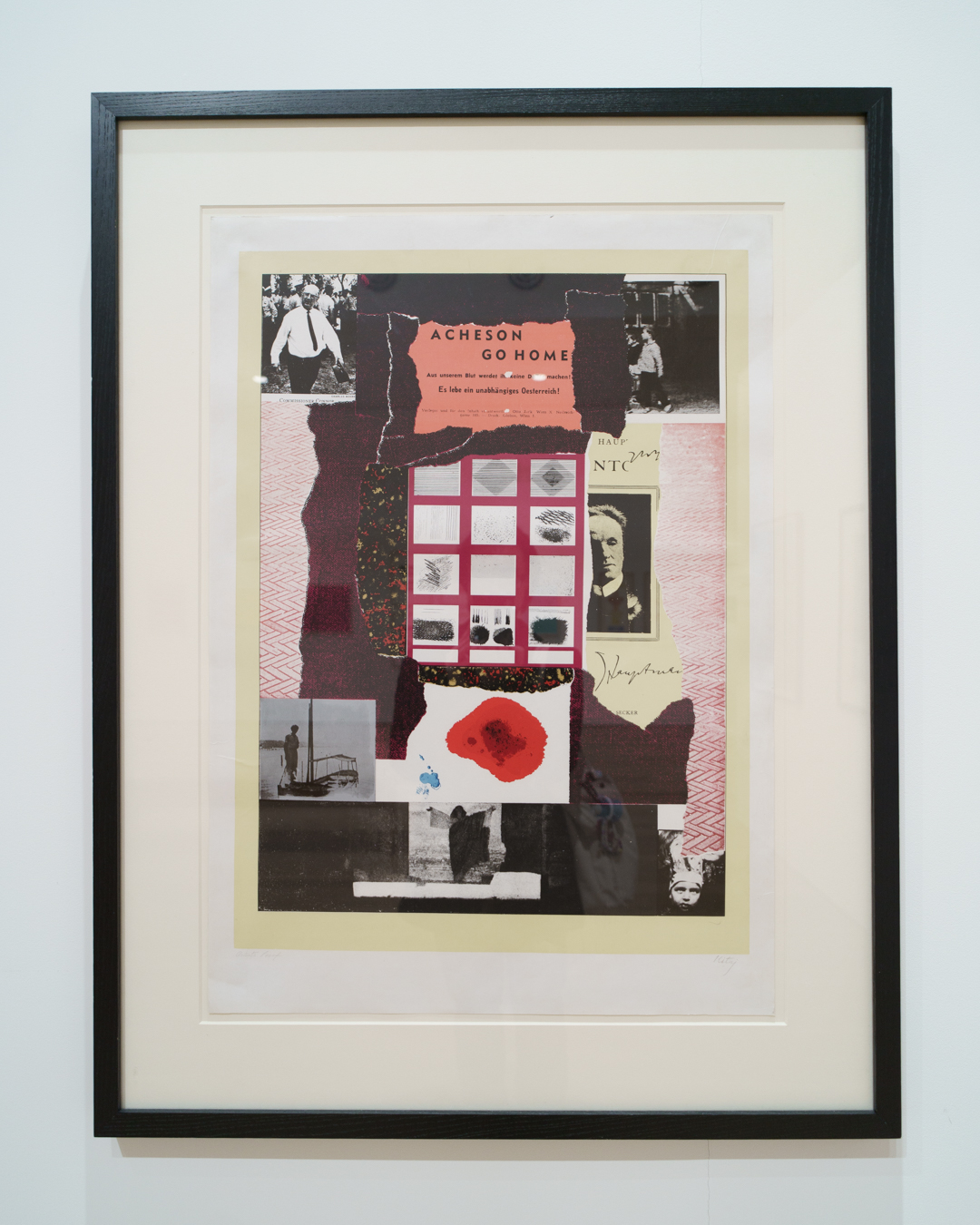
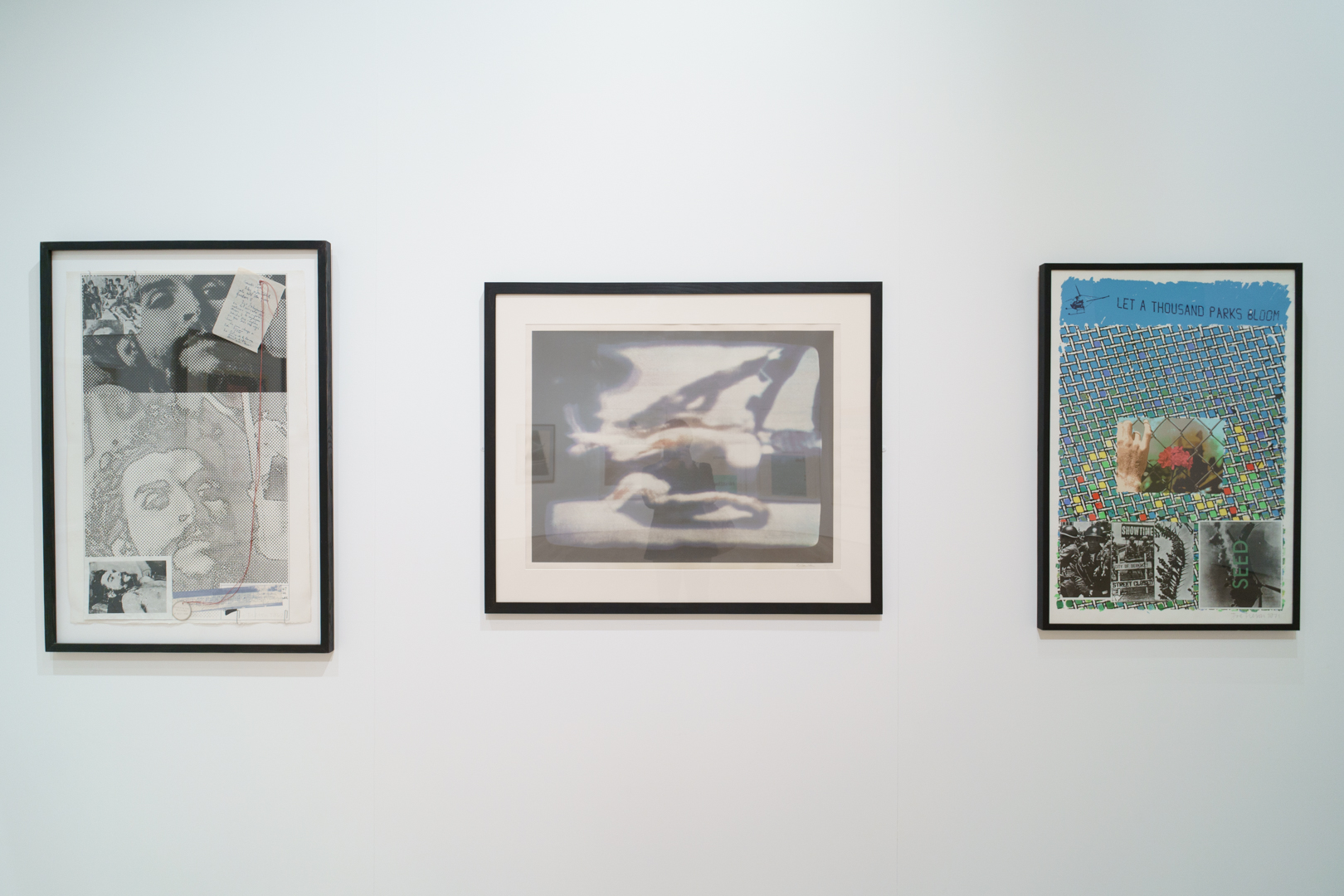
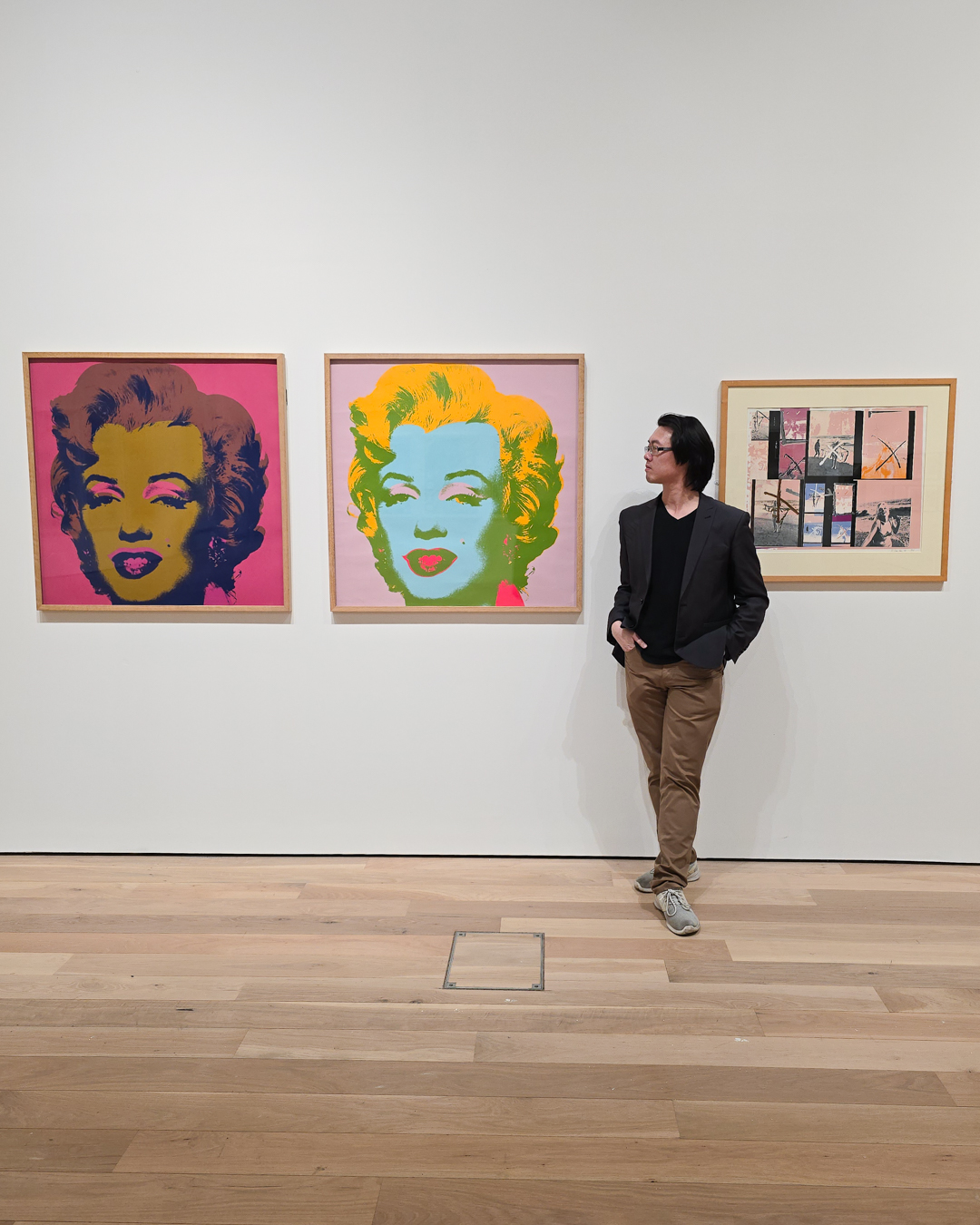
Elsewhere, there is a noticeable concentration of works by young British artists, such as Peter Blake, Joe Tilson, and R.B. Kitaj, whose works on paper were acquired very early on at galleries in London using limited funds. Richard Hamilton’s My Marilyn (1965) is also laudably grouped with a pair of Andy Warhol’s iconic Marilyn screenprints (1967) on loan from Sheffield Museums Trust.
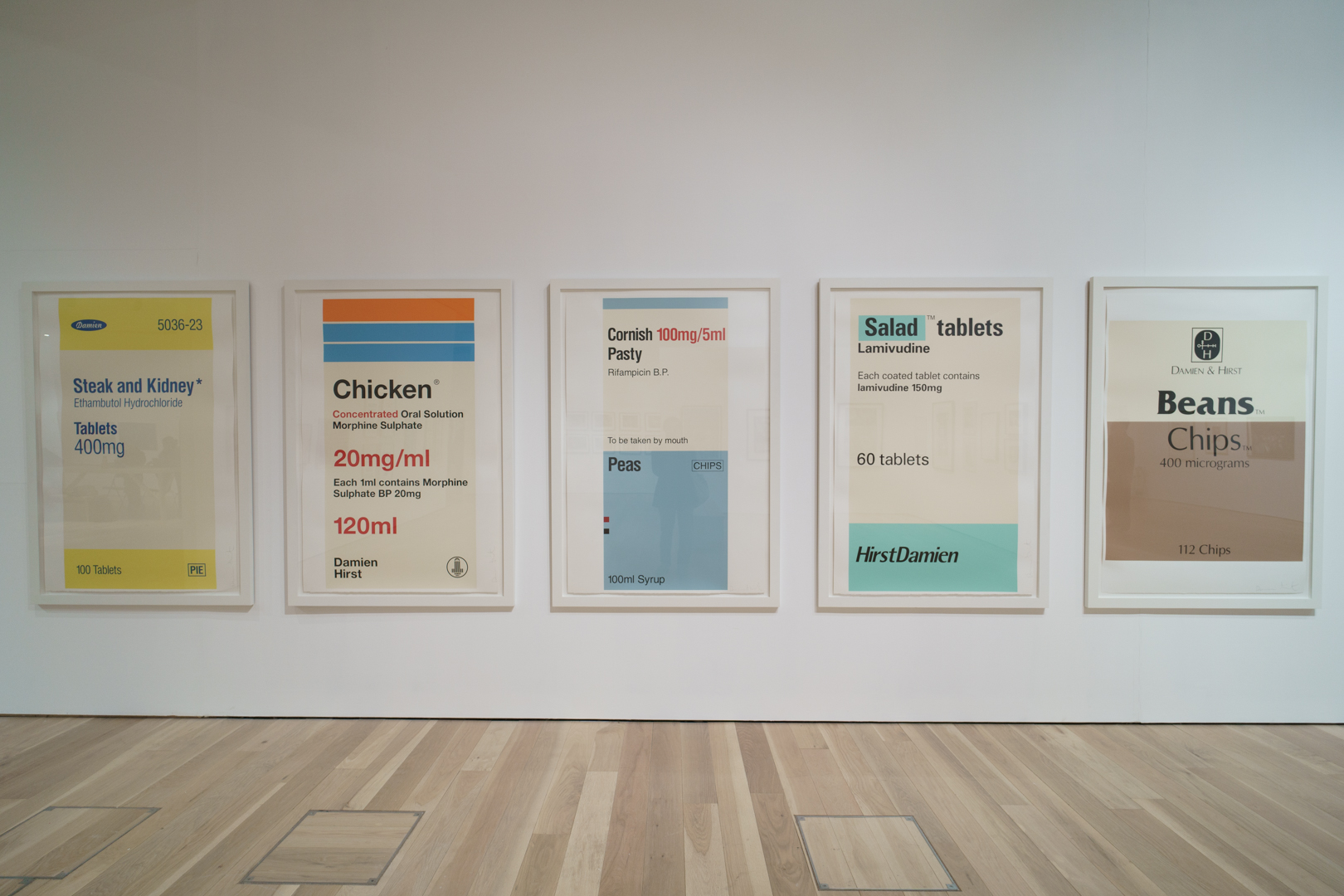
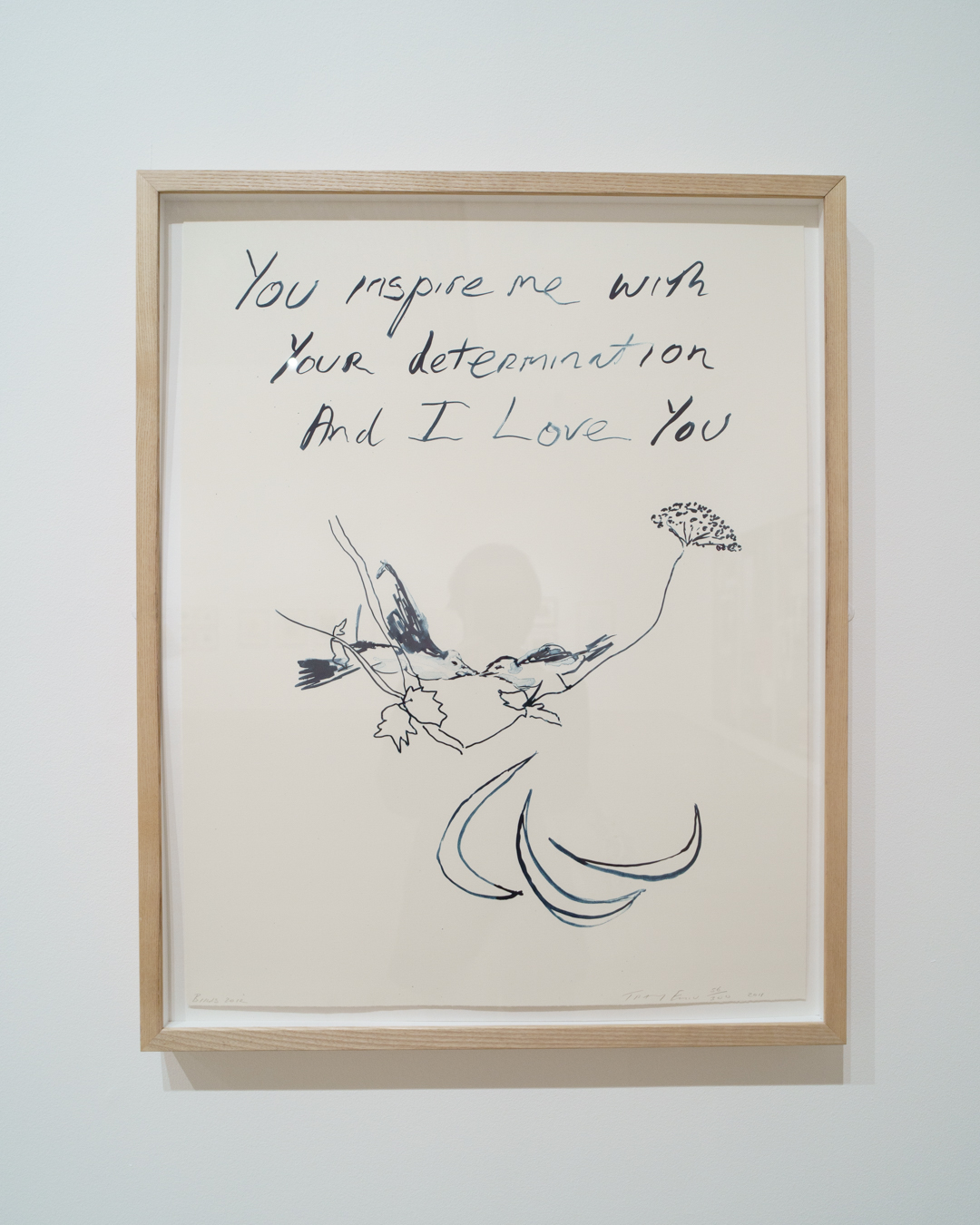
It is worth pointing out that the public collections who have lent works are mainly regional museums, highlighting their overlooked reservoir of works by hugely important artists. Leamington Spa Art Gallery & Museum lent five of Damien Hirst’s large The Last Supper screenprints (1999), while Bradford District Museums & Galleries contributed Tracey Emin’s lithograph Birds (2012), commissioned for the London 2012 Olympic Games.
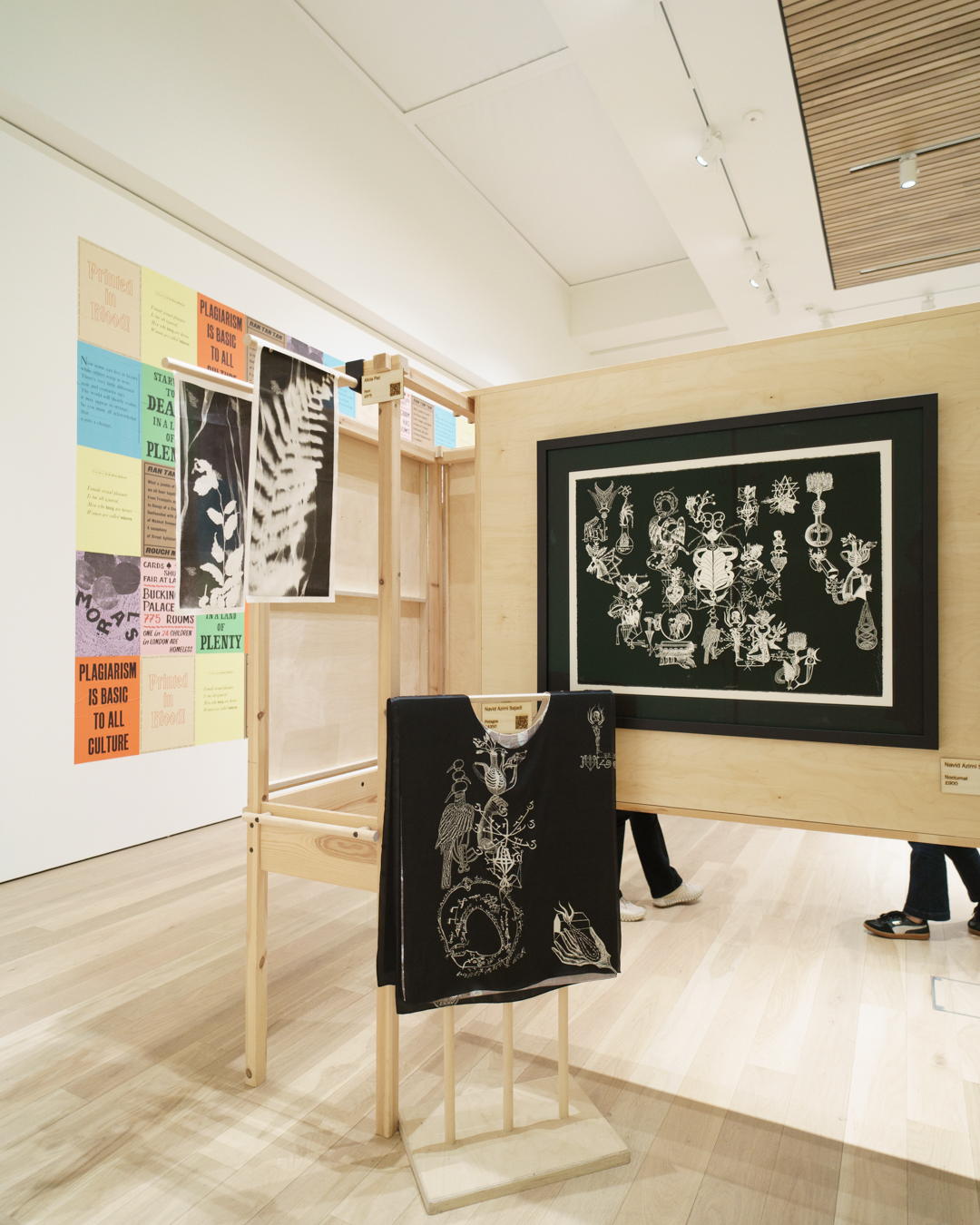
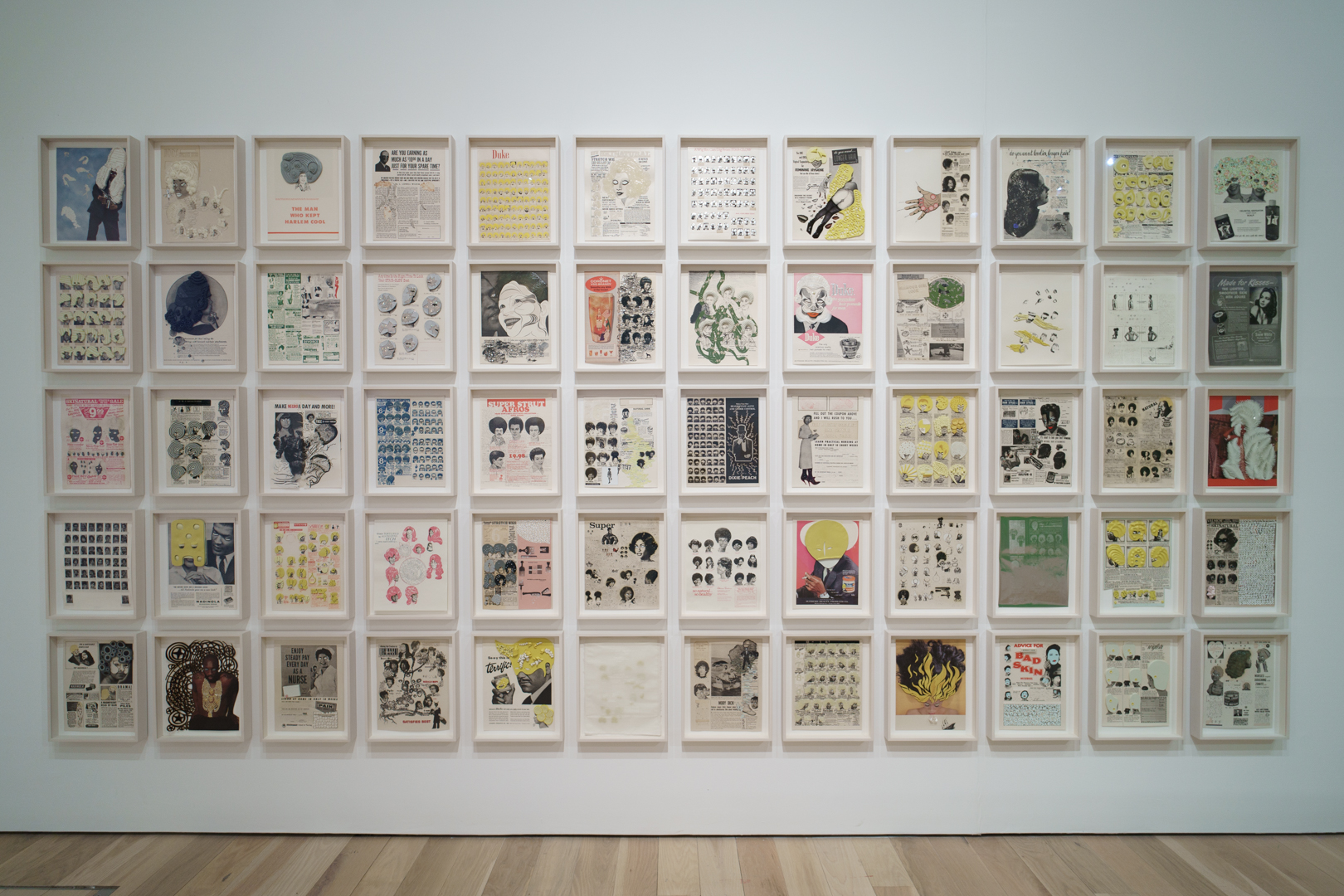
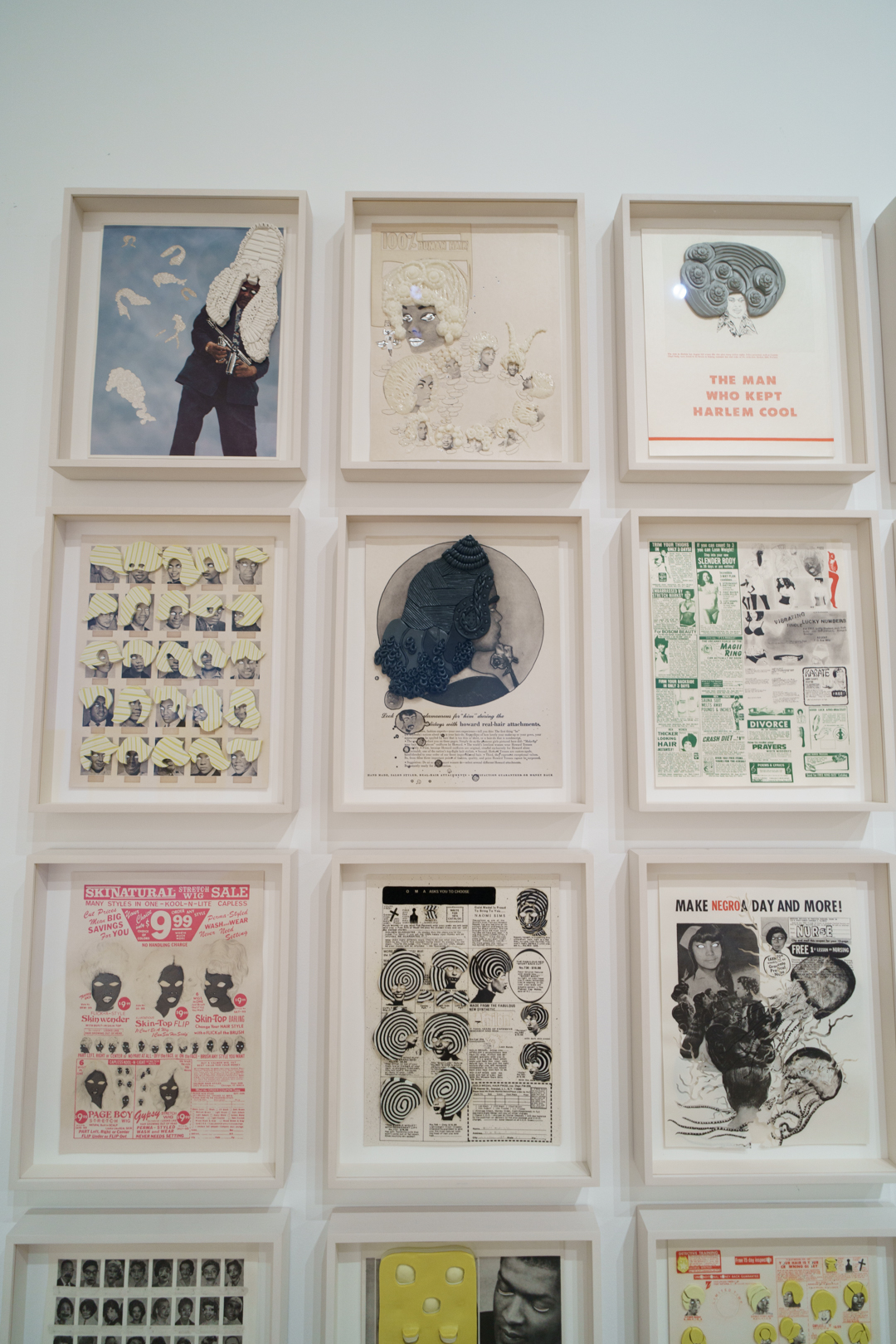
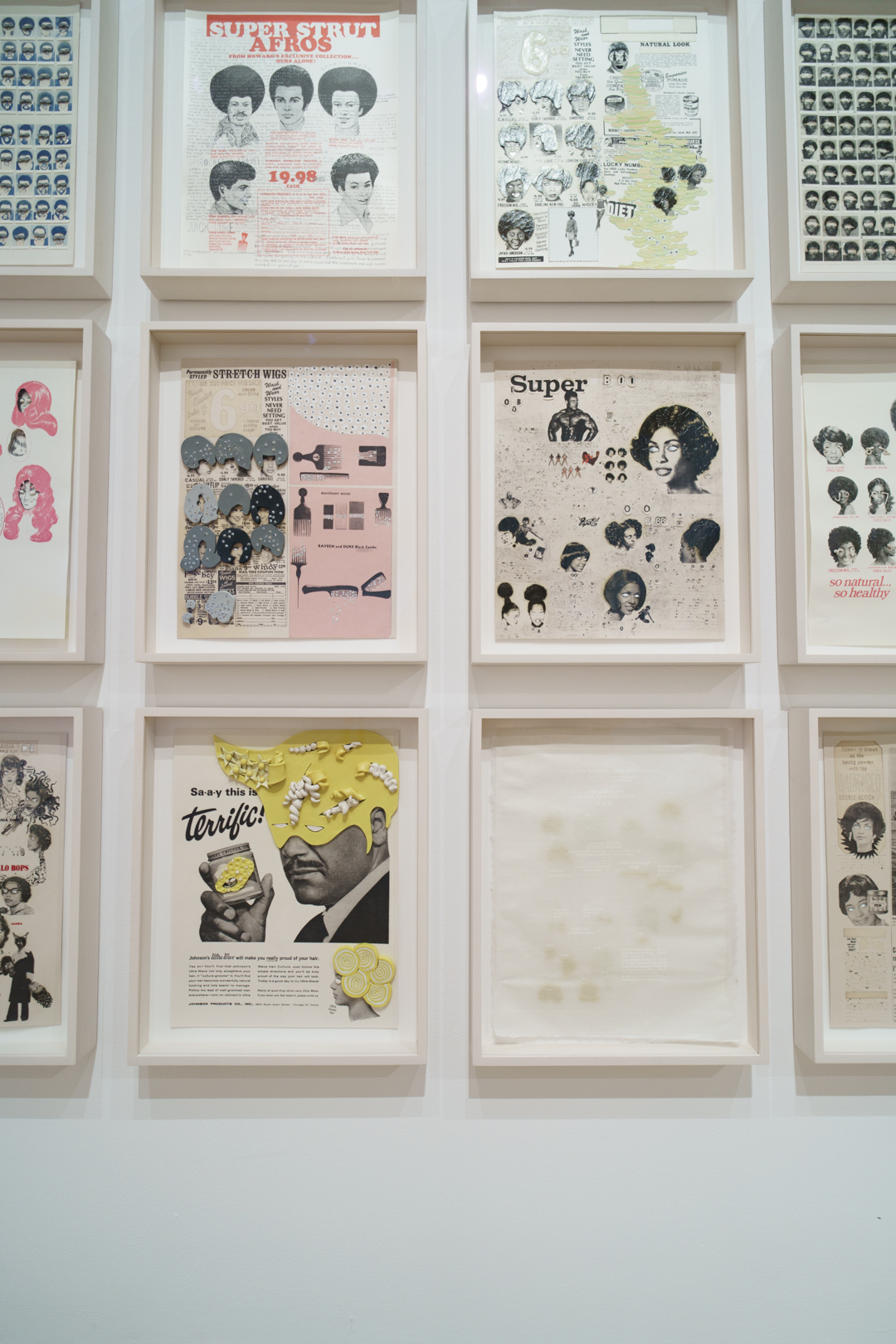
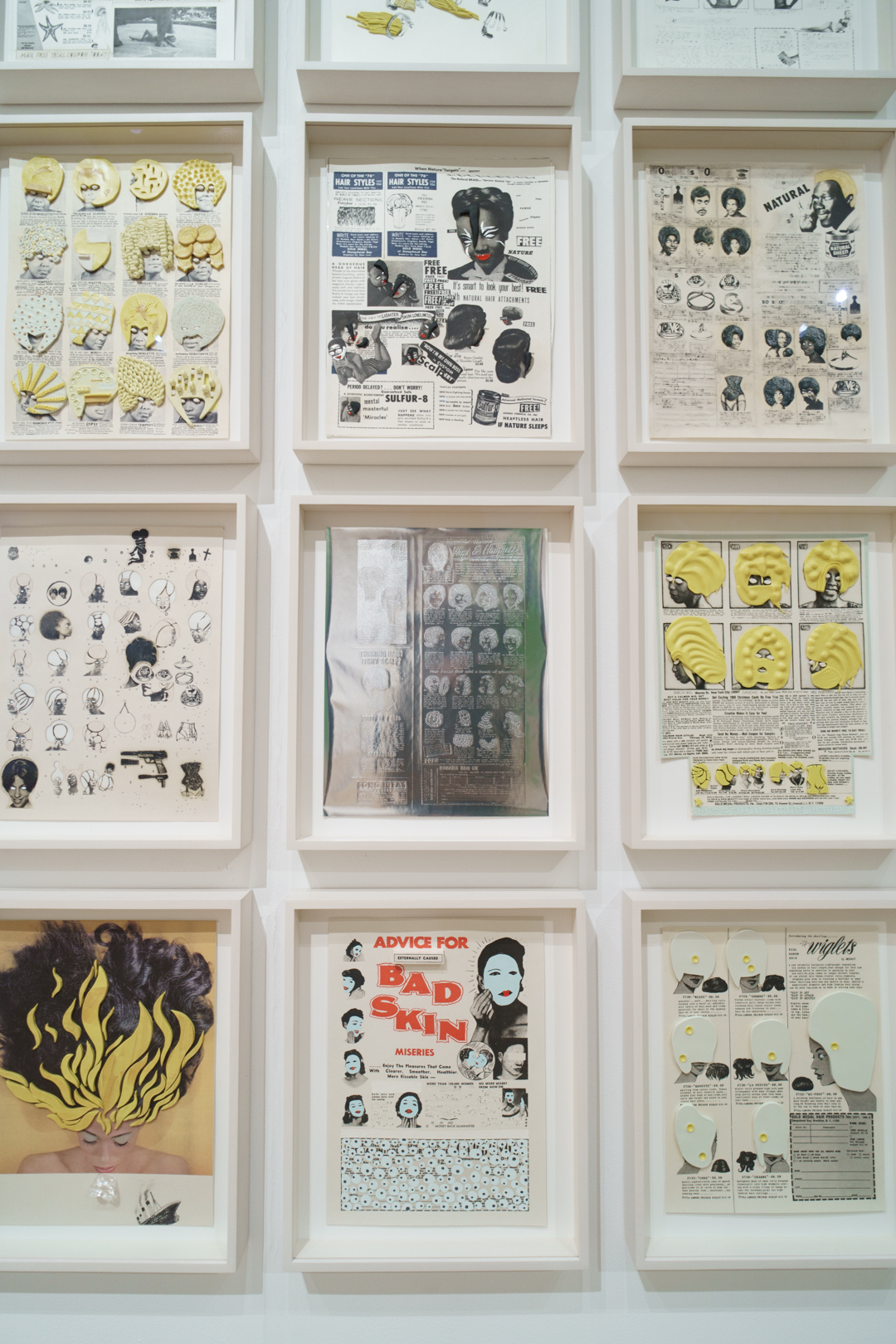
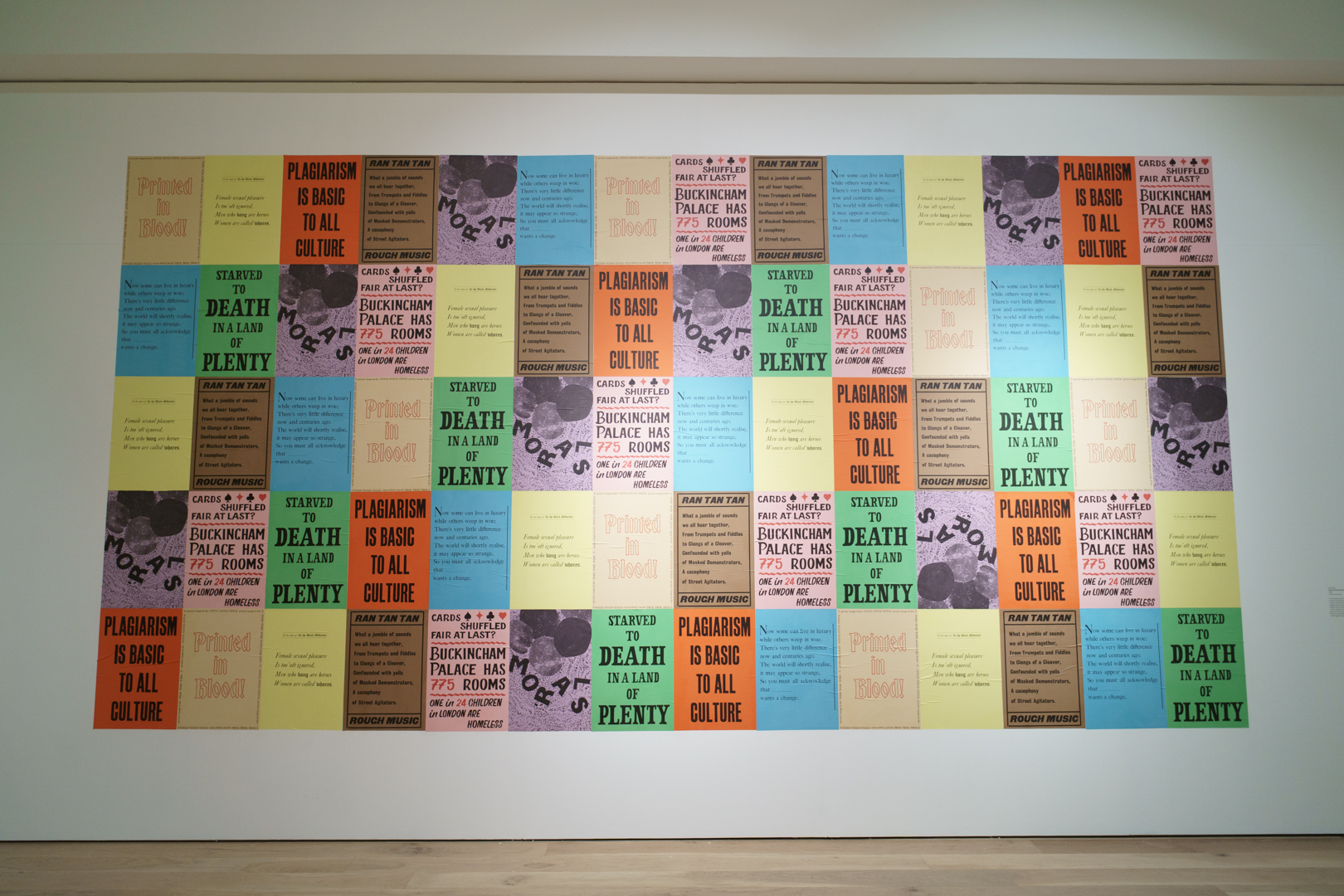
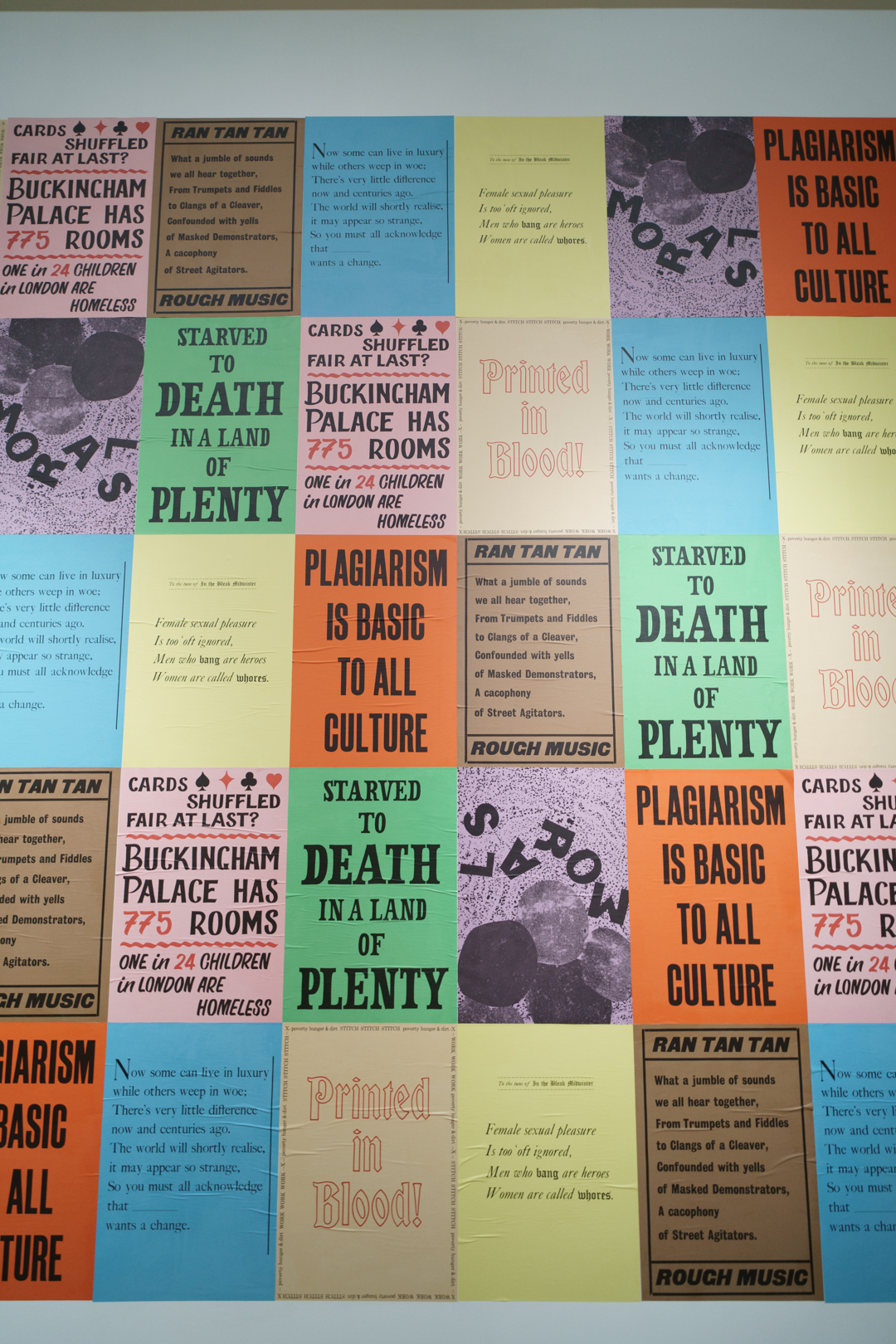
There are some impressively-looking works that make you go ‘wow’ every now and then. Ellen Gallagher’s DeLuxe (2004-05) comprises 60 works on paper based on magazines of the 1930s to 70s featuring advertisements for ‘improvements’ aimed at African-American audiences. Rocks, Morals, Quicksand (2020) by Ruth Ewan features eight A2 posters pasted across an entire wall of the gallery, their content derived from found, historic textual sources uncovering lesser known narratives within William Hogarth’s A Rake’s Progress painting series (1732-34).
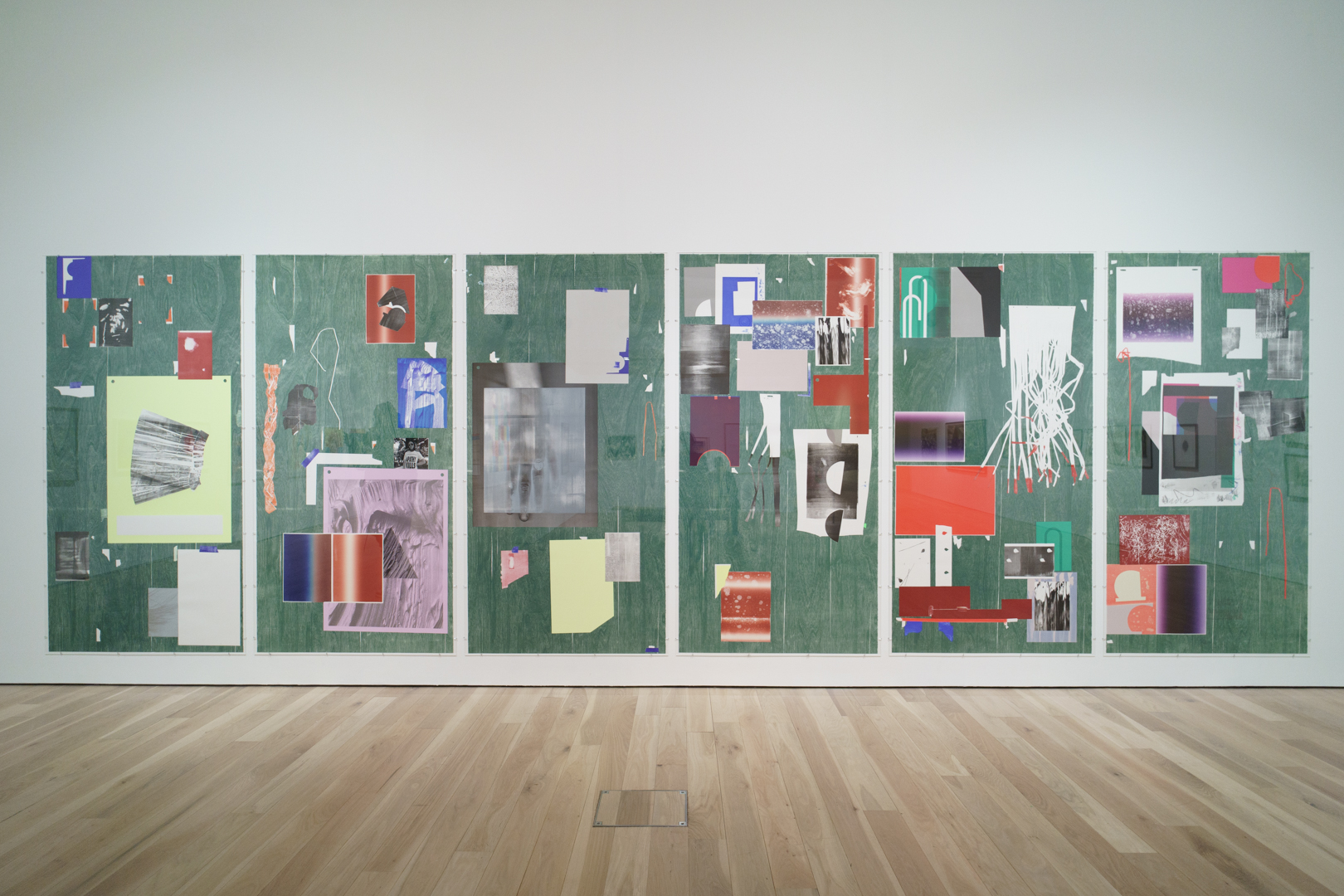
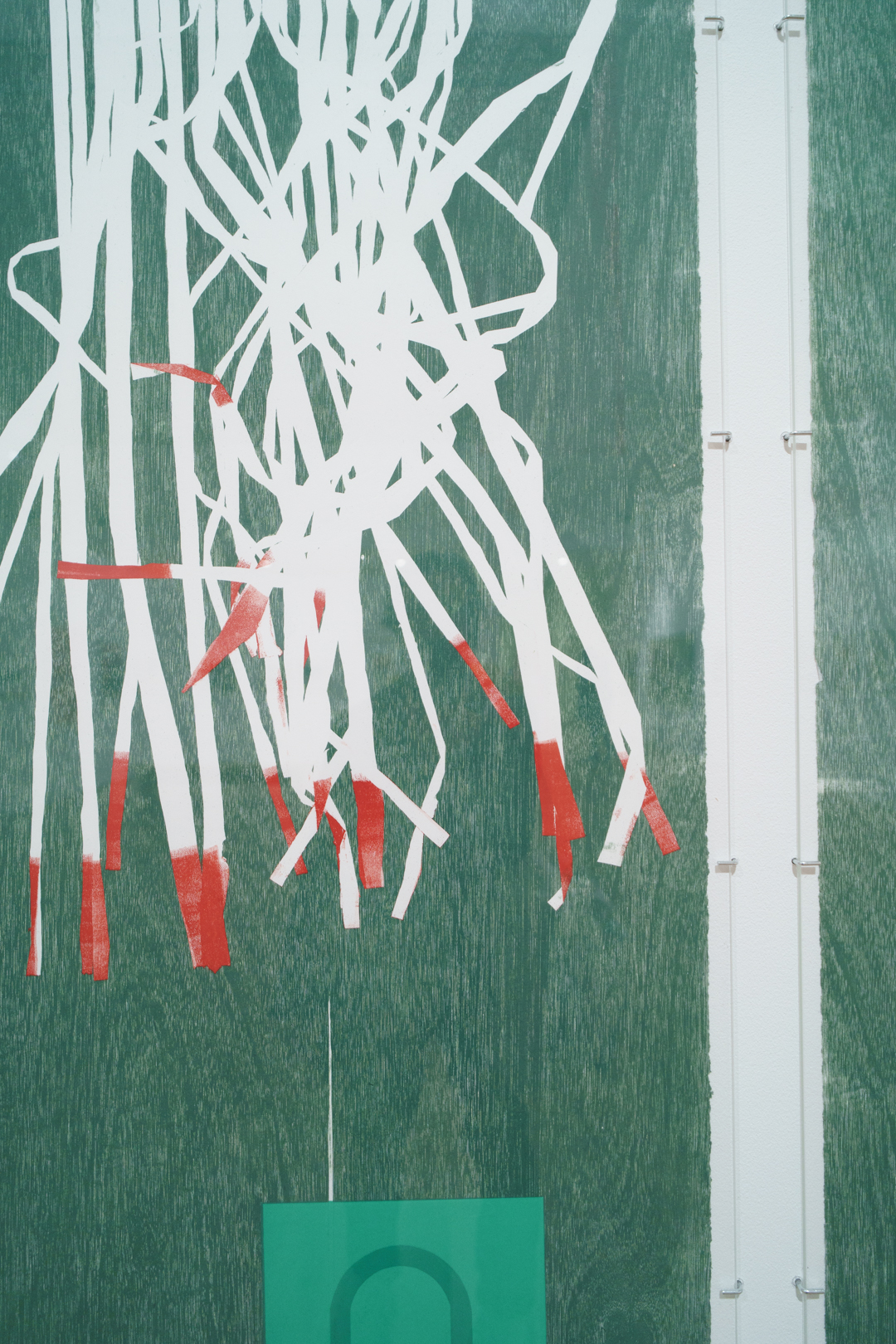
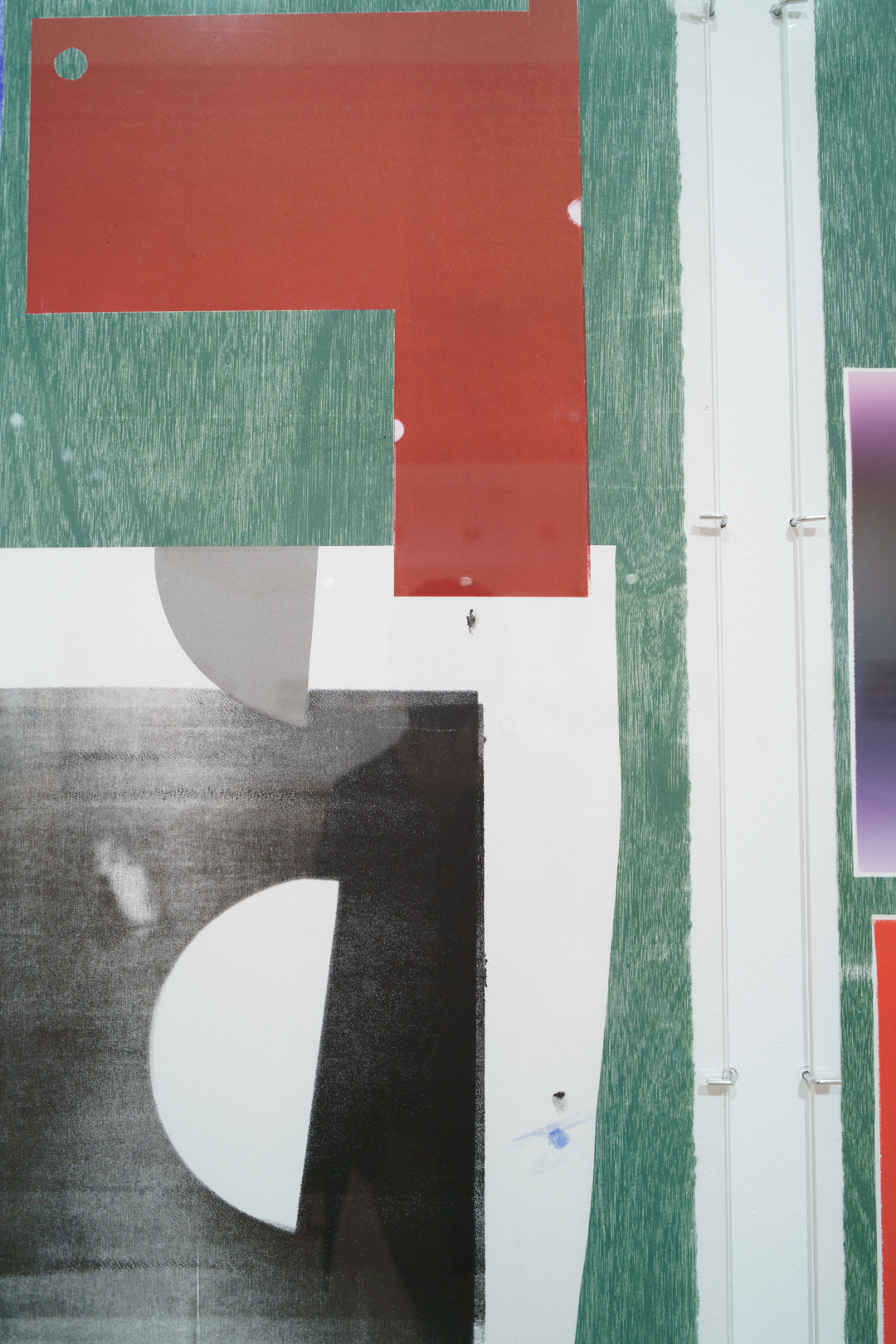
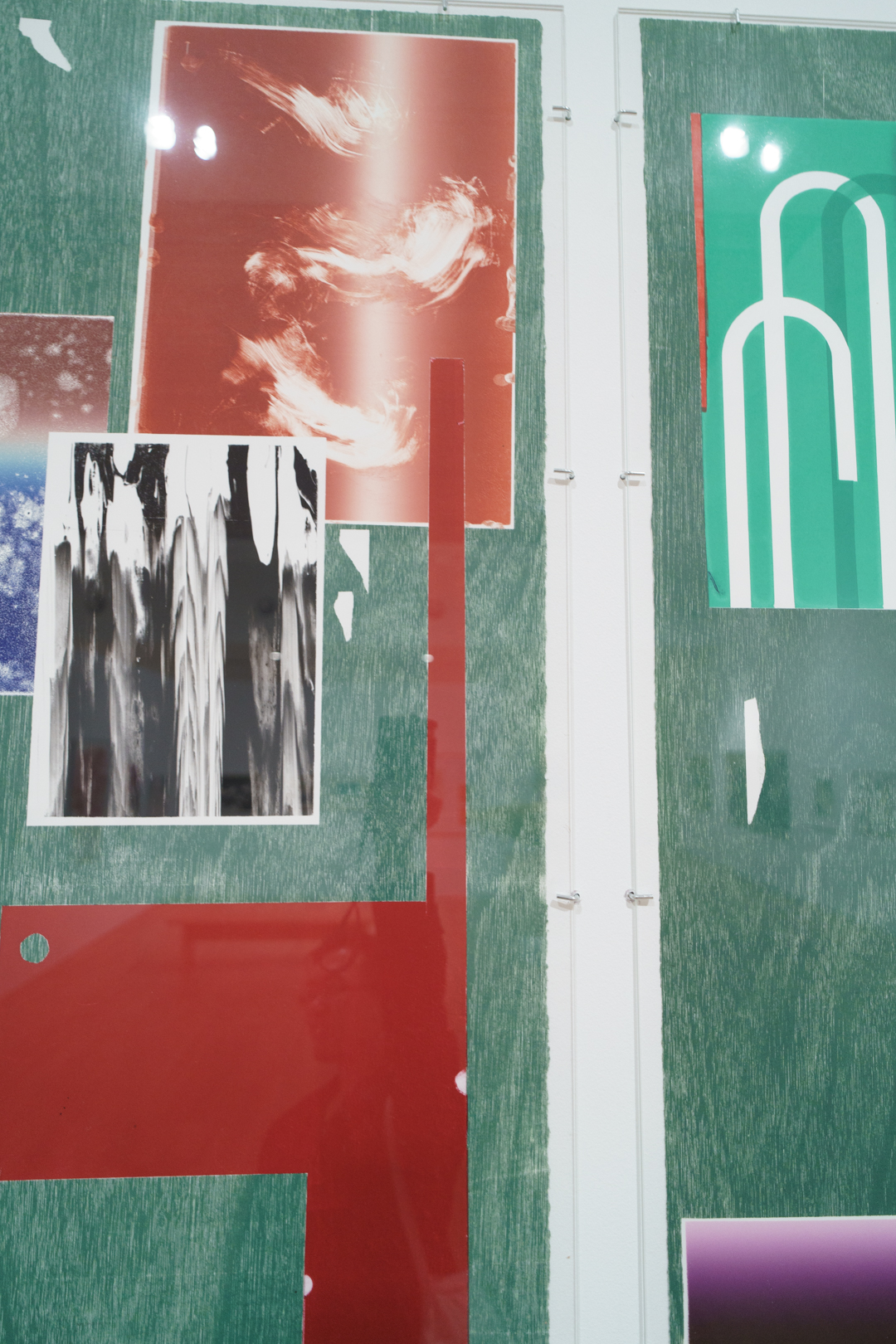
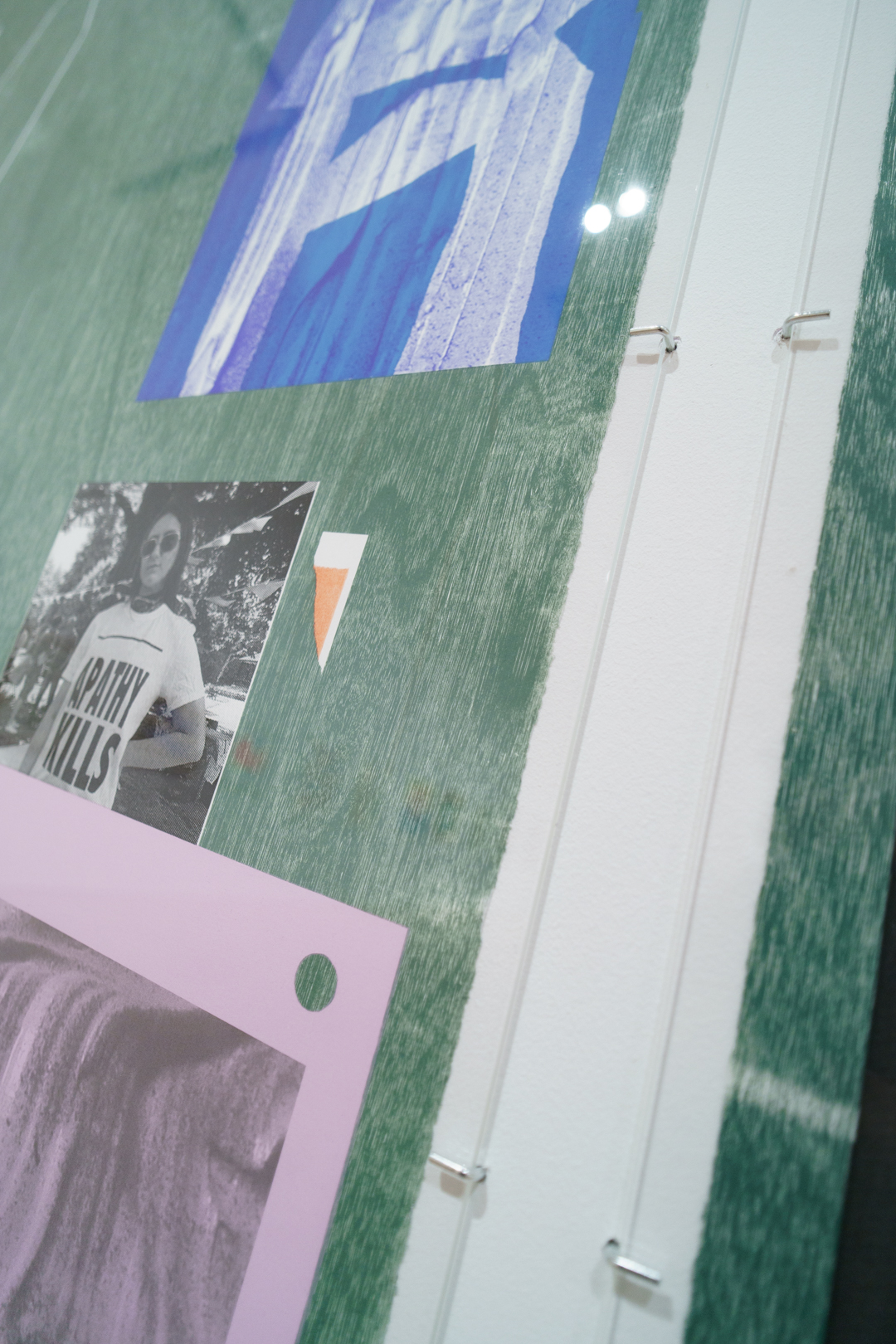
Meanwhile, a tour de force of printmaking can be seen in Ciara Phillips’ six-piece relief print and screenprint, who has managed to achieve a baffling range of overlapping visual effects unusual to these techniques.
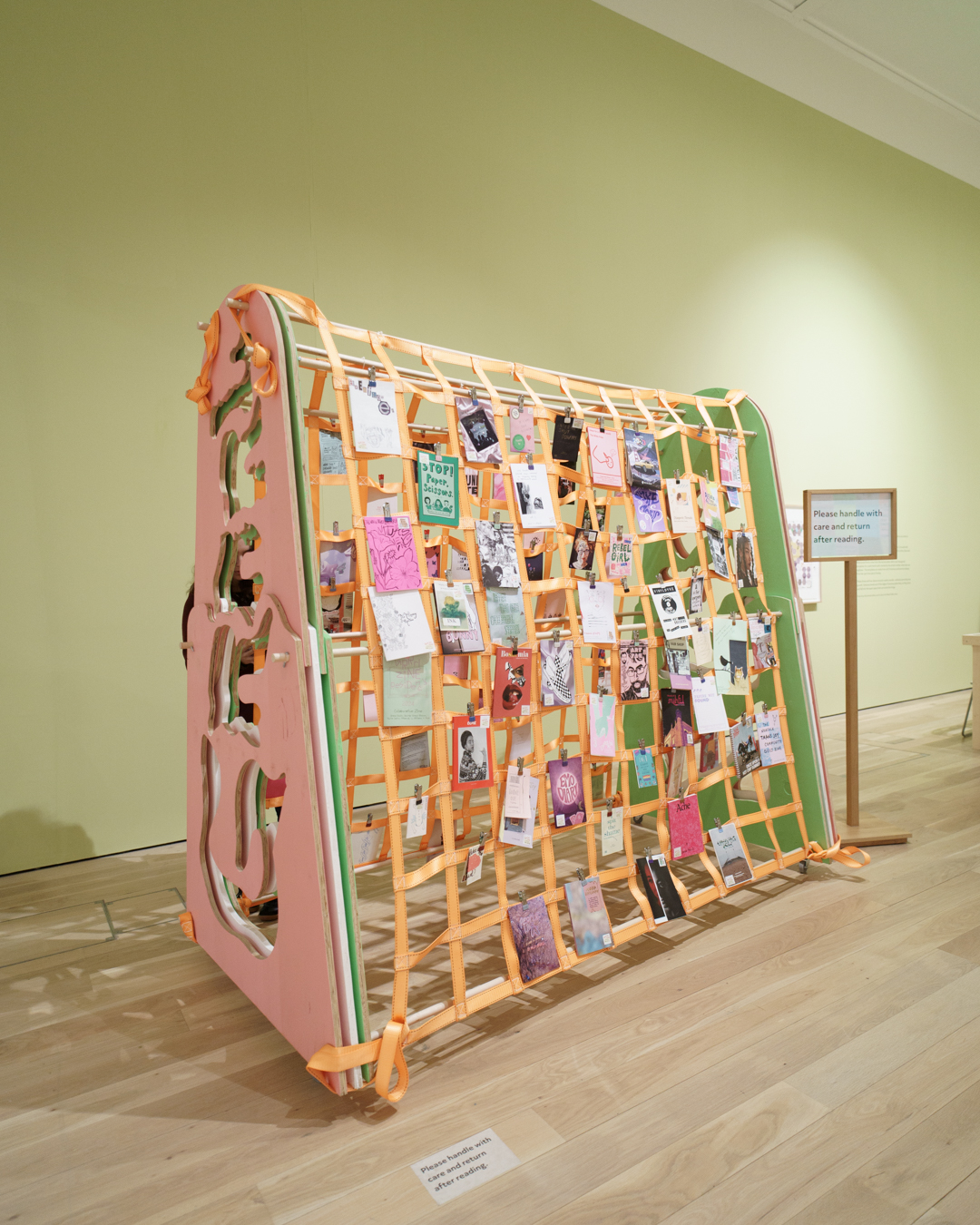
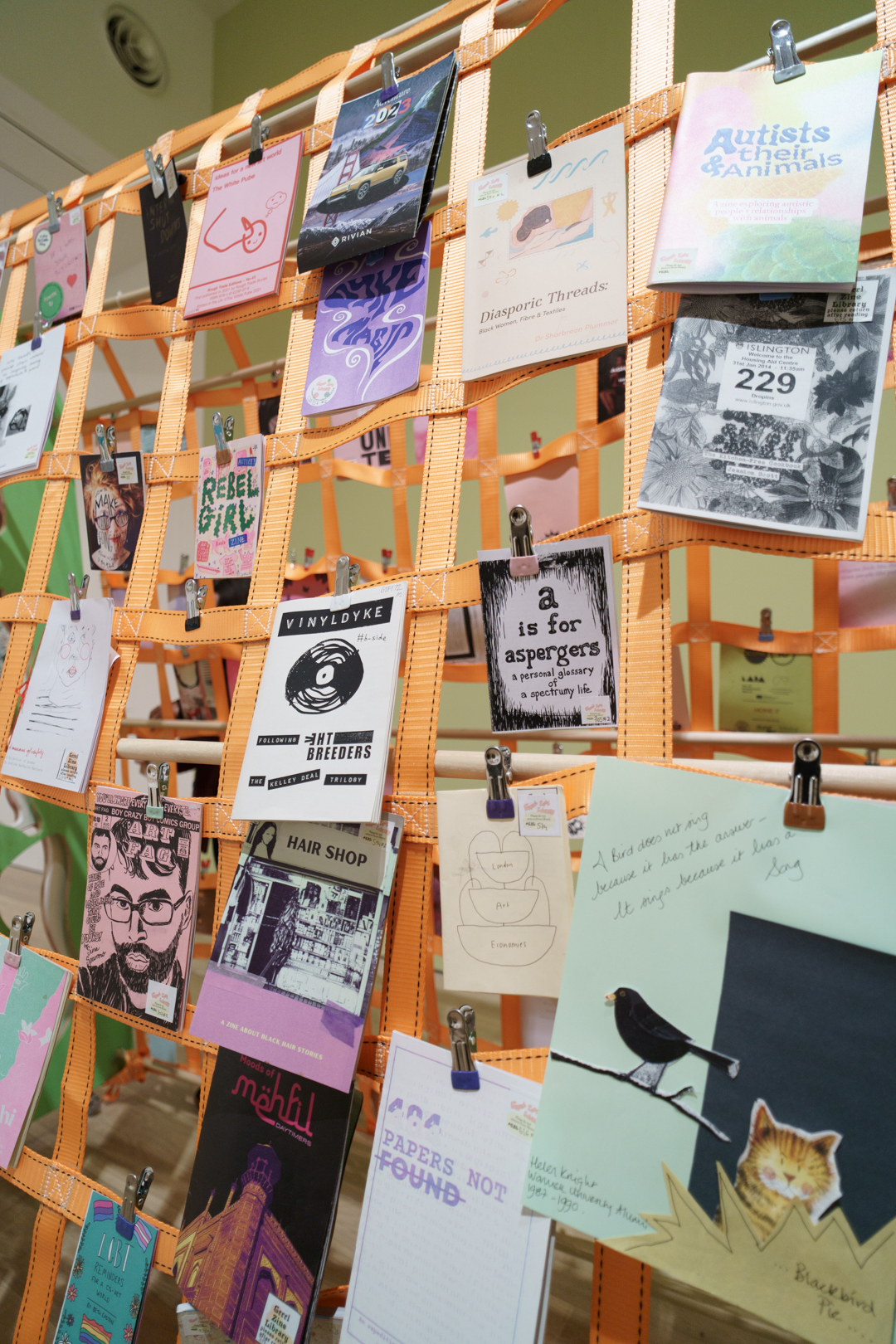
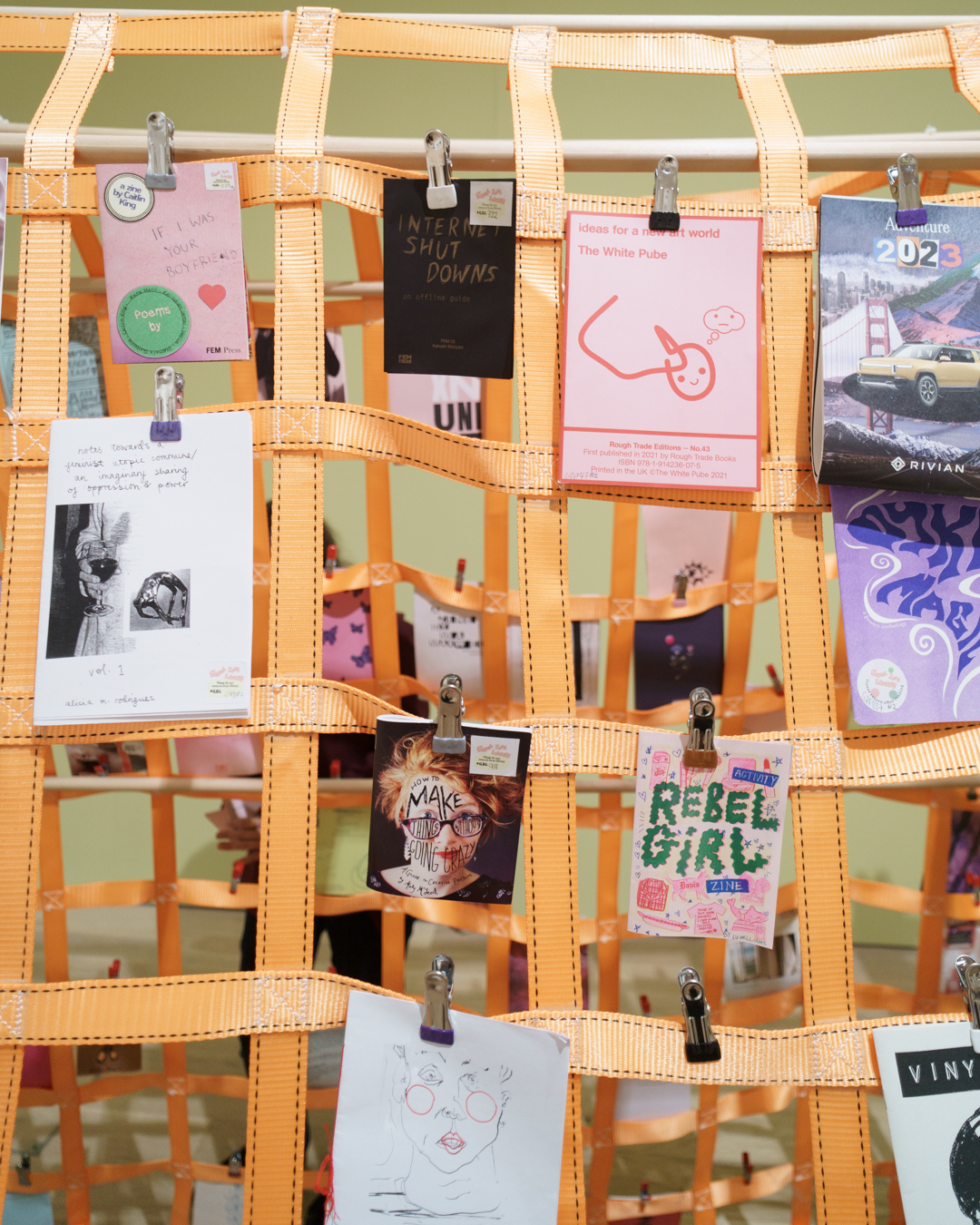
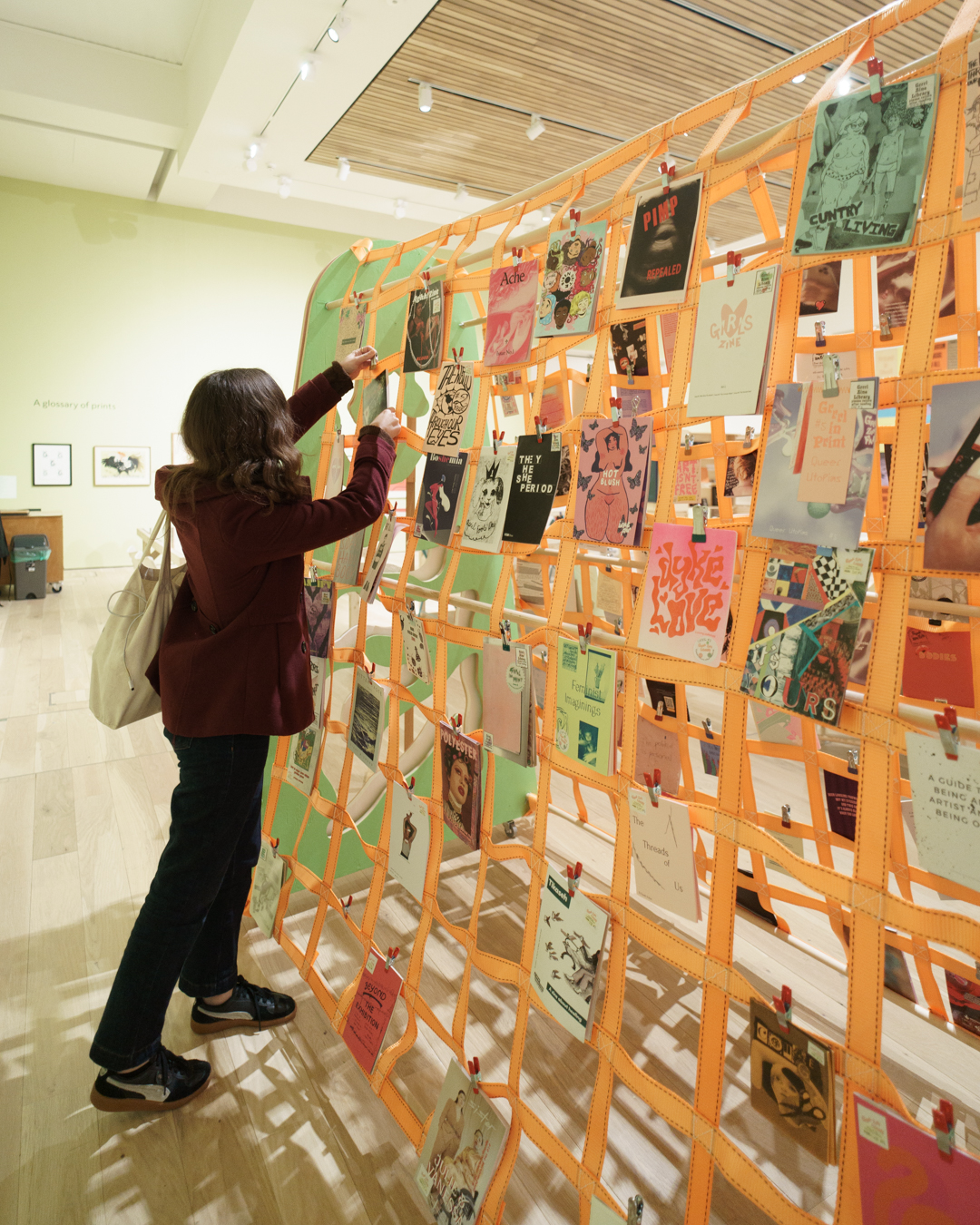
I especially appreciated Lu Williams’ Grrrl Zine Fair (2015 – present), a growing, open-submission library of voices from low socio-economic backgrounds, women, transgender and non-binary, LGBTQIA+, and black and POC zine makers. I always felt zines ought to be better discussed in printmaking studies, so it was nice to see it represented. Visitors can browse and read 100 of them in the exhibition.
This is a fabulous assembly of artworks that attest to the diversity of the artform. But it’s real value is its demonstration of just how good university art collections can be and the selfless, community ethos that surrounds its development. I’m excited to see what another 60 years will do to the University of Warwick Art Collection.
The Future is Today: Prints and the University of Warwick, 1965 to now (16 January – 9 March 2025) is at the Mead Gallery, Warwick Arts Centre, Coventry, https://www.warwickartscentre.co.uk/


Leave a comment