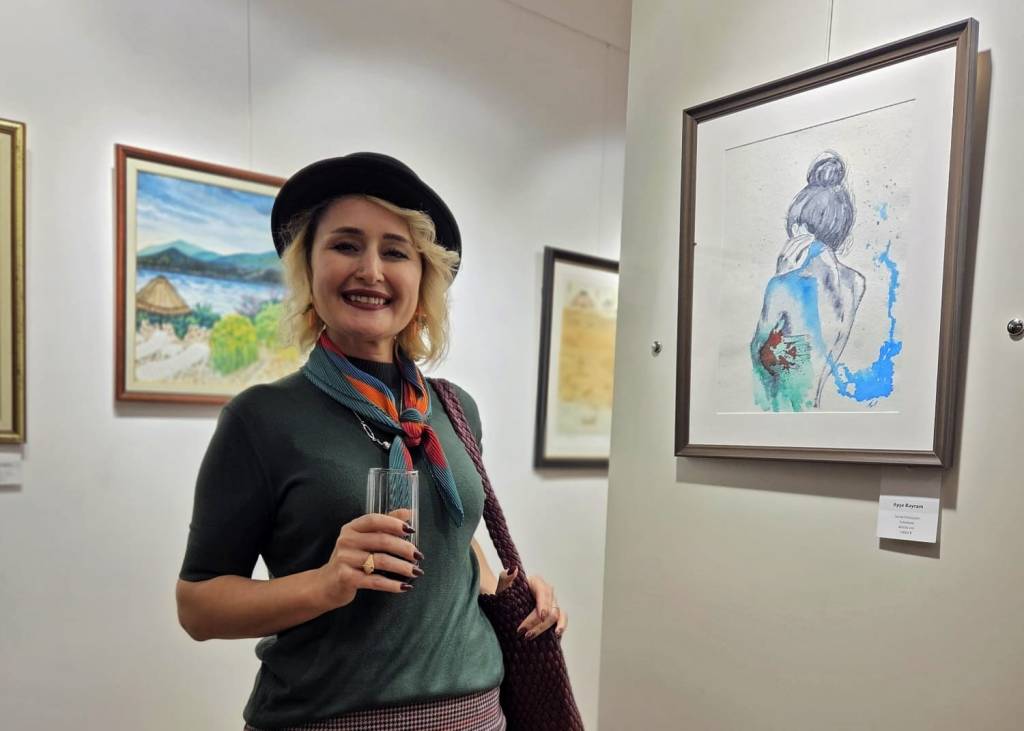
For nearly two centuries, artists like Georgiana Houghton and Leonor Fini have been tapping into the human subconscious as a fountain of bountiful creativity. That desire to understand our inner selves allows for the creation of works that have a deep, personal insight into the worldviews of their creators. Turkish artist Ayşe Bayram is the latest to continue in this tradition of artistic self-reflection.
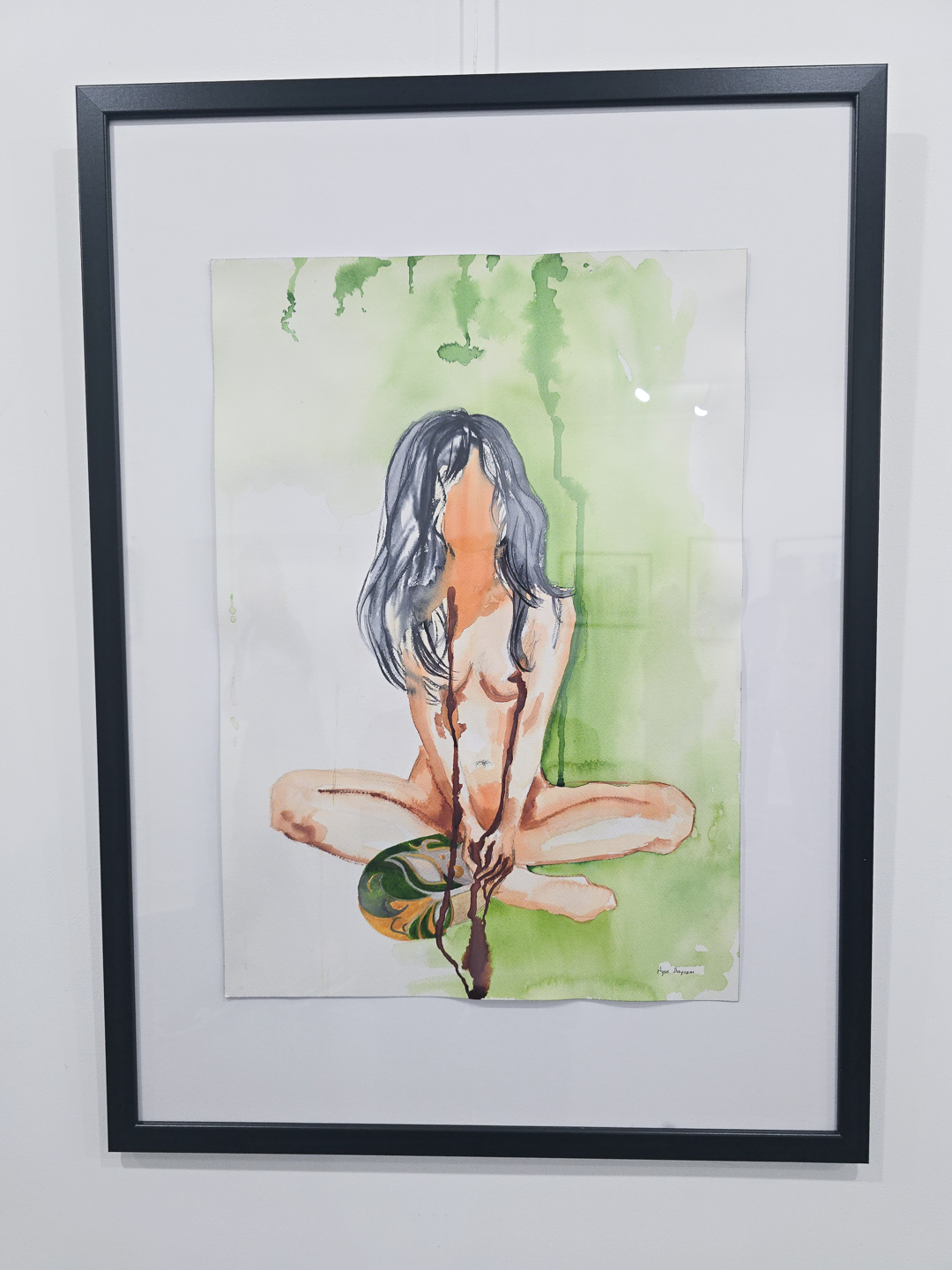
A graduate from the Department of Art Education at Cumhuriyet University in Sivas and a member of the International Watercolour Society (IWS), Bayram sees the medium of watercolour as a parallel to human identity, recognising the fluidity and unpredictability of both. Her paintings capture the various temperaments of the soul – both good and bad – using masks as a primary motif to explore themes of visibility, disguise, and protection. Faceless Truth expresses the vulnerability in revealing one’s true self to the world.
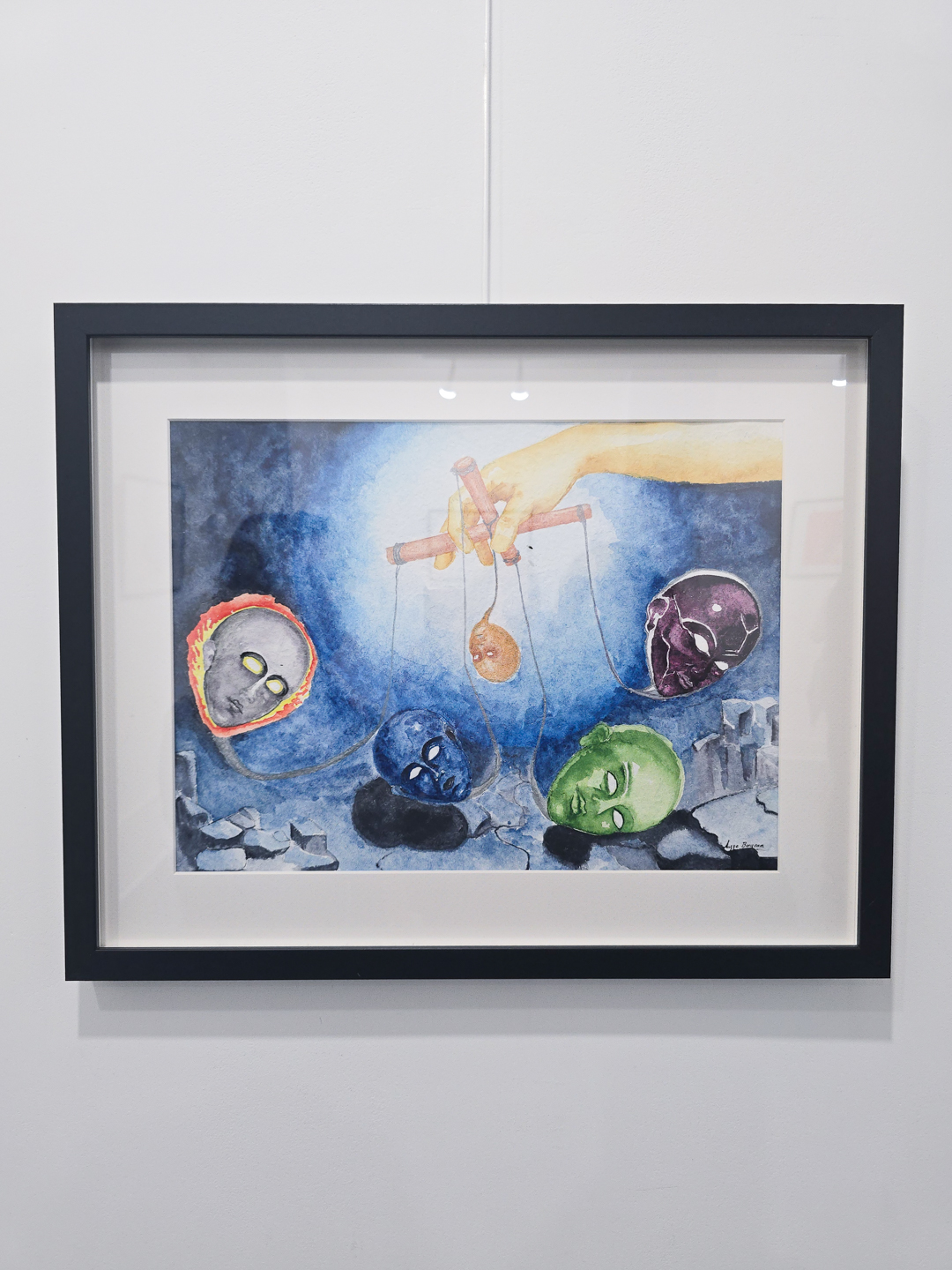
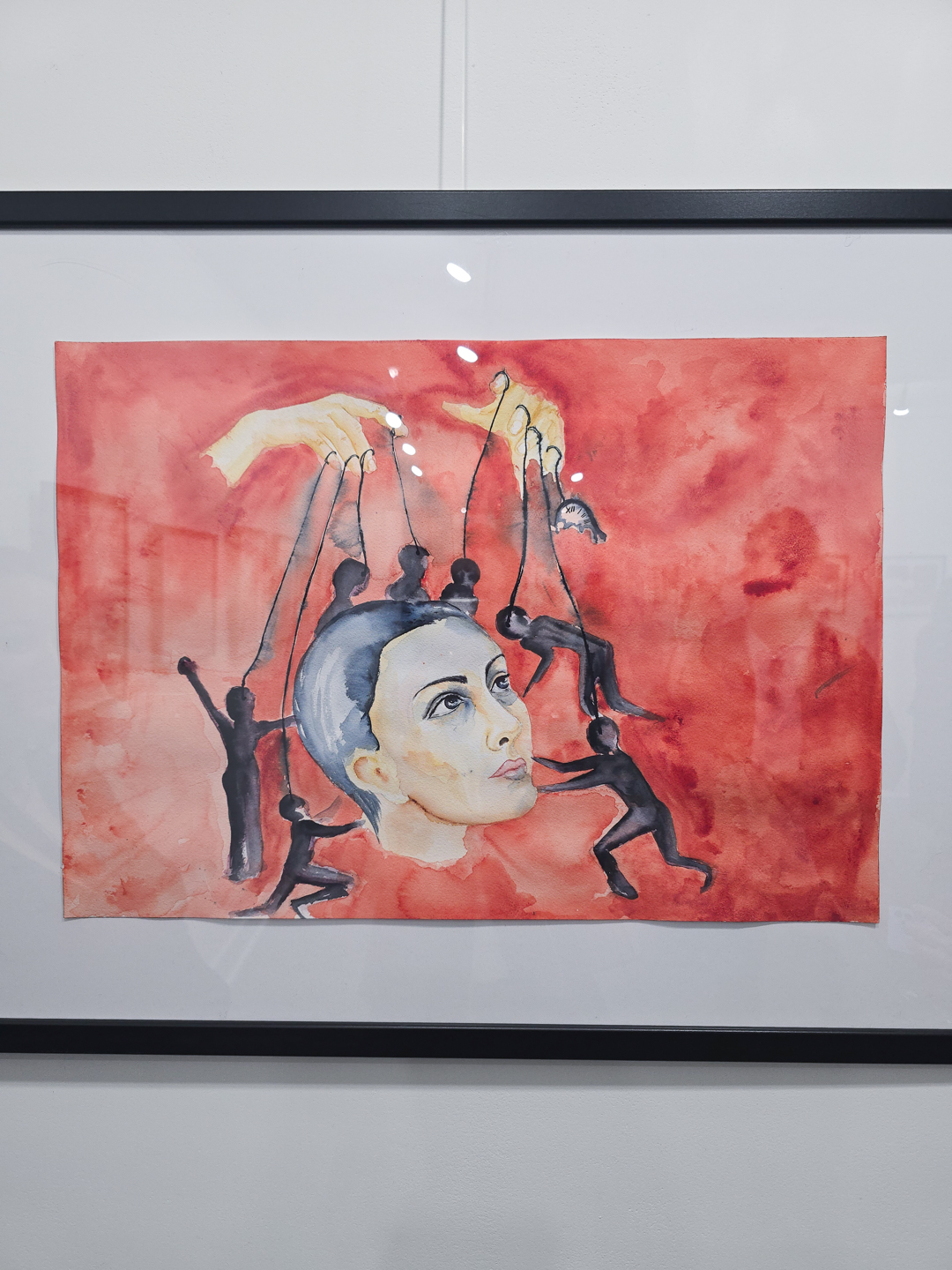
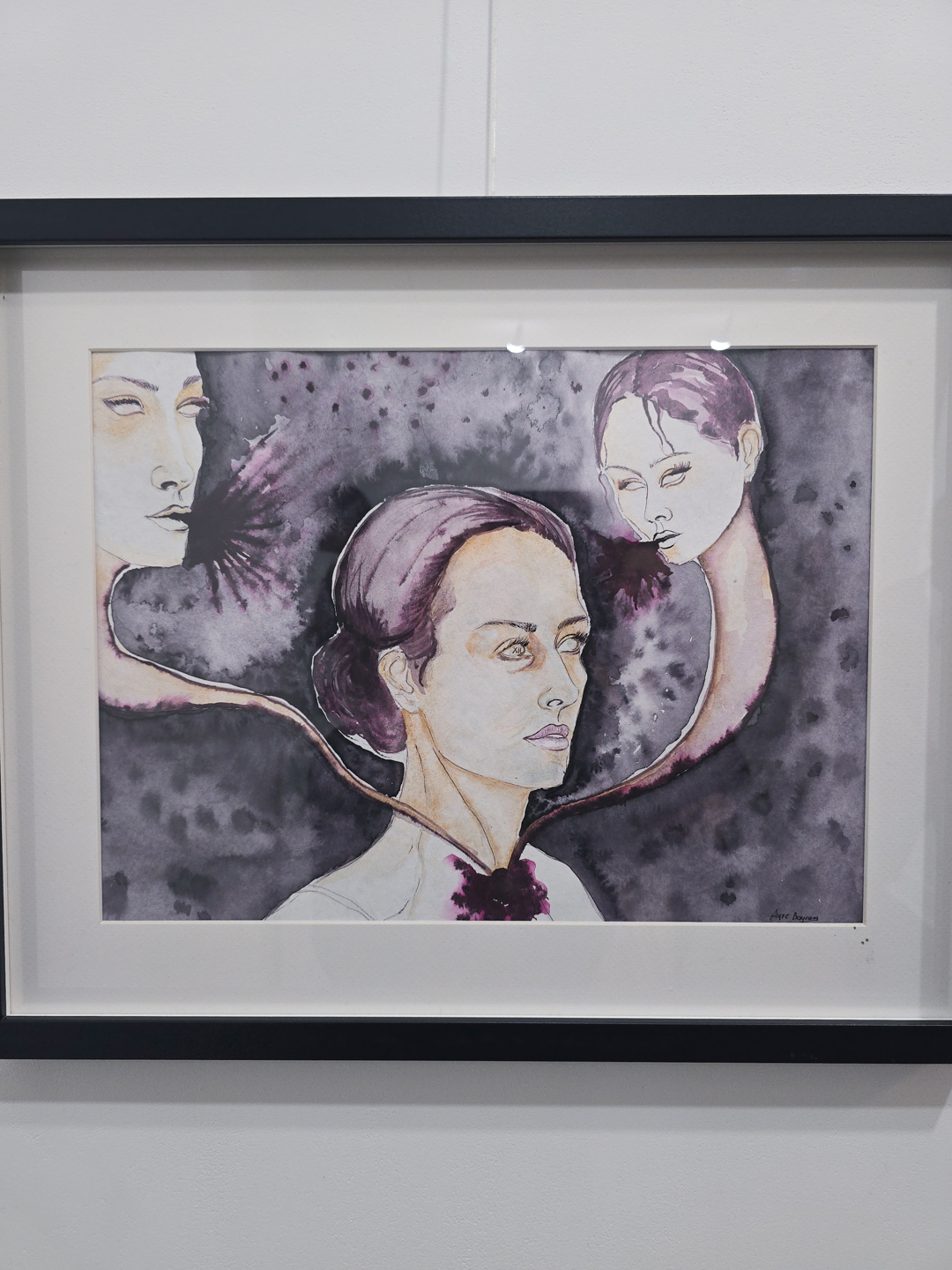
In her works, identity is layered and complex, in the same way that watercolour pigments blend, bleed, and sit on top of one another. Works like Cycle of Being and Will and Shadow reveal that we are all sums of various fragmented parts, each fighting for a voice in how to dictate our lives. Meanwhile, Mind Theater: Who Holds the Strings? is a commentary on society’s expectations and how it shapes us as citizens and individuals.
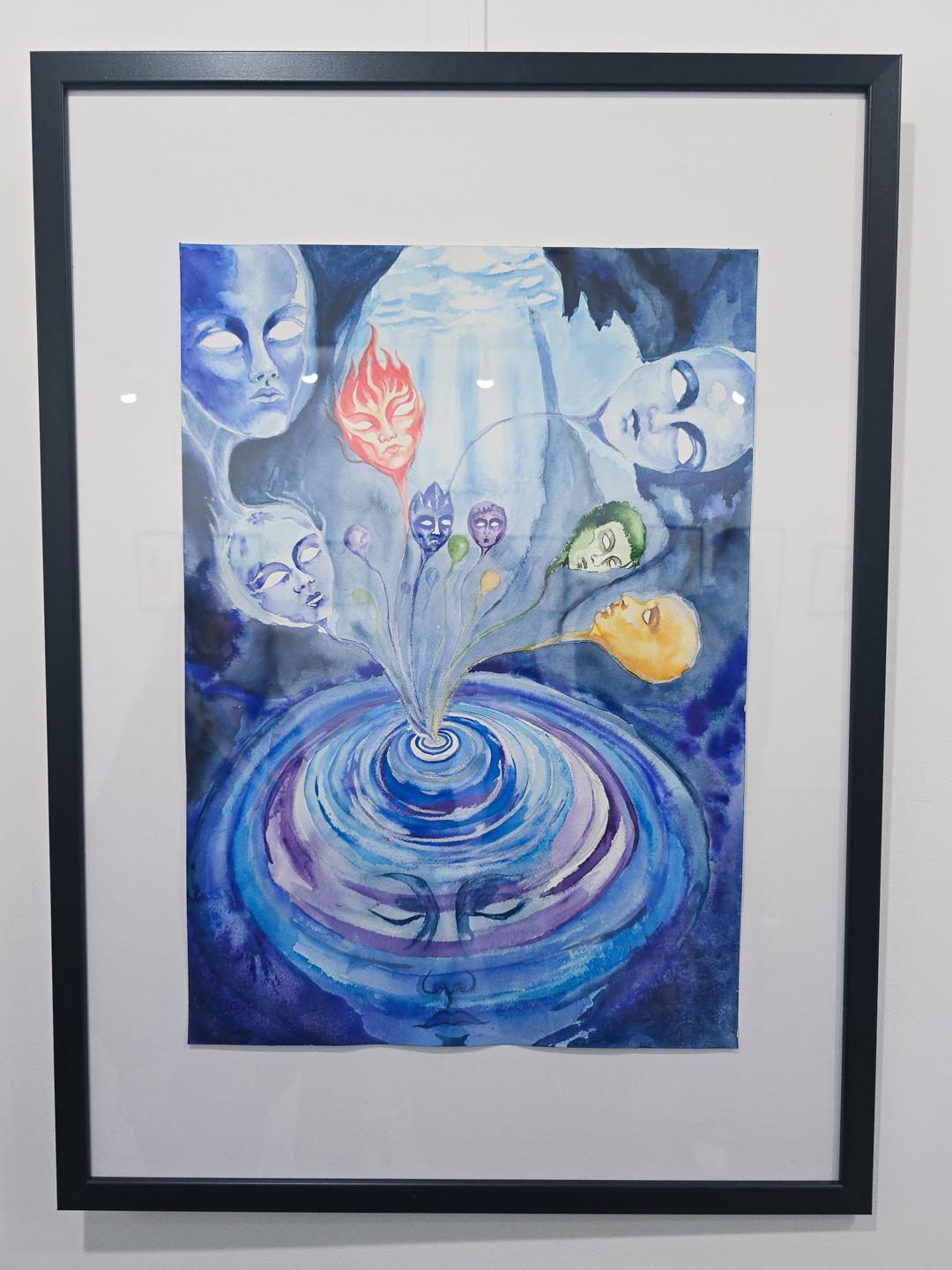
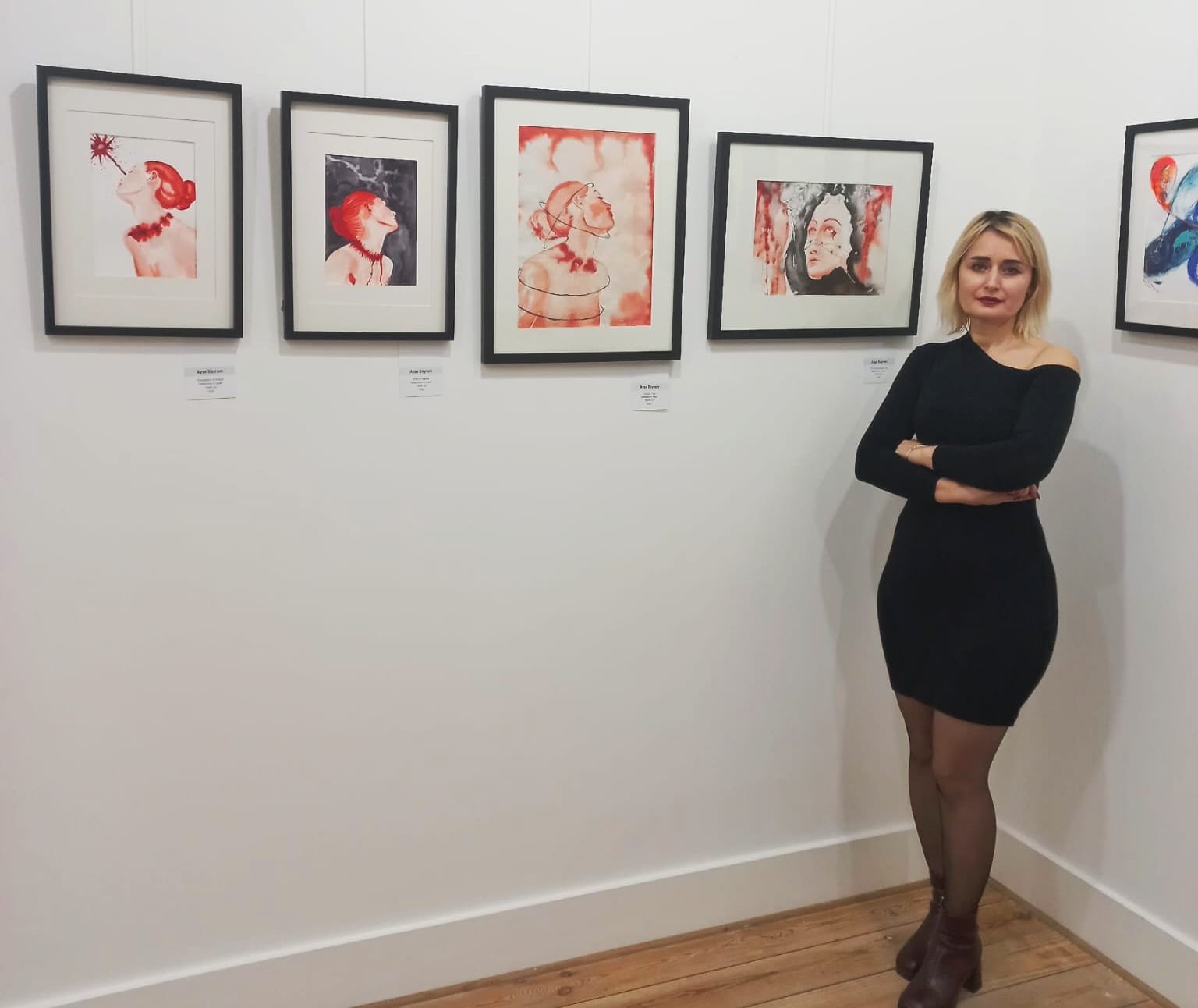
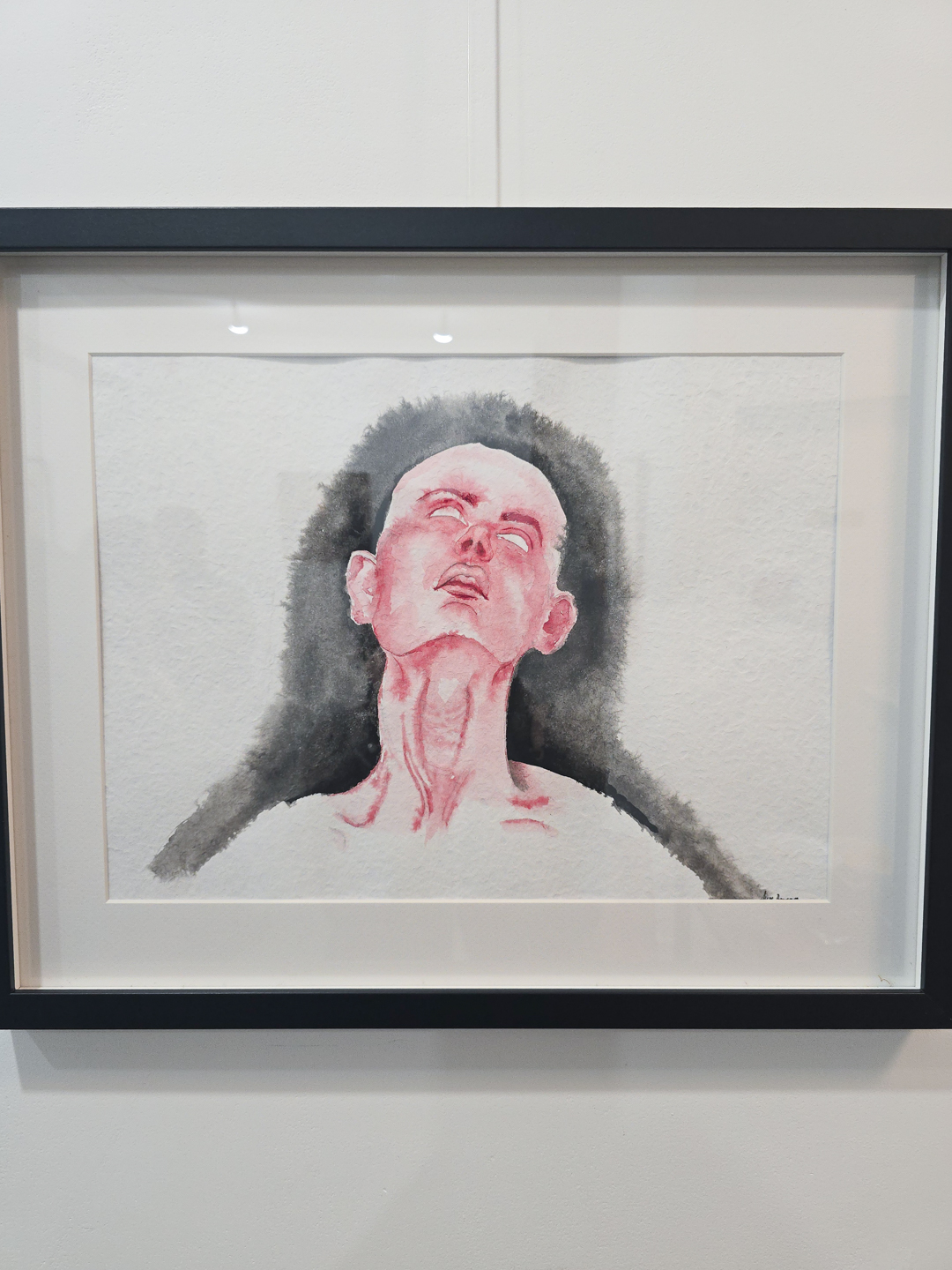
Bayram’s paintings also consider the role of internal conflicts. The black aura surrounding the protagonist in Rise of the Essence represents all-pervading negative emotions. In others, the subject is partially encased in wire-like forms, sometimes even literal barbed wire; the neck is often a site of bloody graphic interest. Self-portraits in part, a picture like Shadow Self suggests a desire to be liberated from such constraints, to be free as a bird. The artist seems to prefer painting some of her portraits with fuchsia pink to capture the colour of her inner self.
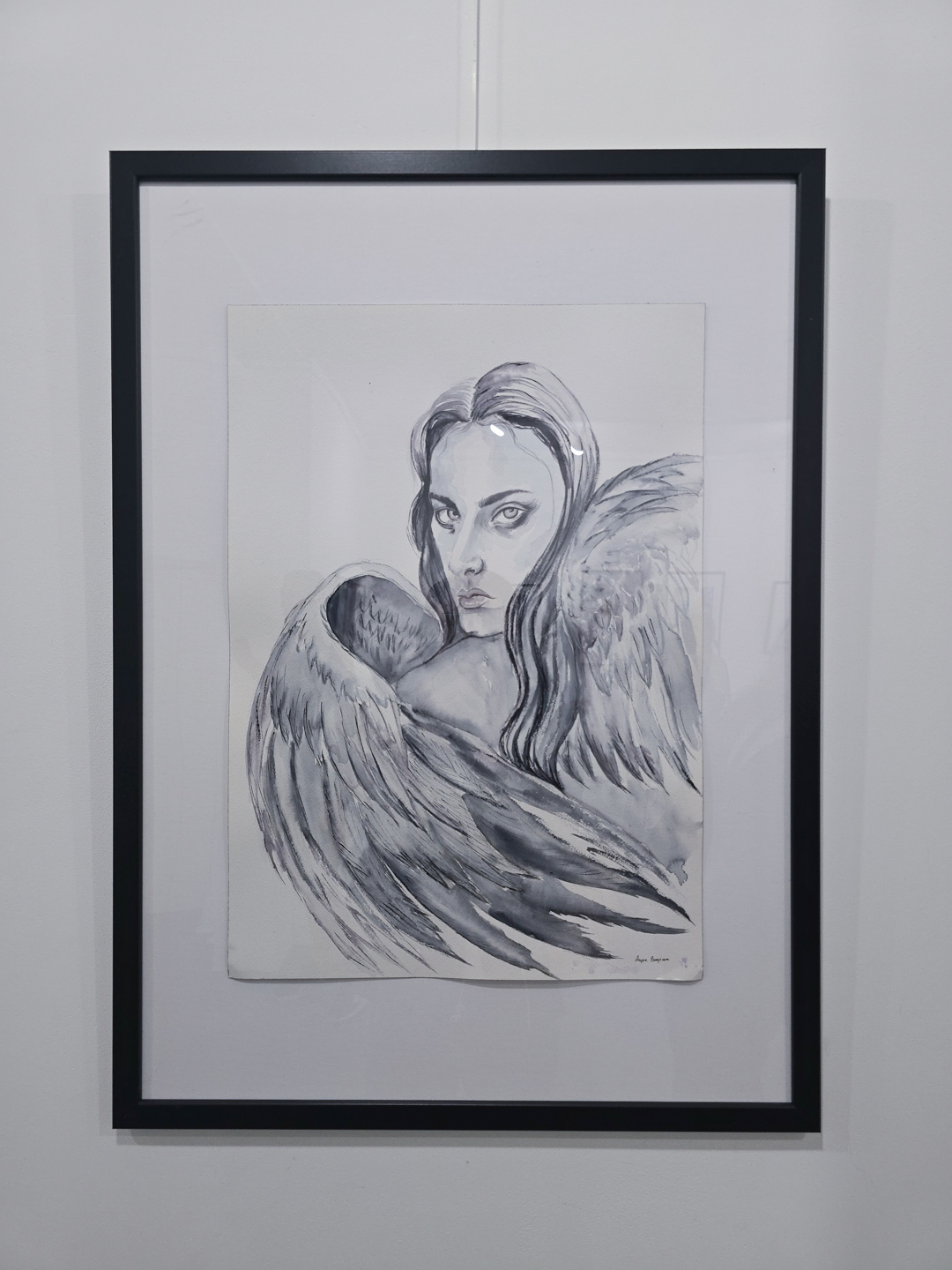
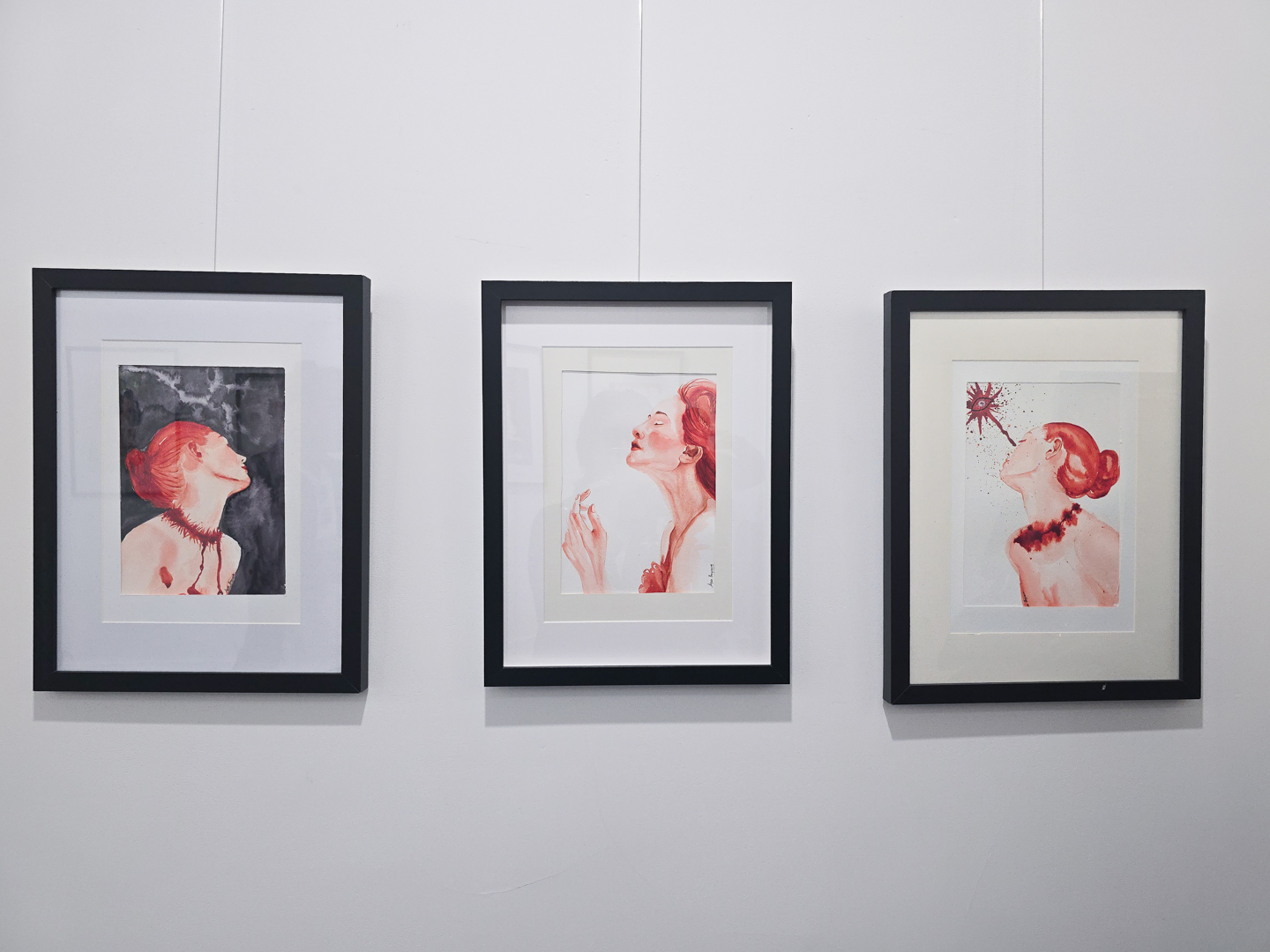
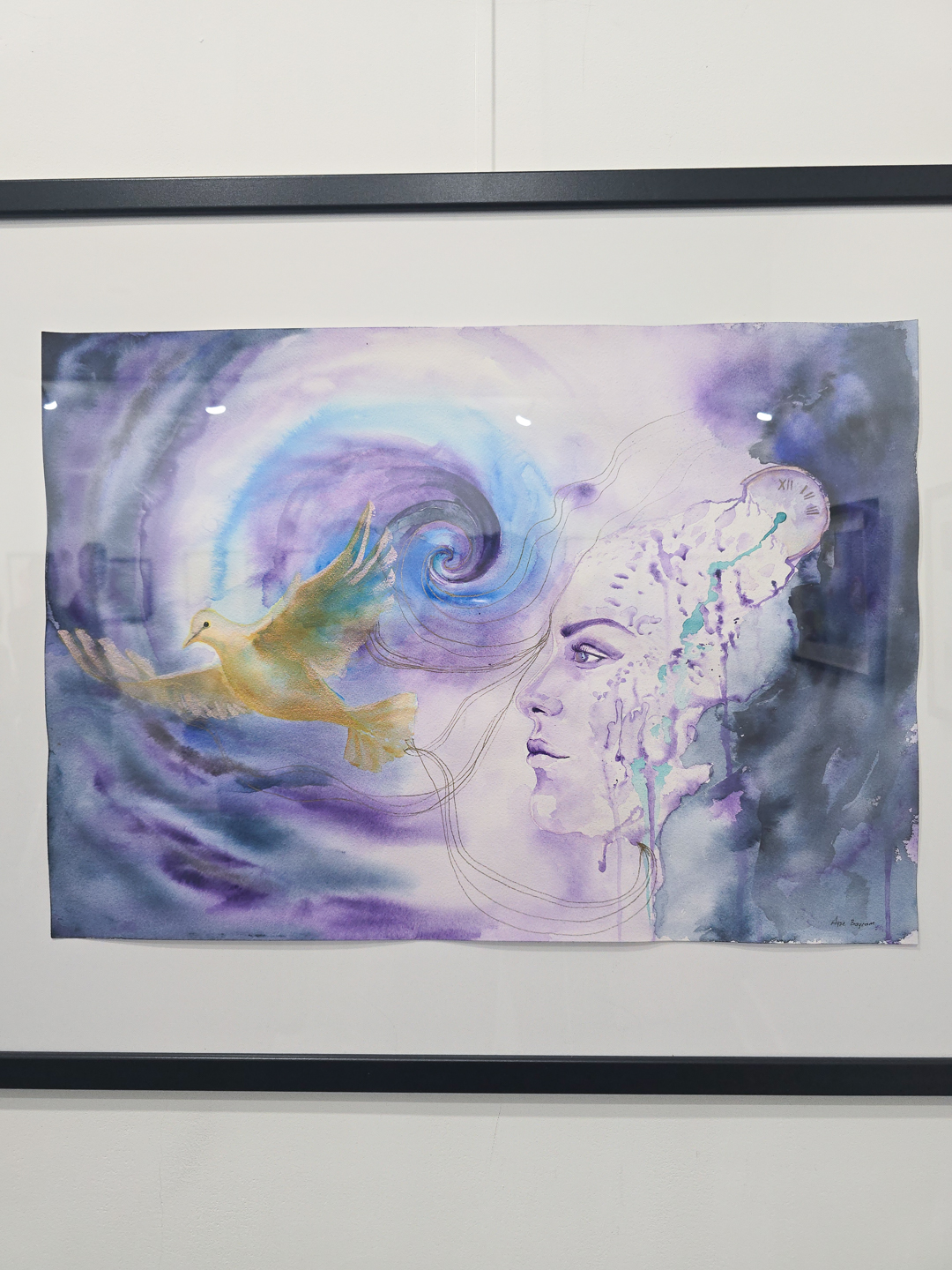
References to time also occasionally crop up in her works. Inner Multiplicity features a figure with the number XII in one eye; this is also one of several pictures utilising metallic gold pigment, replicating the shimmering effects of glamourous eyeshadow. This pigment is also used for the dove in Subconscious Migration, which incidentally features a clock melting away, perhaps a nod to her artistic inspiration Salvador Dalí.
Bayram’s watercolours speak to a universal feeling of defencelessness and insecurity. The battle with oneself is always the hardest, but to know oneself fully is a greater challenge. That is what these paintings confront us with, an uncomfortable truth that leaves us searching for answers about the nature of existence.
Find out more about Ayşe Bayram’s work on her website and Instagram. She has exhibited widely internationally, including multiple solo shows recently in London at Versus Arts, Espacio Art Gallery, and at The Holy Art Gallery.


Leave a comment