
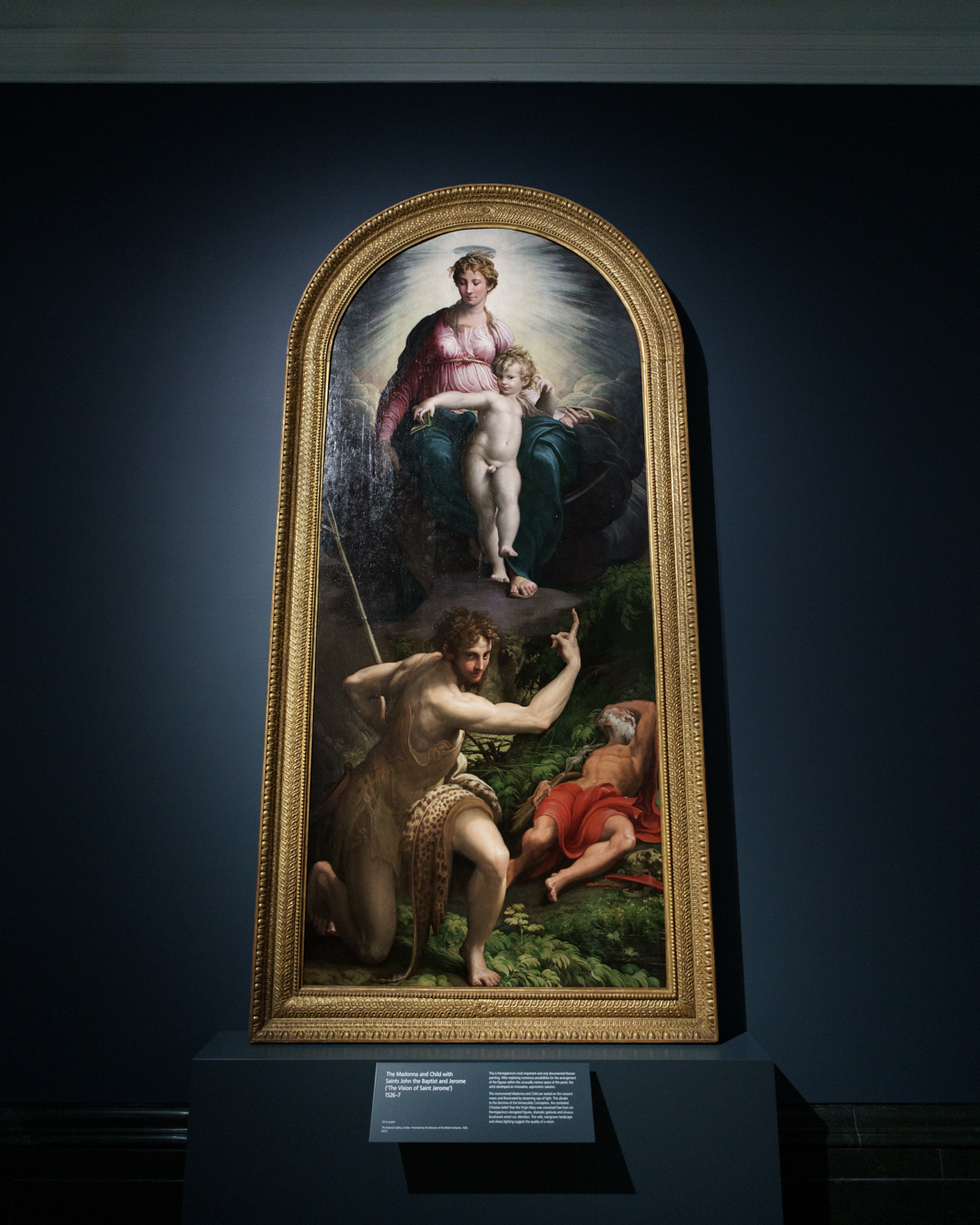
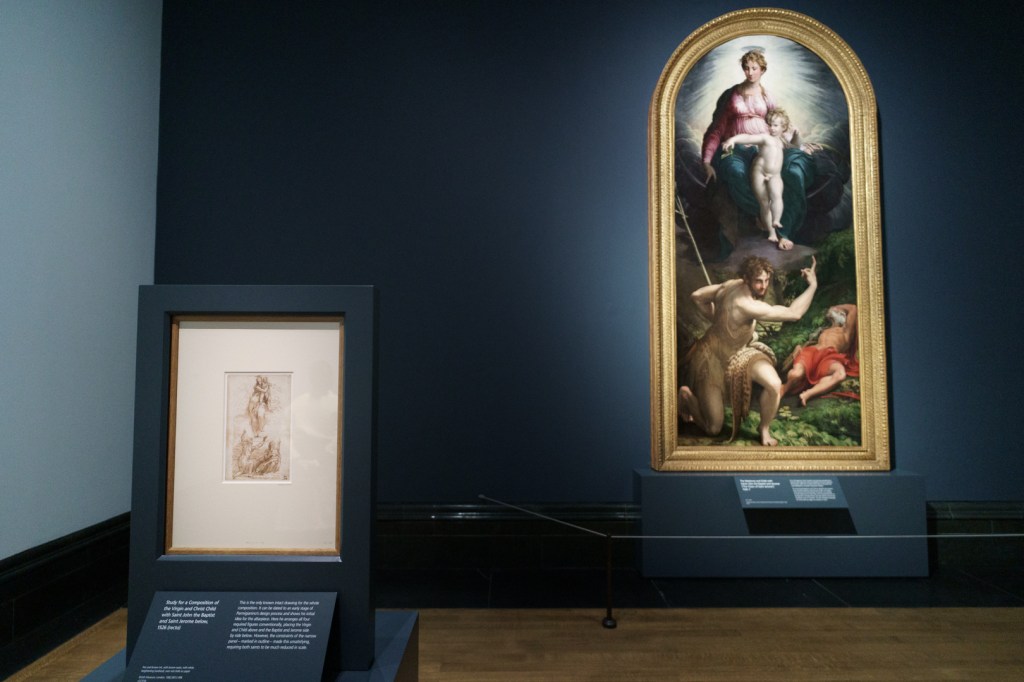
For the past 10 years, Parmigianino’s Vision of Saint Jerome has been absent from the hallowed halls of the National Gallery. I’m ashamed to admit I barely noticed, given how much rehanging has occurred as a result of the renovations in the Sainsbury Wing.
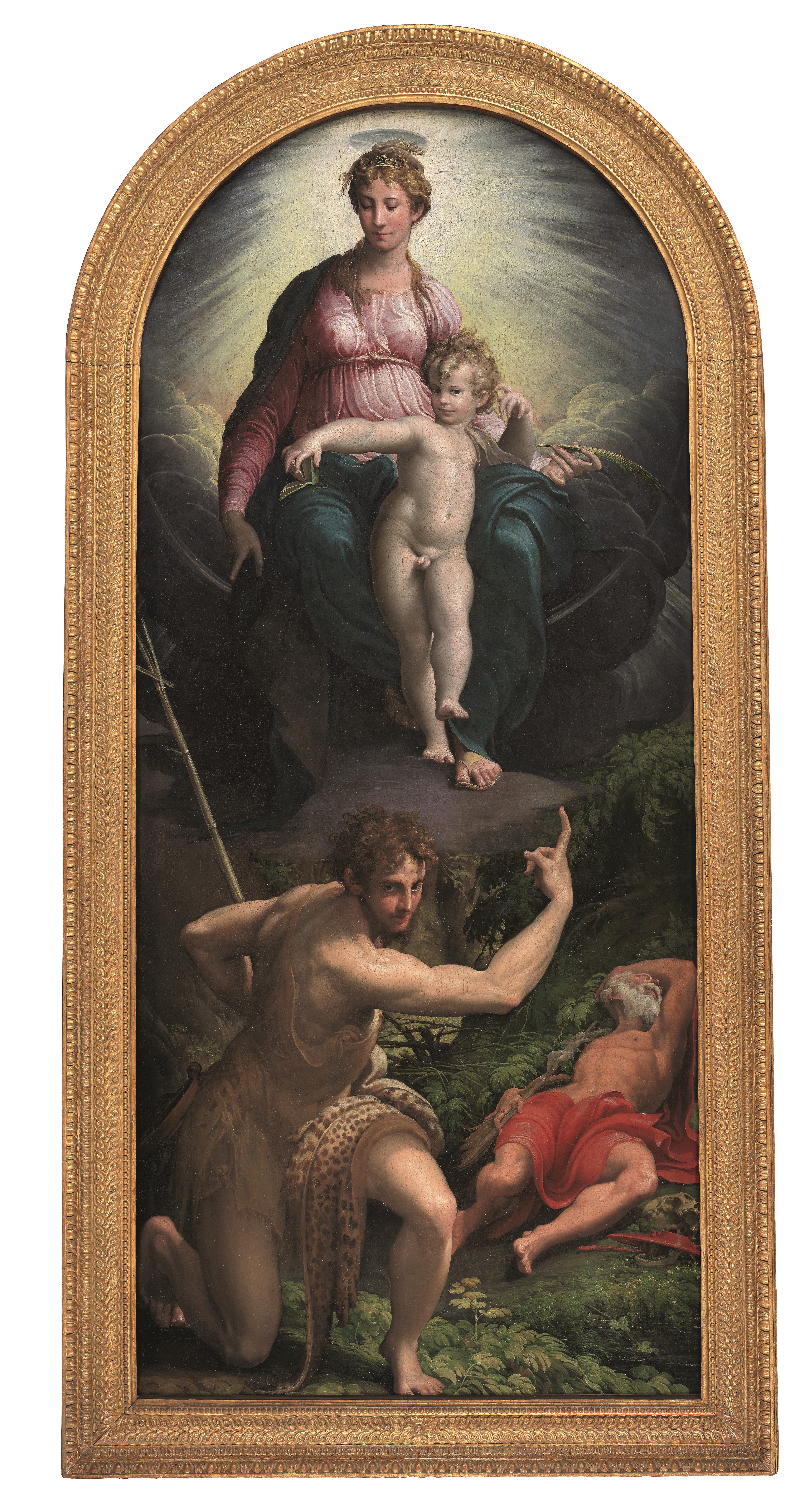
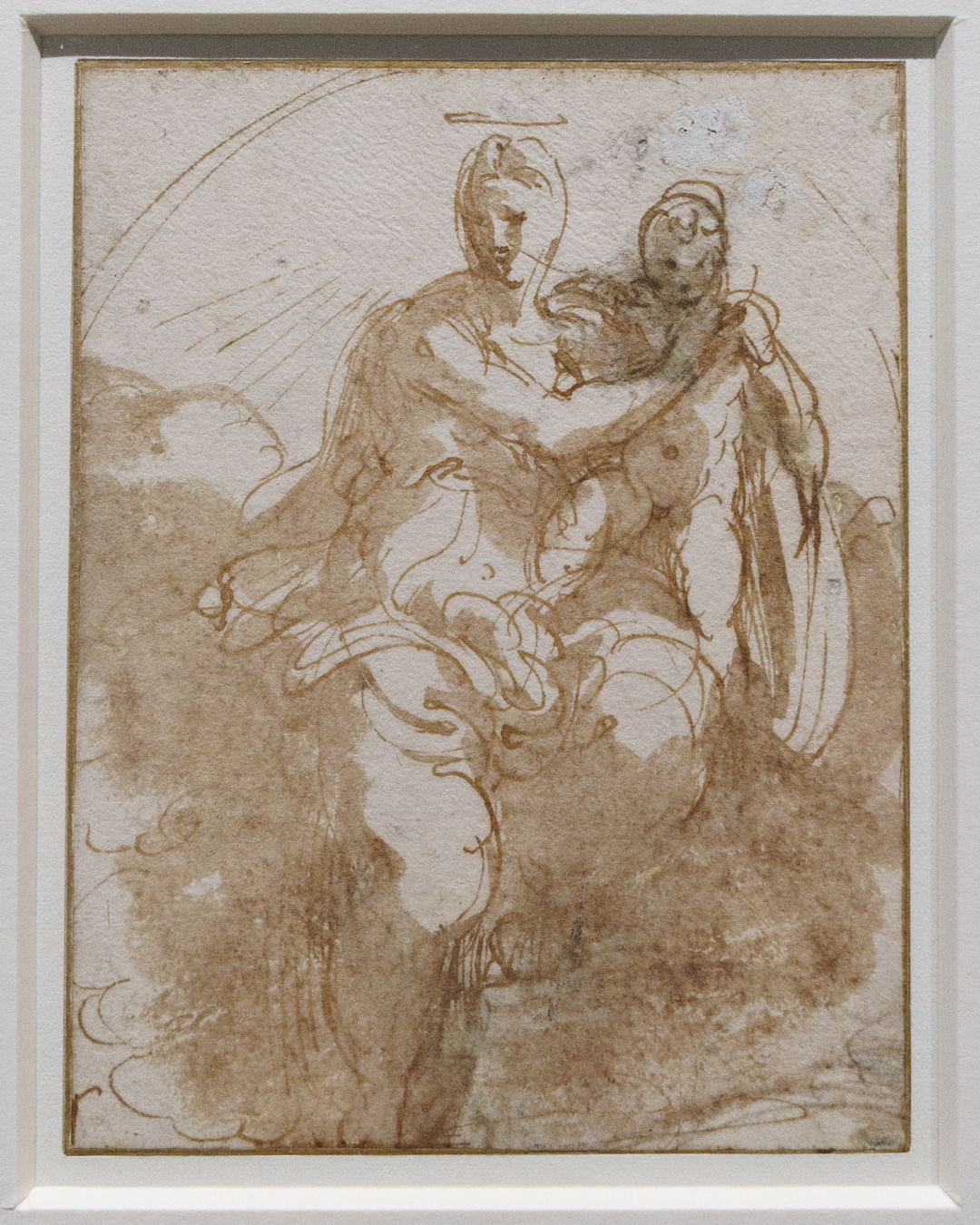
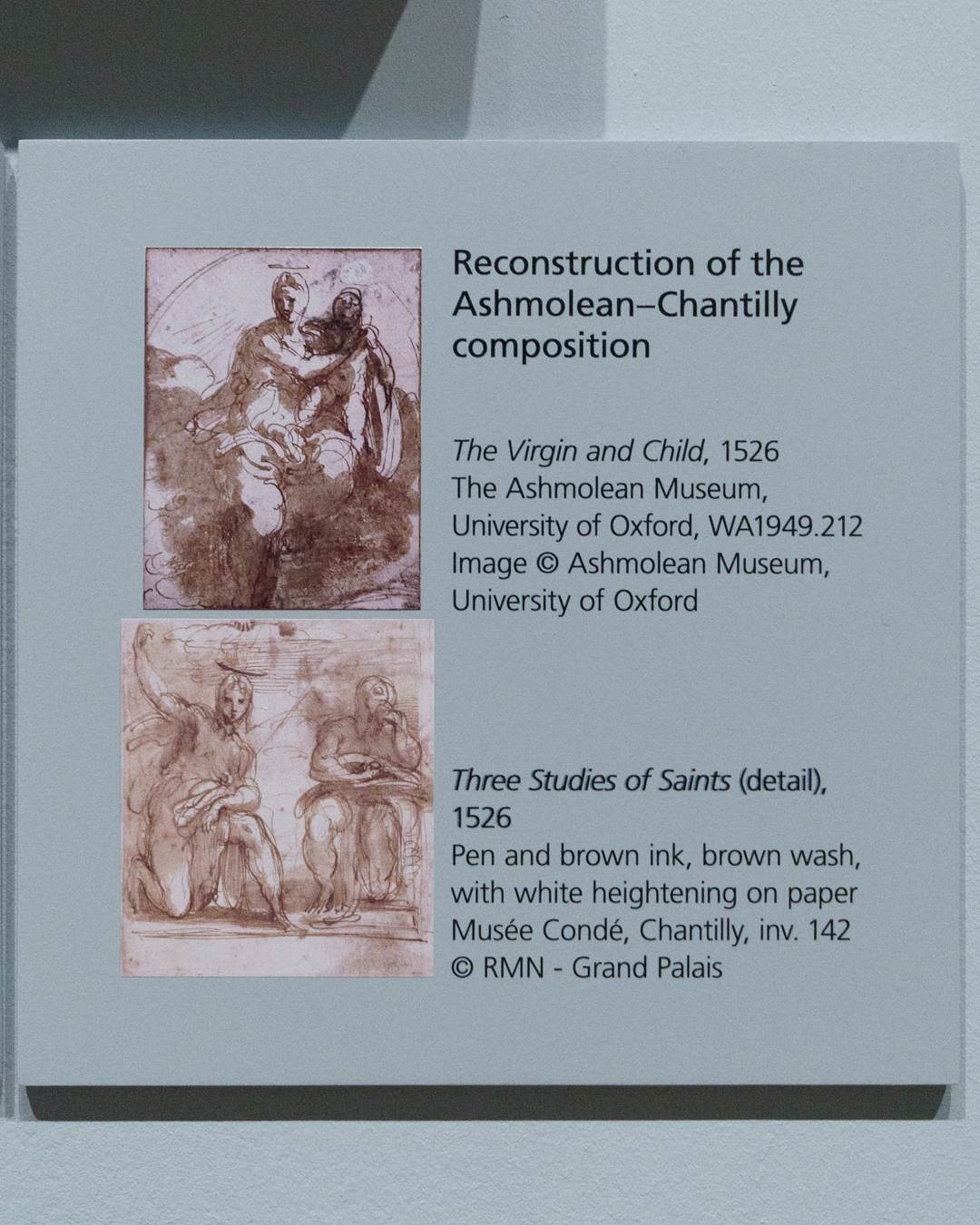
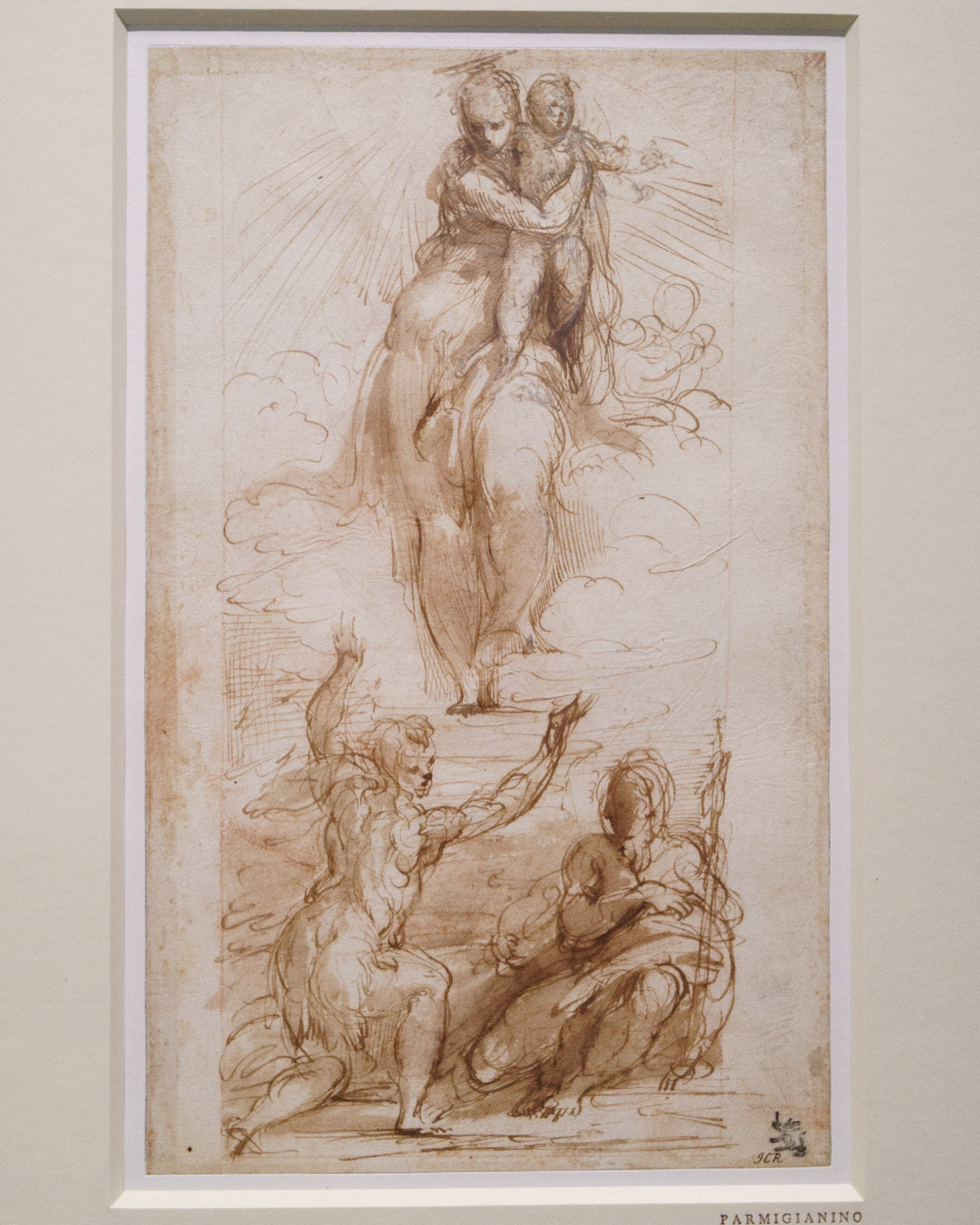
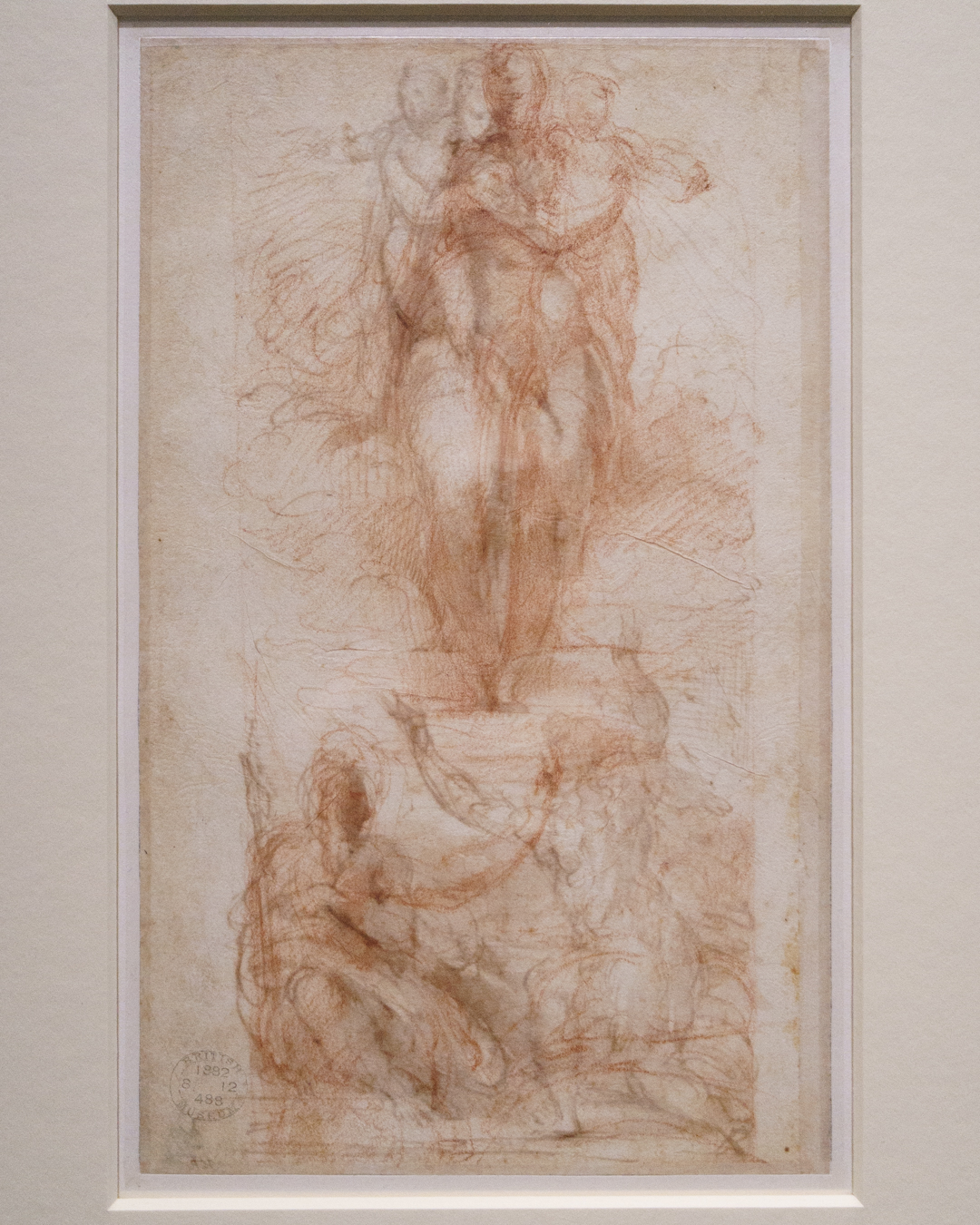
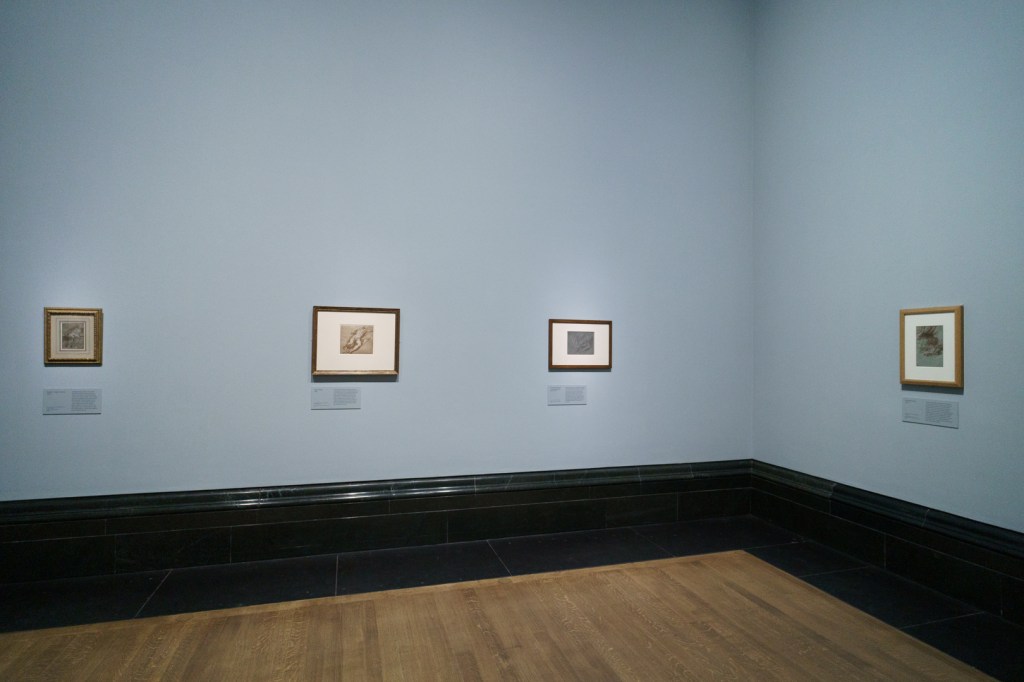
Fresh out of the conservation studio – and in a new frame – it forms the centrepiece of a beautiful exhibition exploring its creative development when Parmigianino was just 22 years old. Of the almost 30 drawings related to the altarpiece, eight have been gathered, including the British Museum’s double-sided sheet of compositional studies. This is the only intact sheet of the whole composition, whereas the nearby Ashmolean drawing of the Virgin and Child is likely to be the dismembered upper-half of a sheet in the Musée Condé, Chantilly (not exhibited).
Standing nearly 3.5 metres tall, the painting was originally commissioned by Maria Bufalini as a triptych for the Caccialupi burial chapel in San Salvatore in Lauro, Rome. According to the contract, dated 3 January 1526, the side panels were to depict ‘an image of the Conception of the Holy Virgin on one side and an image of Saint Joachim and Saint Anne on the other.’ However, it was never installed in the chapel as a result of the Sack of Rome, when Charles V’s imperial troops occupied the city for nine months.
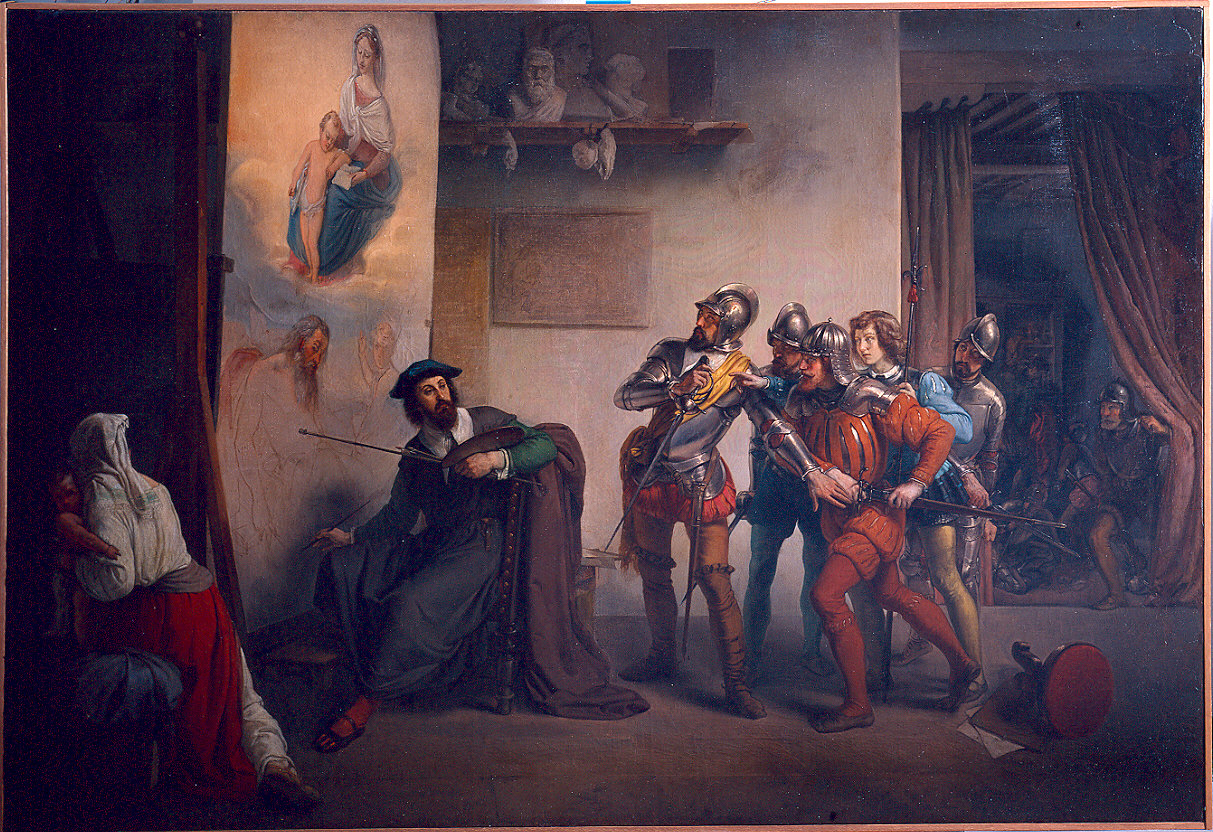
The Vision of Saint Jerome is associated with a sensational anecdote in Giorgio Vasari’s Lives of the Artists, when German troops burst into his workshop on 6 May 1527 but, seeing him working, ‘they were so struck with astonishment at the work, that…they let him go on.’ He was also ‘provided for and greatly honoured by those Germans, and protected from all injury’, in exchange for making ‘a vast number of drawings in watercolours and with the pen, which formed the payment of his ransom.’
In the end, only the main panel was completed. Furthermore, Bufalini’s will – dated 15 July 1528 – stipulating Parmigianino install it on the intended altar was not honoured, as he had already returned to Parma by this time. Her relatives and descendants also showed no interest in the painting, so it languished in the refectory of Santa Maria della Pace for 30 years for safekeeping by the artist’s uncle, Pier Ilario.
The painting would go on to miraculously avoid a series of unfortunate events that could have destroyed it on its eventual journey to London. In 1591, the interior of San Salvatore in Lauro was obliterated by fire. Thankfully, Maria’s great-nephew, Giulio Bufalini I, chose to have the painting installed in the Umbrian city of Città di Castello, specifically the Bufalini chapel of Sant’Agostino in August 1558.
By around 1772, it was transferred to Cardinal Giovanni Ottavio Bufalini’s family chapel. Again, it escaped ruin when an earthquake destroyed Sant’Agostino on 30 September 1789. Shortly afterwards, the Bufalini heirs sold it to the English history painter James Durno, who sold it to John James Hamilton, first Marquess of Abercorn, for 1,500 guineas, thus beginning the painting’s journey to London around December 1791.
By 1819, it had been sold to George Watson Taylor, who exhibited publicly for the first time in England at the British Institution. One of its founding members, Reverend William Holwell Carr later purchased the Vision of Saint Jerome – on the British Institution’s behalf – at the at the sale of Watson Taylor’s collection on 14 June 1823, fetching the highest price of the sale at £3,202 (around £323,013.73 in today’s money). It was later presented to the National Gallery in 1826, which had only been founded two years before.
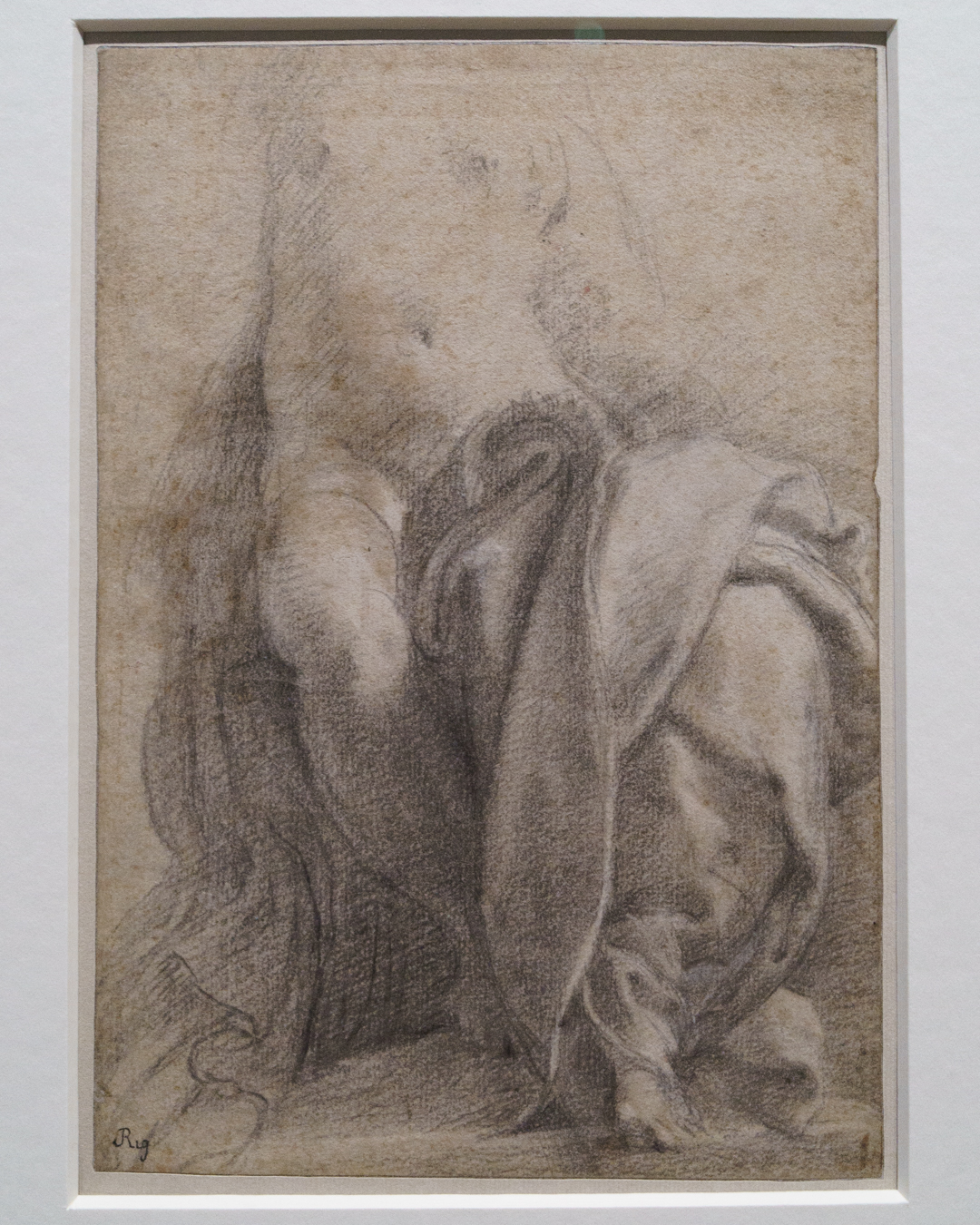
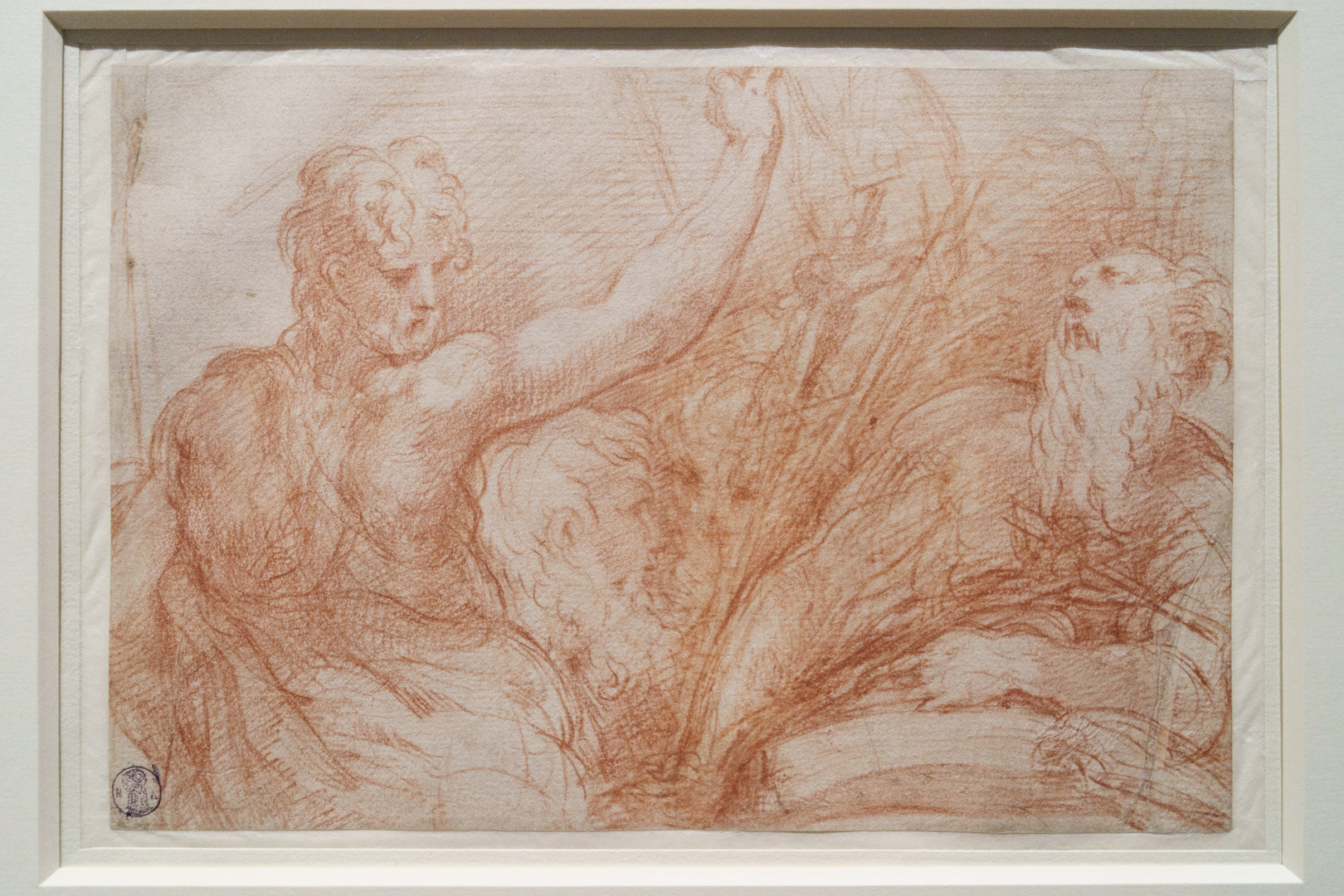
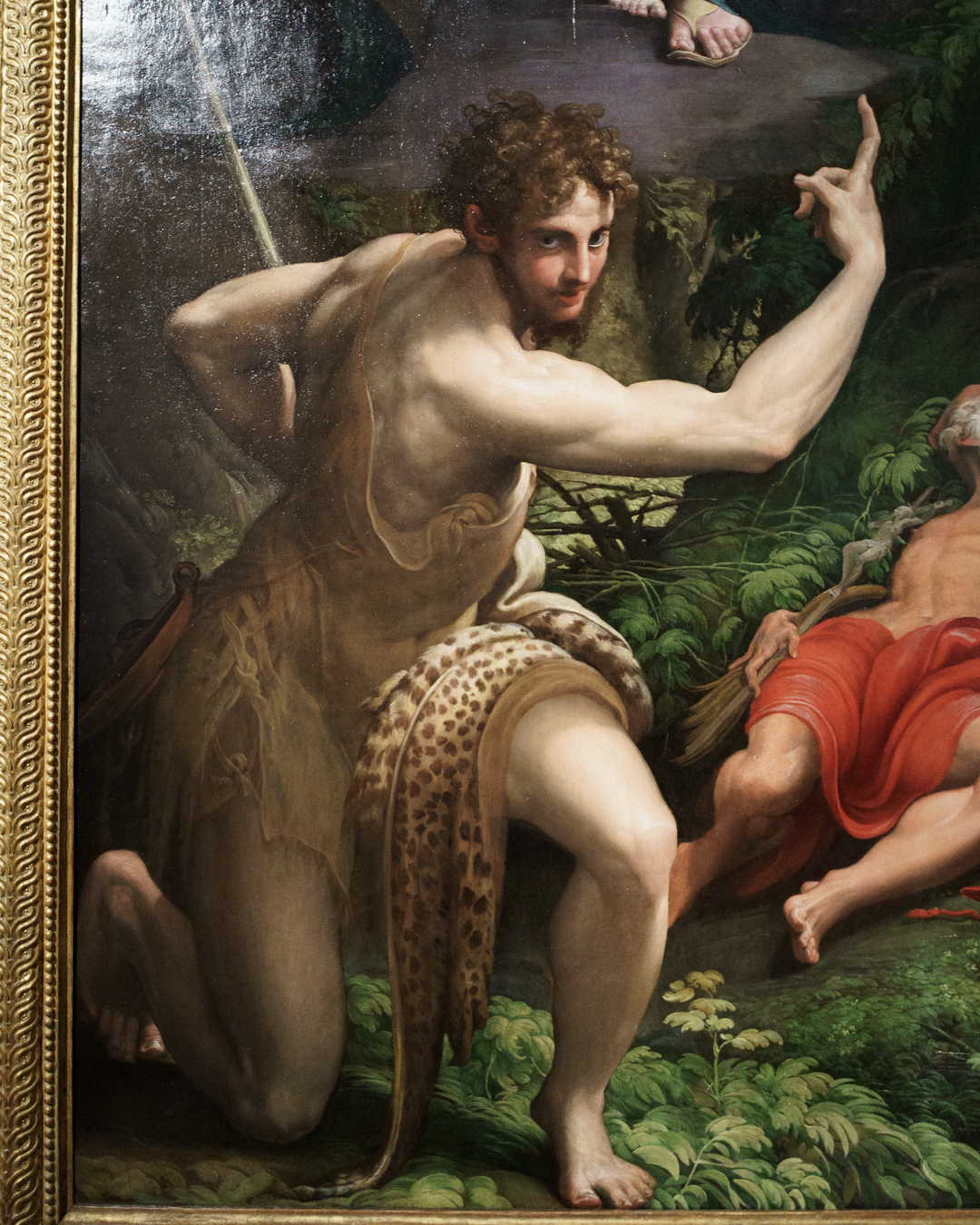
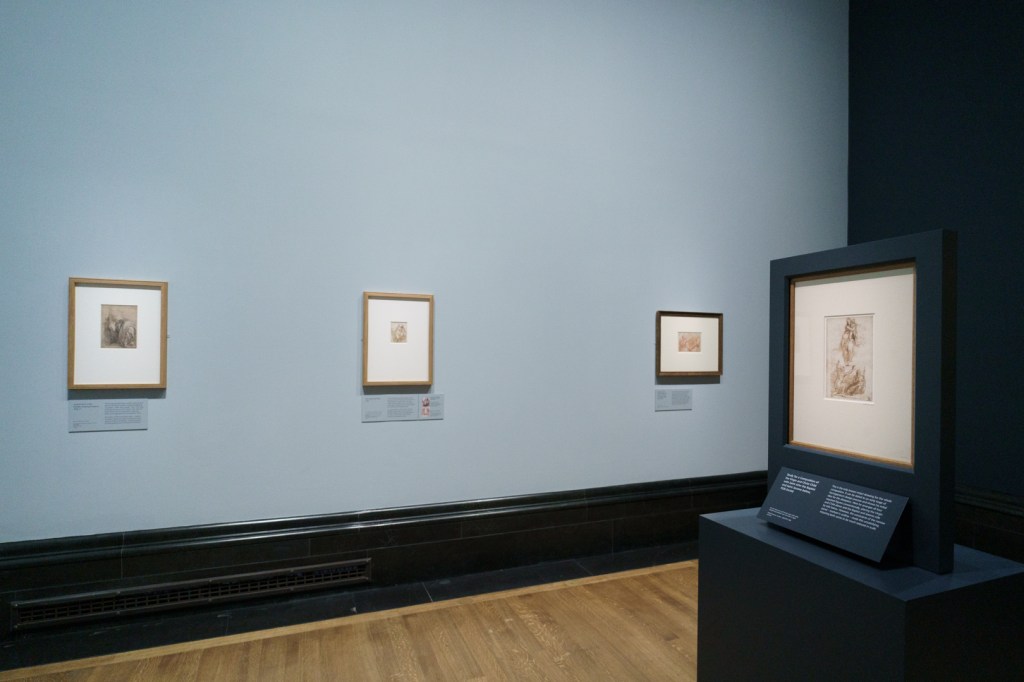
The drawings exhibited represent Parmigianino’s proficiency across a wide range of mediums. There is a strong black- and white-chalk study of a semi-nude female wearing drapery, who eventually becomes the Virgin Mary. His elegant hatching technique coupled with red chalk is also masterfully on show in an early idea for Saints John the Baptist and Jerome, whose positions can be seen faintly on the verso of the British Museum drawing.
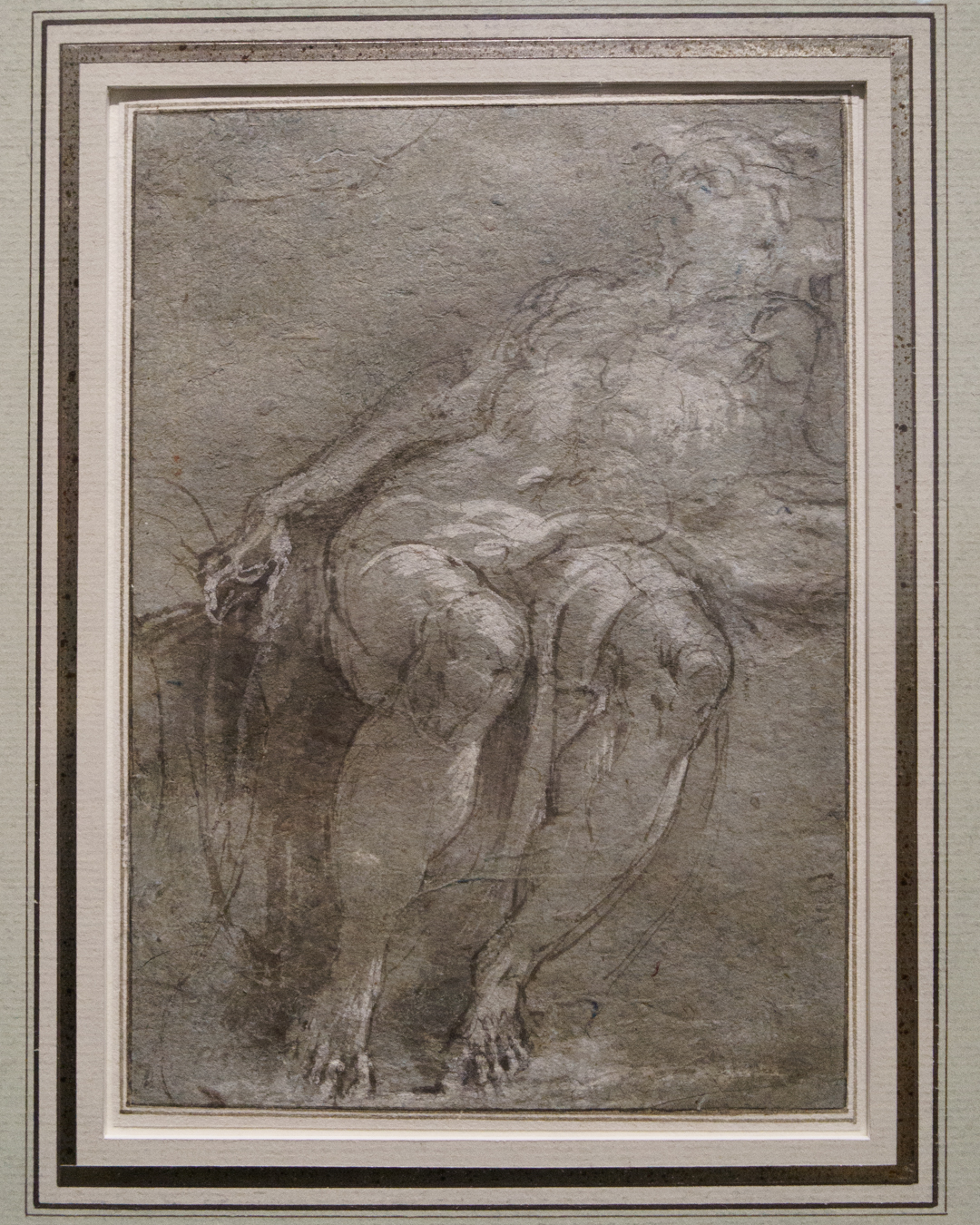
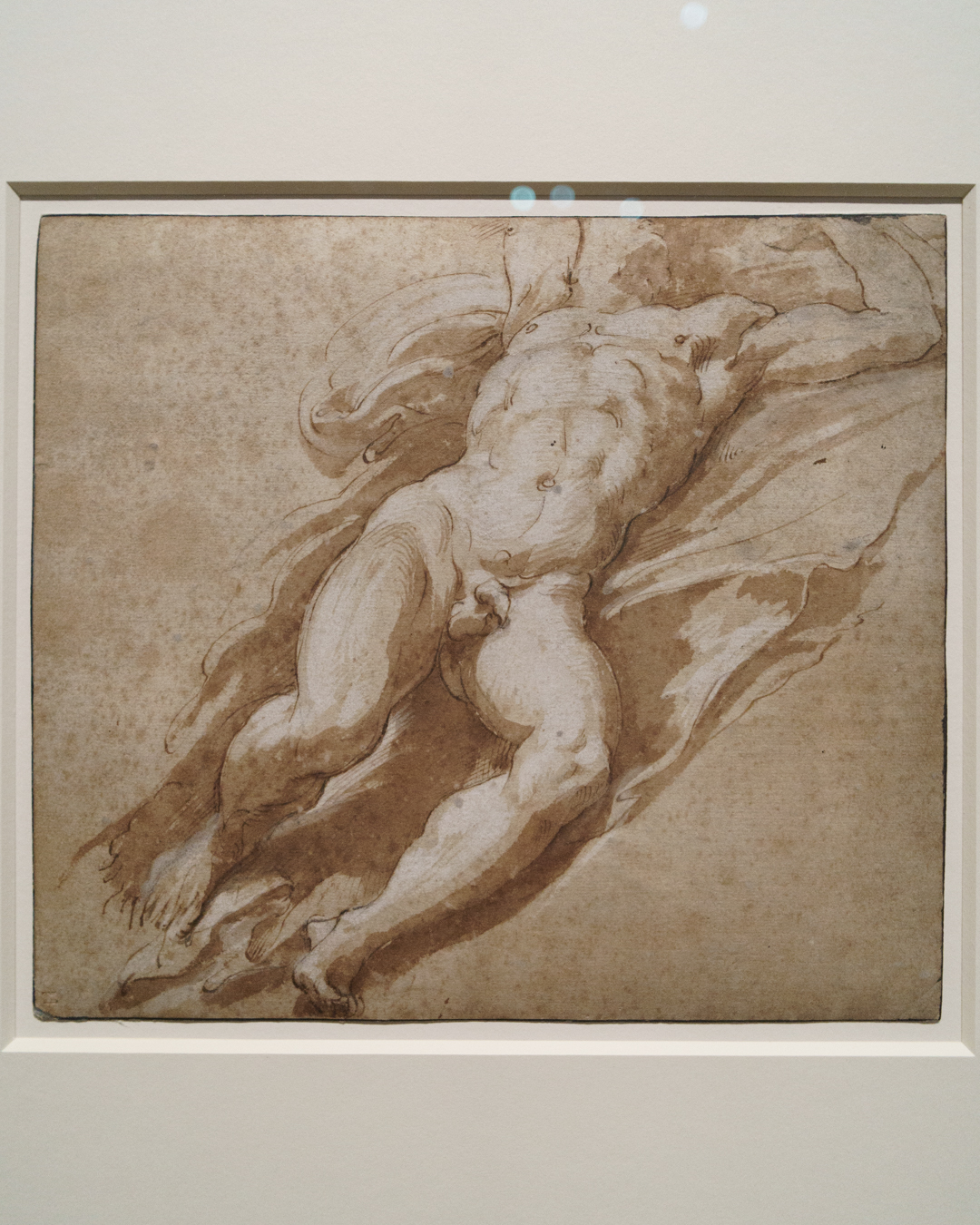
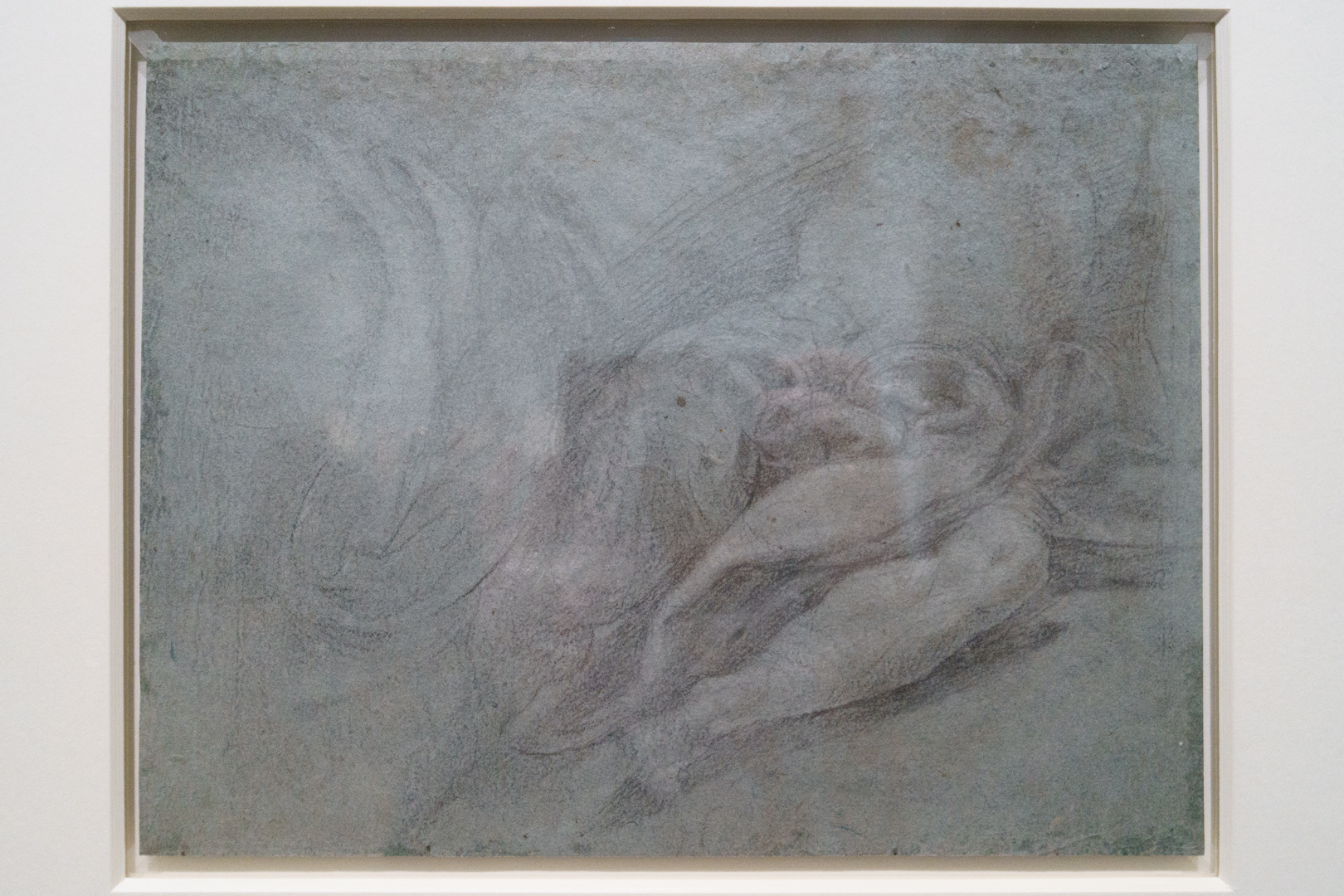
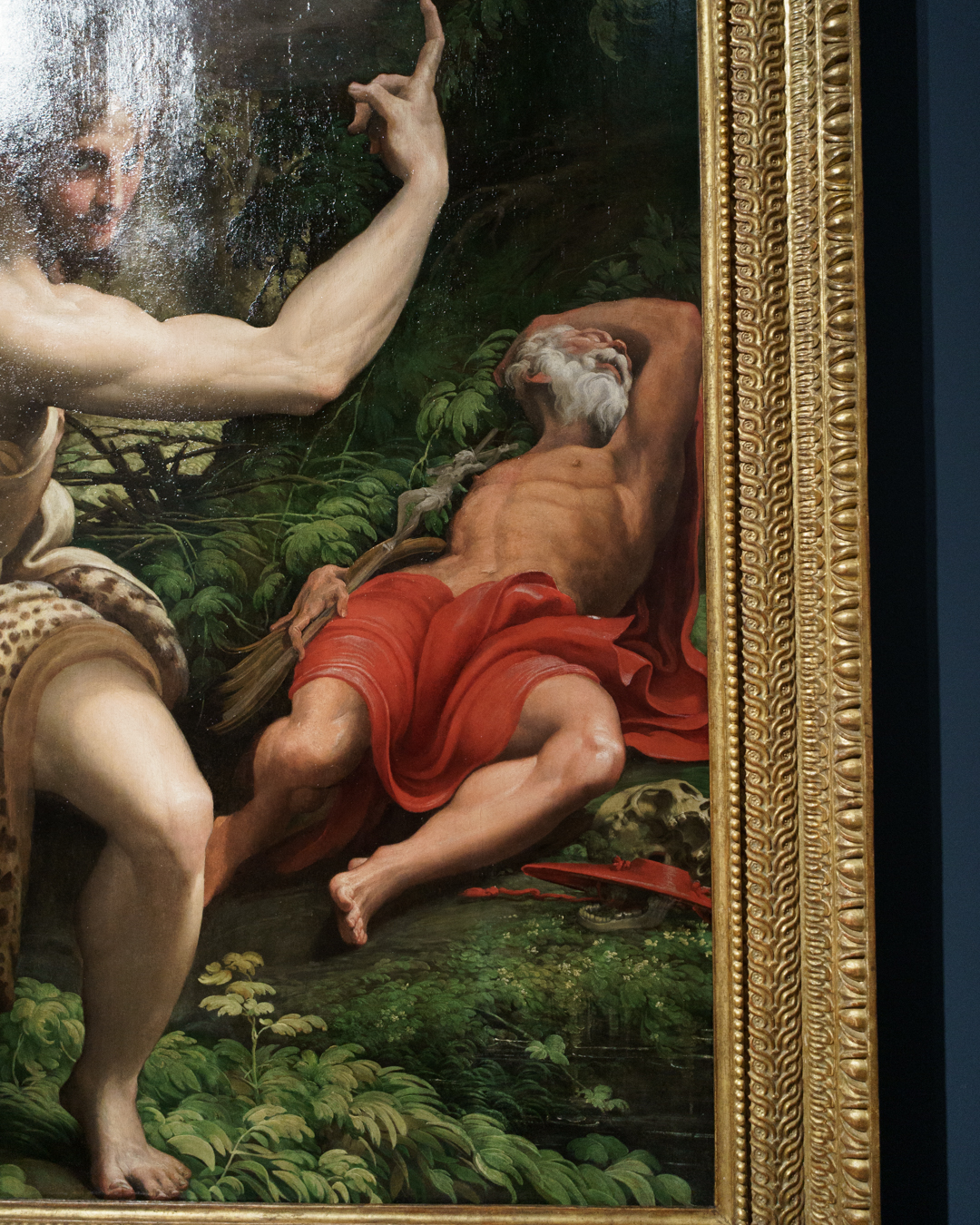
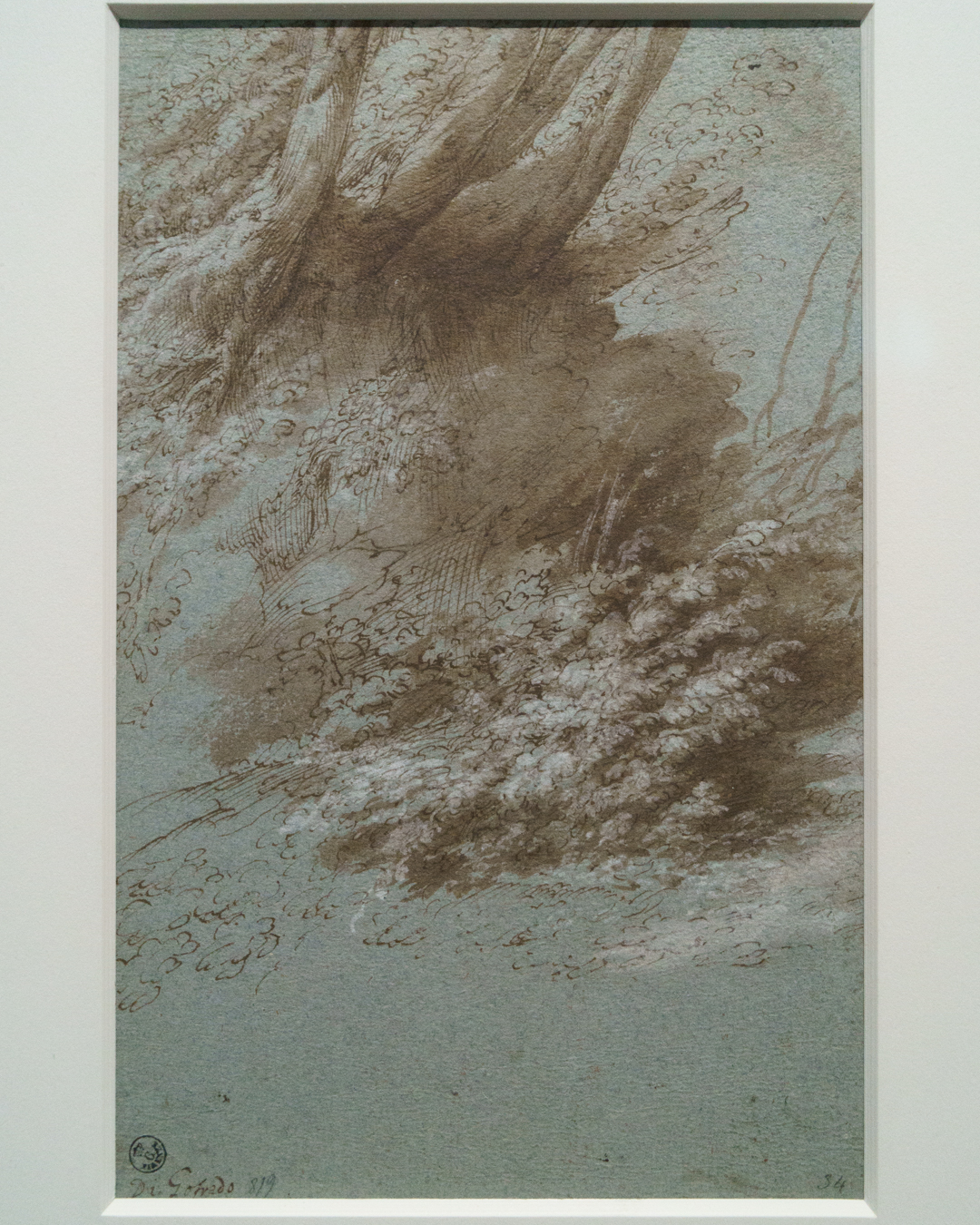
Meanwhile, the other side of the room demonstrates Parmigianino’s varied pen-and-wash technique while offering a concentrated journey of the development of the sleeping Saint Jerome’s foreshortened posture. Concluding the display is a drawing of foliage from the Uffizi which, although not directly related to the Vision of St Jerome, is utterly remarkable in its level of detail and tonal modelling that happens to translate gloriously in his designs for chiaroscuro woodcuts.
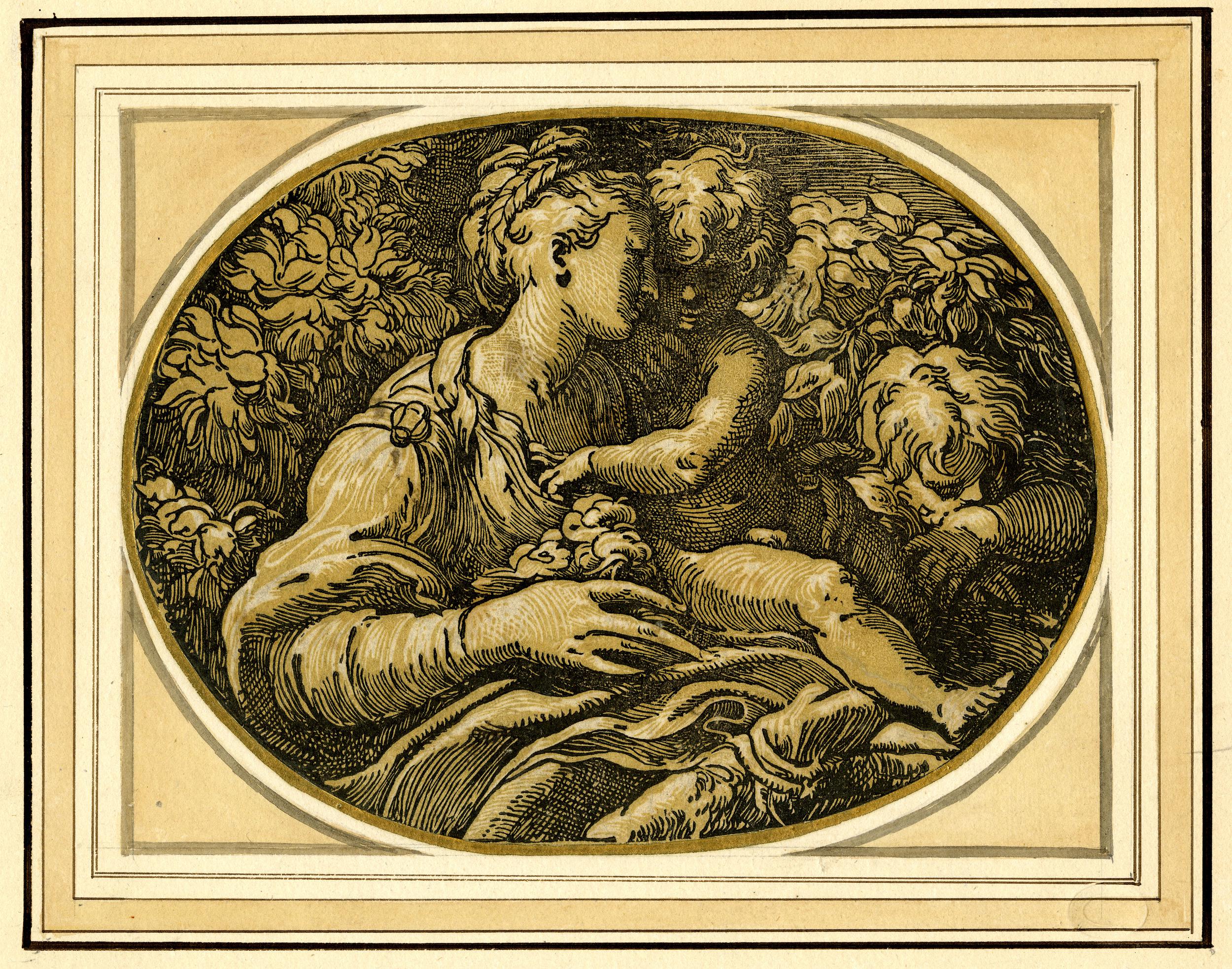
This is a beautiful celebration of one of the Gallery’s most studied paintings by critics and art historians since its acquisition, which teetered in the 19th century between ‘a work of more genius…than any that the artist afterwards produced’ and having fame ‘more attributable to its defects than to its beauties.’
Definitely worth a detour.
Parmigianino: The Vision of Saint Jerome (5 December 2024 – 9 March 2025) is at the National Gallery, London, https://www.nationalgallery.org.uk/


Leave a comment