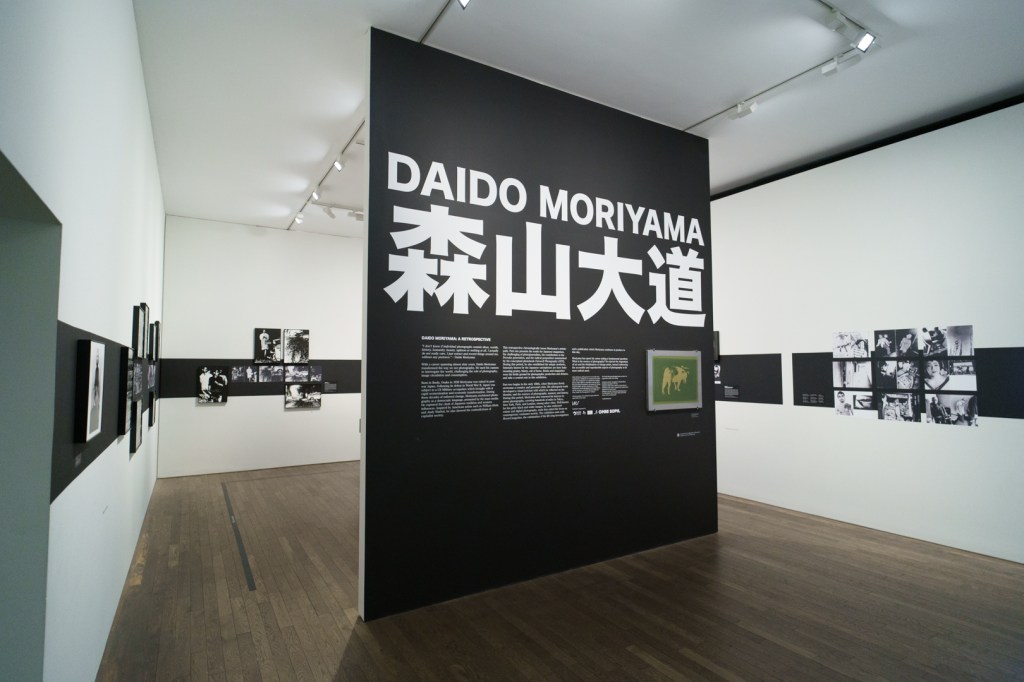
Daido Moriyama has always remained one of my favourite street photographers in the world. His unfiltered approach to capturing slices of life is hypnotic, seemingly capable of finding aesthetic moments in the dullest places. His travelling retrospective at the Photographer’s Gallery is a great introduction to his celebrated career spanning nearly 60 years and counting.
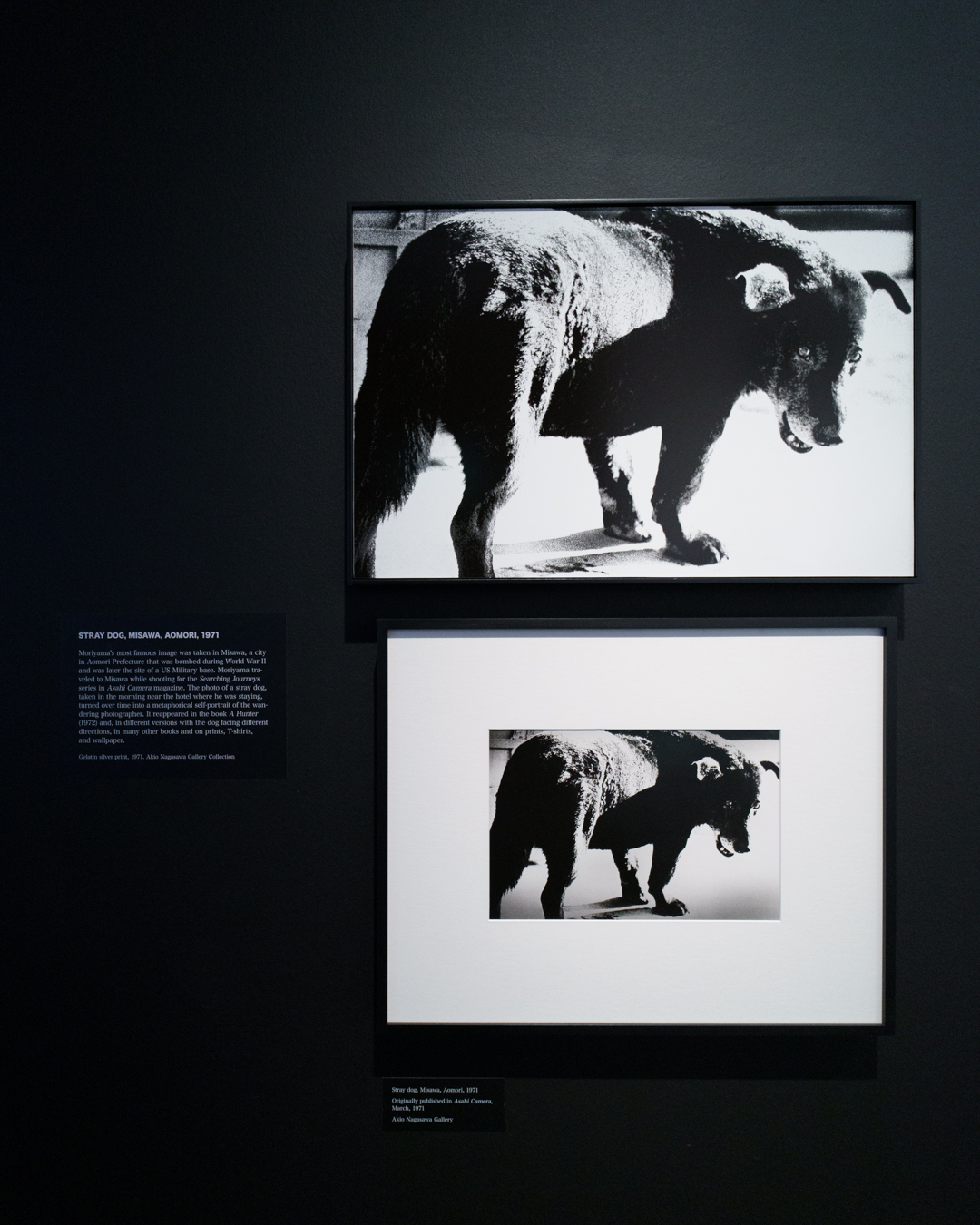
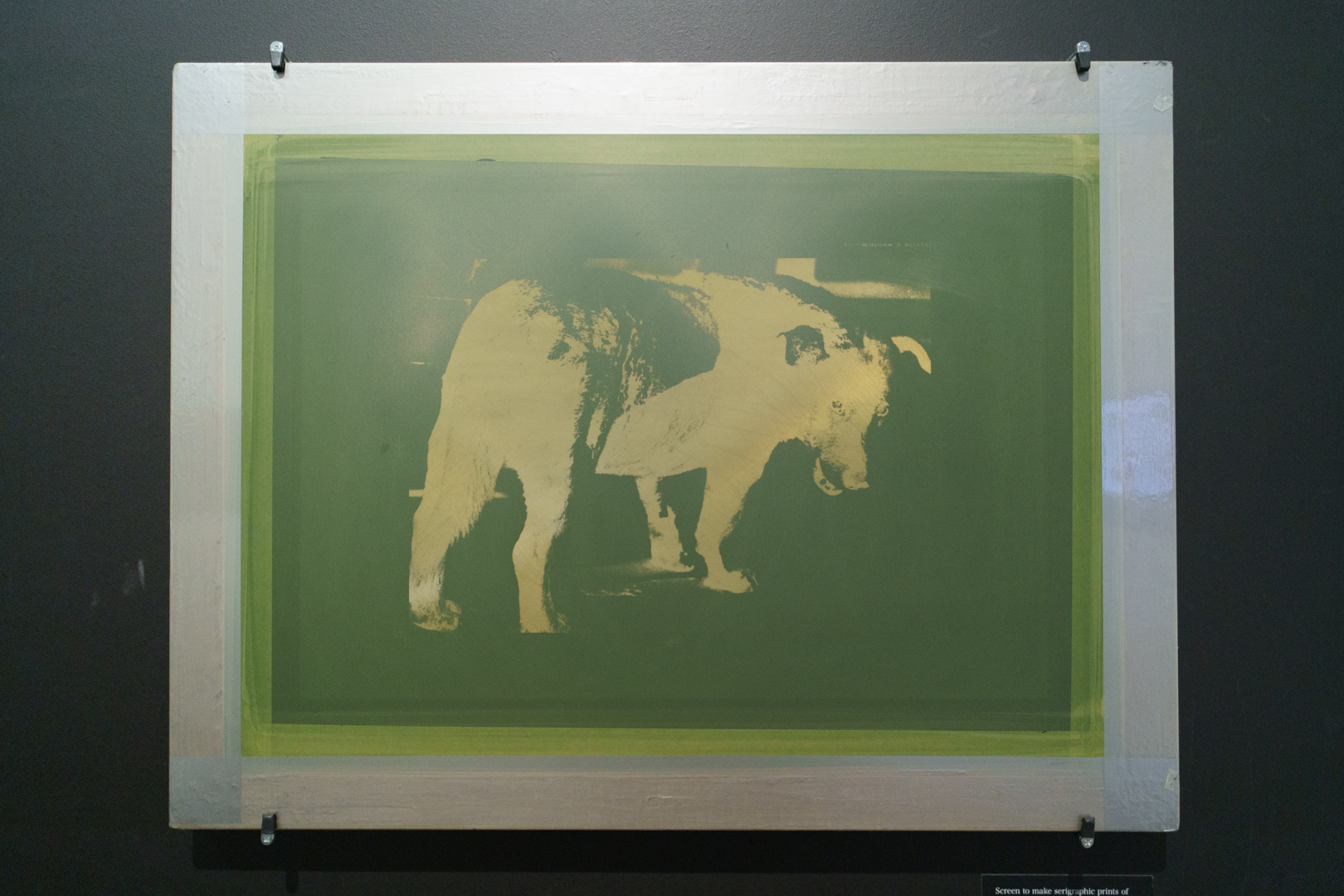

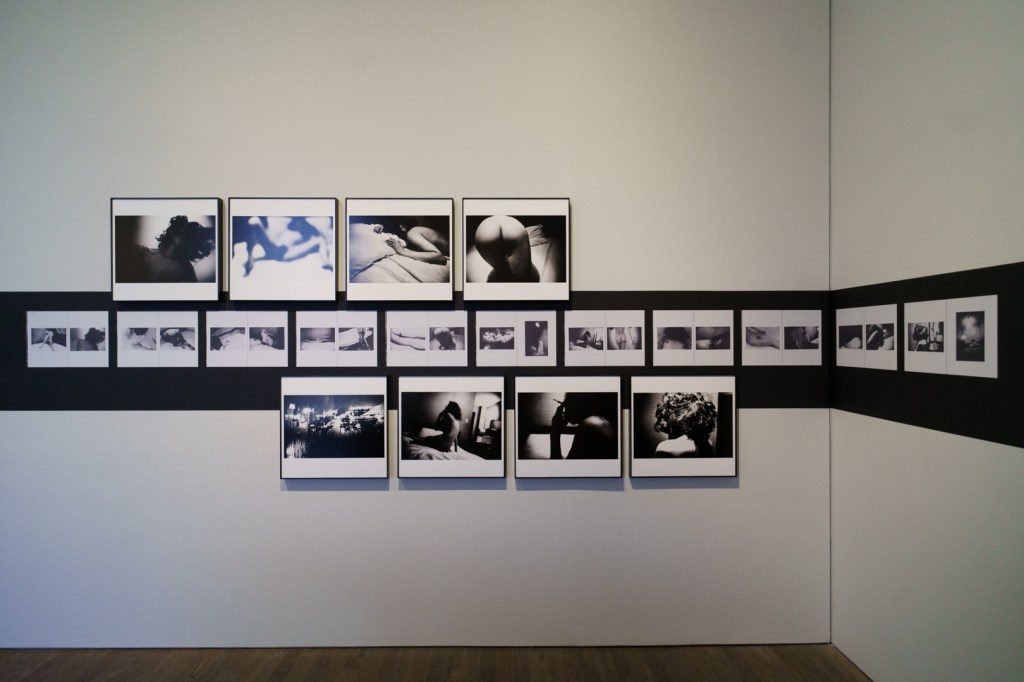
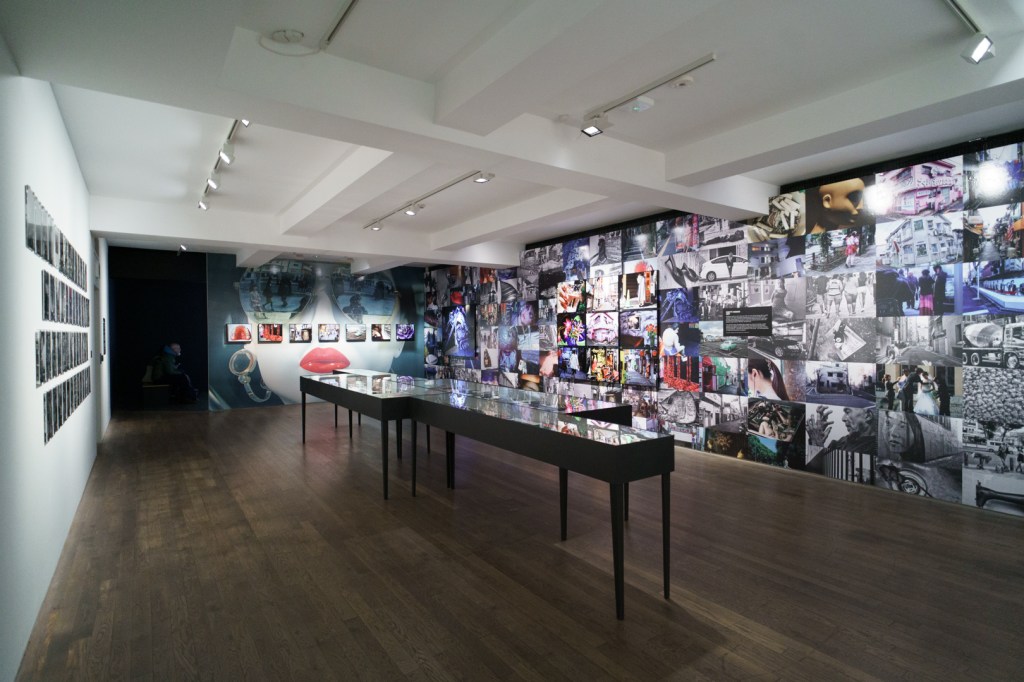
Occupying three floors, the first object to greet us is the silkscreen mesh used to create luxury editions of his most famous image, Stray Dog (1971). Photographed in Misawa while shooting the Searching Journeys series in Asahi Camera magazine, it would go on to become a metaphorical self-portrait of the wandering photographer. For Moriyama, silkscreen allows him to add textured elements to his grainy, black-and-white photographs. As later sections eventually reveal, he also experimented with shooting in colour, such as the recent Pretty Woman series (2017).
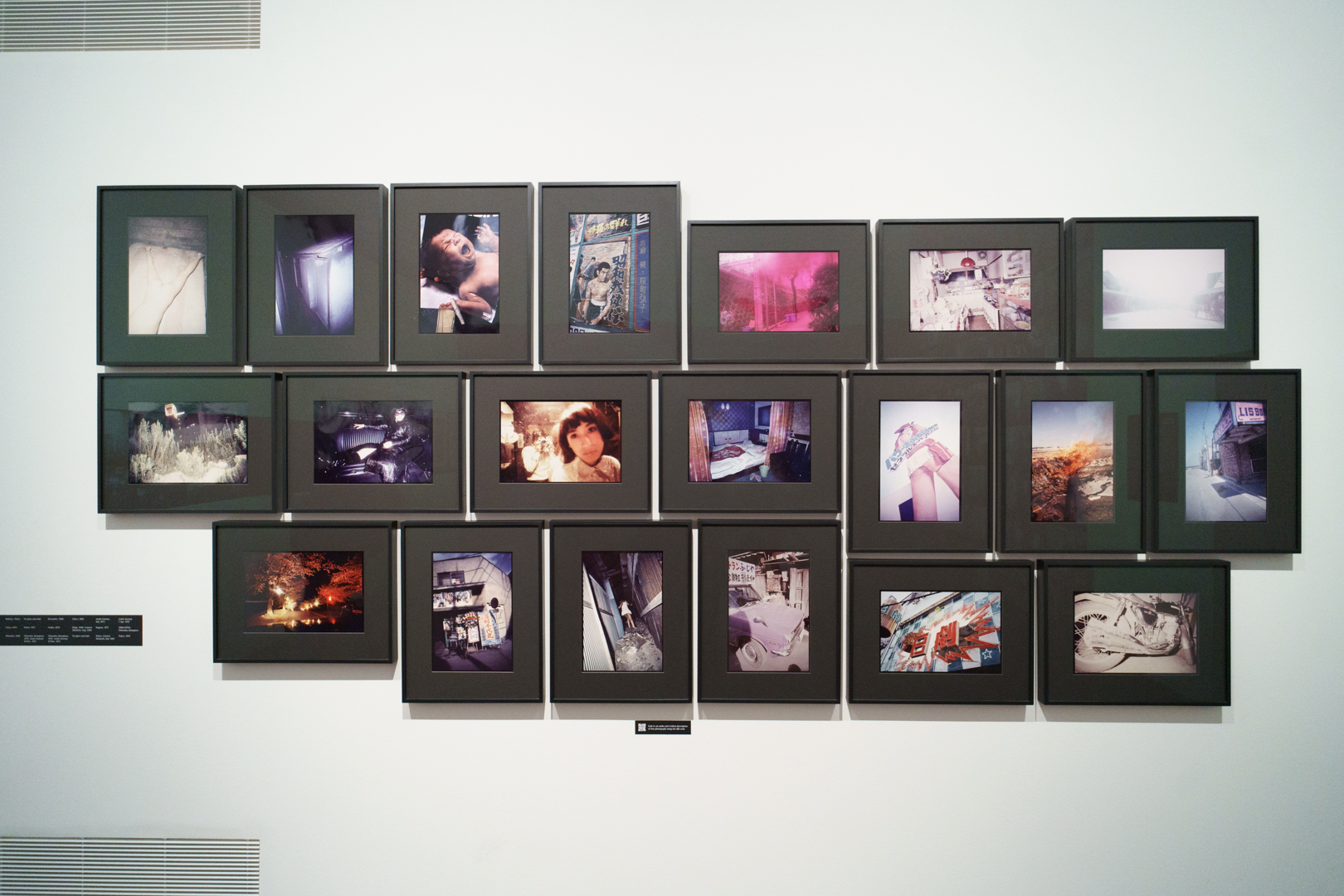
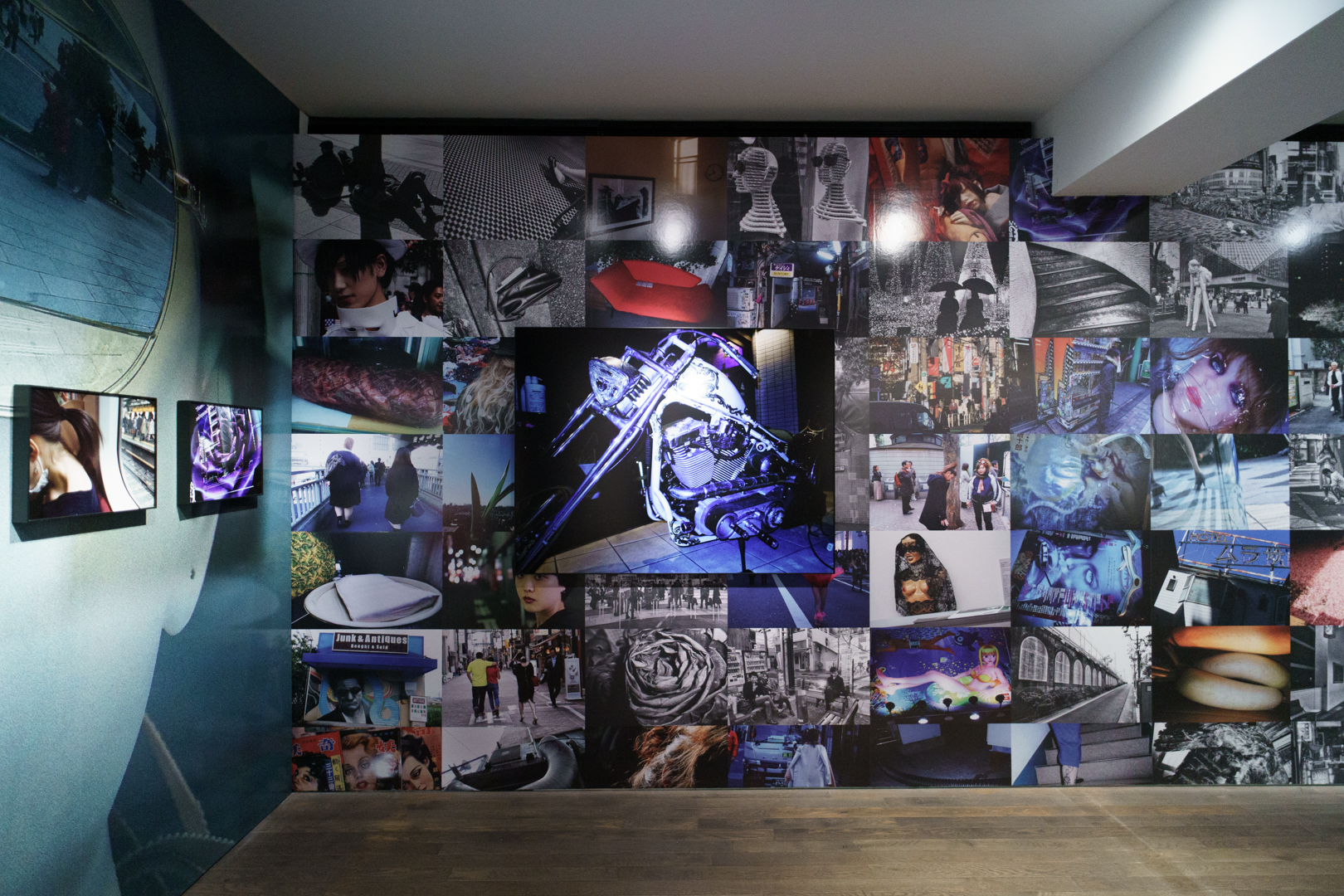
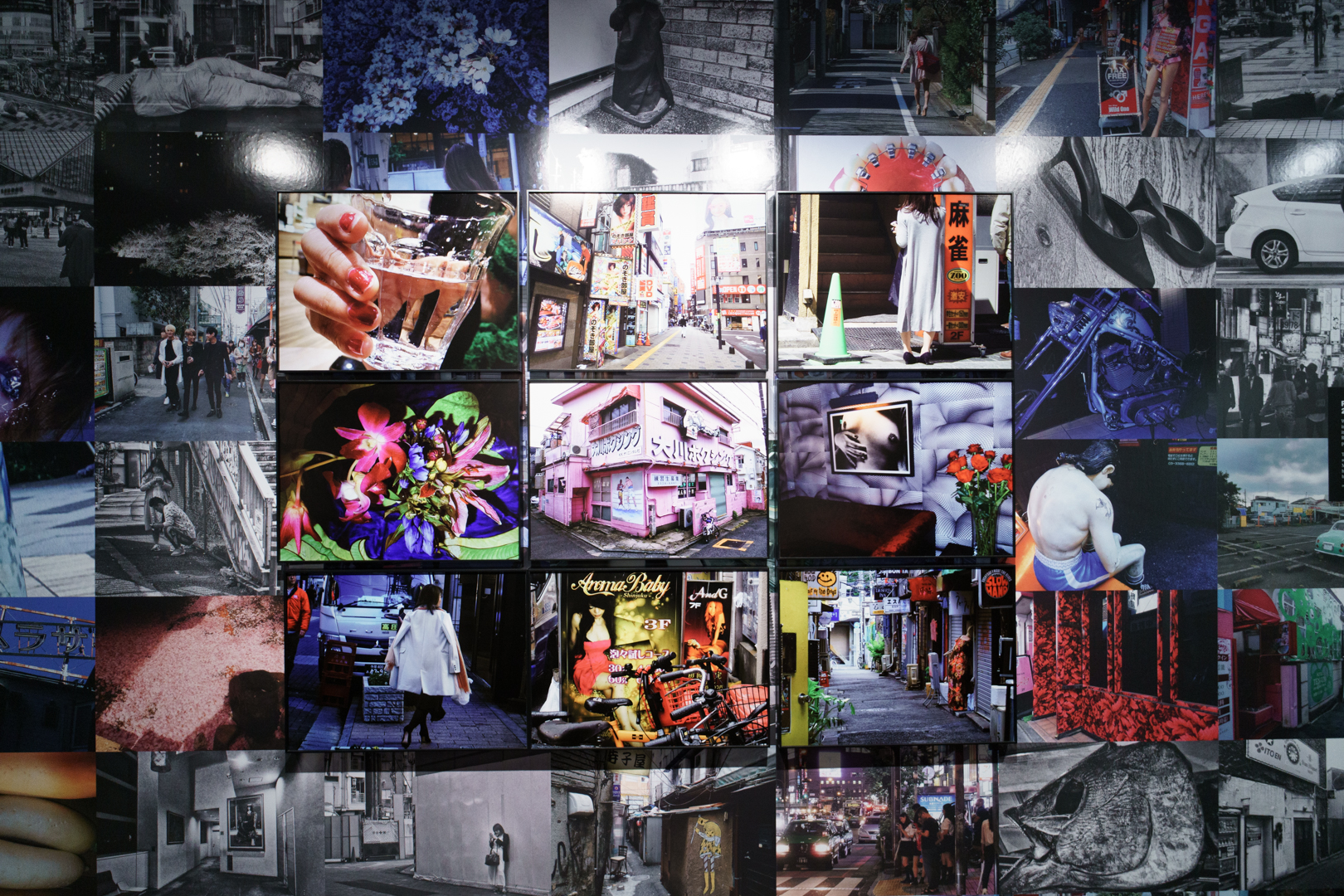
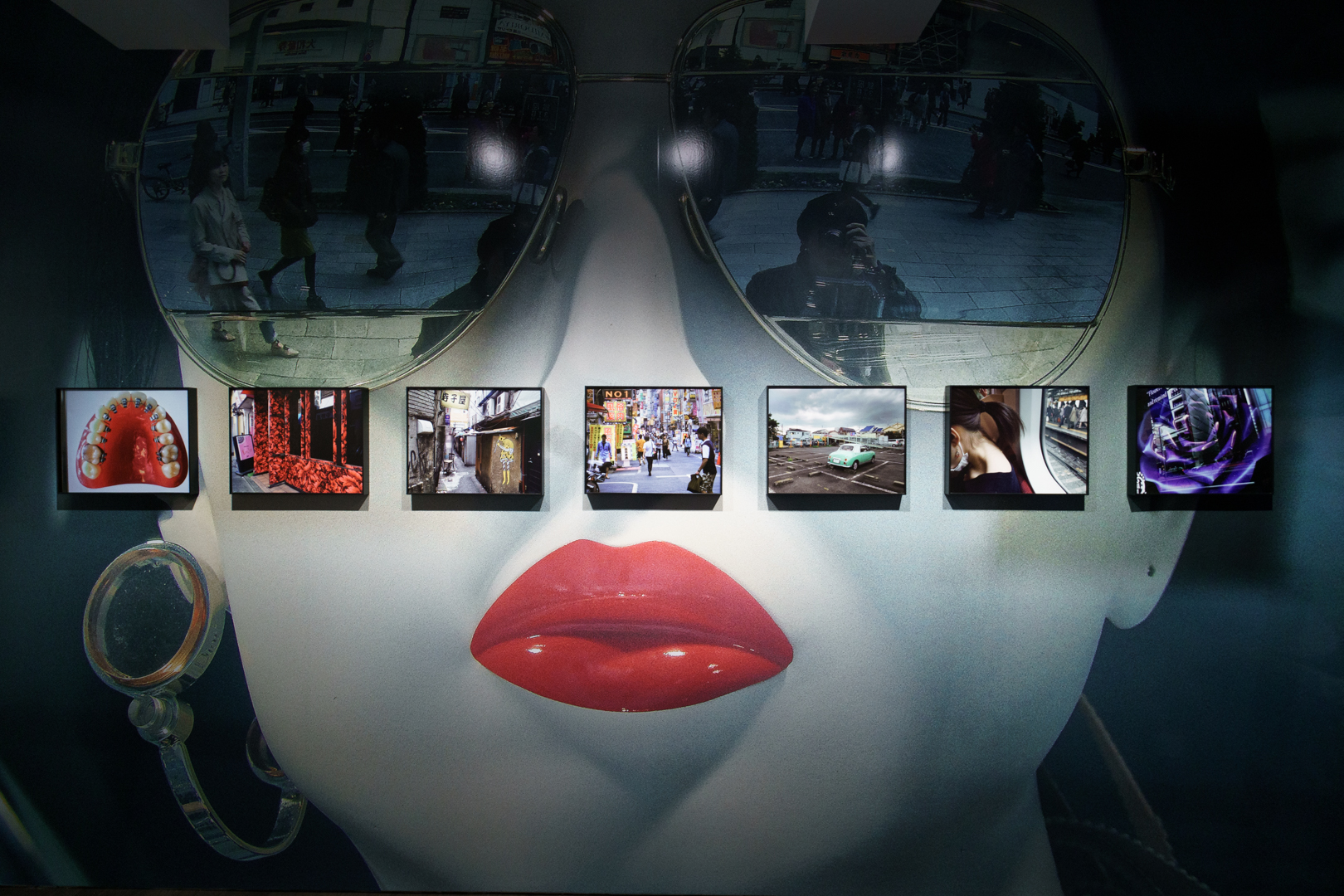
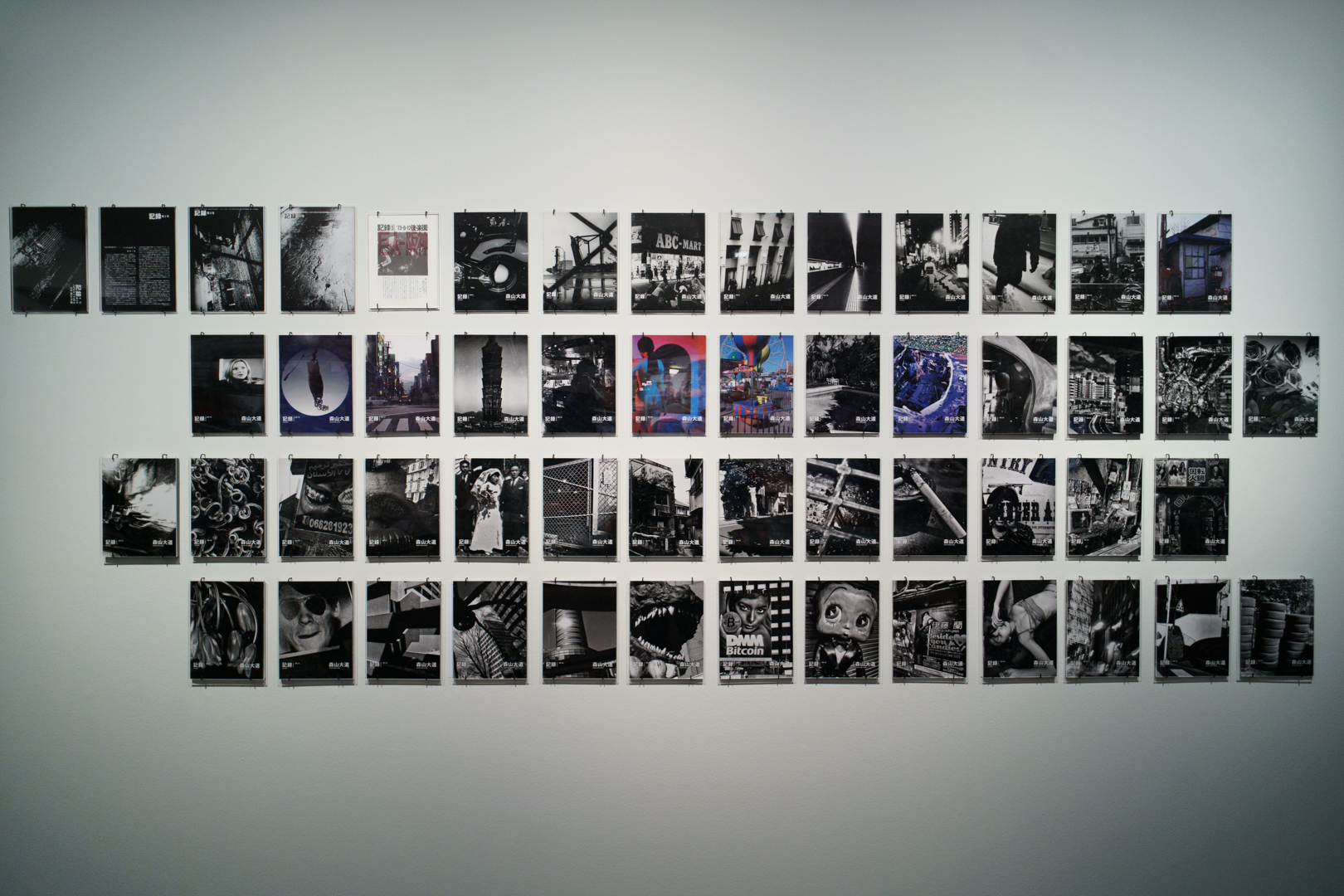
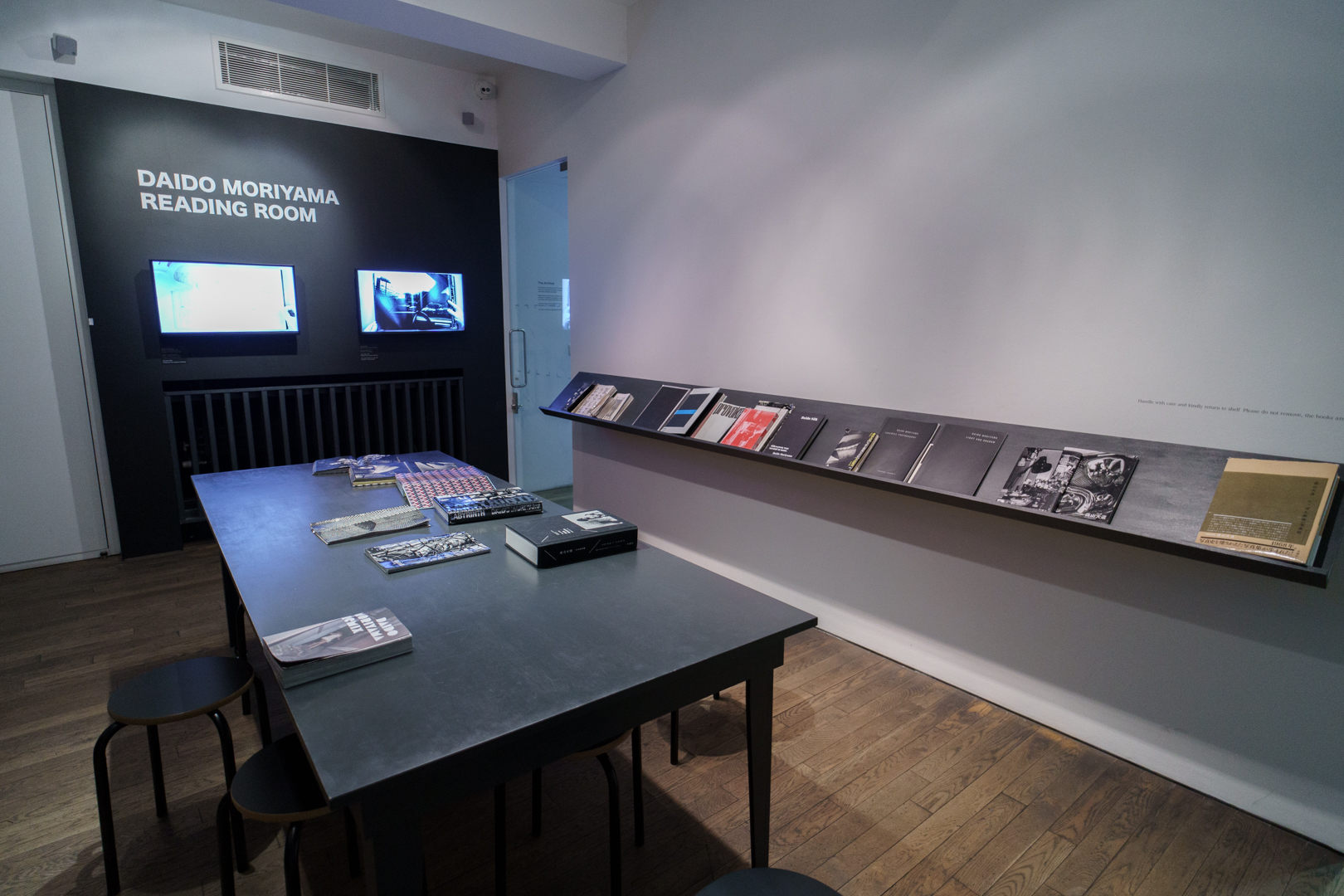
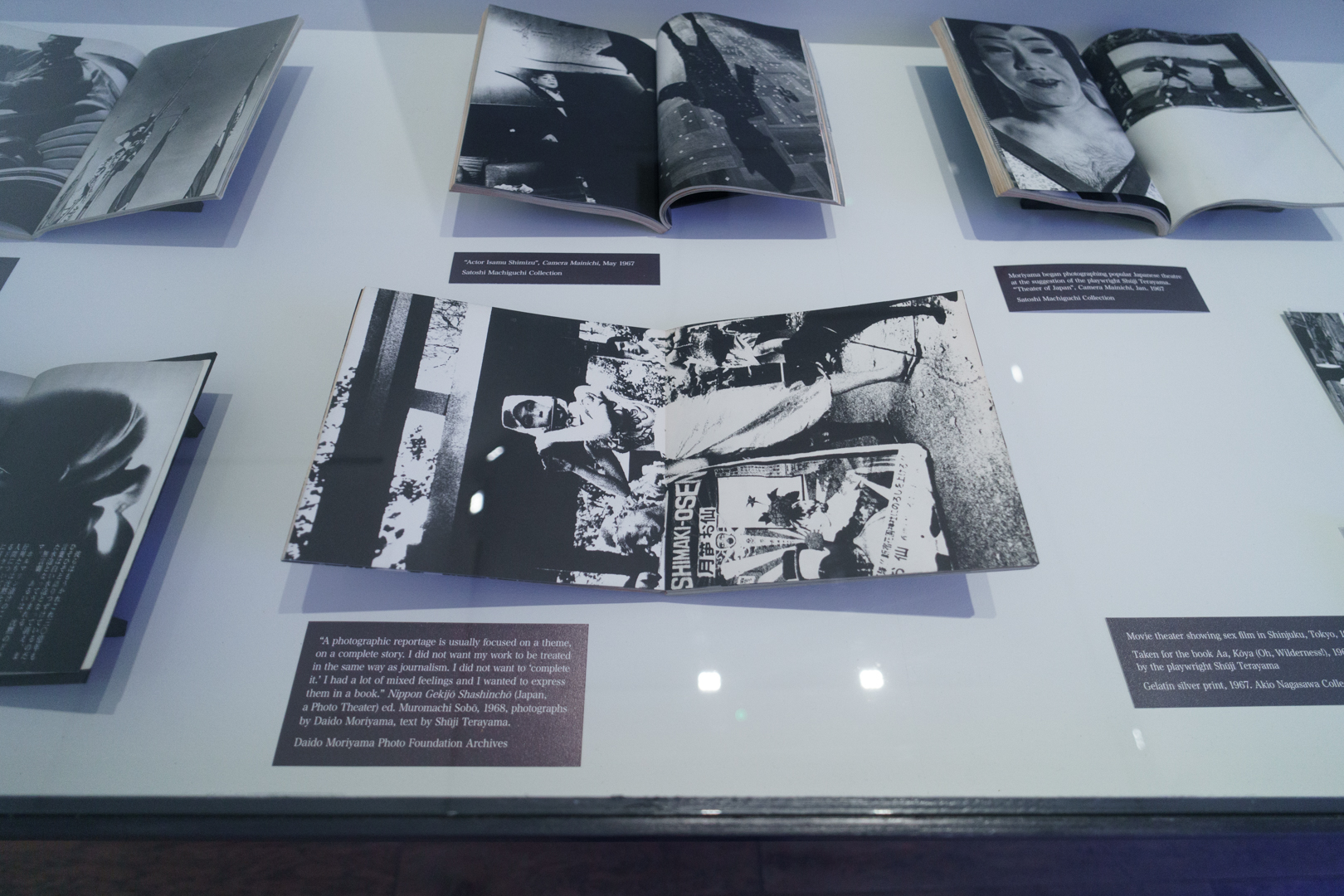
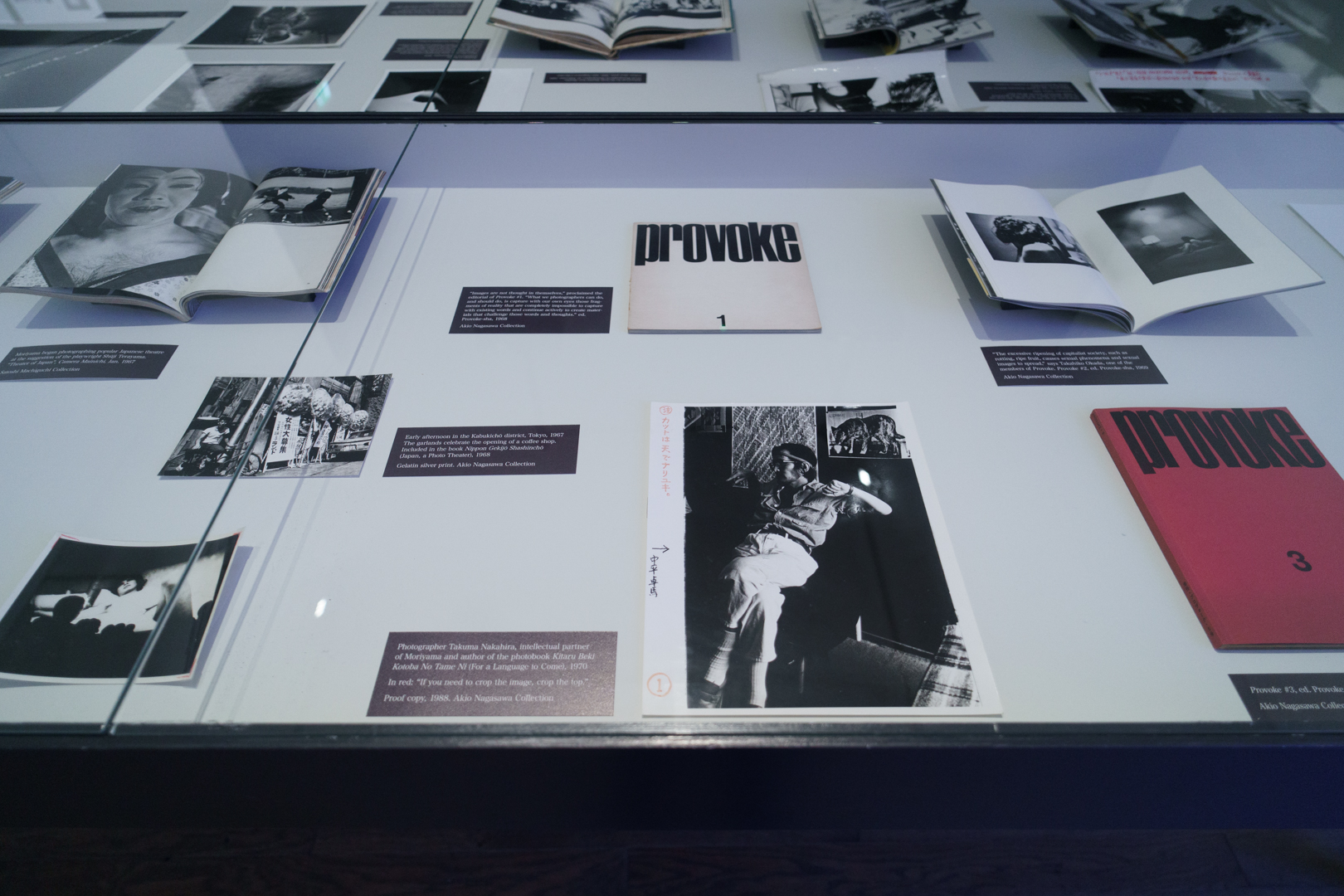
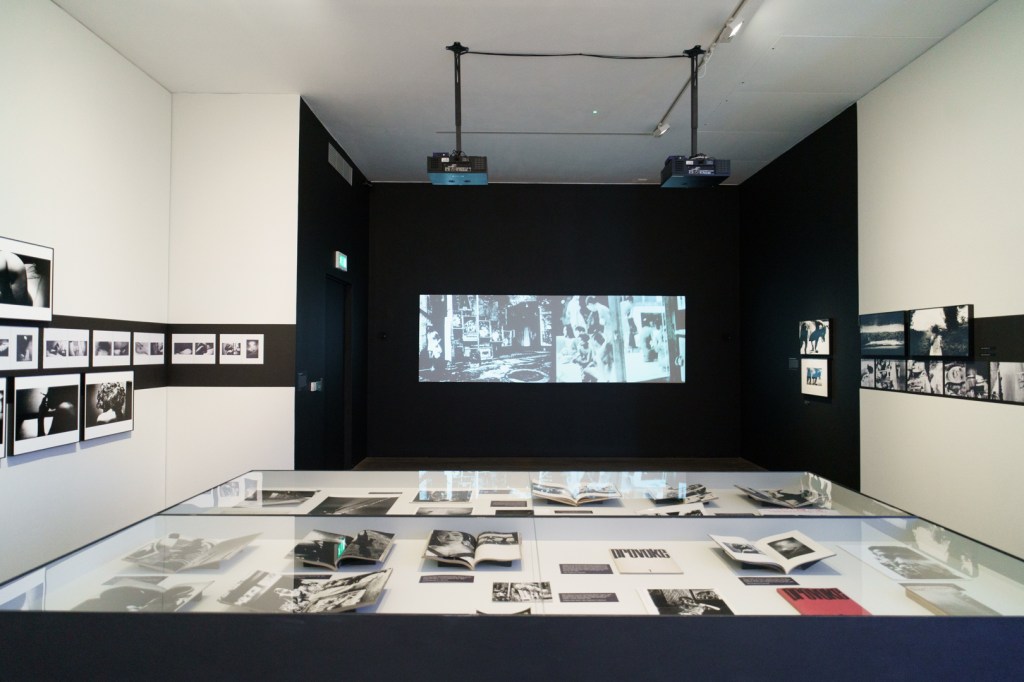
This interest in the materiality of his images is evident in his consistent production of photobooks since Japan: A Photo Theater (1968). All of these are represented in some shape or form throughout the show; the last section features a huge gathering of his various publications, including an unbroken showcase of his ongoing magazine series Record. Commenting on his preference for this tangible format, Moriyama wanted his audience to self-dictate the viewing order of his images as they casually flick through the pages. A dedicated reading room allows visitors the opportunity to browse through some of his publications.
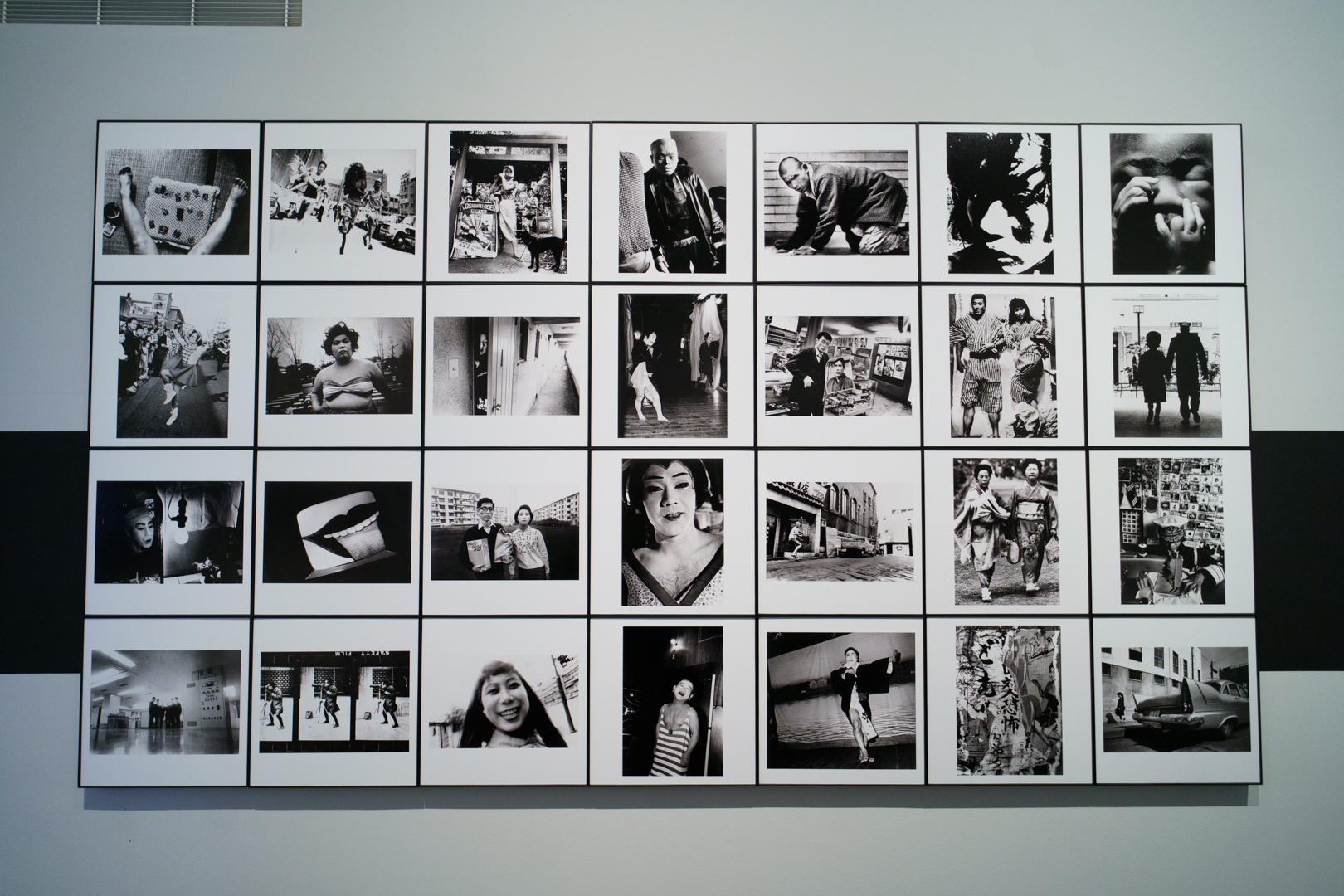
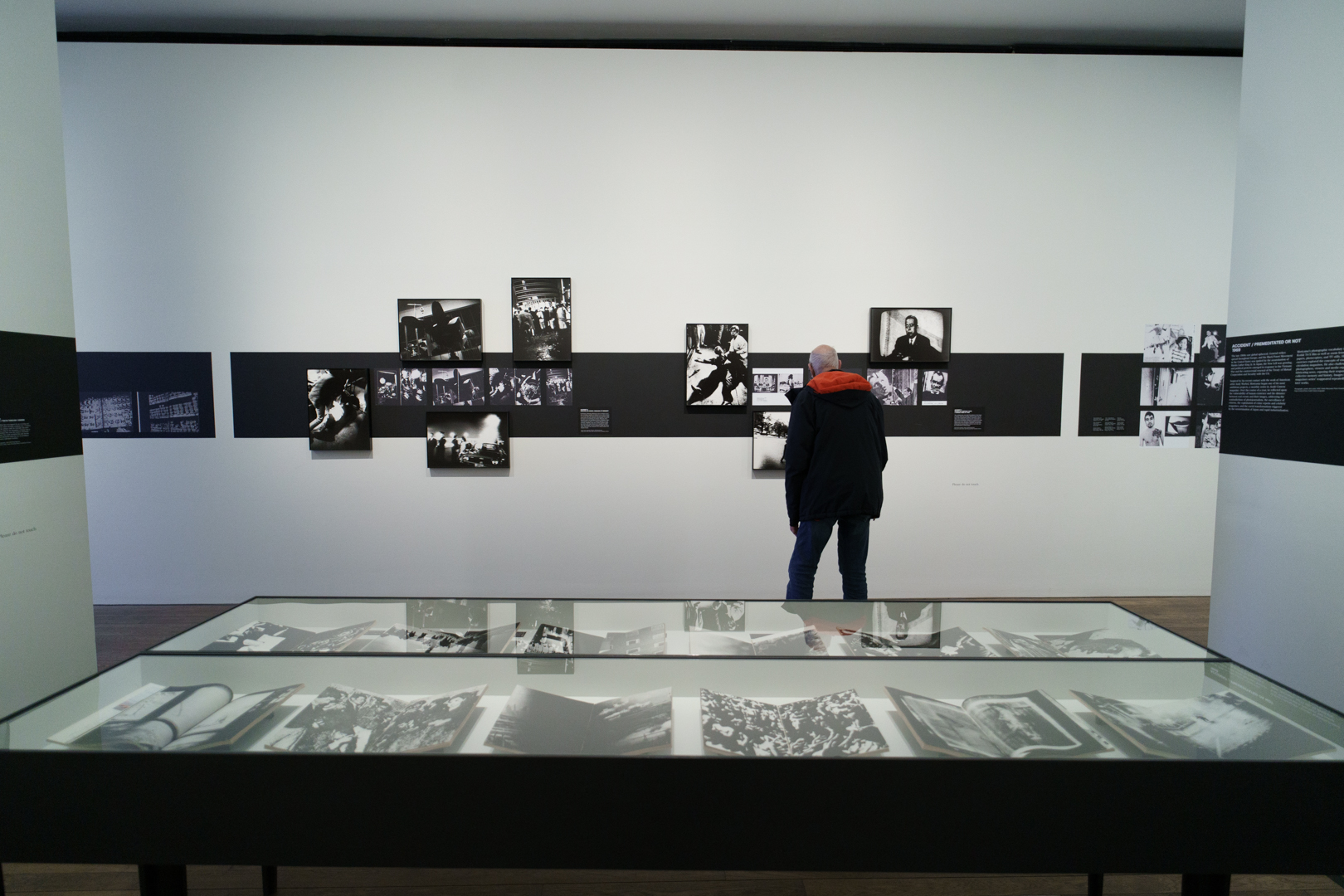
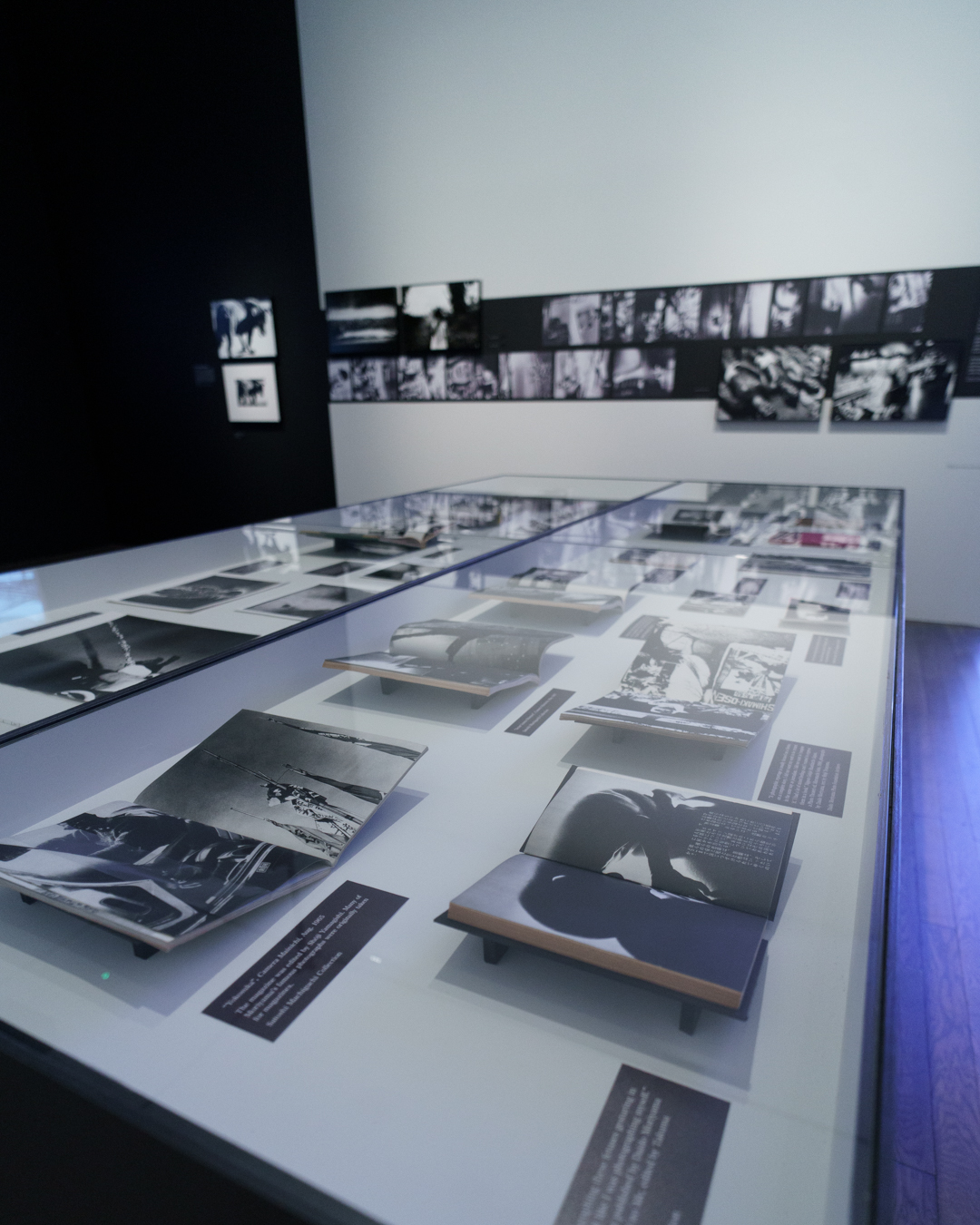
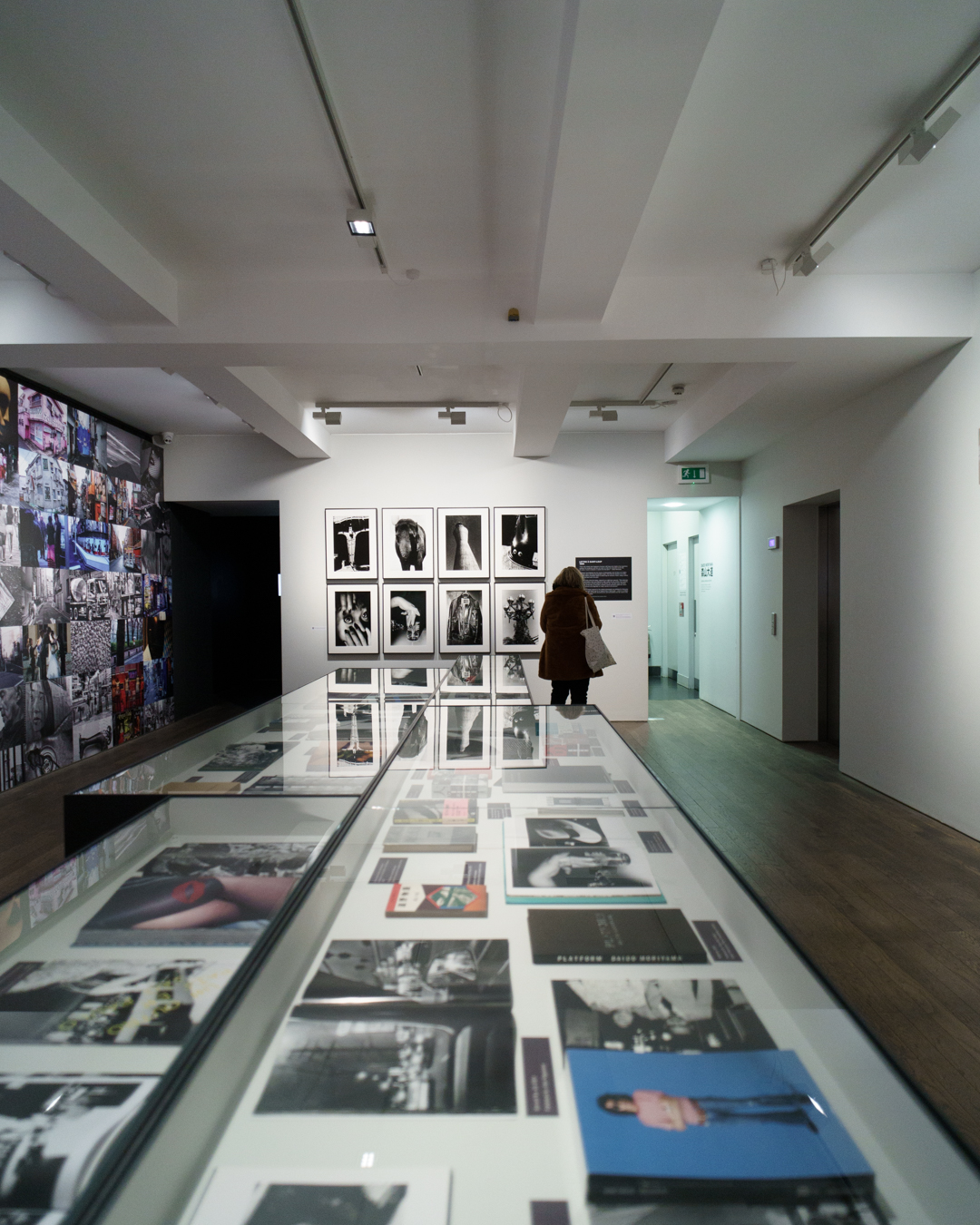
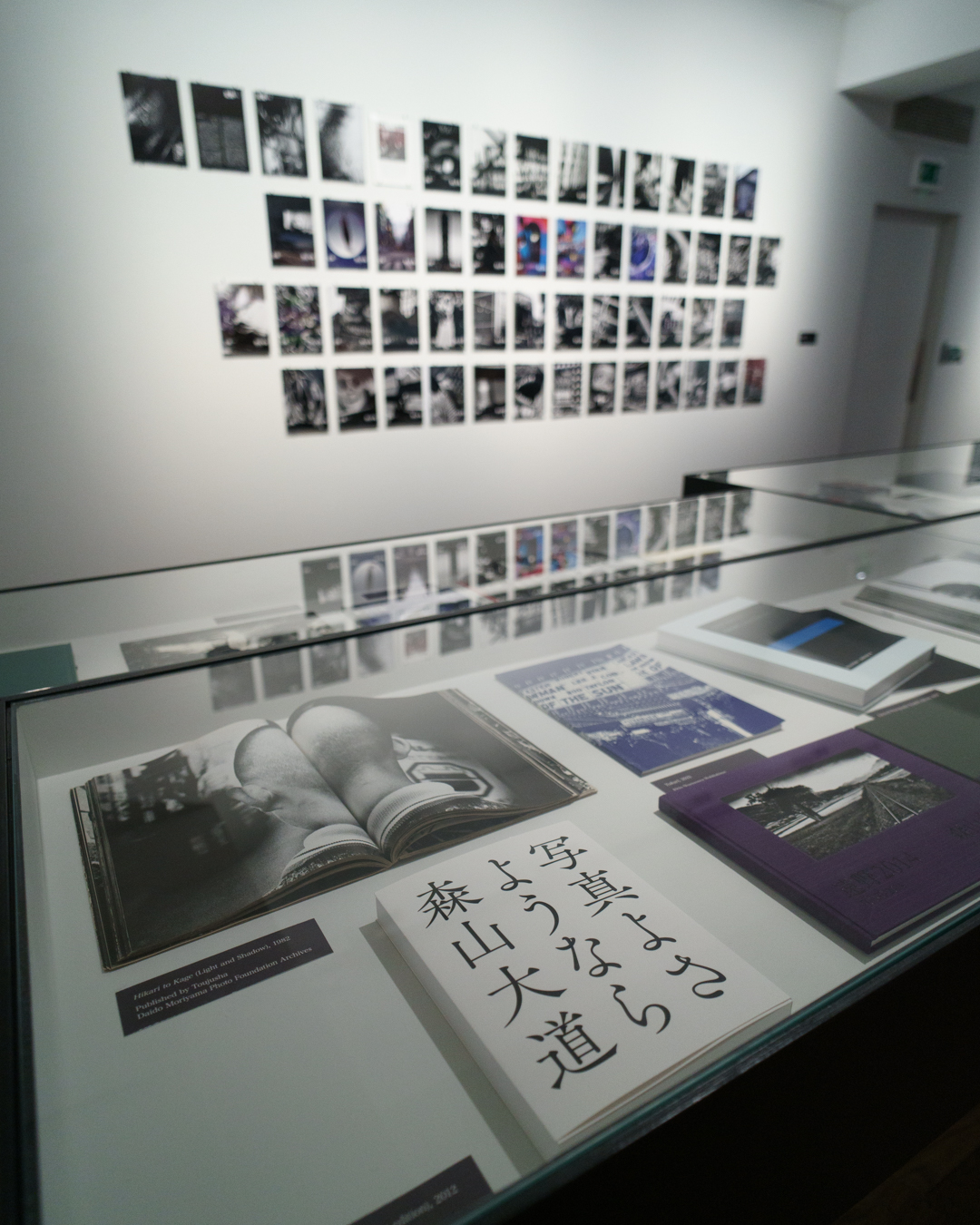
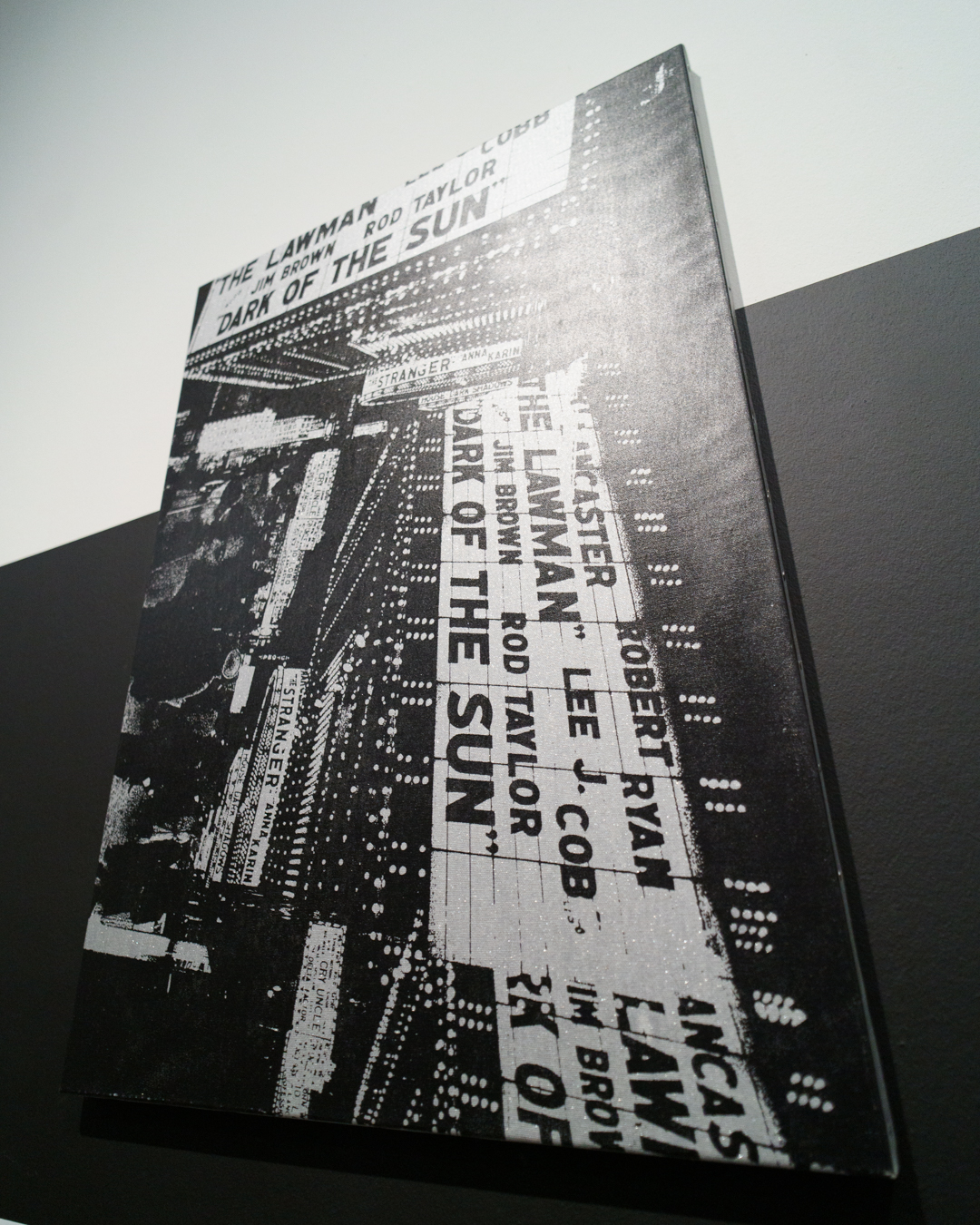
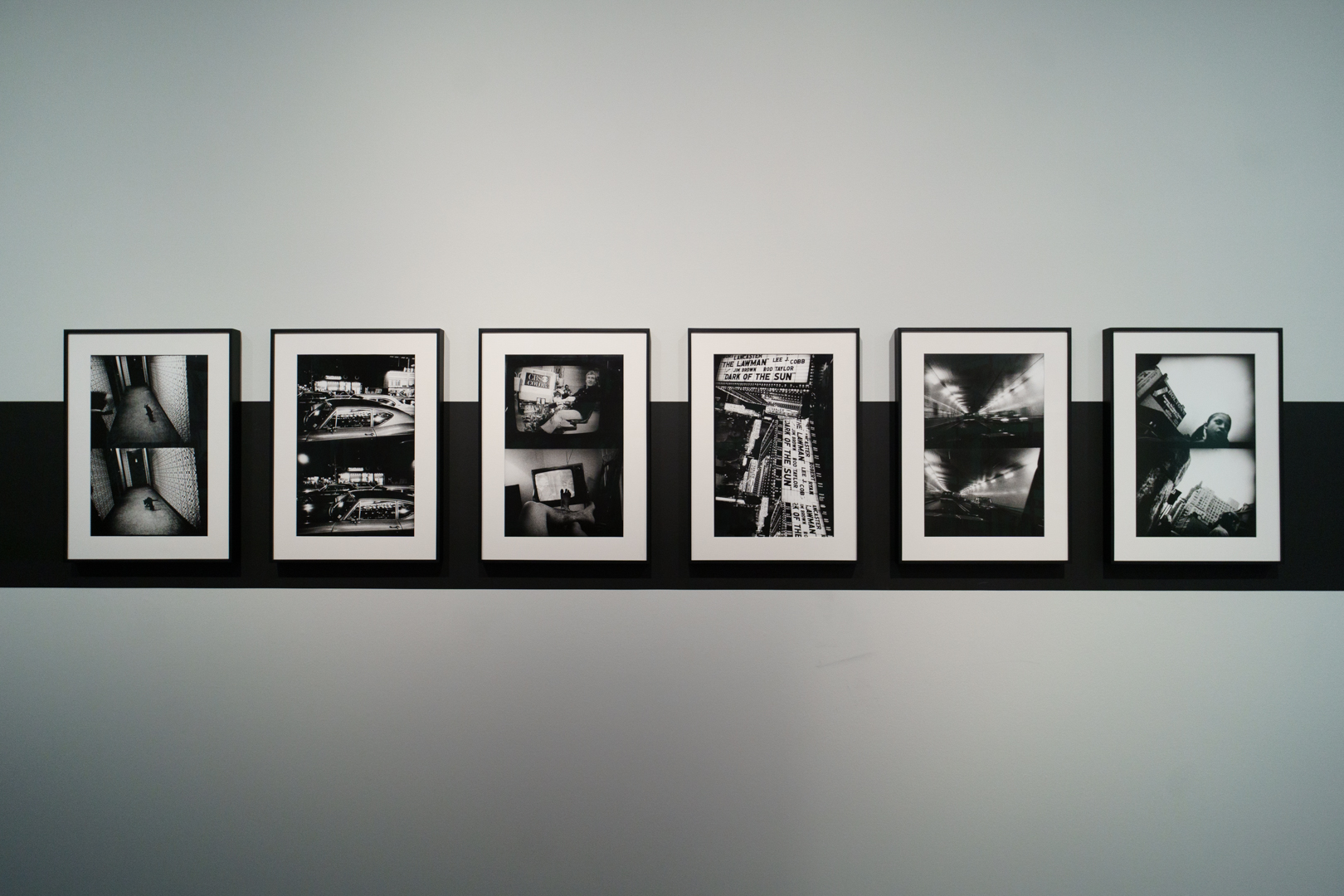
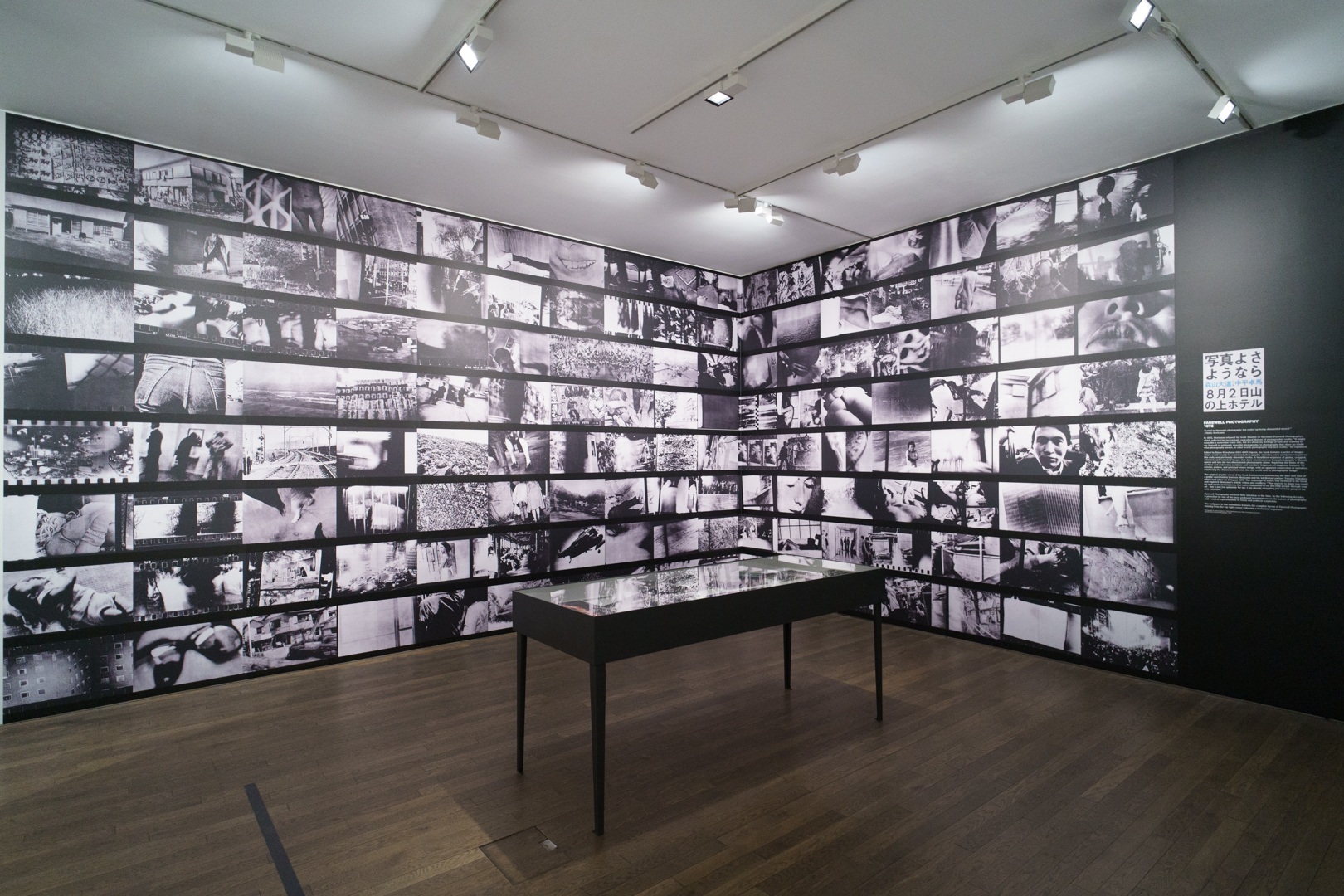
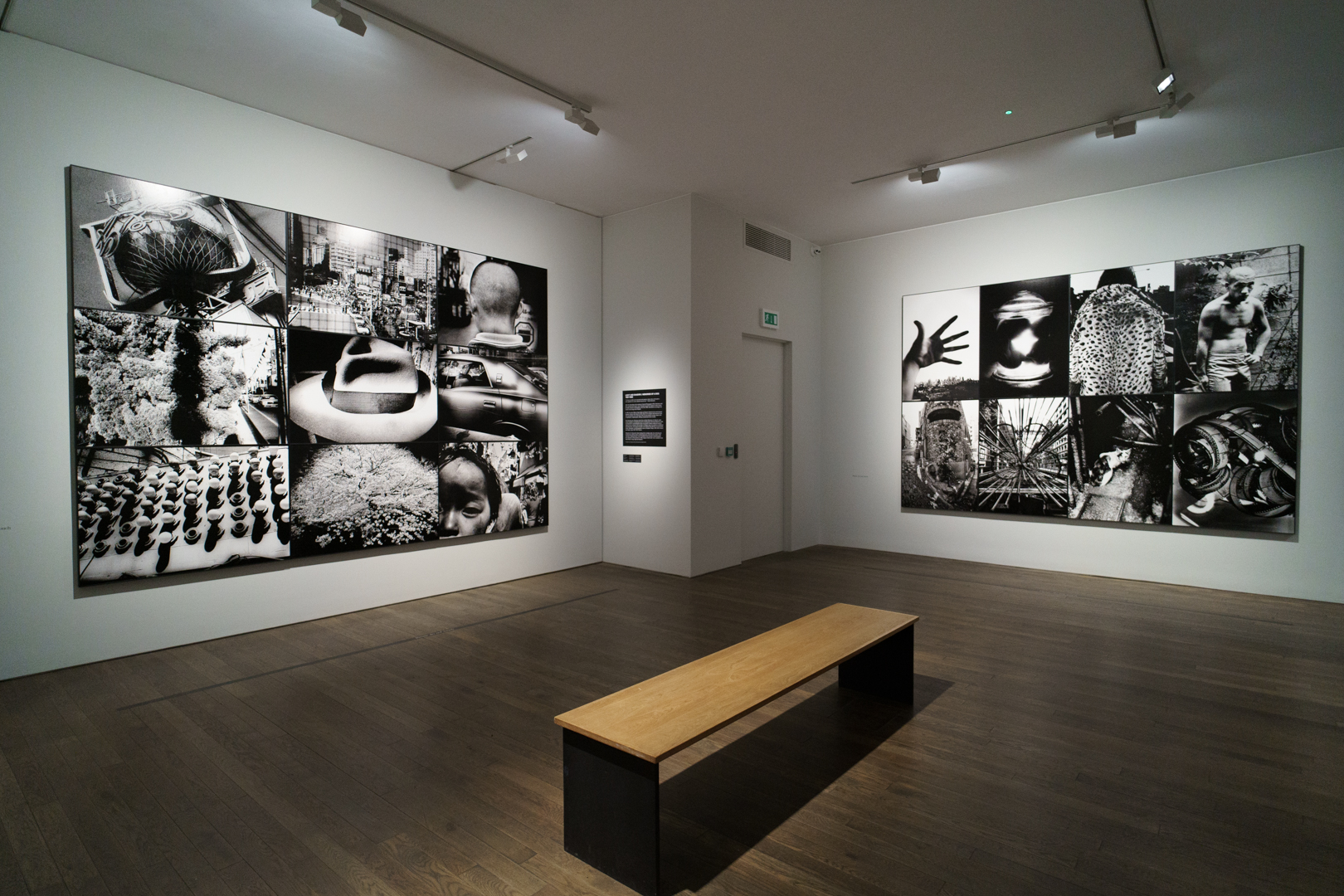
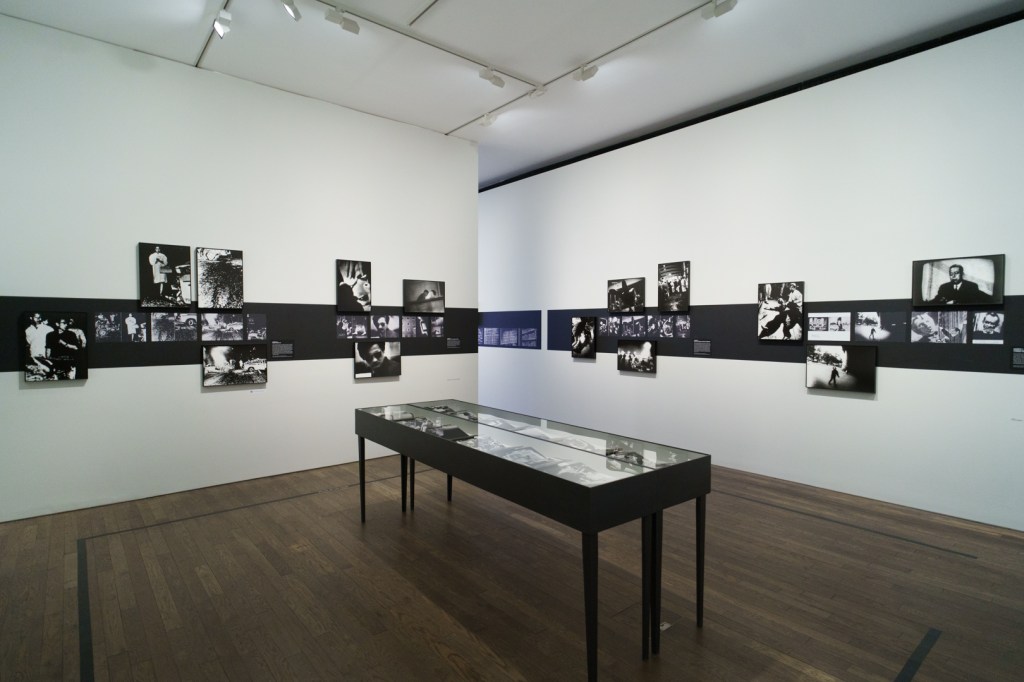
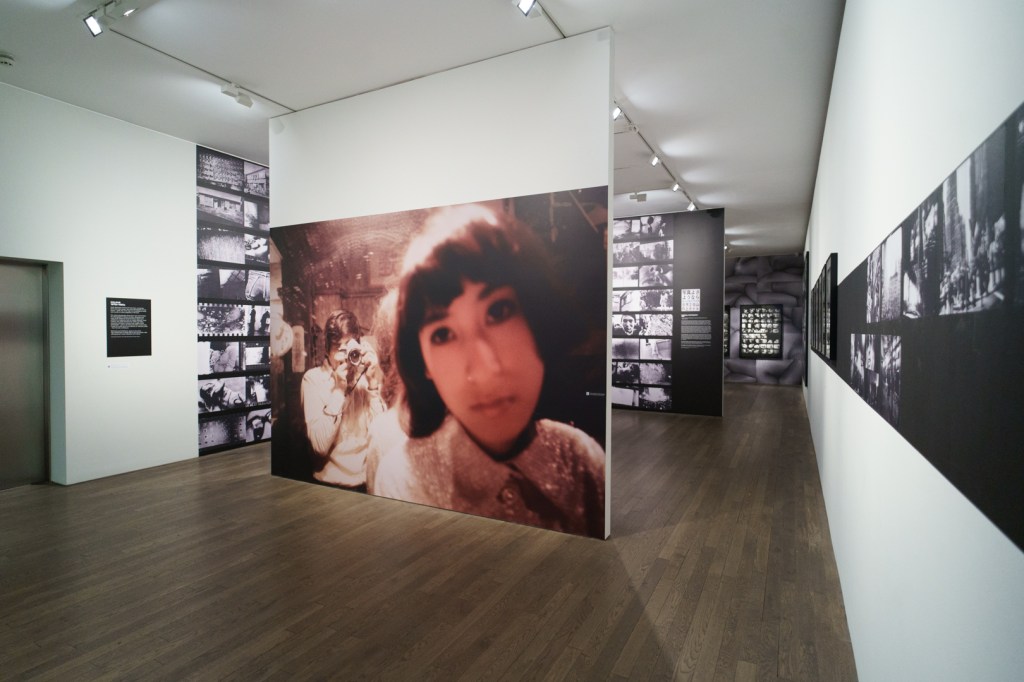
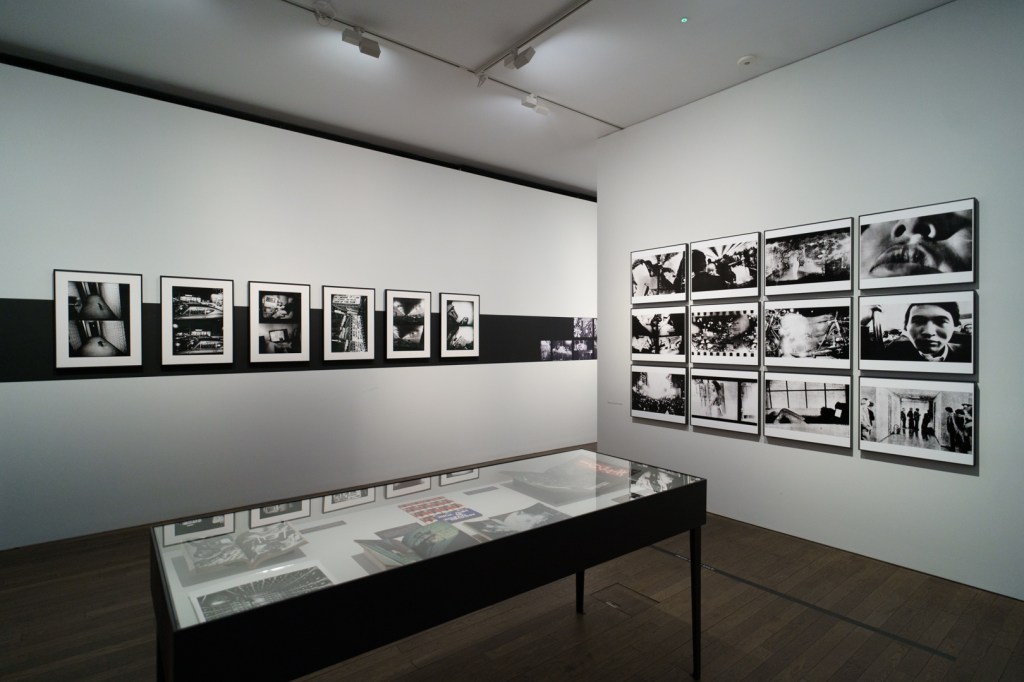
The exhibition’s mix of framed images and reproductions printed onto its walls may frustrate some people. However, this solution allows for some very creative installations that both drive the narrative and offer more examples of Moriyama’s work to be seen. The presentation of Farewell Photography (1972) is one example of this, where the book’s entire layout has been reproduced floor-to-ceiling across two walls. In the preceding year, he visited New York – home to his idols William Klein and Andy Warhol – carrying a half-frame camera, where two separate images would occupy the space of a single negative. This technical limitation allowed Moriyama to experiment with image pairings akin to those on a publication spread.
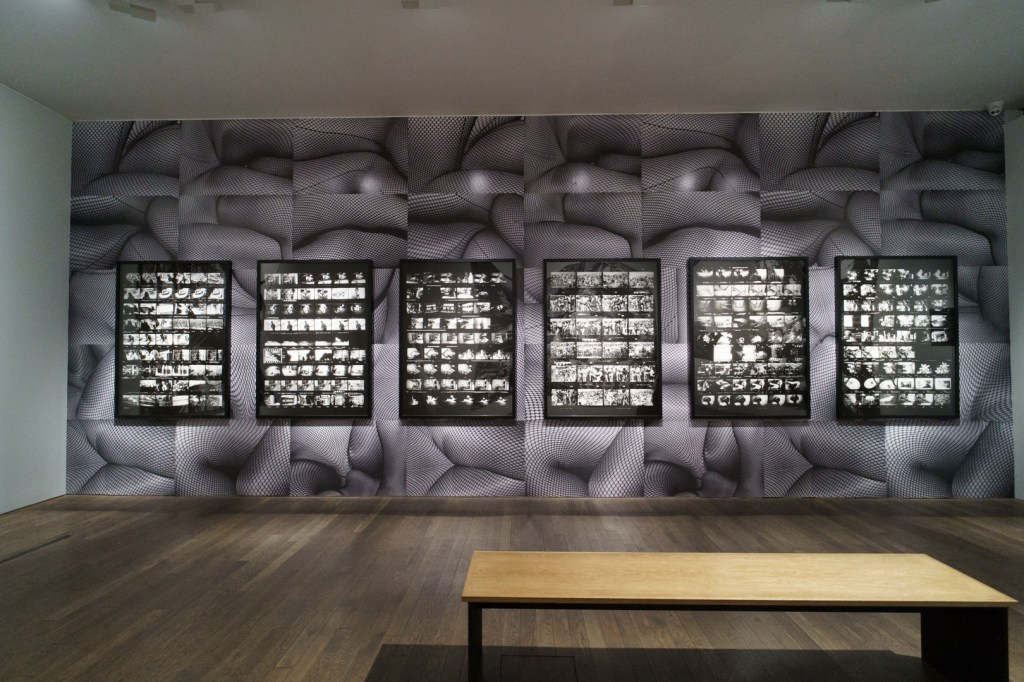
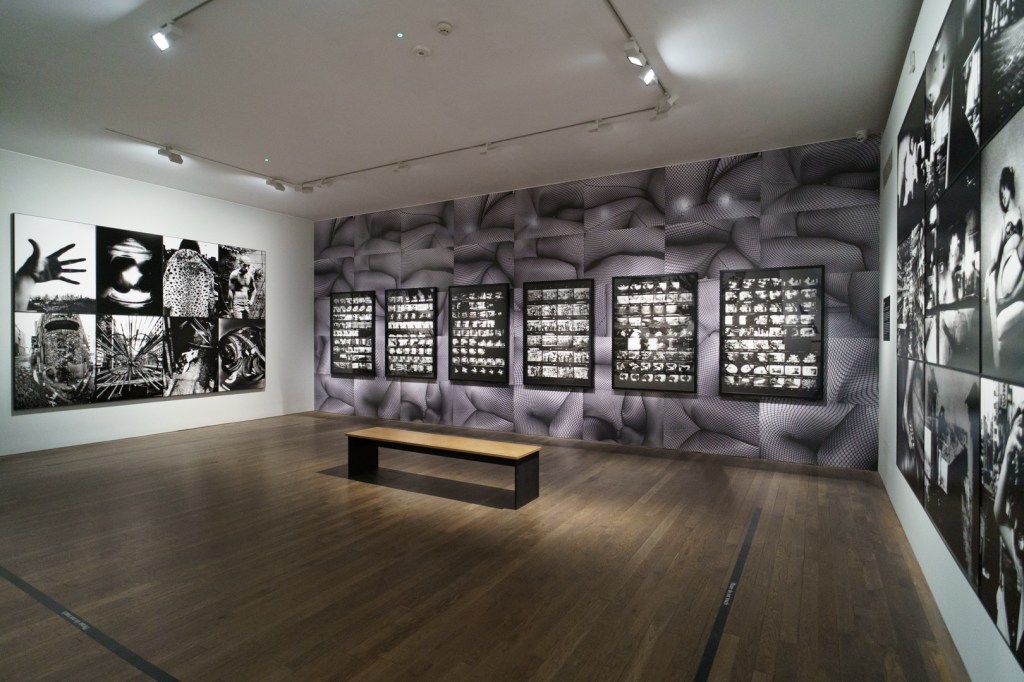
Similarly for the Labyrinth project, six of his contact sheets have been blown-up in size for us to better see them in the context and sequence they were shot. It was particularly interesting to see how the demonic-looking Boy (1973) picture came out of a sequence where the child was making weird facial expressions, which Moriyama later manipulated in the darkroom for the final image. Framed and set against a backdrop composed of his iconic Tights photographs, the grid structure of the contact sheets strongly resonate with those of the fishnet tights.

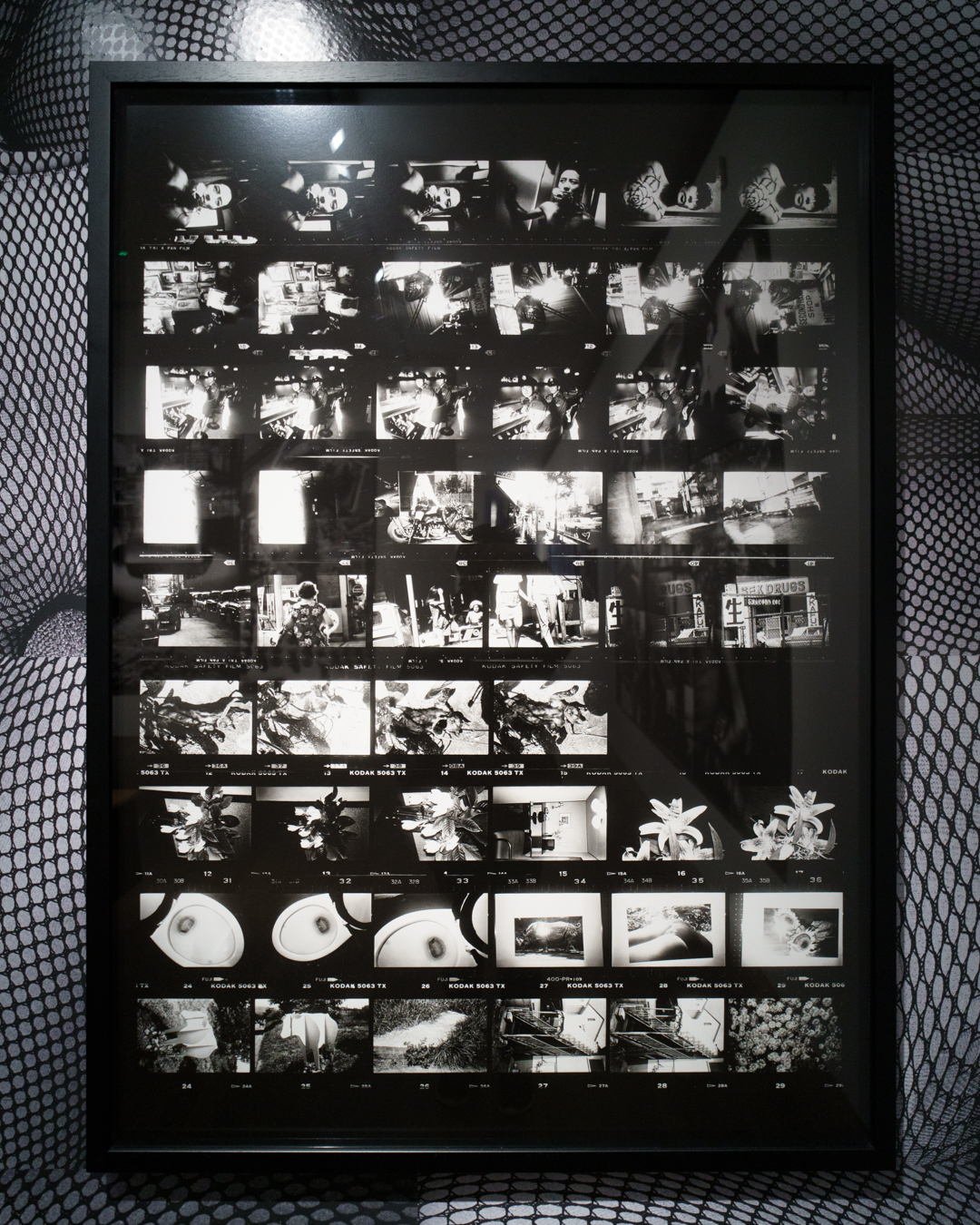
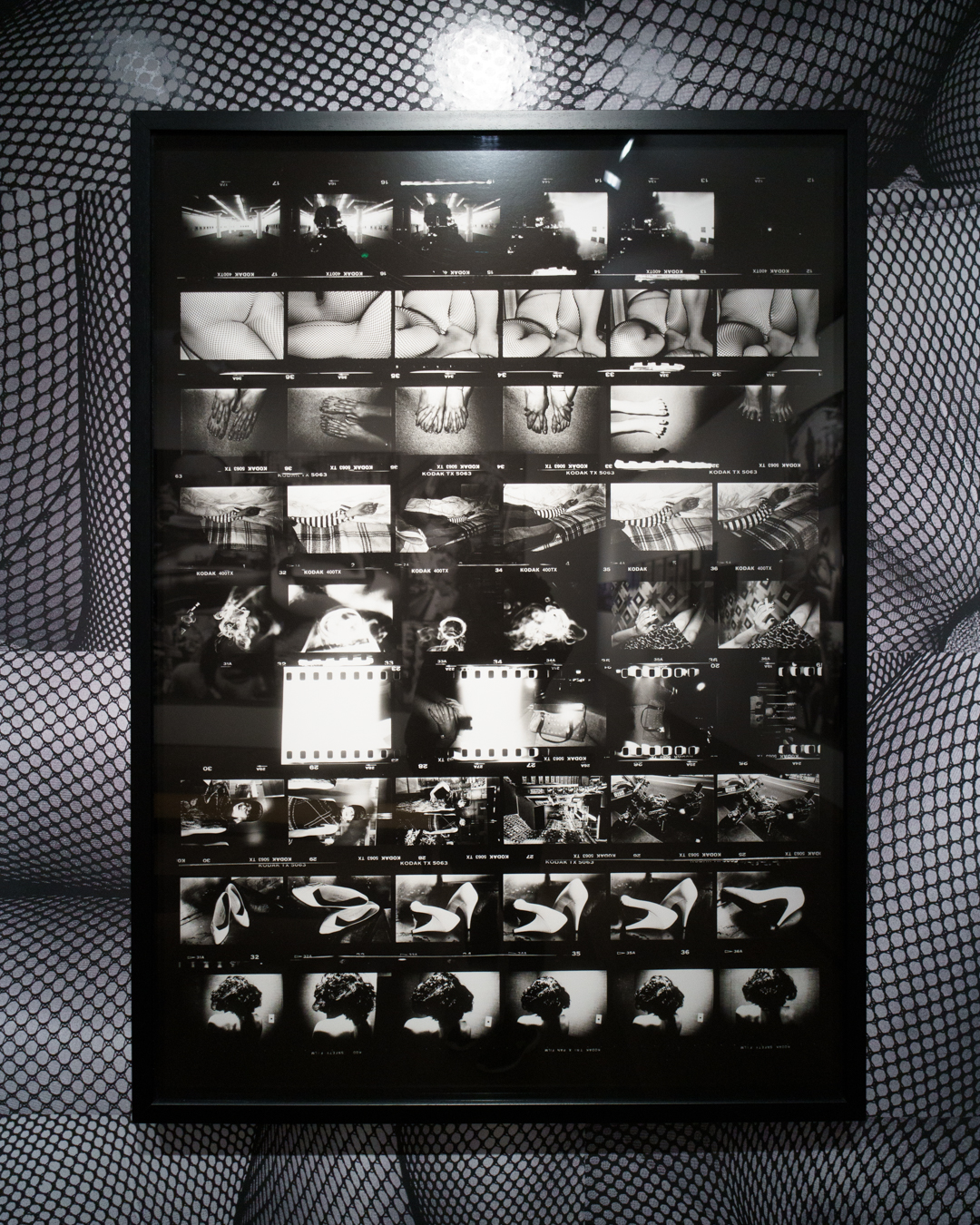
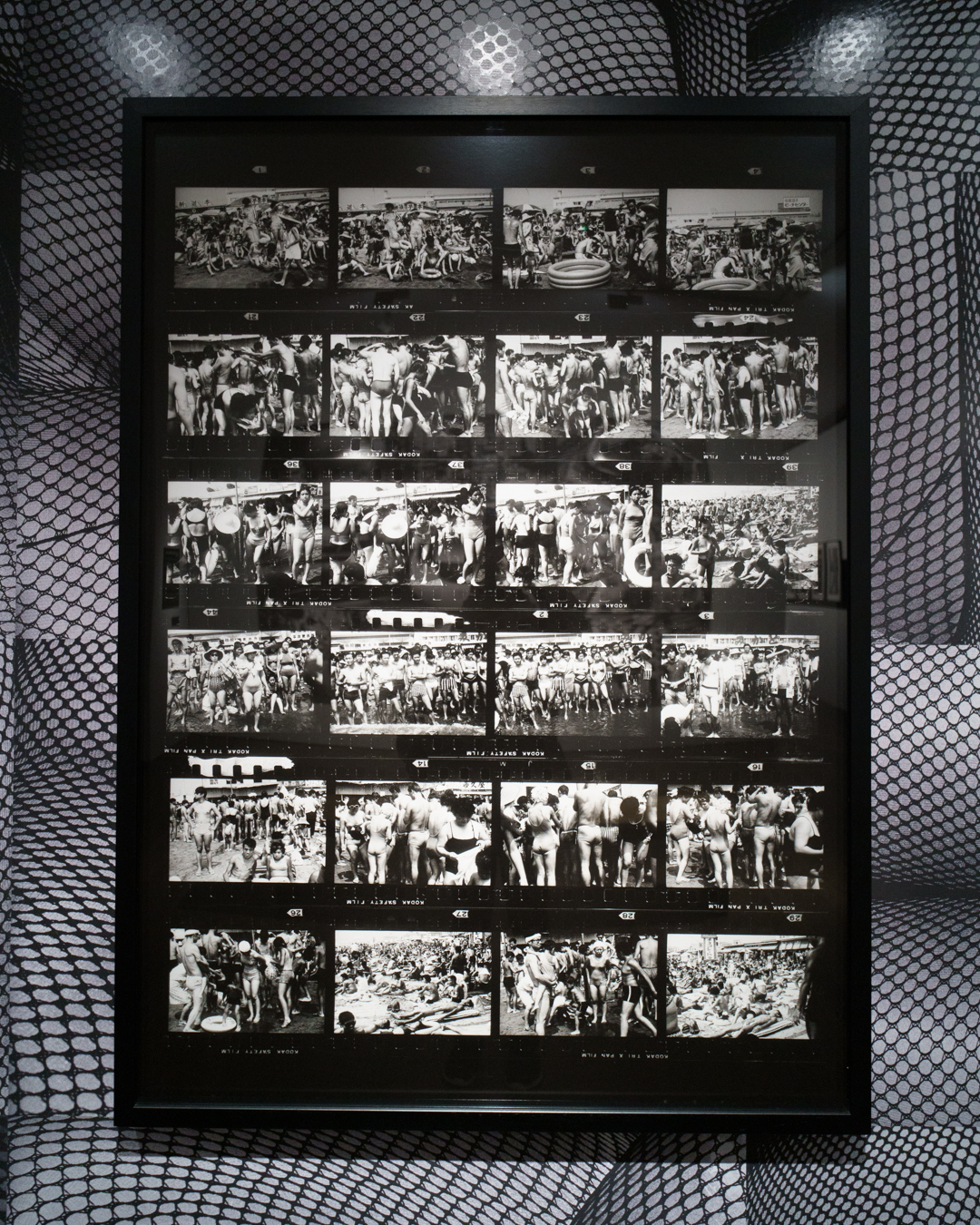
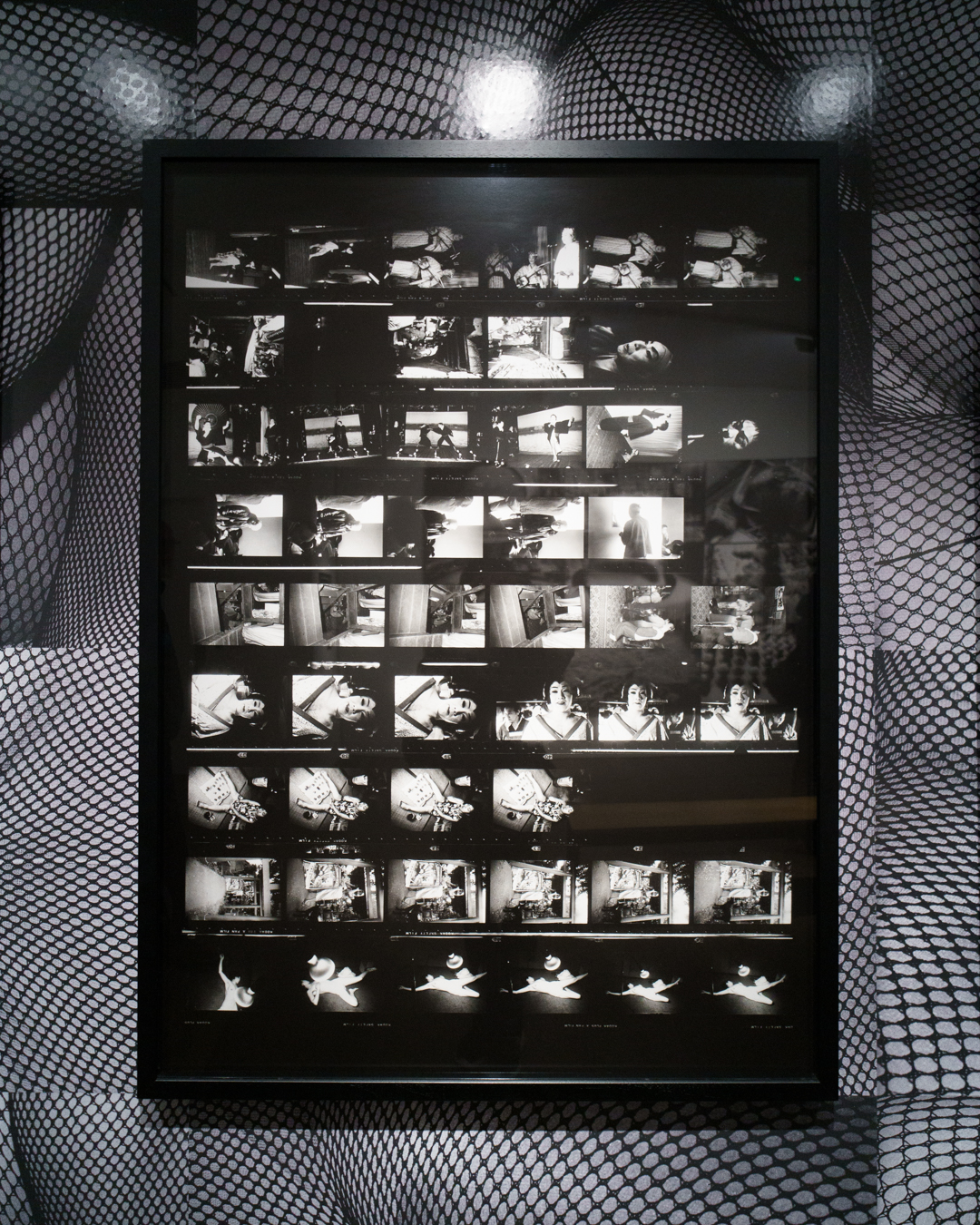
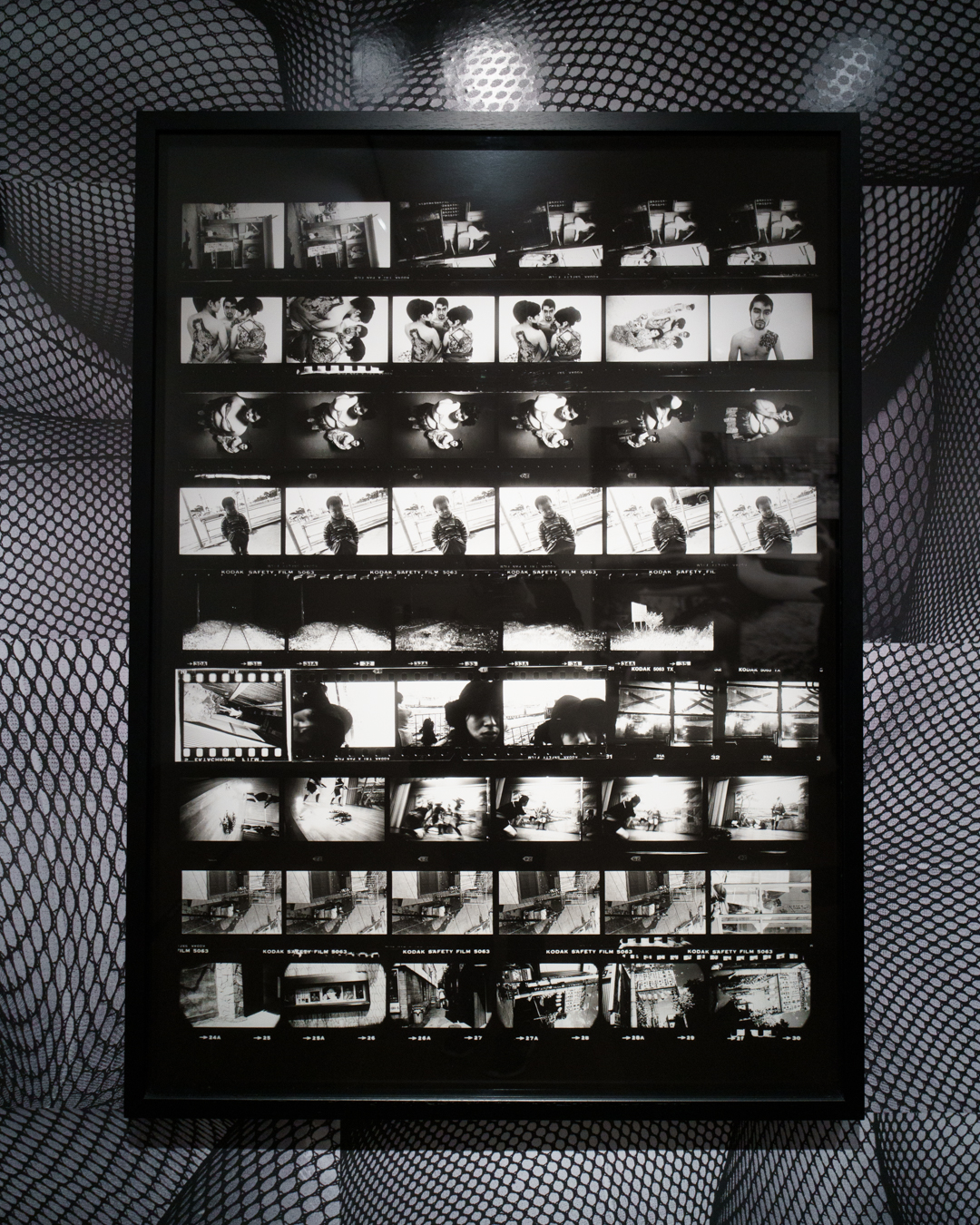
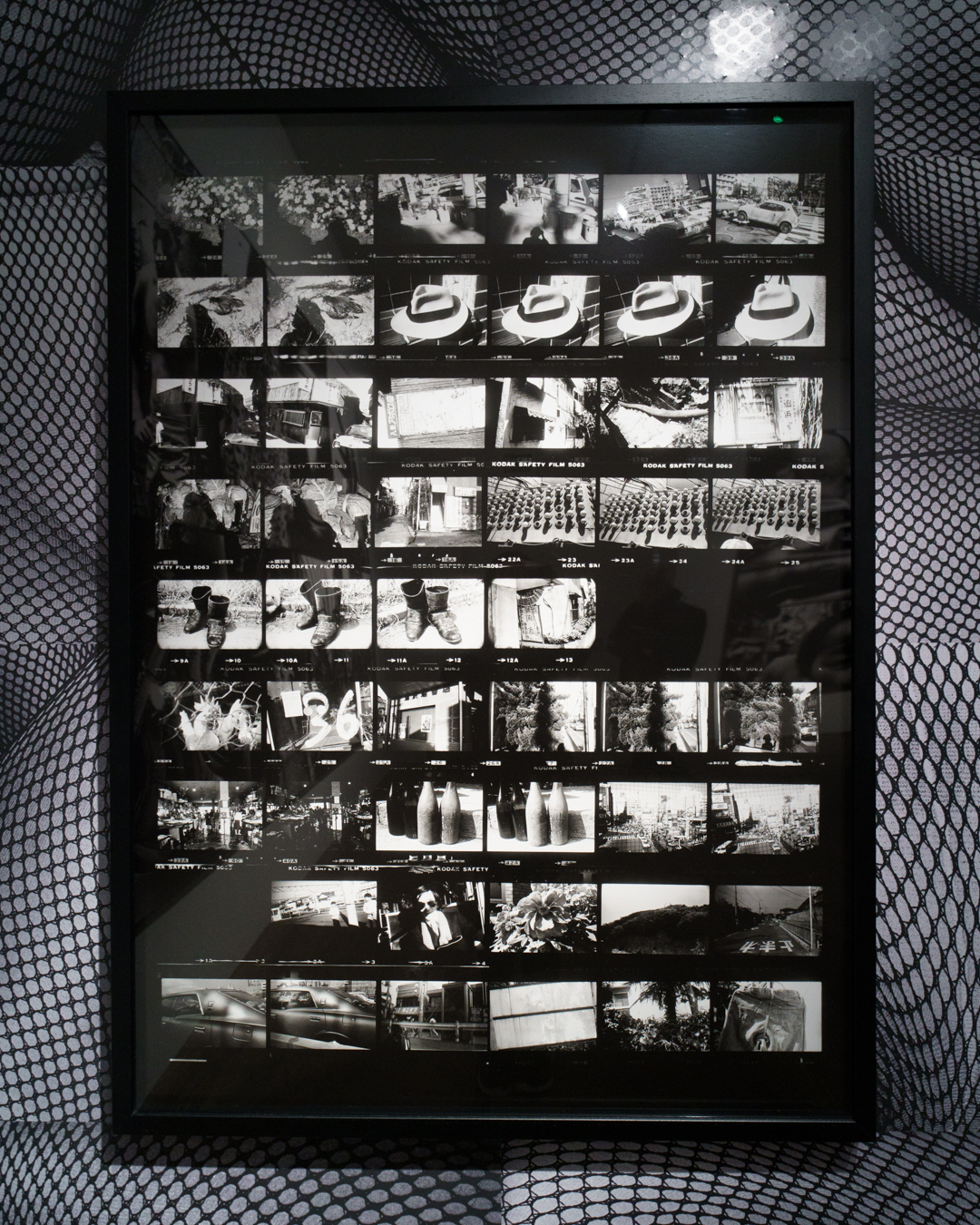
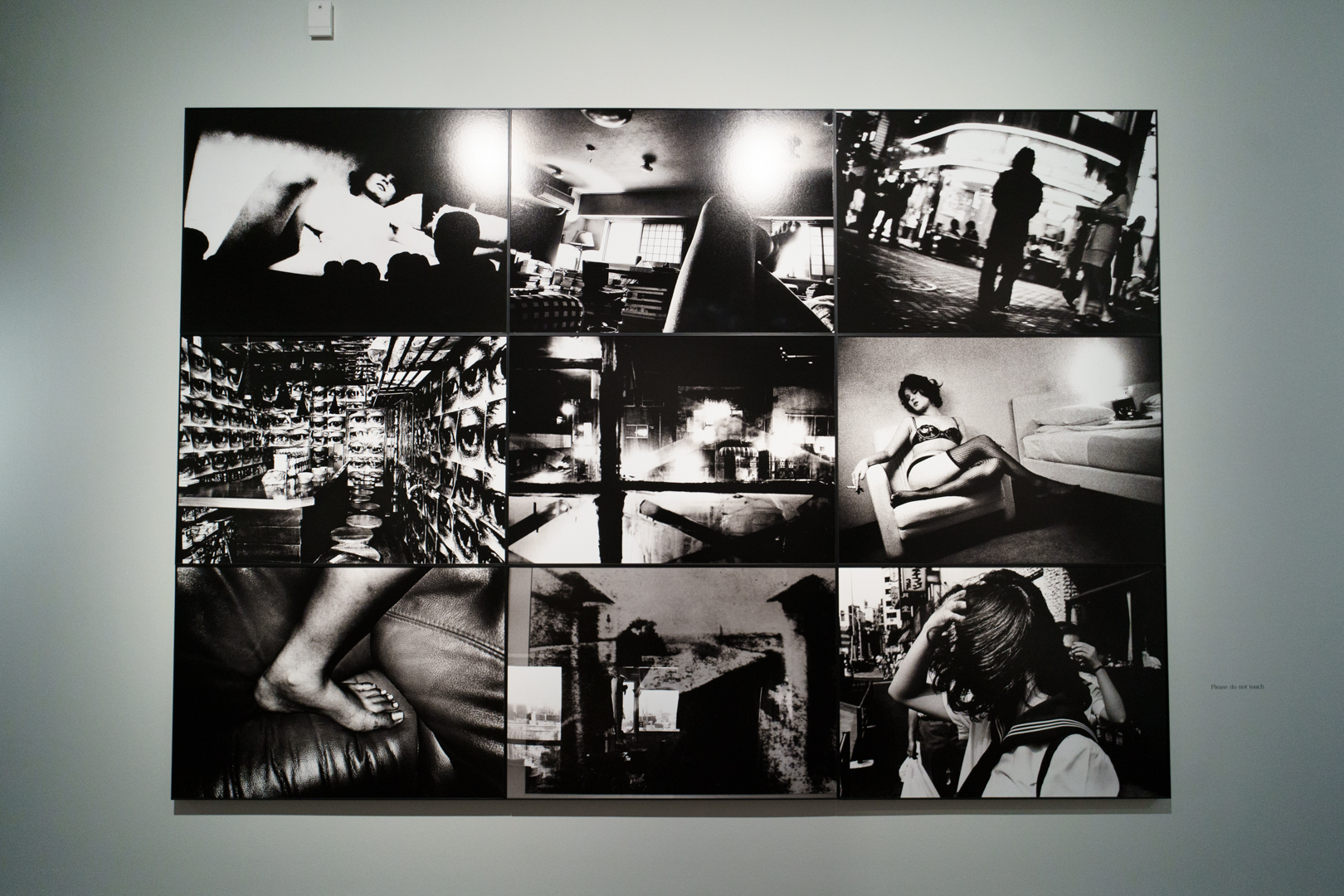
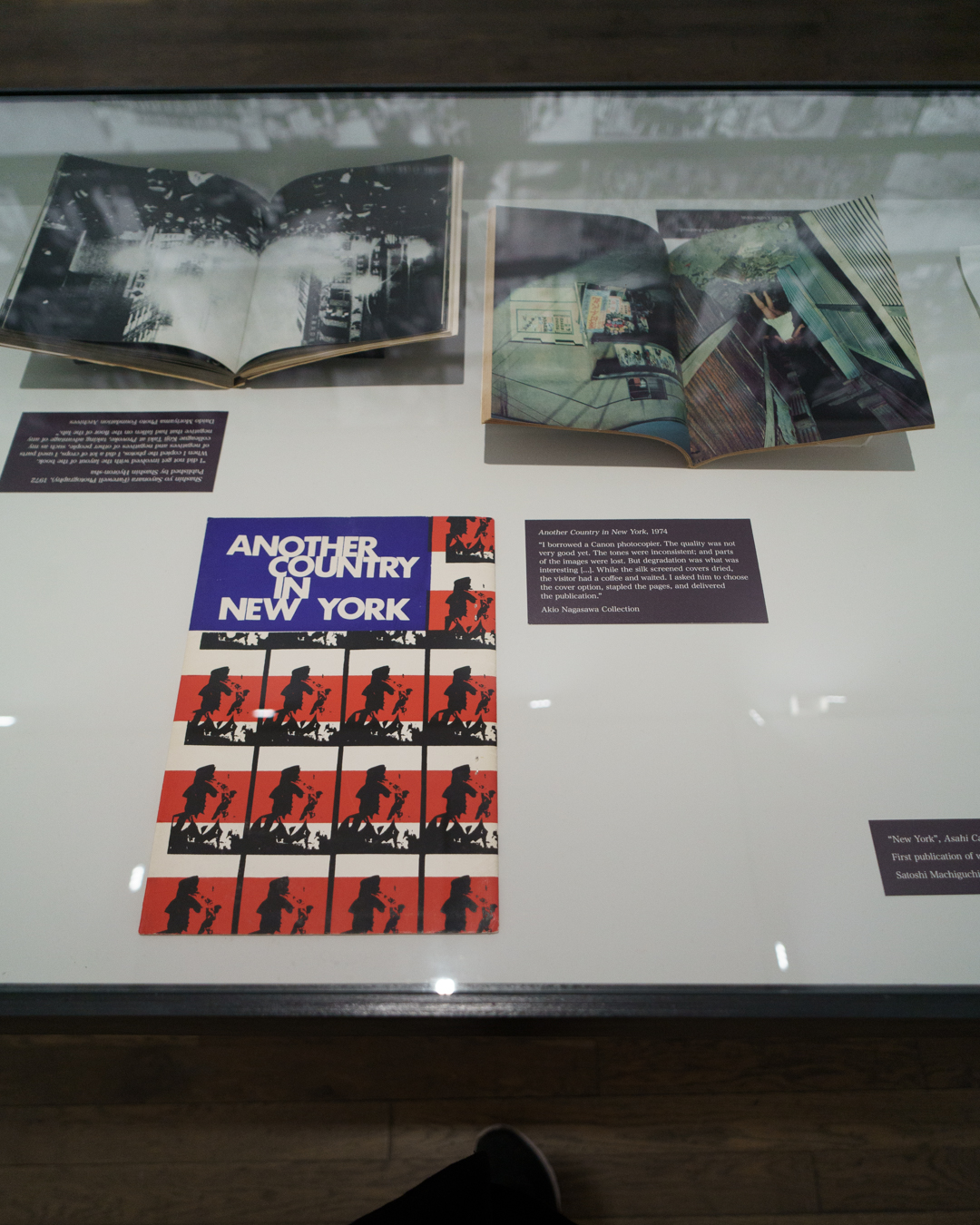
Amidst a broad selection of annotated proofs and physical media, some of the captions featuring Moriyama’s comments offered personal insights into his conceptual mindset and production methods. For Another Country in New York (1974), he is quoted as saying:
‘I borrowed a Canon photocopier. The quality was not very good yet. The tones were inconsistent; and parts of the images were lost. But degradation was what was interesting […]. While the silk screened covers dried, the visitor had a coffee and waited. I asked him to choose the cover option, stapled the pages, and delivered the publication.’
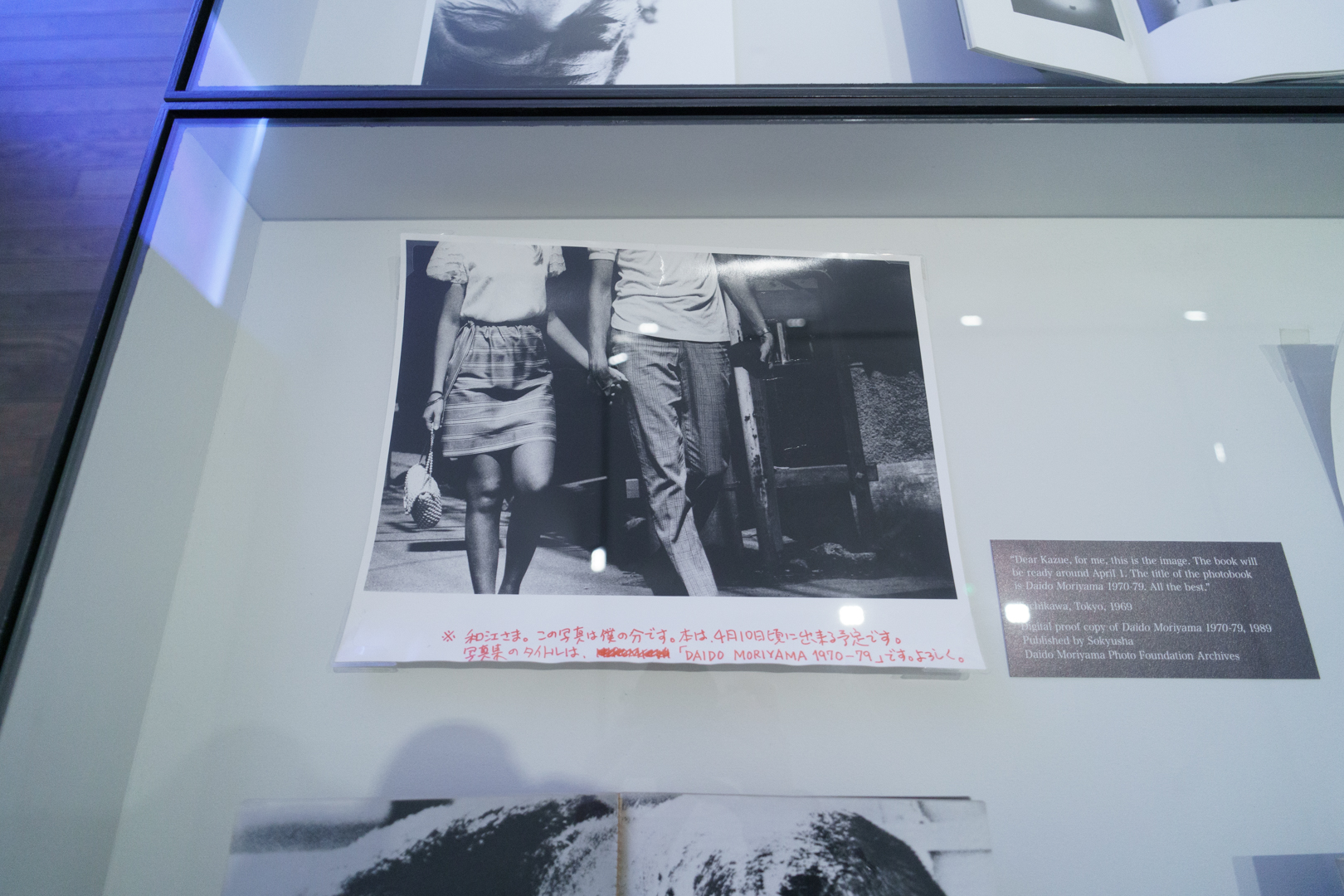
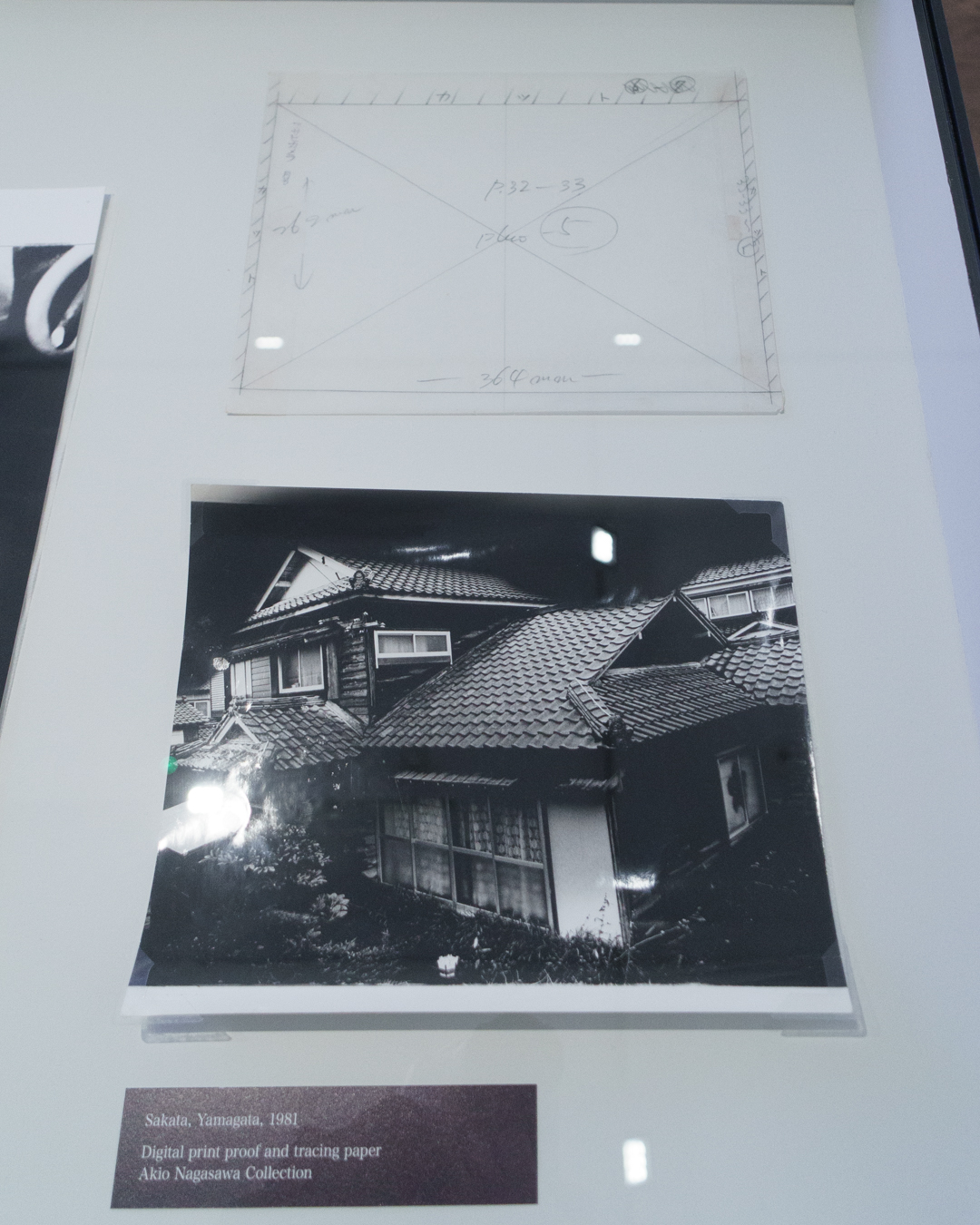
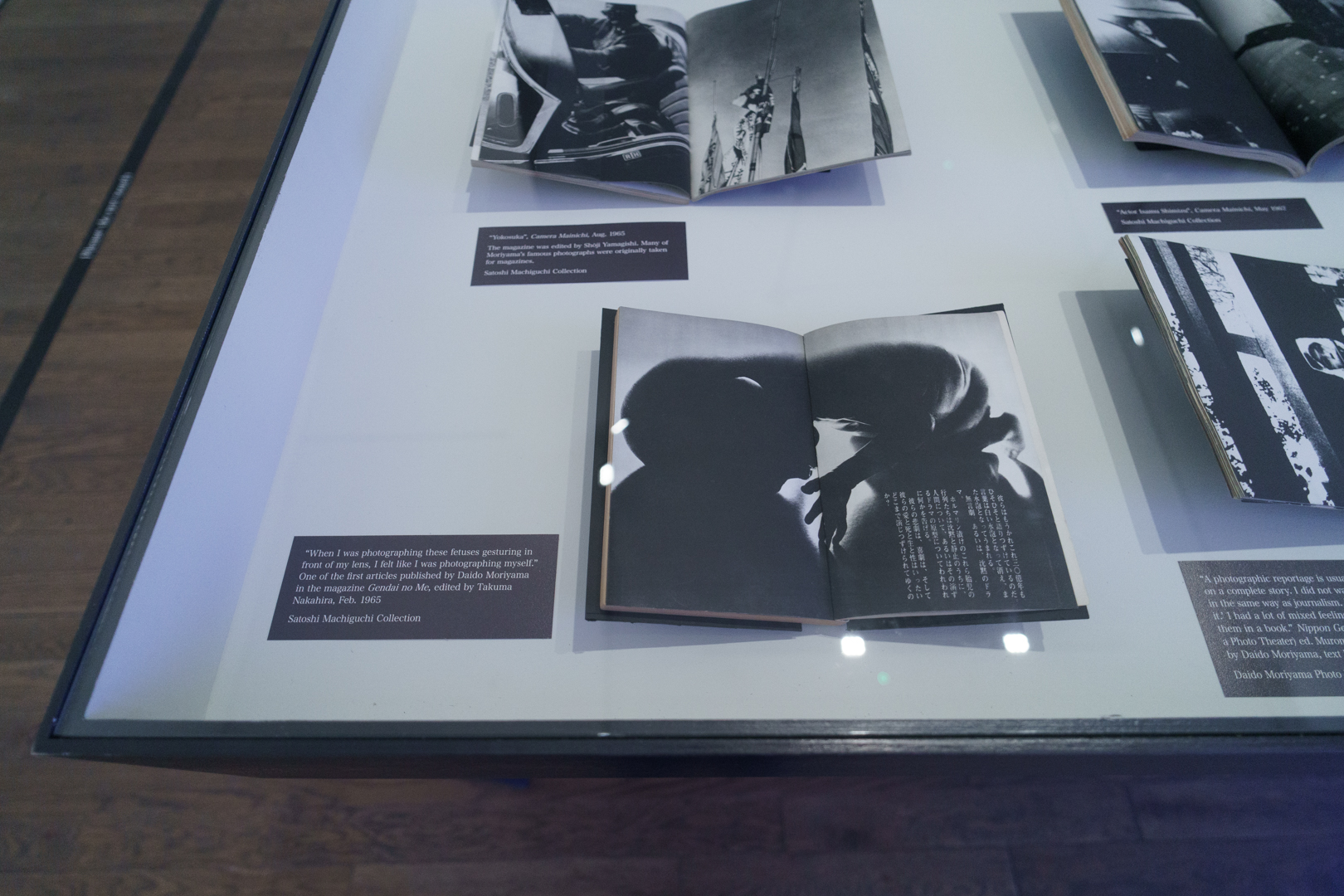
This is a really great exhibition that summarises Moriyama’s prolific output in a gentle manner. Seeing his images en masse really puts his massive oeuvre into perspective, while emphasising his pursuit for thematic and visual connections between his photographs. Although his images are chronologically grouped into their published sets, their apparent randomness is also indicative of a photographer’s stream of consciousness as they intuitively search for moments worth memorialising. This search comes naturally and unexpectedly, just like the creative solutions employed in this exhibition.
Daido Moriyama: A Retrospective runs from 6 October 2023 to 11 February 2024 at The Photographer’s Gallery, London, https://thephotographersgallery.org.uk/


Leave a comment