Reflecting on oneself and one’s journey through life can be a deeply vulnerable act for an artist. But it can also be incredibly rewarding as one reminisces about past memories and encounters with individuals entering and exiting different phases of their life. The Chinese artist Gao Hong is one such person whose multidisciplinary practice explores themes of lived experience and existence. She recently had a solo show at Hubei Museum of Art.
Born in Wuhan, Gao’s primary mode of expression is painting, having previously studied at the Hubei Institute of Fine Arts where she now works as an Associate Professor. Many of her paintings are figurative, often depicting close-up heads or narrative sequences. Her imagination unfolds like a cinematic film, each painting acting like a still frame.
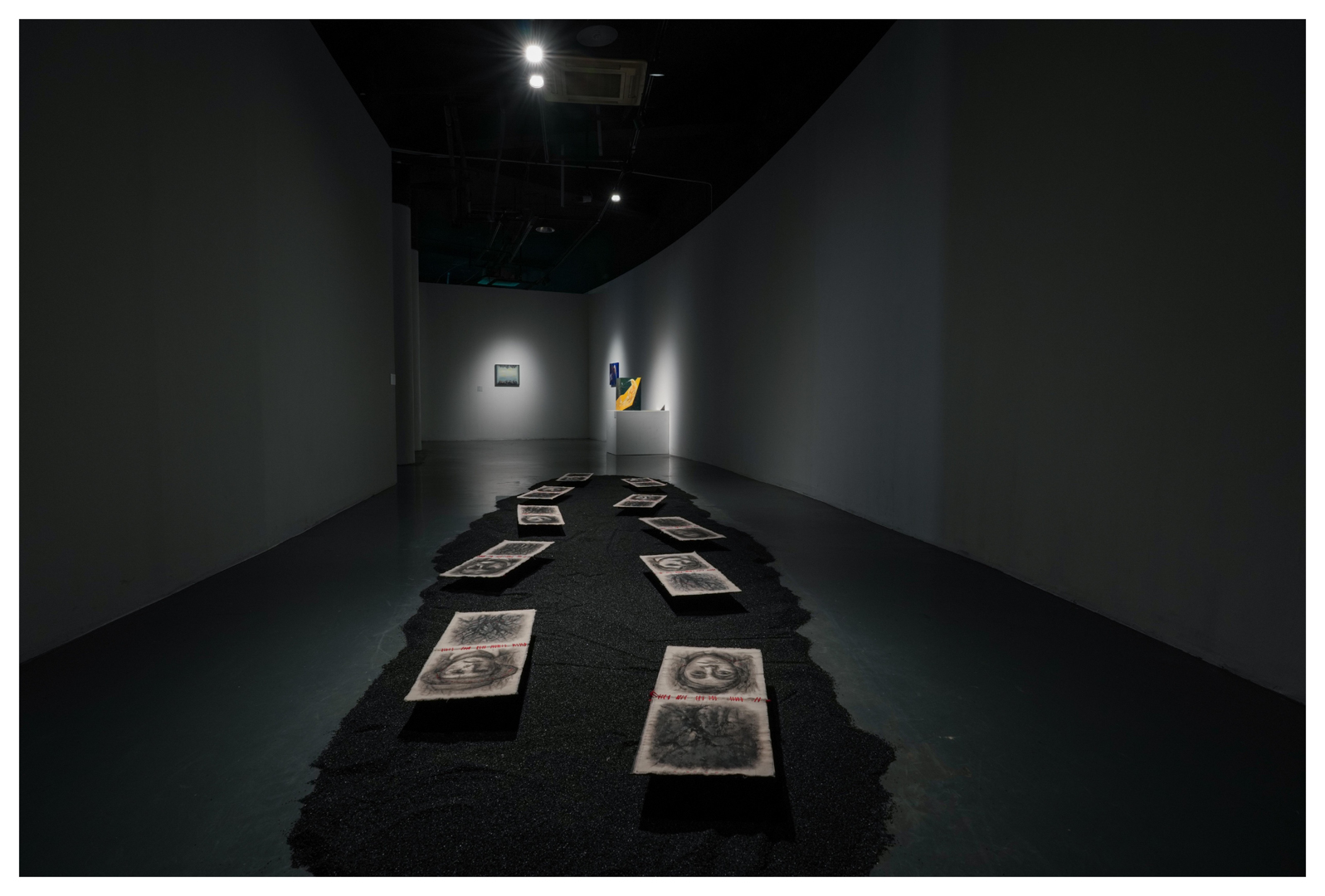
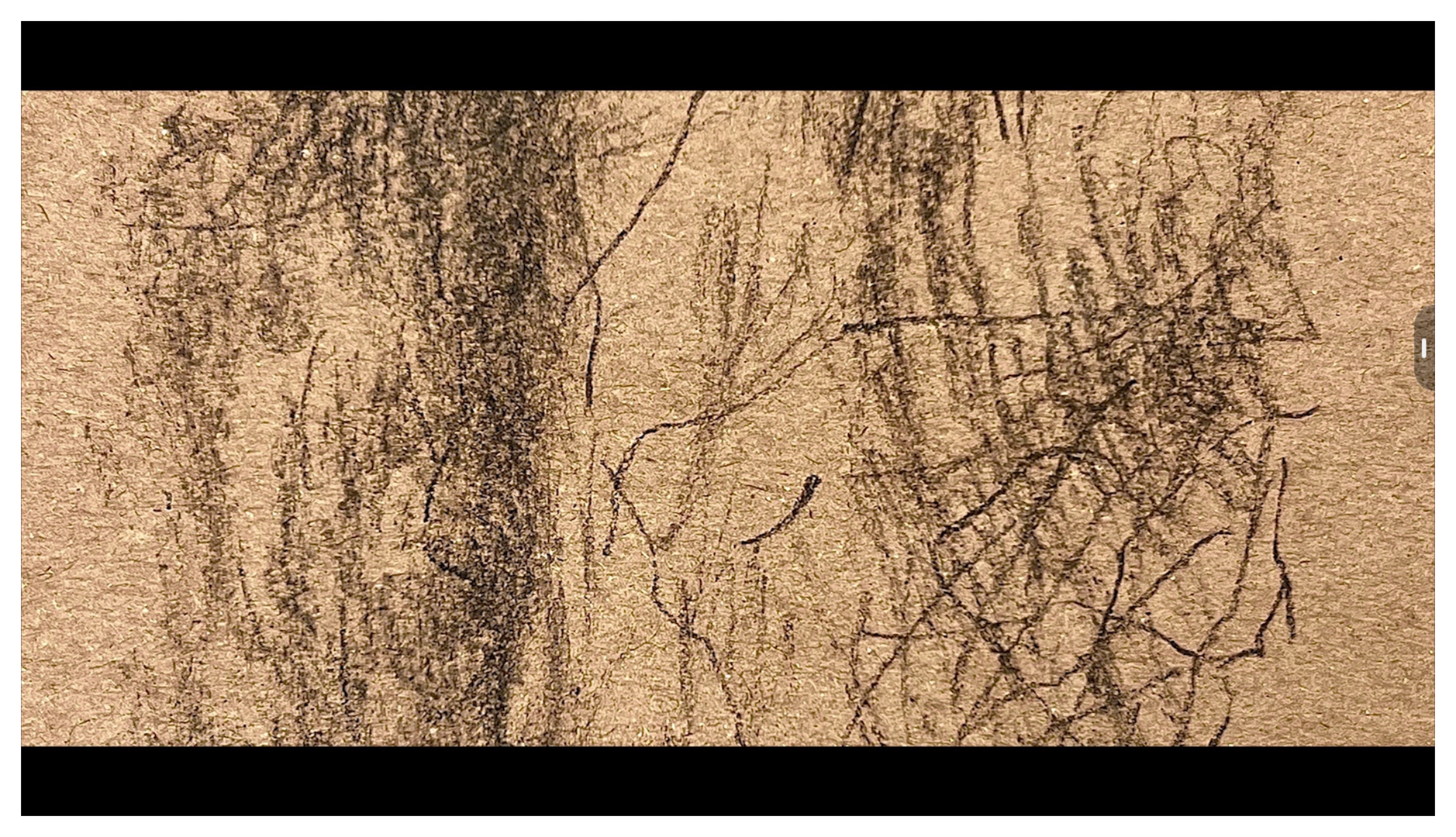
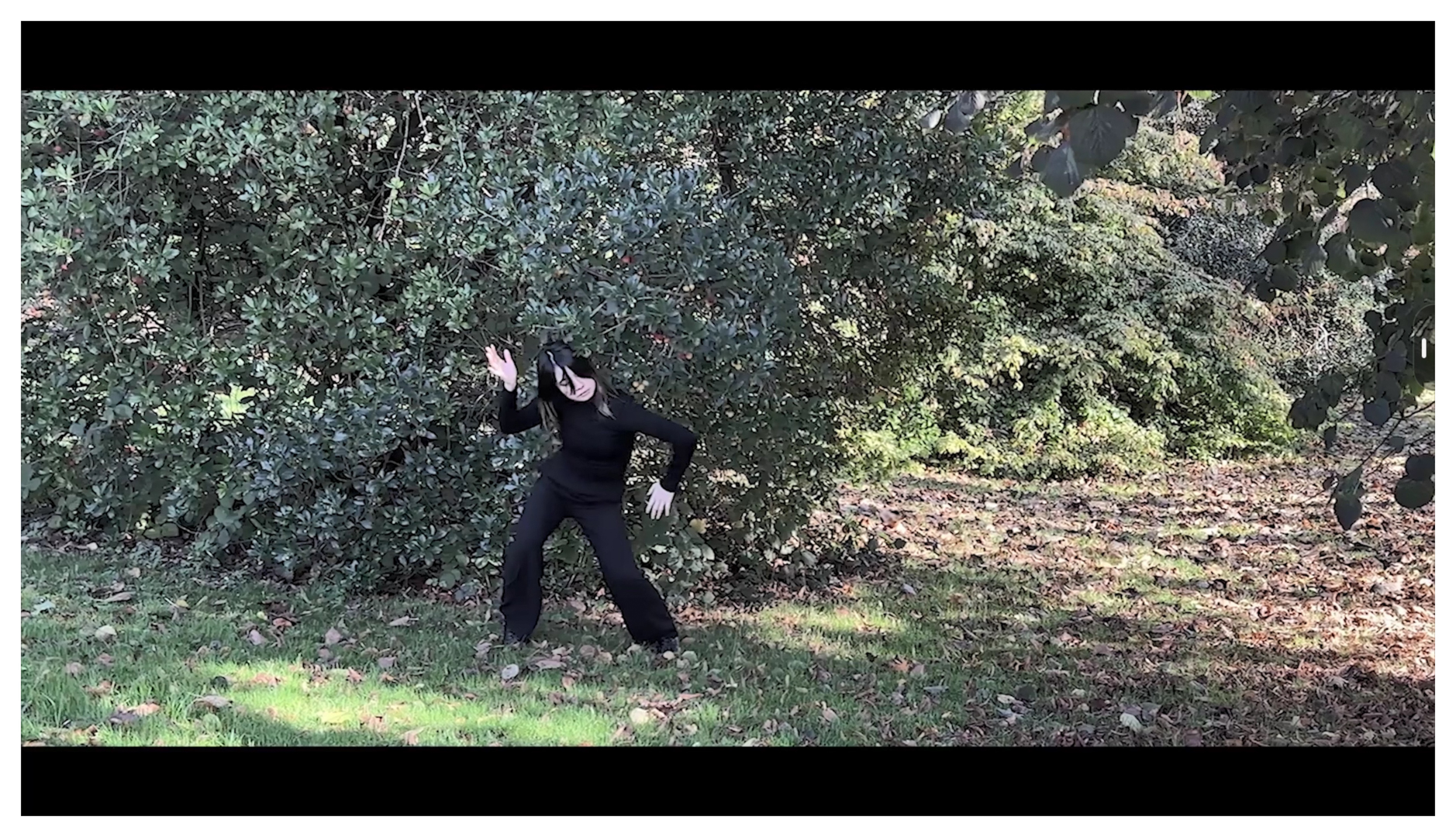
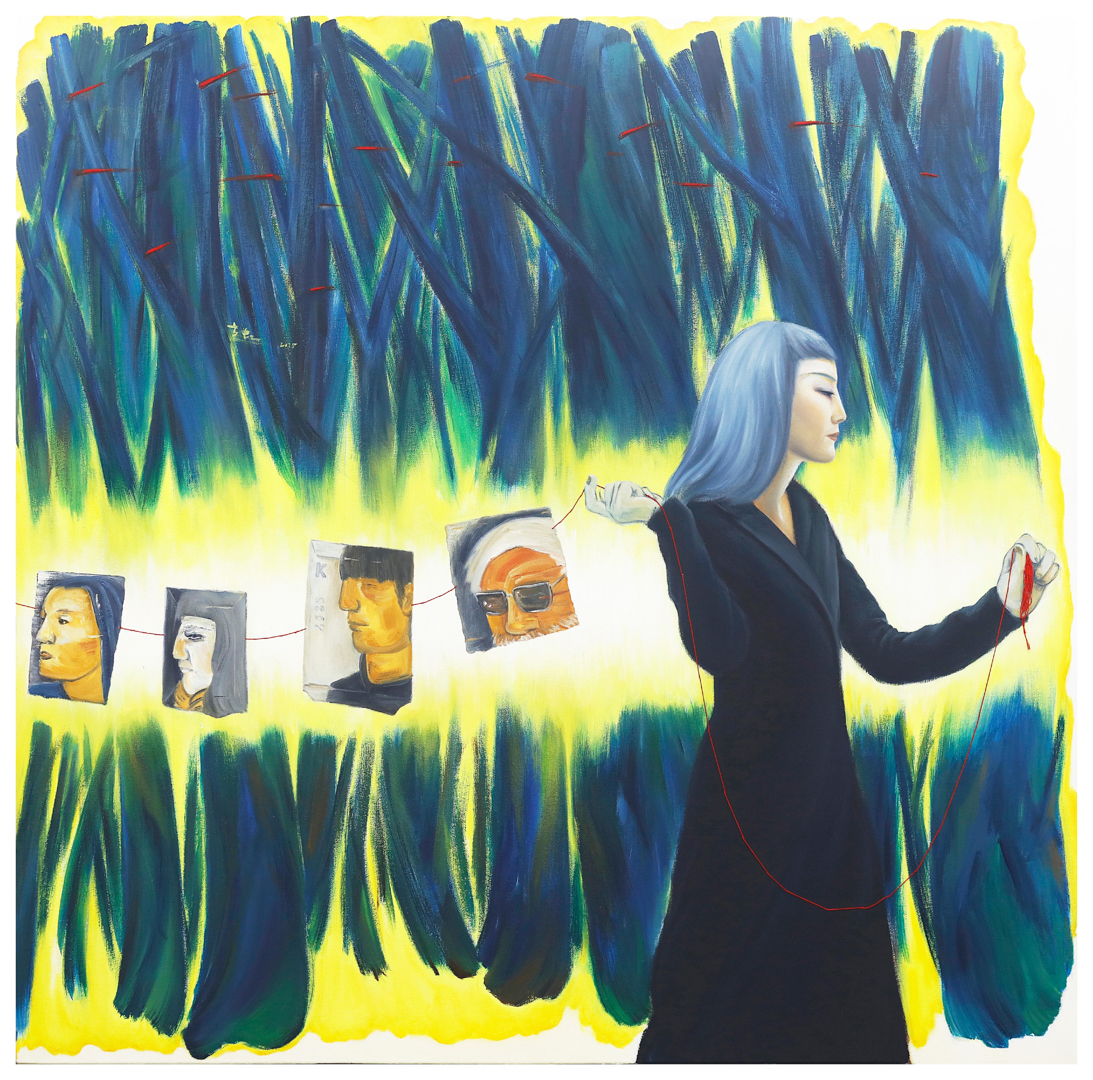
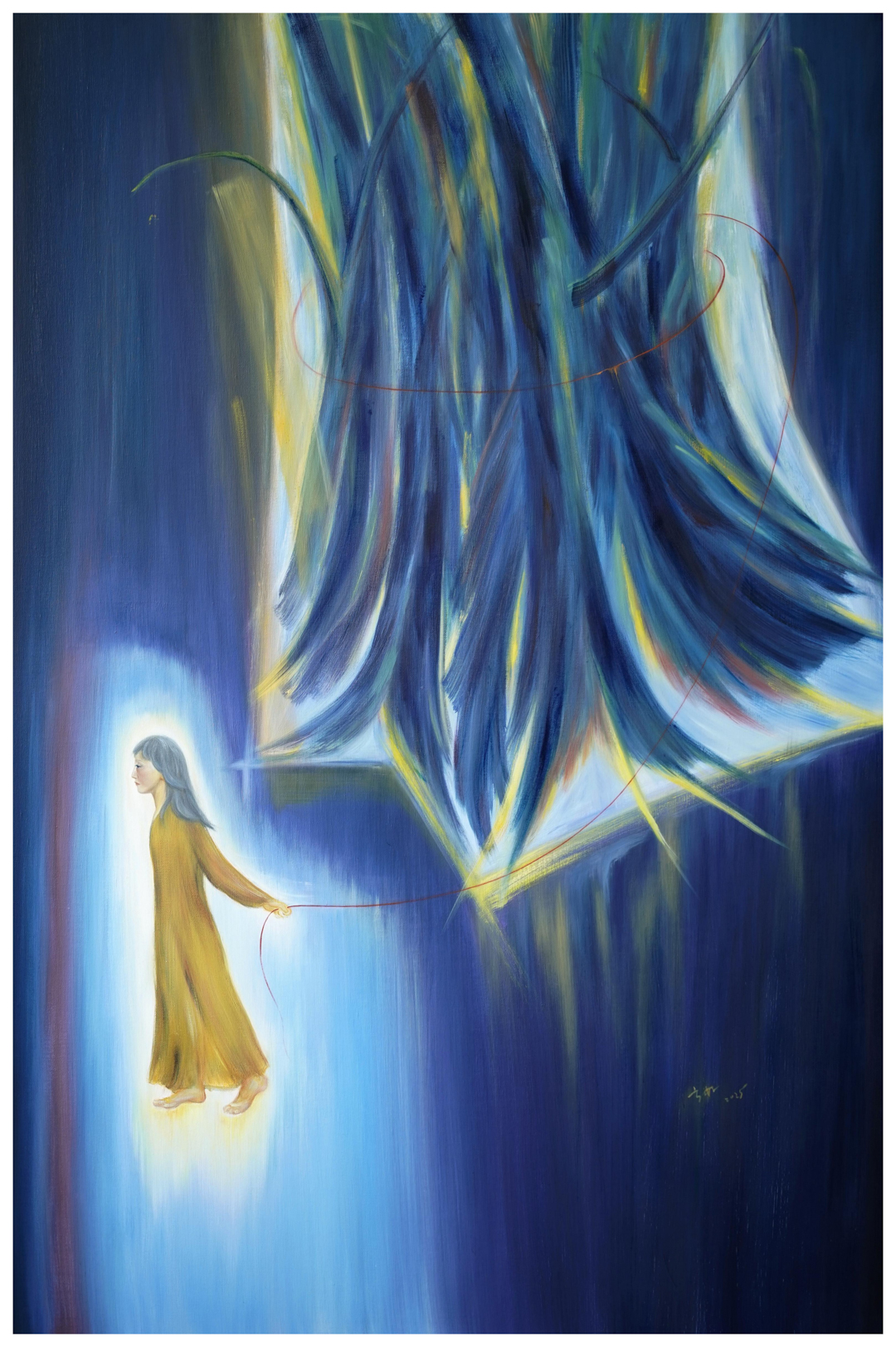
Many of her works incorporate the motif of red thread, which Gao views as a symbolic device for connecting nature and humanity across time and space. Early incarnations appear in The Movement of Fugue (2022), where red thread connects a portrait of a person to a tree from the woodlands of Bath. She discovered this human bond between humans and nature during her research trip to the UK, documenting her forest movements in the video piece Fugue Trilogy (2022), Which combined poetry, painting, performance, and sound.
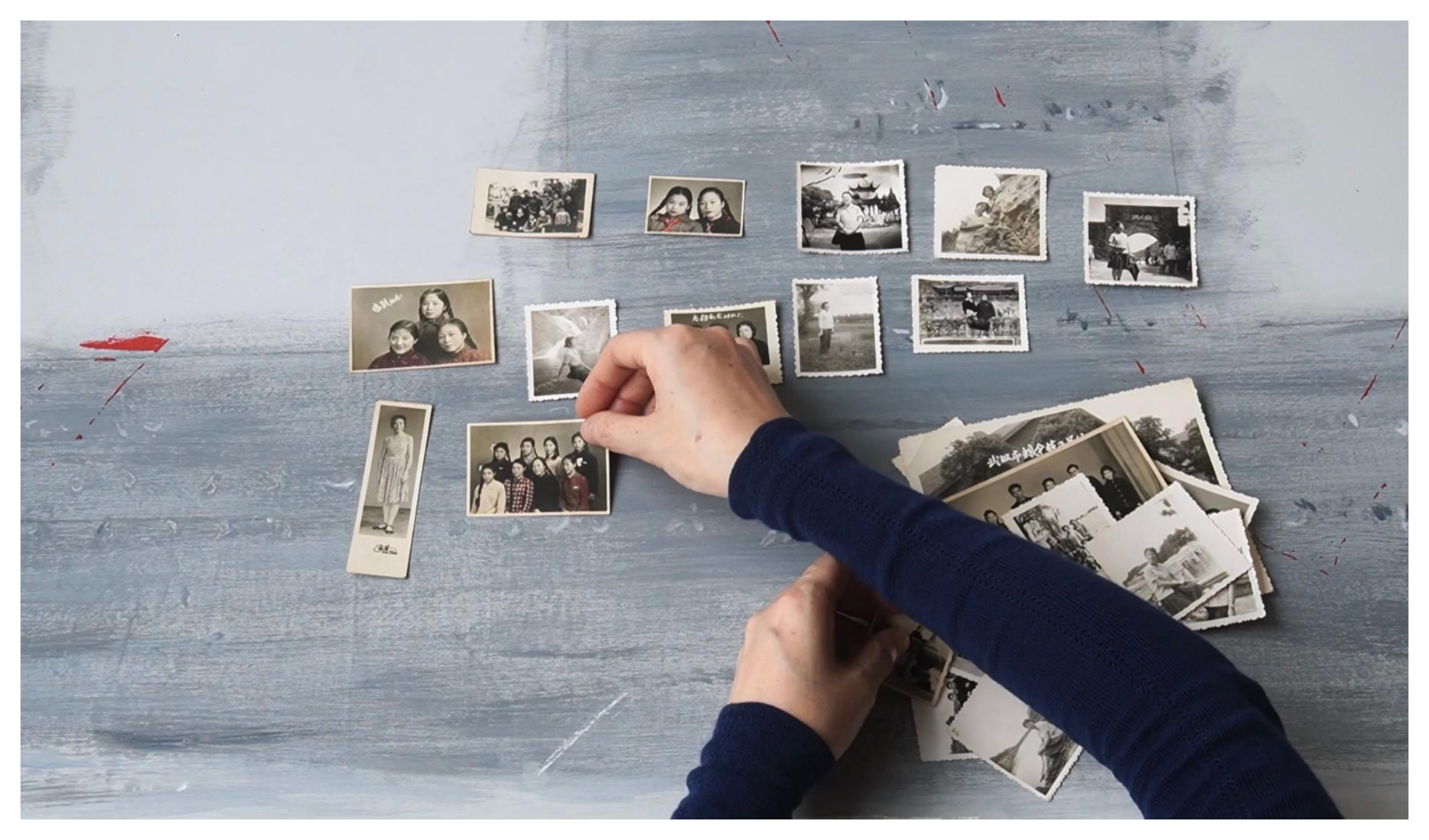
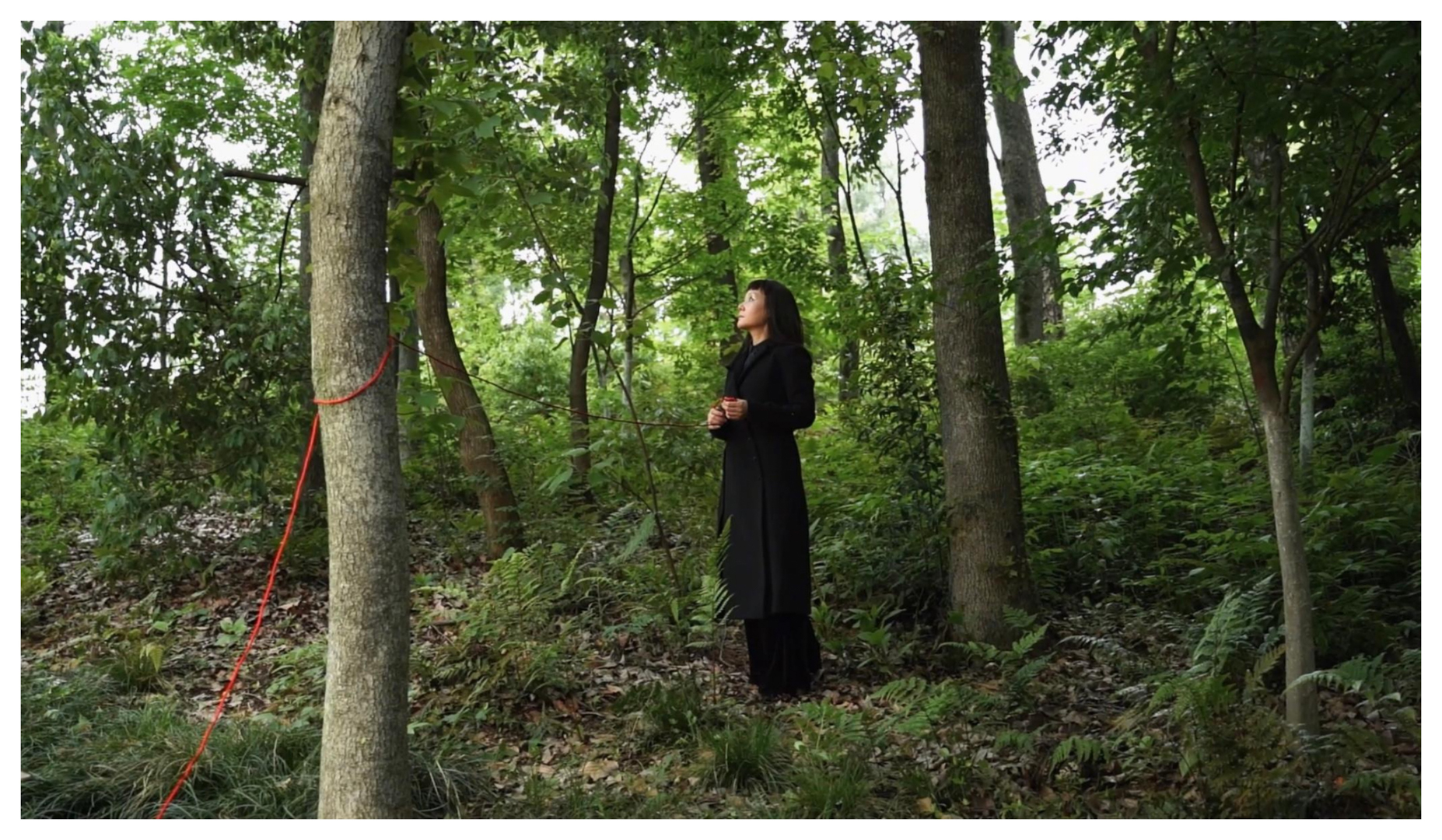
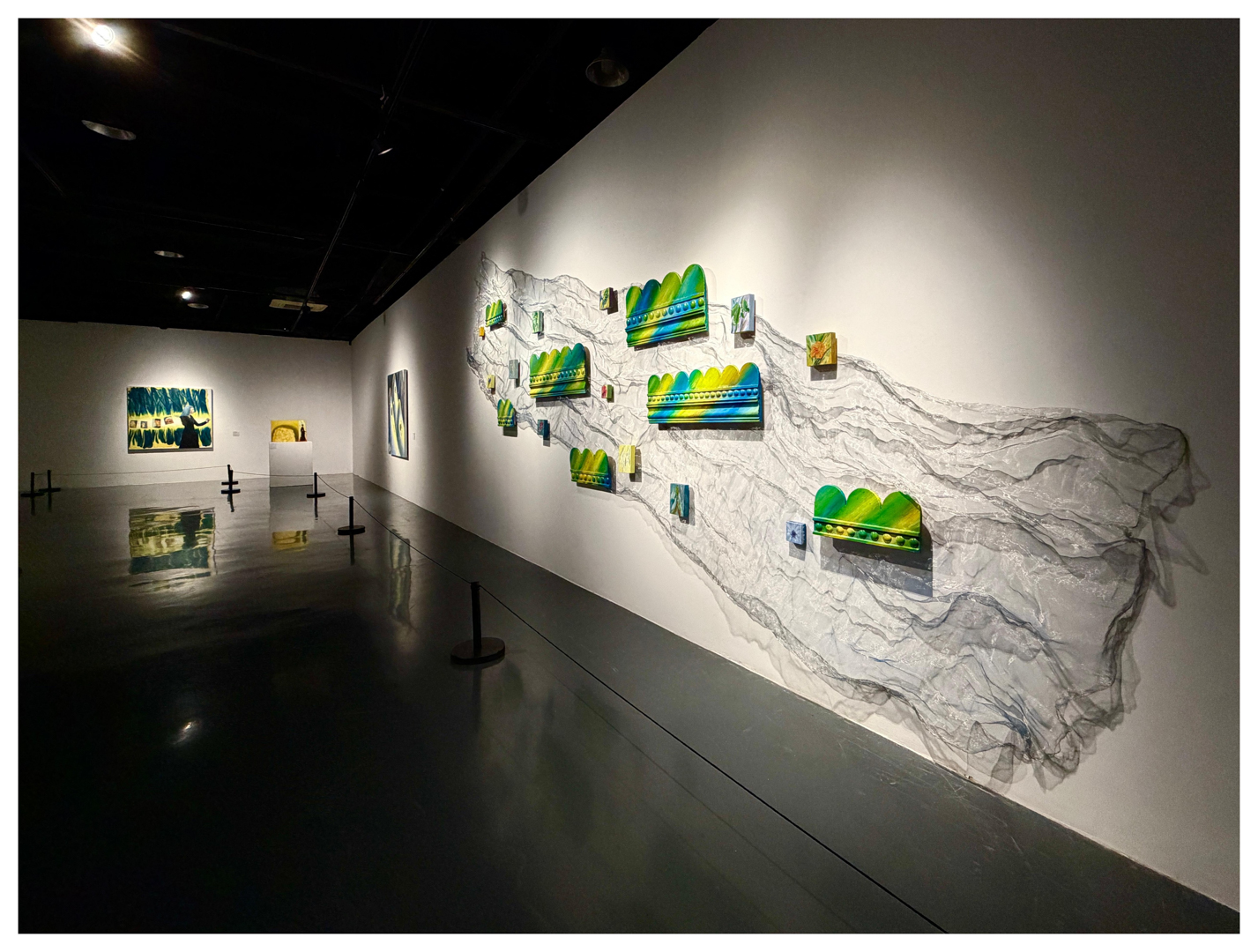
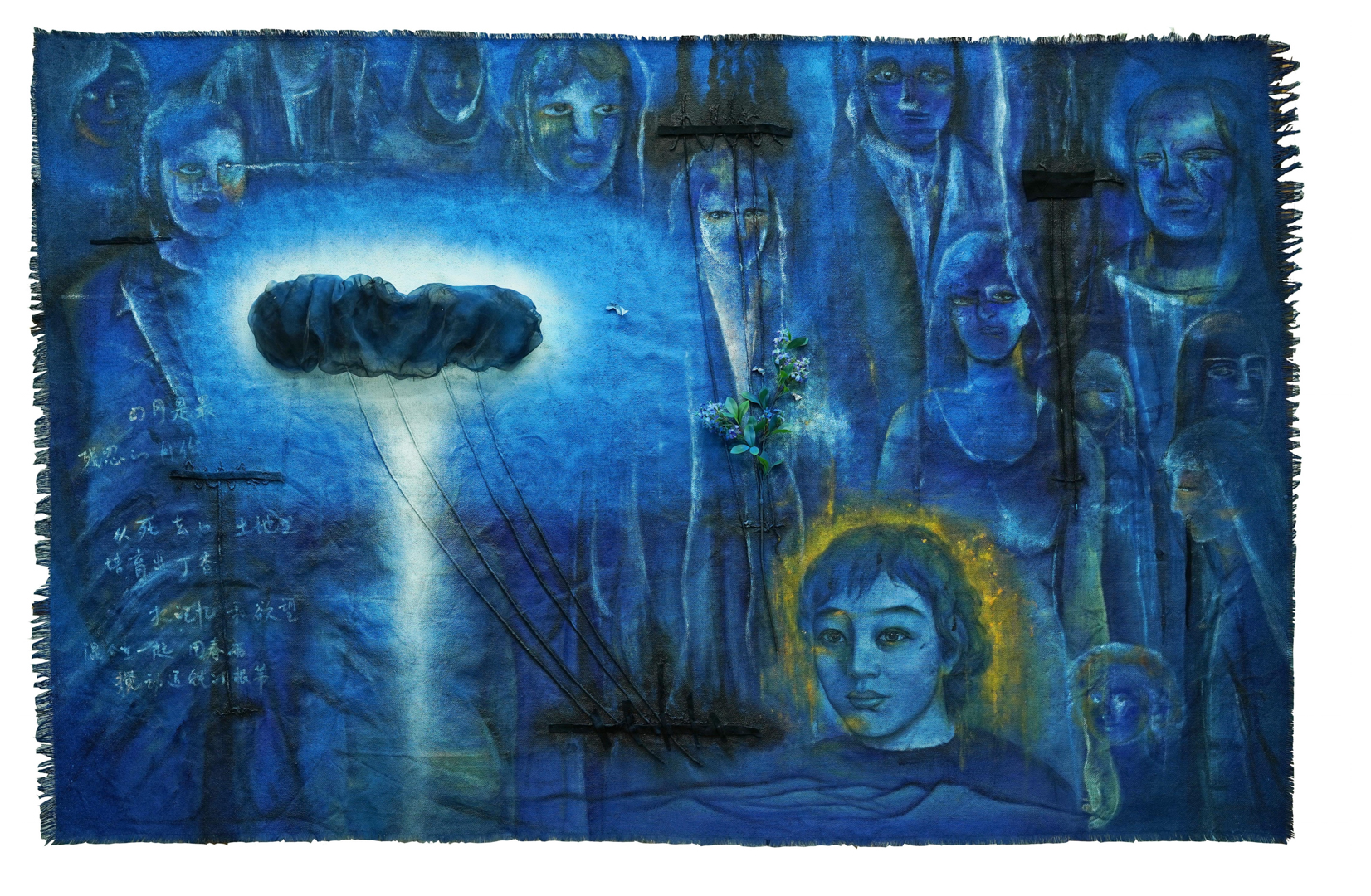
The motif would reappear years later in Red Thread (2026), another forest exploration, this time also featuring a resemblance of her late mother. Gao went on to commemorate her mother with the installation Mother’s Song (2026), a manifestation of her mother’s singing whose songs were filled with ‘clouds, breezes, and flowers’, painted and installed to resemble a colourful landscape. Even Deep Blue (2026) is a homage to feelings of longing and grief, its overwhelmingly blue background associated with her mother’s youth.
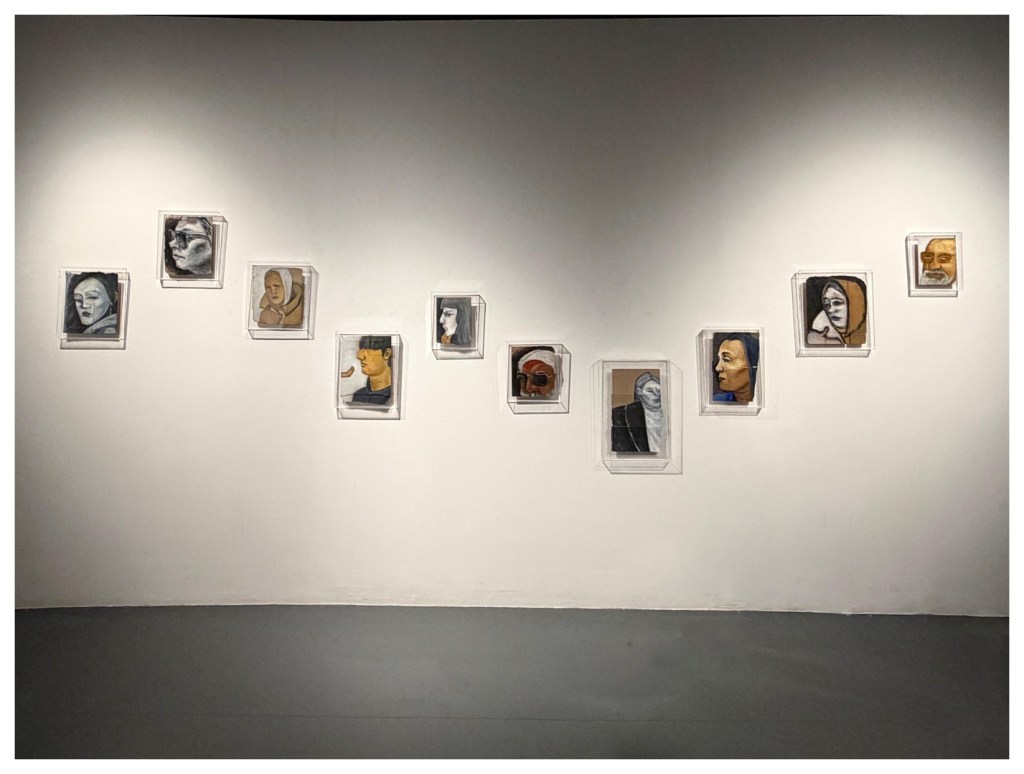
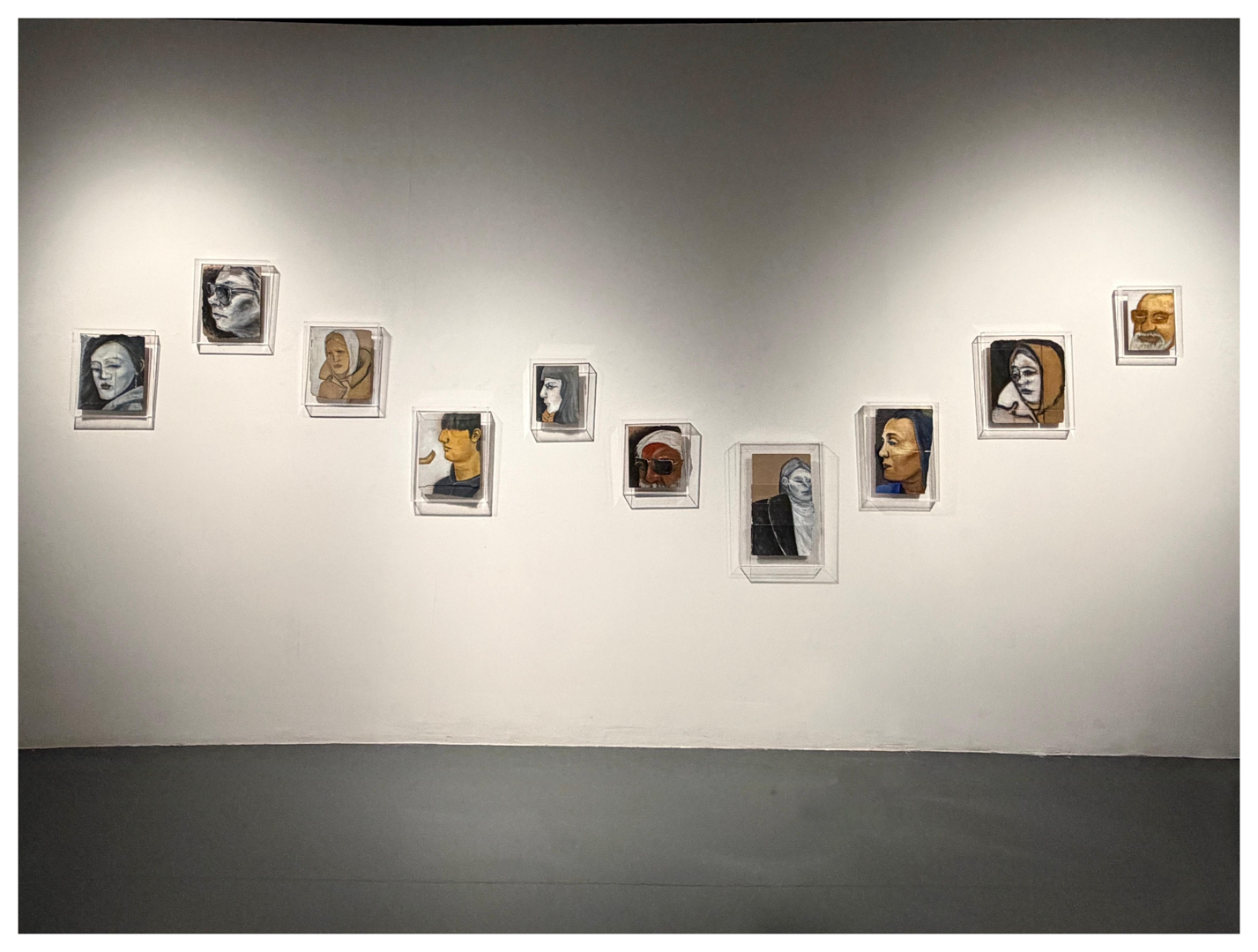
Gao’s interest in weaving narratives can also be seen in the paintings Troubadour – Daylight (2025) and Troubadour – Violet Night (2025), where a self-referential character uses the red thread to lead a procession of portraits and trees. Those in the former are related to the Untitled Portraits series (2022), which depict strangers encountered on the street and are painted on used delivery boxes. All of them are shown facing towards the left, suggesting a shared destination that diverges from their maker.
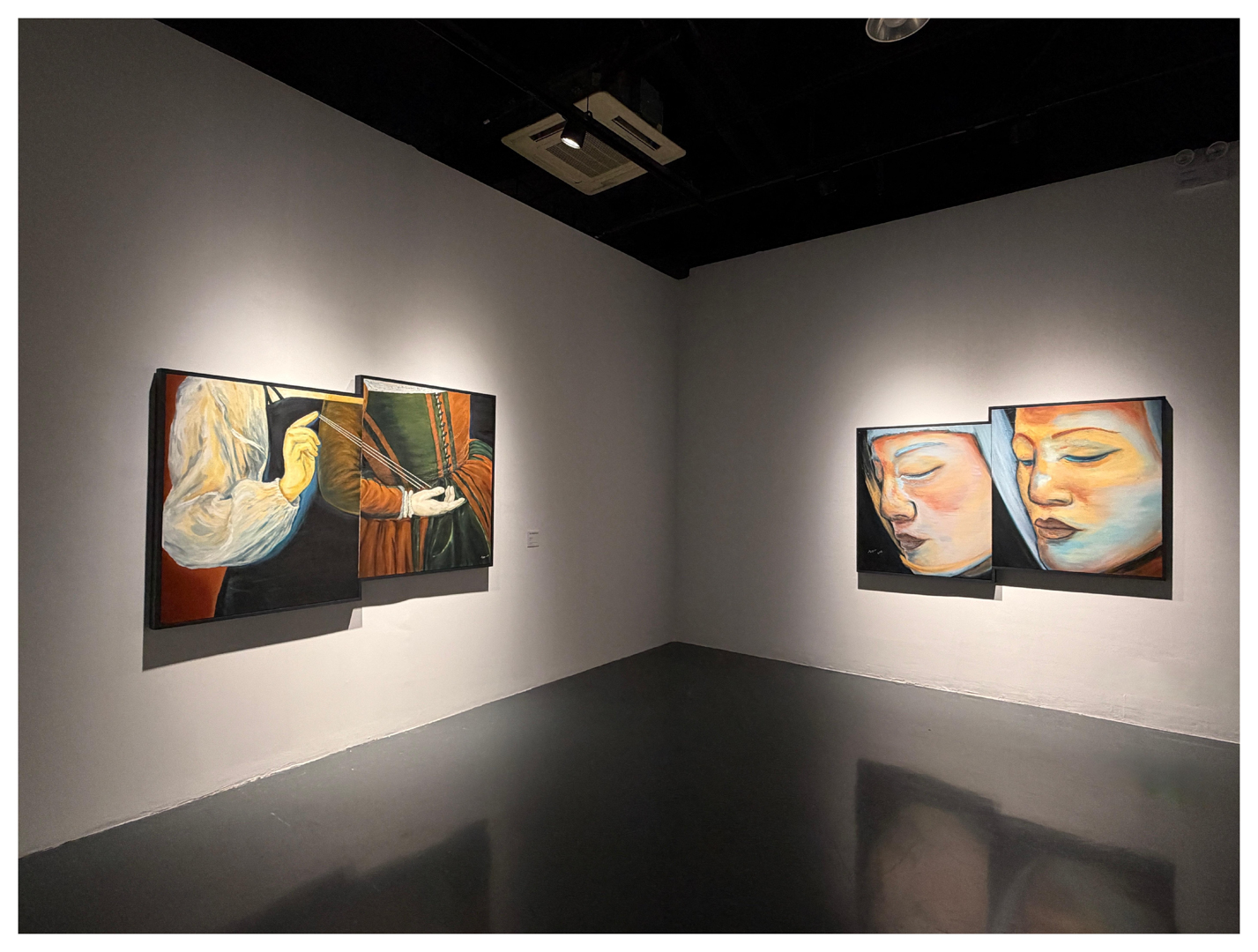
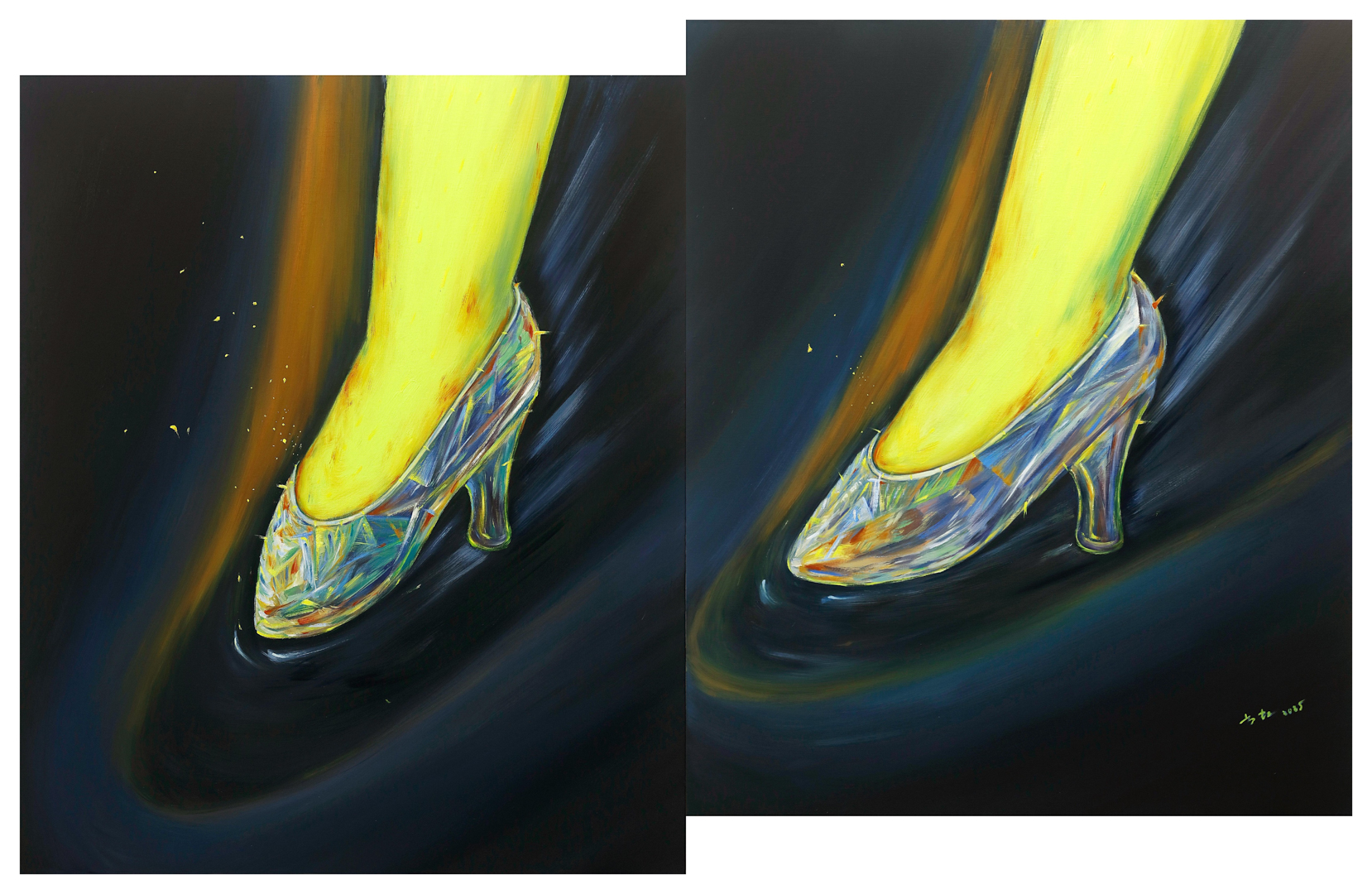
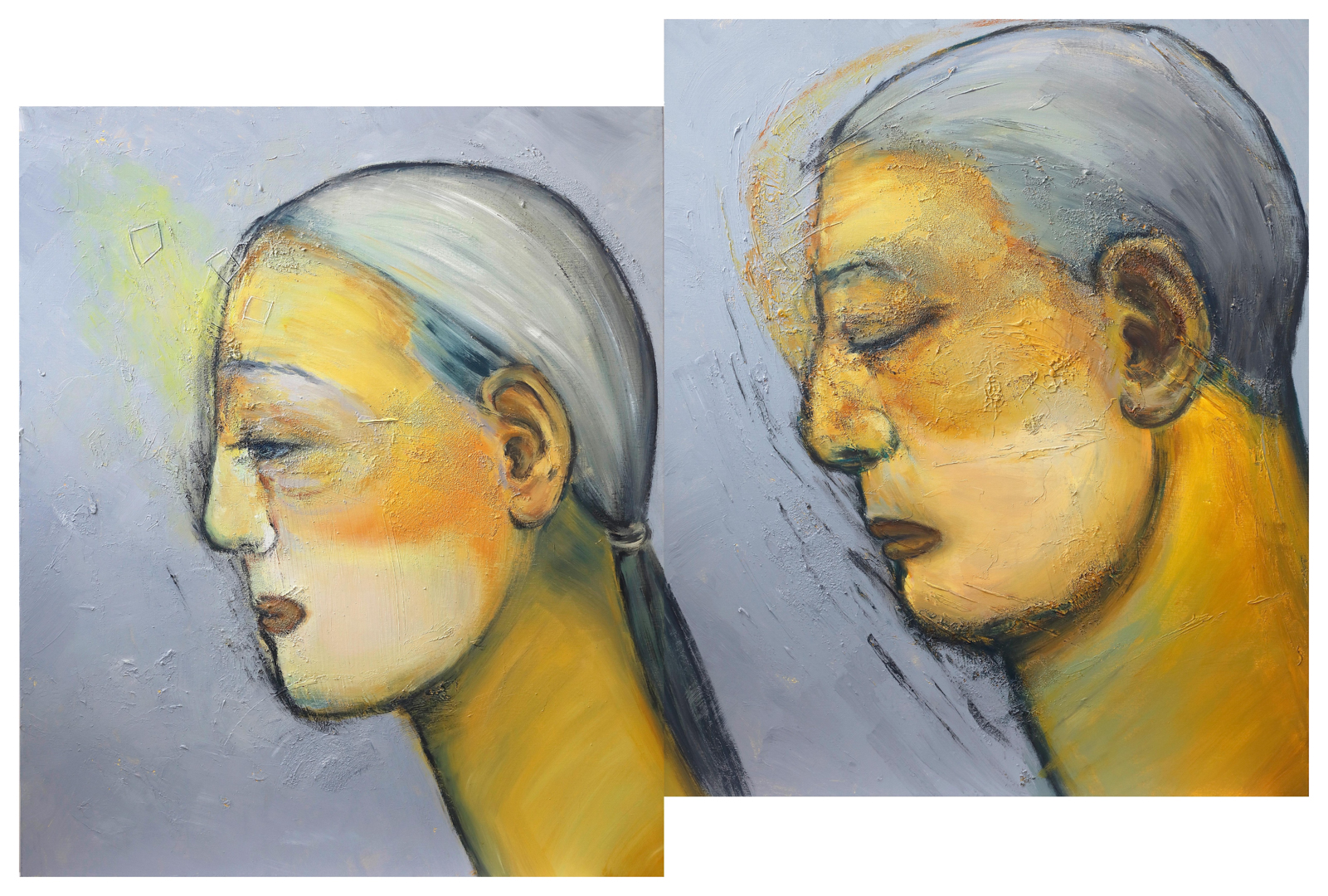
Similarly, the Relationship series (2025), with its mis-aligned canvasses and partnered heads with downcast eyes, plays with duality and emotional tension. What are they thinking? What have they done? How will this narrative unfold? As viewers, we feel as if we are looking at the crossroads of a heartfelt drama.
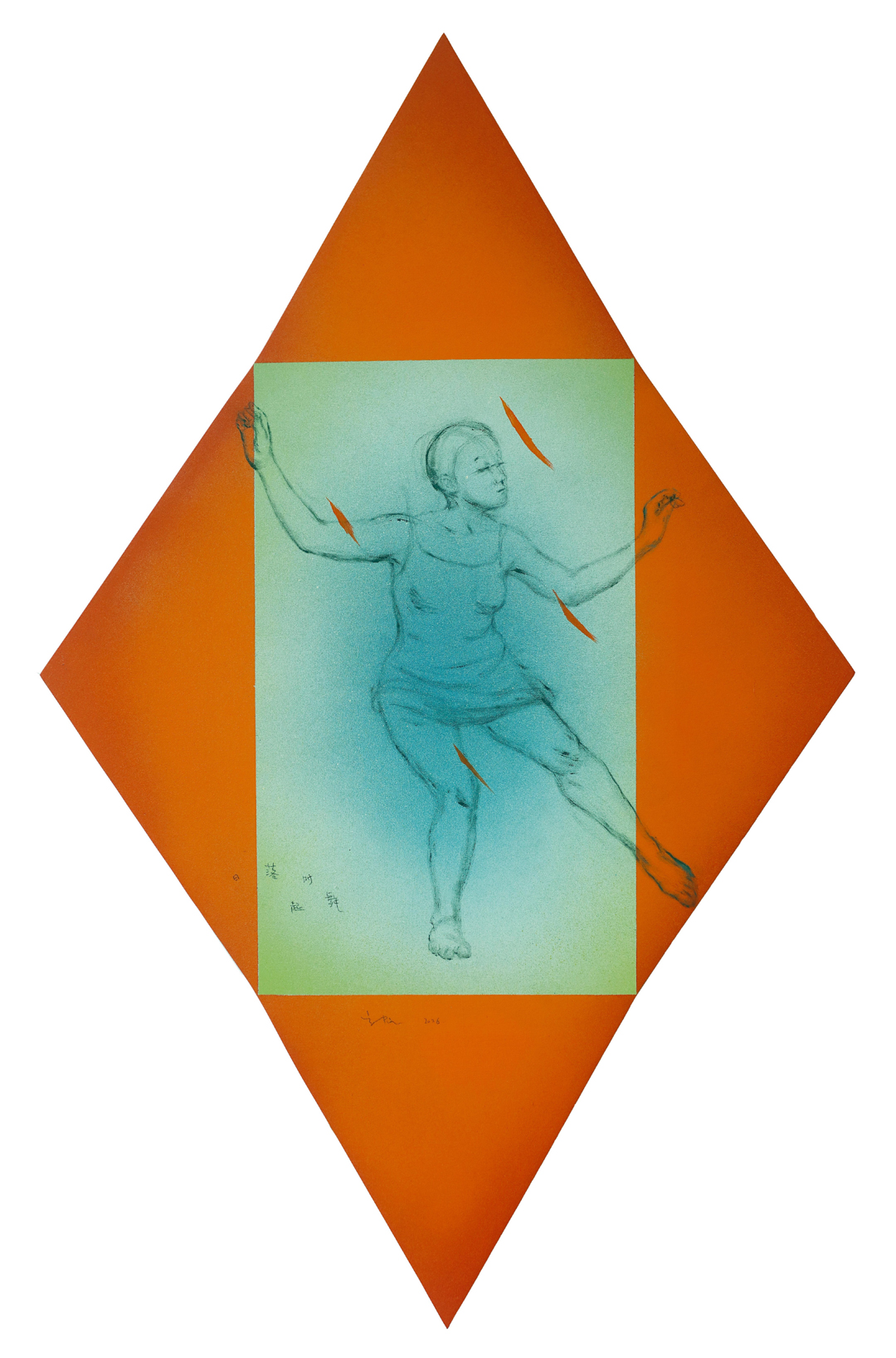
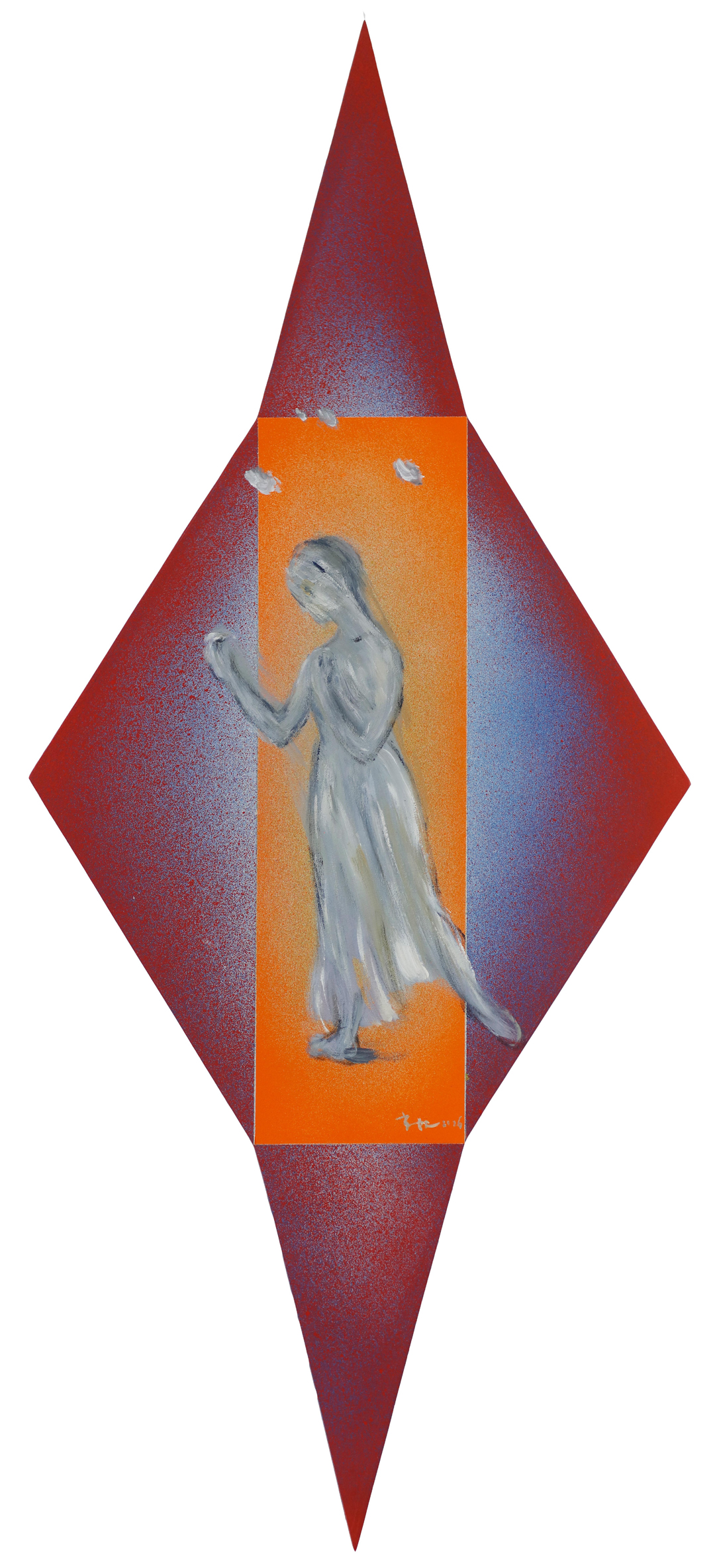
Gao’s intermingling of poetic ideas, storytelling, and visual imagery occasionally leans towards semi-abstraction, as in her Dancing at Sunset paintings (2025–26). Figures dance inside finely shaped wooden panels, suspended in space and perhaps even time. There is a sense of eternity playing before our eyes. Installations like More Than Three Monkeys (2018) and The Little Prince (2019) also show her early interest in playing with pictorial space.
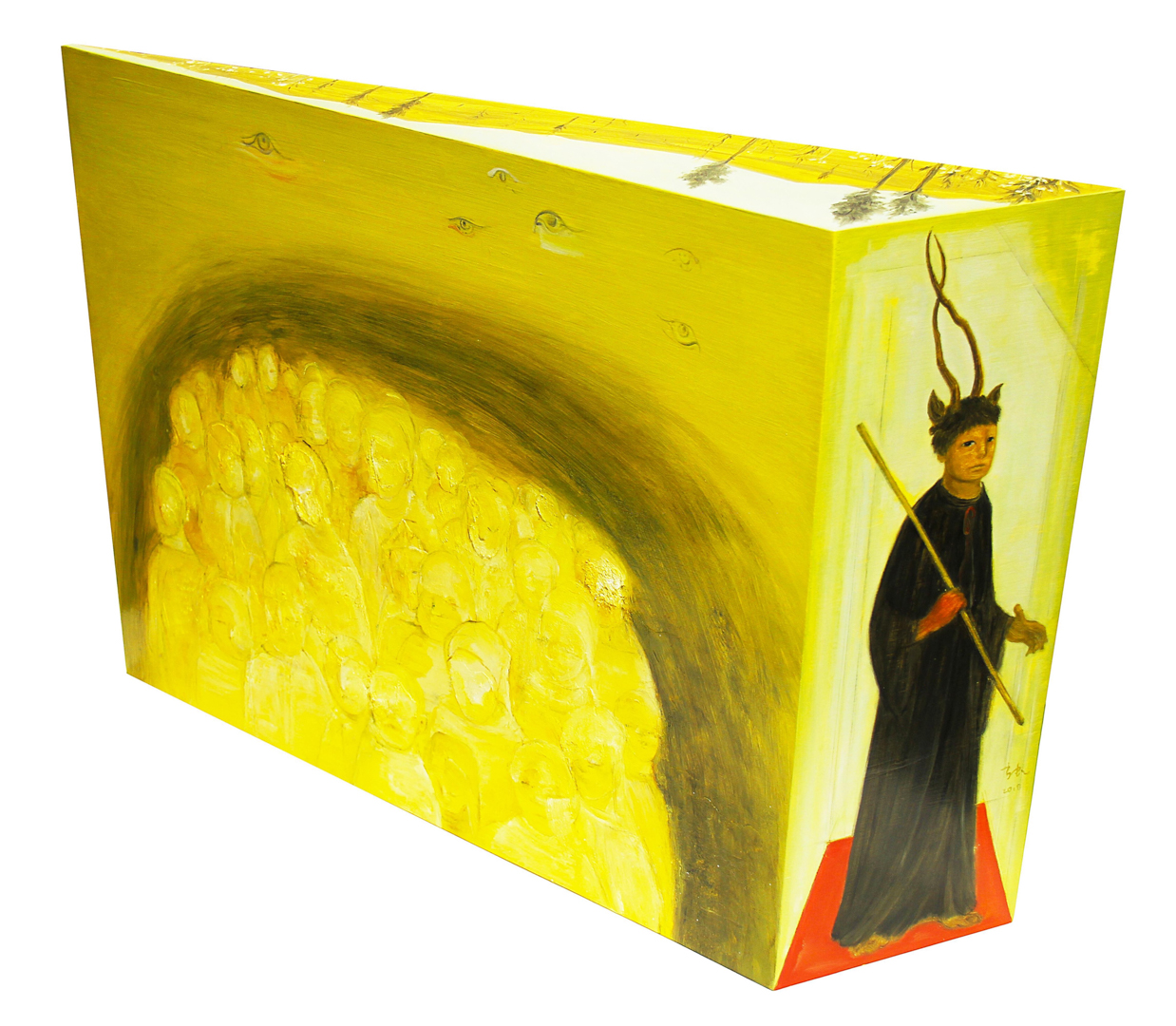
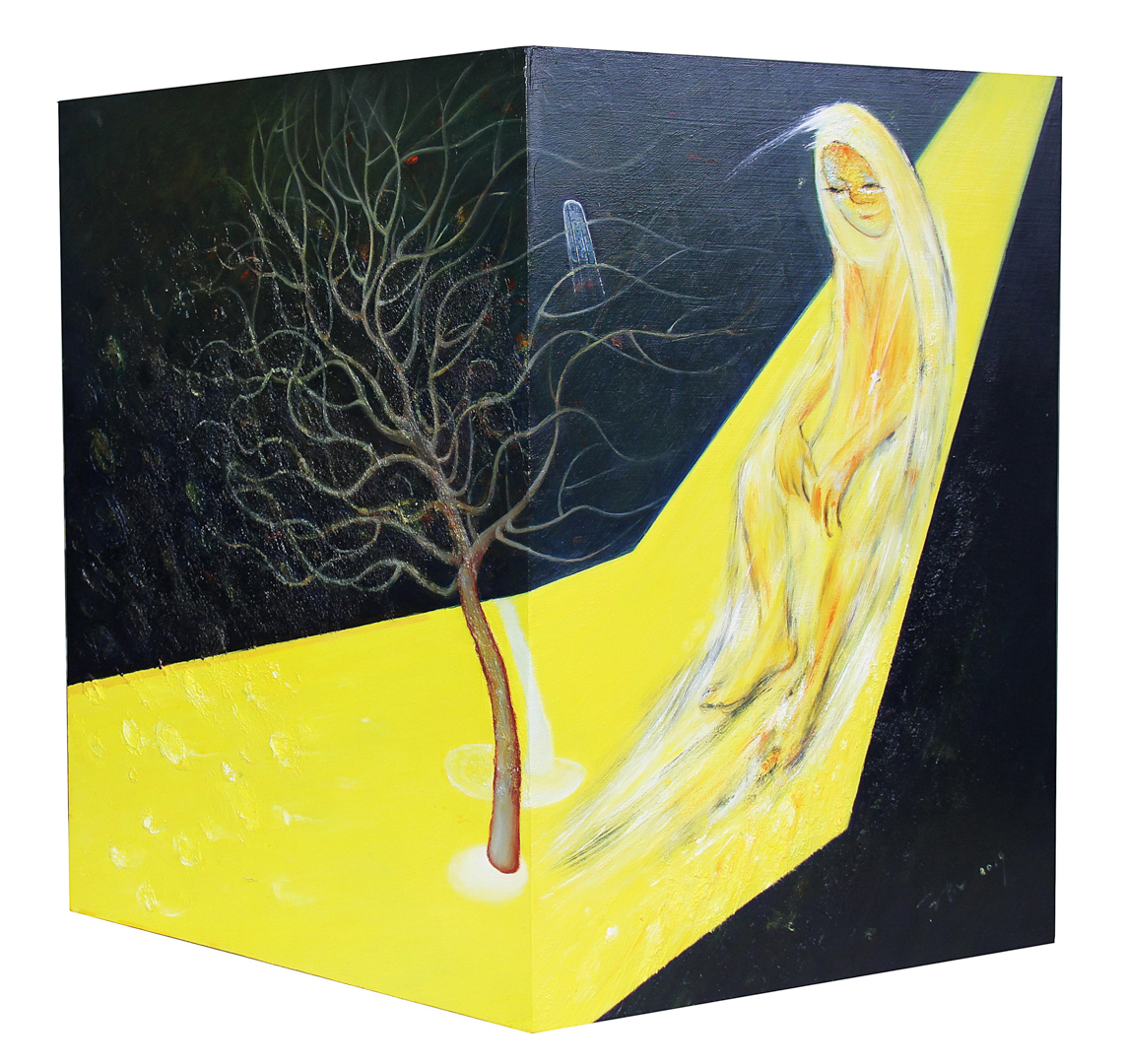
Gao Hong’s practice invites viewers into her memories, narrating her emotions through different phases of her life. Like a wanderer in a forest, she guides us through philosophical trains of thought, although a destination is never cemented. What matters is the journey, through life, its encounters, and its memories in those who knew us.
You can discover more of Gao Hong’s practice on Instagram.

 Nigel Ip
Leave a comment