From time to time, there is a special moment in an artist’s life when they feel compelled to create. Some describe it as a ‘calling’. In a letter to an aspiring poet in 1902, the poet Rainer Maria Rilke wrote:
‘Search for the reason that bids you write; find out whether it is spreading out its roots in the deepest places of your heart, acknowledge to yourself whether you would have to die if it were denied you to write. This above all – ask yourself in the stillest hour of your night: must I write?’
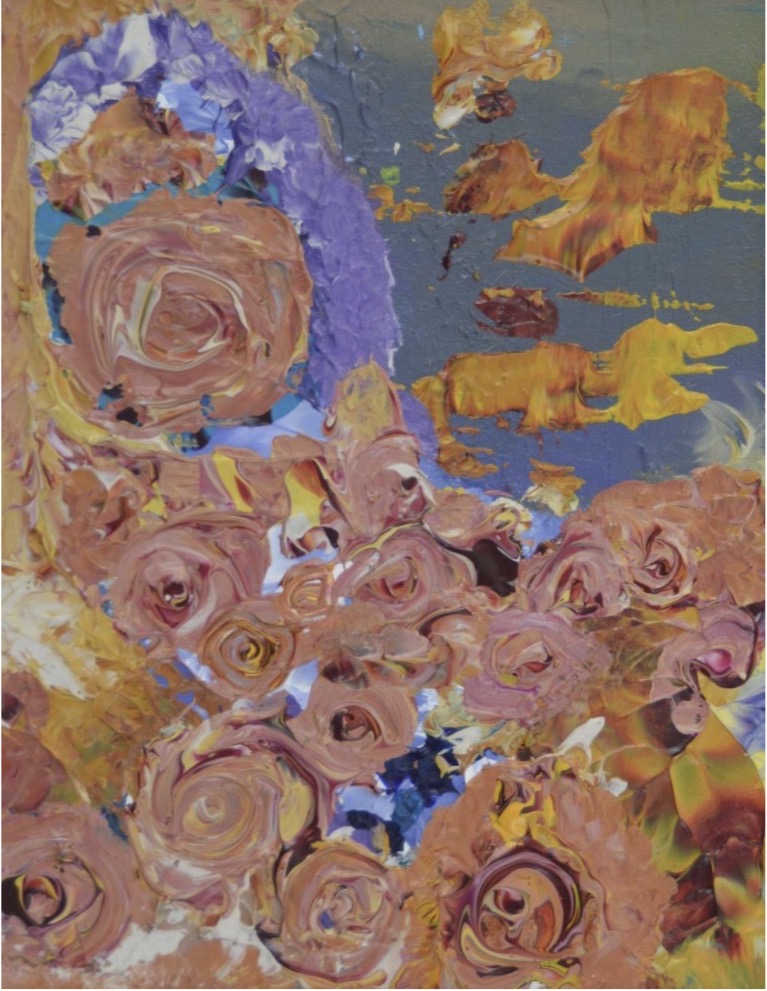
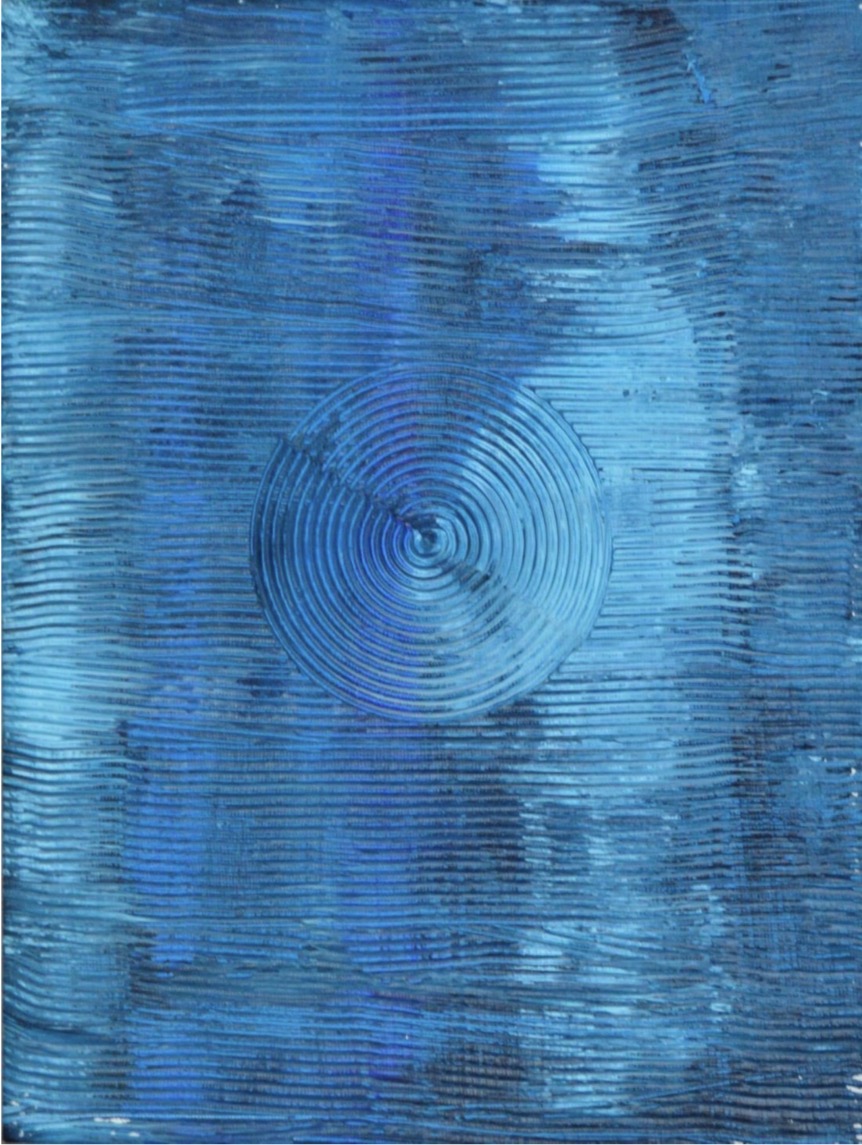
Colombian American painter Mariana Cordoba experienced this epiphany in 2014 when she spent three months in a psychiatric hospital in Madrid. During this period, she created approximately 60 abstract paintings. Working with fast-drying acrylic paints, her encrusted creations incorporating monoprinting recall the tides of a vibrant ocean or the swirling petals of flowers, as in Desert Roses (2014). The Man in the Mist (2014) is particularly unique with its raking gestures reminiscent of Japanese rock gardens (karesansui), conceived as a top-down view of a person spinning in a circle. Up until then, she had no formal artistic training, yet she somehow gained an intuitive sense of colour, texture, and mark-making.
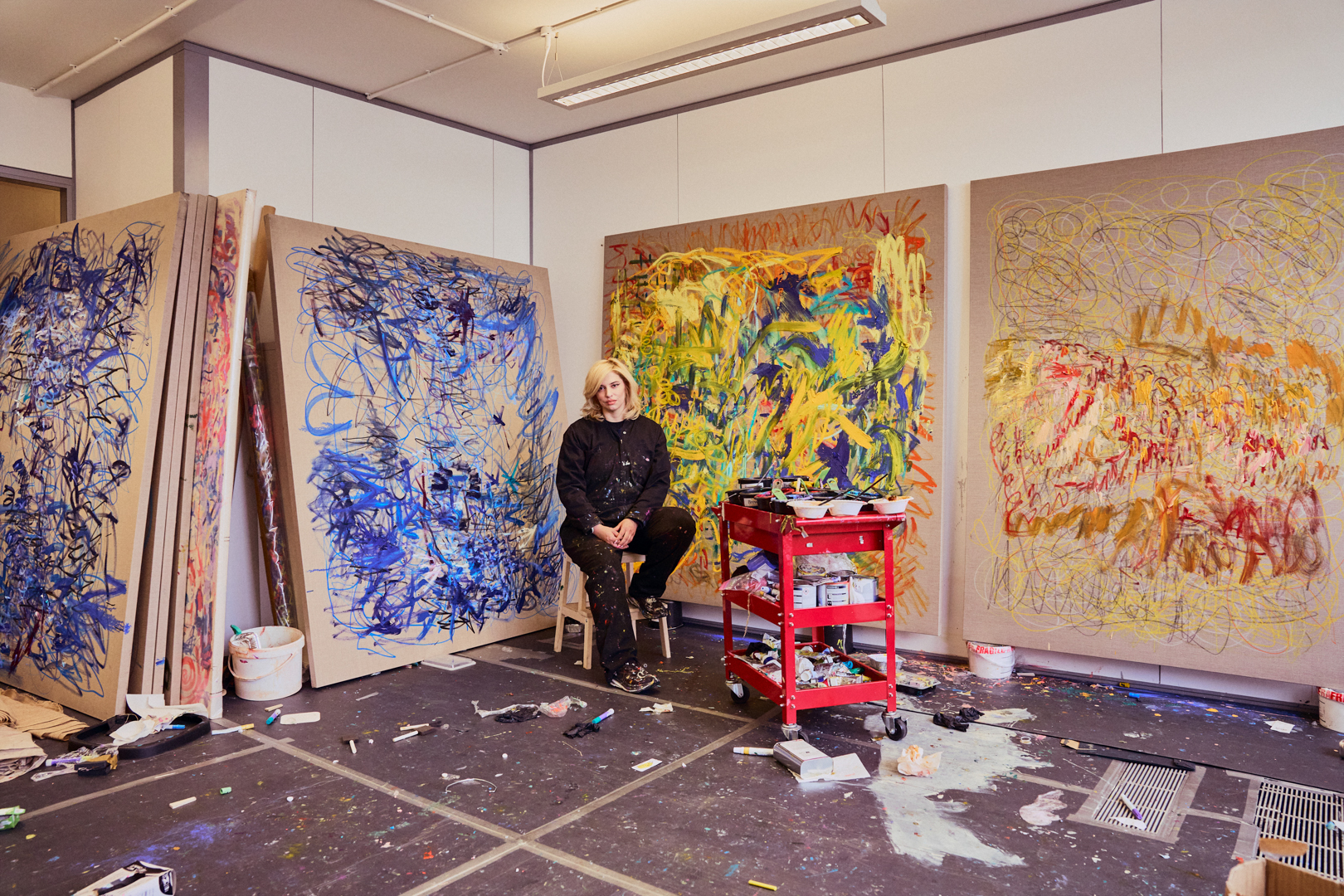
In 2019, Cordoba graduated with a BA in Studio Art from the University of Miami. However, the city’s noticeable absence of art during the off-season frustrated her. ‘Art is my oxygen’, she tells me. This brought her across the pond to London, where the art scene was abundant and overwhelmed with gallery openings every week. She enrolled in MA Painting at the Royal College of Art in 2023-24. This new adventure marked a stylistic and mediumistic change, swapping acrylics for oils, graphite, and other mixed media, and leaning further into the language of pure abstraction. Mixing Liquin into her oil paints to speed up drying times also enabled her to work at a similar rate to her hospital paintings.
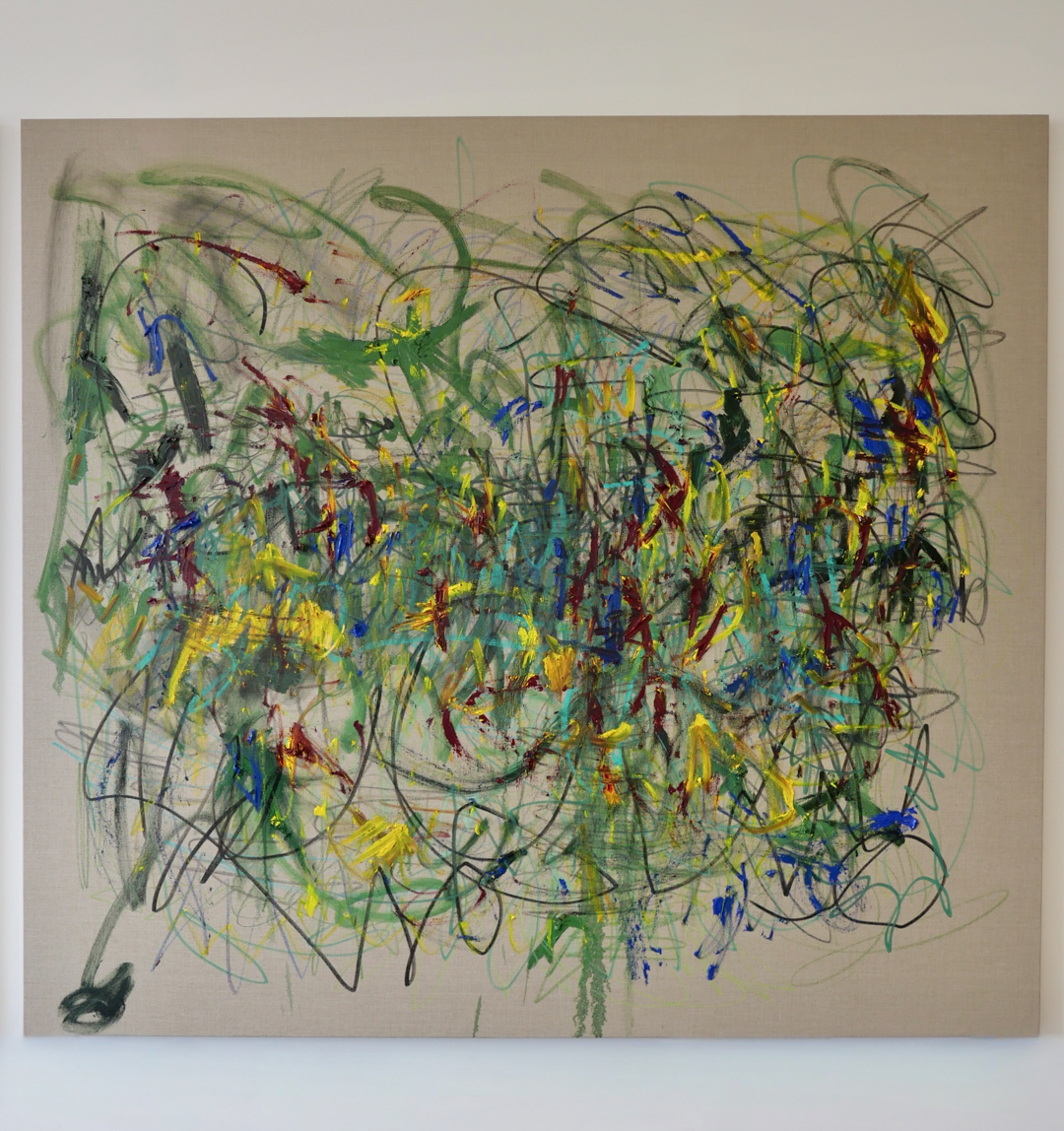
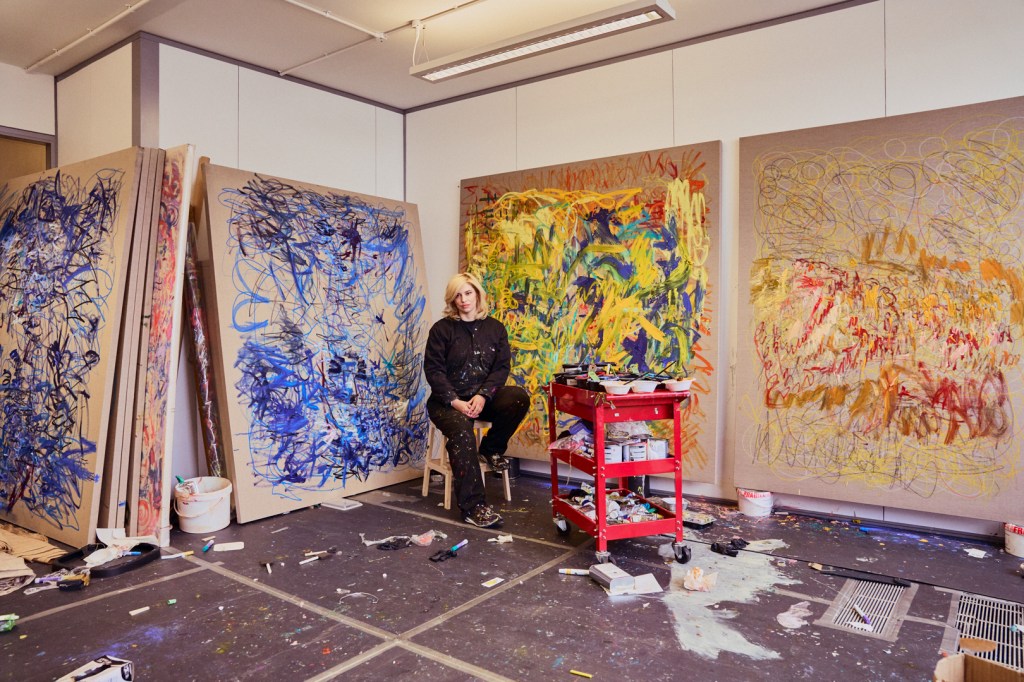
Embracing the textured surface and midtone of raw linen, Cordoba layers graphic, gestural lines across the picture plane, leaving the outer edges mostly blank while the centre ‘floats’ with intense energy. You Are My Sunshine (2025) is a typical example. Asemic writing is her guiding light in this personal journey to explore the physical sensations of mark-making, especially on a large scale with two-metre-high canvases. Joan Mitchell and Cy Twombly rank highly among her inspirations, although she never feels their influence when working in the studio due to the highly internalised nature of her practice, which is fuelled by a compulsive desire to record traces of emotion. Falling in Love (2026) encapsulates a body of work reflecting on her relationship with her partner, who ‘makes me the happiest person in the world’. She hopes these emotional traces will carry through to viewers of her work.
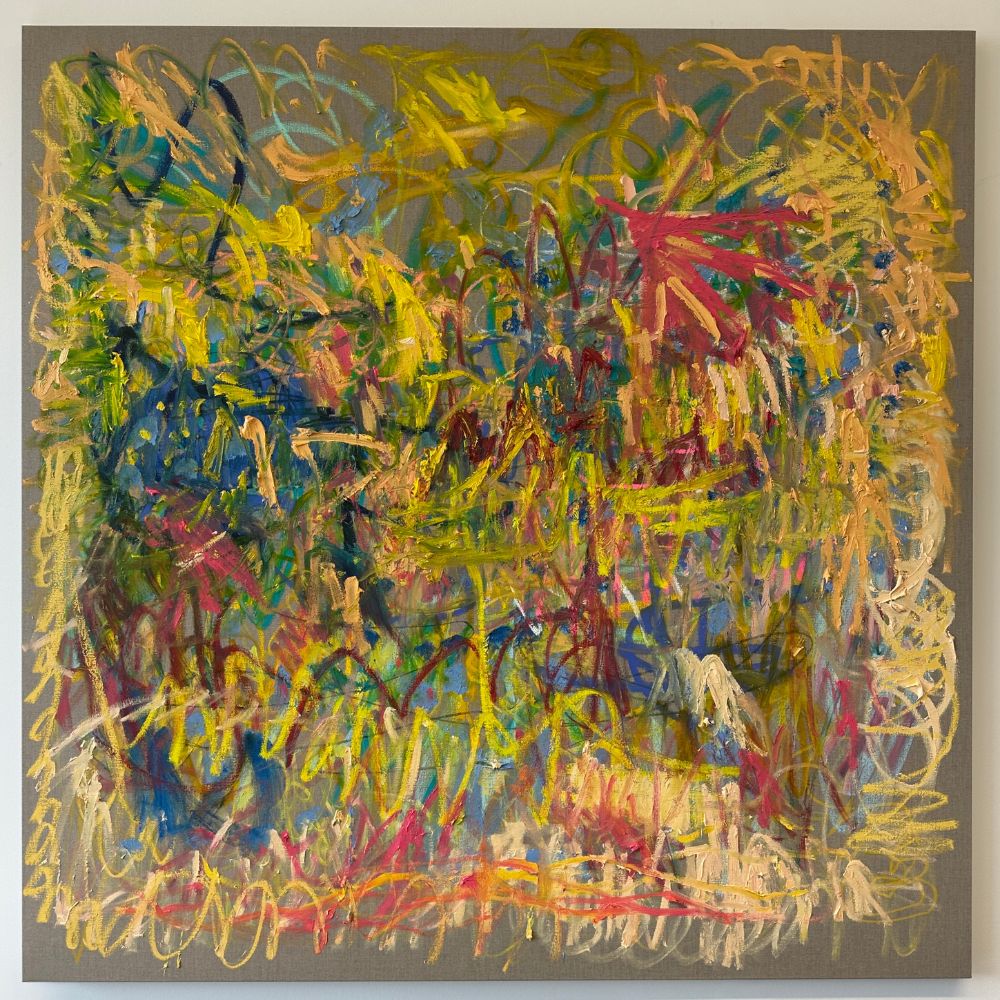
Cordoba’s redemption story is a brilliant example of an artist’s calling, one whose journey is just beginning, but whose approach already feels quite focused and mature. Driven purely by the artist’s internal linguistics and emotional state, art saved her by offering her a channel to communicate complex feelings in a way verbal communication failed to do. In doing so, her paintings serve as raw expressions in the language of art. And they are compelling.
Discover more of Mariana Cordoba’s work on her website and Instagram.


Leave a Reply