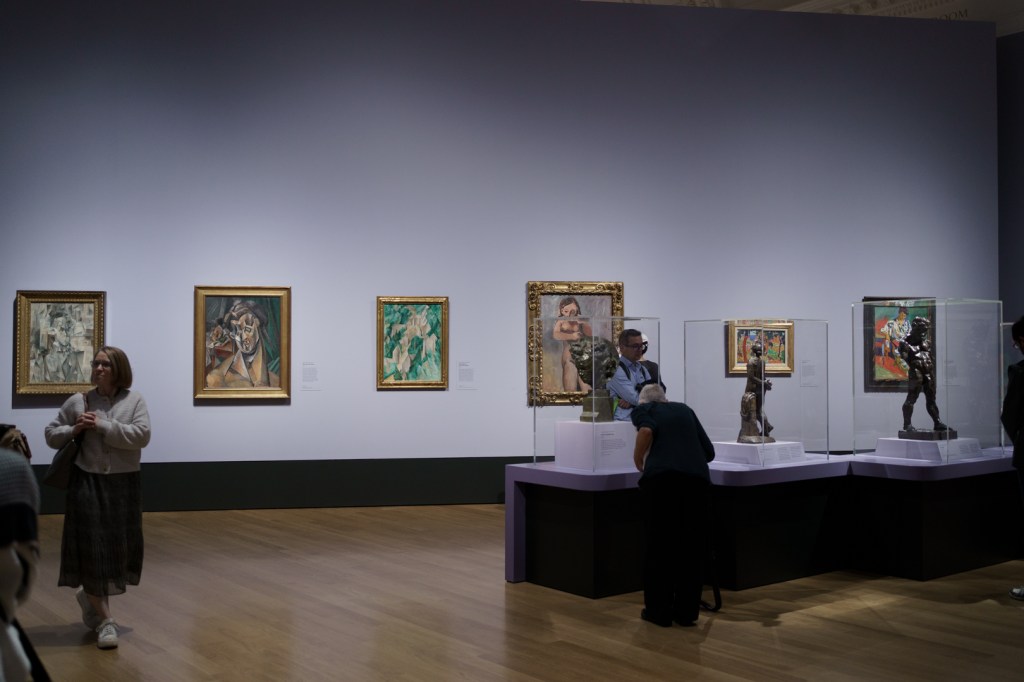
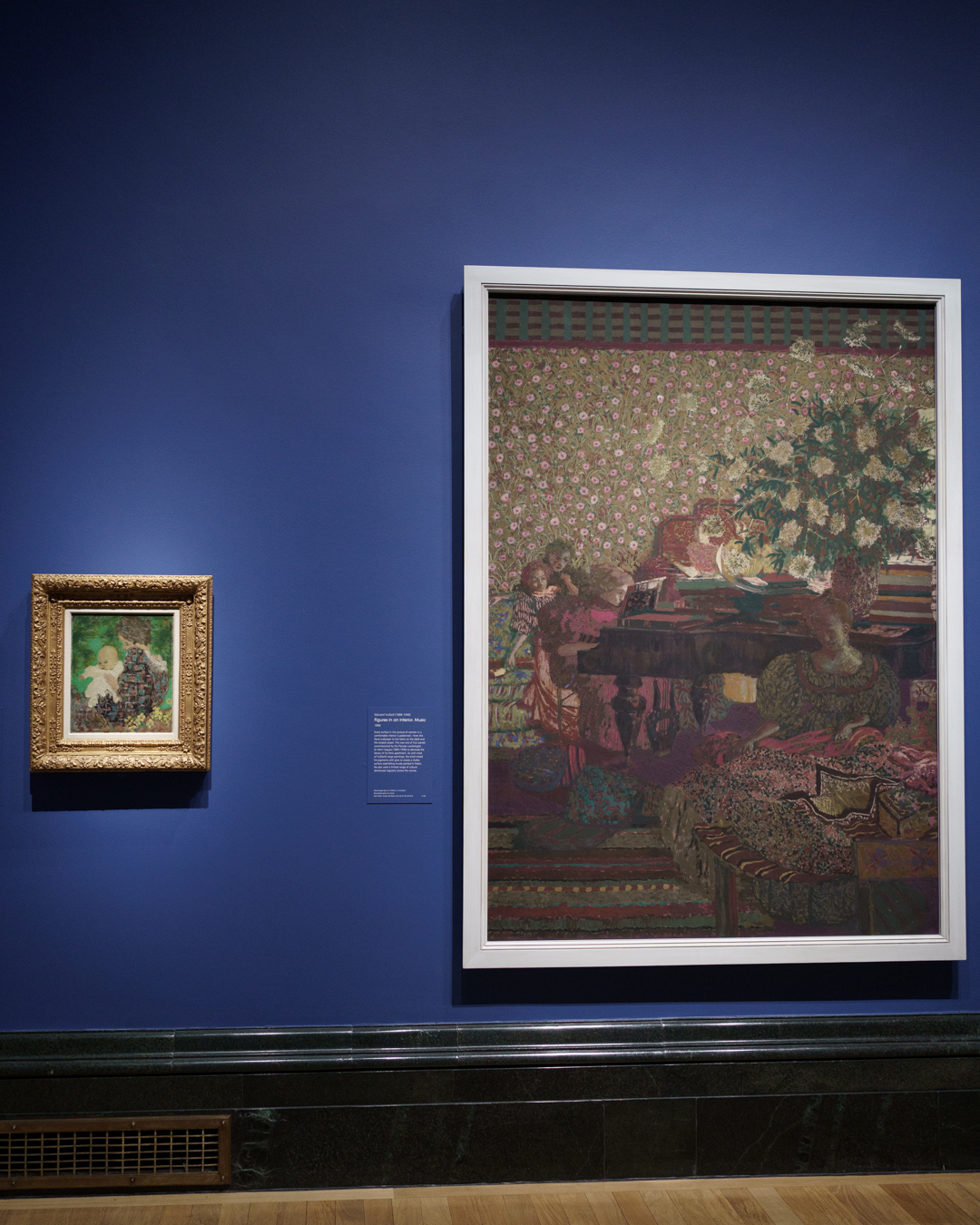
After Impressionism: Inventing Modern Art feels like a natural extension to the National Gallery’s permanent collection if the institution expanded their collecting categories. Encompassing painting and sculpture, the exhibition touches on the explosion of multiple European trends since Impressionism’s growing popularity. The result is a fascinating glimpse of modern art in the growing stages.
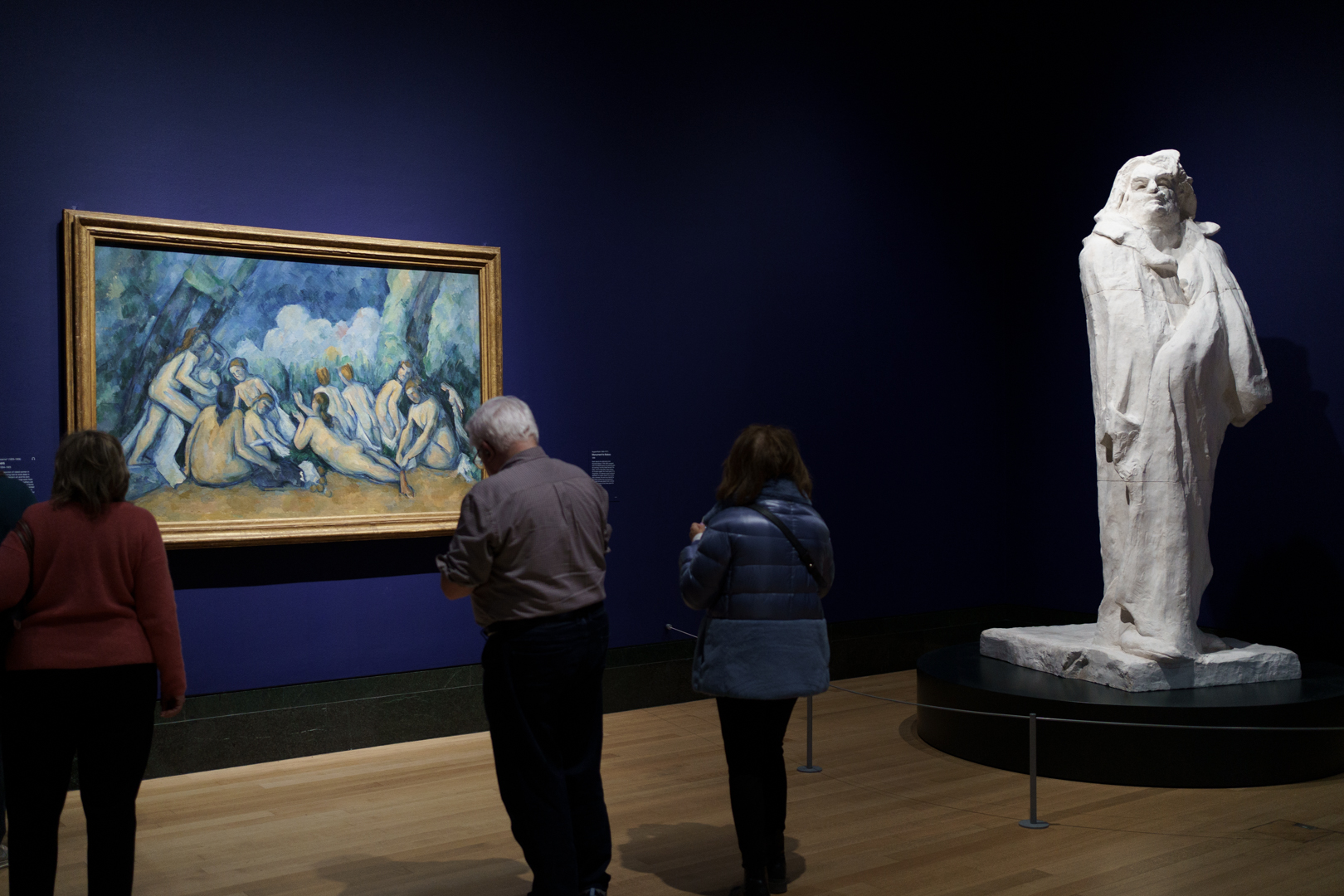
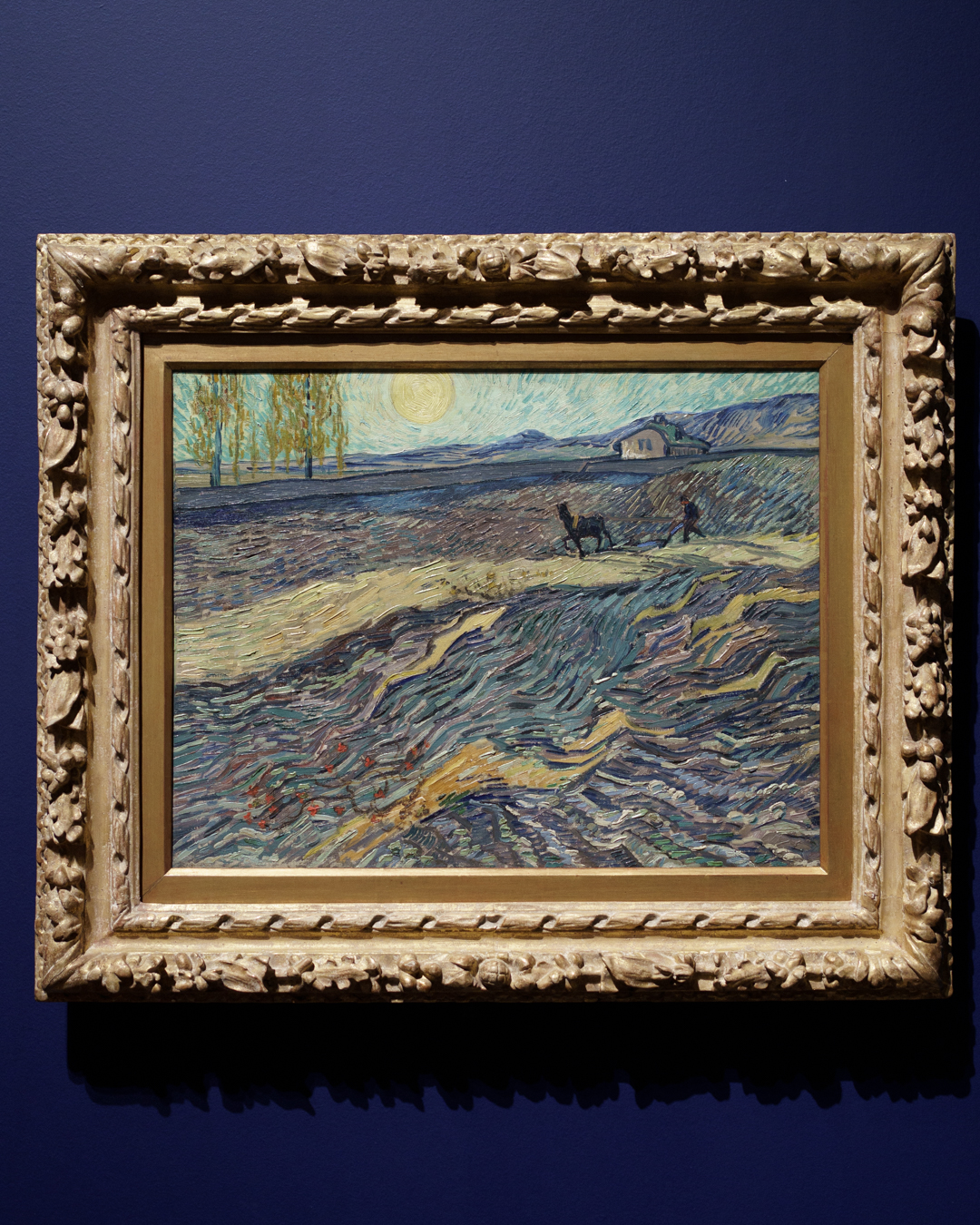


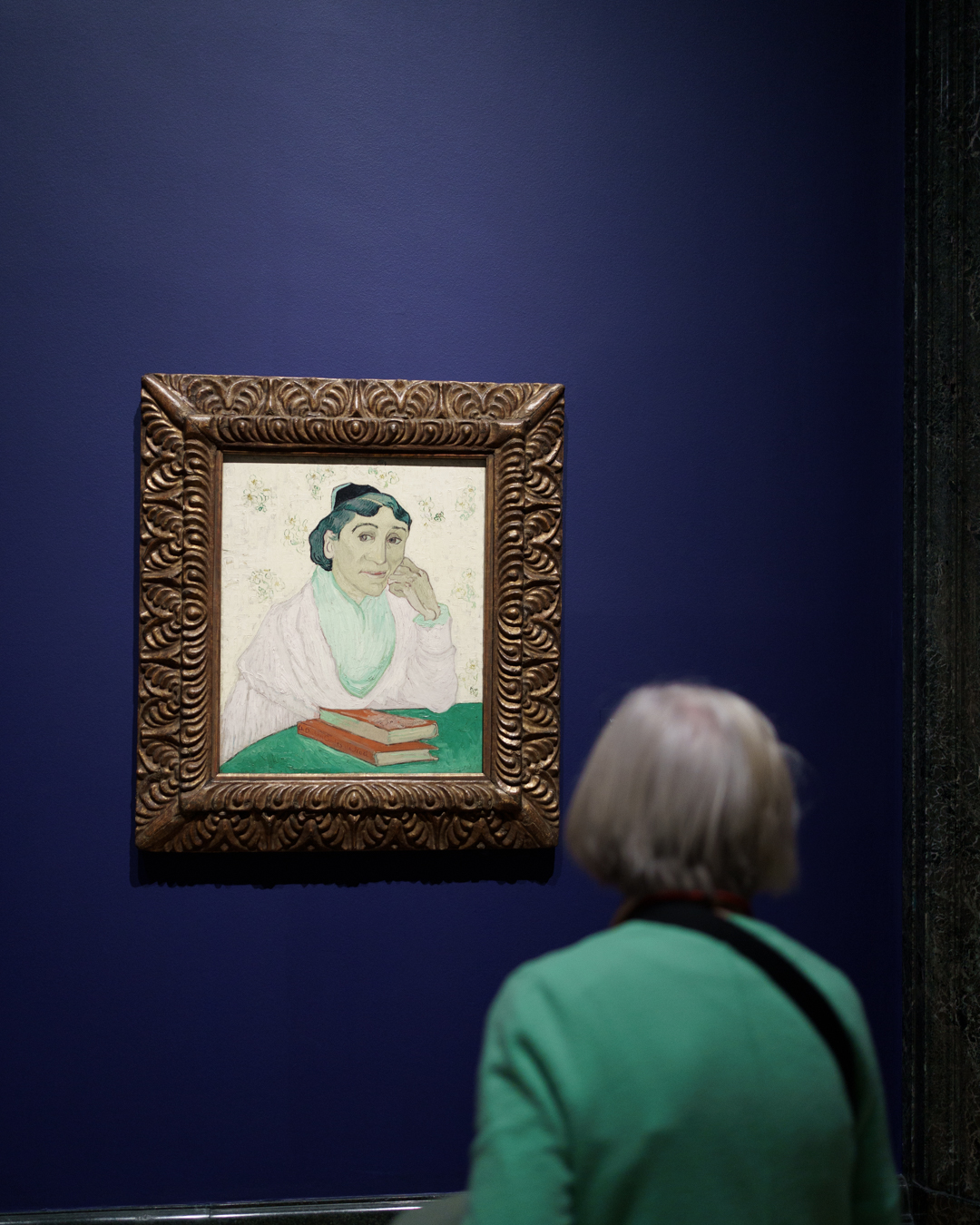
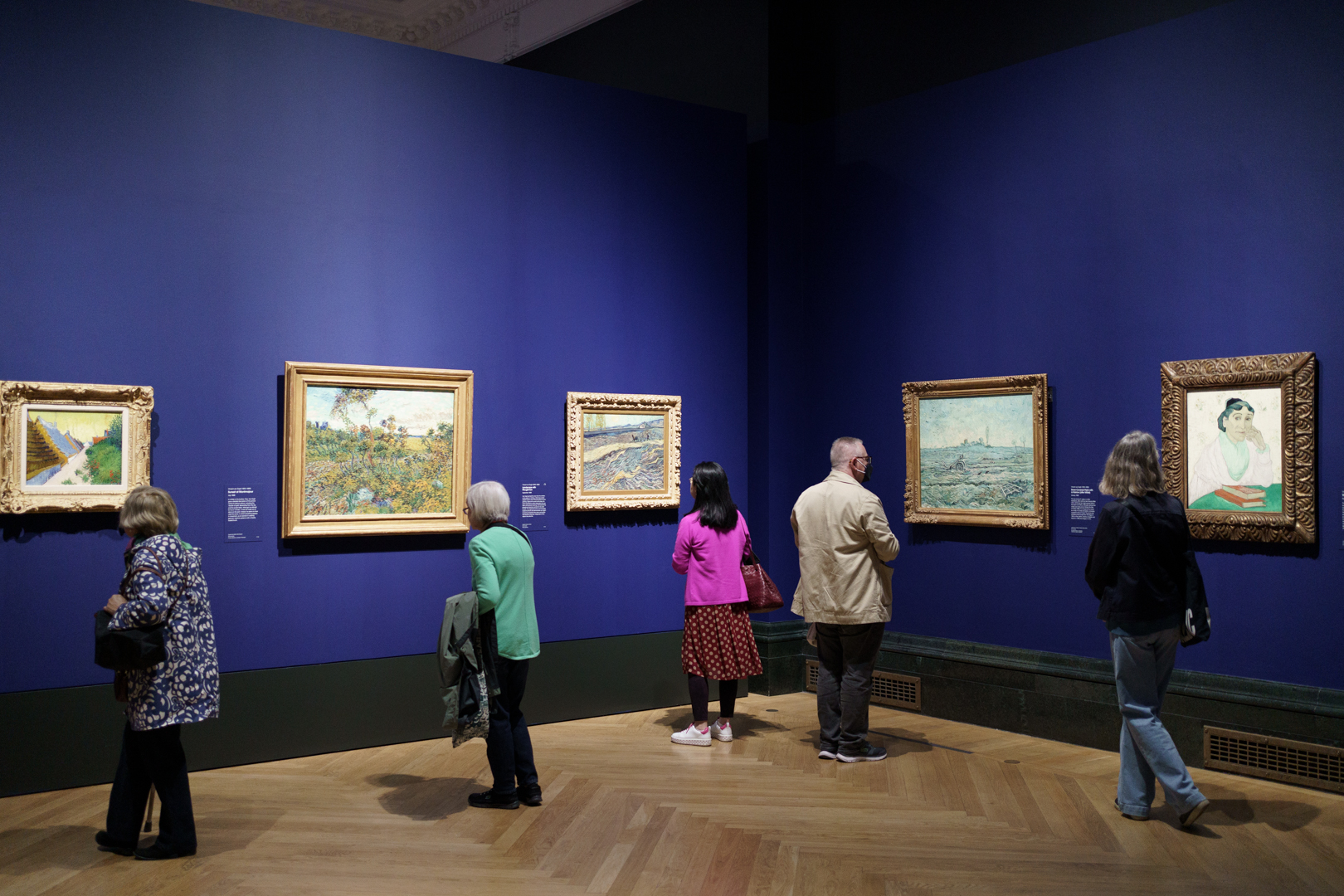
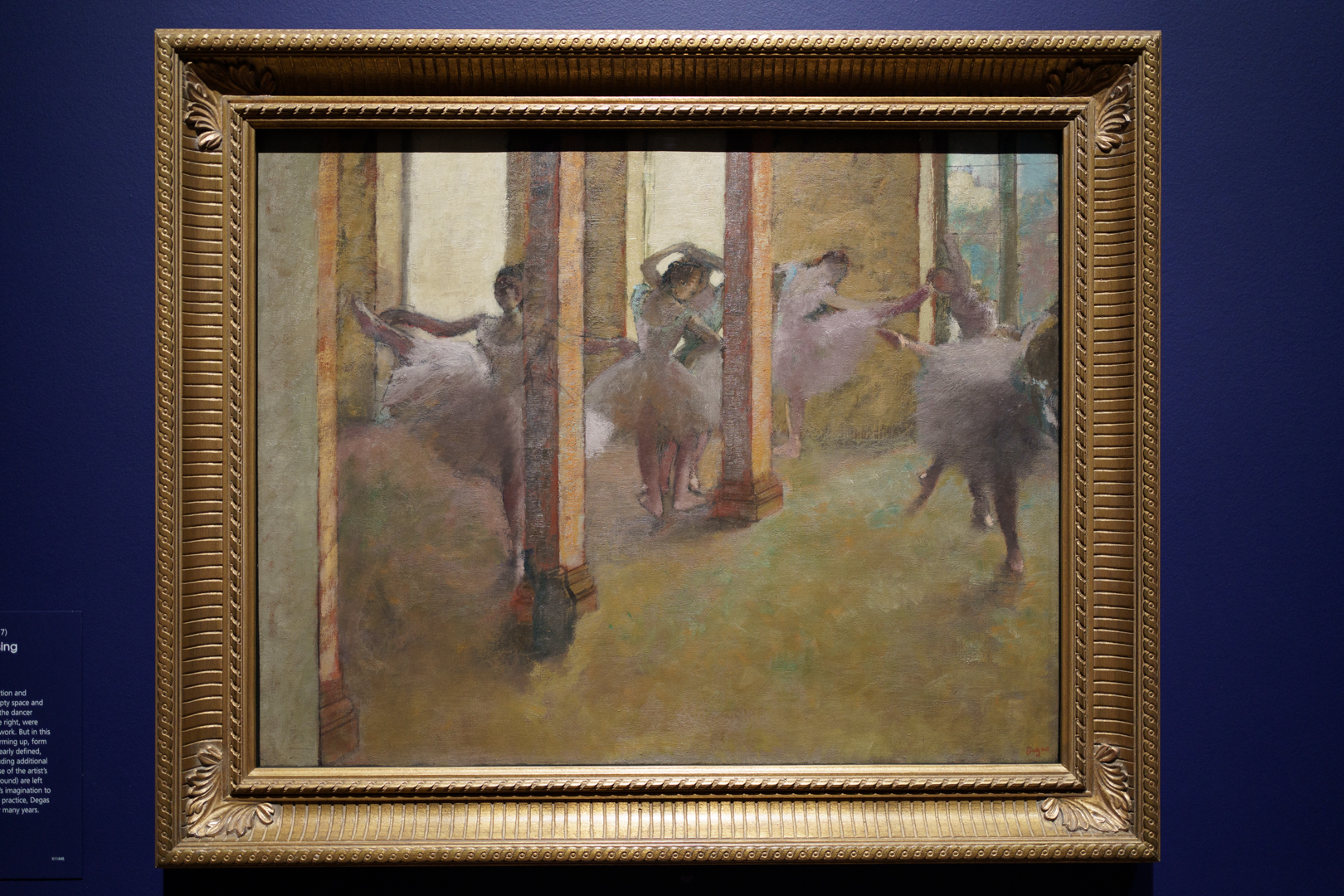
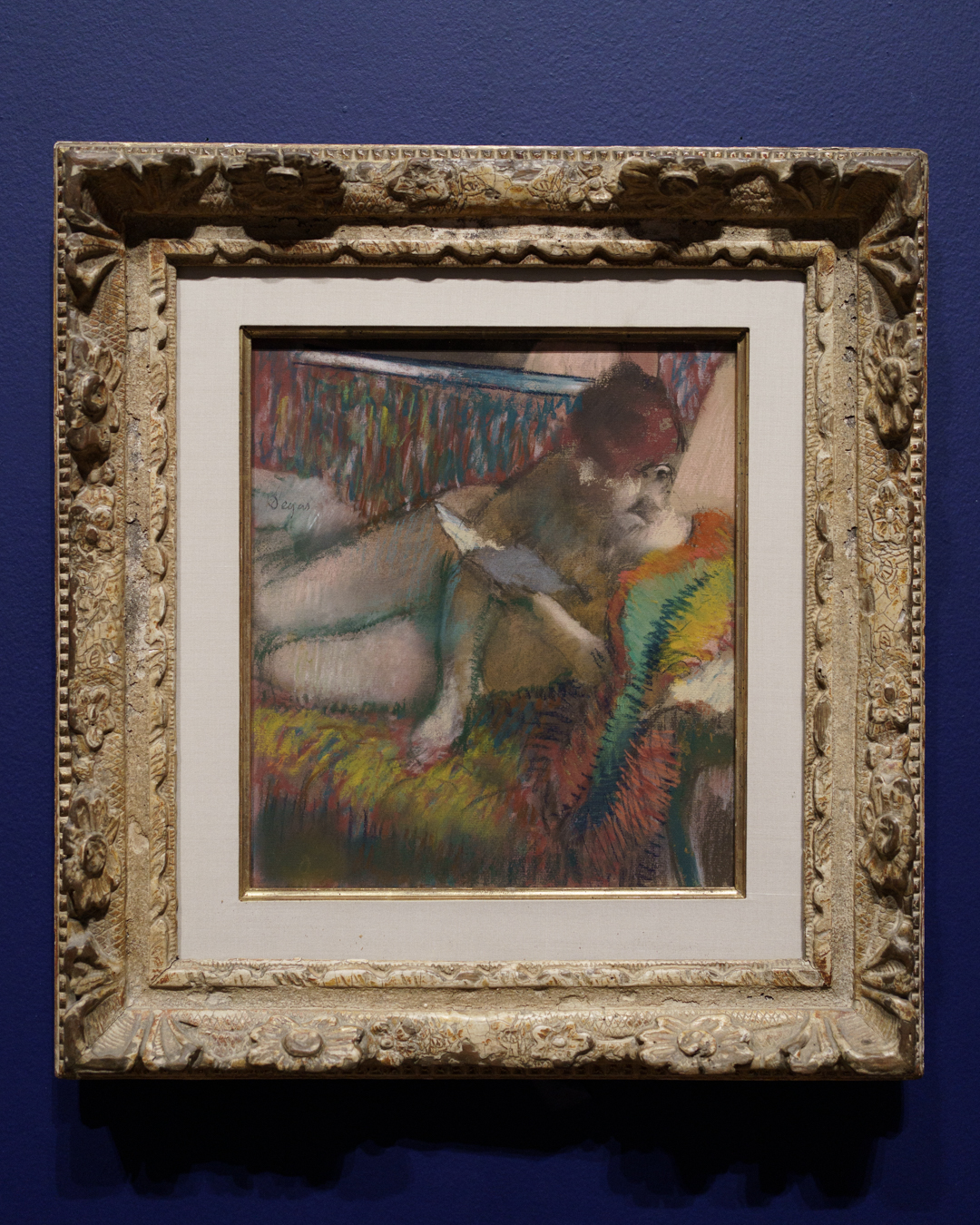


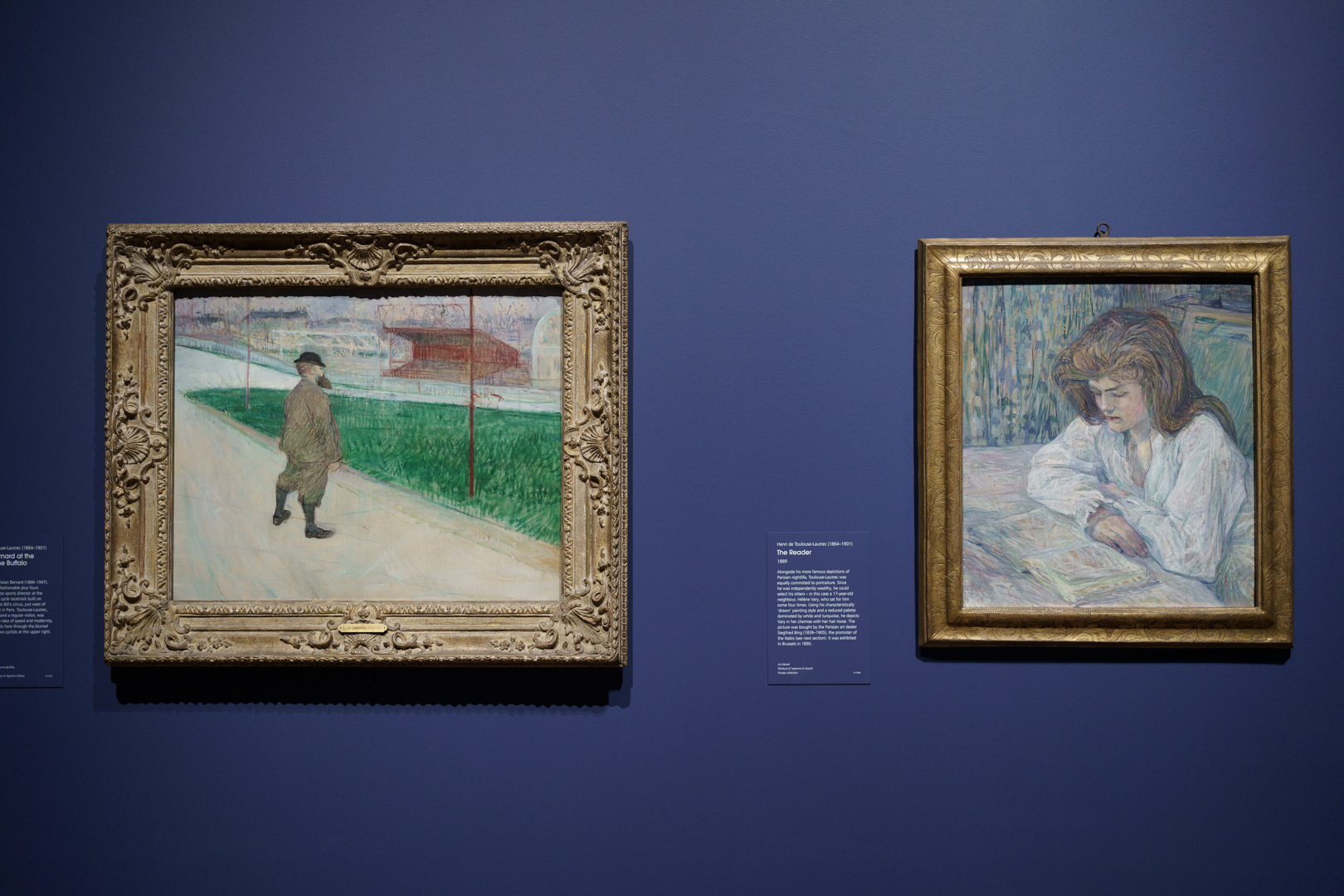
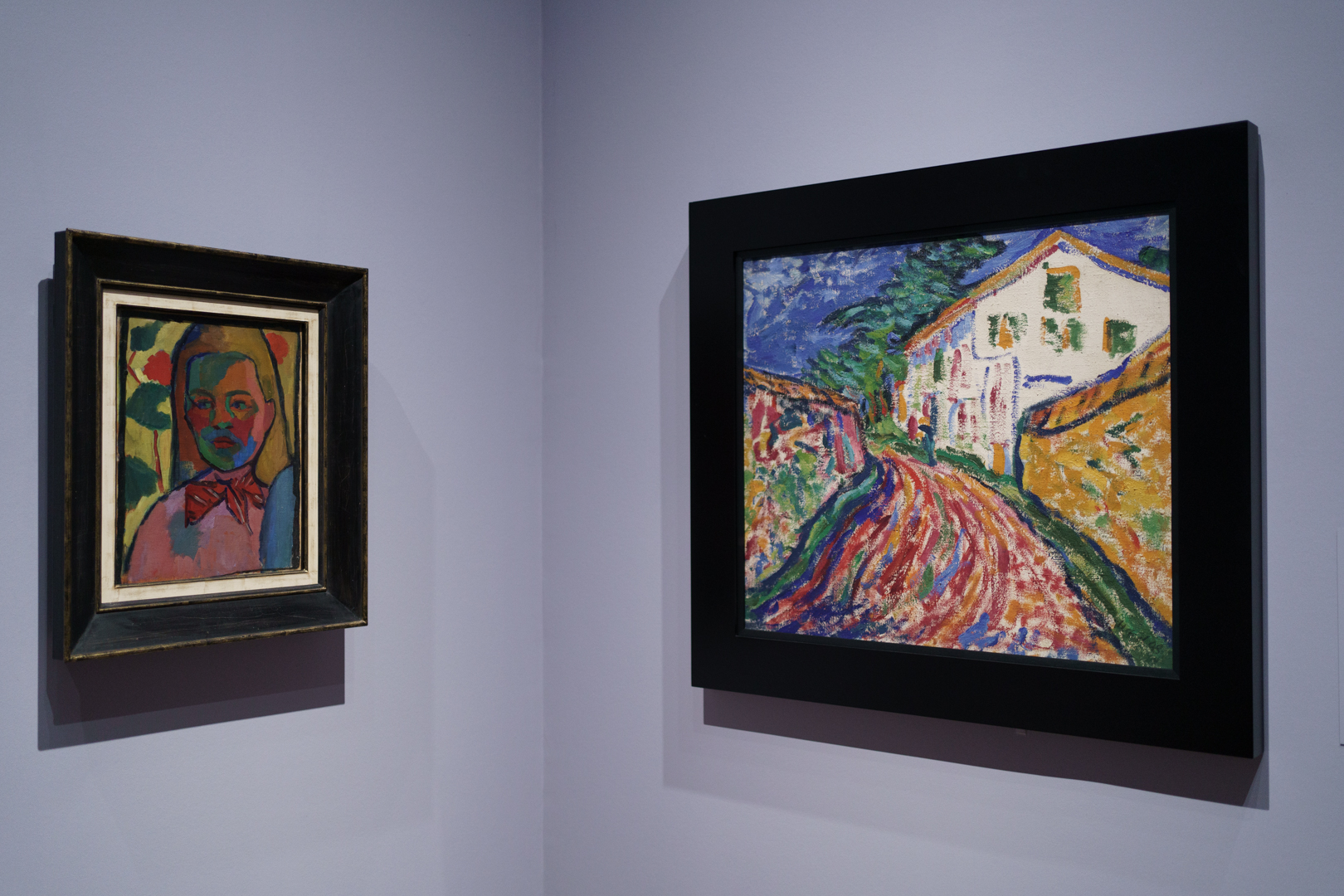


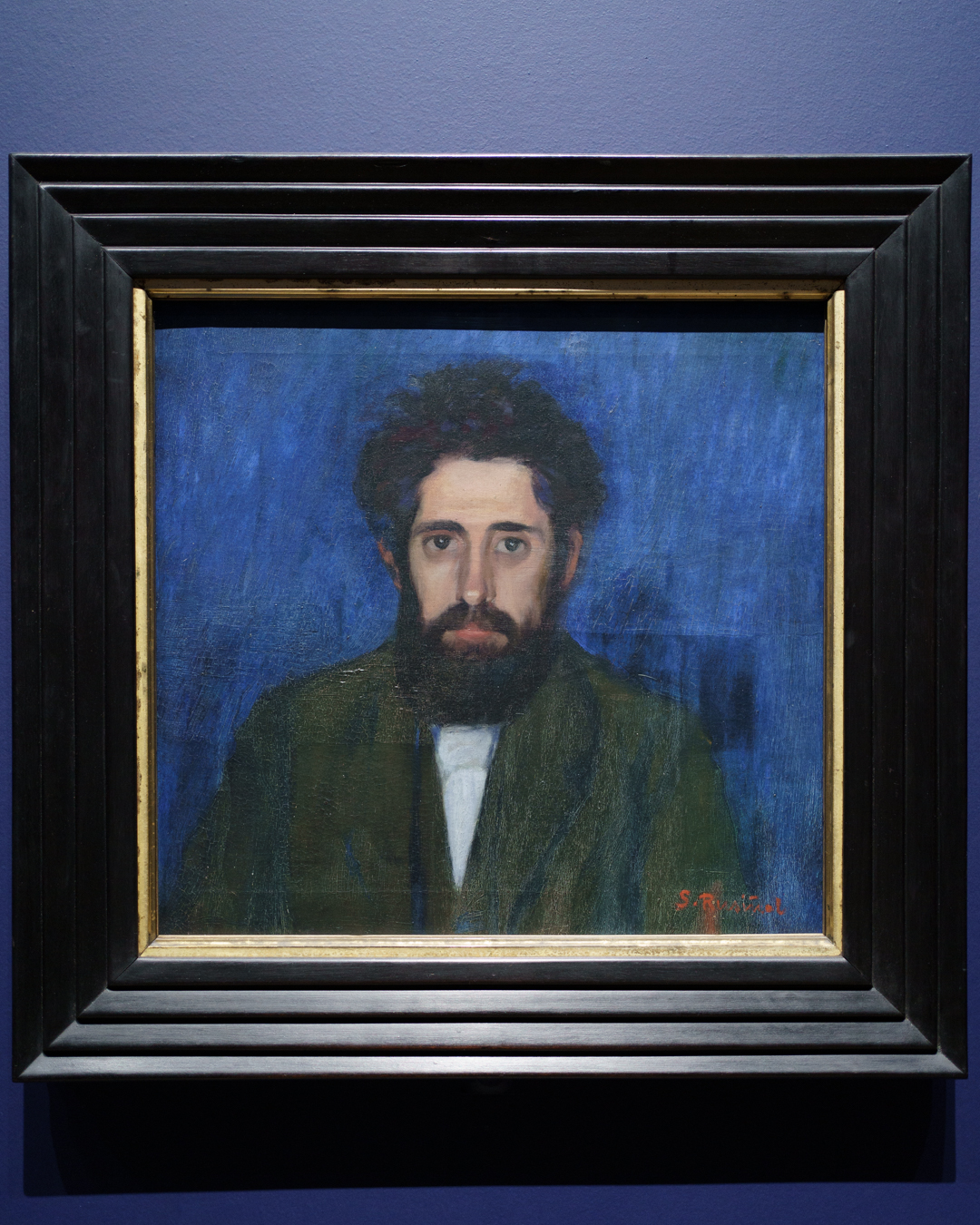
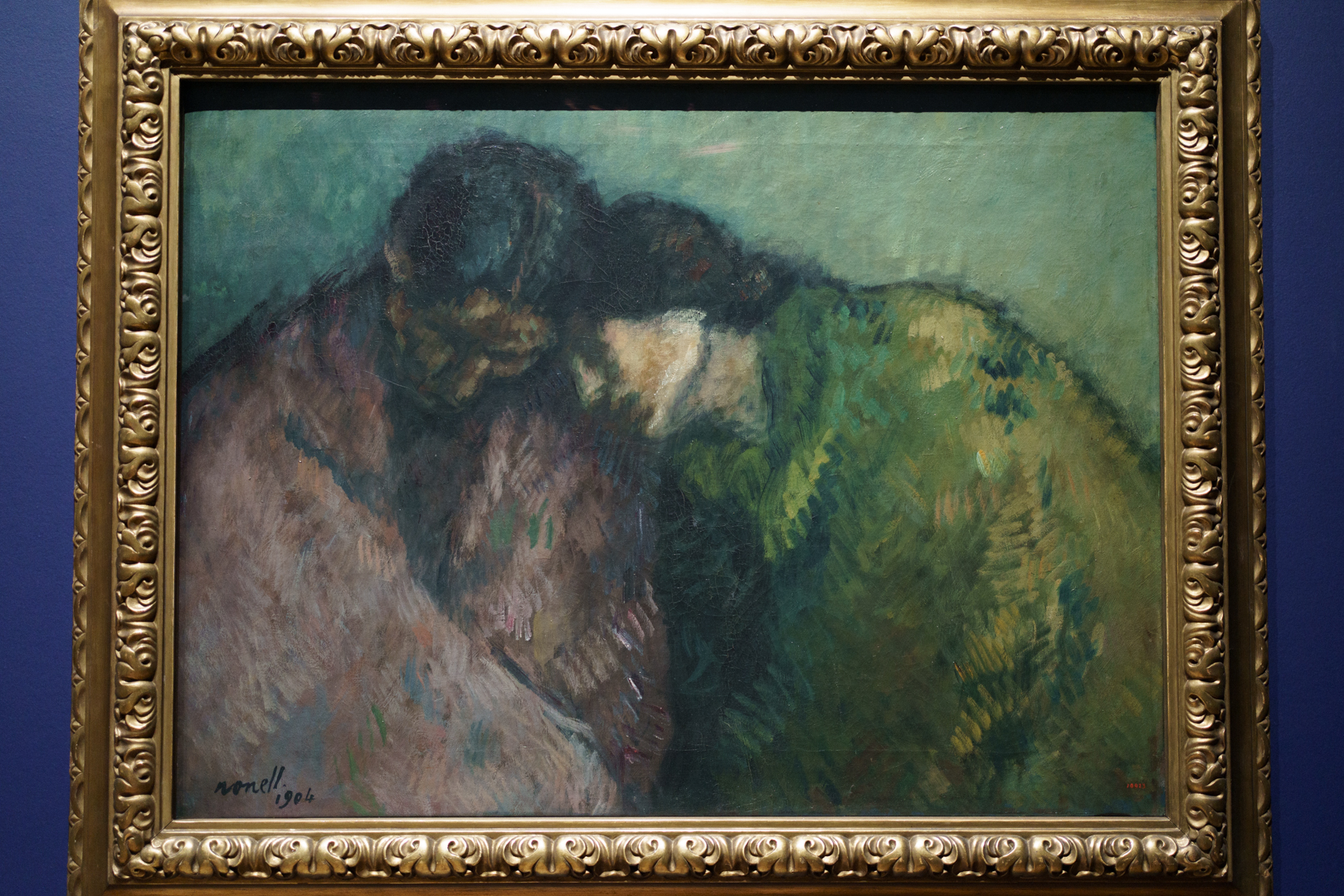
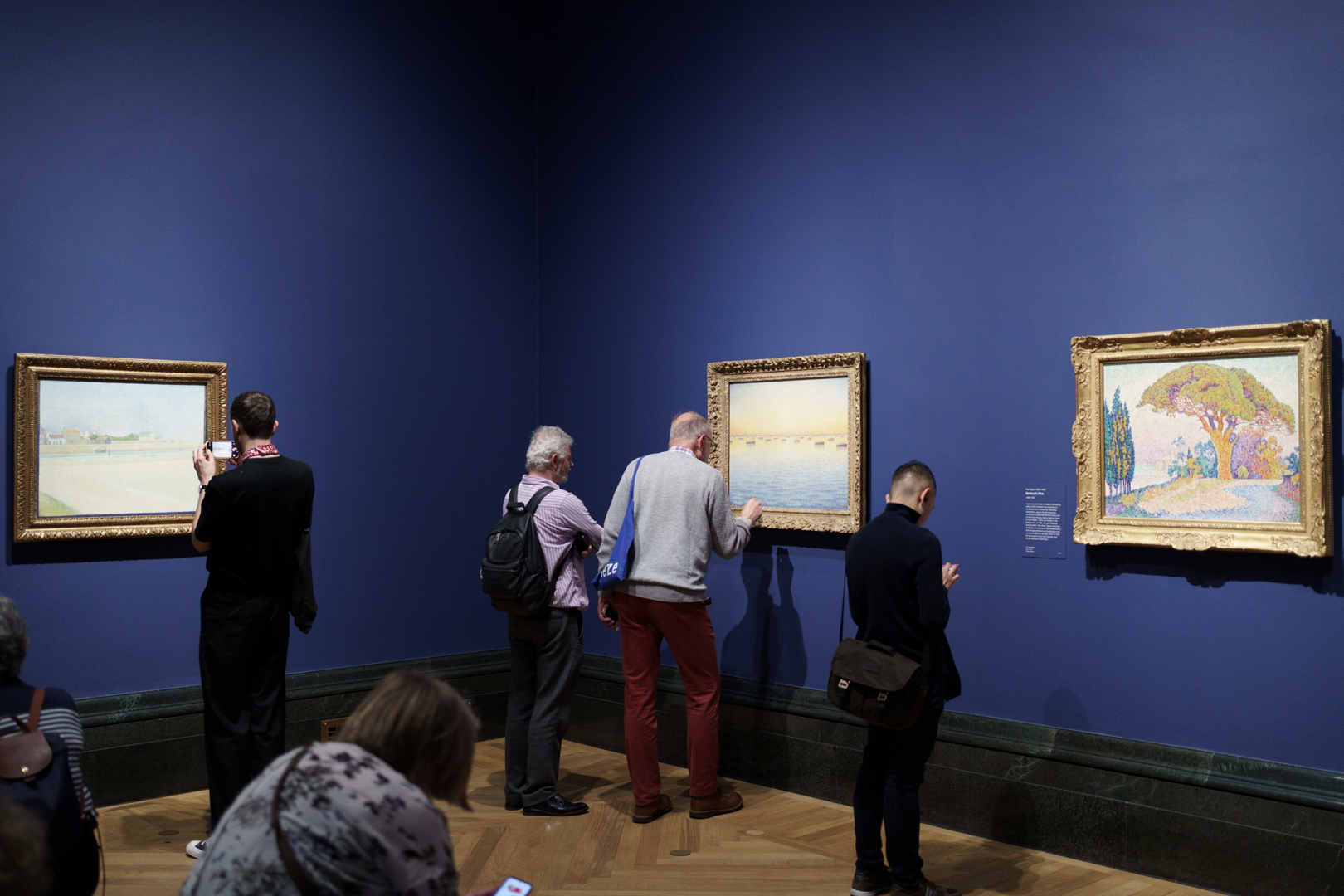
Many of the usual France-based suspects are included – Paul Cezanne, Auguste Rodin, Vincent van Gogh, Edgar Degas, Henri Toulouse-Lautrec, etc. – as expected; nothing new there. What is new is how their artistic traits fed into other parts of Europe to form mini-movements. A great example is Georges Seurat and Paul Signac’s pointillist technique – Henri-Edmond Cross gets a mention too – emerging in brilliant masterpieces by the Belgian Théo van Rysselberghe. In the same room as the latter, Barcelona artists Isidre Nonell and Santiago Rusiñol offer an alternative side of Spanish modernism exemplified by the Picassos nearby.


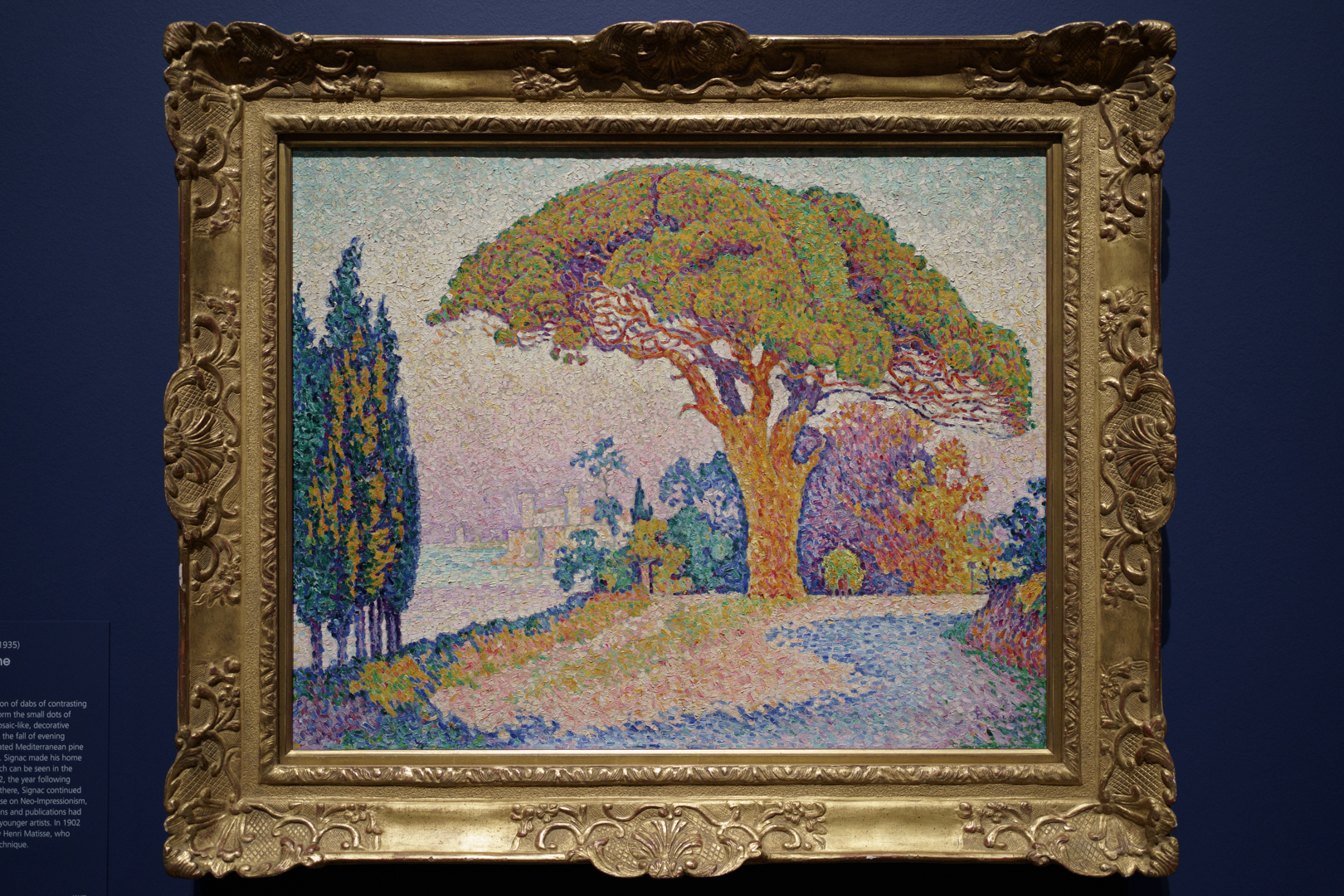
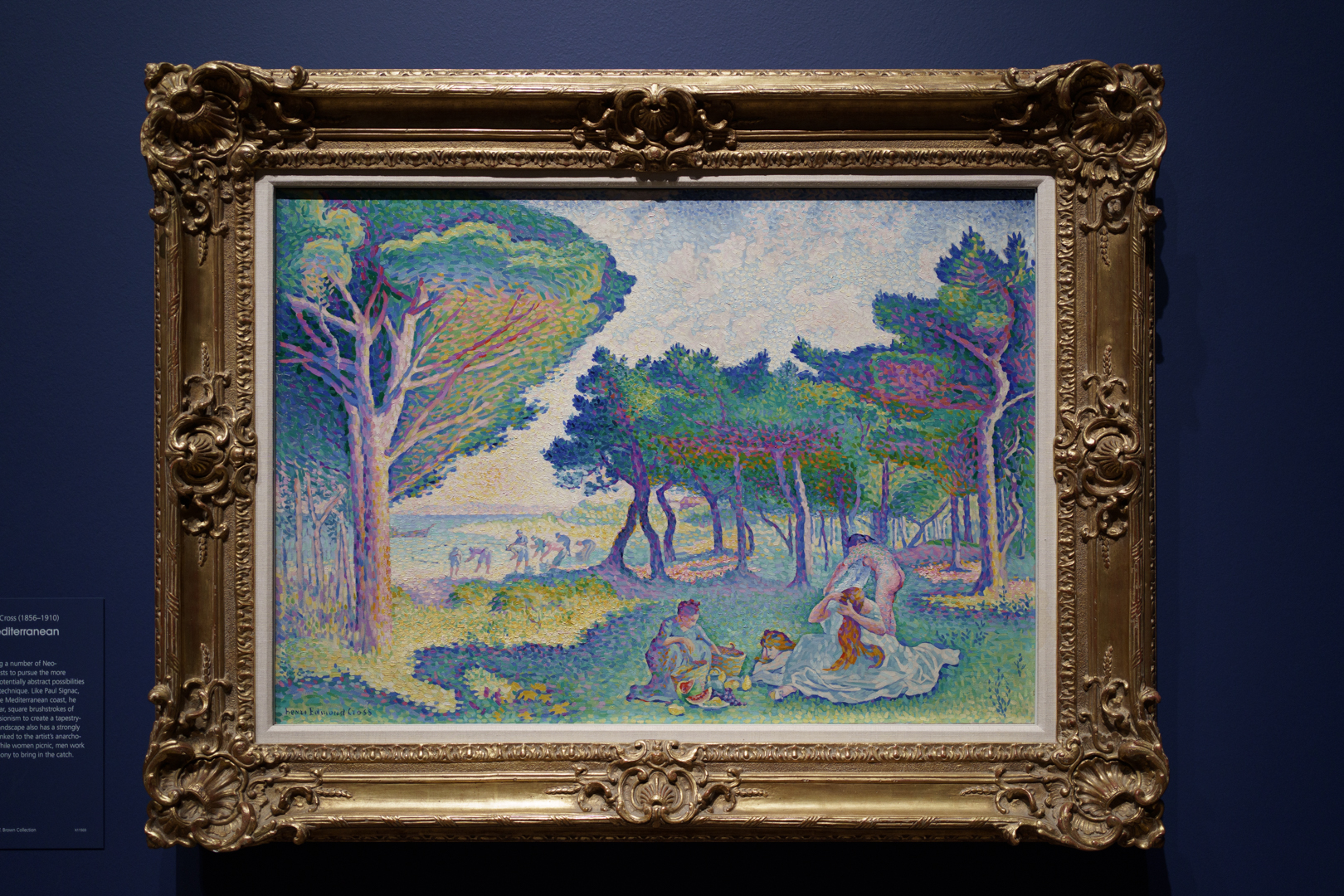

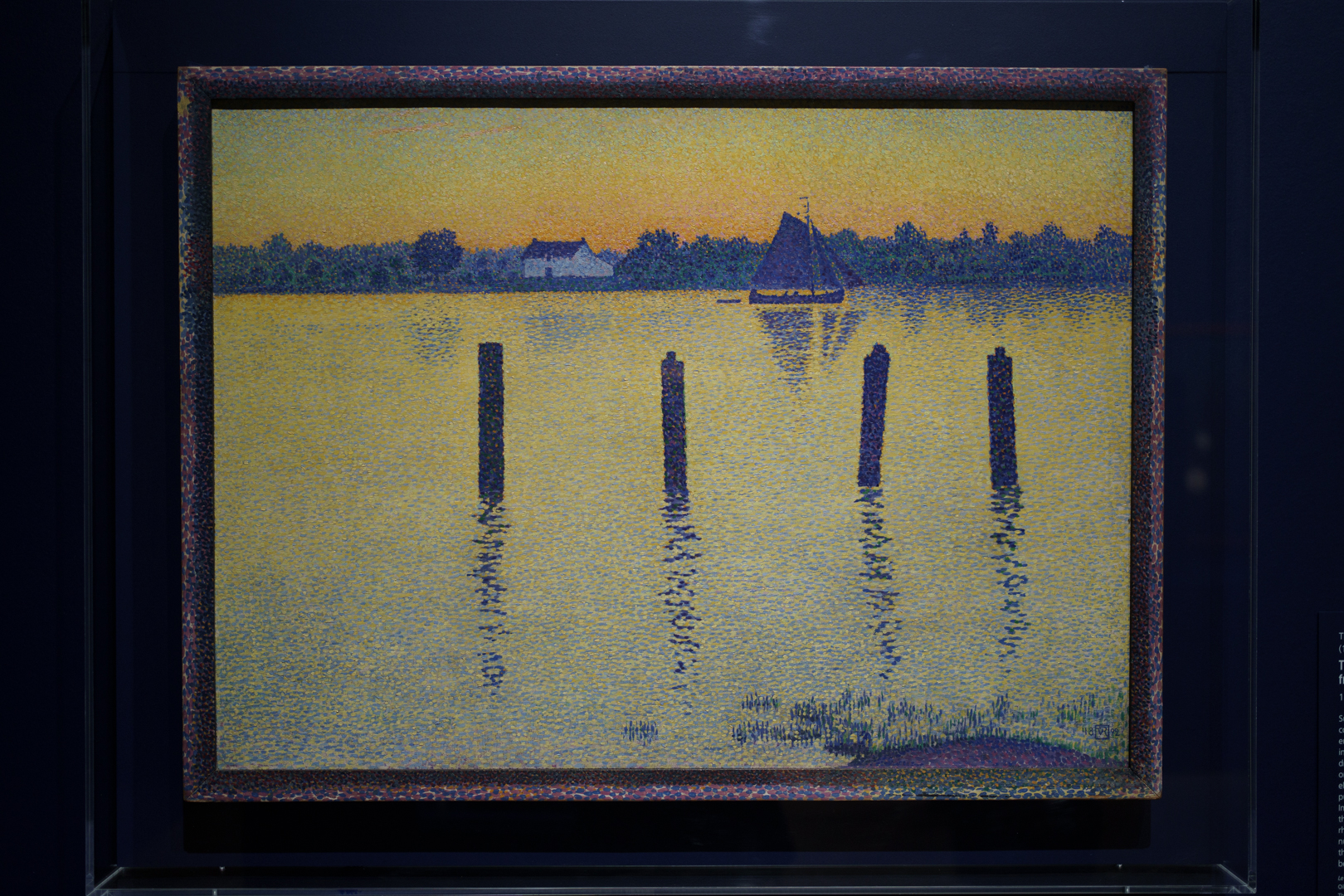
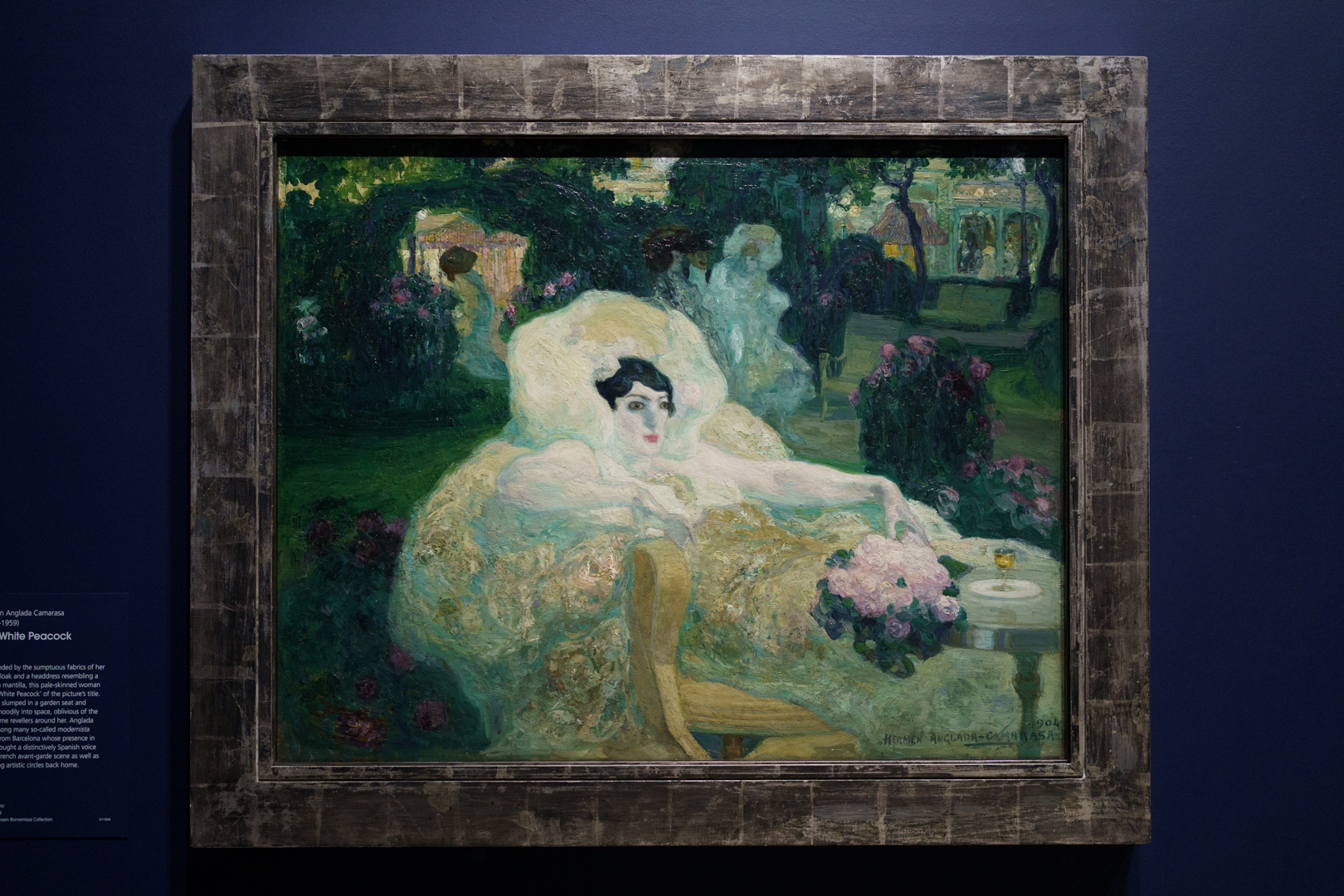
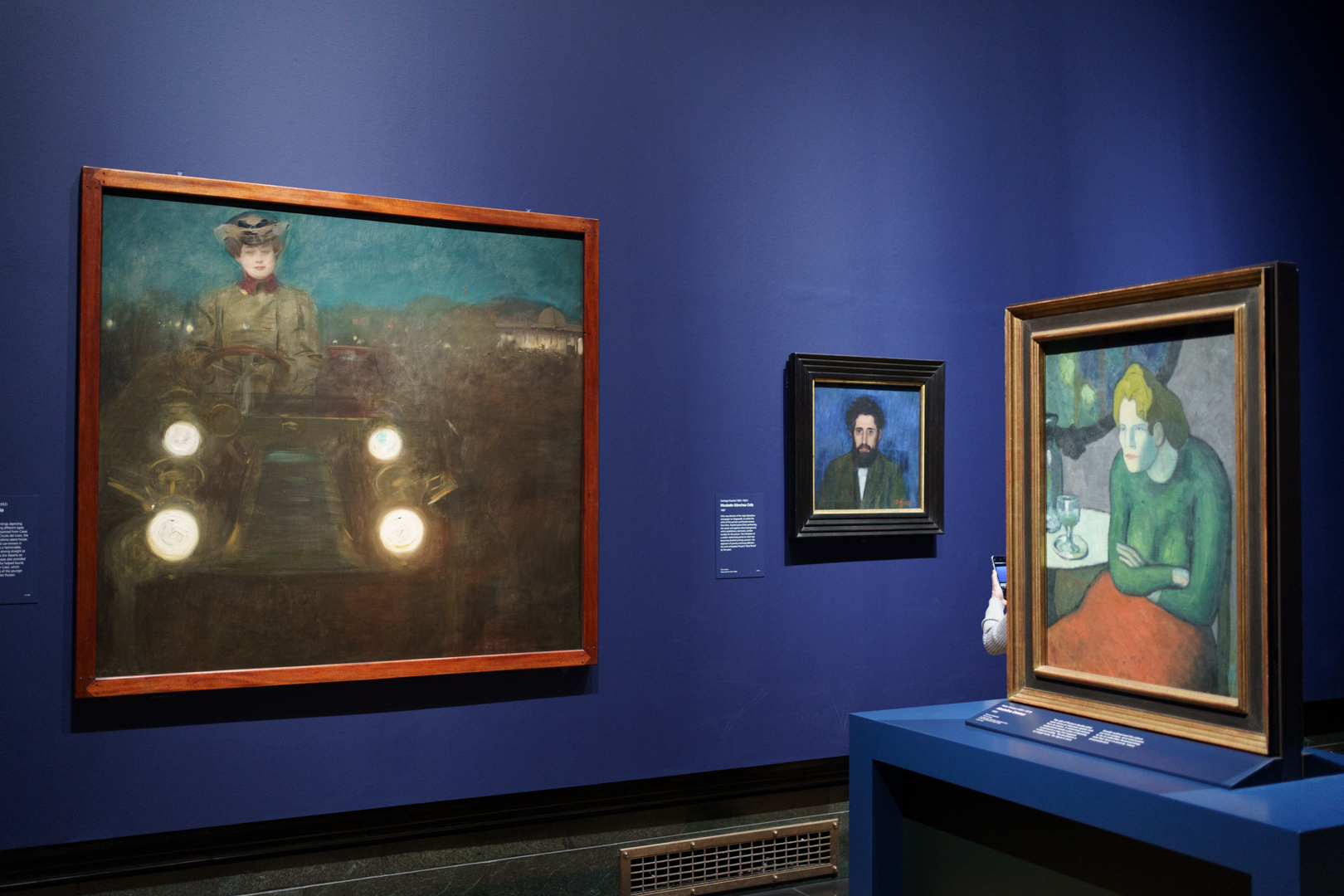
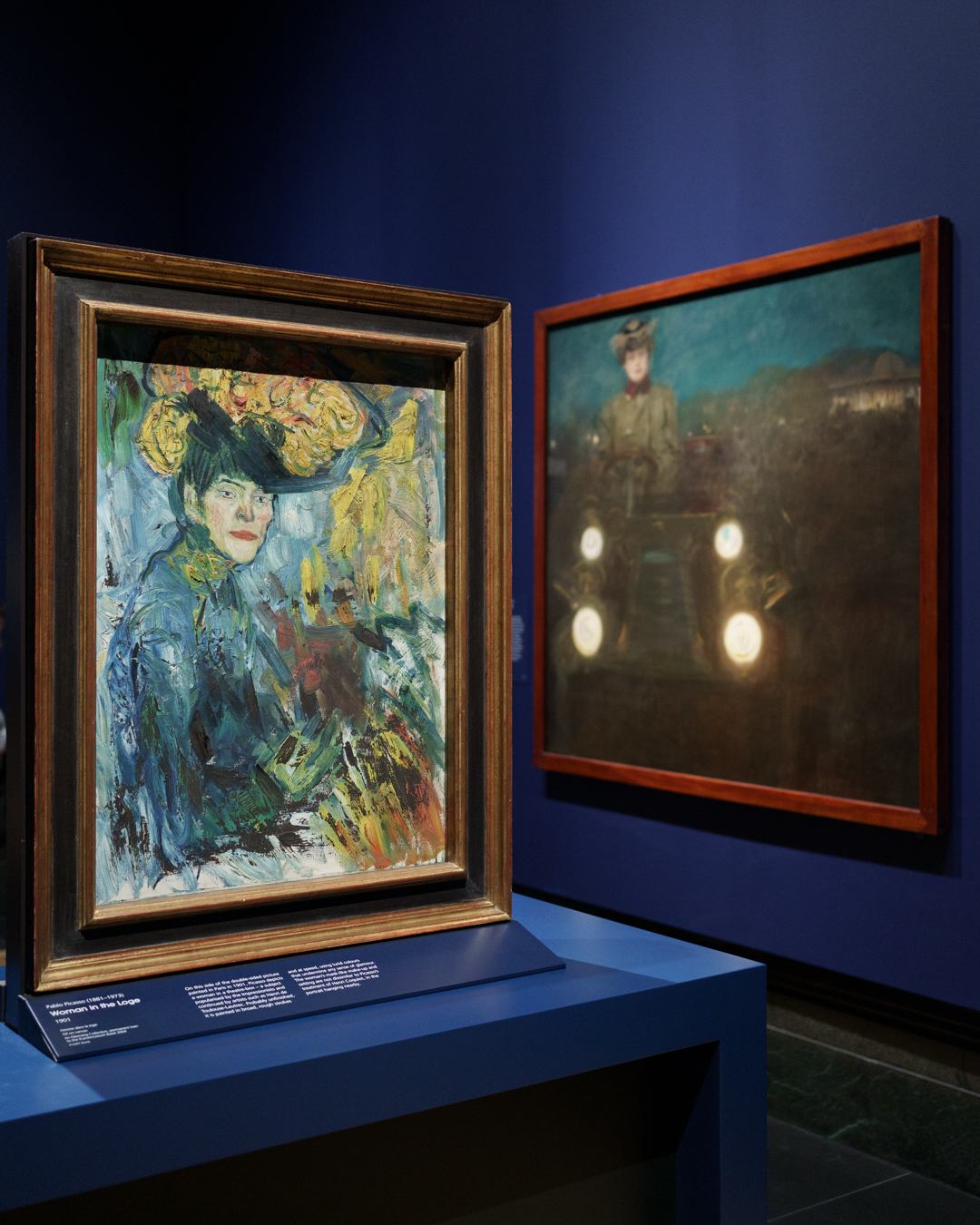
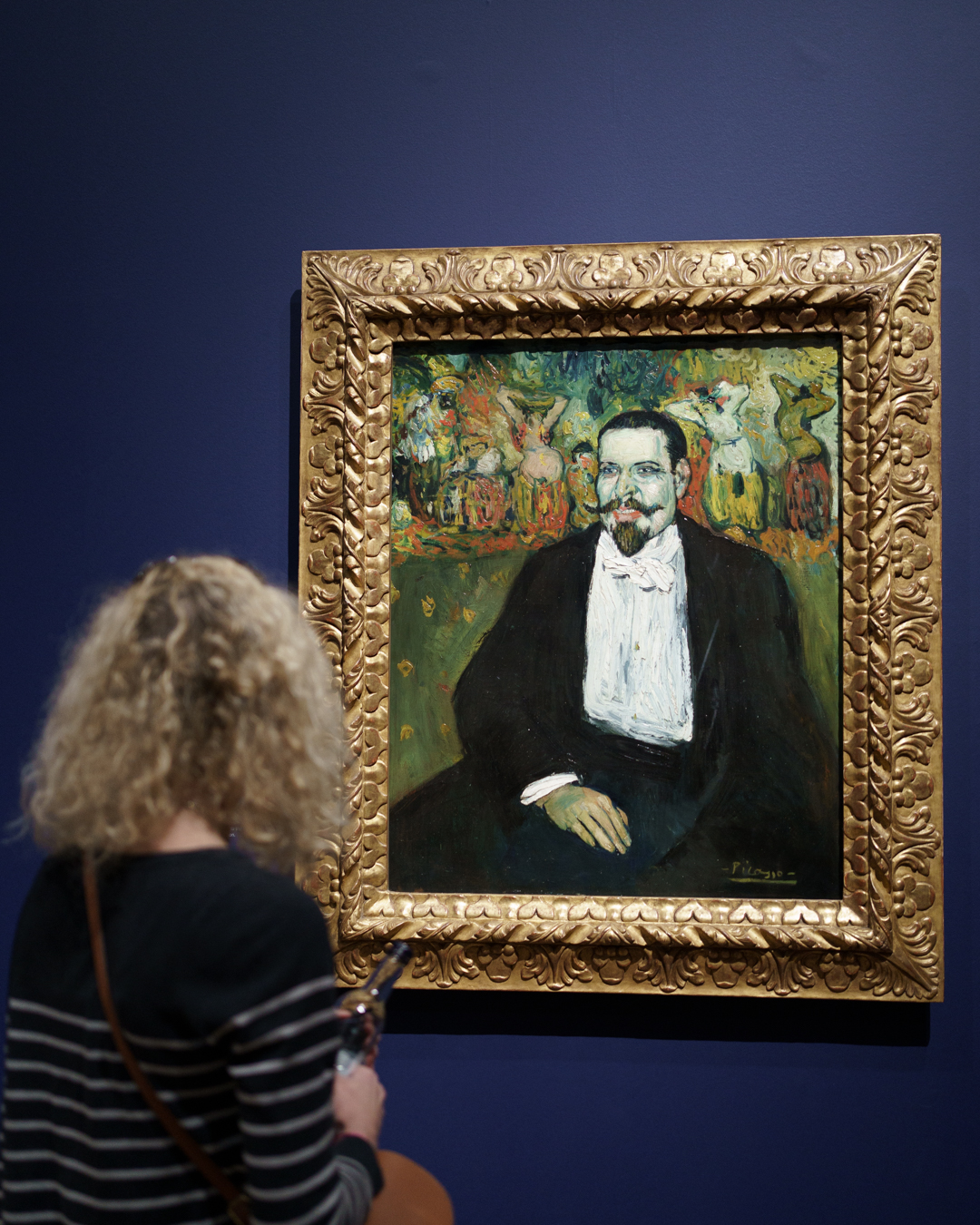
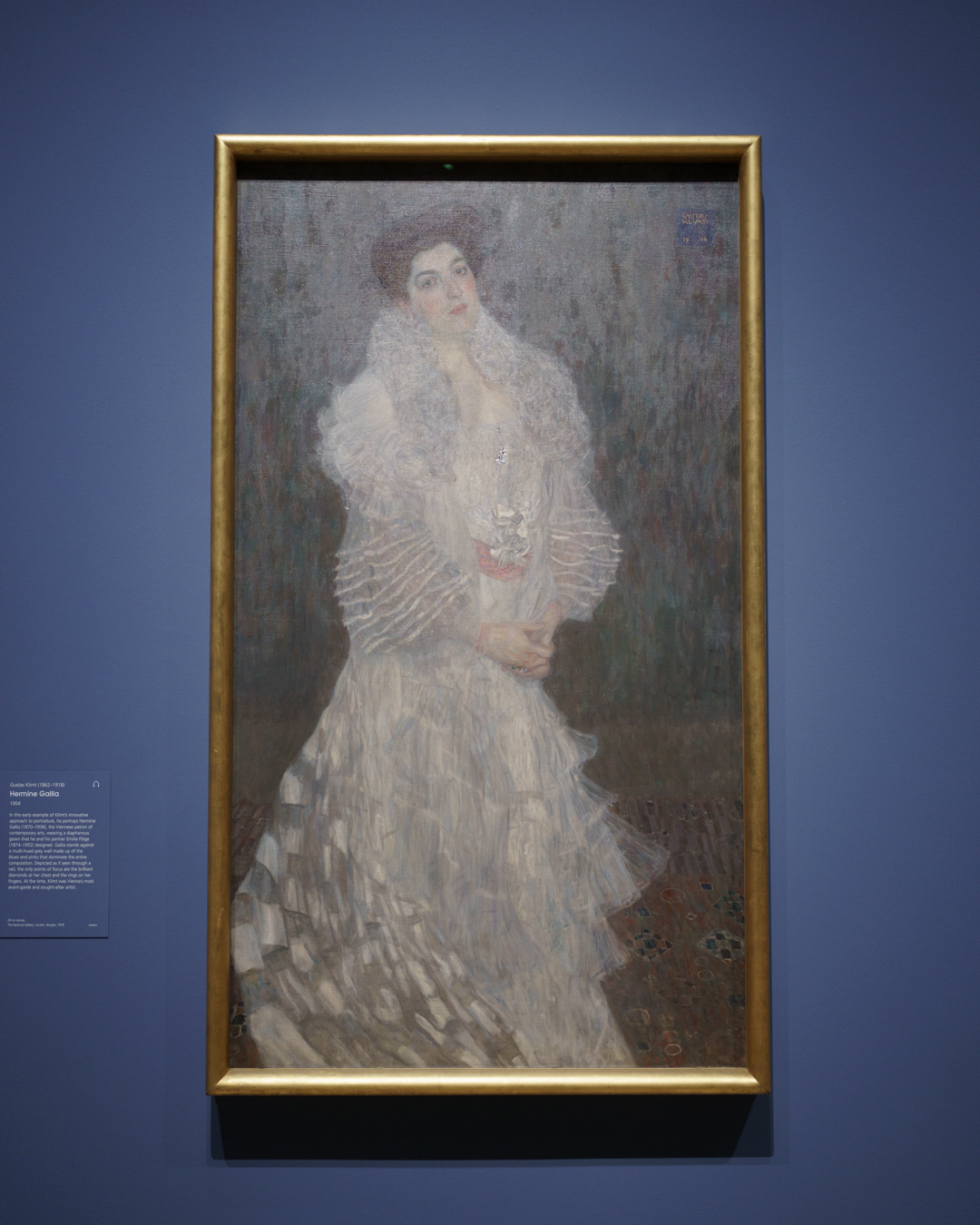
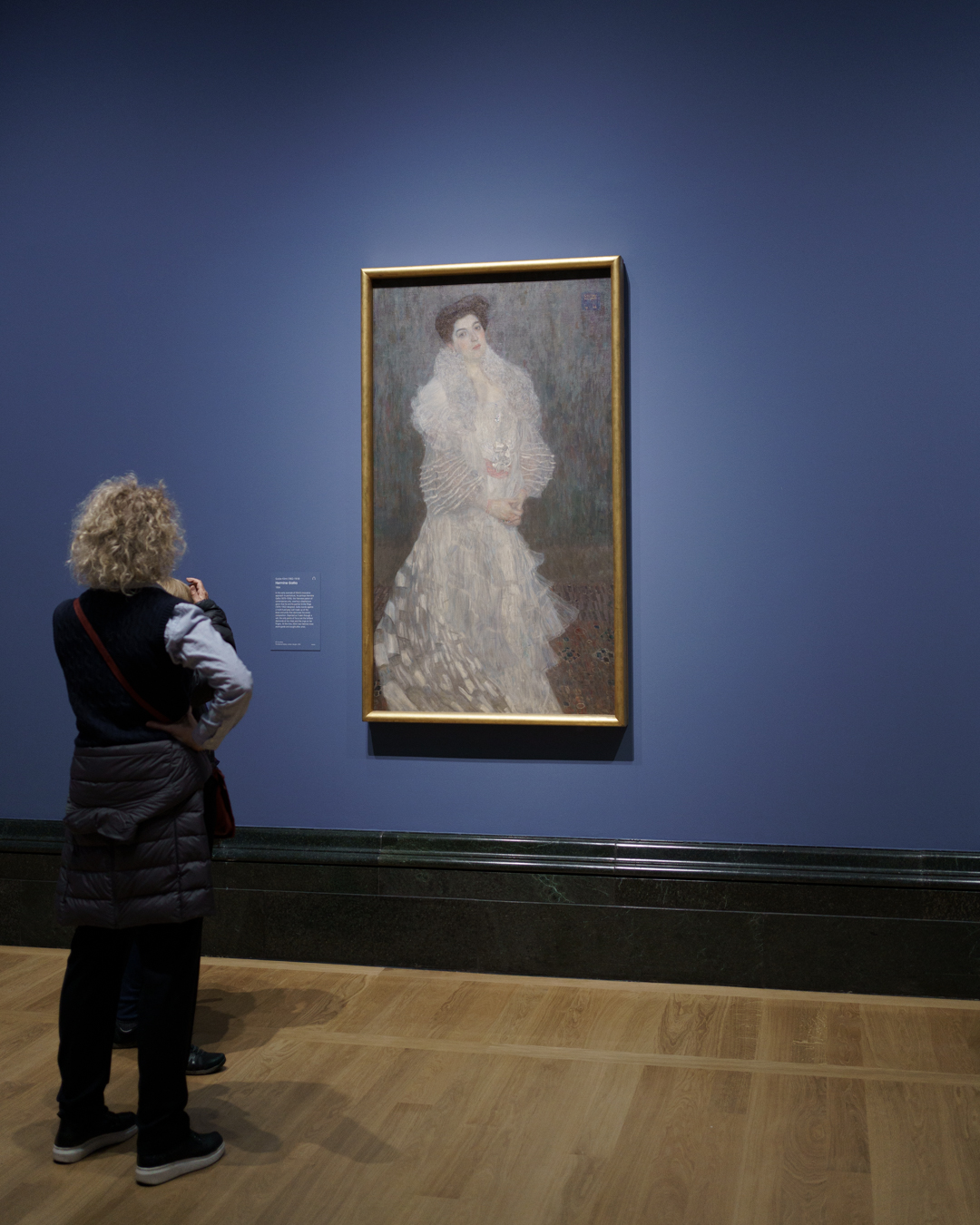
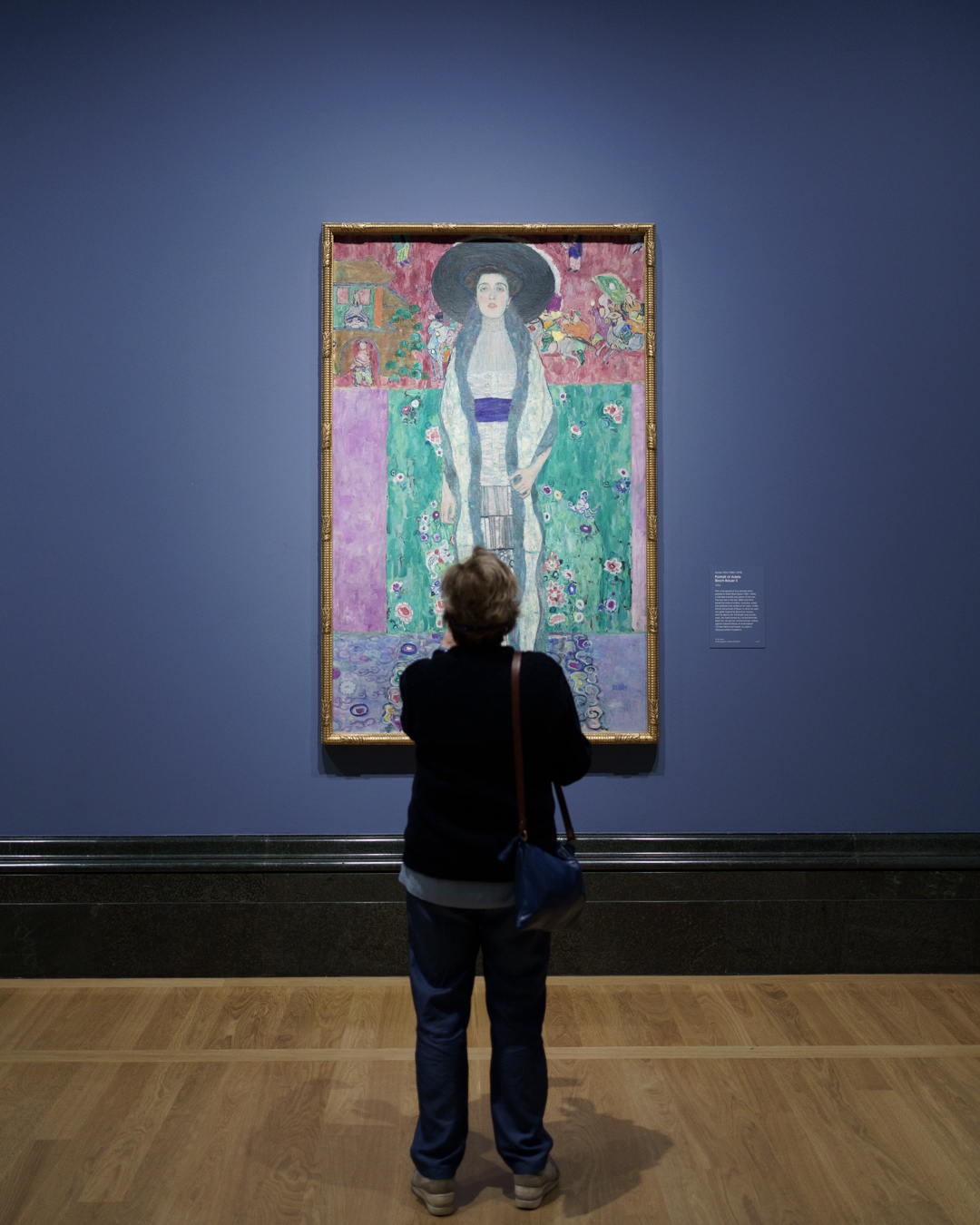
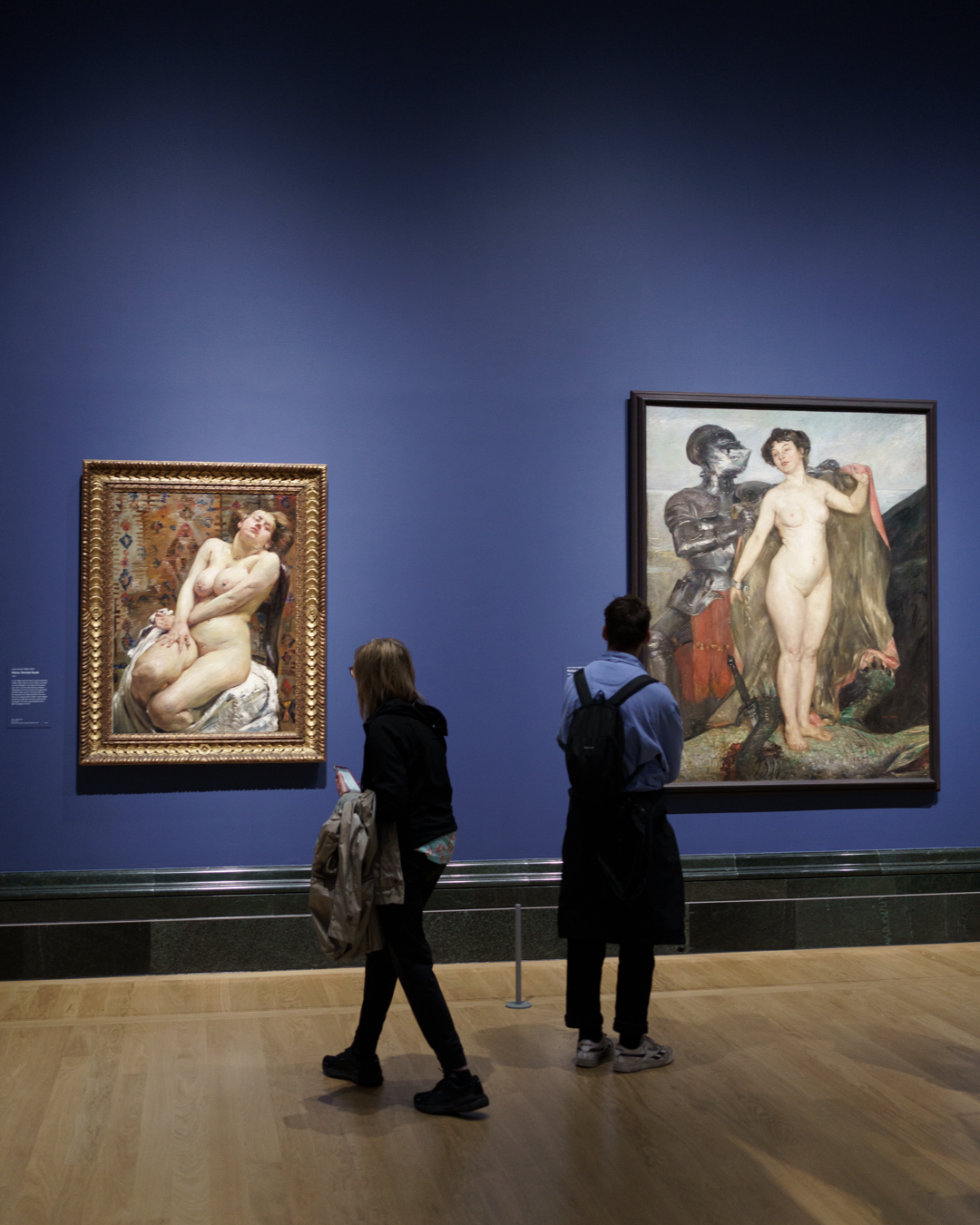
This exhibition draws attention to and contextualises many less well known artists in the general public’s eye. Two powerful Lovis Corinth nudes and Max Slevogt’s exceptional Danaë find themselves in the company of grand portraits by Gustav Klimt and Edvard Munch.
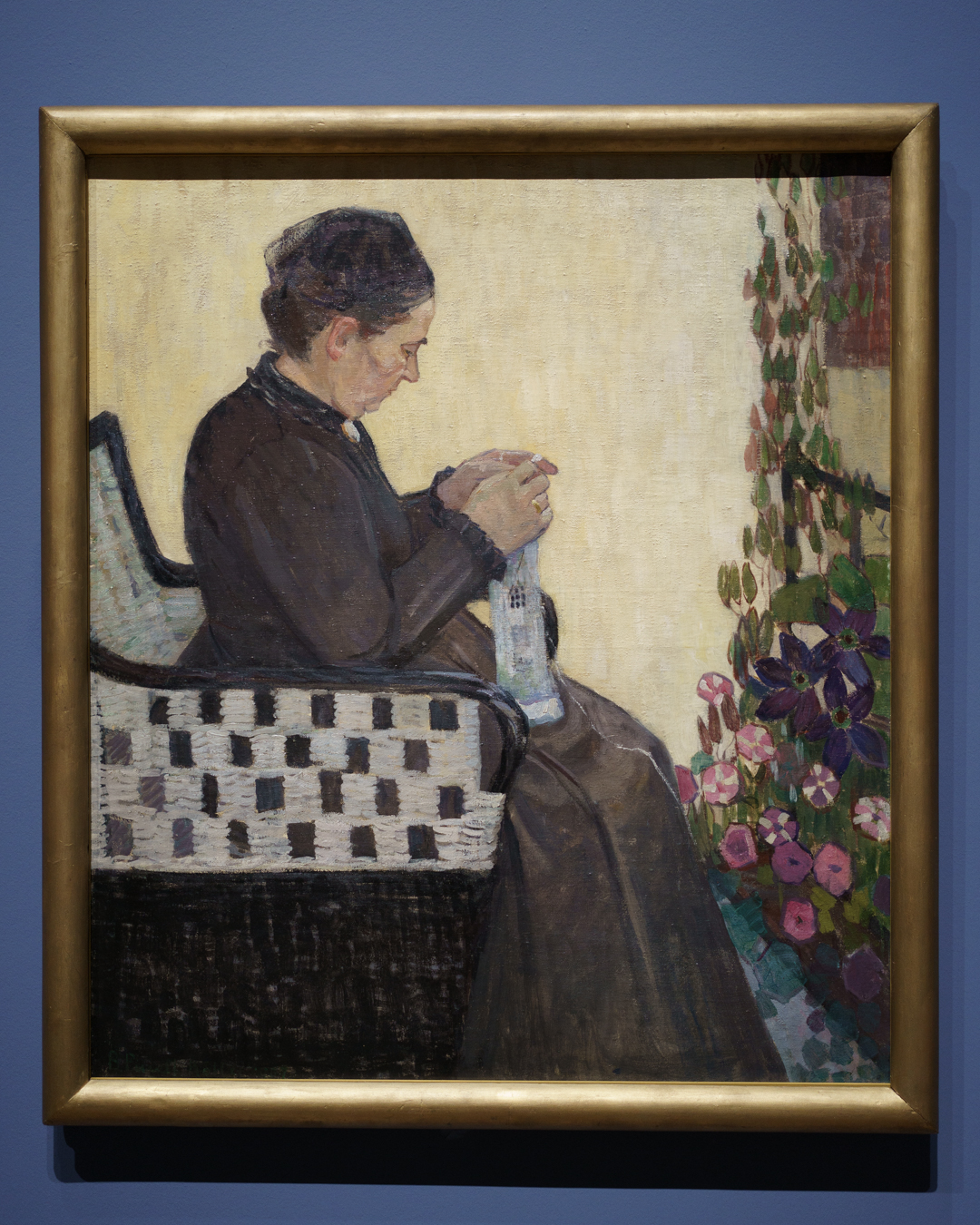
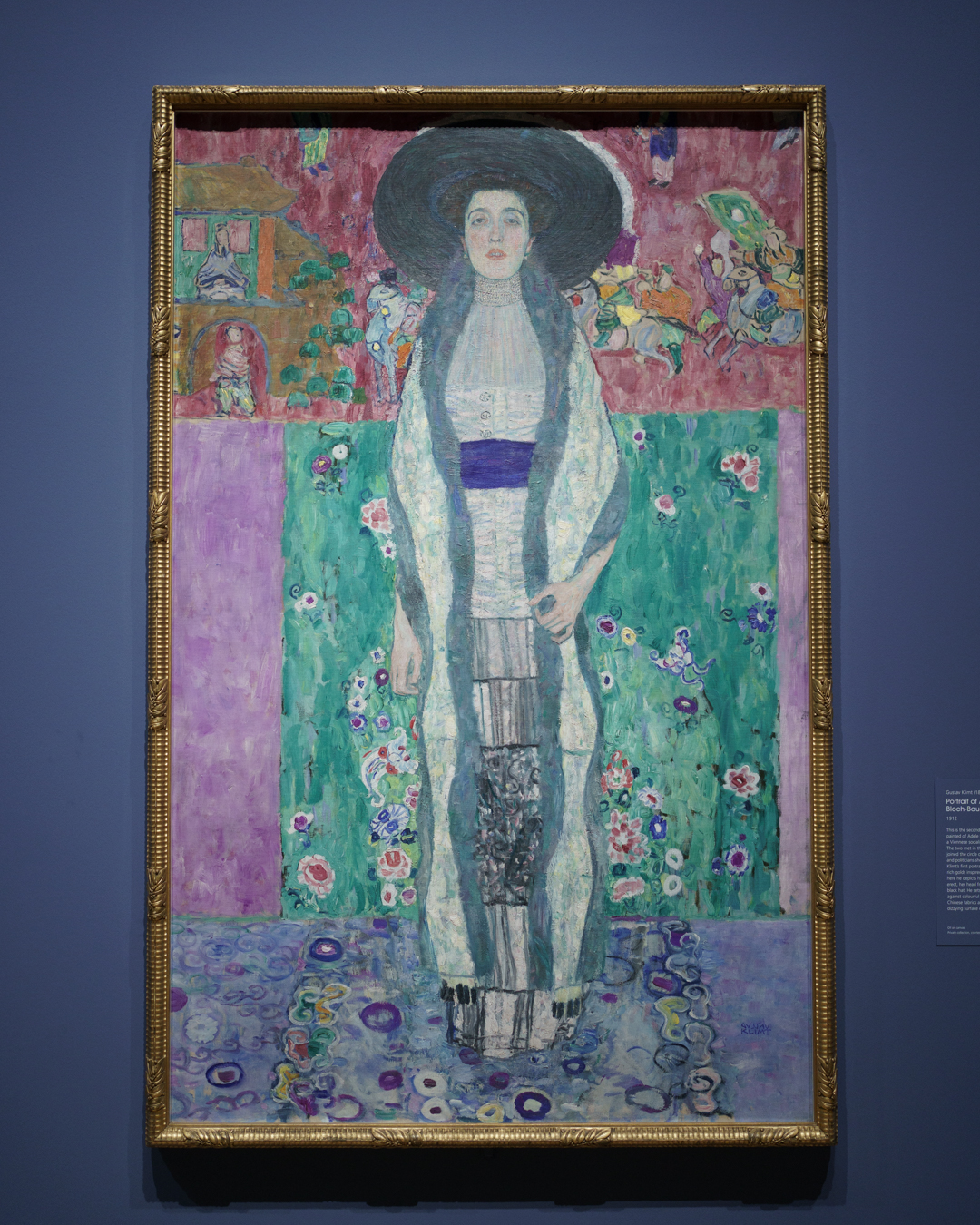
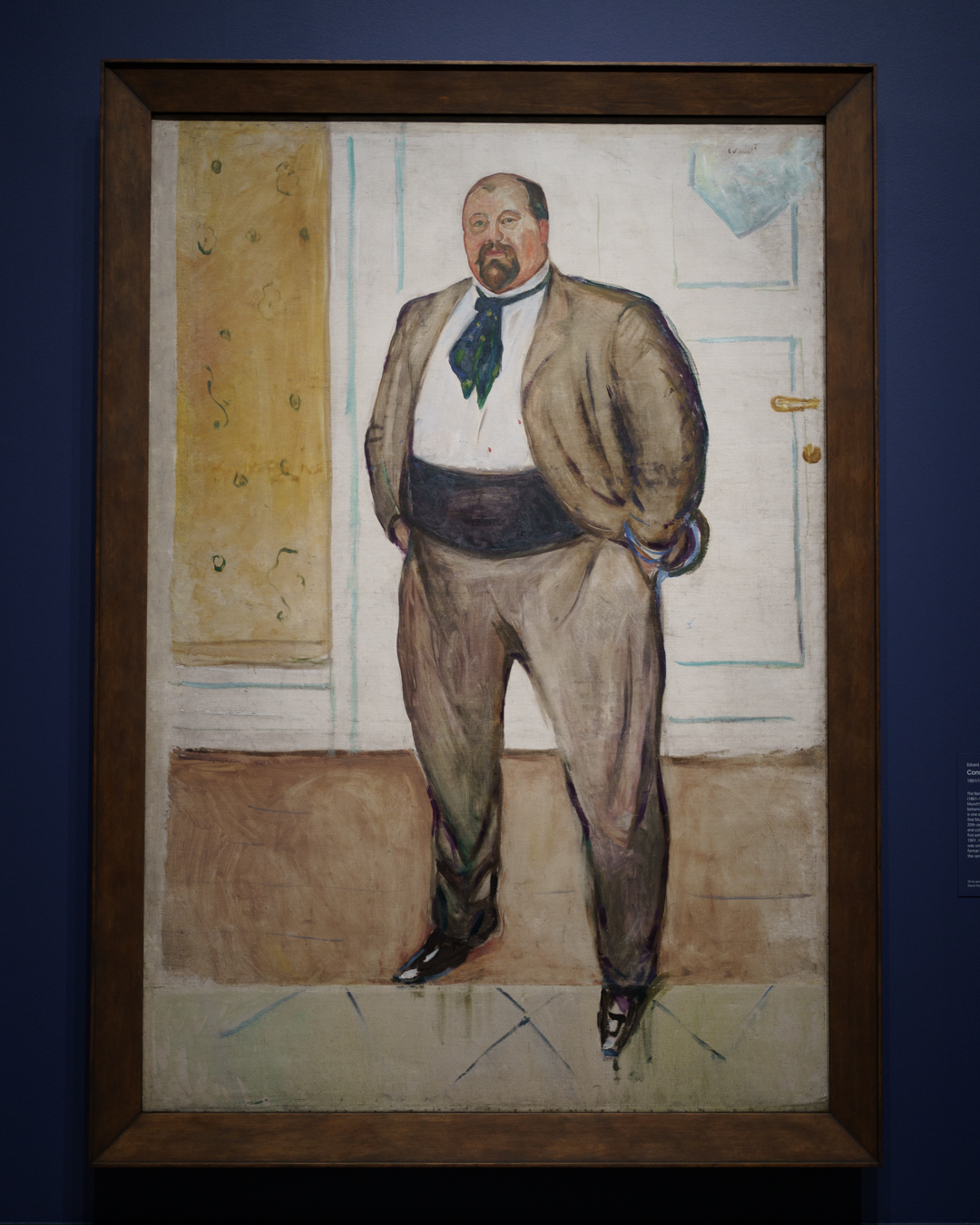


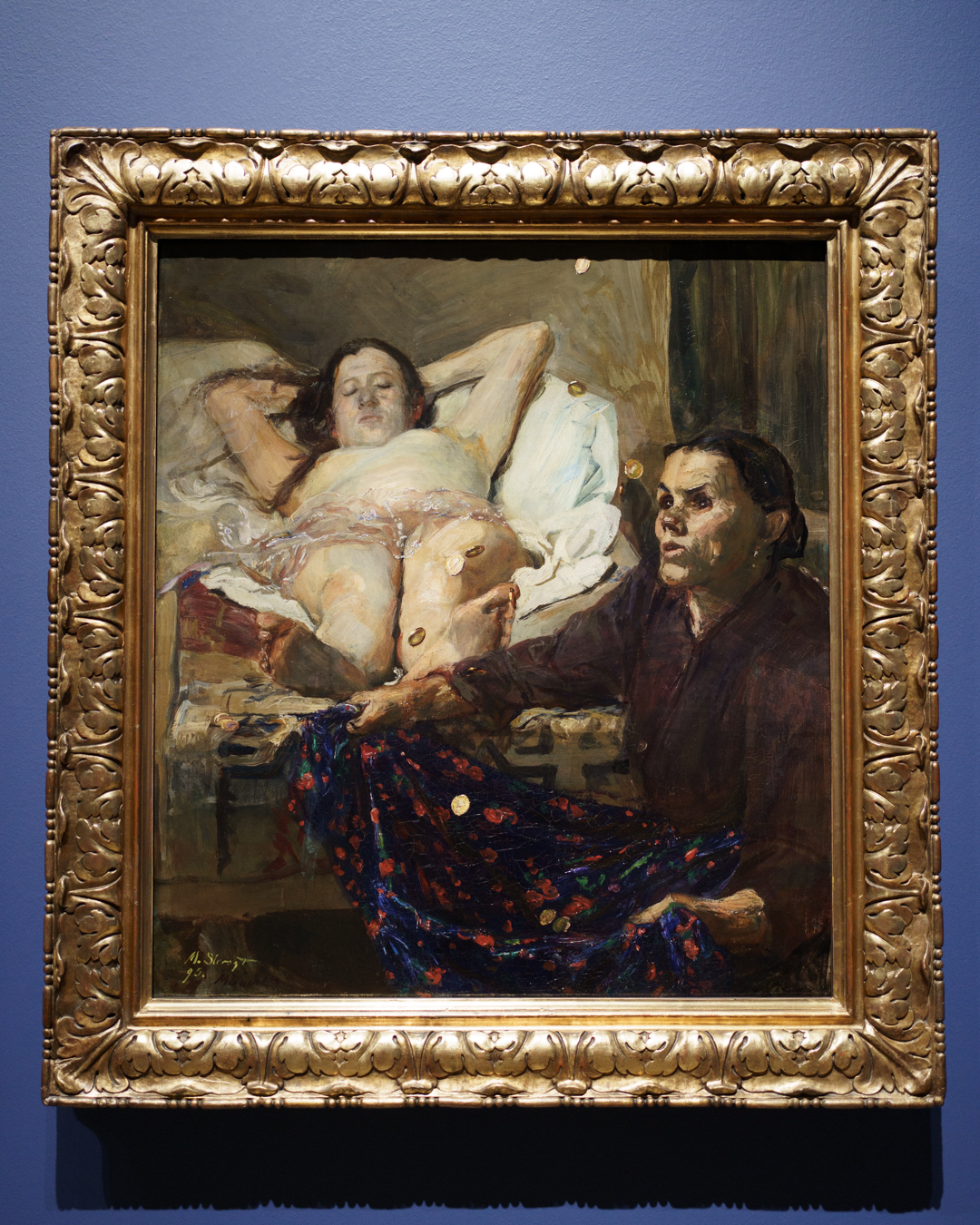

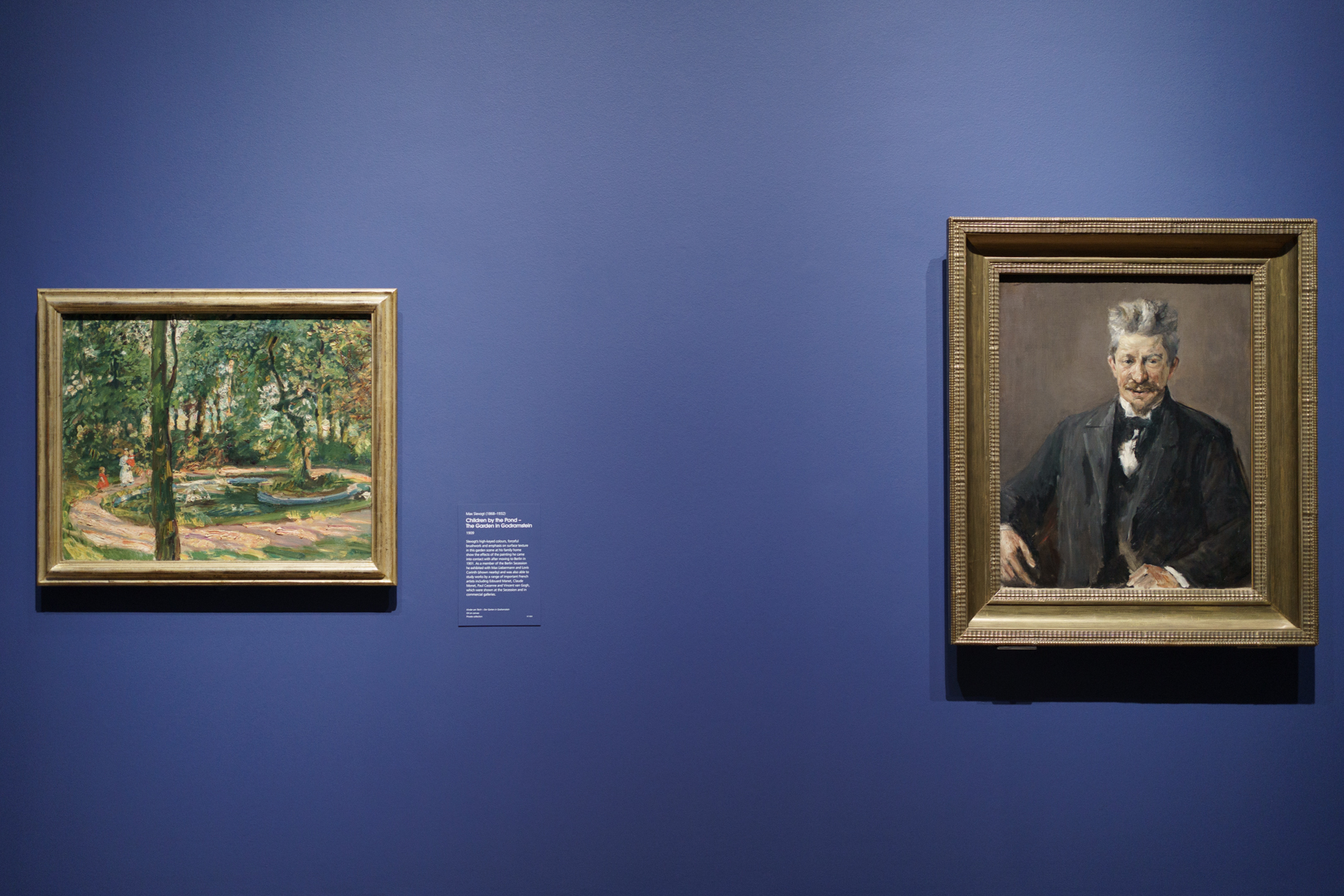


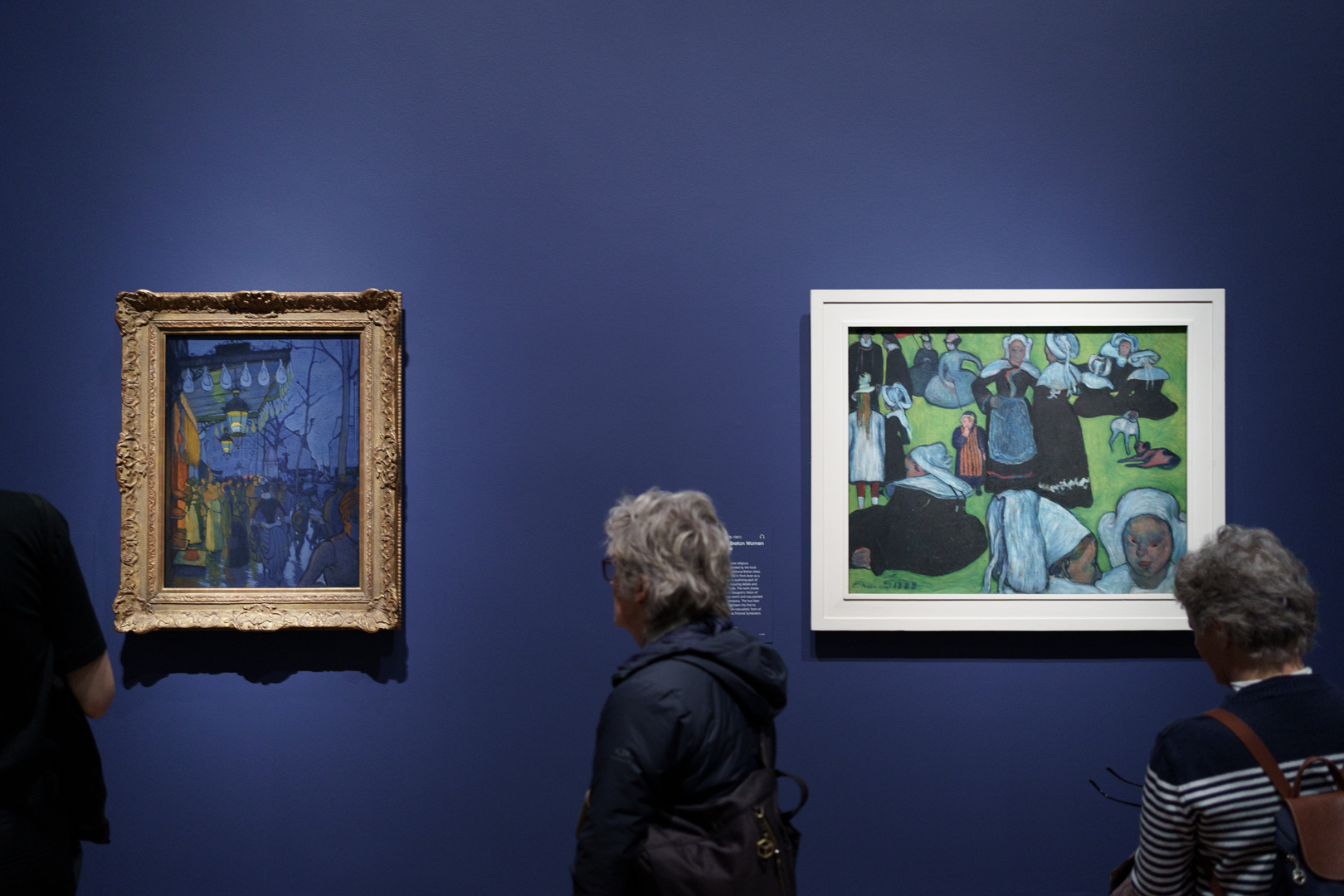
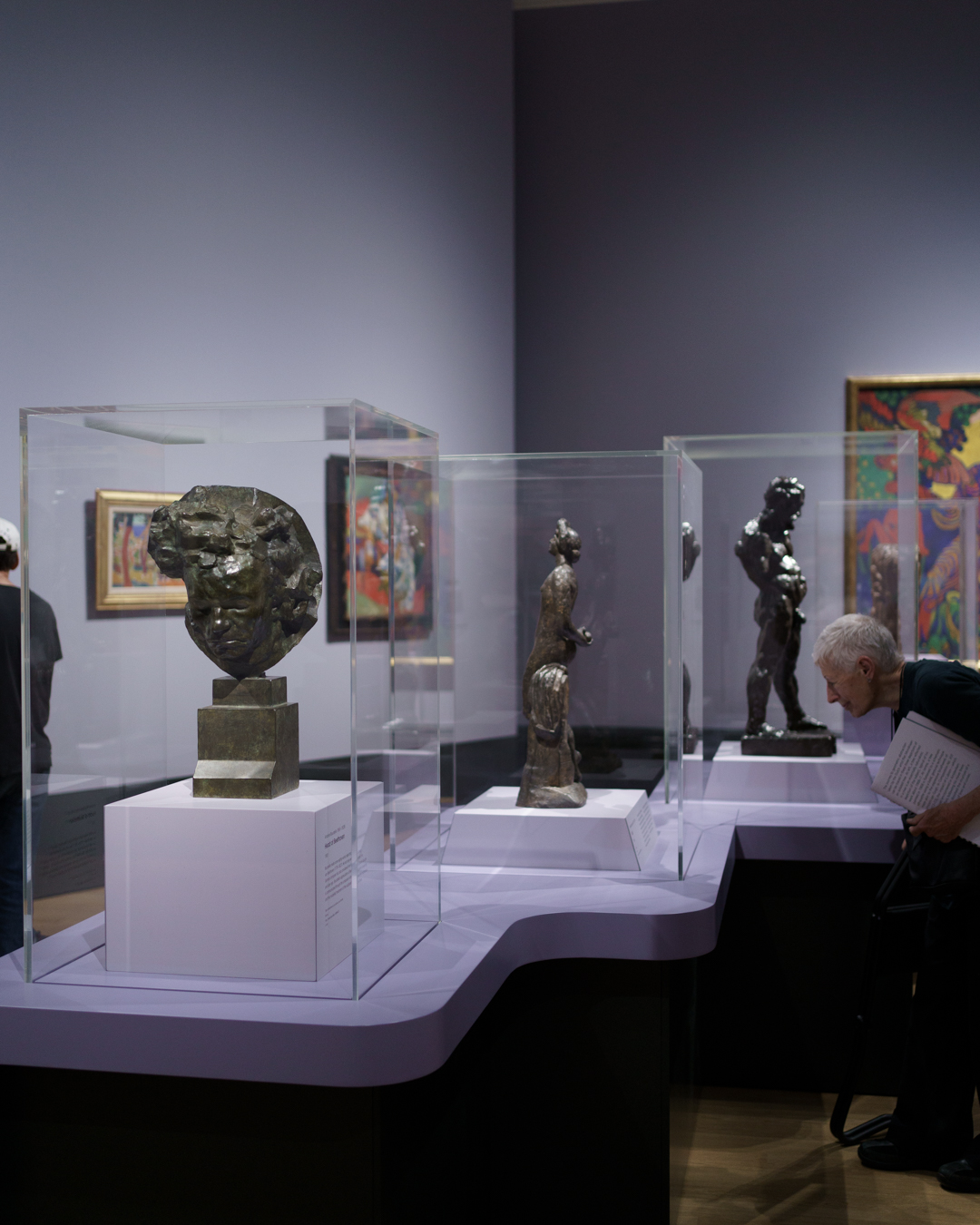
The dialogues between painting and sculpture are fascinating in myriad ways, one of the shining features of this exhibition. One gets to see Paul Gauguin’s playful treatment of Breton women in a stoneware vase compared to his painting of them in a sermon. The strikingly different approaches in expressivity in Camille Claudel and Aristide Maillol’s female nudes is insane. A stoic-looking Eve carved in wood somehow finds a comparable likeness in a child painted by Paula Modersohn-Becker. And then there’s the final room where André Derain’s dancers have a dance-off with Henri Matisse’s, where Antoine Bourdelle’s head of Beethoven has a face-off with a Picasso portrait of Fernande Olivier, while making us think of a Medardo Rosso in an previous room.


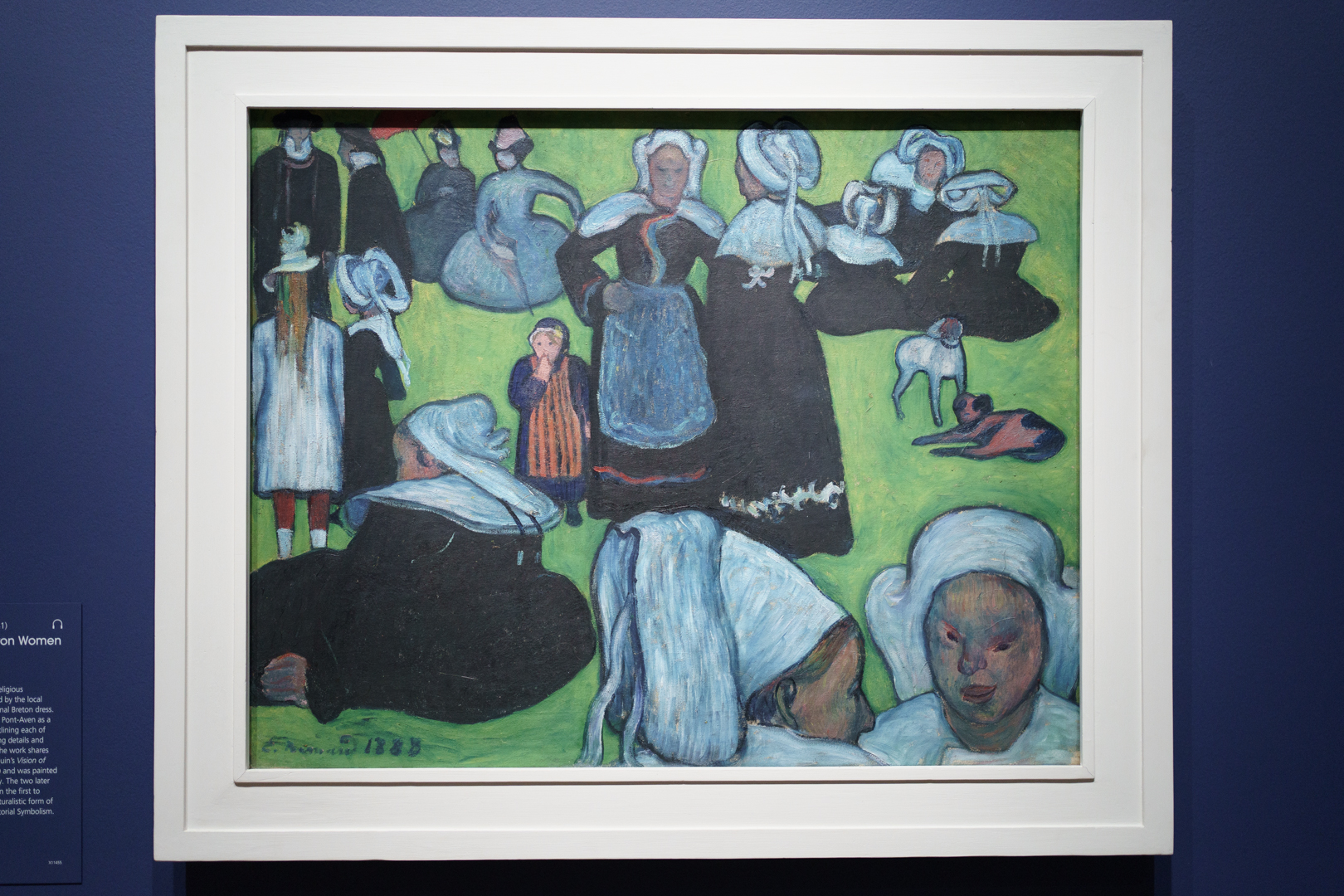
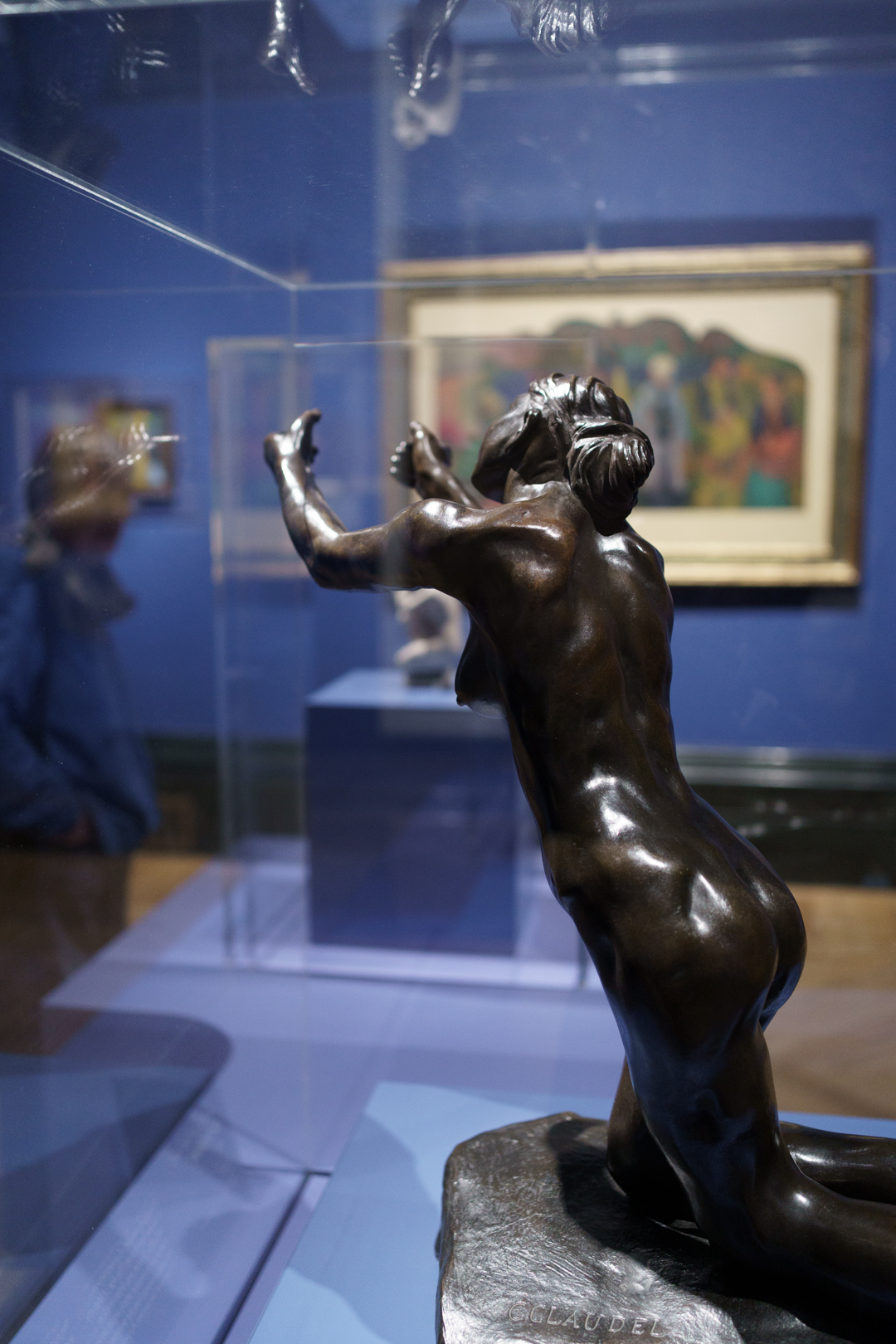

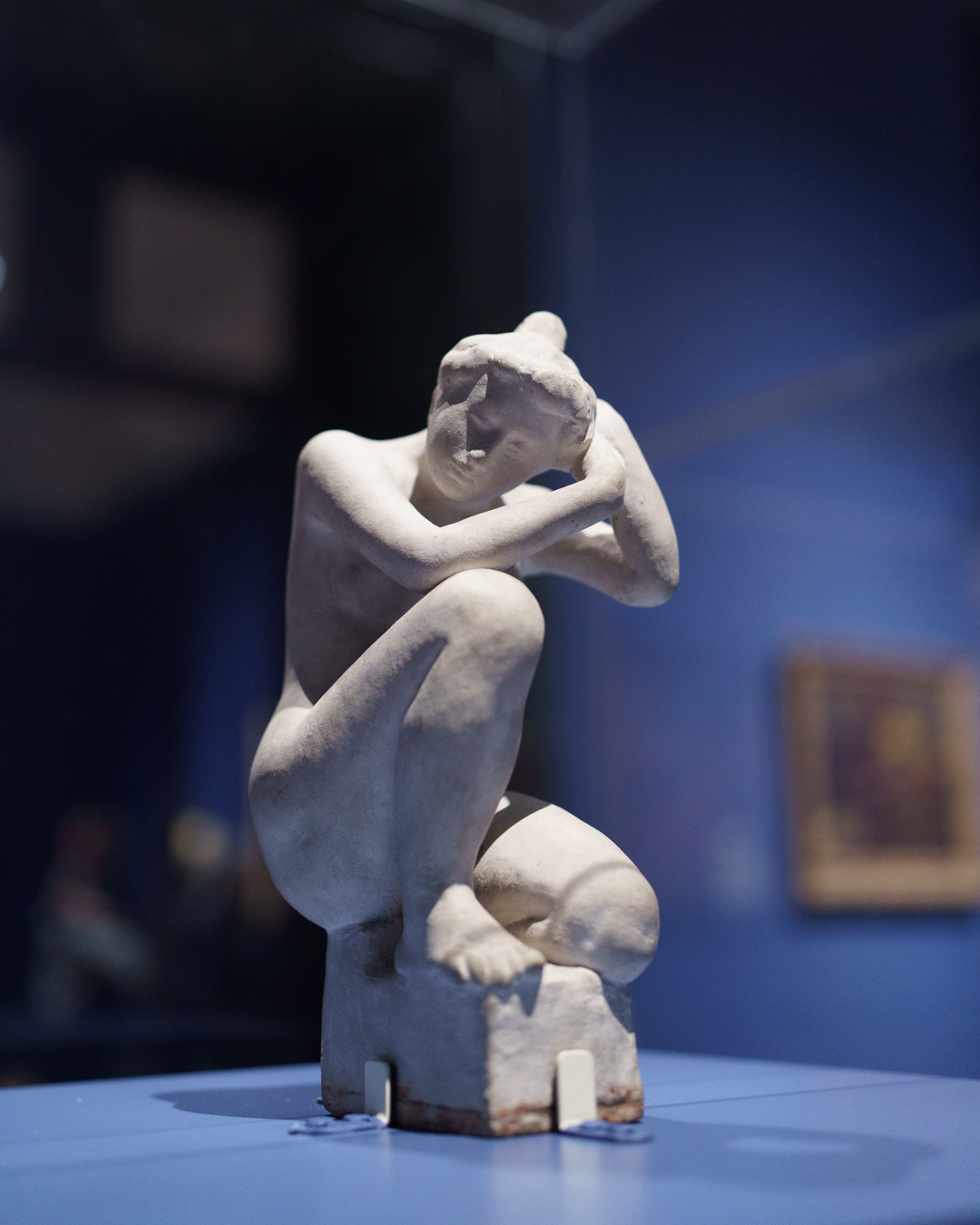

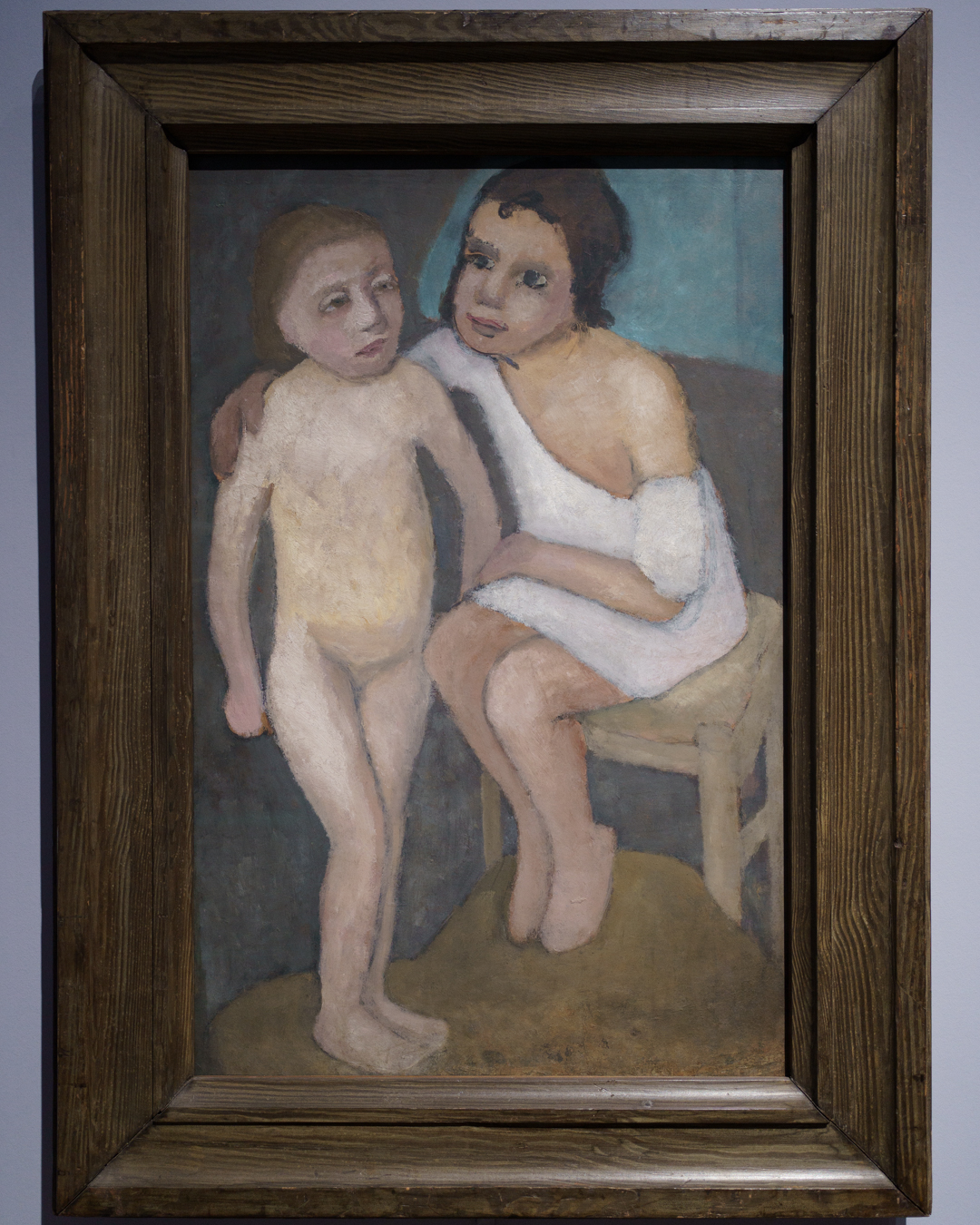


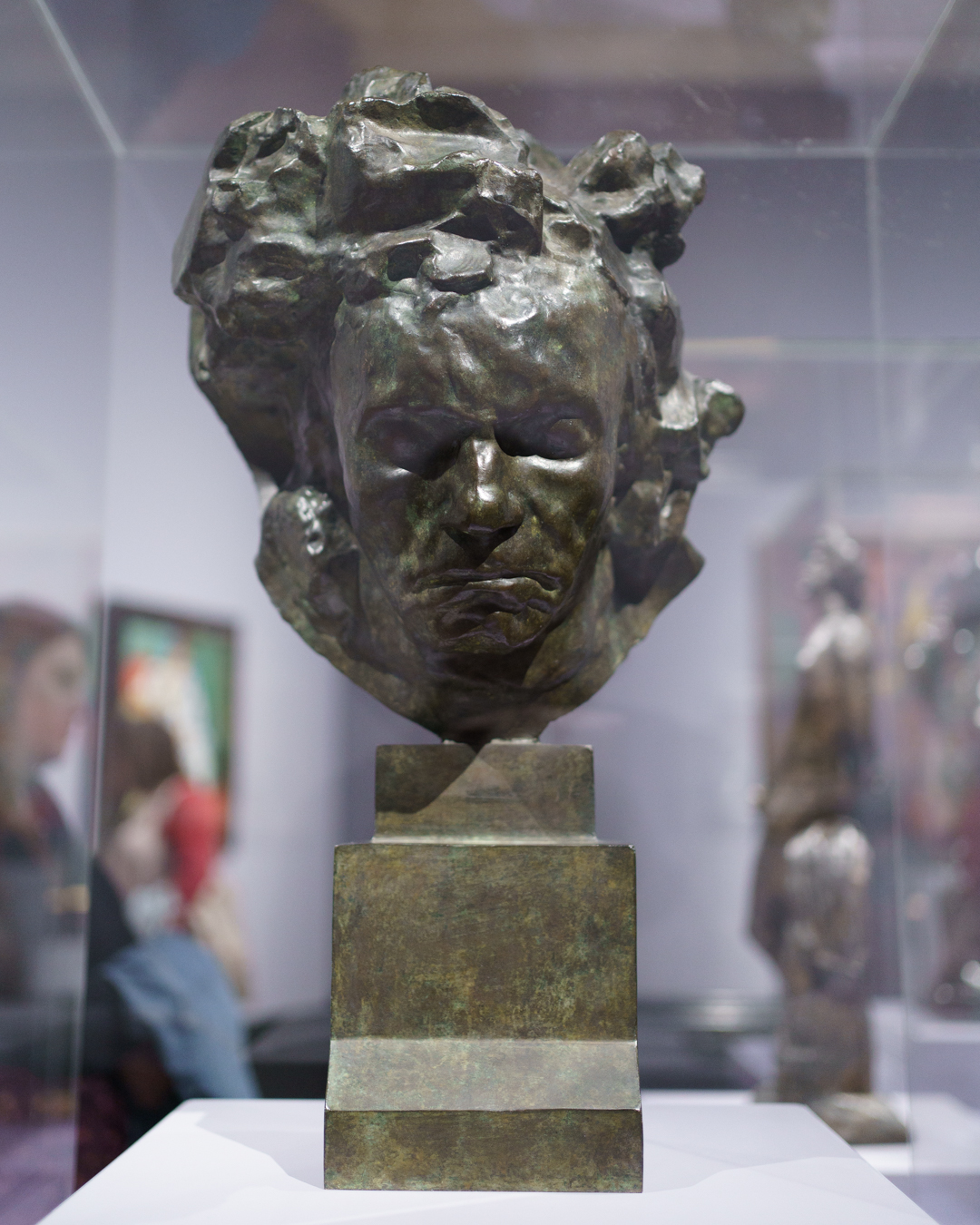
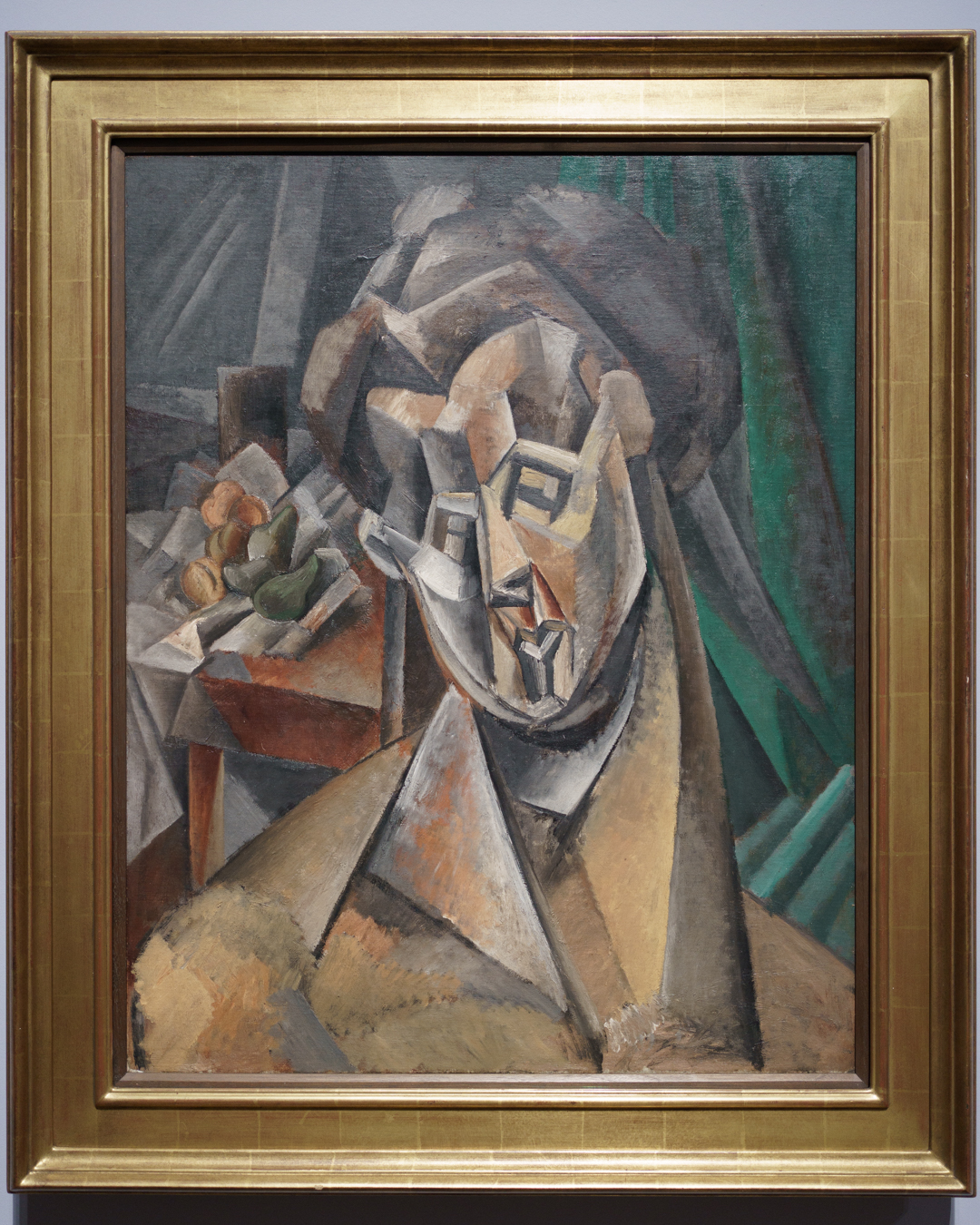

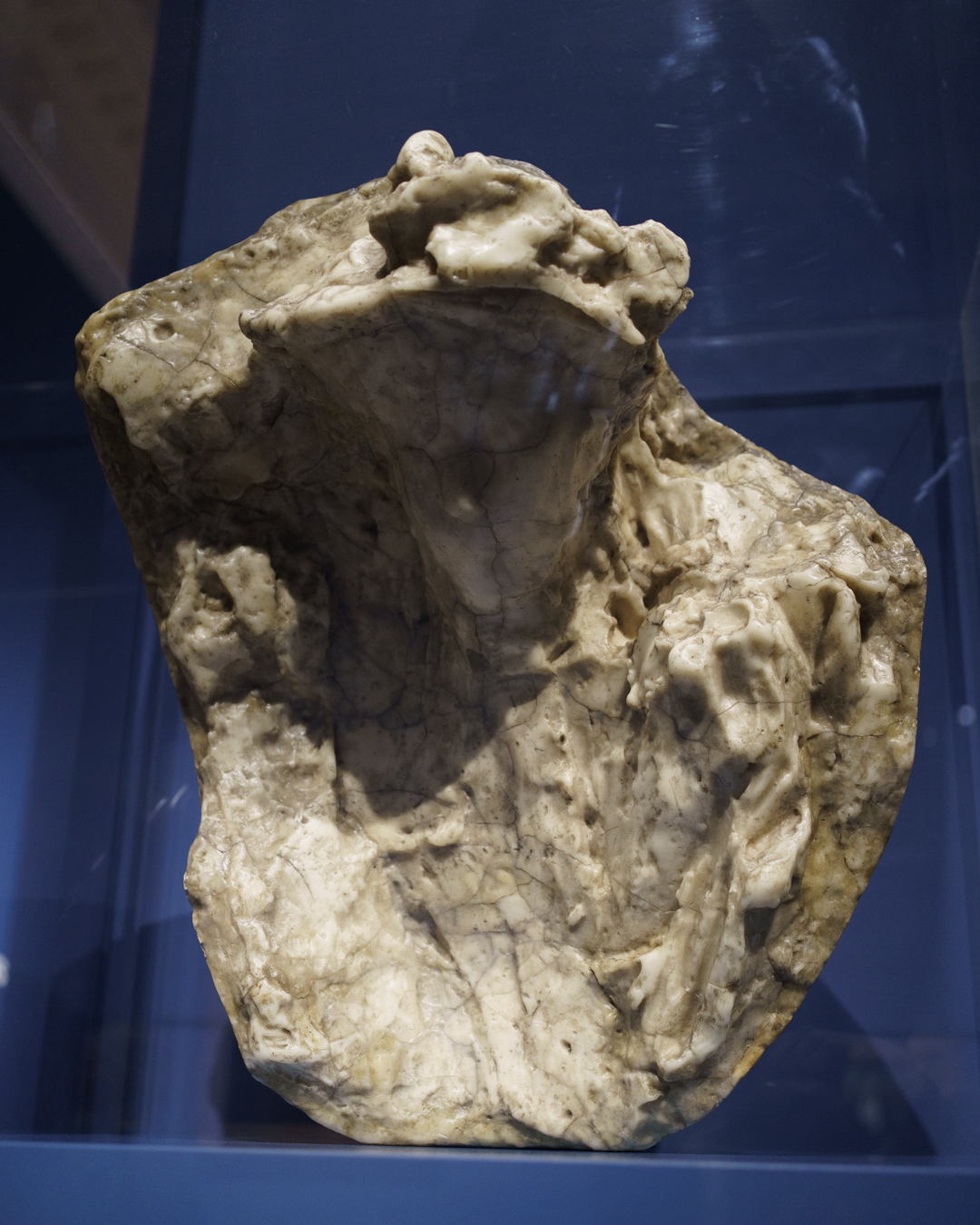
This exhibition is great for visual learners because it naturally allows us to recall defining stylistic attributes across multiple schools without us caring about biography or context. It magically gives us the freedom to make links for ourselves without a fixed narrative. You might not remember the artists, but you definitely will remember the quality of works you saw.


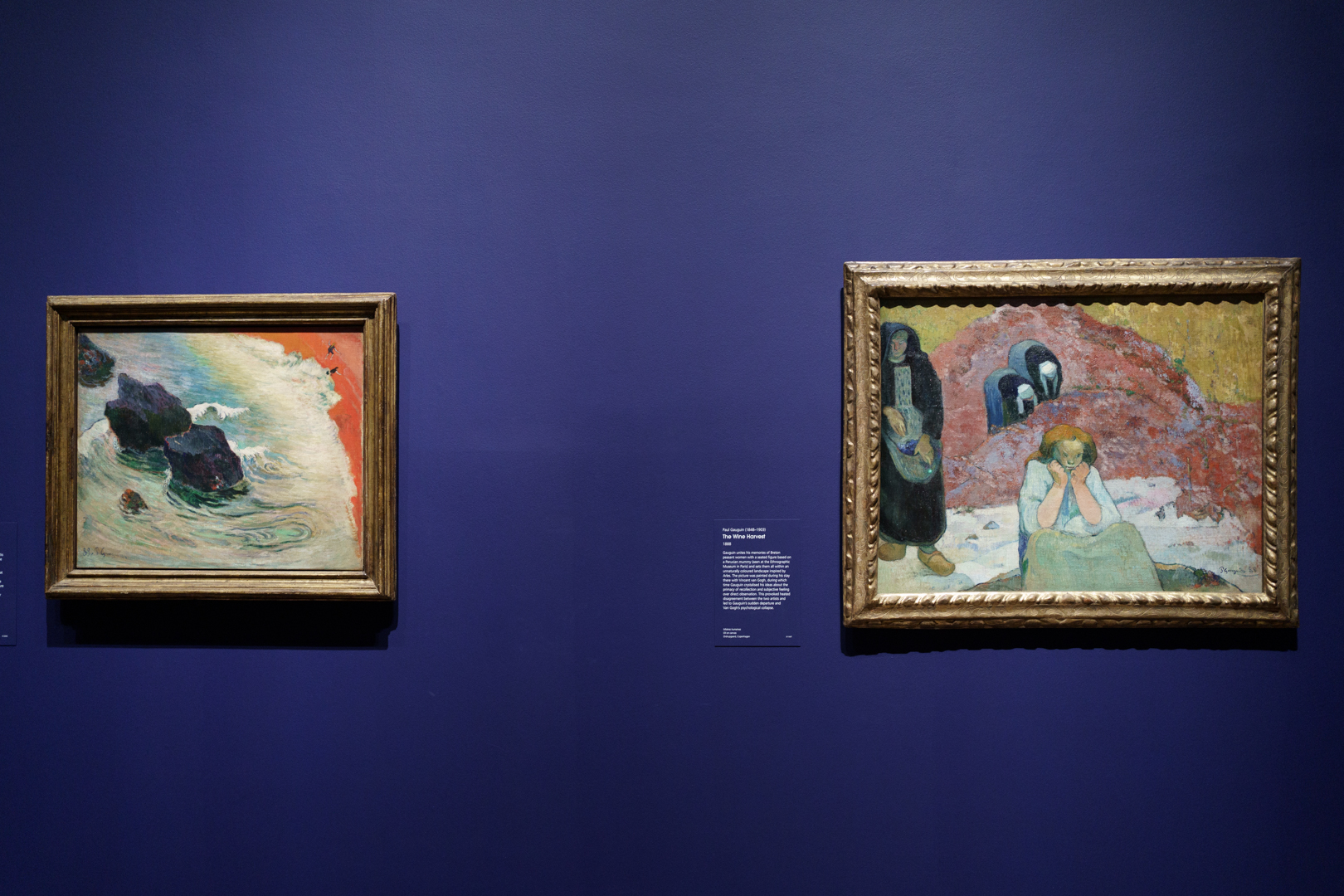






After Impressionism: Inventing Modern Art runs until 13 August 2023 at the National Gallery, London, https://www.nationalgallery.org.uk/


 Nigel Ip
Leave a reply to Merilee Cancel reply