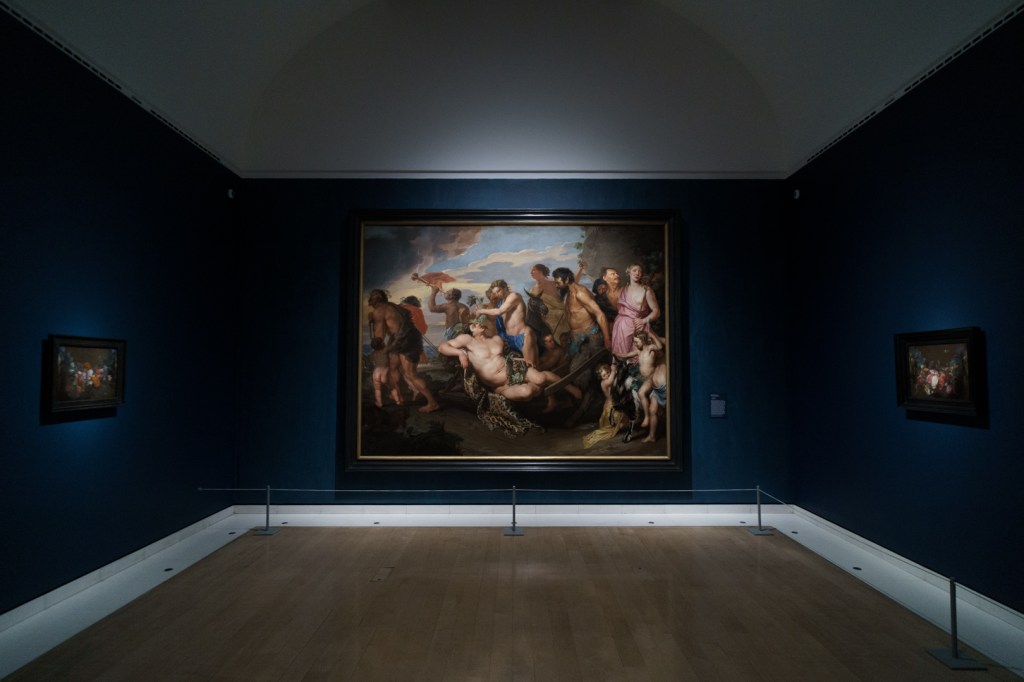
The Royal Academy of Arts is having a great start to the year, kicking off their programme with two monographs devoted to women artists. While Rose Wylie in the Main Galleries gives visibility to a much loved contemporary painter, Michaelina Wautier in the Sackler Wing sheds light on a 17th-century Belgian artist whom art history forgot.
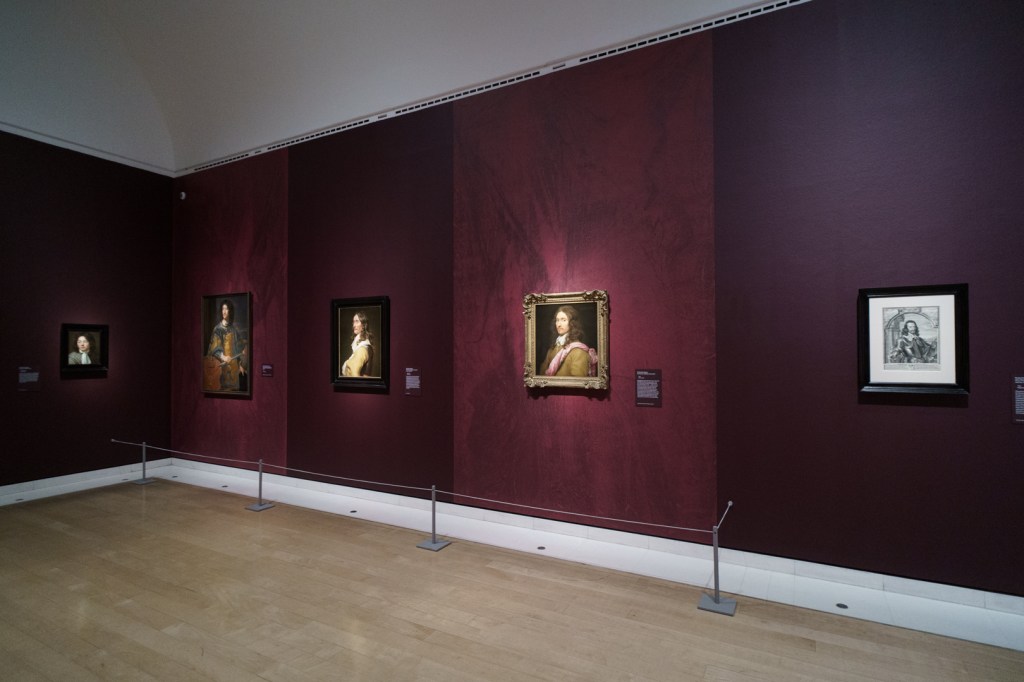
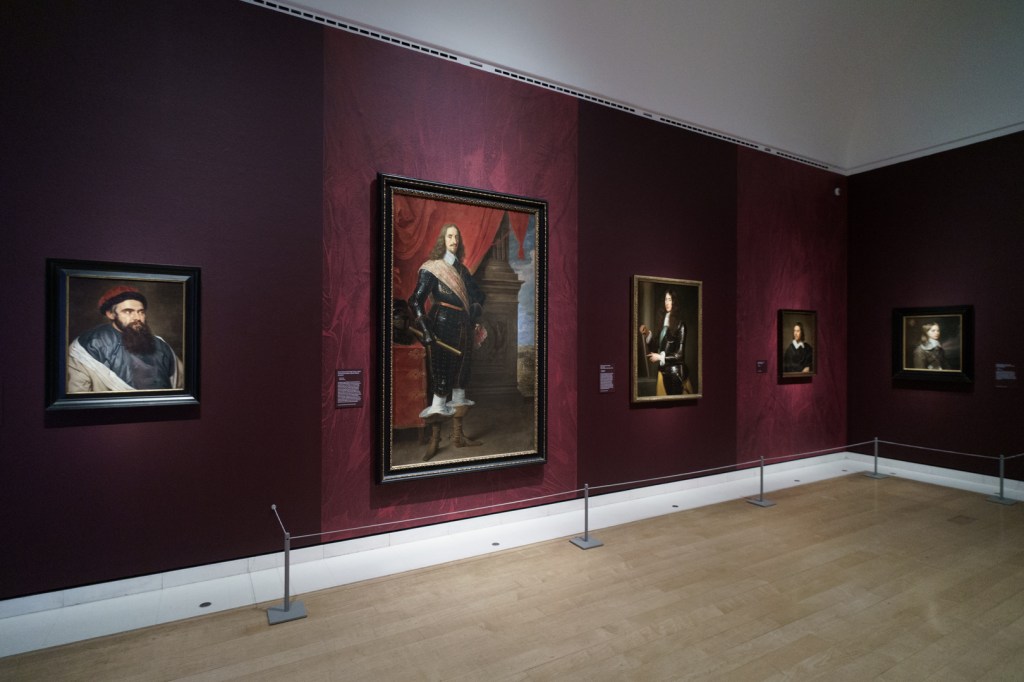
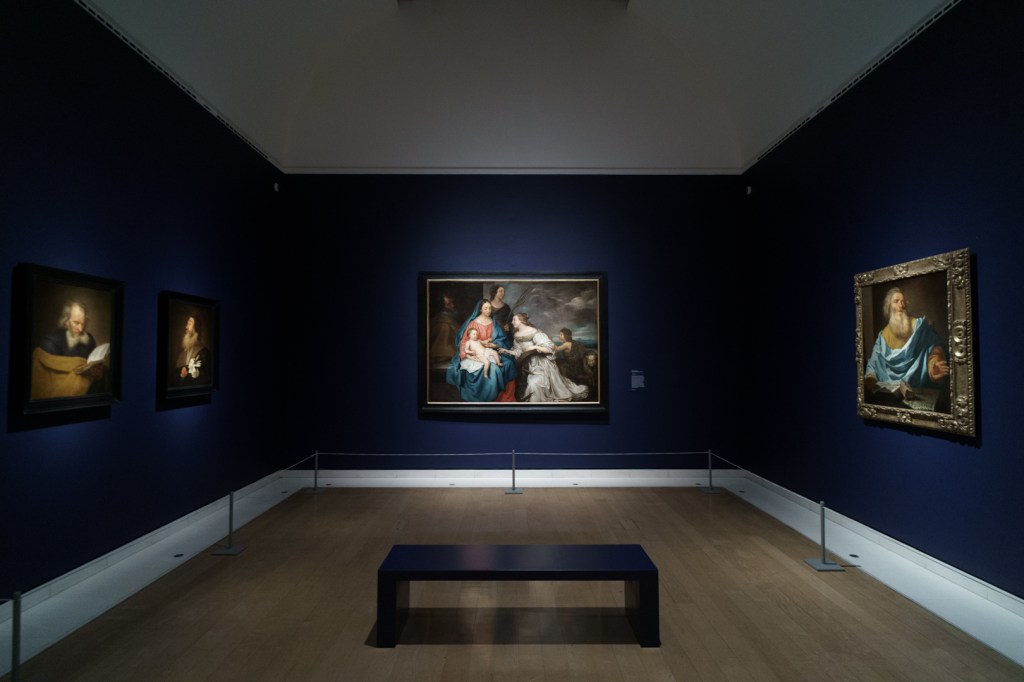
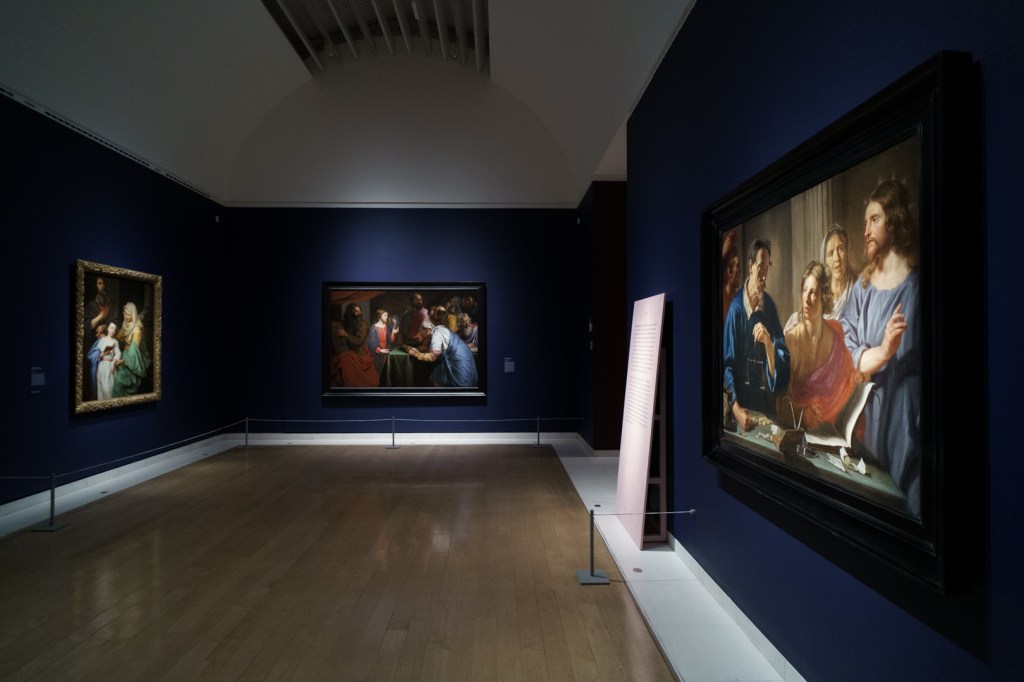
It feels like a while since an Old Masters exhibition has taken place in these rooms – the last was Angelica Kauffman in 2024 – so it is a nice reminder that many of the works on show were placed in small, domestic settings like this.
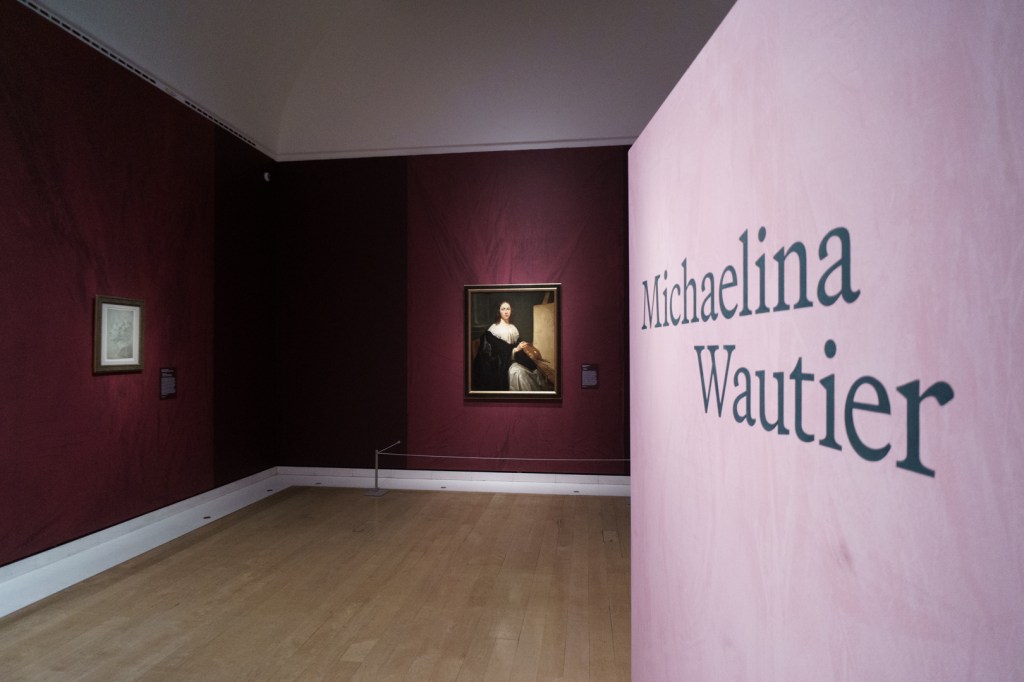
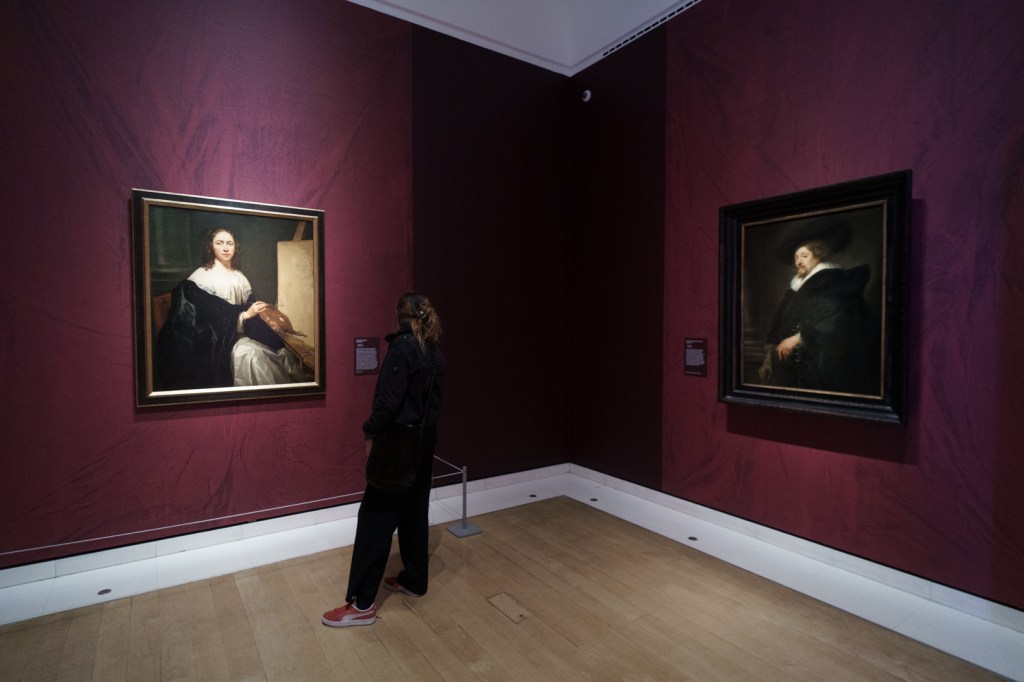
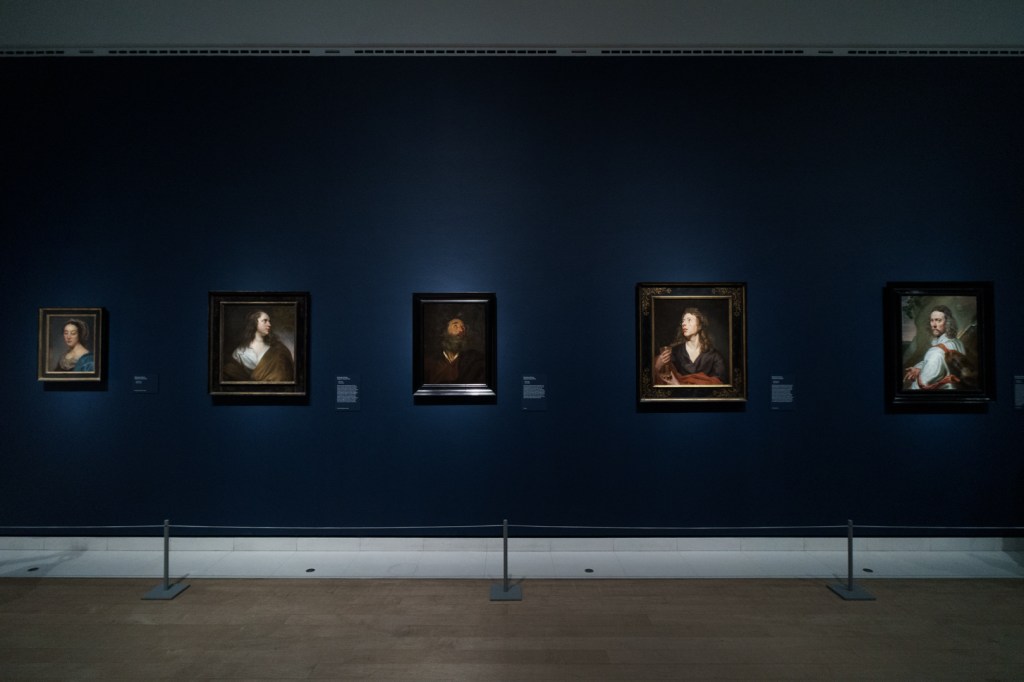
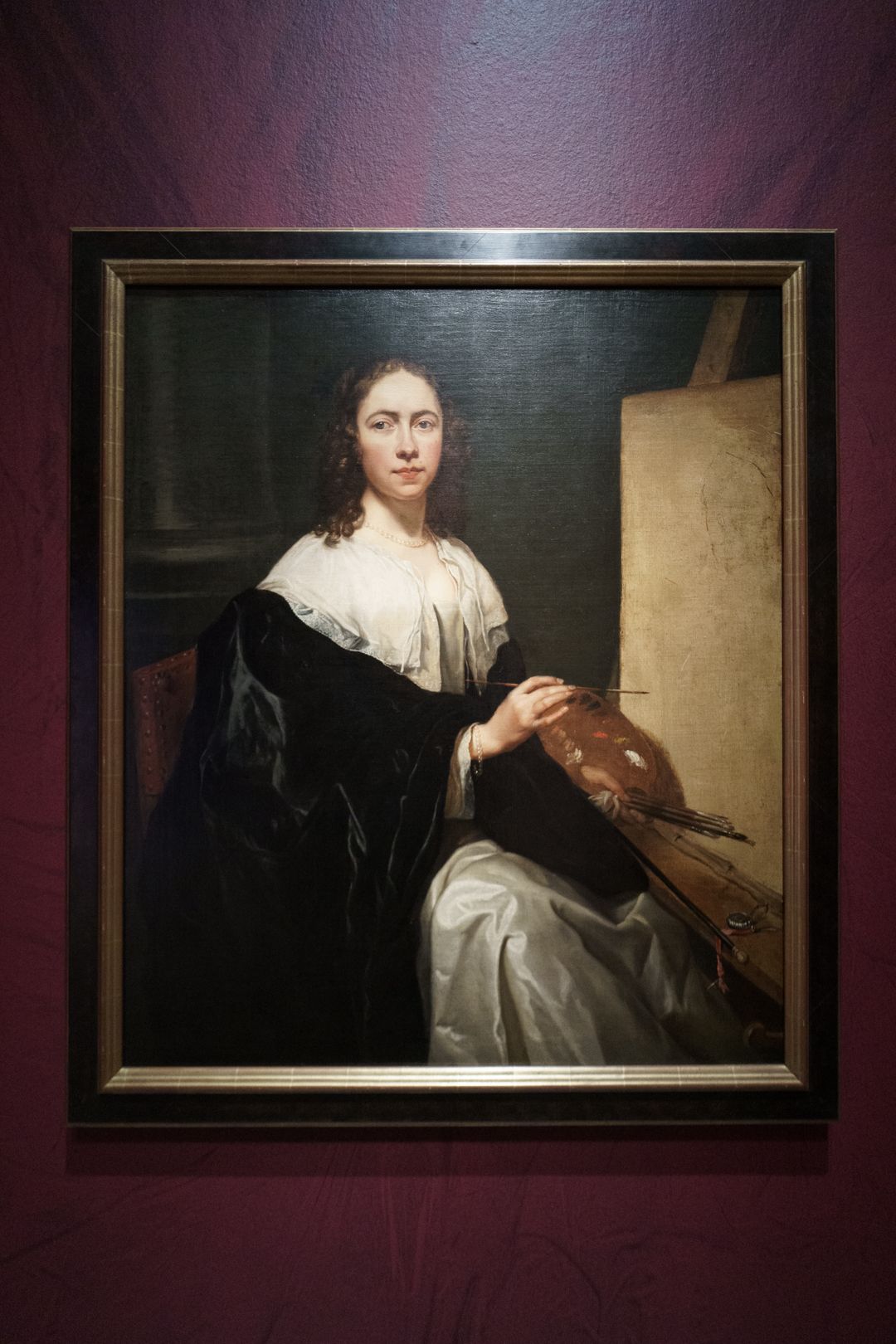
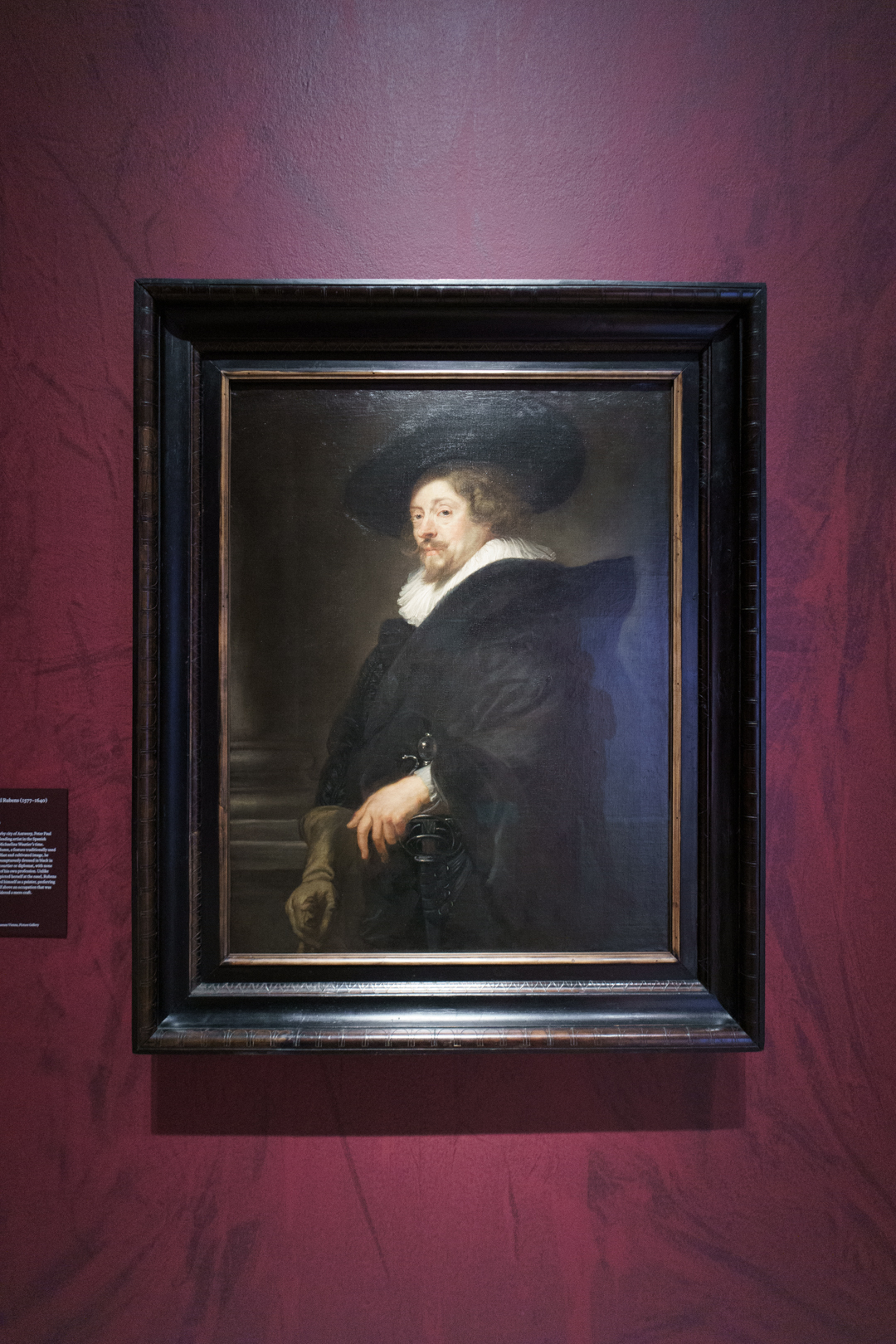
The exhibition opens with a self-portrait, showing Michaelina at her easel (which is actually bare canvas) with her accoutrements; it was attributed to Artemisia Gentileschi up until 1962. Contrast that with the Rubens self-portrait beside it showing the artist holding onto a sword instead. One of them is cosplaying, one of them is taken more seriously. Neither of them are Michaelina.
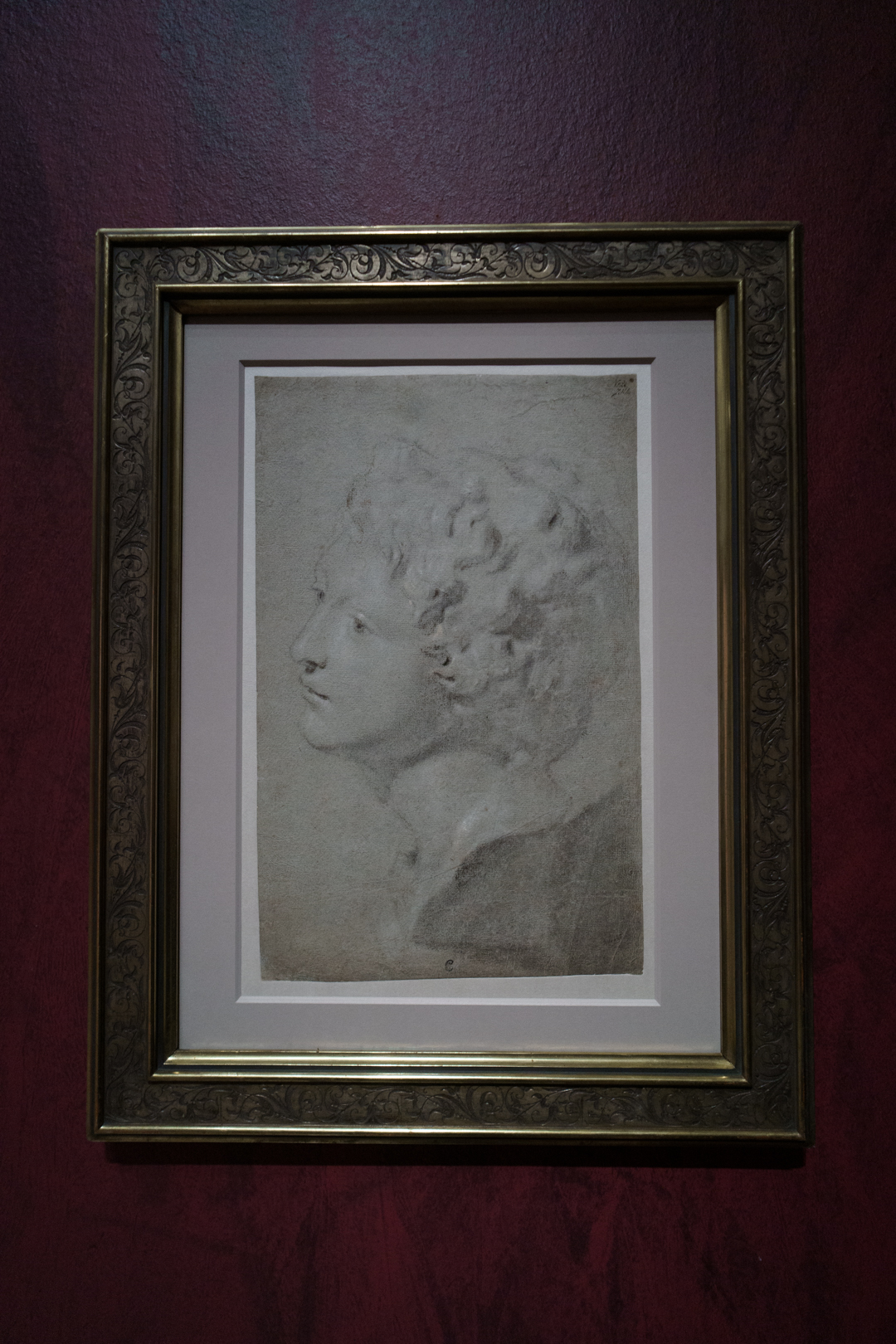
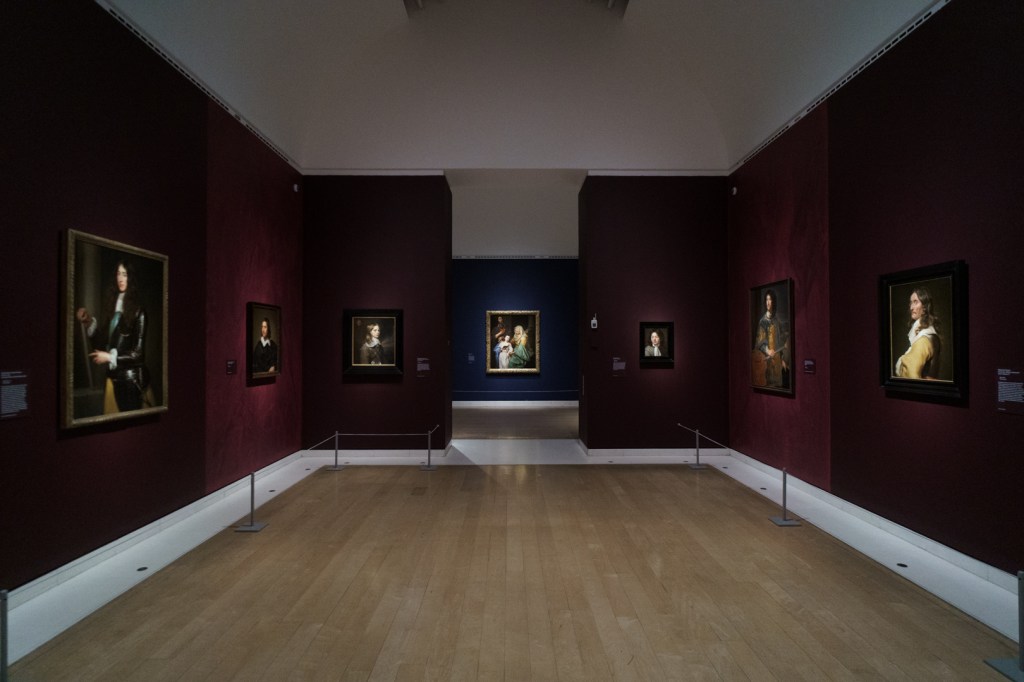
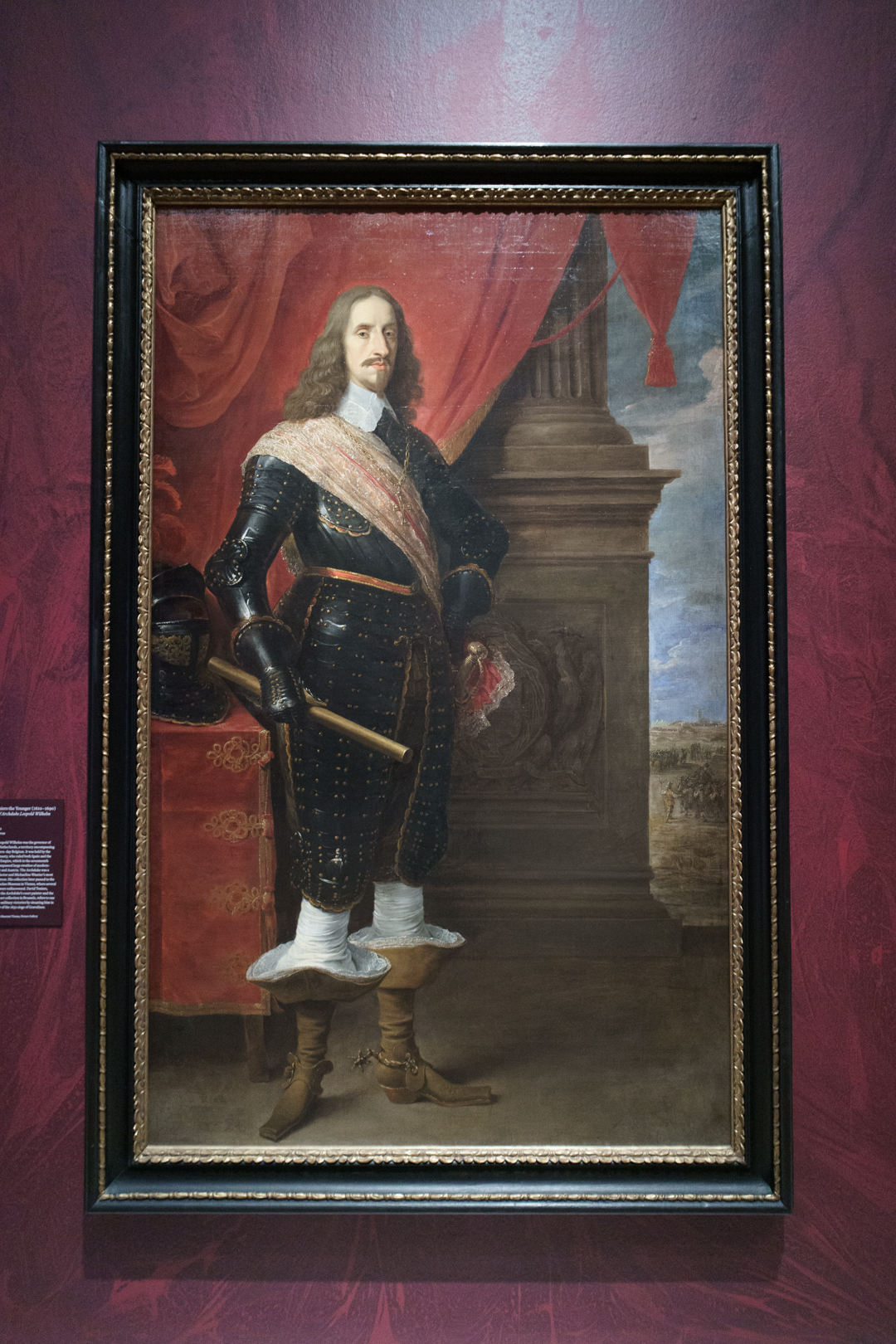
Travelling from its first leg in the Kunsthistorisches Museum, this major survey comes down to us in a significantly reduced form. In the first room, one discovers her only known surviving drawing, a generic study of the antique Medici Ganymede bust. Overall, less than 40 works are attributed to her, of which 26 are gathered here. This expands into a section on her portraits, where we learn about her brother Charles (also an accomplished painter) and her most important patron, Archduke Leopold Wilhelm of Austria.
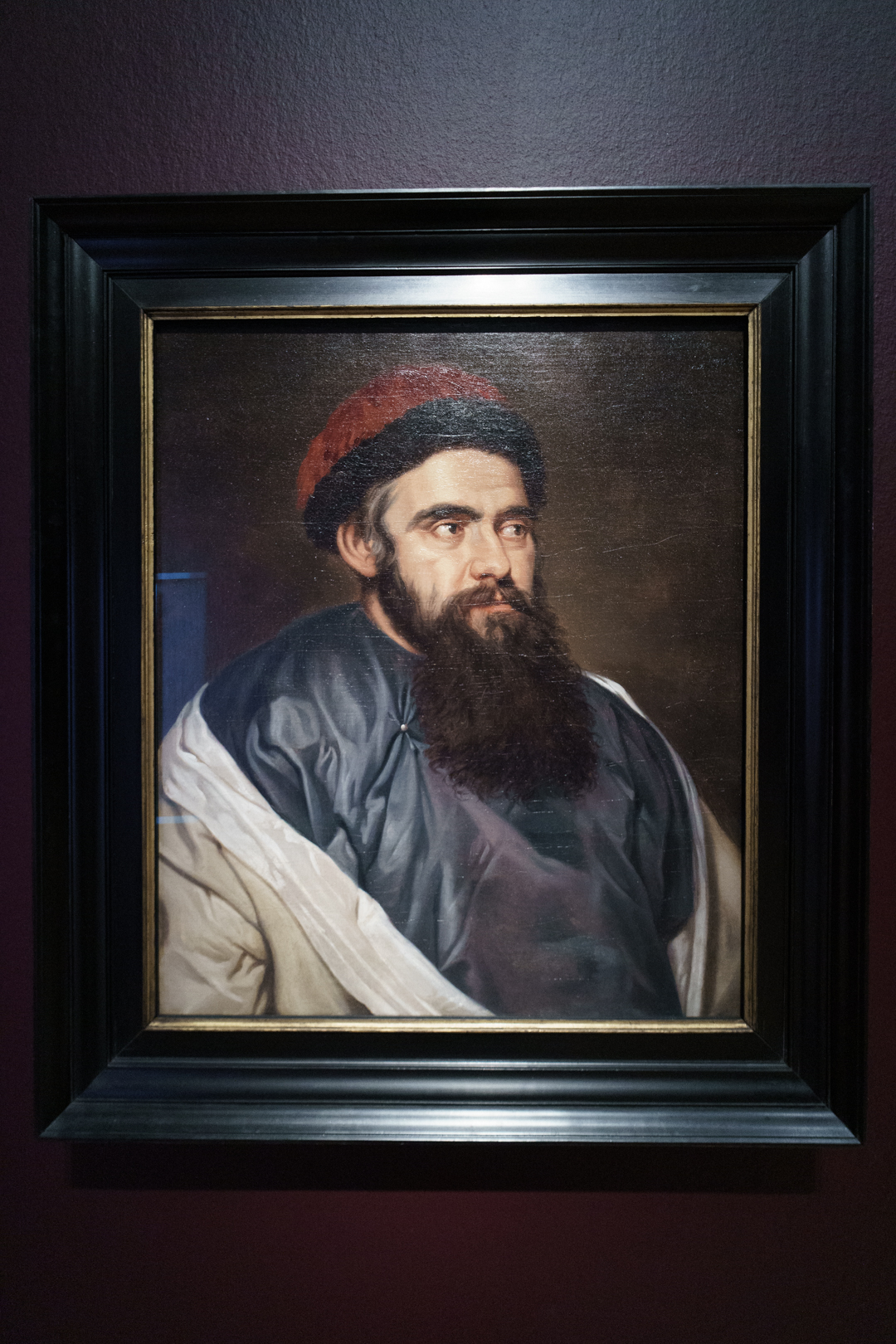
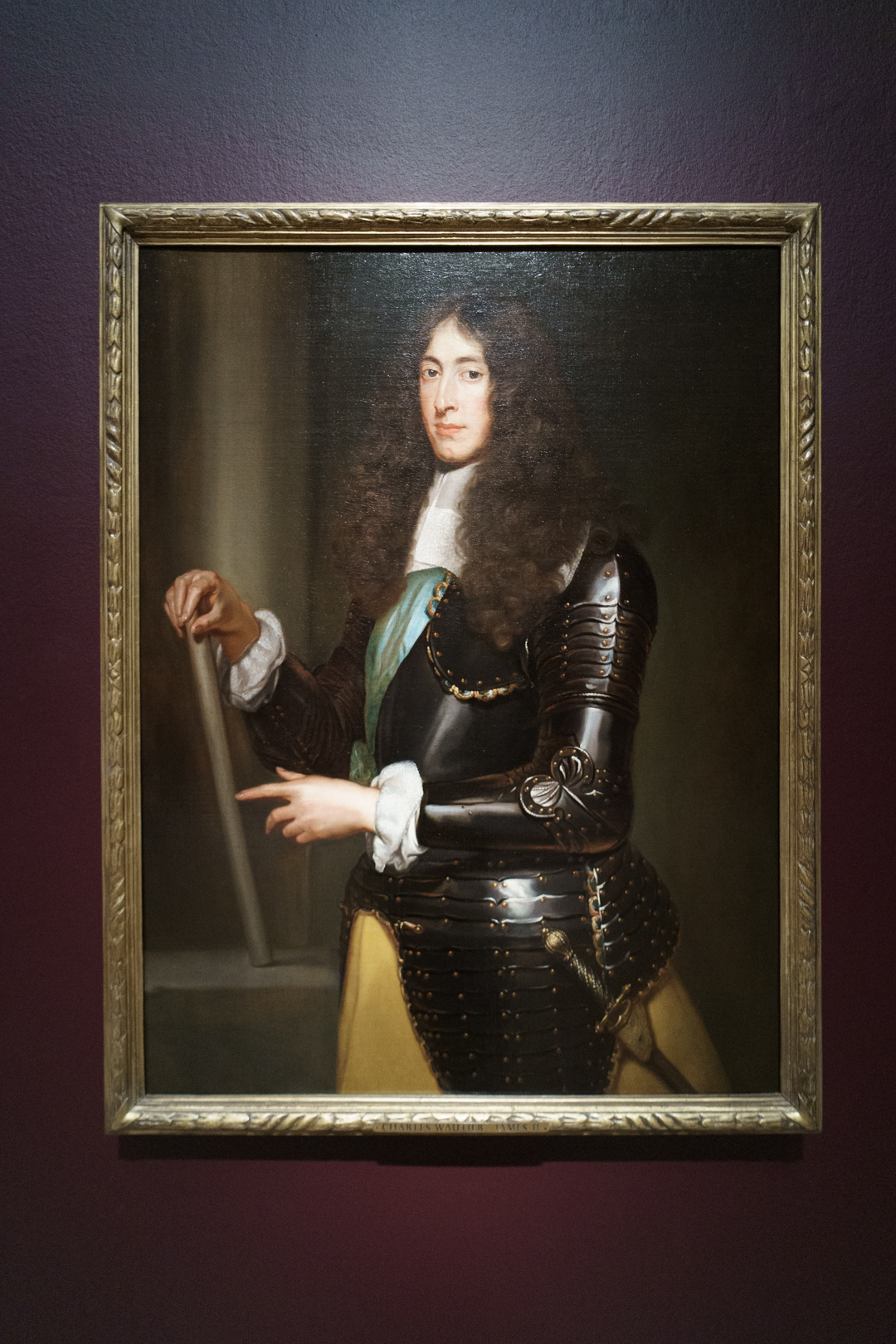
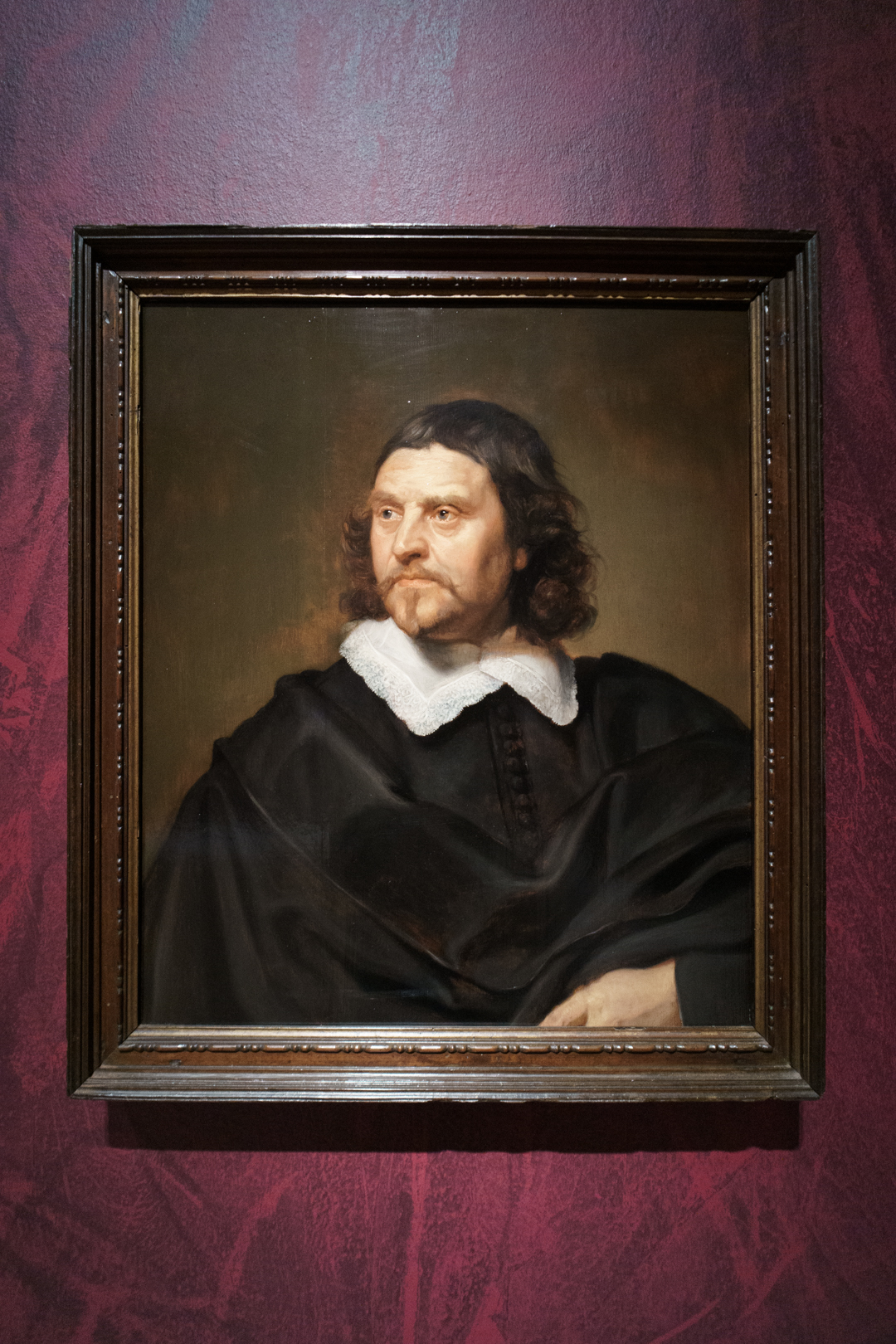
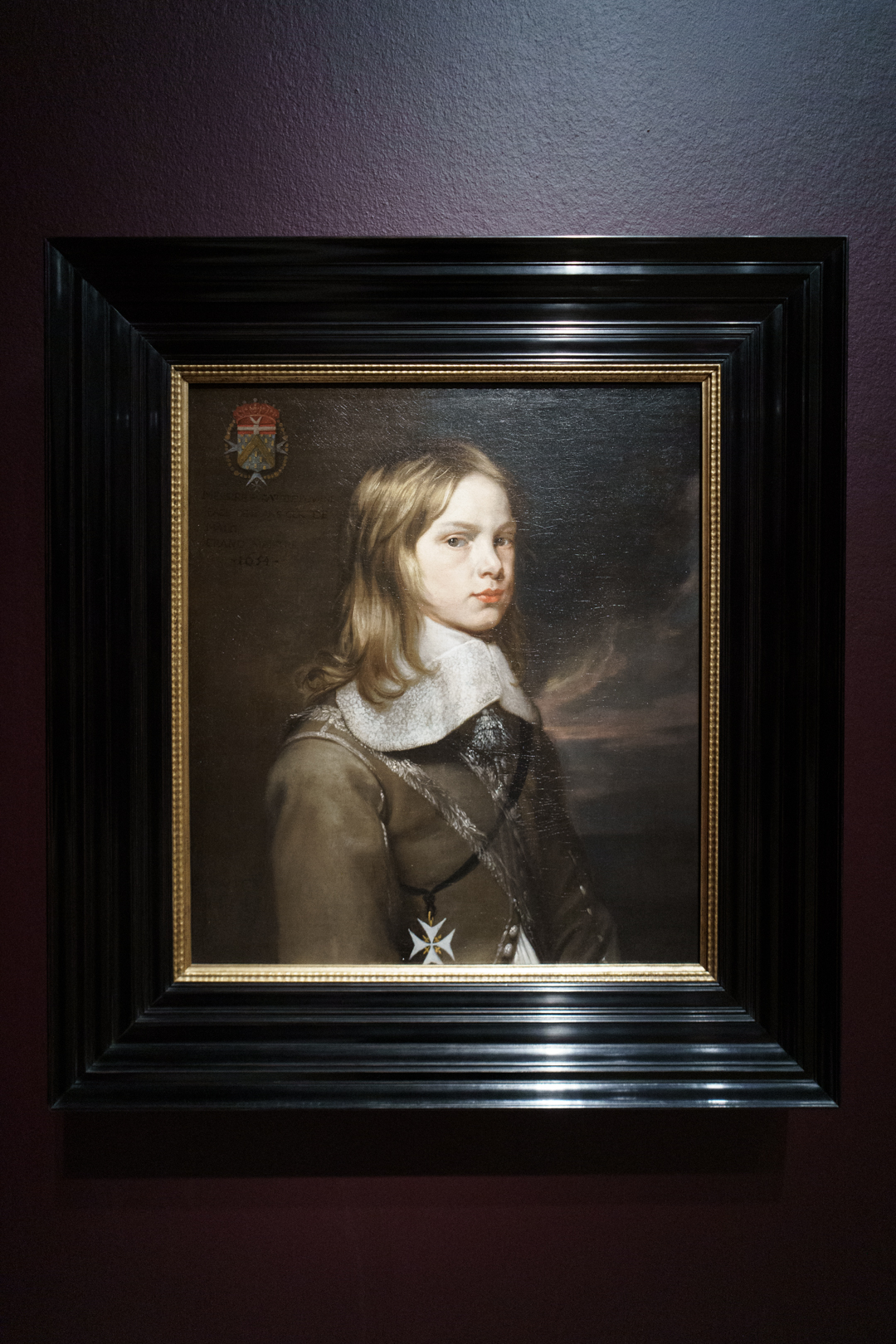
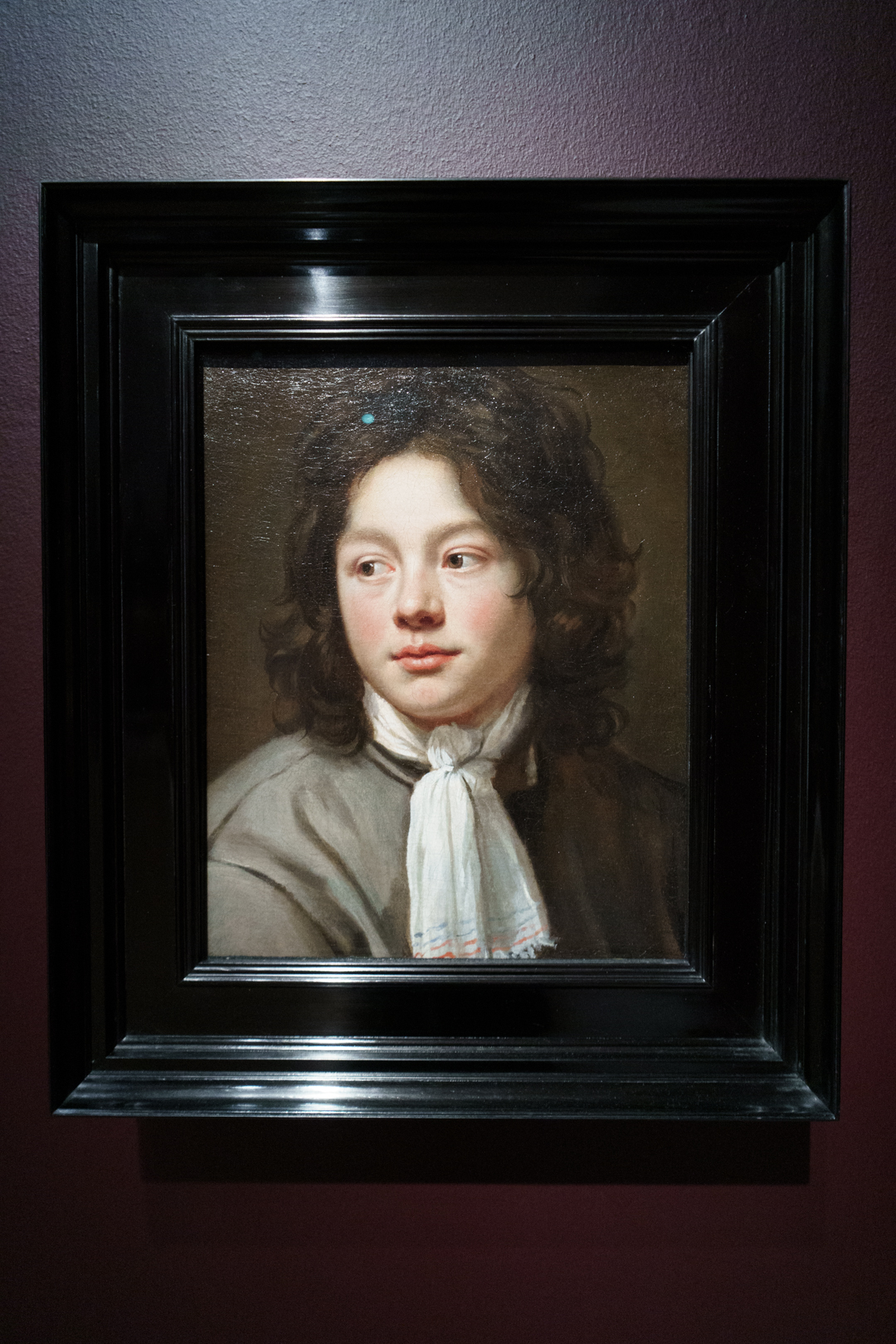
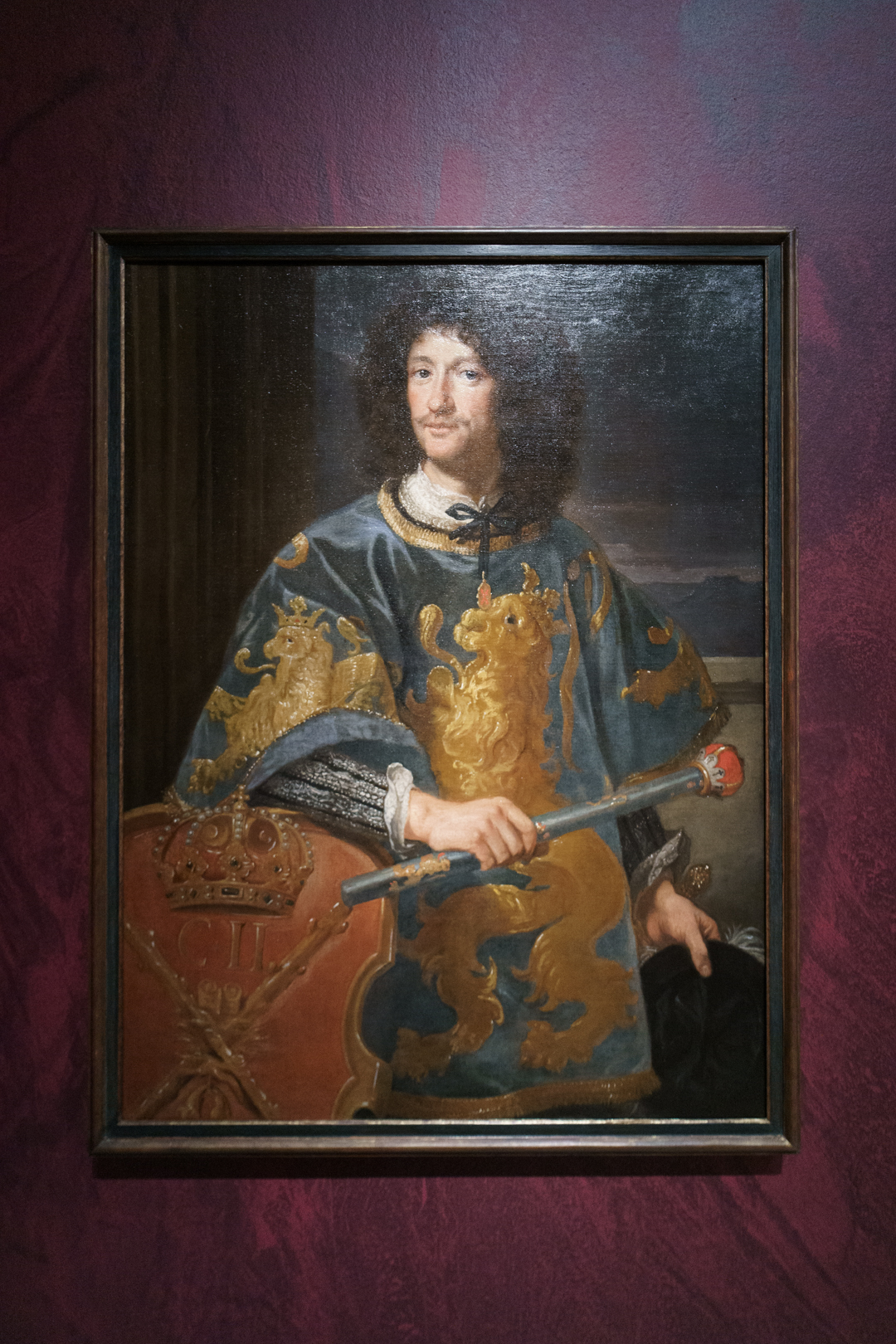
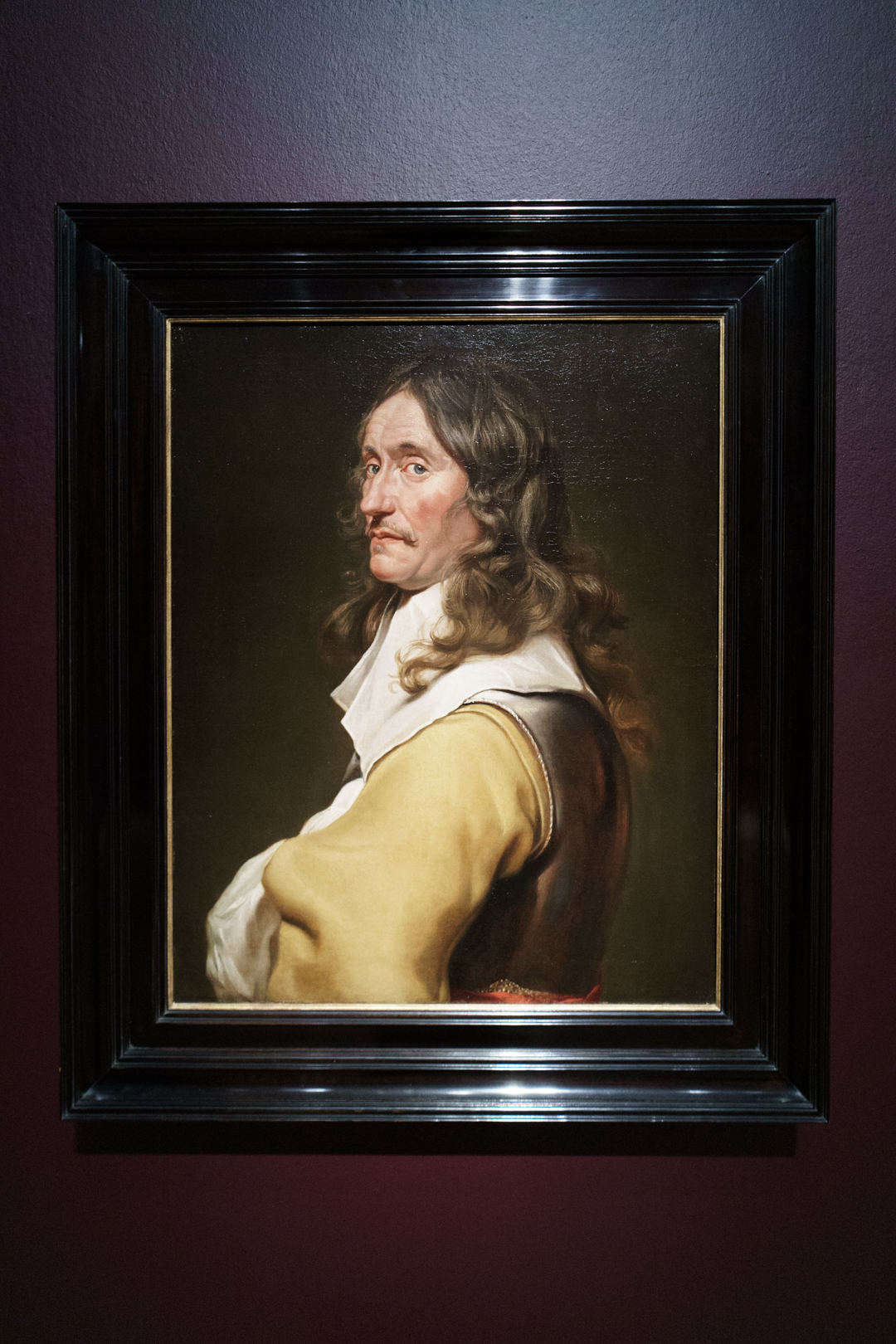
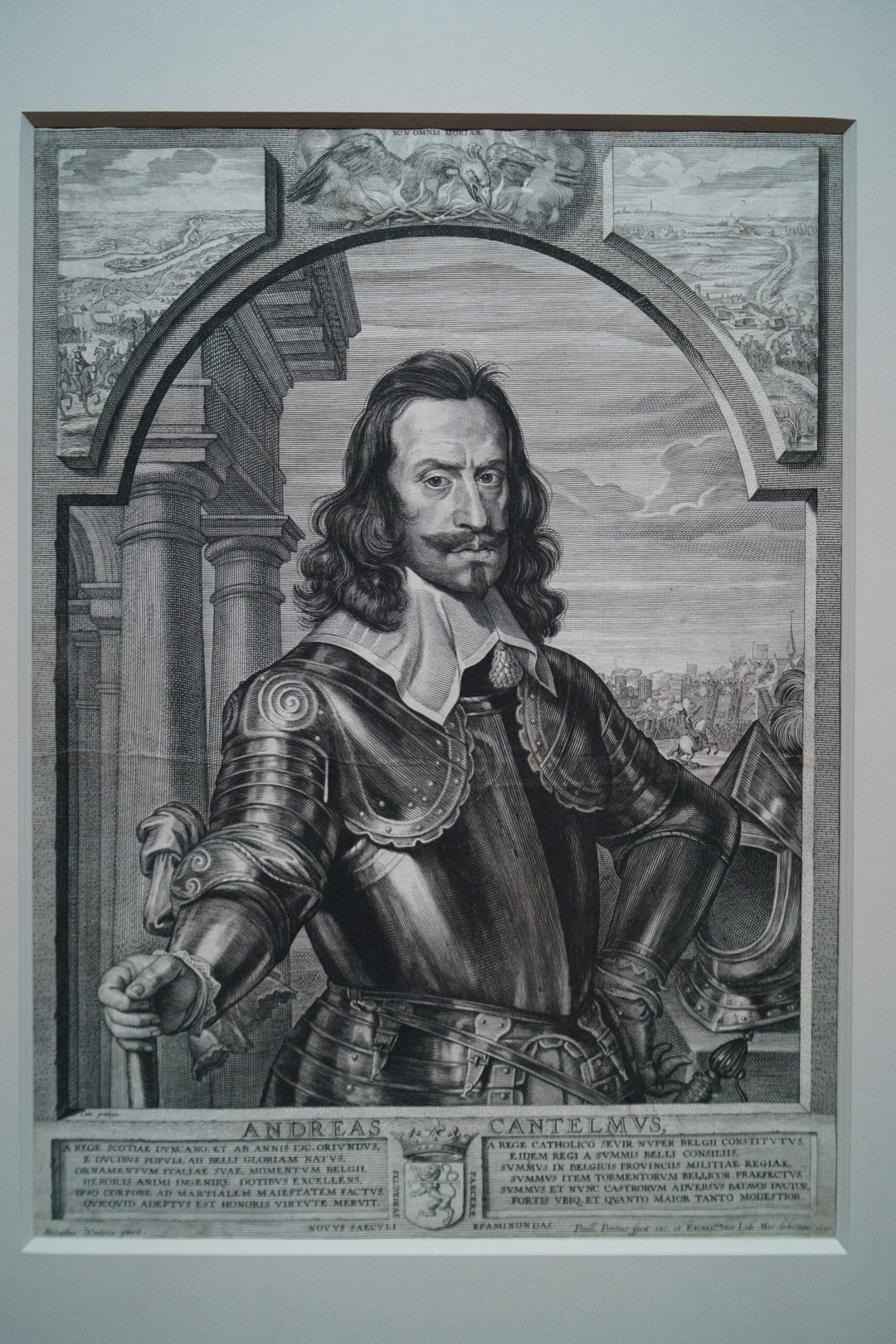
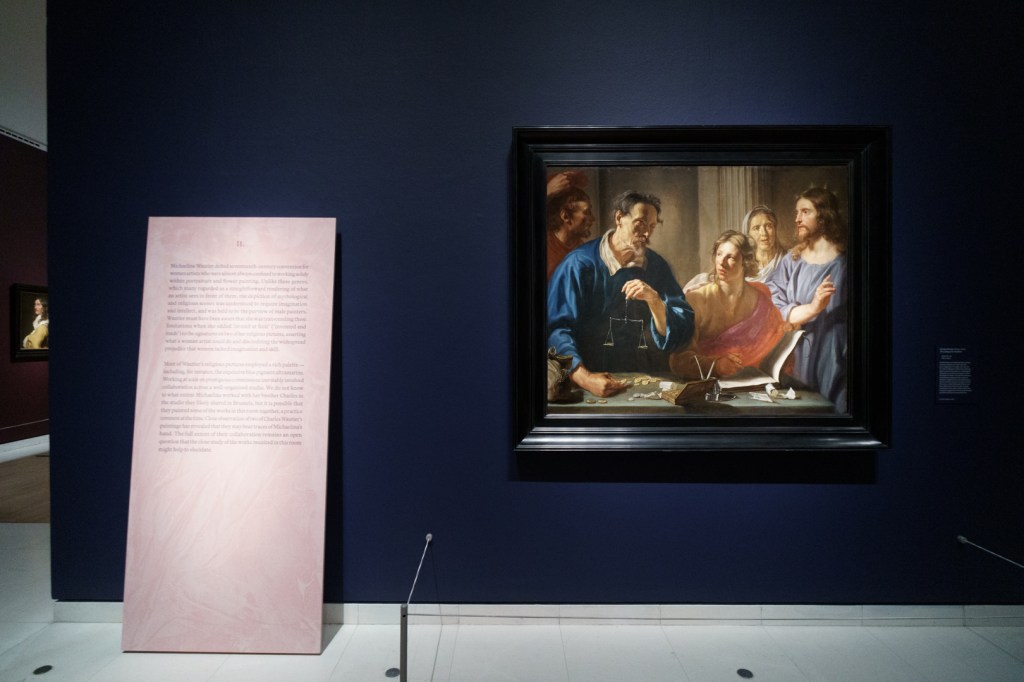
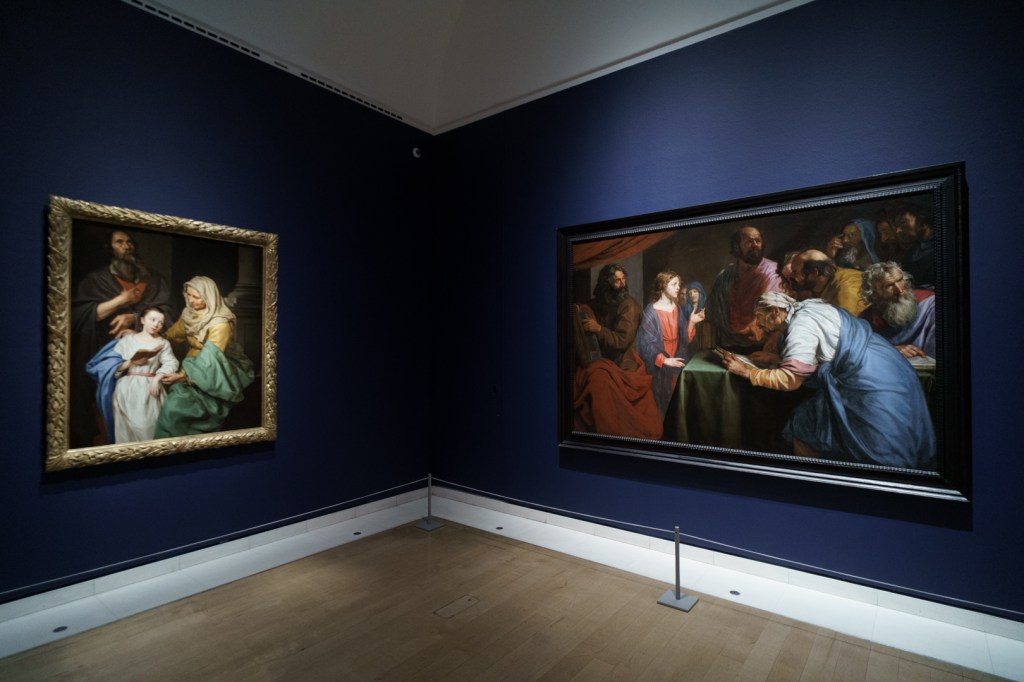
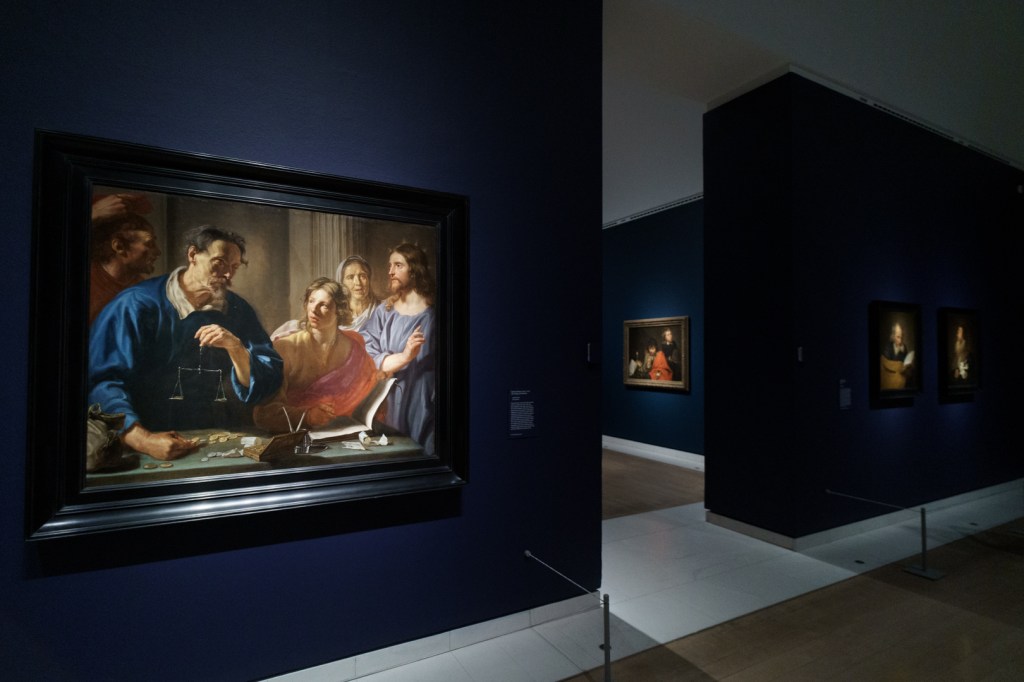
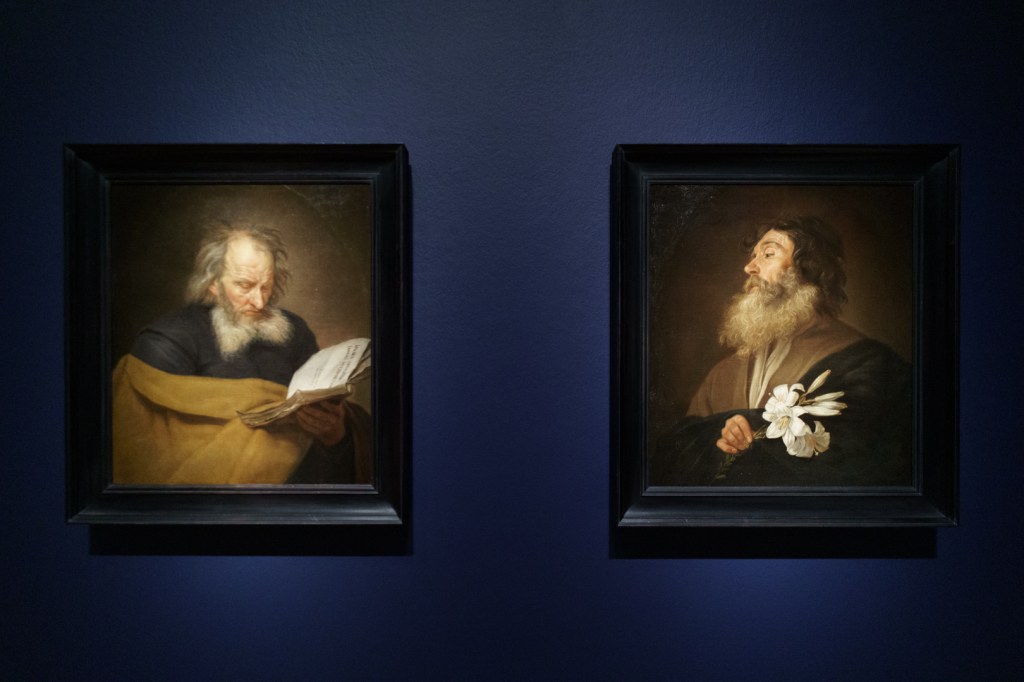
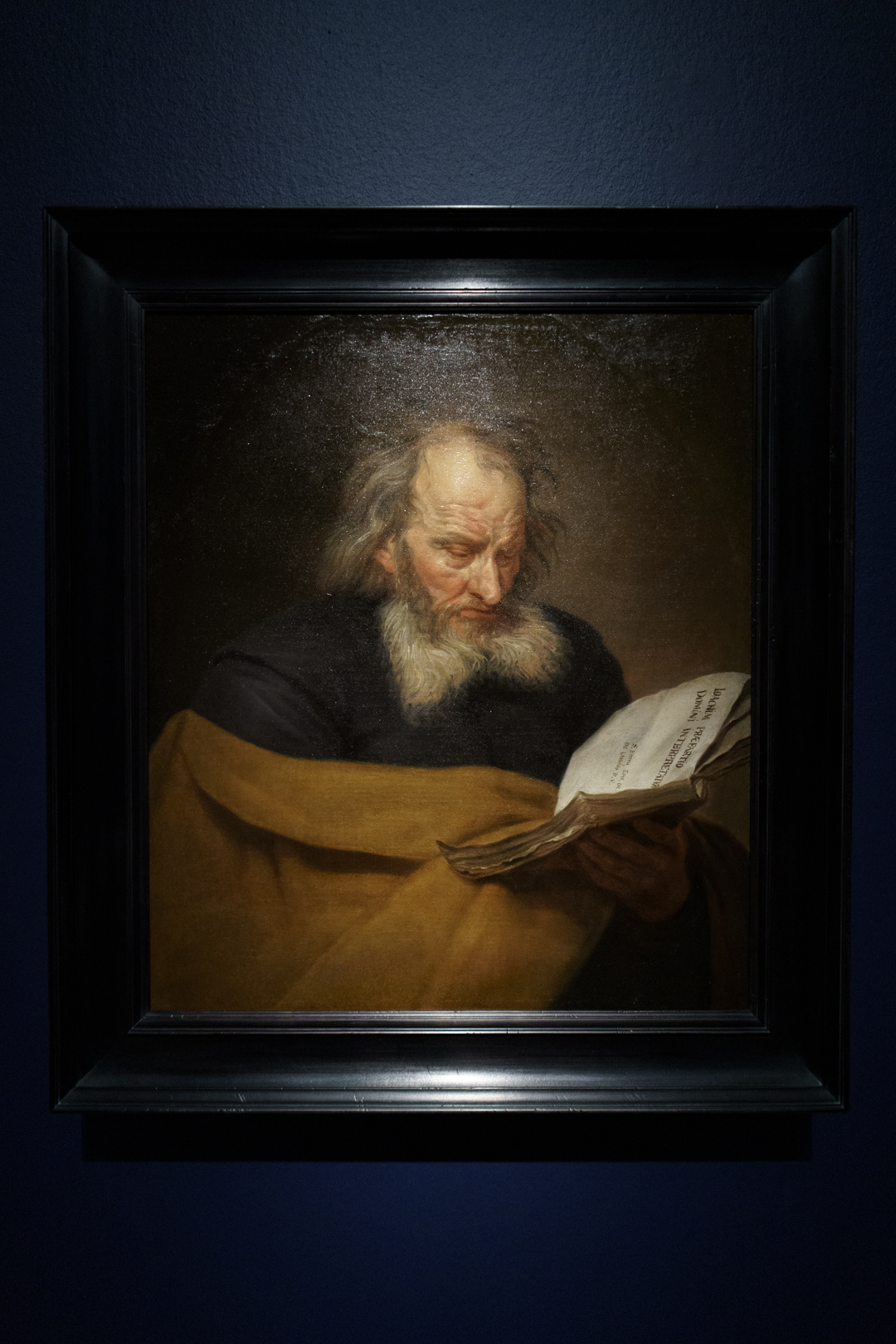
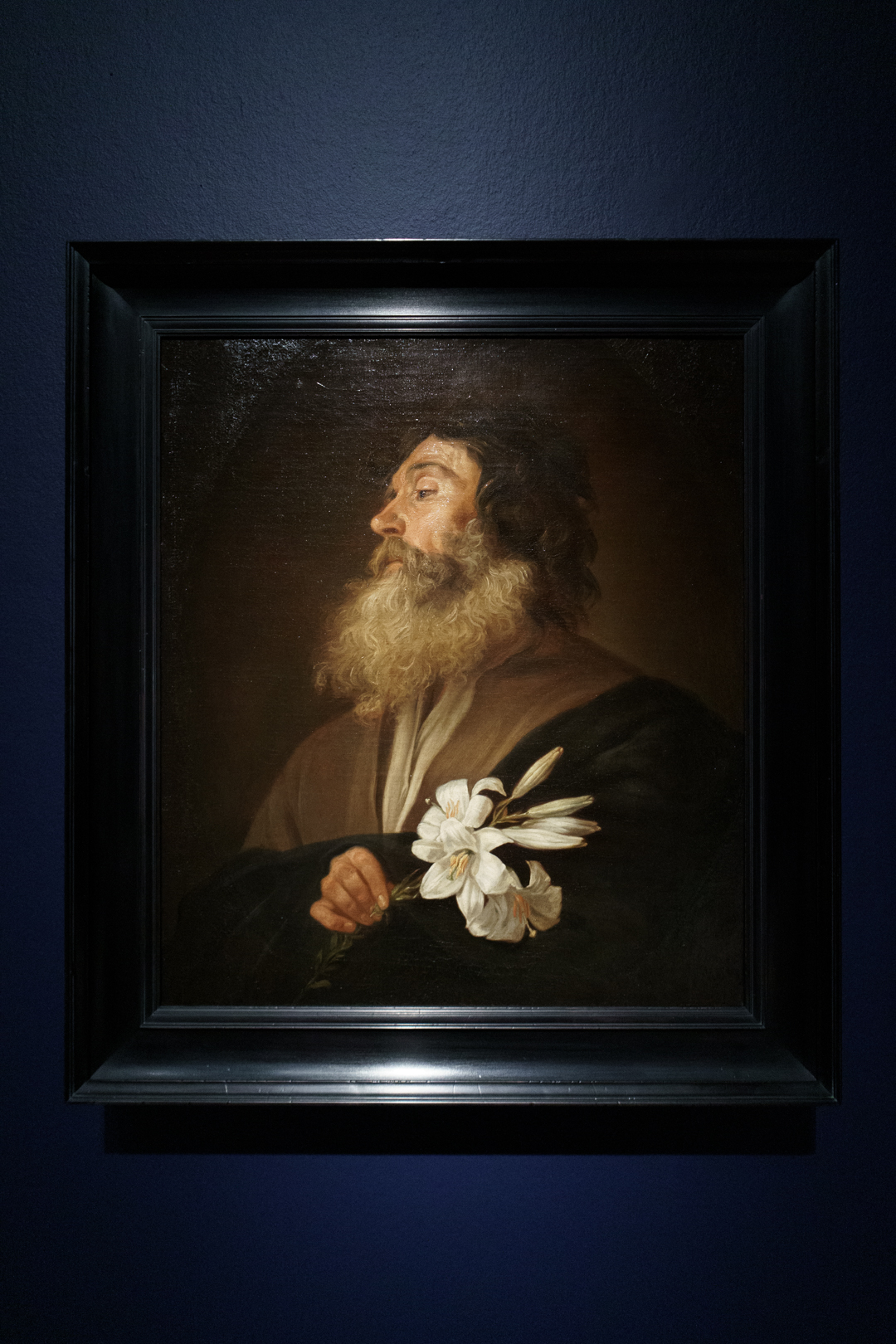
But the real meat is how she defied society’s expectations (and oppression) of women artists in the Low Countries by entering the genres of religious and history painting, largely the domain of male artists. Her brother is often used as a point of contrast yet, because the quality of both artists’ work is so high, it can be difficult to tell the two apart. In fact, Portrait of a Man as the Biblical Jacob (c.1655) in the next room was still attributed to Charles until 2020.
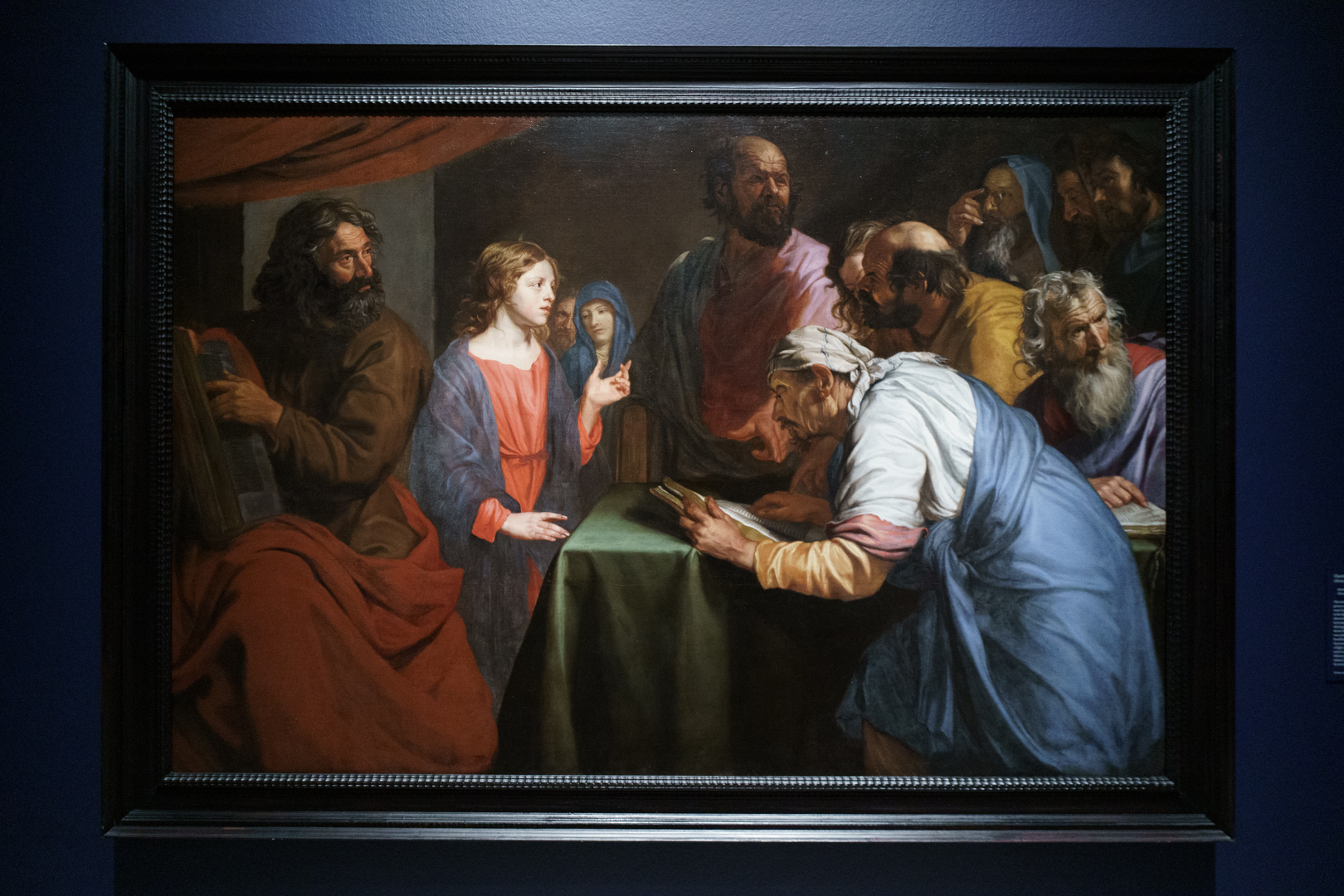
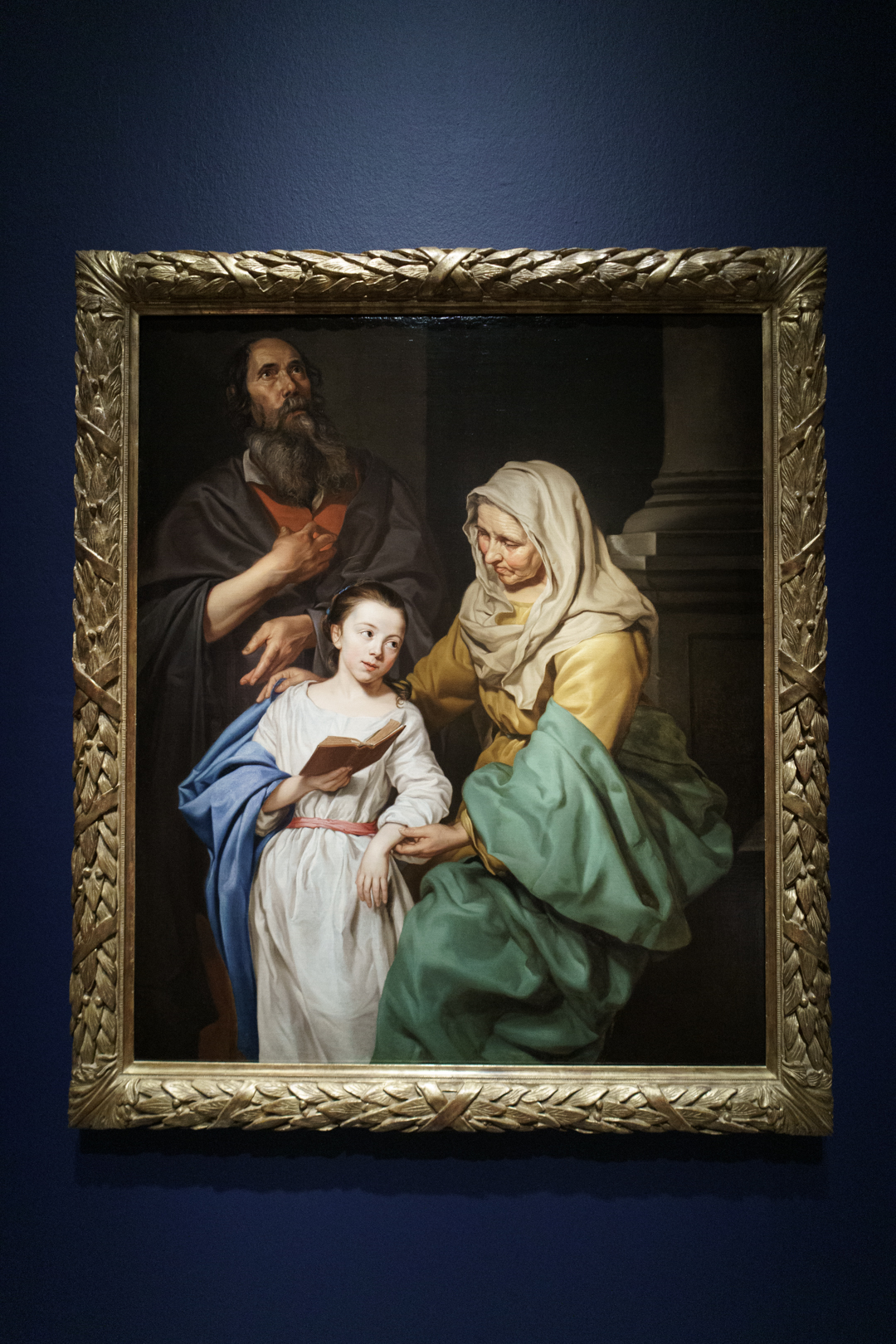
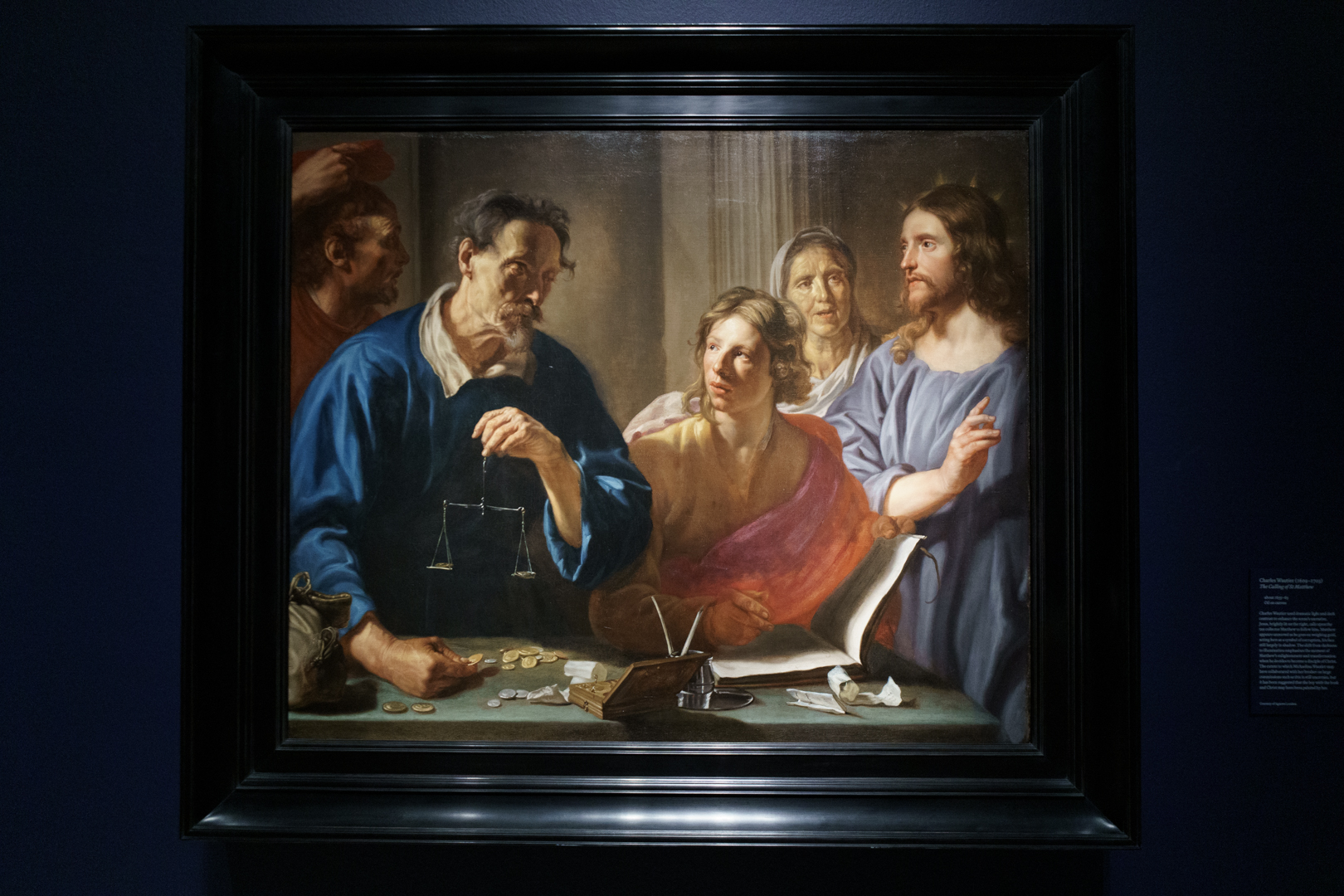
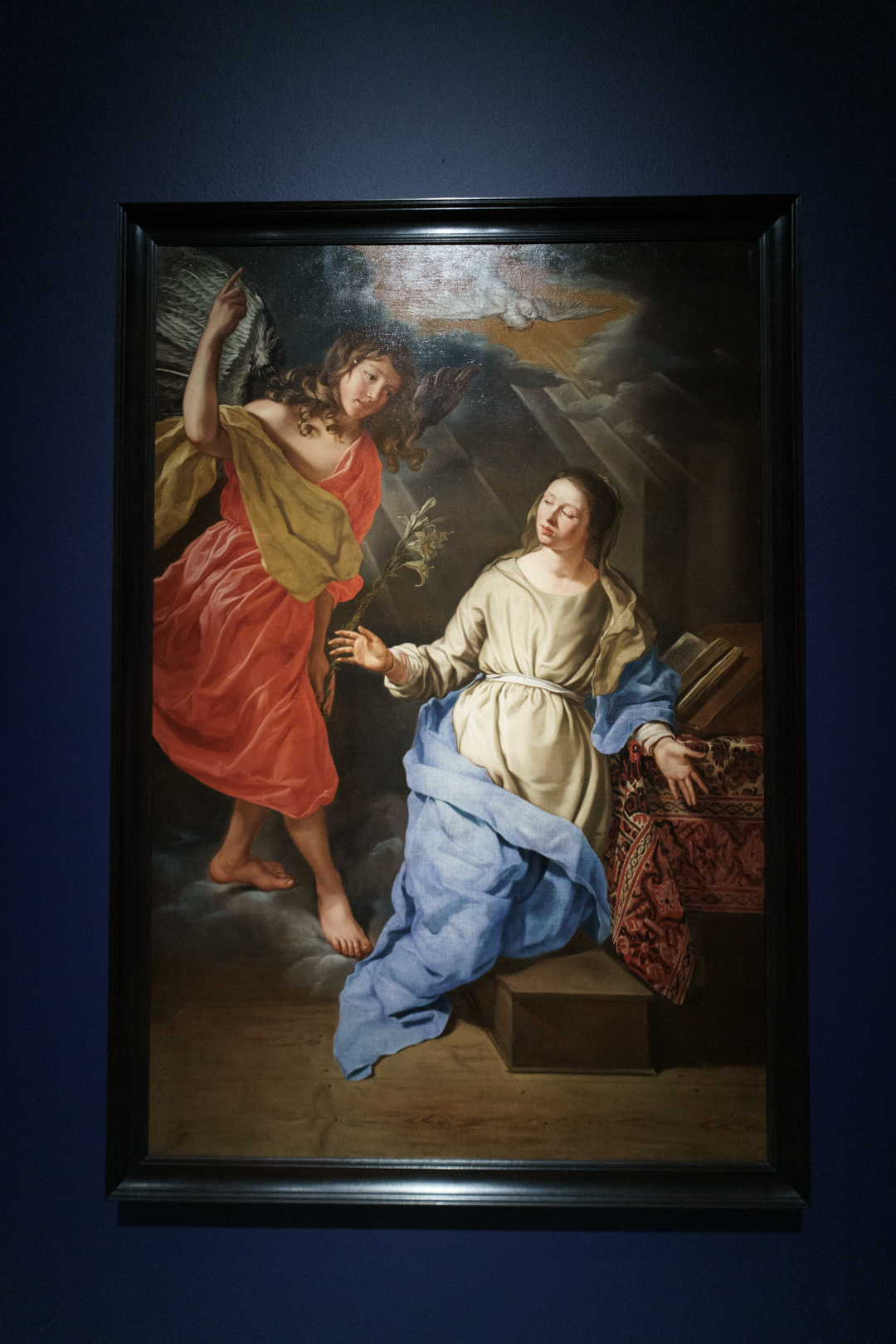
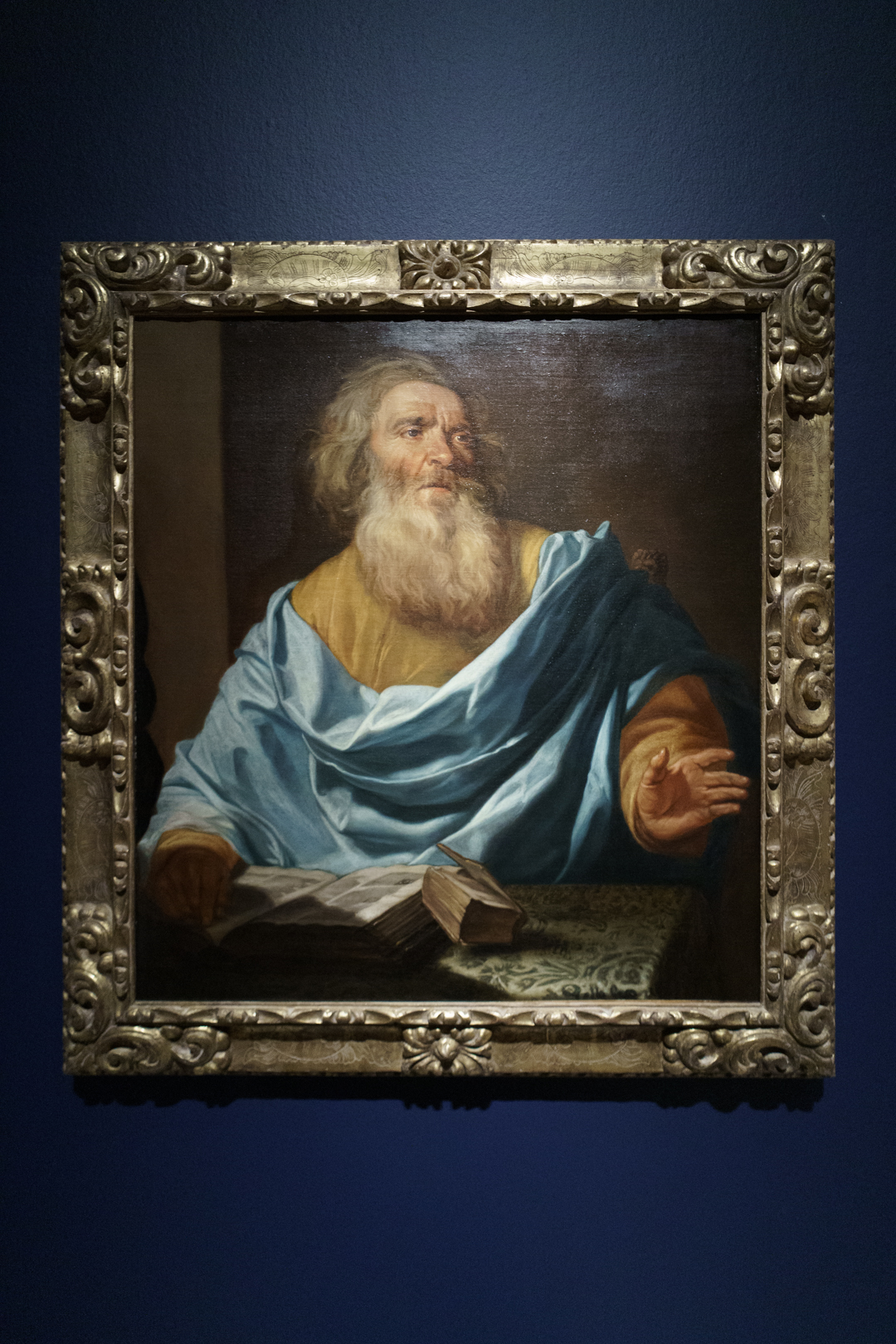
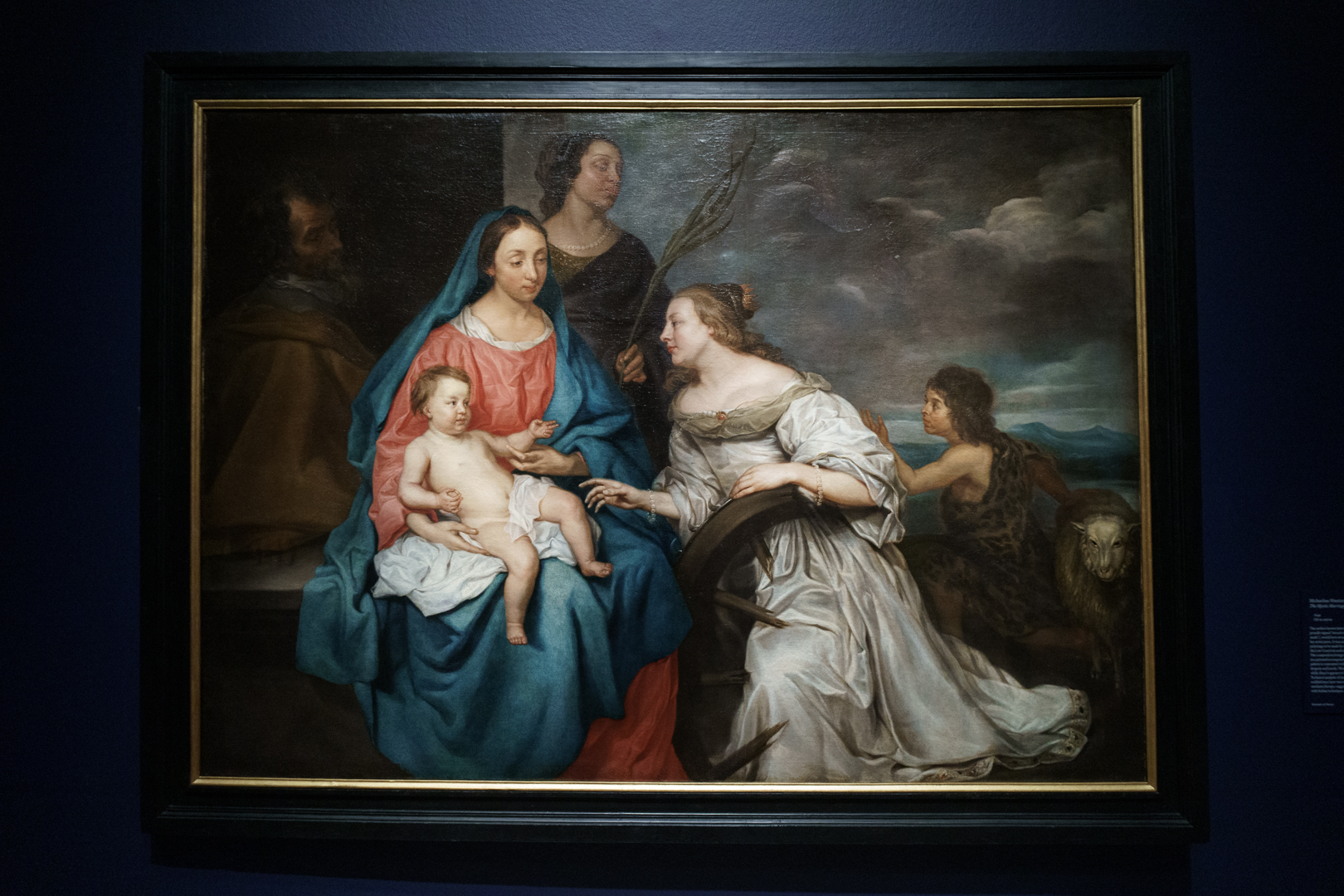
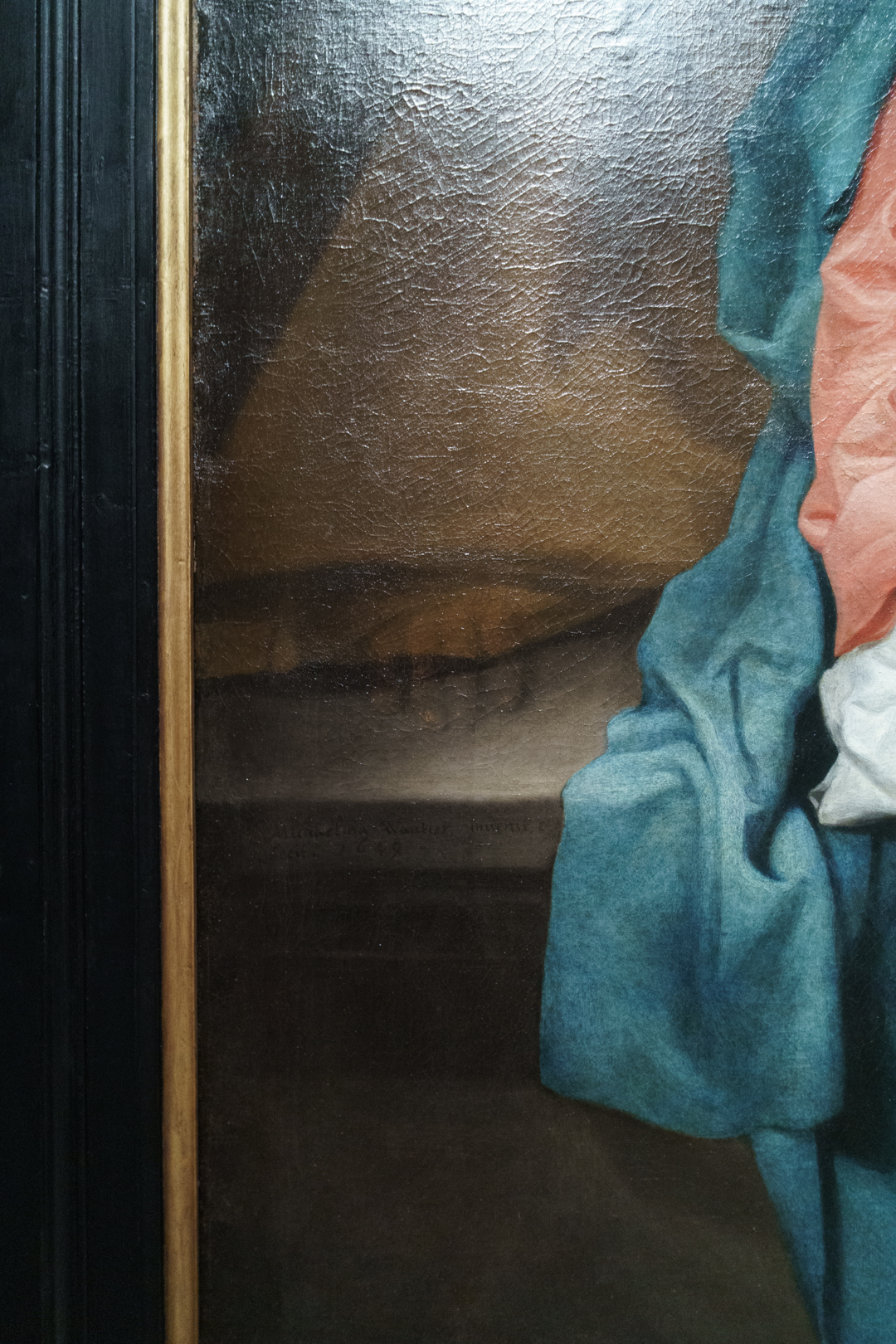
A major point is made throughout about signatures in Michaelina’s paintings, who used the rather standard ‘invenit et fecit’ (invented and made) to challenge prevailing ideas about women lacking imagination and skill. Her earliest known history painting The Mystic Marriage of St Catherine (1649) is a tour de force in painting luminosity, although one would be forgiven for laughing at the horribly rendered sheep on the right. I even spotted a bit of pentimenti below St Joseph, whose ghostly right hand had been painted over.
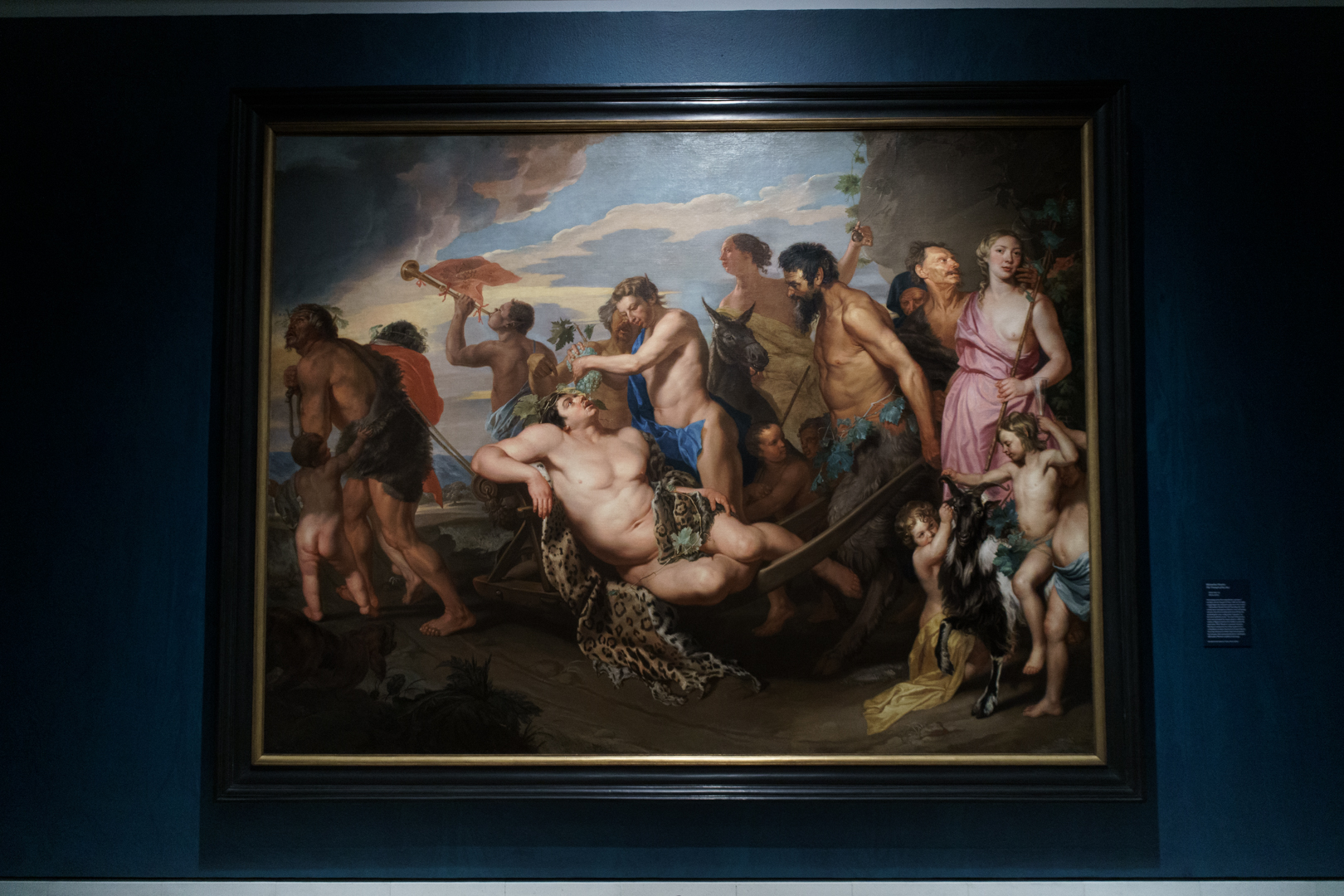
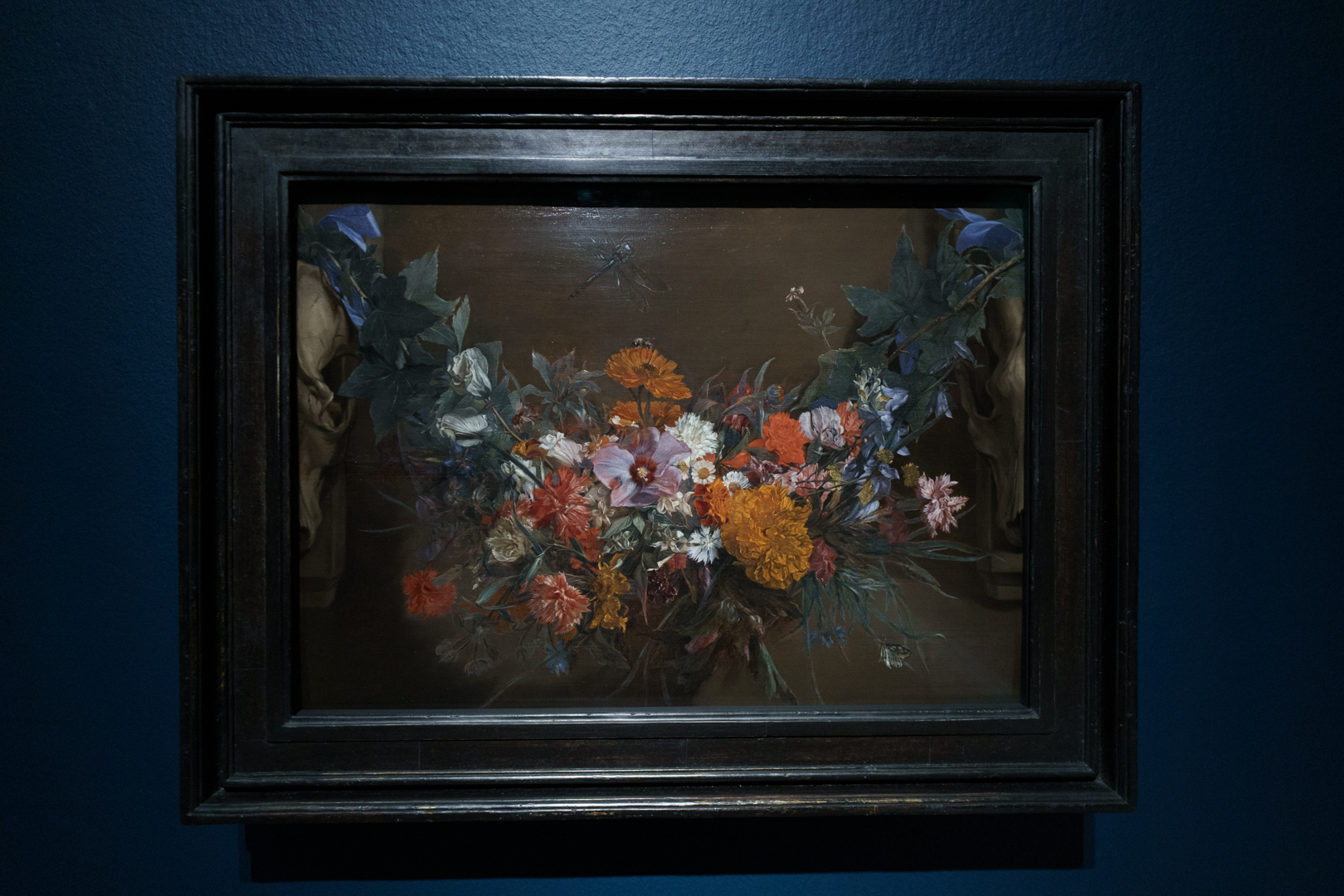
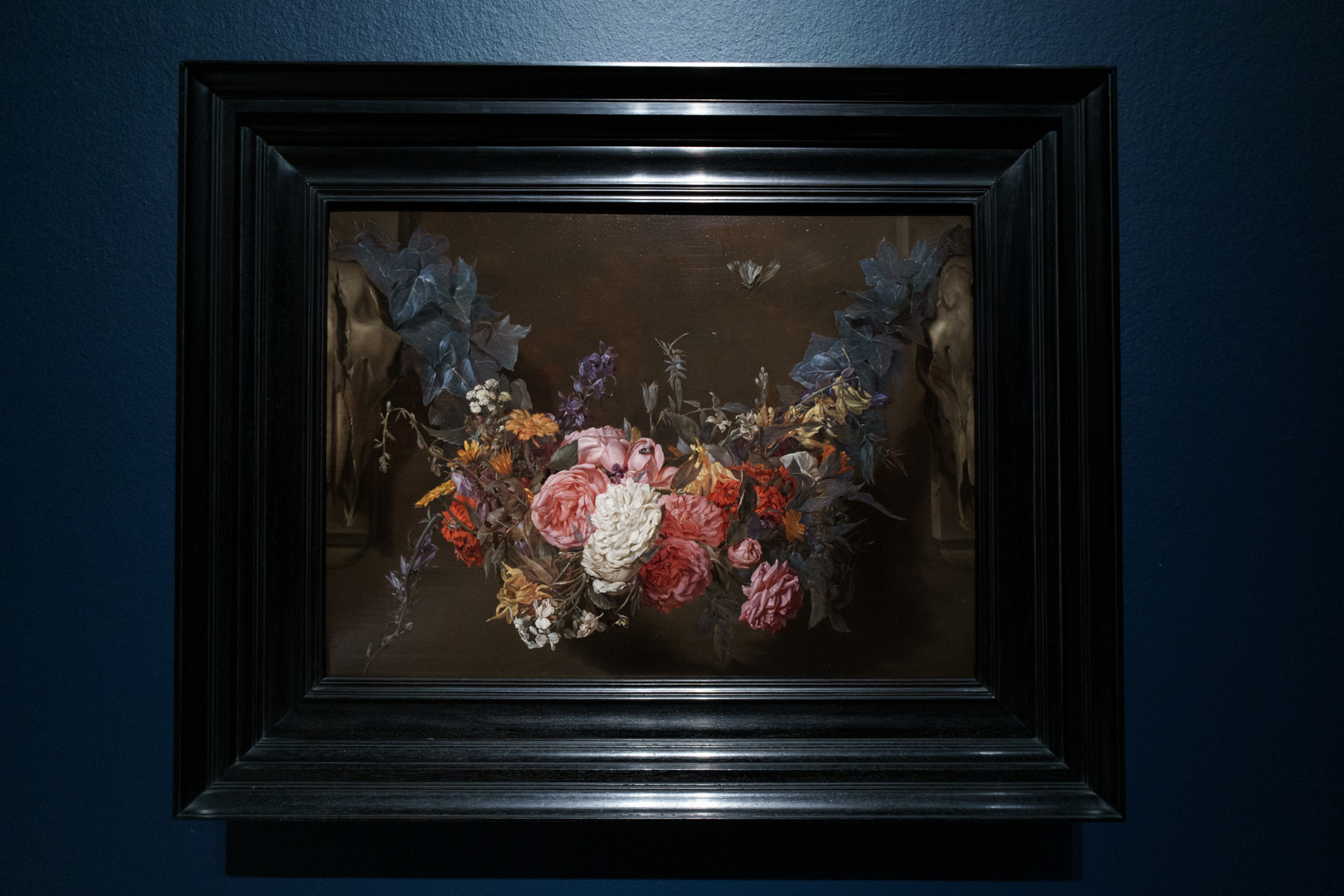
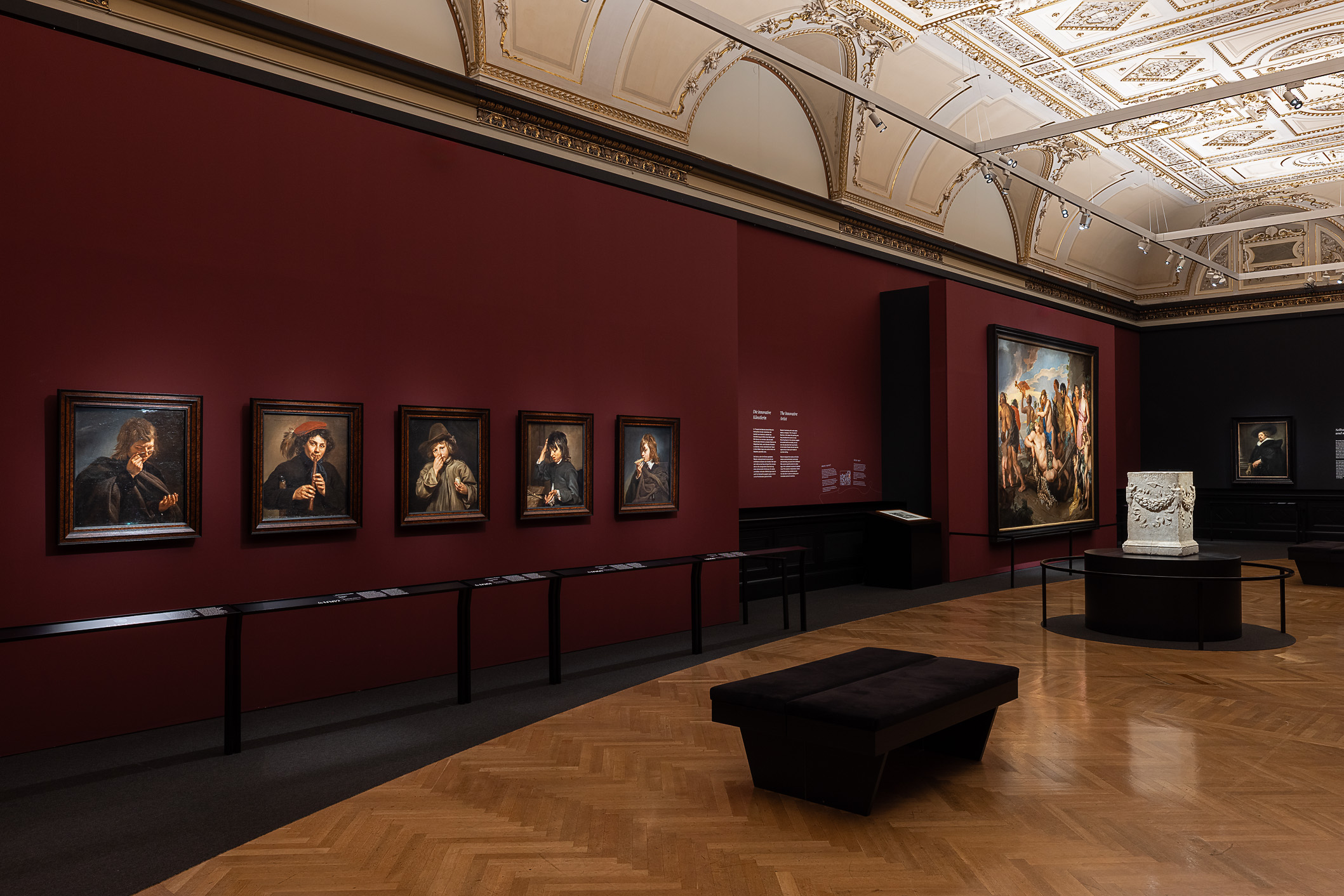
The last room ends with her Triumph of Bacchus (1655-59). Unsigned and undated, its ambitious size and complex design added further doubt to its female authorship, which was listed in Leopold Wilhelm’s collection from 1659 as by ‘N Woutiers’. In fact, the artist was literally staring us right in the face, standing tall in pink with a breast exposed. The picture is flanked by flower paintings, ‘safe’ subjects for a woman.
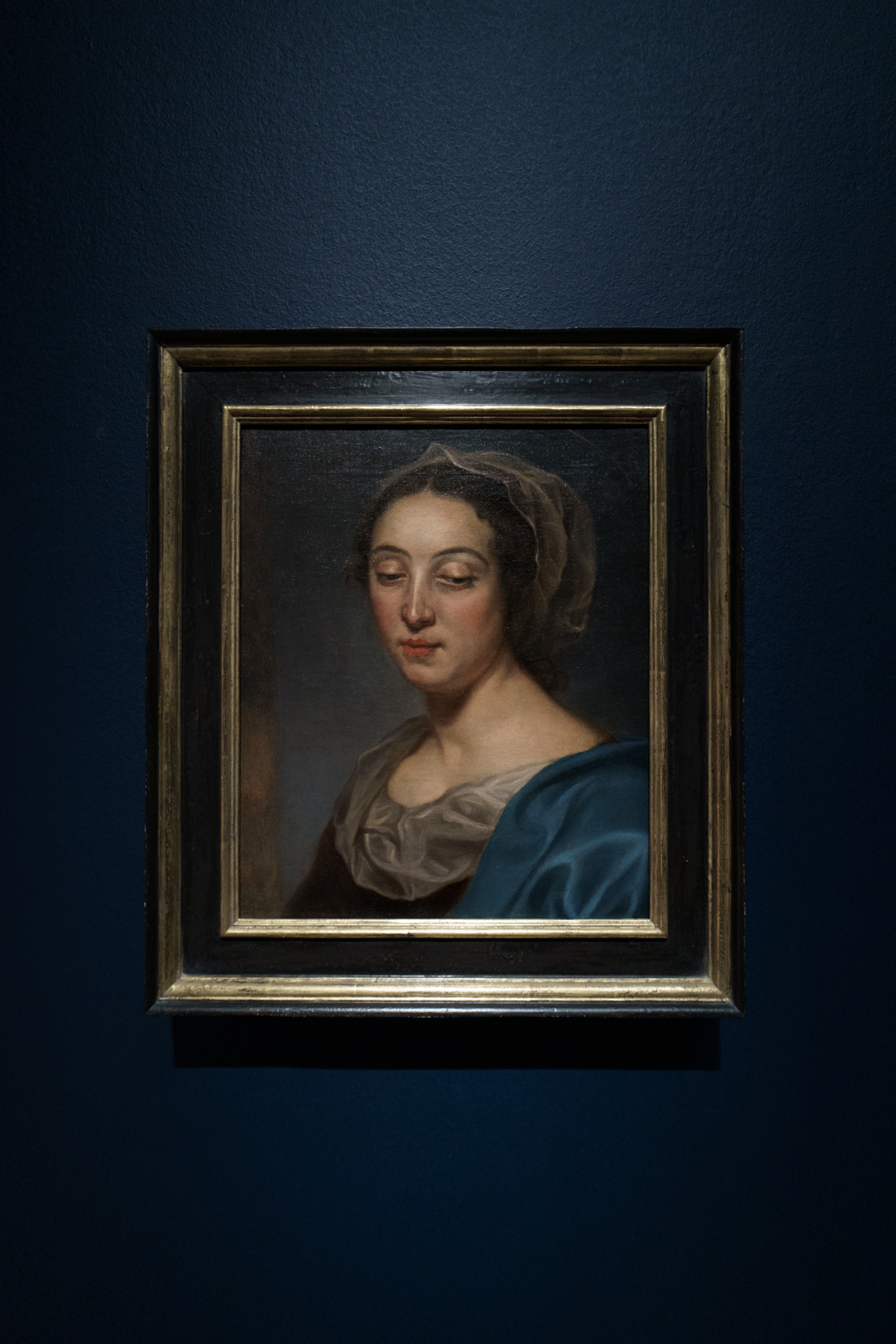
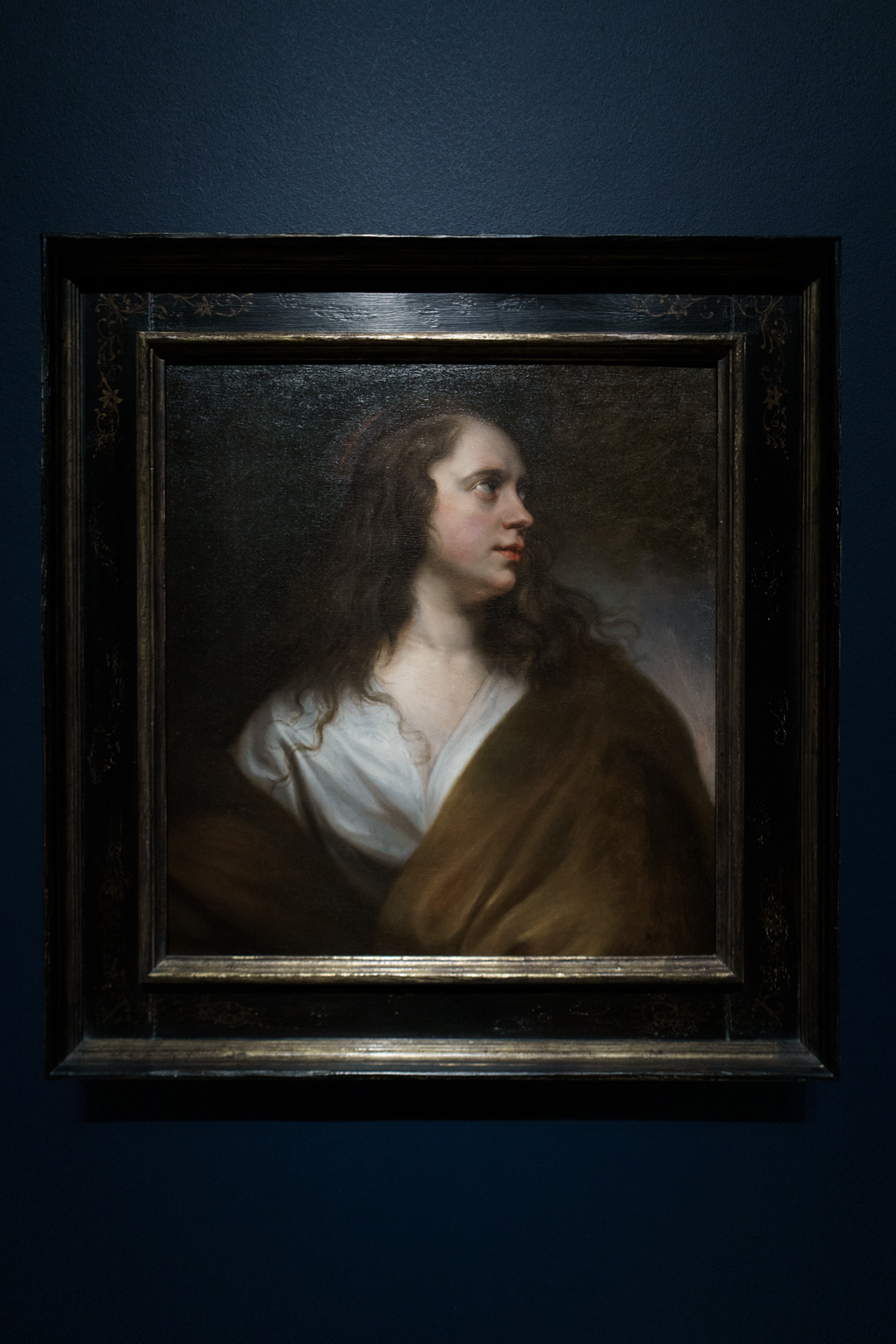
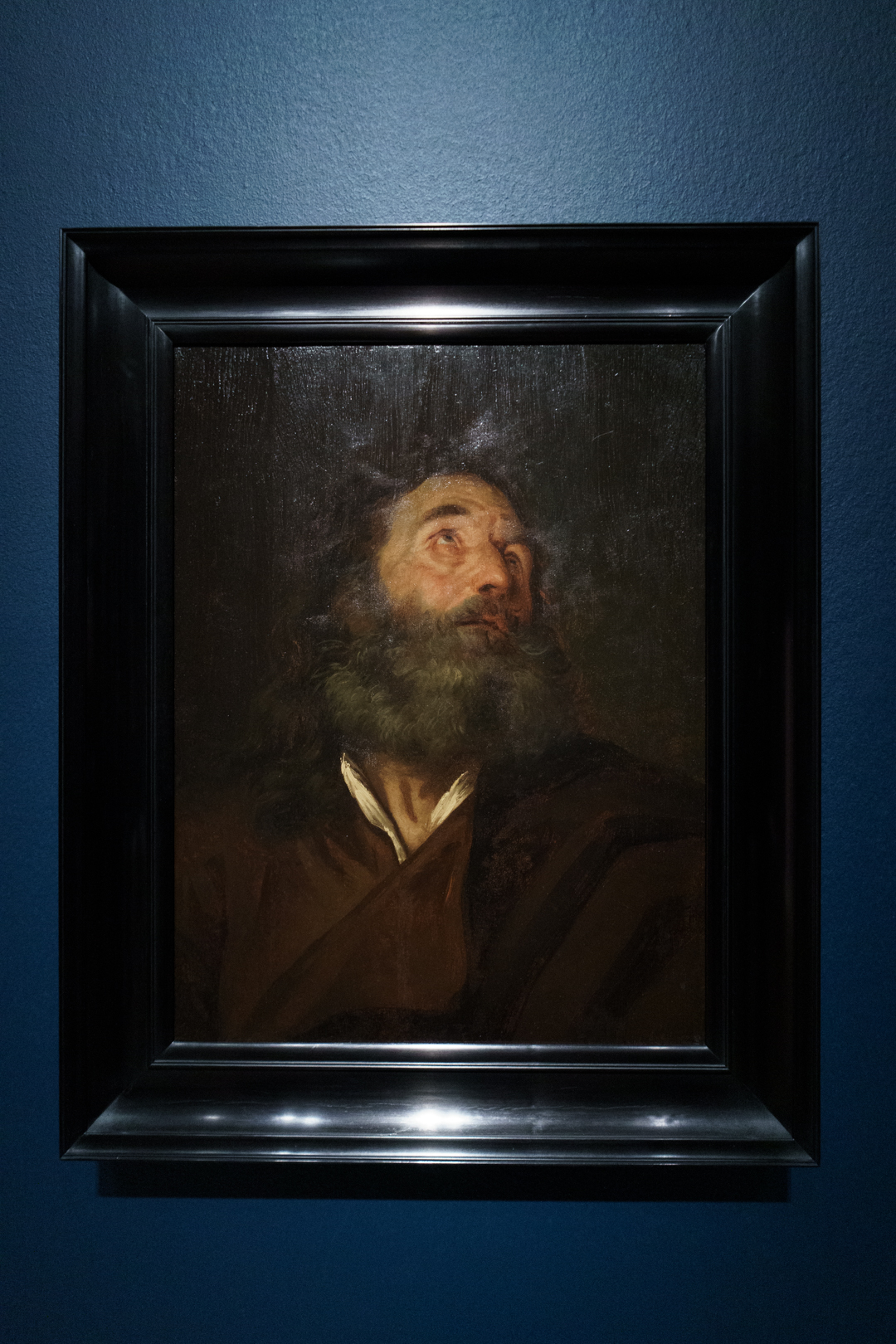
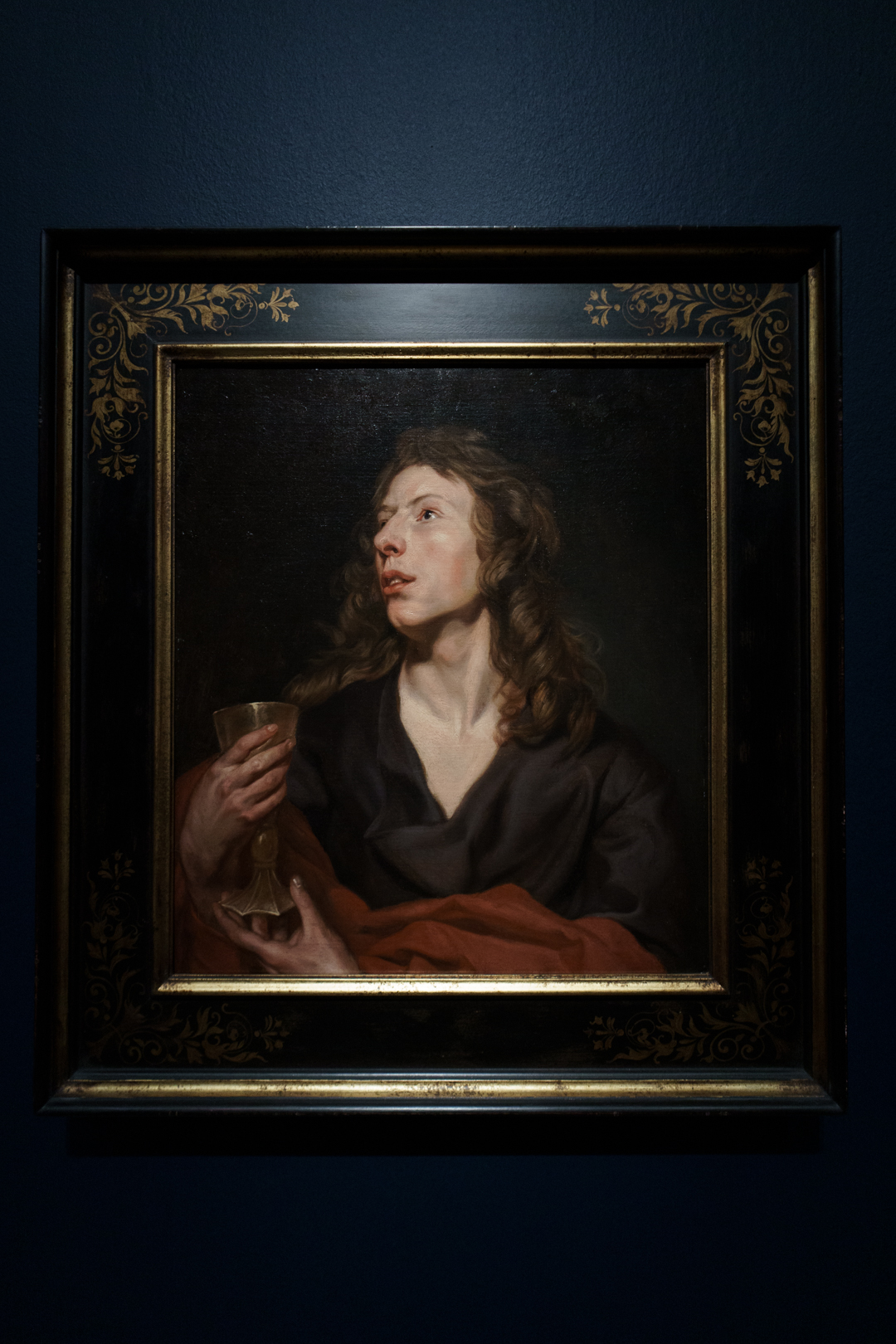
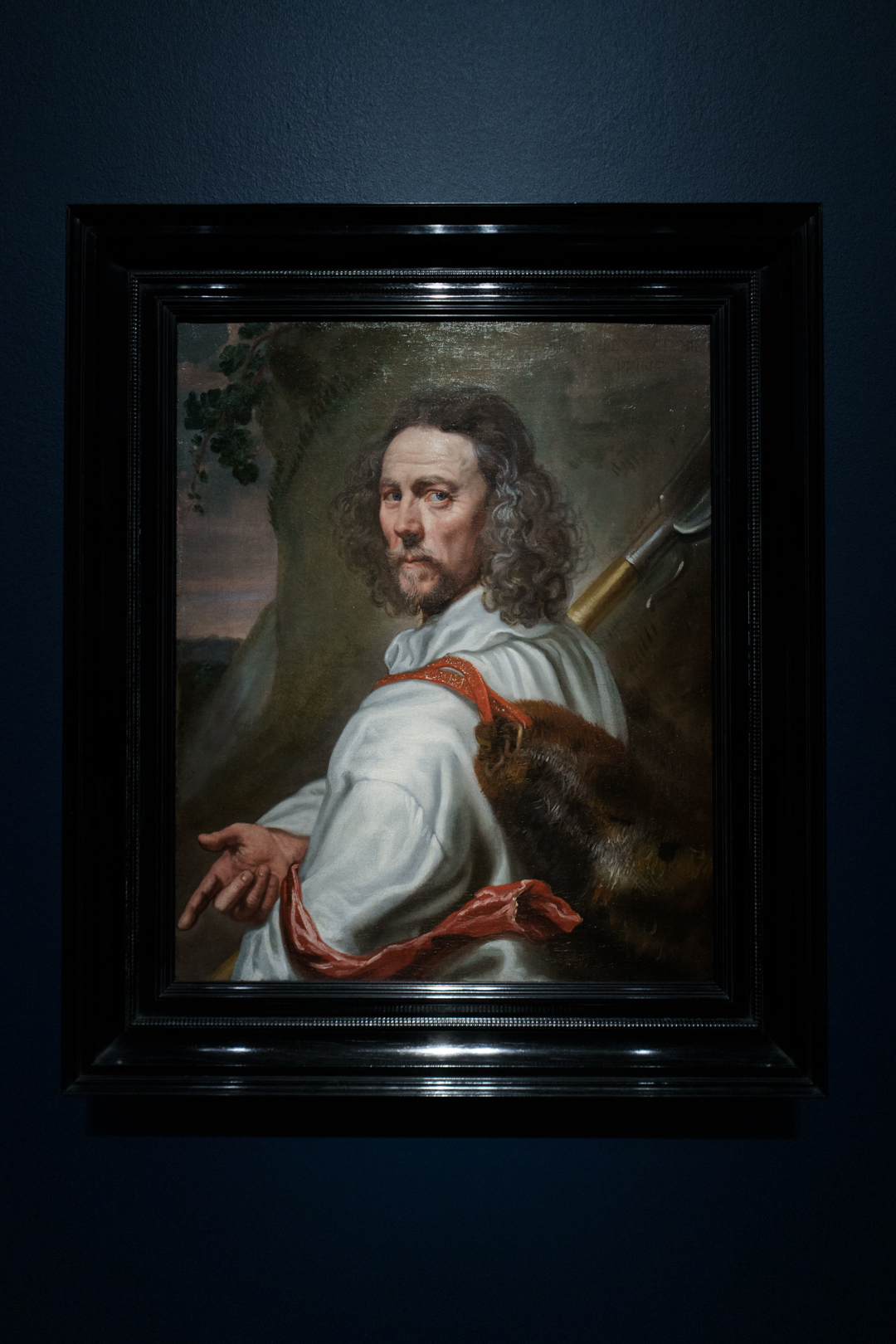
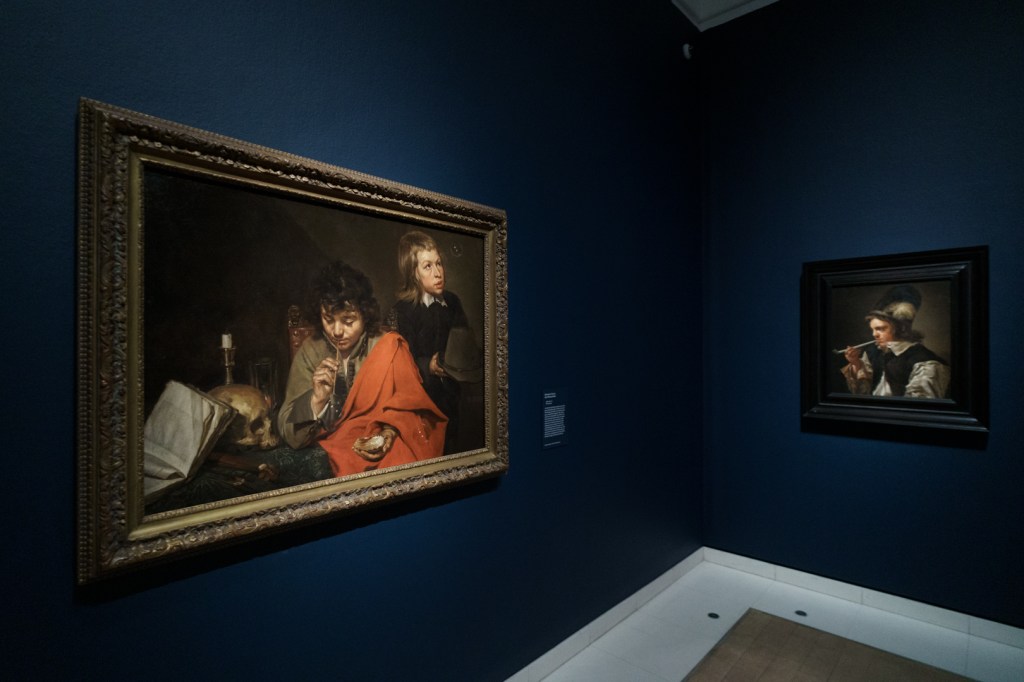
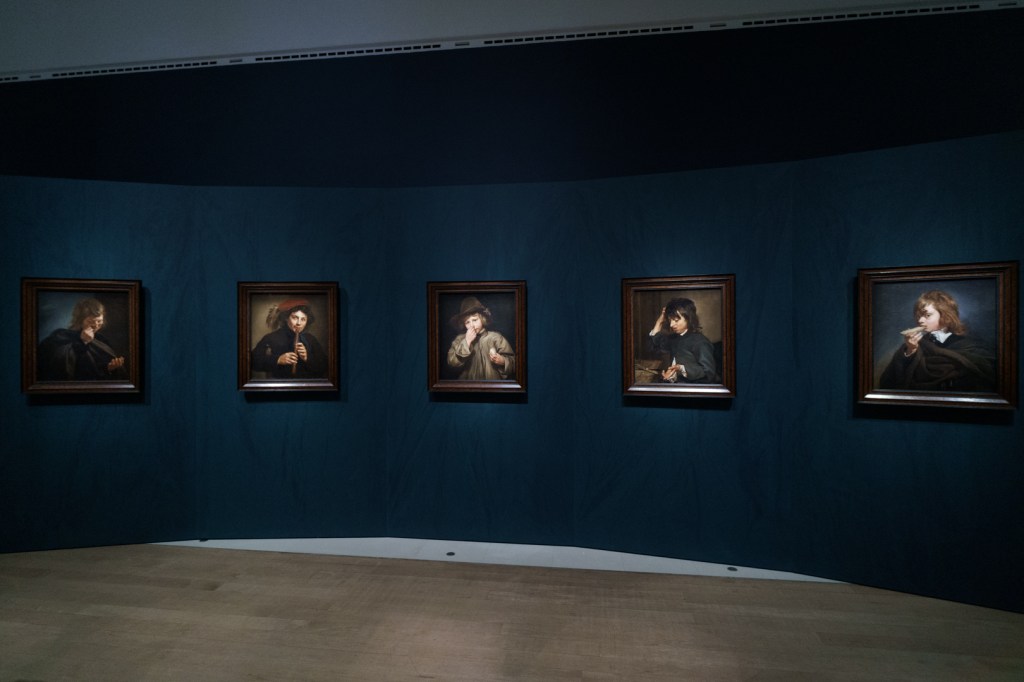
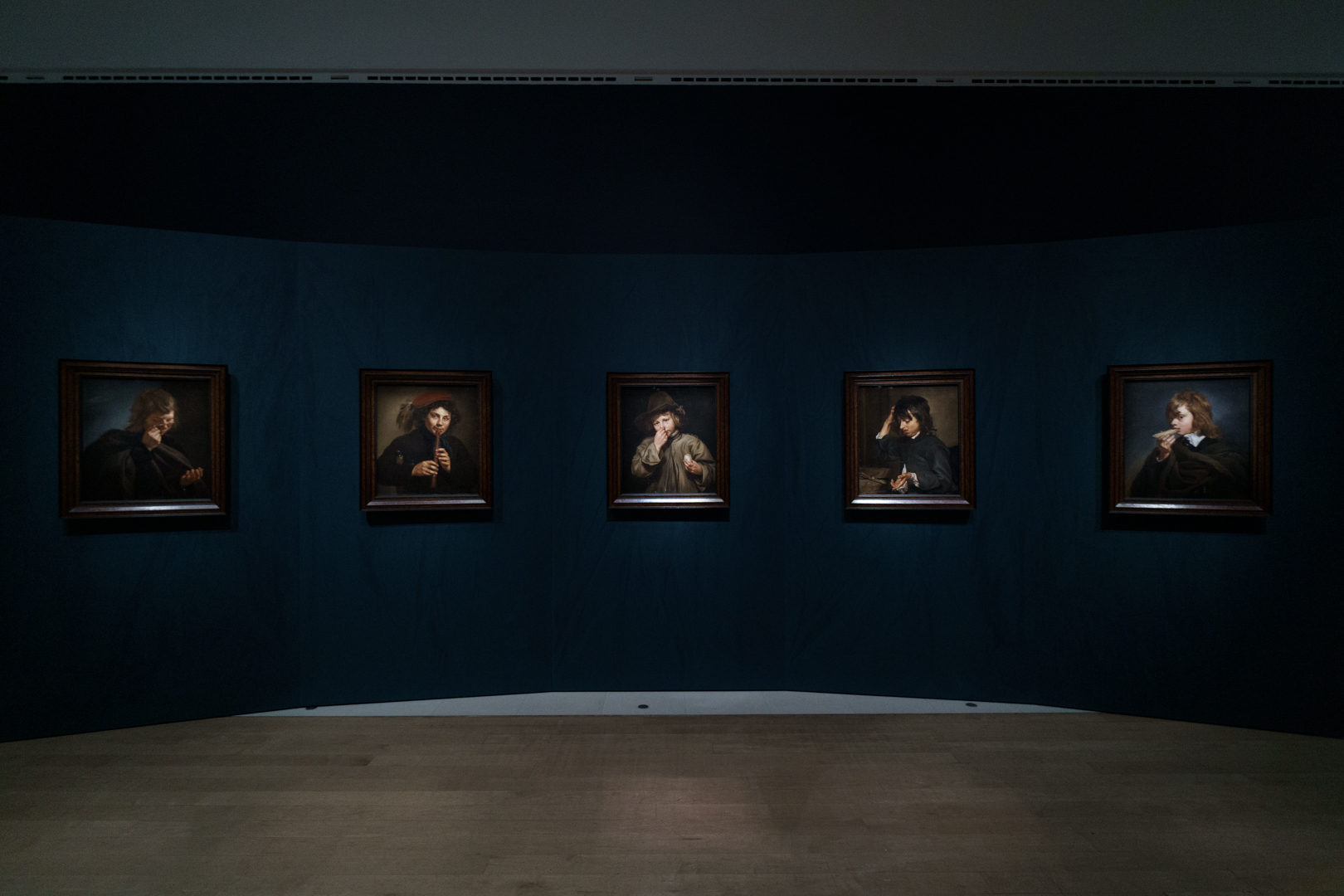
While the rest of the room examines head studies and ‘tronies’, the highlight is the rediscovered series on the Five Senses (1650). The earliest provenance record is from 1876, from Cologne to Brussels, then to Valenciennes, where they disappeared in Brussels again in 1898. They finally re-emerged at auction in Paris in 1975, where they were acquired by a private collection, who then sold them at Christie’s in 2019-20 to Rose-Marie and Eijk van Otterloo. Signed and dated, their authorship has never been in question, serving as an important reference point for future attributions. The two boys posing as Sight and Hearing also appear in Boys Blowing Bubbles (c.1650-55).
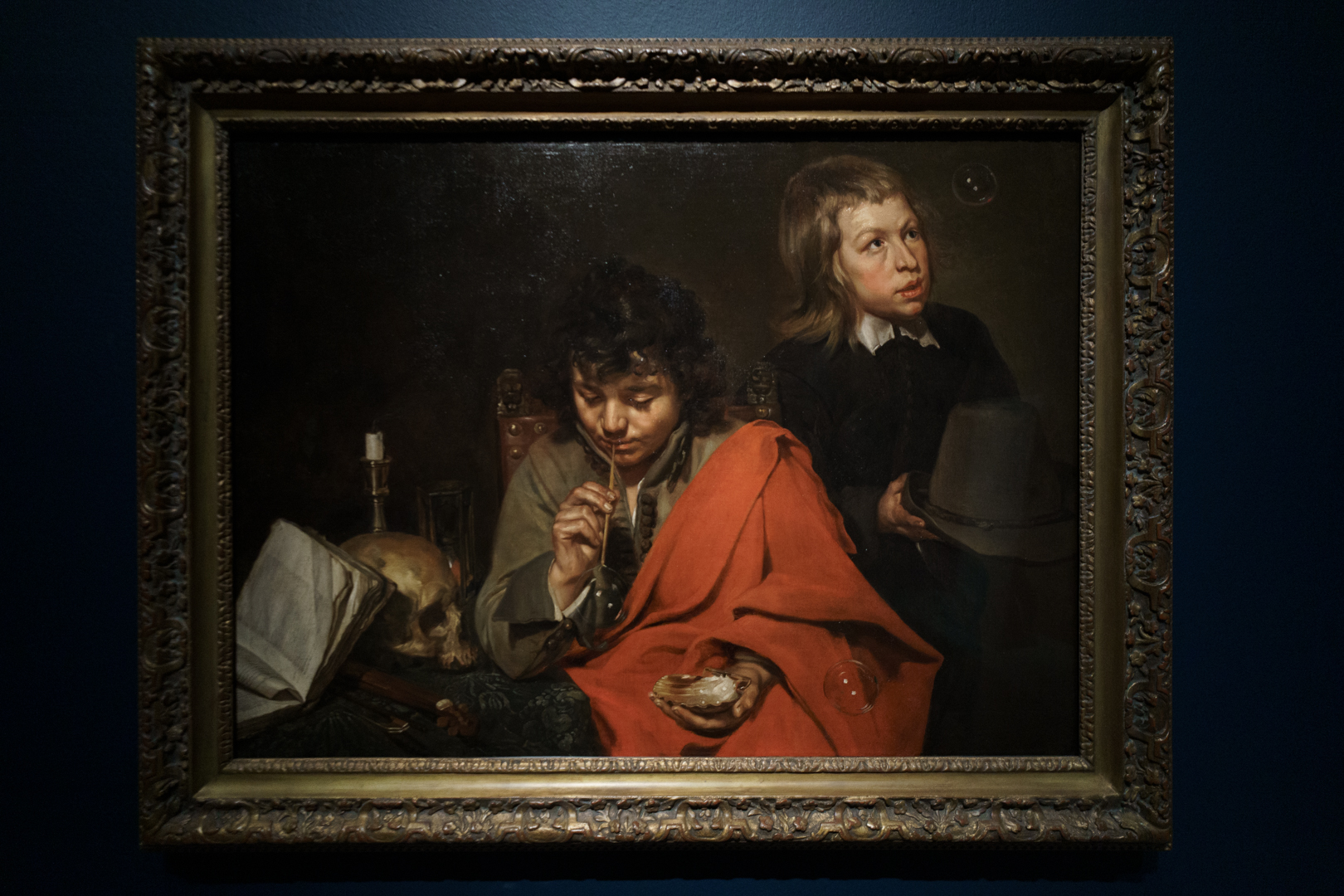
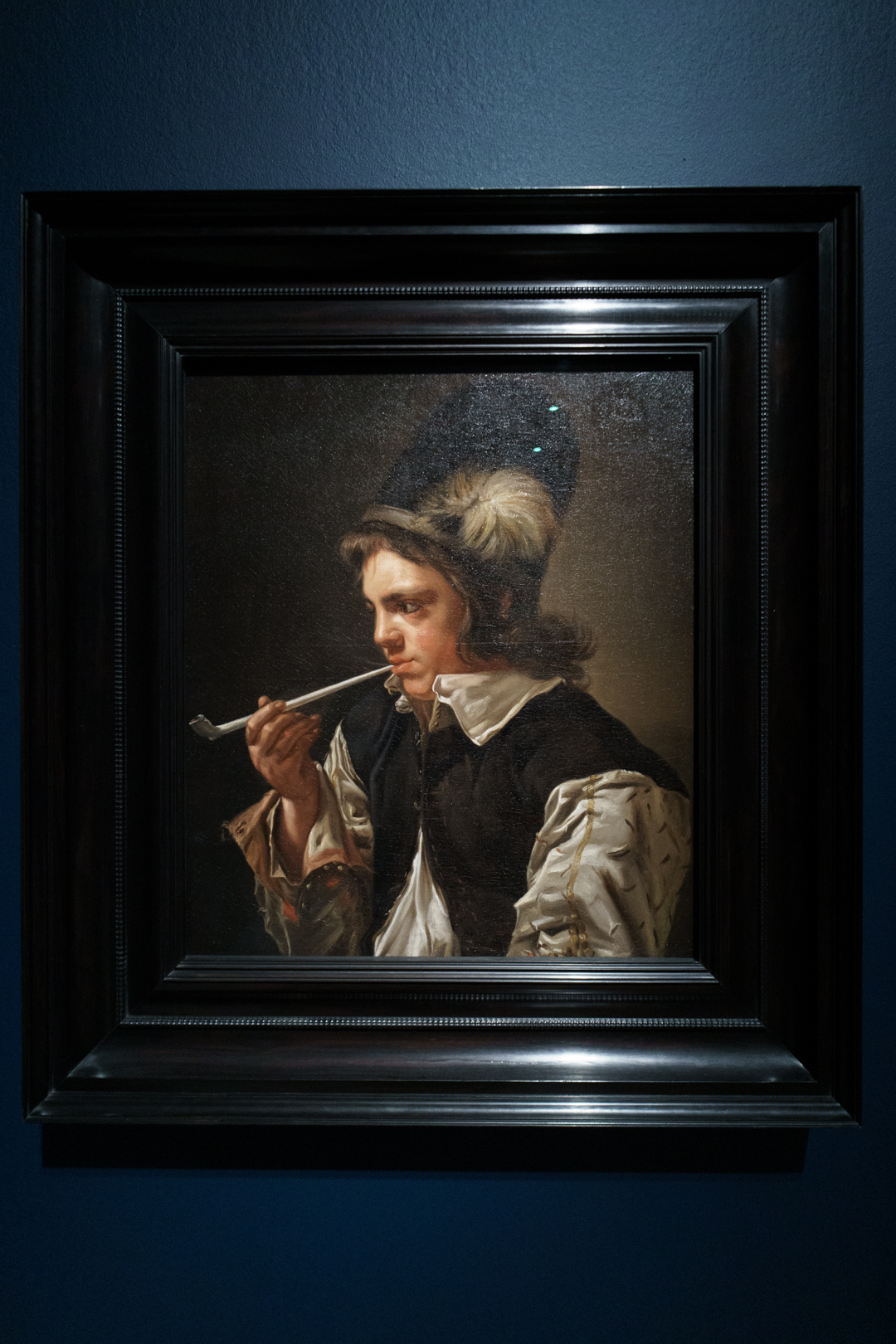
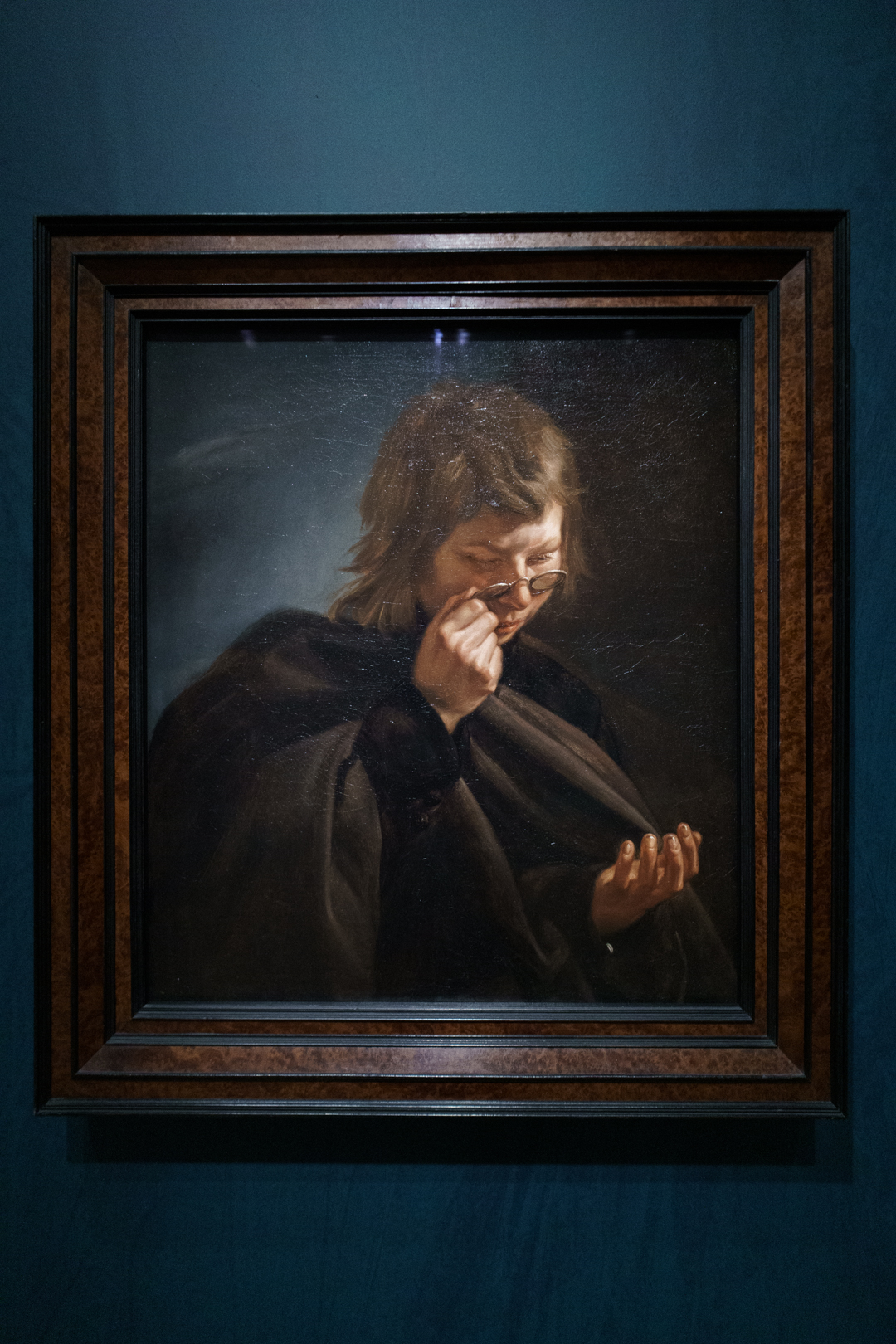
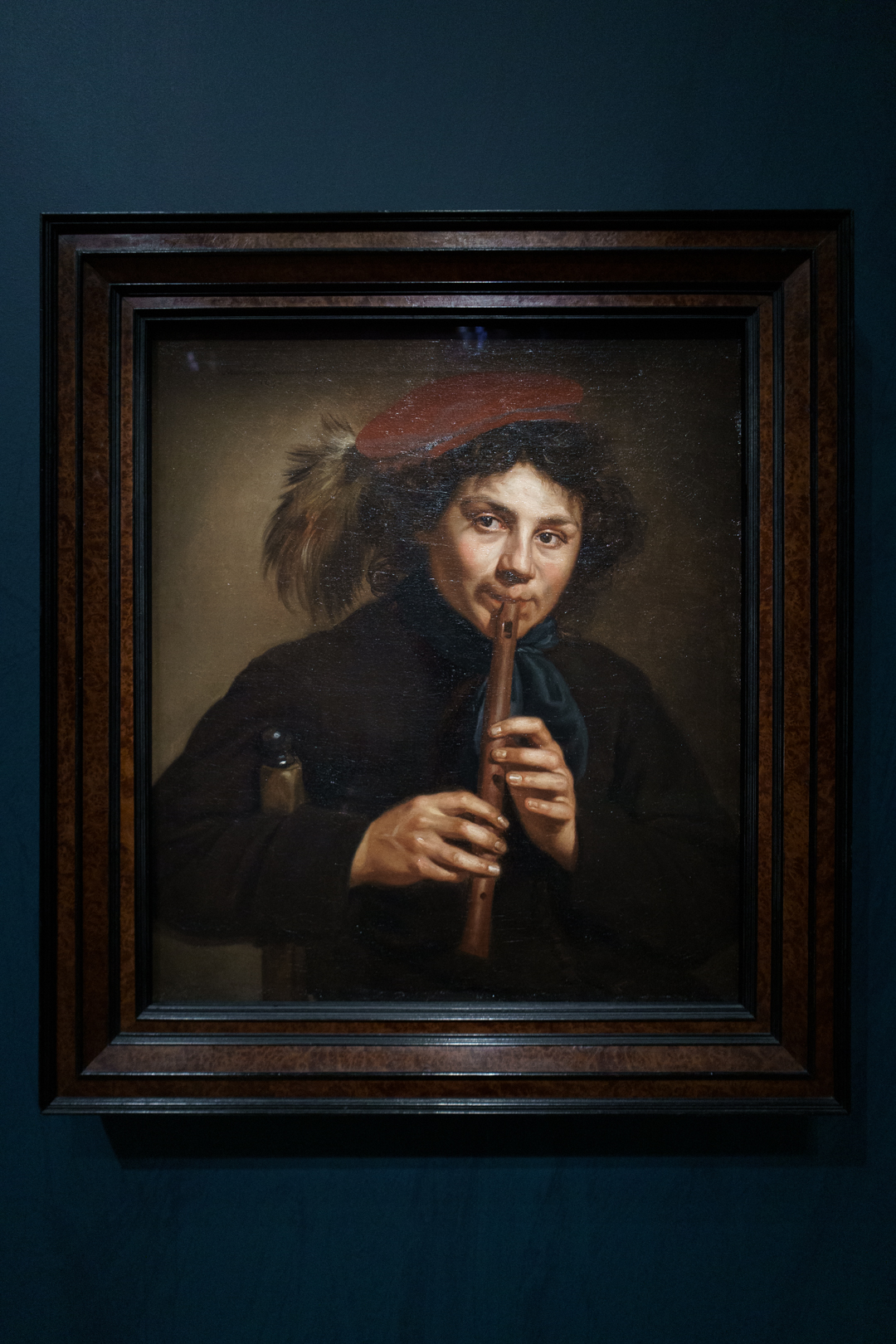
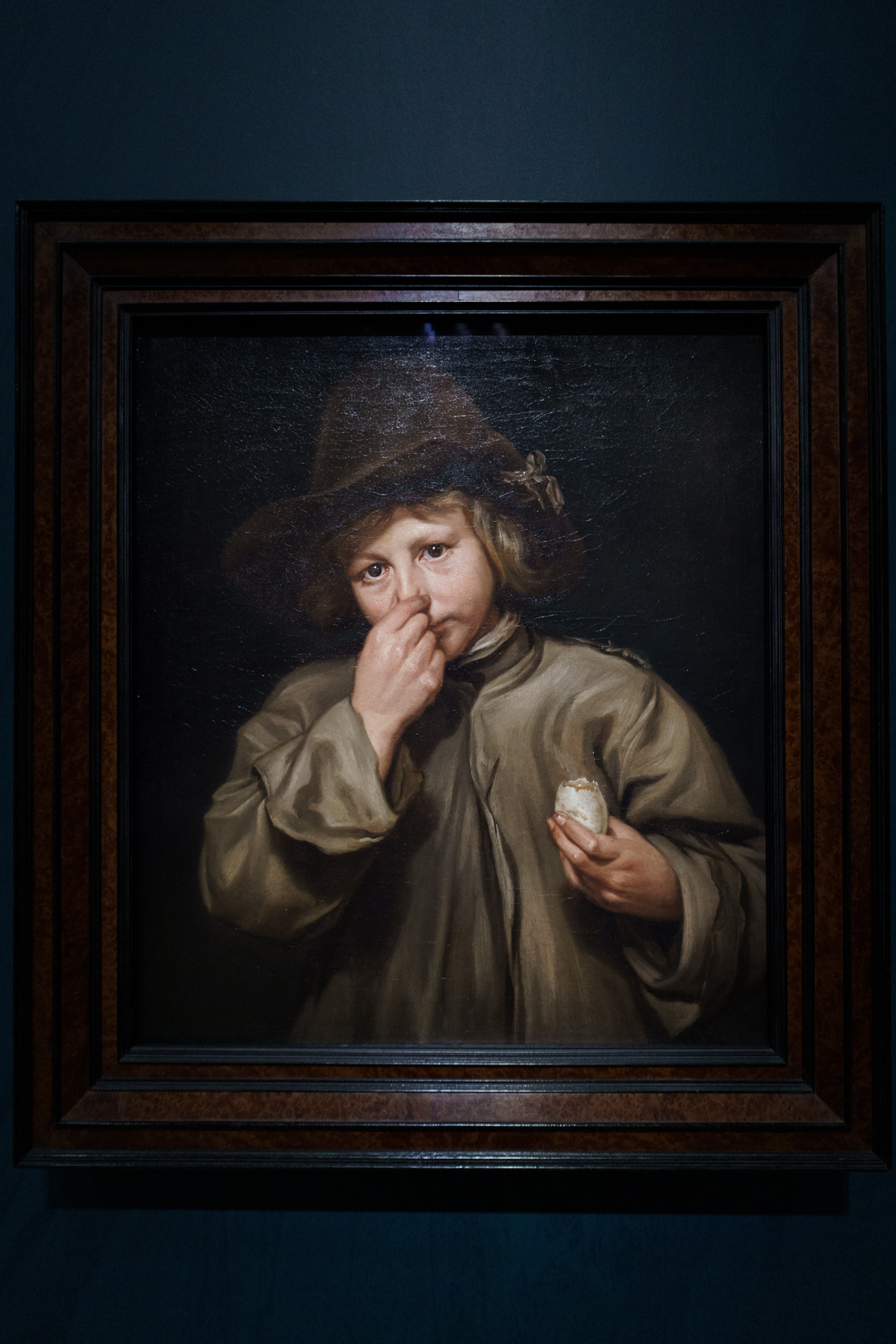
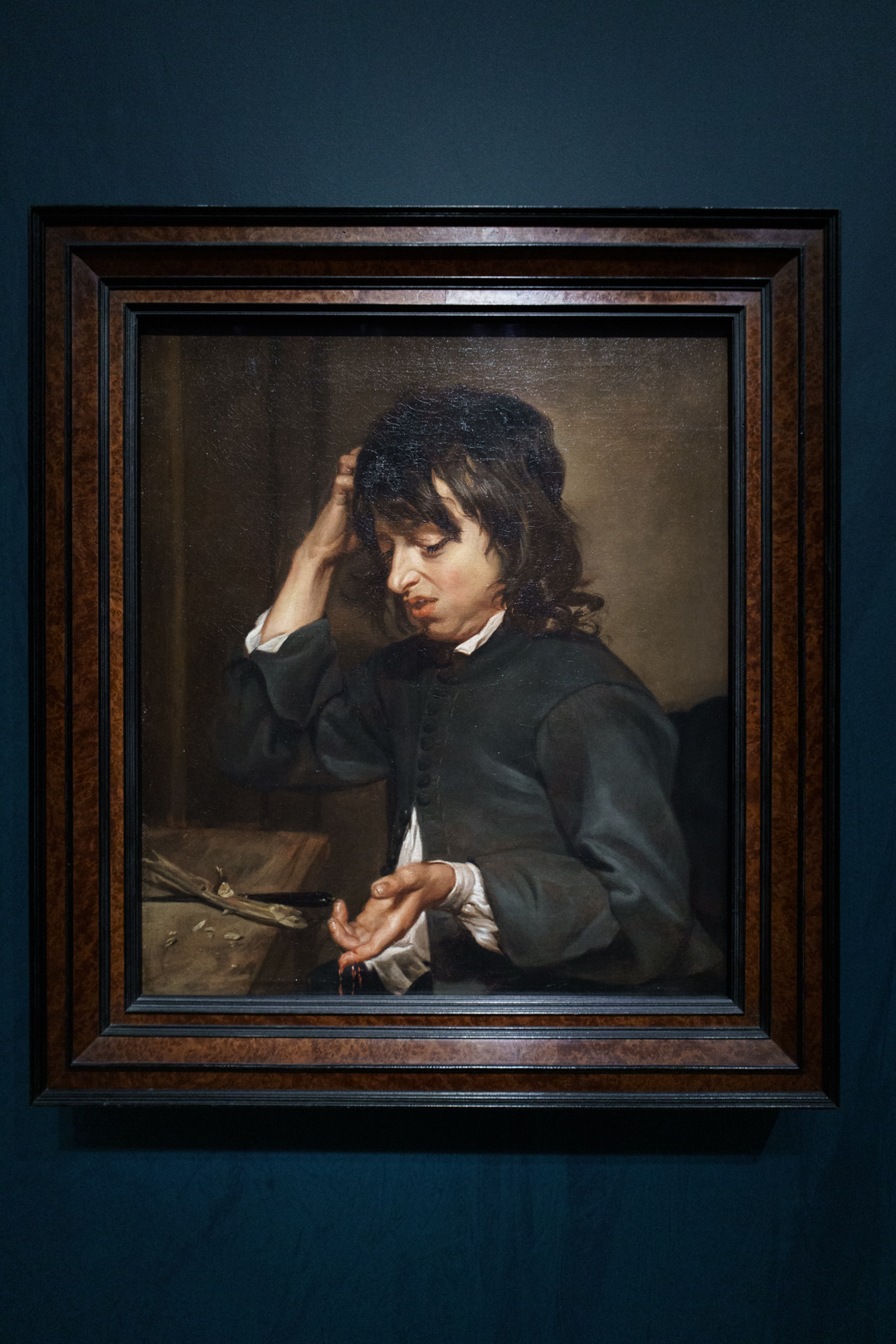
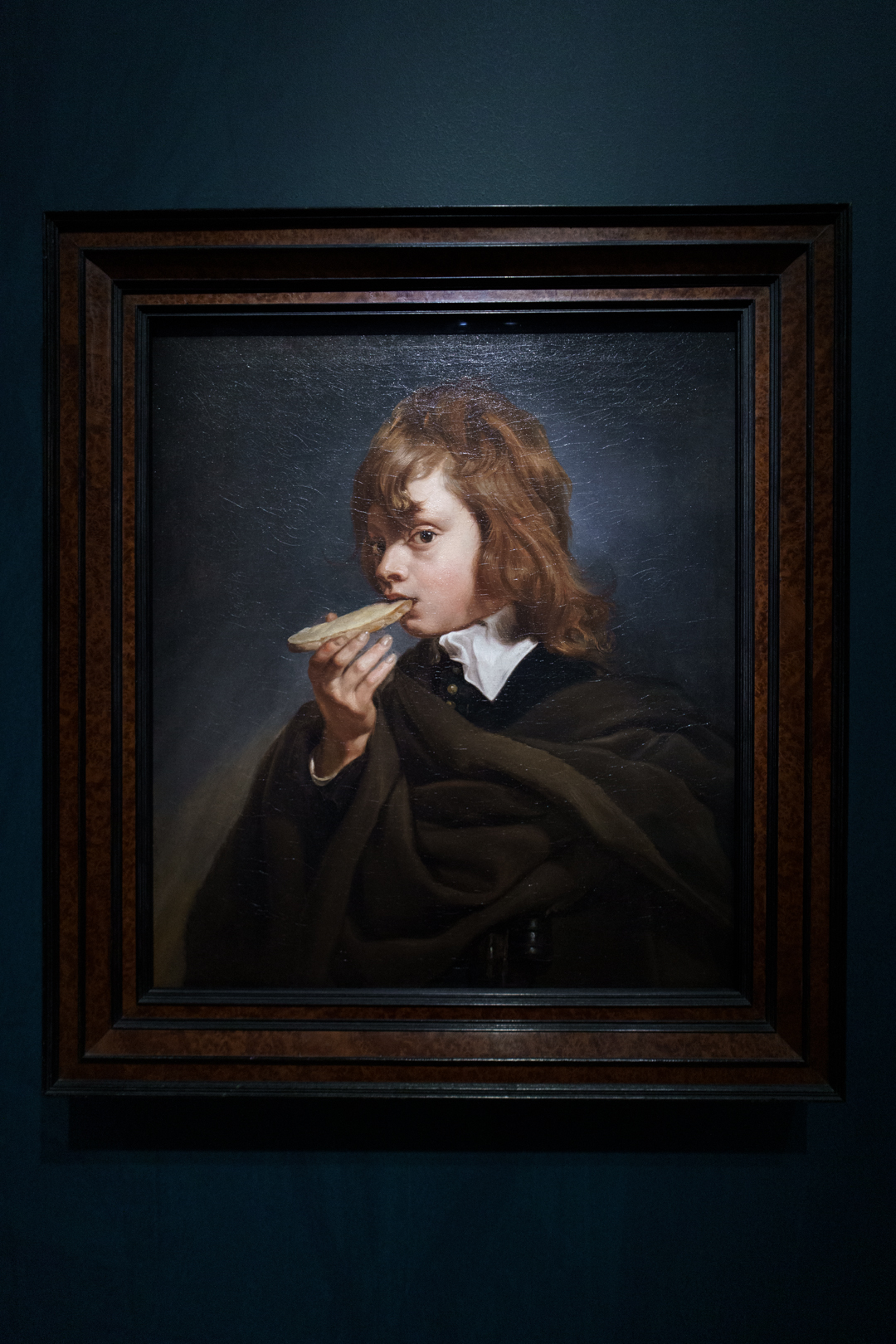
It is also worth noting that the sitters’ orientations may hint at their intended display order, although there seems to be some debate about the last two paintings. In the 2022-23 exhibition at the Museum of Fine Arts, Boston, the series ended with Taste and then Touch, whose downcast appearance mimics the first painting depicting Sight, while the middle three look out towards the viewer. However, they have been switched around for both the KHM and RA presentations; I wonder what the justification was.
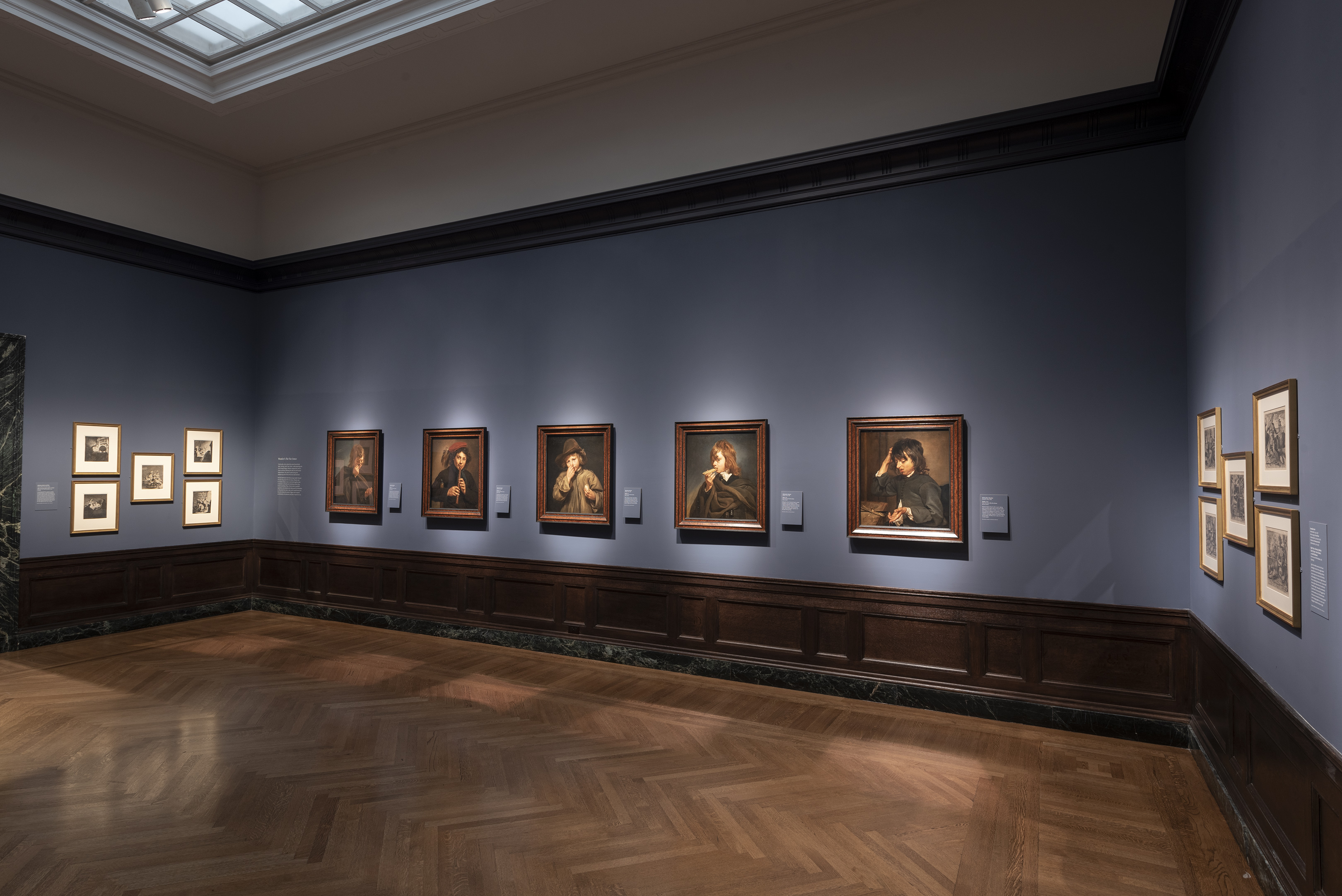
This is a fine show that demonstrates the importance of active connoisseurship and due diligence. It shows art history at work and the valuable insights that can be gleaned from contextualising primarily visual sources when archival documents are lacking. This is how artists gain a second life, and it’s one of my greatest pleasures as an art historian to witness time and time again.
Michaelina Wautier (27 March – 21 June 2026) is at the Royal Academy of Arts, London, https://www.royalacademy.org.uk/

 Nigel Ip
Leave a comment