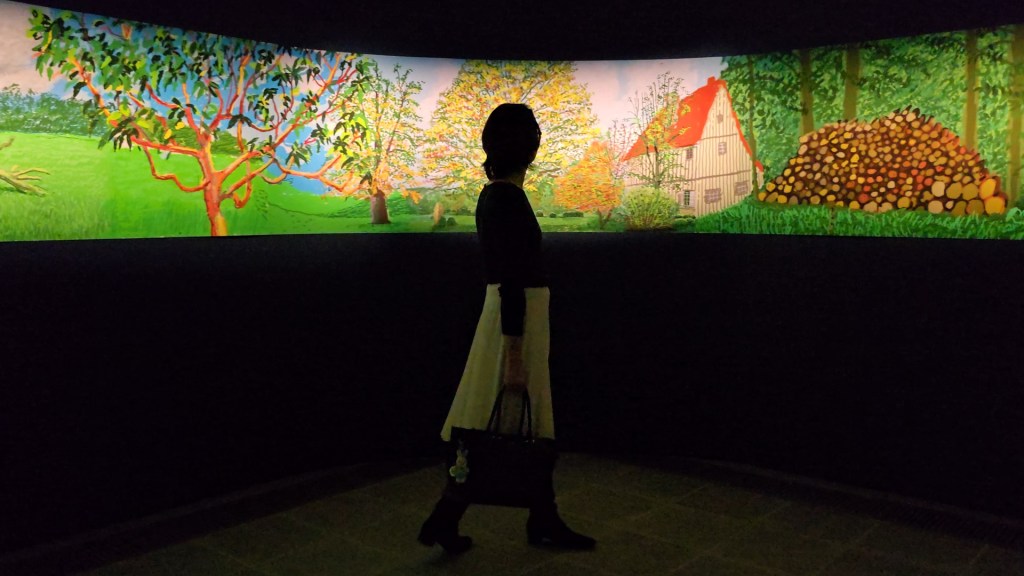
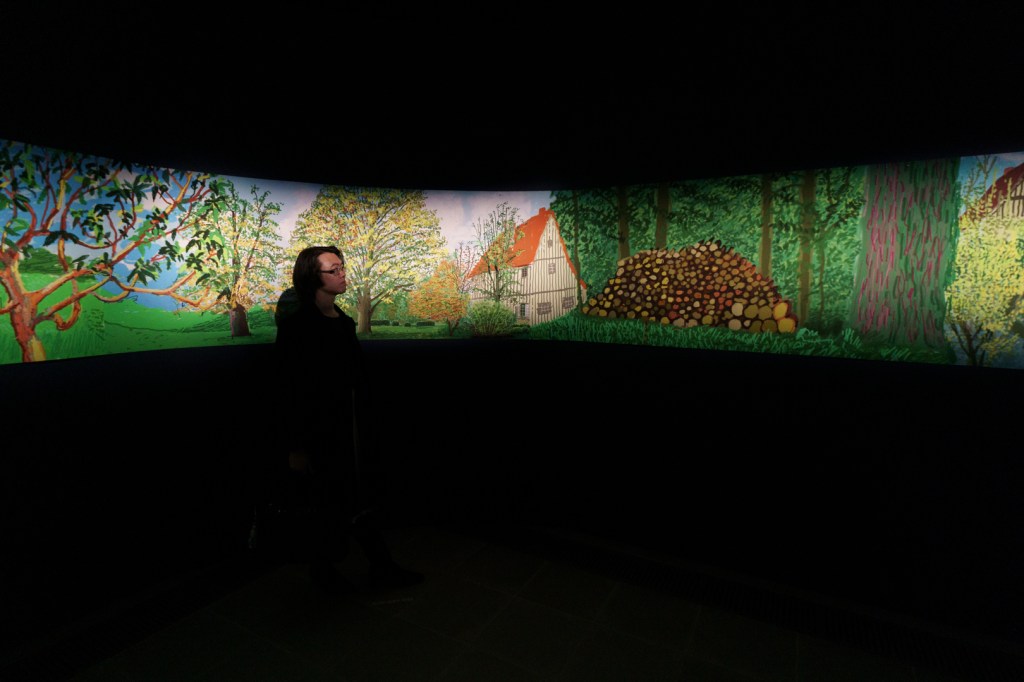
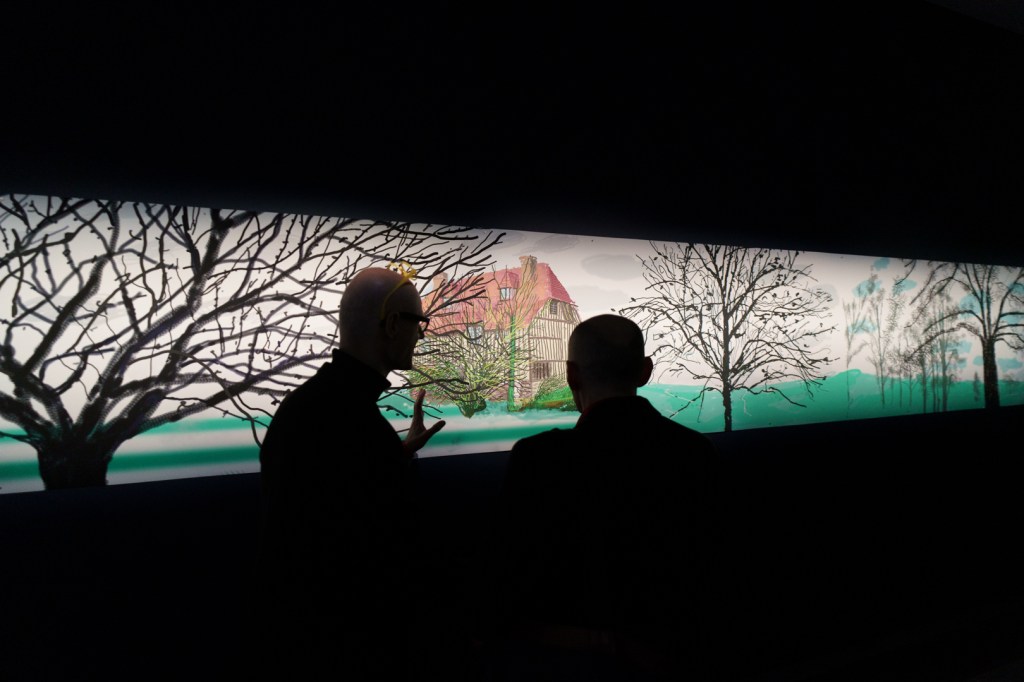
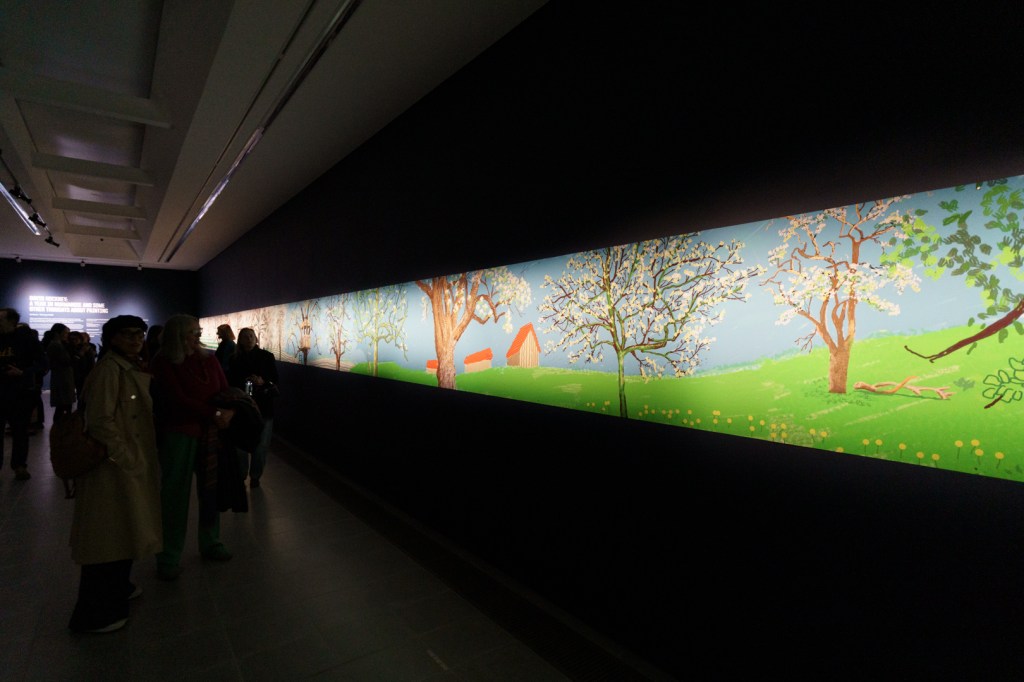
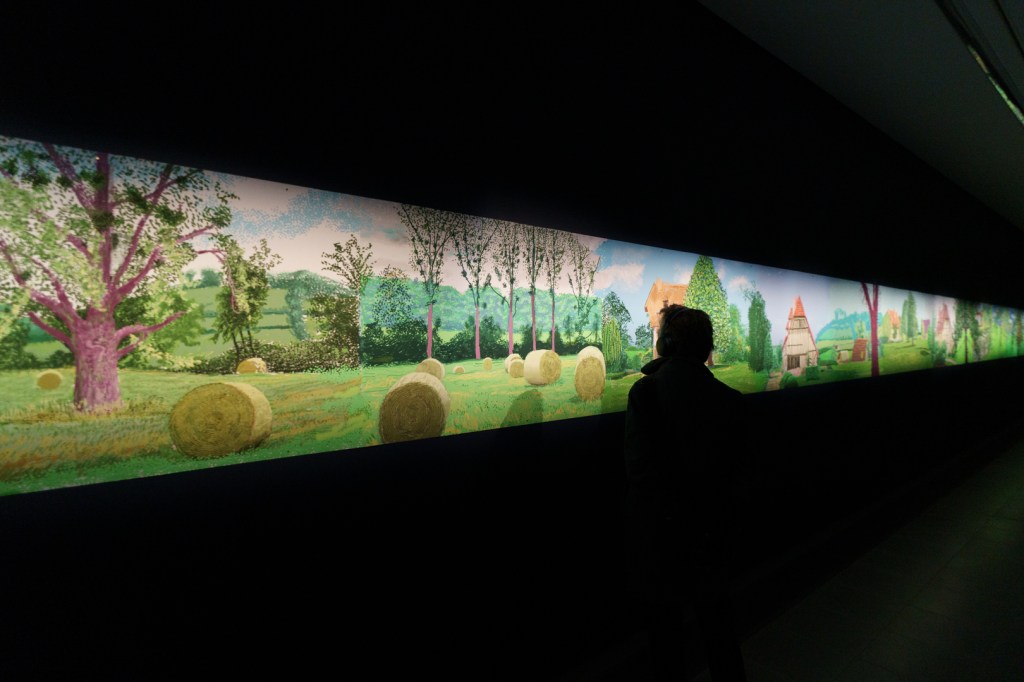
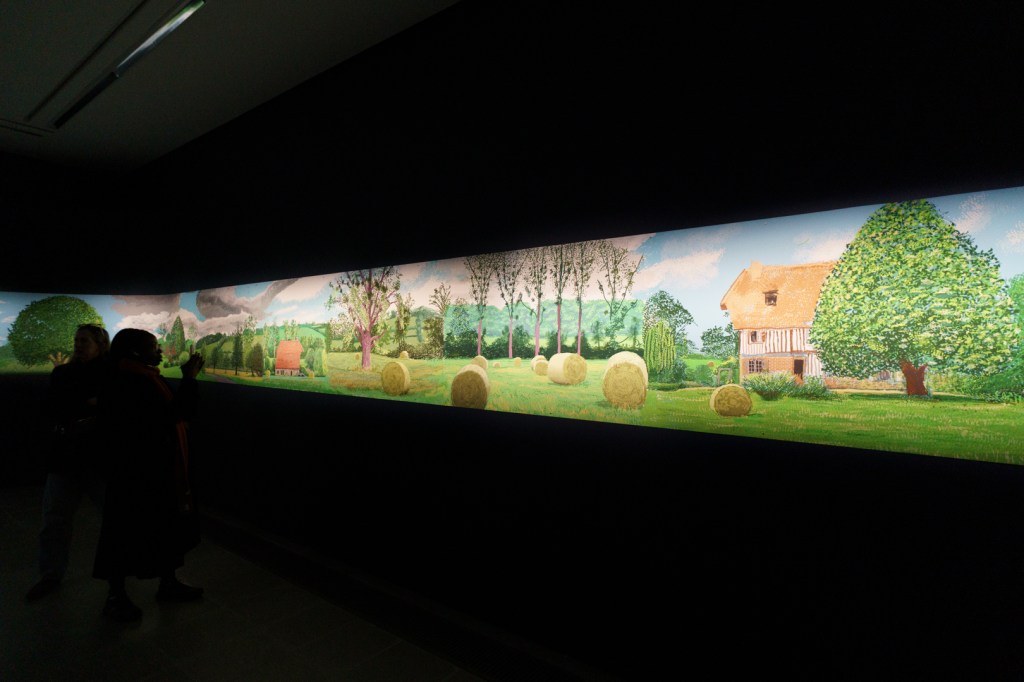
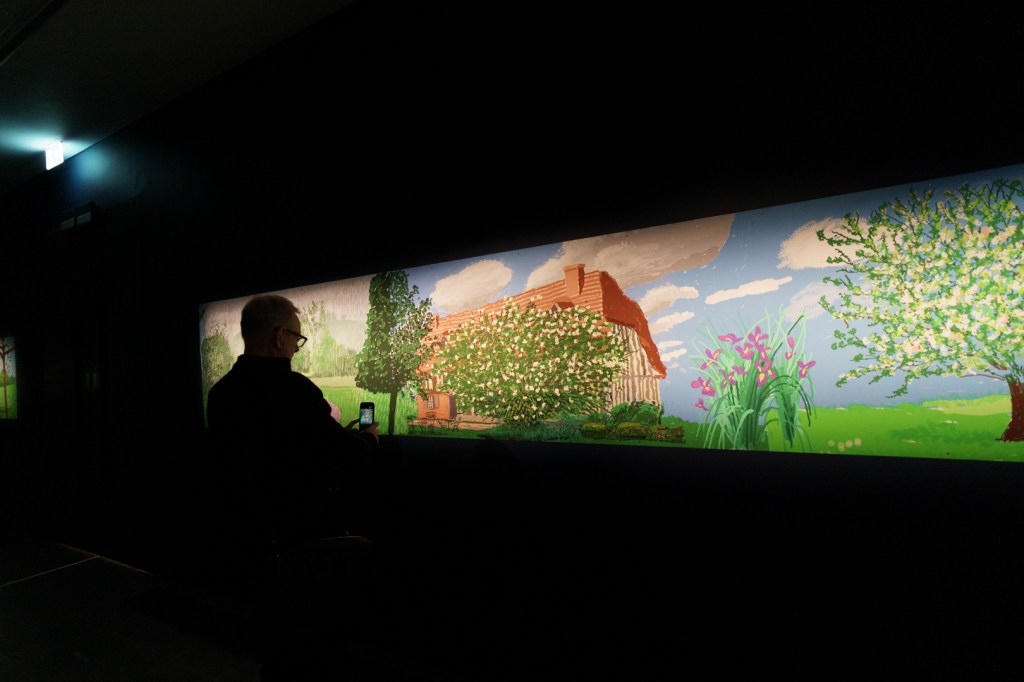
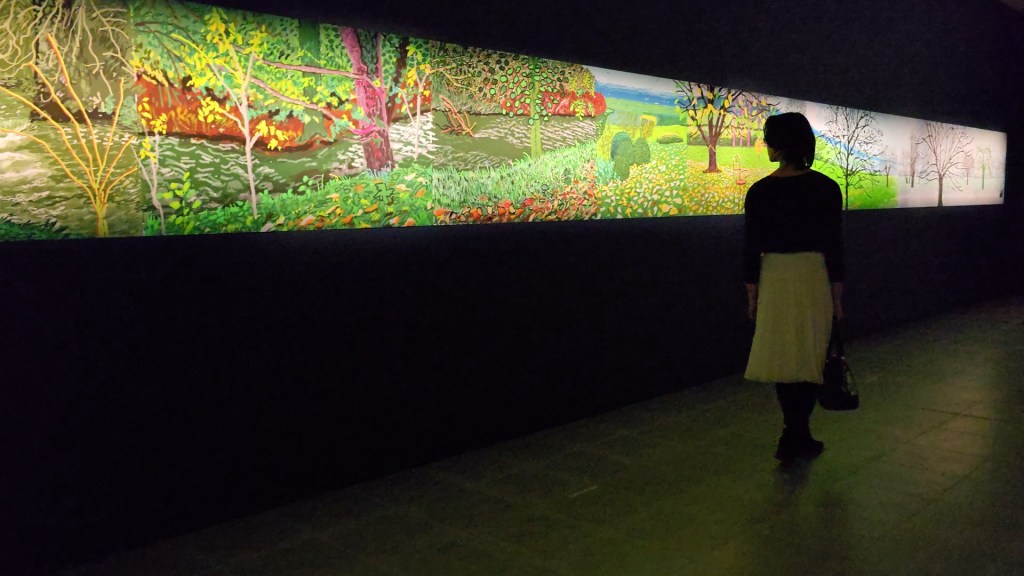
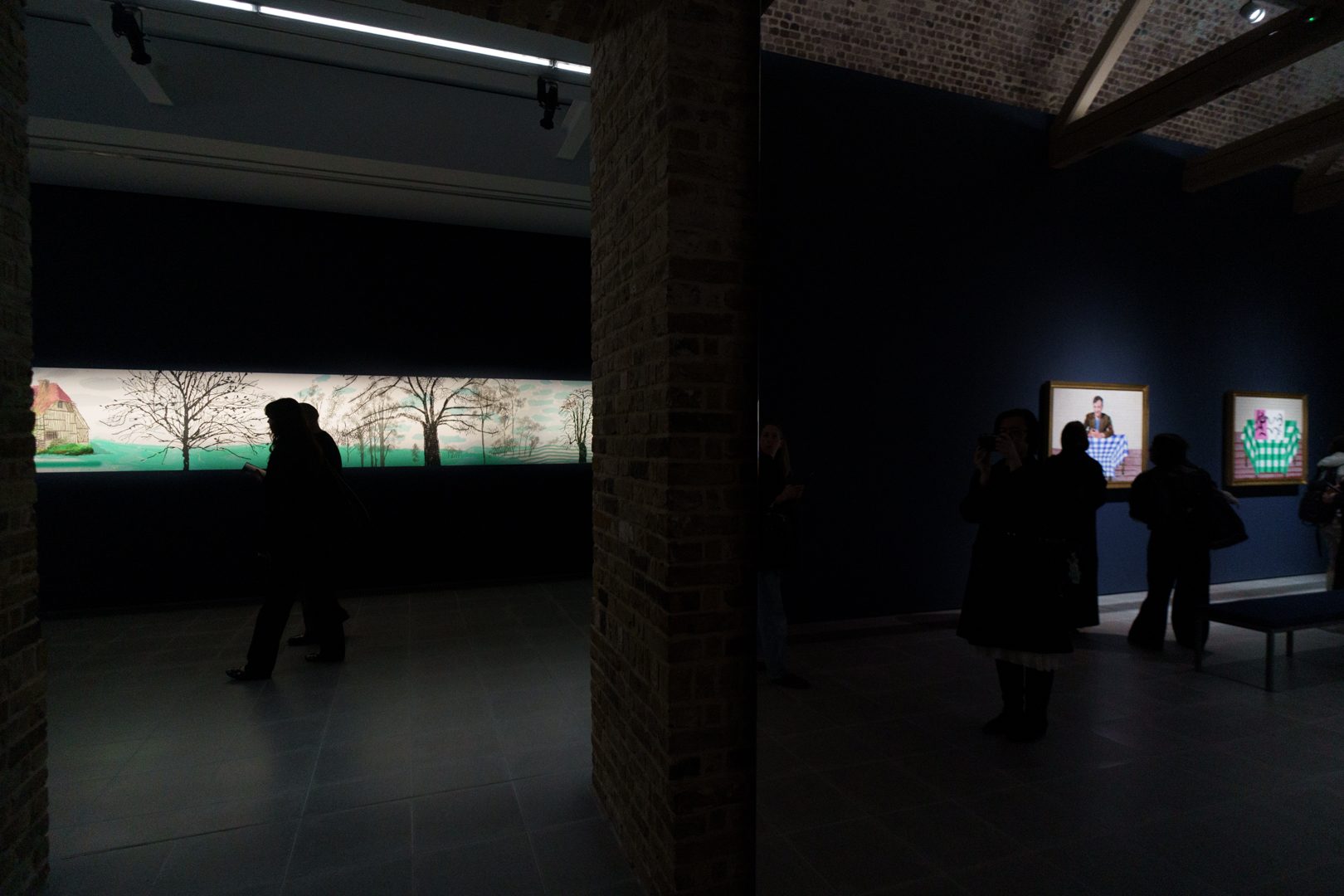
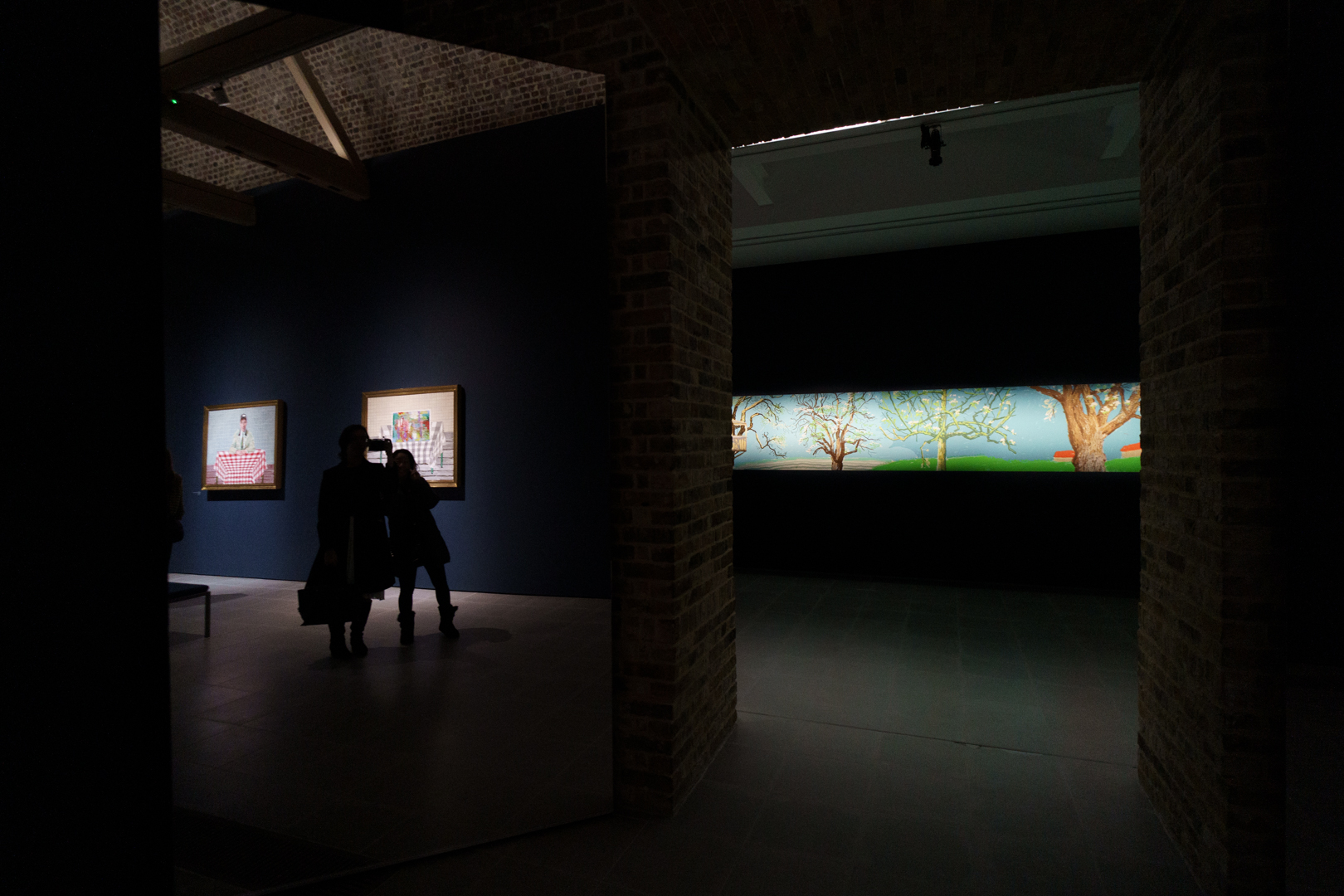
The temporary return of the Bayeux Tapestry to British soil is the landmark event of the year. While we patiently wait for its arrival in the autumn season, David Hockney has offered his own tribute to the historic 11th-century embroidery in the form of A Year in Normandie (2020-21), a frieze of stitched iPad drawings spanning 80.5m long that envelops the walls of the Serpentine North Gallery.
Some of you may remember I had slammed his 2021 Royal Academy of Arts exhibition, which showed 116 iPad drawings for The Arrival of Spring, Normandy (2020), calling out its loss of mediumistic magic. They were presented as large reproductions in a matte finish, printed about 25x the size of an iPad. Framed. No glass. They were wonderful images, but the exhibition design sucked the life out of them.
‘One of the great allures of his iPad drawings is the iPad-ness of them; the small size, the glossy screen with its punchy colours, and the thought of an old painter embracing new technology for the sake of art.’
I will live by this comment forever because I actually love his iPad adventures.
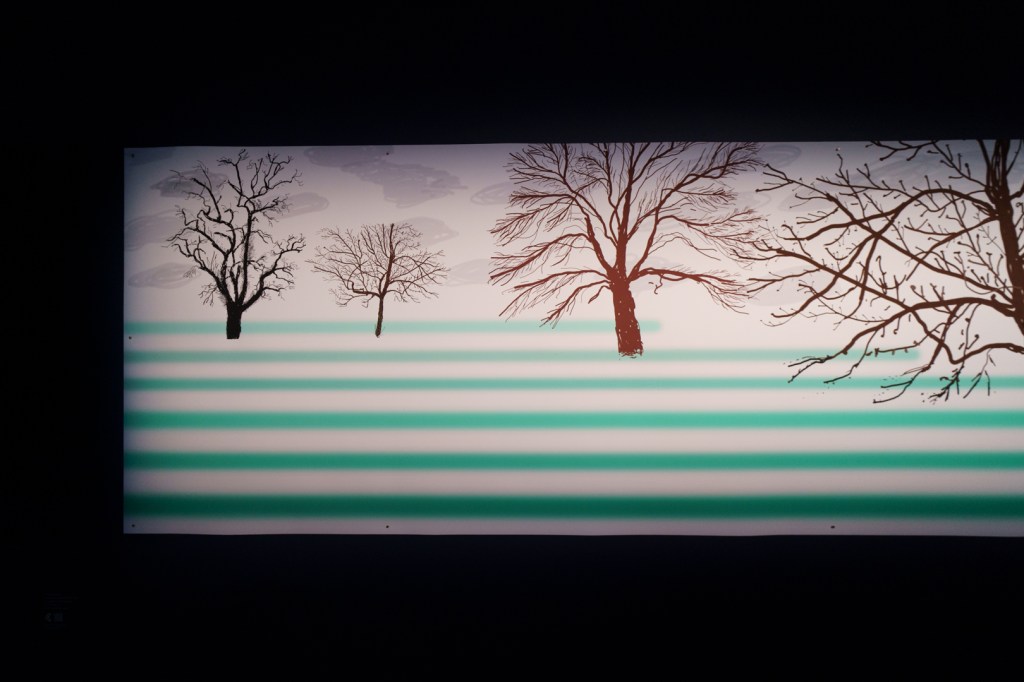
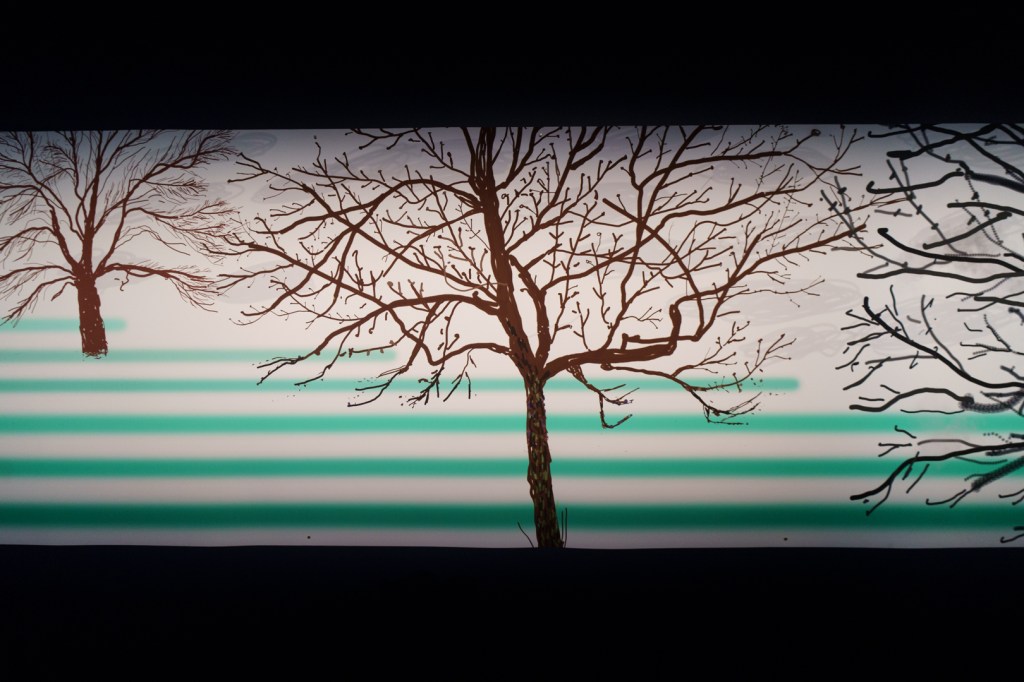
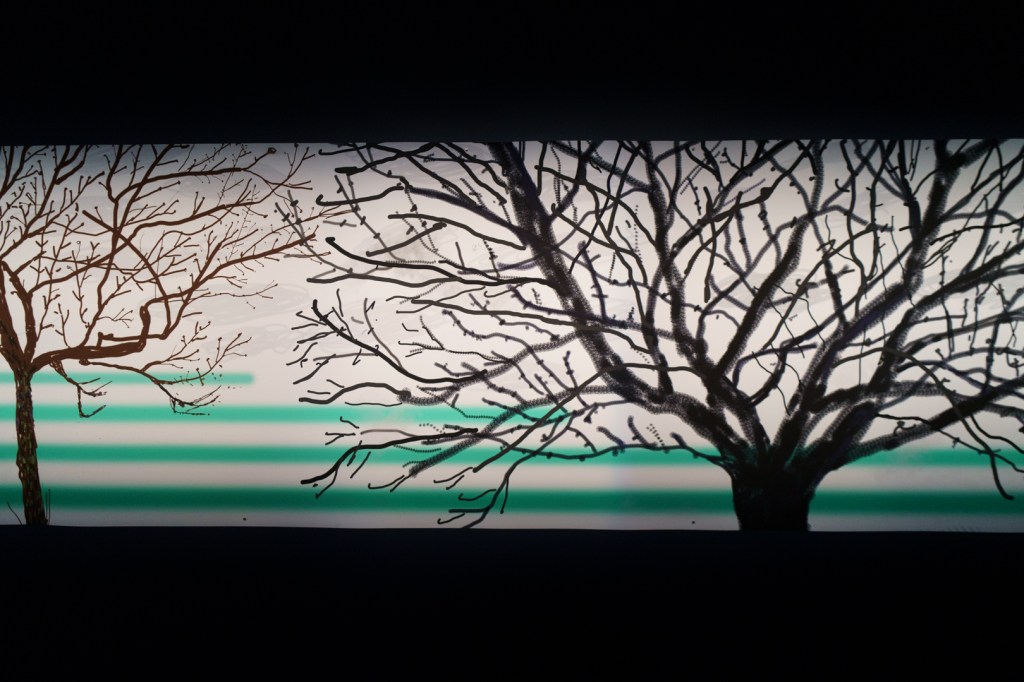
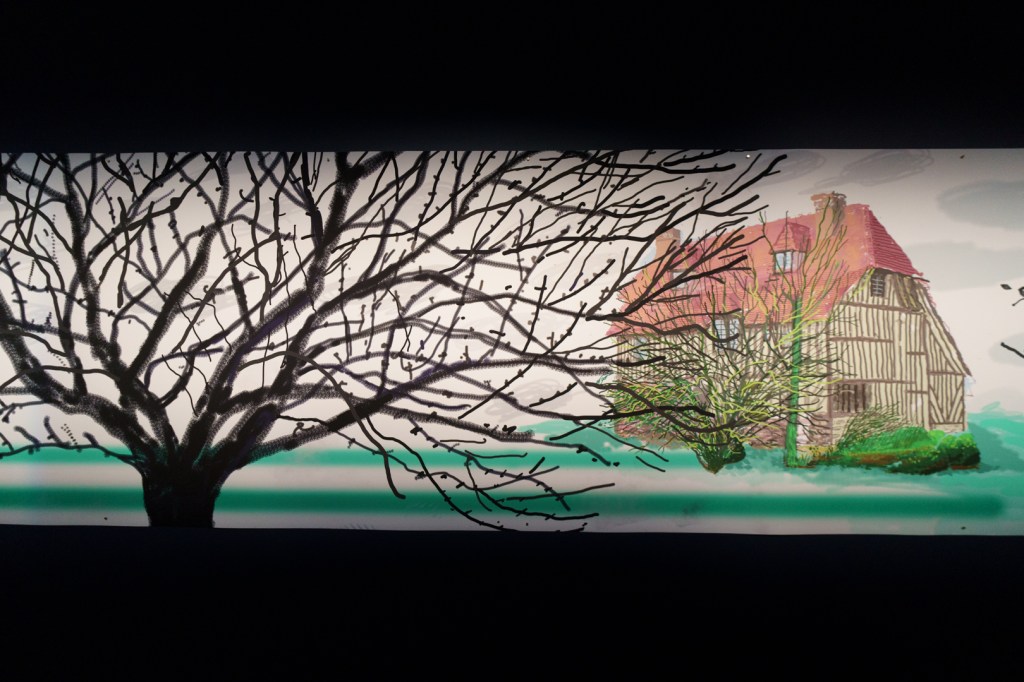
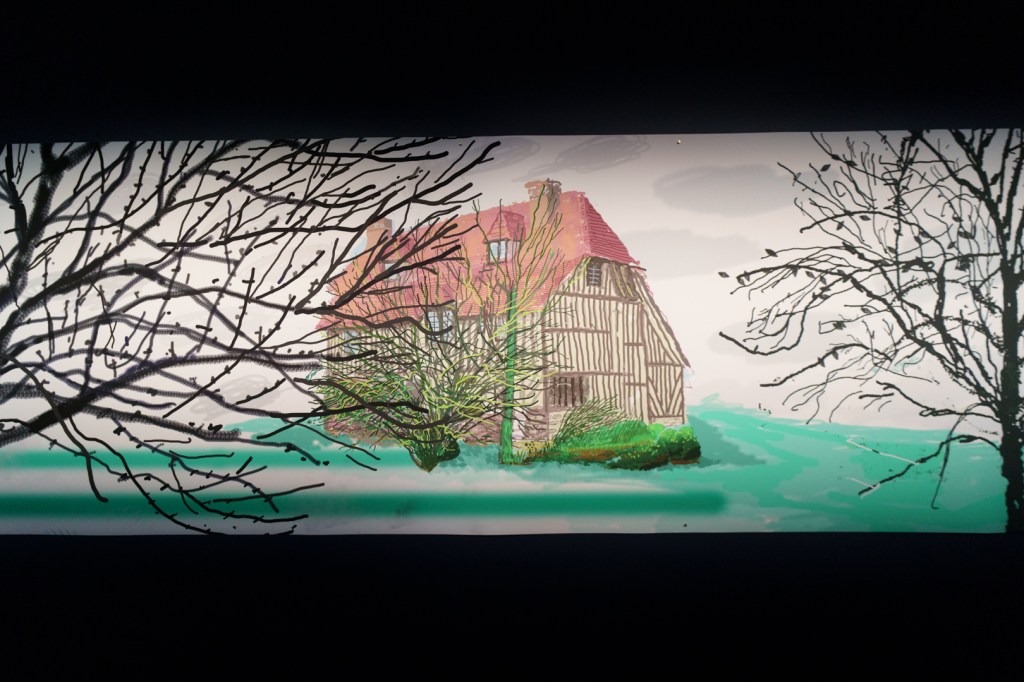
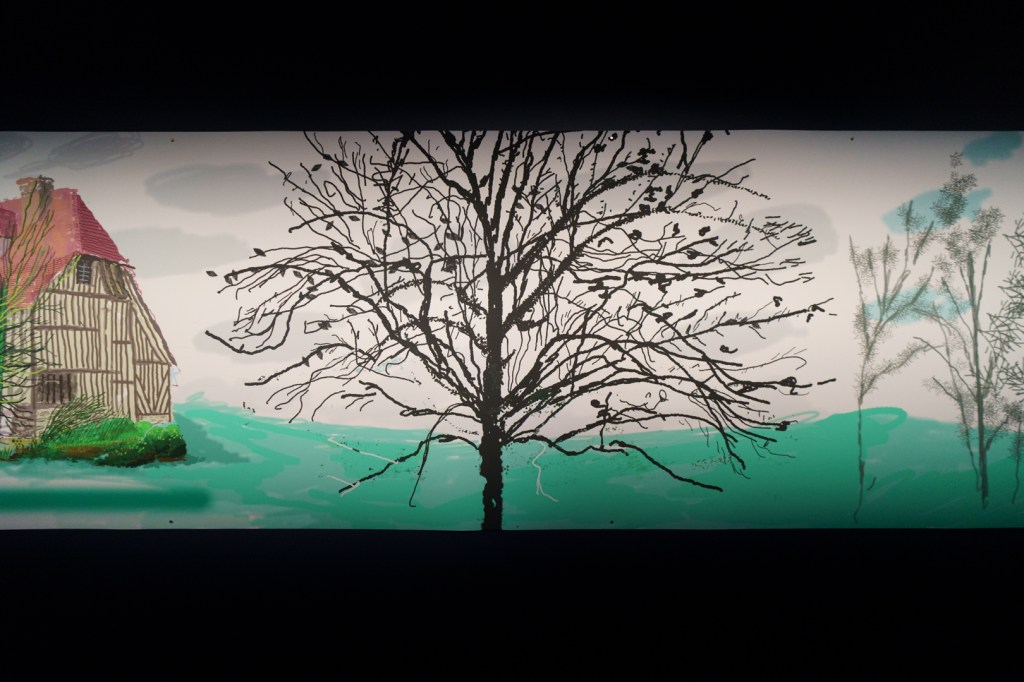
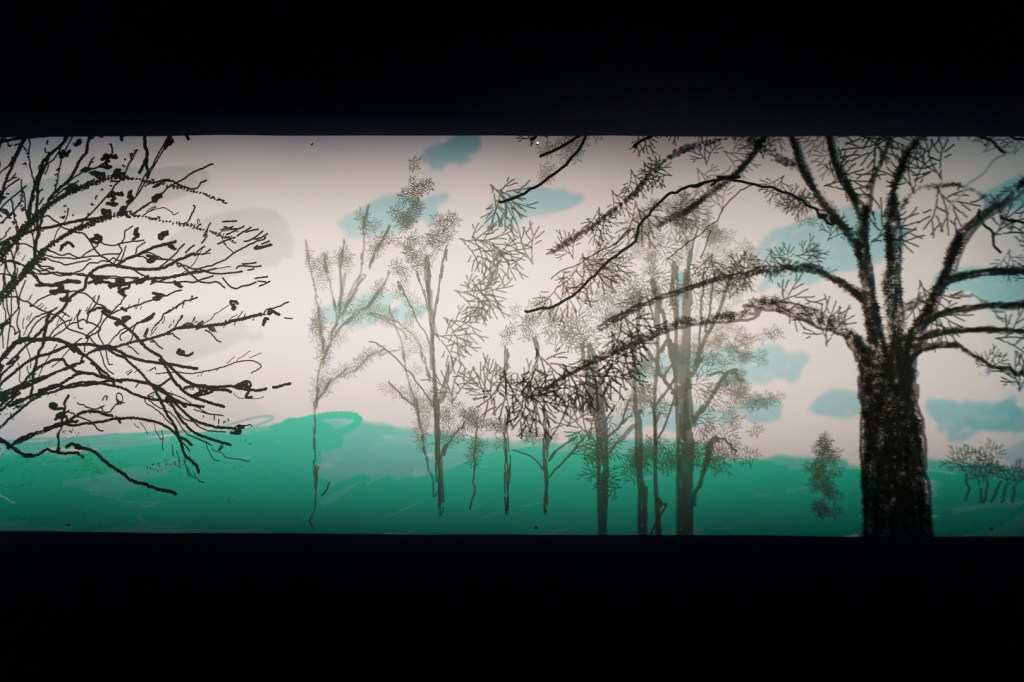
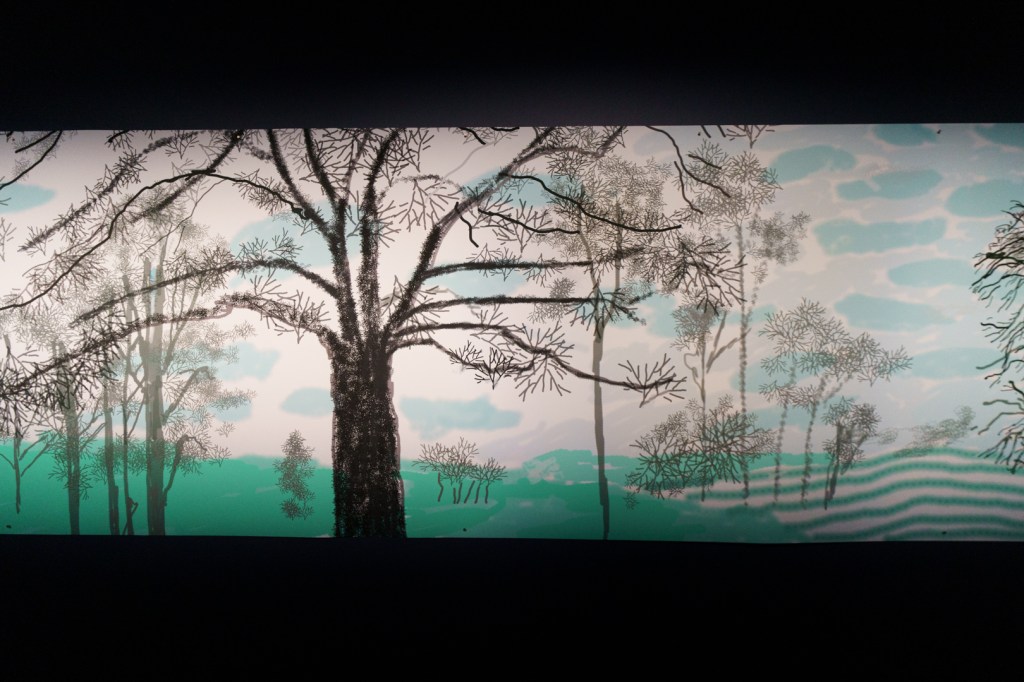
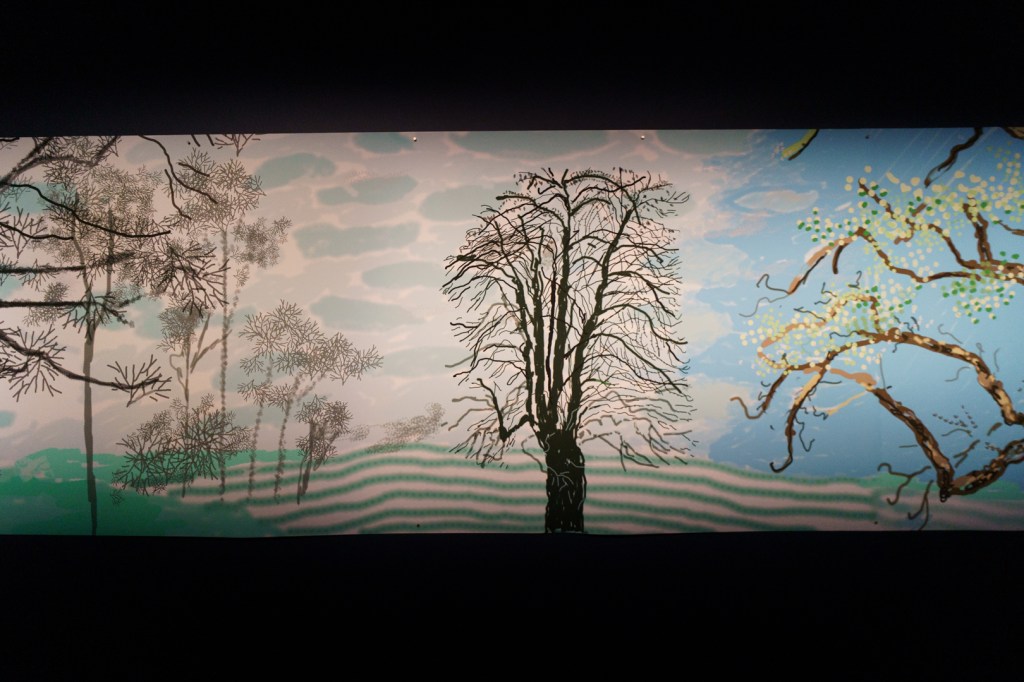
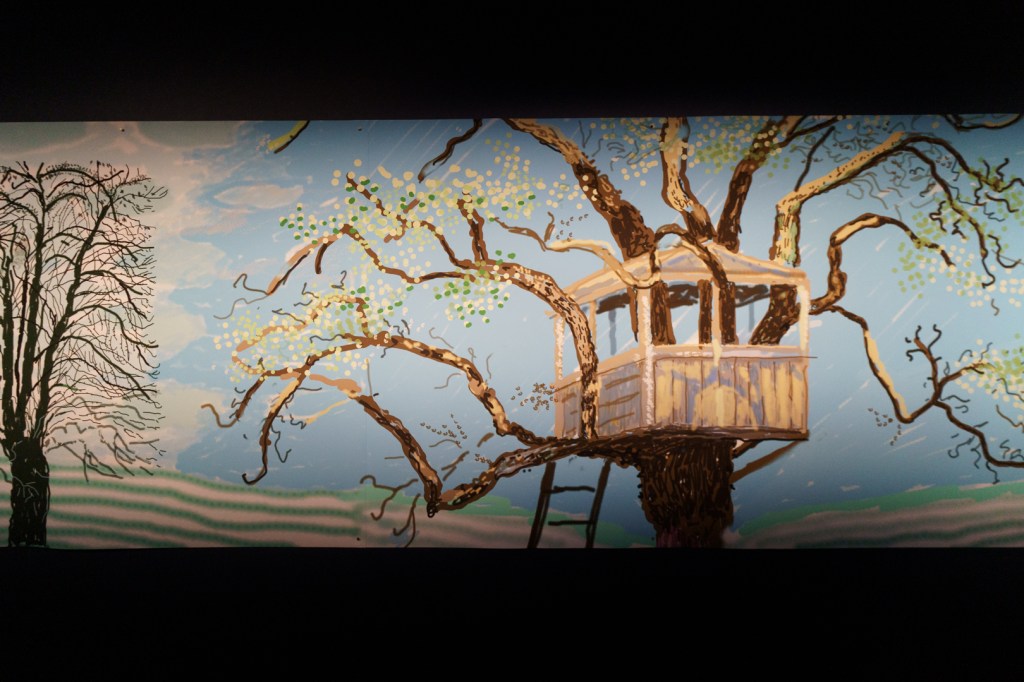
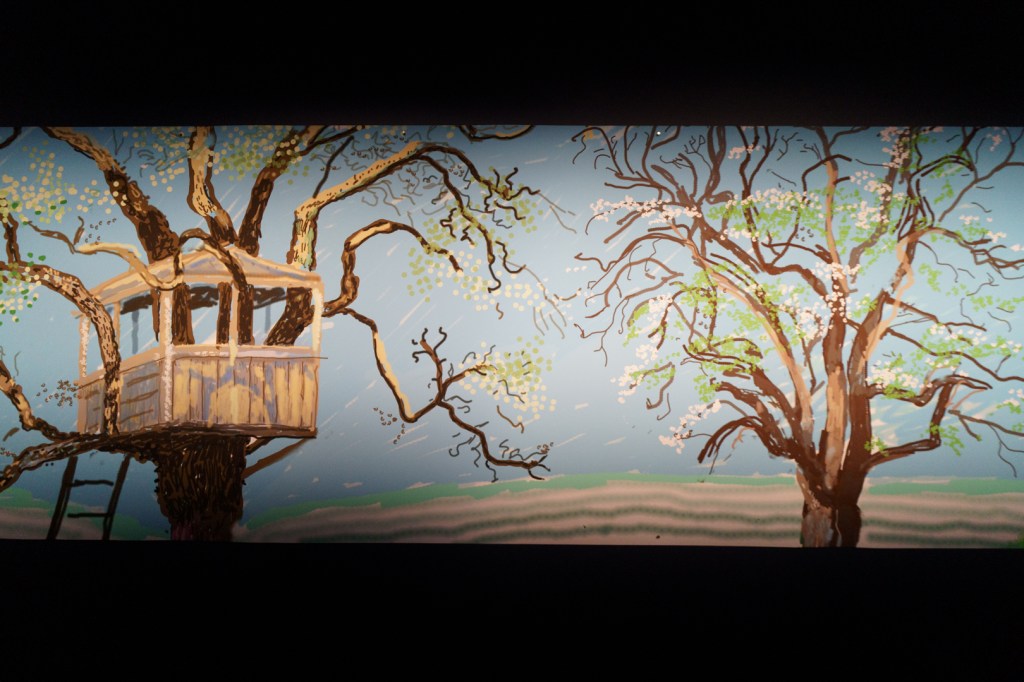
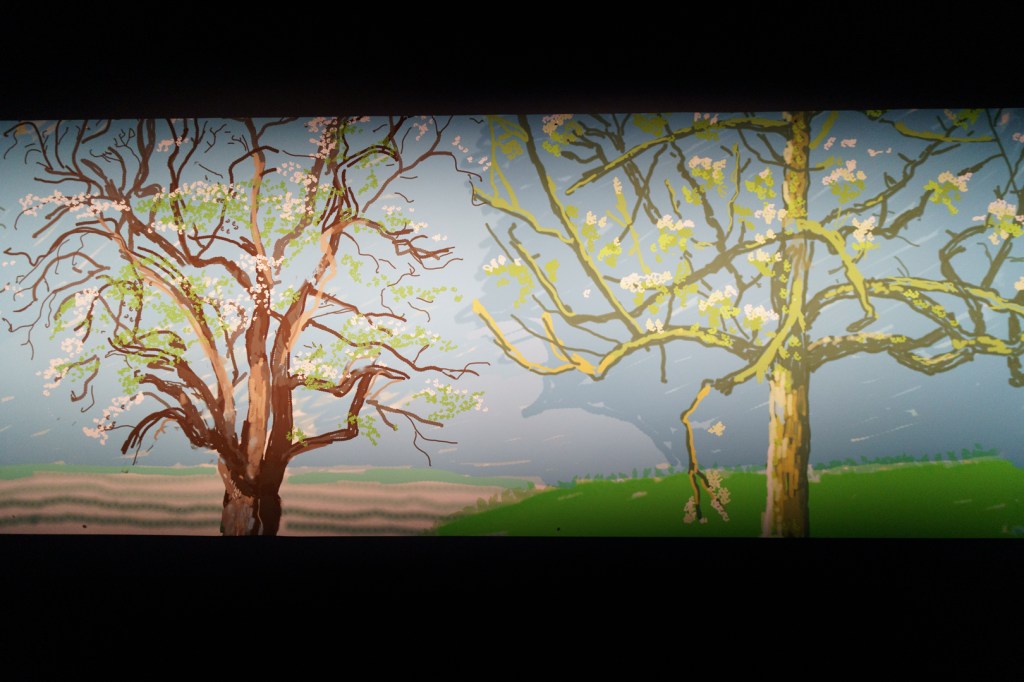
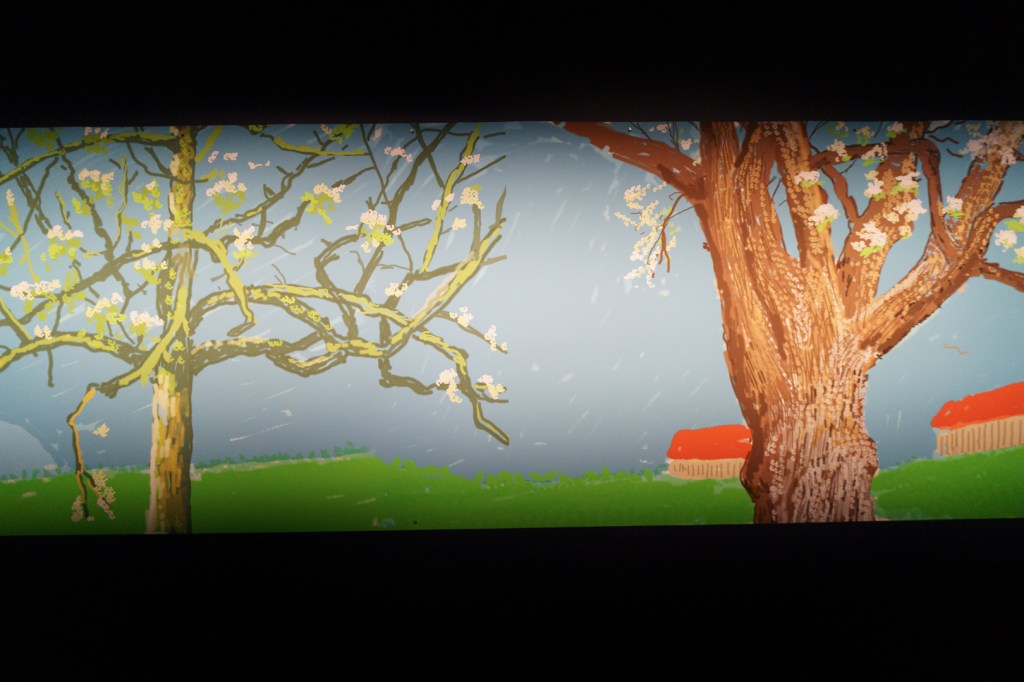
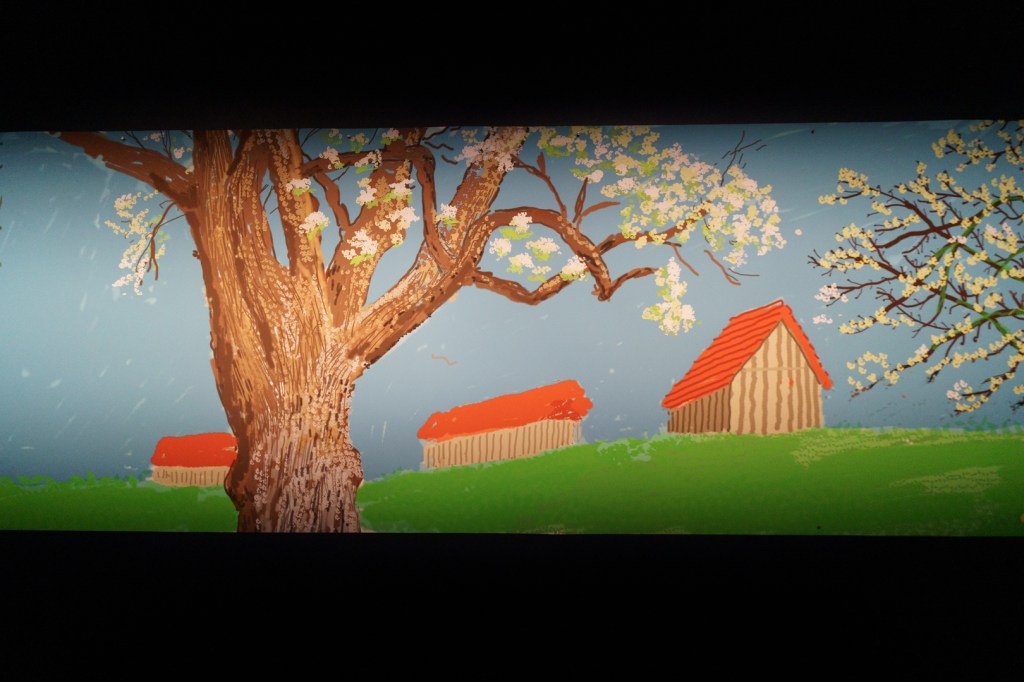
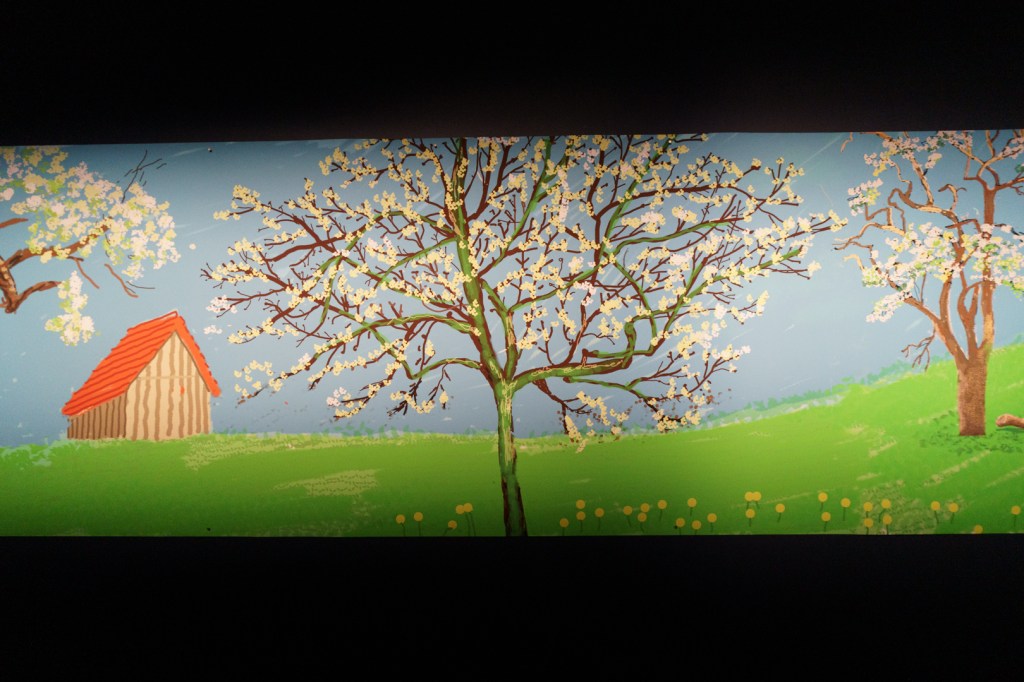
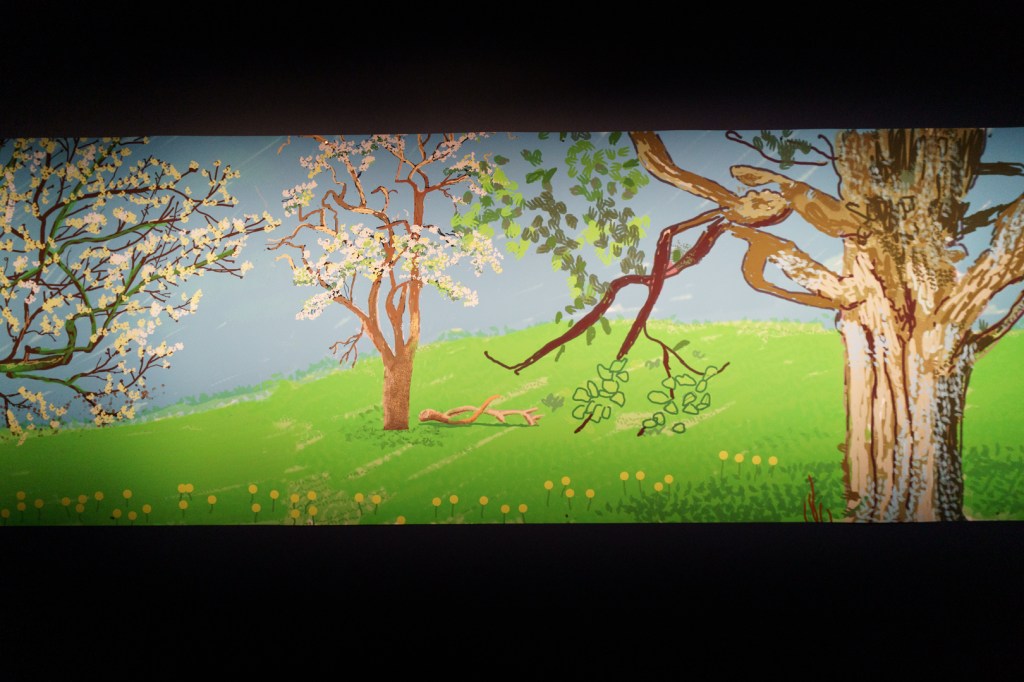
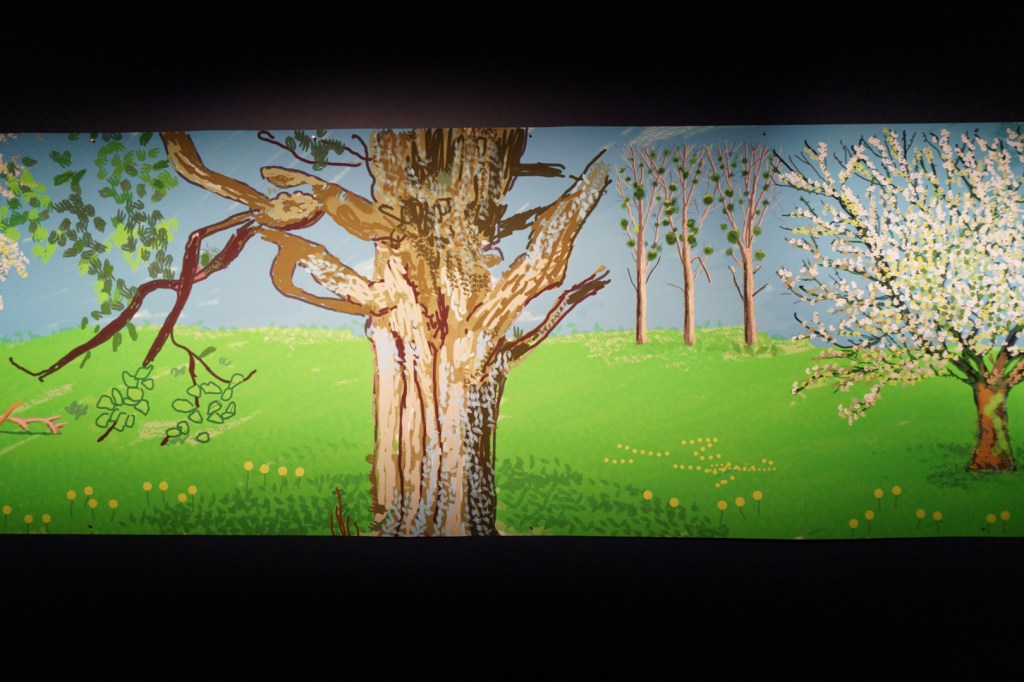
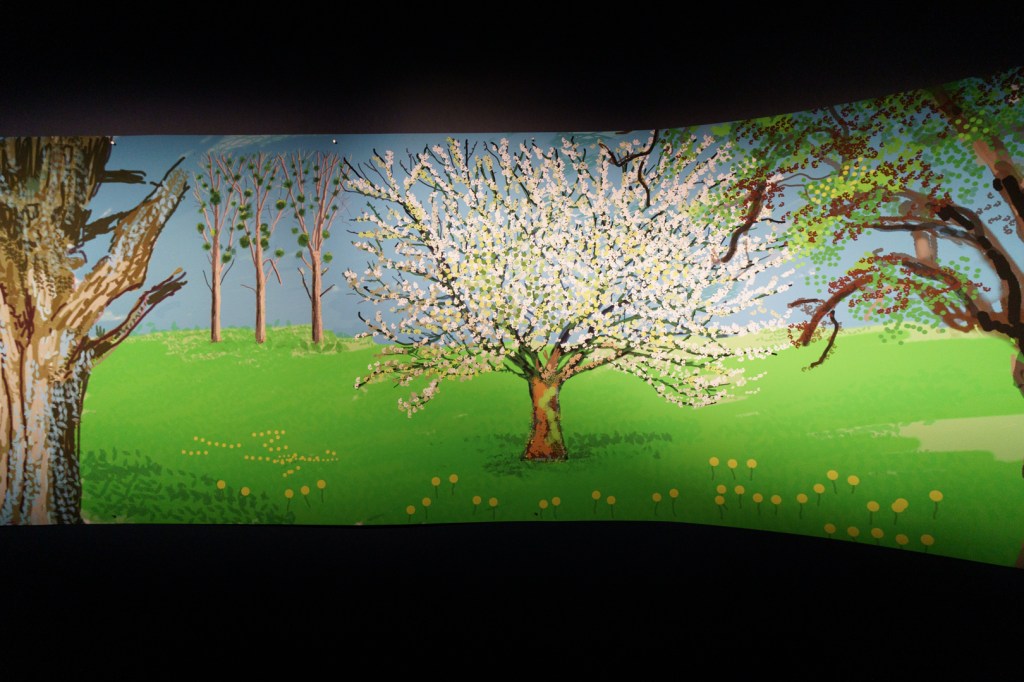
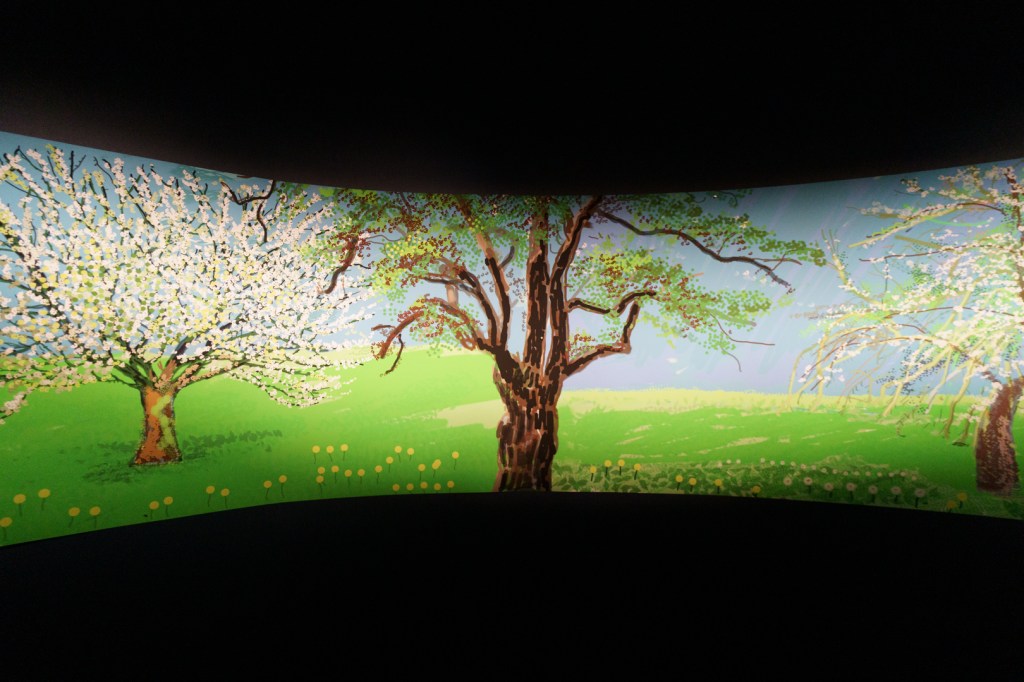
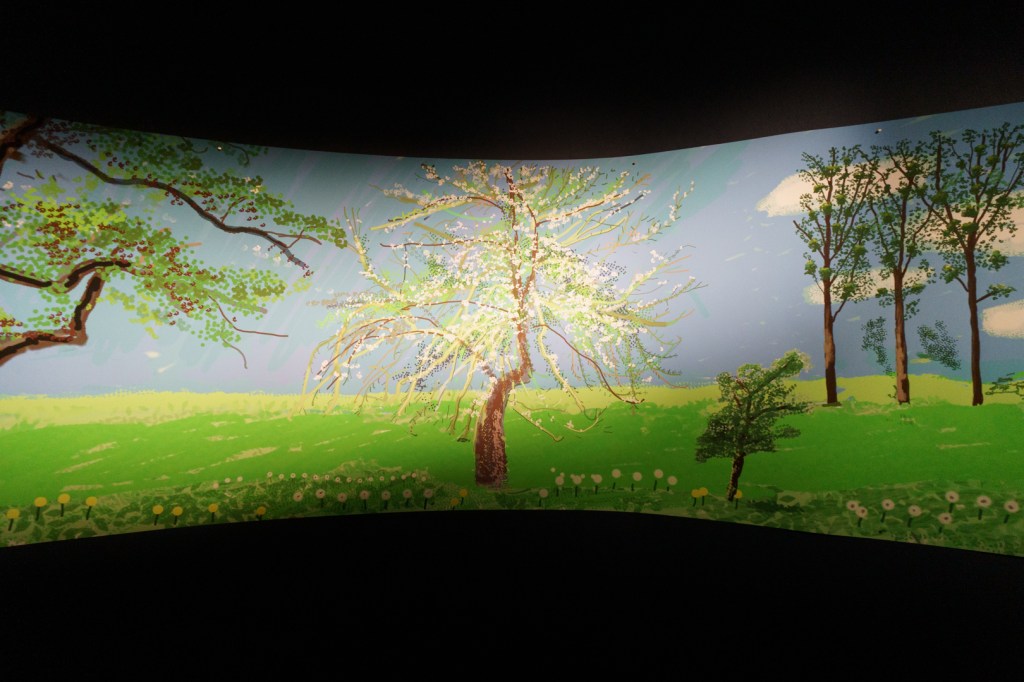
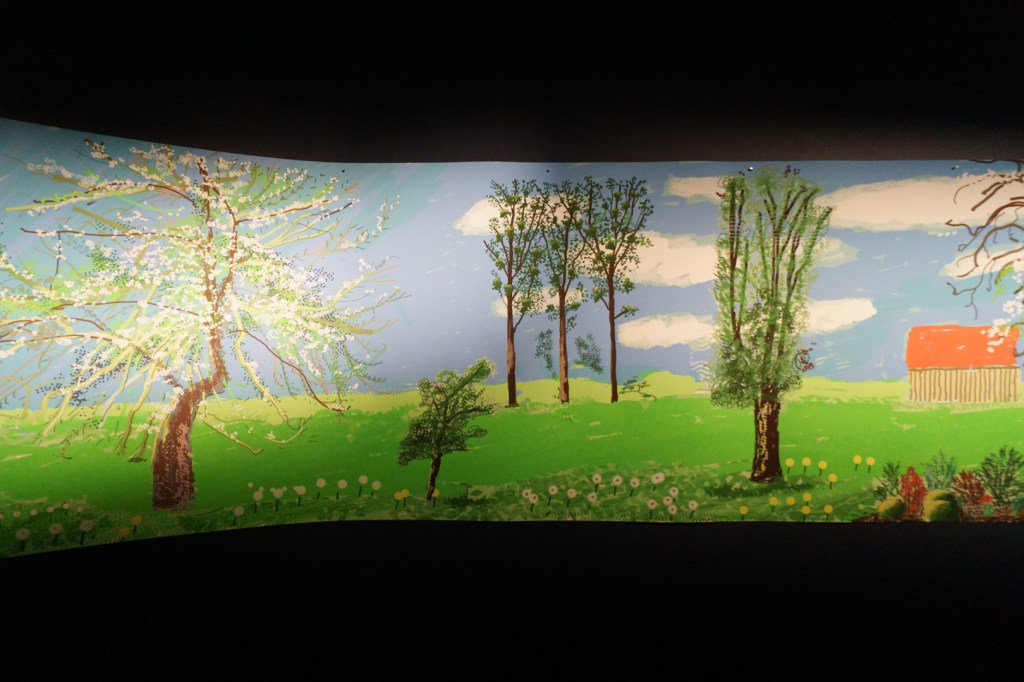
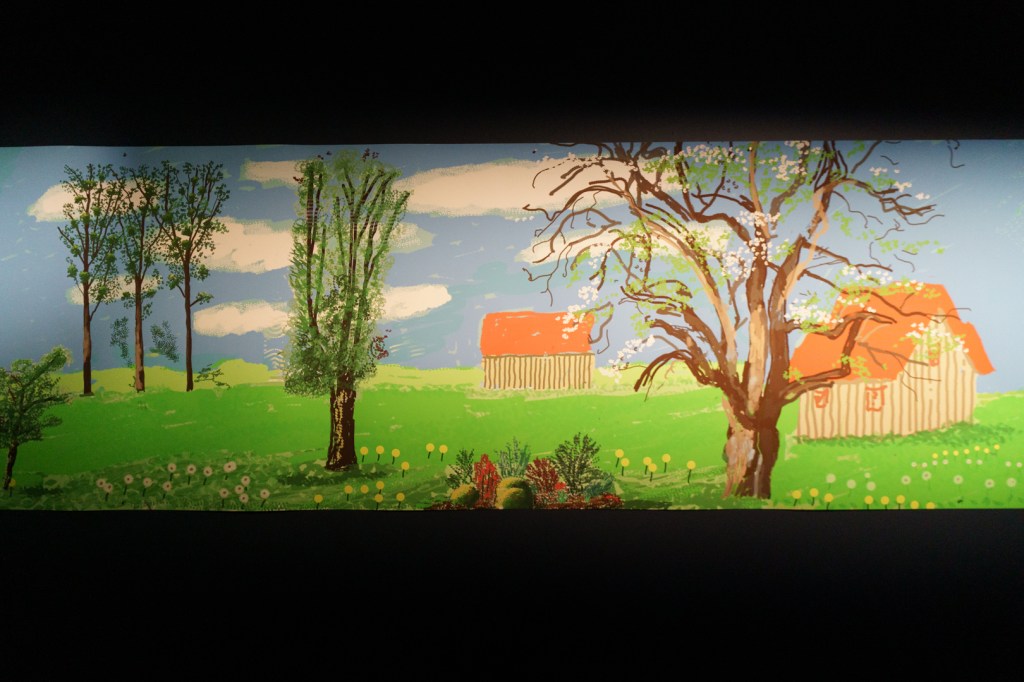
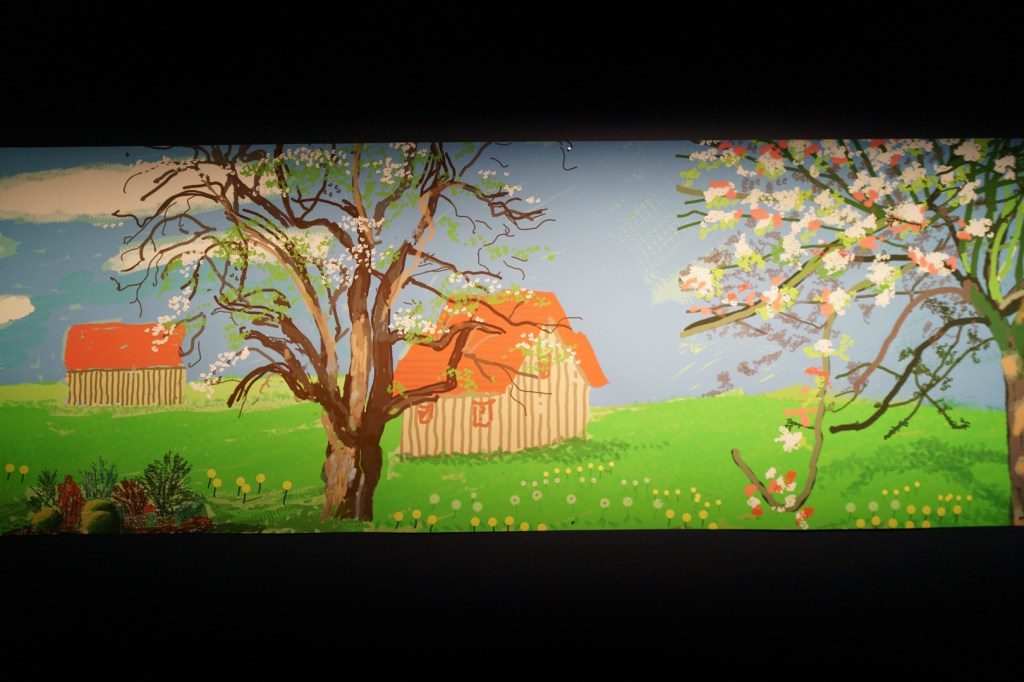
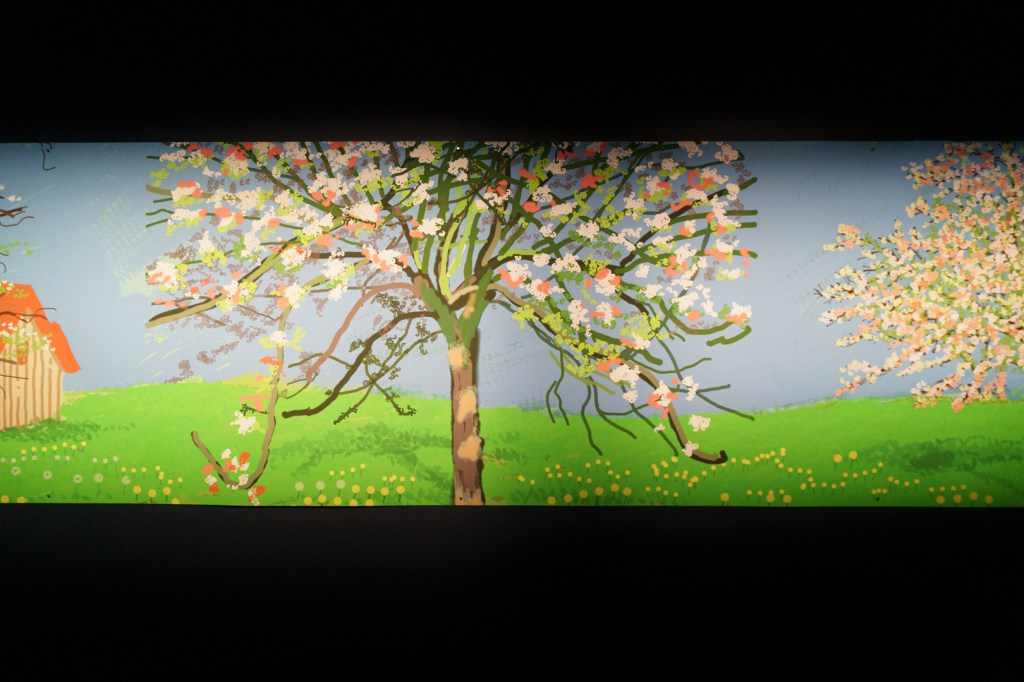
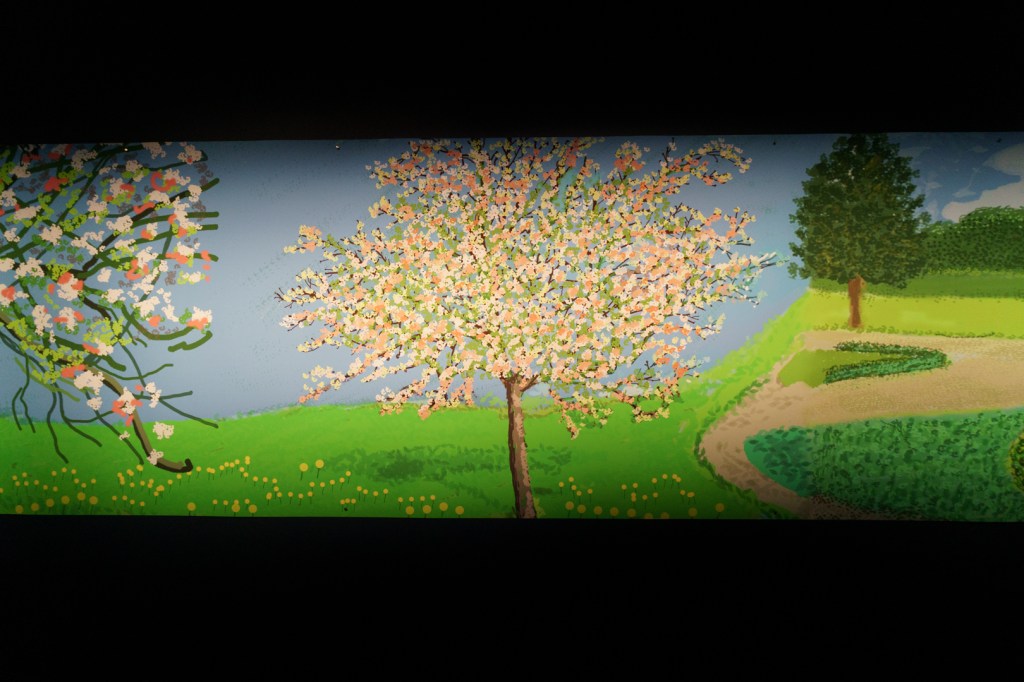
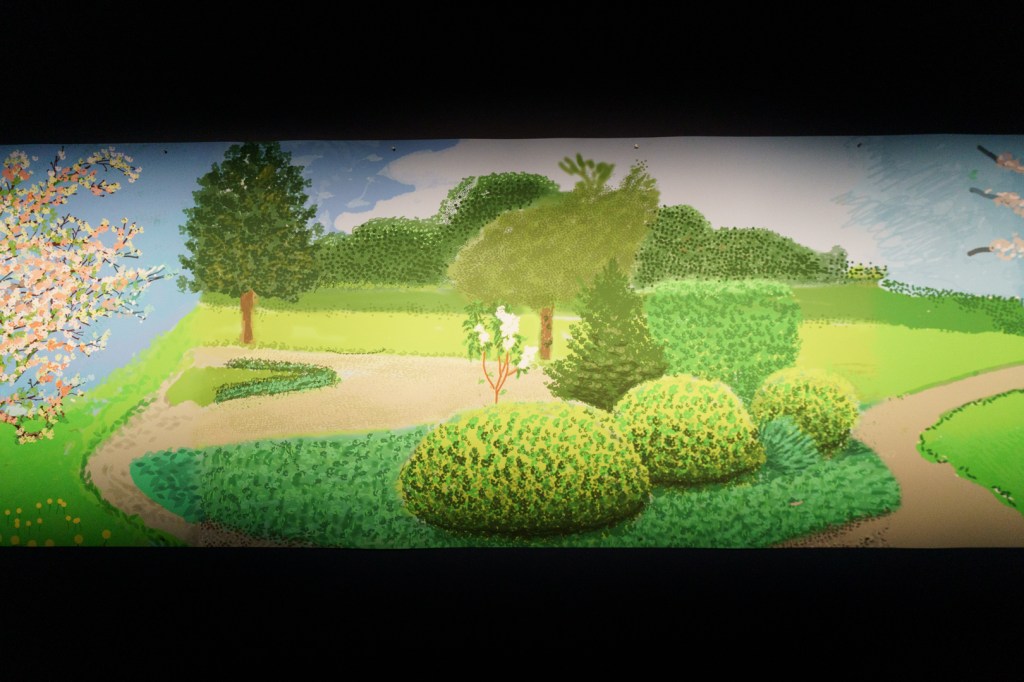
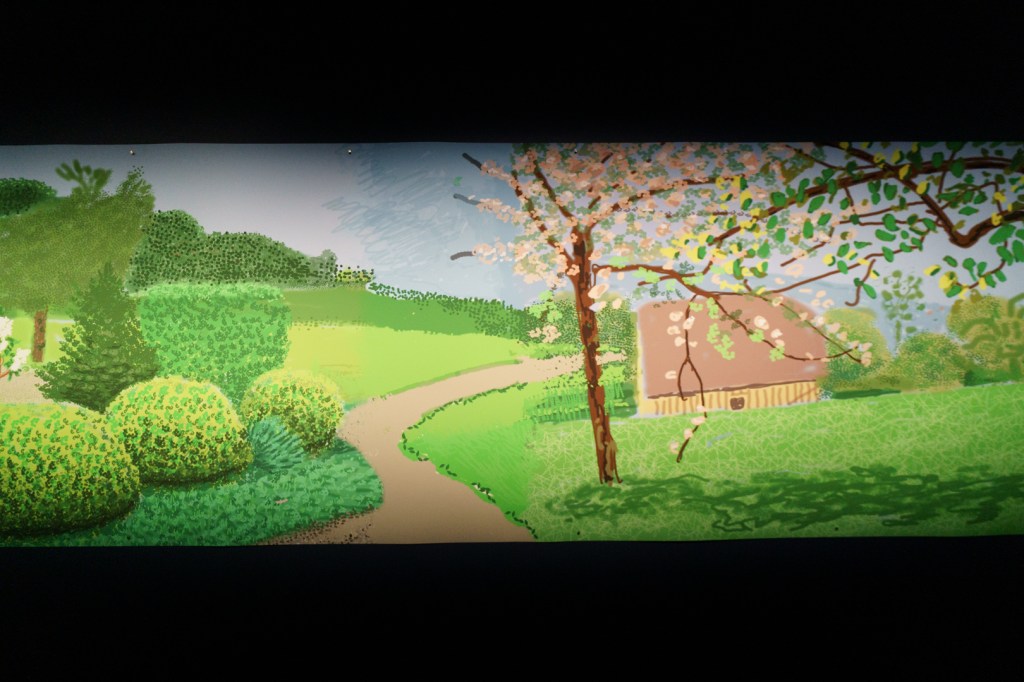
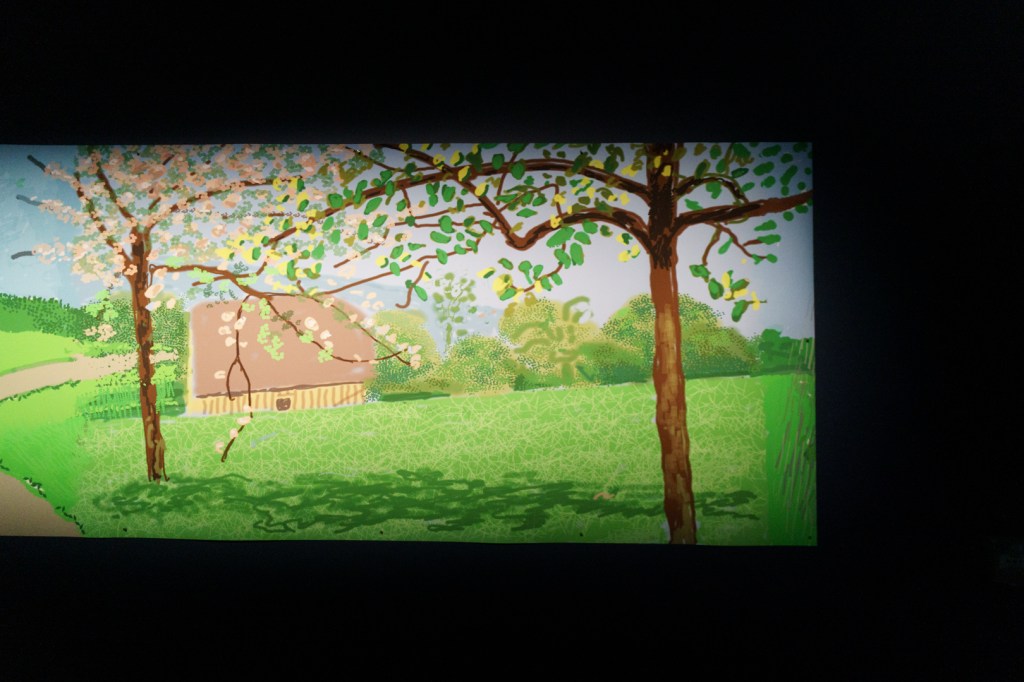
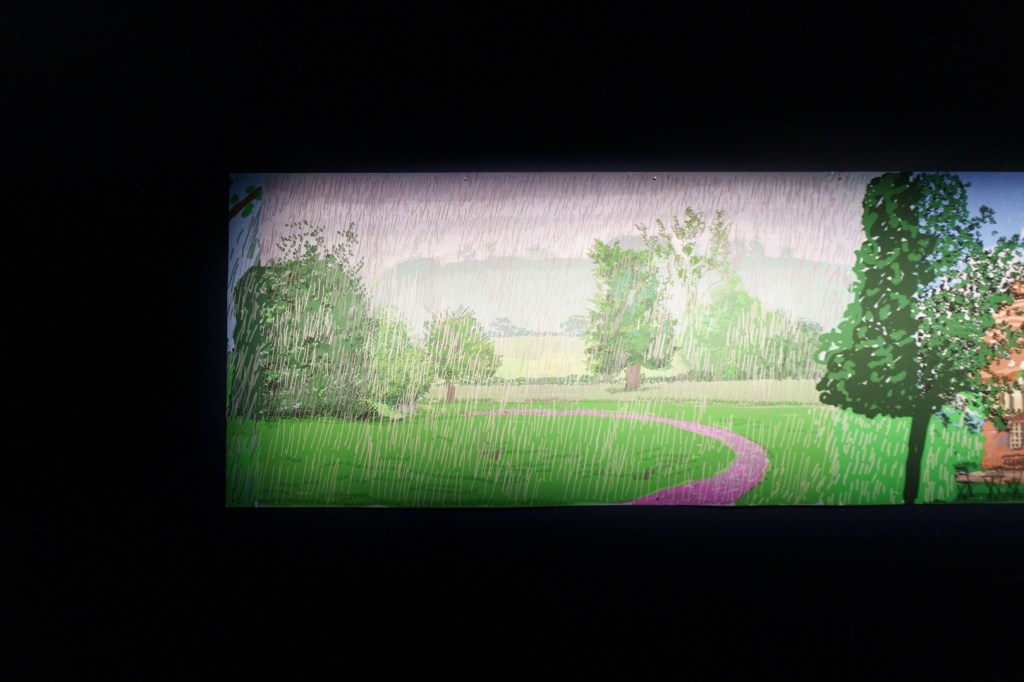
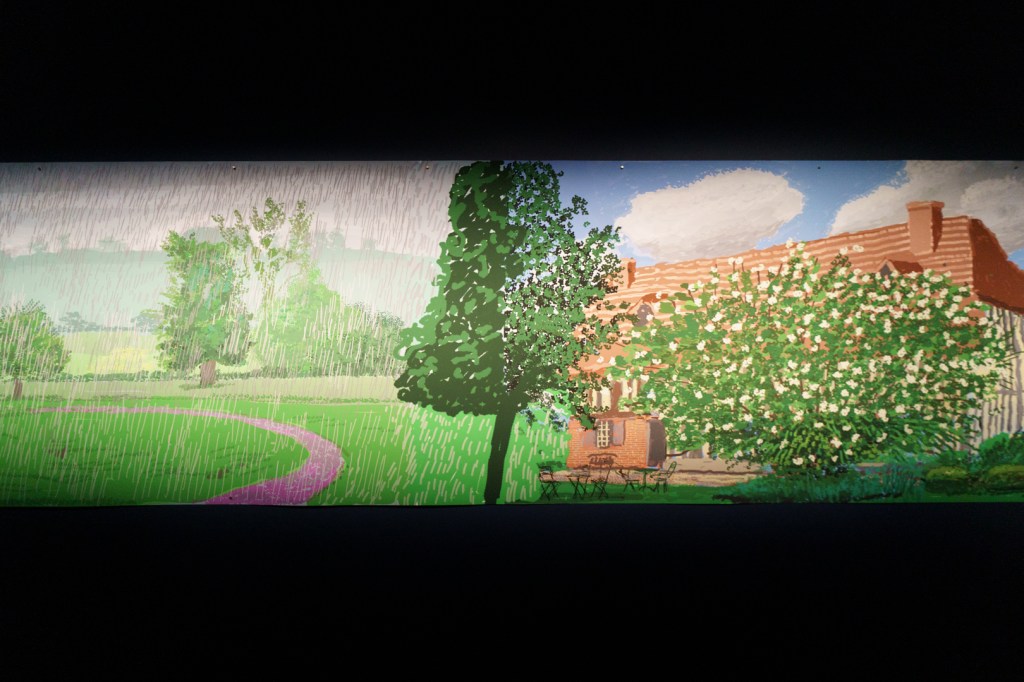
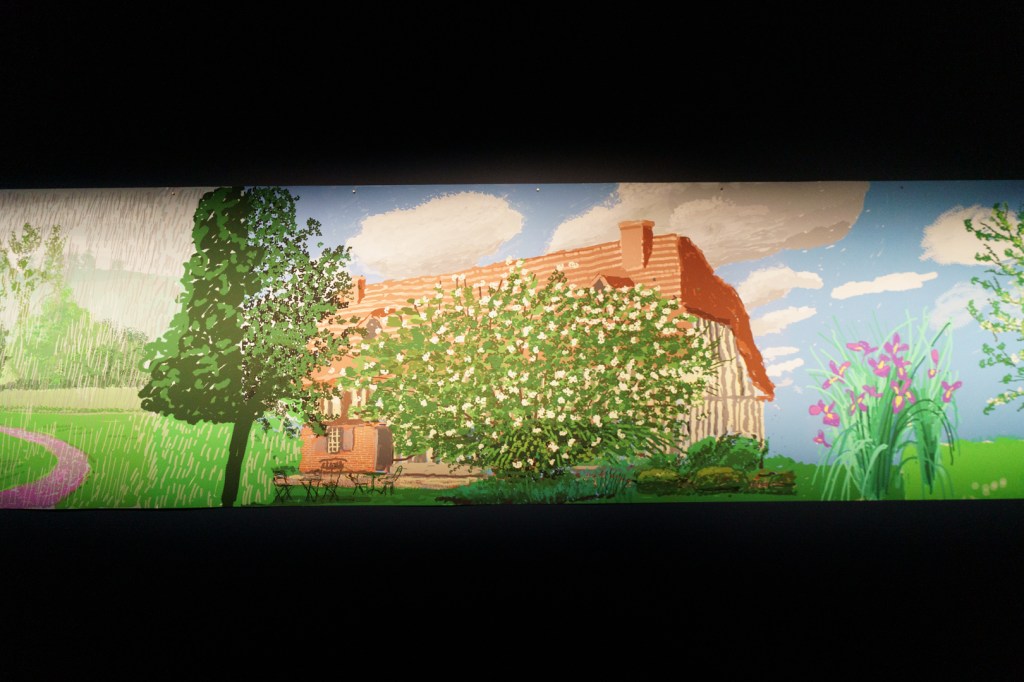
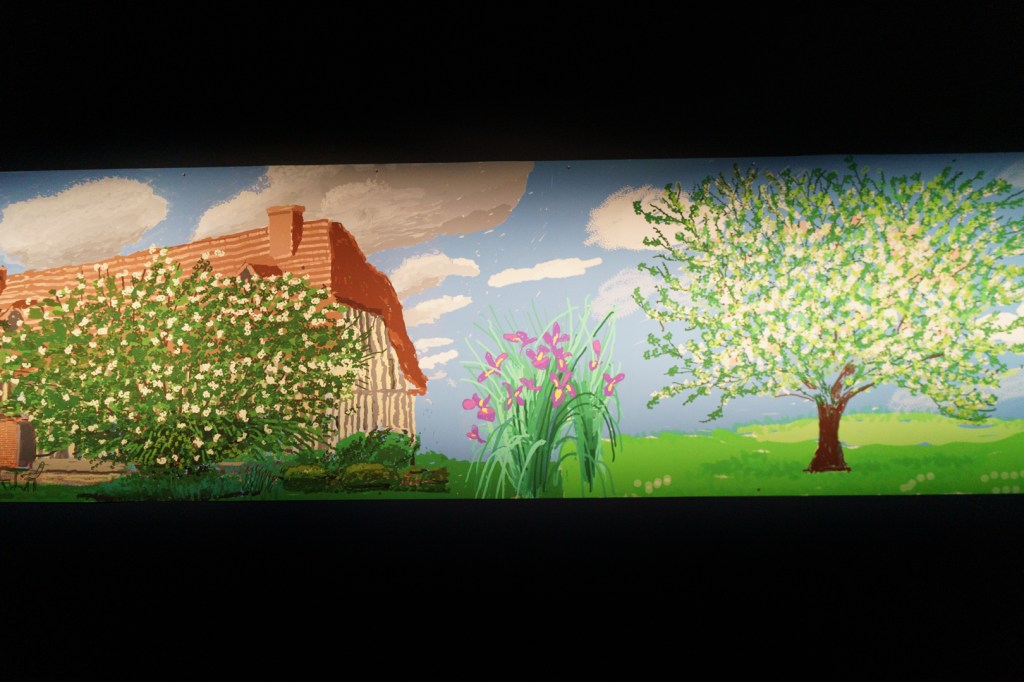
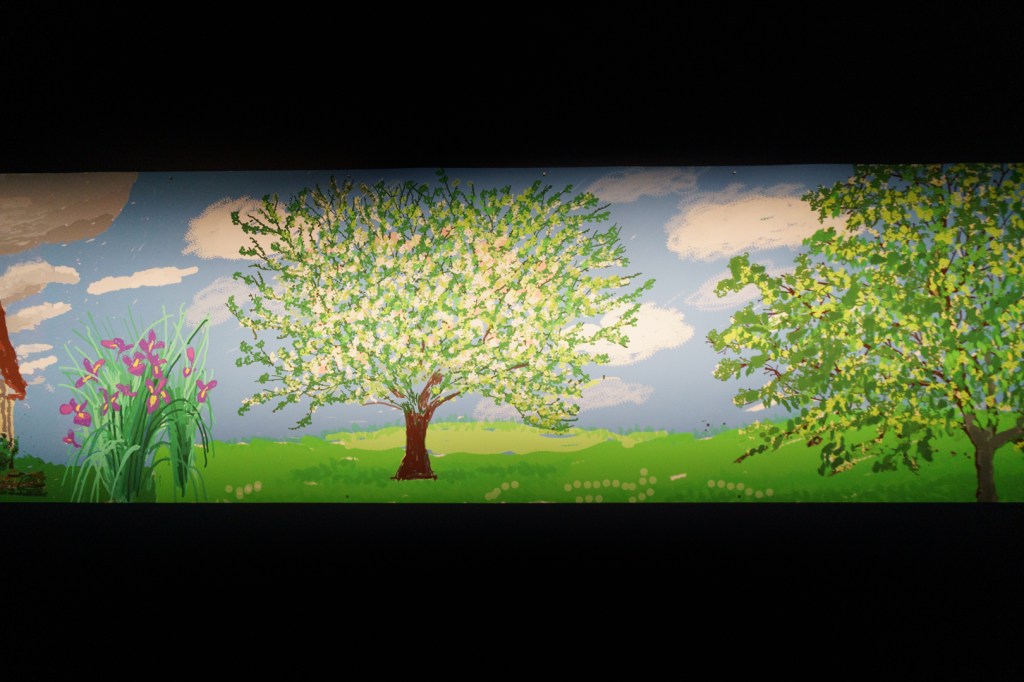
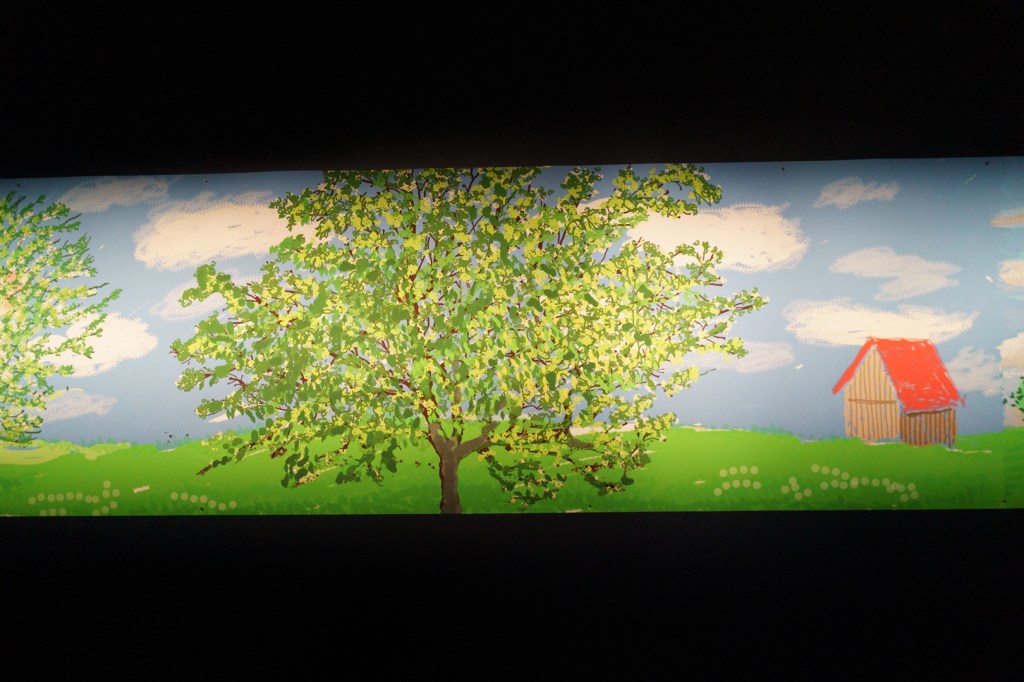
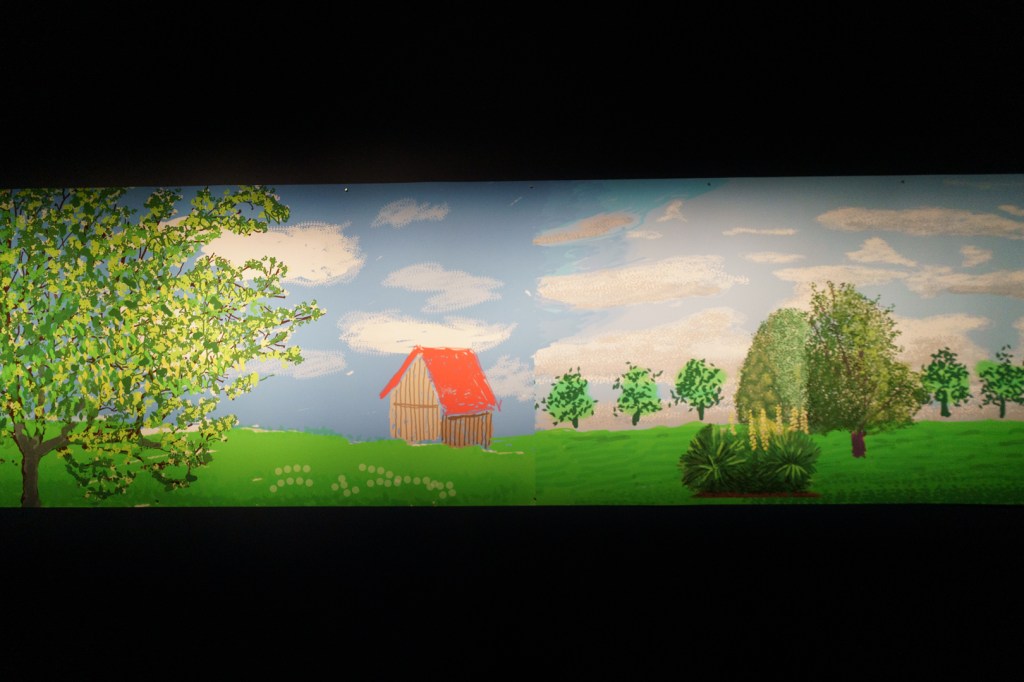
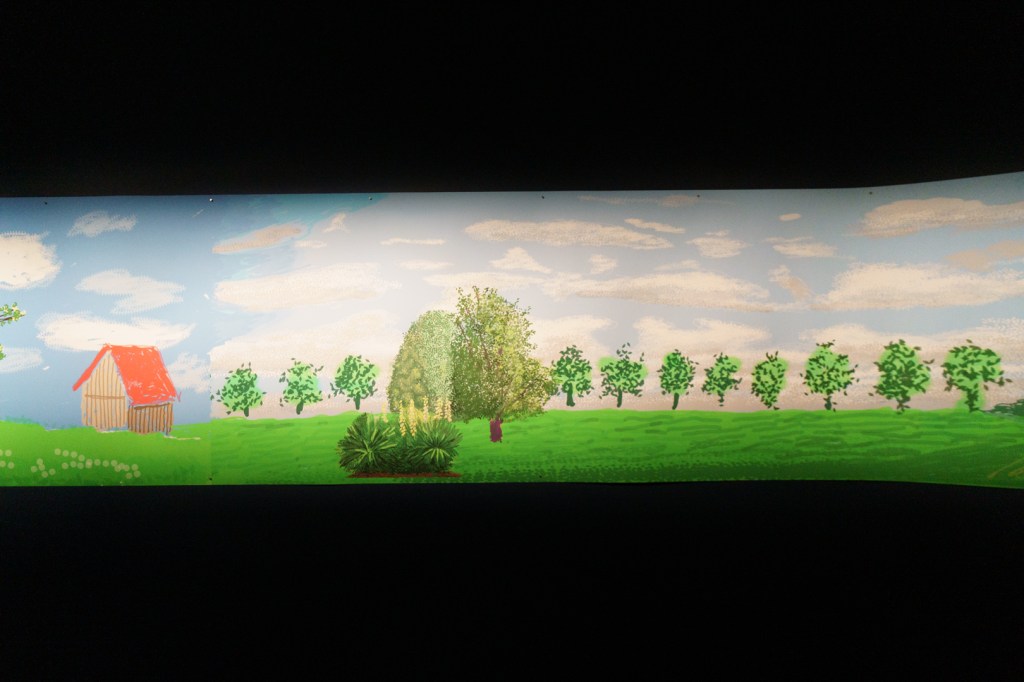
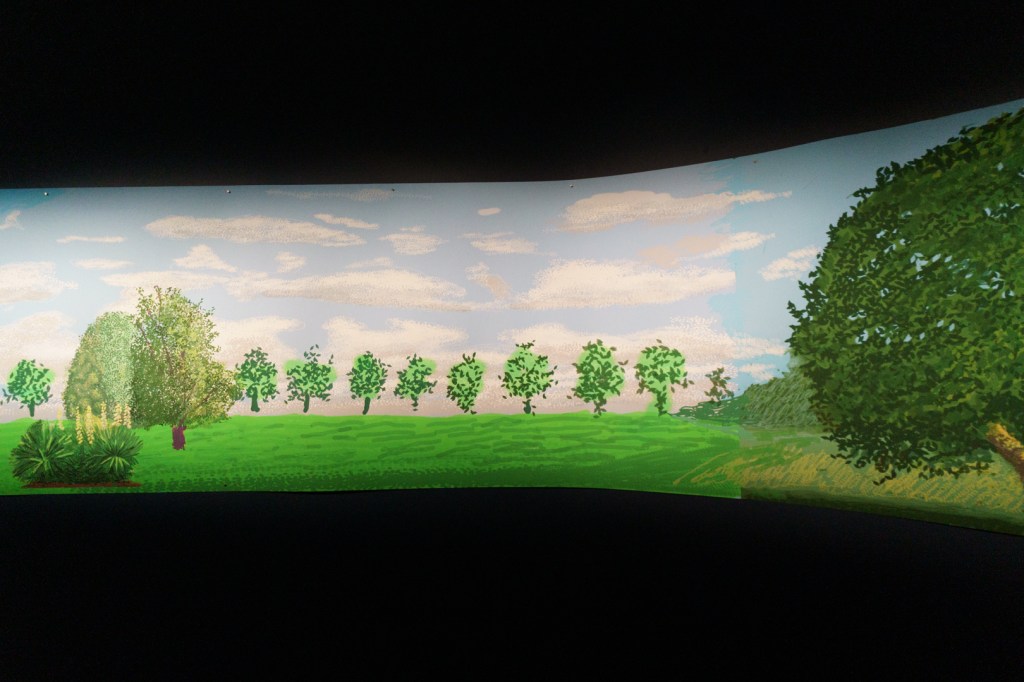
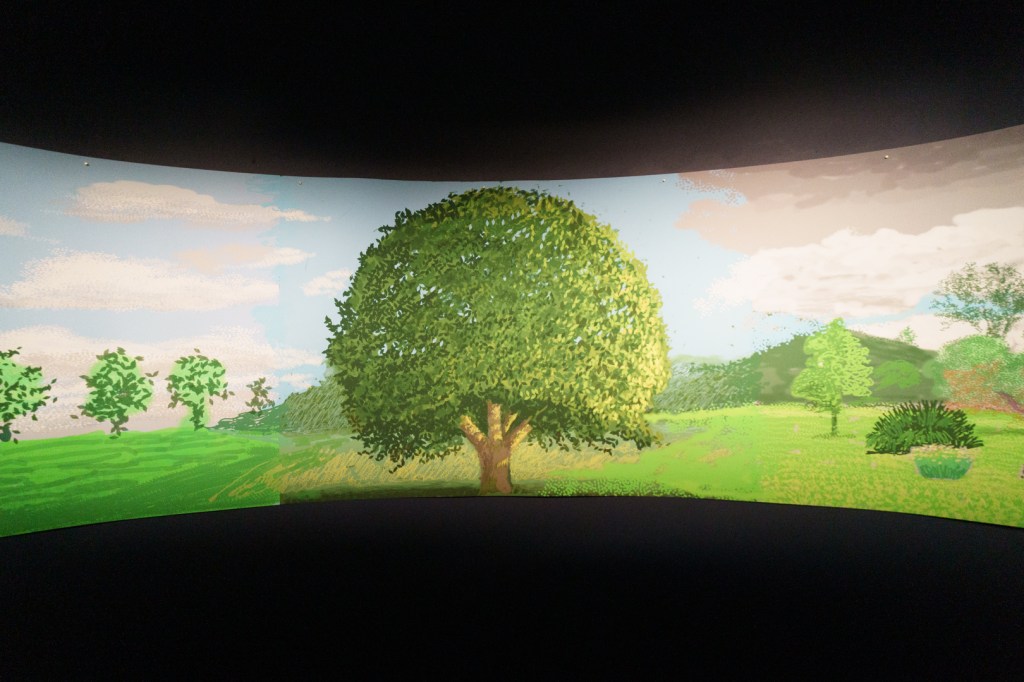
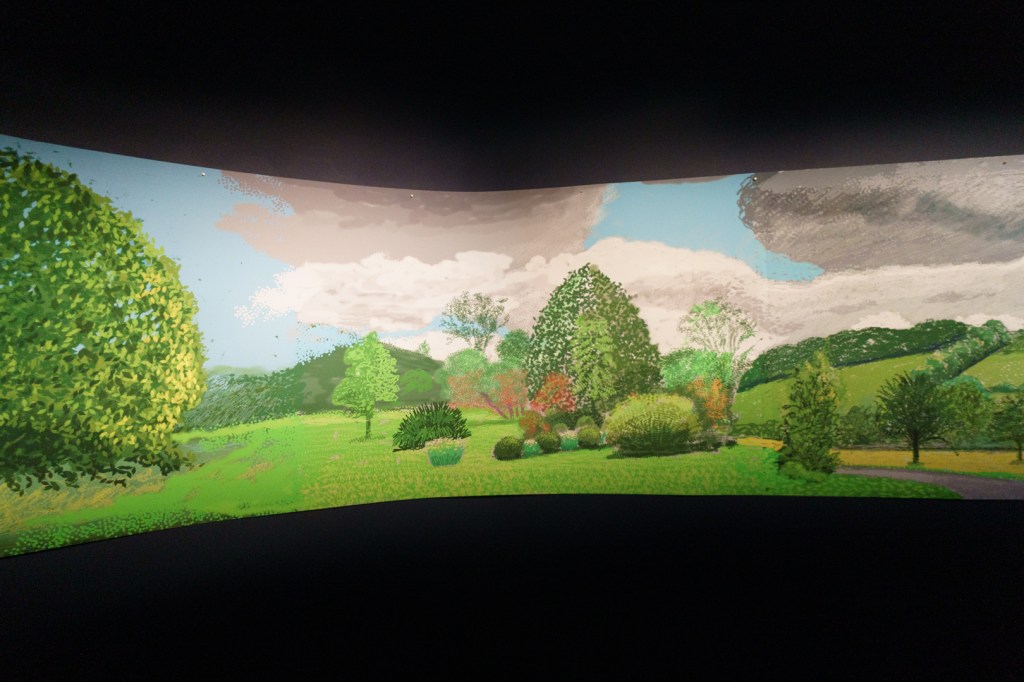
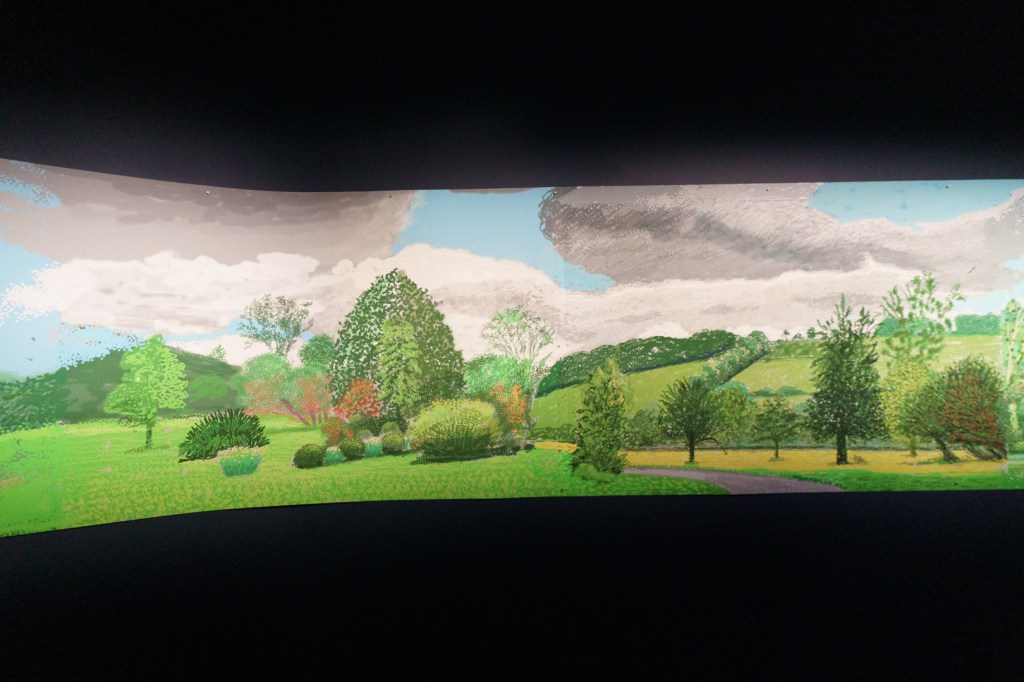
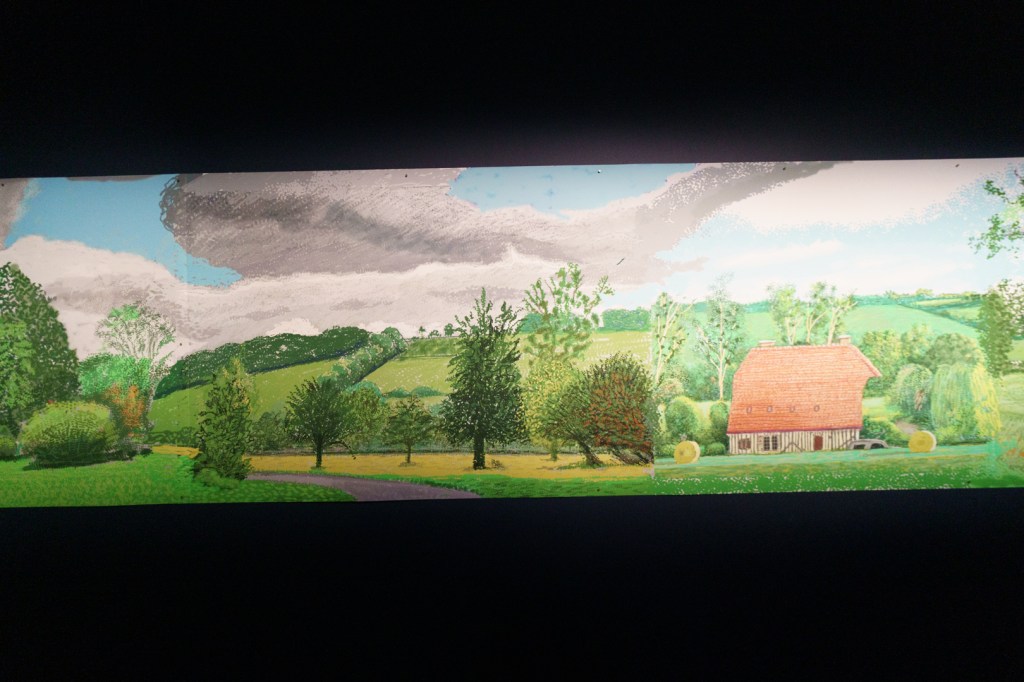
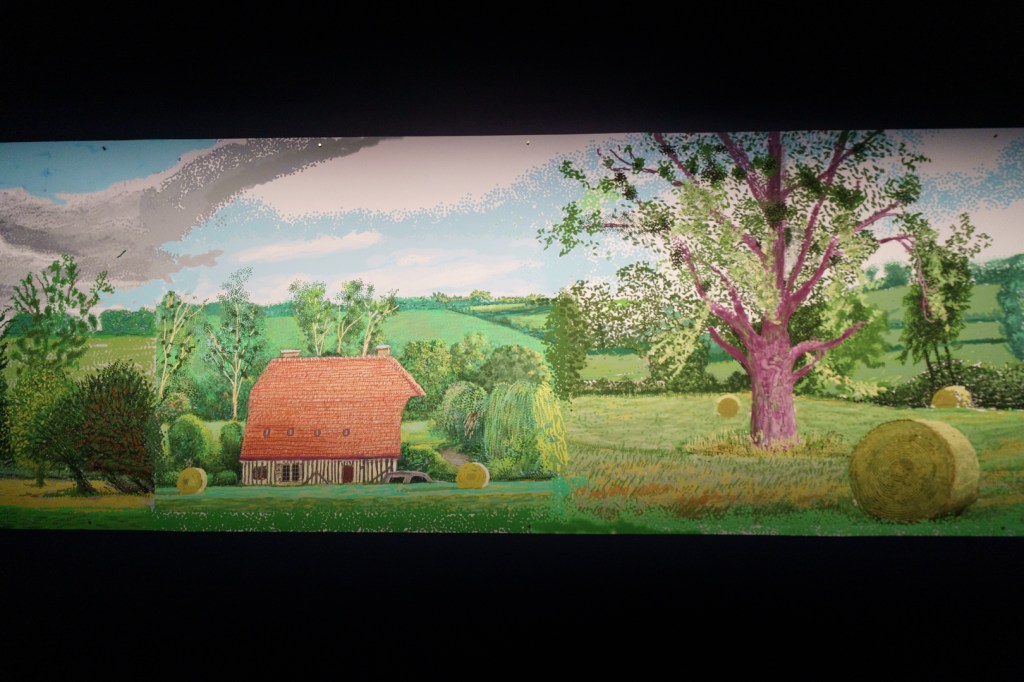
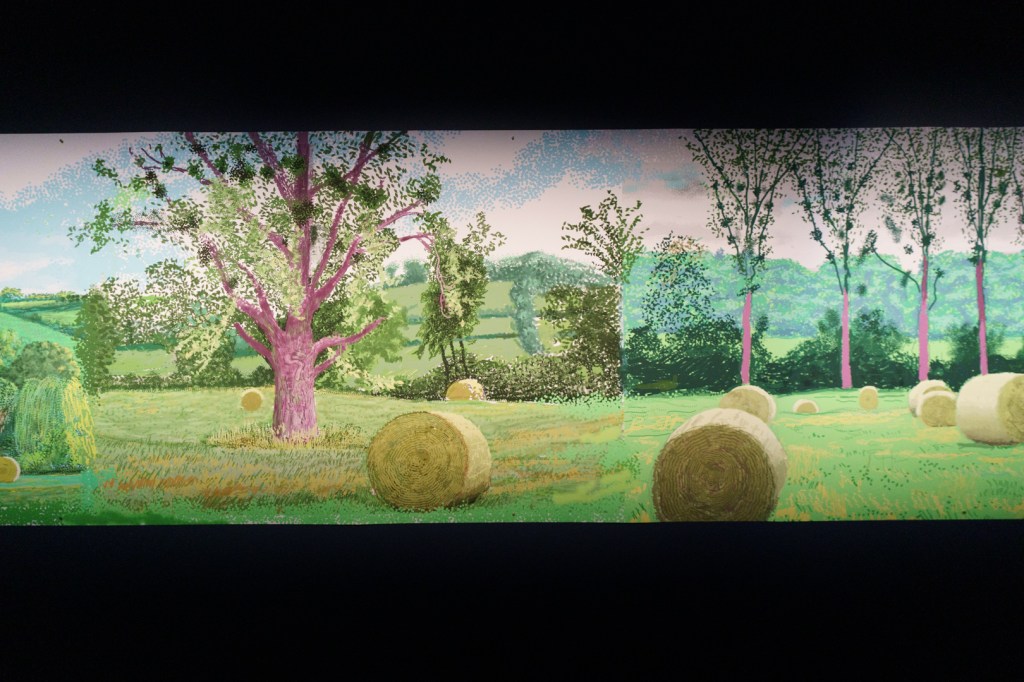
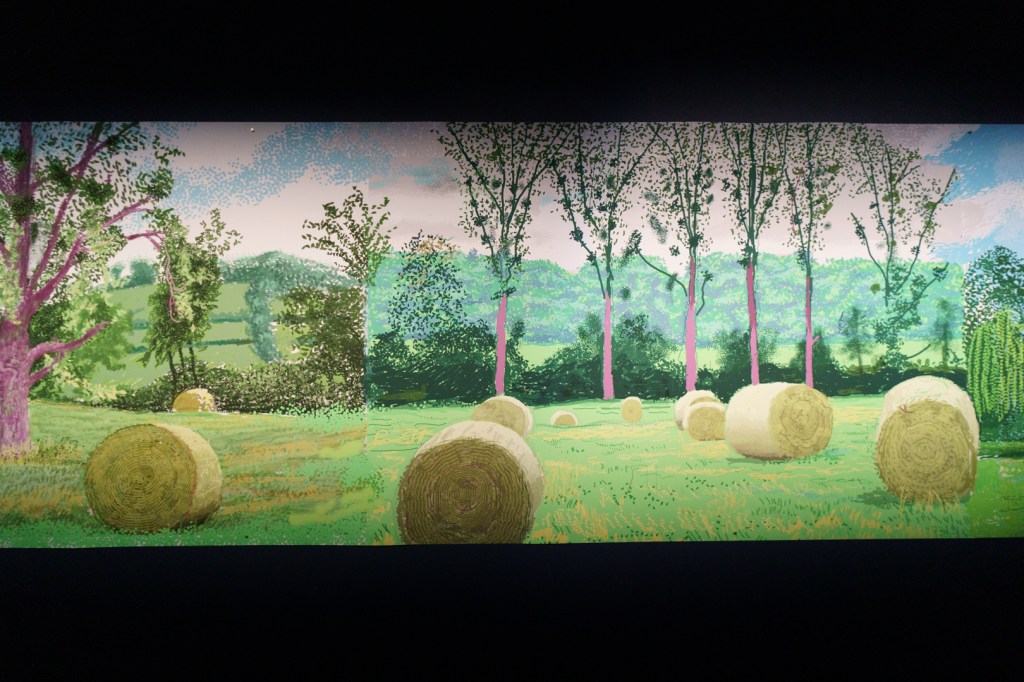
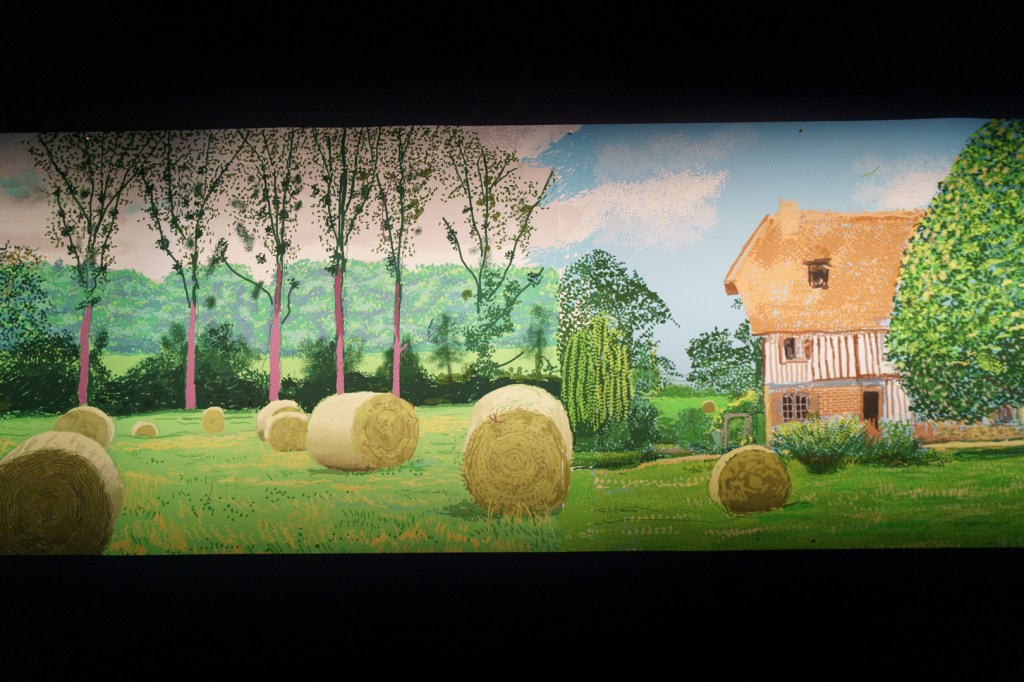
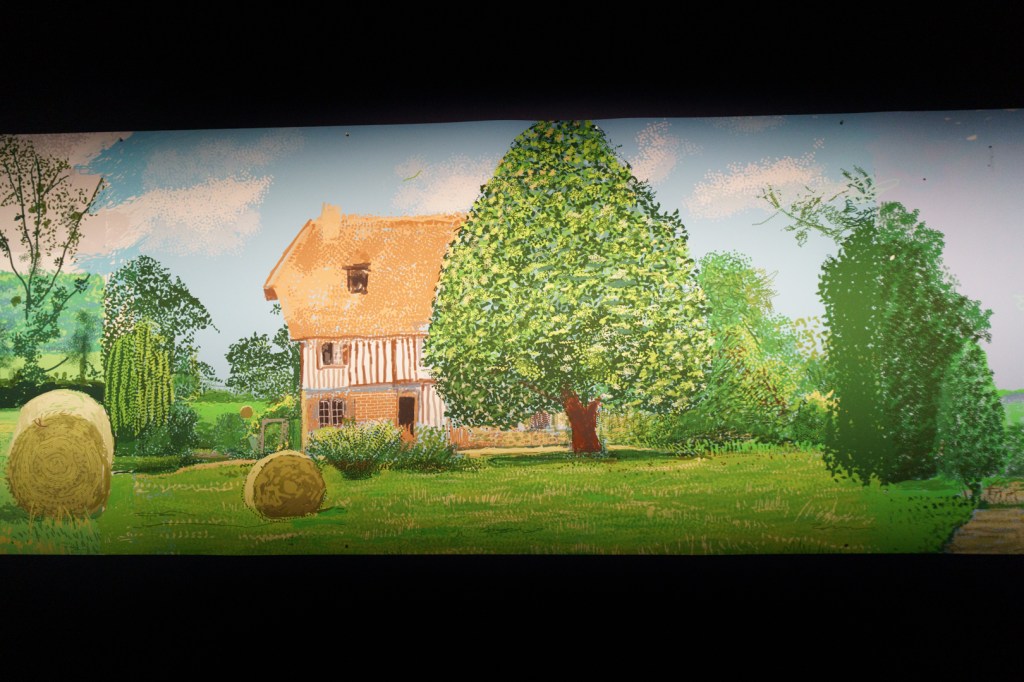
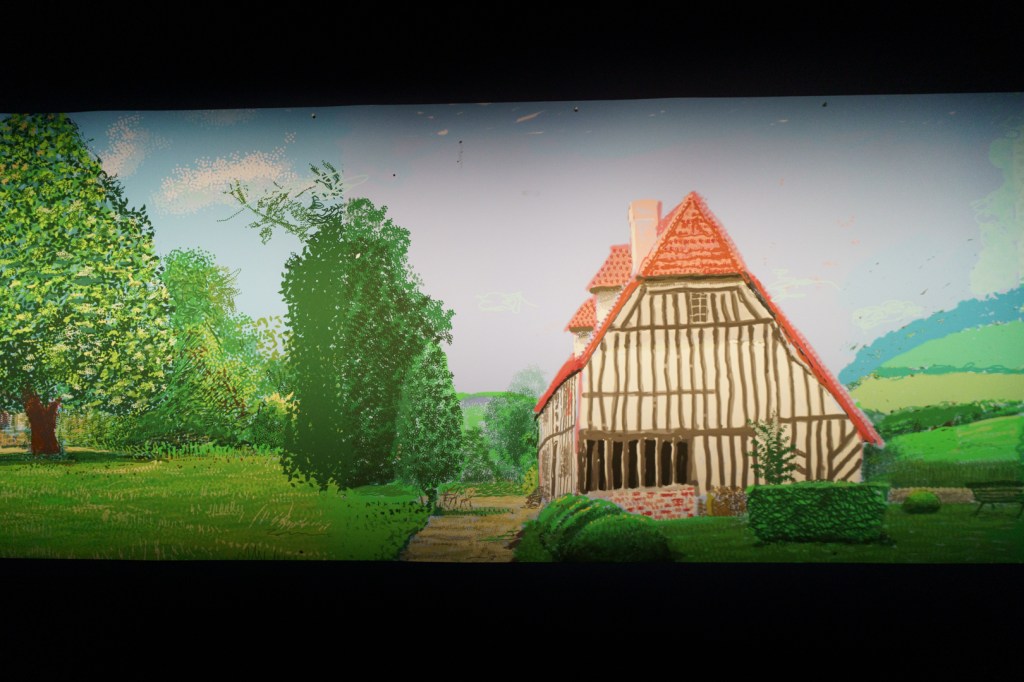
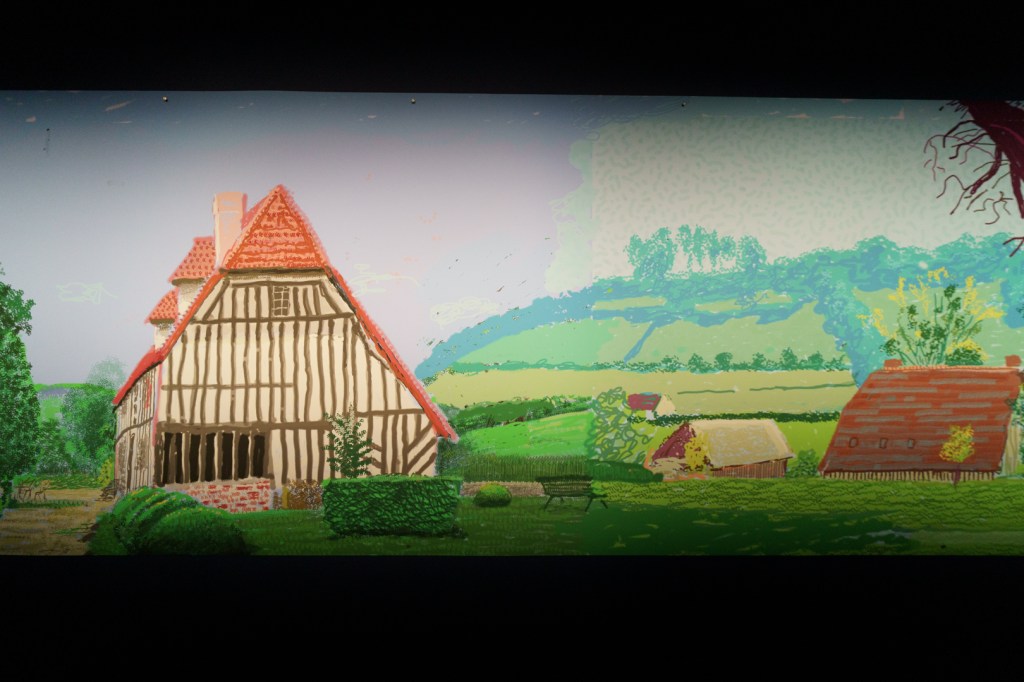
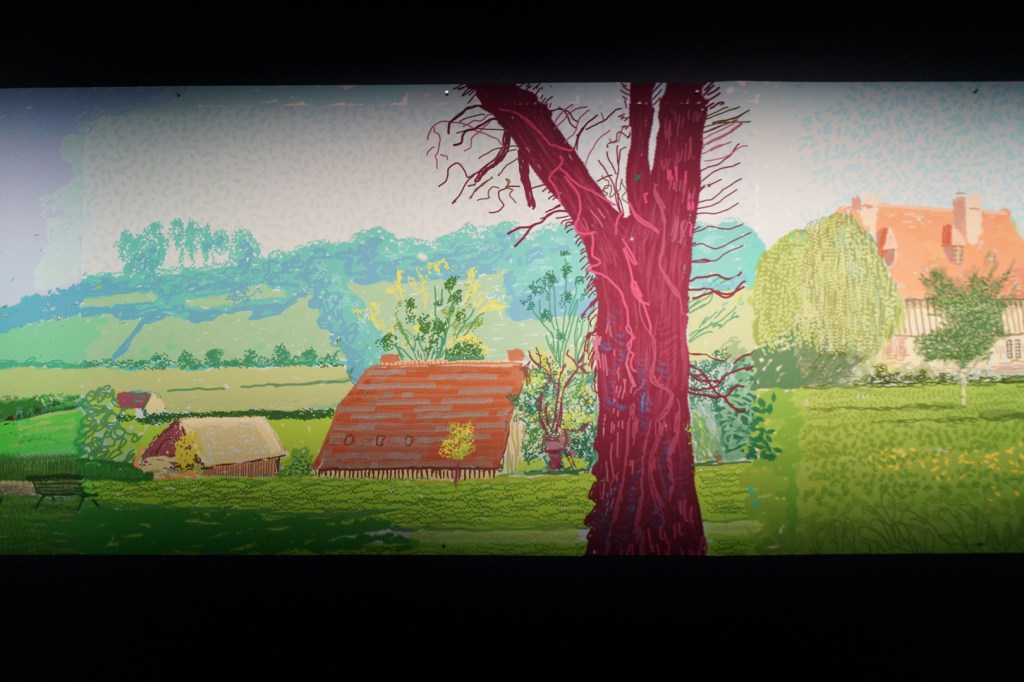
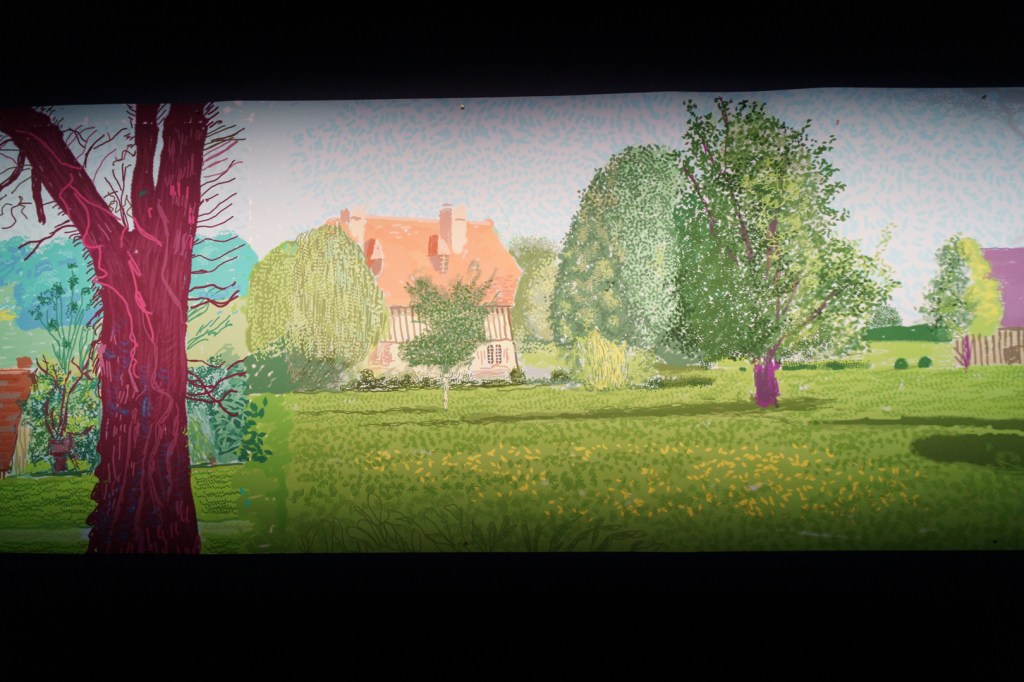
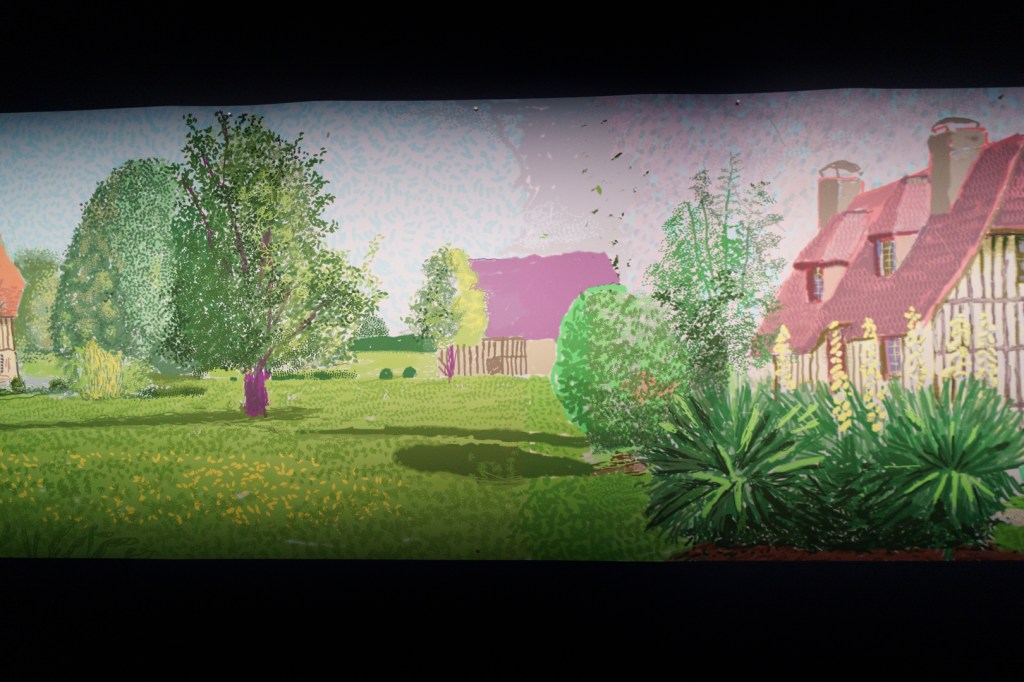
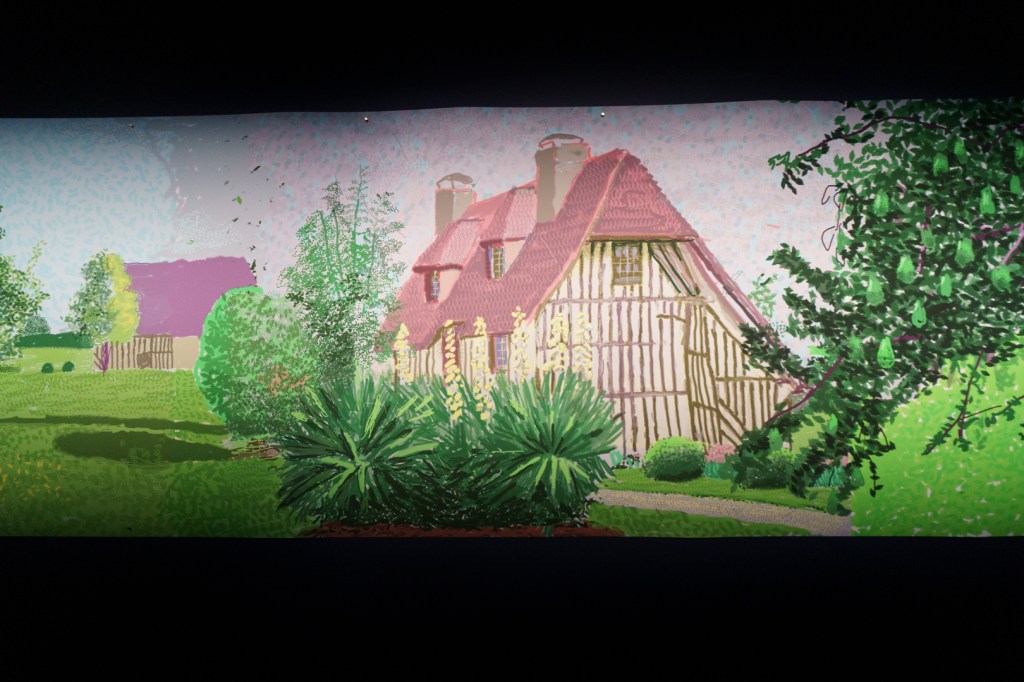
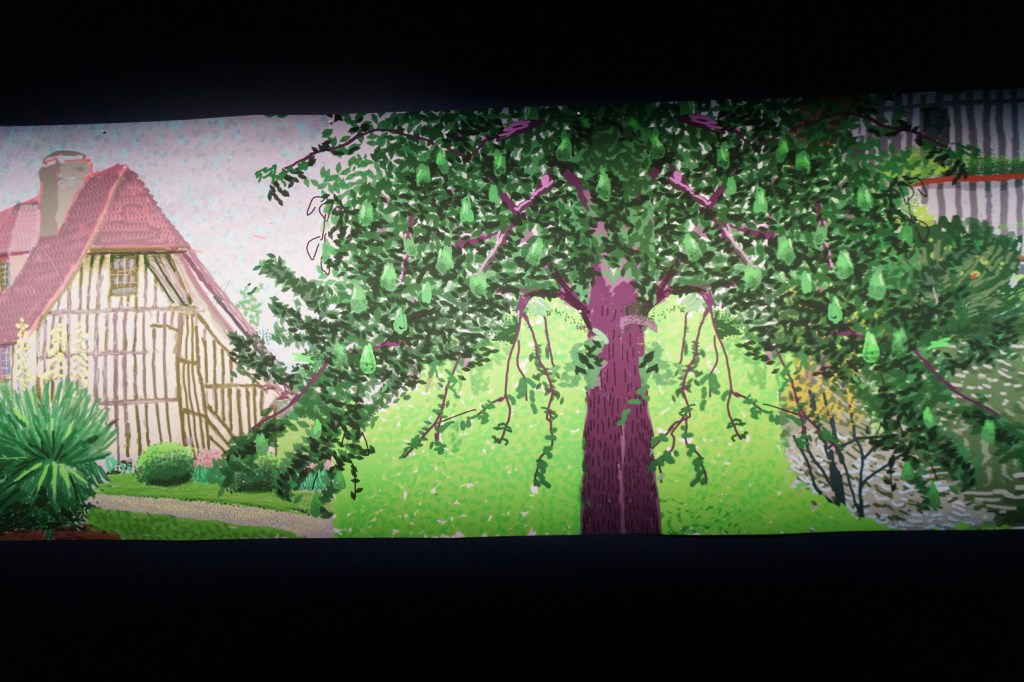
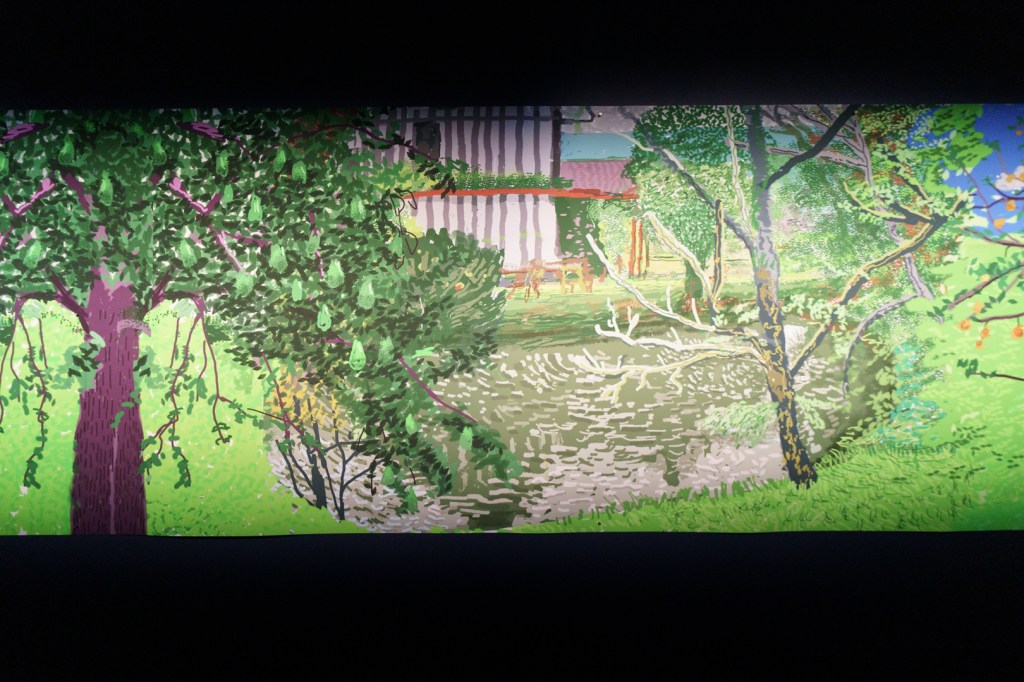
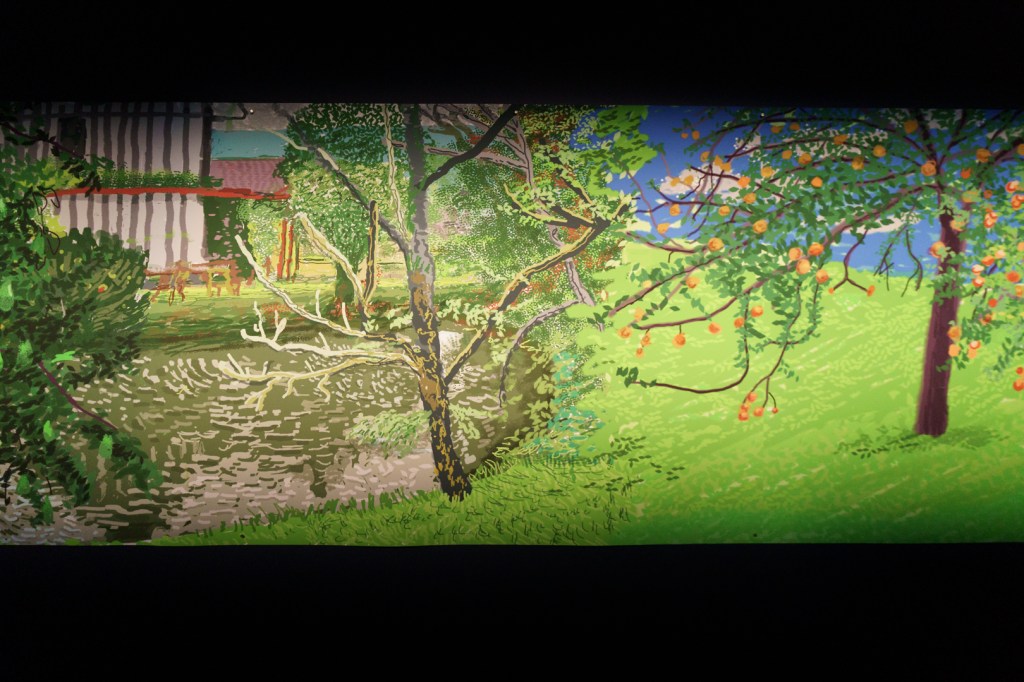
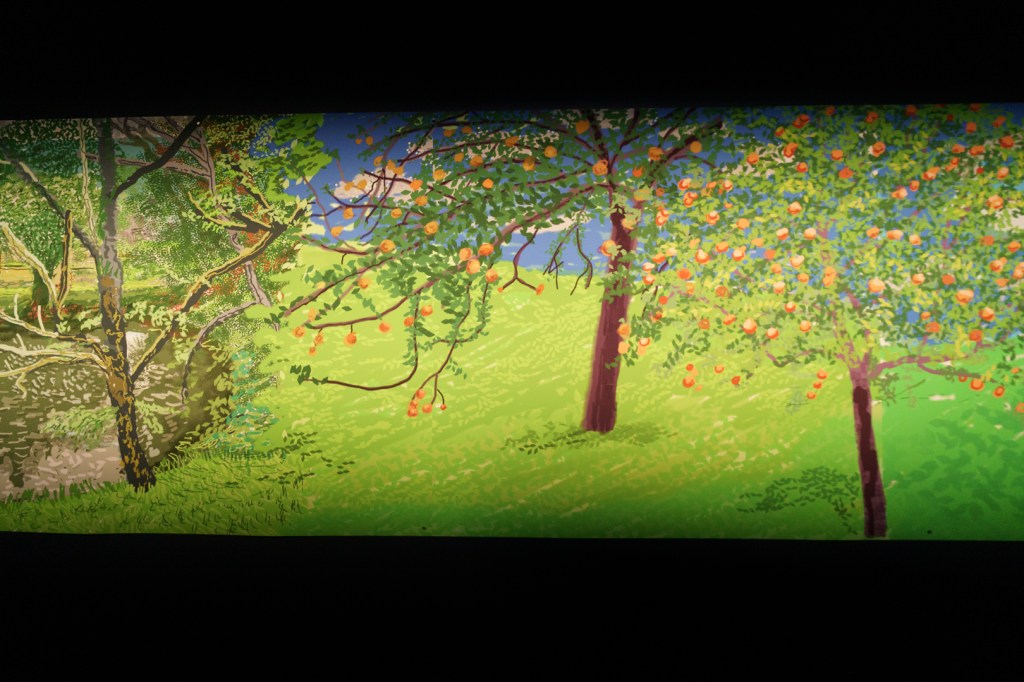
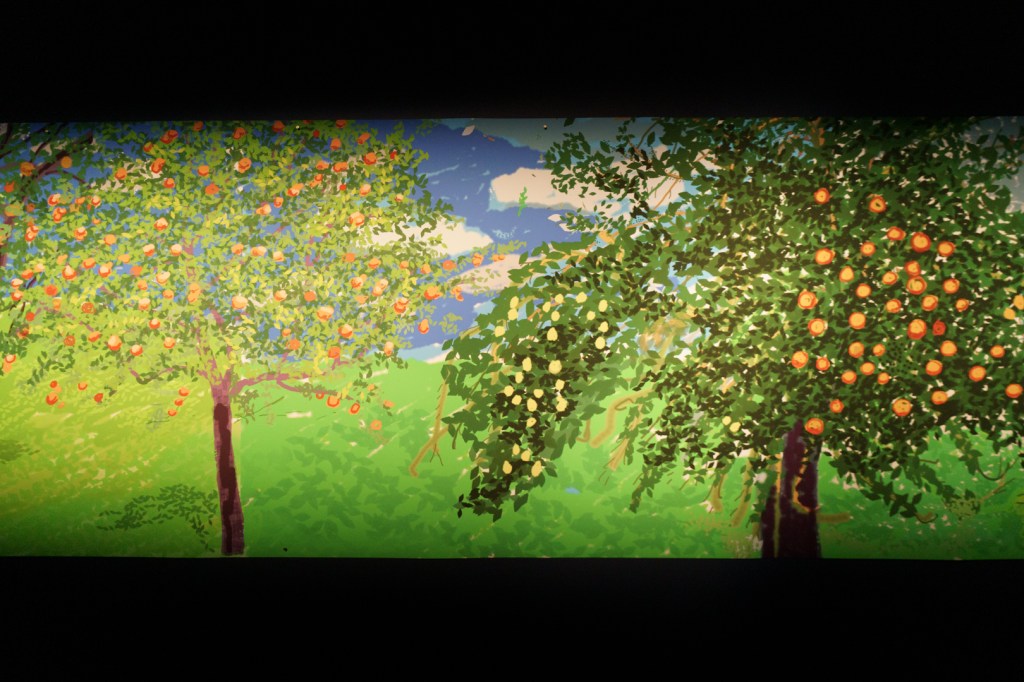
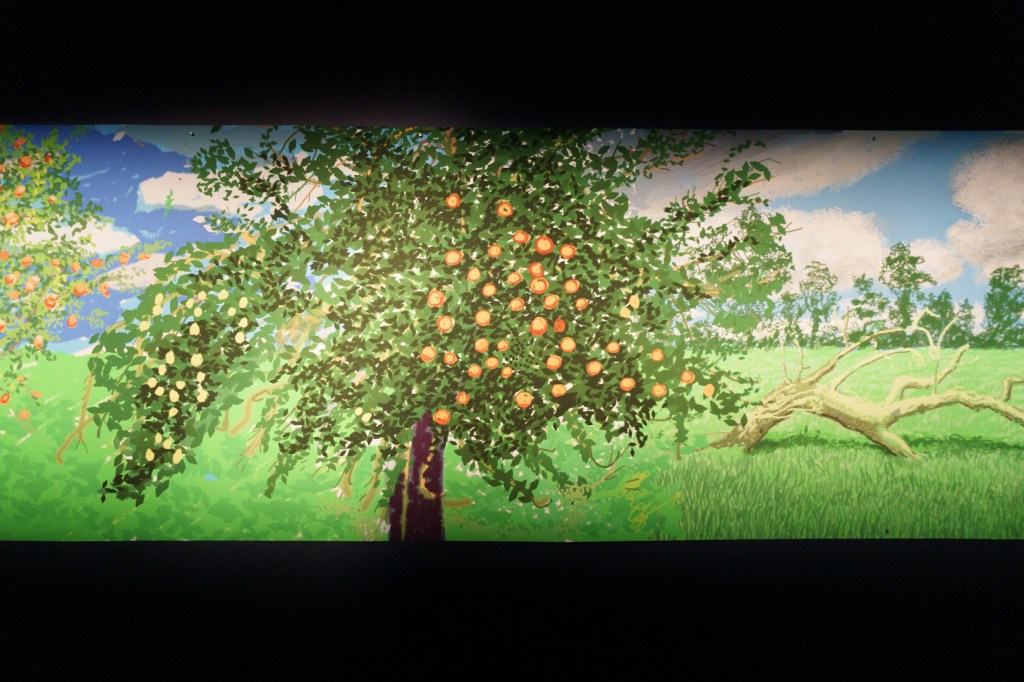
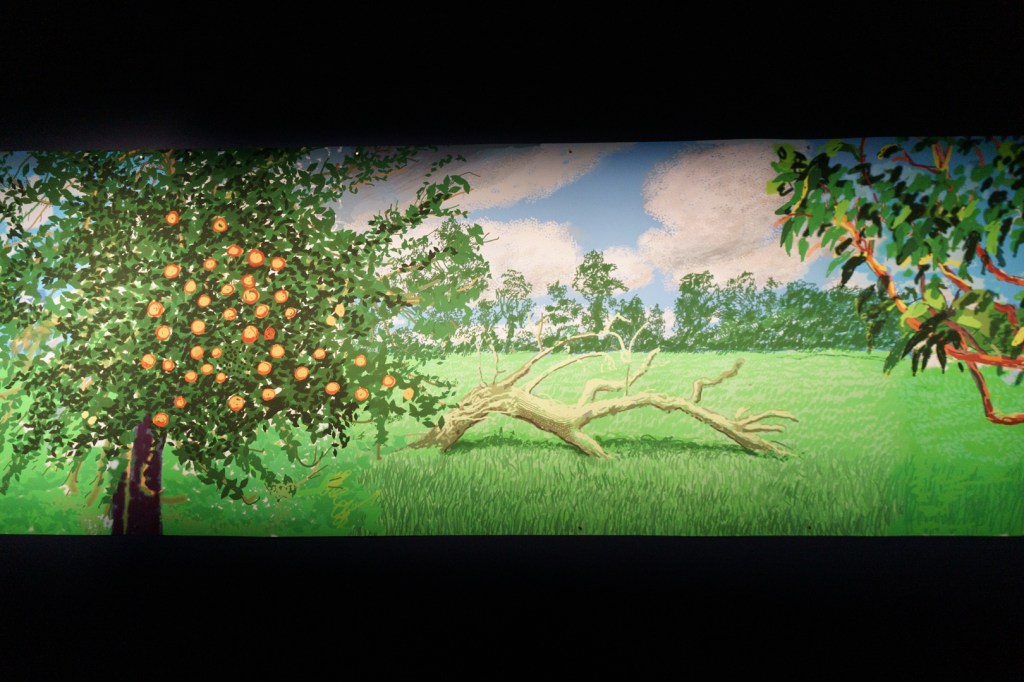
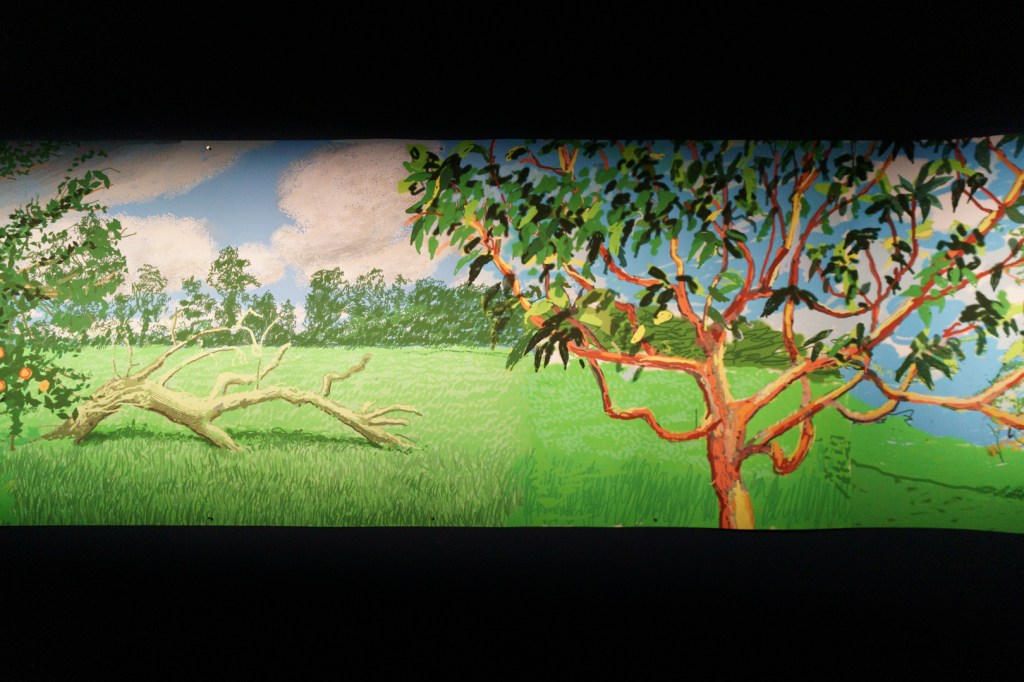
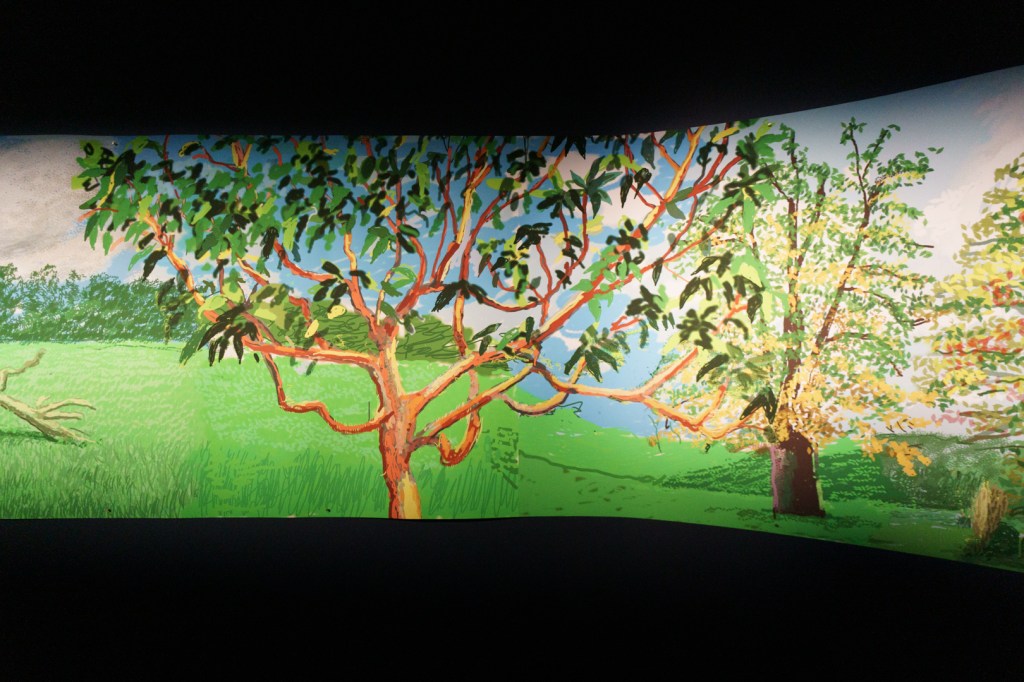
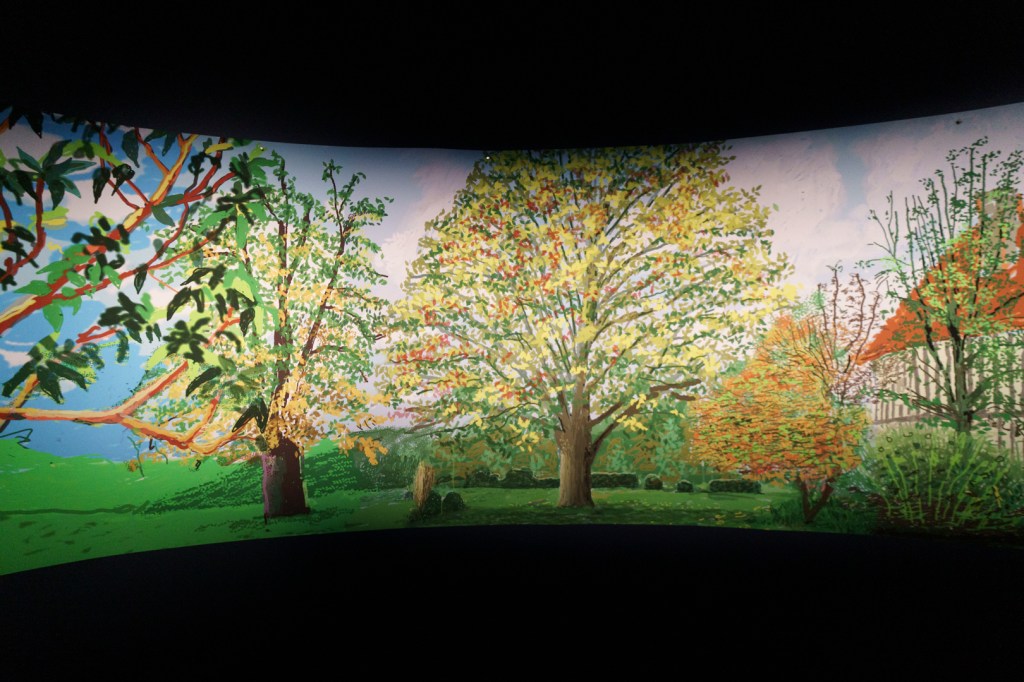
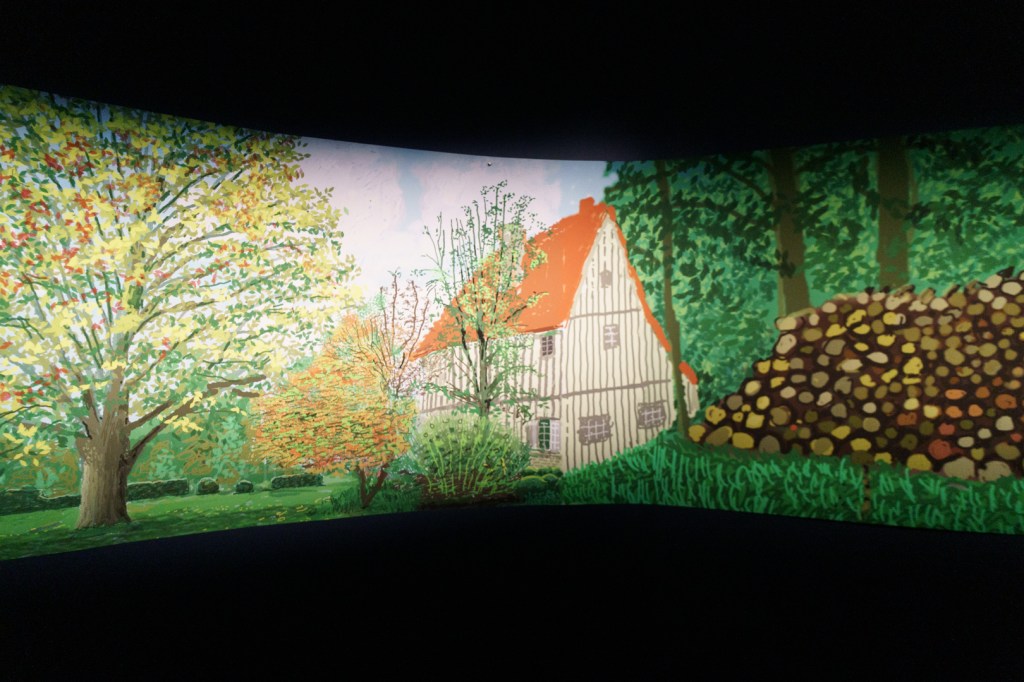
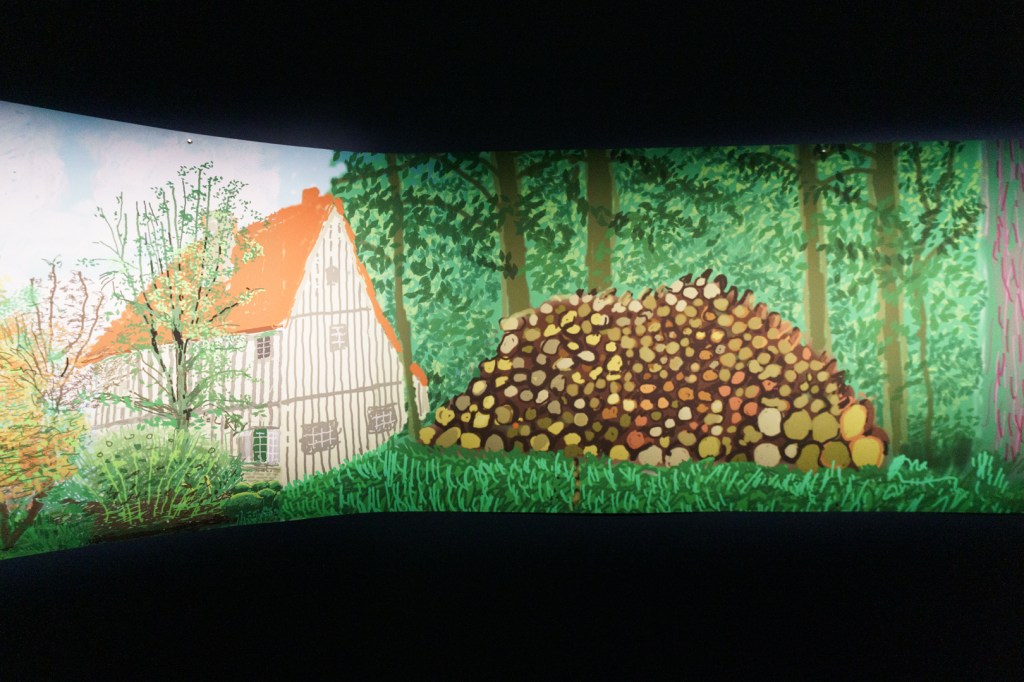
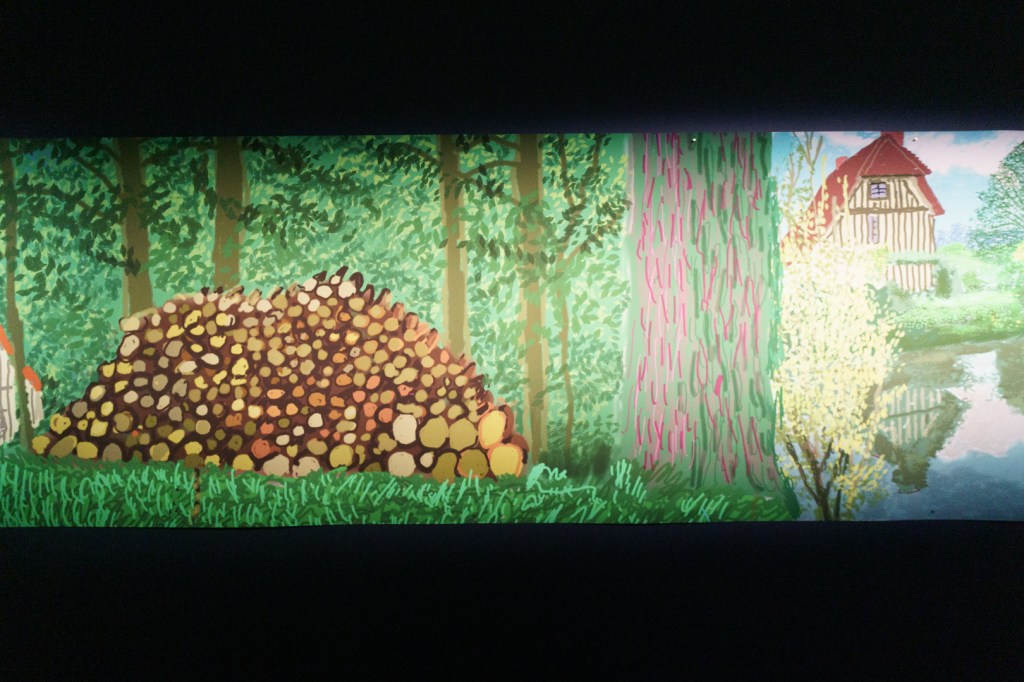
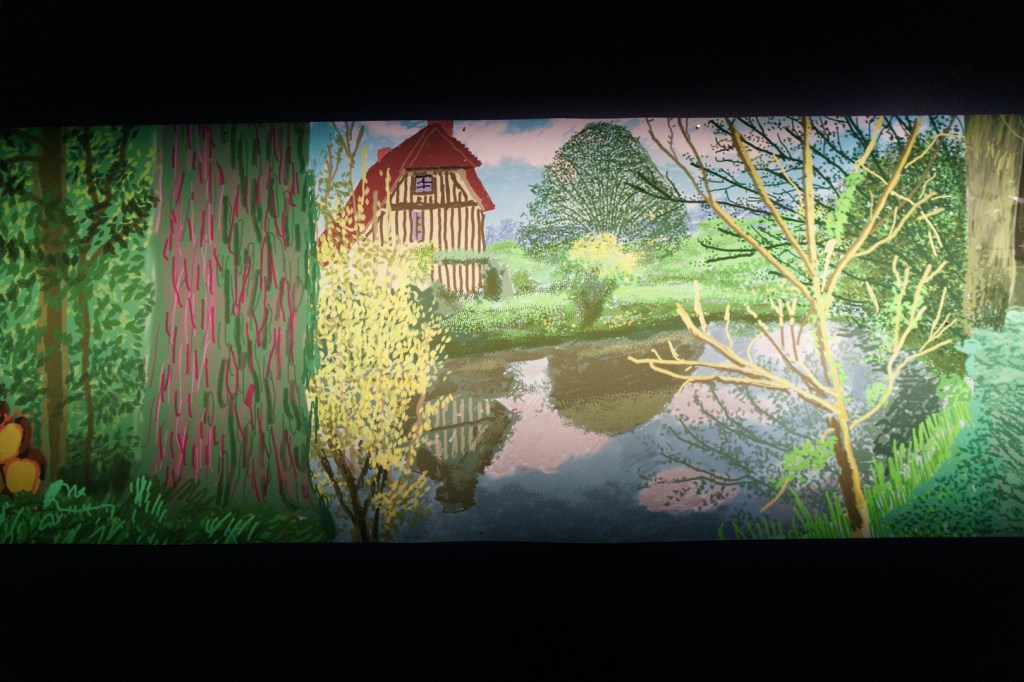
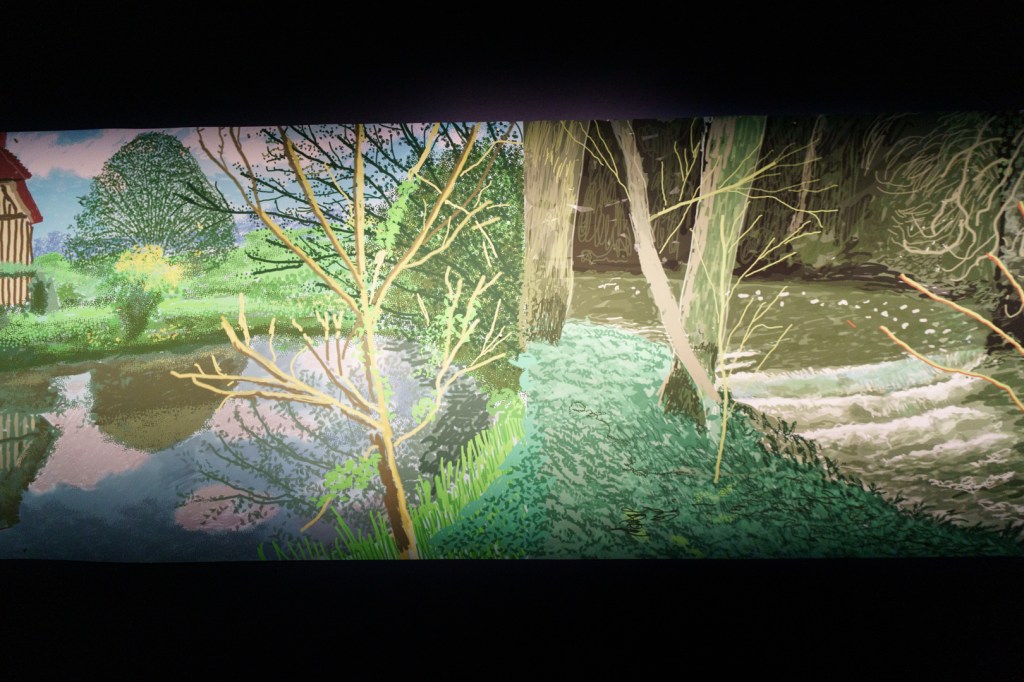
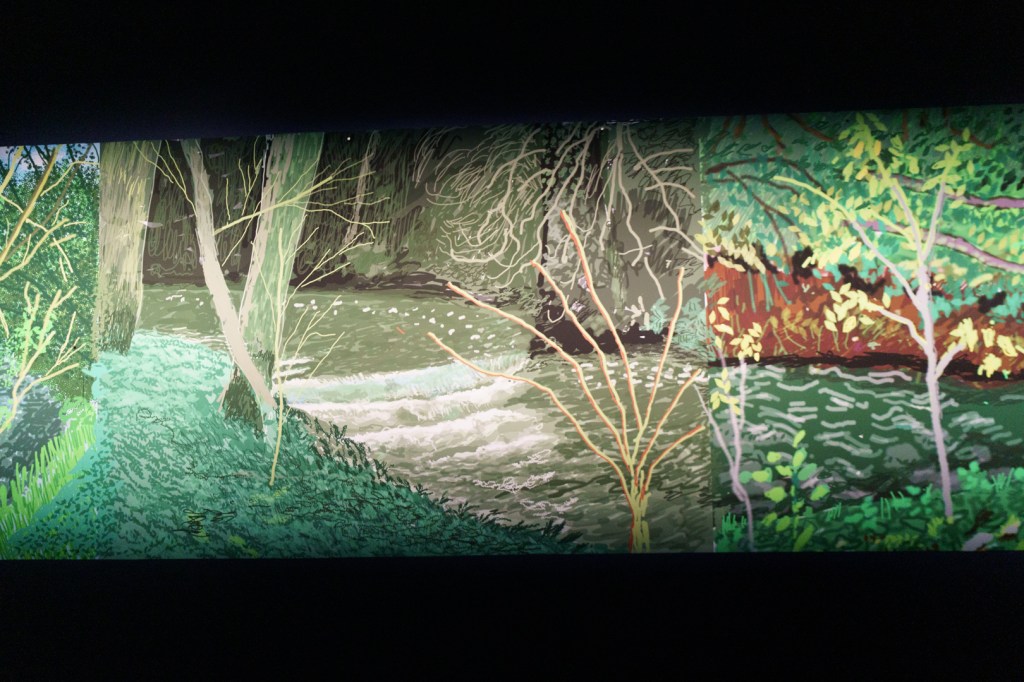
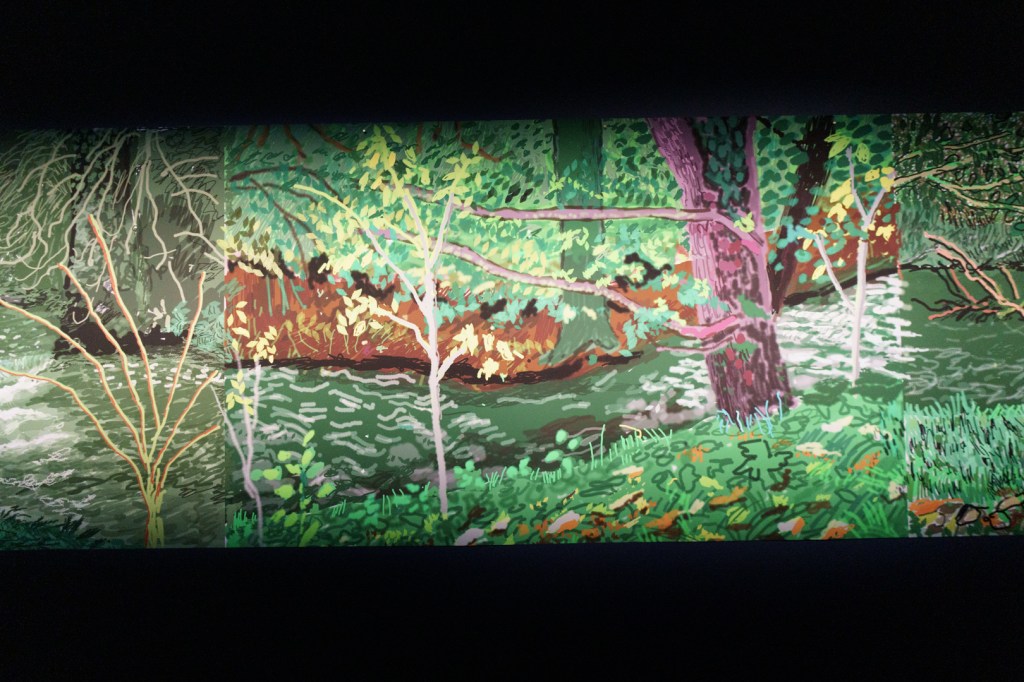
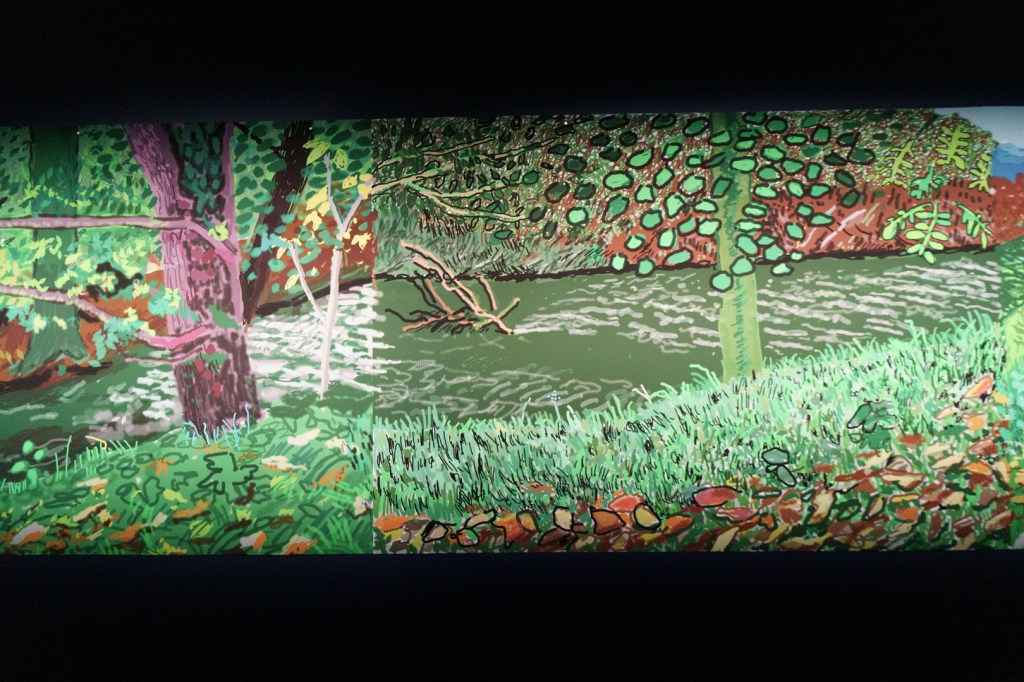
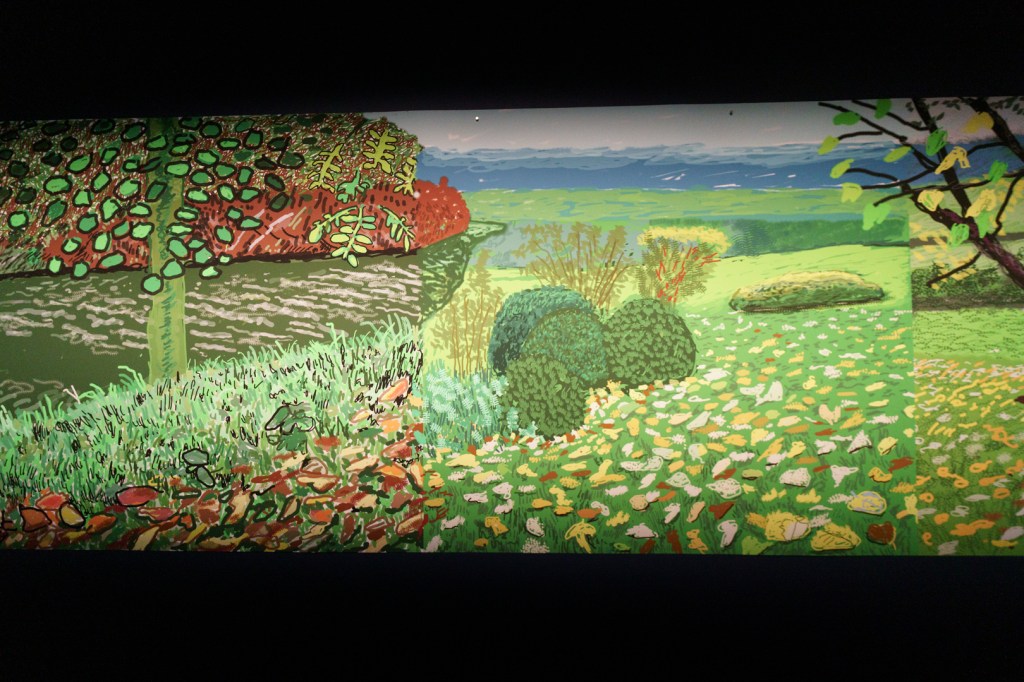
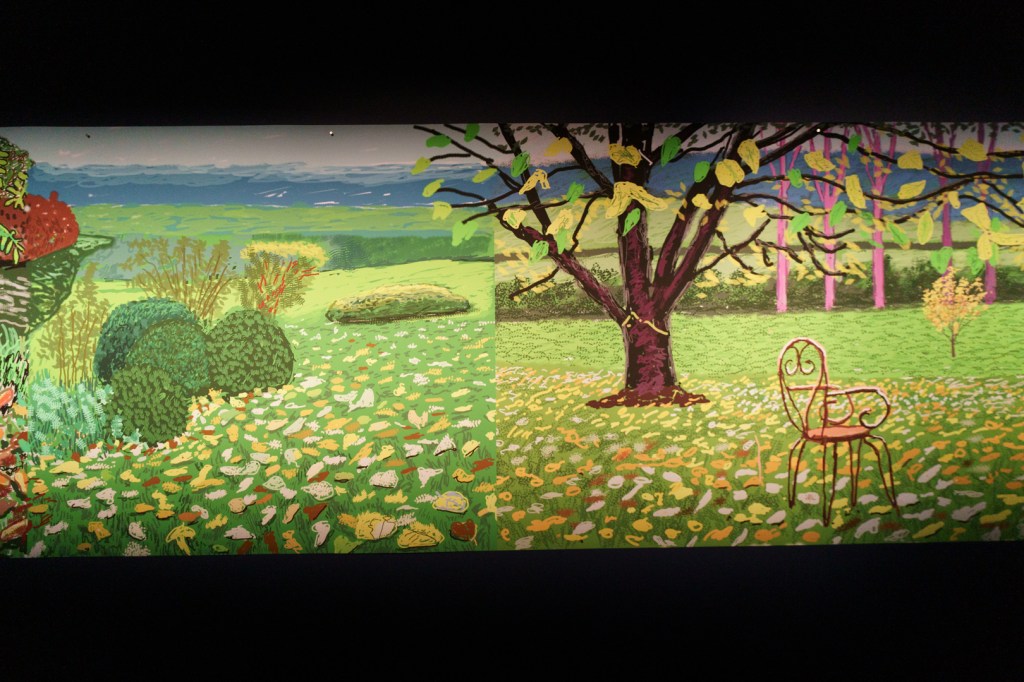
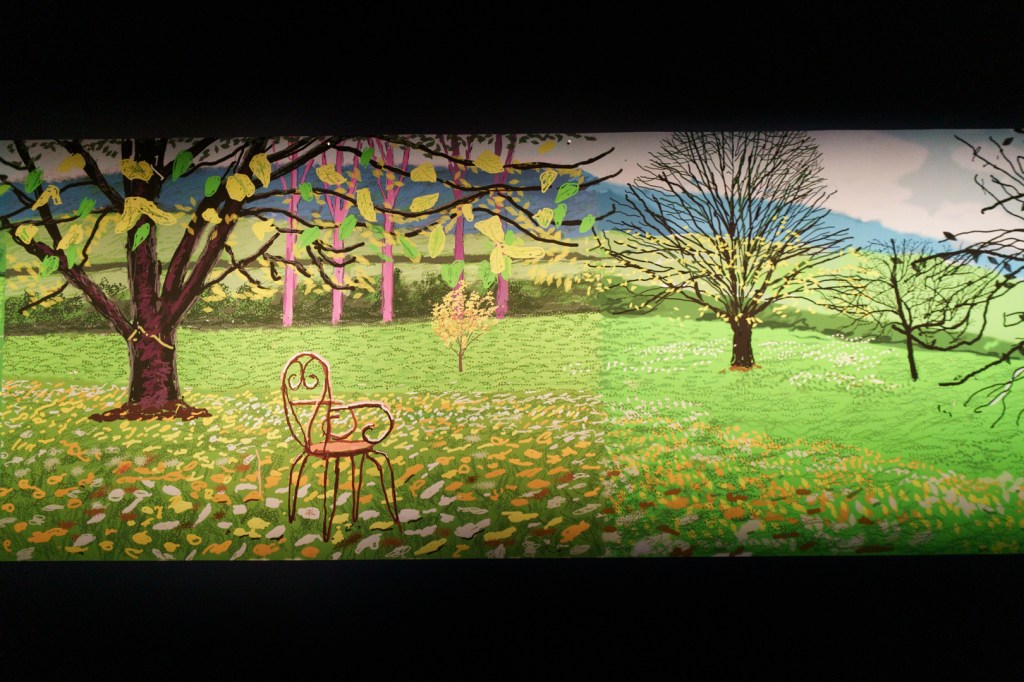
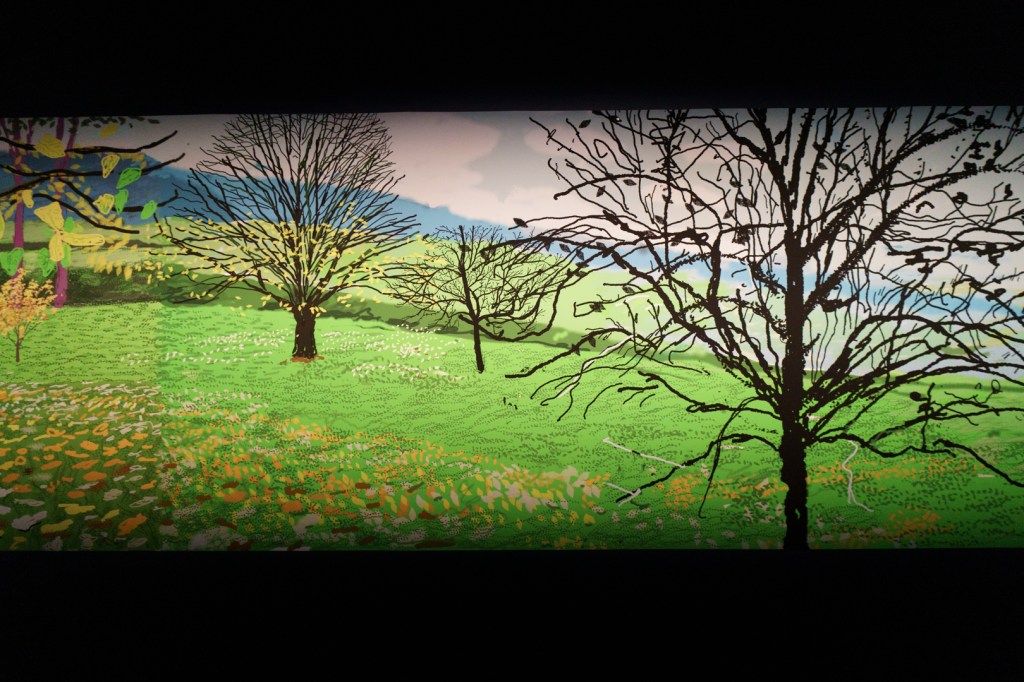
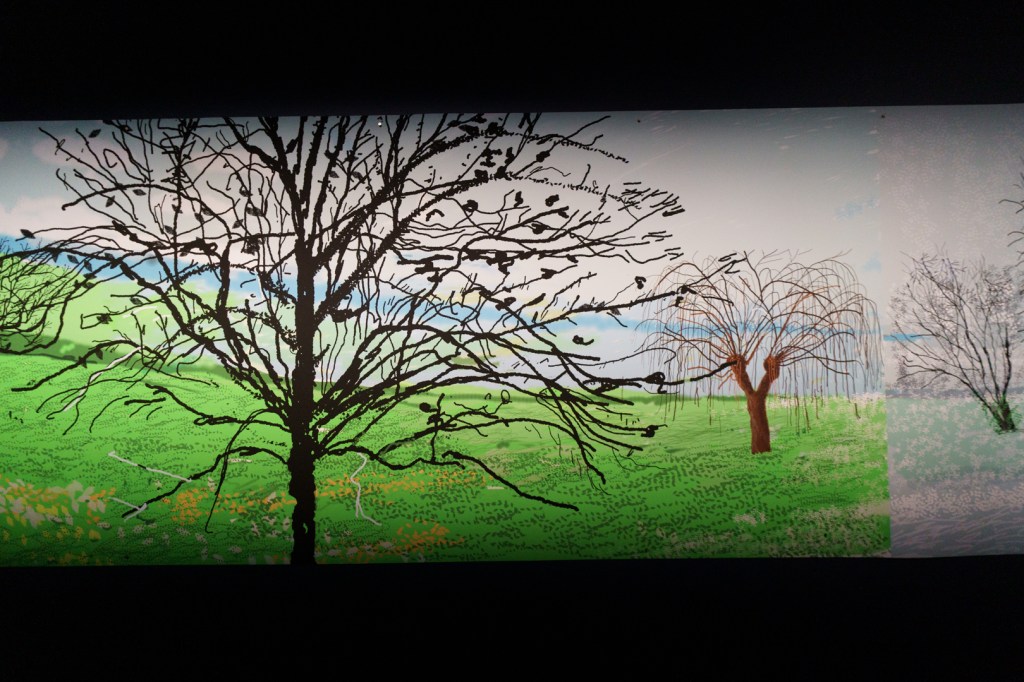
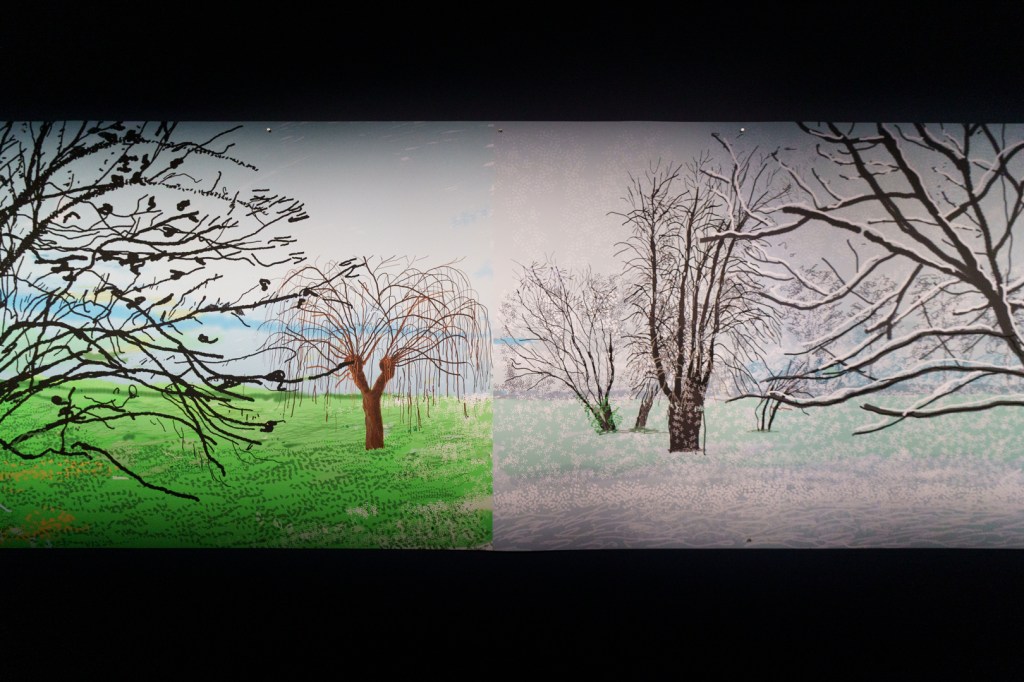
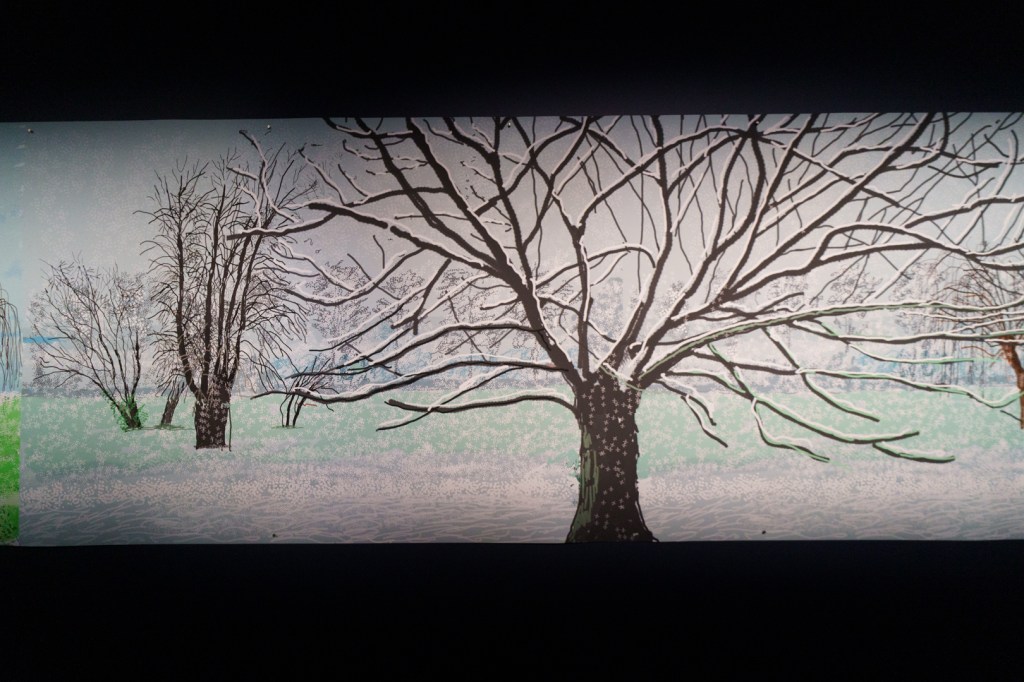
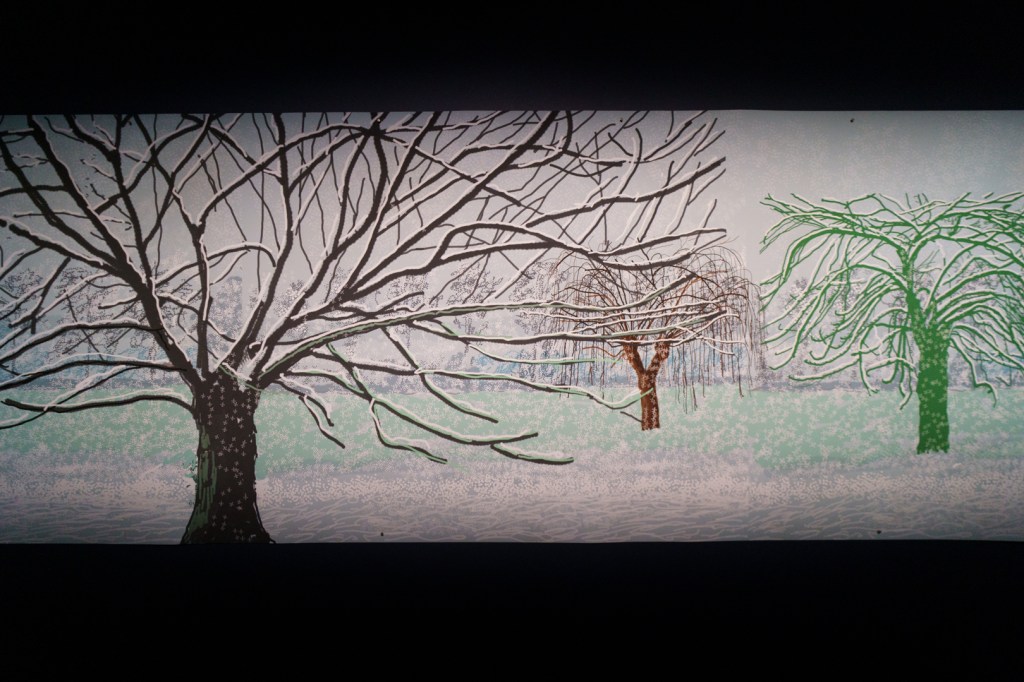
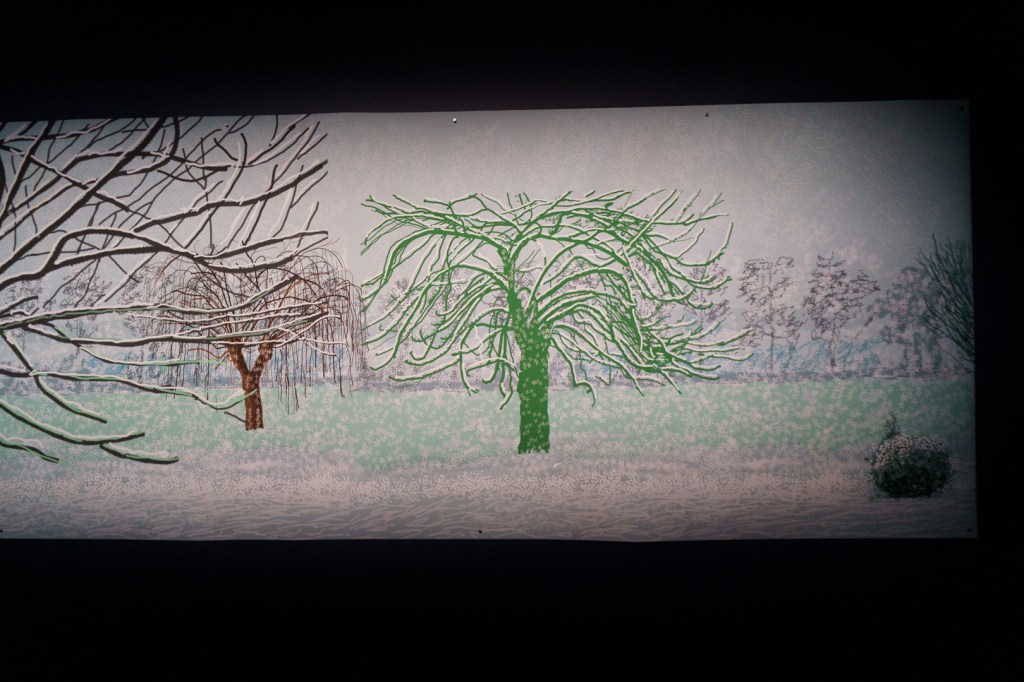
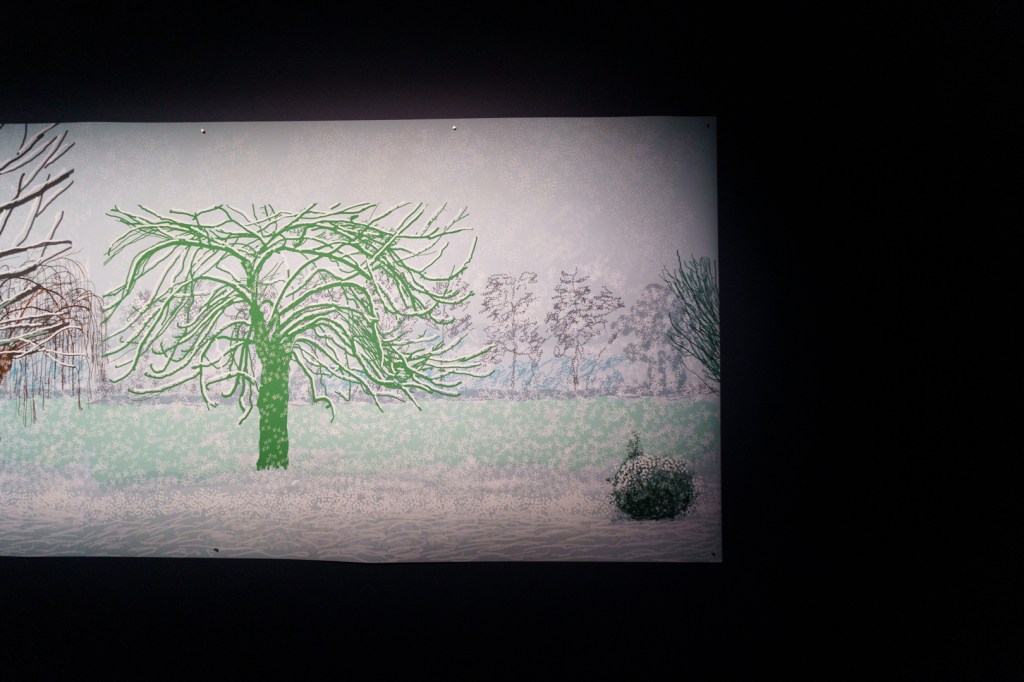
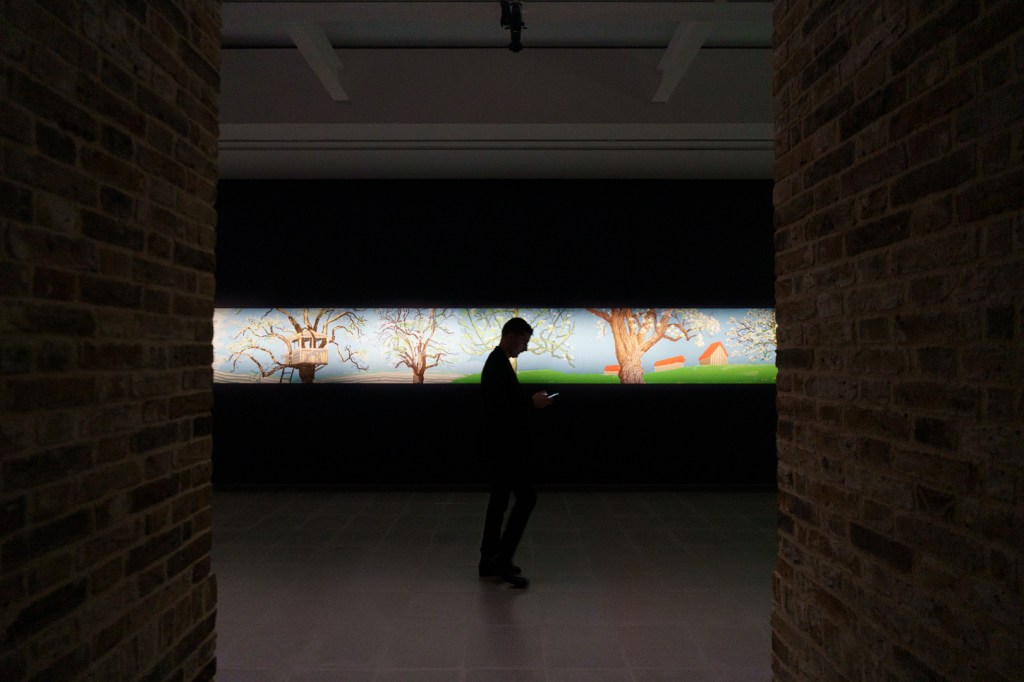
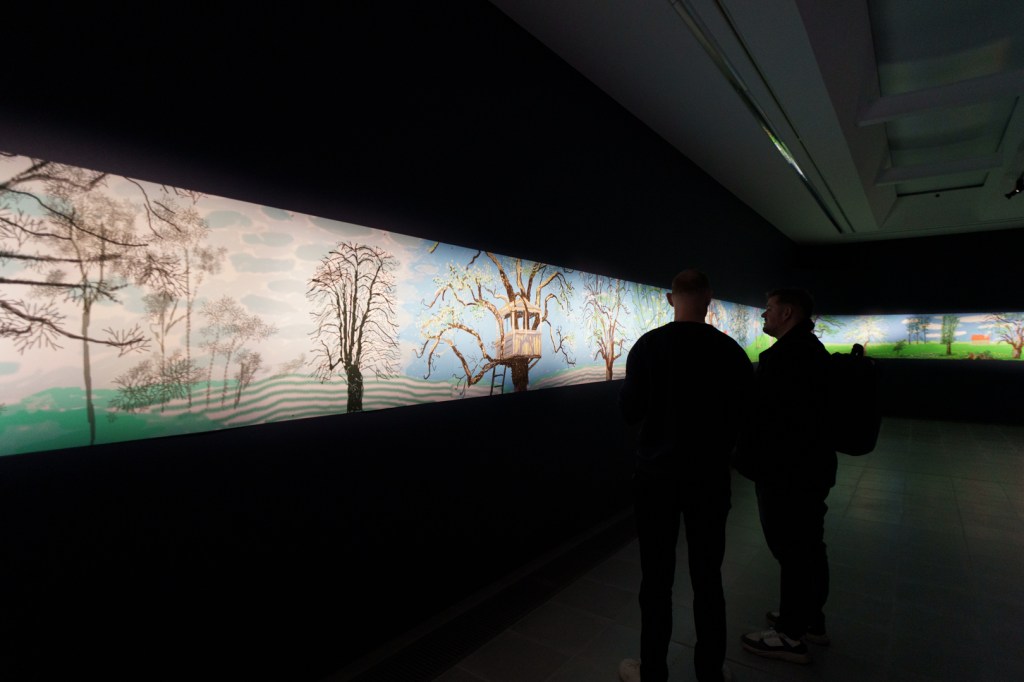
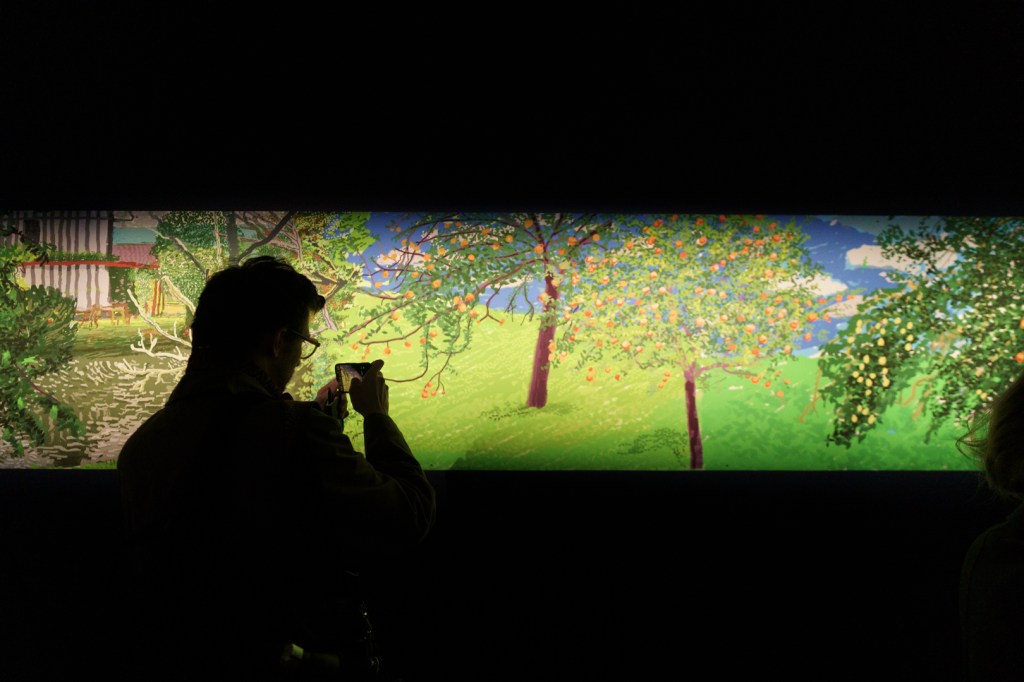
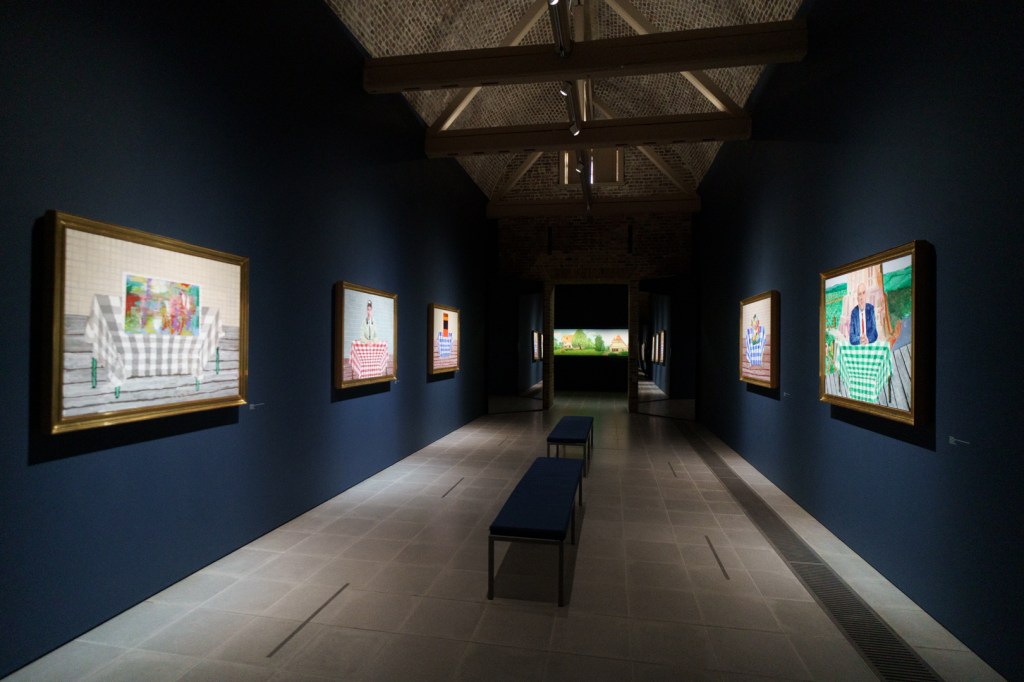
A Year in Normandie took some of those same images and collaged them with others in a new format, creating a seasonal walking tour of the area during COVID. In fact, it reminds me of Chinese scroll paintings, where the viewing experience is limited by my peripheral vision and the physical space to show the work. Here, the narrative lies not in humanoid figures but in the characters of the natural world. The leaves, the trees, the blossoms and fruits, the fields, the grass and the wind running through them, and how they change colours throughout their life. Human presence is alluded to by artificial hay bales and manmade buildings, adding rhythm to the frieze. It’s a very serene, immersive experience, and the display solution gives the illusion of a backlit panel that works incredibly well.
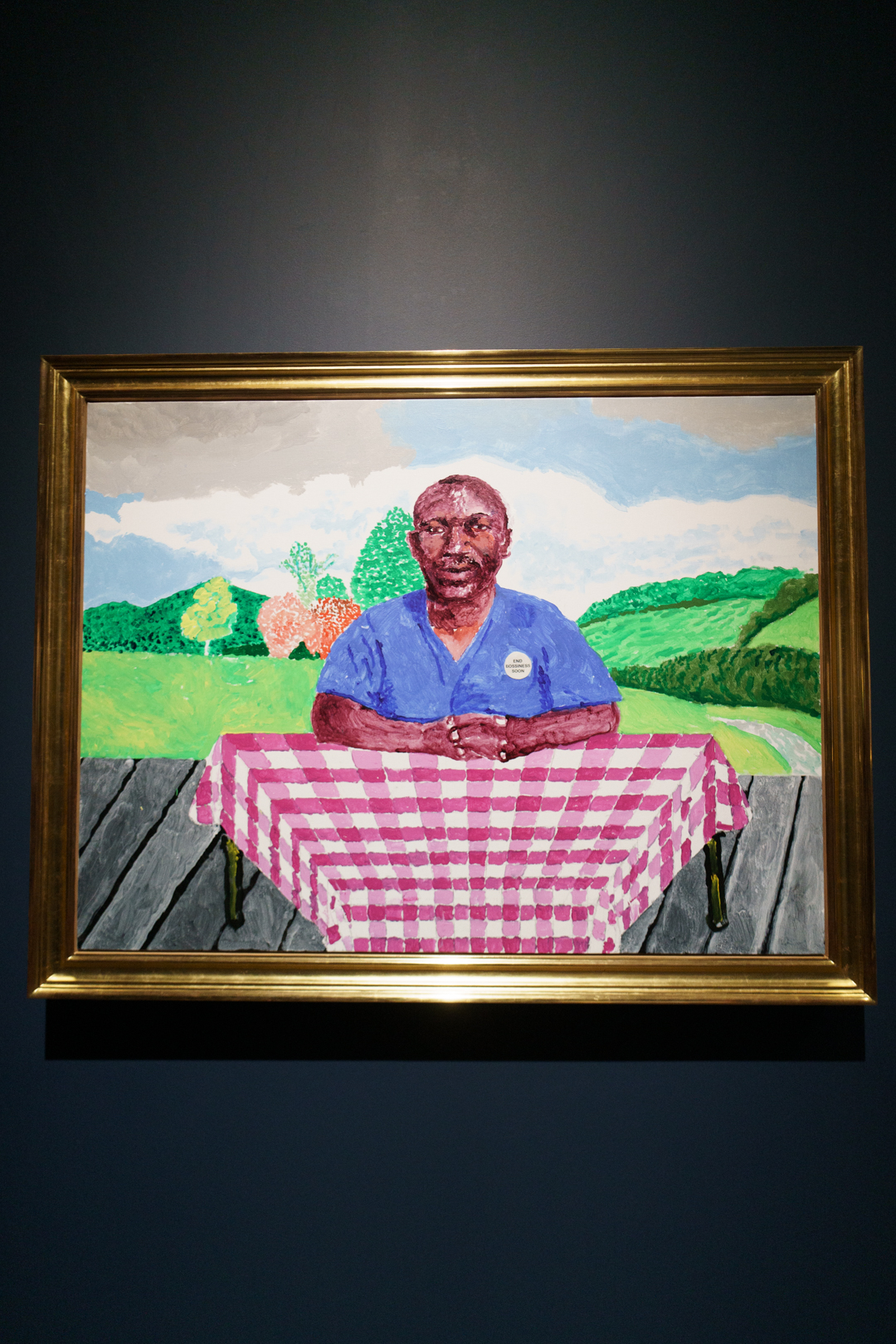
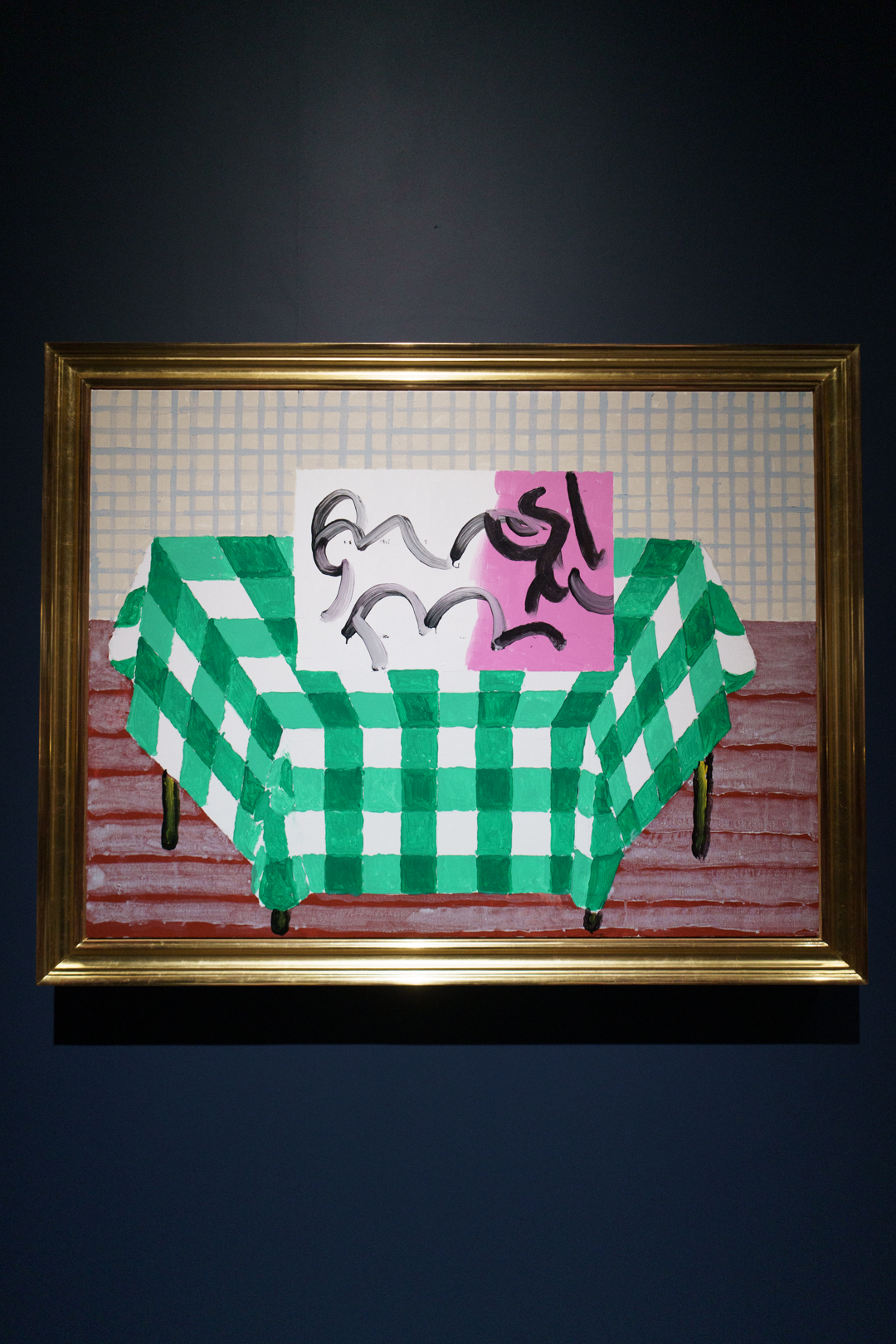
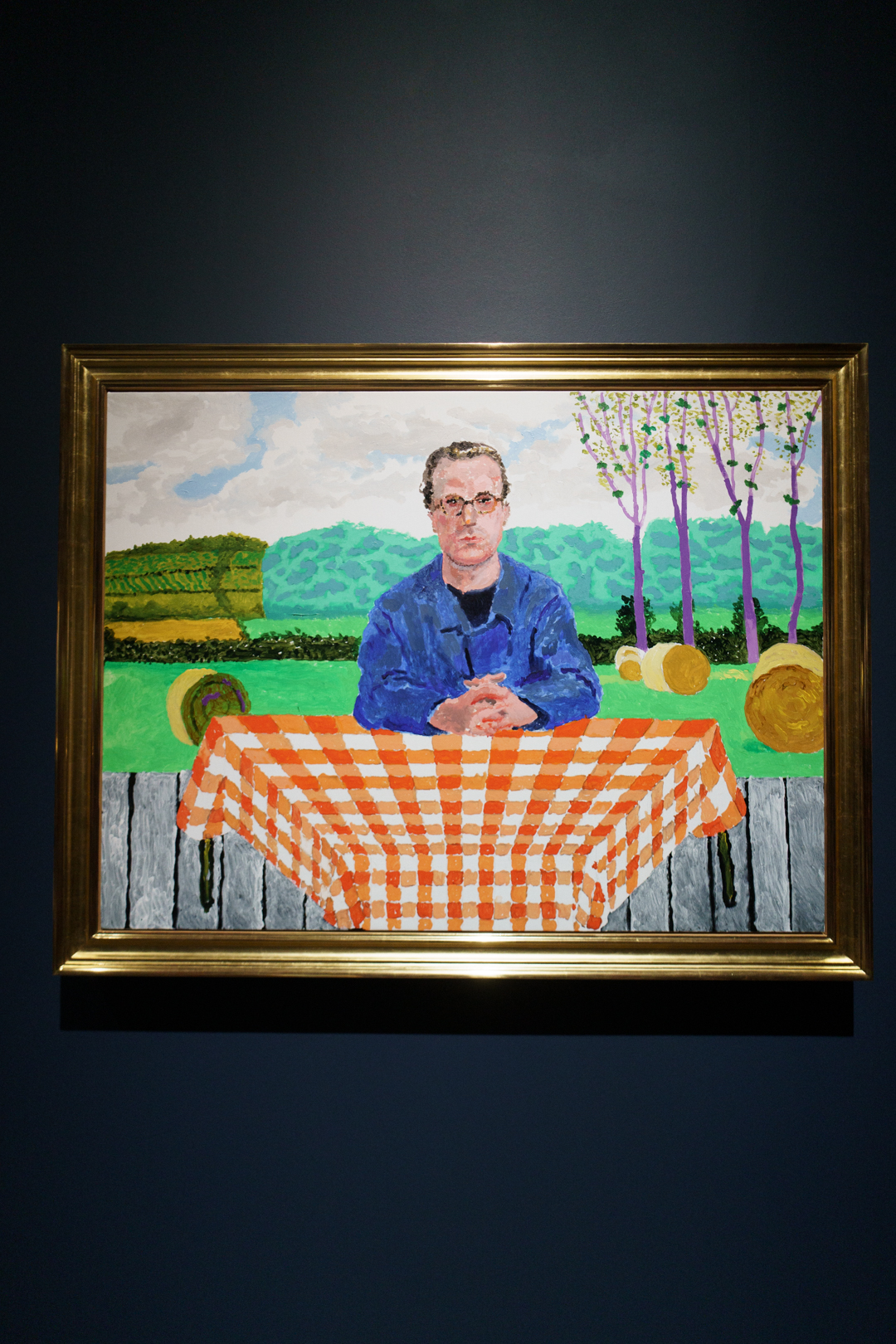
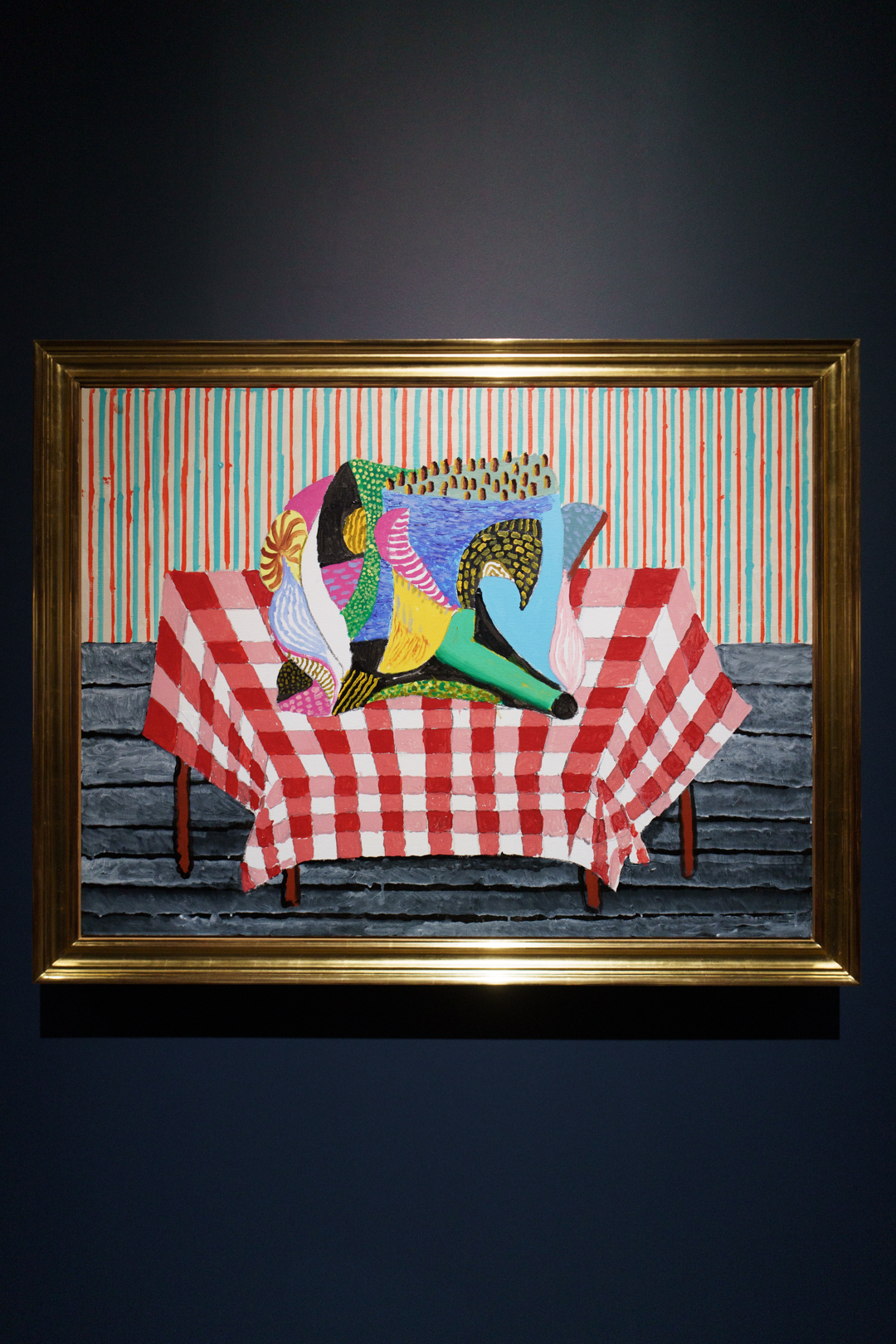
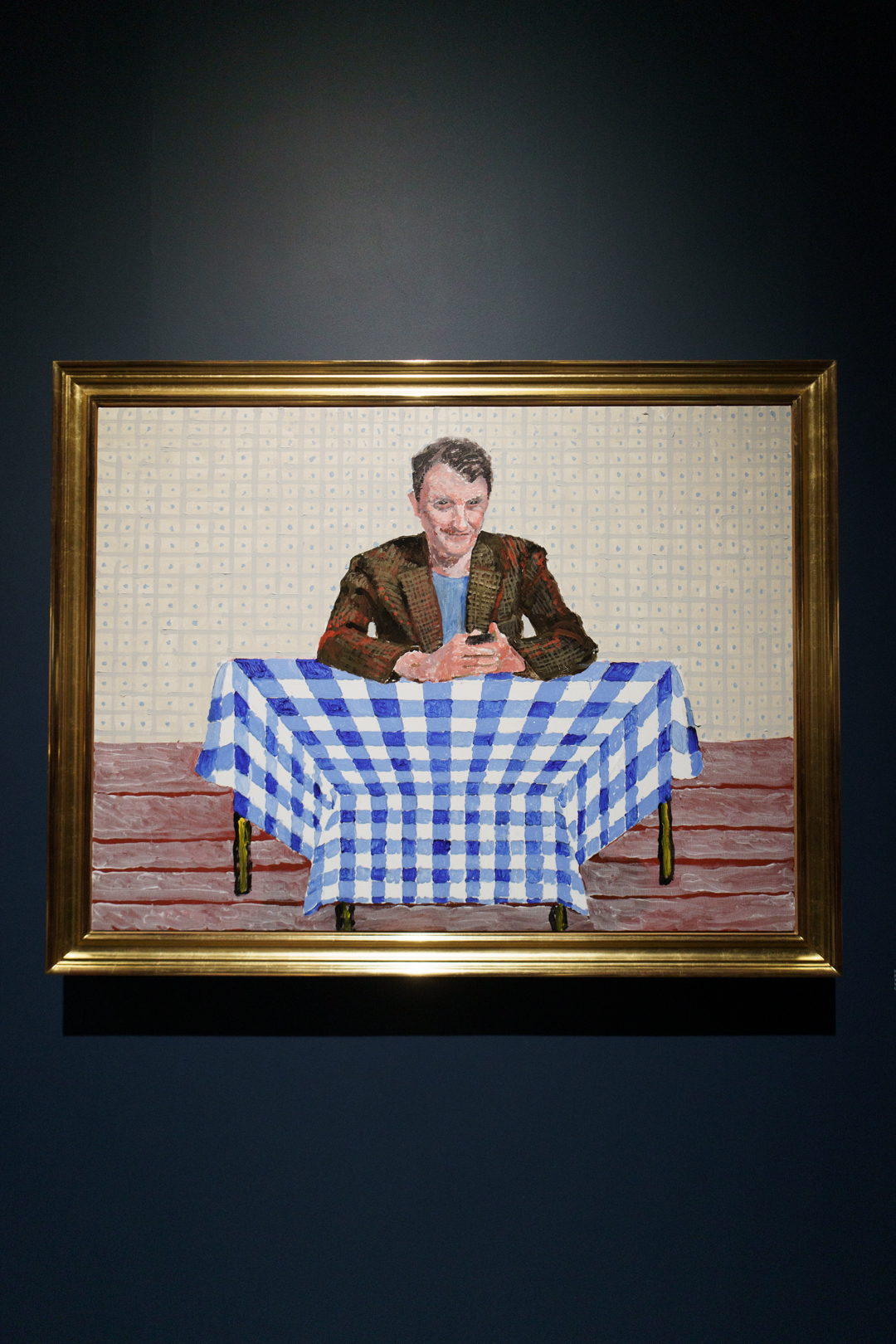
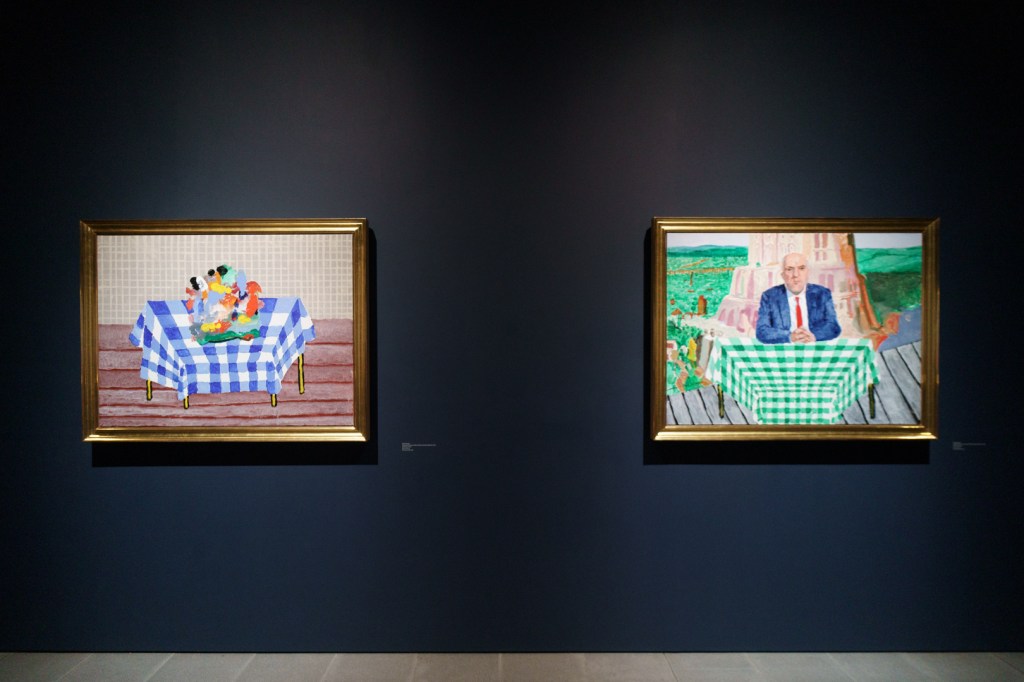
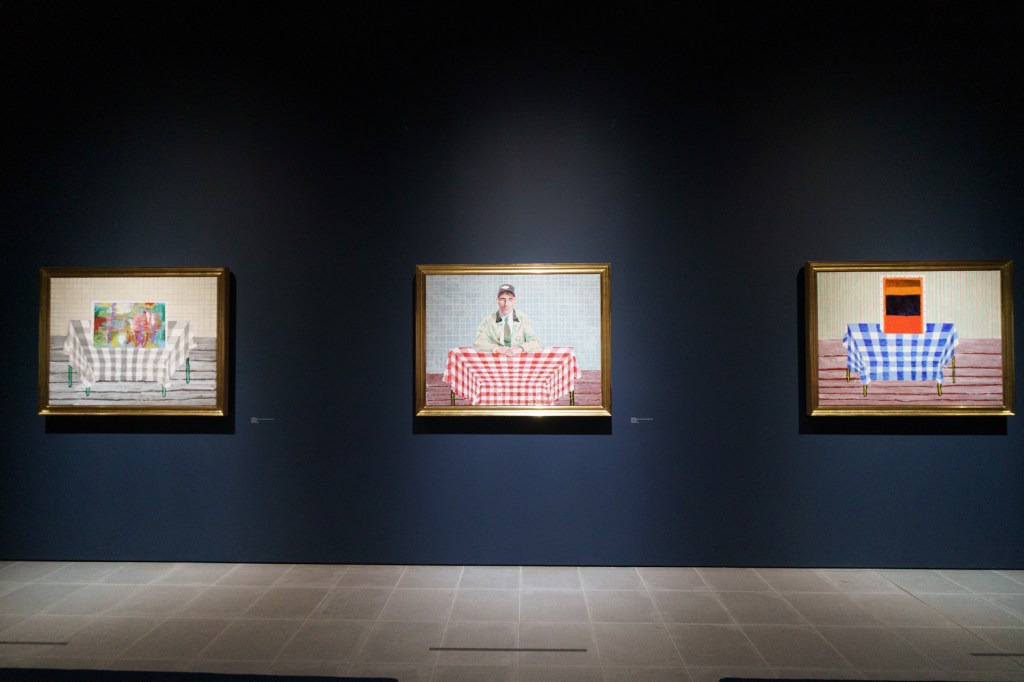
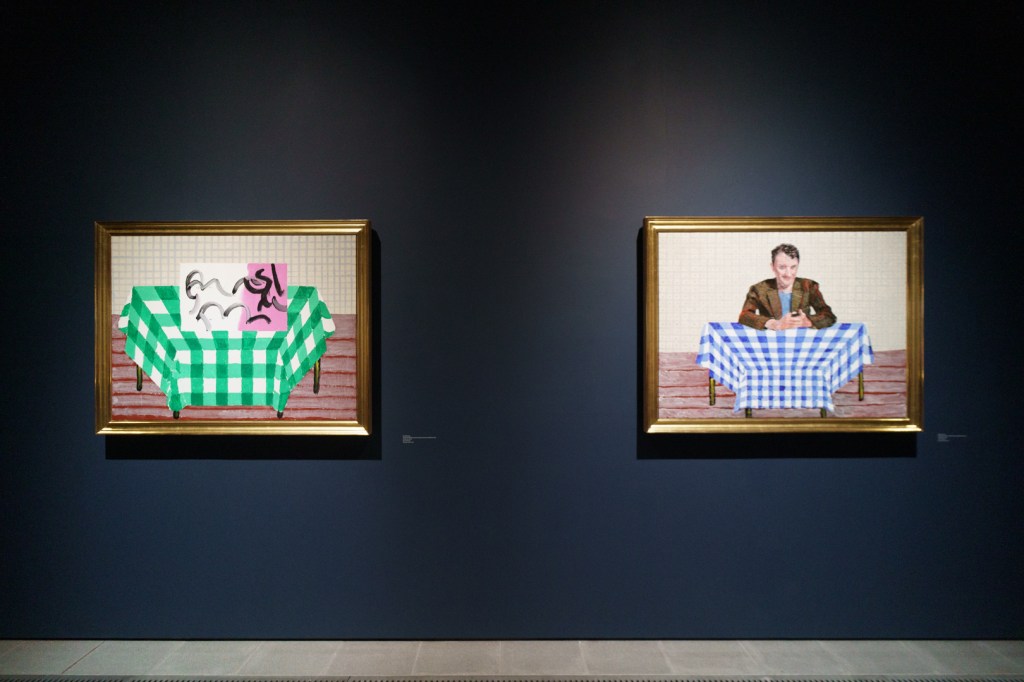
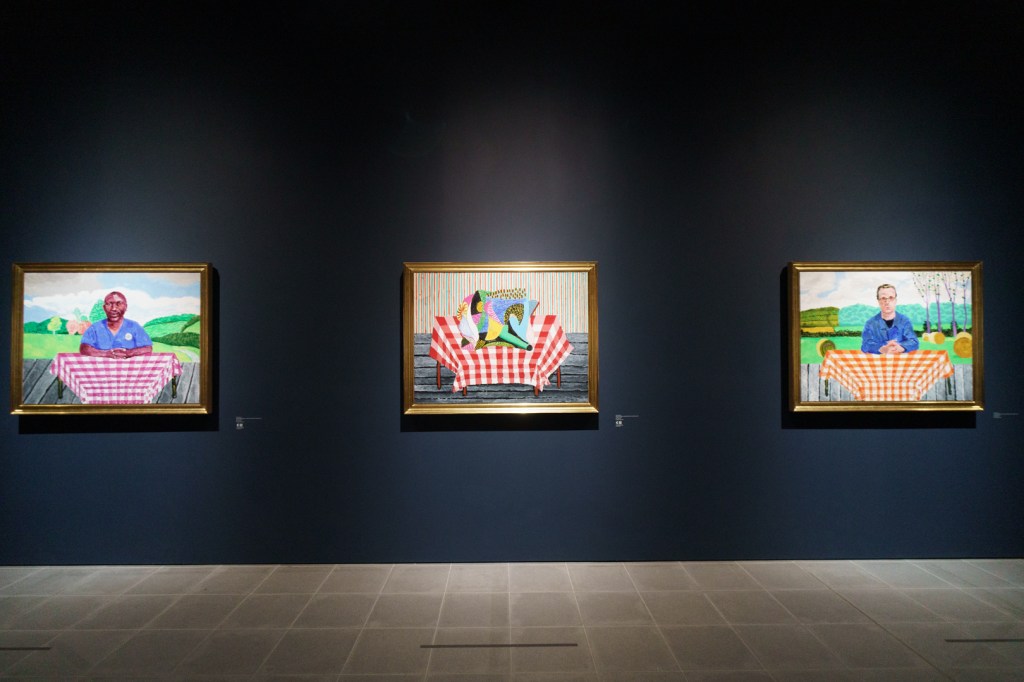
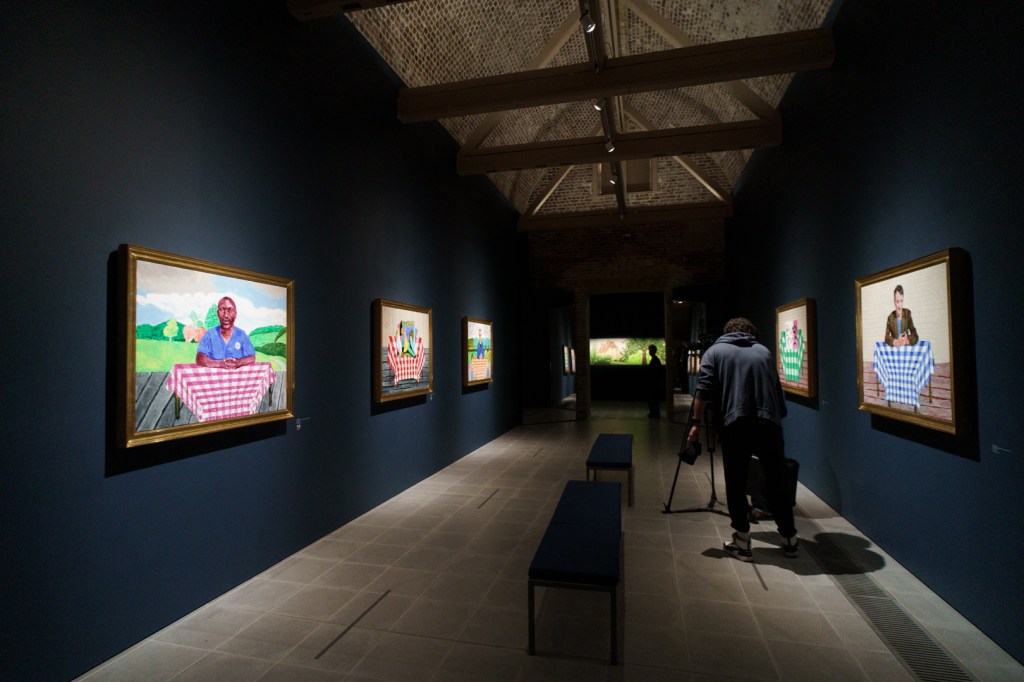
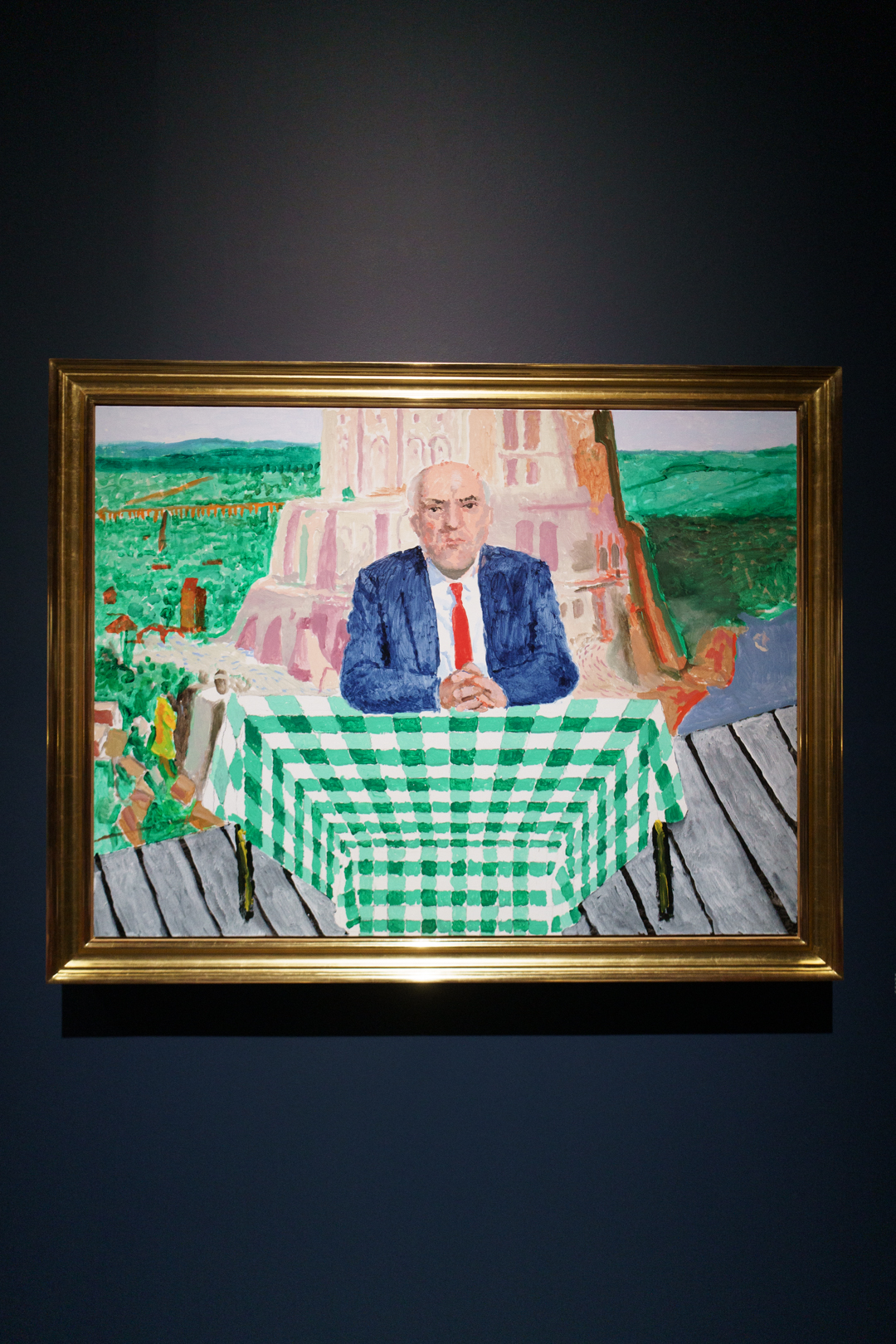
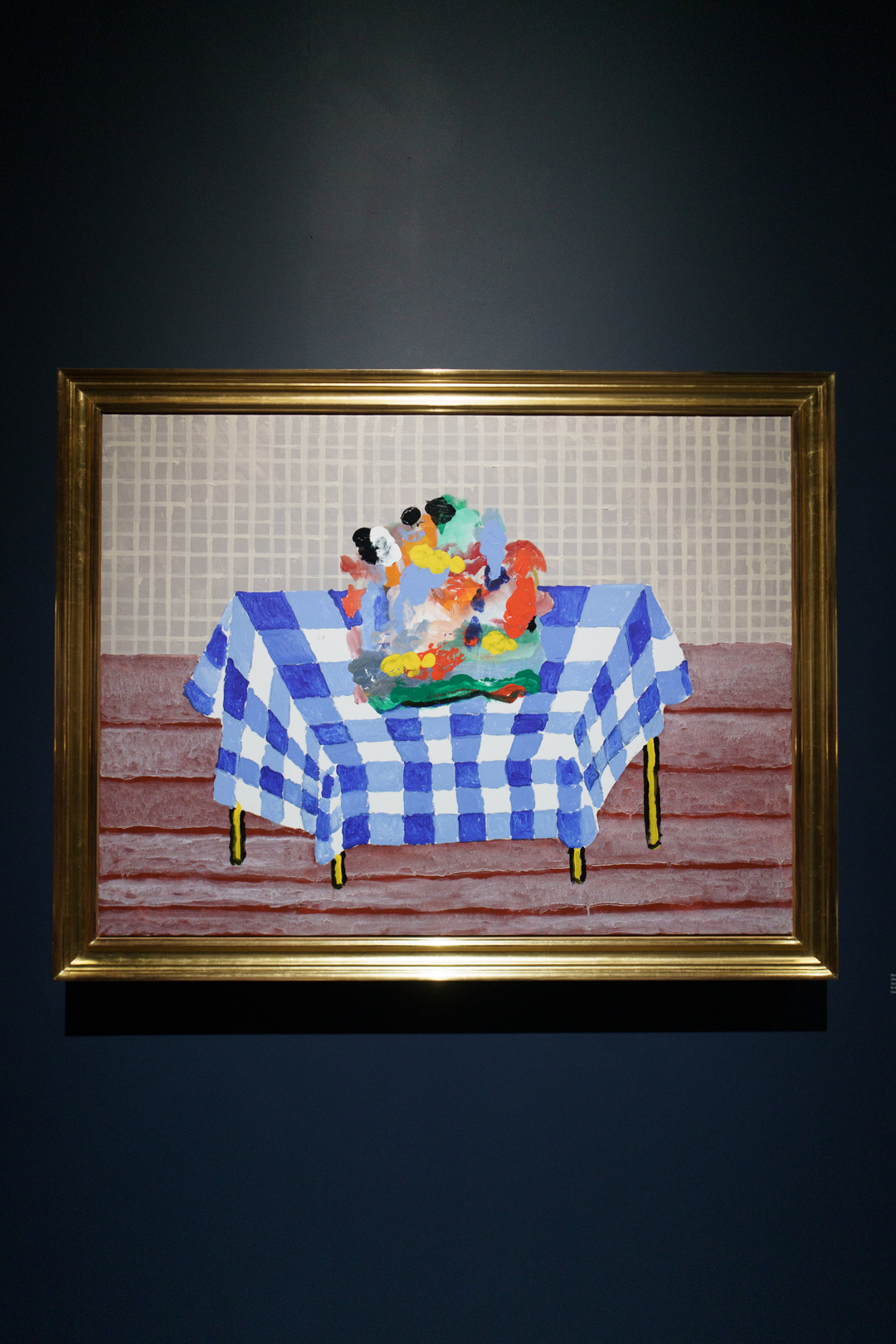
This isn’t the only thing to see in this free exhibition, however. In the two rooms occupying the centre of the space are 10 acrylic paintings from late 2025 created specially for this show. Five depict family, friends, and carers, while the other five are still lifes of abstract paintings by artists like Mark Rothko and Gerhard Richter. Unifying them is a table draped with a checkered, gingham tablecloth, rendered in reverse perspective. In the context of this exhibition, they almost seem to invite the viewer into a conversation with the sitters in the Normandy landscape, whether about Hockney himself through his confidants, or about the nature of art itself.
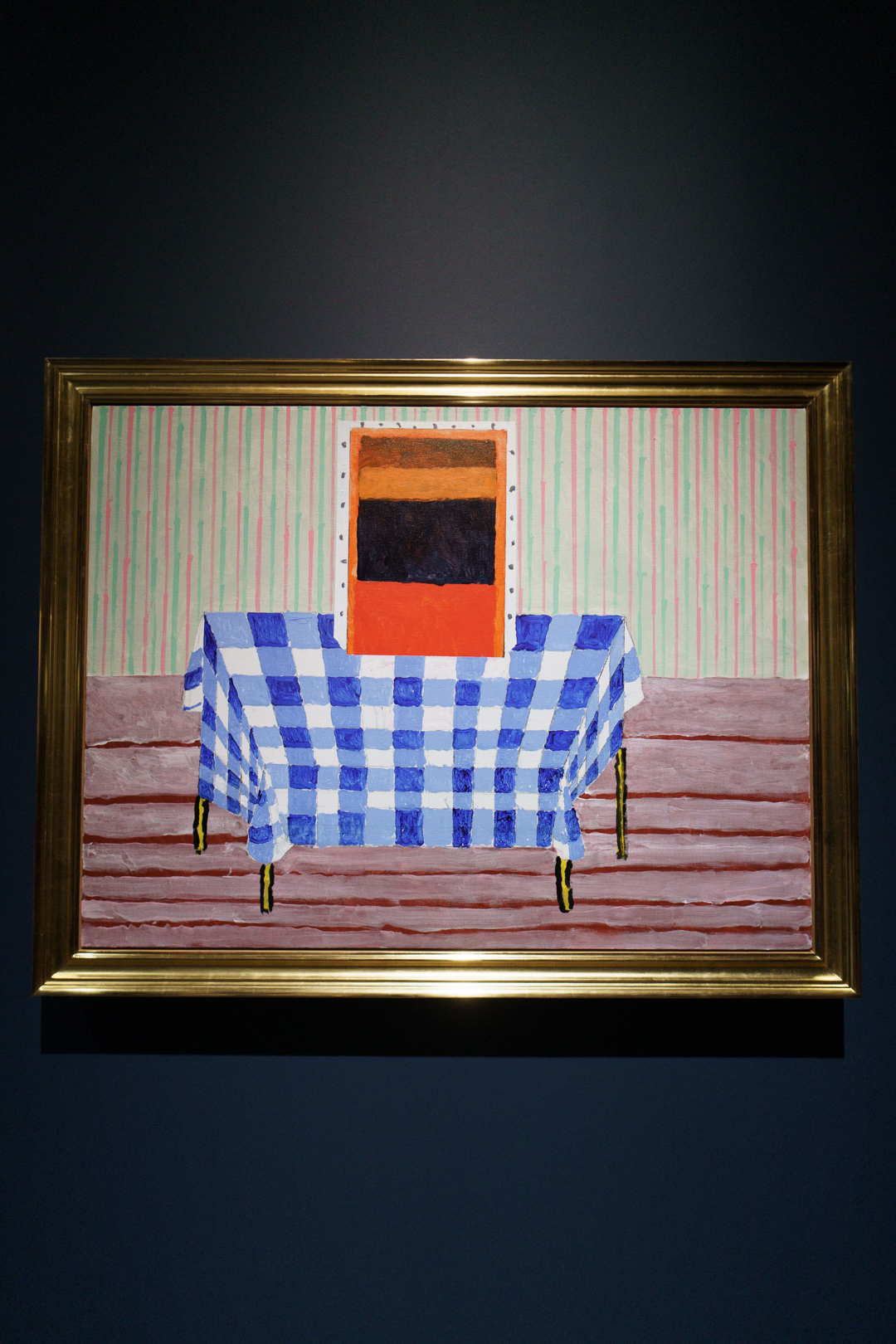
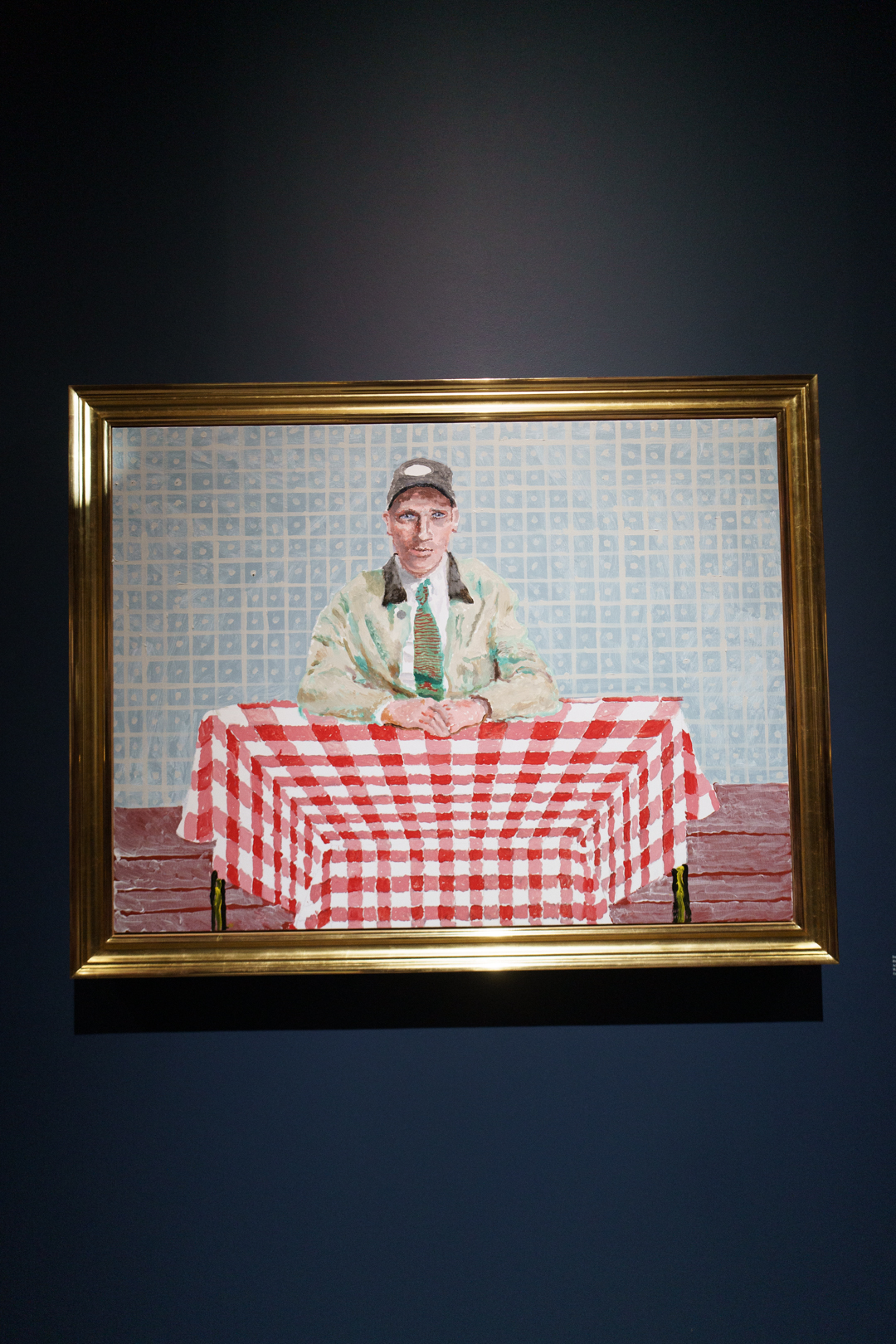
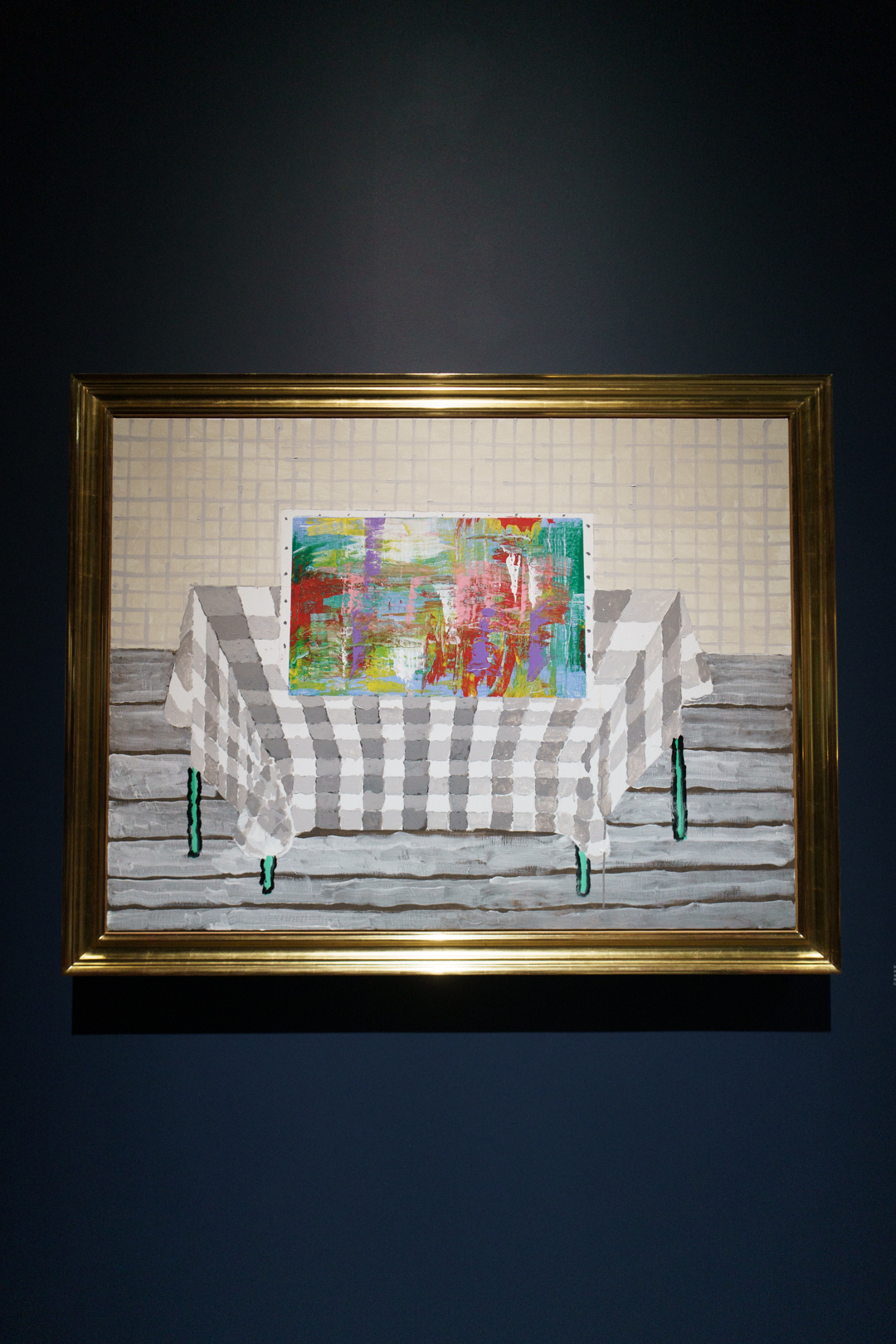
What I’m less sure of are the eight large mirrors by the entrances of those rooms. Designed to hide the inner corners, they have terrible angles for getting selfies with the paintings, and the lighting is too dark anyway. Perhaps they were intended as a seamless transition between them and the frieze room, where the persistently changing mirrored surface echoes the shifting appearance of Normandy’s seasonal landscape.
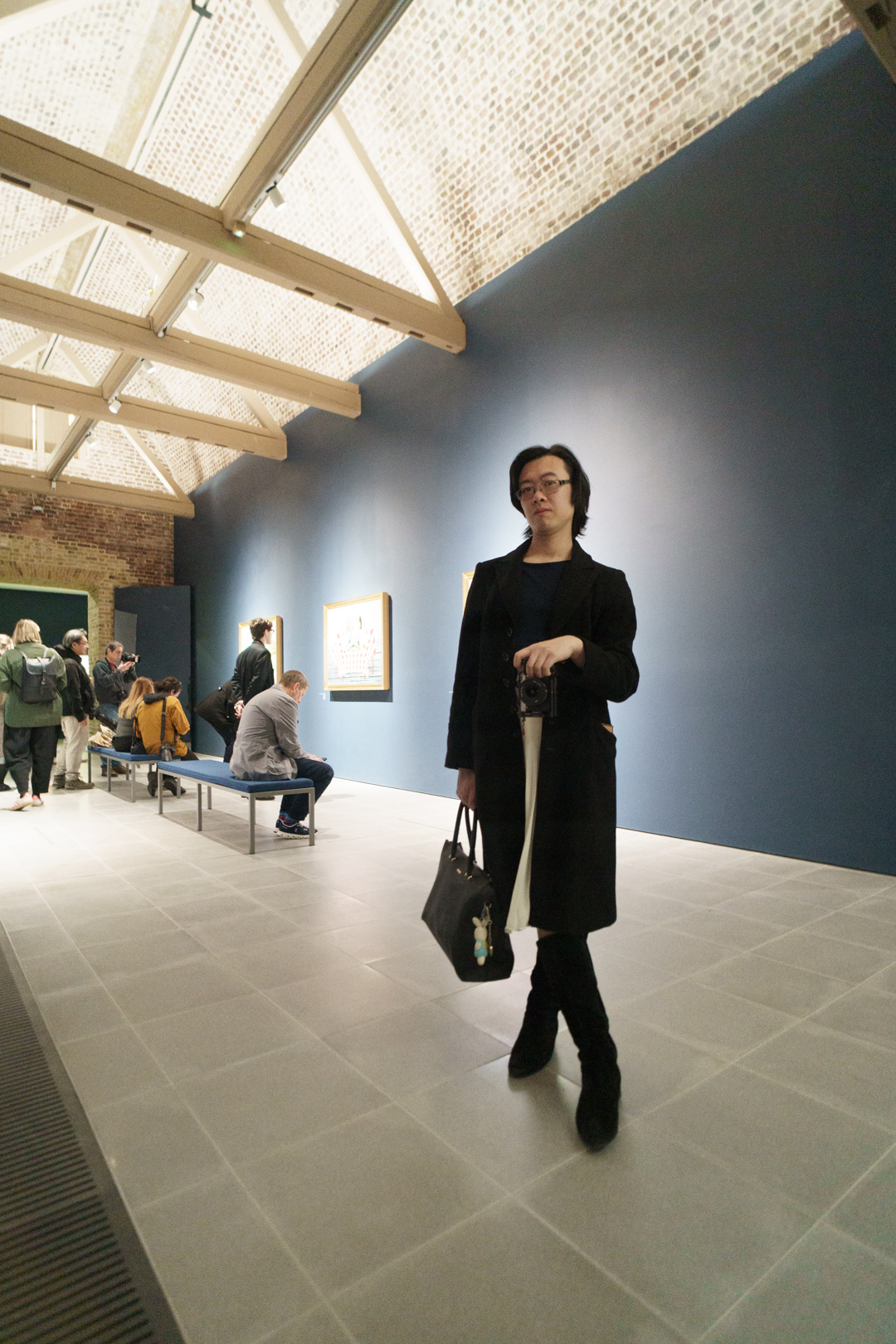
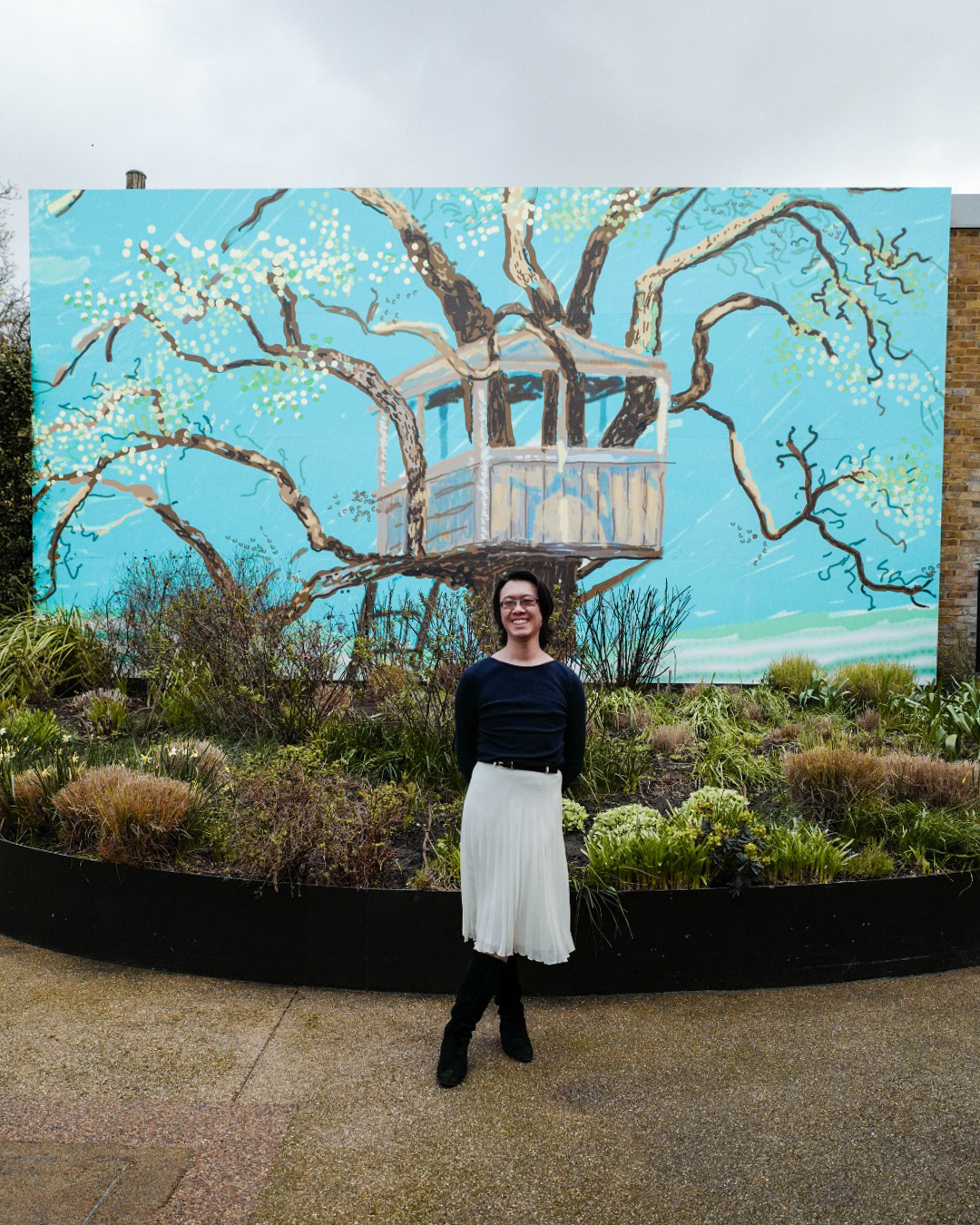
Overall, the Serpentine exhibition is a delightful experience and very timely too. They even blew up a detail from the spring cycle and placed it among the natural landscape behind the café. Influencers will probably love this show for its aesthetic appeal. But I also love it for Hockney’s innovative approach to digital art in a format that feels familiar but also doesn’t.
David Hockney: A Year in Normandie and Some Other Thoughts about Painting (12 March – 23 August 2026) is at the Serpentine North Gallery, London, https://www.serpentinegalleries.org/

 Nigel Ip
Leave a comment