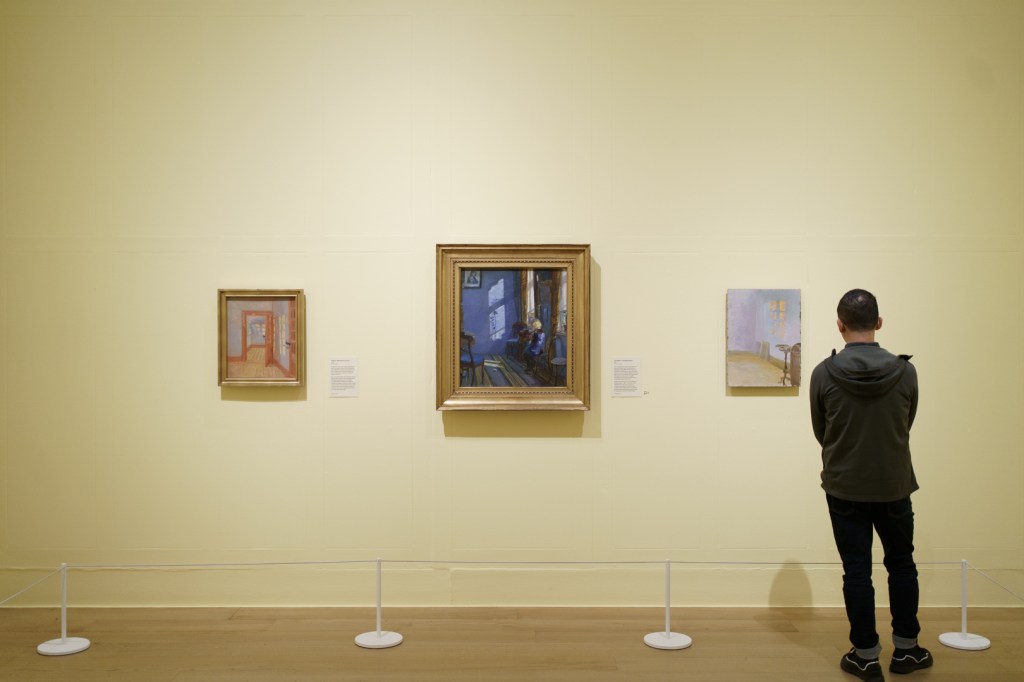
Anna Ancher at Dulwich Picture Gallery is a beautiful exhibition uncovering one of Denmark’s most famous female artists. Outside of her home country, however, she is practically unknown, which makes this collaboration with the Skagens Museum especially important.
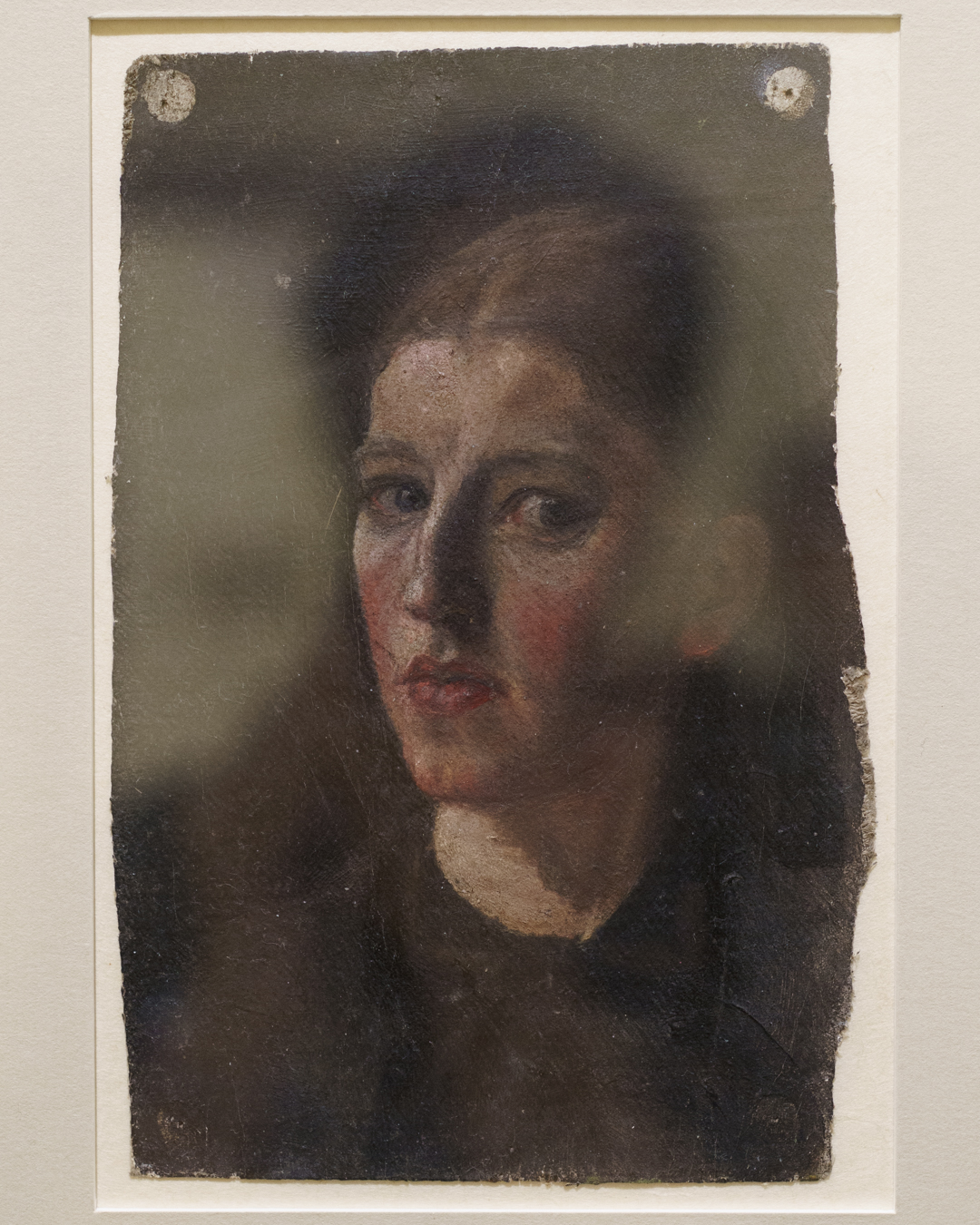
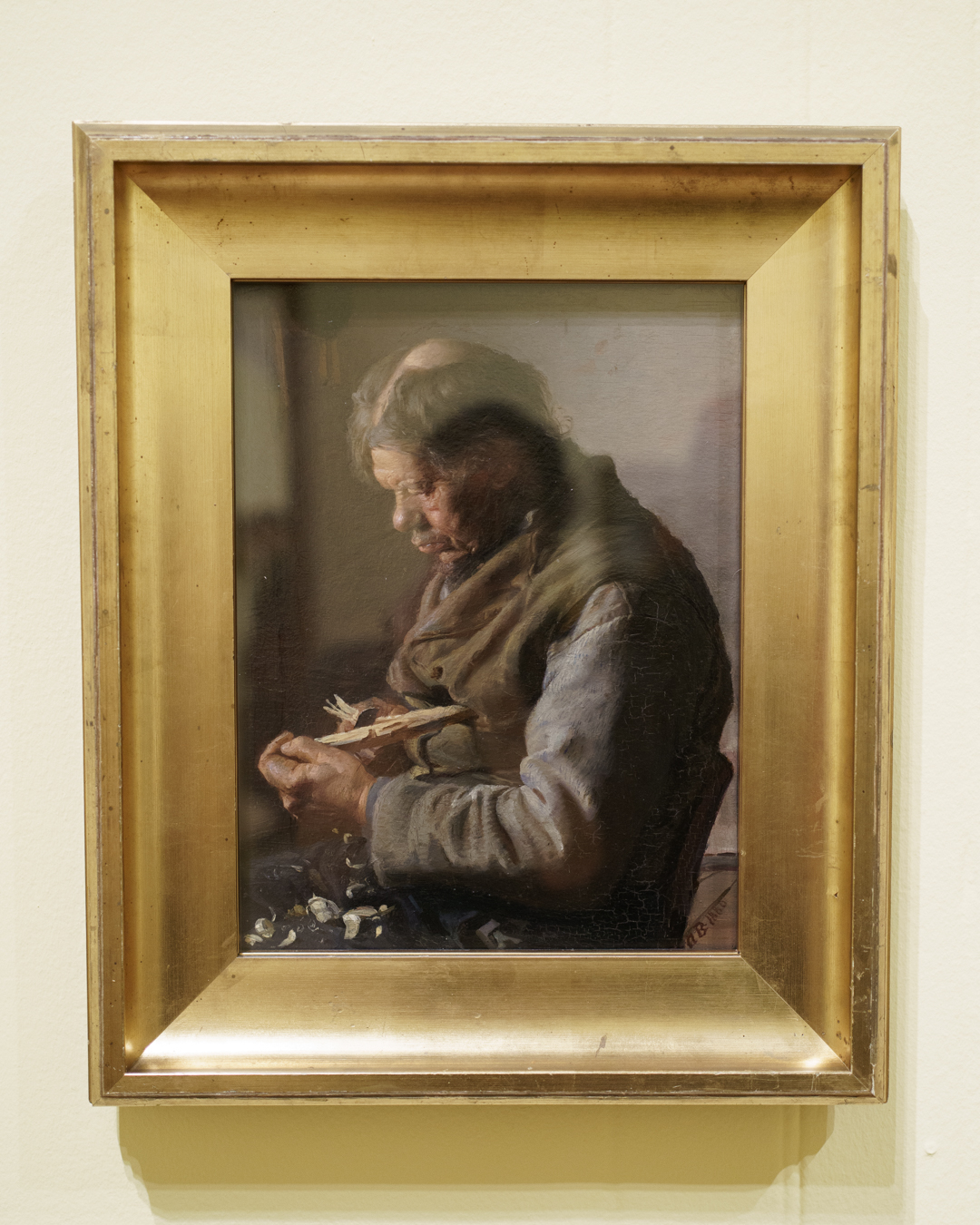
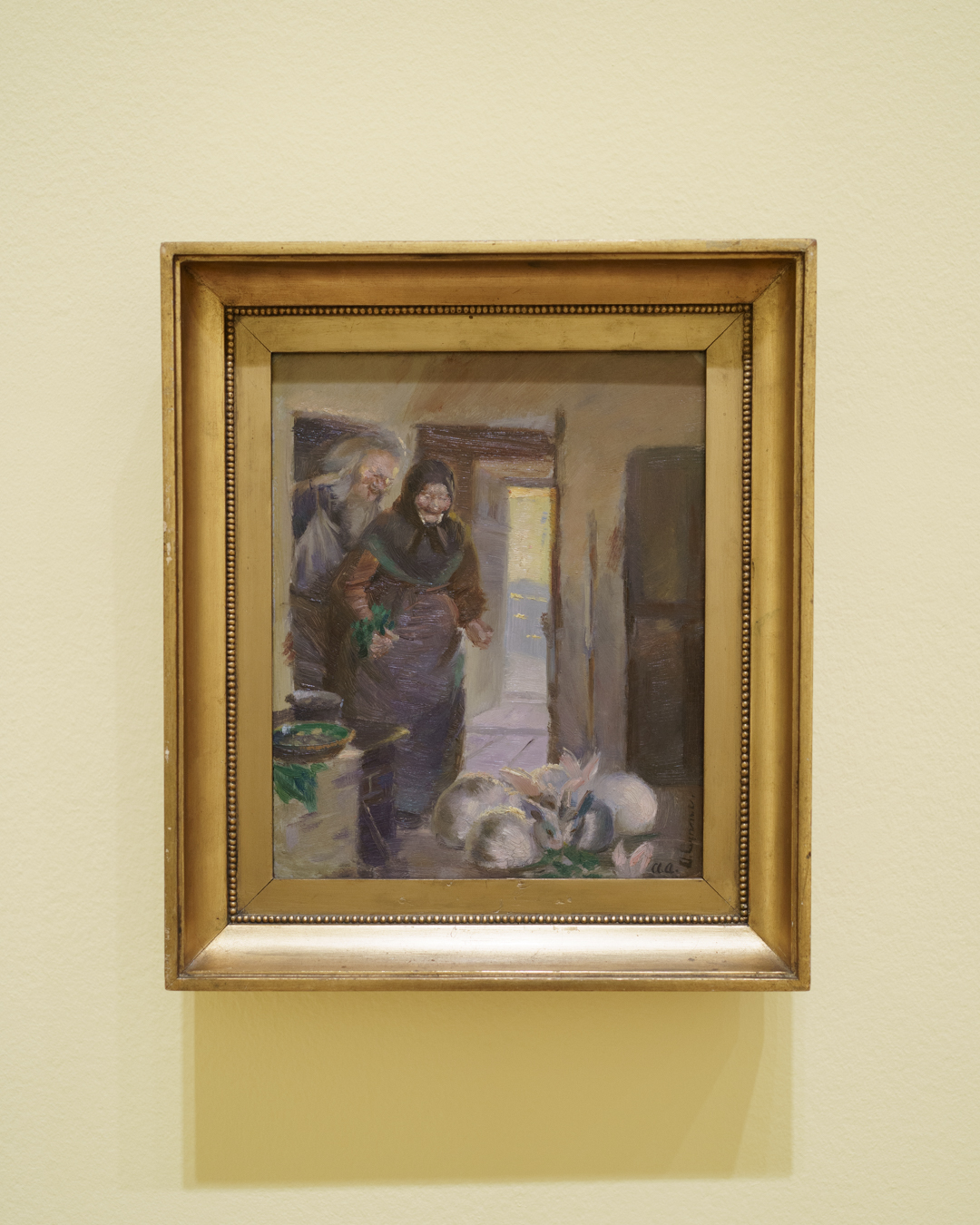
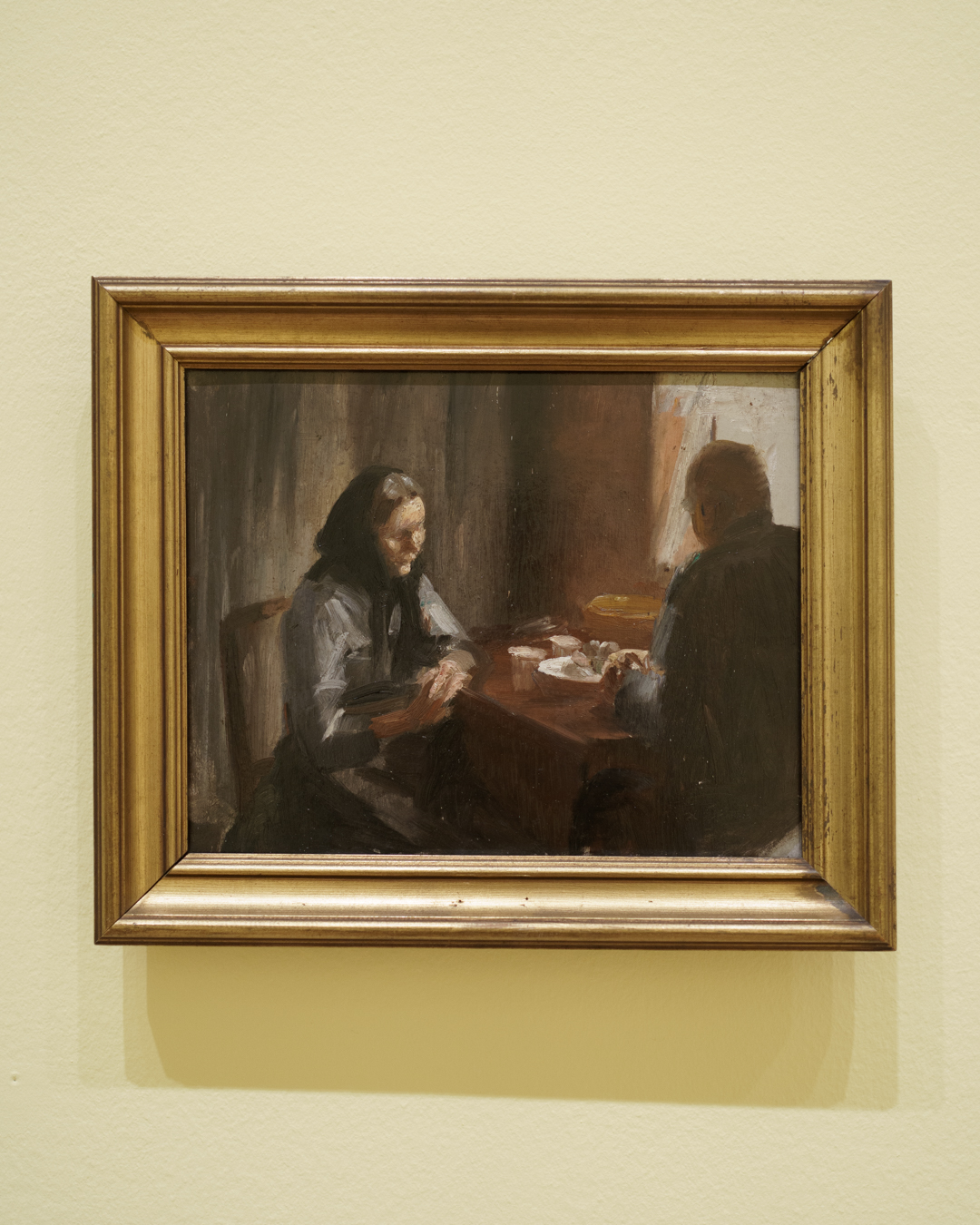
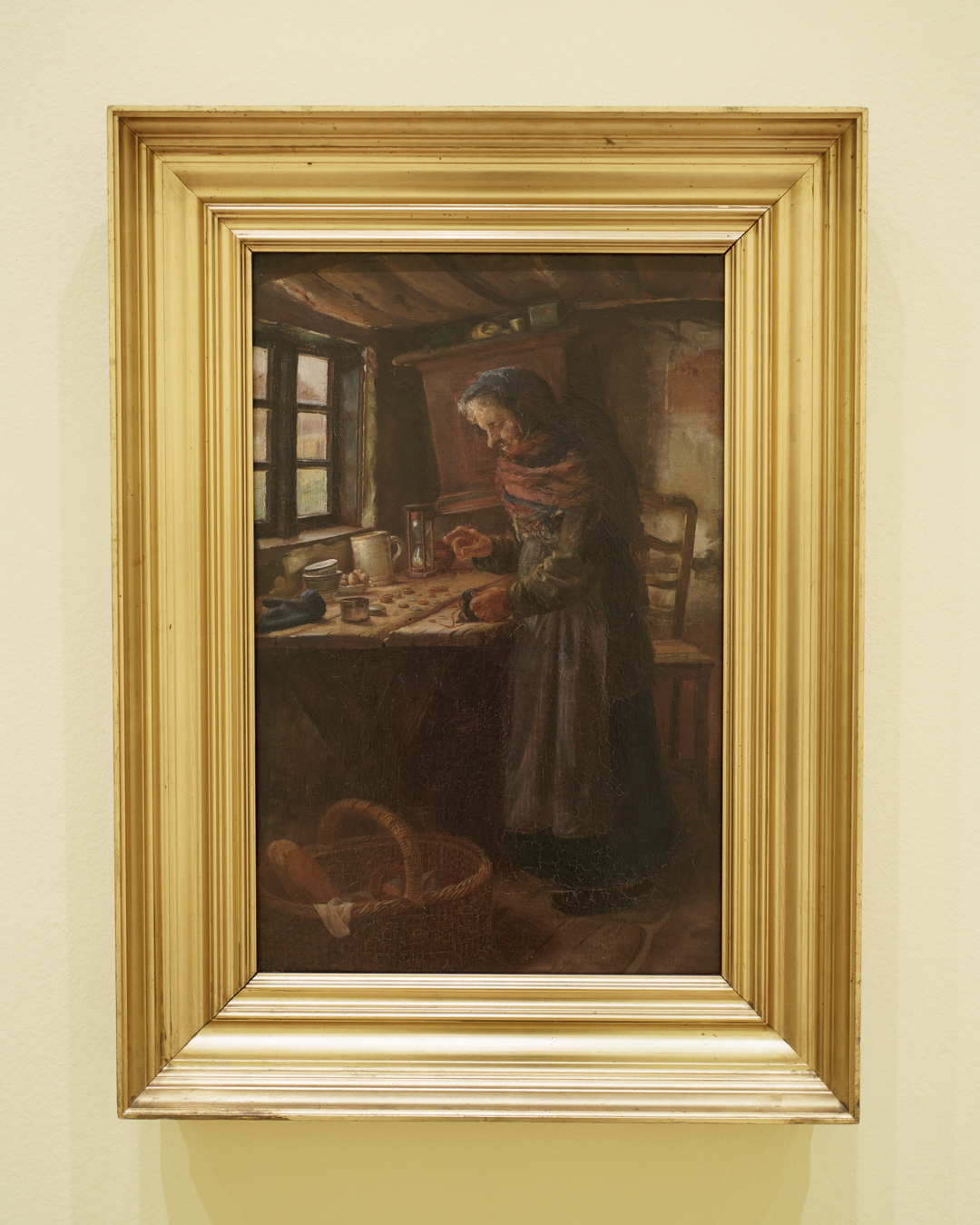
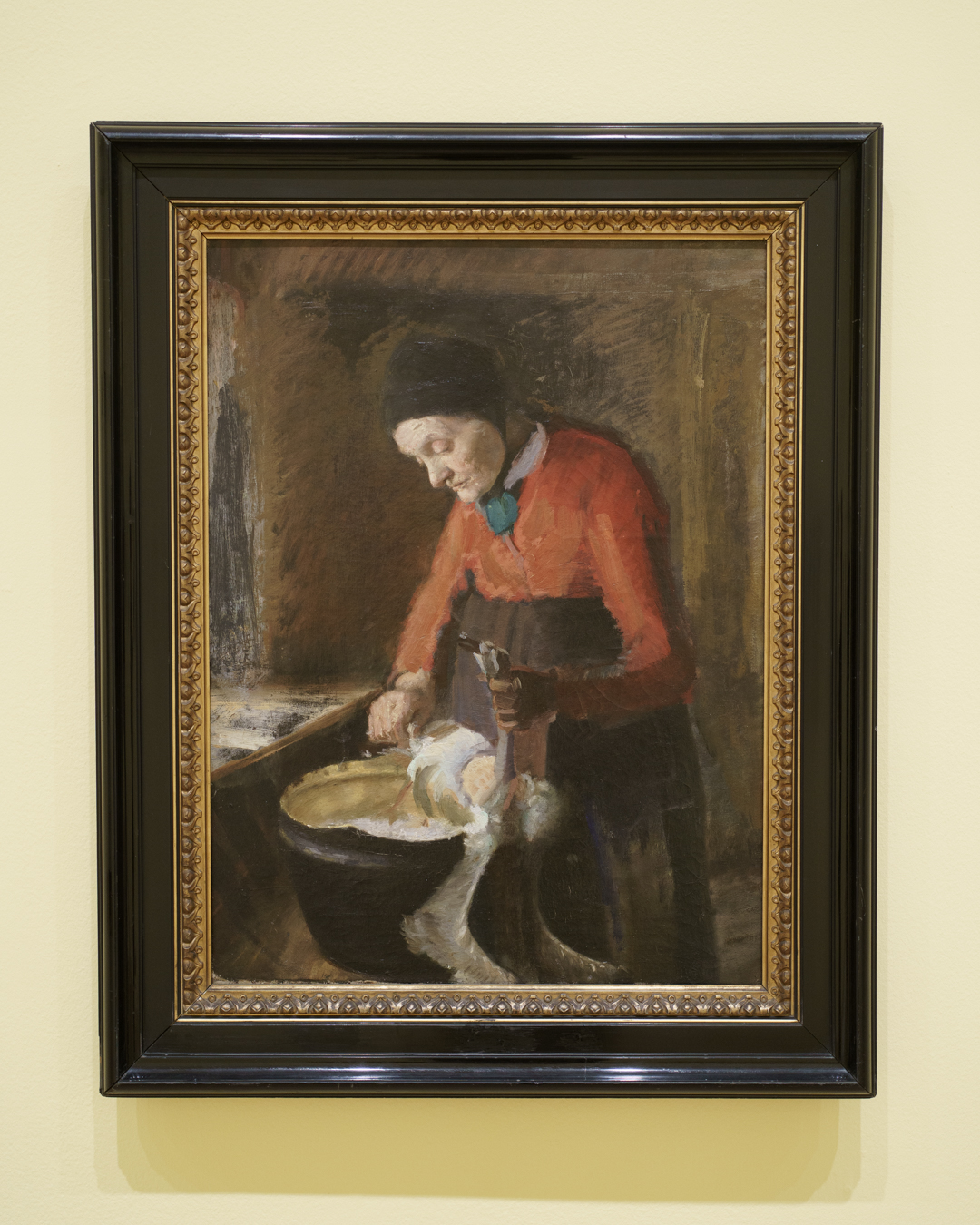
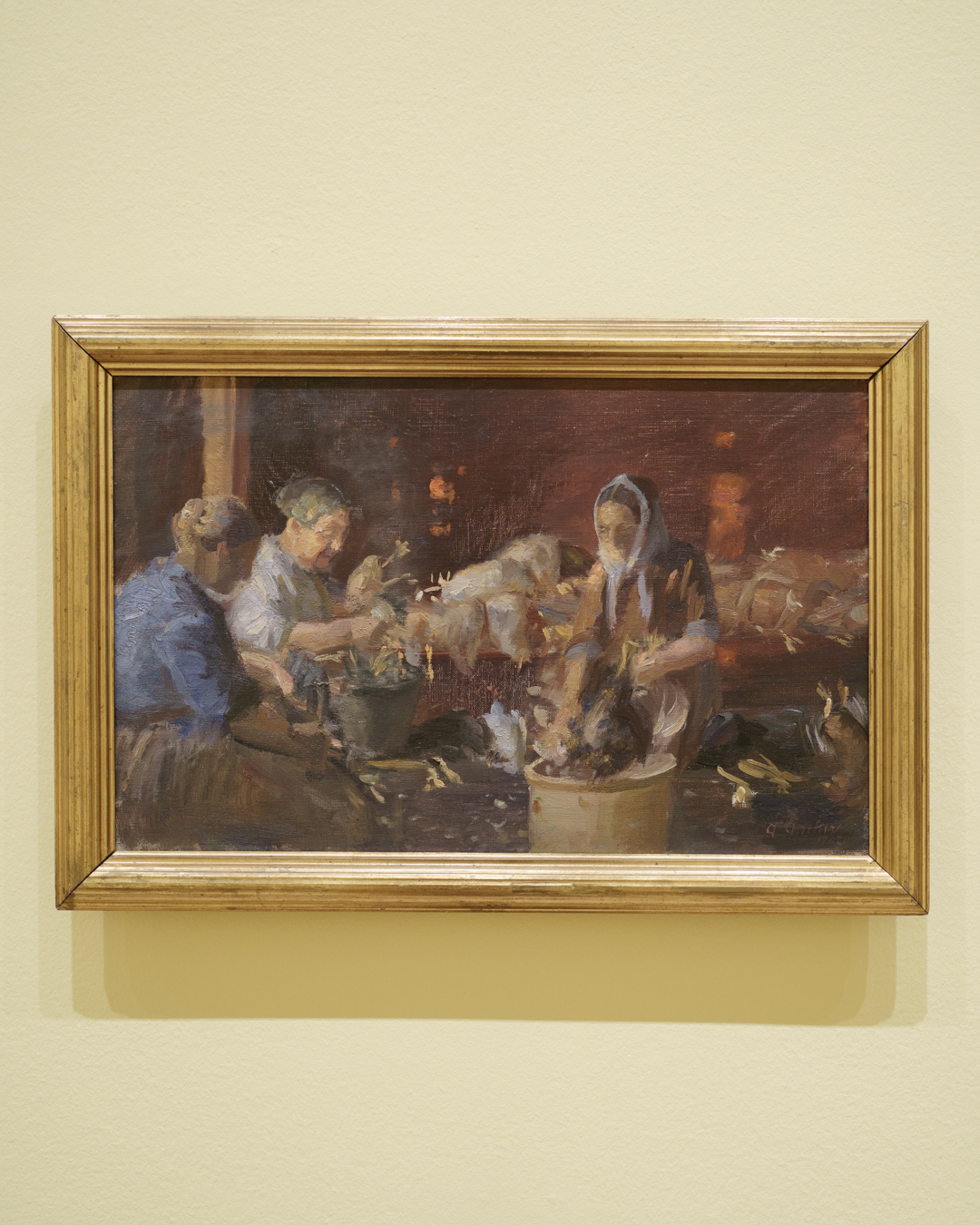
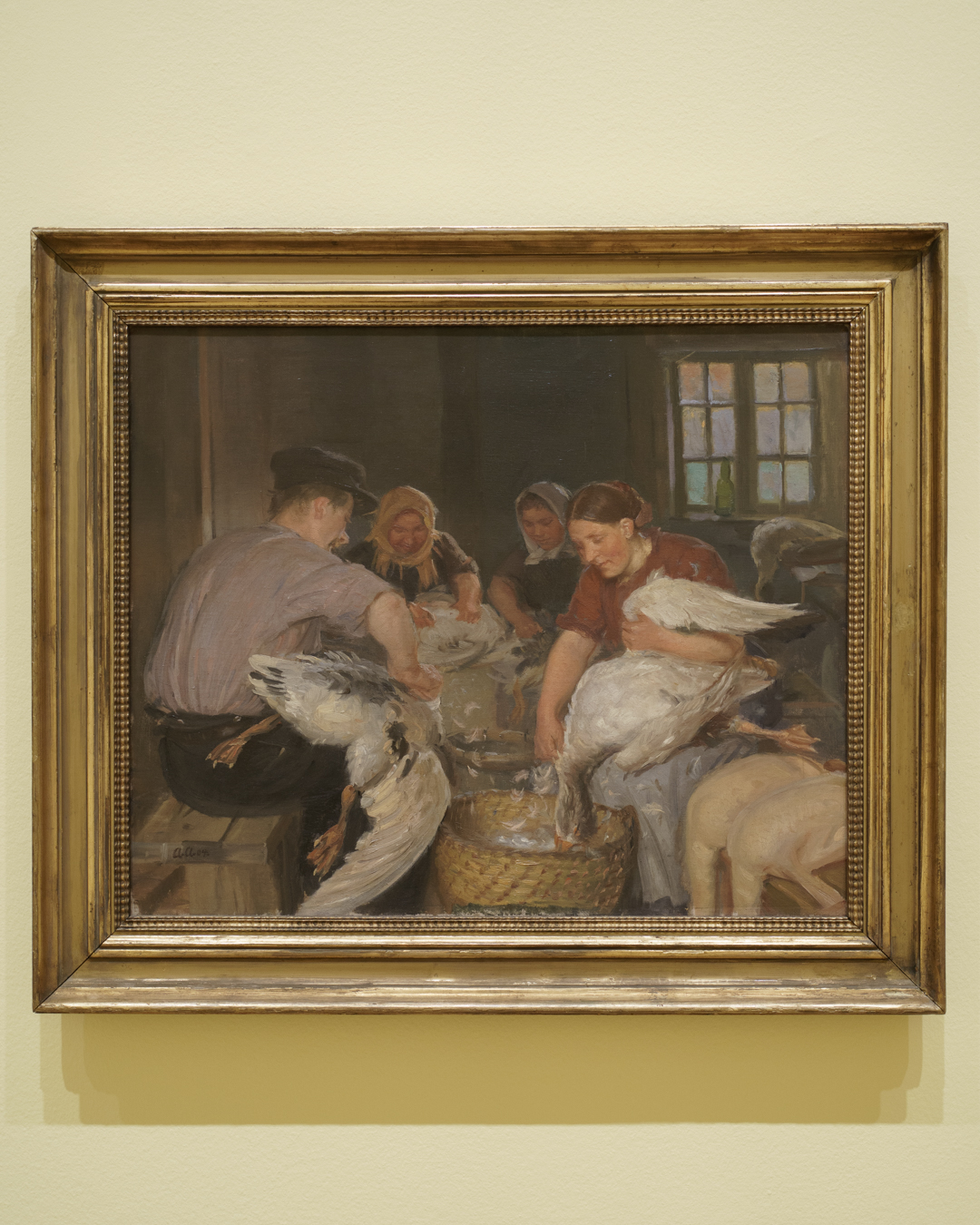
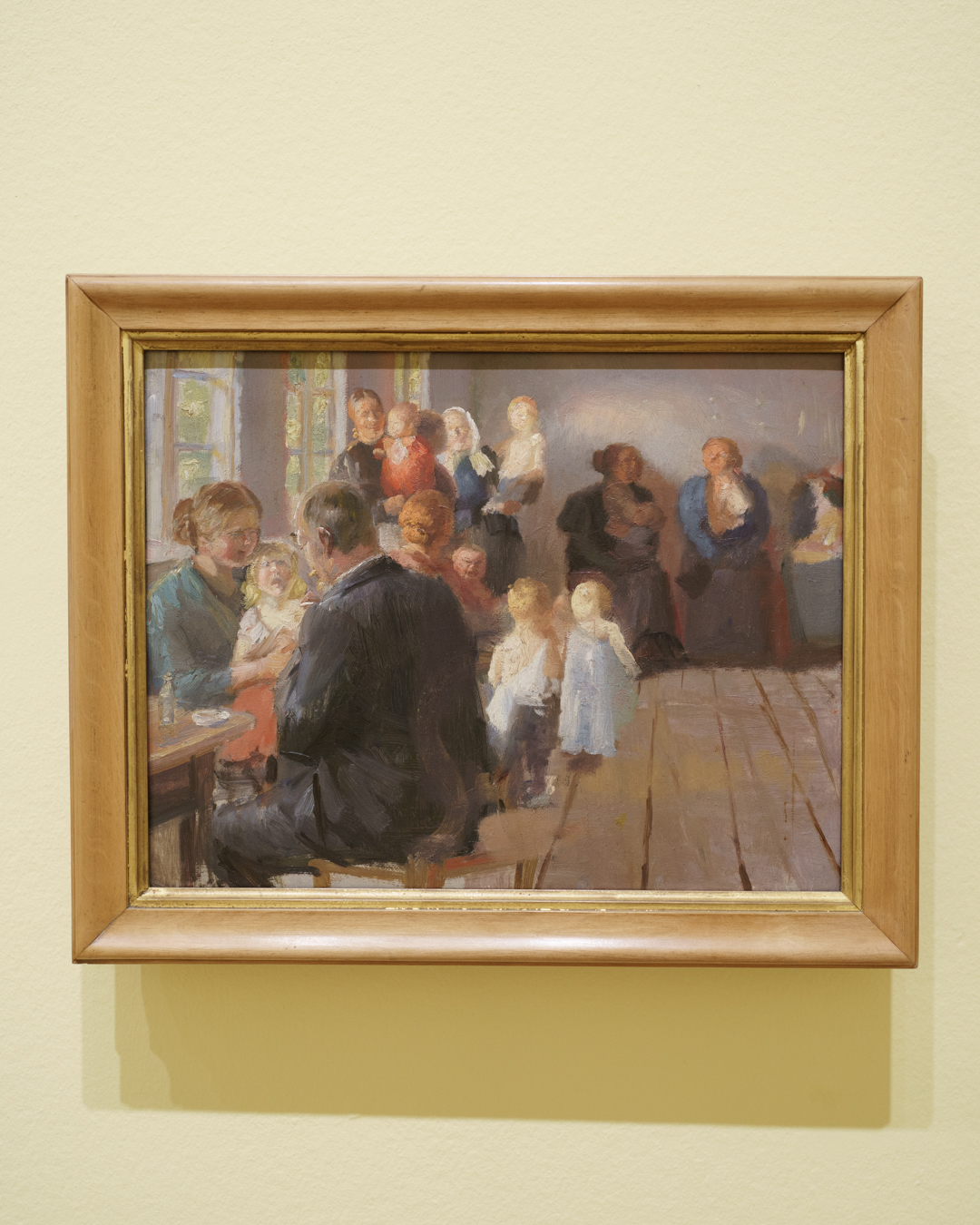
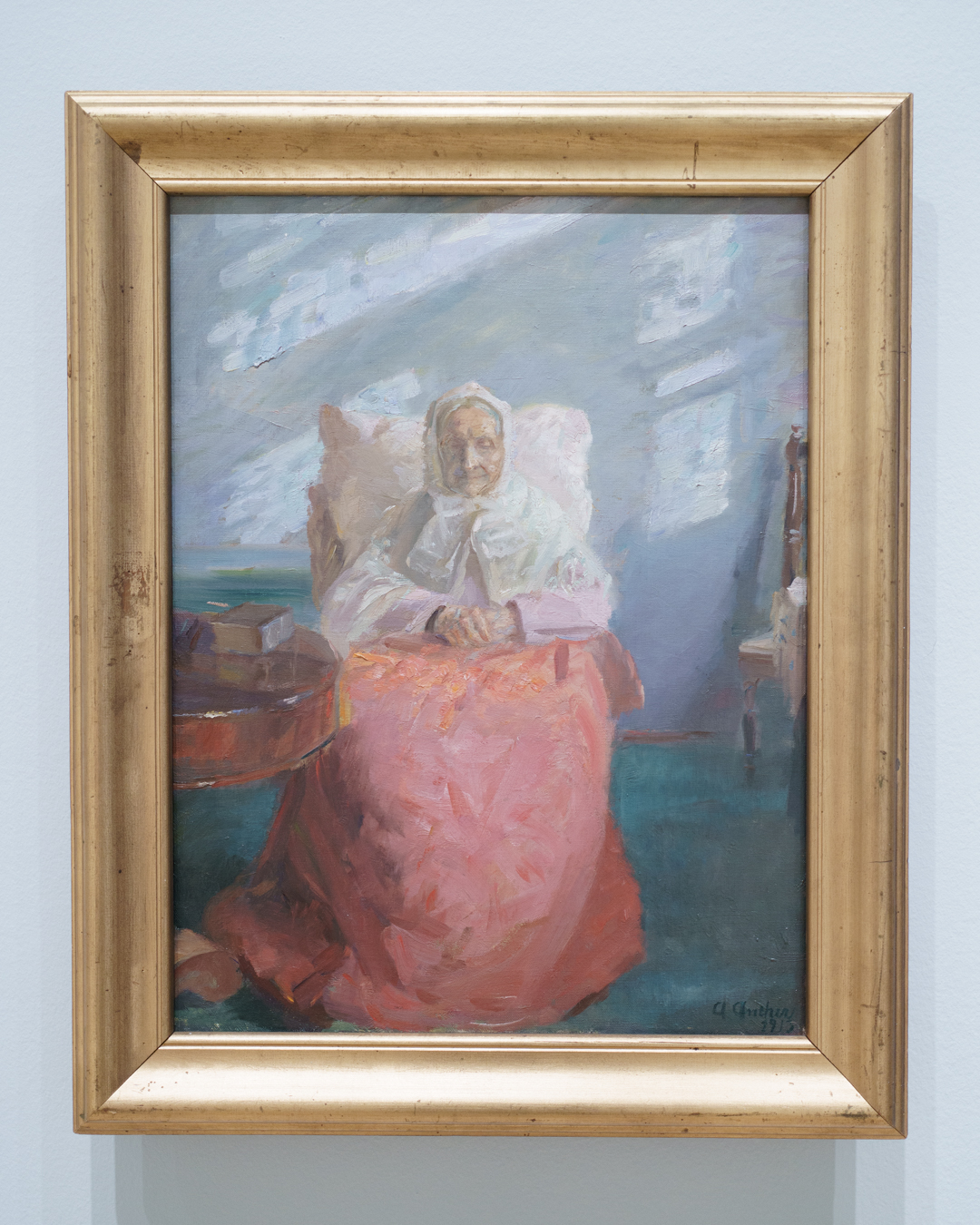
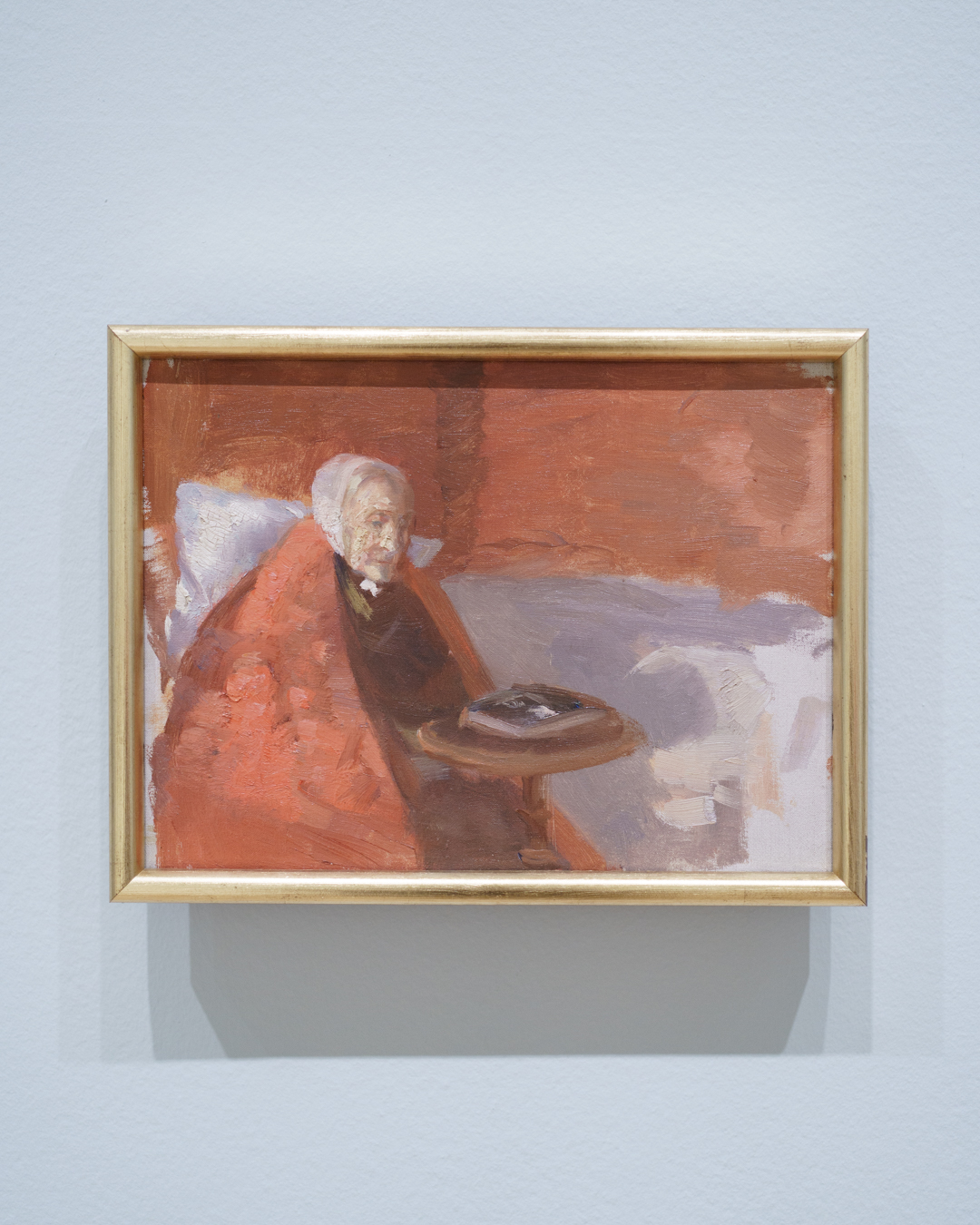
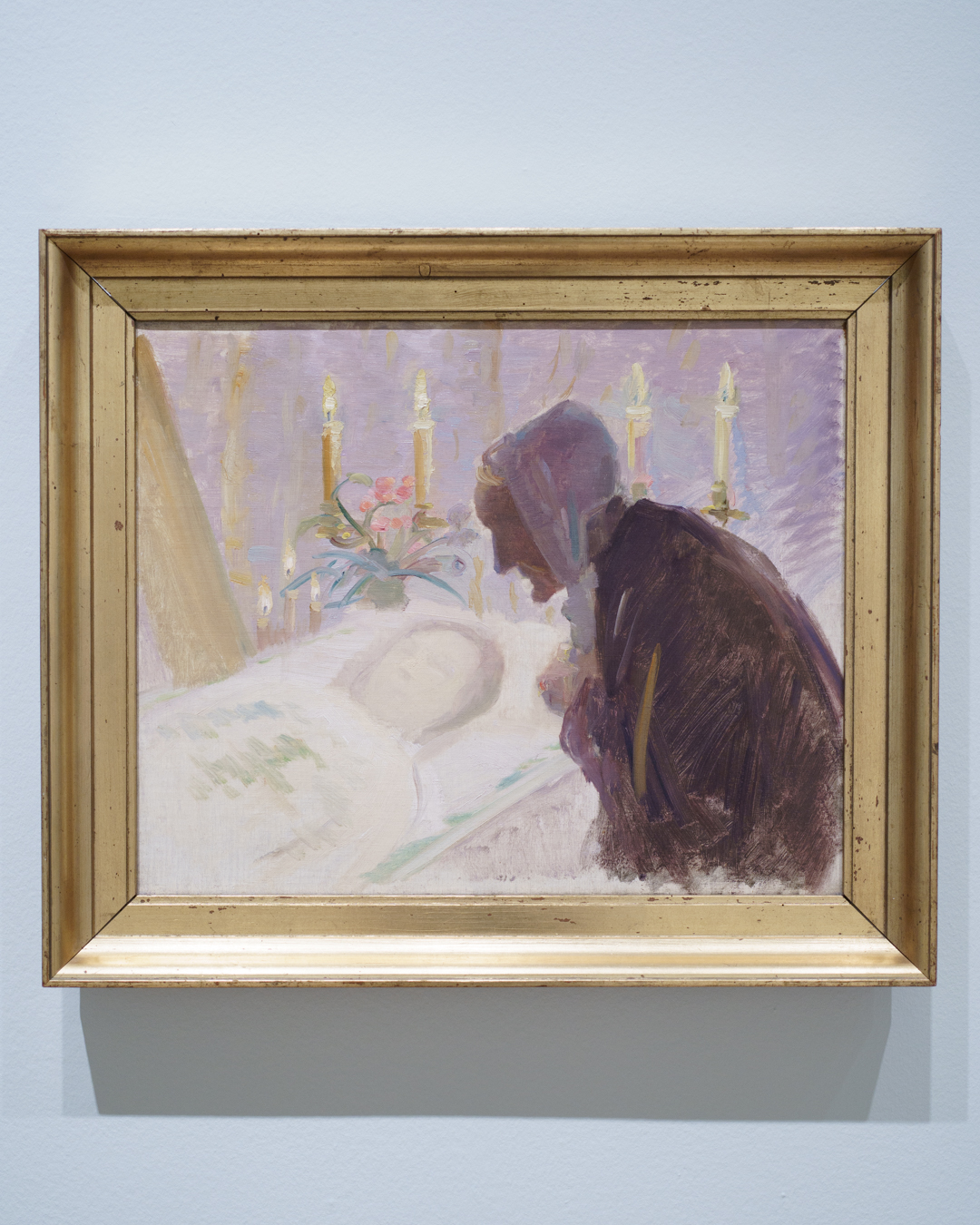
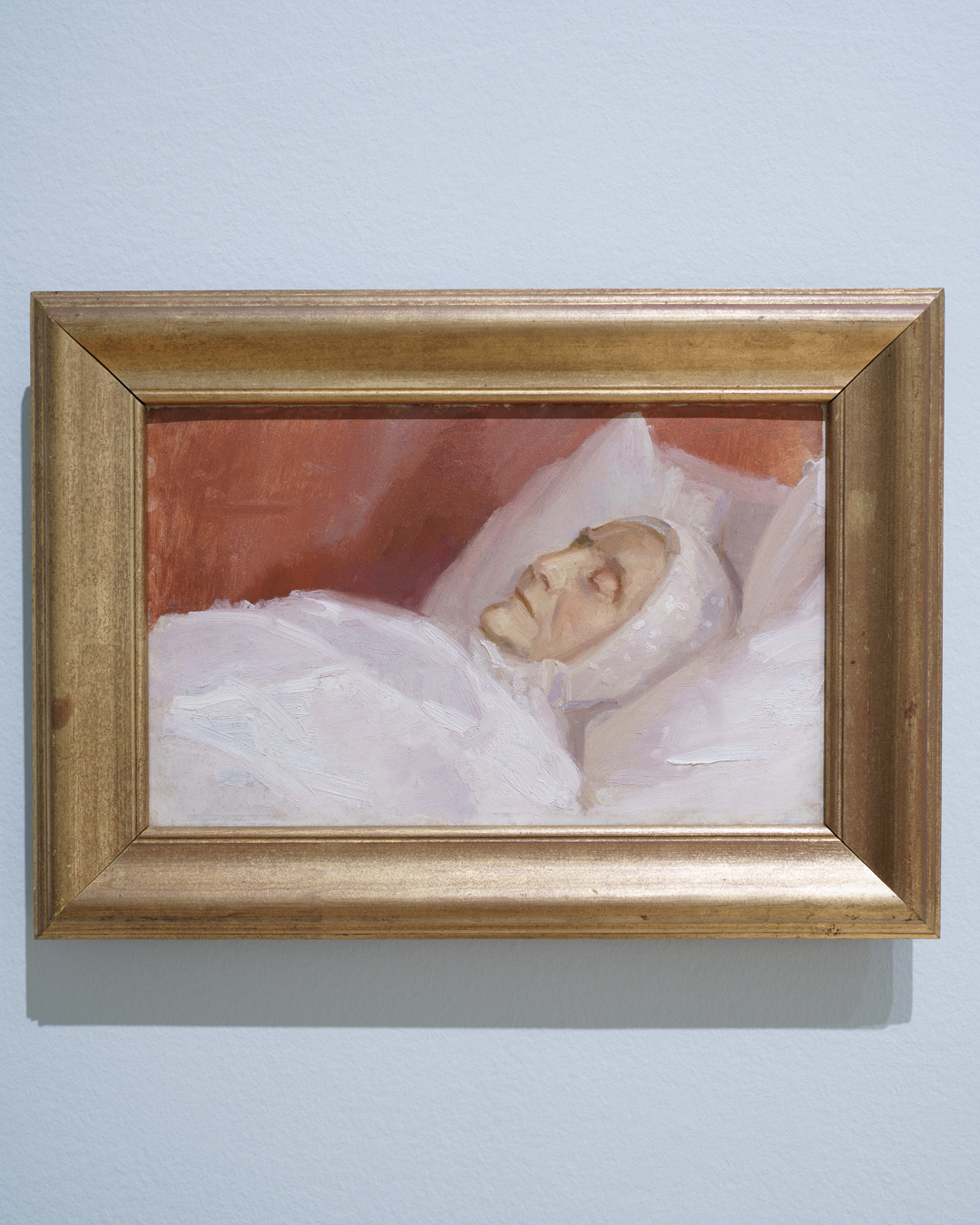
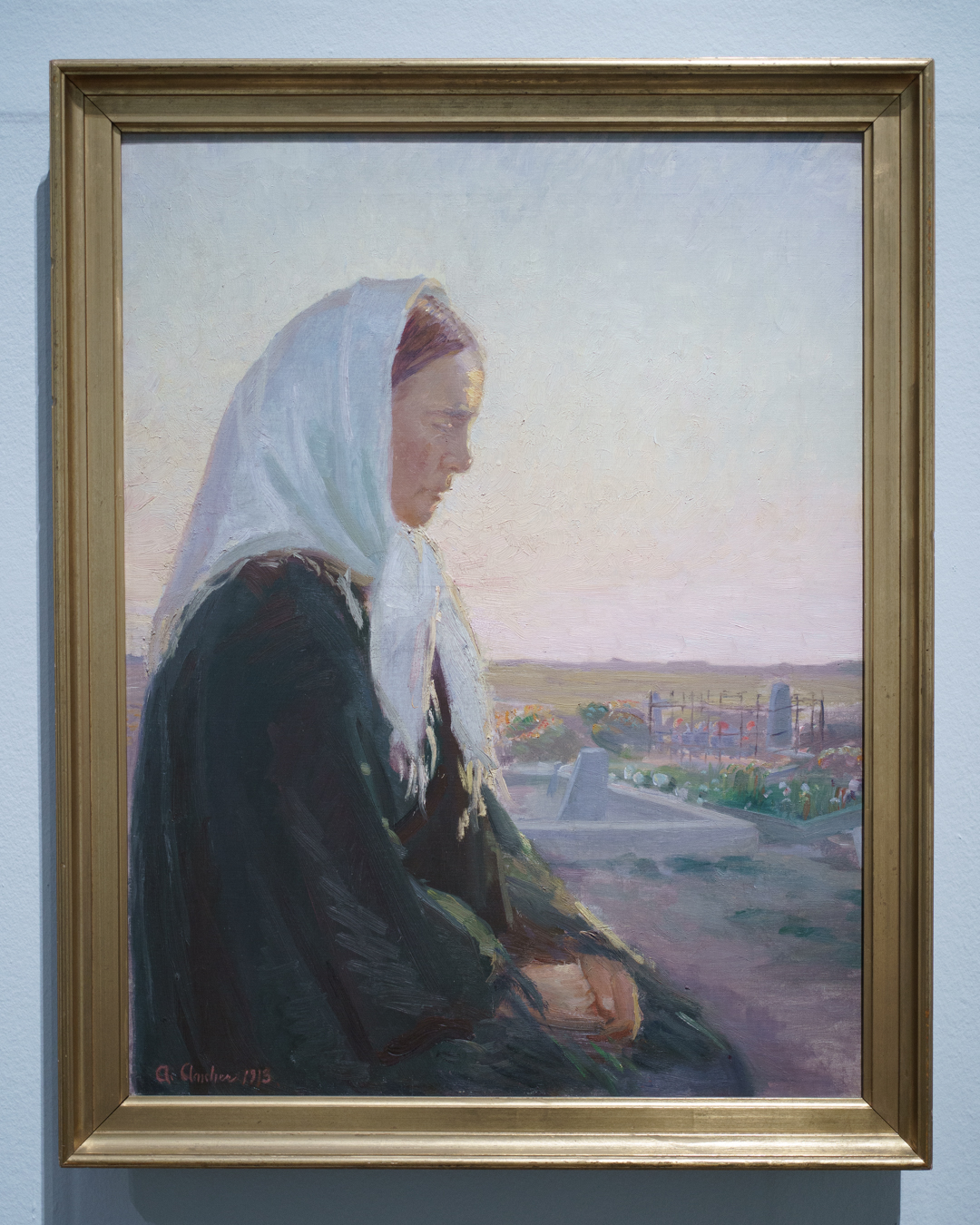
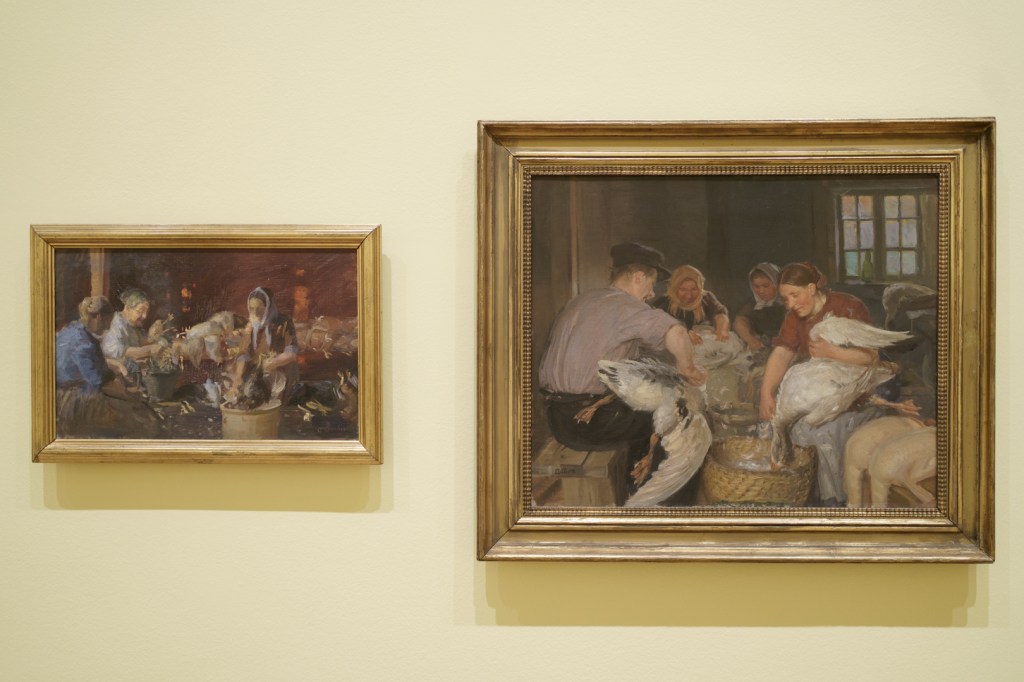
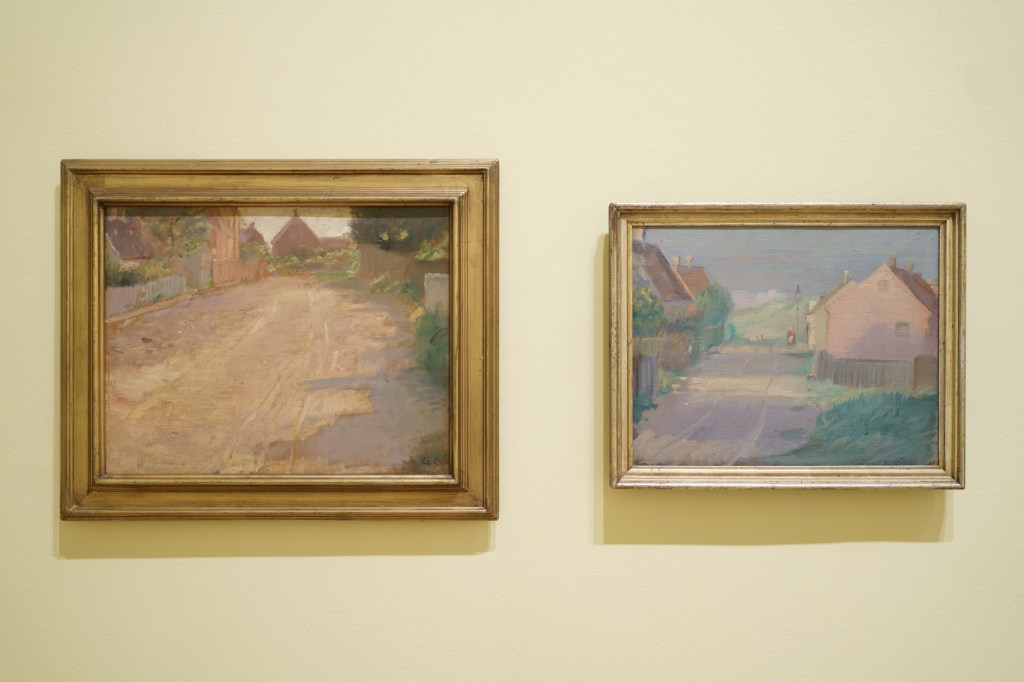
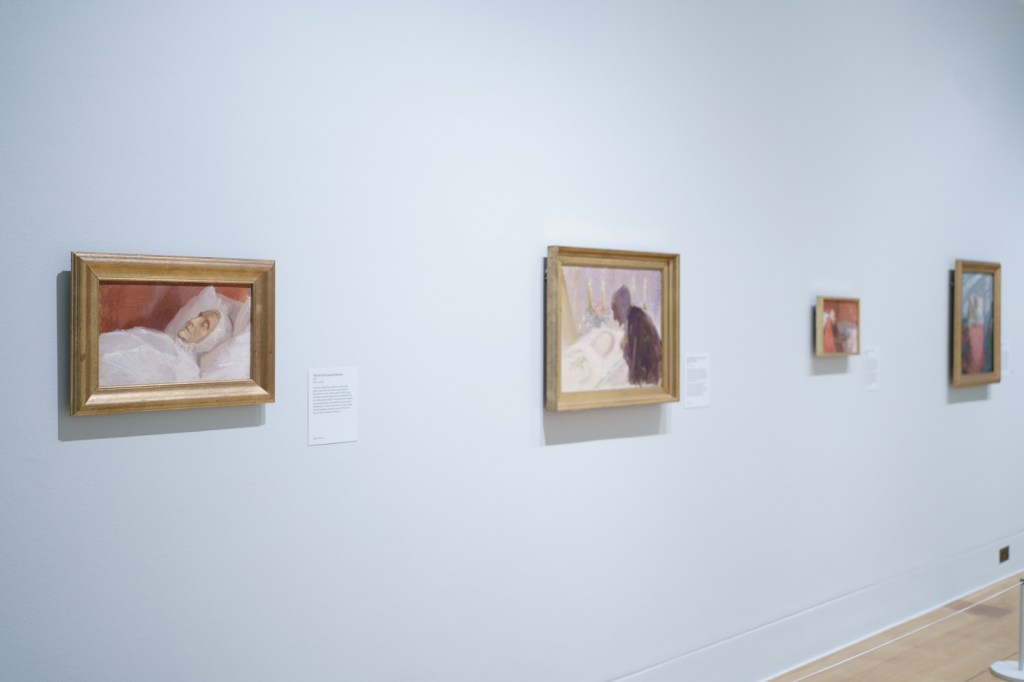
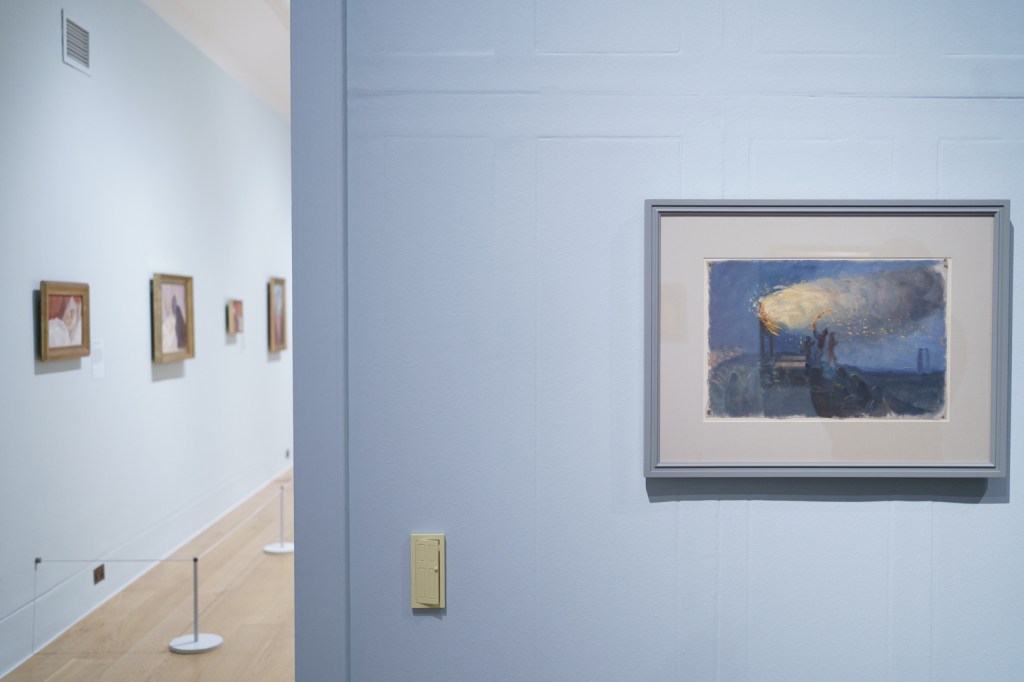
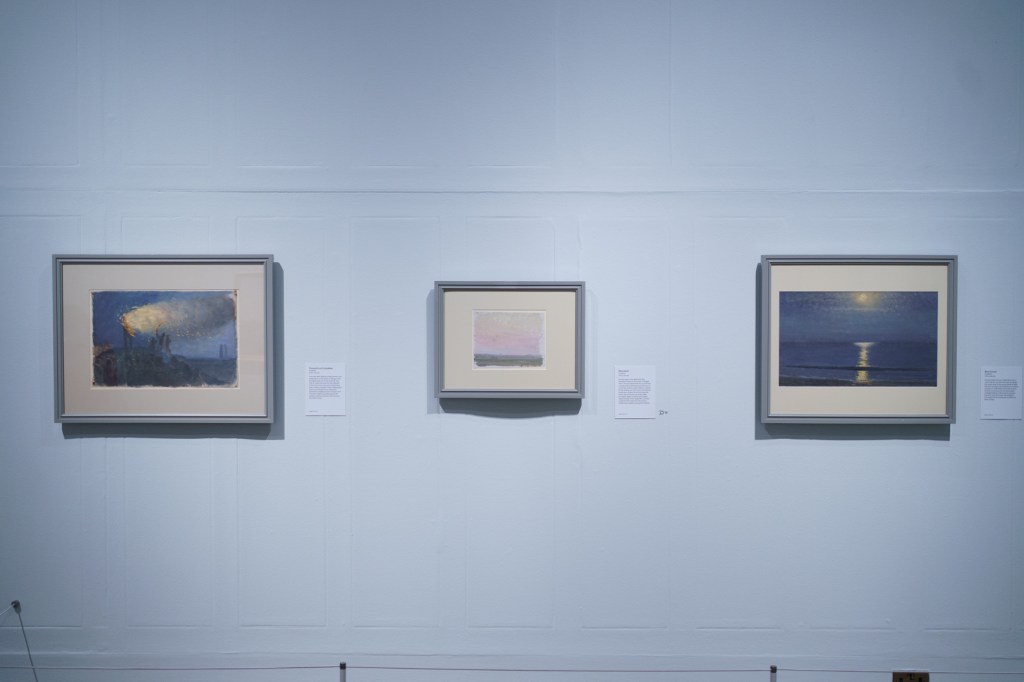
Residing in the port town of Skagen, Anna’s paintings depict the stillness of daily working life, often featuring local residents farming, plucking geese, at play, counting money, reading, or doing house chores. There is a powerful group of four paintings portraying her elderly mother leading towards her death. Elsewhere, her landscapes and seascapes feel like postcards from a simpler time, where the carriage-trodden road has just as much interest as children playing fireworks on the beach at night.
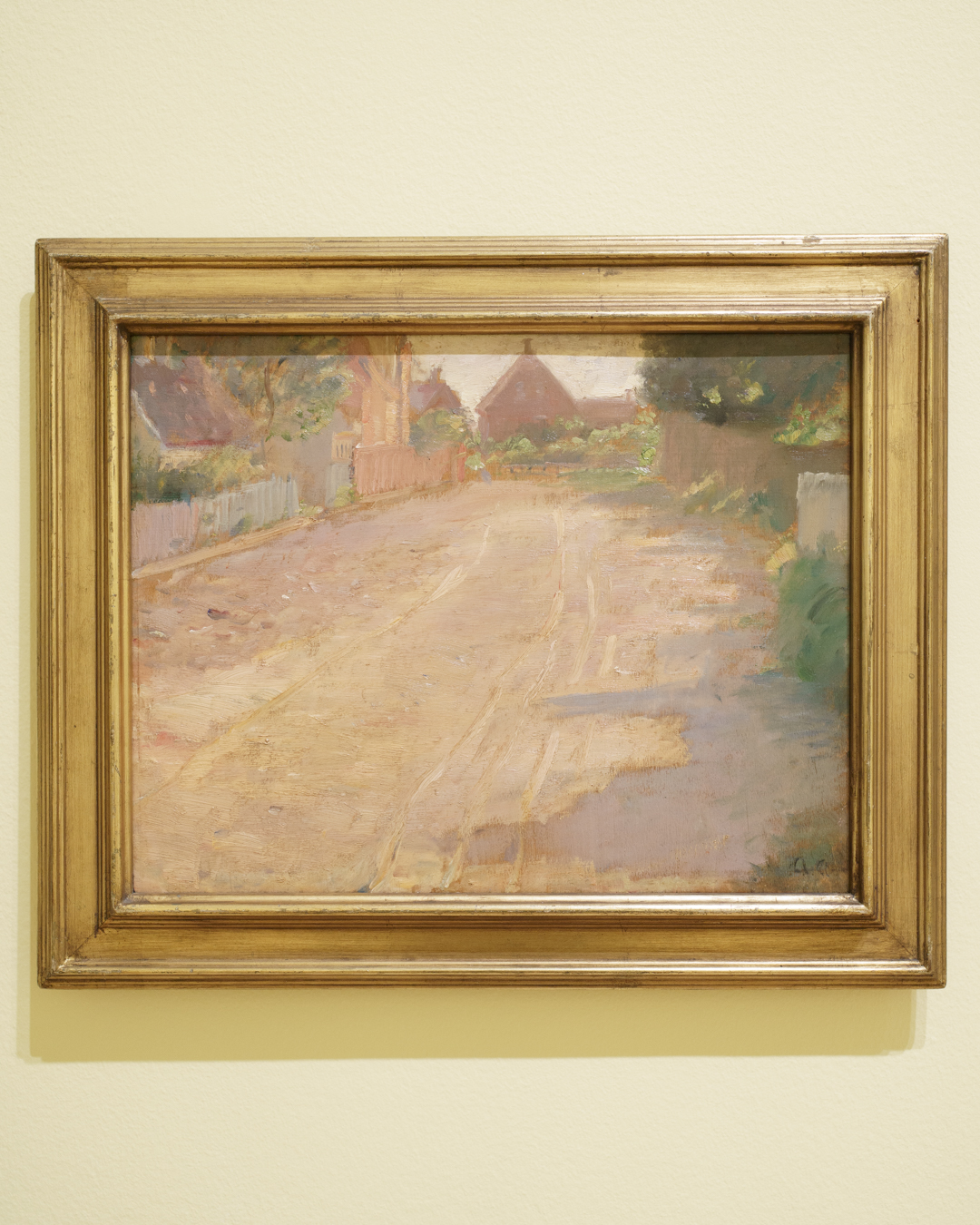
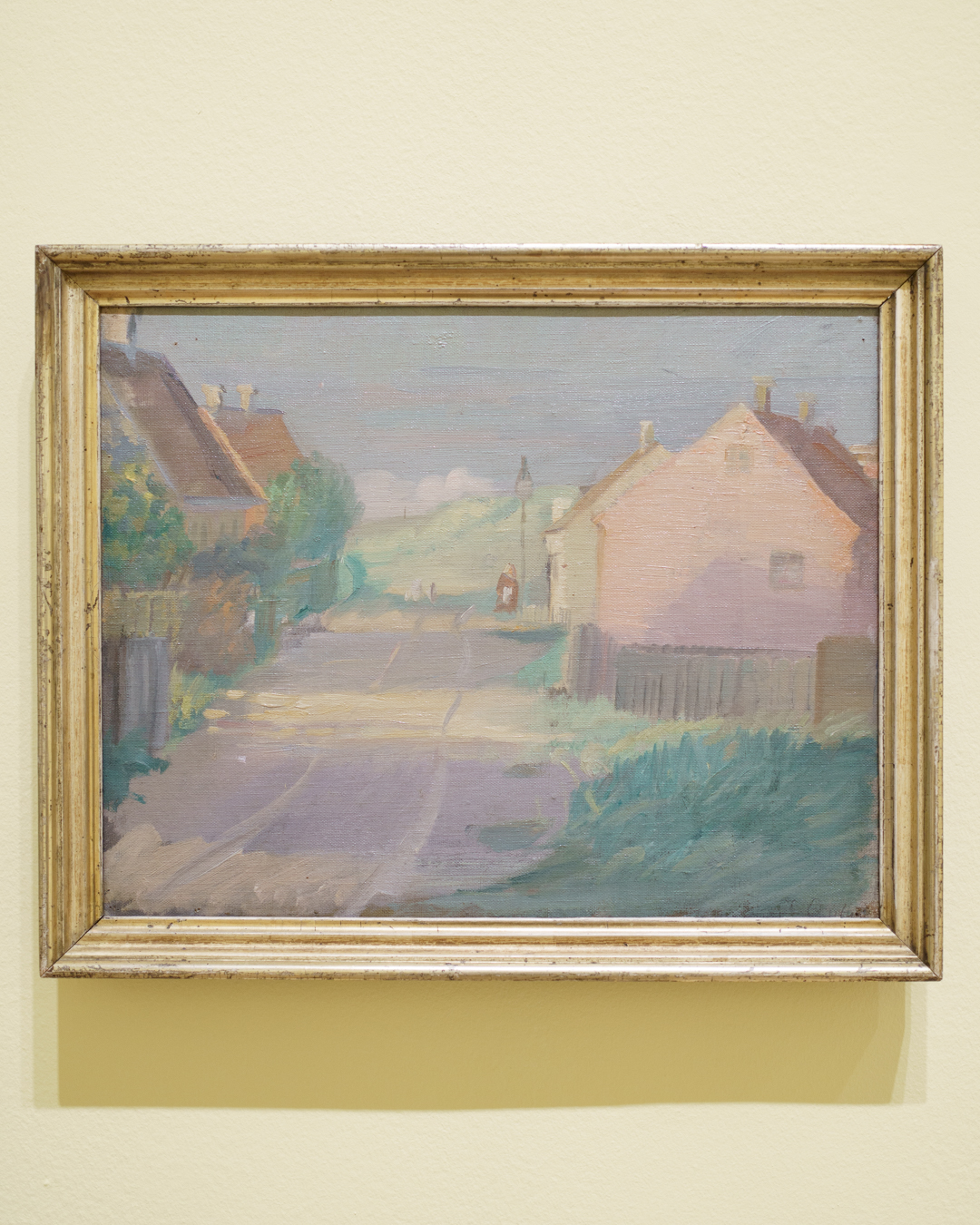
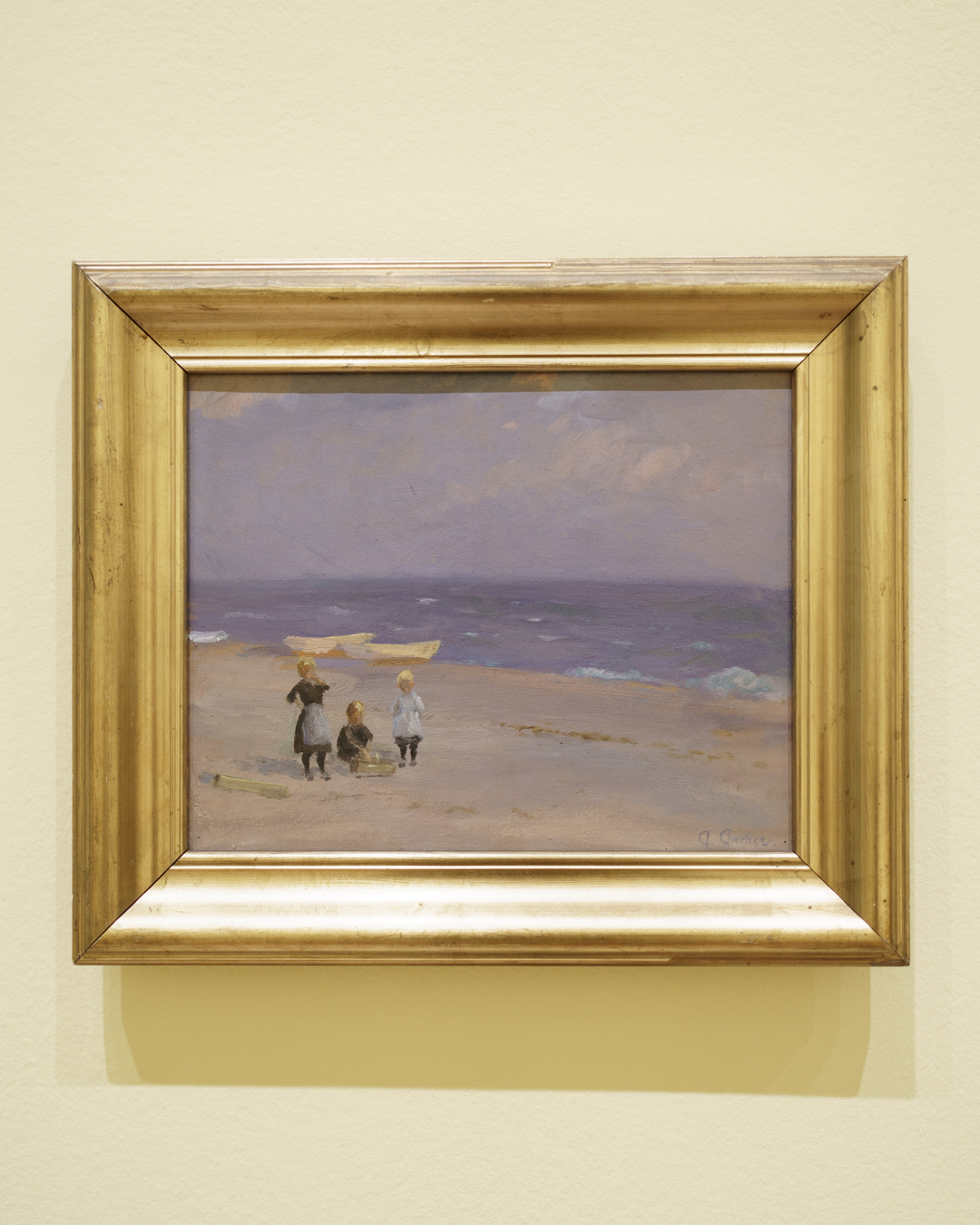
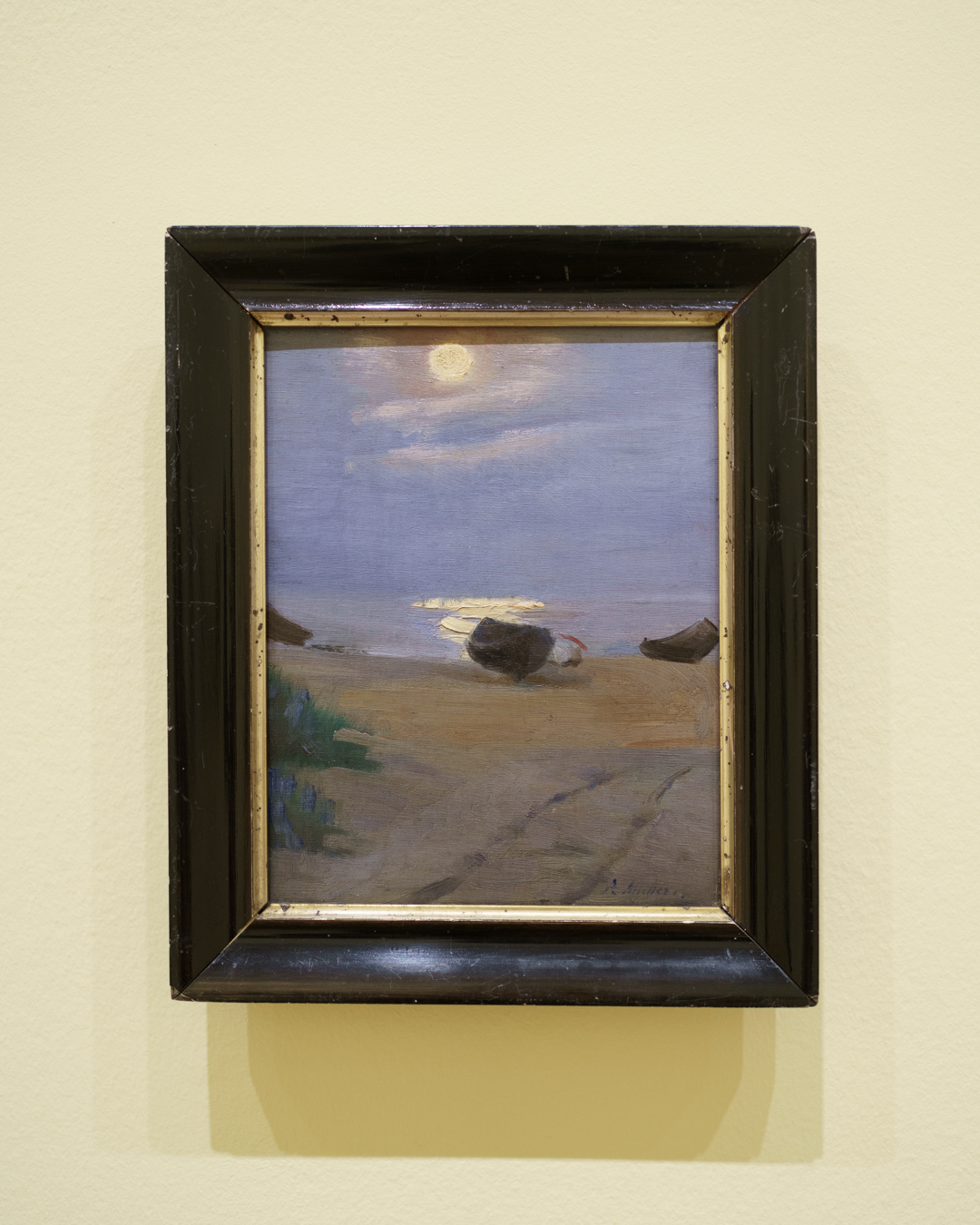
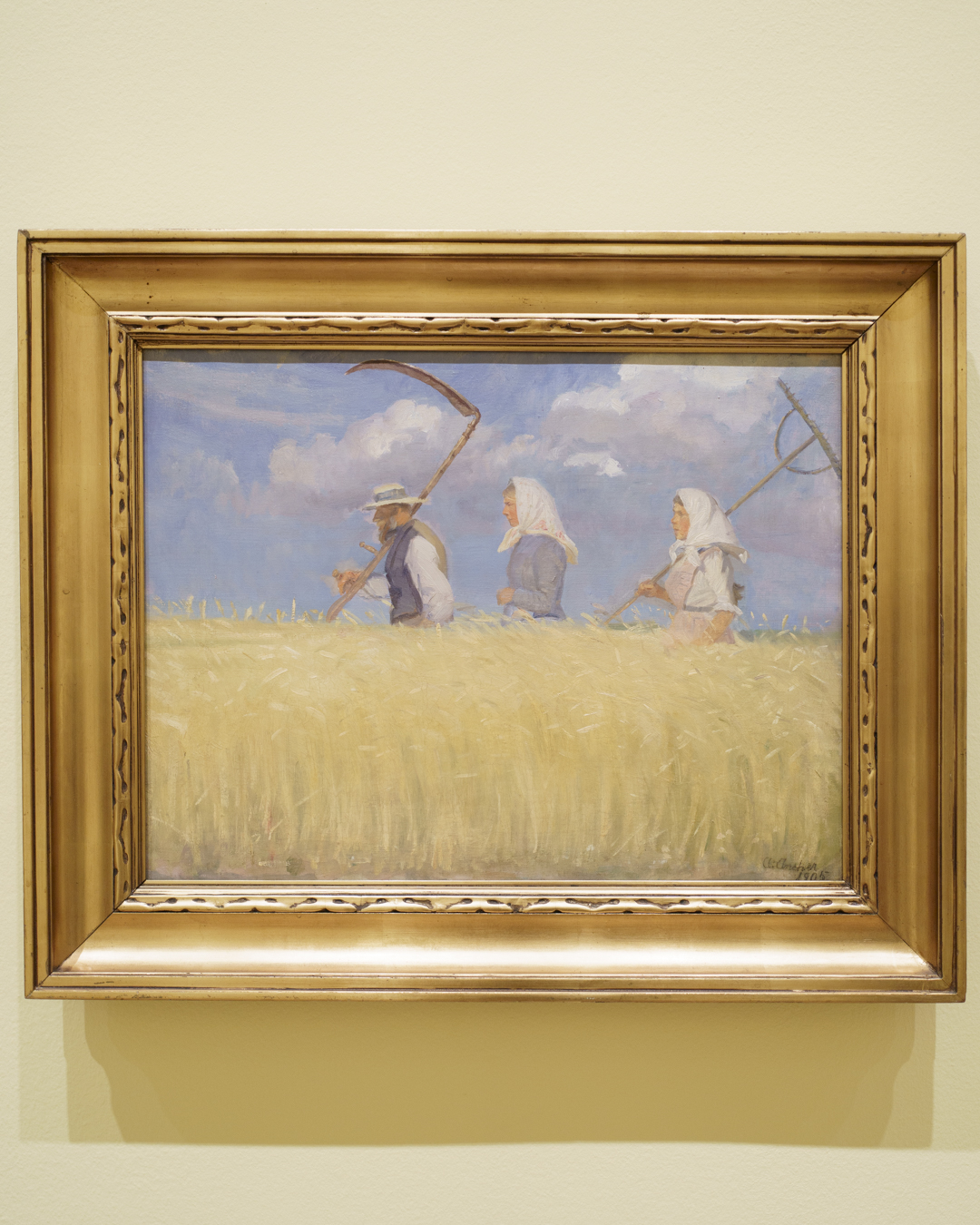
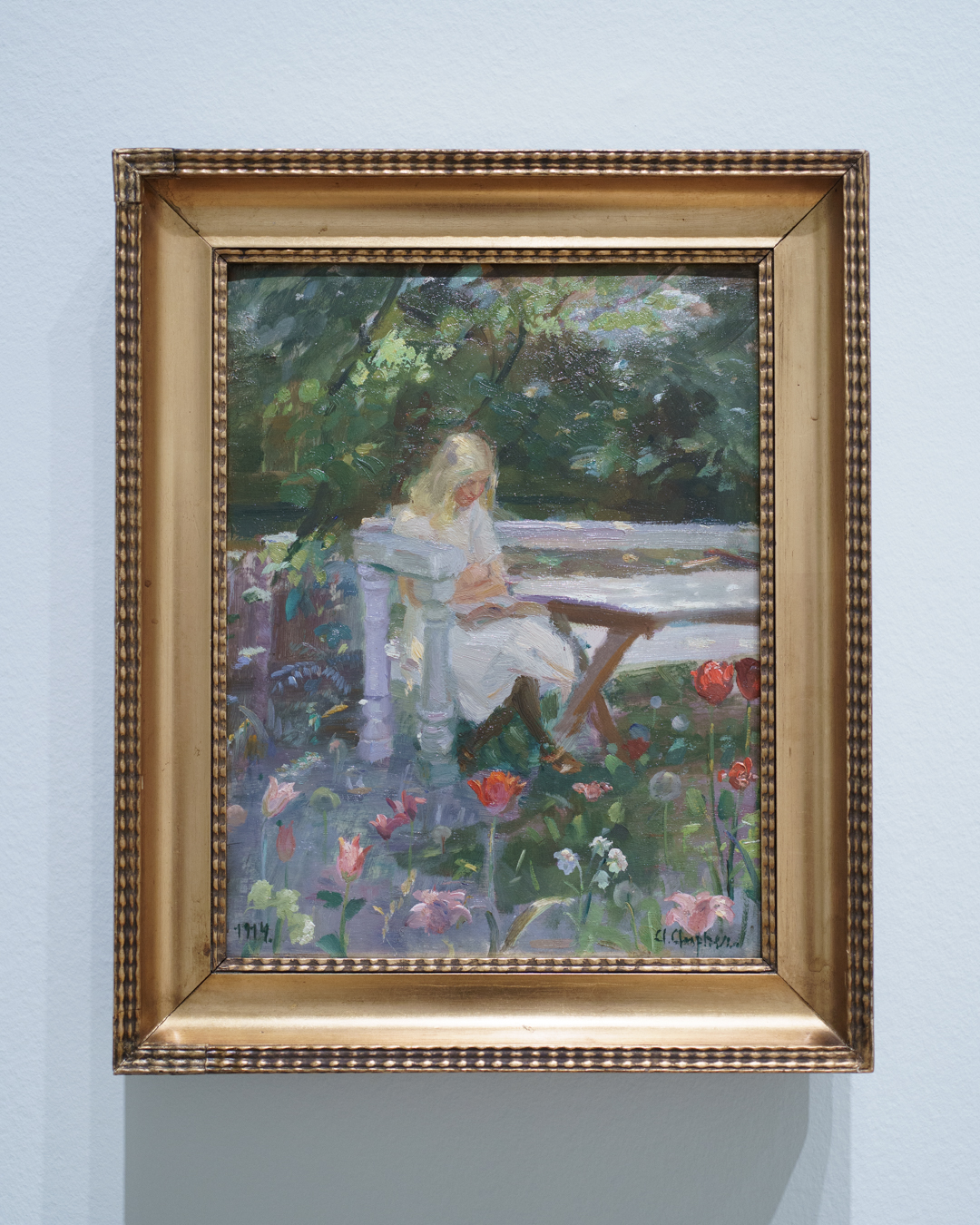
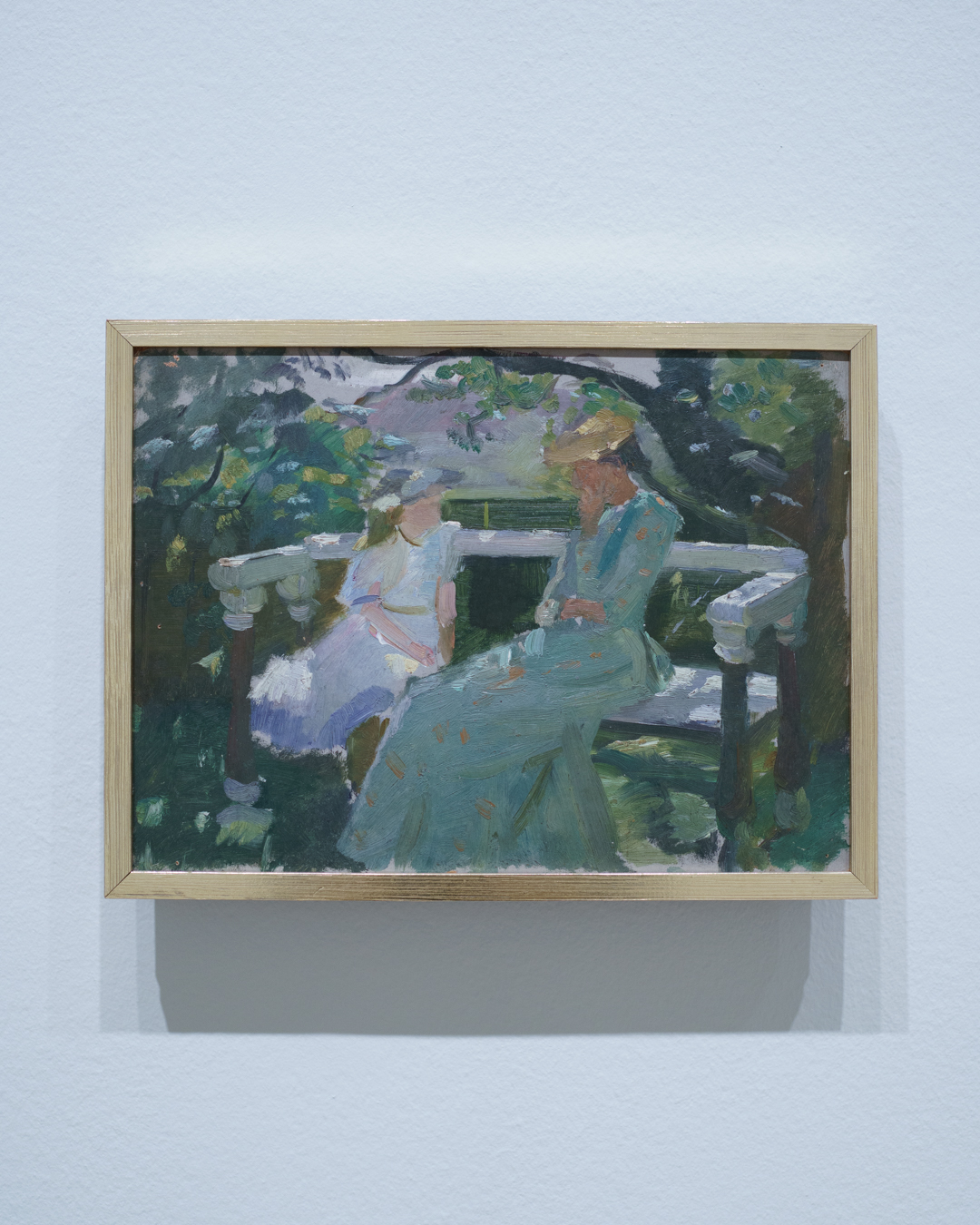
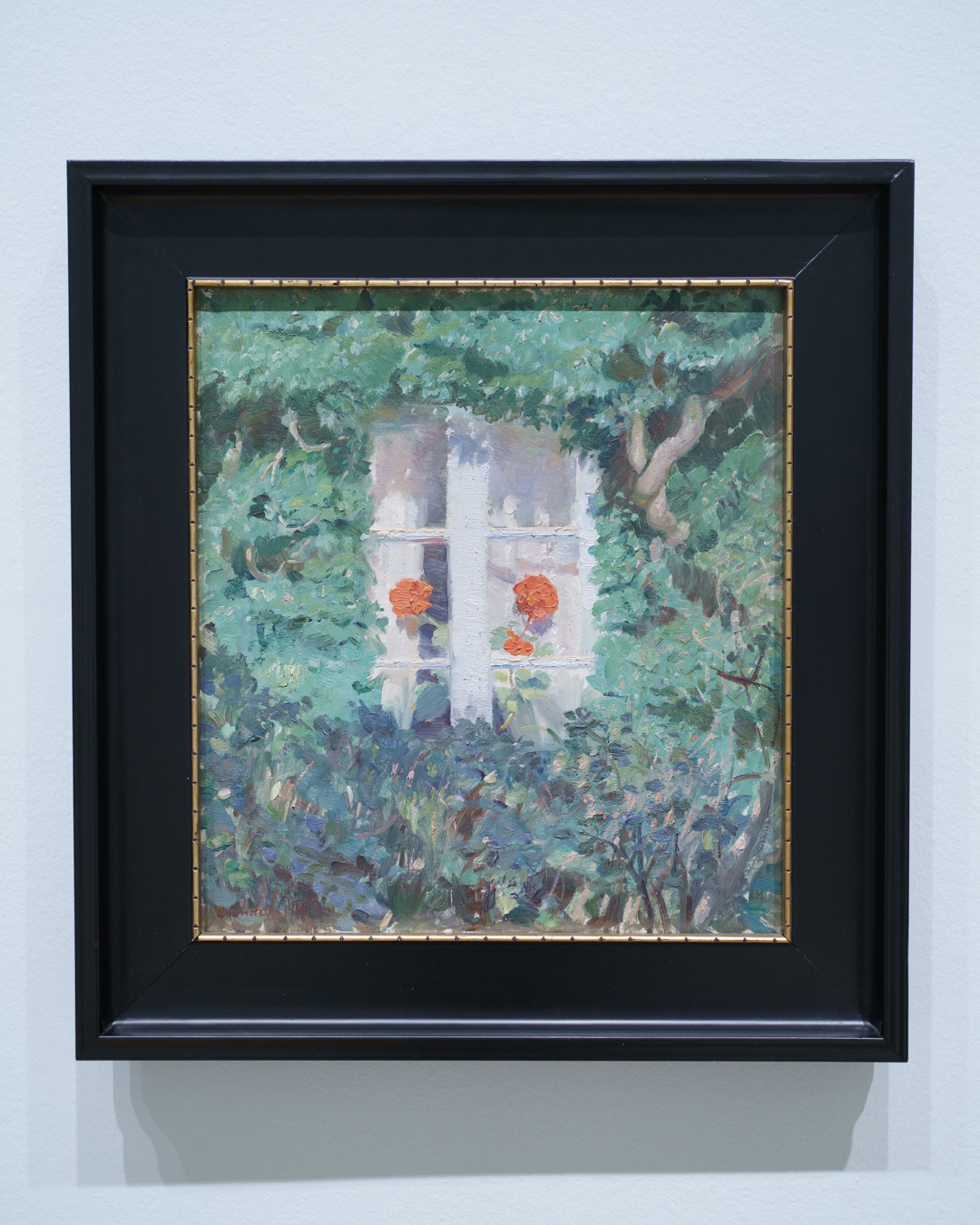
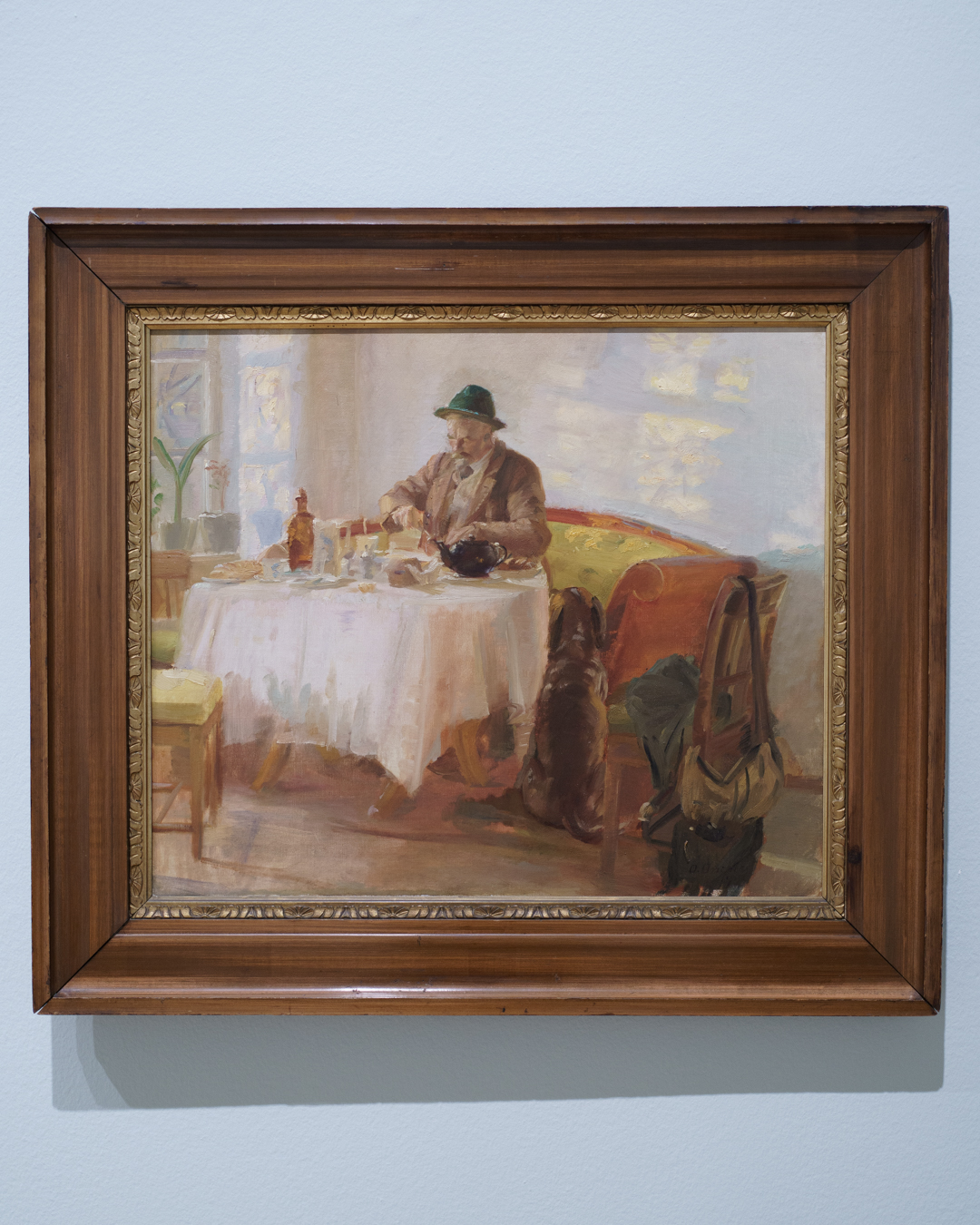
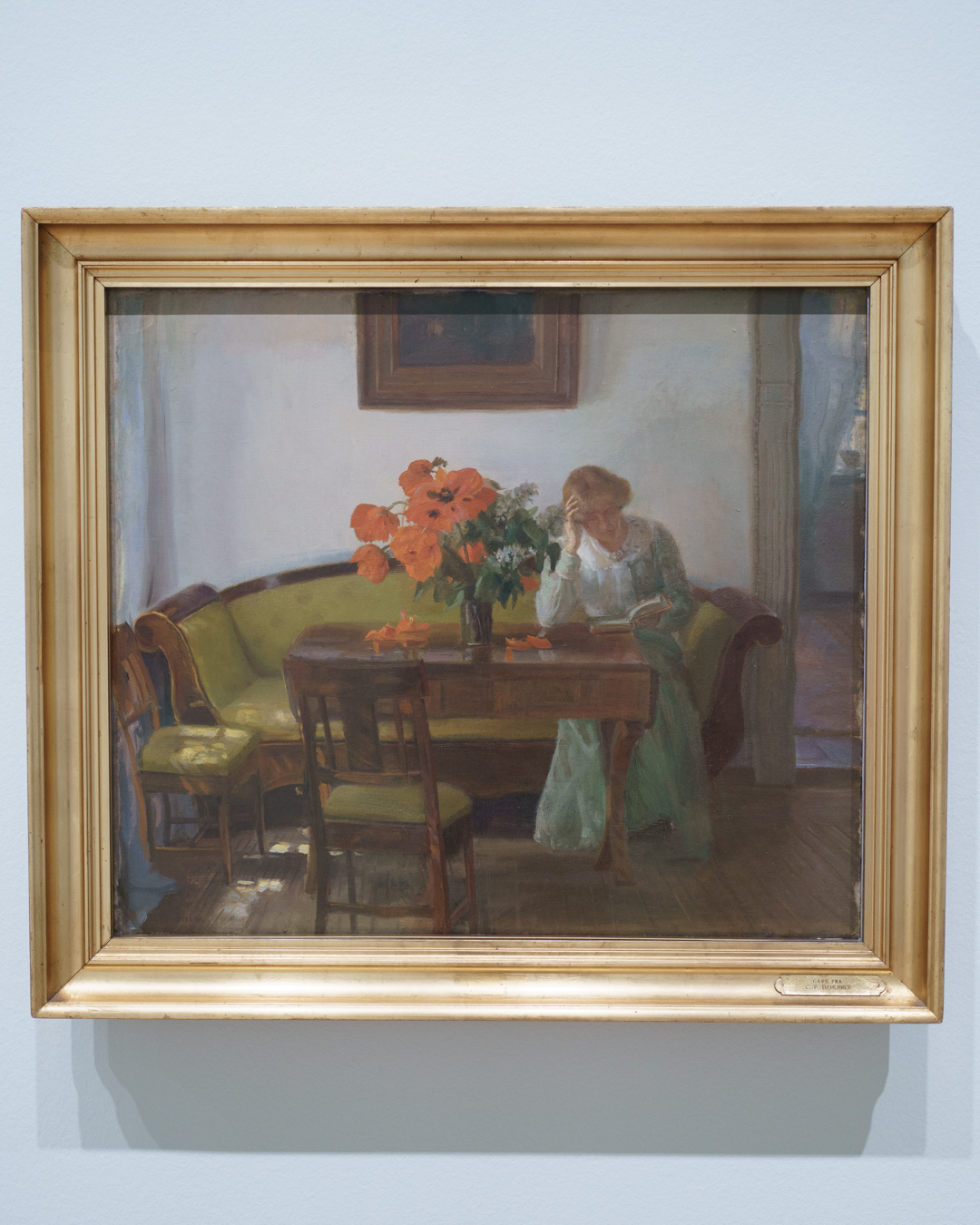
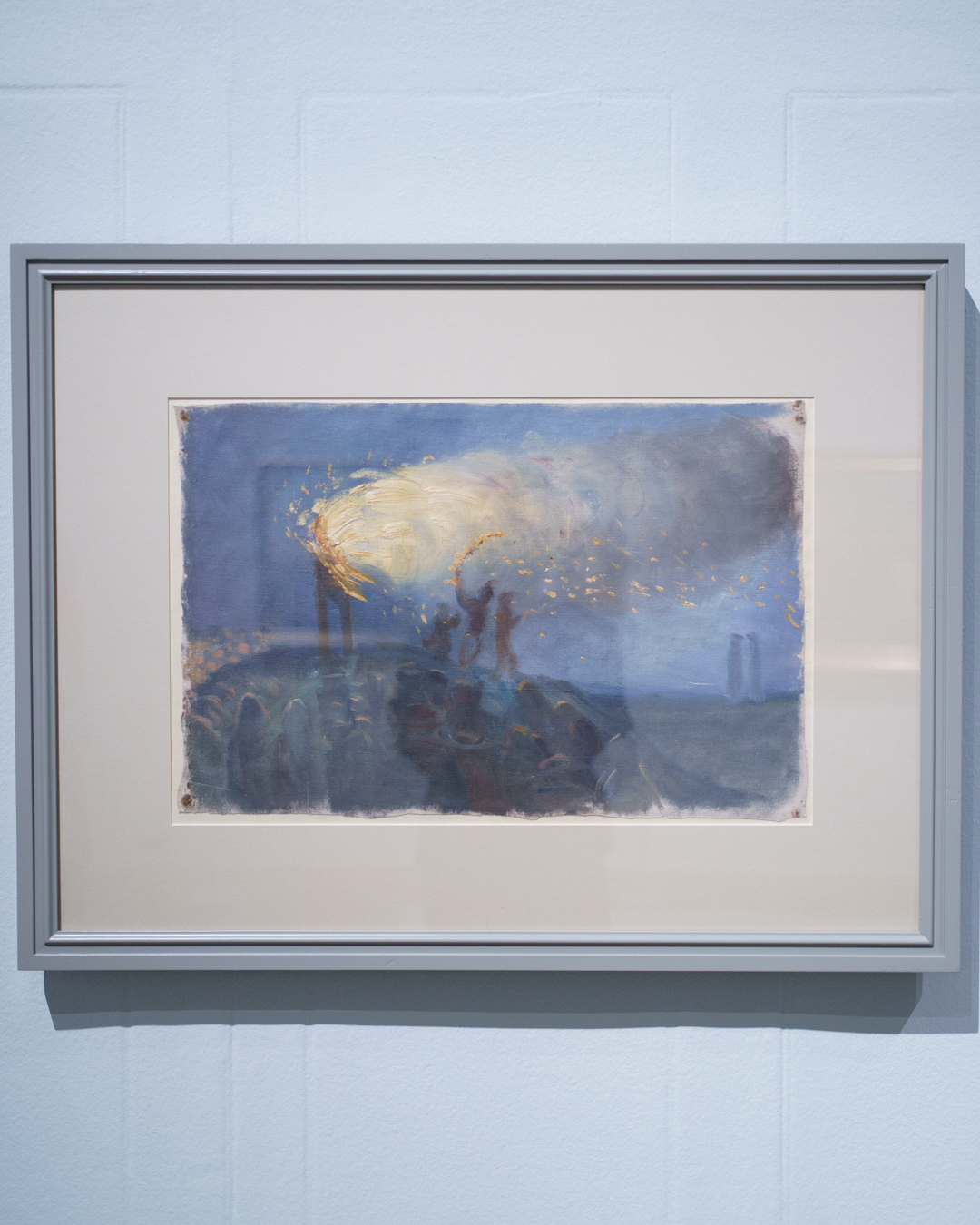
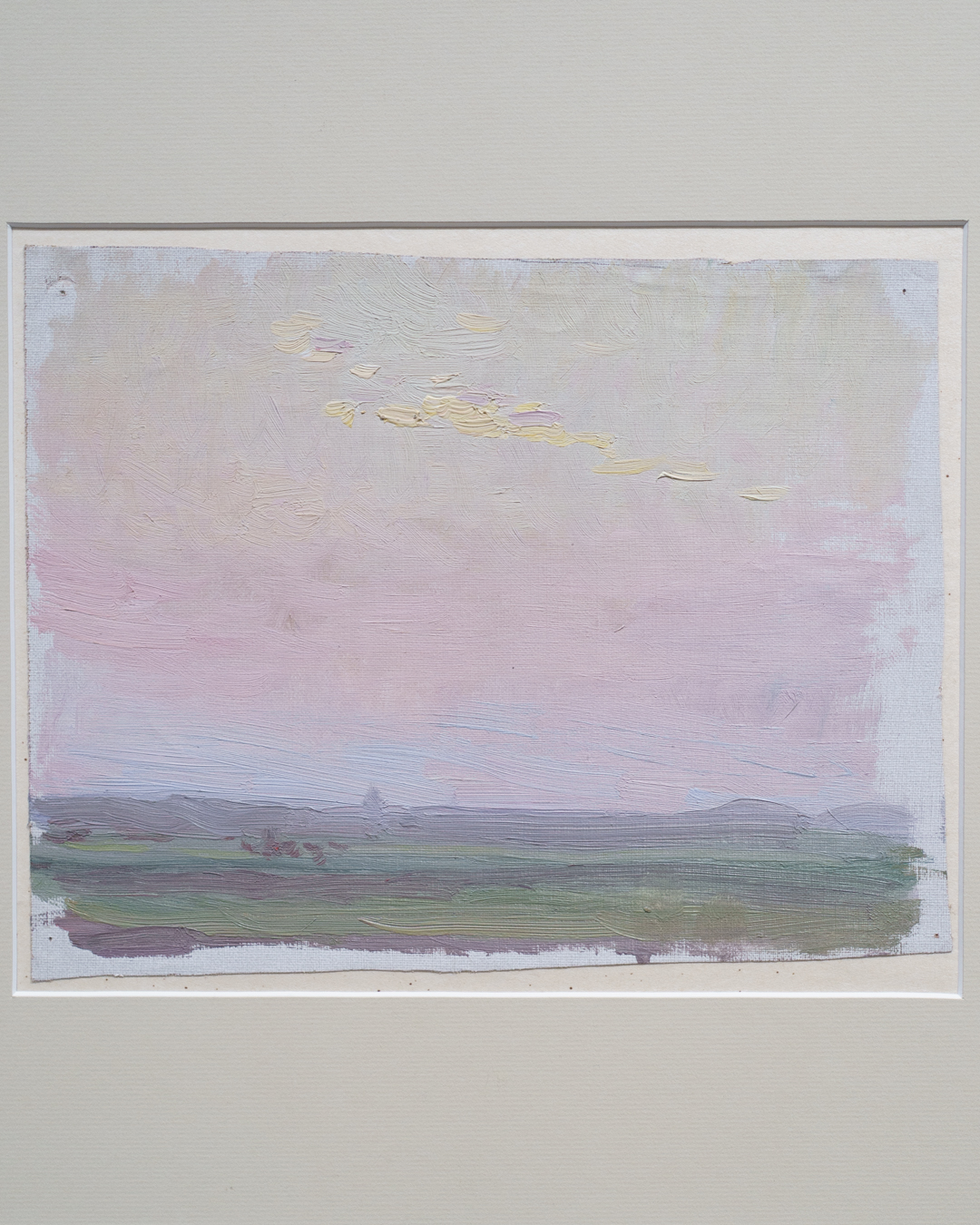
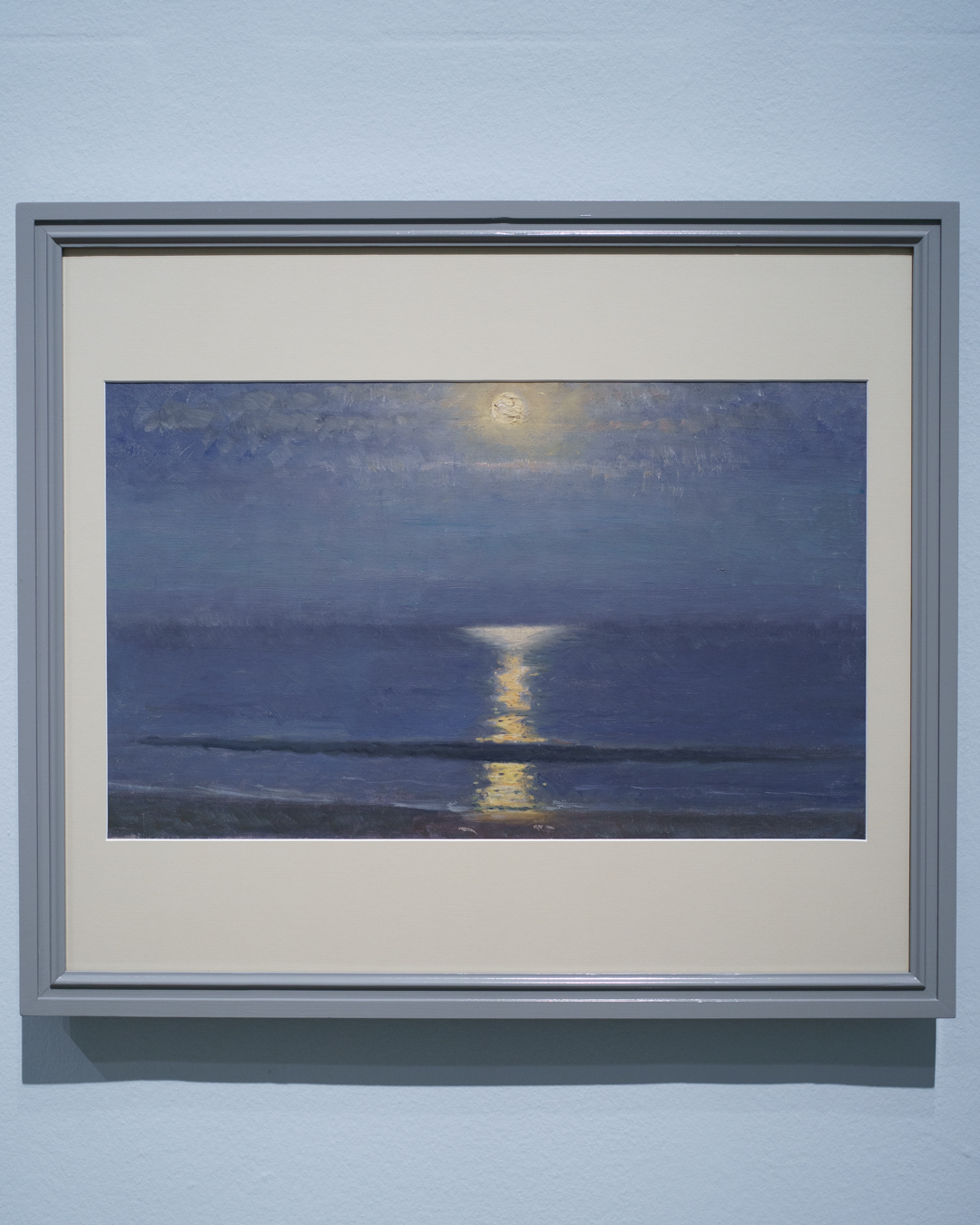
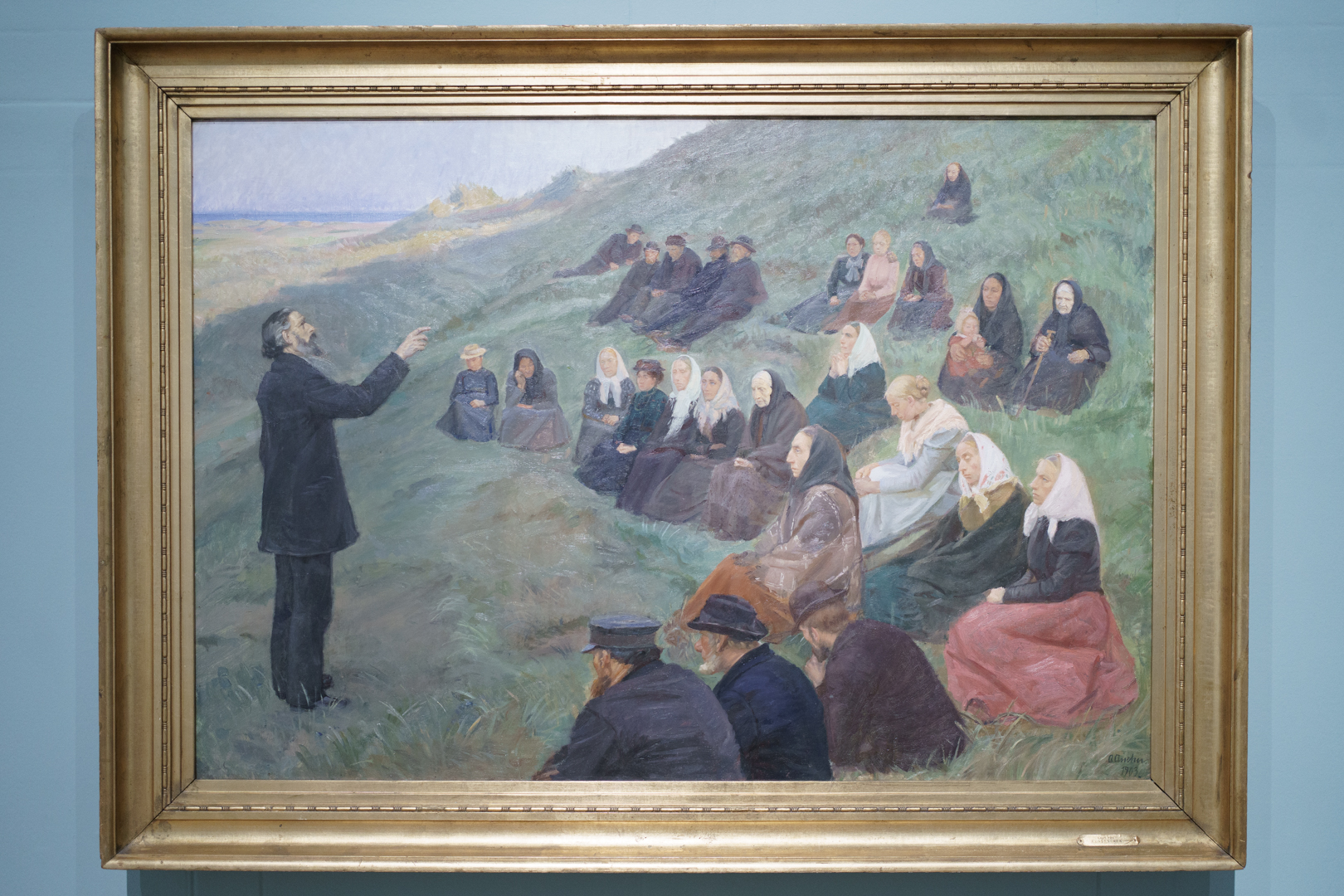
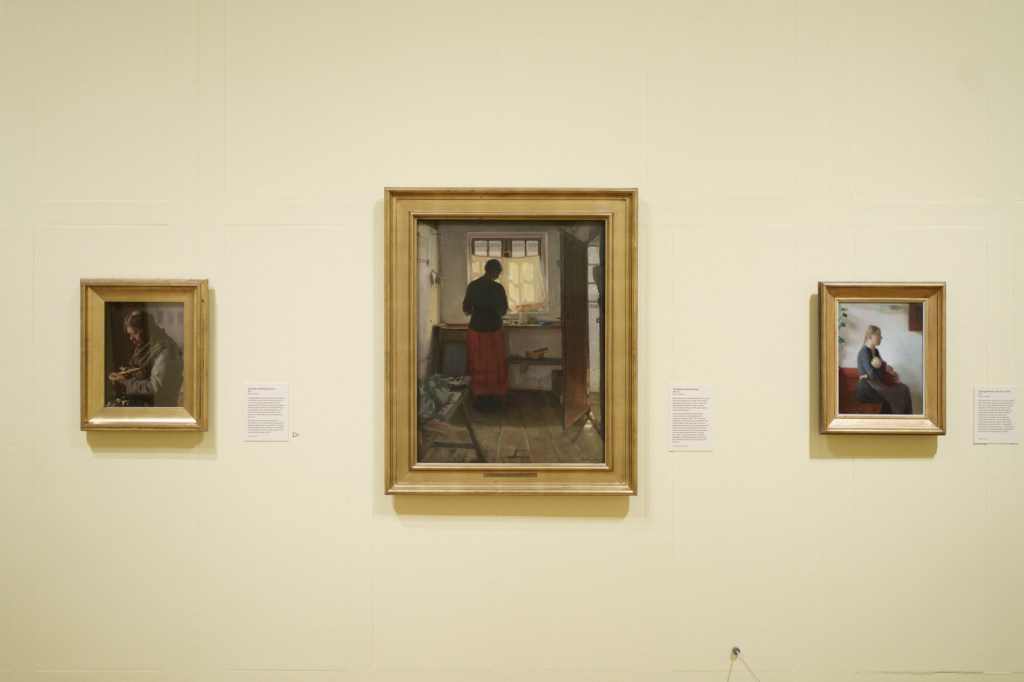
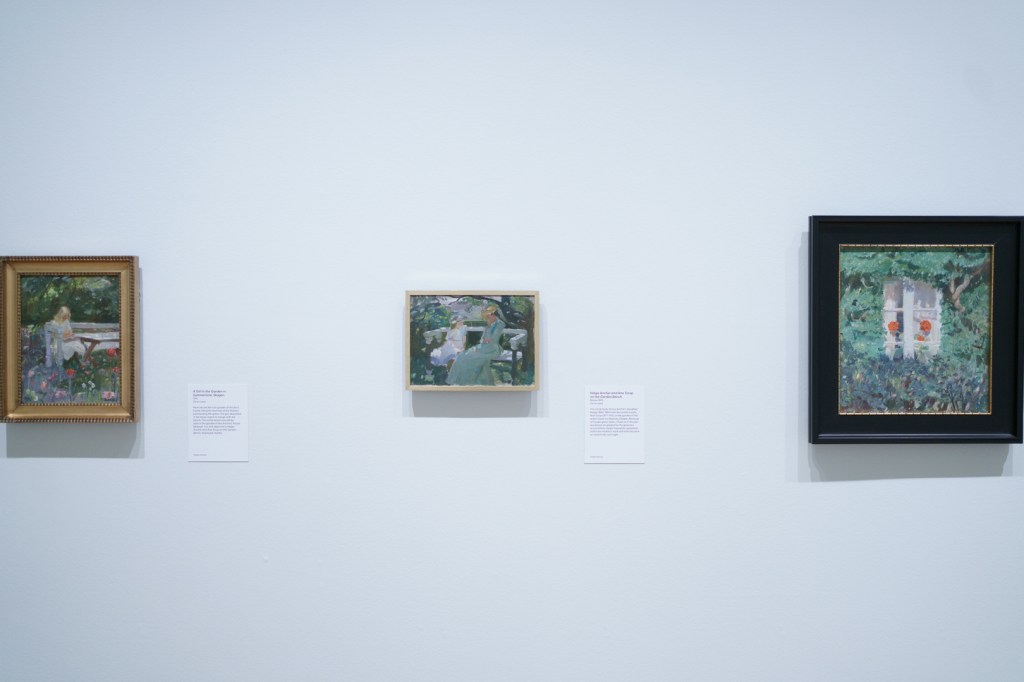
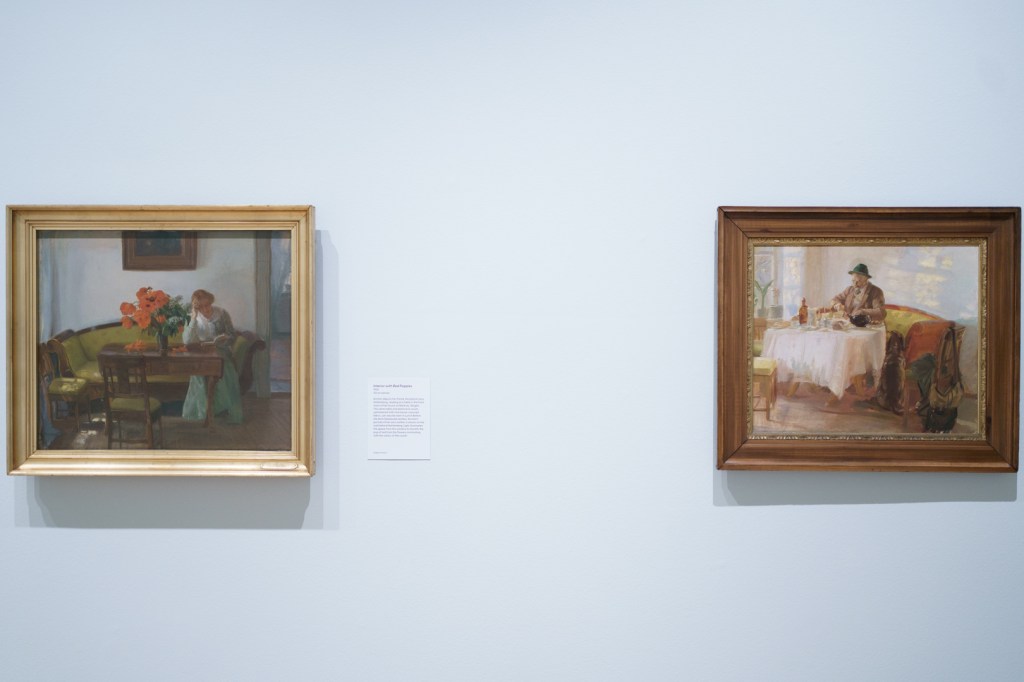
Ancher was deeply inspired by the Dutch masters, particularly Rembrandt whom she mentions numerously in her letters. She became especially good at rendering light in windowed interiors, as shown by a gorgeous selection in the opening room, joining the lineage of Johannes Vermeer and her younger contemporary Vilhelm Hammershøi.
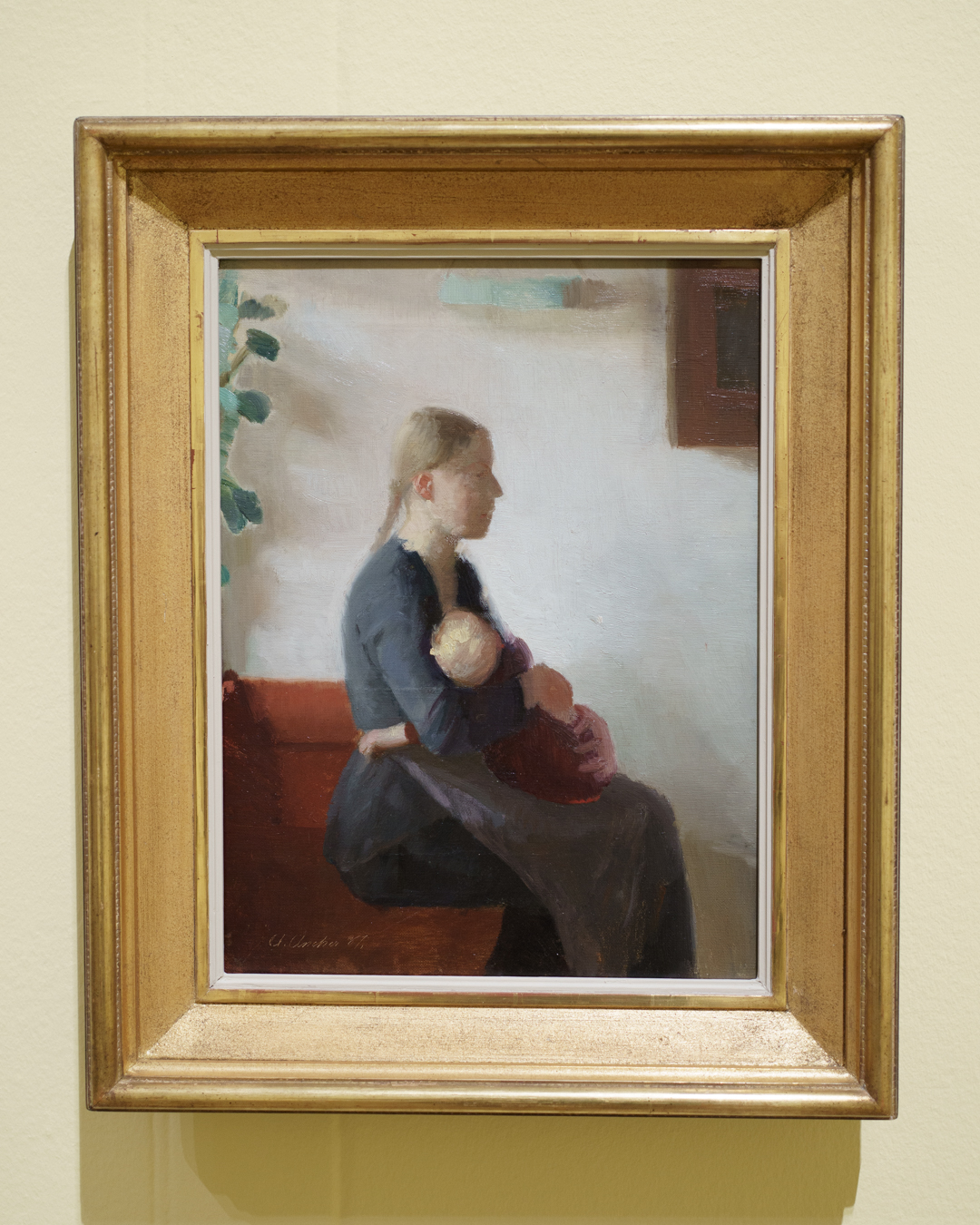
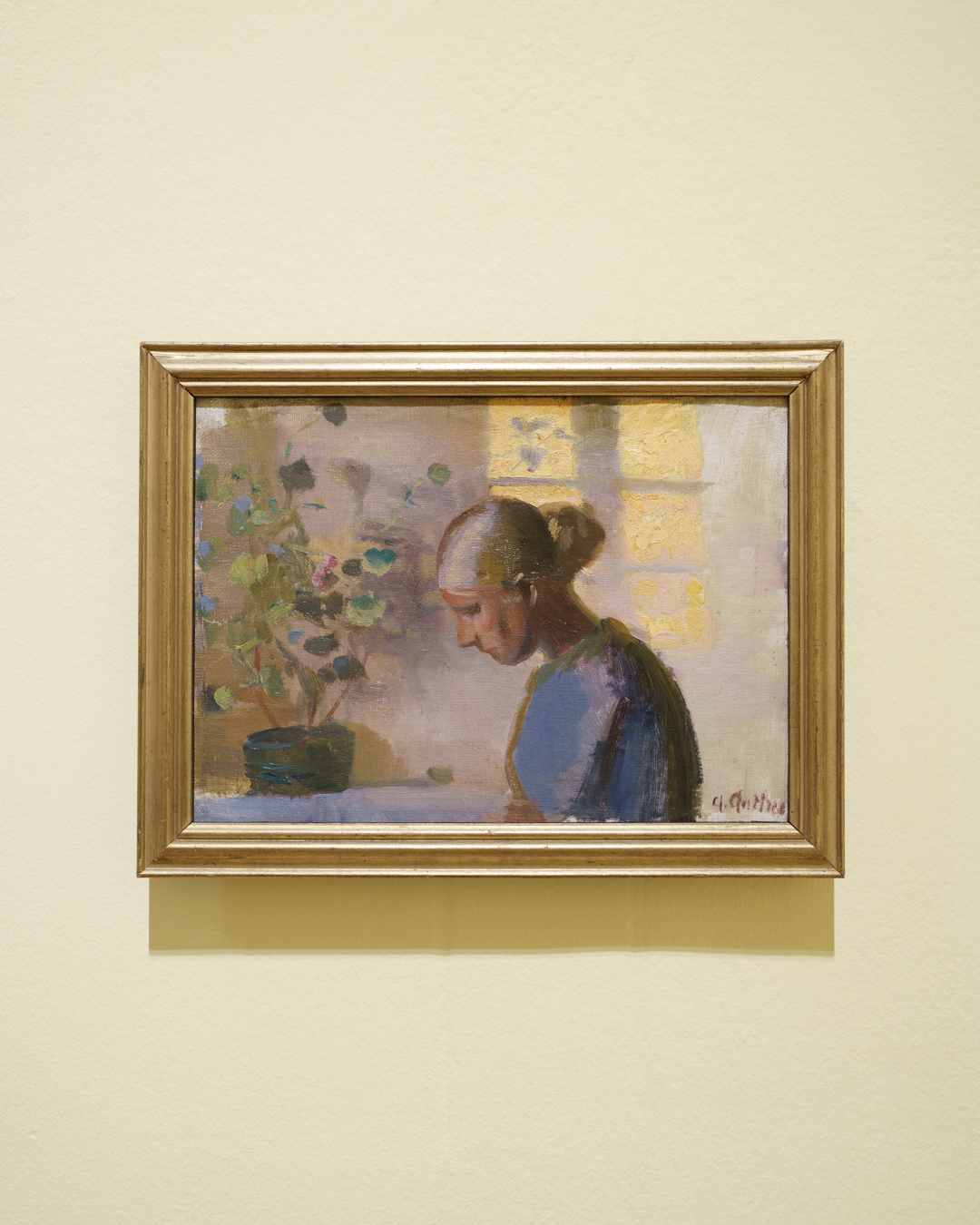
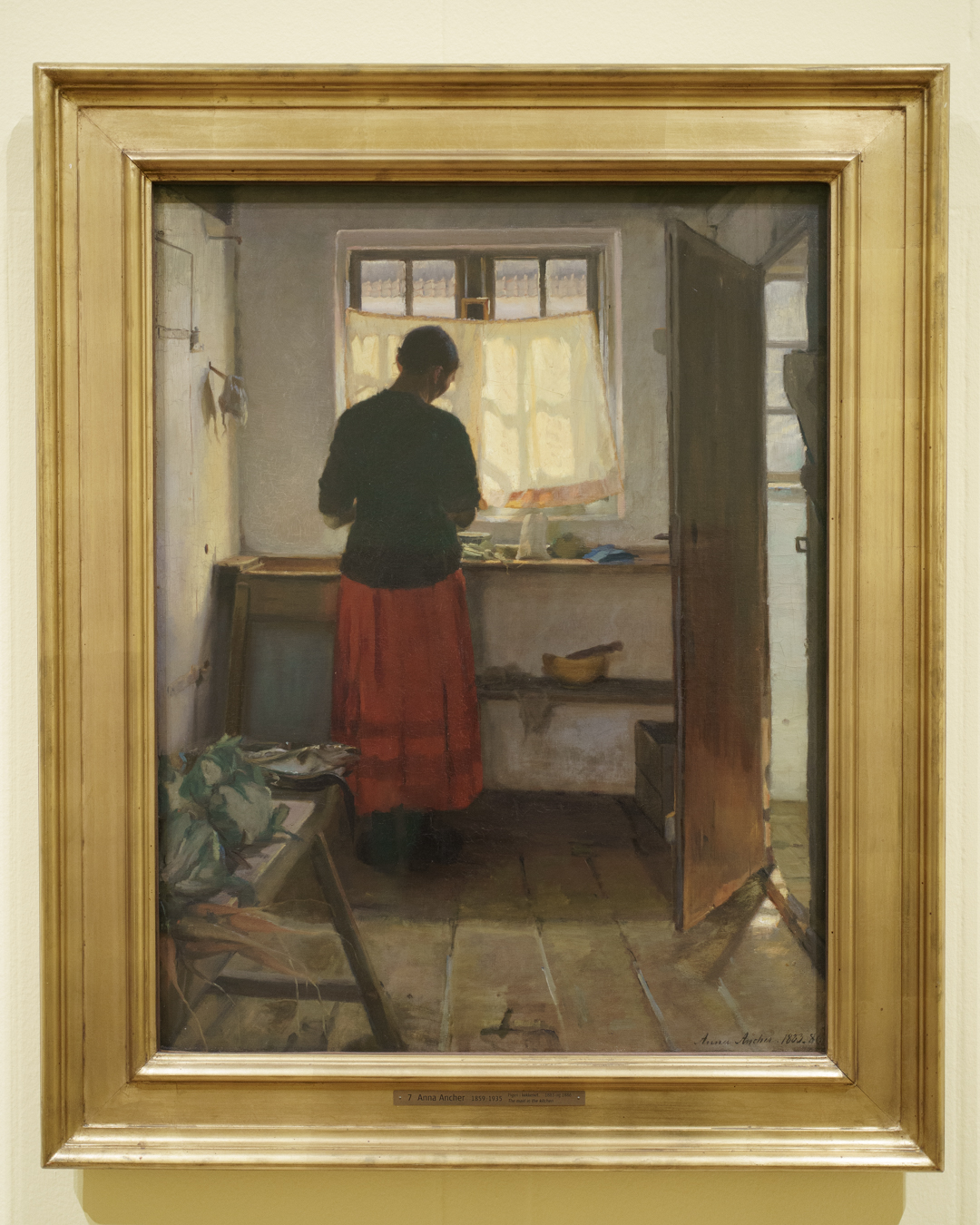
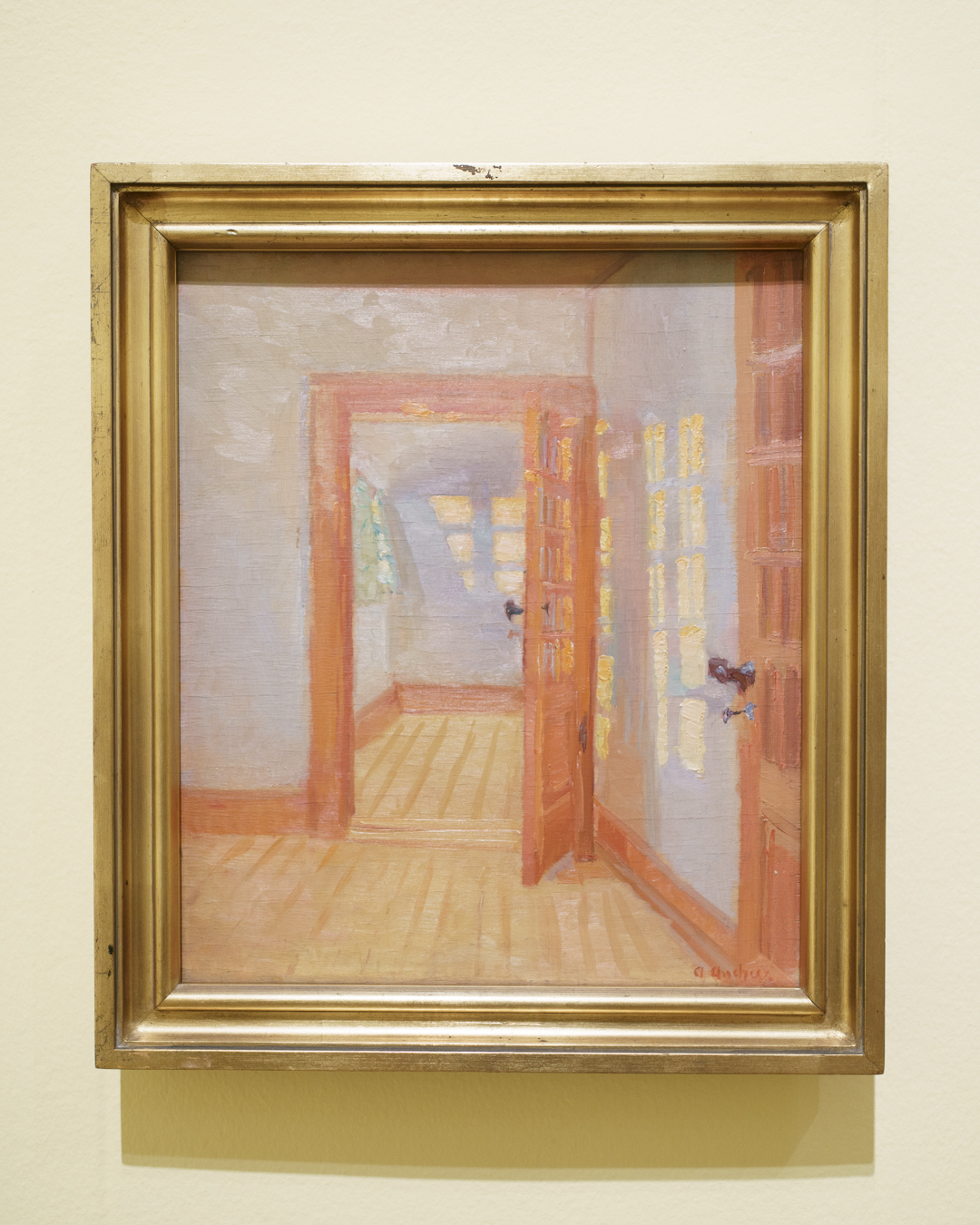
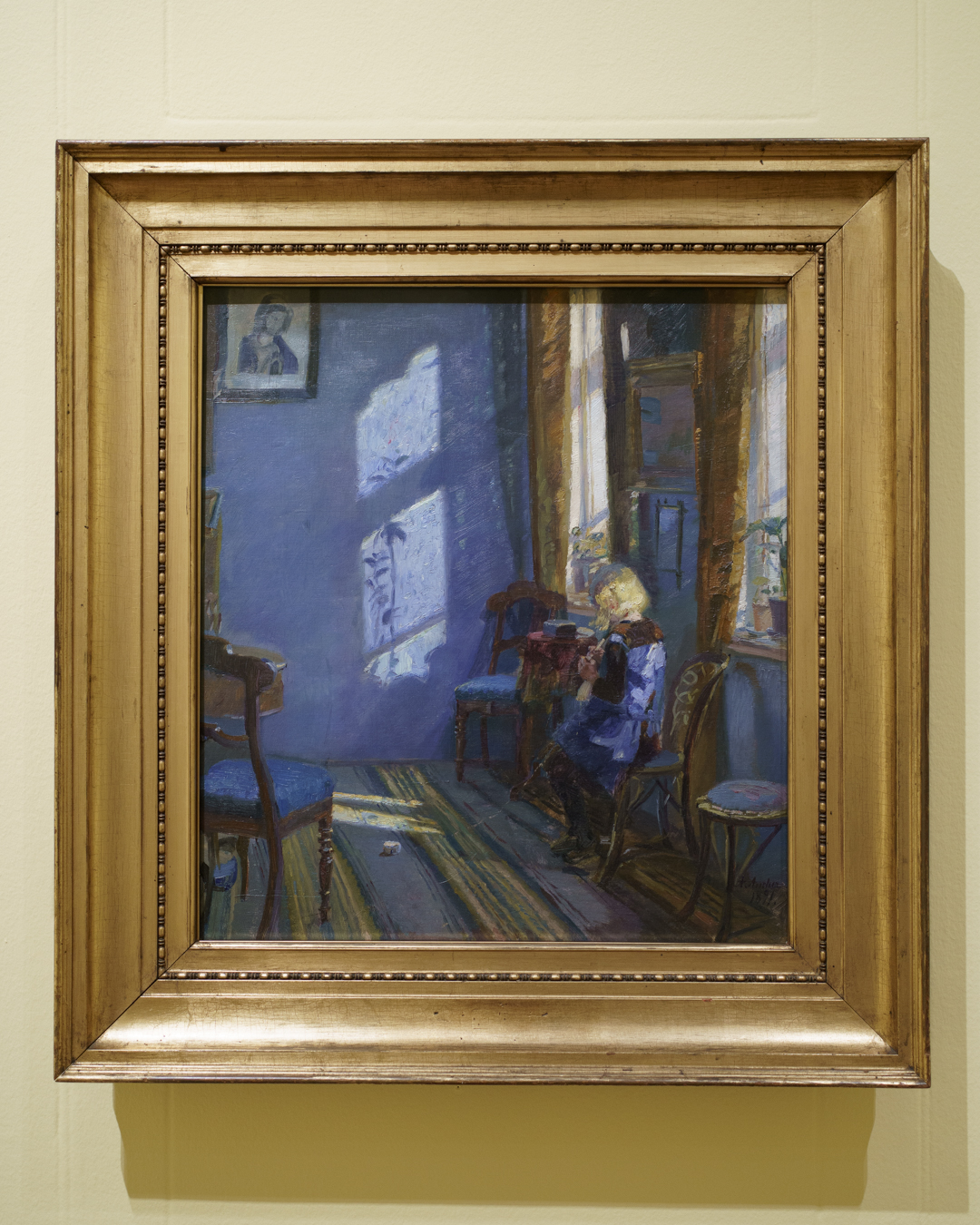
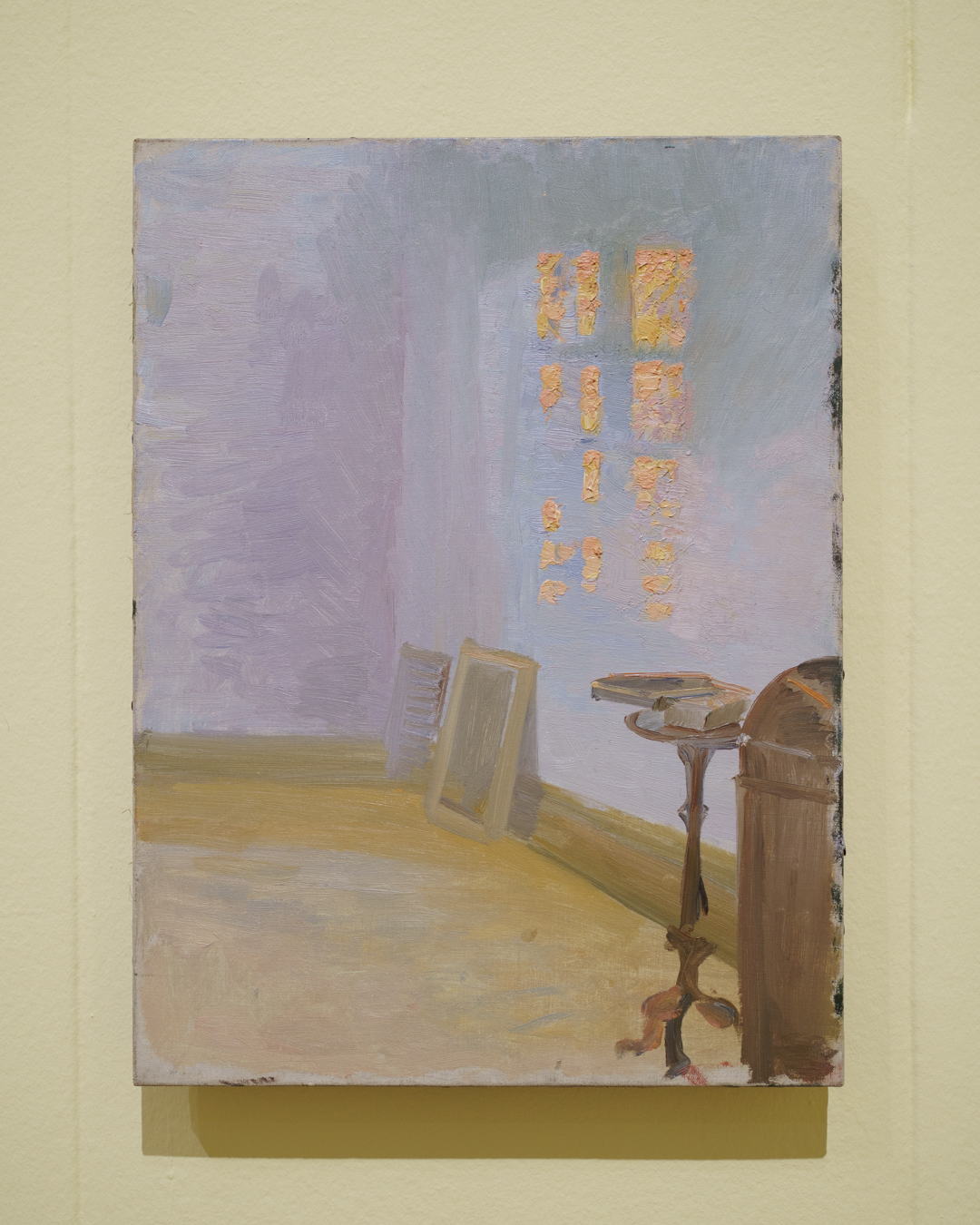
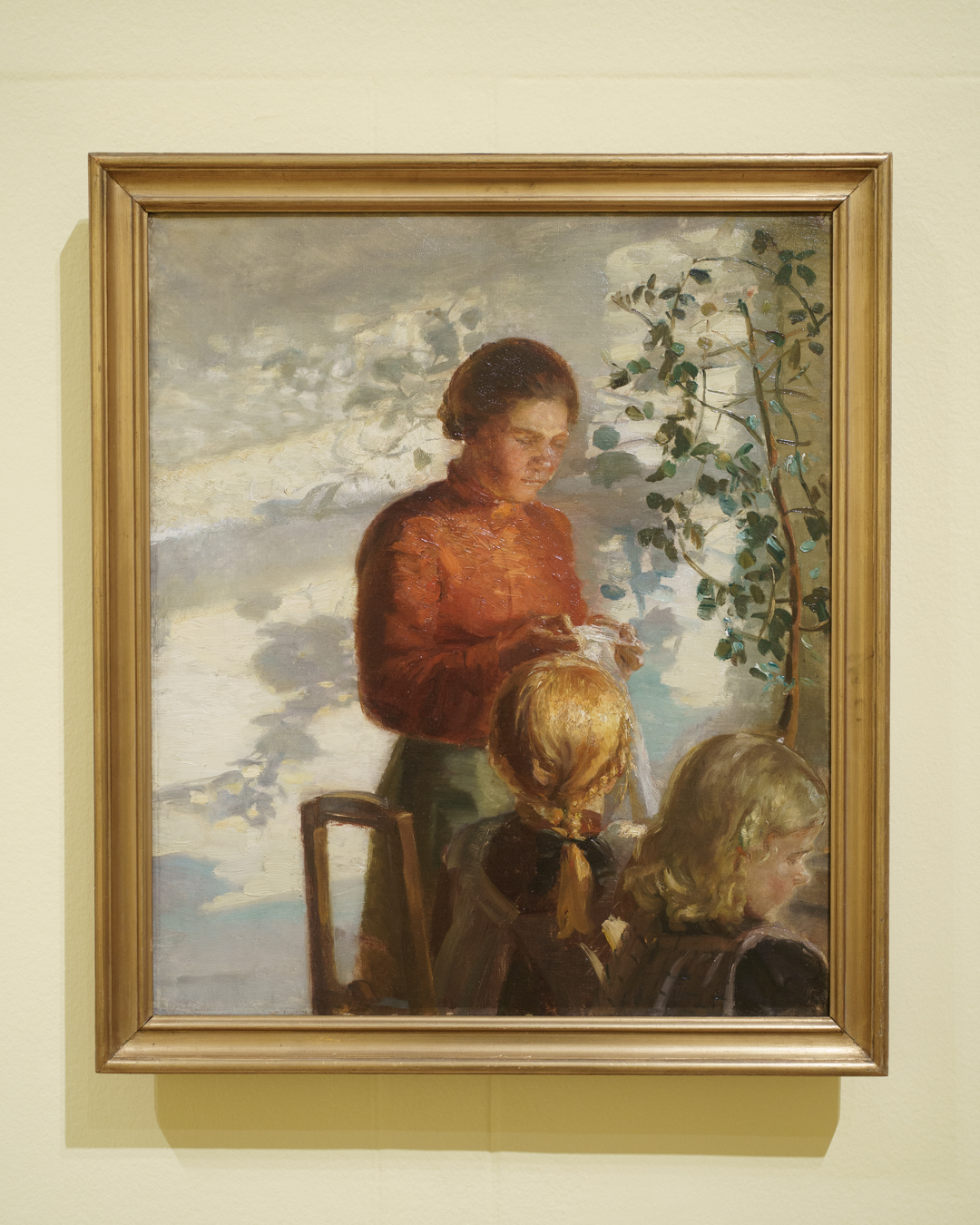
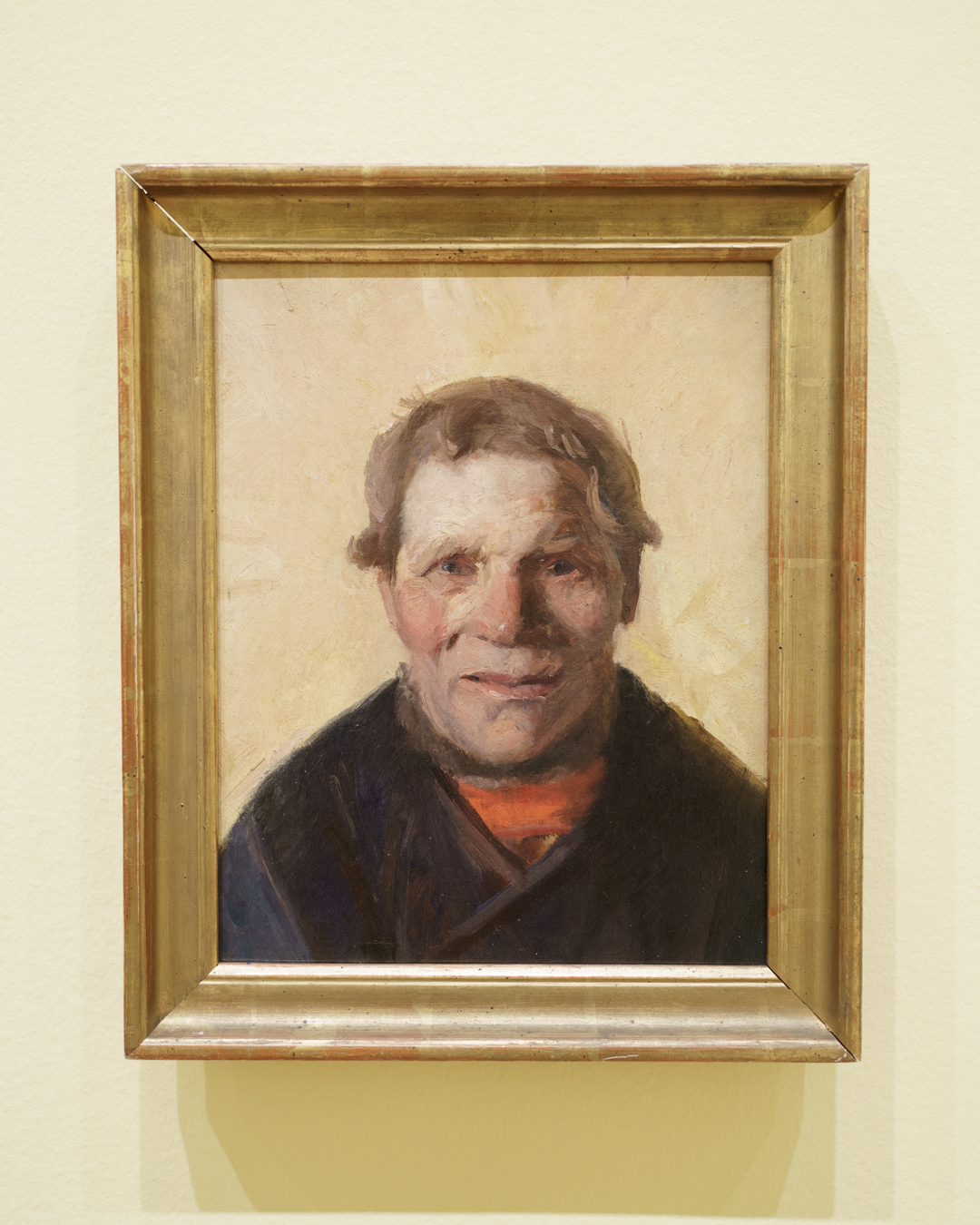
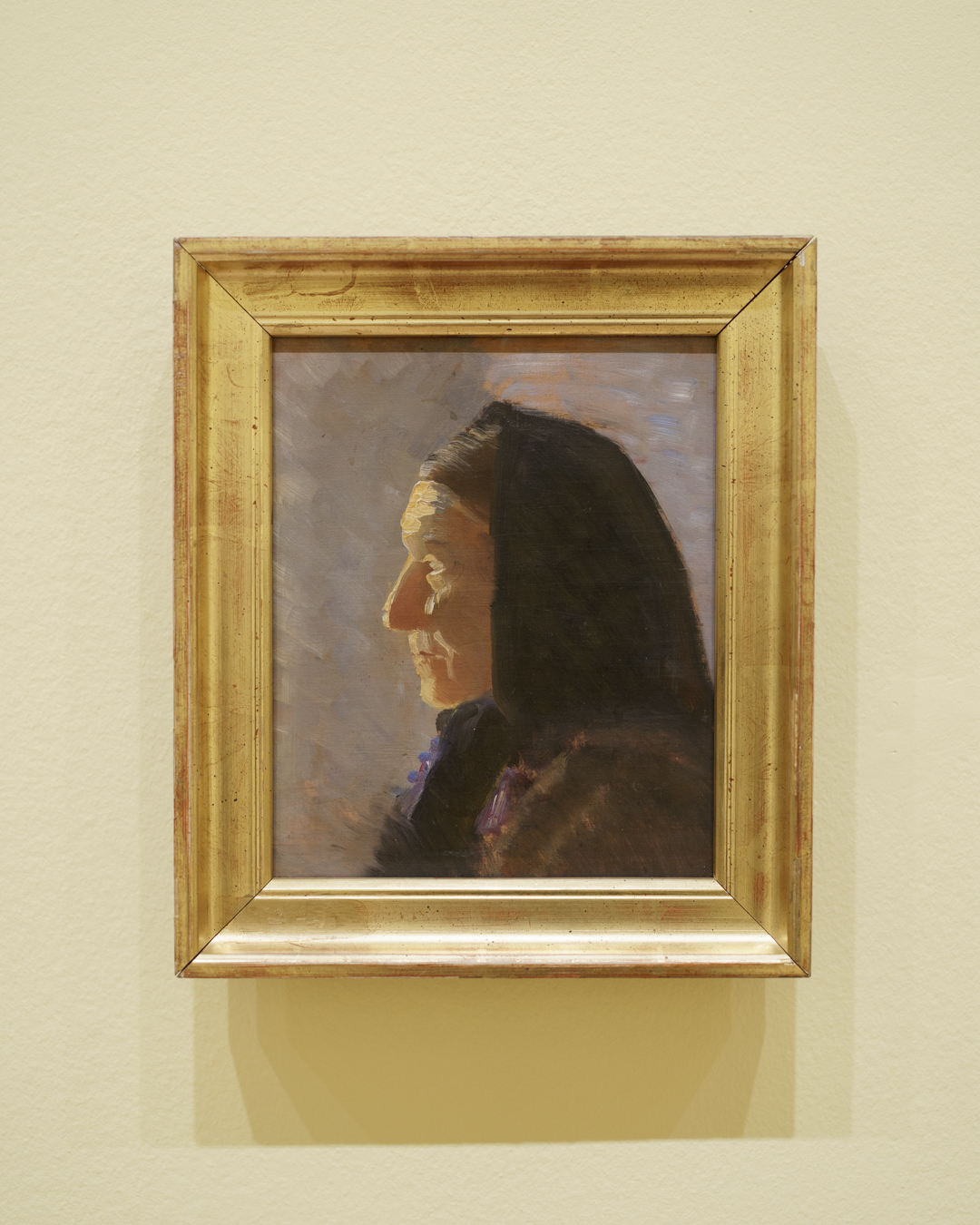
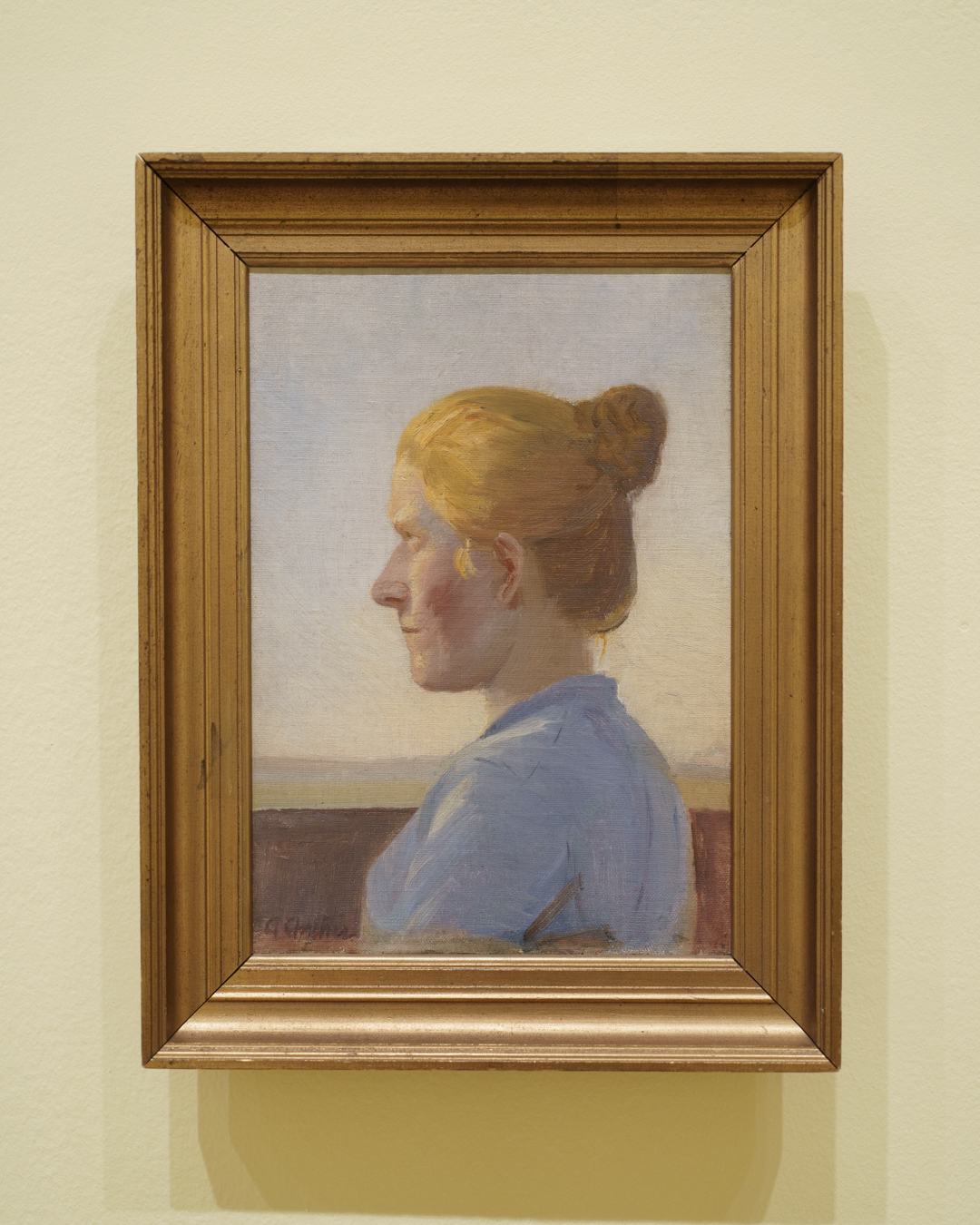
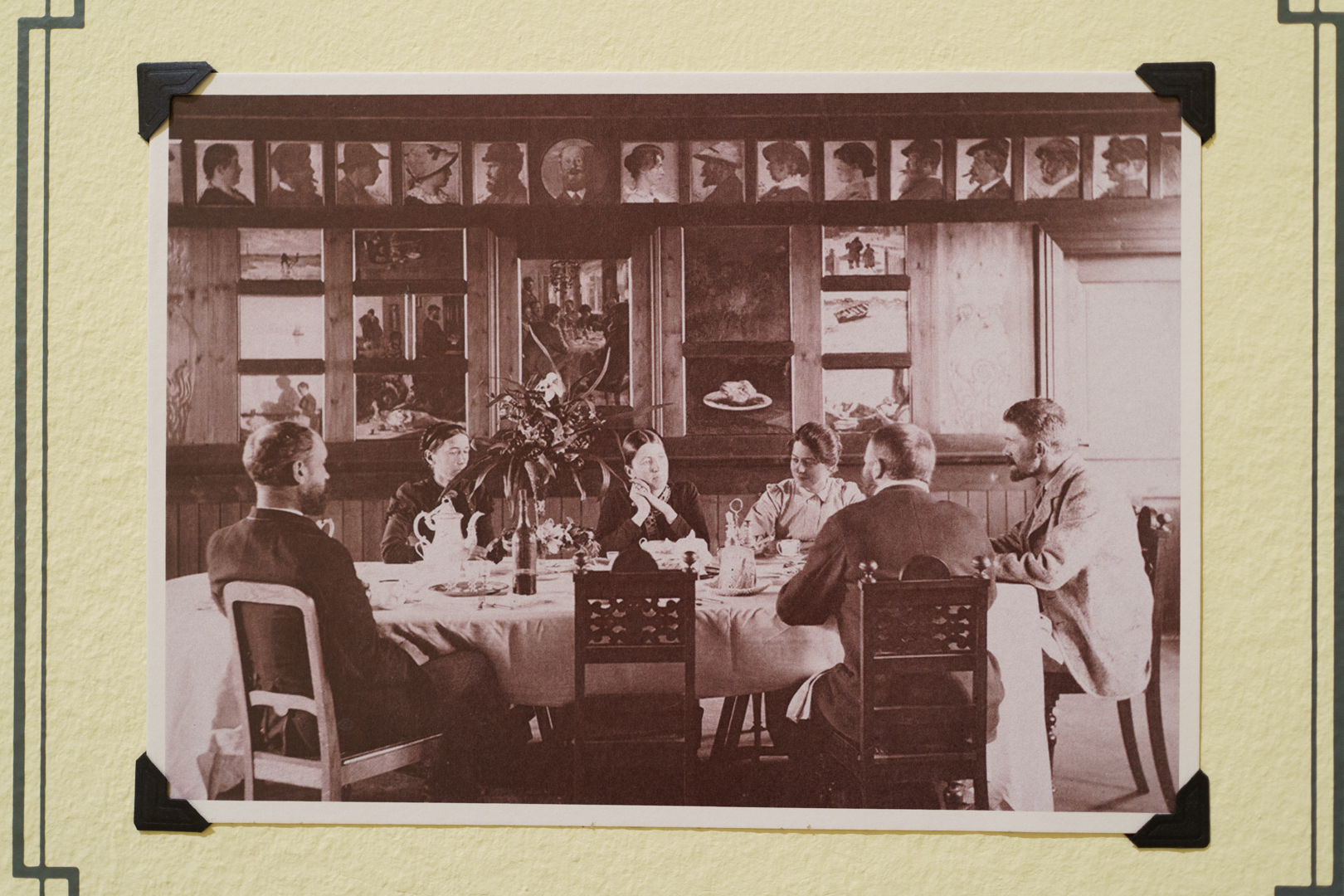
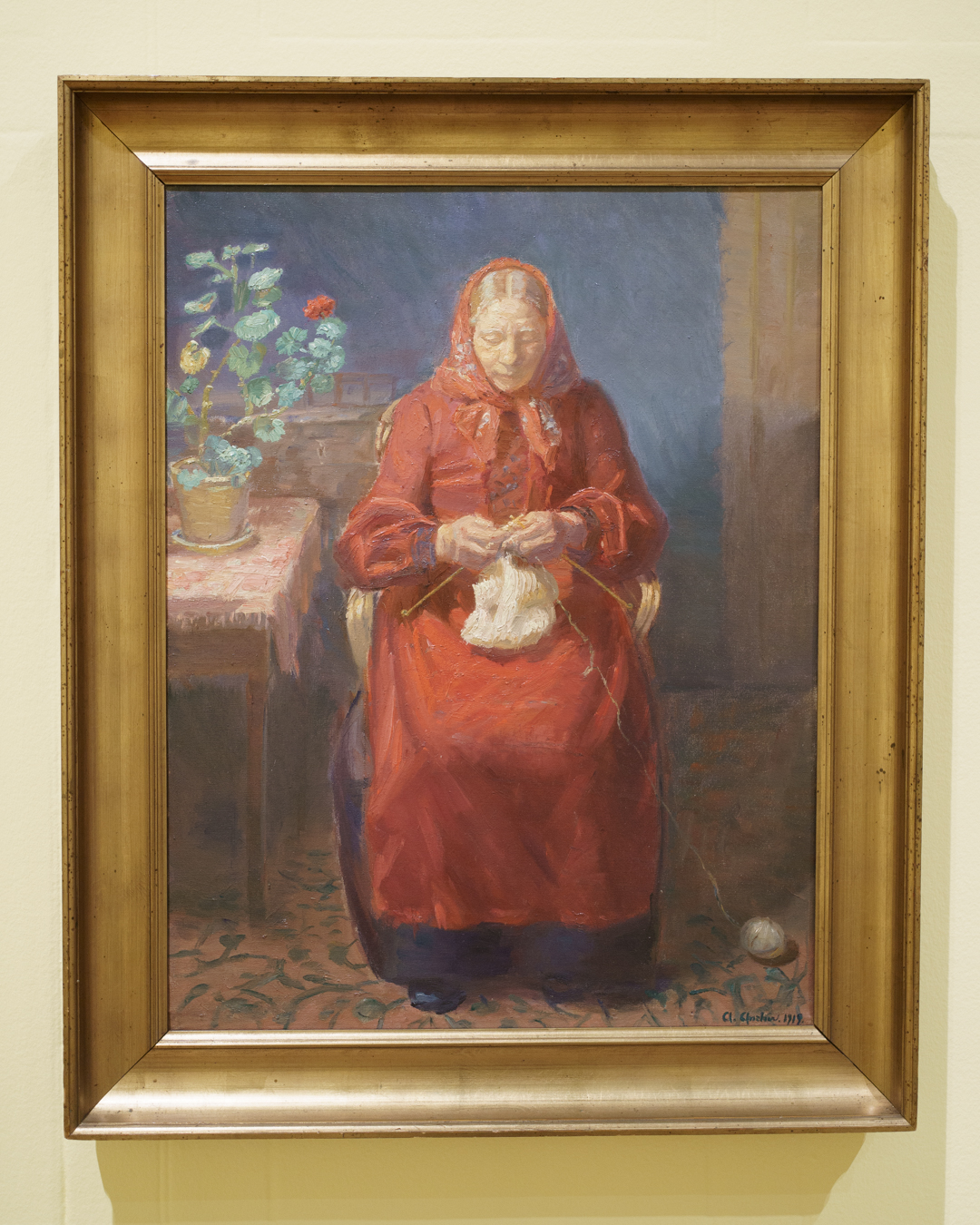
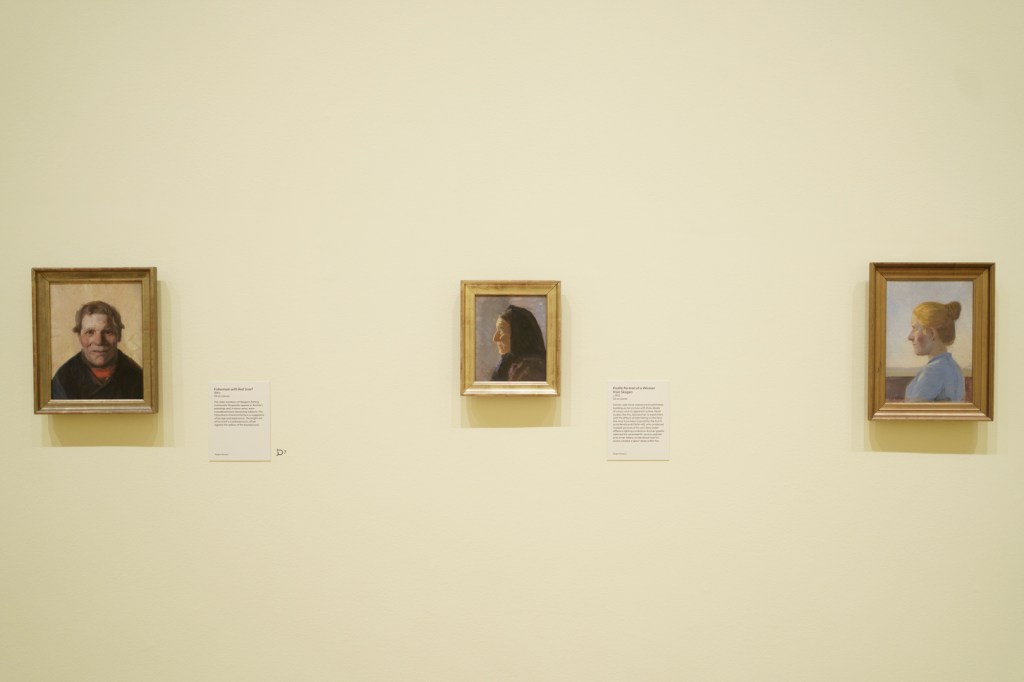
In the exhibition, there is a procession of bust-length portraits that are reminiscent of Dutch ‘tronies’ – which she used to decorate her house – while works like A Woman Knitting, Evening Light (1919) evoke similar scenes by Nicolaes Maes. While it may be easy to assume her choice of domestic scenes is due to her womanly status, it is just as logical to remind ourselves that Dutch painting is dominated by these kinds of subject matter.
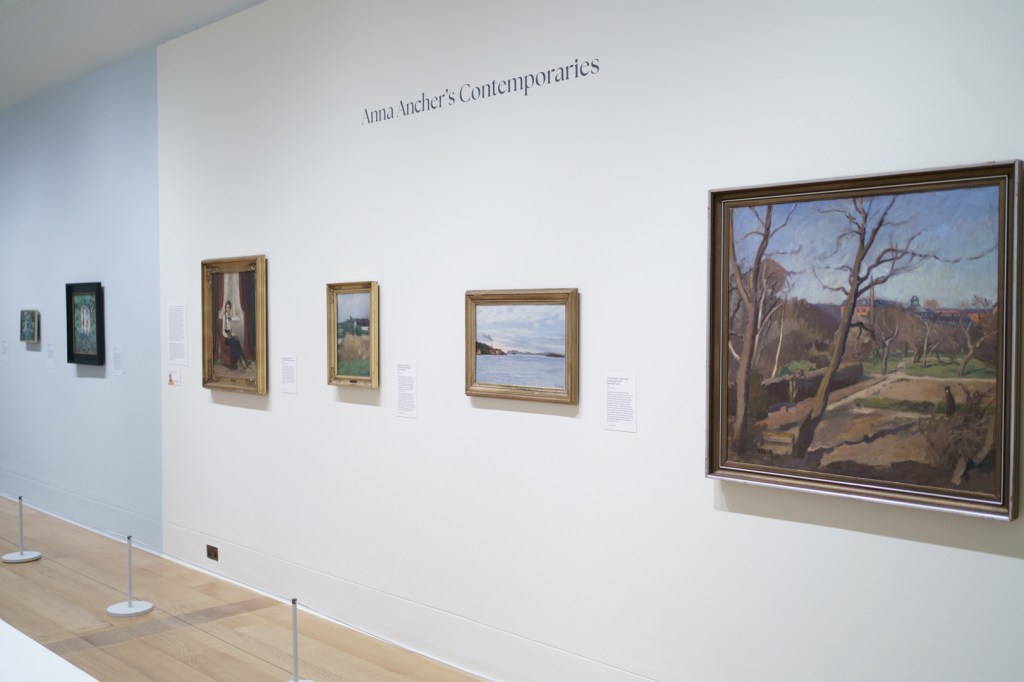
However, Ancher’s success was certainly an exception to the norm. Offering a bit of extra context is a selection of four paintings by her female contemporaries – Emilie Mundt, Marie Luplau, Louise Bonfils, and Marie Sandholt – from the collection of broadcaster Sandi Toksvig. These artists were highly involved in the women’s movement in Denmark, which Ancher was generally reluctant to be actively involved in. They naturally did not have the finest impression of her.
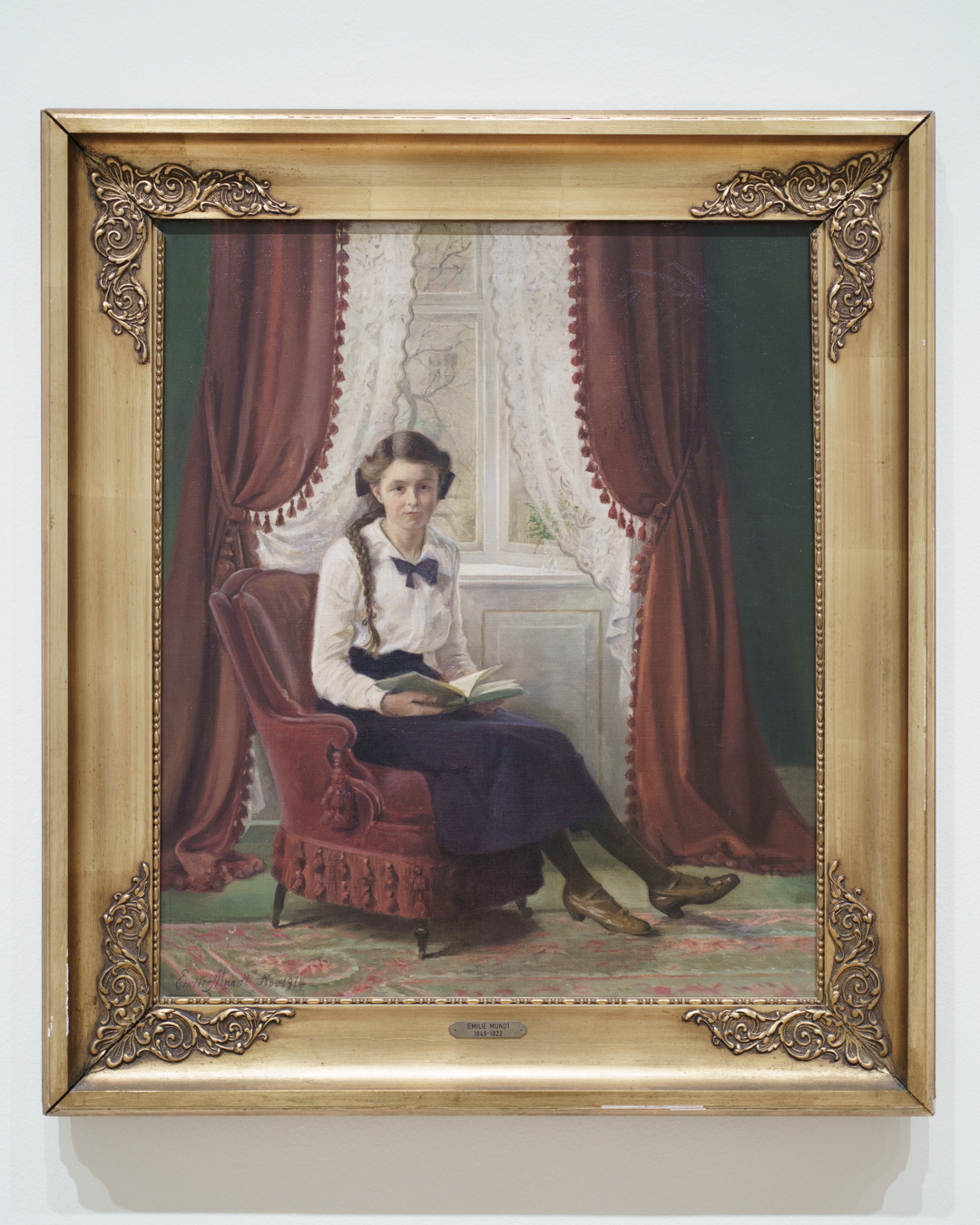
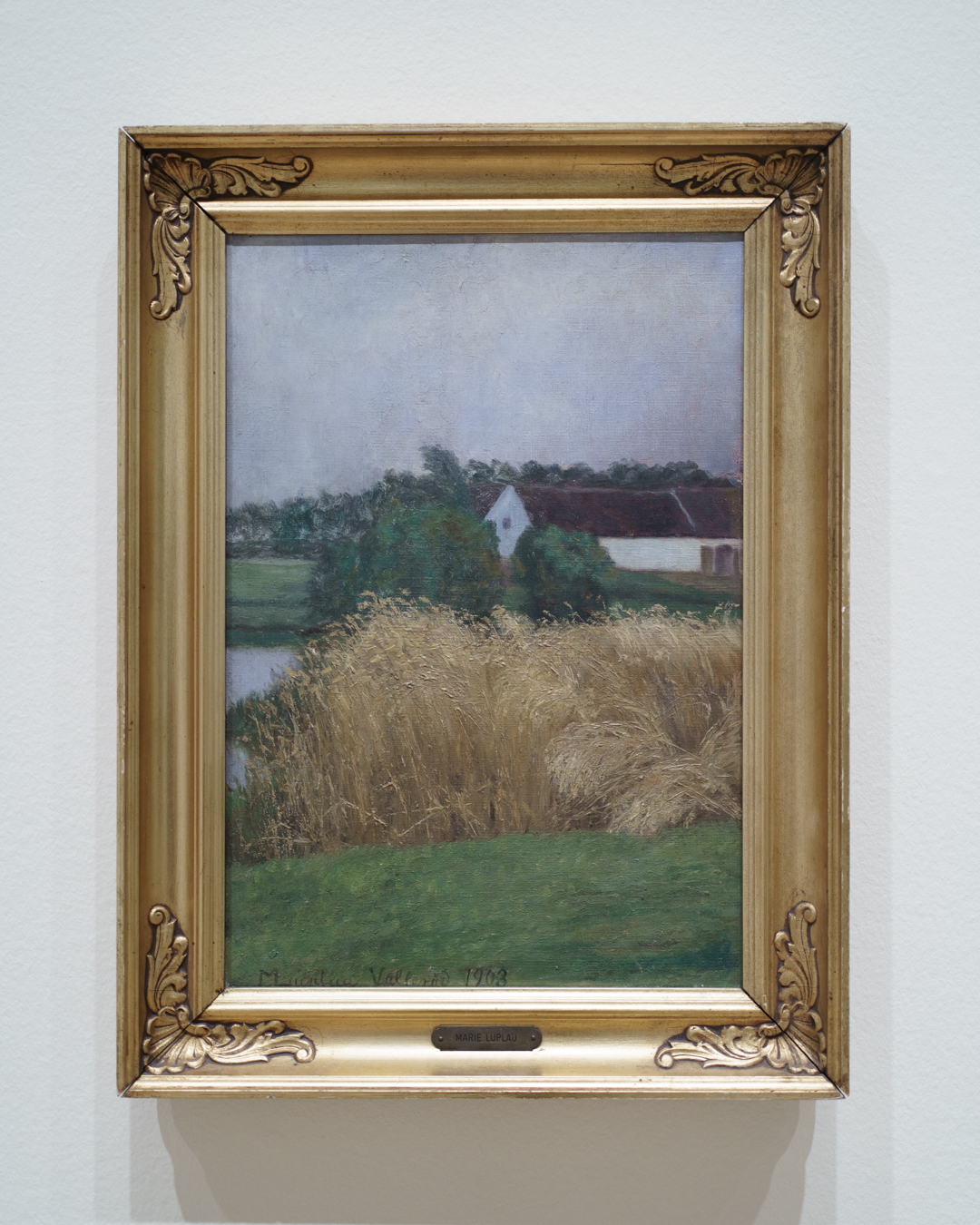
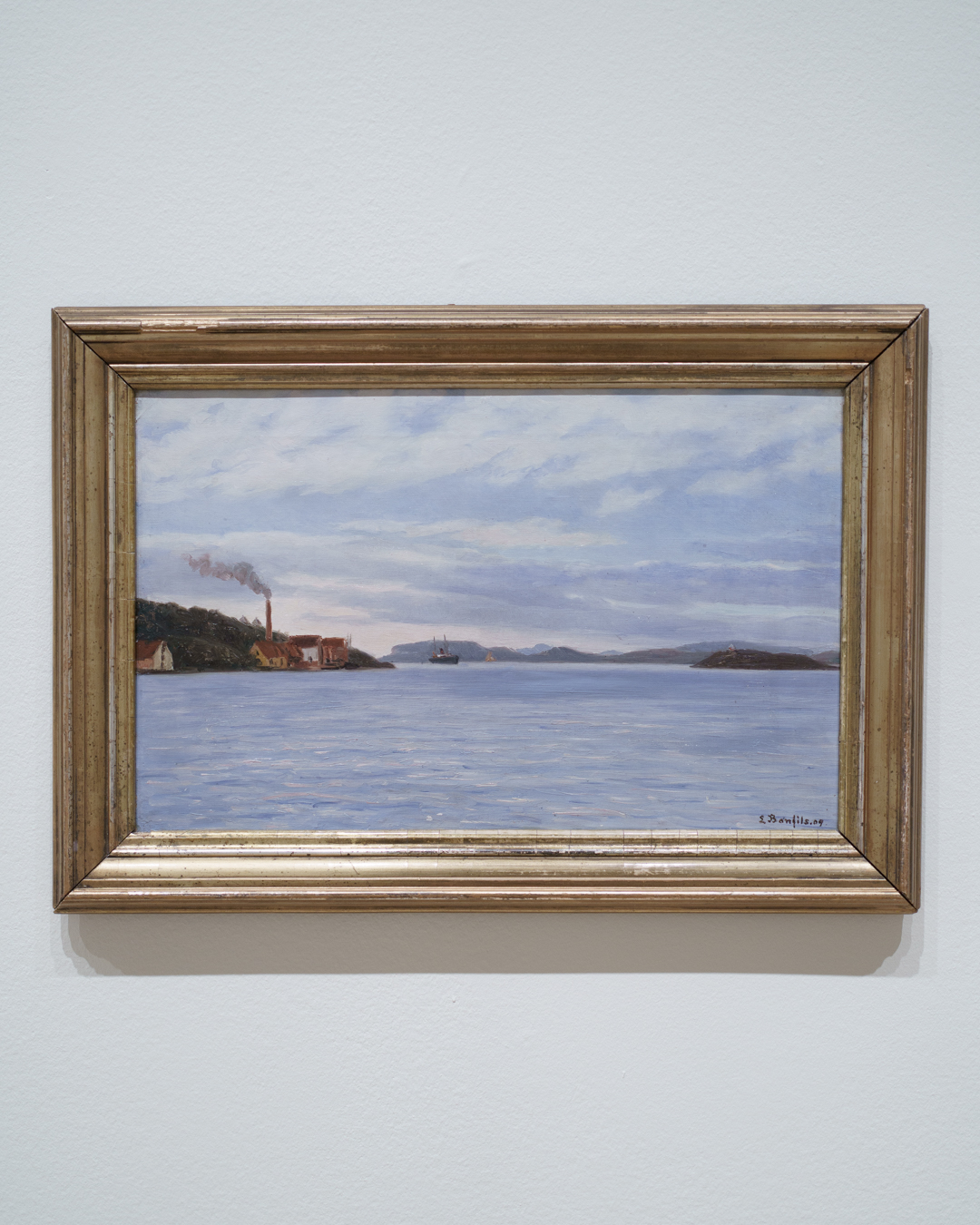
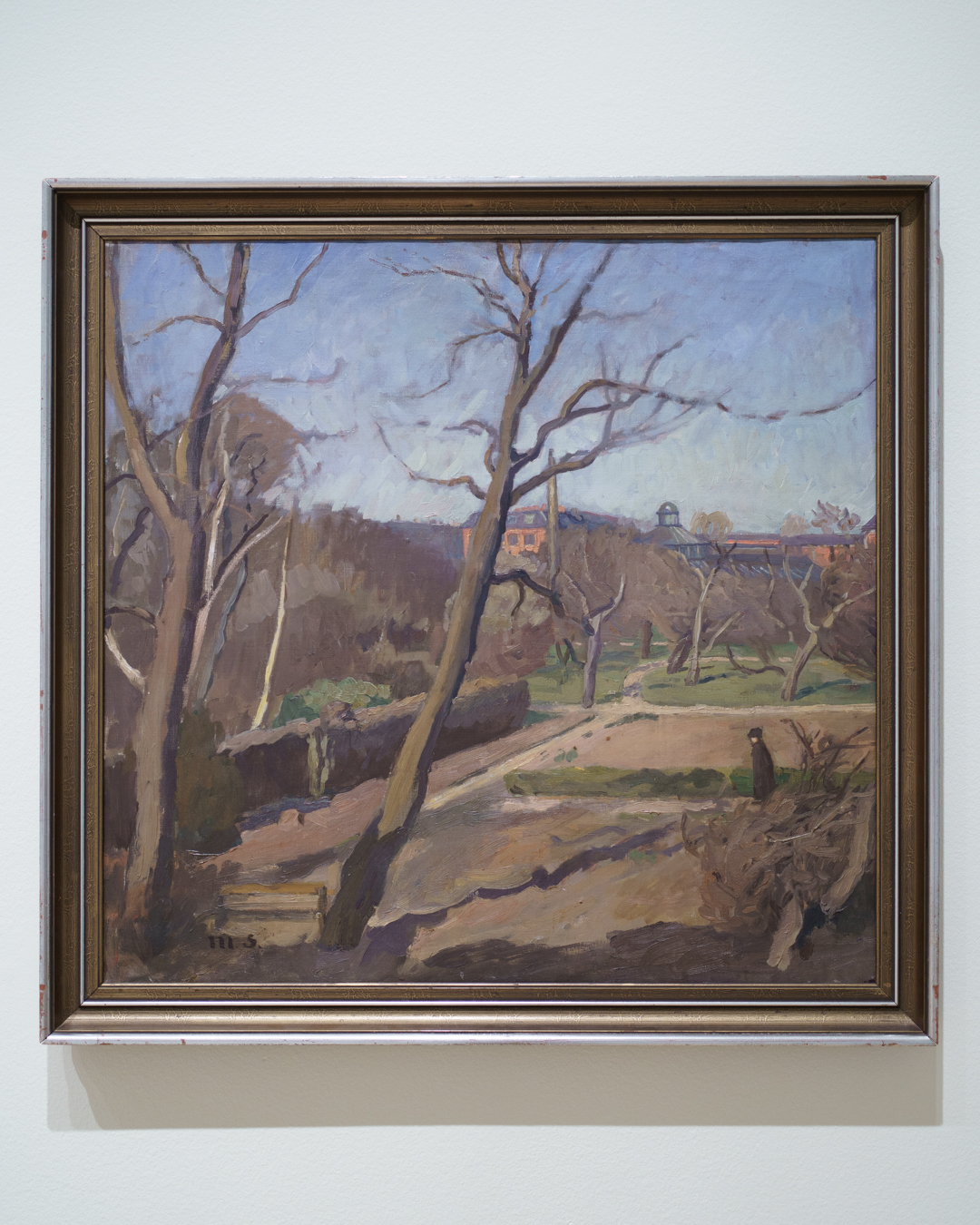
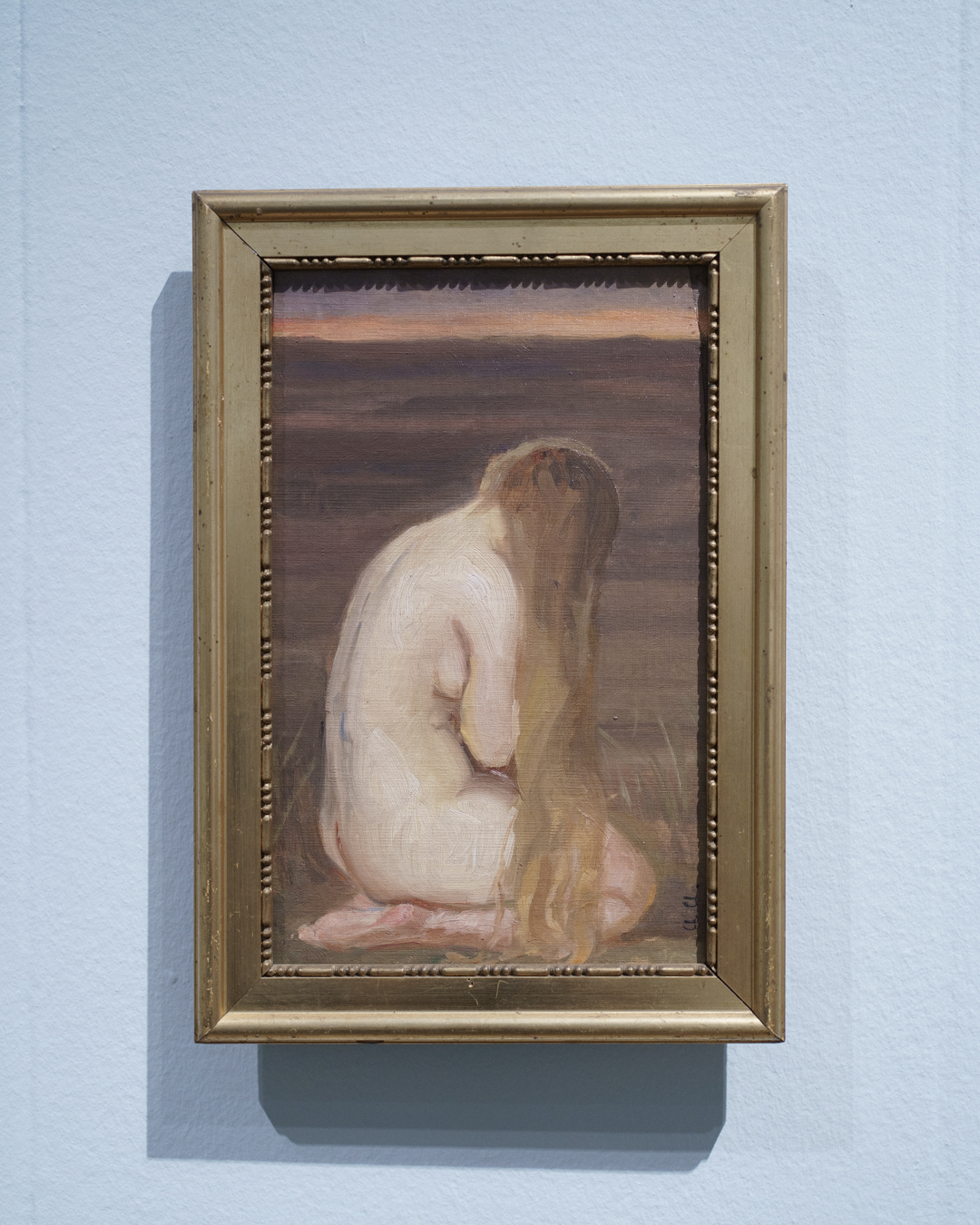
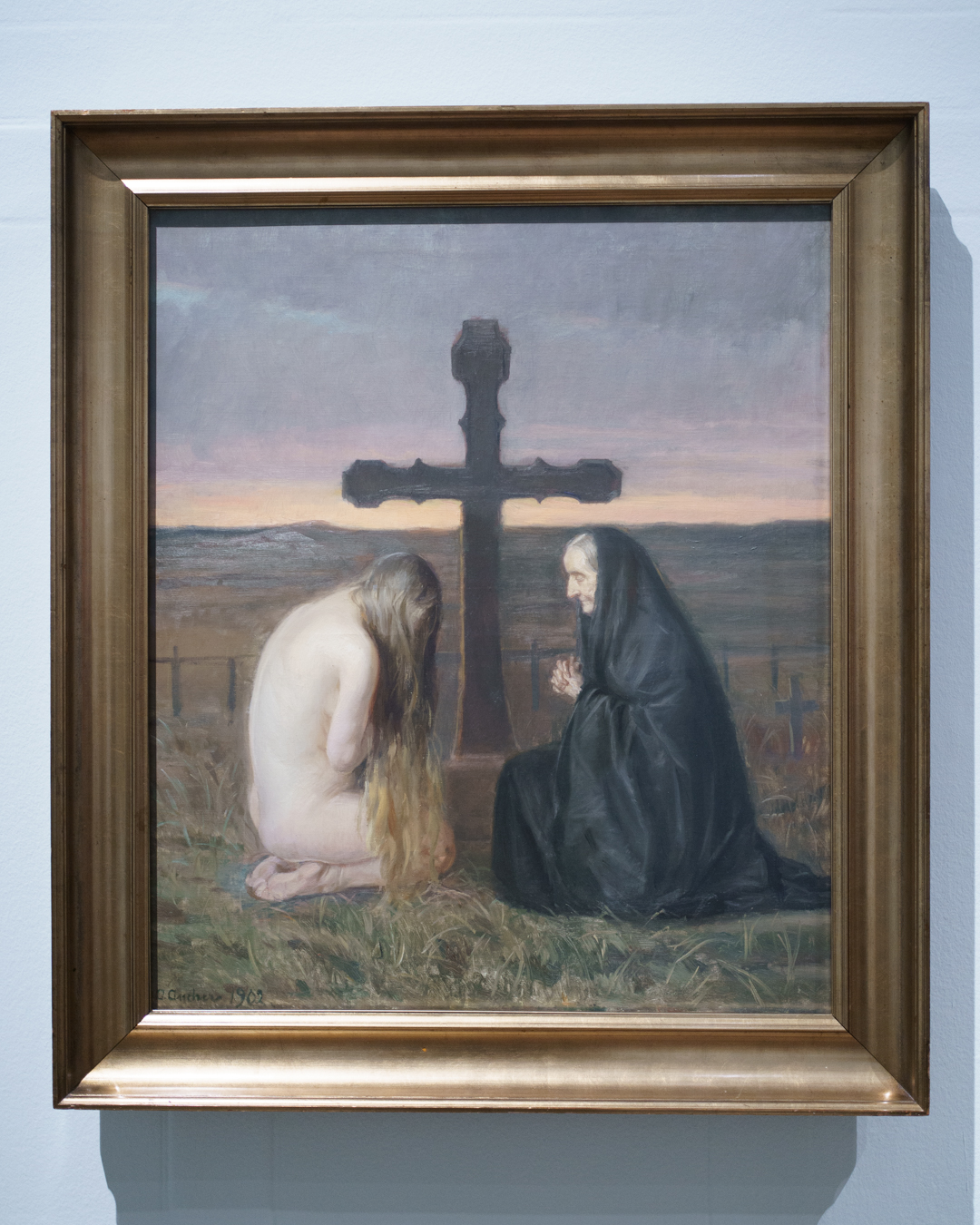
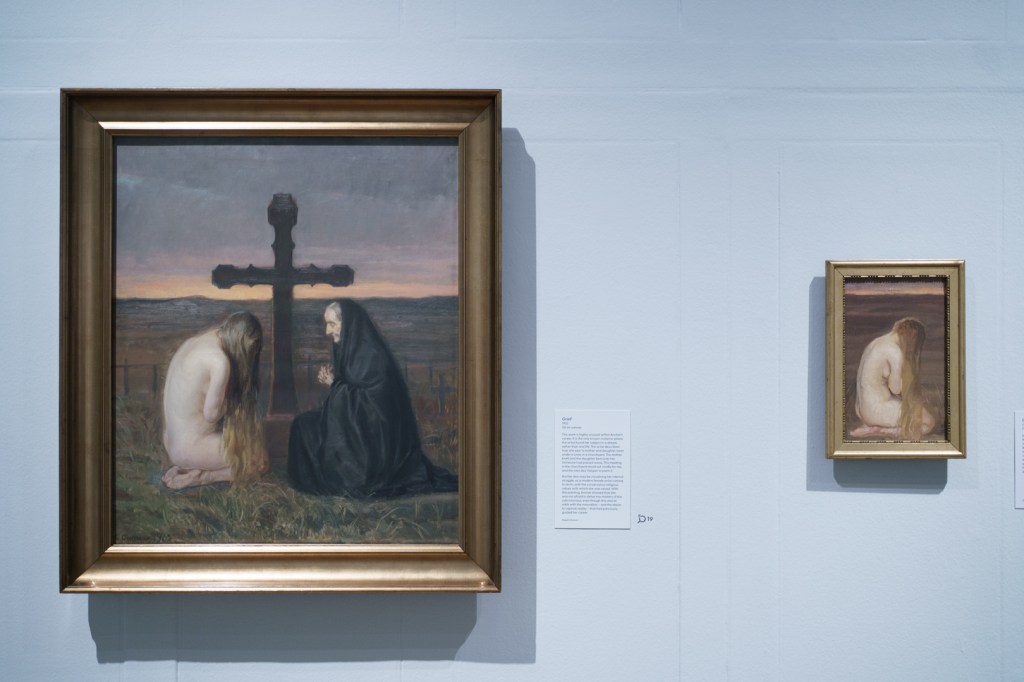
The exhibition closes with the only depiction of nudity in her oeuvre – Grief (1902) – and probably the first female nude in Danish art to be depicted from a woman’s perspective. Two kinds of shared vulnerability and emotional pain are shown here, resulting in an image that invites the viewer to participate as well.
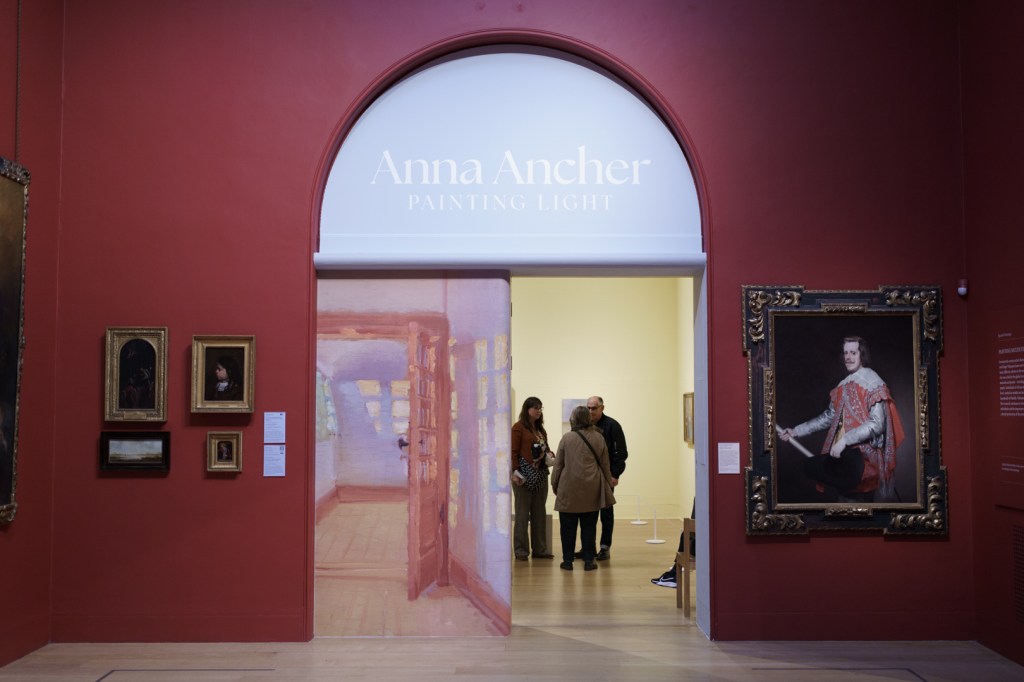
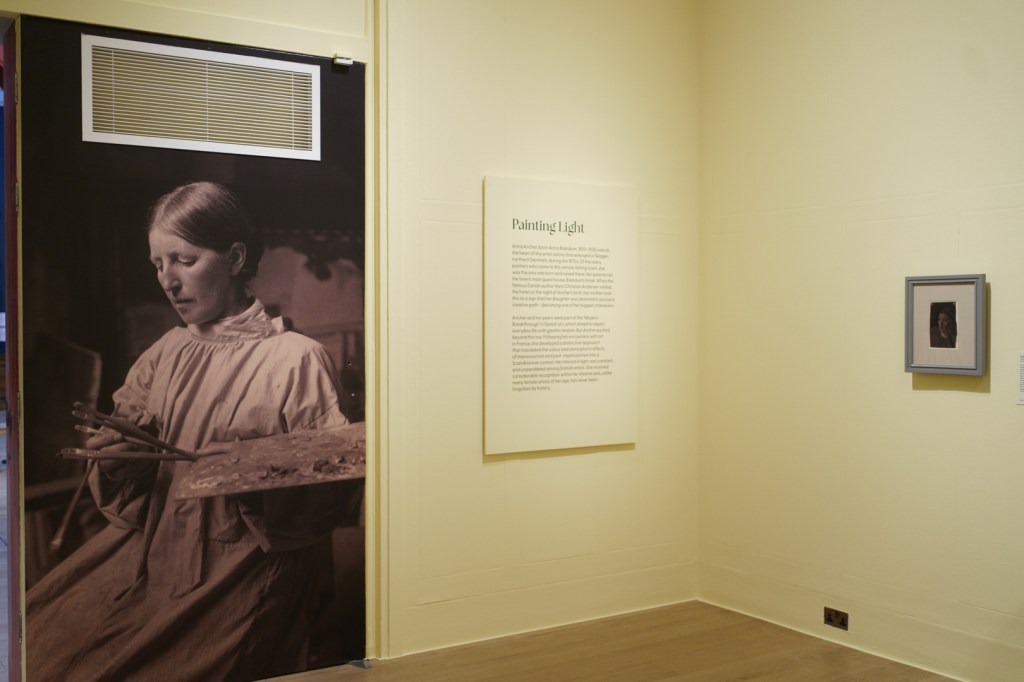
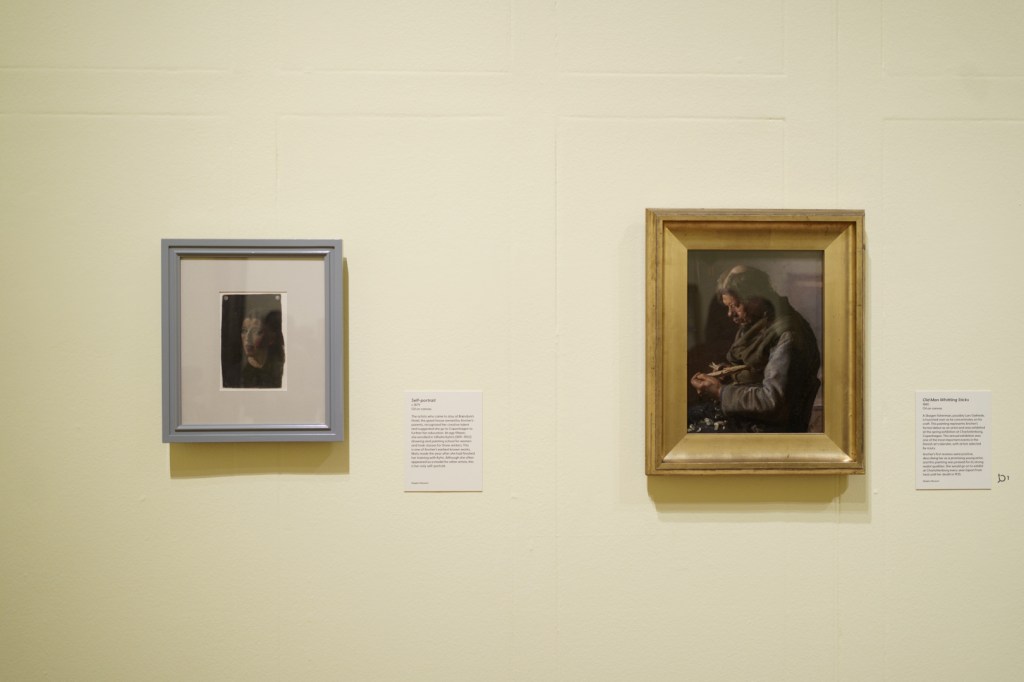
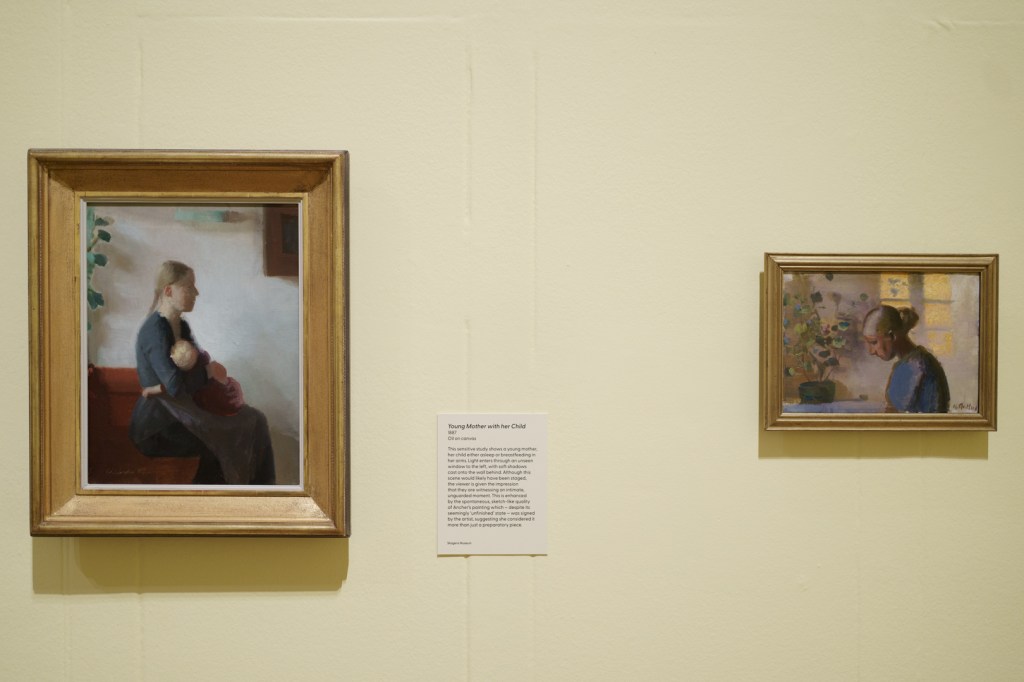
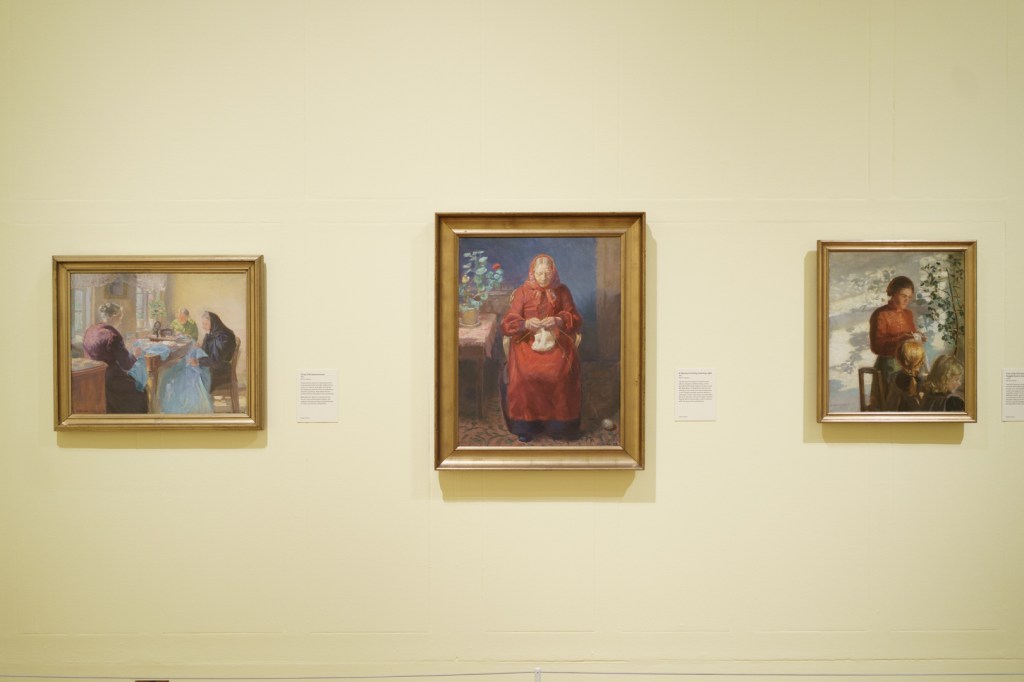
Anna Ancher: Painting Light (4 November 2025 — 8 March 2026) is at Dulwich Picture Gallery, London, https://www.dulwichpicturegallery.org.uk/

 Nigel Ip
Leave a comment