
Back in 2016, the National Gallery held the Painters’ Paintings: From Freud to Van Dyck exhibition, where I was surprised to find exhibited one of Agostino Carracci’s cartoons for the vault-like ceiling of the Palazzo Farnese in Rome, one of two originally owned by Sir Thomas Lawrence. While I knew of them as a student, I didn’t know the National Gallery owned them; I had dreamed of seeing both together ever since.
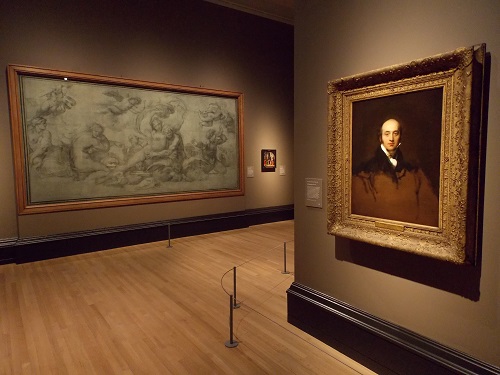
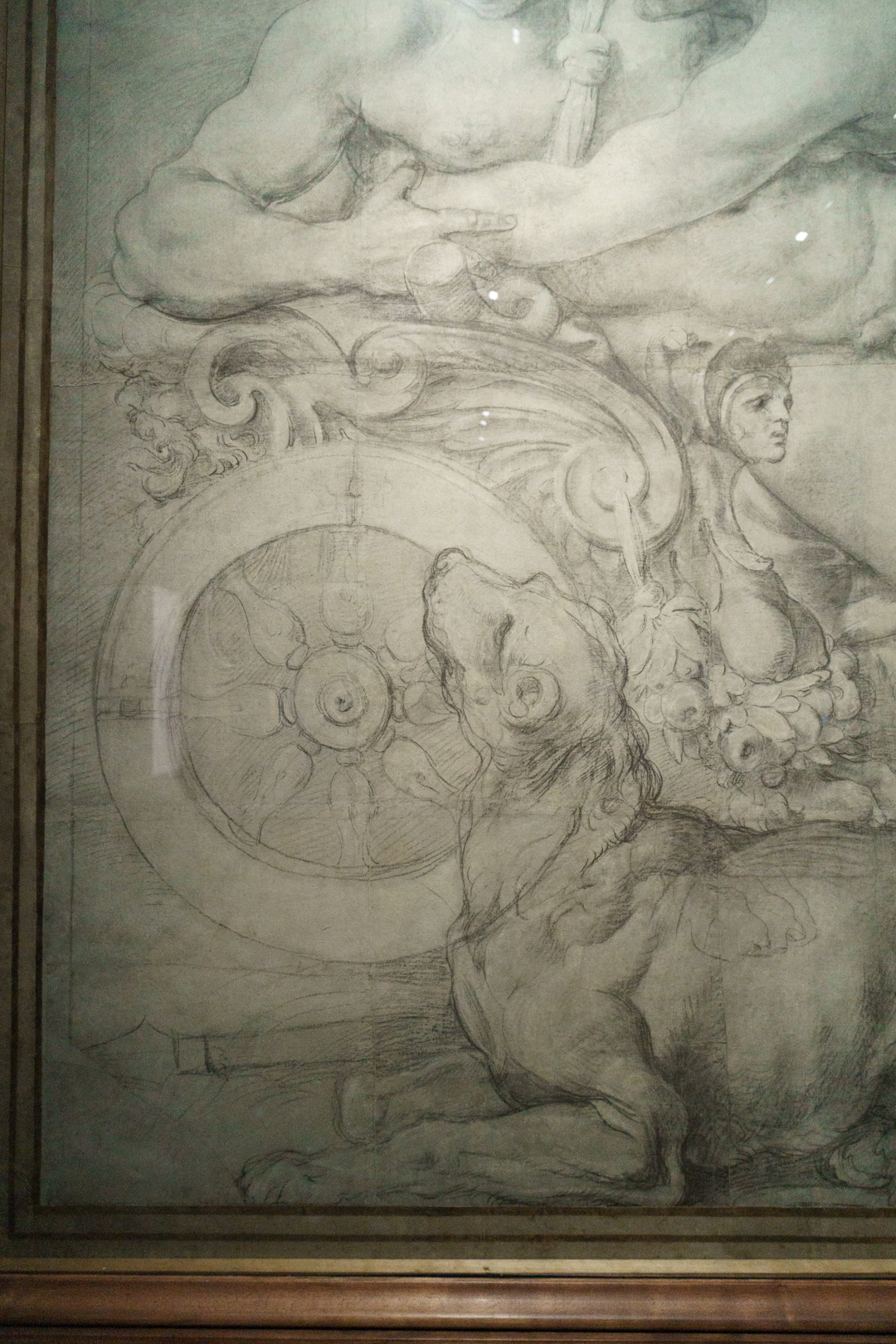
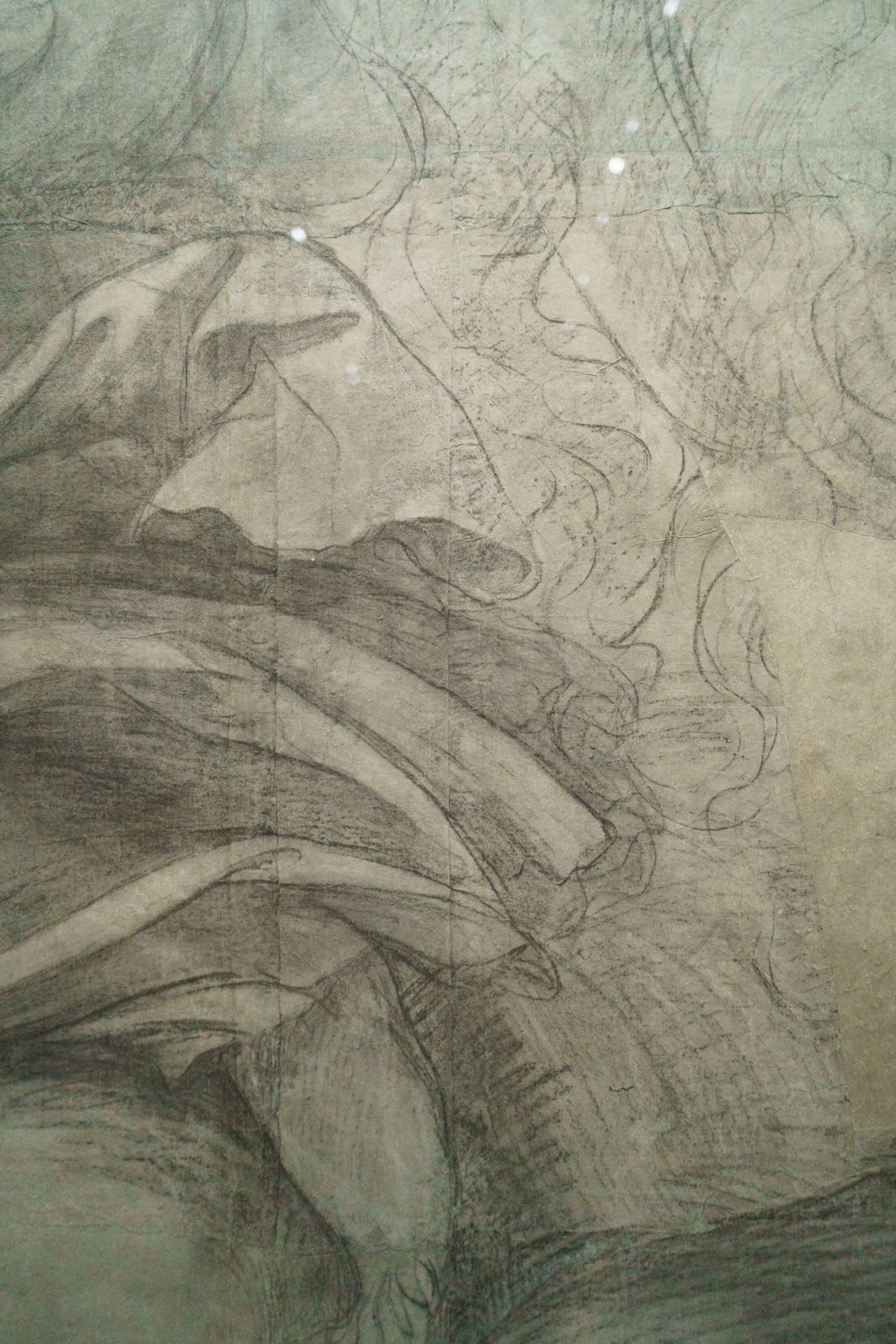
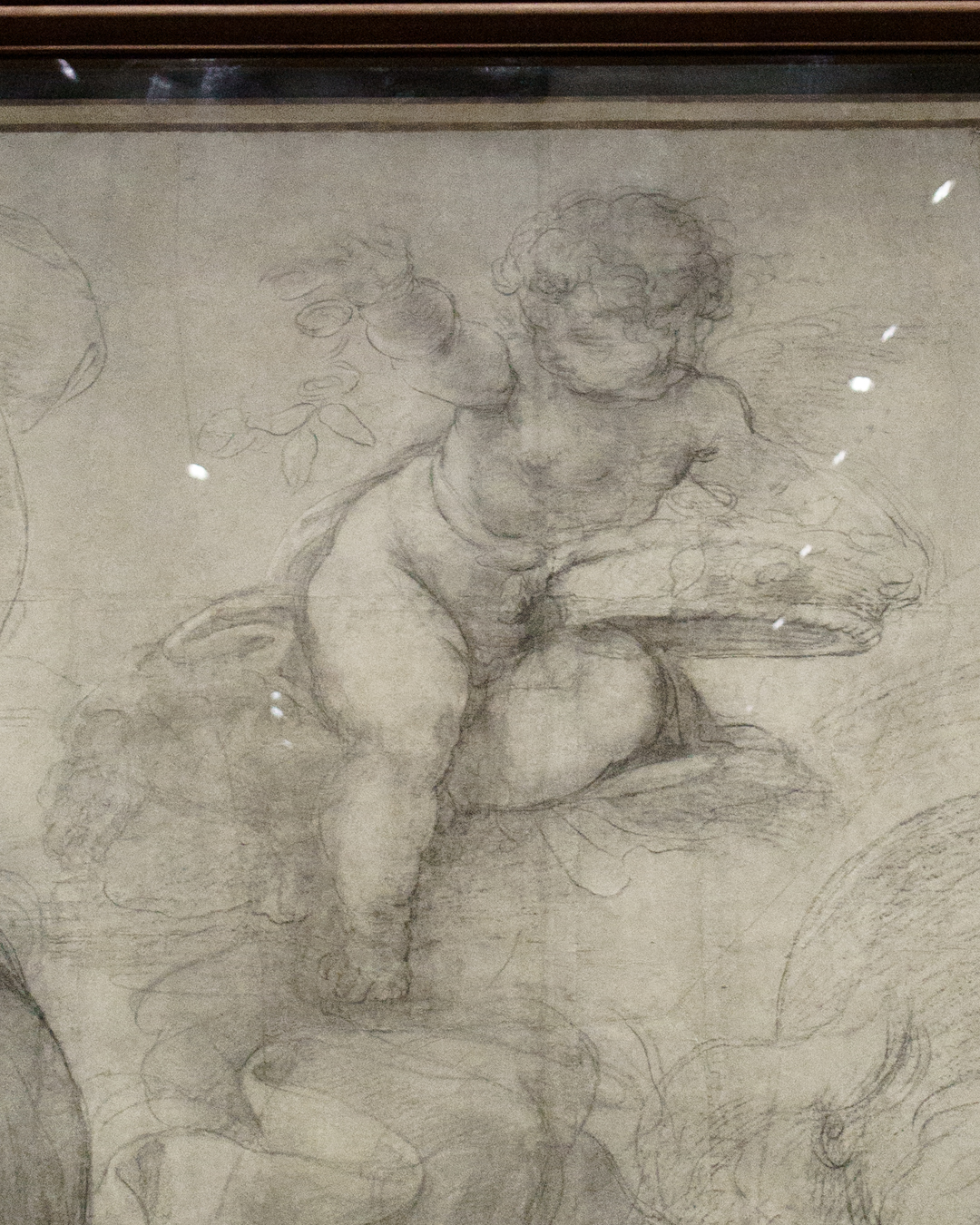
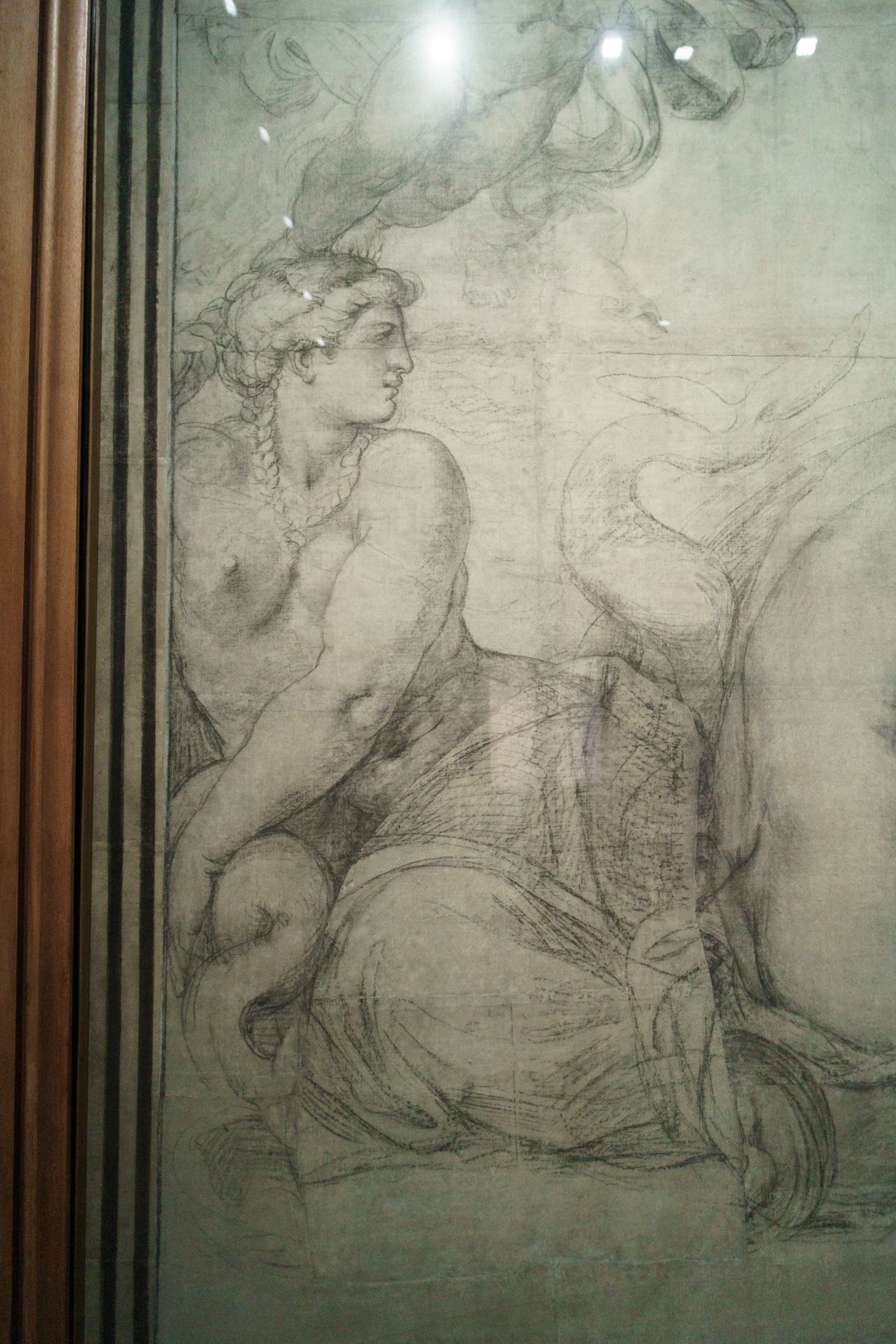
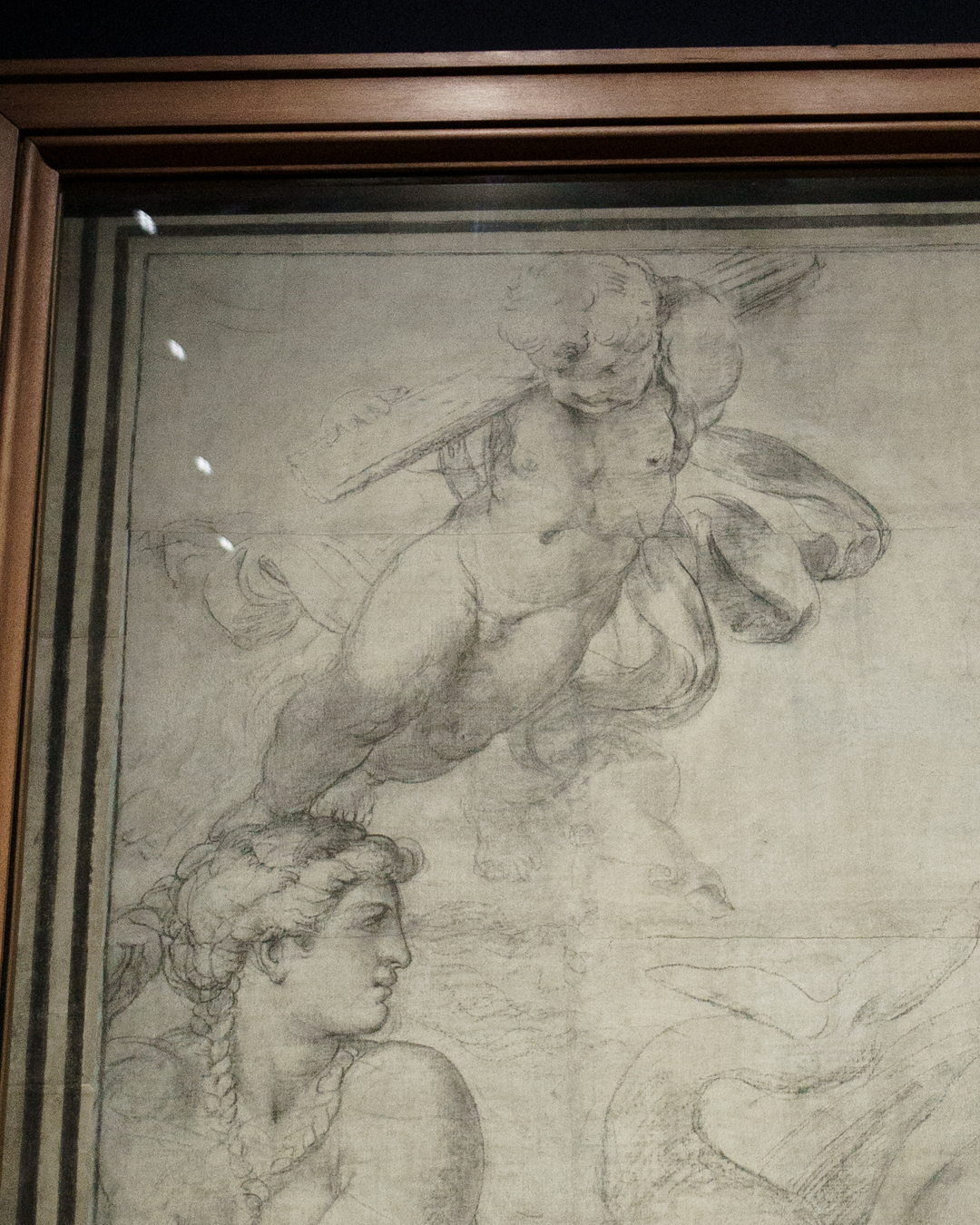
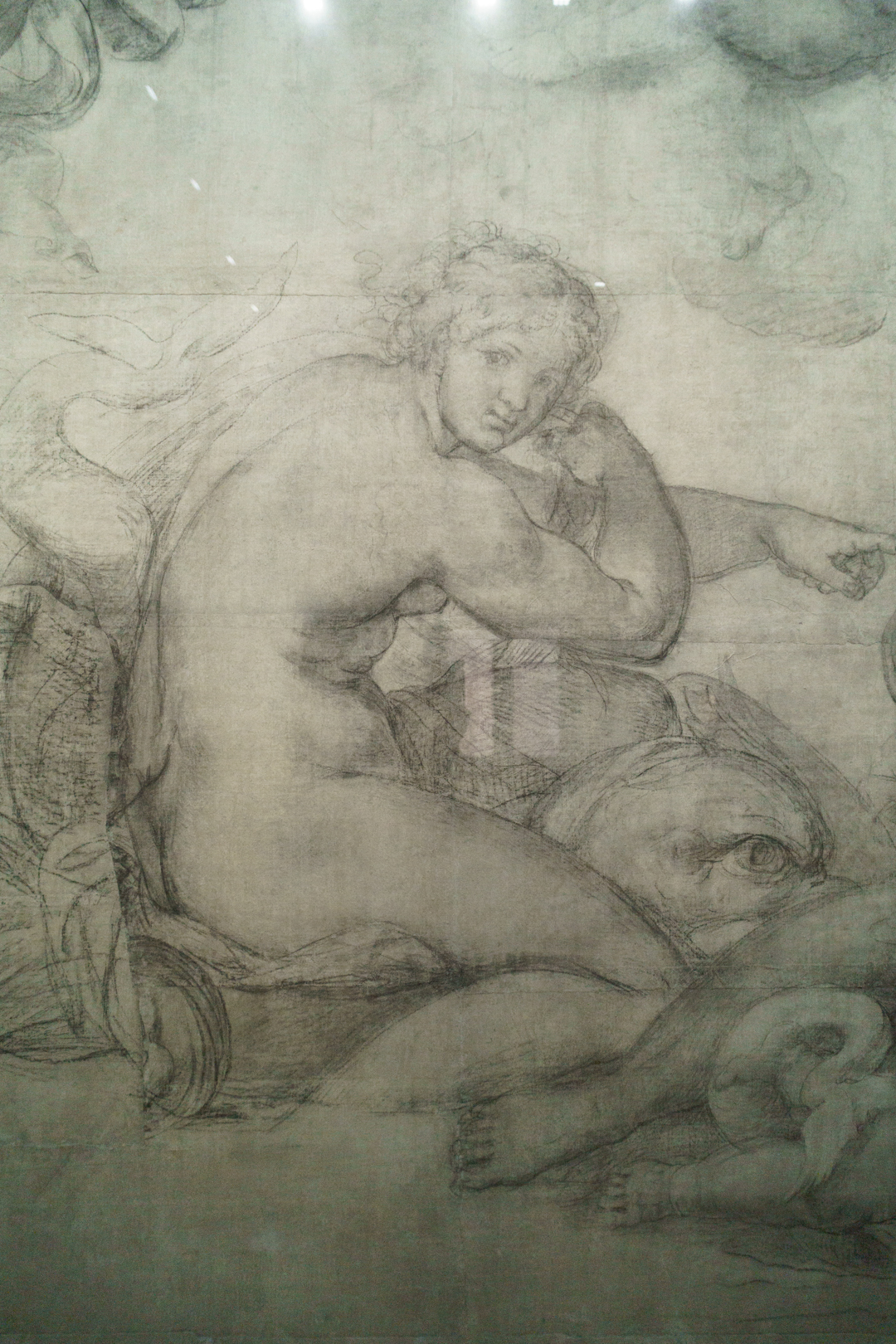
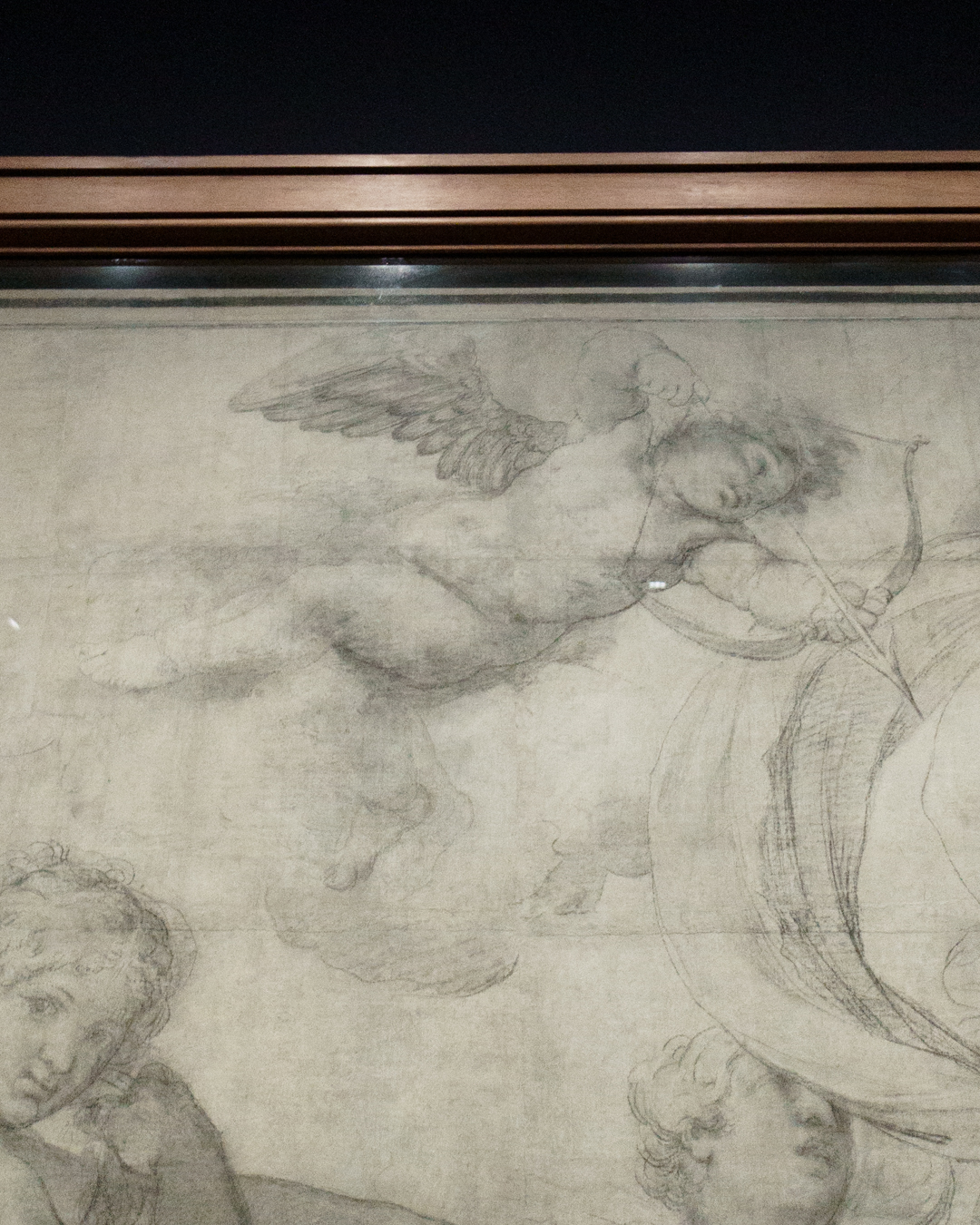
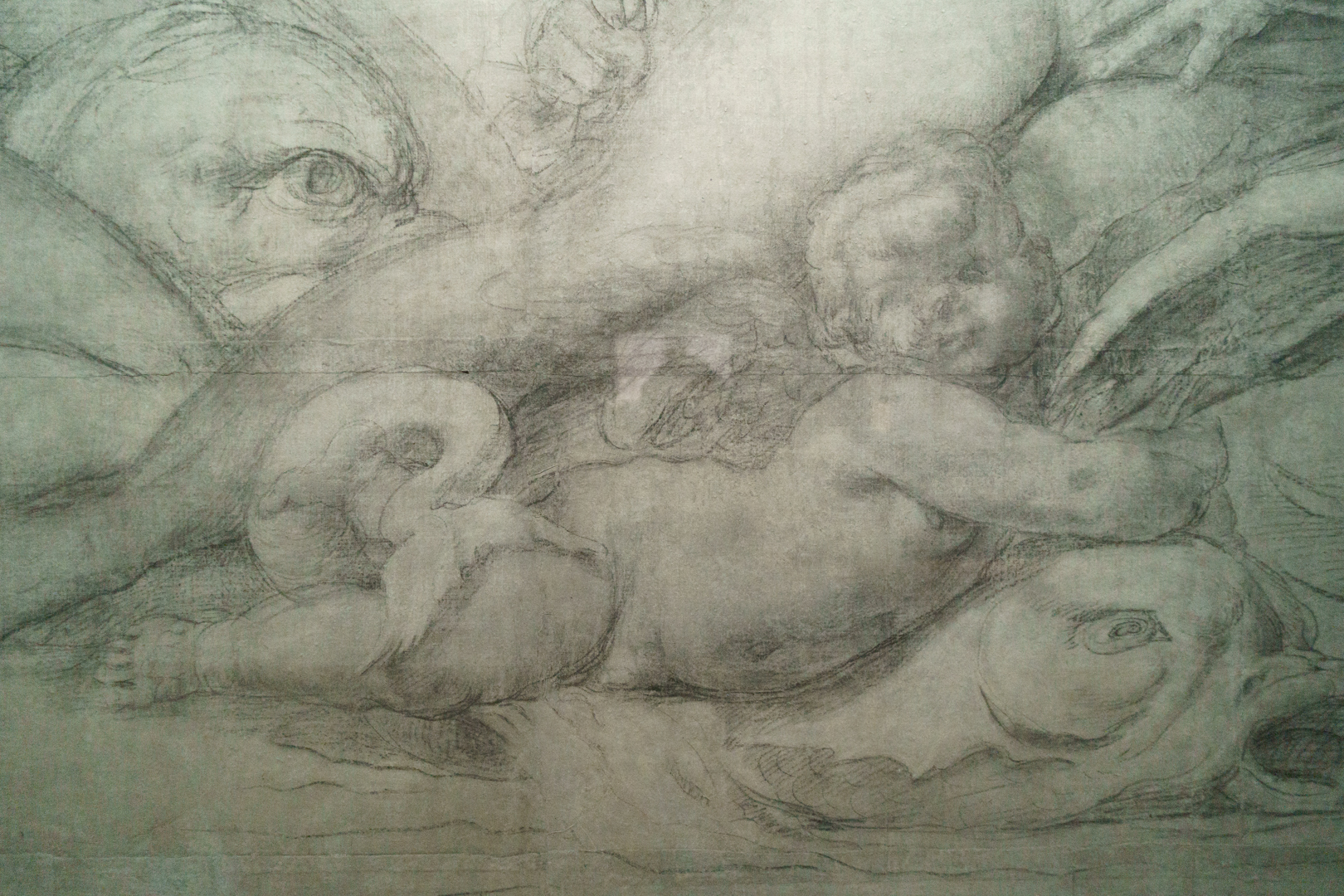
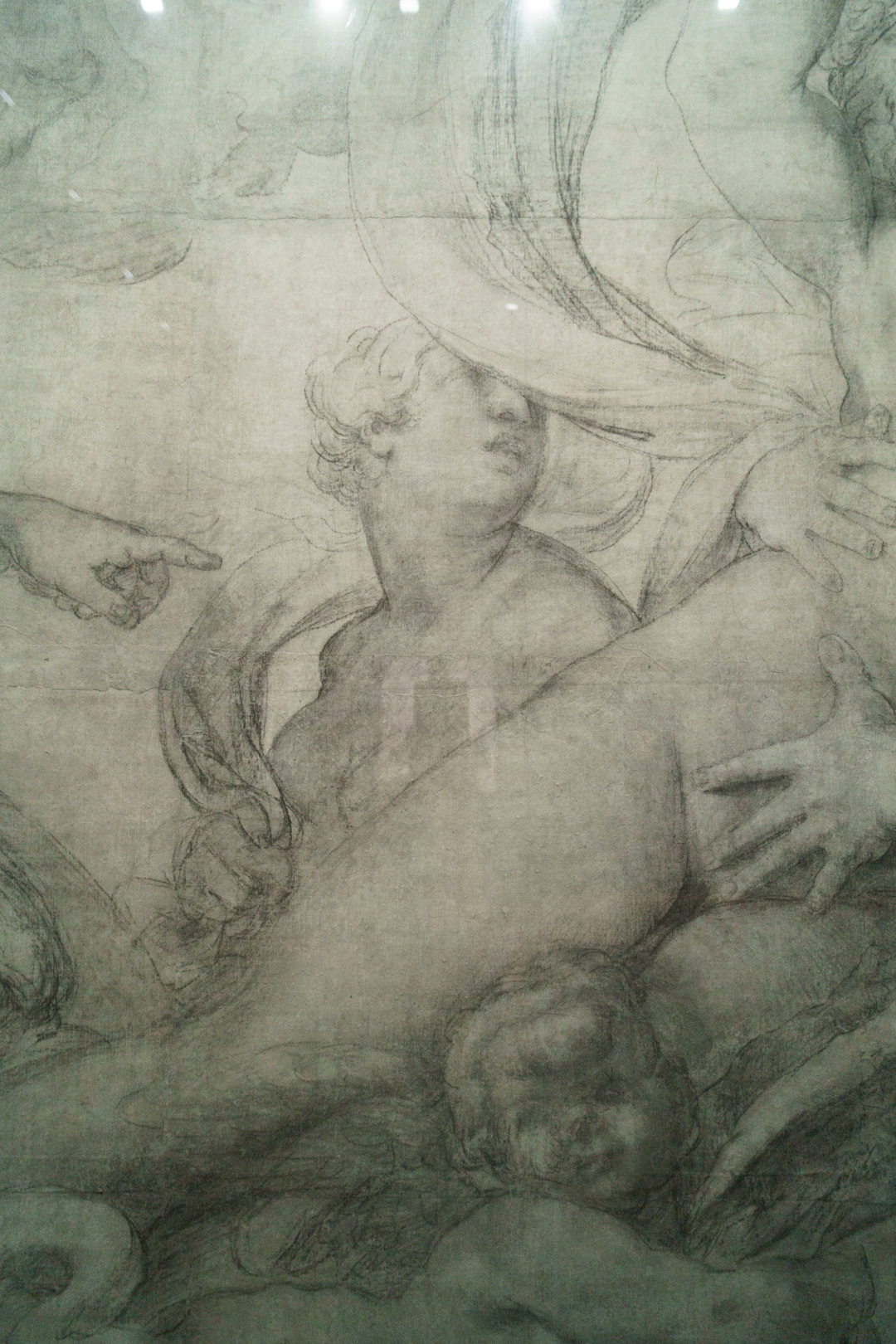
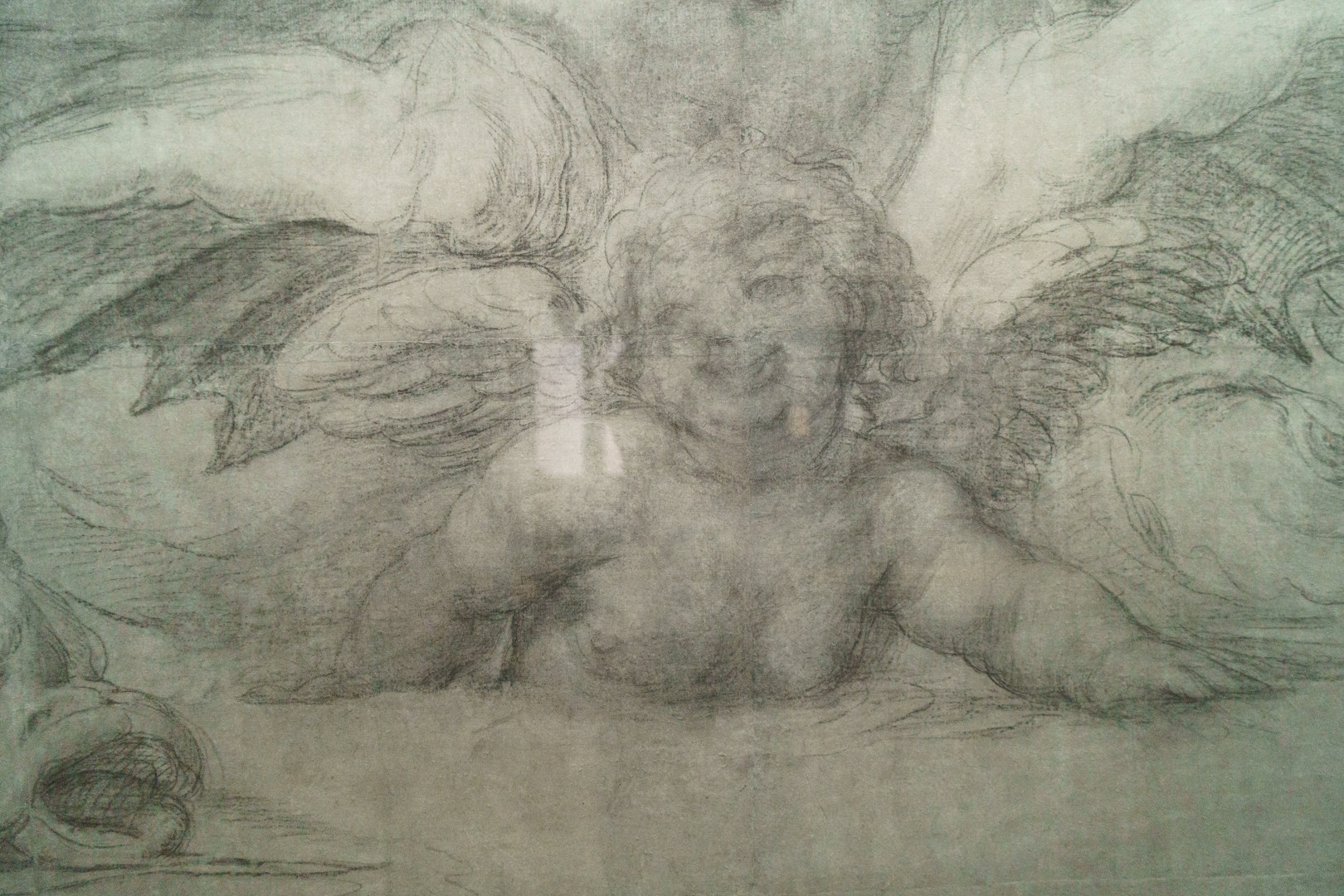
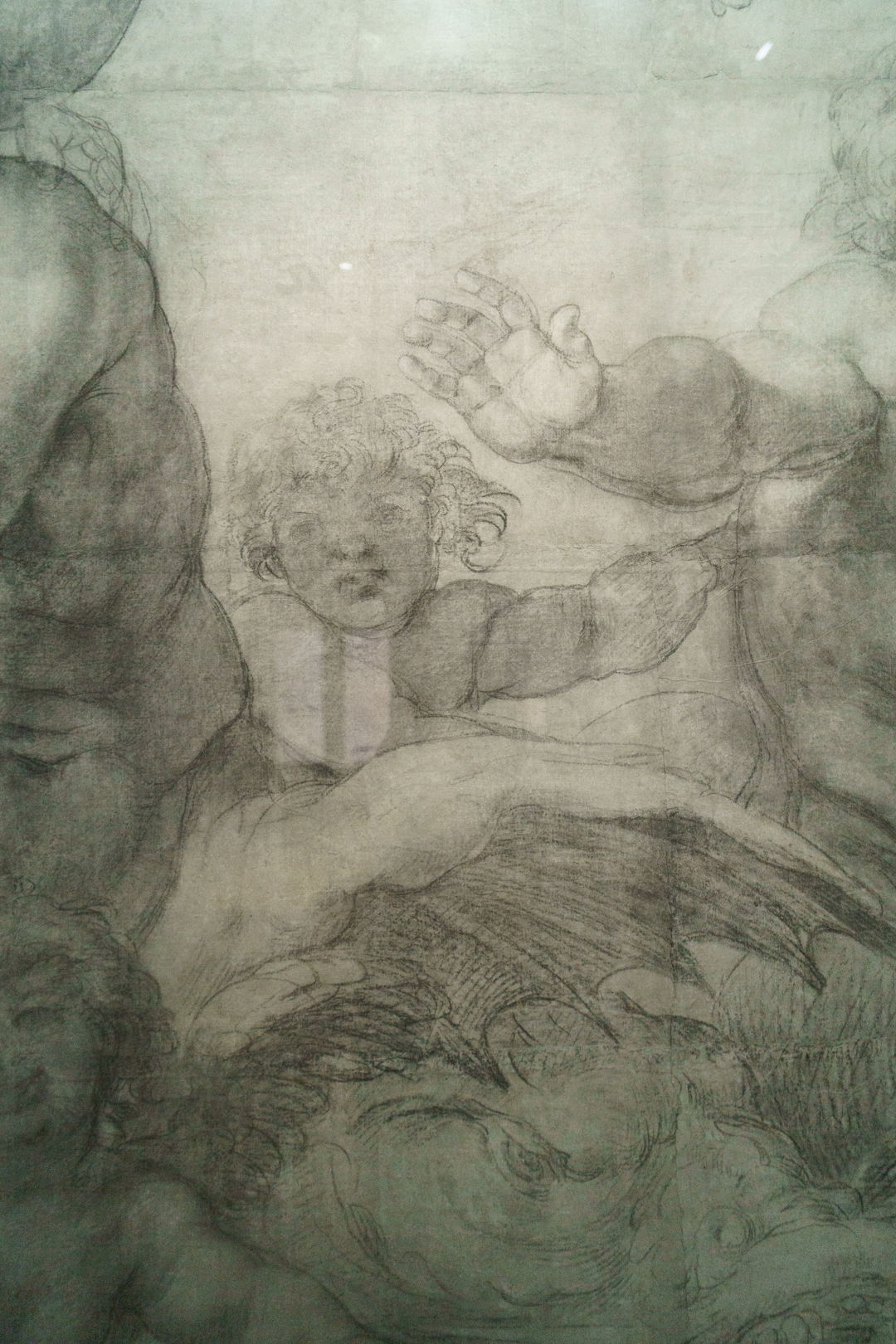
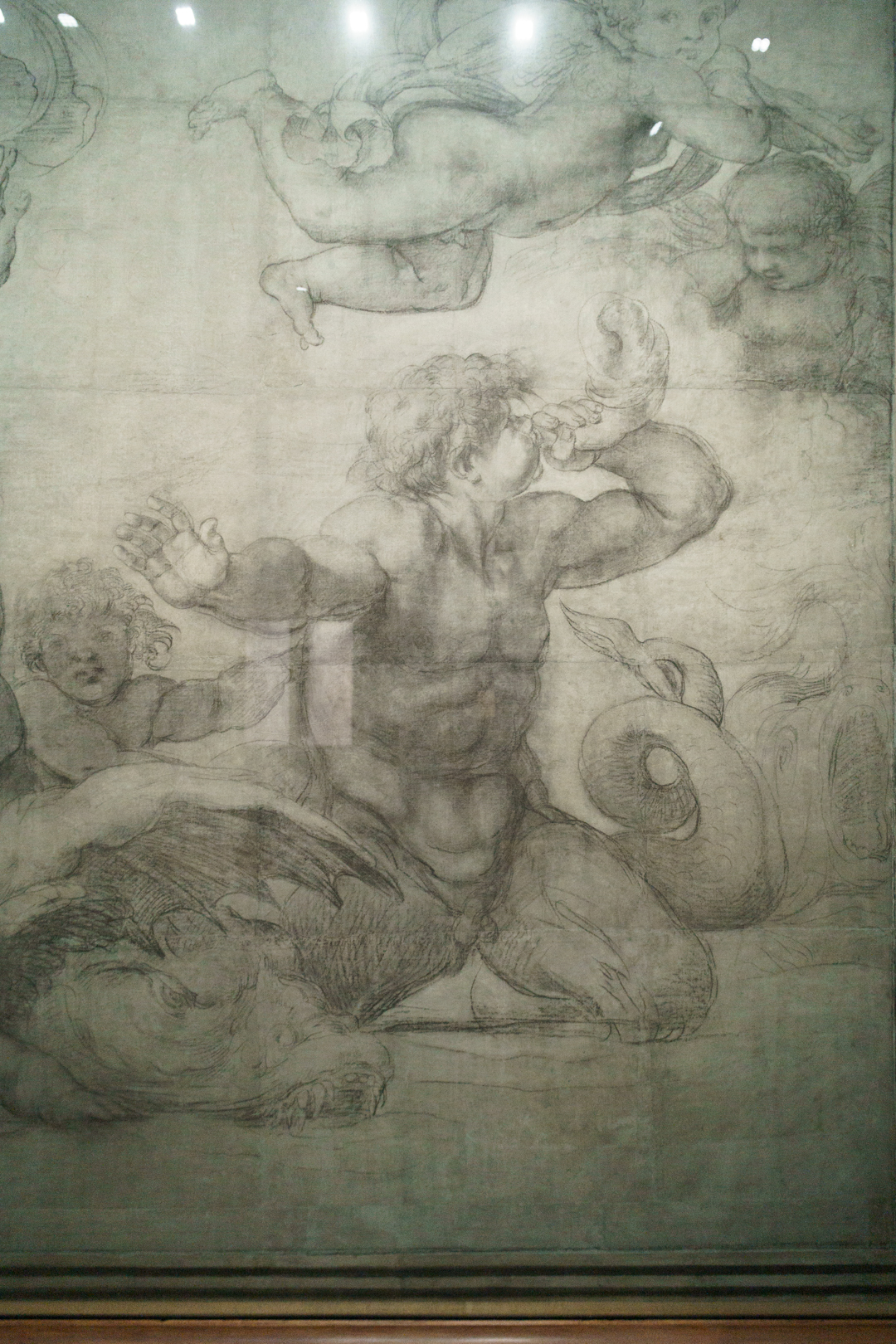
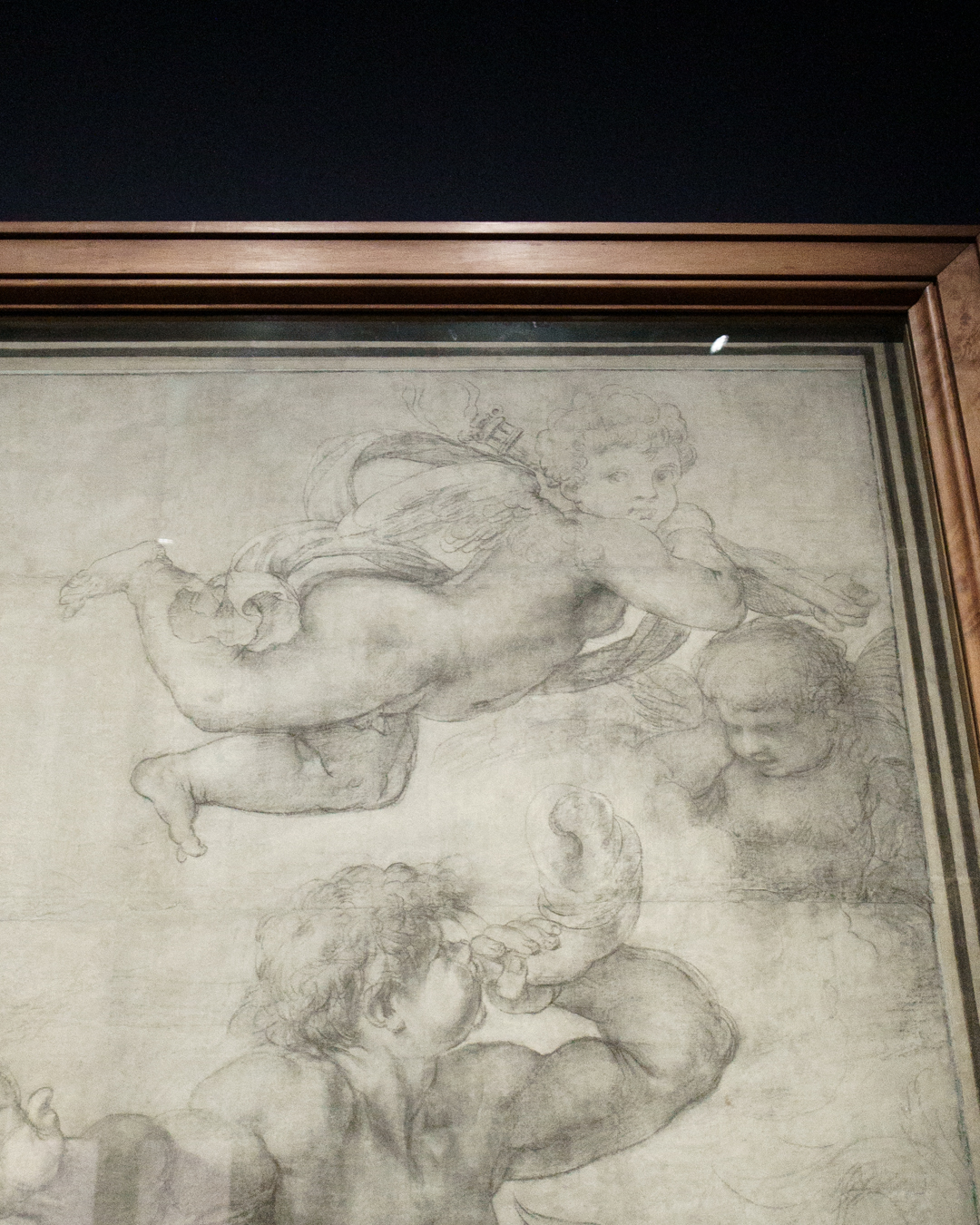
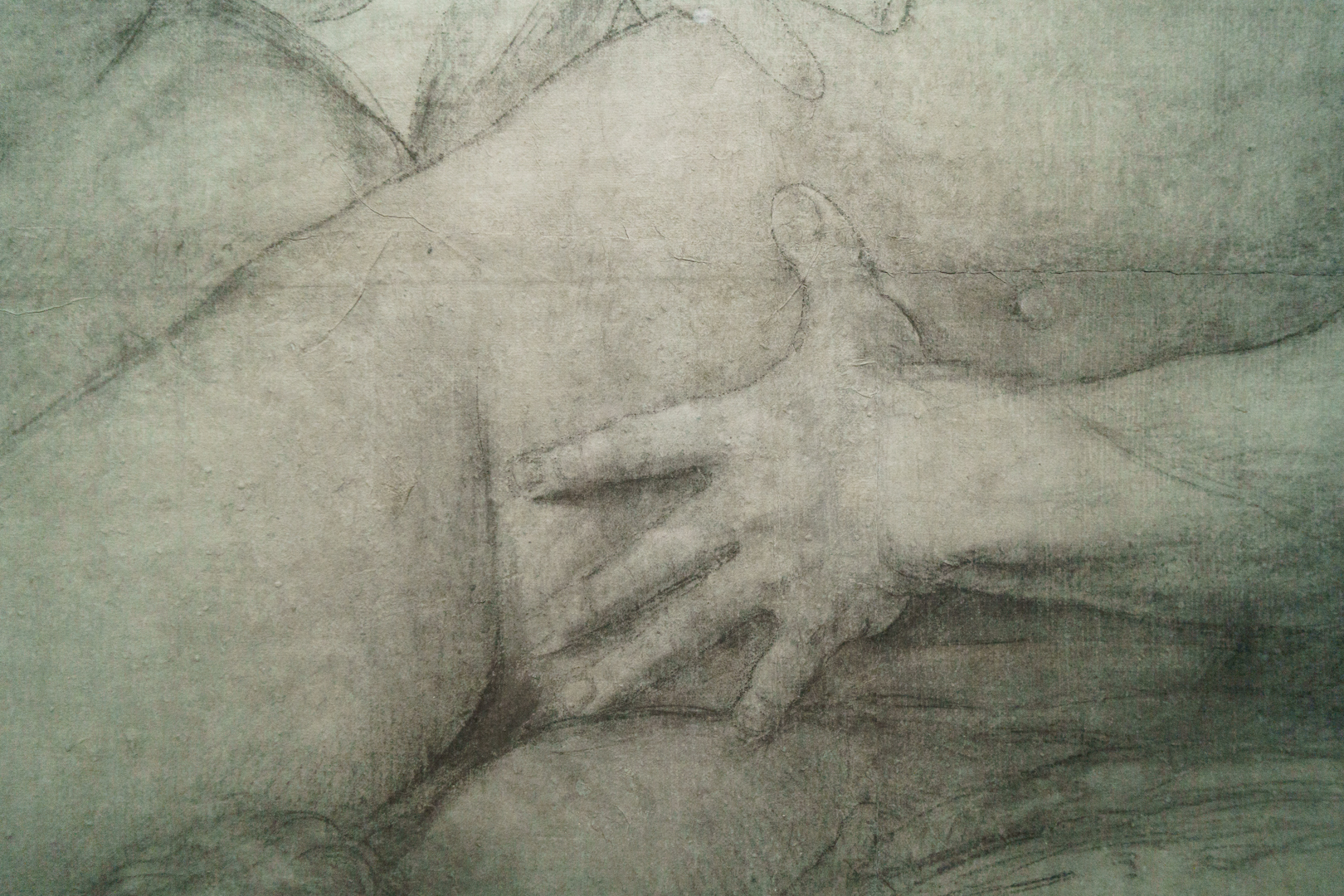
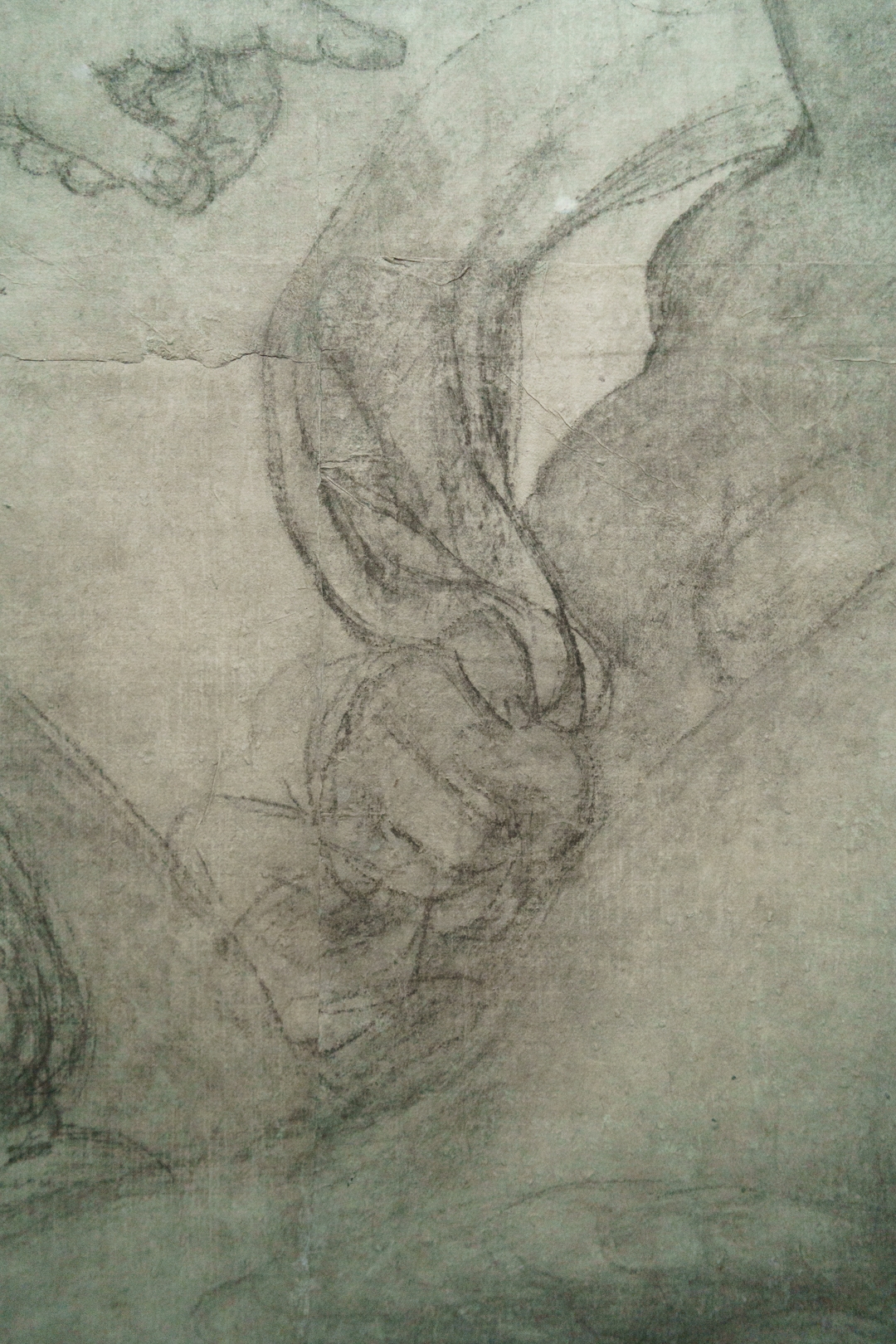
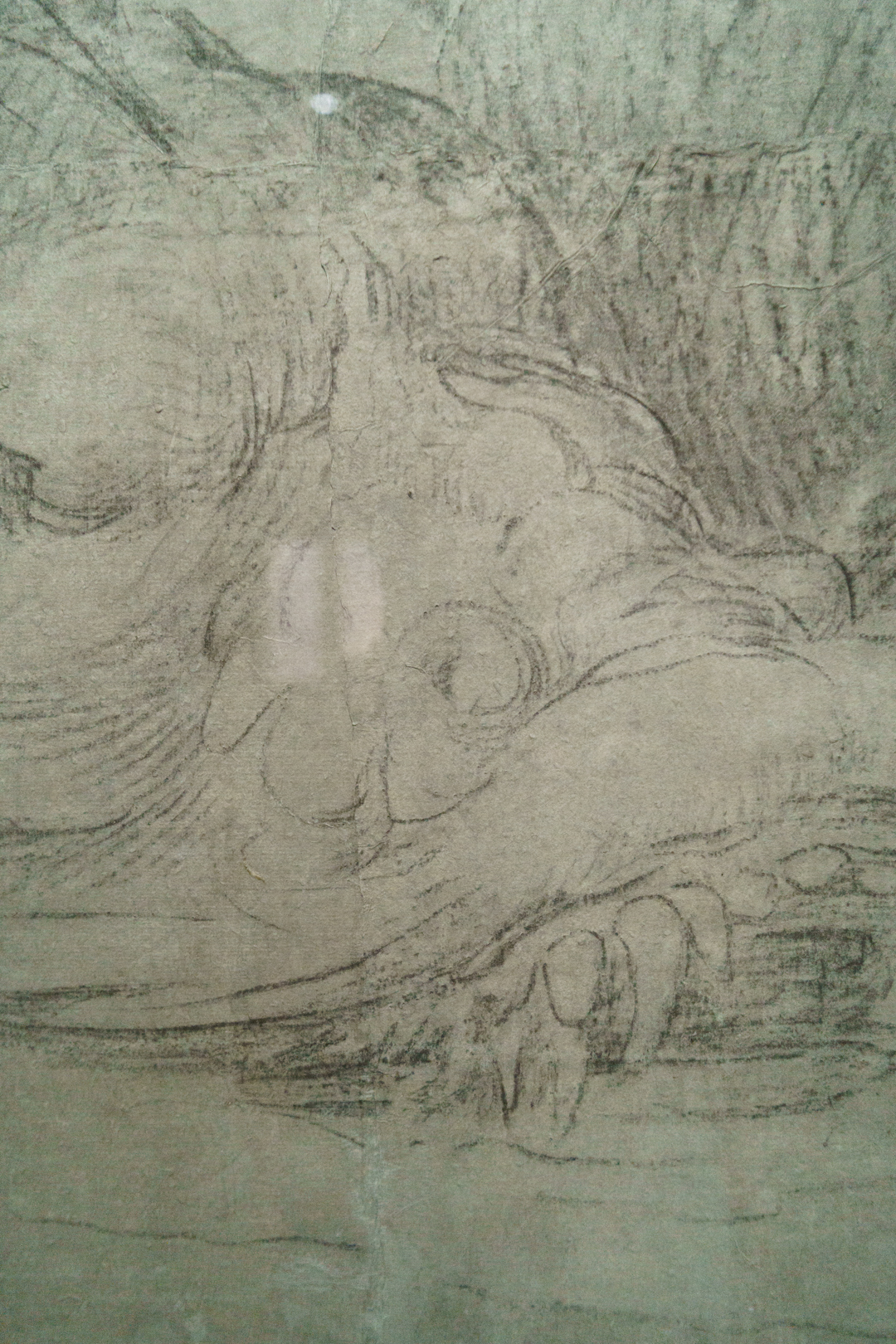
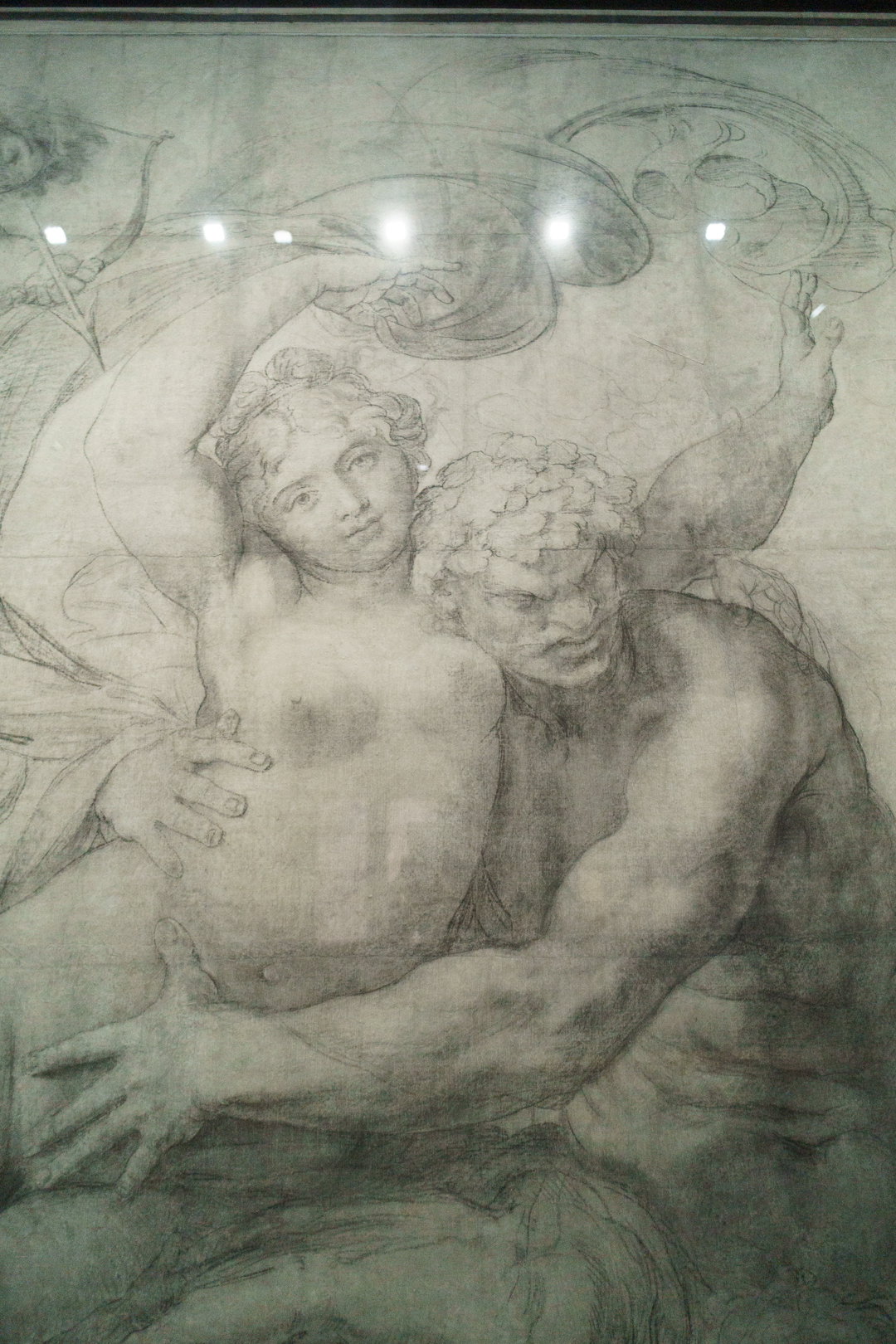
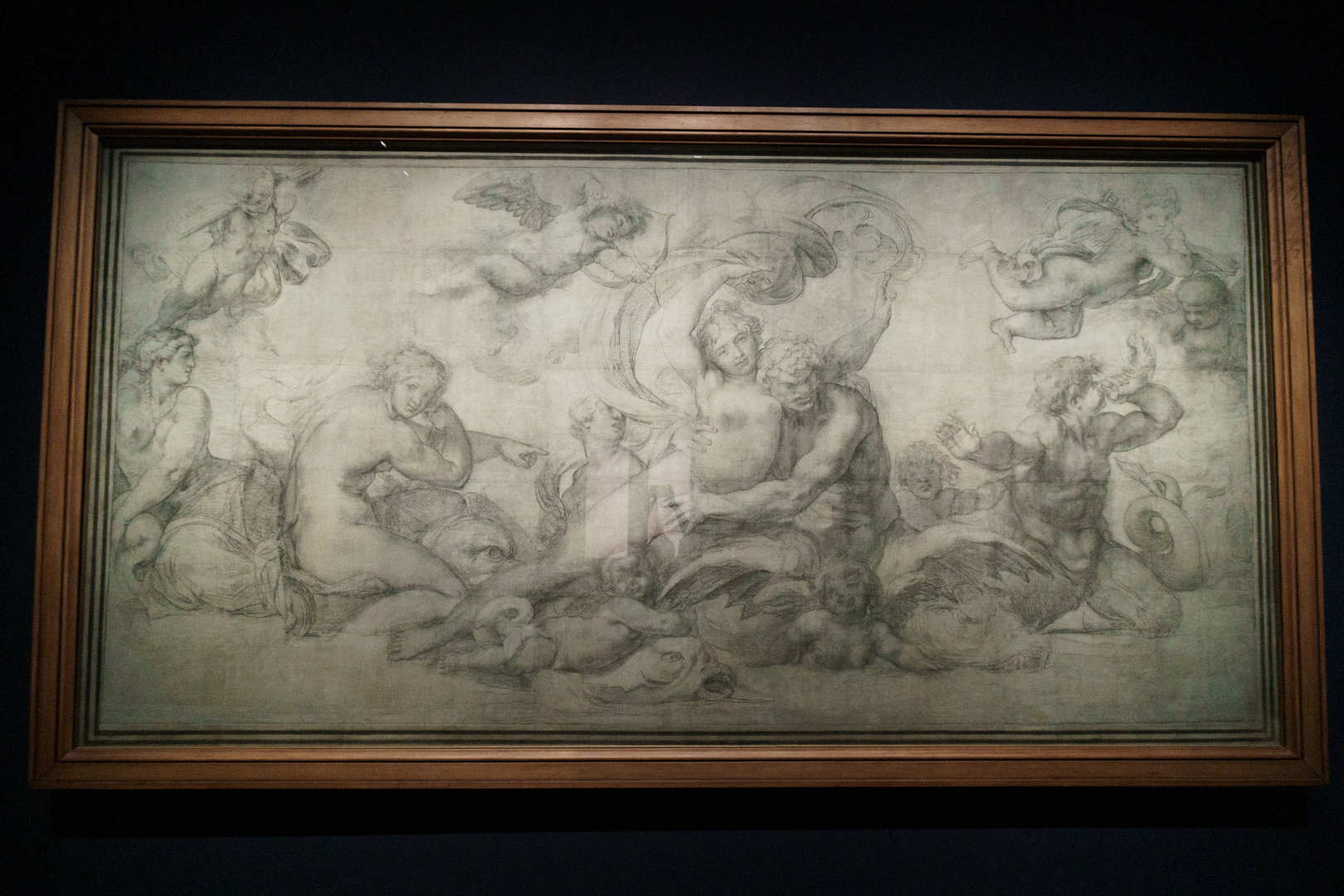
Fast forward nine years later, both cartoons – Cephalus carried off by Aurora in her Chariot and A Woman borne off by a Sea God (?) – are on display in Room 1; I manifested my dream! Executed in black charcoal and white chalk, they are composed from multiple sheets of blue-grey paper that have been pasted together, reaching nearly four metres wide and two metres high.
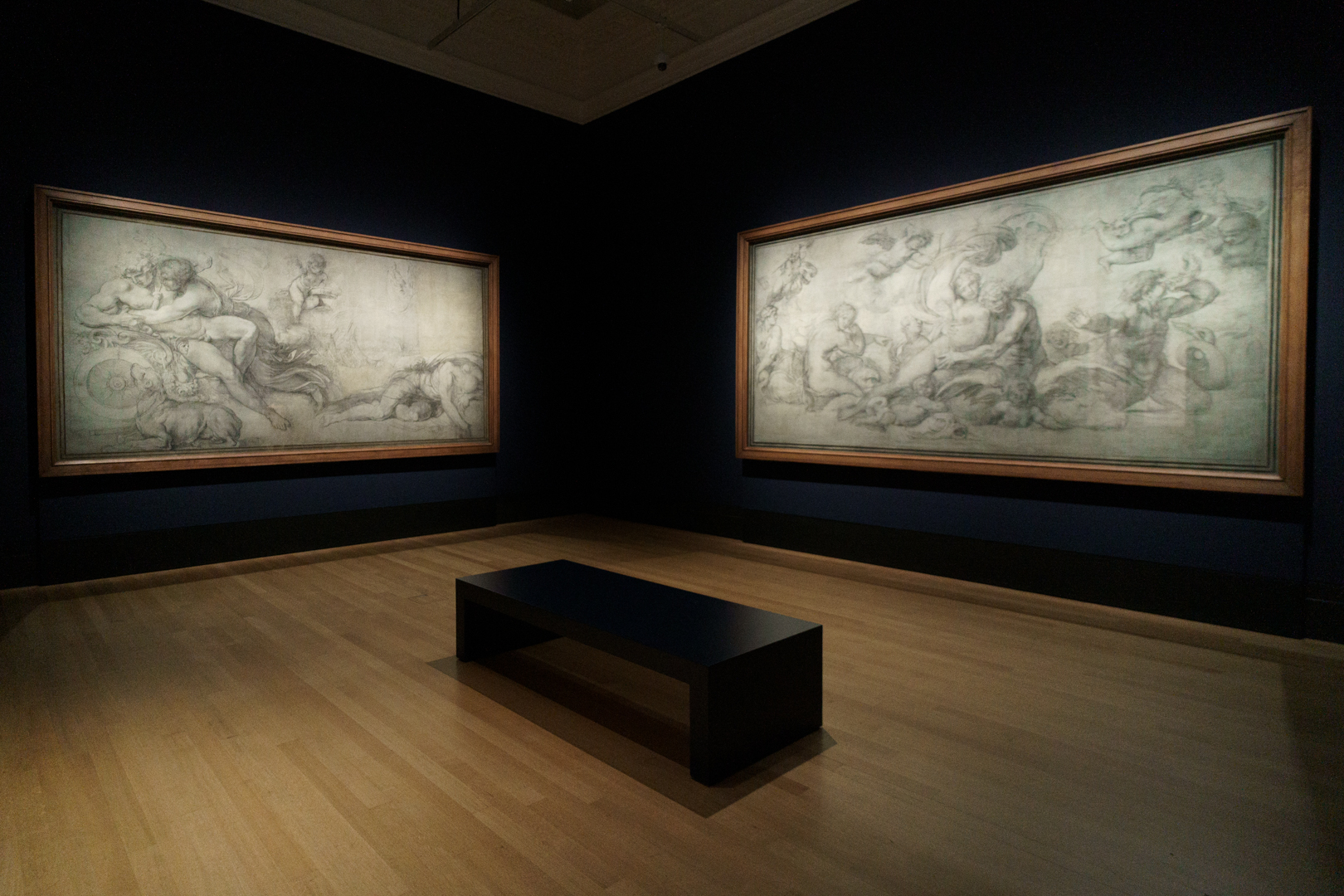
Unless I’m mistaken, this must be the first time the Gallery’s full collection of works on paper is out on public display, the last one being Leonardo da Vinci’s so-called Burlington House Cartoon in the newly renovated Sainsbury Wing. I don’t believe the Cephalus drawing has ever been on show.
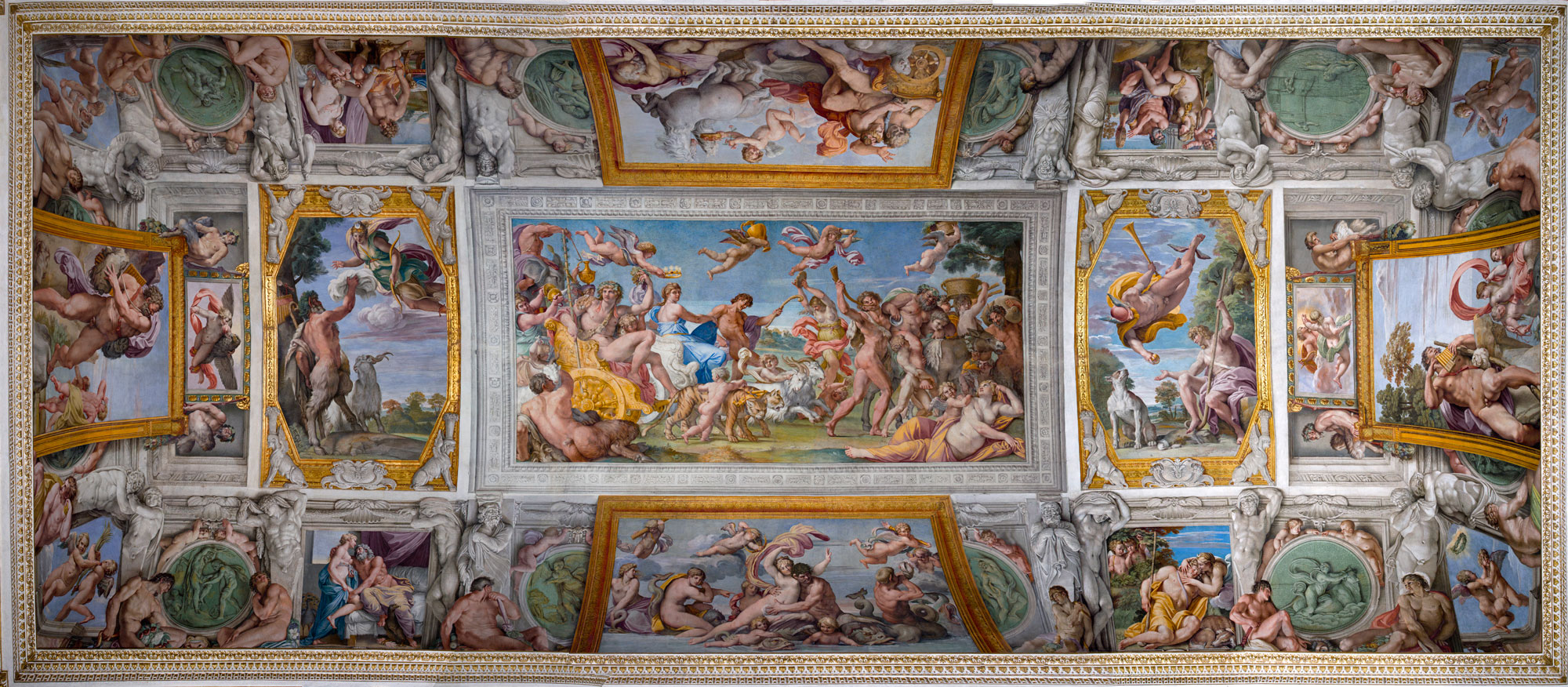
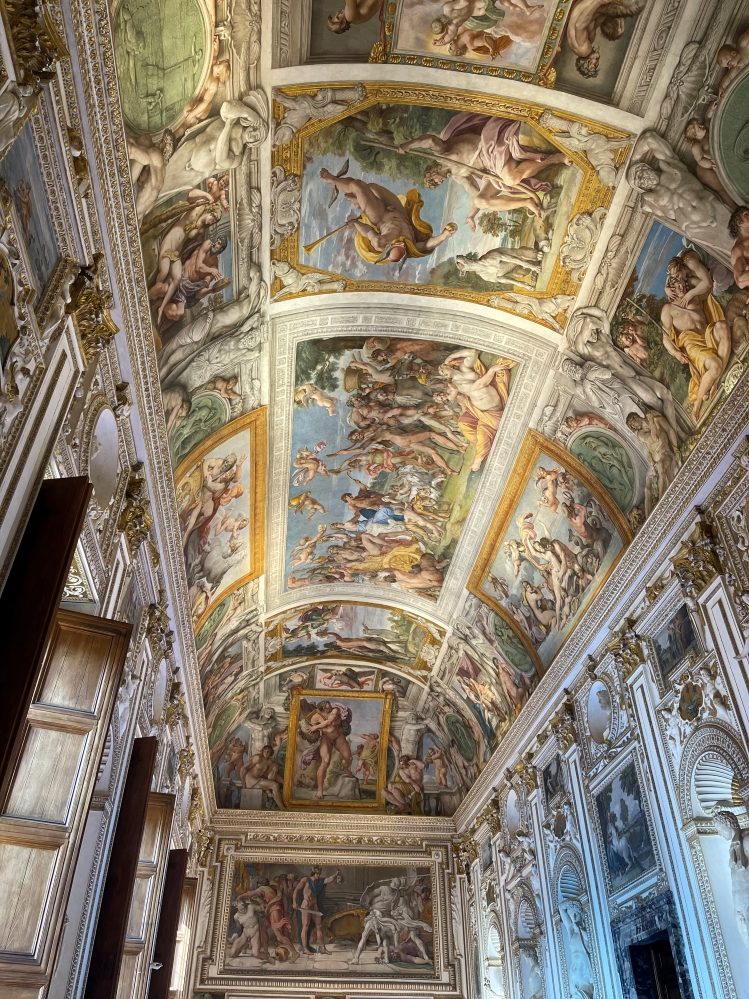
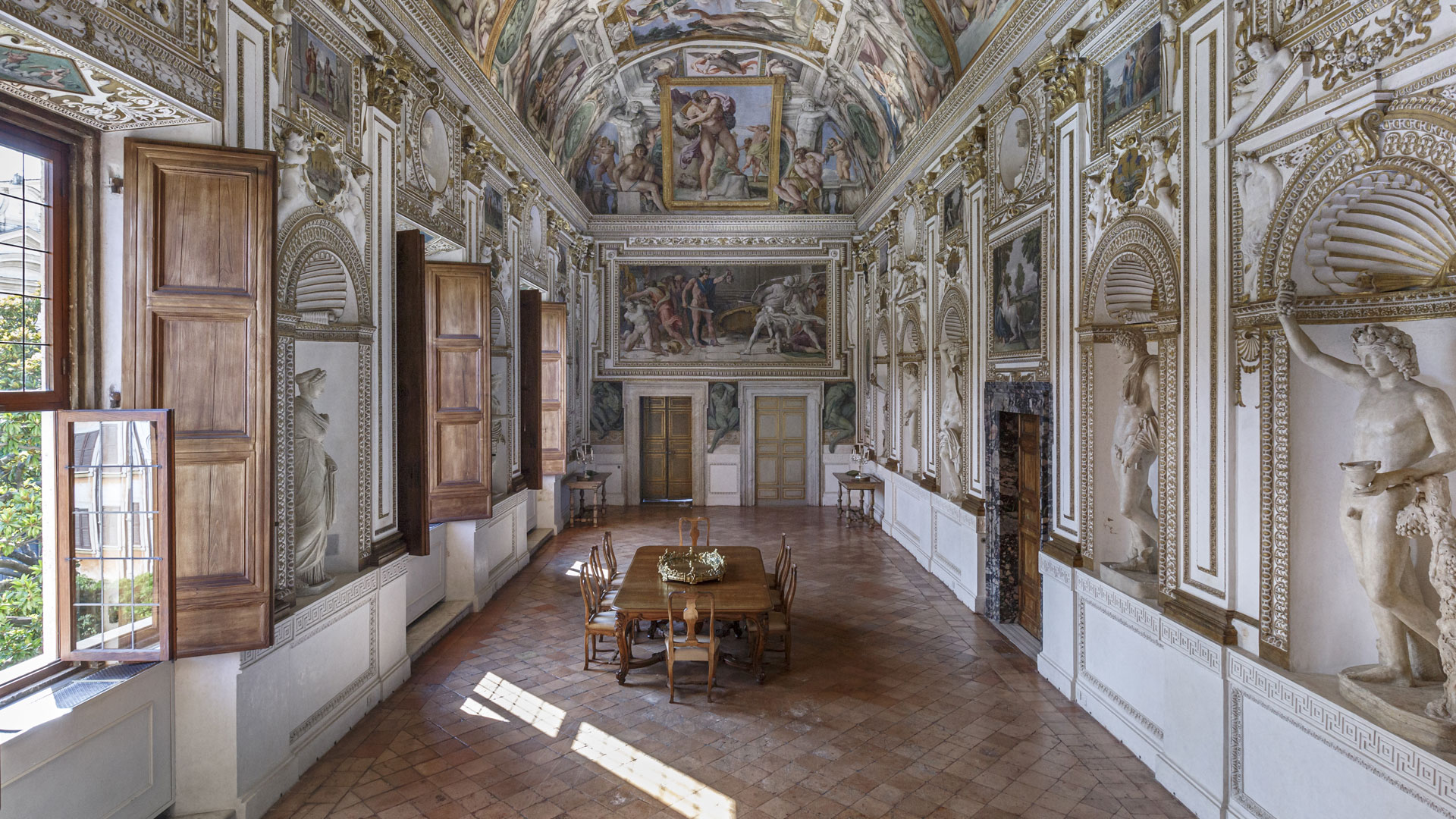
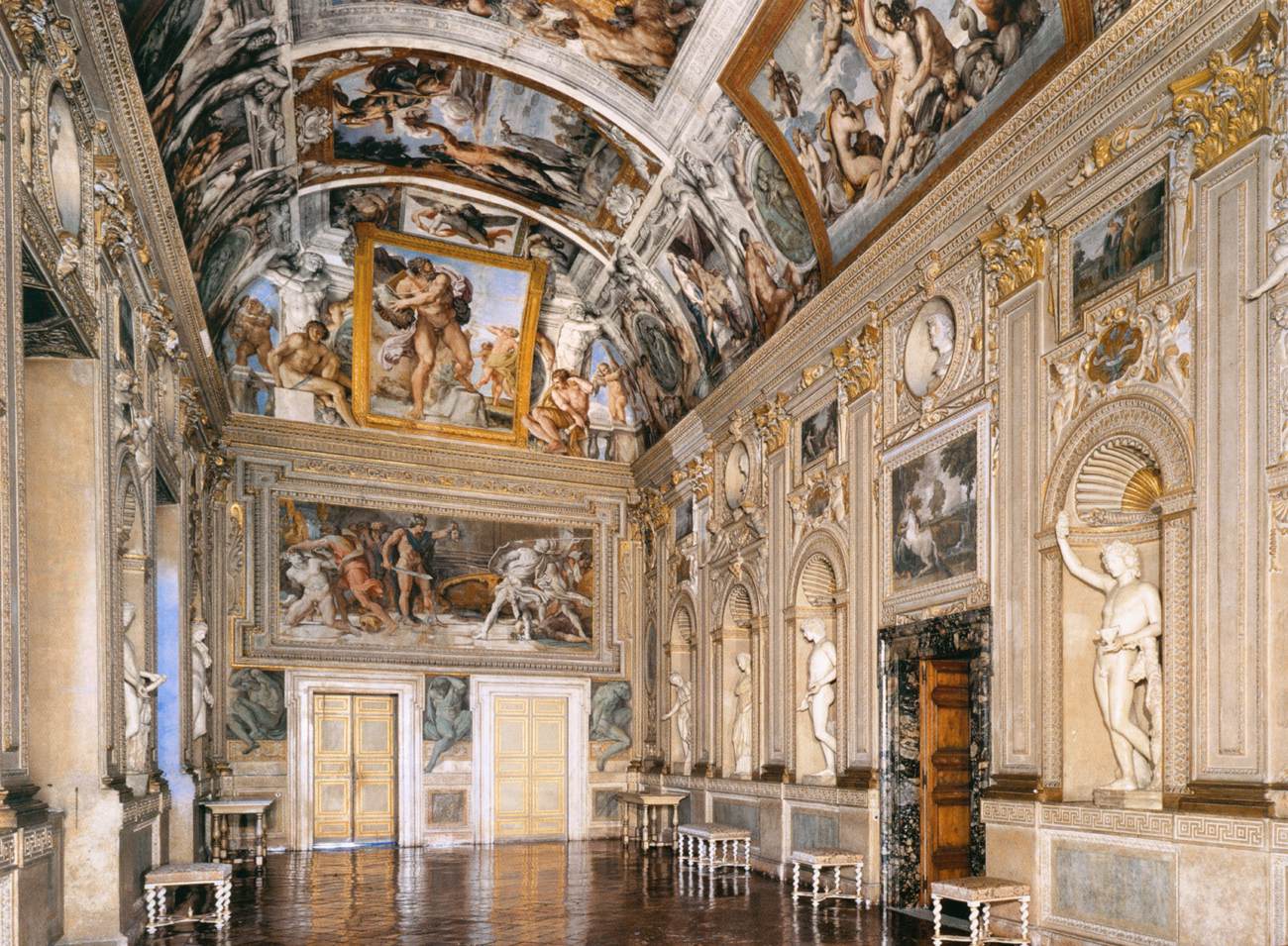
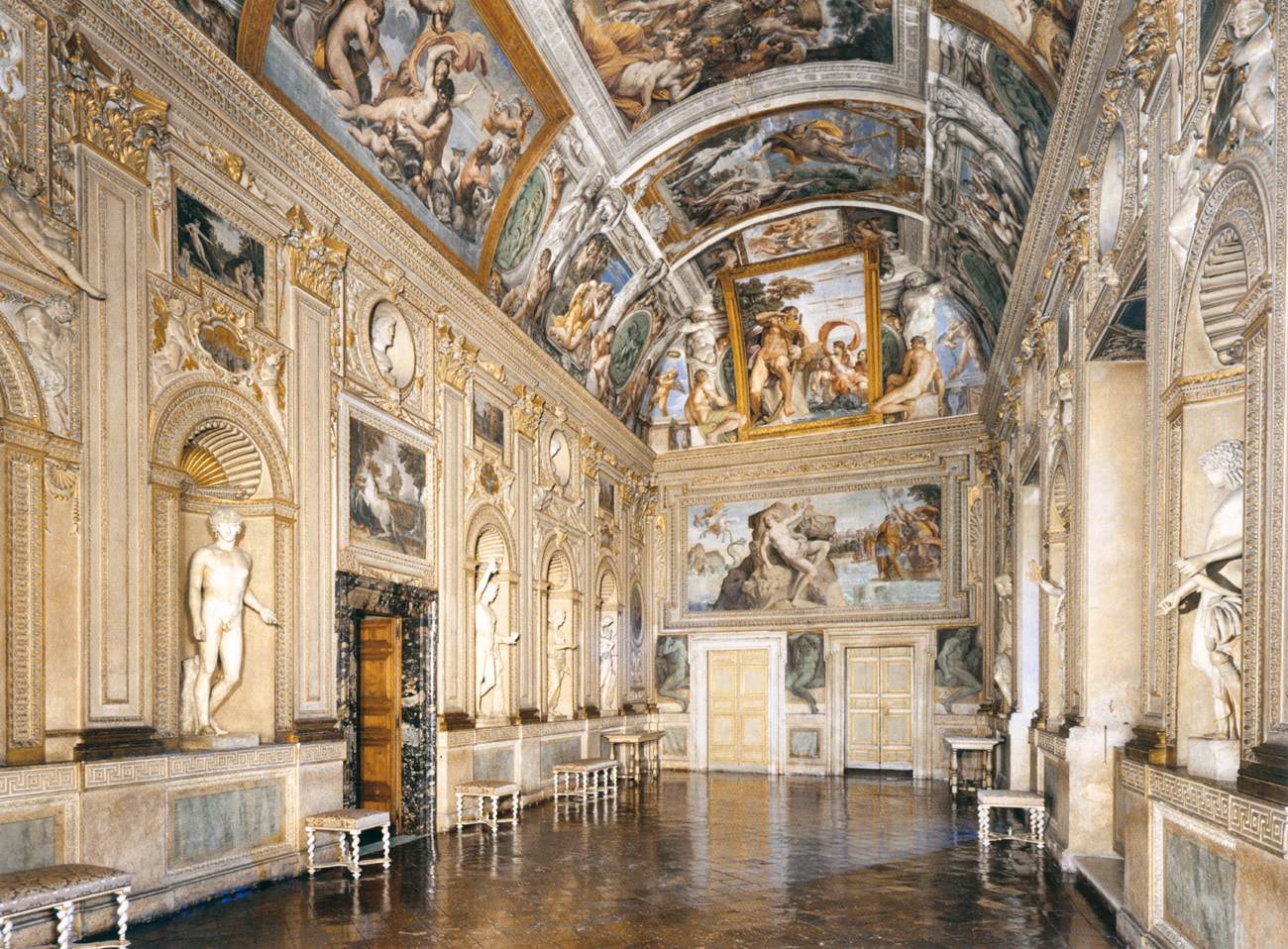
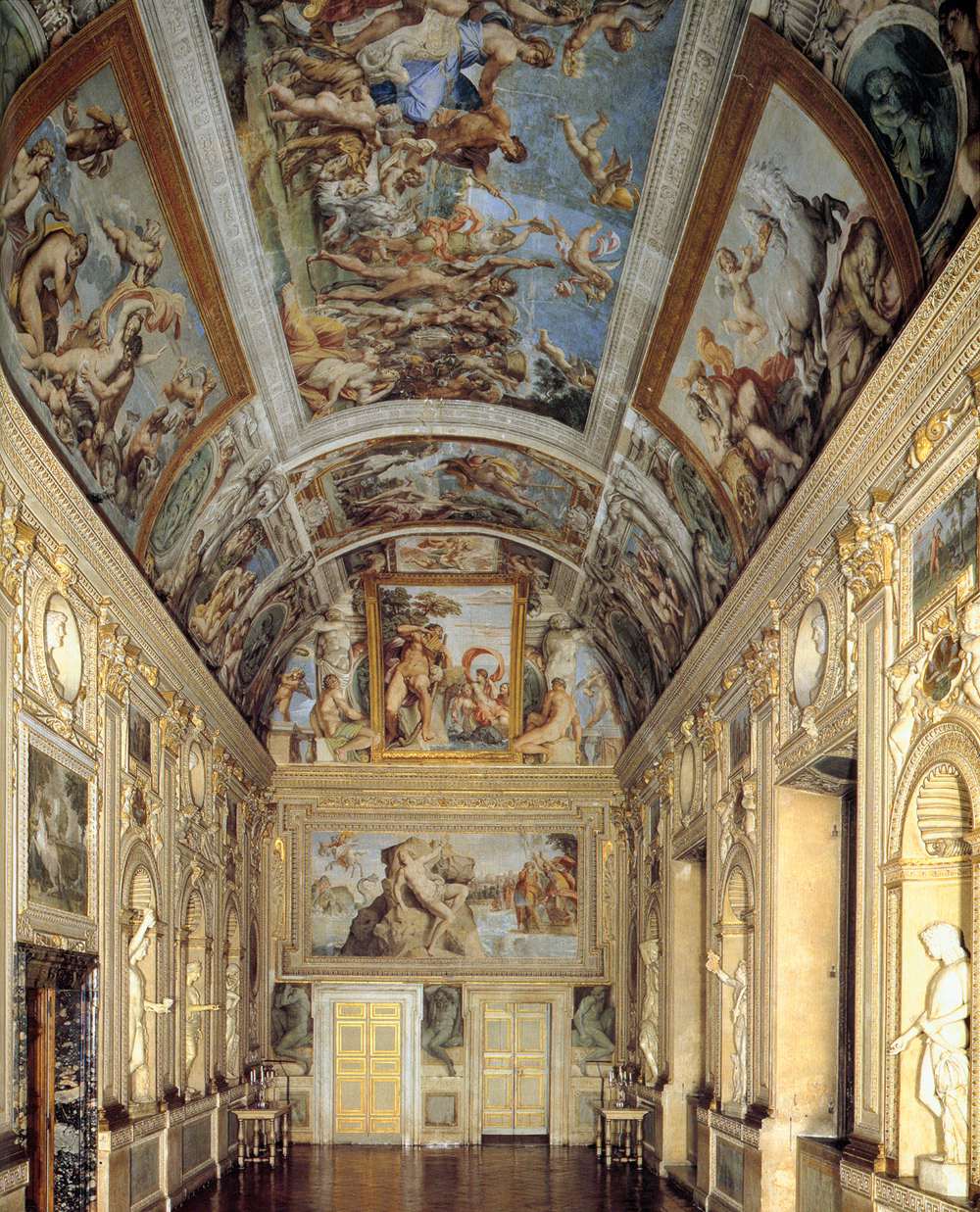
So why are they important? Commissioned by Cardinal Odoardo Farnese around 1597 following a visit from the Bolognese brothers Annibale and Agostino in 1594, the Farnese Gallery is considered the duo’s grand masterpiece in fresco. Scholars like to call it the ‘other Sistine Chapel’, housed in what is now the French Embassy. Finished in 1608, tradition dictates that Annibale executed the fresco cycle while Agostino did the surviving cartoons, although there is a high chance their roles overlapped.
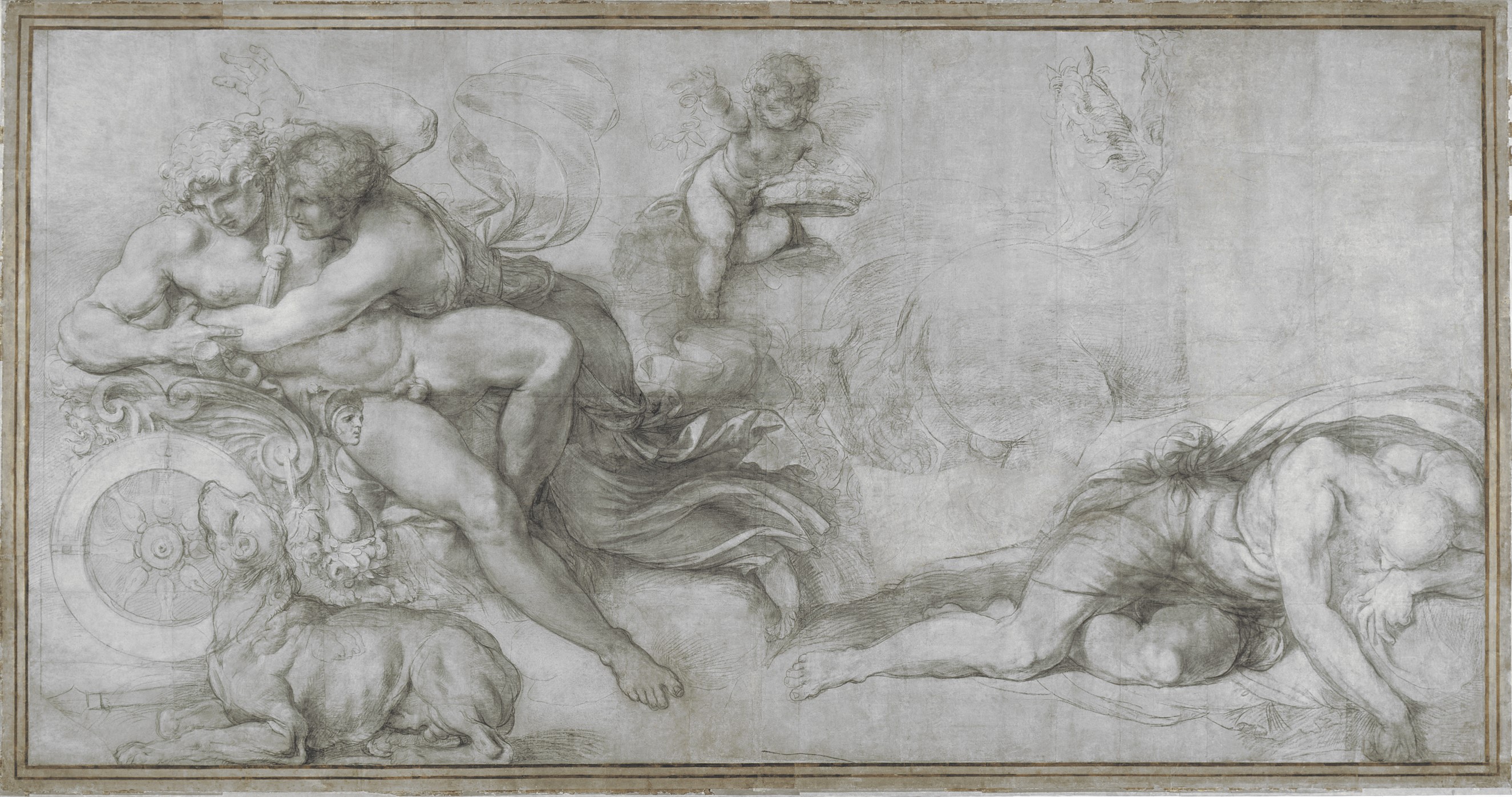
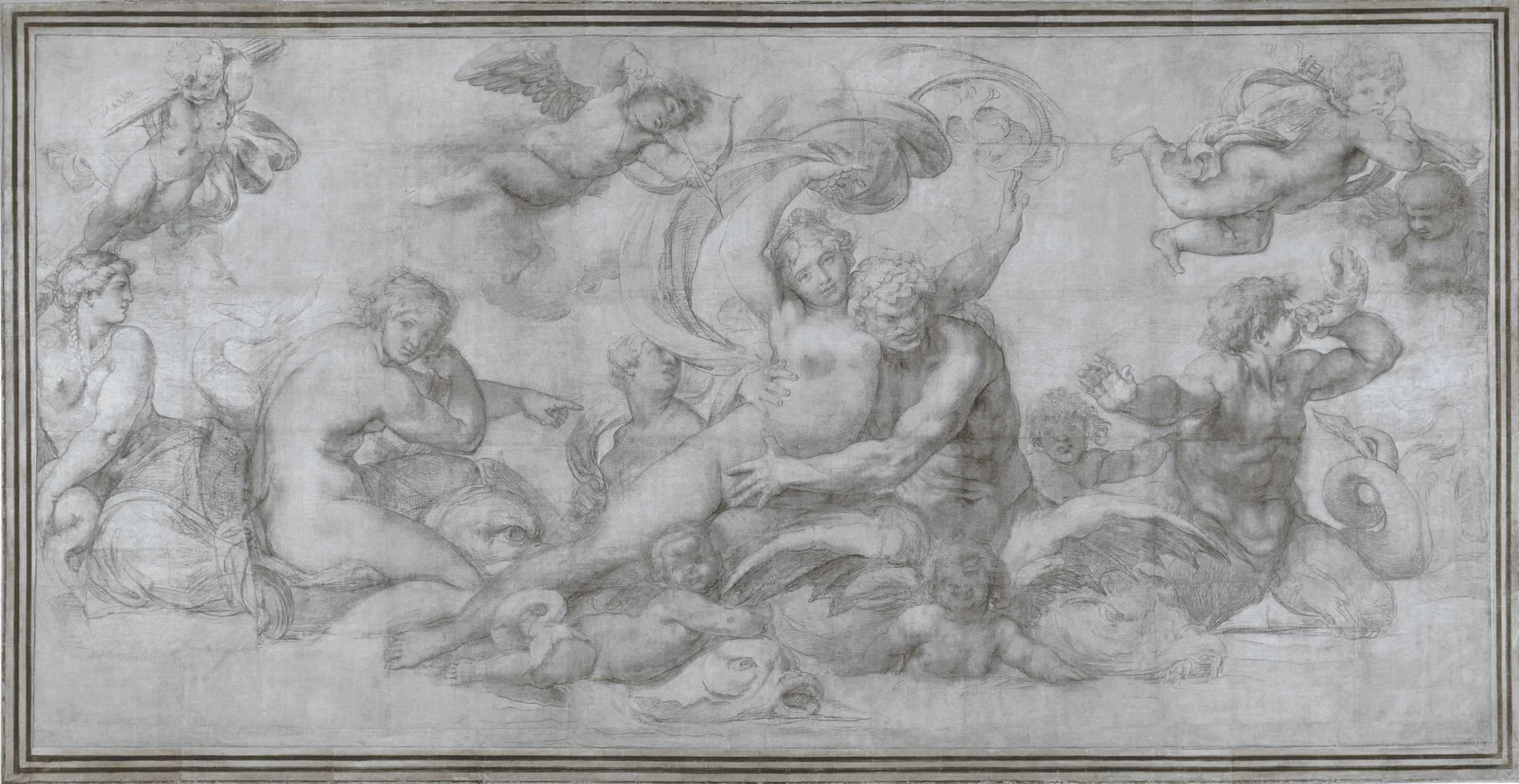
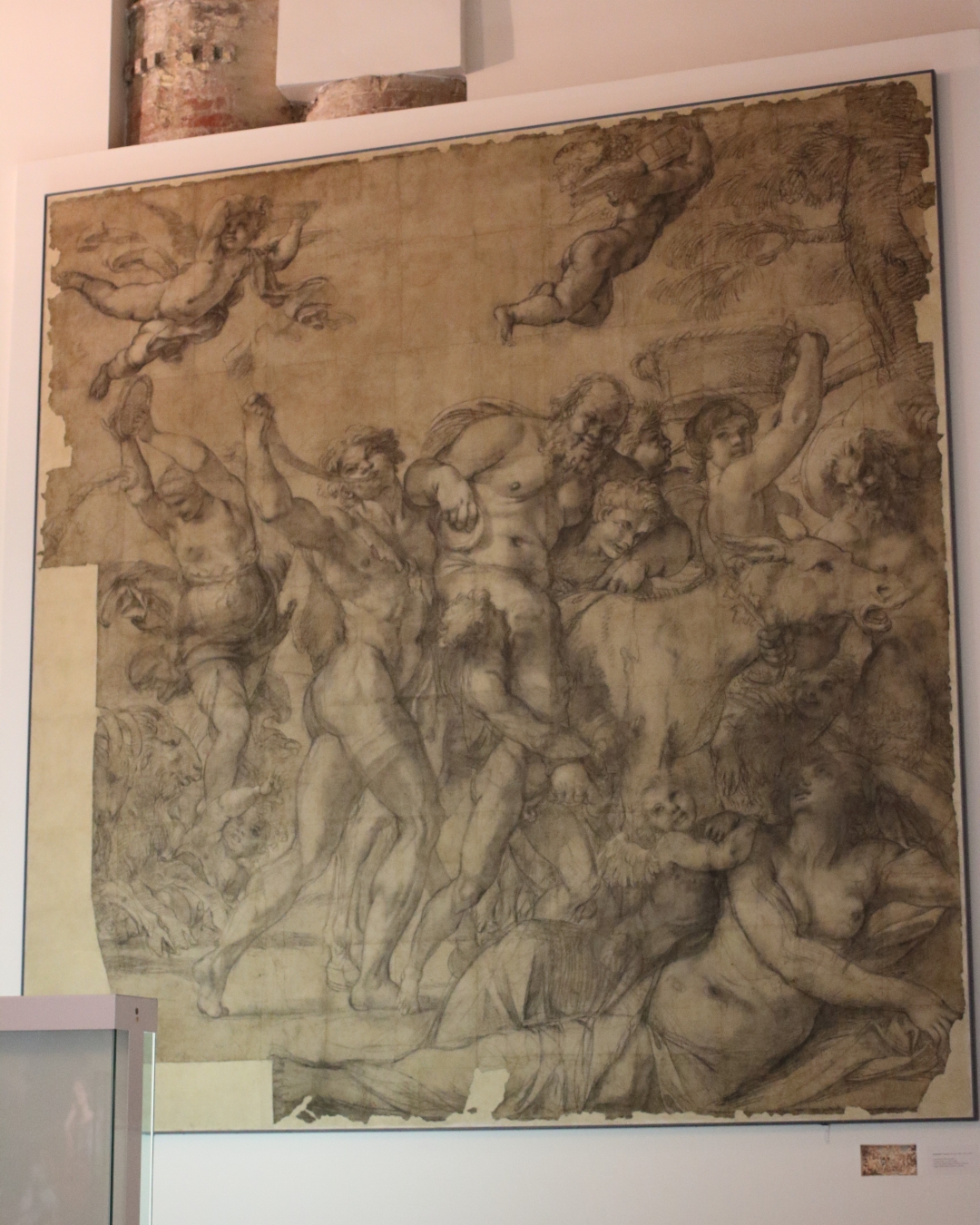
Such massive works on paper very rarely survive, especially in such good condition; that for Raphael’s School of Athens is another extraordinary case. In Urbino, serendipity brought me in contact with the third surviving cartoon fragment in the Galleria Nazionale delle Marche in 2017 depicting the Triumph of Bacchus and Ariadne.
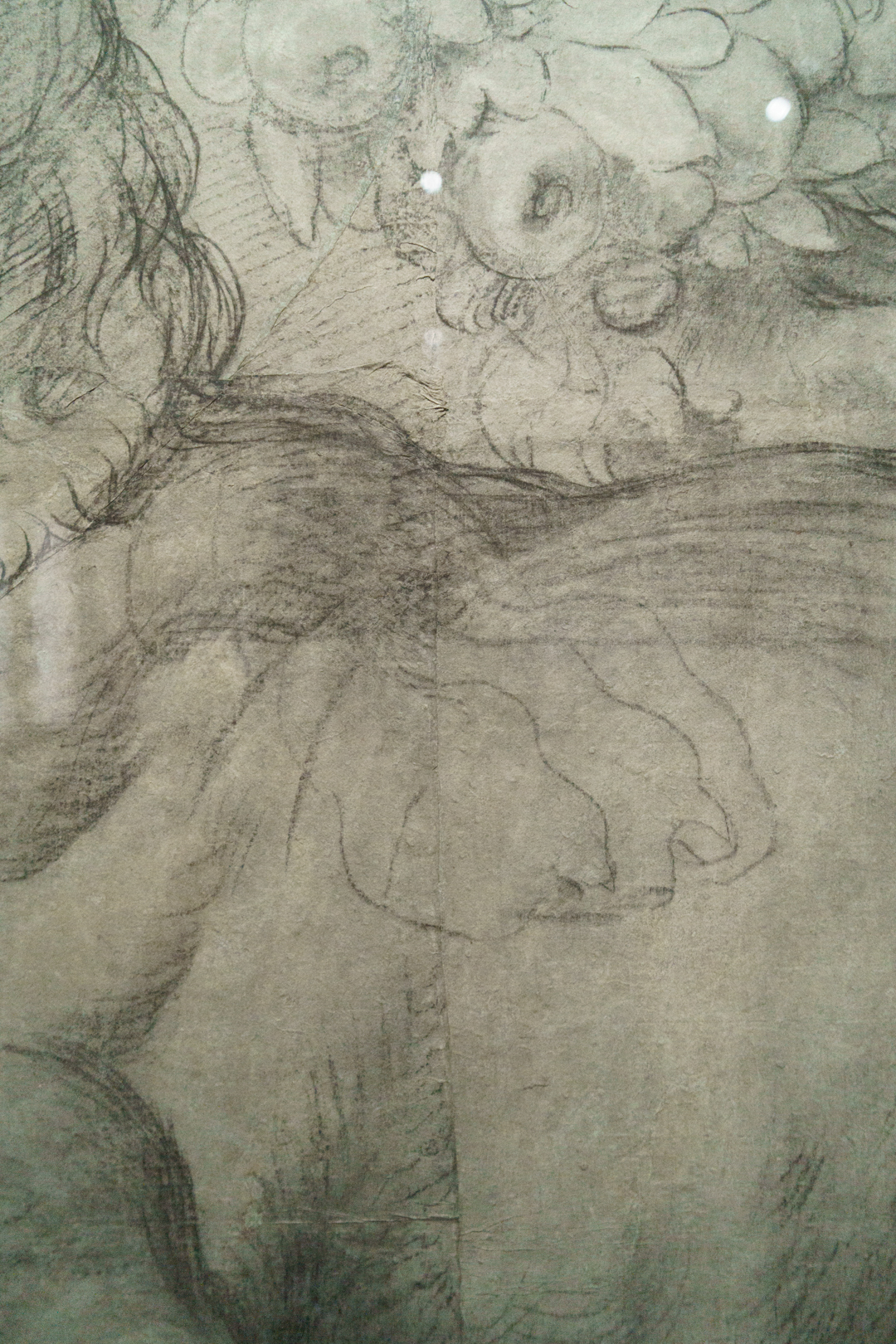
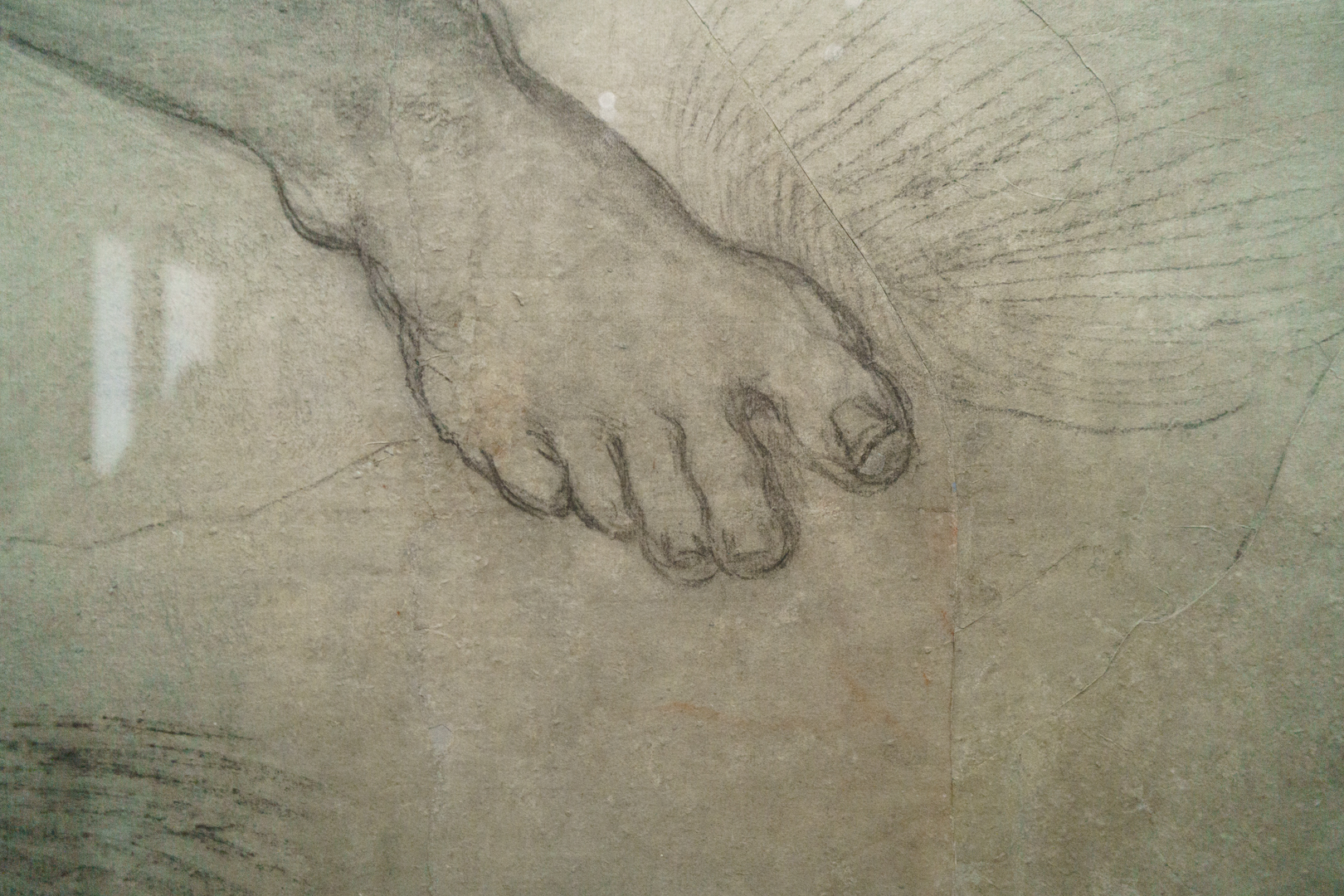
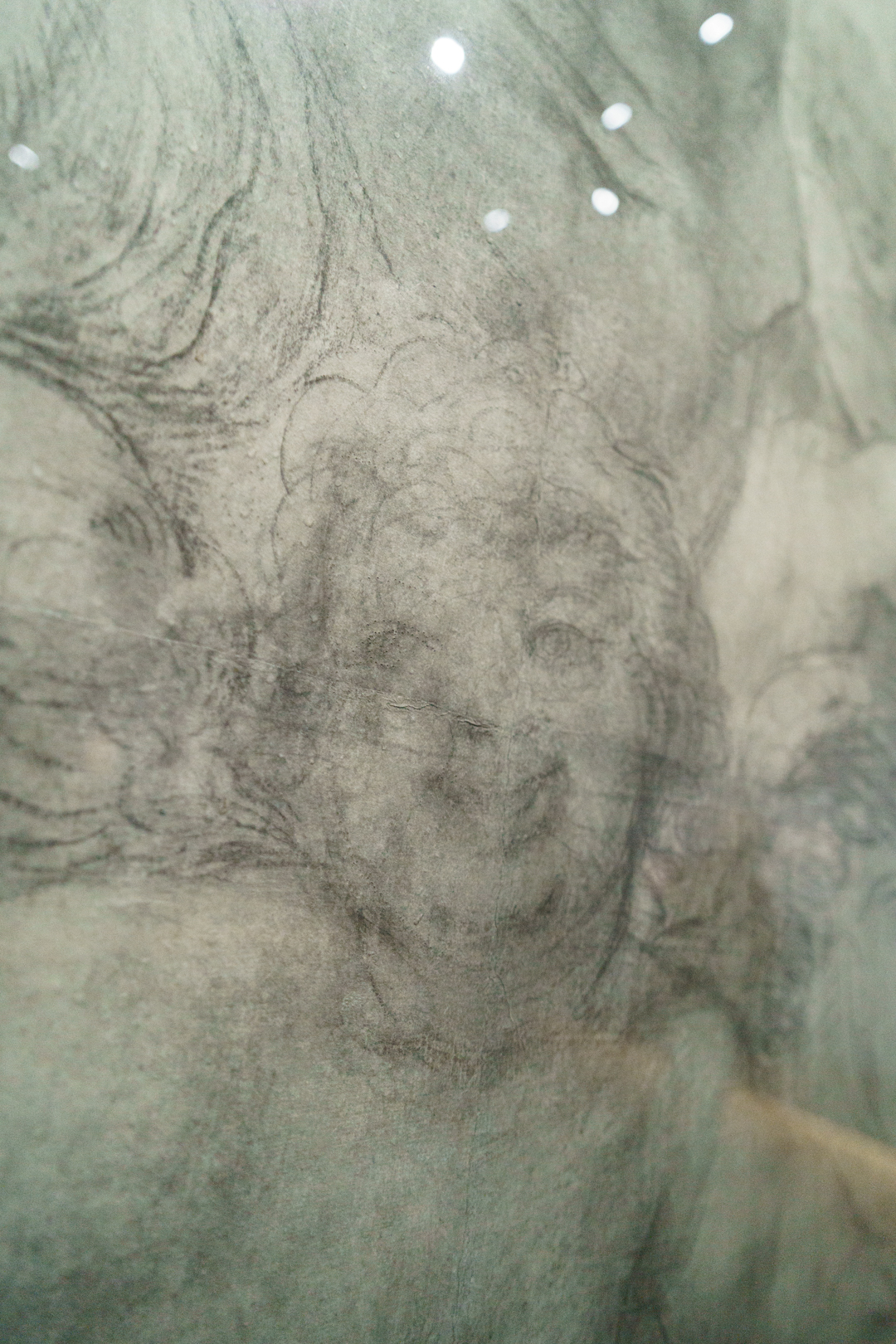
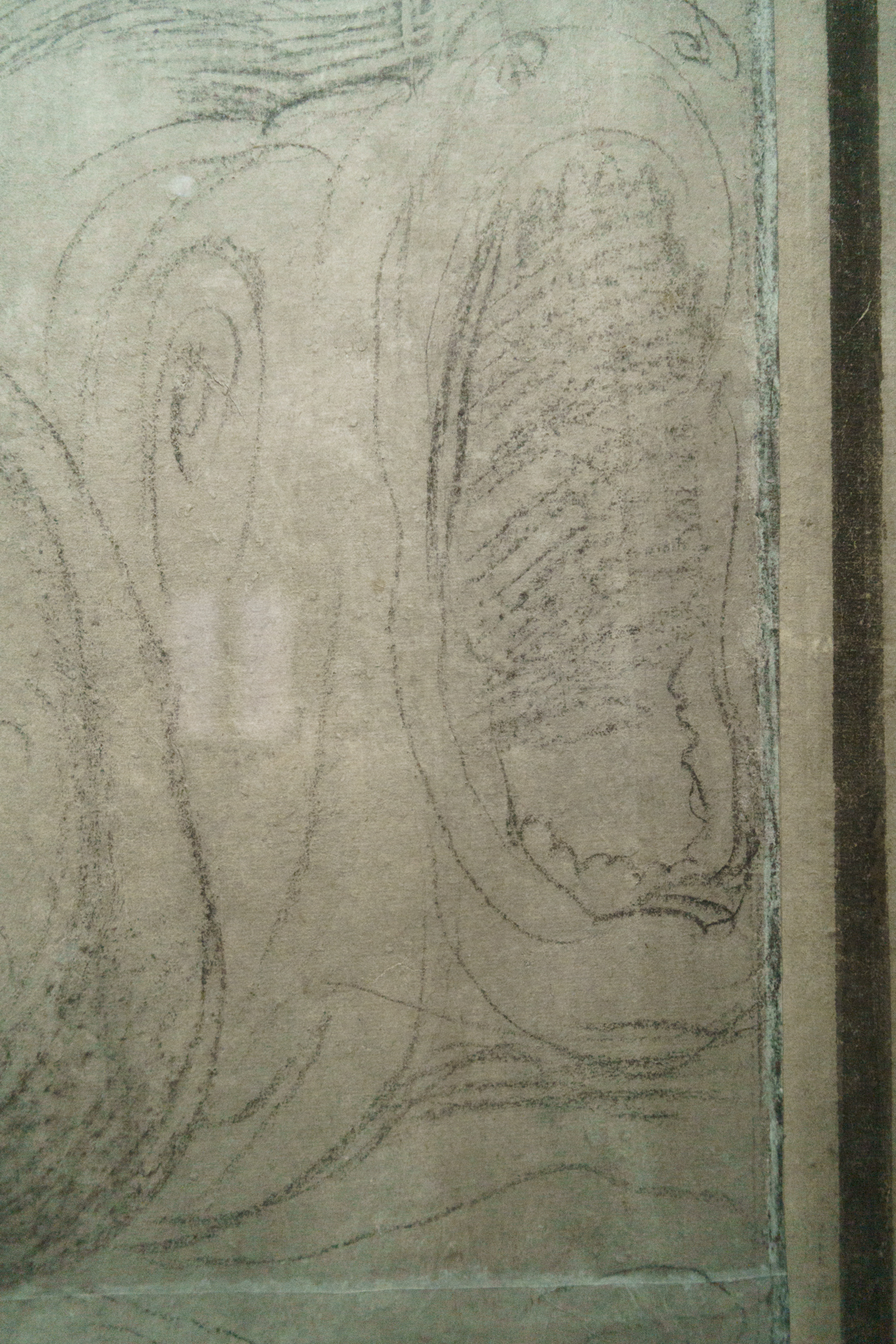
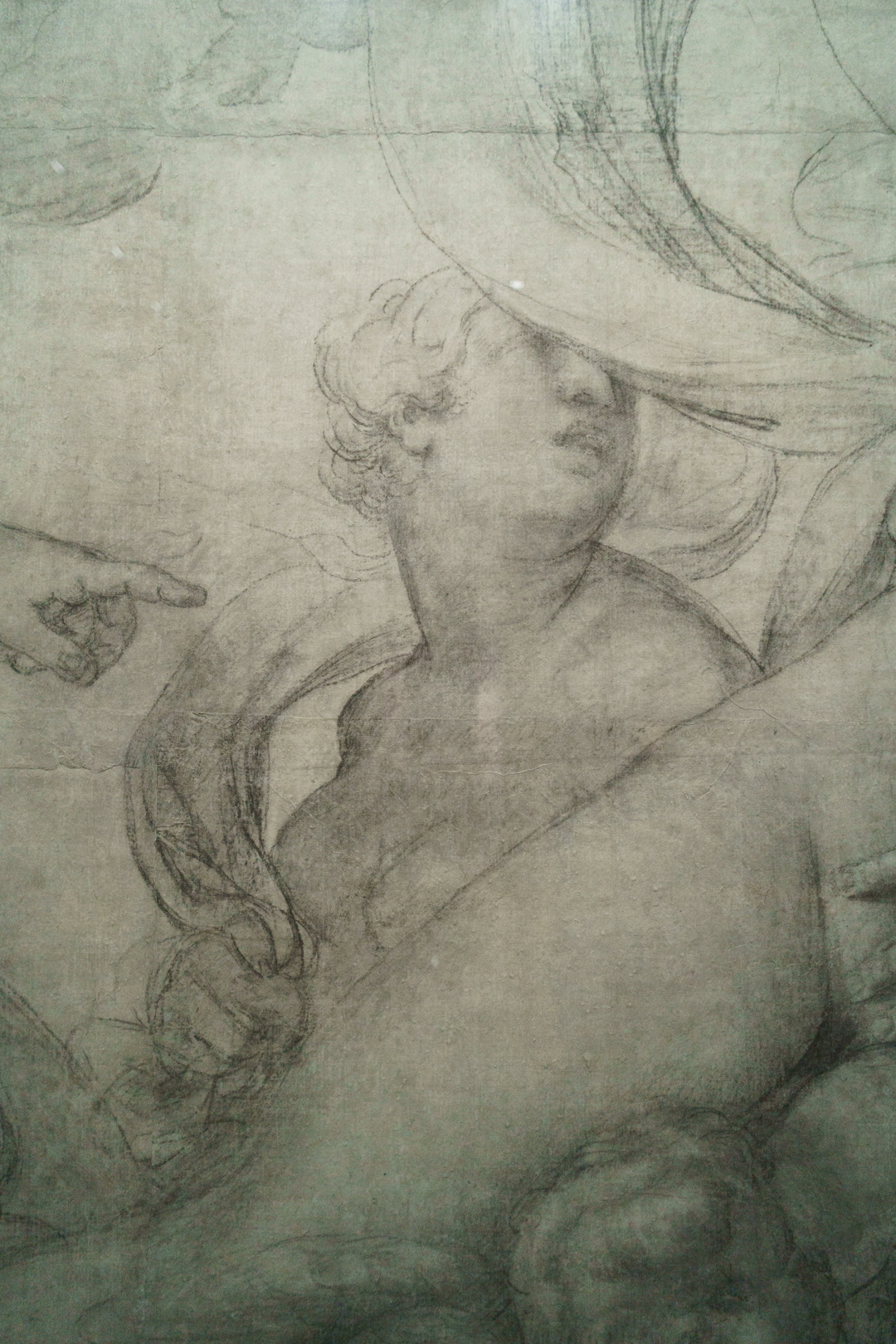
Created as 1:1 scale drawings, which were then cut up into sections – as the Cephalus reveals – for transferring a finished design to plastered wall using a process known as ‘pricking and pouncing’, one often assumes the compositions don’t change very much from the final product. This is not the case here, and we find many areas in the fresco where Annibale has ‘corrected’ his brother’s design.
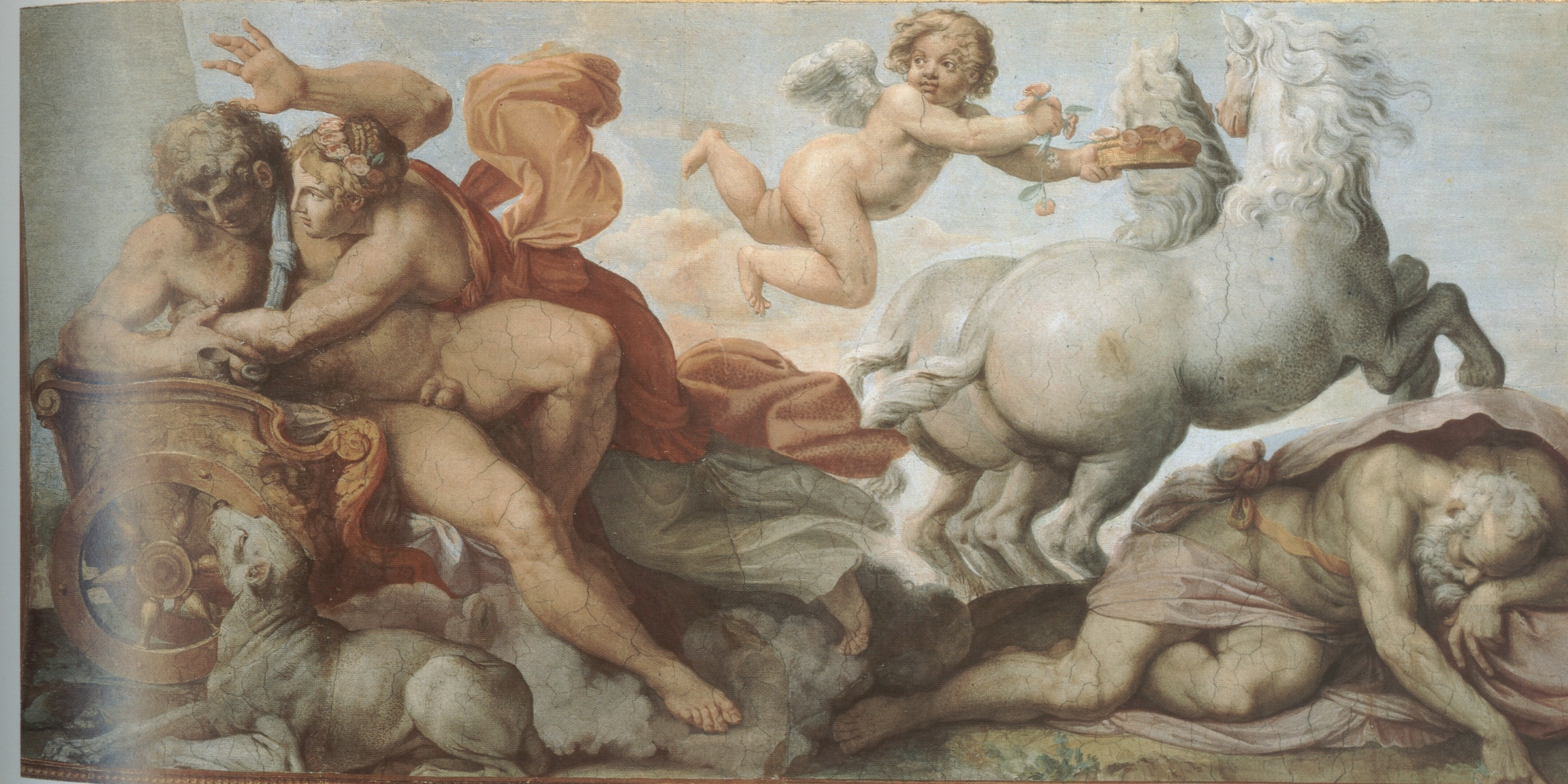
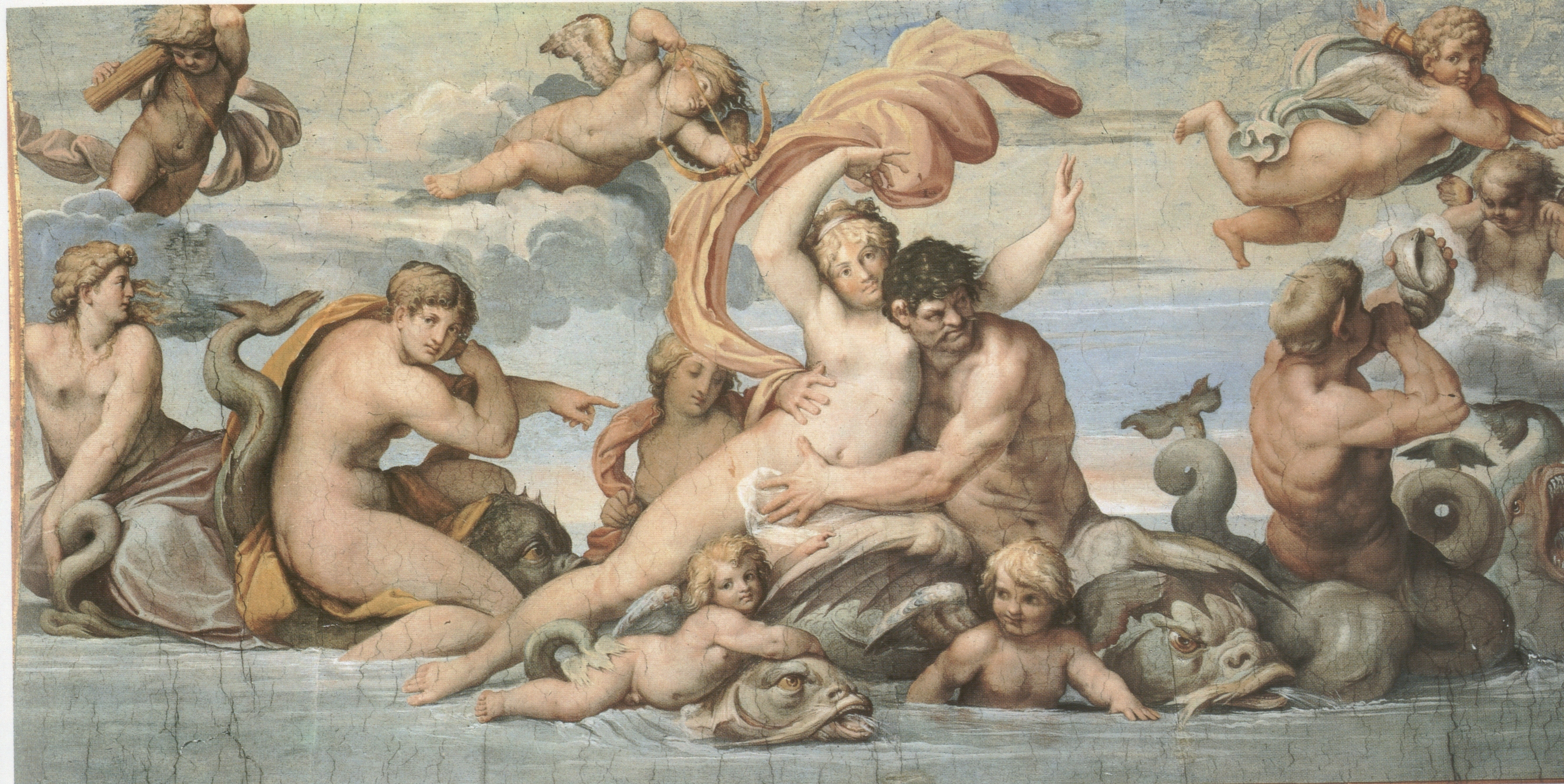
Putti have had their entire positions modified. Whole figures are missing. And then there are the typical things we expect to see: visible prick marks following/deviating from the original contours of the drawing, while heads, hands, and feet have been turned differently in several areas. One really ought to go around the room with reproductions of the two painted side scenes.
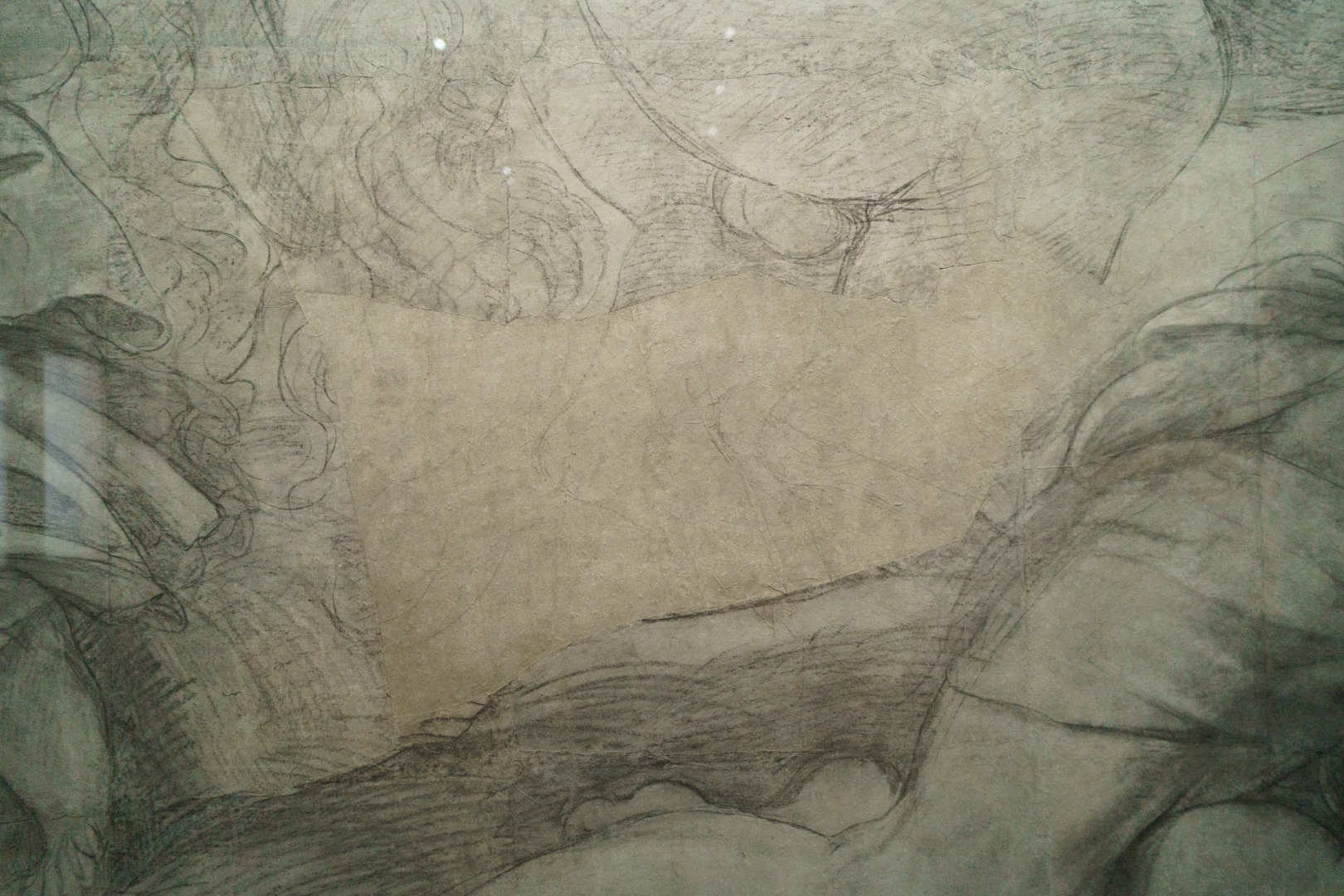
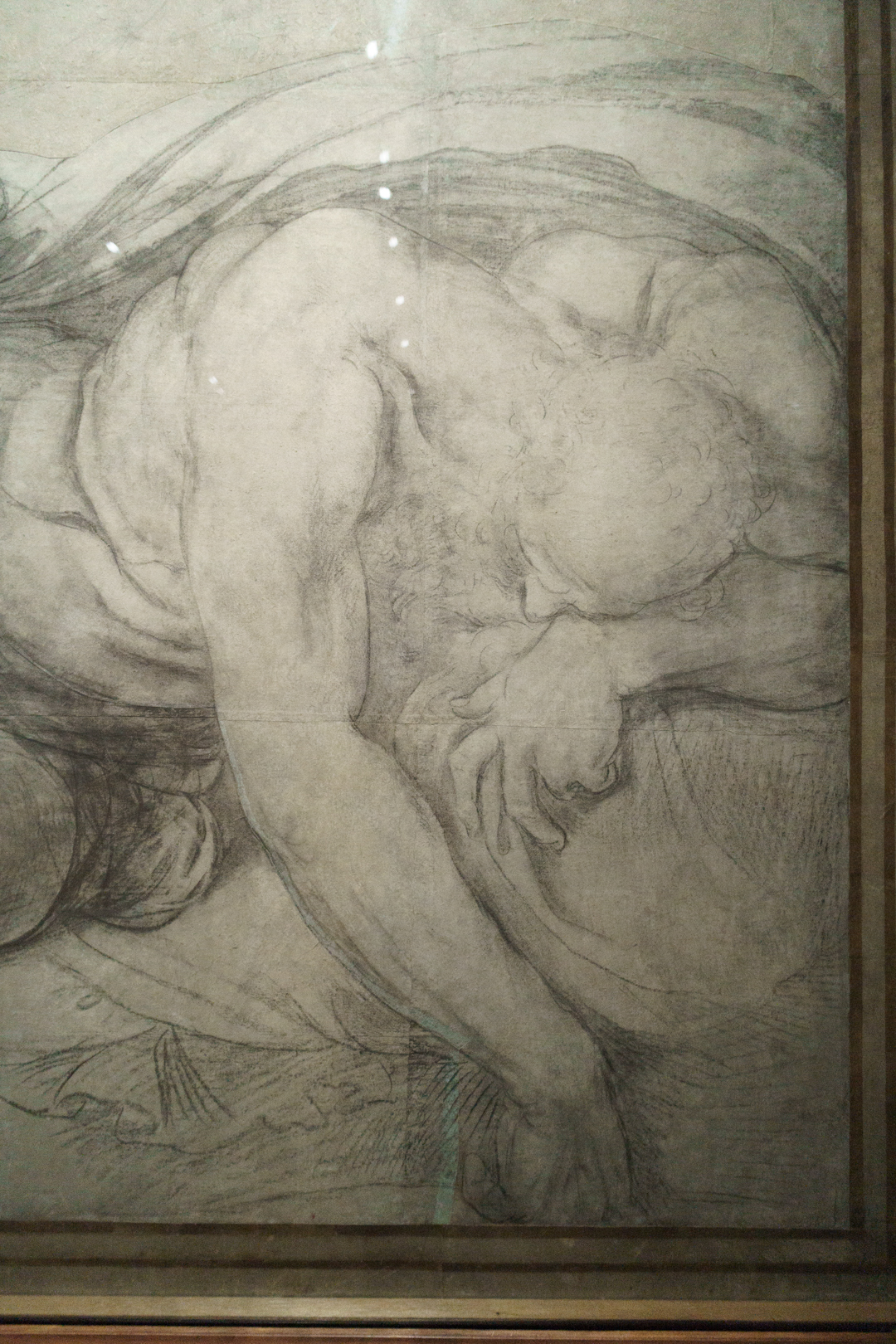
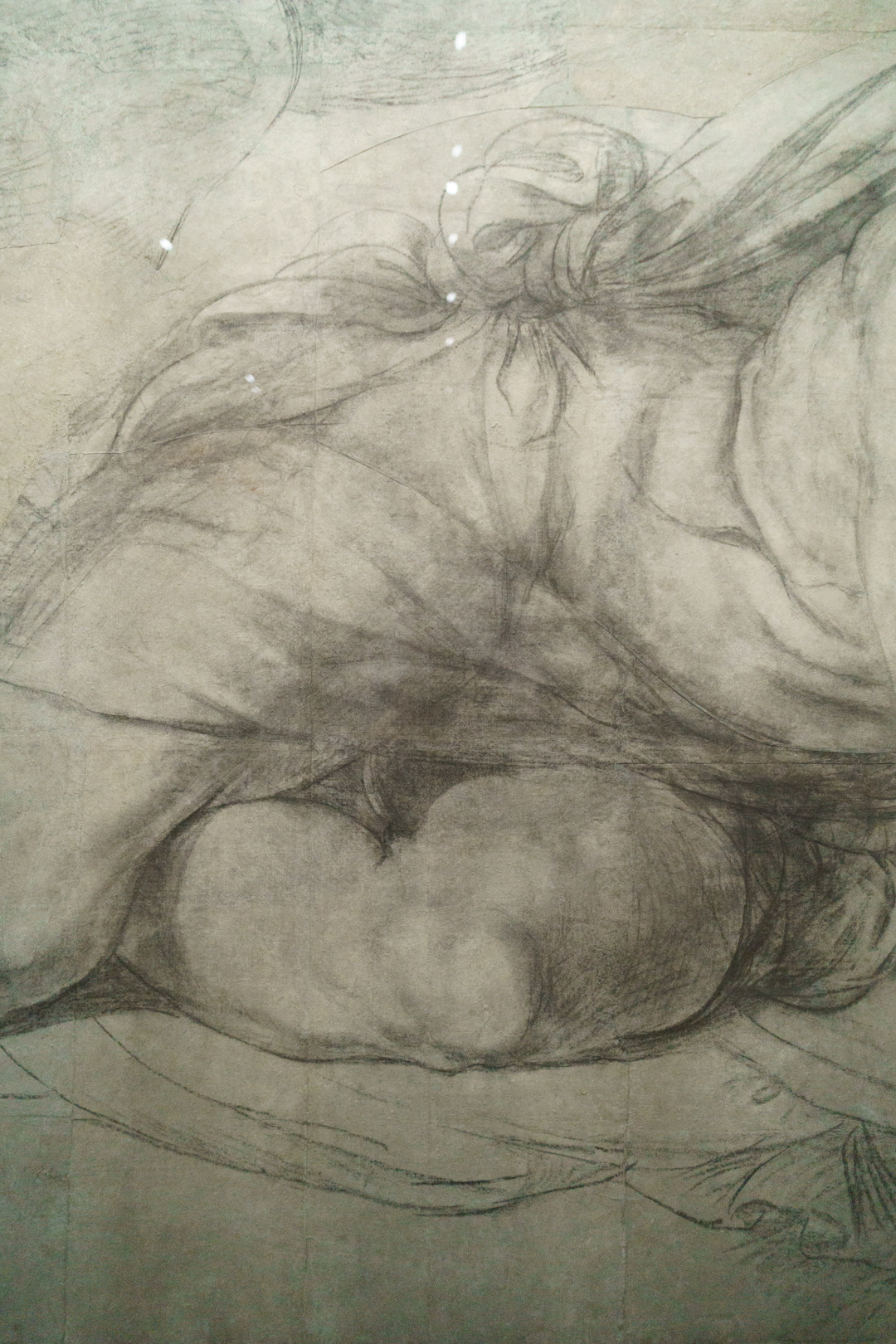
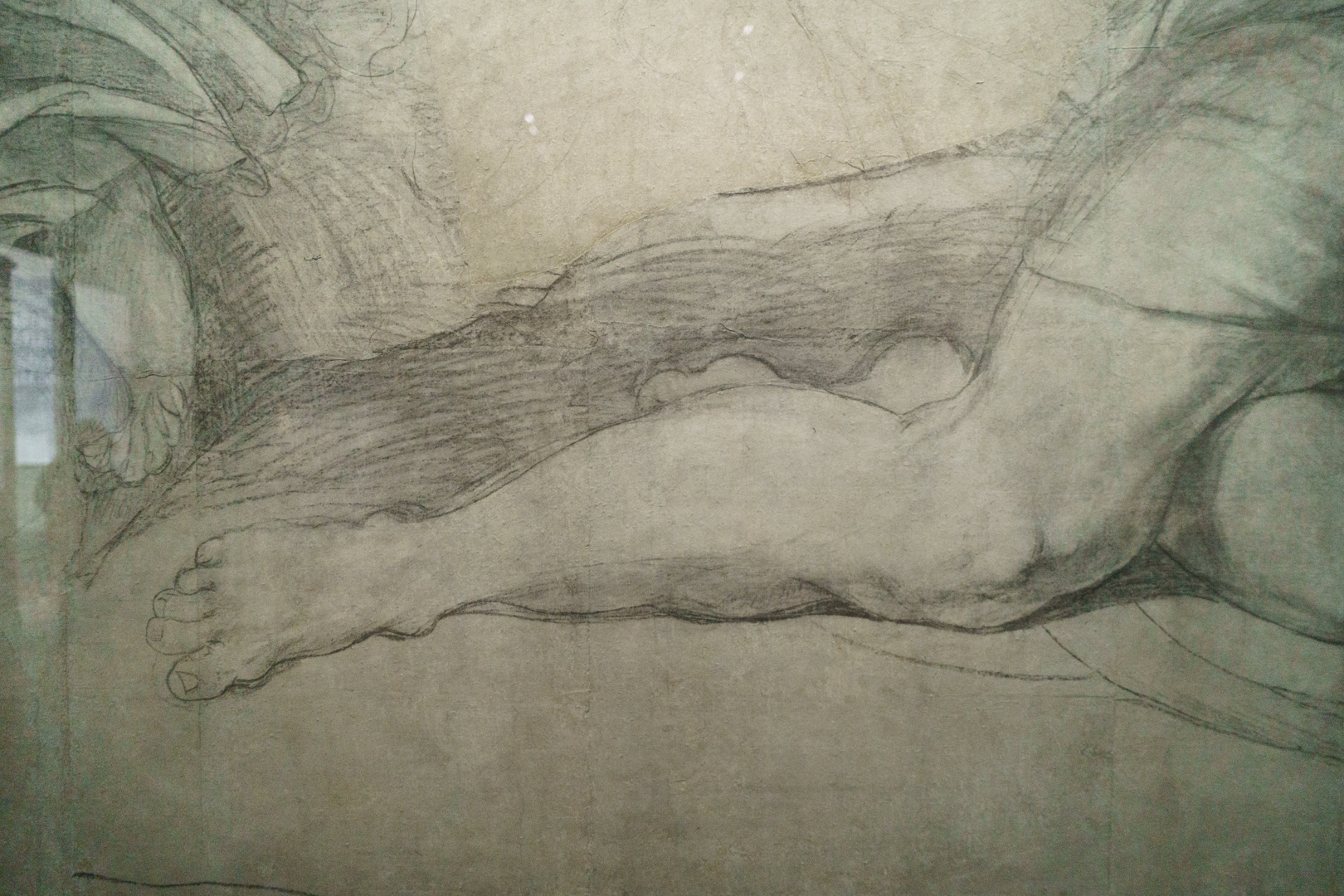
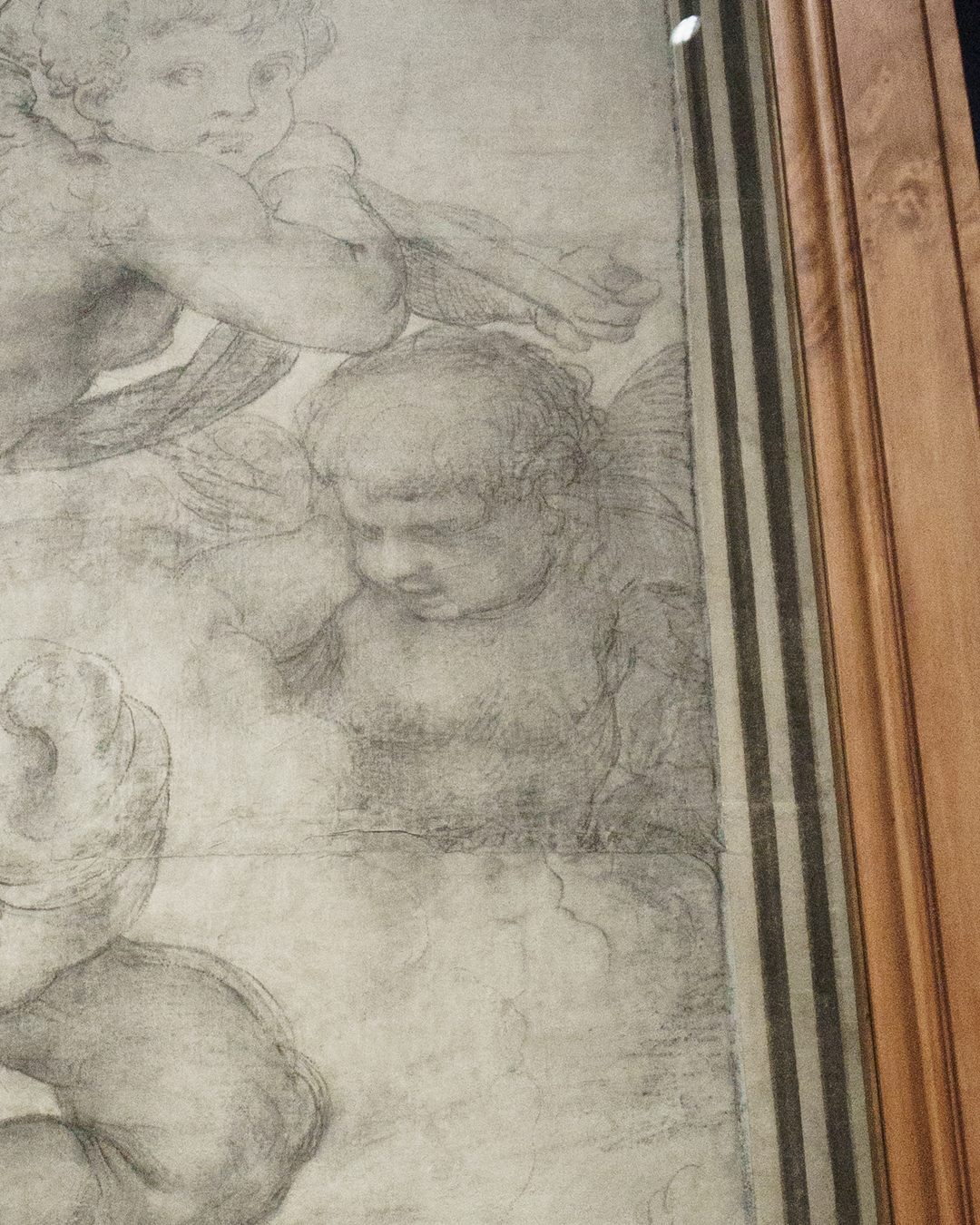
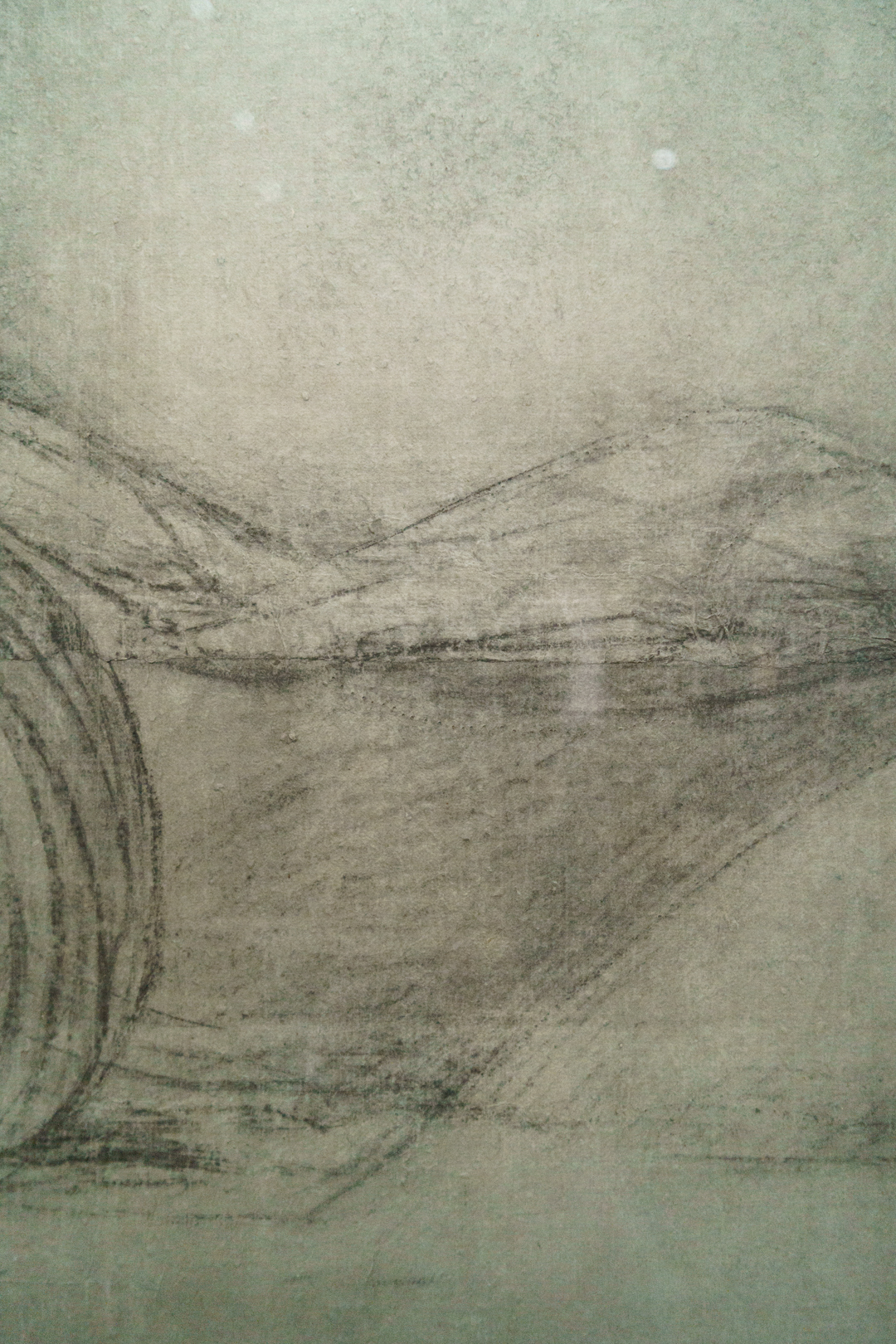
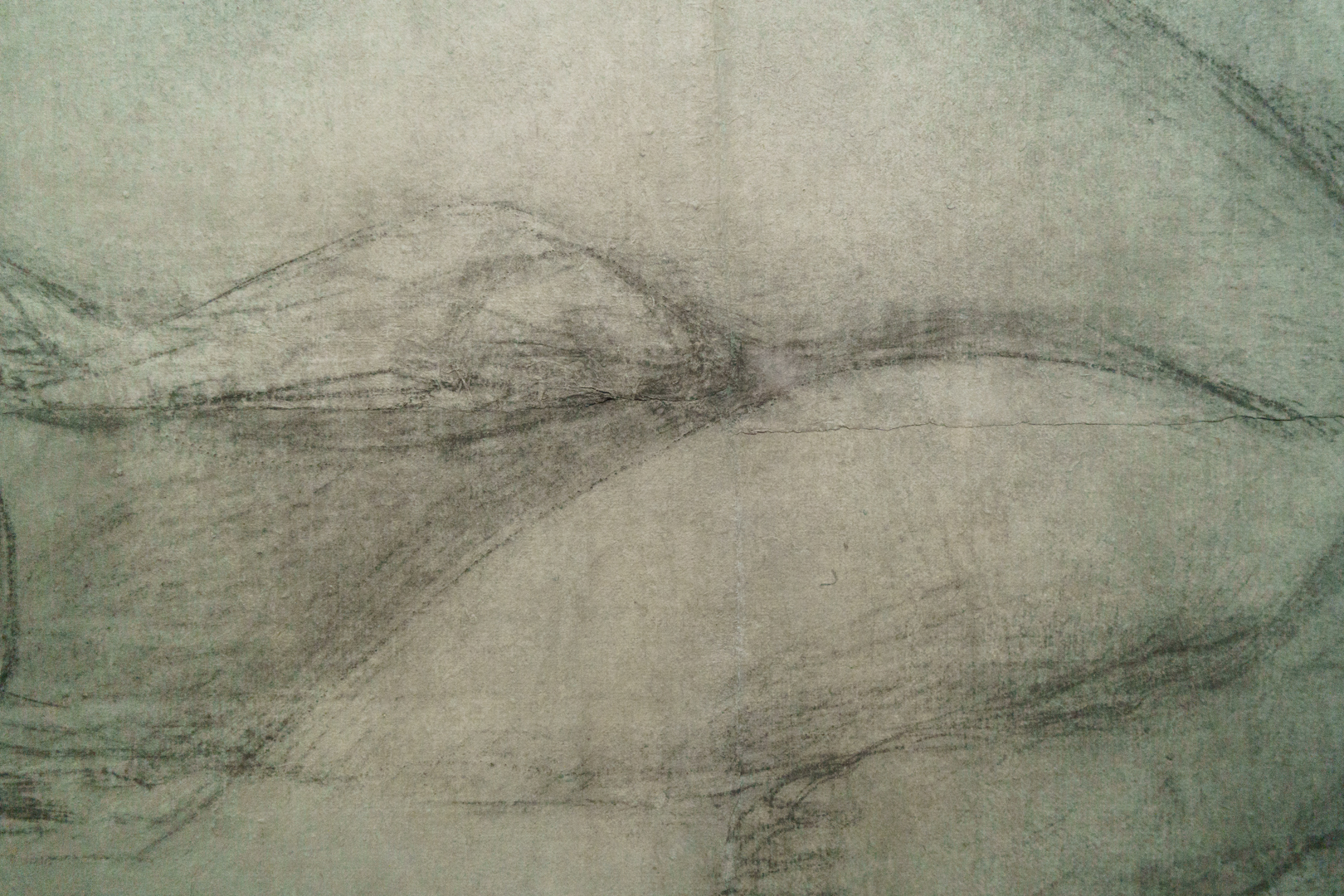
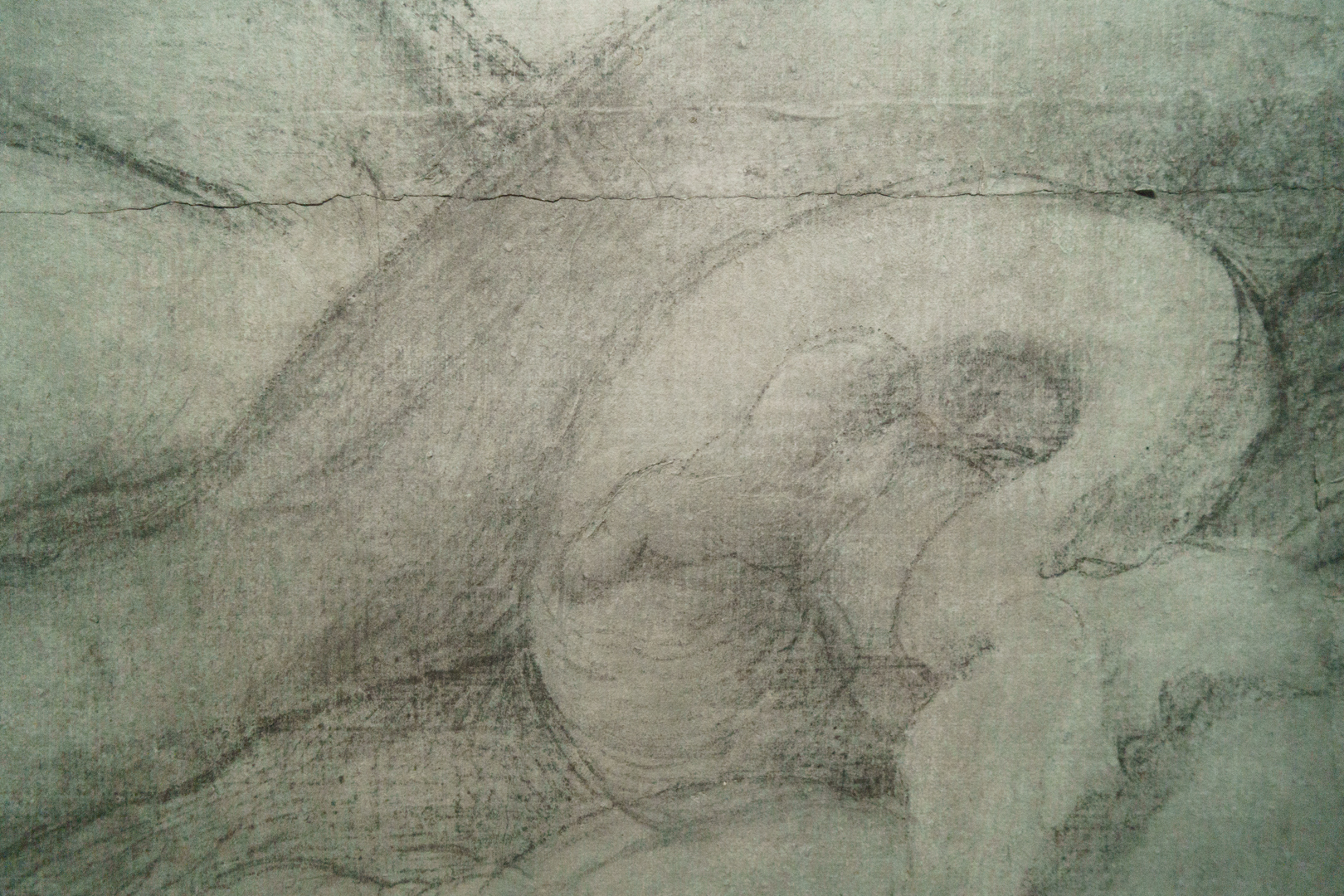
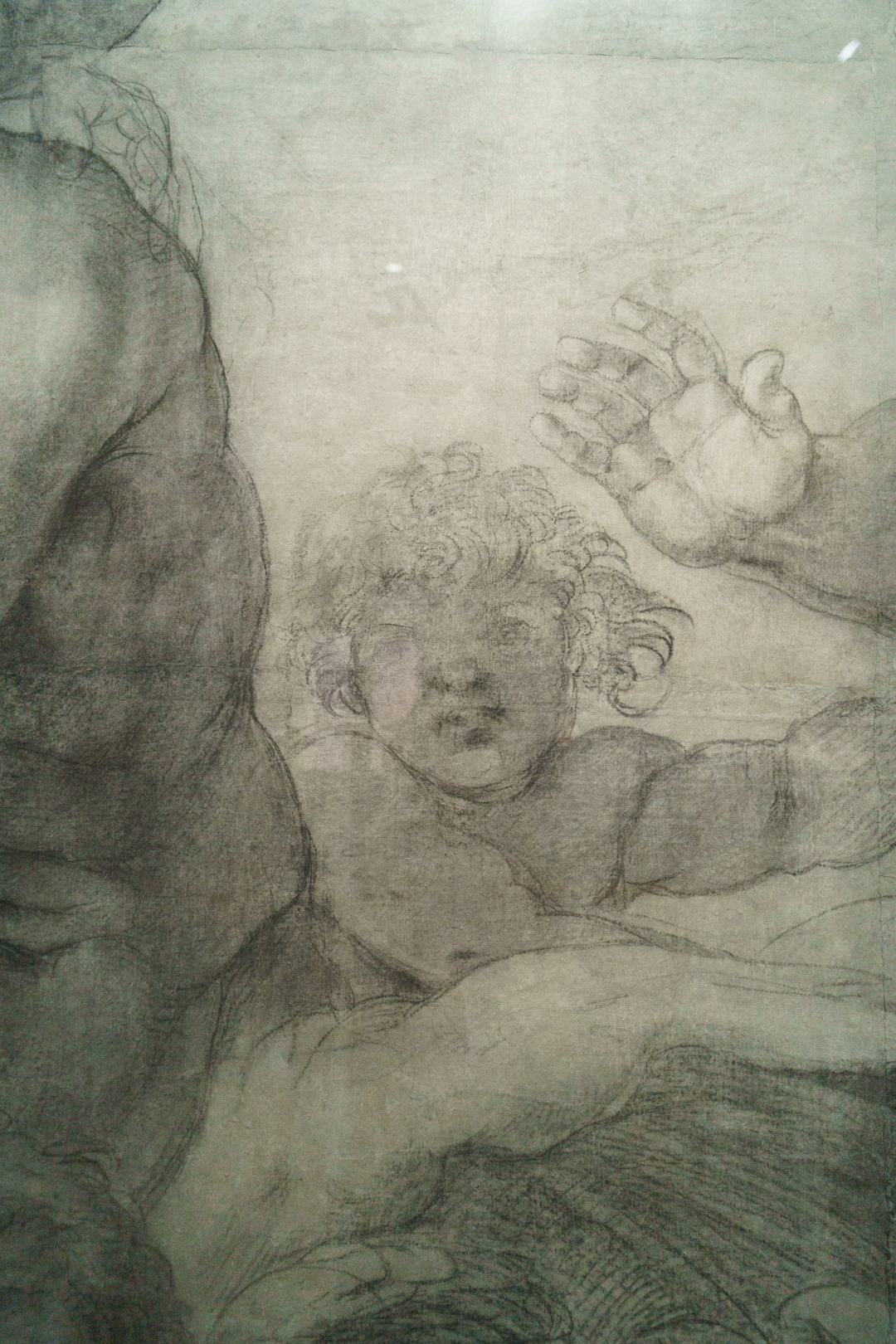
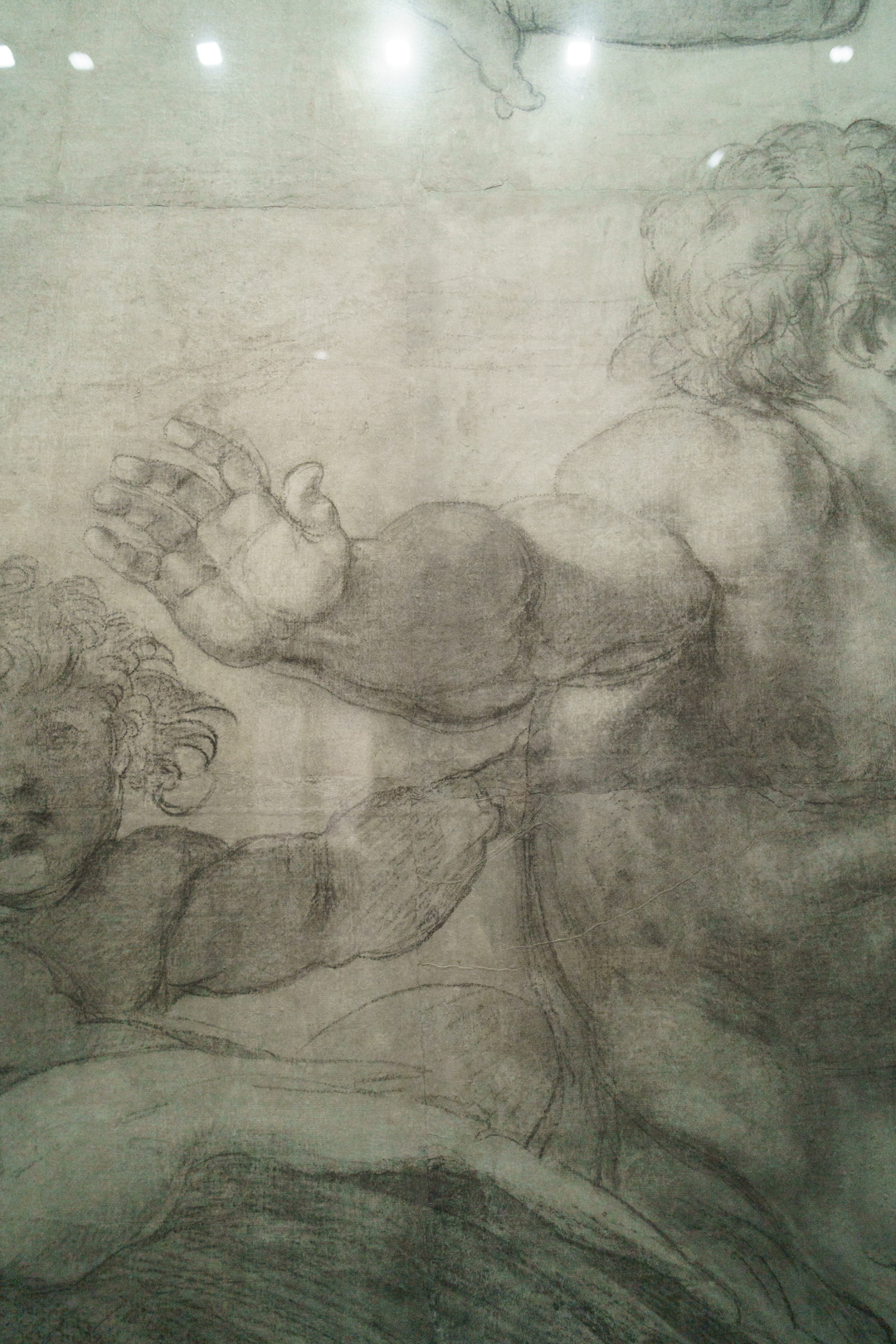
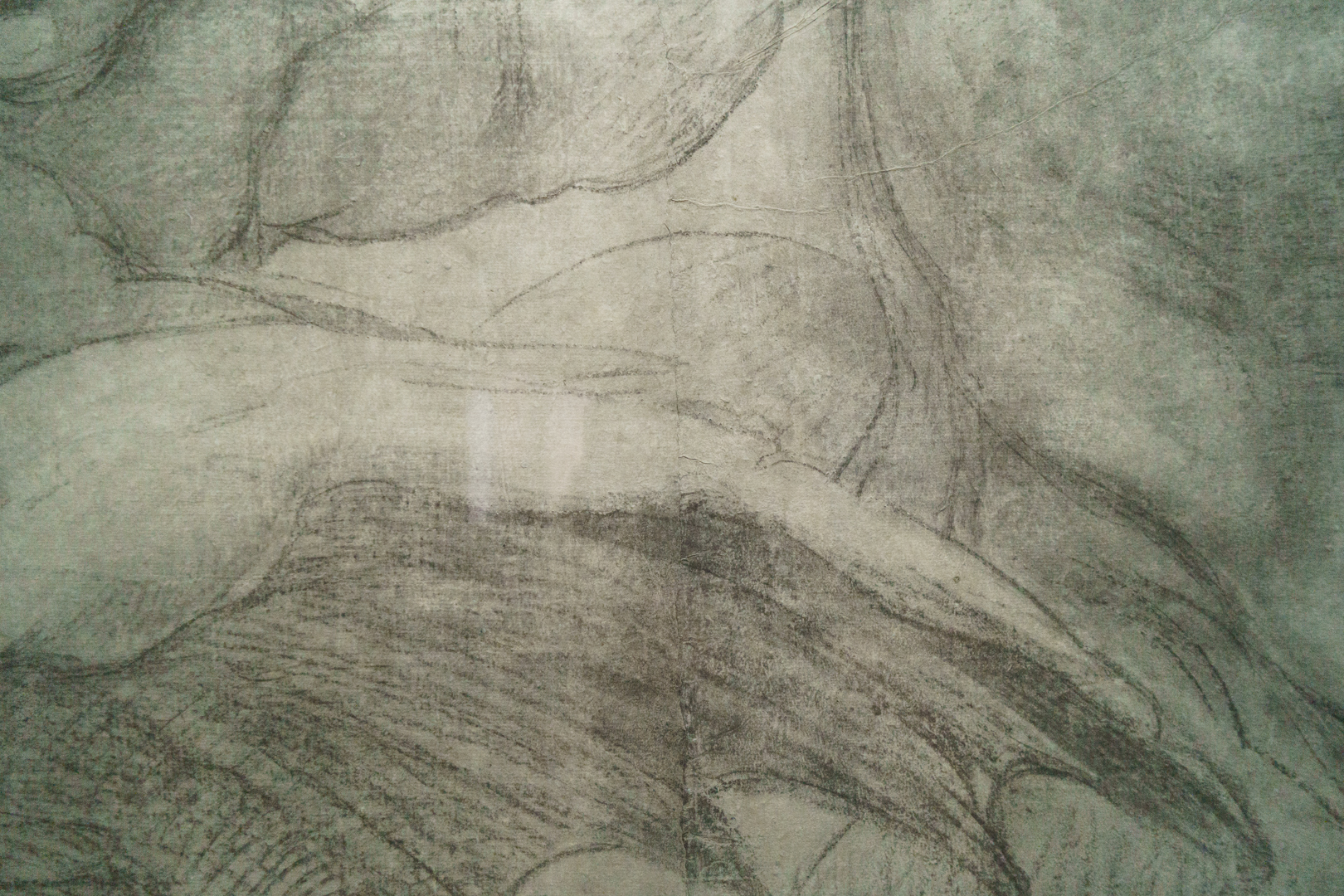
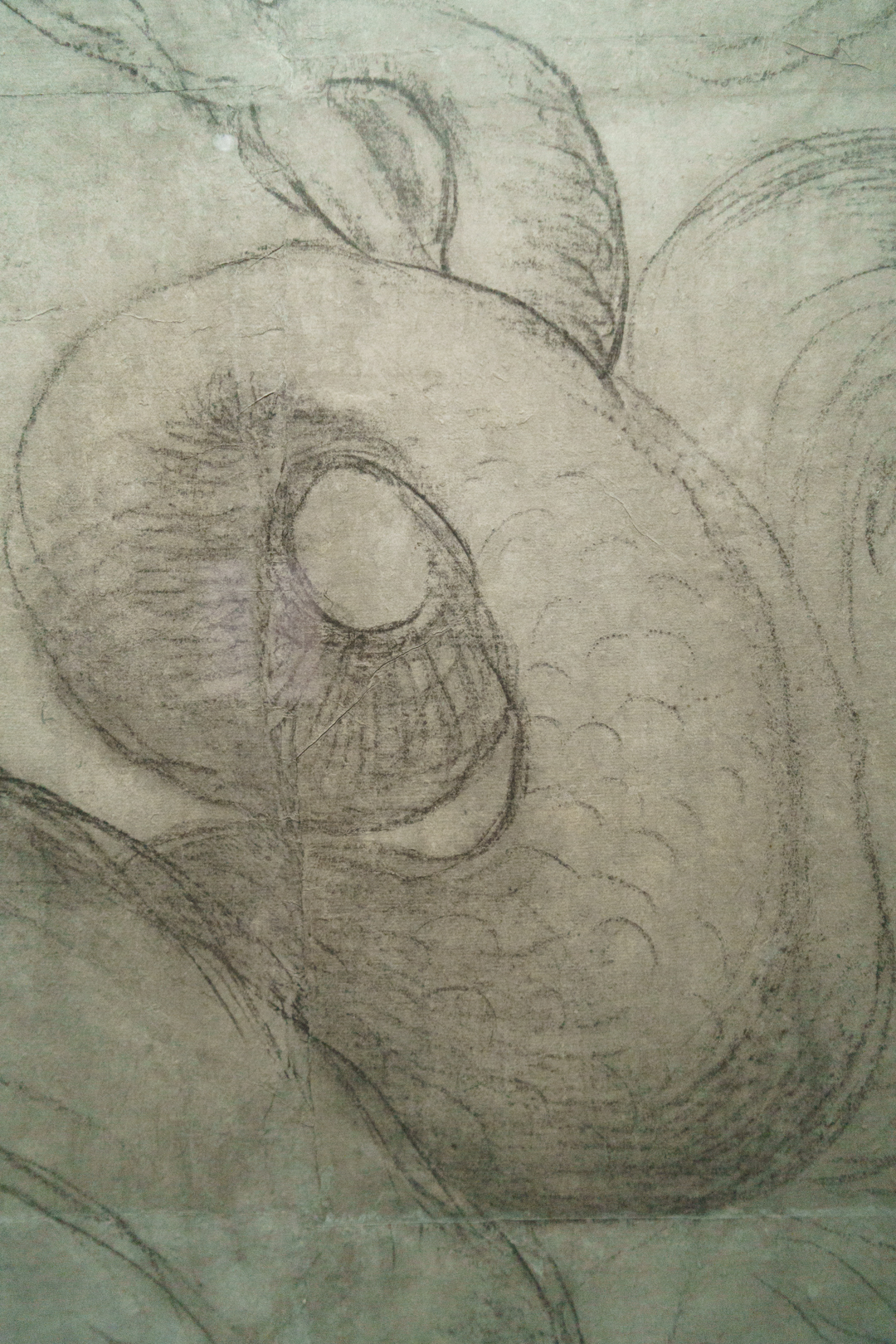
No exhibition catalogue exists, and I desperately want one. In the meantime, this is not an opportunity that comes very often.
For a more in-depth analysis of the cartoons, check out Laura Staccoli’s review over on the drawings hub Trois Crayons.
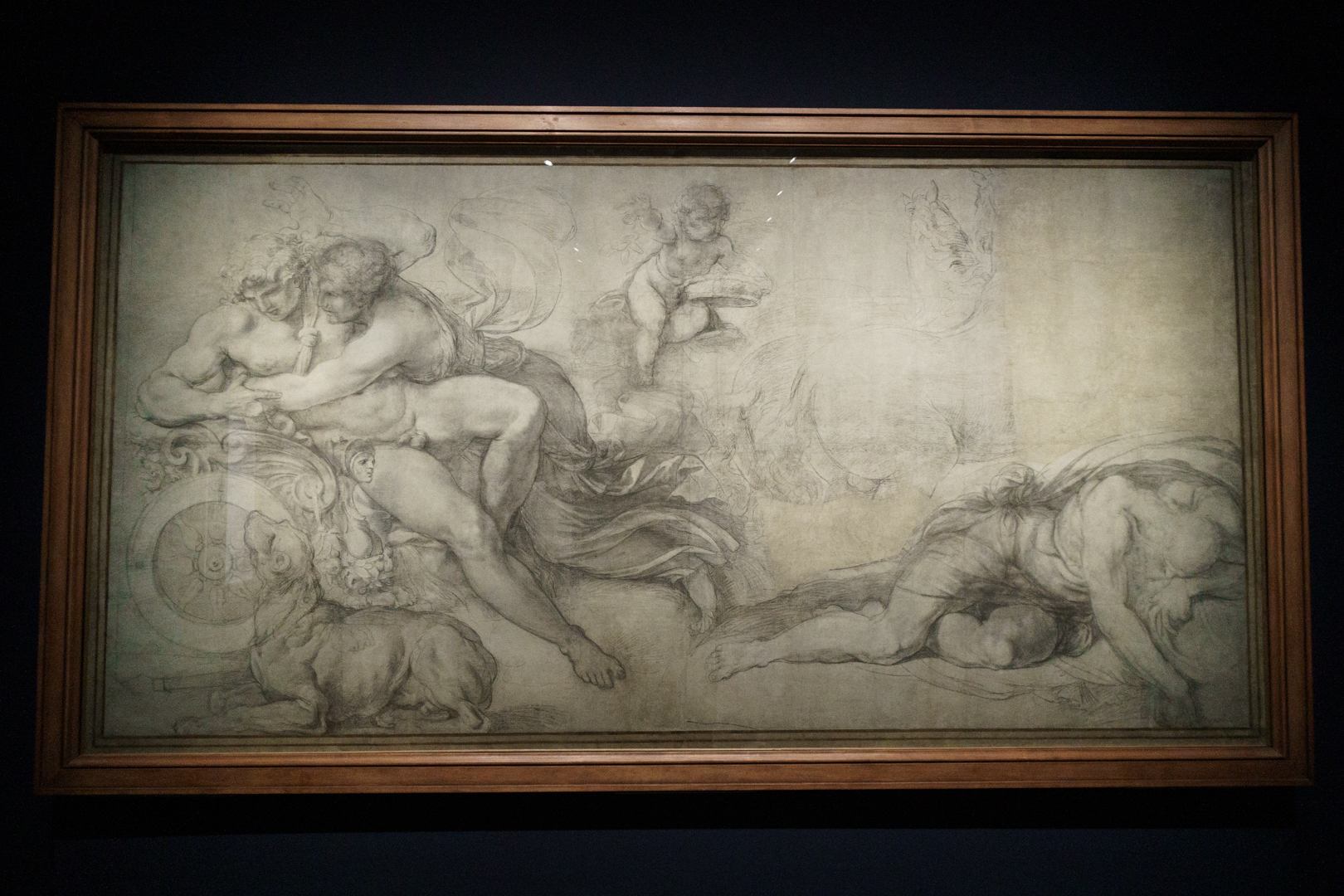
The Carracci Cartoons: Myths in the Making (10 April – 6 July 2025) is at the National Gallery, London, https://www.nationalgallery.org.uk/

 Nigel Ip
Leave a comment