
How does one judge someone’s artistic work when the creator is not actually an artist? This is the conundrum one might face when visiting the Royal Academy of Arts’ exhibition of drawings by the celebrated French writer Victor Hugo.
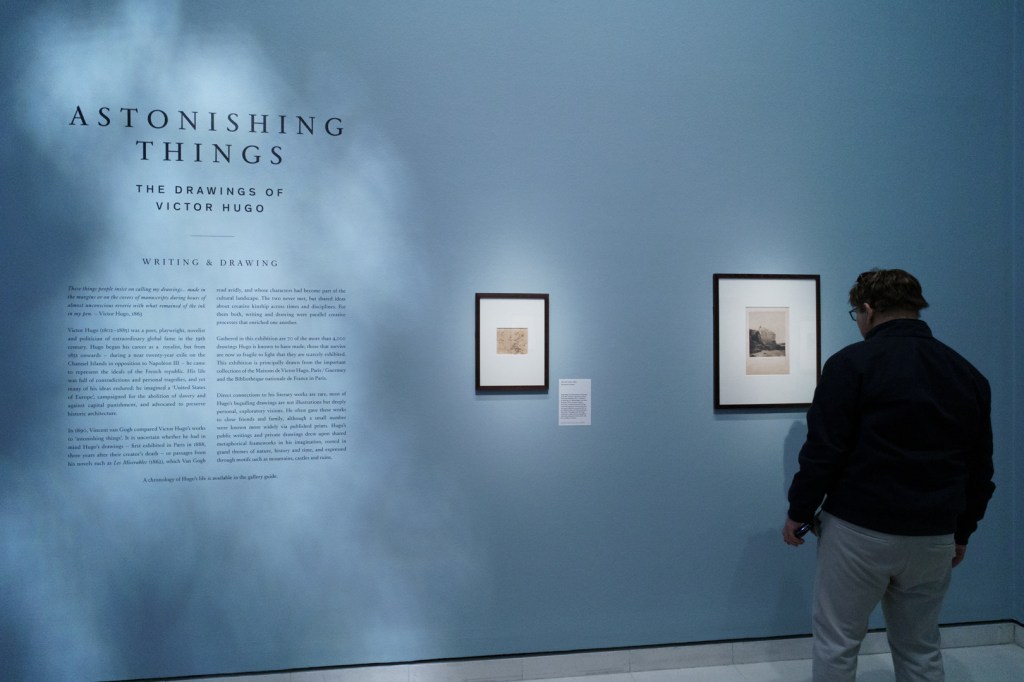
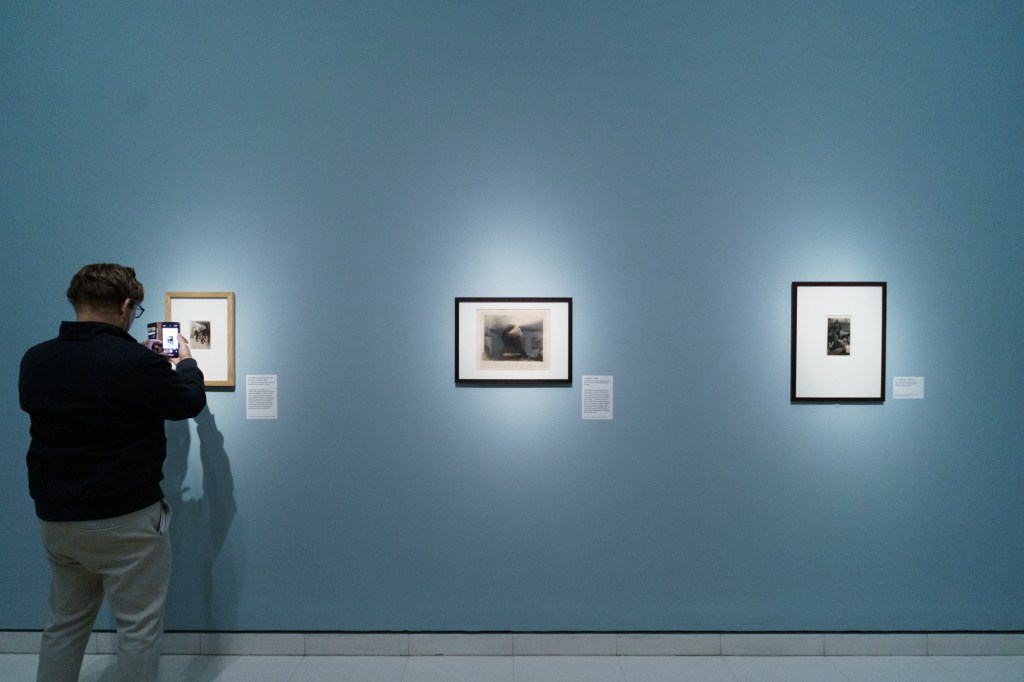
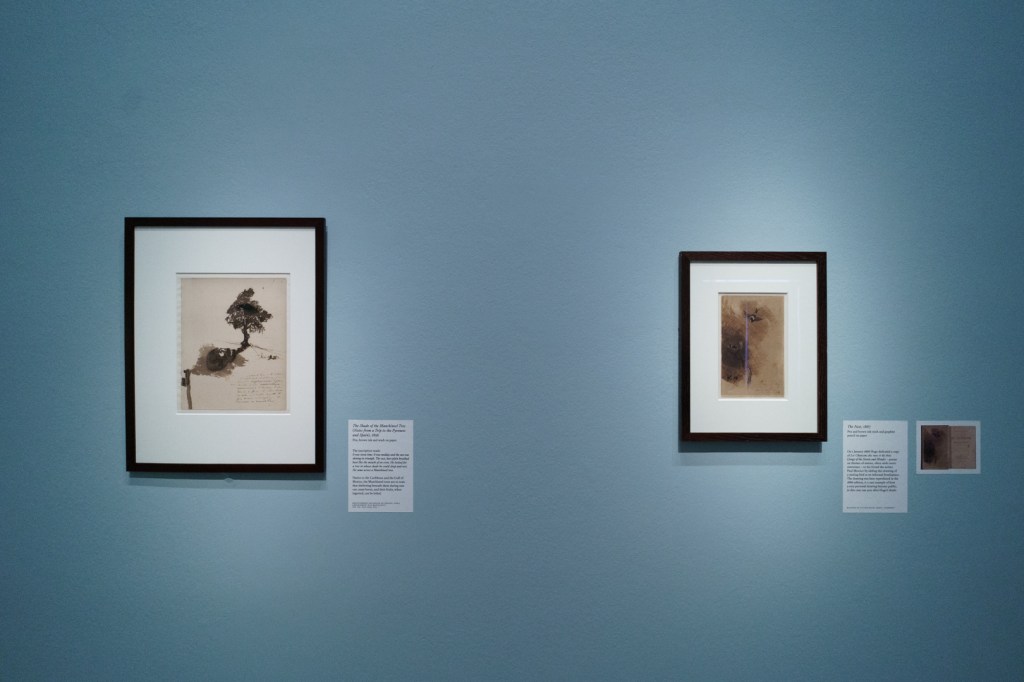


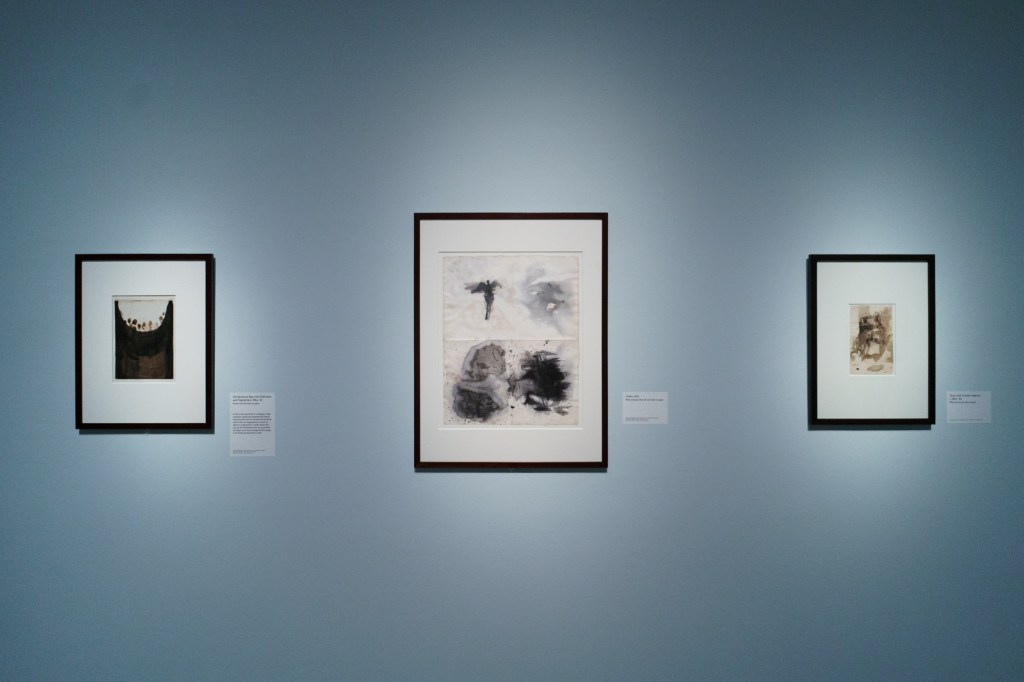
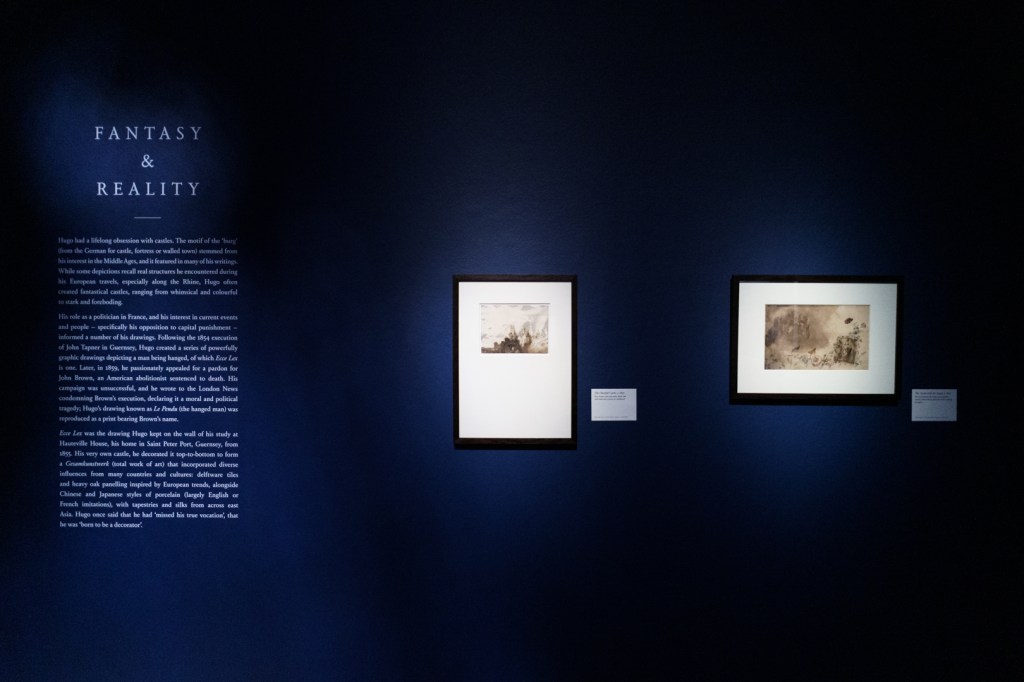


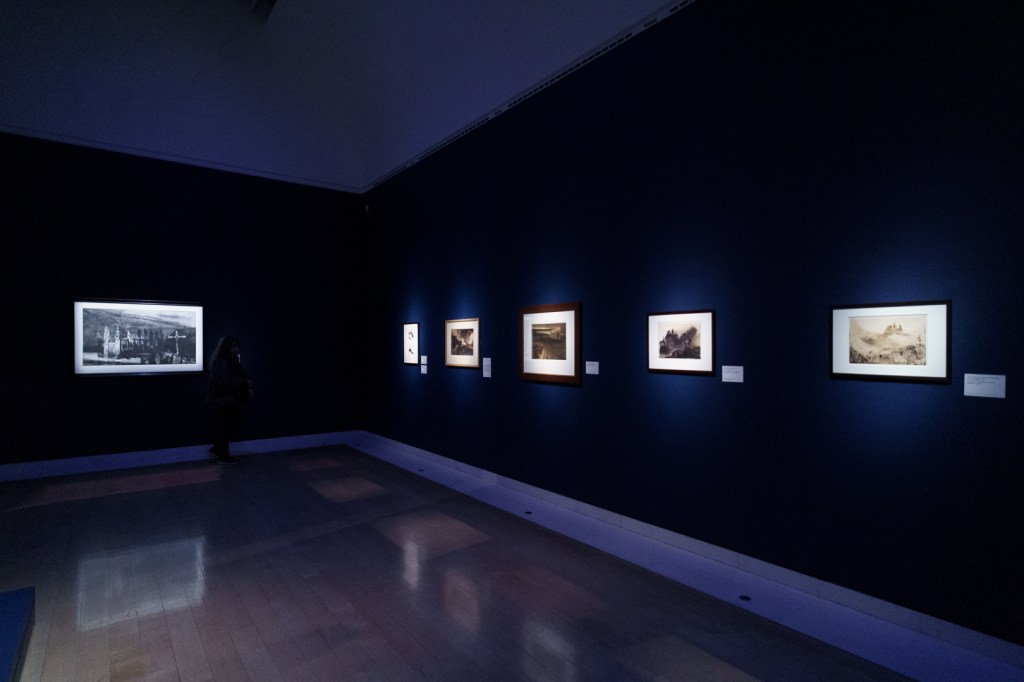


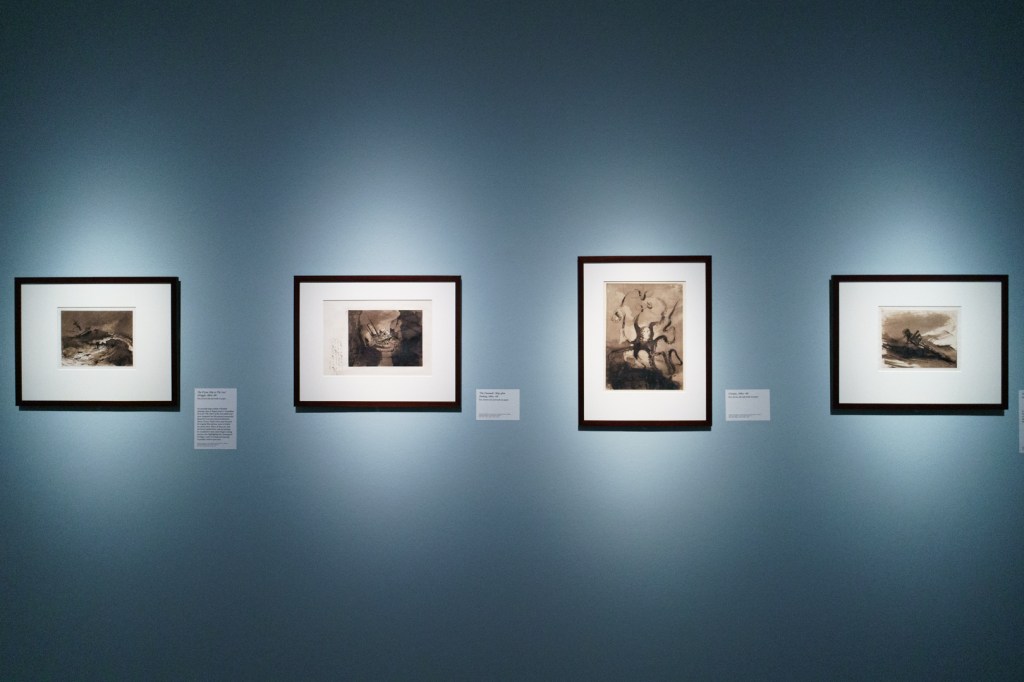

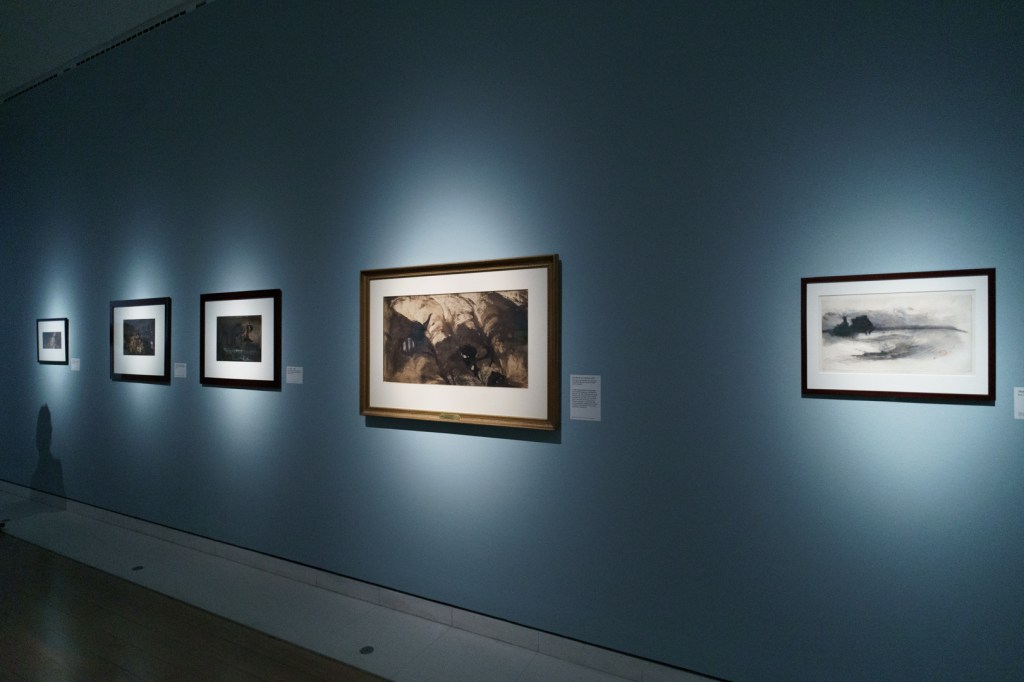
Featuring some 70 works on paper from the Maisons de Victor Hugo and the Bibliothèque nationale de France, including prints, sketchbooks, even inscribed pebbles from when he was exiled from France between 1855 and 1870 in Guernsey, the exhibition highlights certain themes and subject matter which fascinated Hugo throughout his life: castles, ruins, nature, and the ocean.
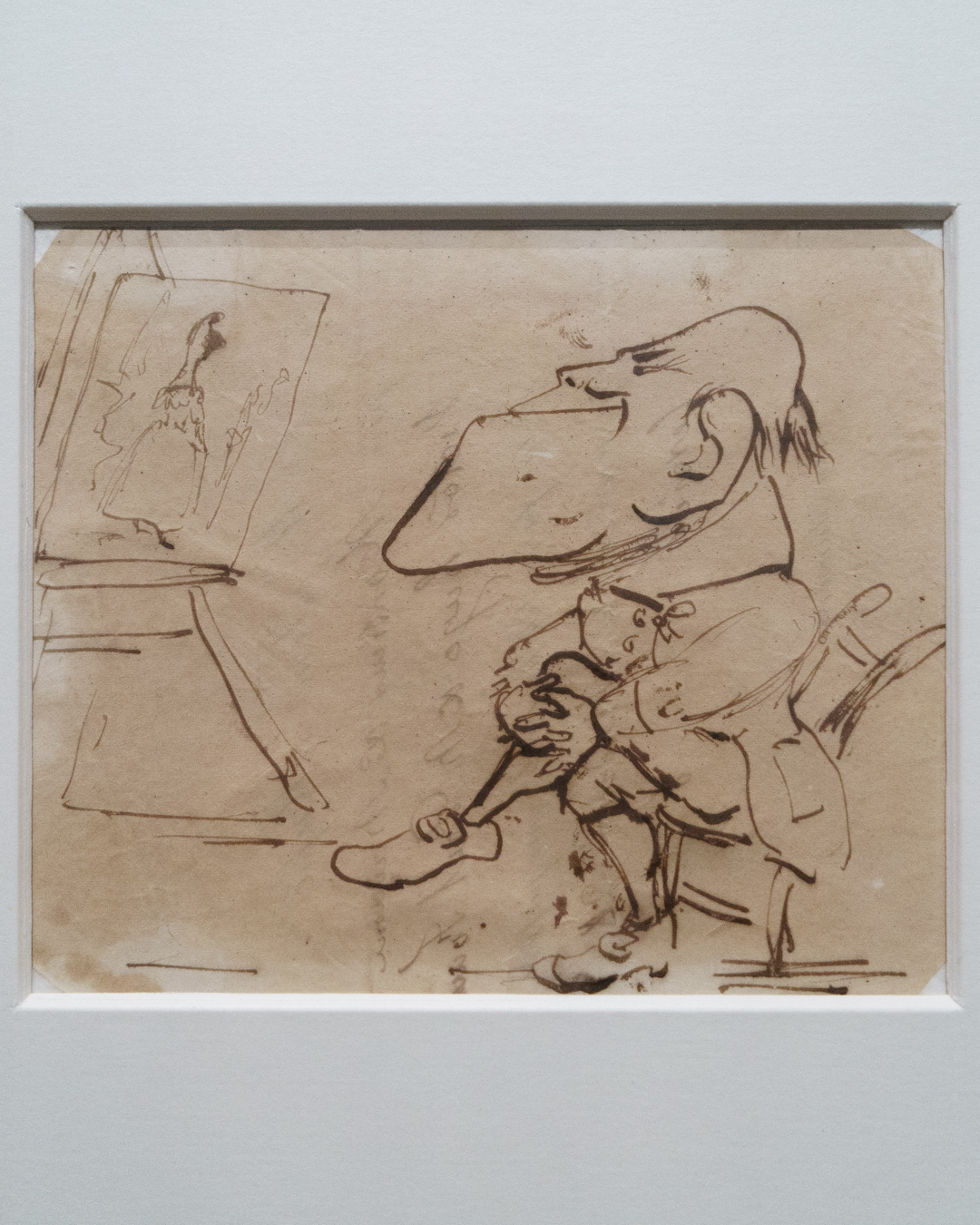


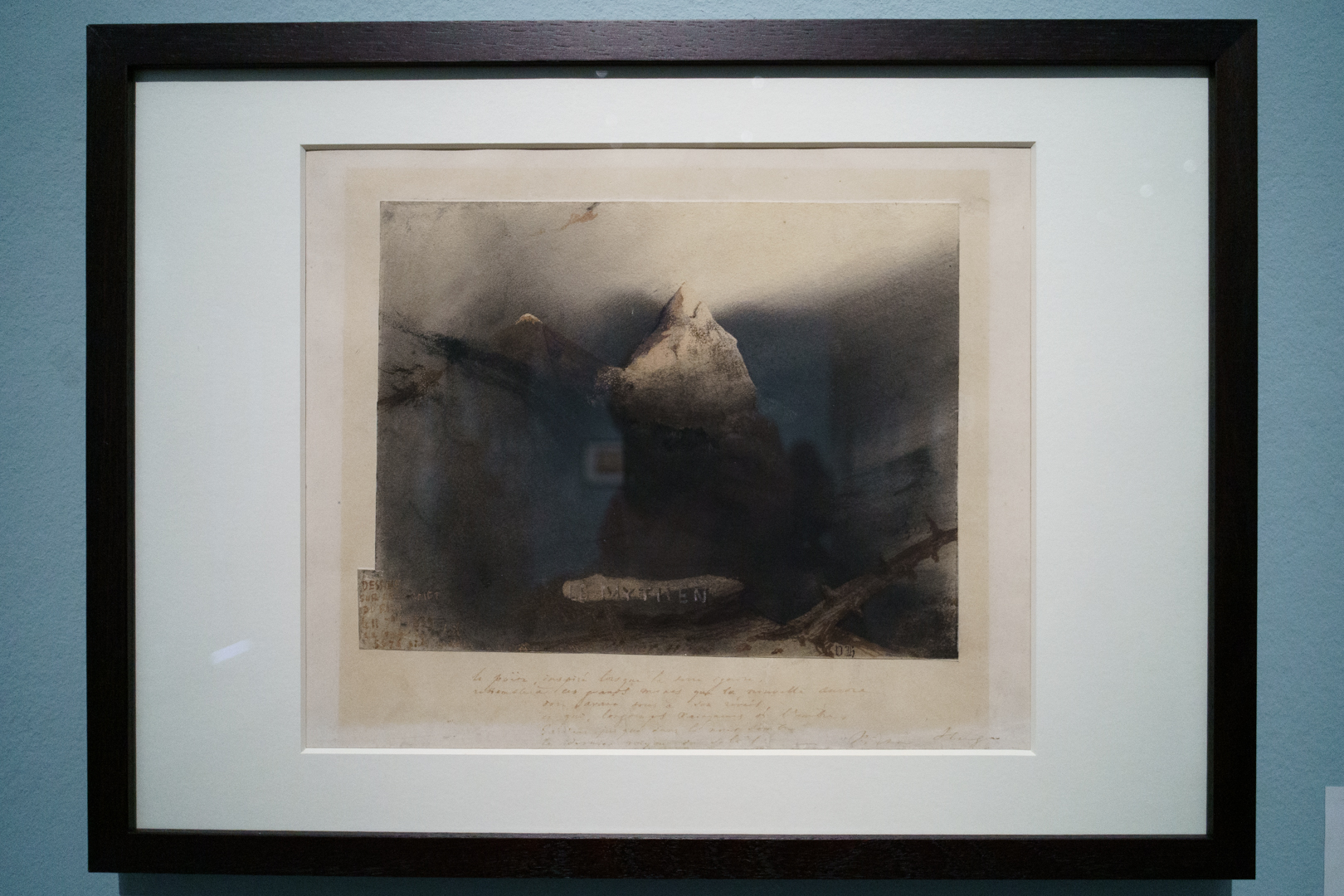
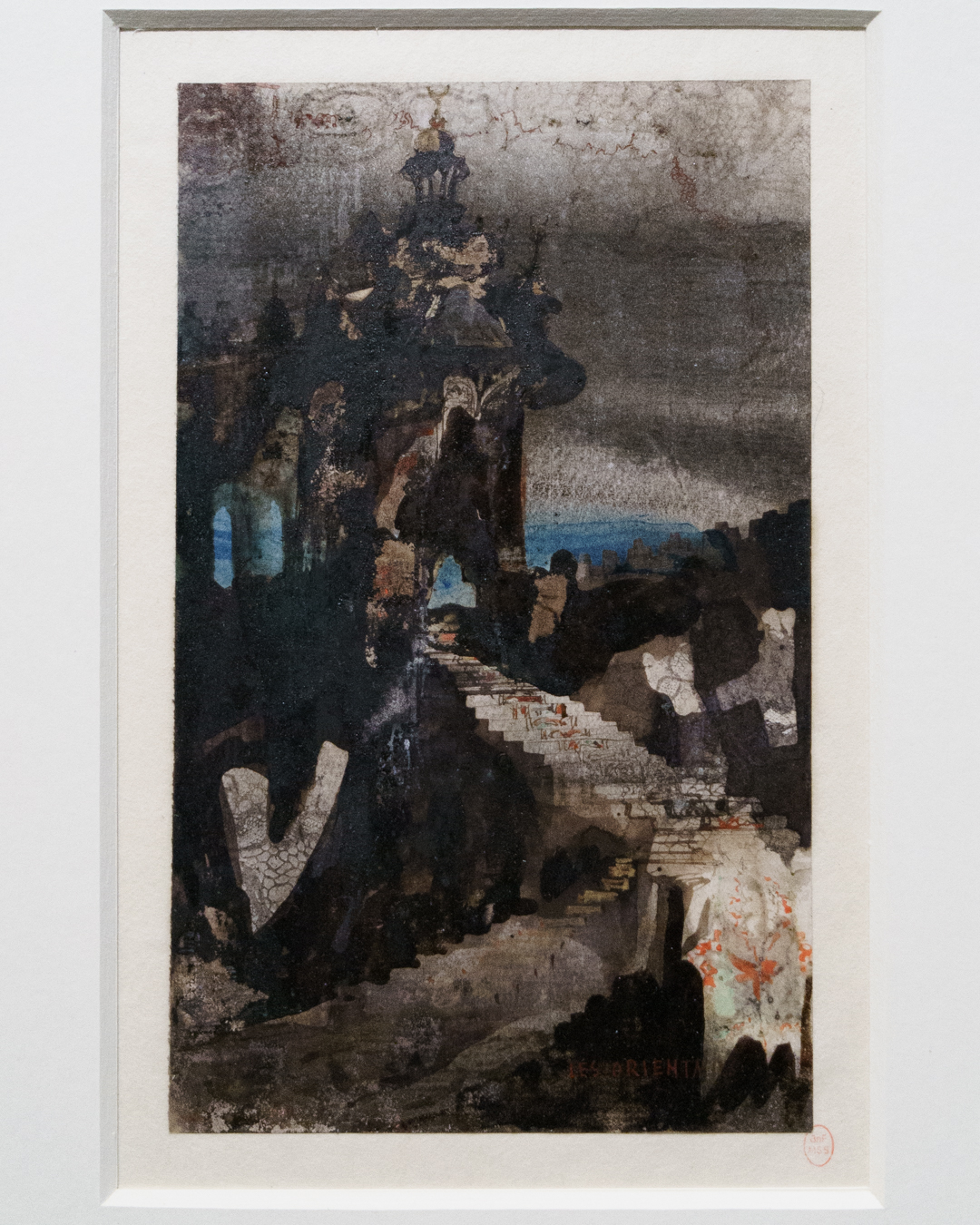
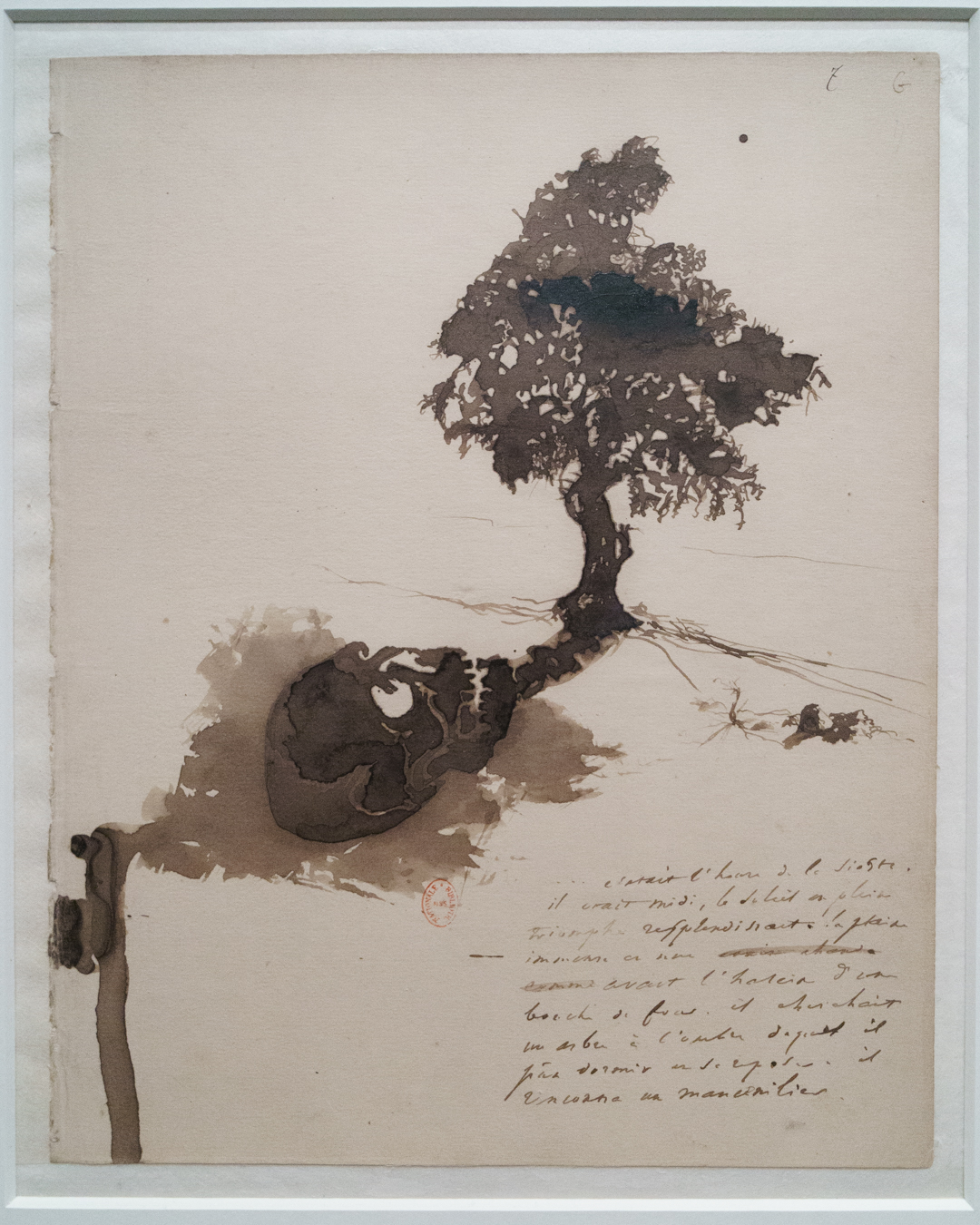

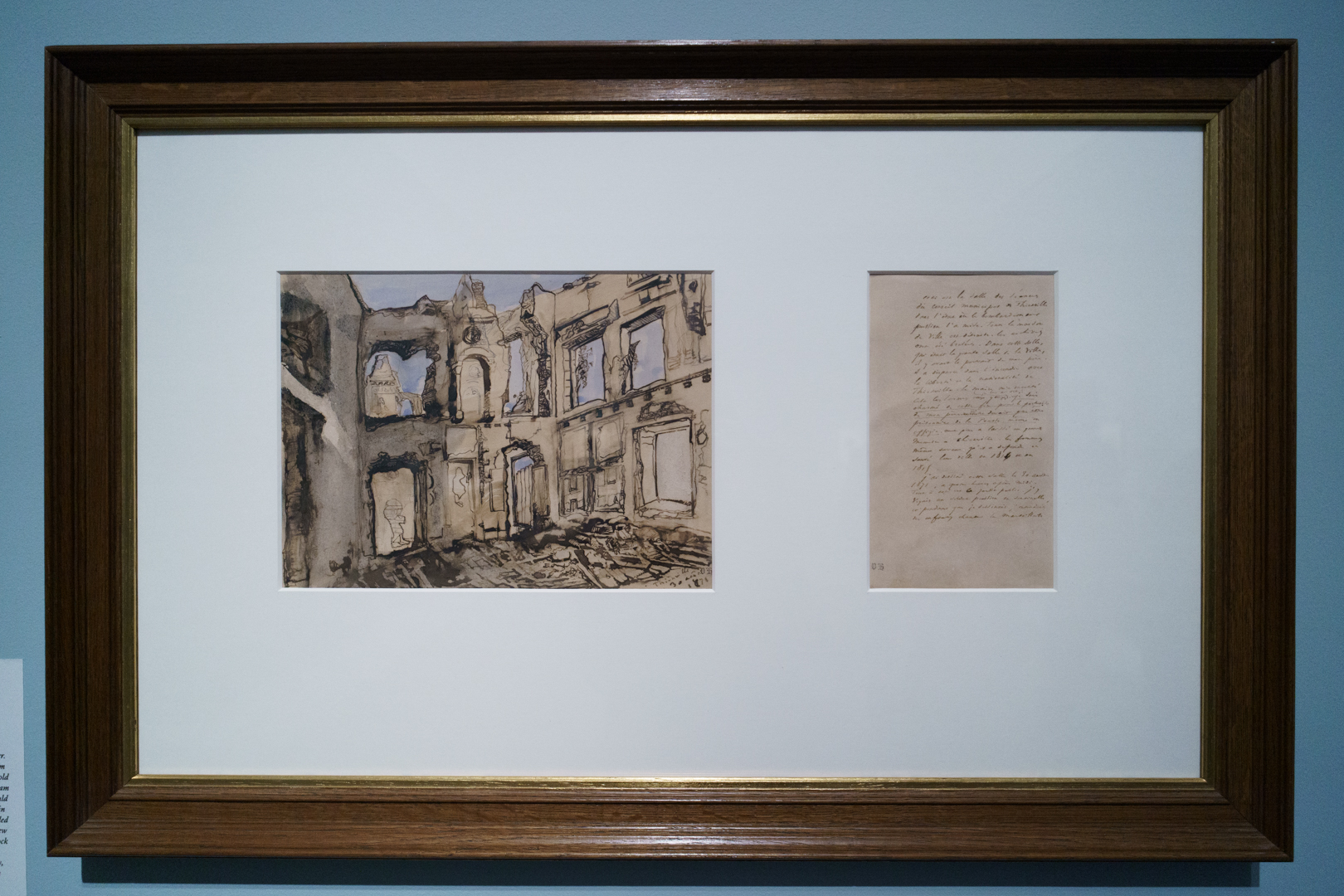

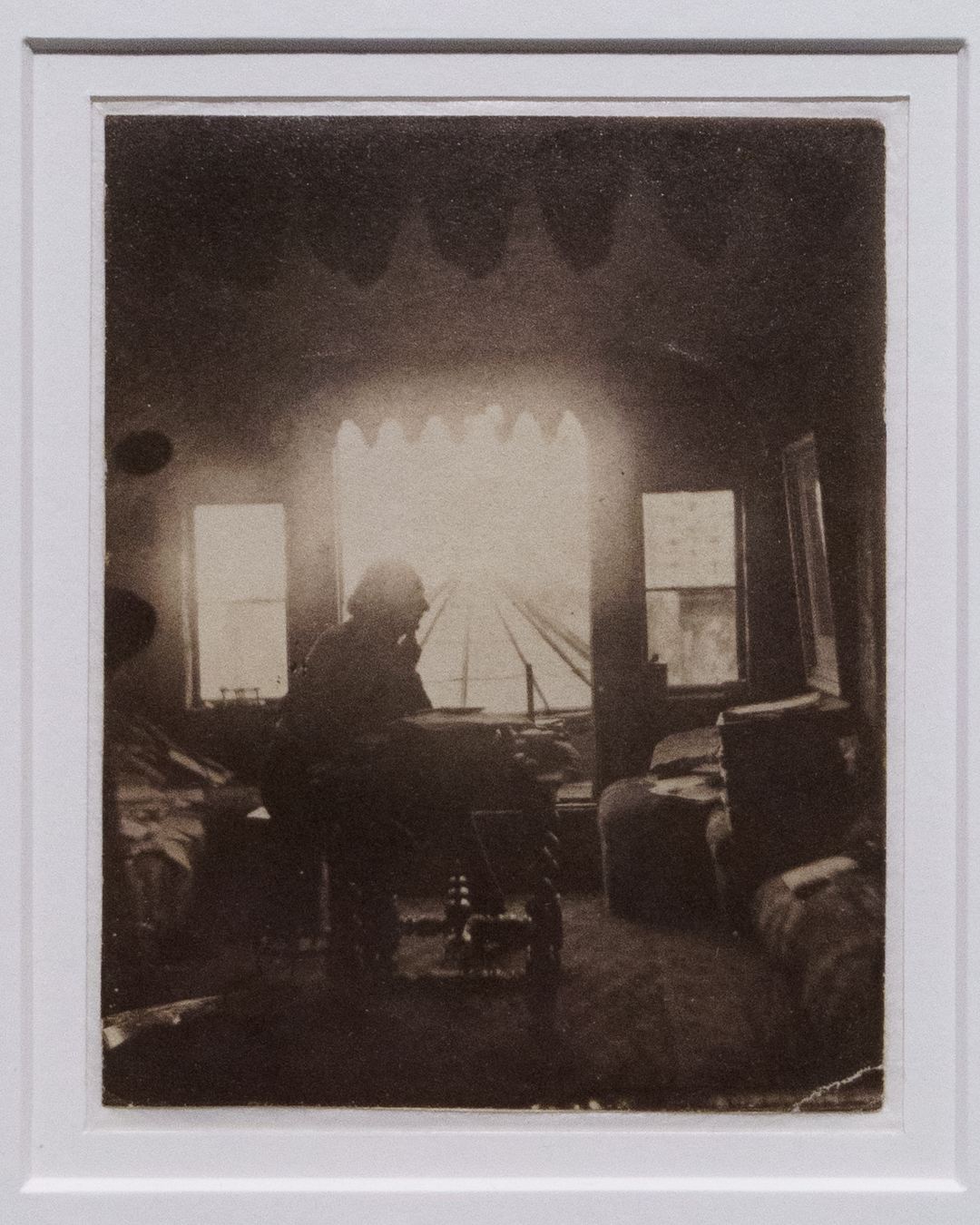
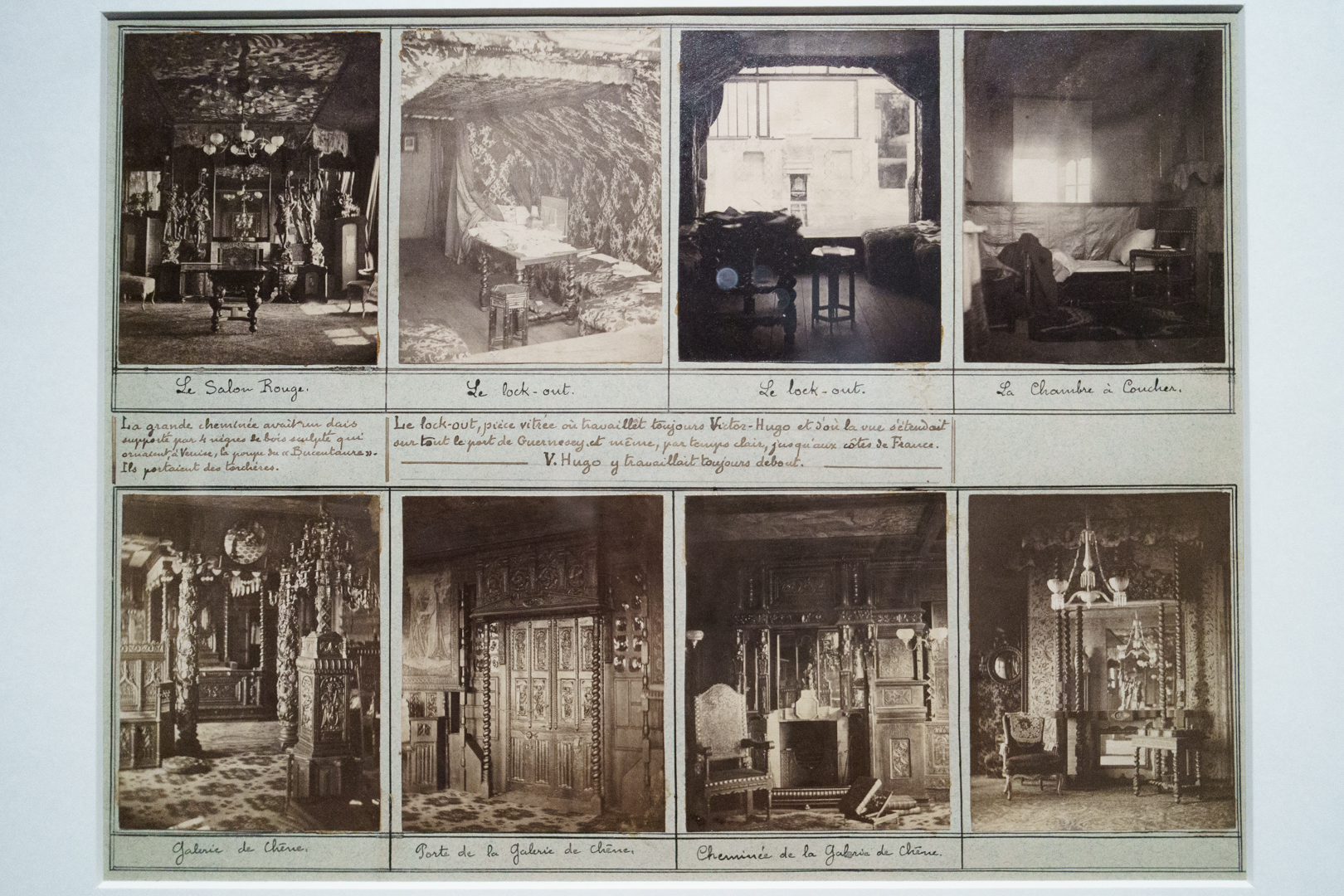


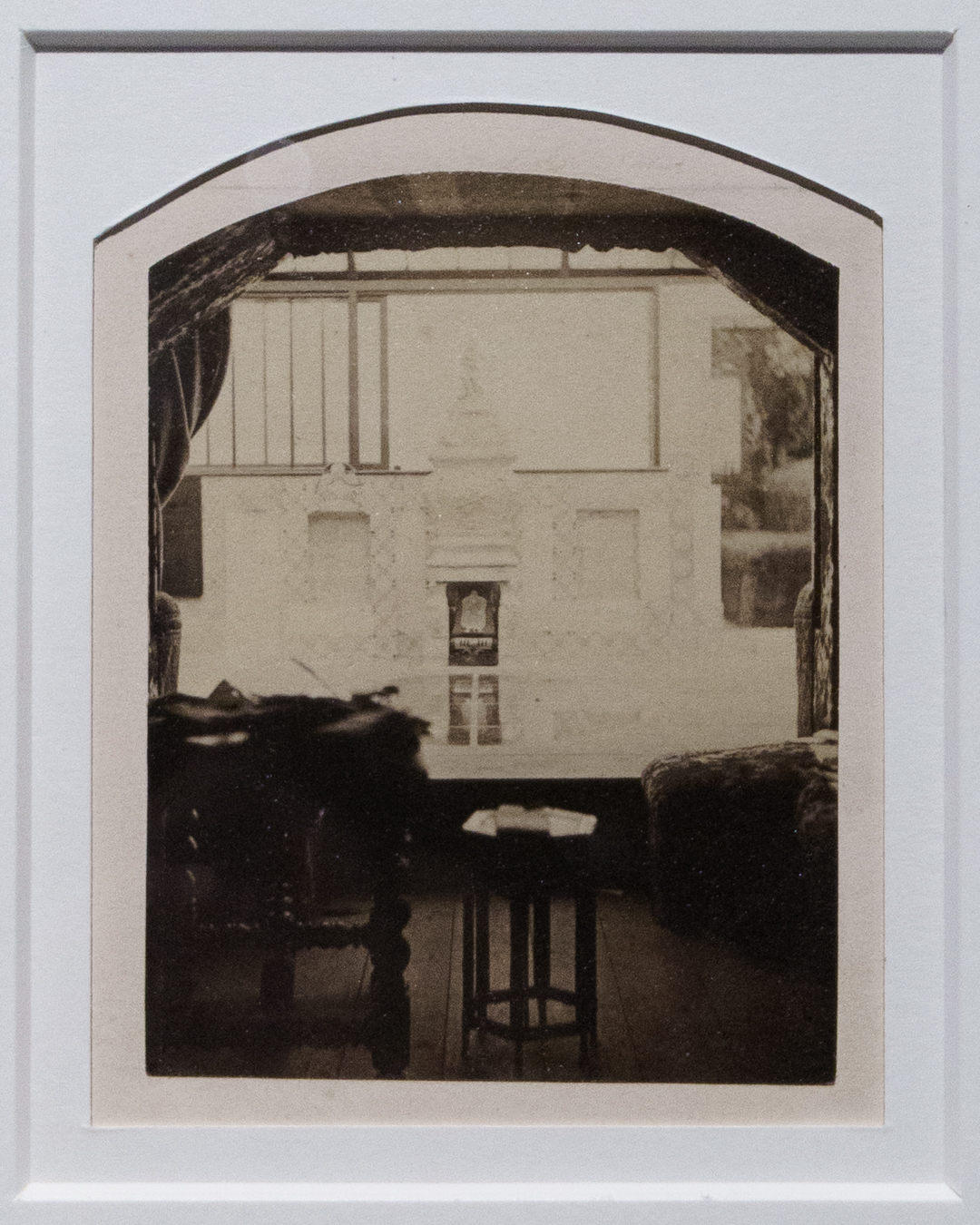

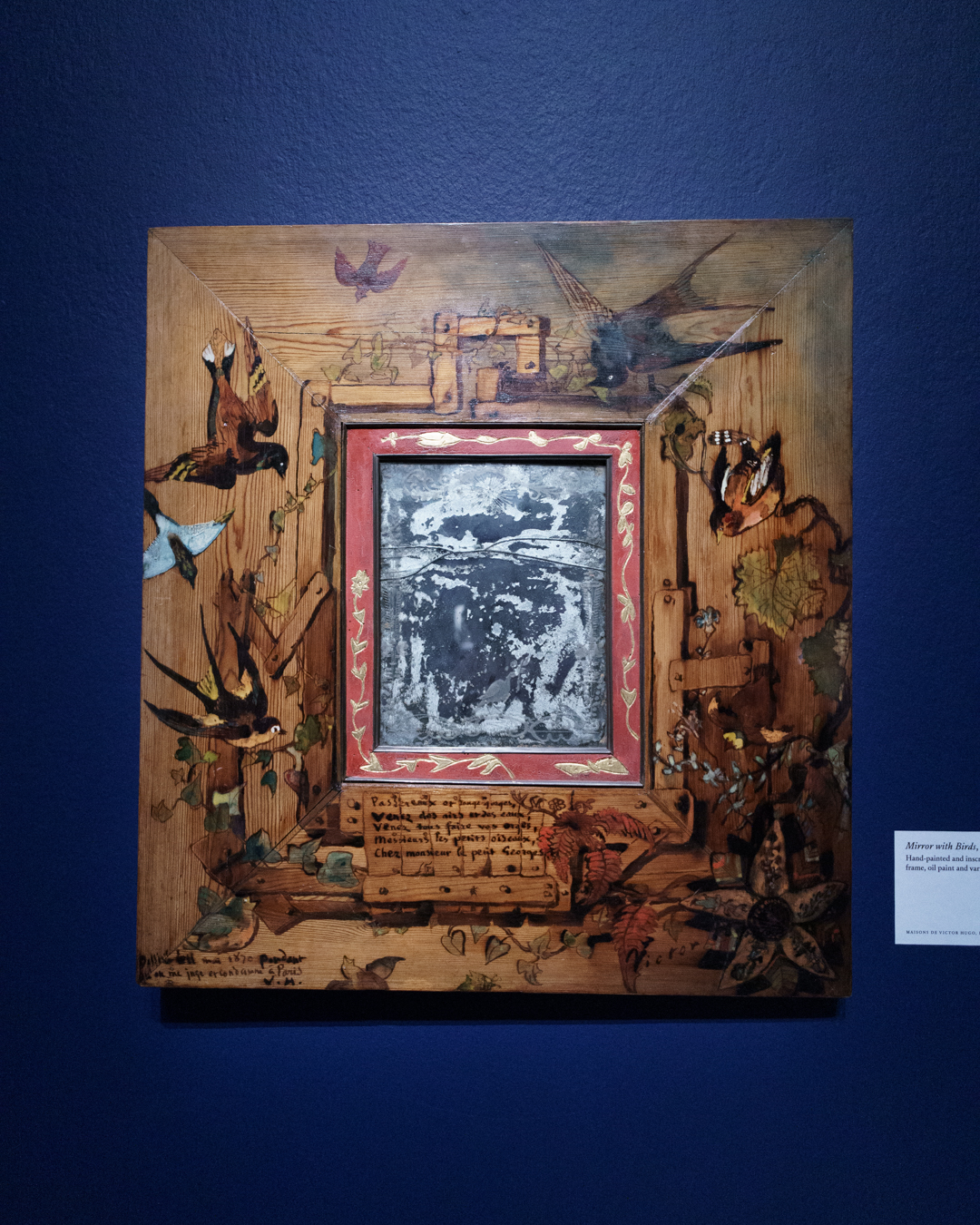


His travel journals and letters to friends and family were frequently illustrated with landscapes and architectural drawings. One immediately notices the way Hugo frames castles and ruins in a sublime manner, sometimes in solitude, but almost always the tallest thing on the page. Drawn from a low vantage point, the observer can’t help but feel small at the sight of these imposing man-made structures.

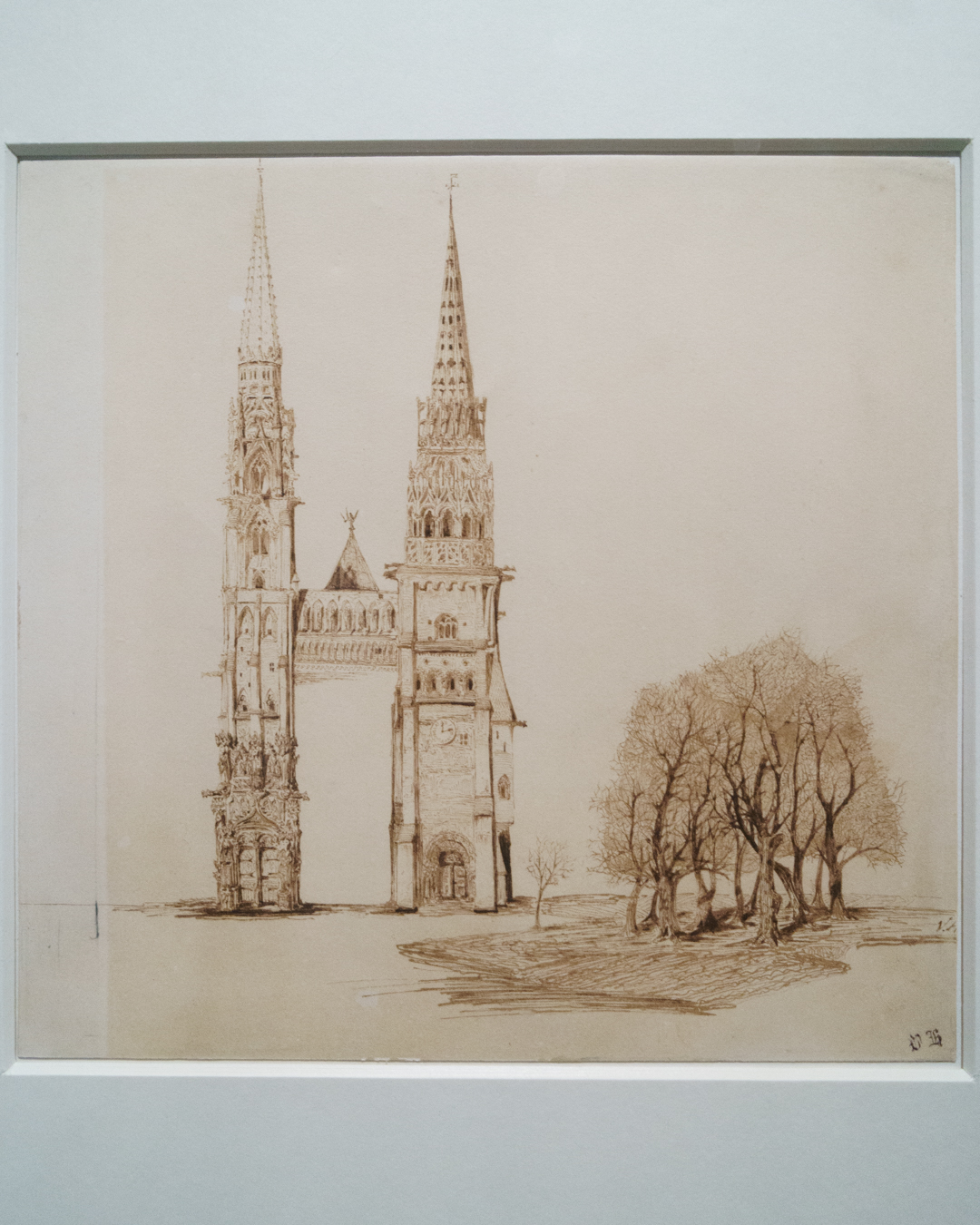


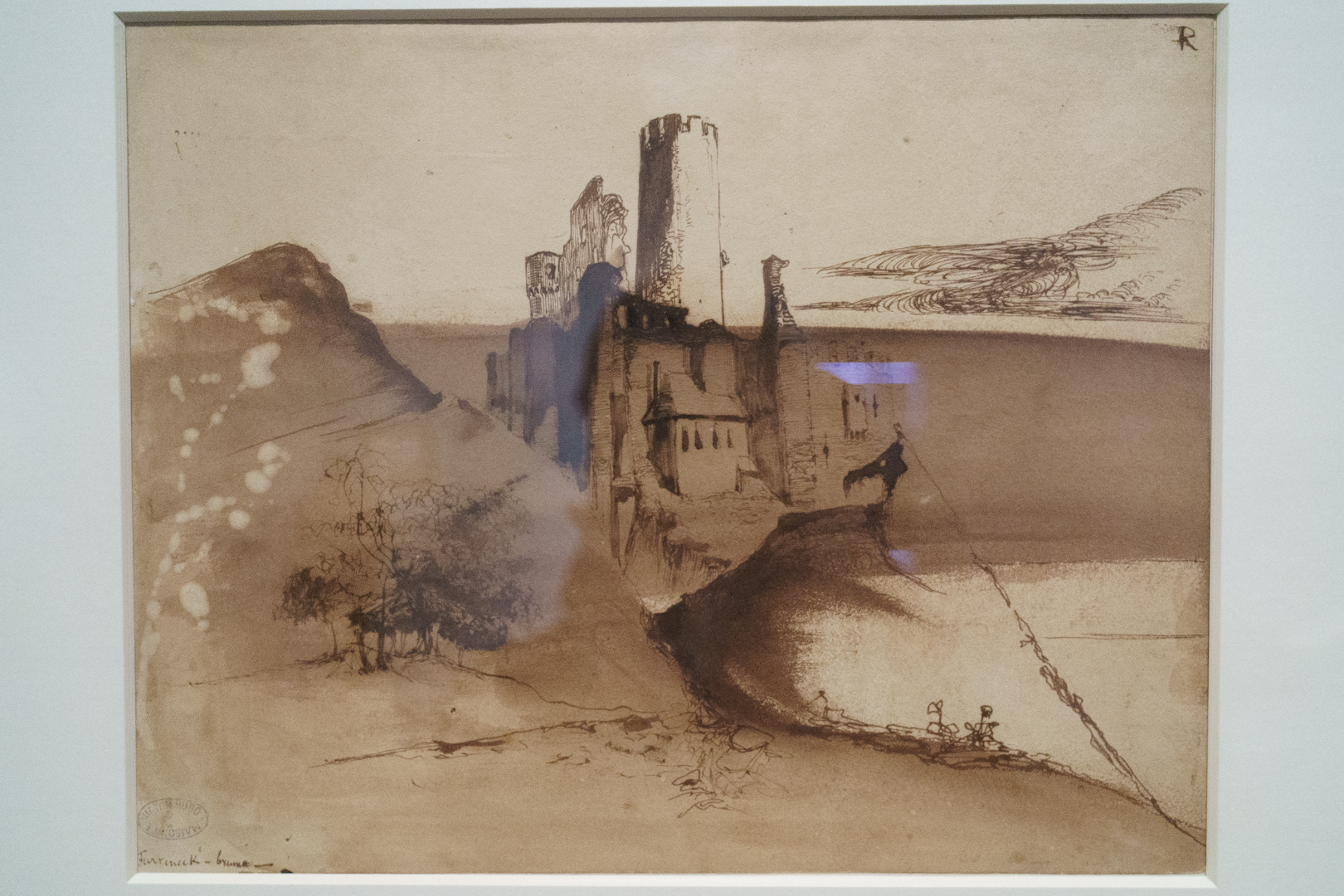


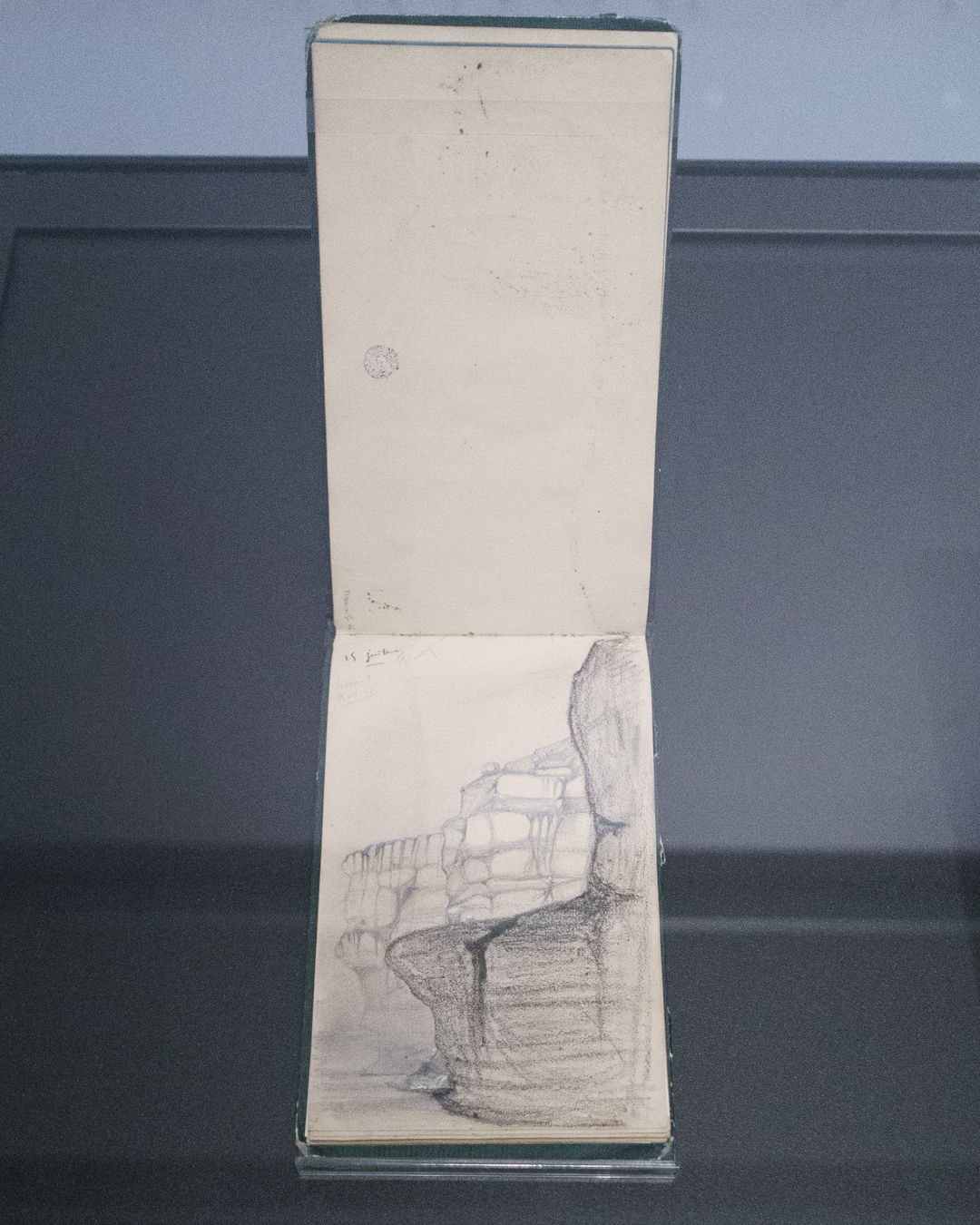
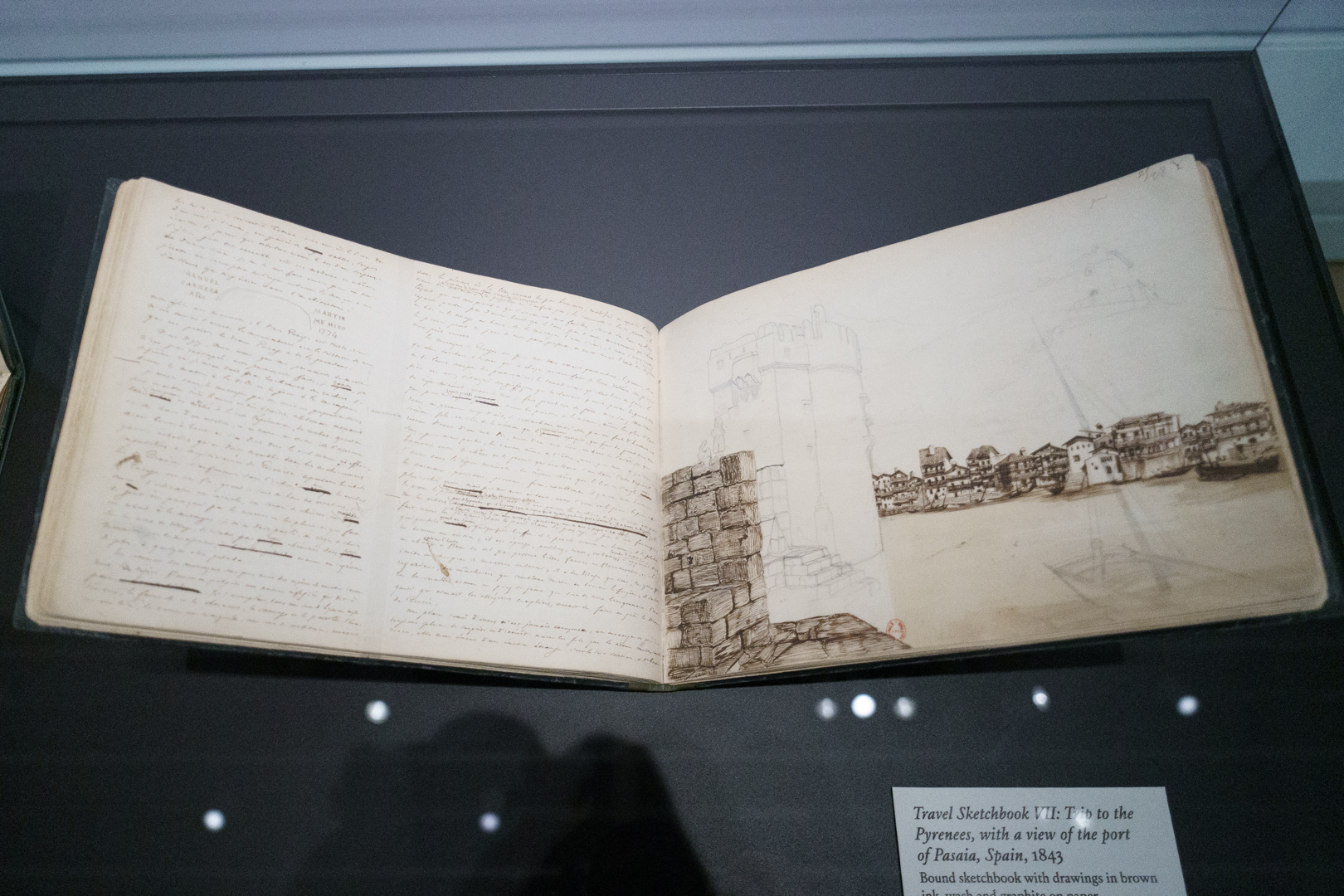


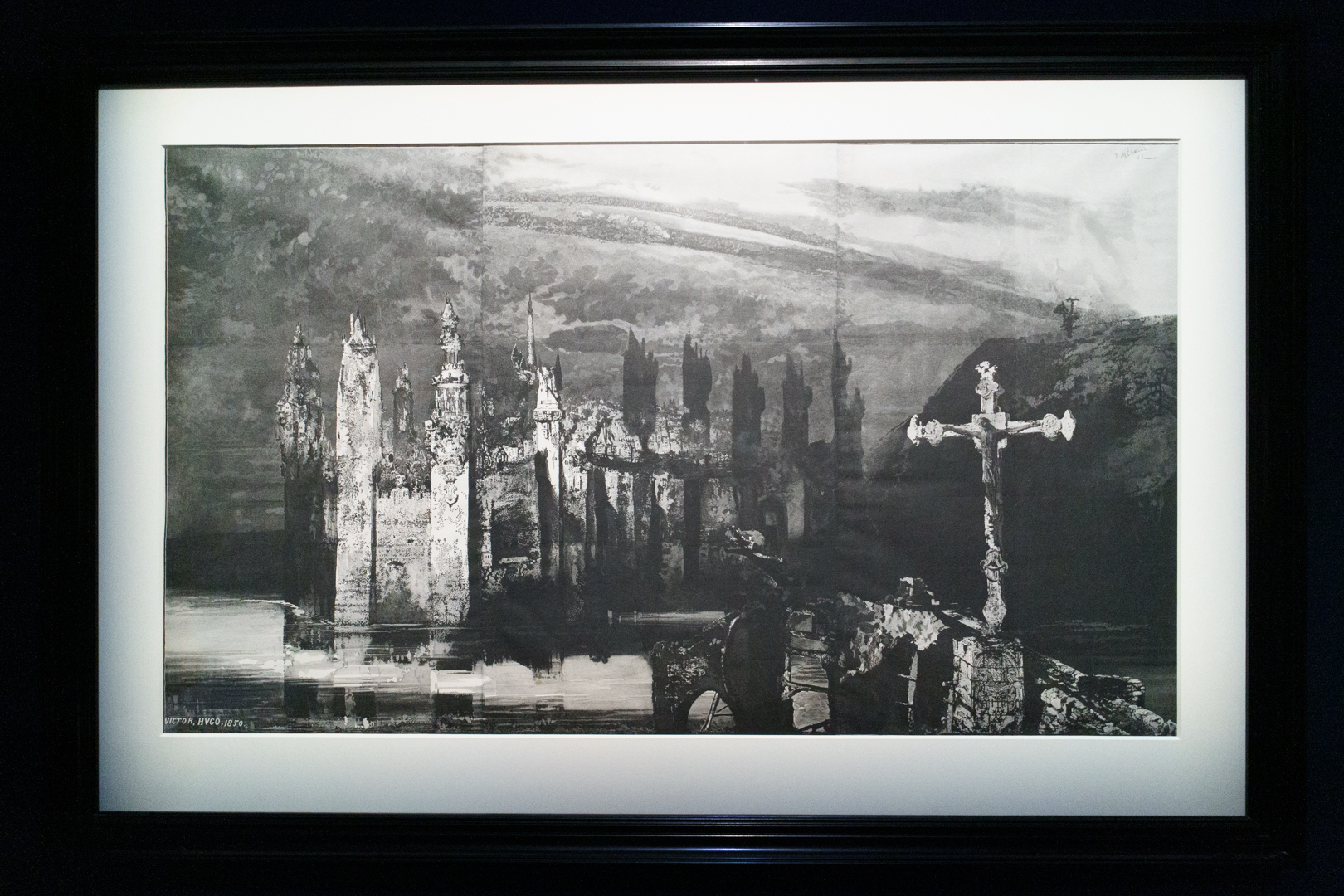
Meanwhile, nature’s presence is usually not far behind, whether it is the sight of a small bush or tree, or sweeping mountains in the background. A surprise to me was a huge multi-plate engraving by Fortuné-Louis Méaulle at 1:1 scale after Hugo’s largest drawing, The Castle with the Cross (c.1850; engraved c.1875); truly an extraordinary achievement in printmaking.


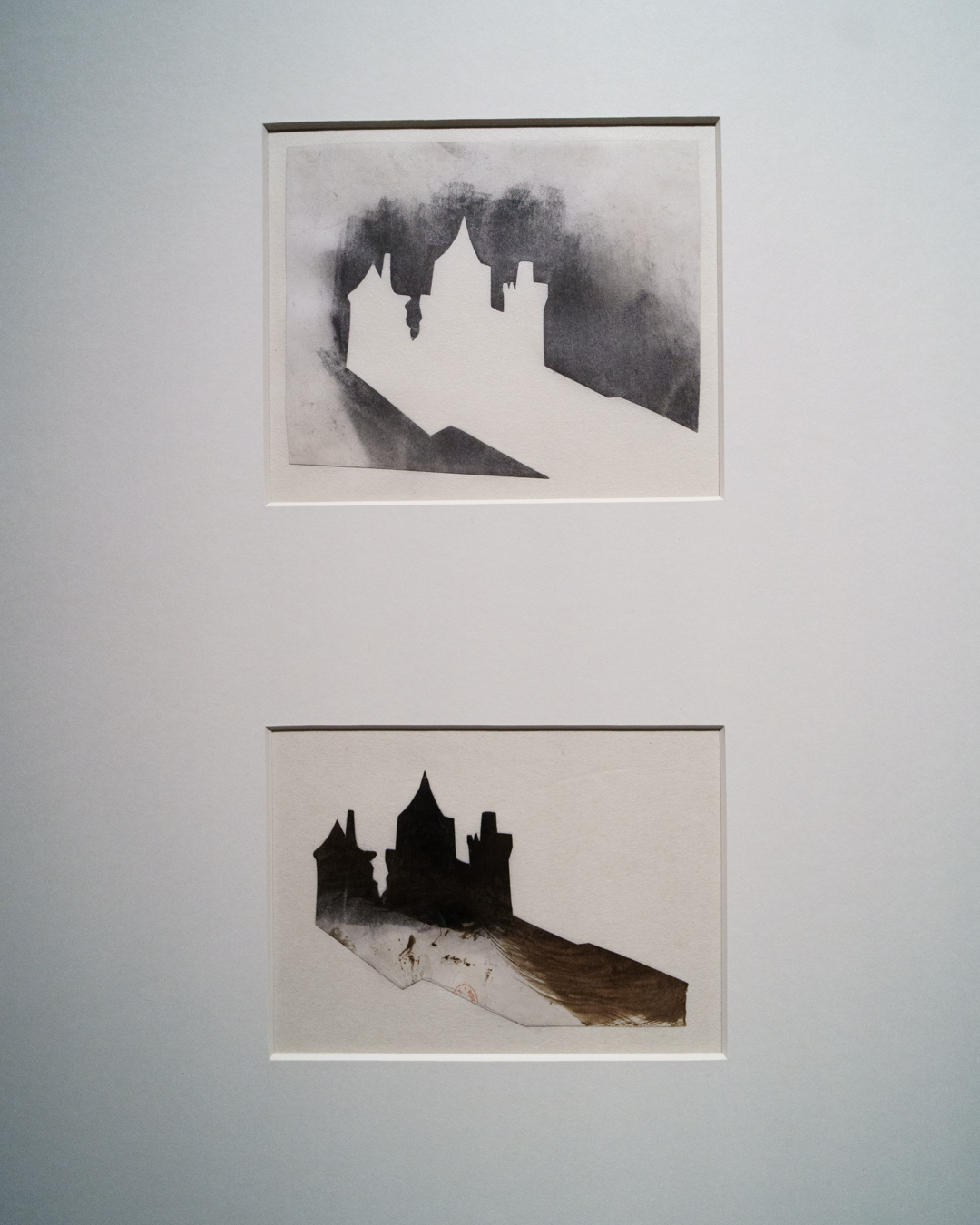


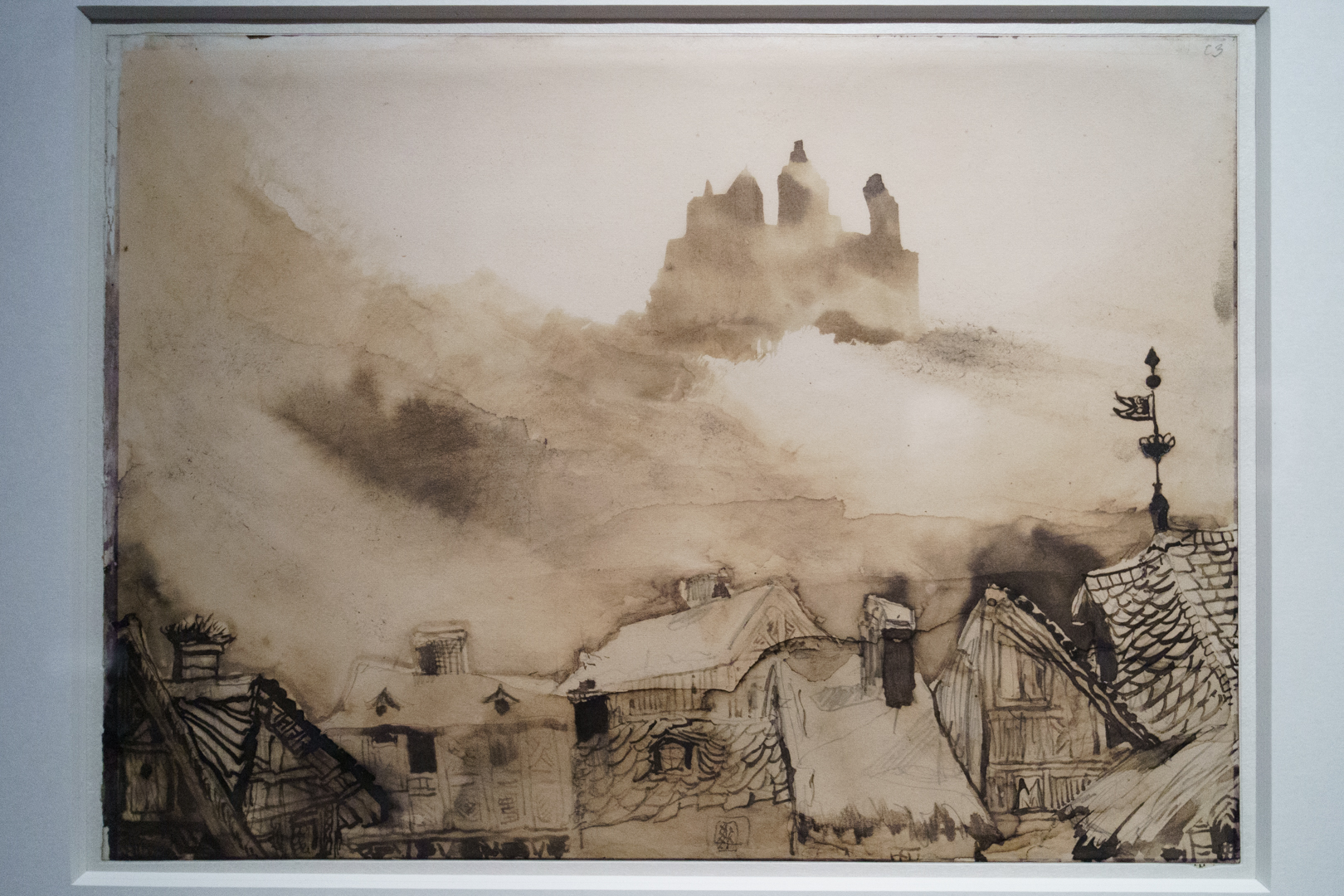

Hugo had a clear preference for pen and ink, enhanced with spirited layers of wash. In fact, he draws very well and the graphic qualities are numerously entertaining. Part of this, in my opinion, comes from his experimental ‘tache’ drawings, where a random stain or splash of ink has been viewed through the lens of pareidolia to tease out familiar images. Some evoke angels and planets, others architectural structures and towns on clifftops. This playful approach to the medium translates to his marine drawings, in his depictions of sea monsters and octopi.


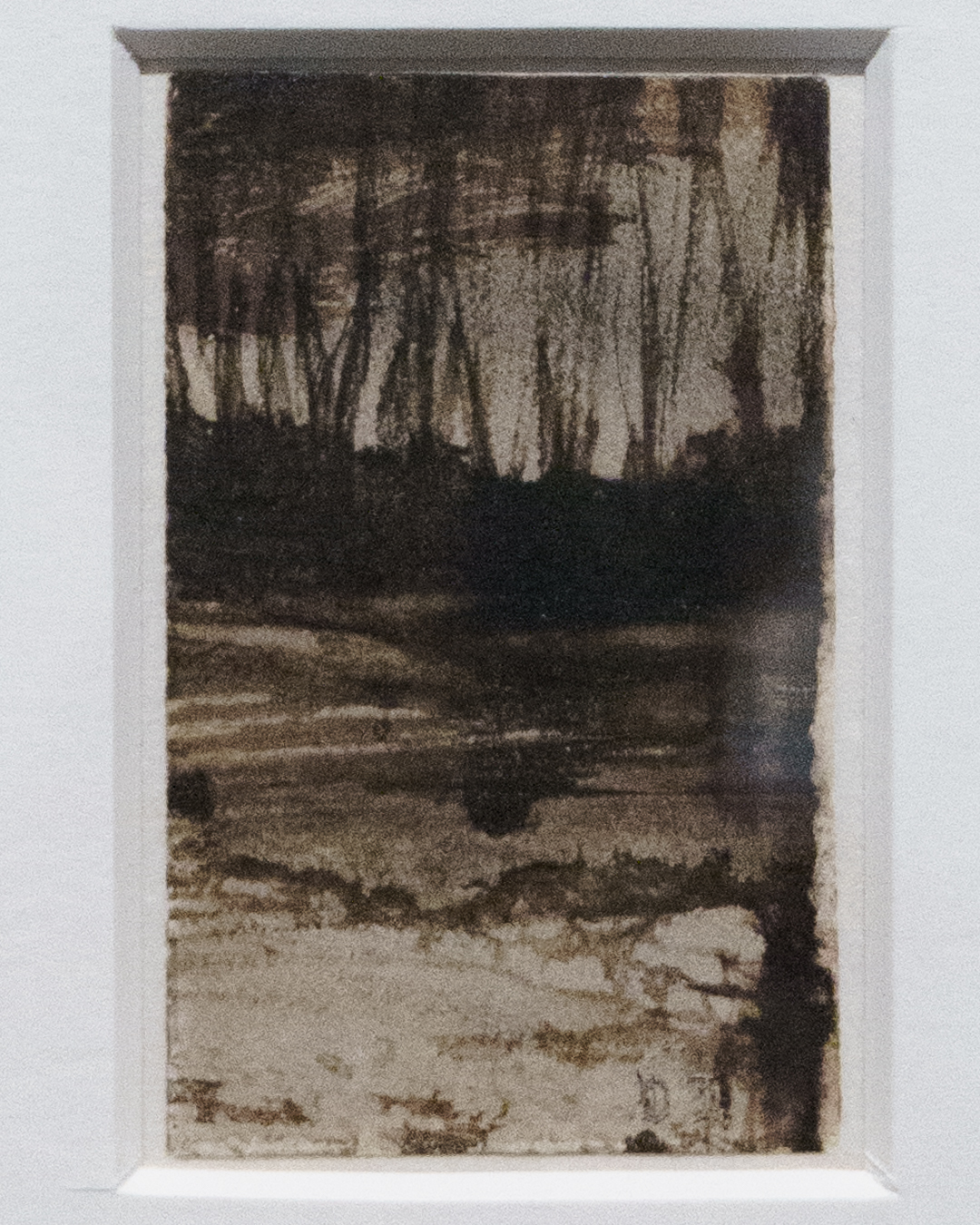


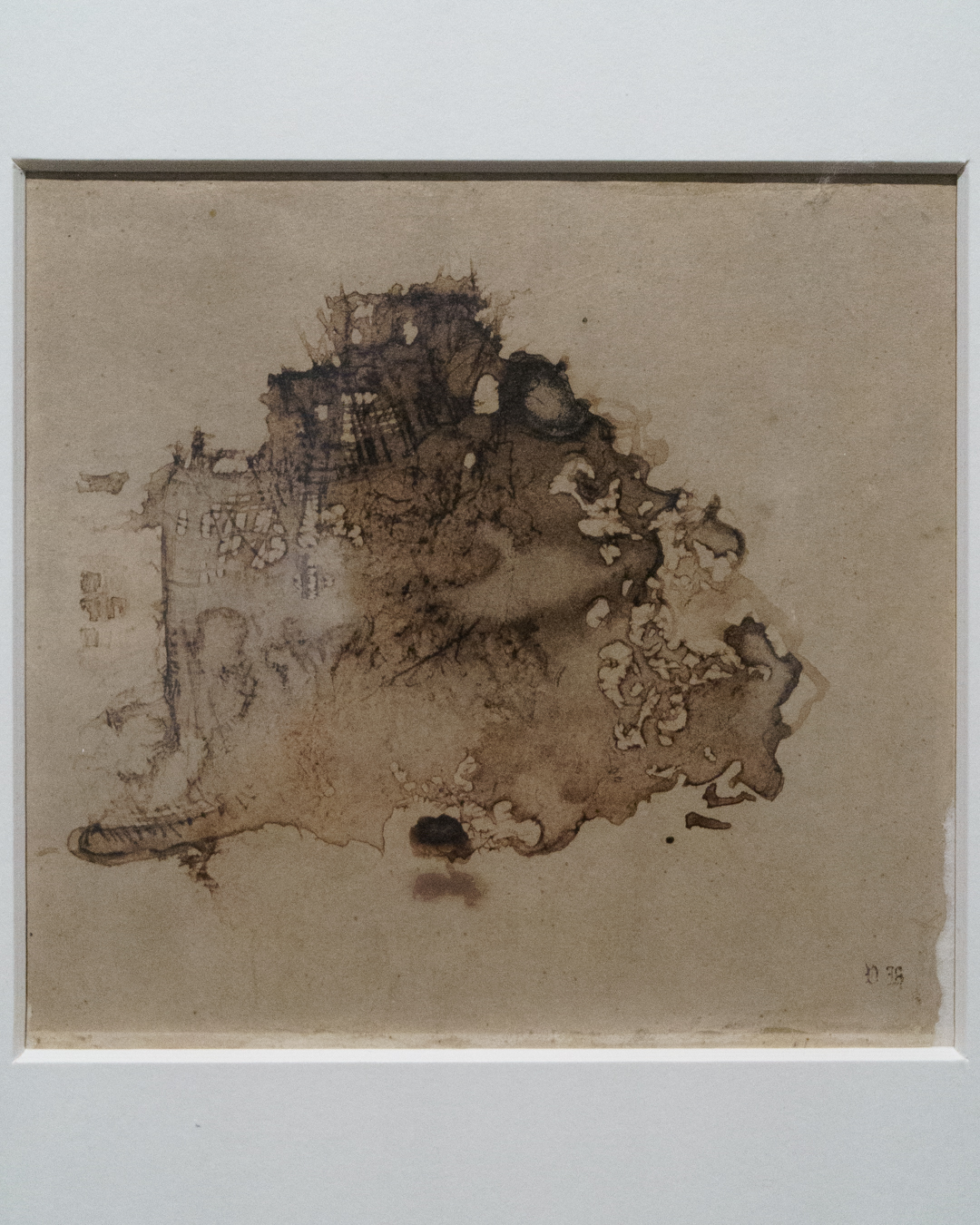


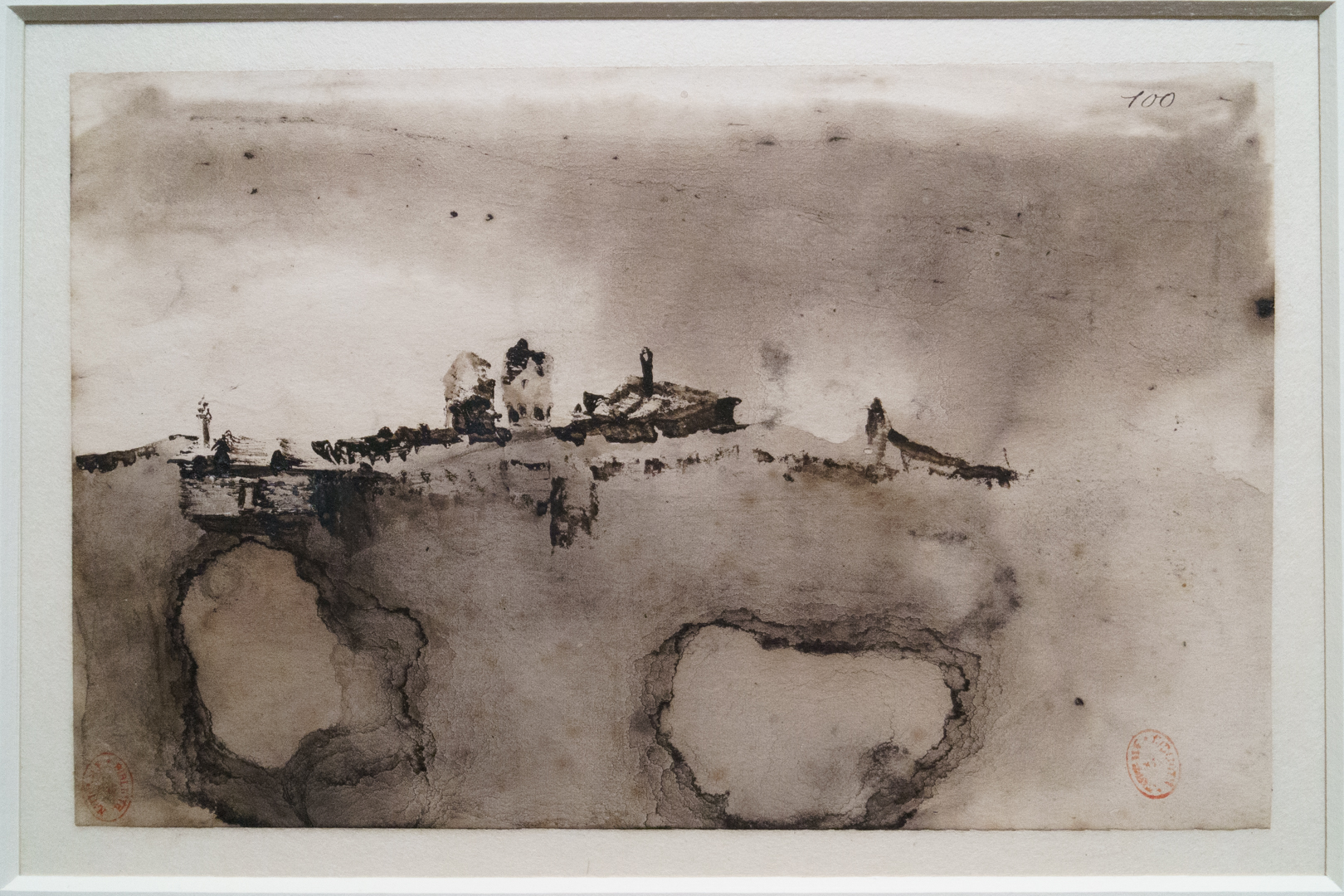

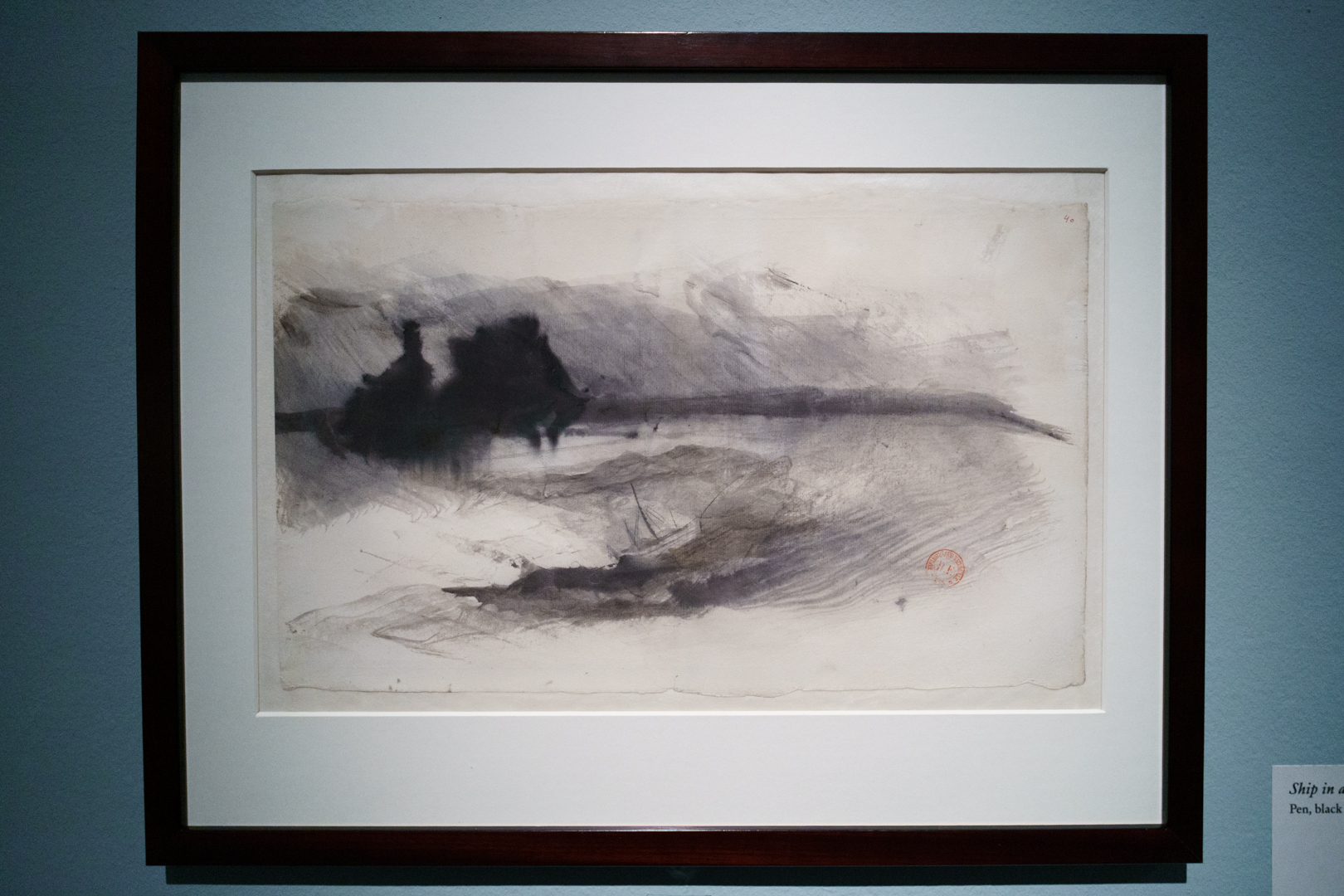


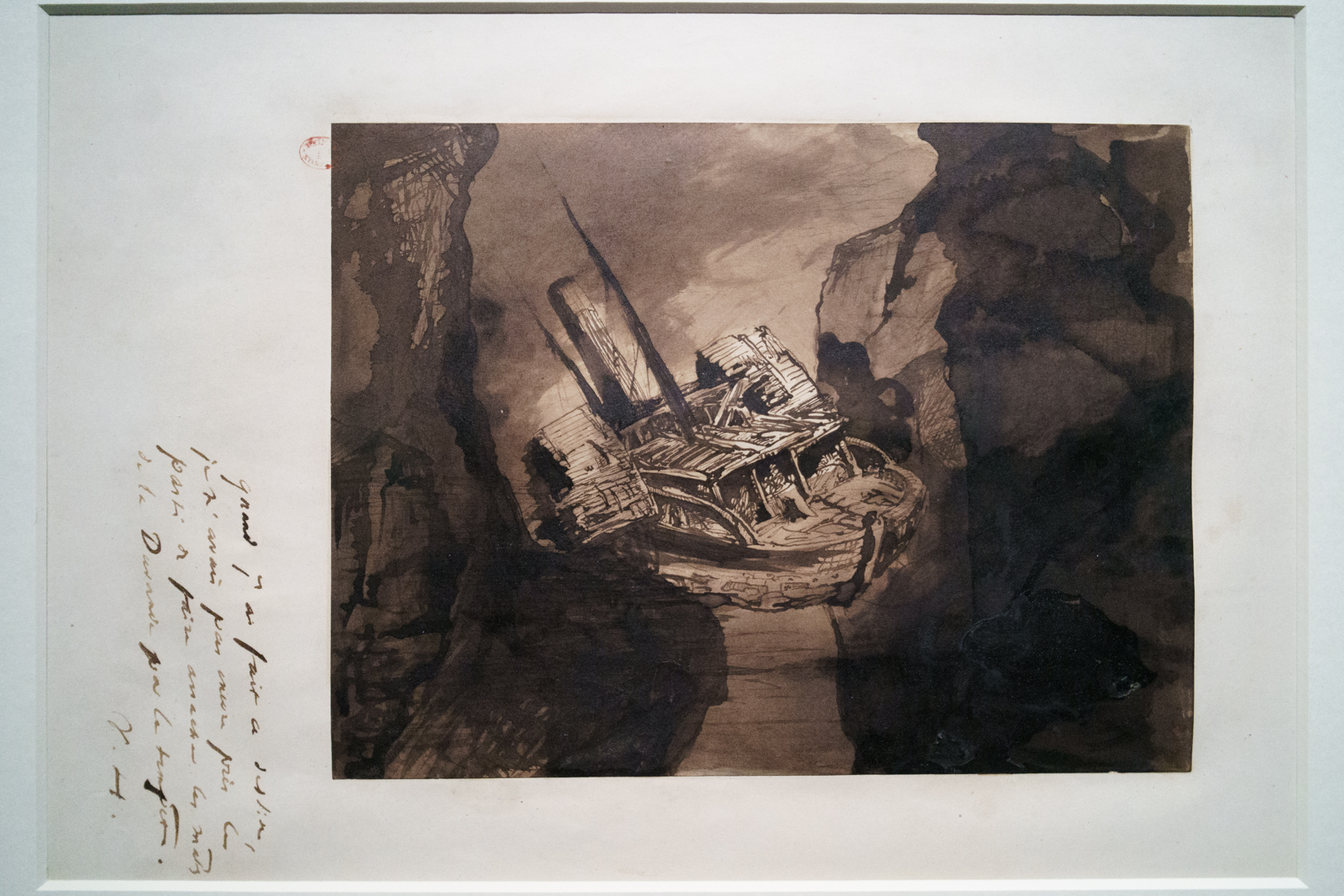
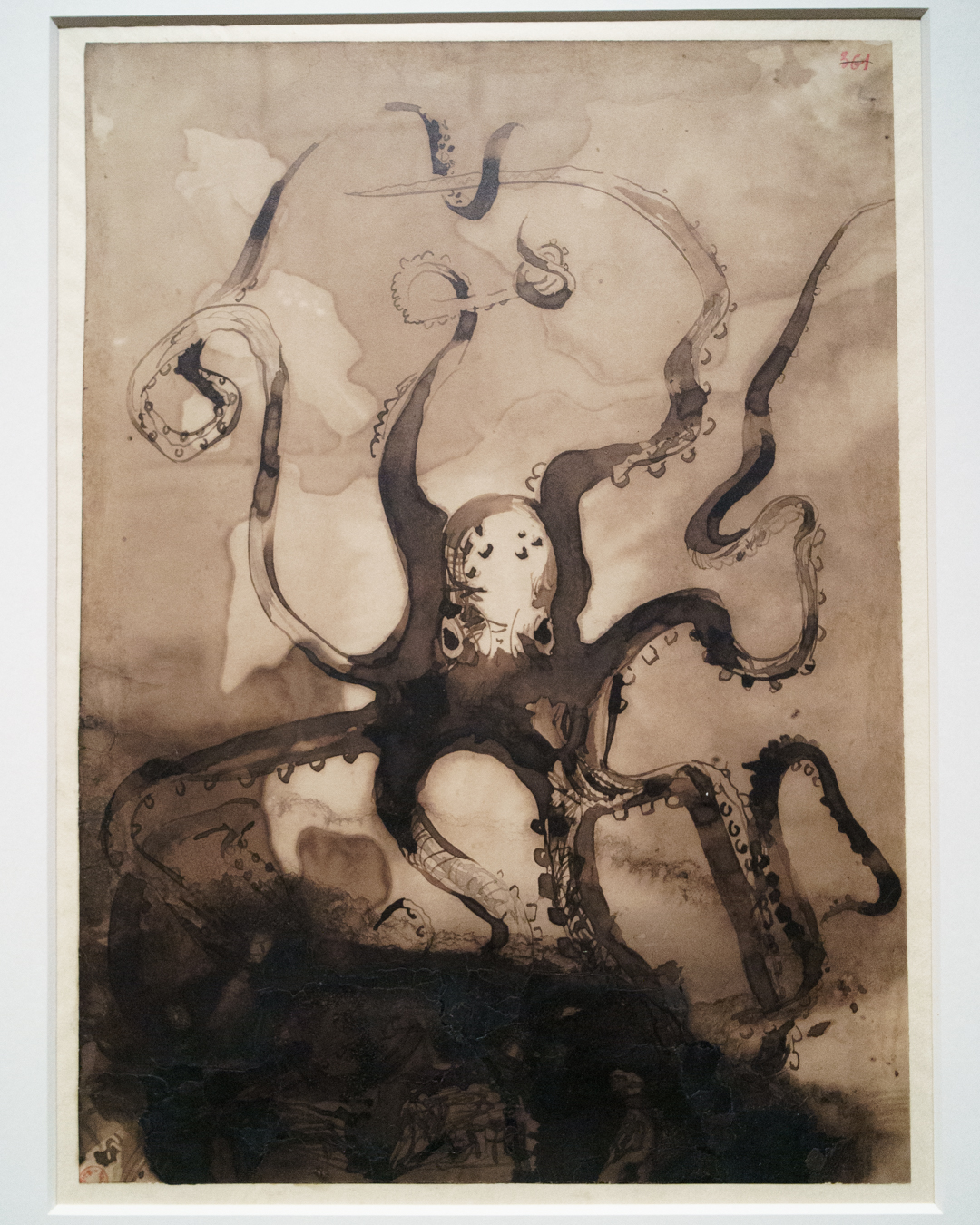

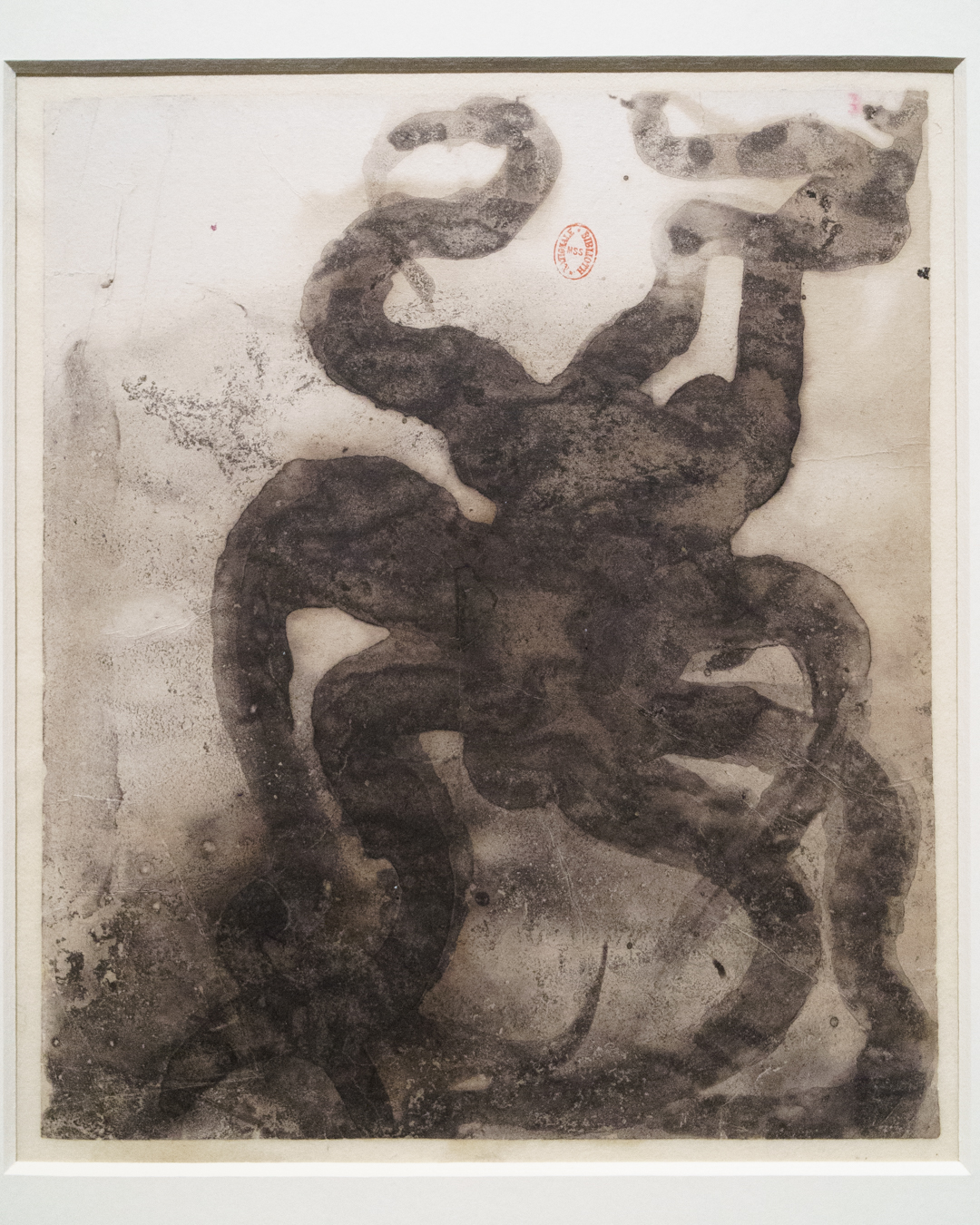
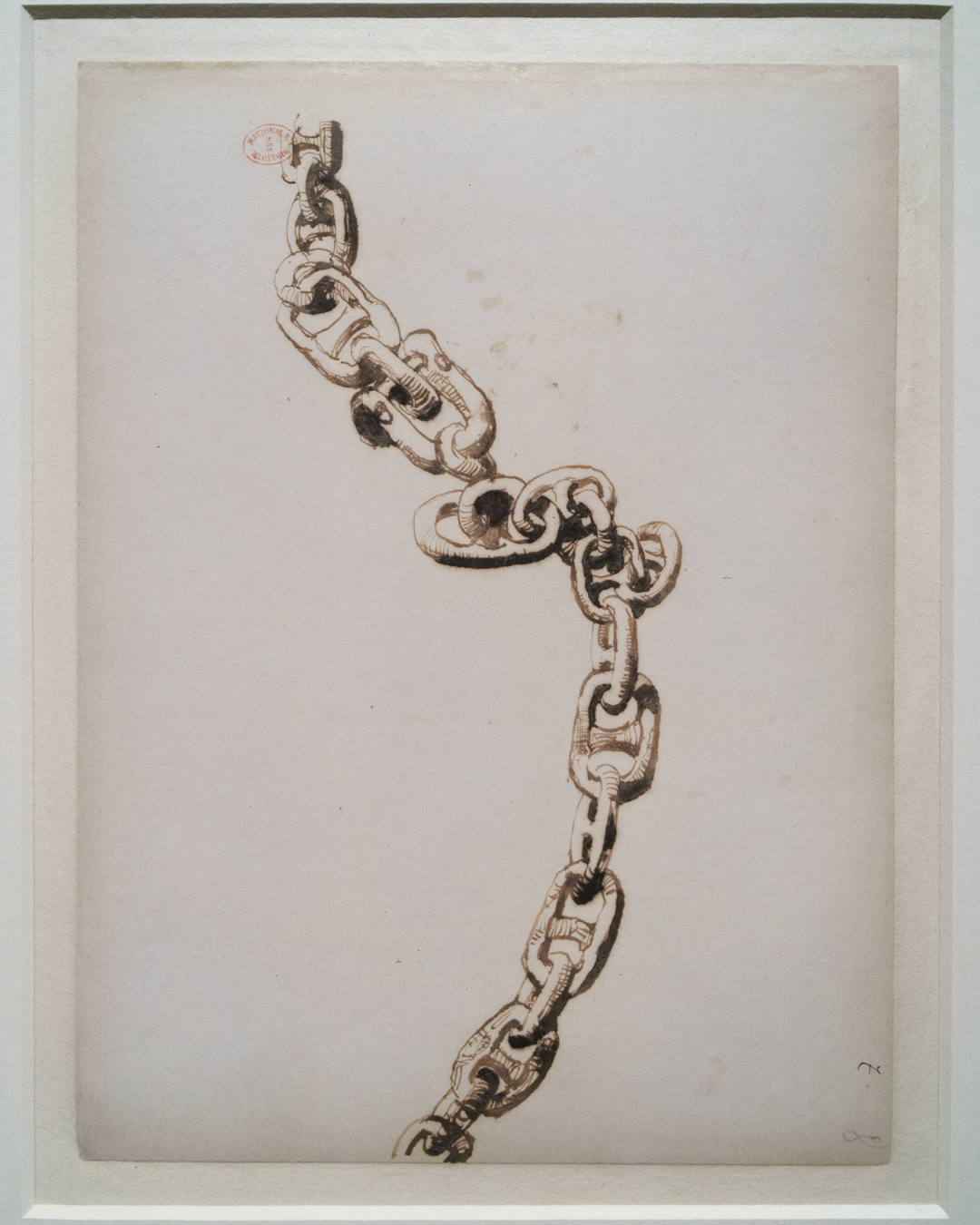

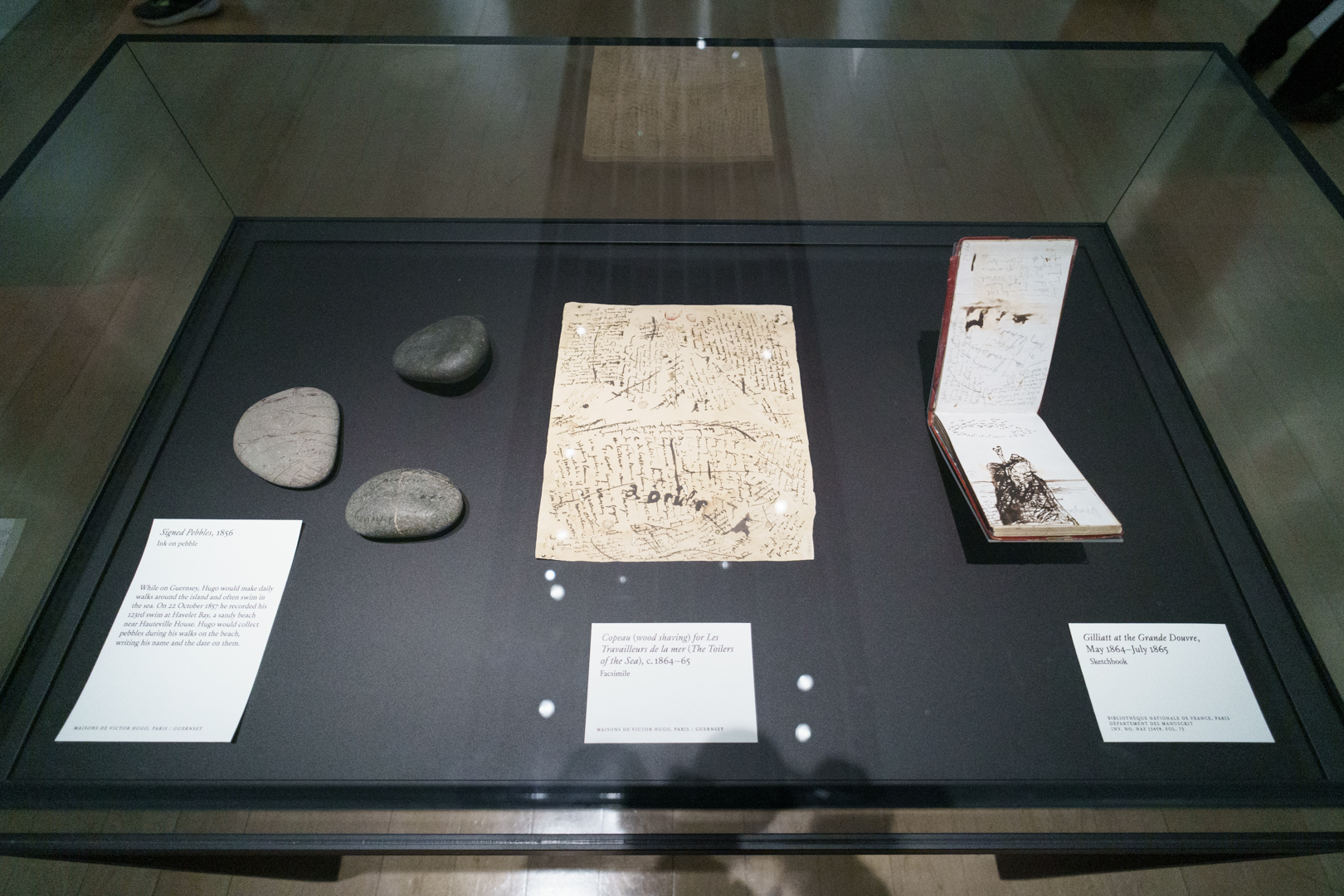

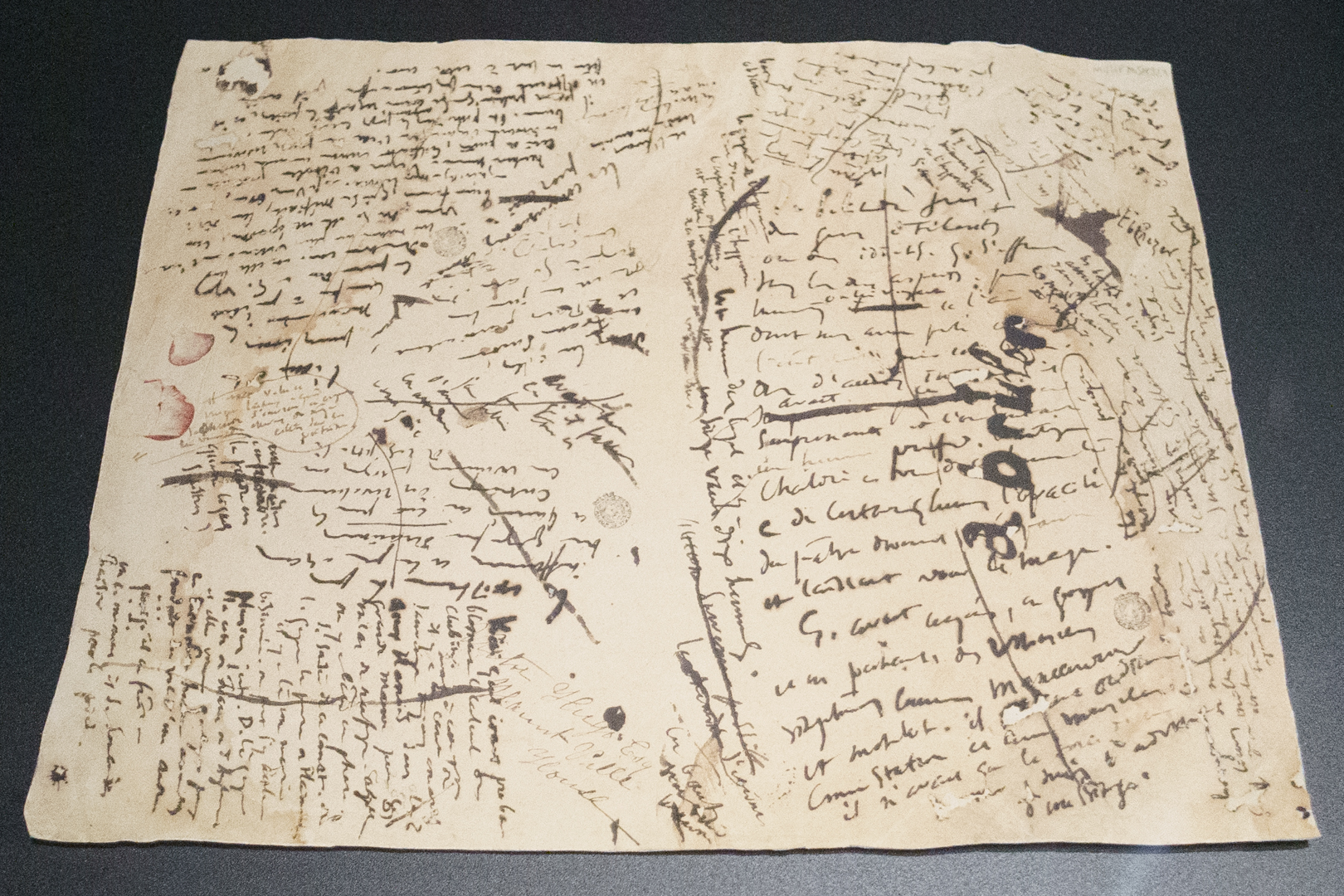

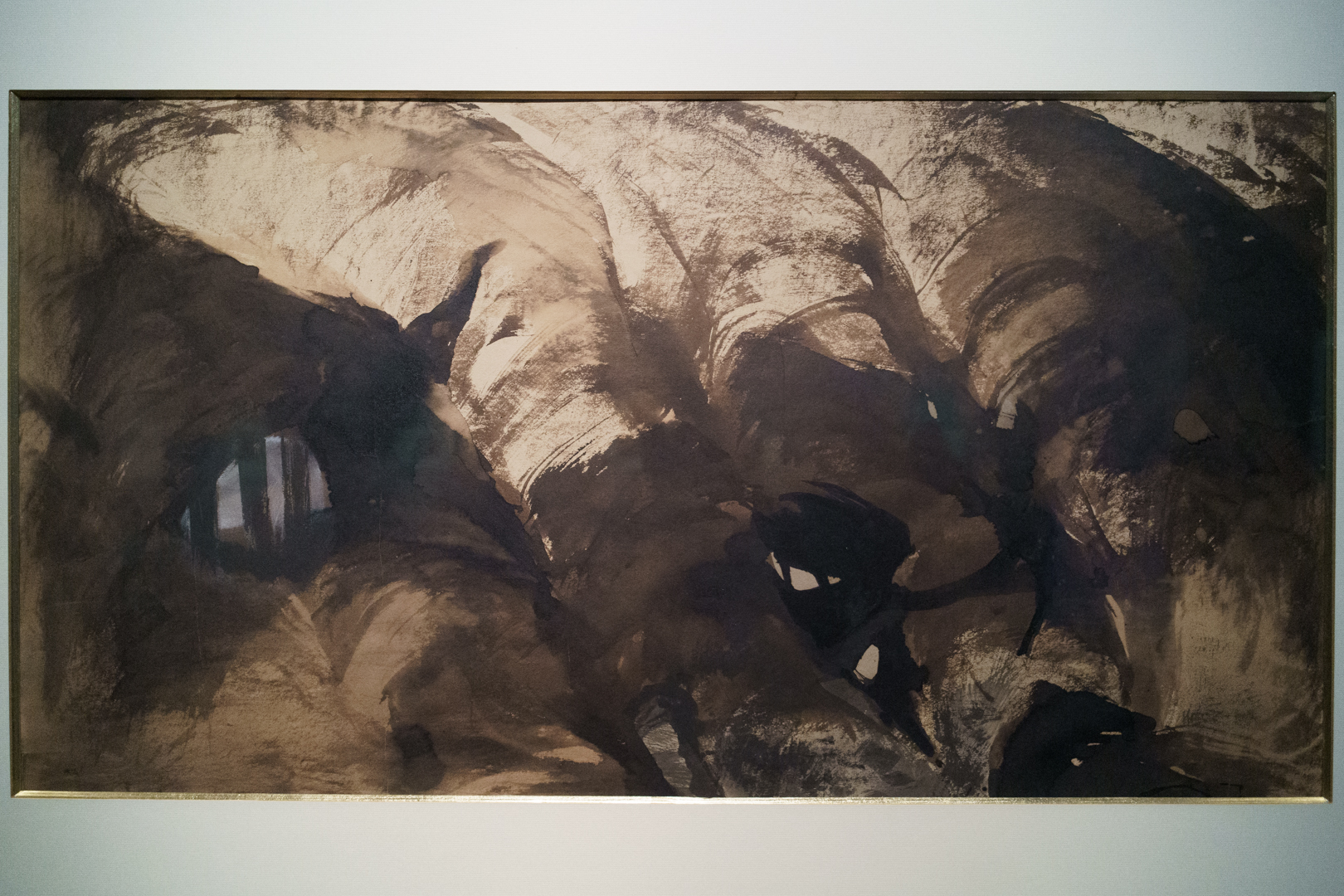


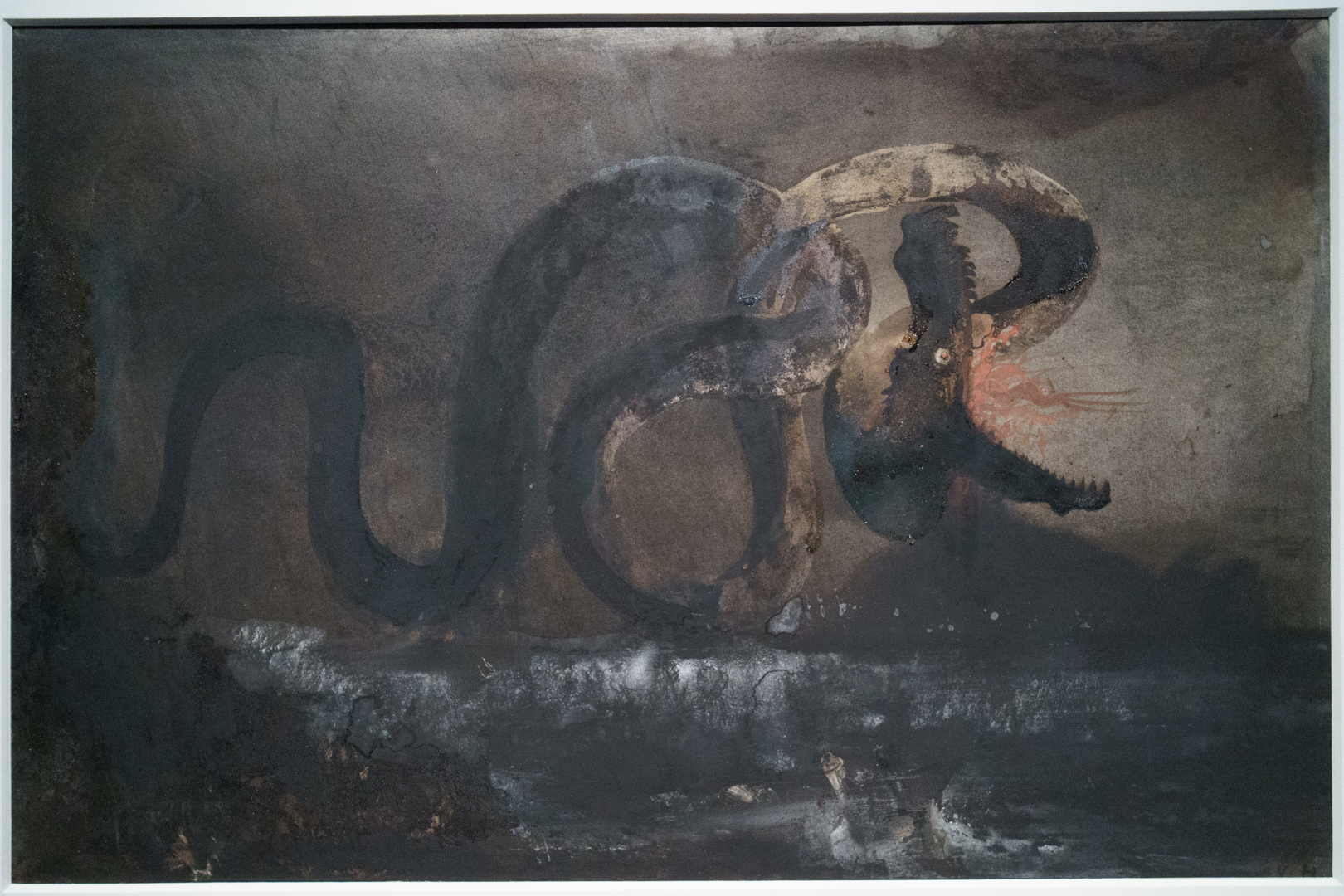
A show like this does not expect us to treat Hugo like a conventional visual artist; that would be missing the point entirely. Instead, we are presented with an opportunity to see how drawing manifests as a documentary practice and as a site for exploring the subconscious. They really are astonishing things.
Astonishing Things: The Drawings of Victor Hugo (21 March – 29 June 2025) is at the Royal Academy of Arts, https://www.royalacademy.org.uk/

 Nigel Ip
Leave a comment