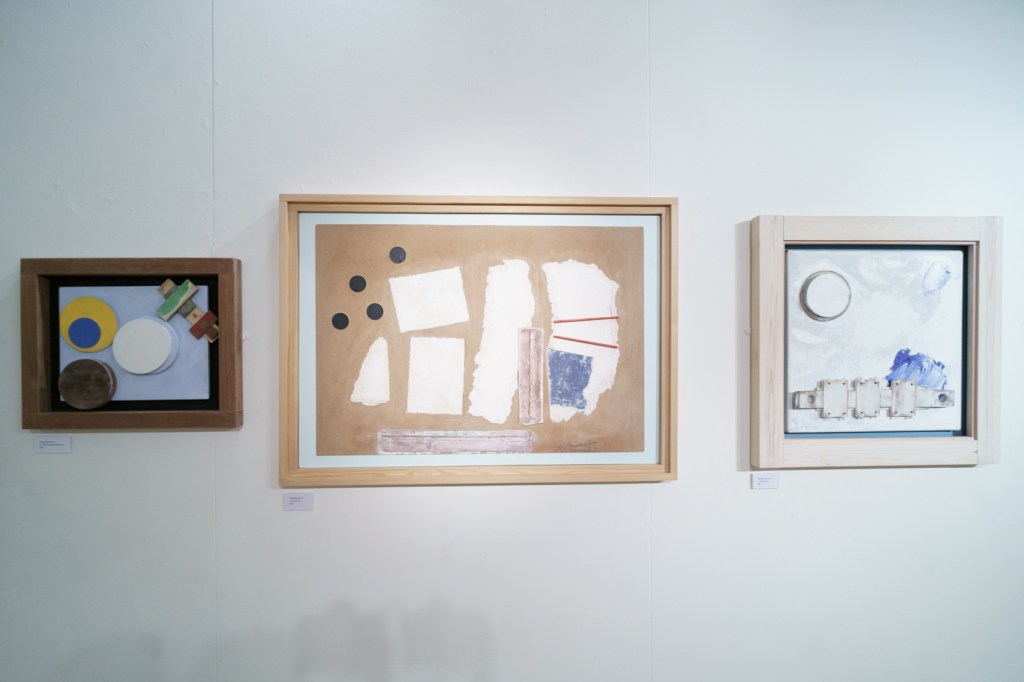
Part of what makes late 20th-century painting so fascinating is the vast range of approaches to semi-abstraction. Does one simply blur the boundaries between figurative and abstract forms? How much attention should one give to materiality, texture, and finish? And how does one stand out in this space when so many others are tackling the same issues? Leeds-based artist George Hainsworth might have a solution by incorporating them all.
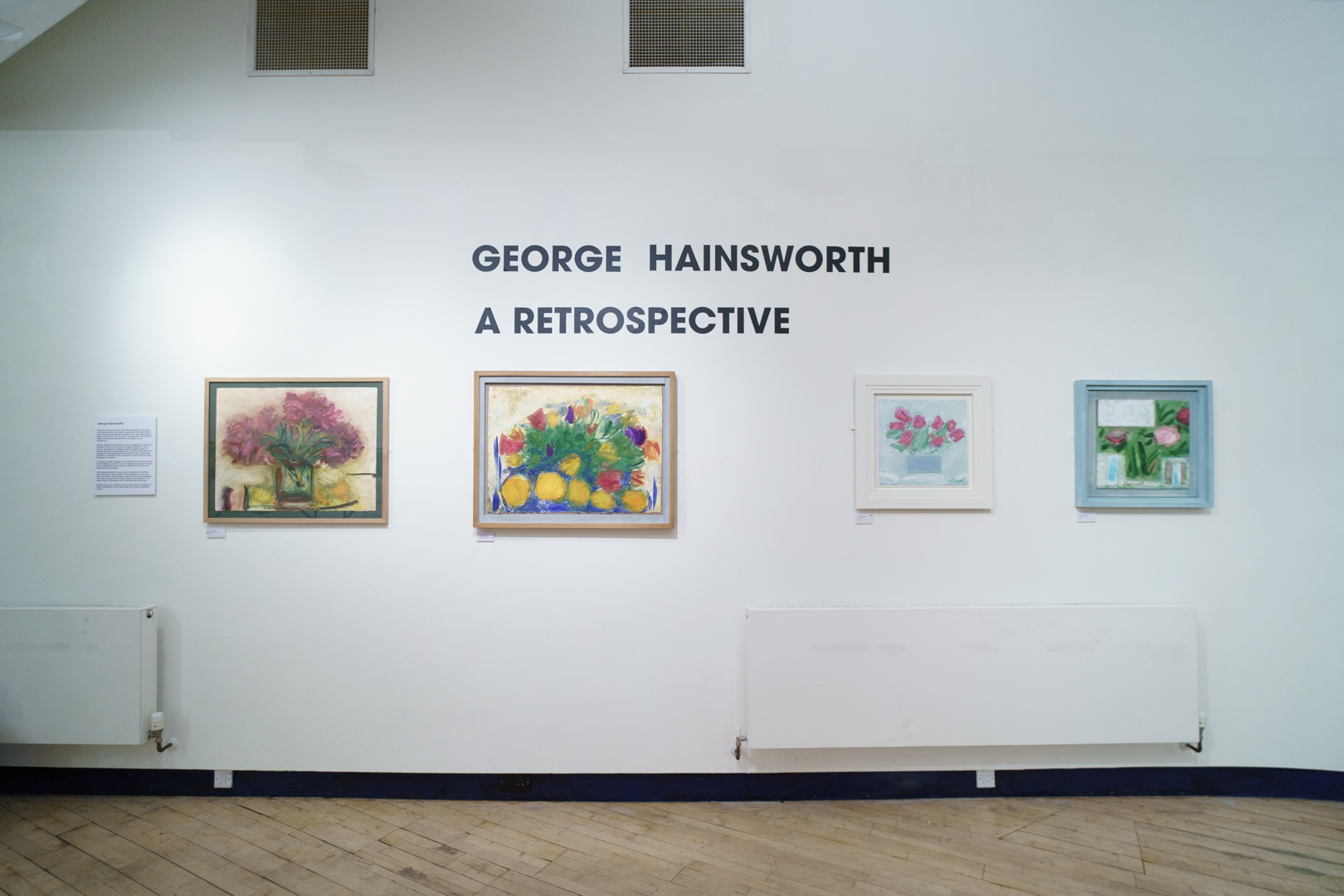
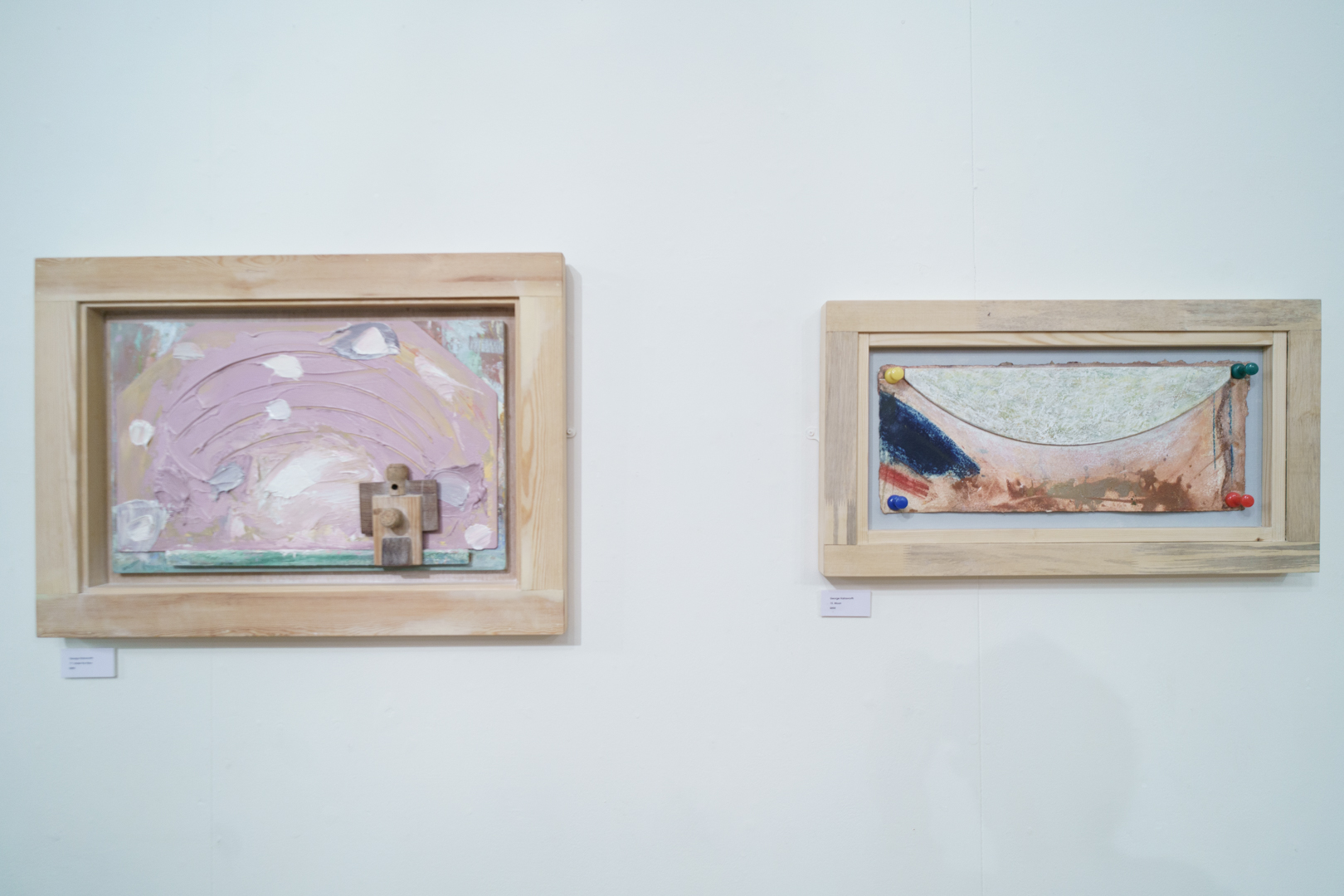
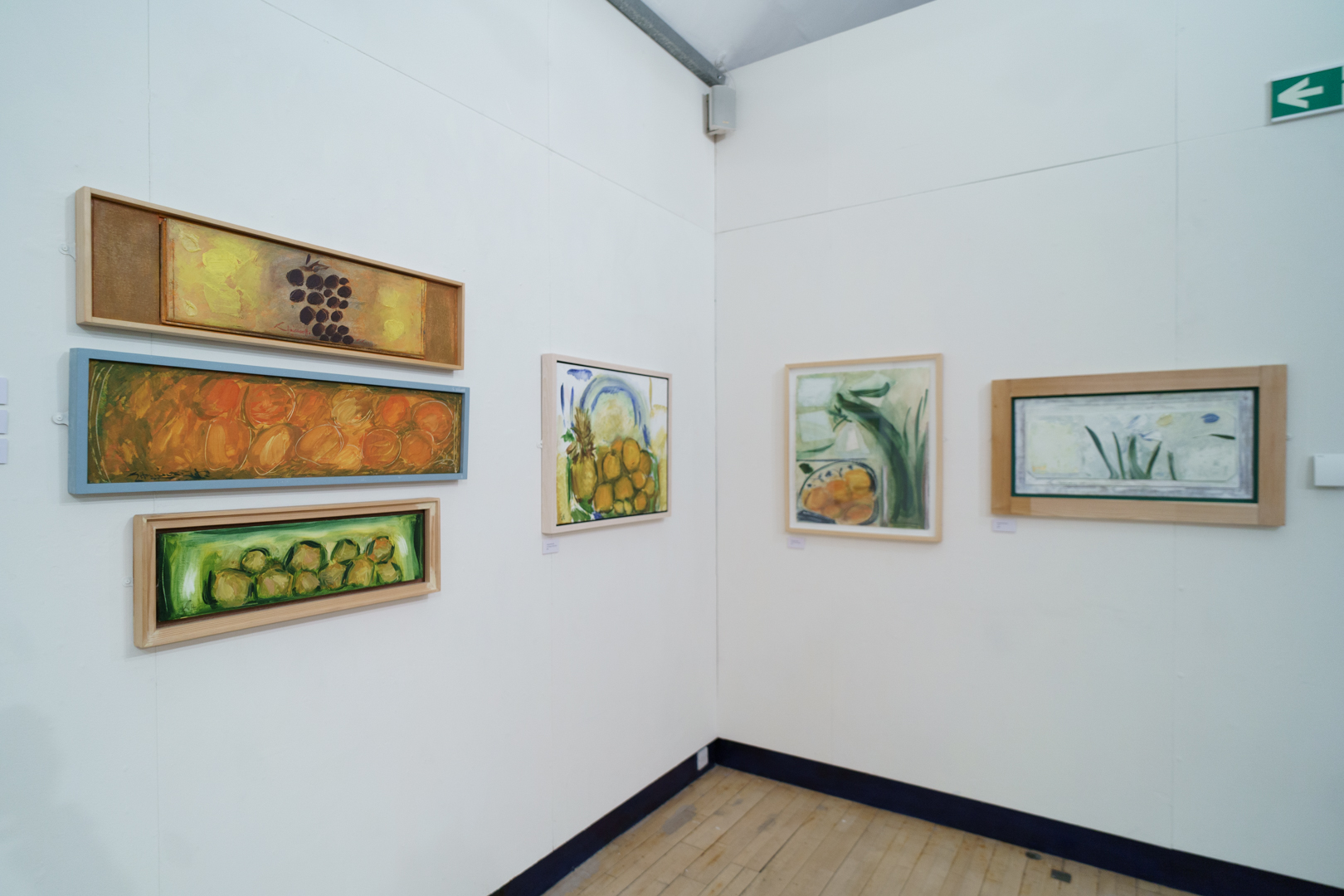
Born in 1937, shortly before the outbreak of World War II, Hainsworth’s retrospective exhibition at Dean Clough, Halifax, features a large selection of his paintings and drawings, which range from depictions of flowers and oranges to seascapes and mixed-media assemblages. The latter provides some insight into his sculptural practice, typically working with wood, steel, and marble.
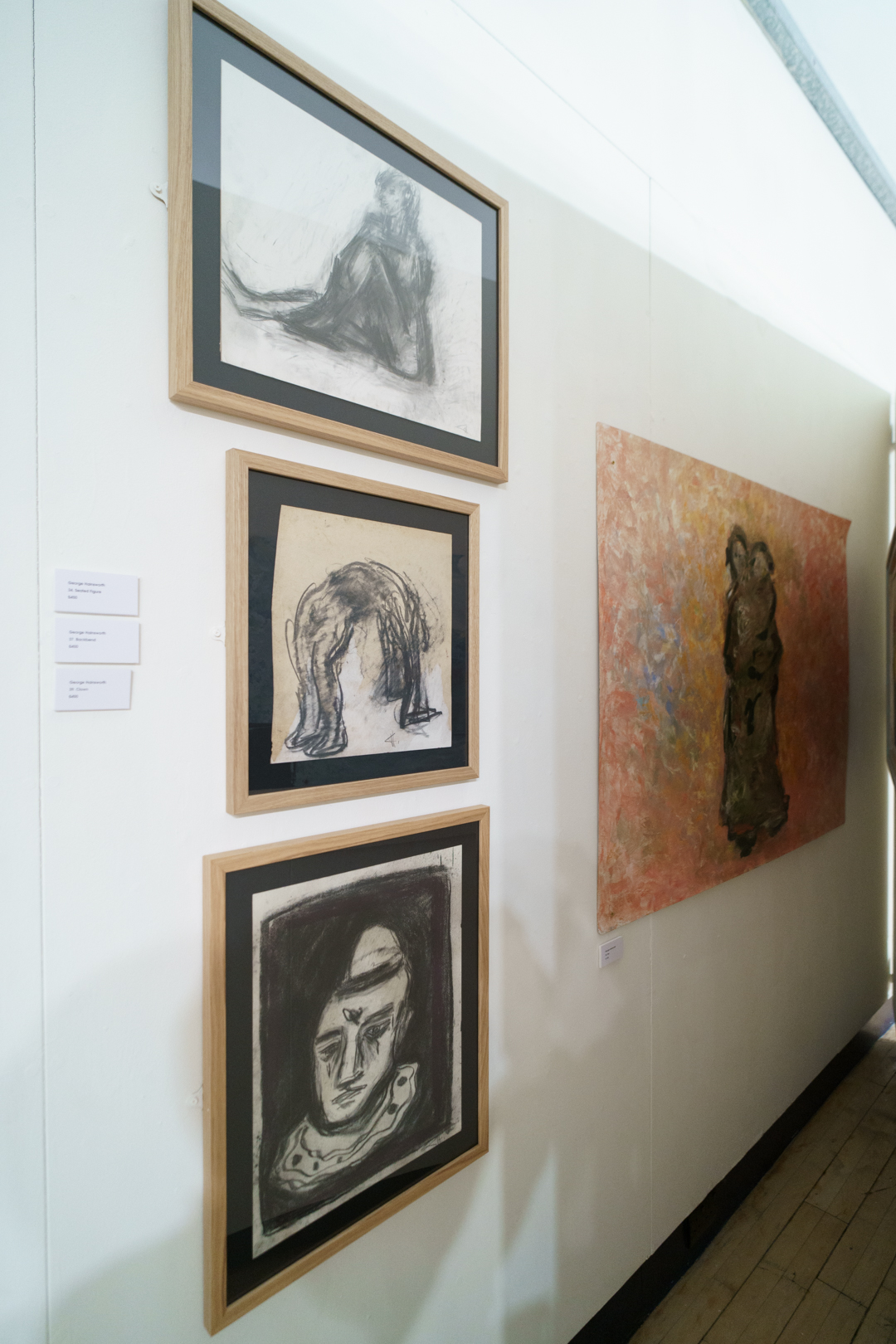
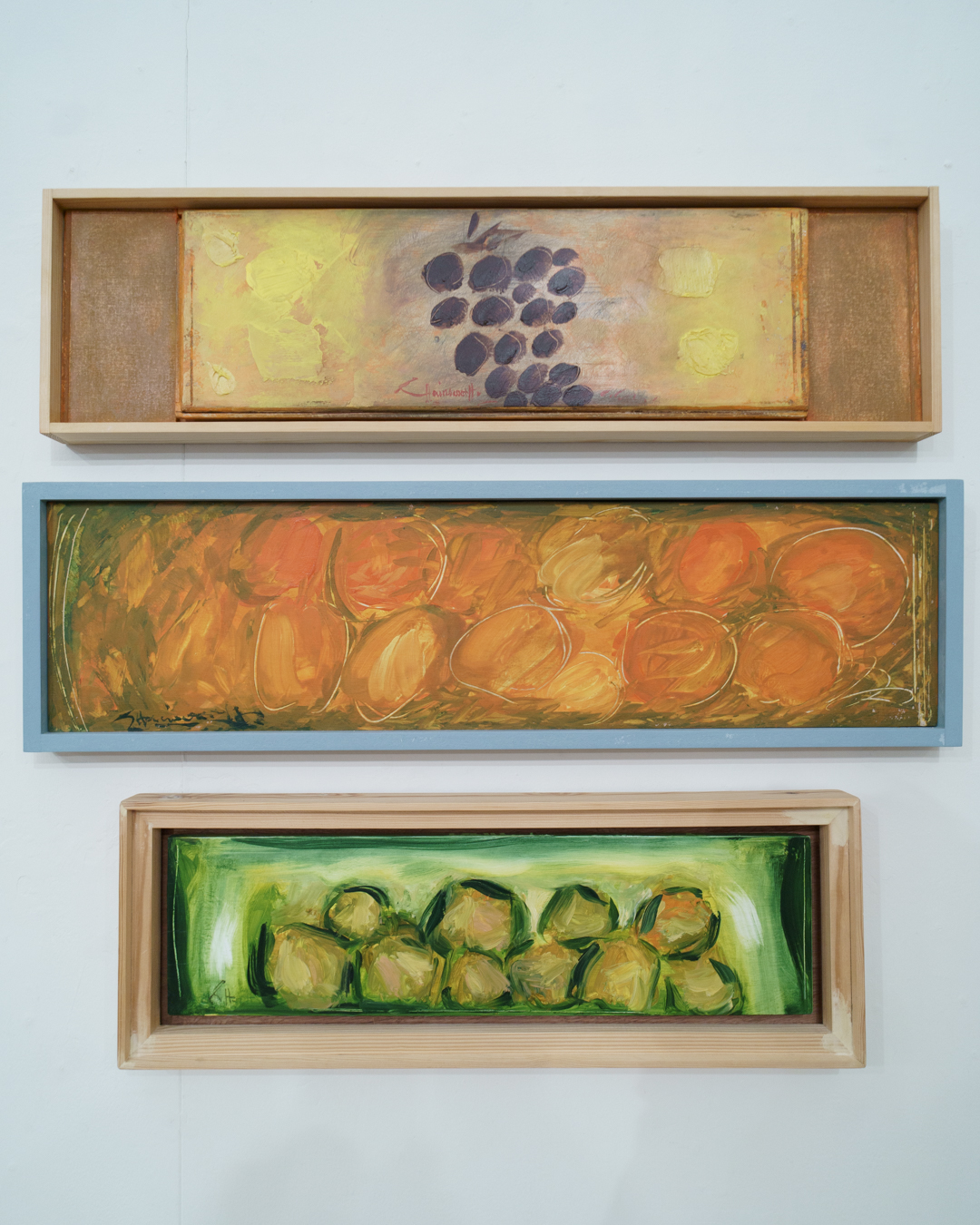
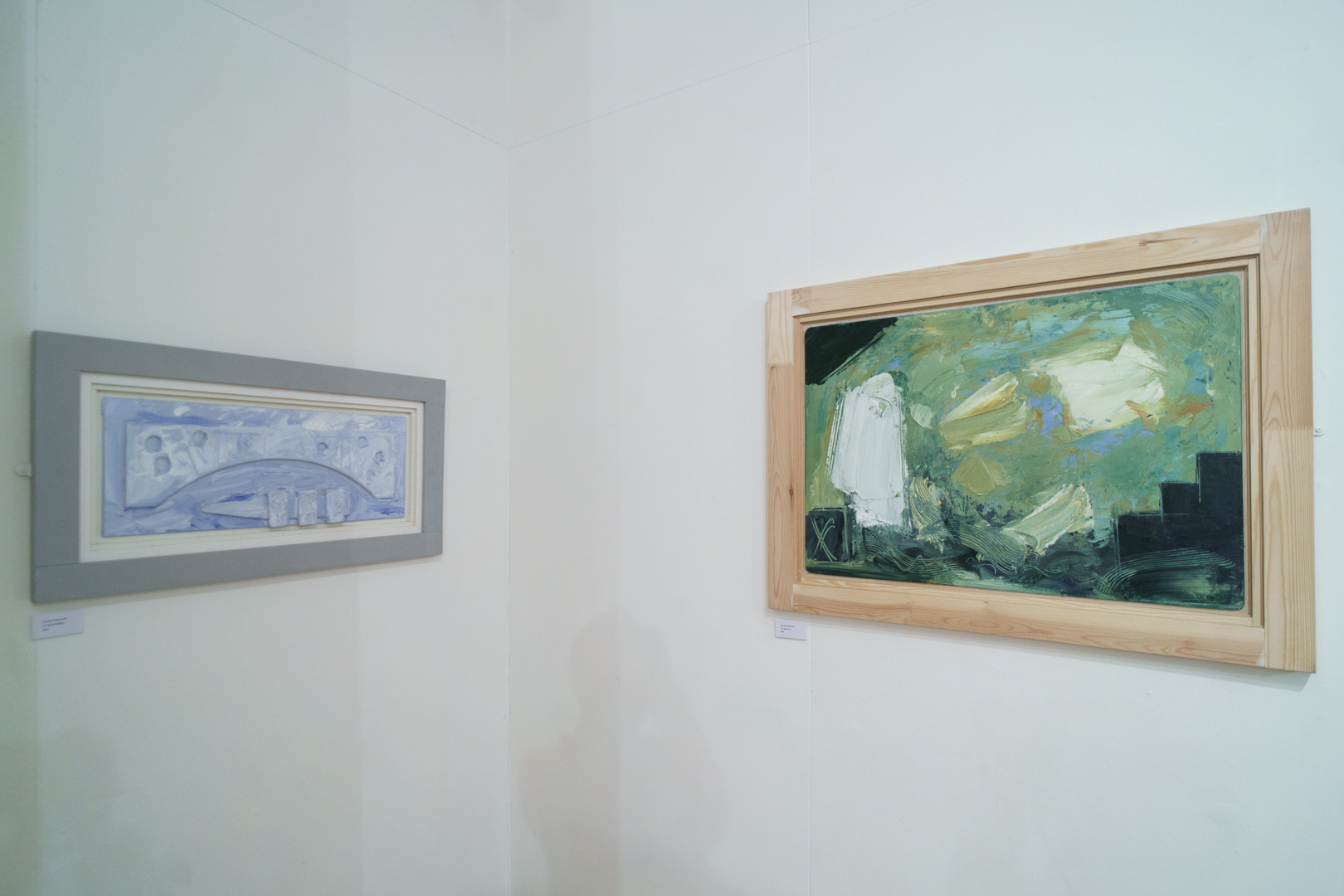
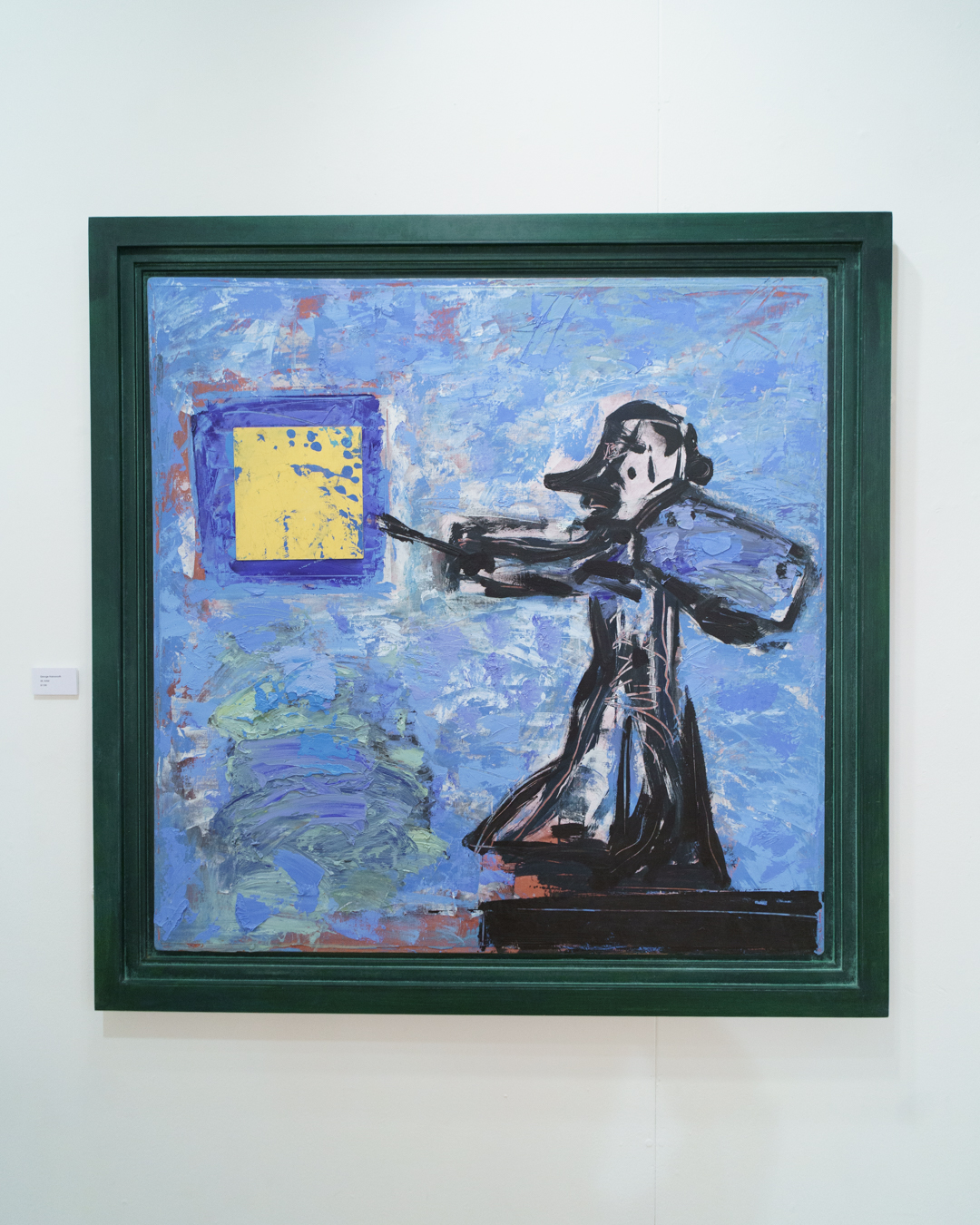
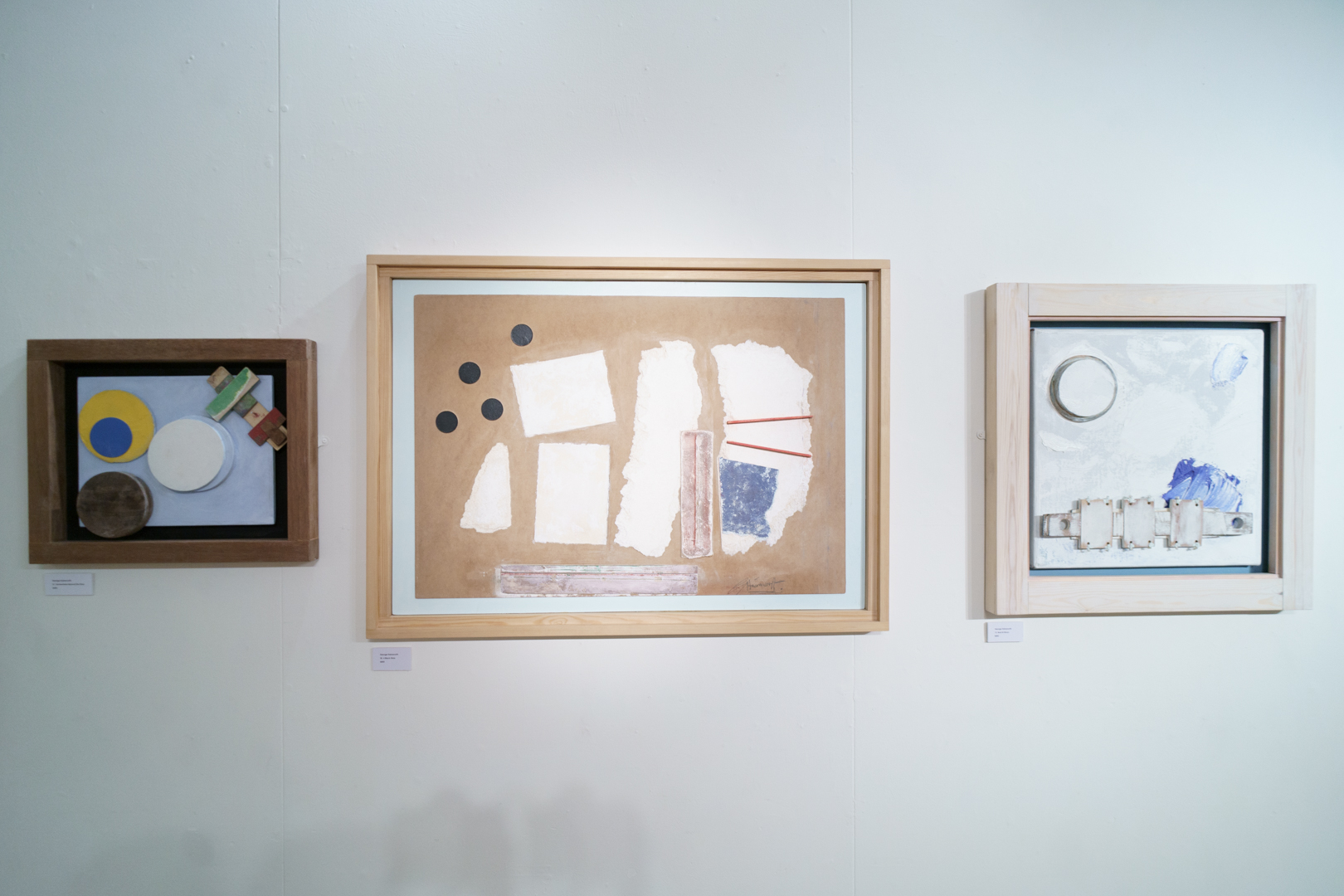
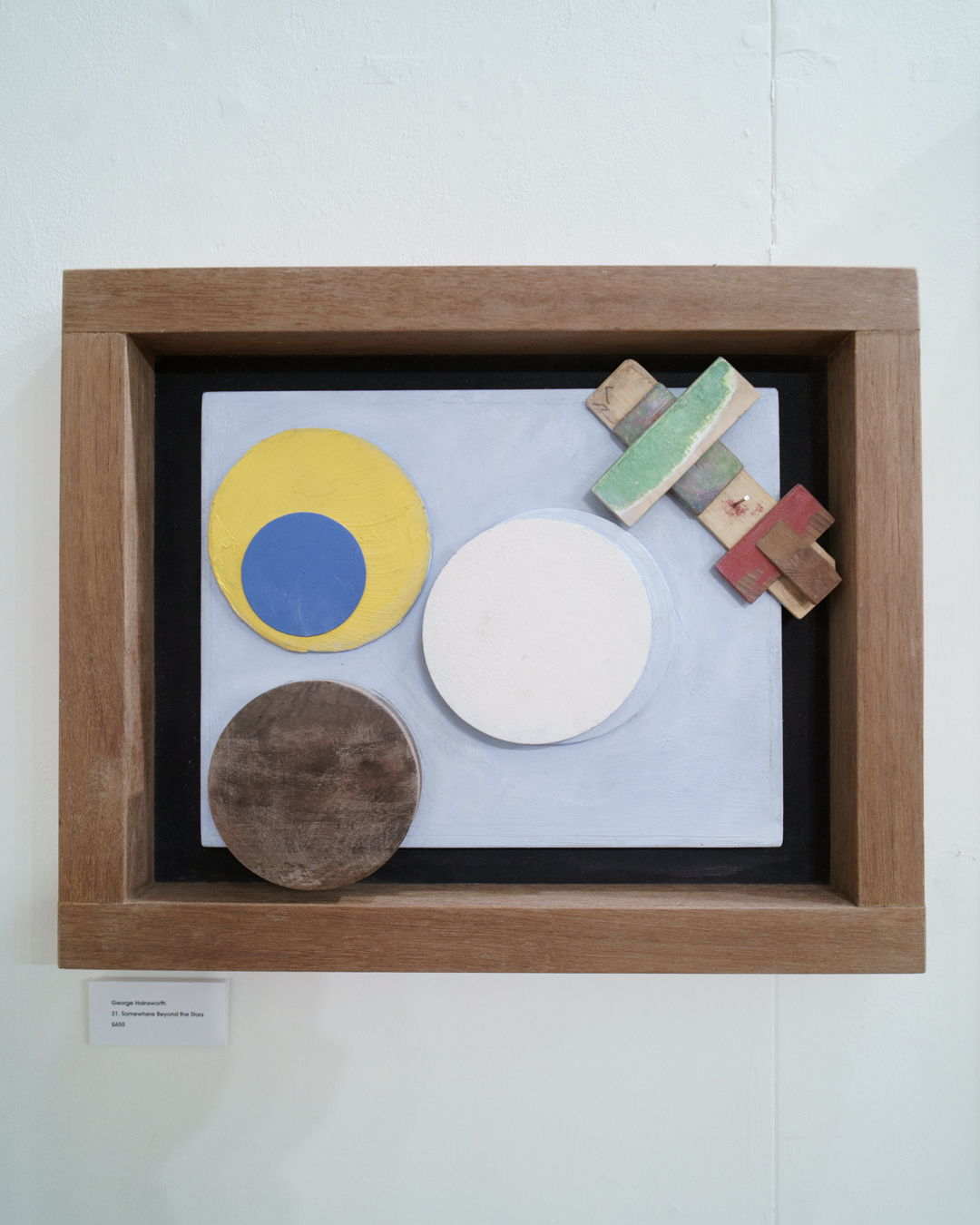
Although he describes his work as ‘figurative in the most expansive sense’, portraiture is practically non-existent, despite having trained under William Coldstream at London’s Slade School of Fine Art from 1960 to 1962. What they did share was a penchant for painting from life, which comes across in Hainsworth’s repeated interest in landscapes and still lifes. Every piece feels like a personal recording of observed moments from daily life, while others hint at escapism, such as the cosmic assemblage Somewhere Beyond the Stars.

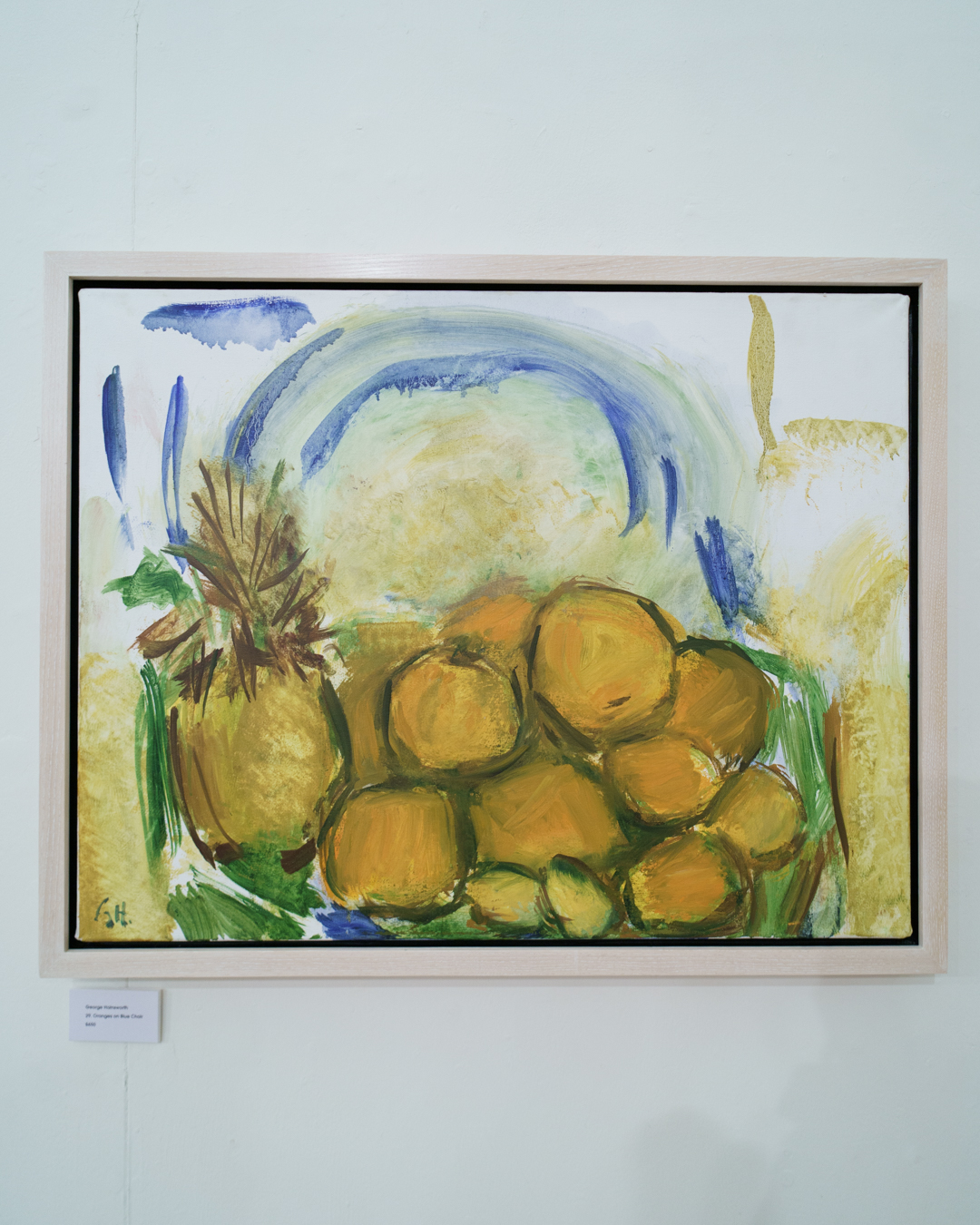
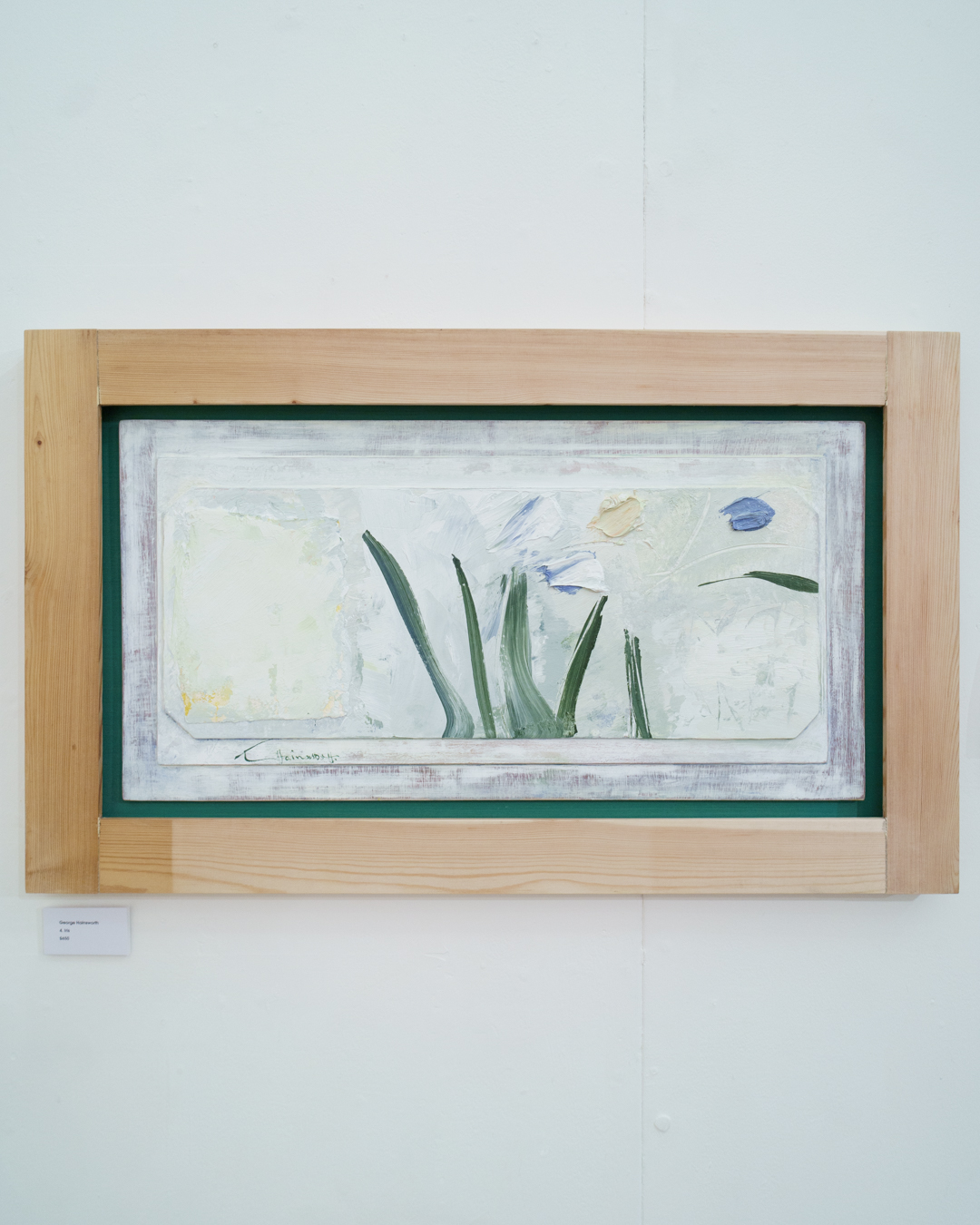
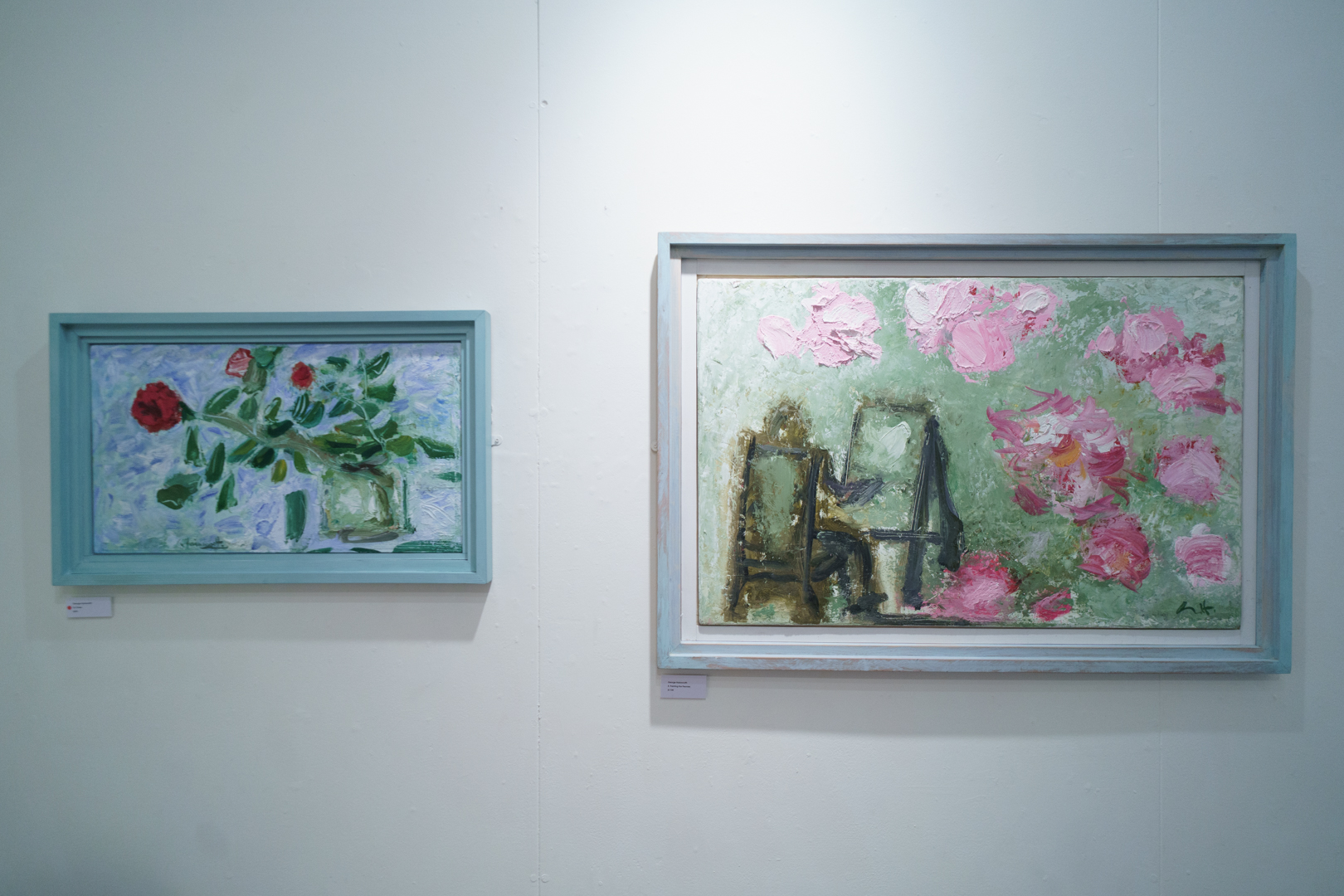
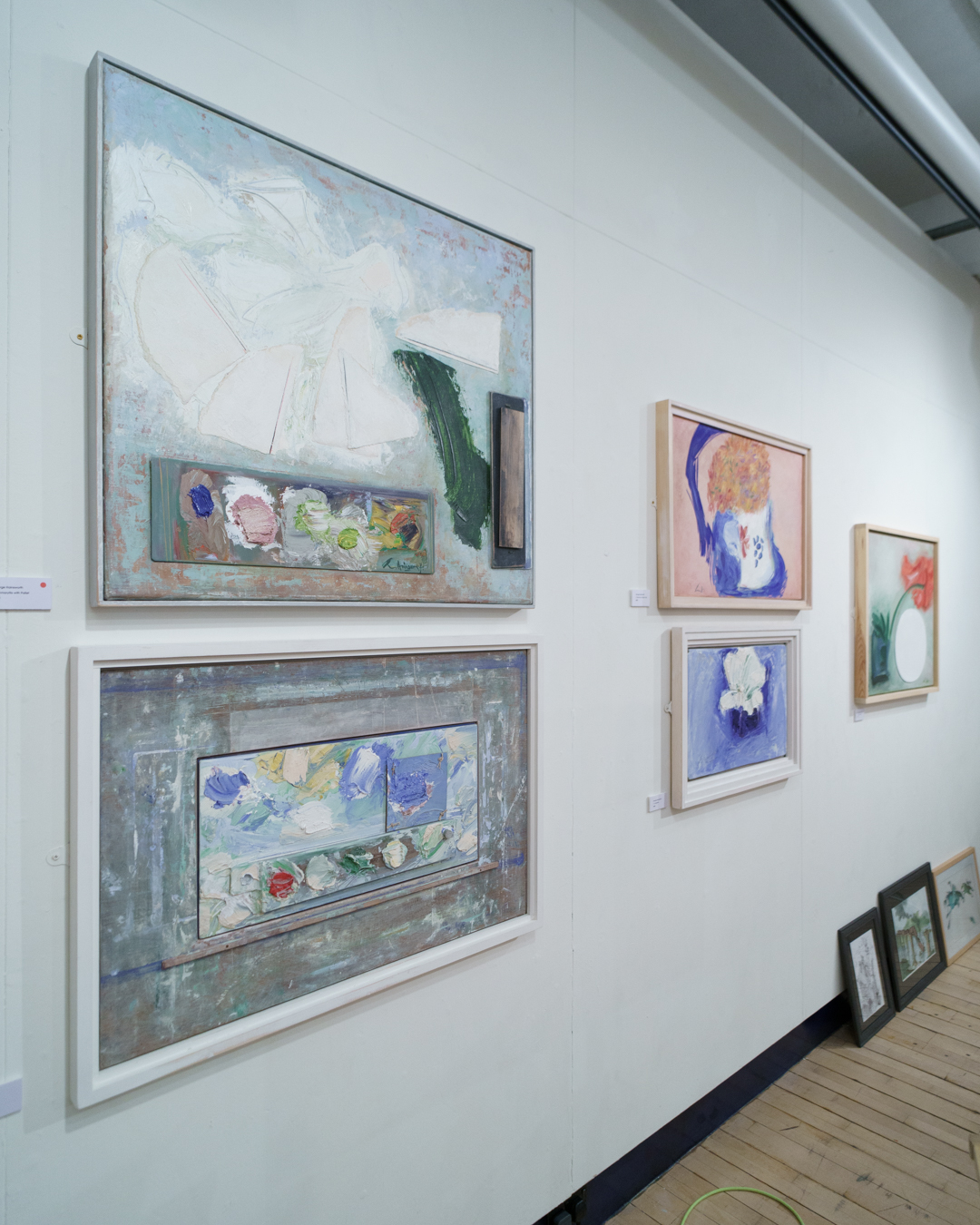
However, what seems to interest Hainsworth most is the spatial relationships between subject and picture plane. While some works incorporate traditional viewpoints, such as a wooden figure looking out to a star-studded sky or a painter at work framed by blossoms, the most captivating ones utilise a top-down perspective. Suddenly, these pictures hung vertically on the wall have transformed themselves into trays of carefully arranged objects, serving as contemplative exercises in understanding geometry and colour theory.
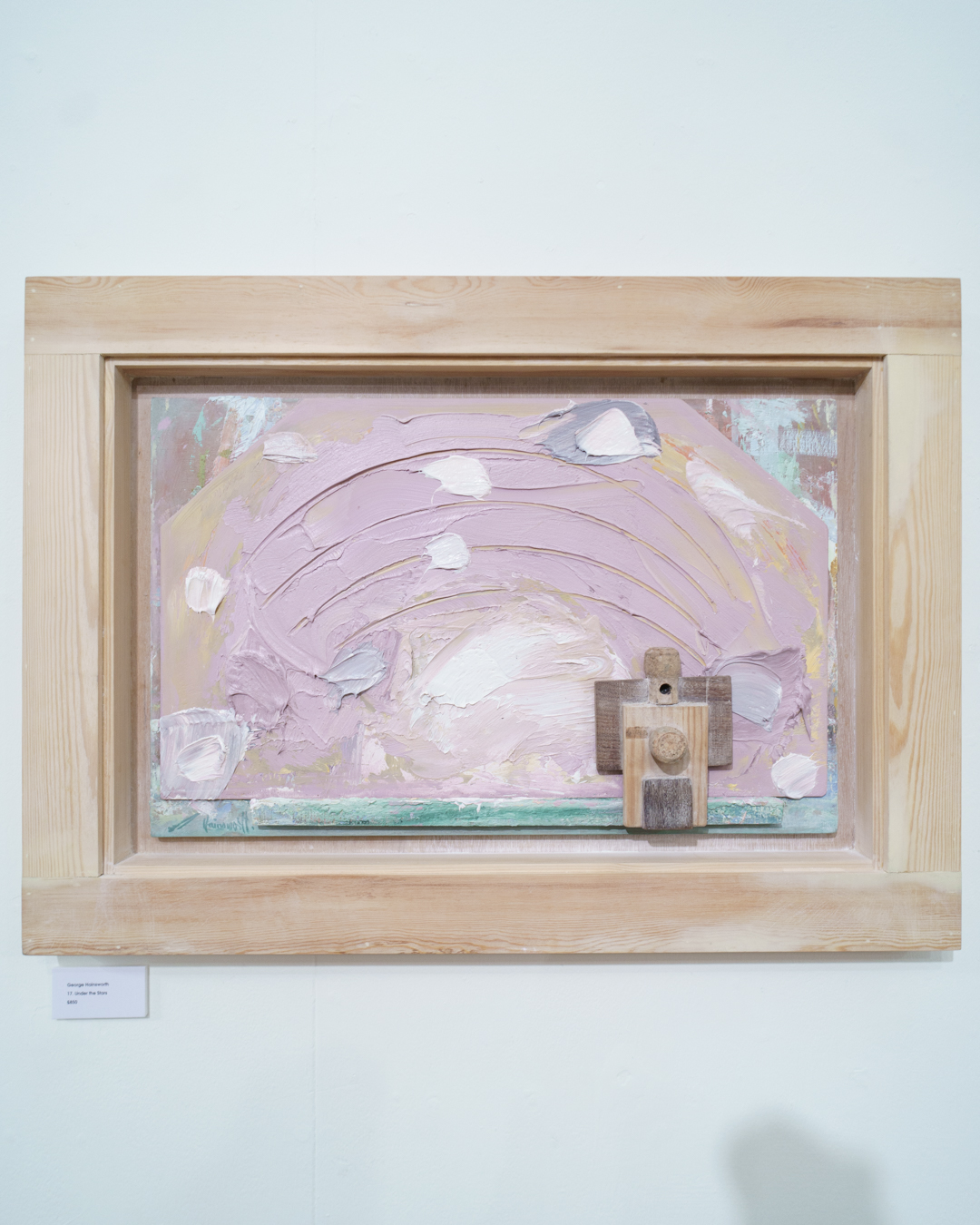
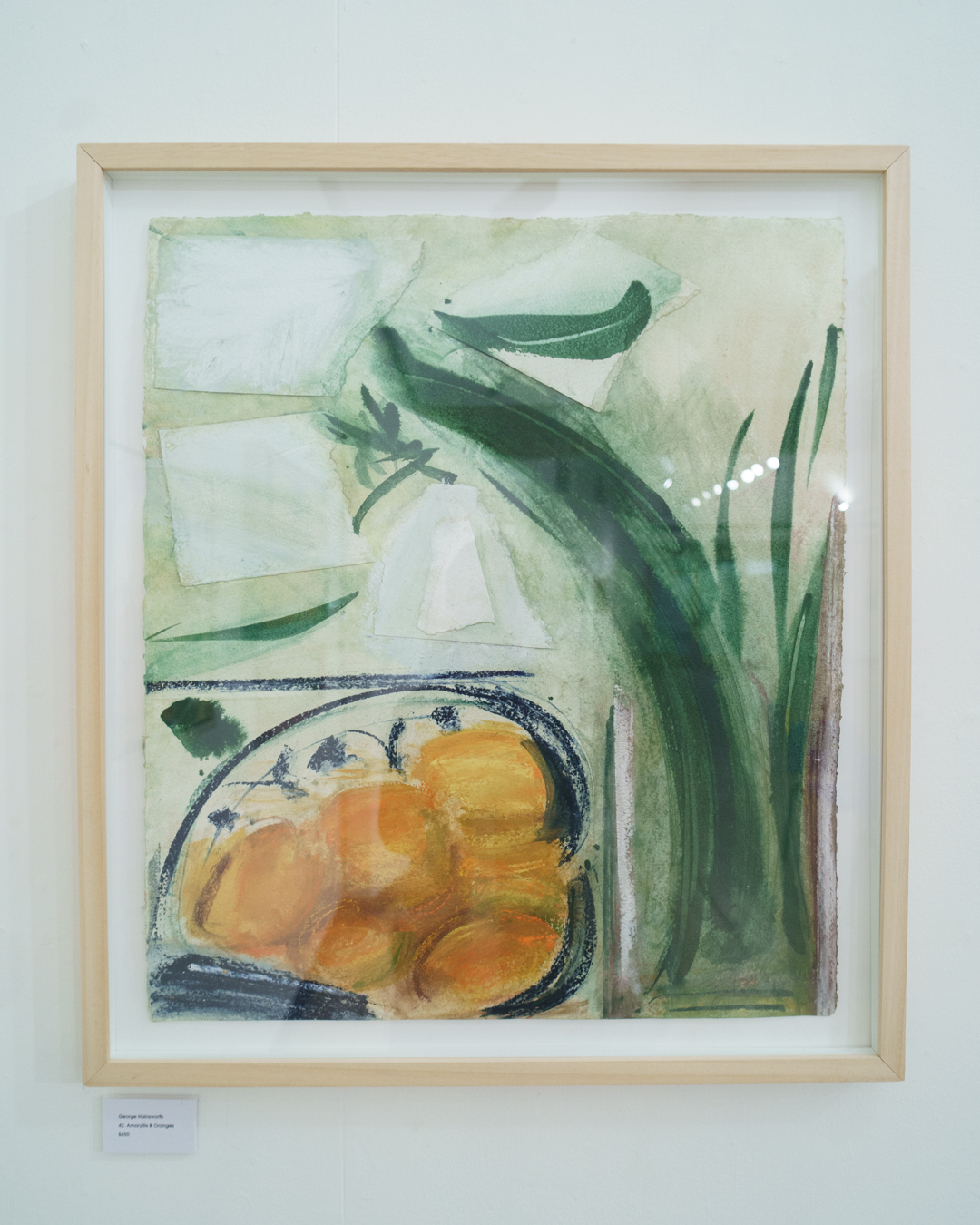
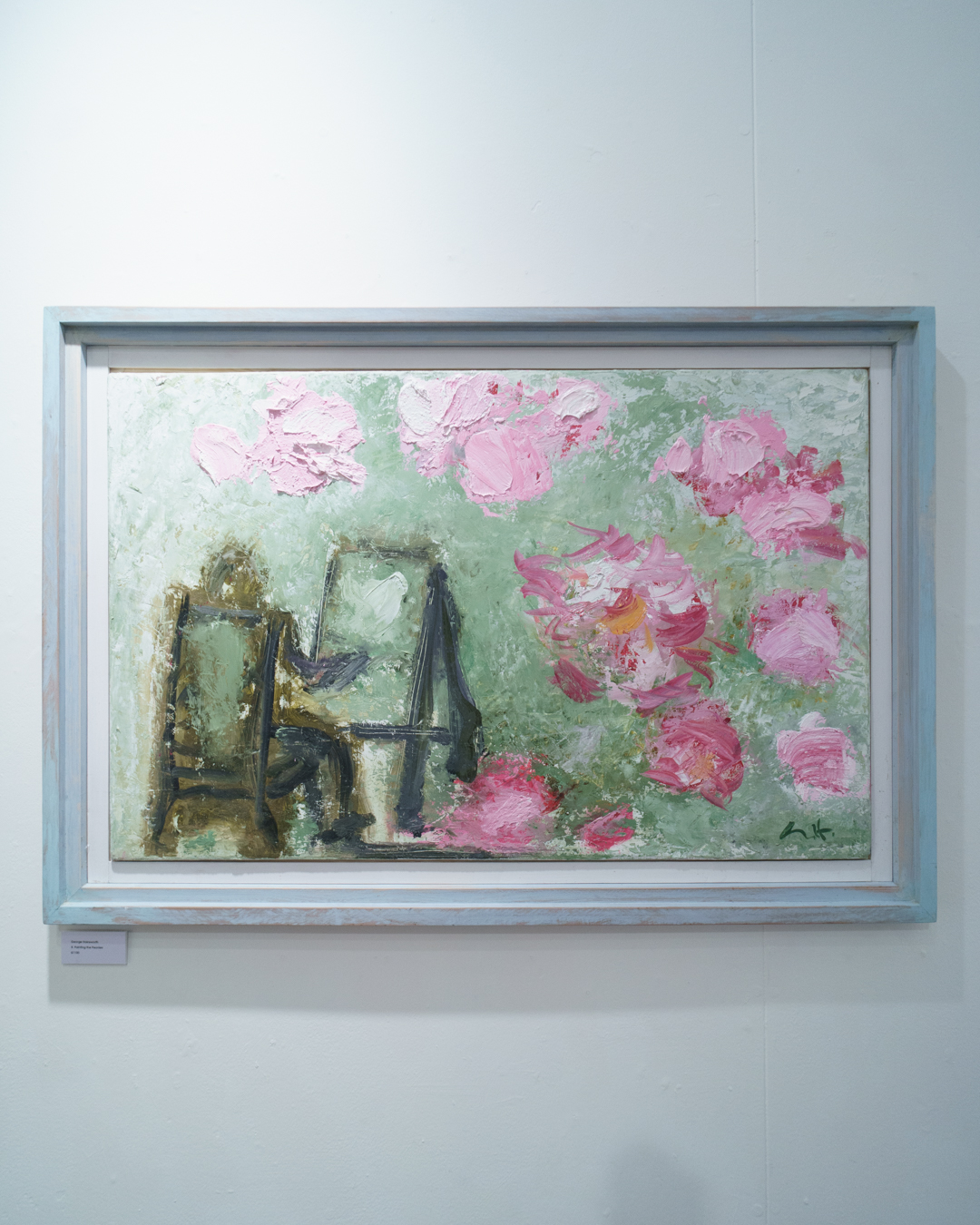
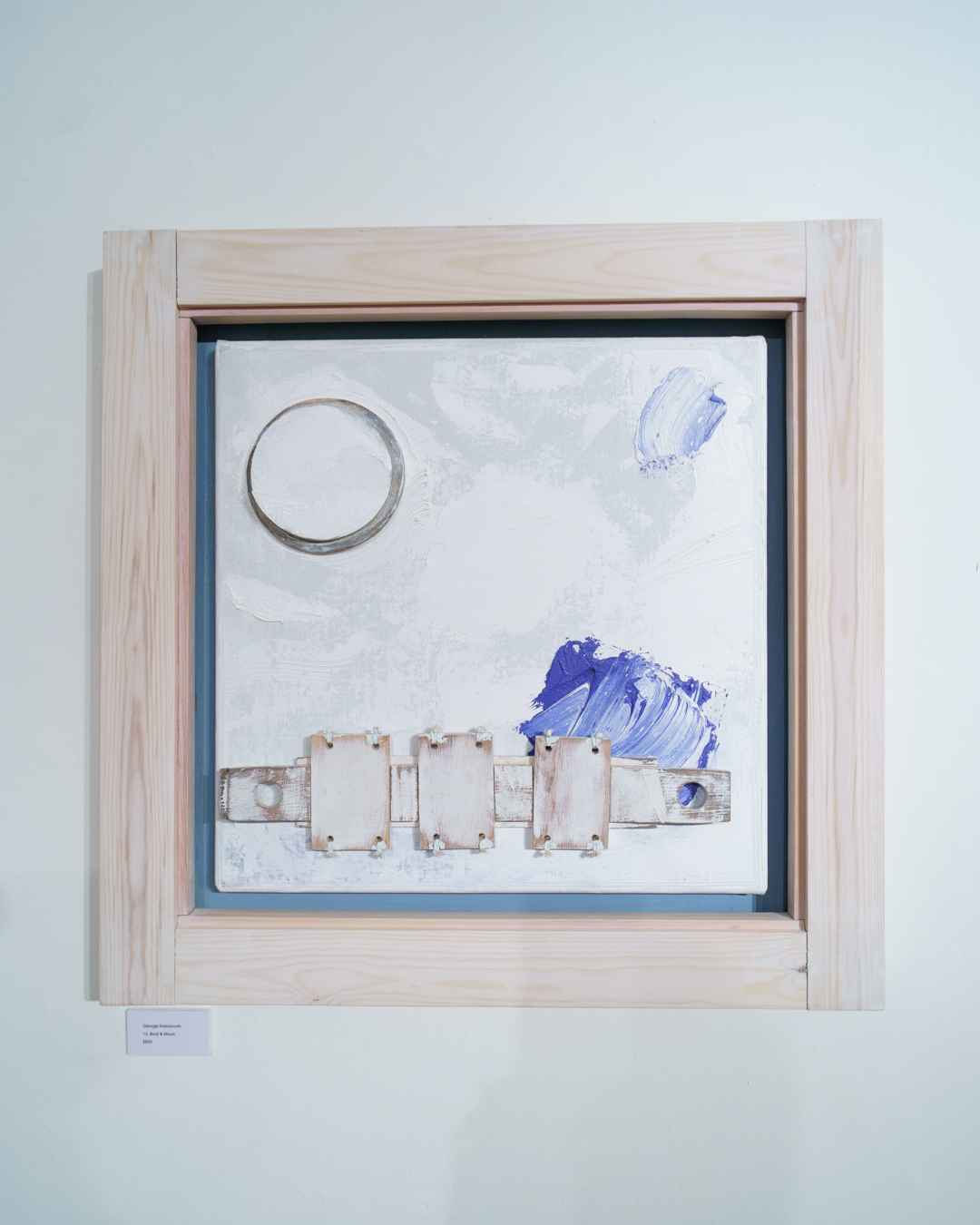
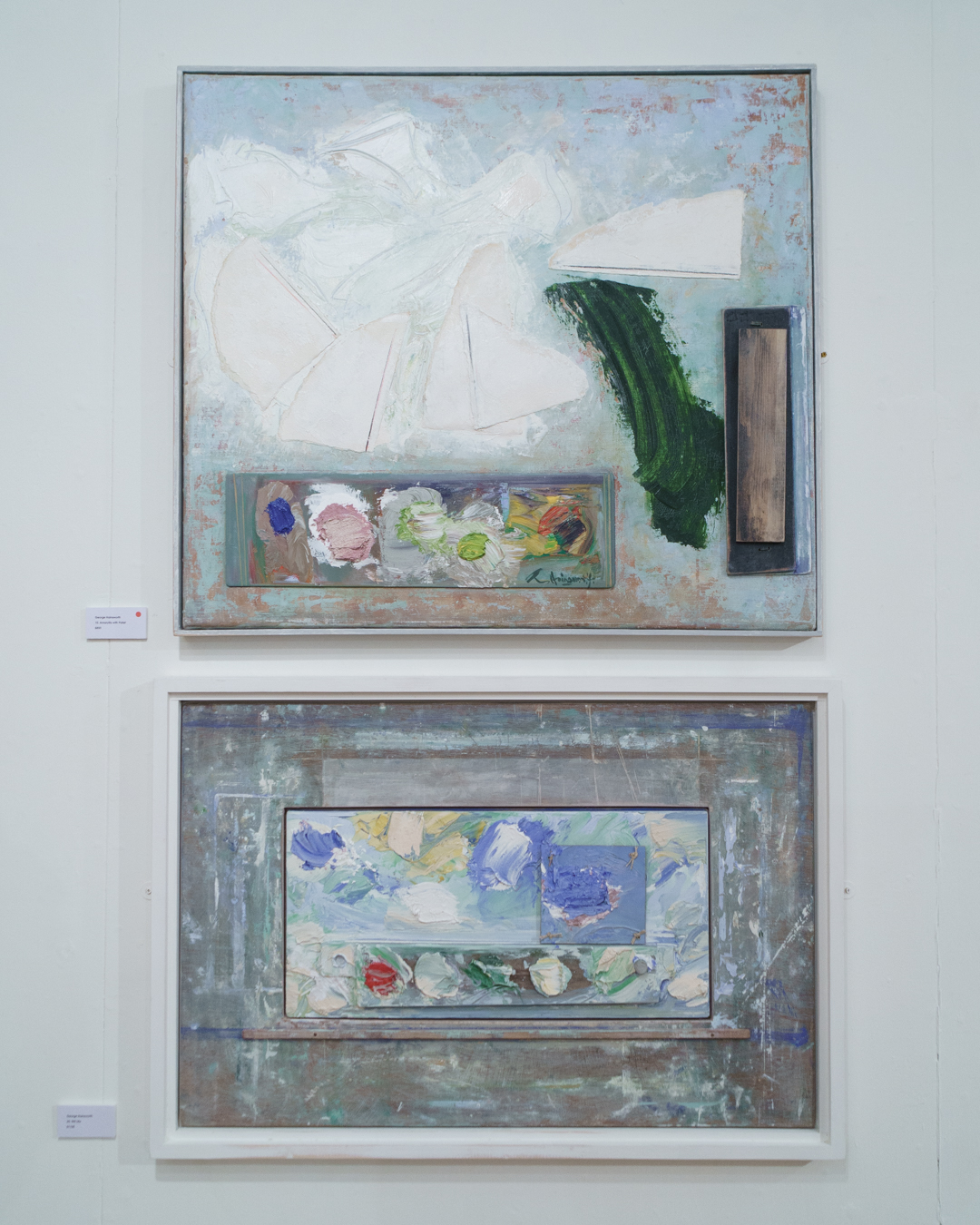
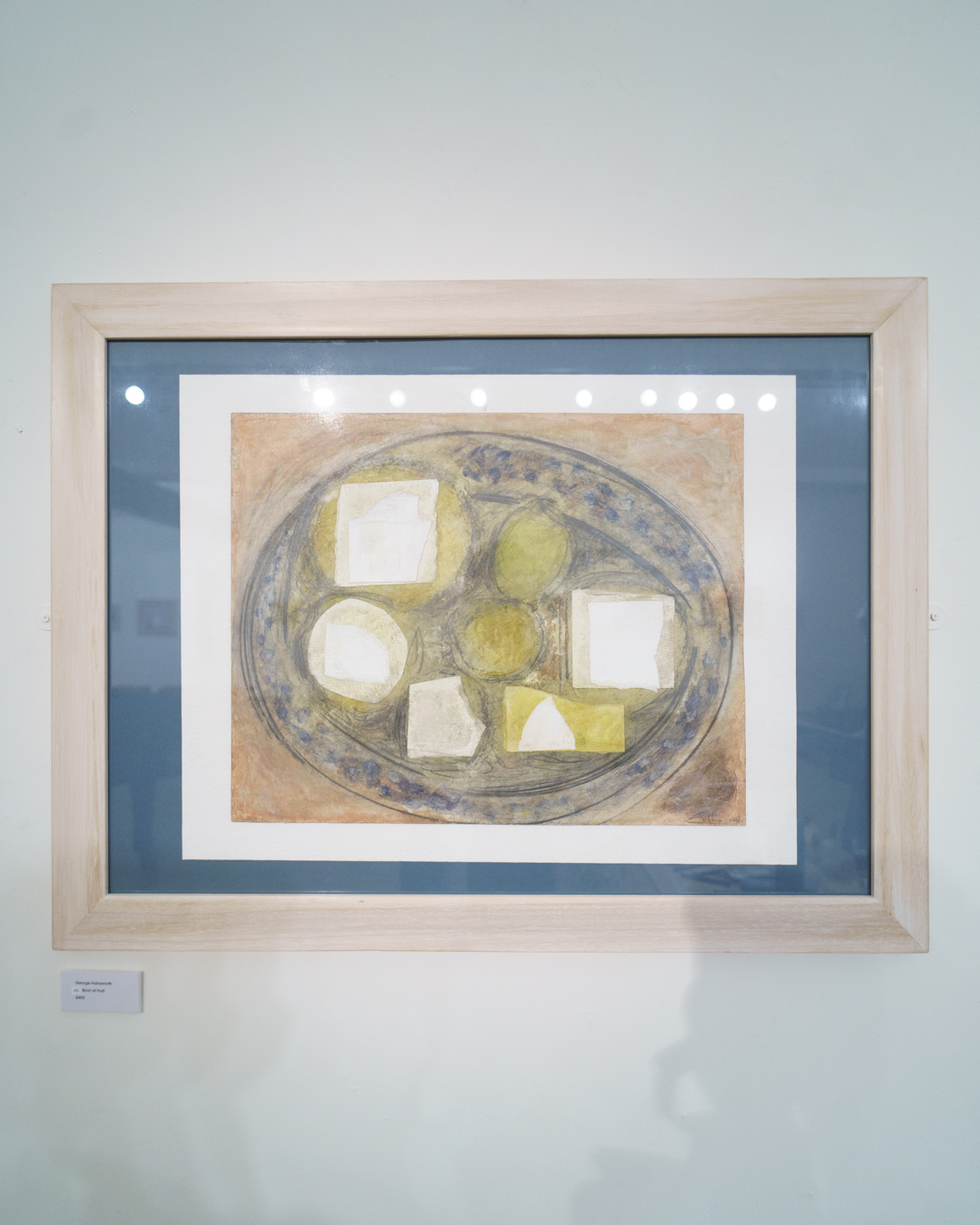
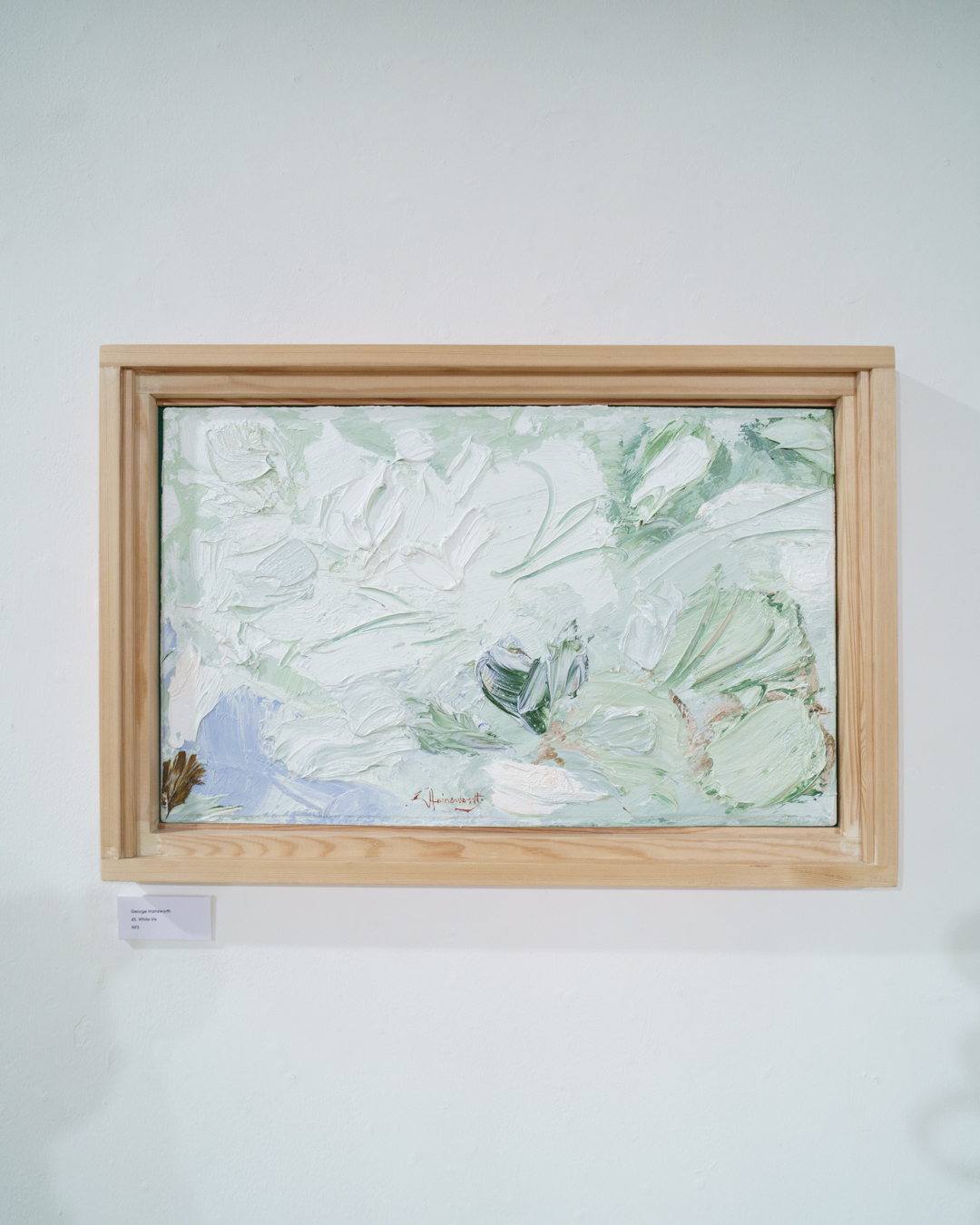
In some cases, an artist’s palette is incorporated within the ensemble, skirting the border between our physical space and the pictorial one. The viewer’s perception is tested even further with the use of matte surfaces, scraping, and impasto which add an element of dilapidation and physicality. In other words, their presence elevates them beyond decorative set pieces.
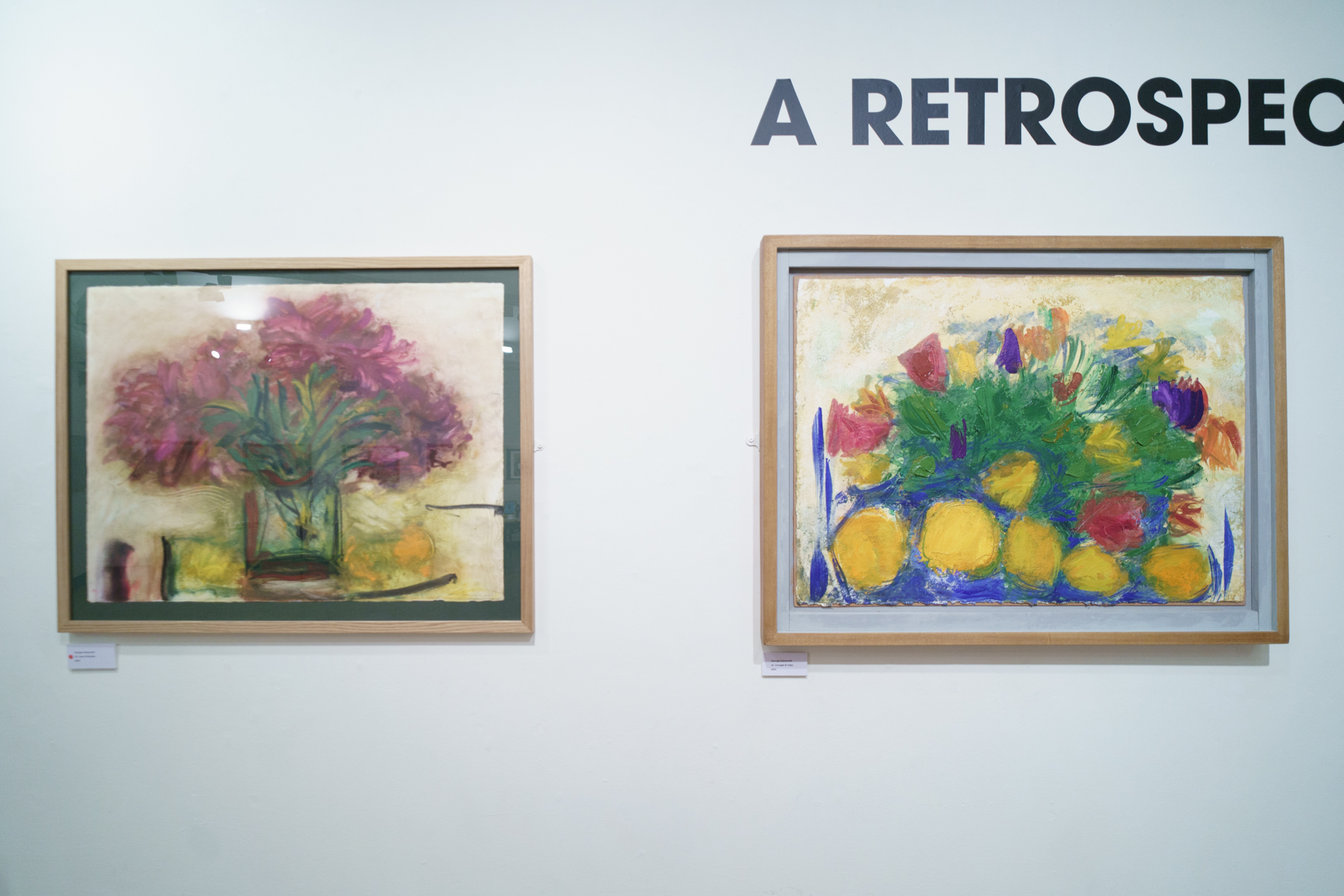
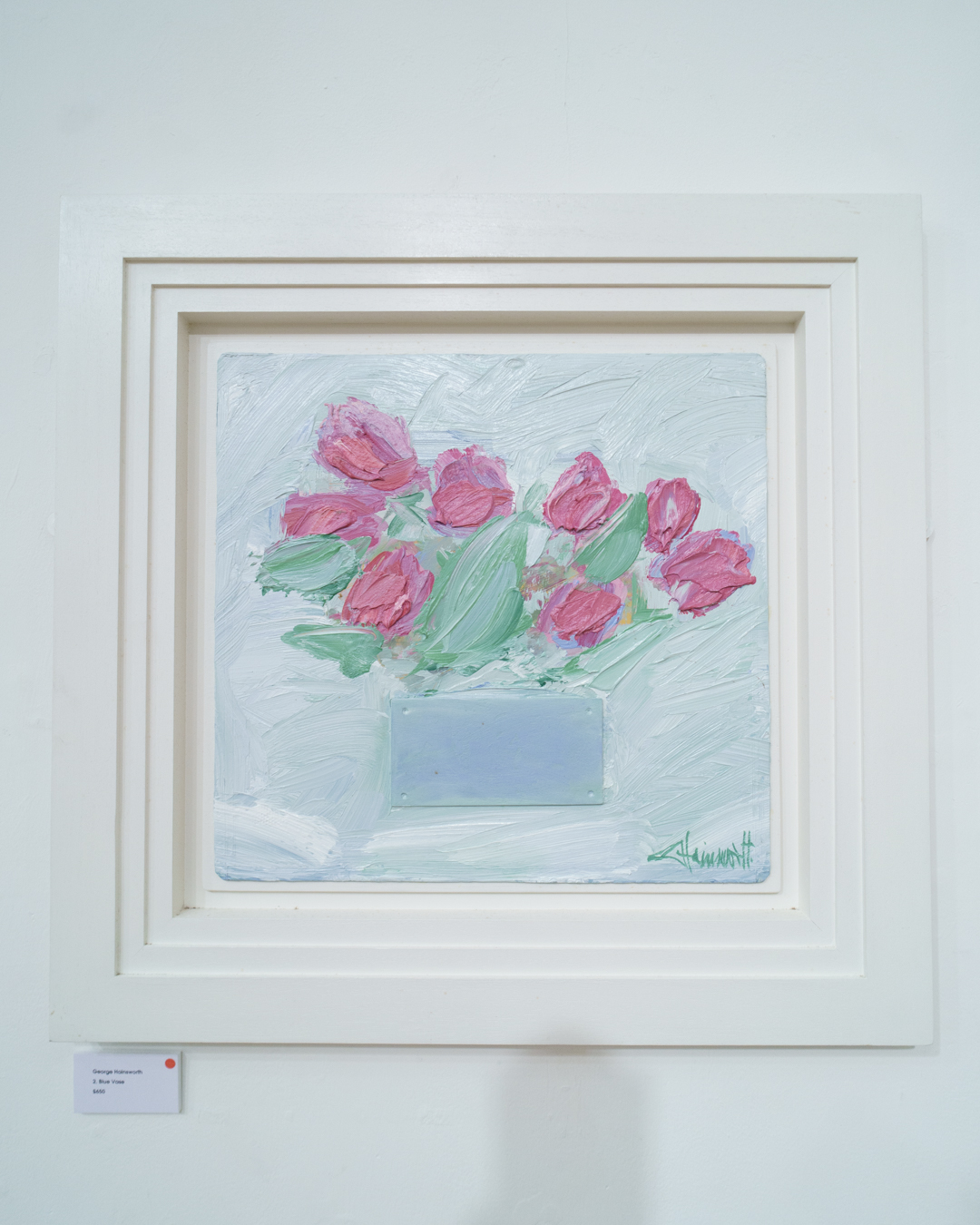
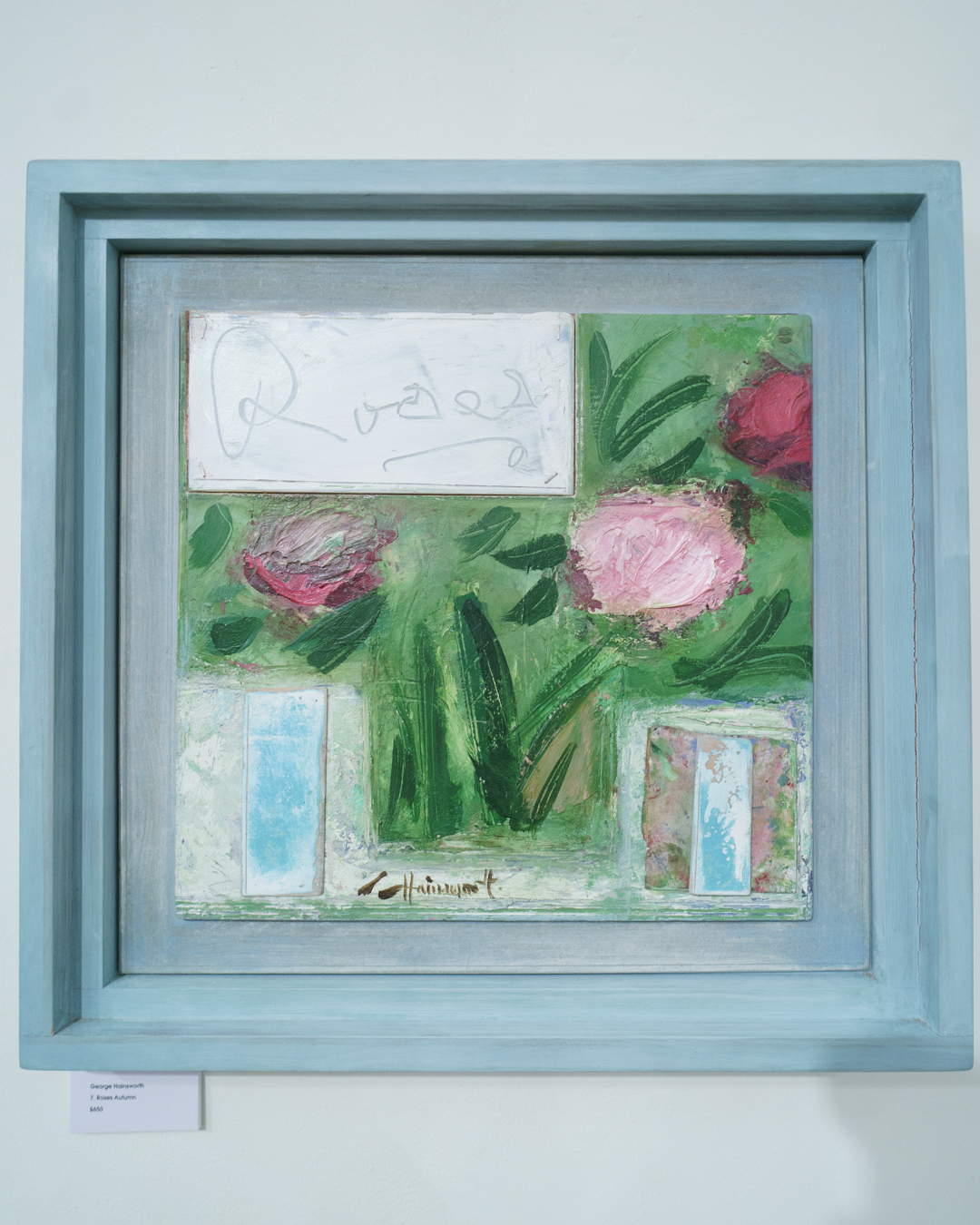
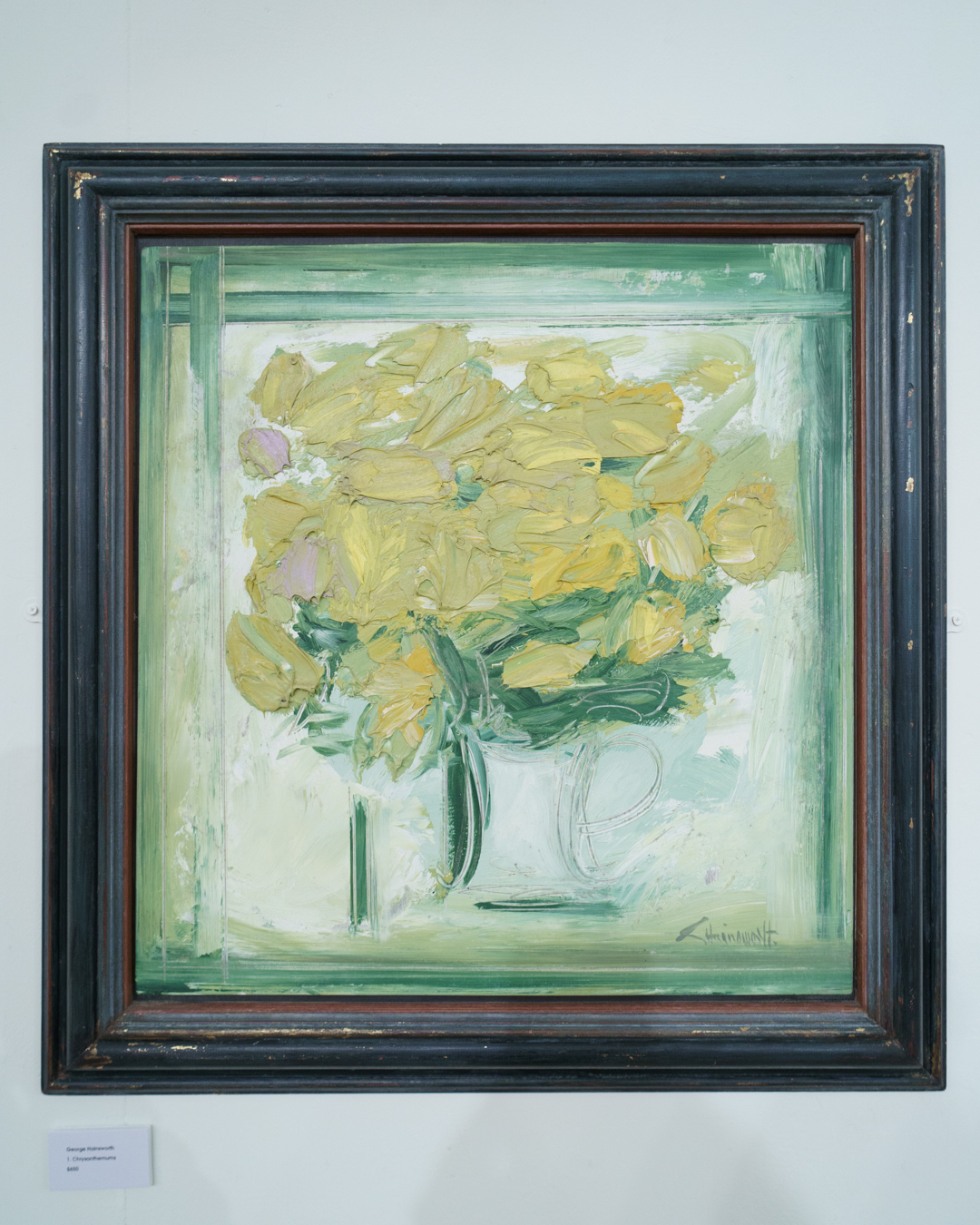
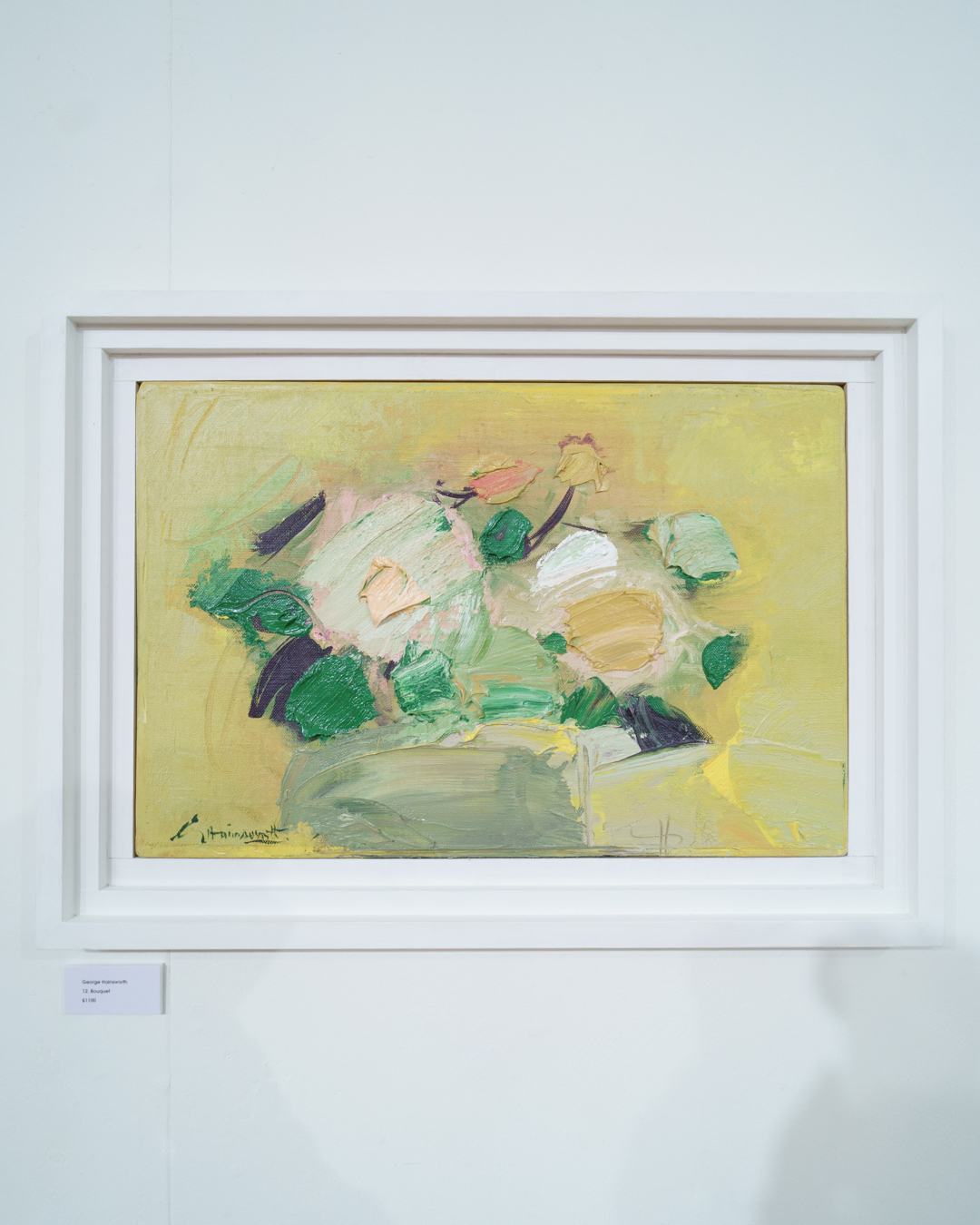
Hainsworth attributes his reawakened fascination with paint and colour to a vase of flowers, and it is easy to see why. There is a soothing playfulness at the sight of richly coloured petals, set against a minimalist background while green leaves provide a semblance of familiarity, acting like a mid-tone for our aesthetic experience. Even the vases have a character of their own, their forms created by adding paint, removing paint, or attaching pieces of wood to the surface.
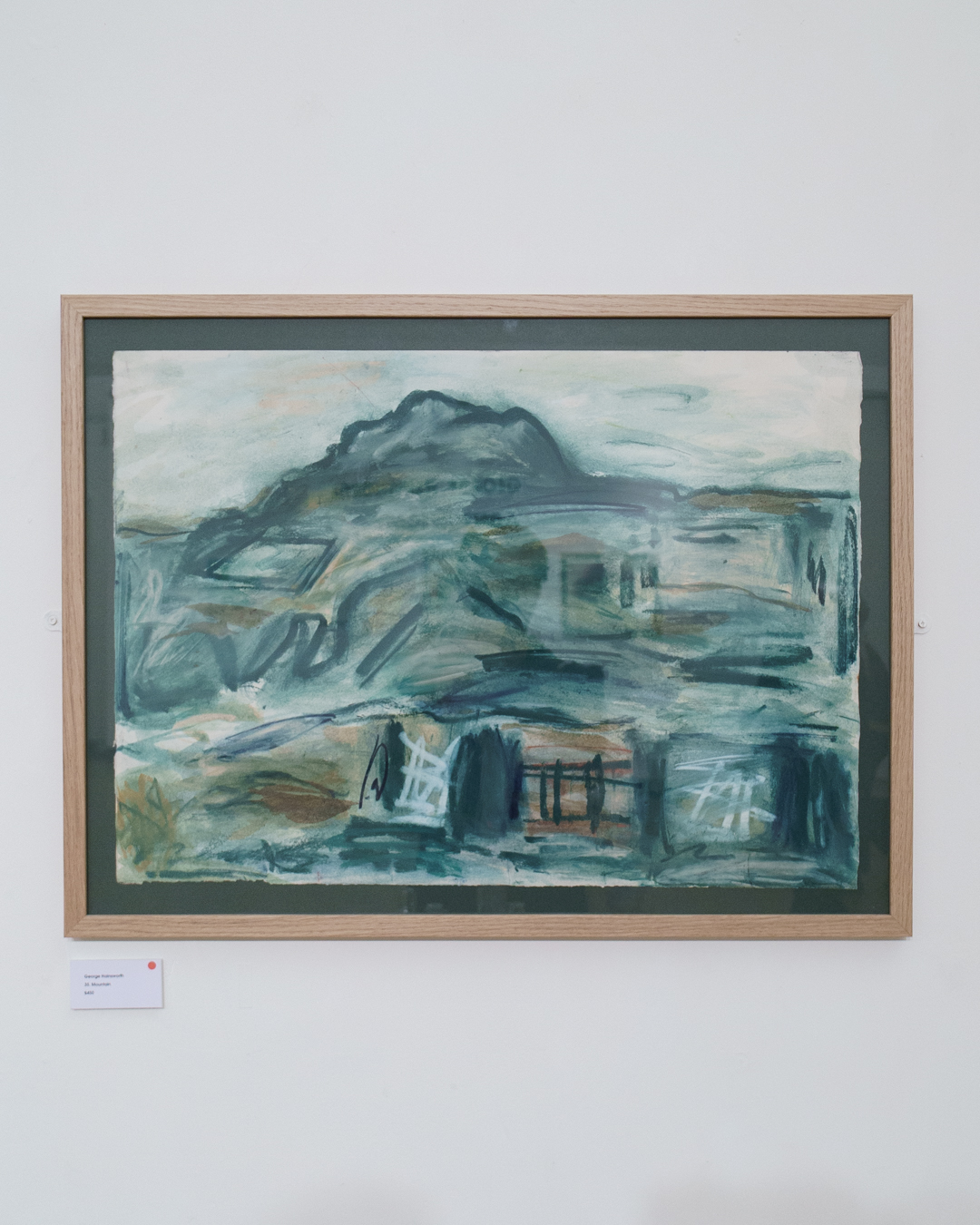
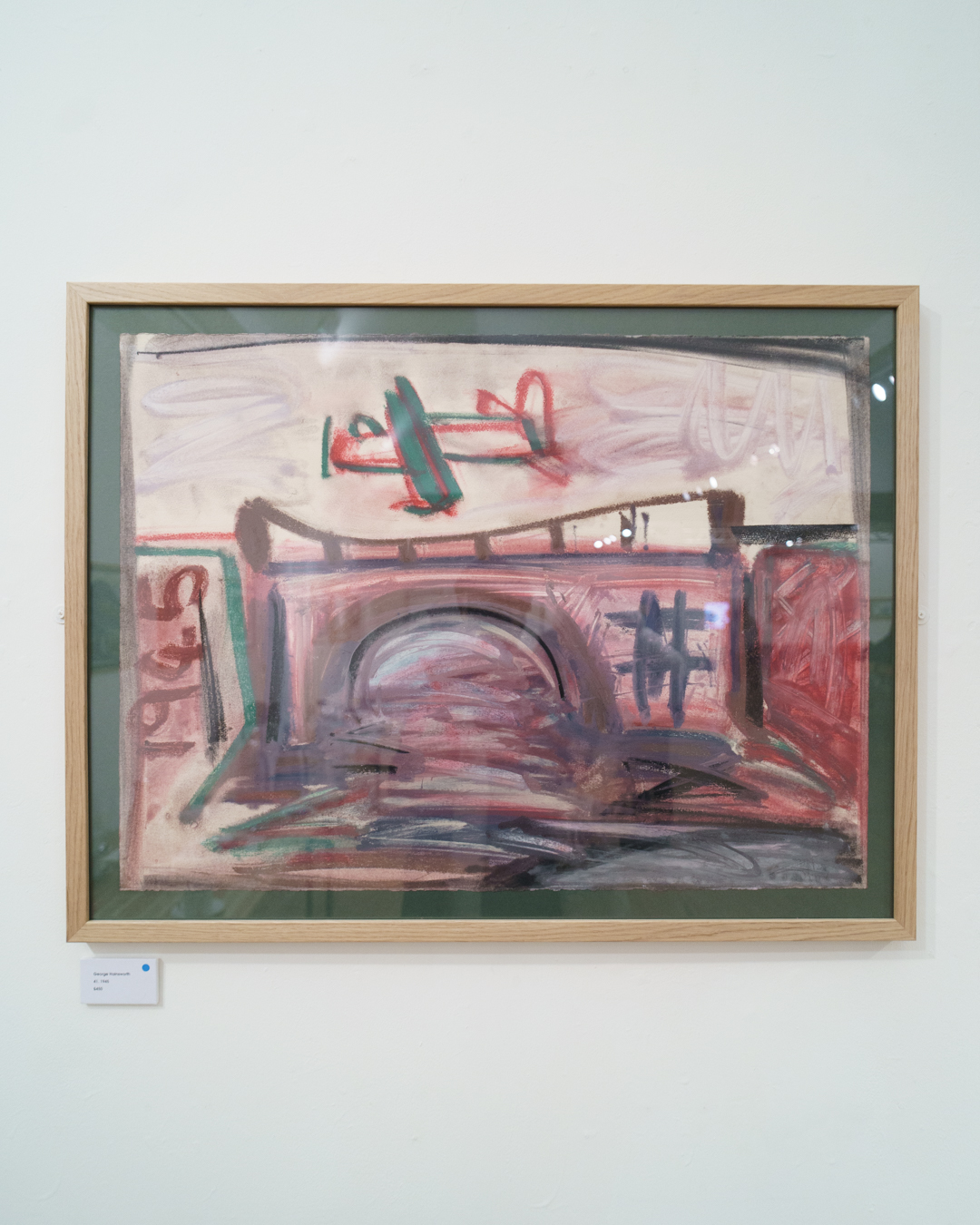
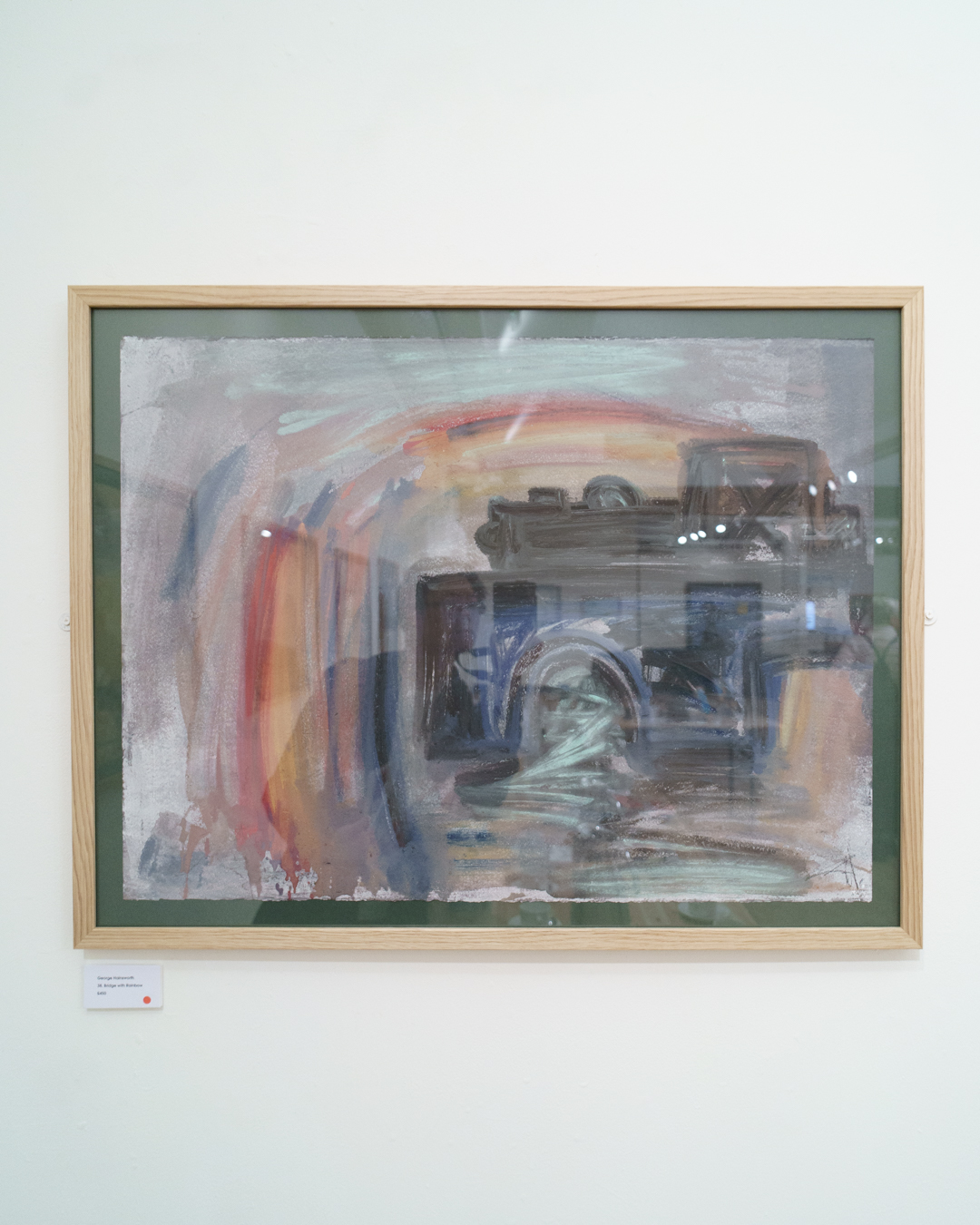
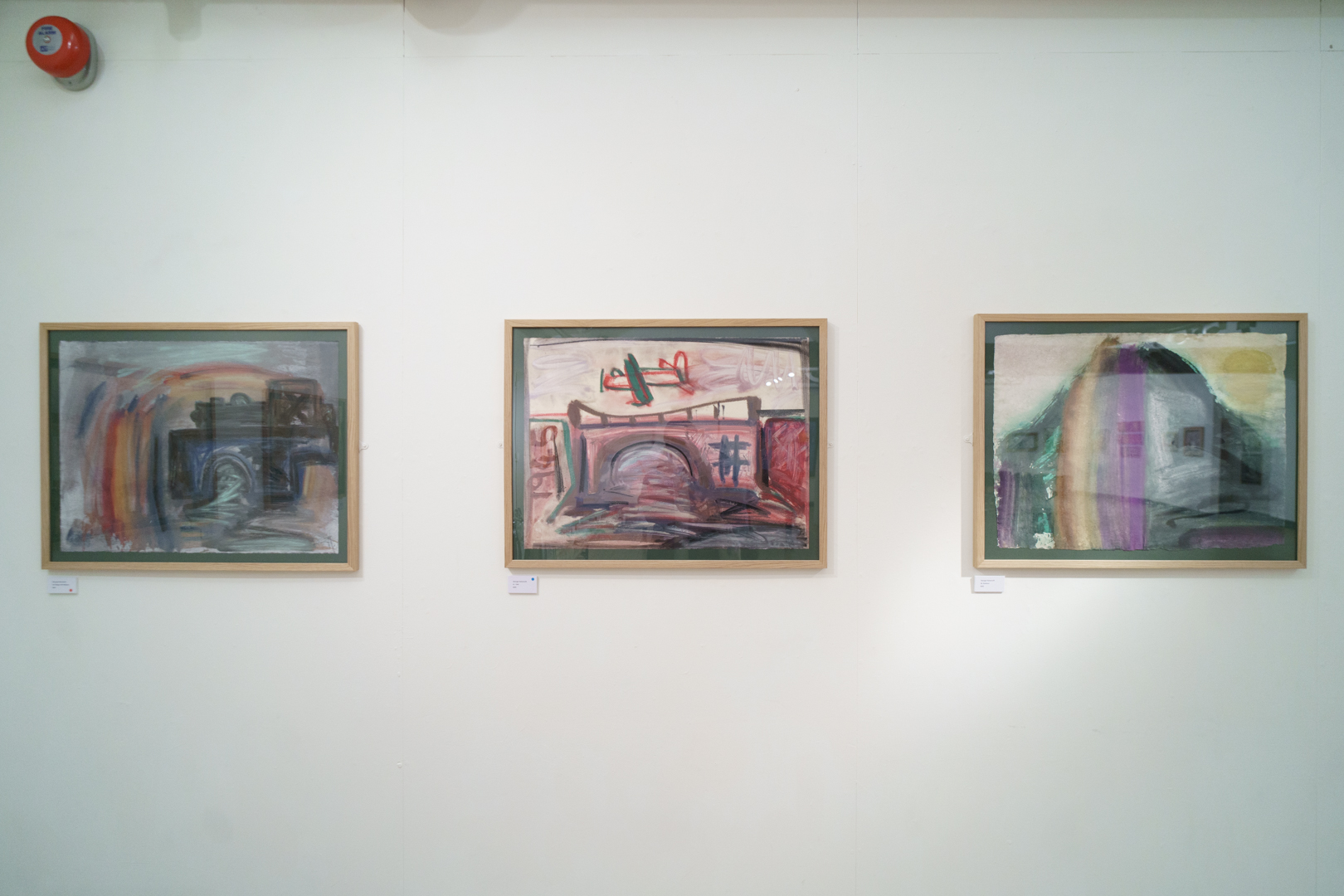
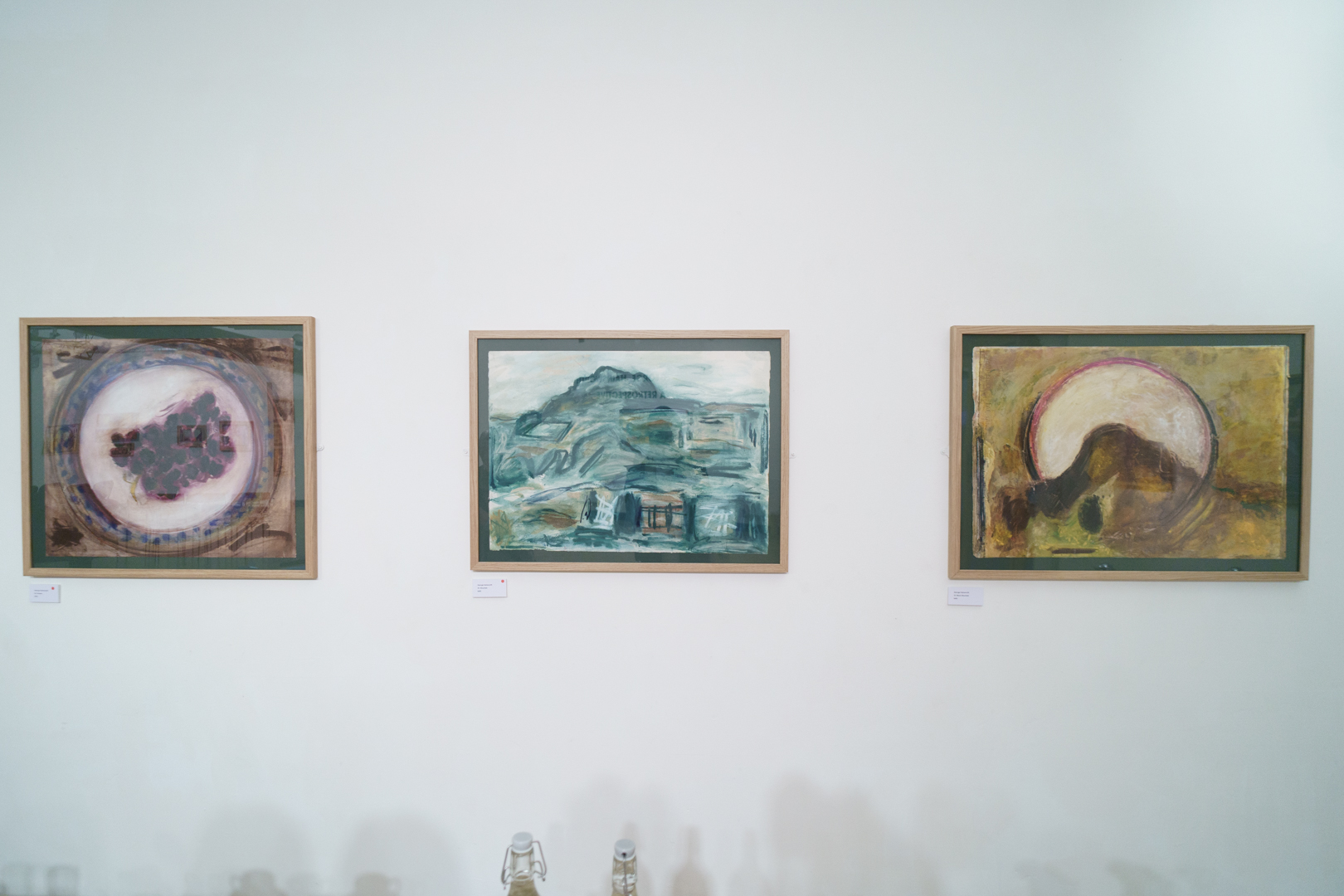
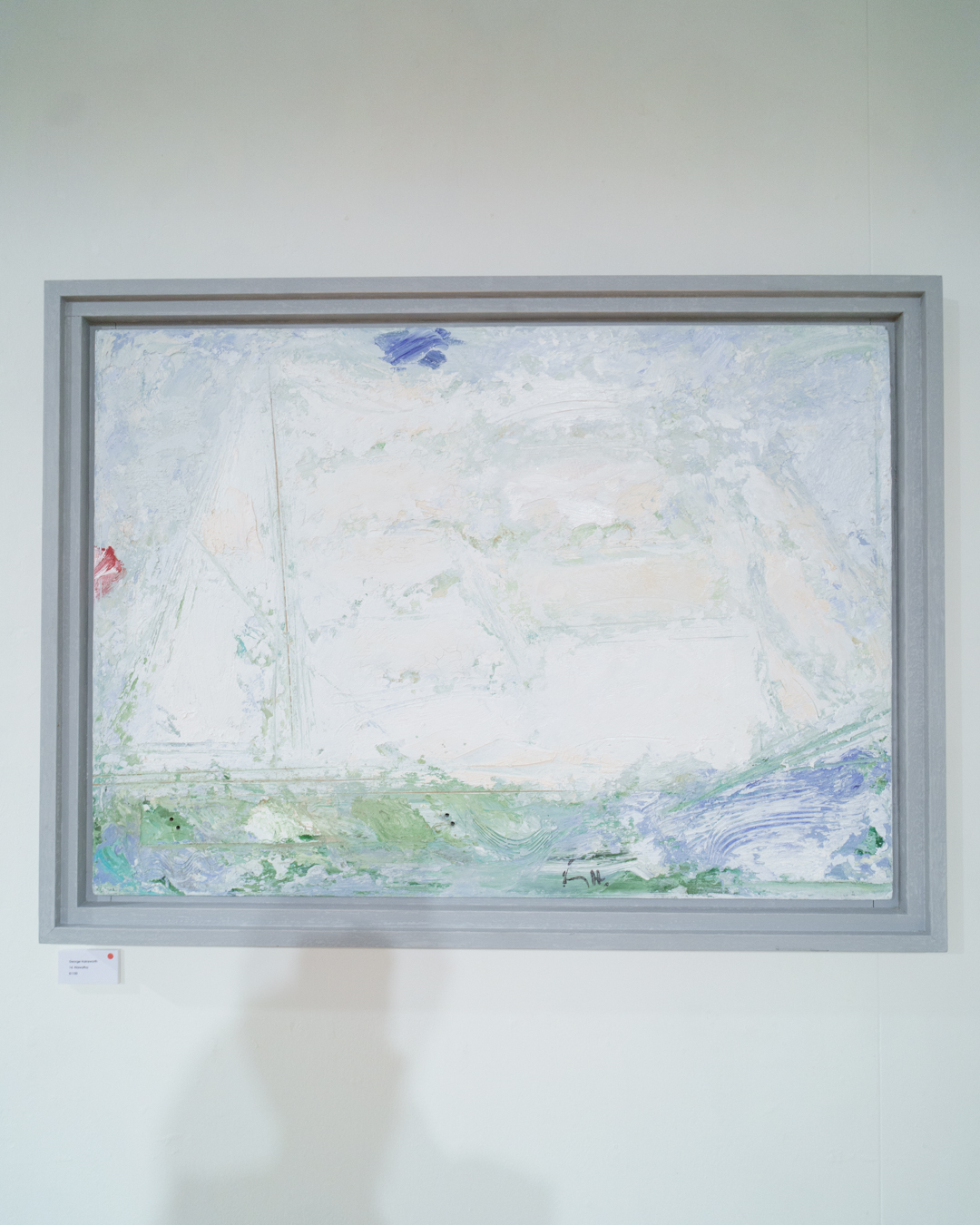
These still lifes are wonderful counterparts to his anti-war pieces inspired by his experiences growing up in wartime Britain. One pastel drawing 1945 features a fighter plane flying over a bridge, its surface built up with haunting hues of red, green, and greyish blue. Nearby, a top-down view of a plate of grapes and a mountainous landscape partially obscuring a giant full moon form an unlikely pair united solely by their shared geometry. Across other works, his use of white paint has a delineating purpose that forces us to consider the effects of light, shade, and texture, whether we are looking at a nude body or the sails of a ship.
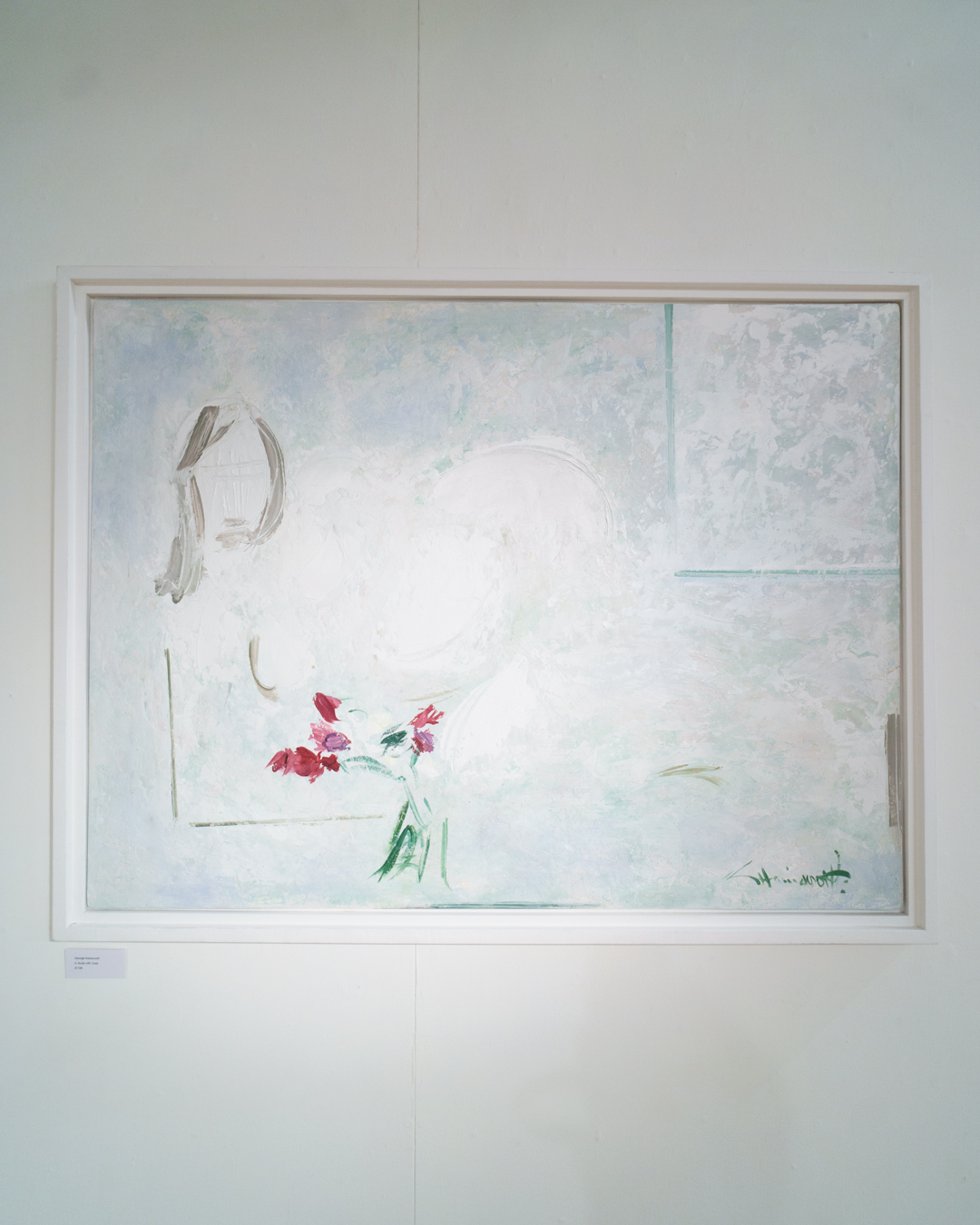
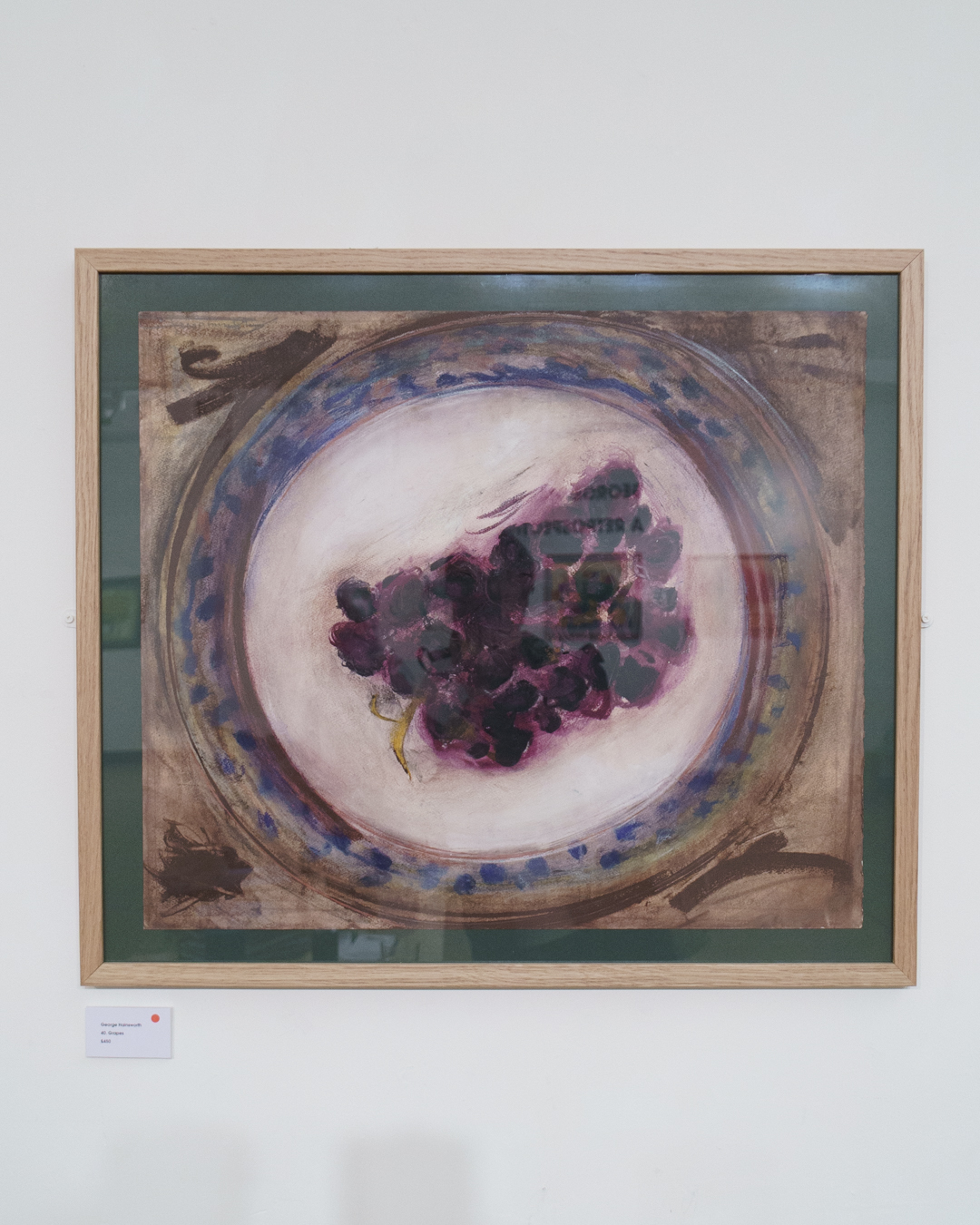
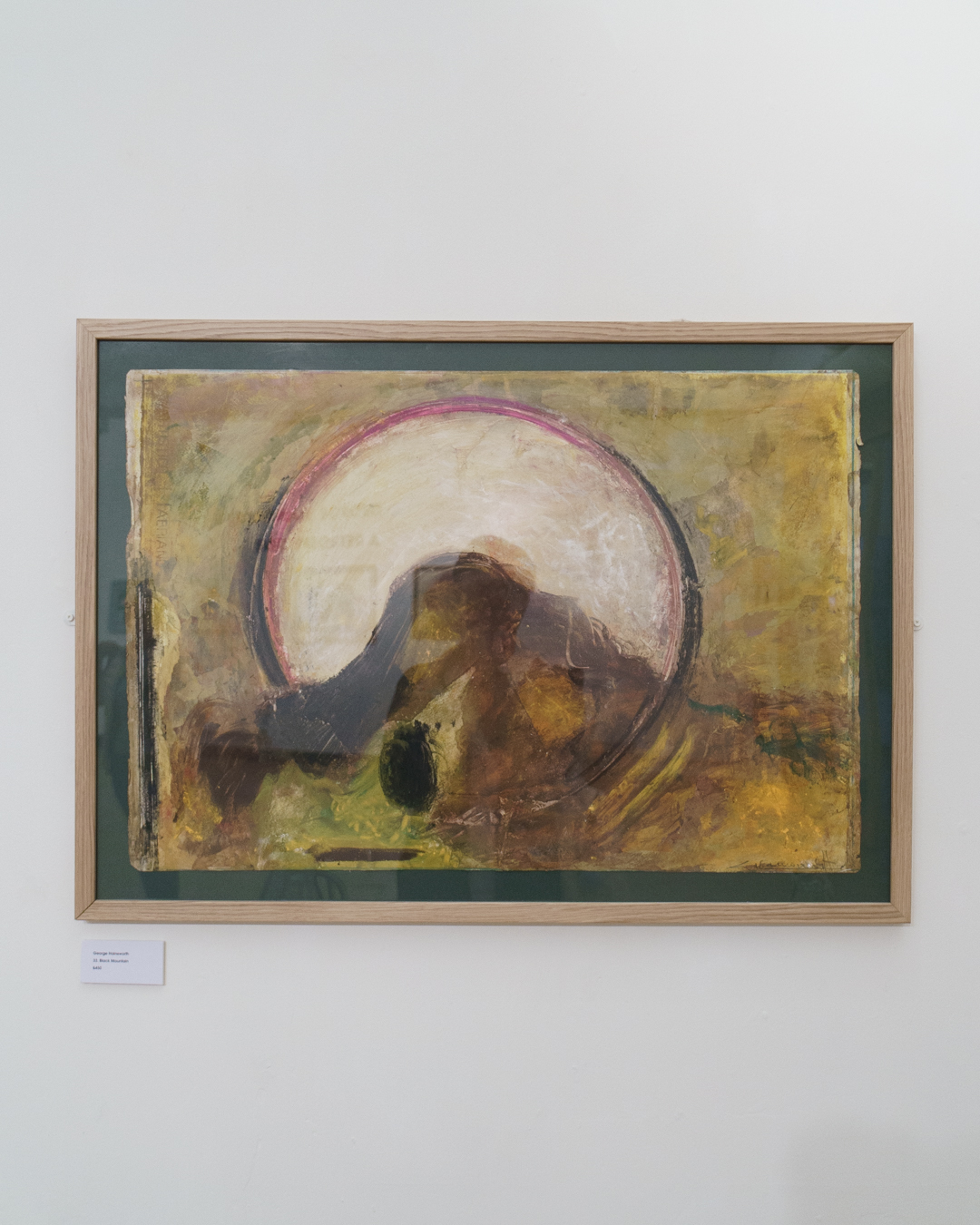
When seen as a whole, Hainsworth’s works offer quite a broad survey of innovative traits popularised by British artists since the 1960s. His still life fruits remind me of Matthew Smith; the pastel-coloured figure paintings bring back memories of the late Rose Hilton; and his material approach to geometry would pair well with the works of Barbara Hepworth and Ben Nicholson.
Through careful experimentation with materials and compositional formats, one can really feel Hainsworth’s enjoyment in the act of making art. His works have a comforting, humble quality to them which, in my opinion, is what makes them so very attractive in the first place. These traits are rare to find among contemporary art nowadays, so encountering them is like finding a pearl inside an oyster: one just has to go out searching for more.
George Hainsworth: A Retrospective (22 February – 25 May 2025) is at the Crossley Gallery, D Mill, Dean Clough, Halifax, West Yorkshire, https://www.deanclough.com/

 Nigel Ip
Leave a comment