
Tirzah Garwood at Dulwich Picture Gallery joins a long list of monographic exhibitions that aim to reinstate the contributions of women artists whose husbands happen to be more famous. In this case, Garwood was married to Eric Ravilious, one of Britain’s proud icons across painting, design, wood engraving, and book illustration. Some of his works are juxtaposed throughout the show to highlight thematic links and inspirations.
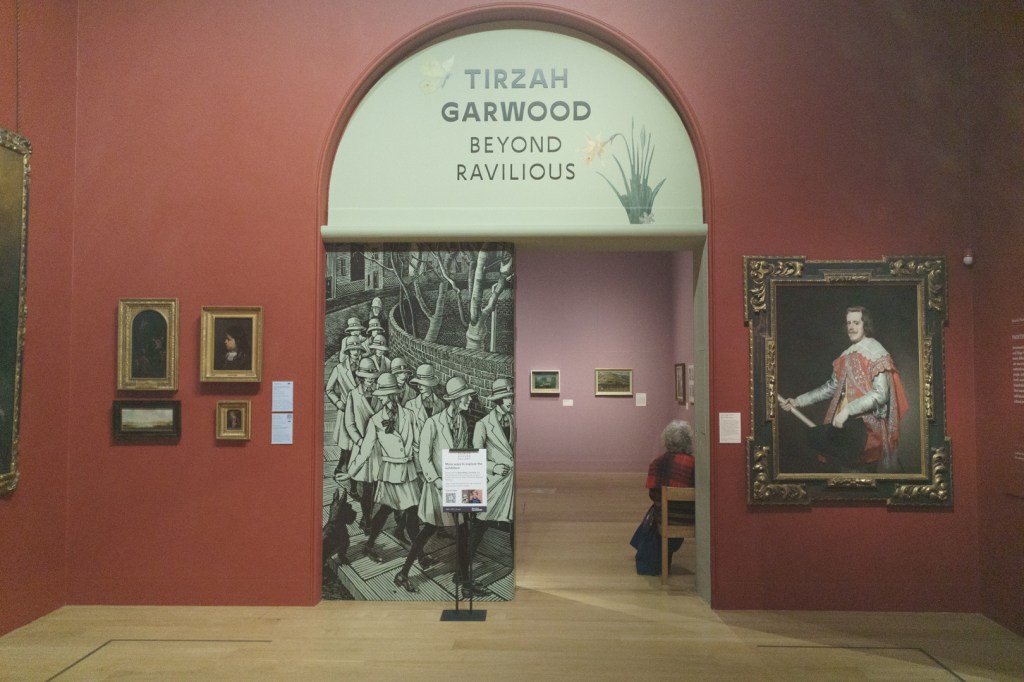

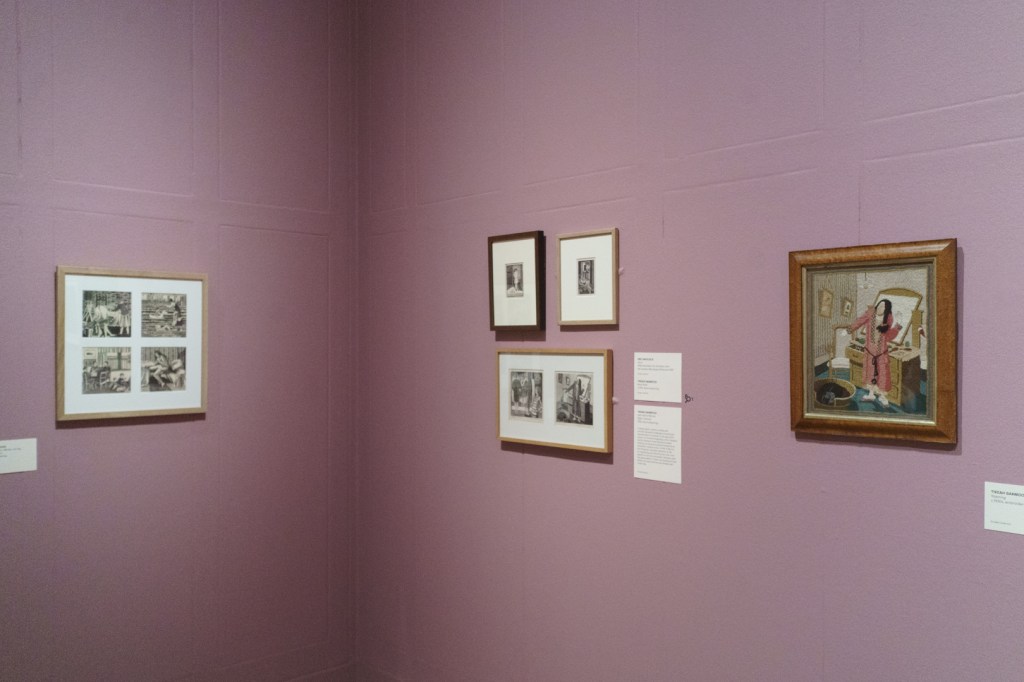


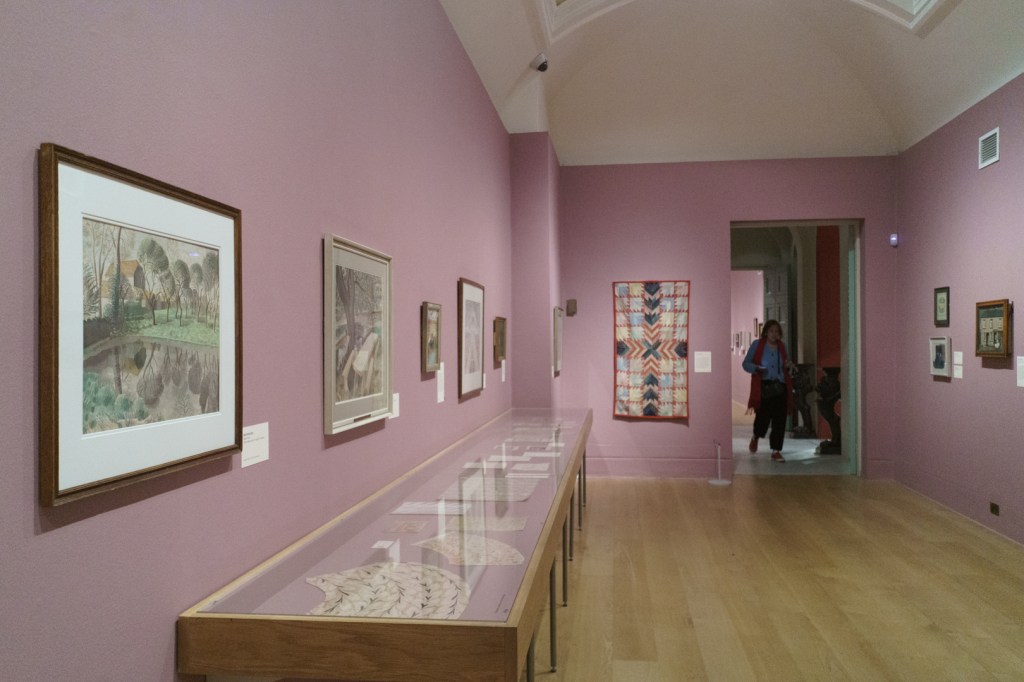
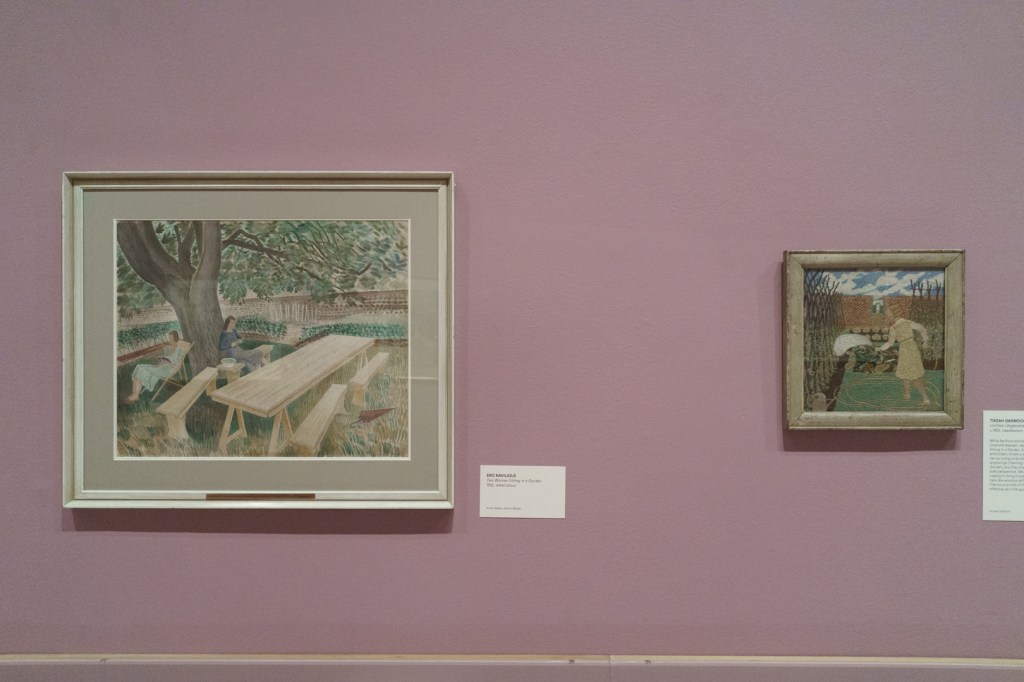


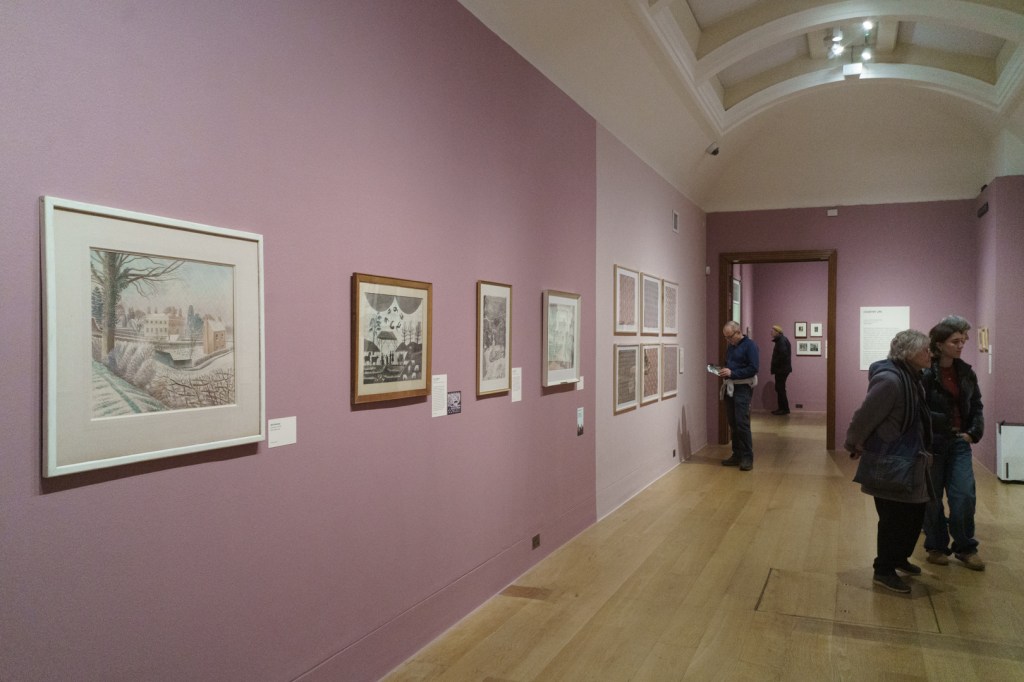

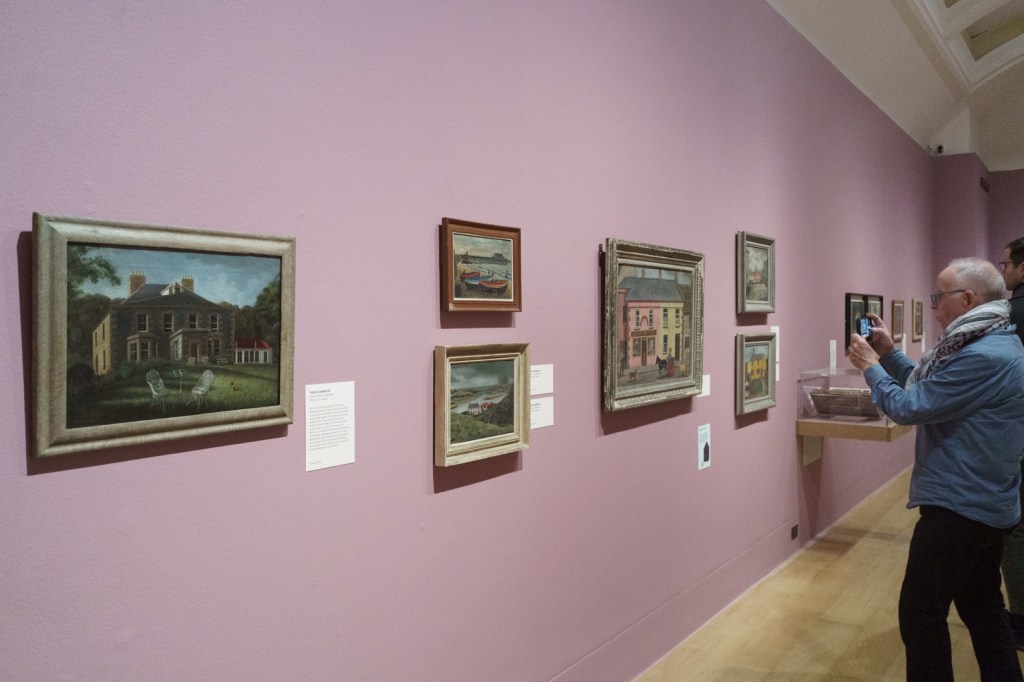

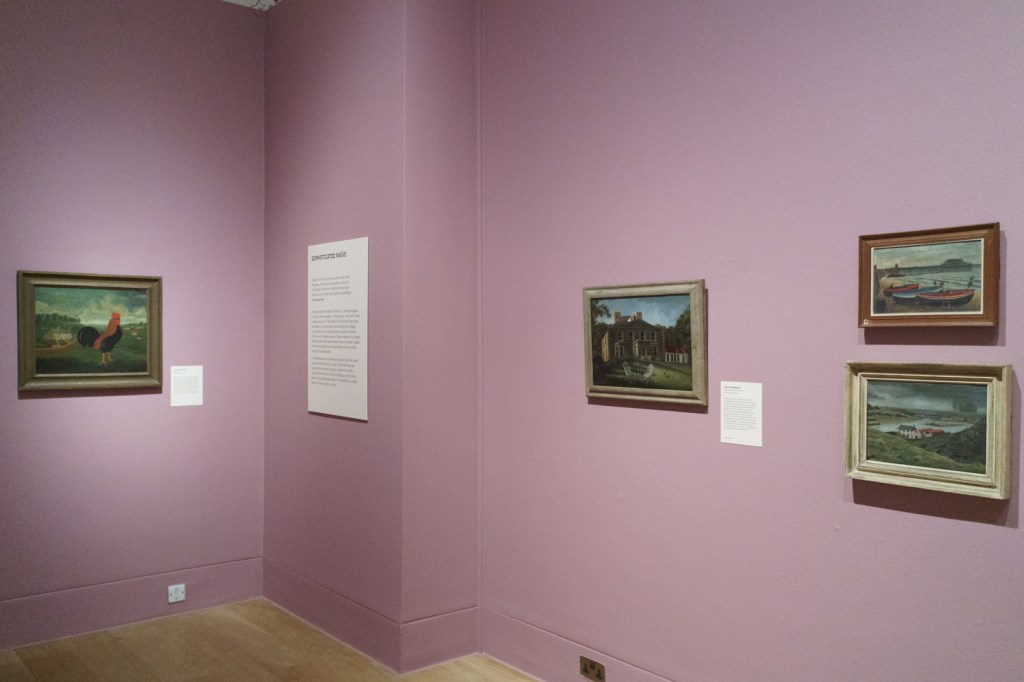
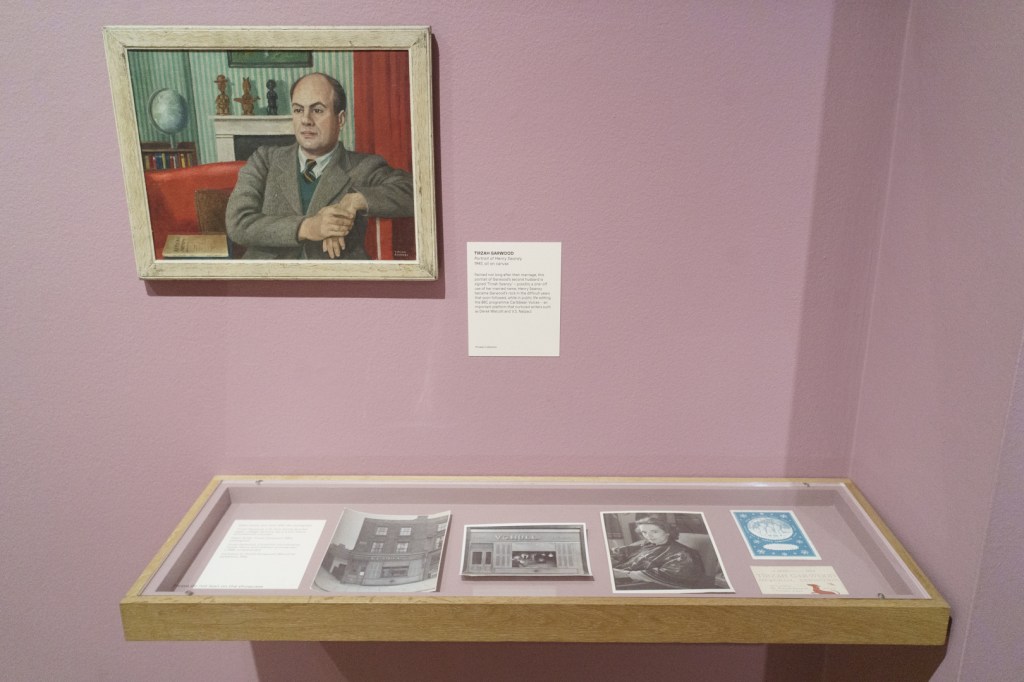
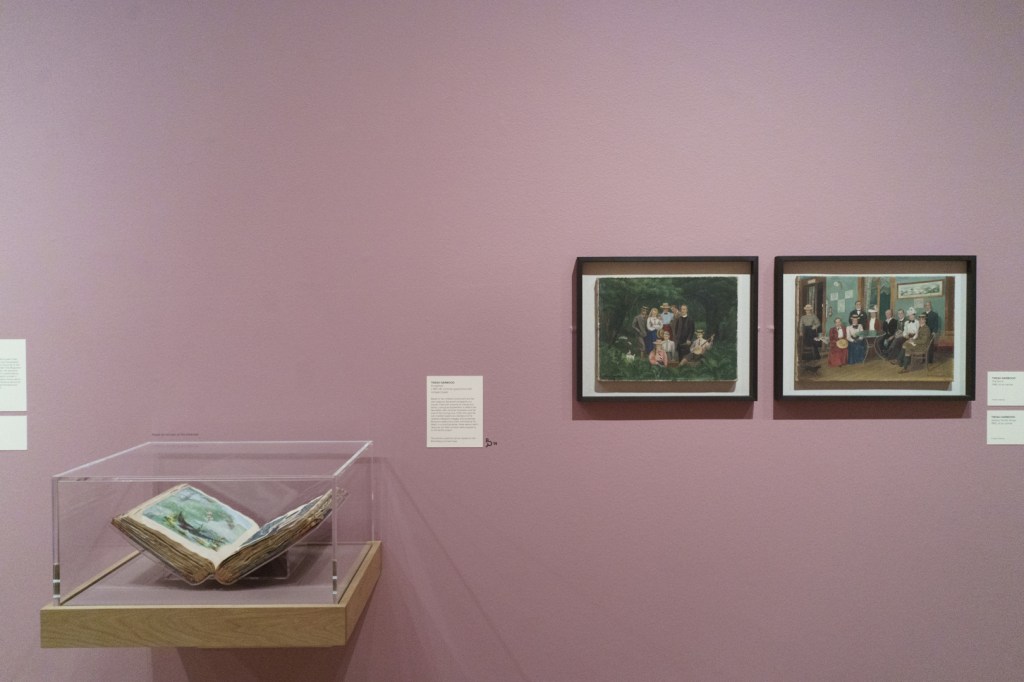
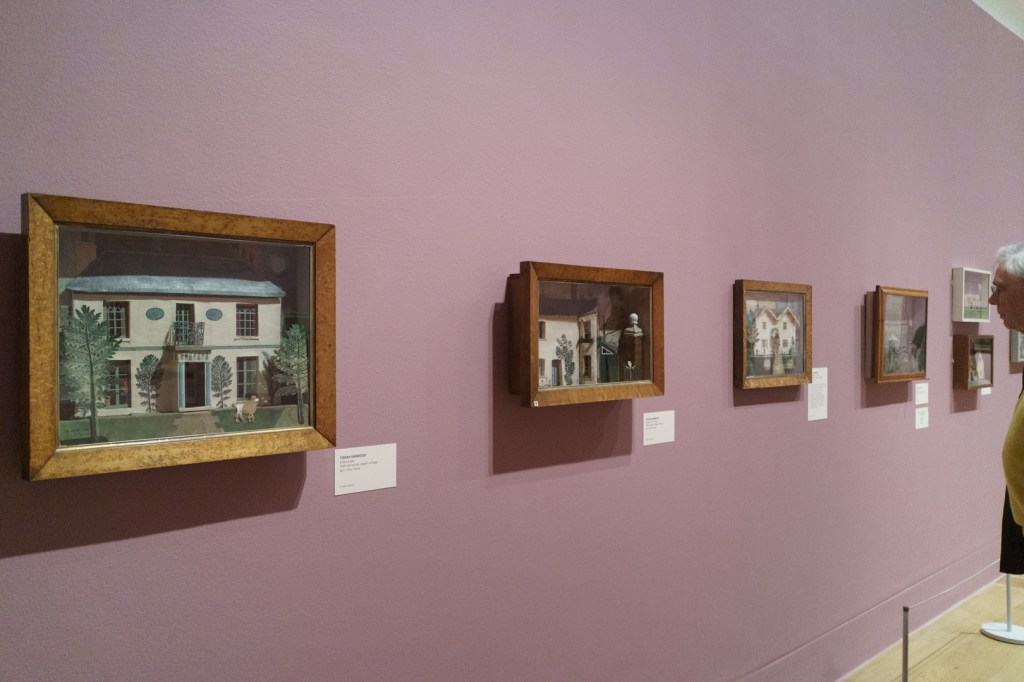

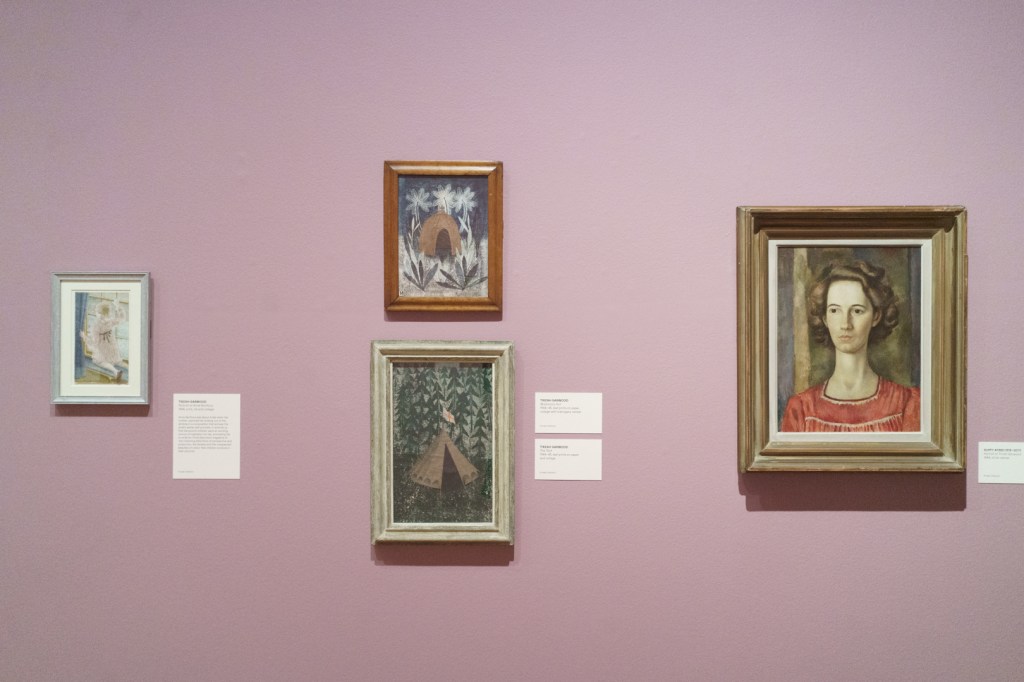
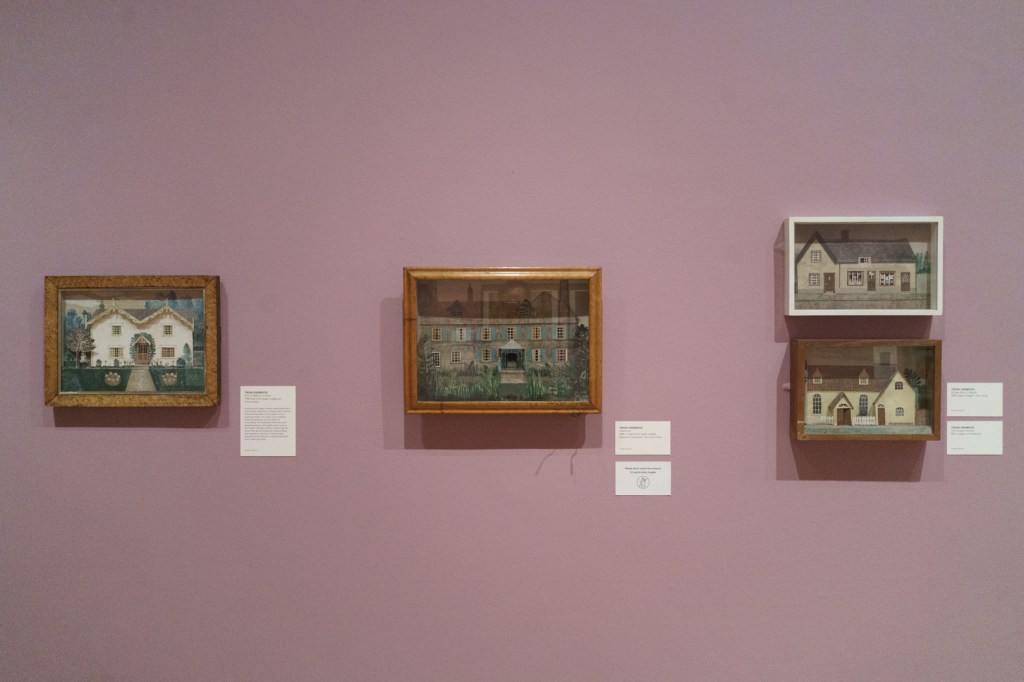
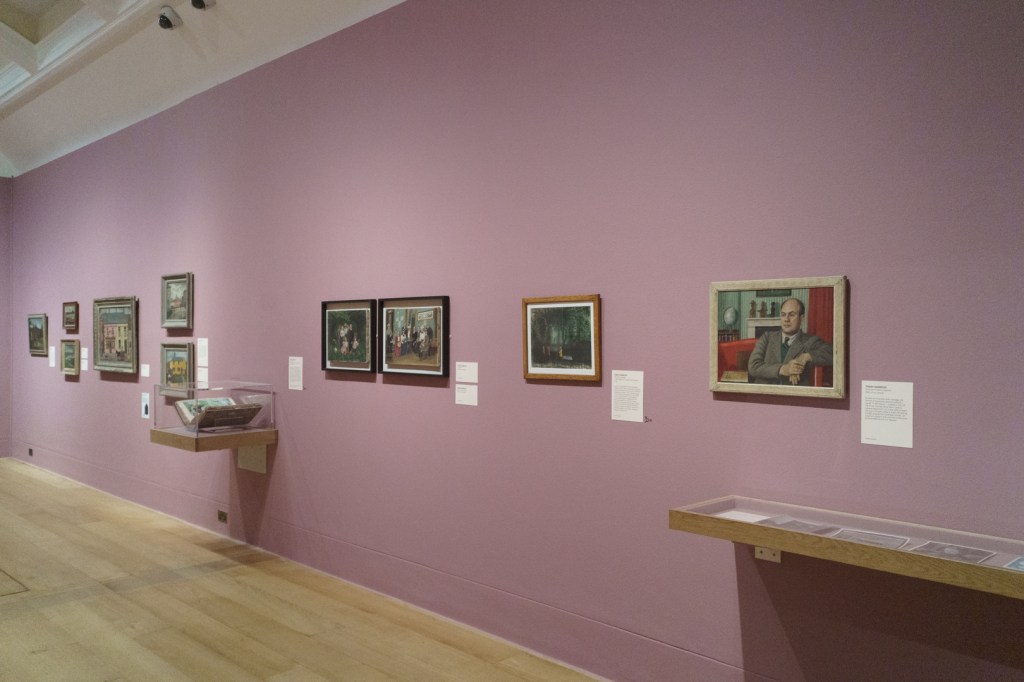
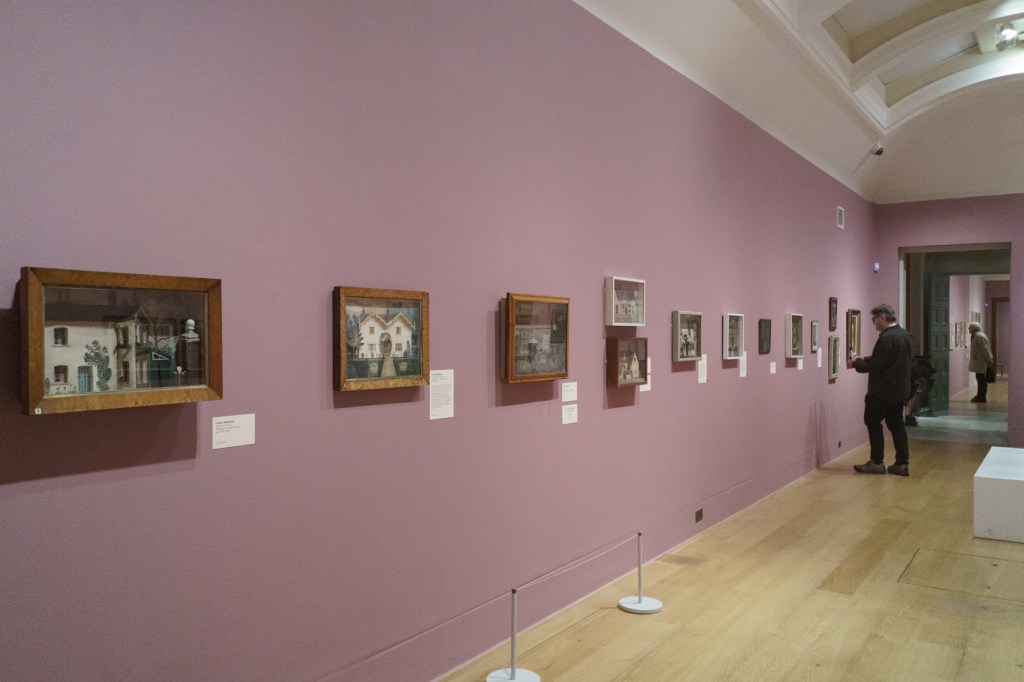
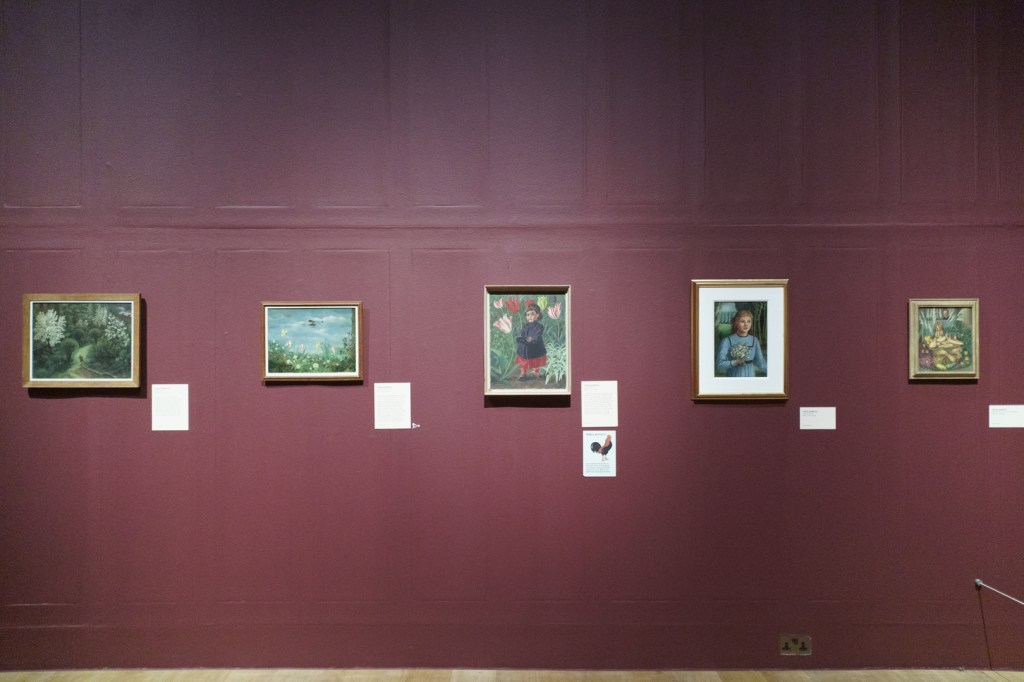
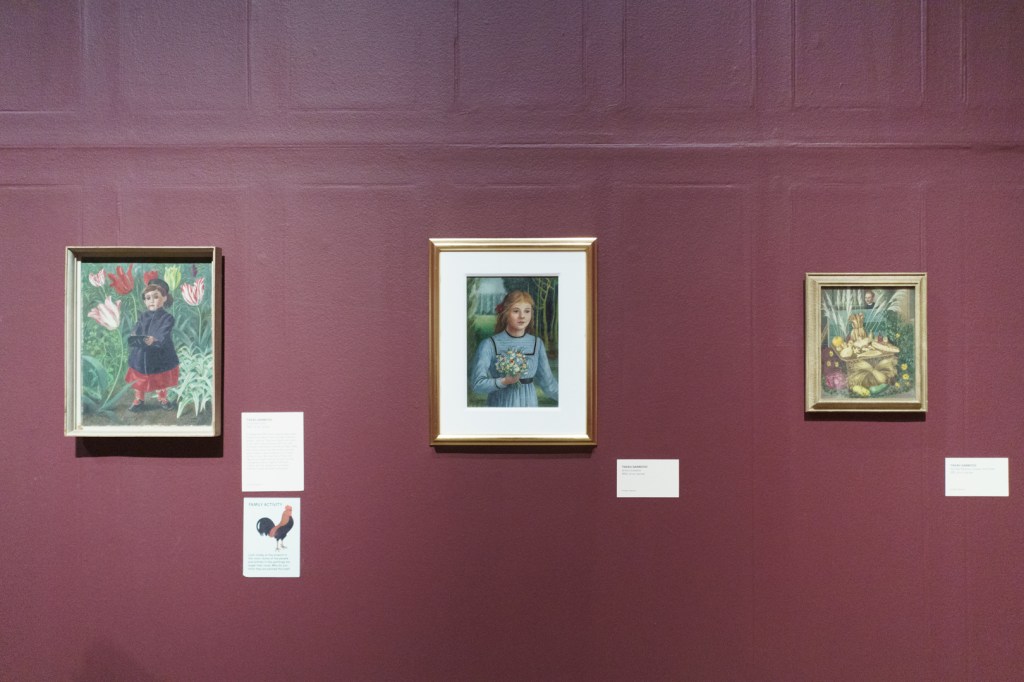

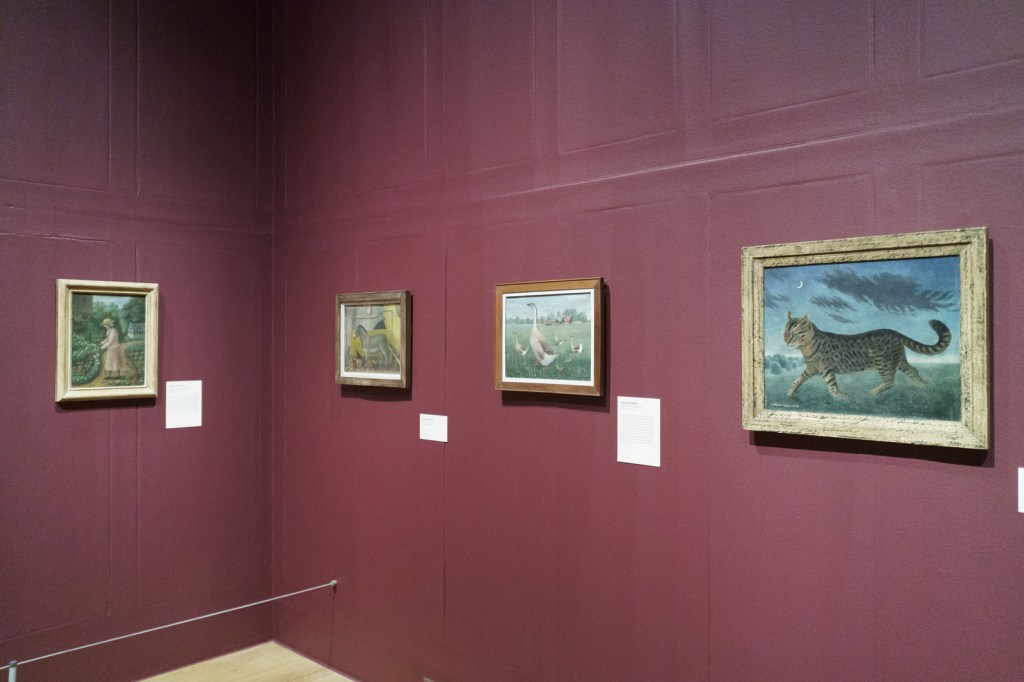
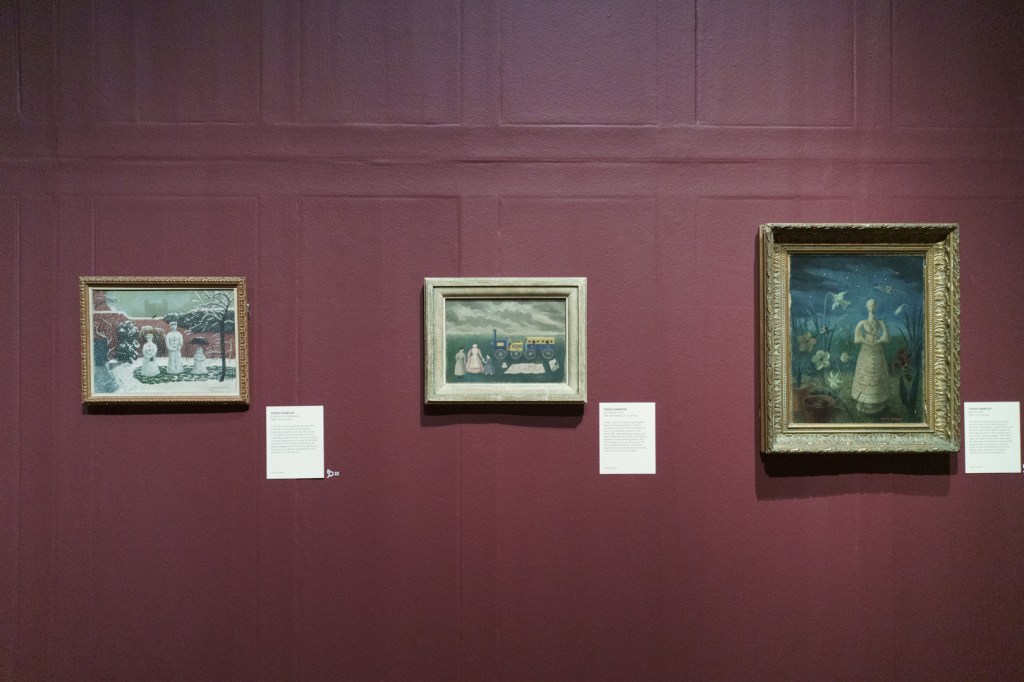
I would not describe Garwood’s work as particularly beautiful, but they do offer a time capsule-like experience for understanding inter-war Britain. Her masterful wood engravings illustrate a vibrant, hardworking society, sometimes with poignant commentaries about socio-economic class systems.


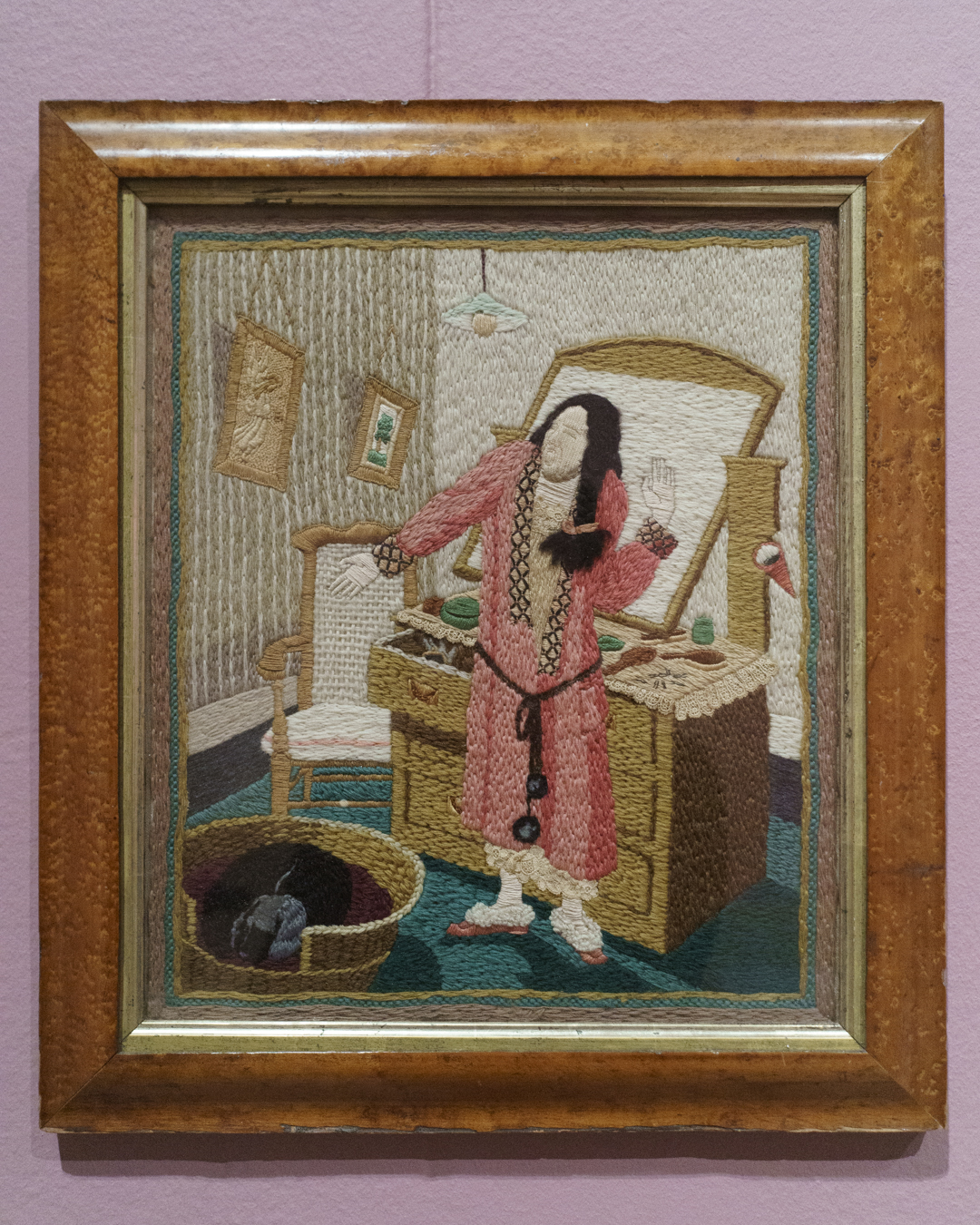


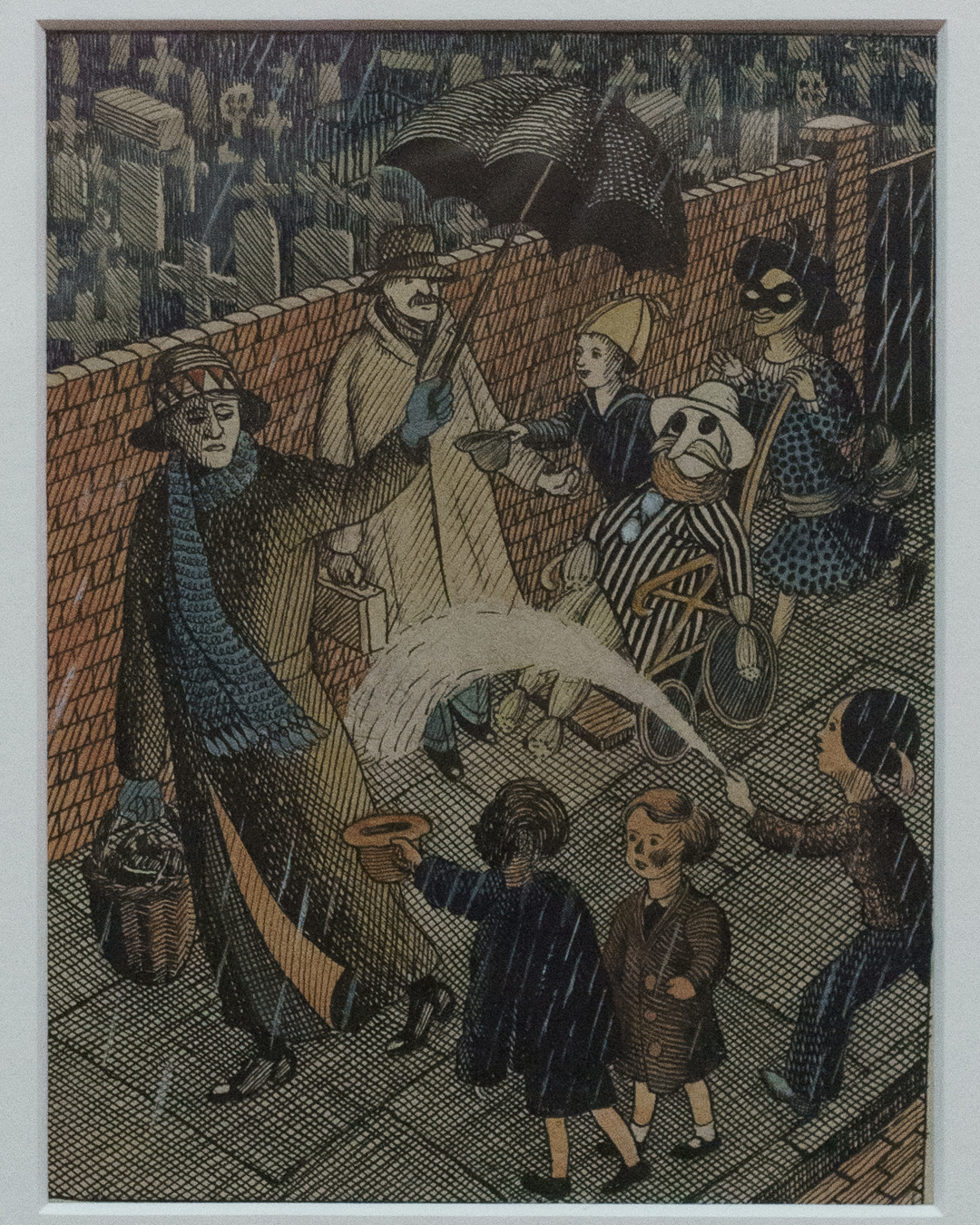

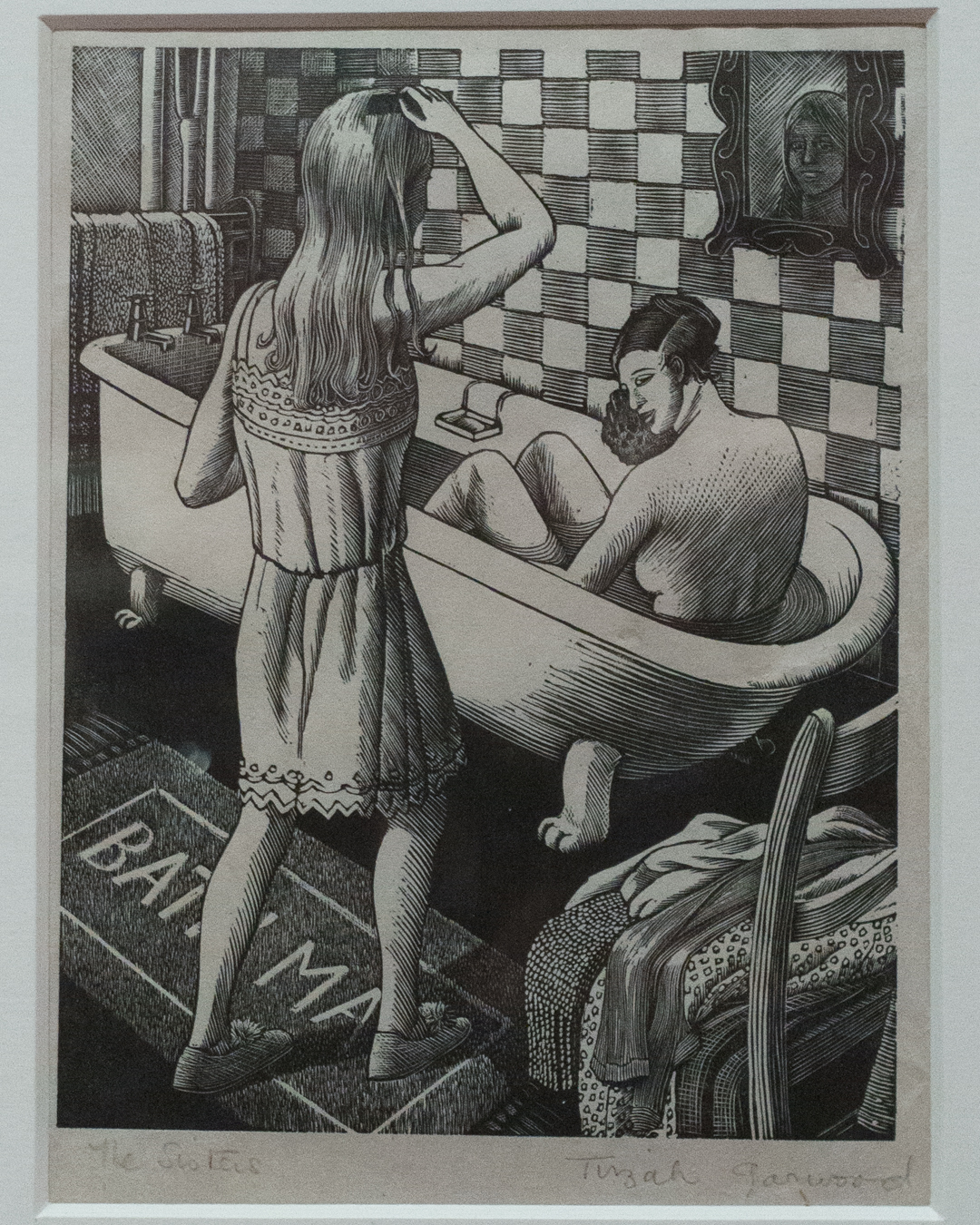
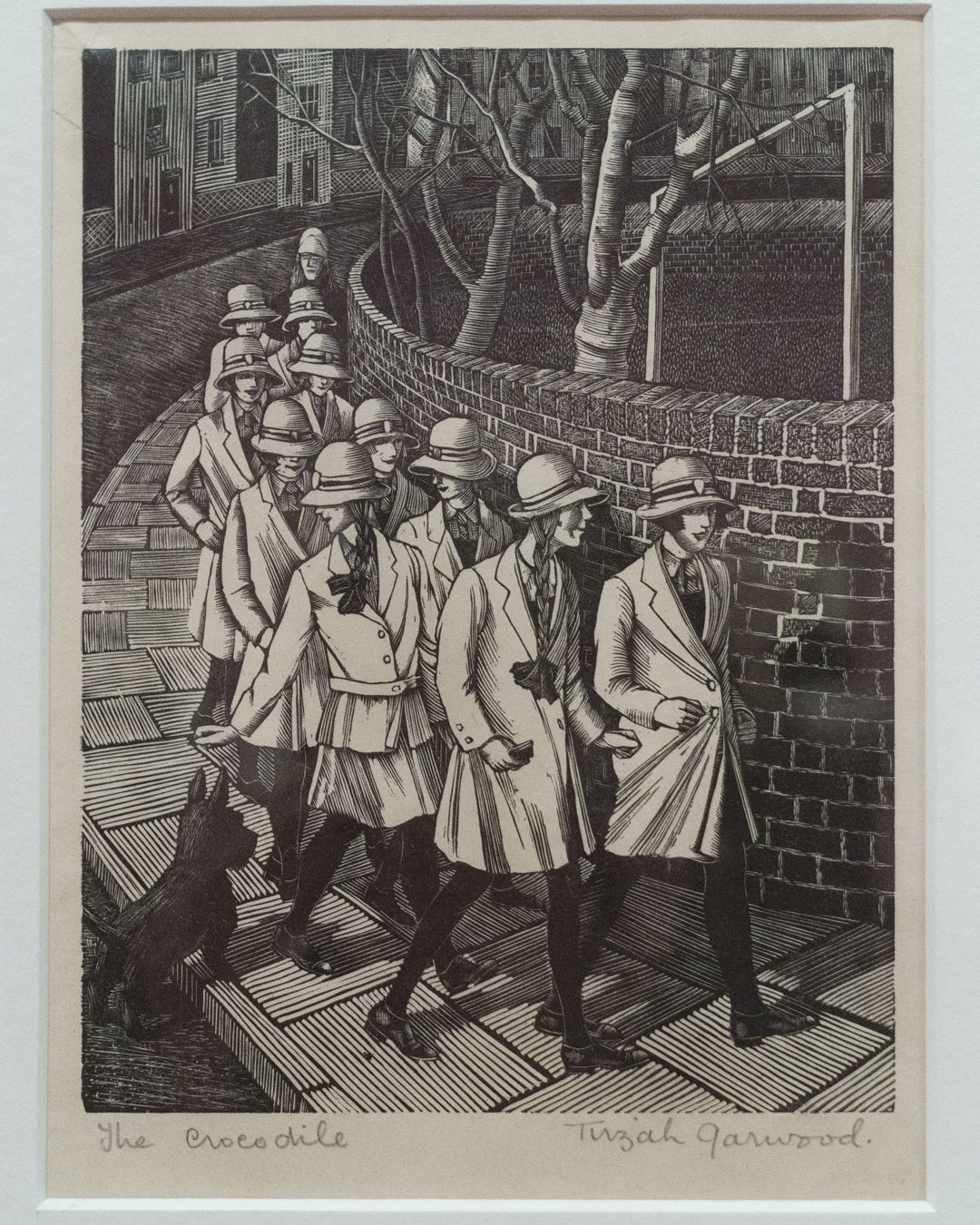


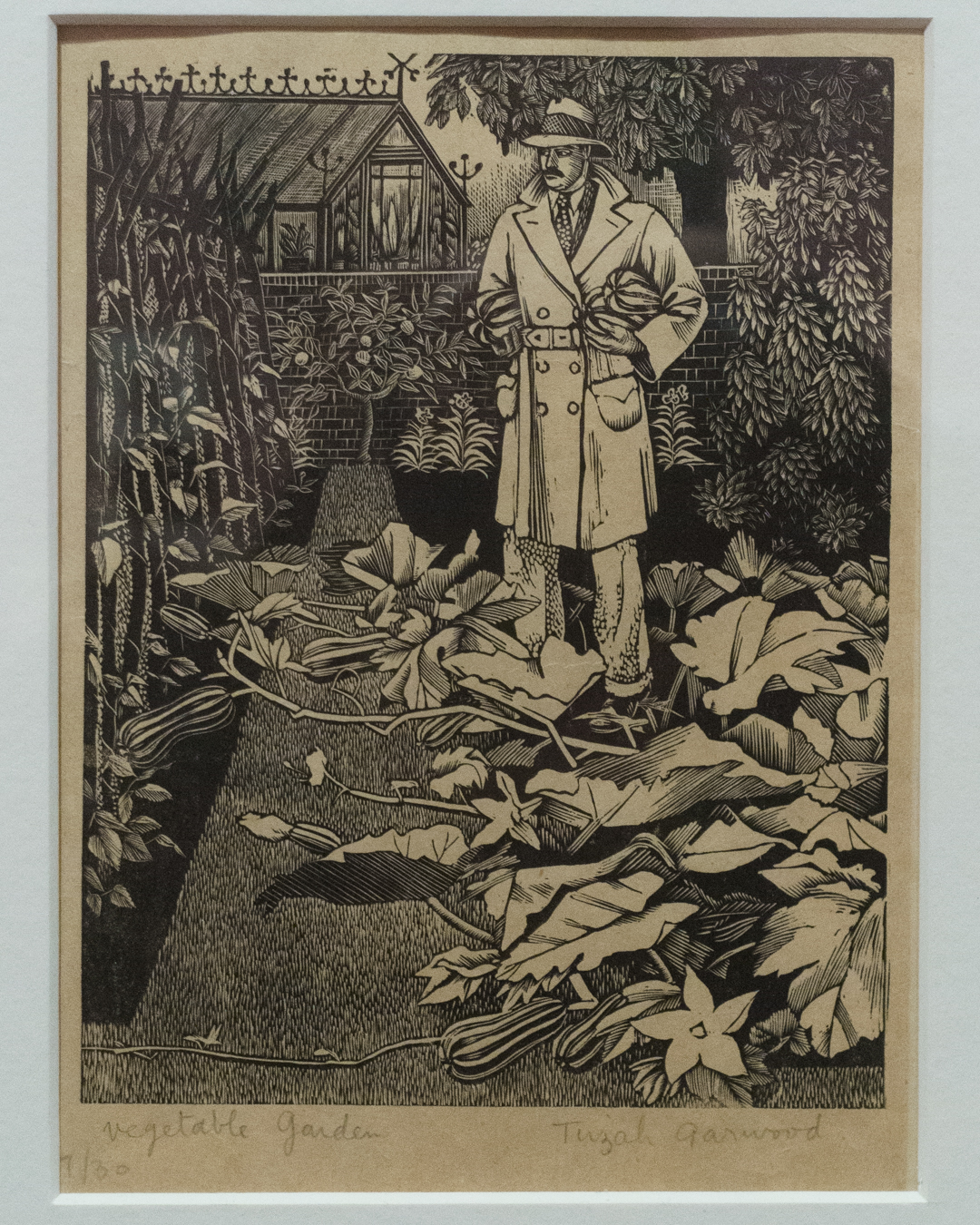

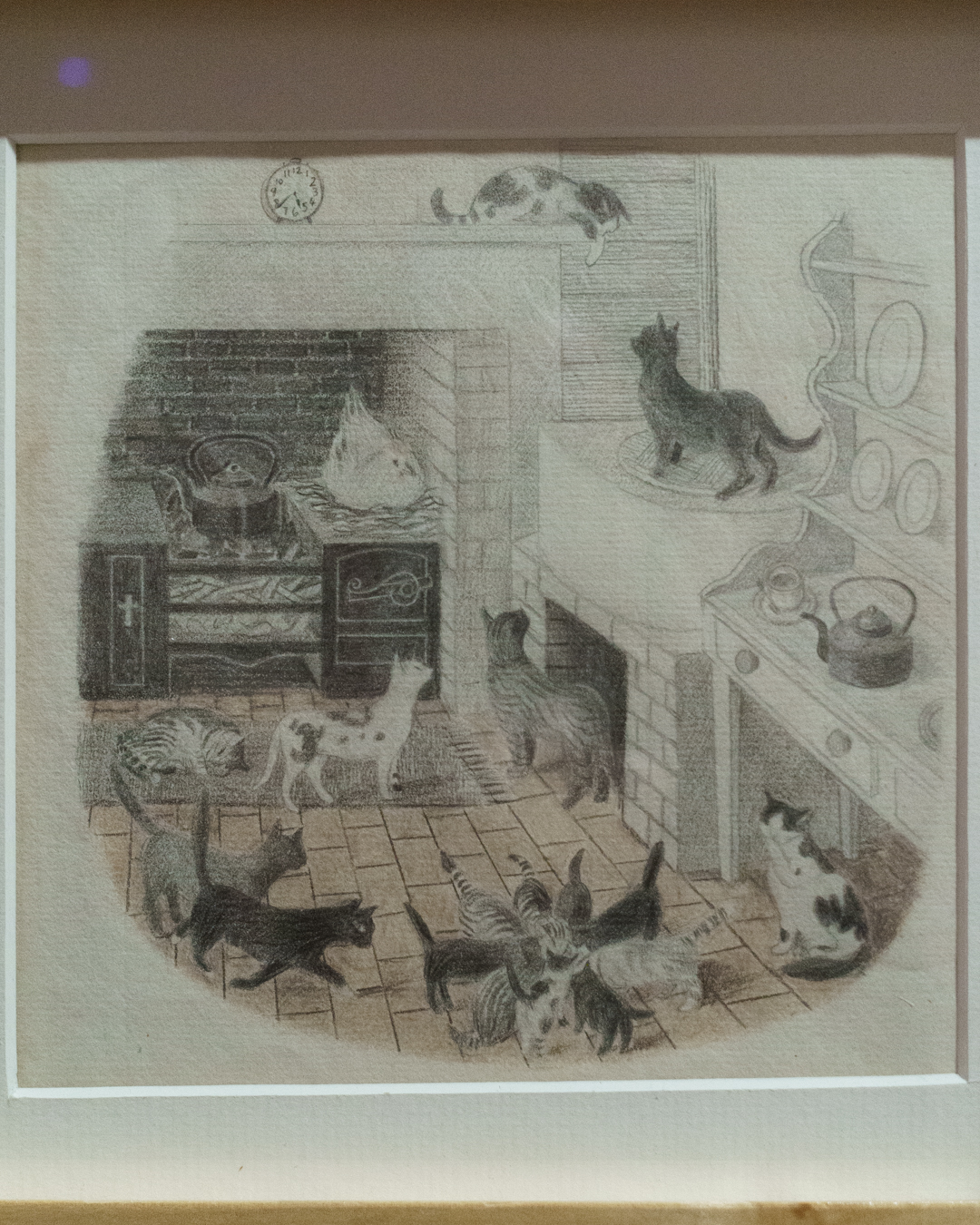
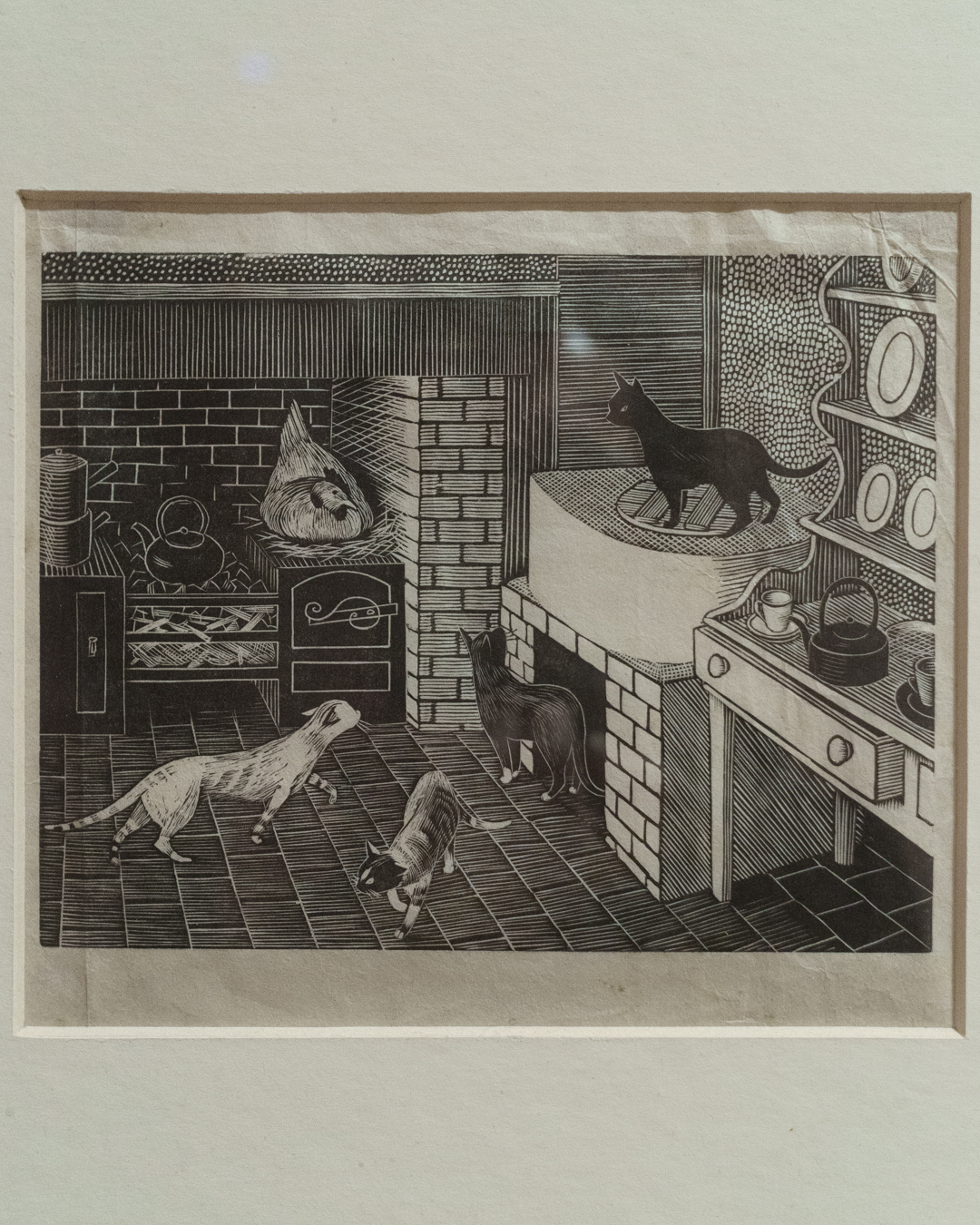

Many of these are rather ordinary glimpses in daily life – commuters on the train, people gardening, napping, cats playing about, etc. – and she doesn’t seem to try to elevate their perceived status either, which runs counter to the immortalising power of art. There’s an honesty to Garwood’s prints that make them quite relatable, despite the 100-year separation.
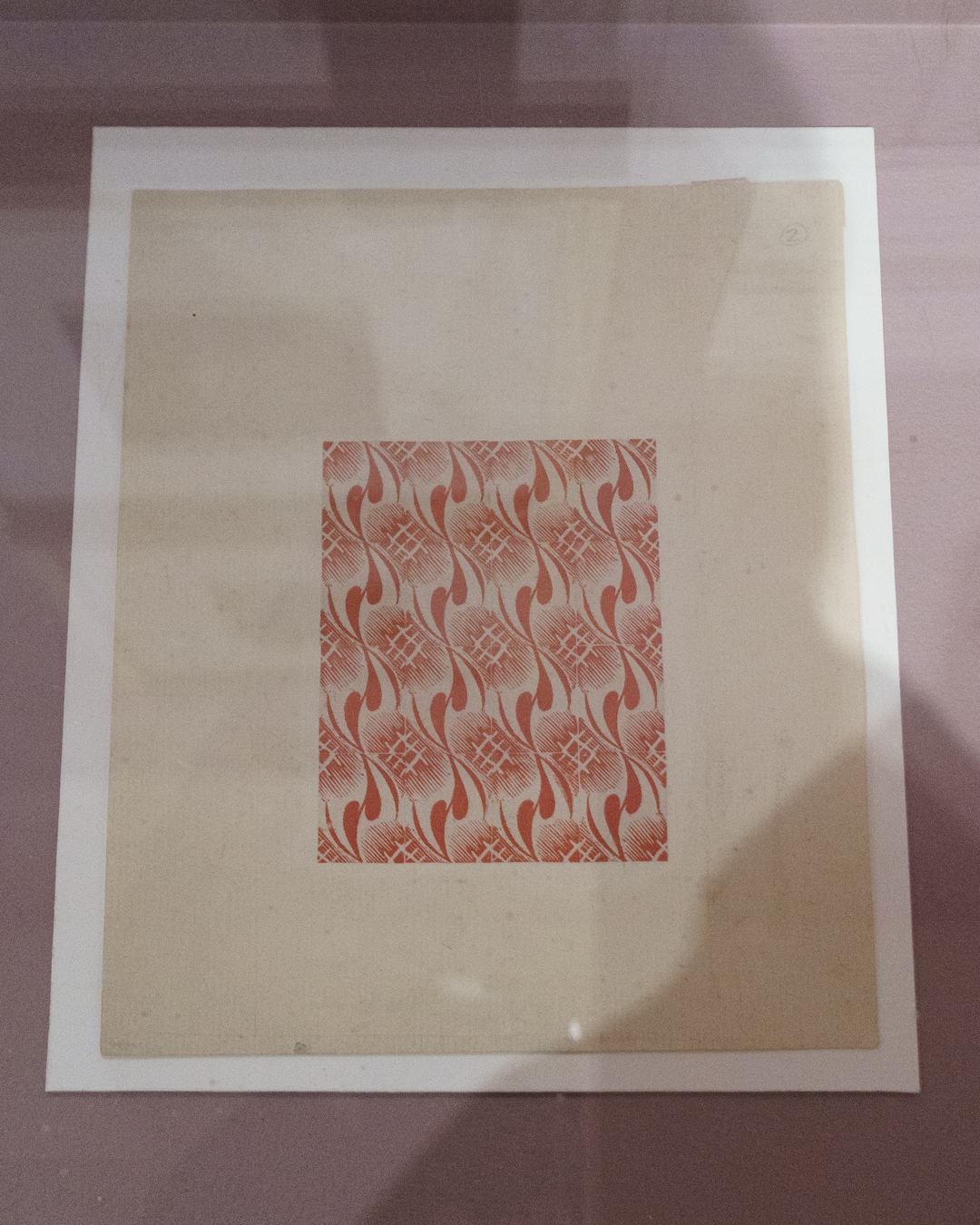
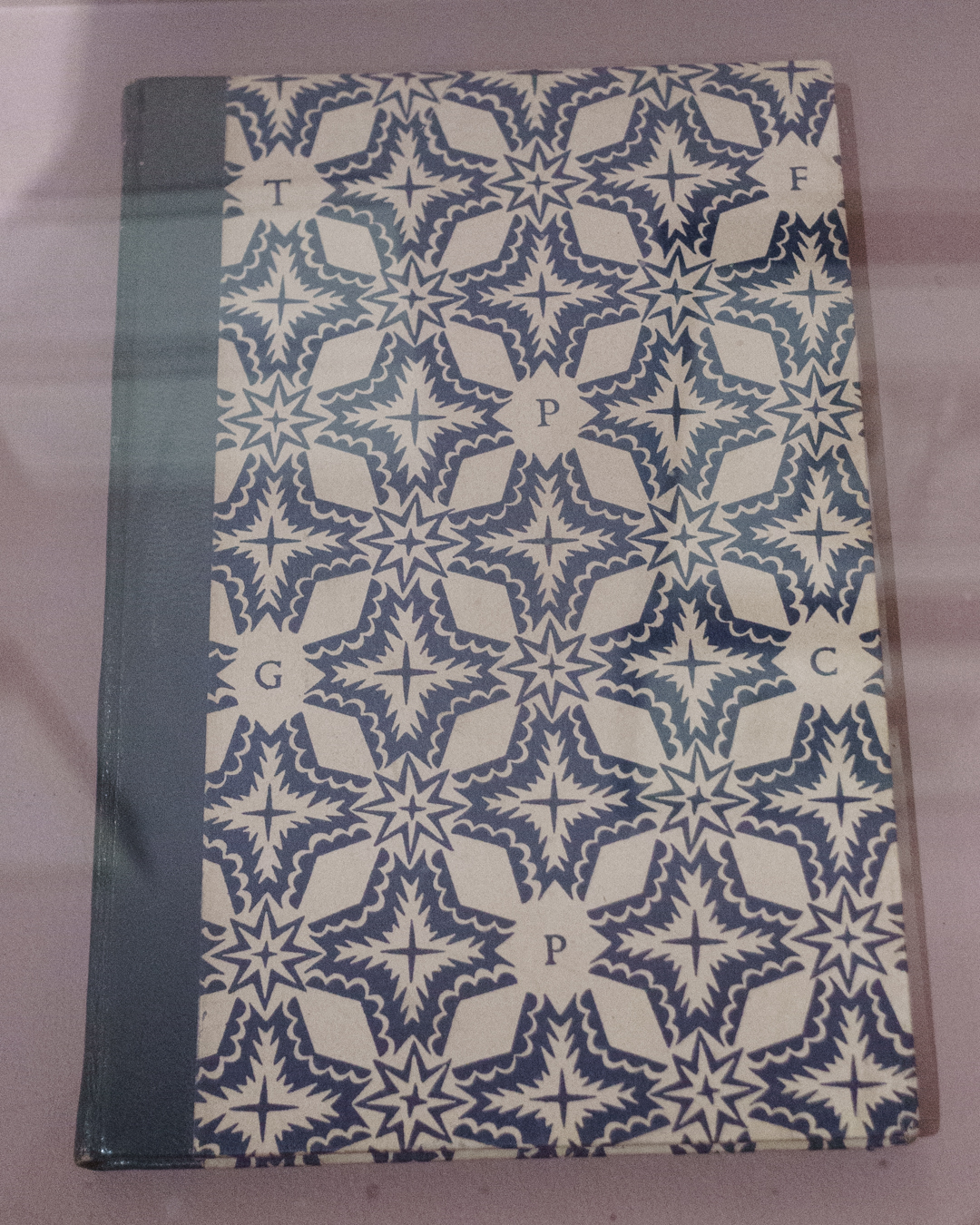
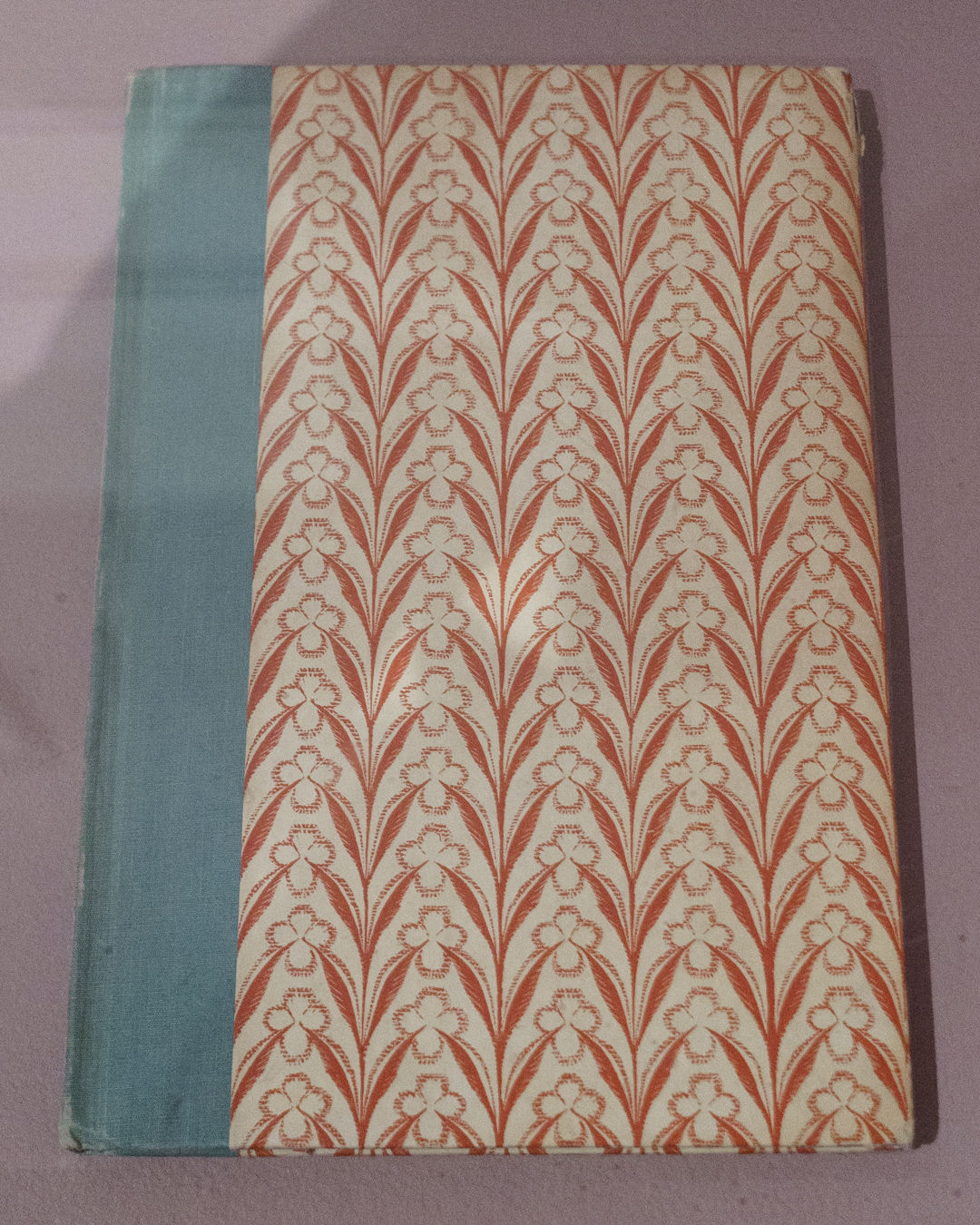
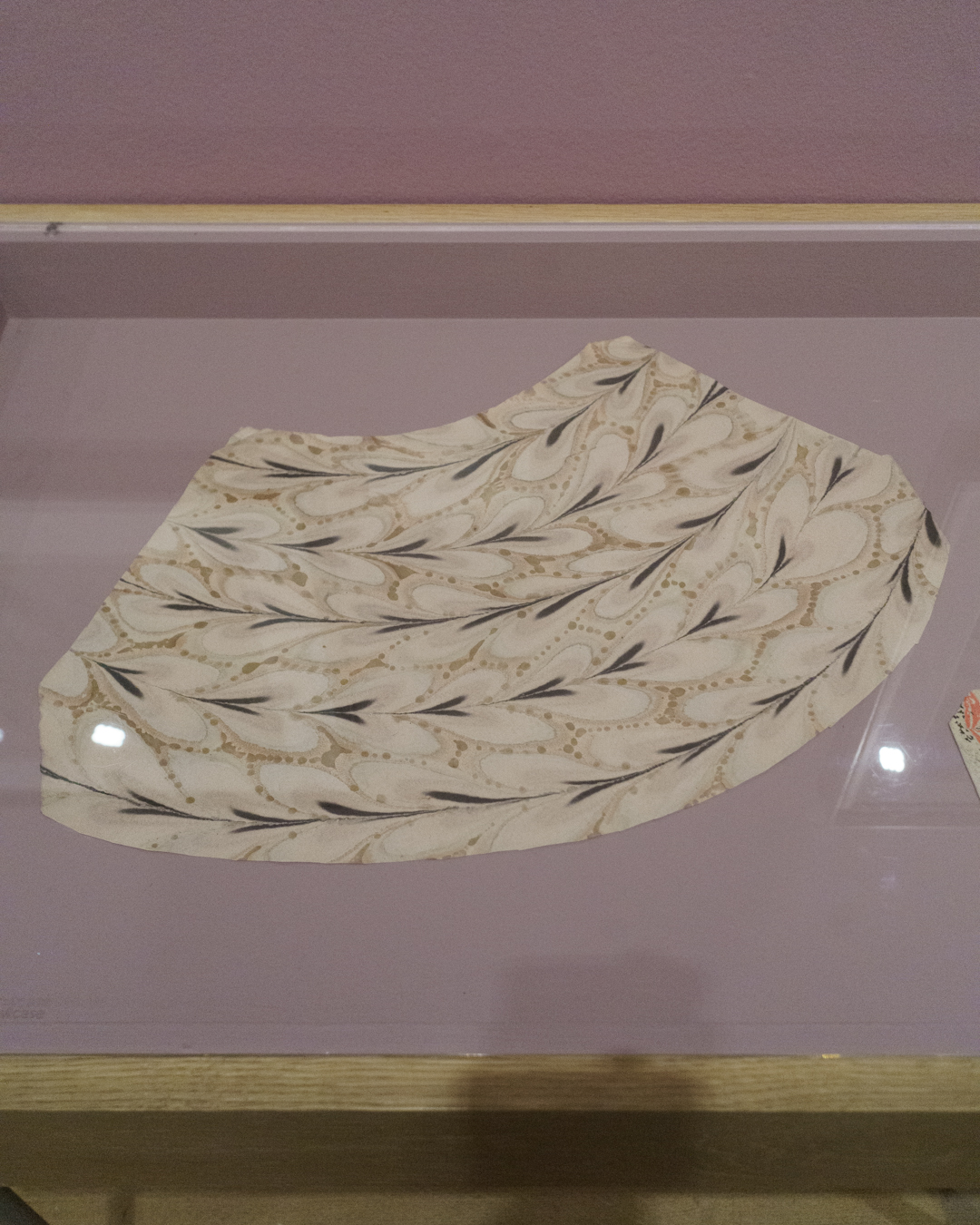
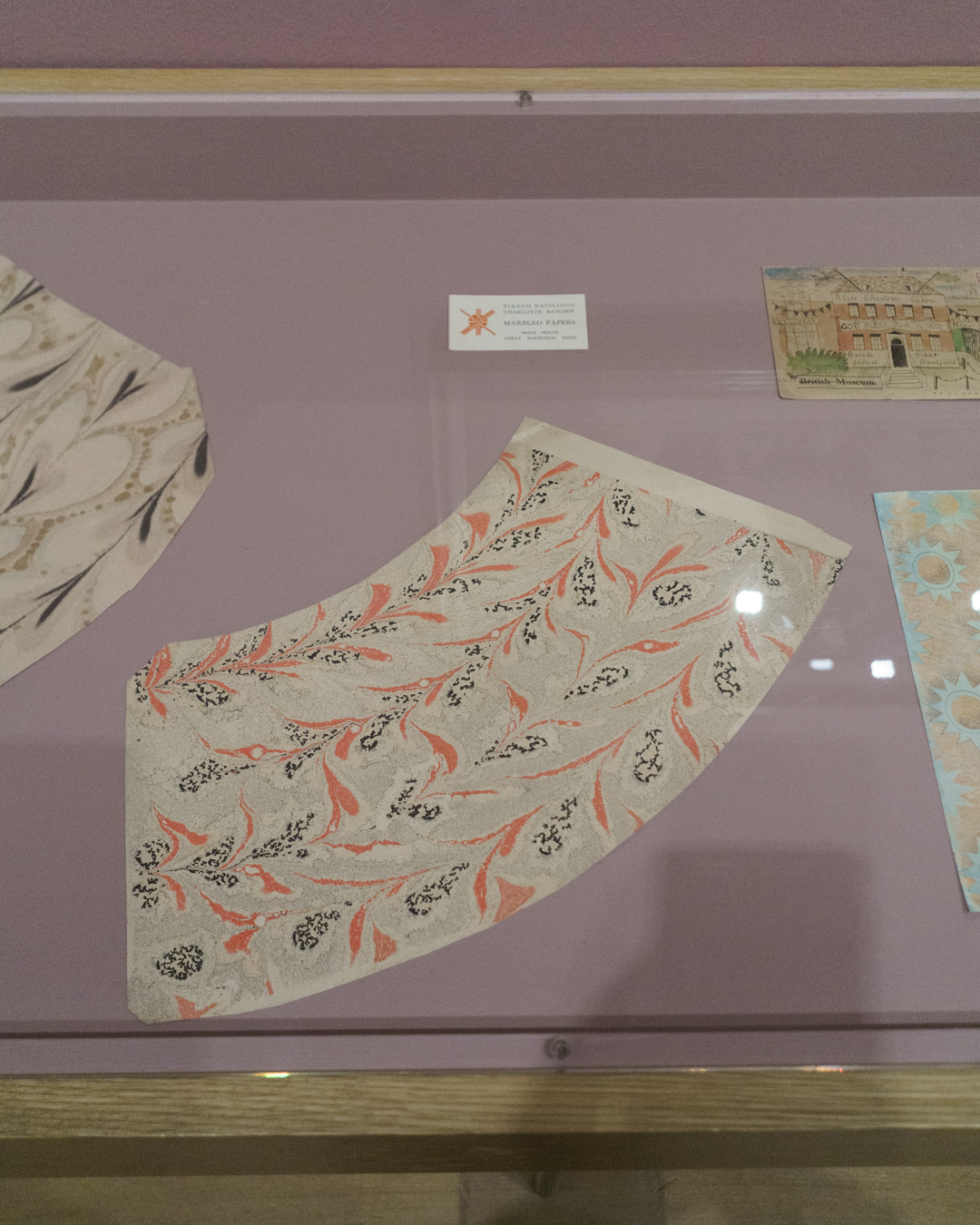
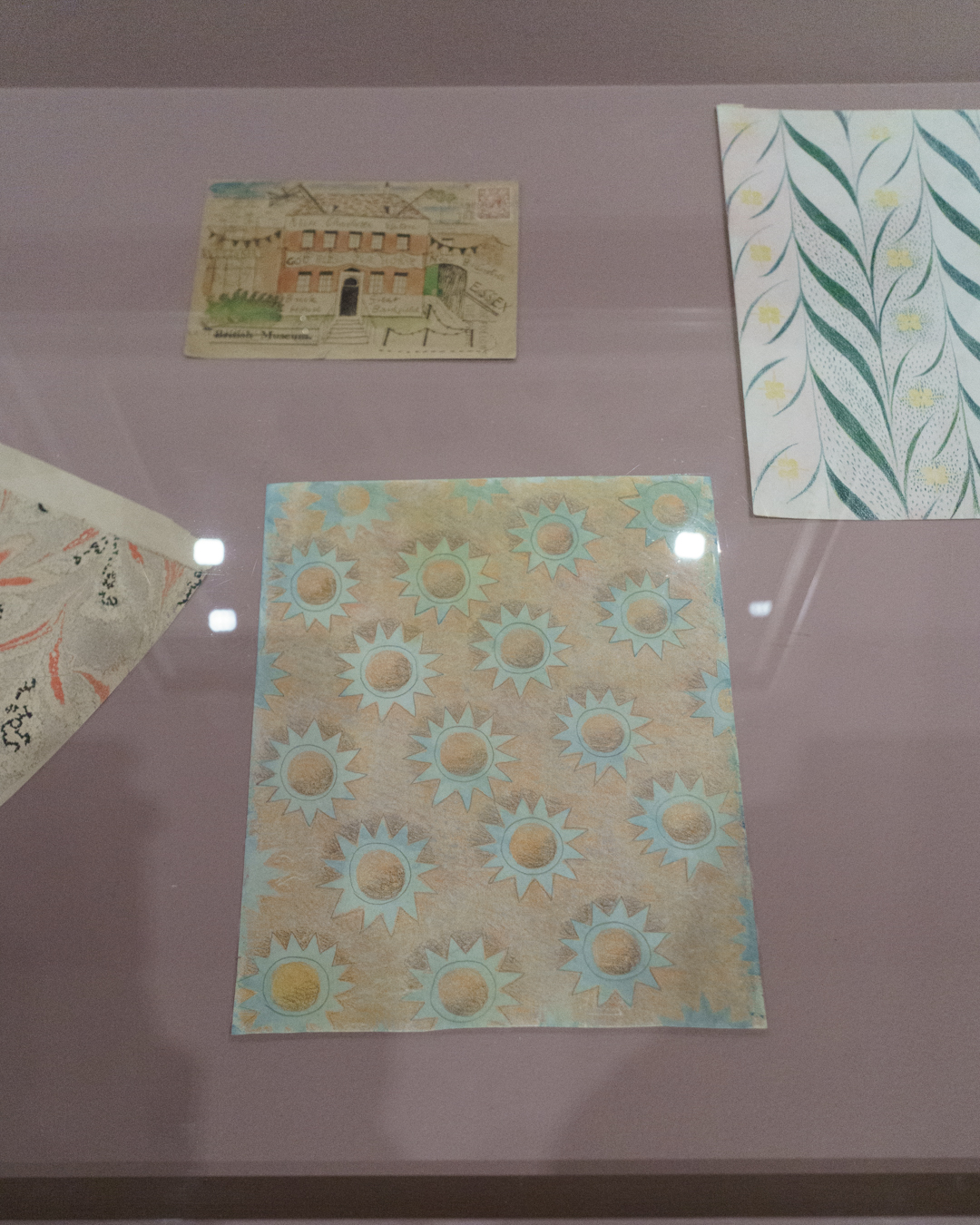
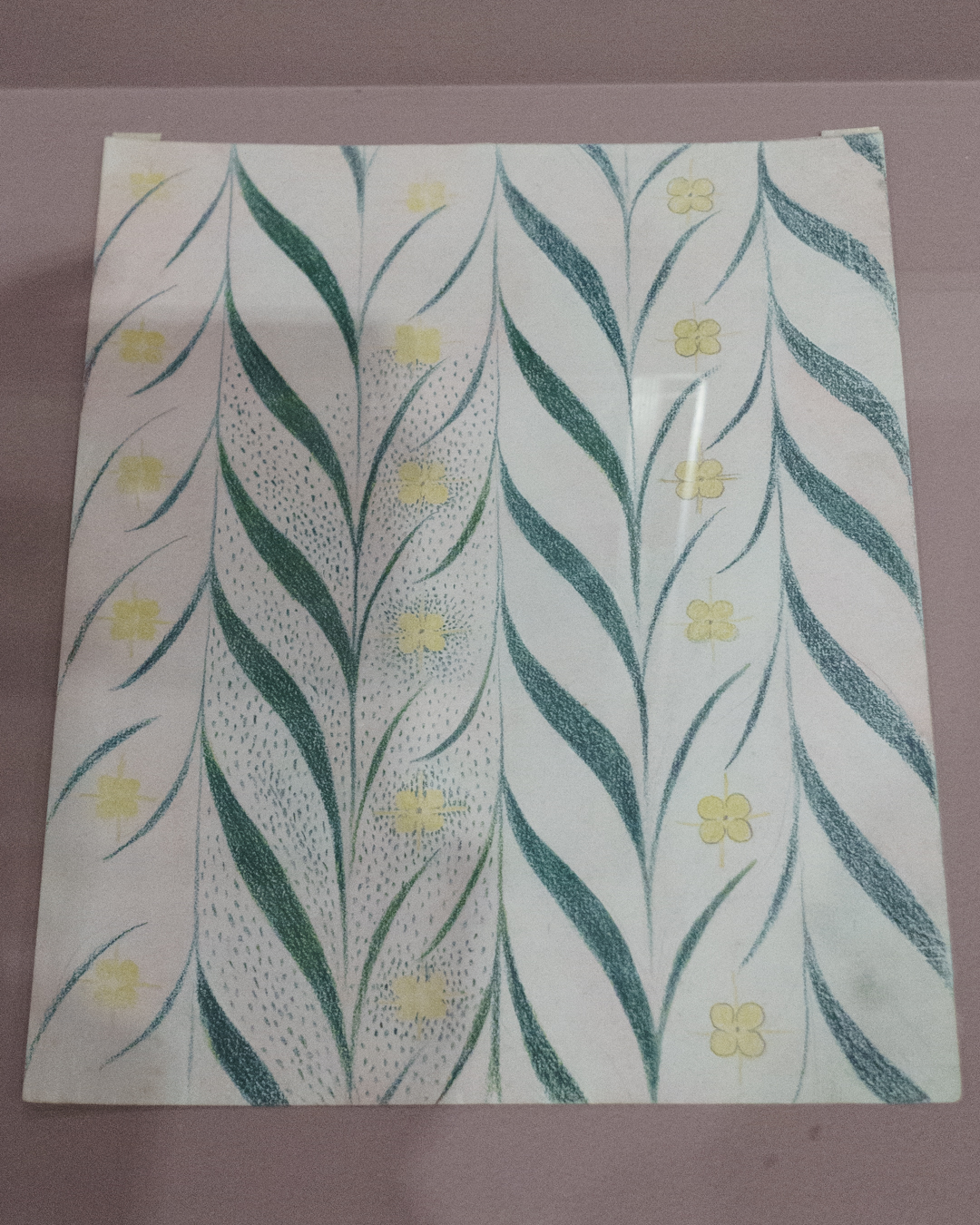
She also ran a very successful paper marbling business with designs that are much more tasteful than most, in my opinion.







Her paintings are a different story. They resemble shoebox creations, filled with doll-like figures and props, toy trains, horses, and dollhouse settings. The dioramas lined up along the wall demonstrate this the best, one of which is especially novel with its rotating crank for animating a river stream and its swimming ducks.


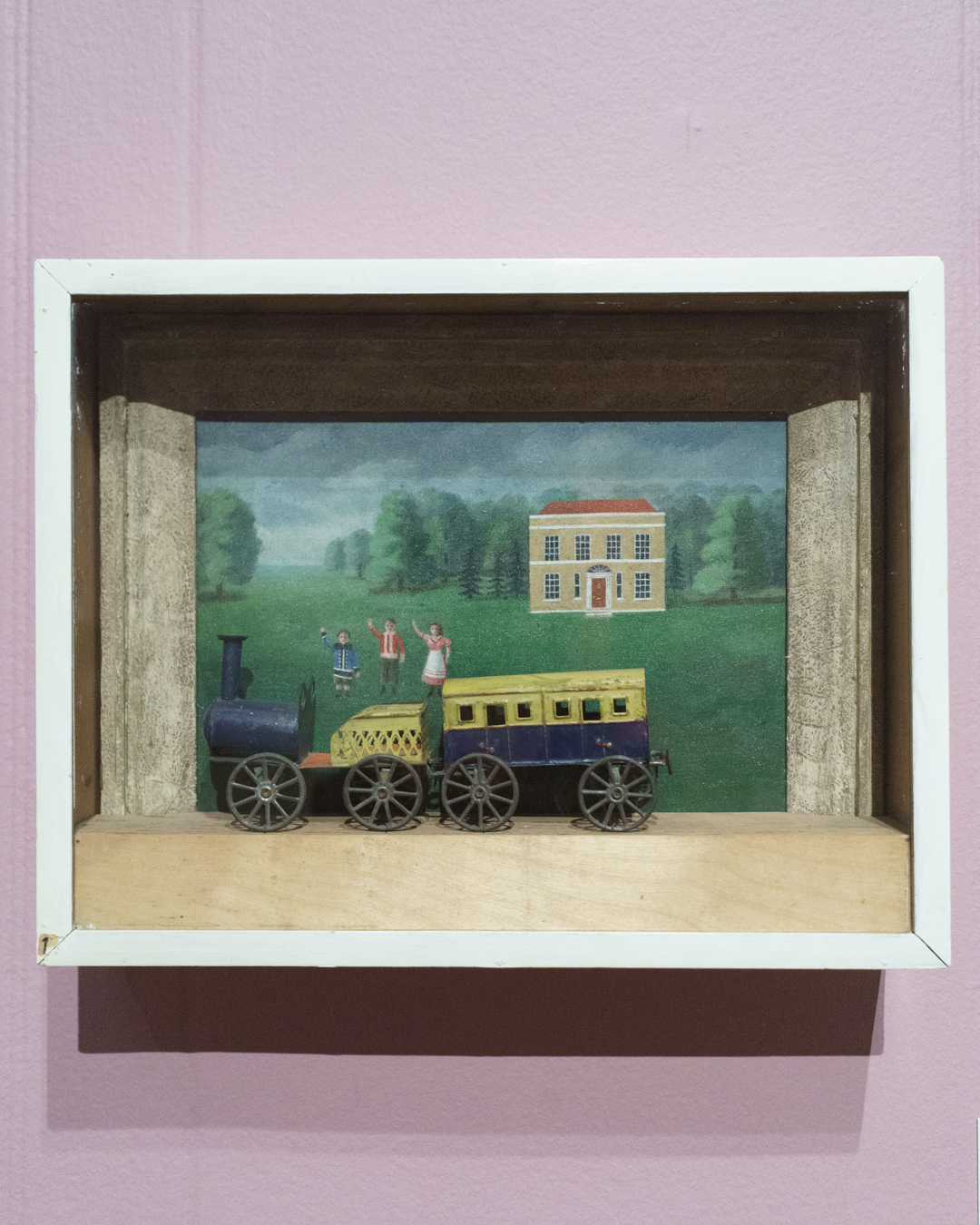
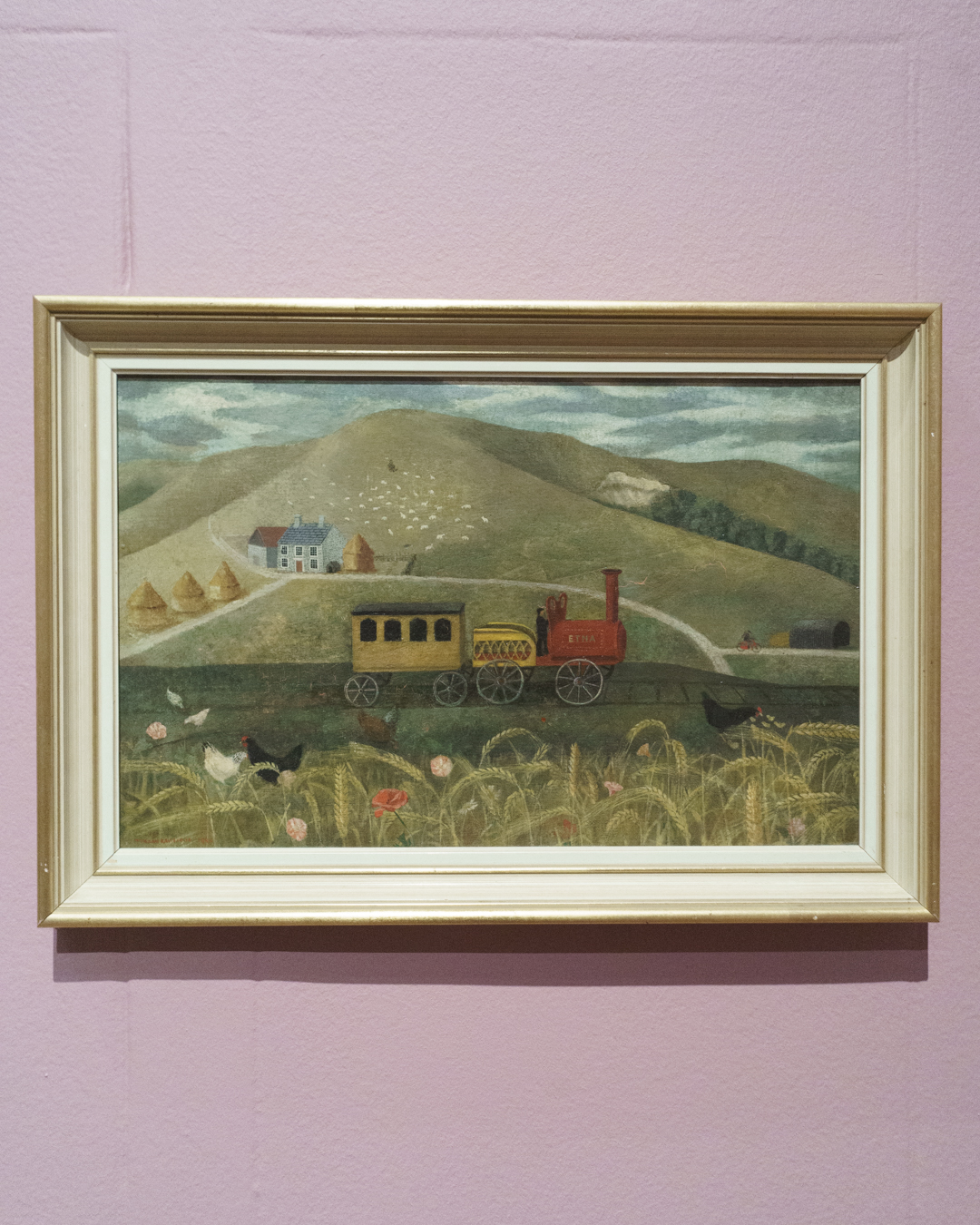

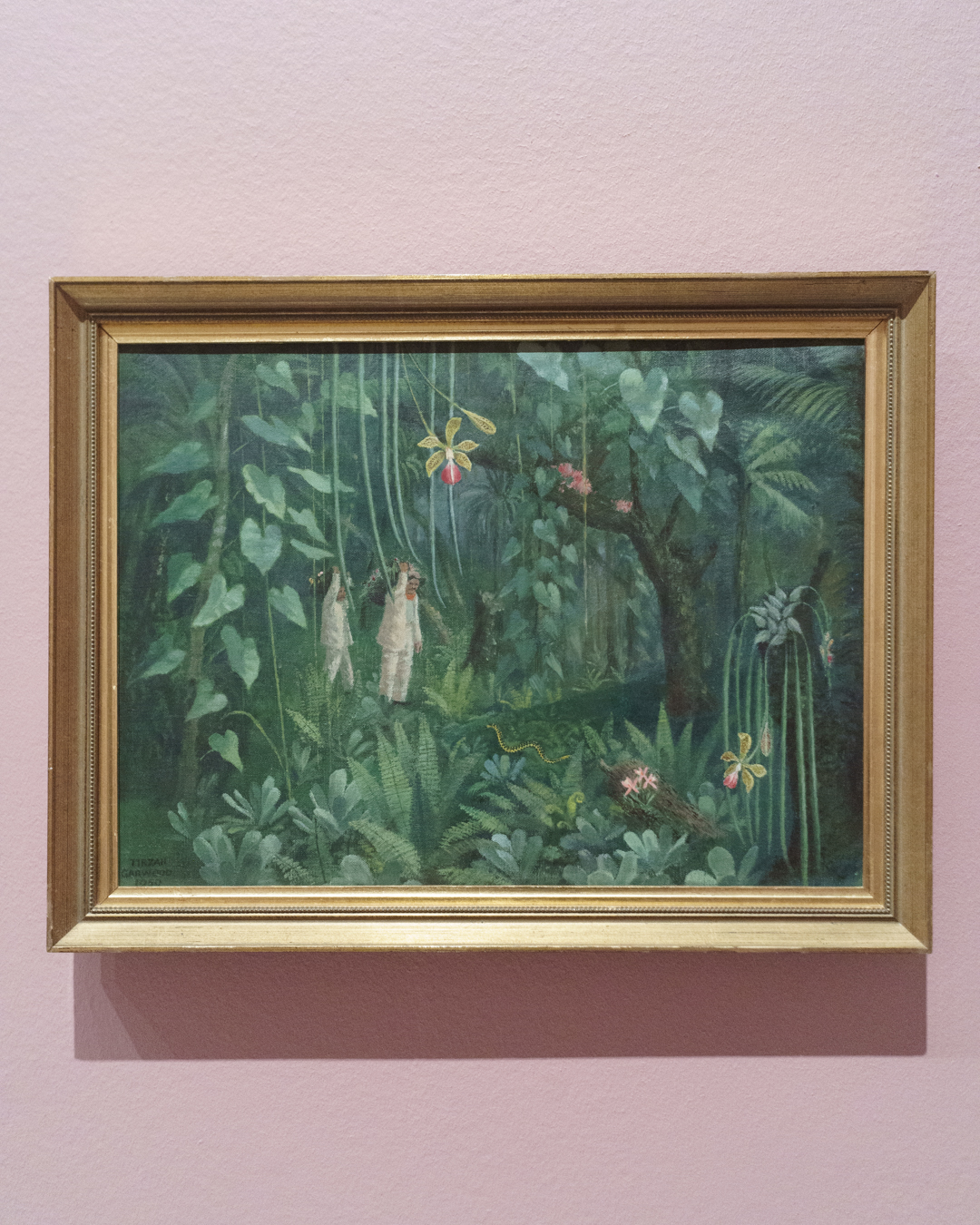
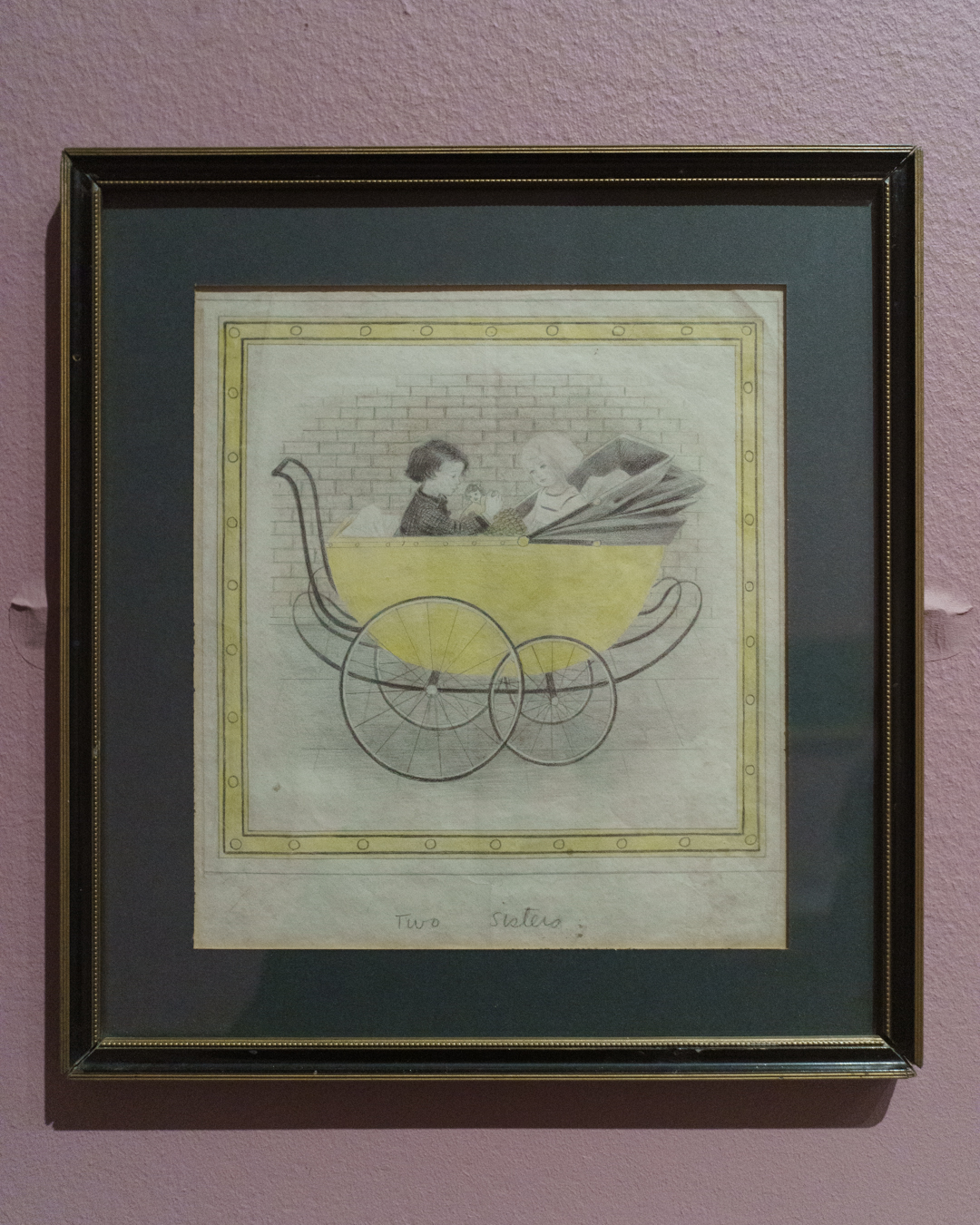

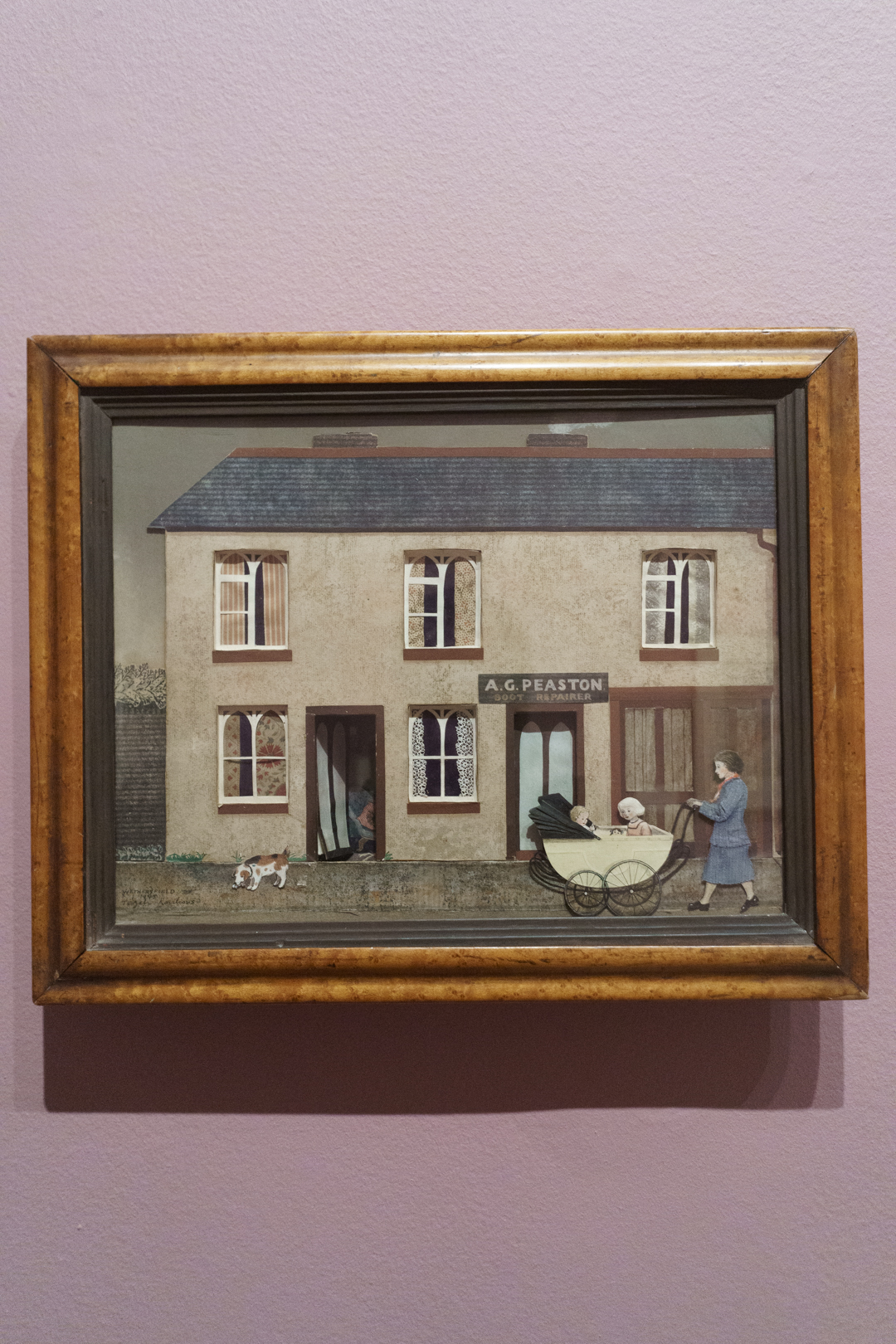
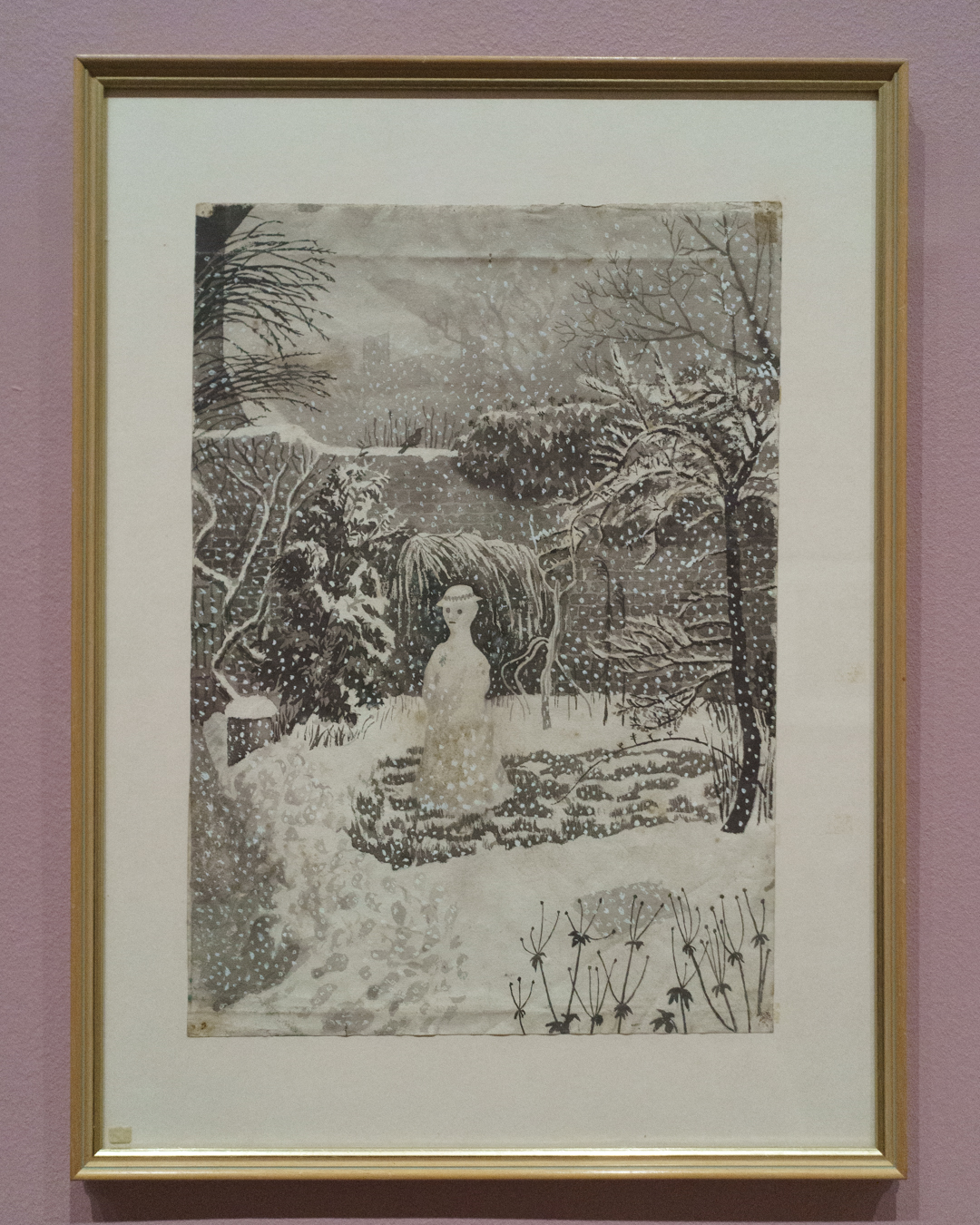


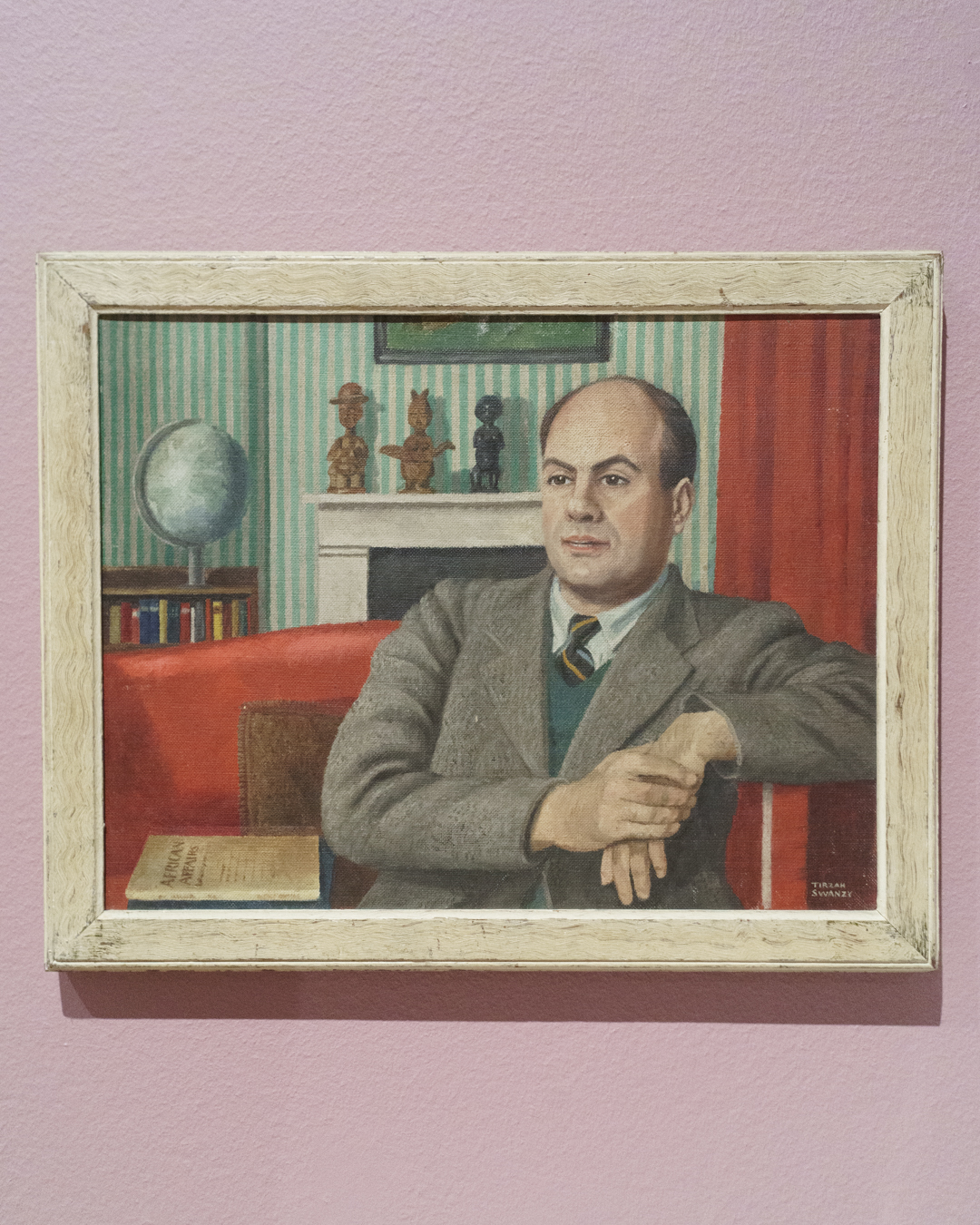


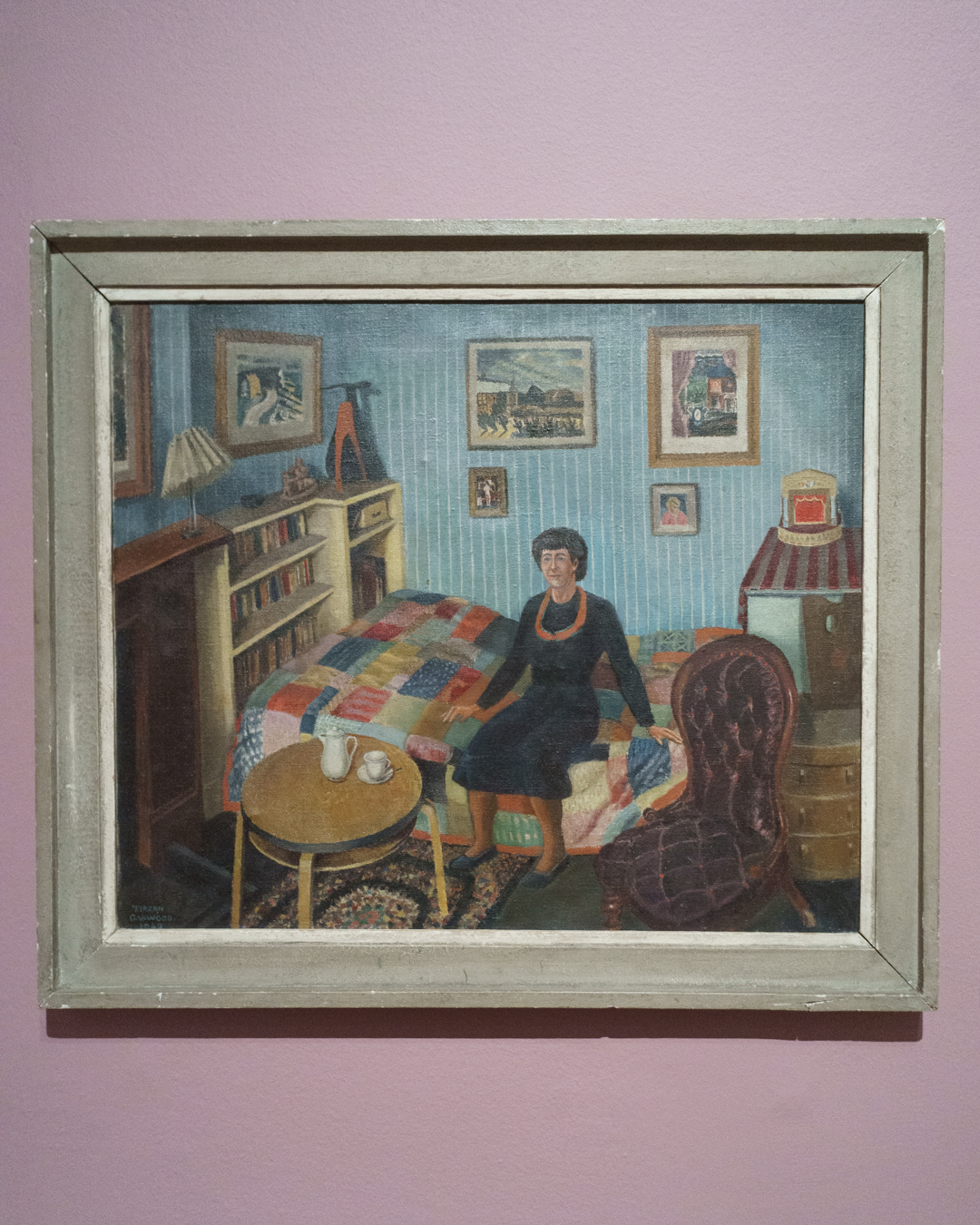
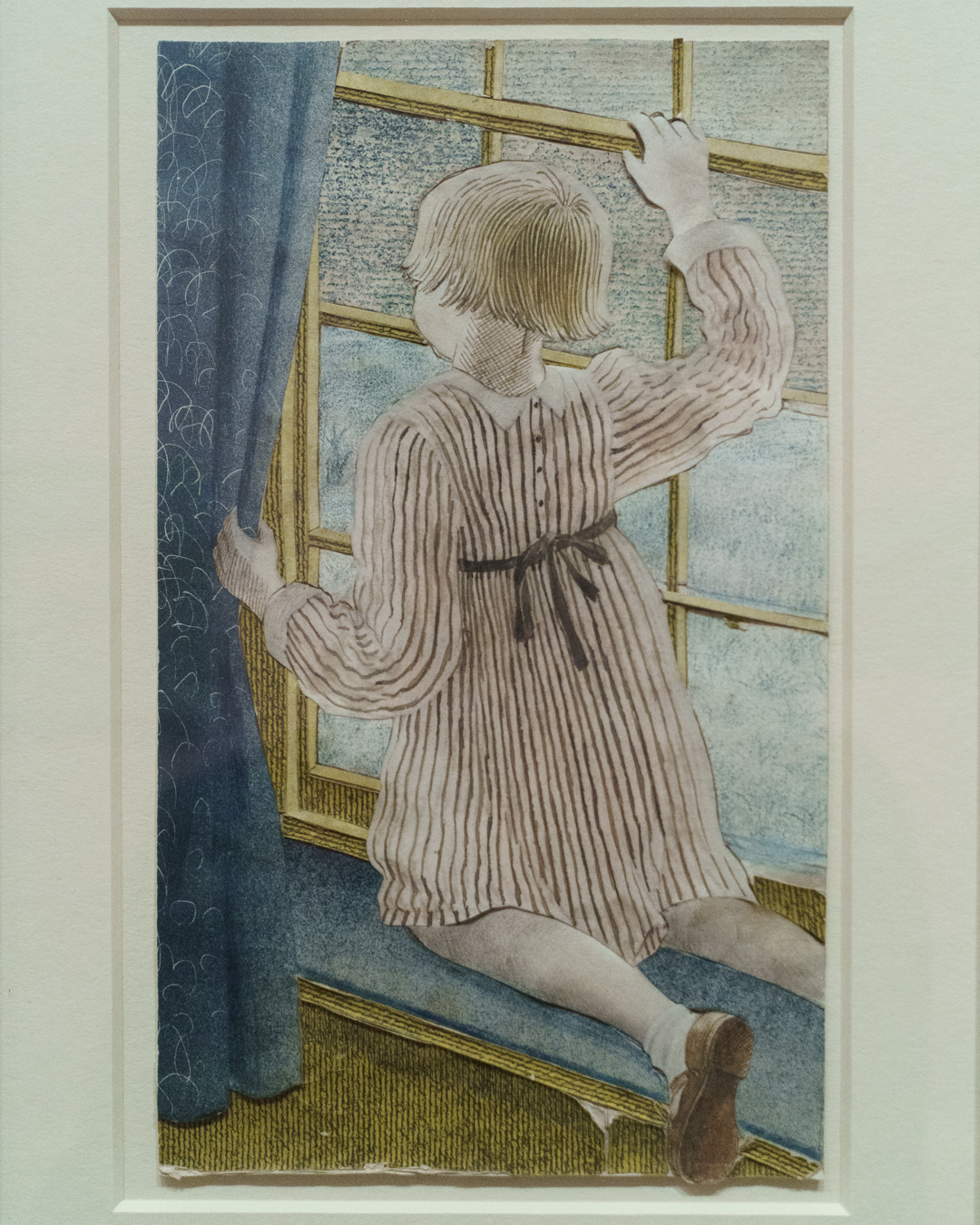


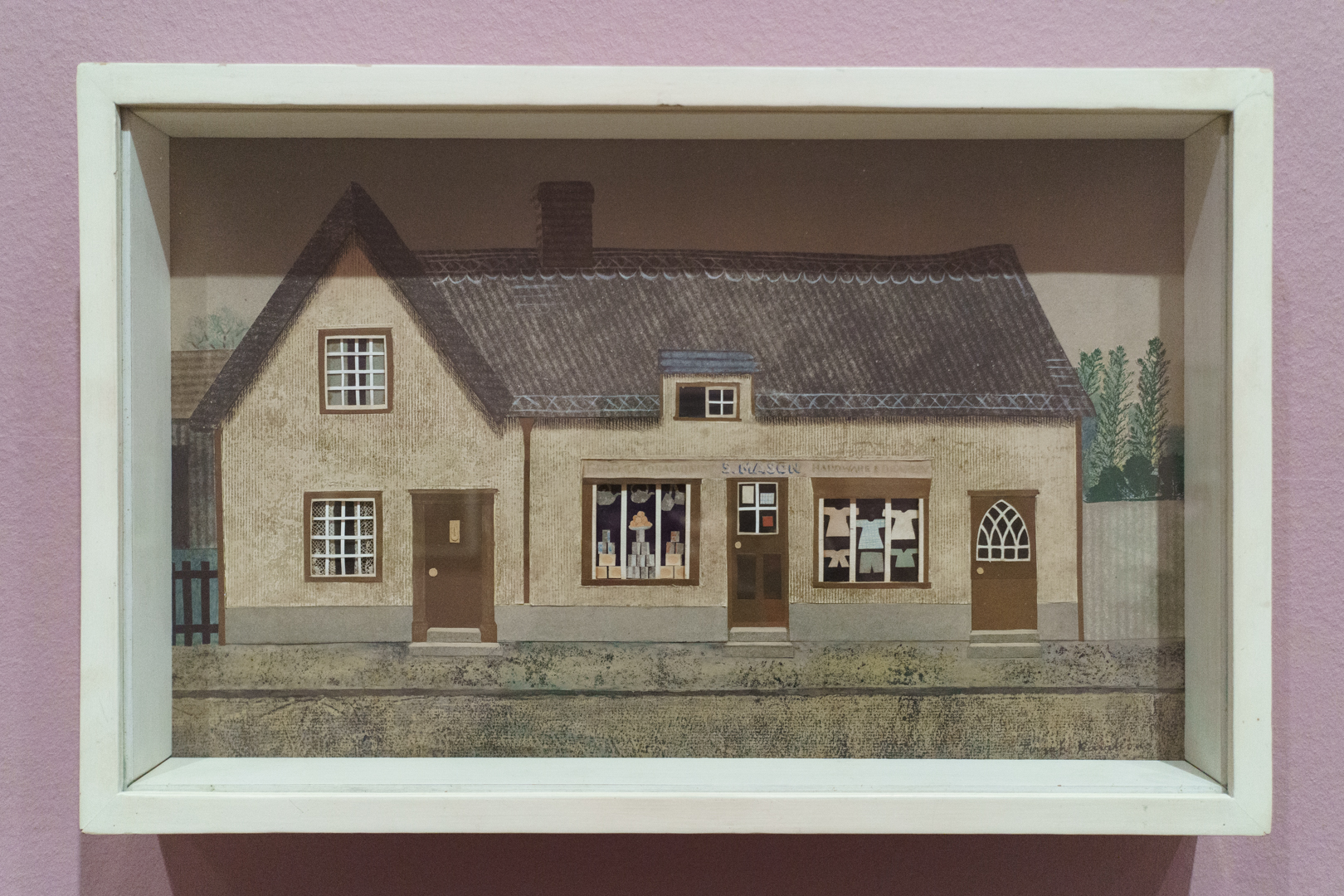


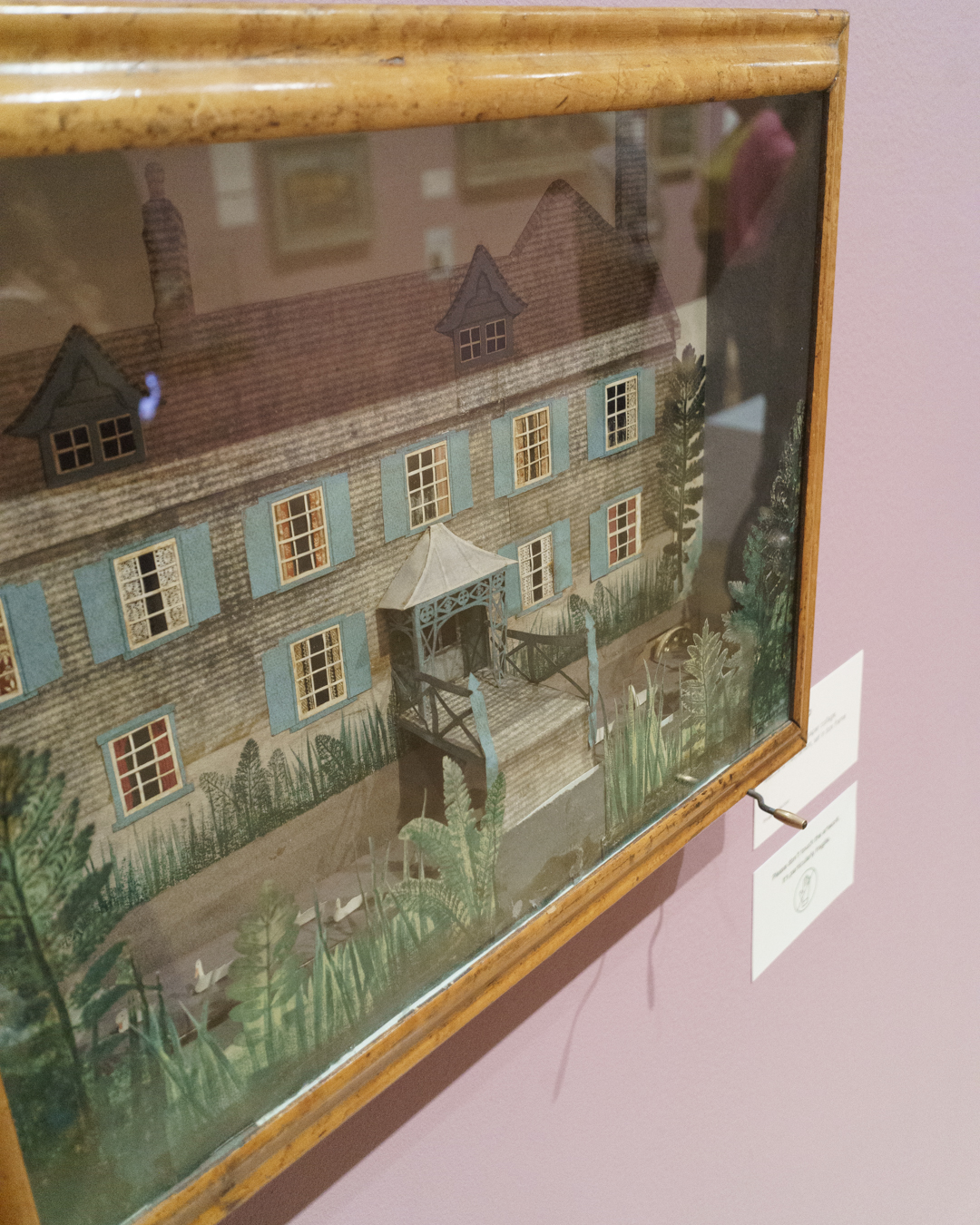


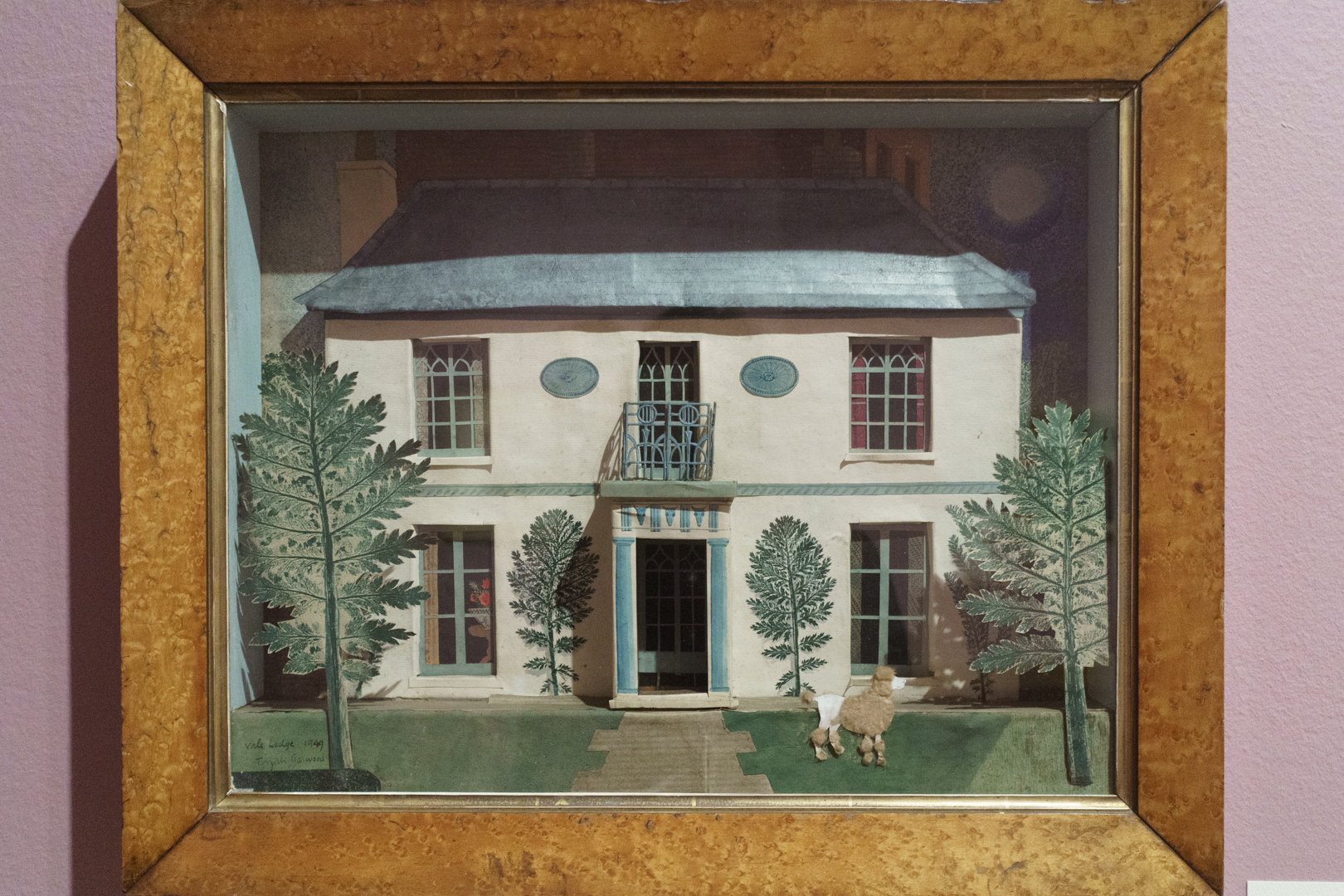
Later works take on a more surrealistic look, while one portrait verges on looking like a Fernando Botero painting. I find them quite hit-or-miss, but they do capture the simplicity, nostalgia, and creative dialogue of the times quite well.
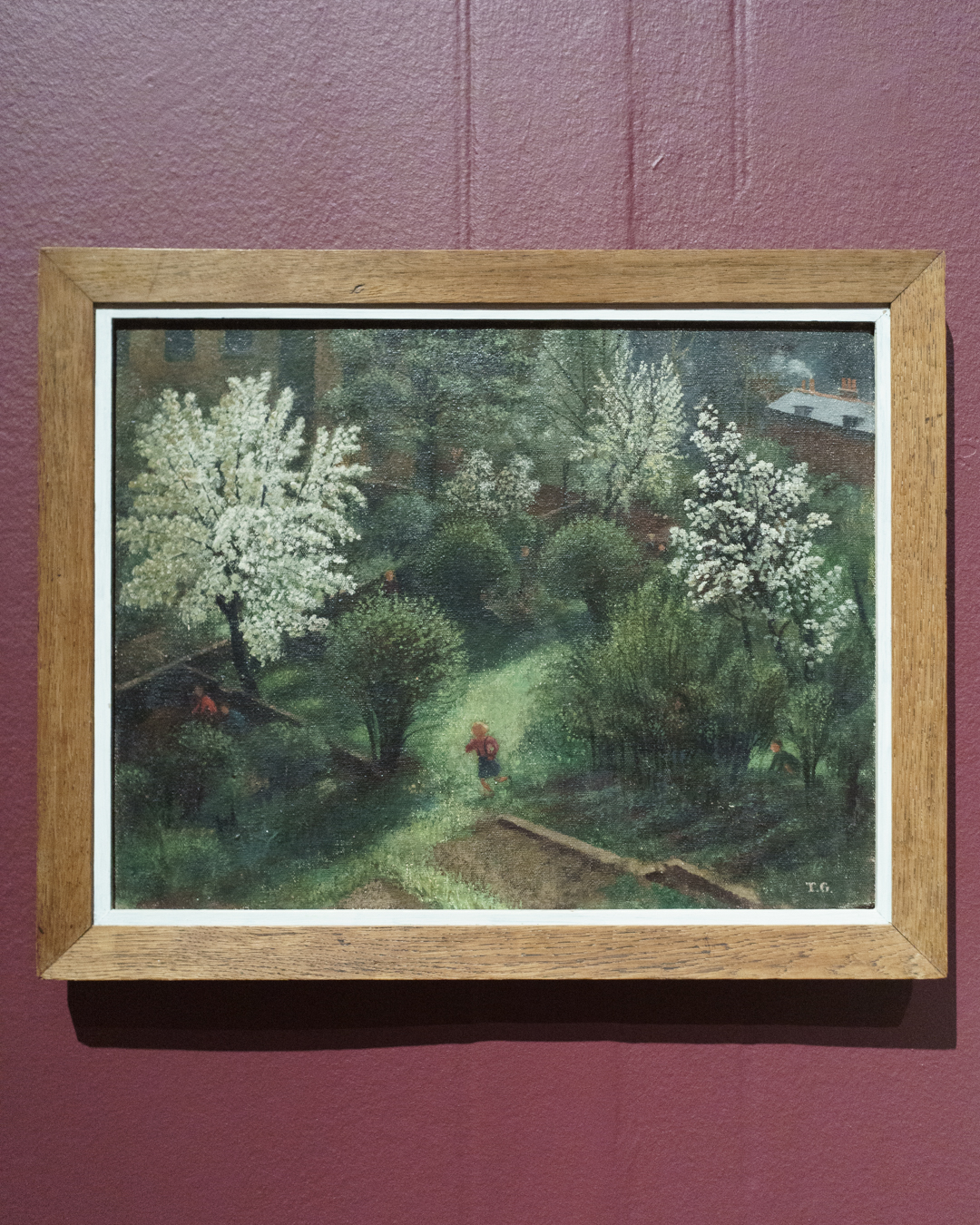
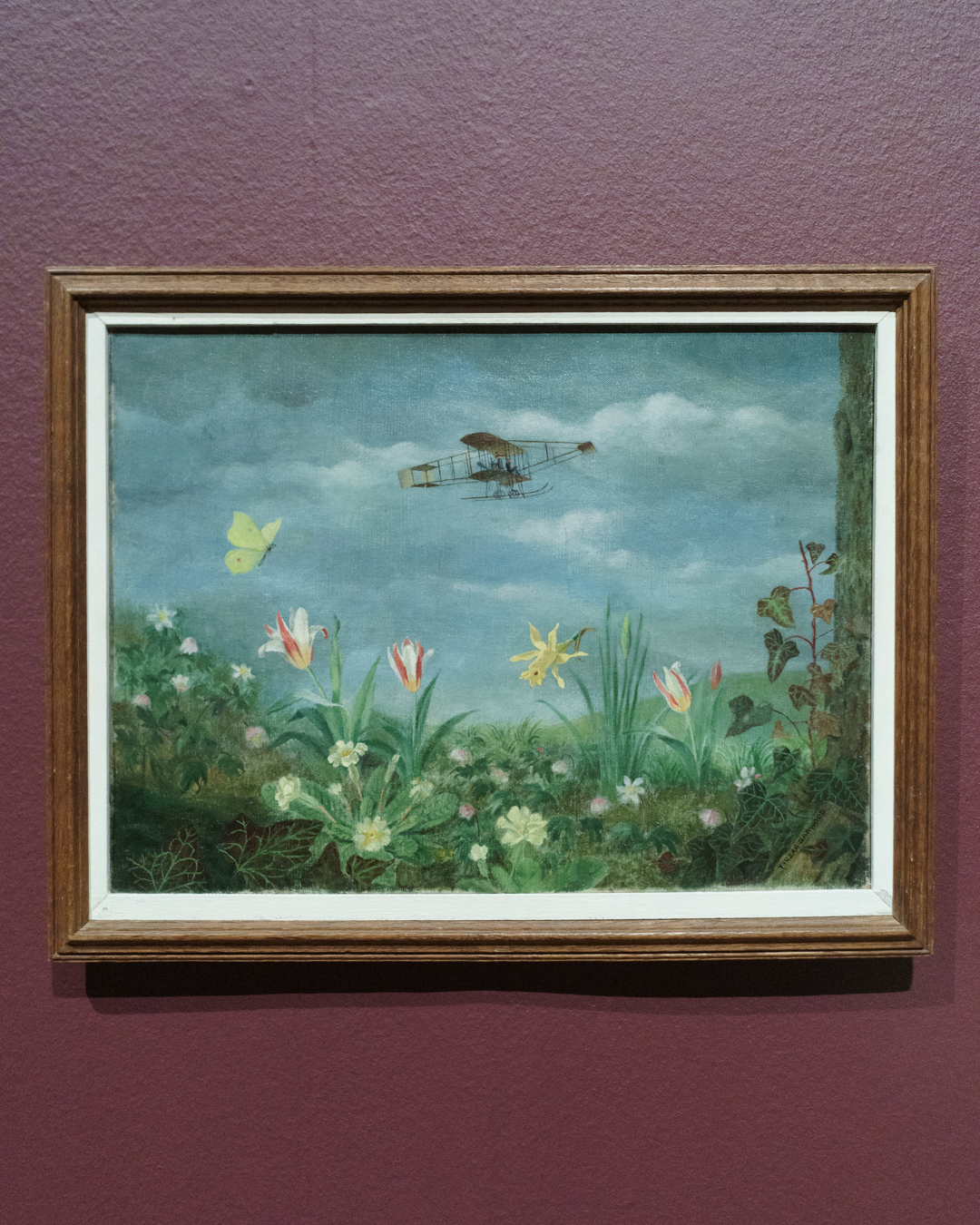
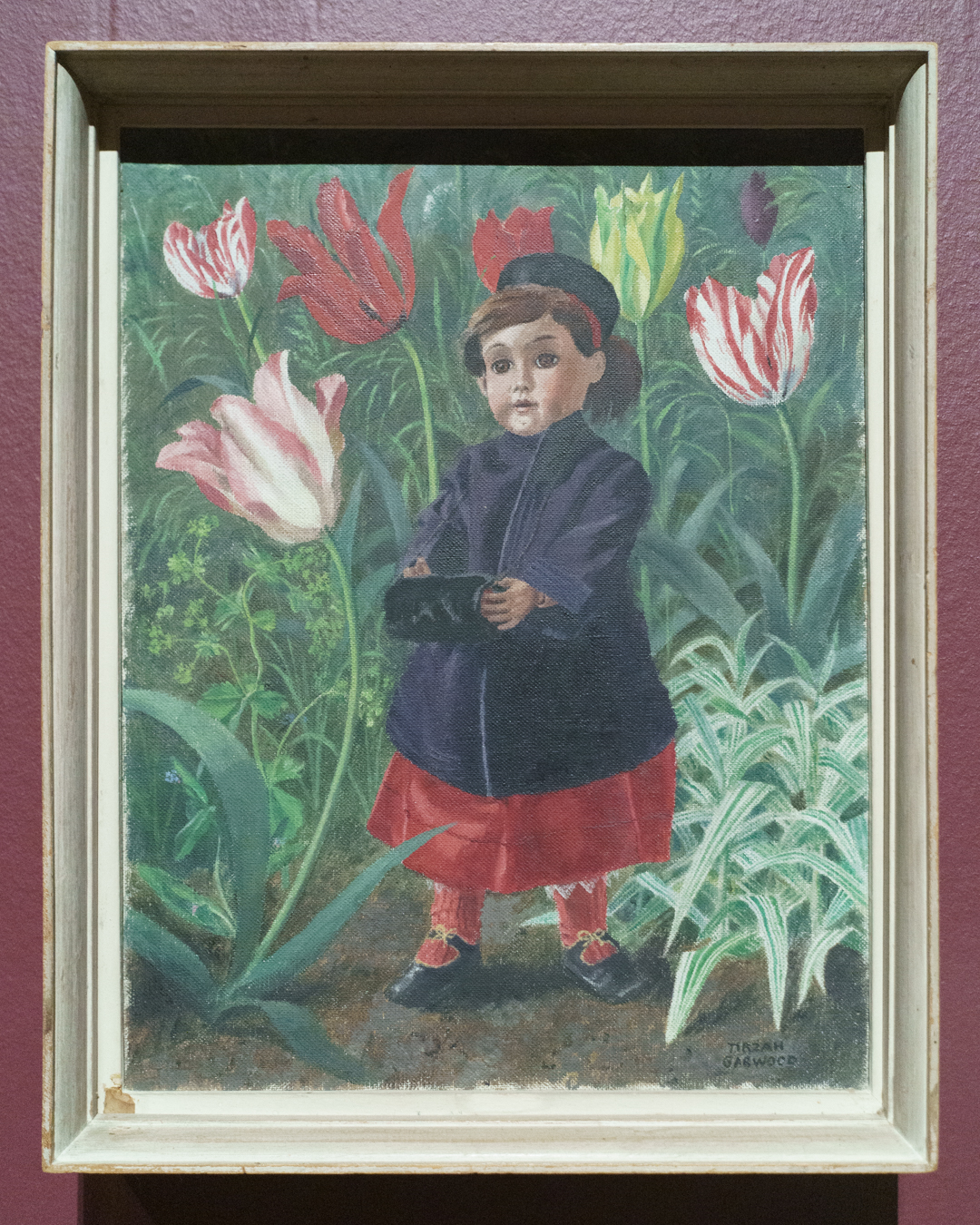
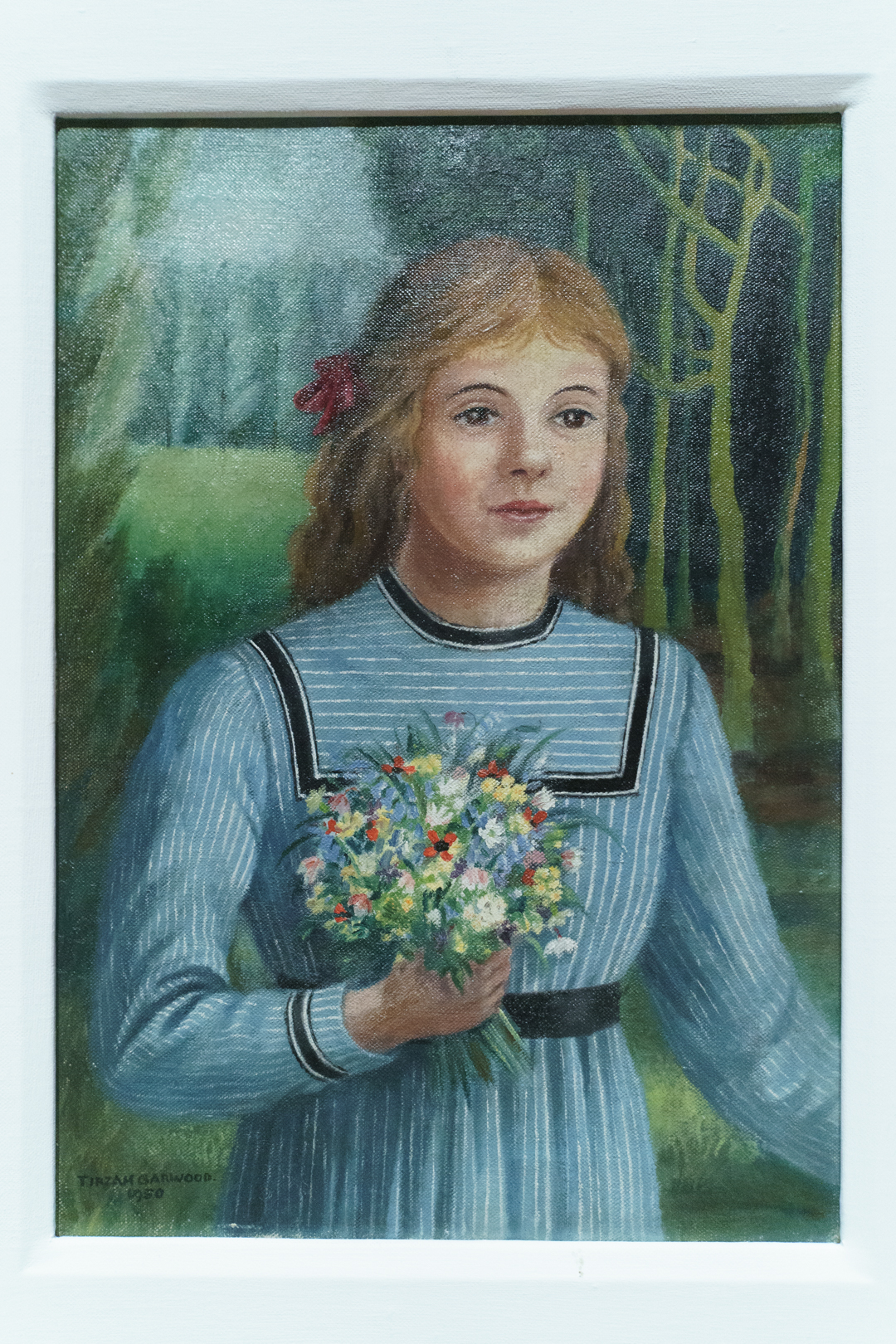

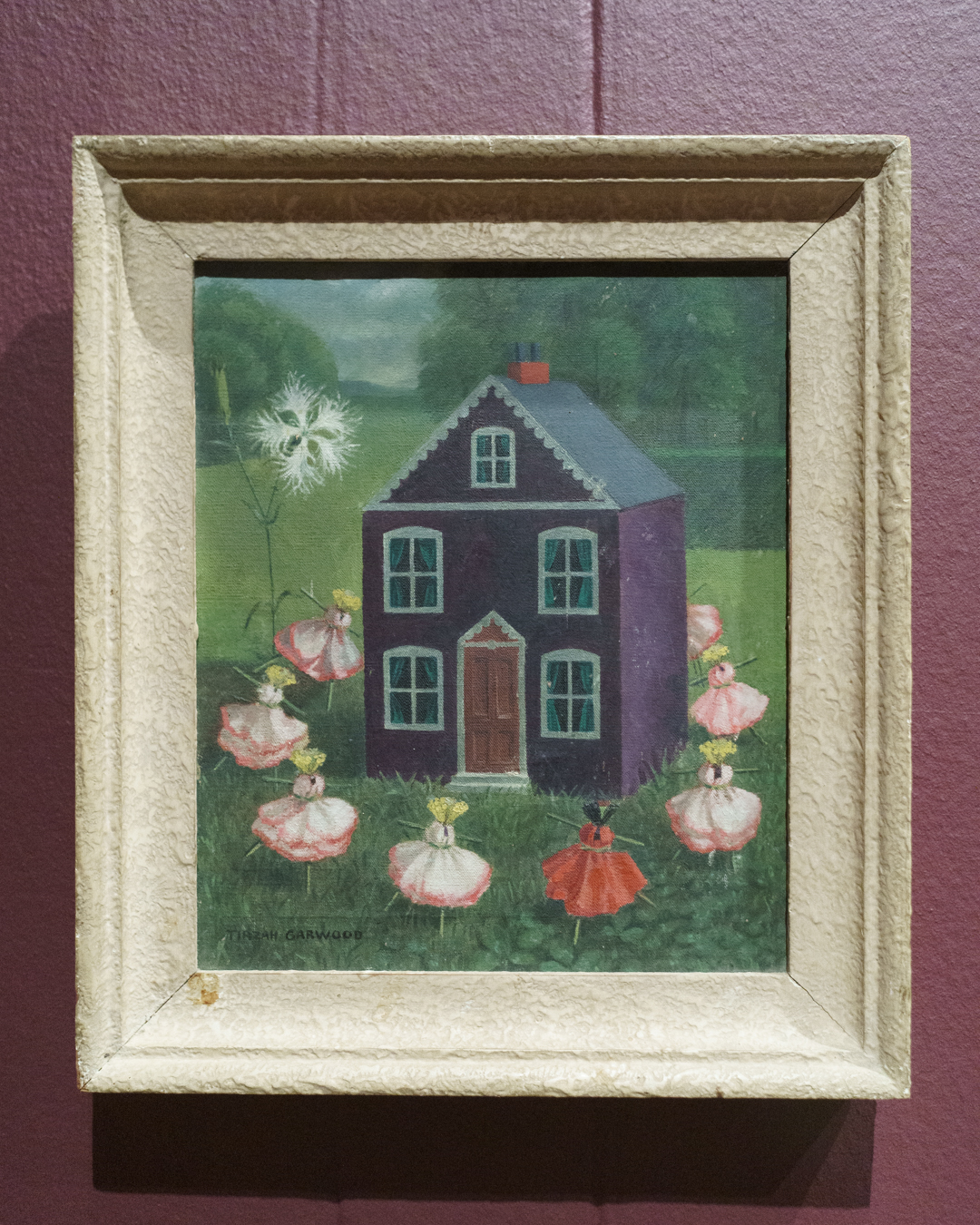
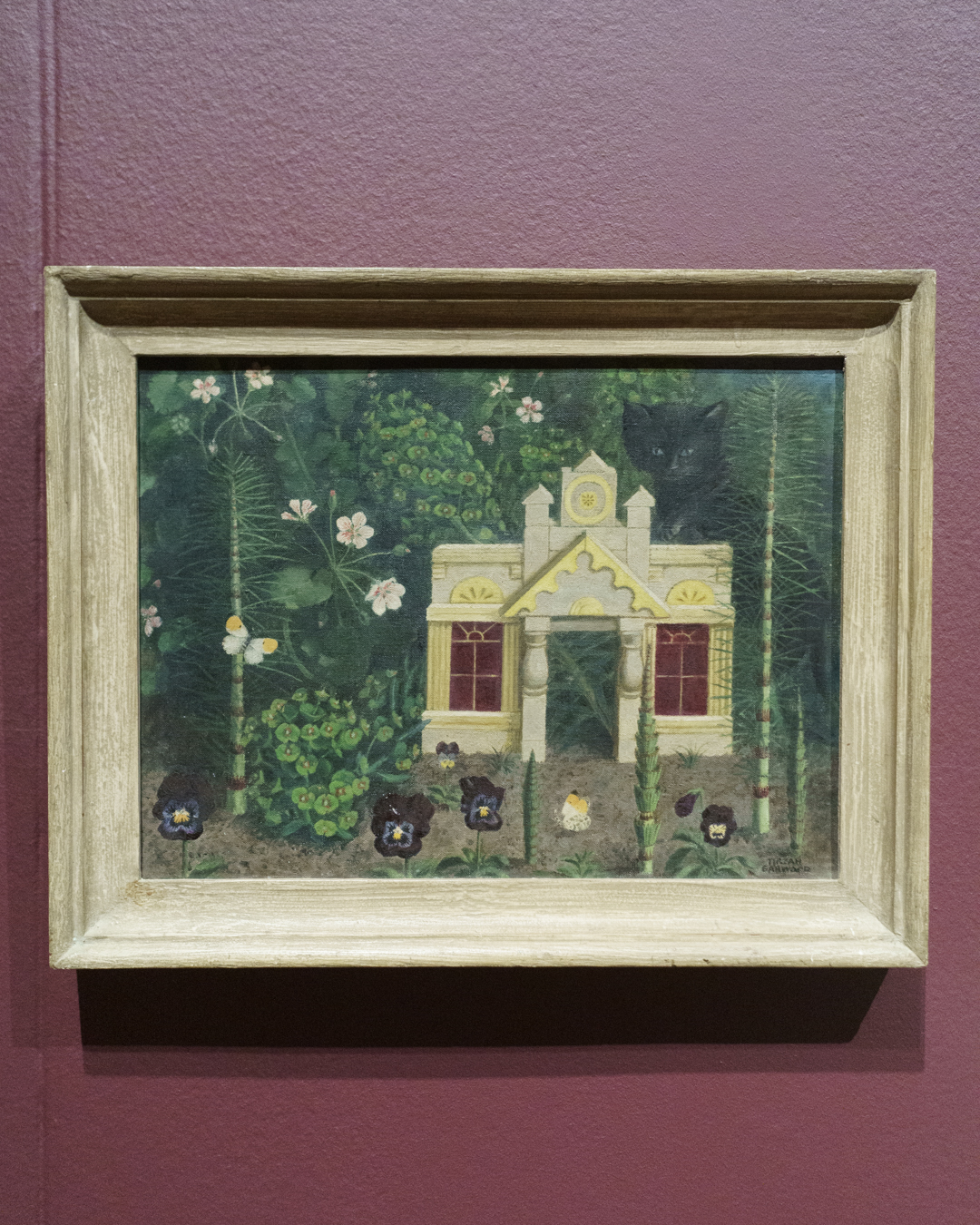
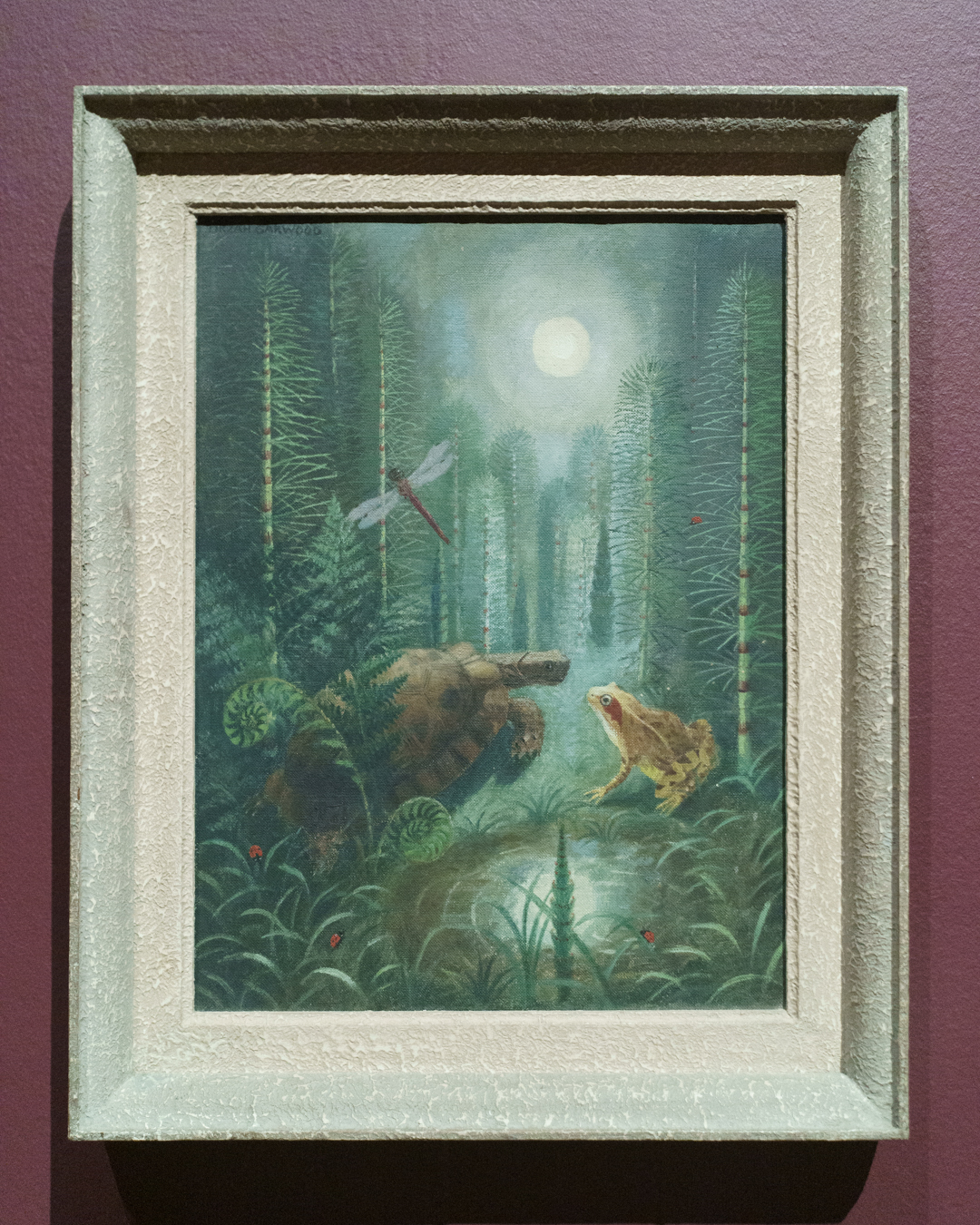
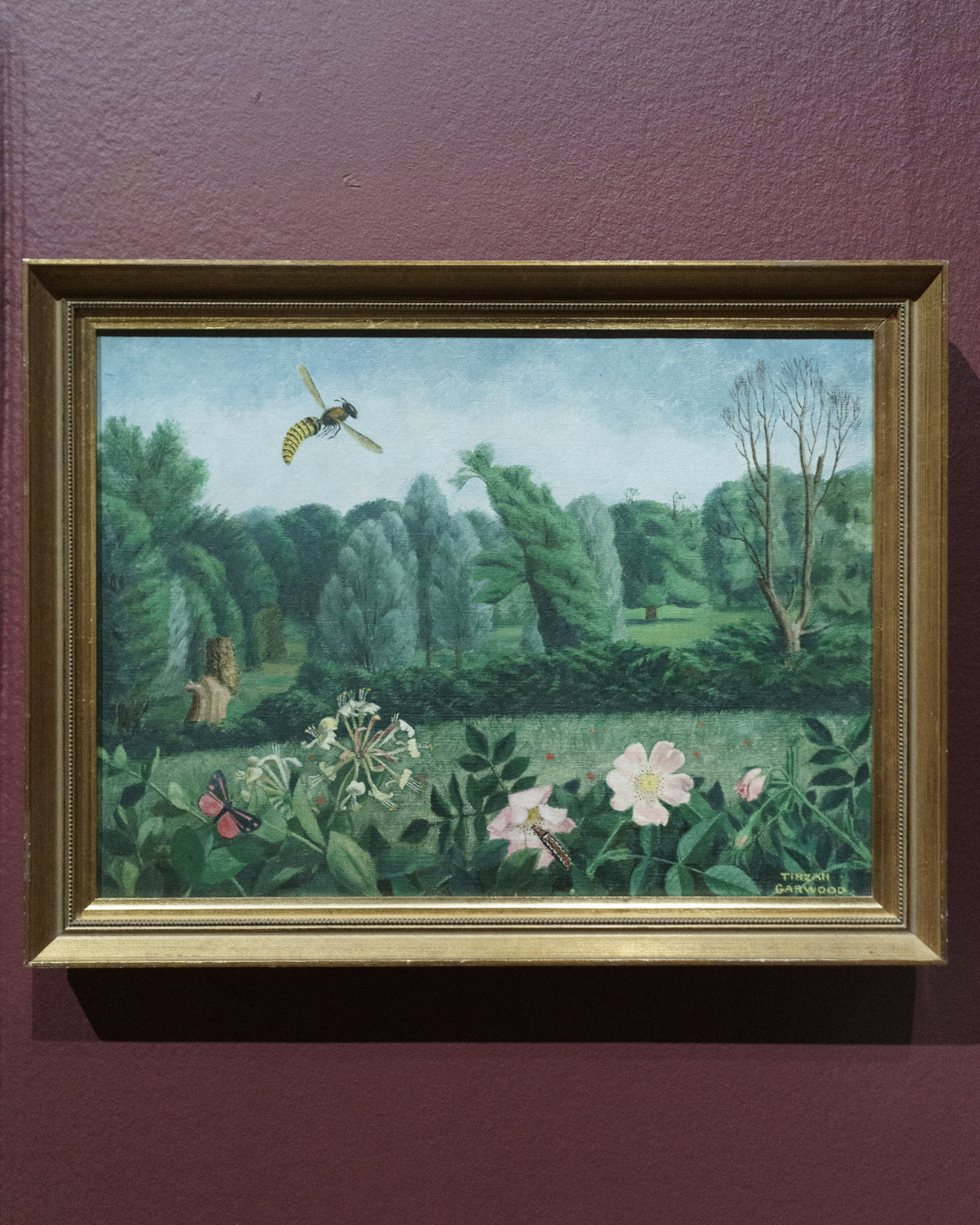

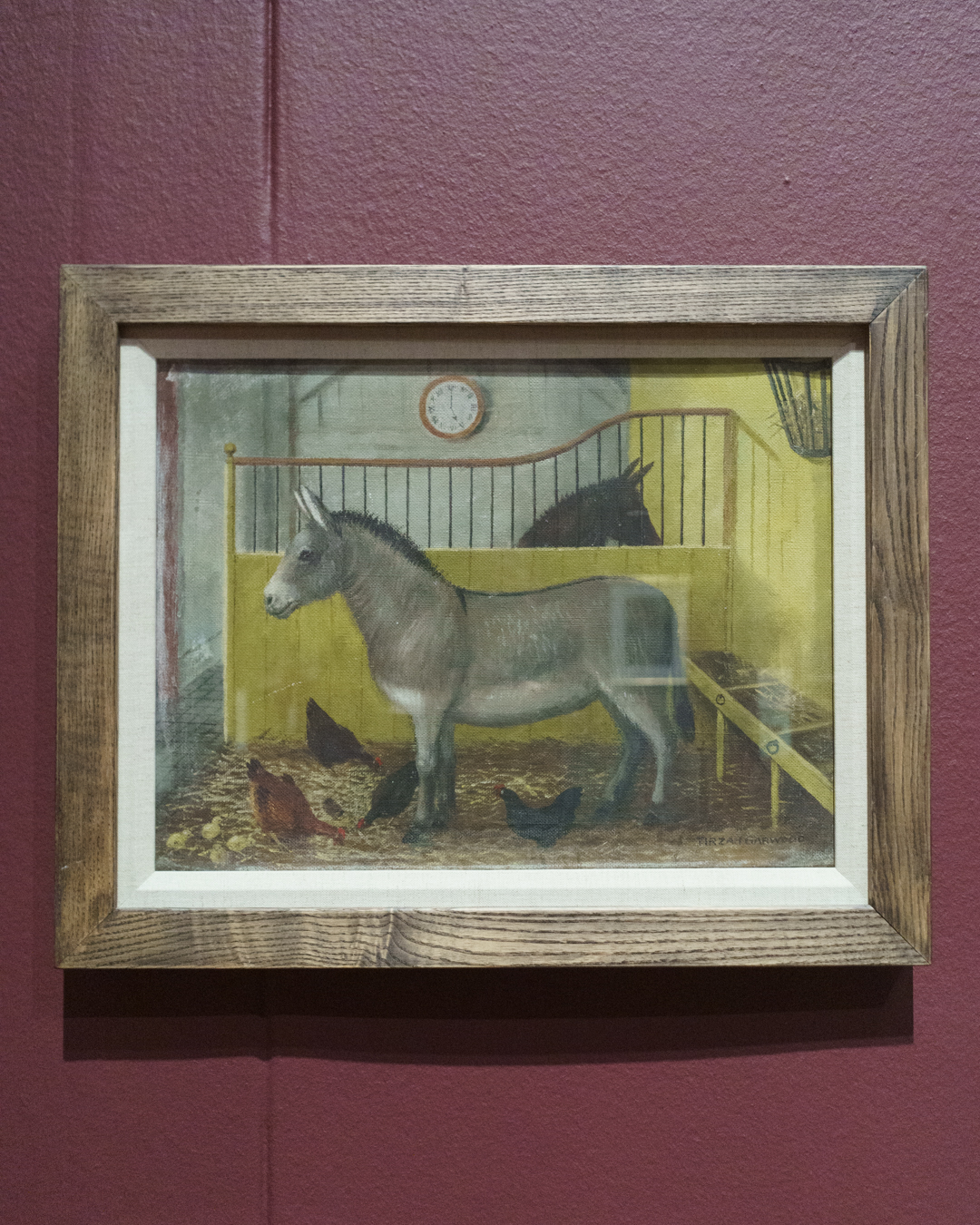


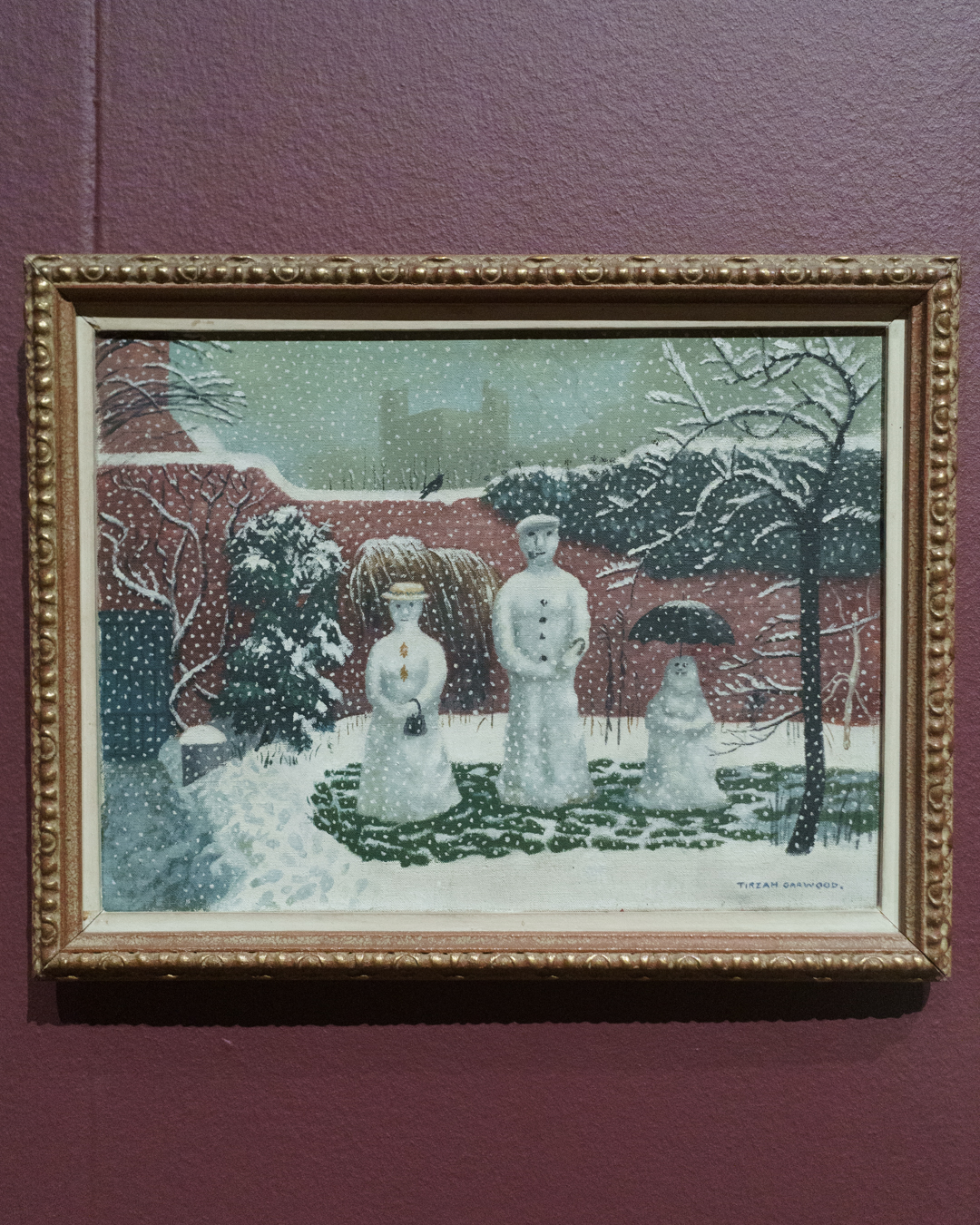


While her work generally left very little impression on me, perhaps because the aesthetic has such strong antiquated associations for my generation as to be largely unappealing (can something be ‘too vintage’?), there were moments that captivated me on a technical level.
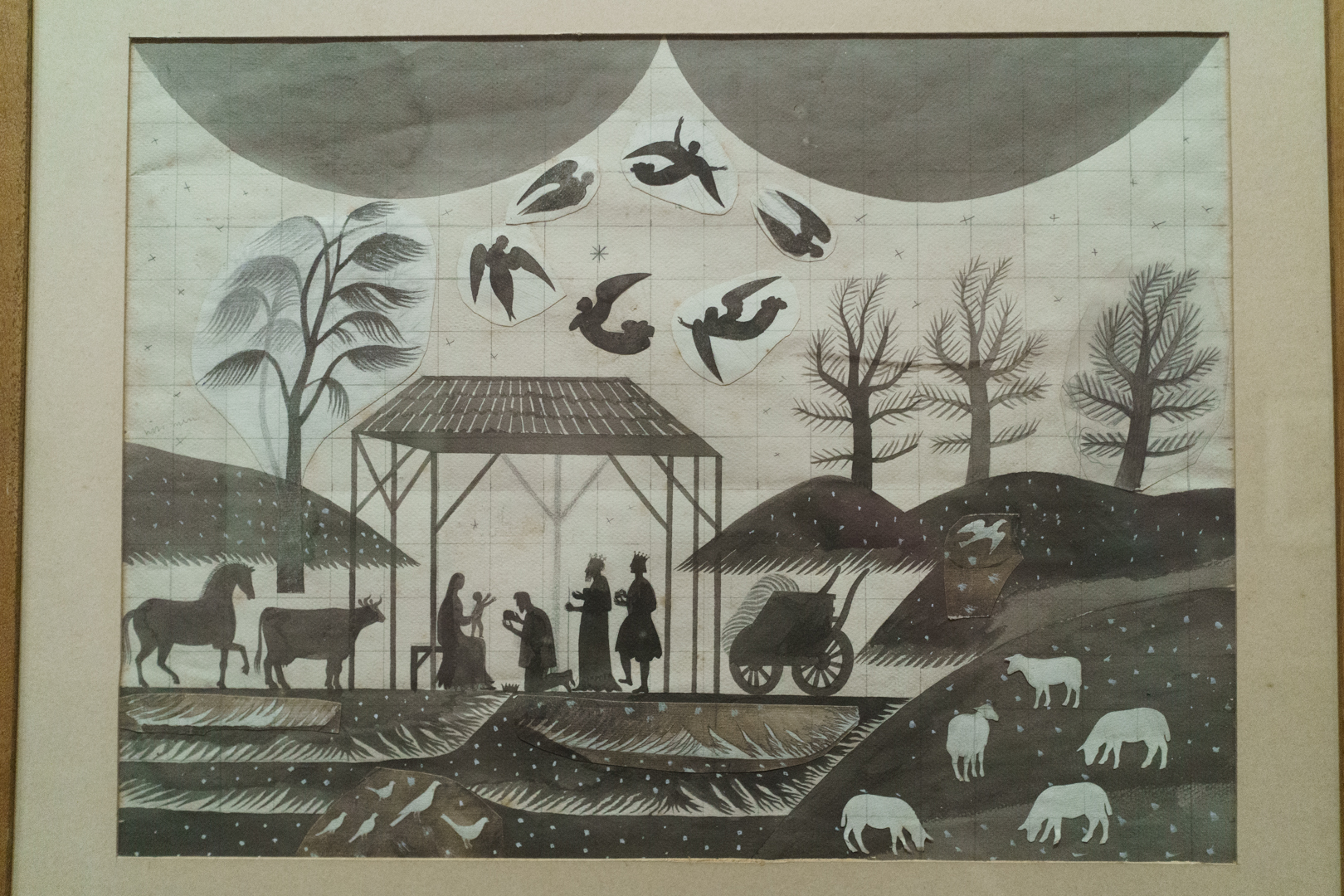
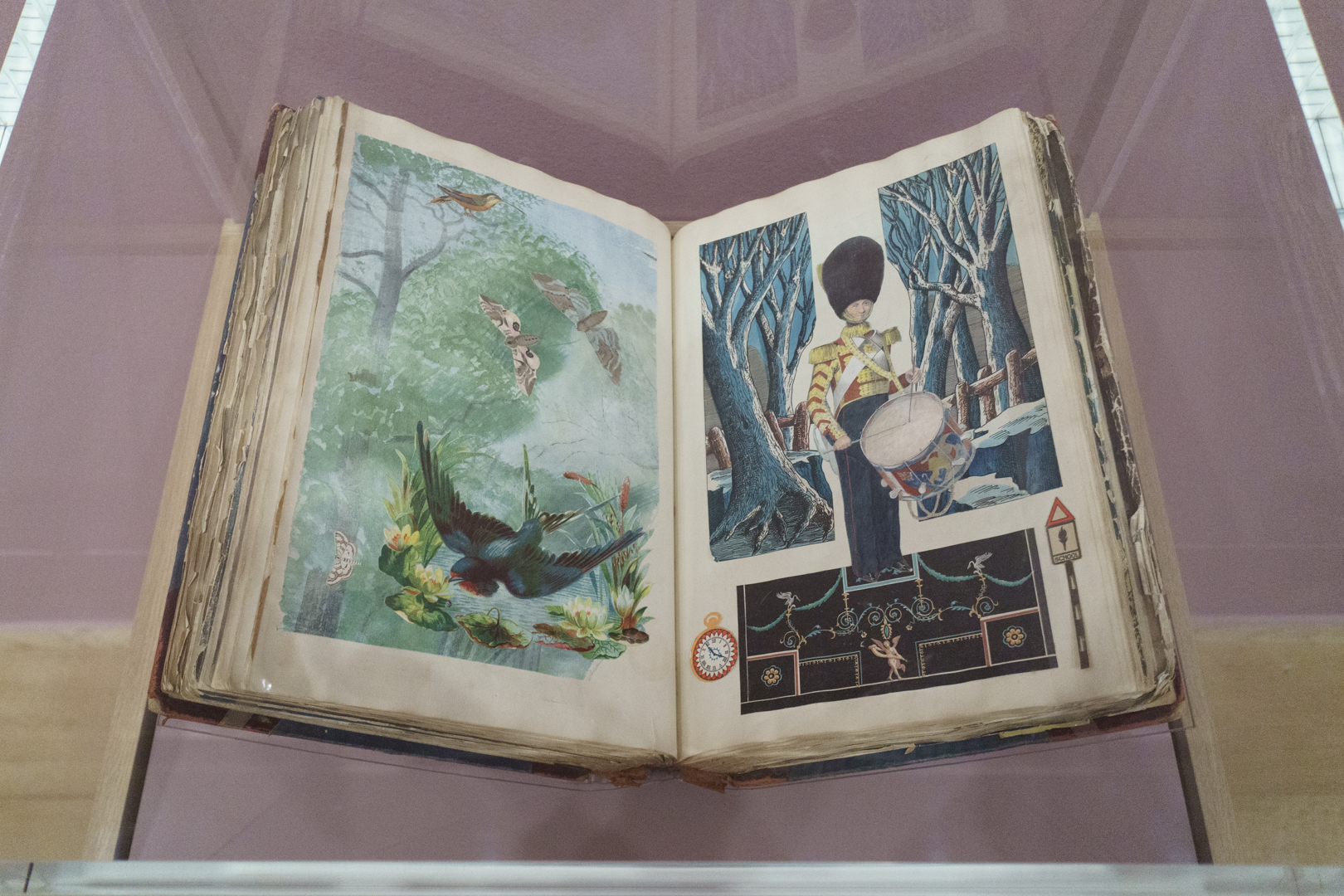
In a squared-for-transfer drawing for a Nativity, one sees Garwood using cut-outs to compose her scene. A scrapbook nearby is filled with illustrative clippings pasted into its pages, which served as a bountiful compendium of ideas and motifs in a pre-Internet age.
On the whole, I enjoyed this exhibition for its excellence in showcasing Garwood’s unique vision of art. She was clearly impressive as a character, and it’s heartwarming to have this opportunity to reintroduce her work to the public.
Tirzah Garwood: Beyond Ravilious (19 November 2024 – 26 May 2025) is at Dulwich Picture Gallery, London, https://www.dulwichpicturegallery.org.uk/

 Nigel Ip
Leave a comment