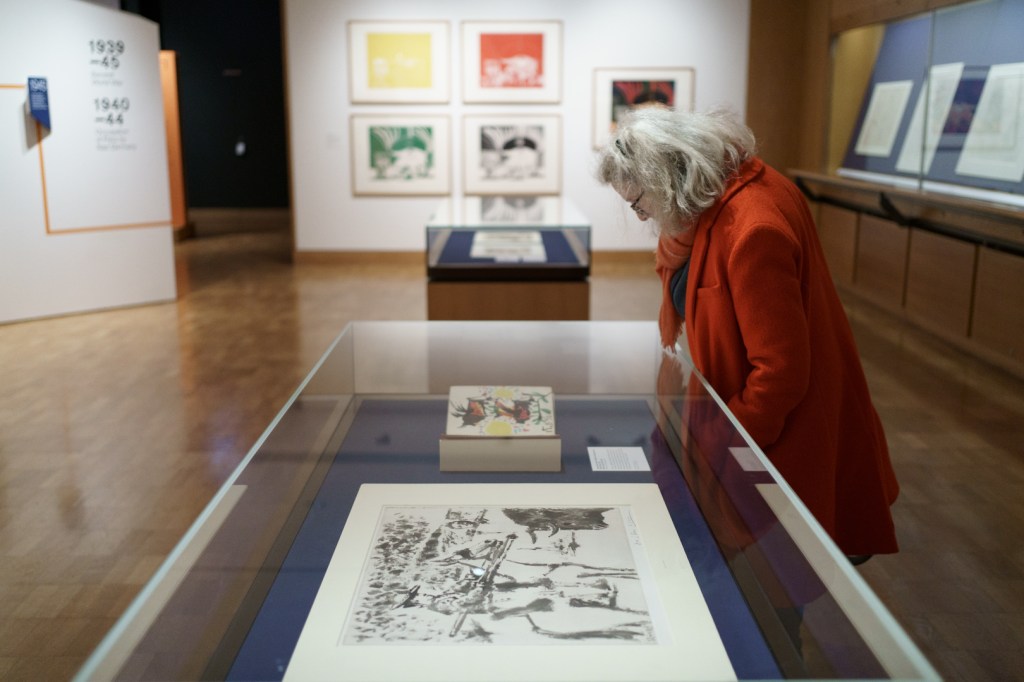
Most of the time, I’m bored of Picasso, especially his Vollard Suite of prints. So how did I feel when faced with the British Museum’s Picasso: Printmaker exhibition? I loved it.


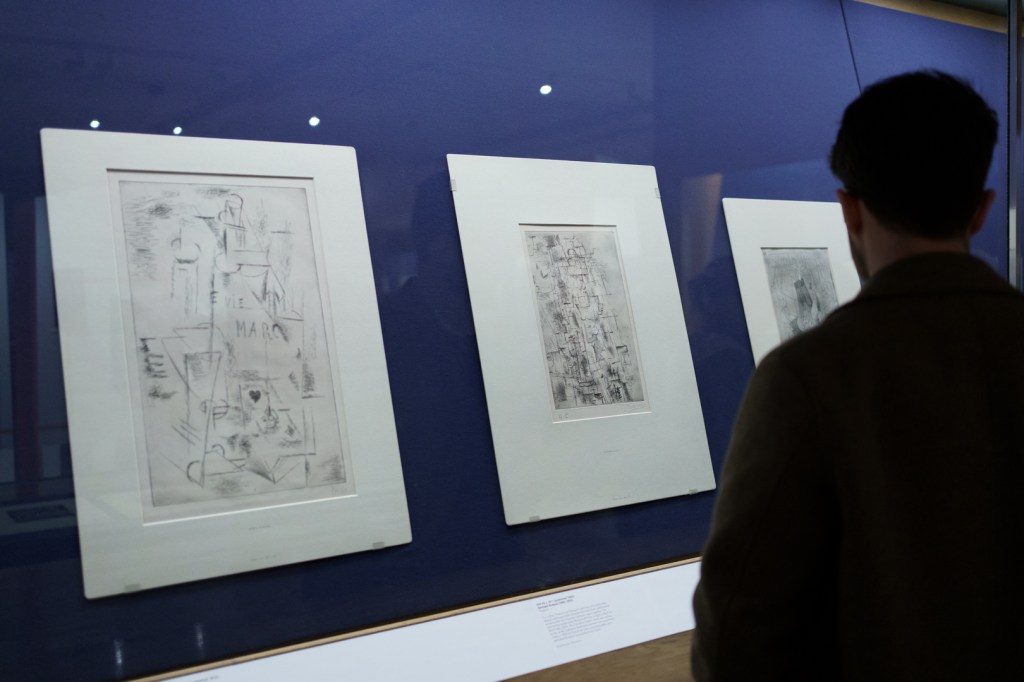
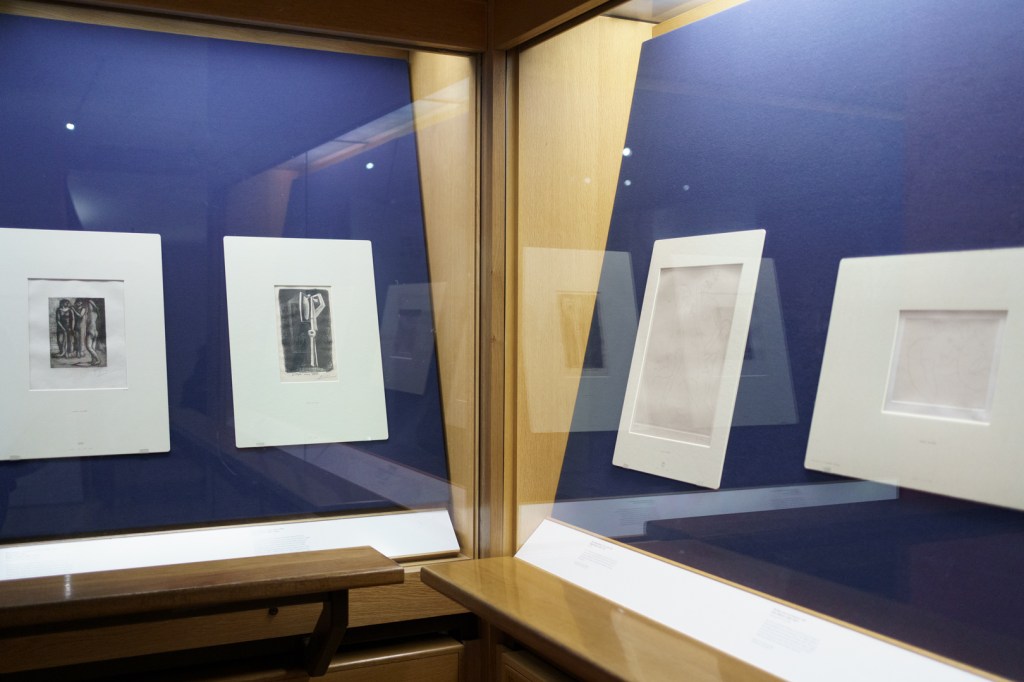
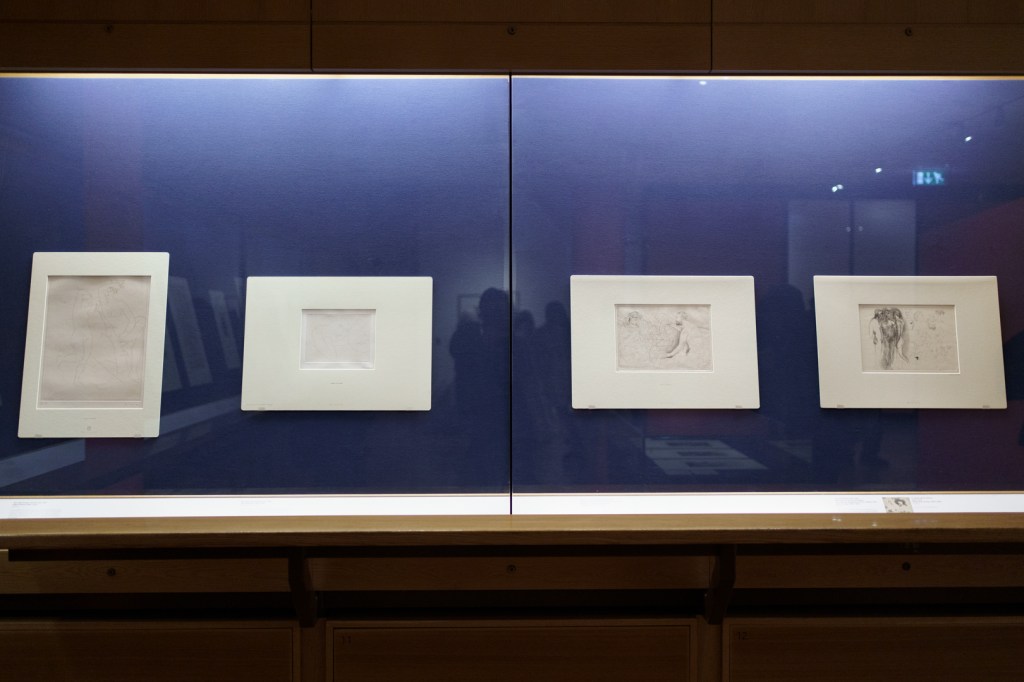
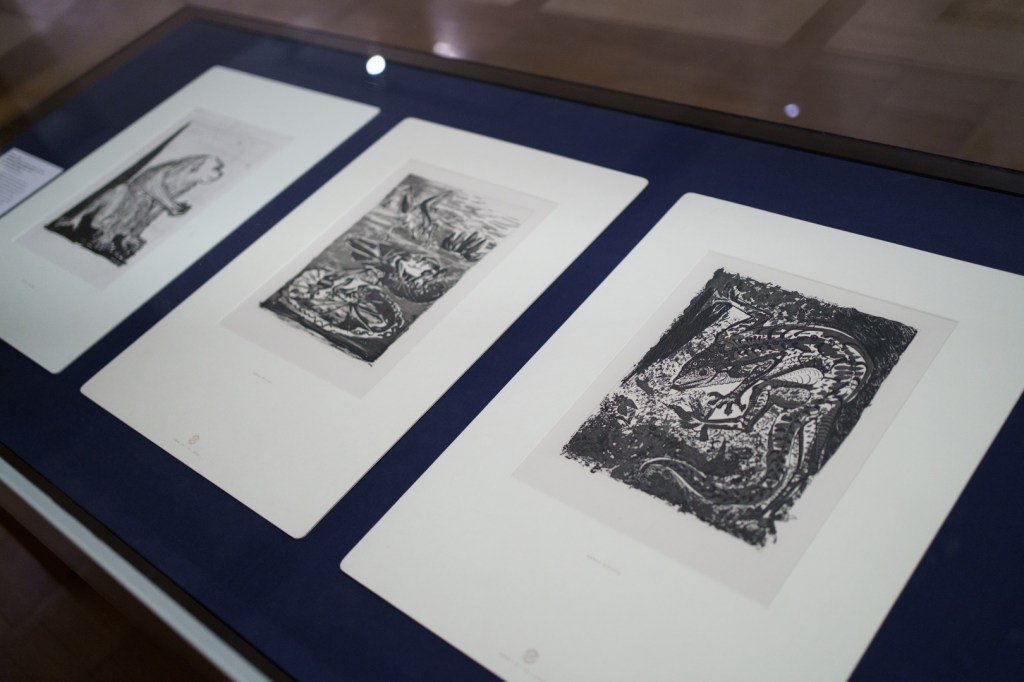
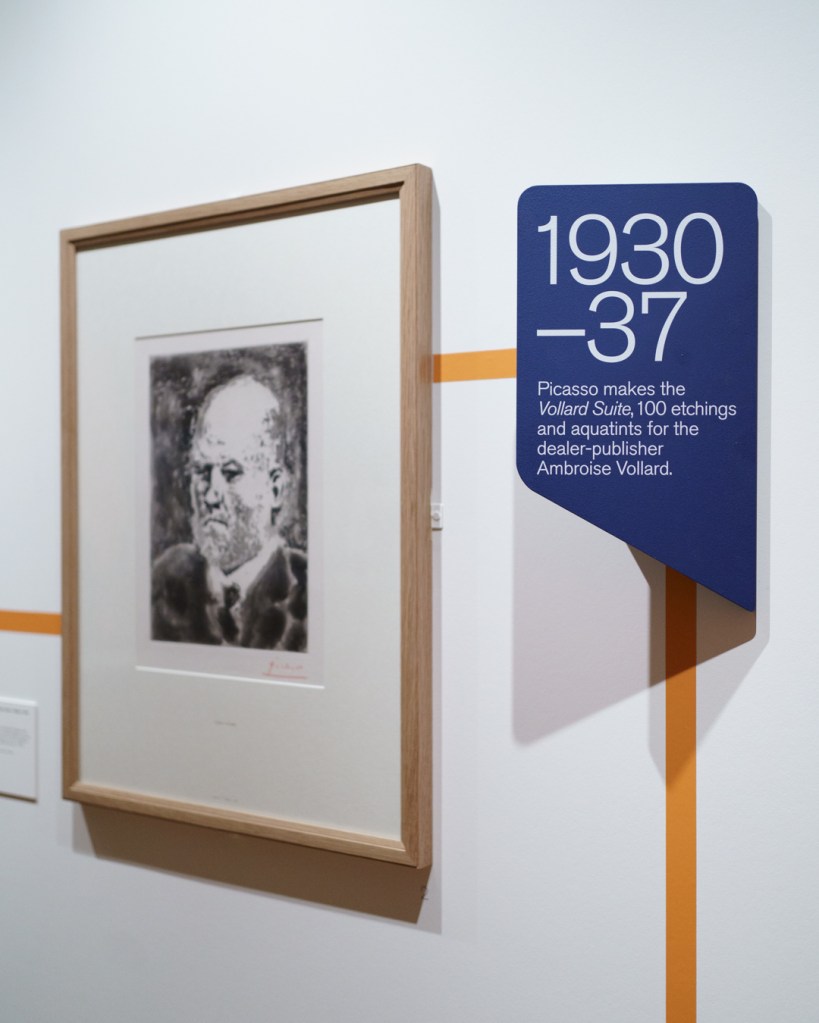
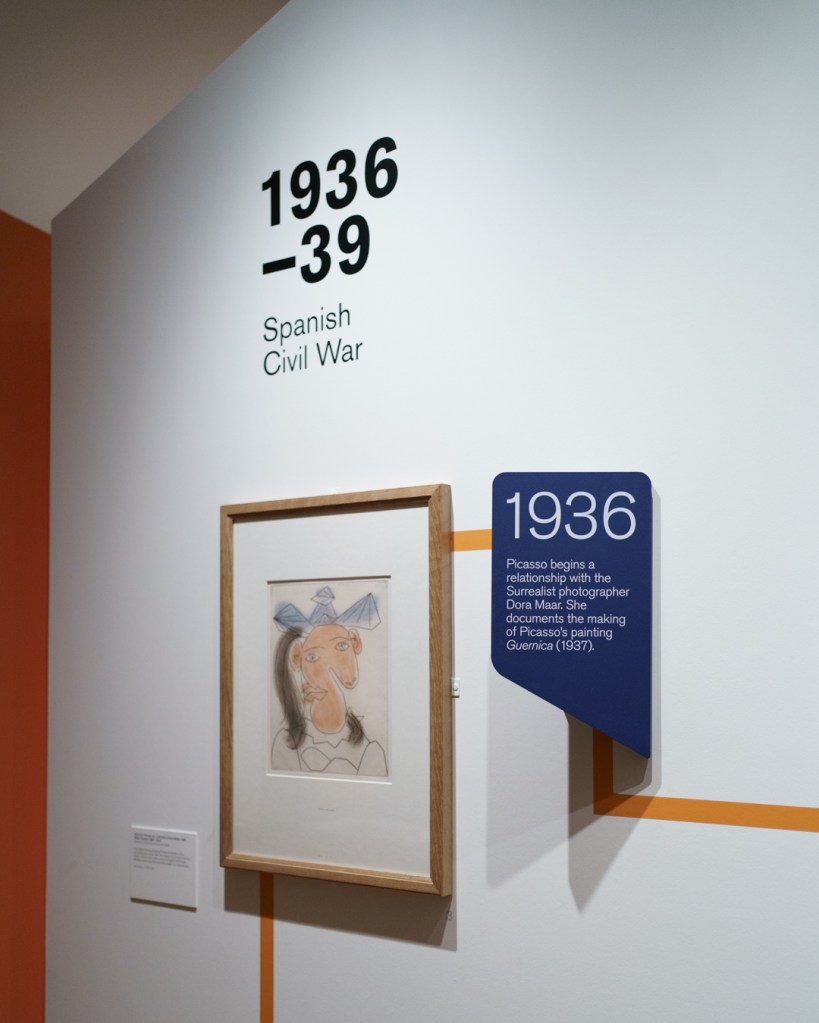
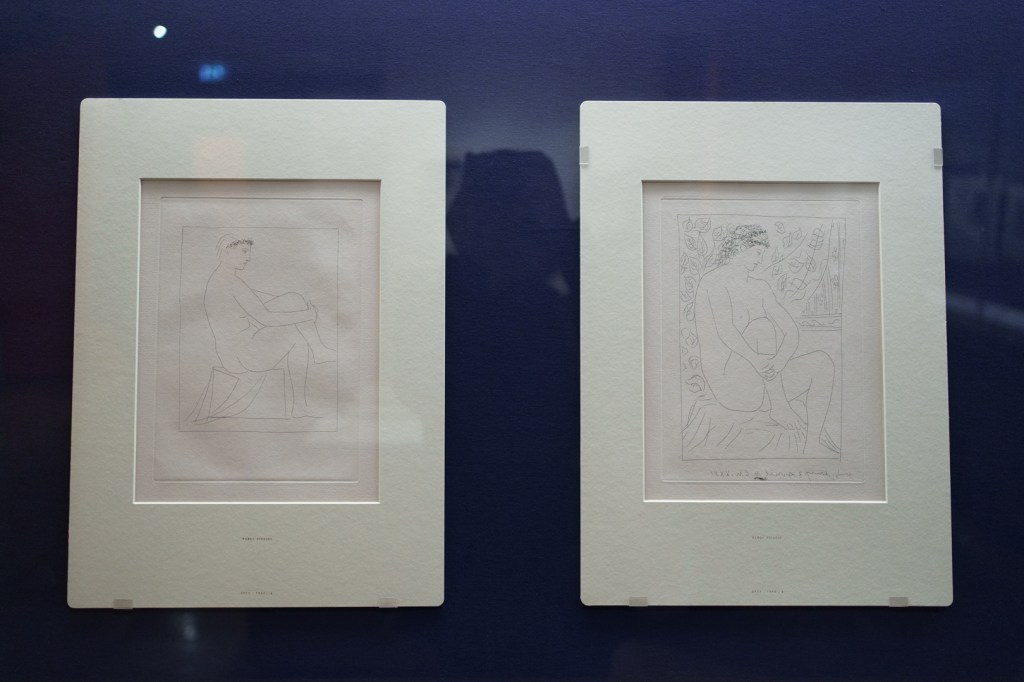
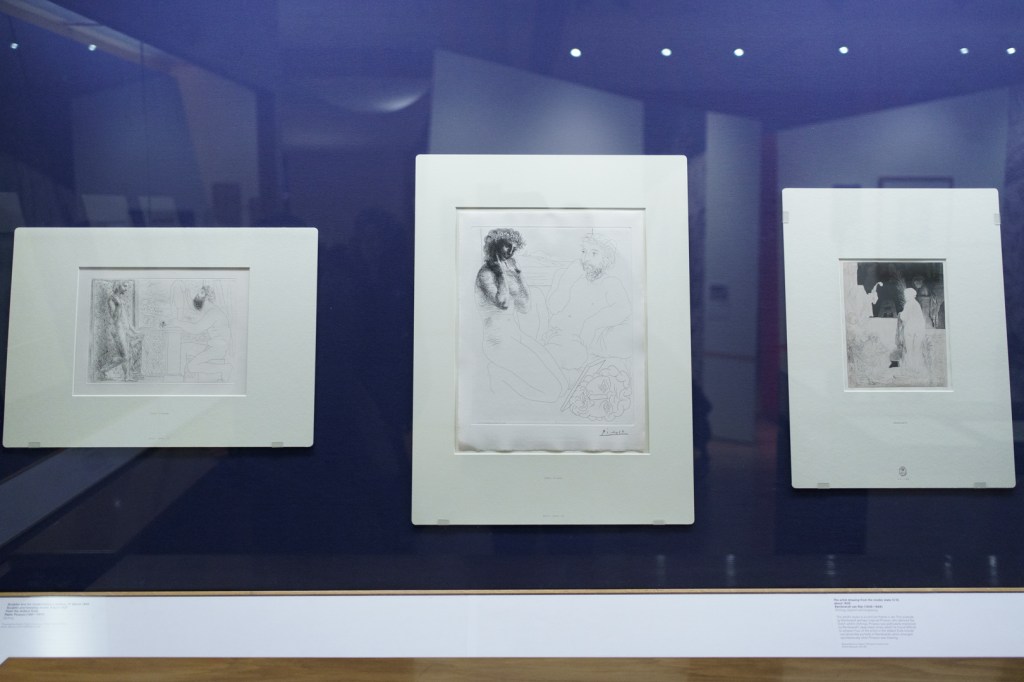
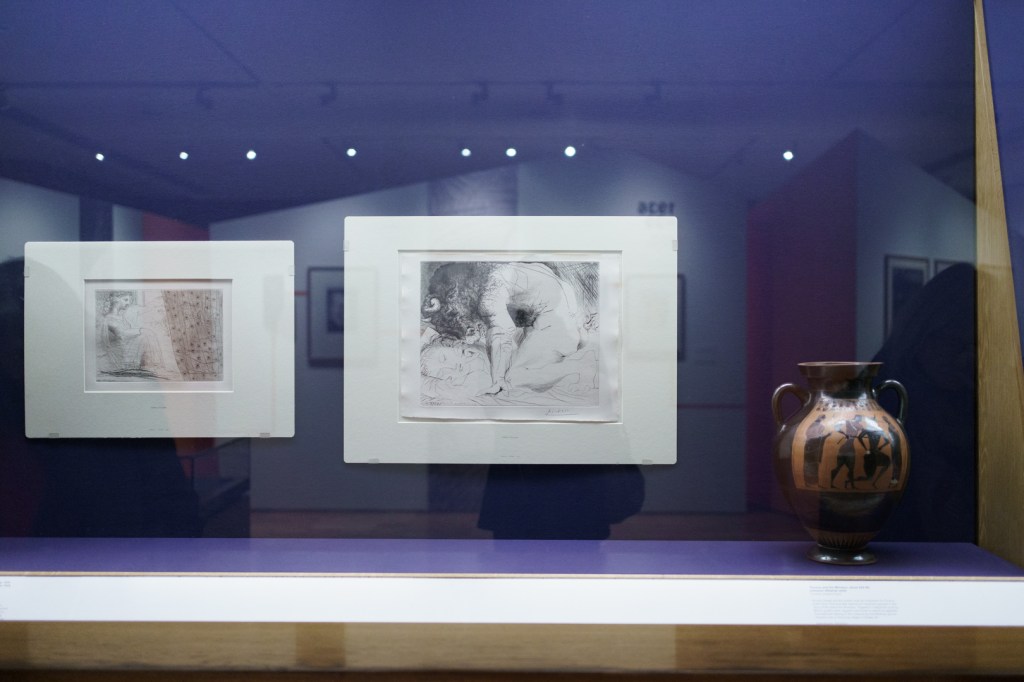
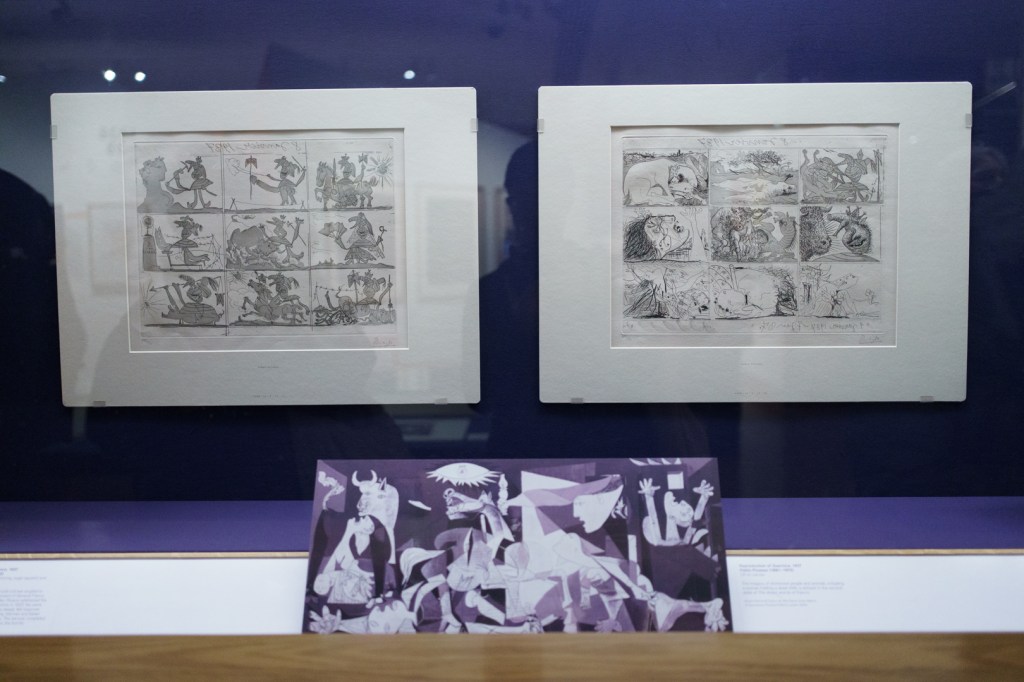
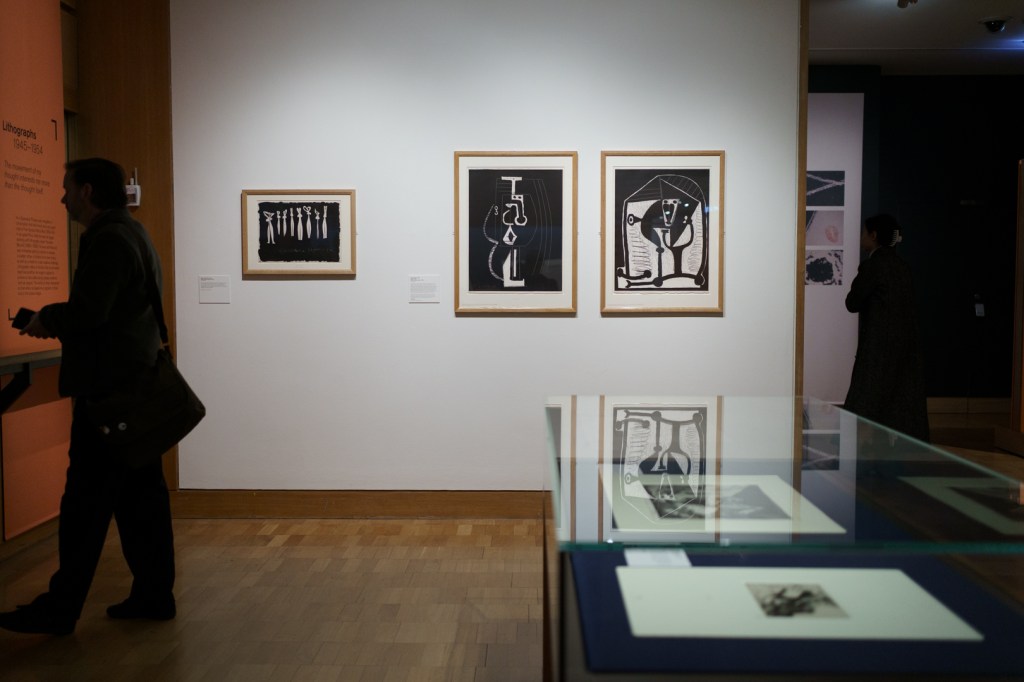
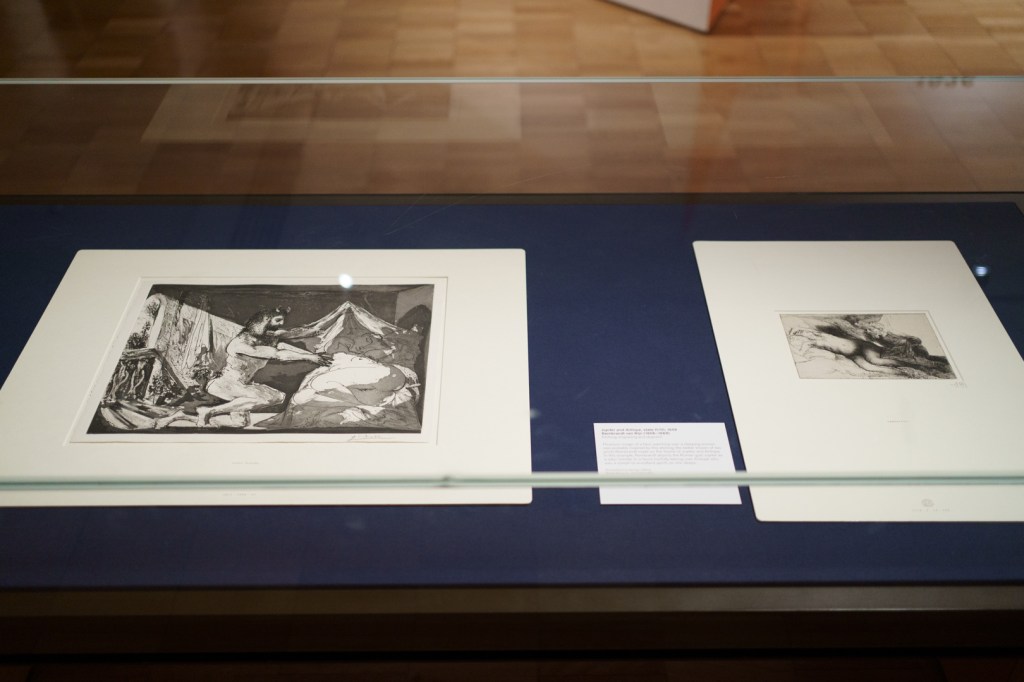
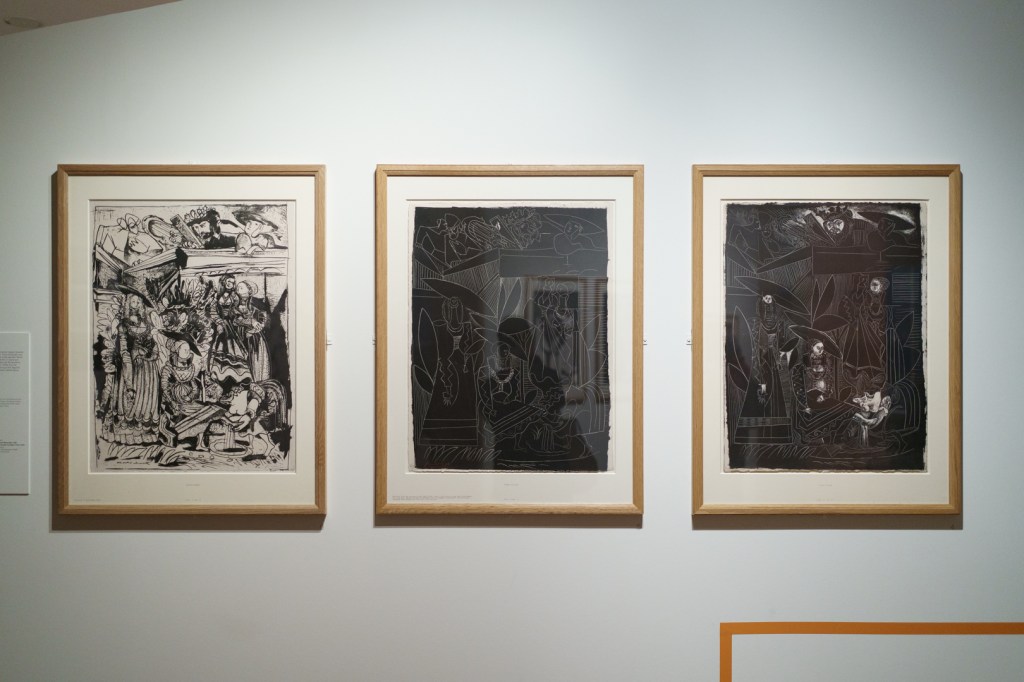
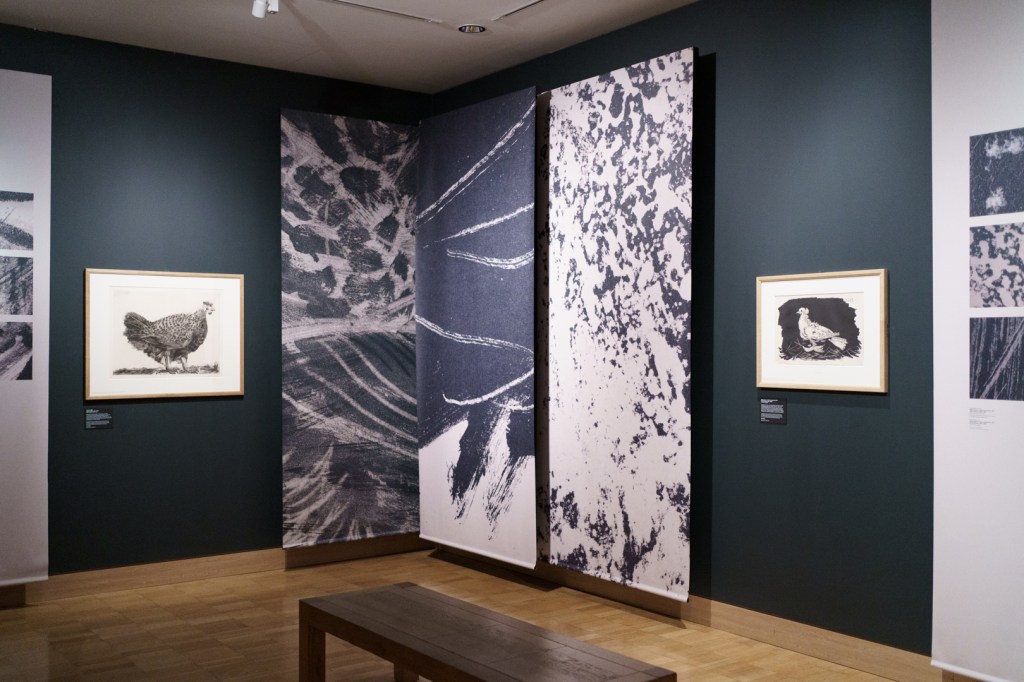
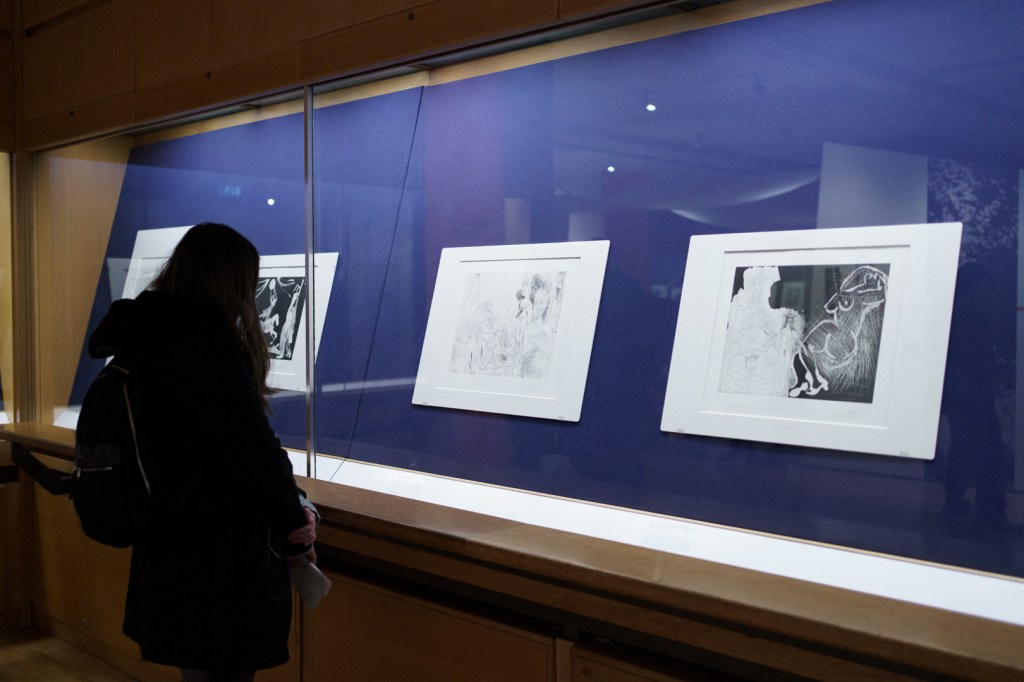
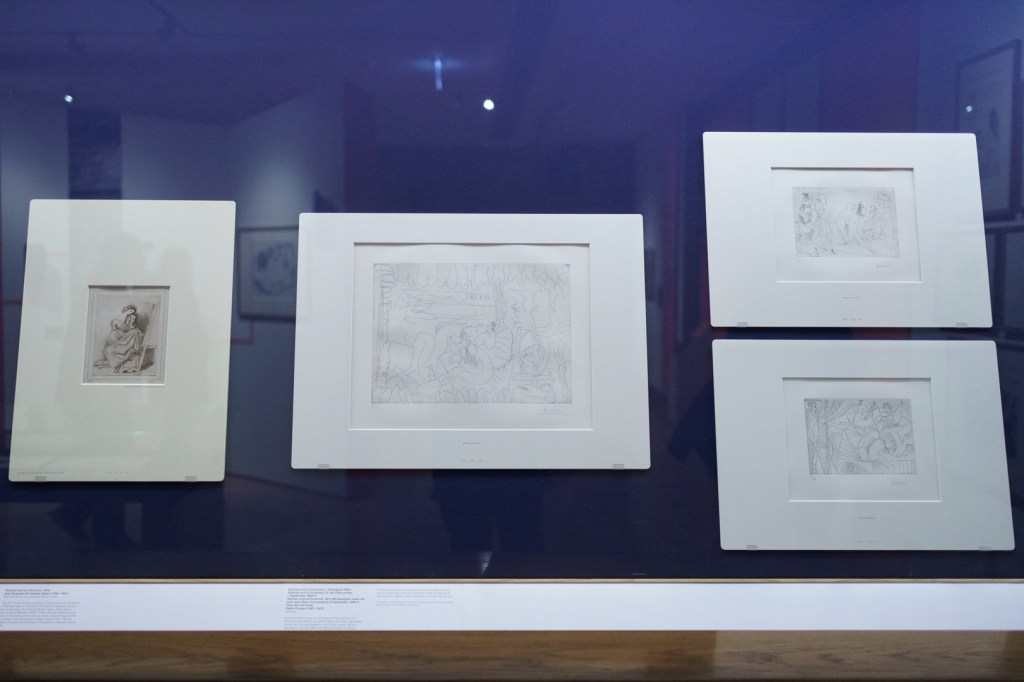

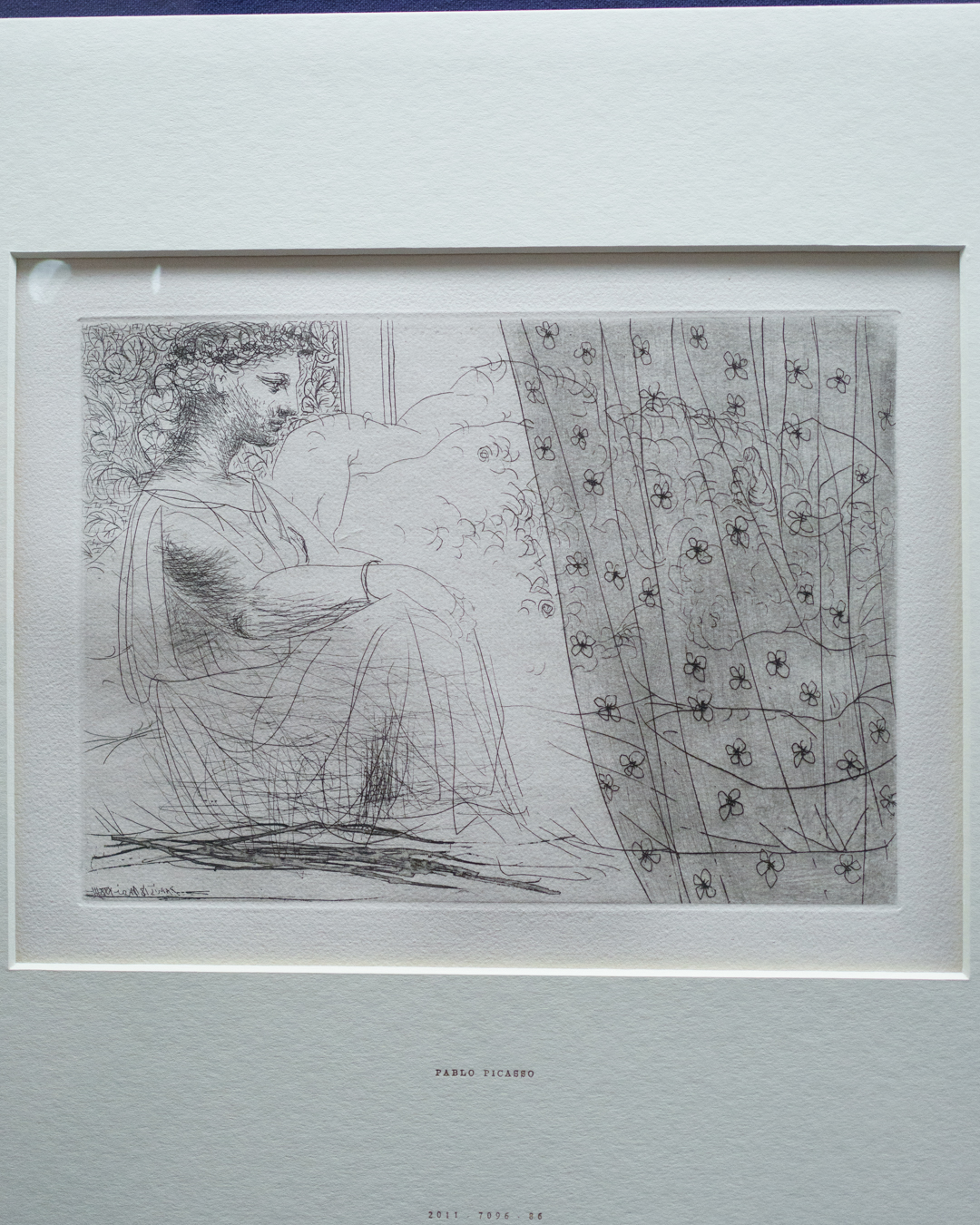
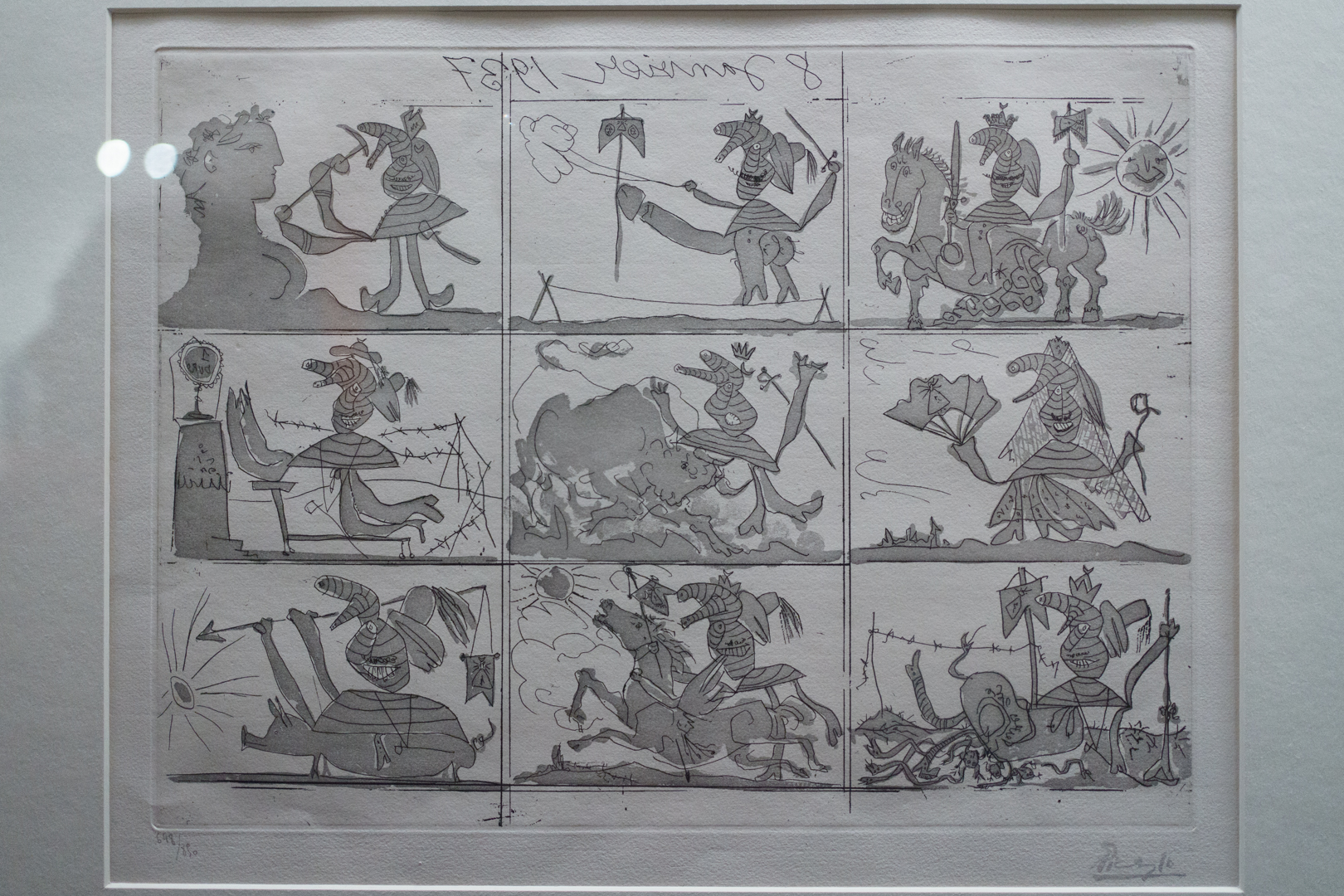
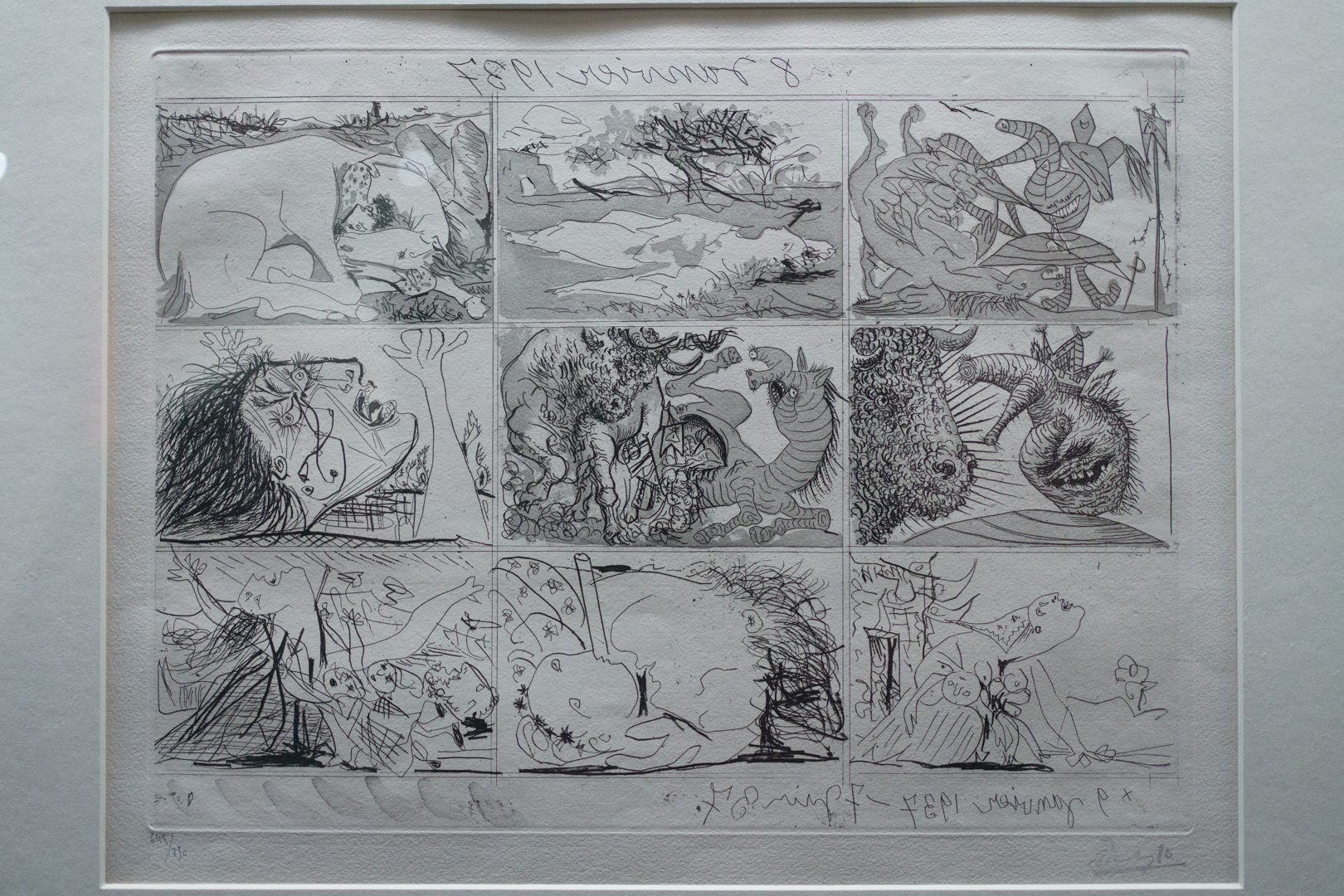
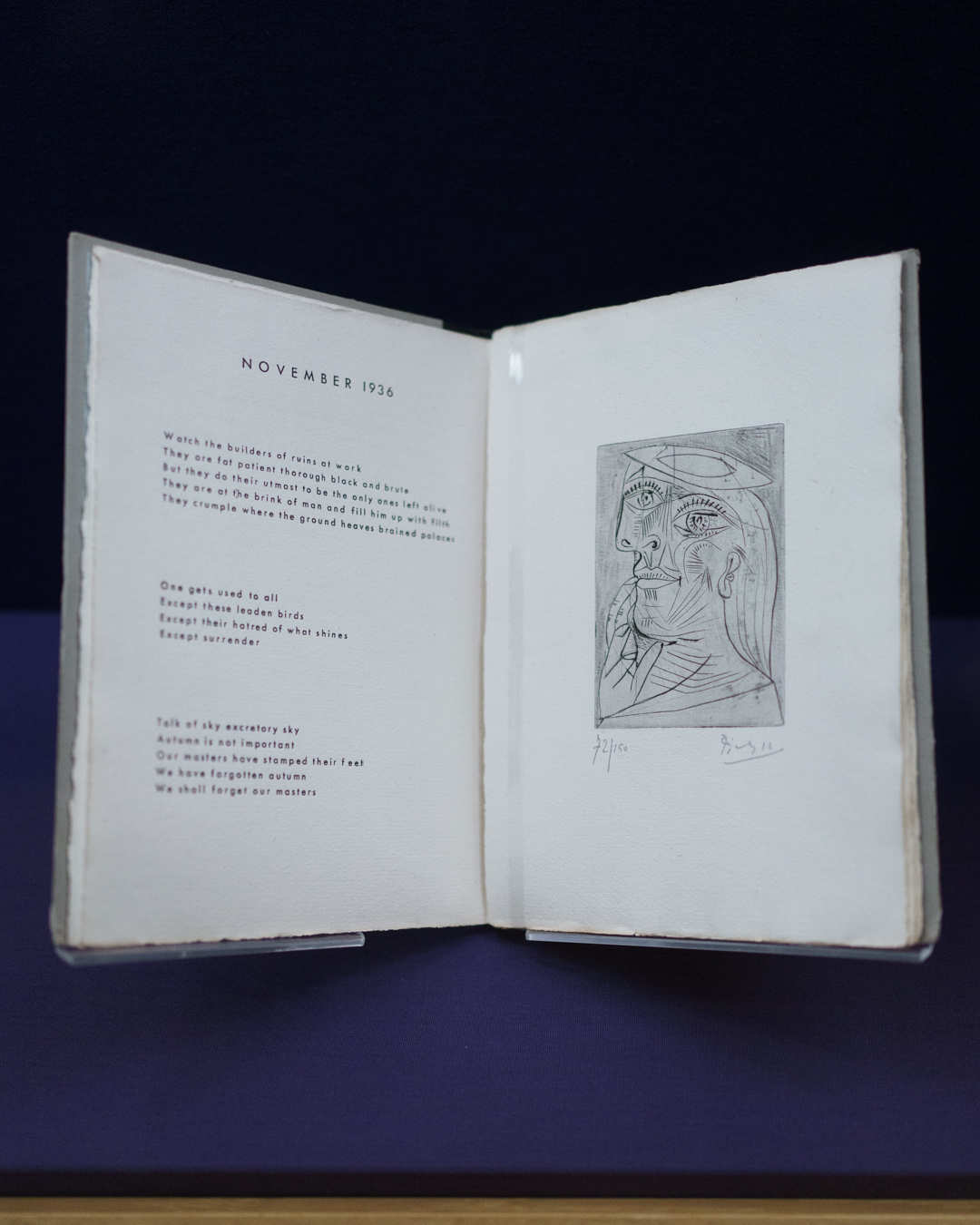
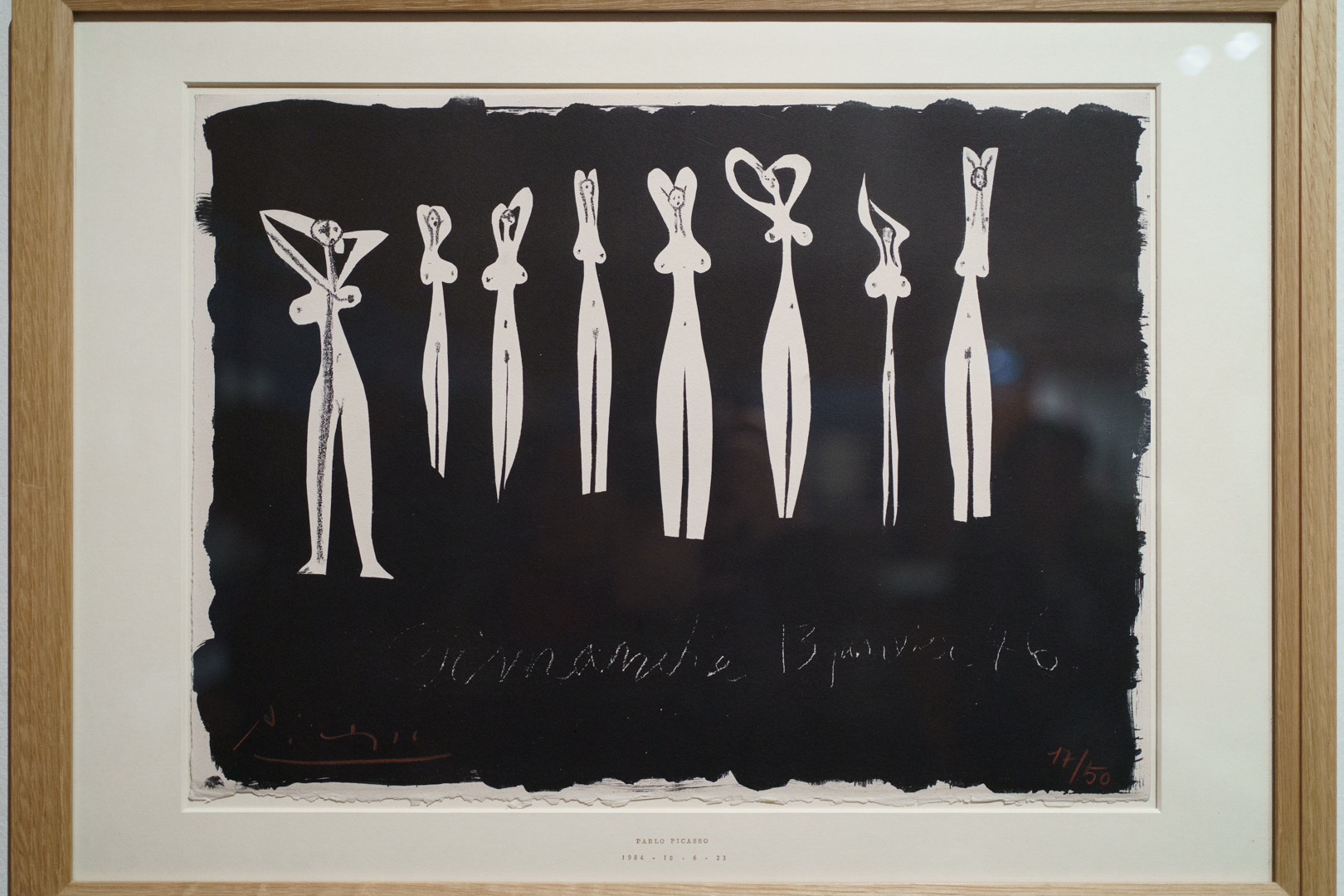
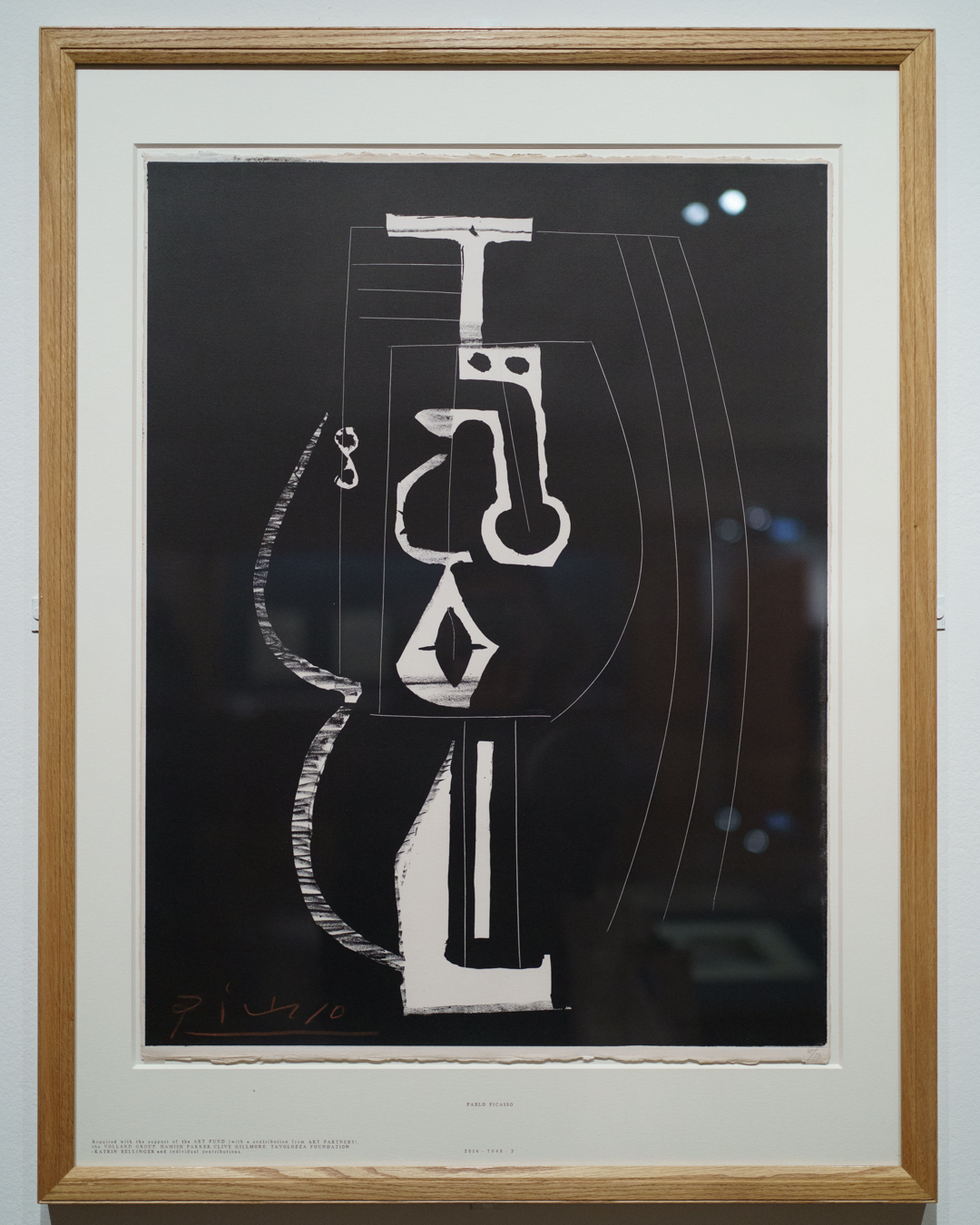
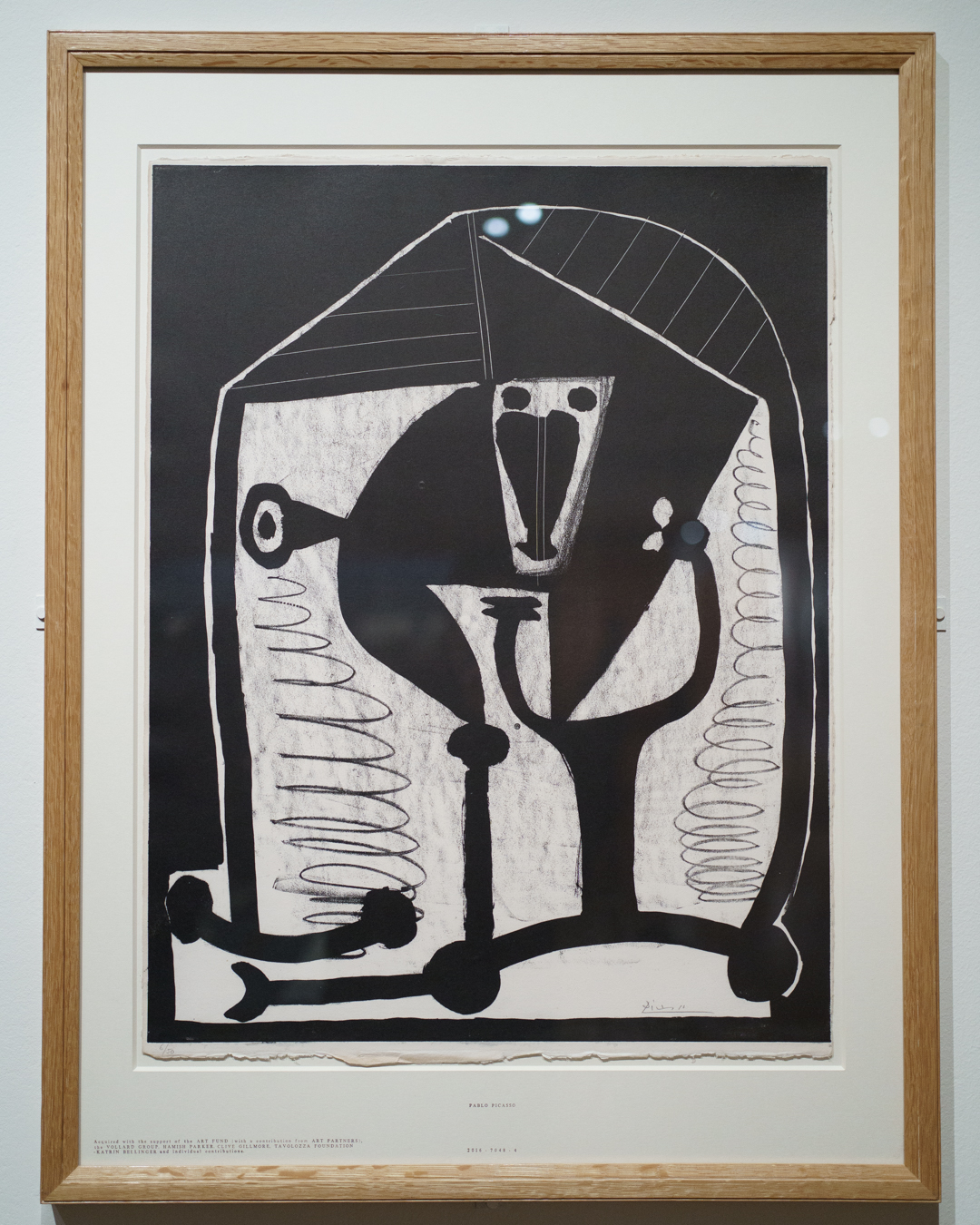
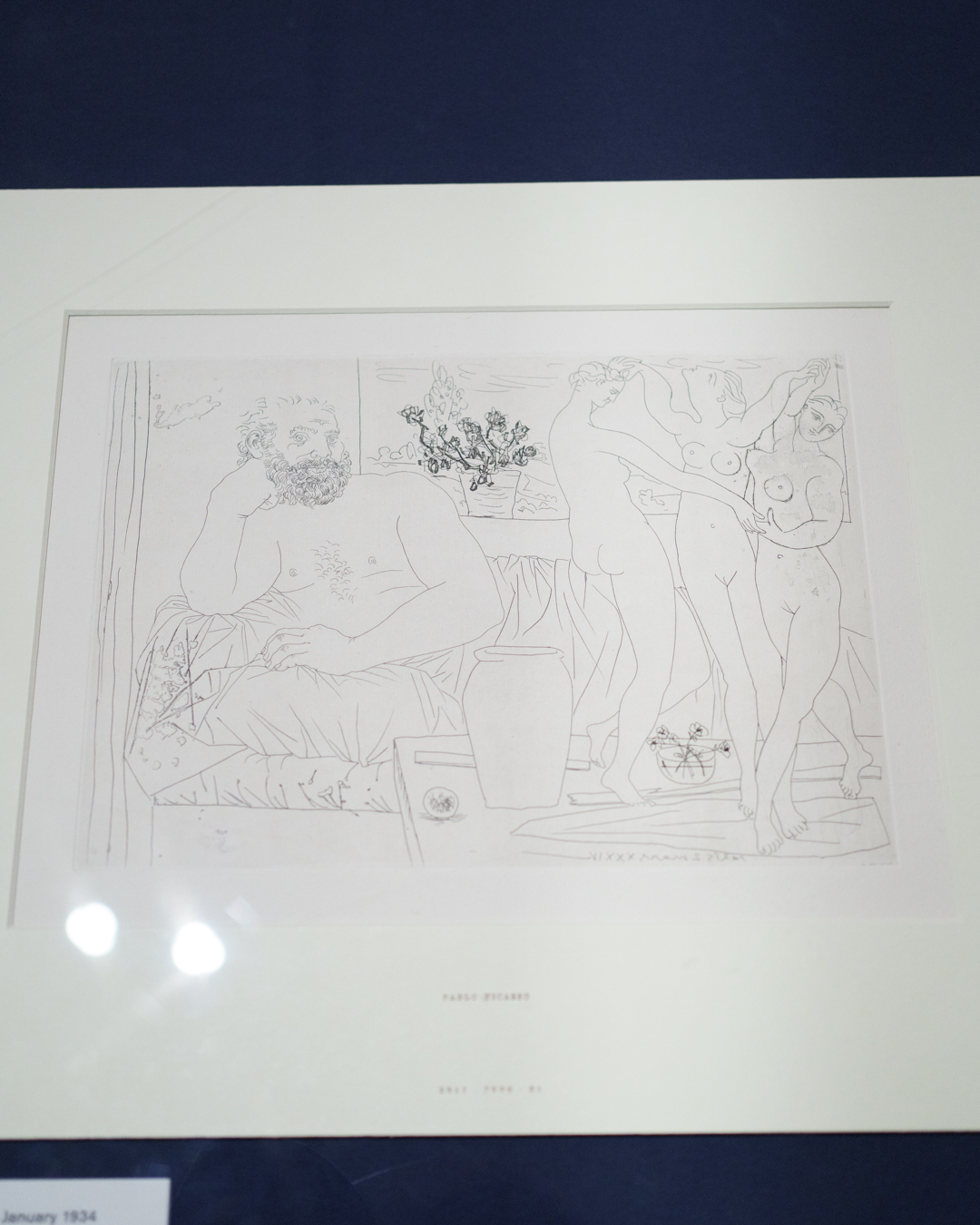
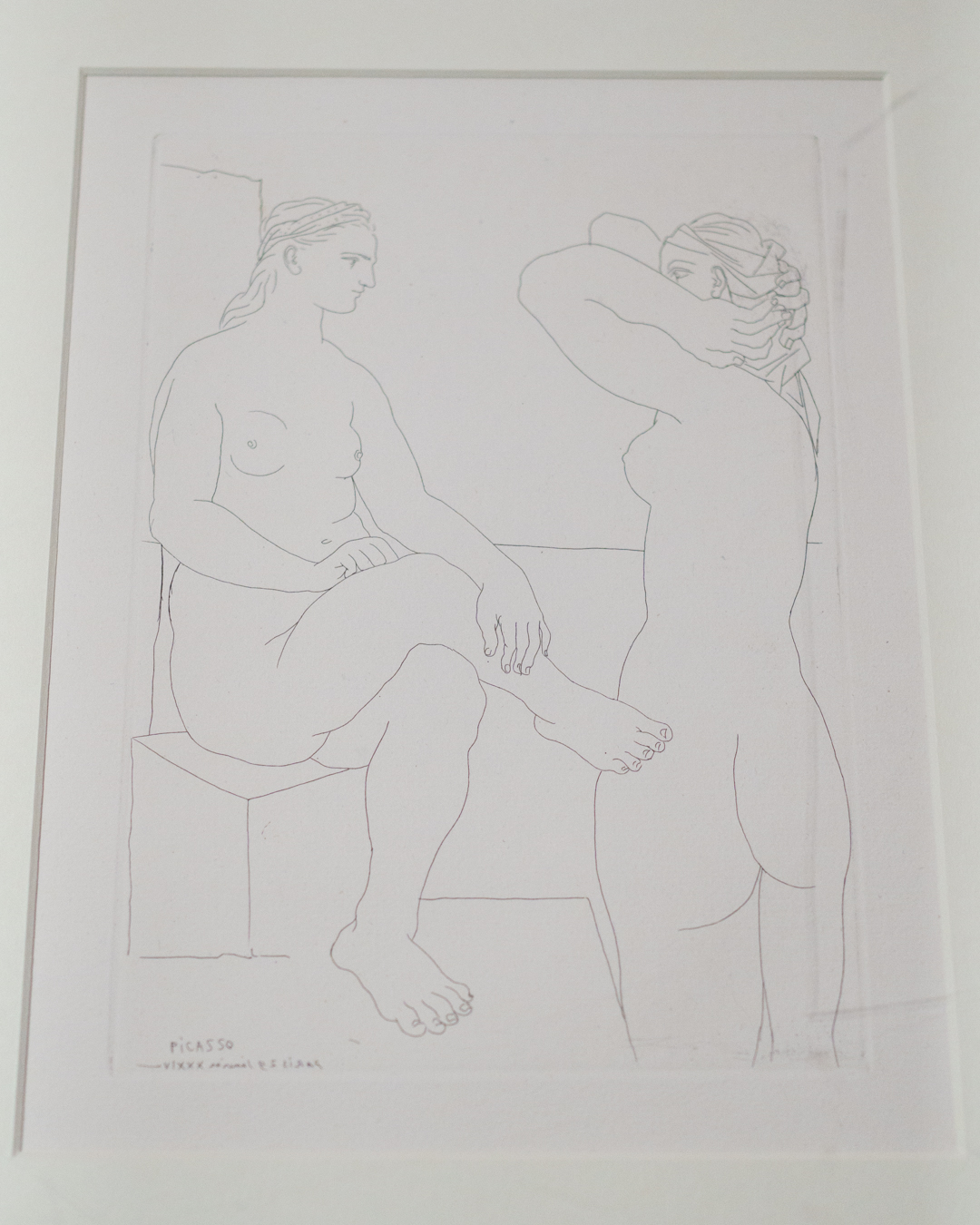
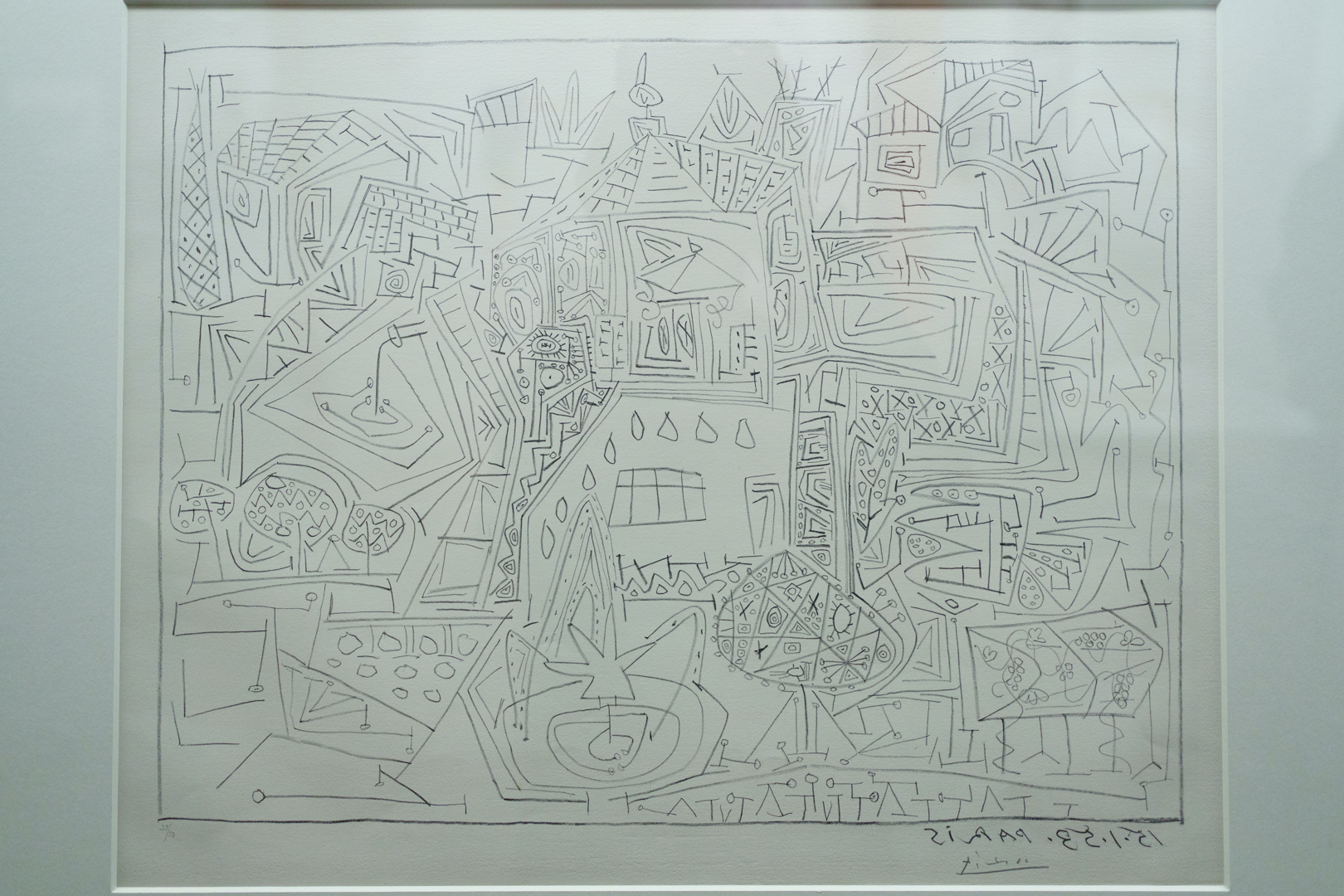
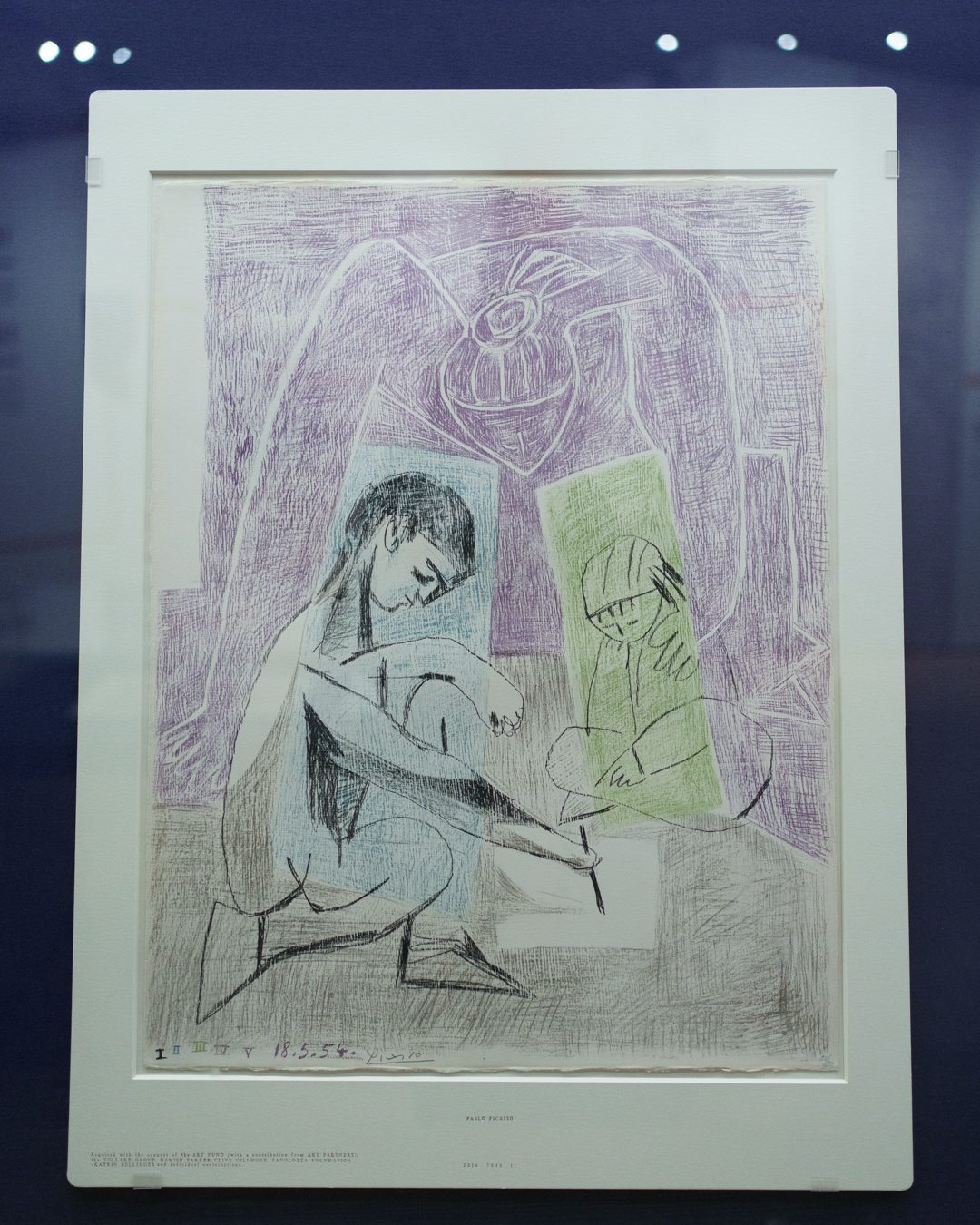
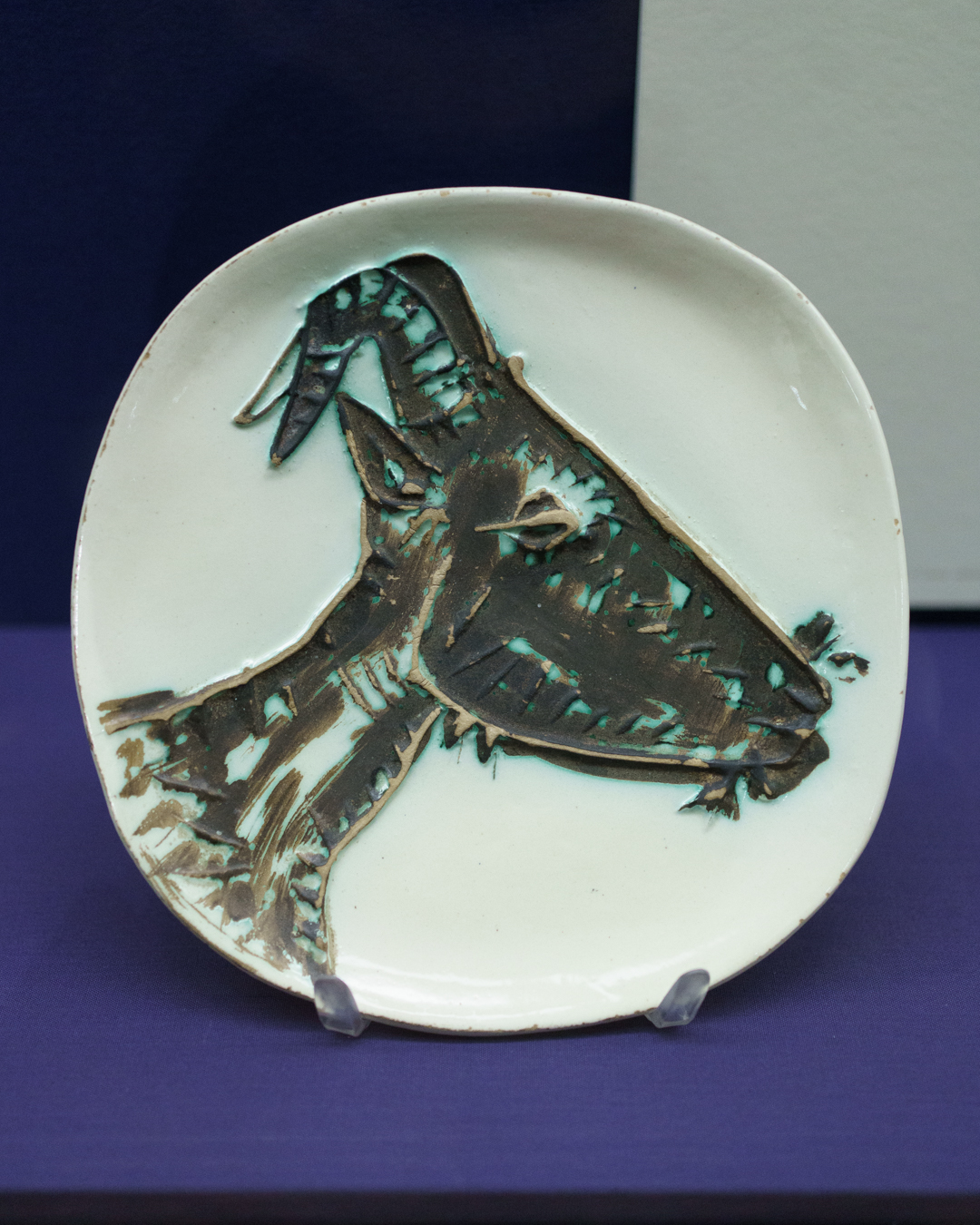
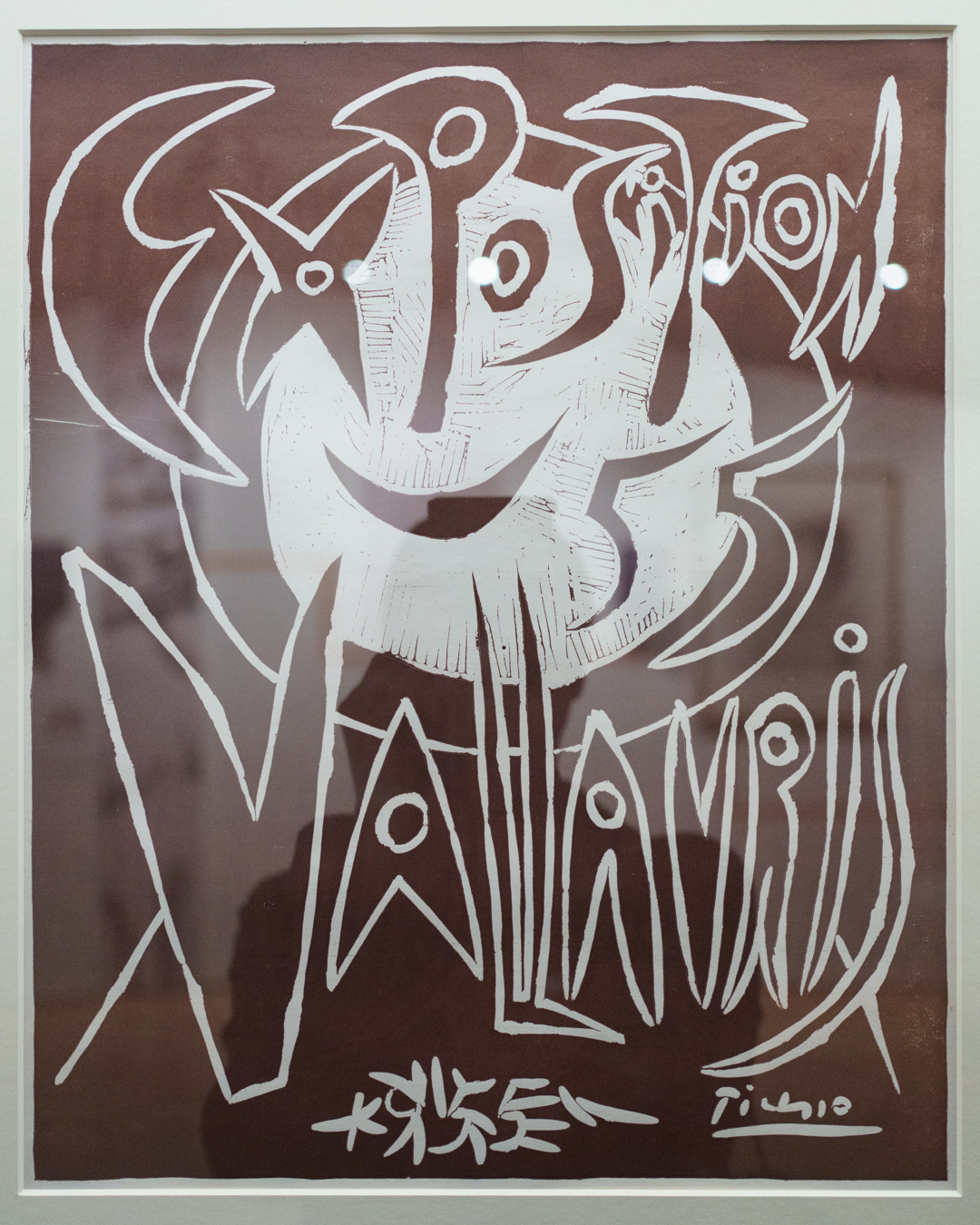
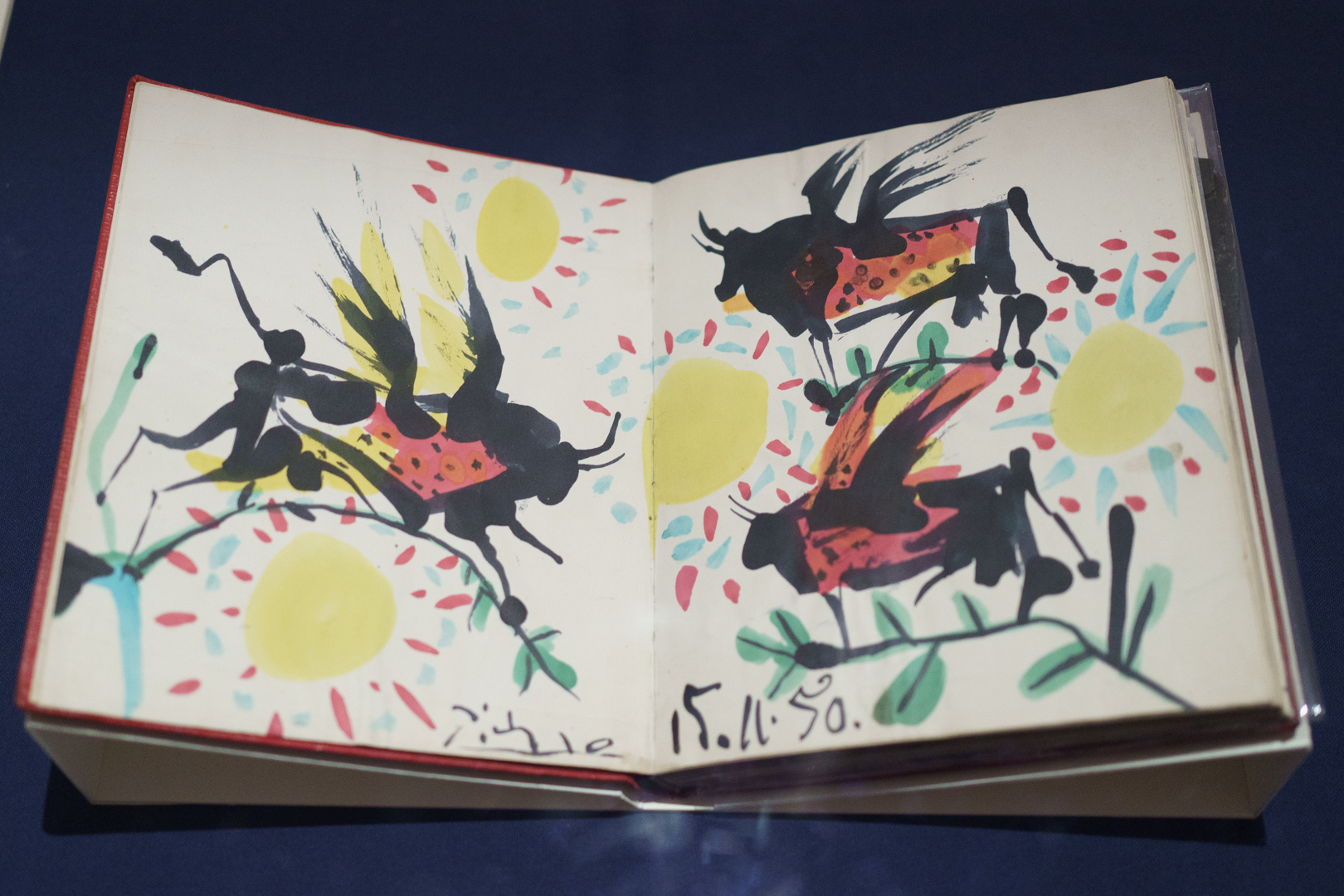
Surveying his entire life’s worth of printmaking activities, the show is full of insightful comparisons and groupings that reveal lots about Picasso’s creative process, inspirations, and experiments with print techniques.
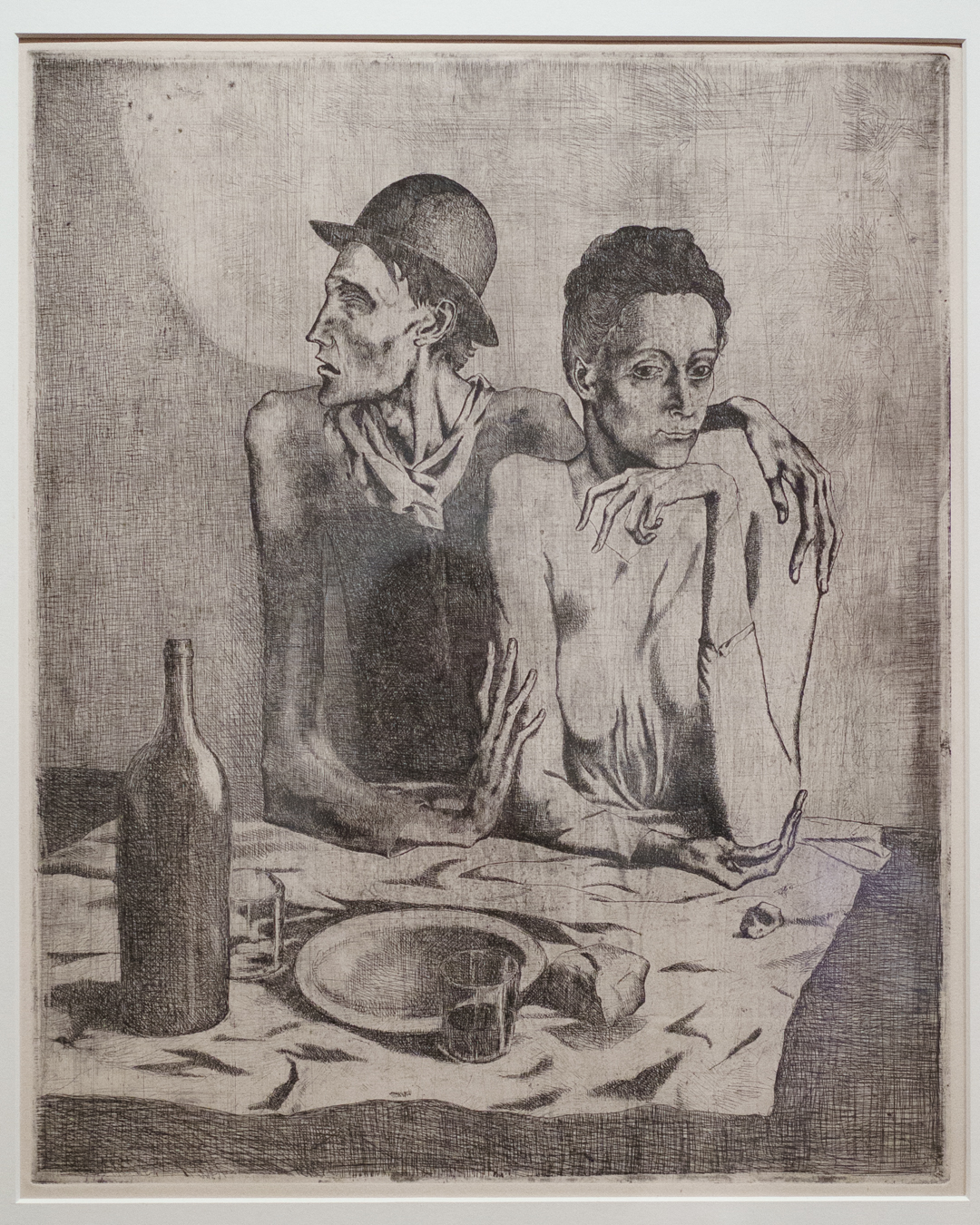
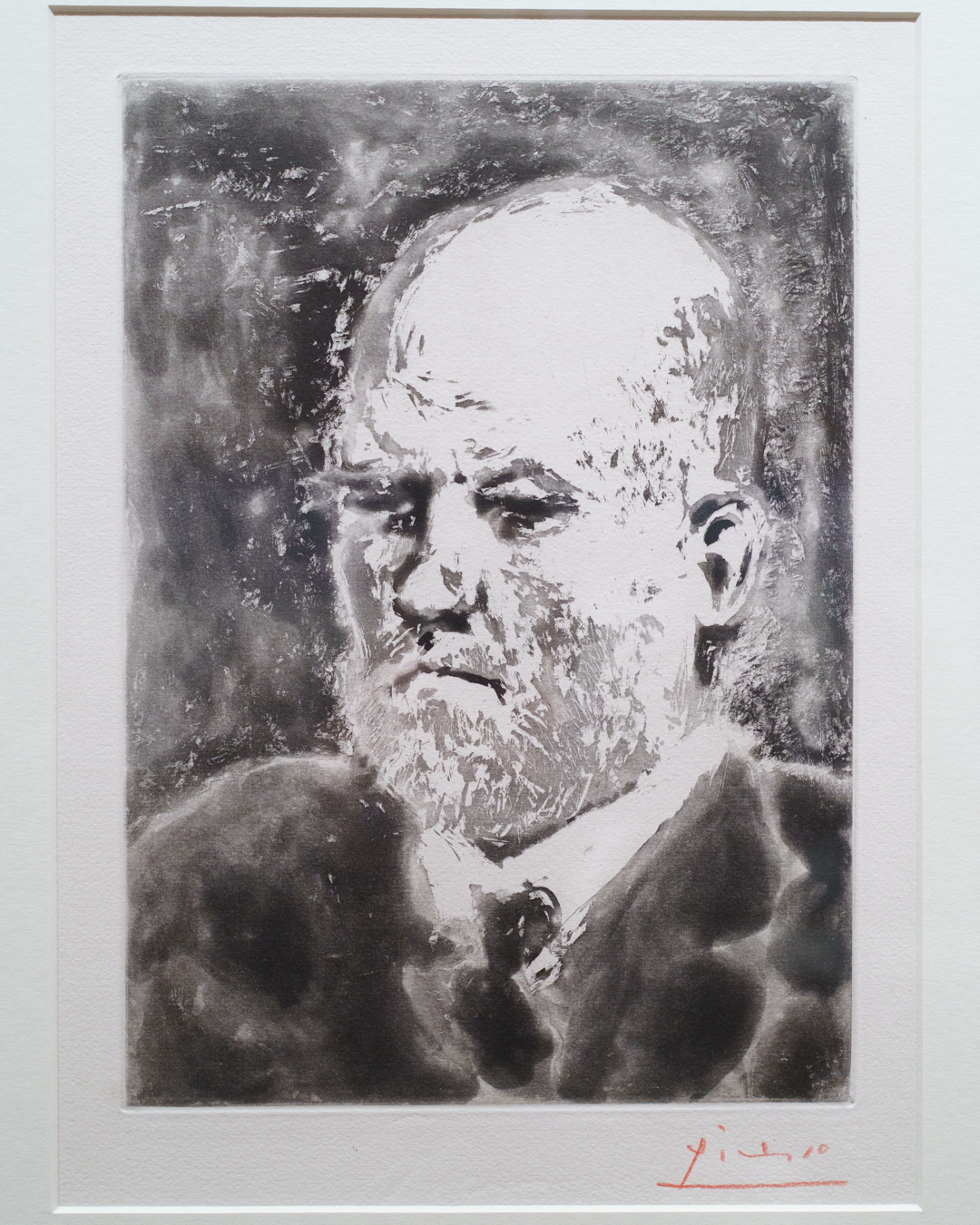
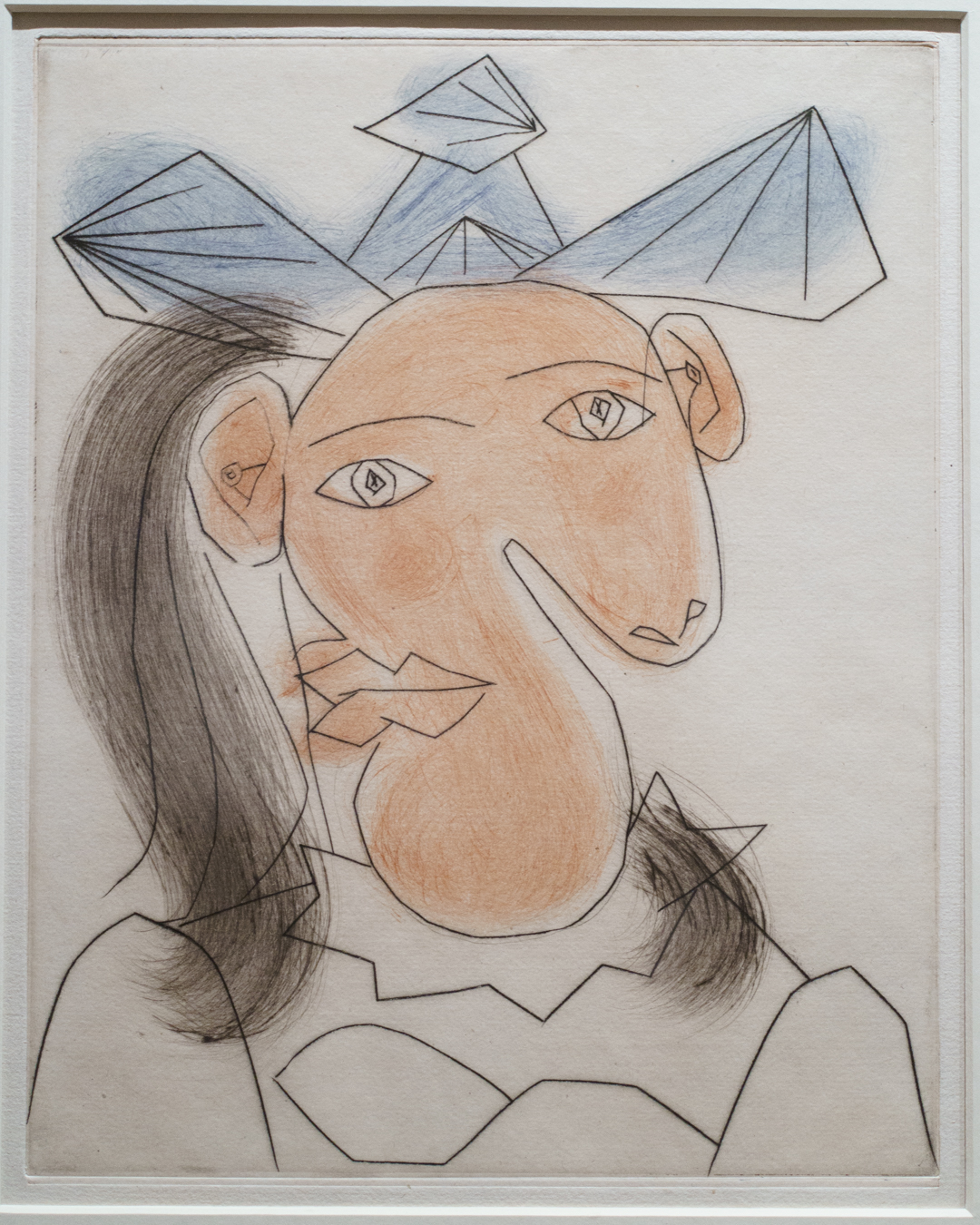
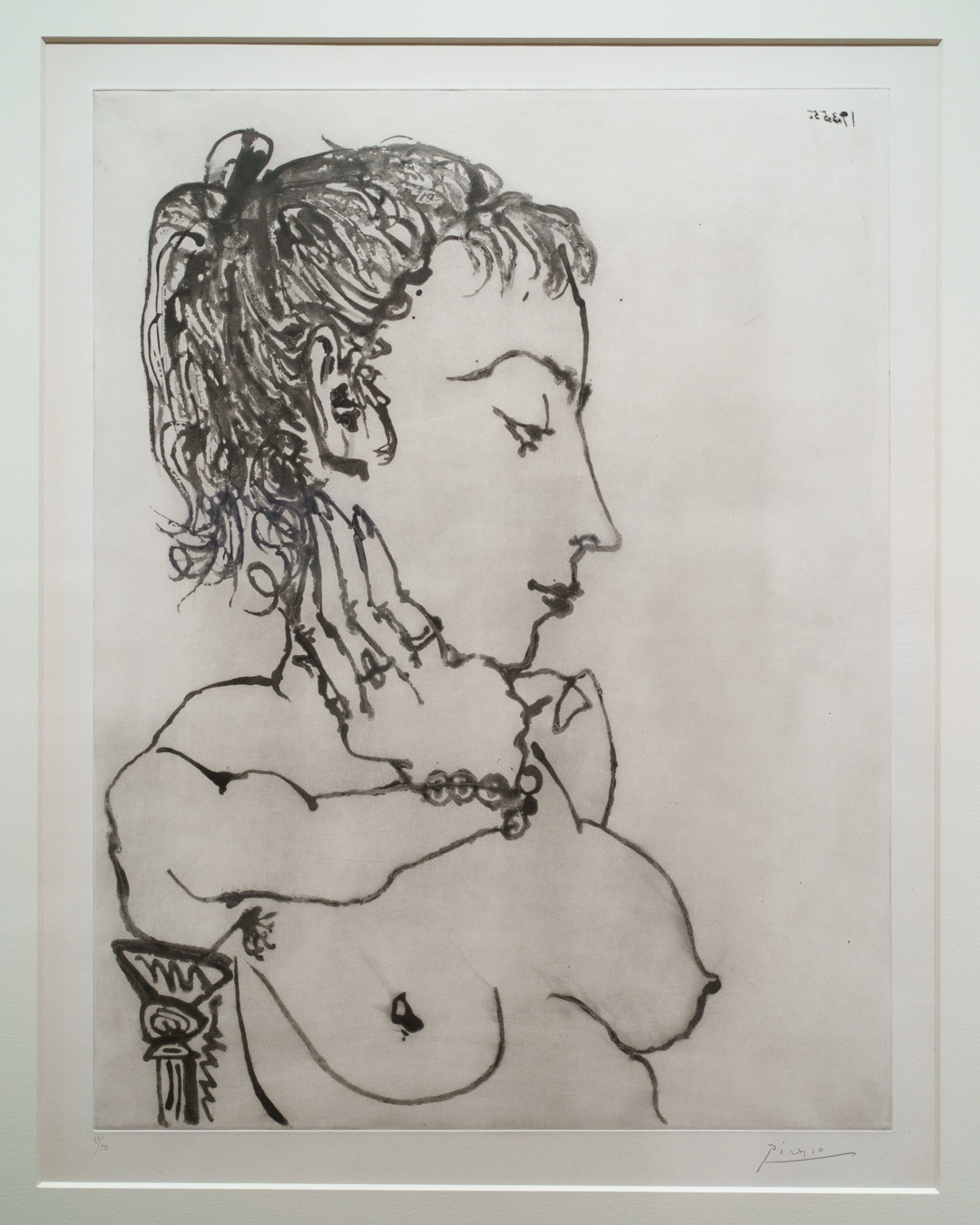

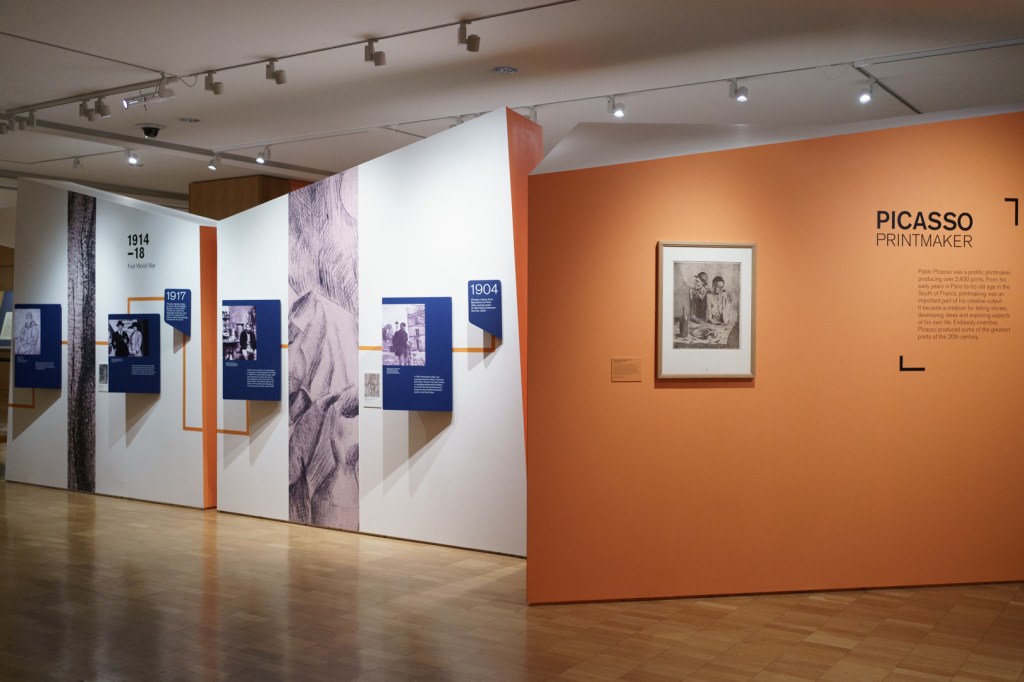
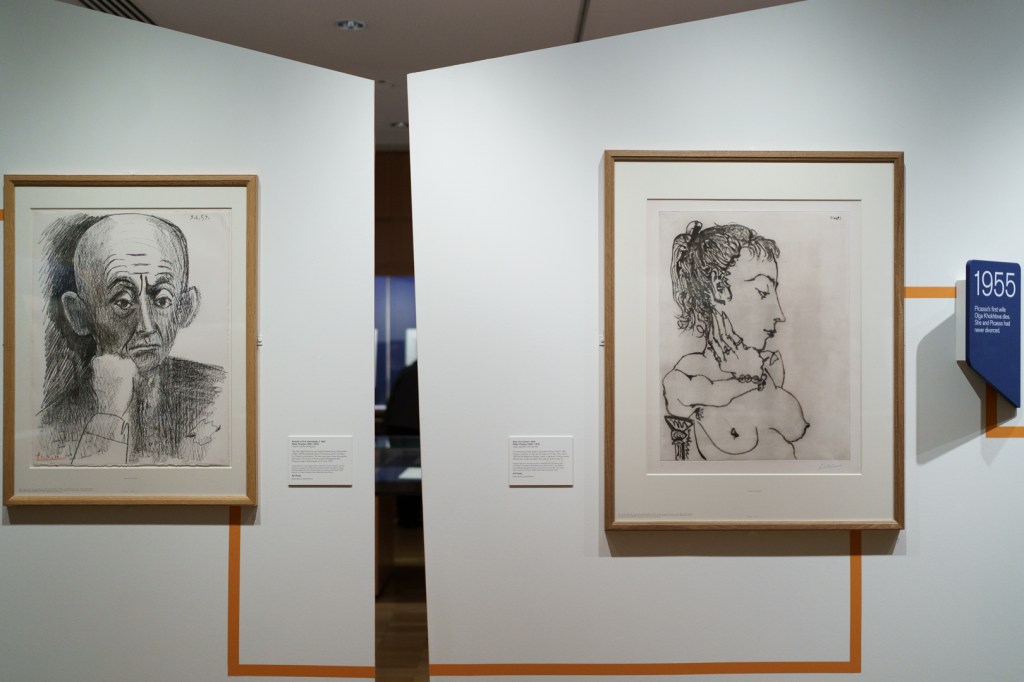
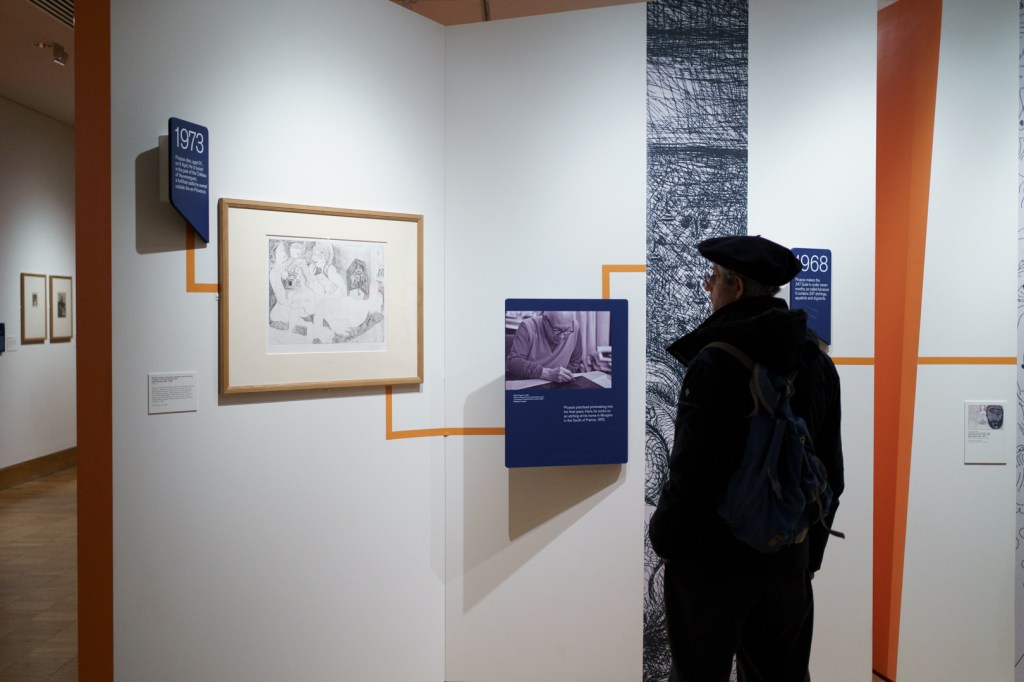
First and foremost, the beautiful exhibition design is worth highlighting, incorporating a set of partitions bisecting the room that double up as an informative timeline. This is where we see Picasso’s first print made in Paris, The Frugal Meal (1904), created using a recycled zinc plate and scraper.
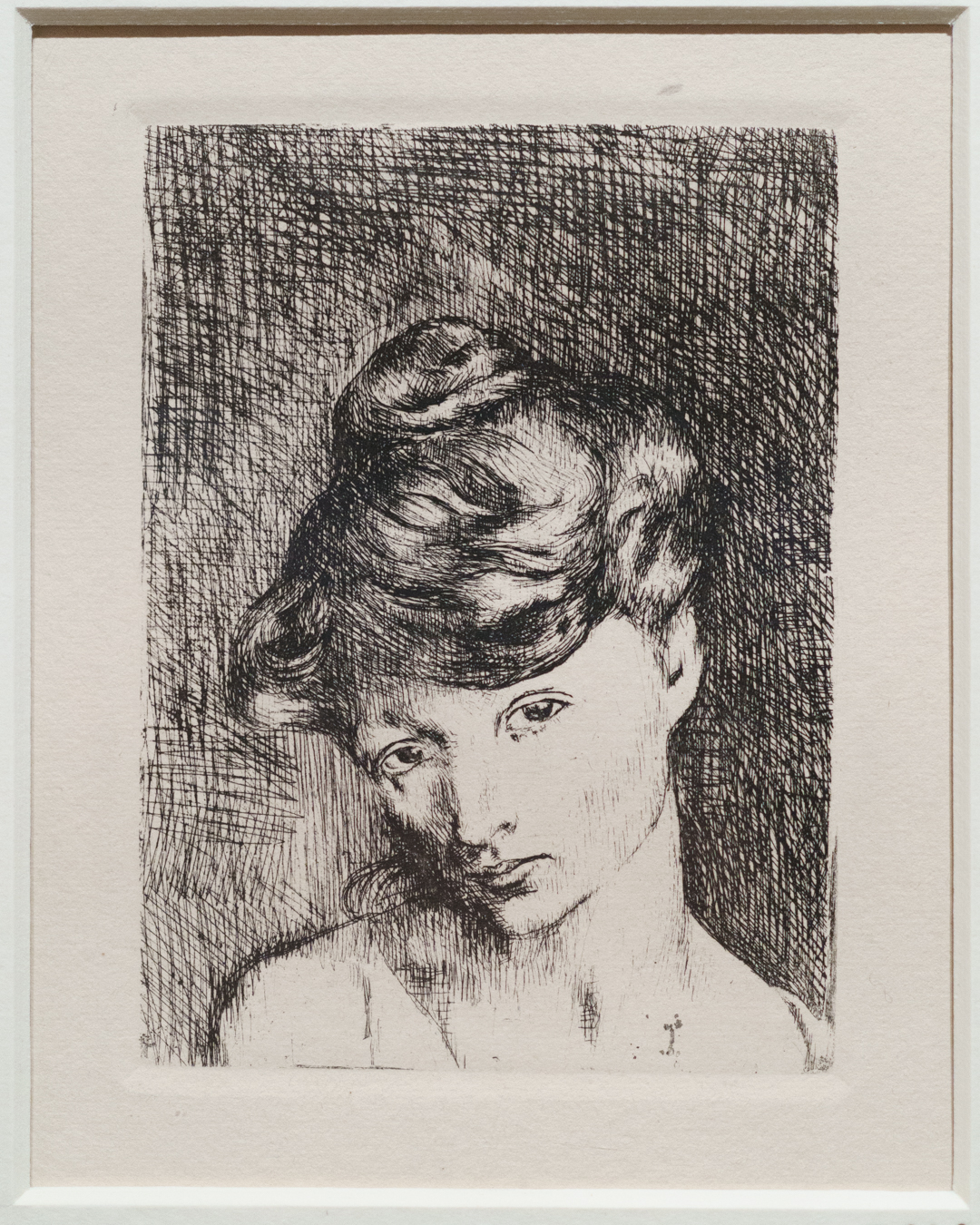
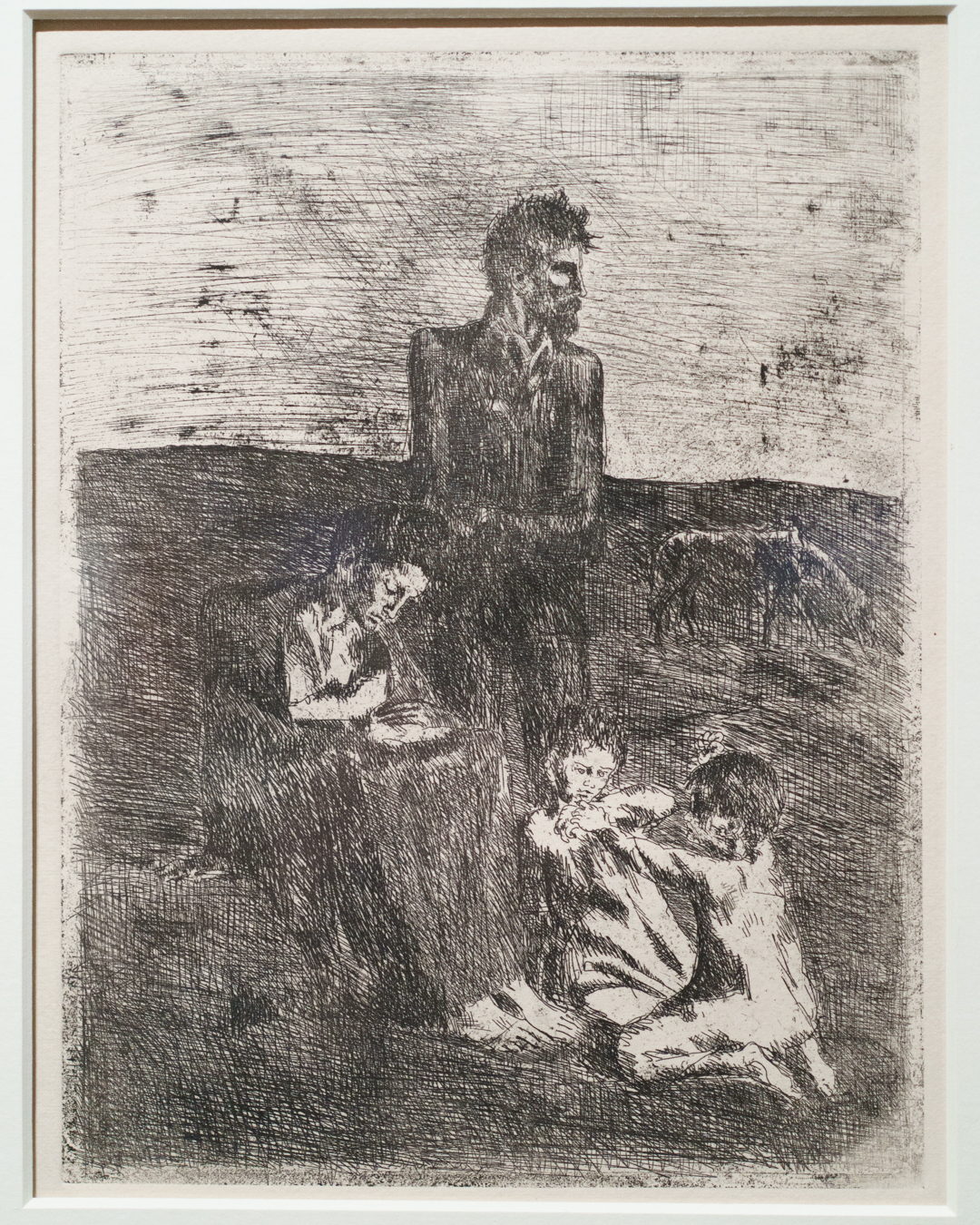
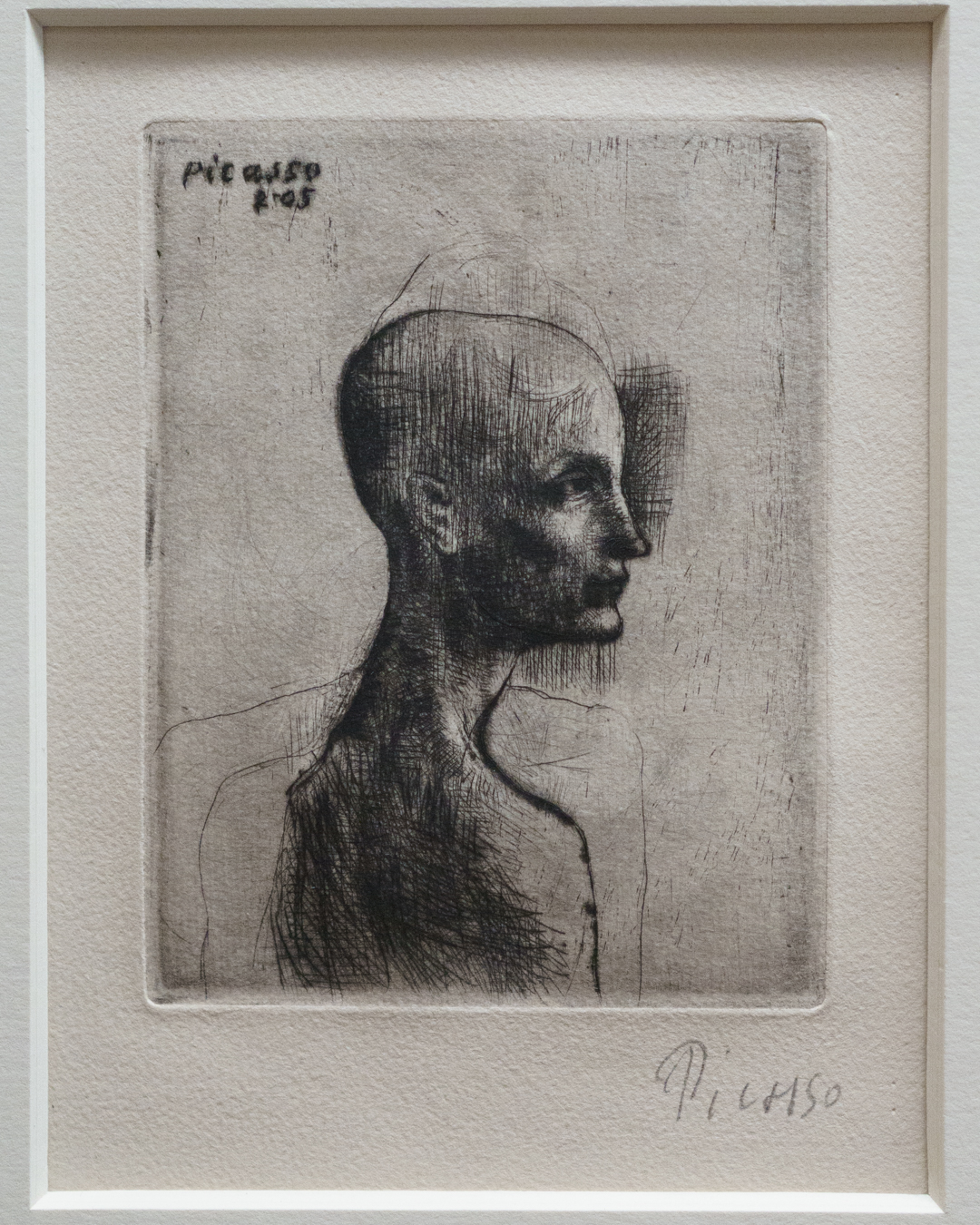
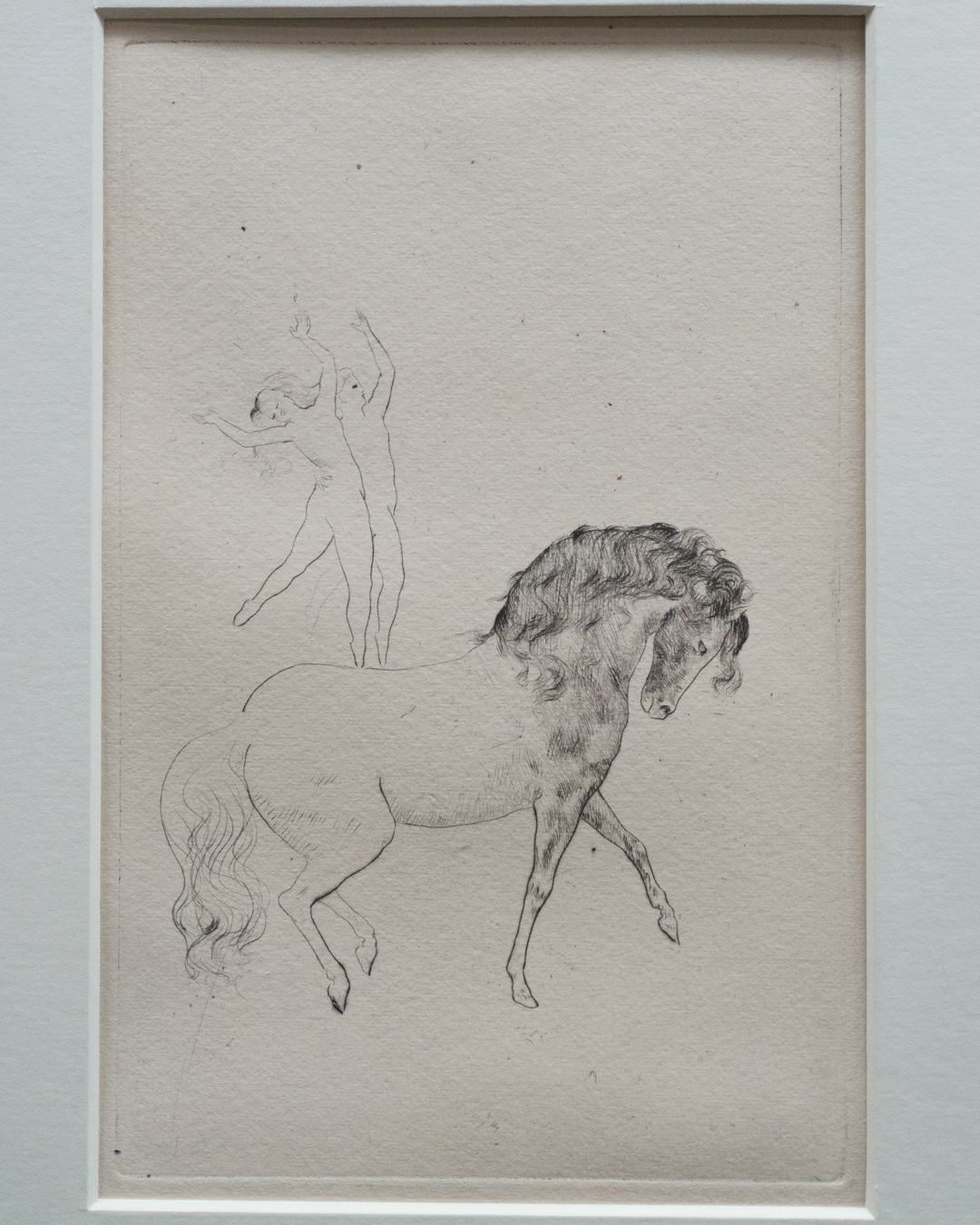
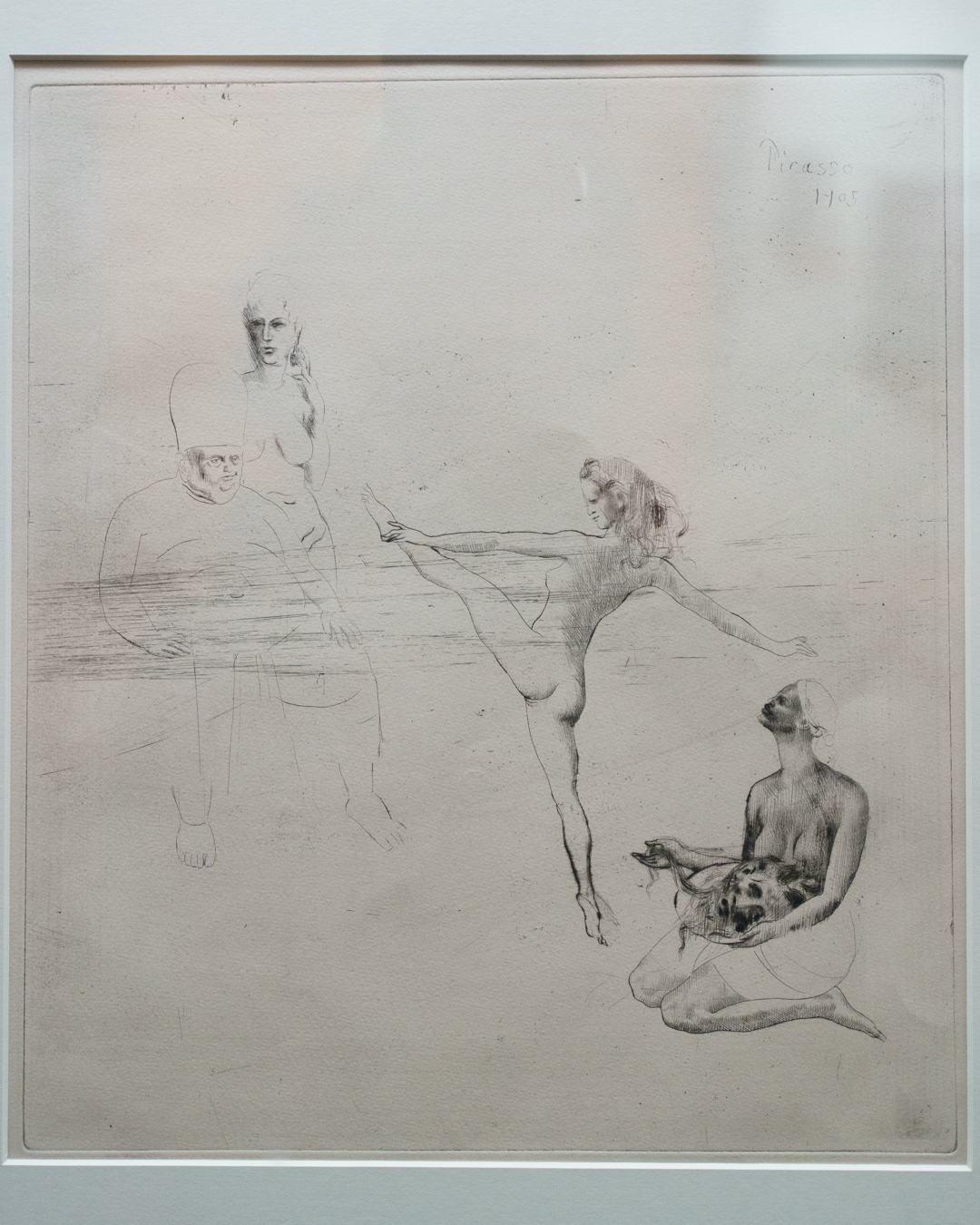
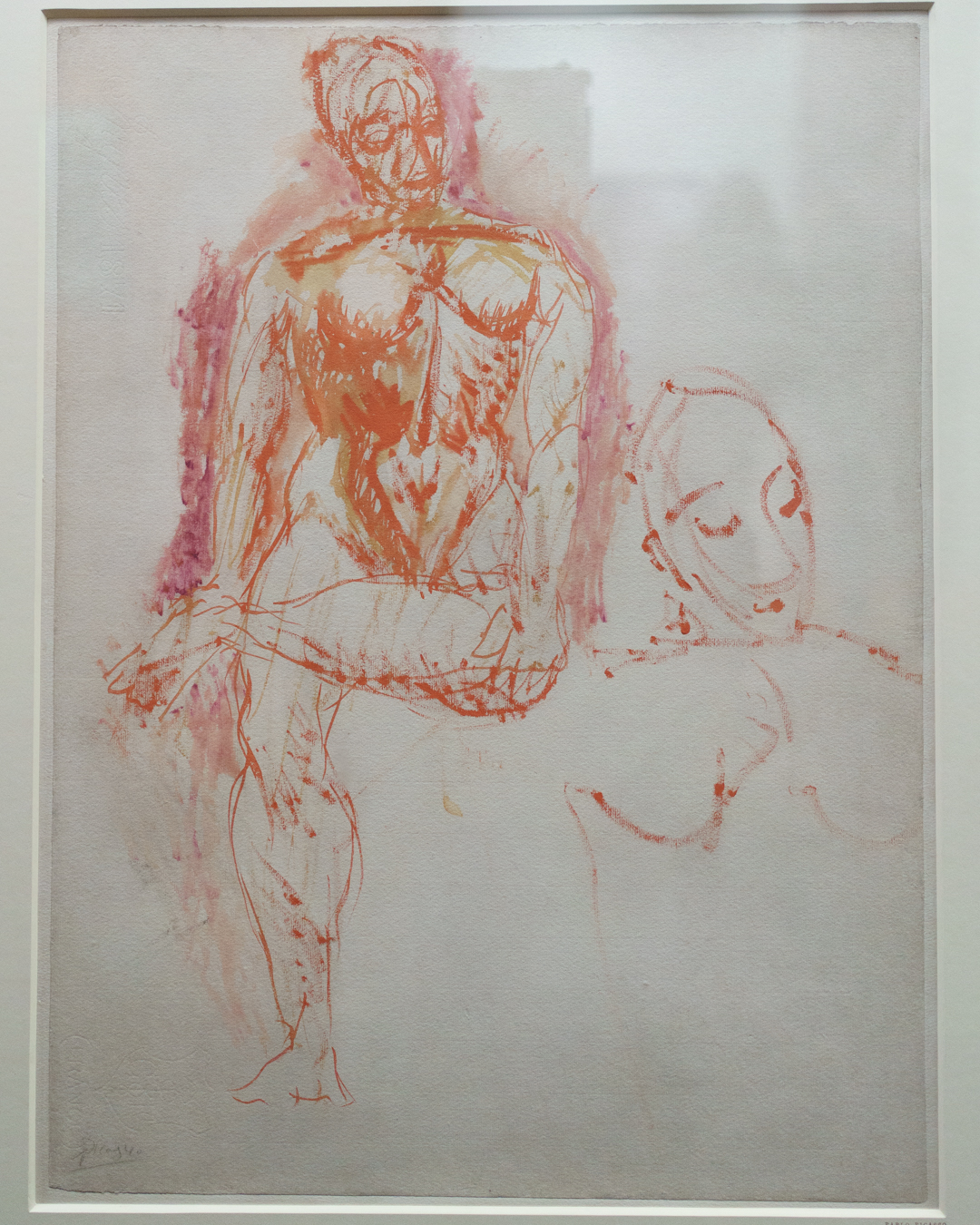
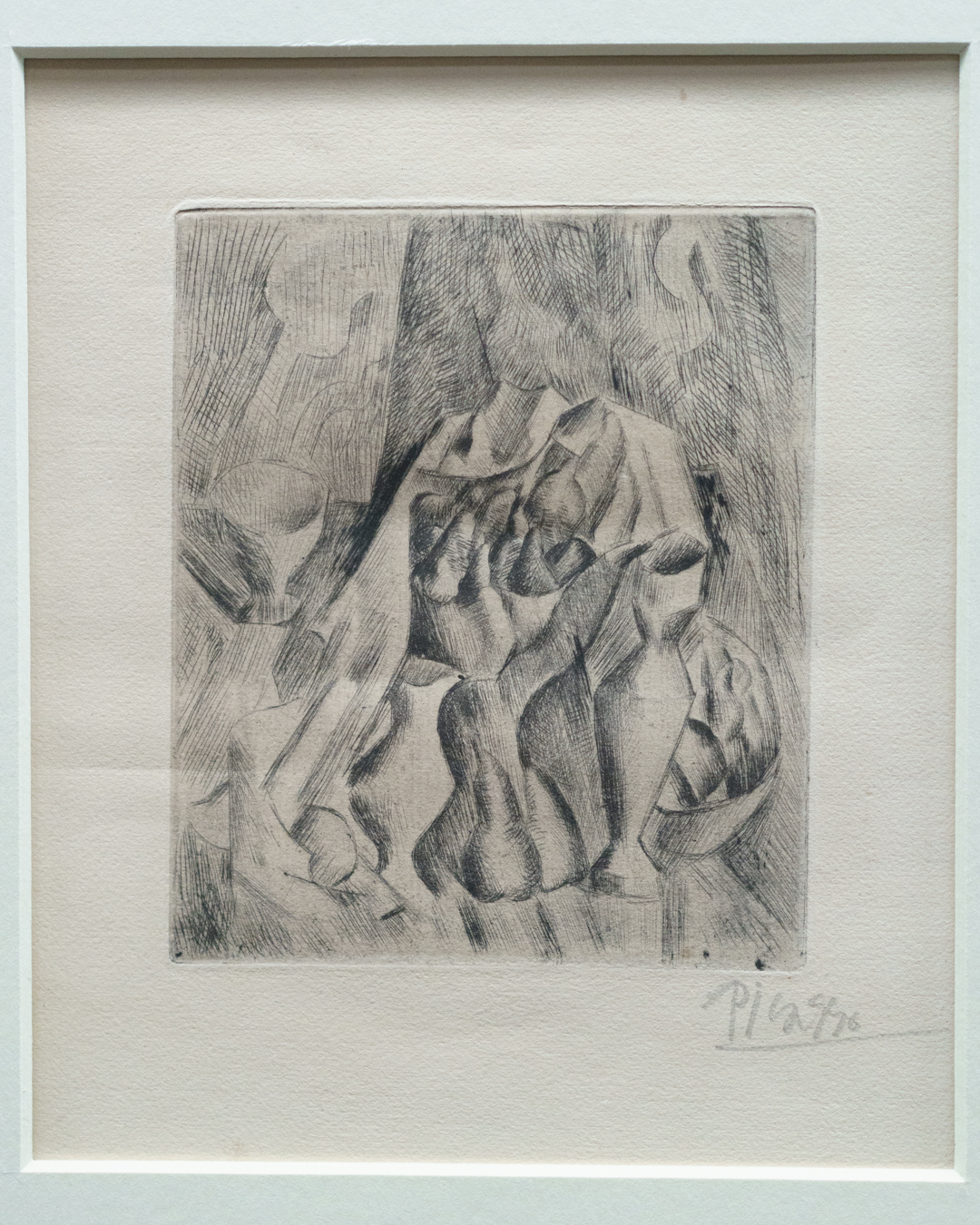
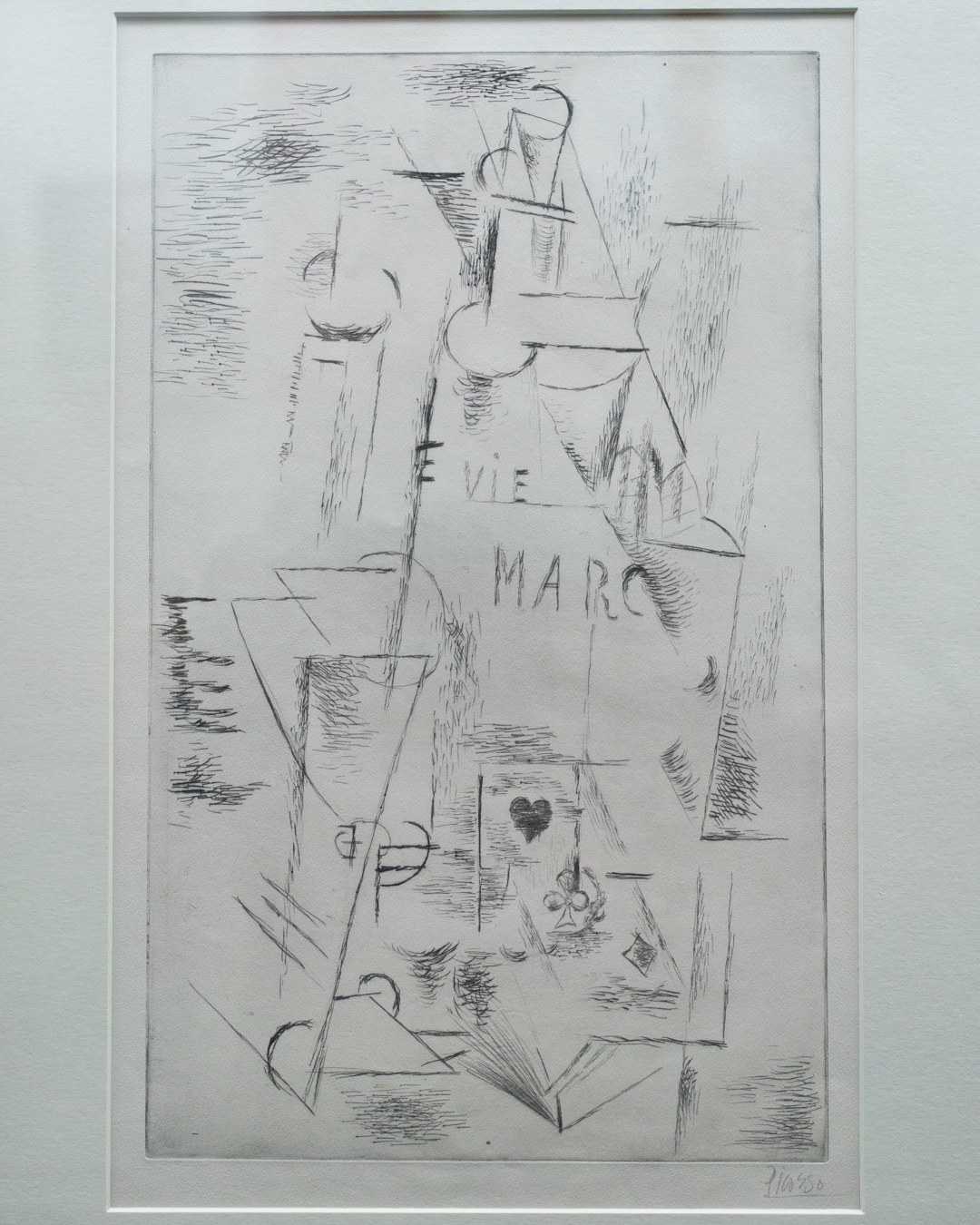
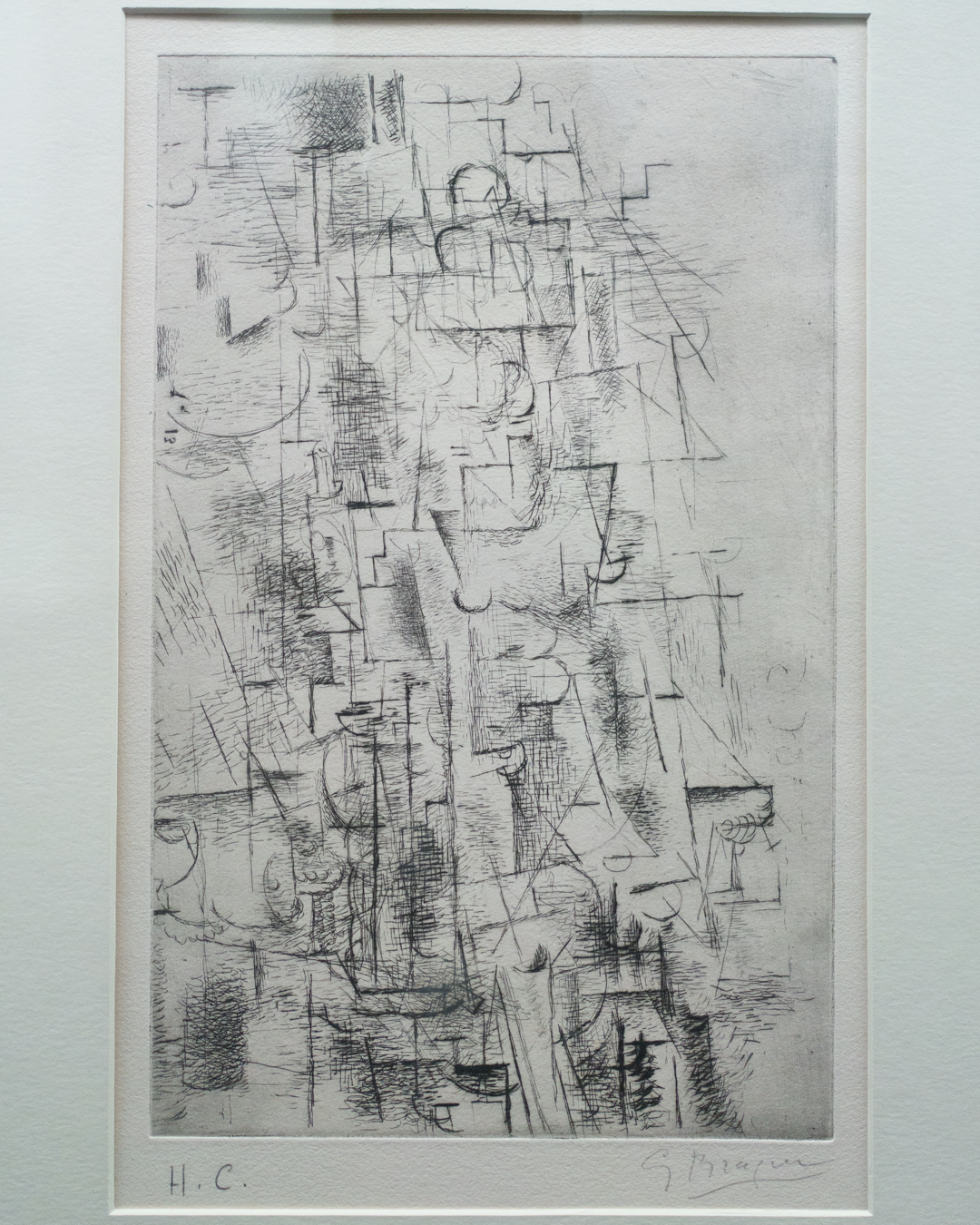
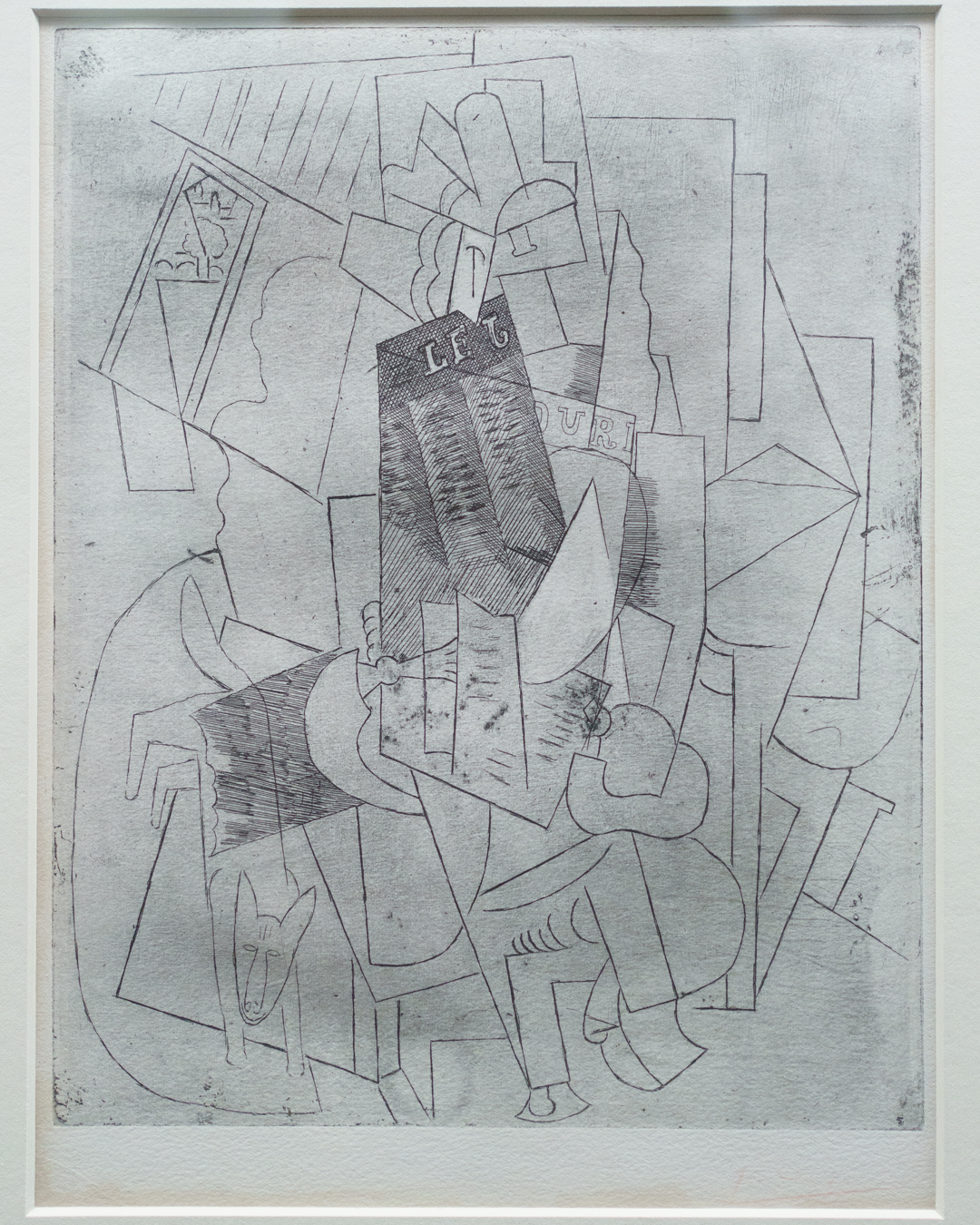
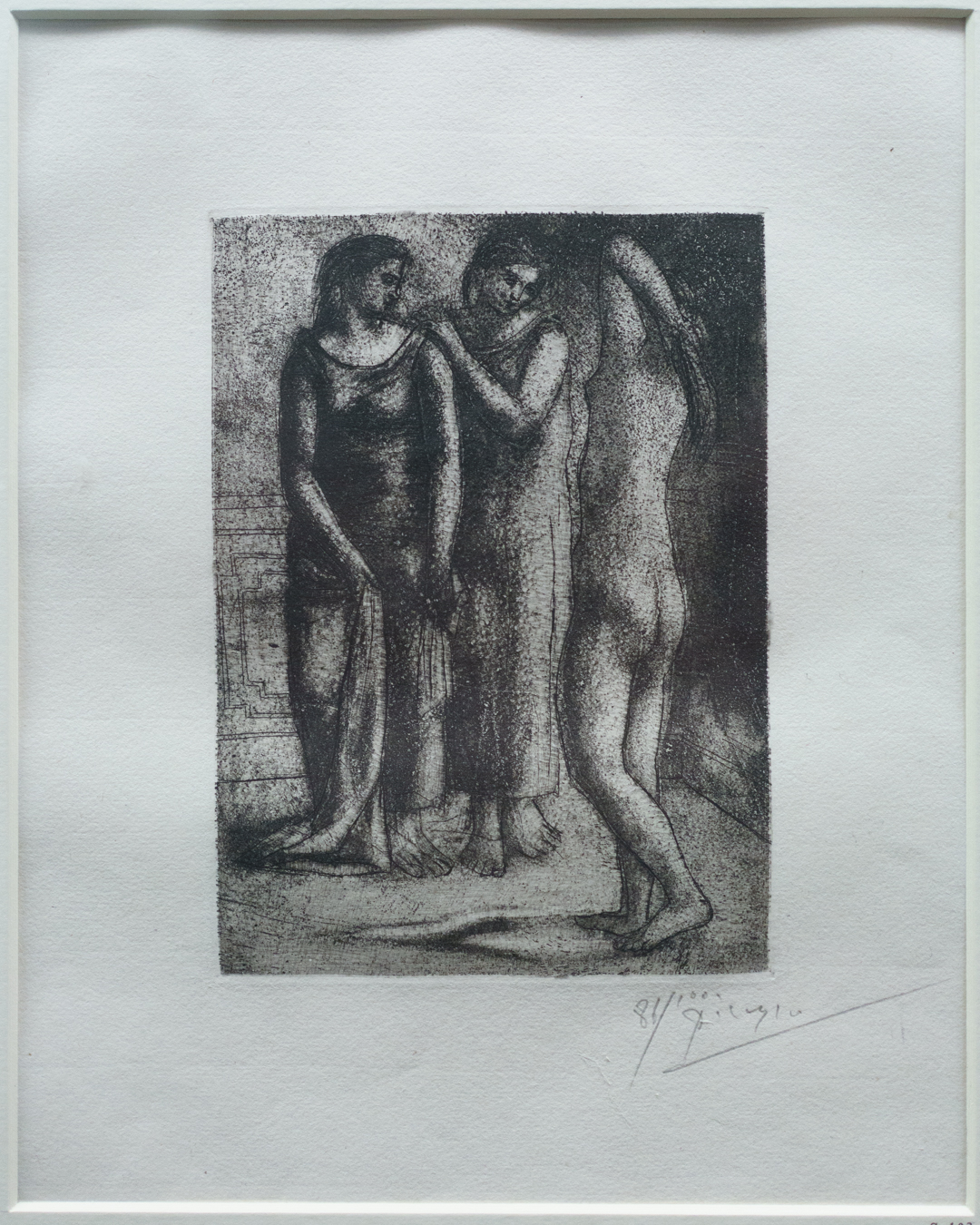
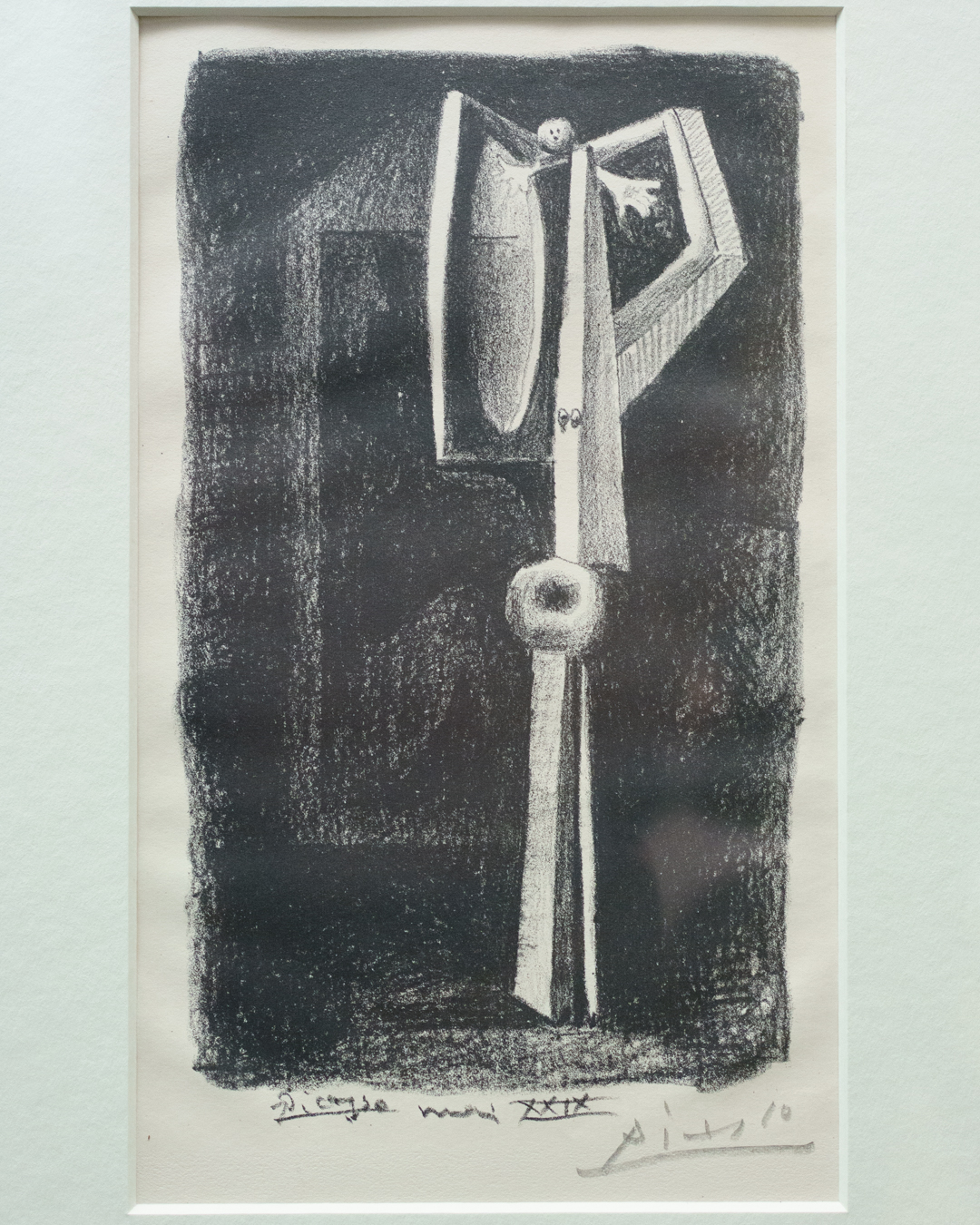
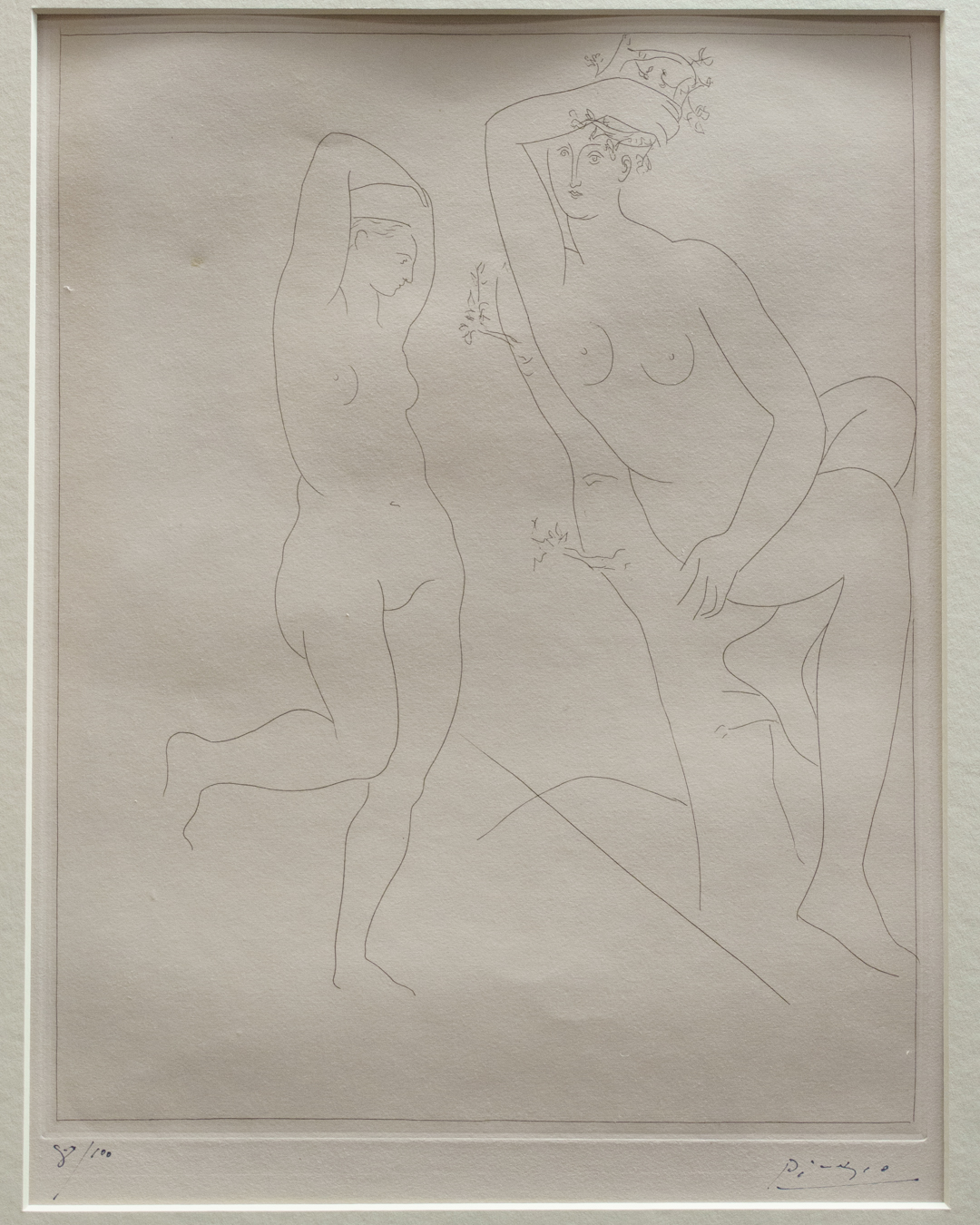
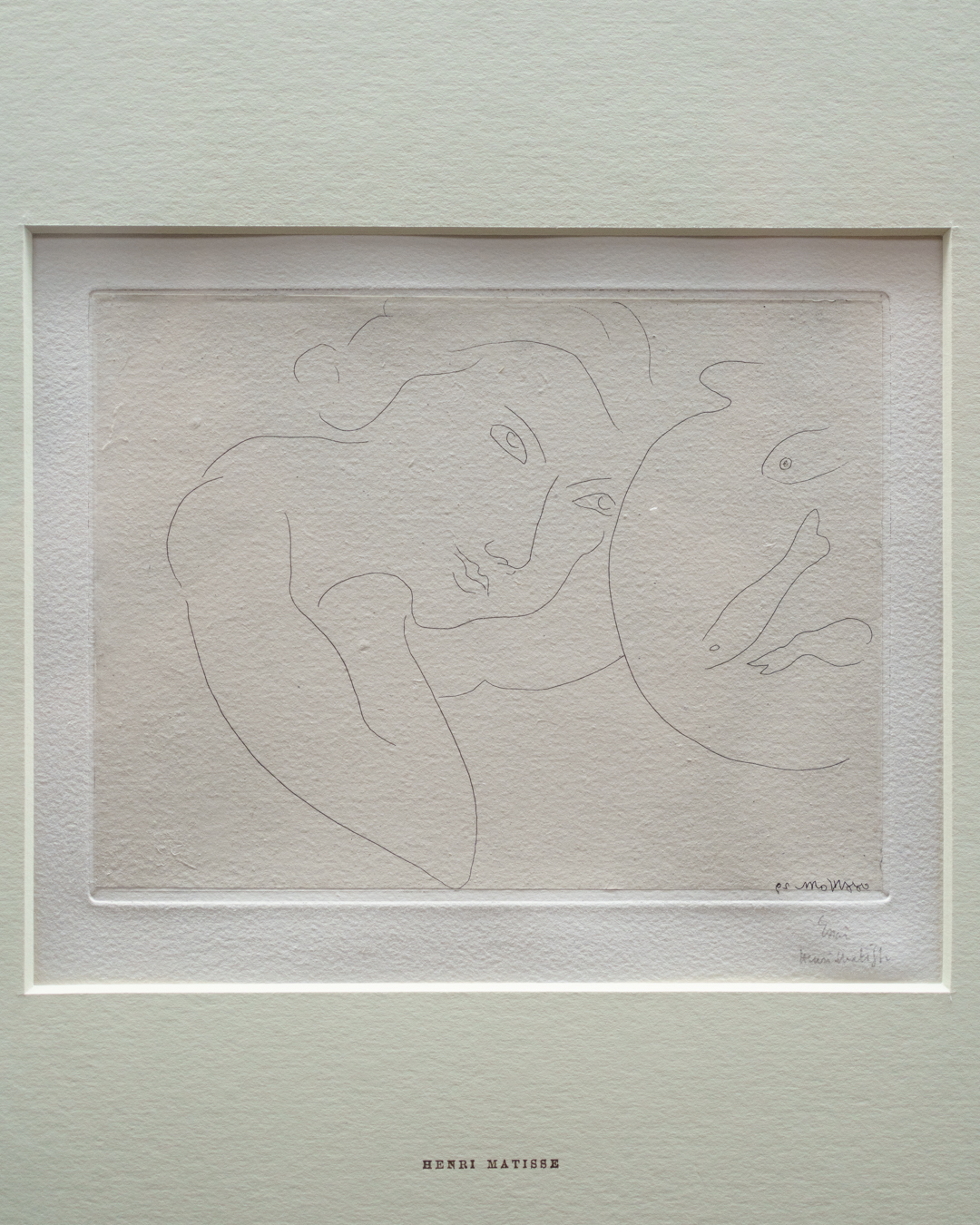
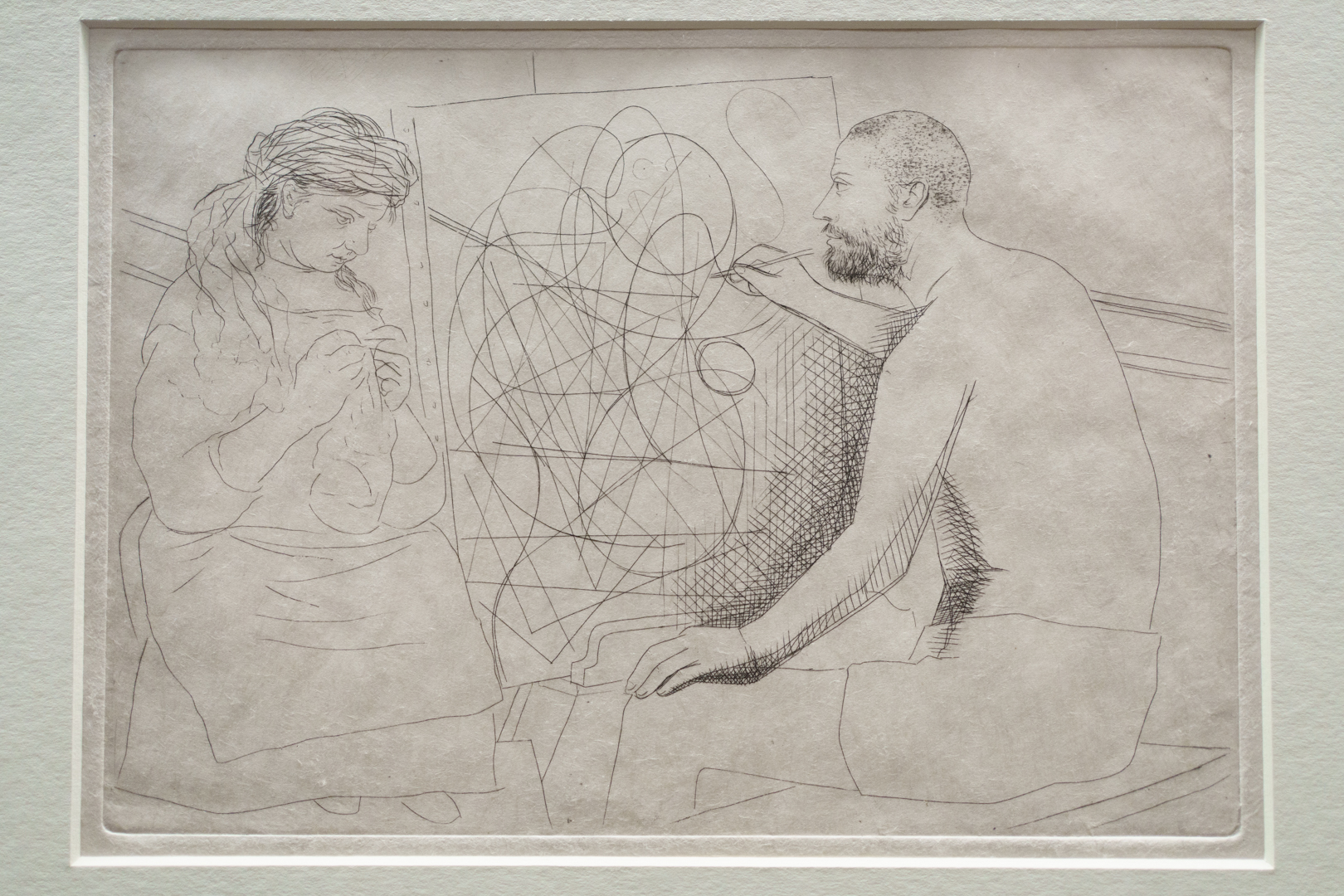
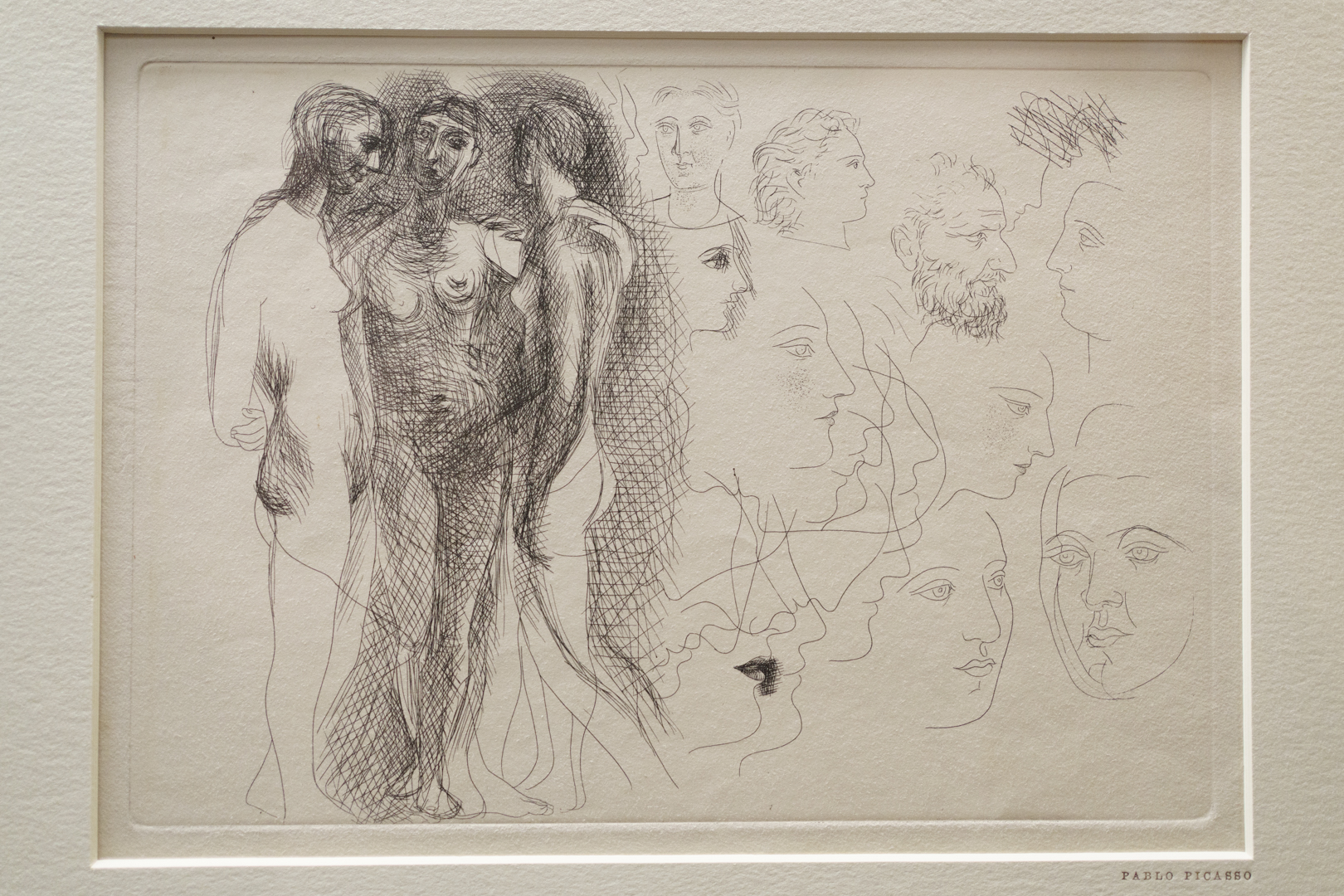
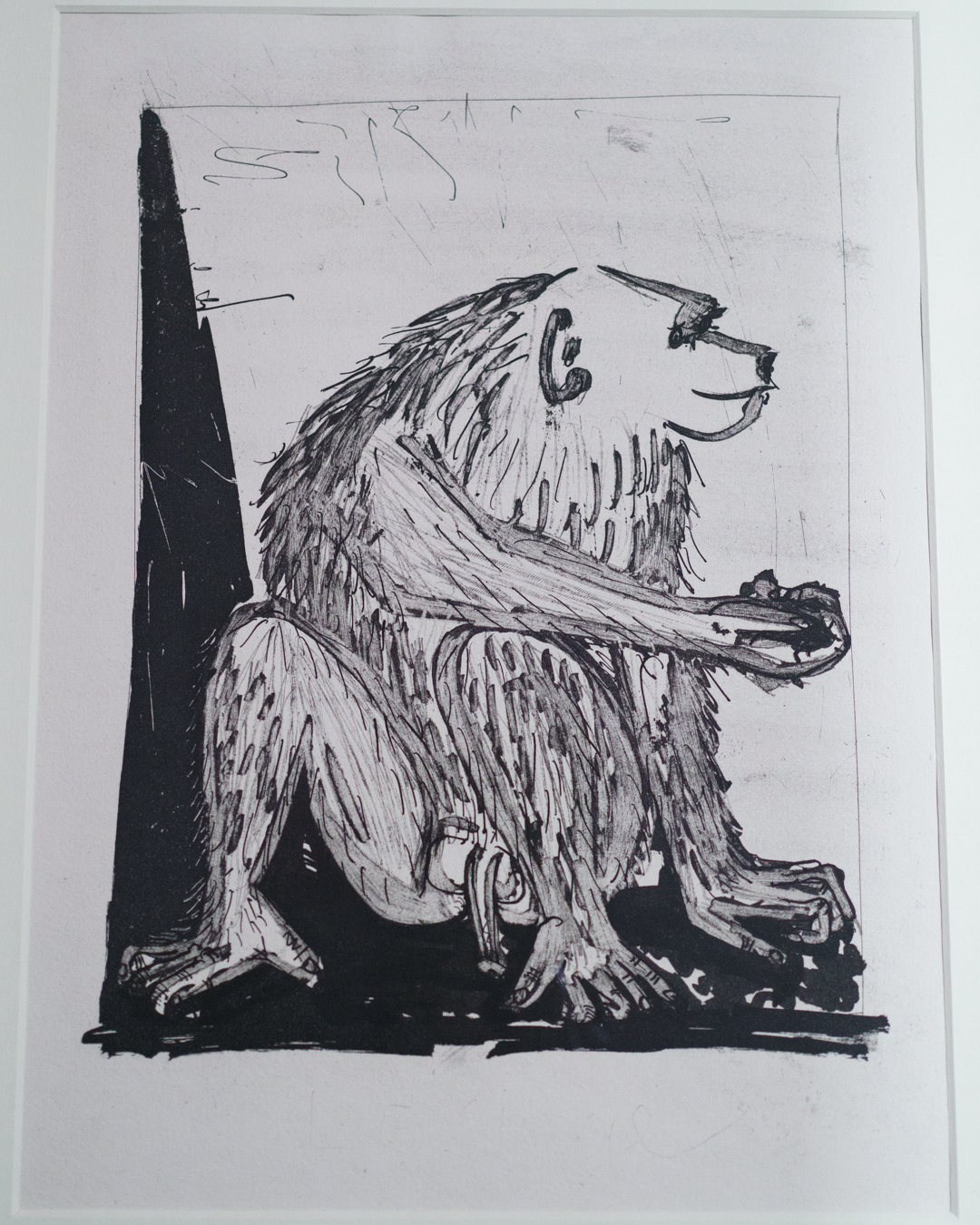
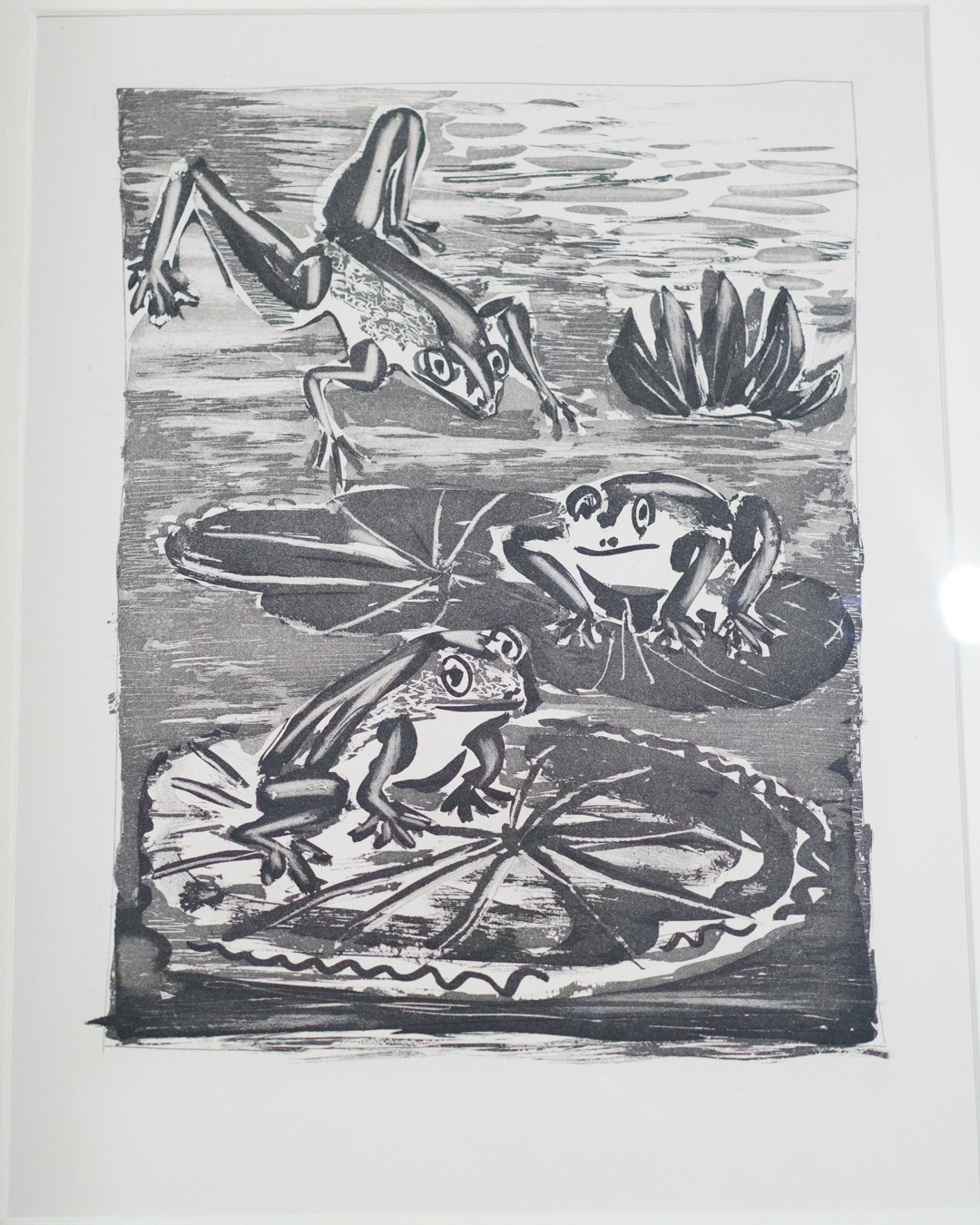
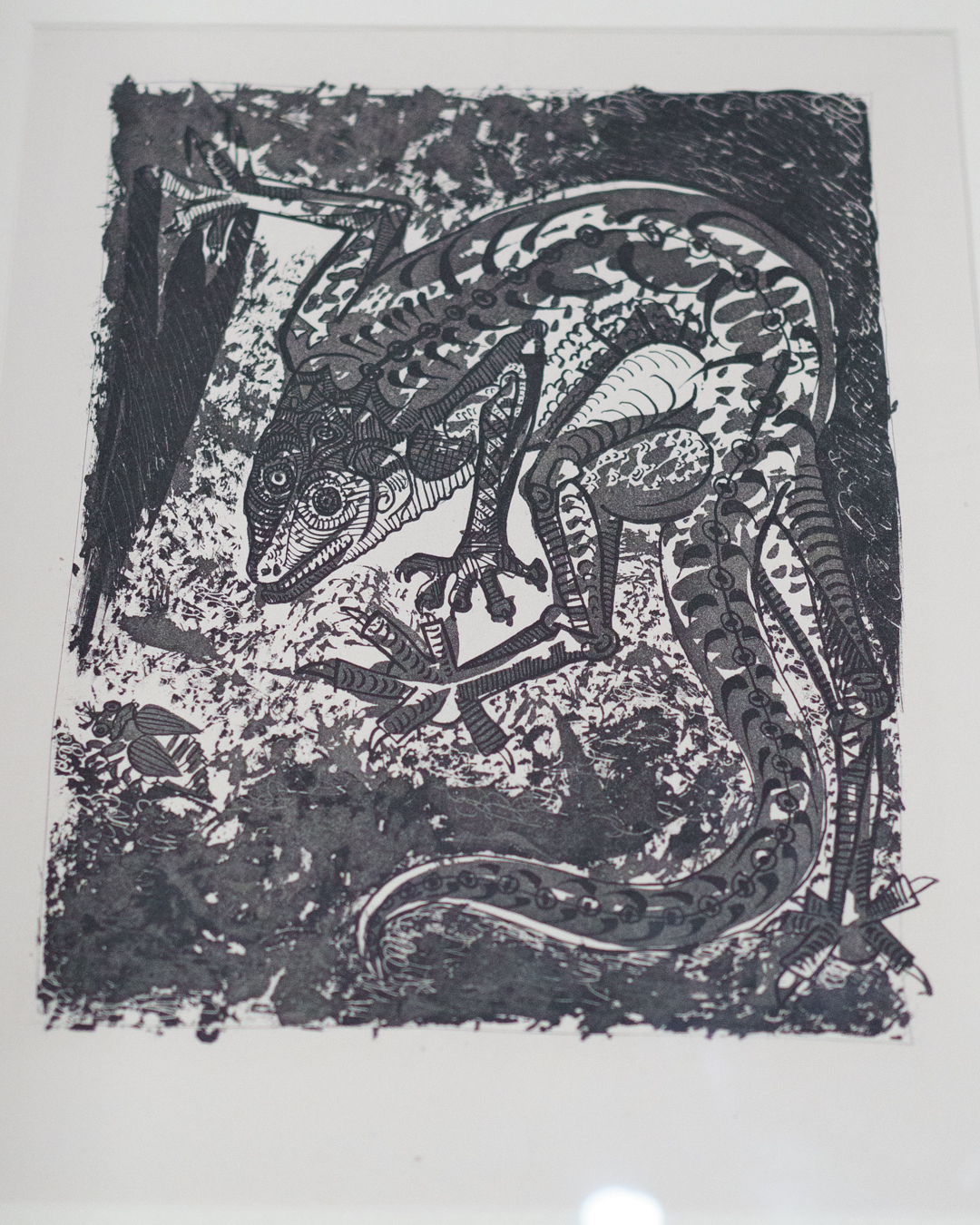
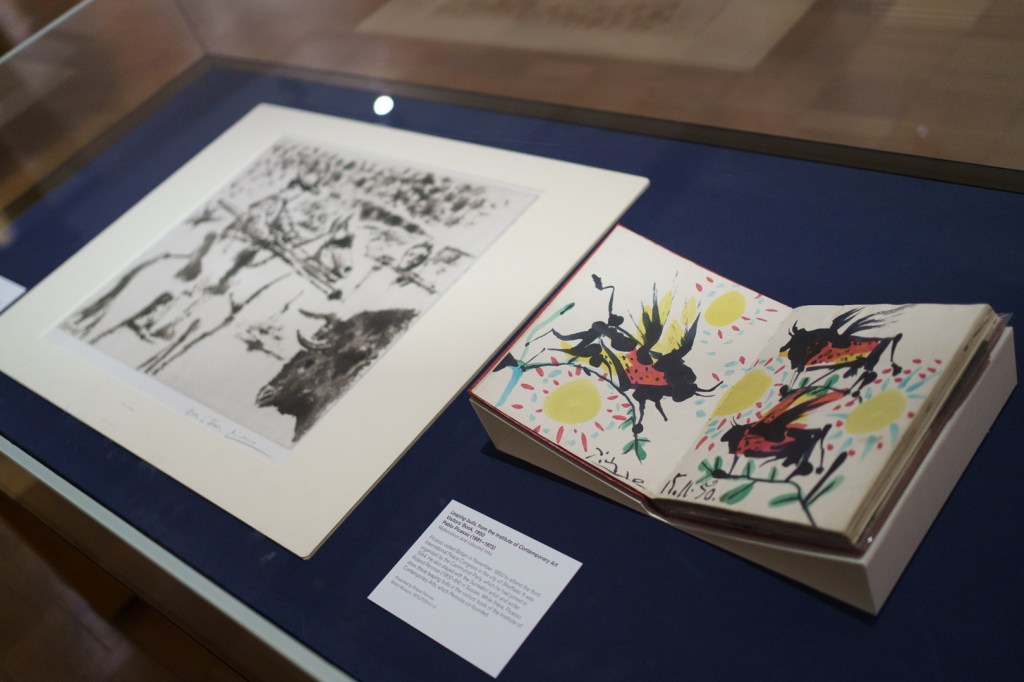
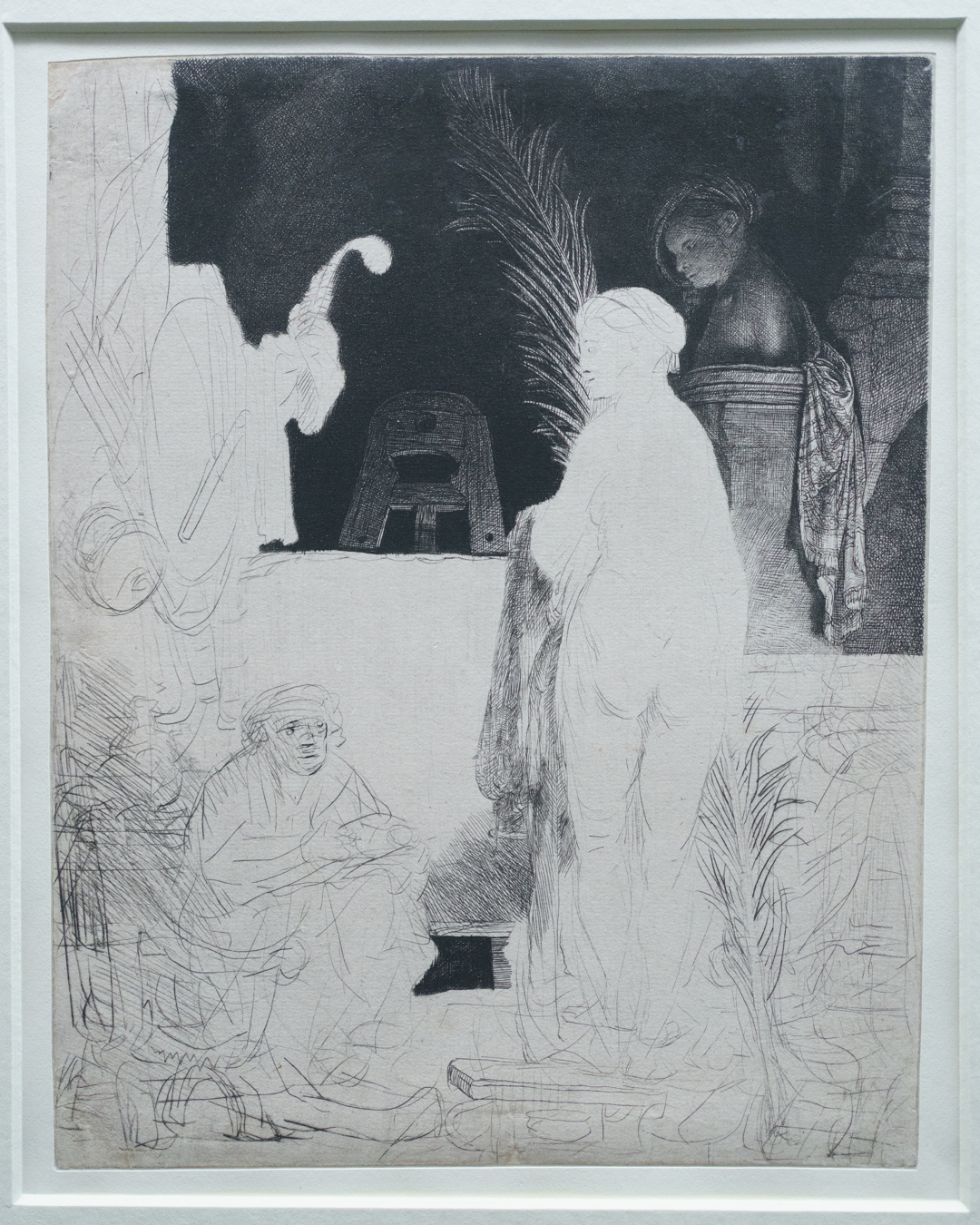
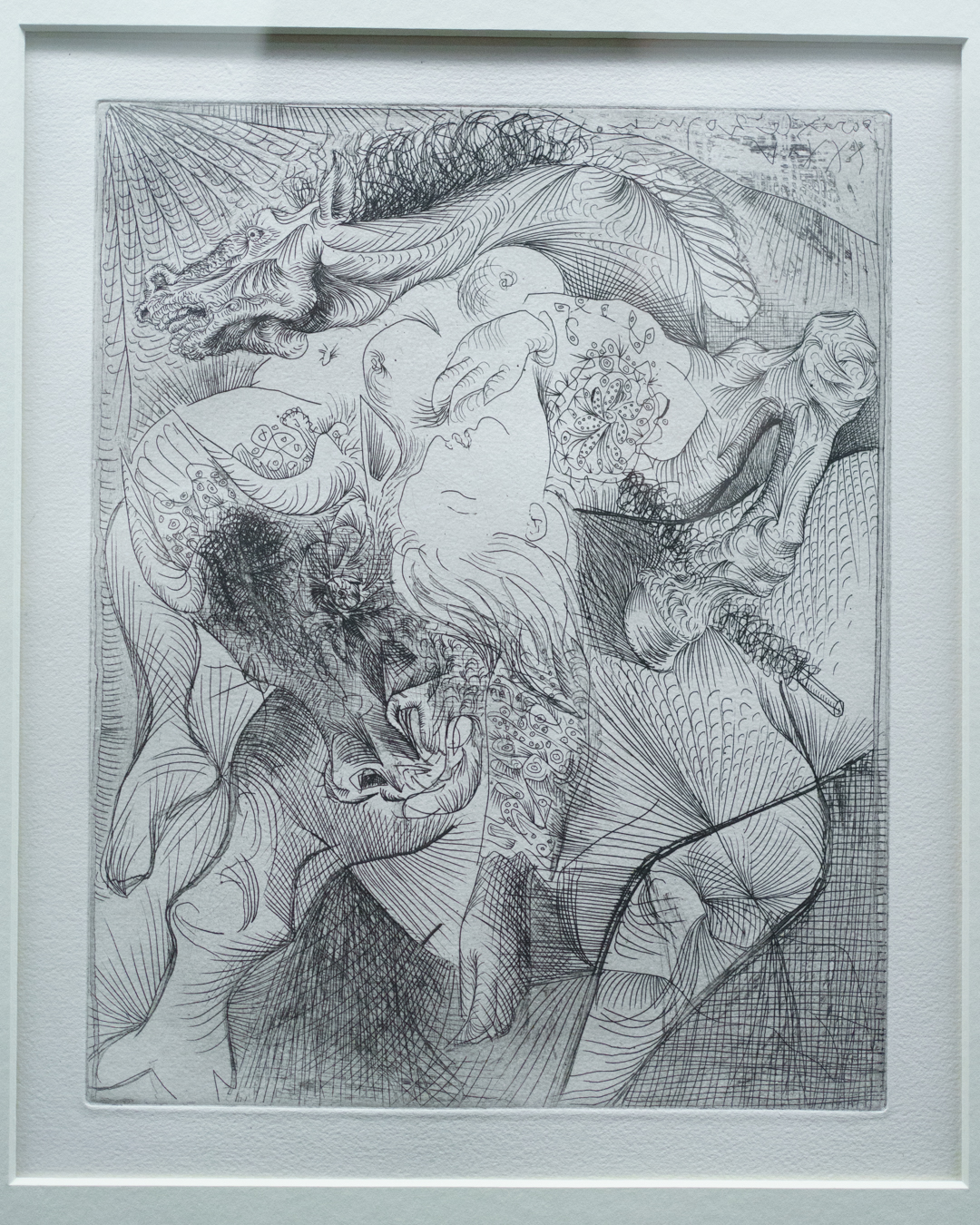
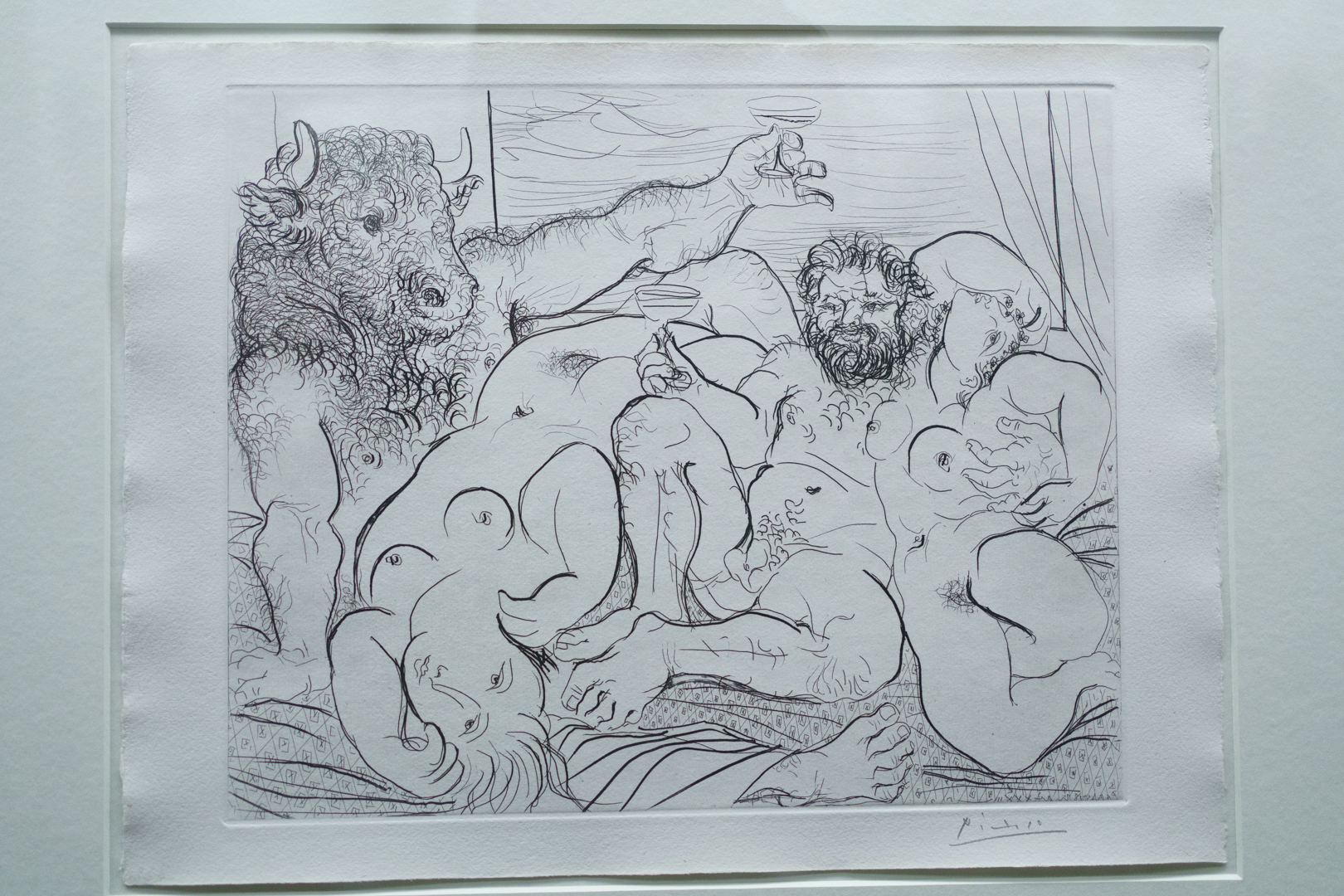
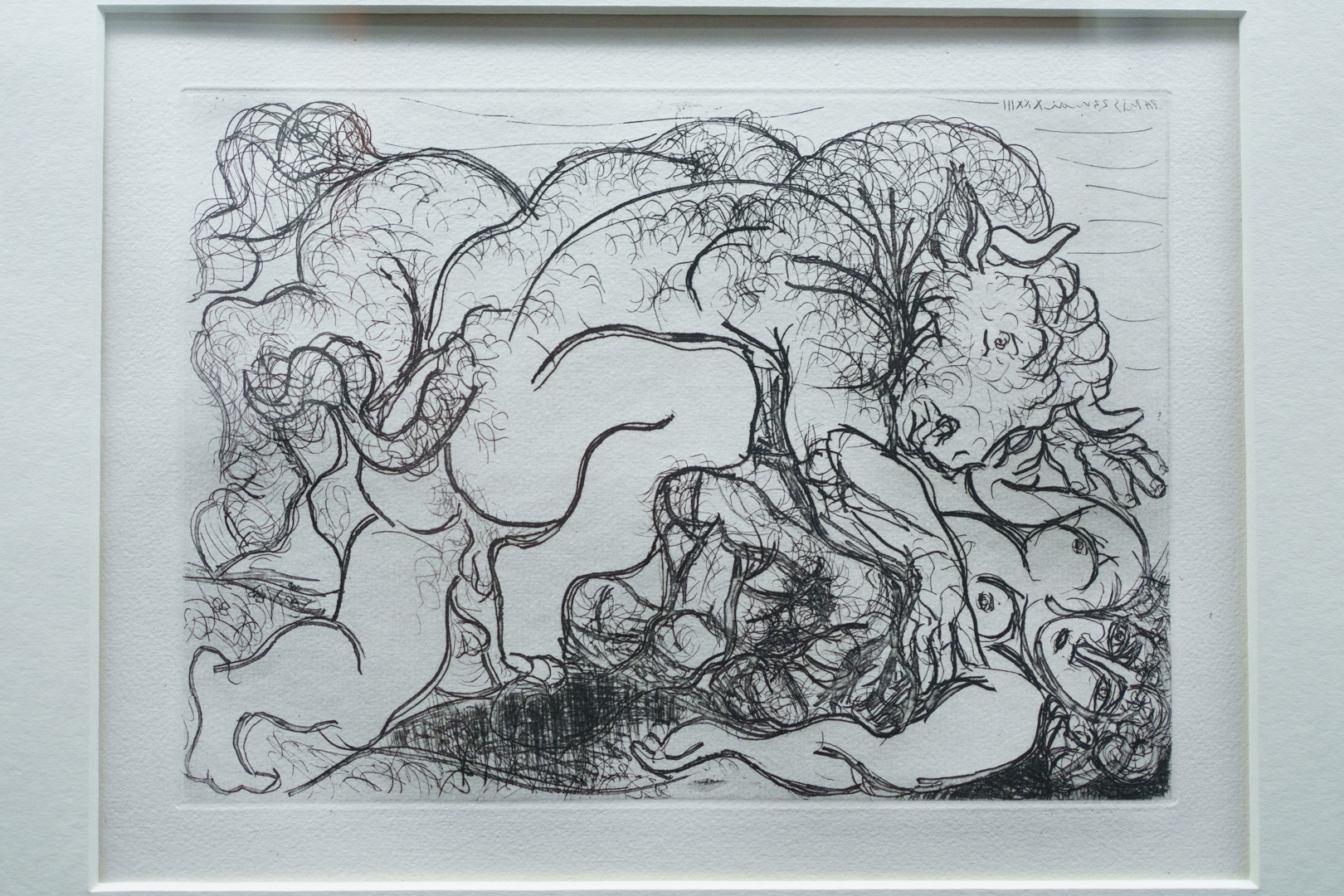
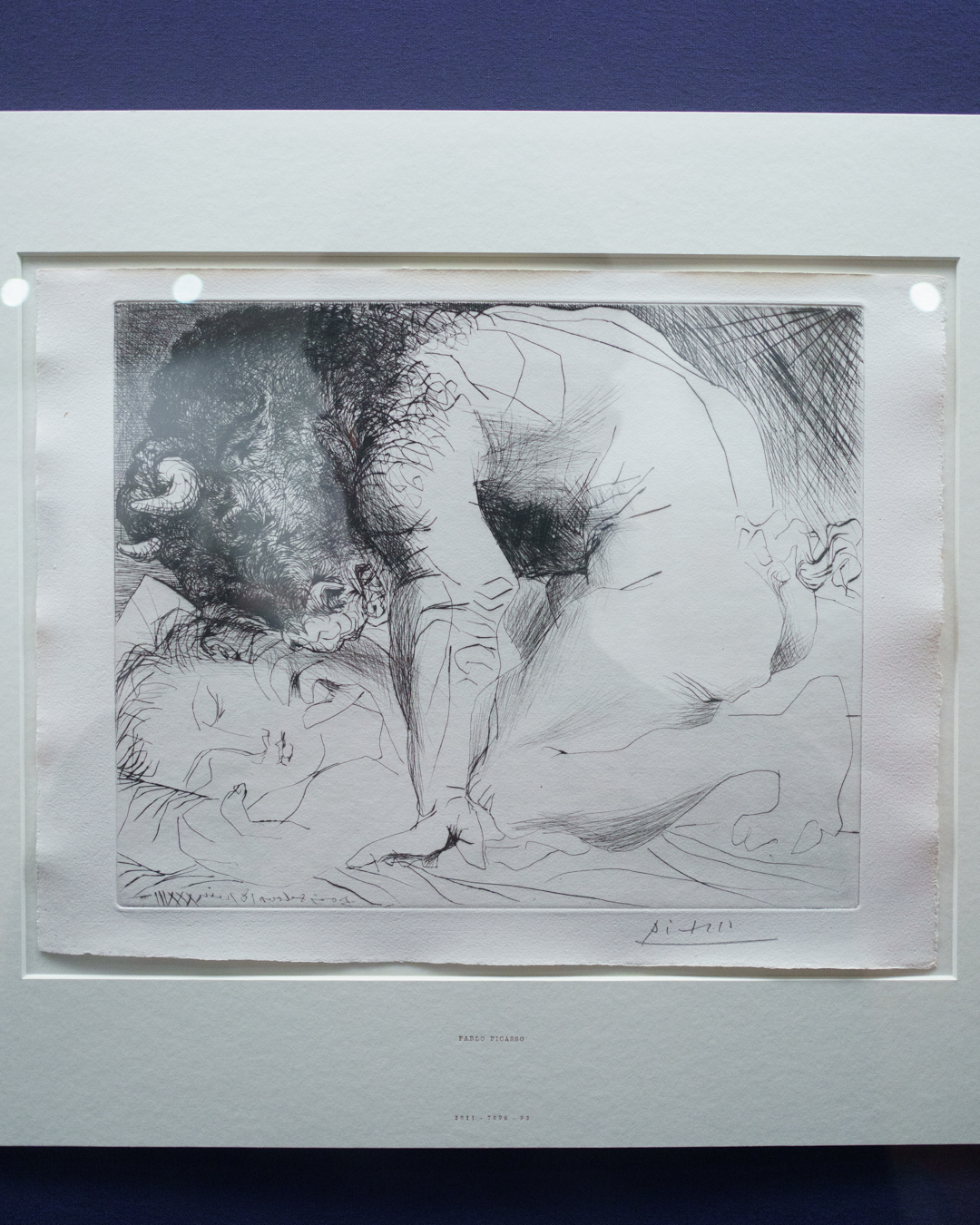
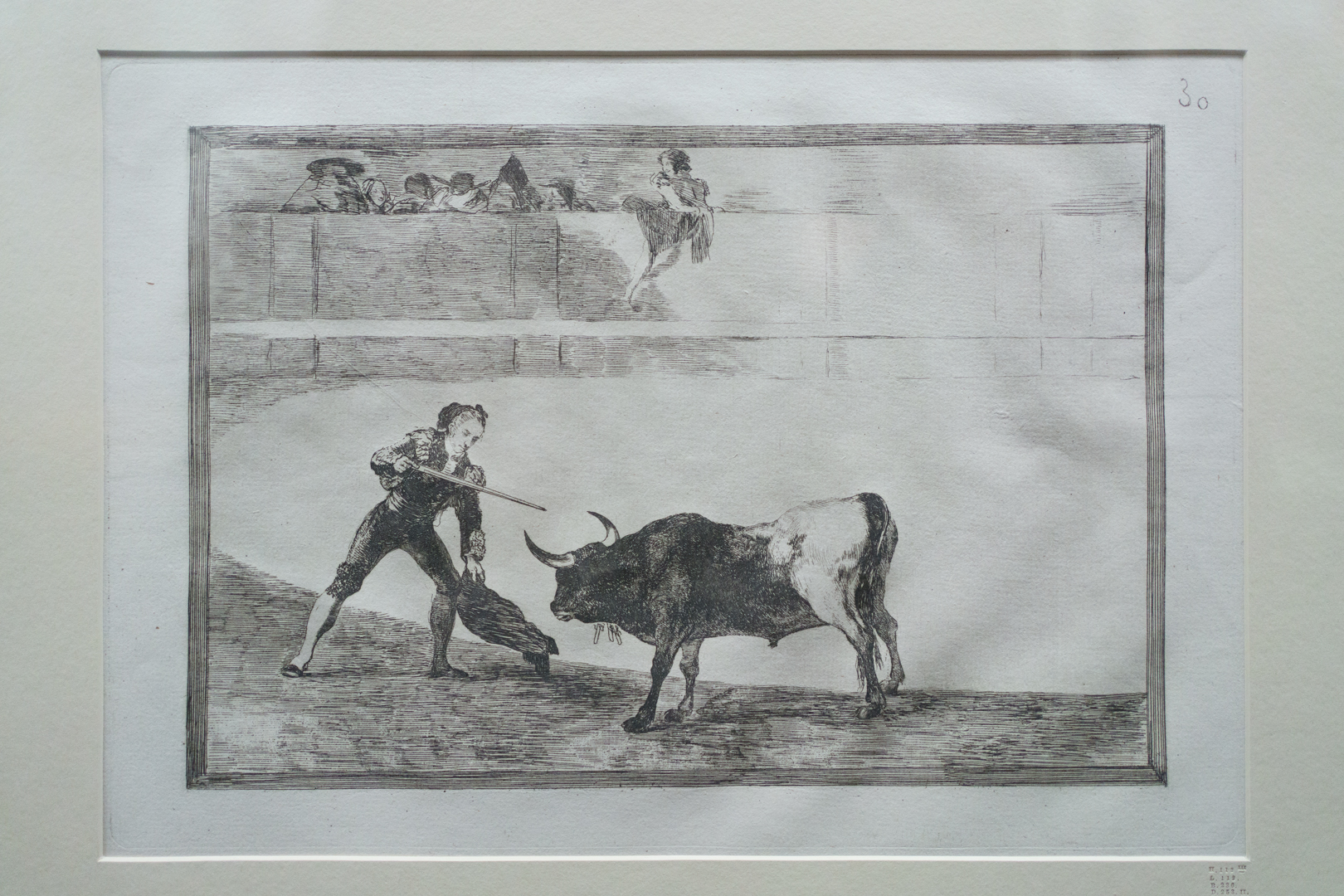
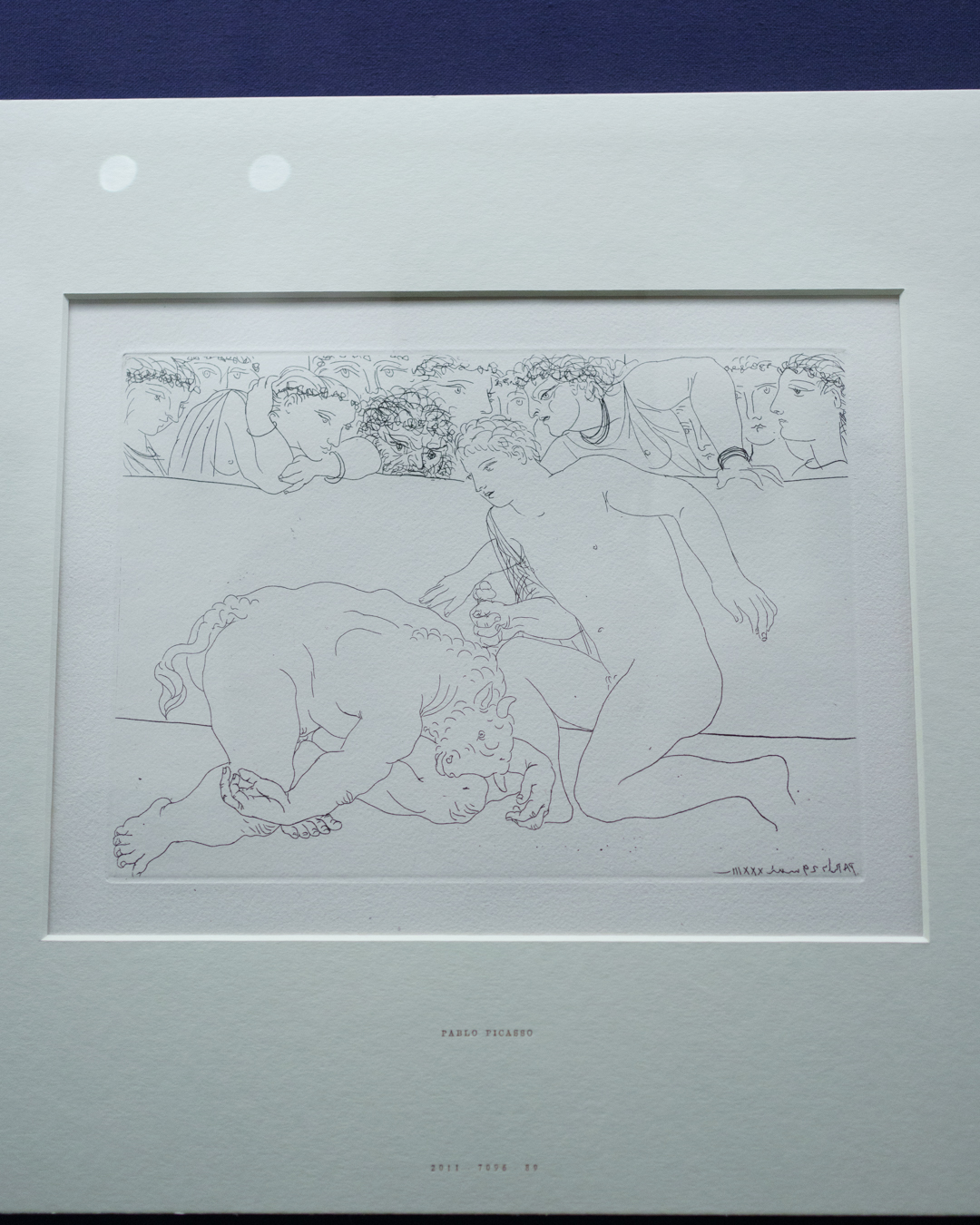
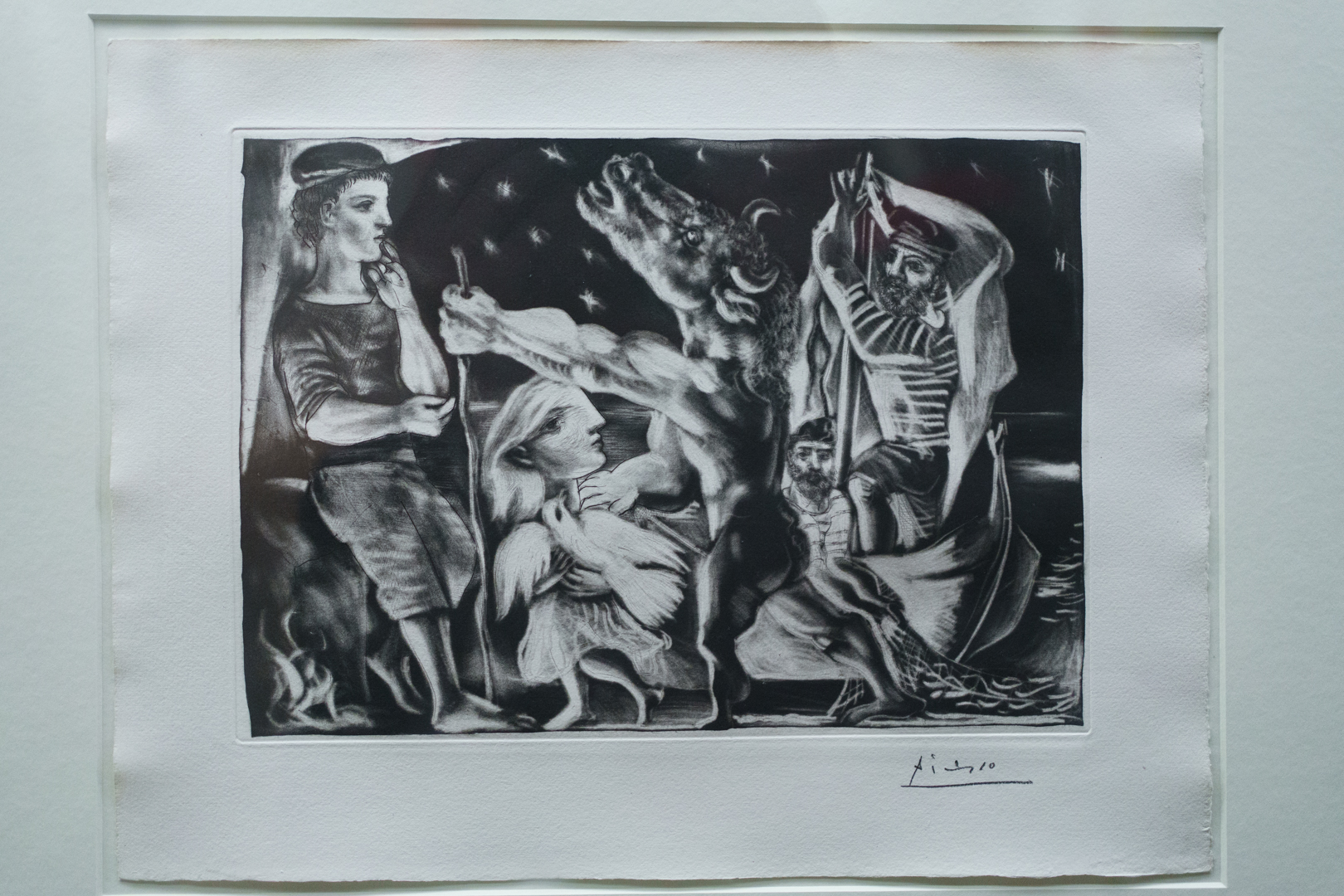
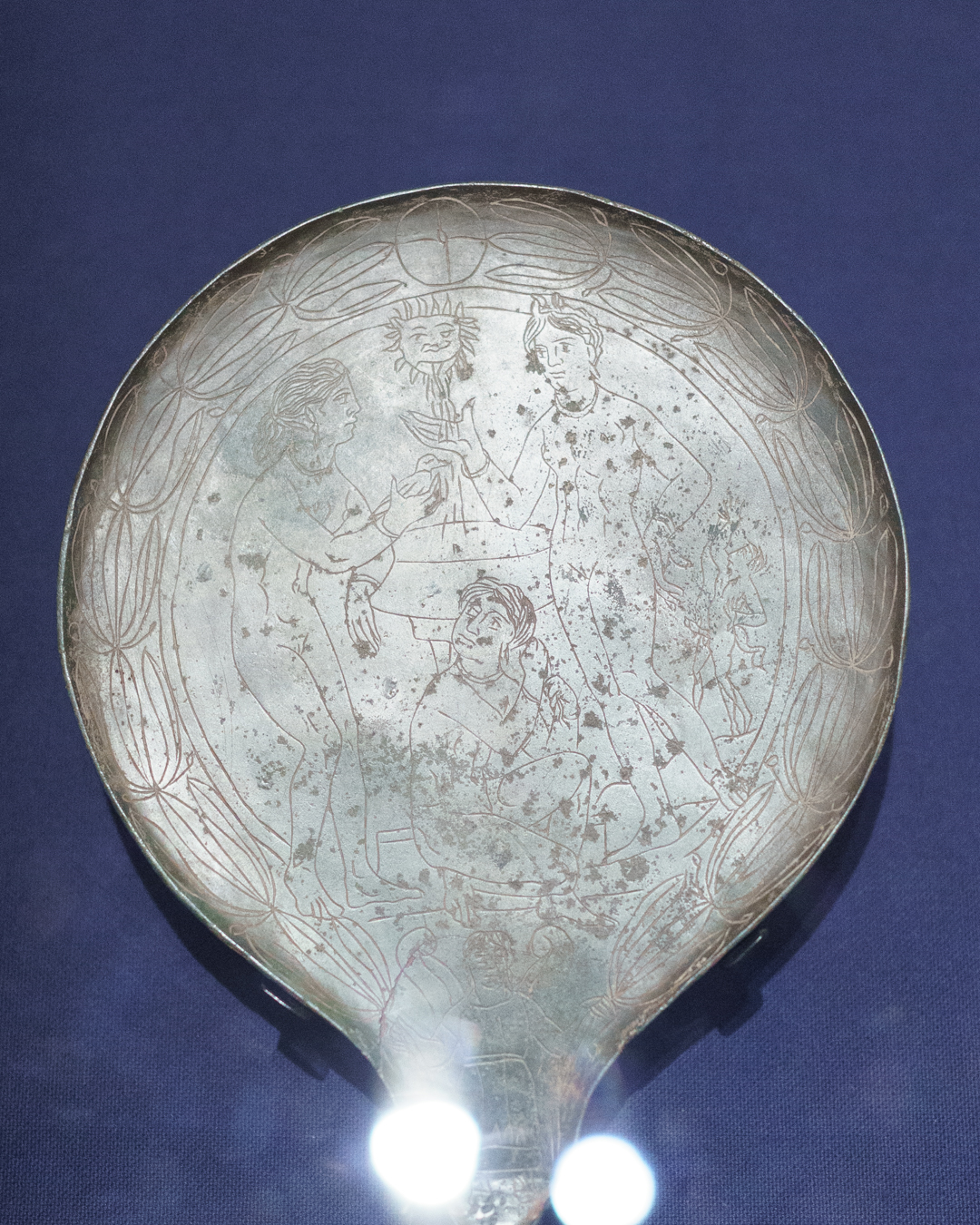
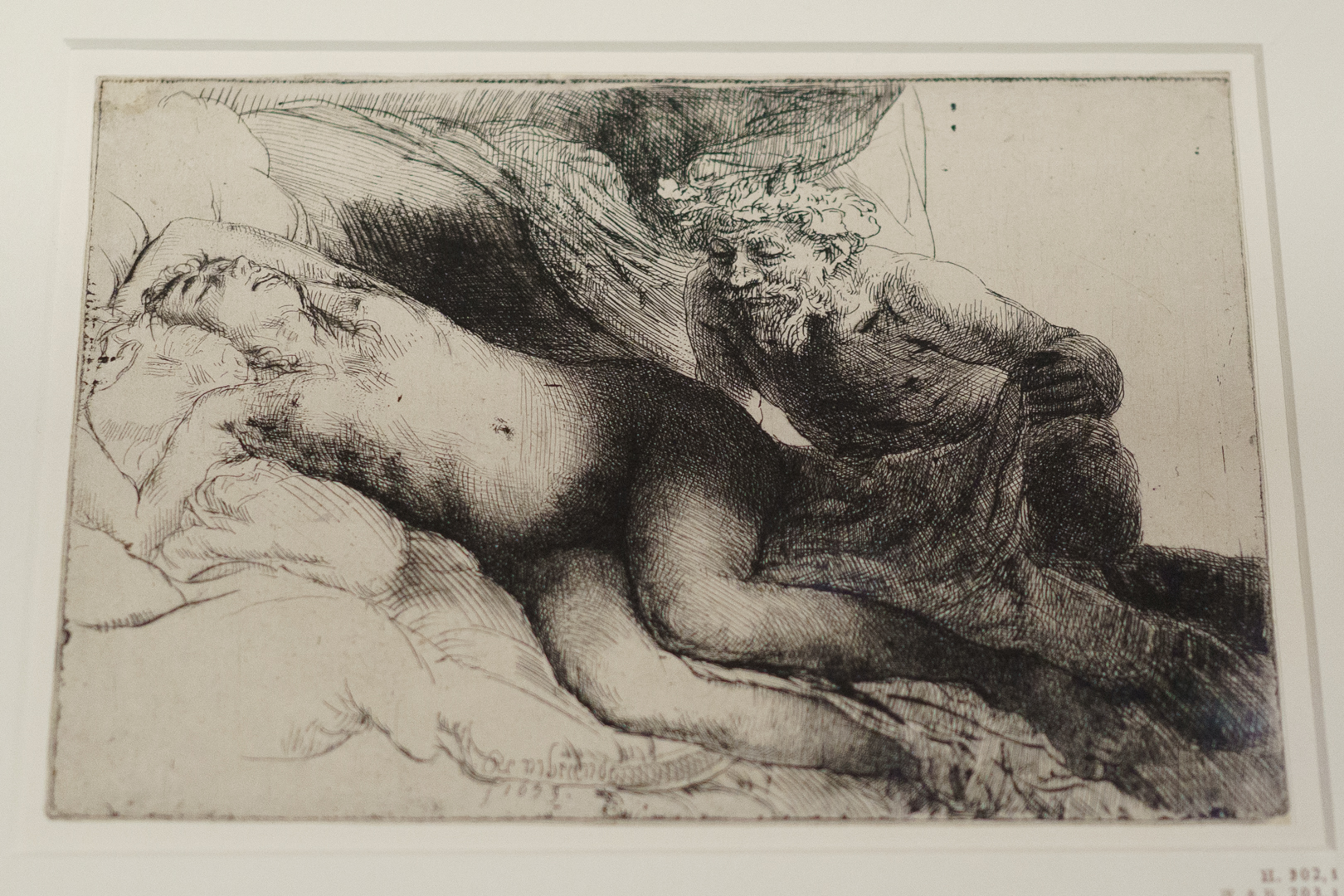
The early drypoints and etchings are fascinating, allowing us to see Picasso’s response and assimilation of the styles of Georges Braque, Henri Matisse, and Rembrandt. At times, the prints respond to objects in the museum, such as an ancient Greek bronze mirror decorated with goddesses in a pure outline style. The Minotaur prints are also well contextualised with one of Francisco de Goya’s La Tauromaquia prints (1815-16) and an amphora depicting the story of Theseus and the Minotaur.
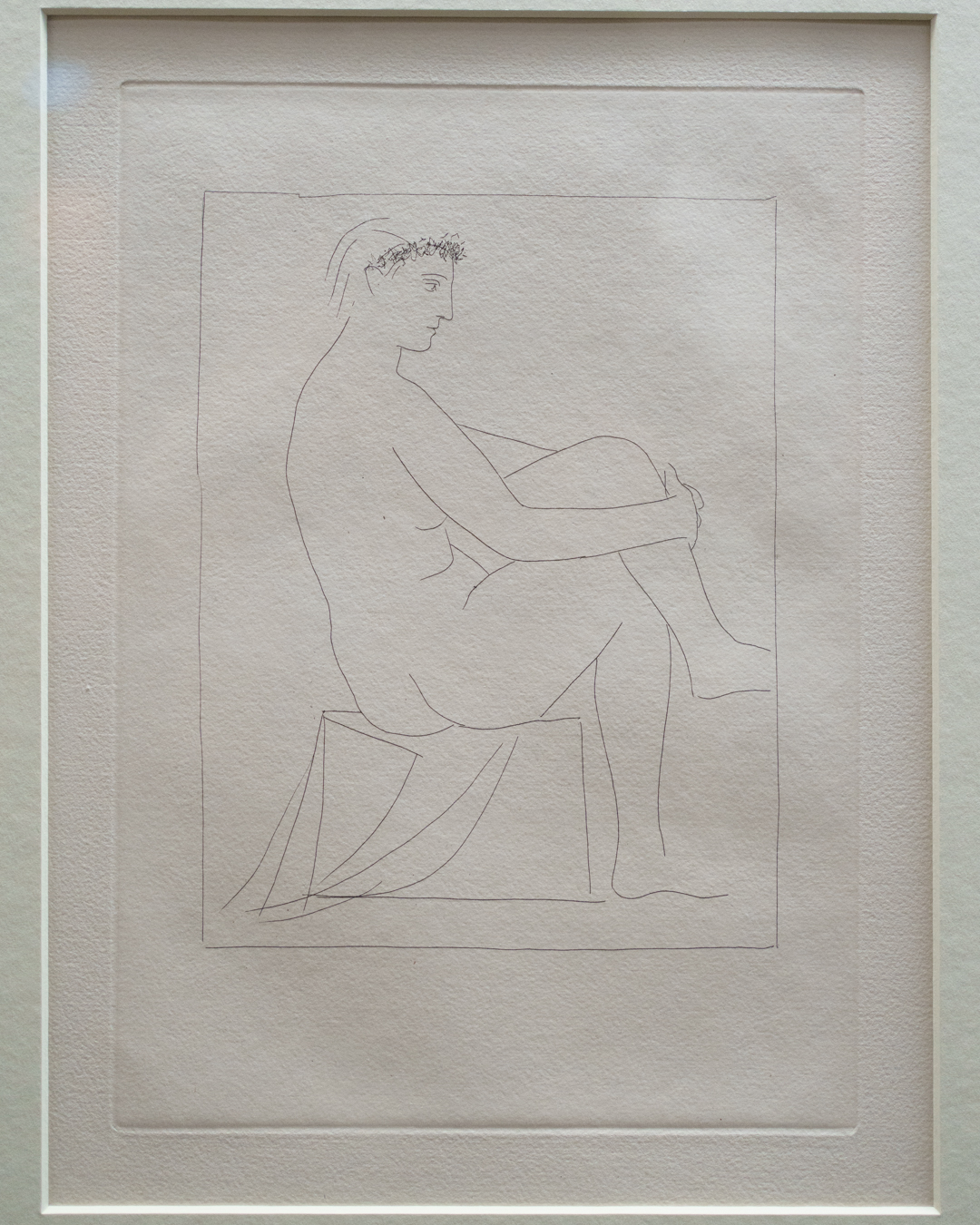
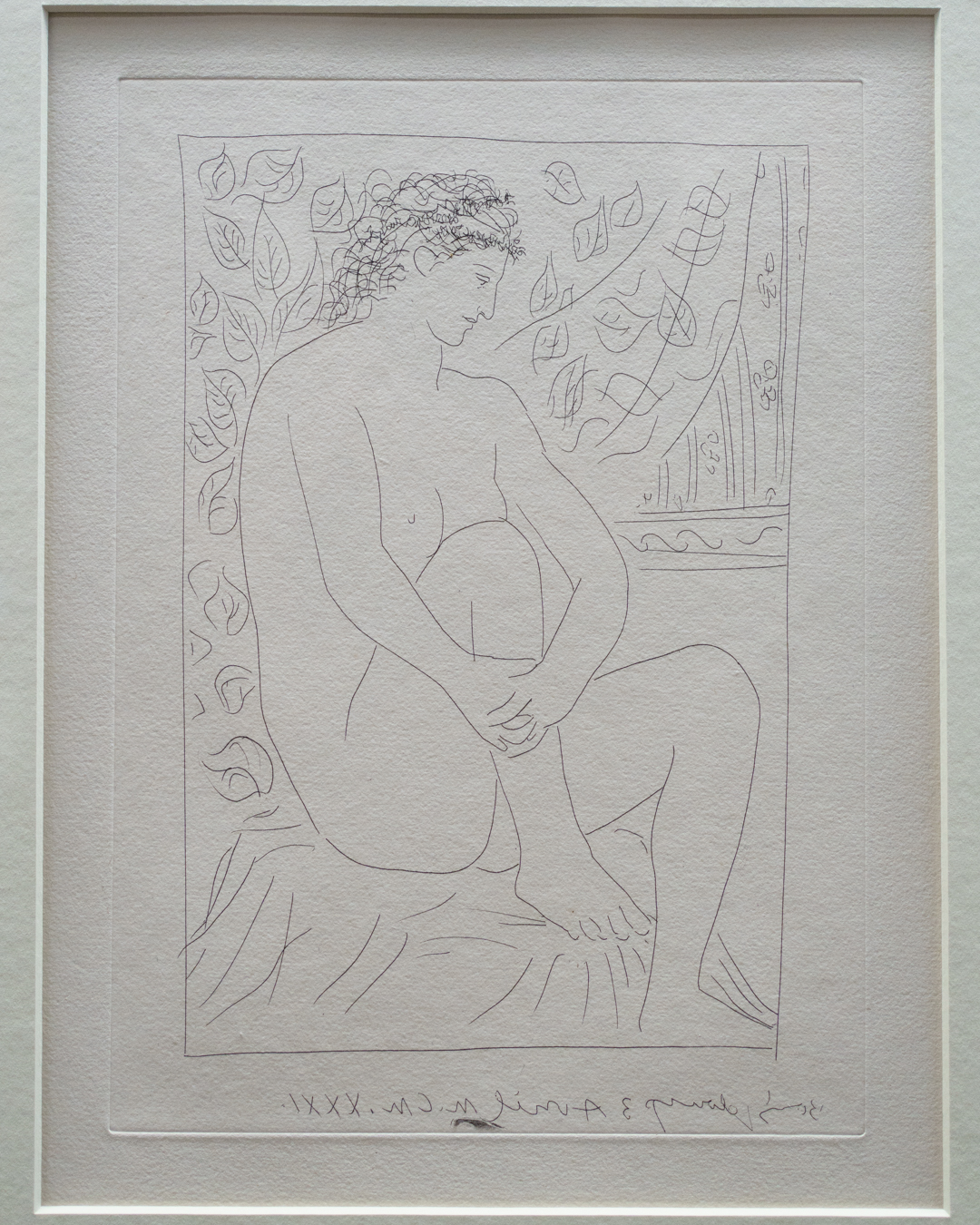
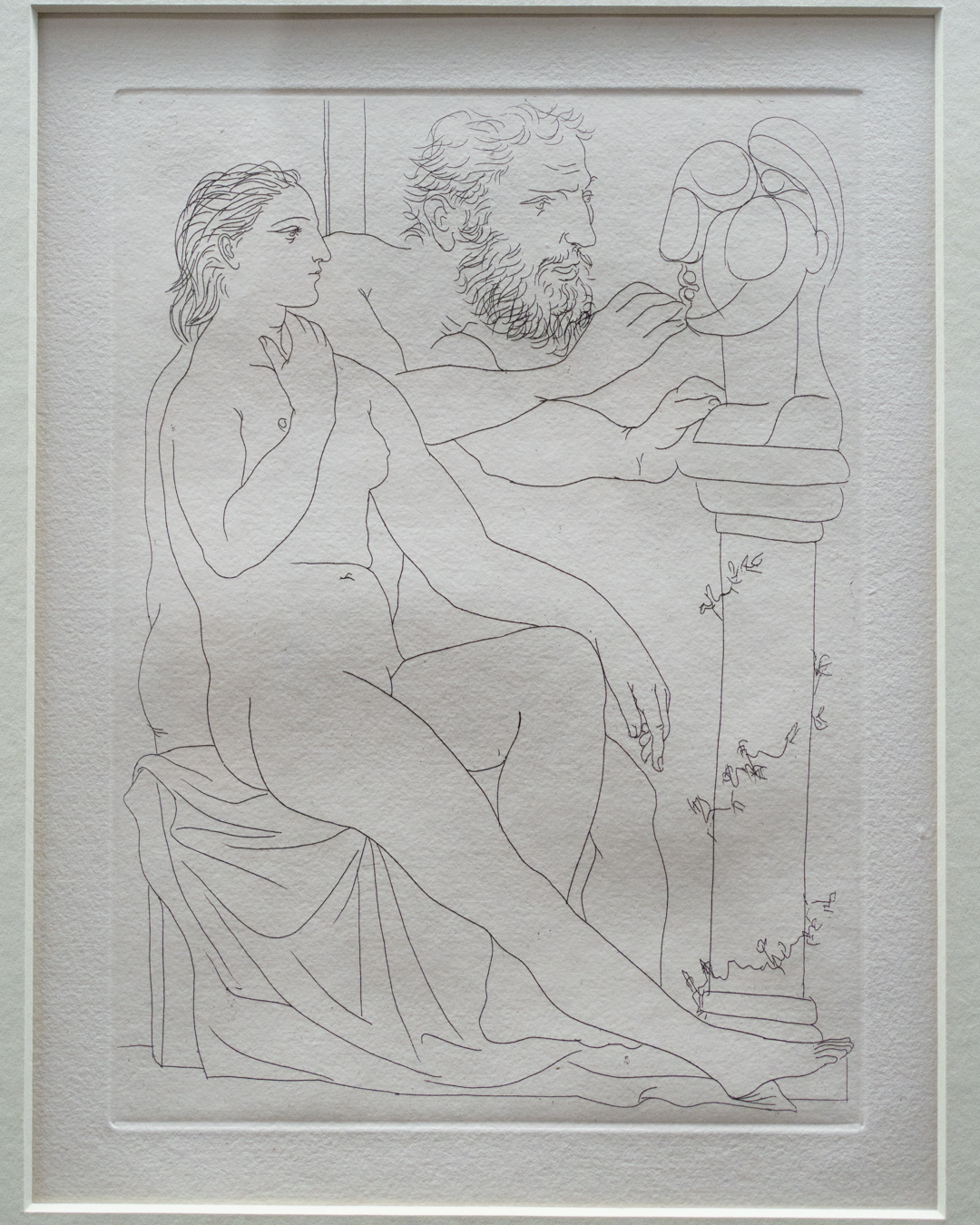
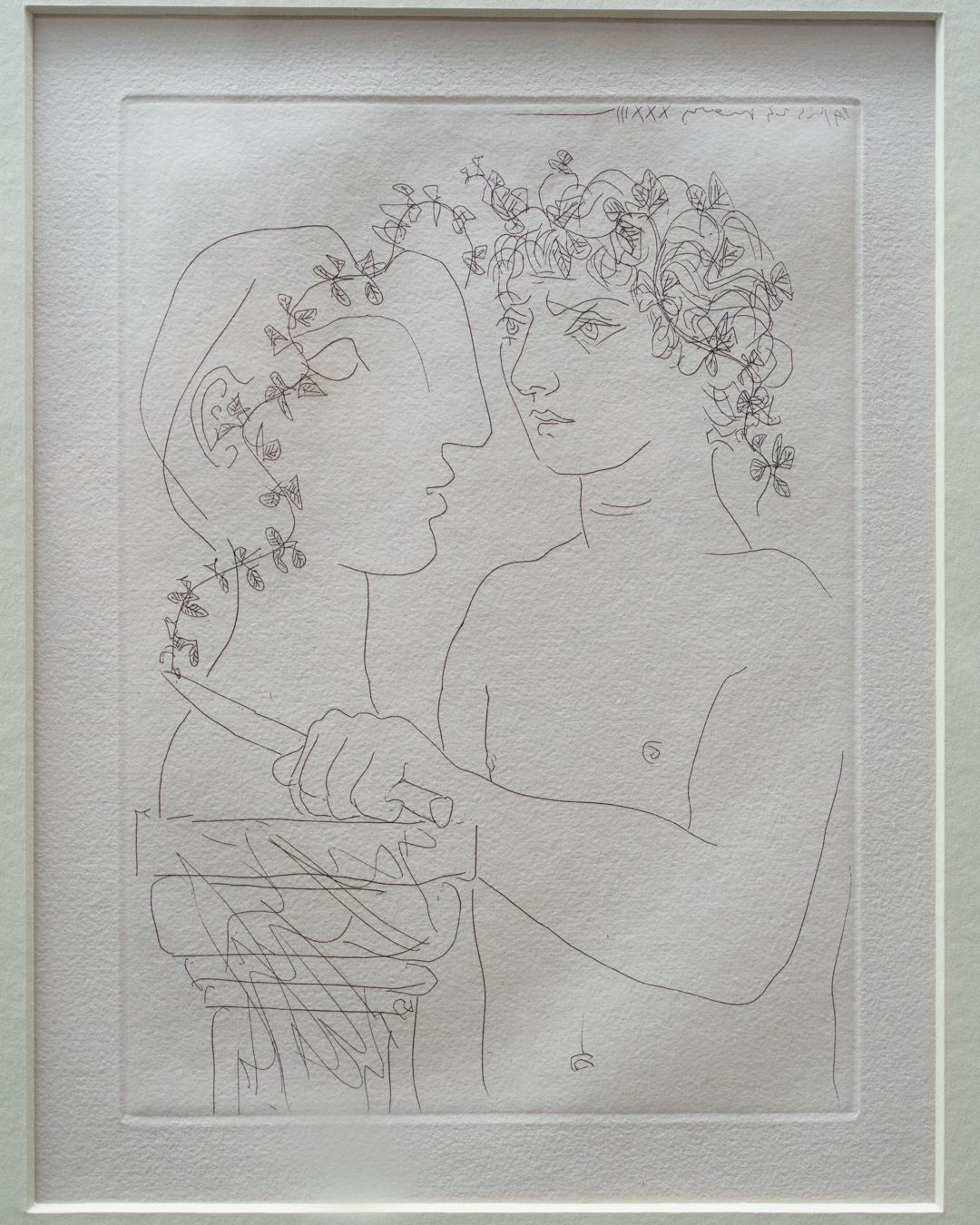
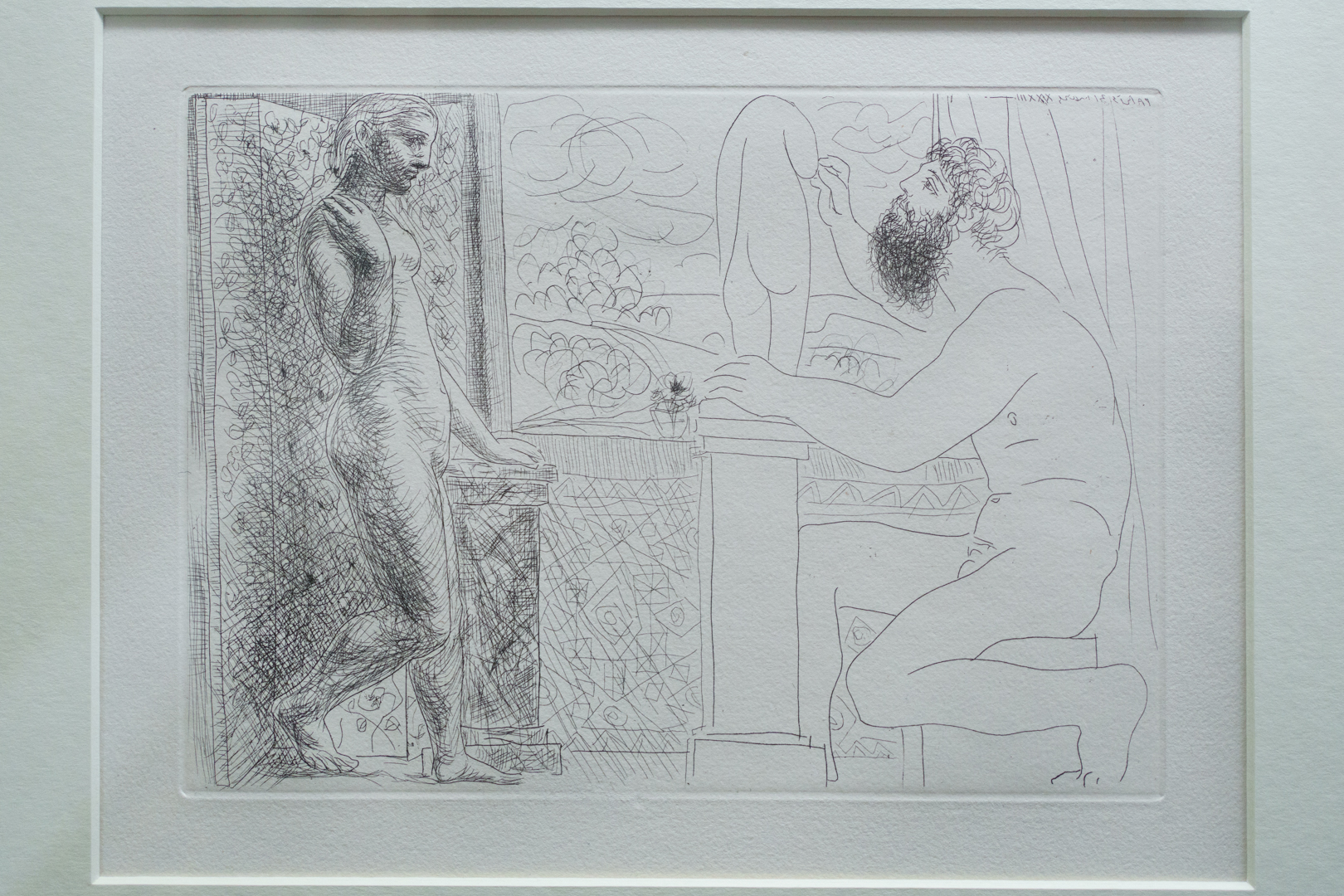
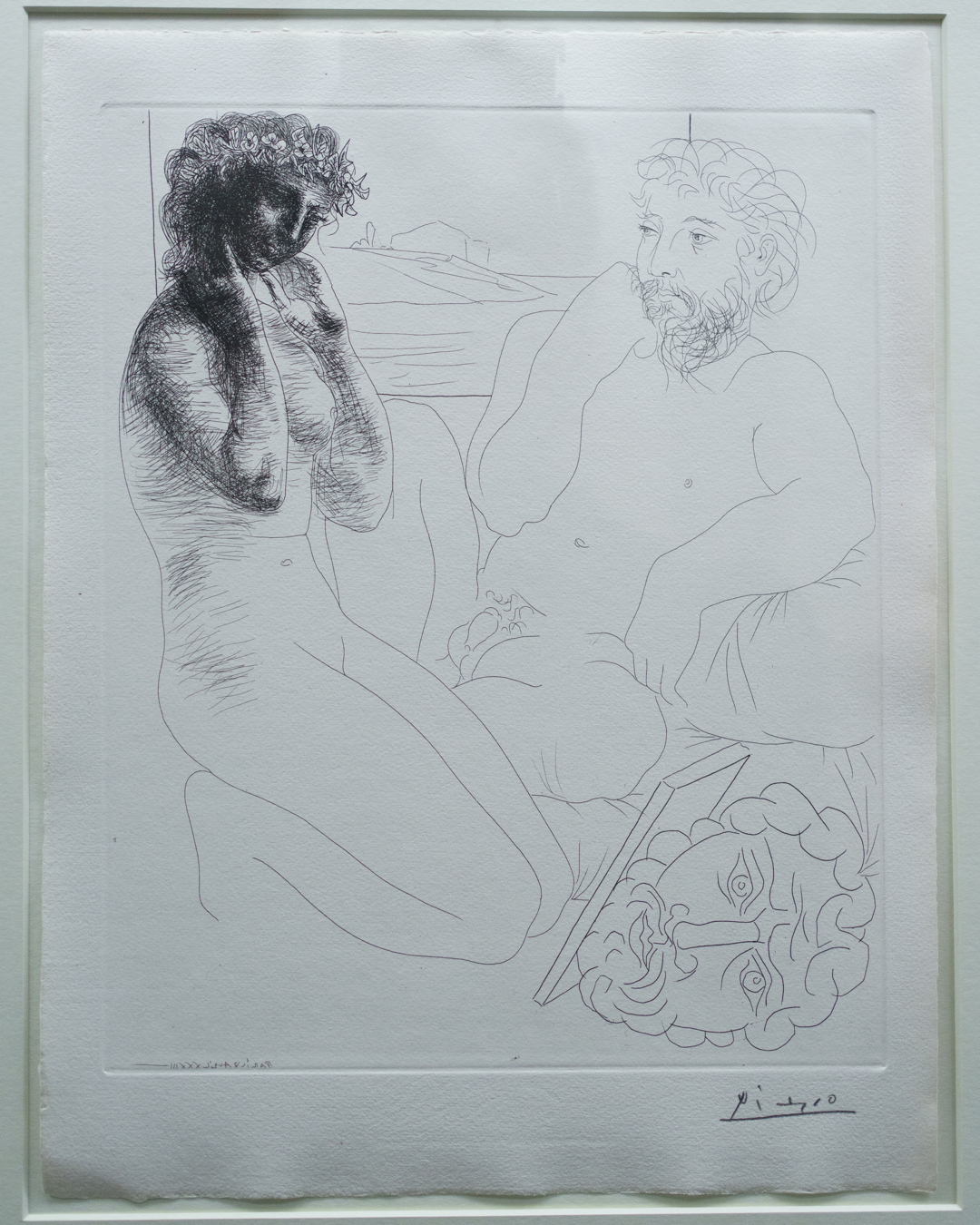

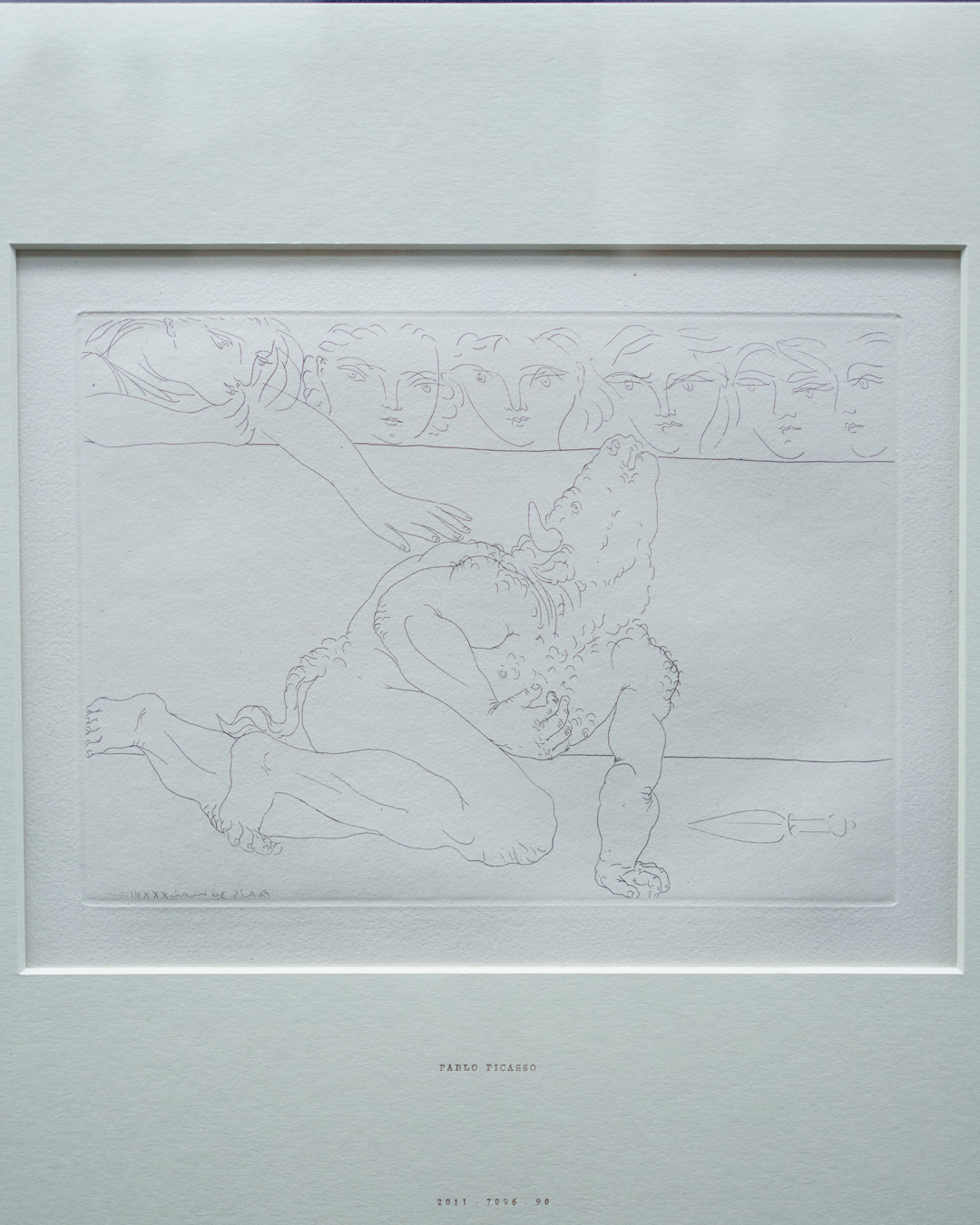
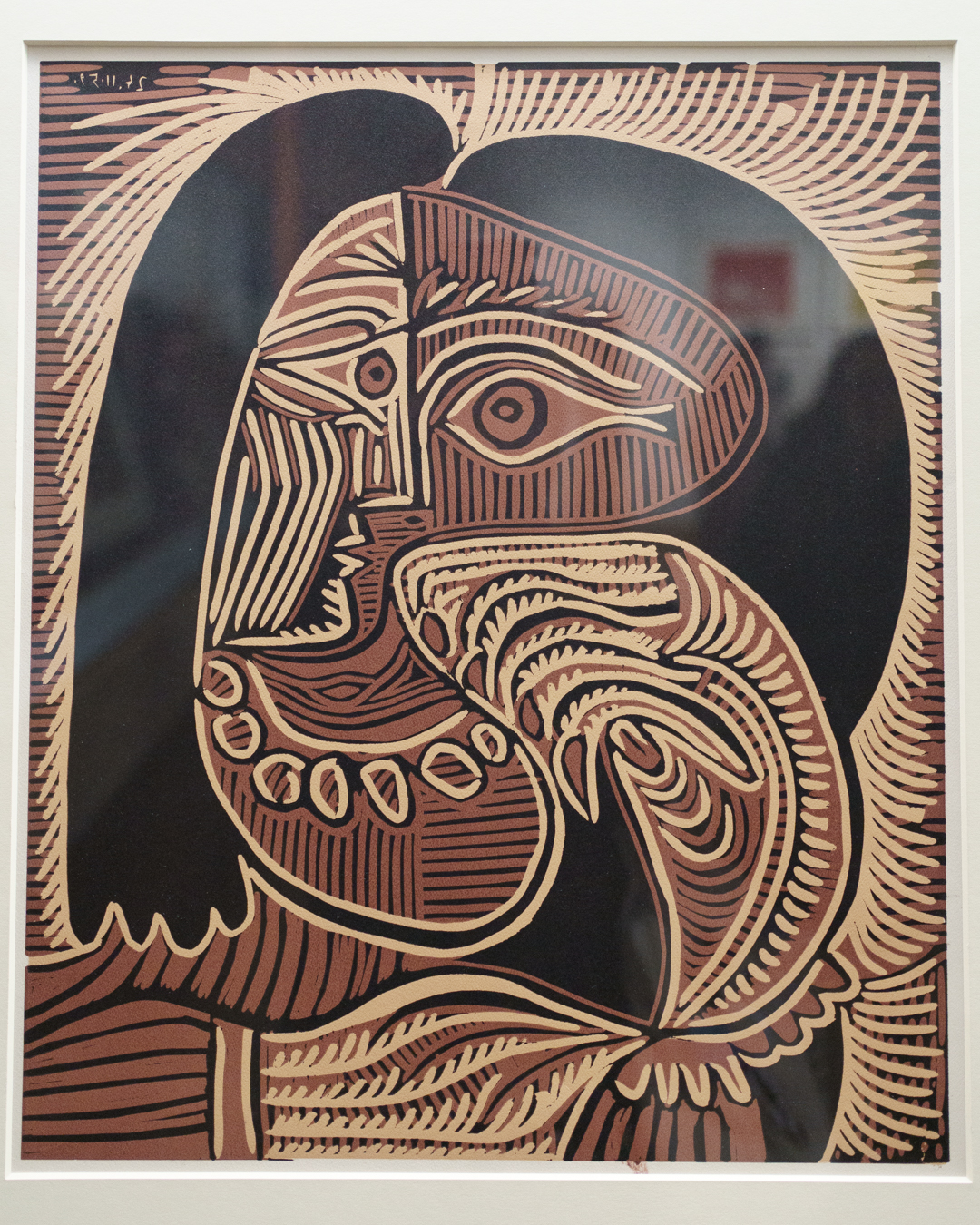
There is also a nod to Picasso’s variations after the Old Masters; three lithographs of David and Bathsheba illustrate progressive transformations of a Lucas Cranach painting. On the other side, a wall of five linocuts chart the successive states via the reduction linocut process to produce the multicoloured Still Life Under the Lamp (1962) at the end.
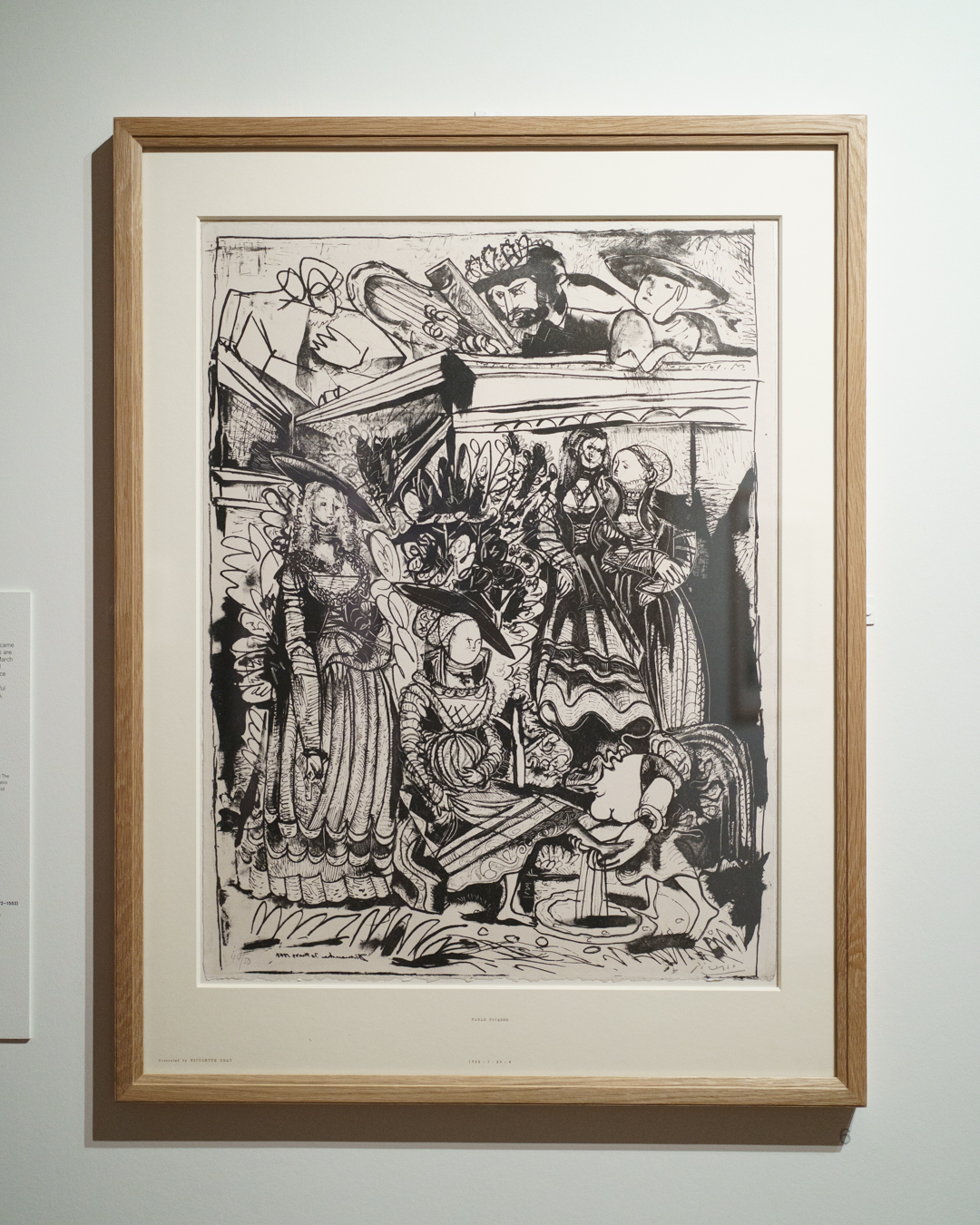
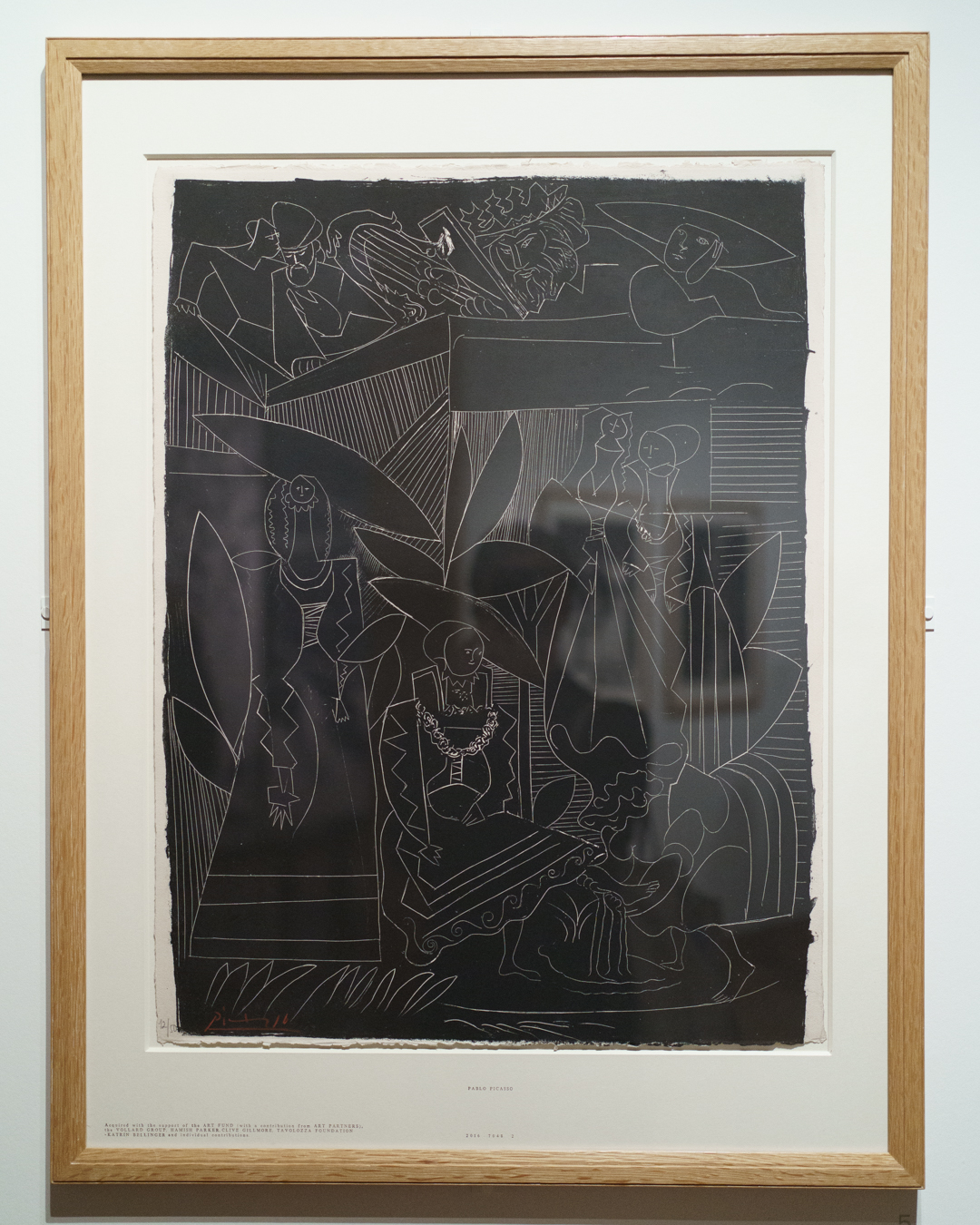
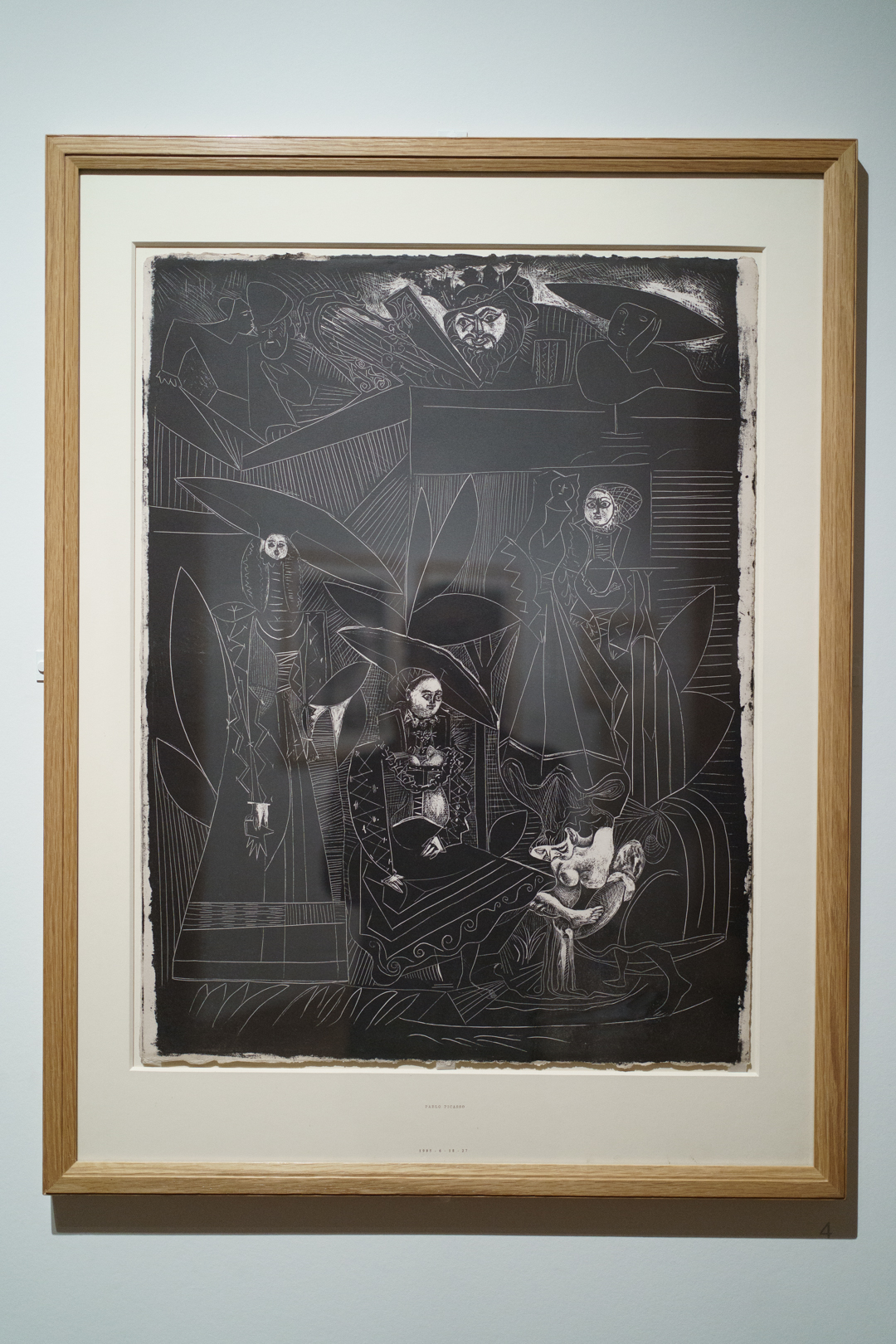
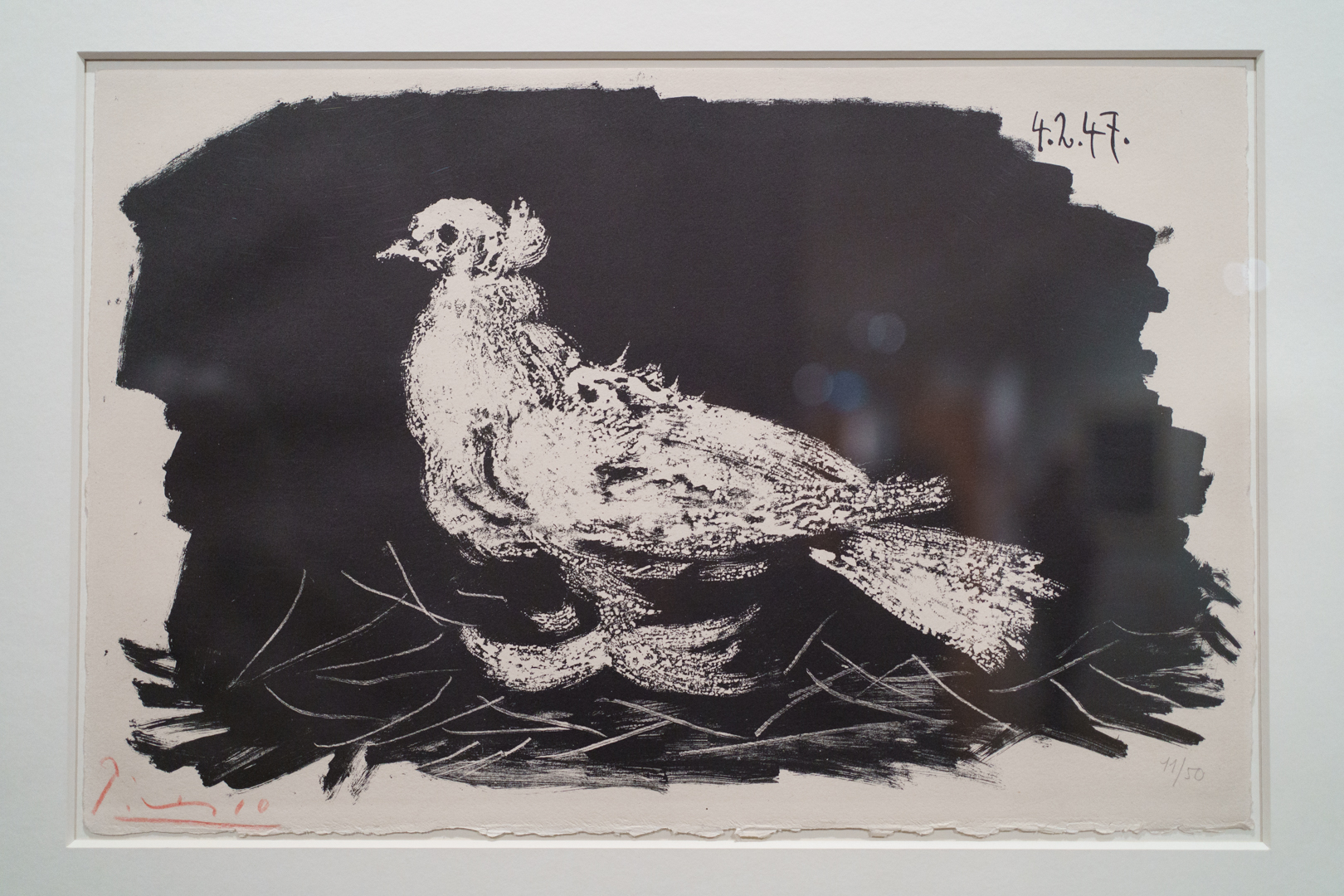
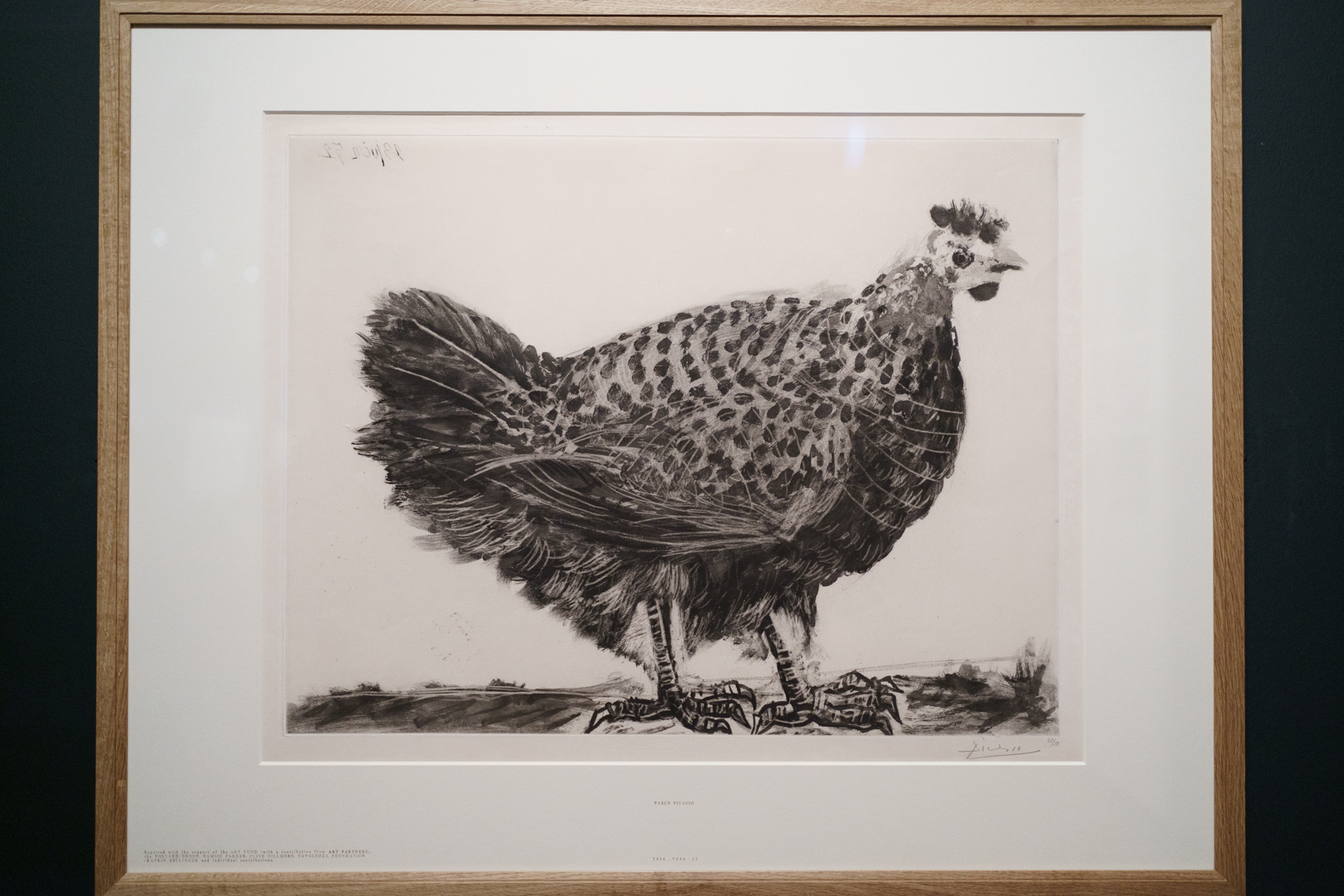
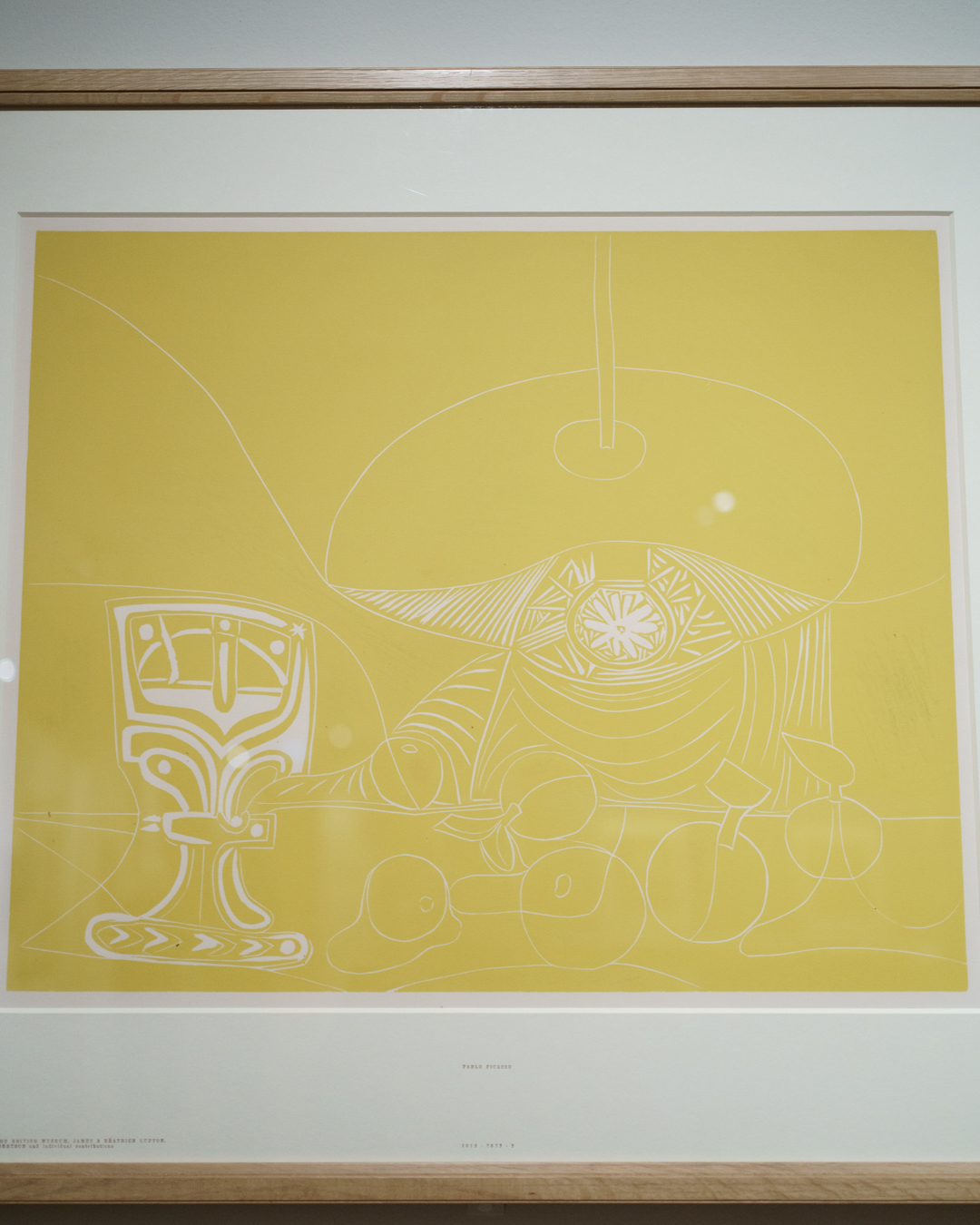
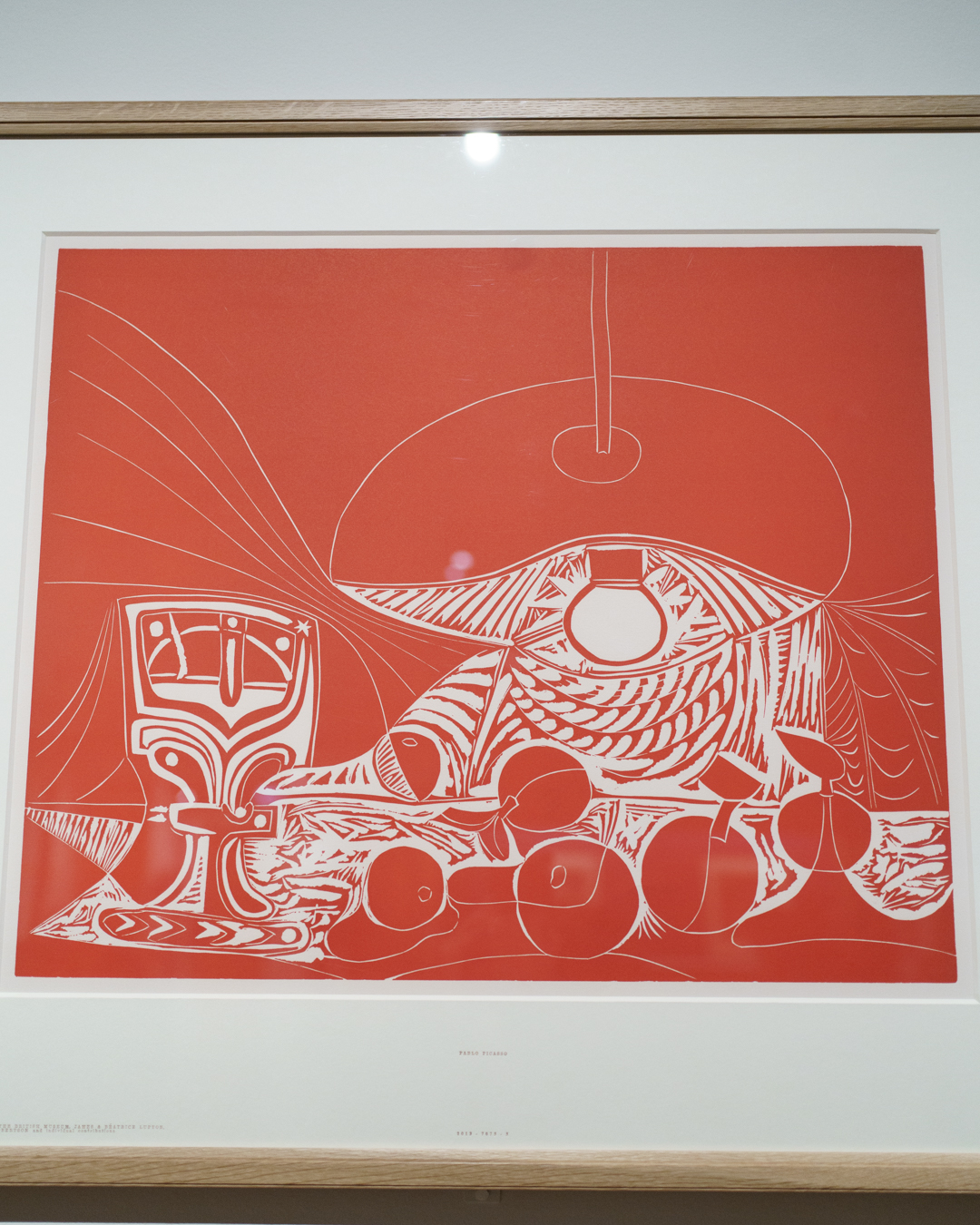
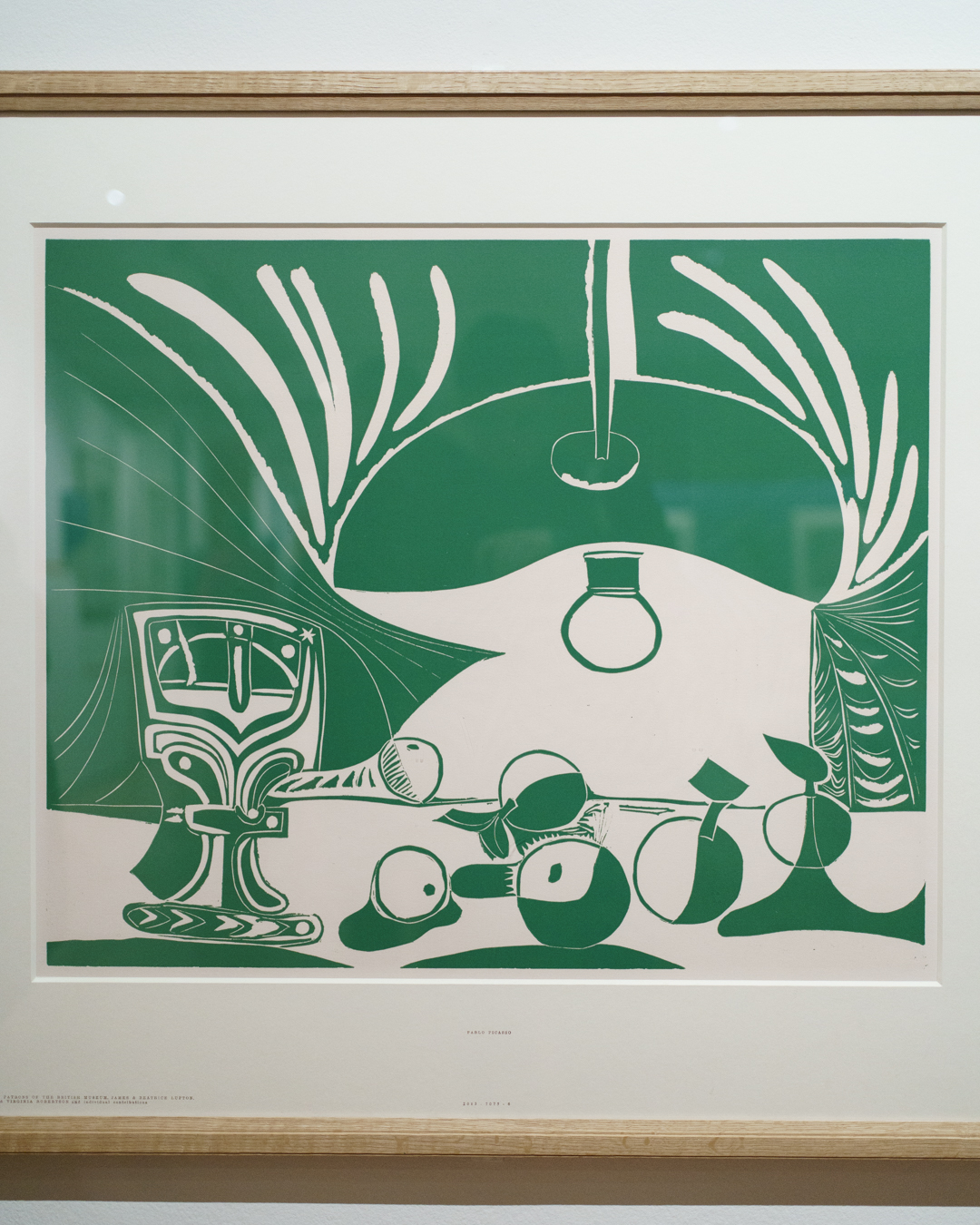
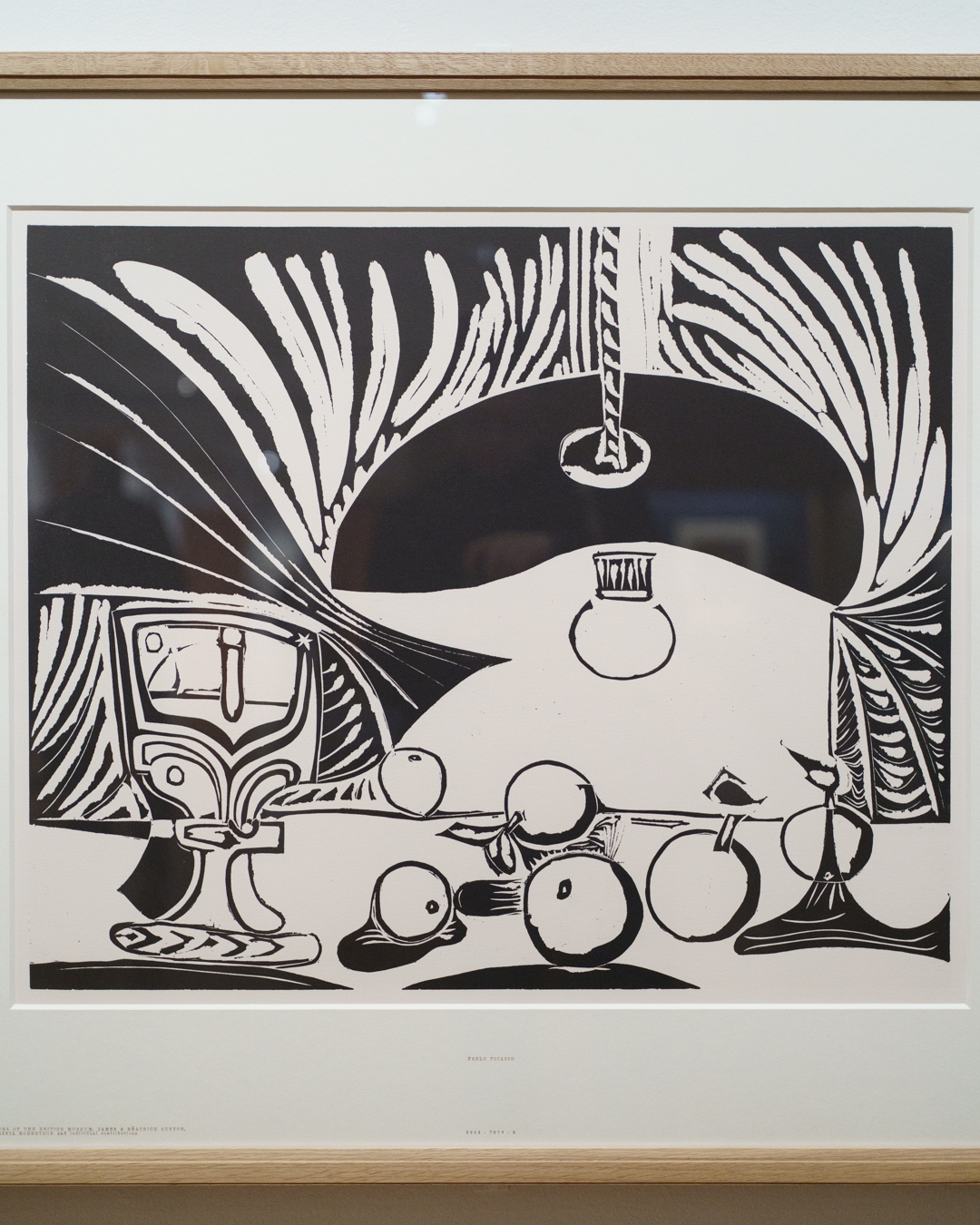
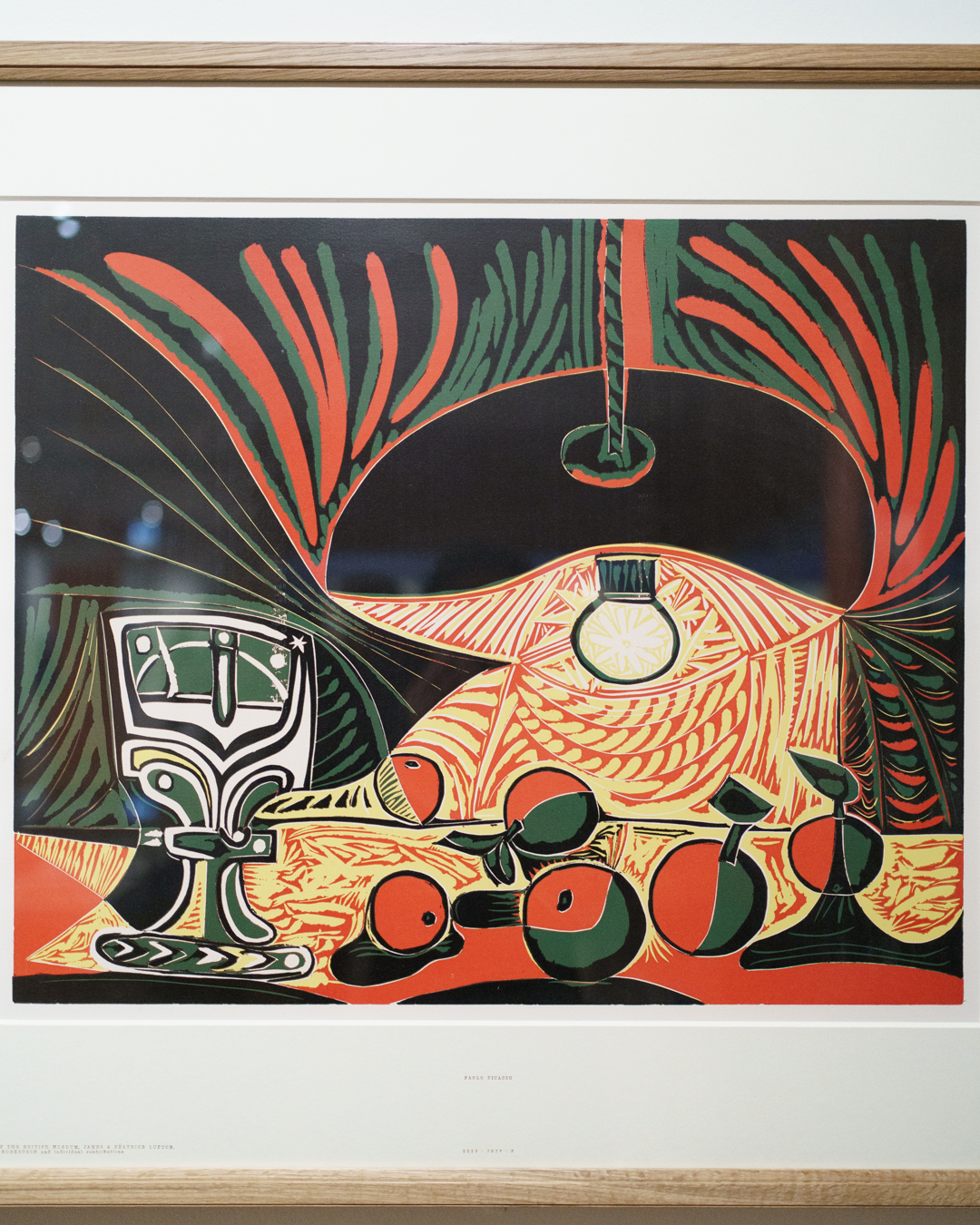
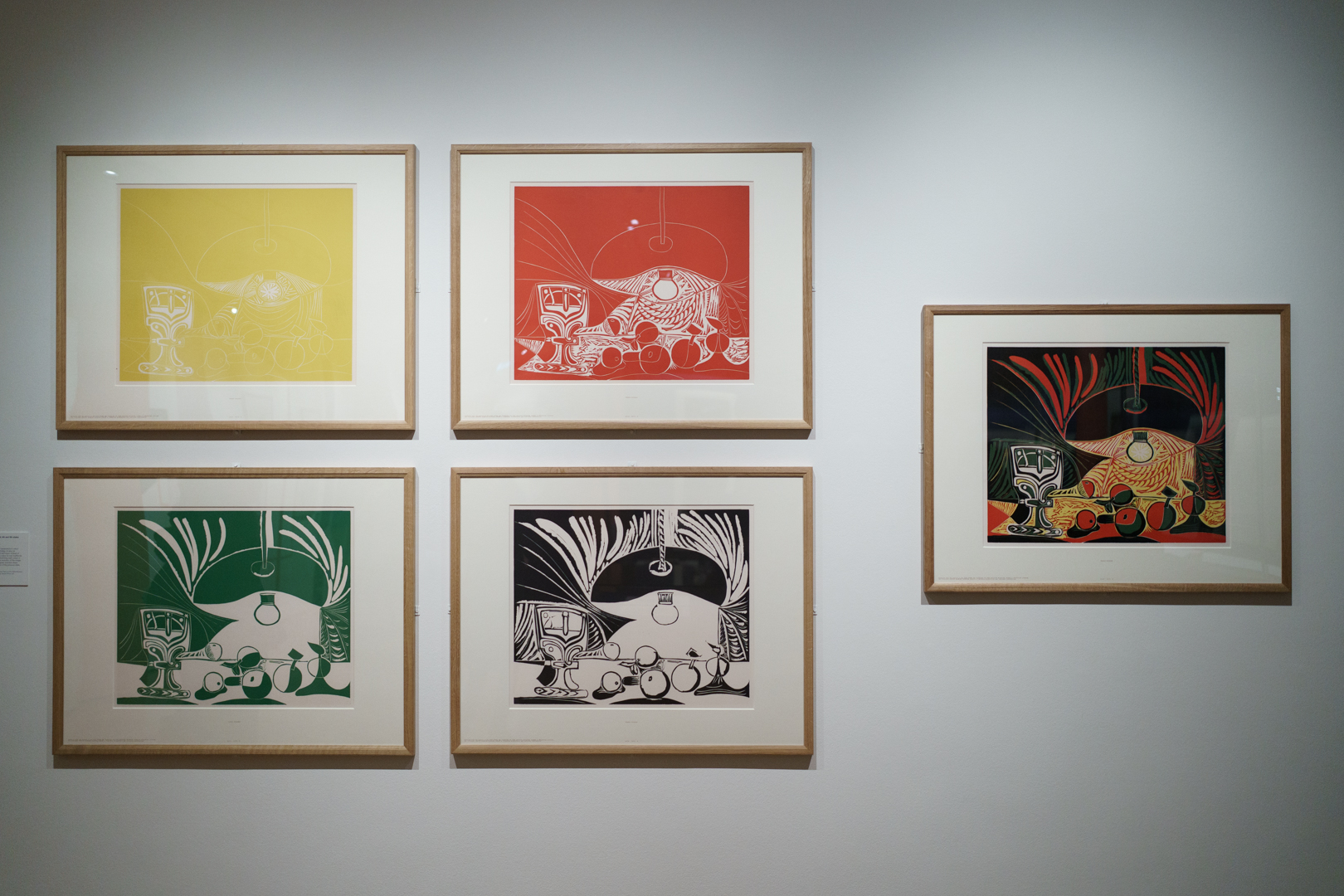
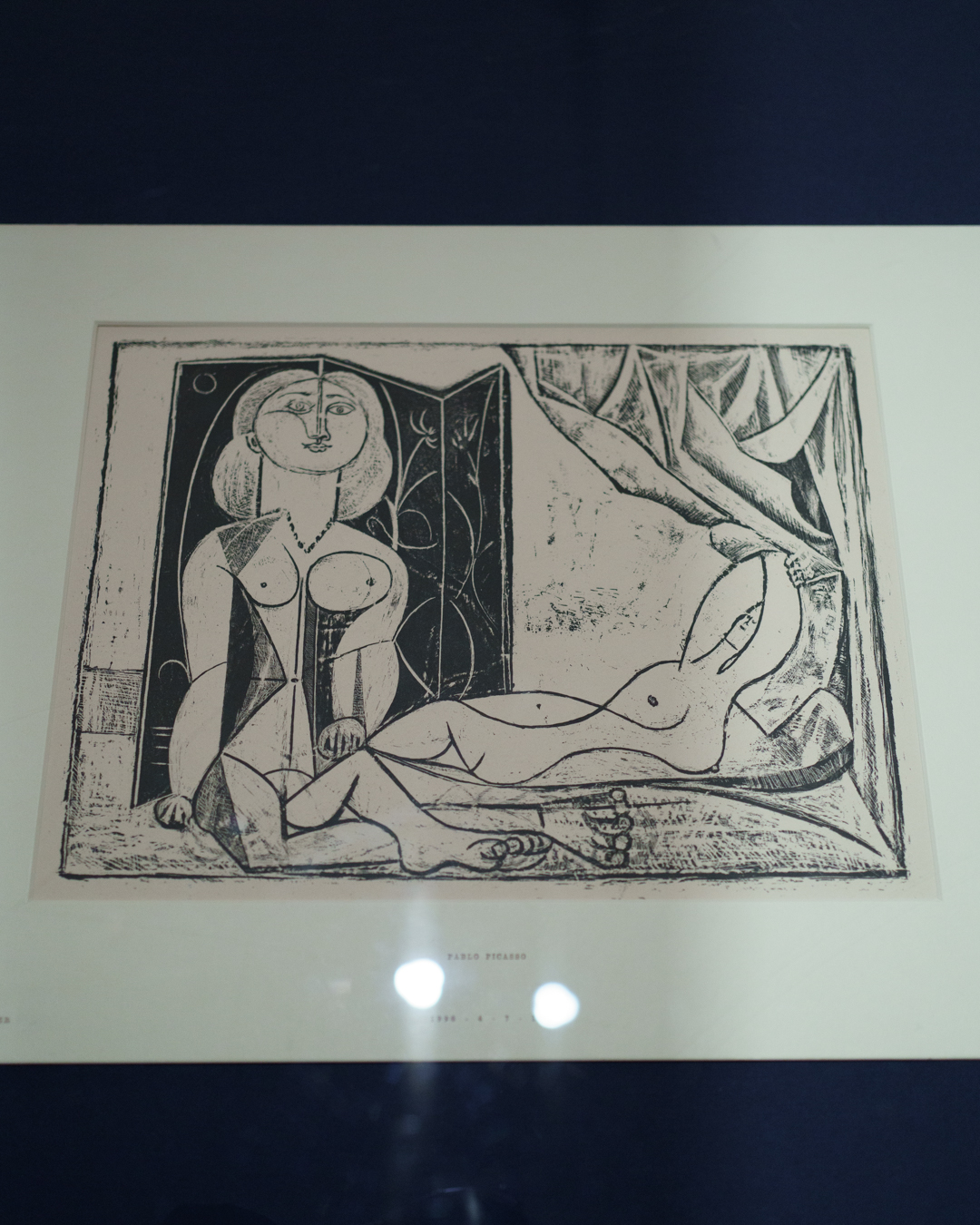
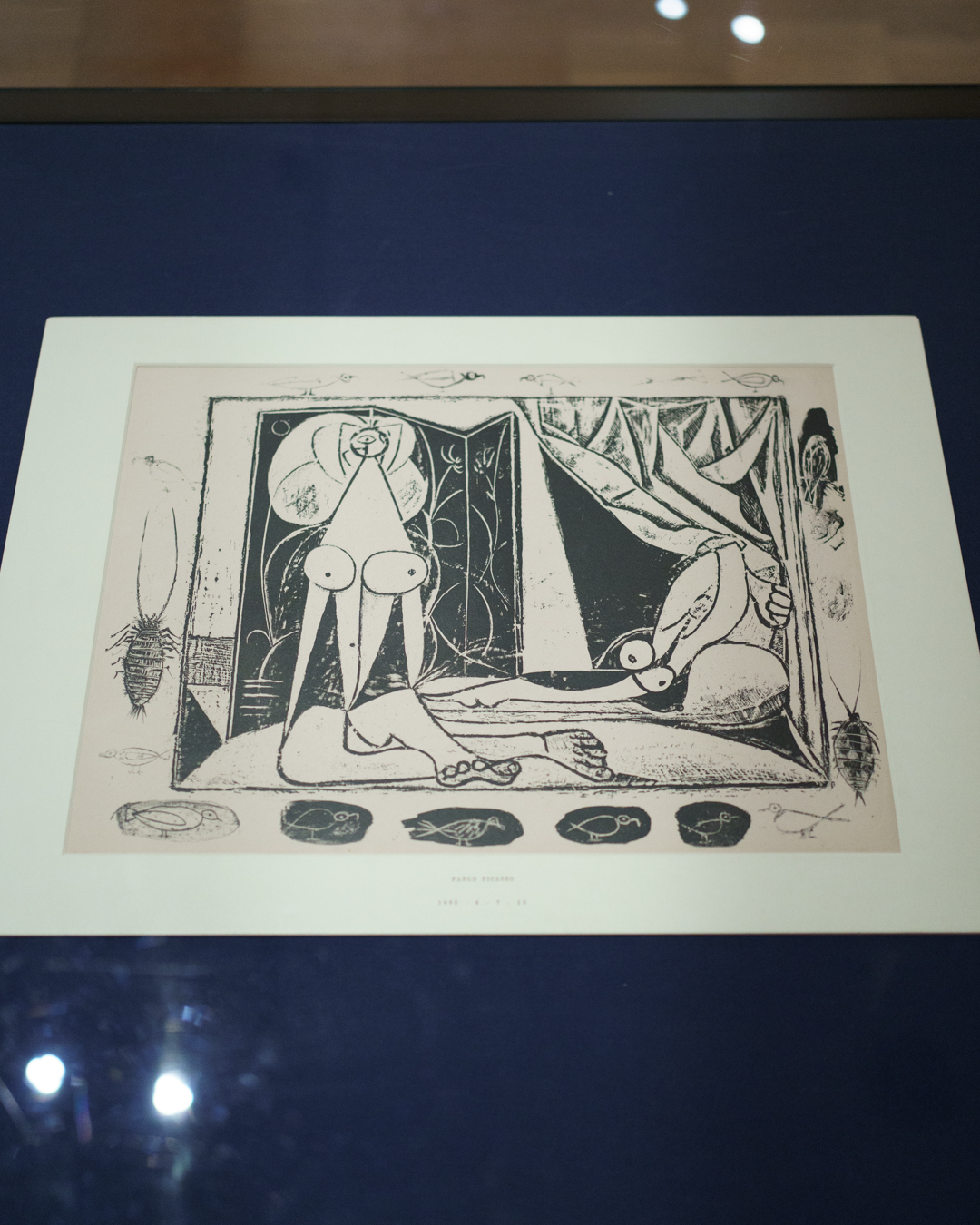
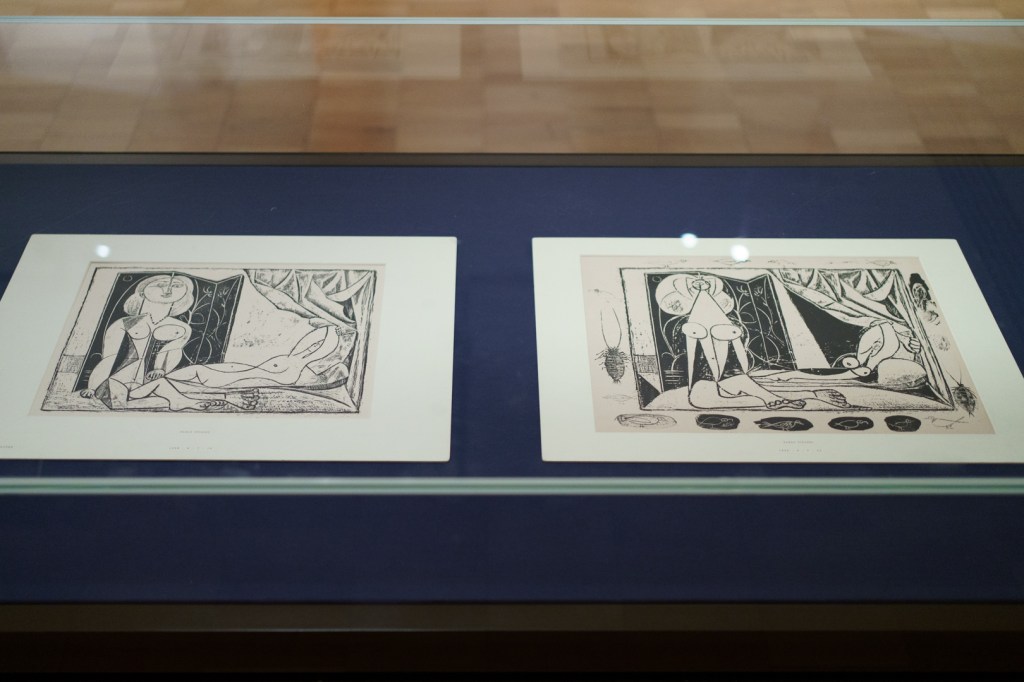
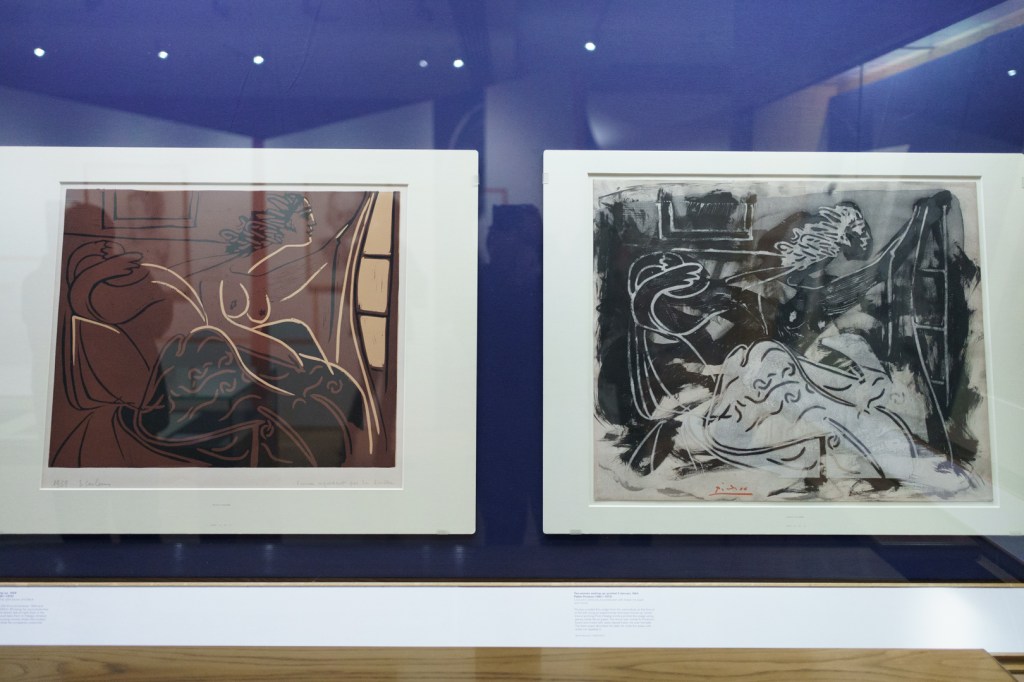
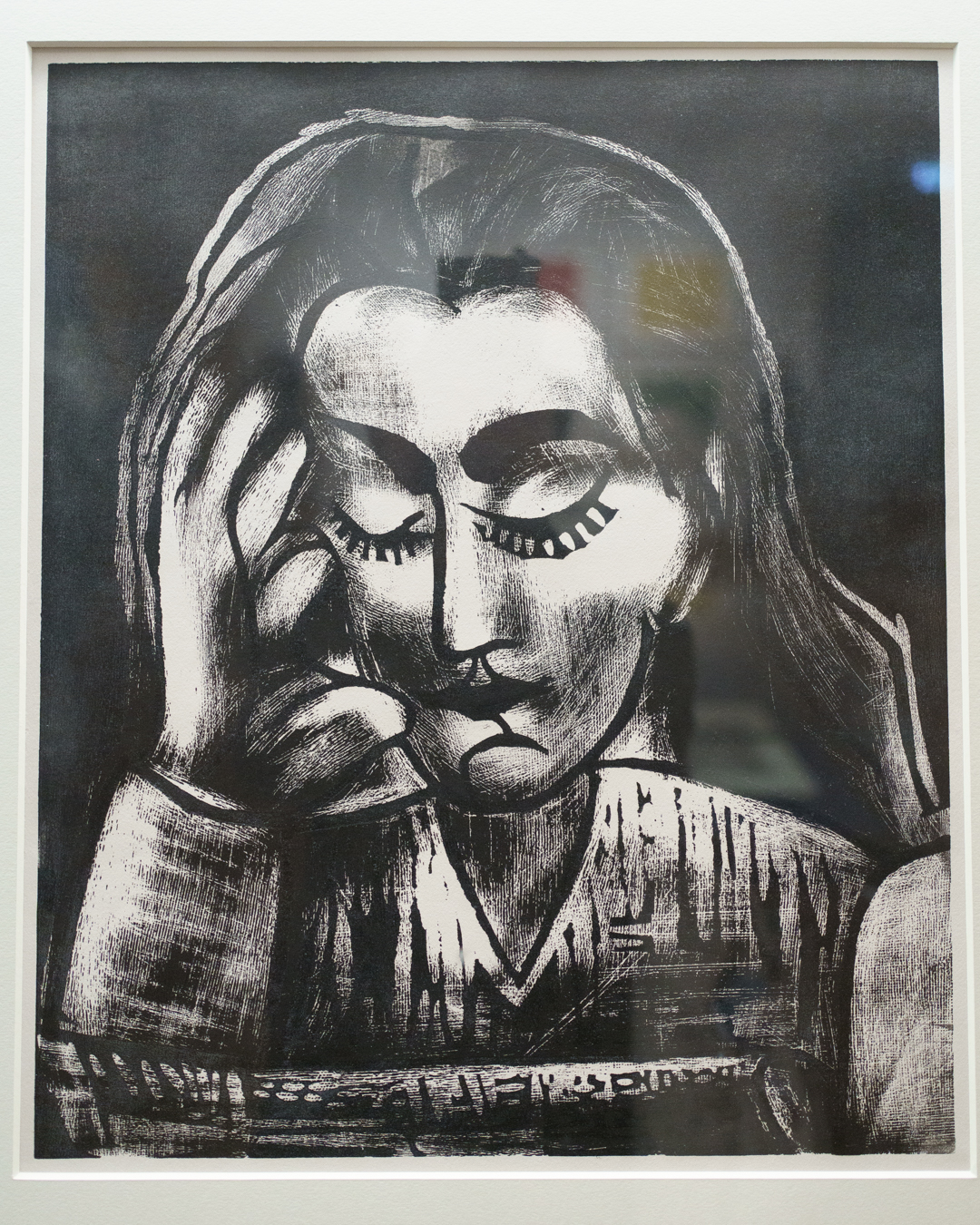
I especially appreciated a section displaying four different kinds of lithographs; one can really see the graphic differences between each one. Nearby are two linocuts where the same piece of lino has been reused from one, reinked differently, and then printed to create a variation.
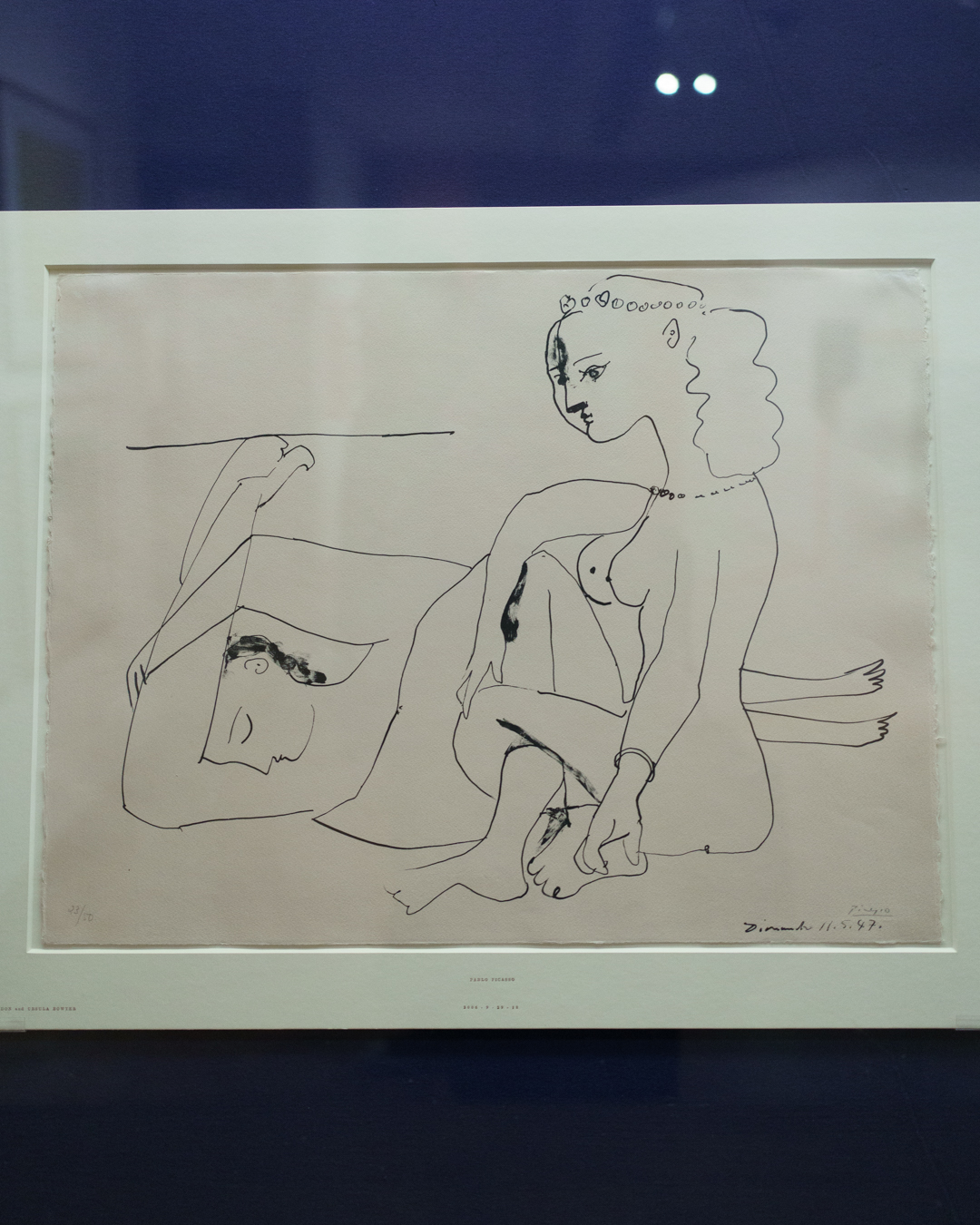
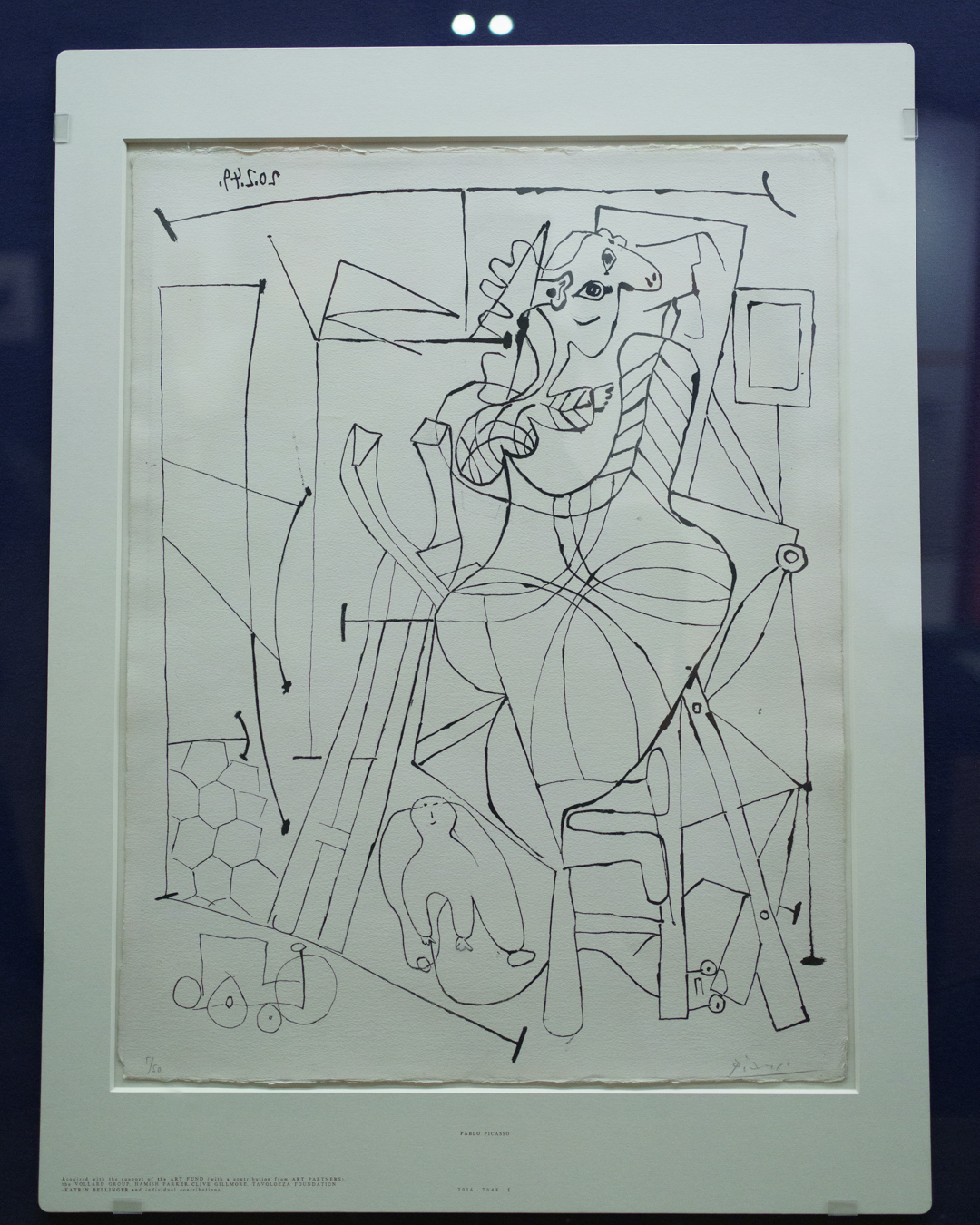
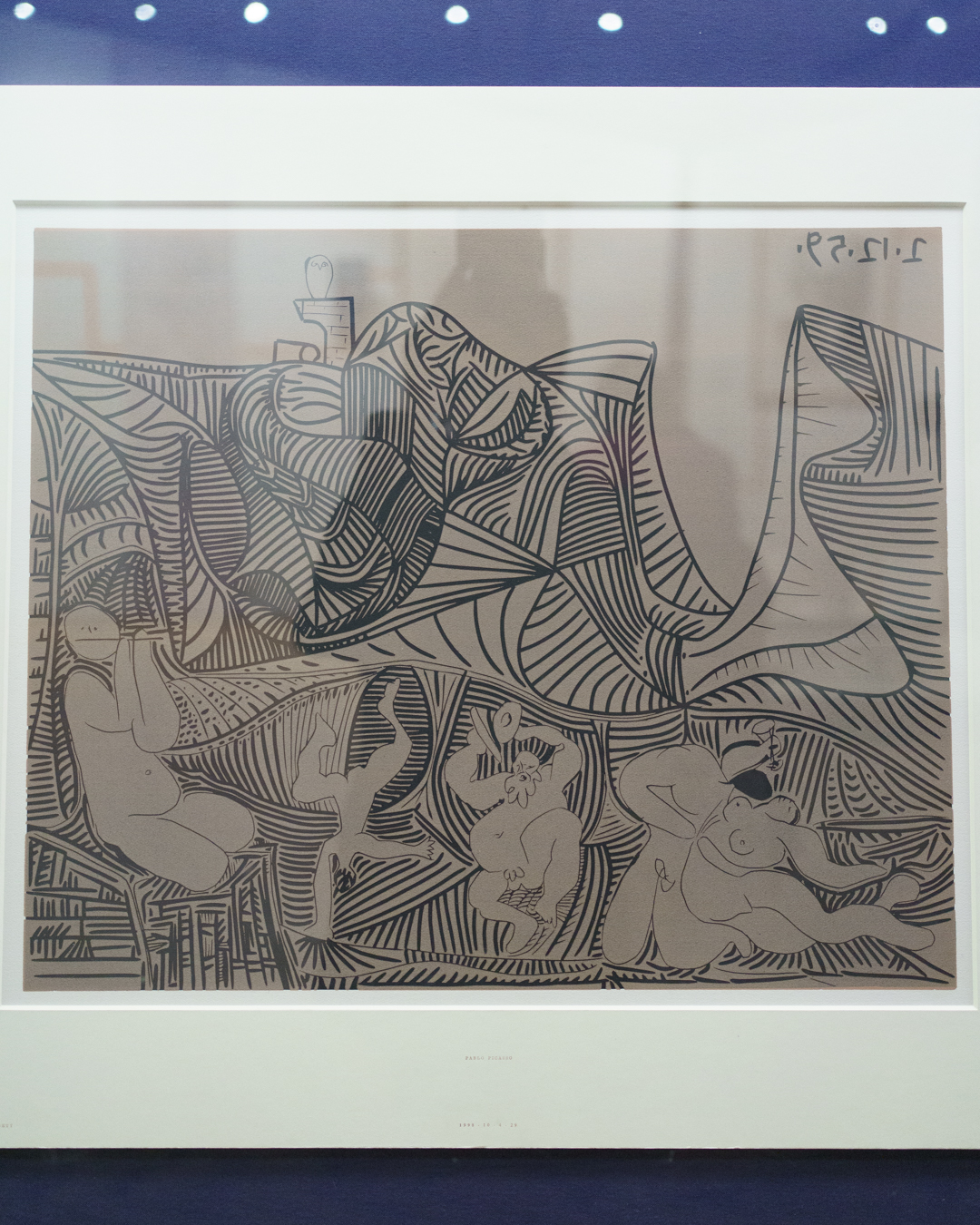
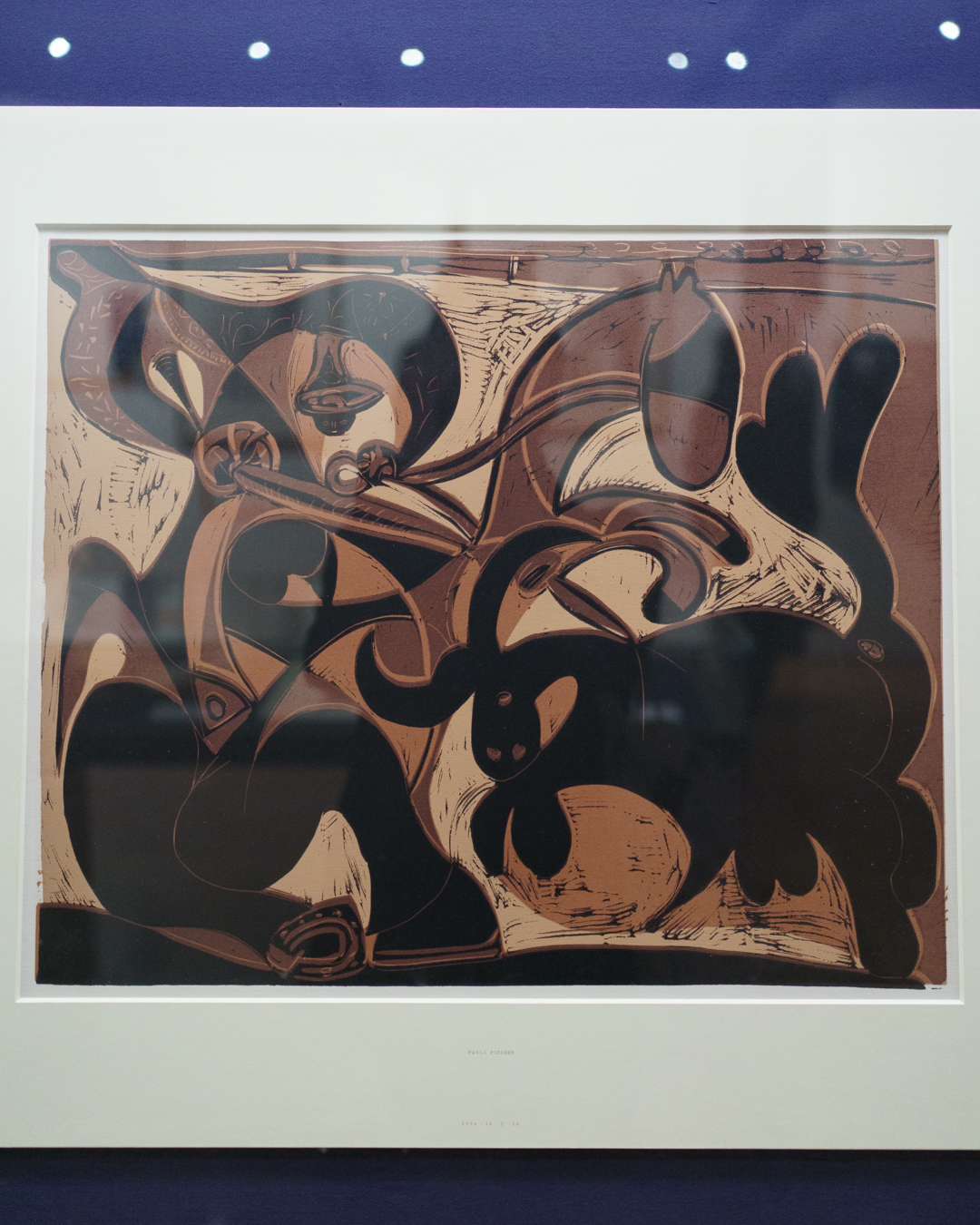
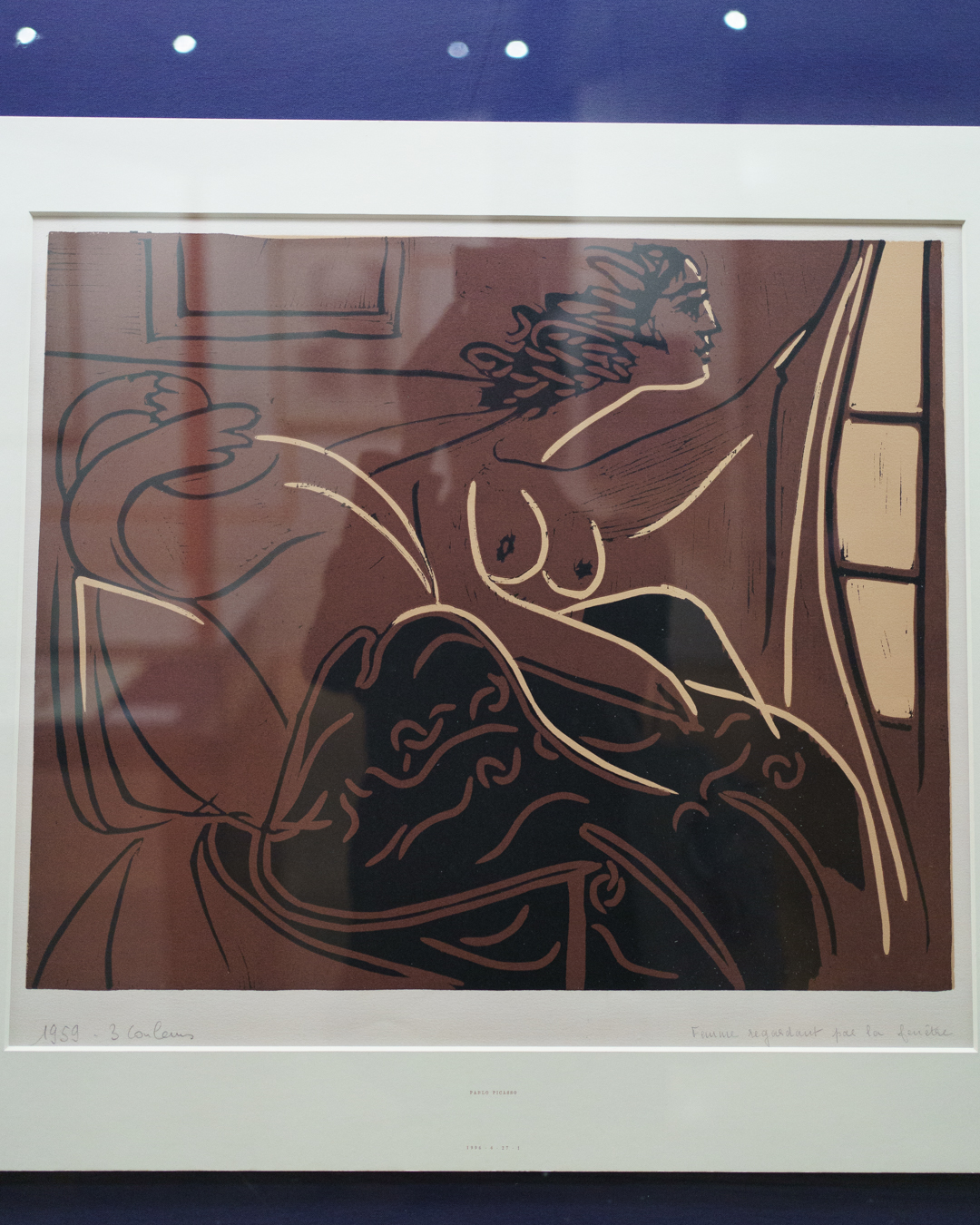
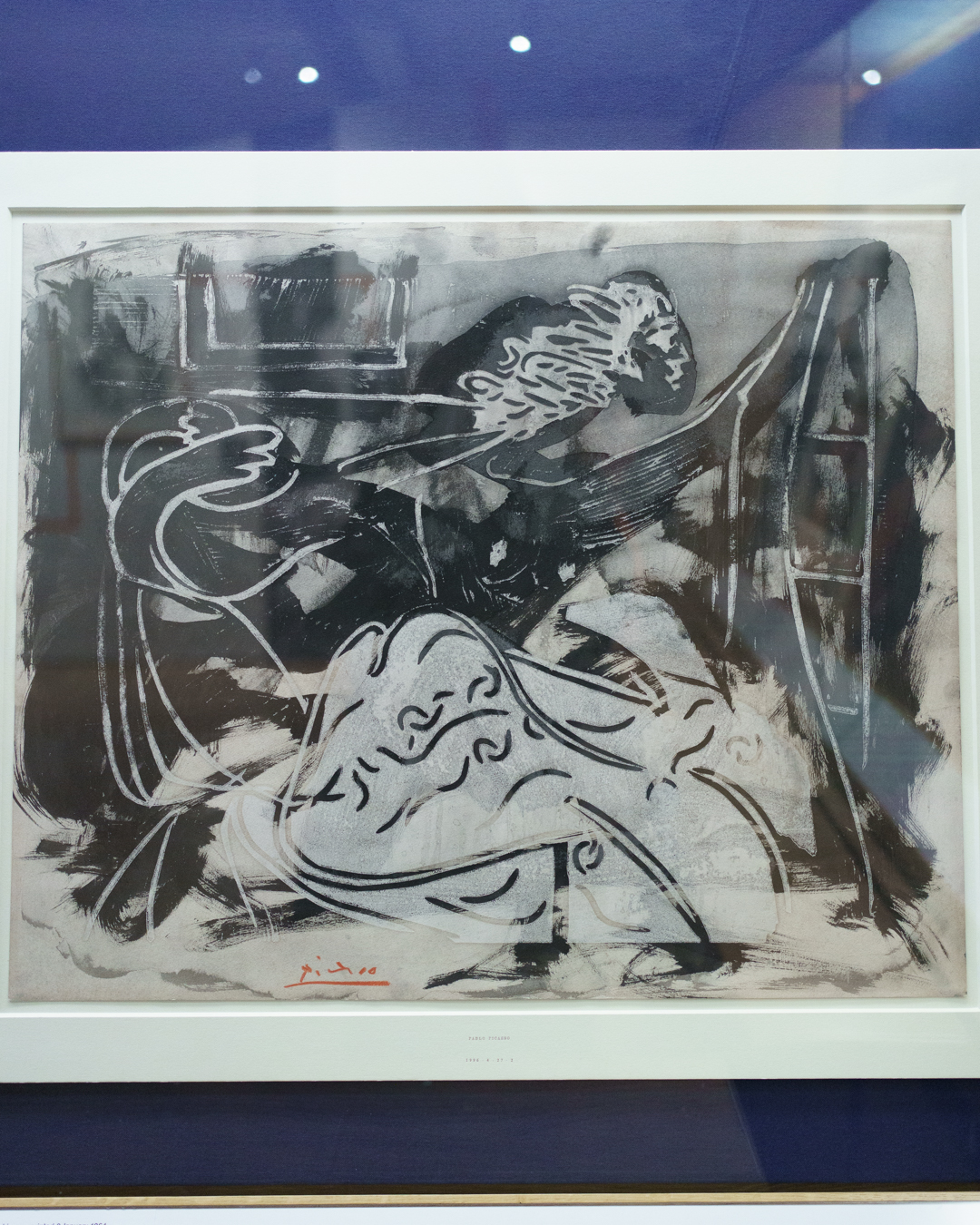
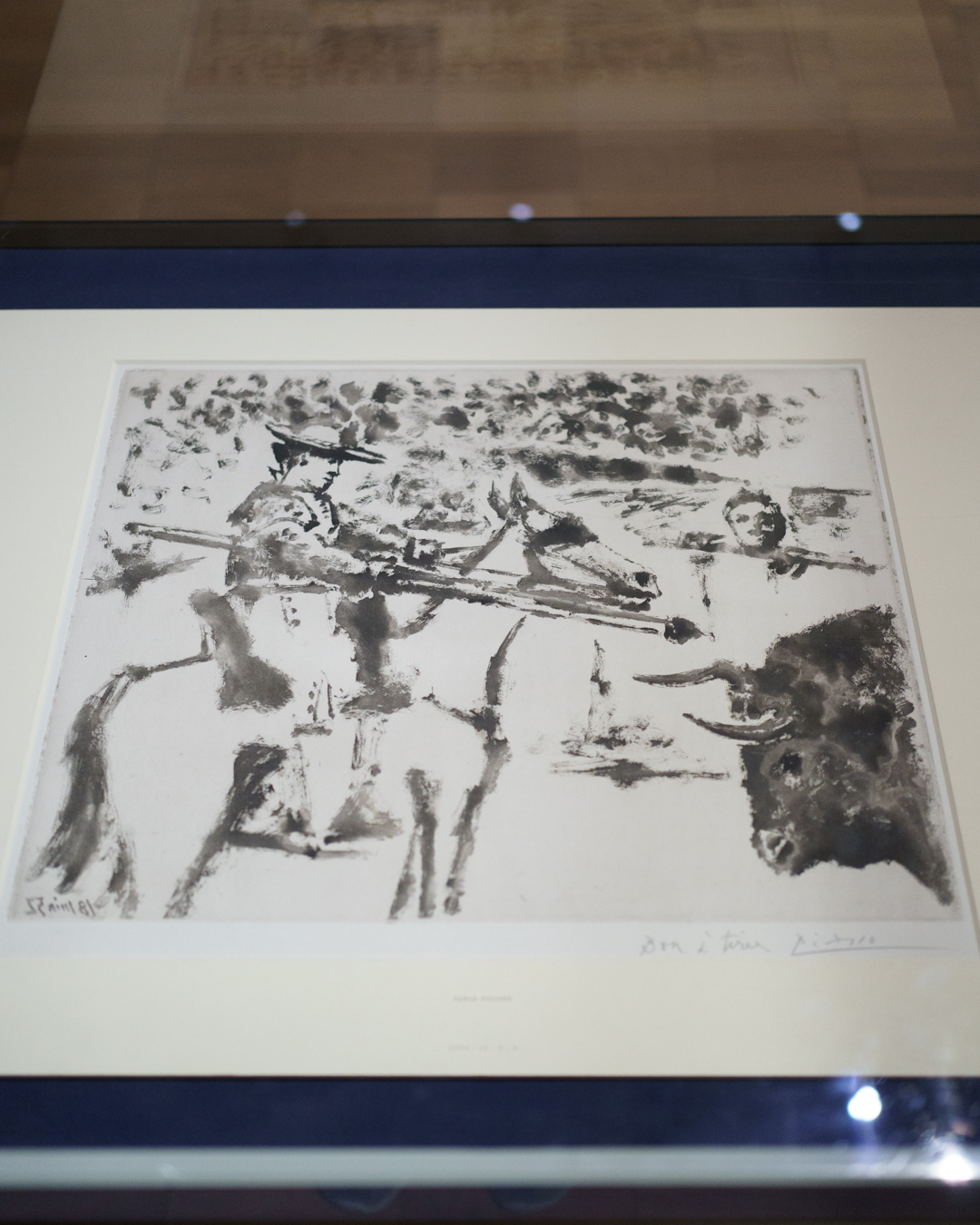
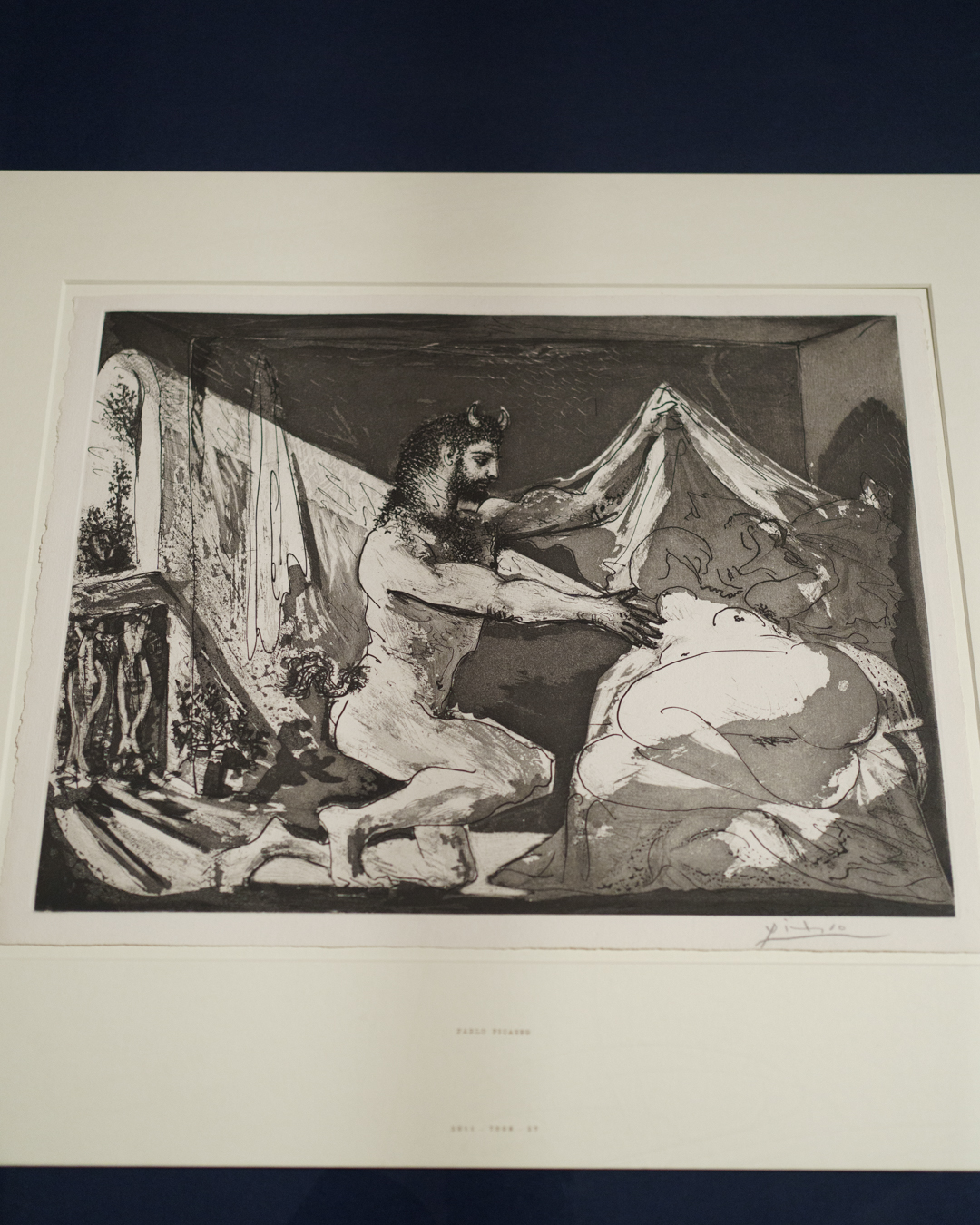
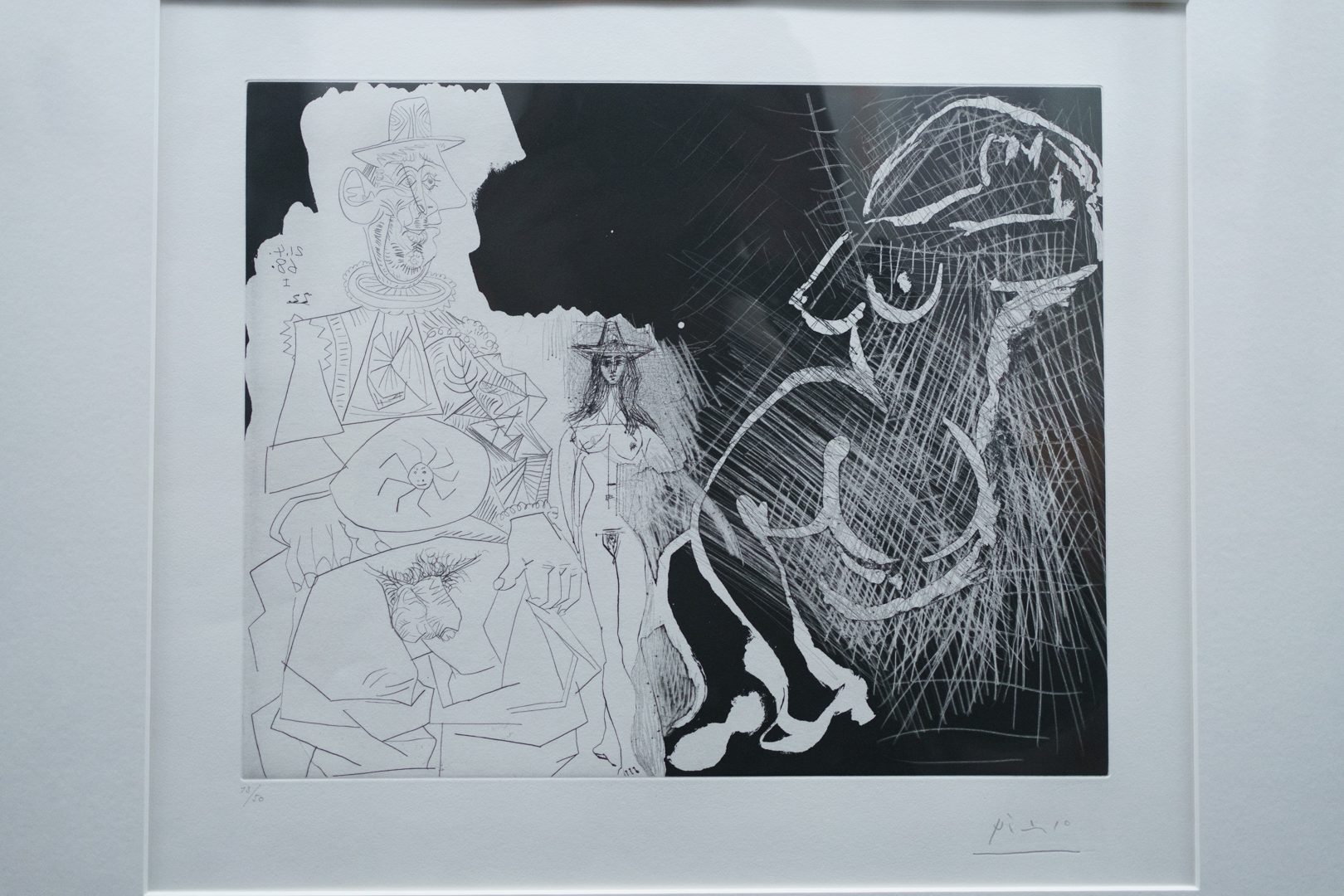
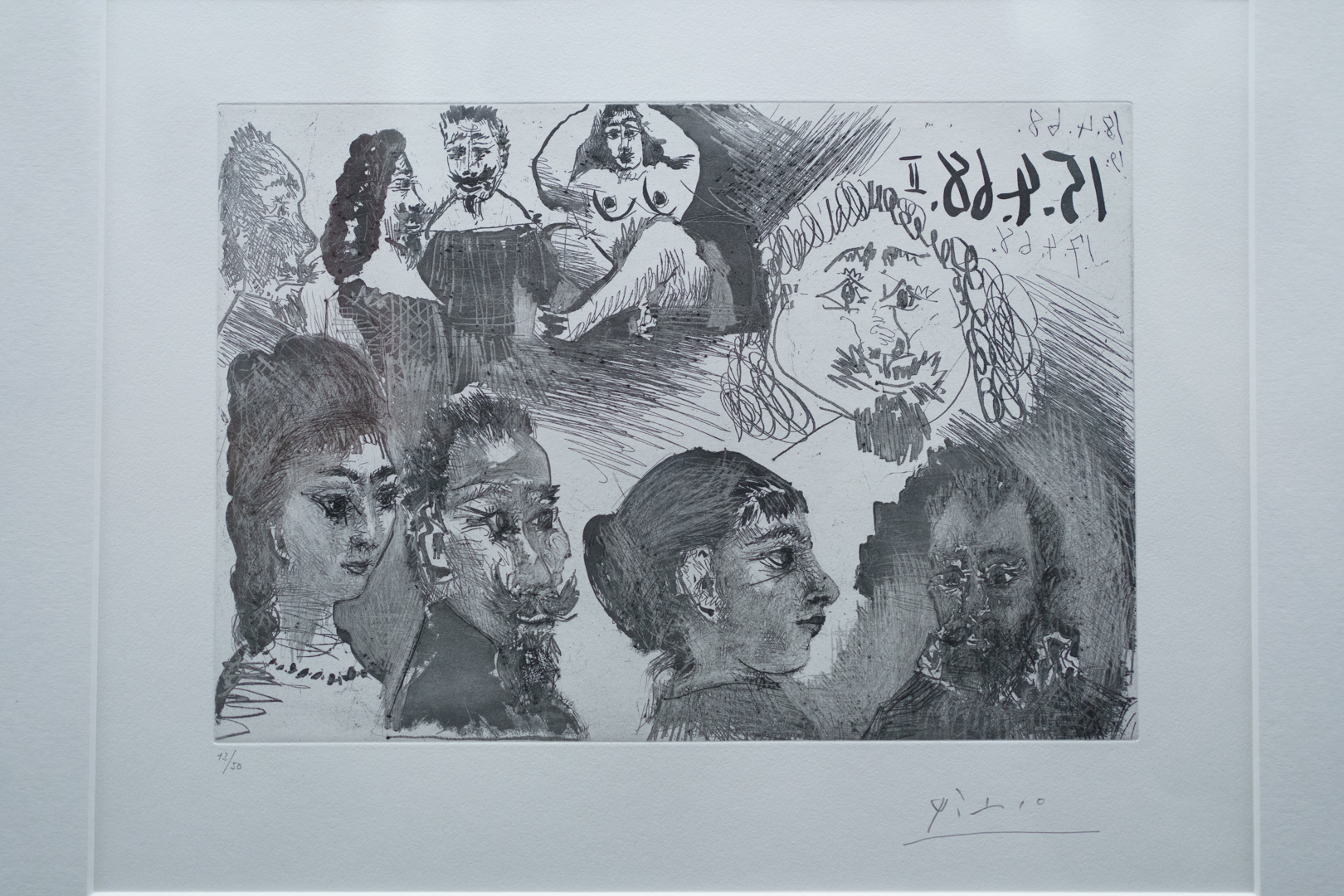
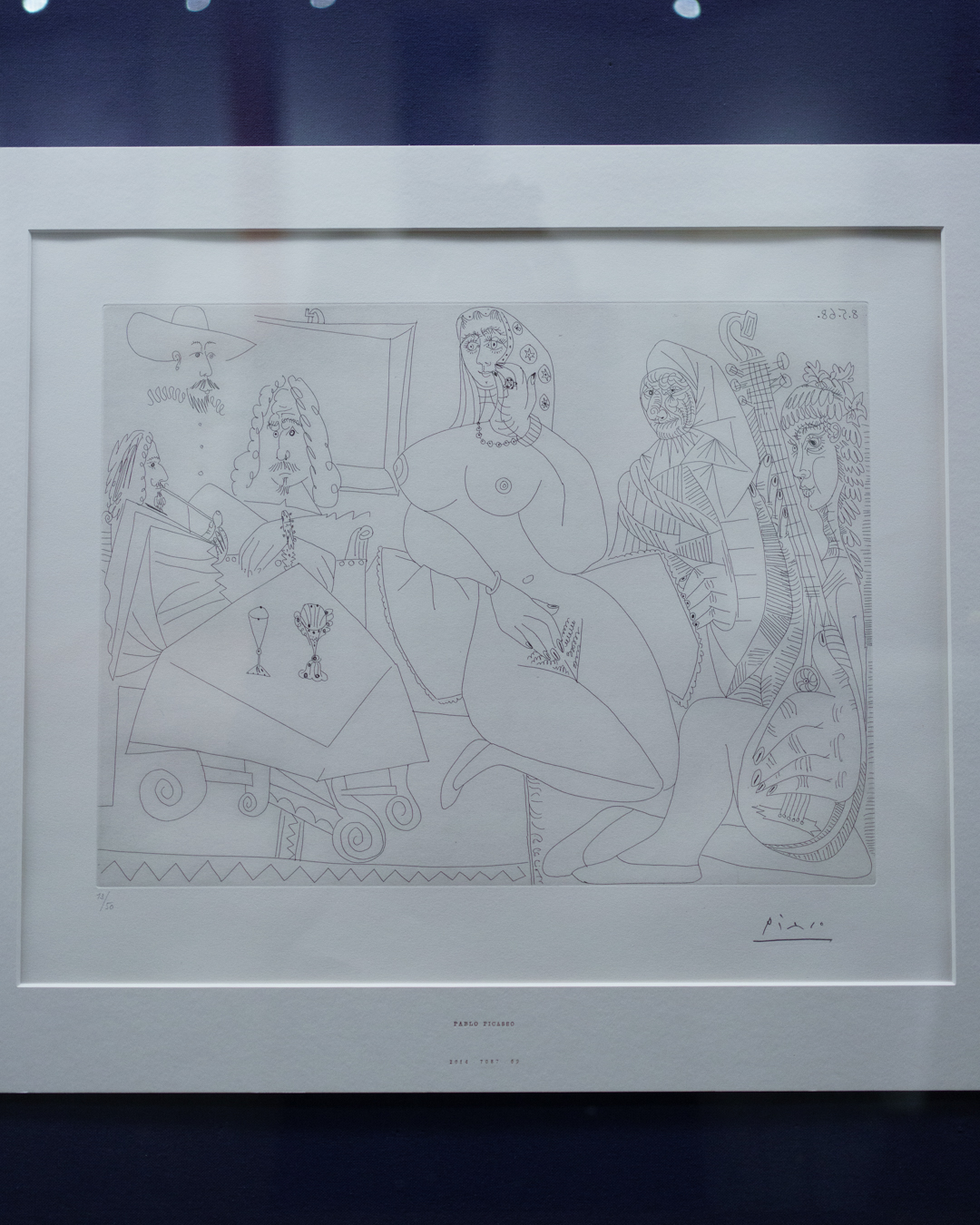
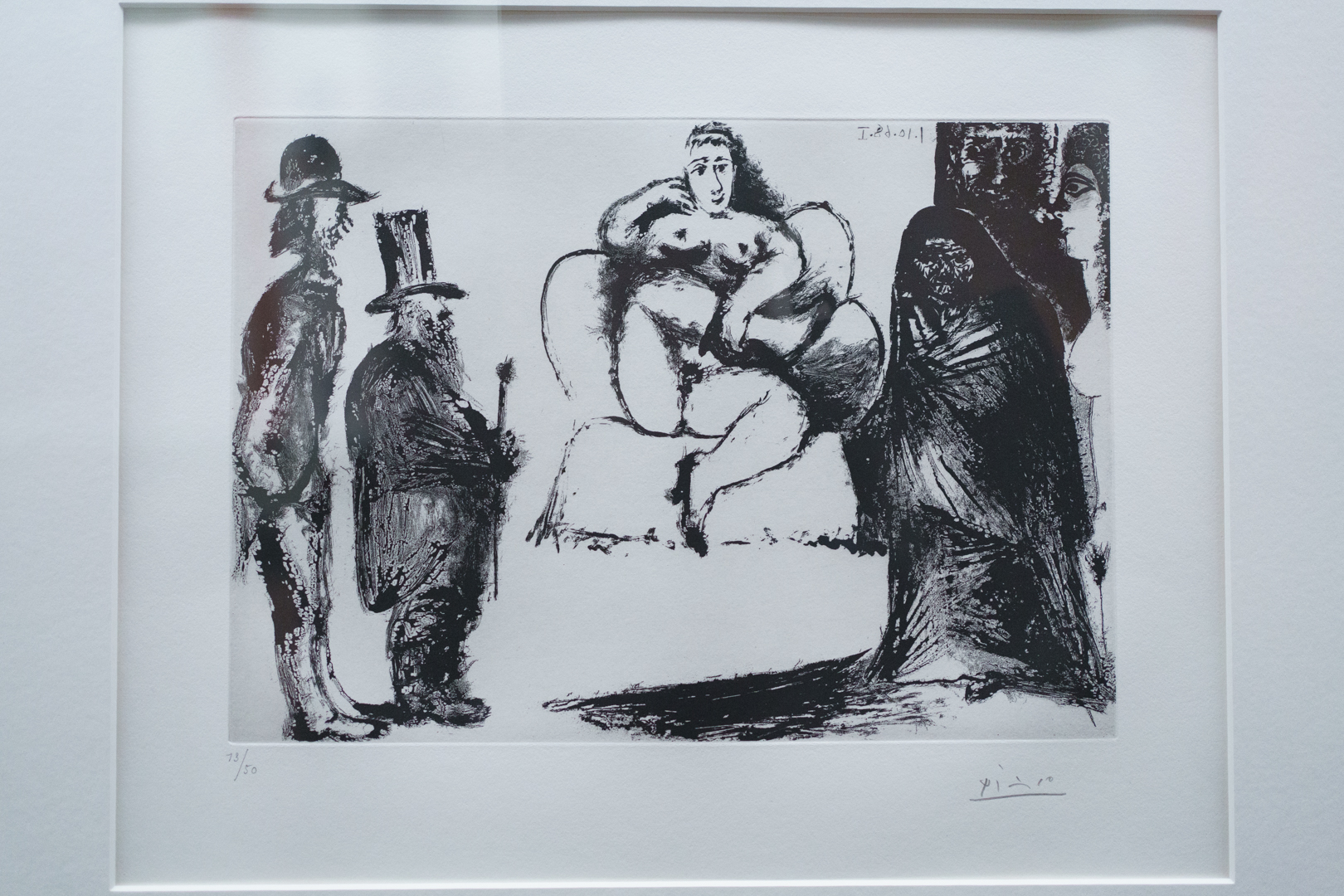
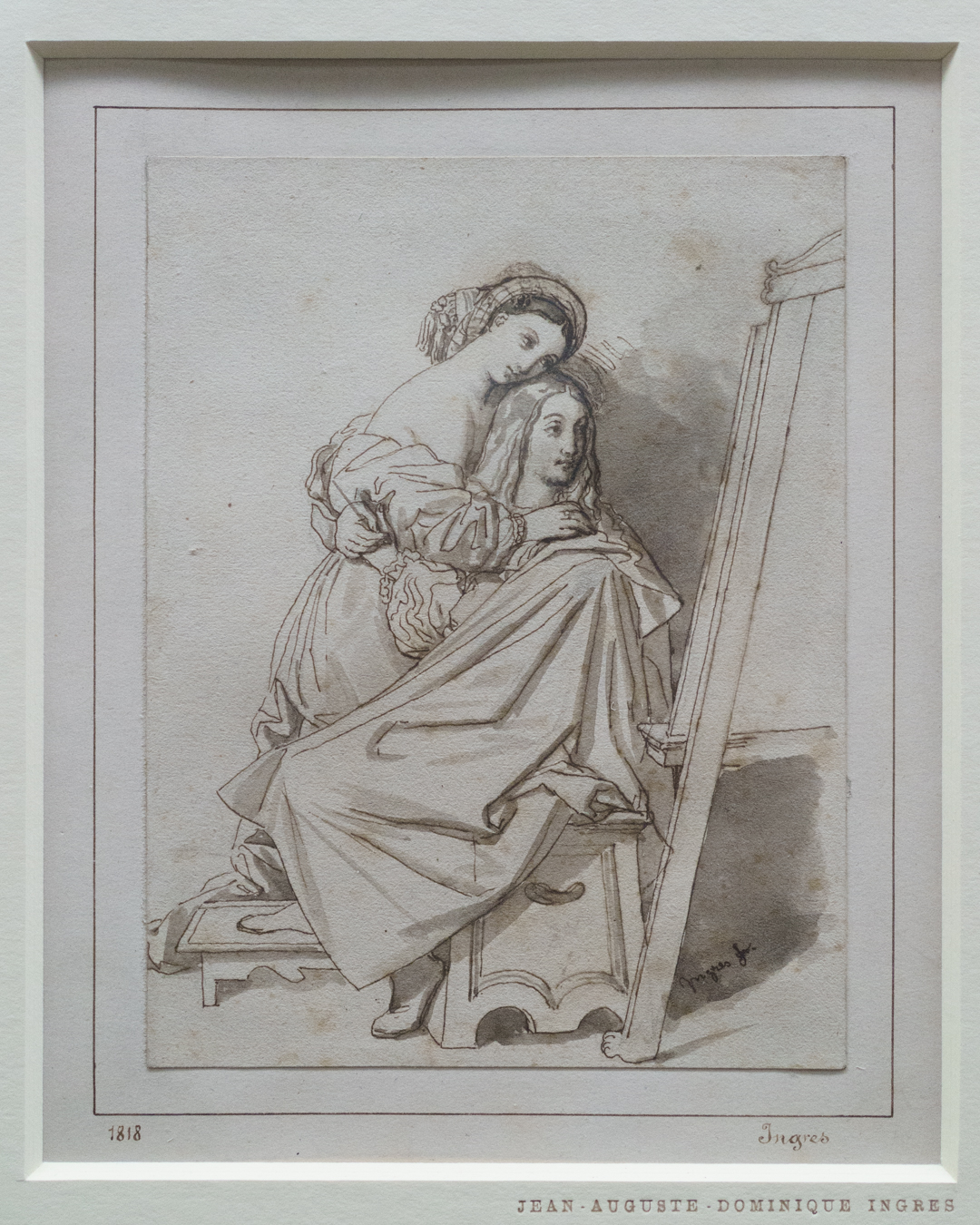
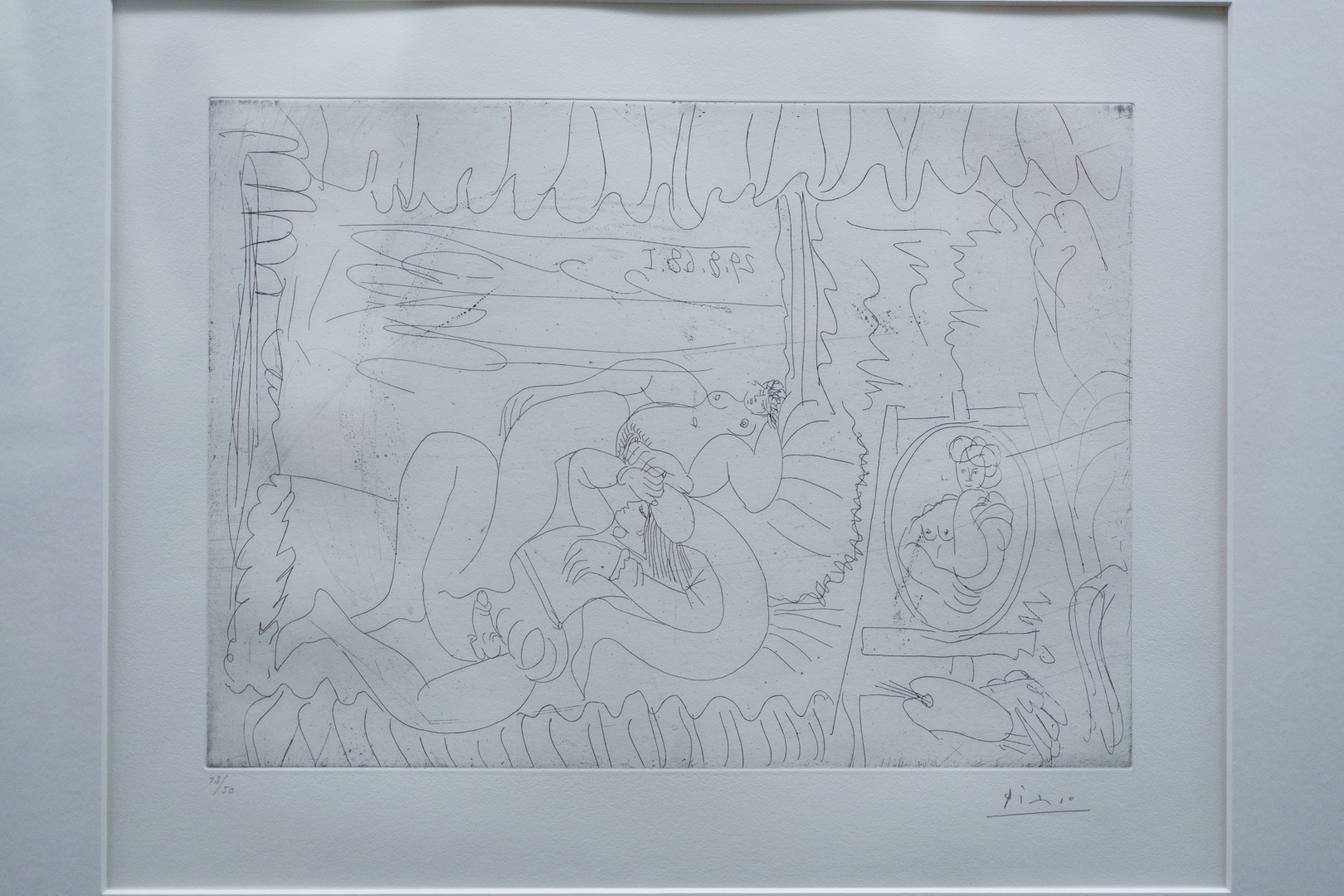
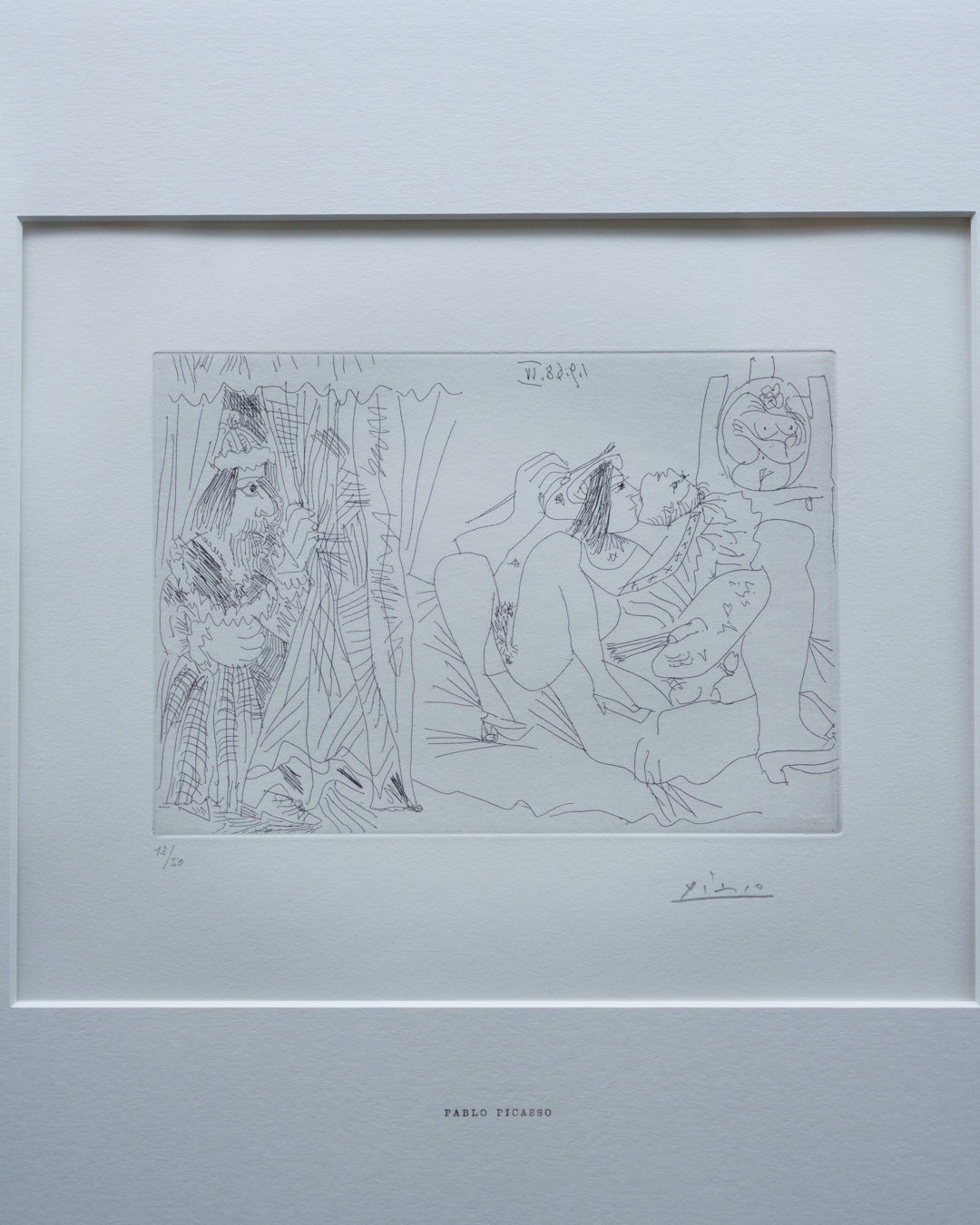
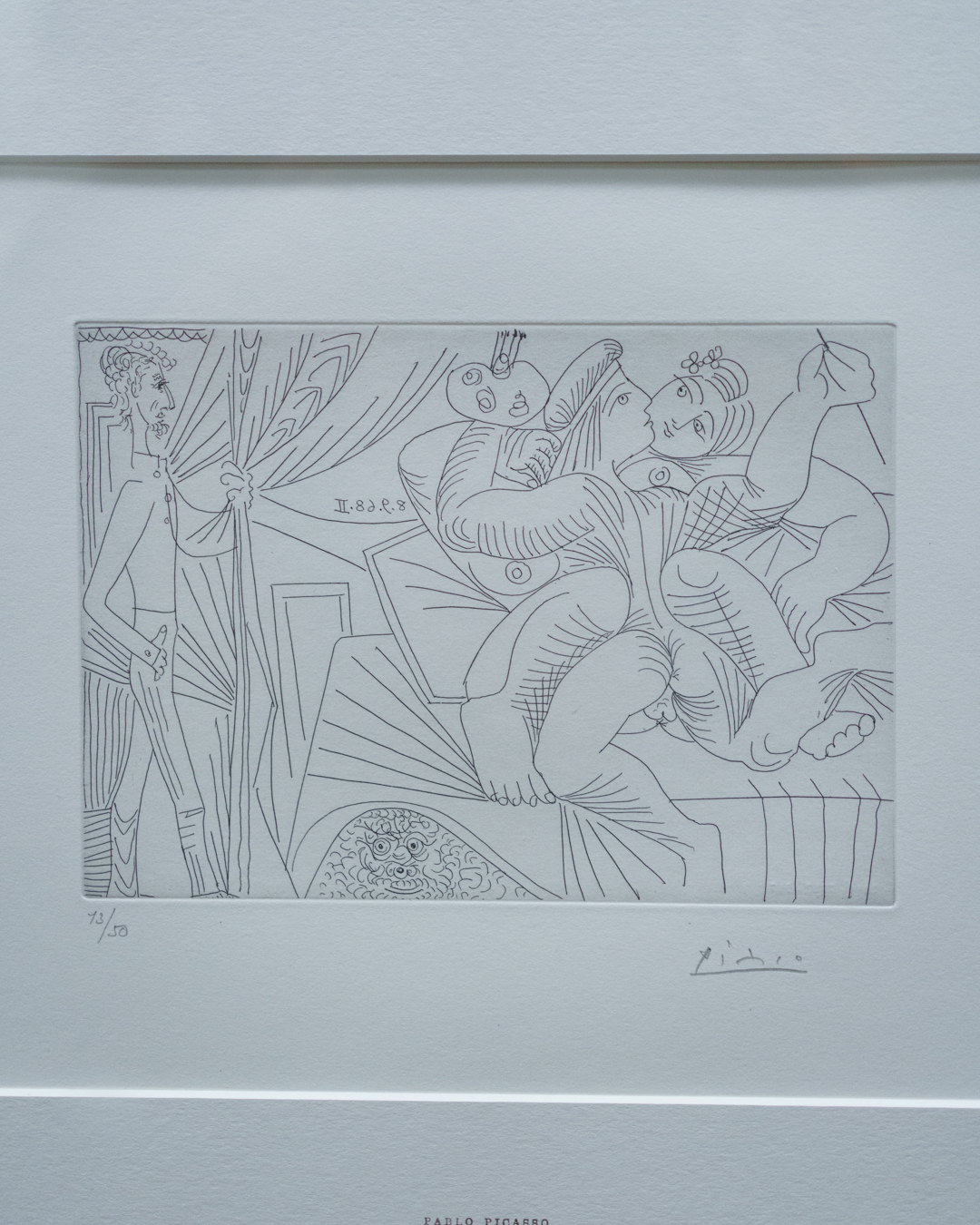
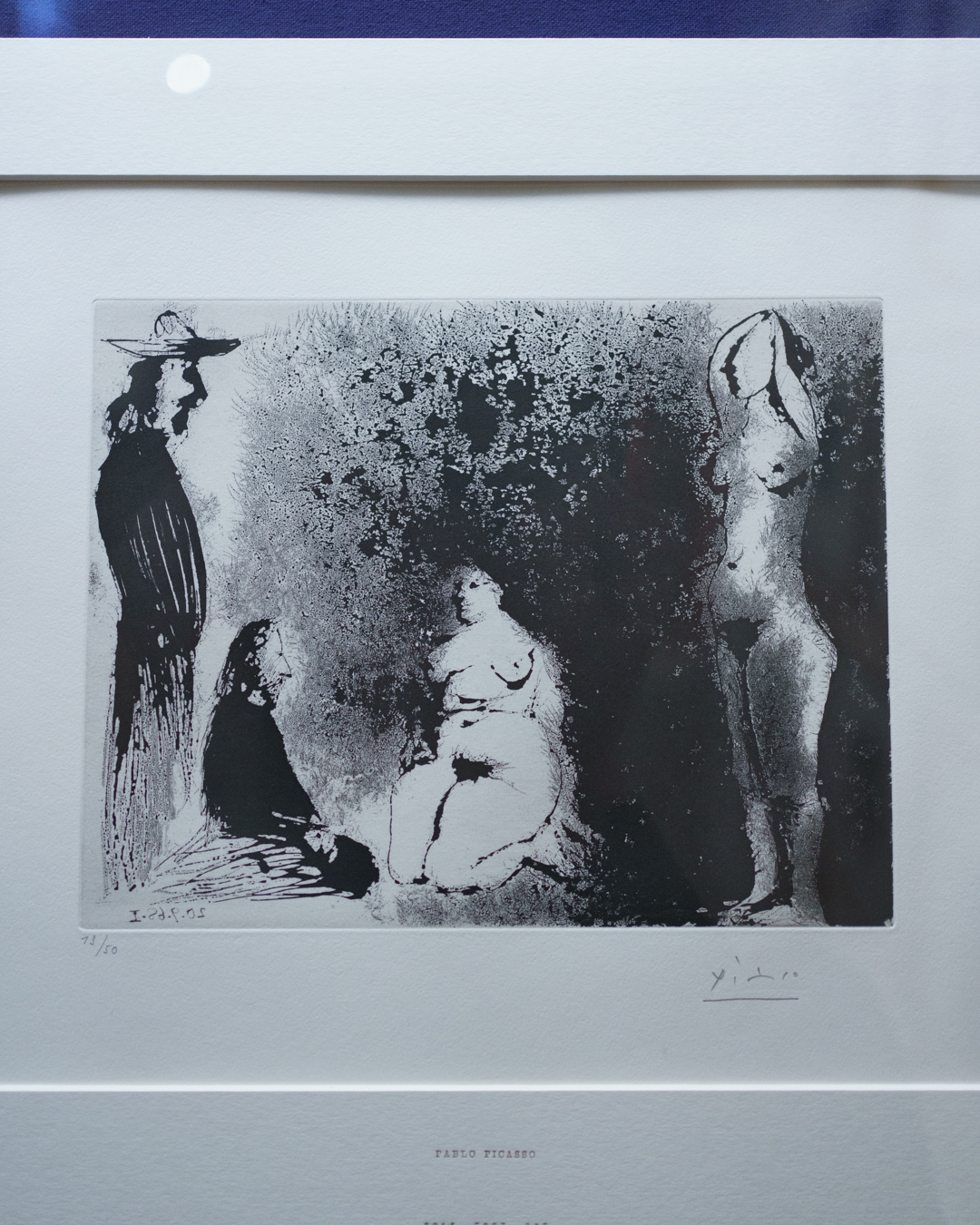
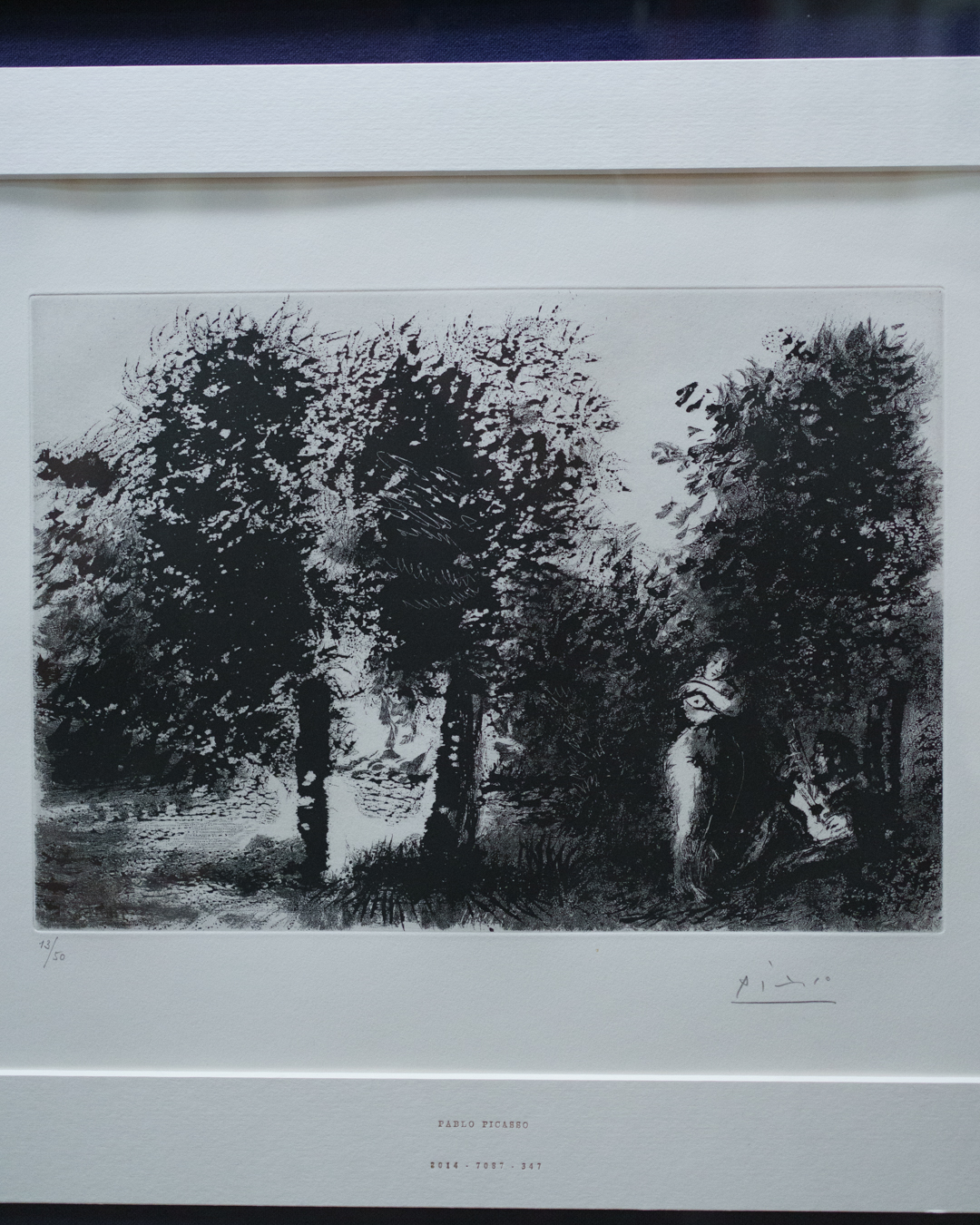
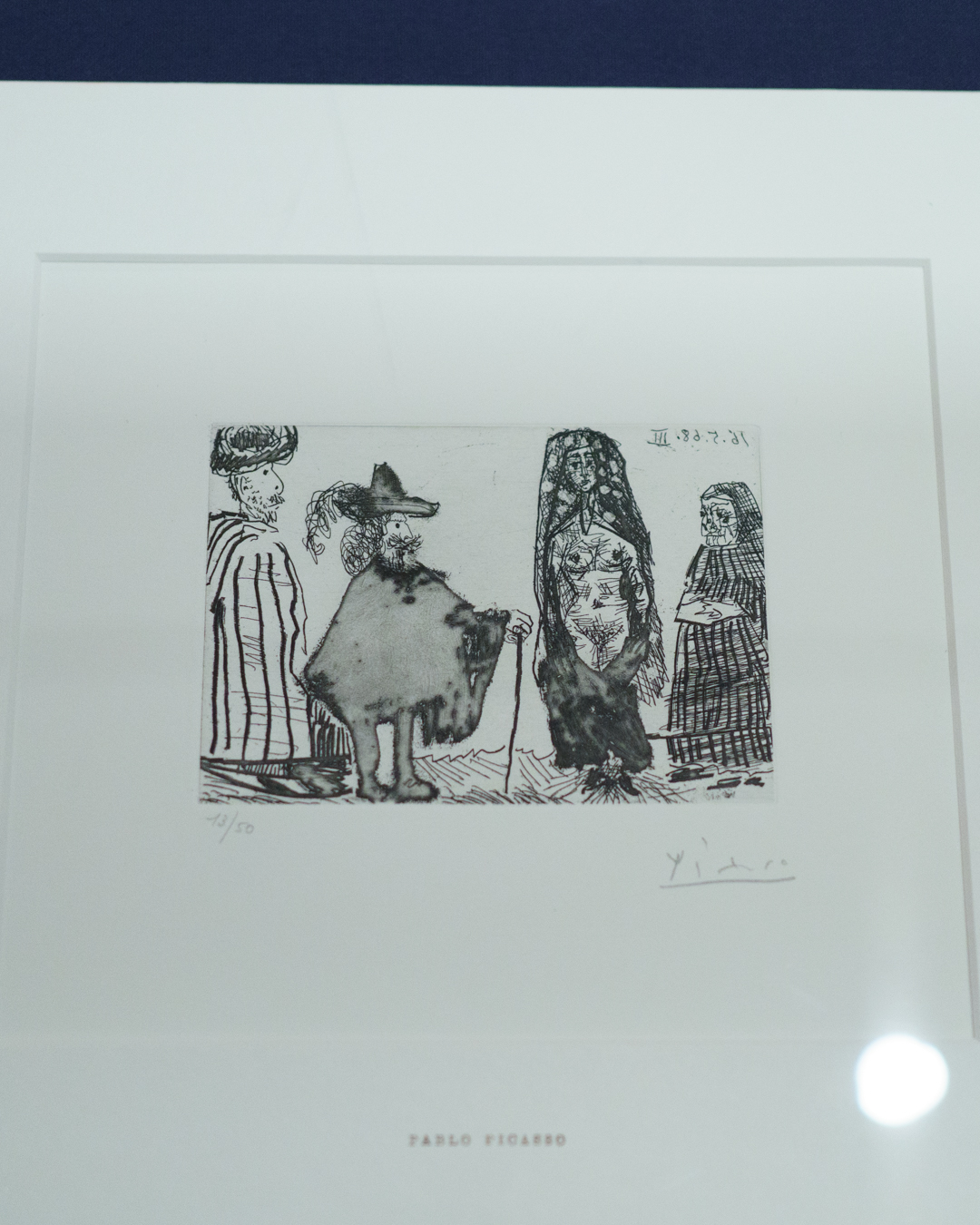
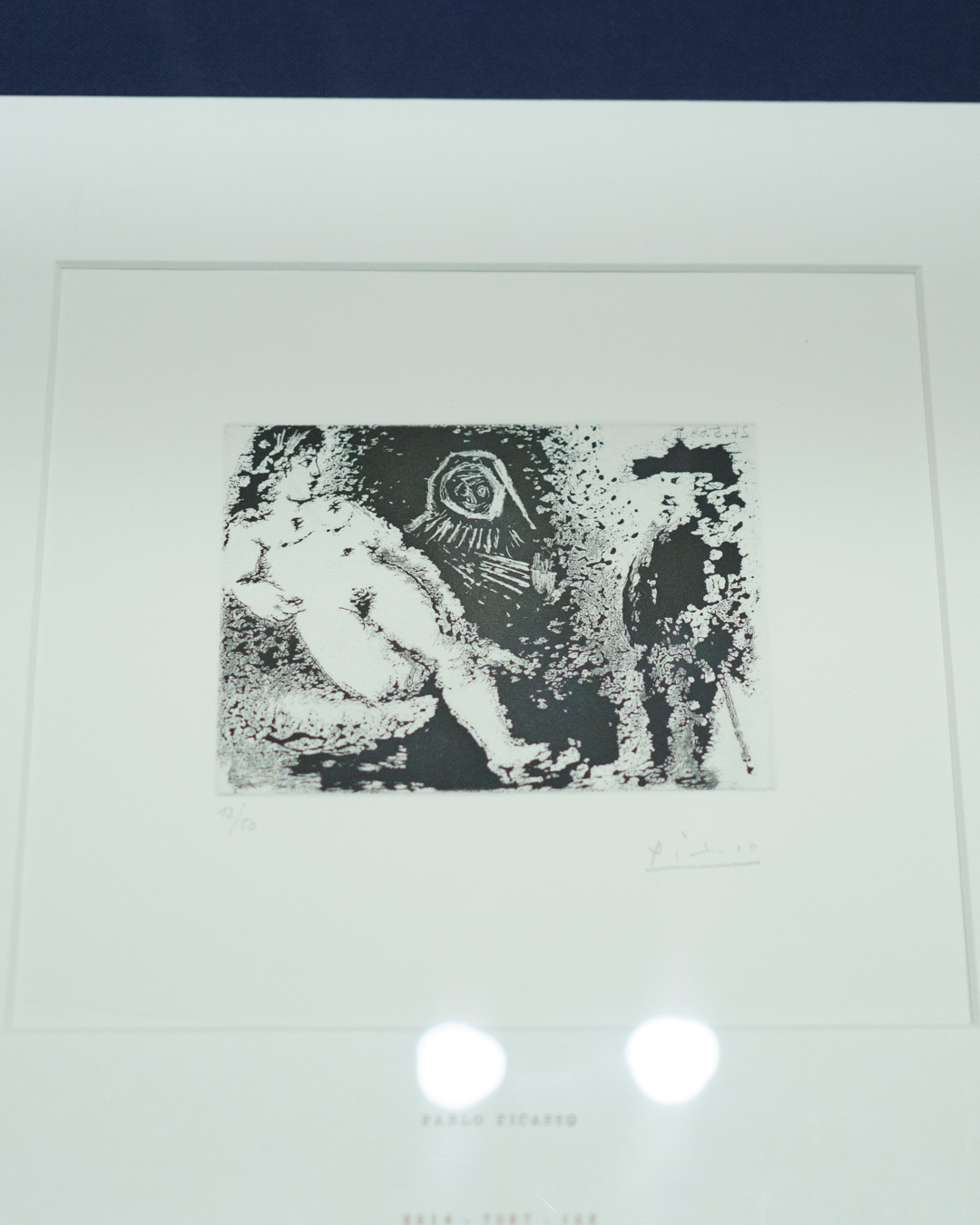
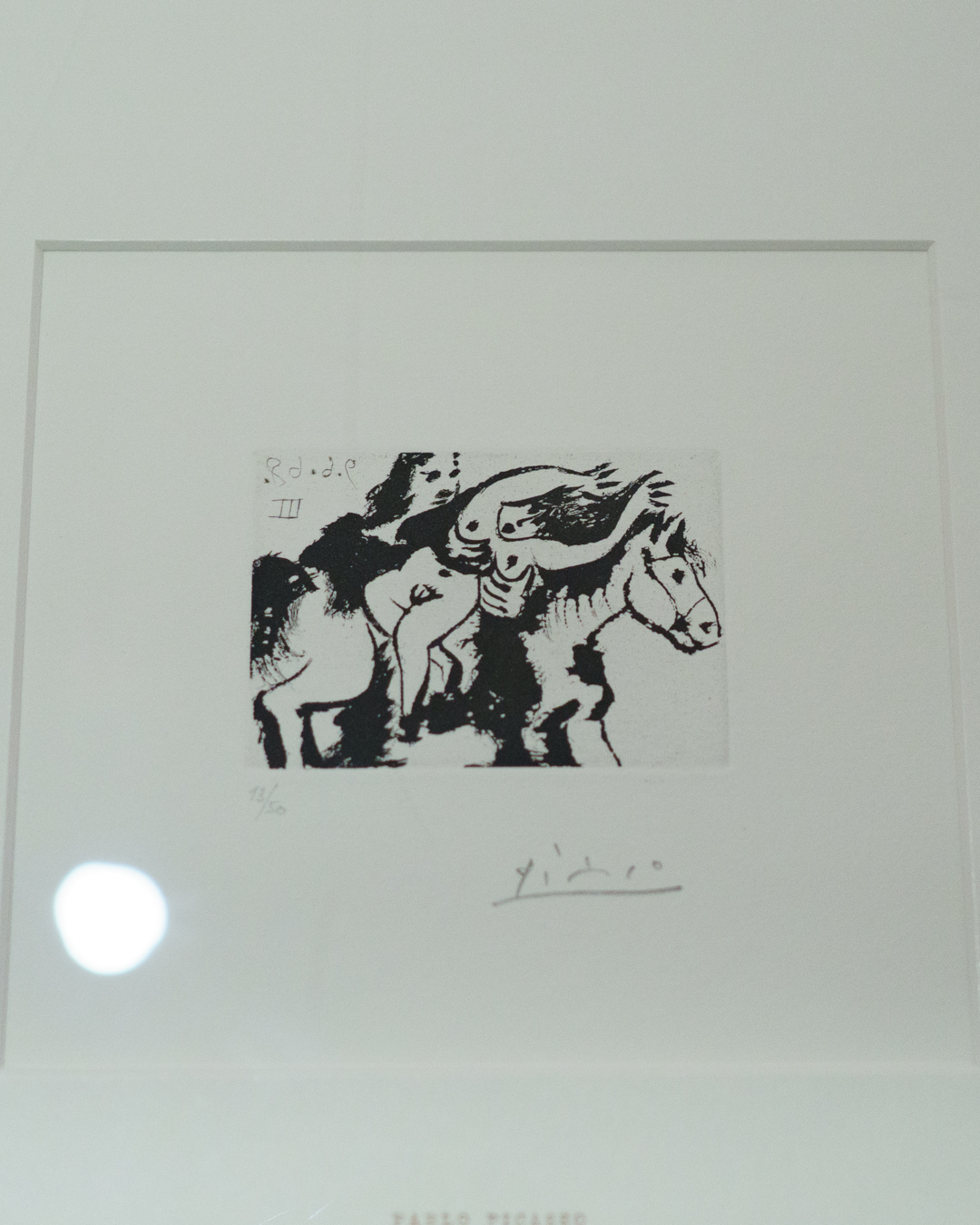
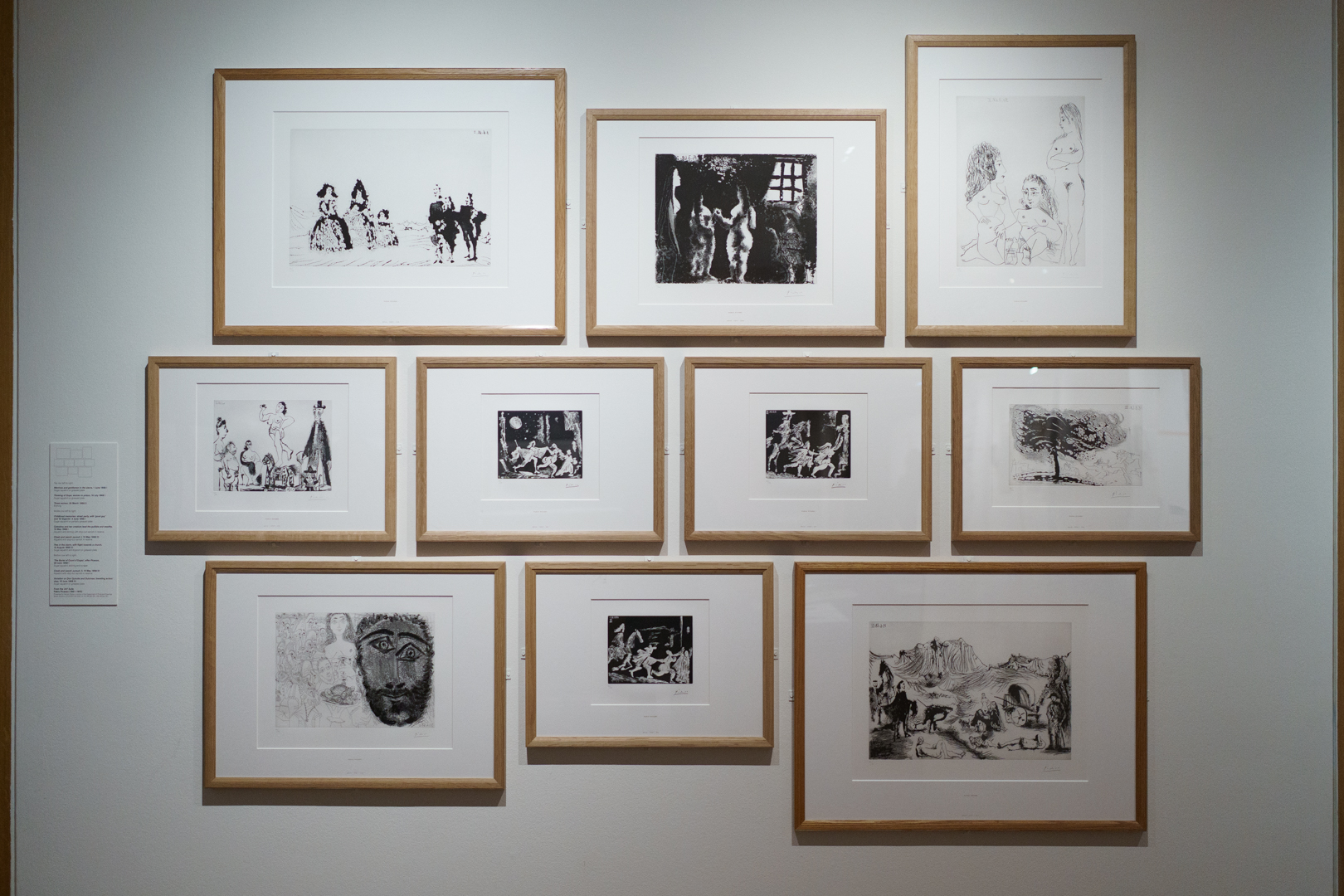
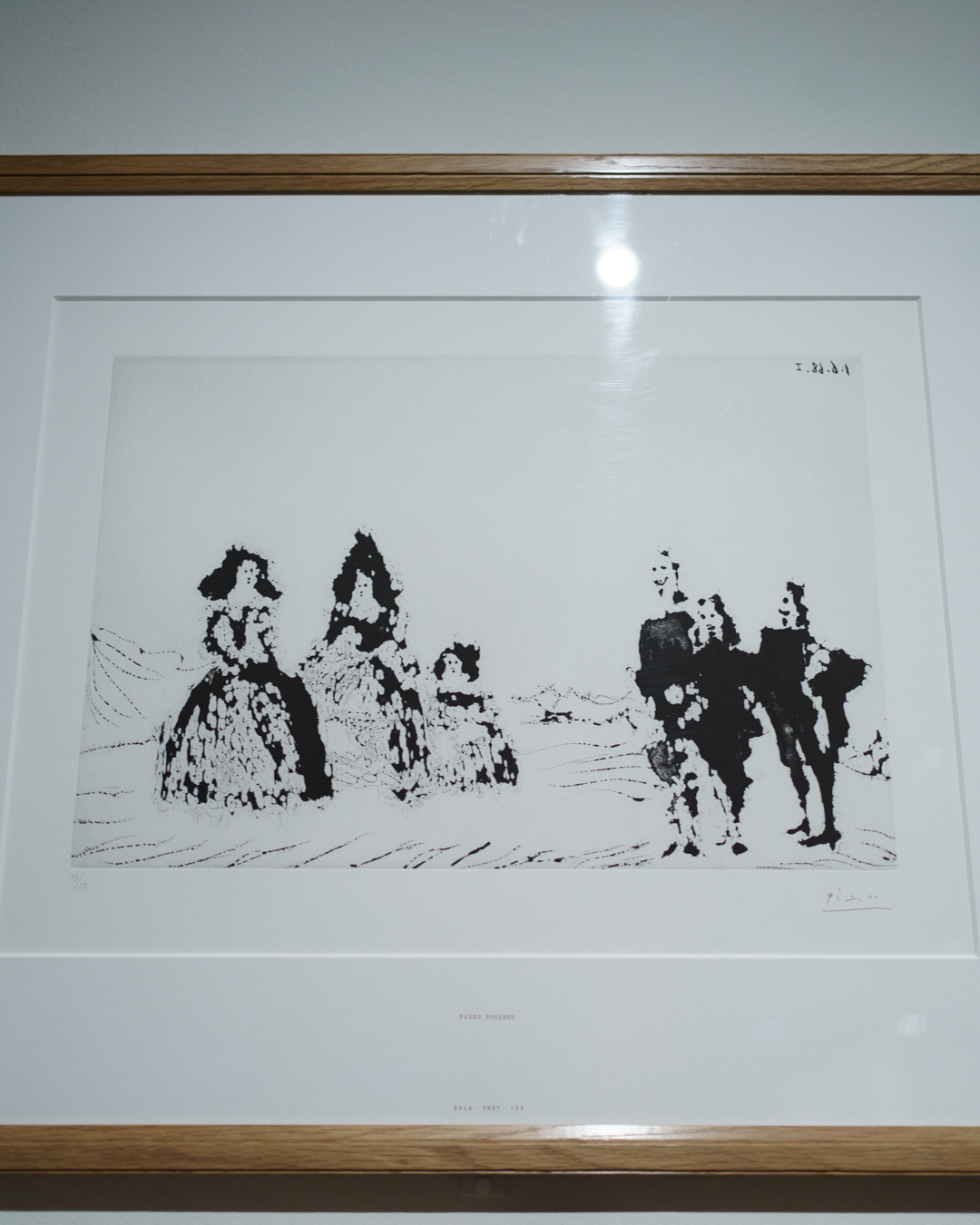
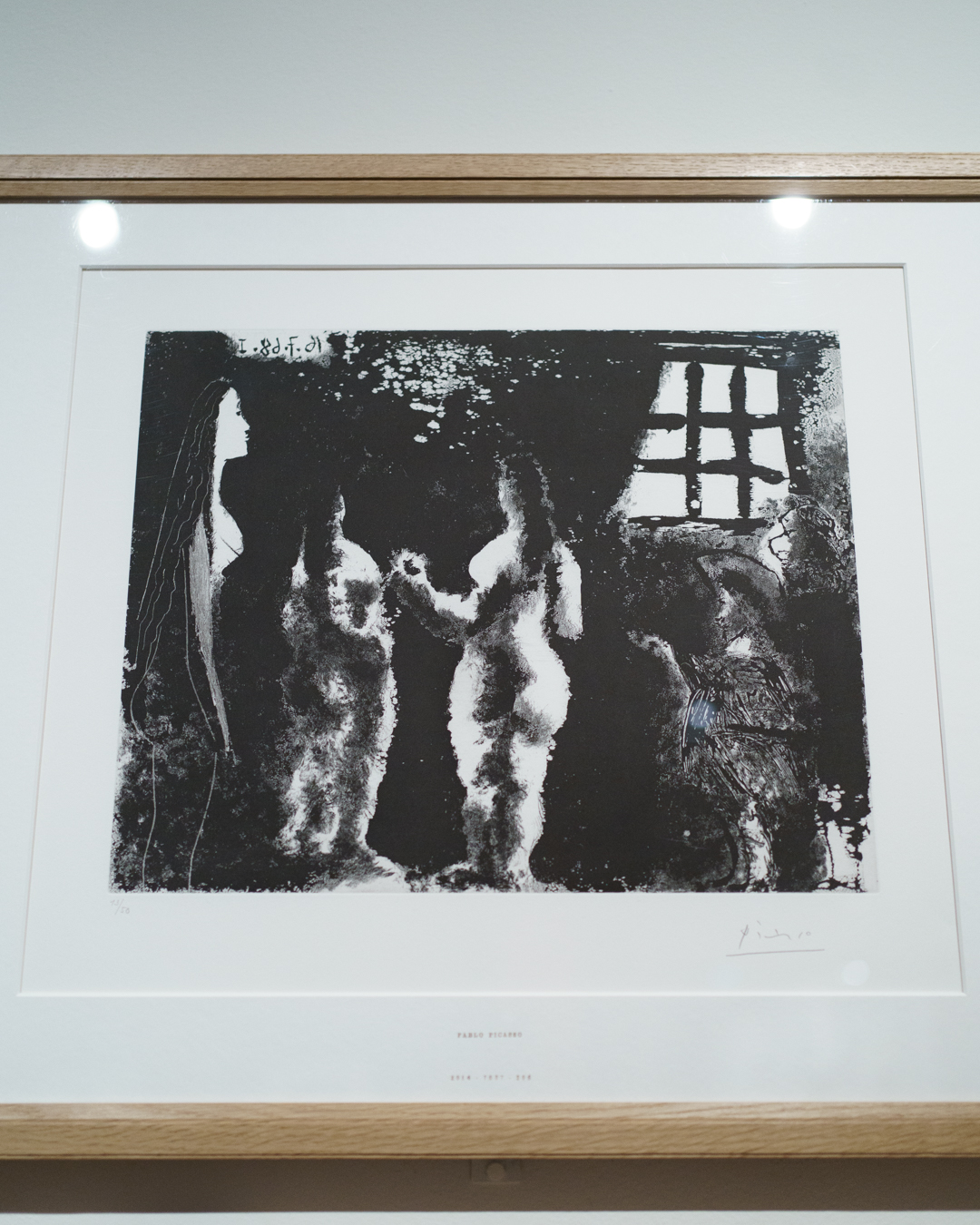
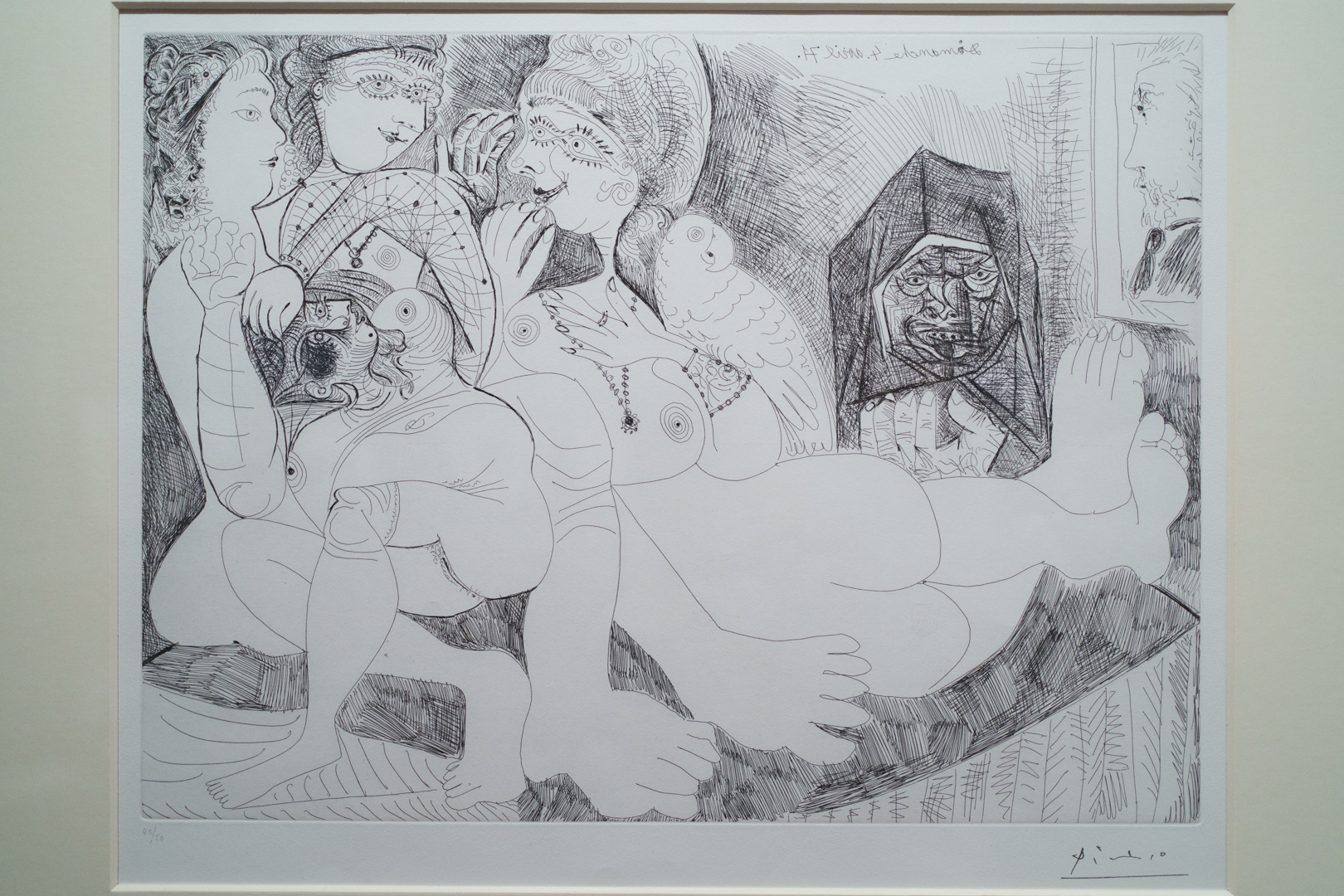
Finally, in a conclusion highlighting the 347 Suite – including a section on Raphael and the Fornarina – one can find several sugar aquatints printed with a greased-stained plate, leading to some very expressive, blotchy surface tone effects.
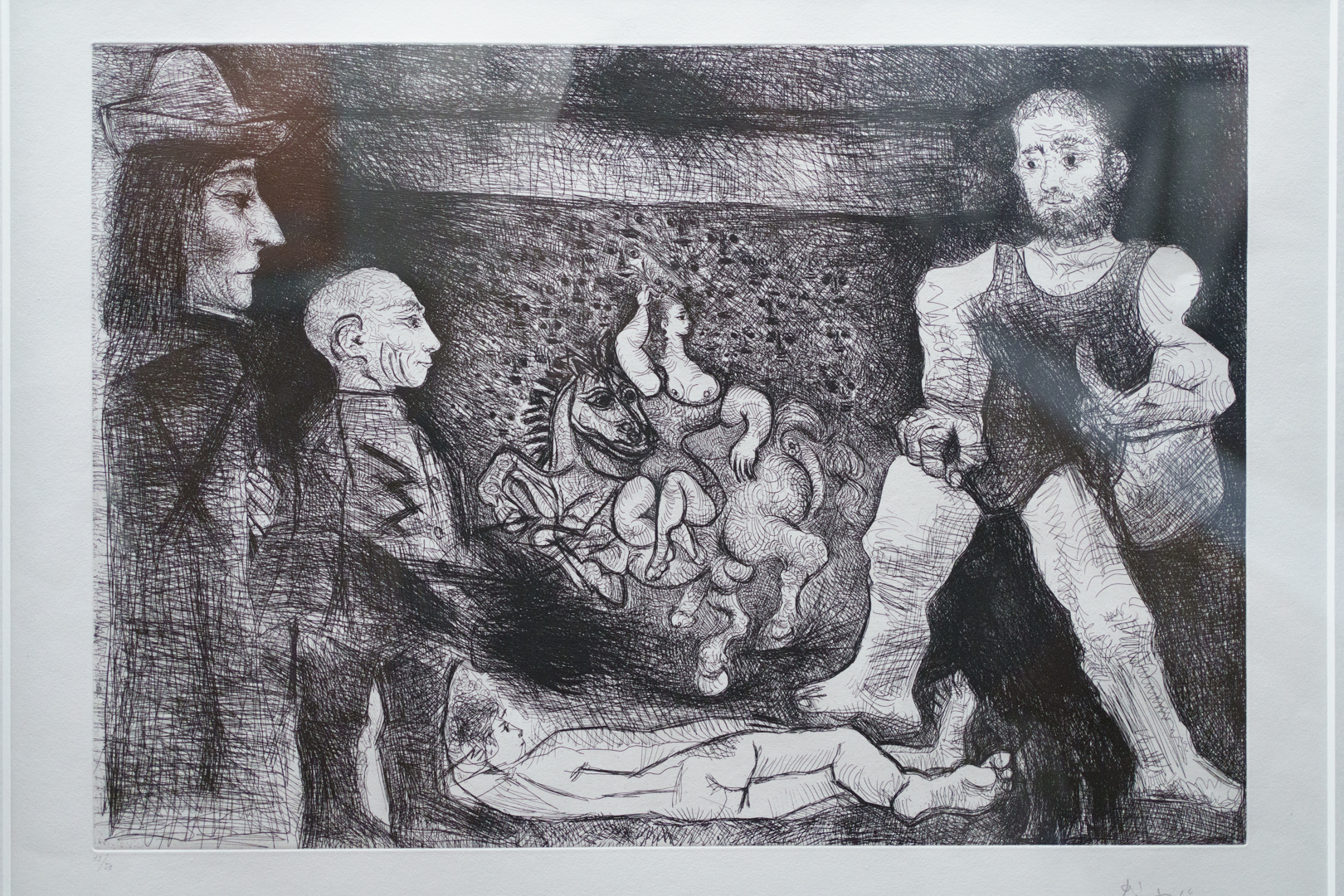
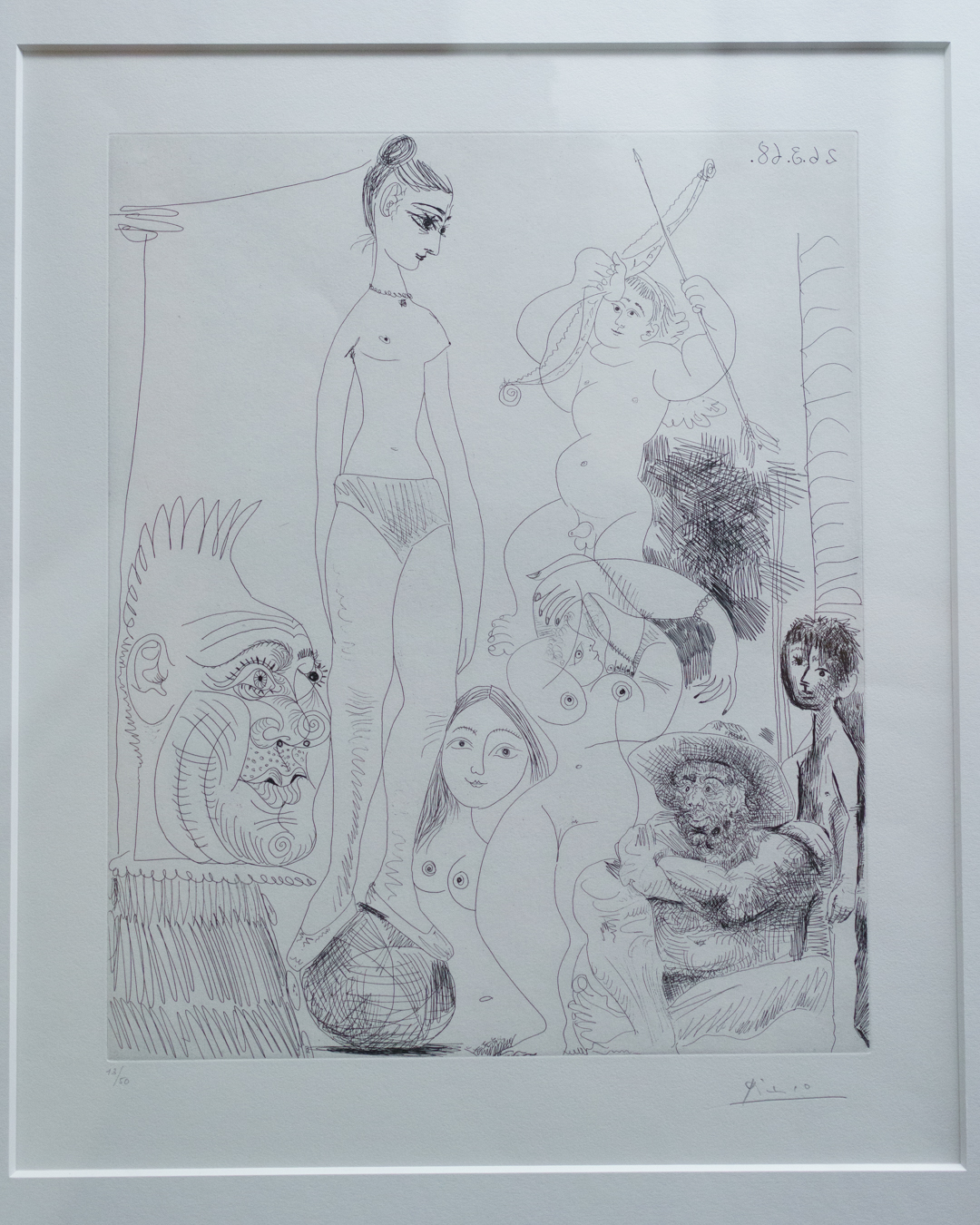
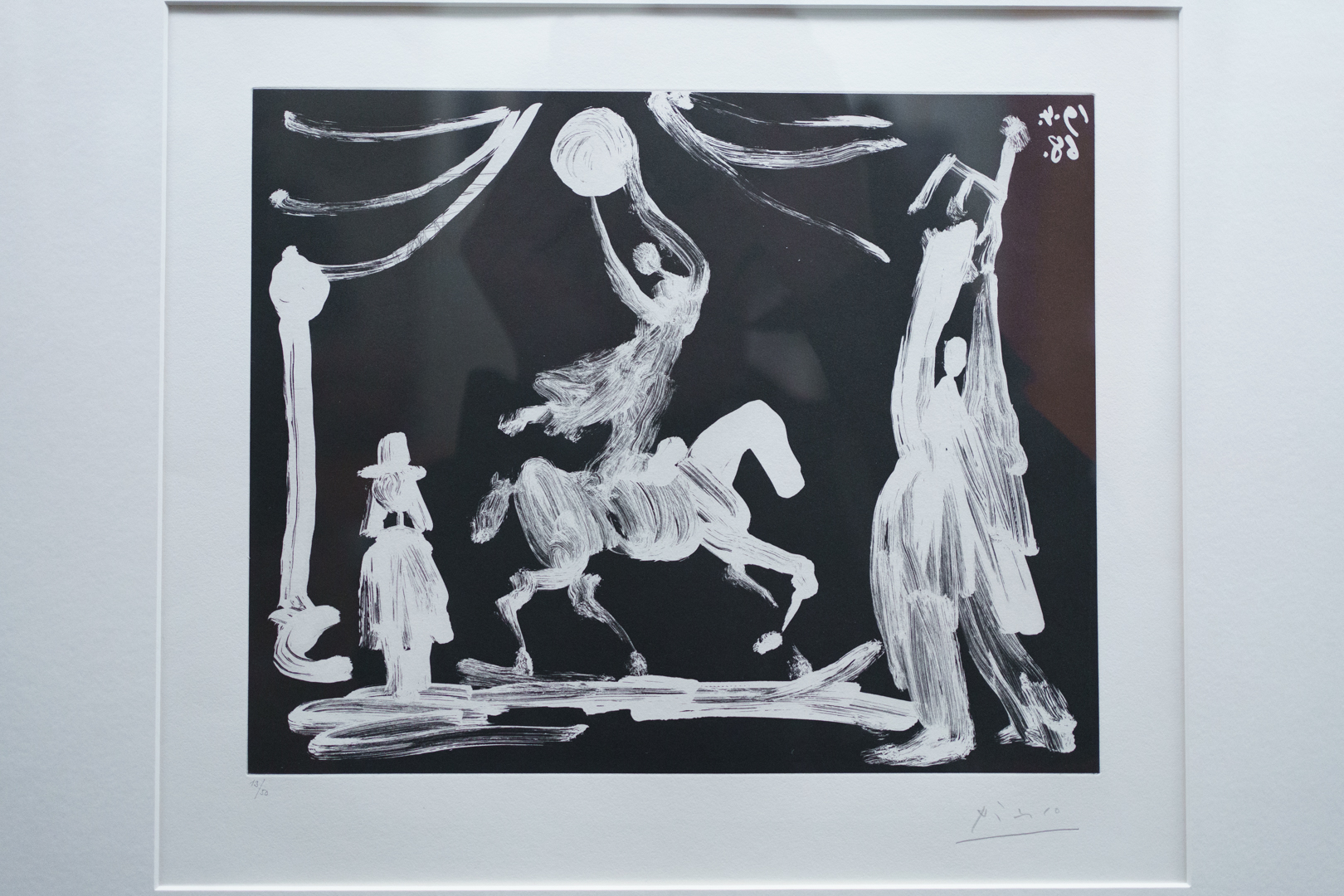
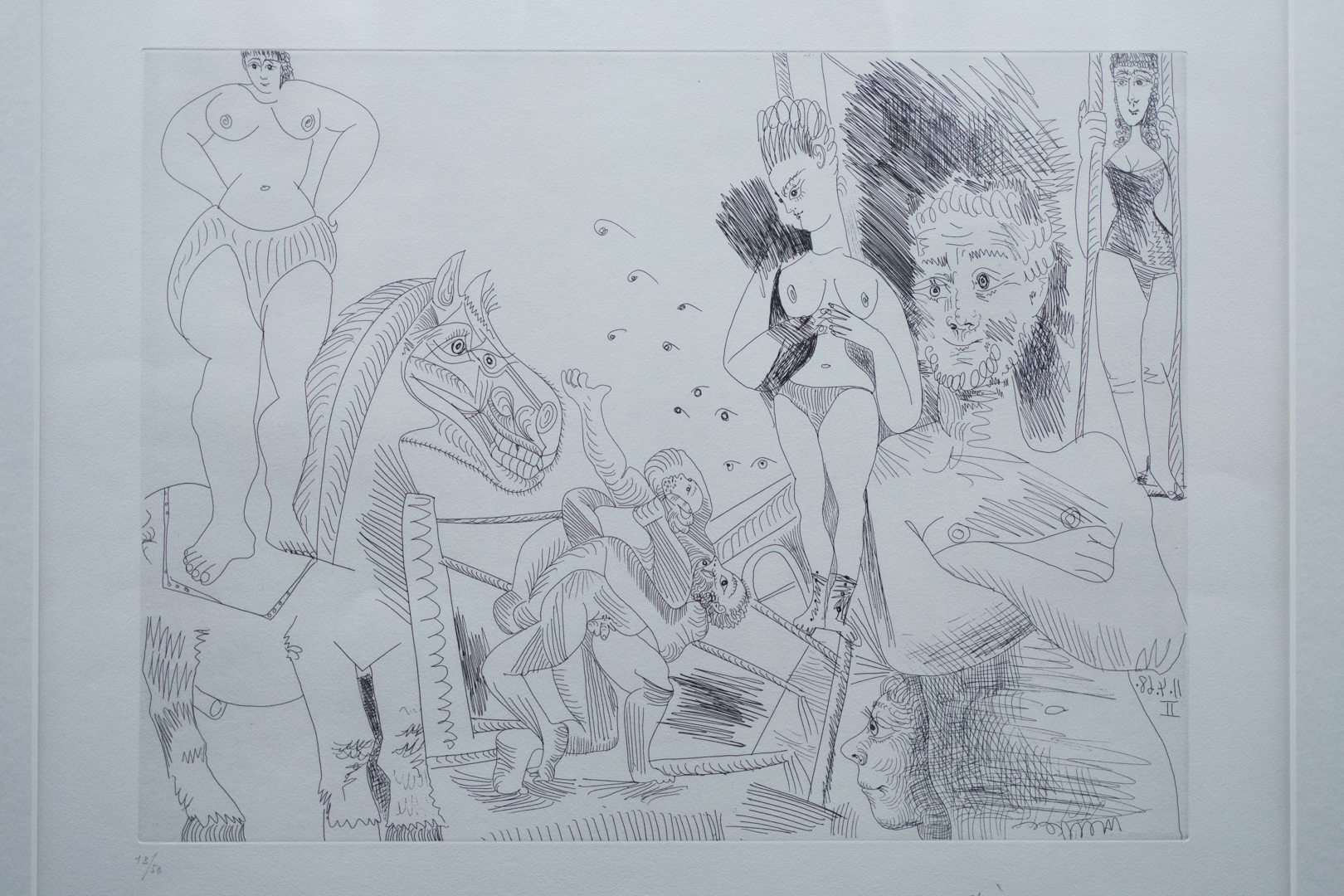


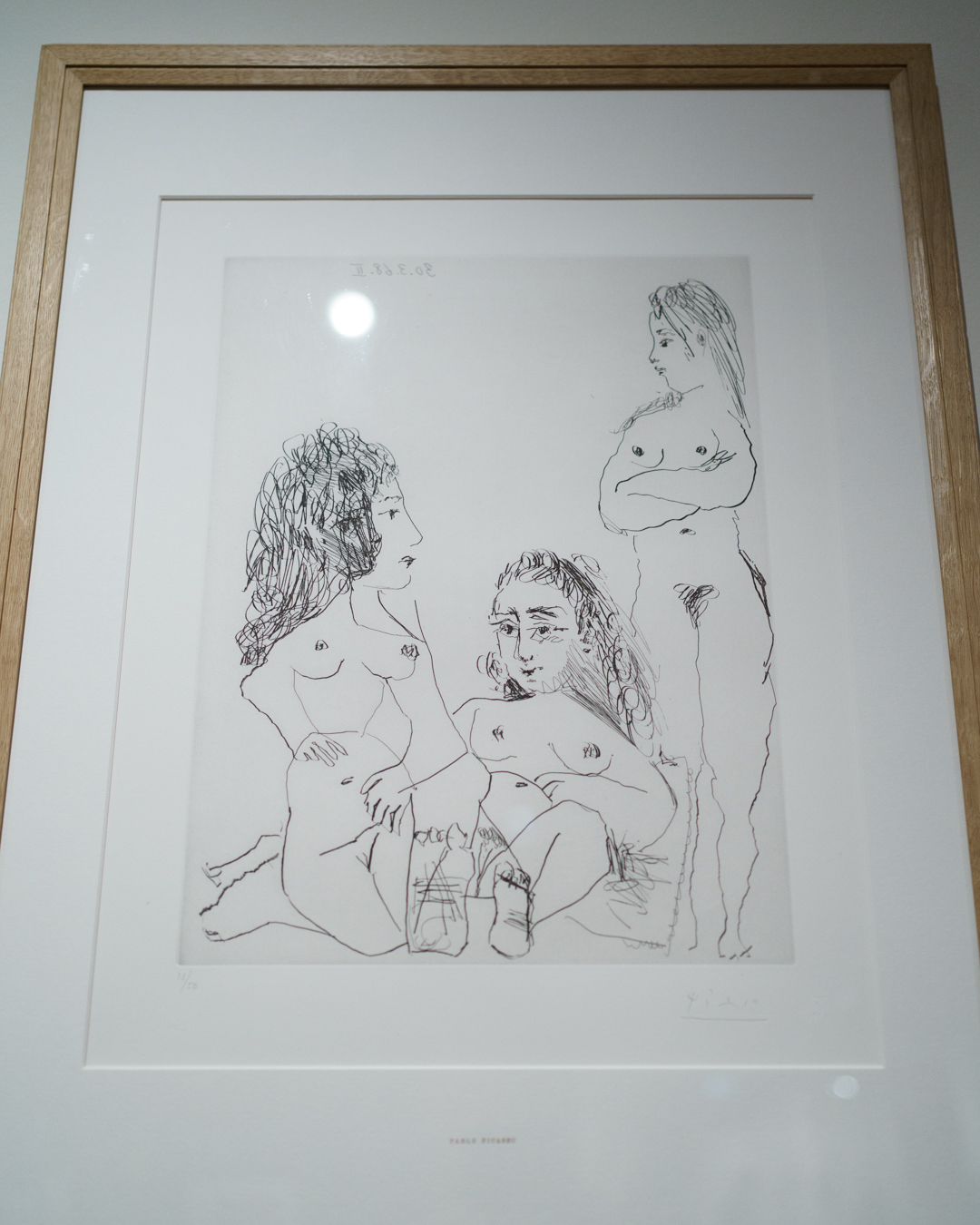
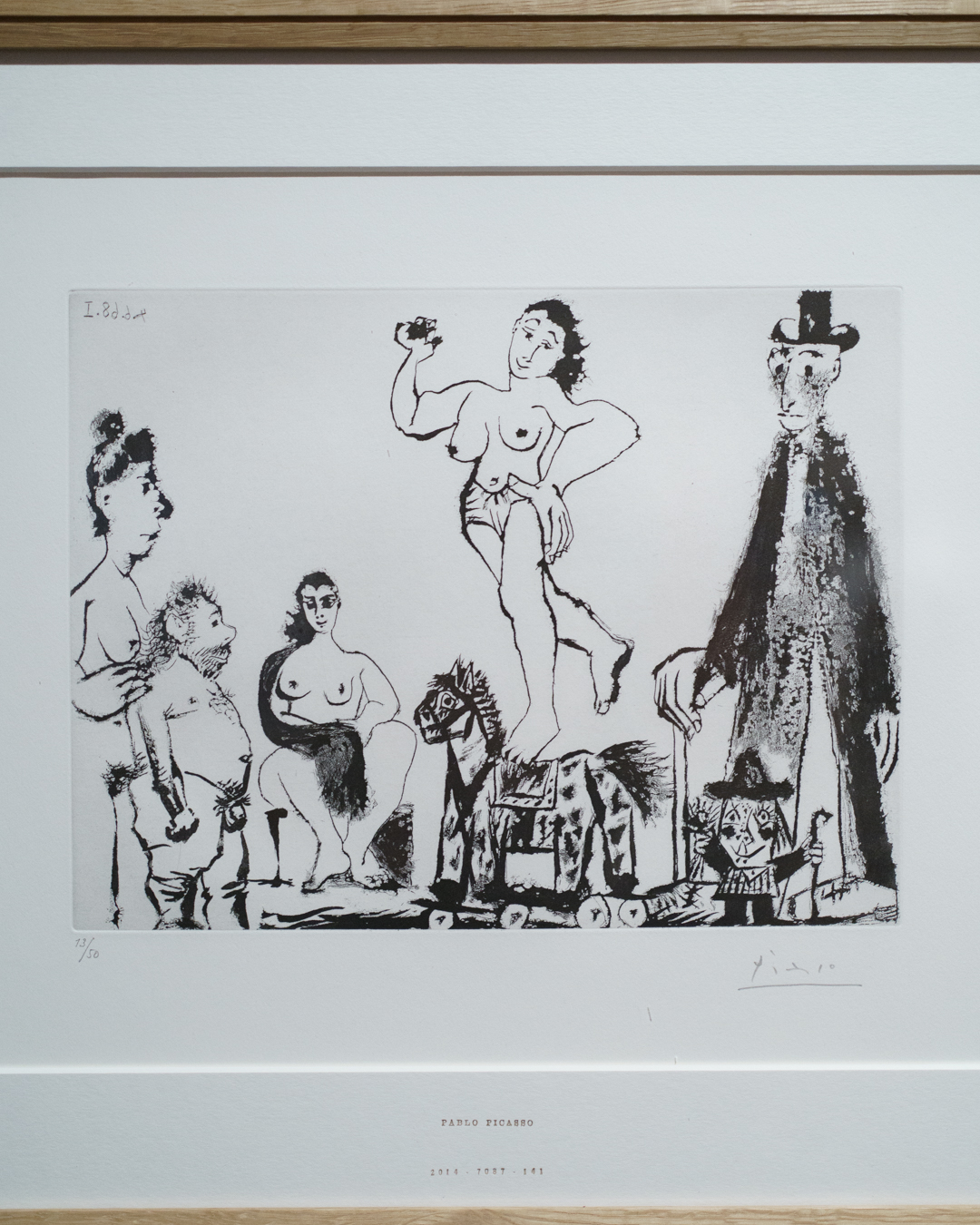
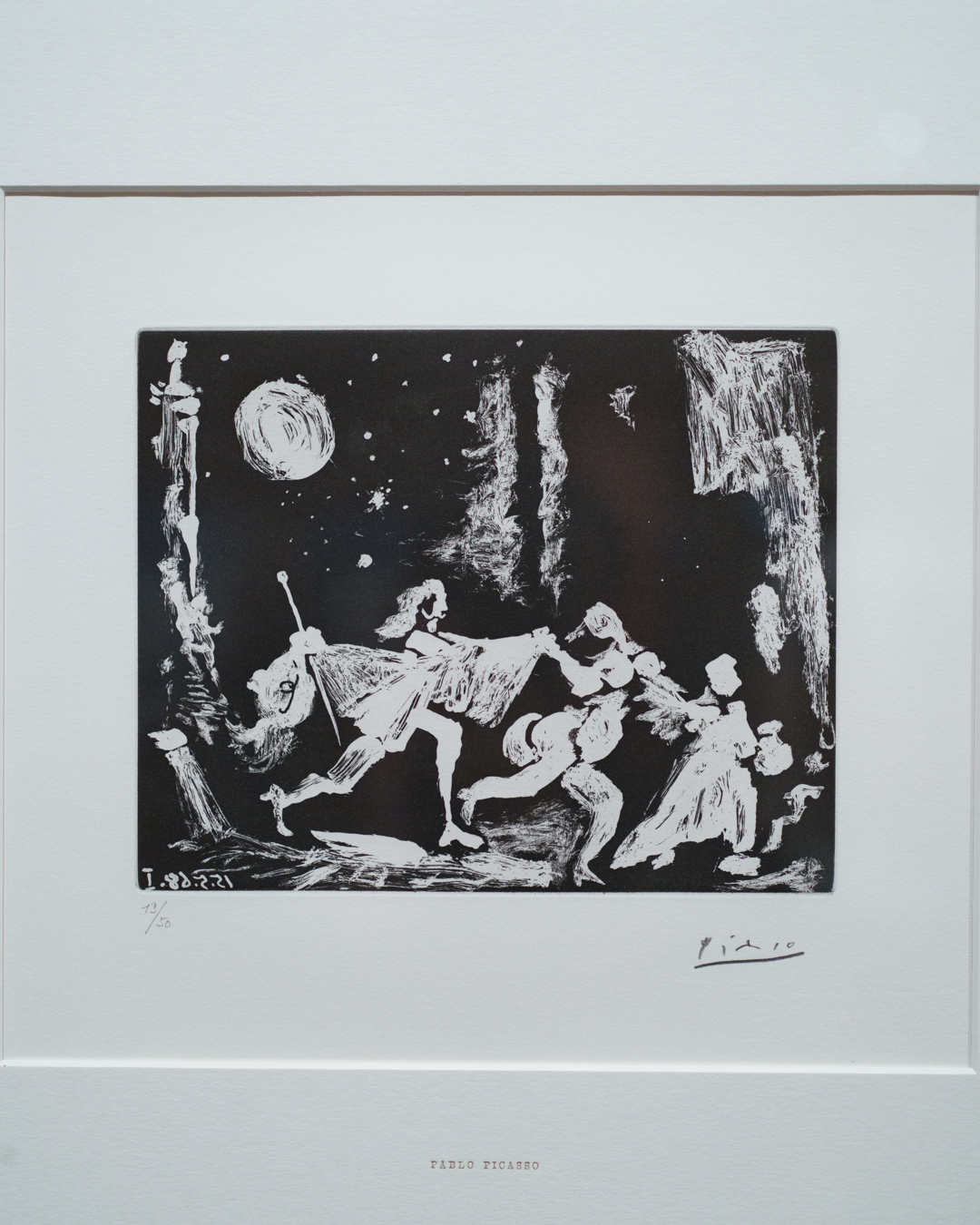
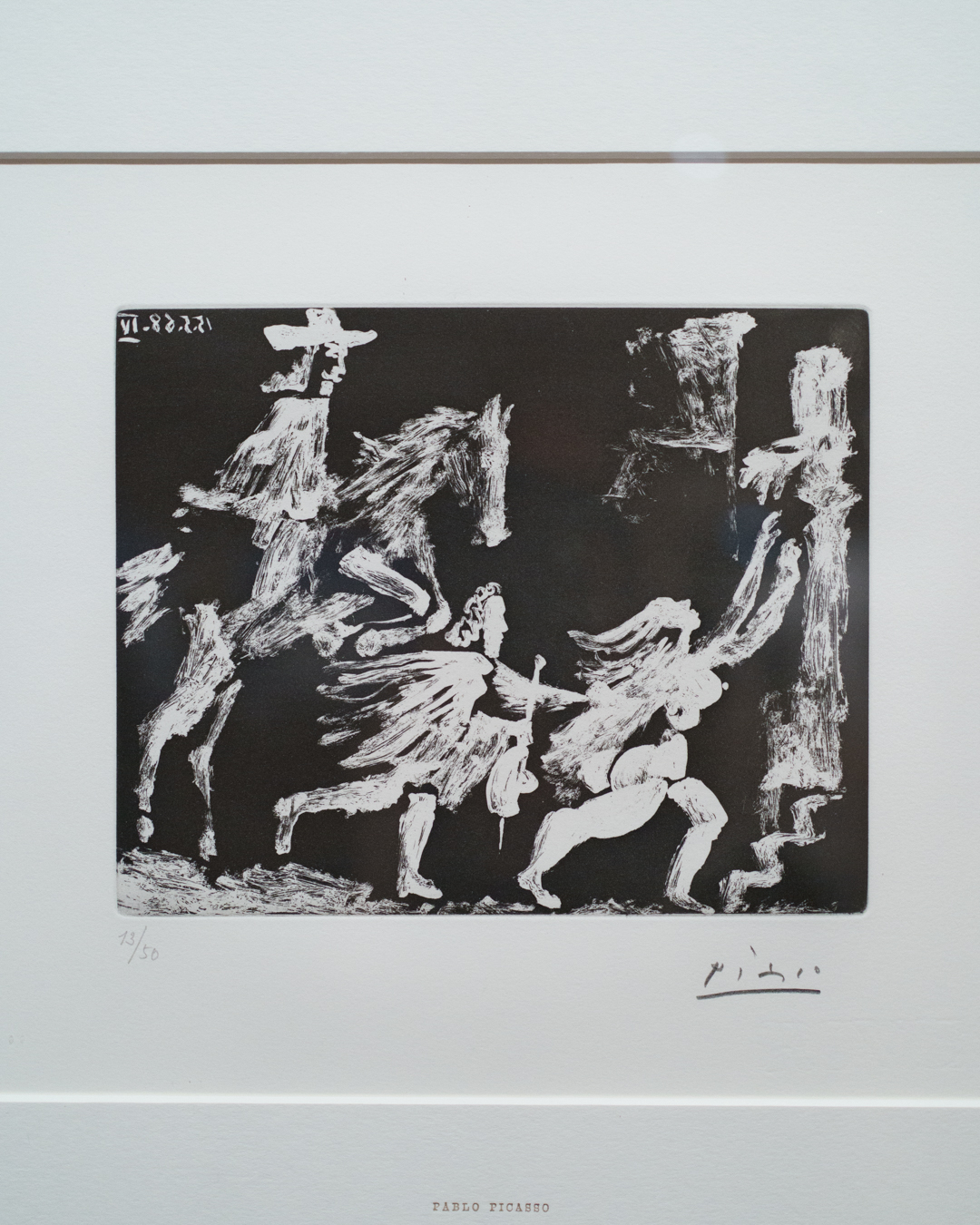
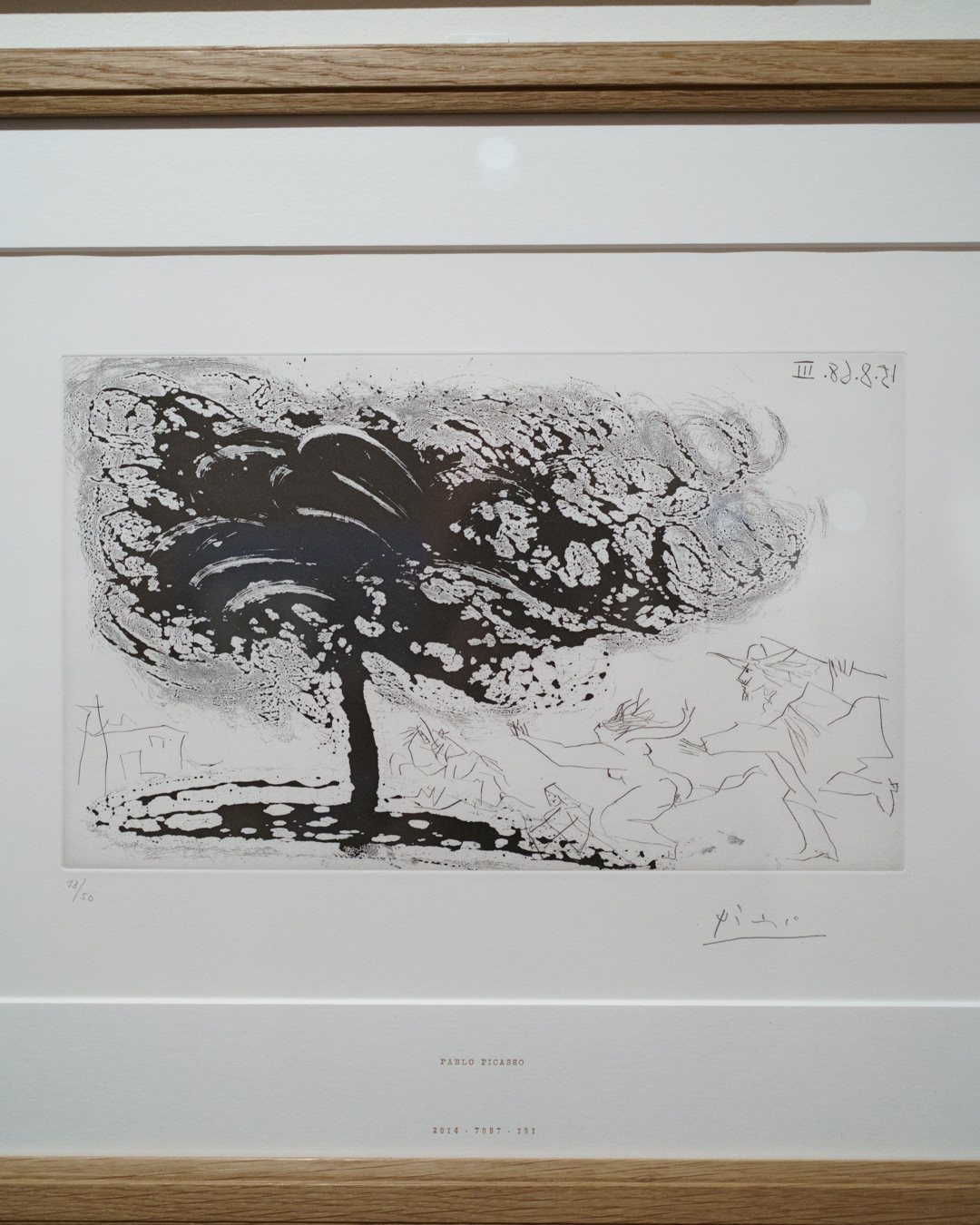
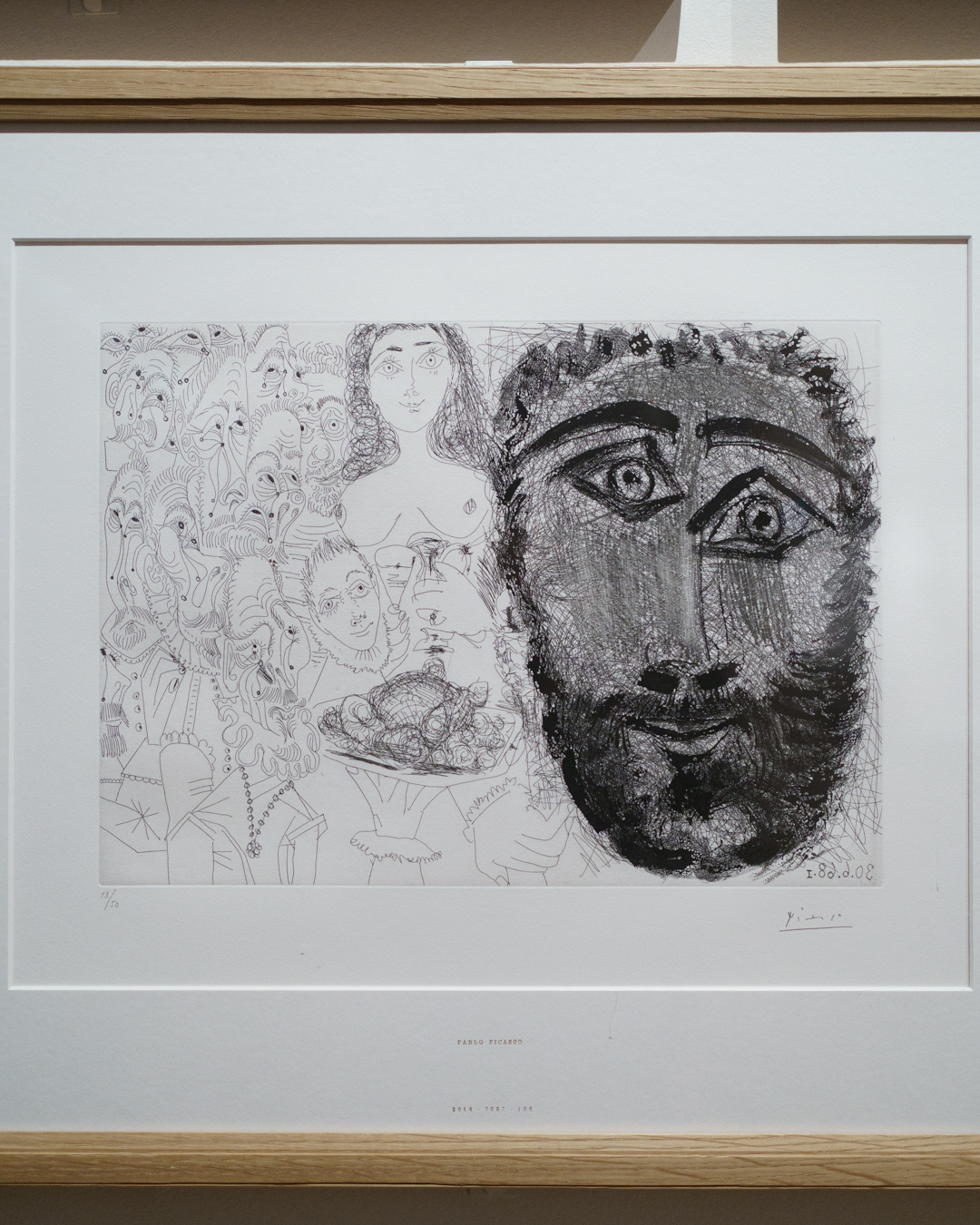
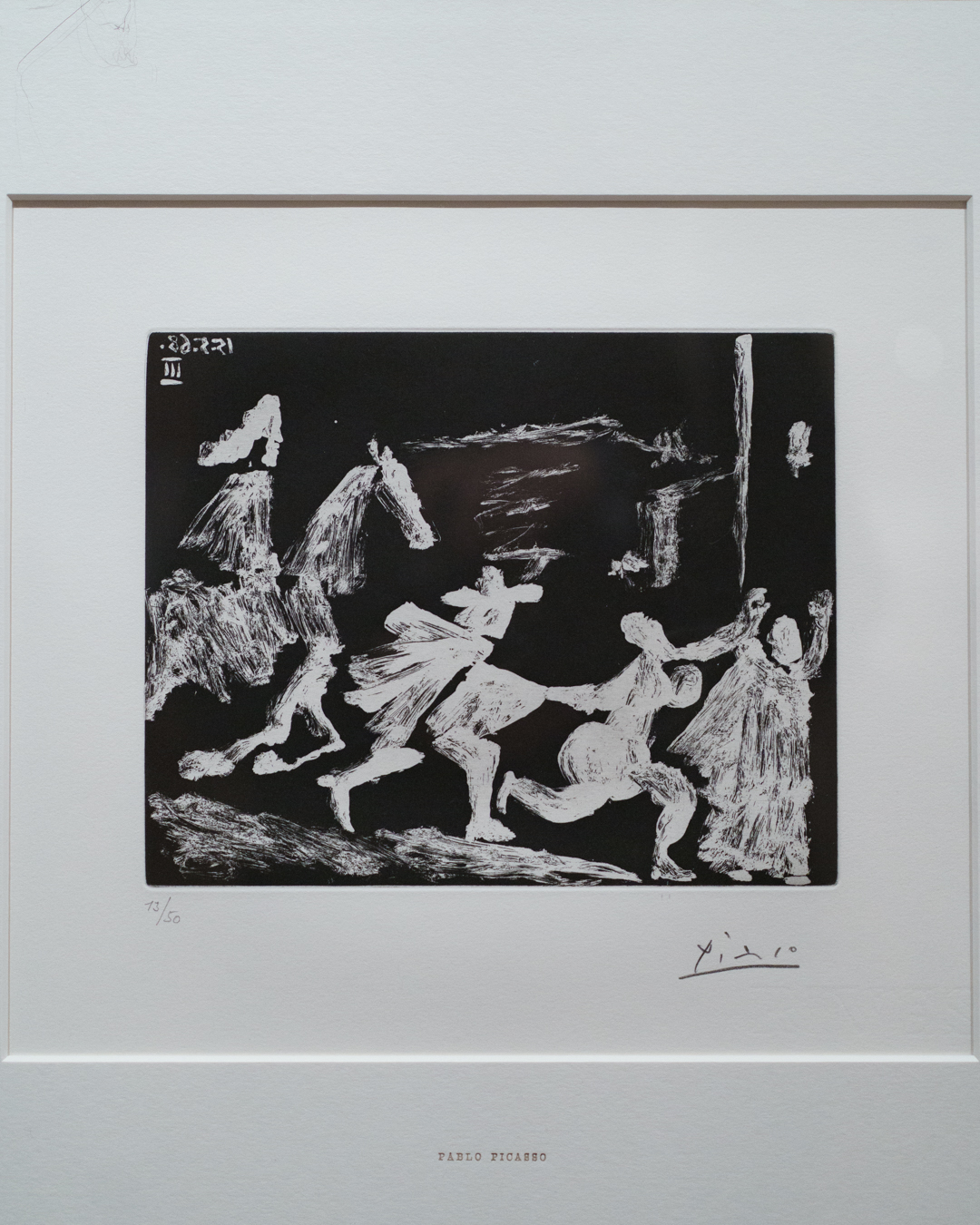
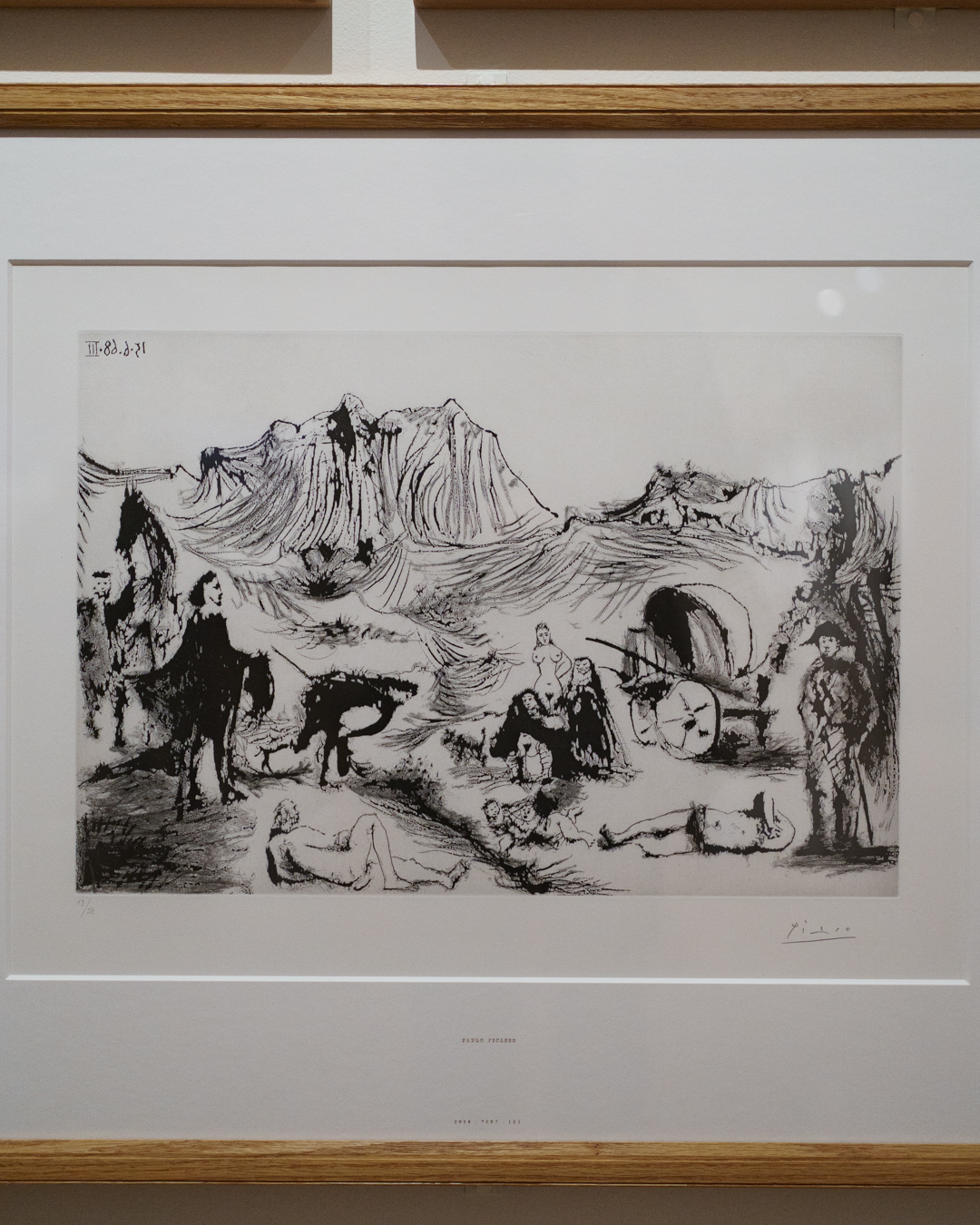
This show is remarkably good at concisely picking out the most interesting parts of Picasso’s experimental printmaking, which I didn’t realise was quite so extensive. I can’t recommend it enough, especially for people who have seen too much Picasso to last a lifetime.
Picasso: Printmaker (7 November 2024 – 30 March 2025) is at the British Museum, London, https://www.britishmuseum.org/

 Nigel Ip
Leave a comment