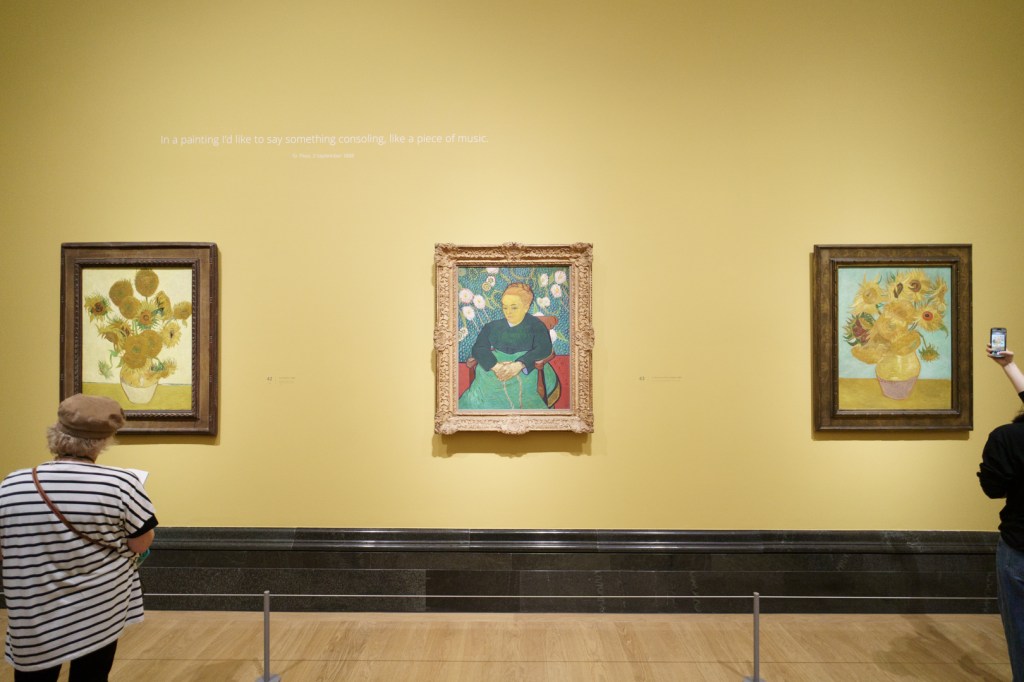
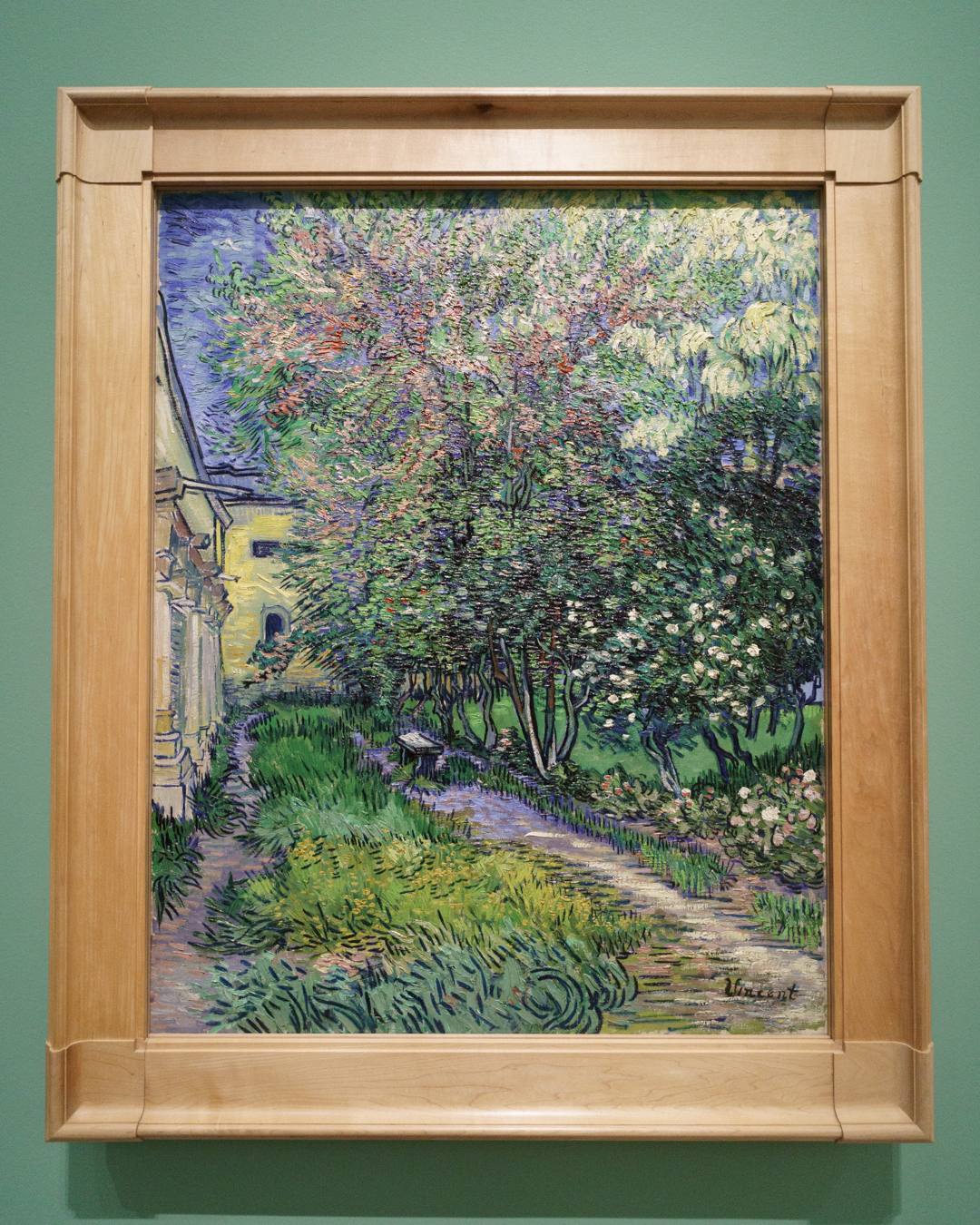
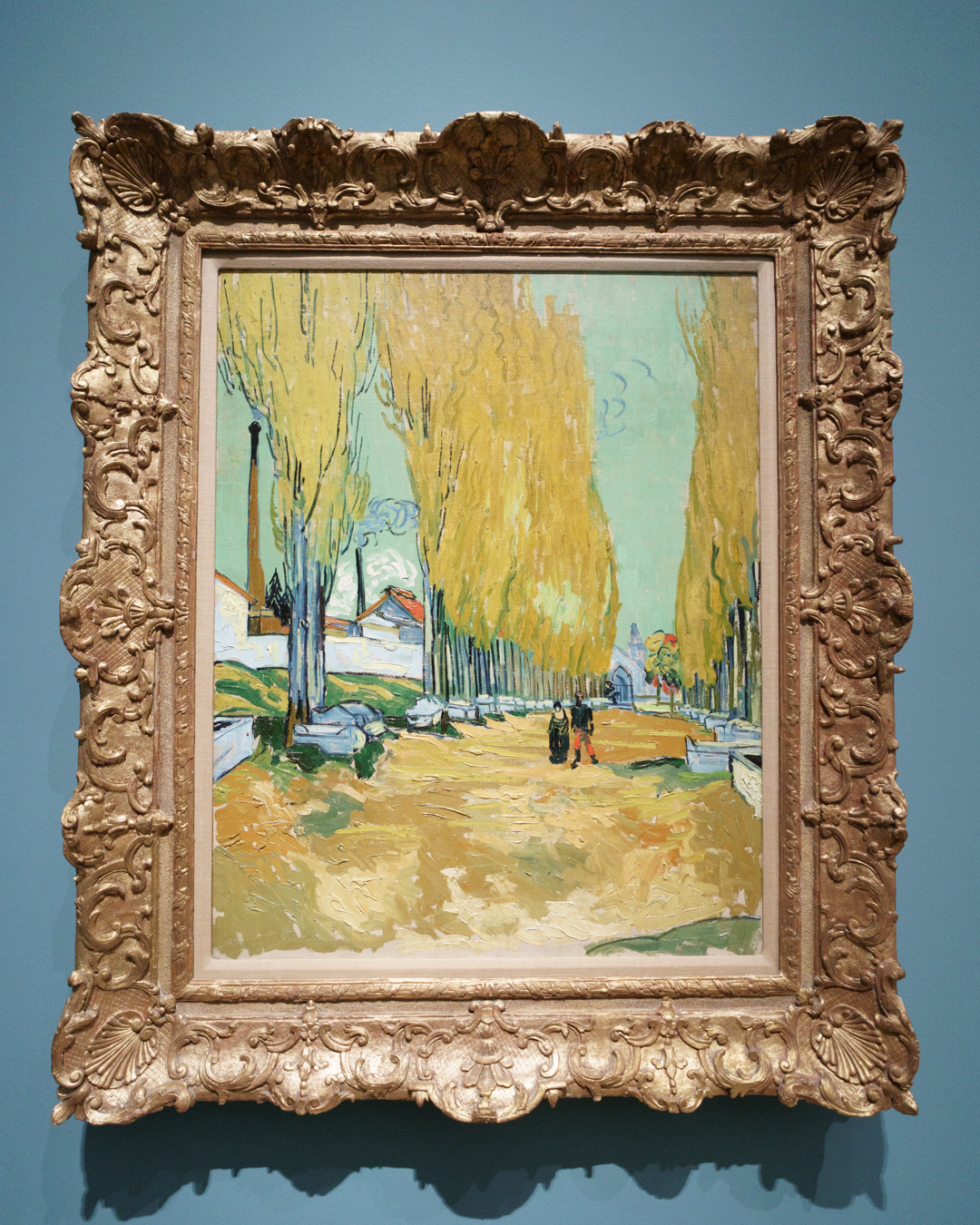
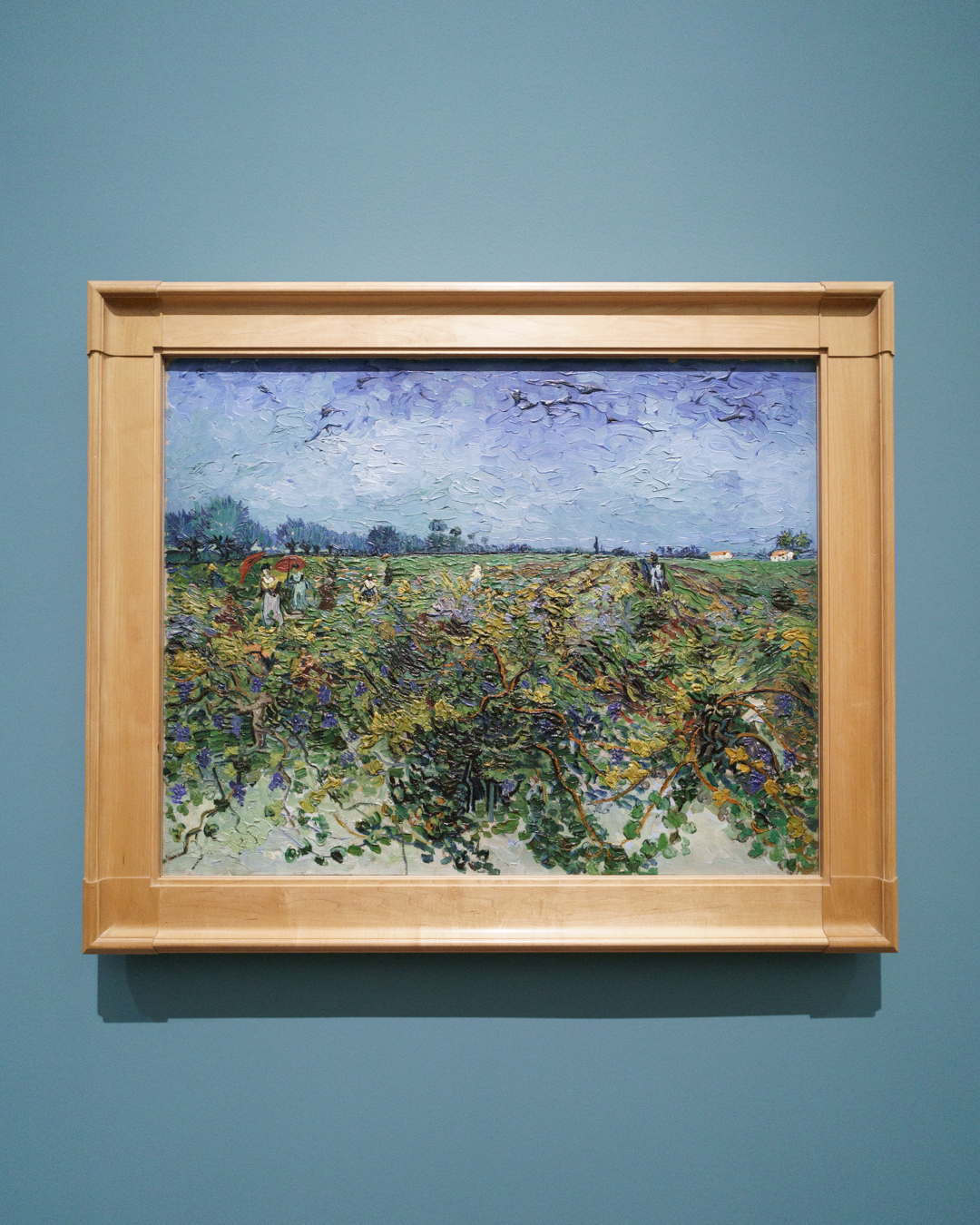
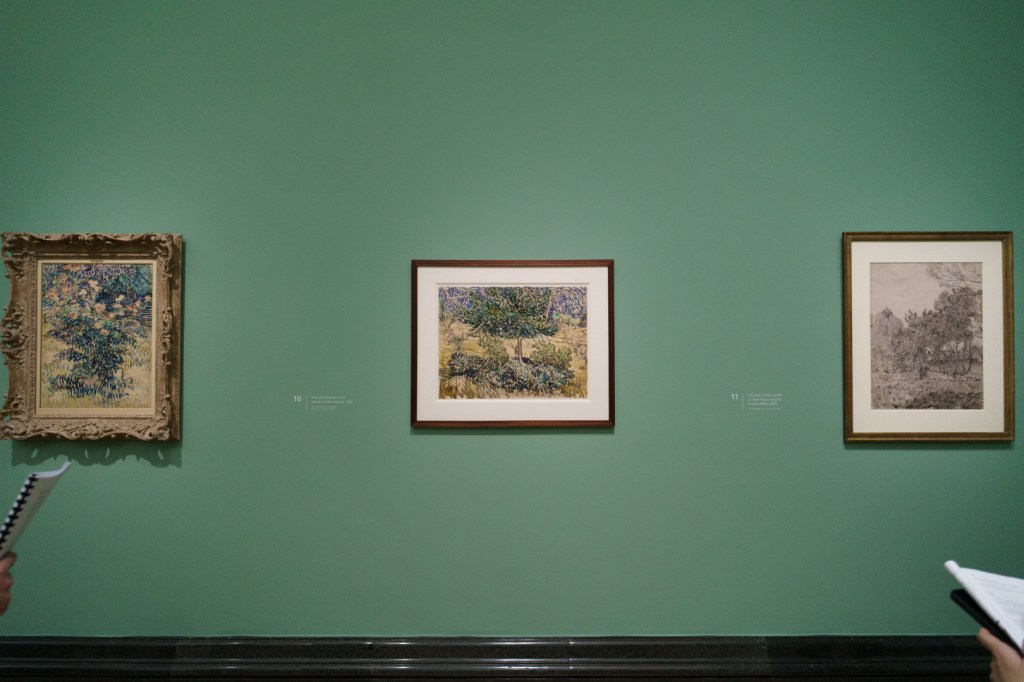
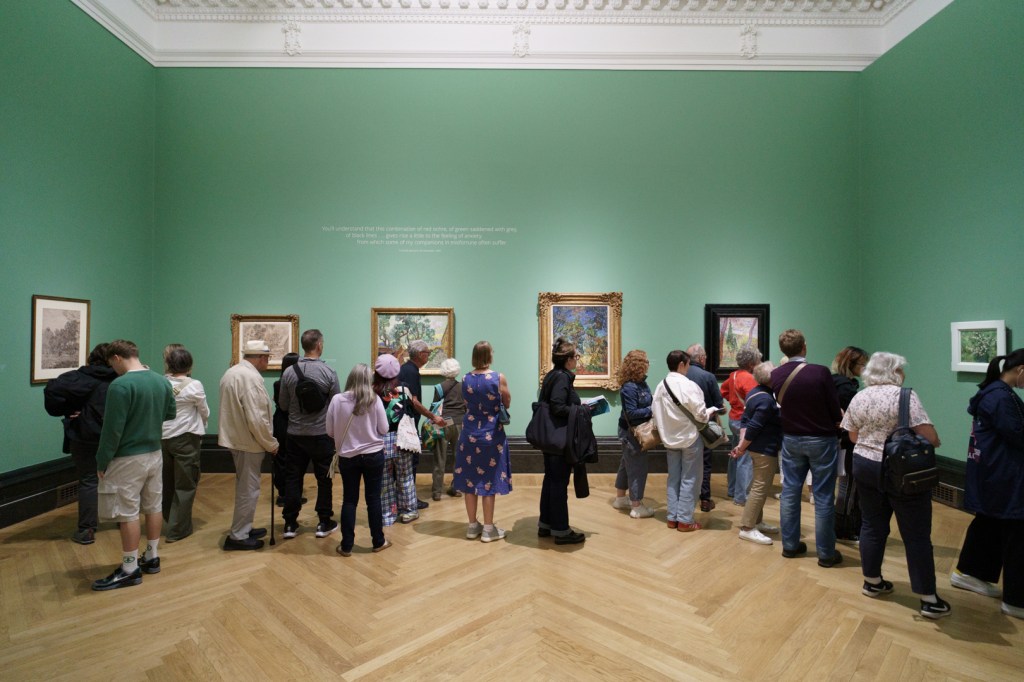
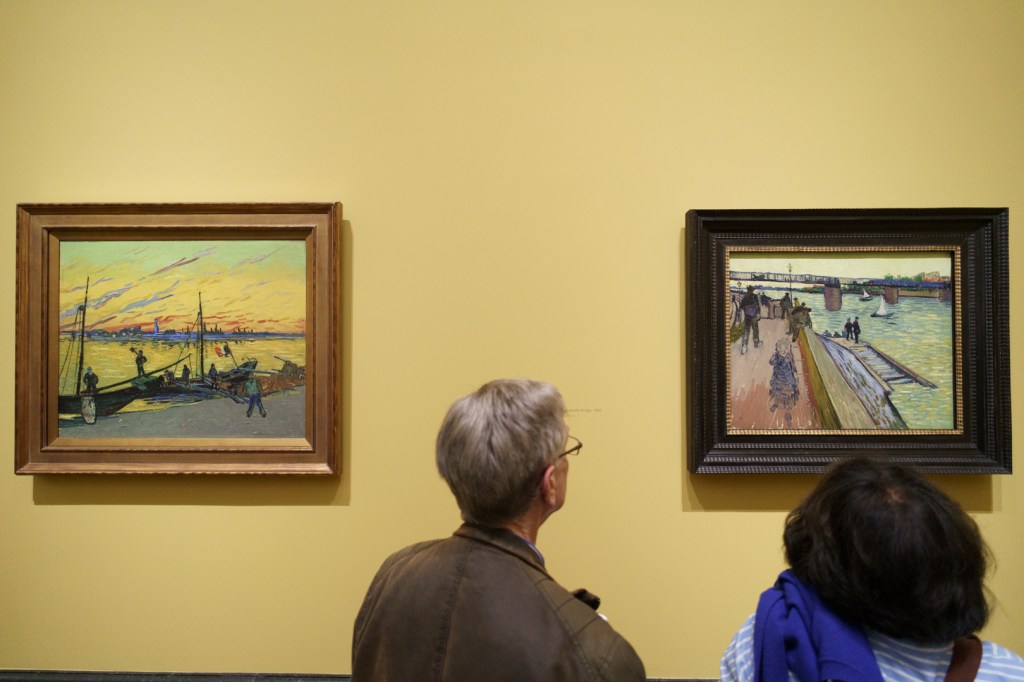
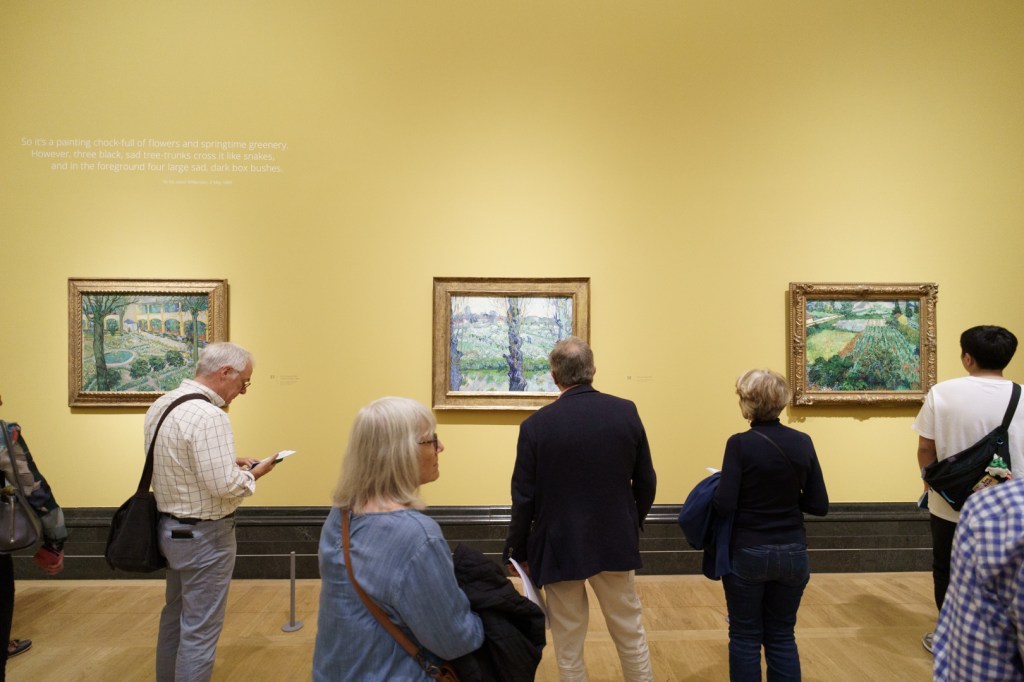
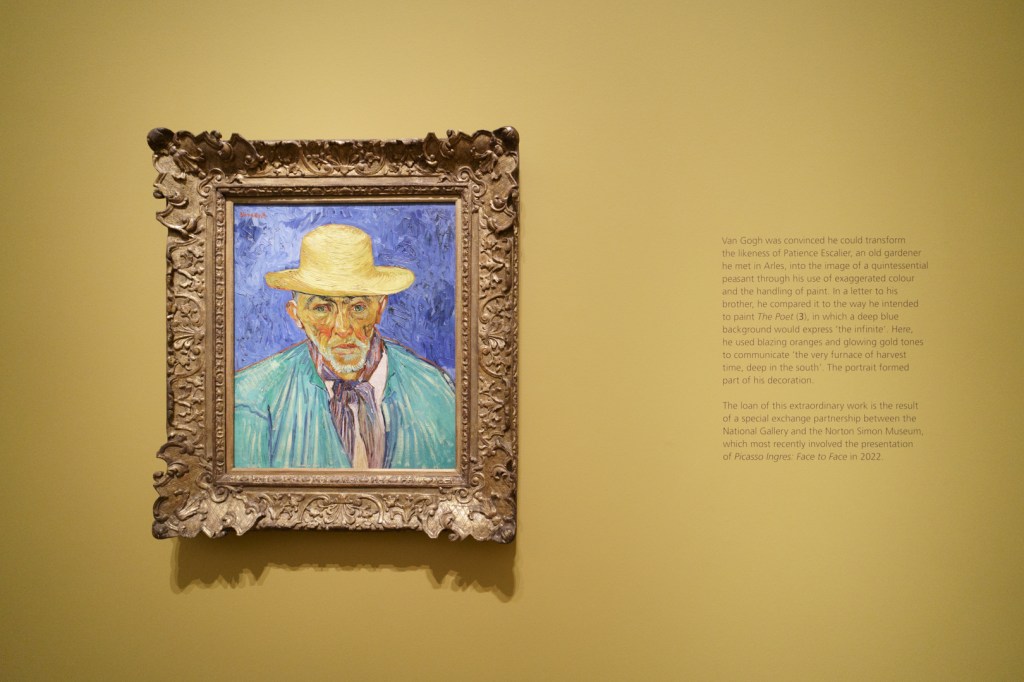
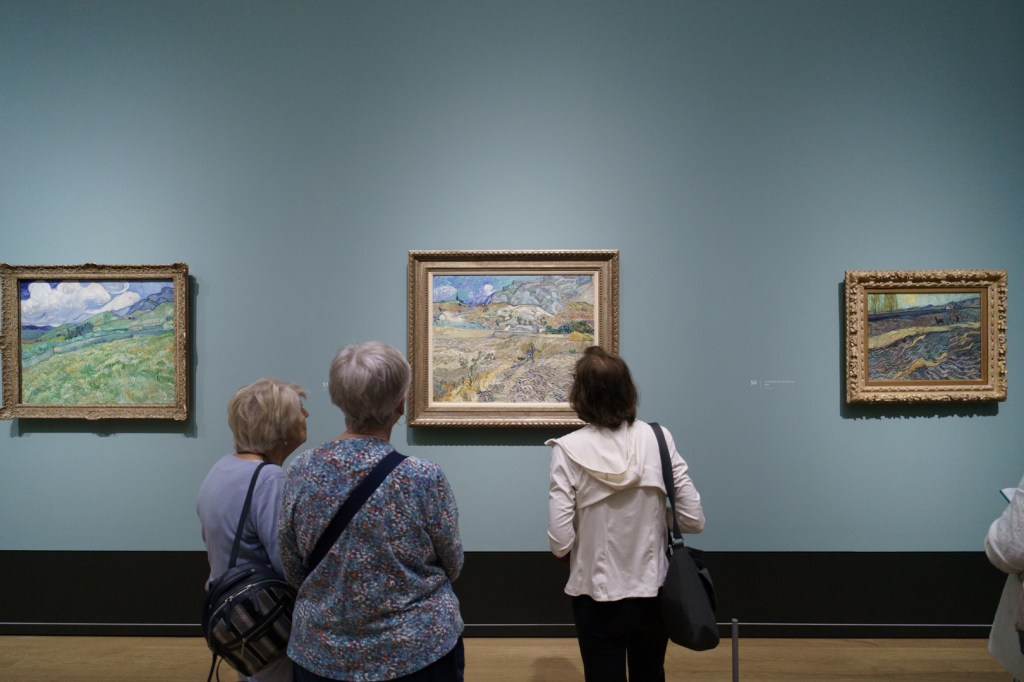
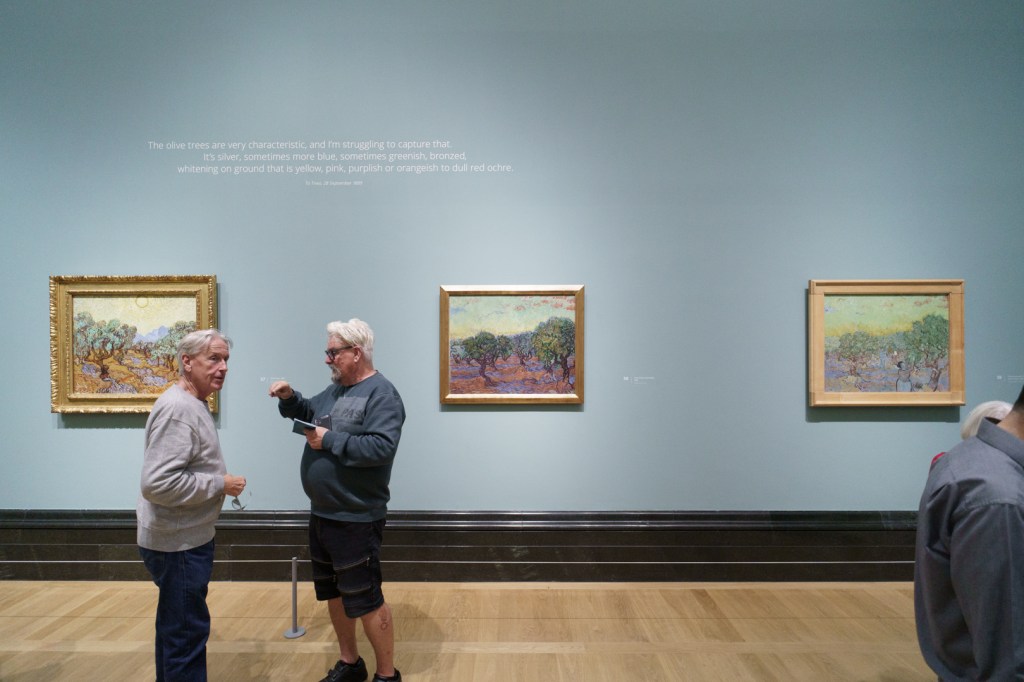
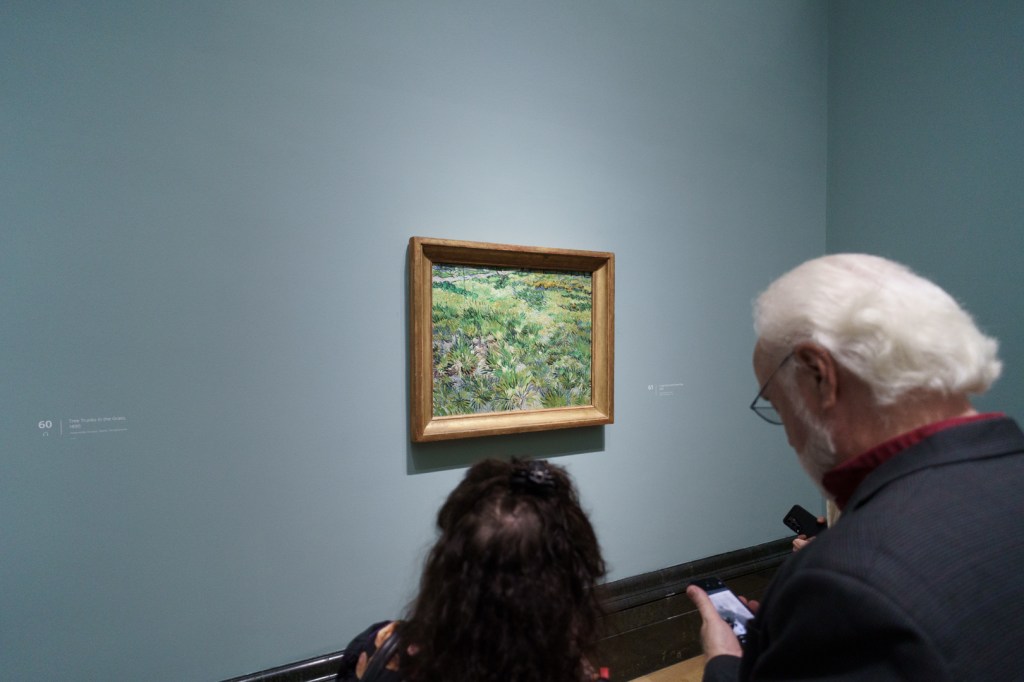
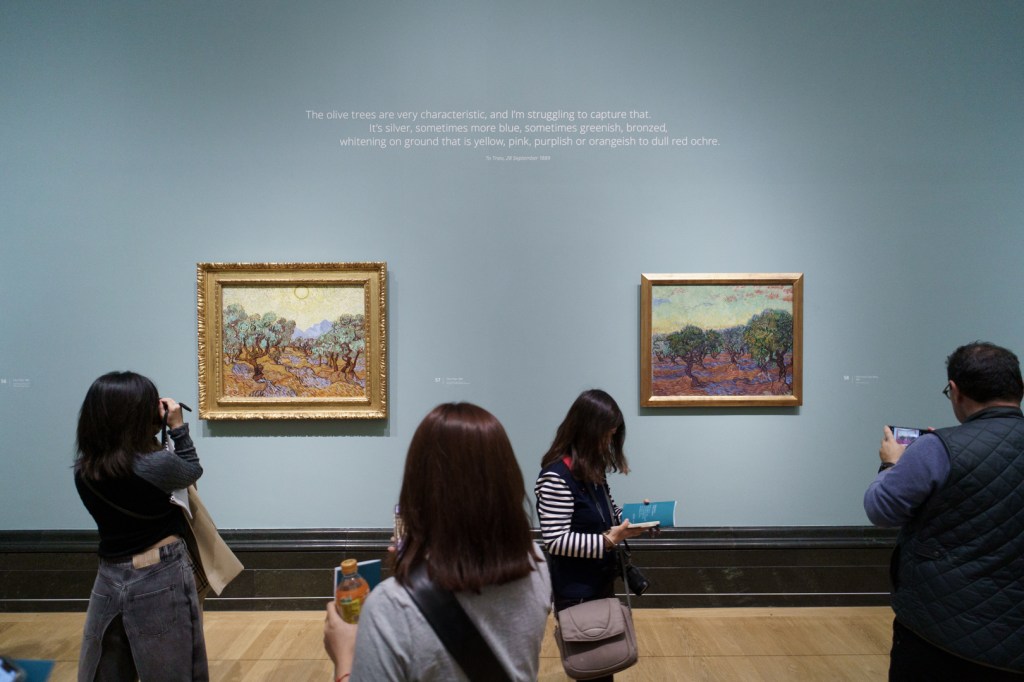
The extremely popular, sold-out Van Gogh: Poets and Lovers exhibition at the National Gallery is a good one. Focusing on the last few years of his life – in Arles and Saint-Rémy-de-Provence – between February 1888 and May 1890, it has the feeling of a travelogue or a personal diary. In the paintings belonging to the several months he voluntarily admitted himself to a mental hospital in Saint-Rémy, one can imagine the calming atmosphere of the scenes he saw outside his window.
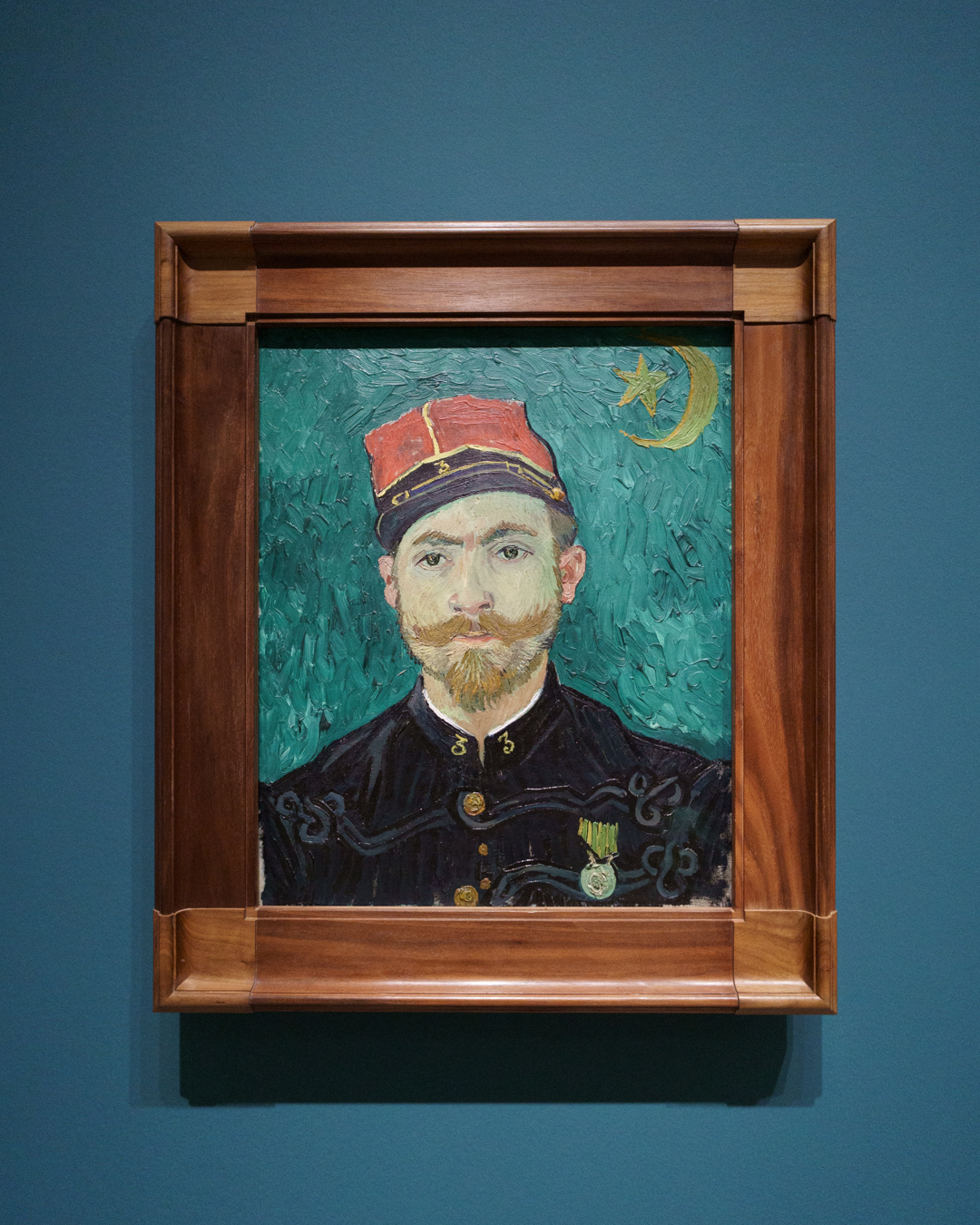
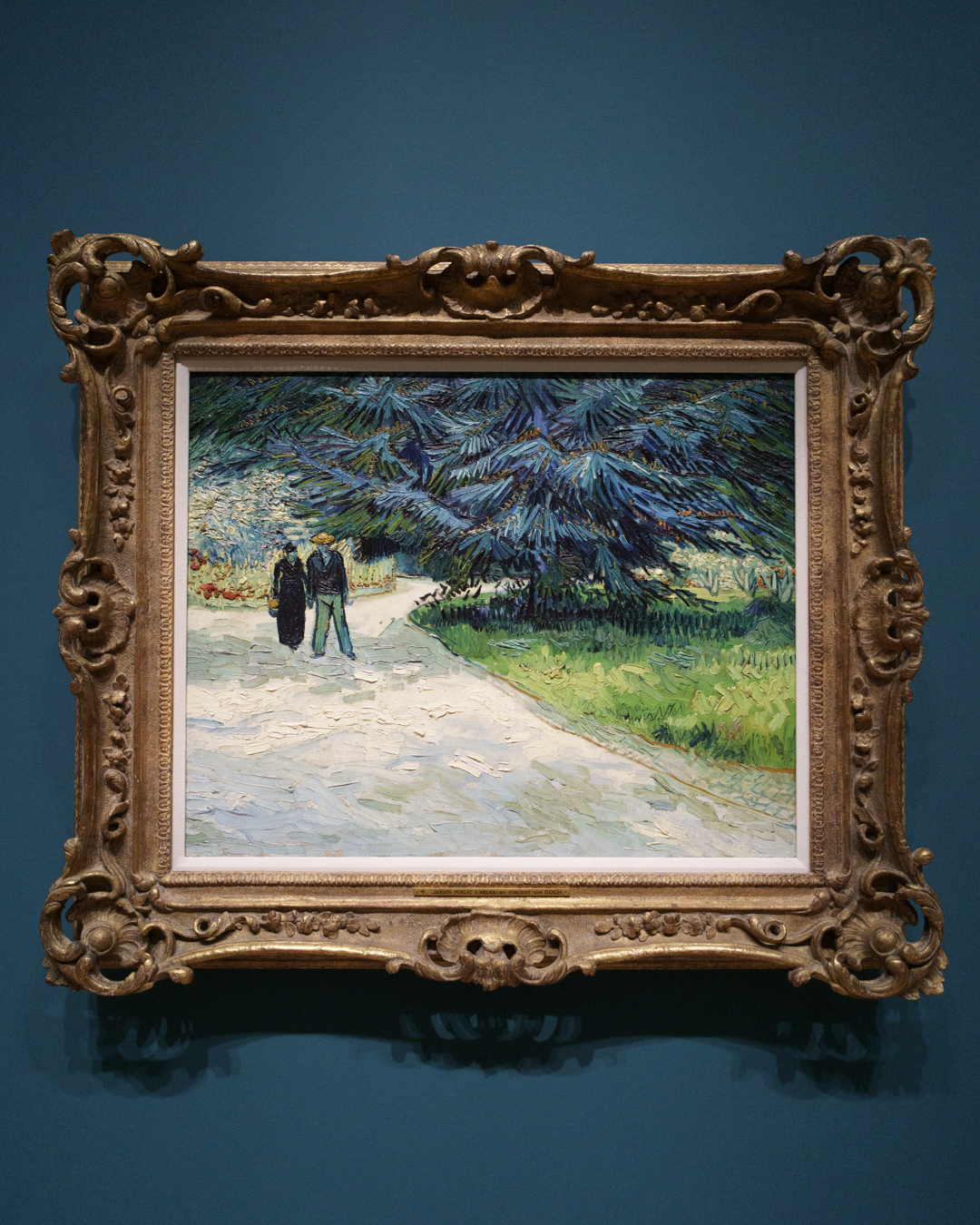
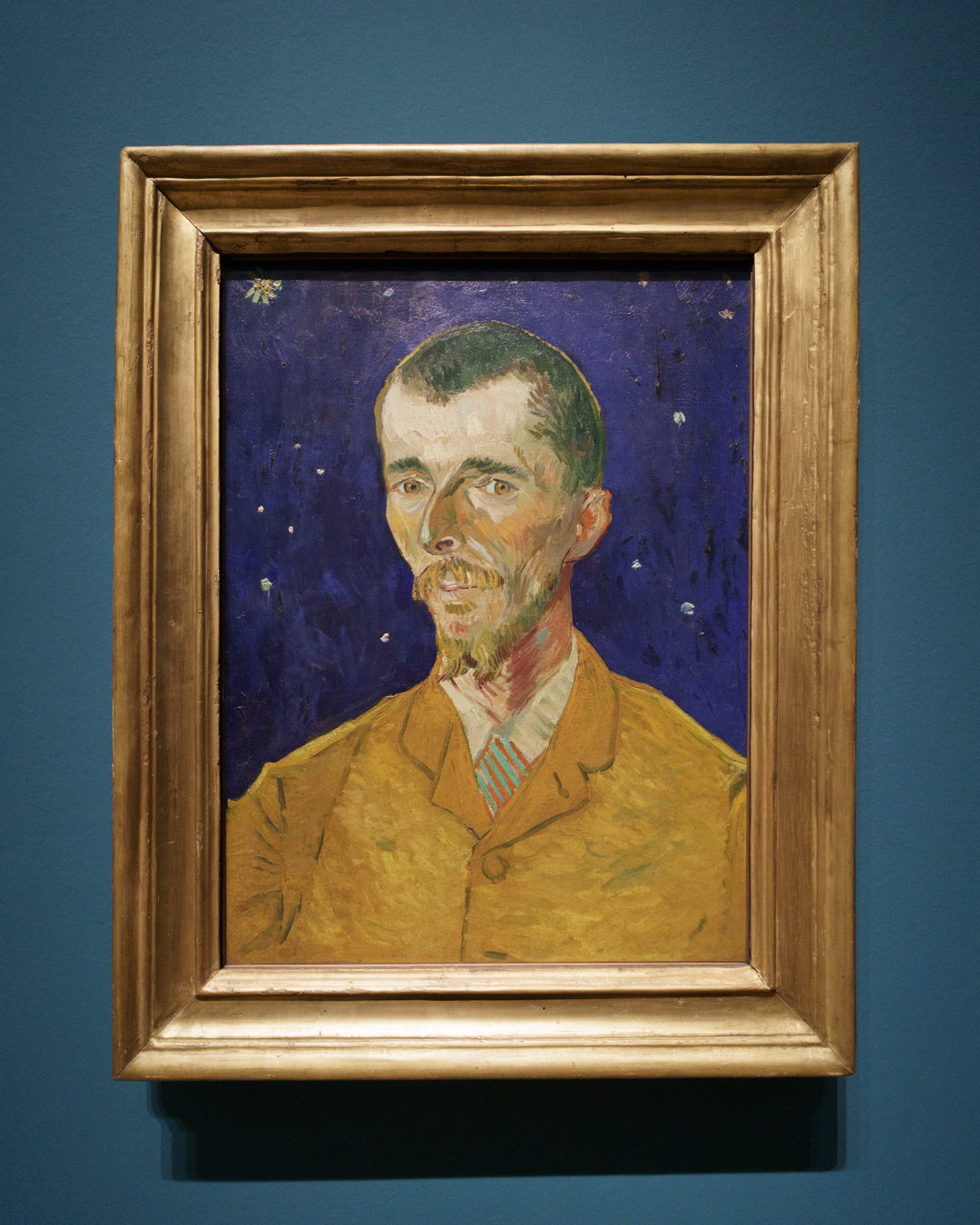
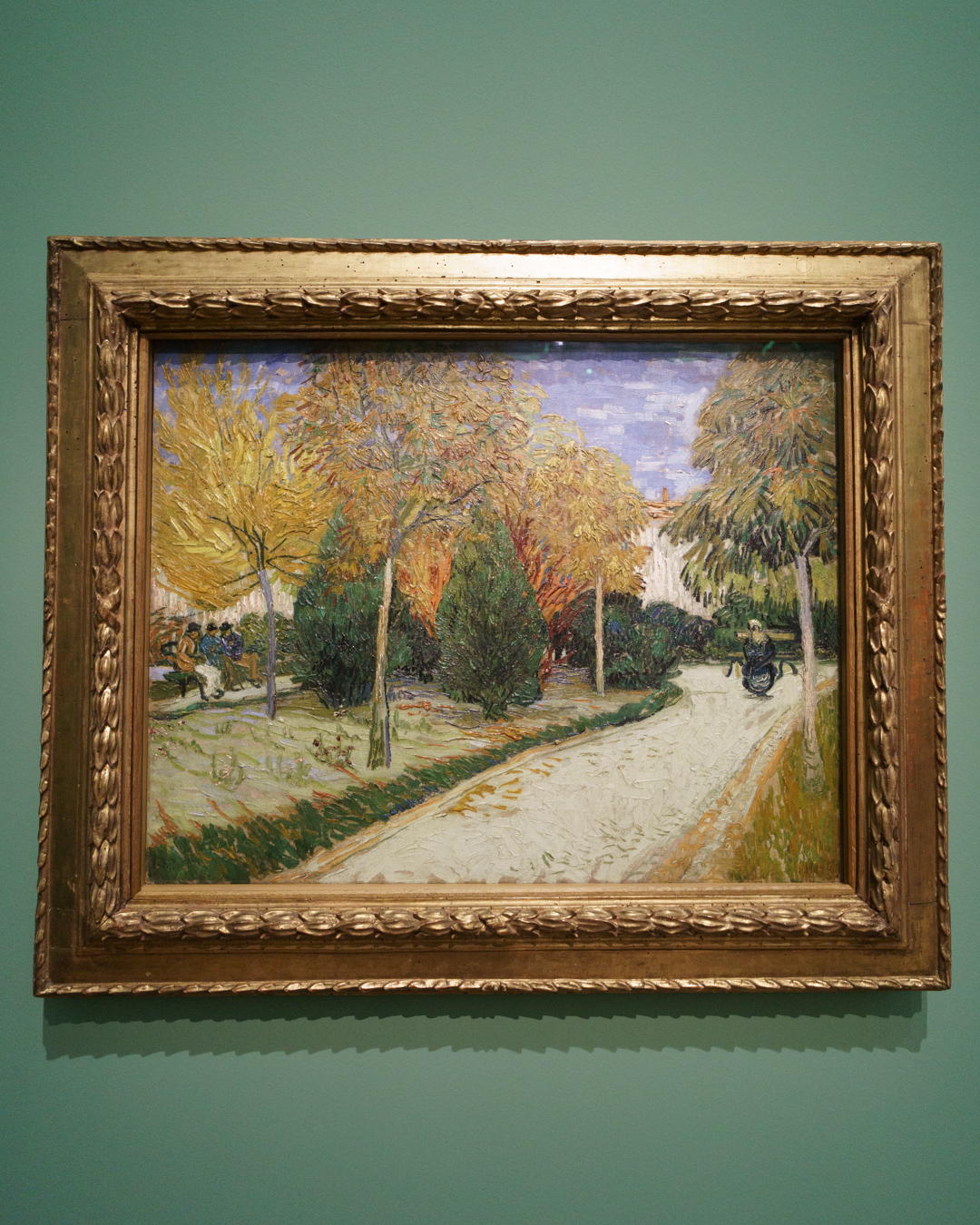
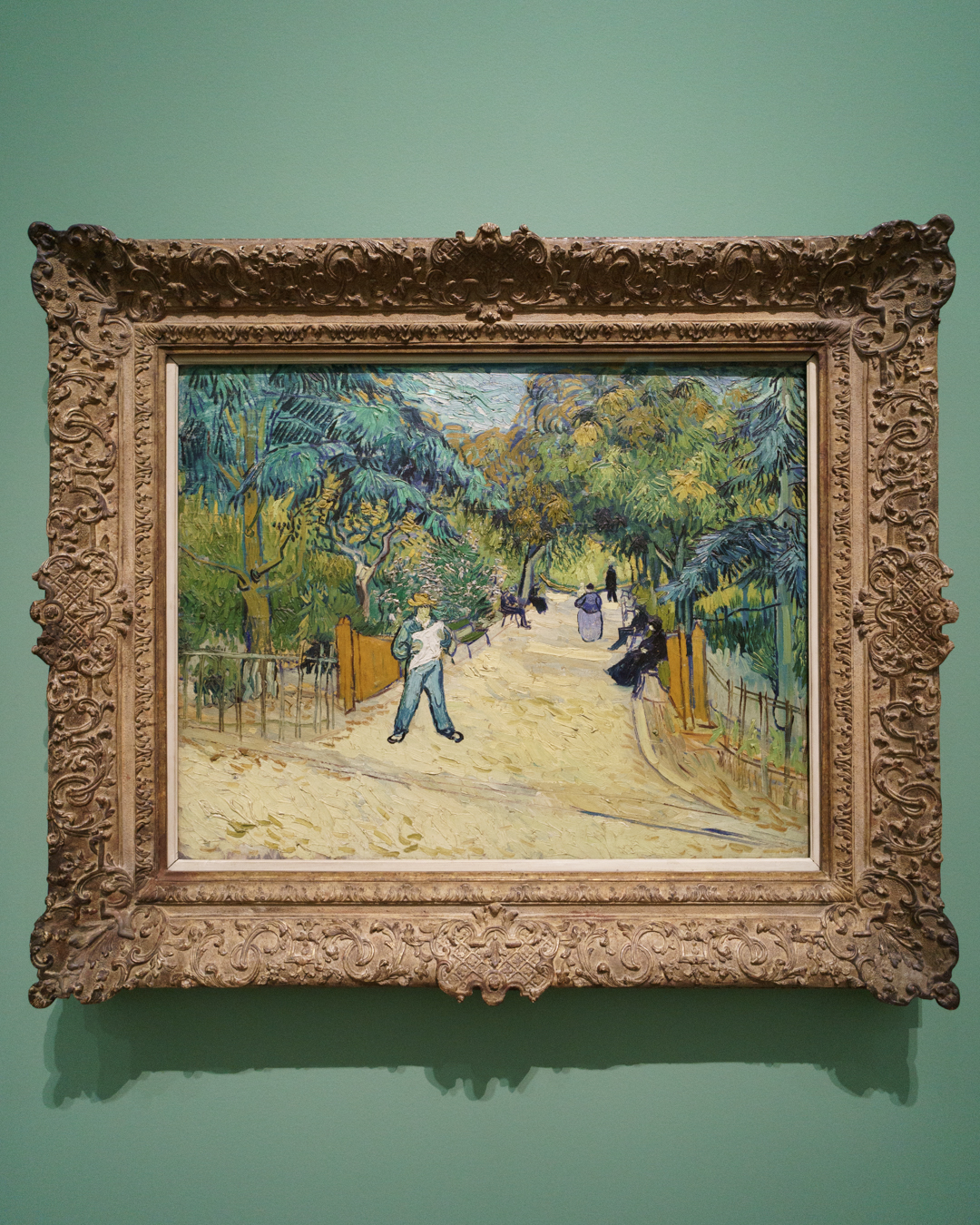
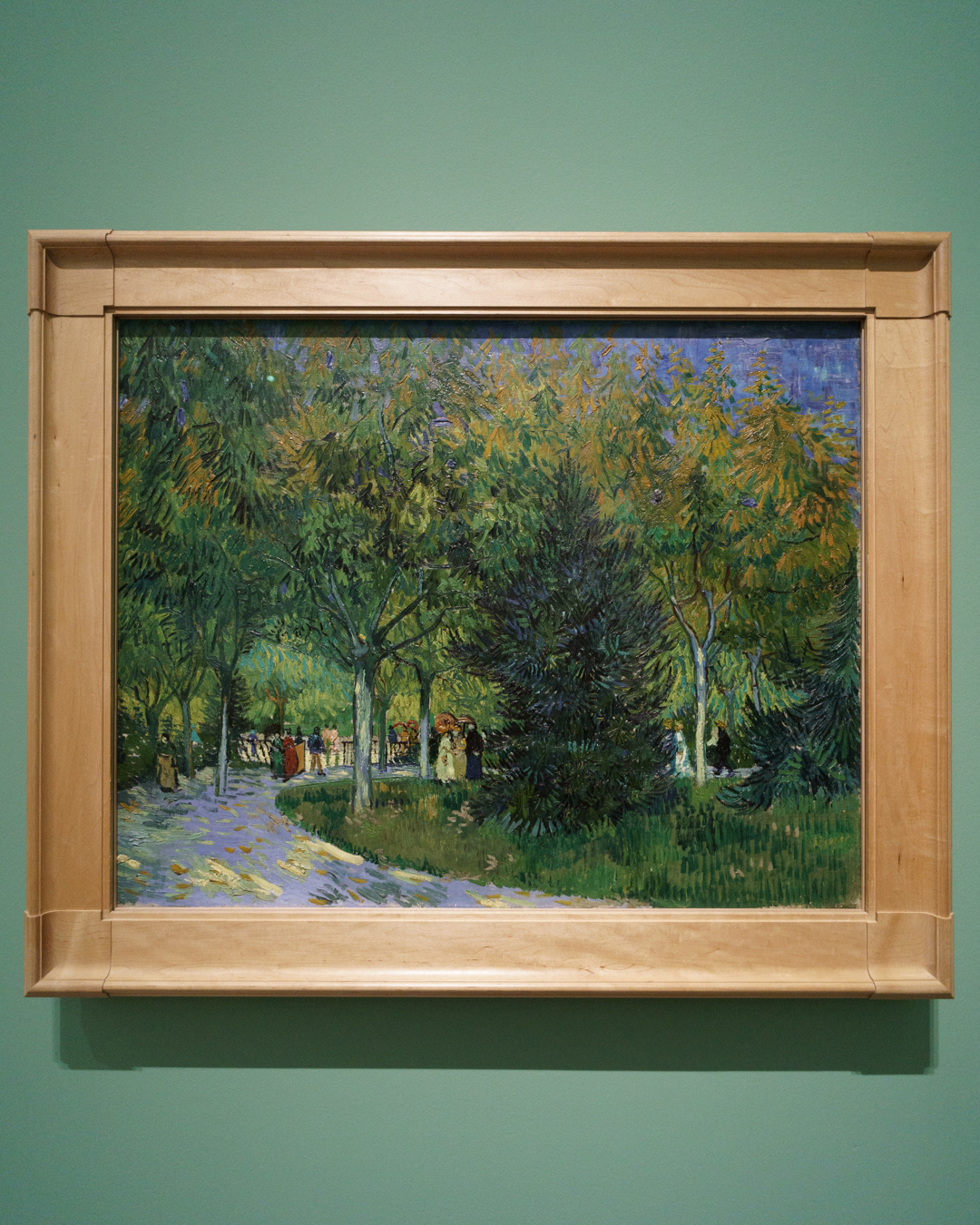
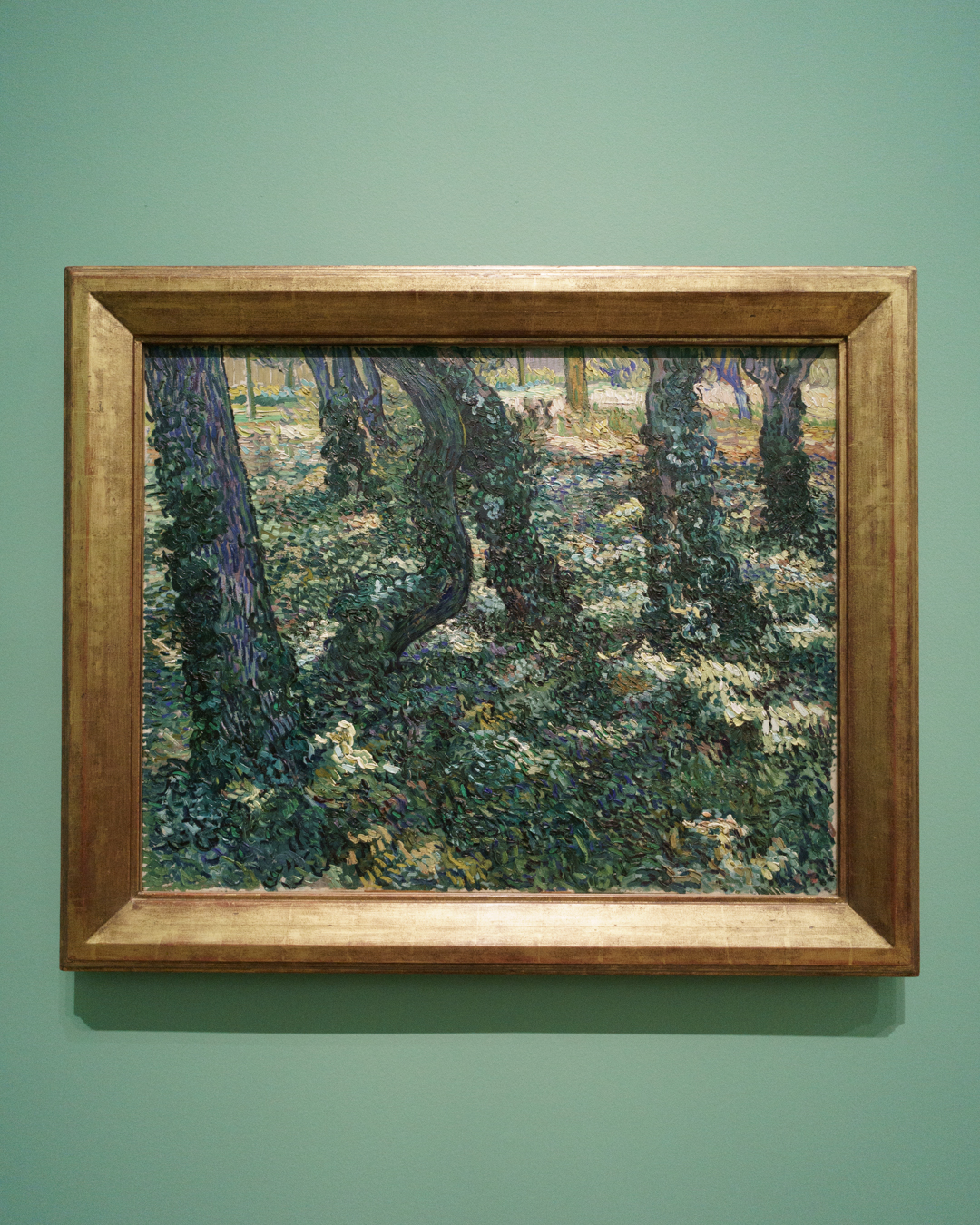
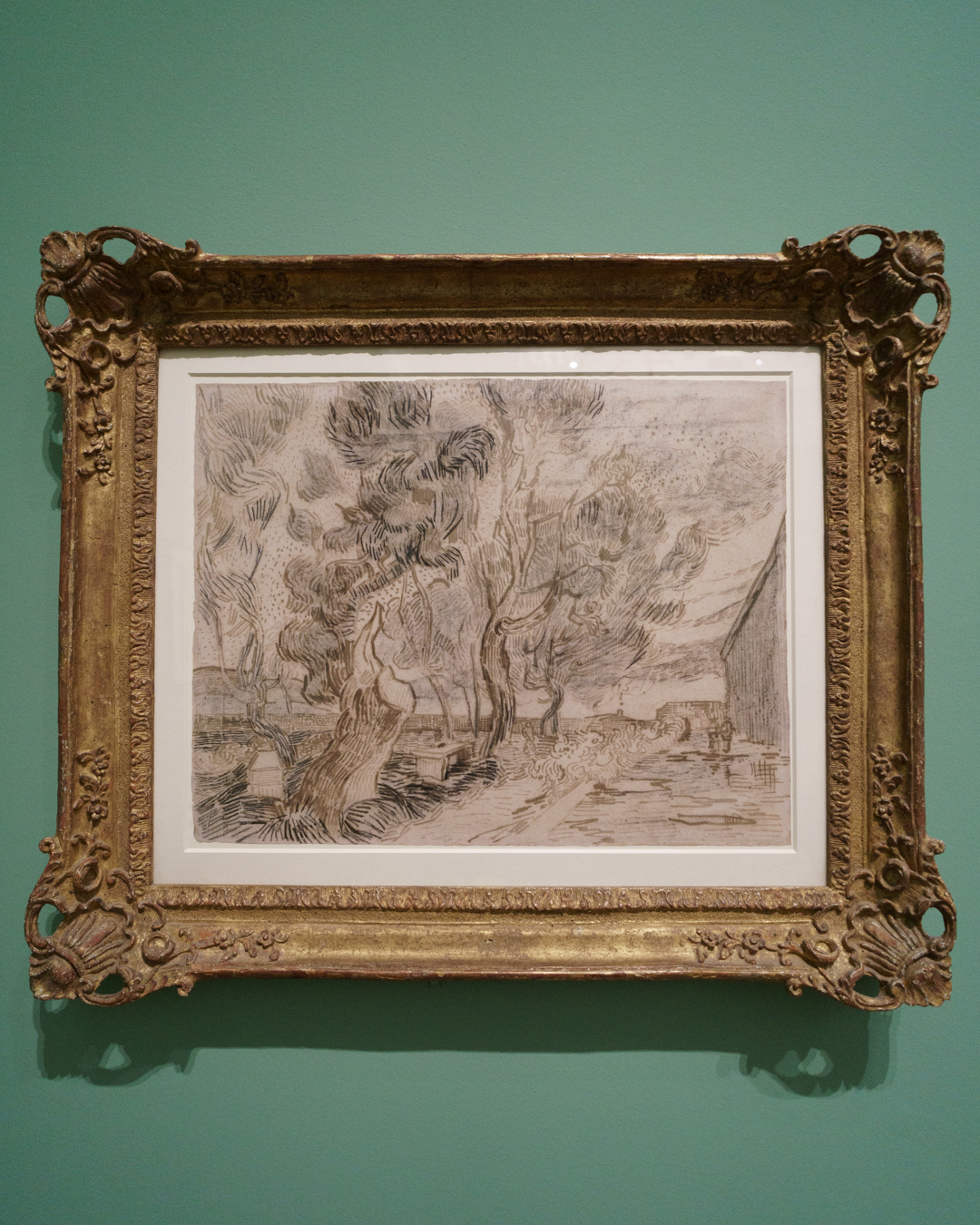
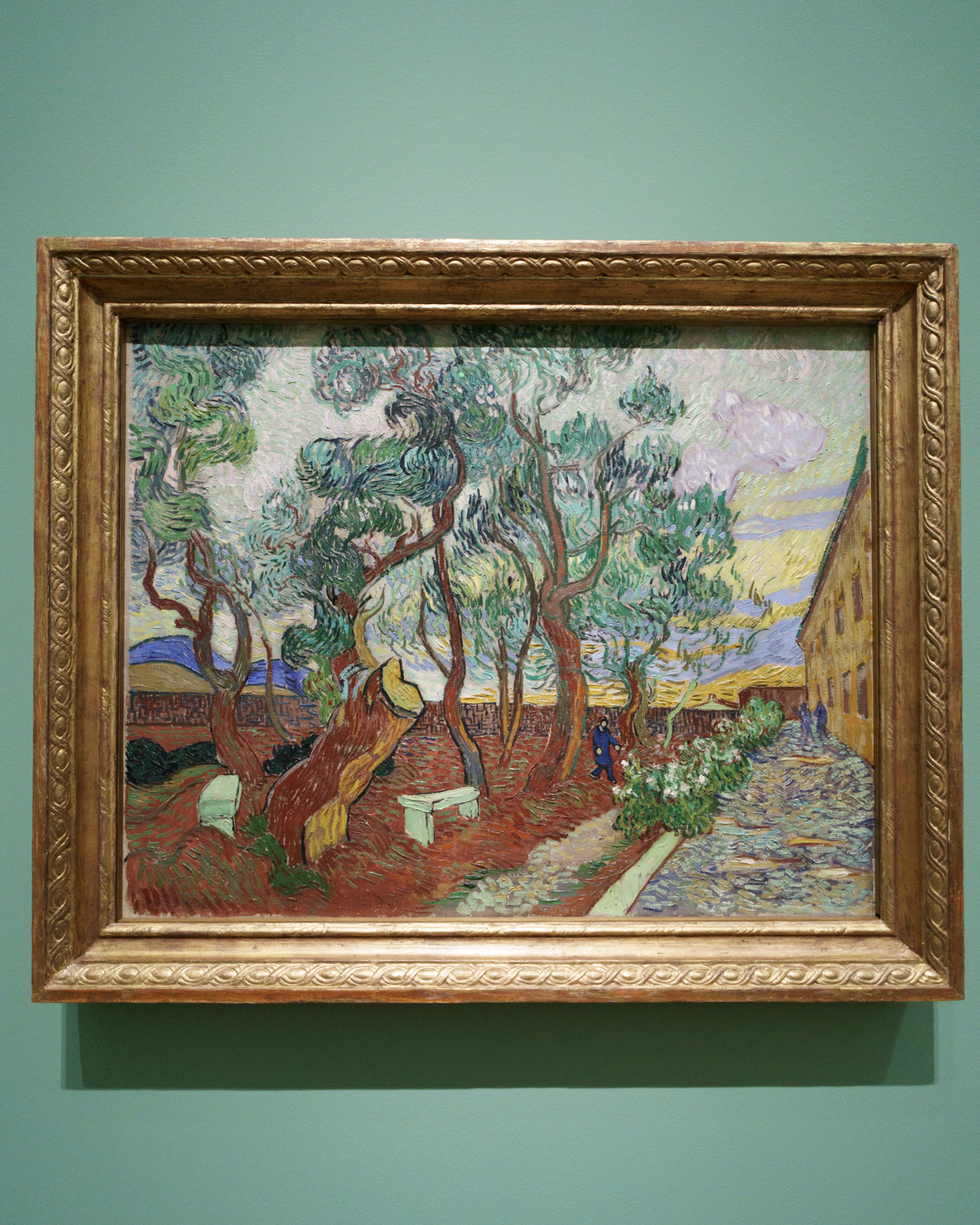
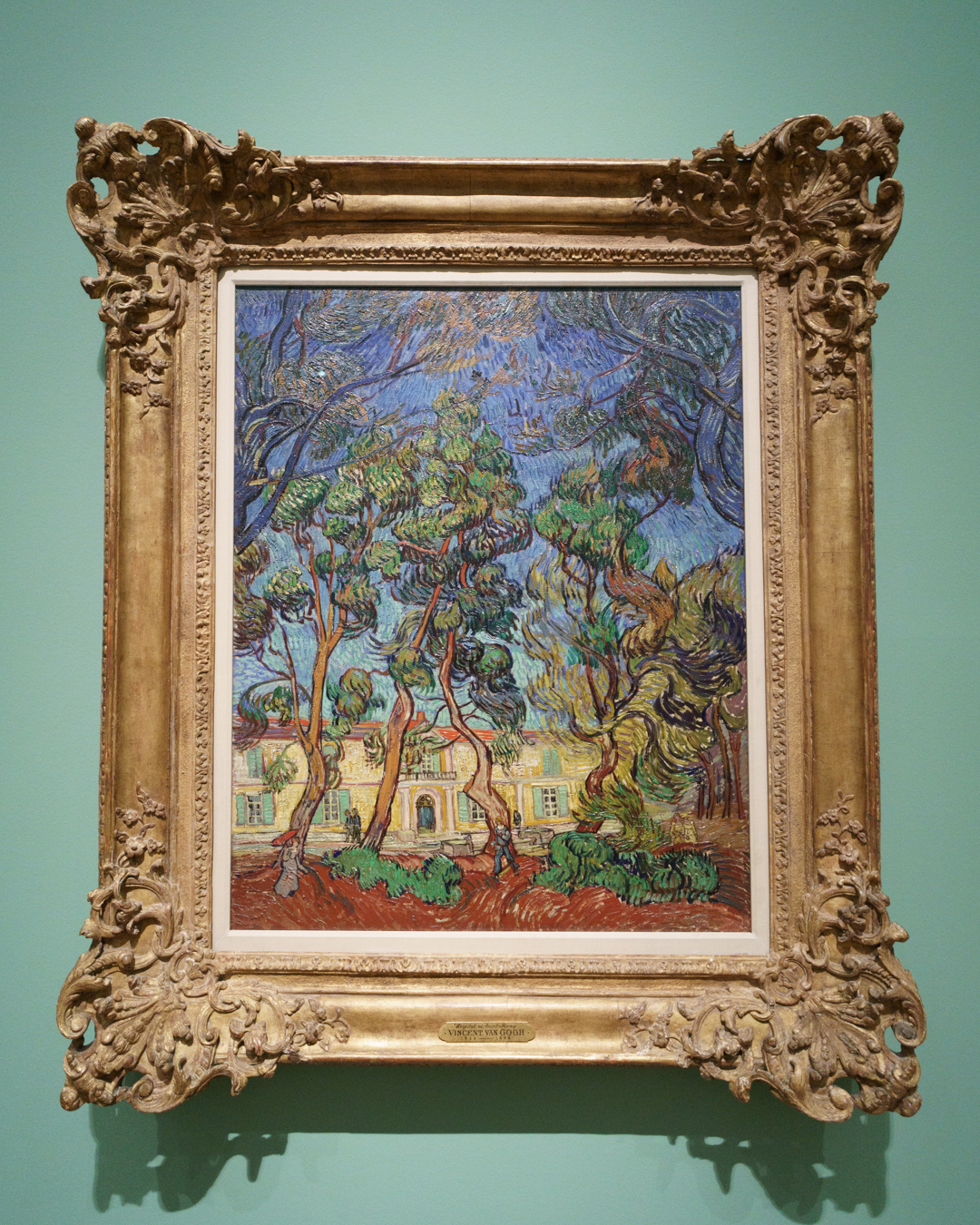
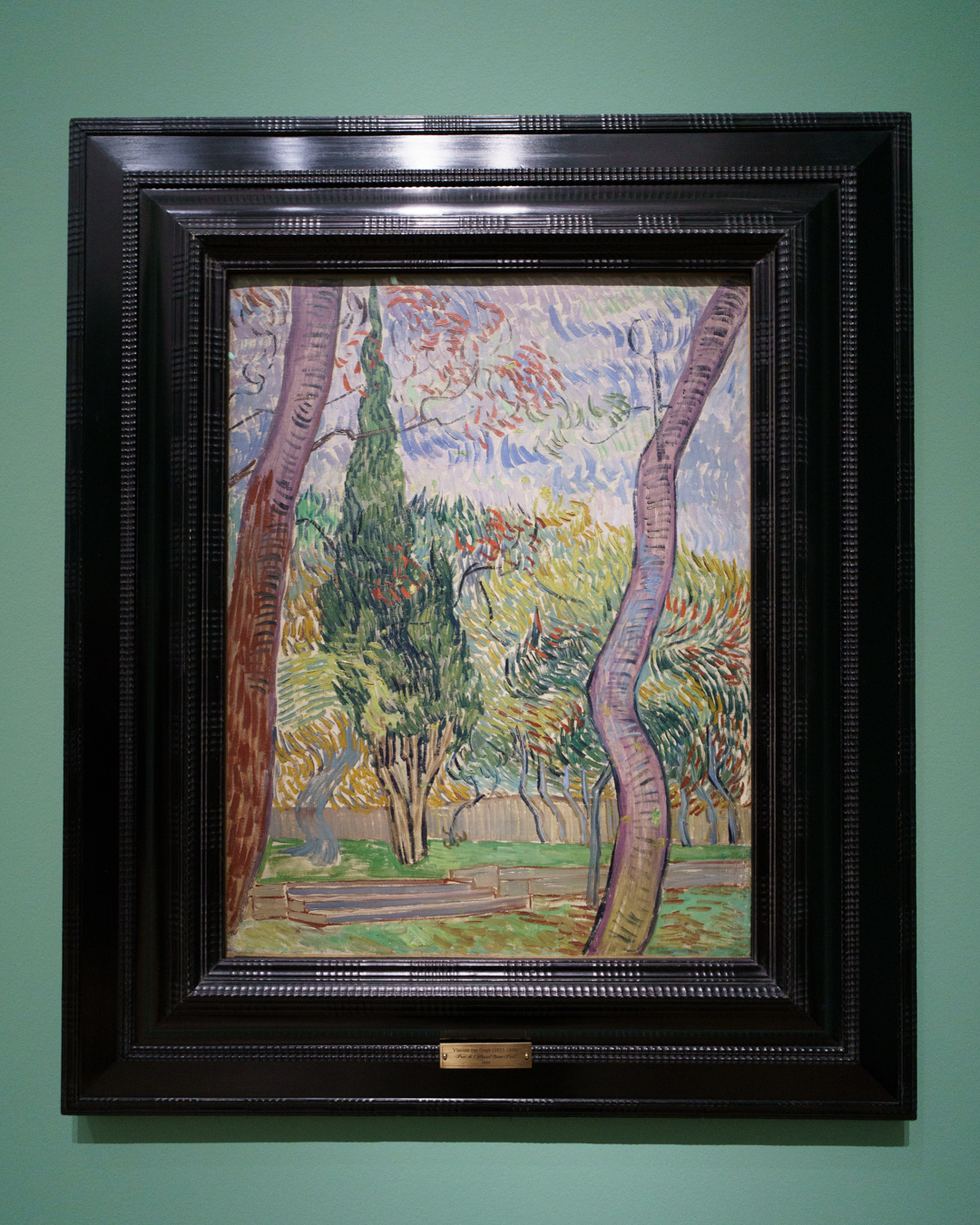
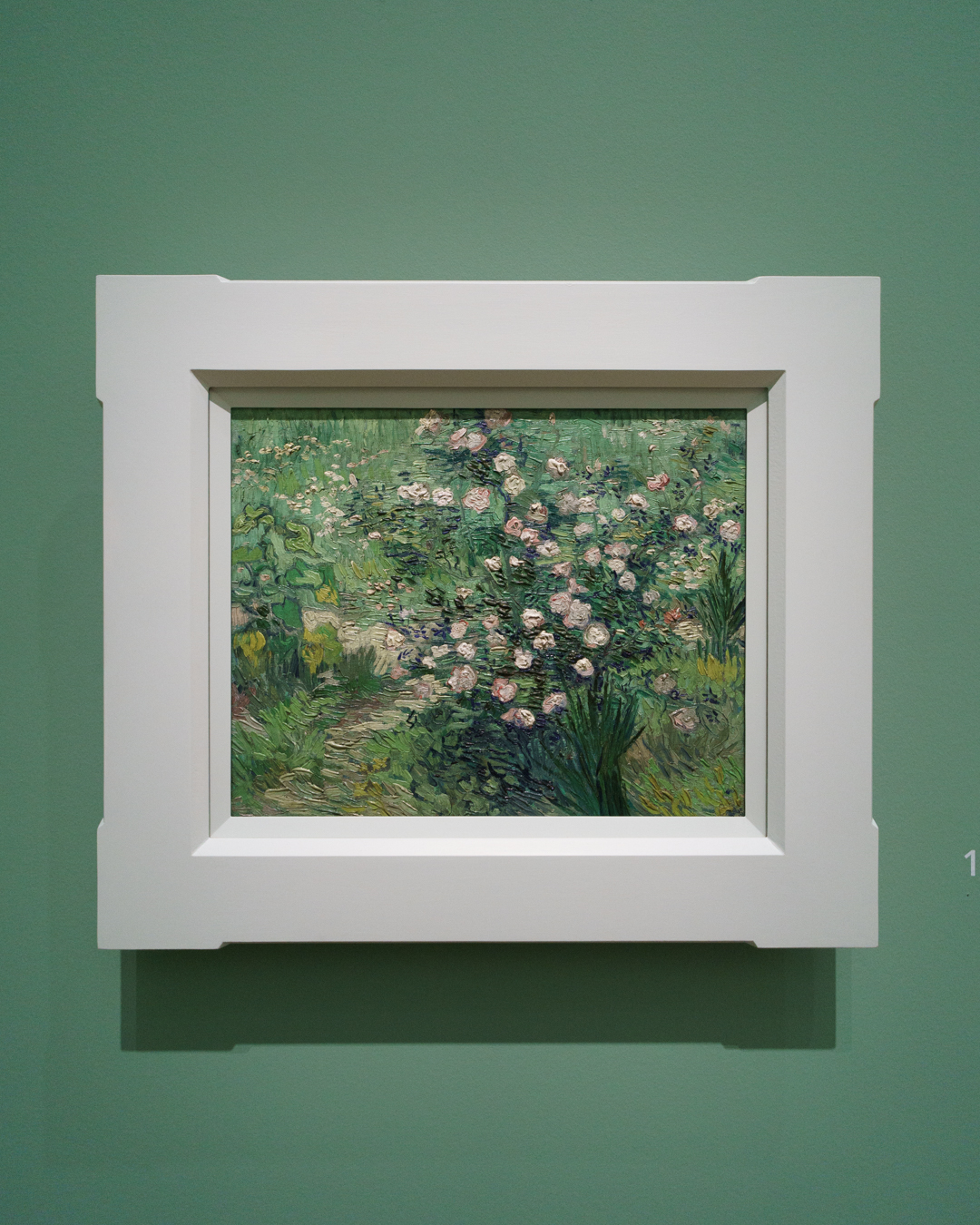
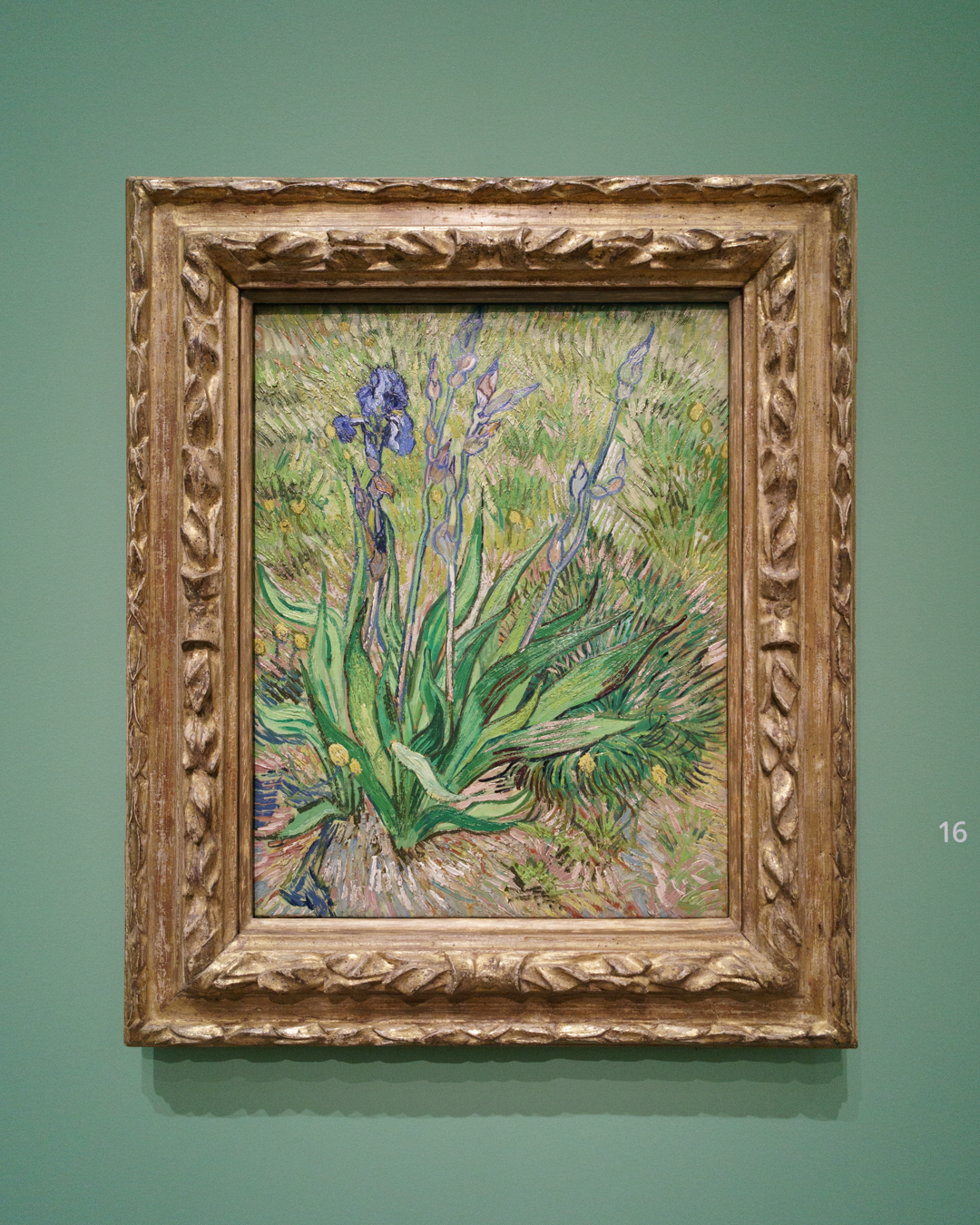
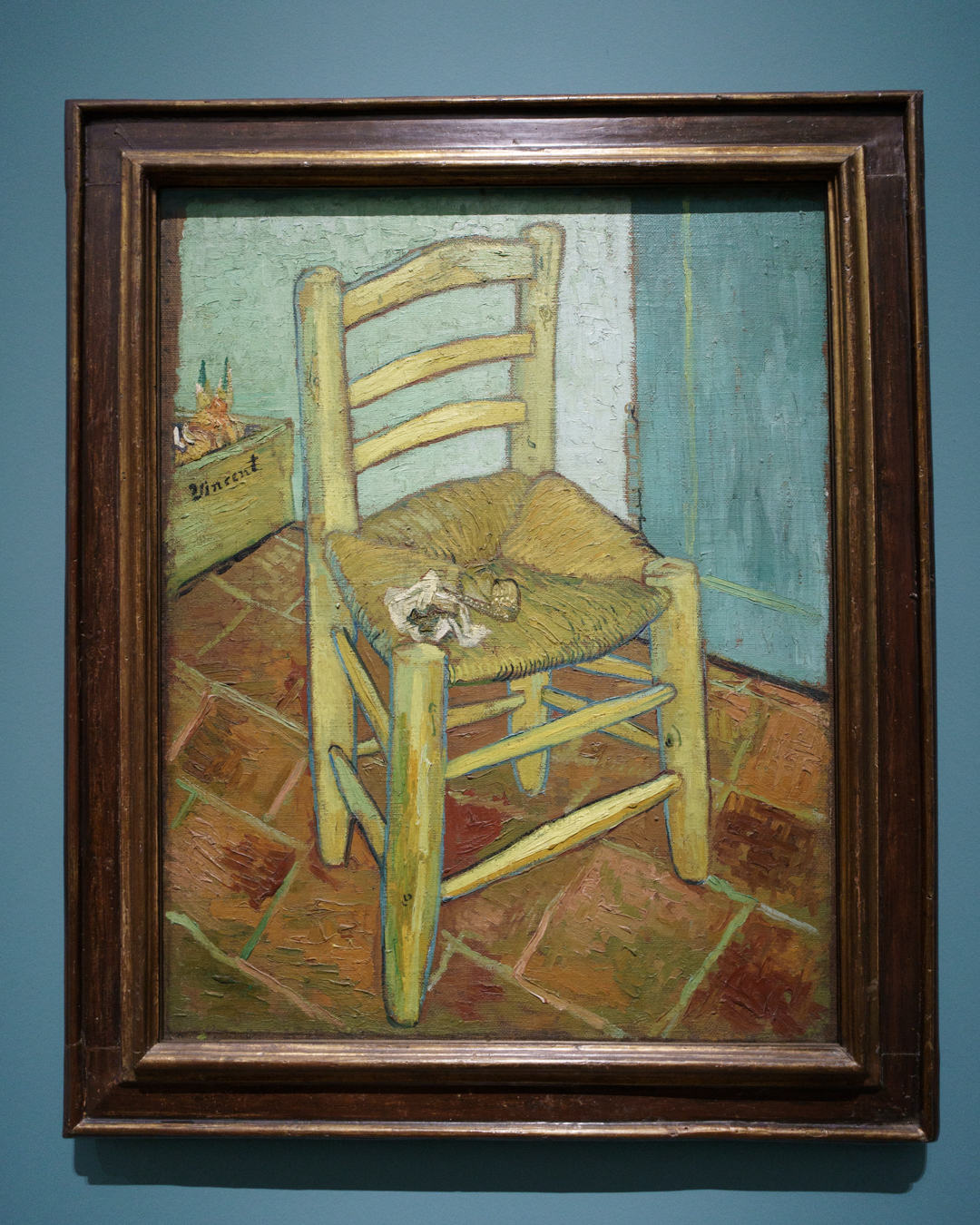
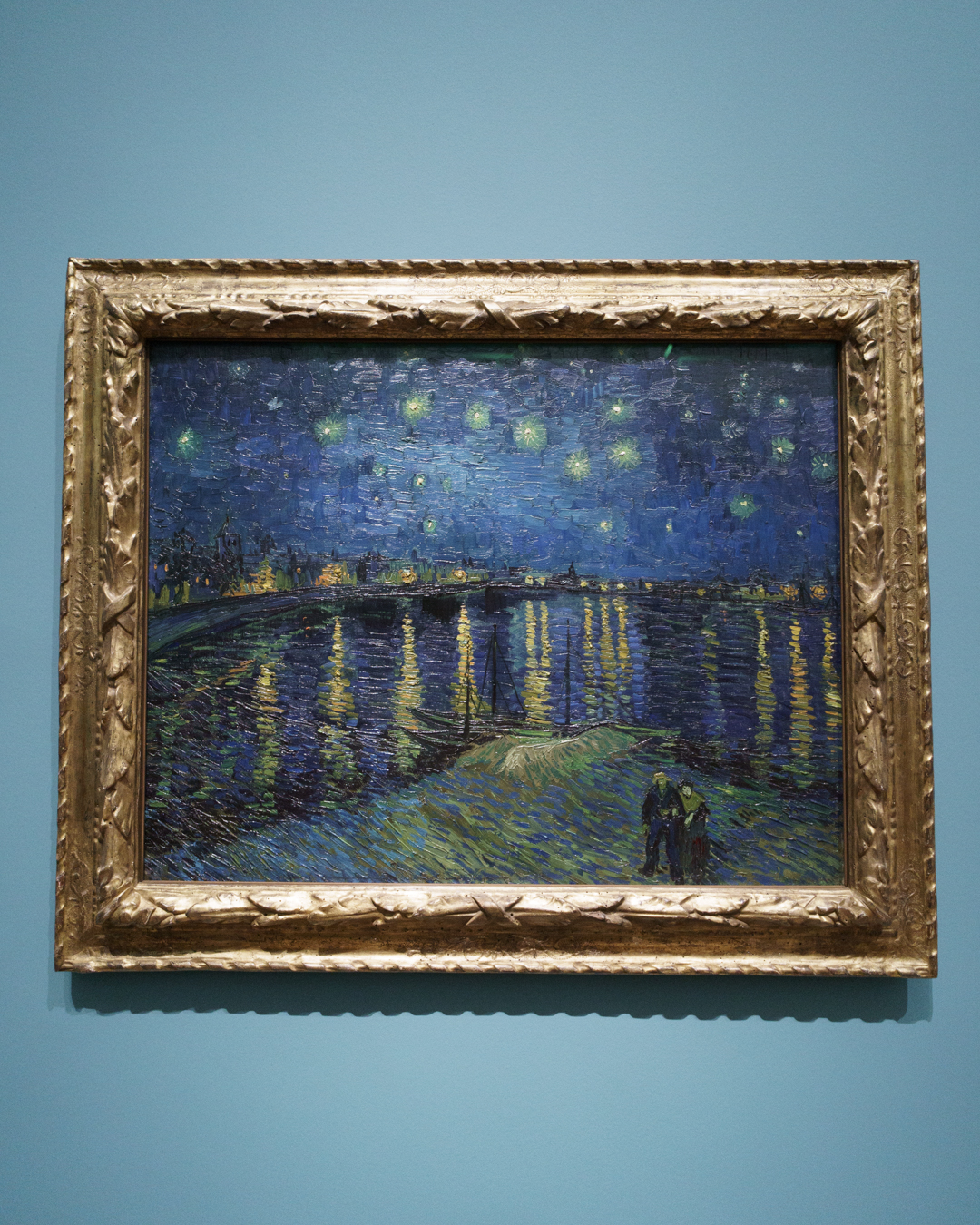
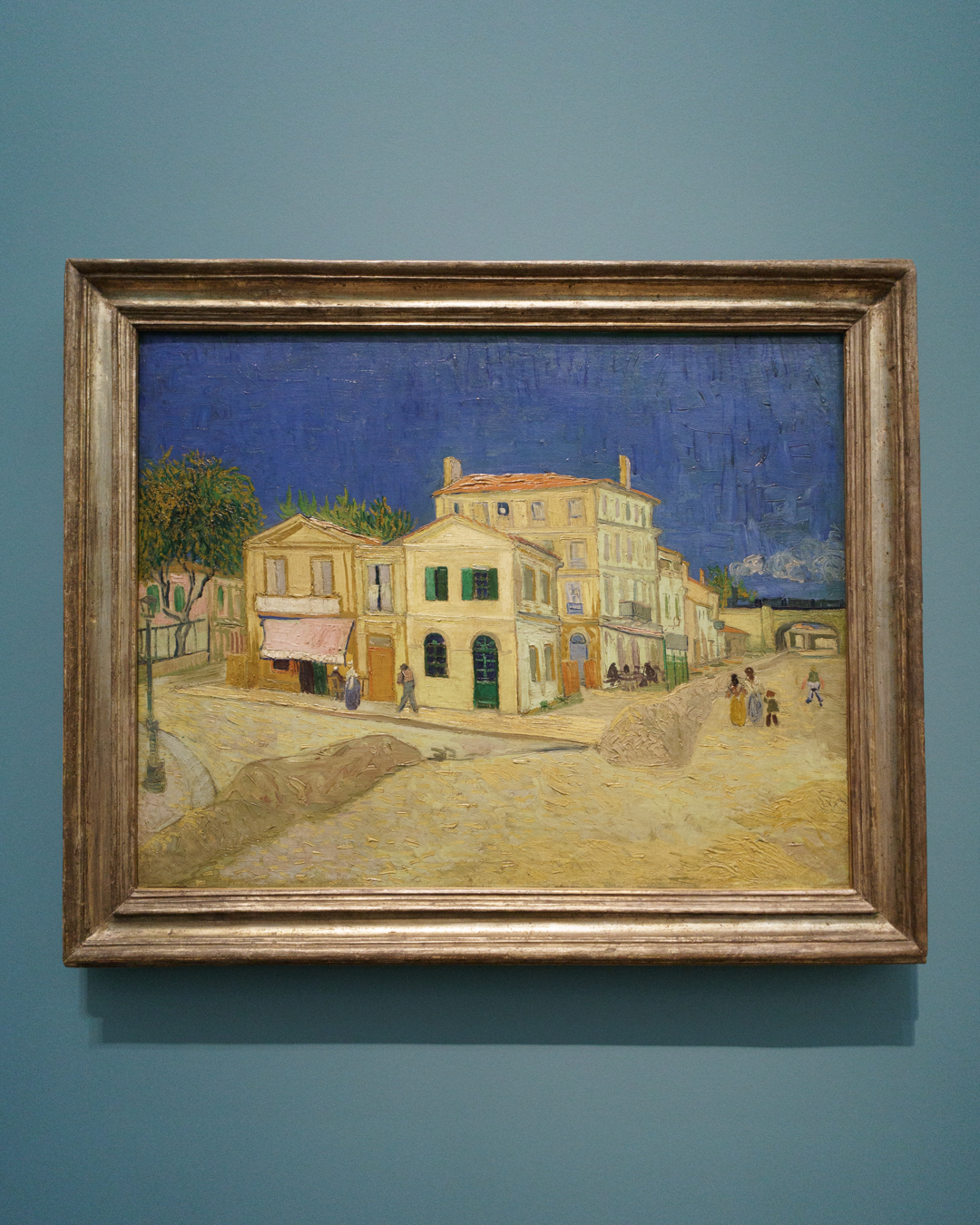
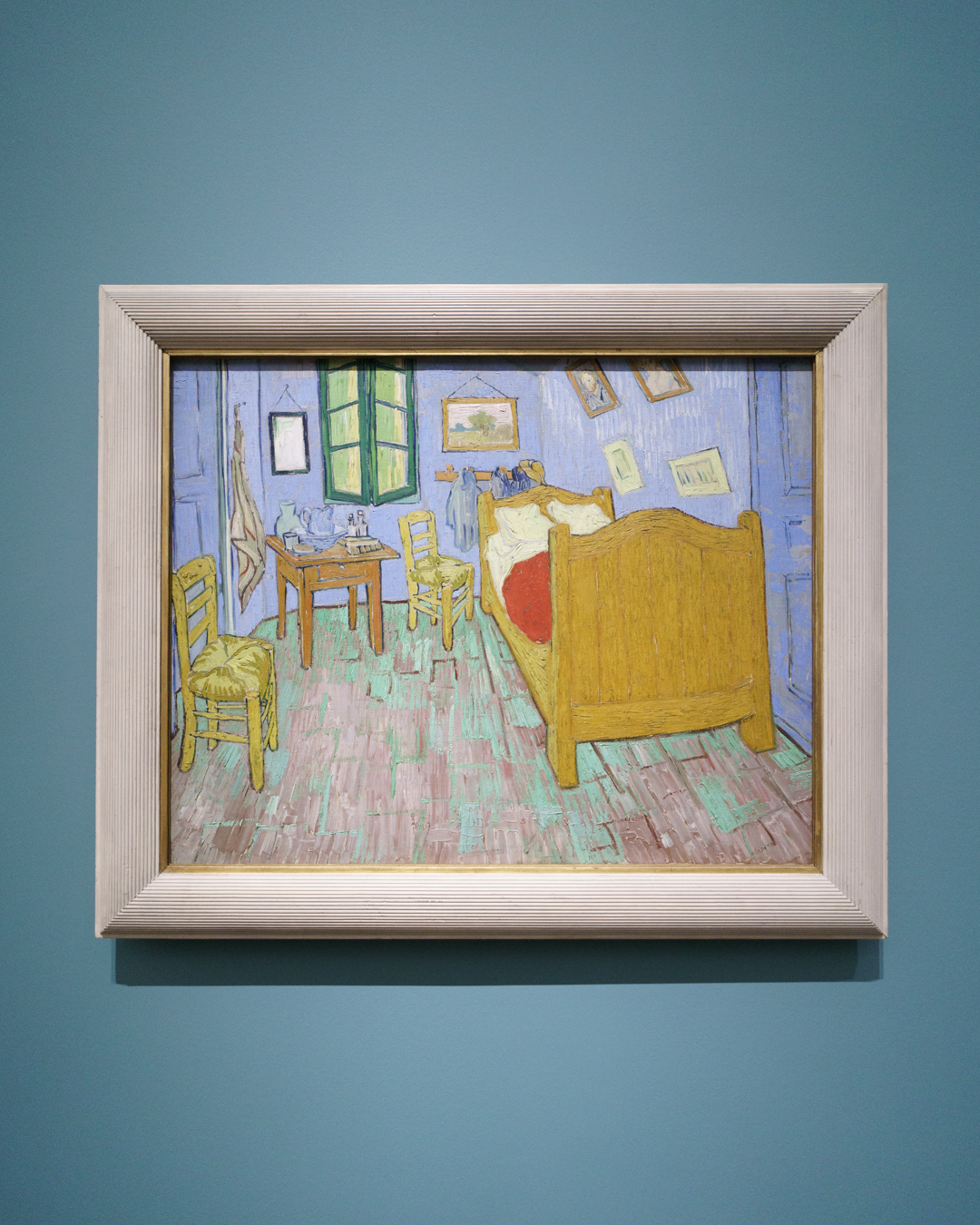
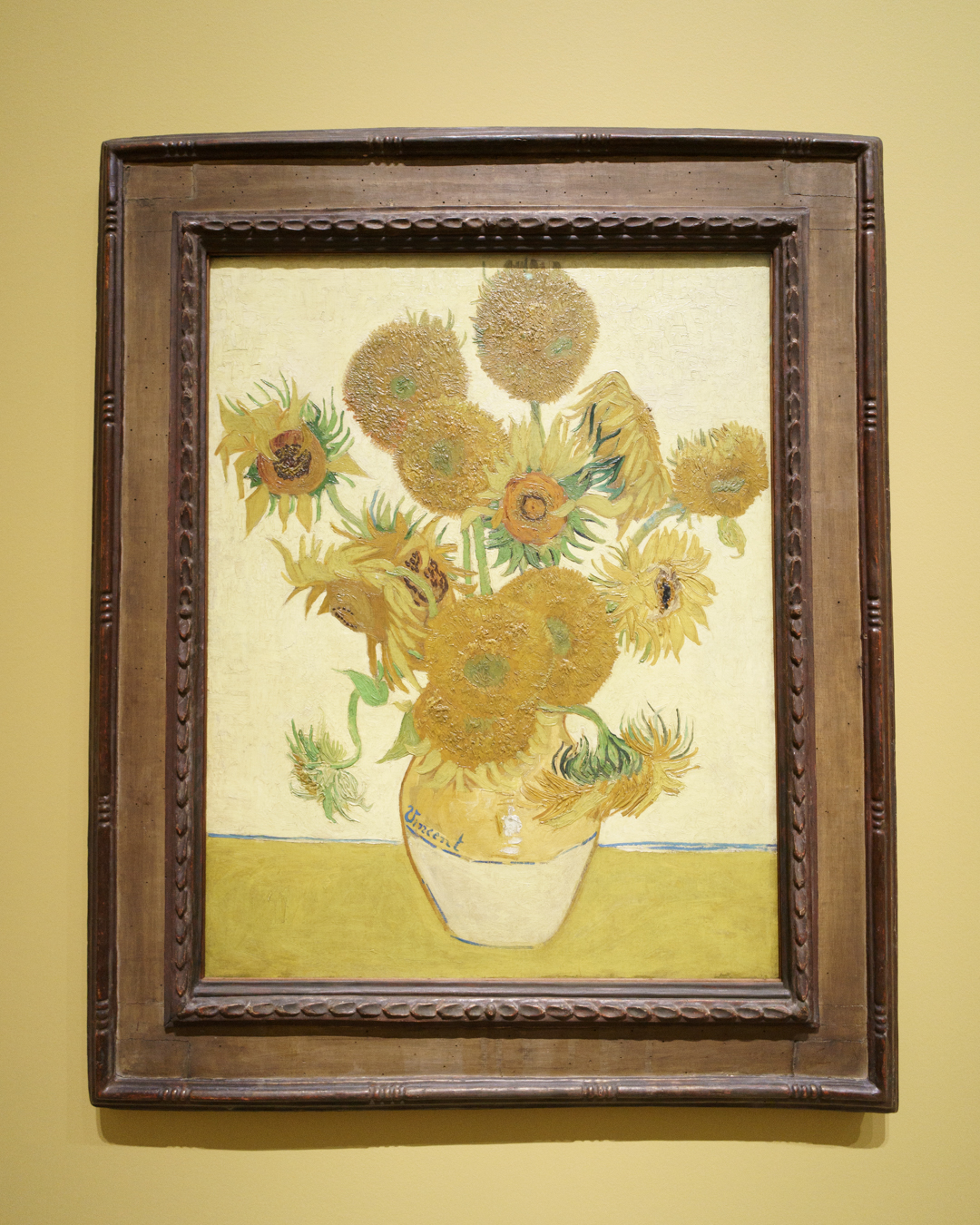
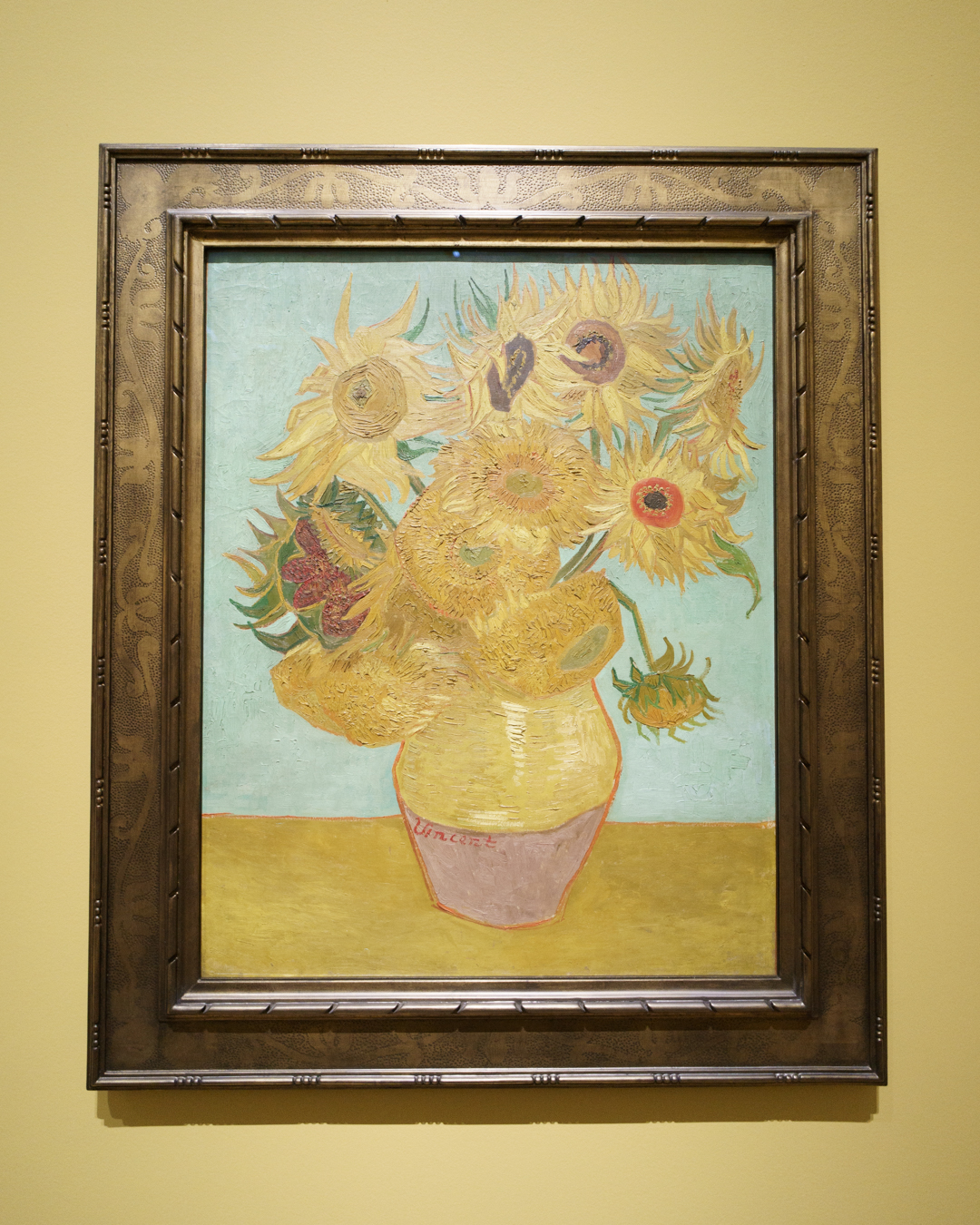
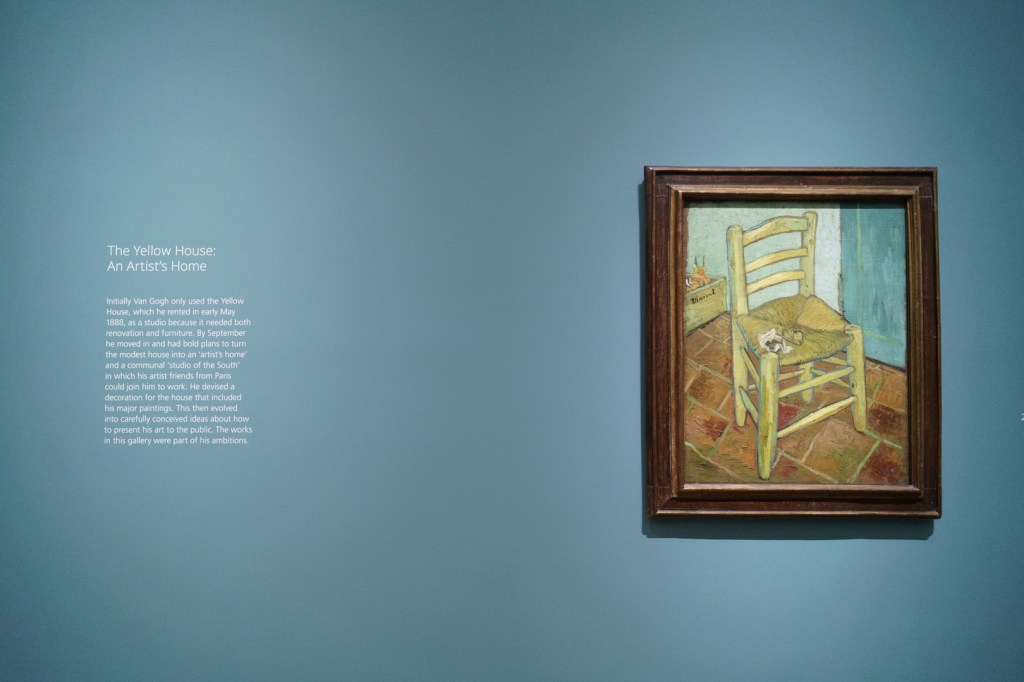
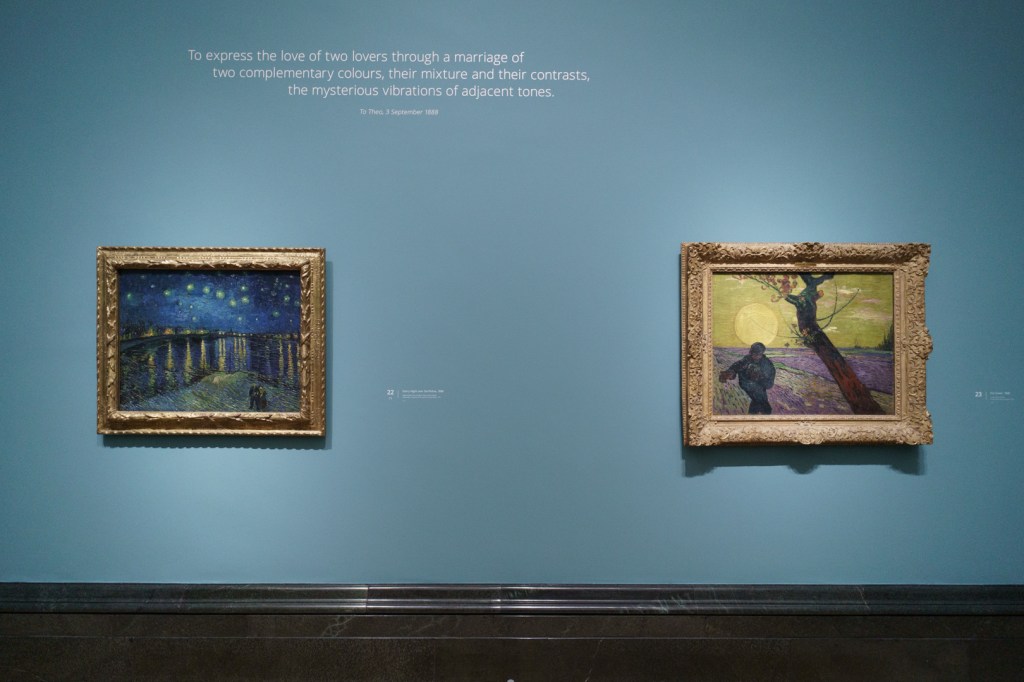
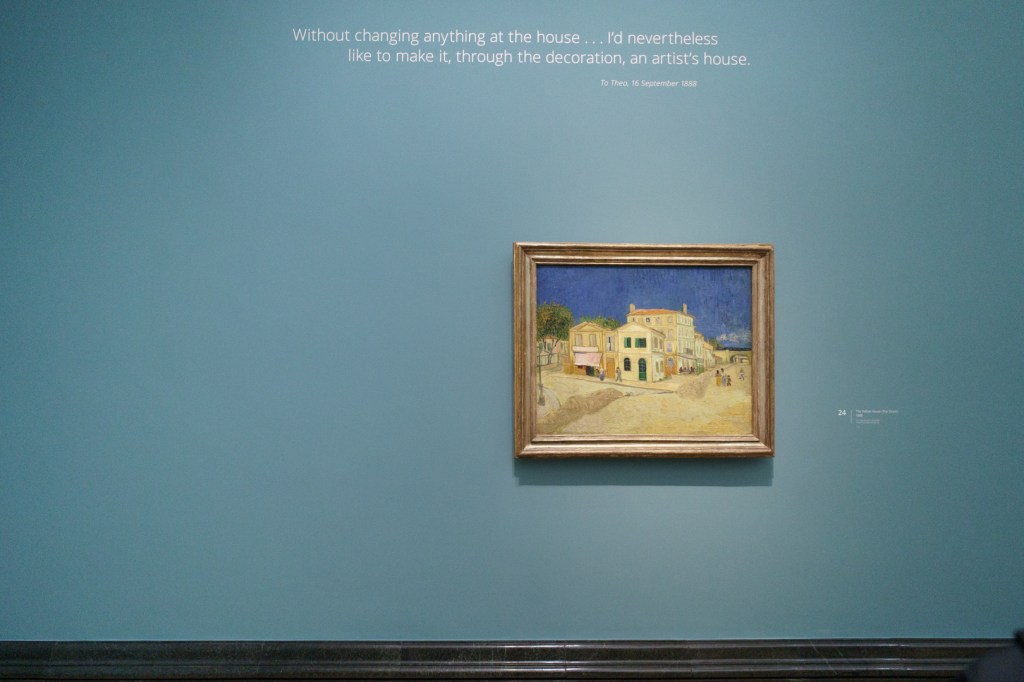
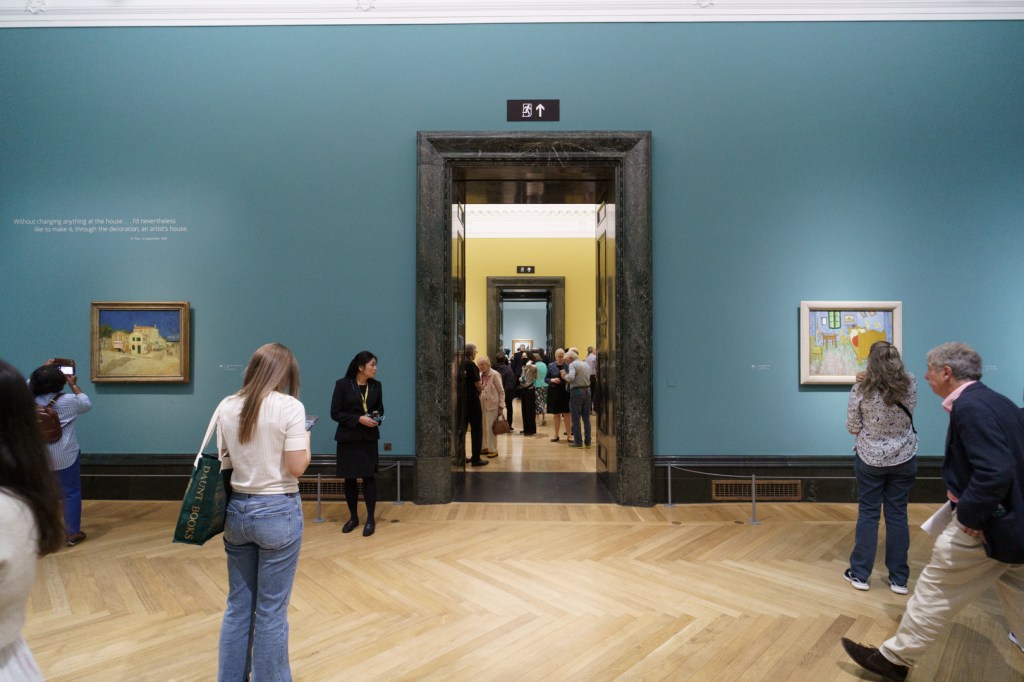
The exhibition marks the 100th anniversary of the Gallery’s purchase of the Sunflowers and Van Gogh’s Chair, both painted in this period. In fact, it’s surprising how many of his most recognisable paintings date to these years and are gathered here, such as The Yellow House, The Bedroom, Starry Night Over the Rhône, and The Cypresses.

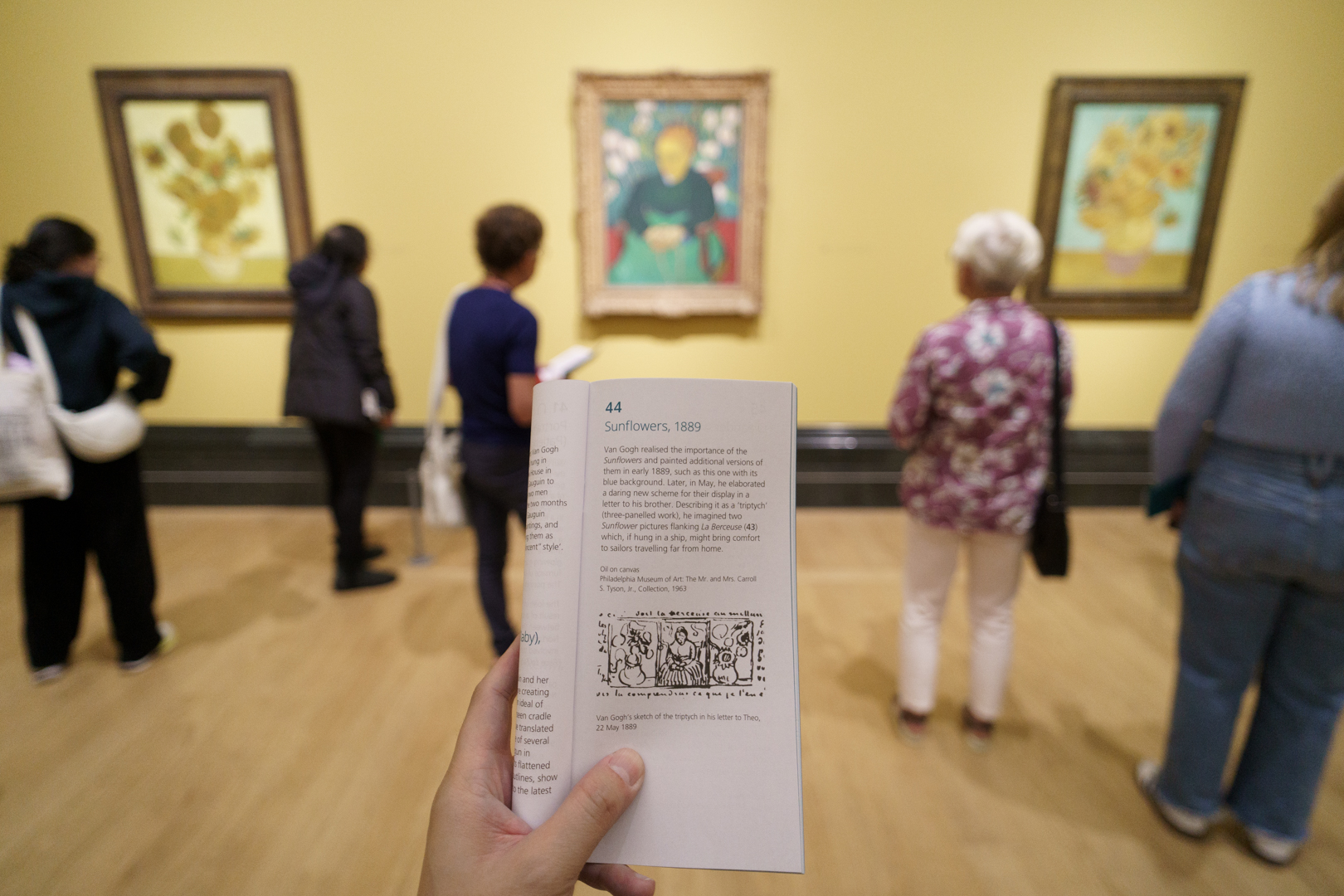
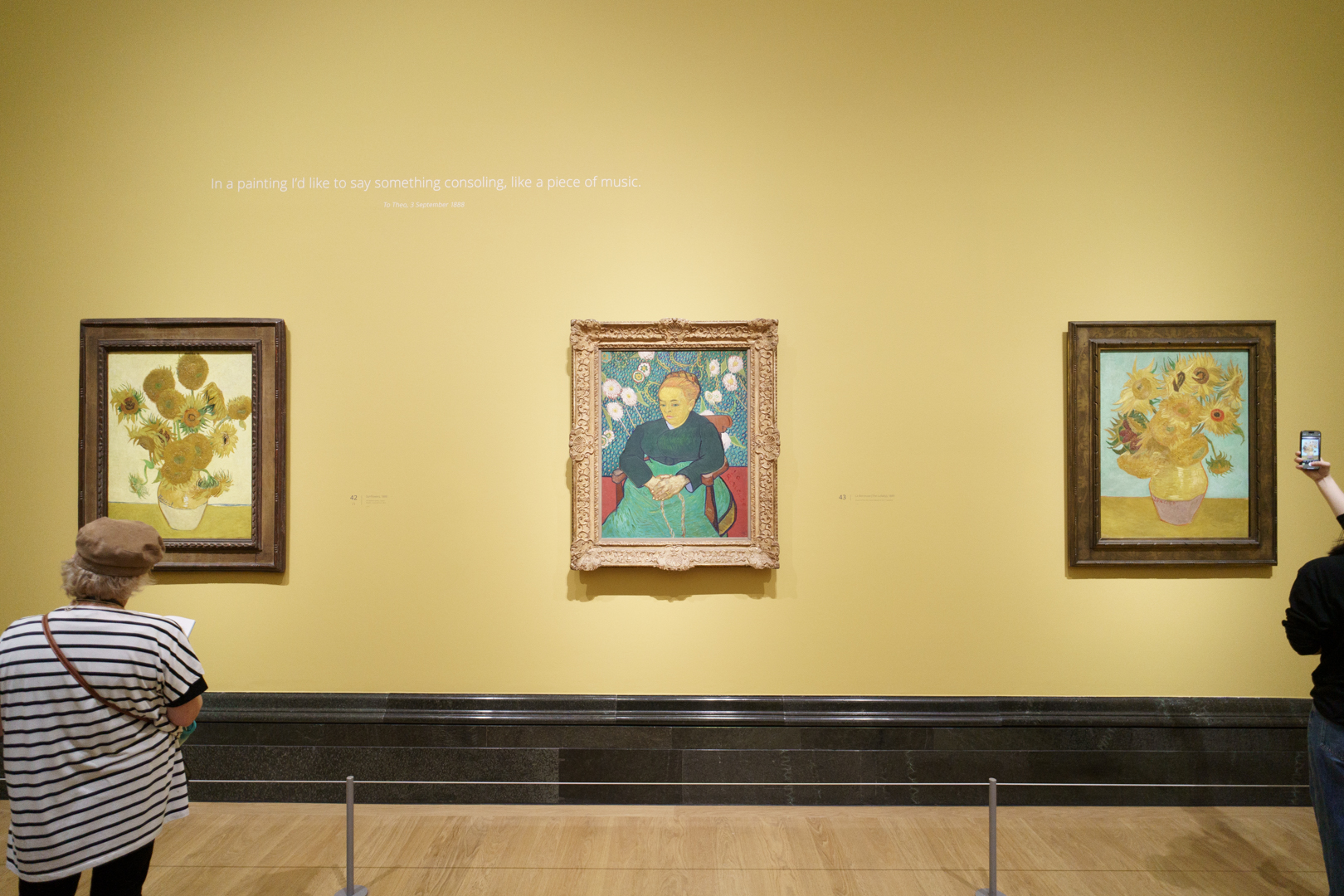
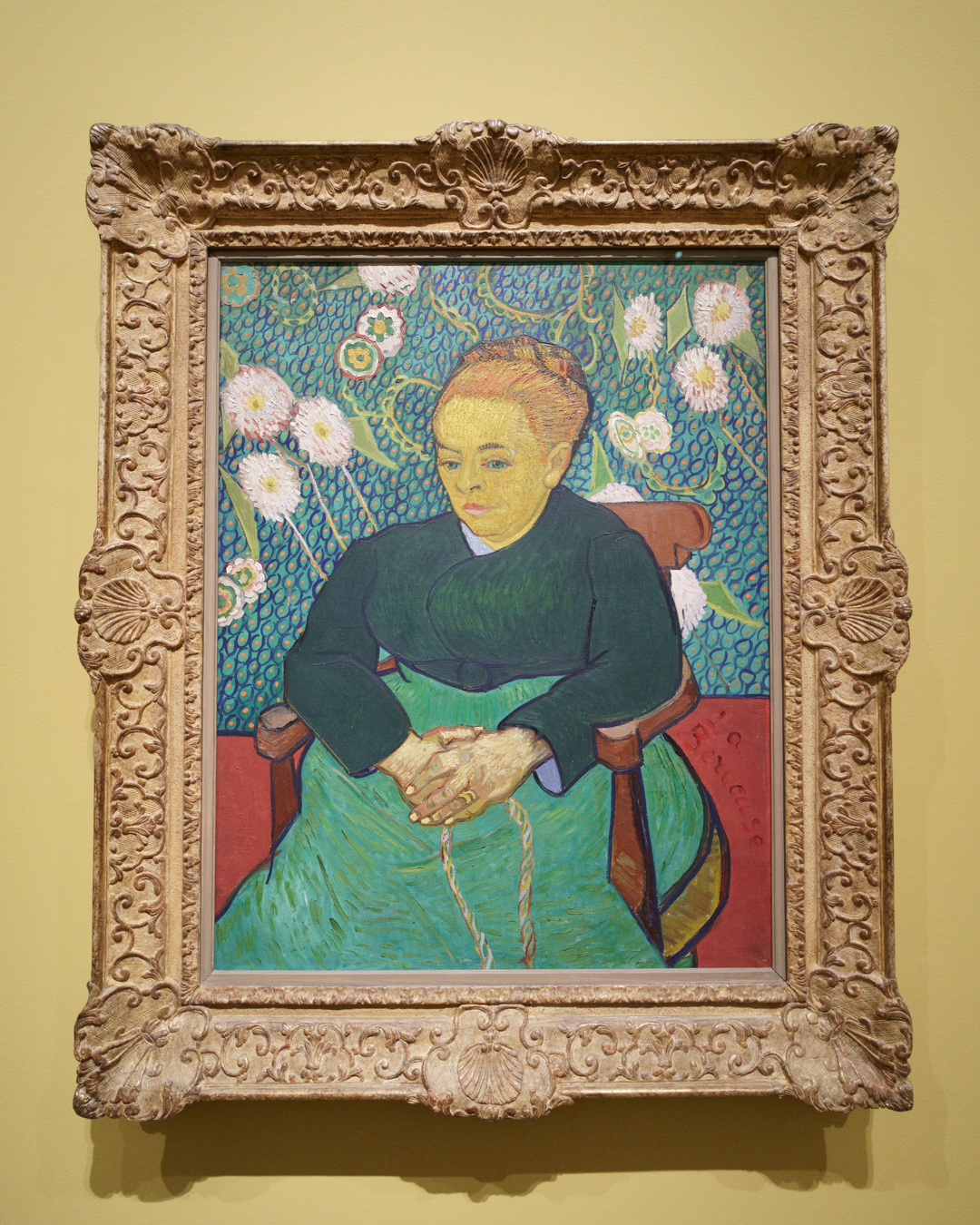
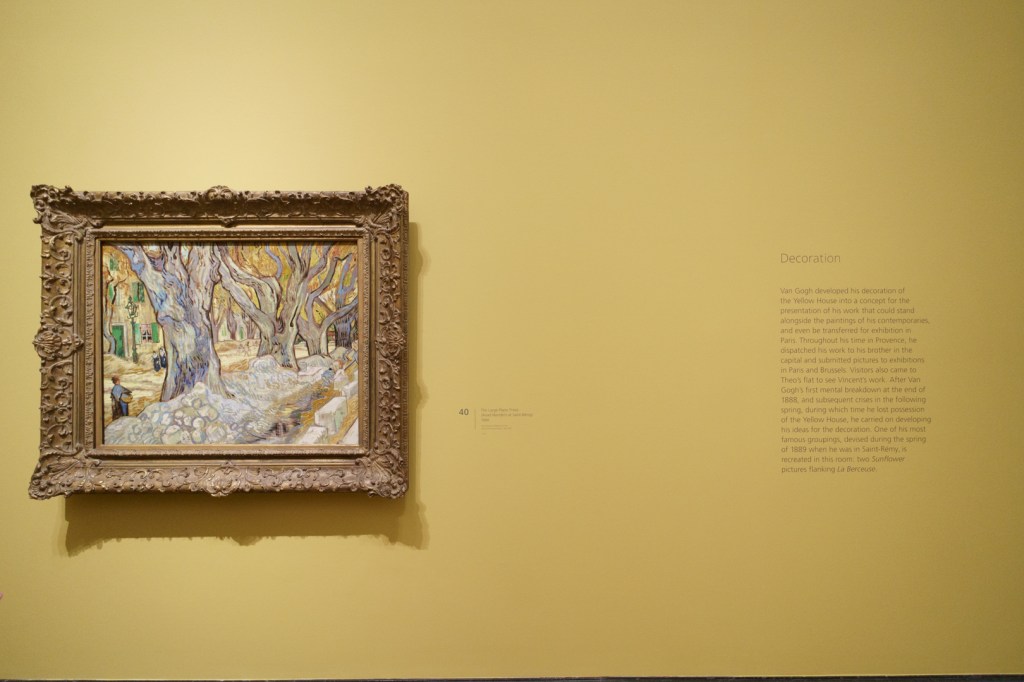
Part of the exhibition attempts to offer a more faithful display in accordance with Van Gogh’s own vision for his paintings. On the basis of a sketch from a letter to his brother Theo, dated 23 May 1889, the curators have recreated a triple grouping with La Berceuse in the middle of two Sunflowers – as Van Gogh intended – almost like a triptych.
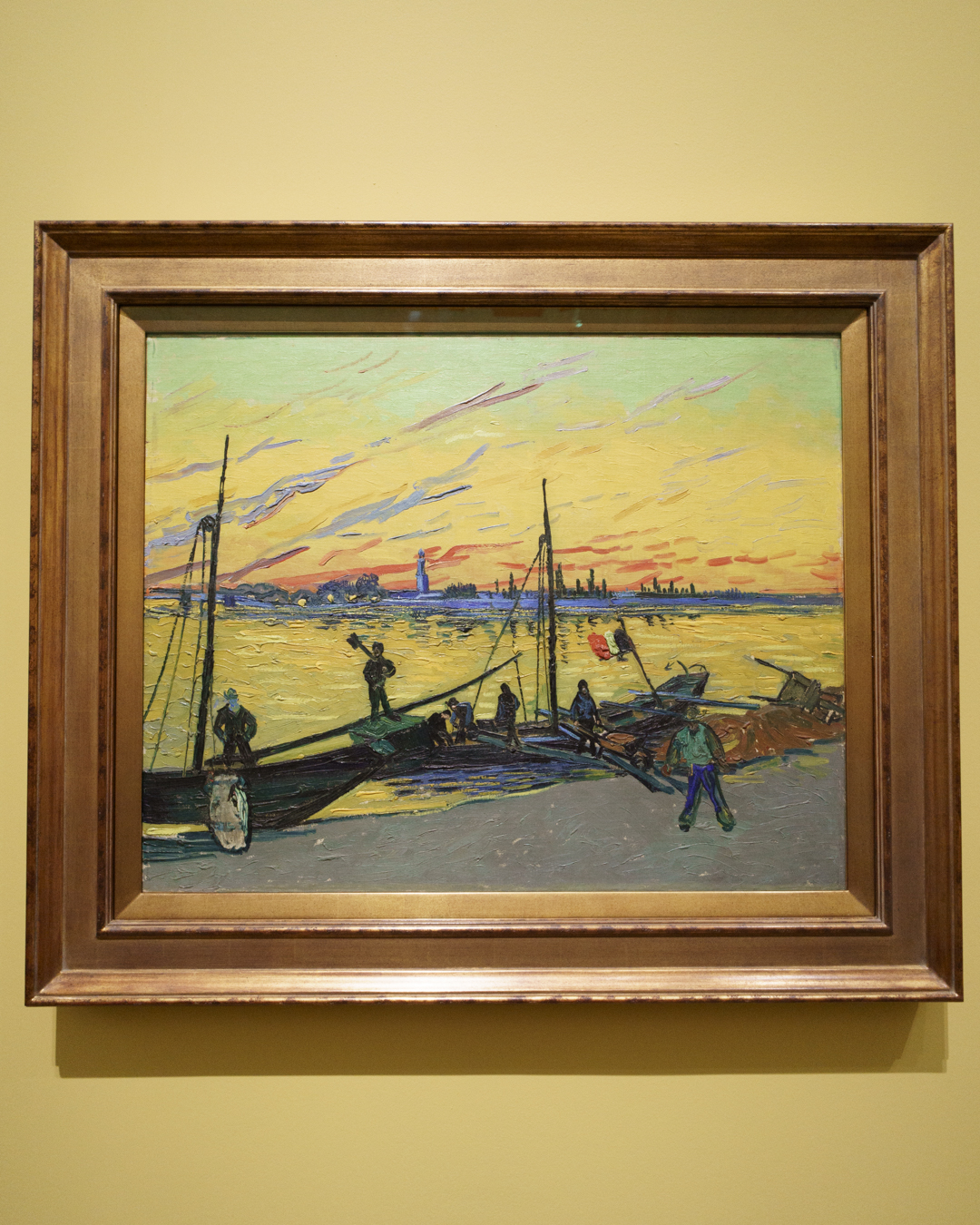
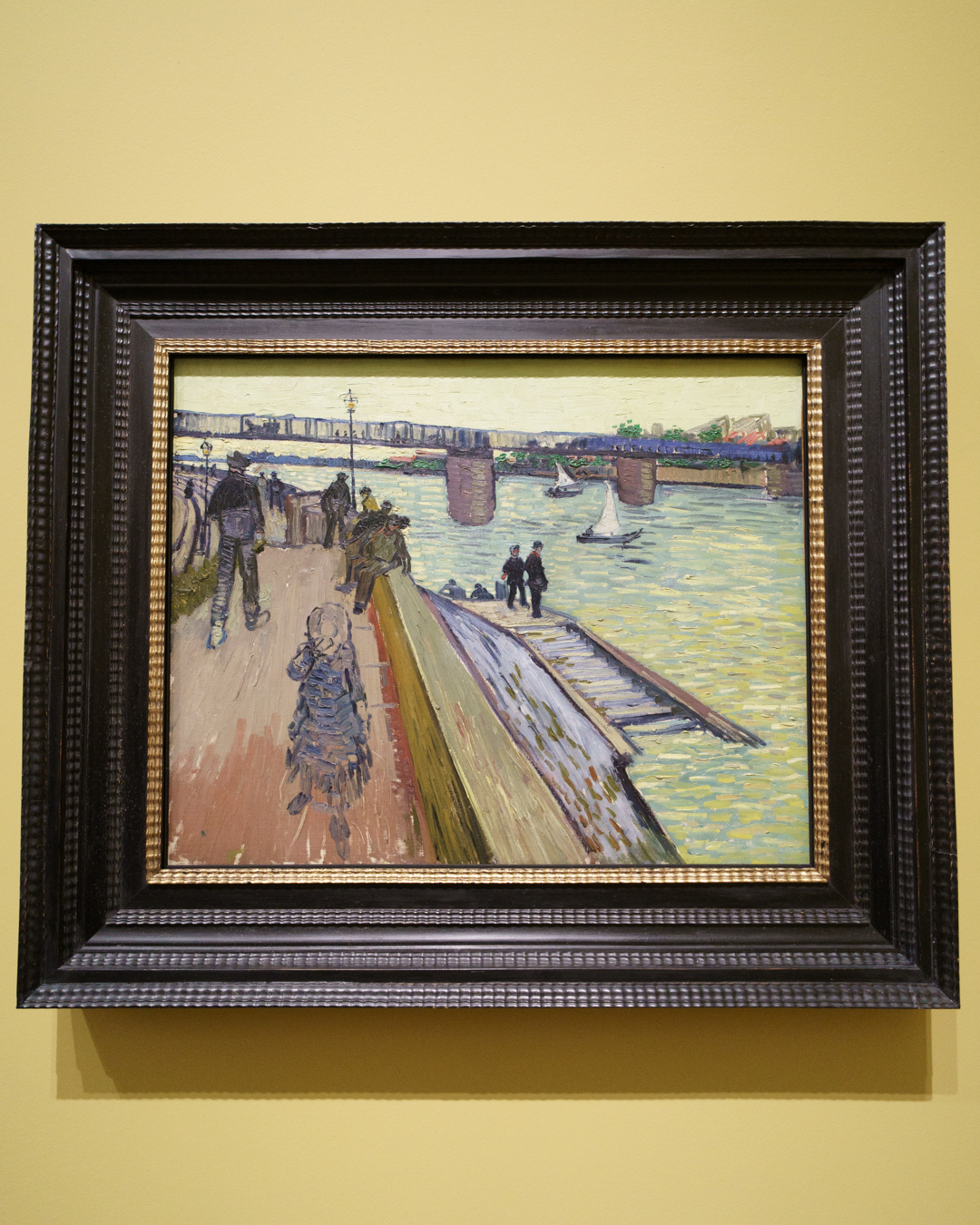
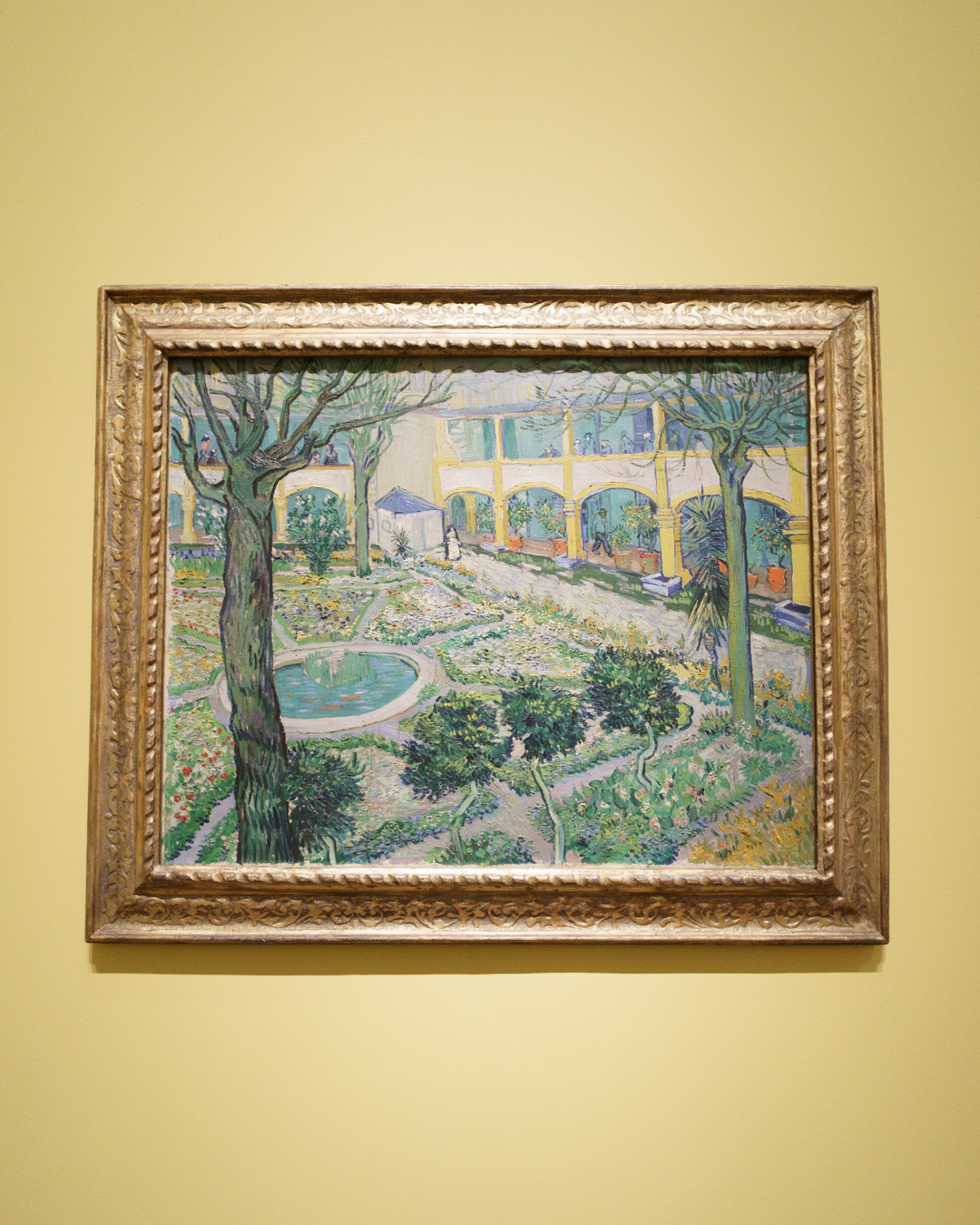
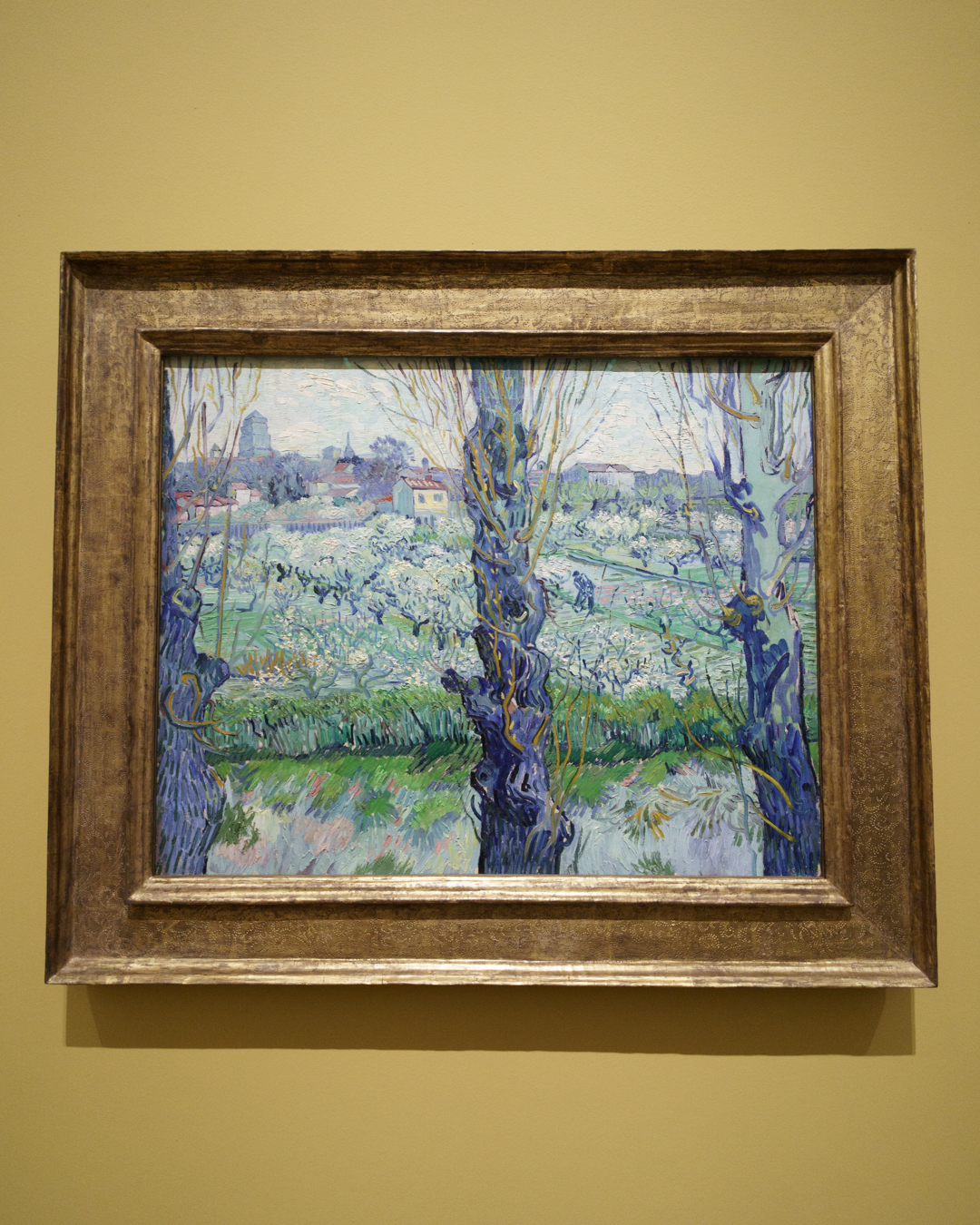
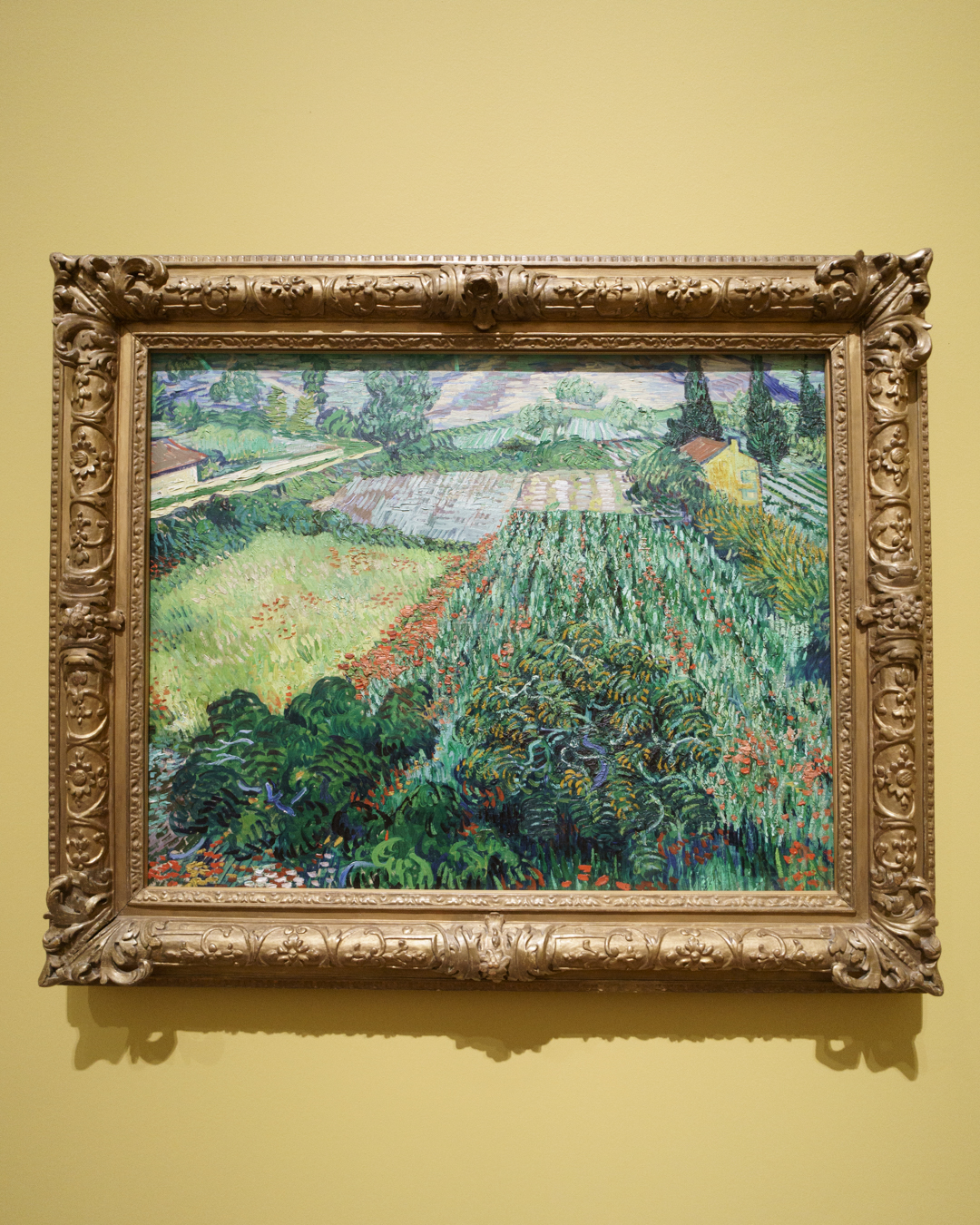
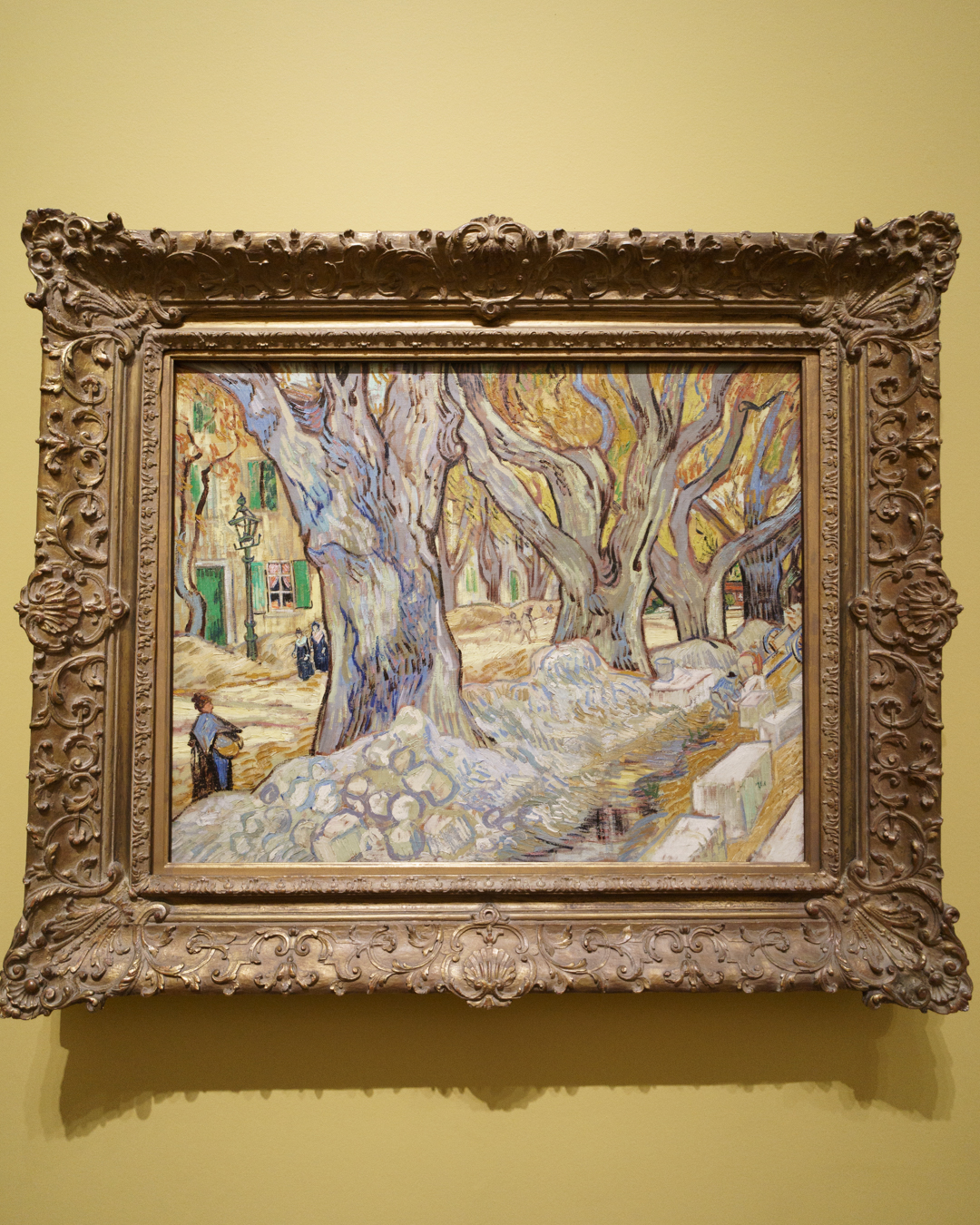
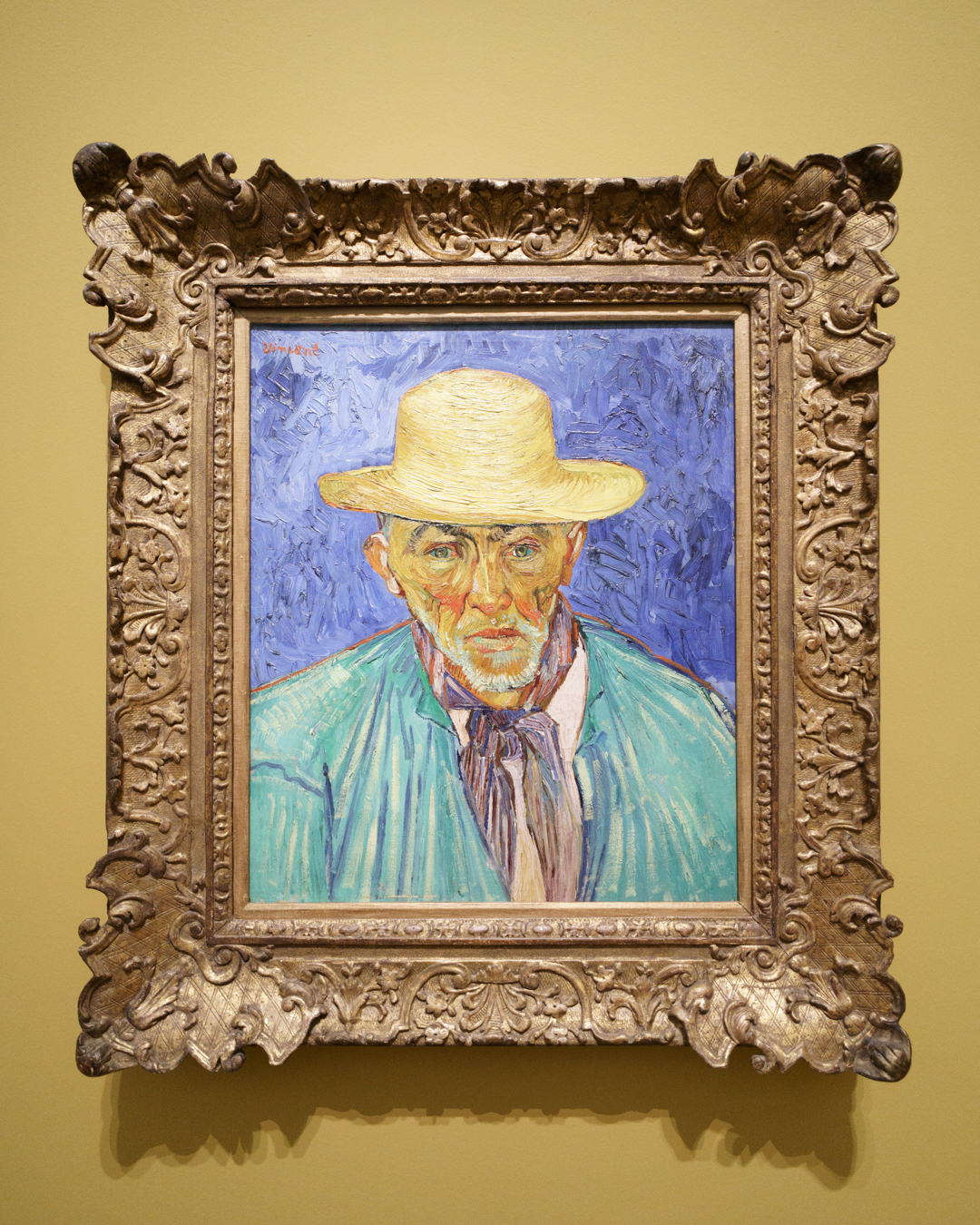
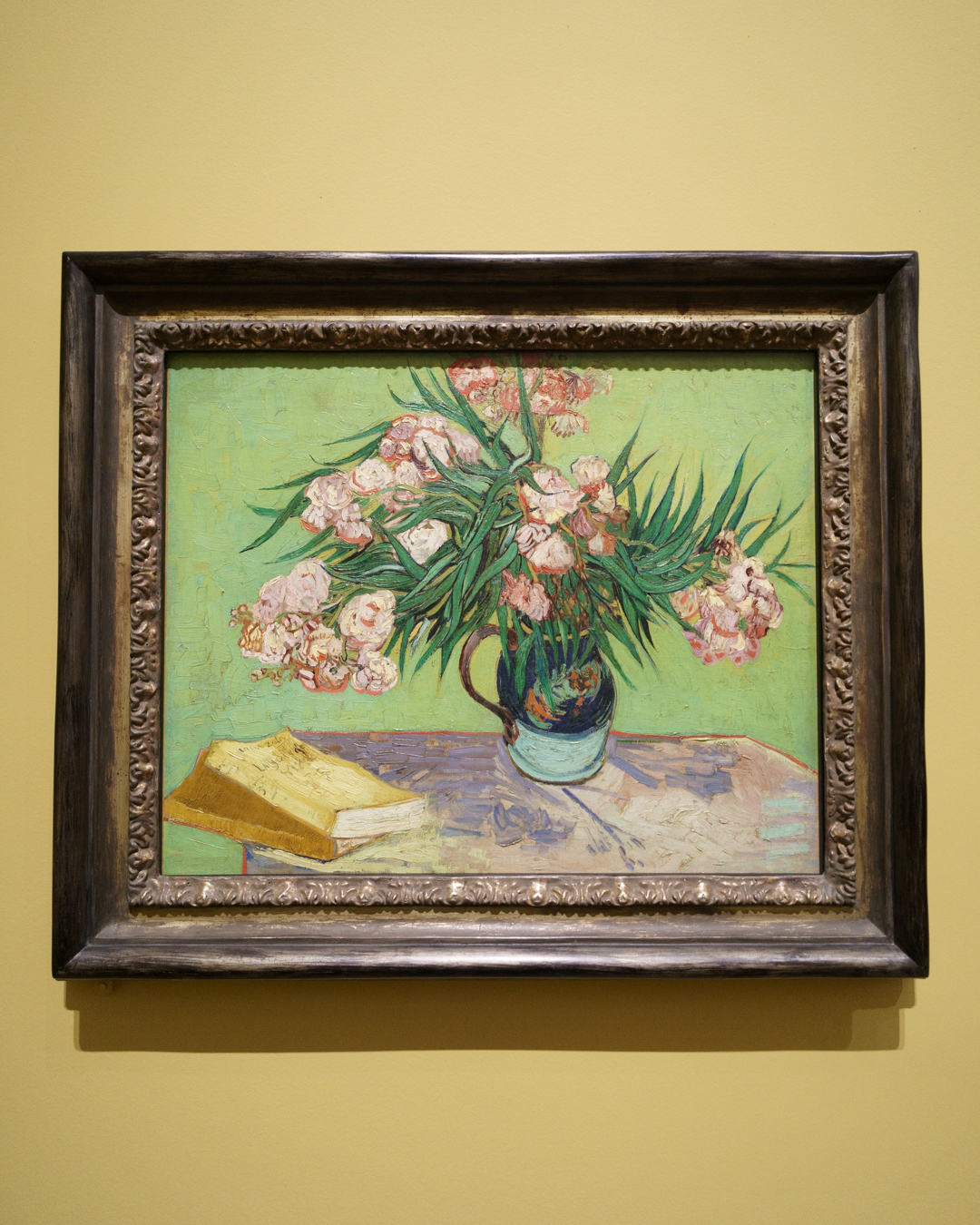
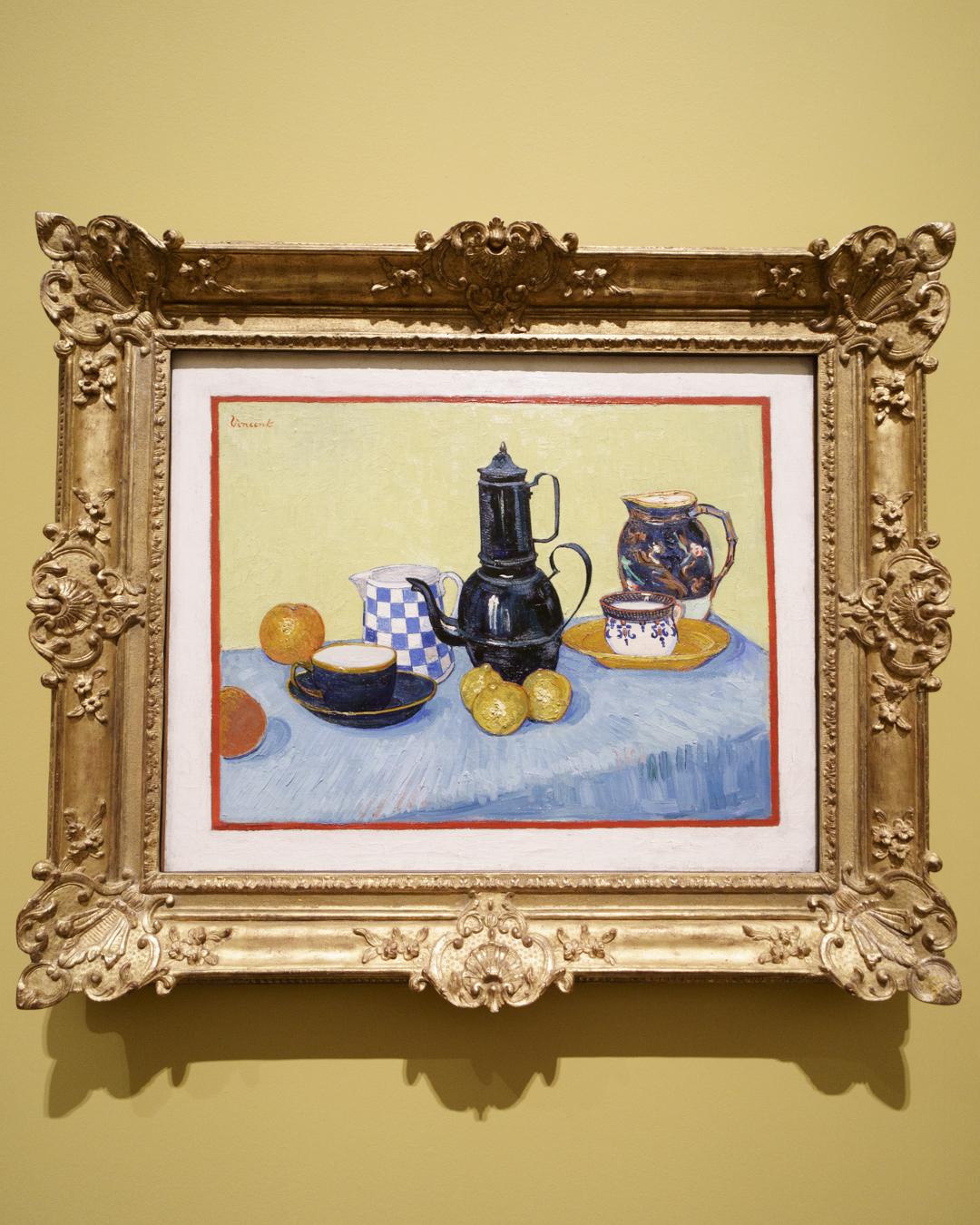
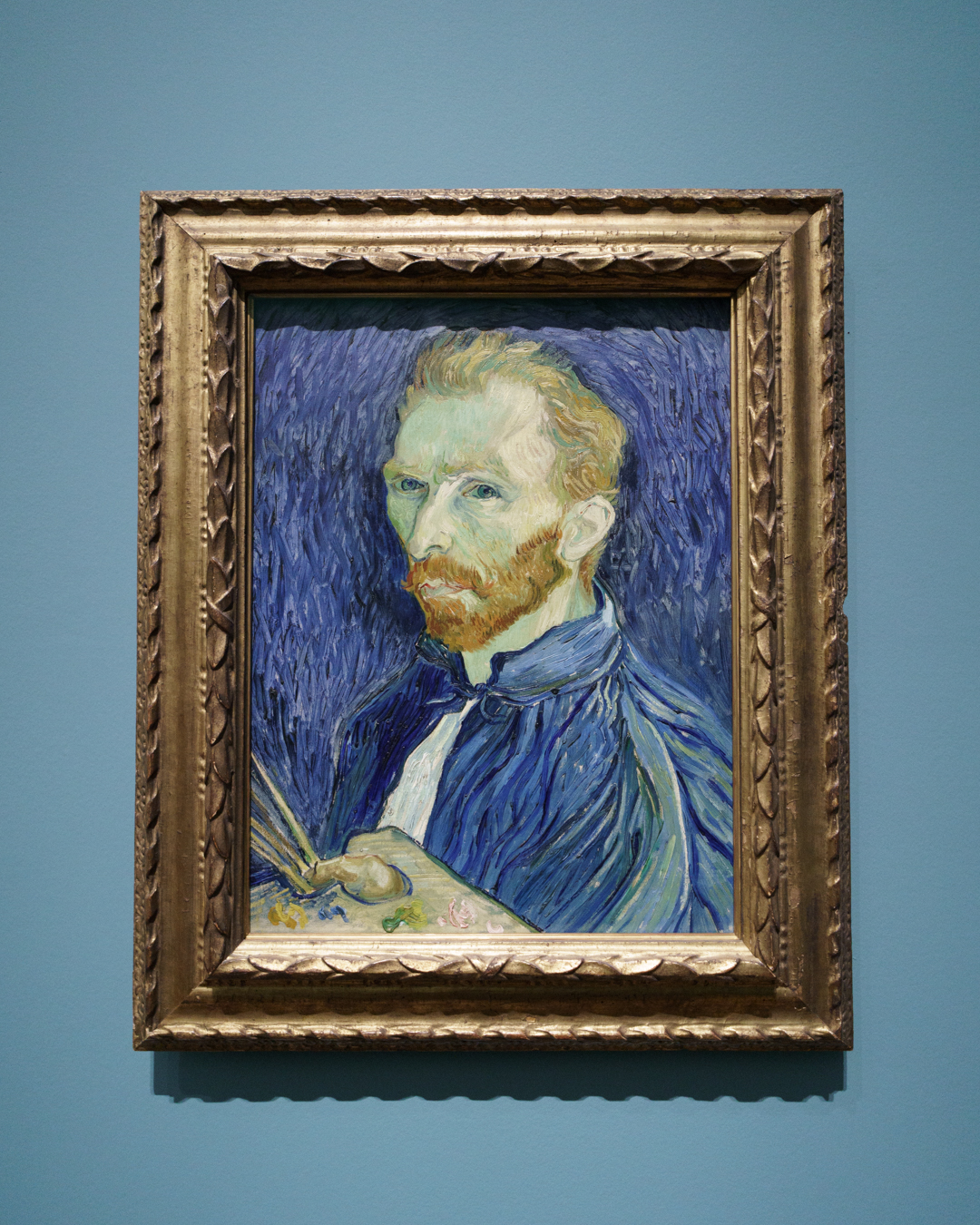
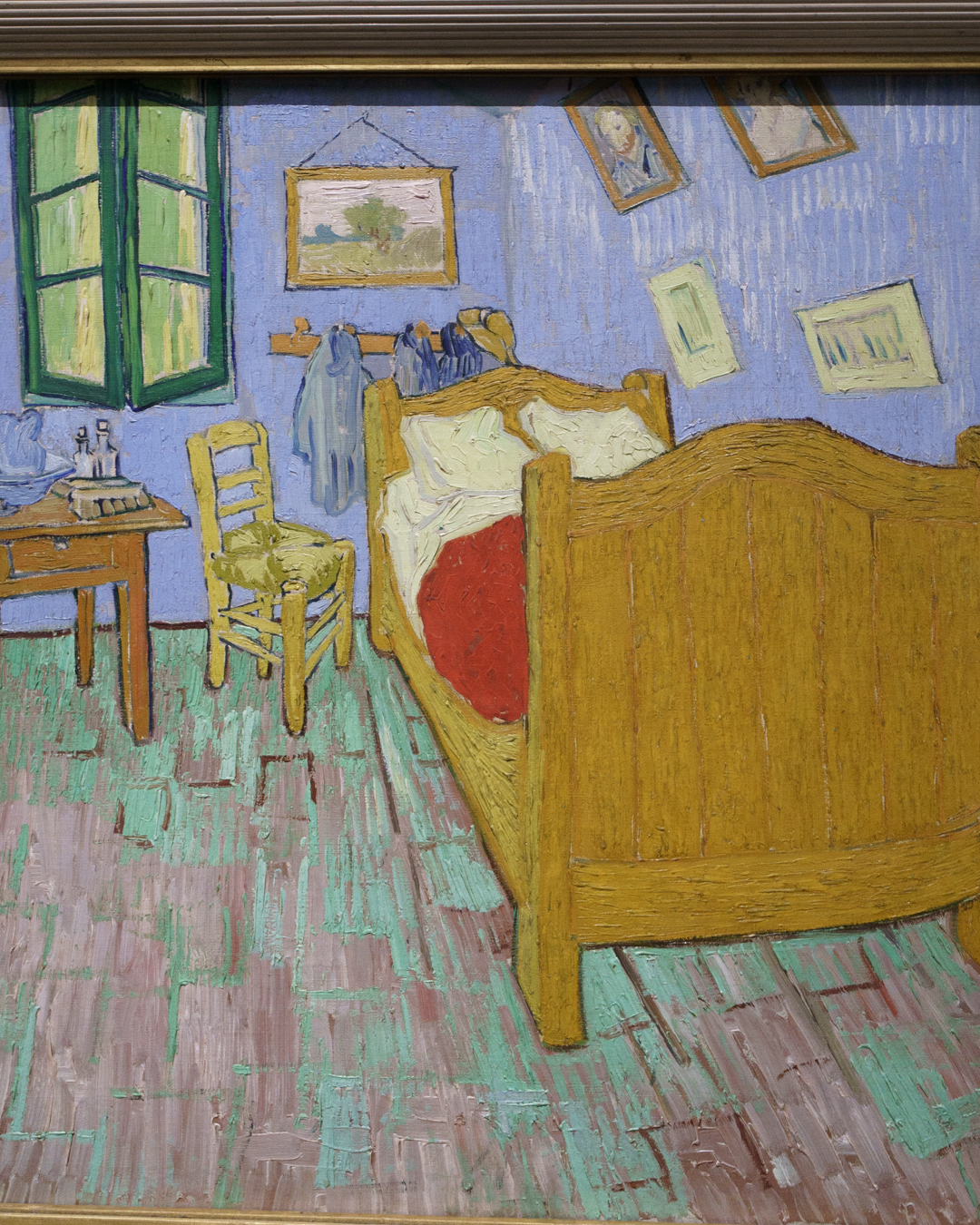
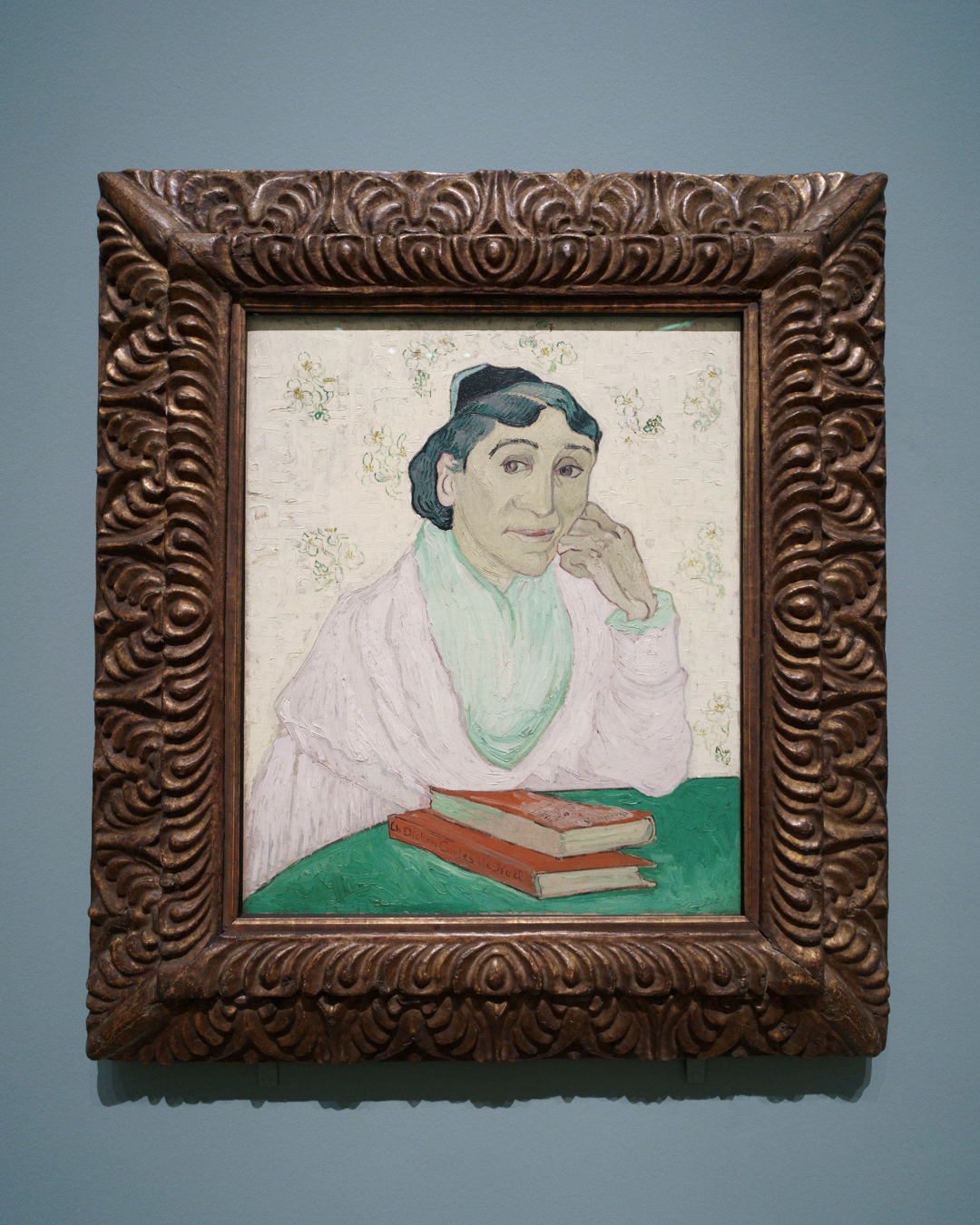
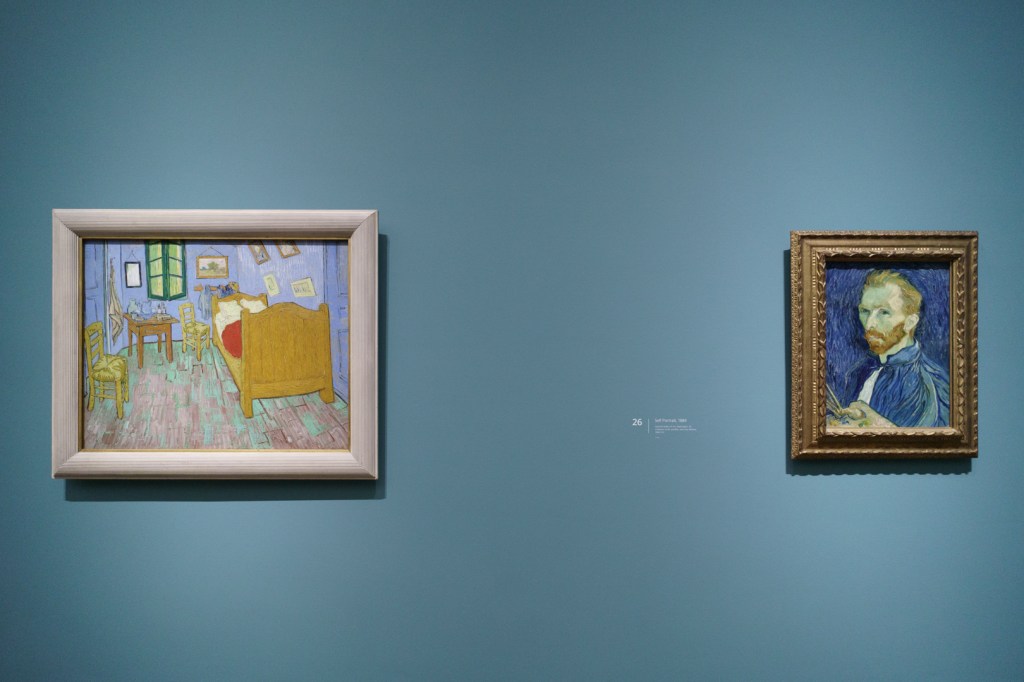
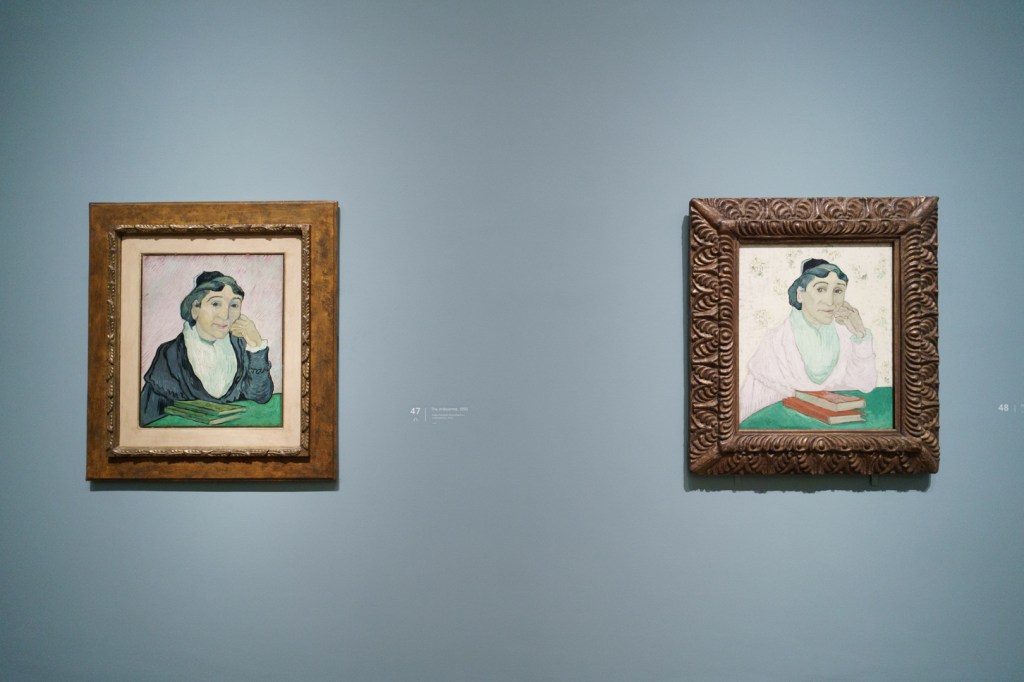
Elsewhere, it is pleasing to see Van Gogh’s Self-Portrait from Washington, D.C., beside the Chicago version of The Bedroom, where it can be seen hanging on the wall. There is also a brief analysis of his self-coined ‘répétitions’, uniting two versions of L’Arlésienne (The Woman from Arles).
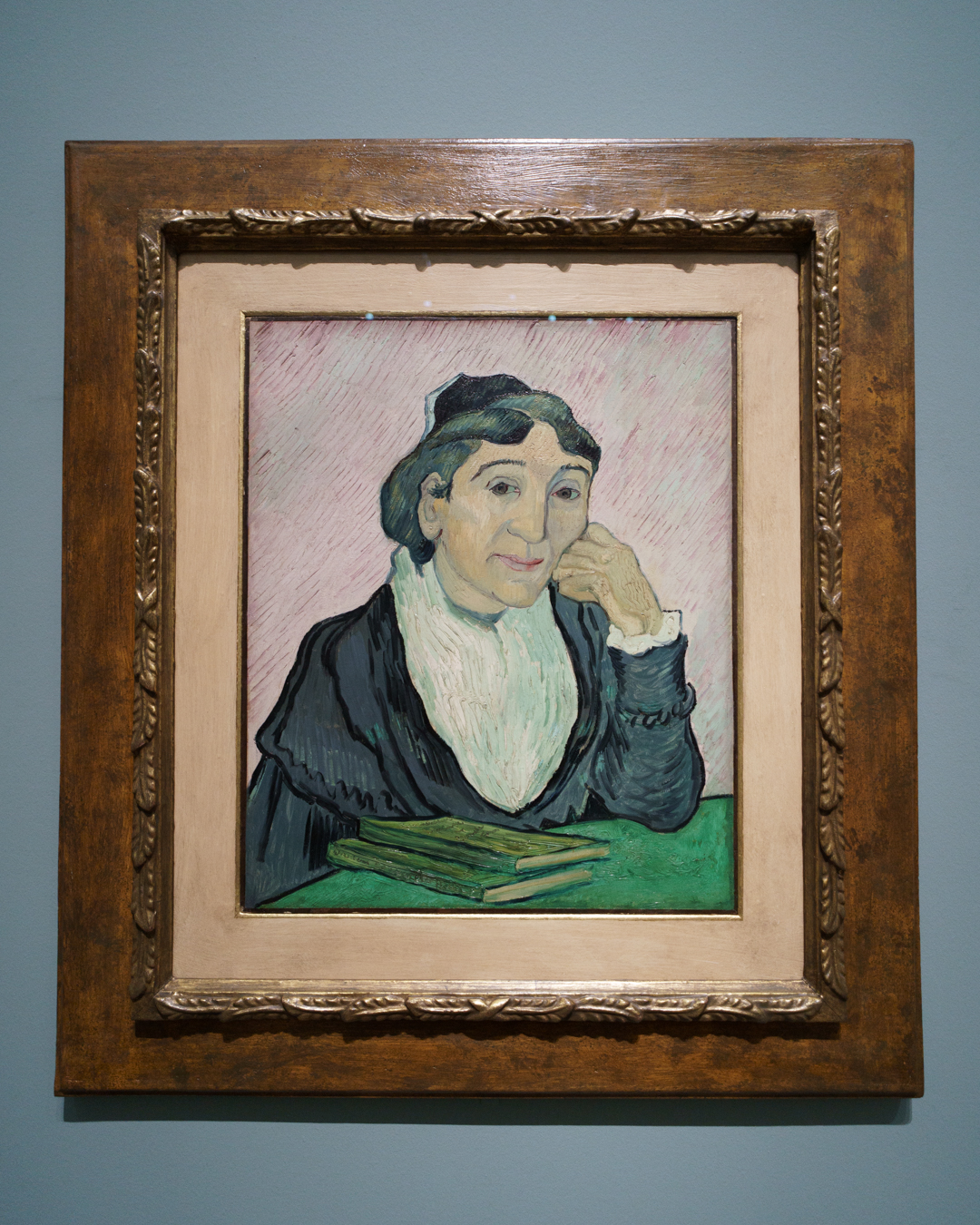
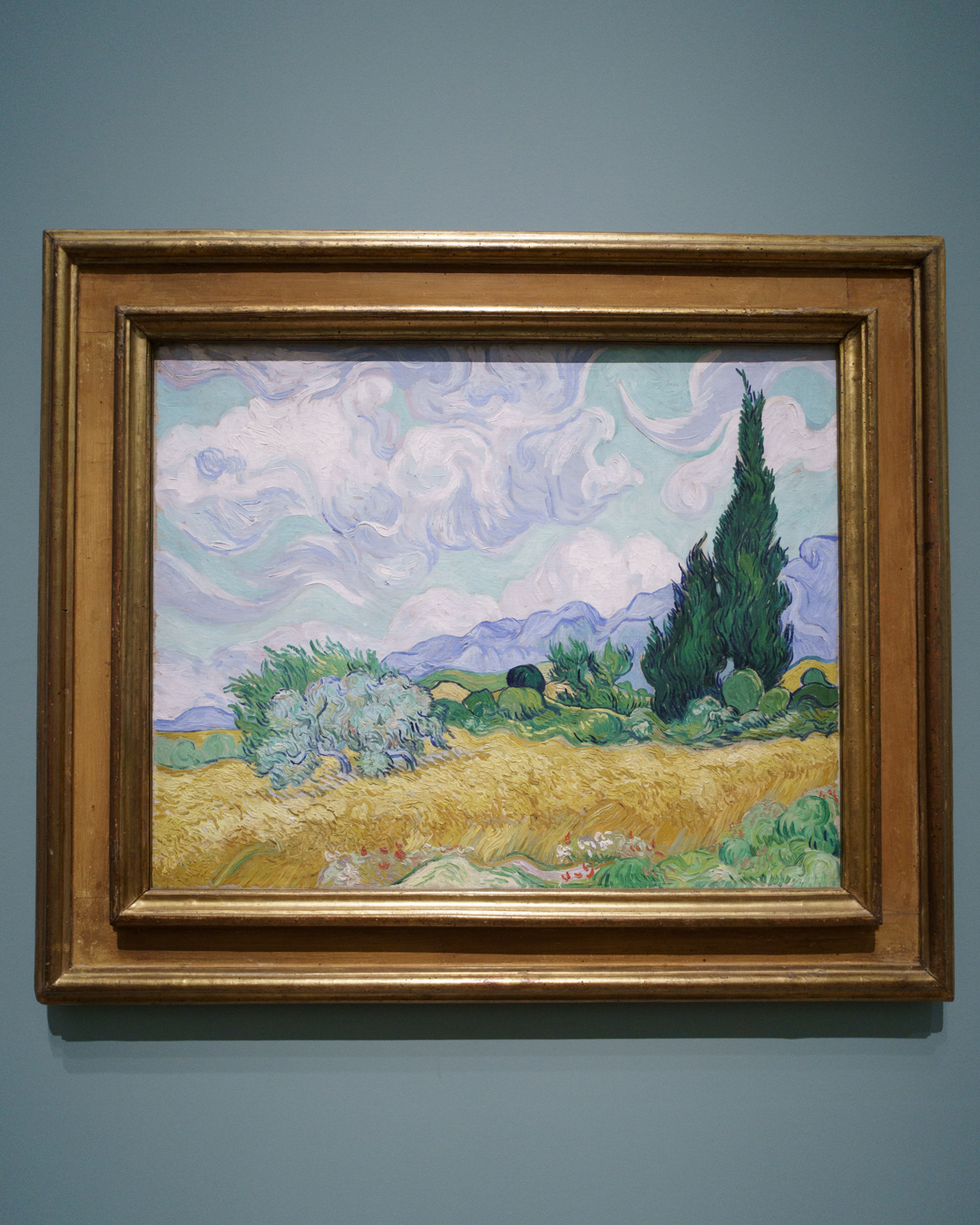
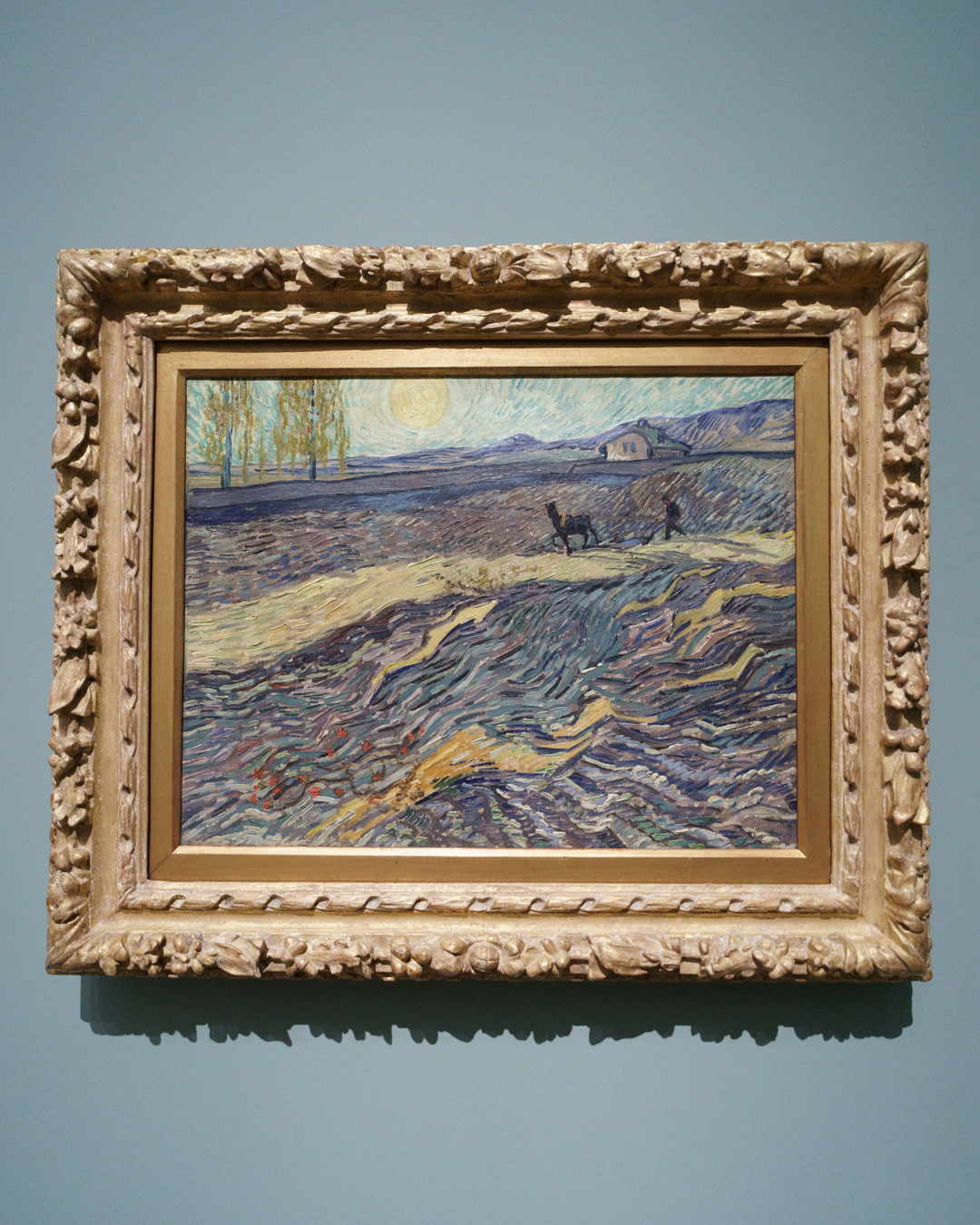
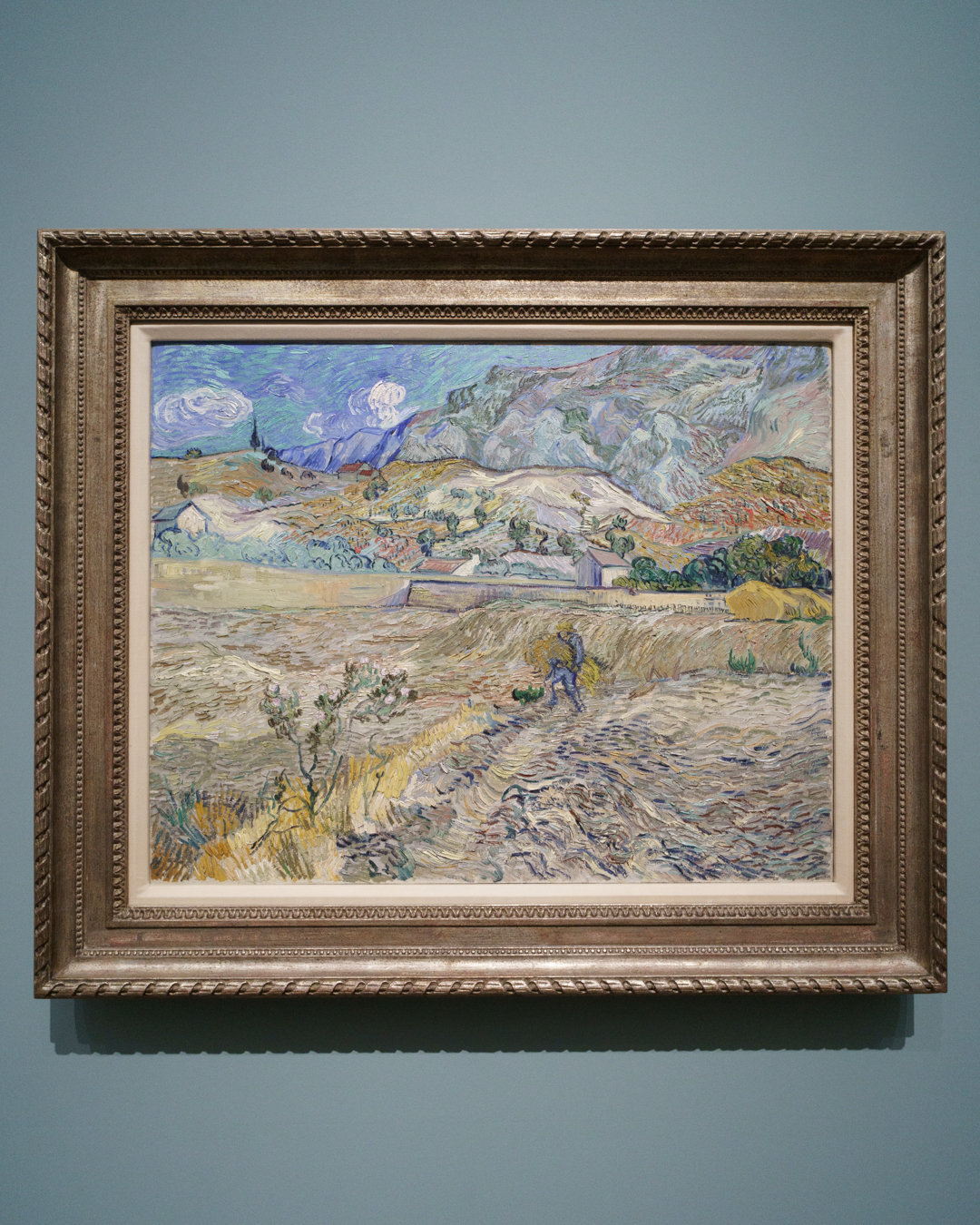
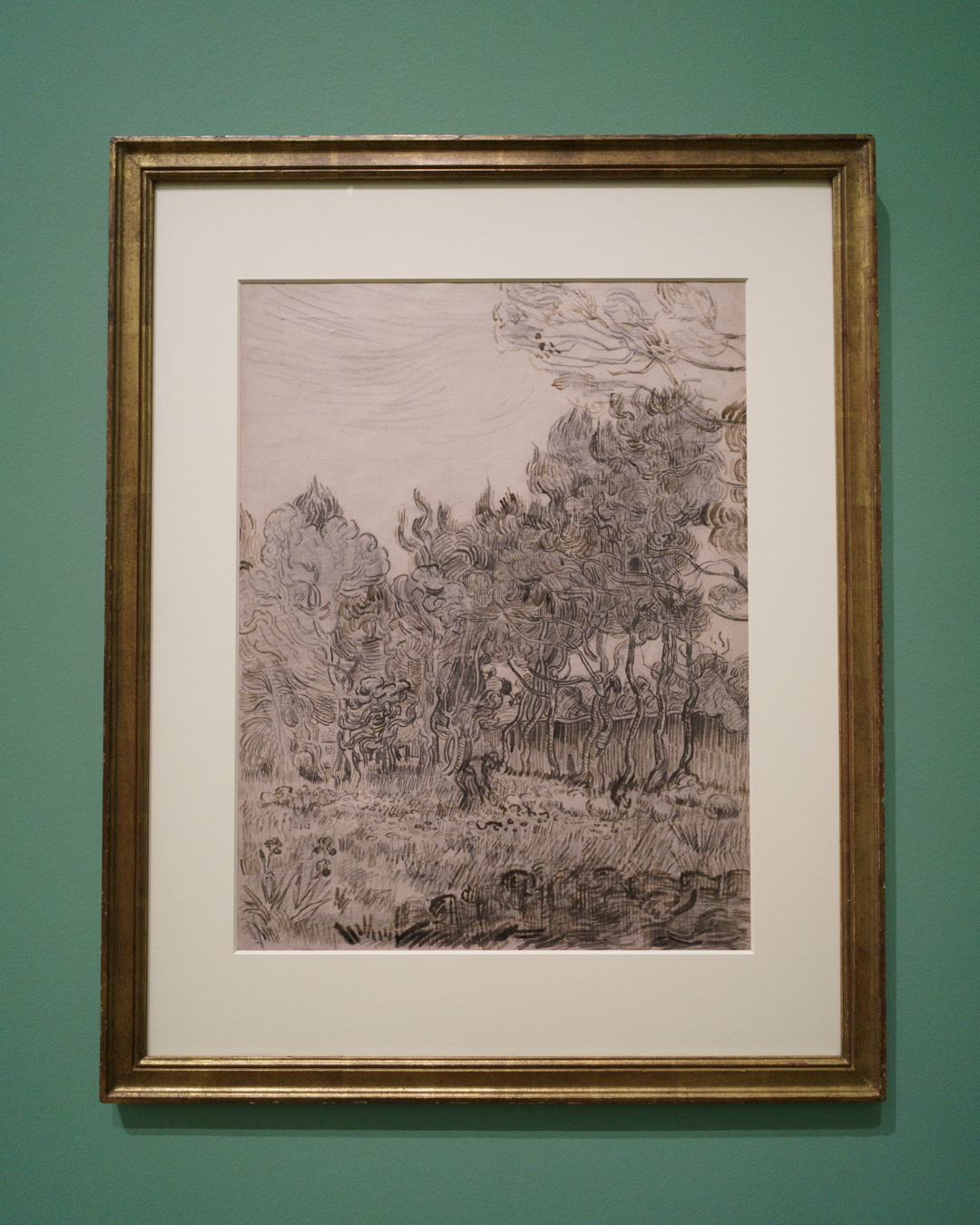
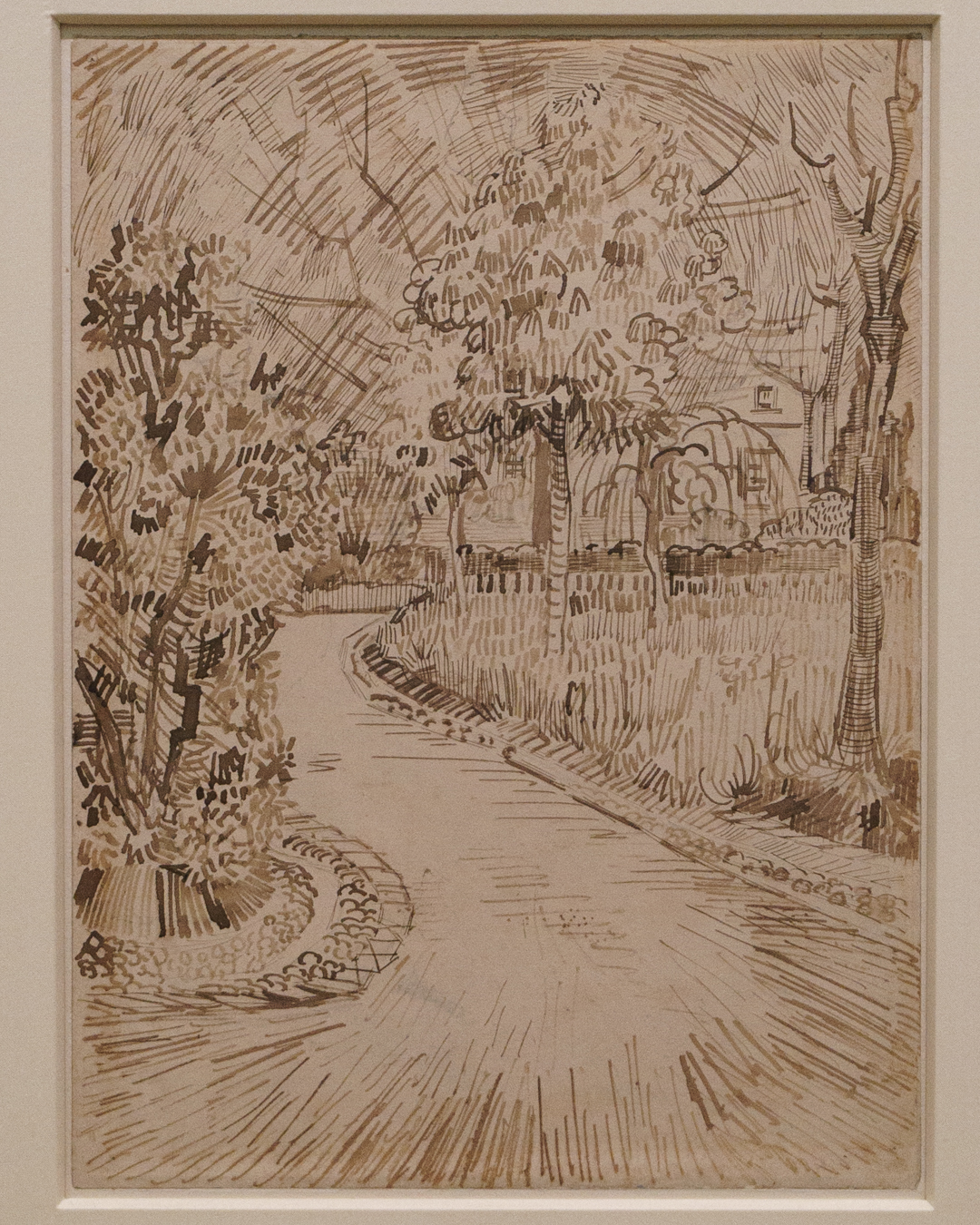
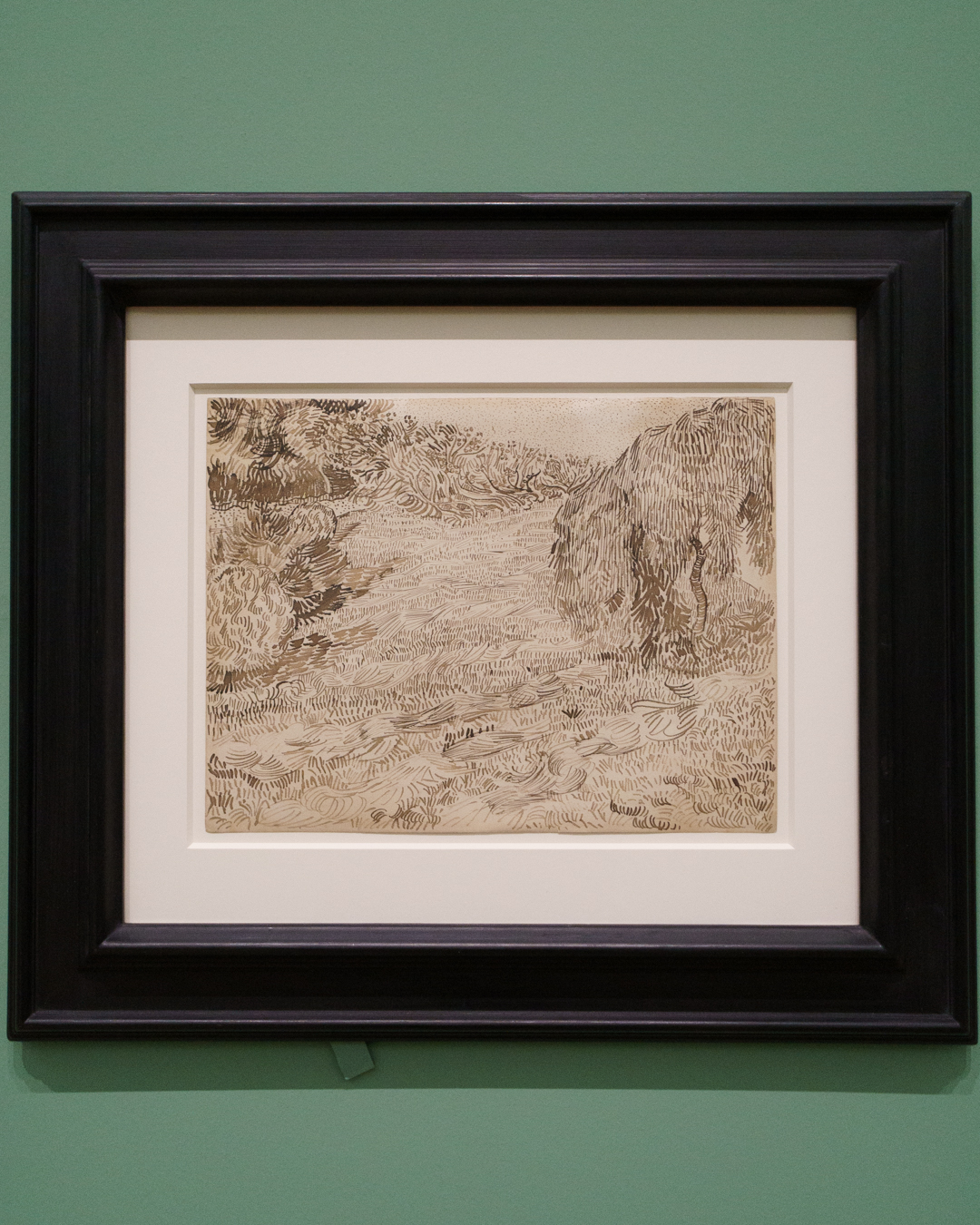
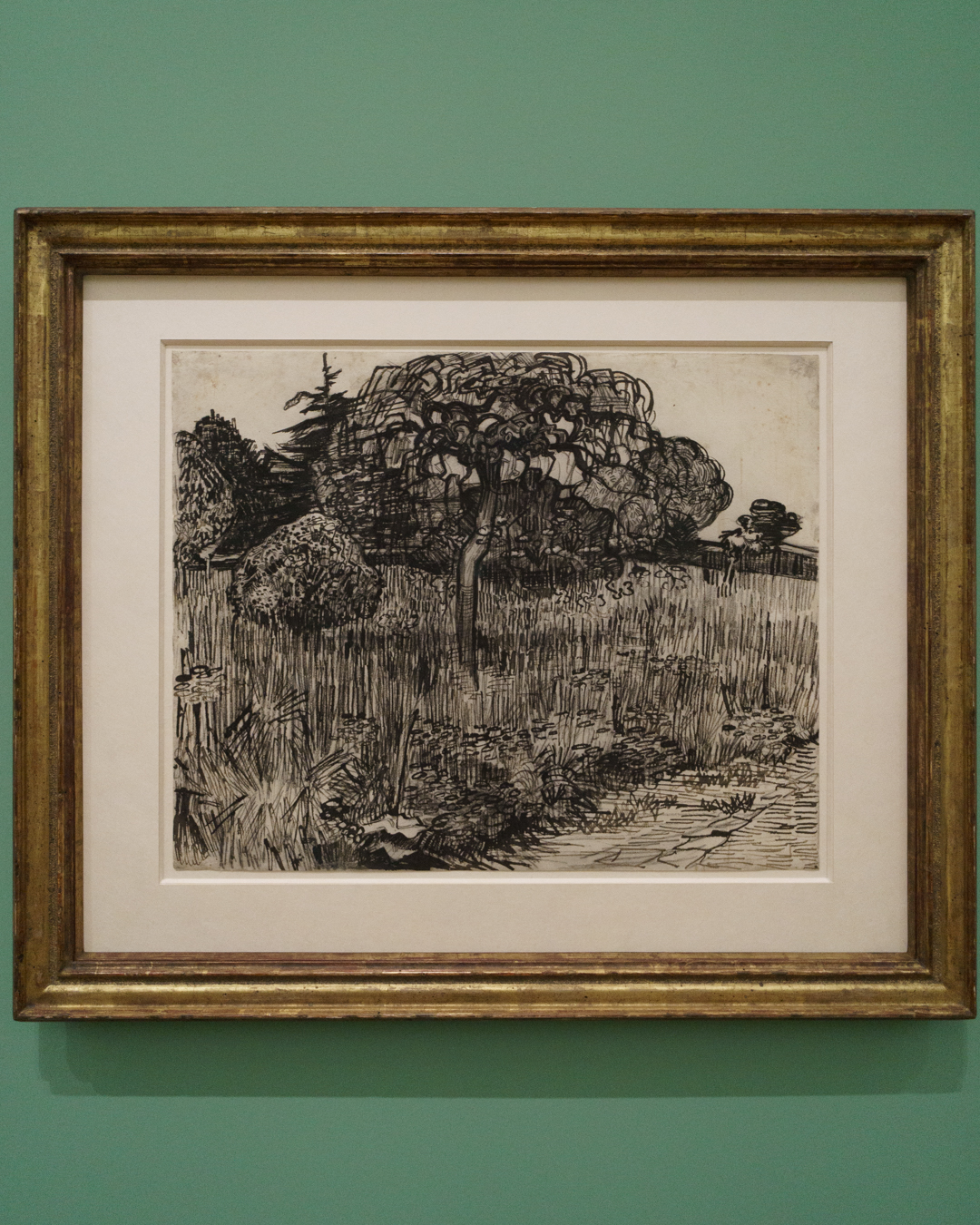
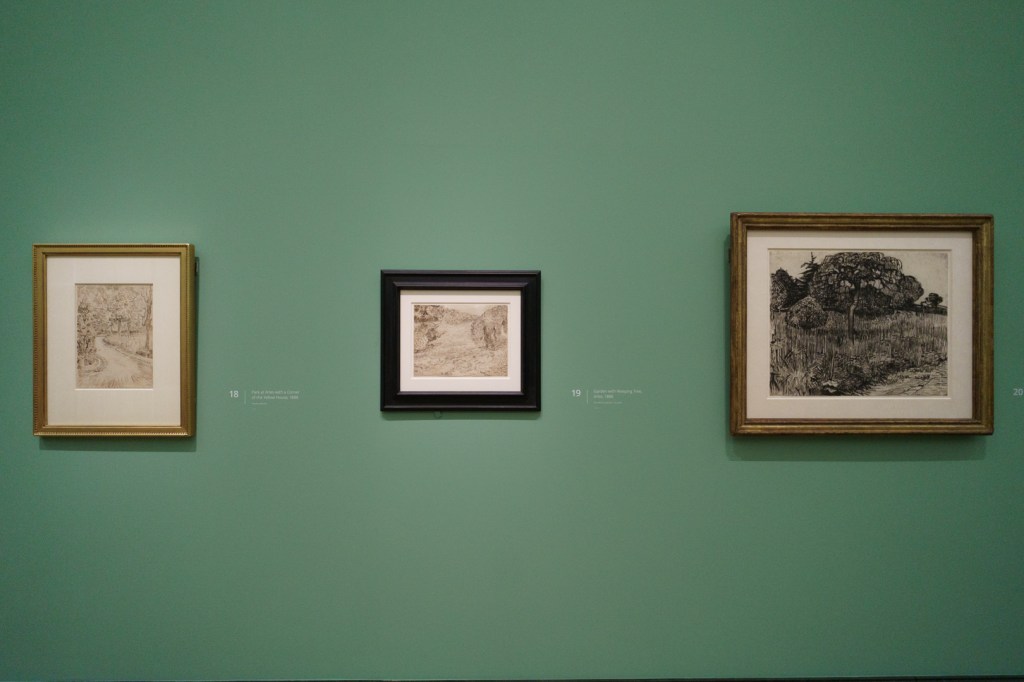
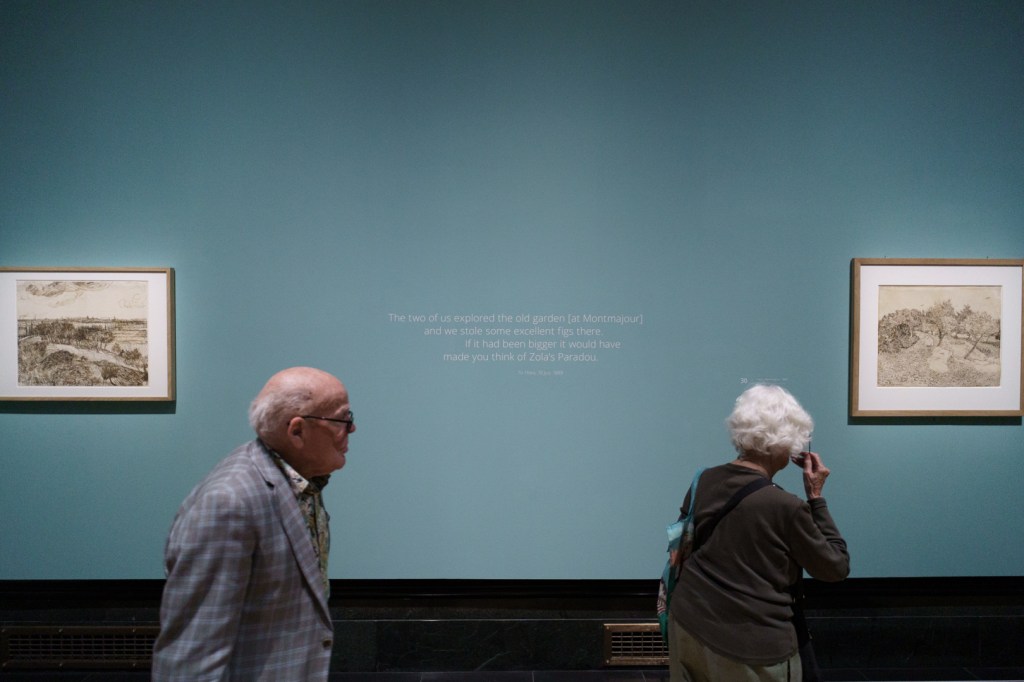
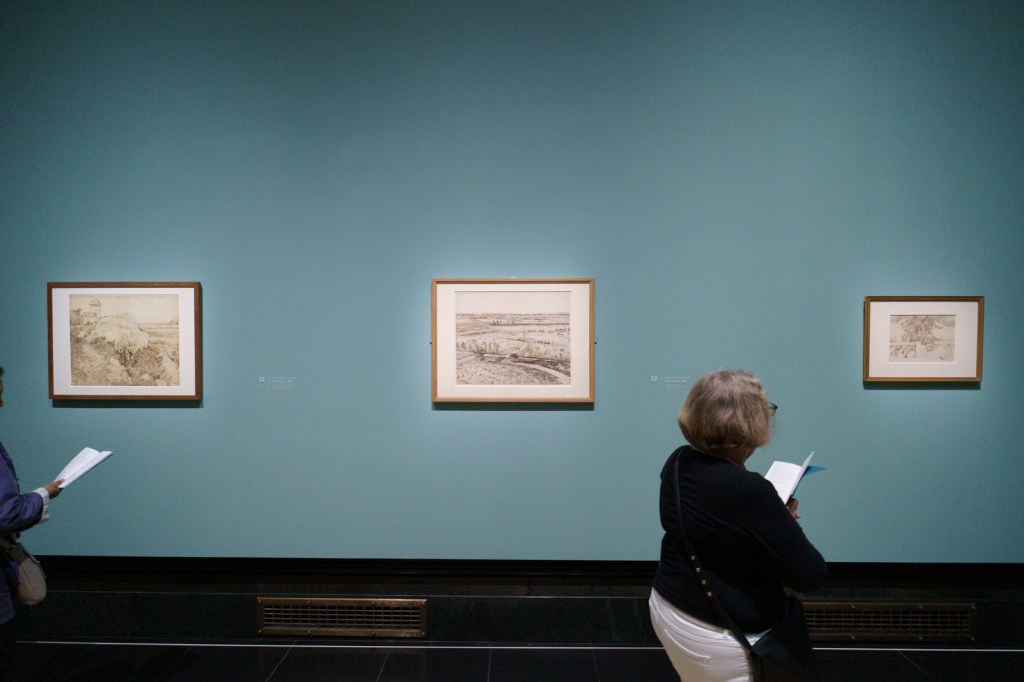
A small room entirely devoted to six (out of eight) drawings of Montmajour Abbey is a personal highlight, not least because I’ve handled one of the drawings in the Rijksmuseum recently in 2023, but because we can see the full extent of Van Gogh’s draughtsmanship using a reed pen. Those wavy, swirling lines that we recognise so well in his paintings take on a far more dramatic quality in these ink drawings.
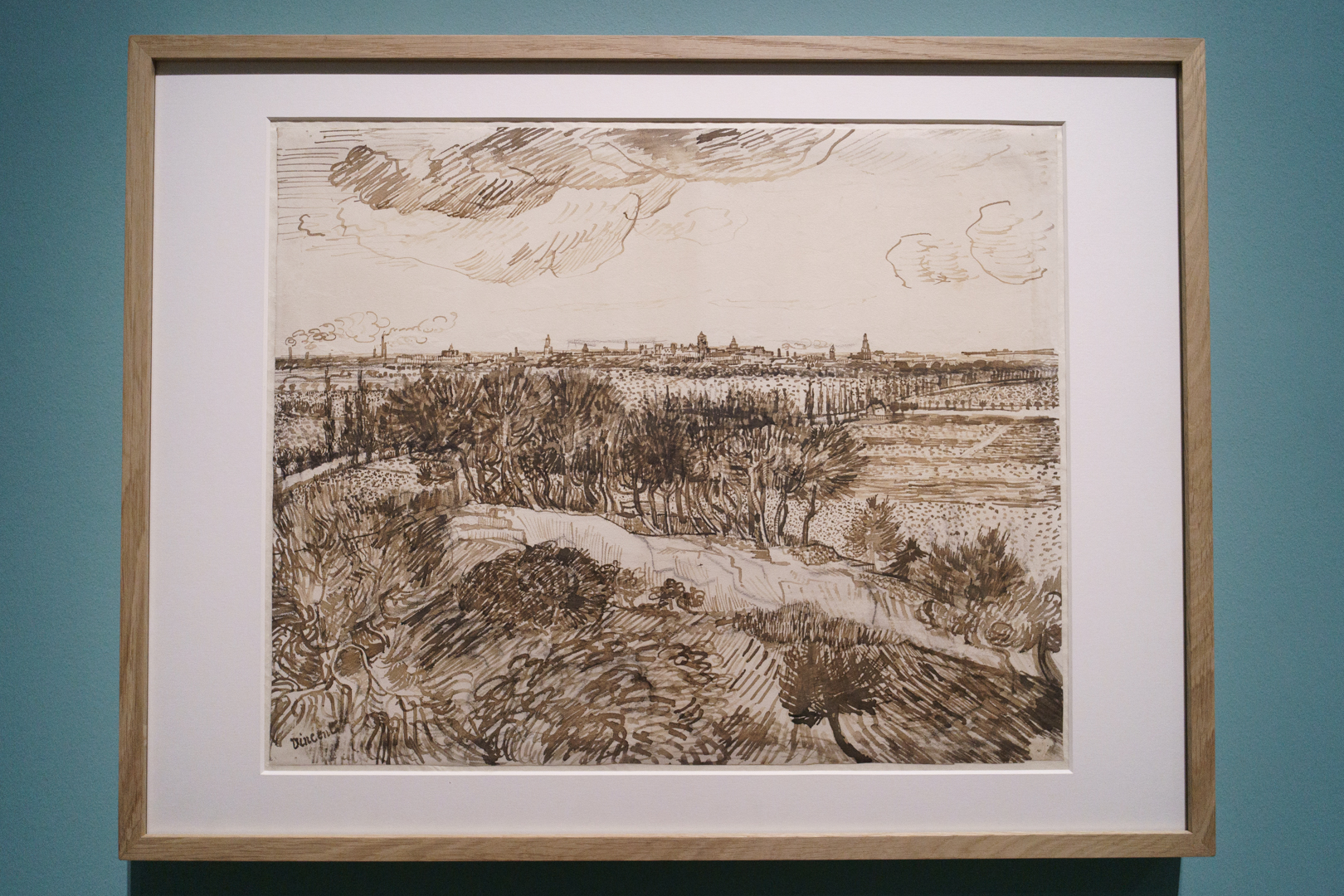
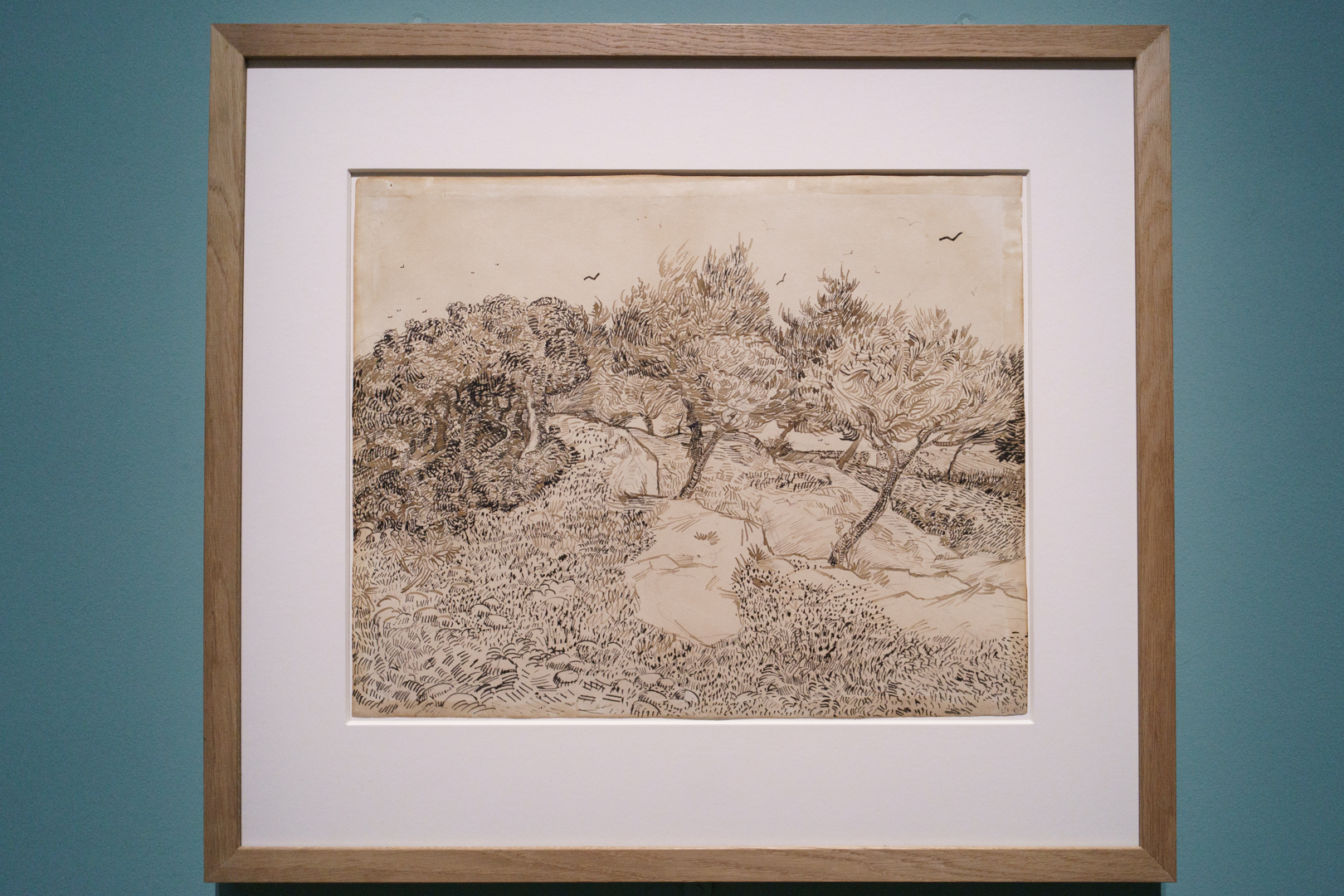
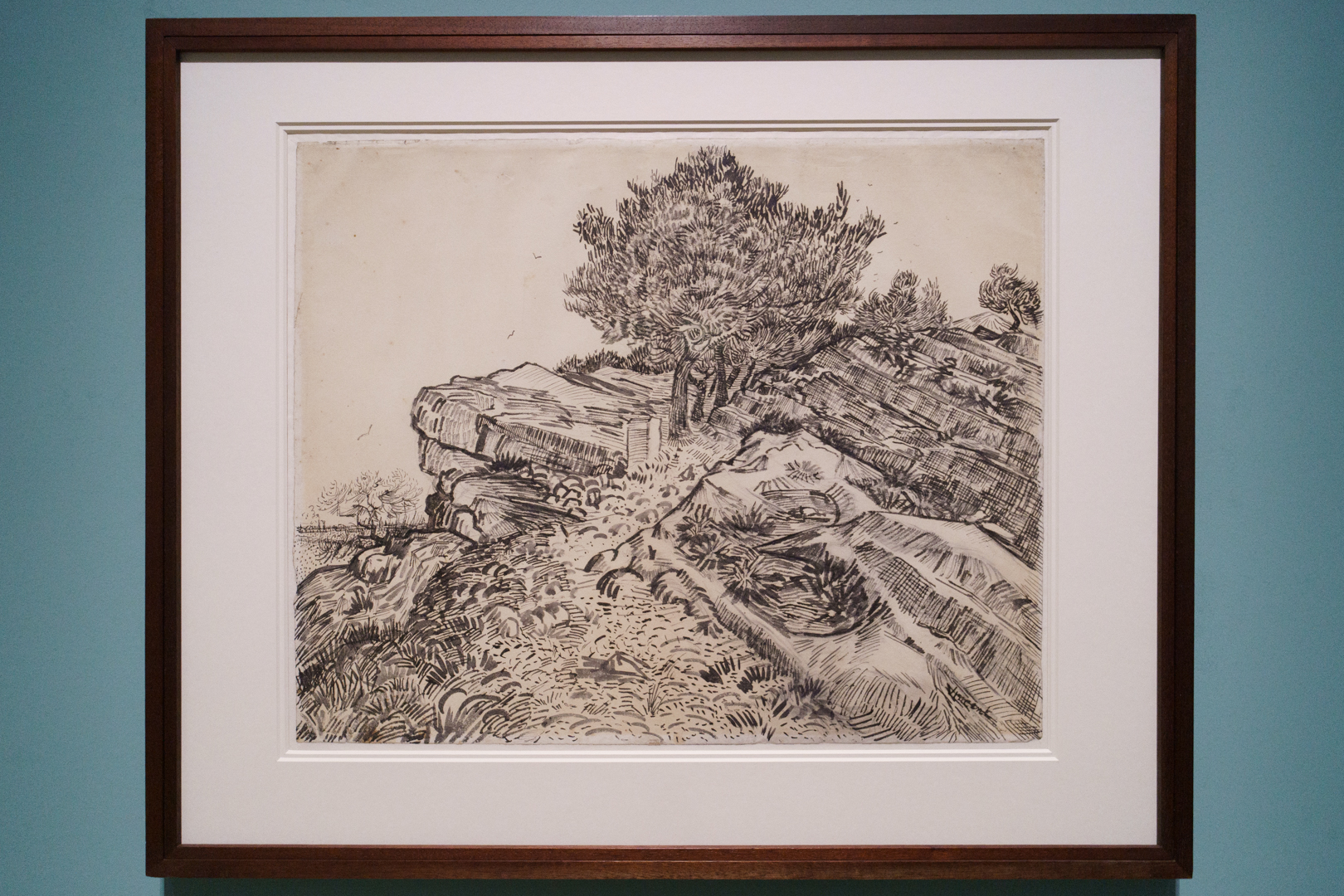
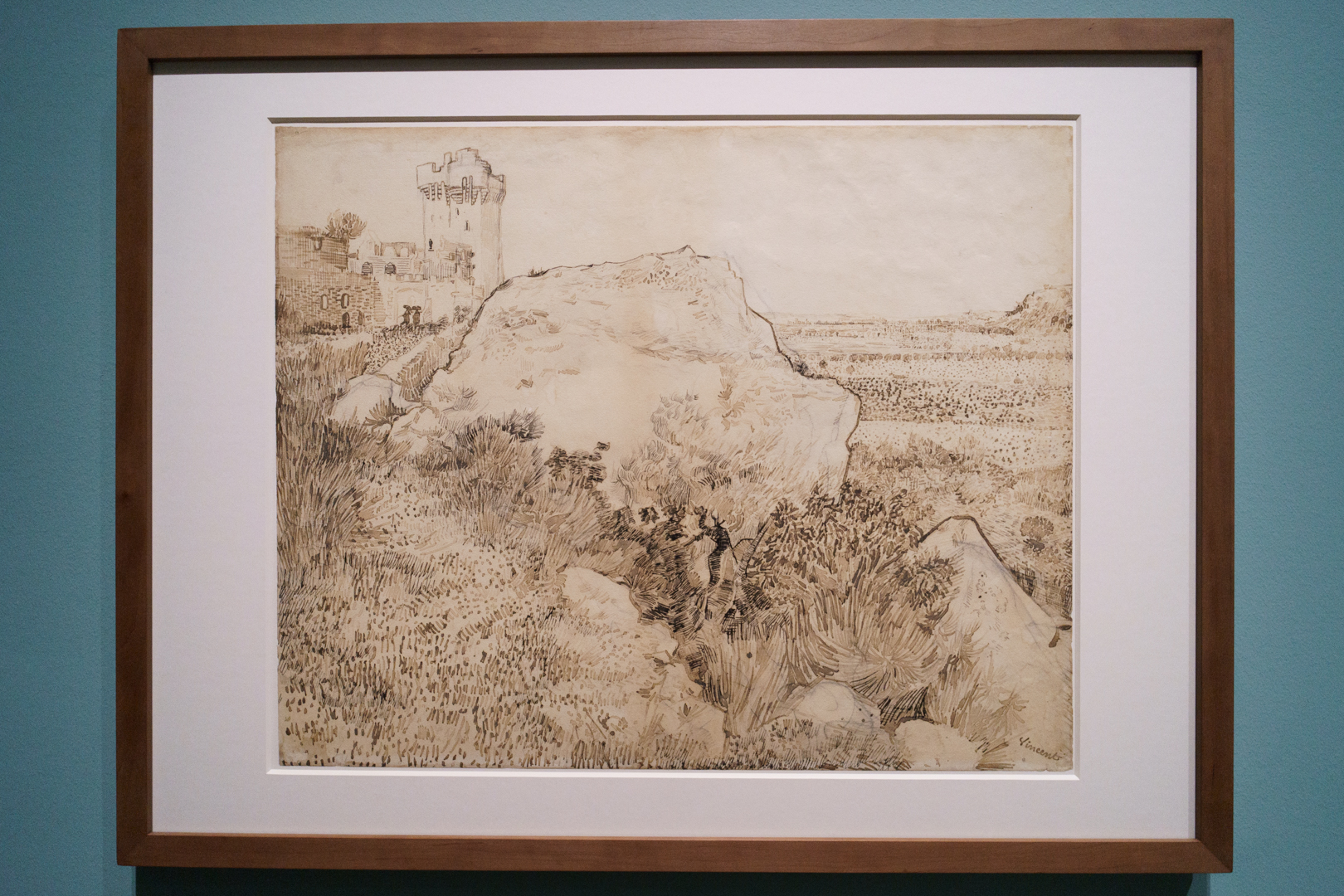
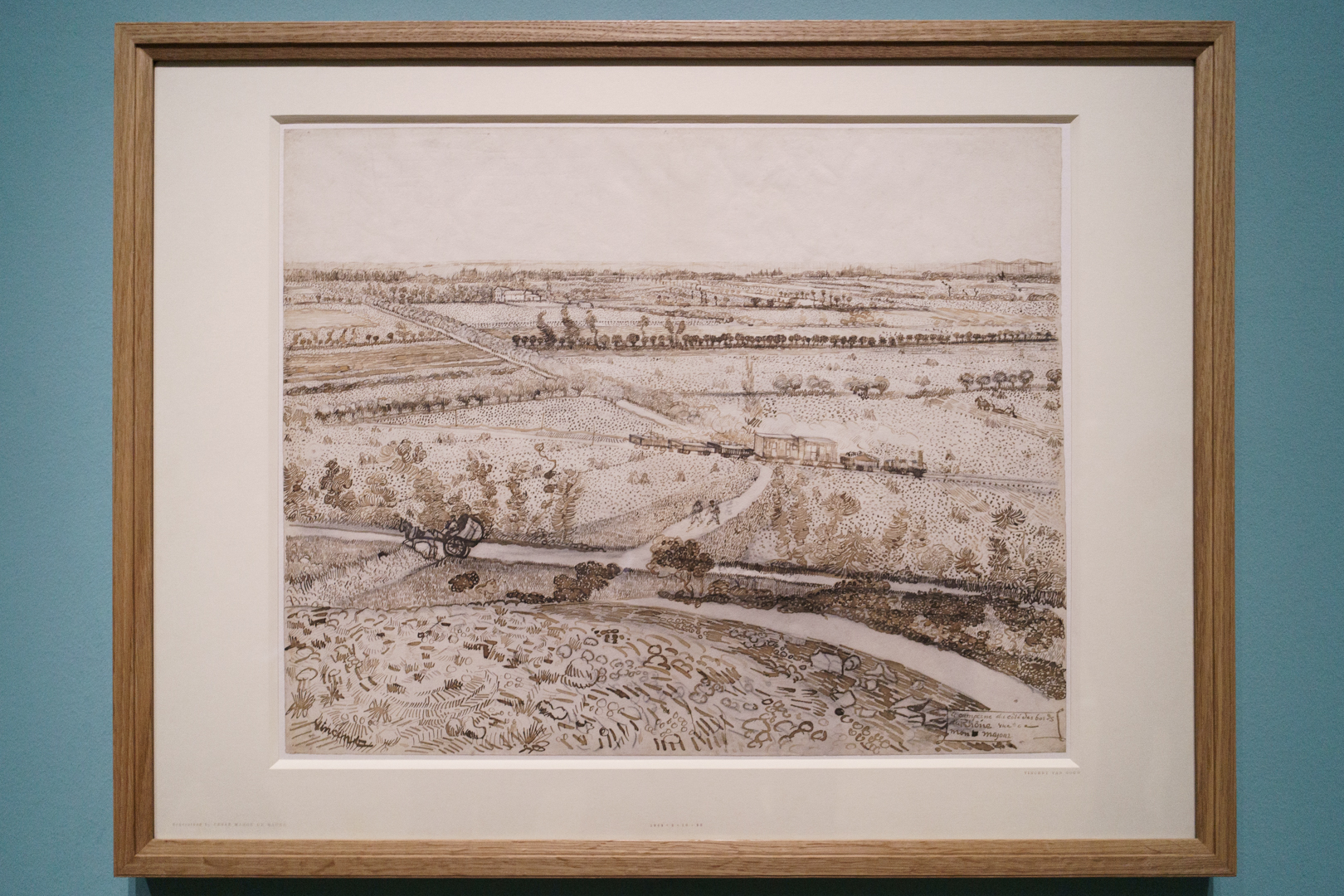
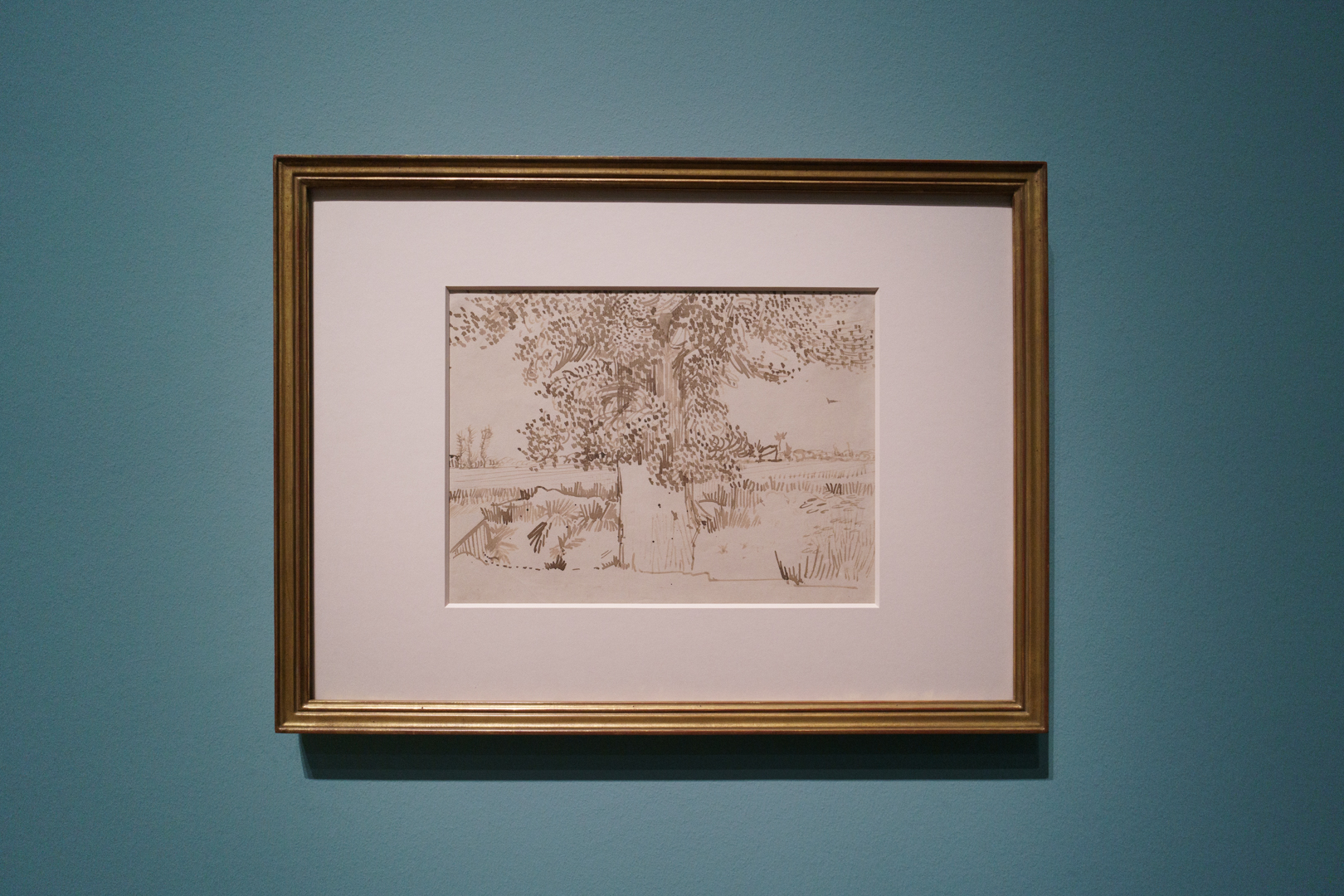
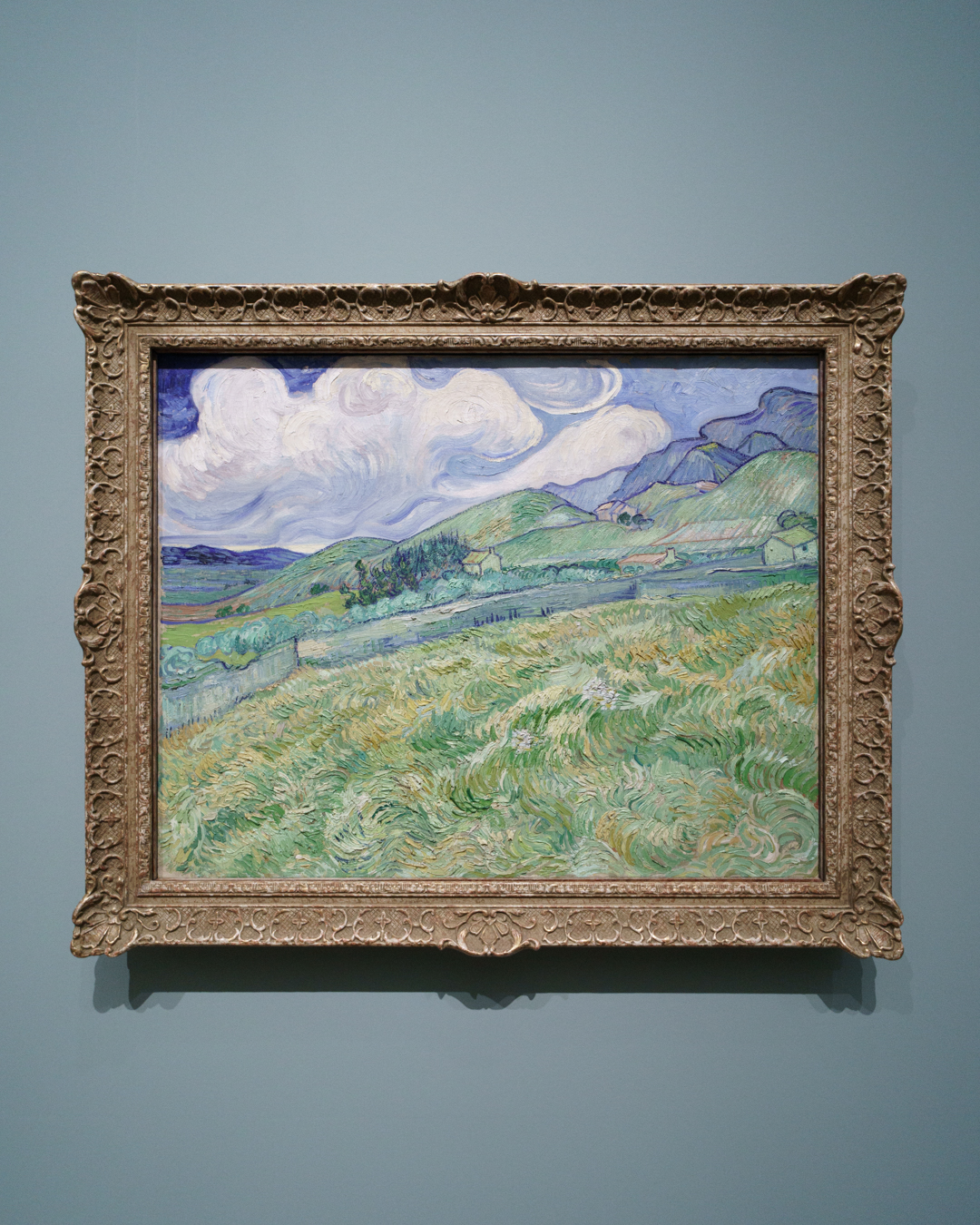
In the absence of colour, one can also appreciate more clearly his compression of space and perspective, resulting at times the feeling of seeing a sweeping panorama. In later paintings like the Mountains at Saint-Rémy, the forced perspective recalls Van Gogh’s love of Japanese ukiyo-e prints.
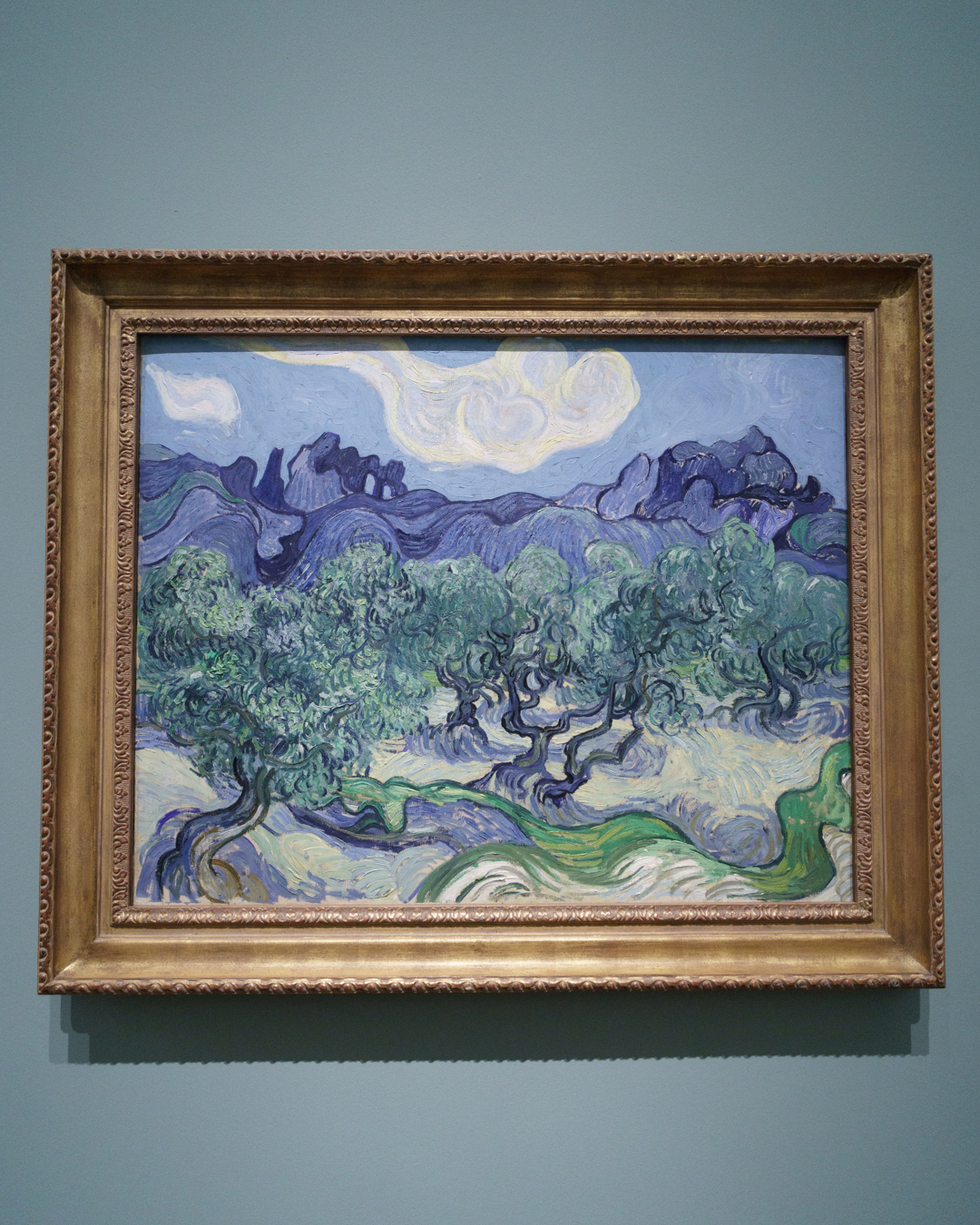
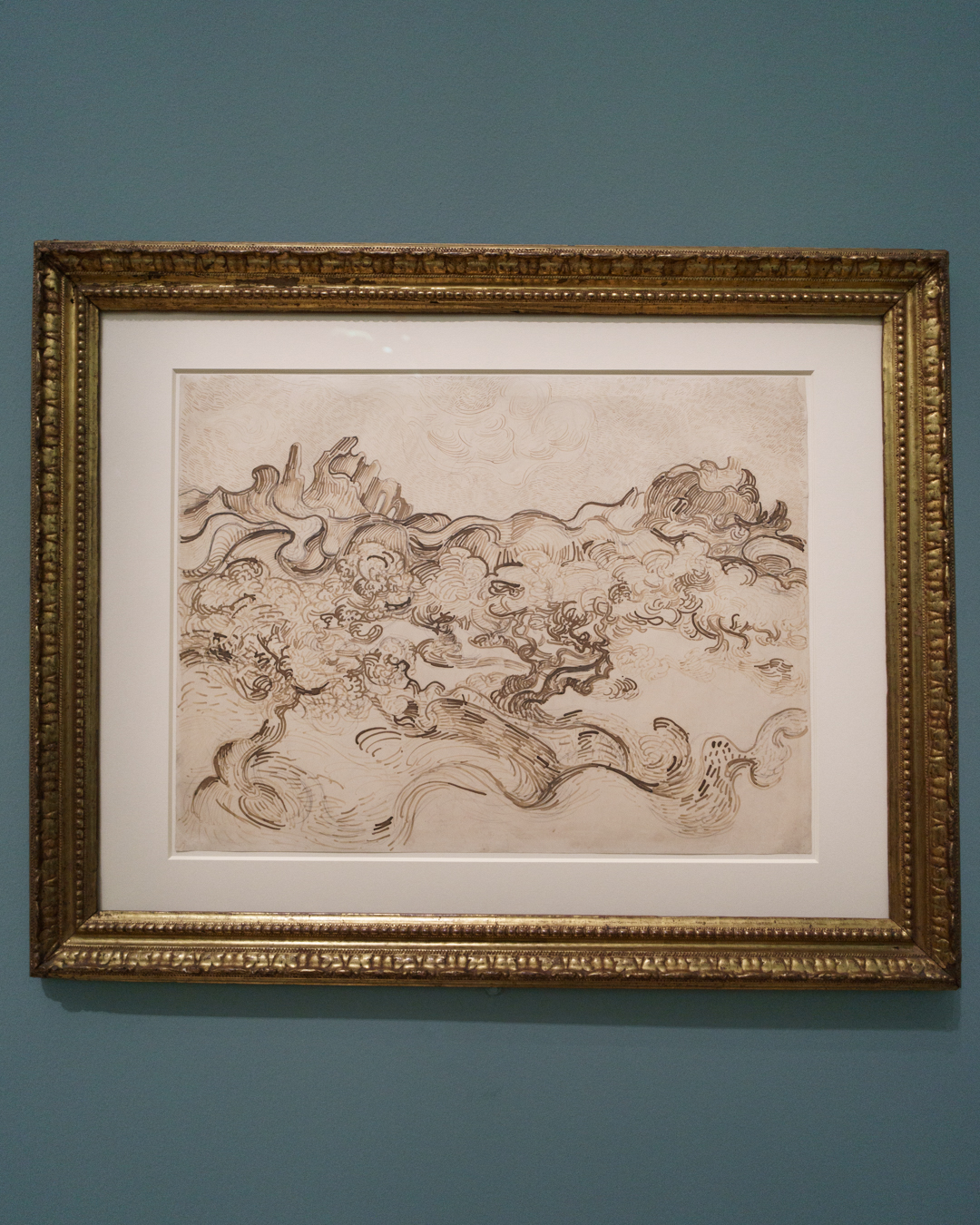
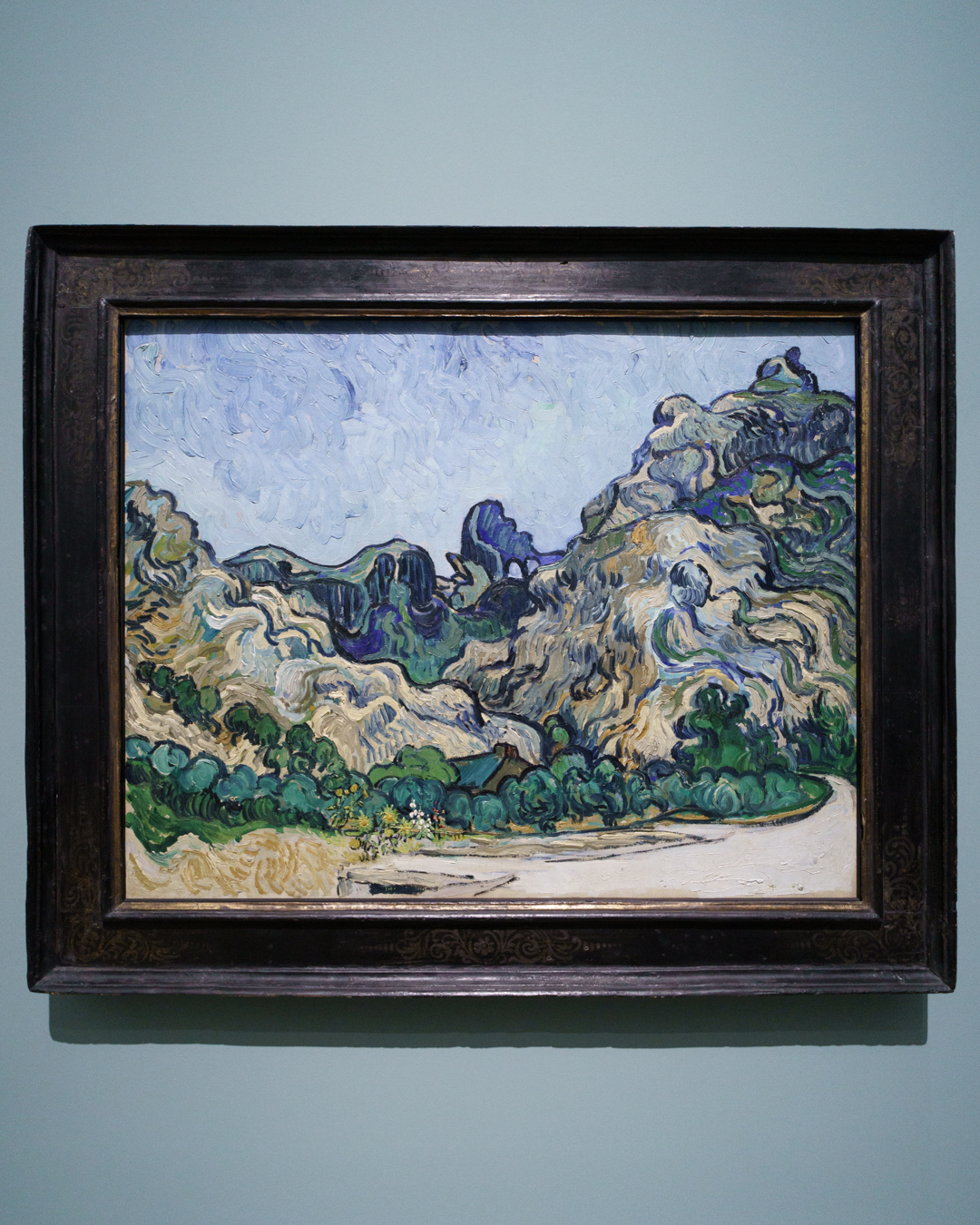
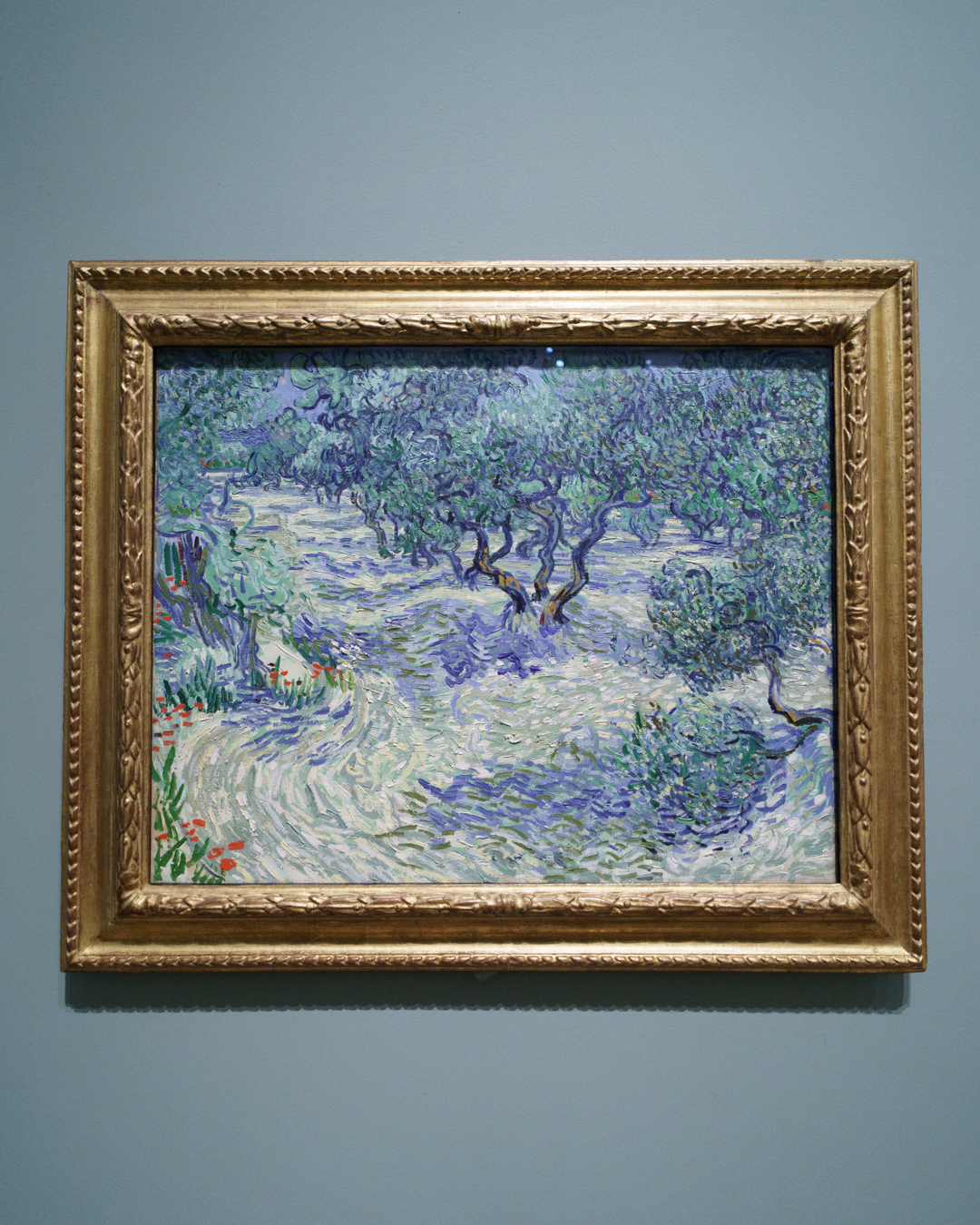
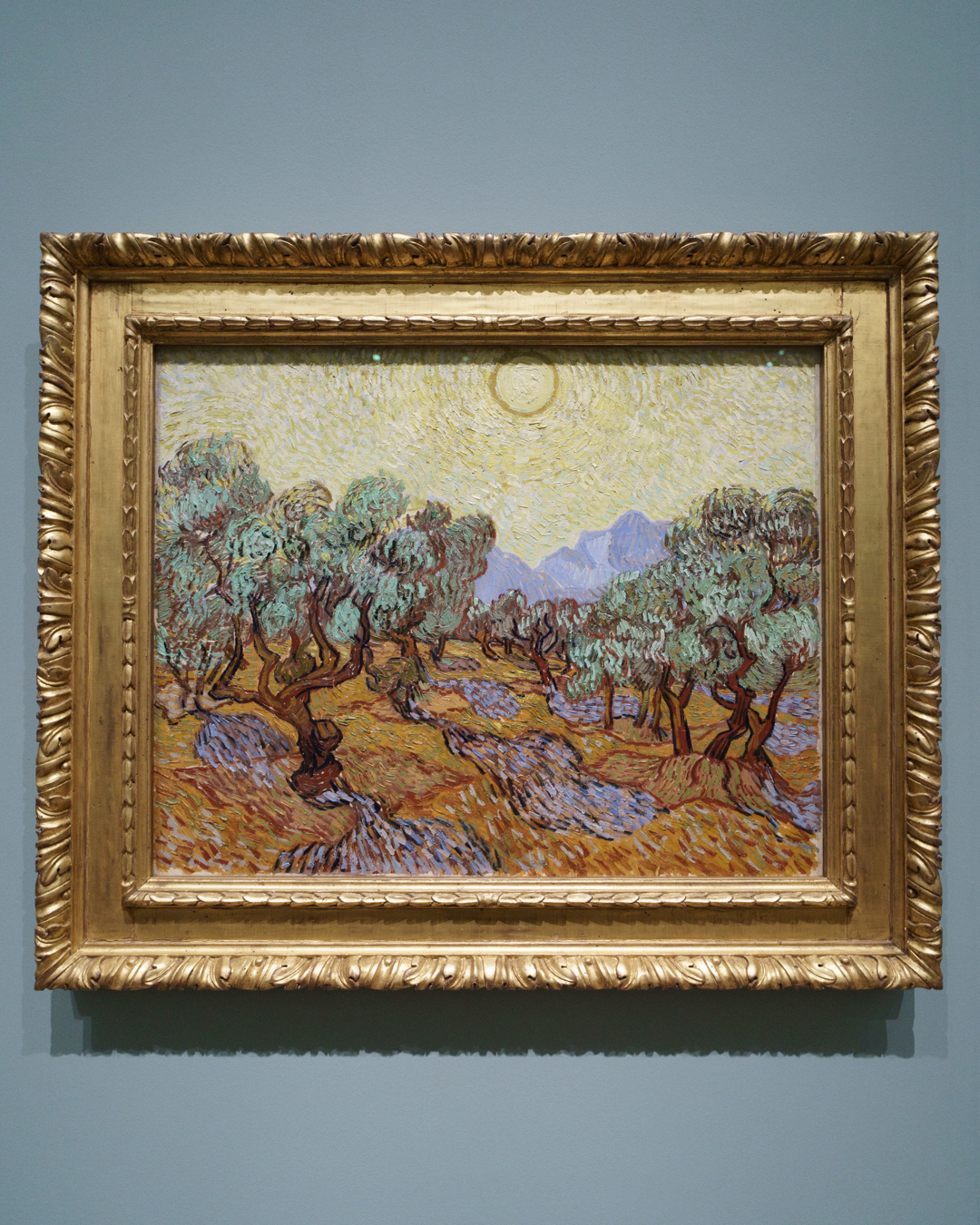
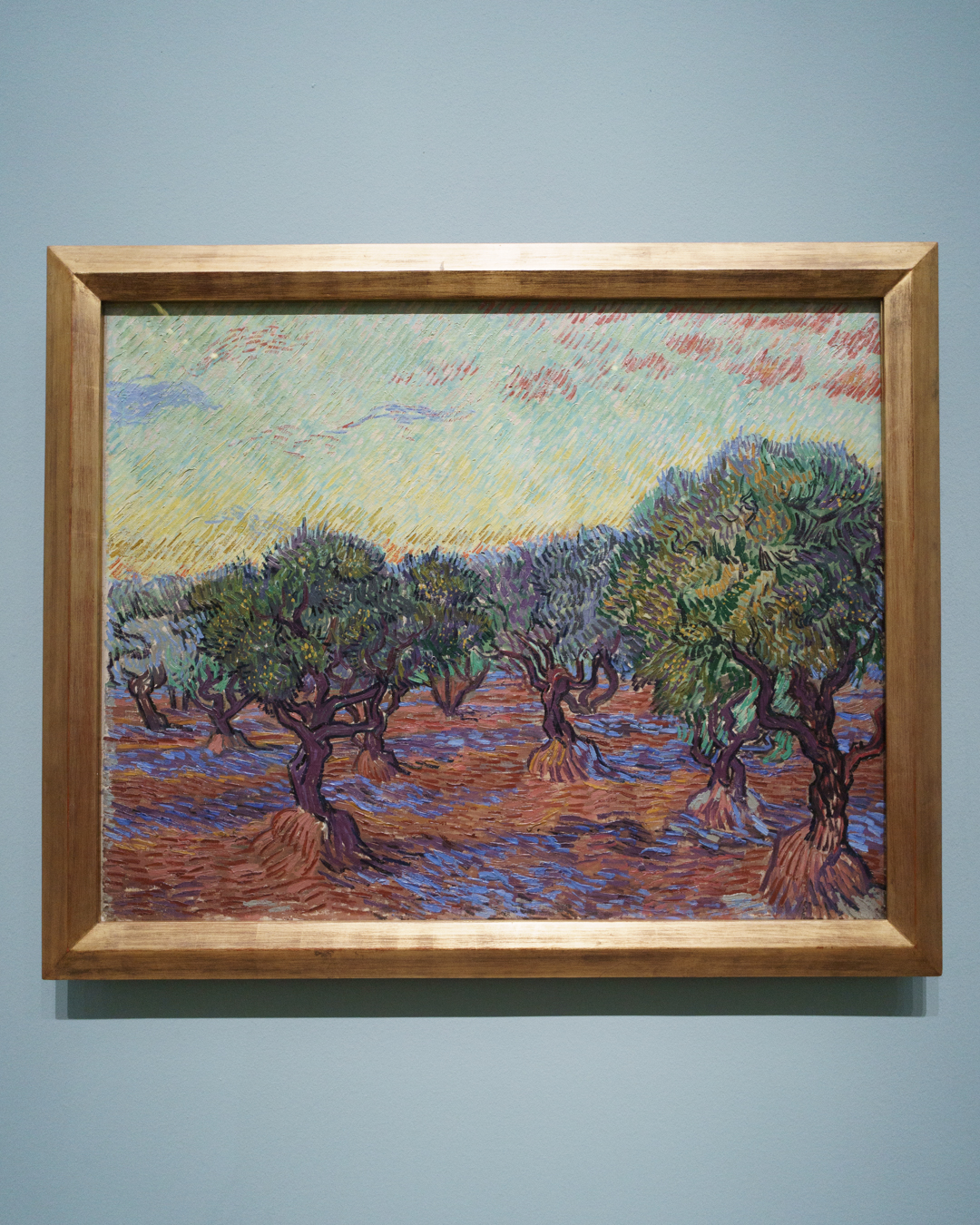
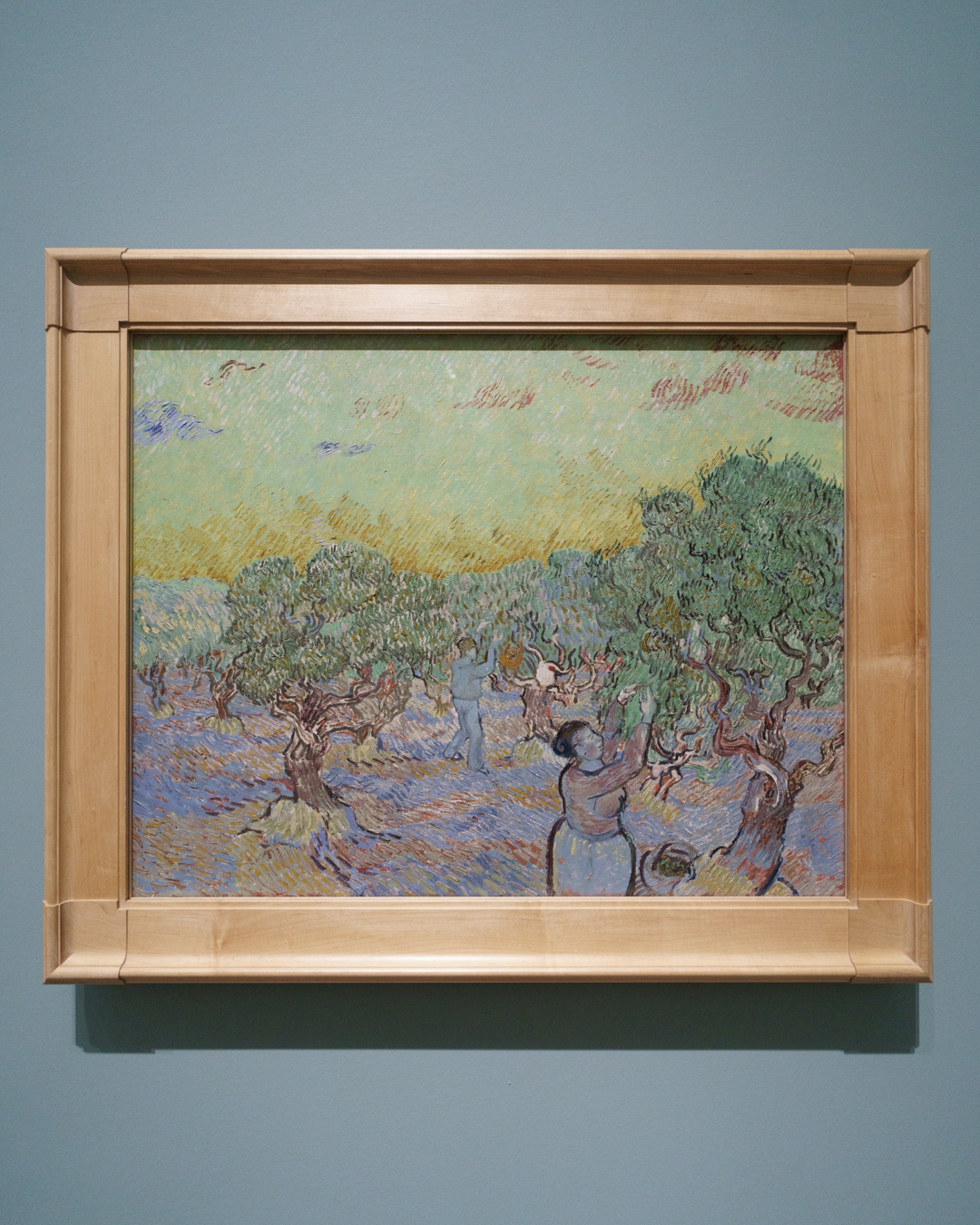
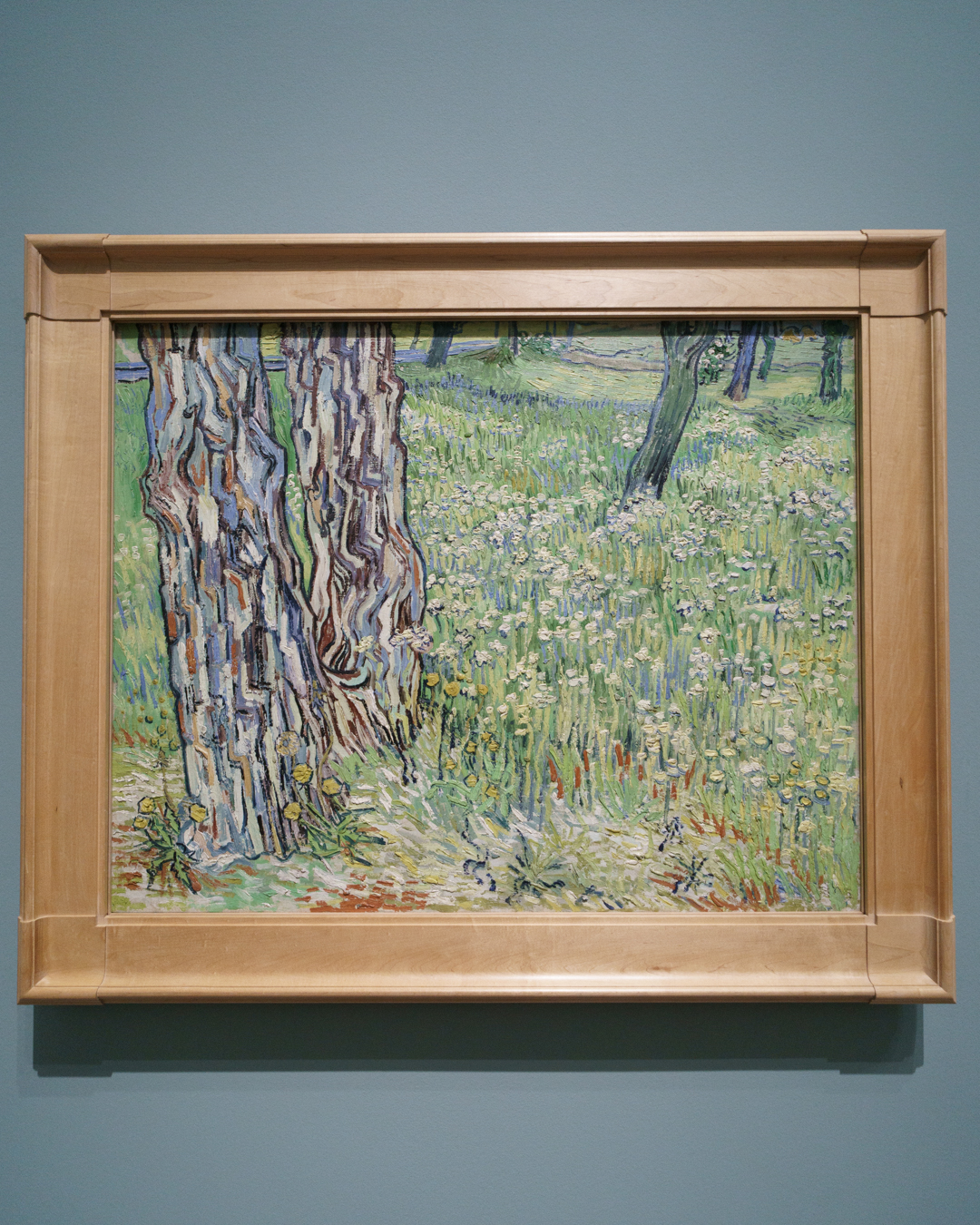
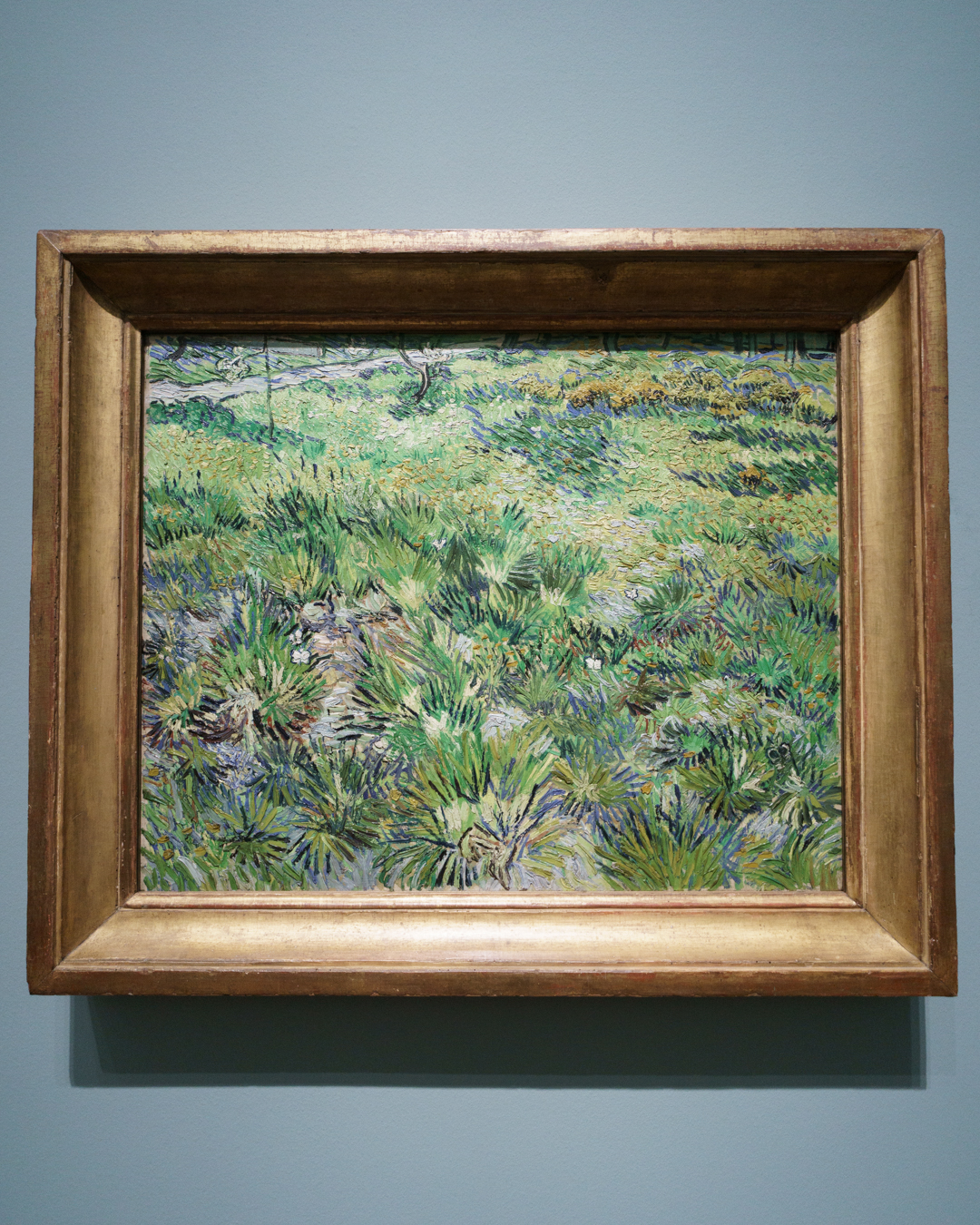
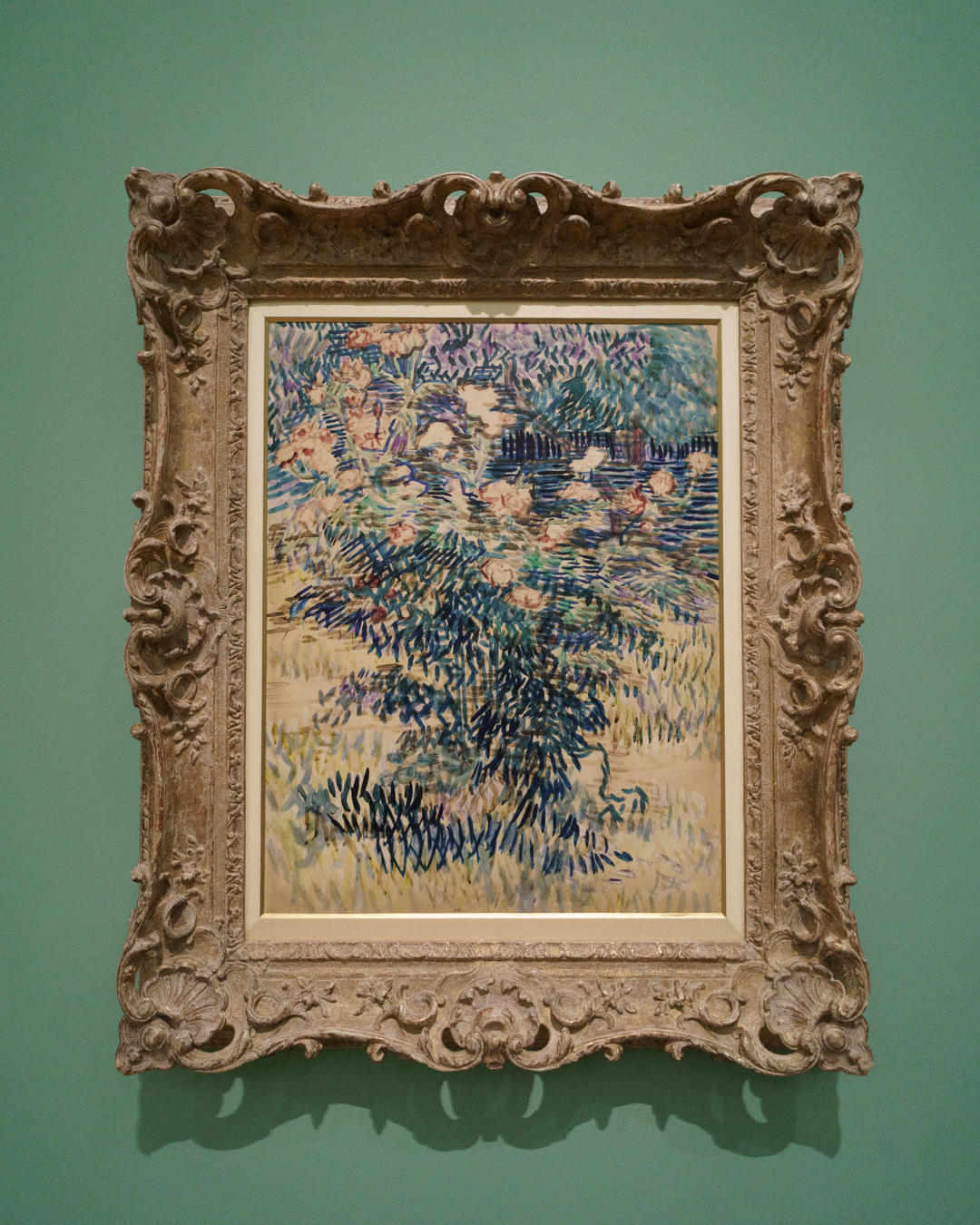
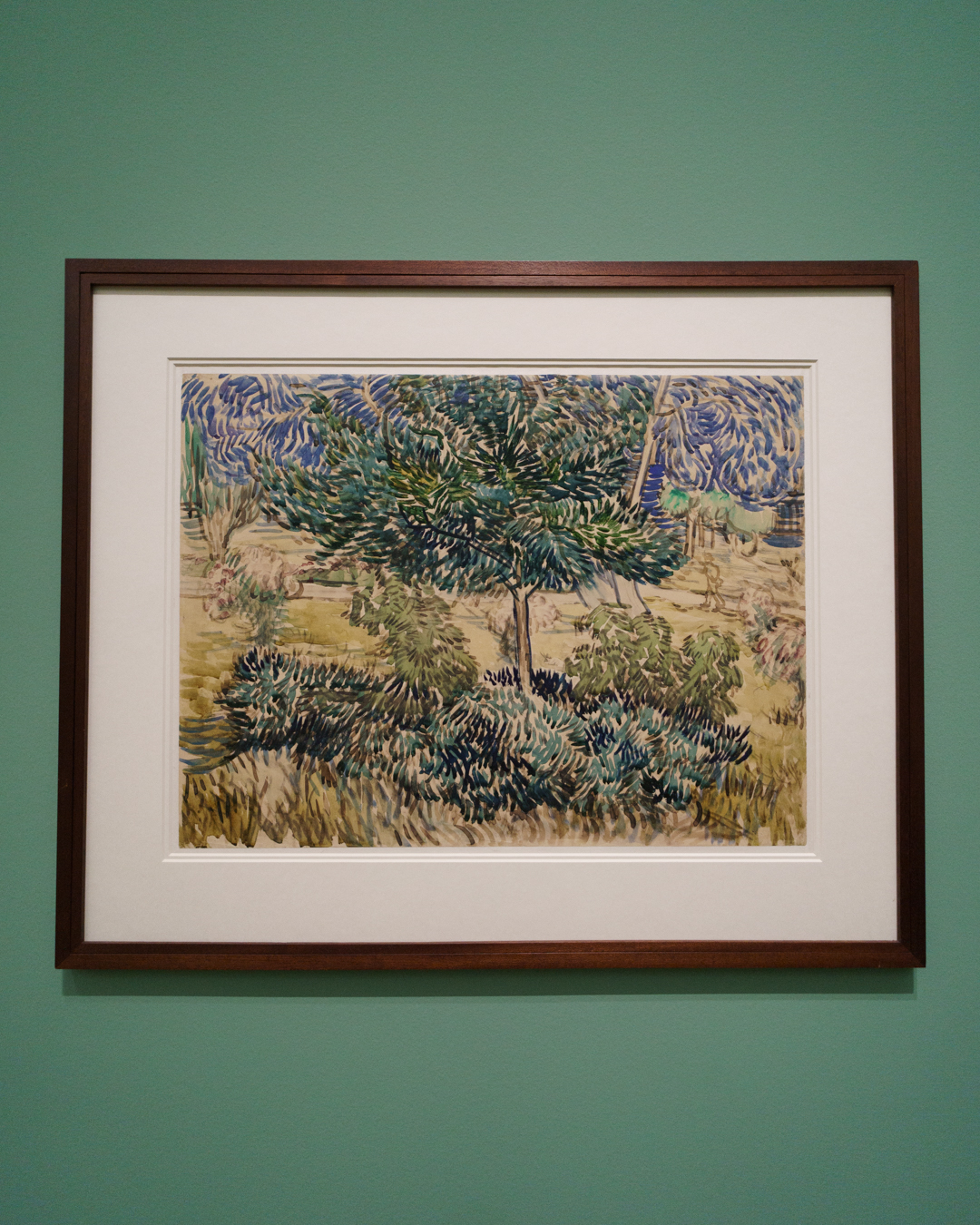
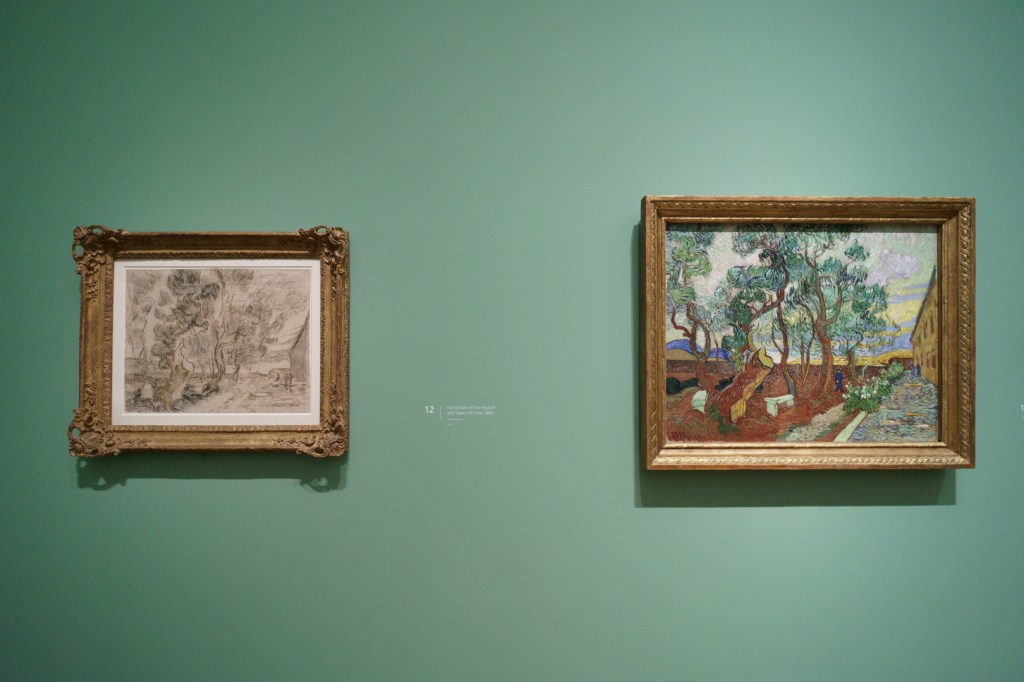
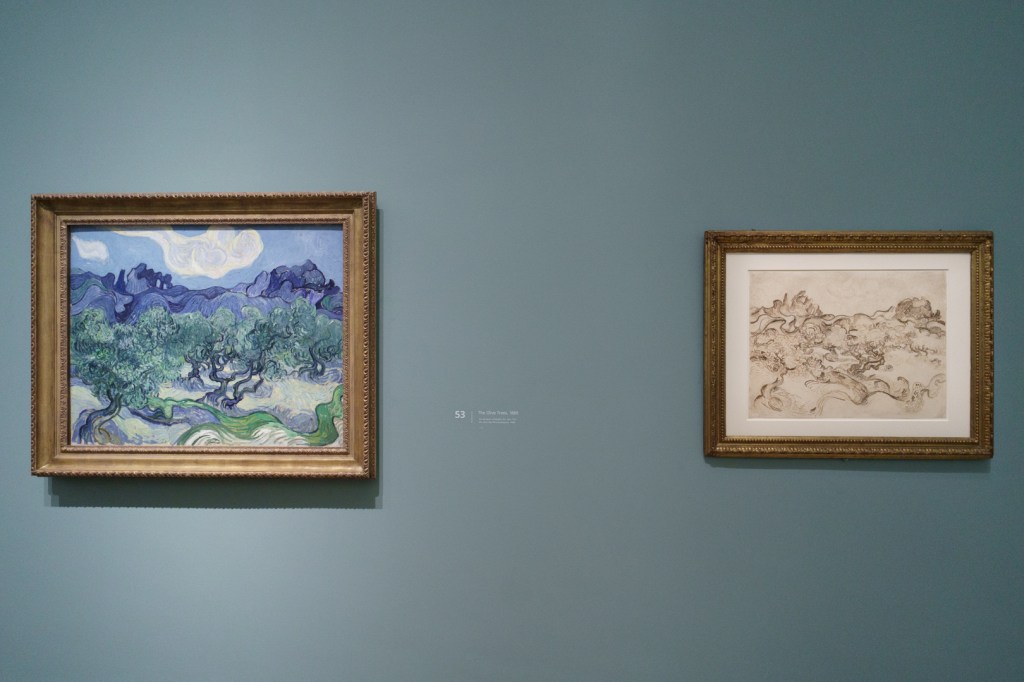
The relationship between drawings and paintings is often assumed to be preparatory, which is certainly the case for some of the reunions in this show, such as for The Park of the Hospital at Saint-Rémy. However, one case study flips the script instead, revealing how the painting of The Olive Trees actually pre-dates the drawing shown beside it.
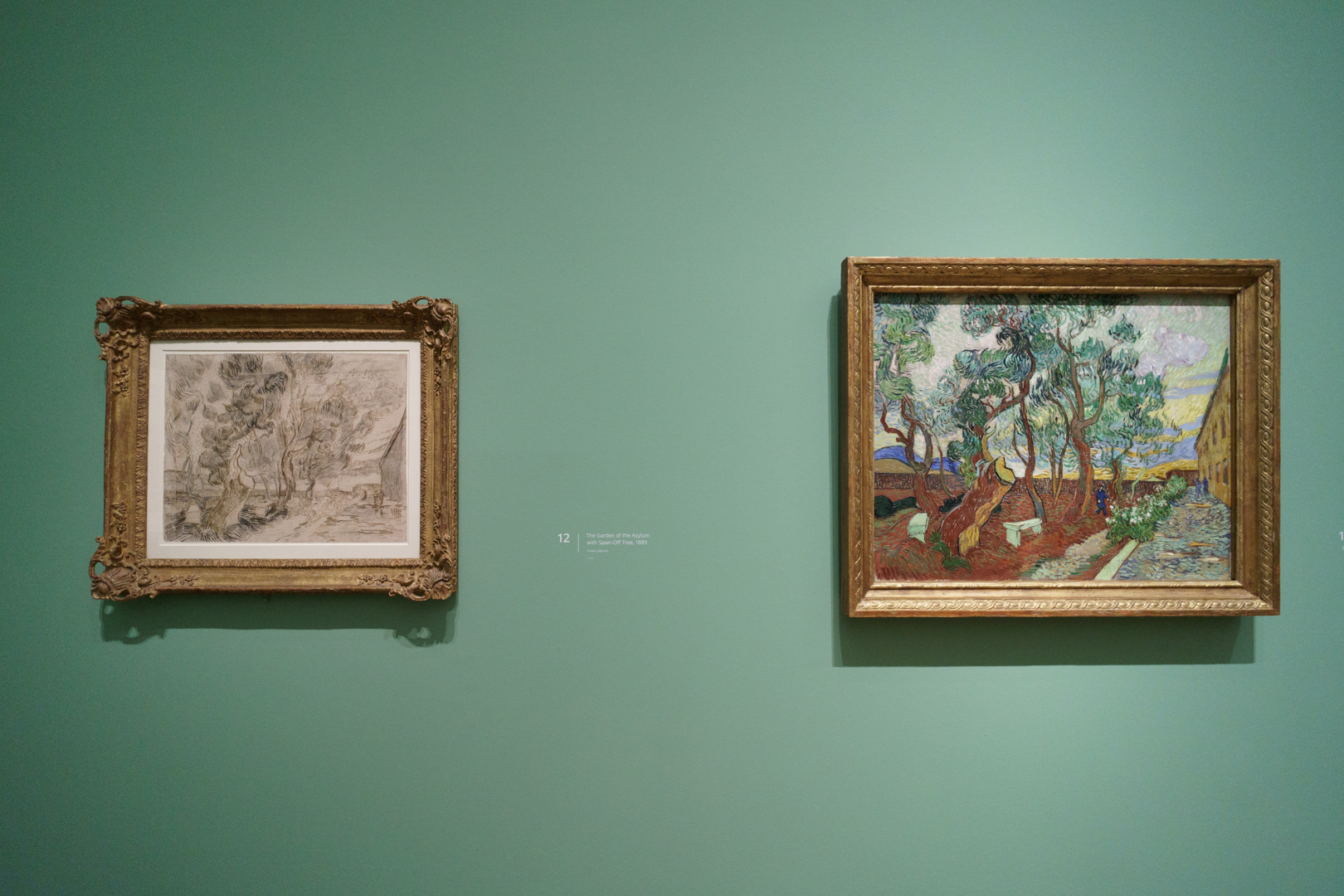
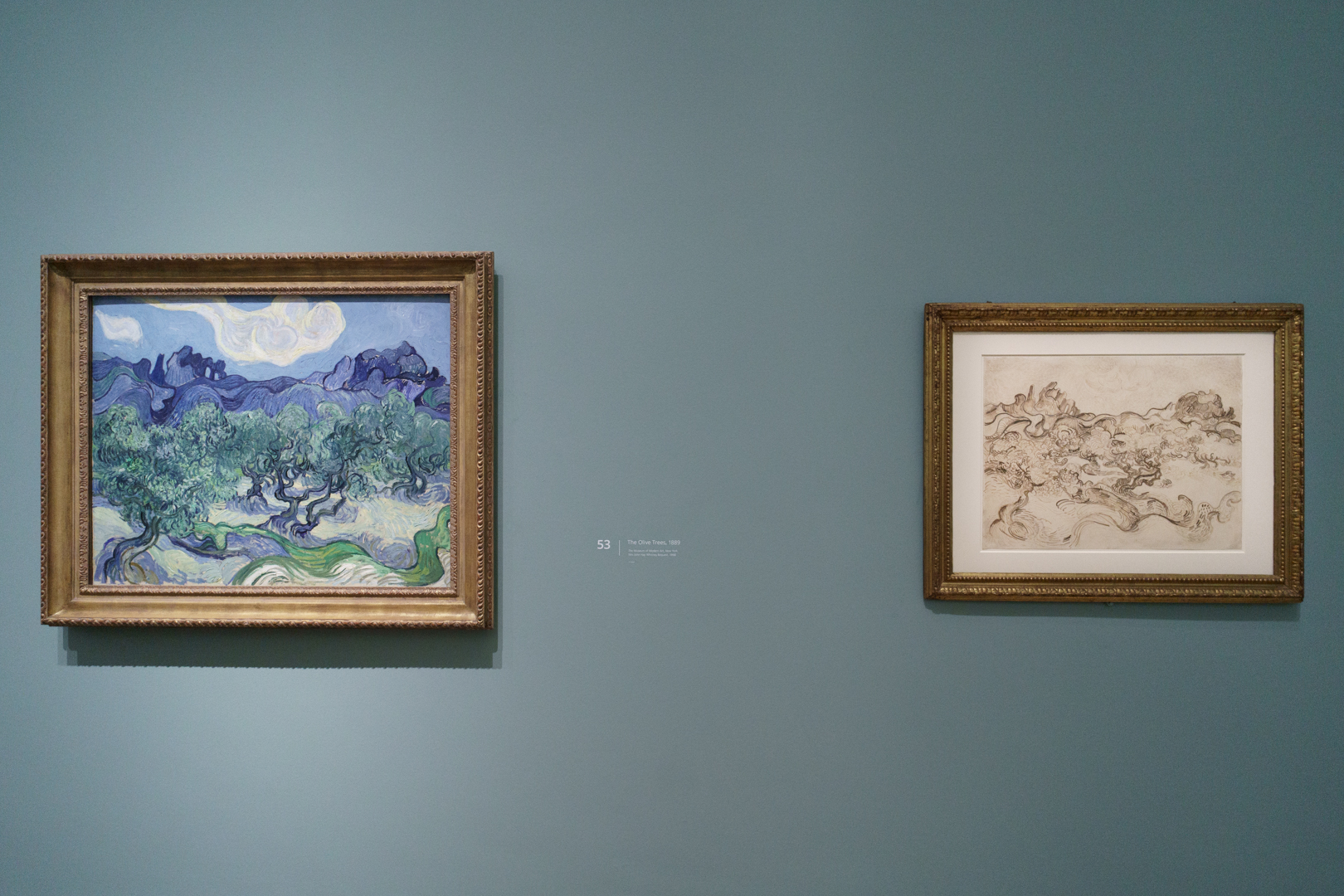
As one of the major events celebrating the National Gallery’s 200th anniversary, this is a glorious tribute to Van Gogh’s pictorial legacy and lasting appeal.
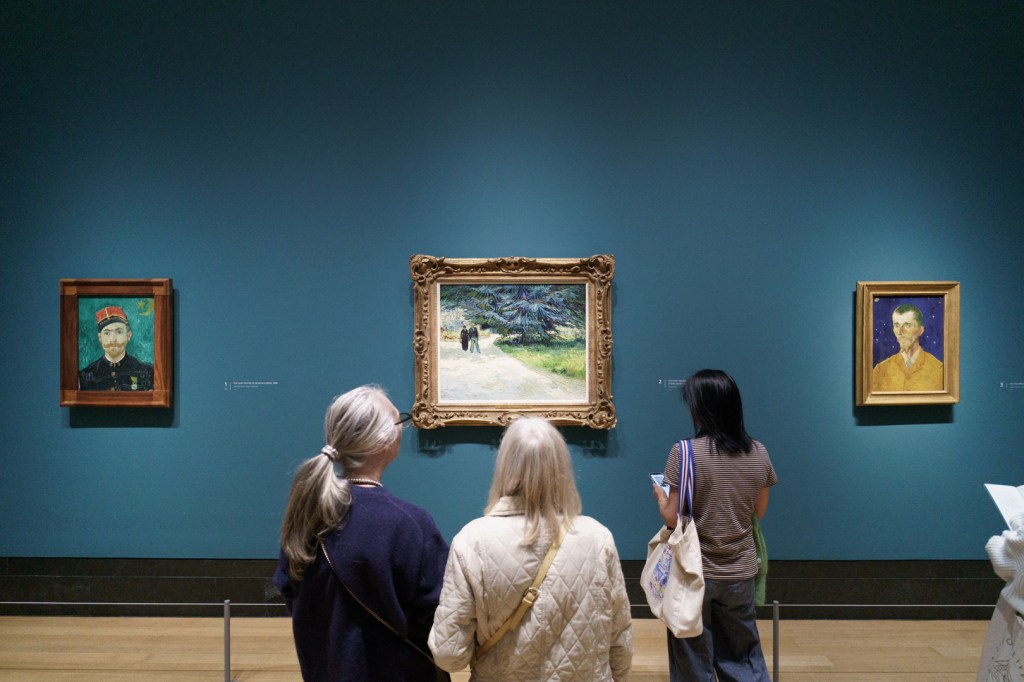
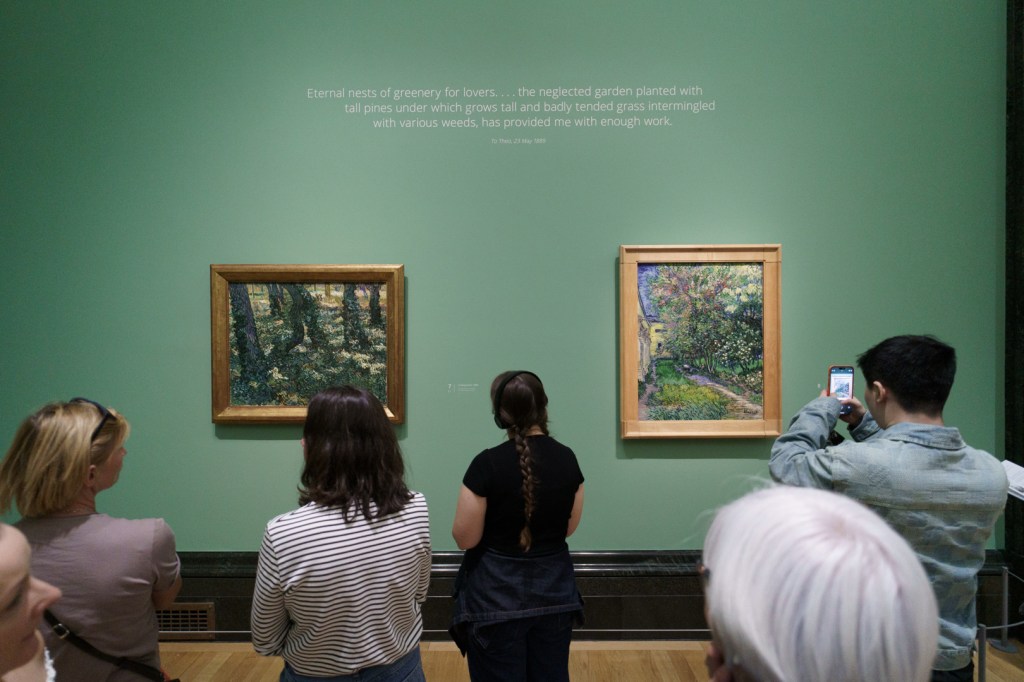

Van Gogh: Poets and Lovers (14 September – 19 January 2024) is at the National Gallery, London, https://www.nationalgallery.org.uk/

 Nigel Ip
Leave a comment