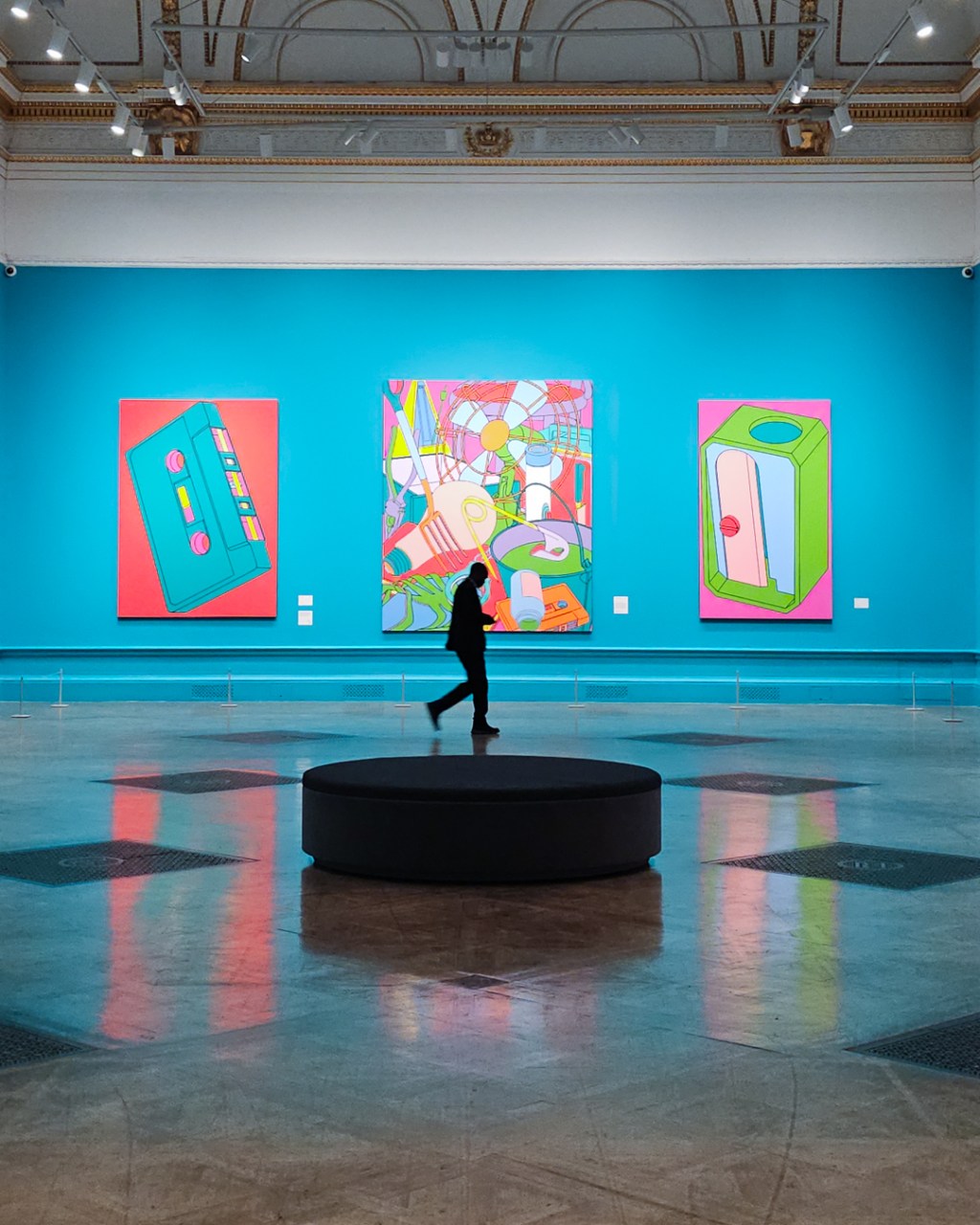
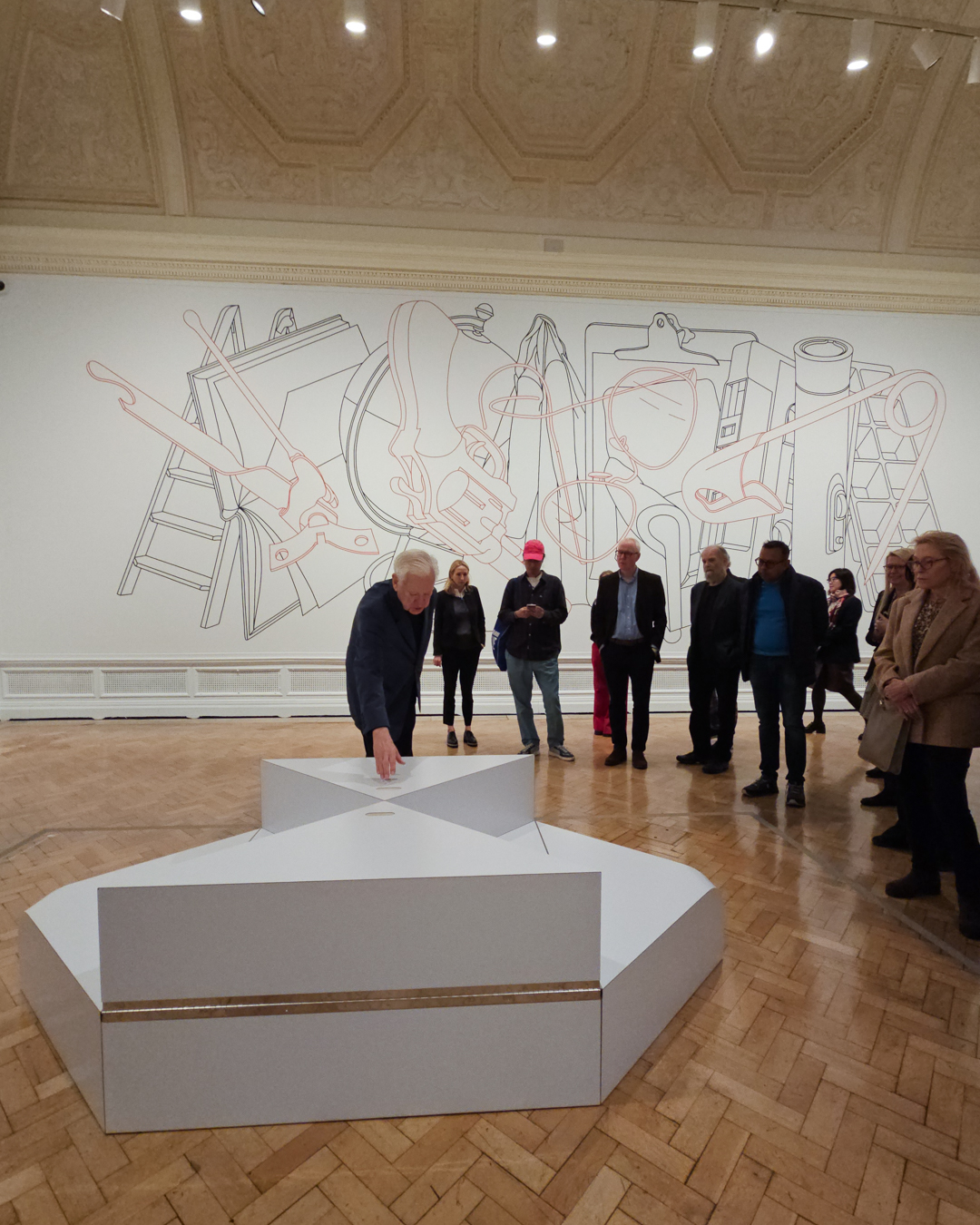
Michael Craig-Martin closes this weekend at the Royal Academy of Arts and it’s a lovely retrospective. I have, in the past, vehemently disliked his work for its…umm…sameness. It took a tour from the artist himself to completely overhaul that belief.
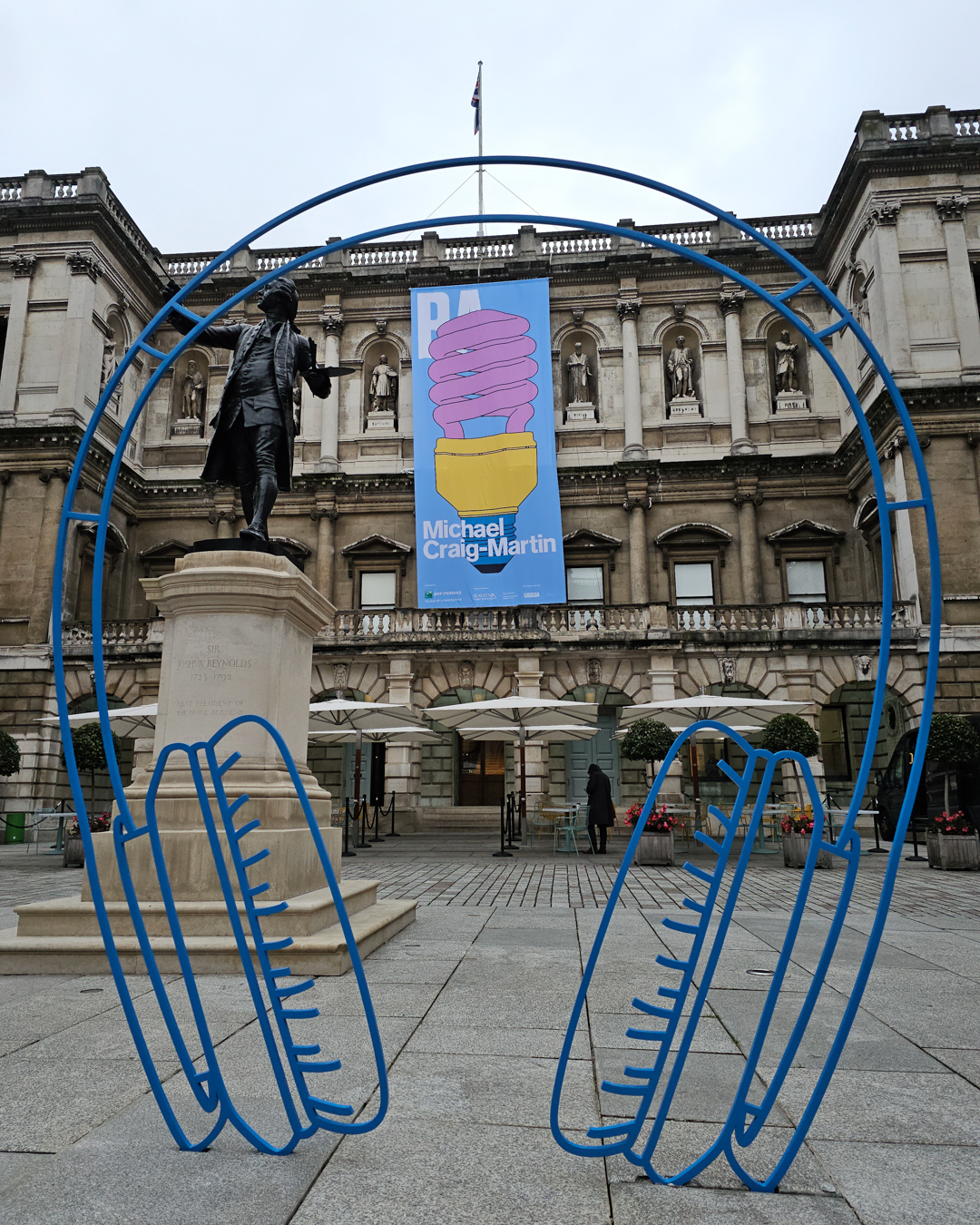
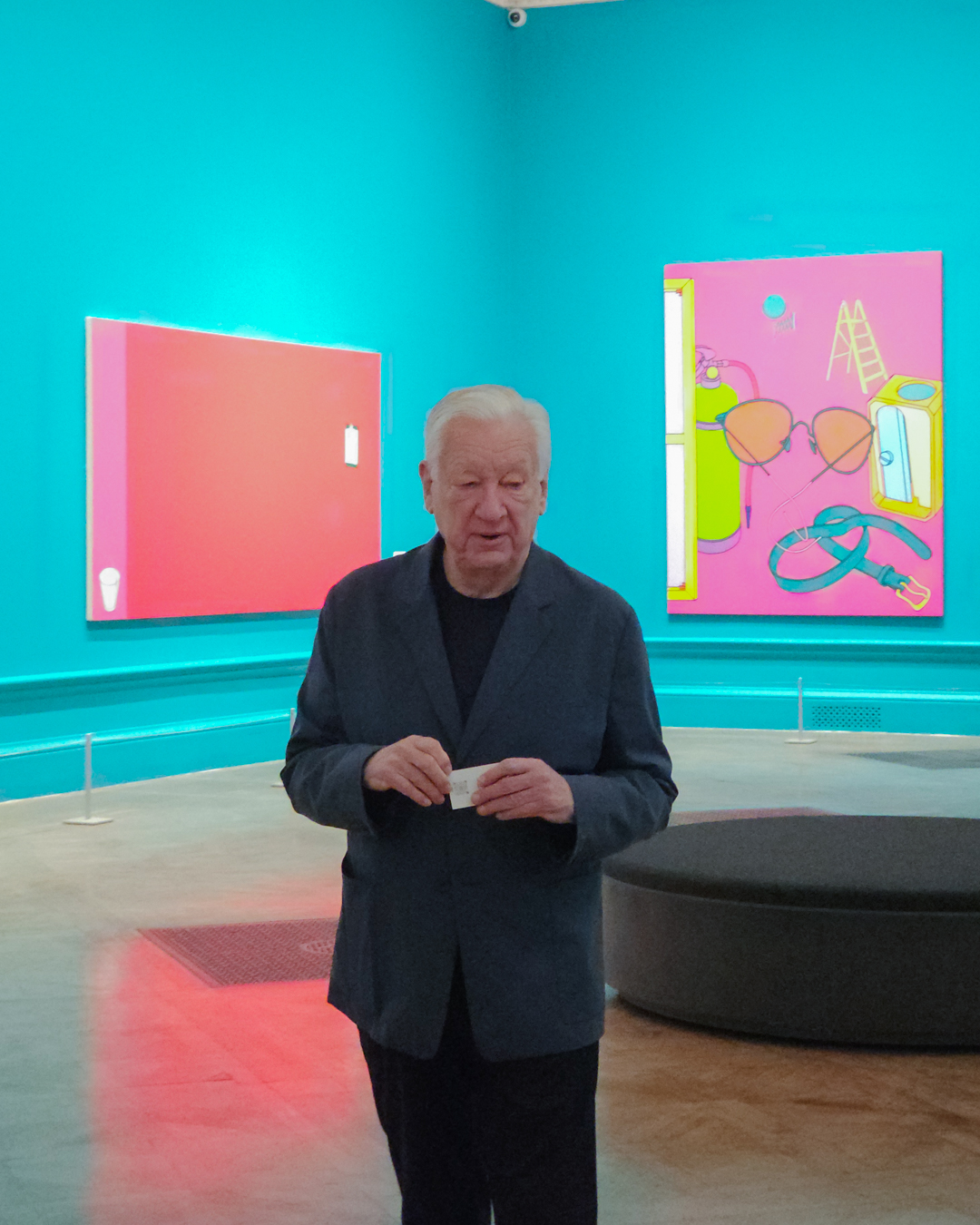
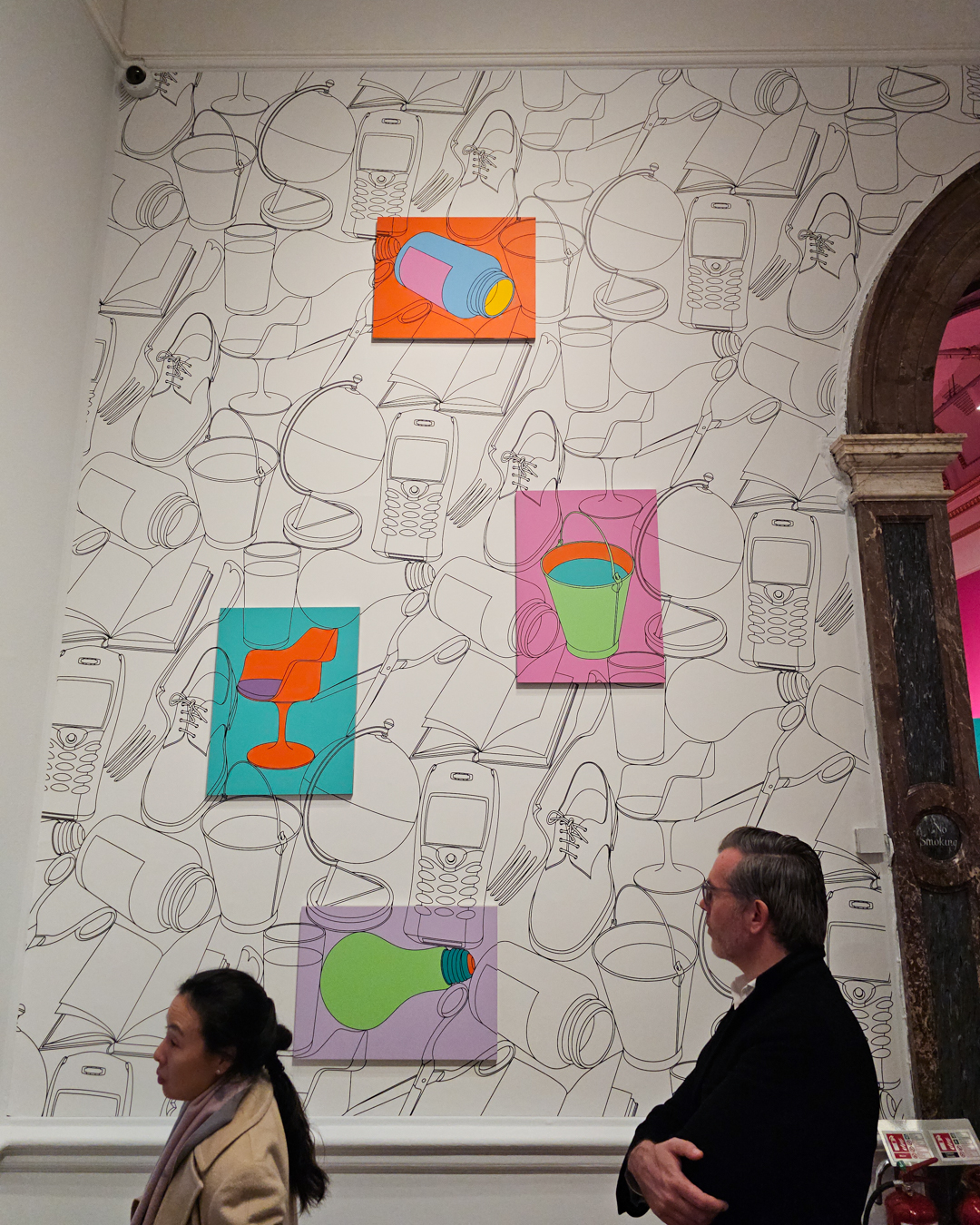
Craig-Martin is incredibly down to earth with his vision of art, in that what you see is exactly just that. With his subversive humour, he draws attention to casual details and observations in daily life that we may often dismiss as banal or uninteresting. In his countless works depicting everday objects, he centralises humanity’s placement of value on everyday objects, such as mobile phones.


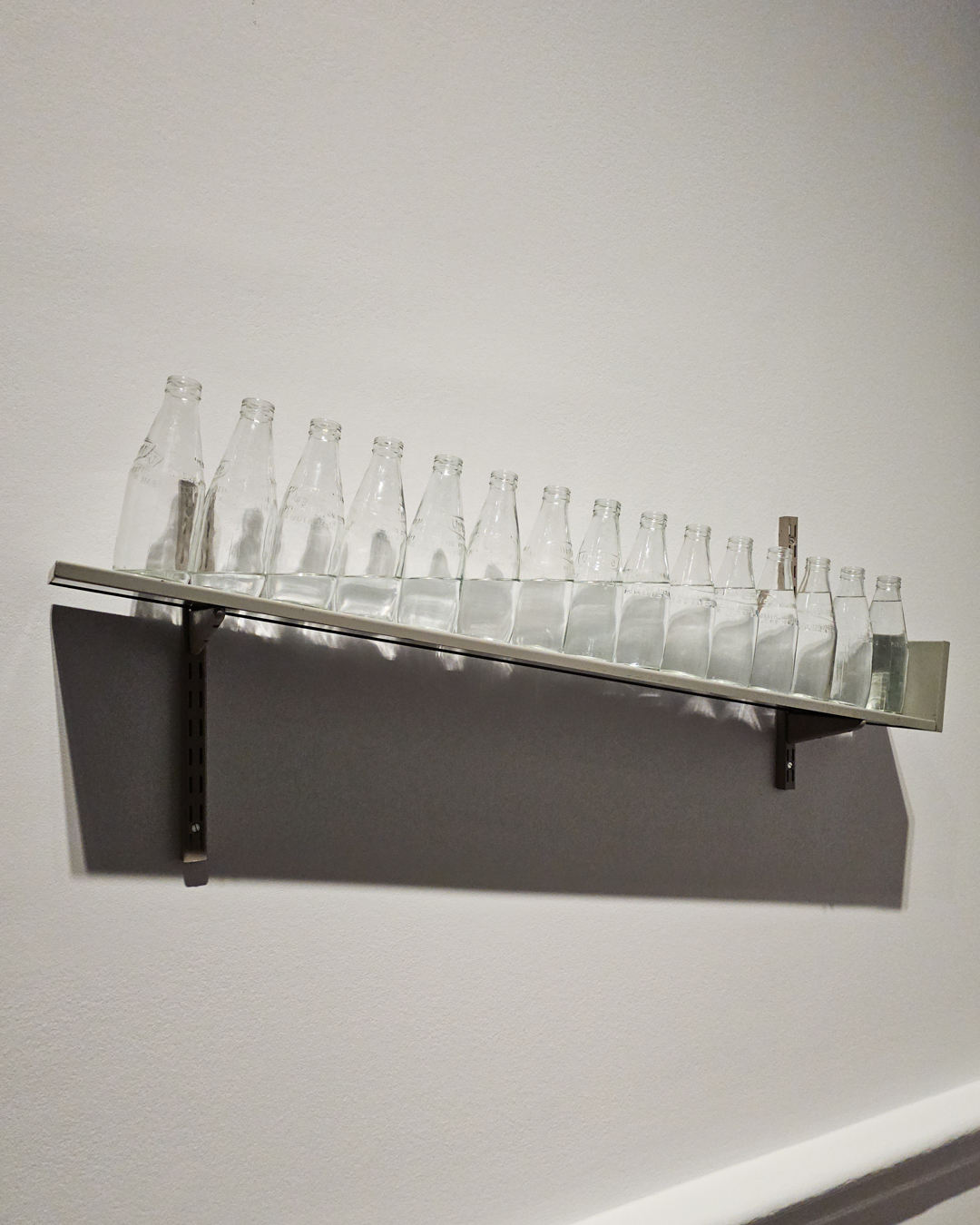
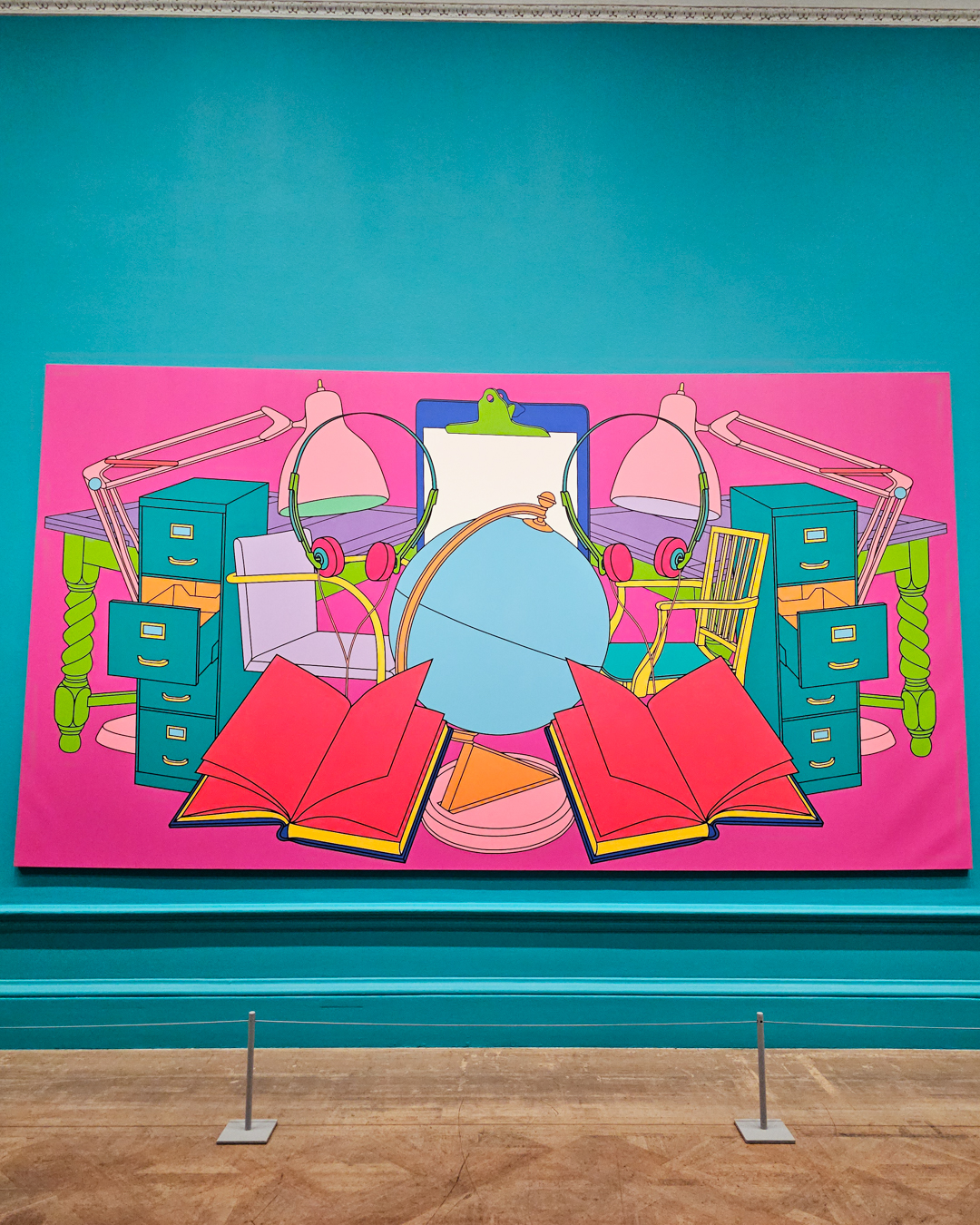
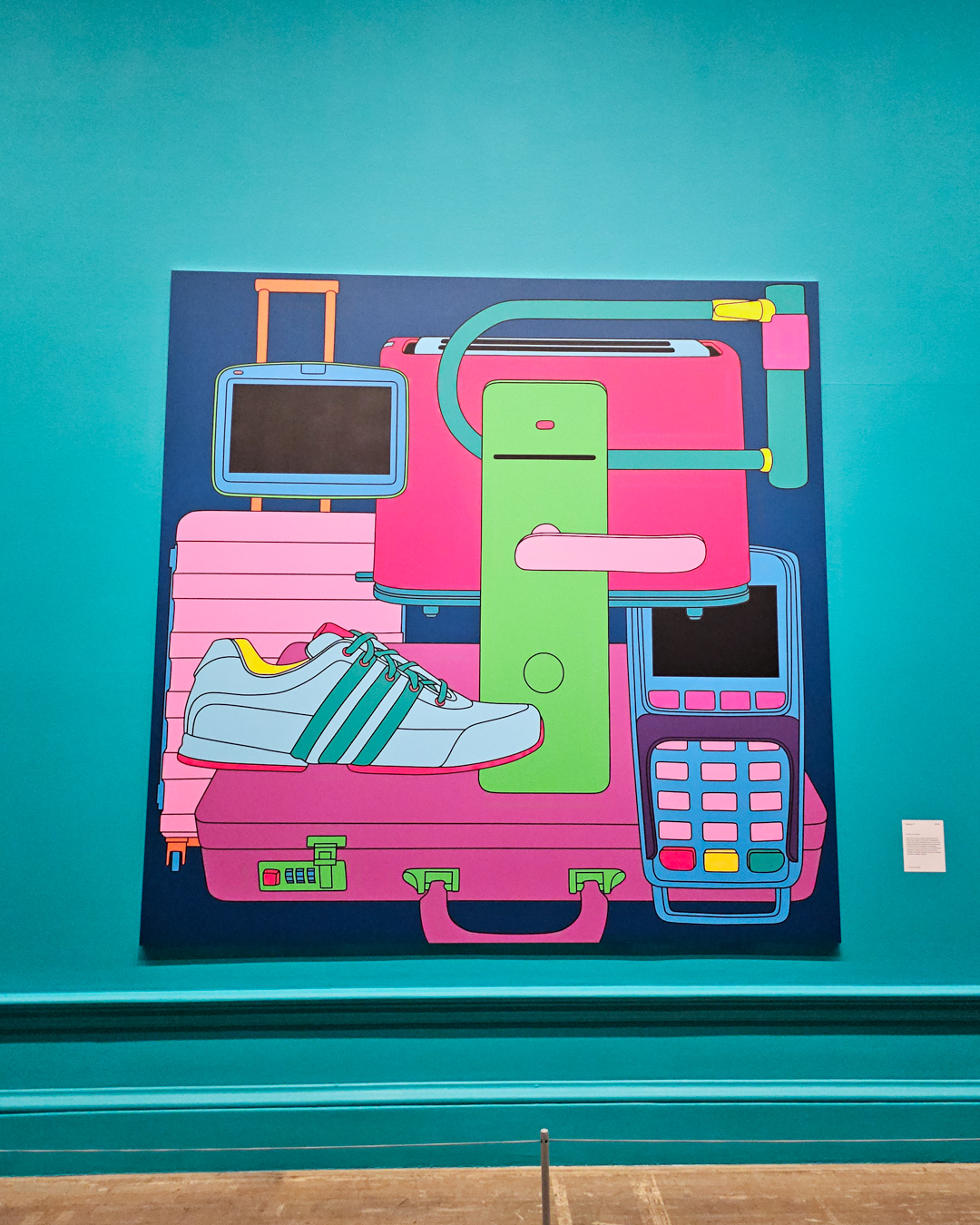
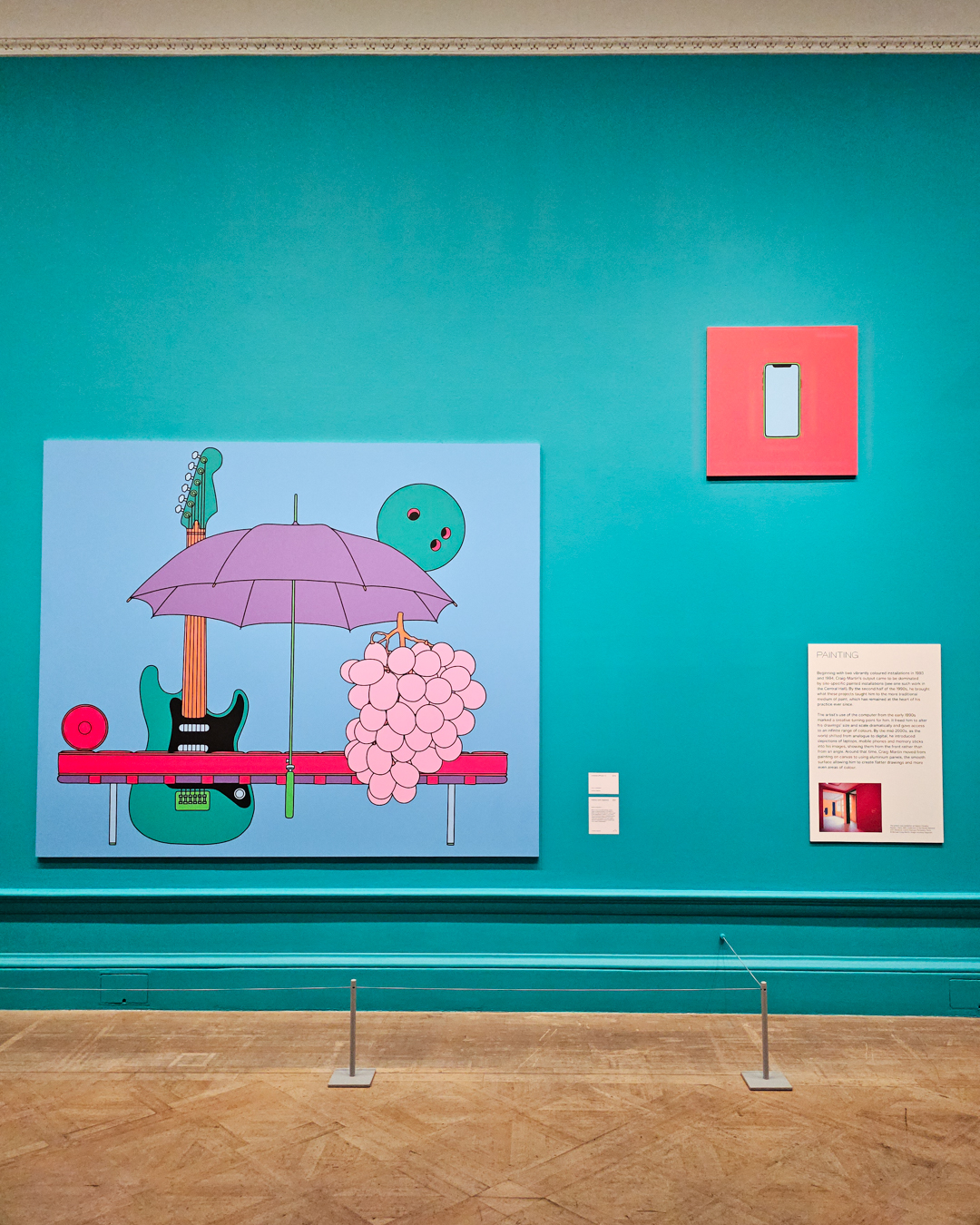
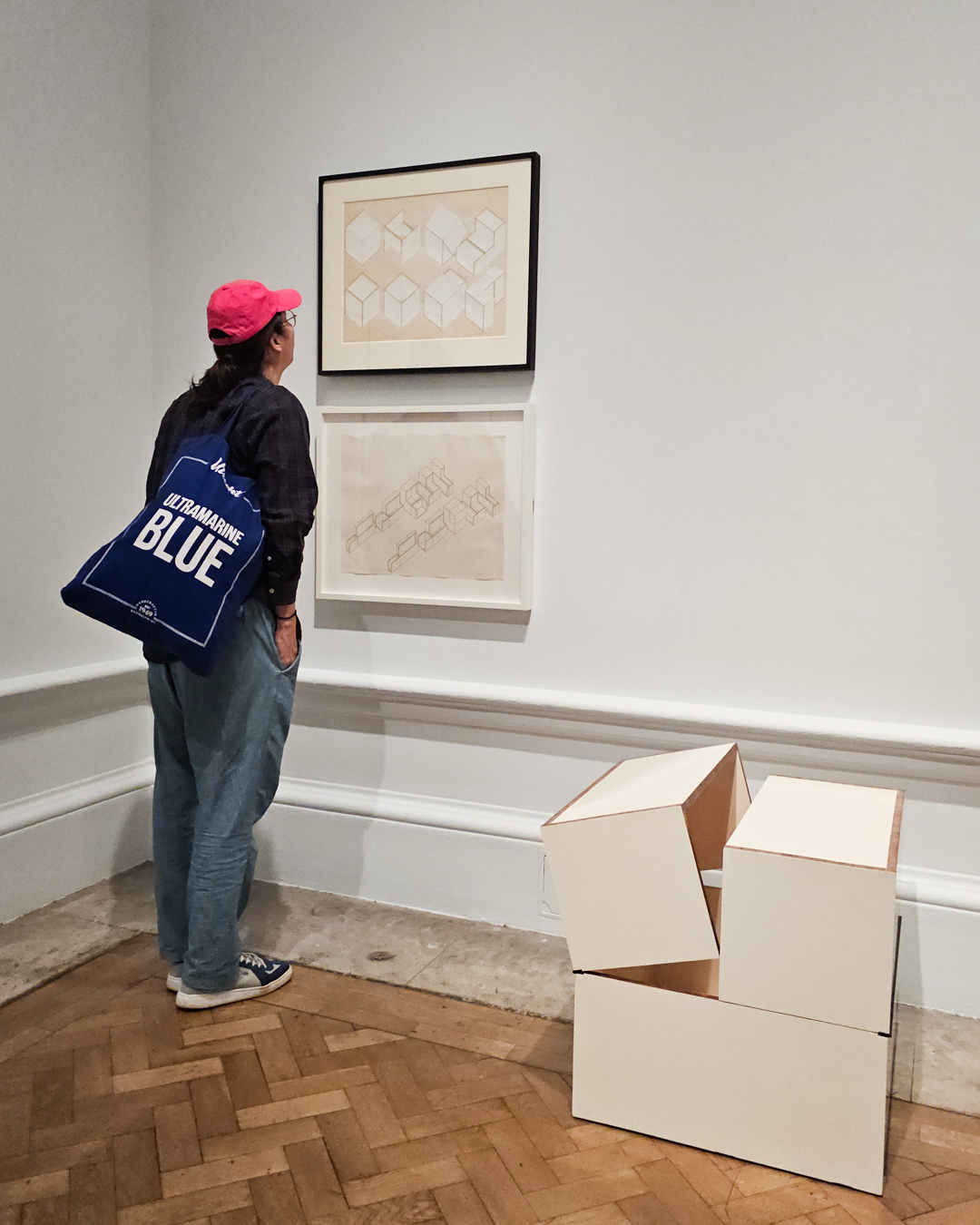
With his wit, he created sculptural works that defy expectations. A box that’s a little too big on one side, so it can’t close properly. An artwork that can only be fully appreciated when interacted by the visitor, despite all museum notices warning us not to touch the artwork. For some of the text pieces, he deliberately chose concepts that have no physical form, like death, sex, even art.



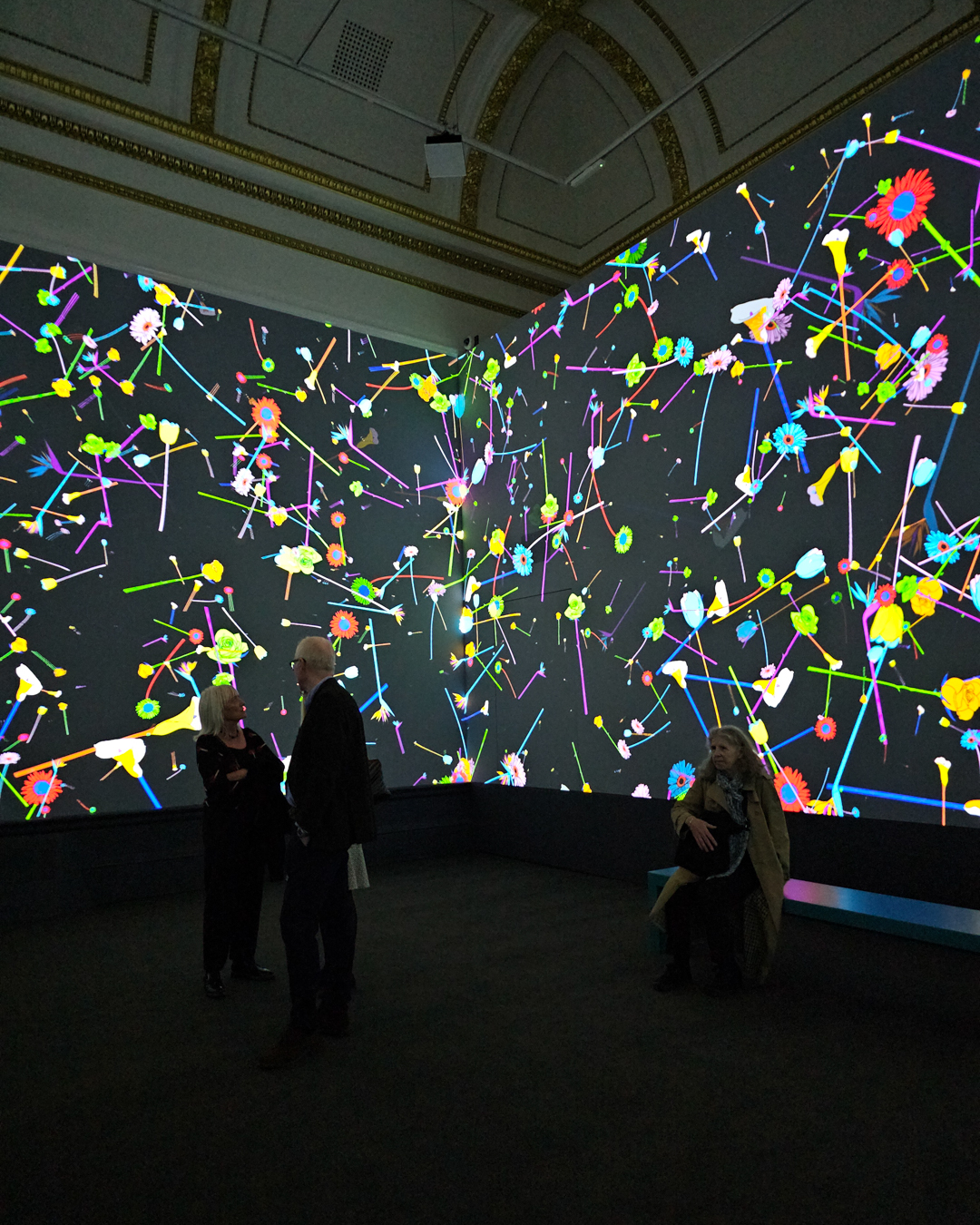
The most significant addition to Craig-Martin’s life was the computer, which opened unlimited potential for his exploration and philosophy of images. Crucial to his process and way of thinking was the idea of multiplicity, scalability, and reproducibility. Analogue methods brought with them limitations, particularly the size of the transparencies that would be used on a projector. He plays on this by reproducing all of his objects and text in the same size as each other. A fun fact about the variations on Old Master paintings is that they are all reproduced to the same size as the originals (except Las Meninas). Similarly, he also plays with perspective, in that each work usually entails objects shown consistently from the same viewpoint.
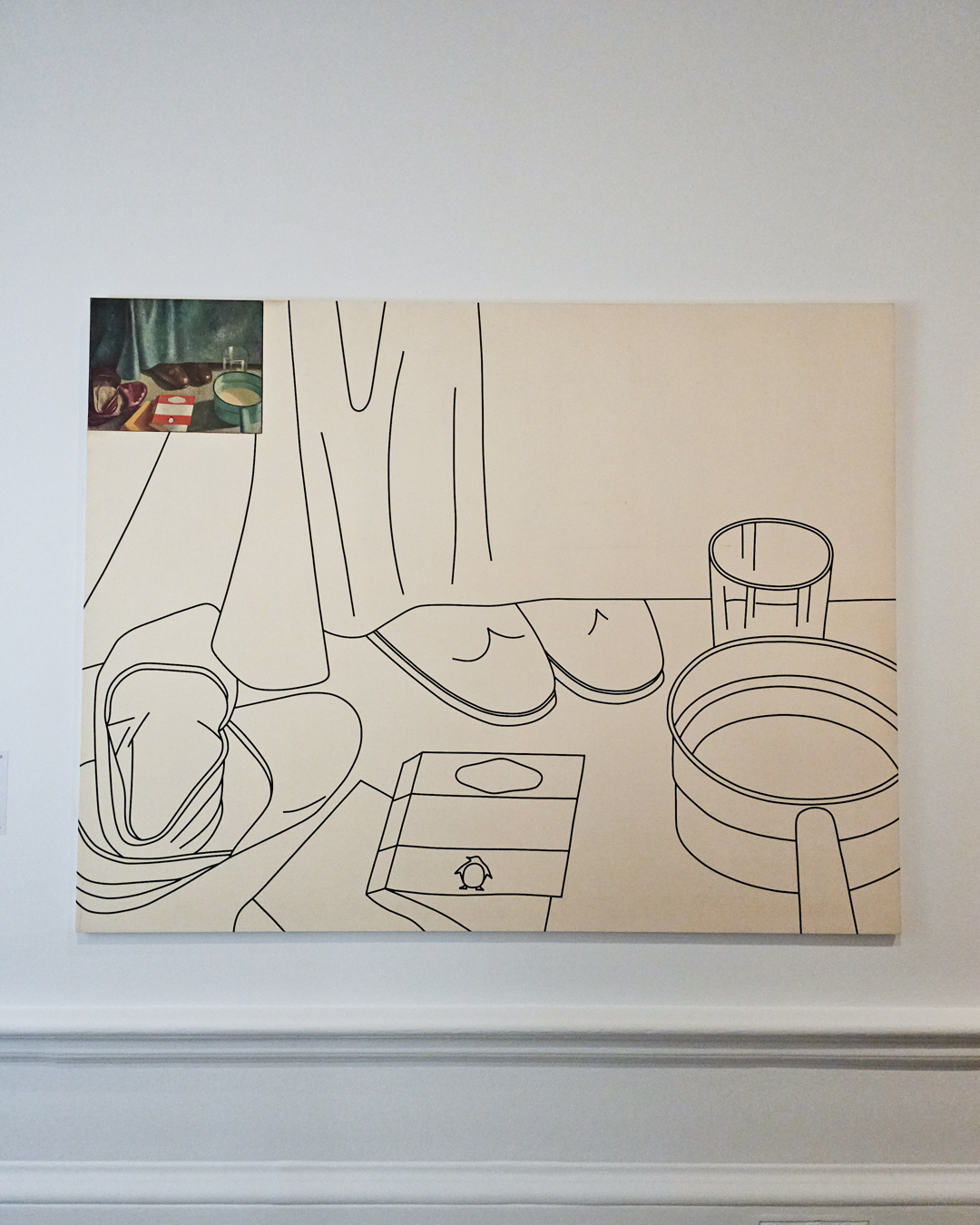


His iconic visual language of line drawings is, ironically, an attempt at distancing himself from creating a personal artistic style. As perfect representations of things, their flawlessness is antecedent to the individuality of an artist’s style. Anyone could have made his works and, therefore, anyone can interpret his works as they wish.
He’s really fun after all.

Michael Craig-Martin (21 September – 10 December 2024) is at the Royal Academy of Arts, London, https://www.royalacademy.org.uk/

 Nigel Ip
Leave a comment