
To my knowledge, it’s been quite a while since the UK had any sort of proper survey of the Expressionist movement, especially one focused on the artist group Der Blaue Reiter (The Blue Rider). These included people like Wassily Kandinsky, Franz Marc, Paul Klee, and Lyonel Feininger, some of whom have had monographic exhibitions in recent years.

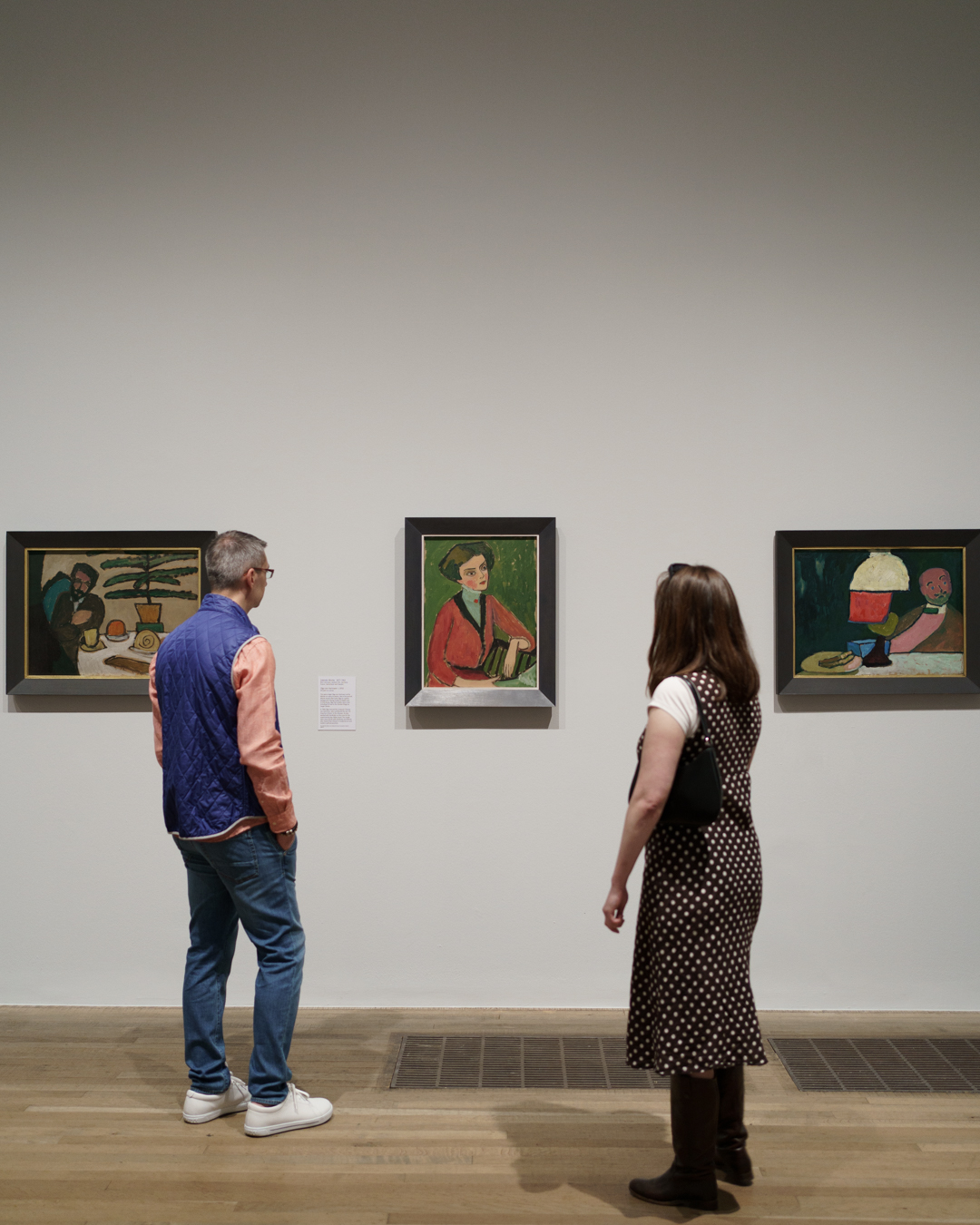


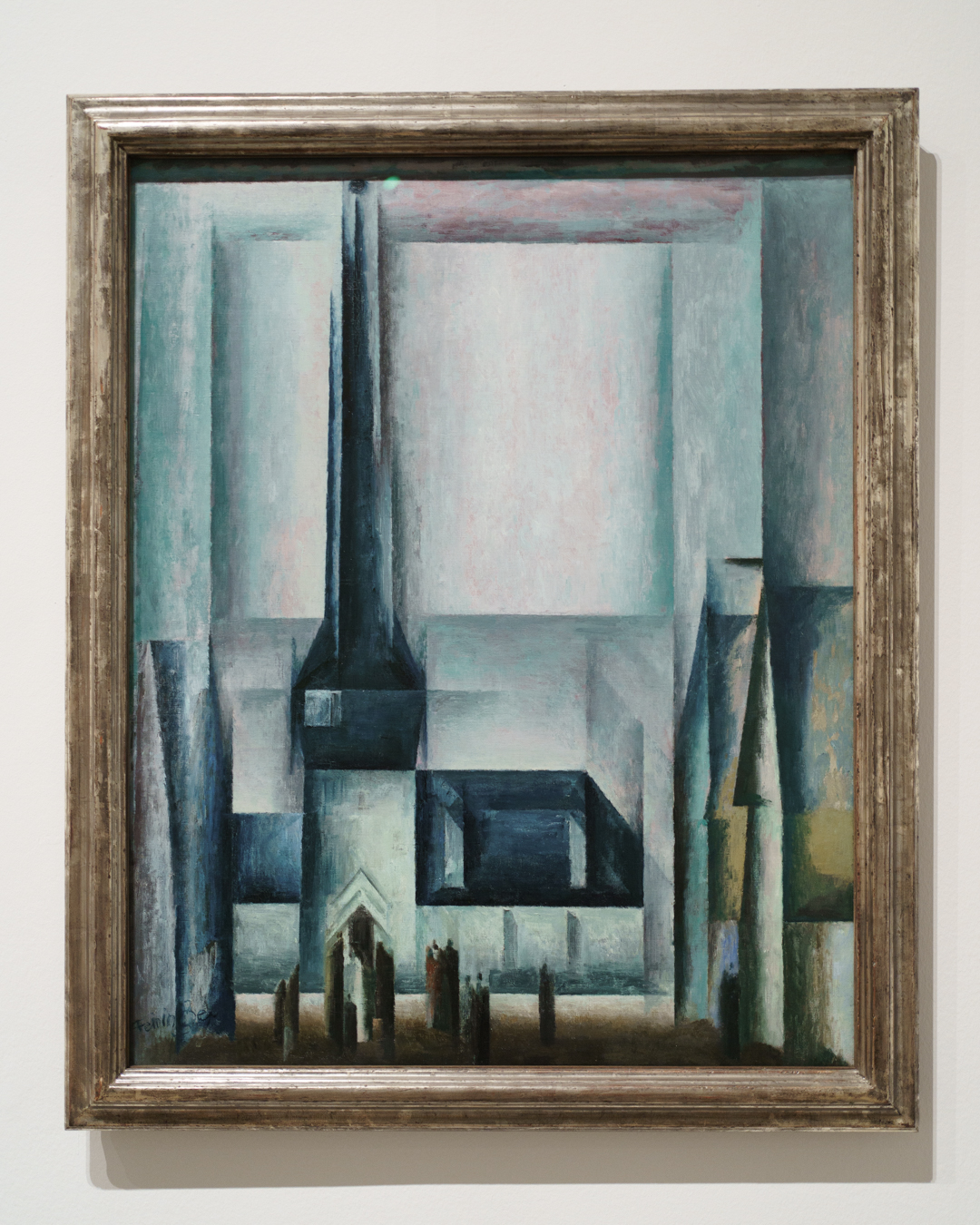
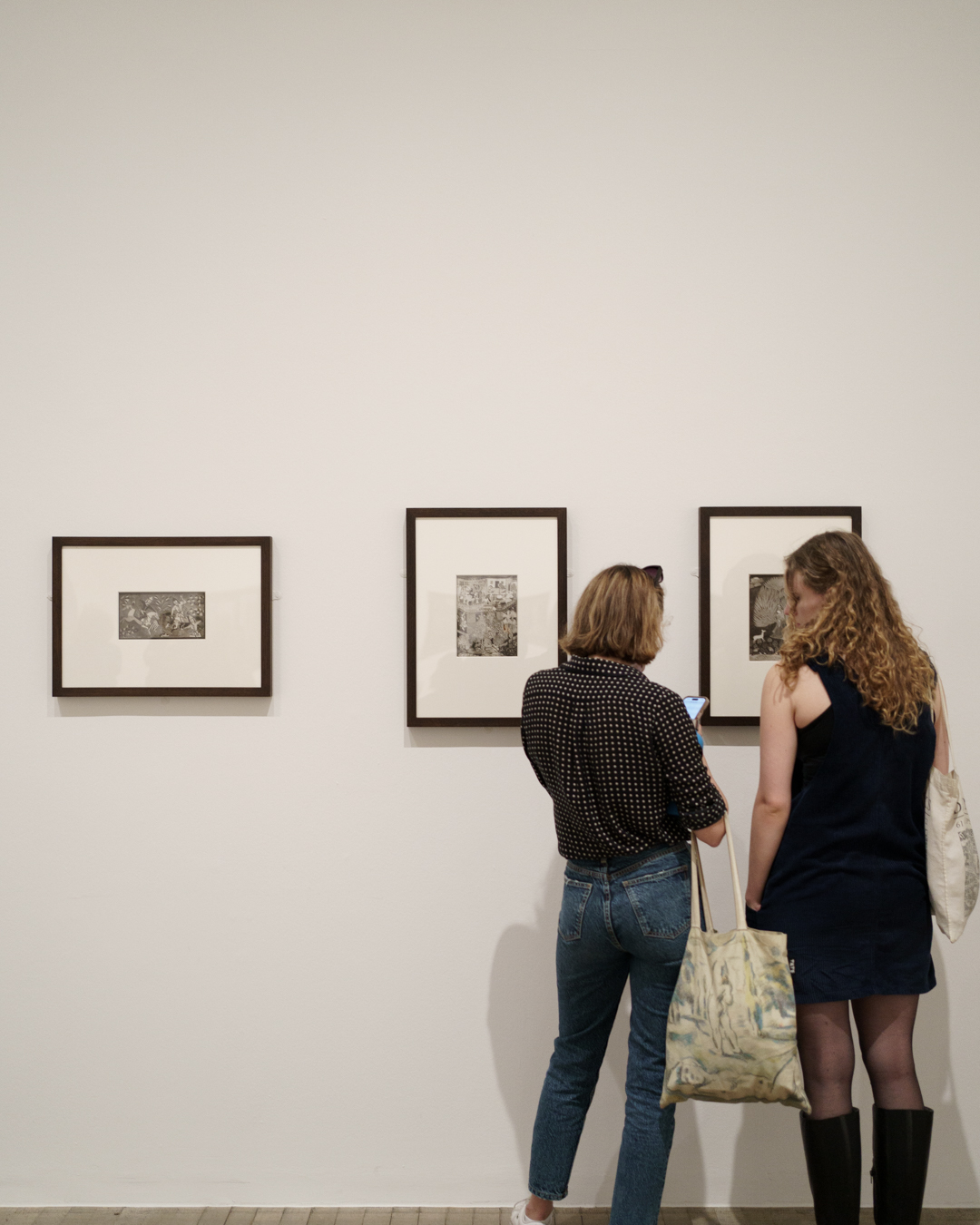

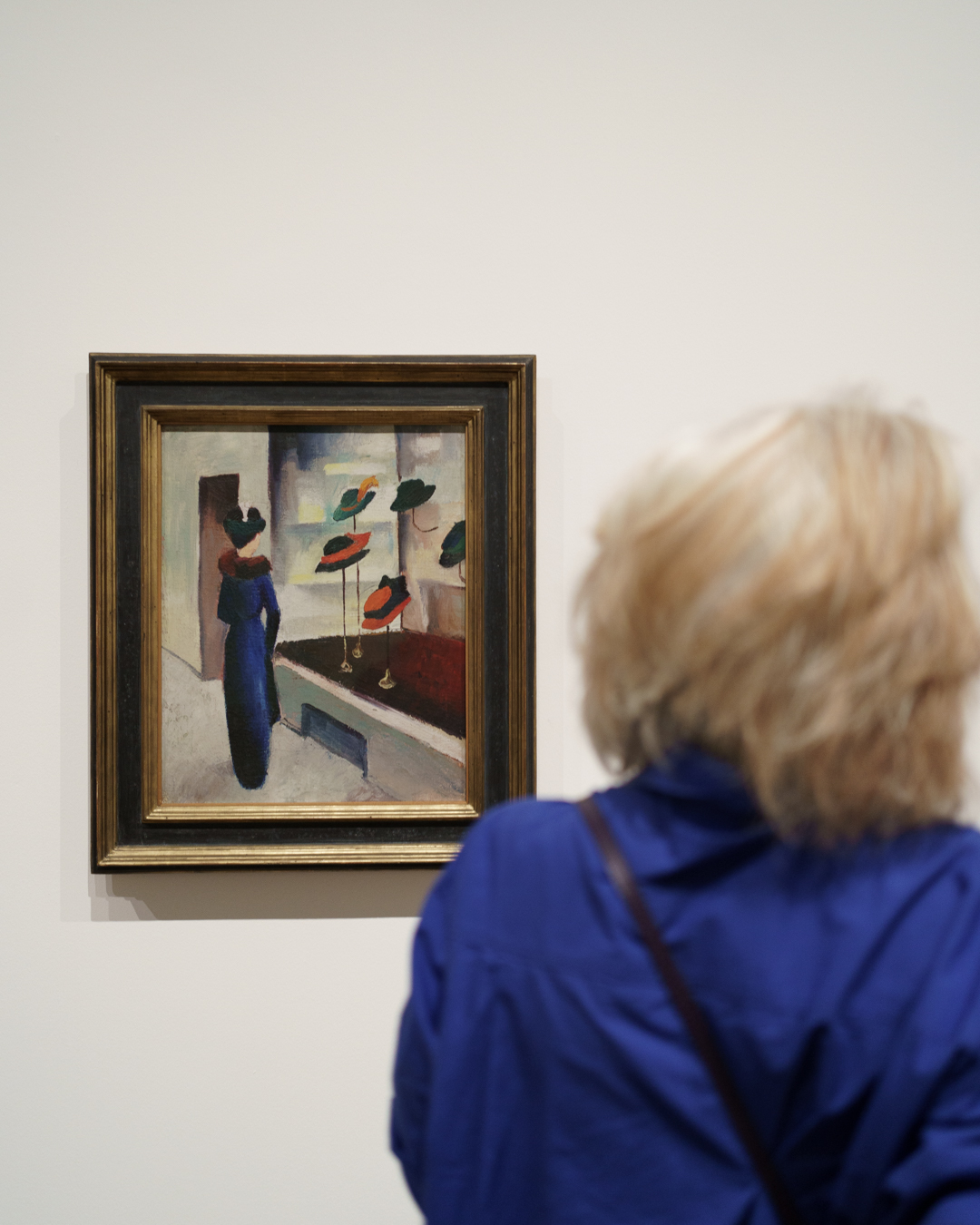
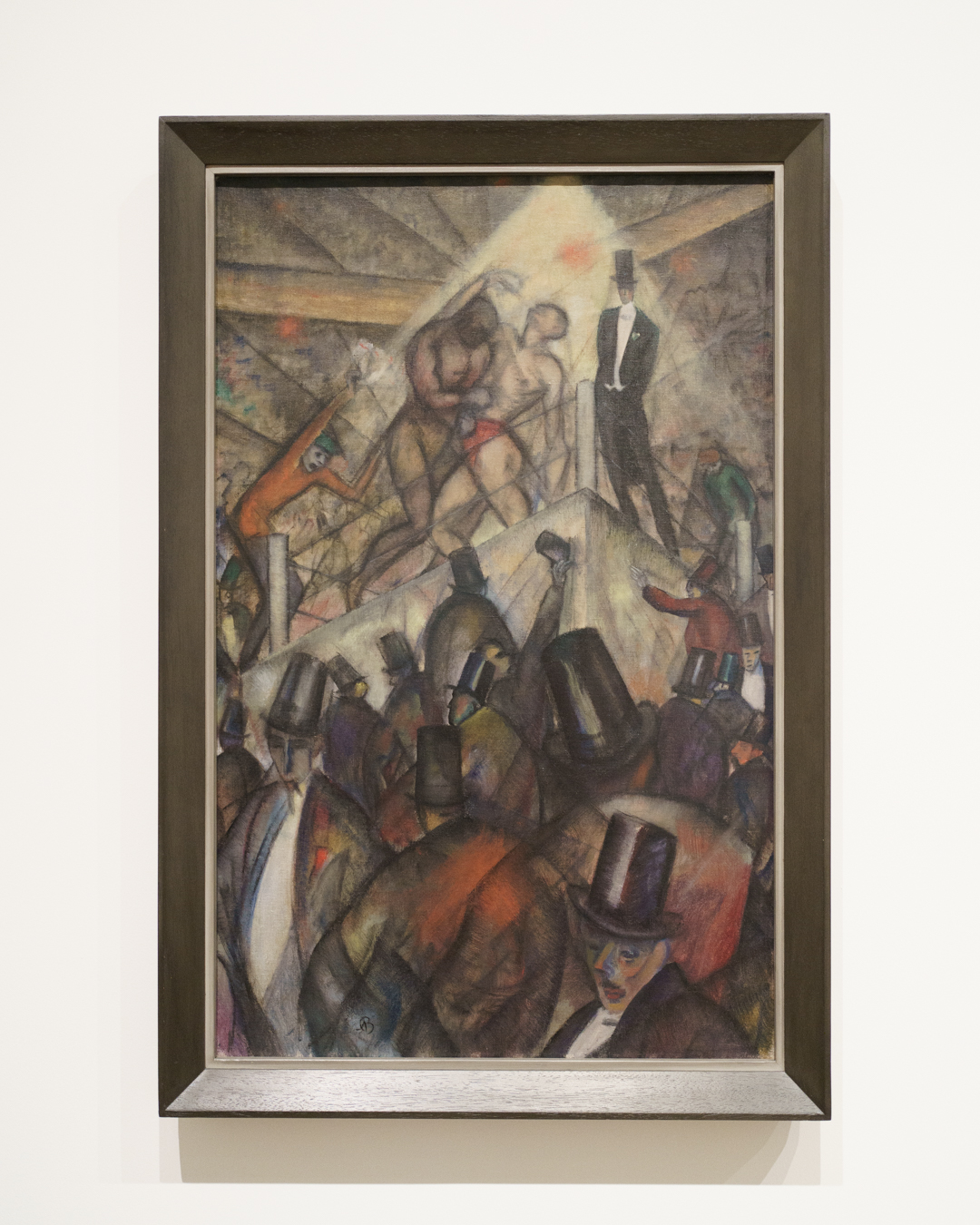


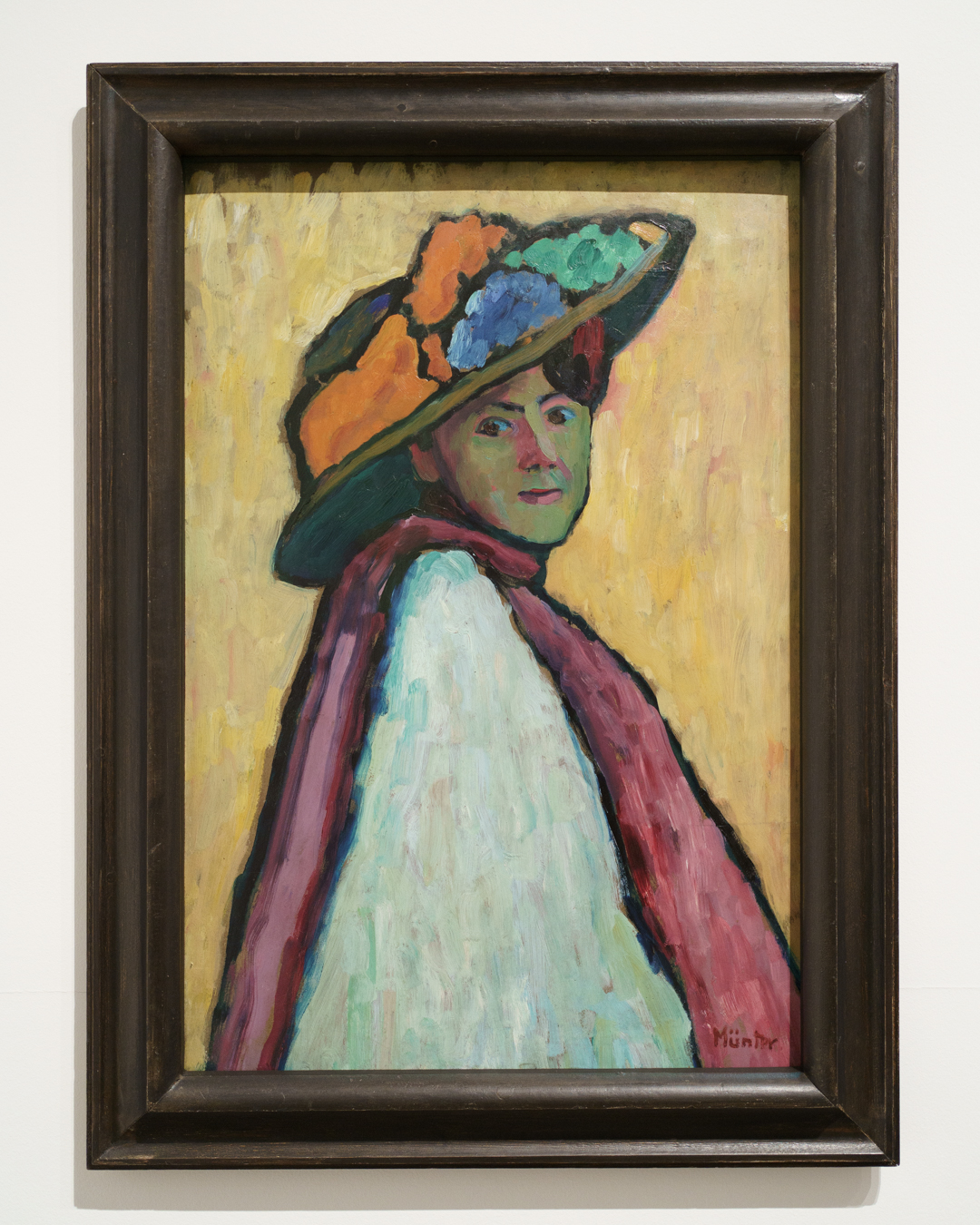
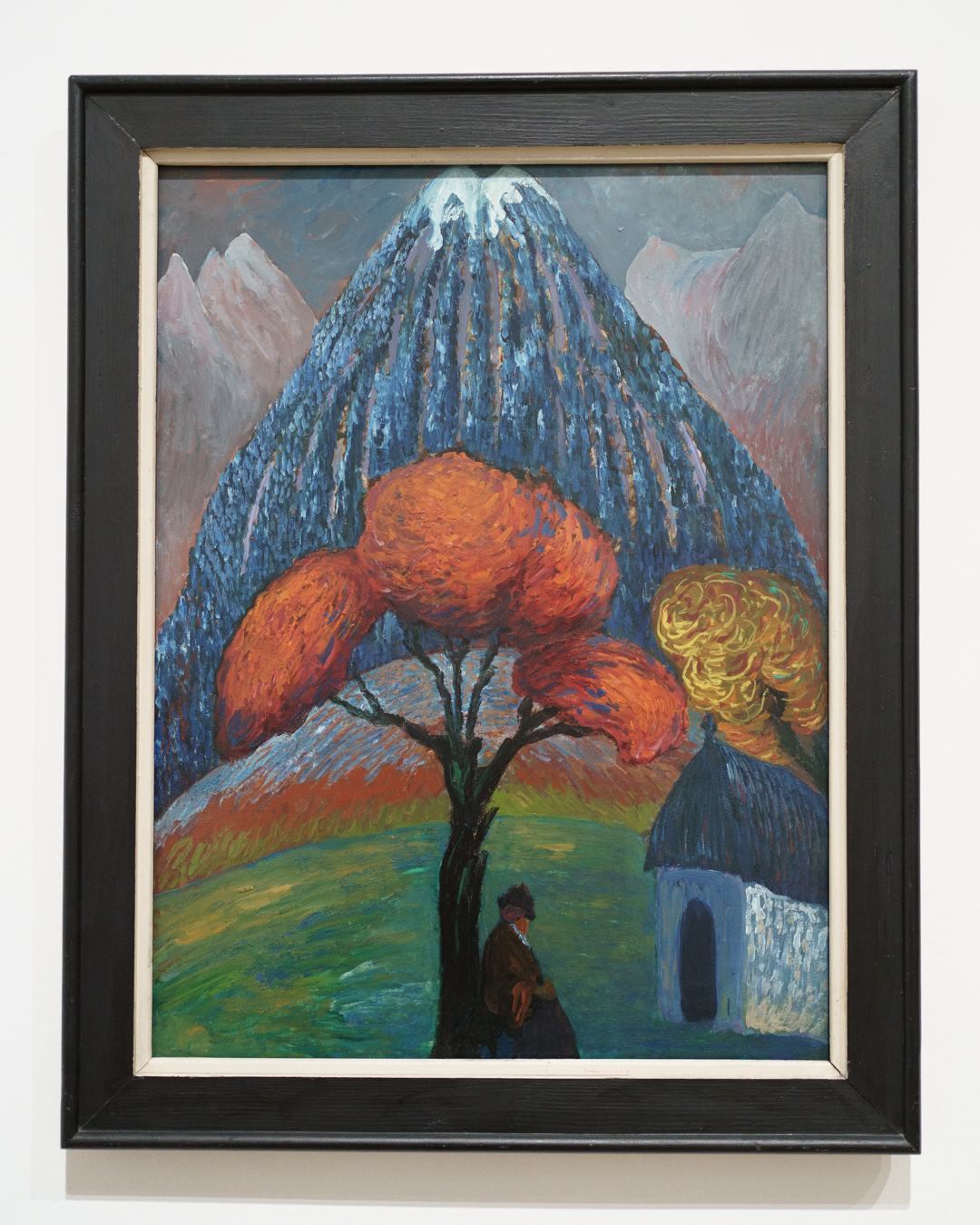
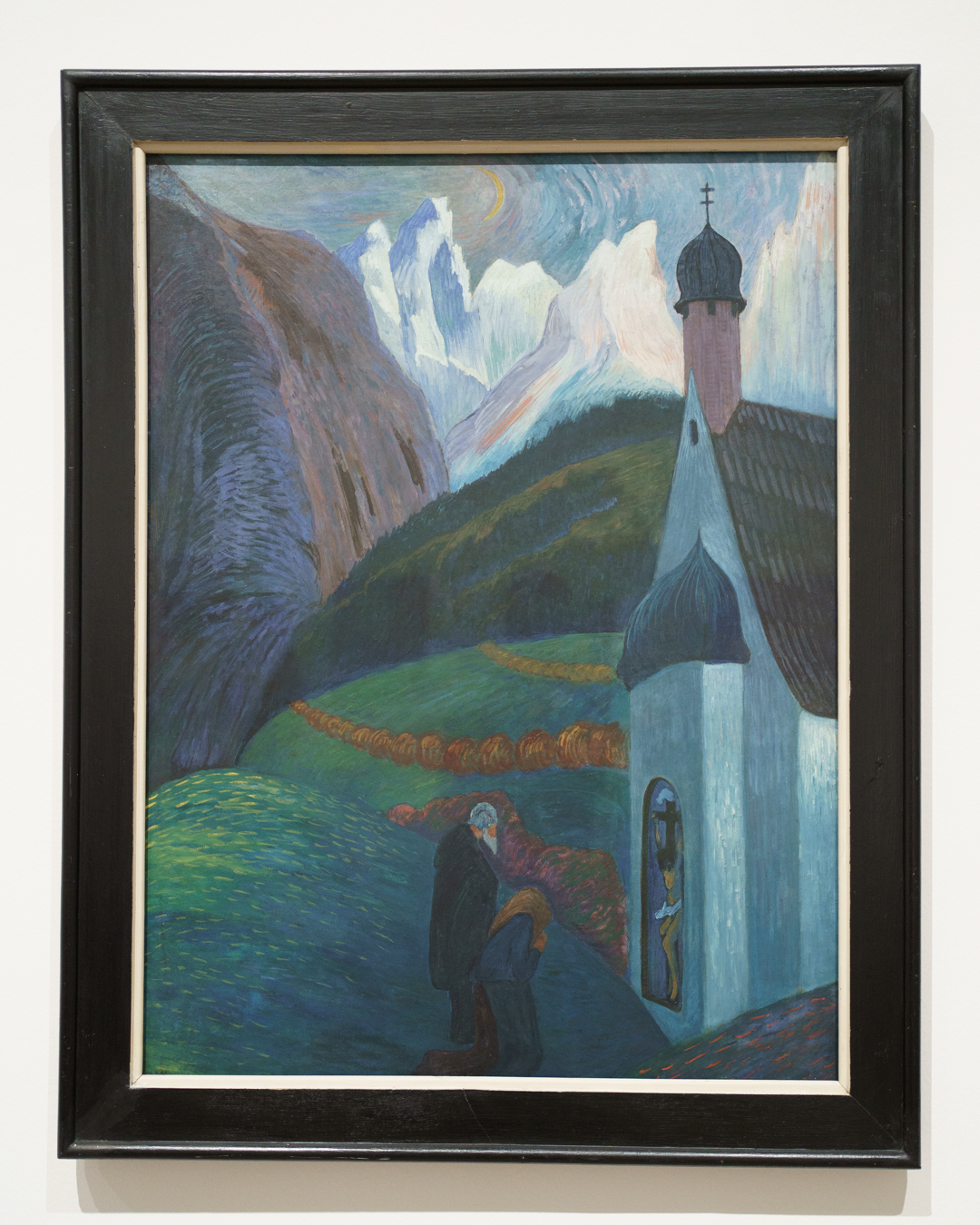
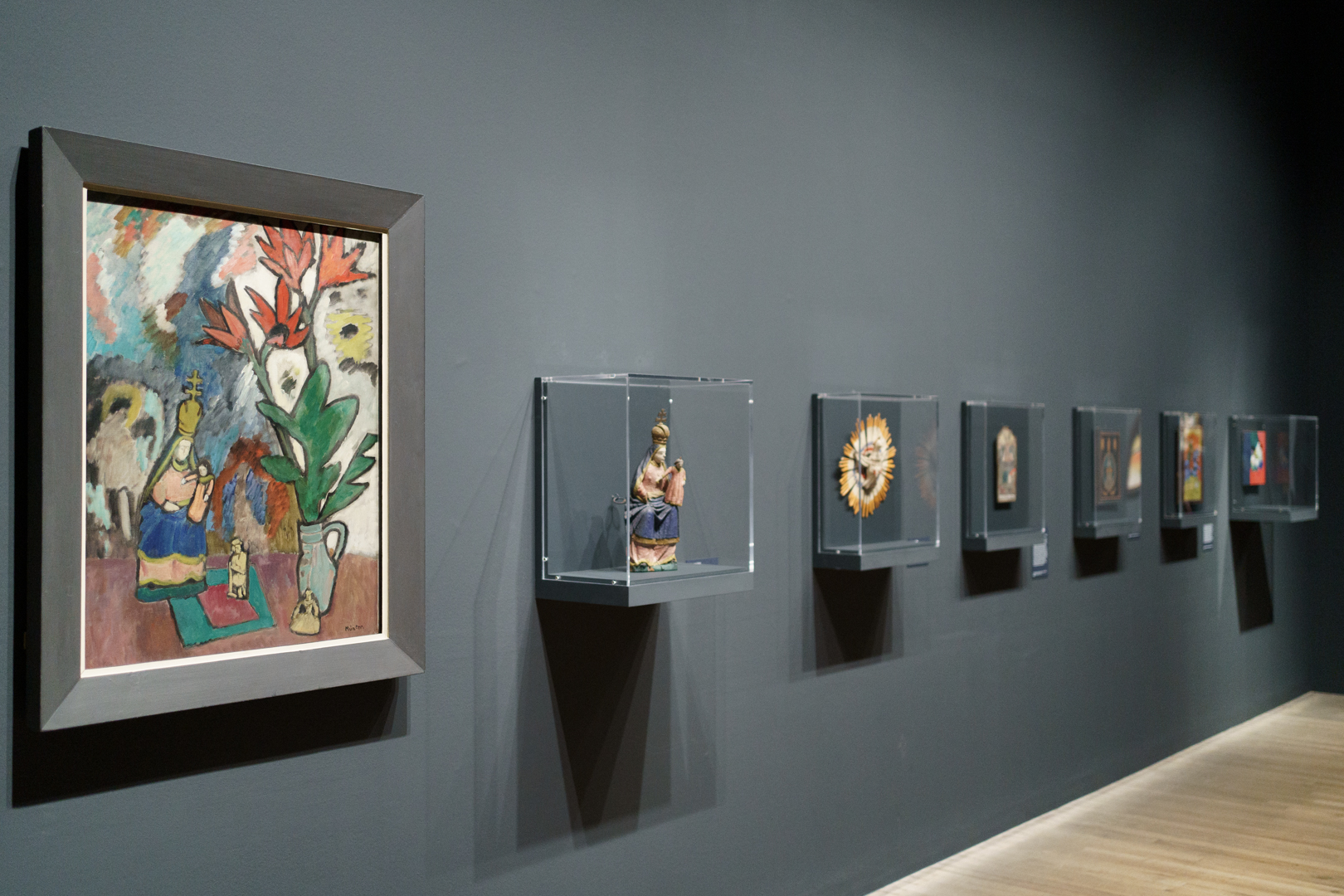


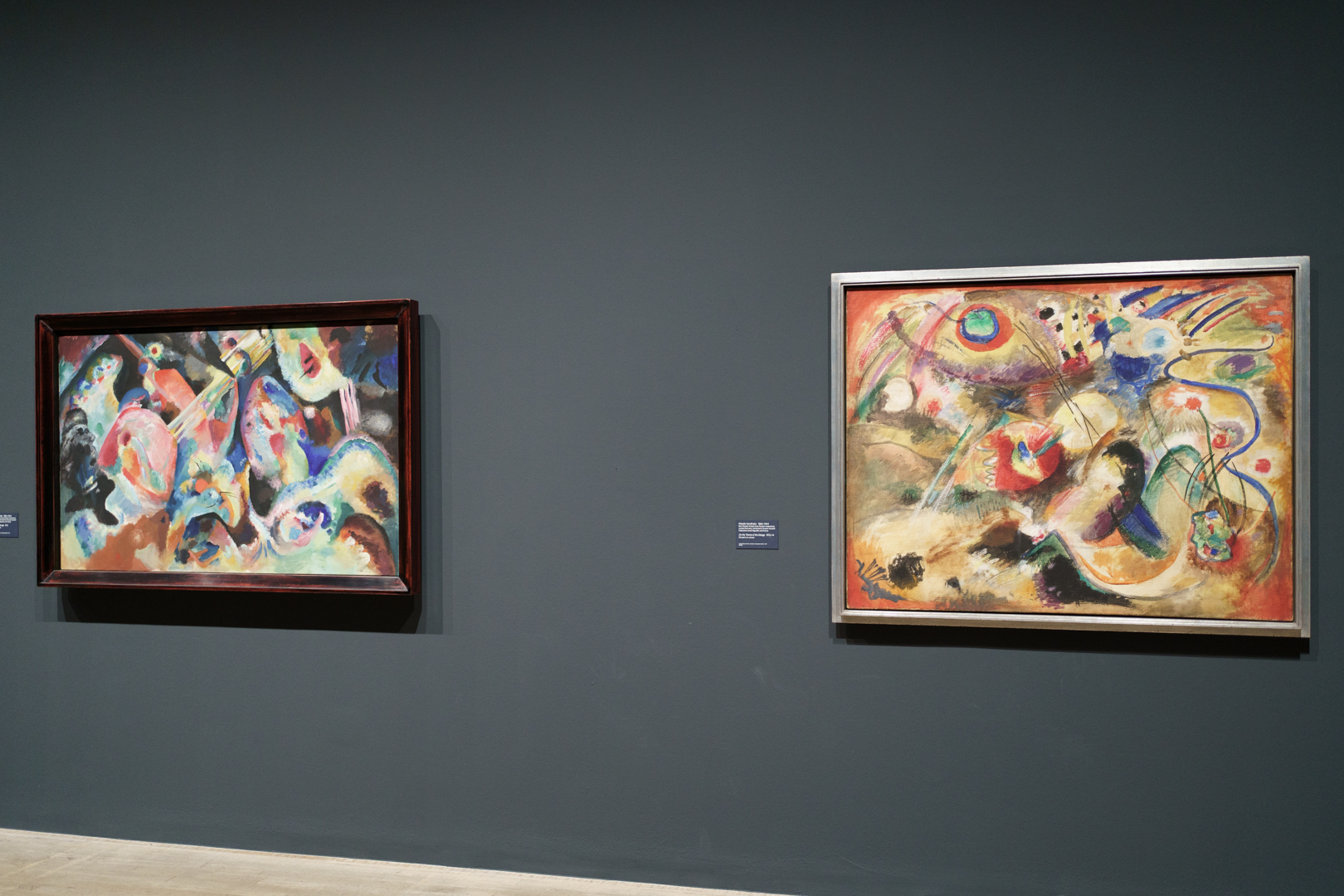
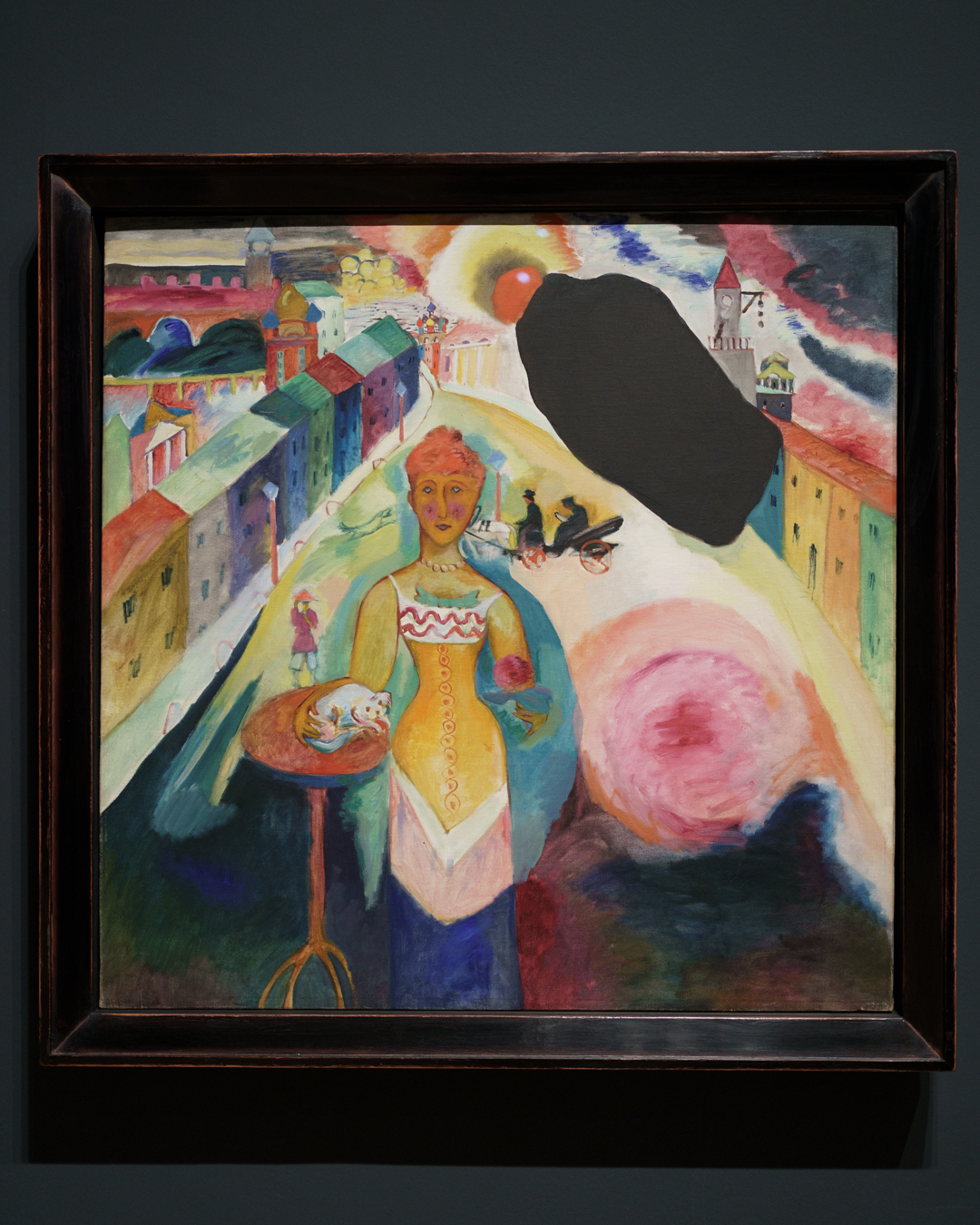


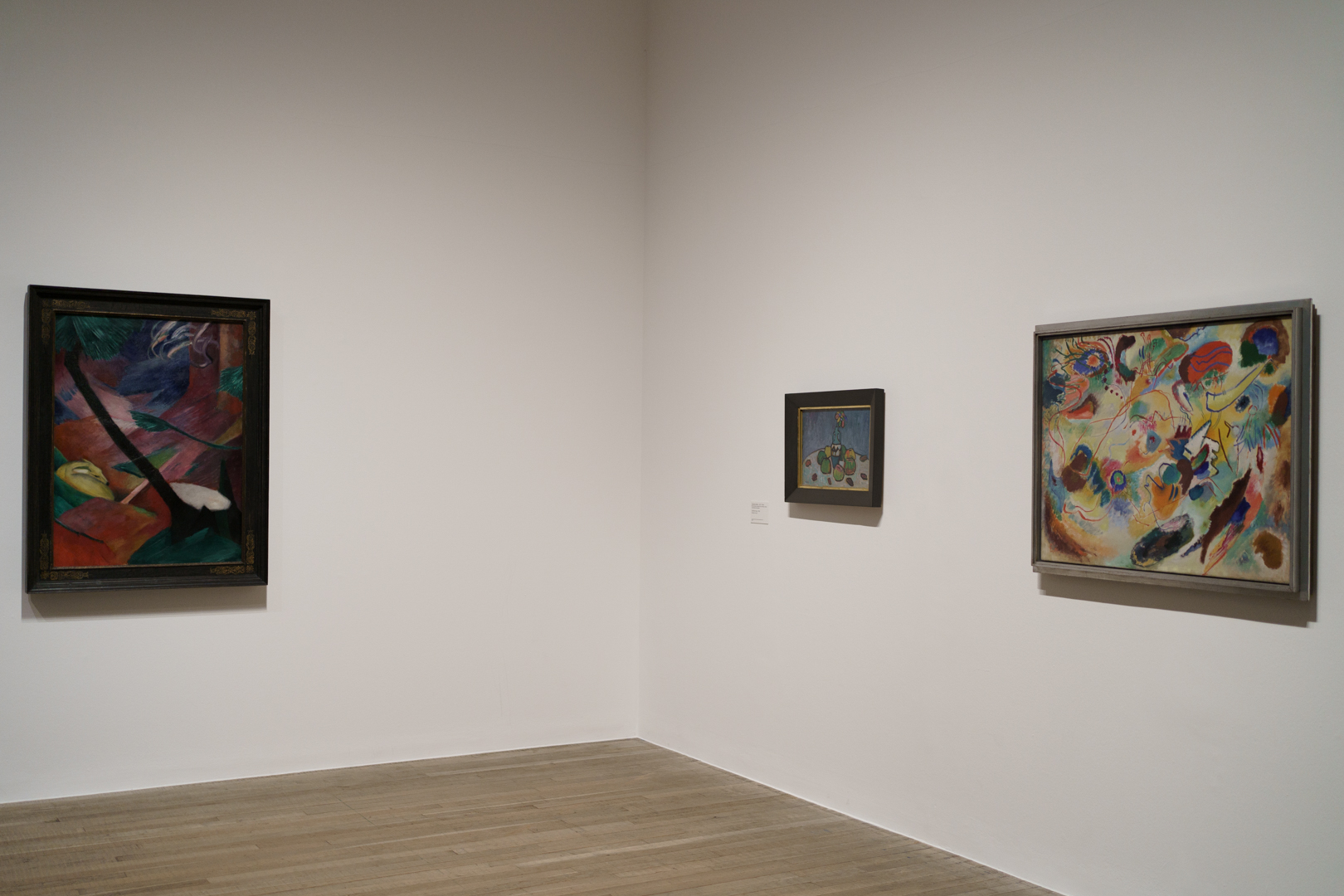
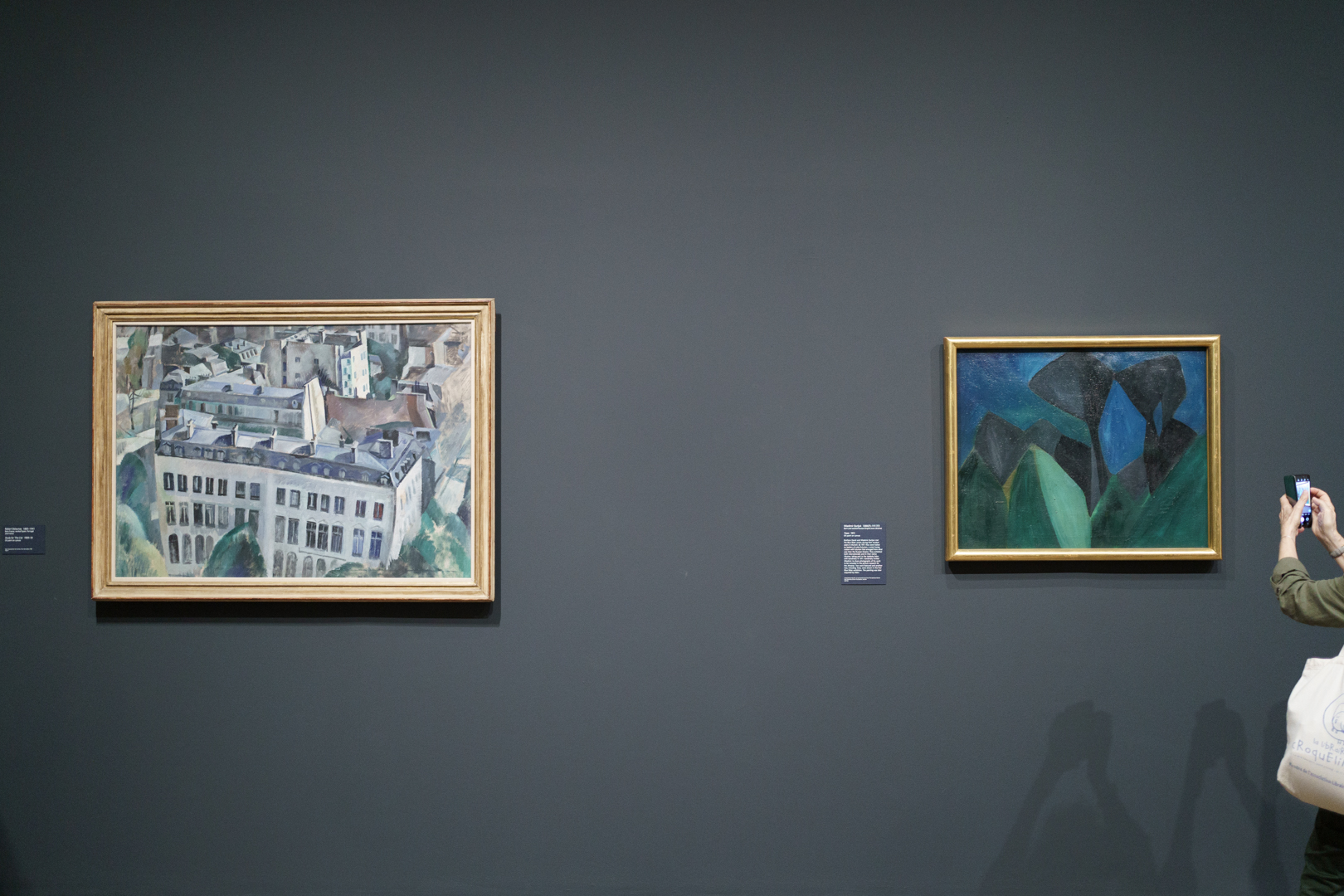


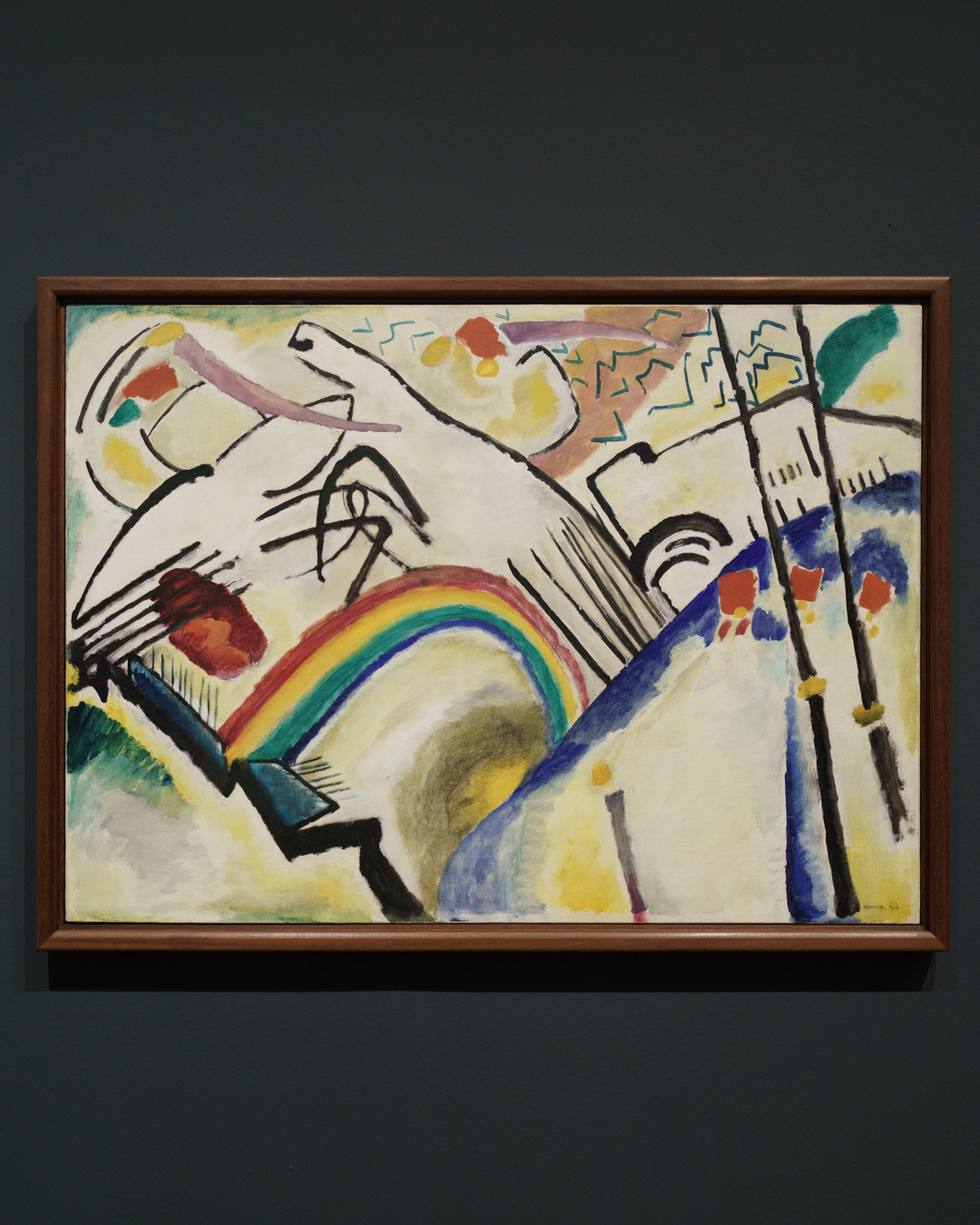

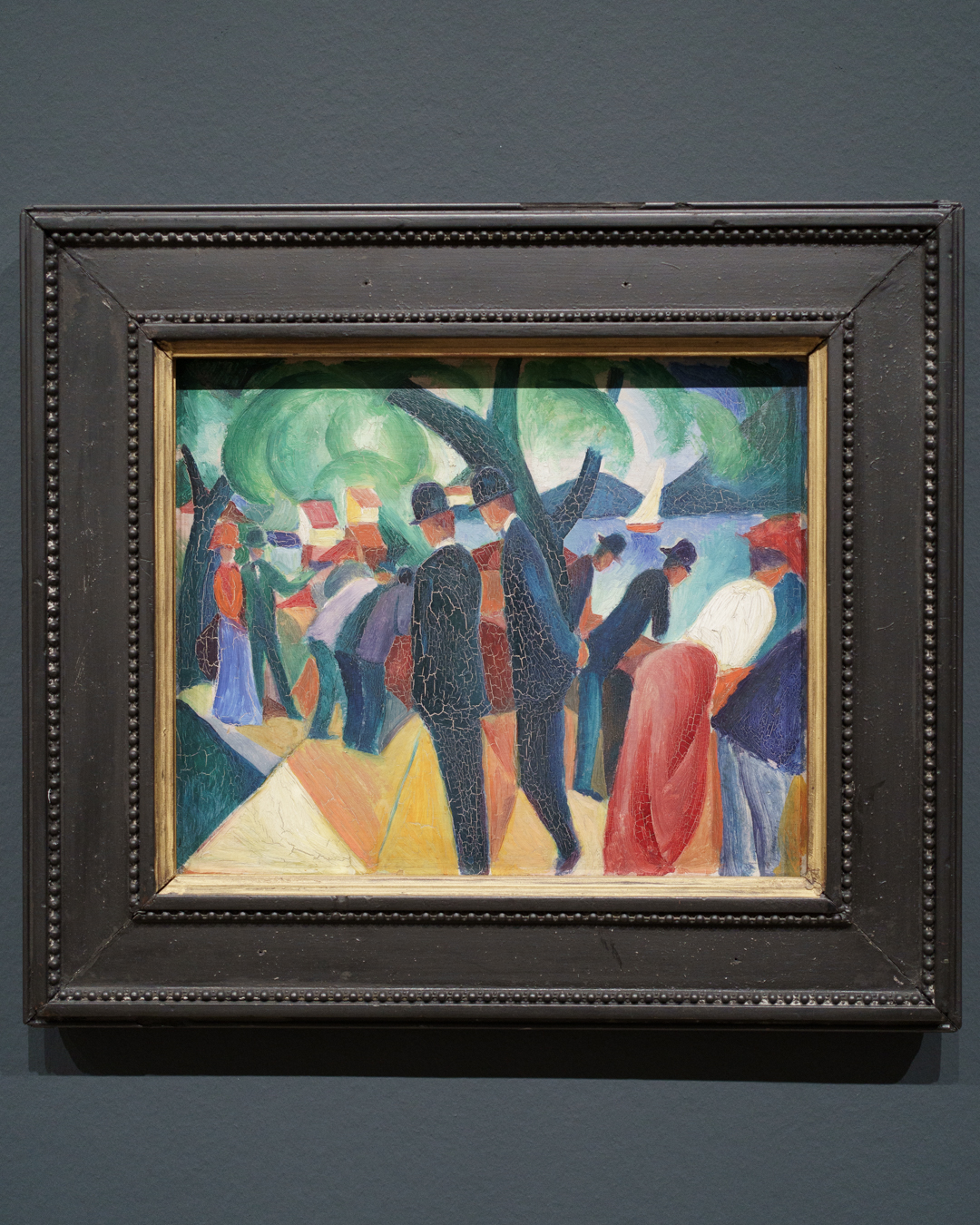

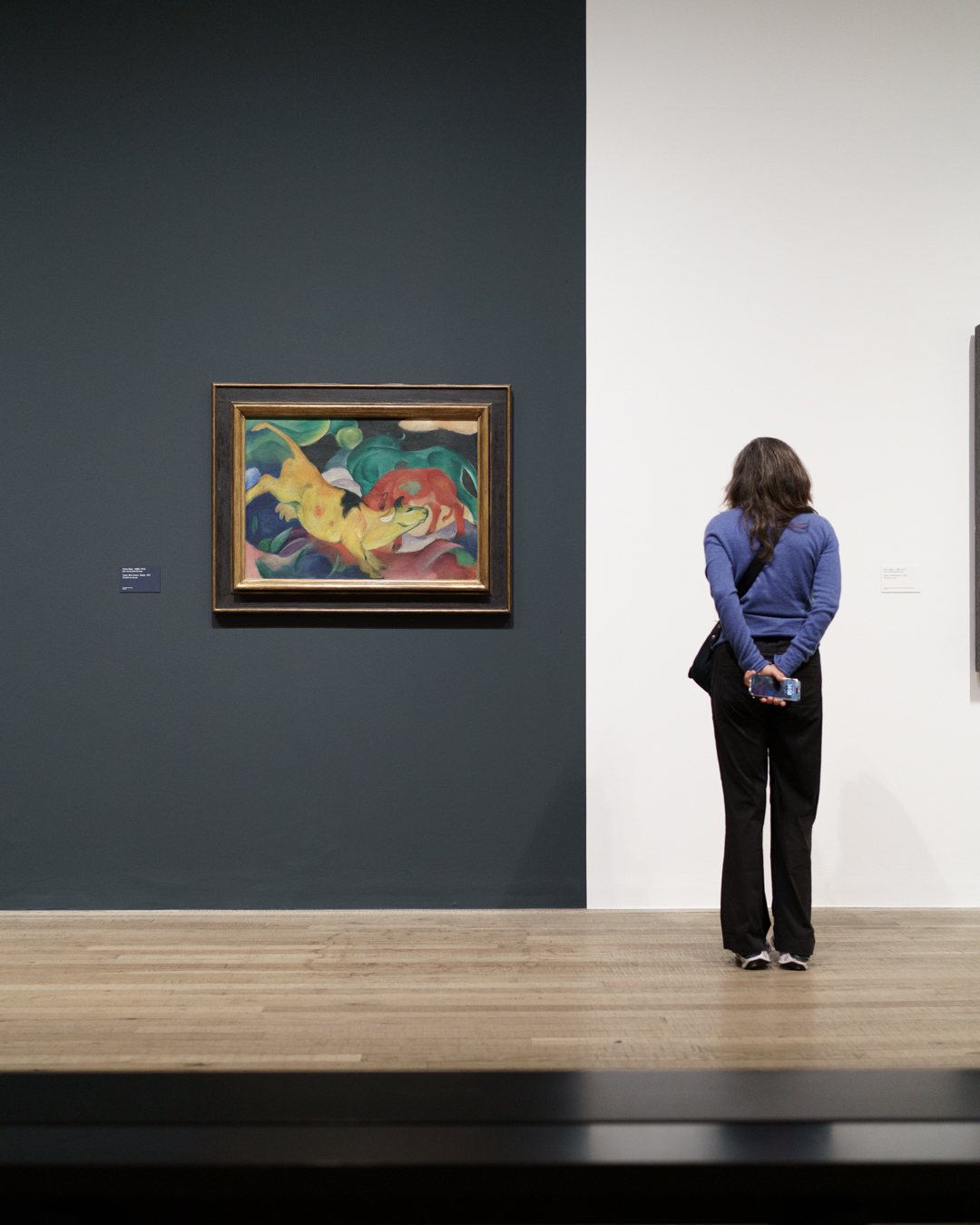
Tate Modern’s exhibition Expressionists: Kandinsky, Münter and The Blue Rider demonstrates the impact that travel had among the group’s key members, their choice of subject matter and artistic styles. A notable inclusion to the narrative is the importance of female artists in the group, such as Gabriele Münter, whose photographs of the USA and Tunisia contributed to the iconic horse and rider imagery. In the alpine town of Murnau, local reverse glass painting had a lasting influence on Münter’s bold colours and strong outlines. They also collected objects during their travels.
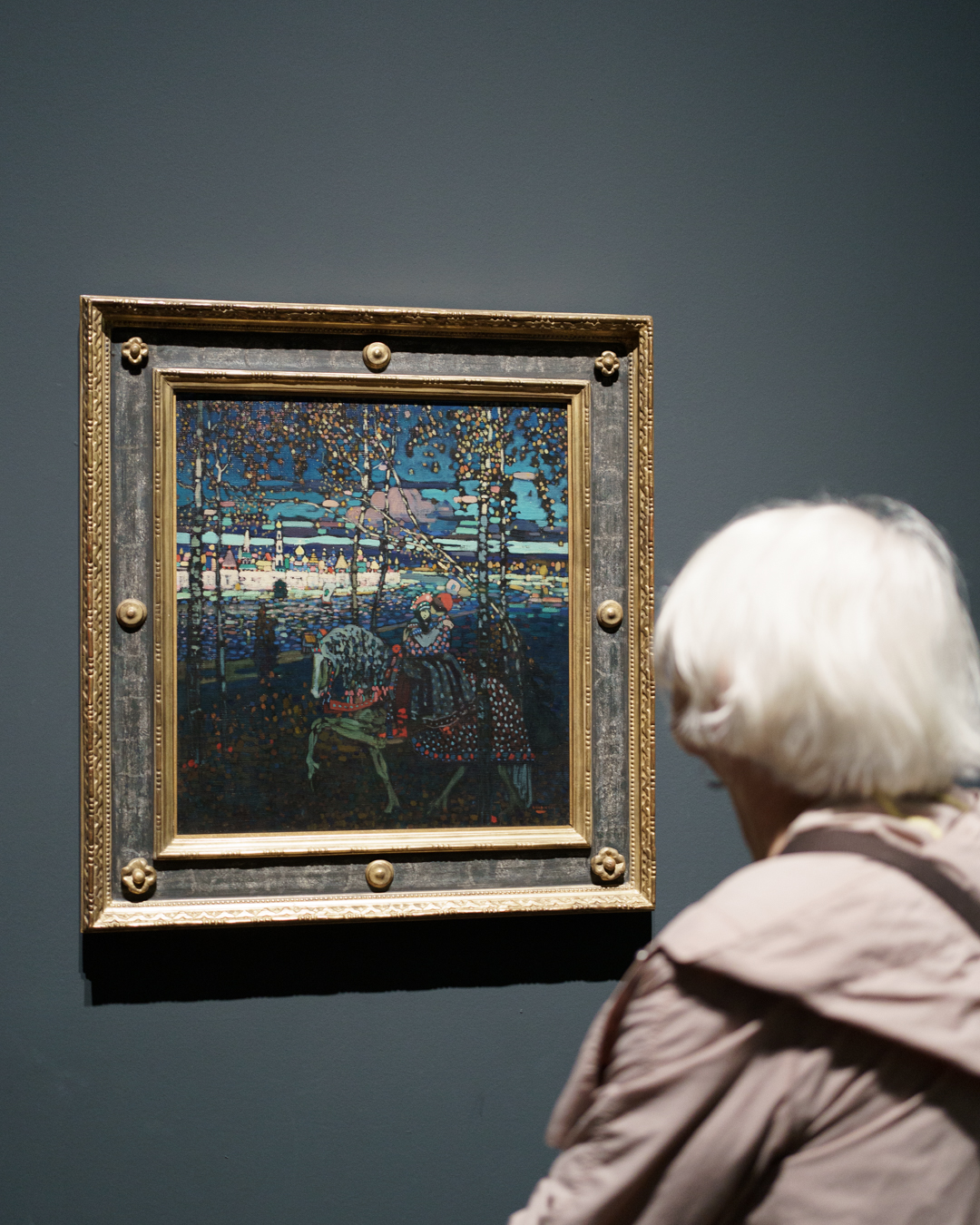
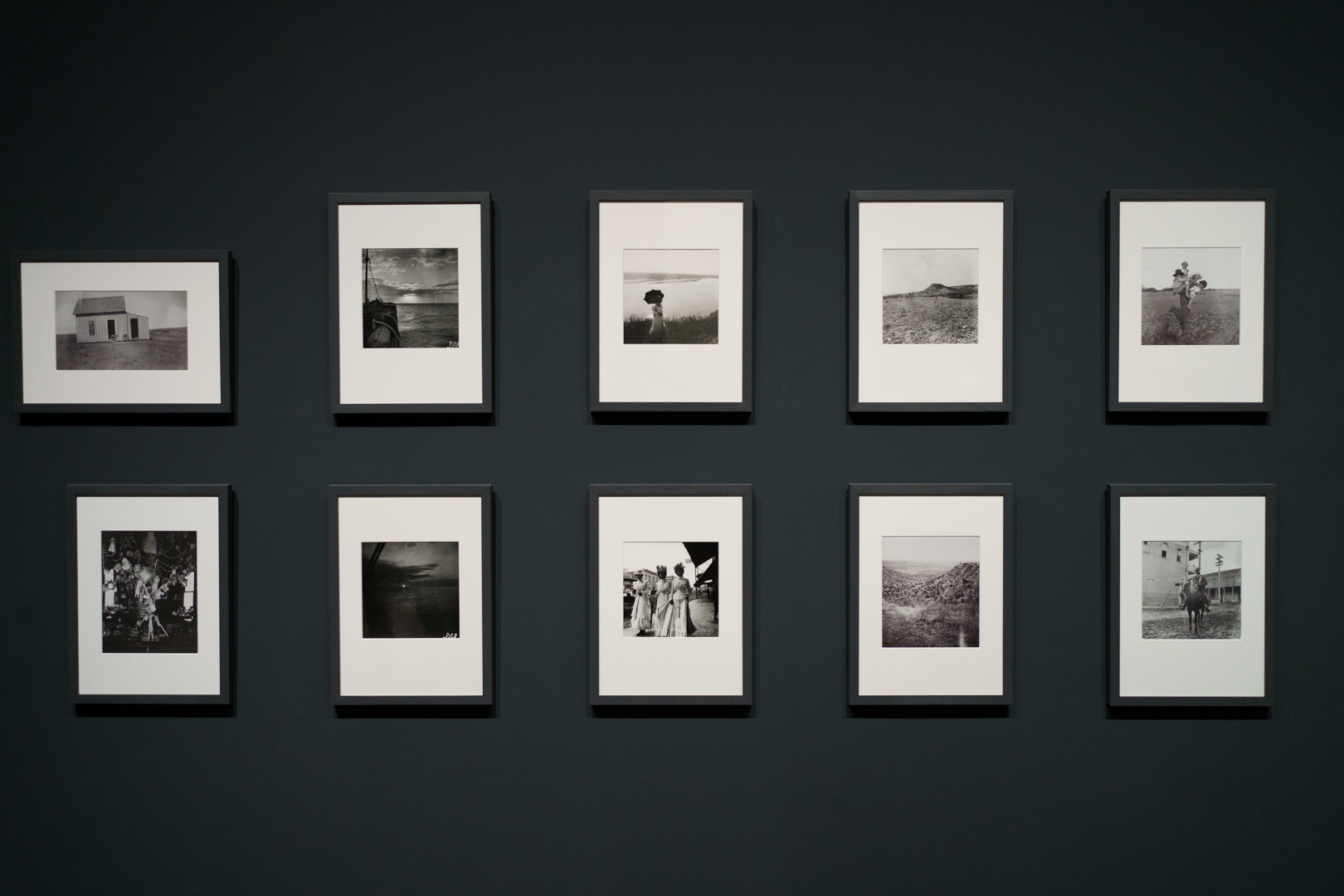


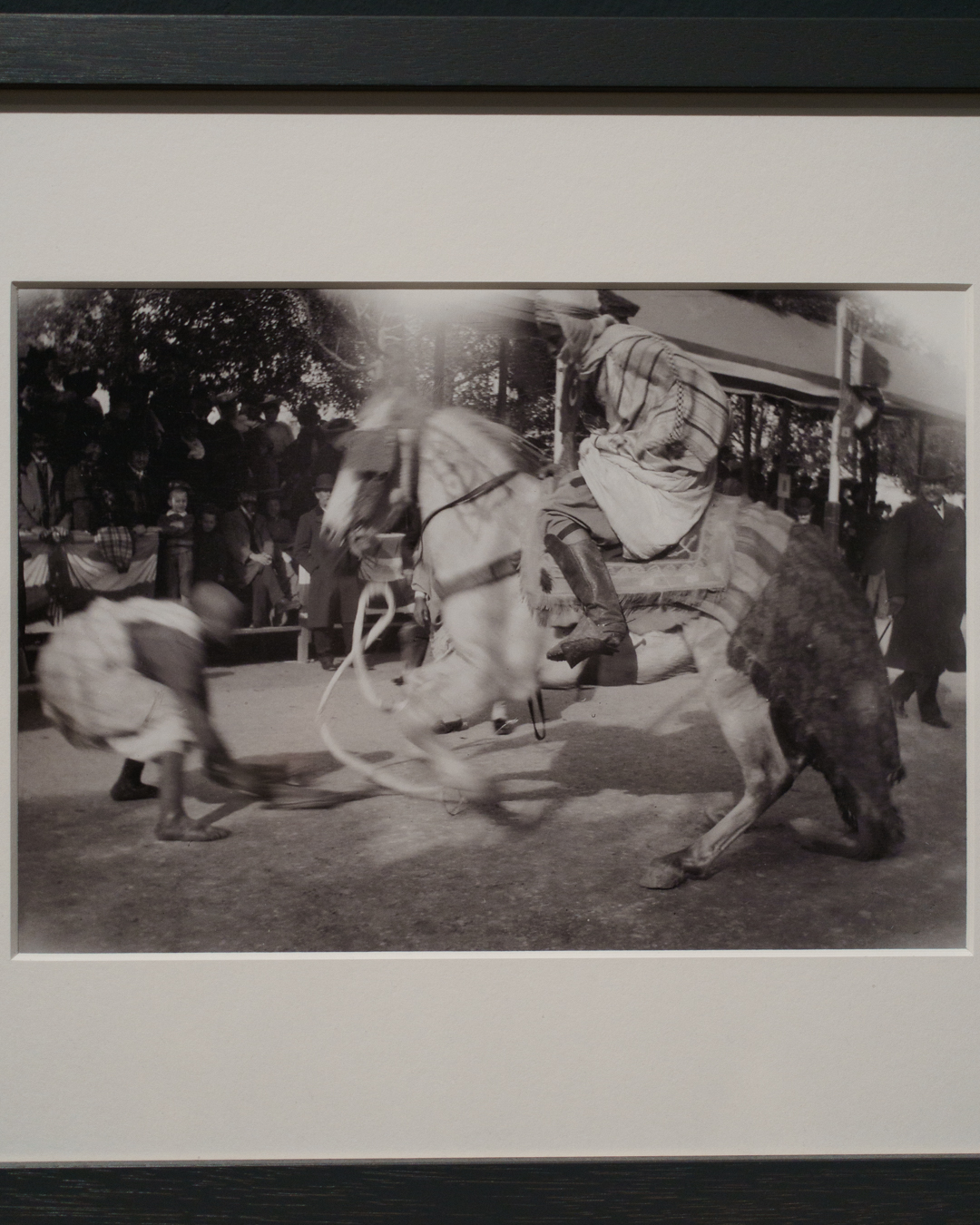

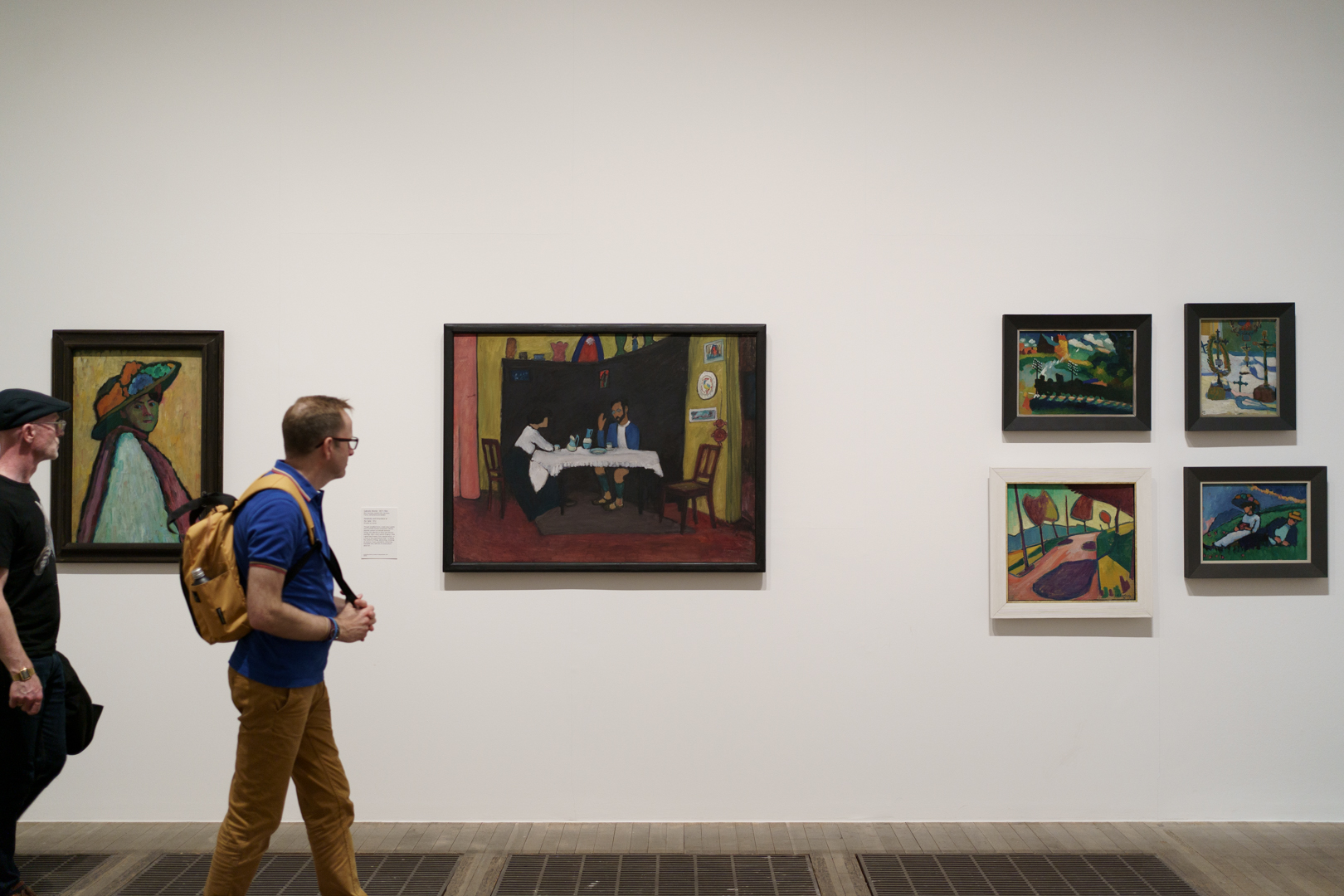


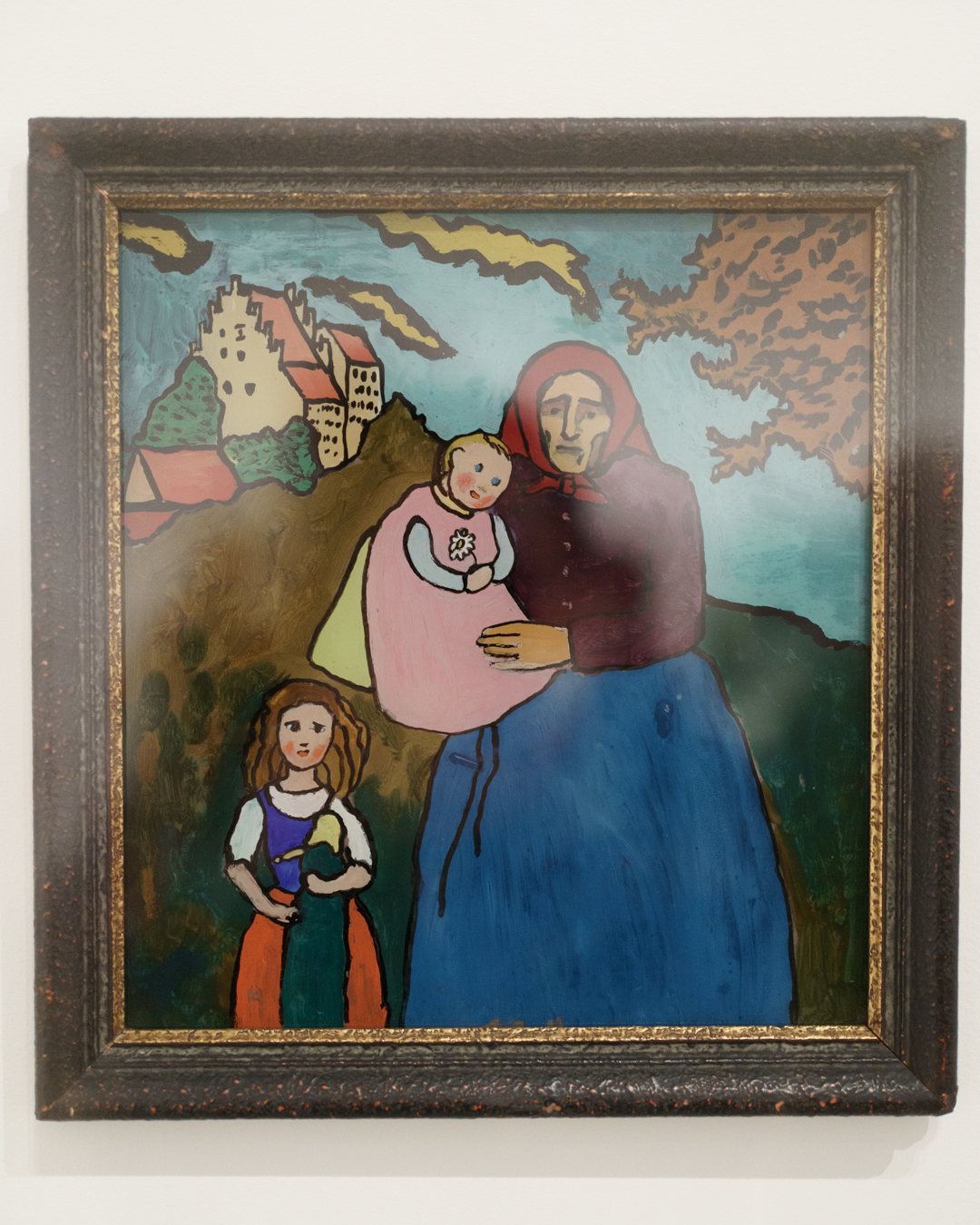
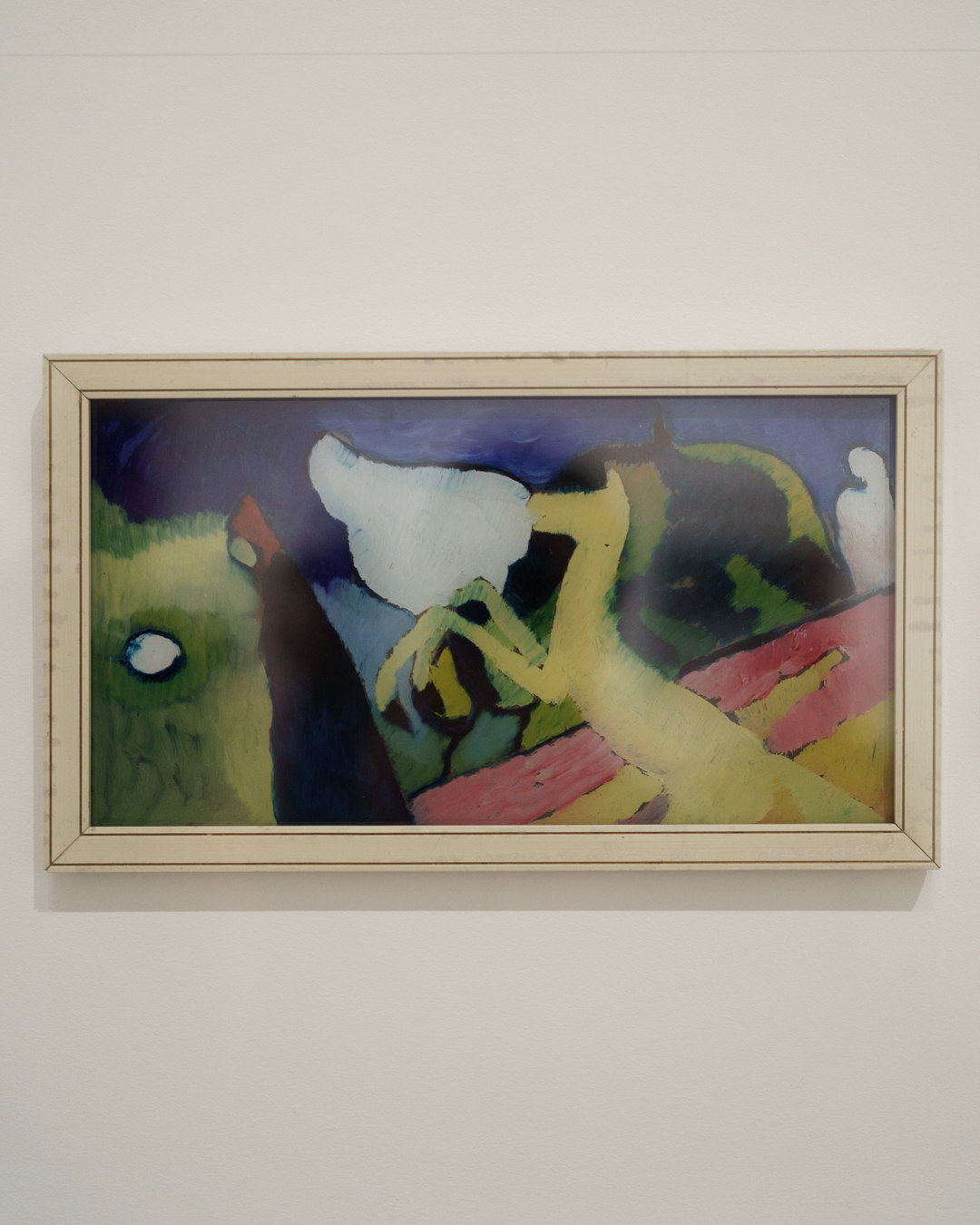

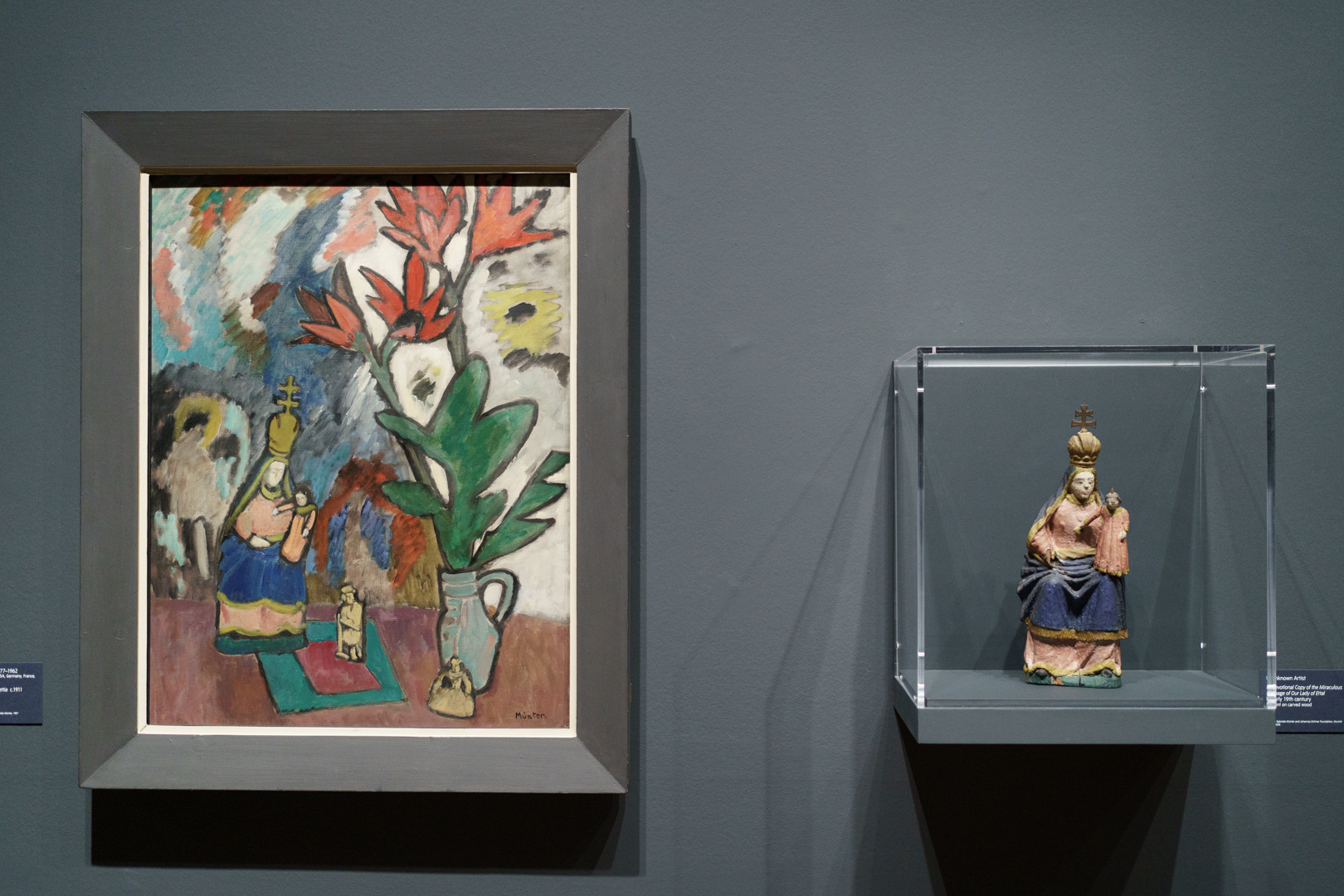
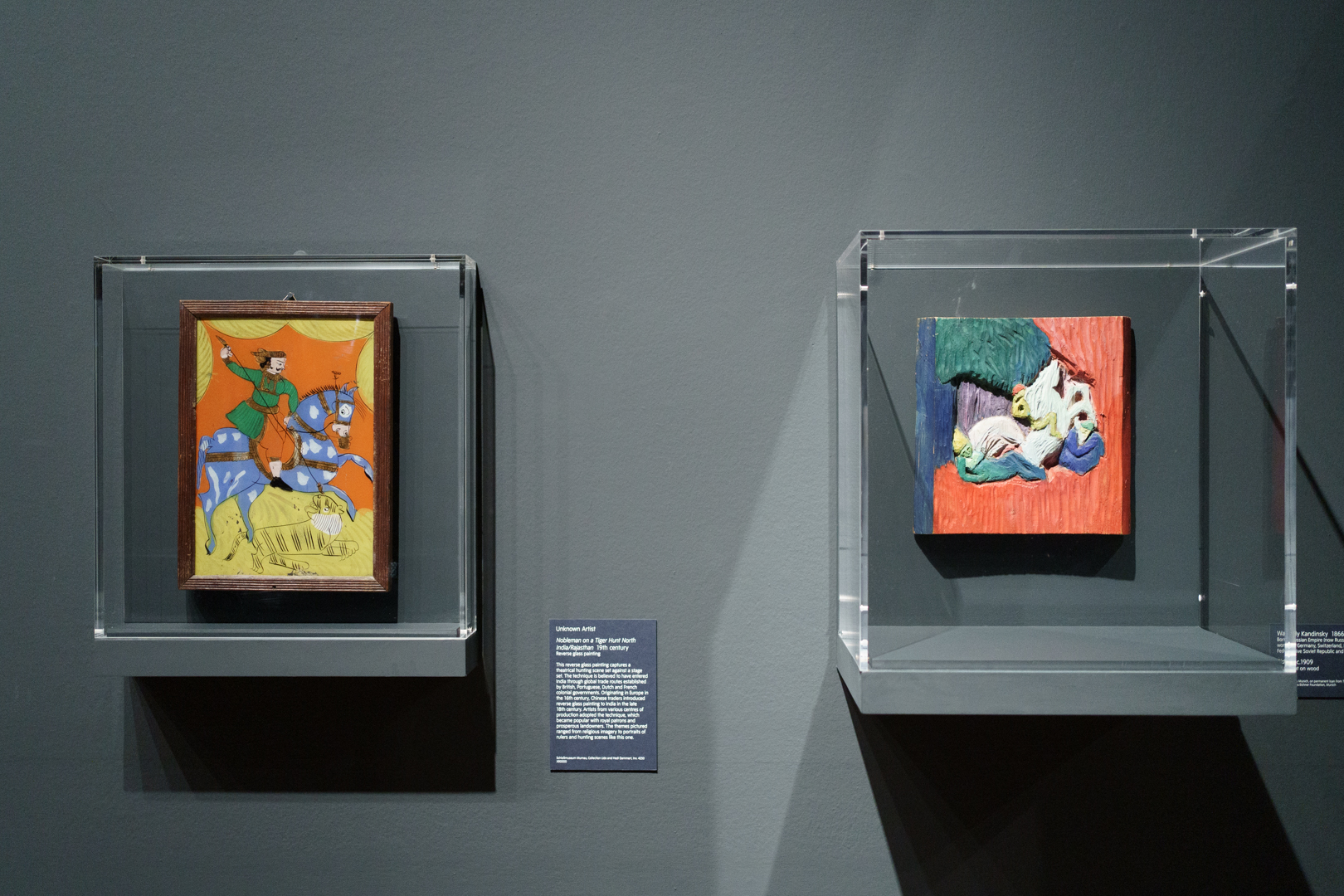
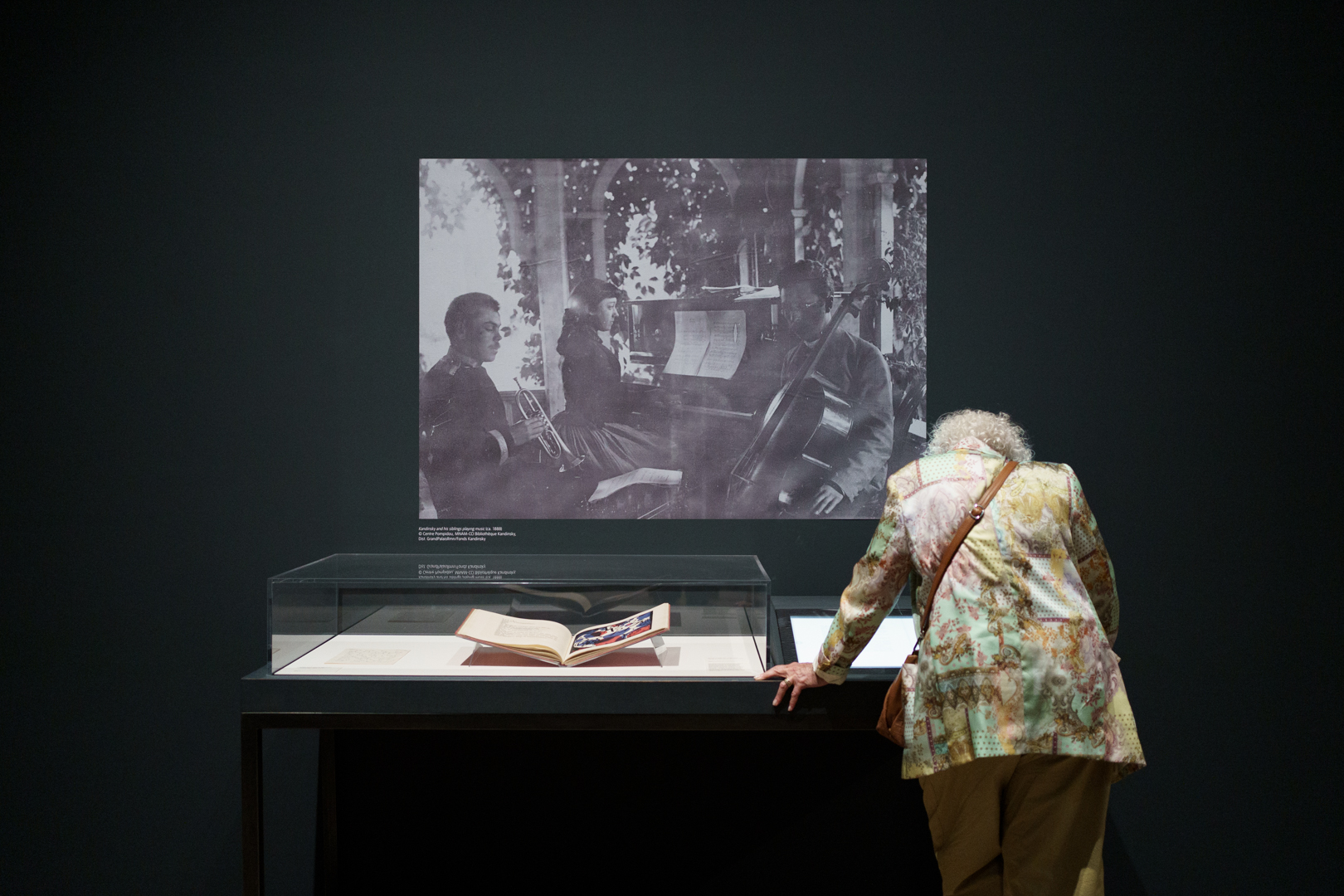
Towards the end, the Nazi classification of some works as ‘degenerate art’ is discussed, as well as a great section devoted to The Blue Rider Almanac and printmaking activities for the magazine Der Sturm. Overall, a great overview of this transnational group, particularly their exploration of gender identity and self-expression by figures like Marianne Werefkin and Erma Bossi.


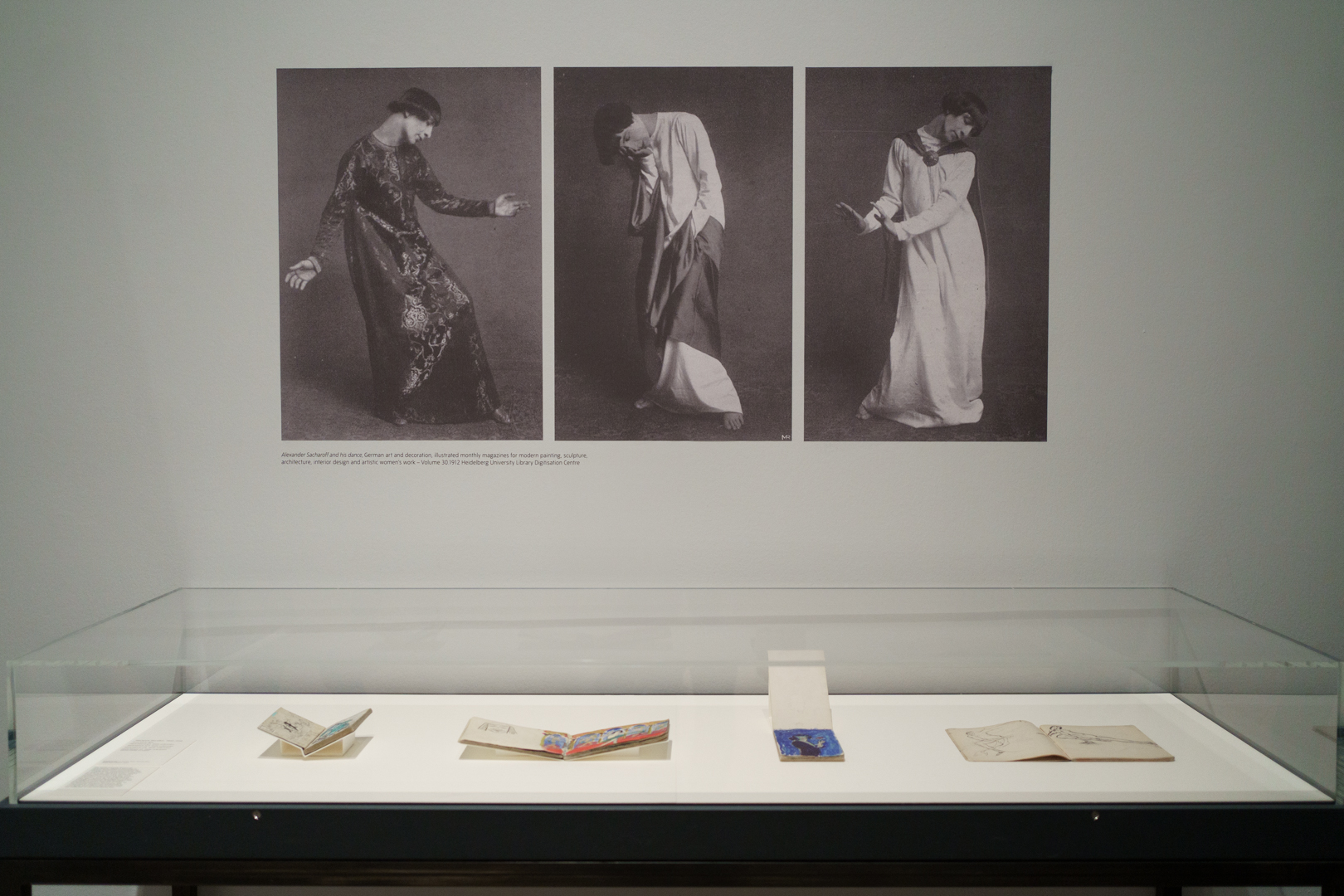


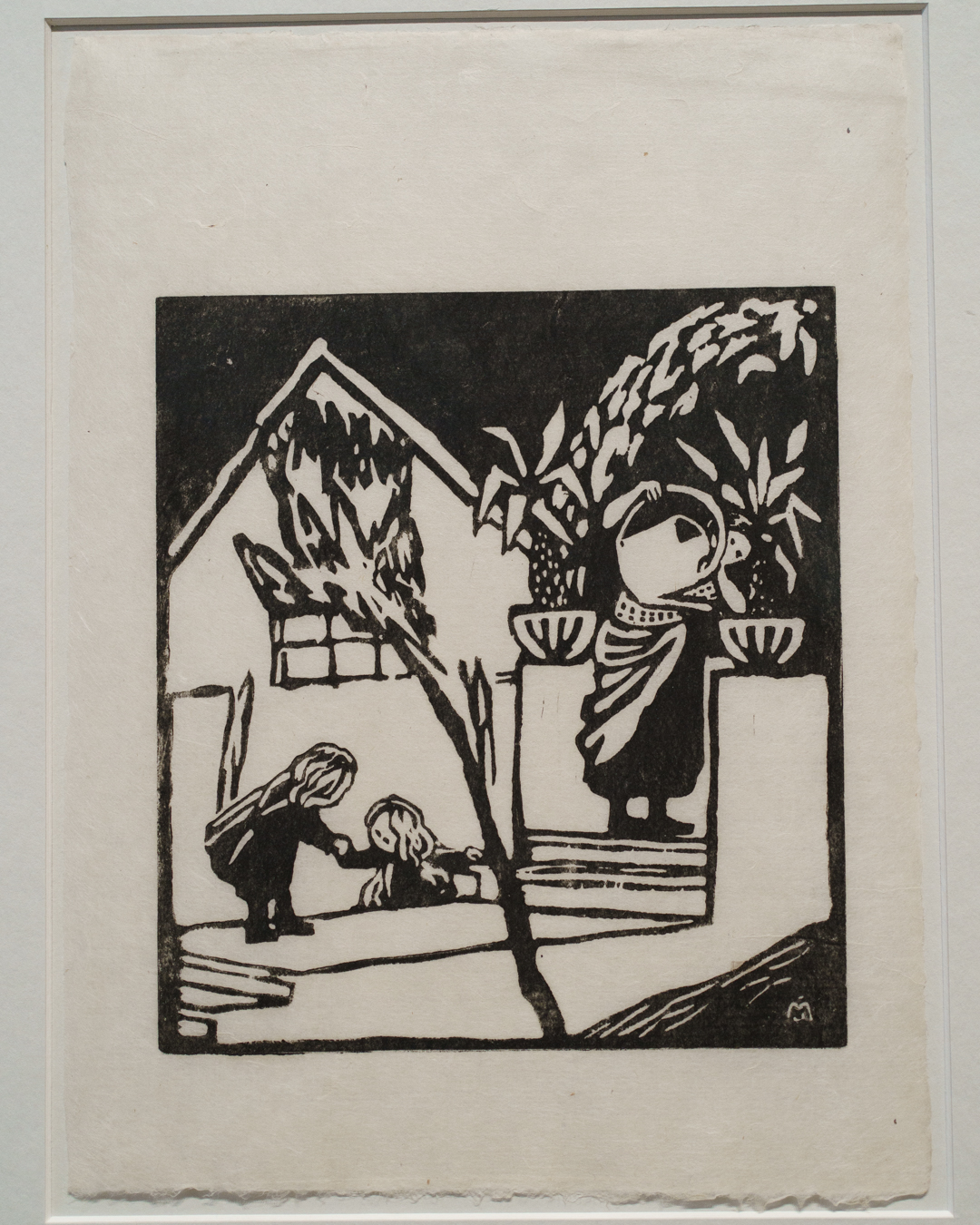


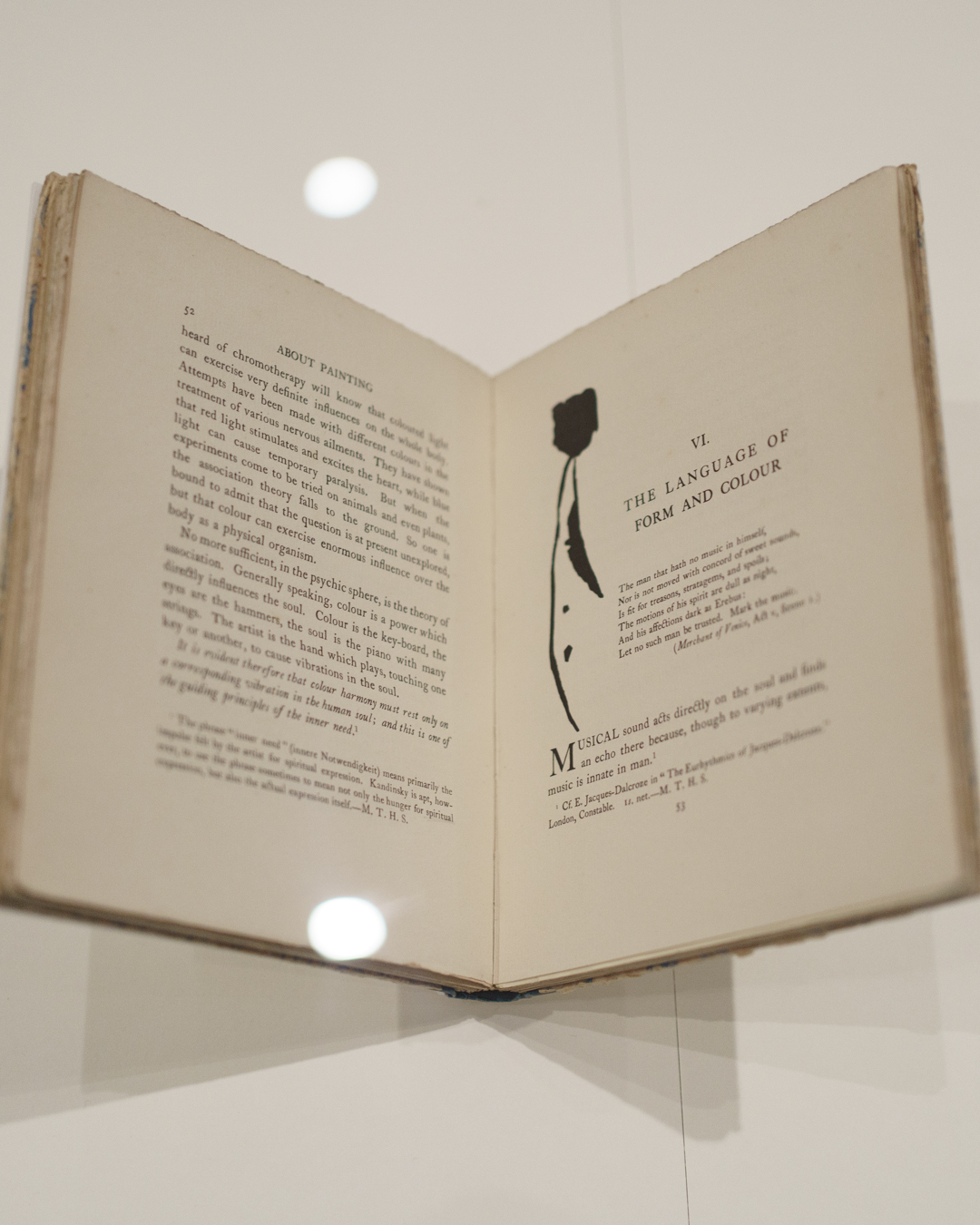


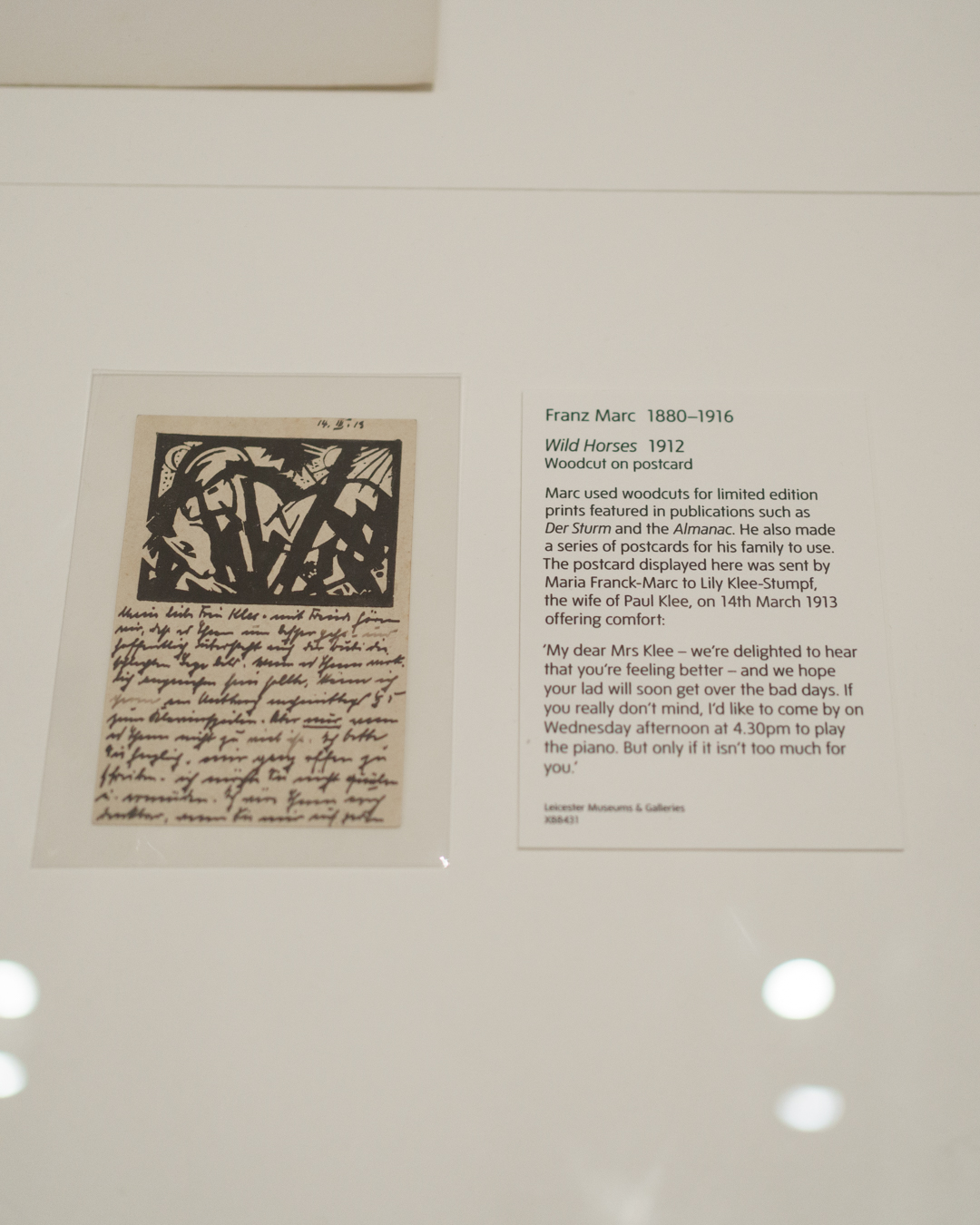

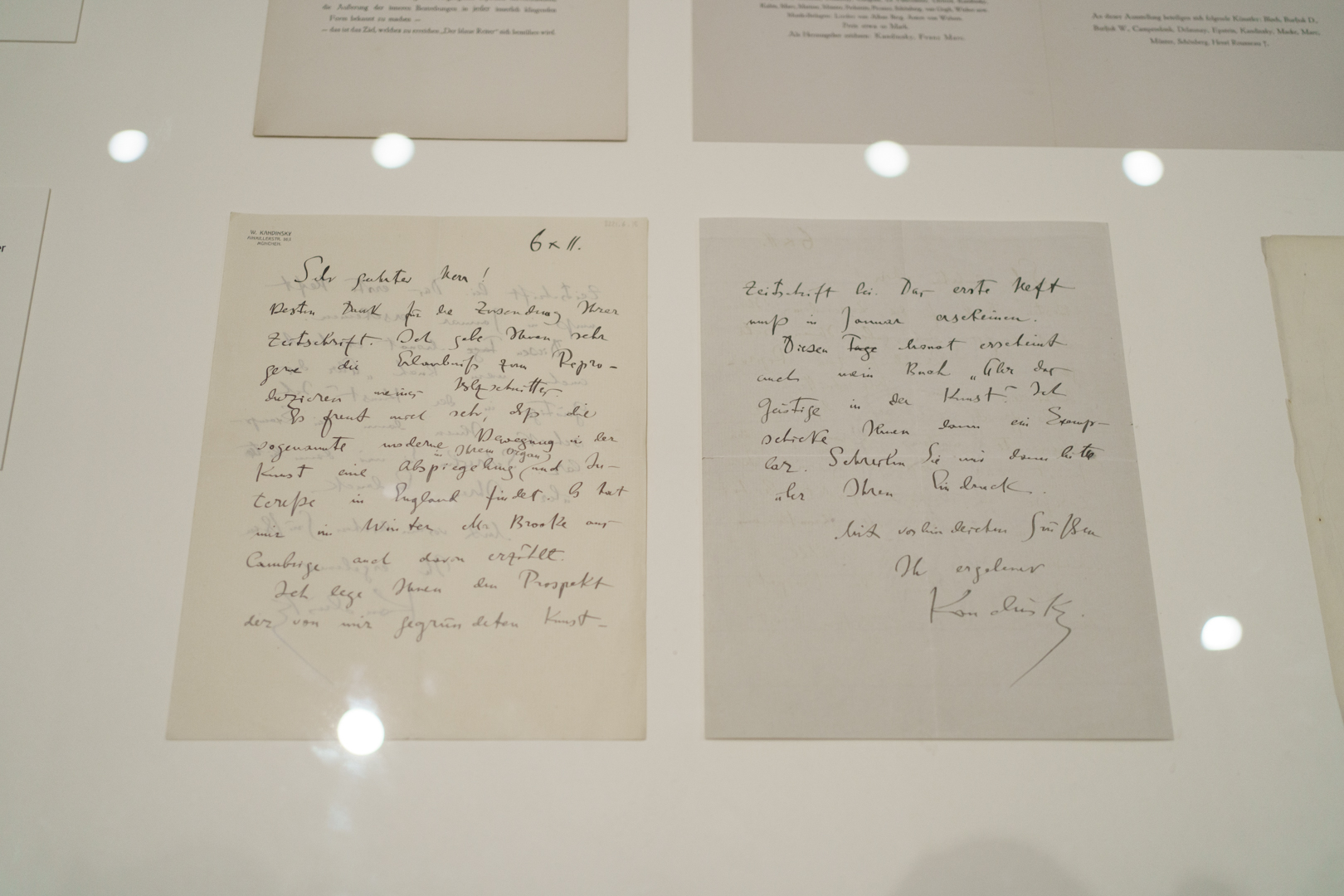


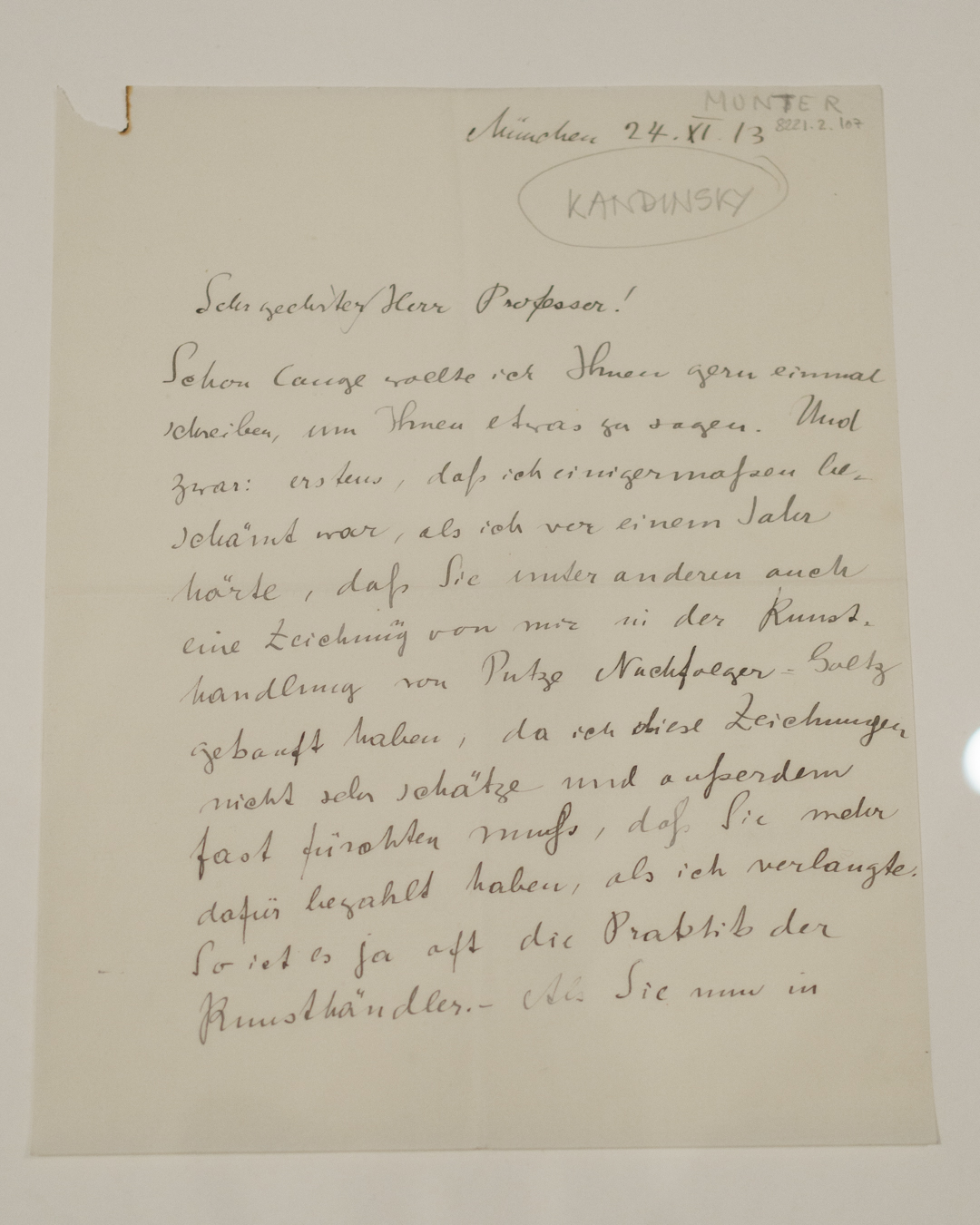

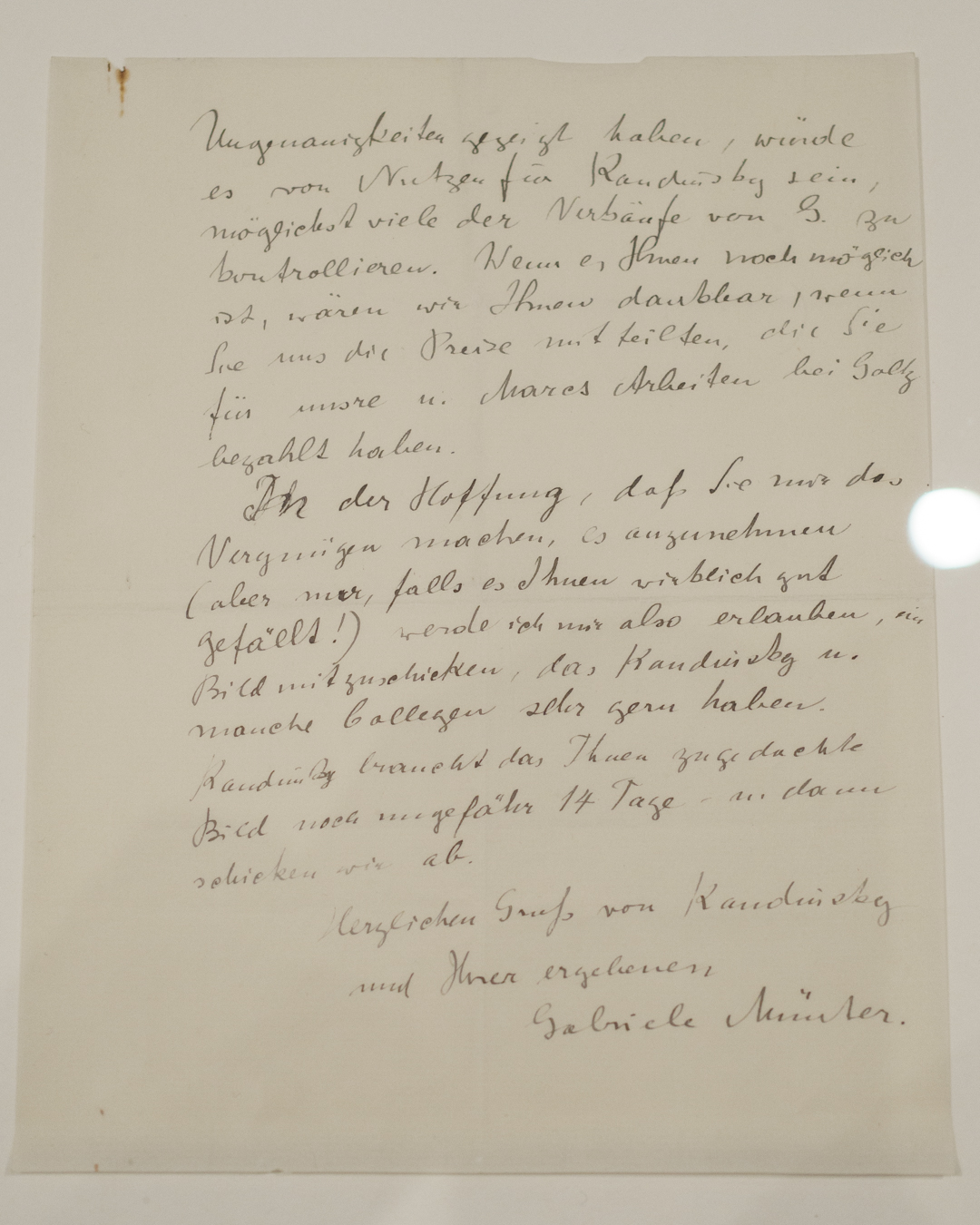
However, a few gimmicks – three ‘experiential rooms’ – are also employed to invite us to consider the Blue Rider’s engagement with sound, colour, and light.
The first pairs Kandinsky’s Impression III (Concert) (1911) with a soundtrack of atonal music by Arnold Schönberg, father of 12-tone serialism; the painter saw Schönberg’s concert in Munich a few days prior to making the painting as a response. By providing us with a wider frame of reference for innovations beyond the visual arts, we are invited to consider the playful, rhythmic features of the painting.



The second is slightly better, highlighting the psychological effect of colour theory and optics; Johann Wolfgang von Goethe was a major influence. Visitors are invited to peer through two achromatic doublet prisms to view Franz Marc’s Deer in the Snow II (1911), contemplating how the pictorial surface breaks up and superimposes on itself in your vision.


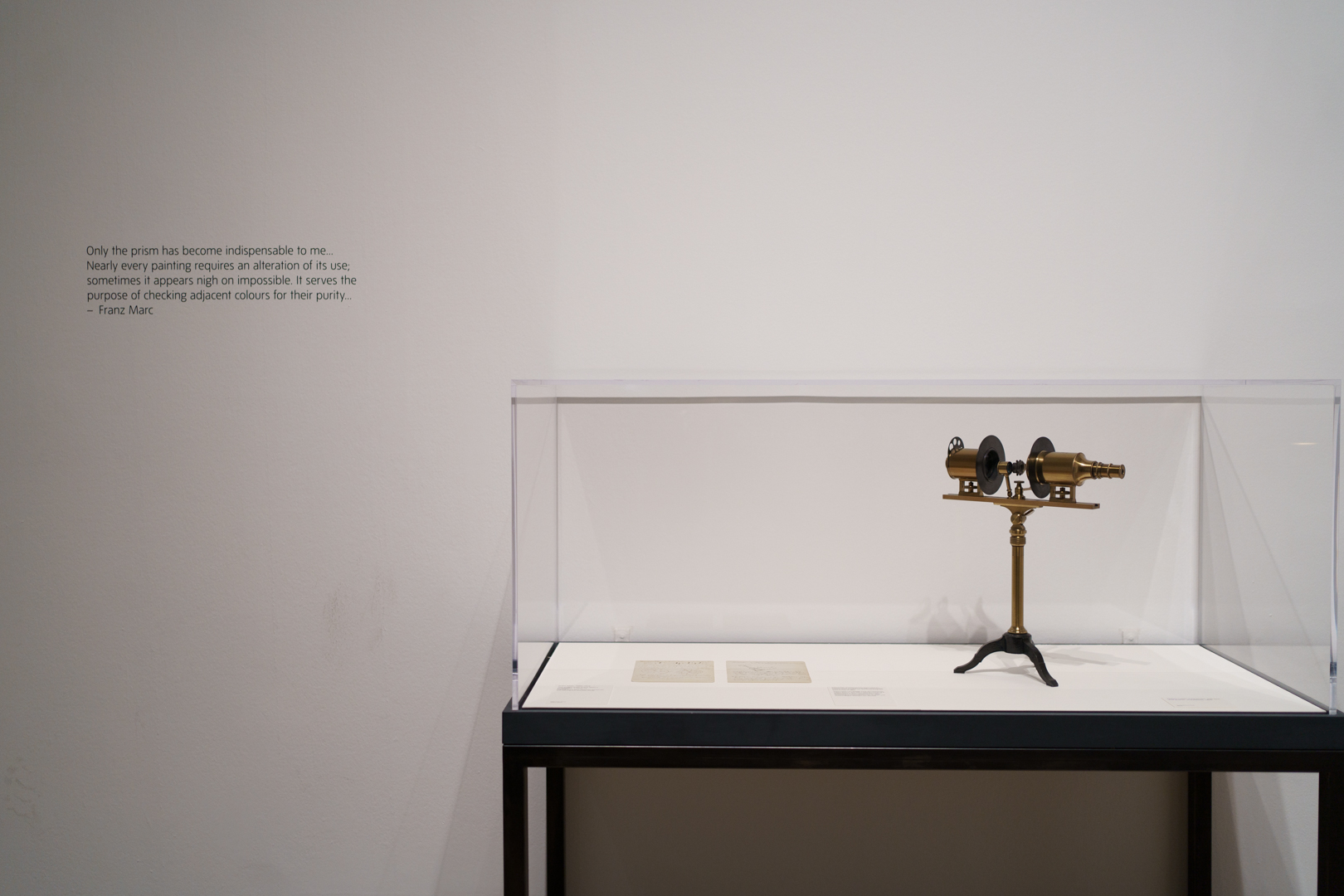
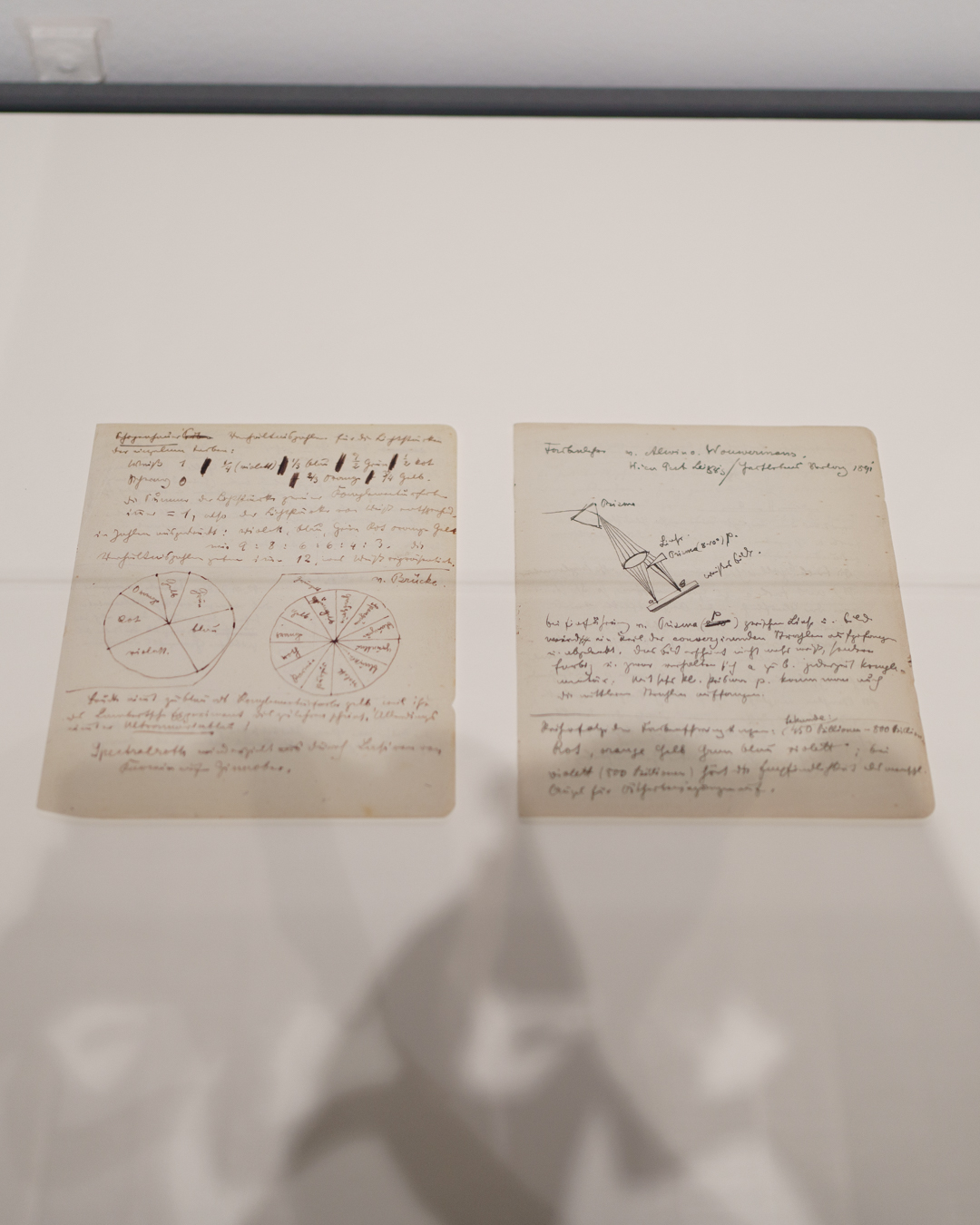
The message of the last experiential room is perhaps more familiar to arts practitioners. In a white room featuring Kandinsky’s Improvisation Gorge (1914), a light installation by Olafur Eliasson – Lichtdecke Kandinsky (2006) – changes its hue ever so slightly over a period of time, asking us to consider how different lighting conditions affect our visual perception. In the room, you barely notice anything, until you walk away for a minute, and go back in.

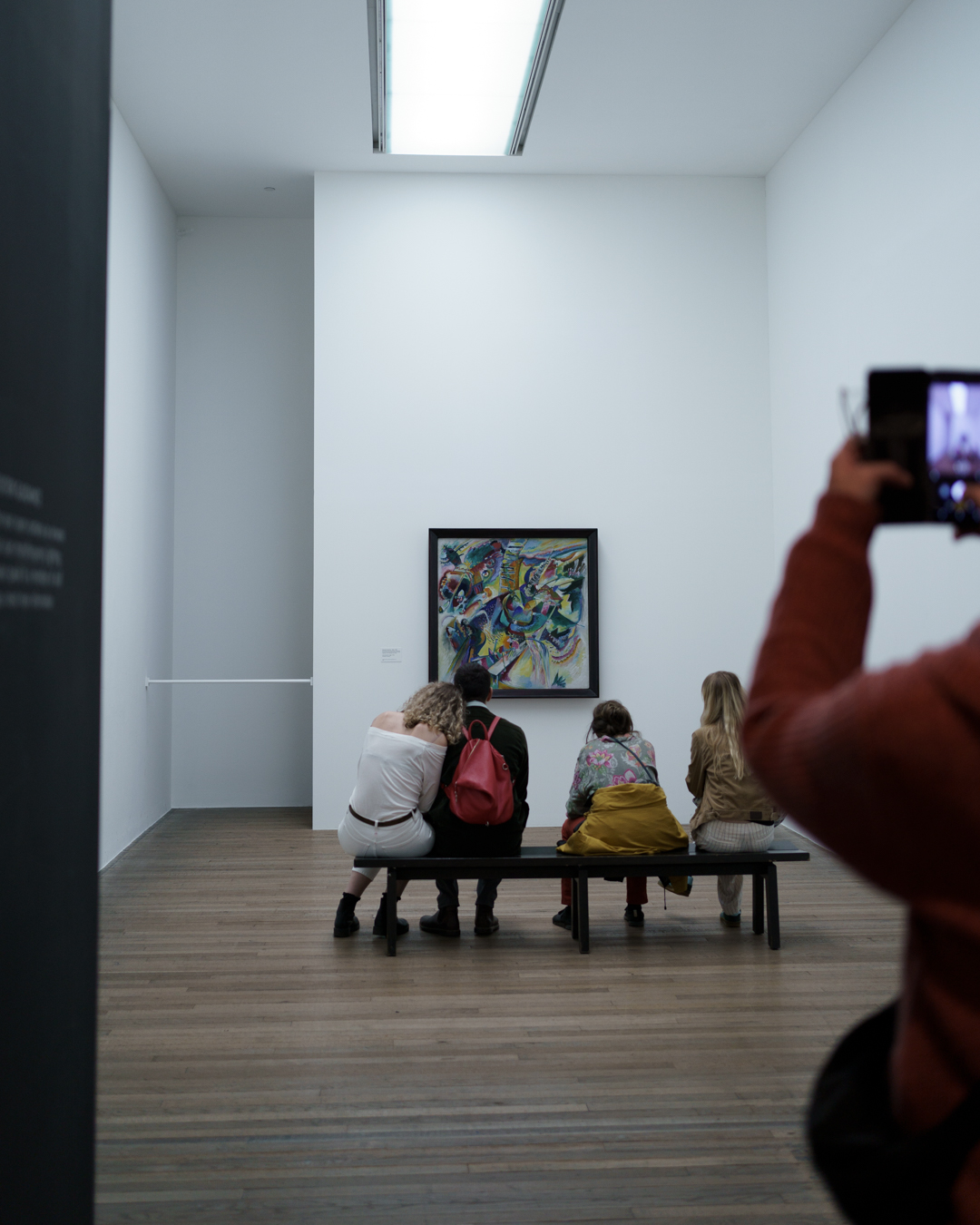
I’m ambivalent about these rooms as they interrupted quite a traditional system of displays and thematic explorations, while contributing new ideas that could have generated fuller exhibitions in themselves. Here, they just felt like space-fillers.
Expressionists: Kandinsky, Münter and The Blue Rider runs from 25 April to 20 October 2024 at Tate Modern, London, https://www.tate.org.uk/

 Nigel Ip
Leave a comment