
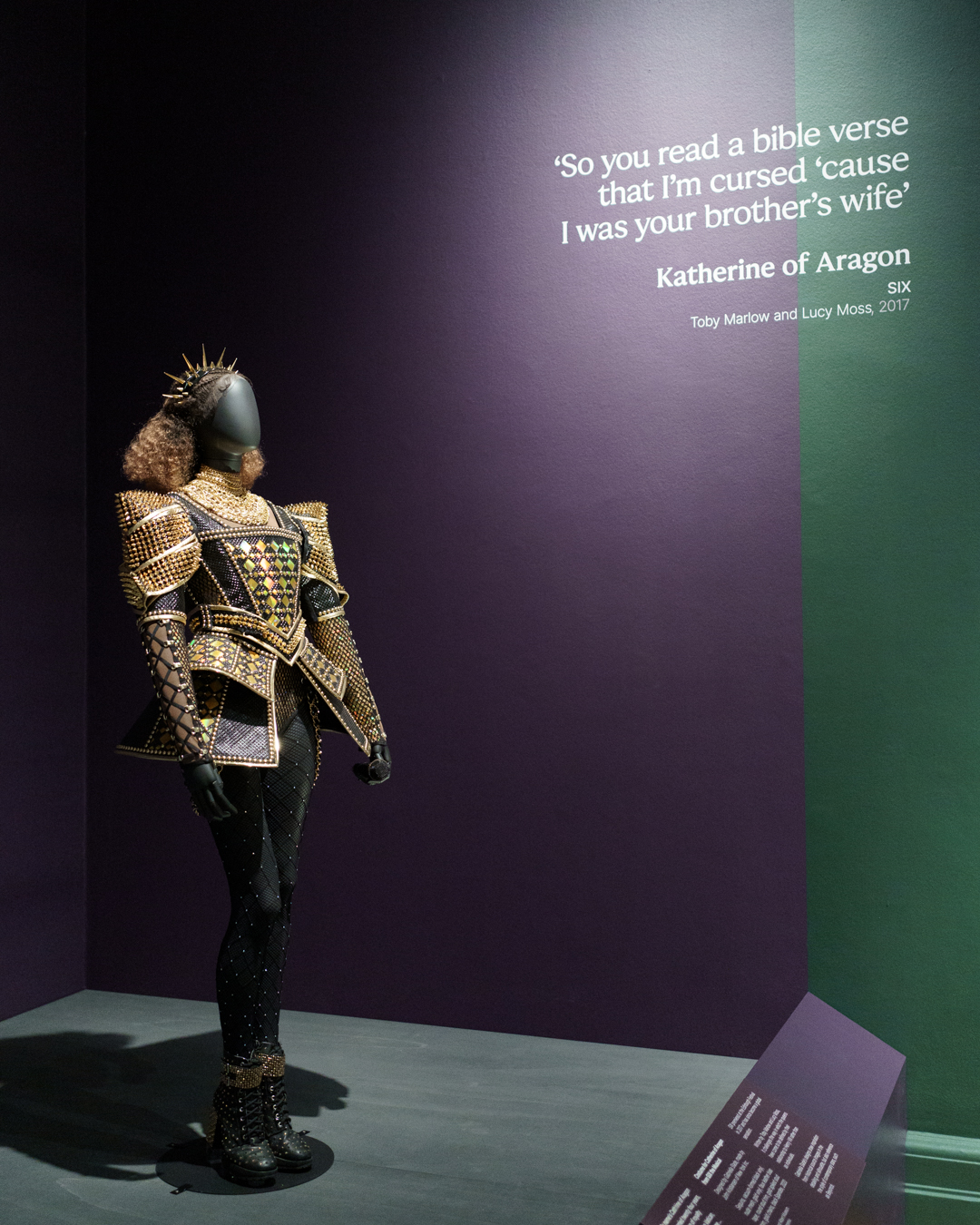
Six Lives: The Stories of Henry VIII’s Queens is essentially an exhibition in two parts, first examining the popularisation of the six queens in popular culture before throwing us into the reality of their actual circumstances.
The first part introduces us to the problem of memorialising the queens as a group over the centuries, usually depicted in halls of fame, in prints, and contemporary photographs by Hiroshi Sugimoto; their loss of individual identity.


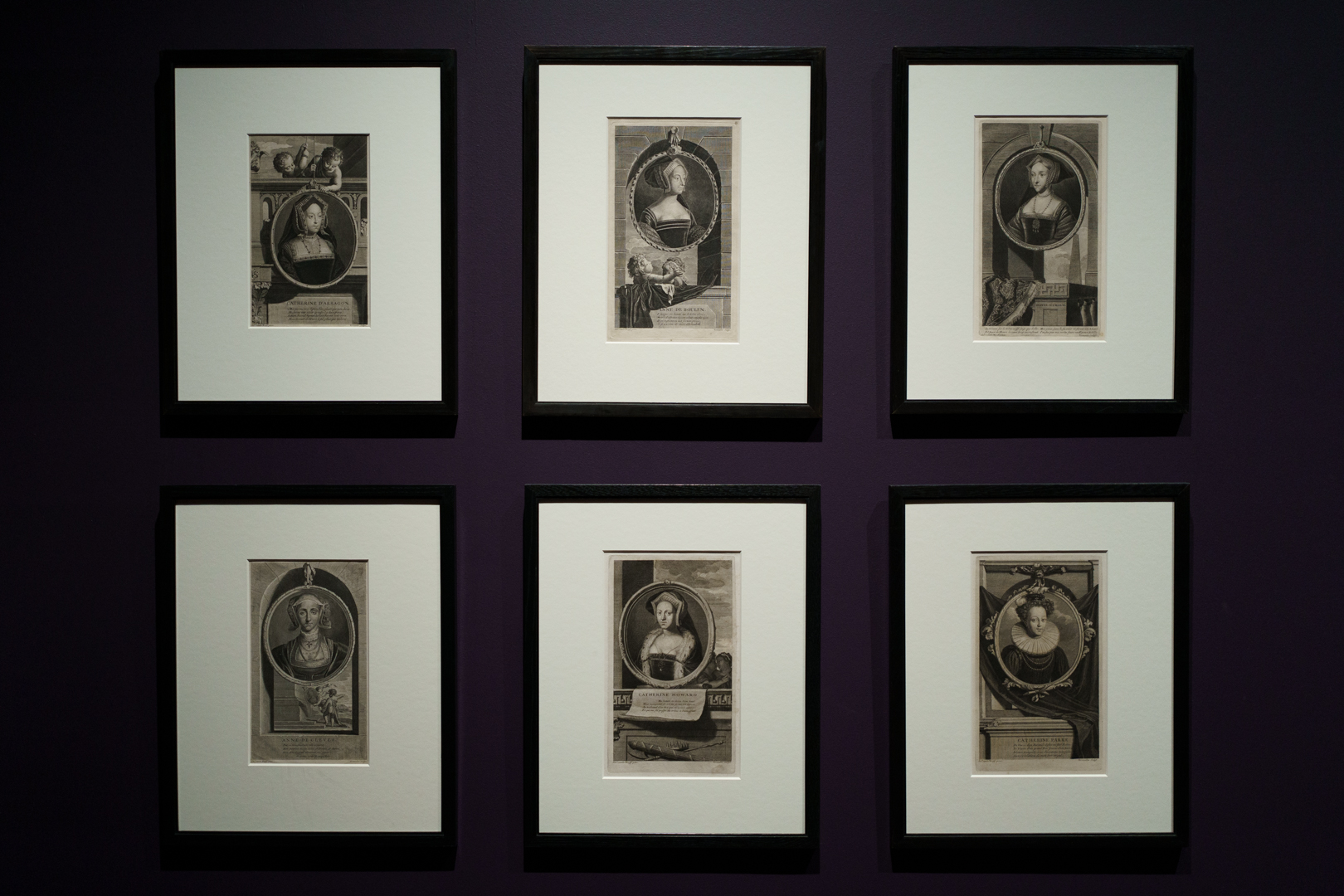
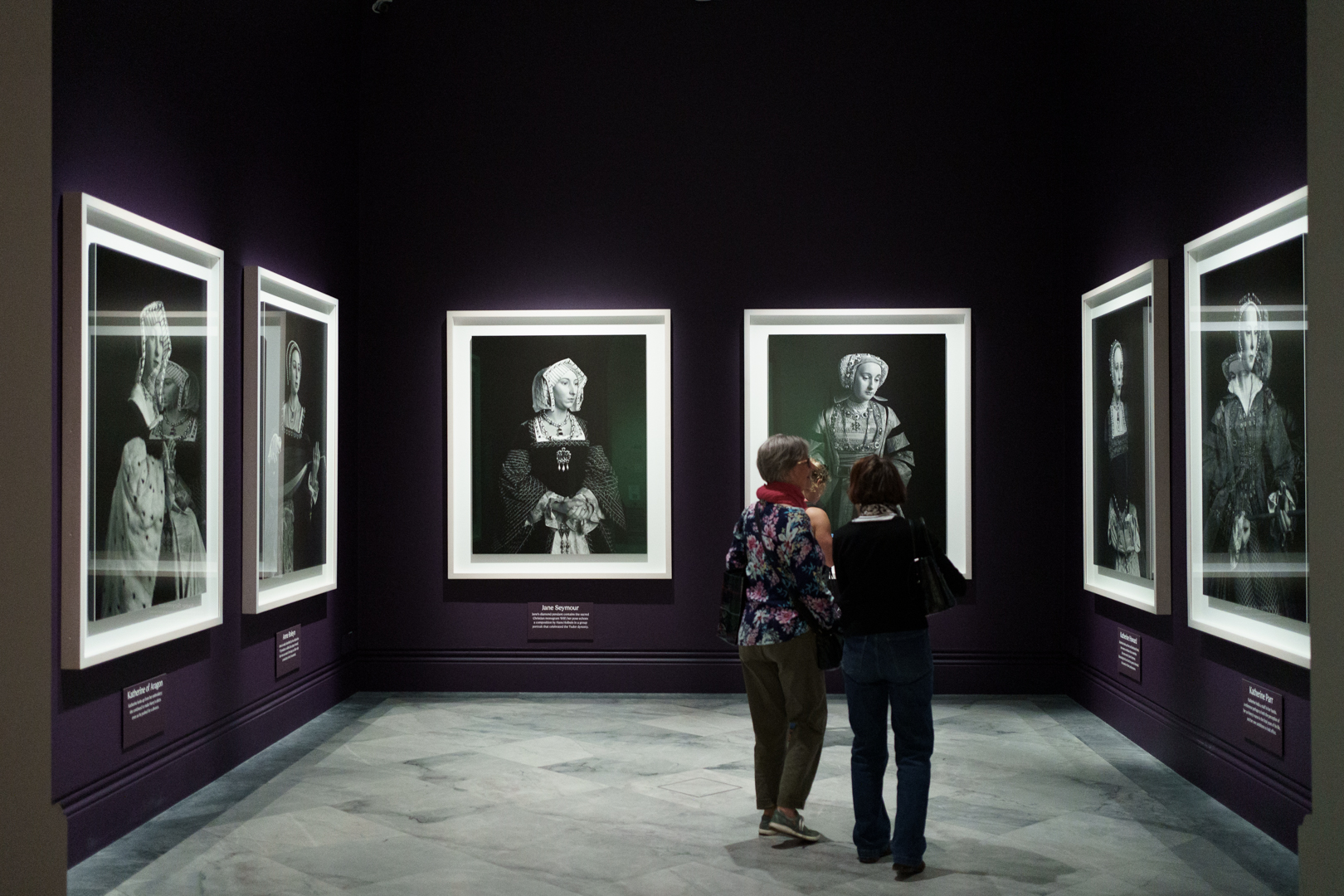
The exceptions tend to be Anne Boleyn, Jane Seymour, and Anne of Cleves, whose lives have been the subject of countless dramatisations on film, on stage, and in episodic paintings. The others tend to be less memorable. But we’ll always remember that popular rhyme about their demise:
‘Divorced, beheaded, died. Divorced, beheaded, survived.’


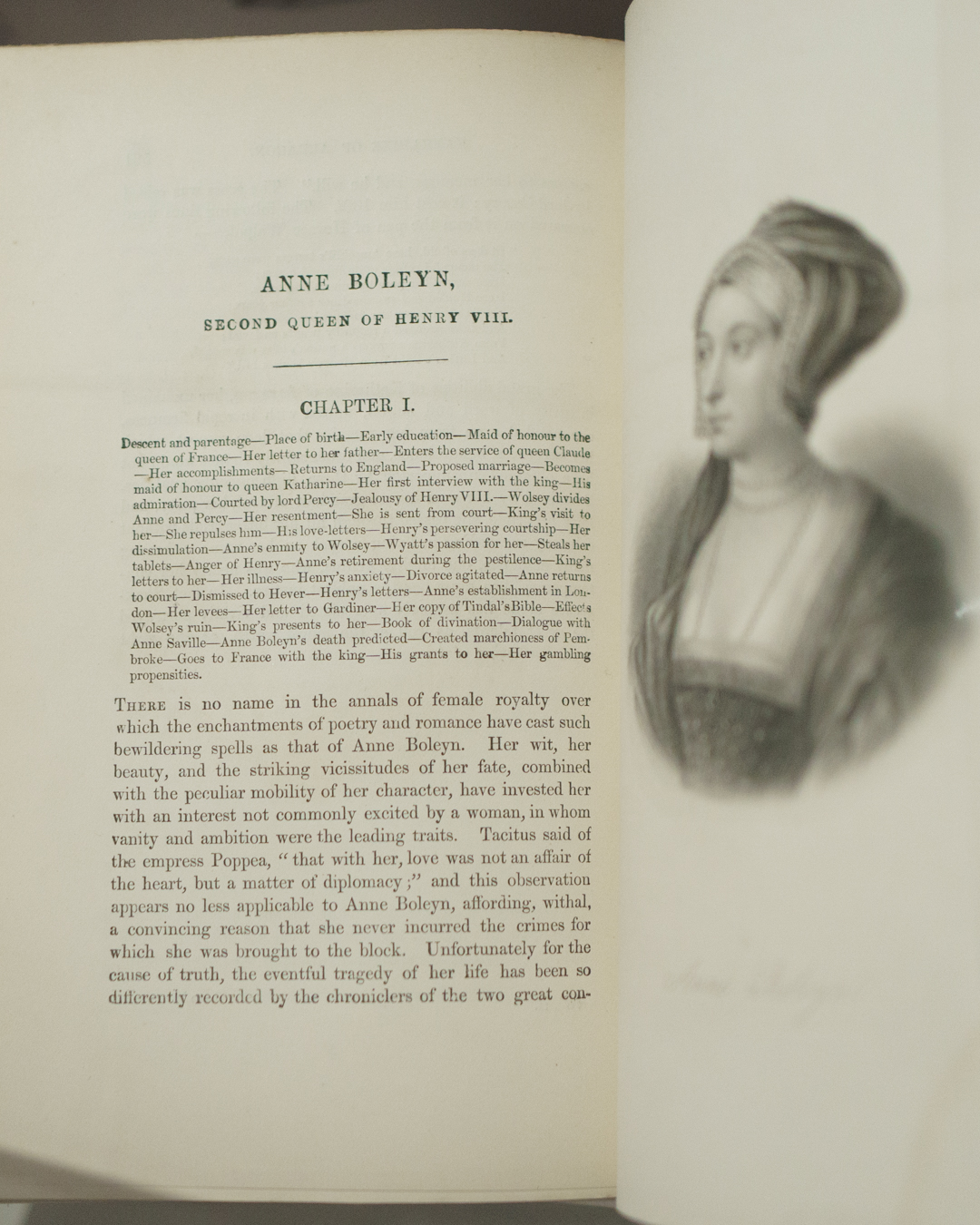
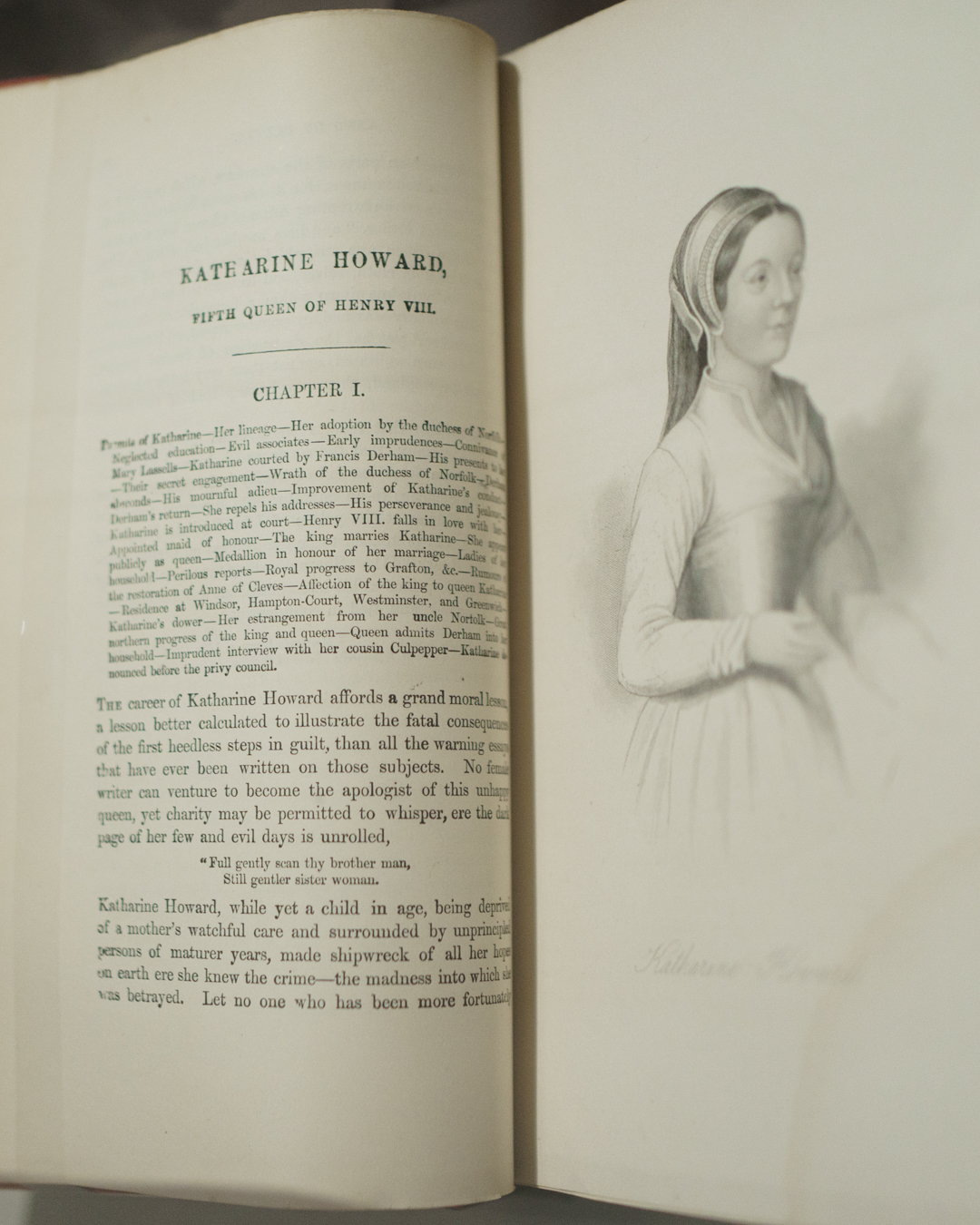




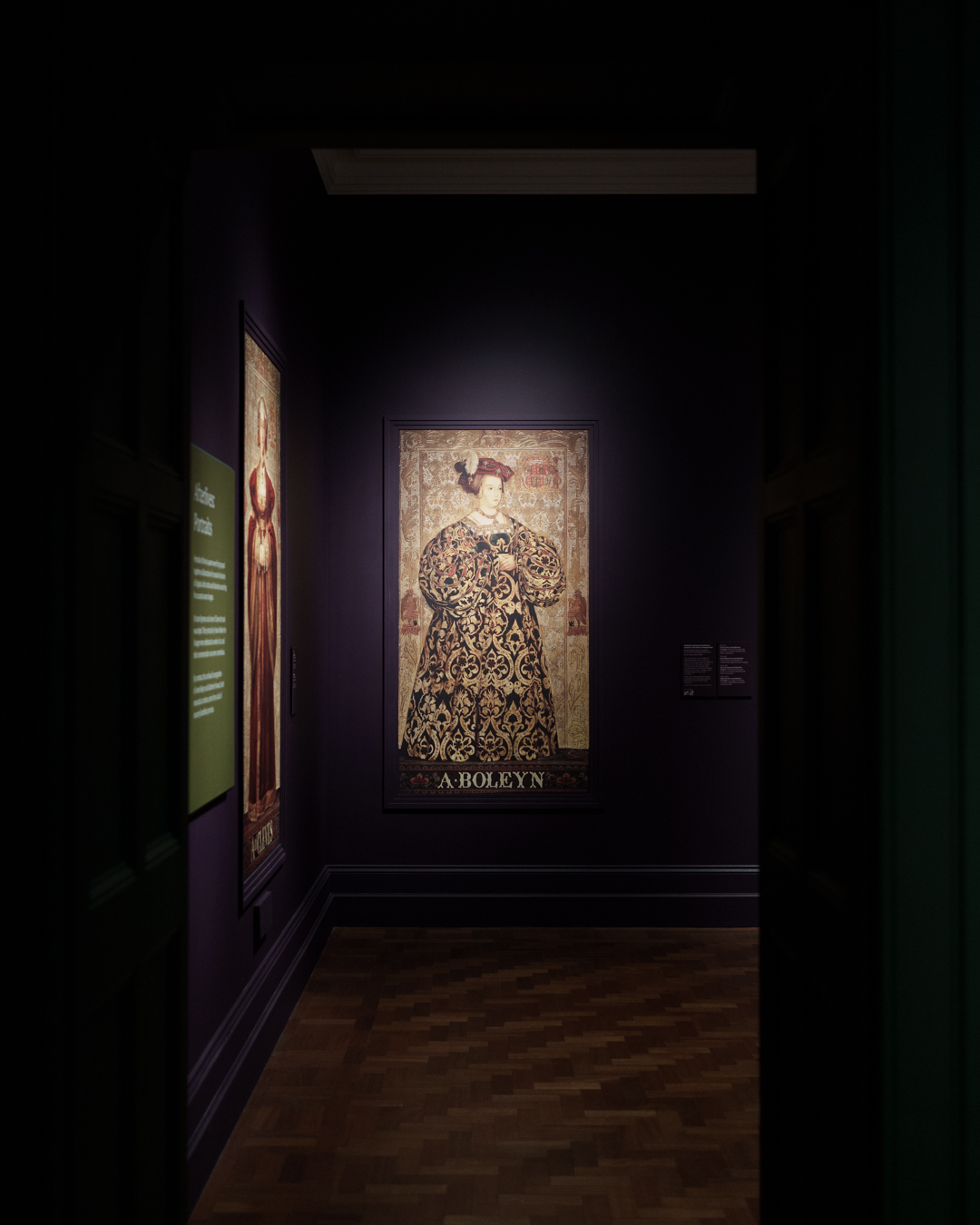
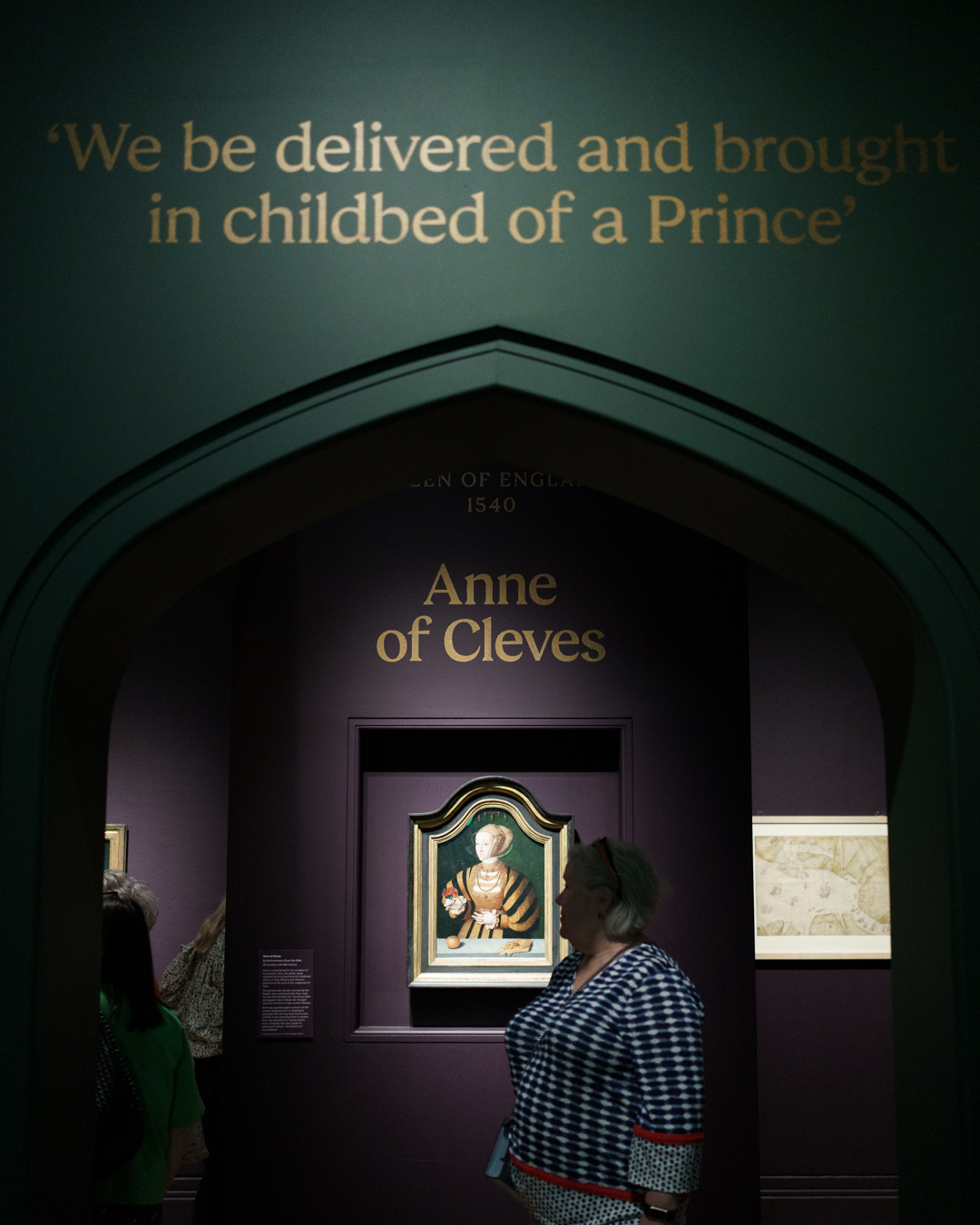
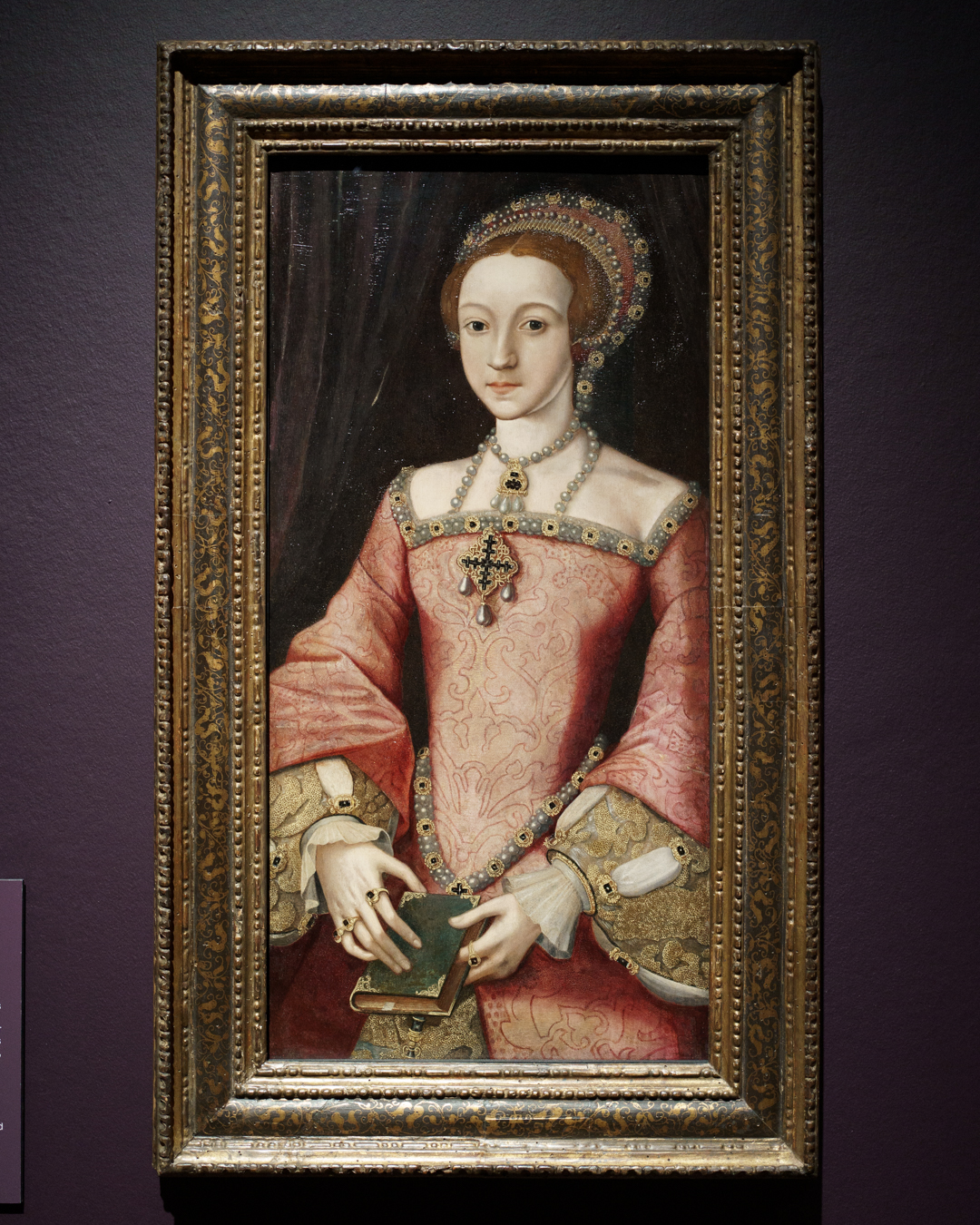
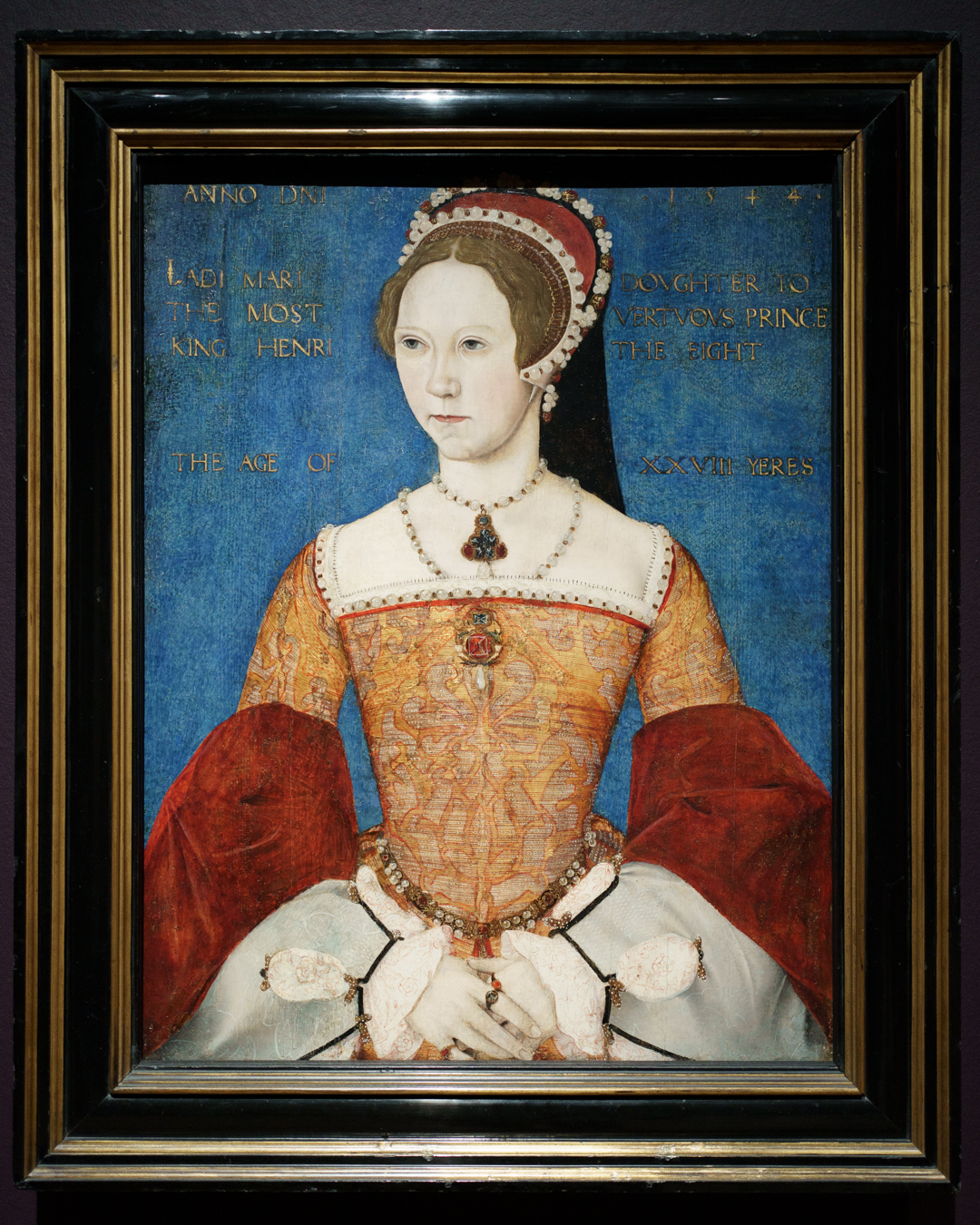
Following in the footsteps of Agnes Strickland’s 12-volume Lives of the Queens of England (1840-48) to correct the historical record, the second part summarises each of the queen’s lives in six dedicated rooms that feel like having walked into a Tudor residence with its arch-topped doorways.
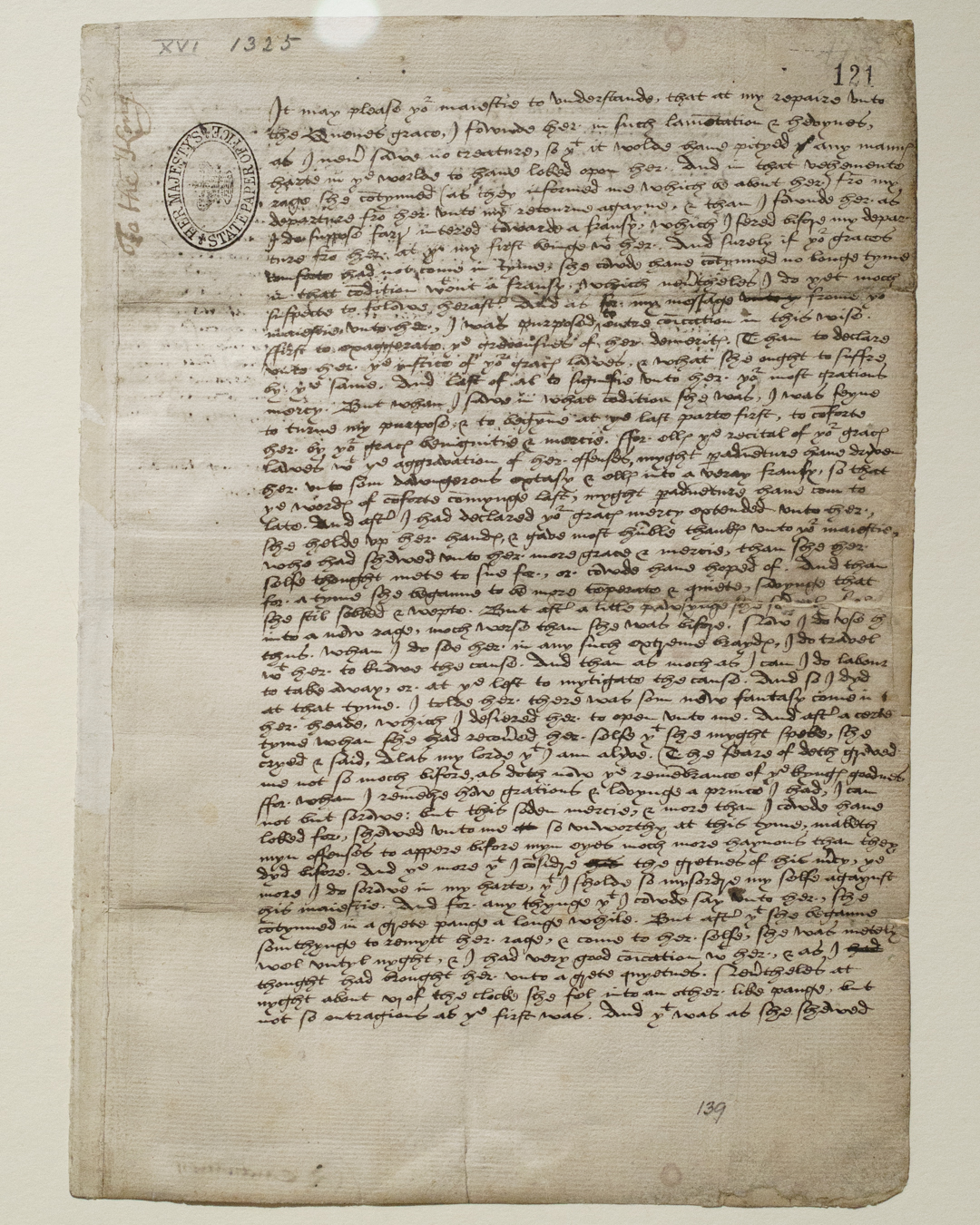
Among the contextual portraits and miniatures are objects which give the queens their own voice in the narrative, particularly their handwritten letters.
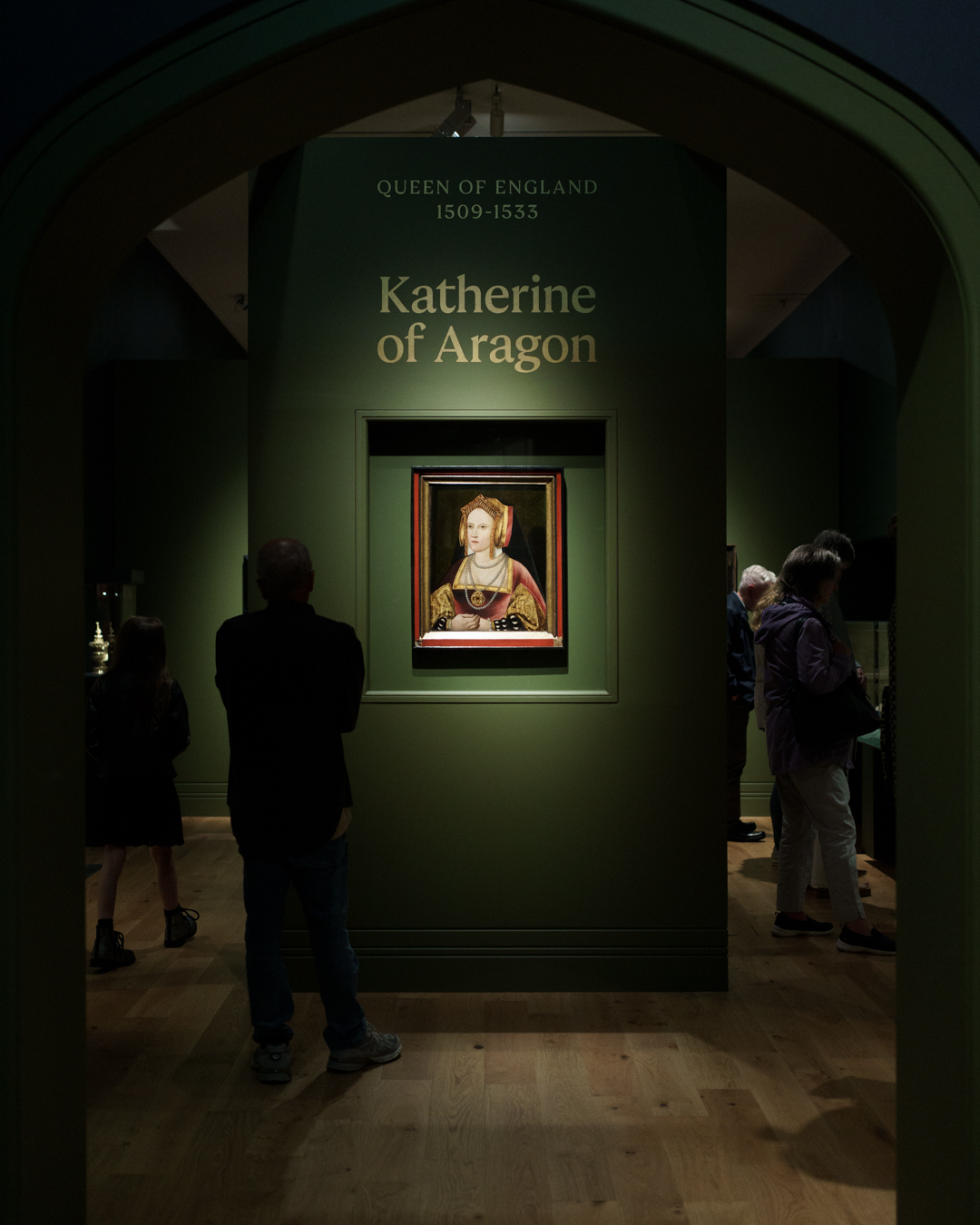




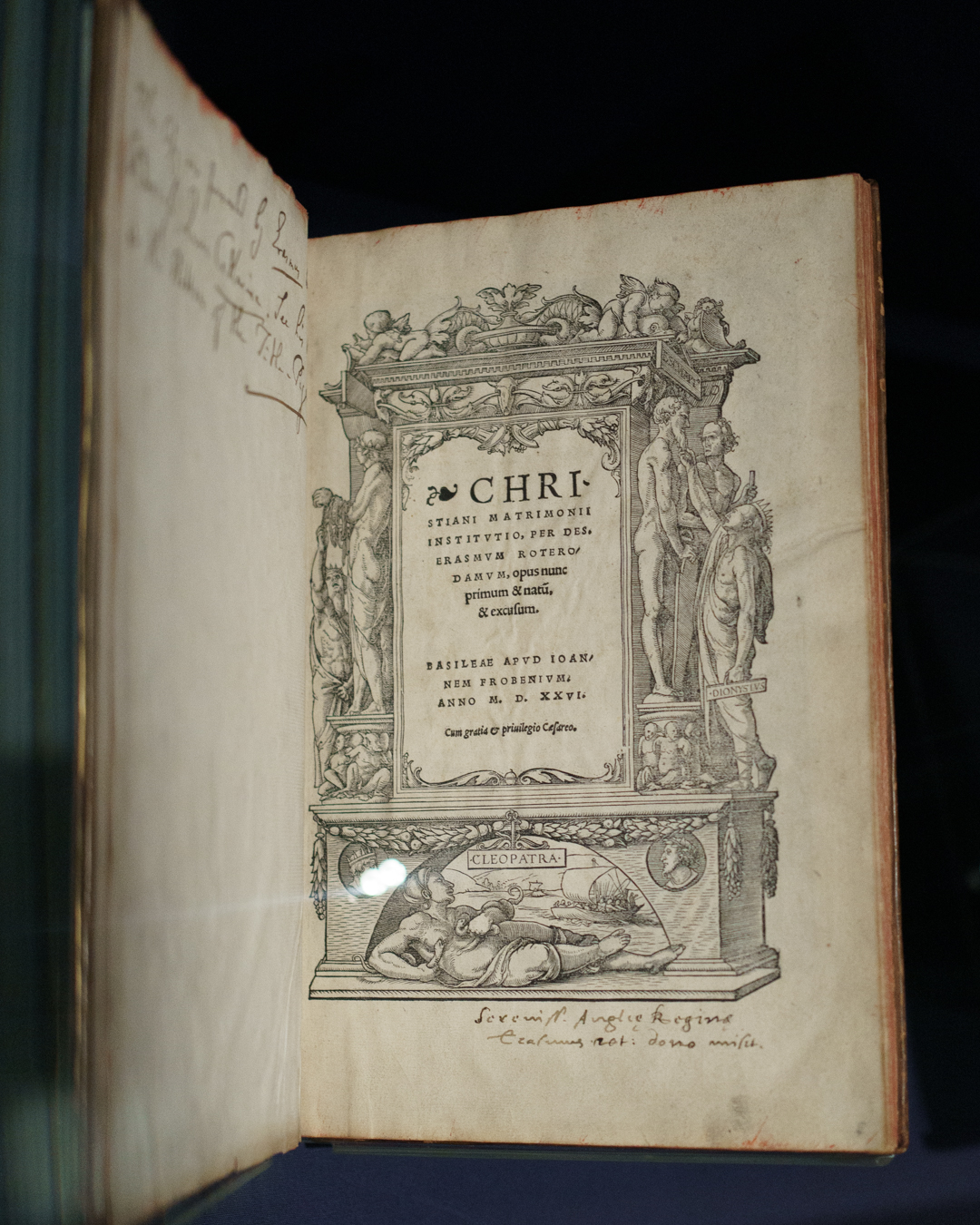
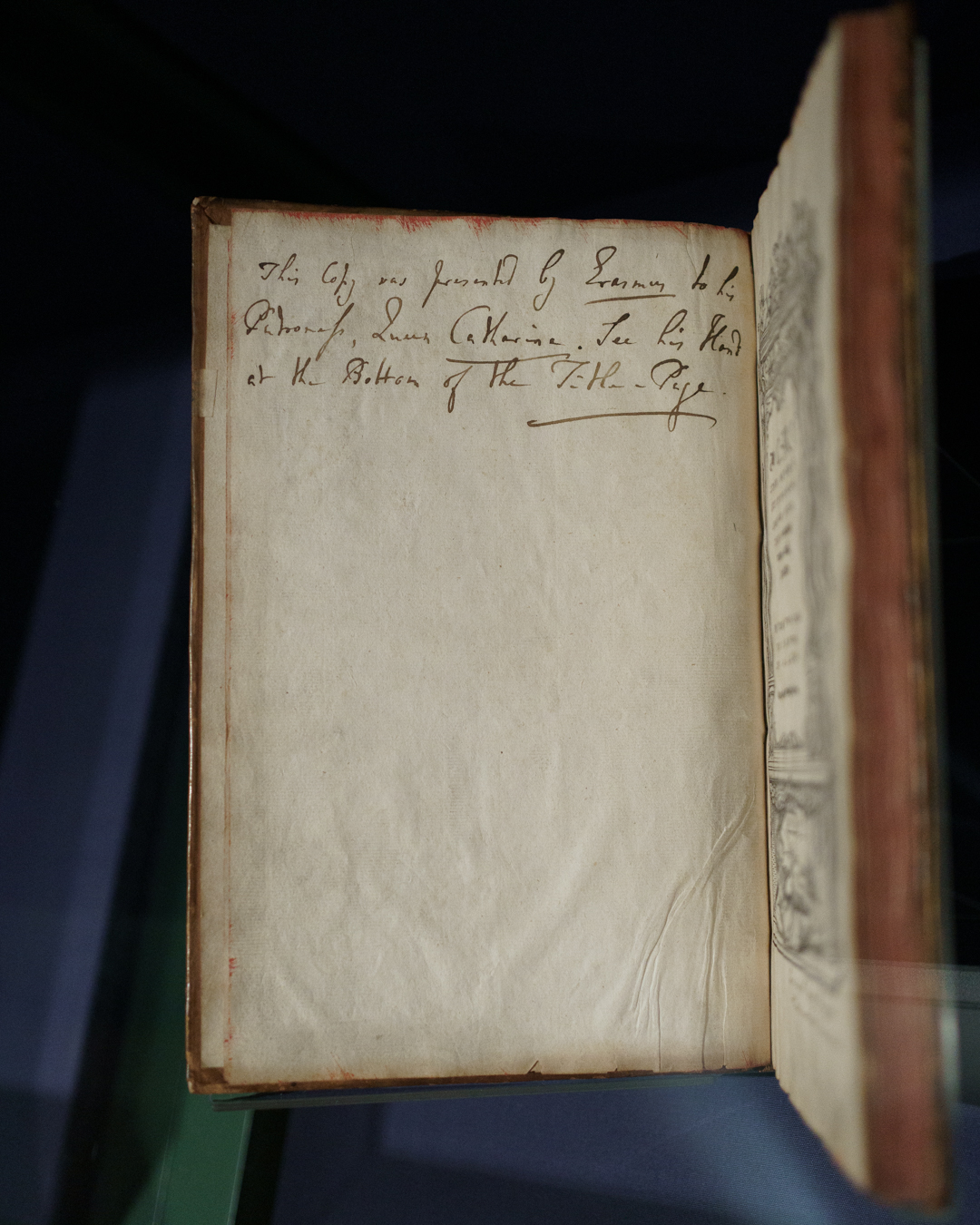
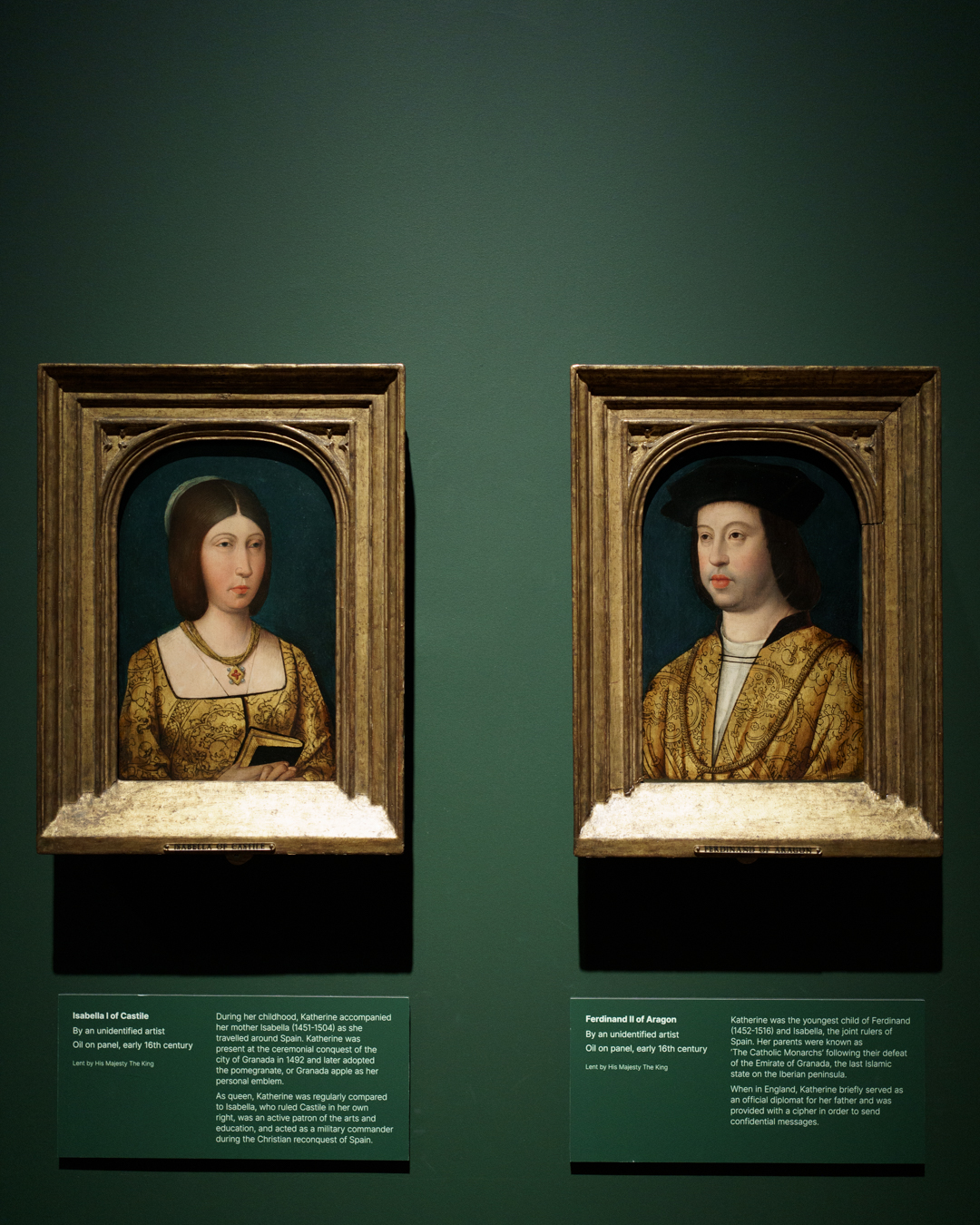
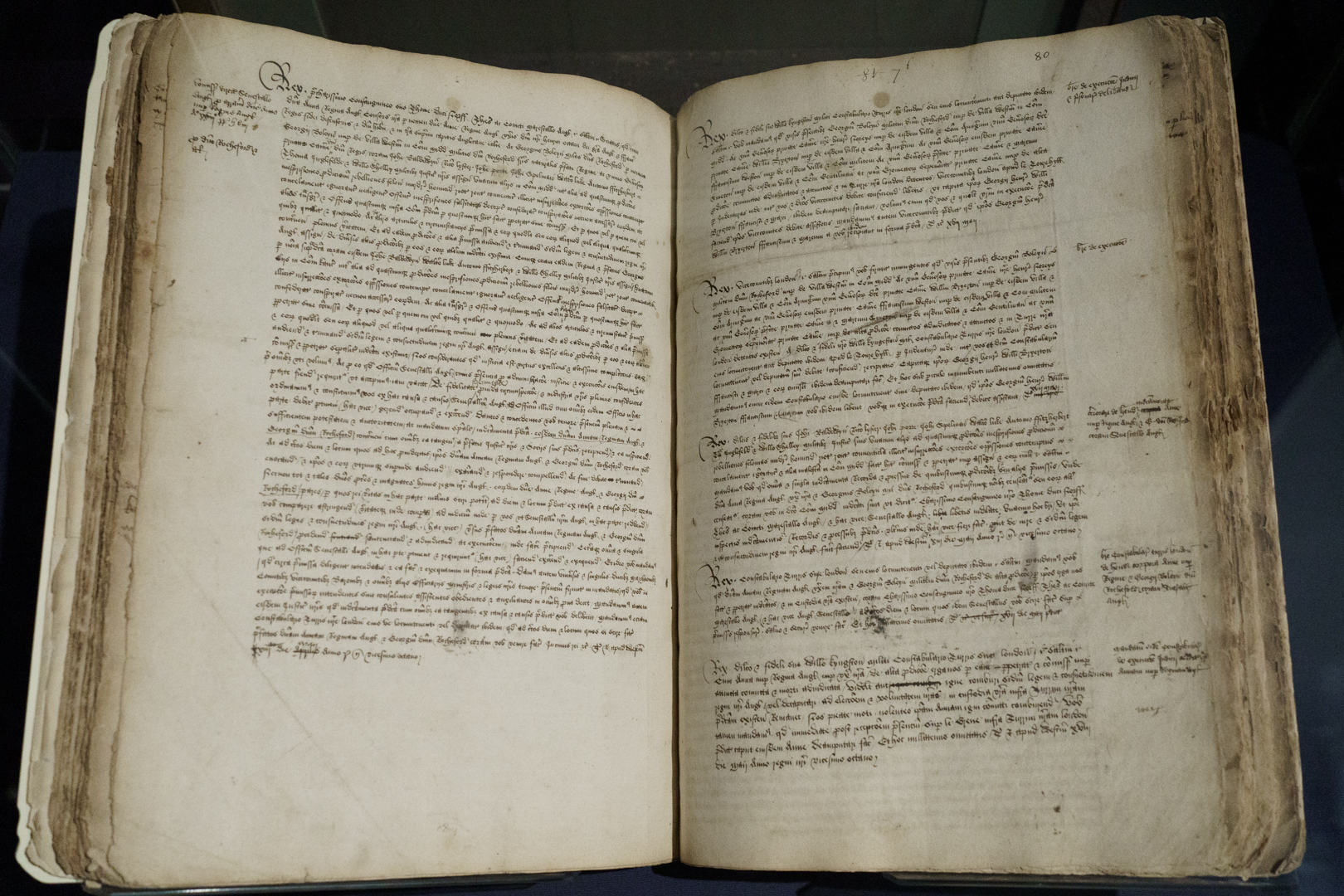
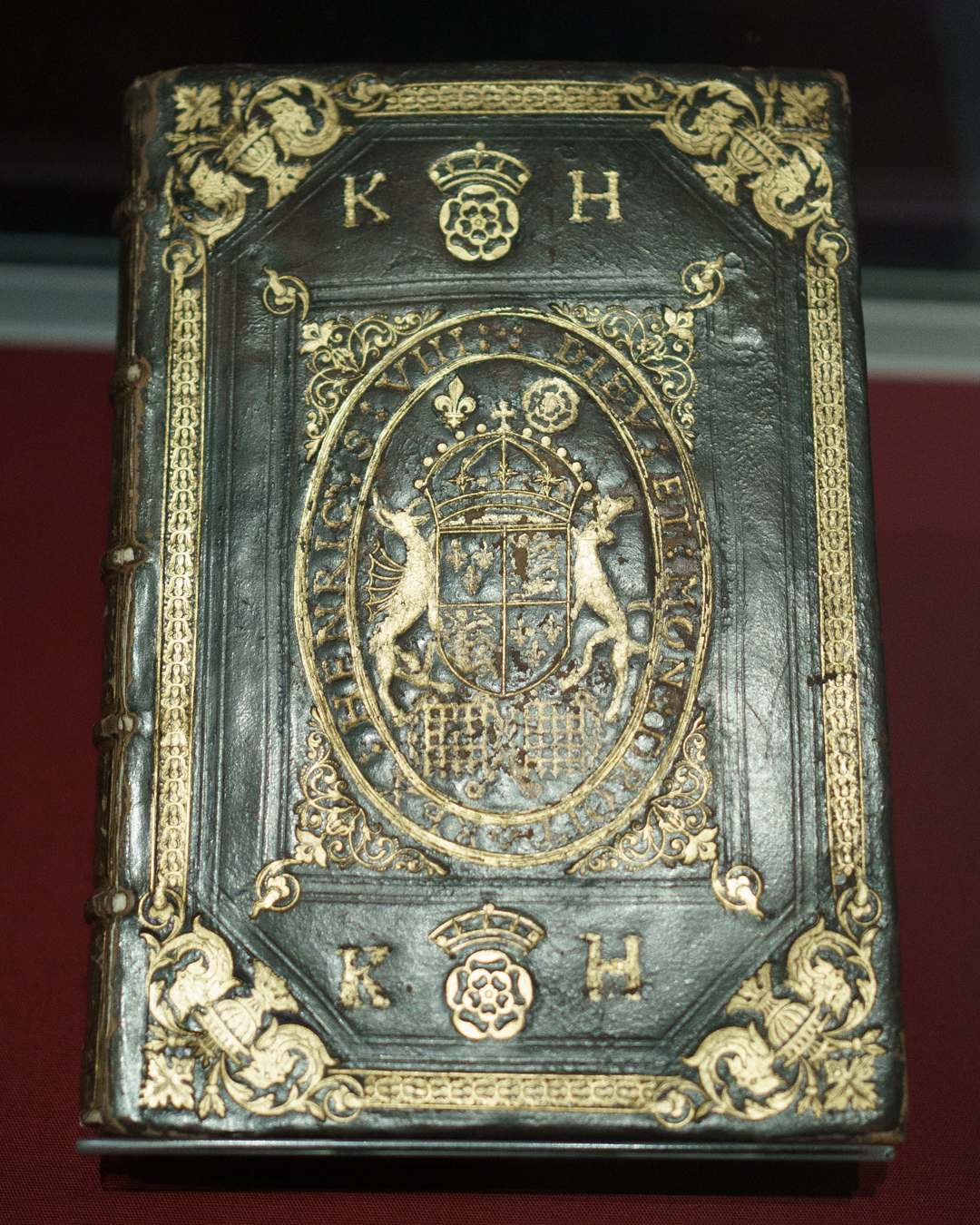
Katherine of Aragon’s learned personality attracted gifts of books; Anne Boleyn’s display illustrates her courtship with Henry VIII alongside the damning writ that ordered her execution; Jane Seymour remains elusive but probably very mindful, very demure.


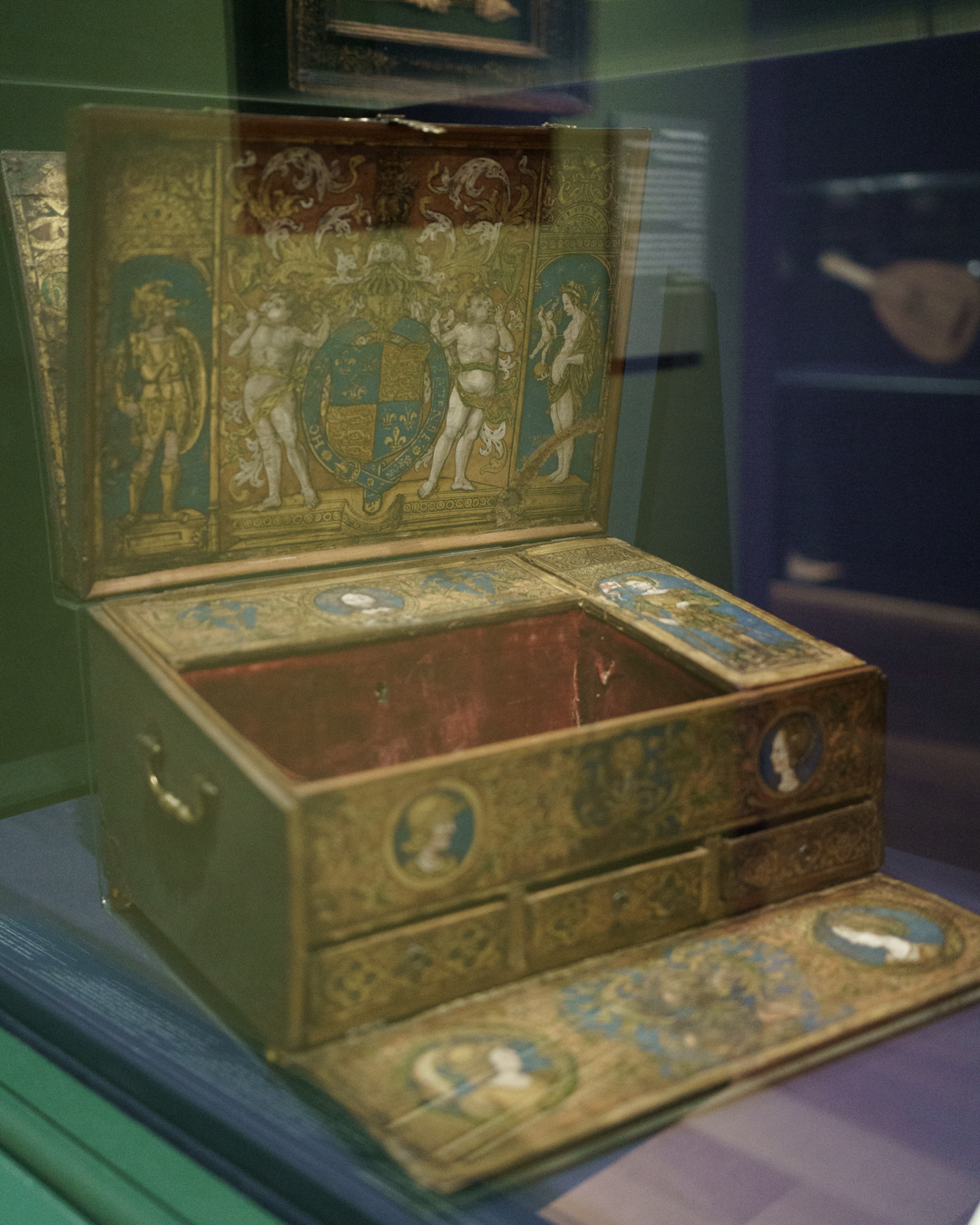



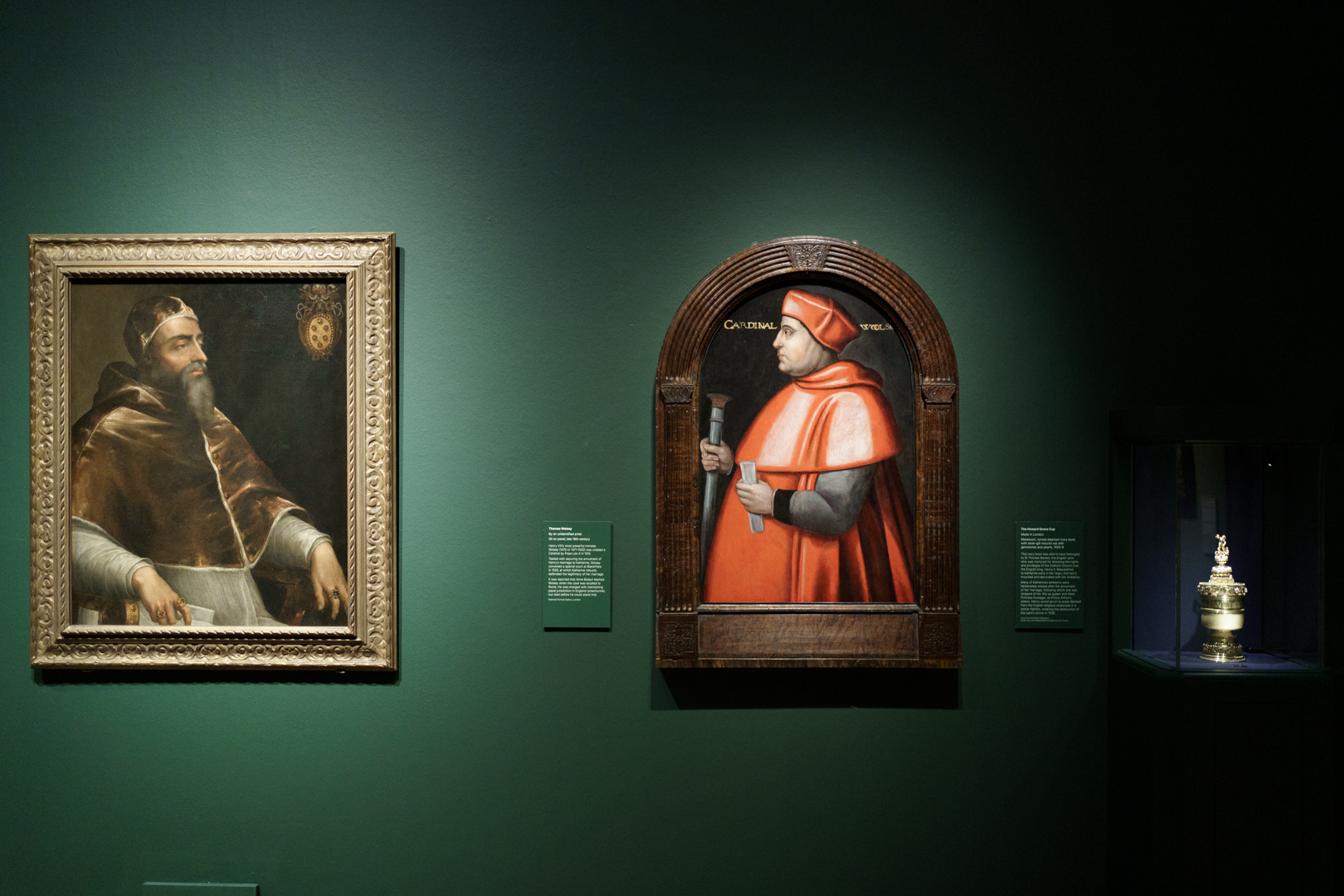






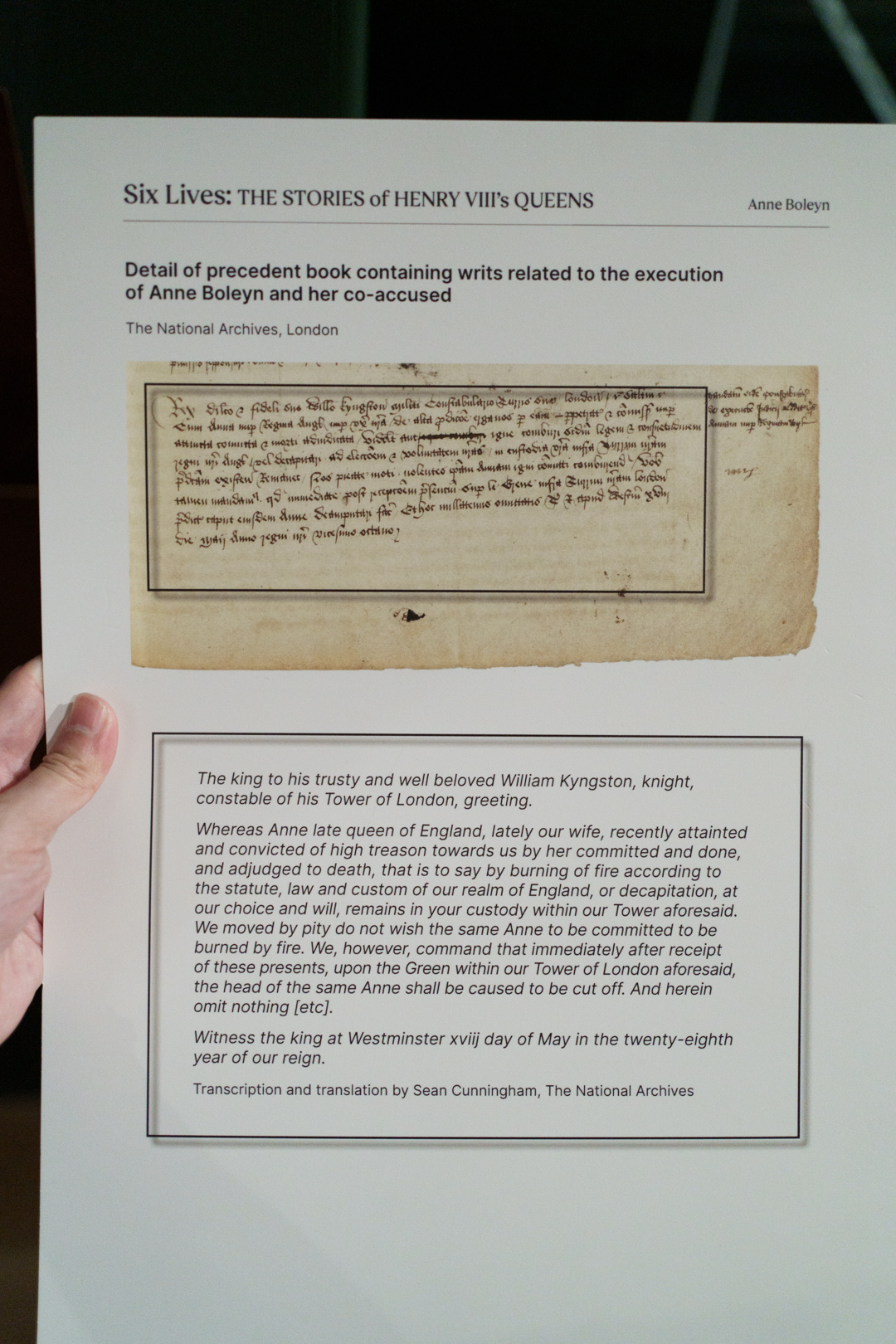


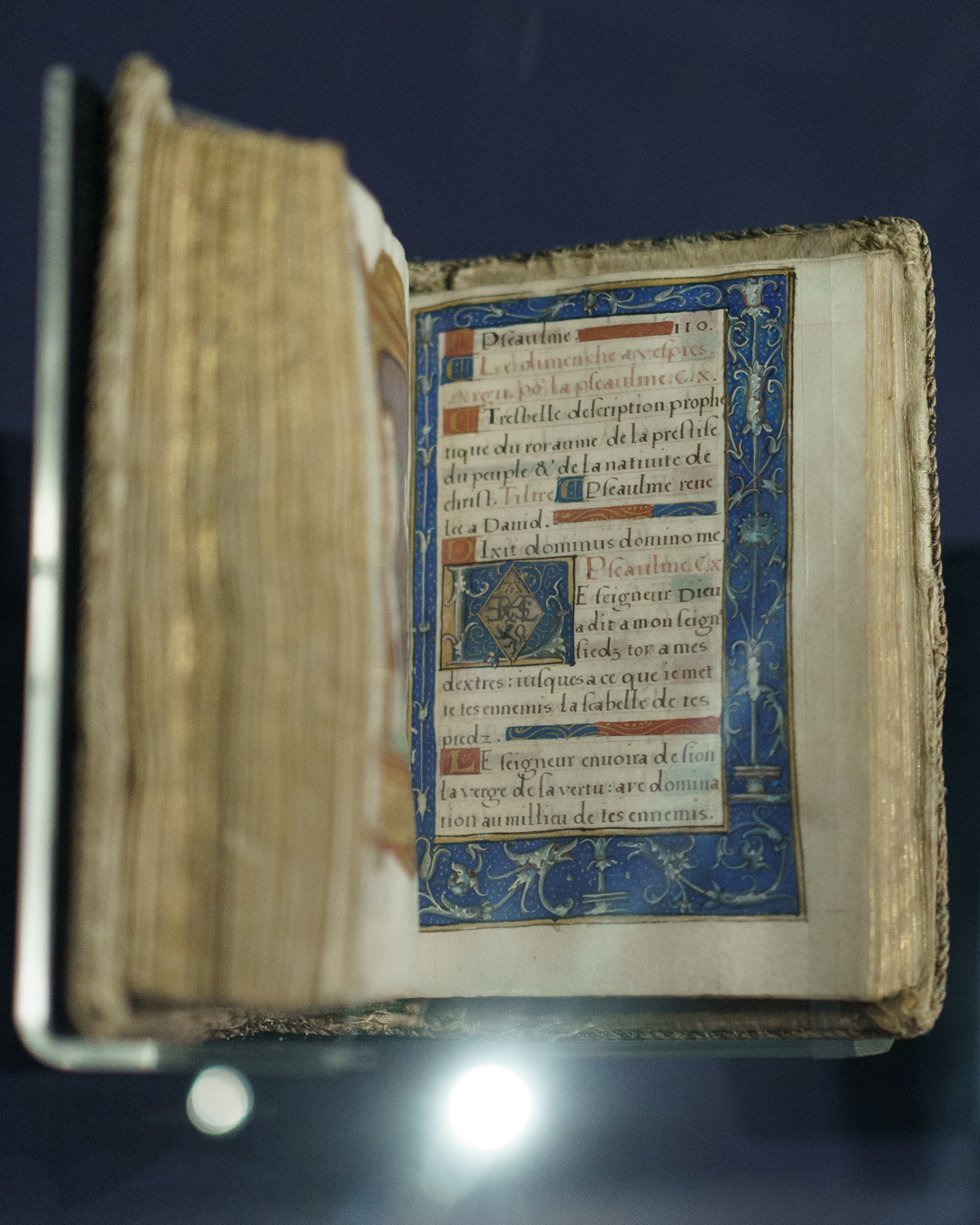

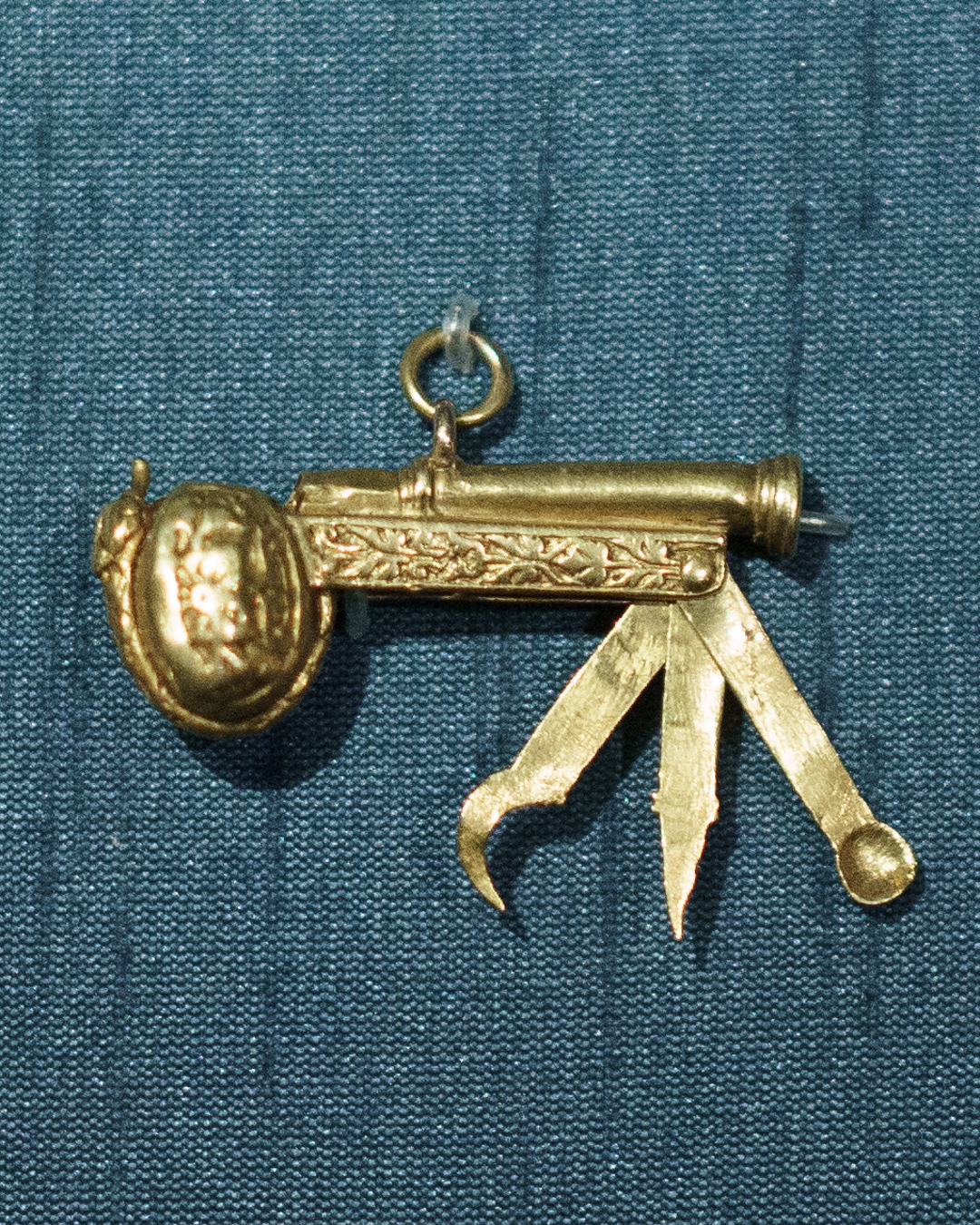
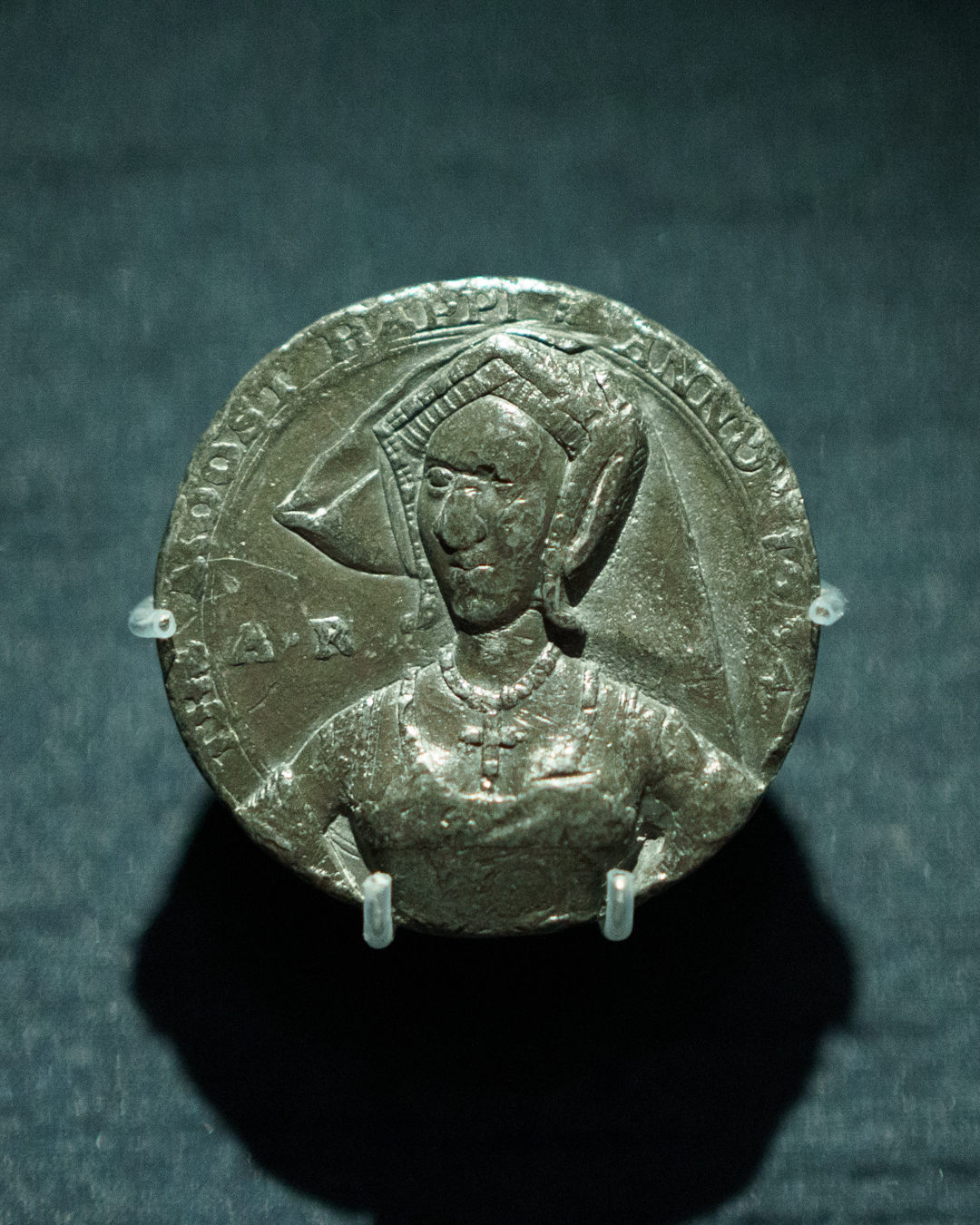


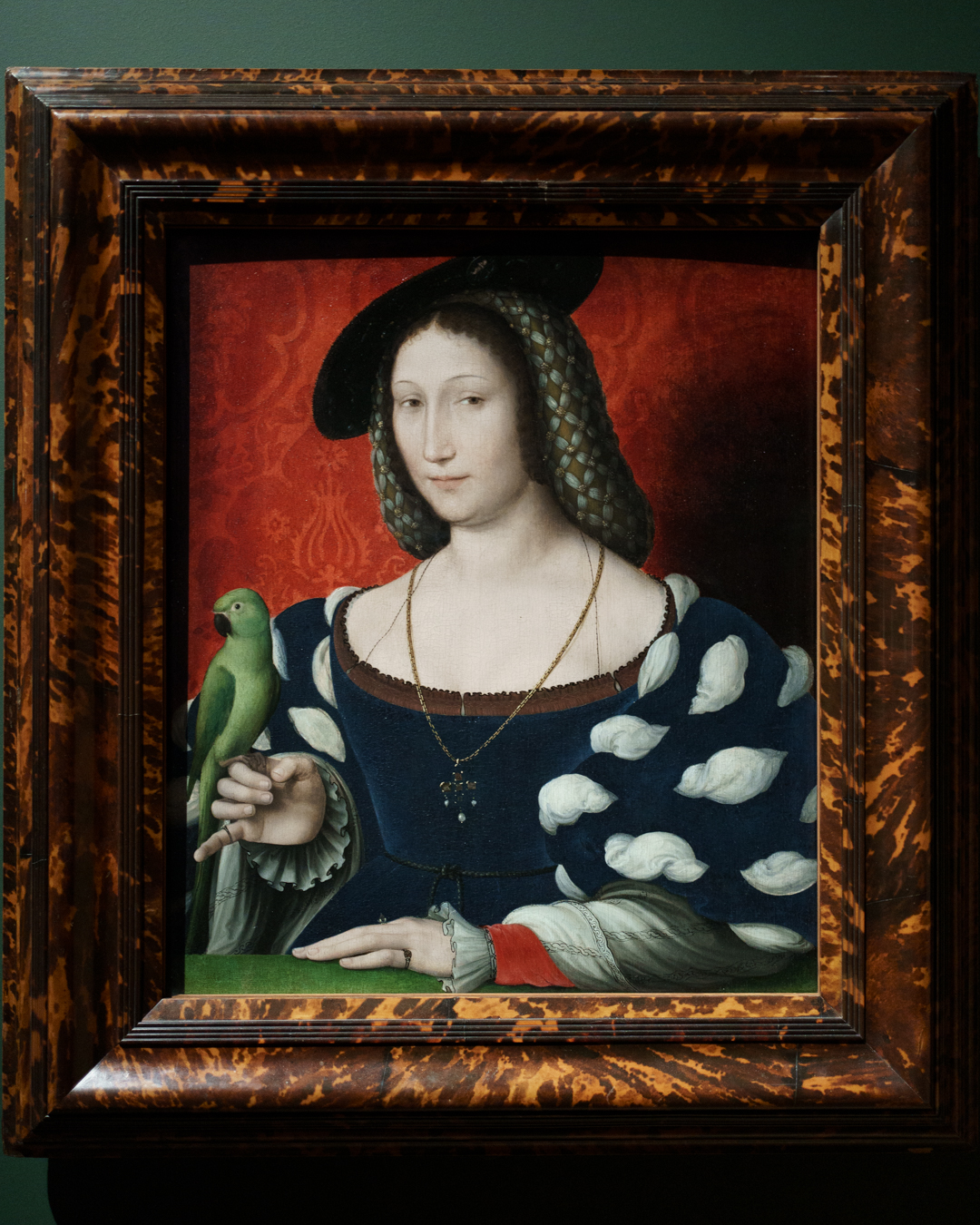


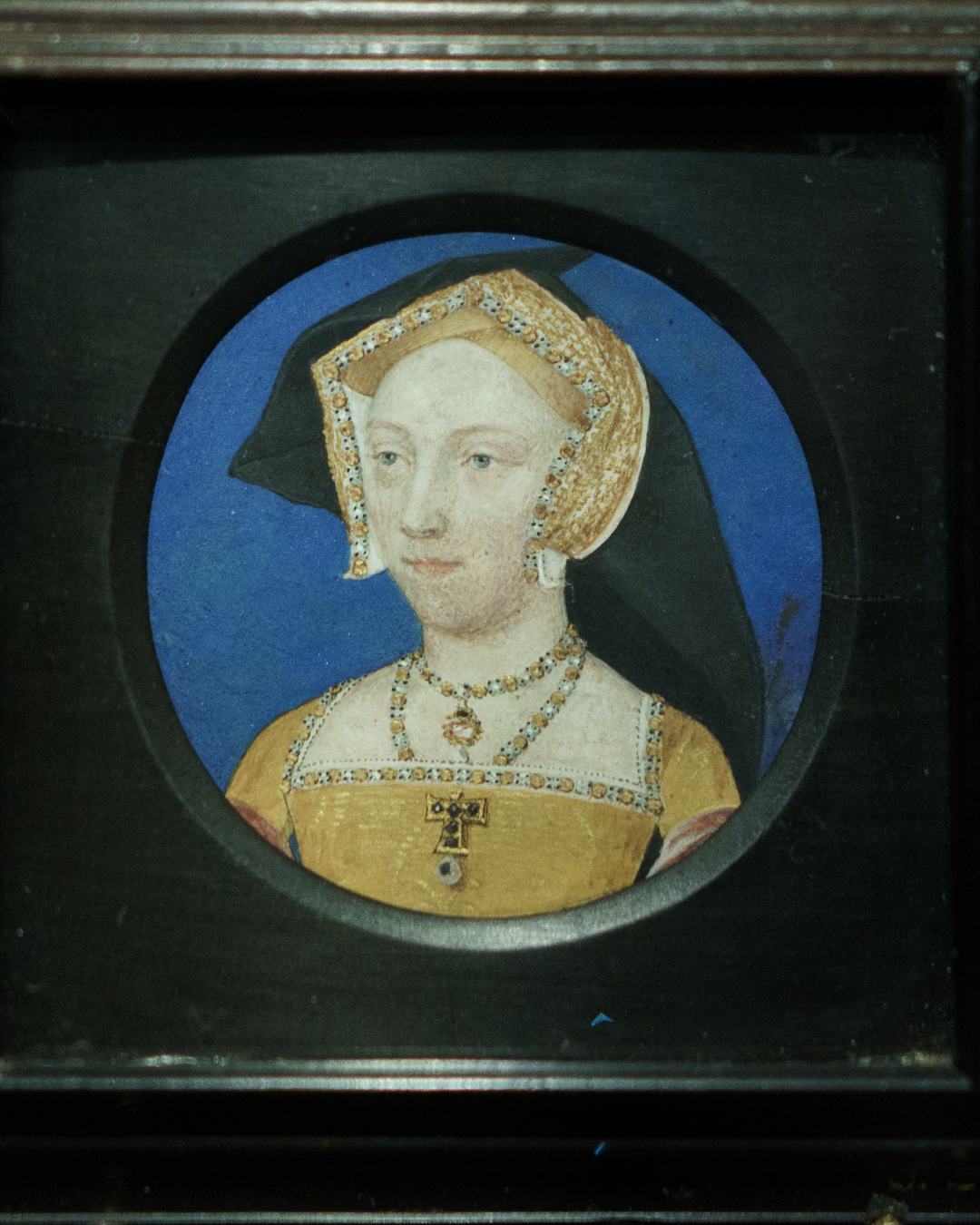
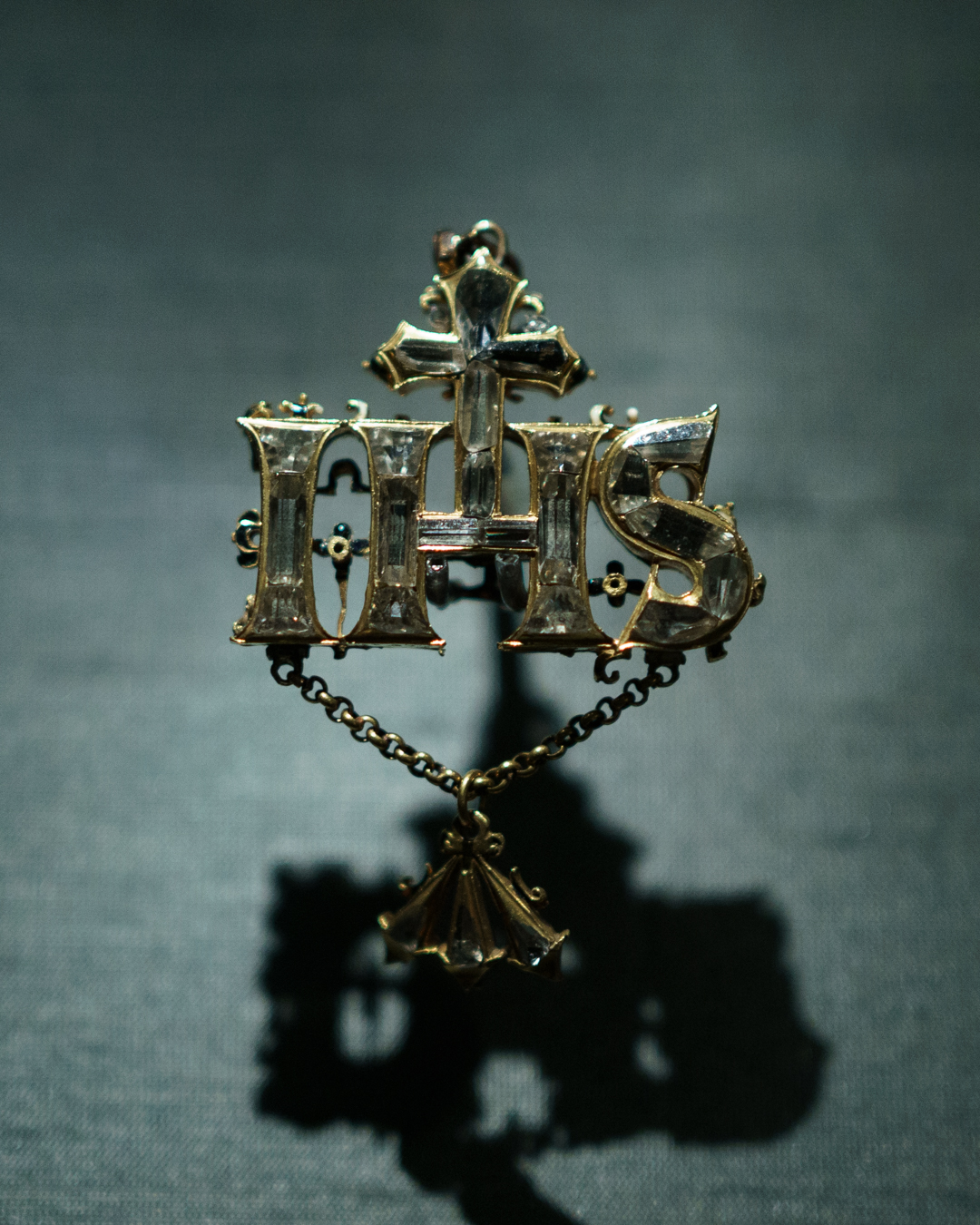
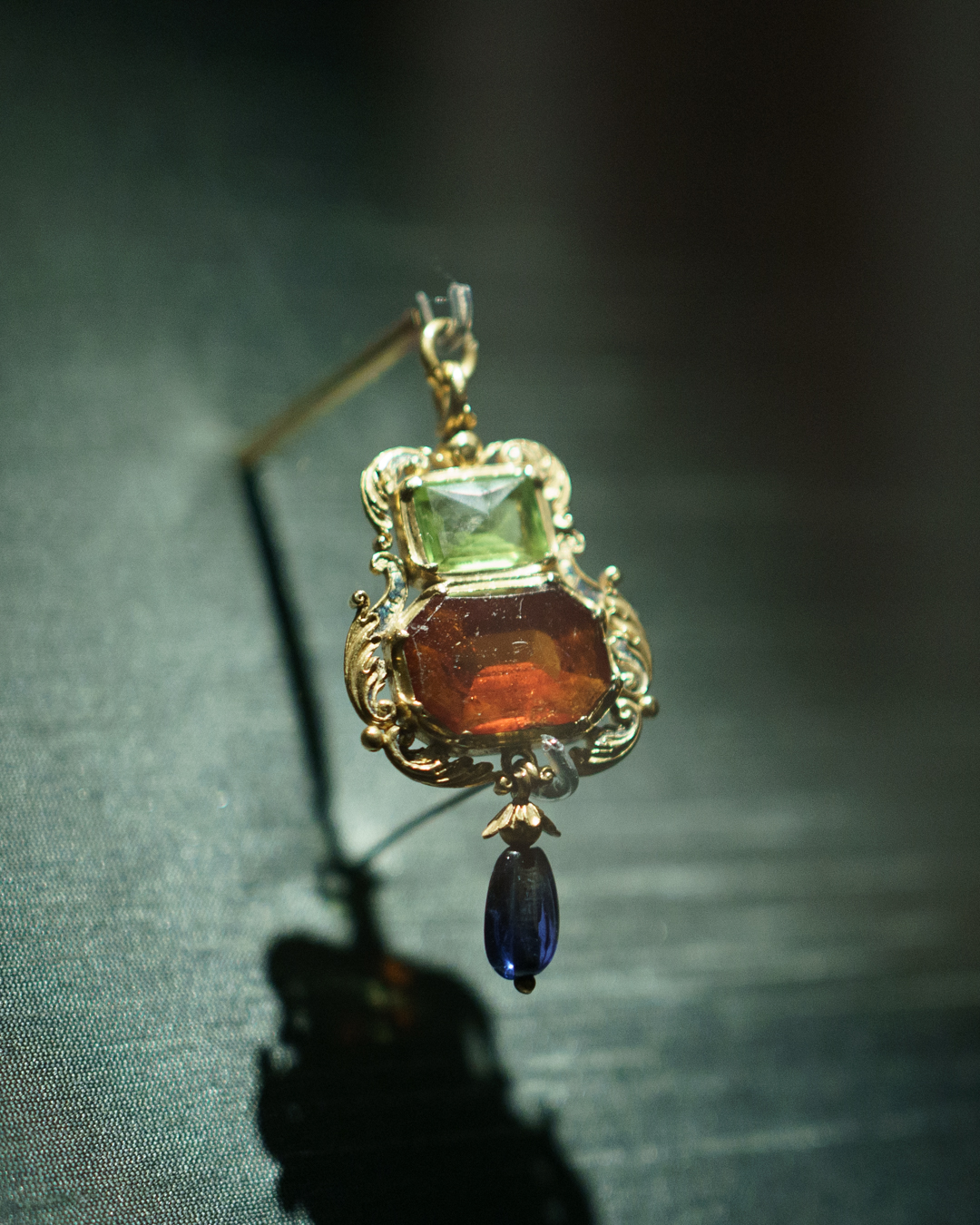
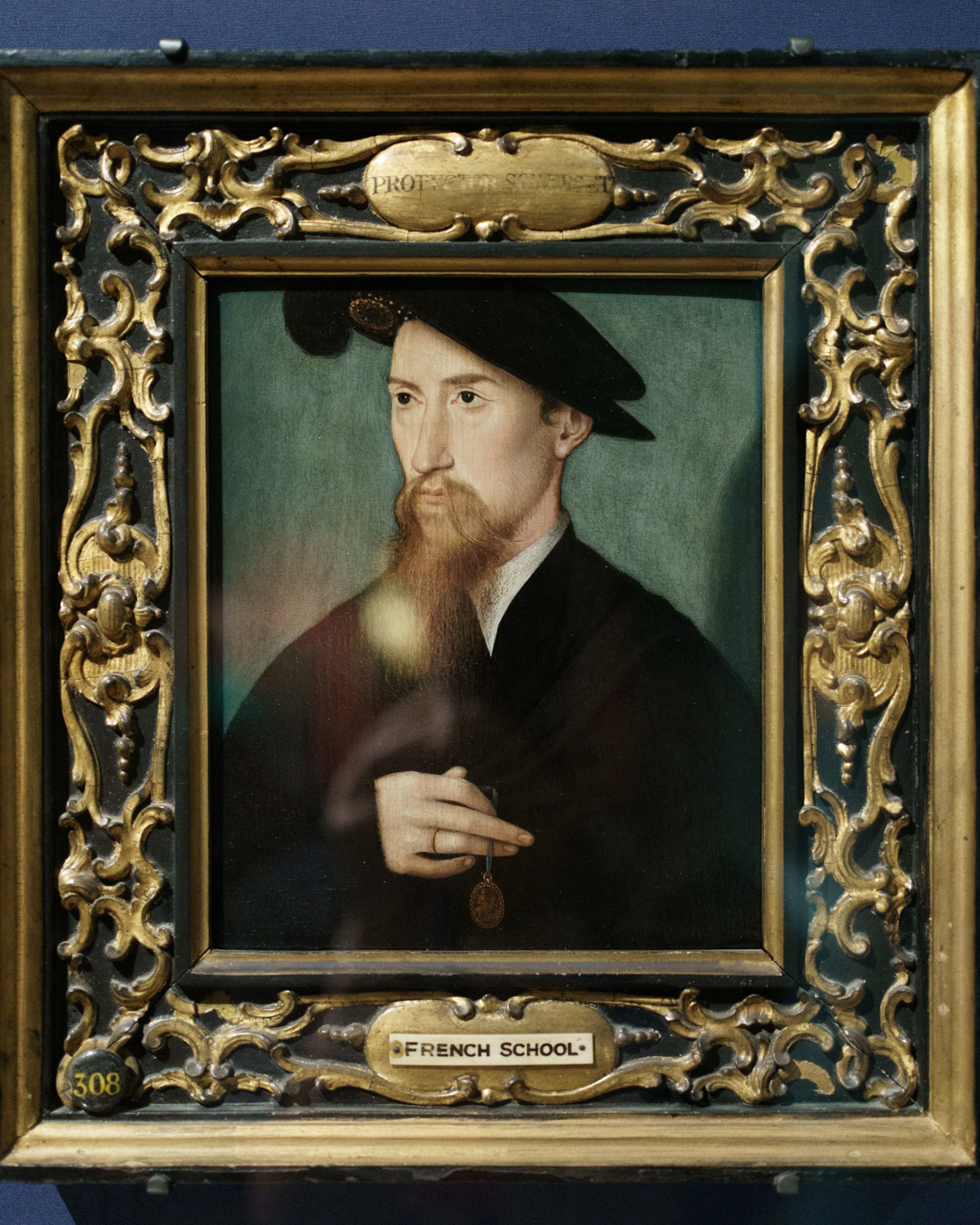
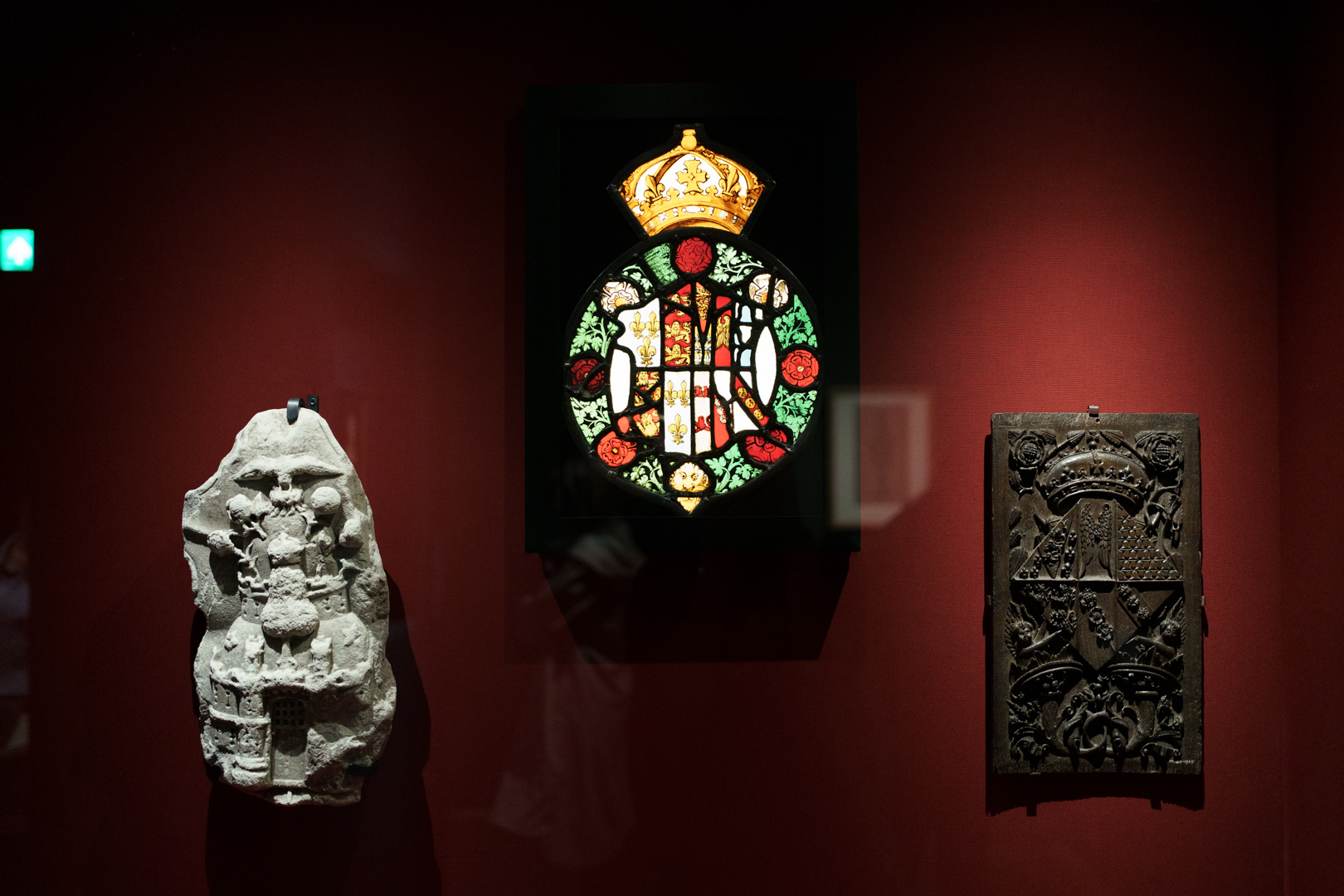

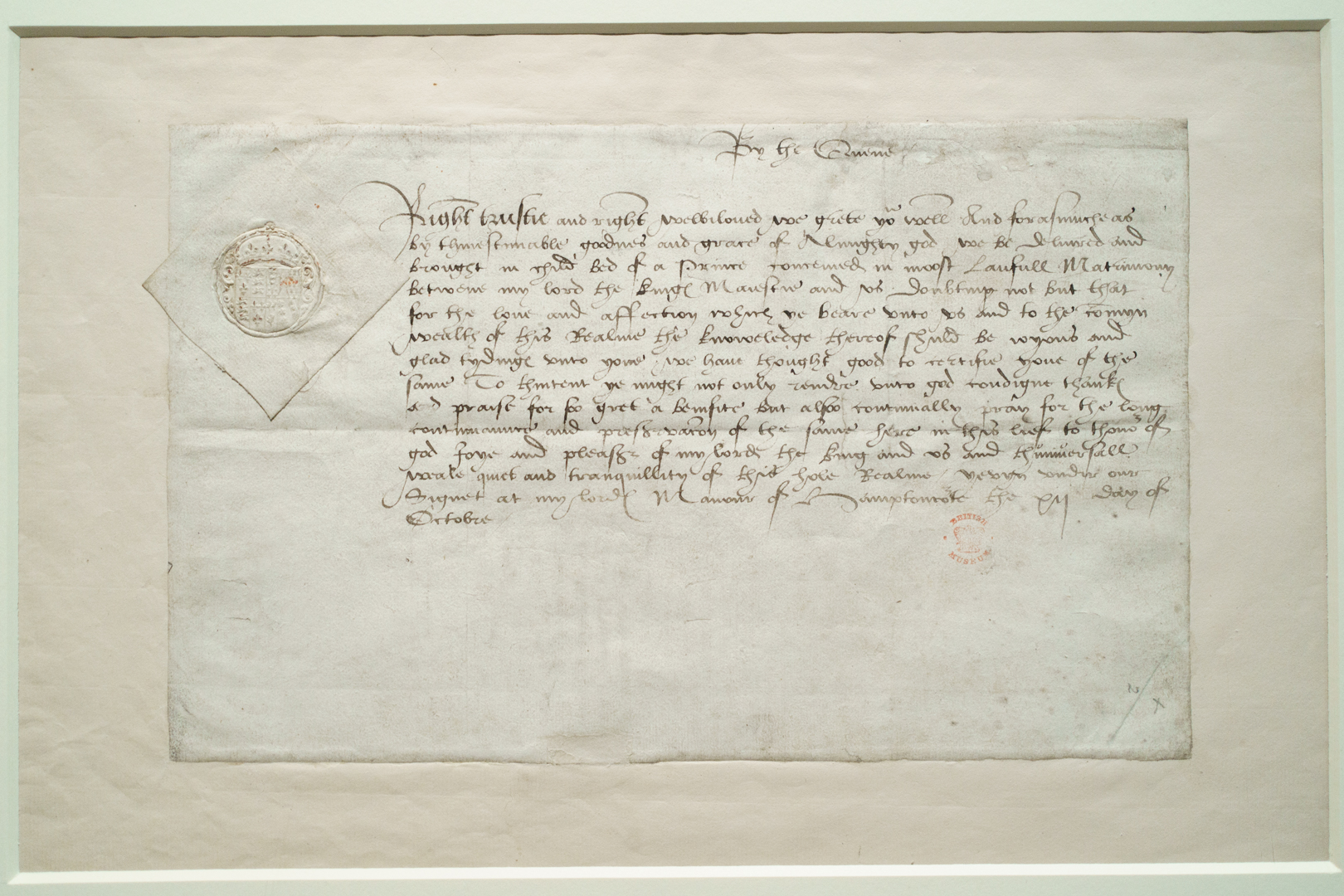


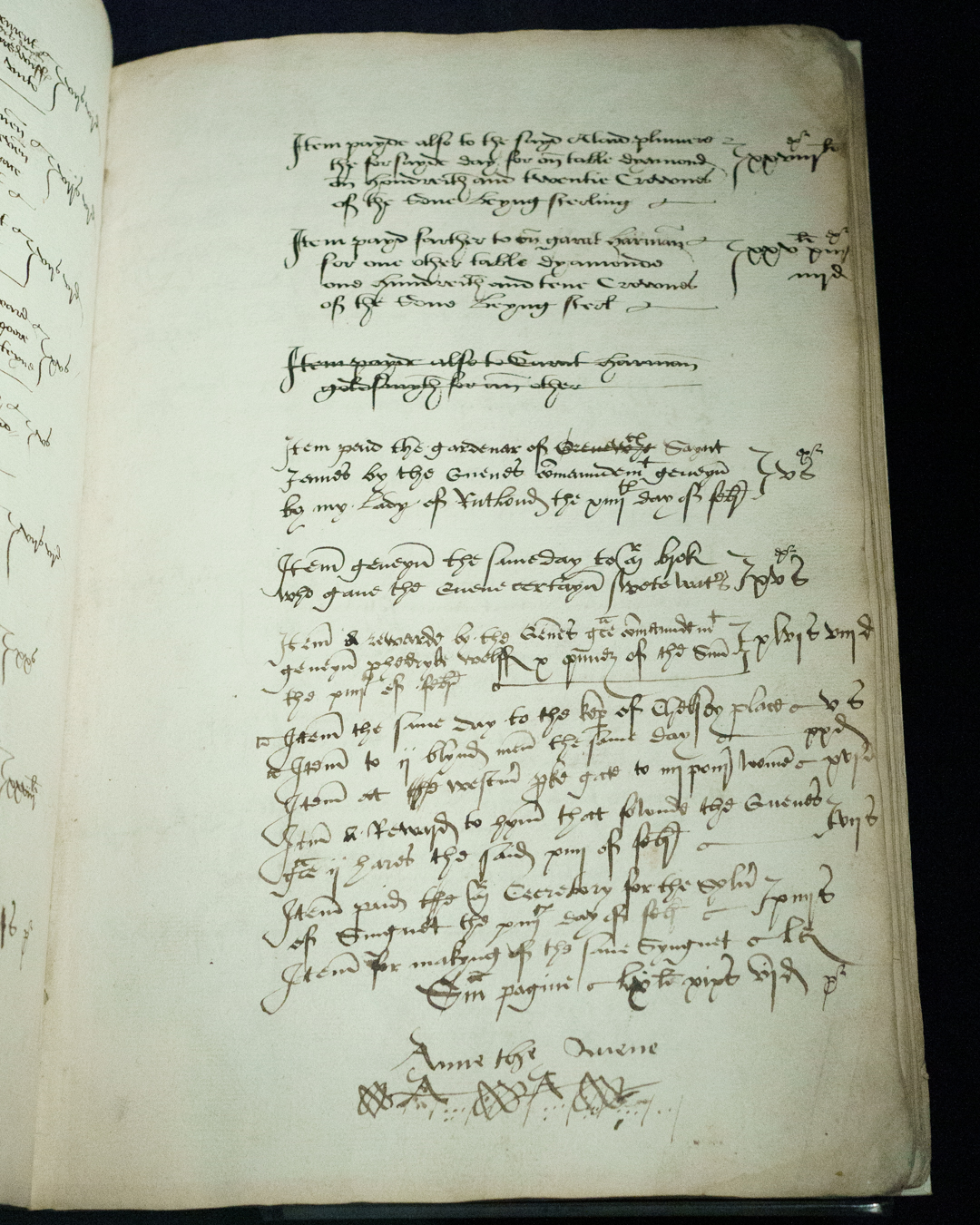
Anne of Cleves couldn’t live up to Henry’s expectations of her from her purportedly misleading portrait, but her account book demonstrates her adoption of English fashions, love of entertainment and gambling, and acceptance of gifts such as a parrot, a greyhound, and a leek; Katherine Howard’s inventory of jewels effectively charts the rise and fall of her court status; and Katherine Parr’s strong sense of duty guided her throughout Henry’s final years.
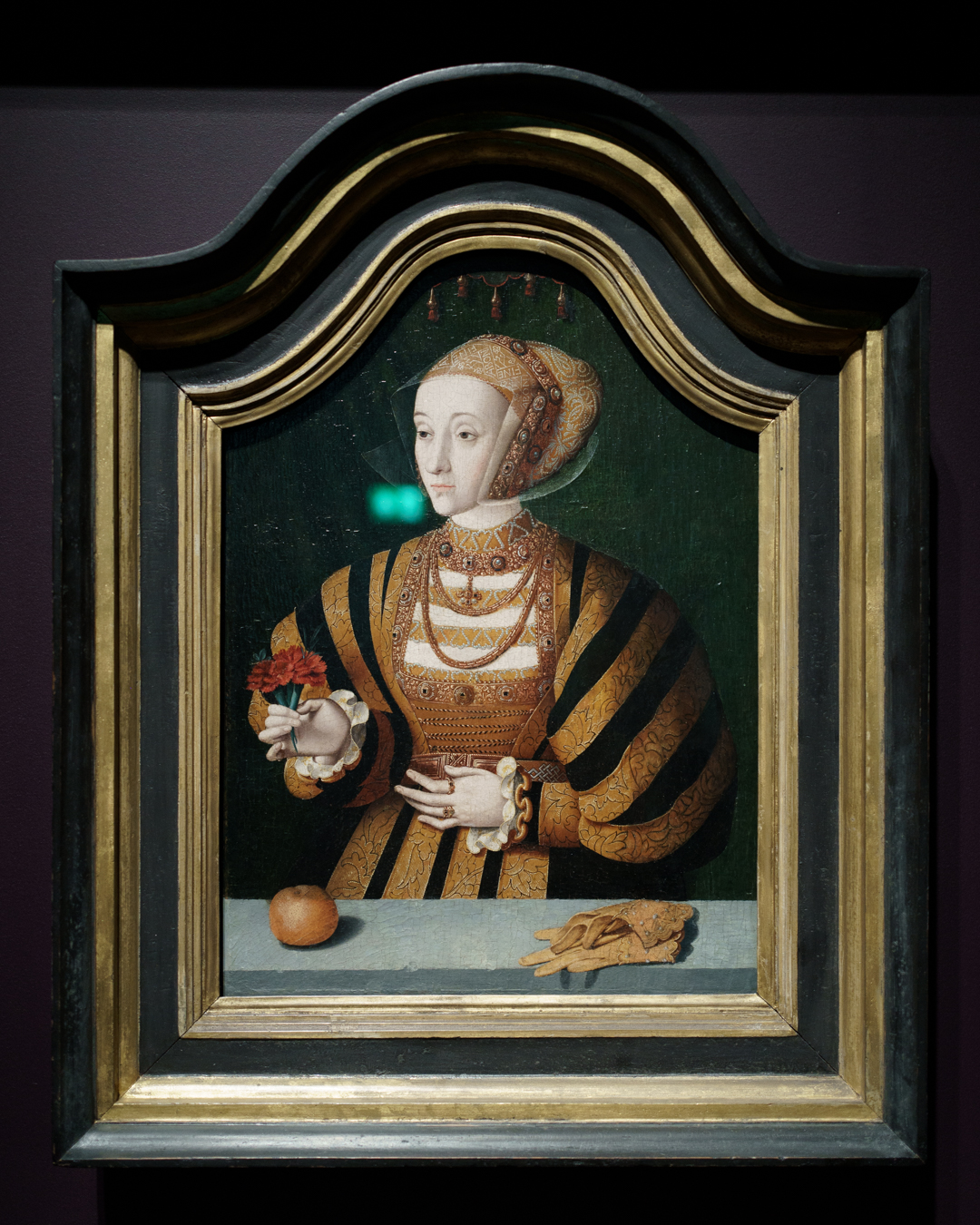

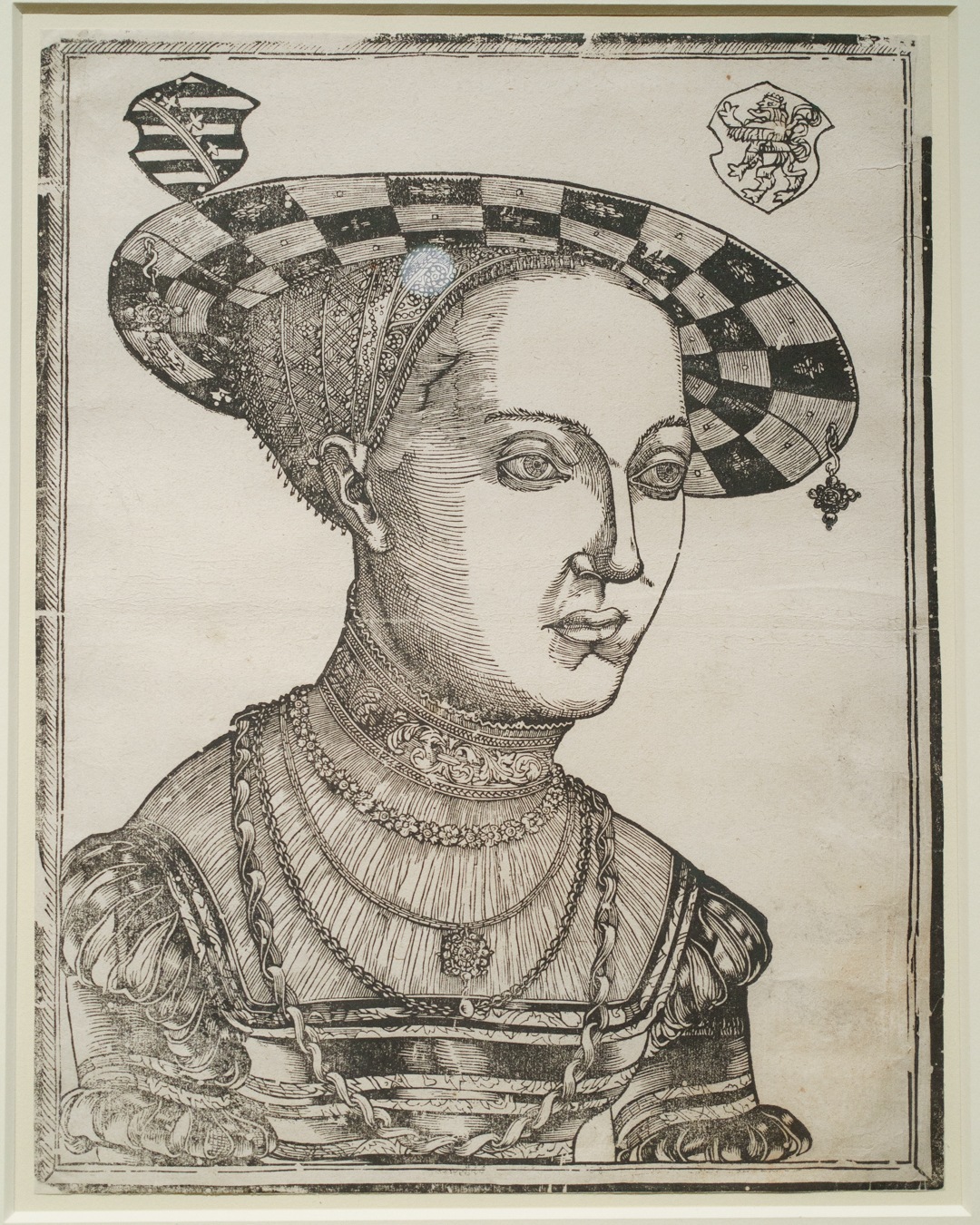

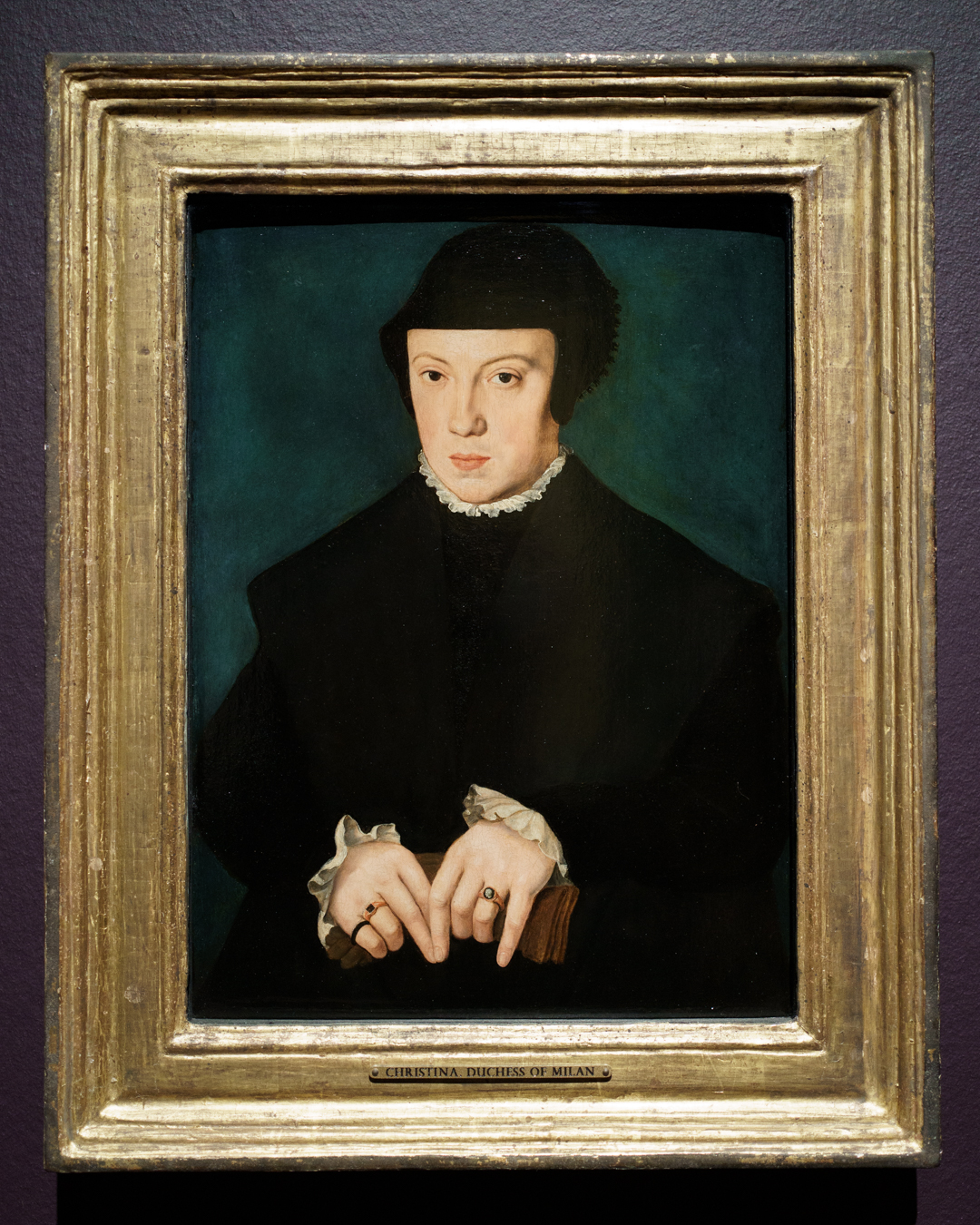

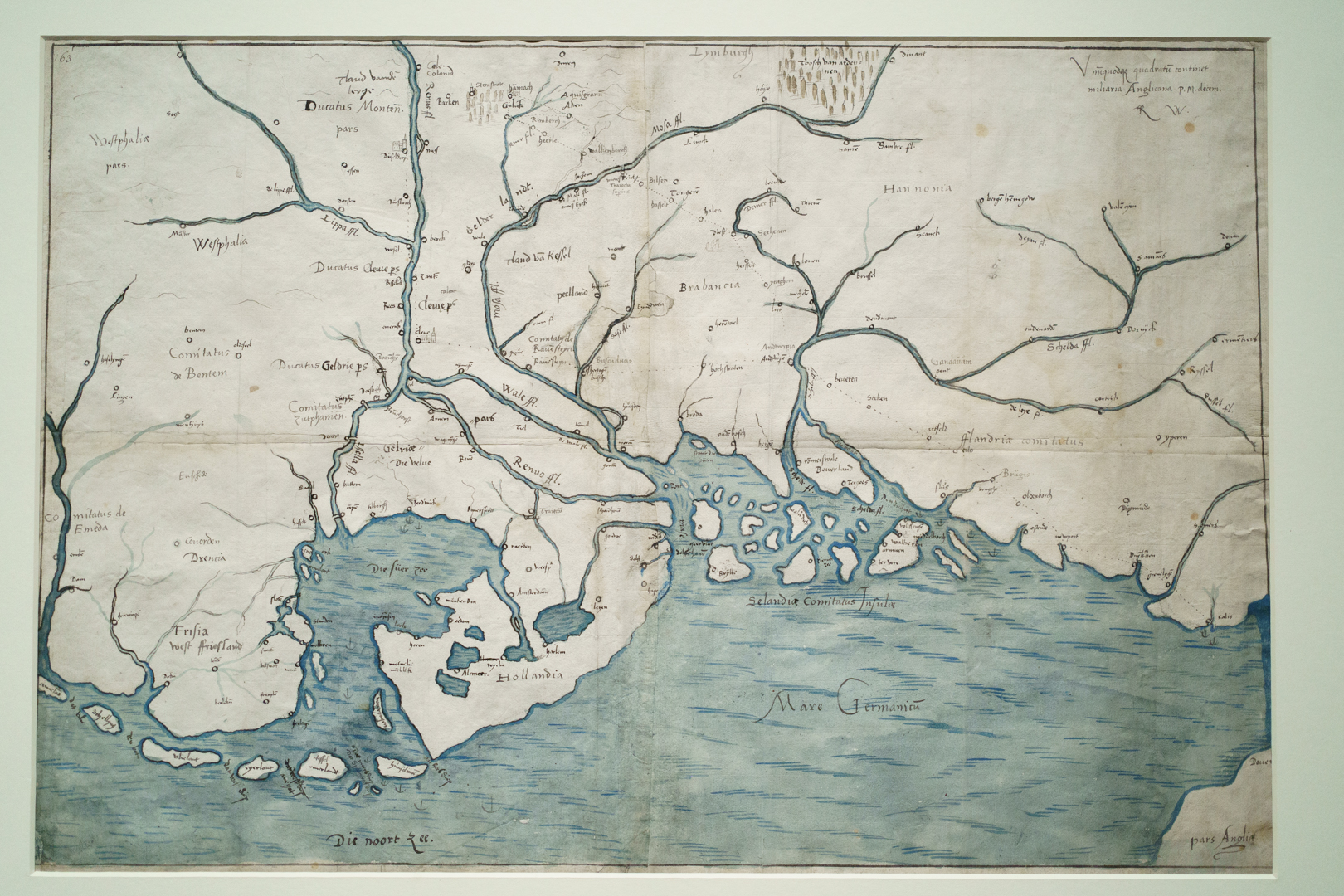




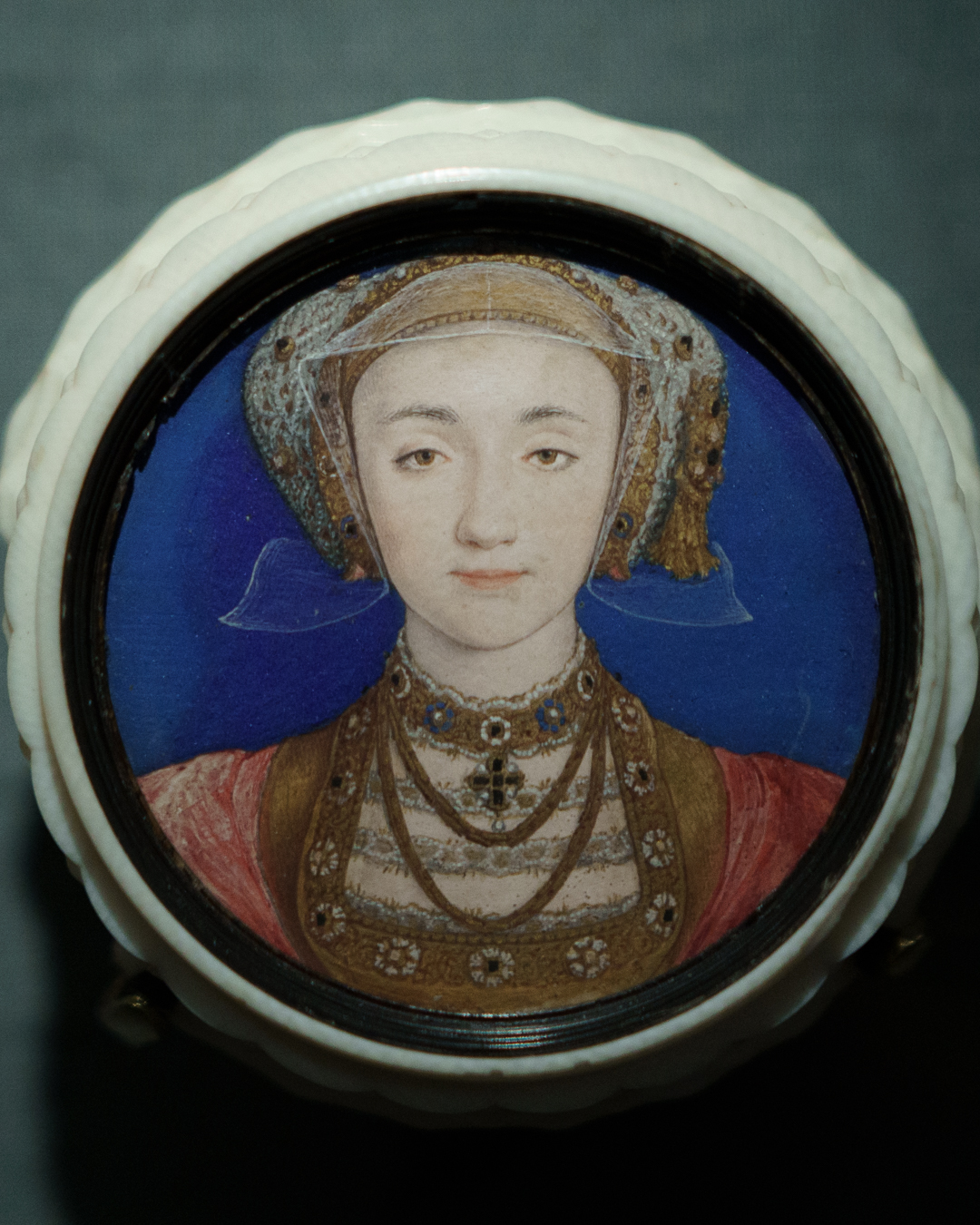


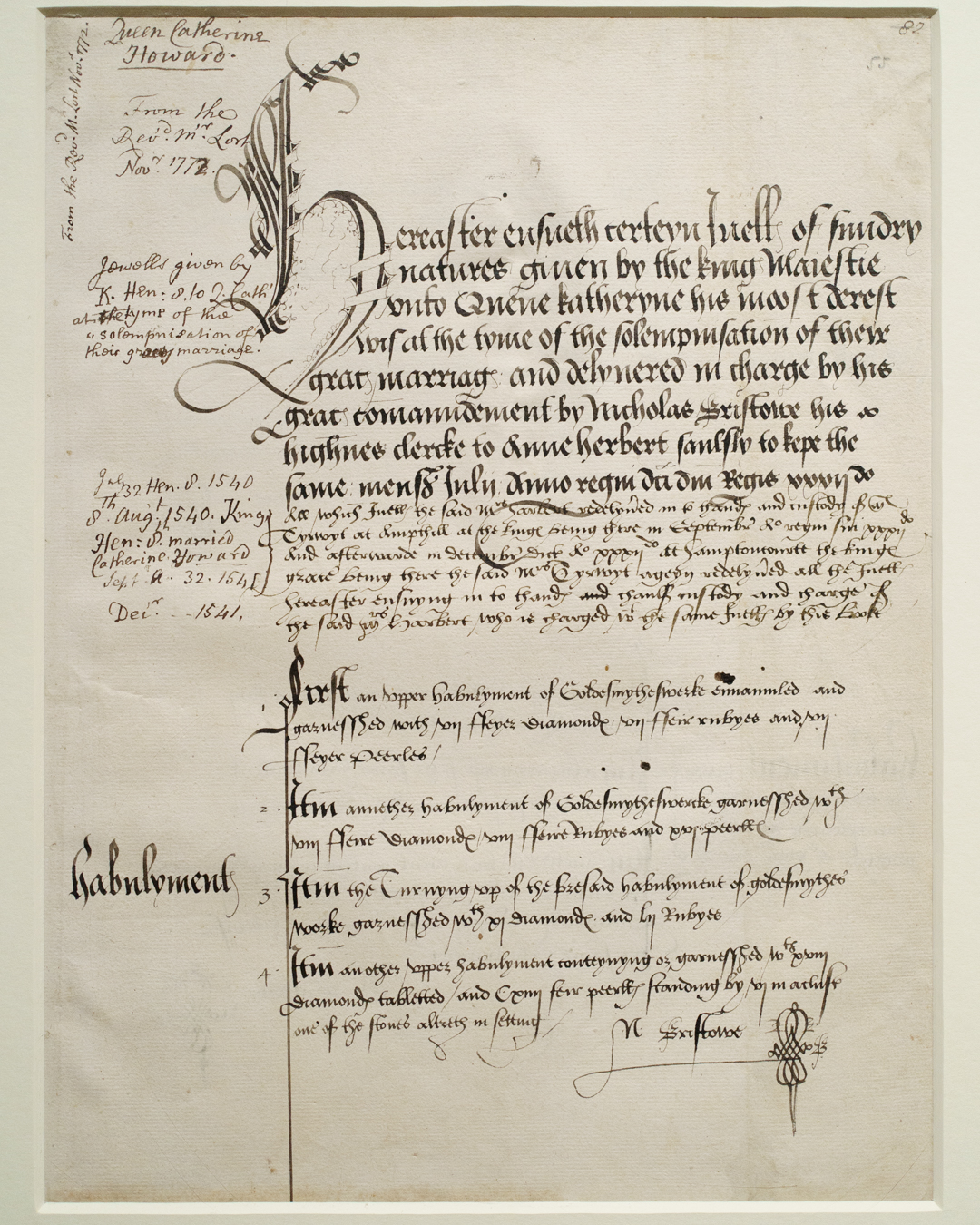
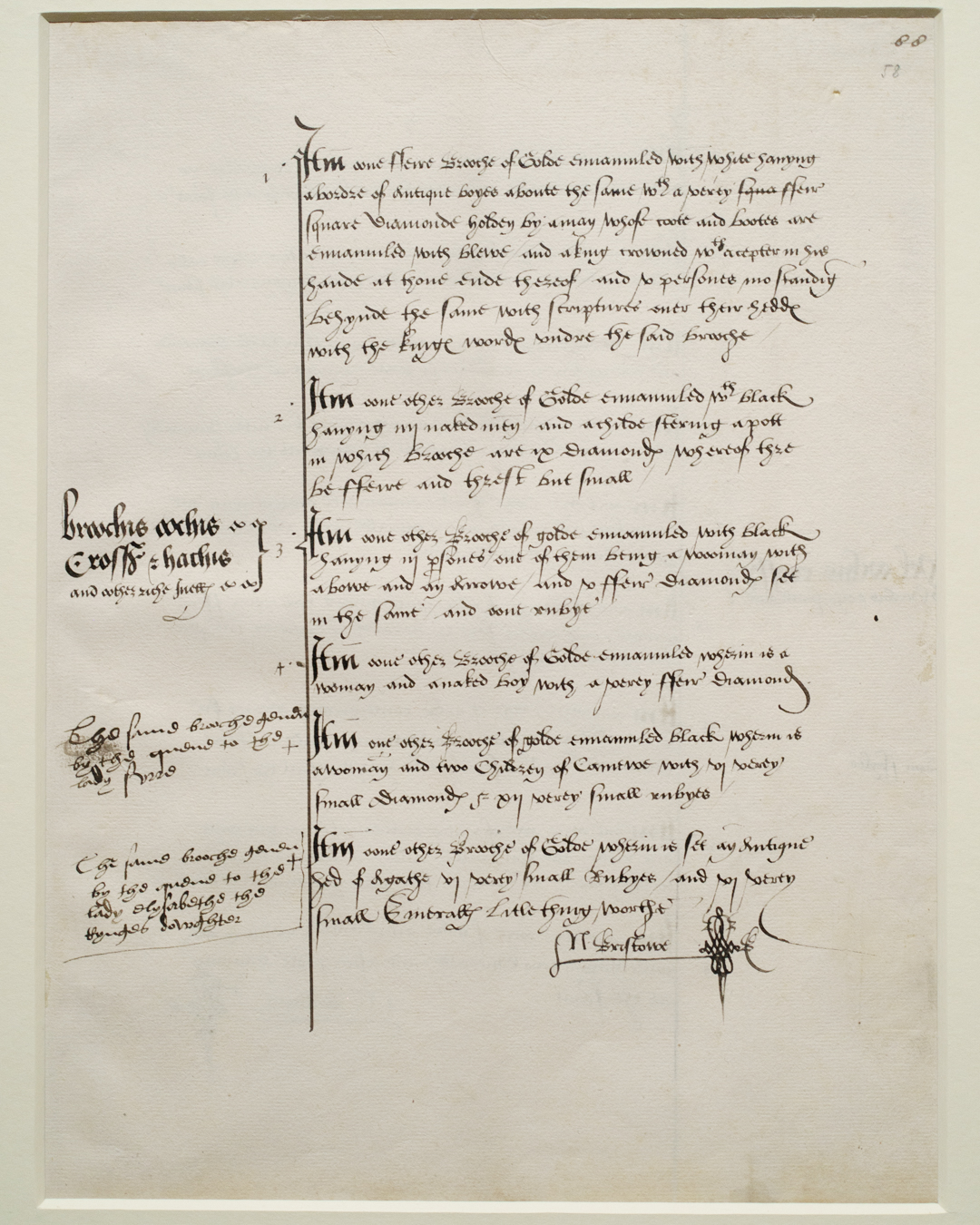
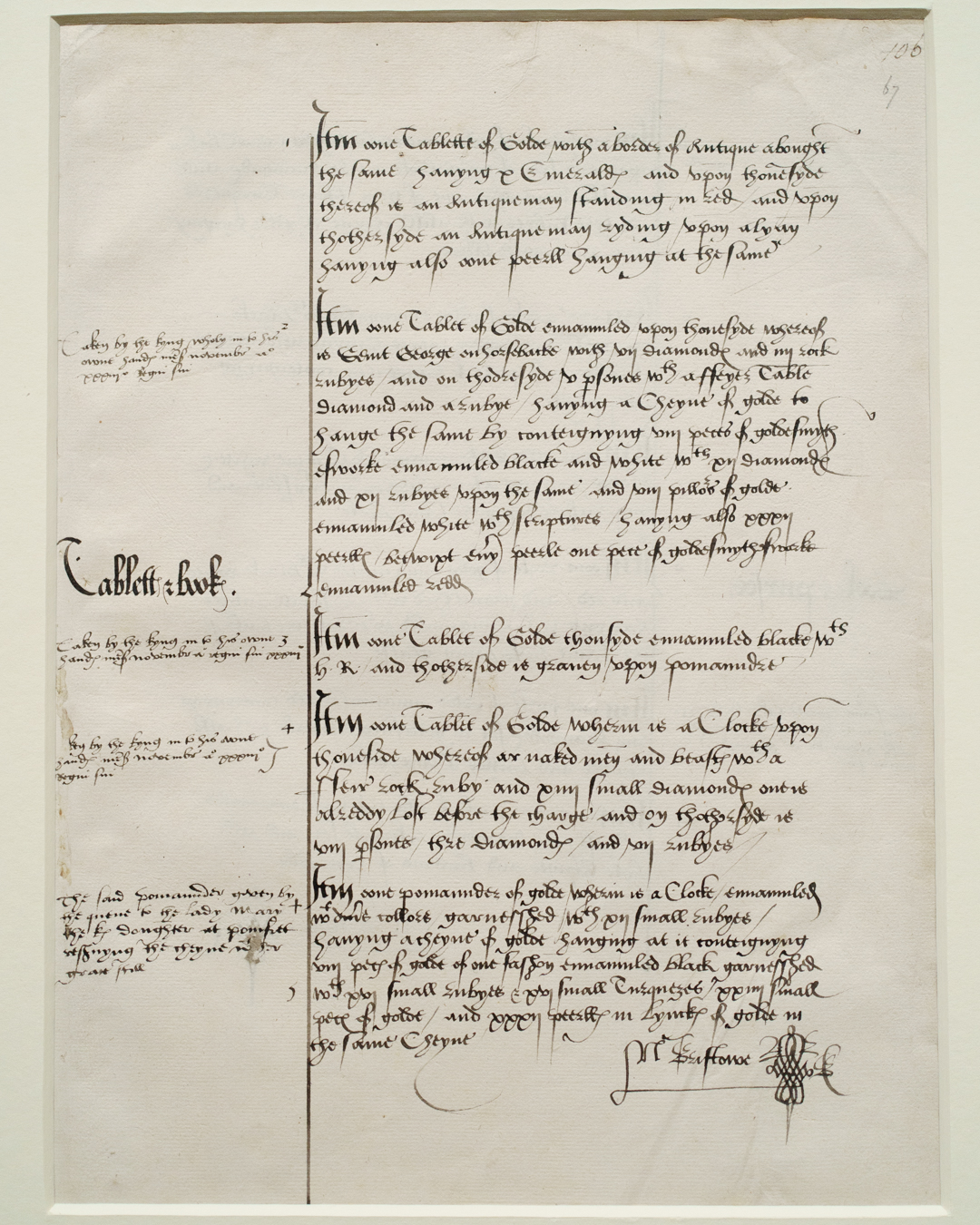






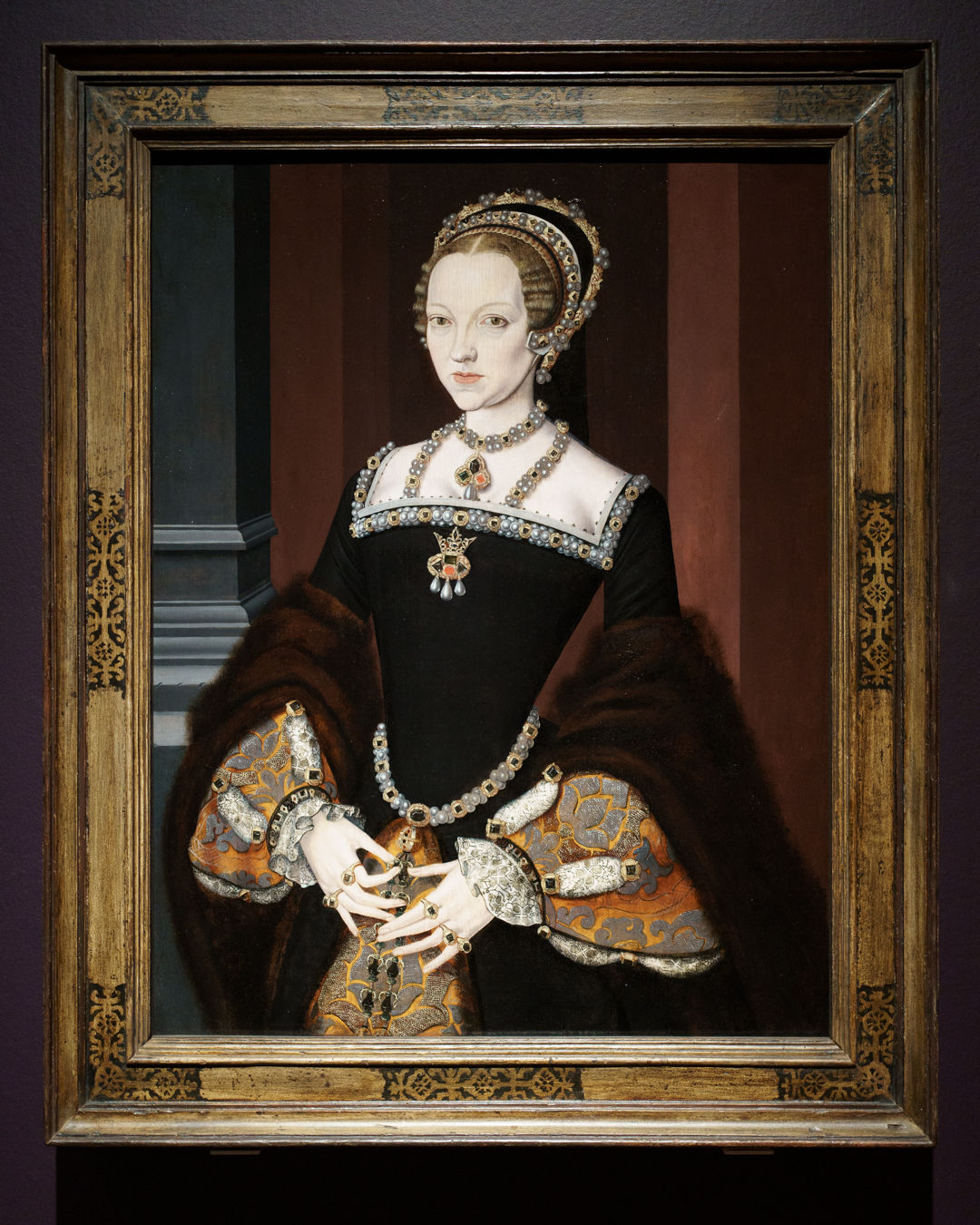
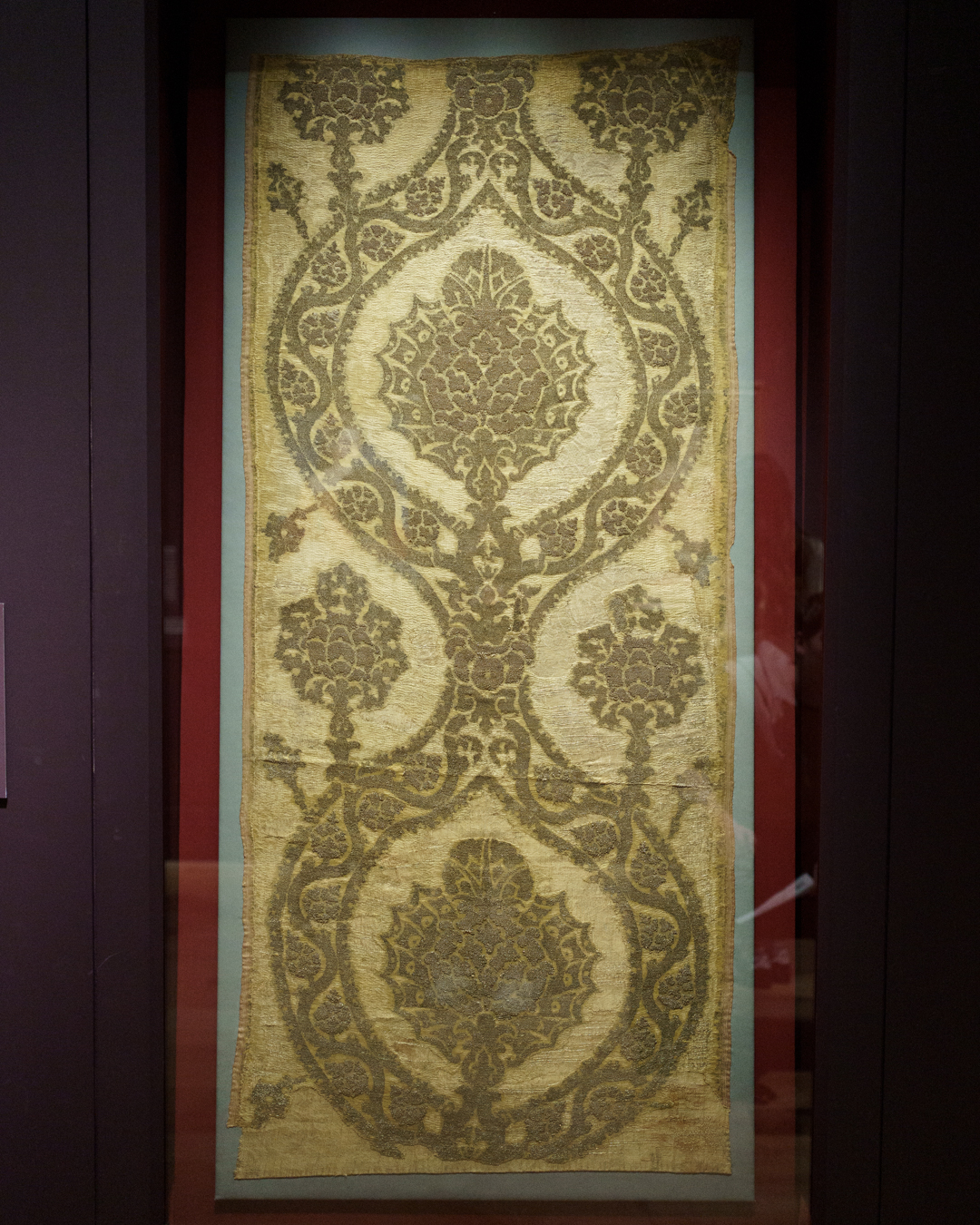


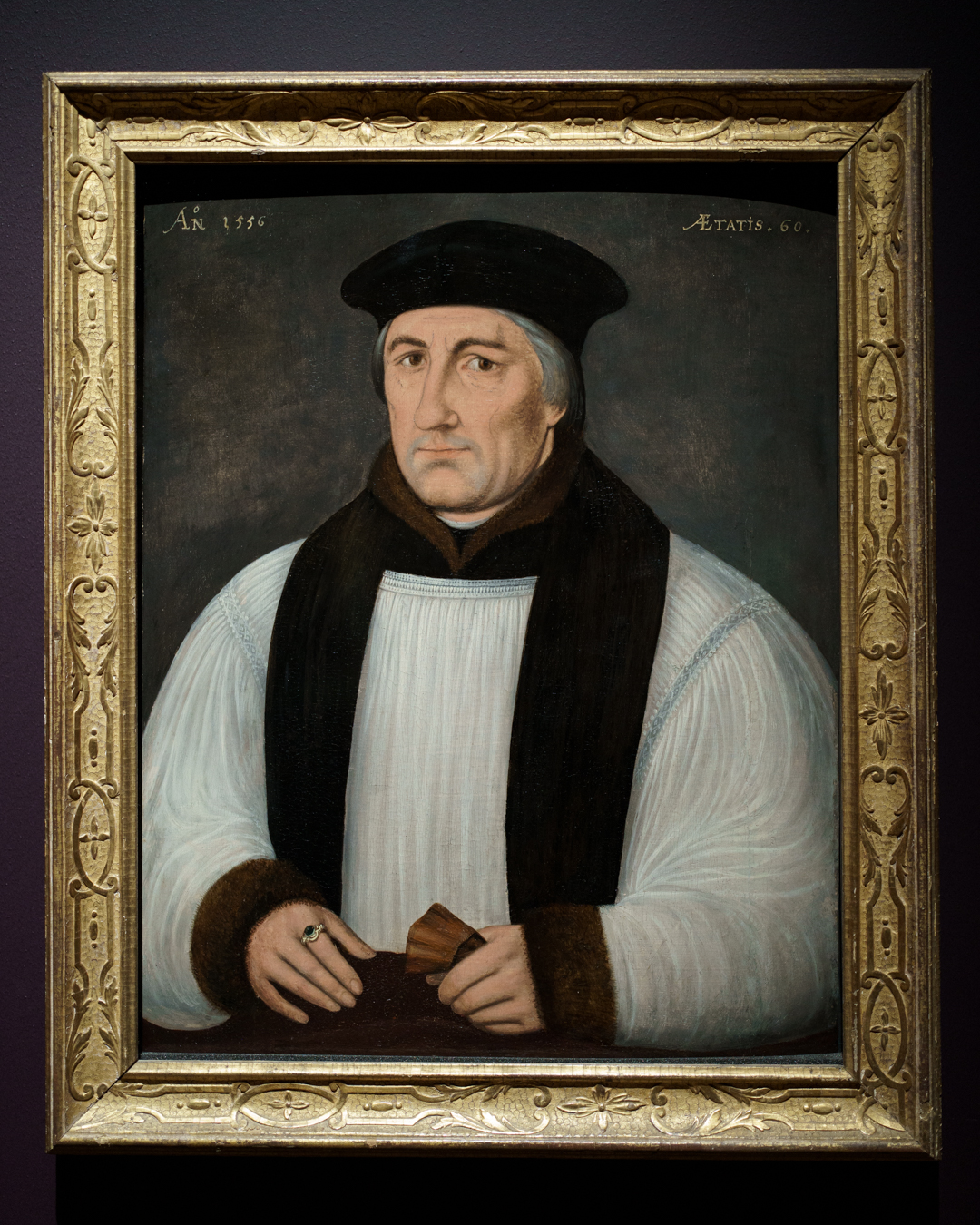
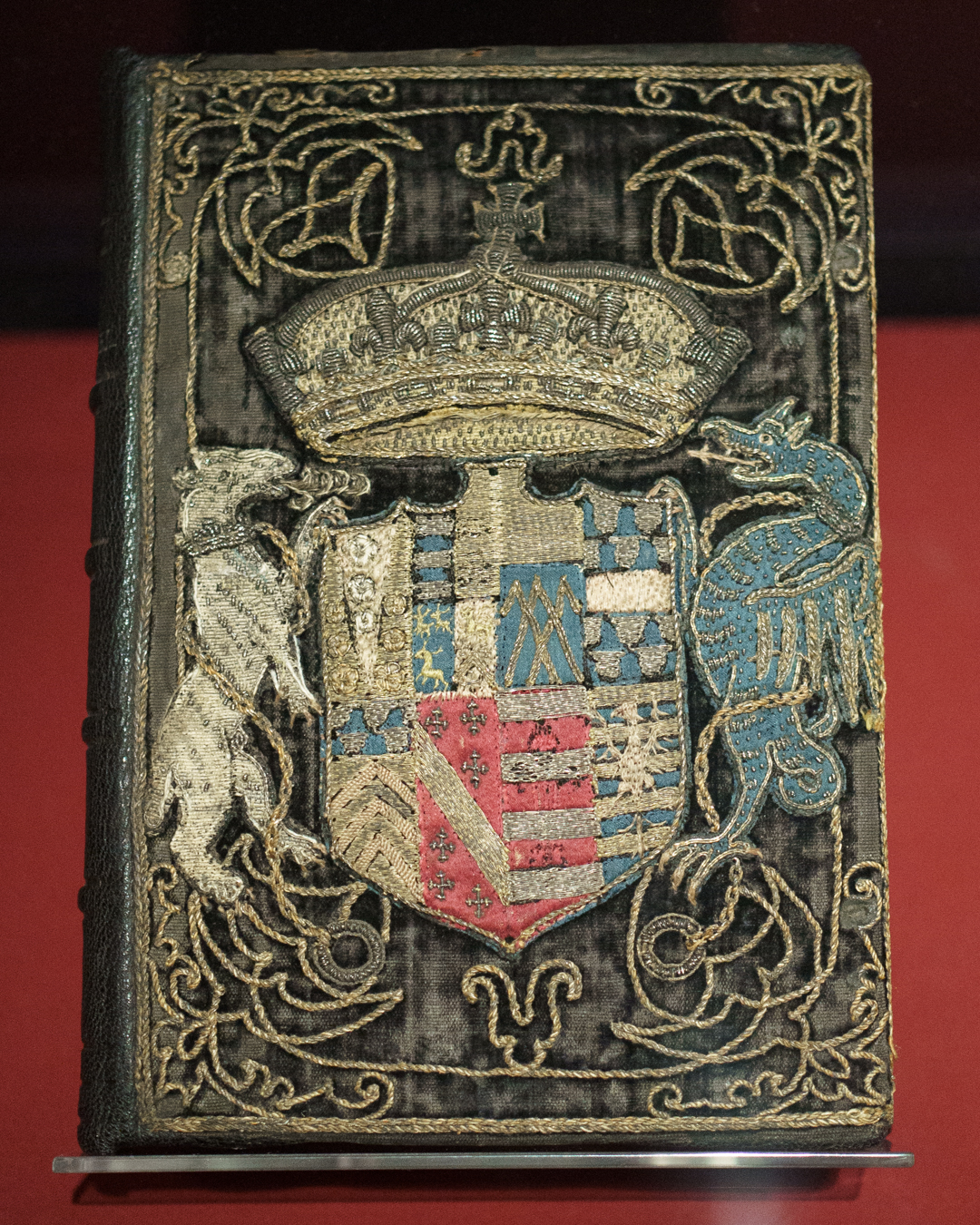

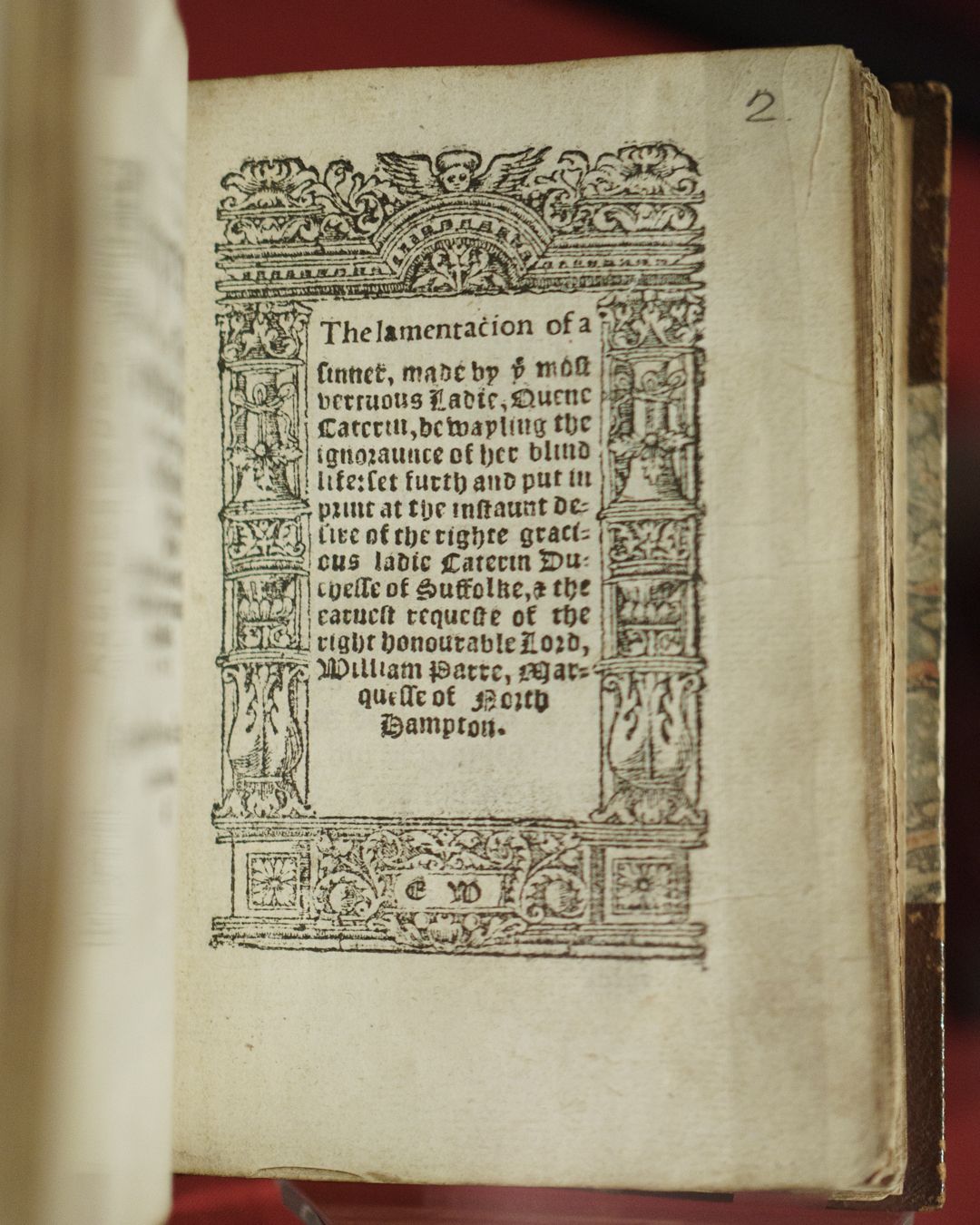


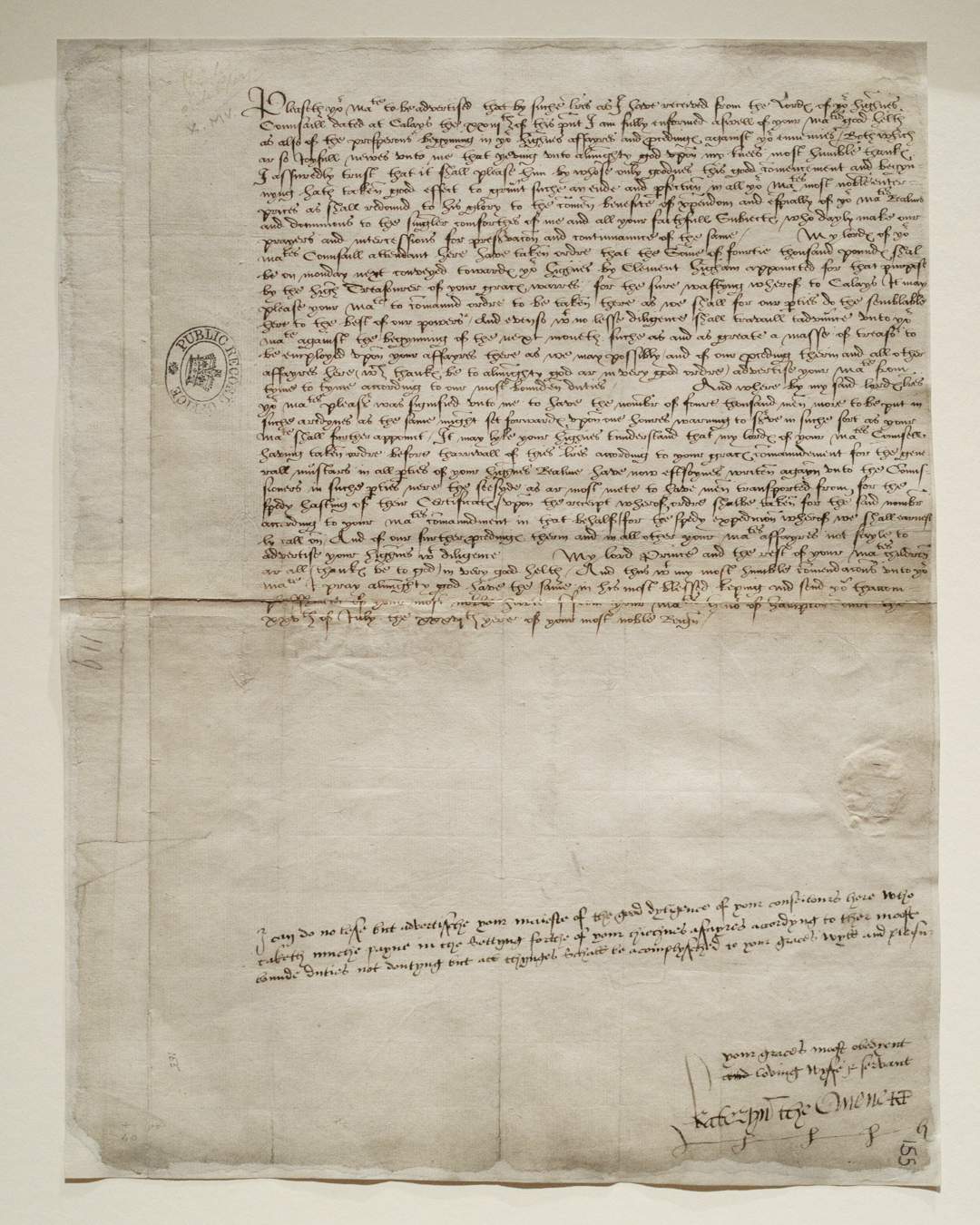

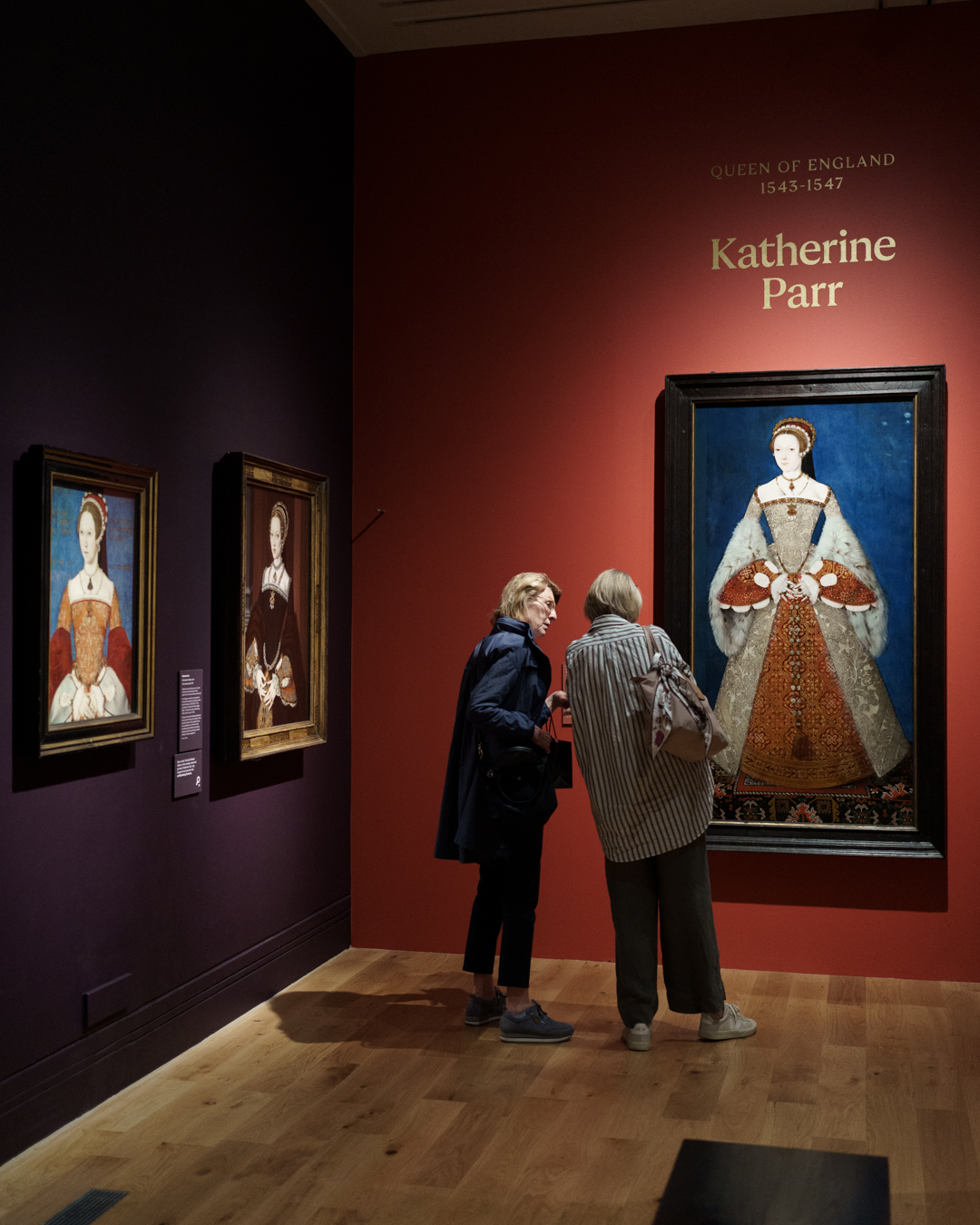
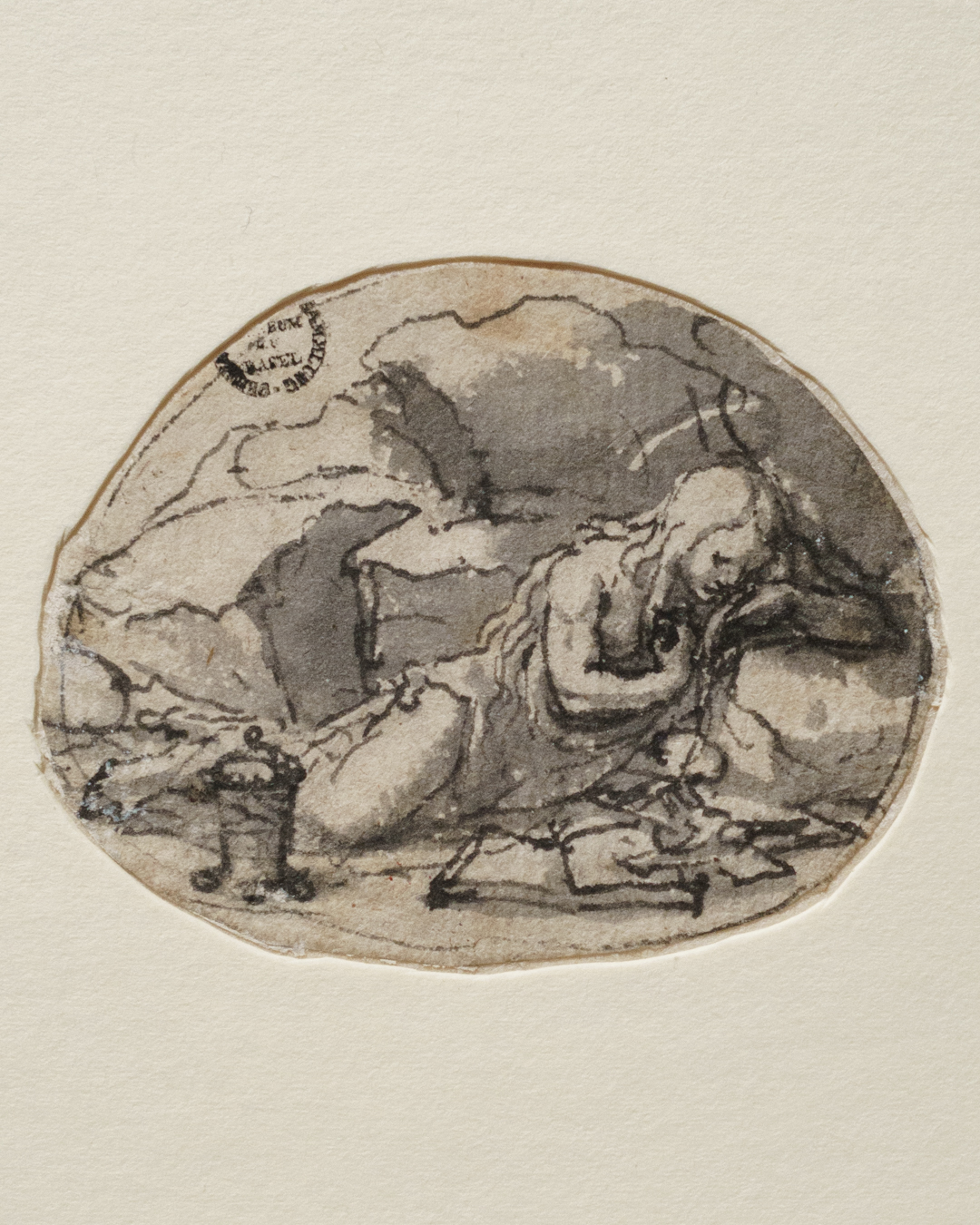
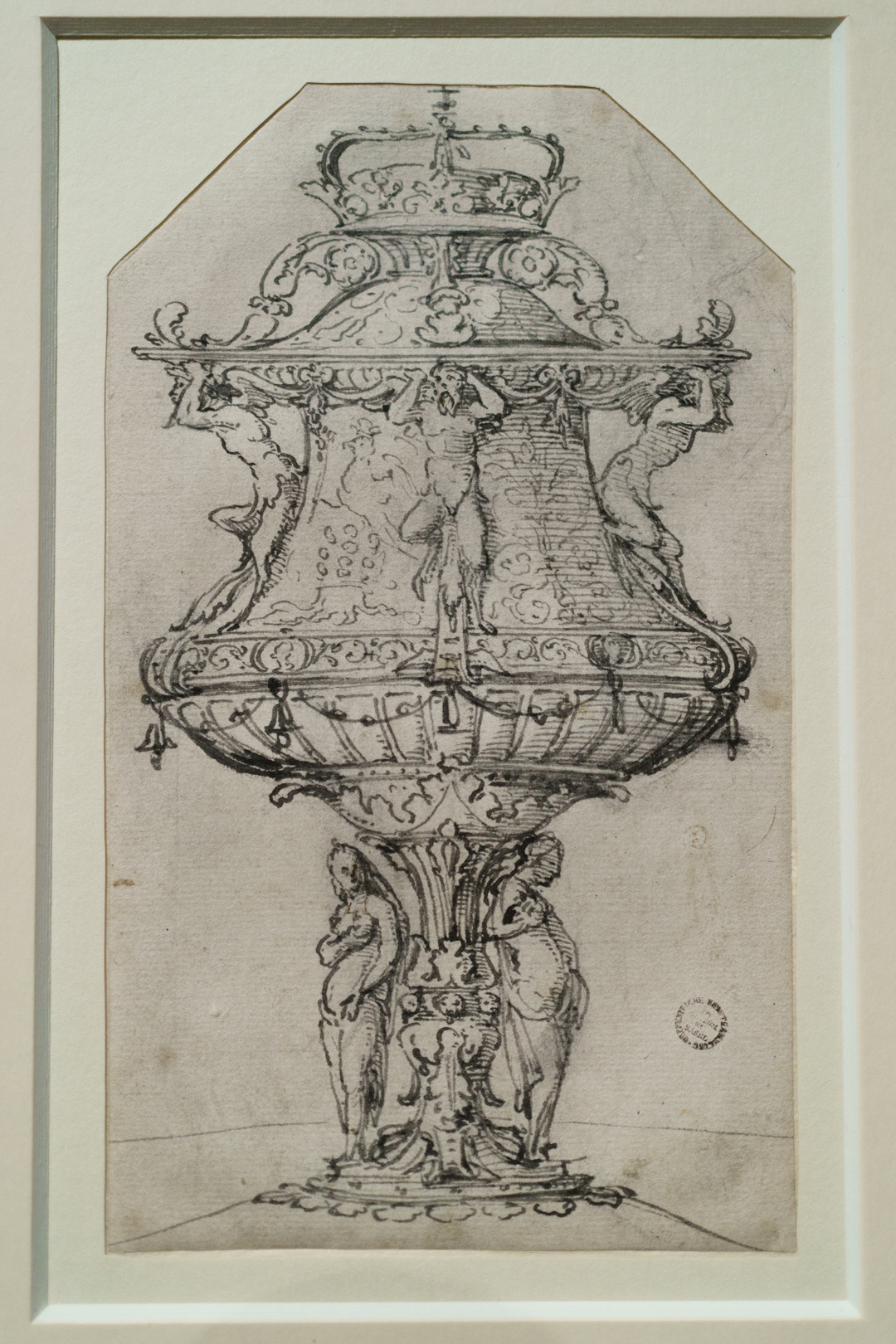
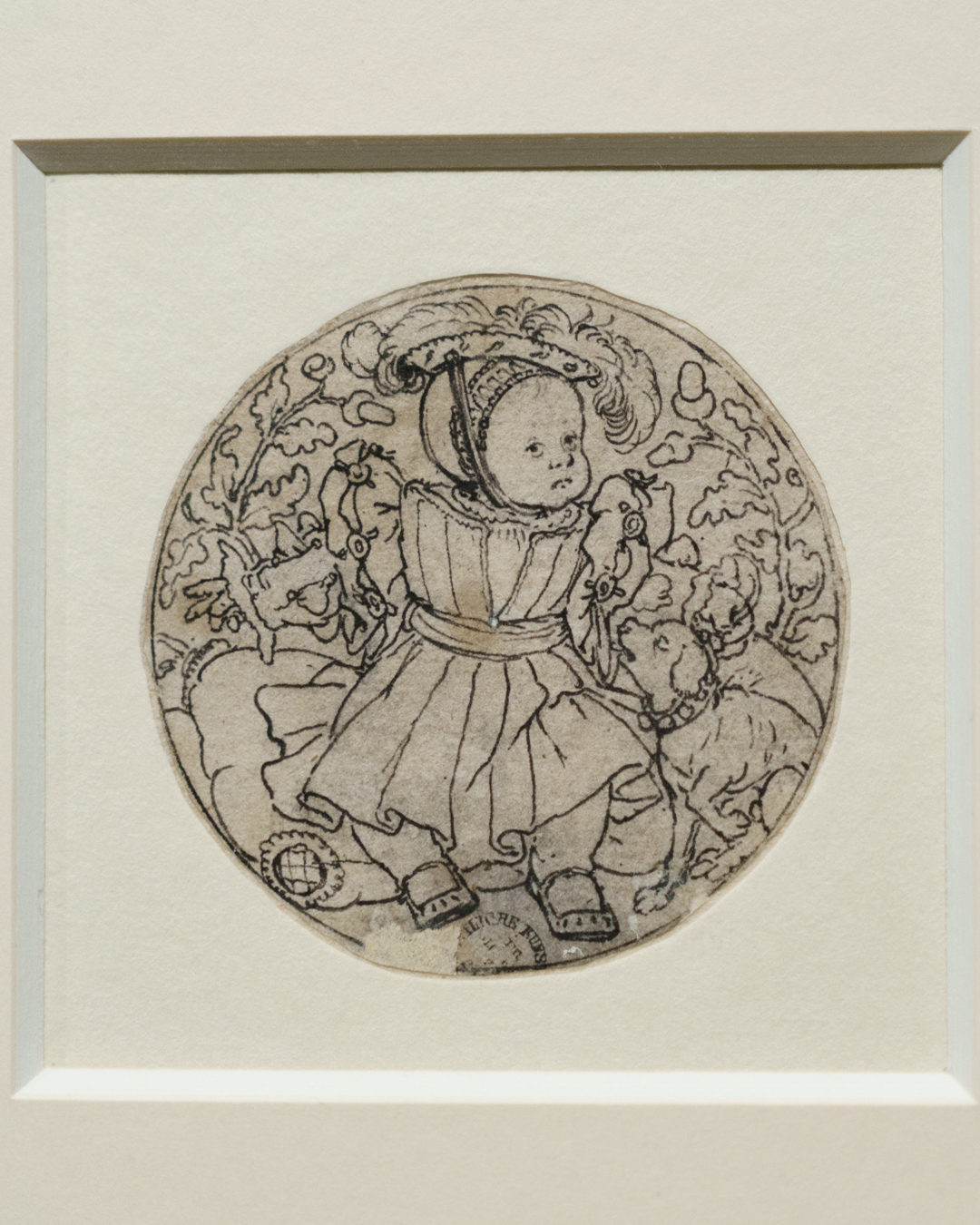
But the show is also a Holbein exhibition in disguise. Transitioning between the two sections is a marvellous room devoted to the role of women in the Tudor court, particularly how they were expected to emulate virtues associated with famous women from history, the Bible, and classical antiquity – especially namesakes like Saint Catherine – all of whom were richly represented in their art and decorative furnishings.
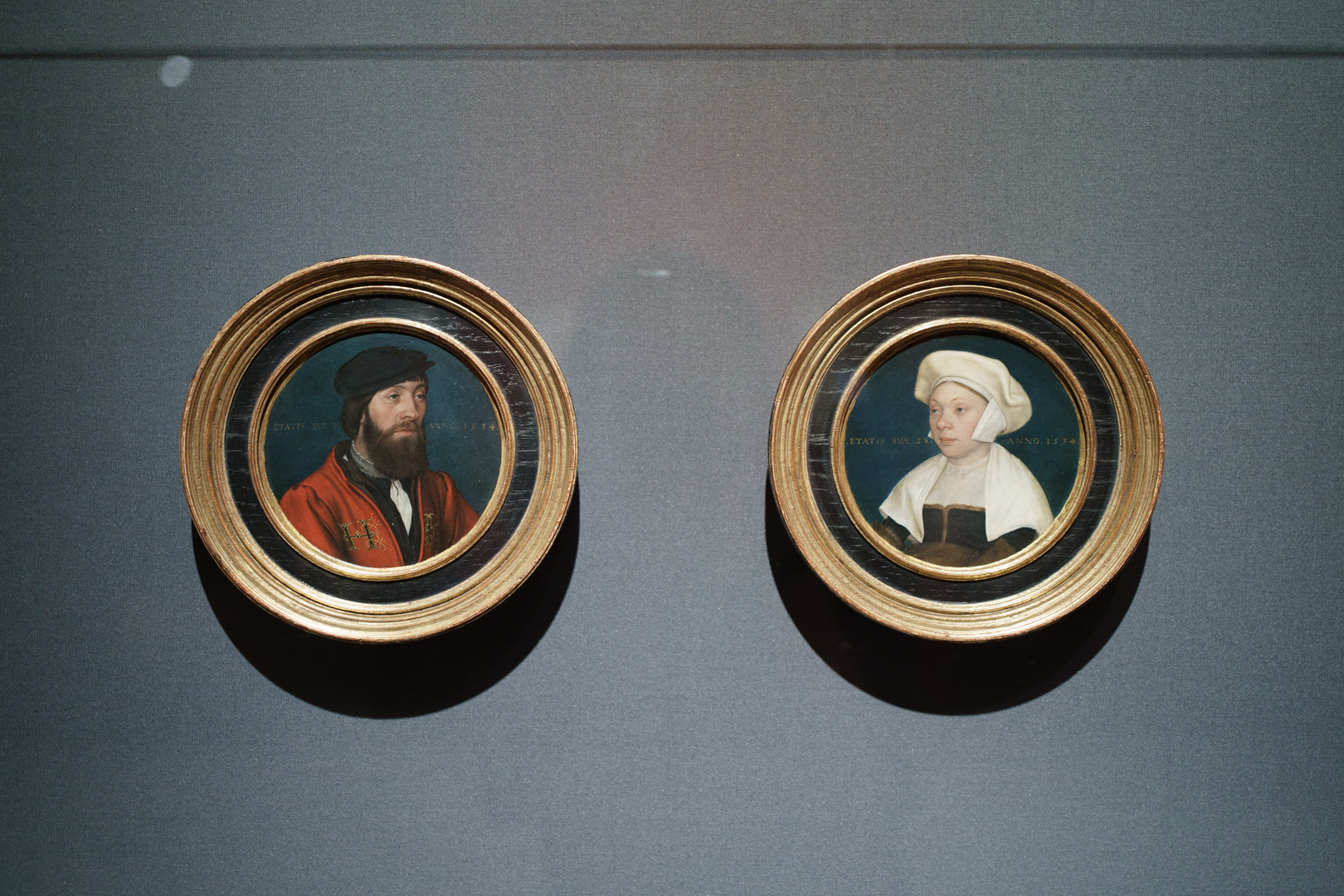
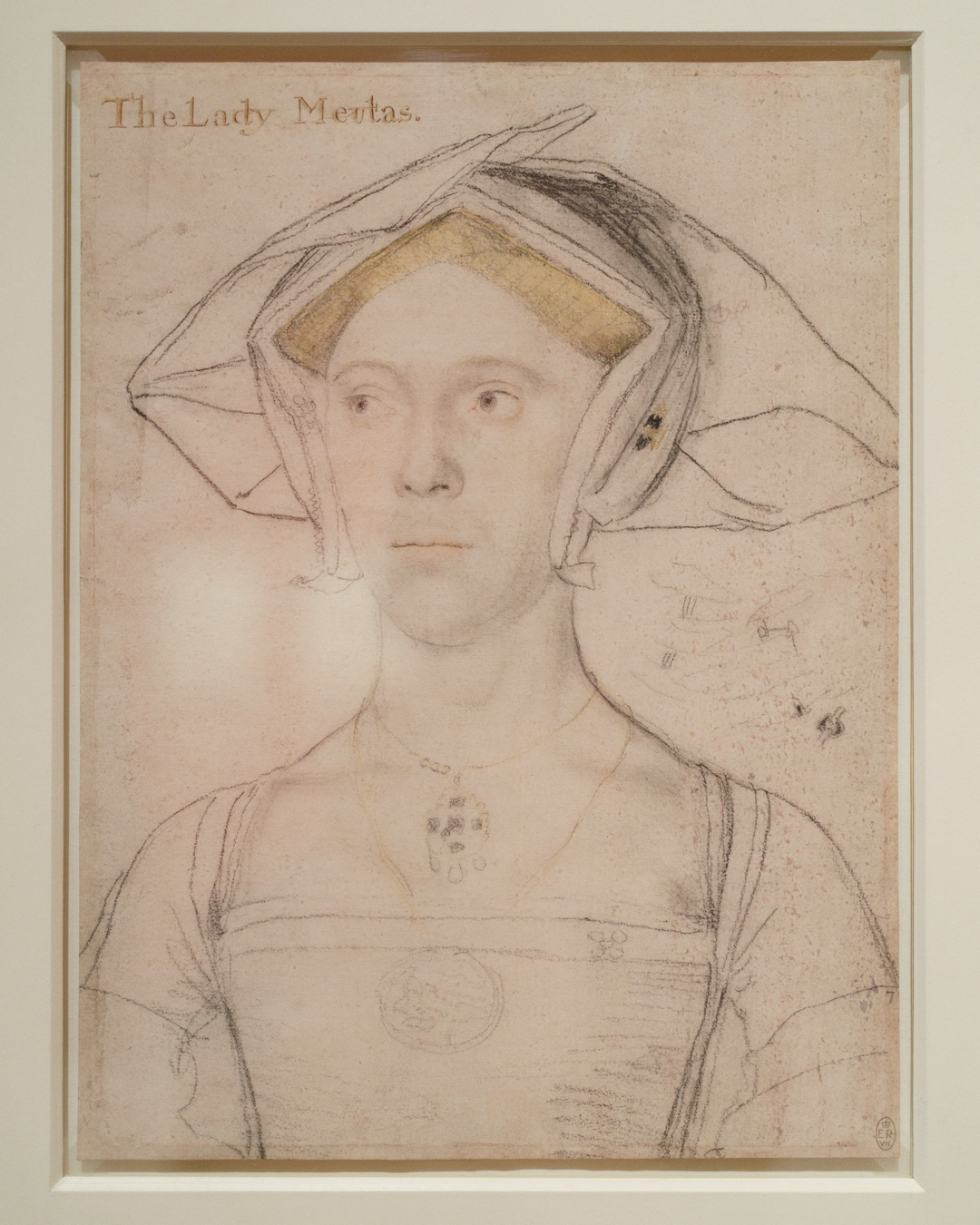


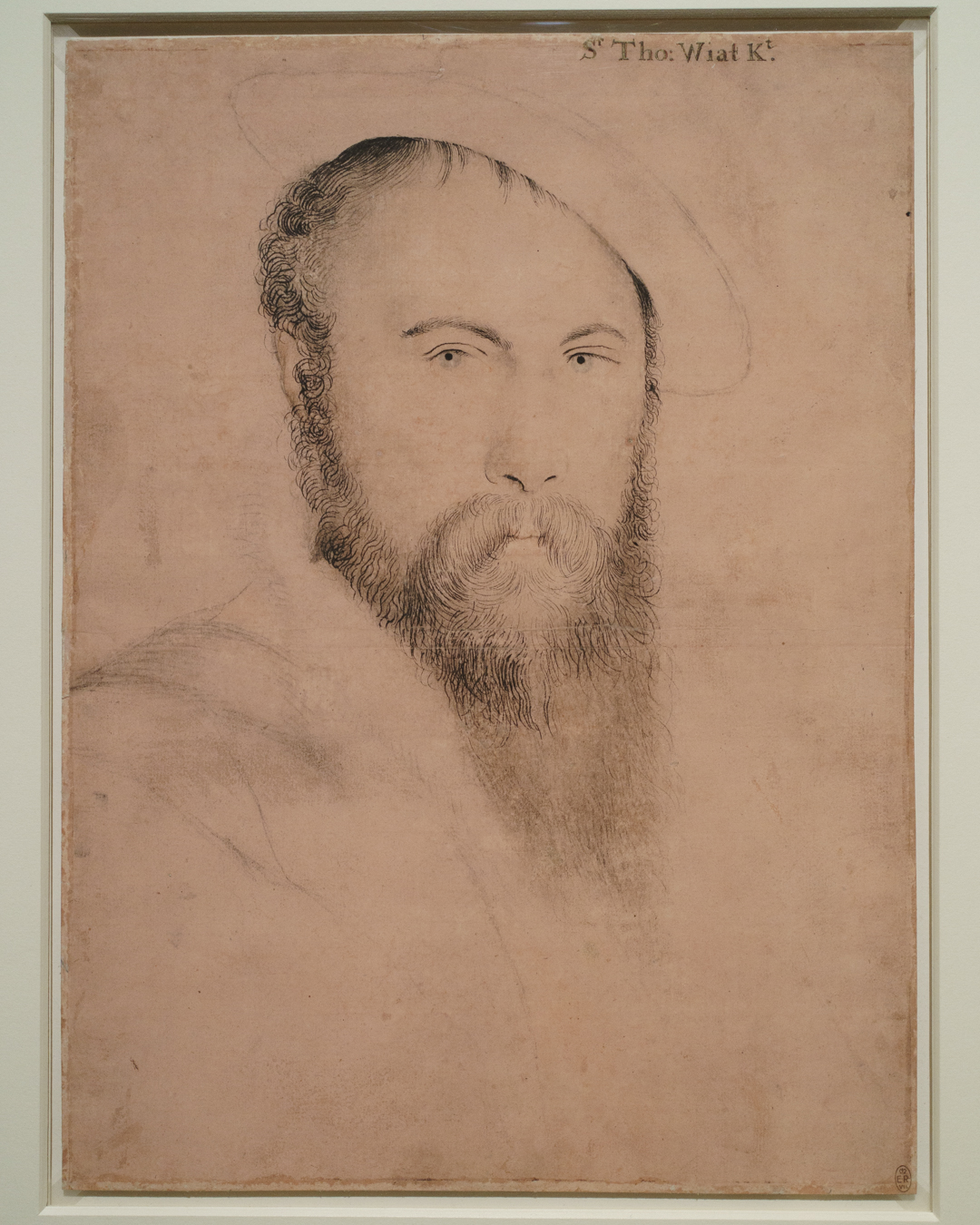
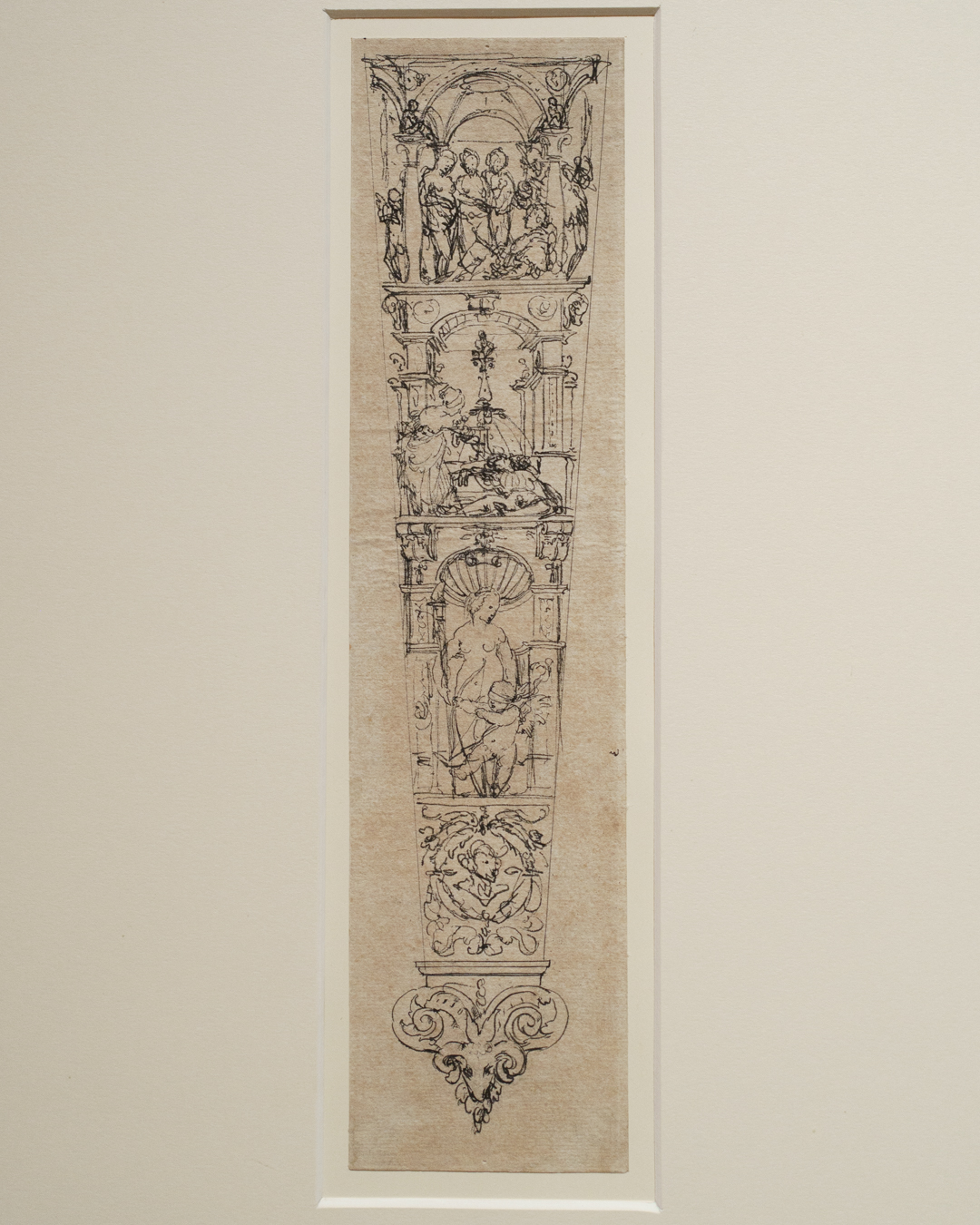
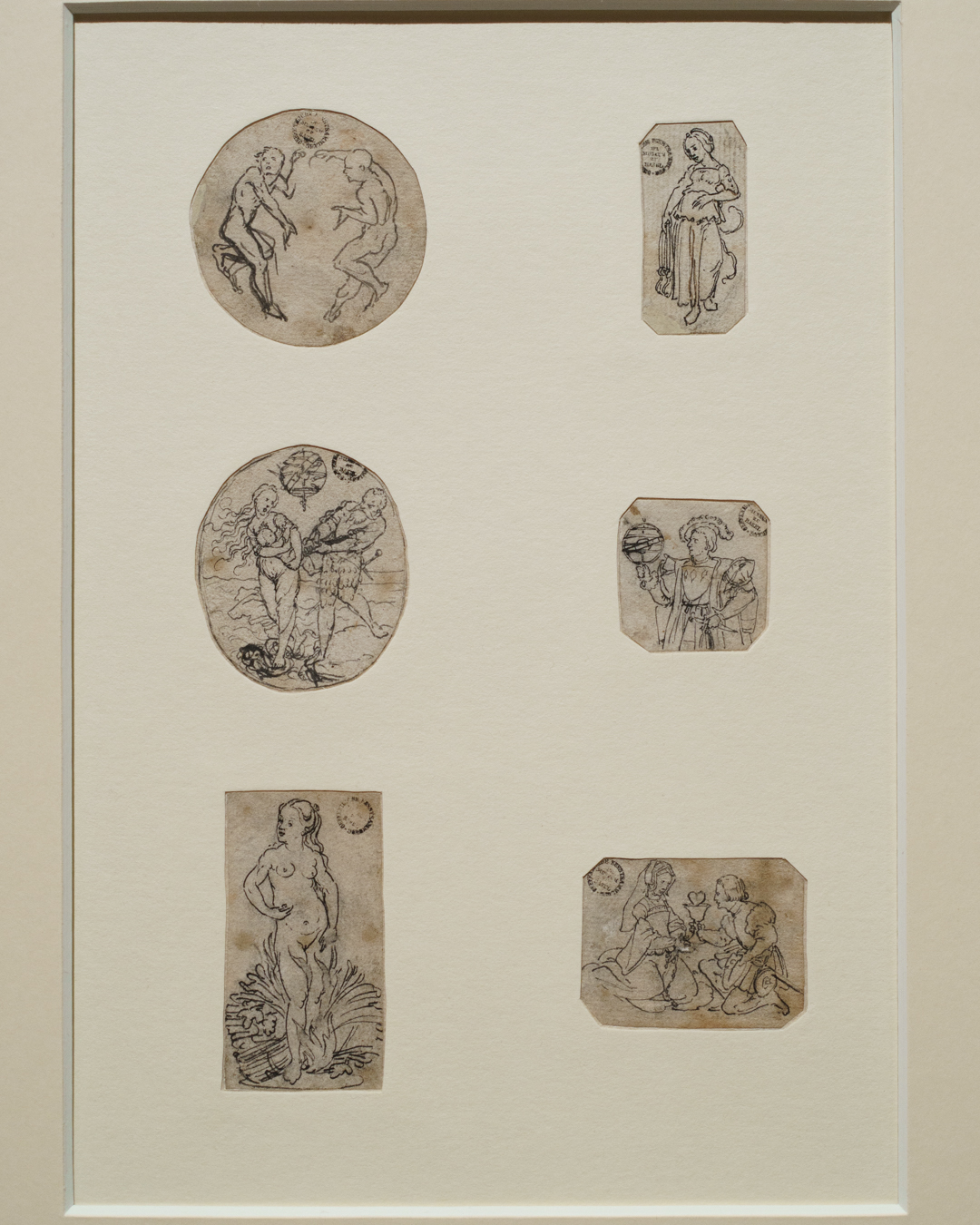
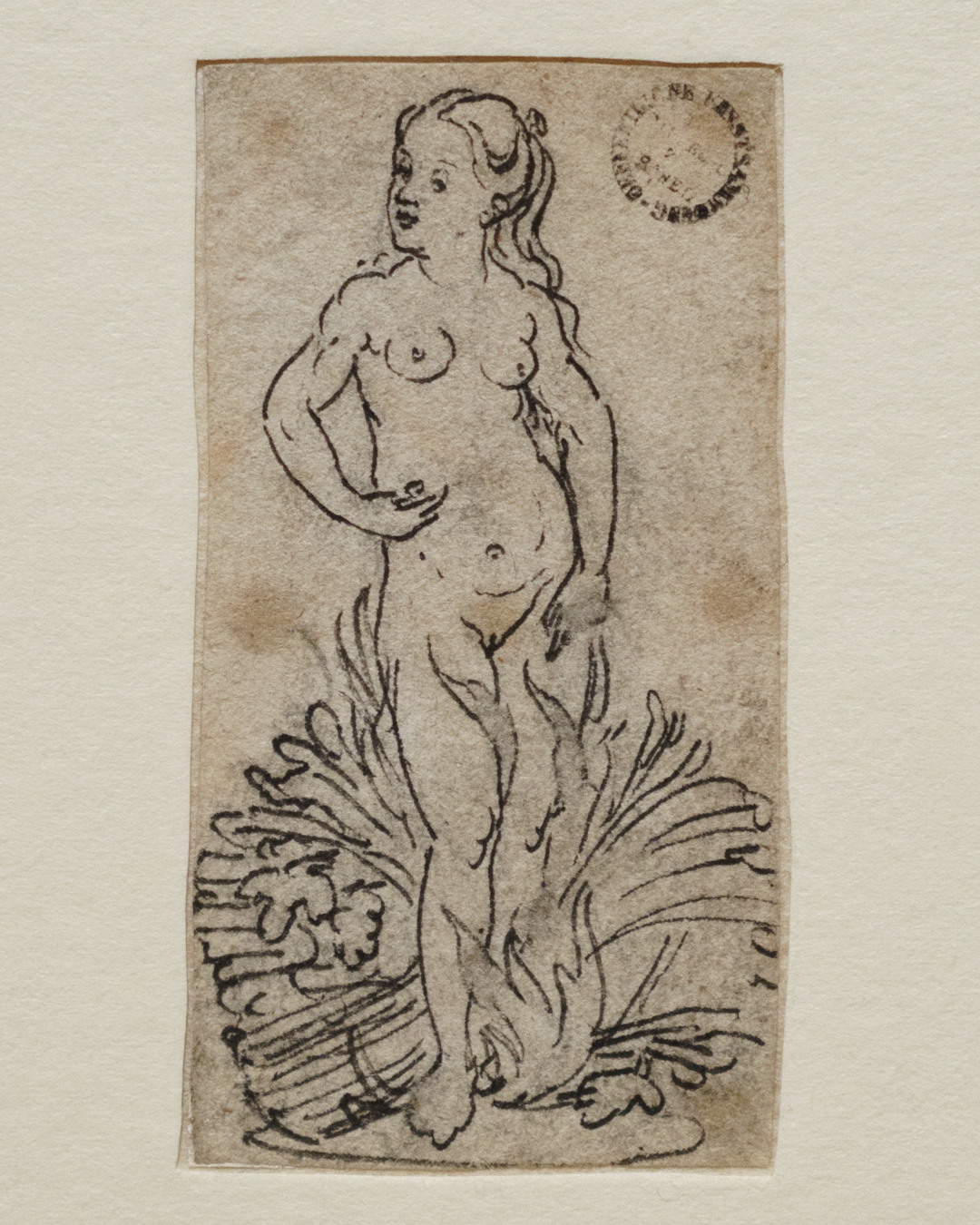
Hans Holbein the Younger comes into this as a designer of metalwork and jewellery, as well as court portraitist. As a result, we are shown an incredible array of allegorically complex sketches – some absolutely tiny – for a dagger sheath, pendants, table fountain, cup, and ciphers to be used on jewels.








The expectation-vs-reality approach to this curatorial endeavour is very well managed, offering a genuinely valuable understanding of the myth-making mechanisms influencing our perception of the lives of our infamous queens, while not making it feel like a cheap gimmick geared towards attracting visitor numbers. It’s a high-risk strategy, but in this case it actually works.
Six Lives: The Stories of Henry VIII’s Queens runs from 20 June to 8 September 2024 at the National Portrait Gallery, London, https://www.npg.org.uk/

 Nigel Ip
Leave a comment