
Honestly, I feel out of my depths in trying to review The Time Is Always Now properly. Keeping up with the infinitismal artistic discussions regarding the African diaspora is a challenge that will keep haunting me, I’m sure. And so, this is going to be more of a commentary than an intellectually-grounded review.
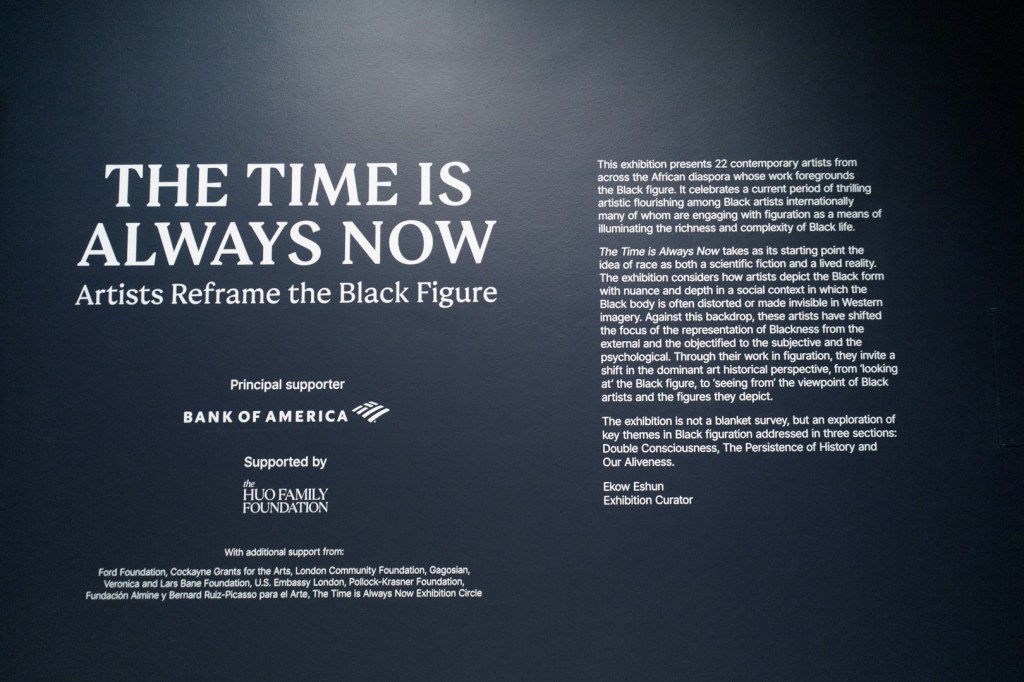

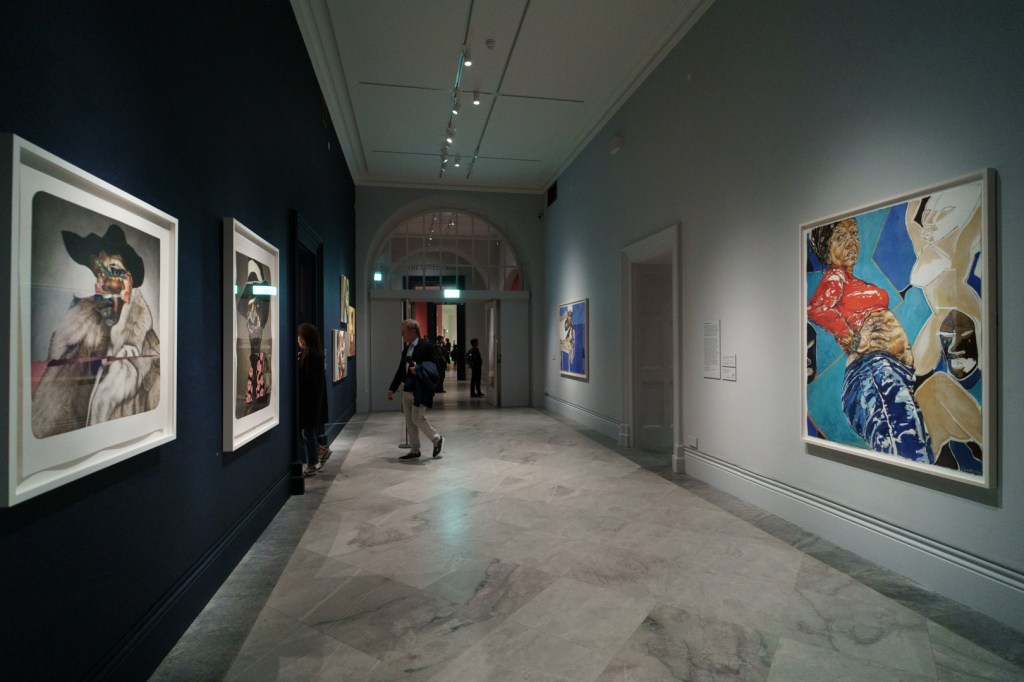
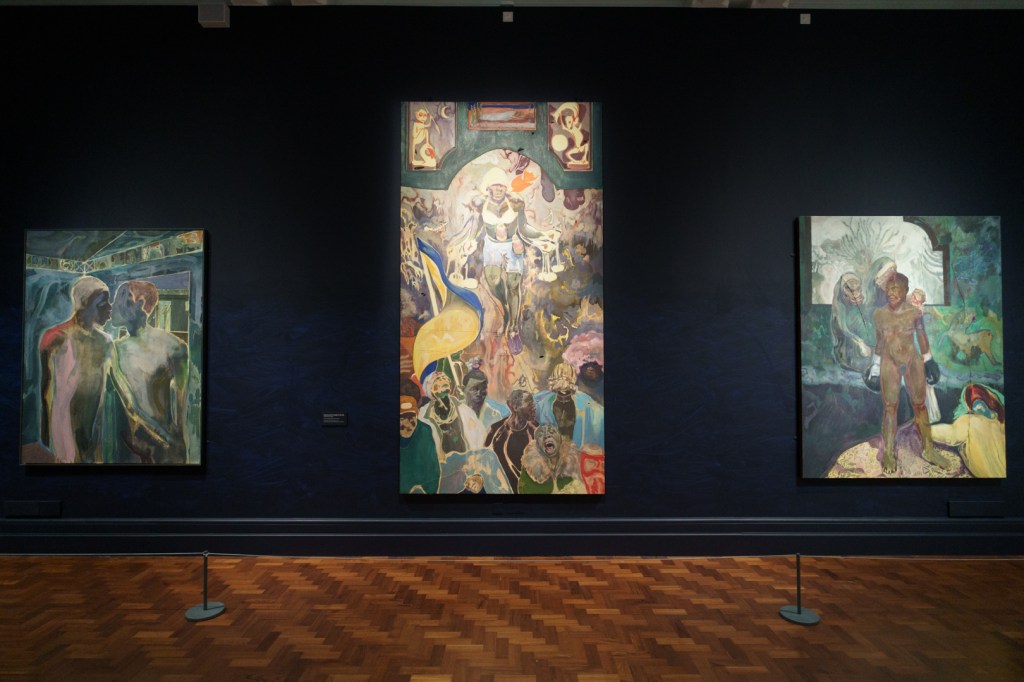
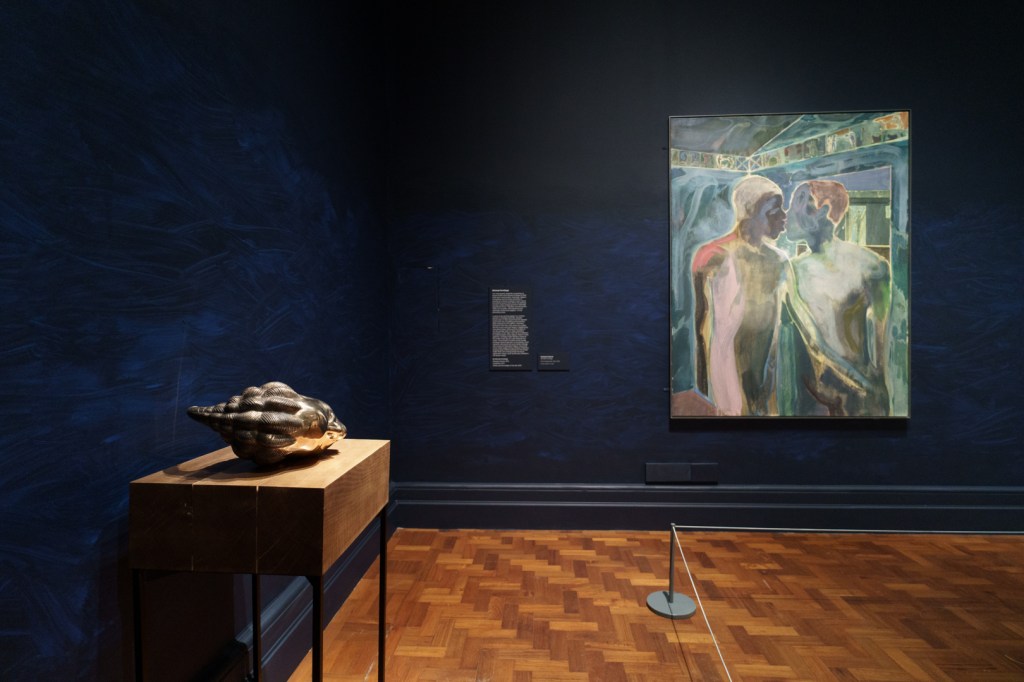

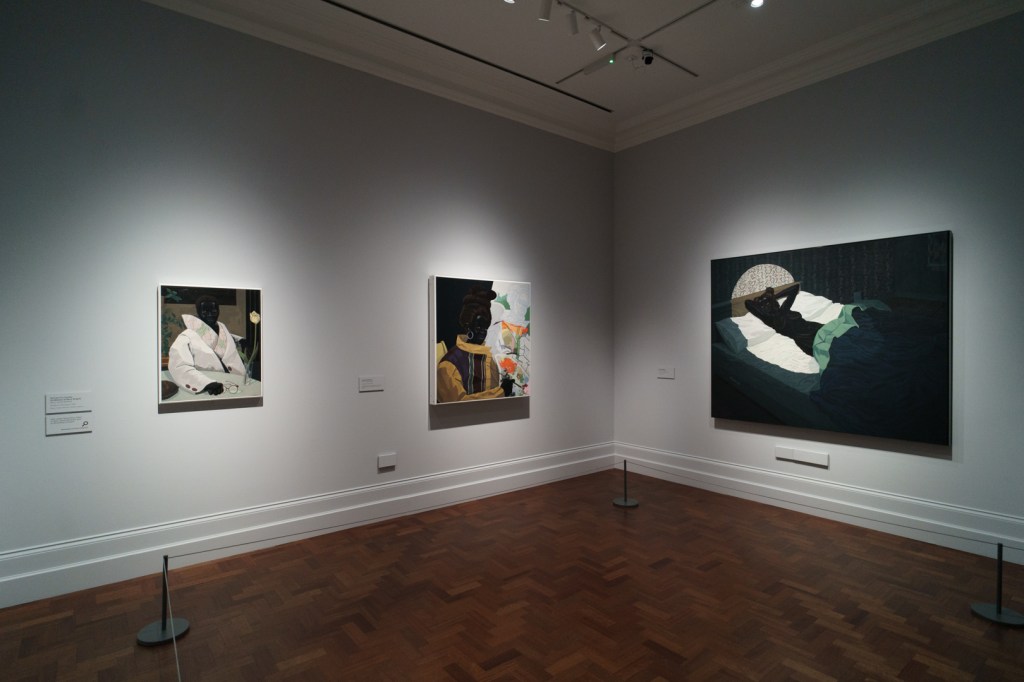


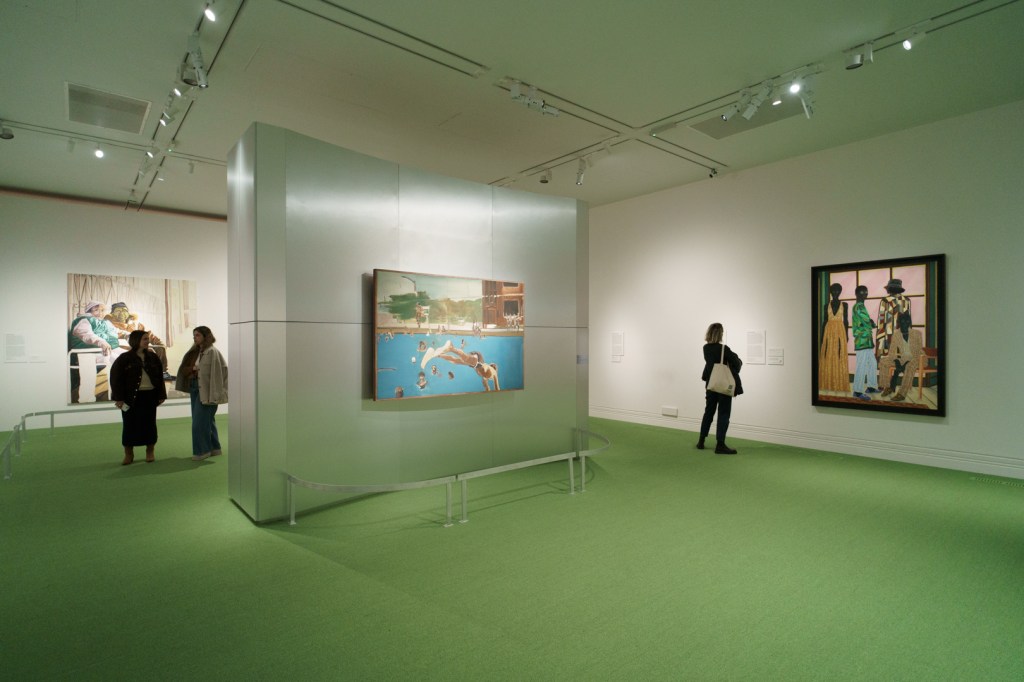


The National Portrait Gallery’s exhibition is a surprisingly light show featuring 22 contemporary artists exploring the Black figure in art, discussing themes of identity, perception, presence/absence, memorialisation, and community. Thomas J. Price’s large sculpture at the beginning of the corridor is a strong starting piece that celebrates the Black community.


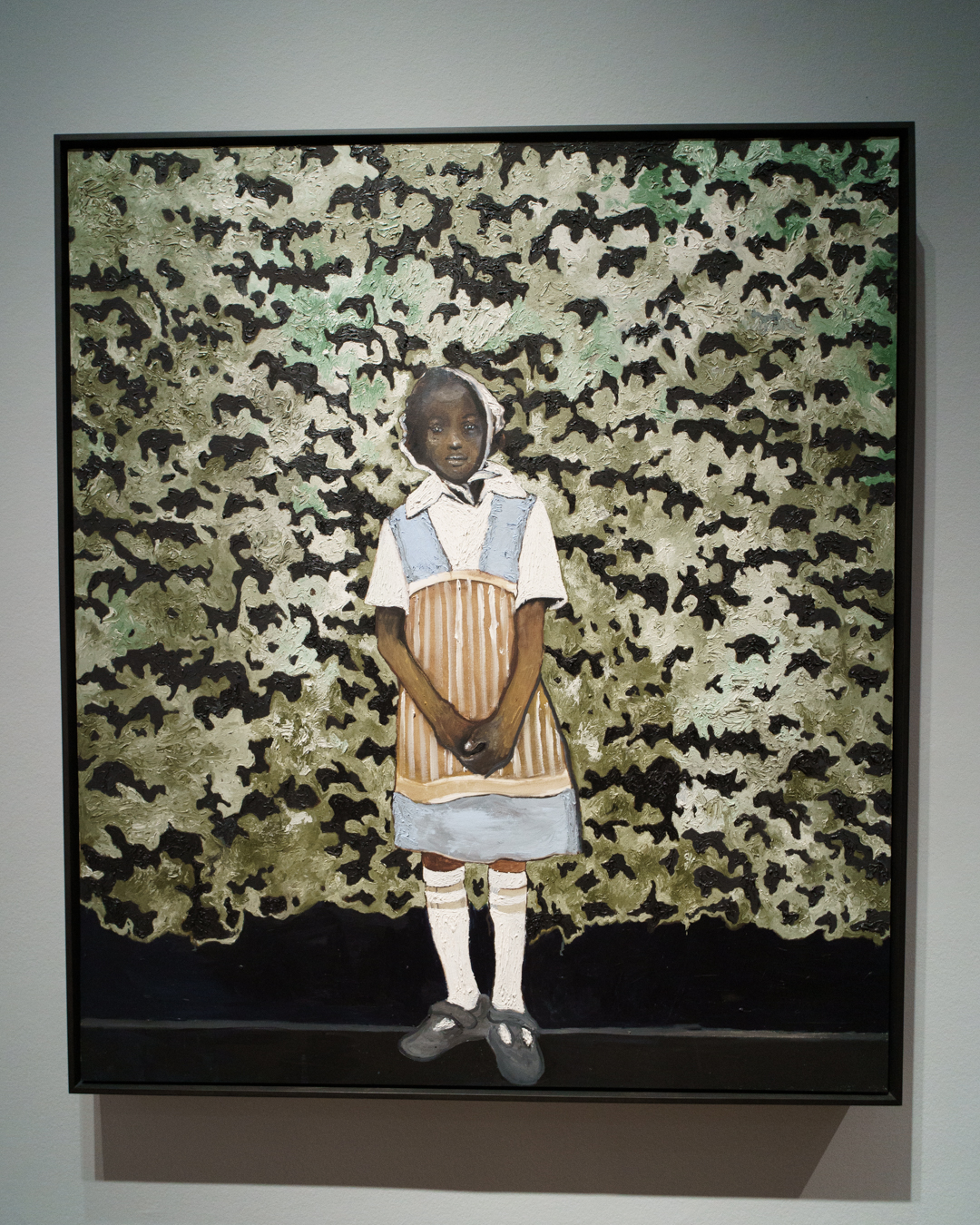


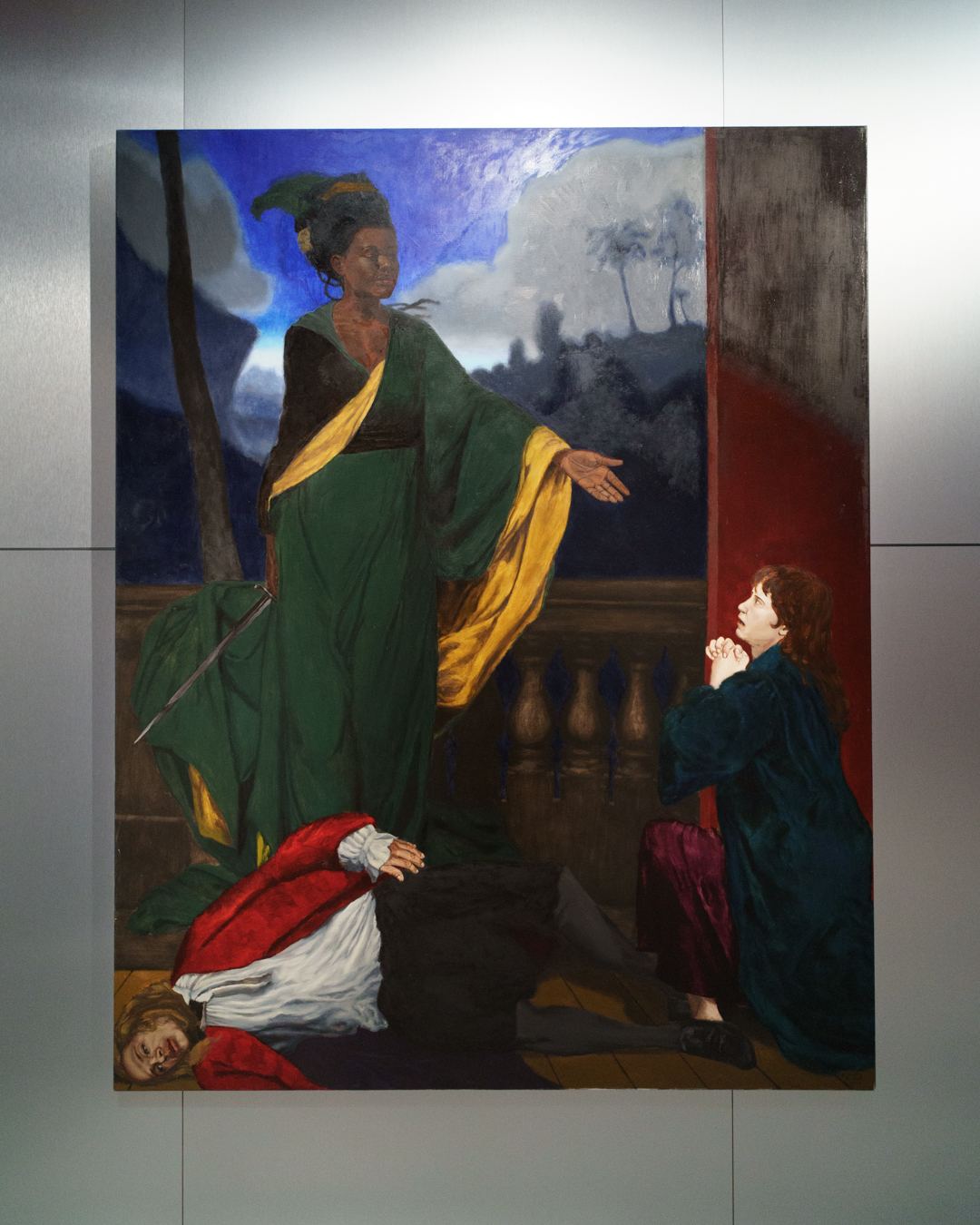
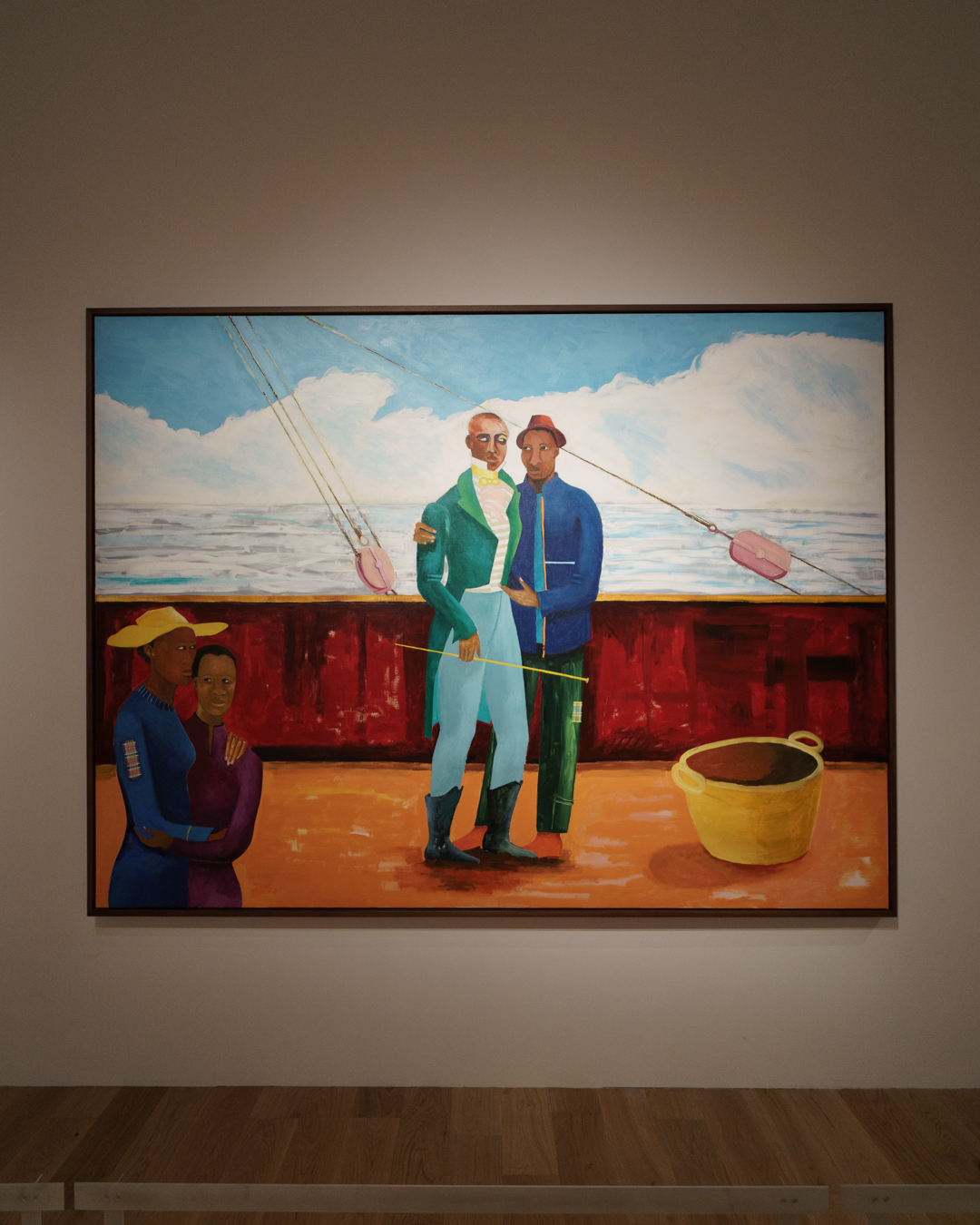

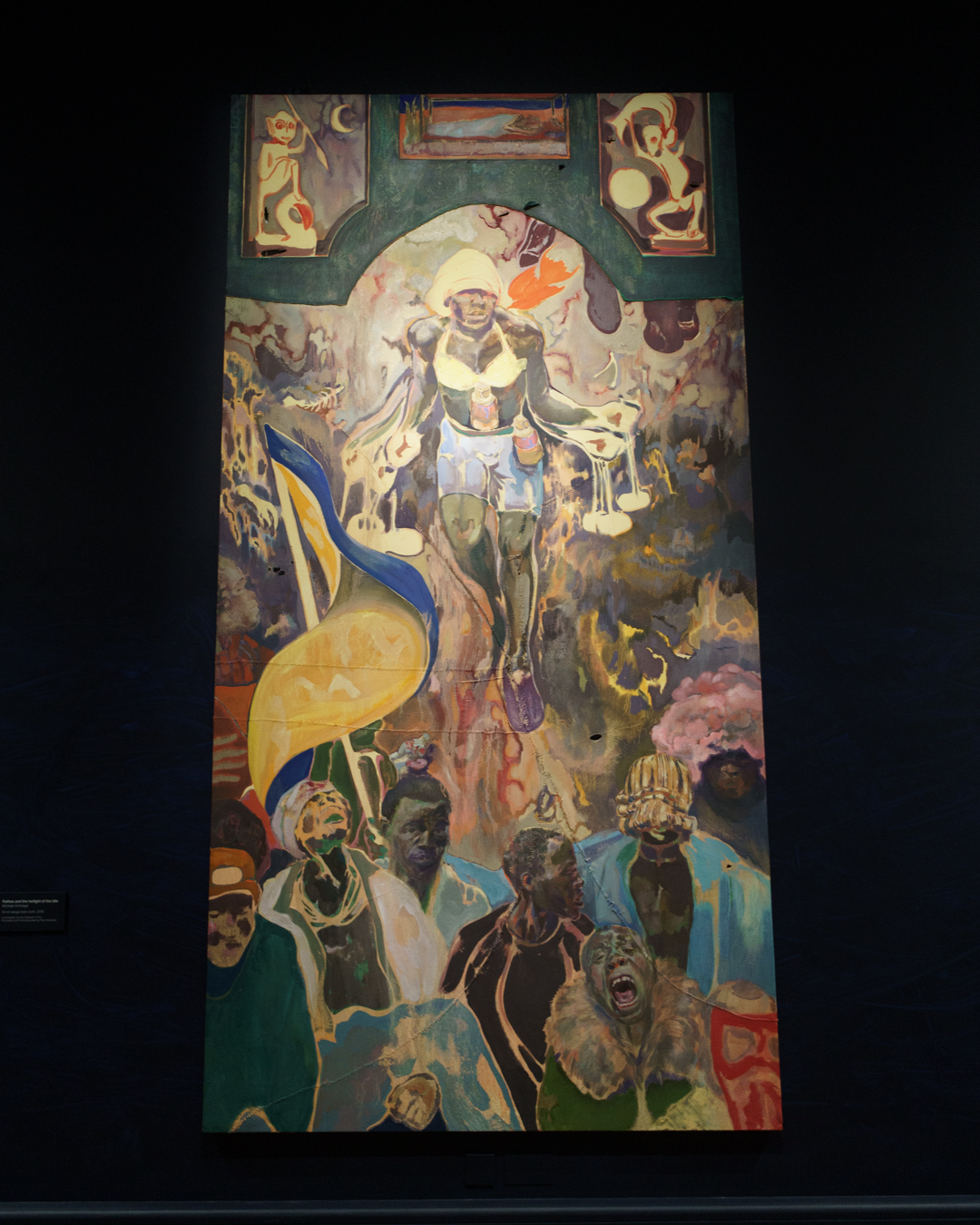
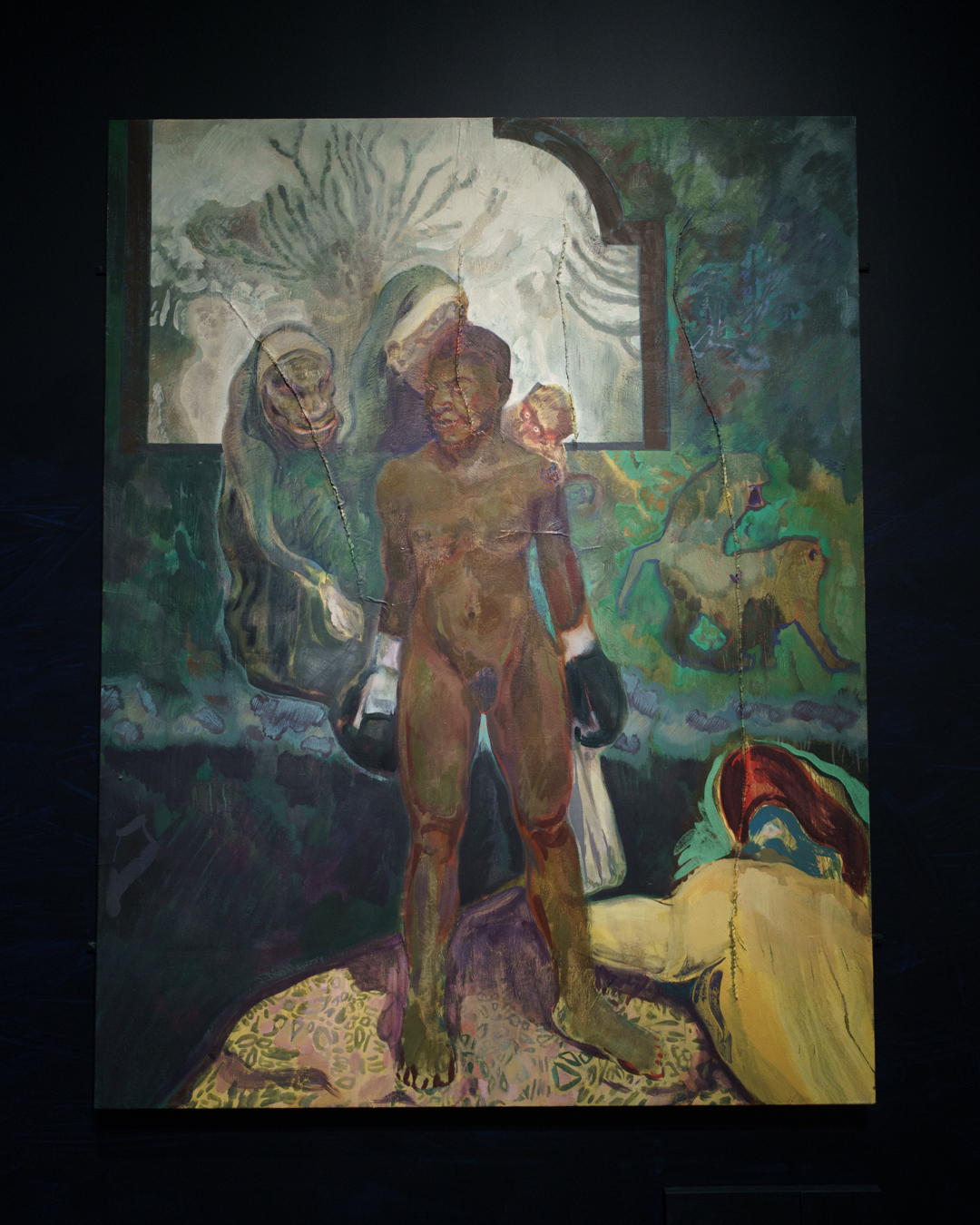
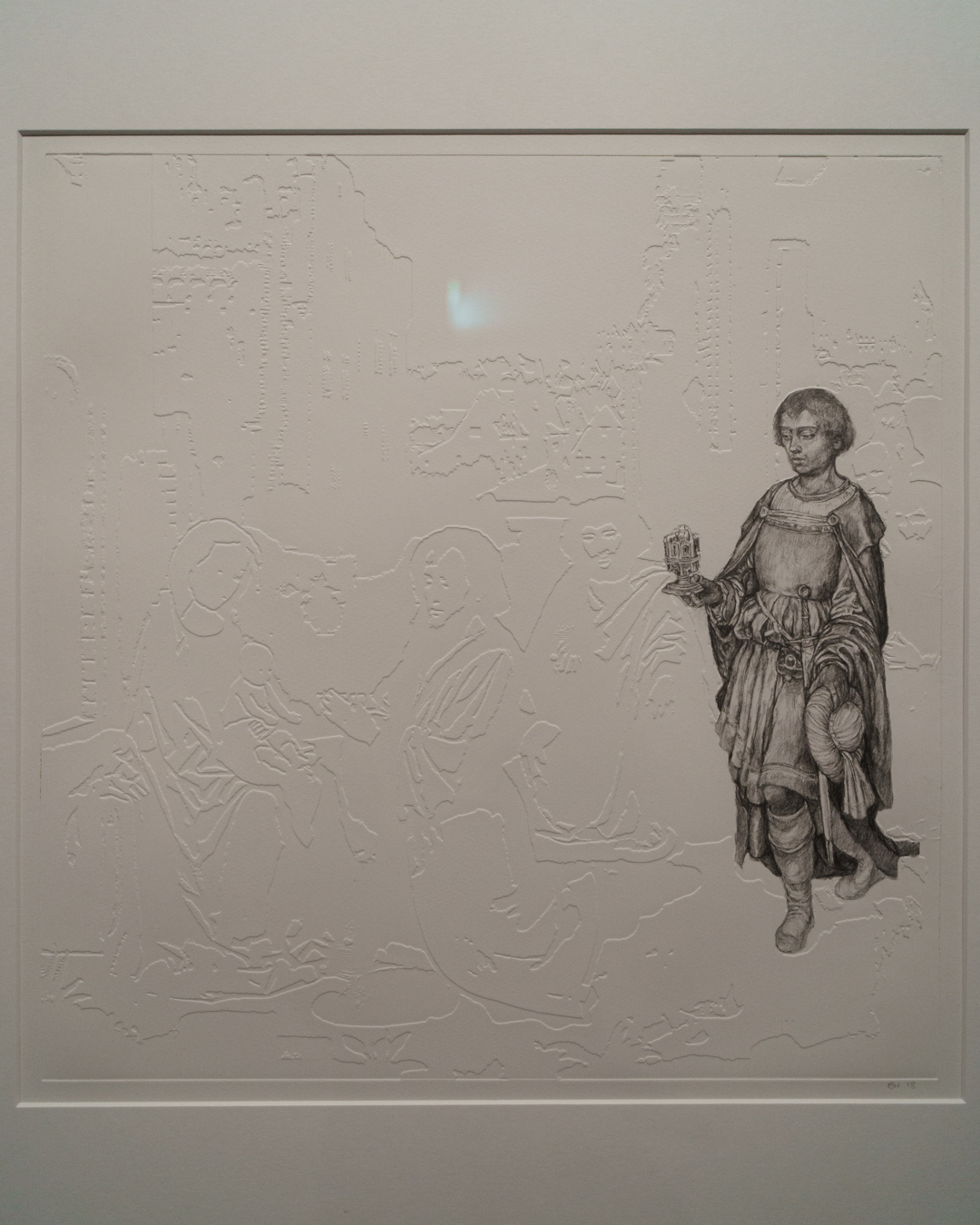
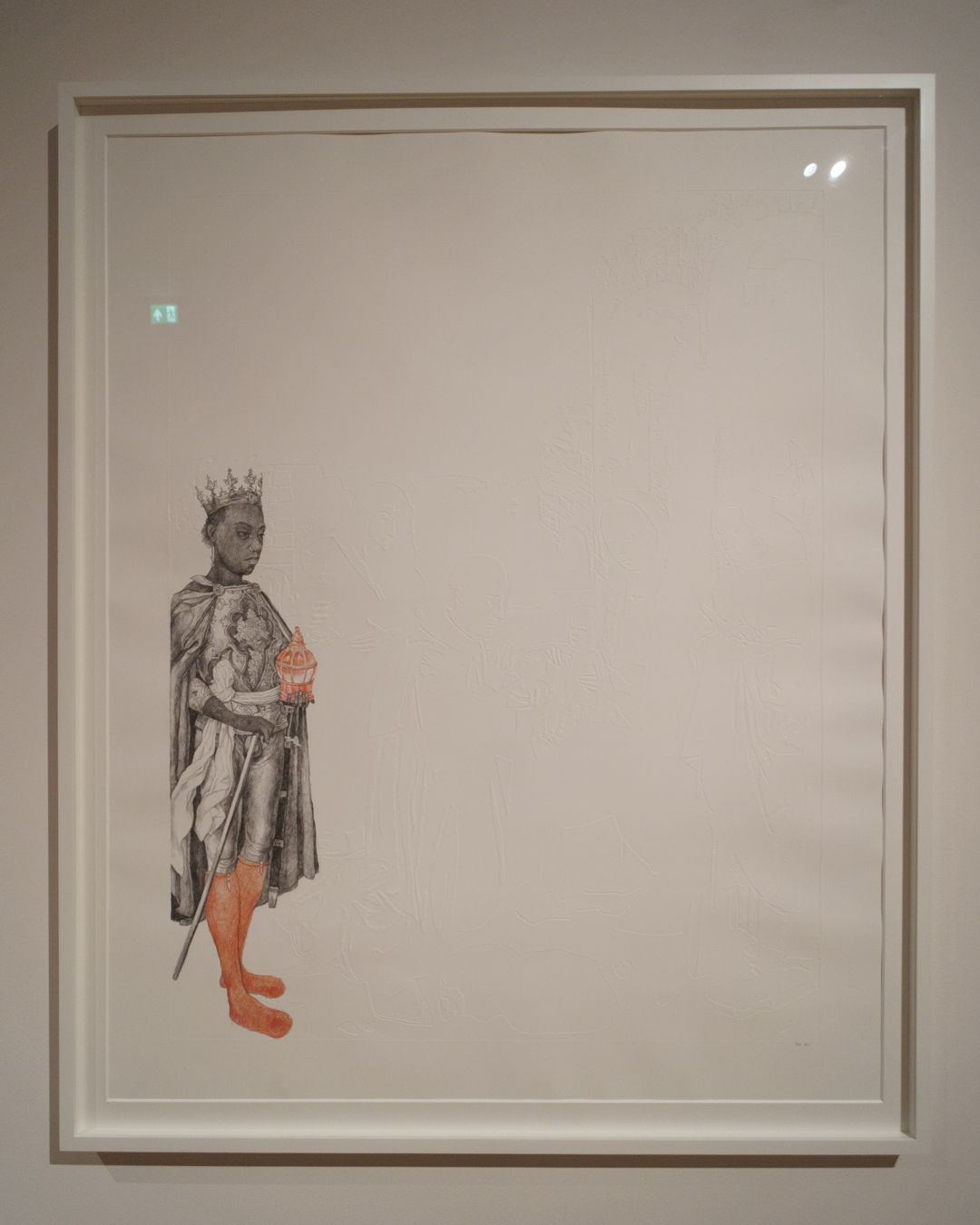
Many familiar artists are represented. Claudette Johnson’s large pastel and gouache portraits are bold and impressive; Michael Armitage’s paintings on Lubugo bark cloth instantly iconic; Barbara Walker’s Vanishing Point series timeless and thought-provoking. There’s even a whole room devoted to Kerry James Marshall’s works that establish dialogues with the Western pictorial tradition. Meanwhile, Wangechi Mutu’s cast-bronze Dreamer unexpectedly recalls a beheaded St John the Baptist while referencing the African masks that fascinated modern artists in the 20th century.







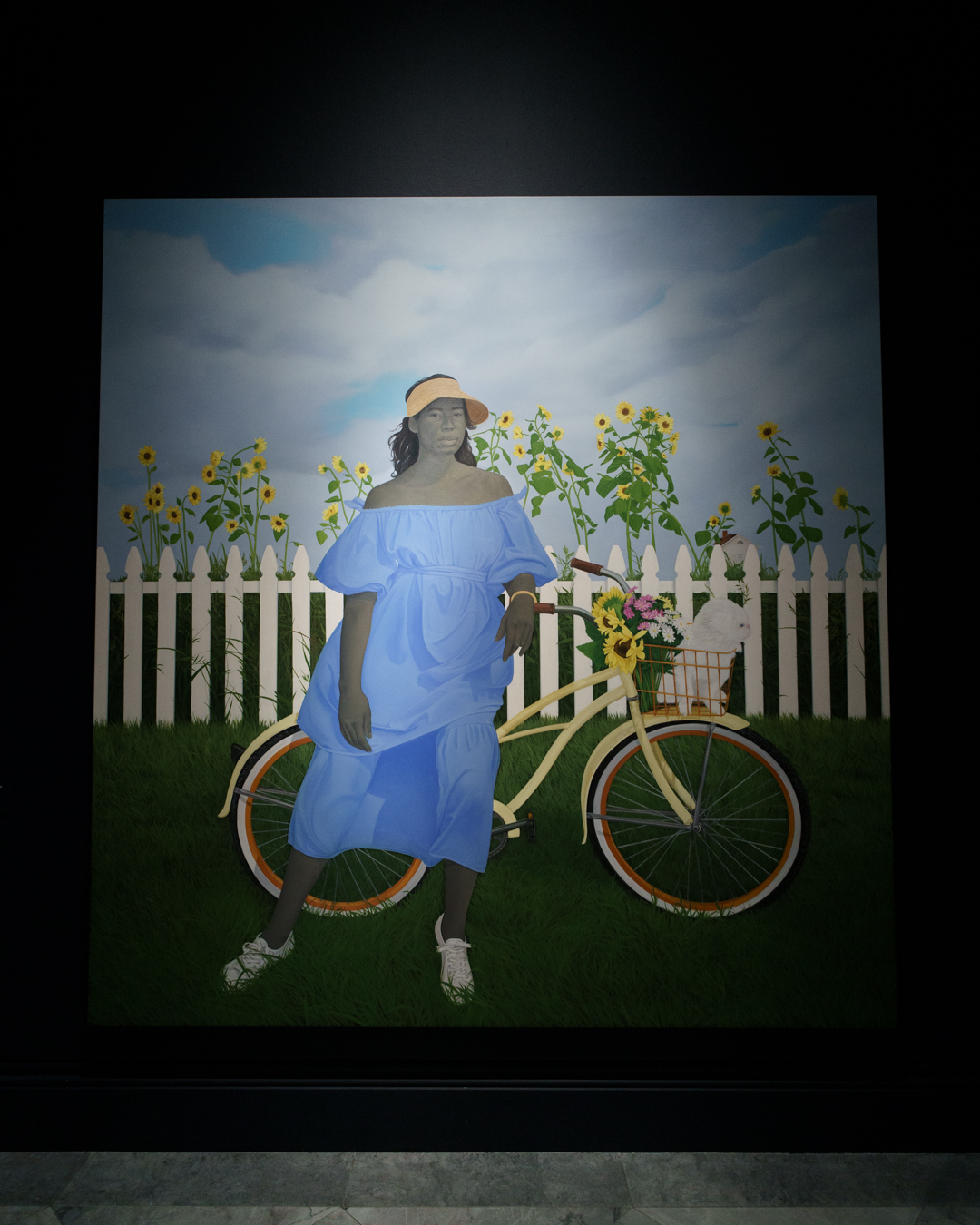
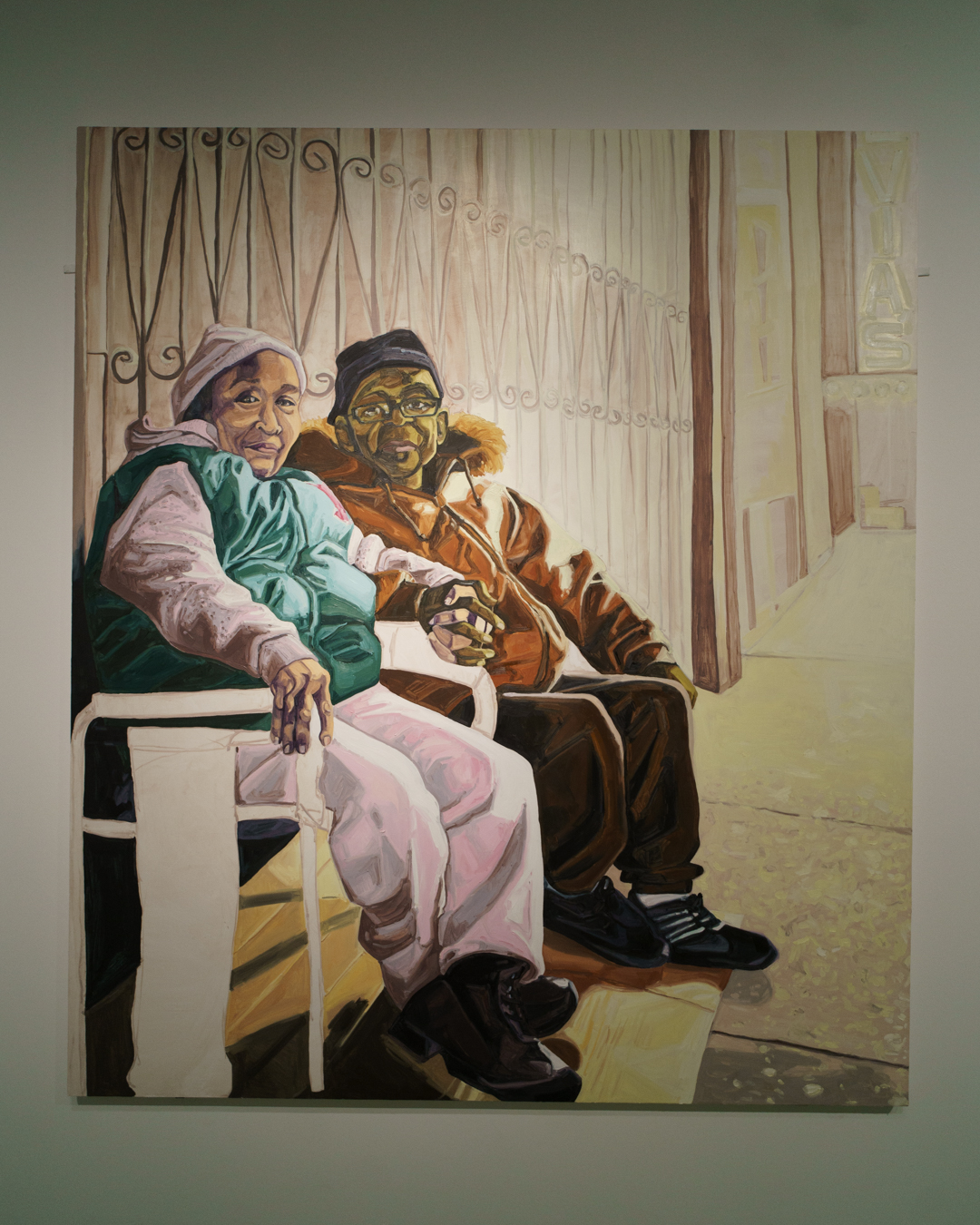
I really enjoyed Amy Sherald’s life-size, greyscale portraits with their vibrant attire; Jordan Casteel’s Yvonne and James for its sense of welcoming familiarity; and Njideka Akunyili Crosby’s Still You Bloom in This Land of No Gardens a magnificent self-portrait of the artist in her garden.




What really intrigued me, however, was the exhibition design in the last three rooms. While the early rooms looked like your typical gallery space, the later ones employed industrialist, curved metal barriers and even AstroTurf in the final room, which played off some of the paintings’ botanical elements but also their balance of domestic and public spaces.


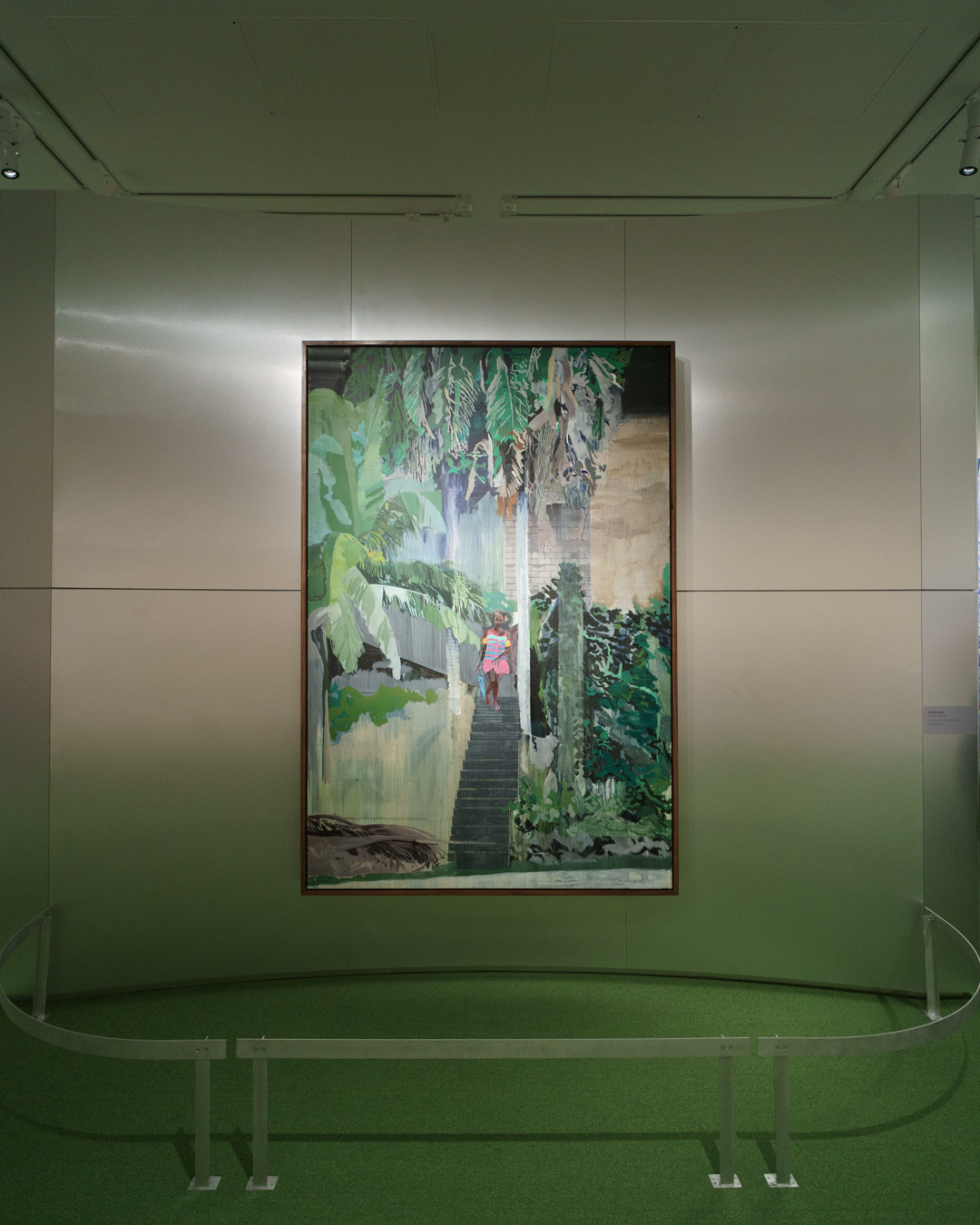


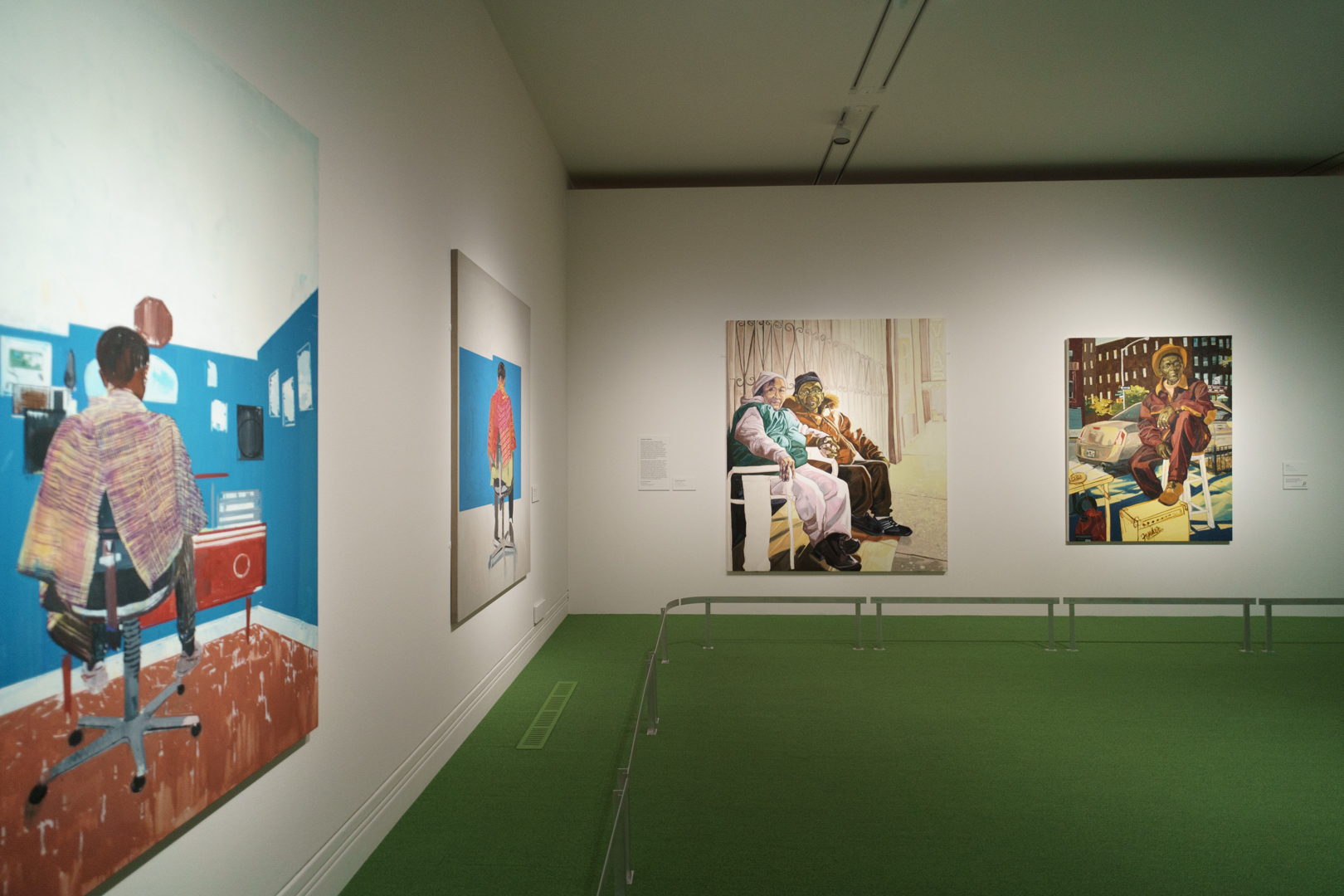


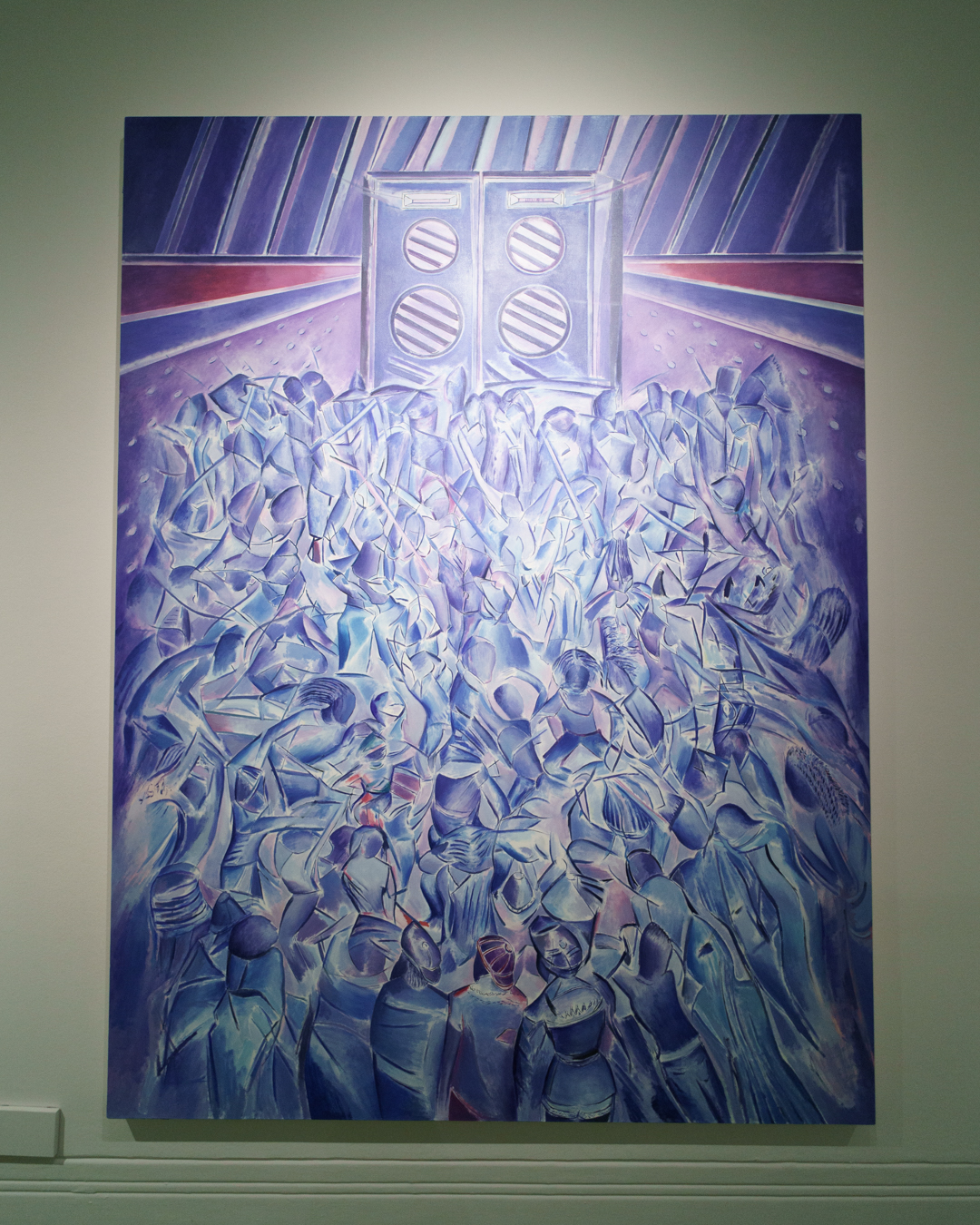
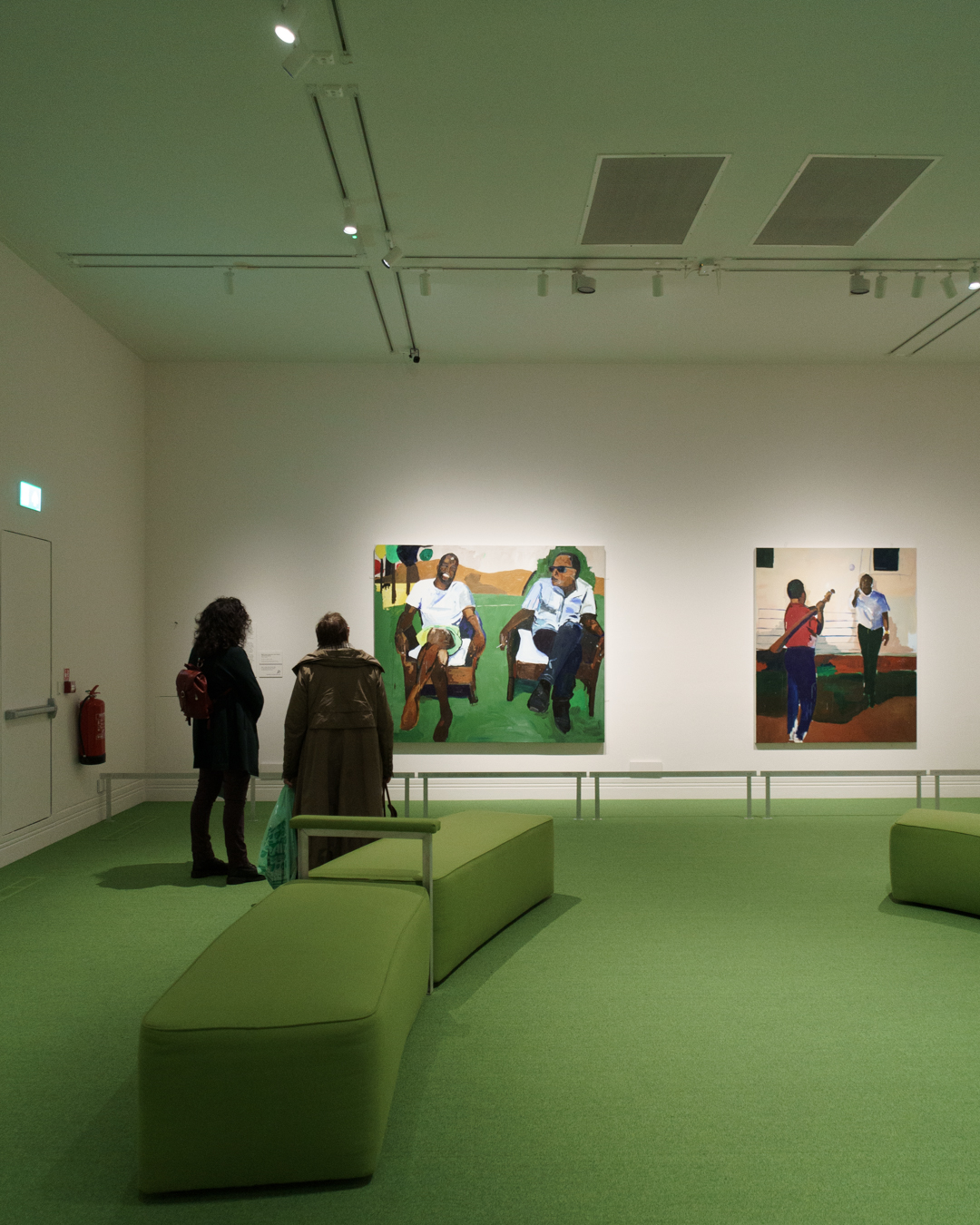
This sudden change of scenery, according to the press release, is supposed to invite visitors ‘to gather together, interacting with each other and the artworks around them by sitting within a specially constructed structure at the centre of the space’; no one really did that when I visited.
Overall, this lovely show manages to strike an enjoyable balance between celebrating the Black community and introducing important discussions about racialised history and socio-politics. I like it a lot.
The Time is Always Now: Artists Reframe the Black Figure runs from 22 February to 19 May 2024 at the National Portrait Gallery, London, https://www.npg.org.uk/
The exhibition will tour to The Box, Plymouth (29 June – 29 September 2024) and then to the USA.

 Nigel Ip
Leave a comment