
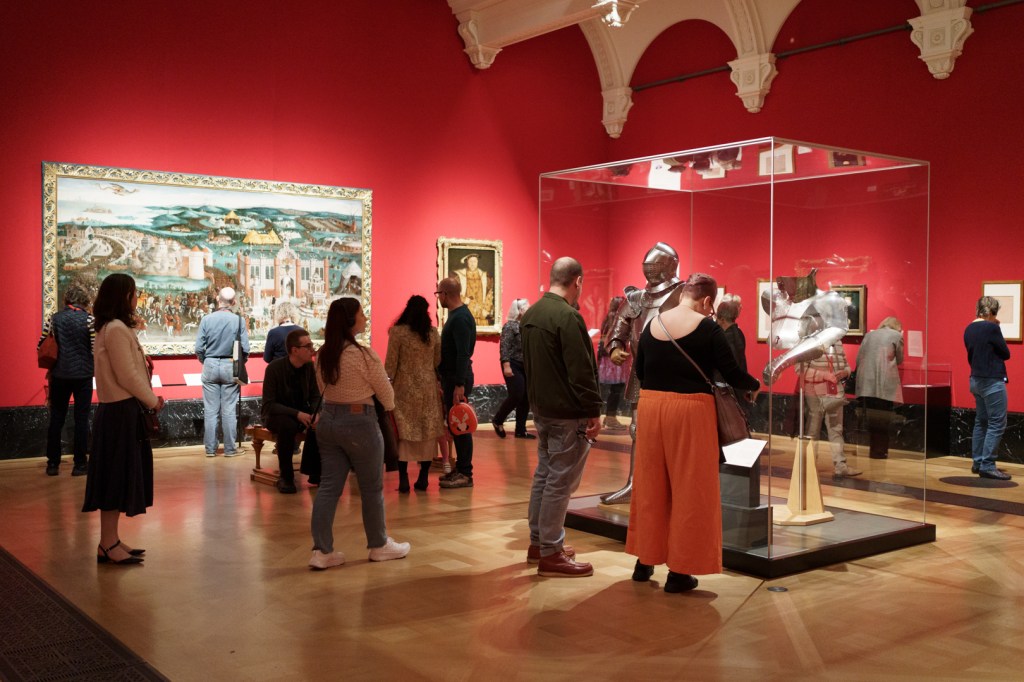
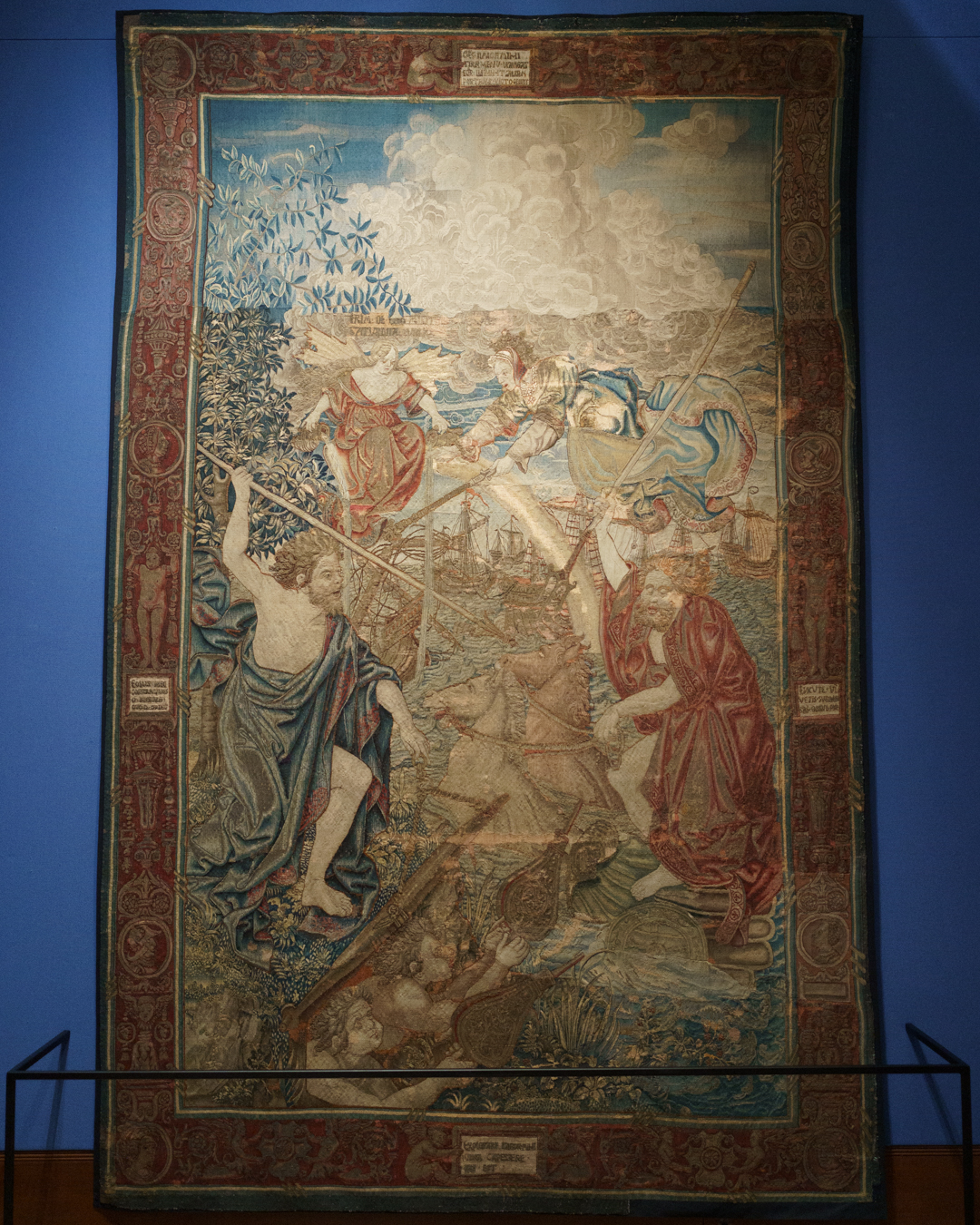
The recent Holbein exhibition at the Queen’s Gallery was a splendid opportunity to view the rarely-seen portrait drawings of Hans Holbein the Younger, a select portion of 80 held in the Royal Collection at Windsor. With a wide cast of patrons and royalty, the exhibition sought to immerse us in the novelties of the Tudor Court with additional paintings, sculpture, armoury, and even a tapestry.

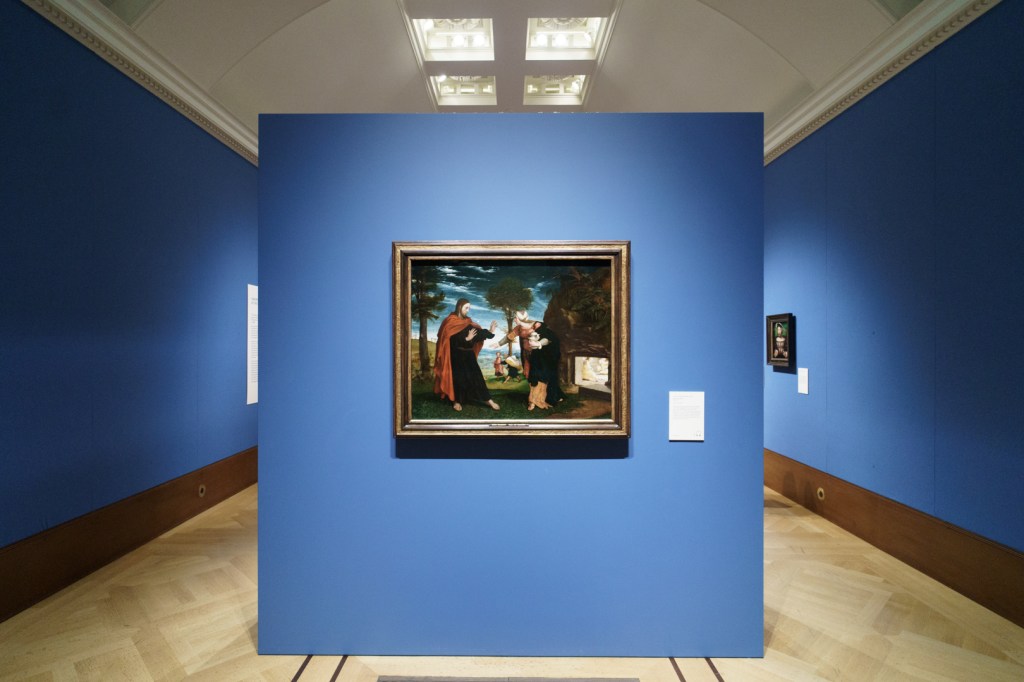


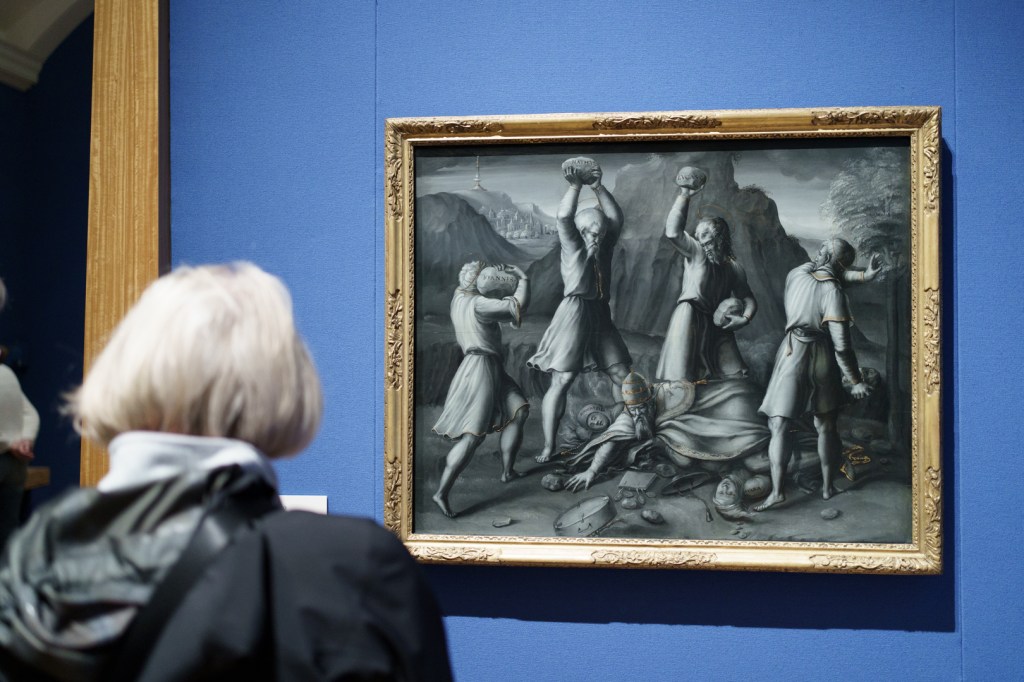

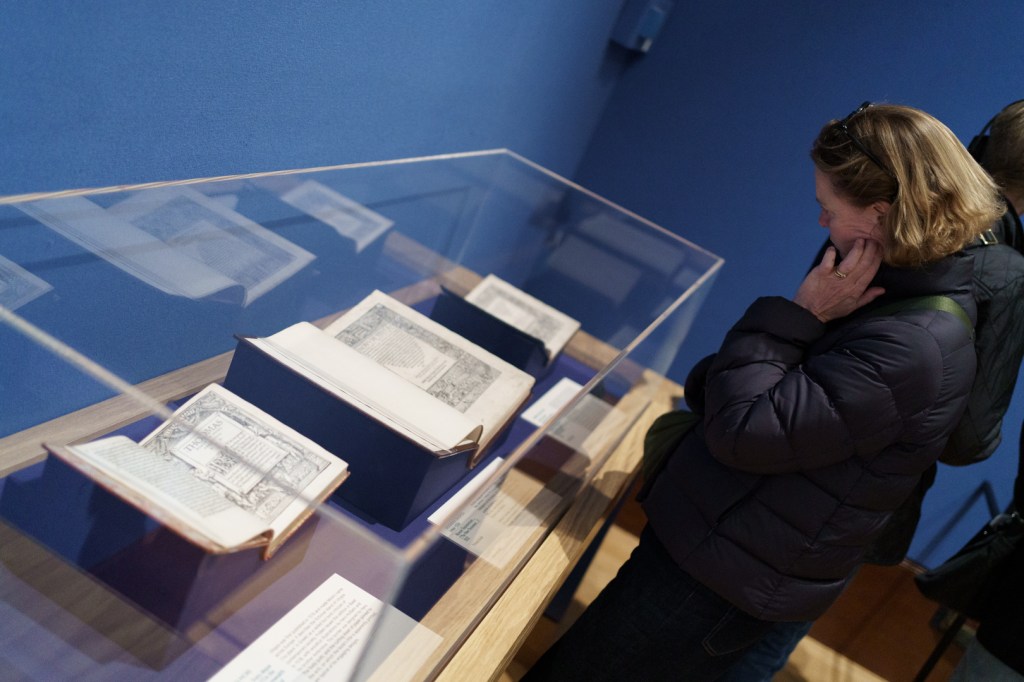
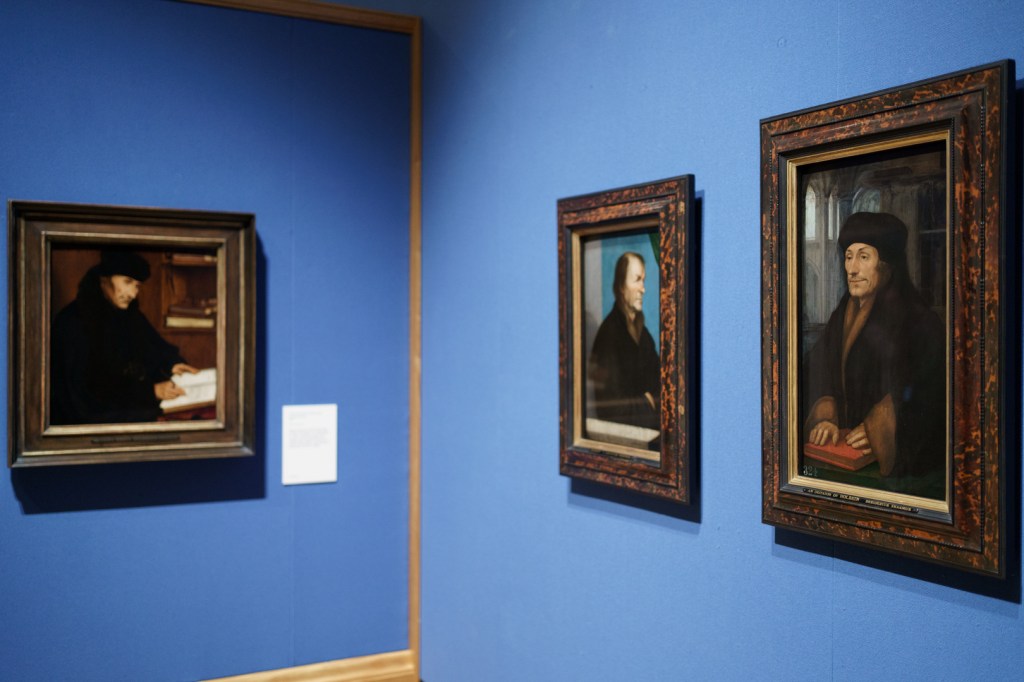


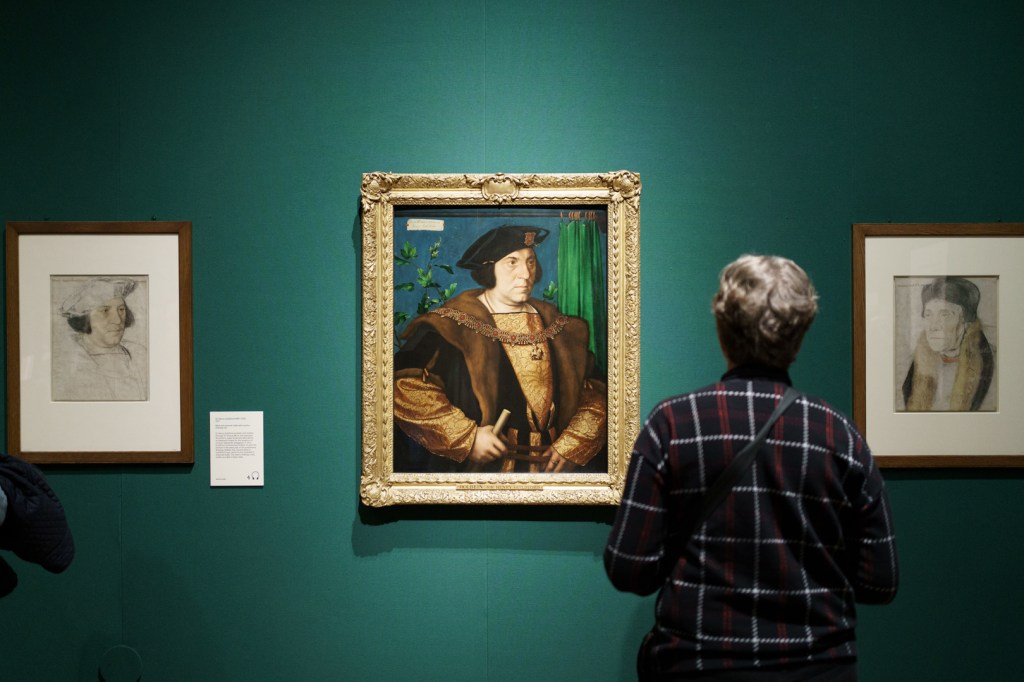
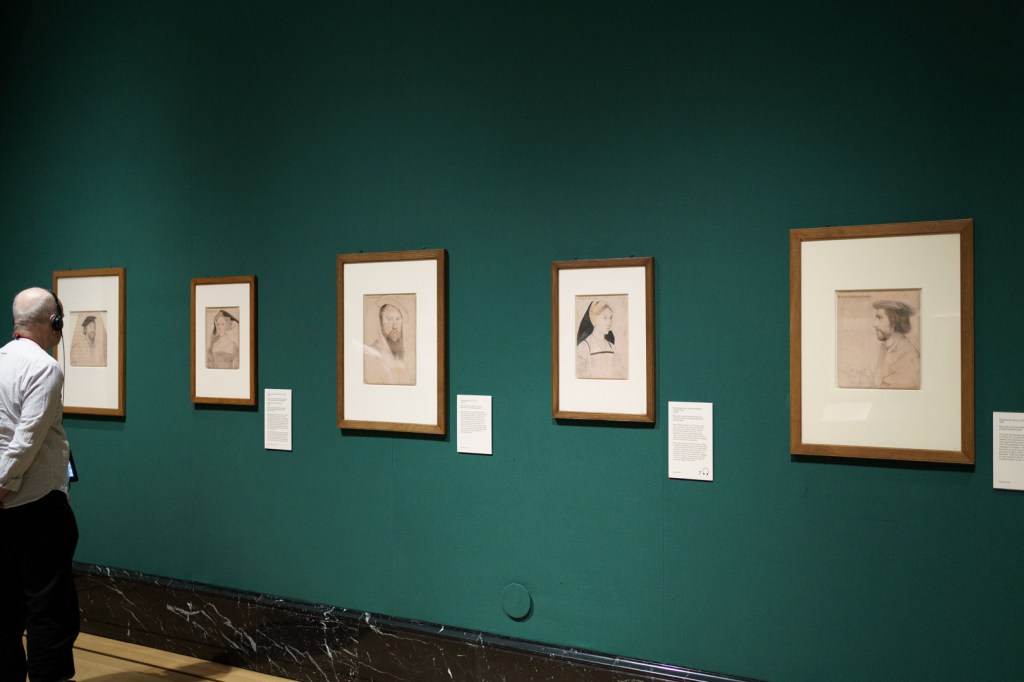


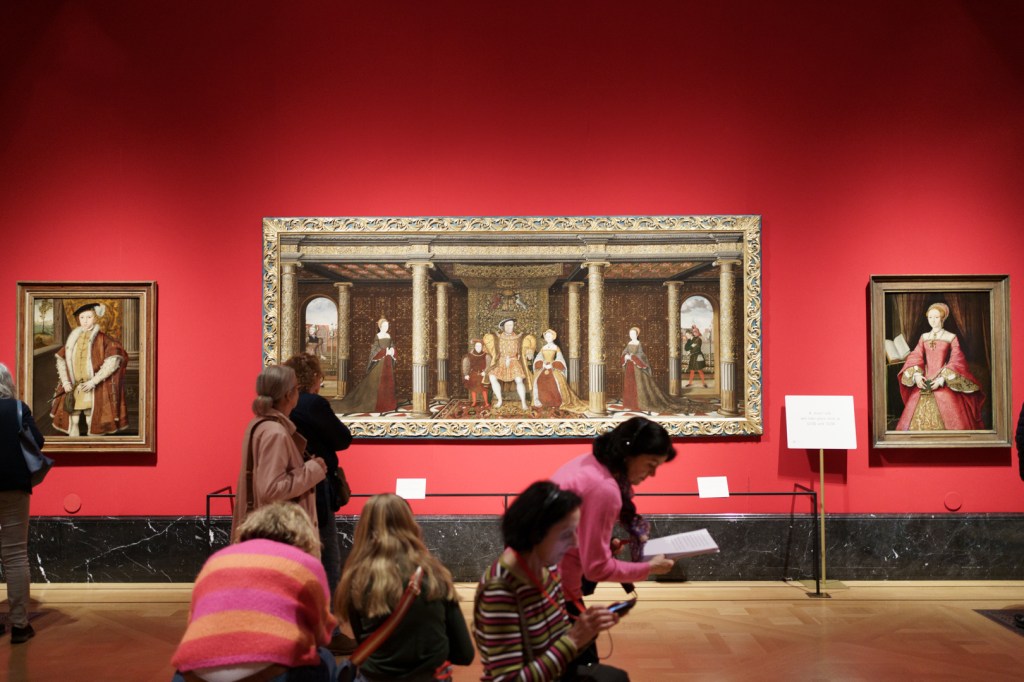
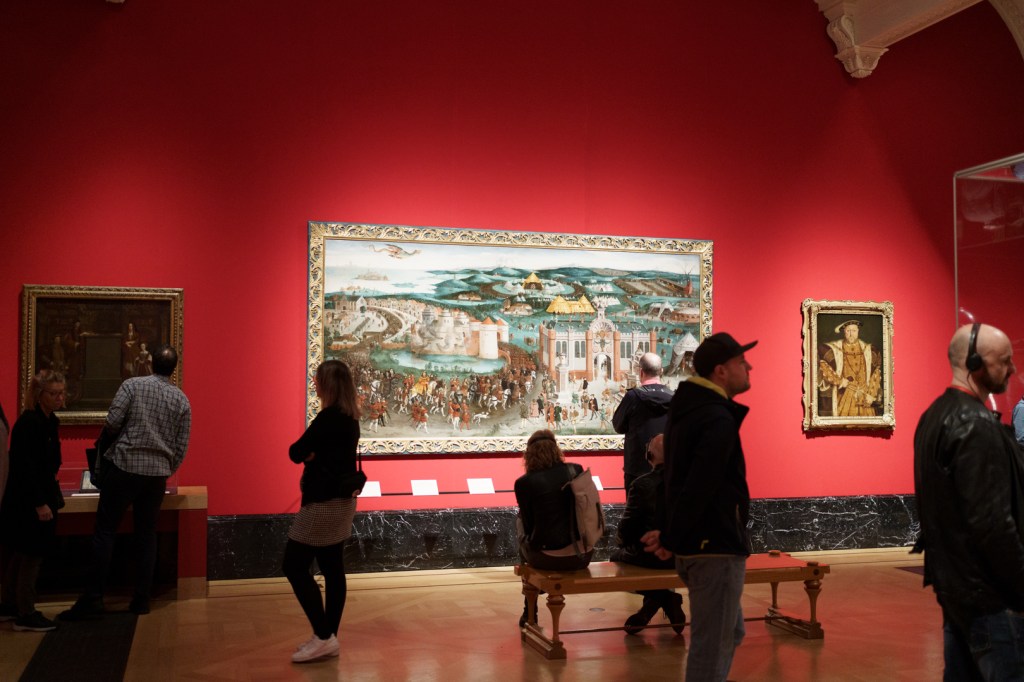
Despite containing several rare masterpieces, I felt the first room was largely forgettable. Perhaps this speaks to the state of English portraiture up to and including the reign of Henry VII, or my own bias against it; it just has a generic lifeless quality to it lifted from devotional donor portraits and antique coins.
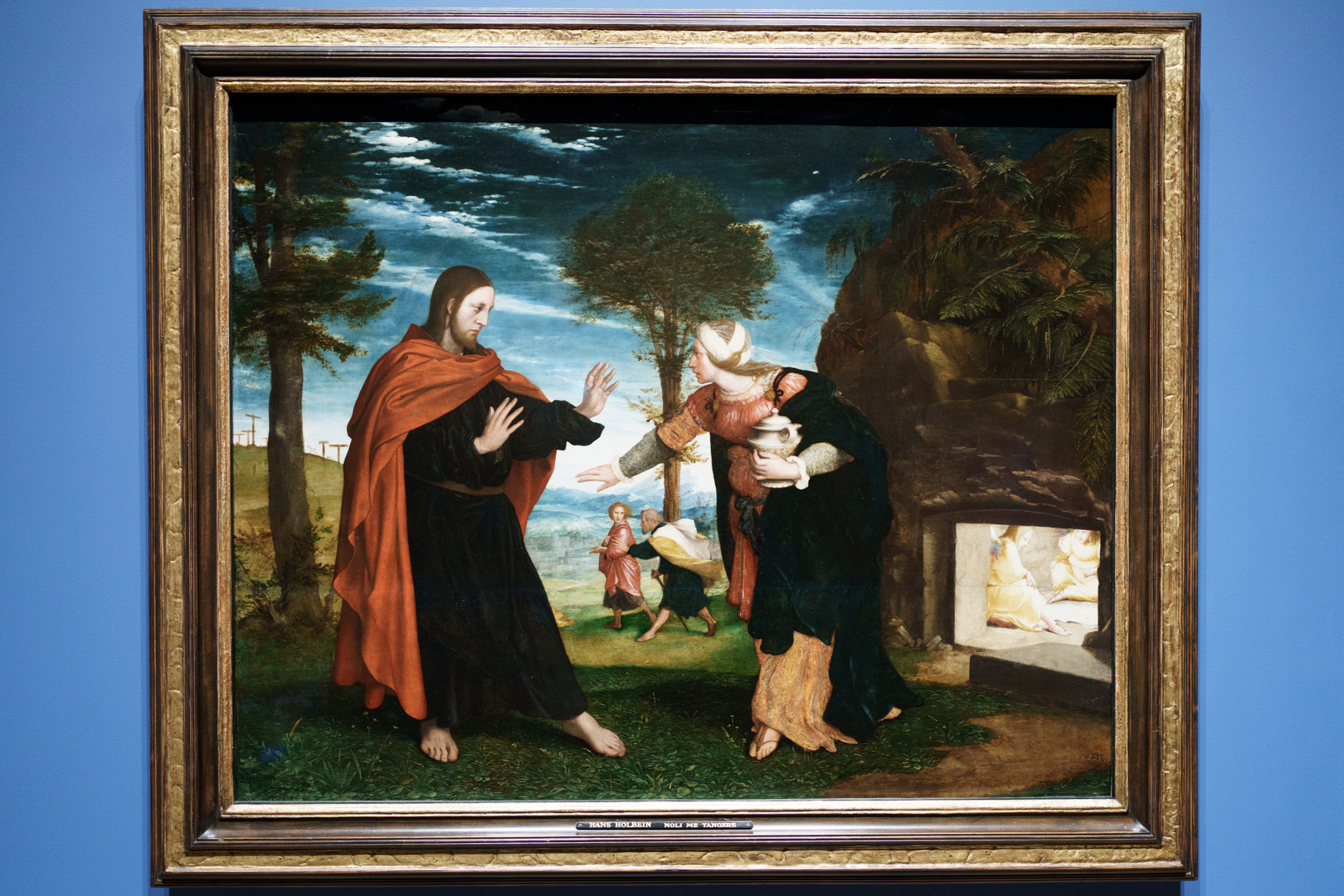
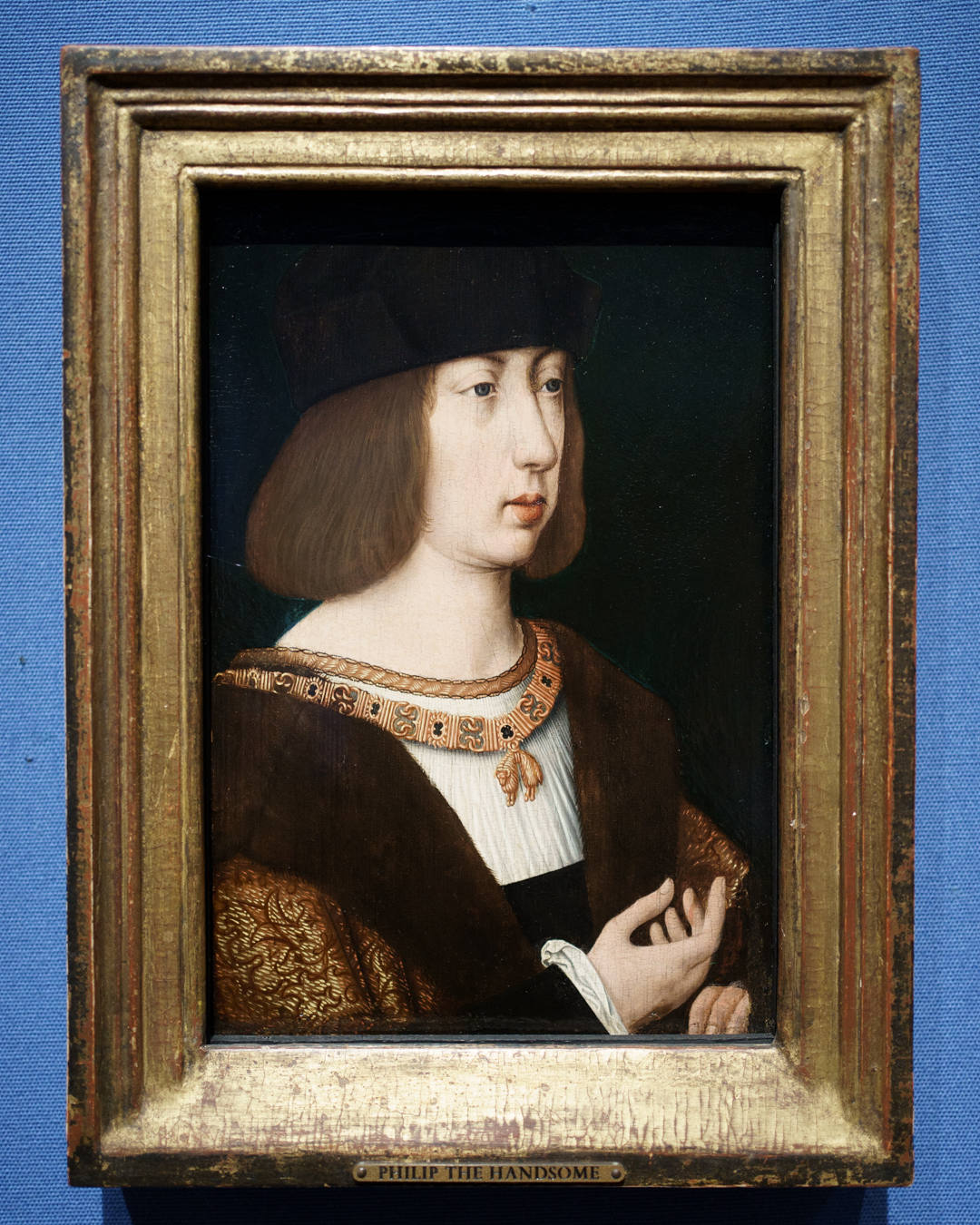
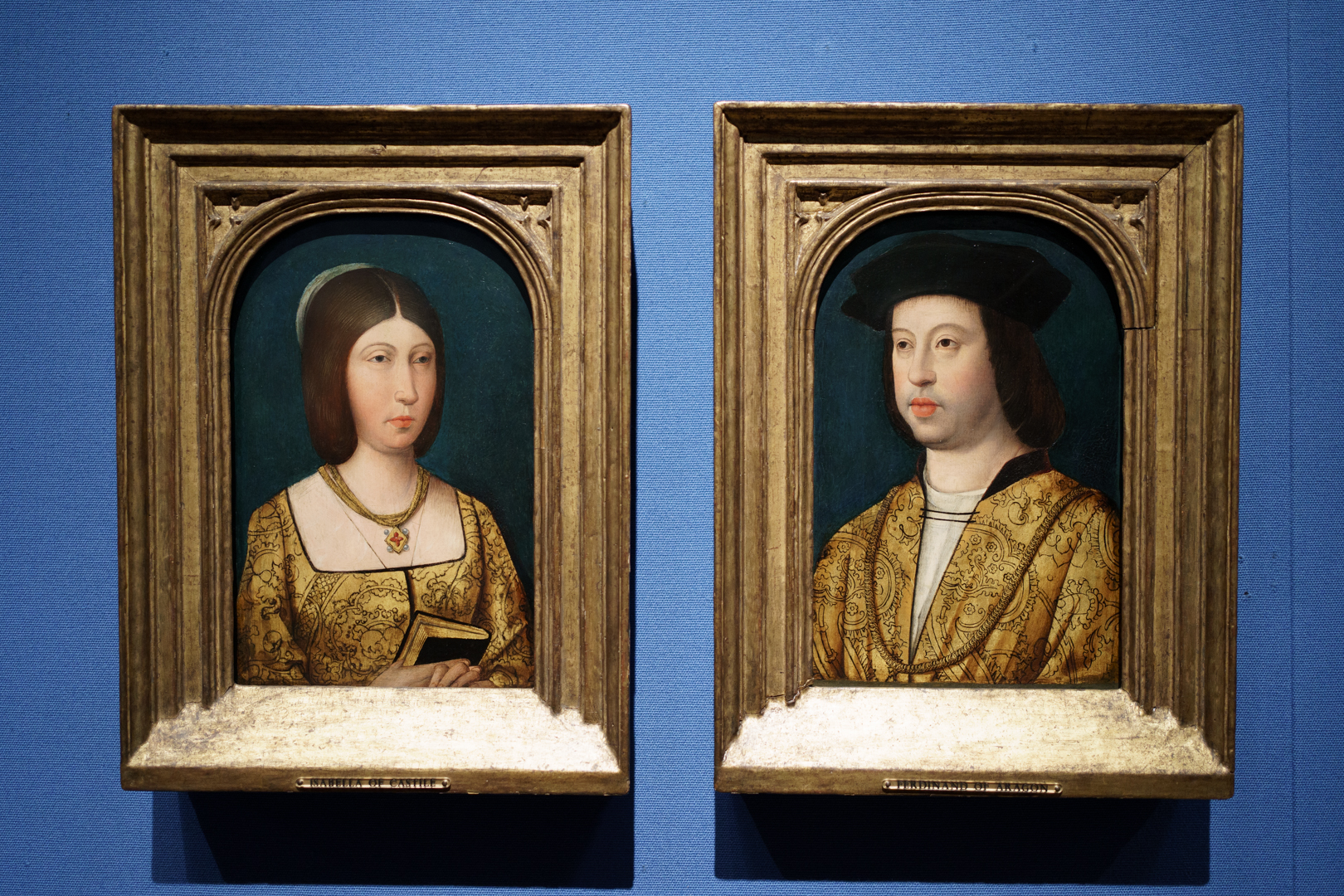
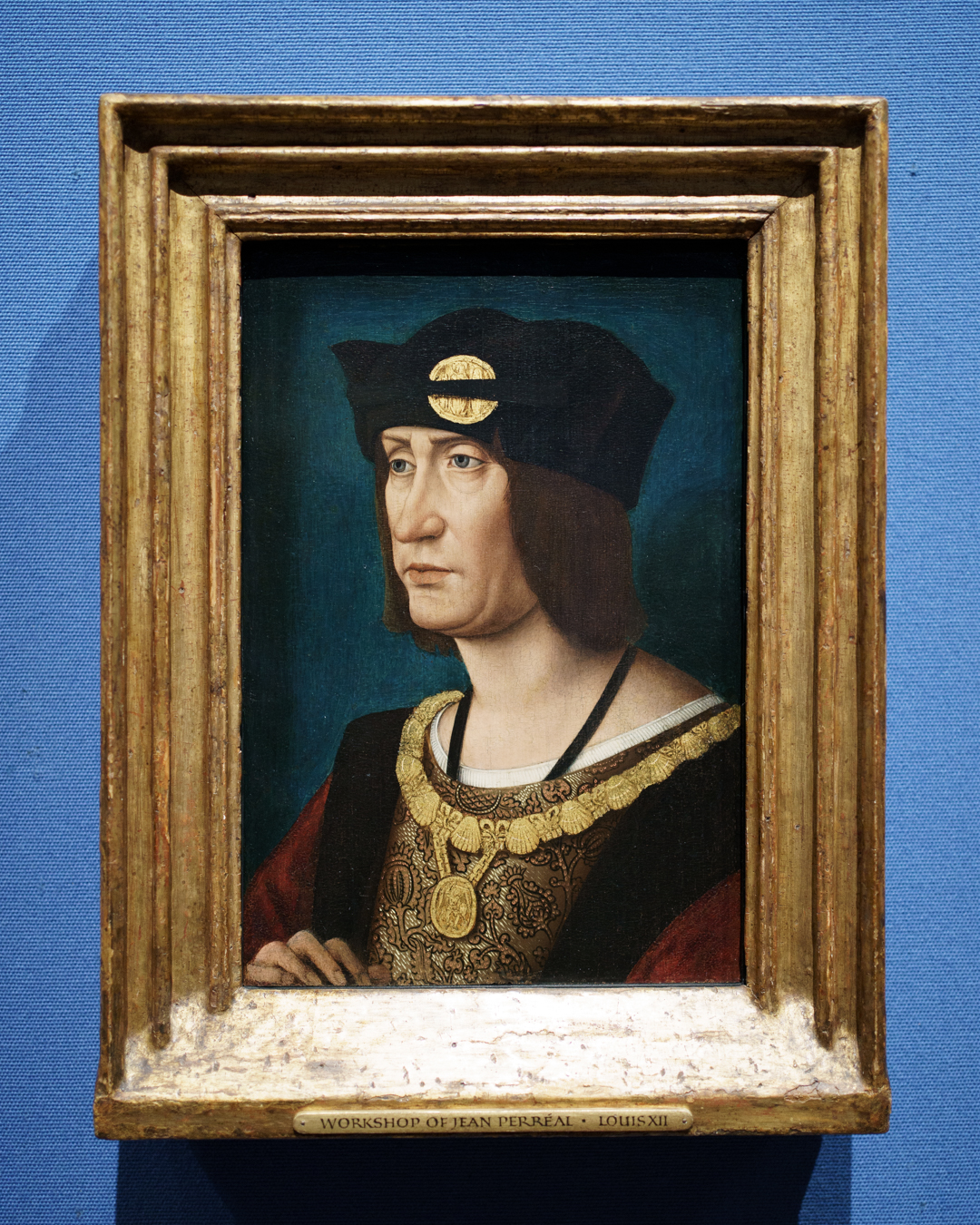
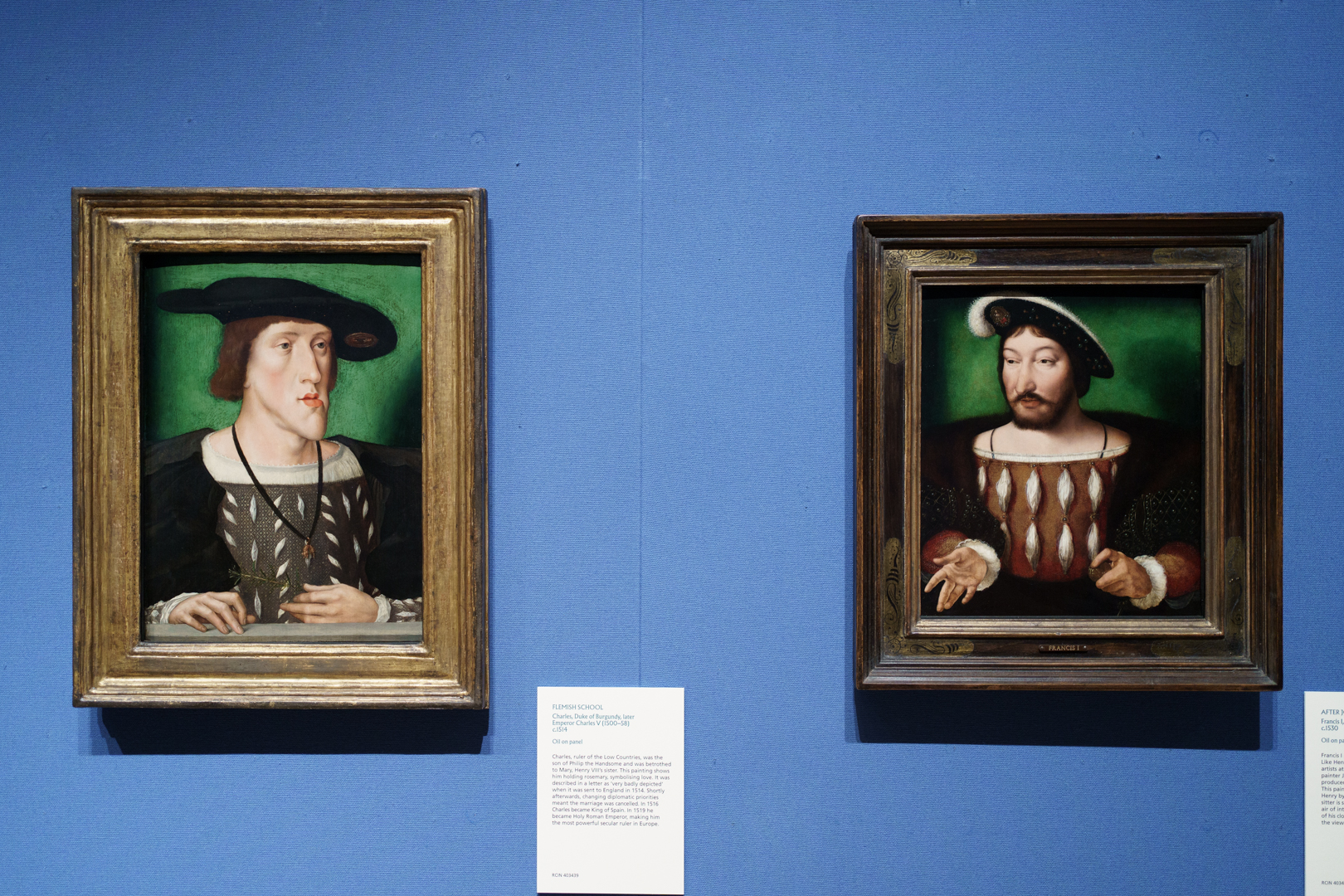
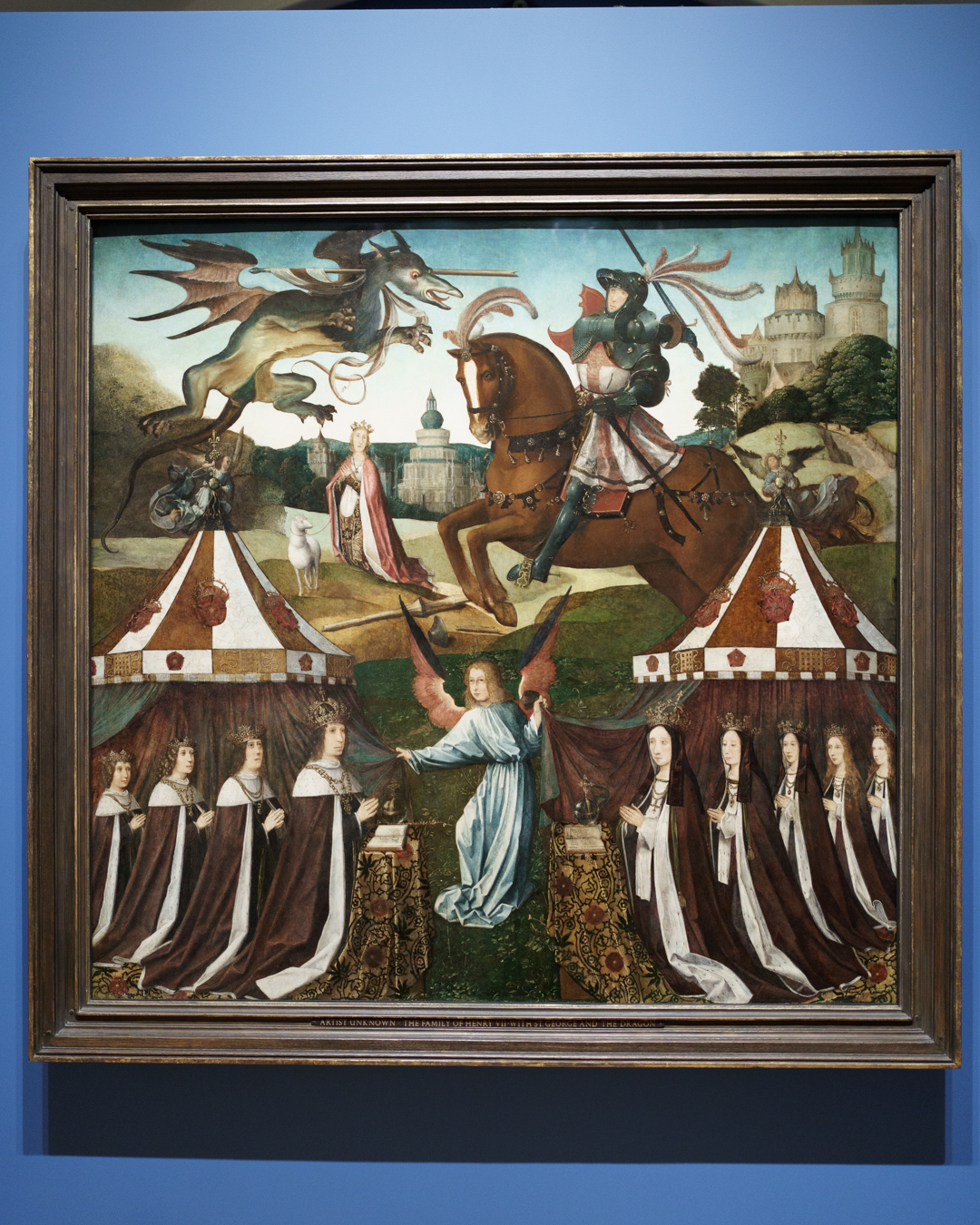
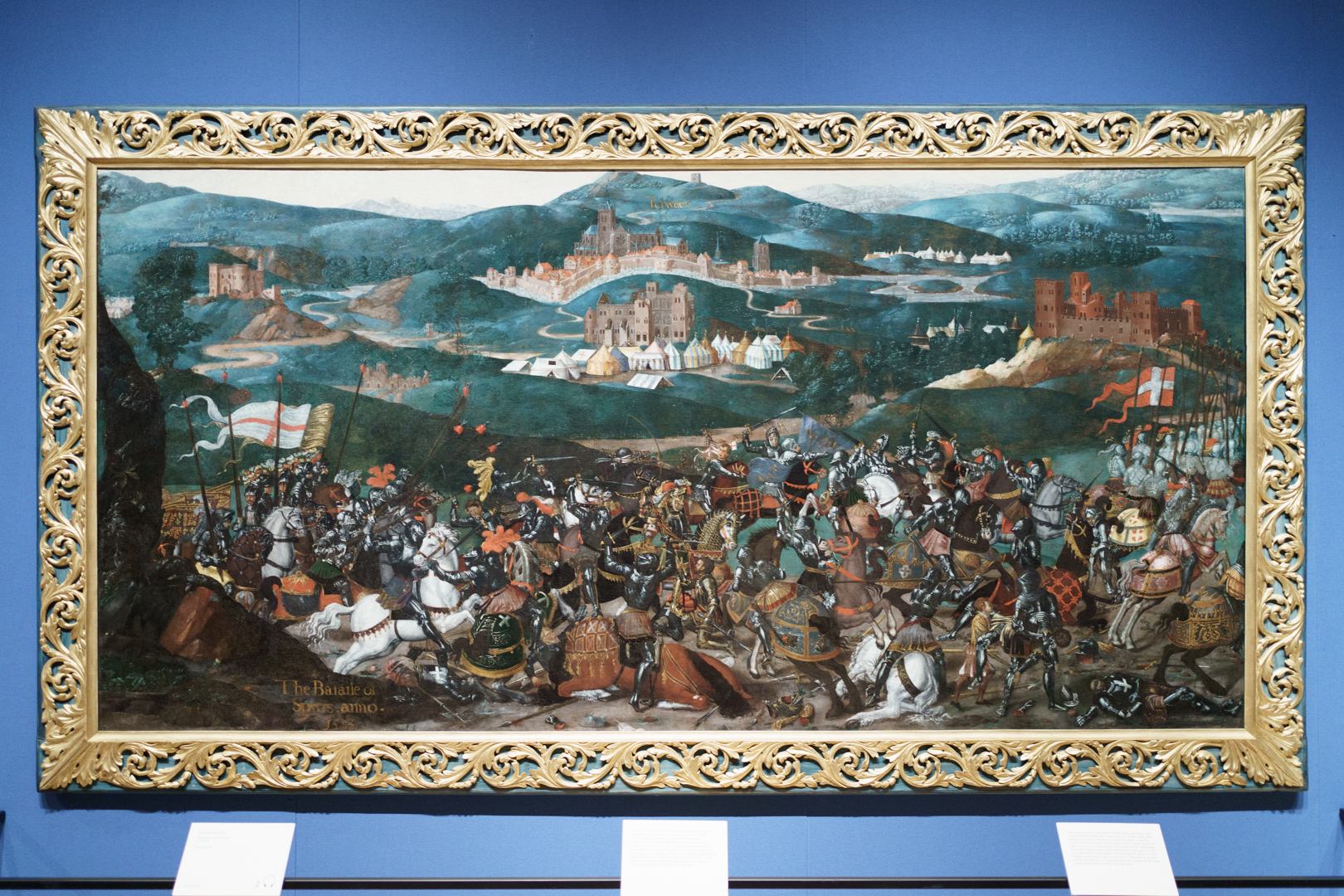
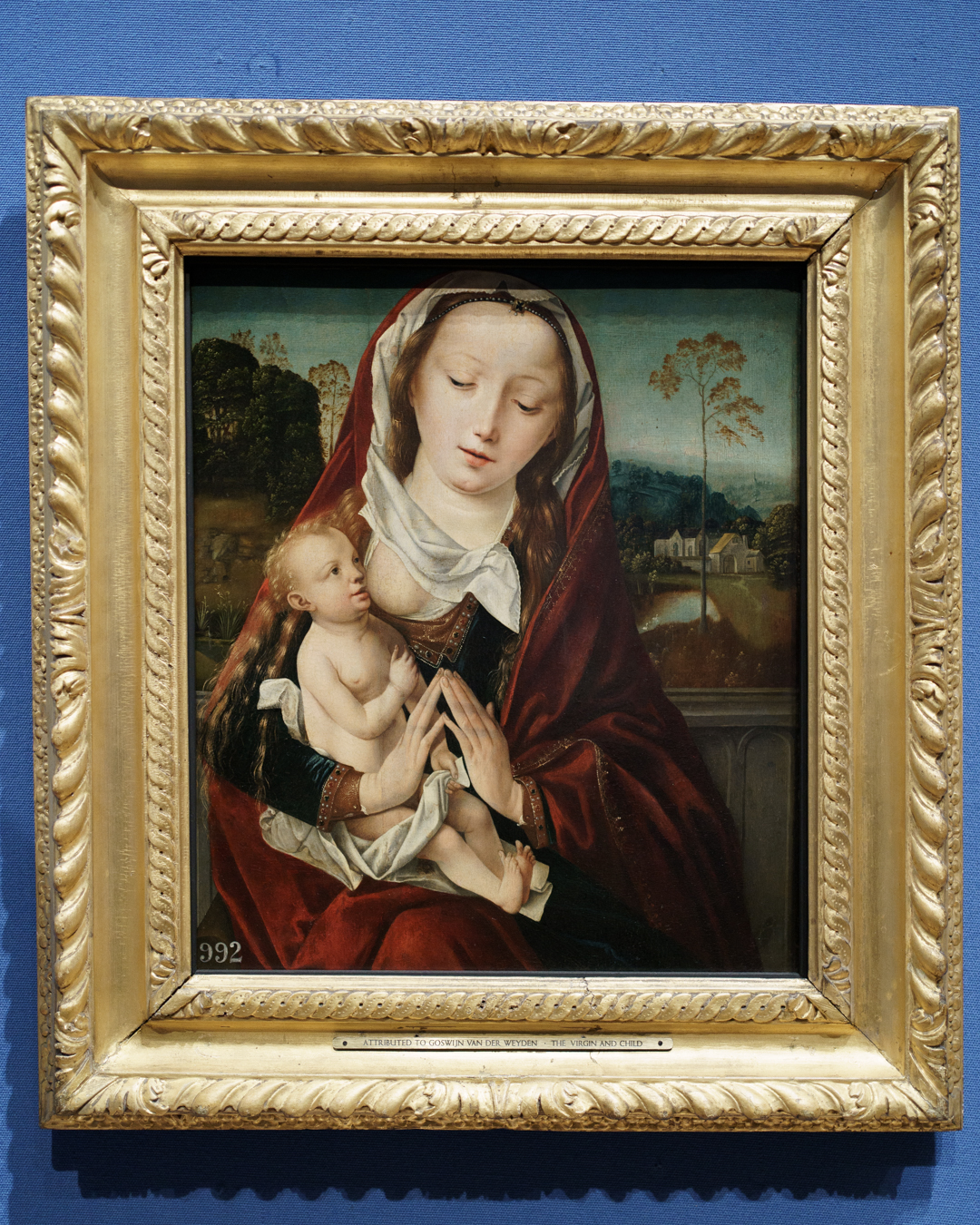
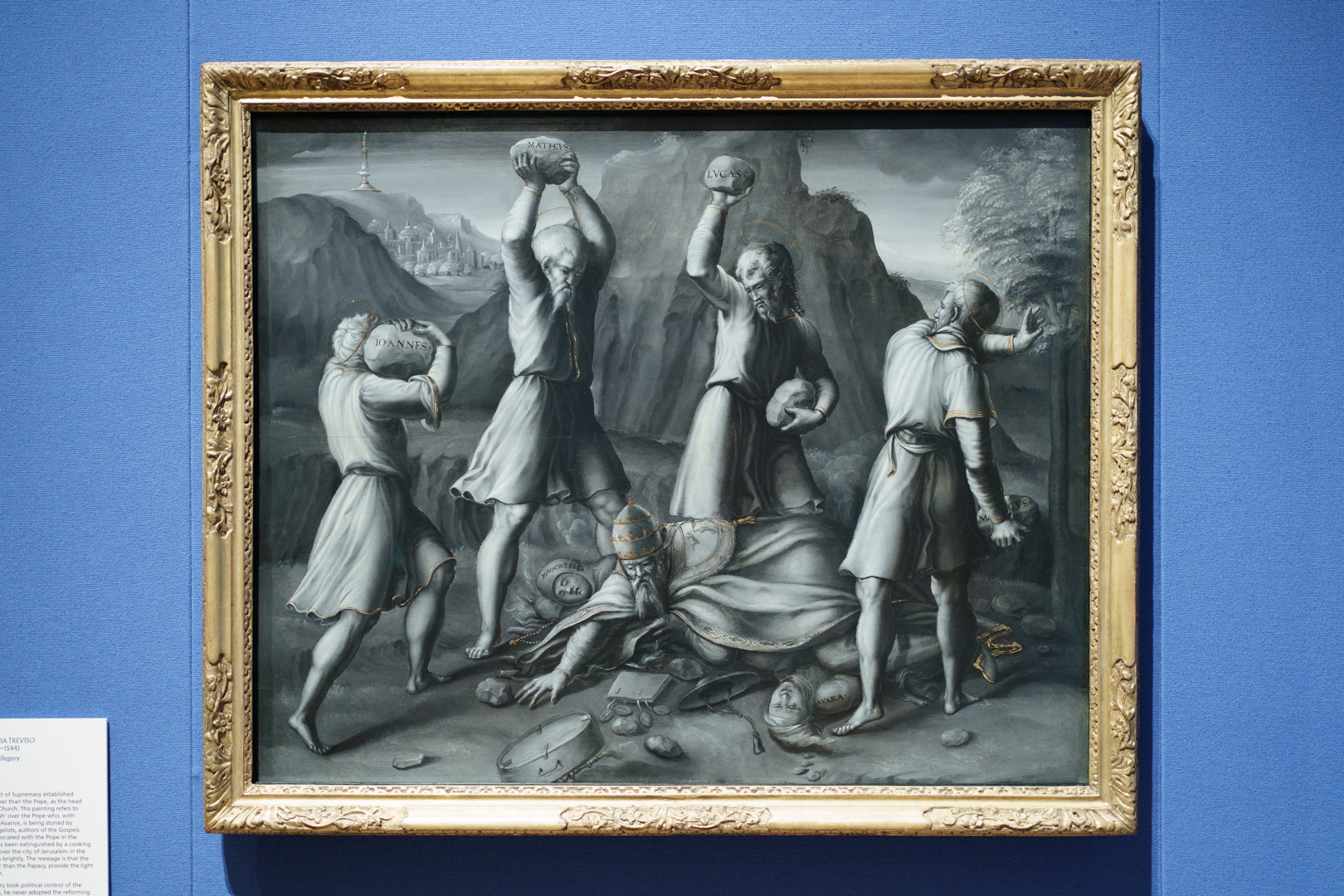
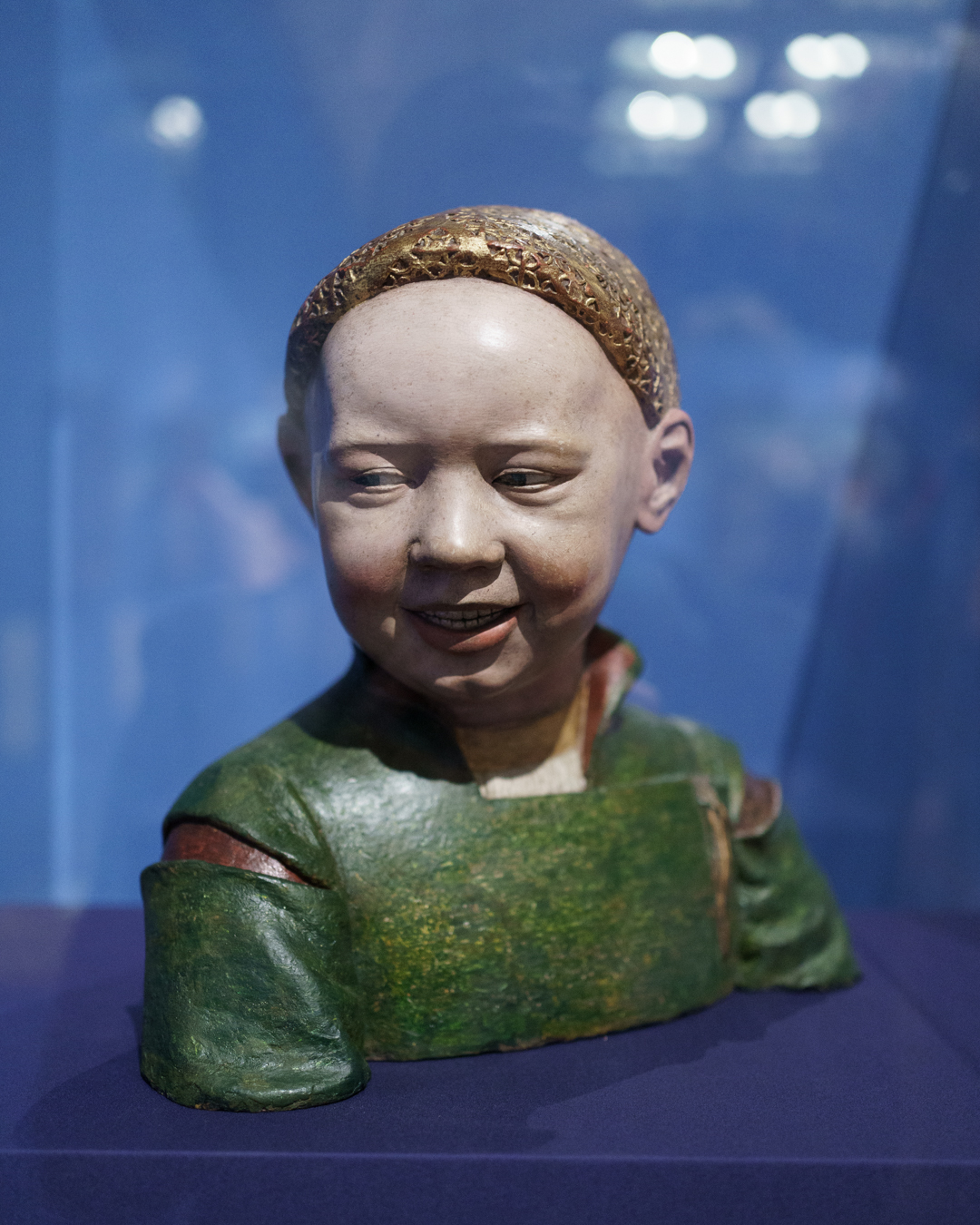
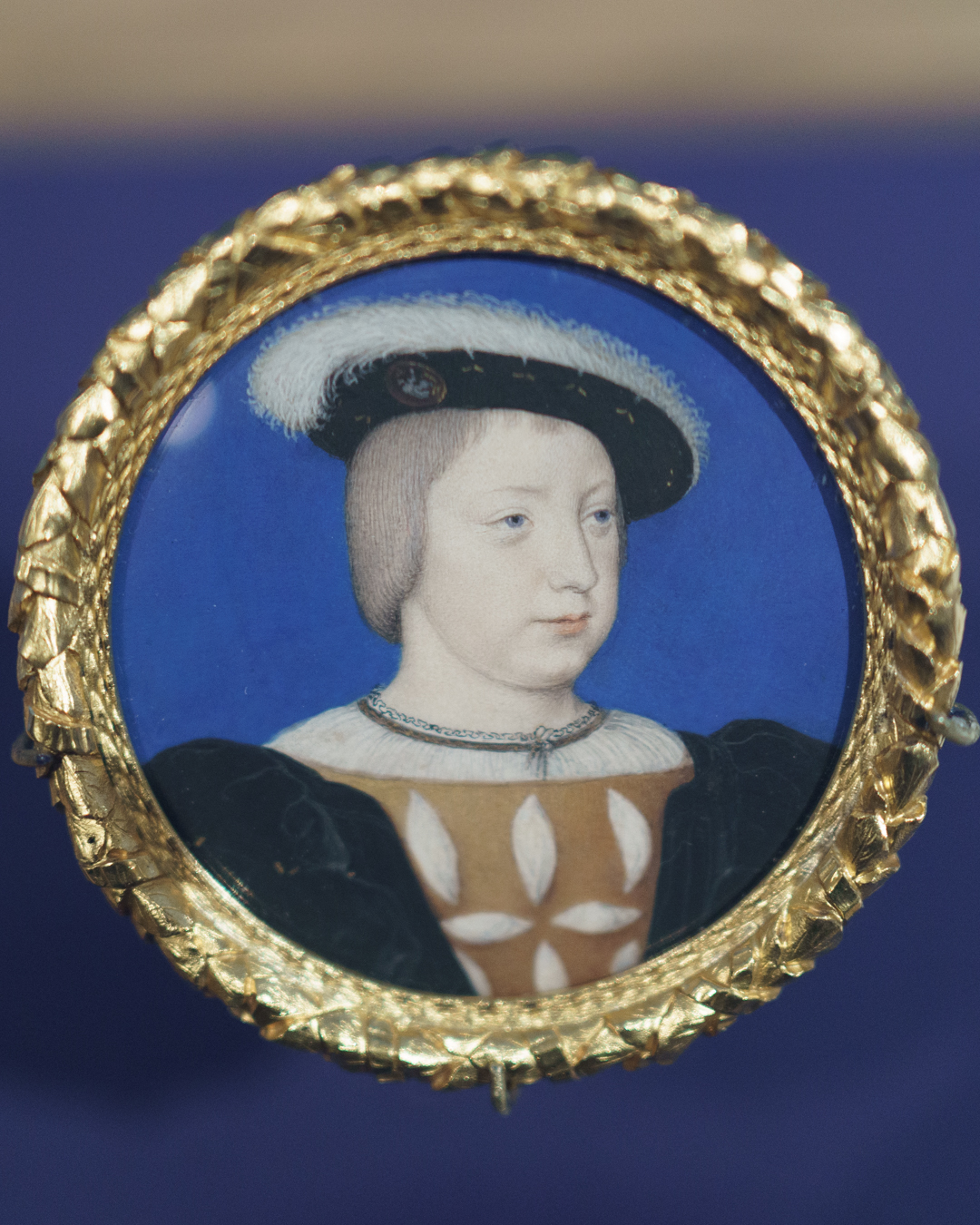
Mainland Europe’s developments in portraying human likenesses had reached such an advanced state by this time that they left English artists in the dust, as demonstrated by Guido Mazzoni’s terracotta bust of boy. It’s no wonder that when Holbein the Younger came to be employed in the English court from 1526, portraiture in this country received a major renewal that could never be replicated again. The only tradition we seem to have excelled at natively is portrait miniatures, as exemplified by Nicholas Hilliard.
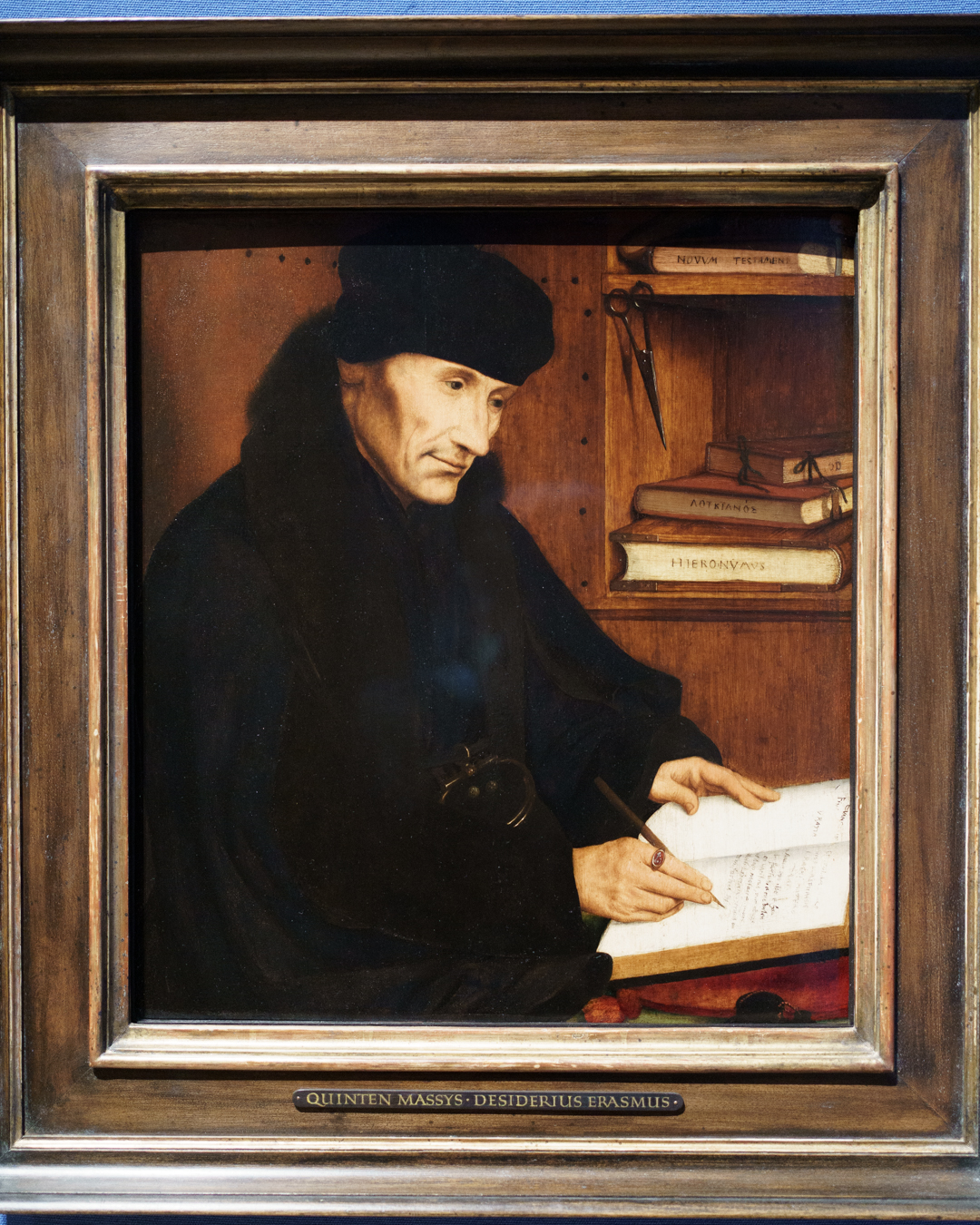
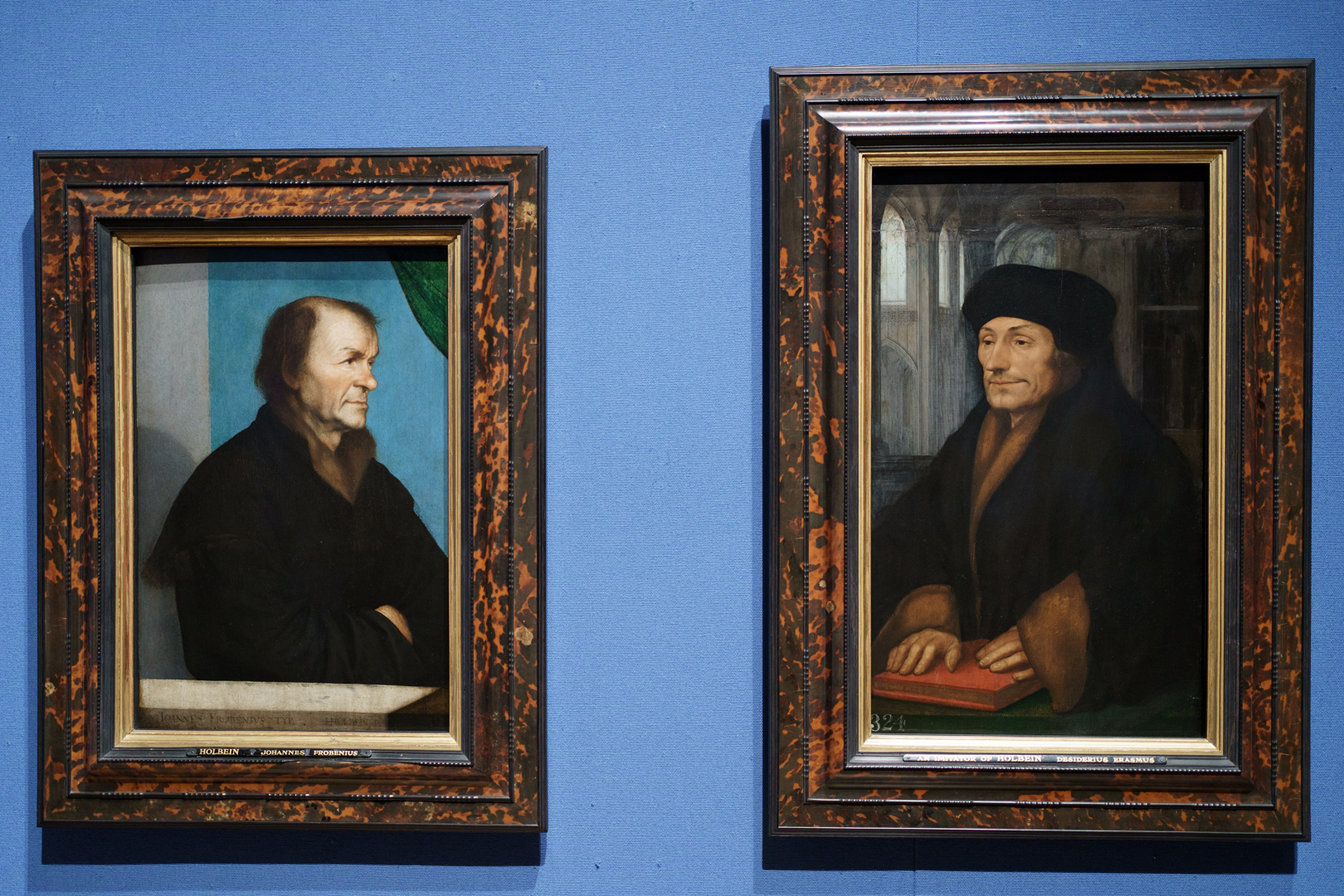
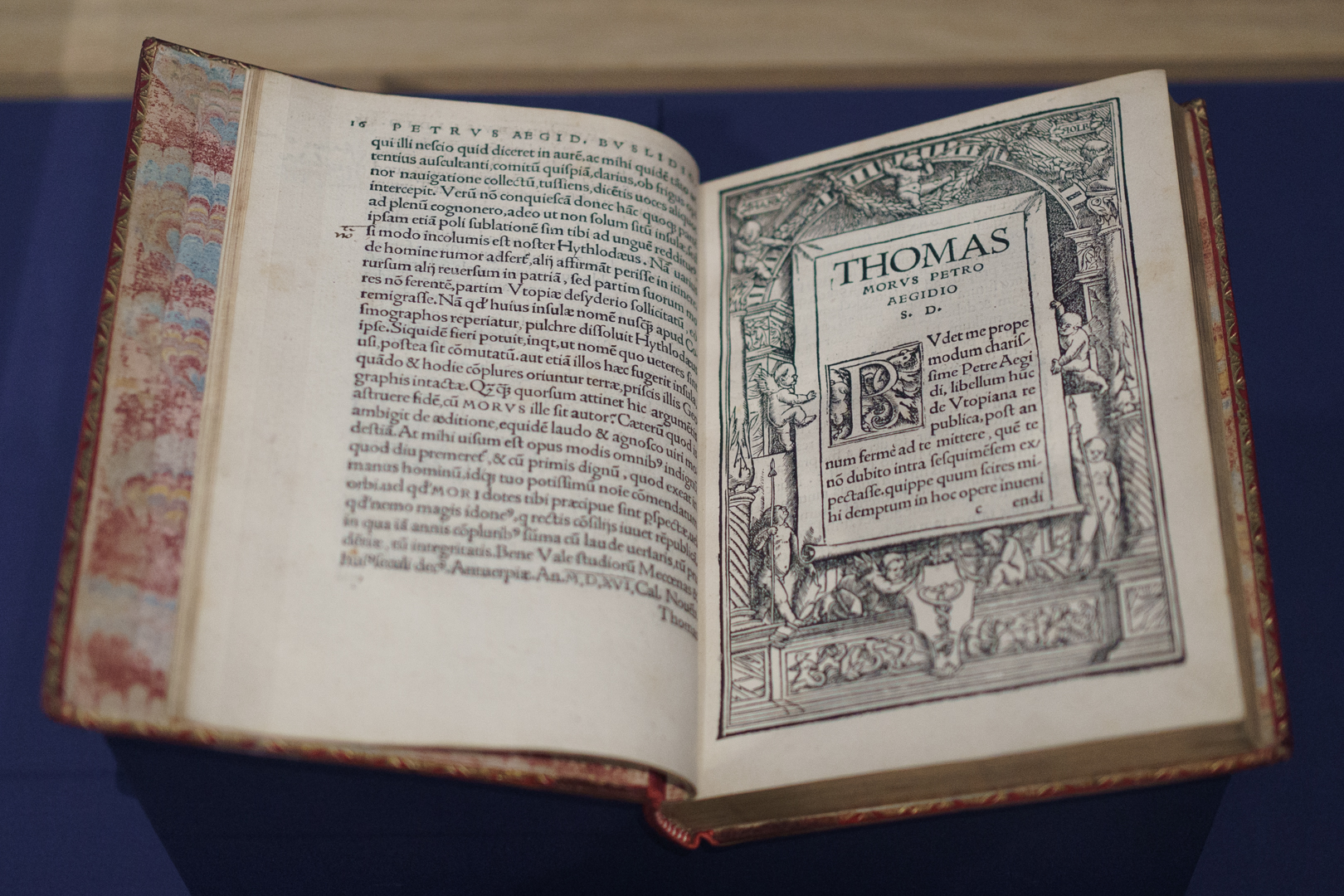
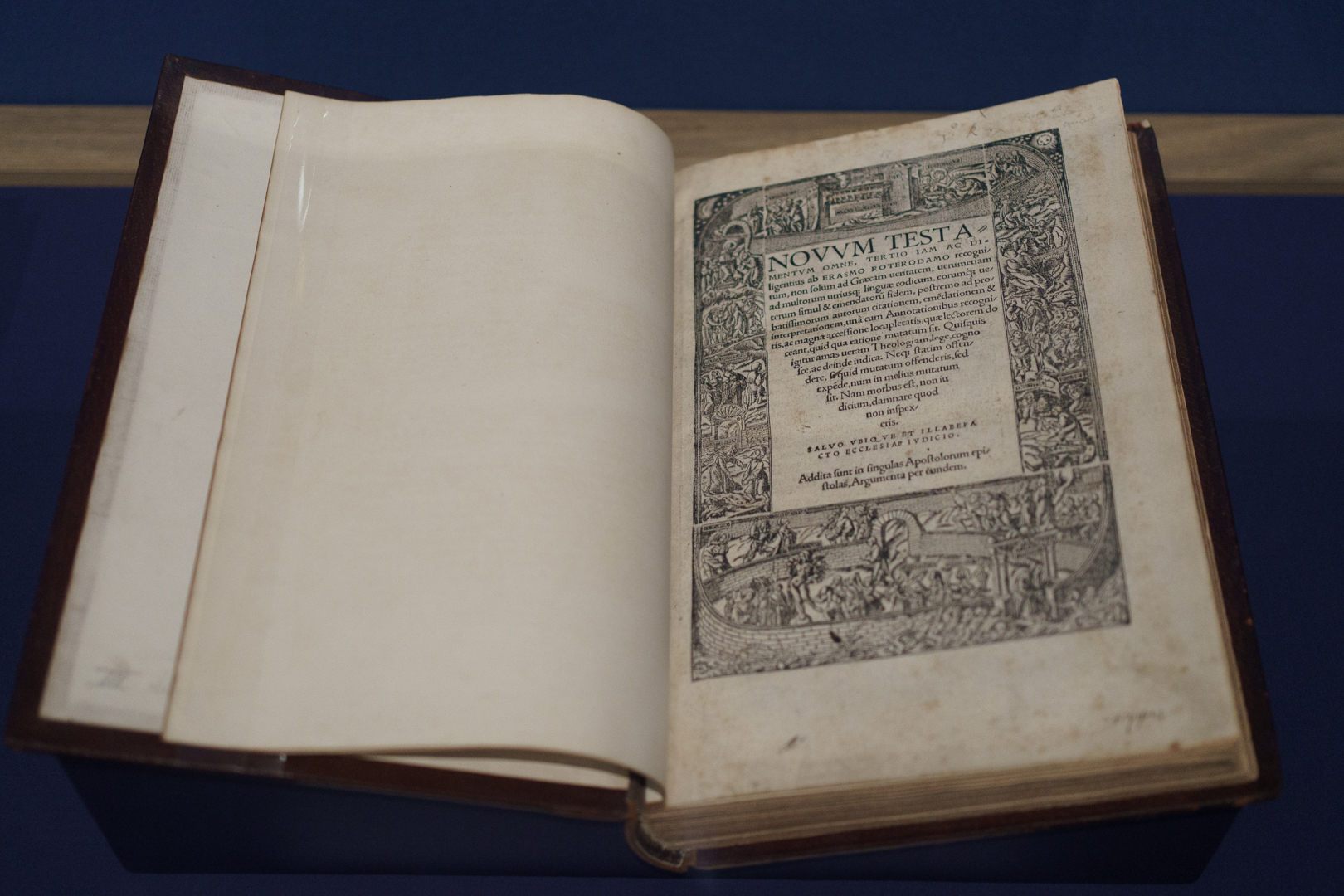
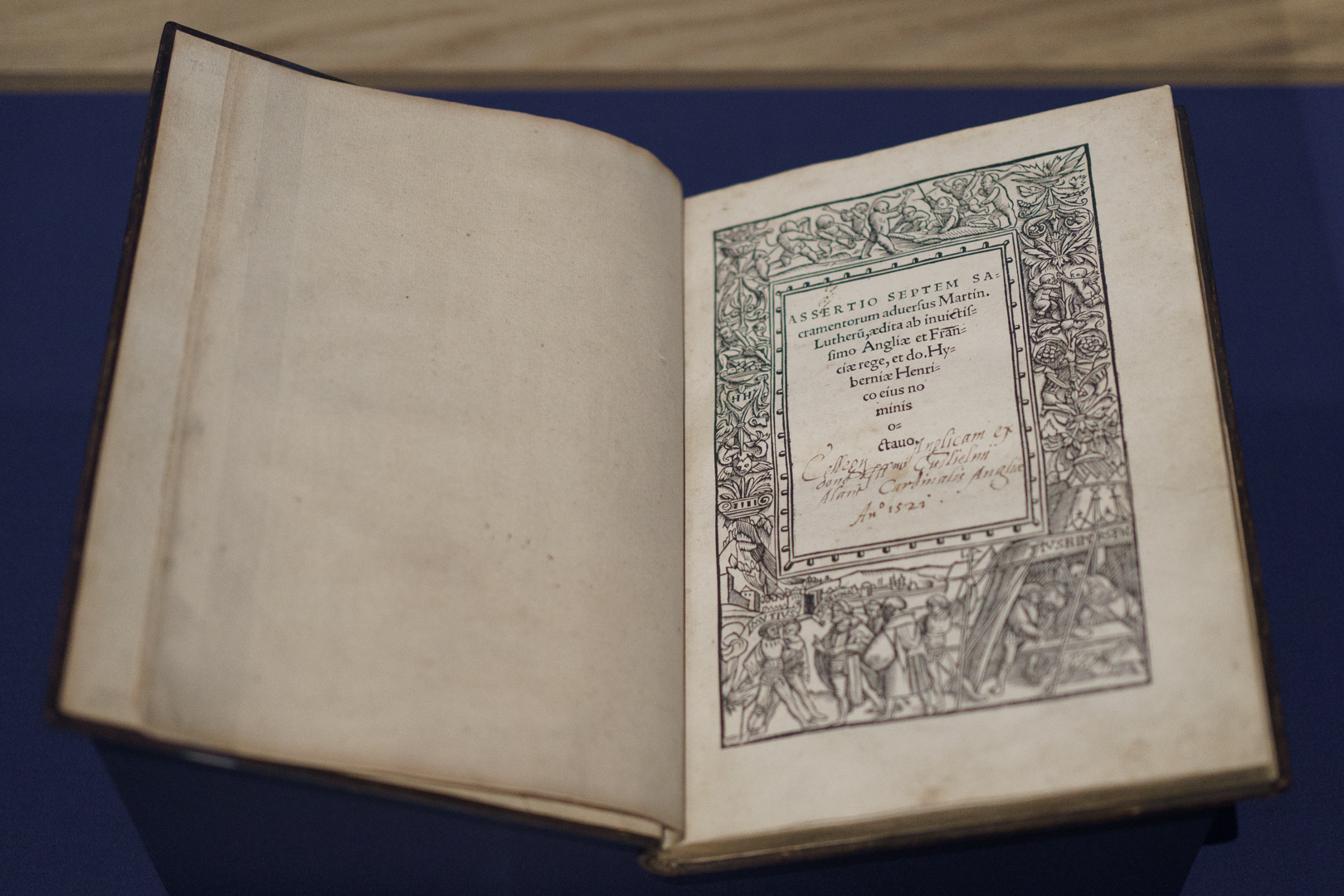
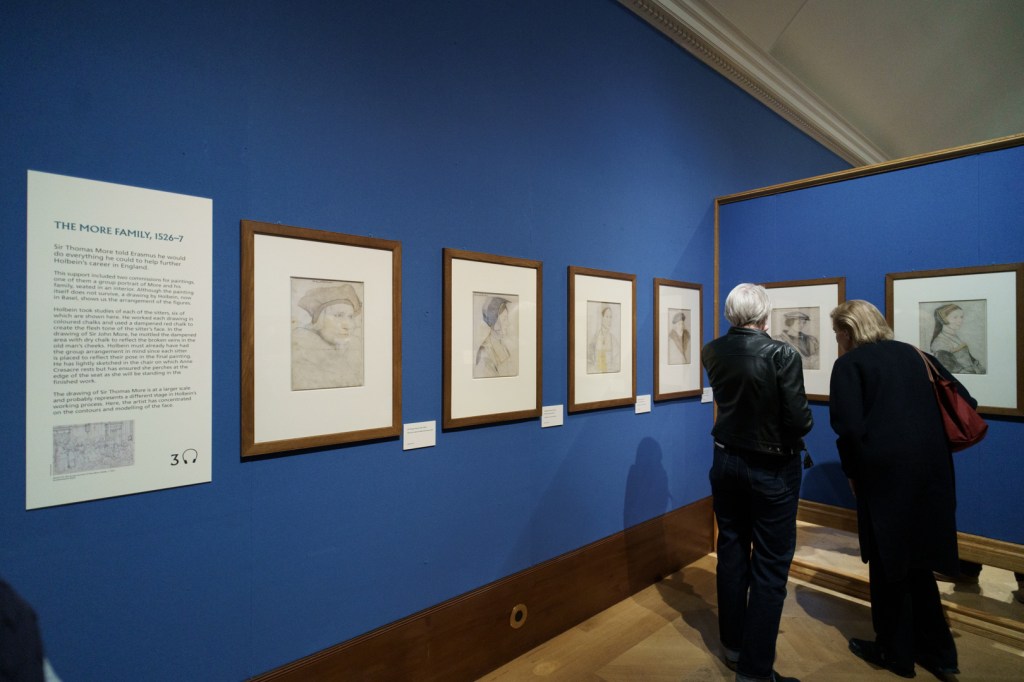
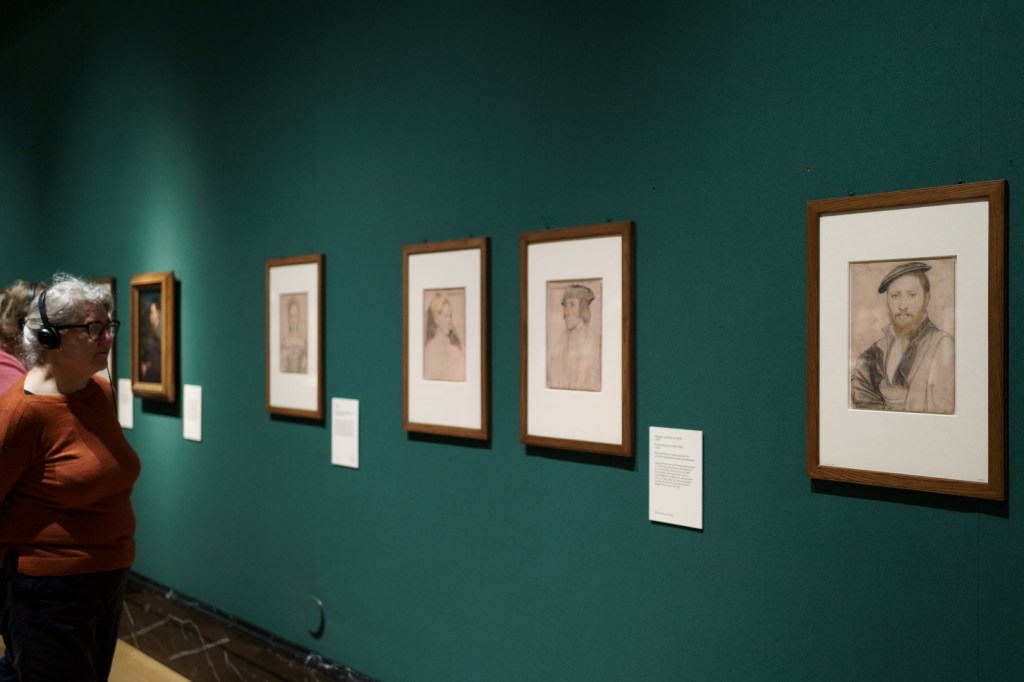
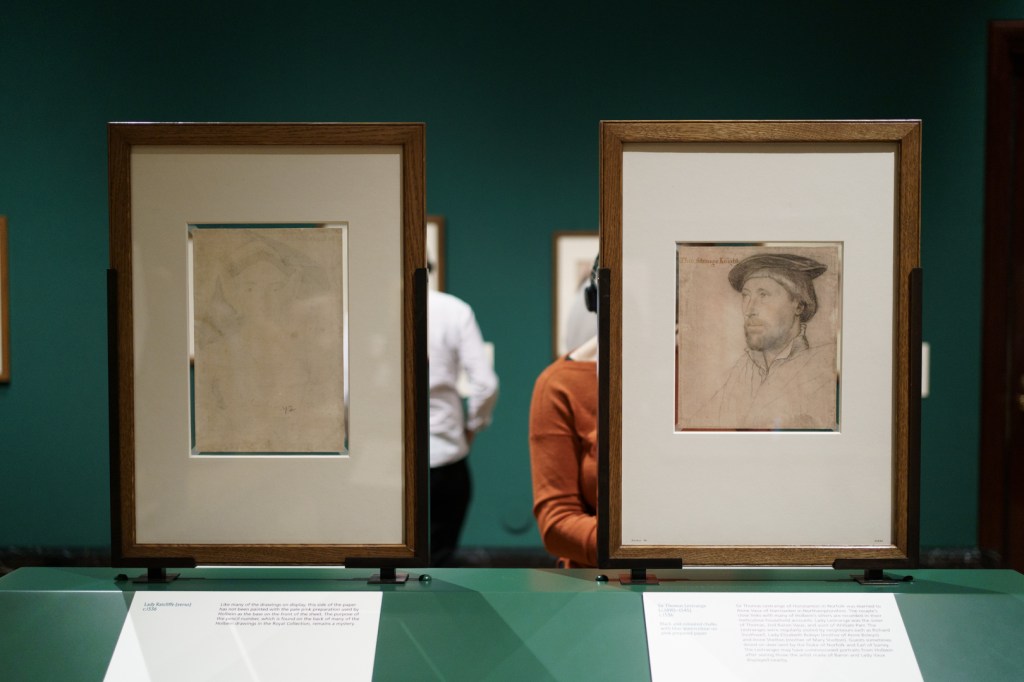
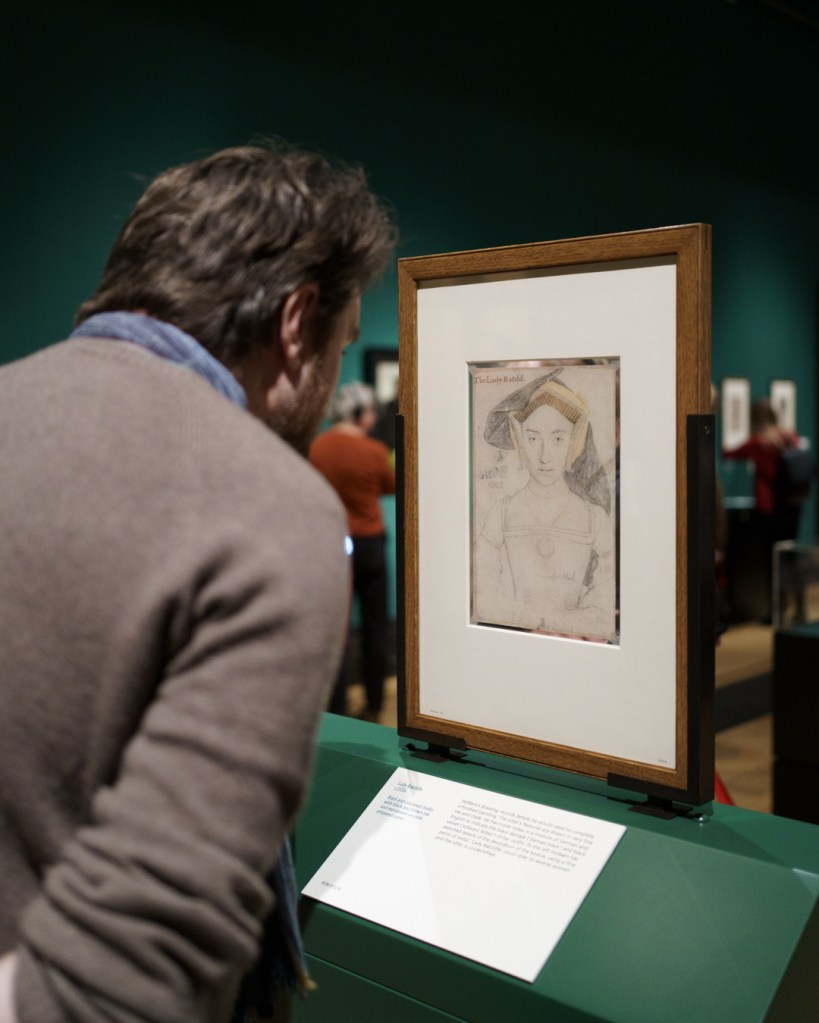
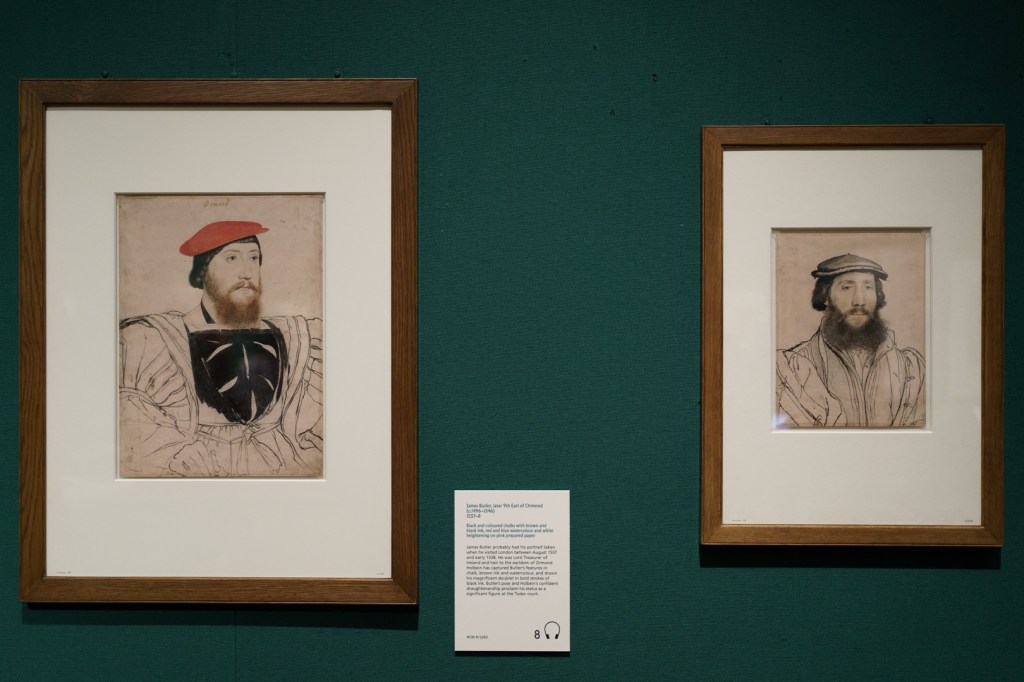
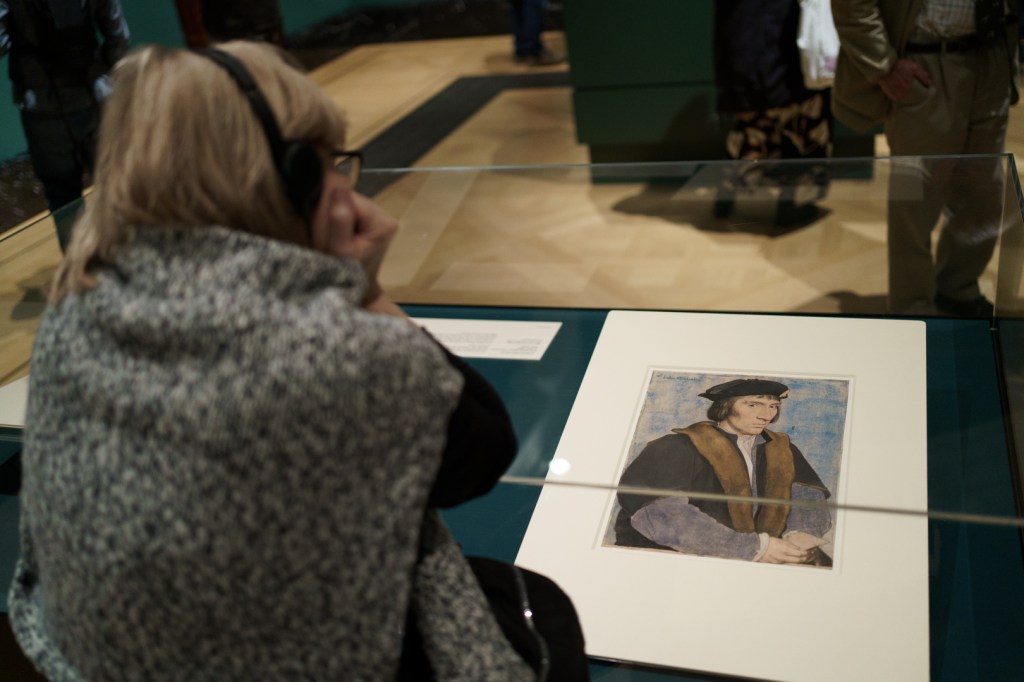
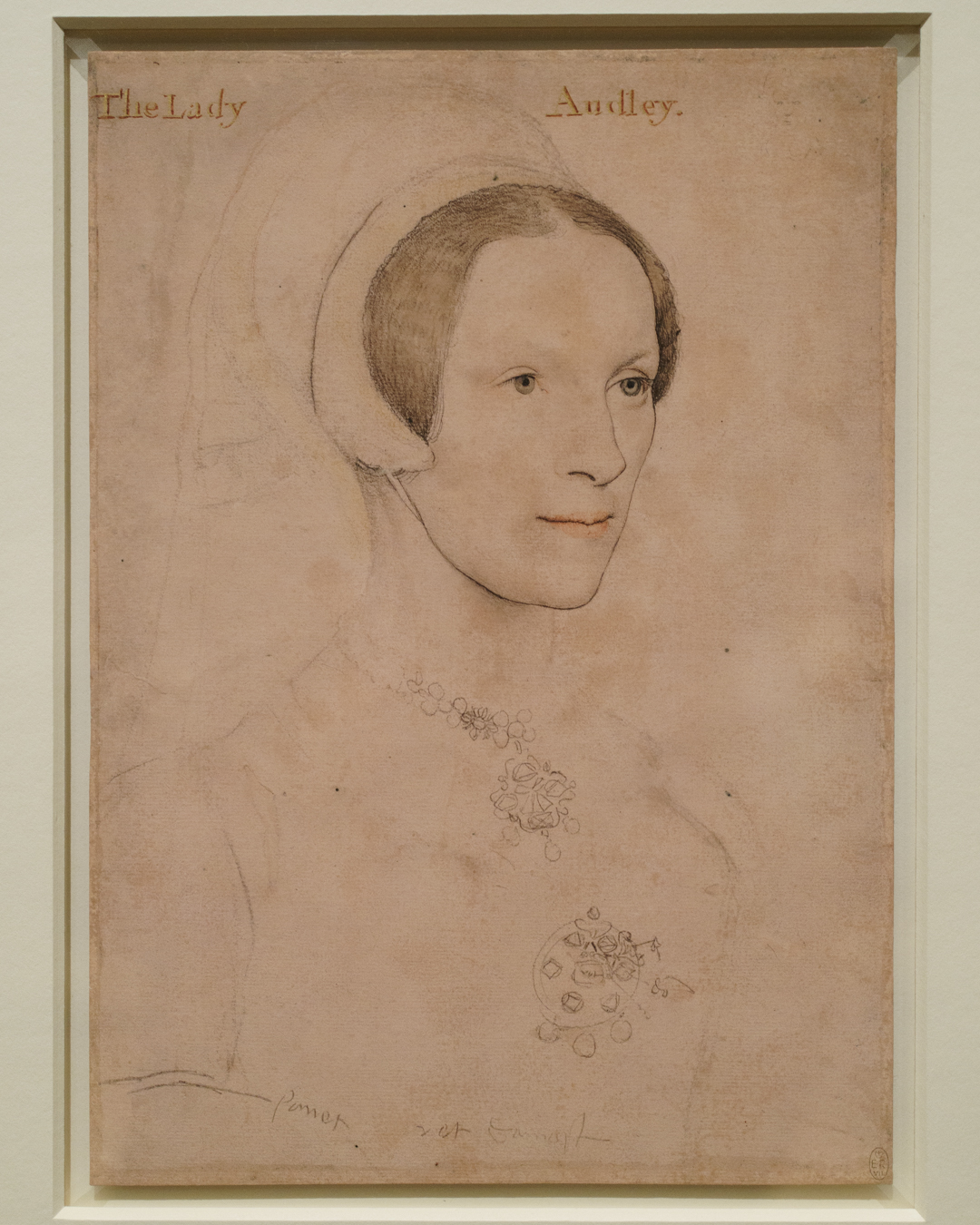
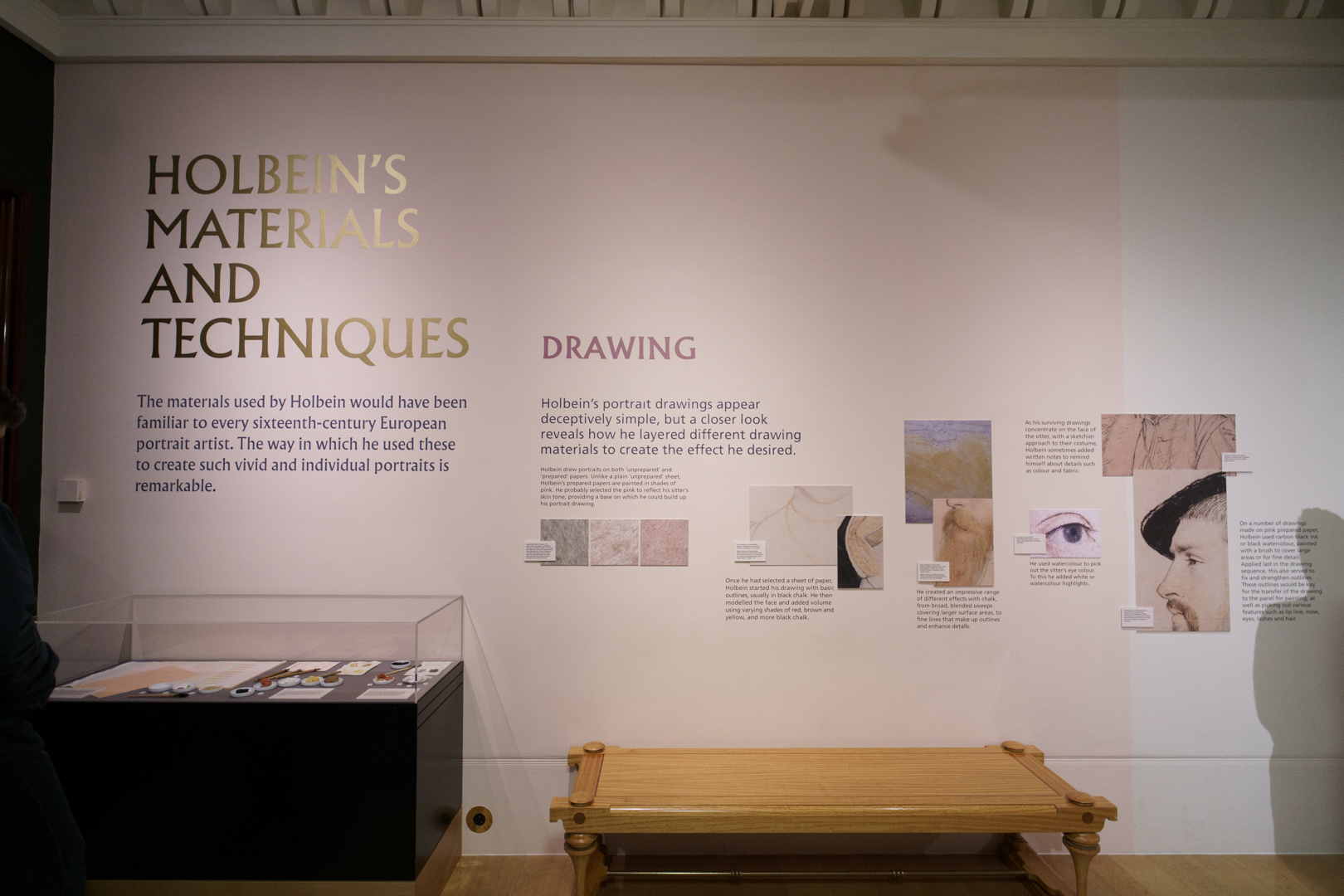
As soon as we approached the portrait drawings of Sir Thomas More’s family, it was immediately clear how big an impact he had, their likenesses practically leaping from the page, some with lovely little annotations for colours and clothing materials. In the following rooms, visitors saw Holbein’s working methods at play, first sketching in coloured chalks, adding colours and comments, and sometimes drawing extra detail studies on the side in pen and ink. You can clearly see his pragmatism to record all the details necessary to portray his sitters in paint.
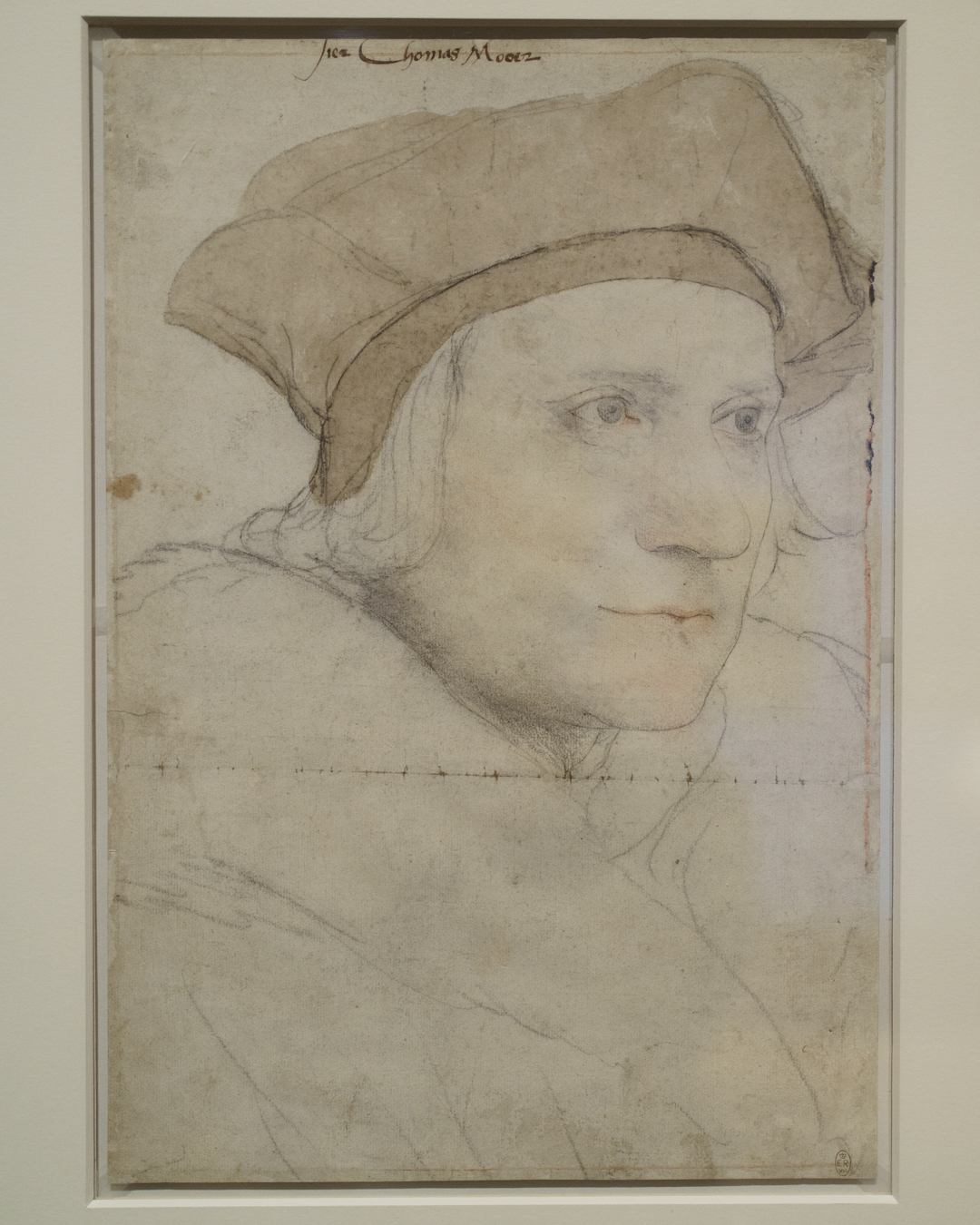
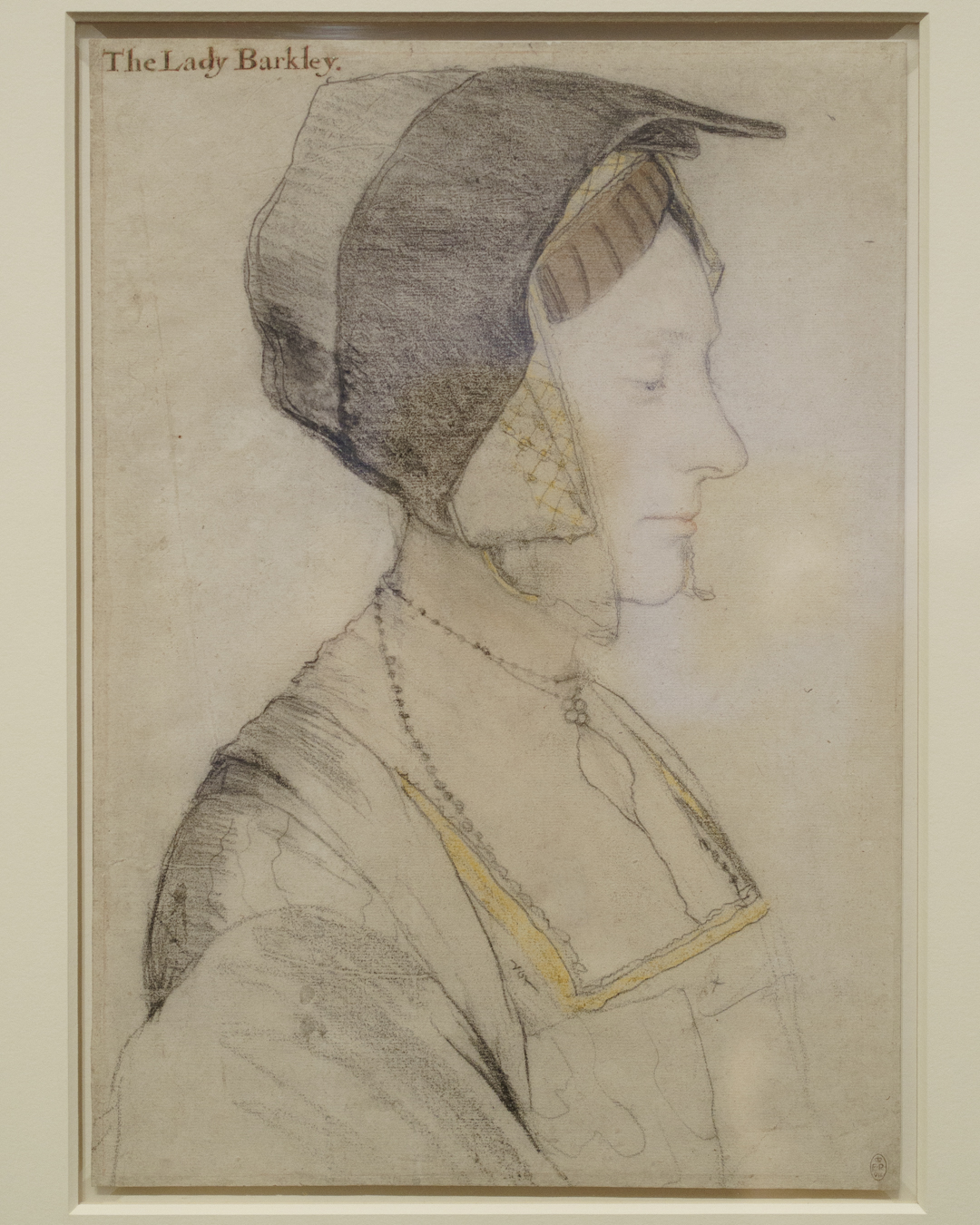
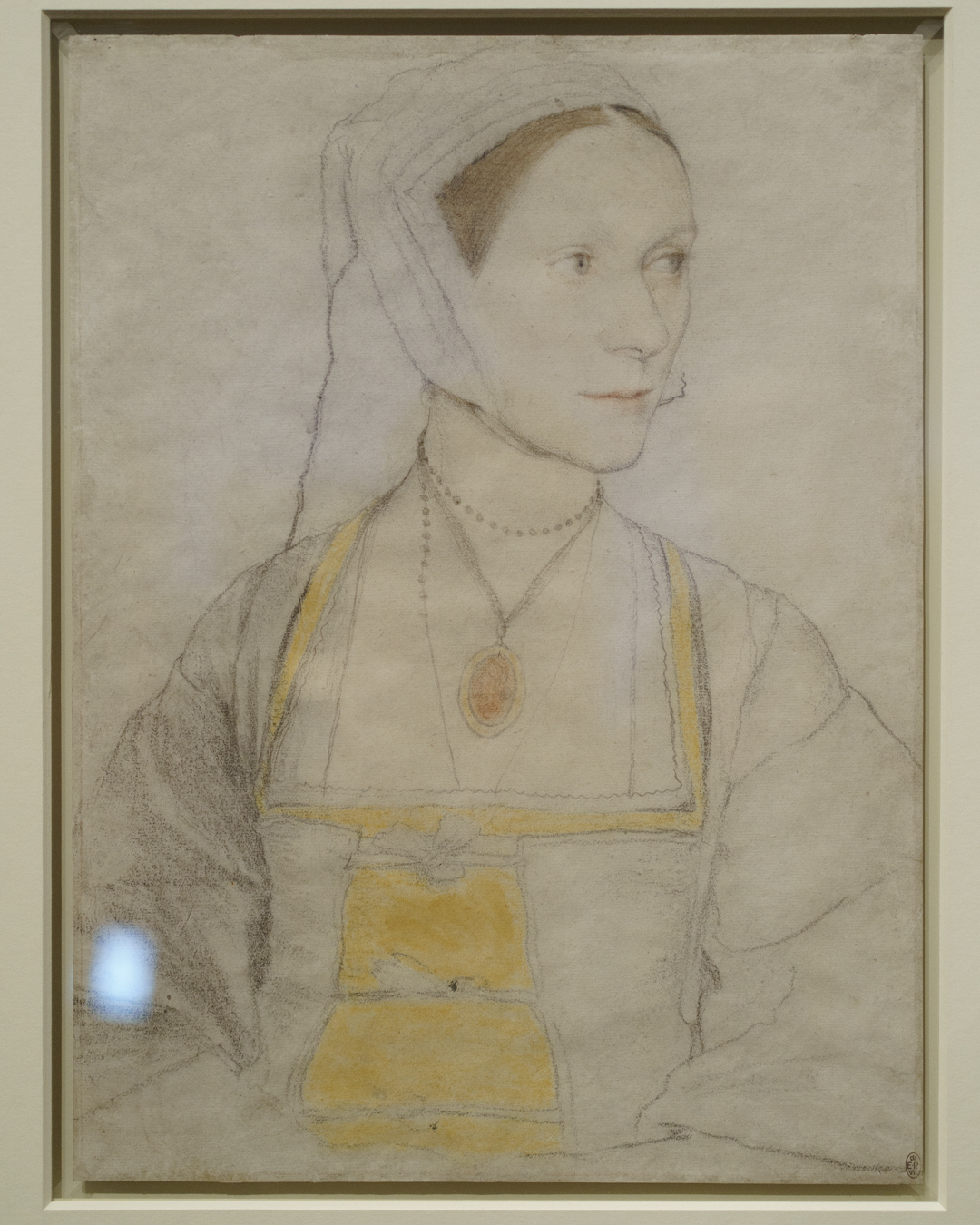
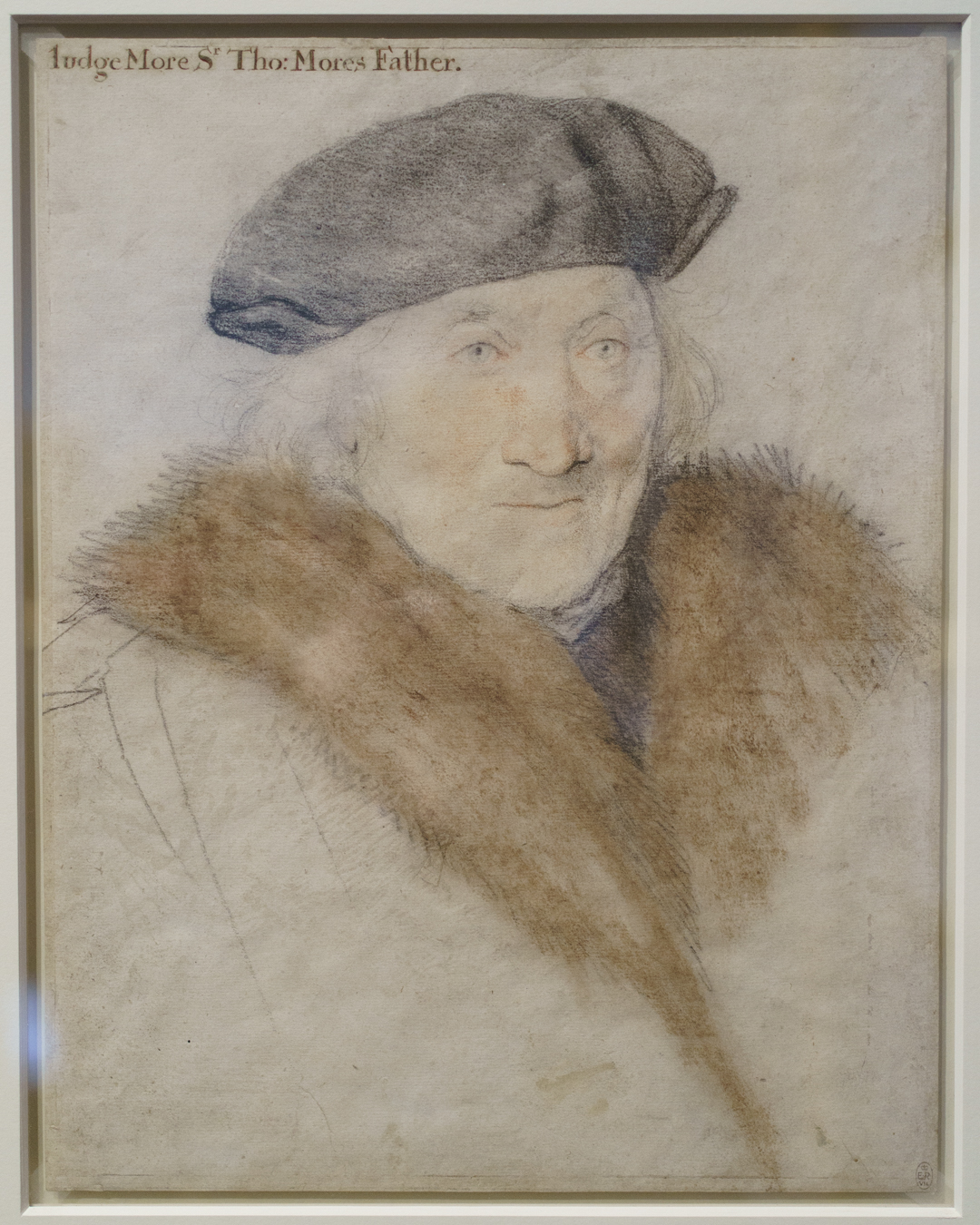
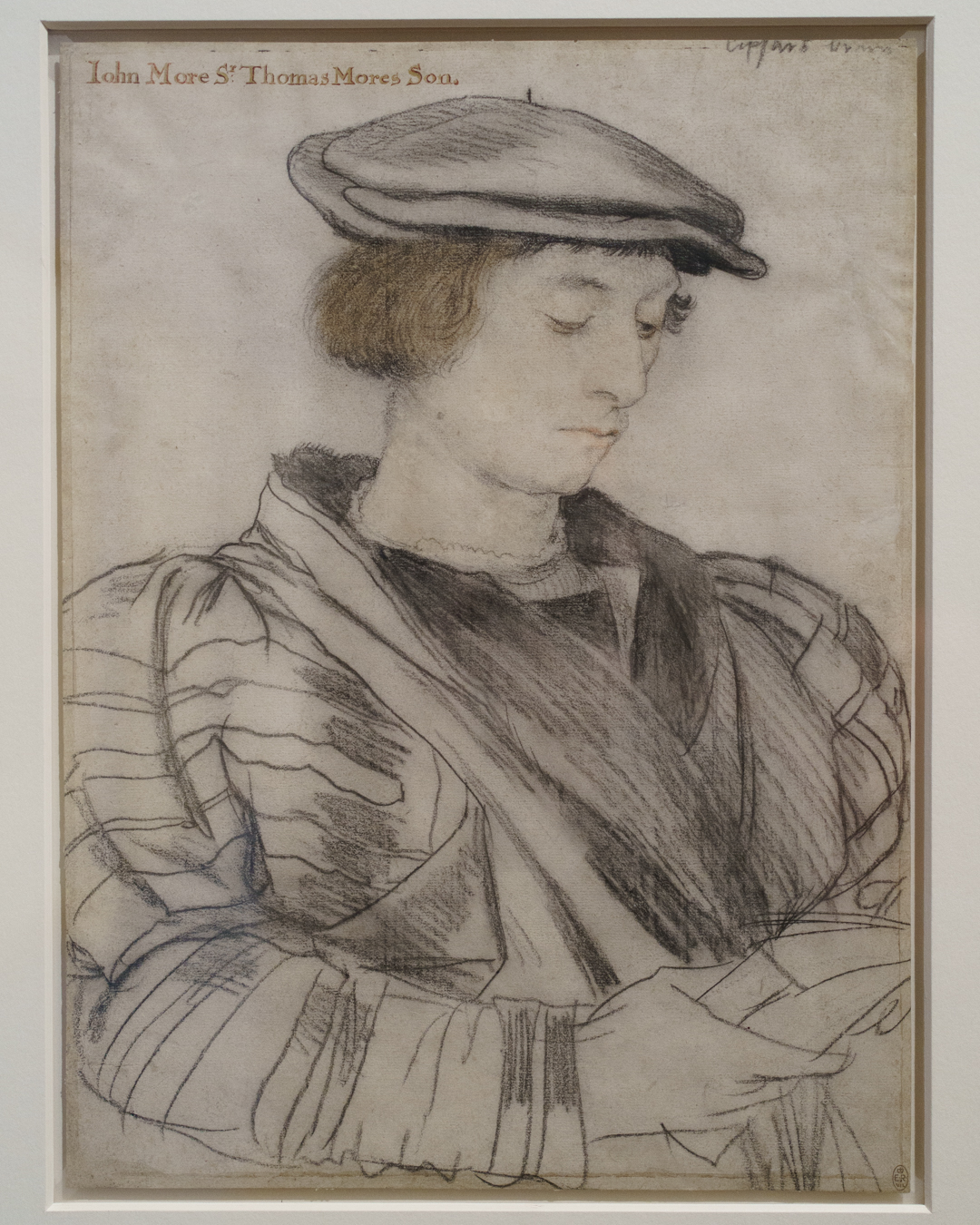
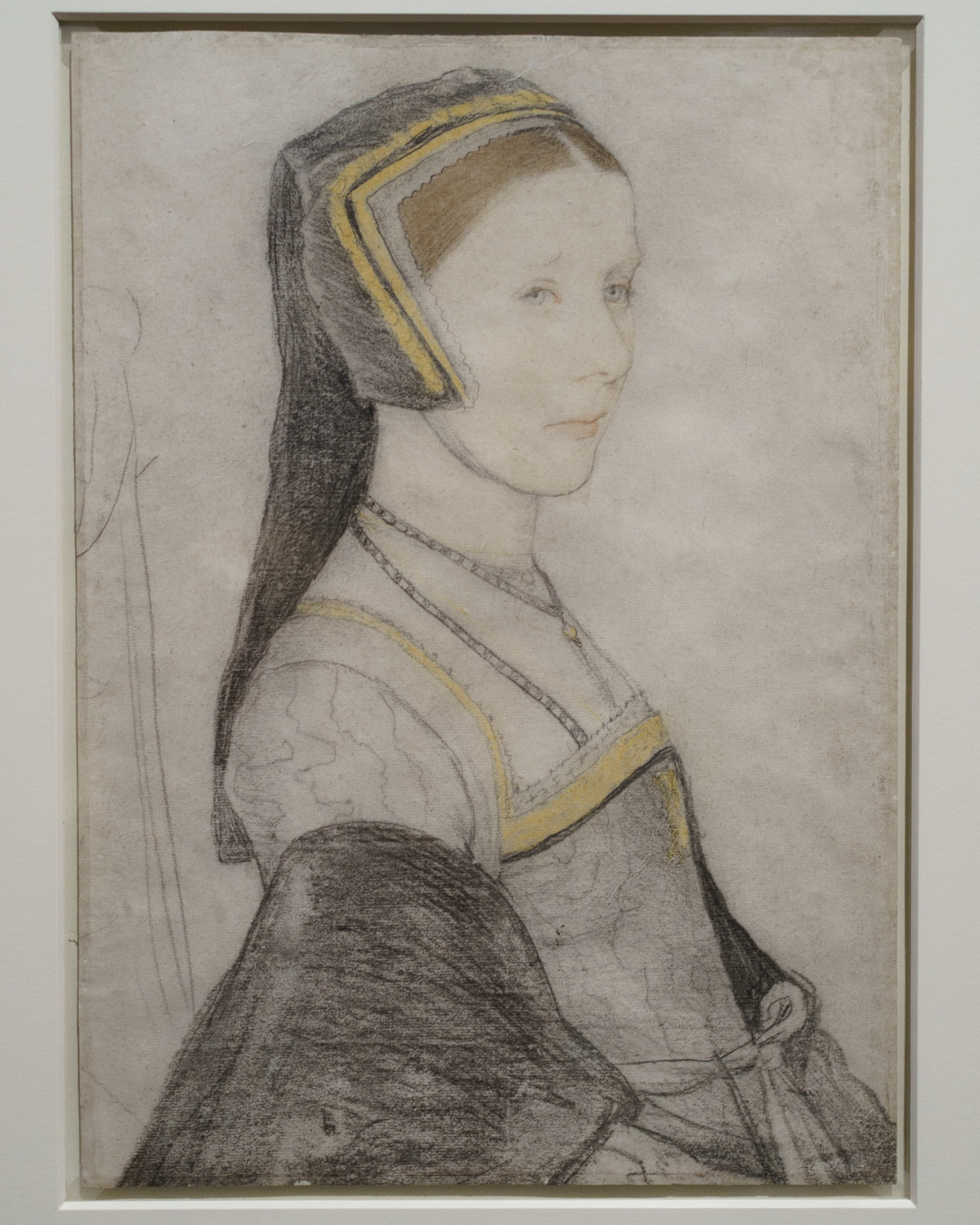
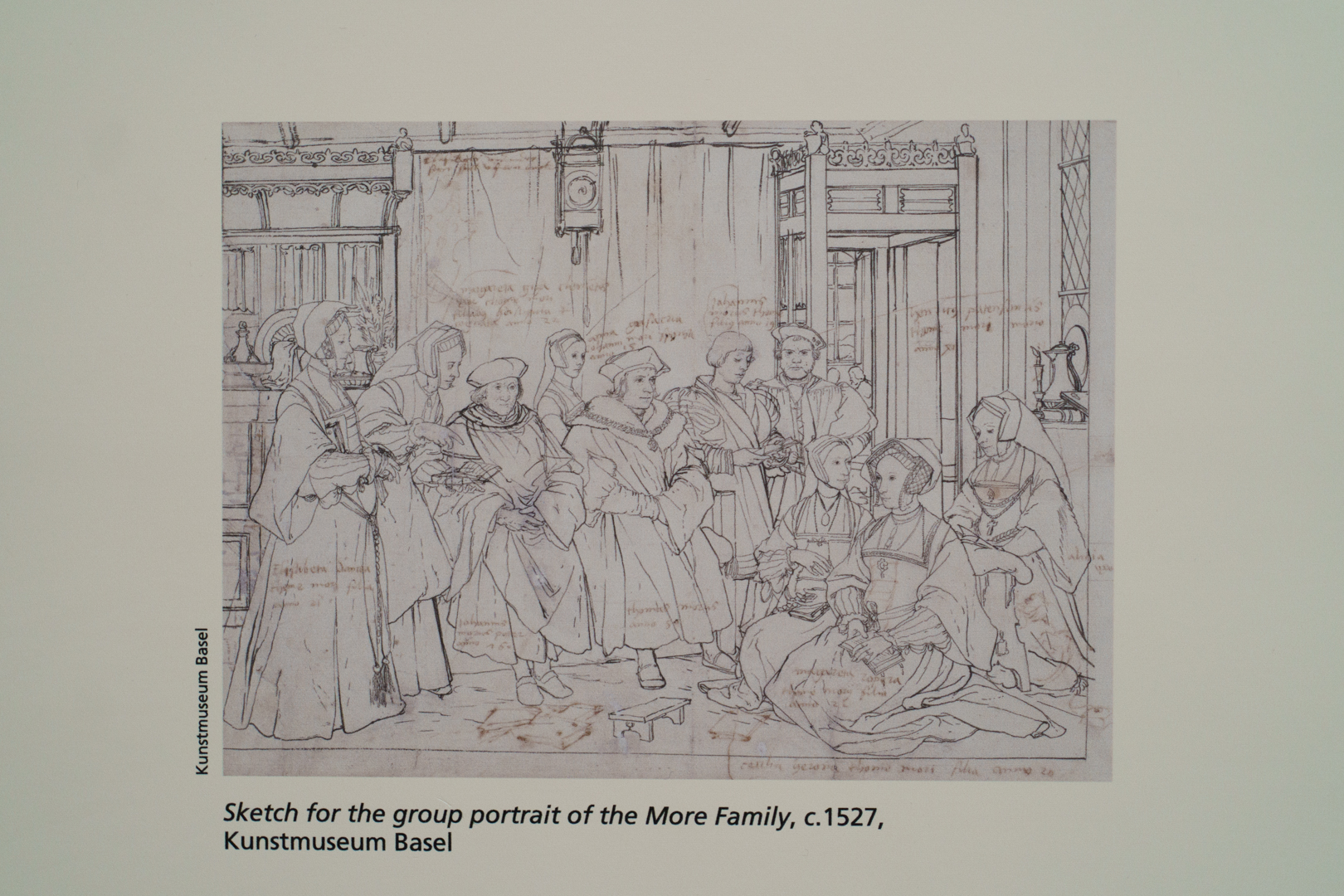
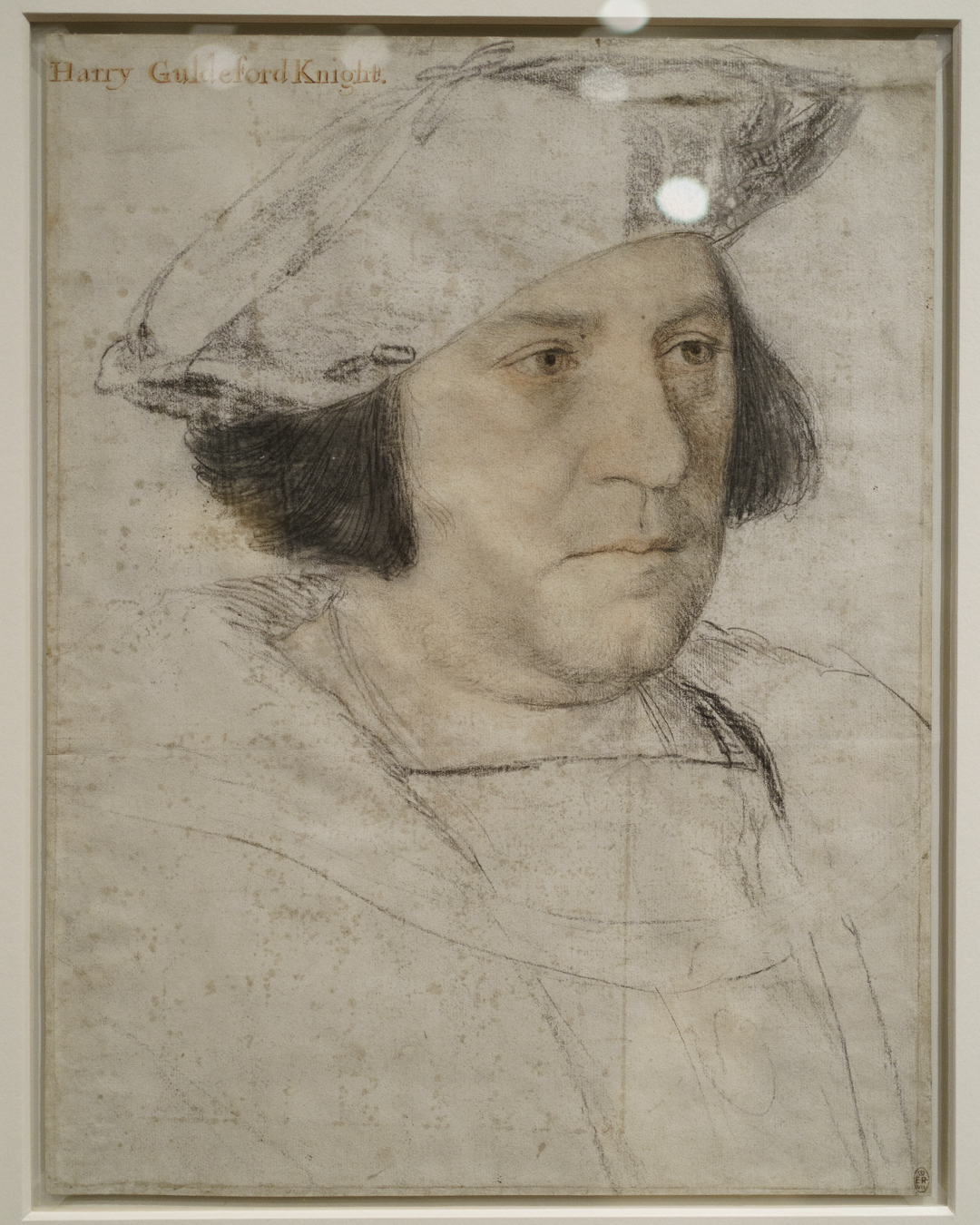
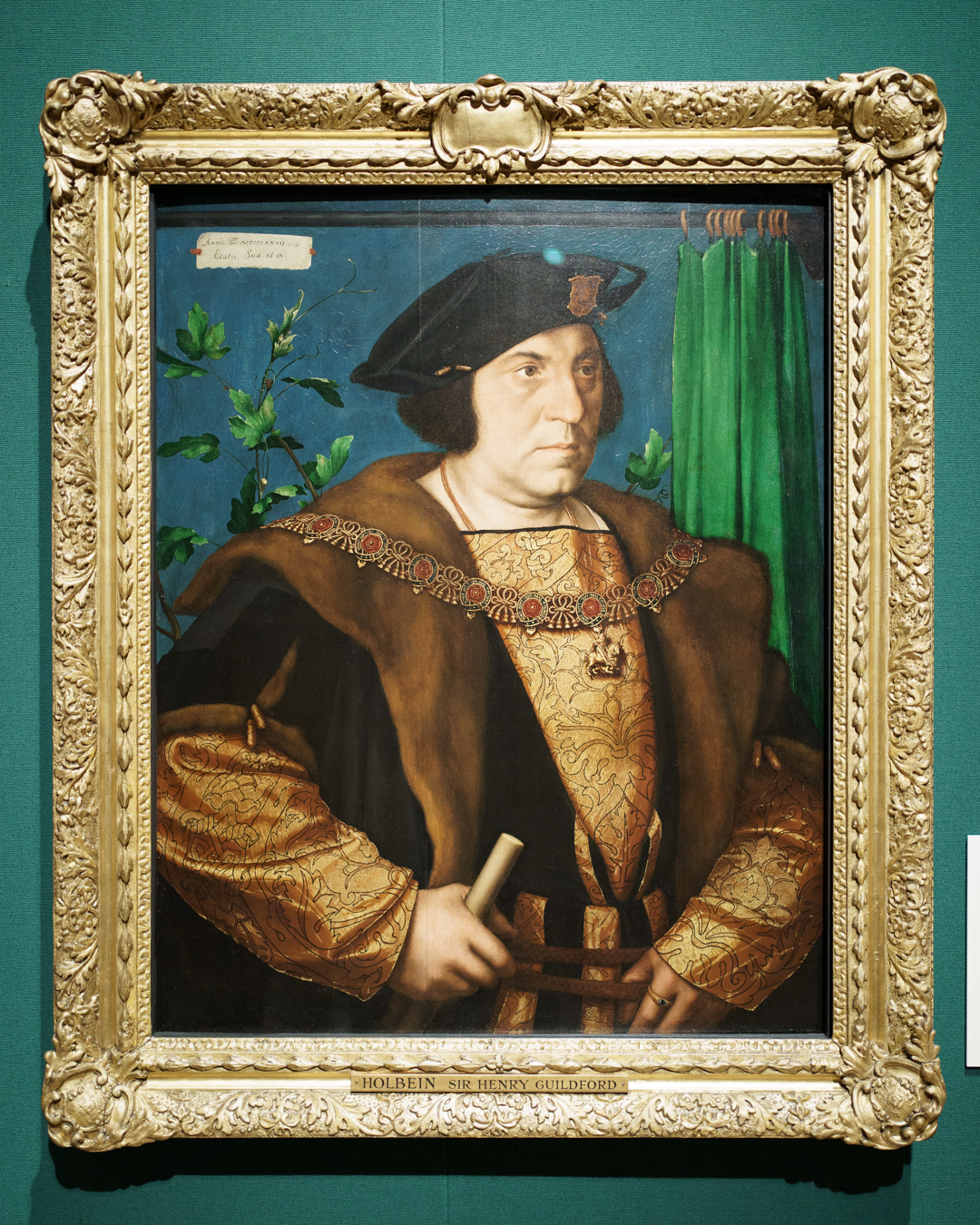

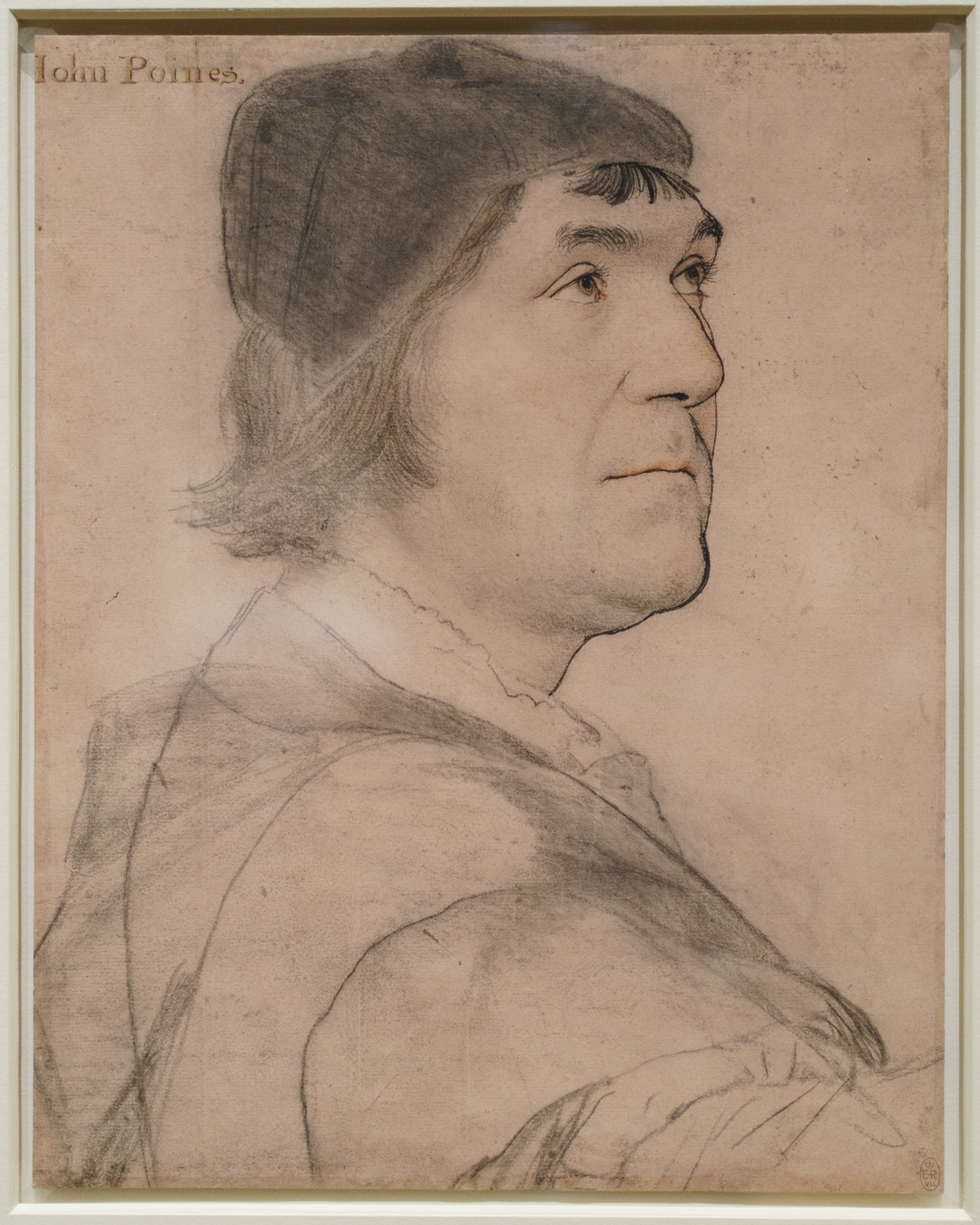
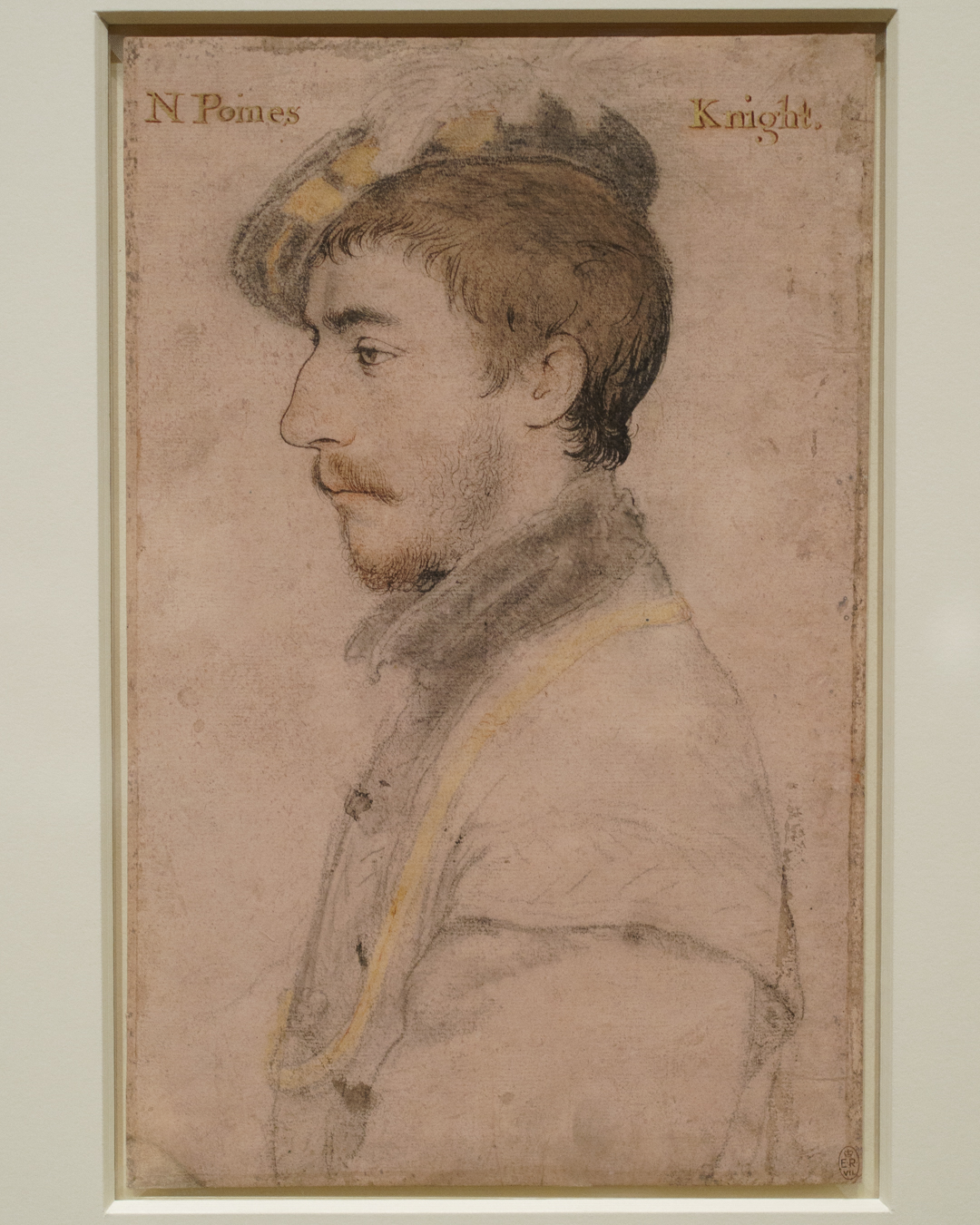
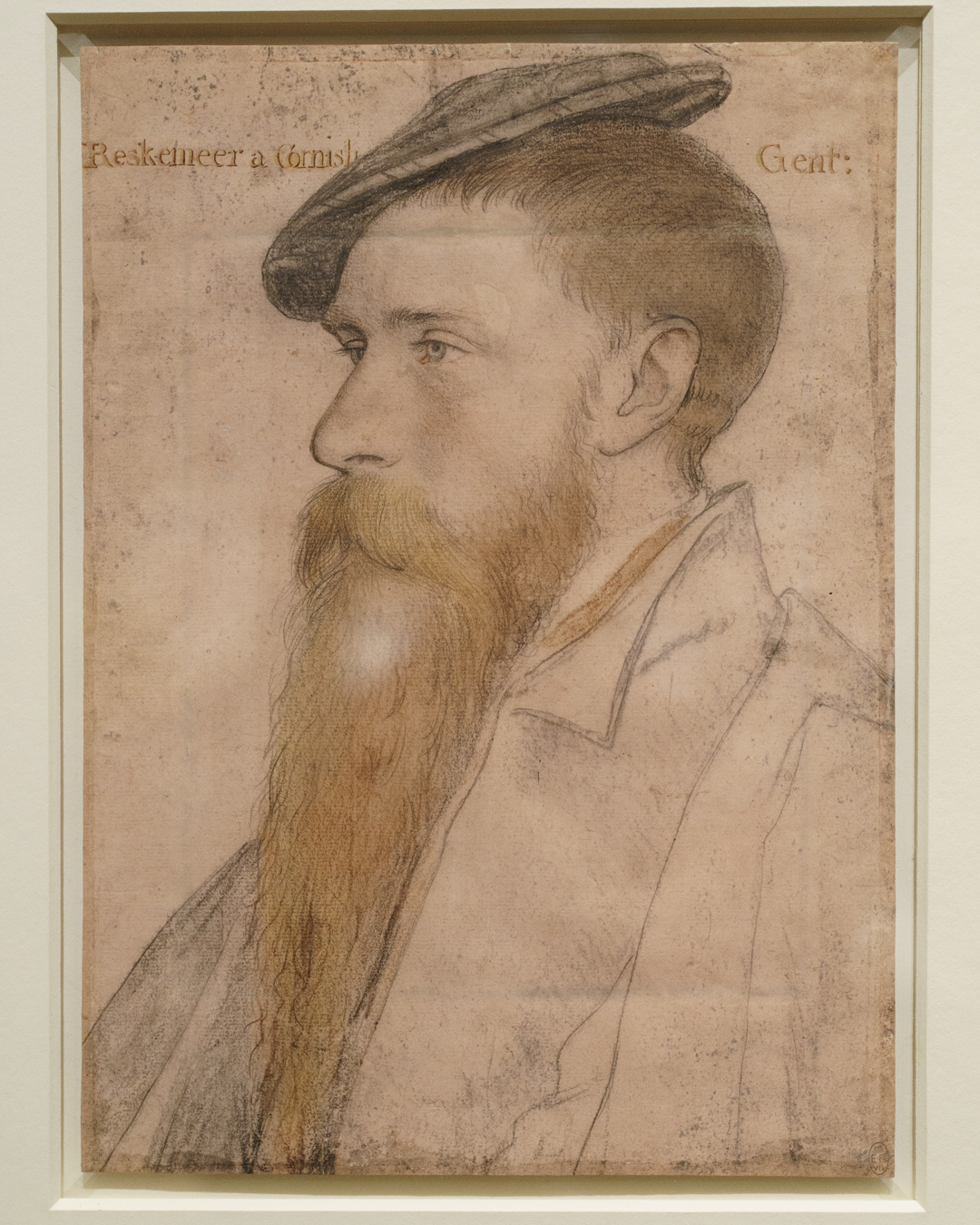
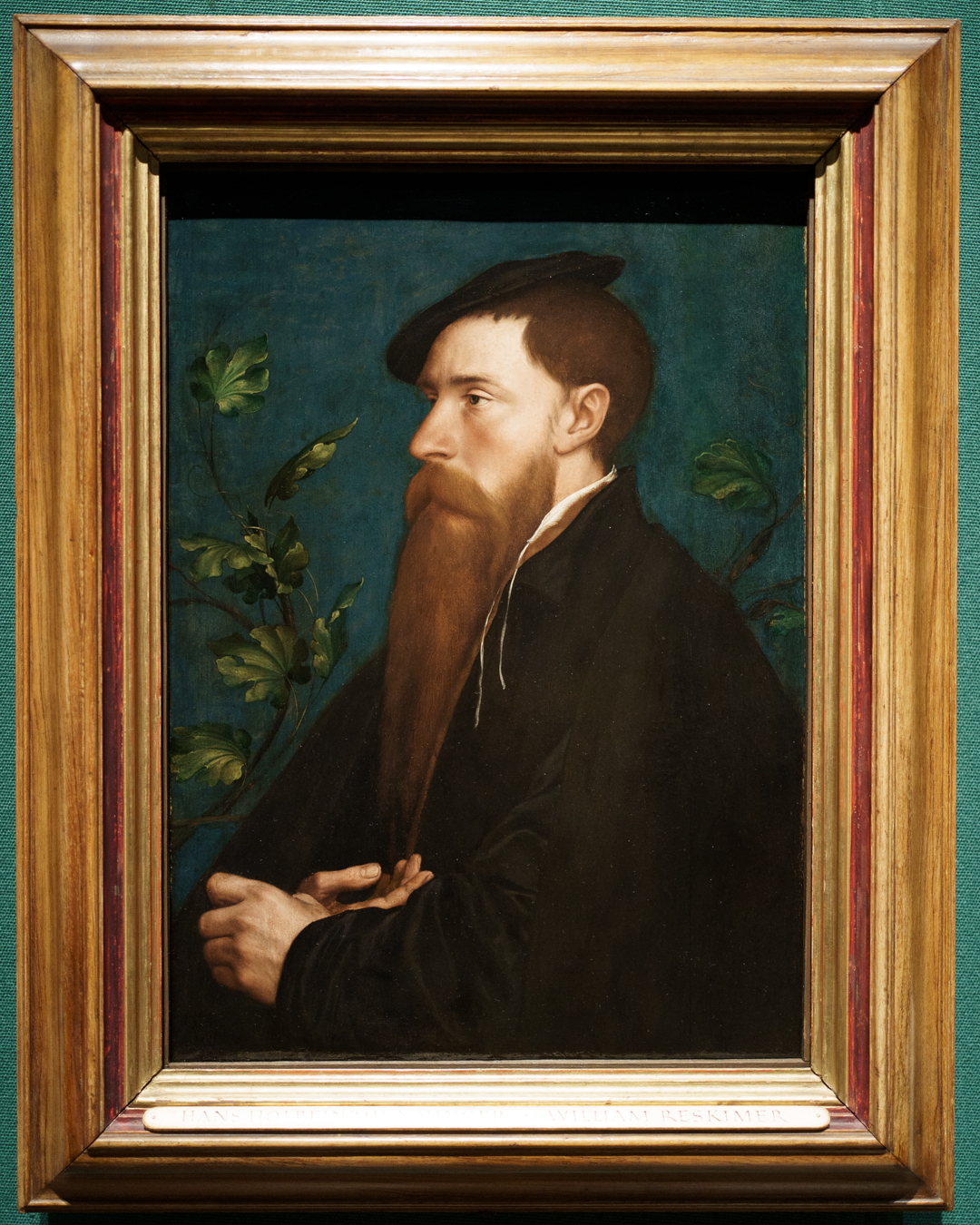
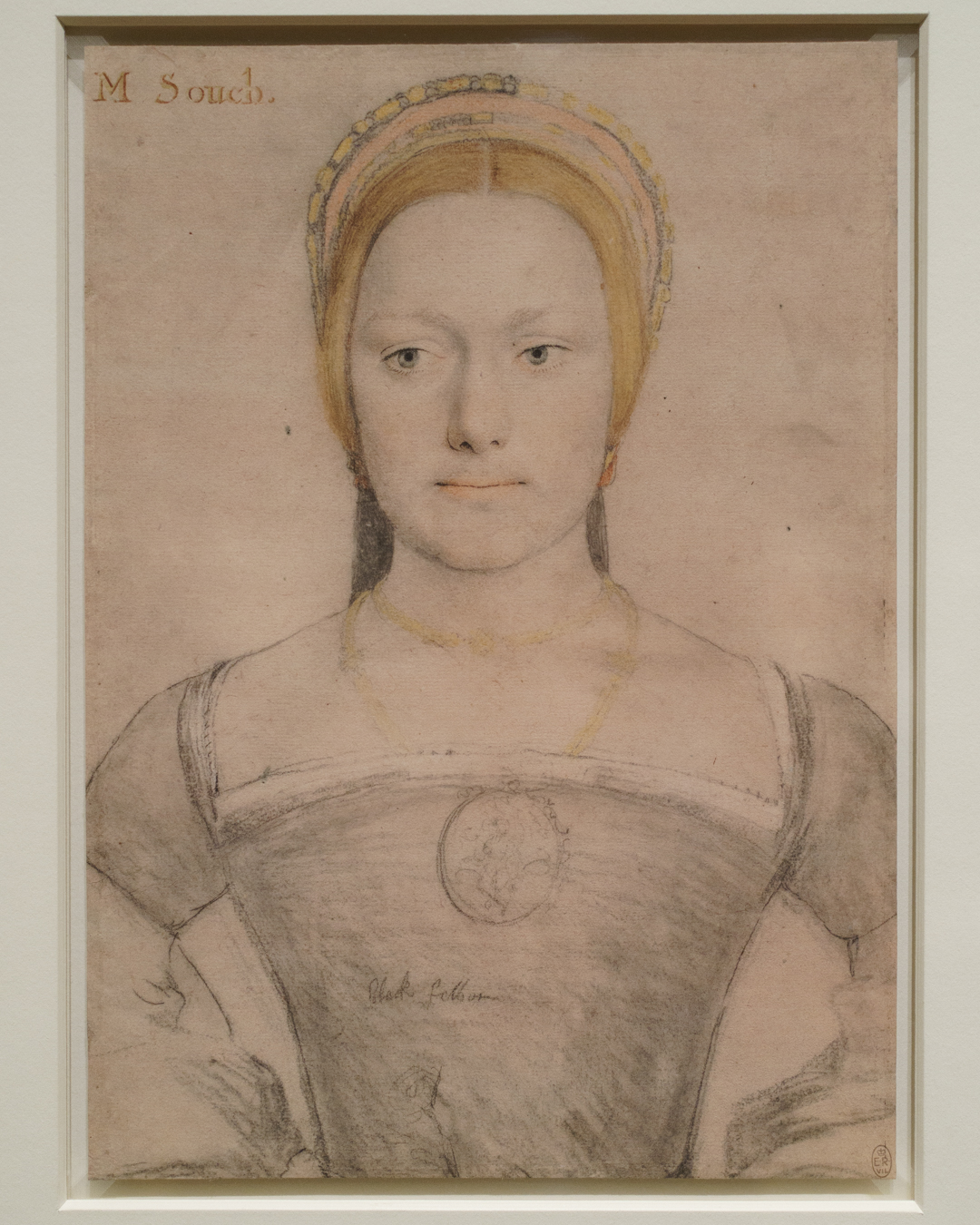


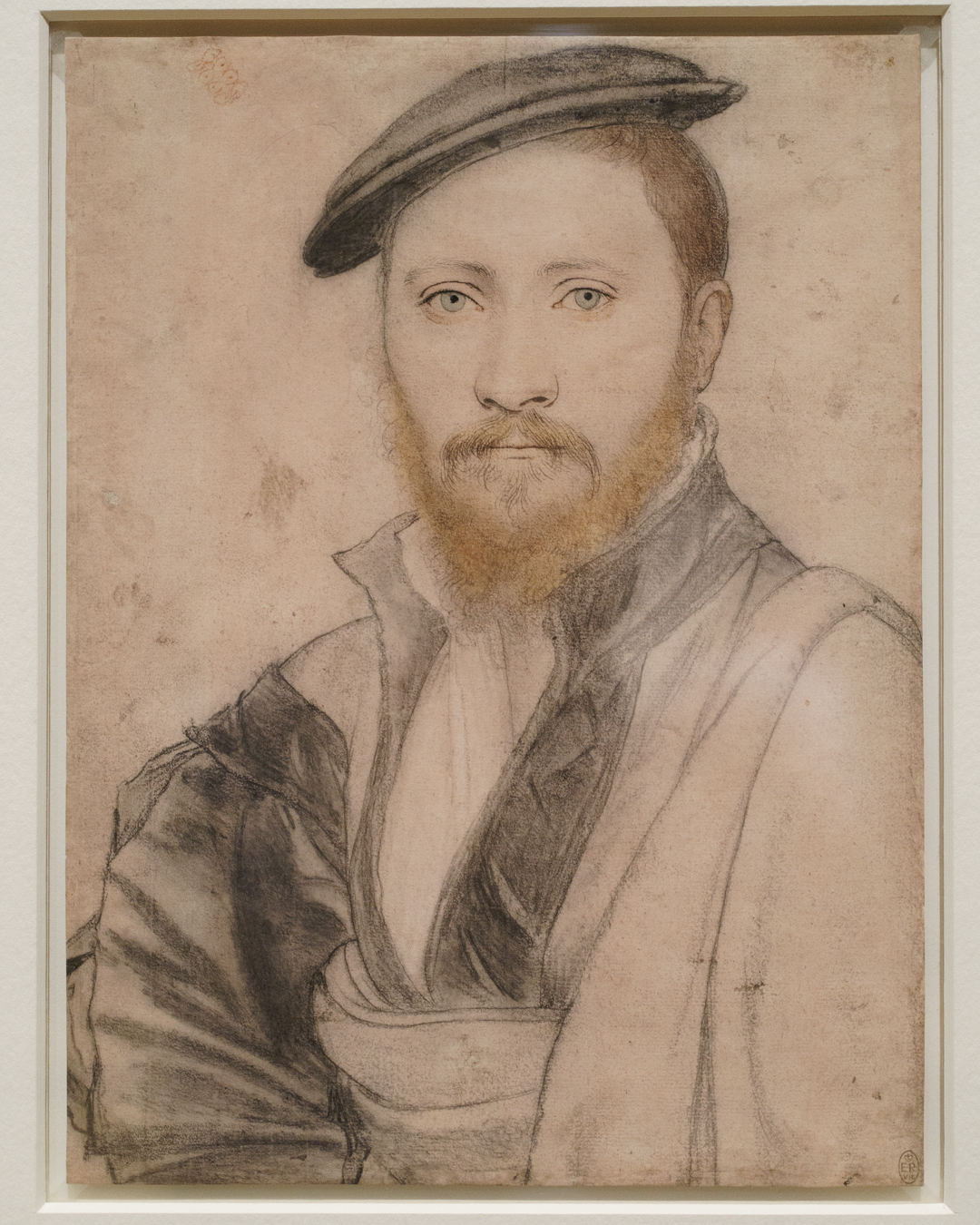


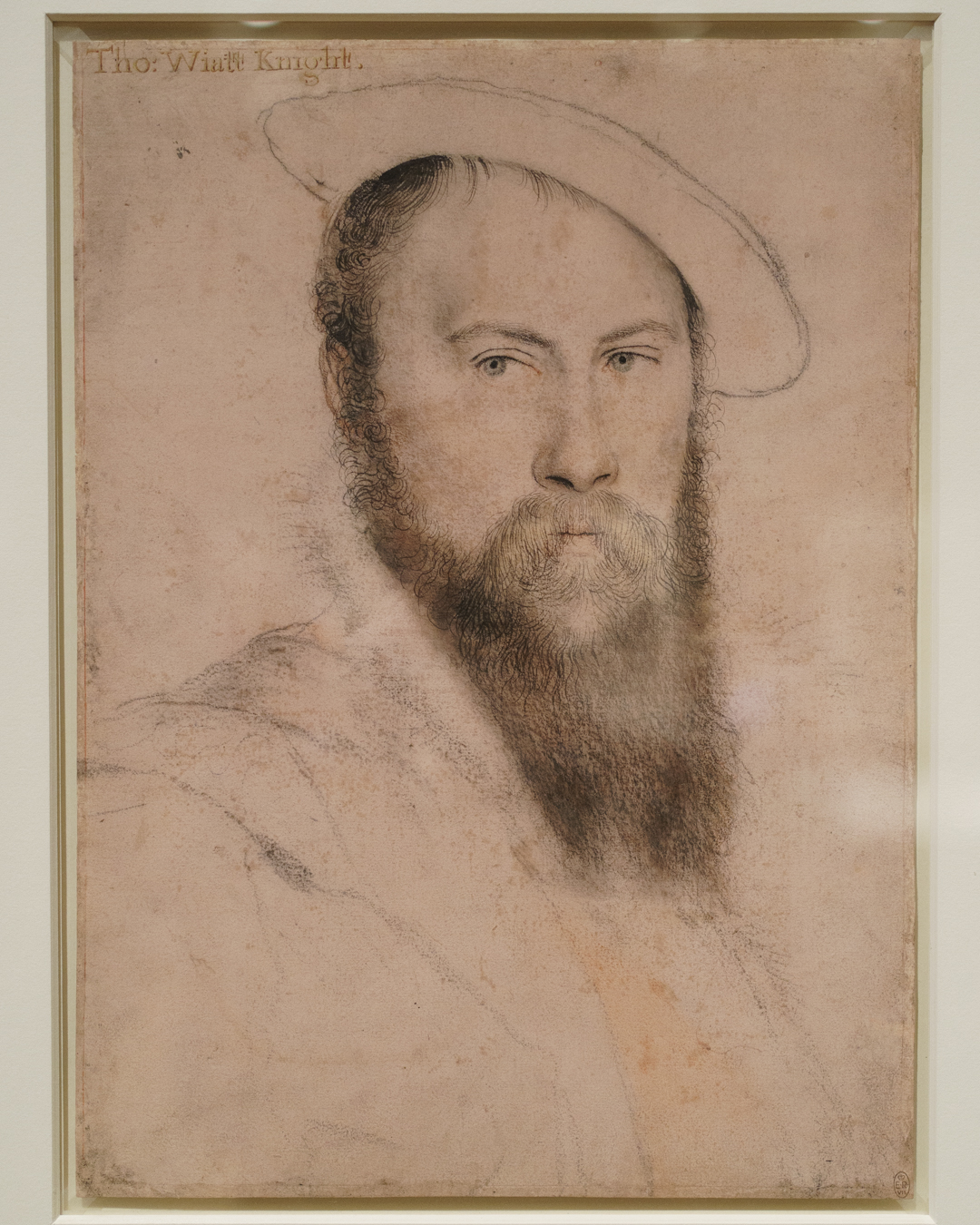
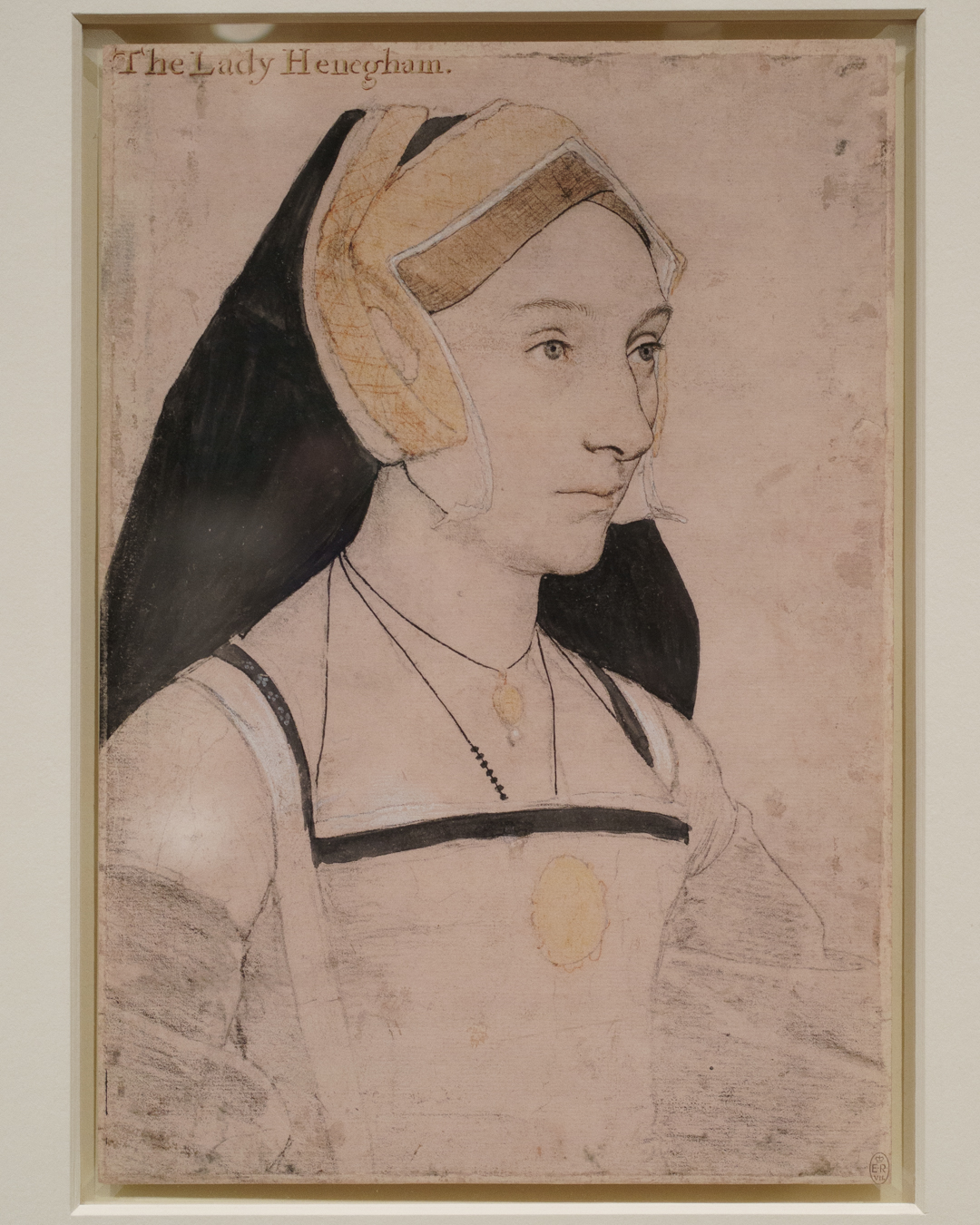
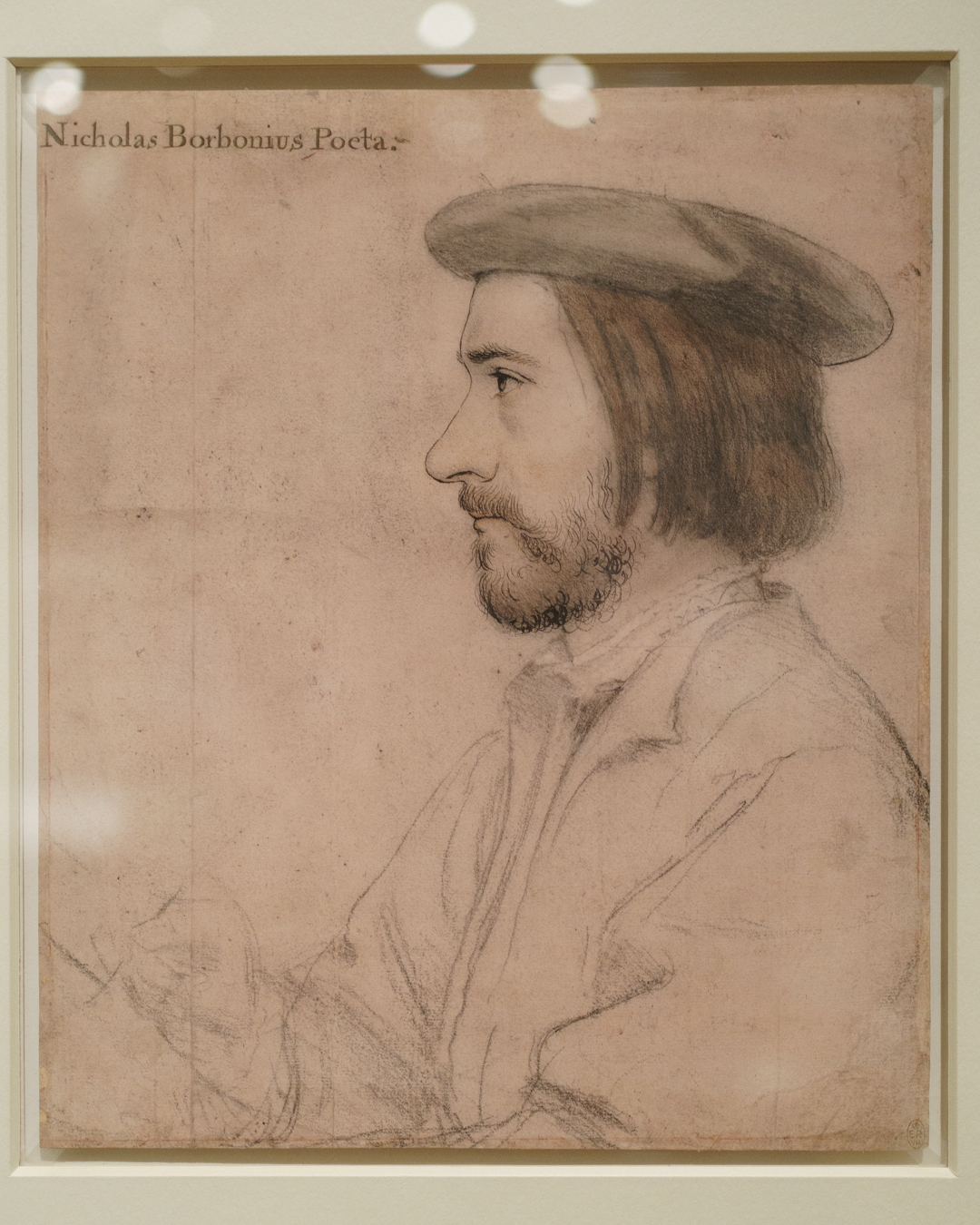
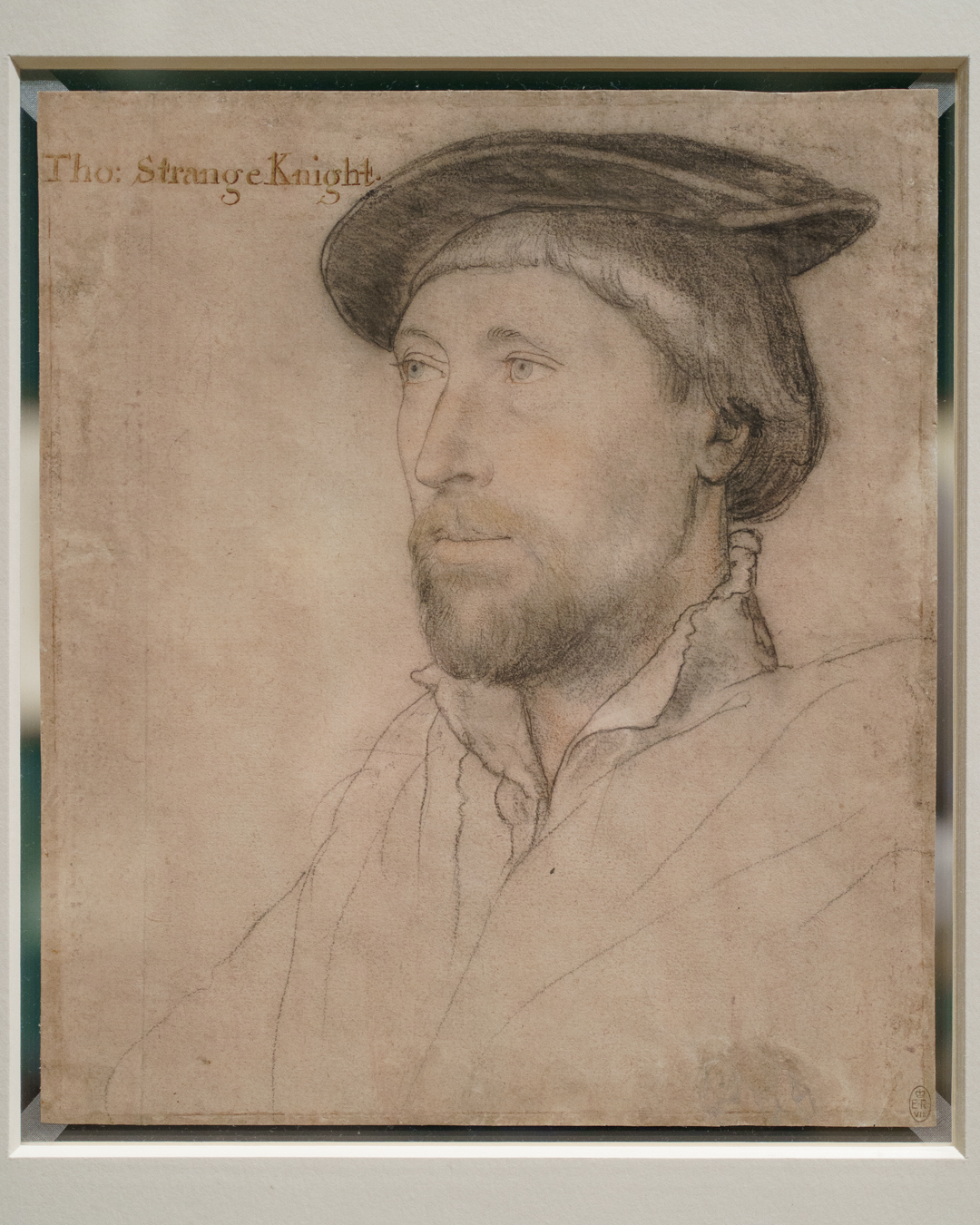
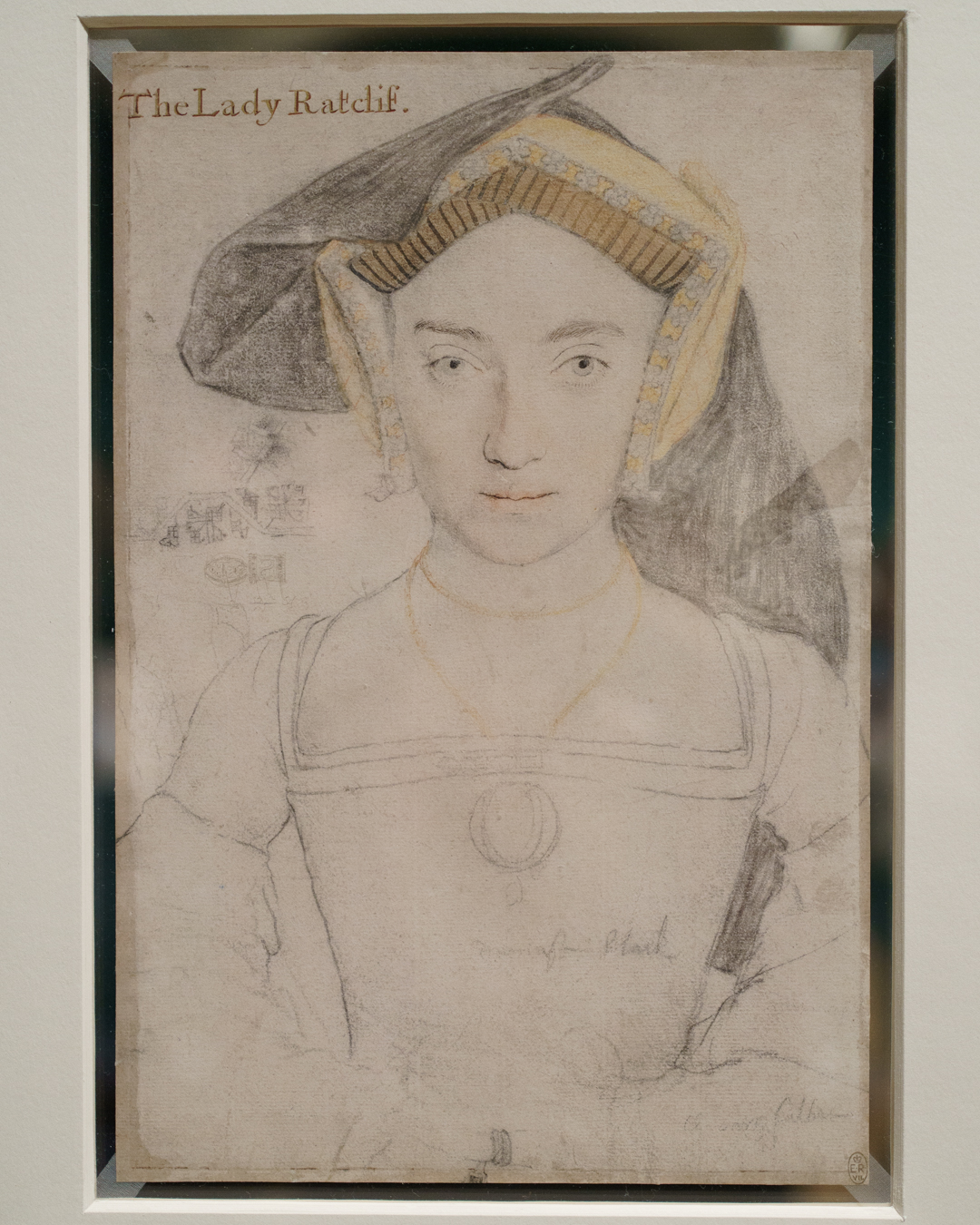
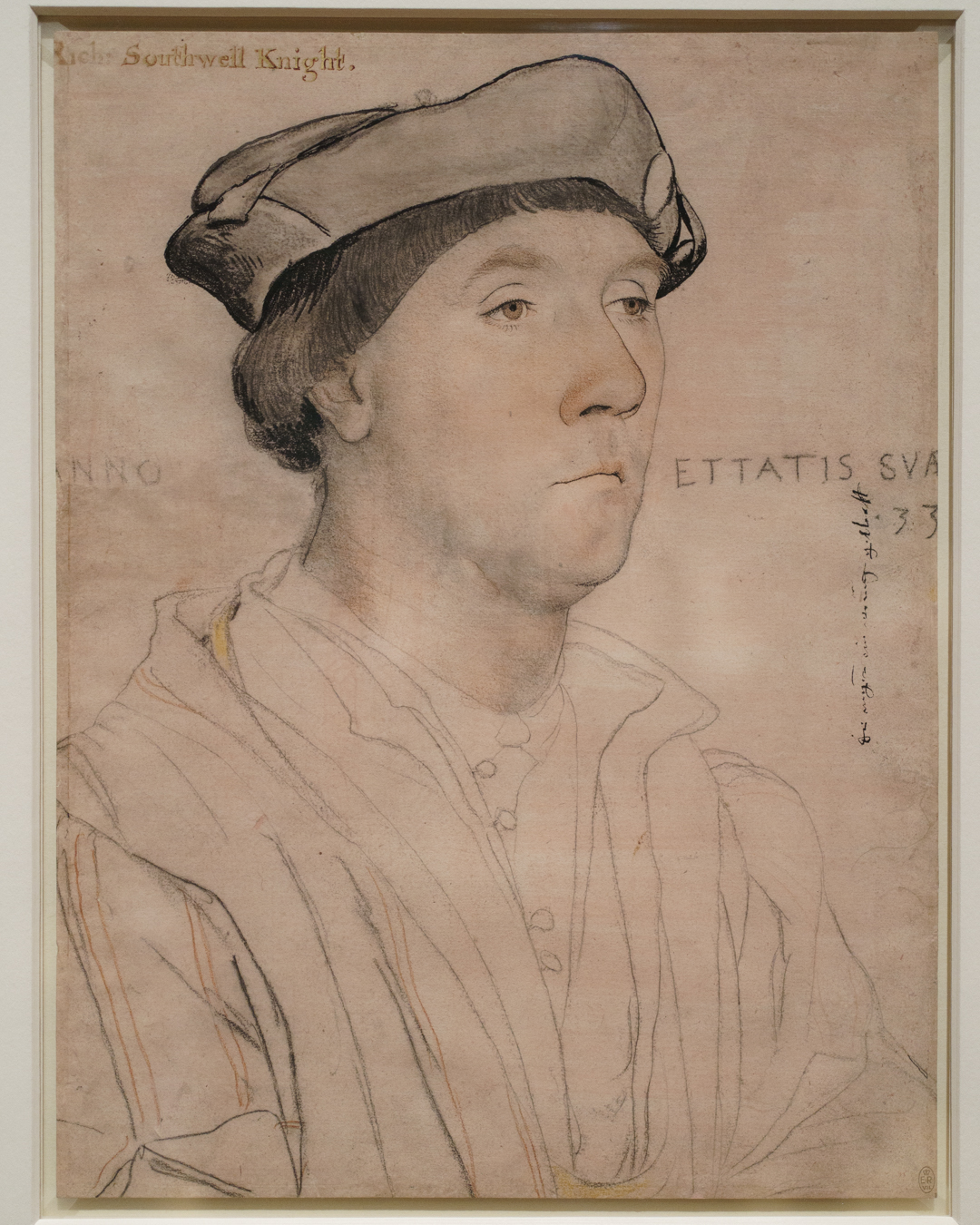
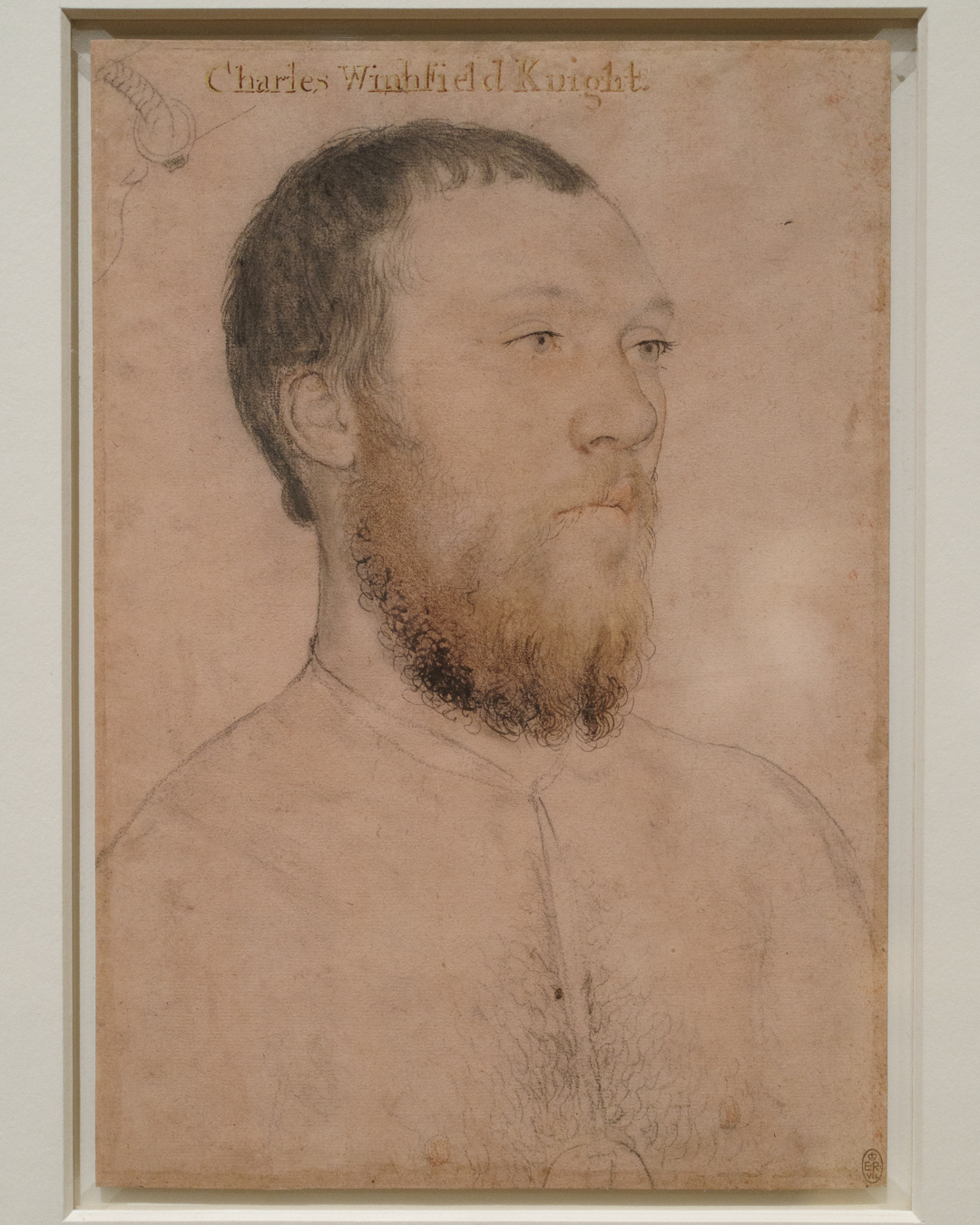
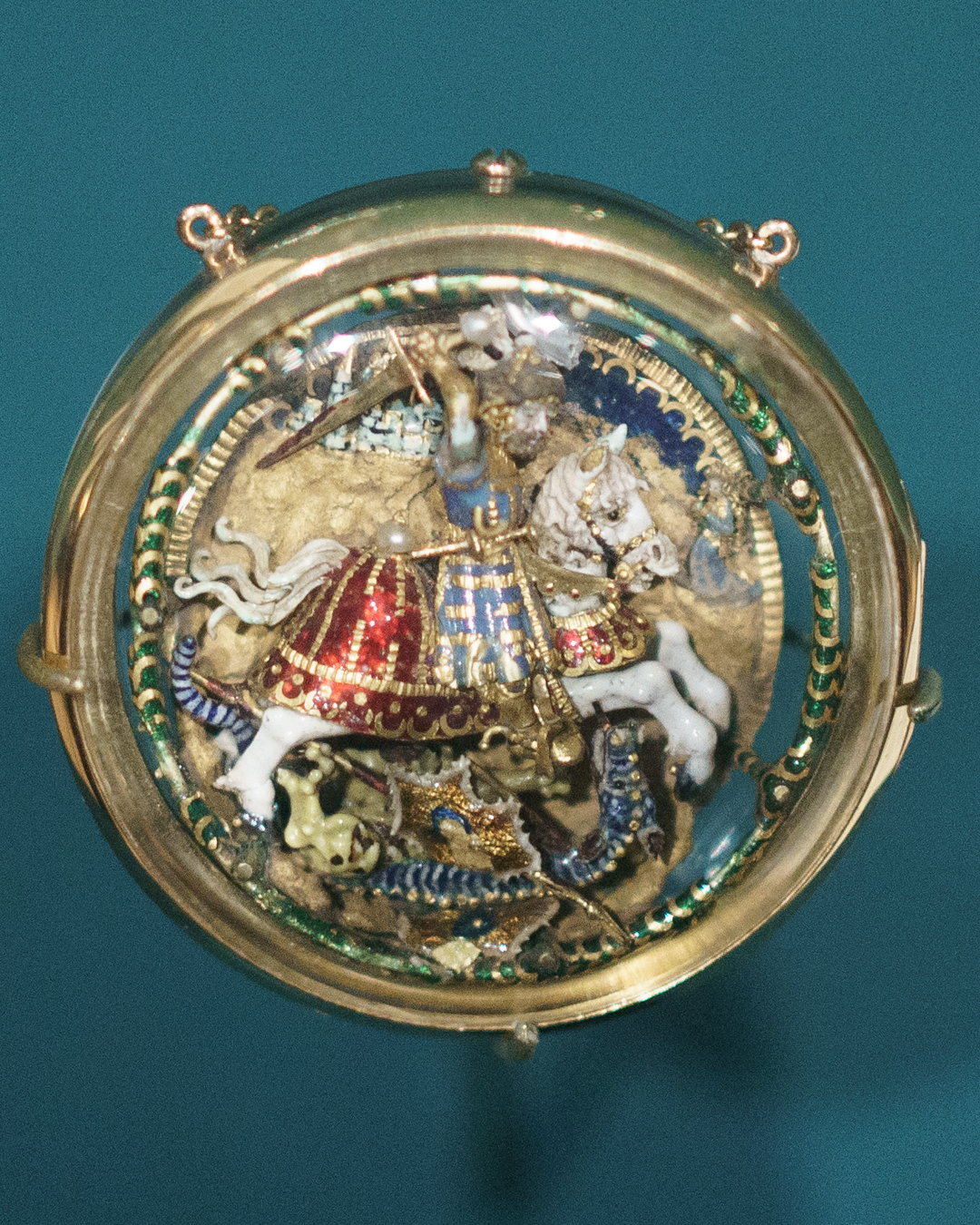


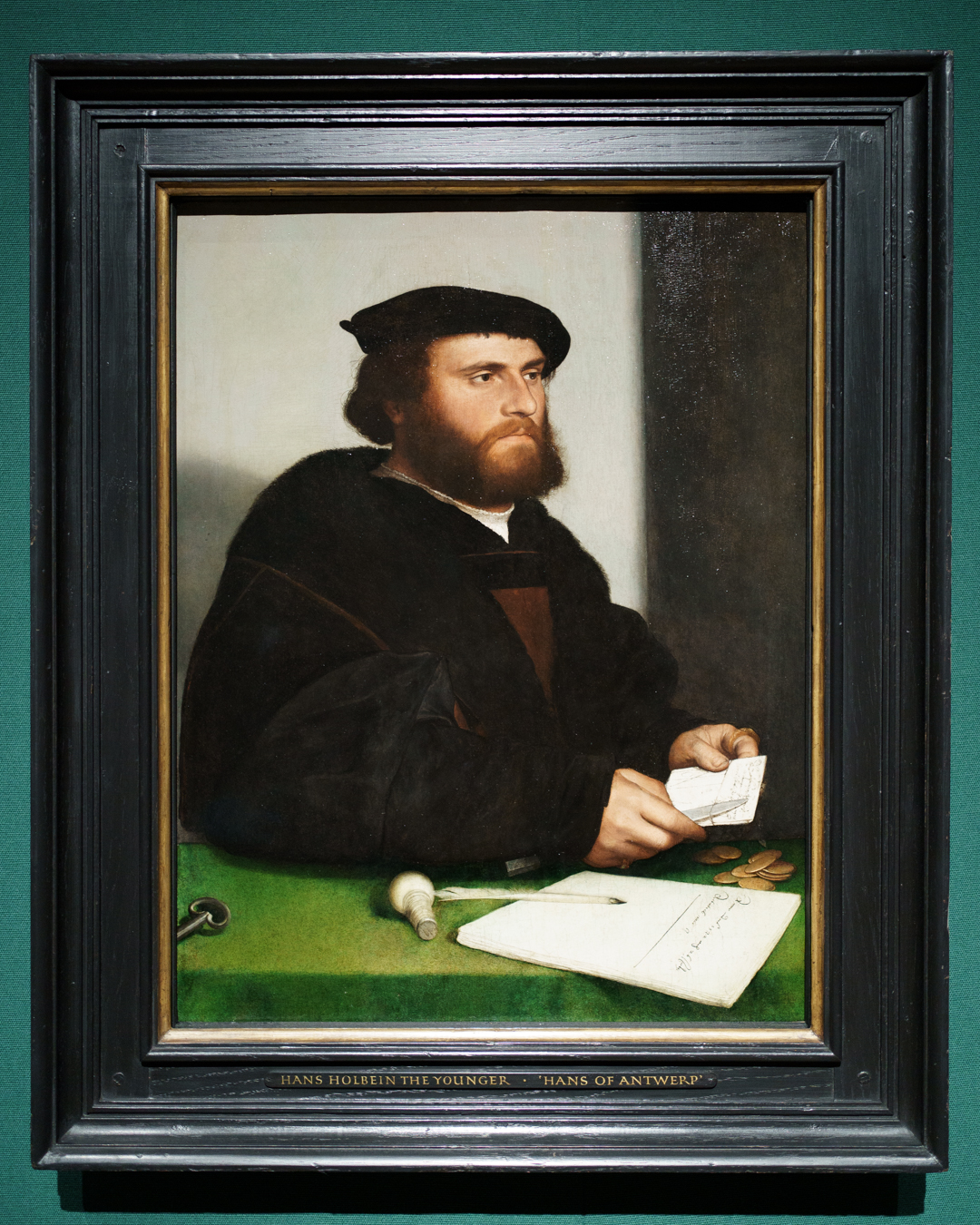


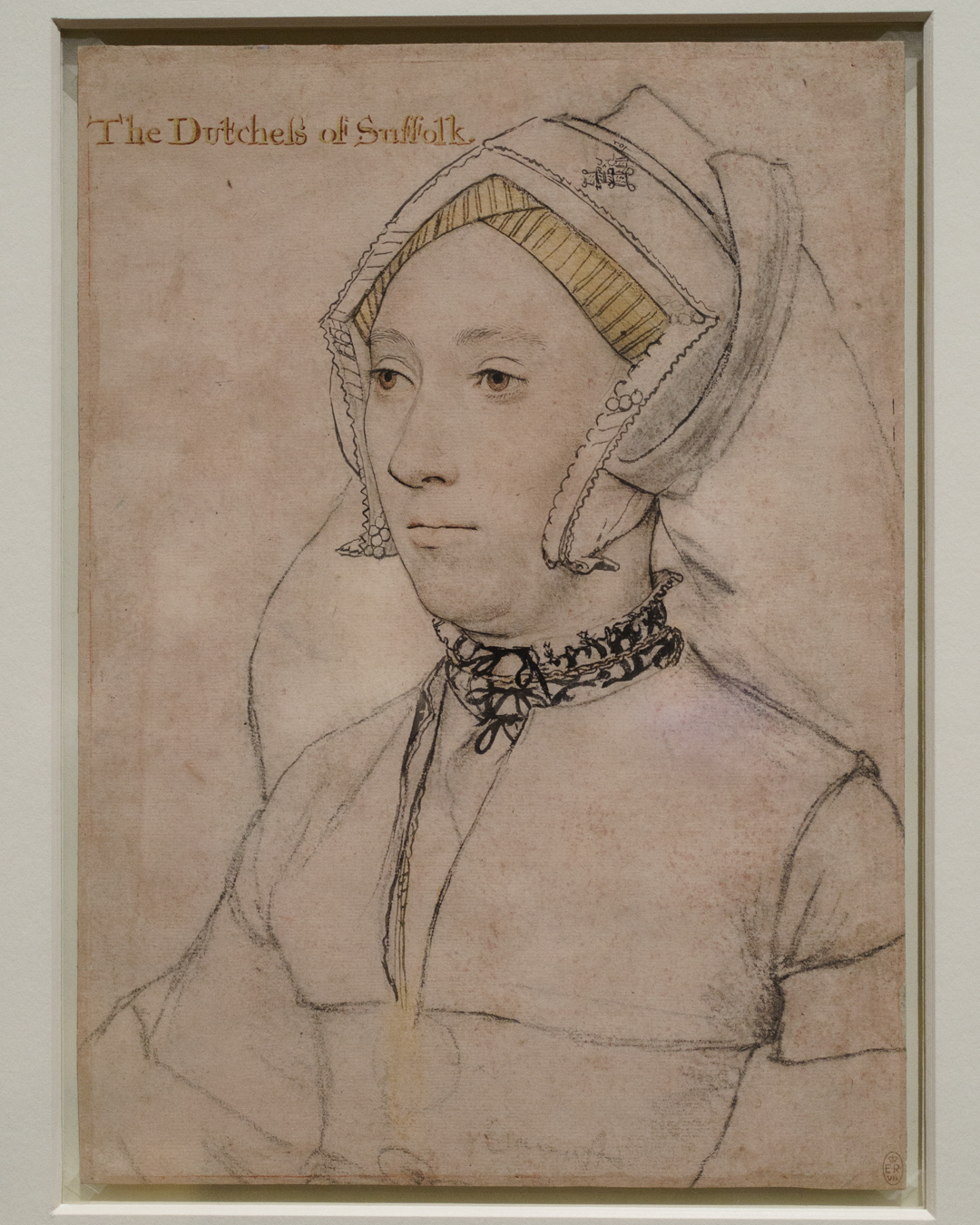
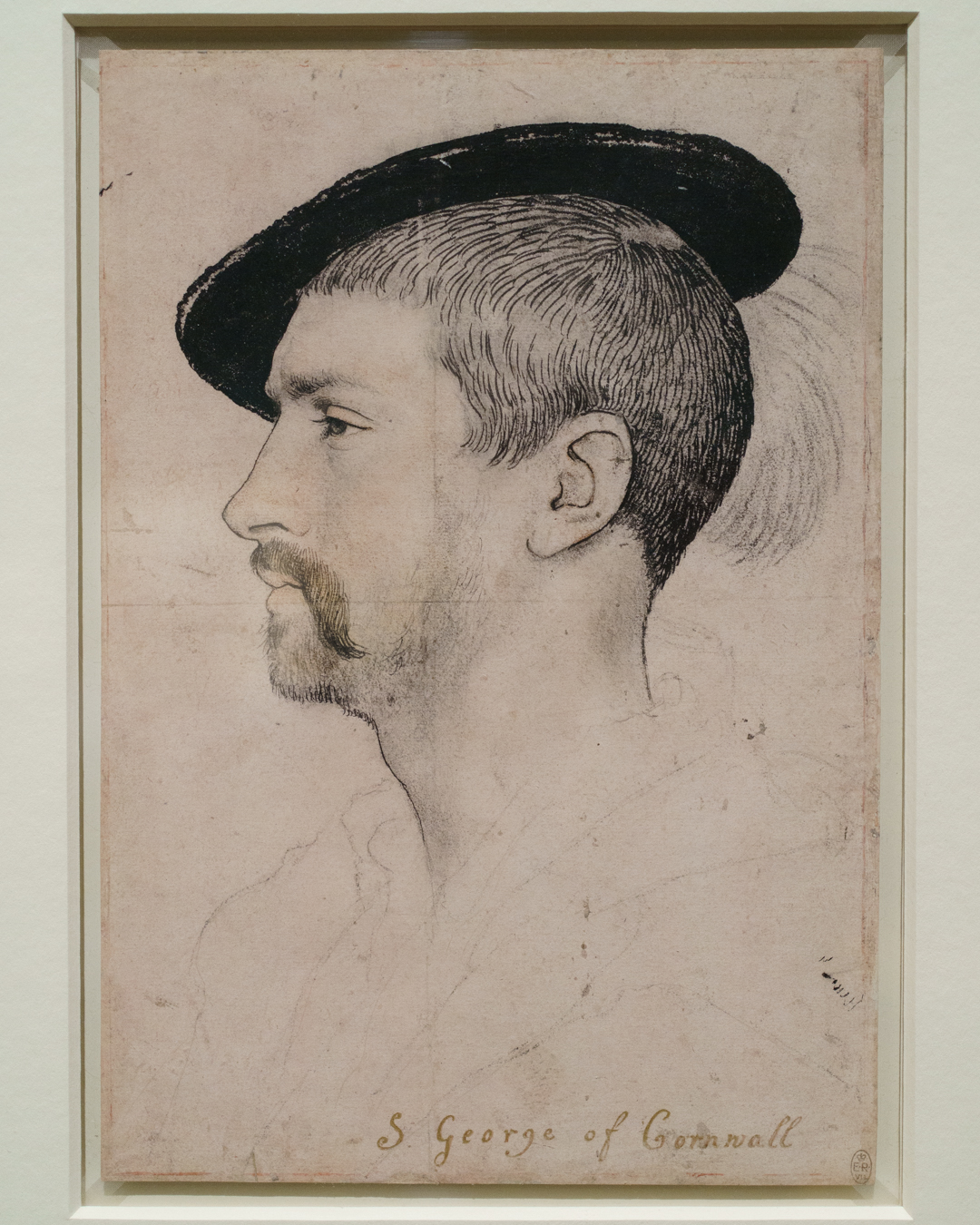
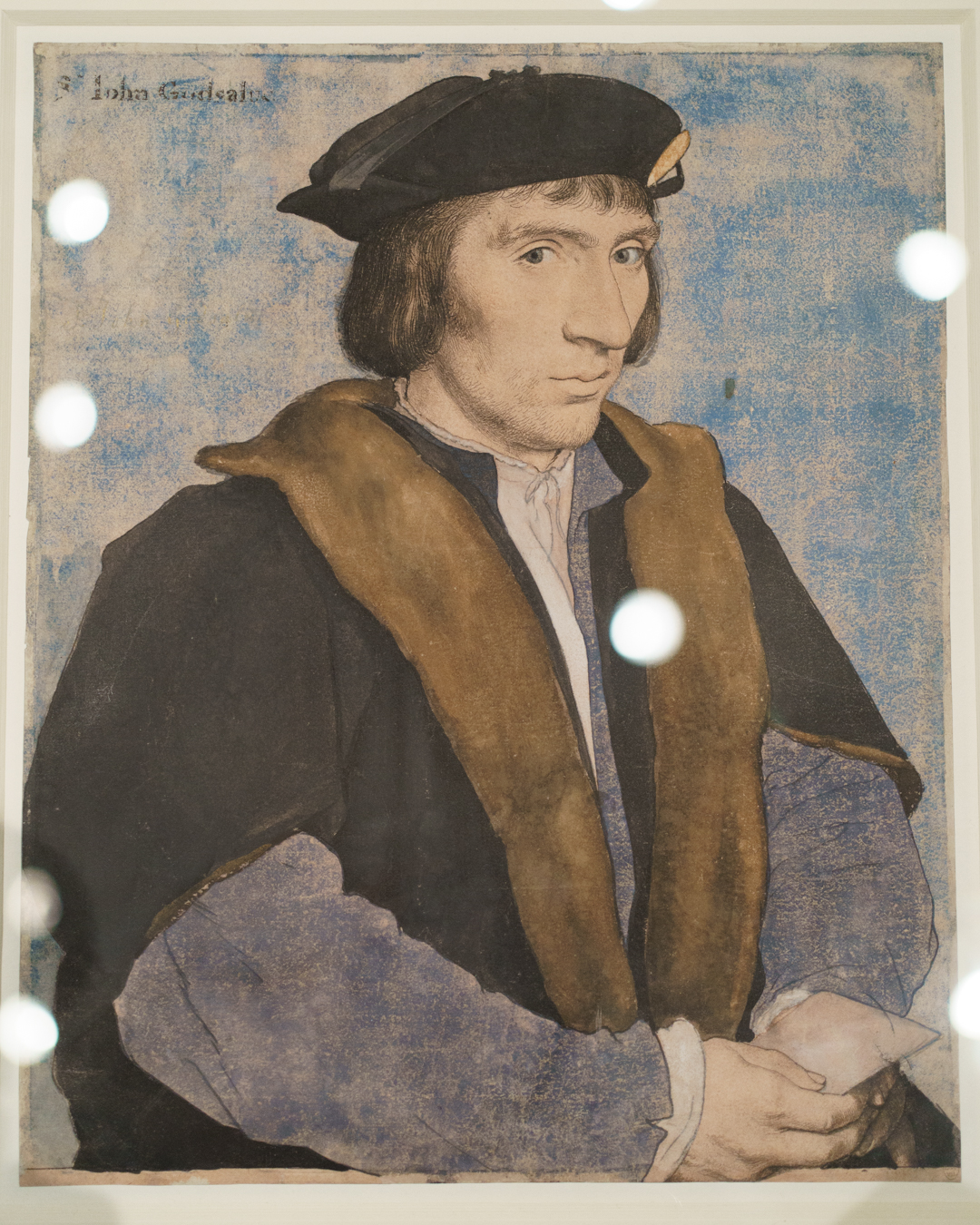
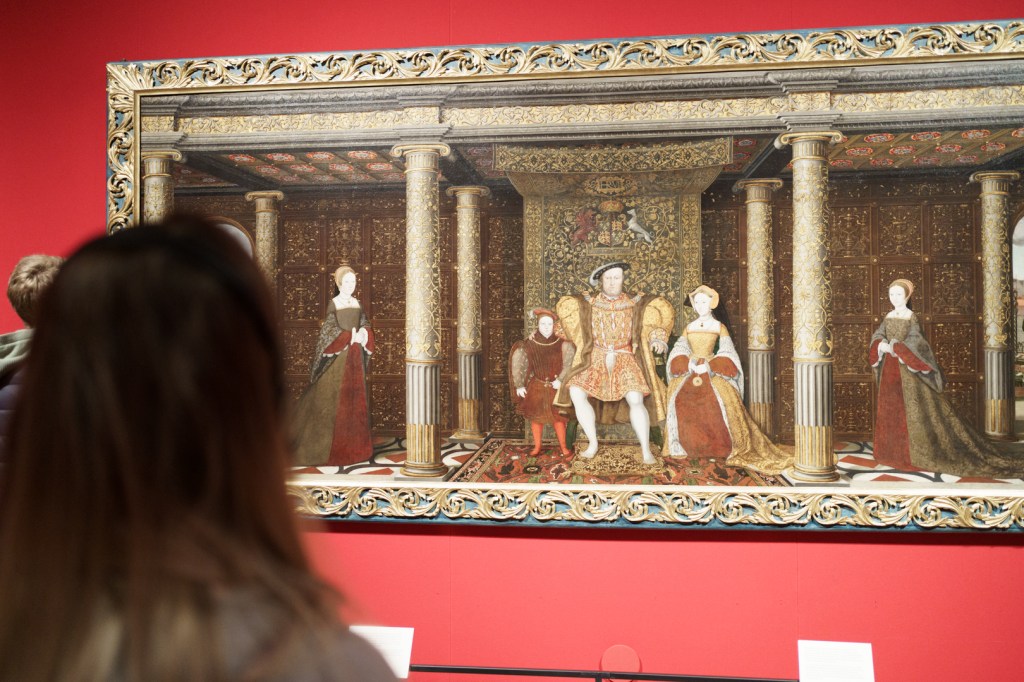
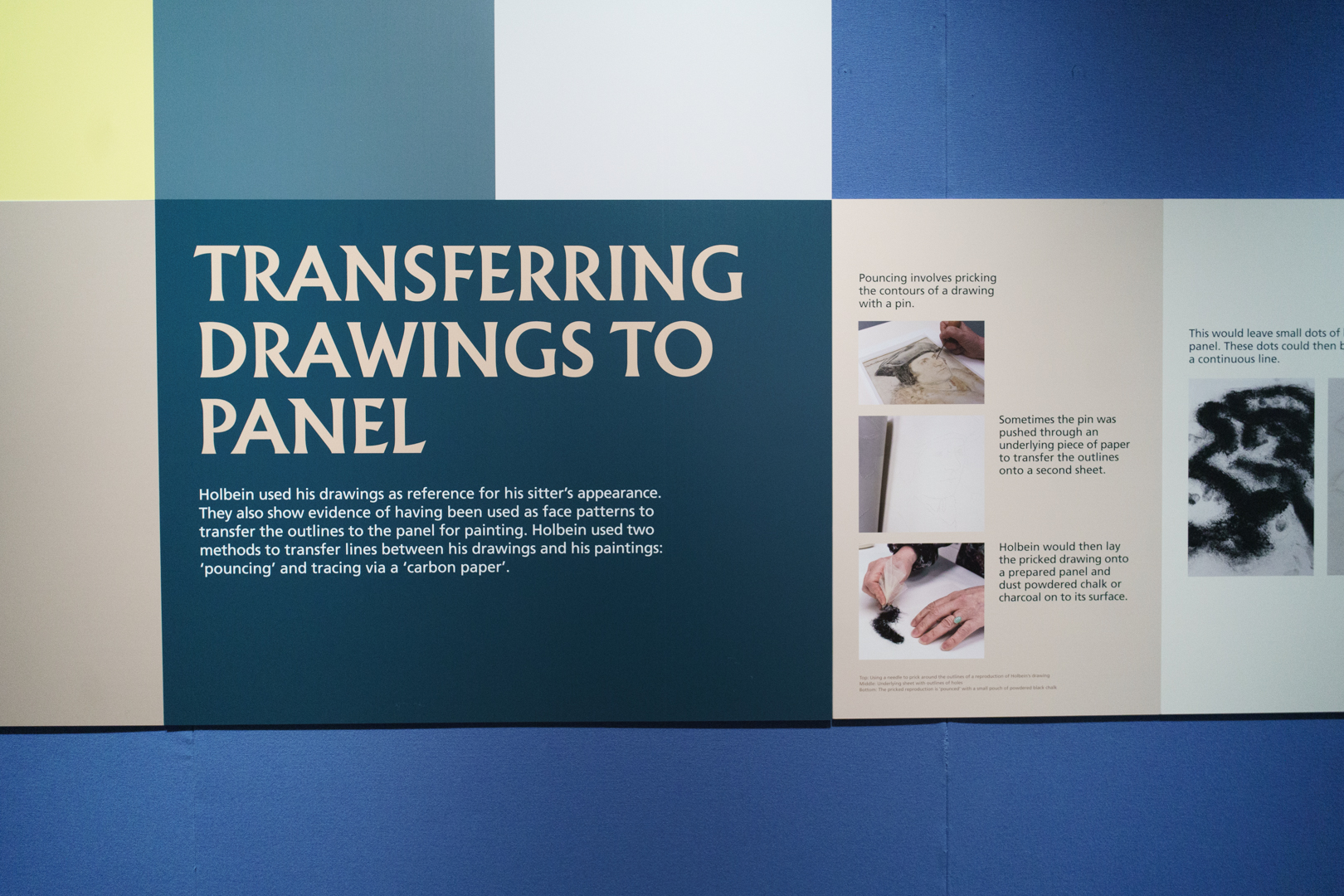
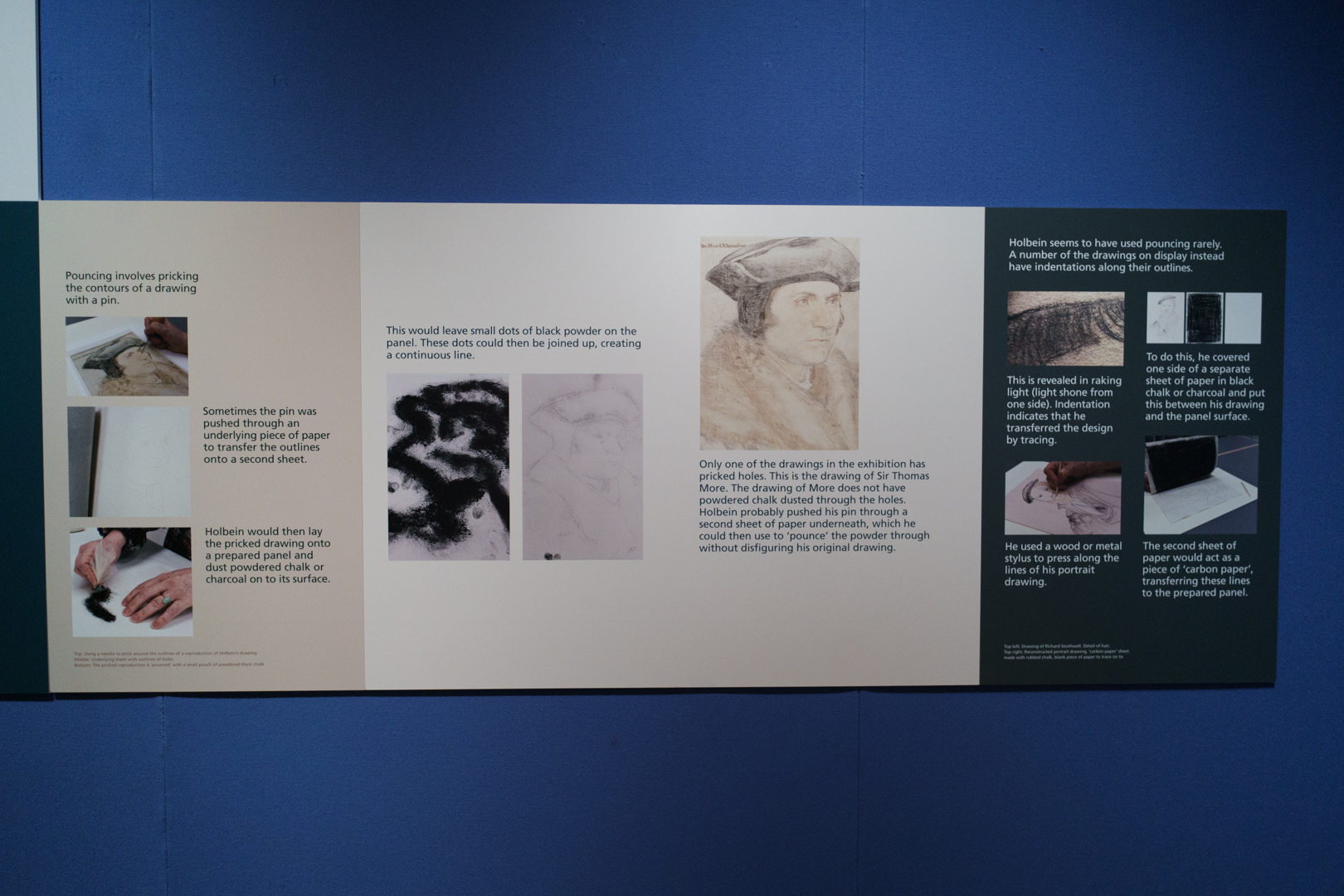
An unexpected bonus for visitors, I think, was the pricked drawing for More’s famous portrait in the Frick Collection. This was used to create extra cartoons that would actually be used for transferring the composition to the oak panel. The Royal Collection doesn’t borrow works for their exhibitions, so it was a shame the timeliness of the US institution’s present renovations and recent lending opportunities couldn’t allow for a reunion. The same is true of the reduced copy of the lost Whitehall Mural, for which the National Portrait Gallery holds a surviving cartoon fragment.
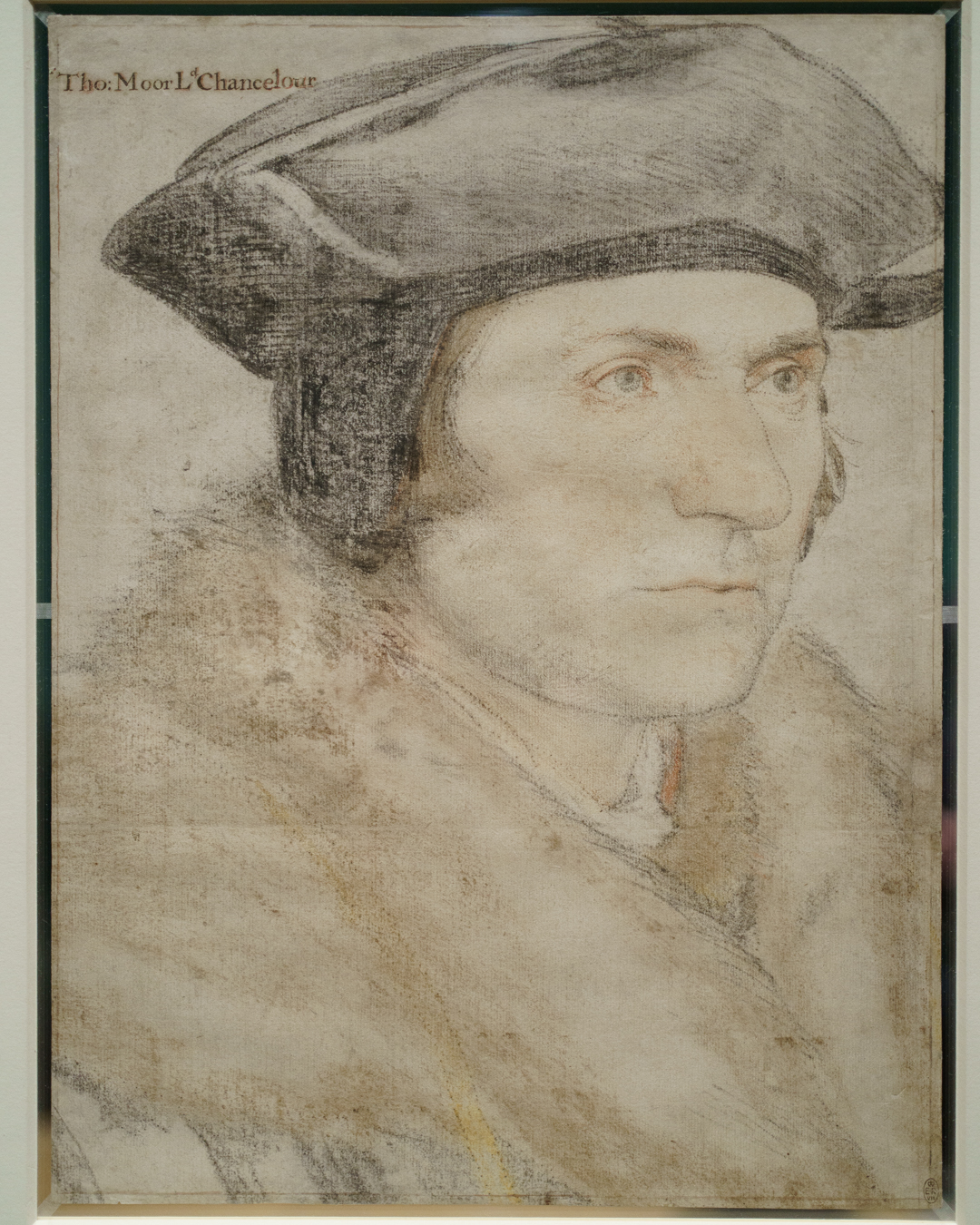
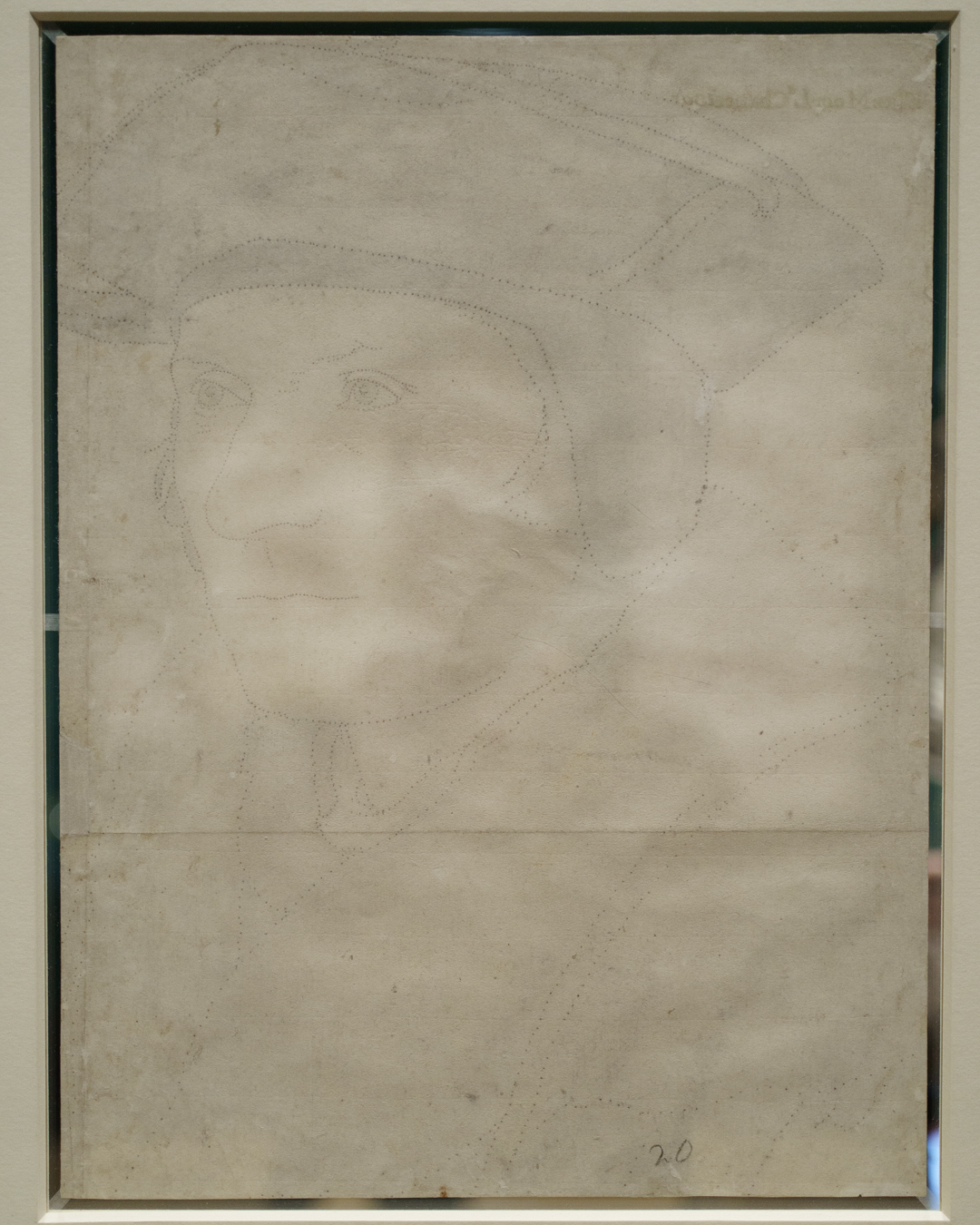
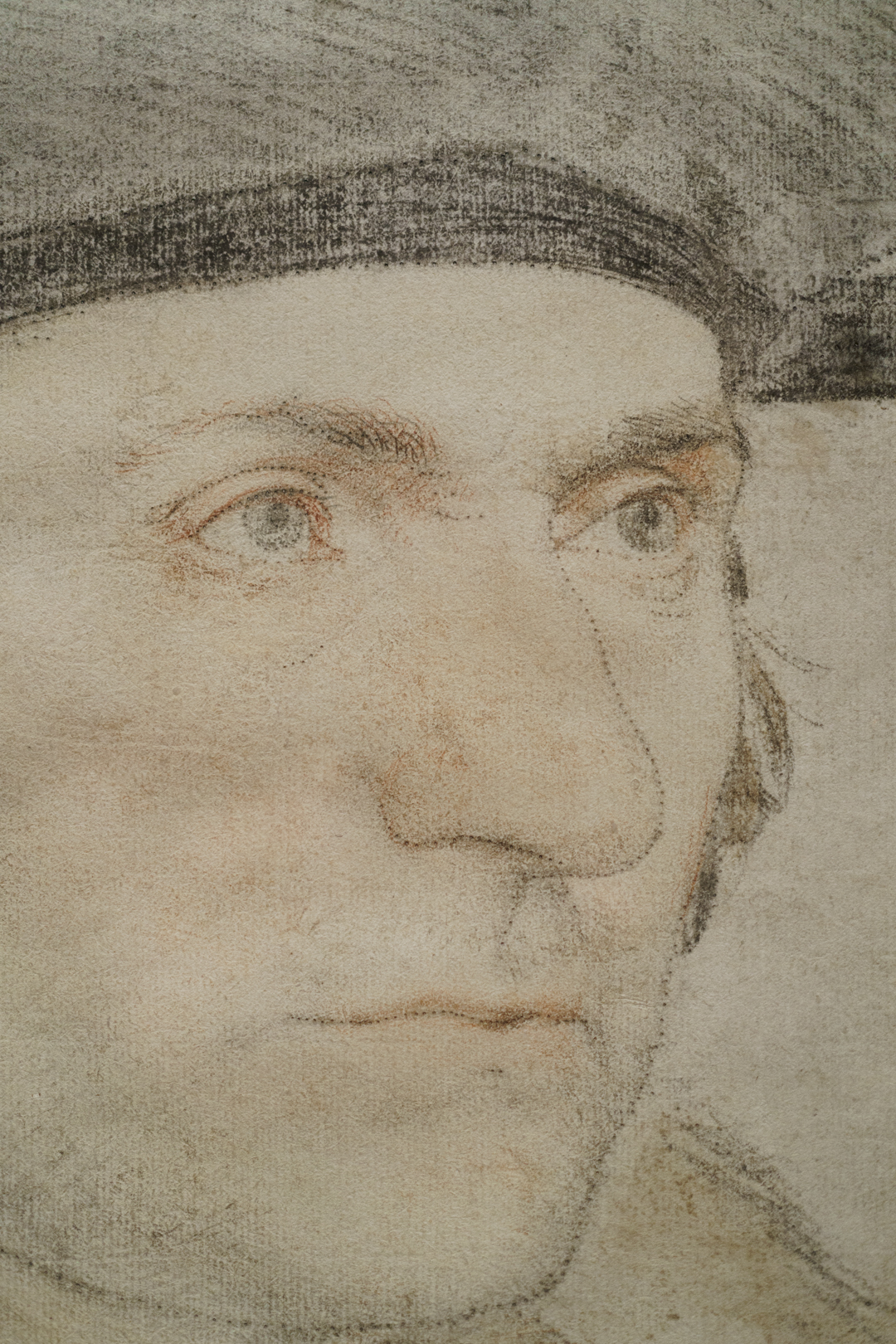
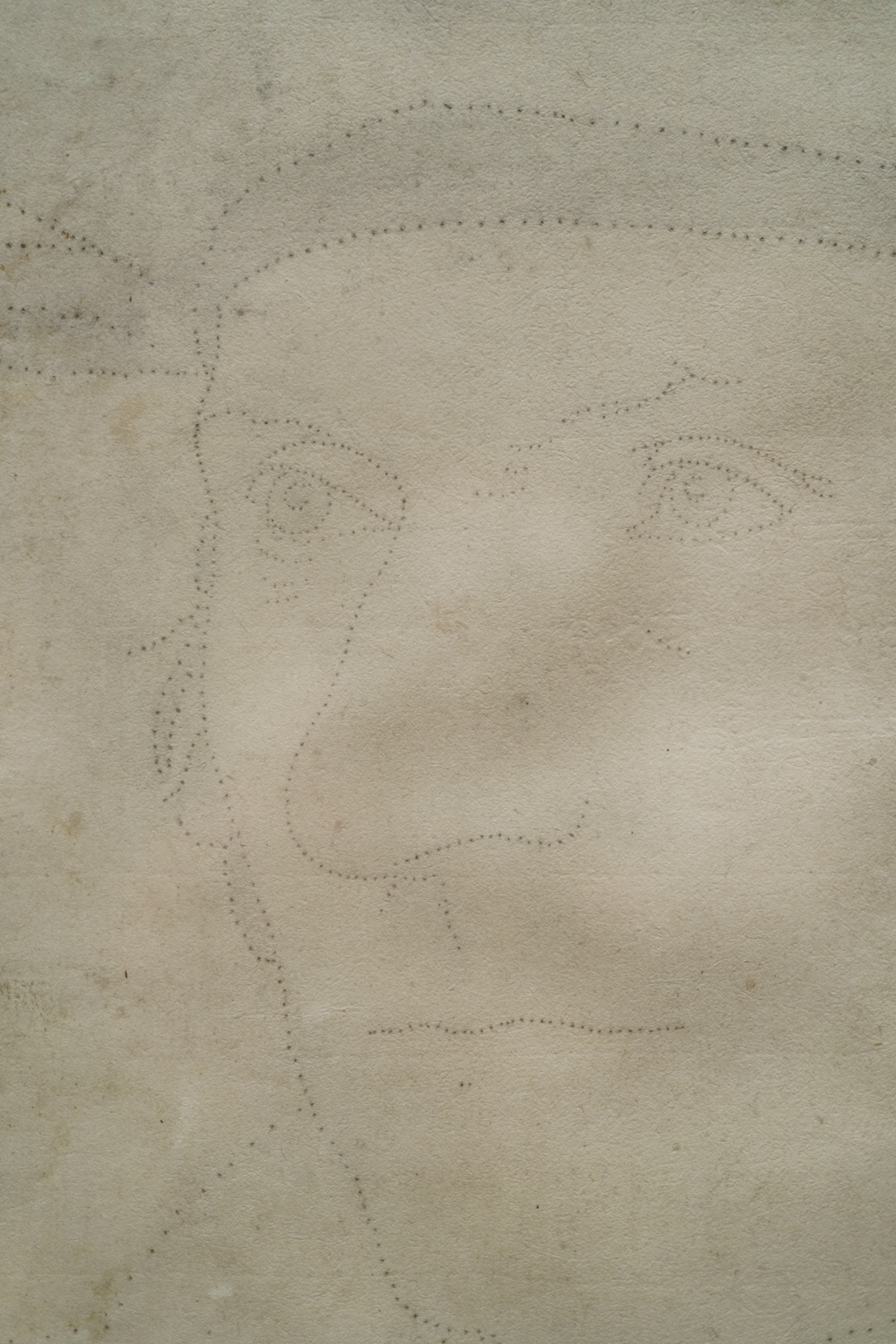
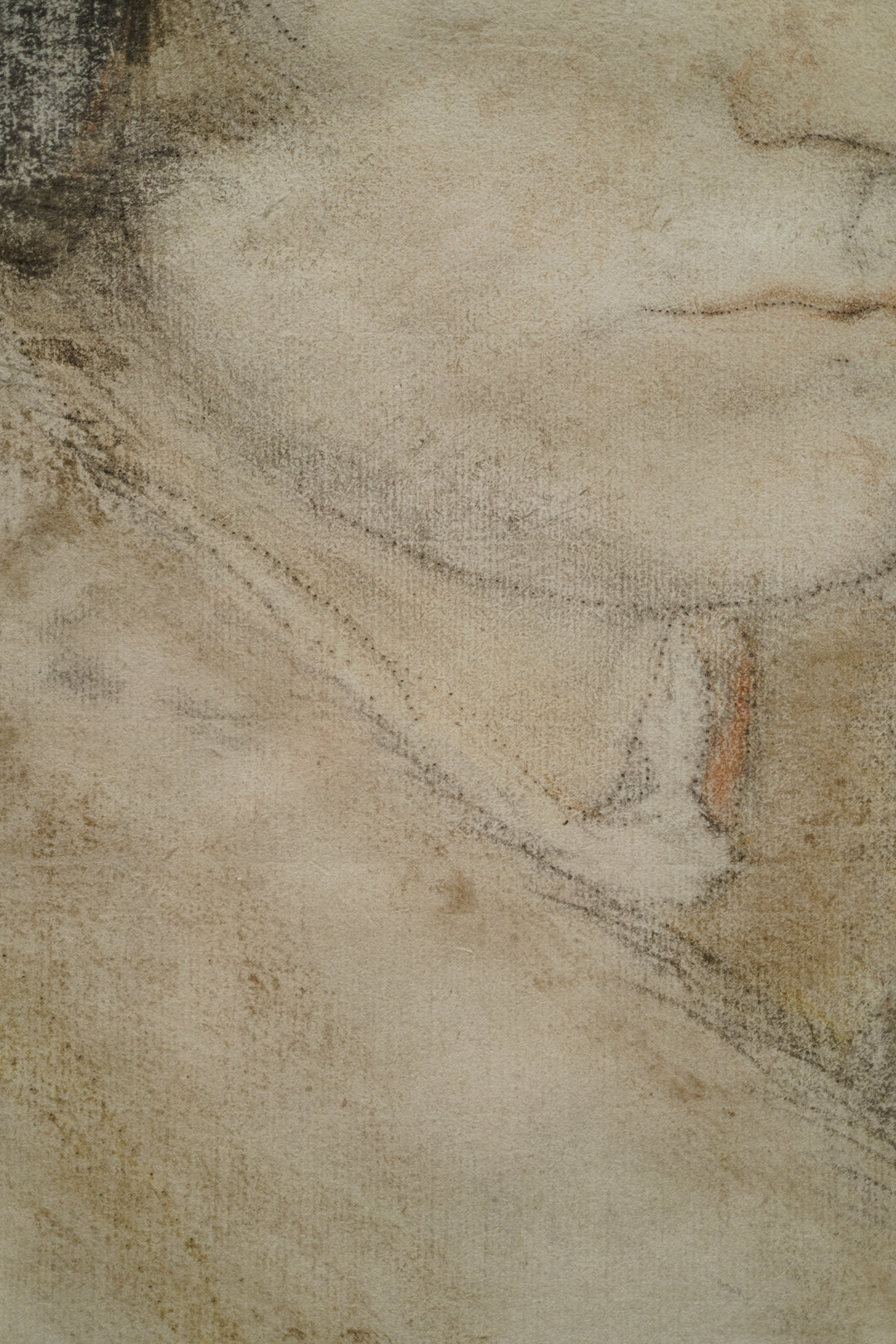
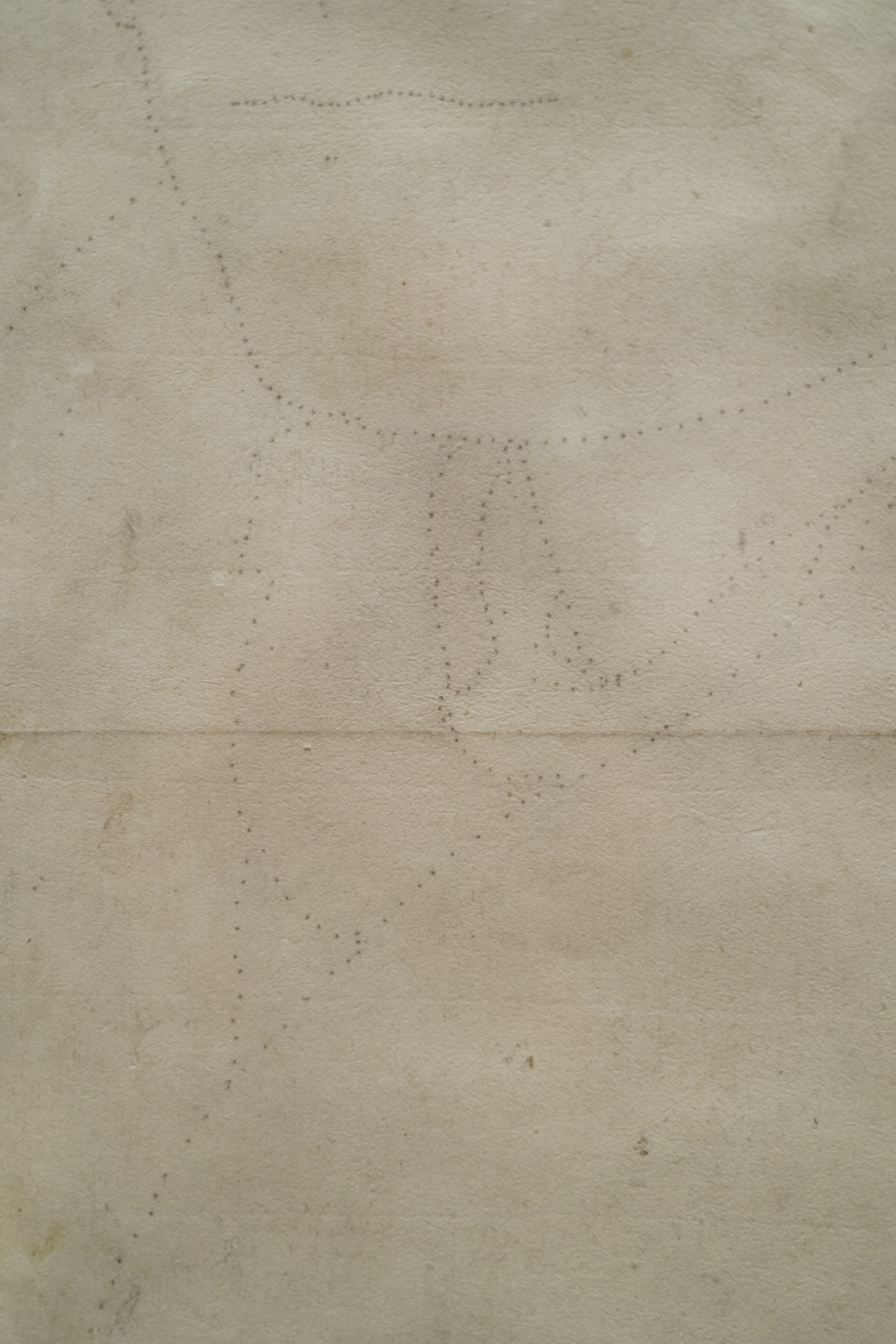
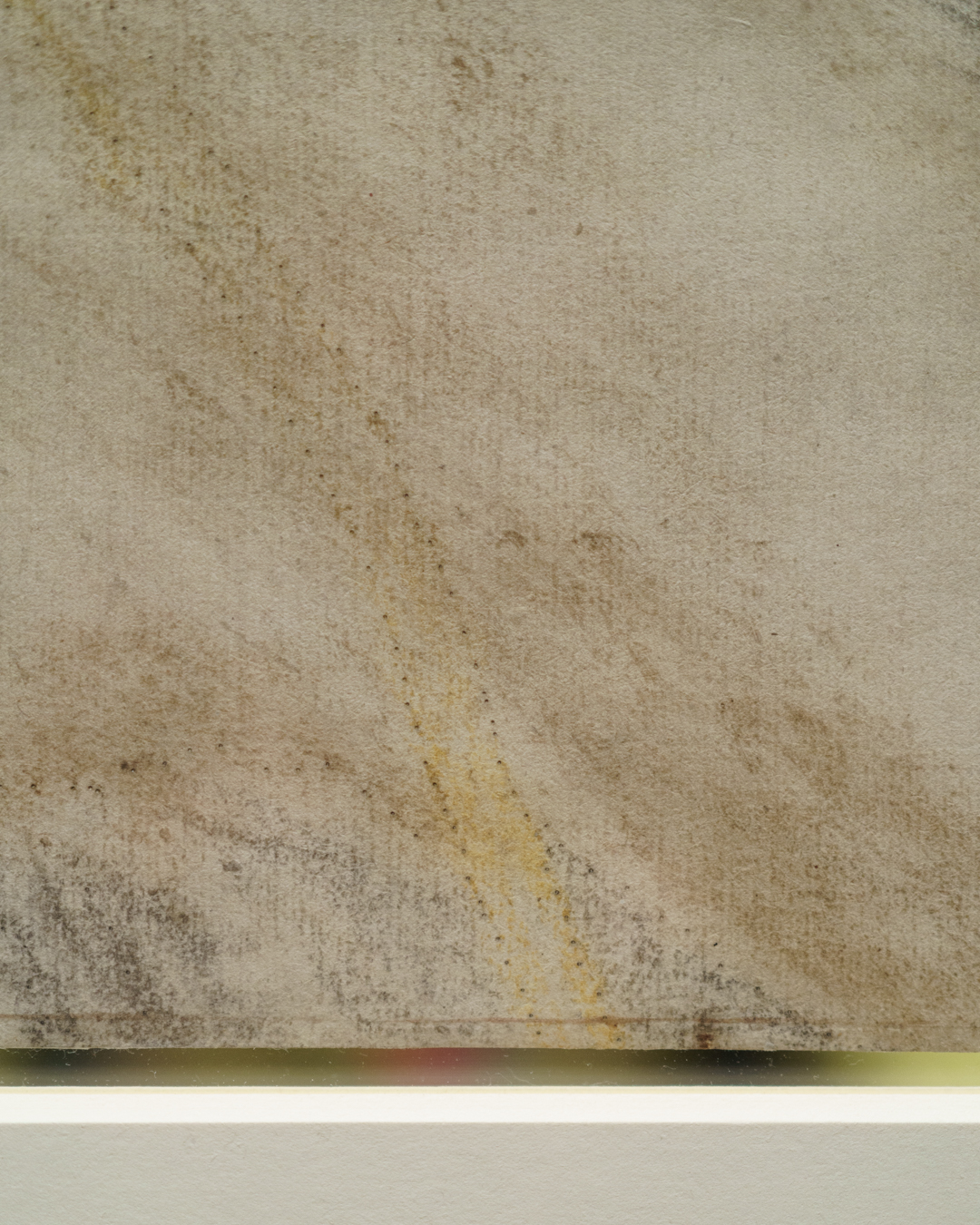
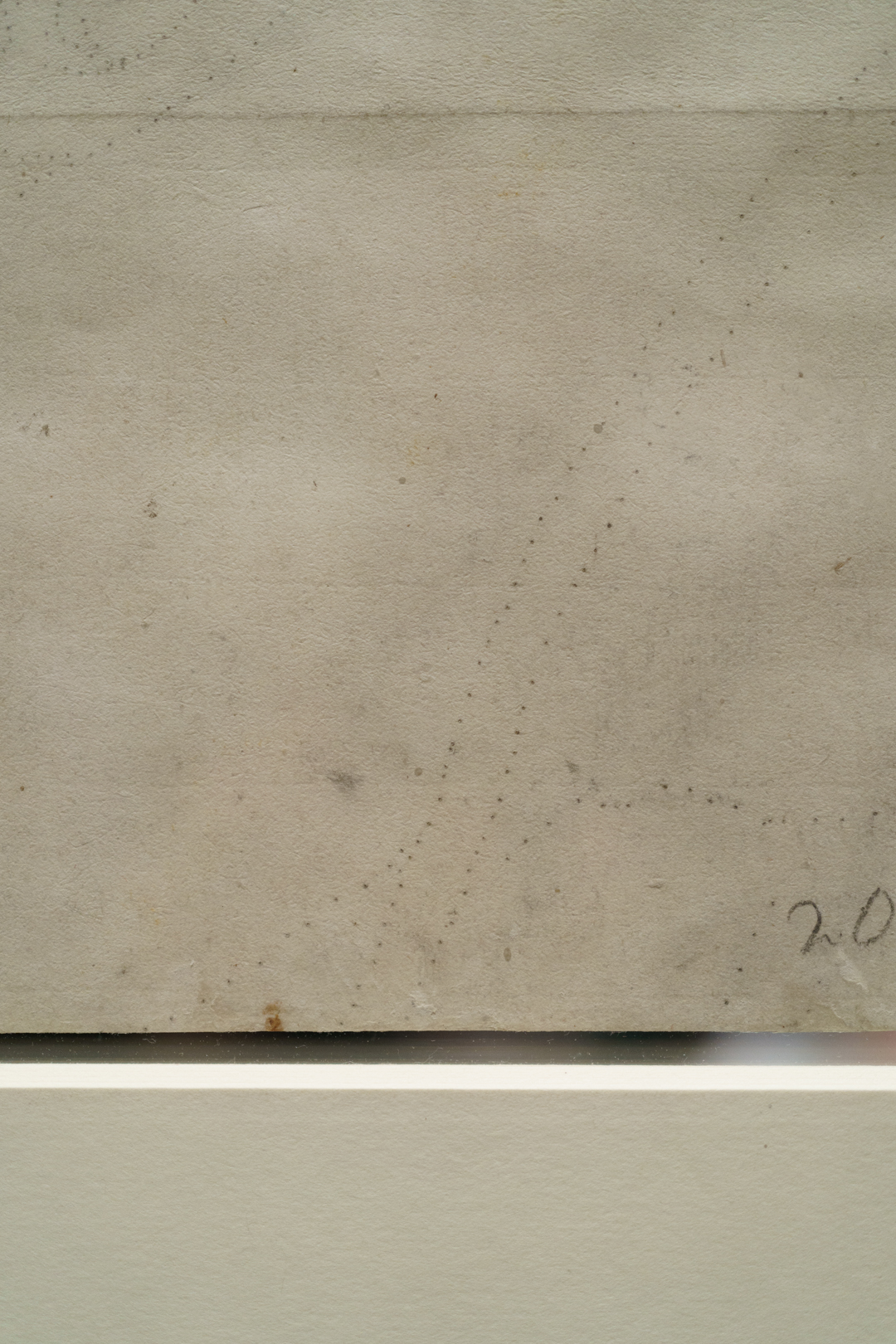
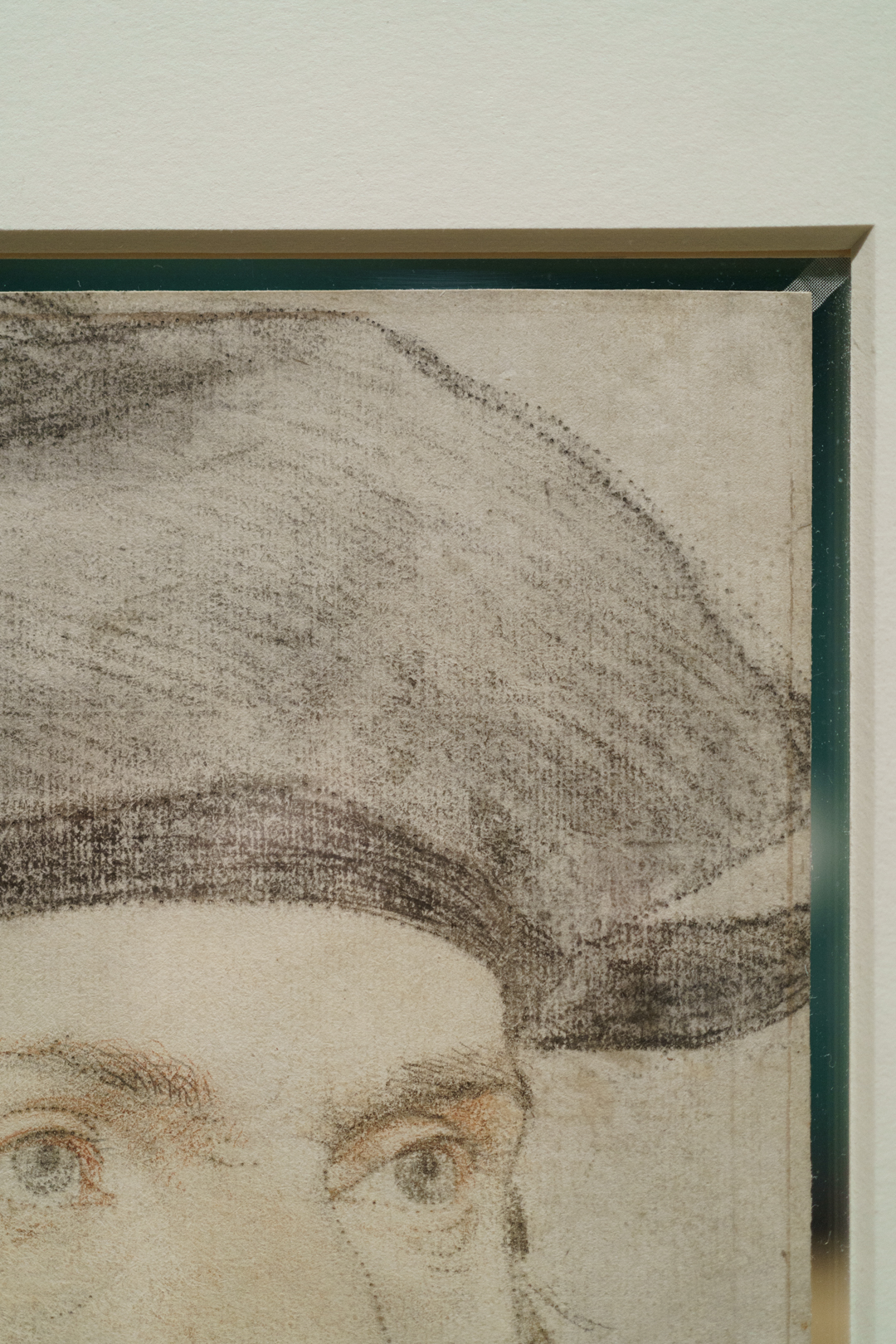
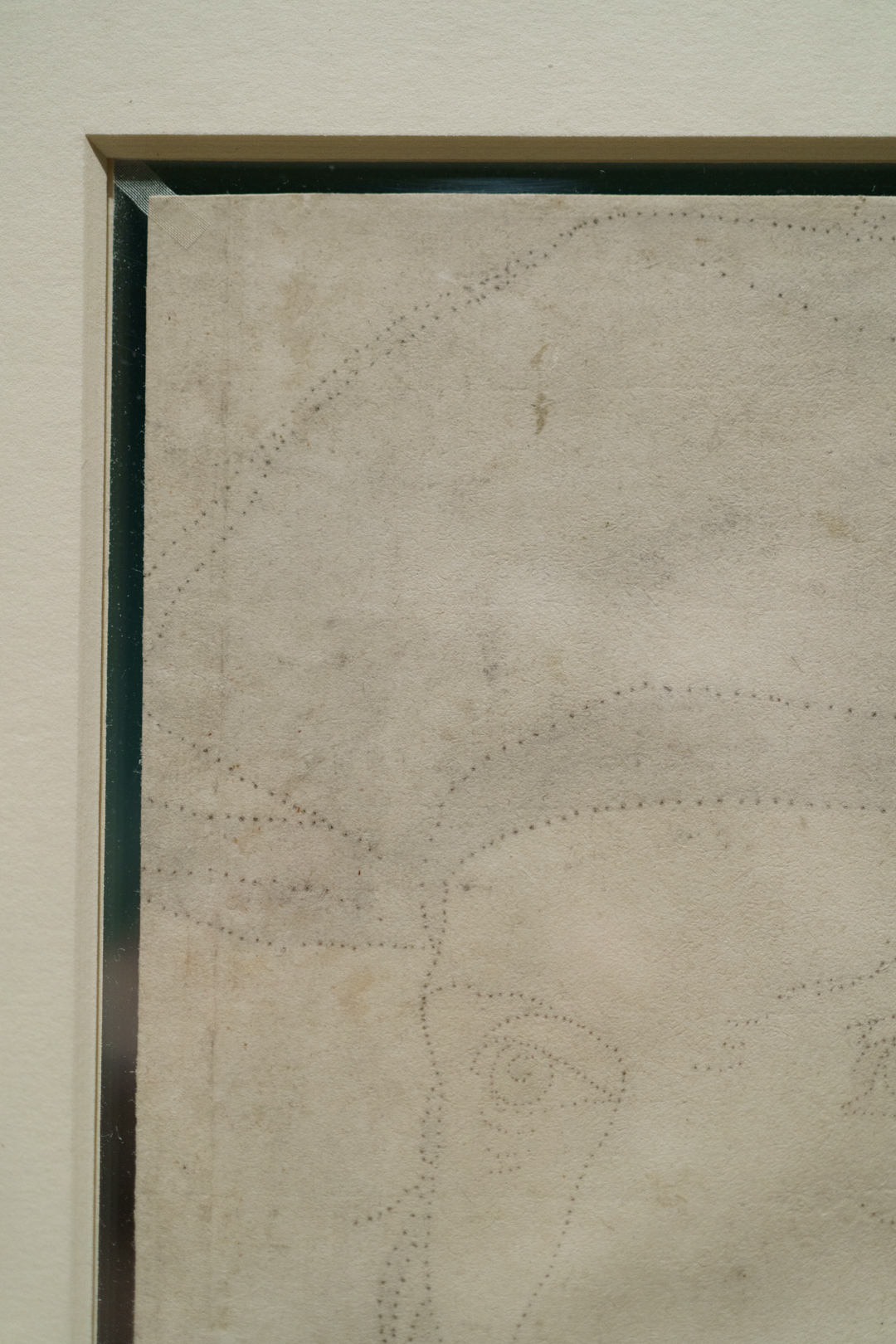
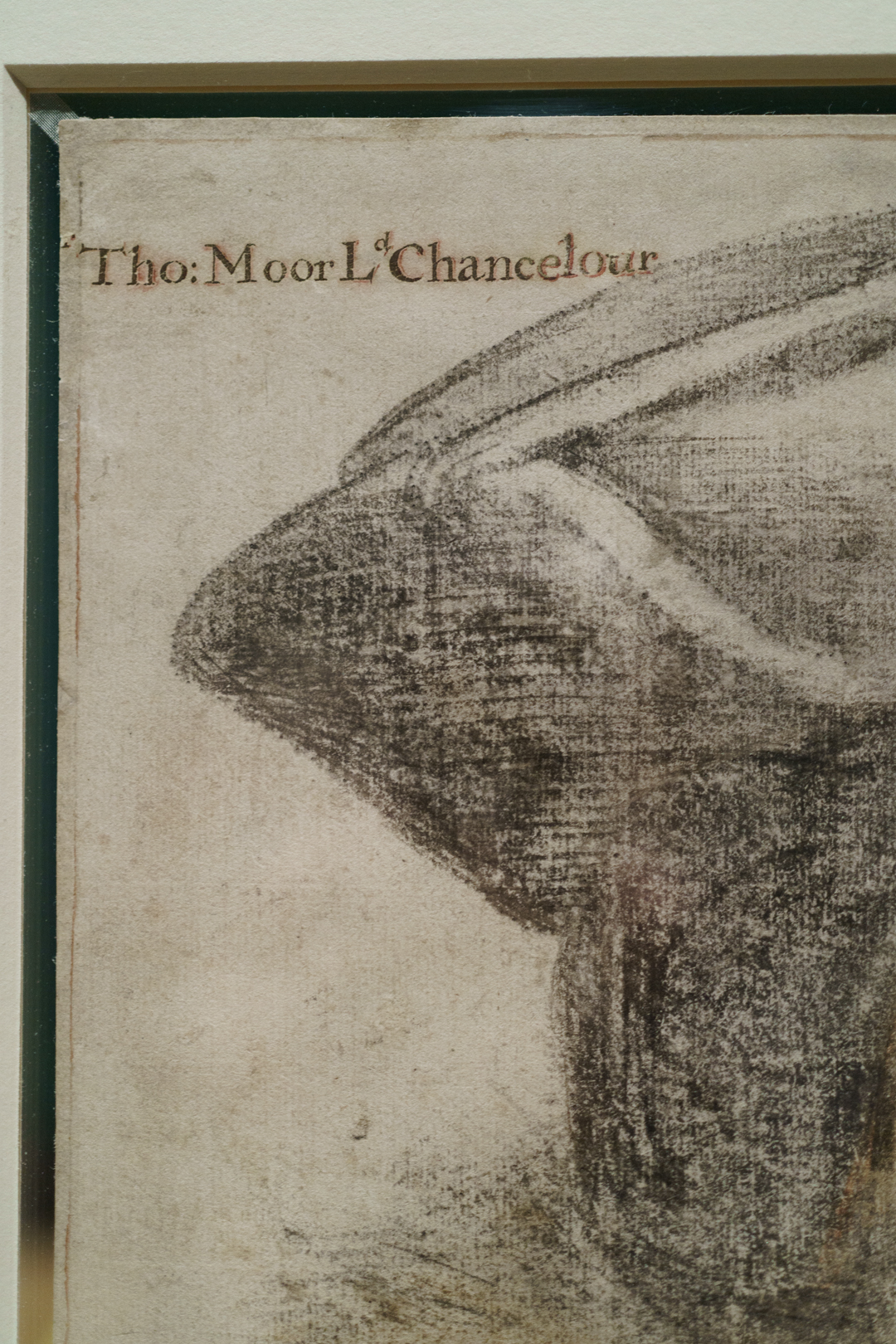
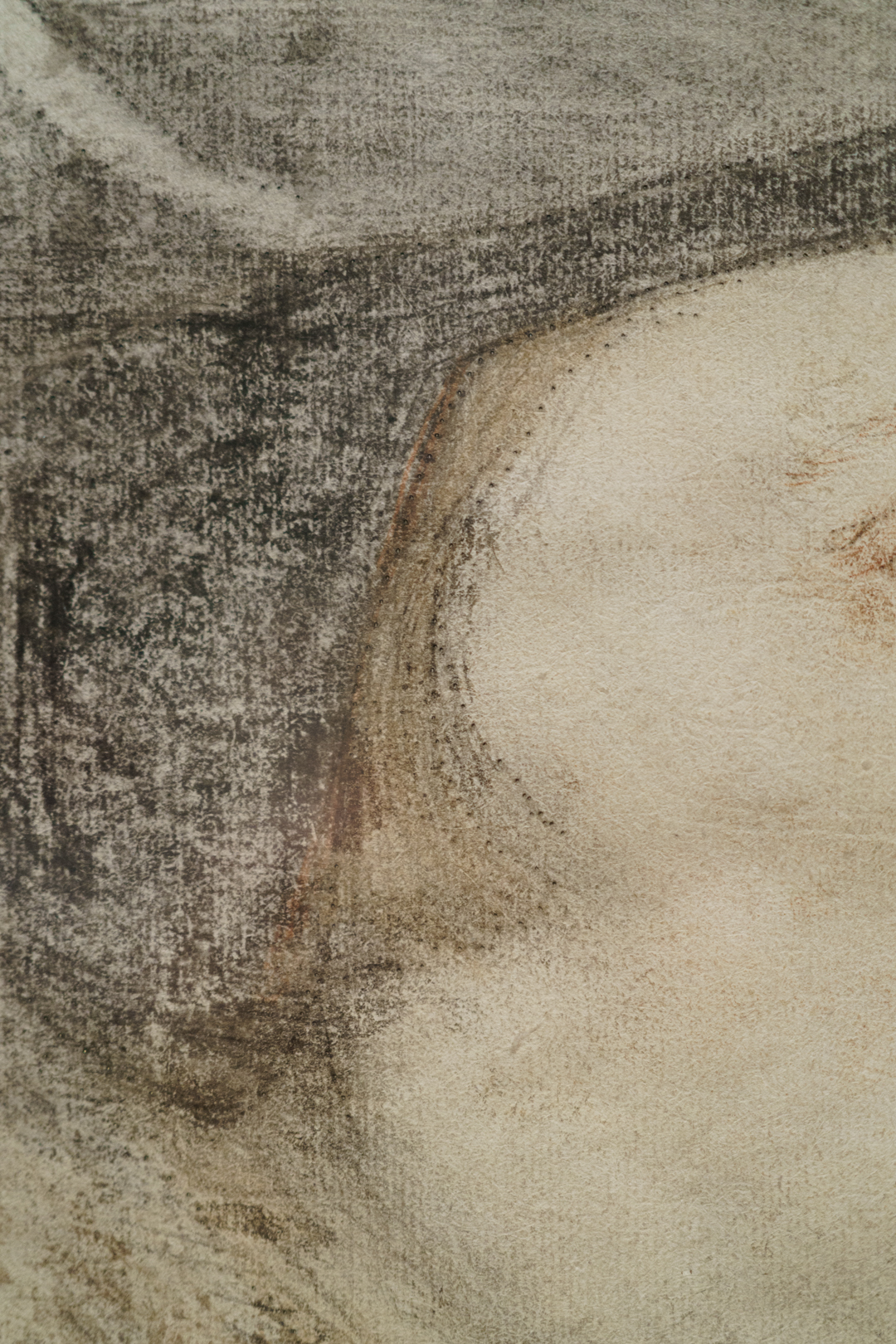
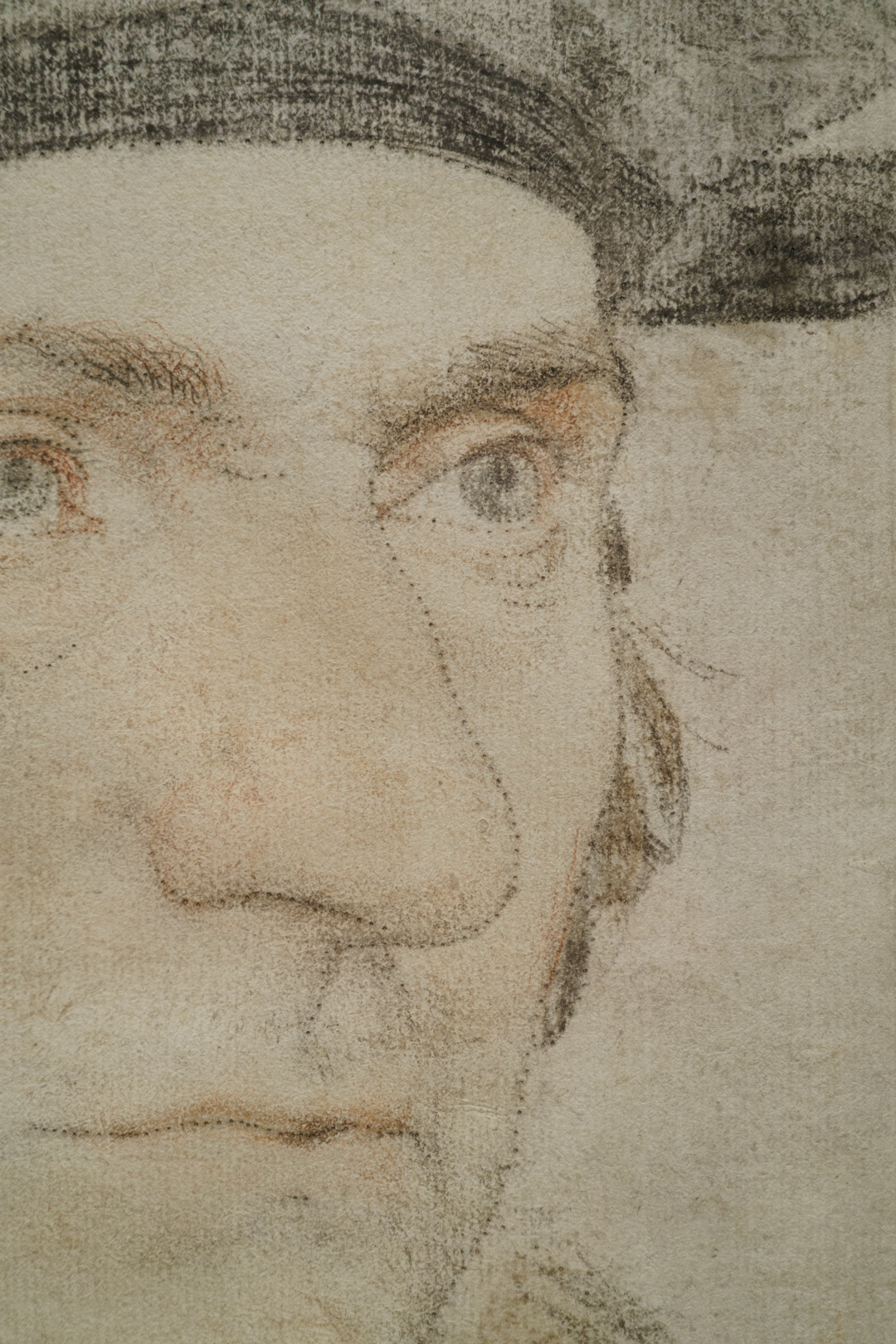
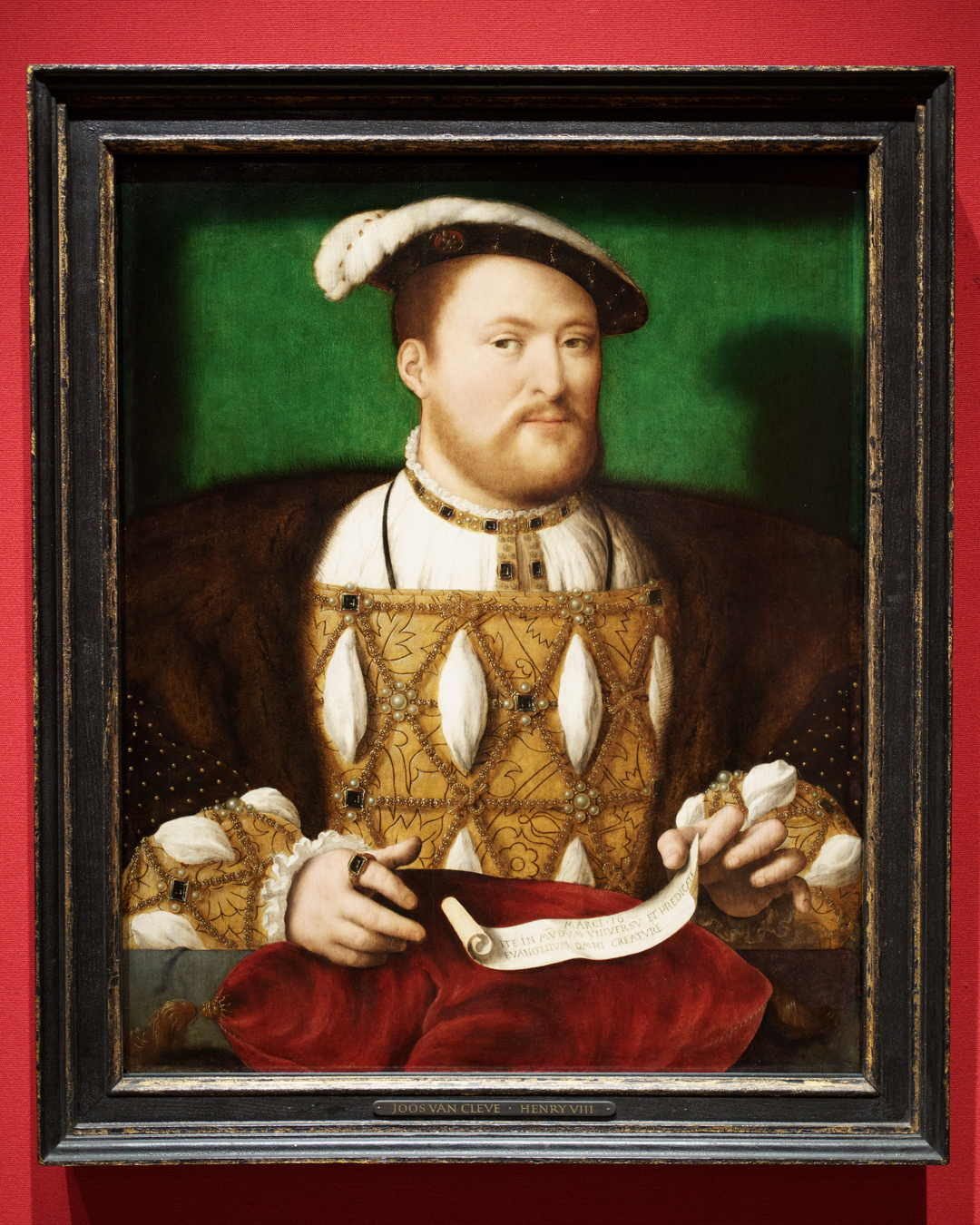
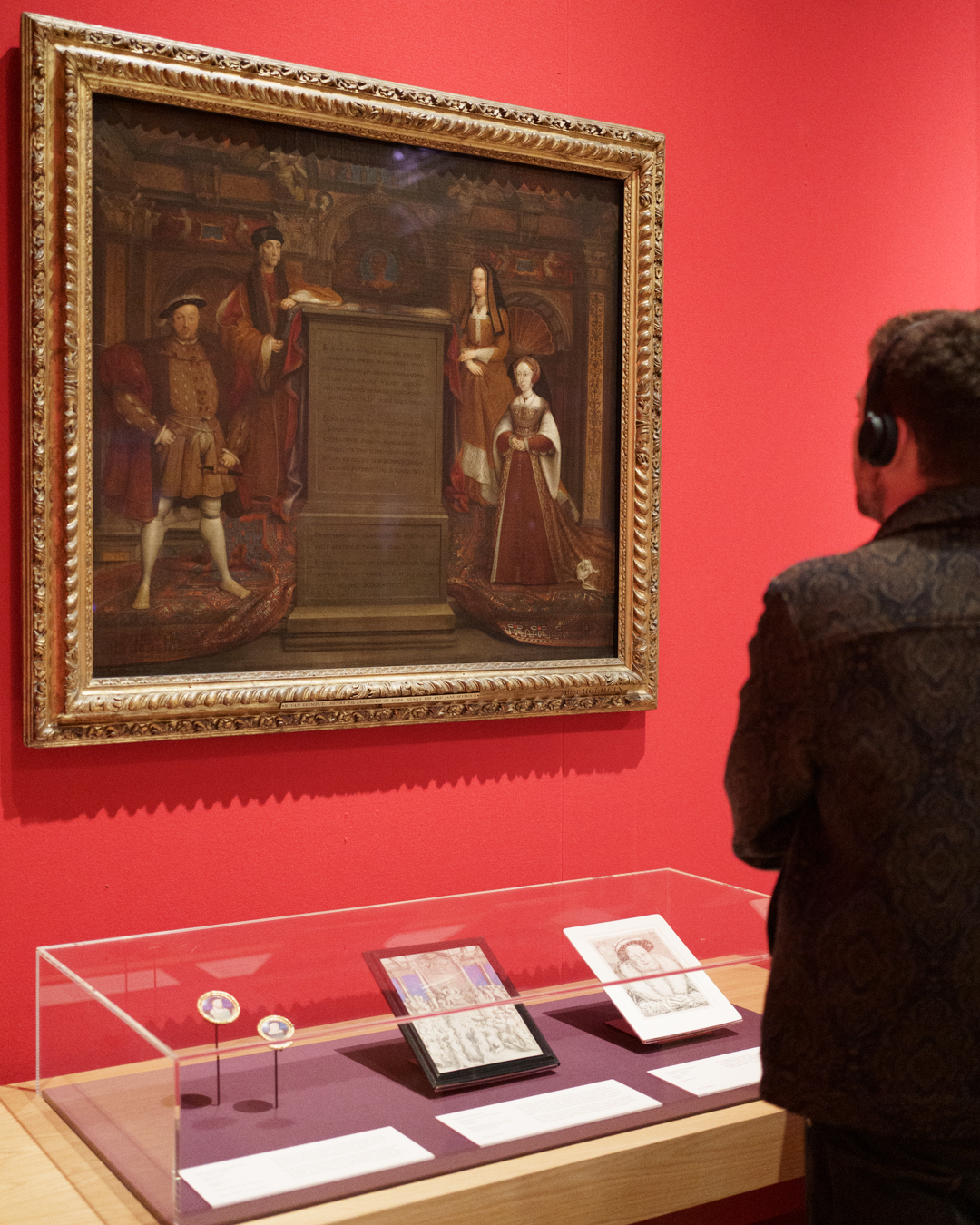
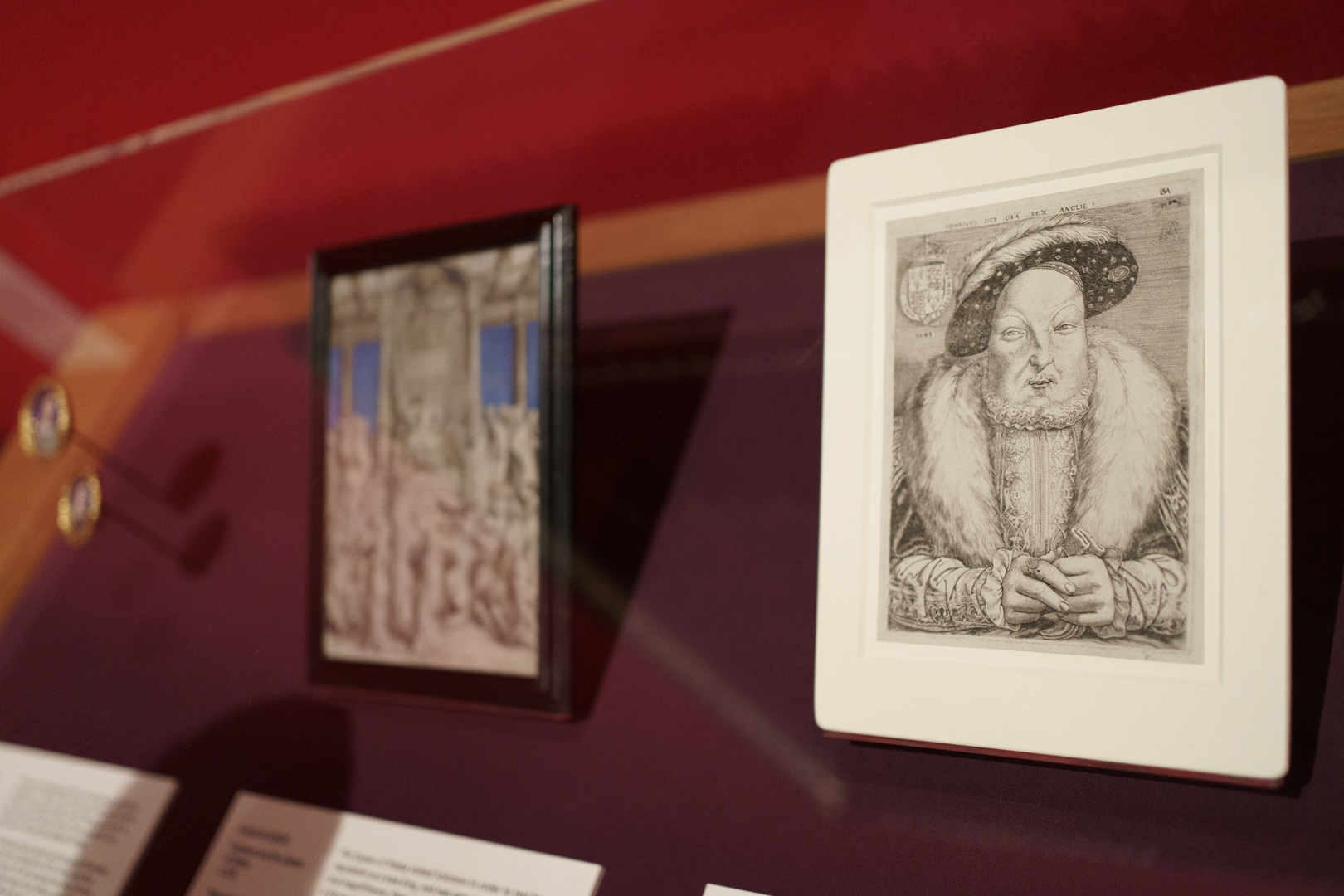



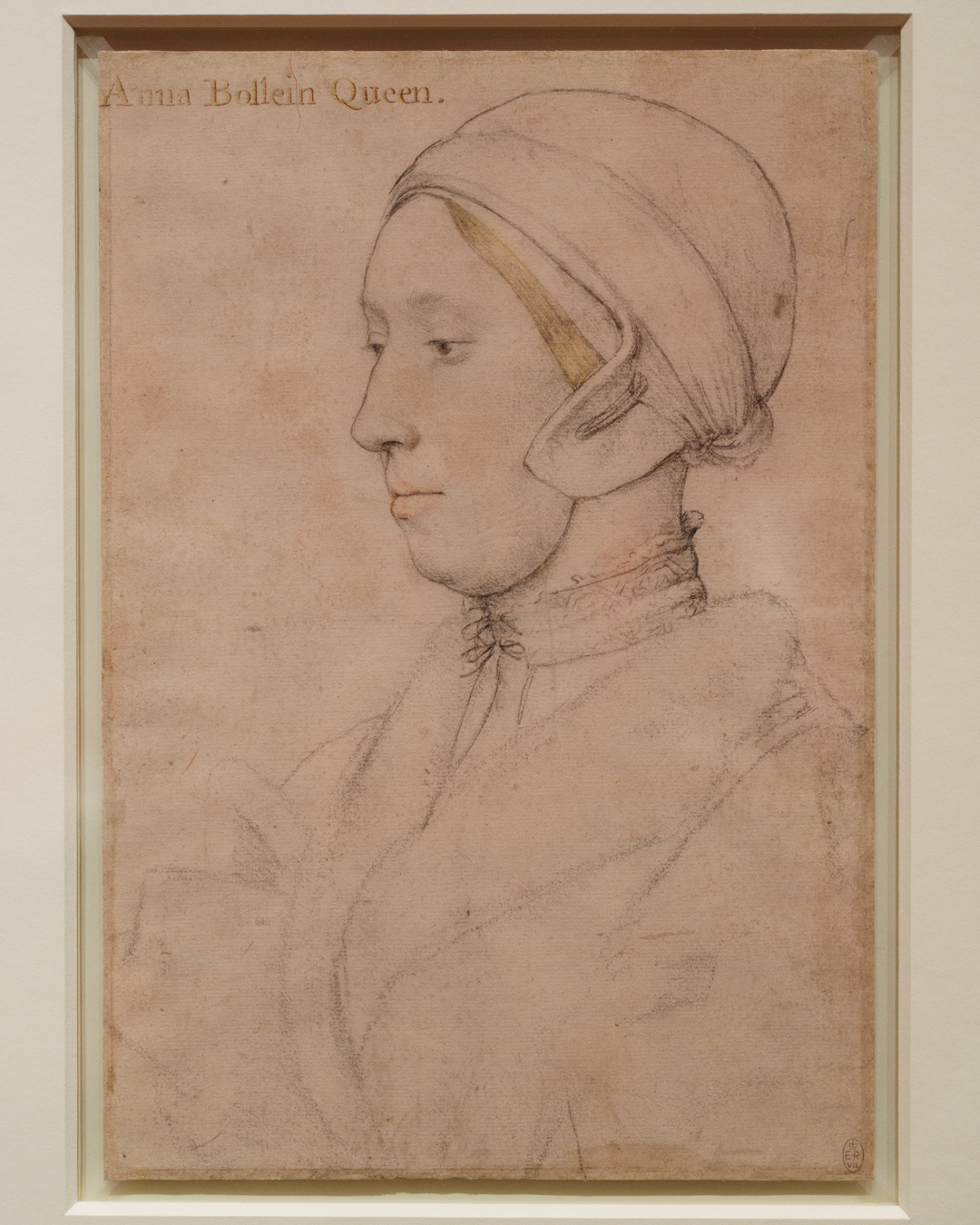
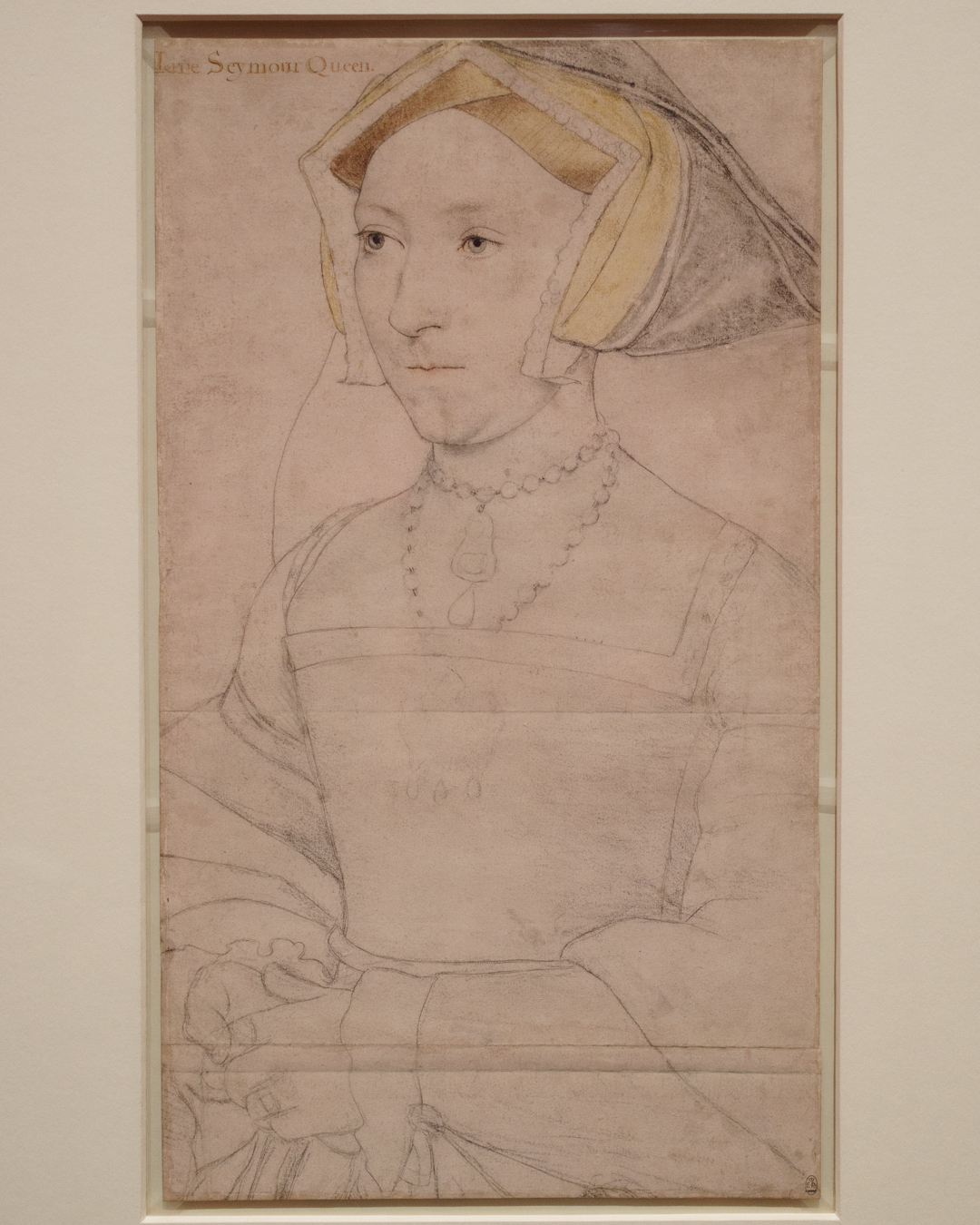
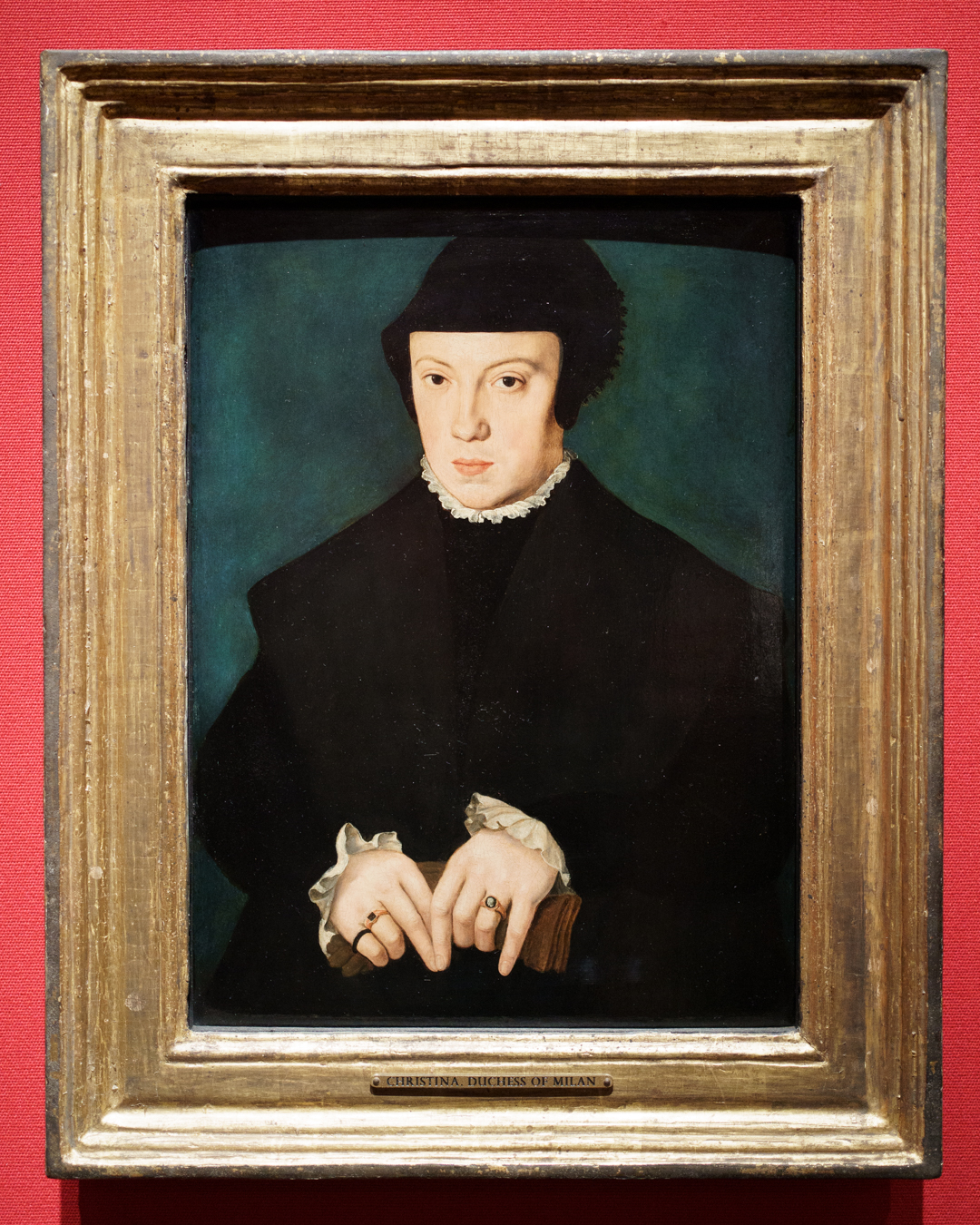
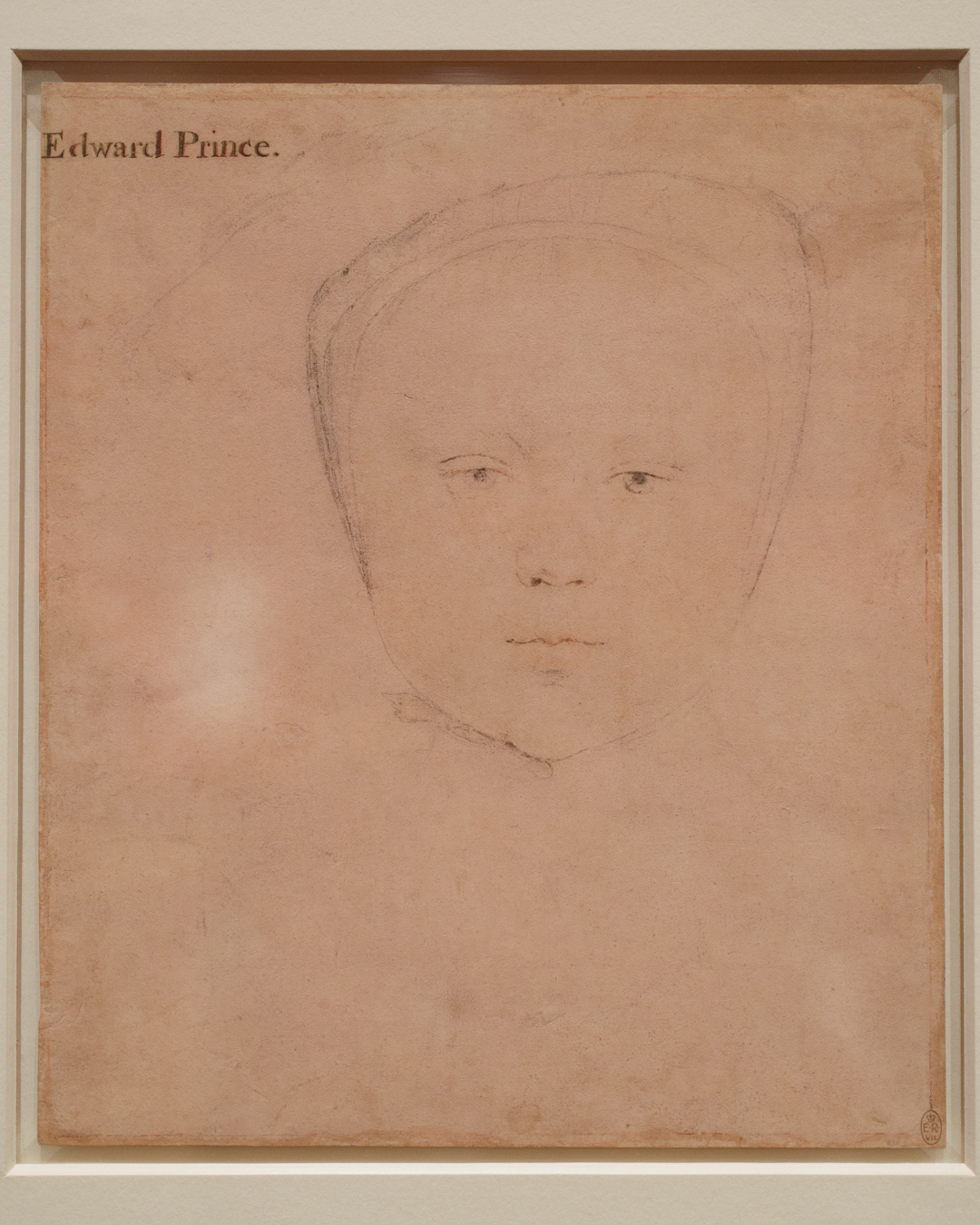
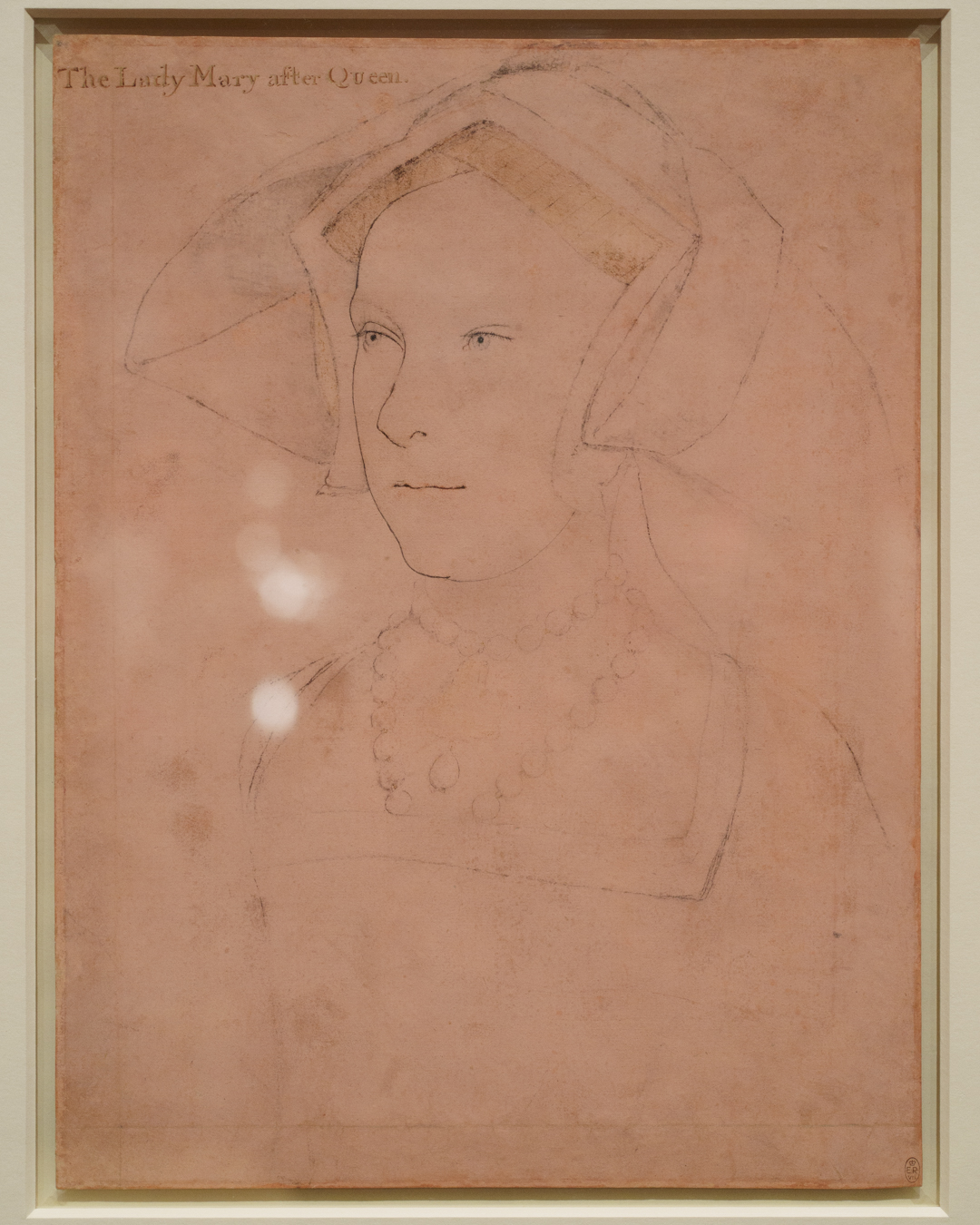
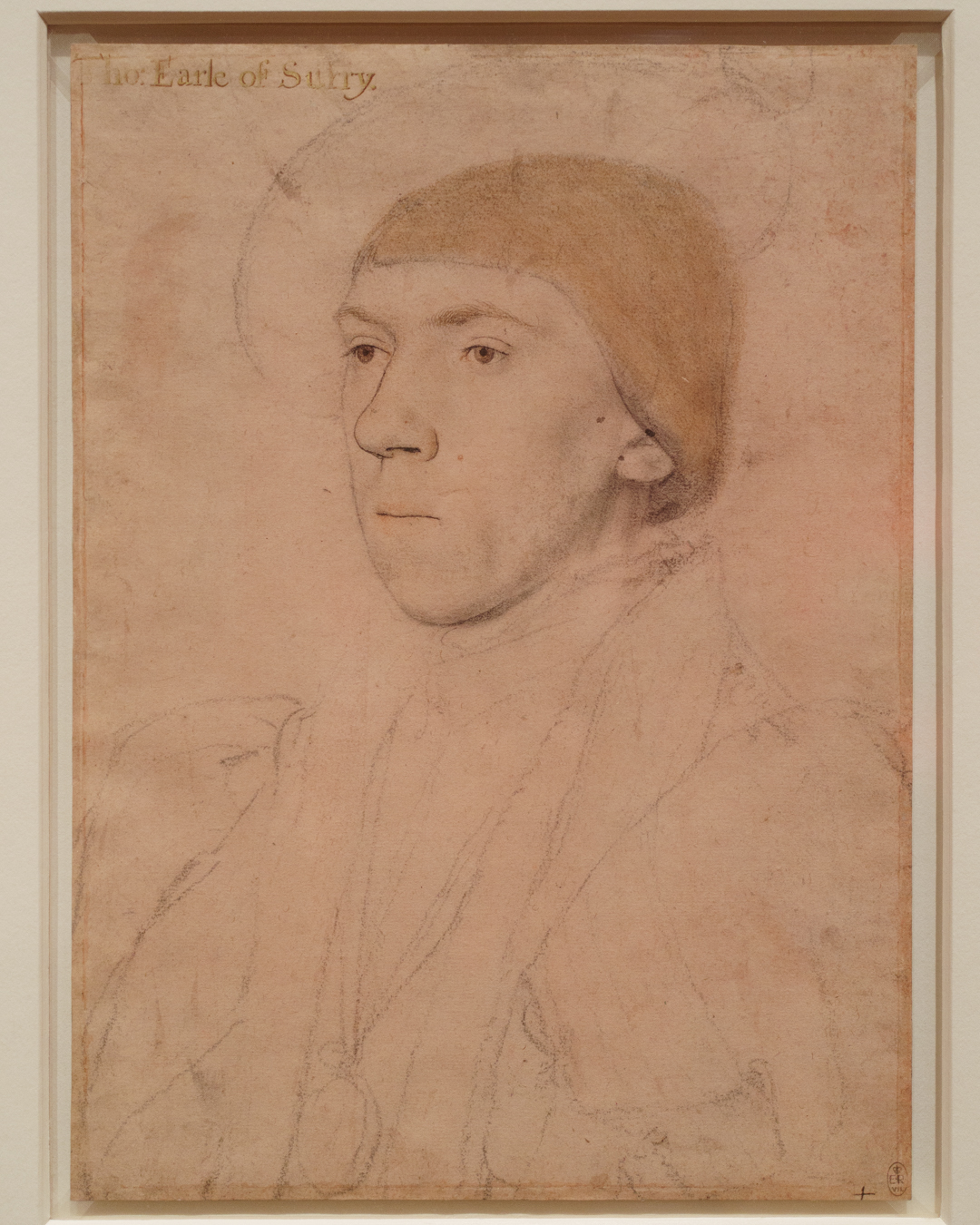
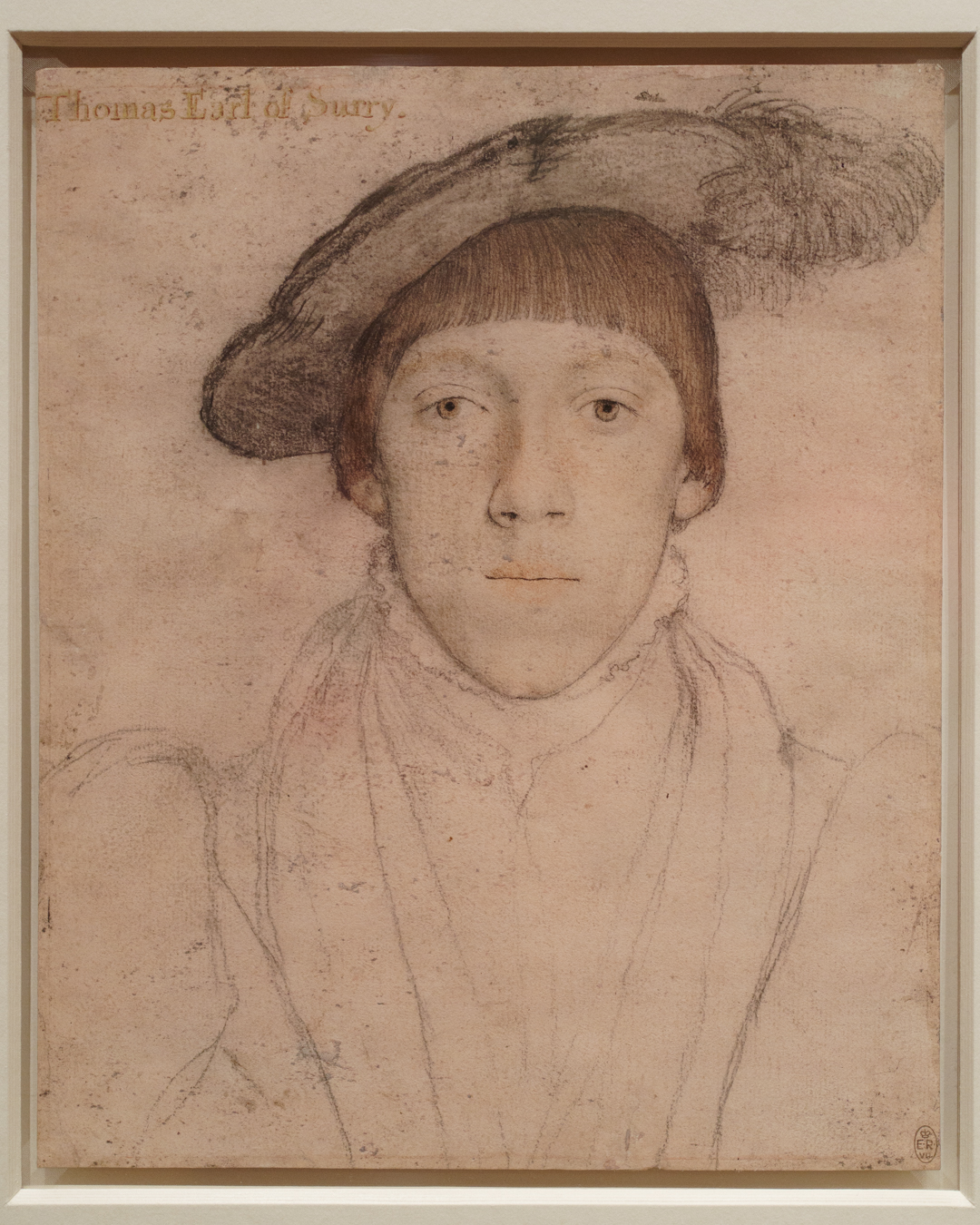
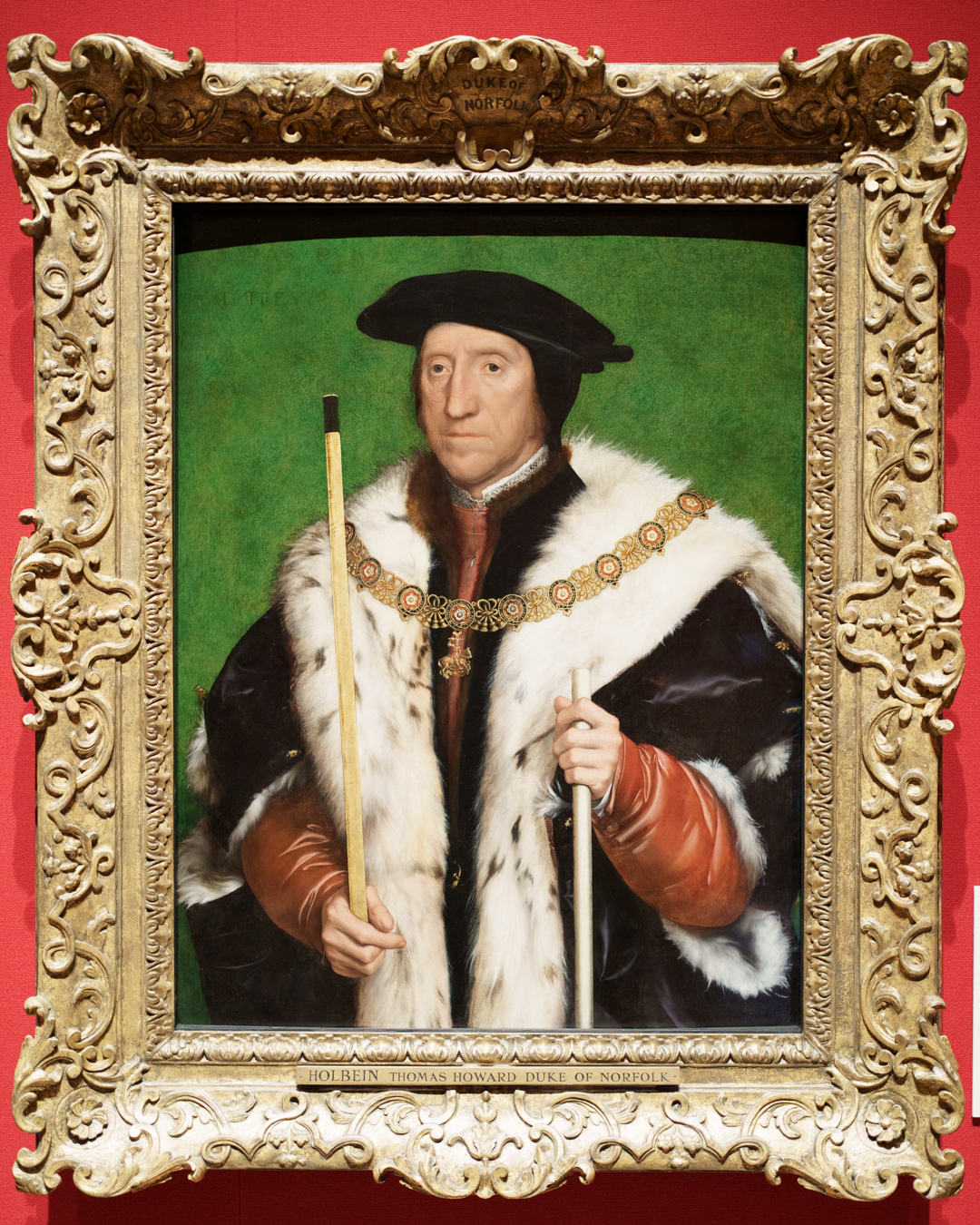
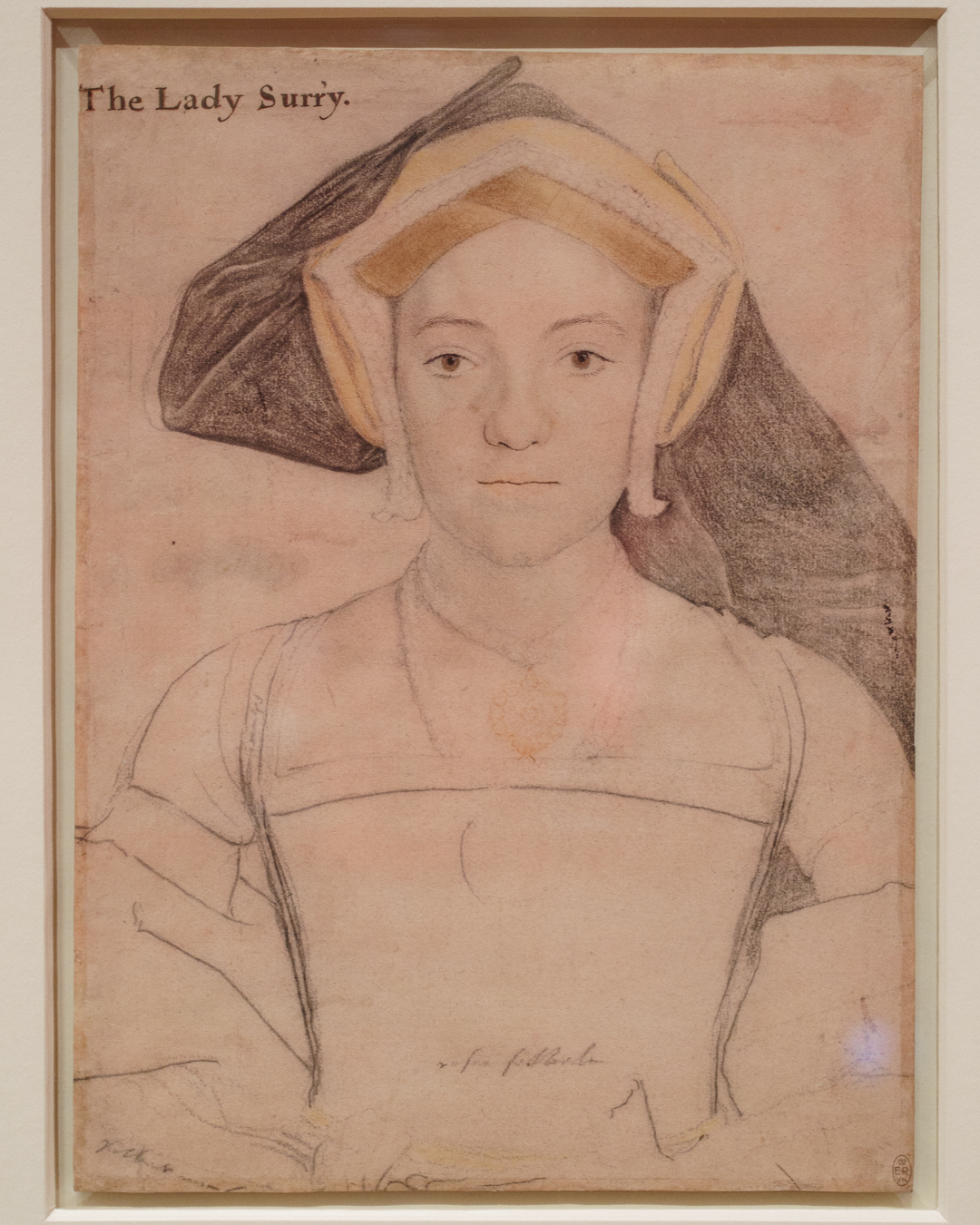


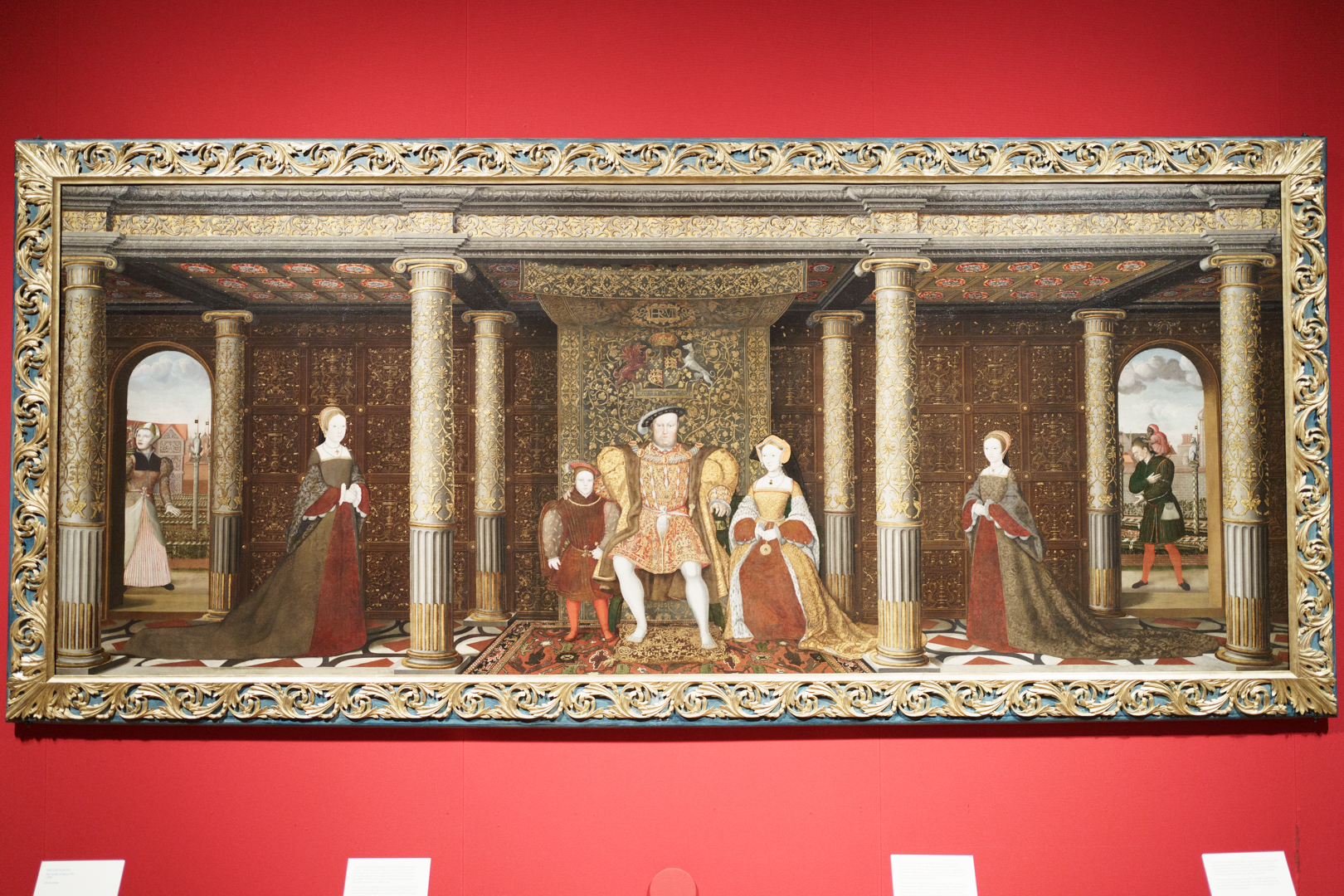

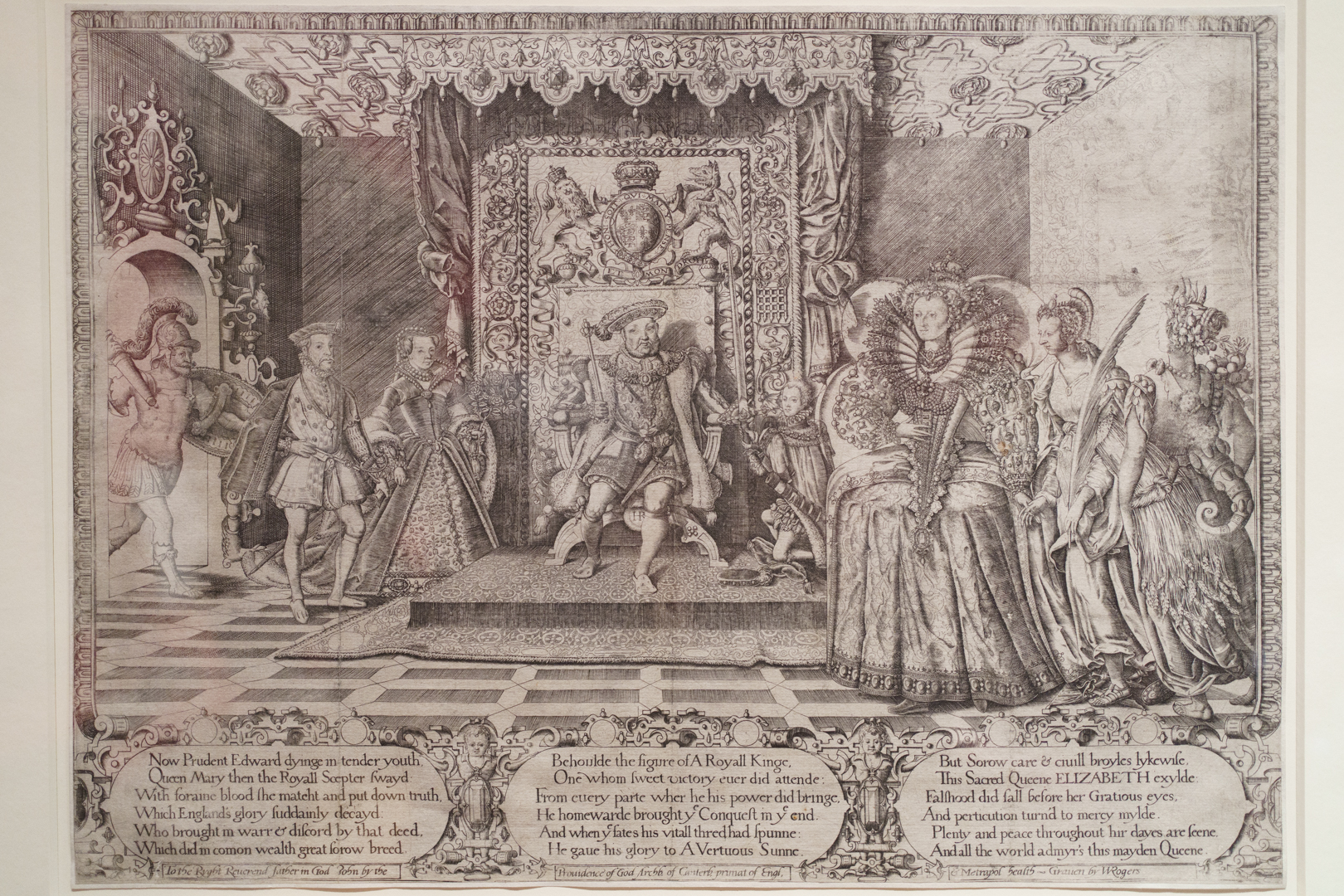

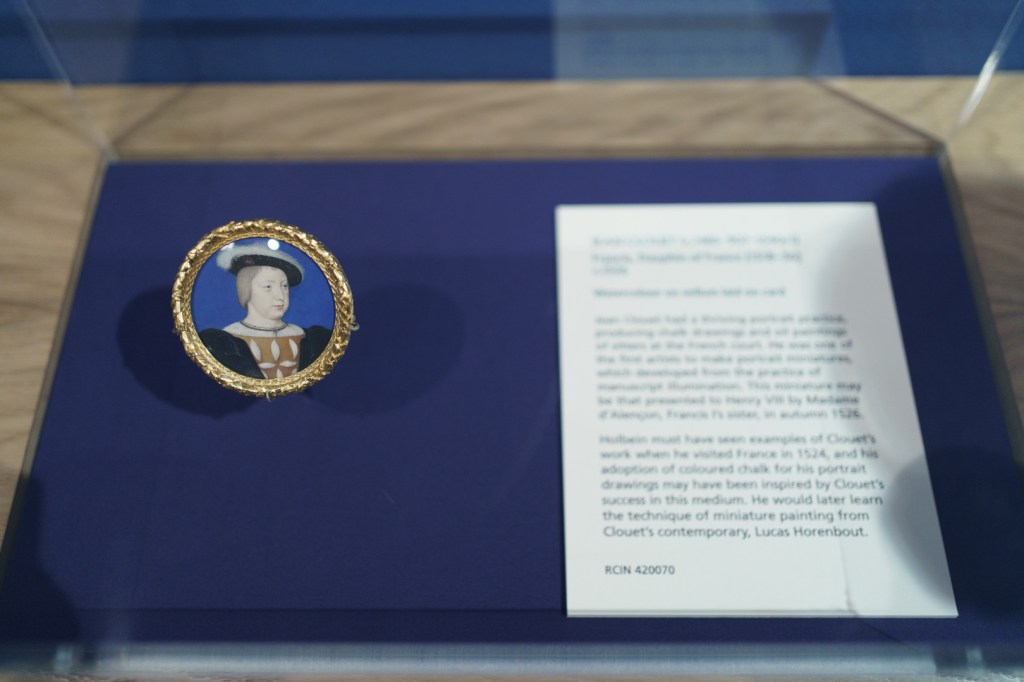
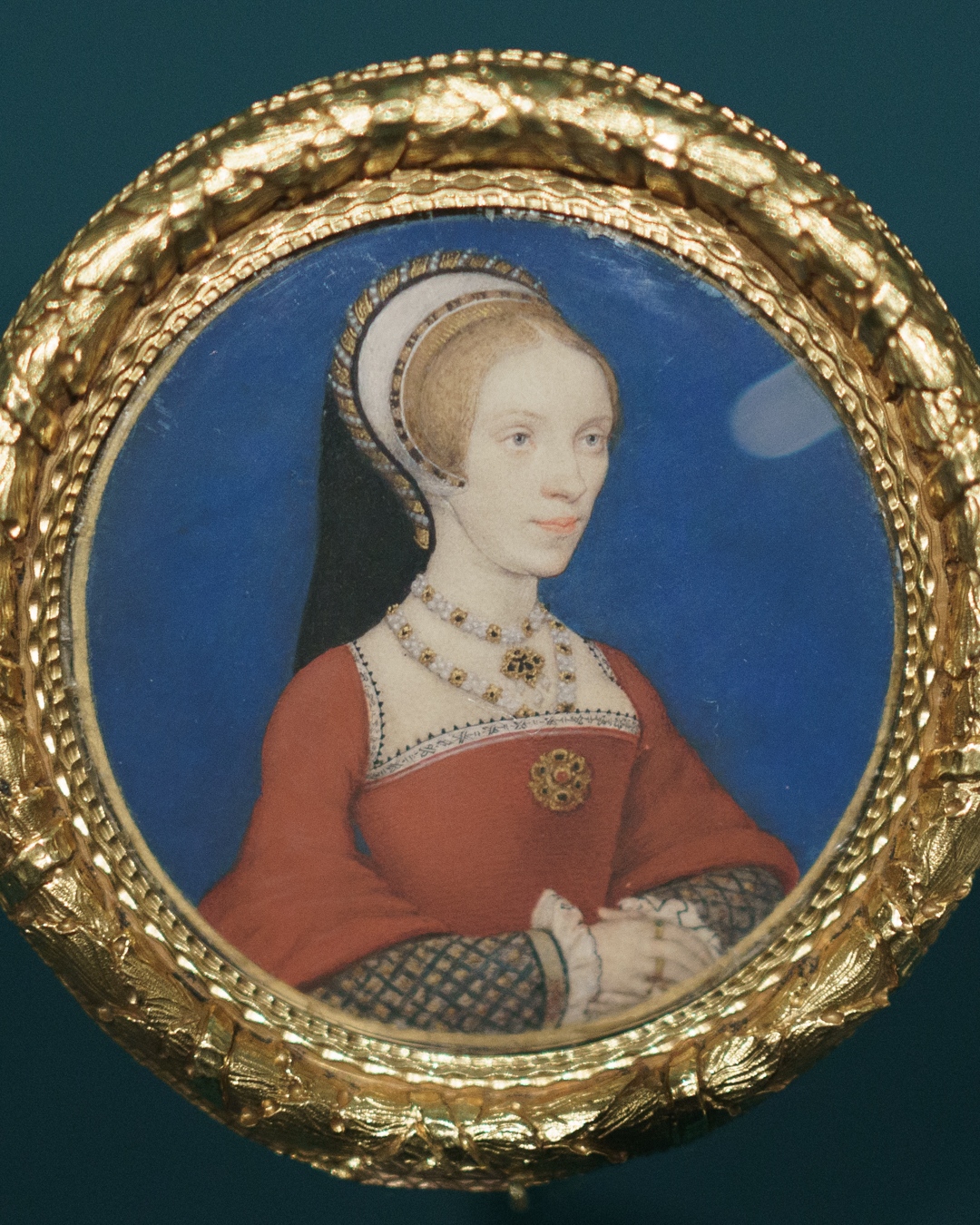
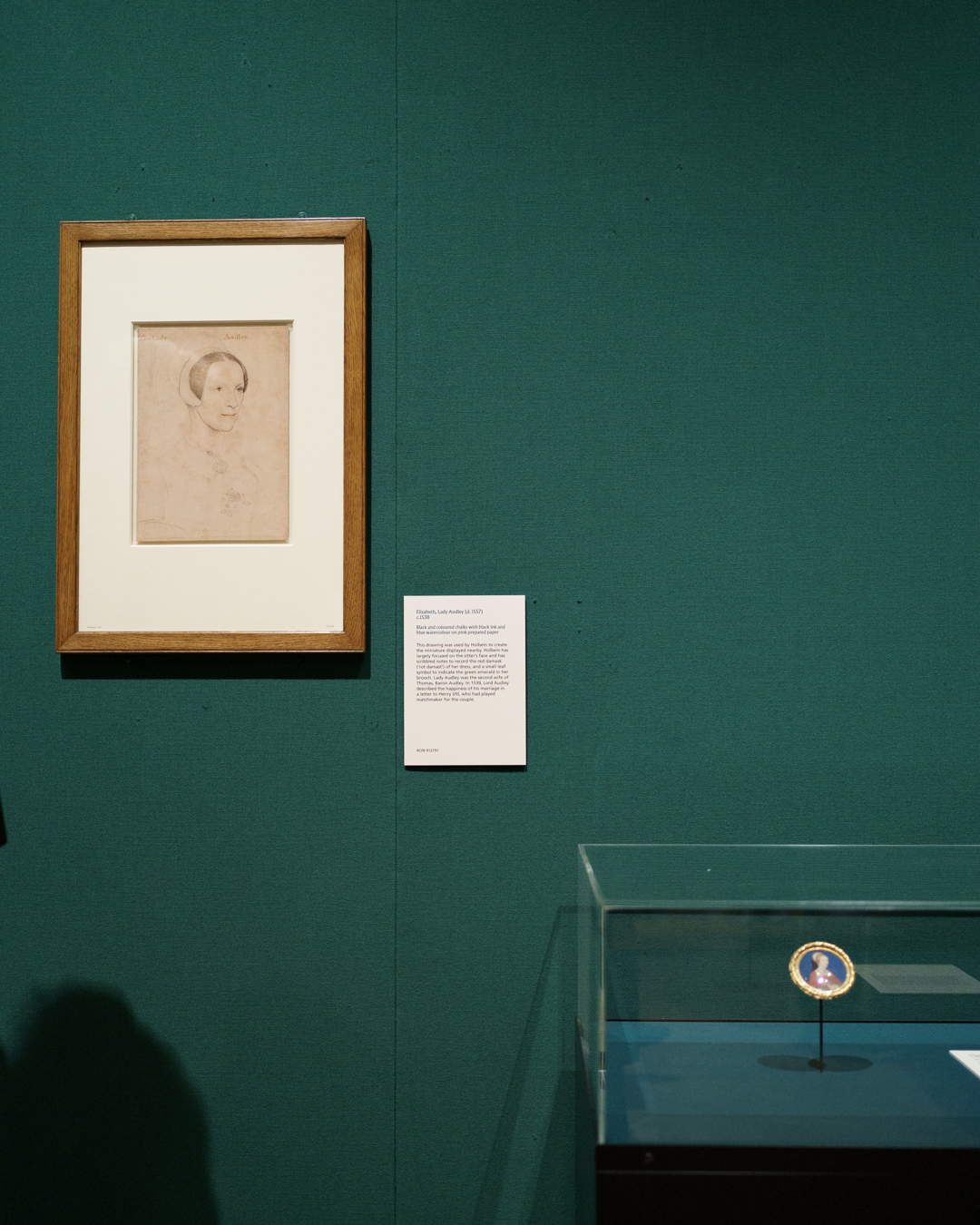
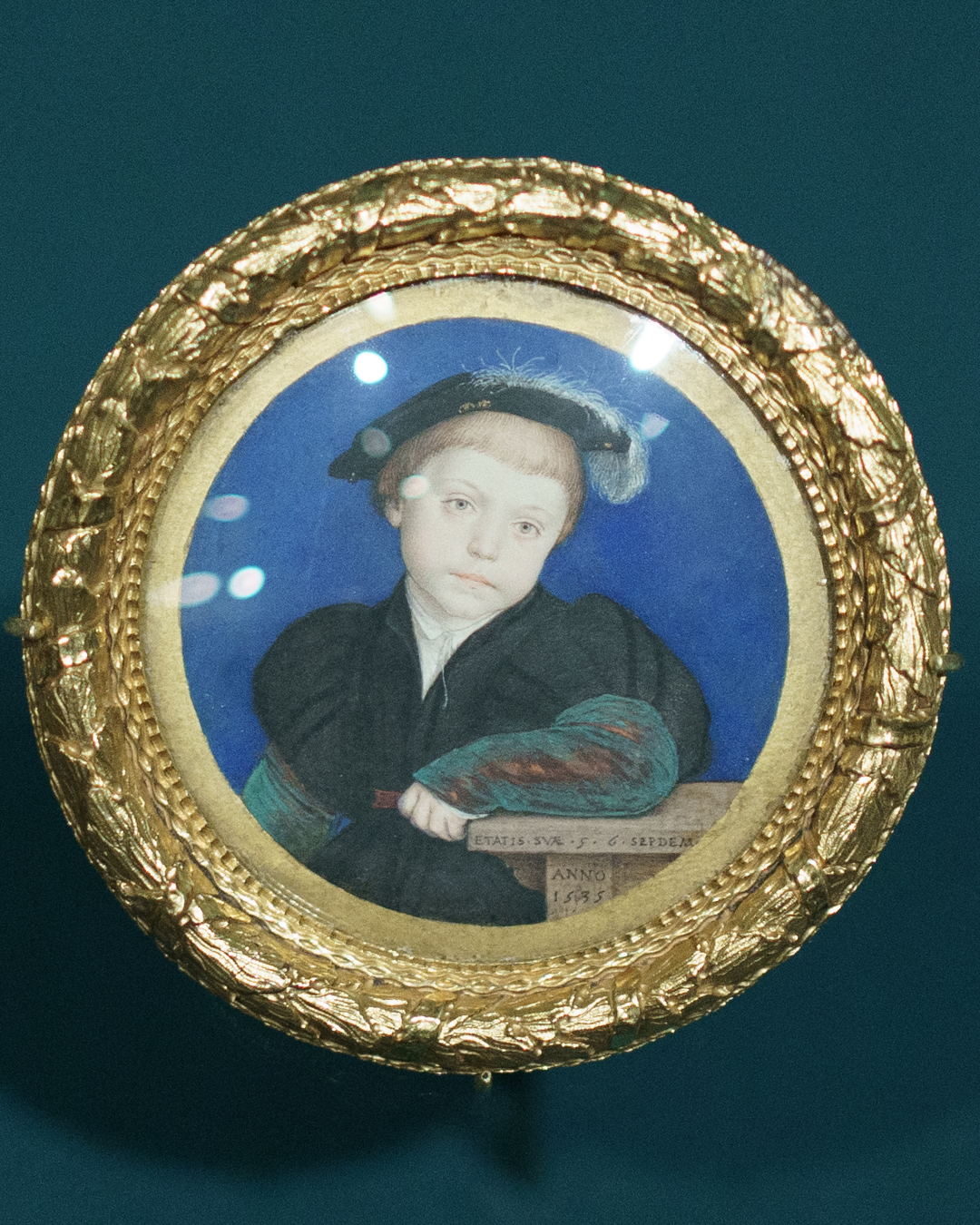
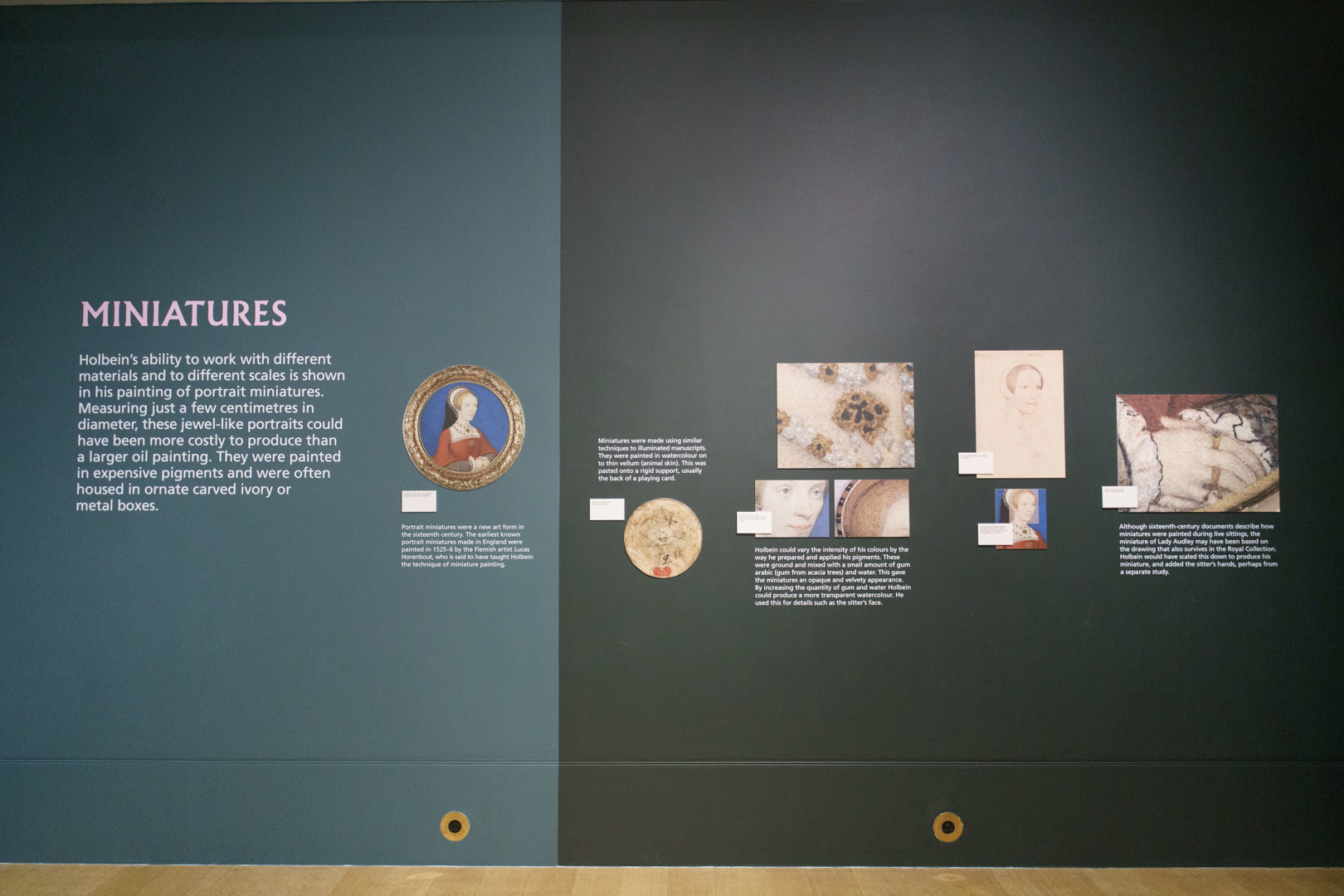
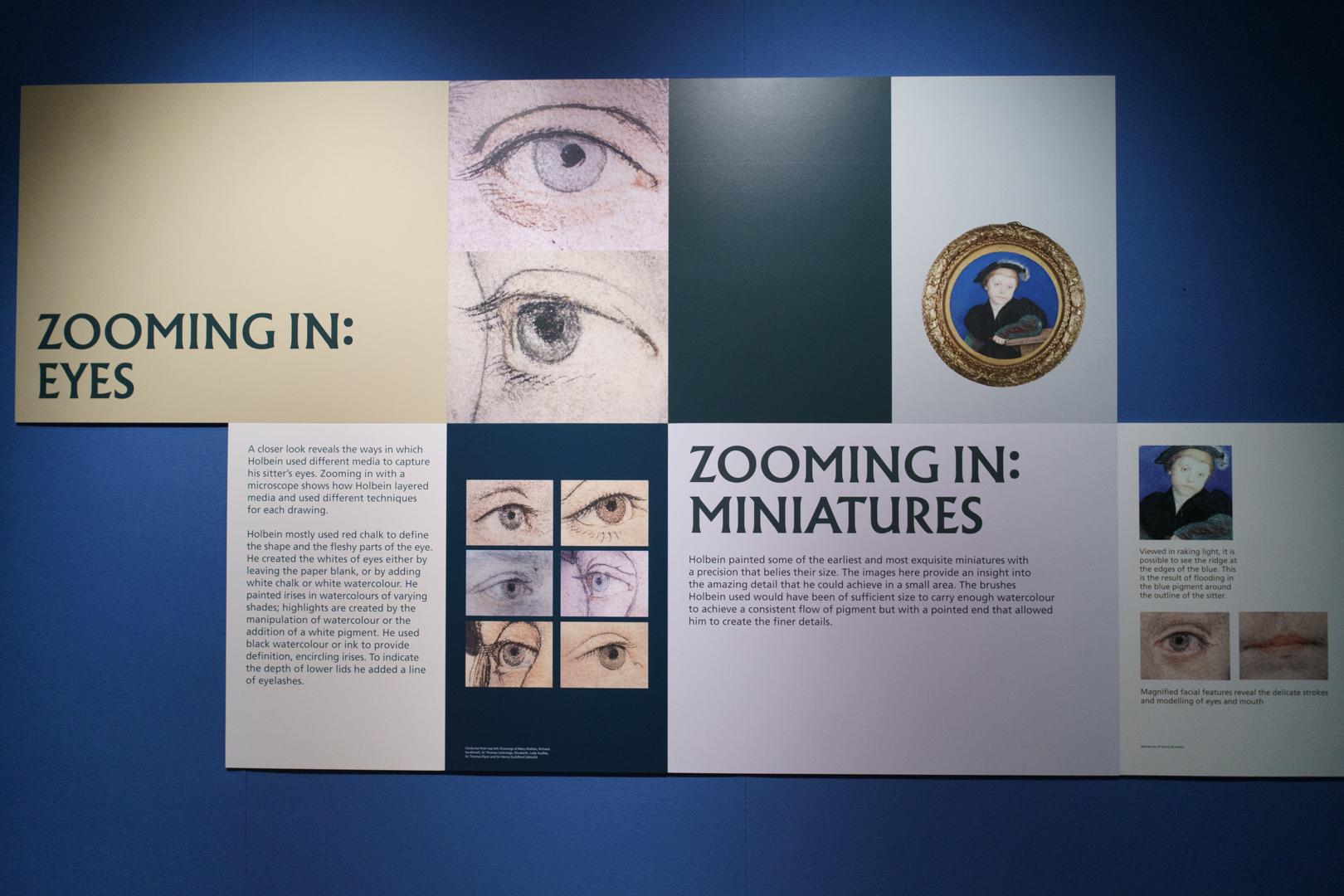
Perhaps due to the limitations of paper size standards, it was particularly interesting to see the uniformity of the size and scale of Holbein’s portrait studies. This is where his sublime portrait miniatures come into play; they are astonishing, with the same level of impressive detail as his oil paintings. In the case of Lady Elizabeth Audley, you get see both the drawing and the miniature together.
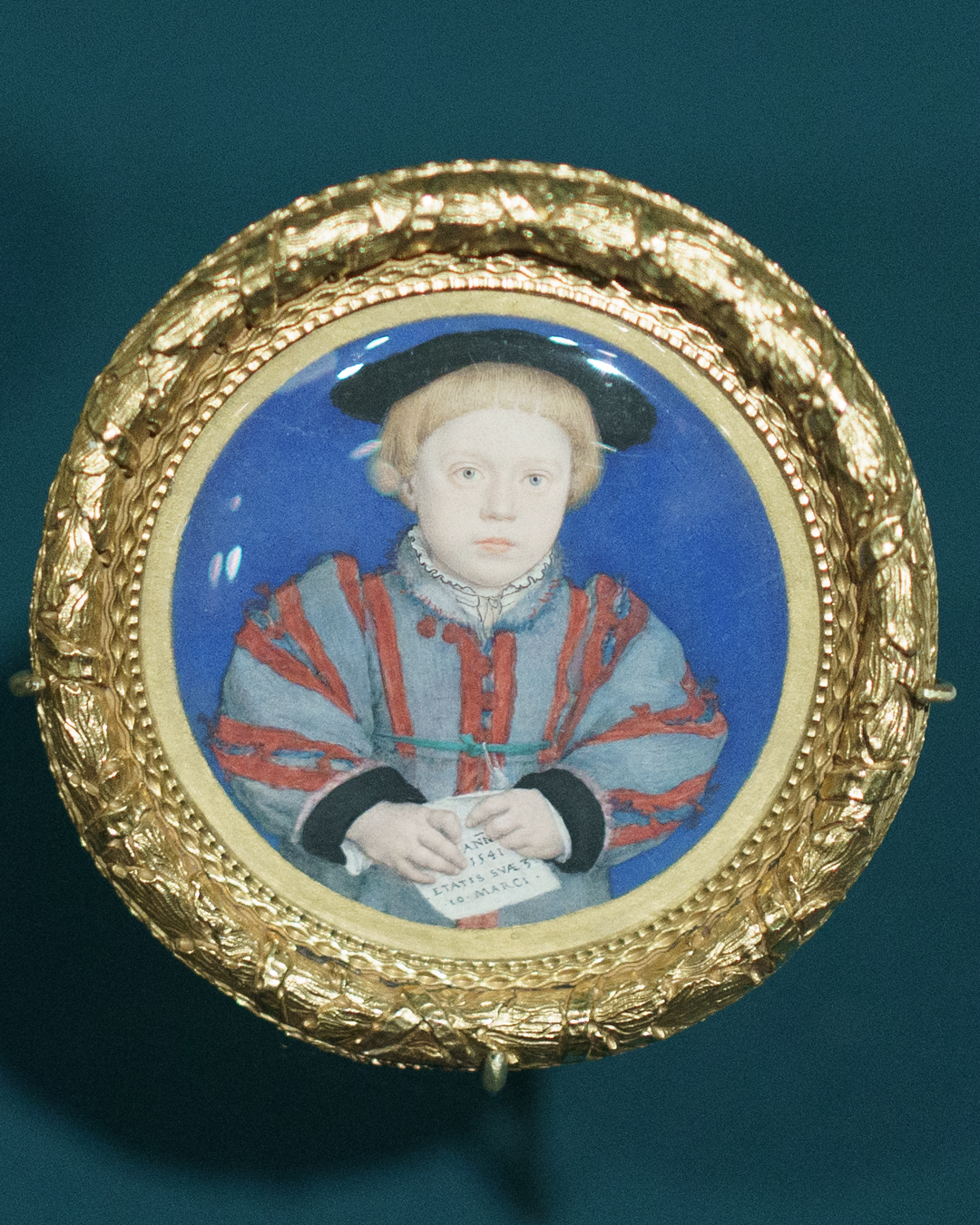
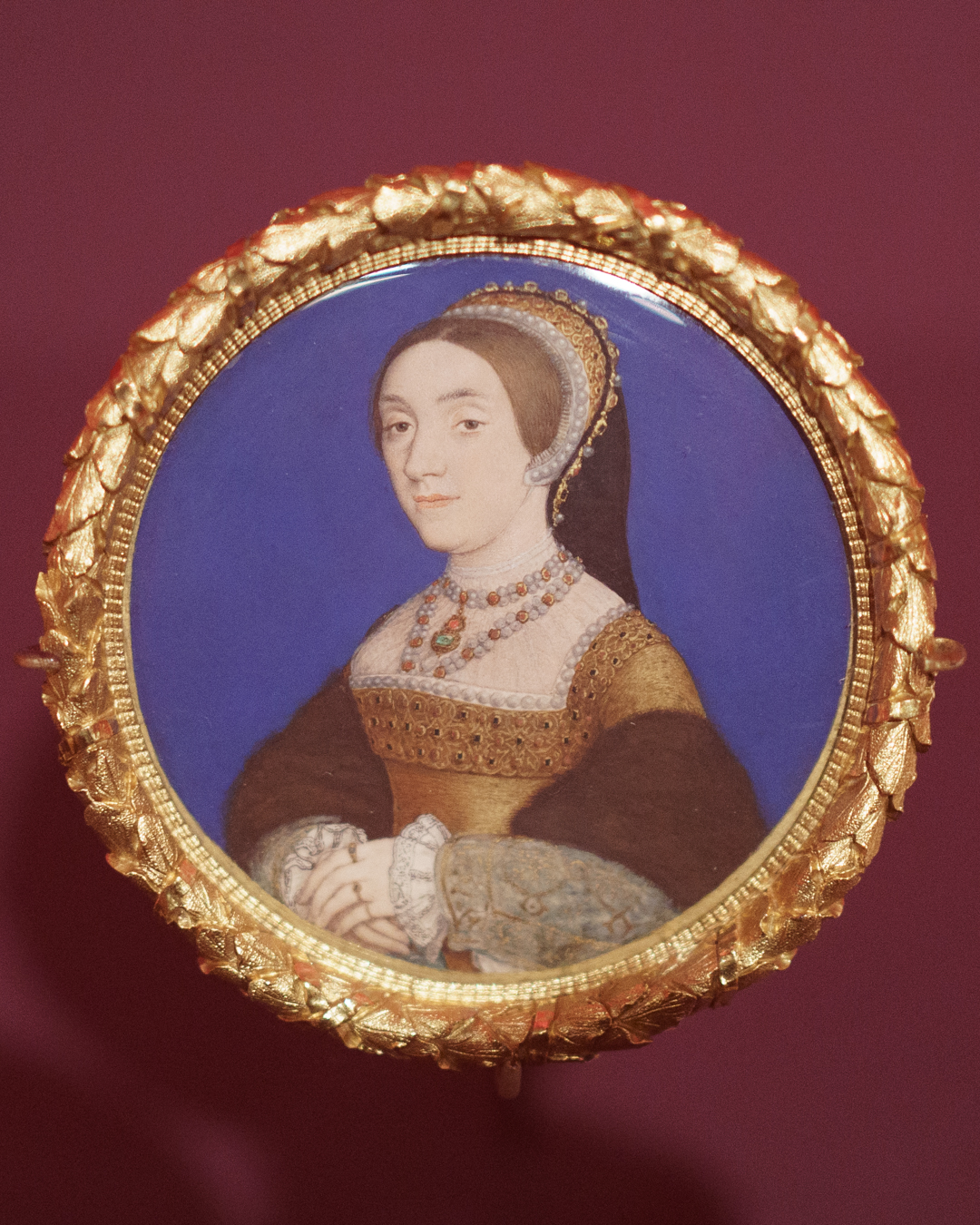
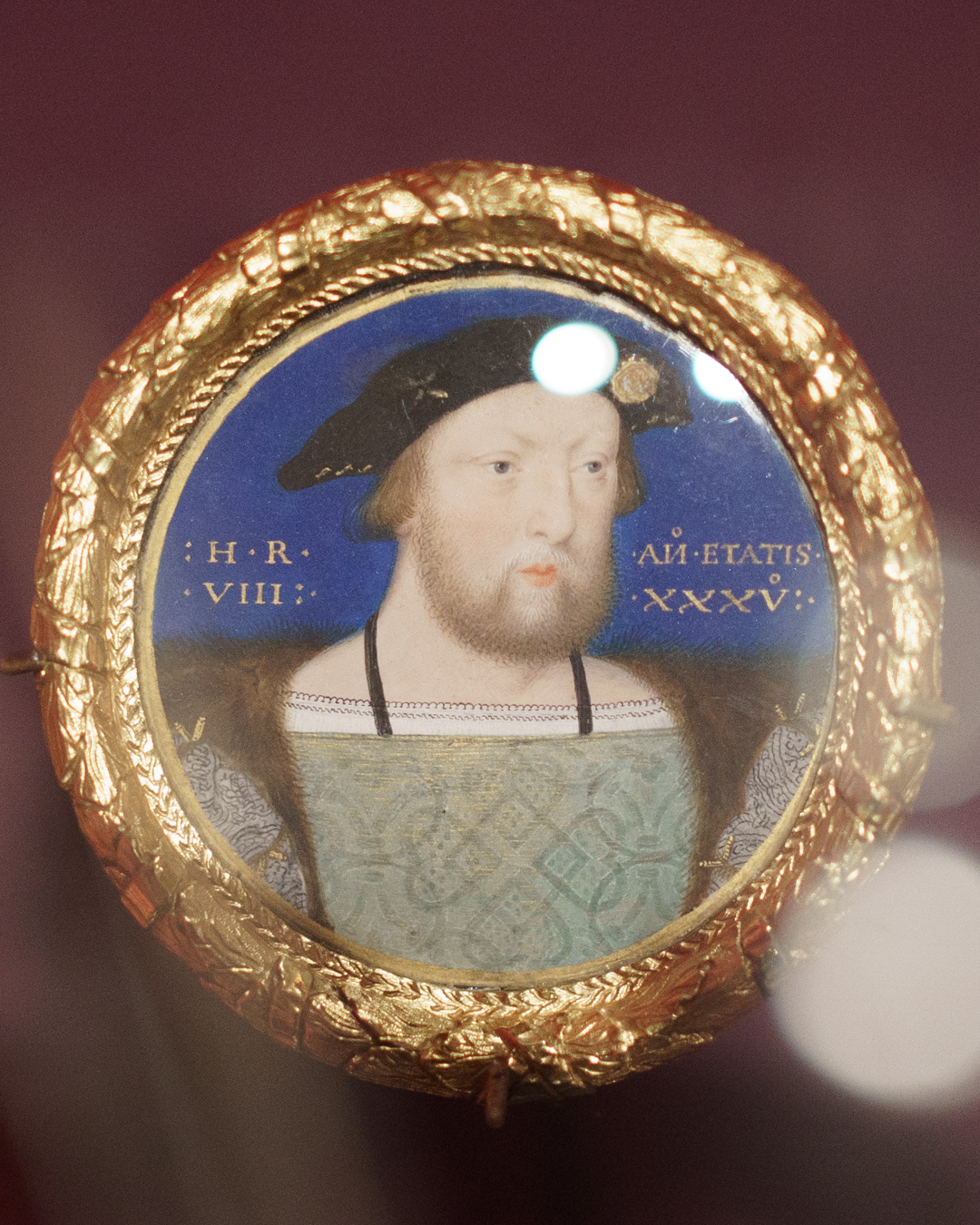
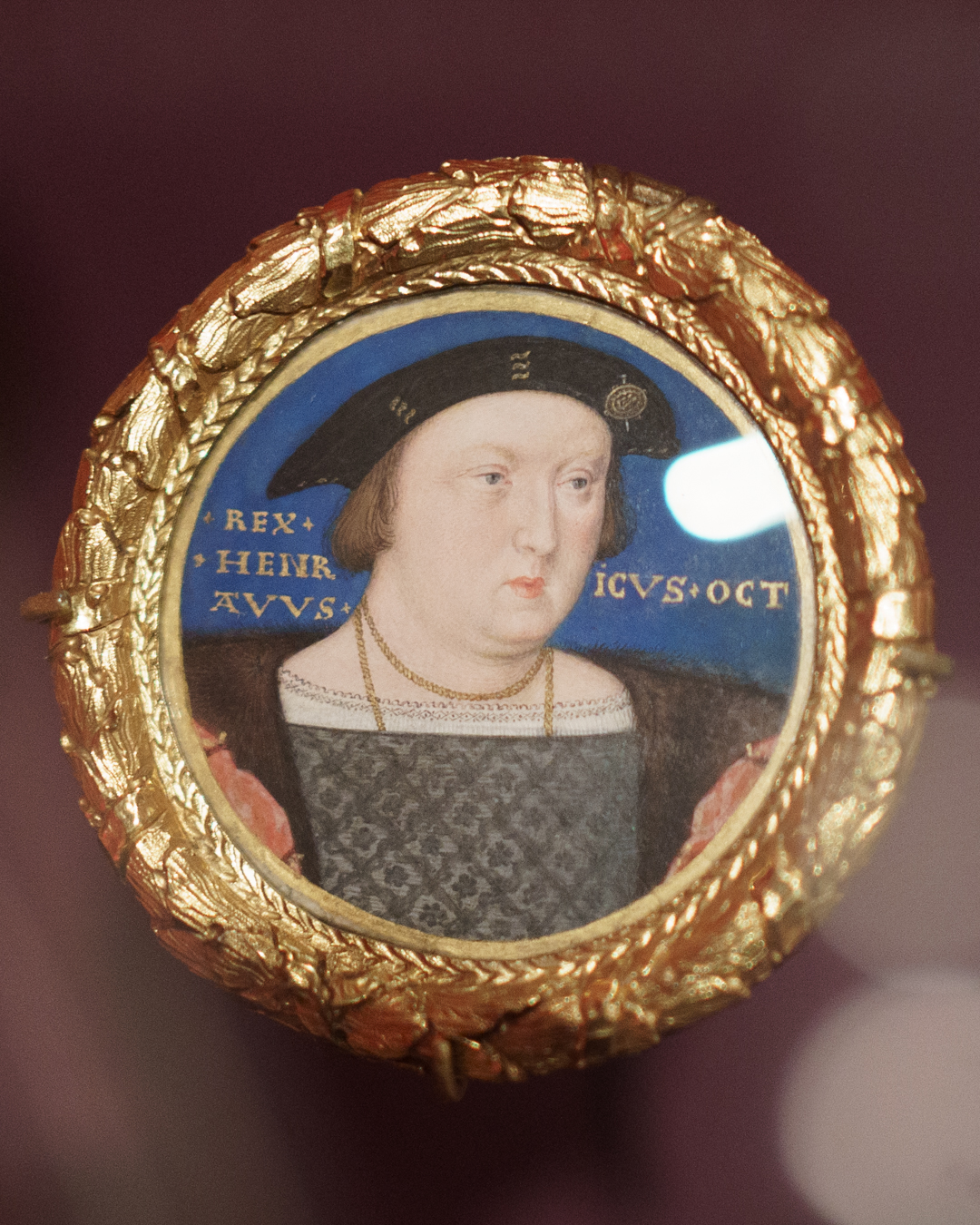
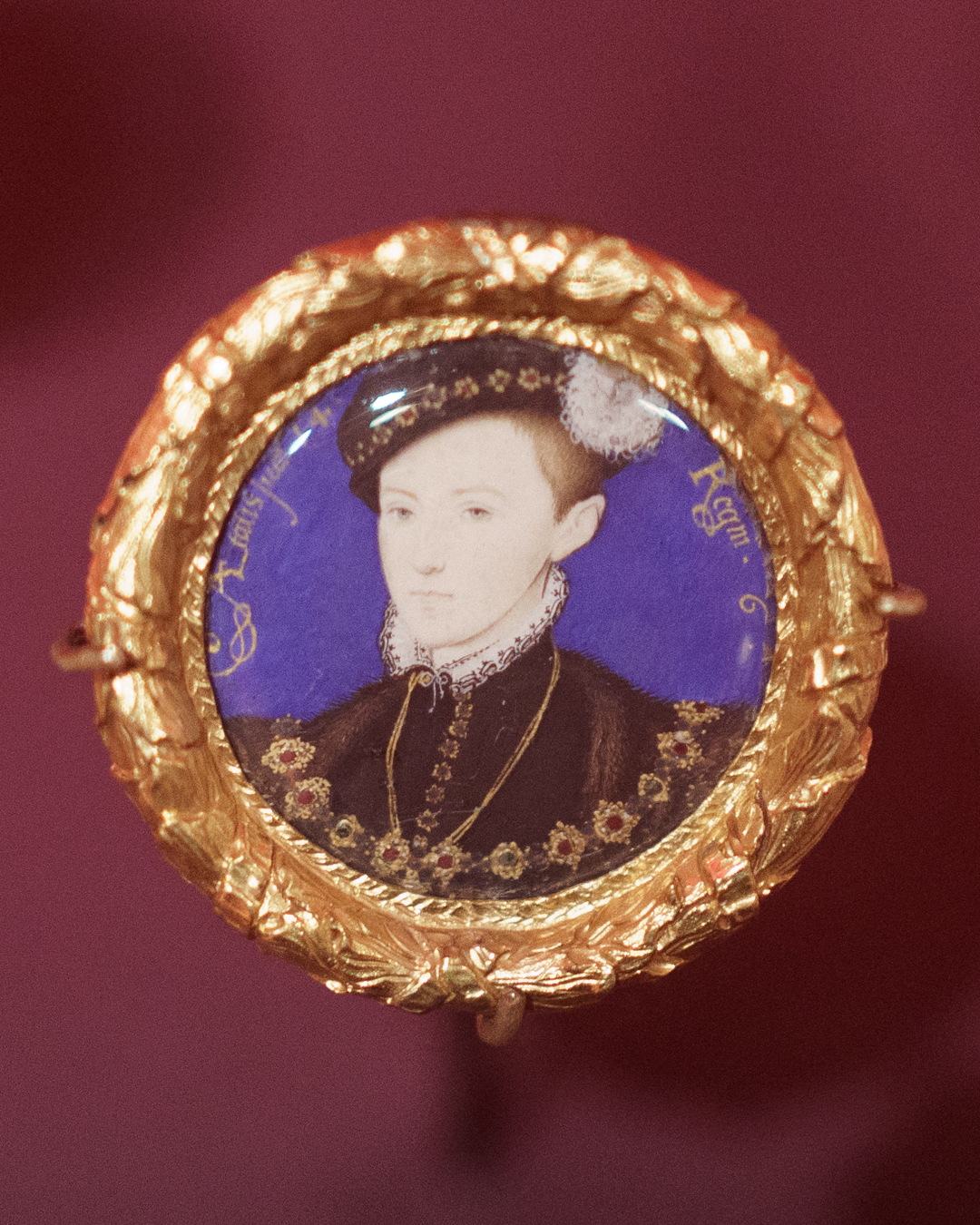
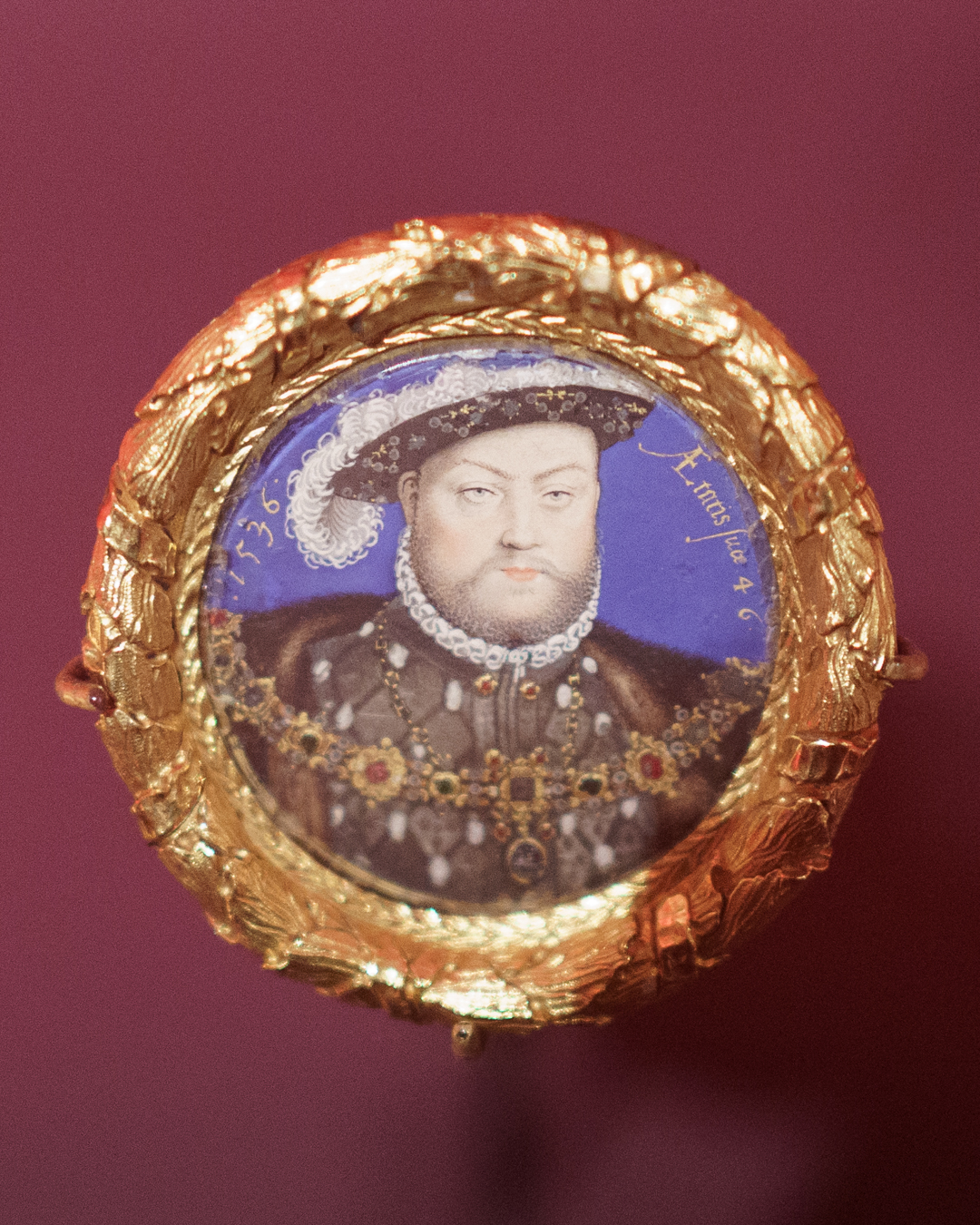
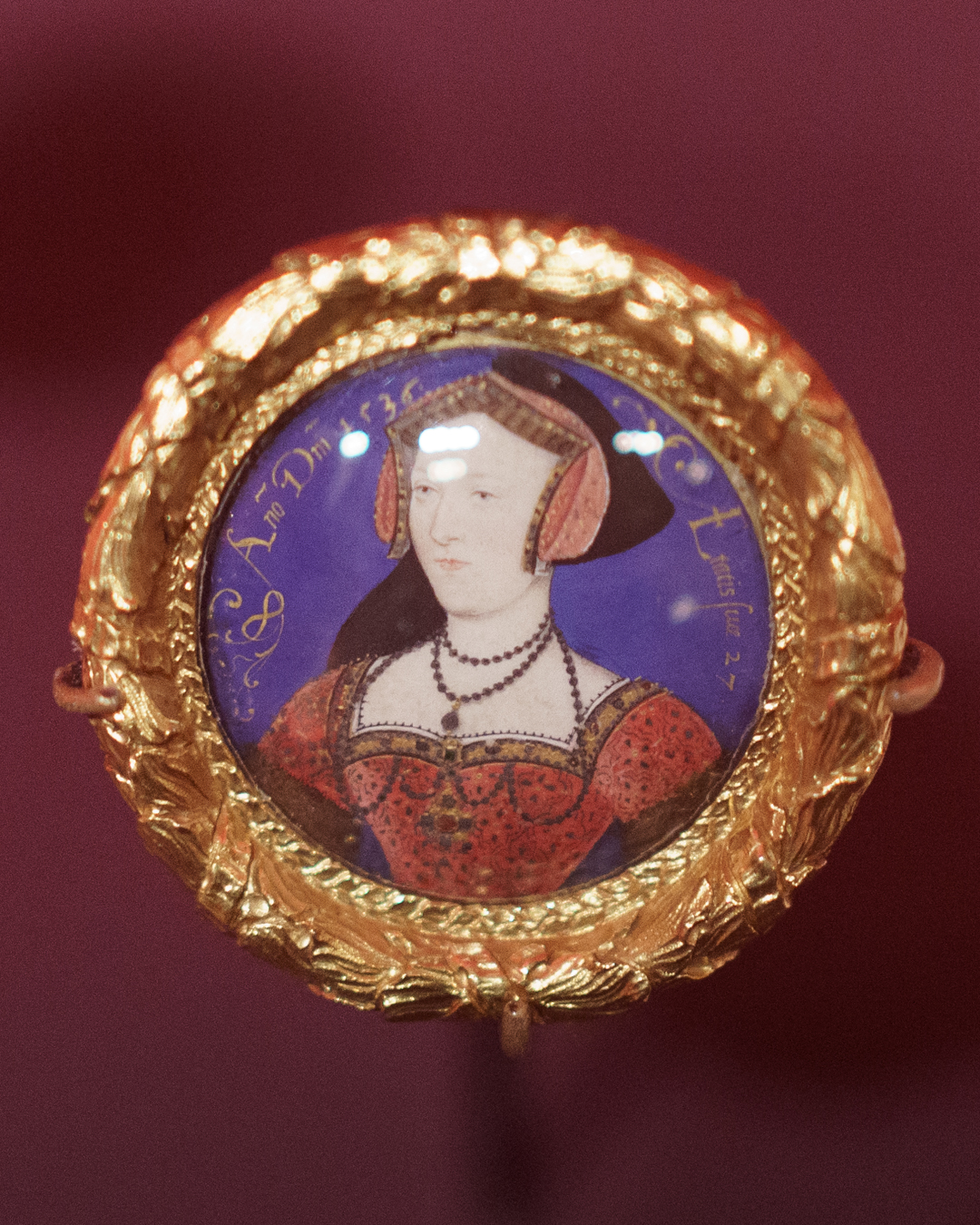
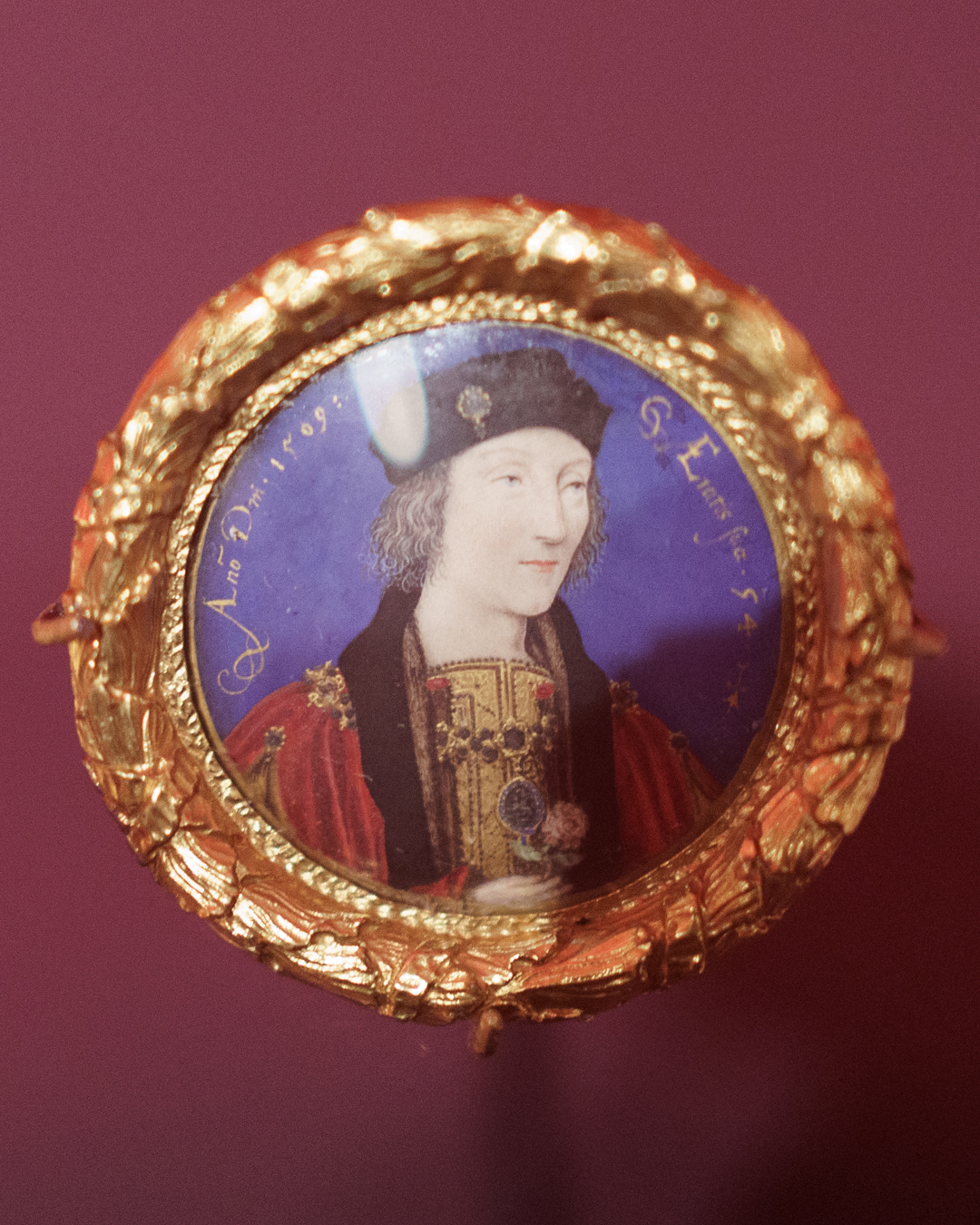
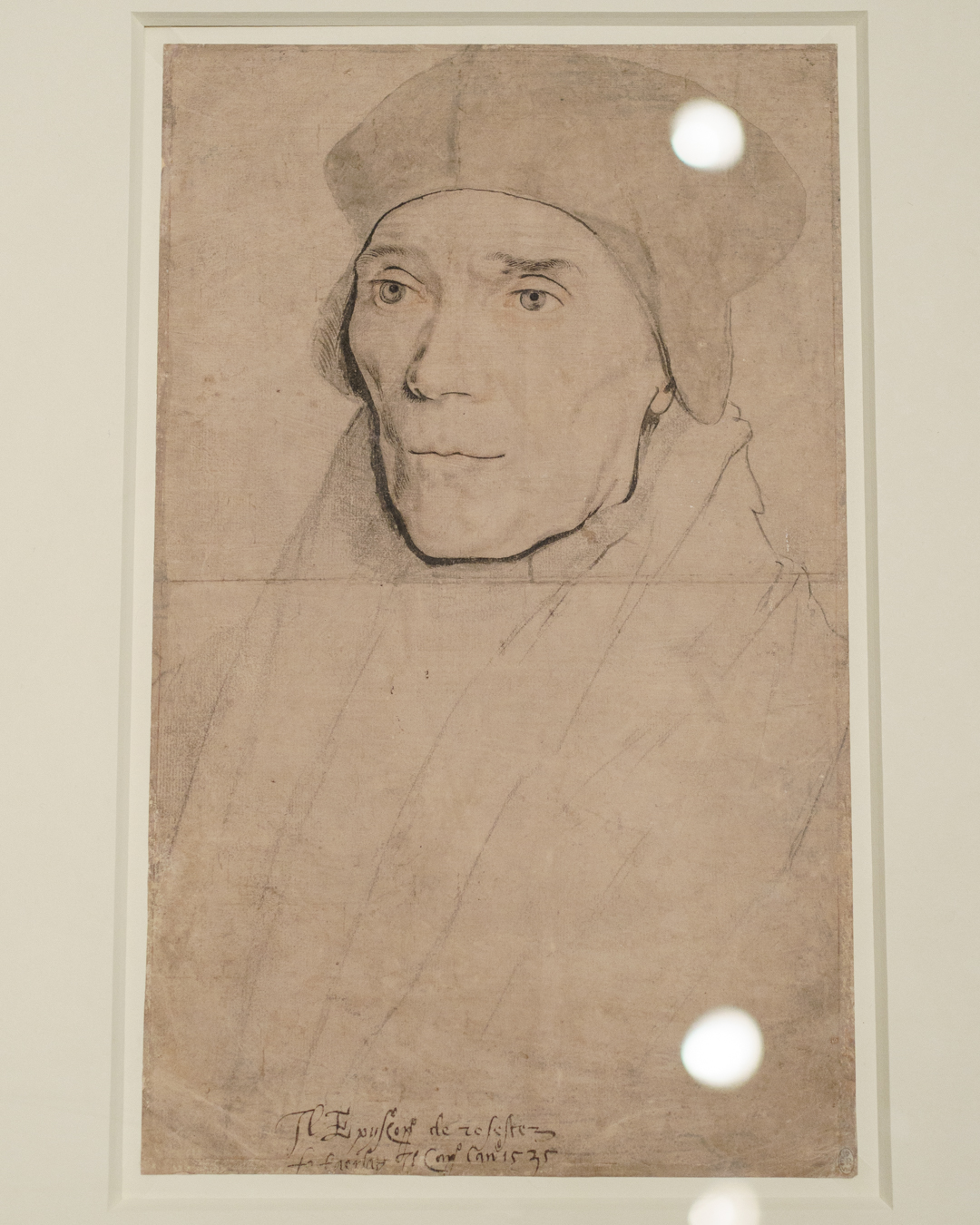
Among the many autograph drawings was a lone downgrade, a portrait of John Fisher, Bishop of Rochester. It’s a powerful test in connoisseurship that showed I needed more practice.
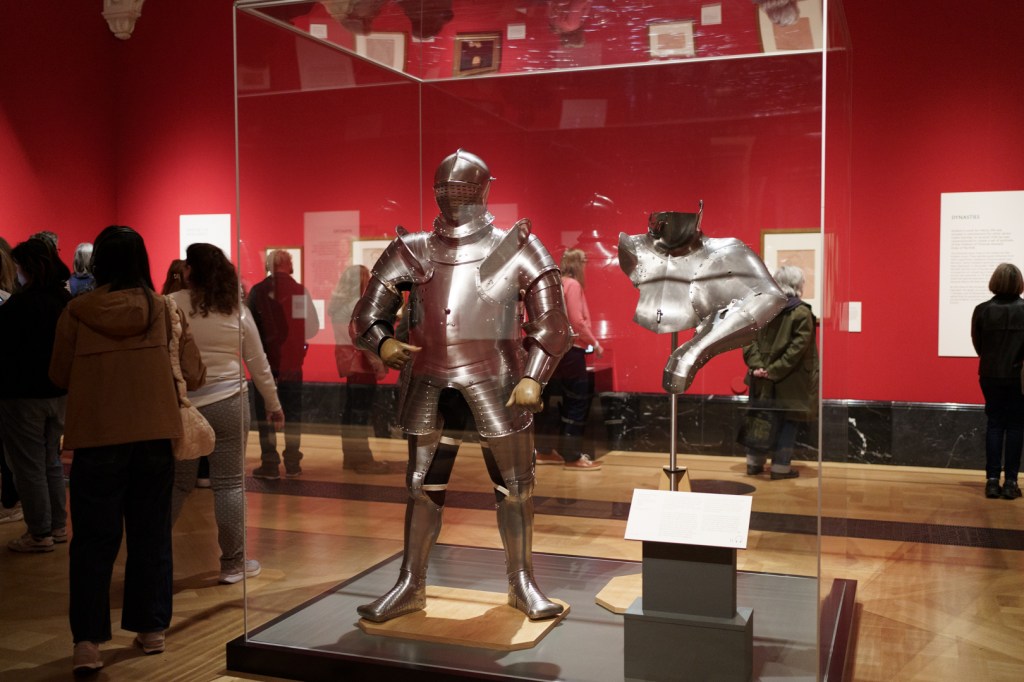
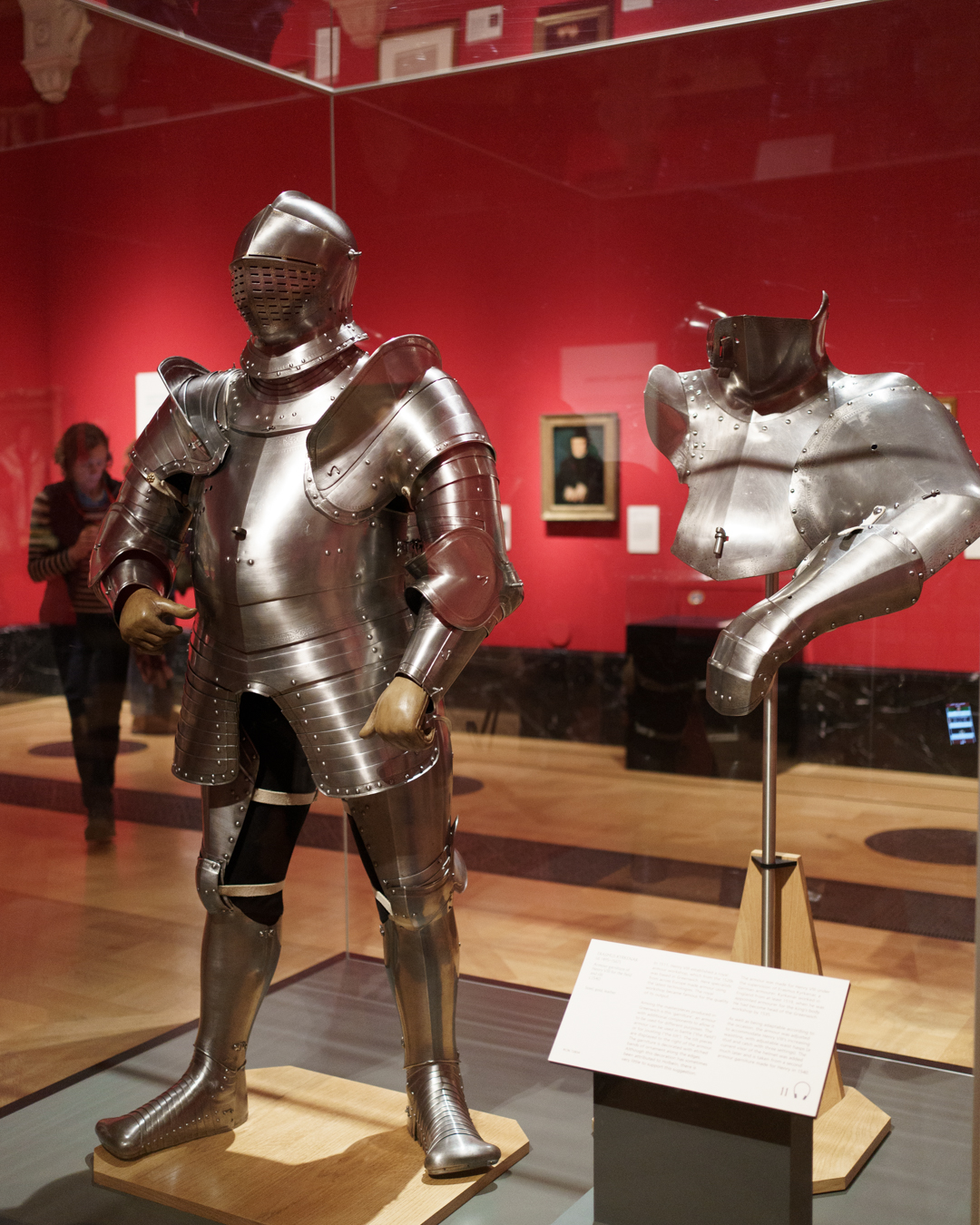
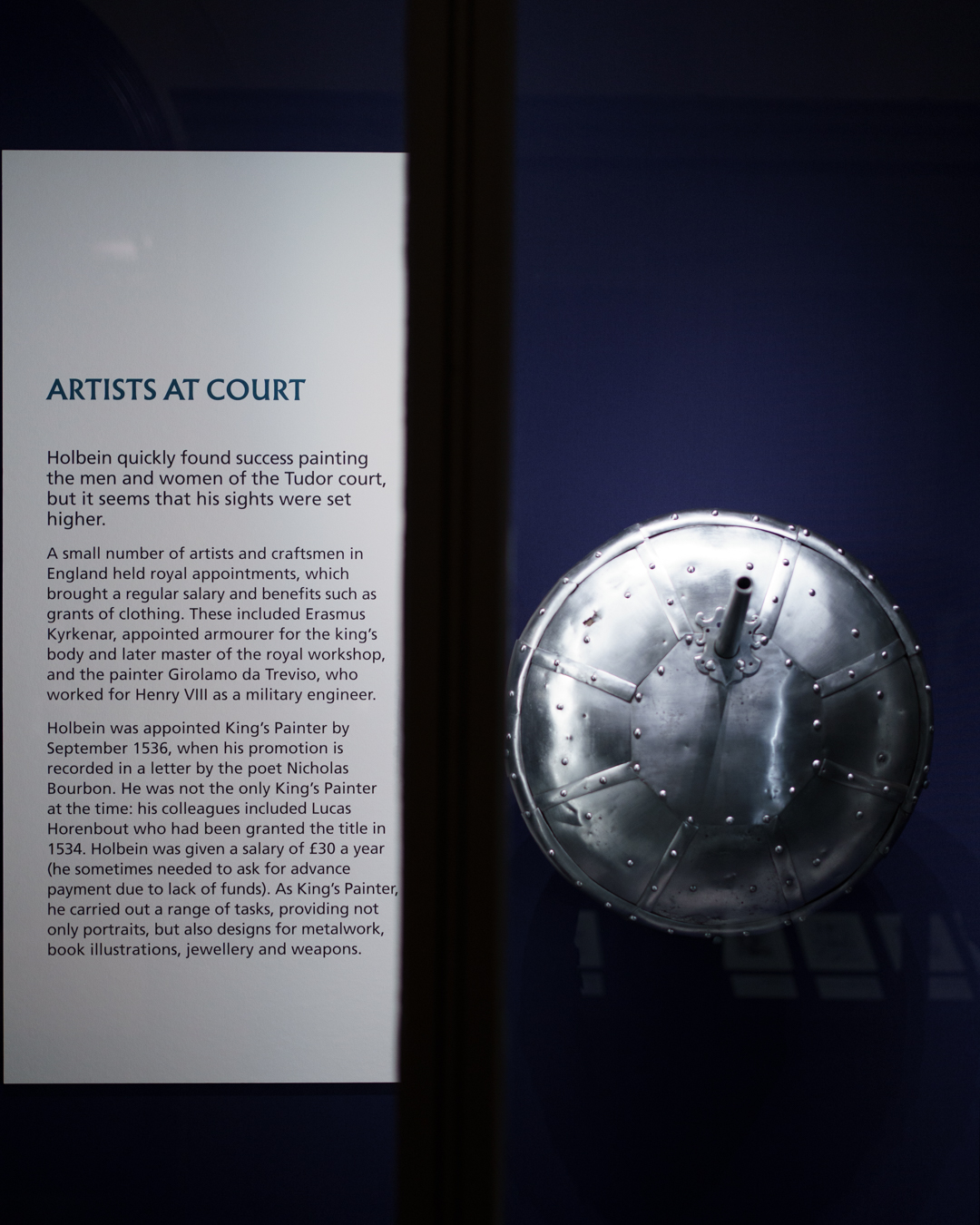
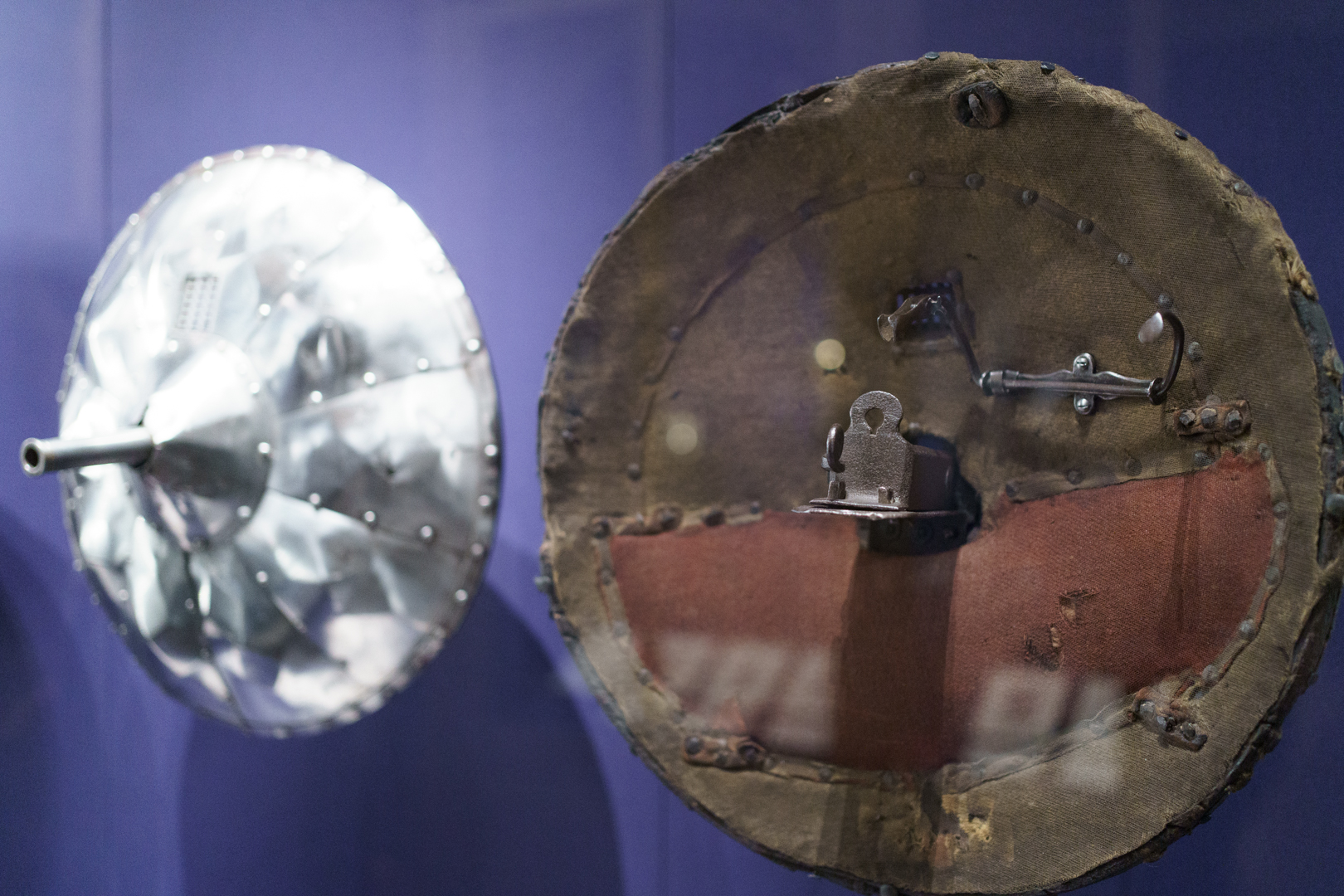
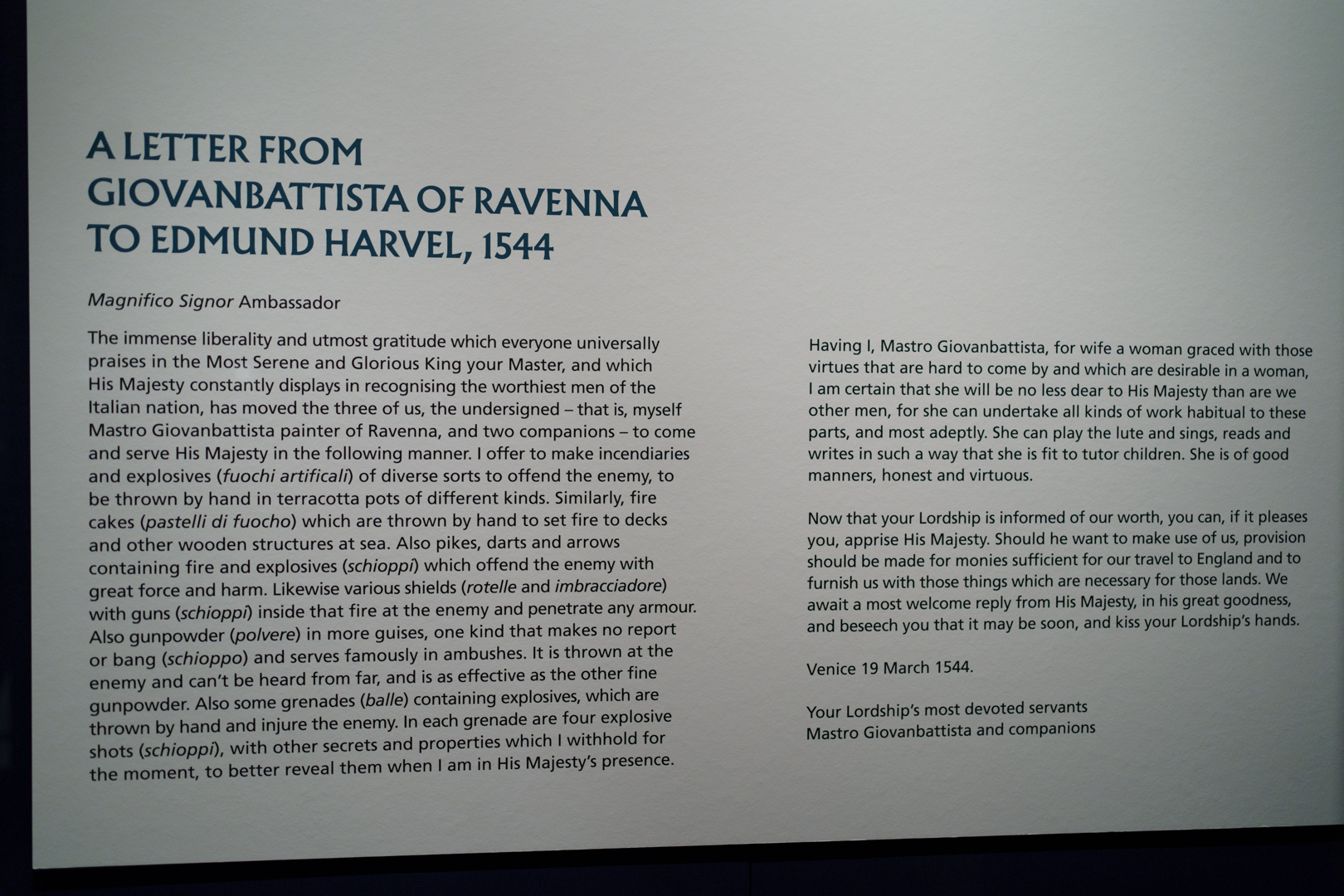
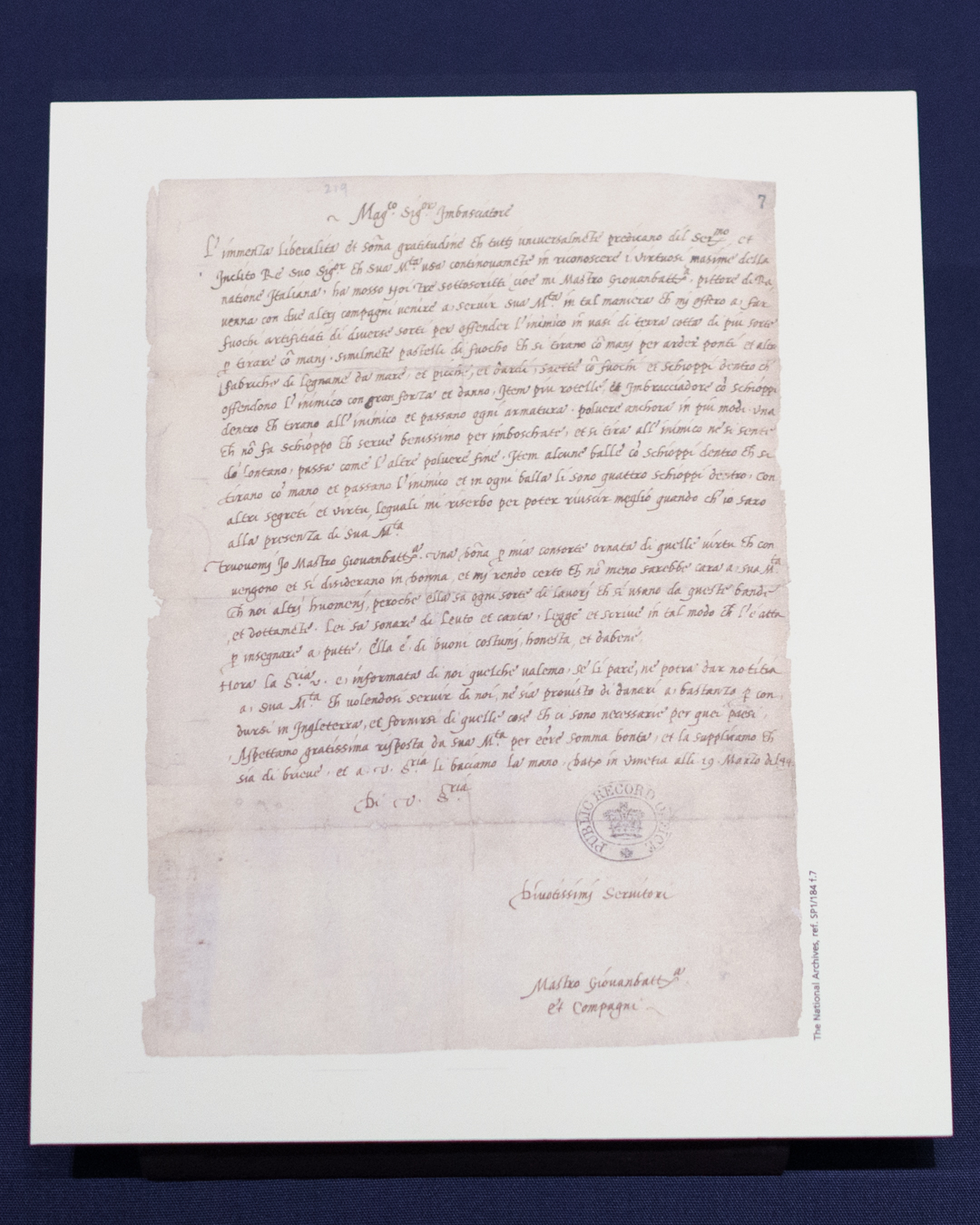
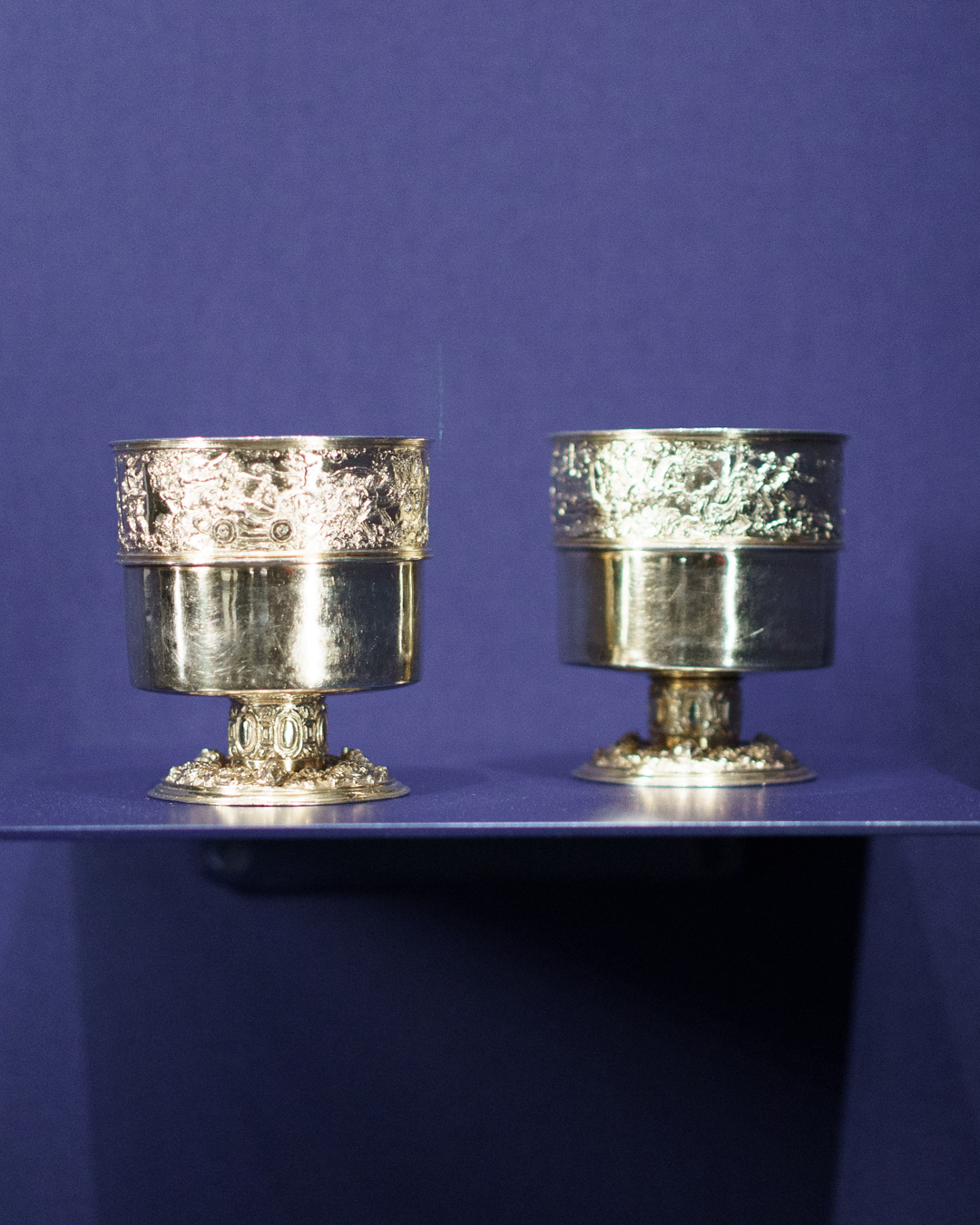
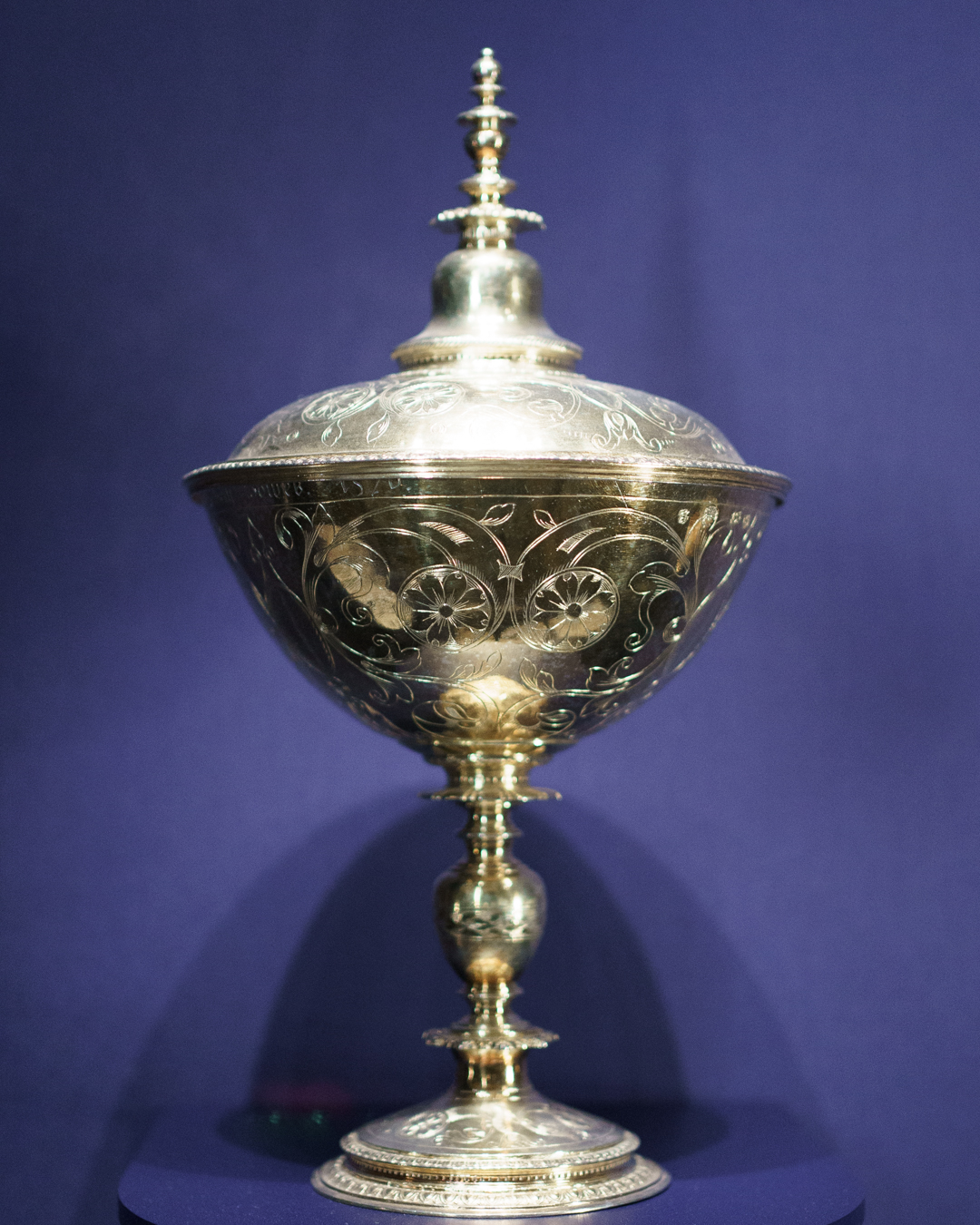
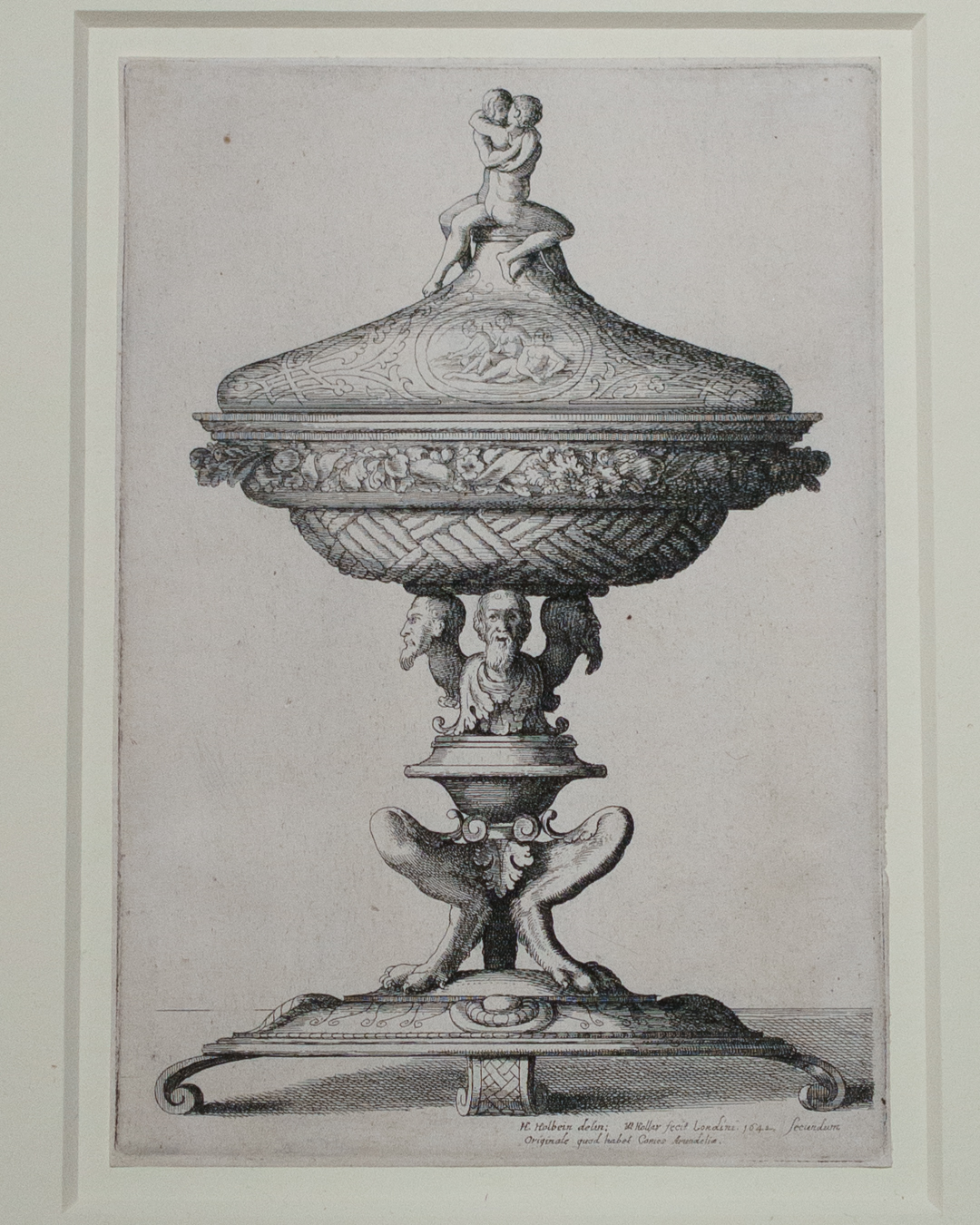
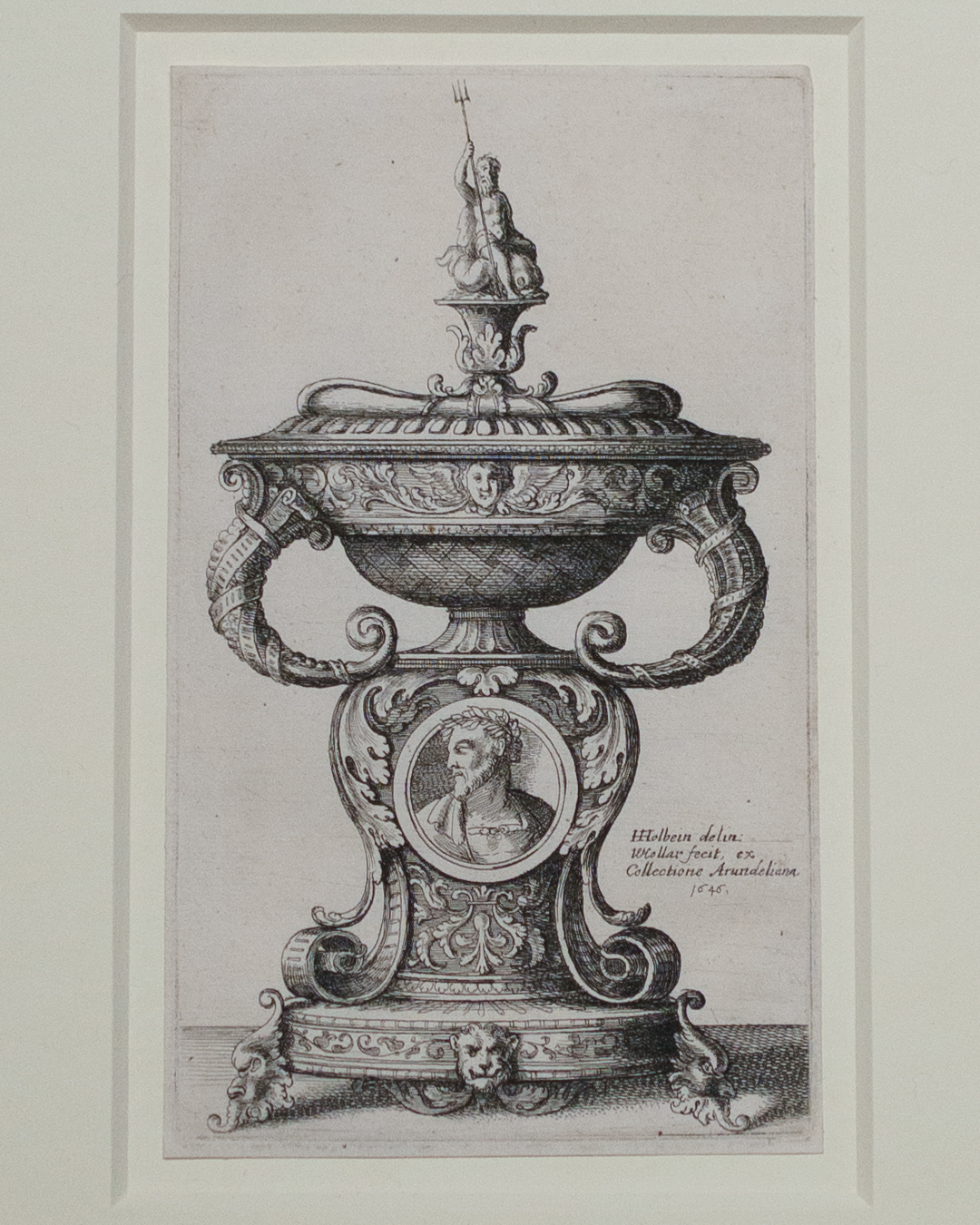
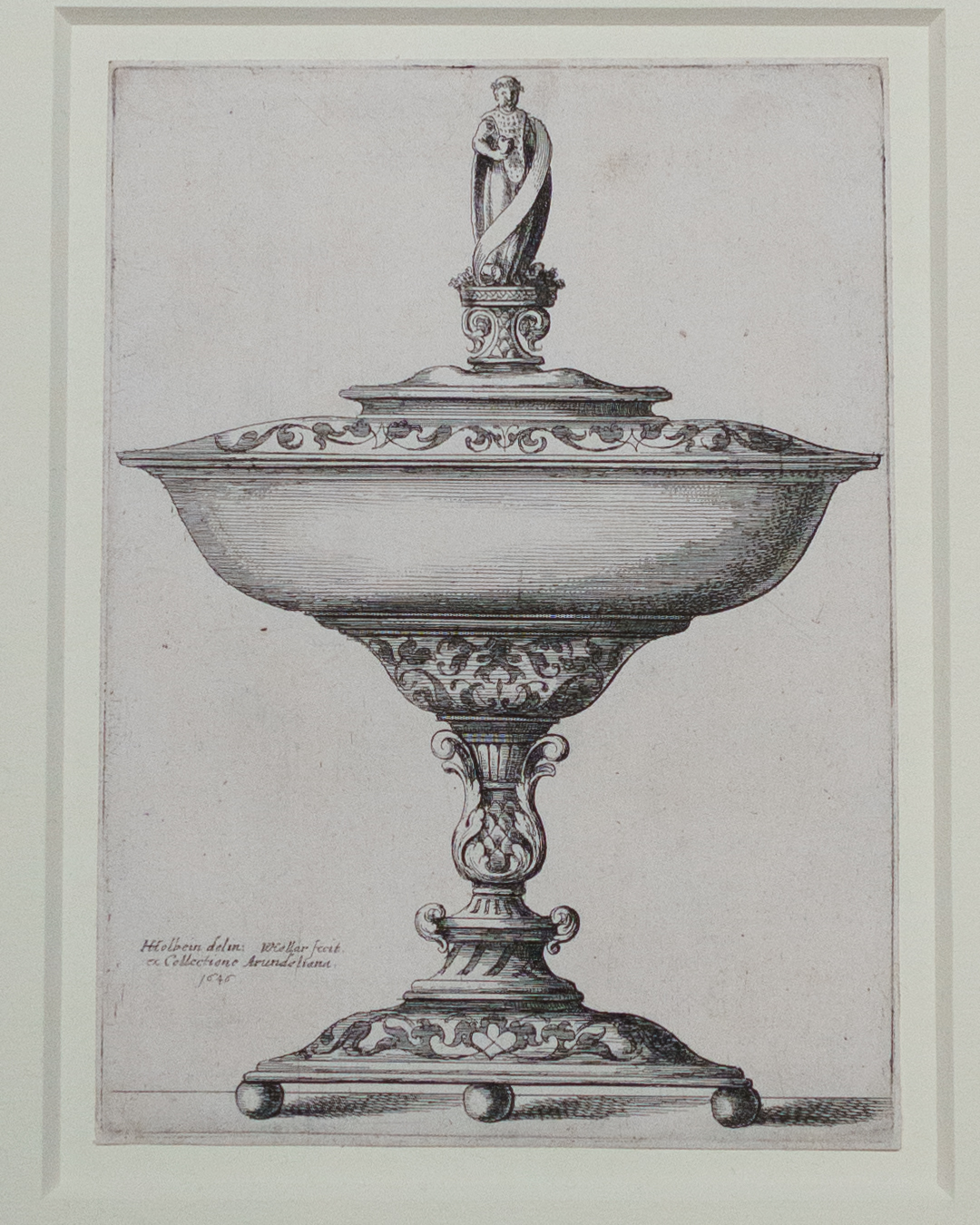
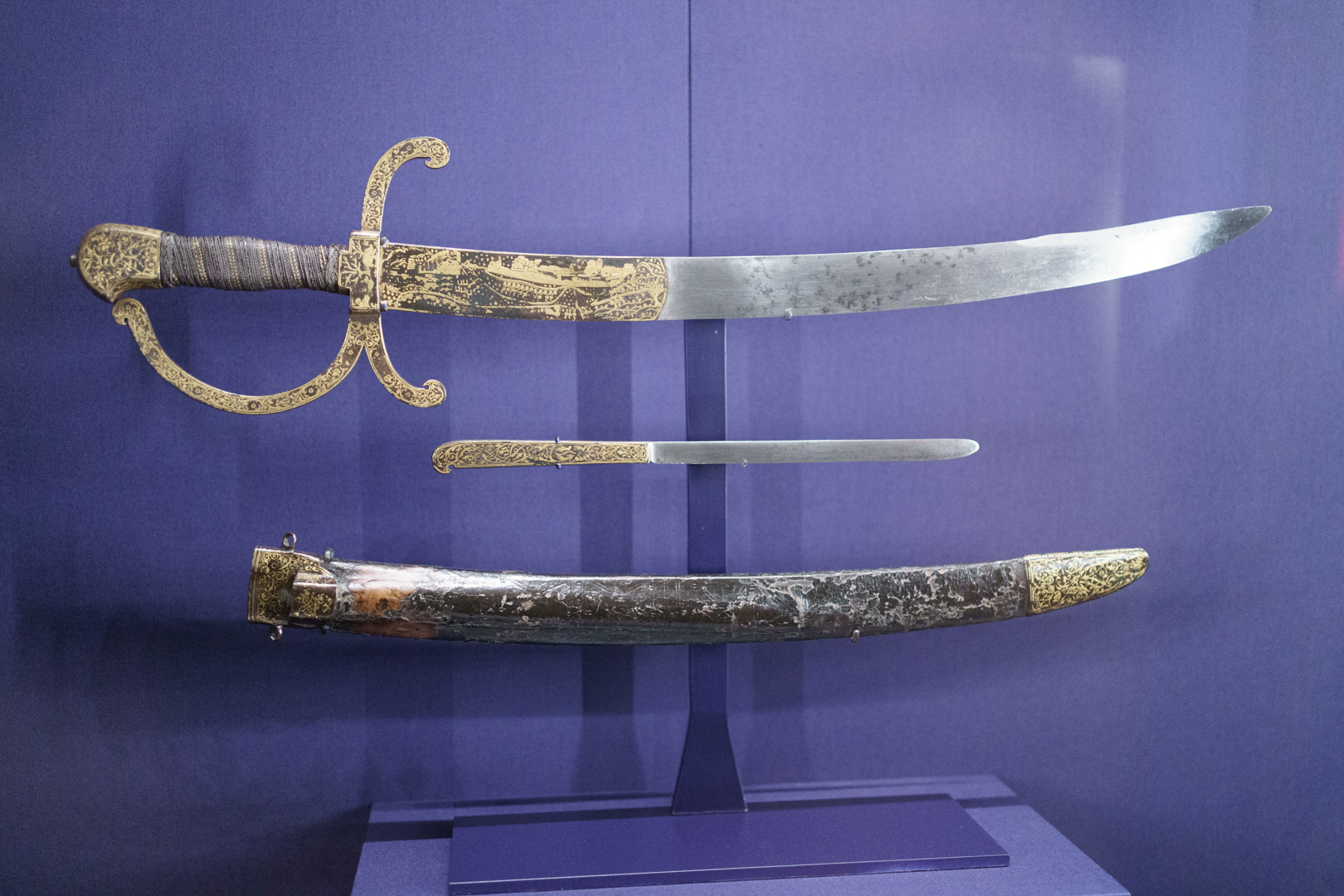
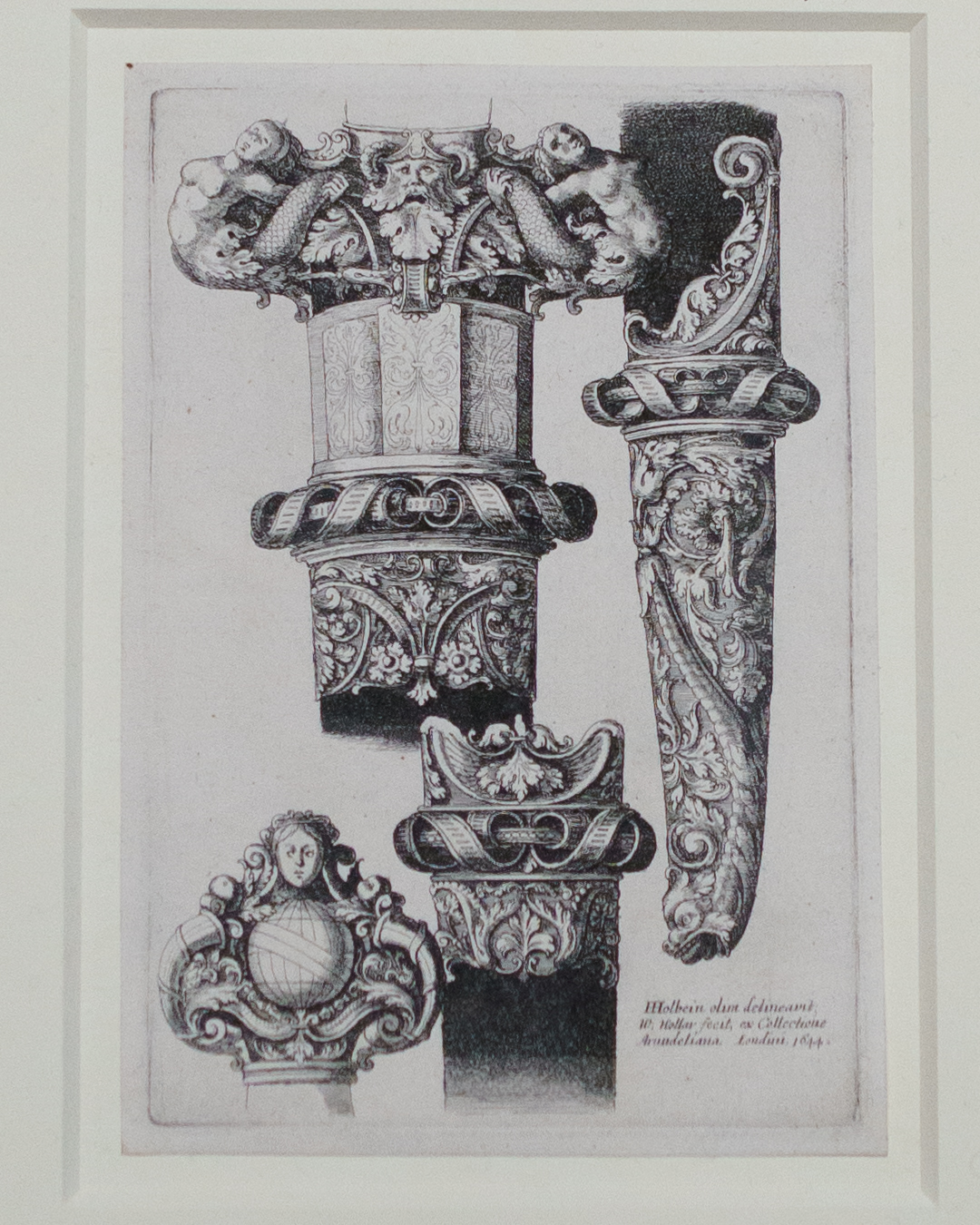
In the corridor leading up to the impressive finale devoted to the reign of Henry VIII was a little side section exploring Holbein’s involvement in designing metalwork and weaponry in his role as King’s Painter. A lot of people forget that being a court painter meant a huge range of tasks beyond just pretty portraits and decorative schemes. Innovative military knowledge was a top criterion. A transcription of Giovanbattista of Ravenna’s solicitation letter for employment in Henry VII’s court offered some insight into this (original in the National Archives: SP 1/184 f.7.)
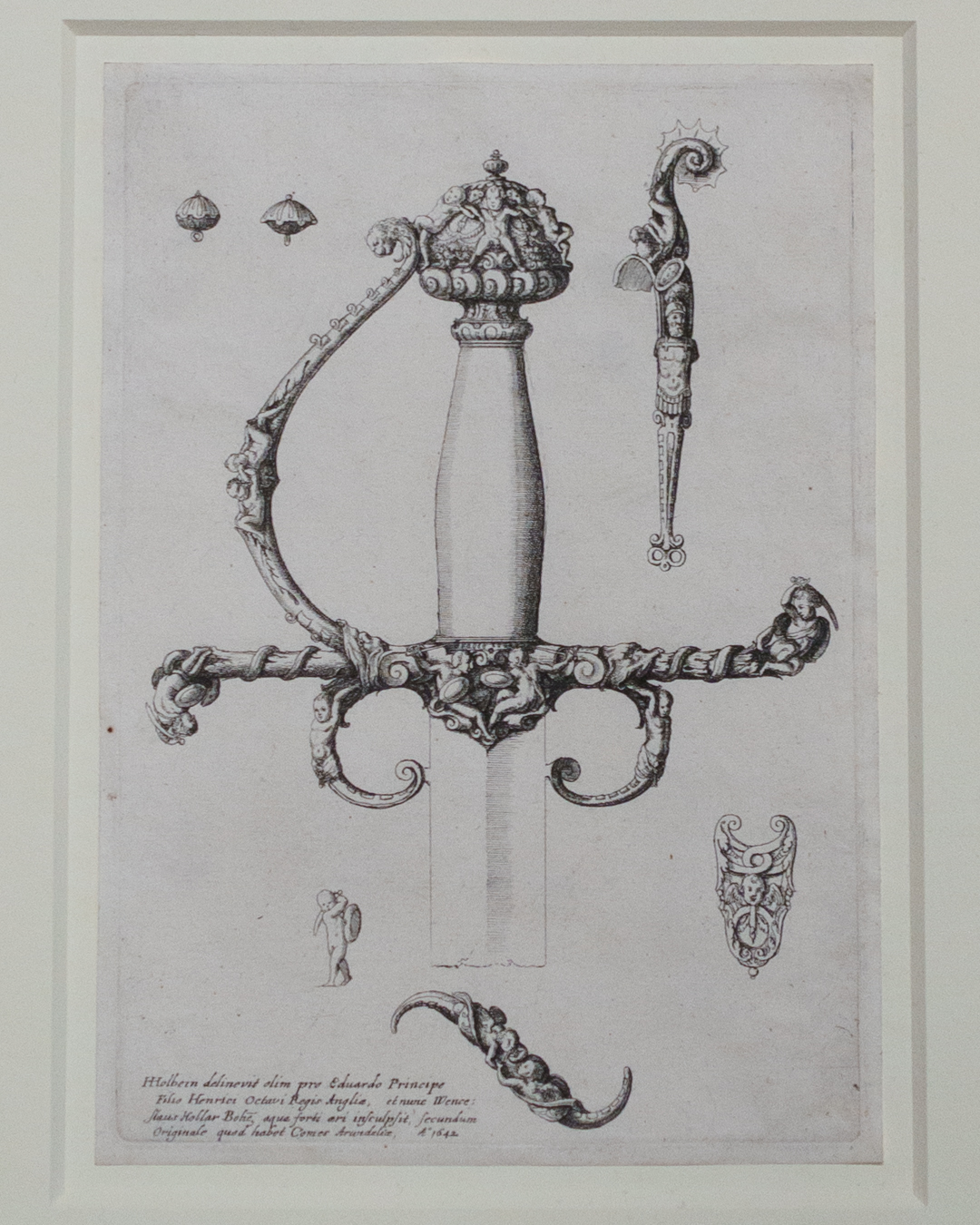
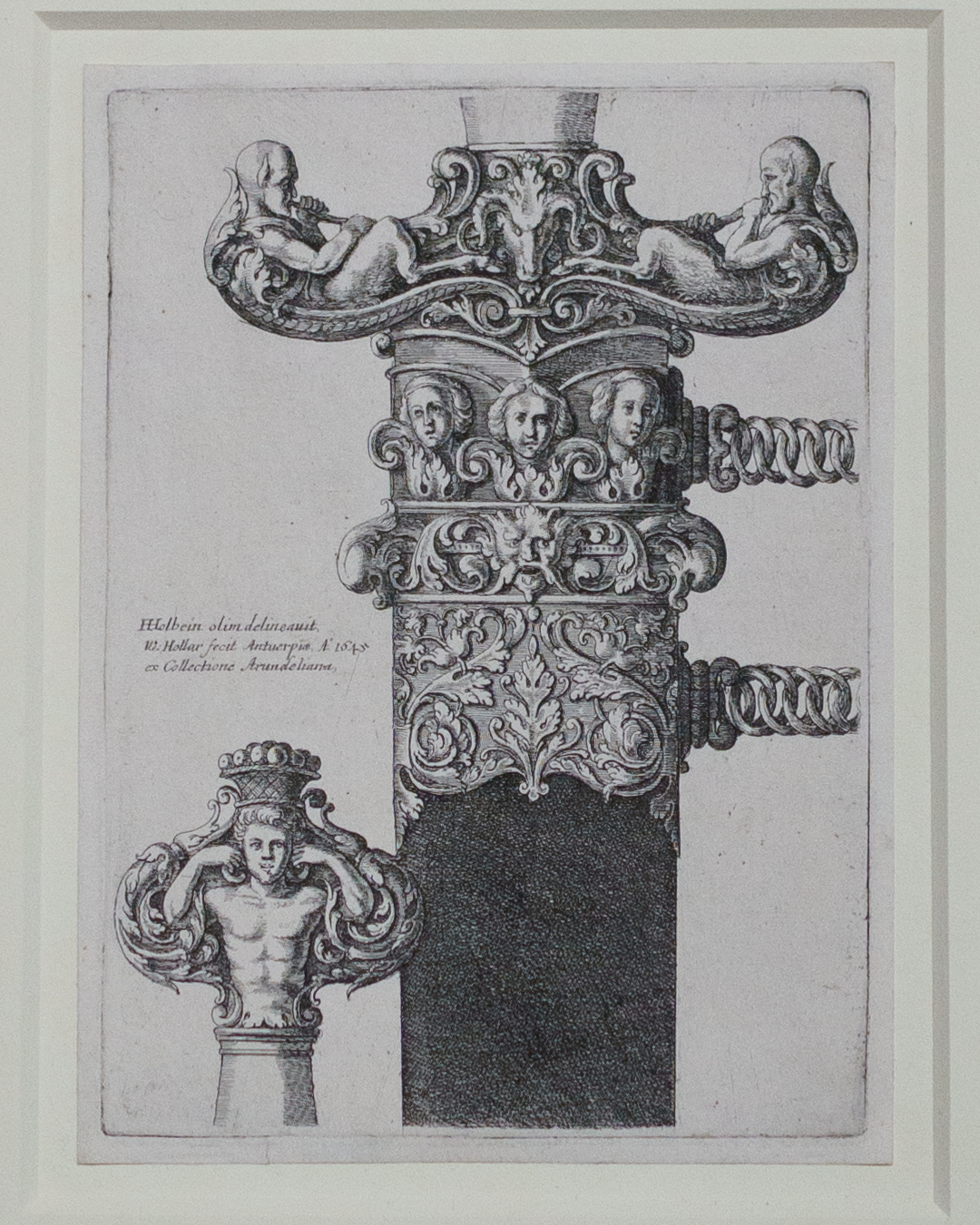
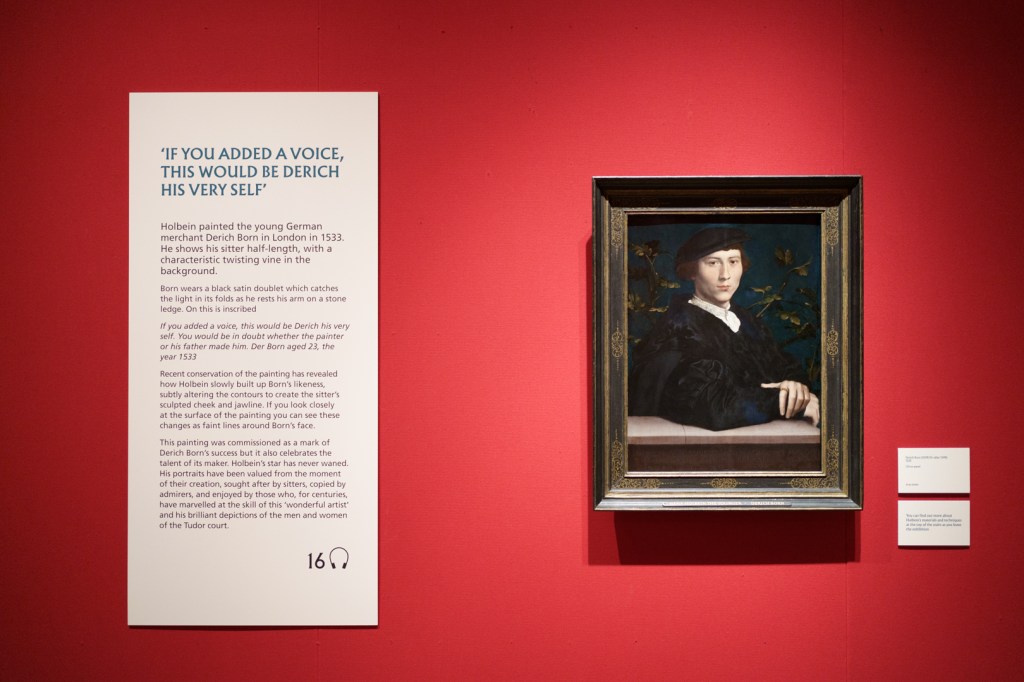
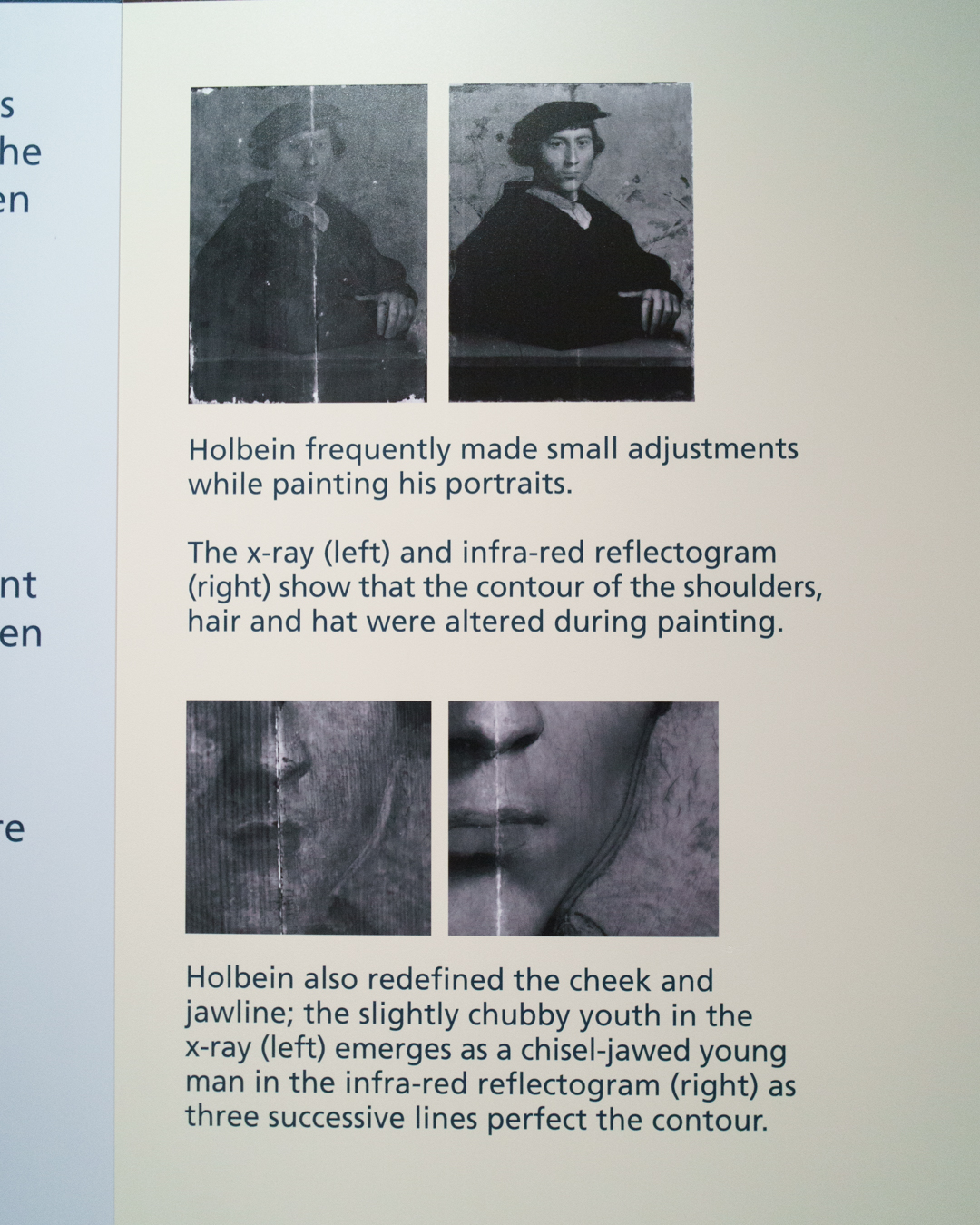
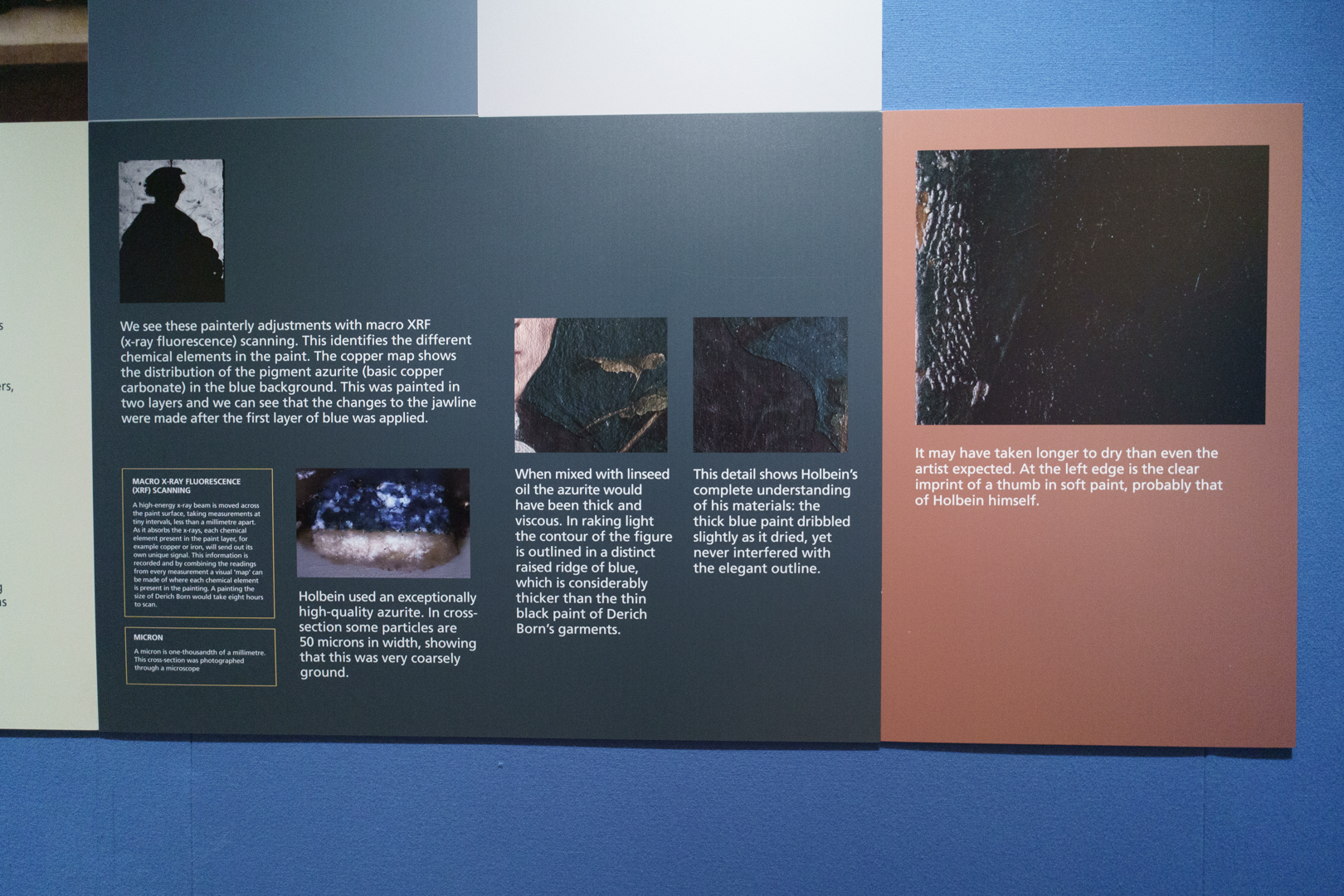
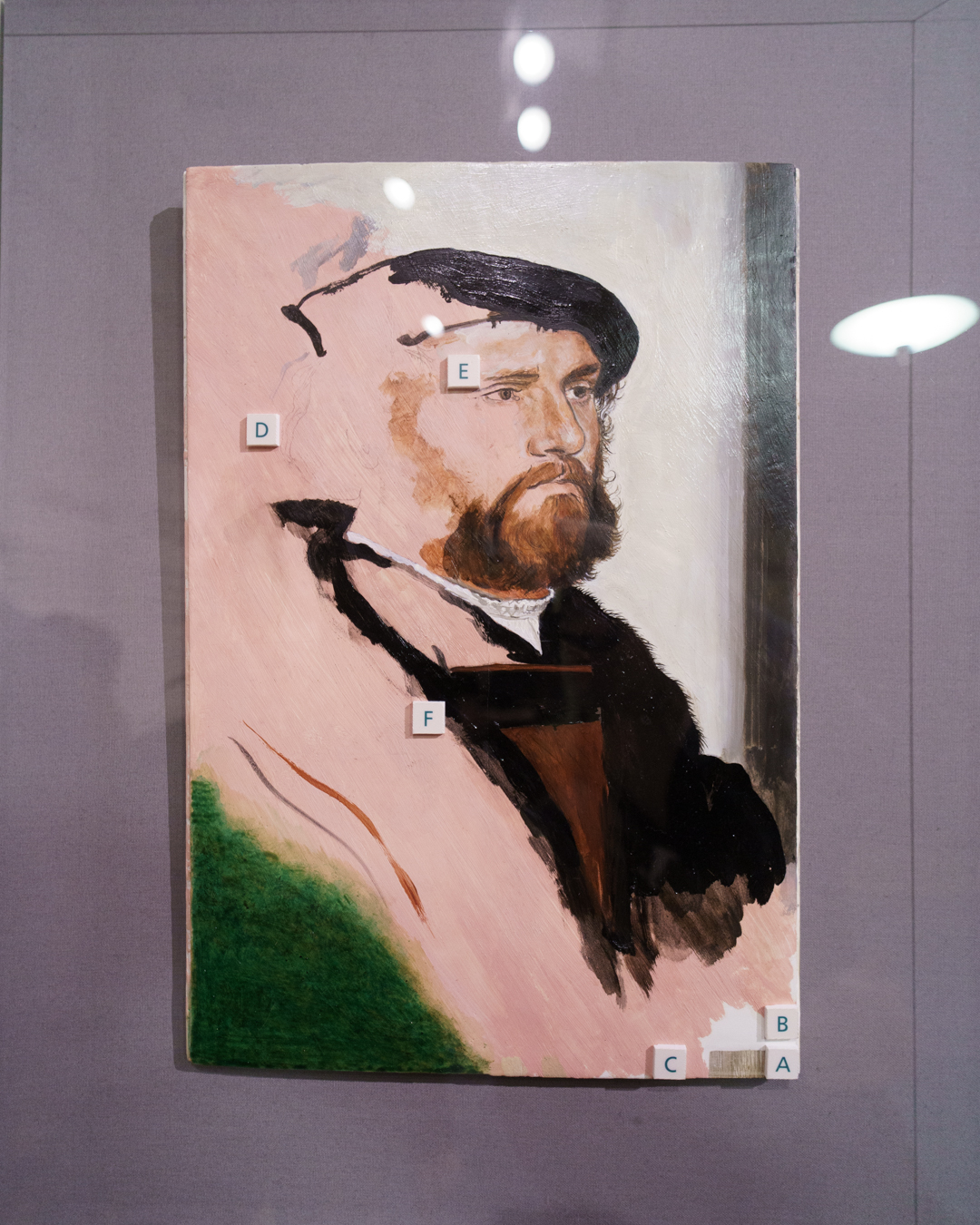
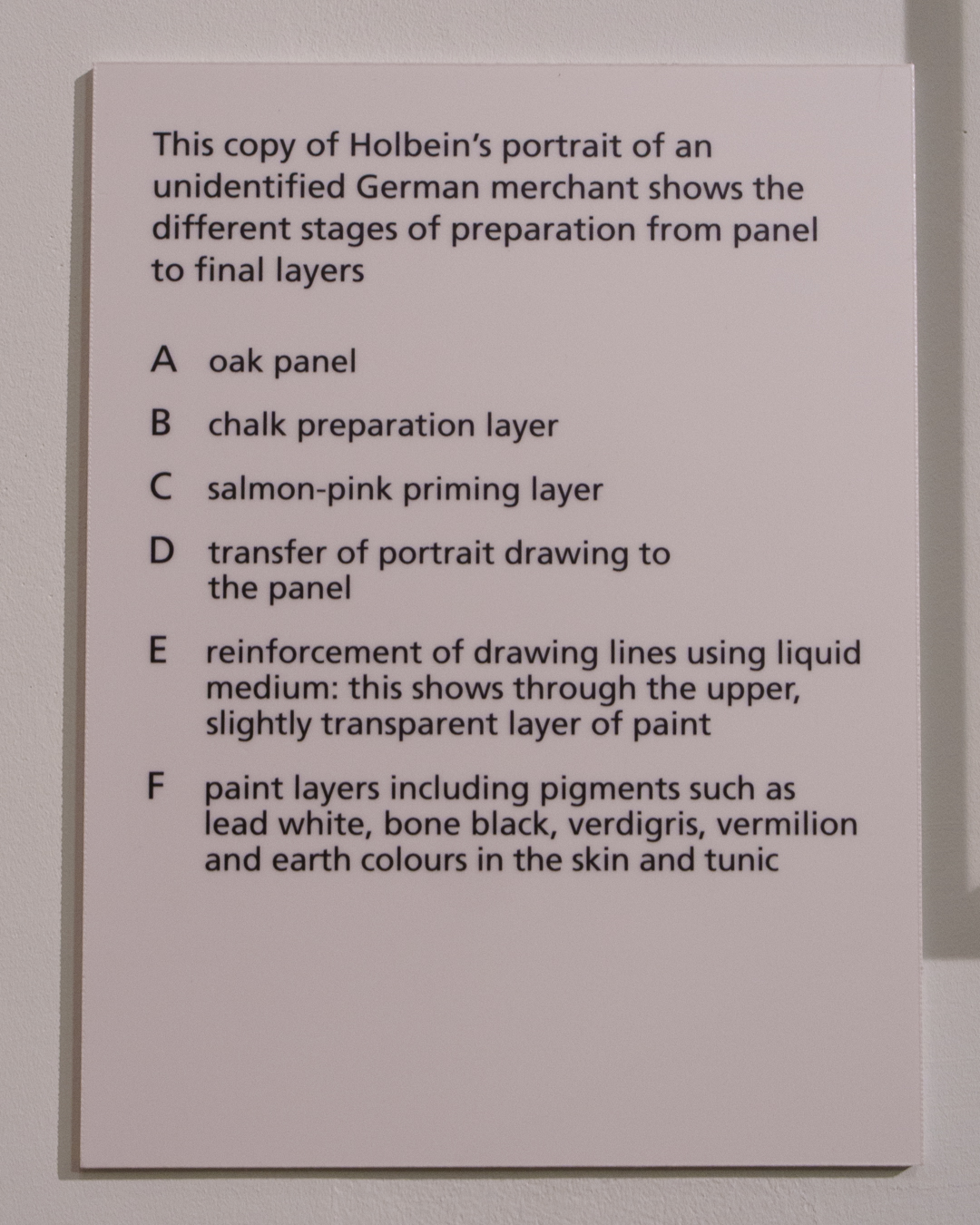
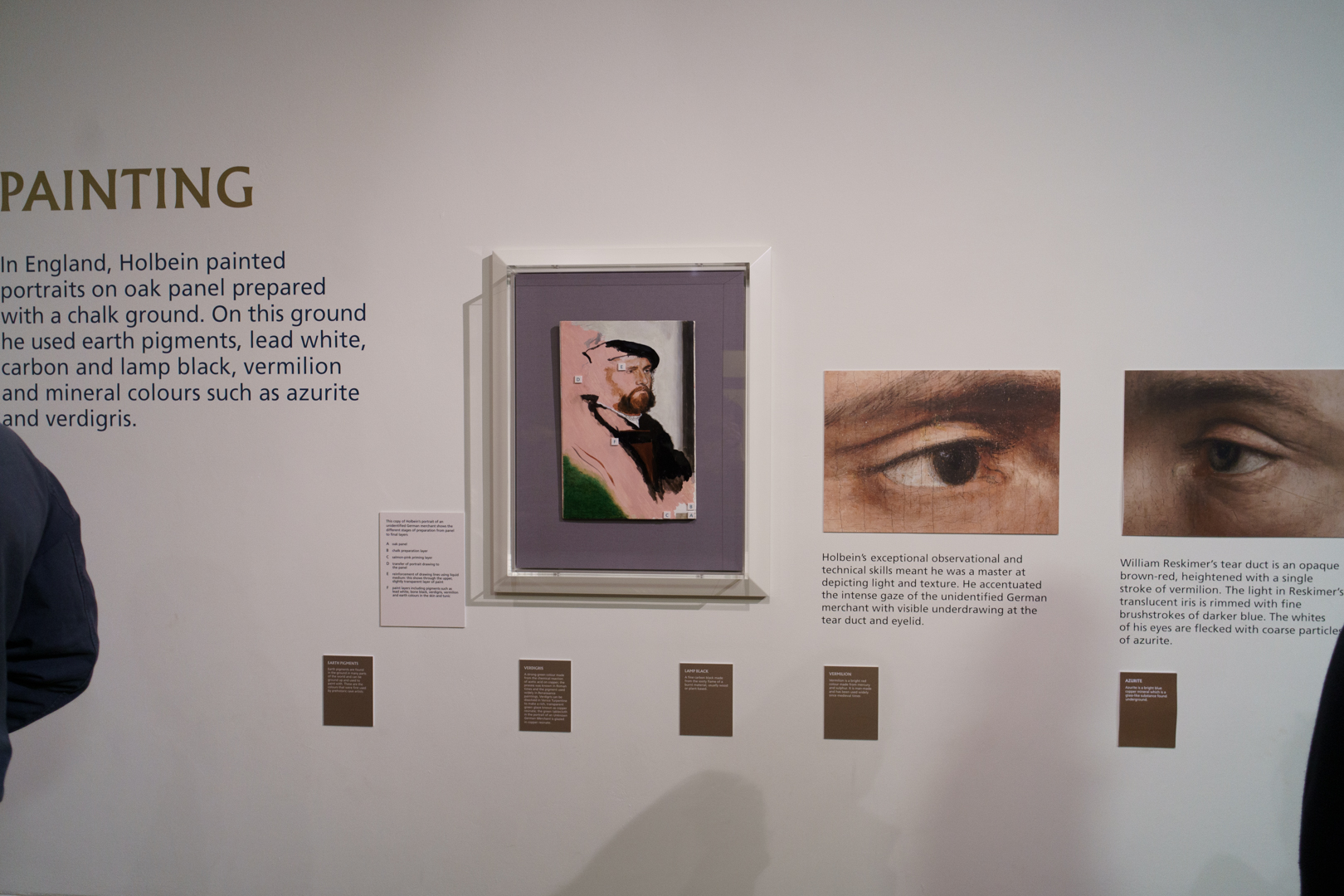
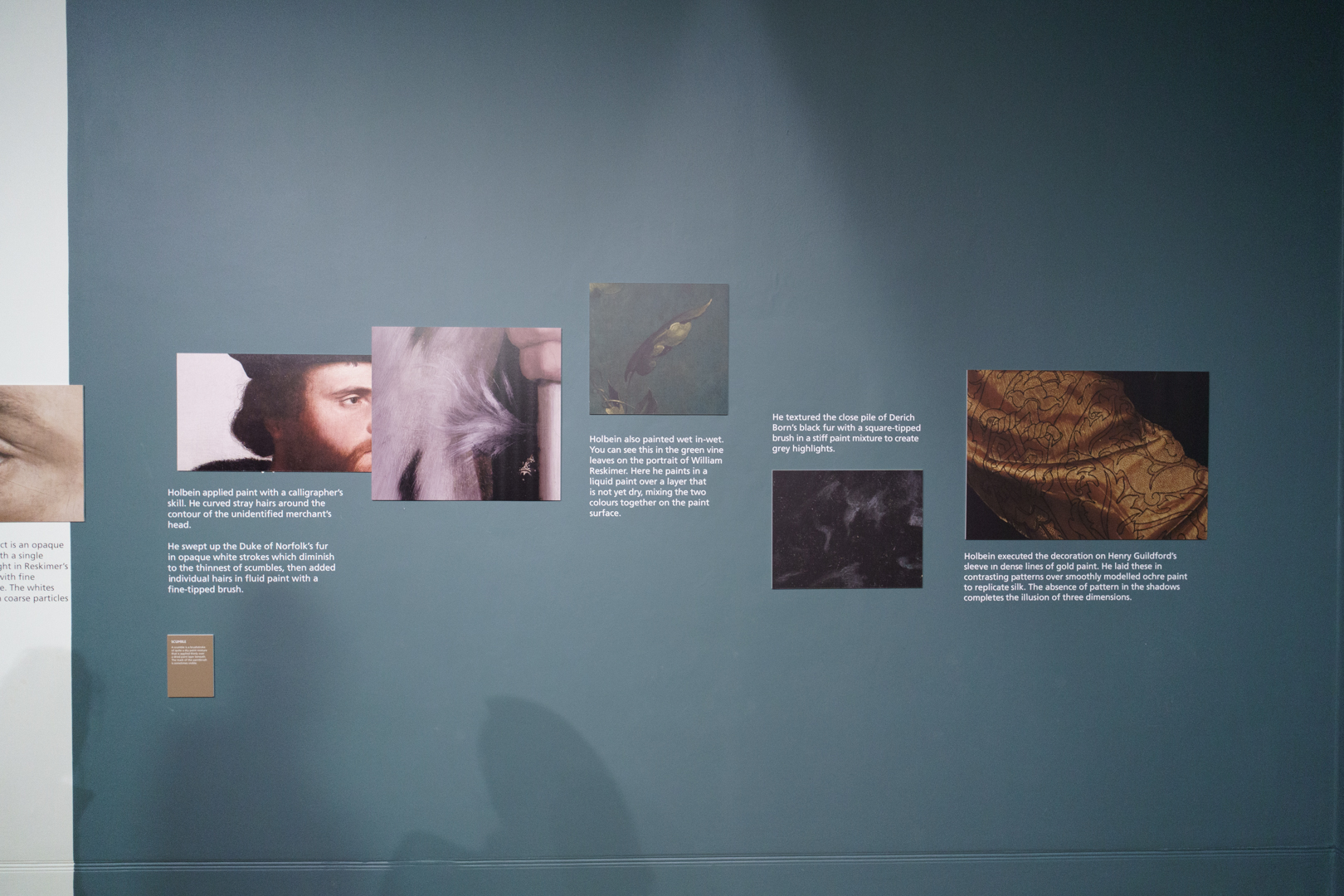
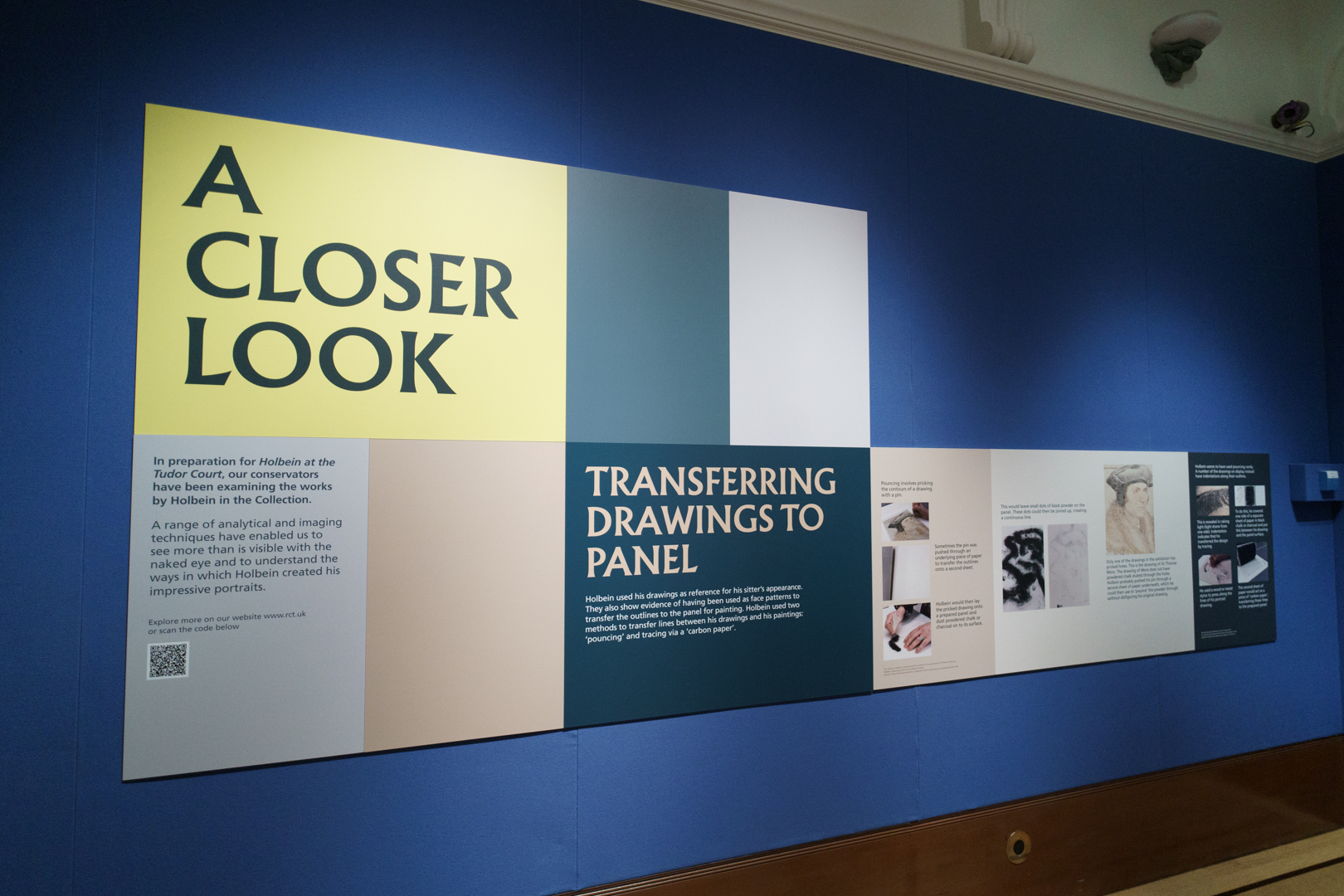
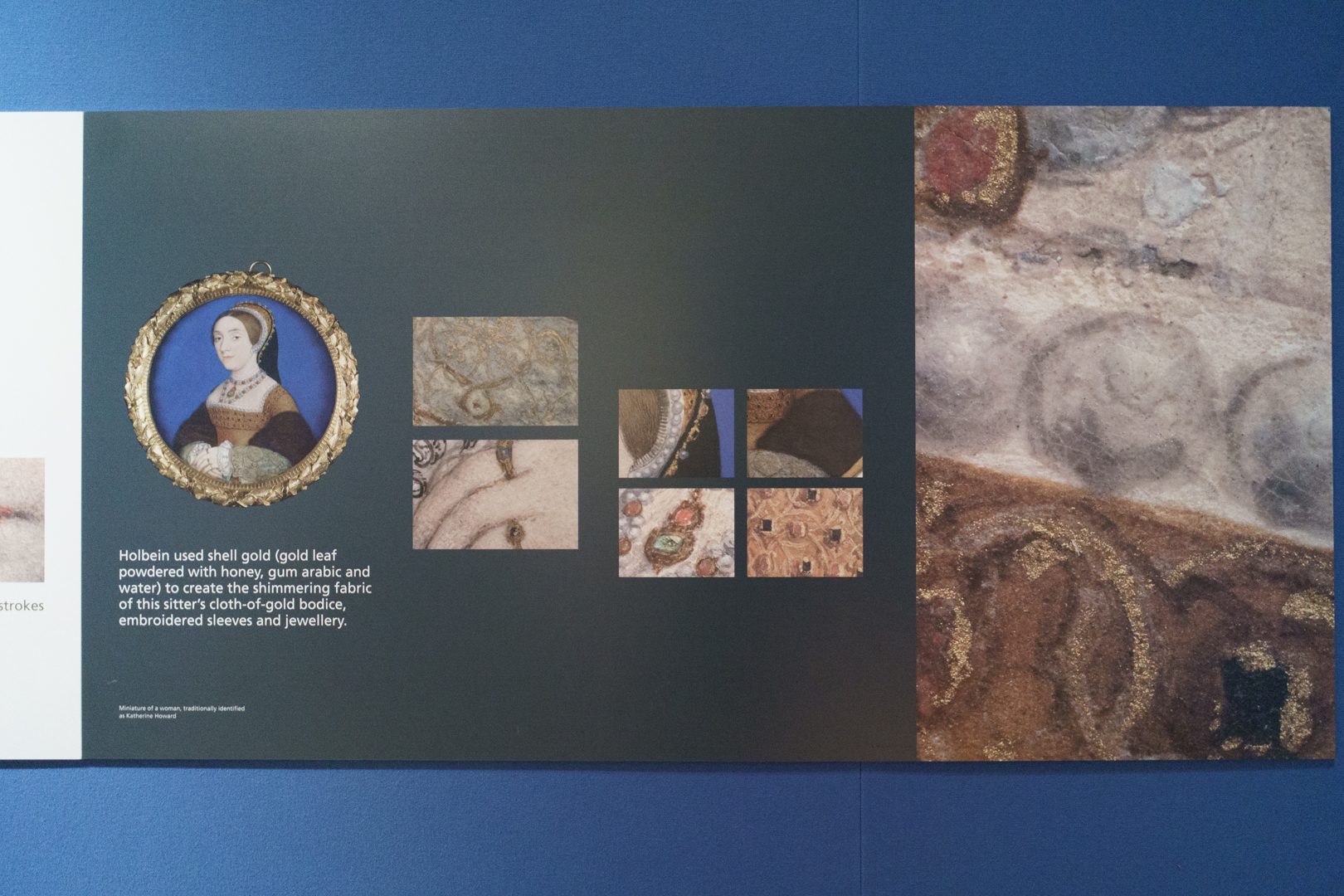
Finally, one of the things Royal Collection exhibitions do so well is giving us material insights into the working methods and conservation work, which received two side rooms for us to wrap our heads around. Most people skip these rooms but they were very helpful in seeing the miniatures up close, as well as learning about recent technical findings regarding the portrait of Derich Born.
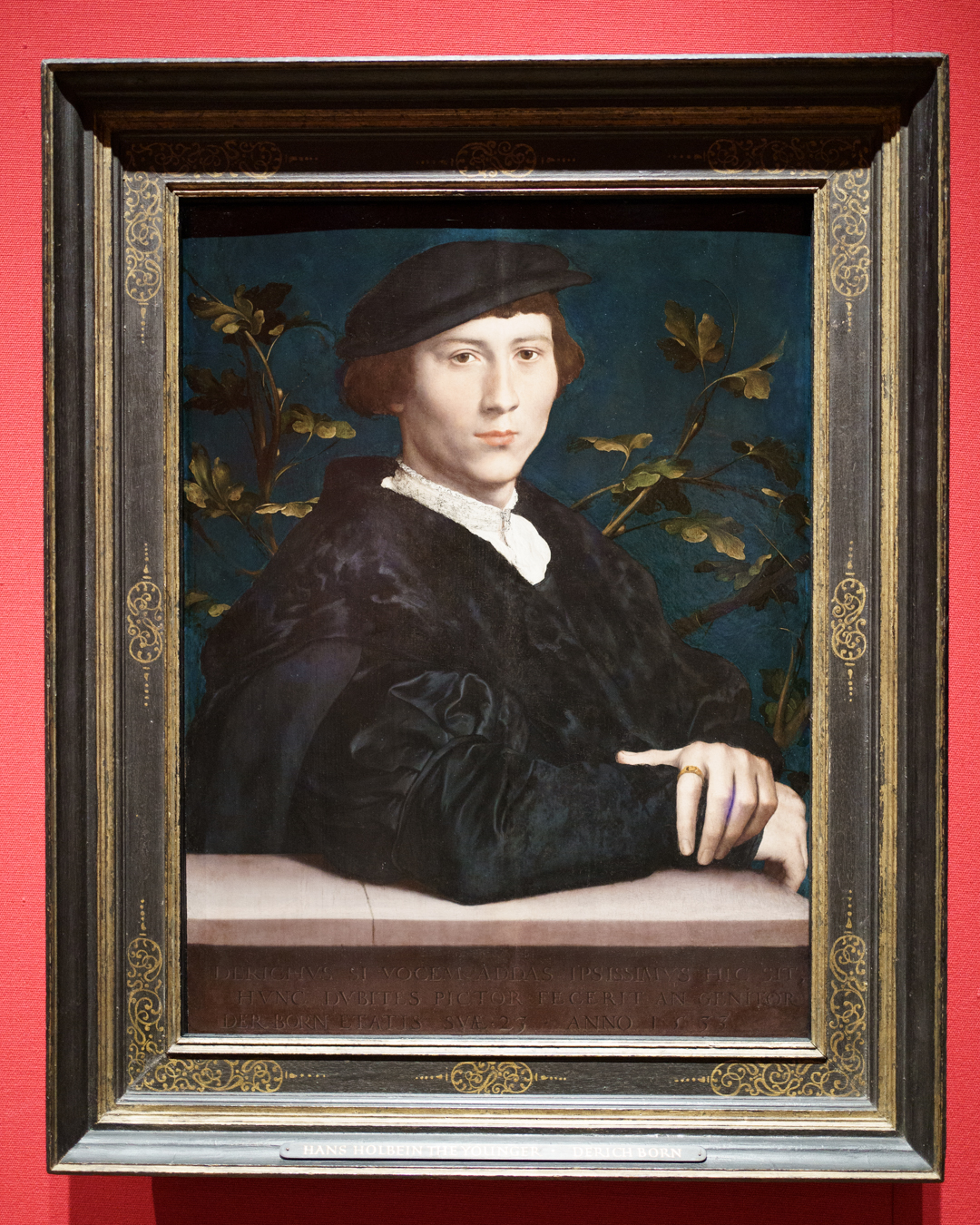
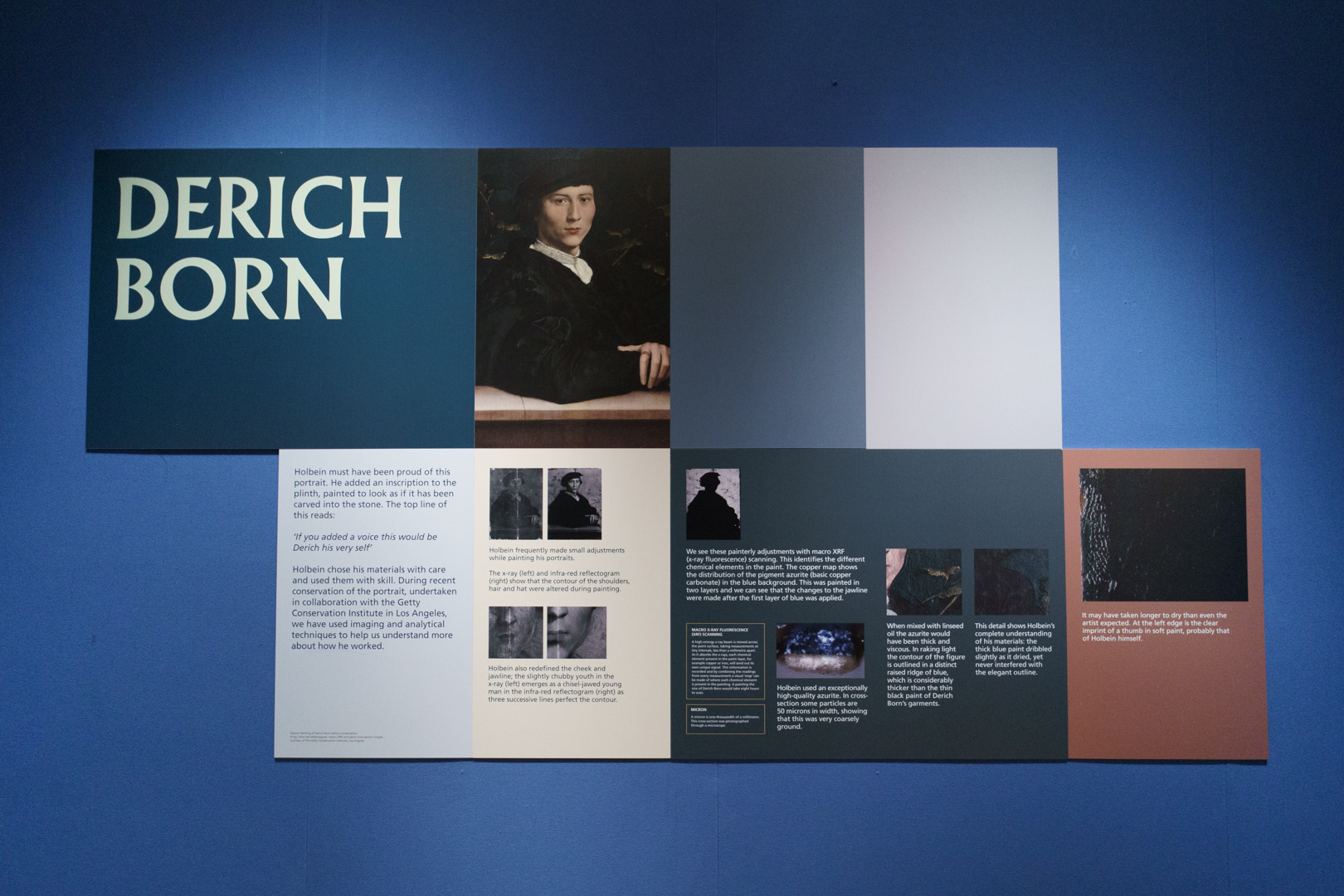
Holbein at the Tudor Court ran from 10 November 2023 to 14 April 2024 at the Queen’s Gallery, Buckingham Place, London, https://www.rct.uk/

 Nigel Ip
Leave a comment