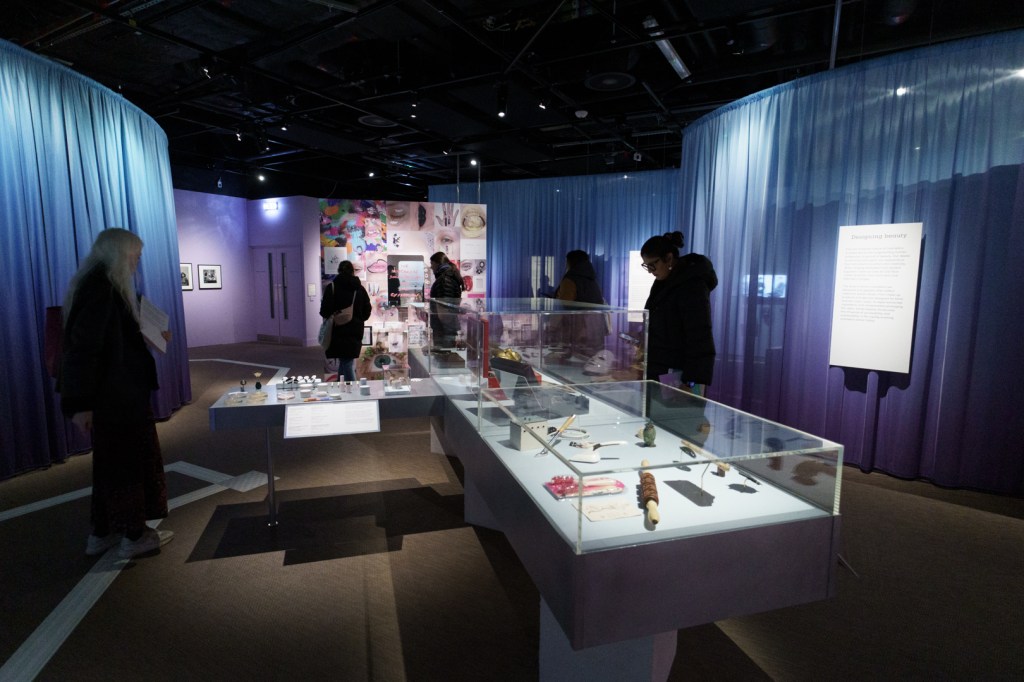
The Cult of Beauty at the Wellcome Collection is a very interesting exhibition that offers a global view of the formation of beauty standards, their reinforcement, commercialisation, and re-evaluation.
There is no denying that beauty standards across all cultures is a meaningless, artificial construct. Yet, for generations, there has been a convergence towards a white, Caucasian appearance combined with bodily proportions inspired by antique sculpture. As this exhibition makes damningly clear, colonialism was a major factor; the ‘Hottentot Venus’ is a representative example. However, it also recognises the historical anomaly that China also promoted white, pearlescent skin in their writings centuries earlier.


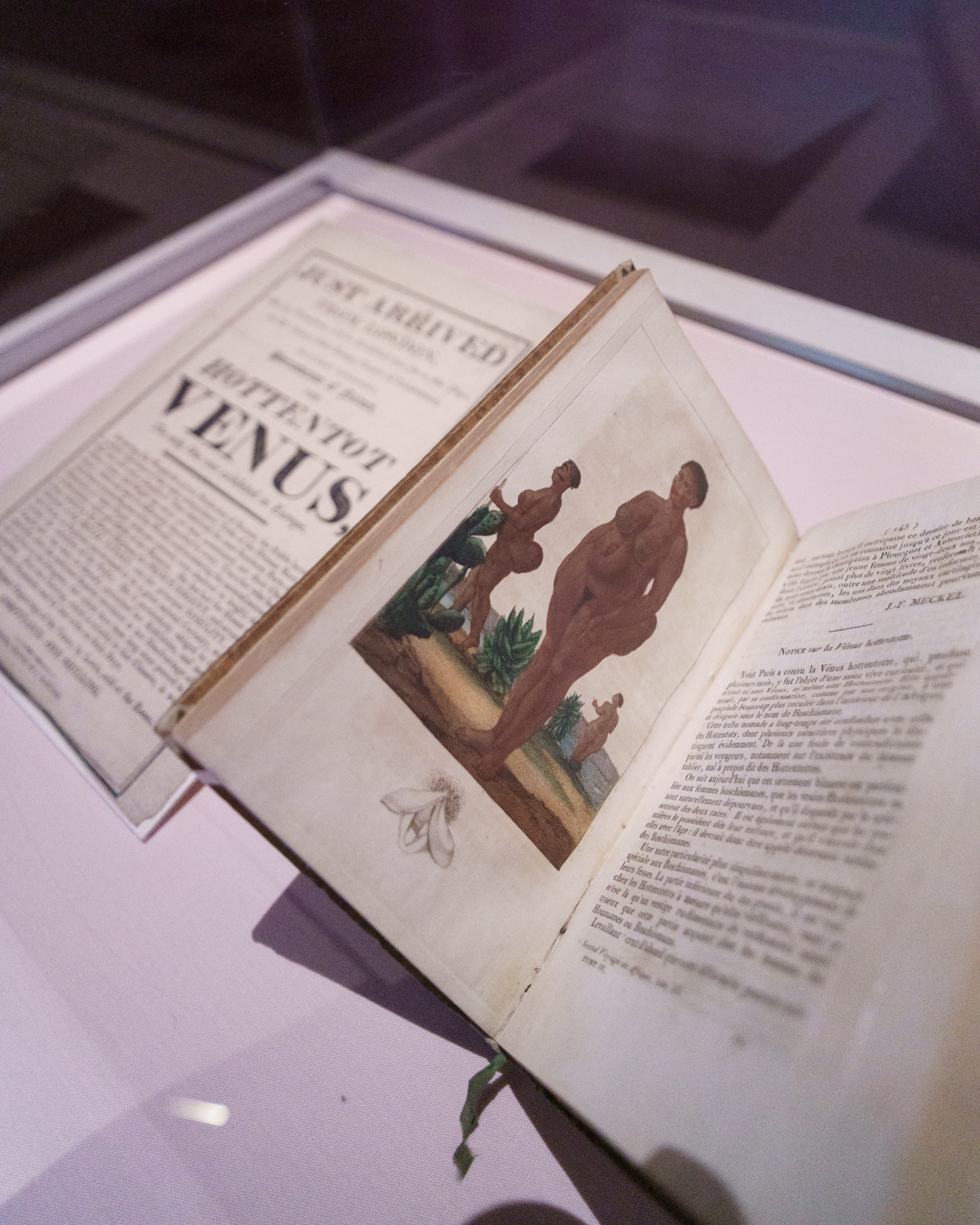


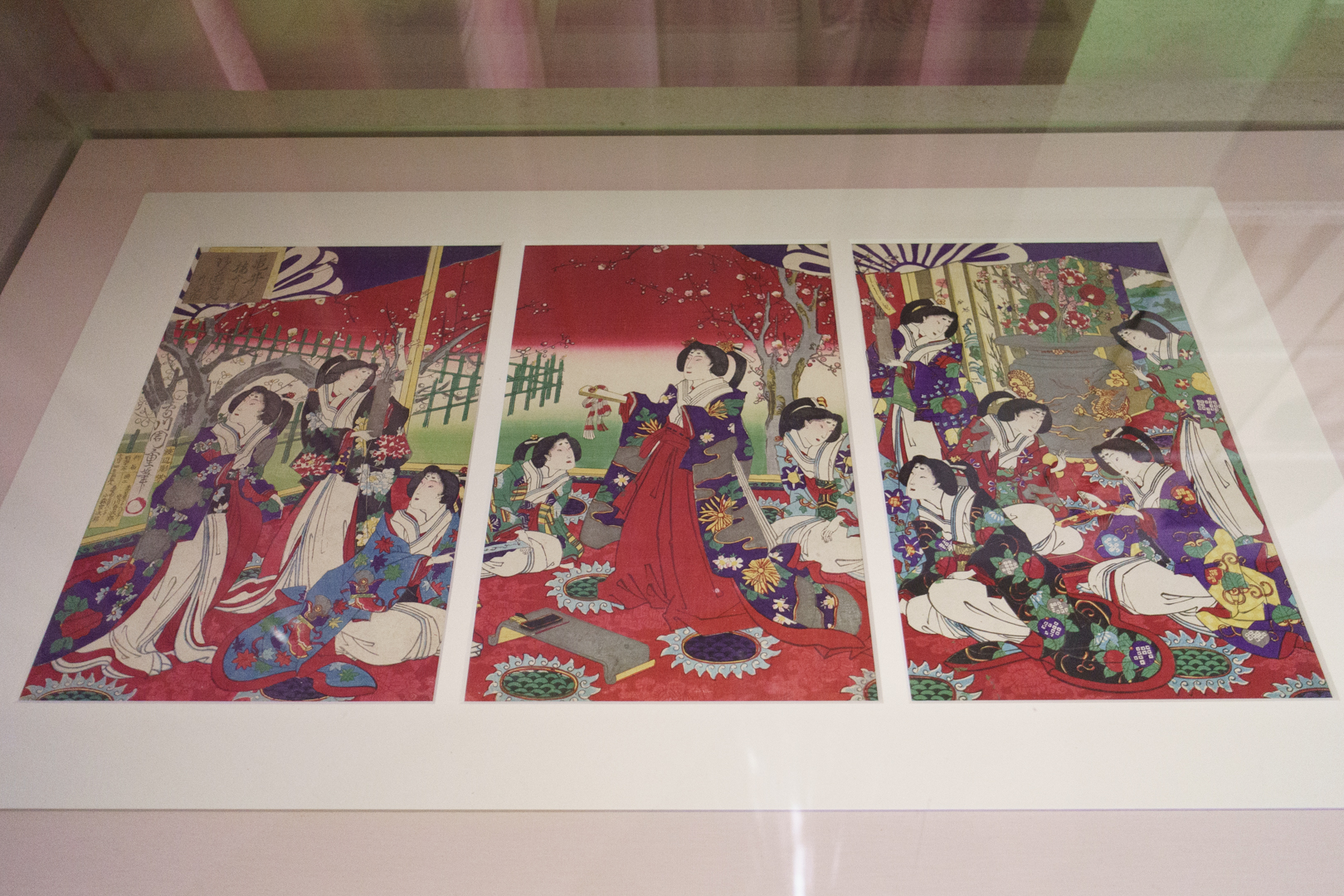
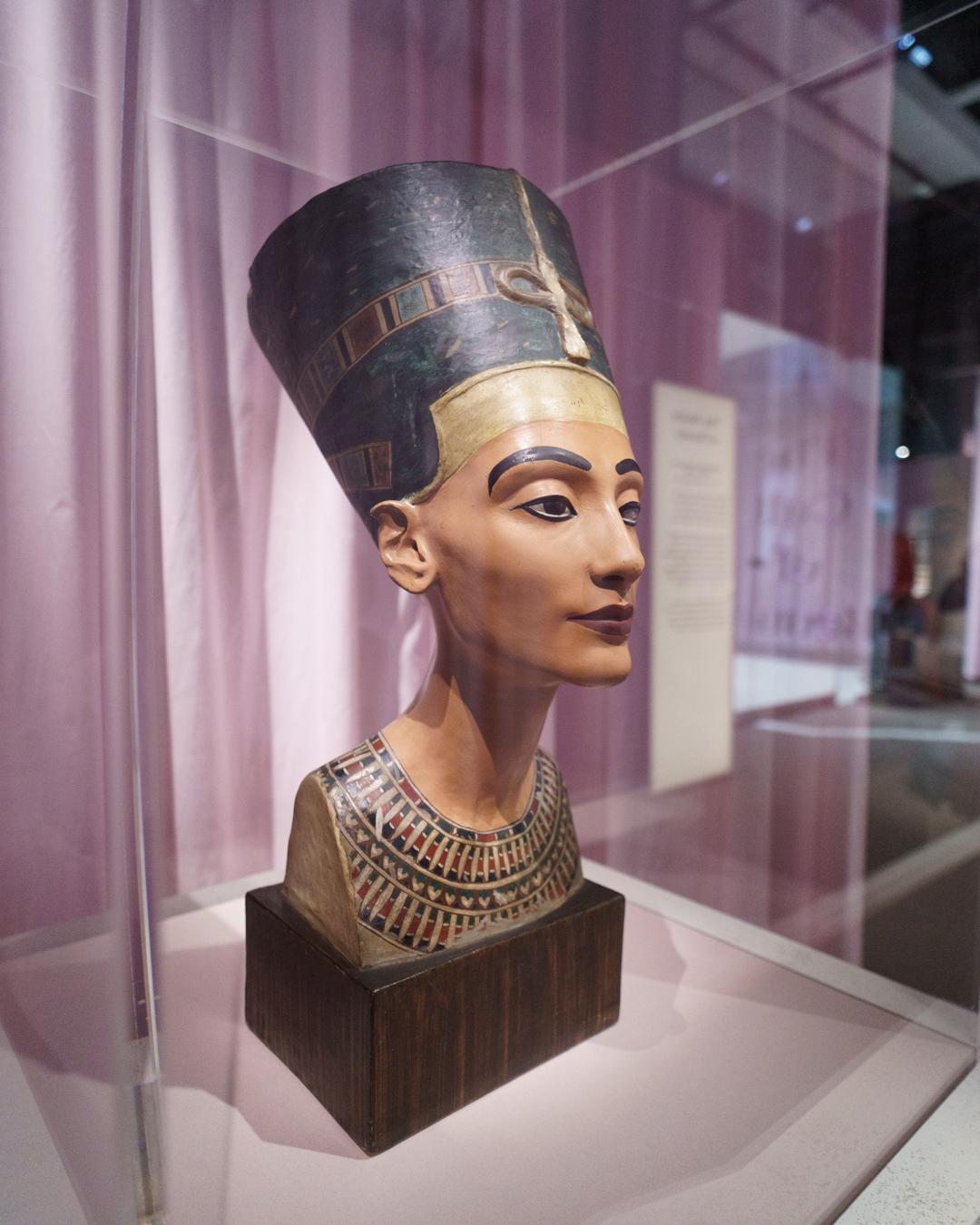
The first section is a massive crash course and conglomeration of global definitions of what is considered beautiful/ugly throughout history. As expected, much of it is Eurocentric, from classical sculpture to divine proportions and physiognomy. However, we are also treated to a cast of the gorgeous bust of Nefertiti (original in the Neues Museum, Berlin); reference to The Body of Nefertiti would have been nice, Hungary’s 2003 Venice Biennale contribution in which the archaeological bust was placed on a bronze female torso specially made for the occasion.
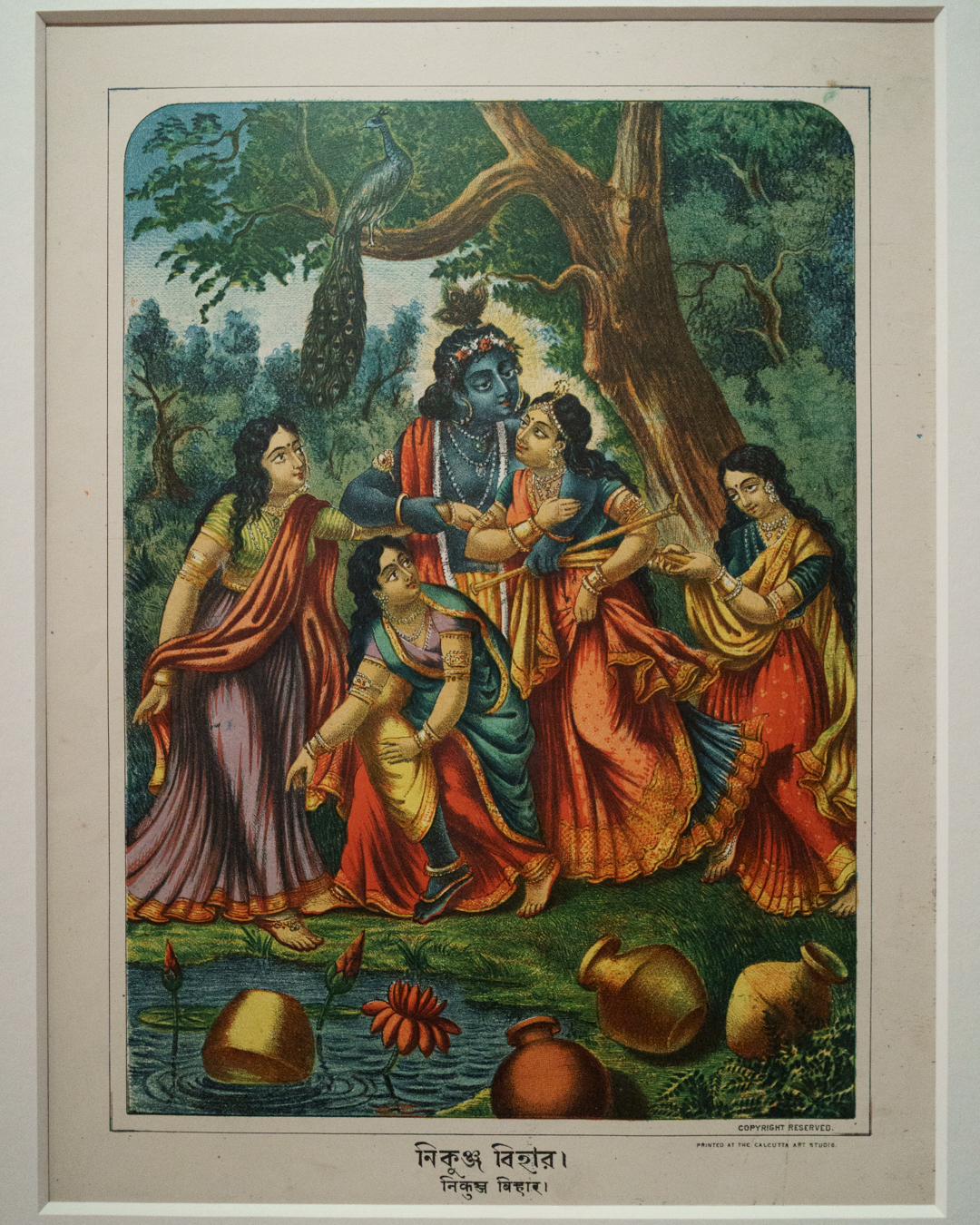


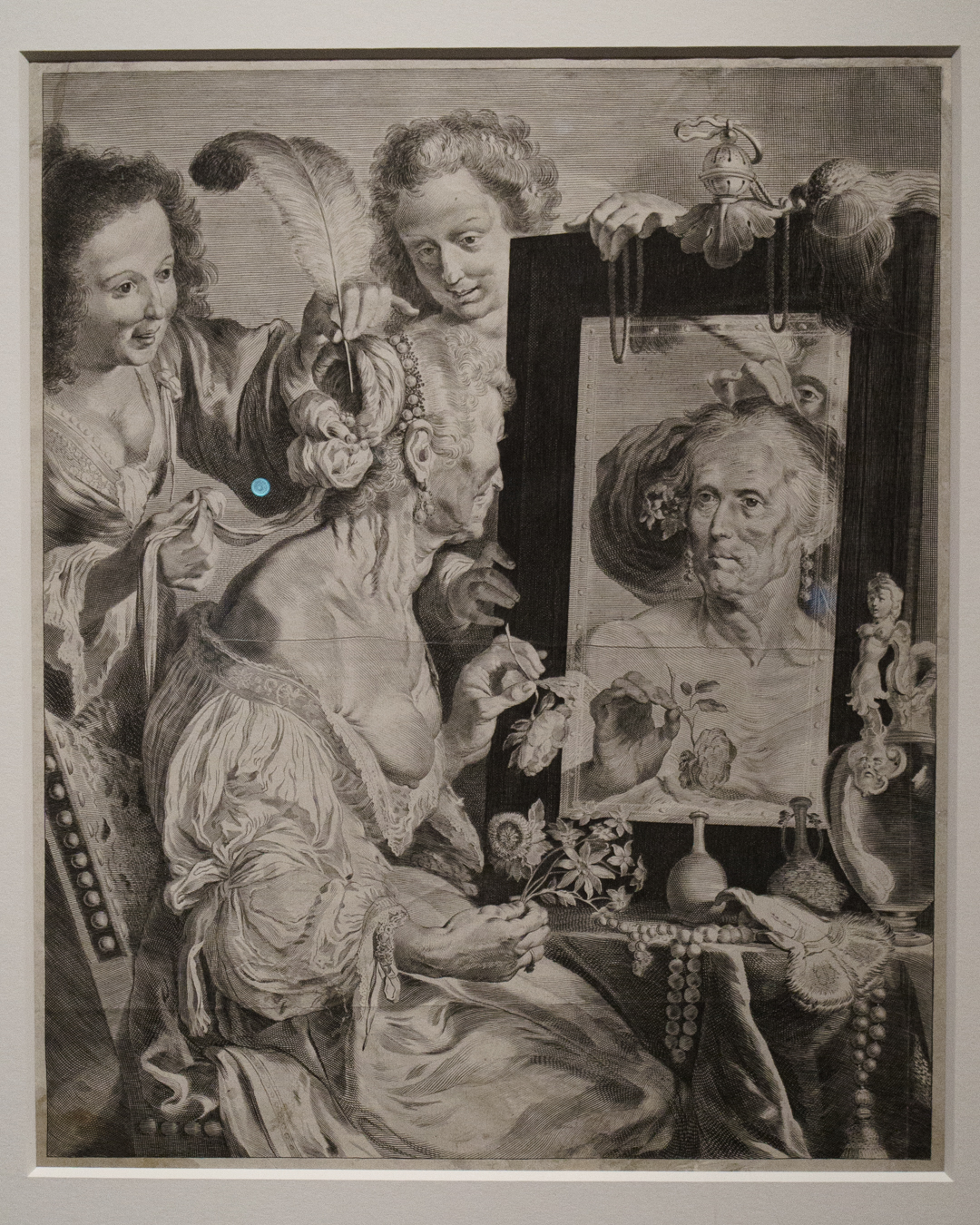

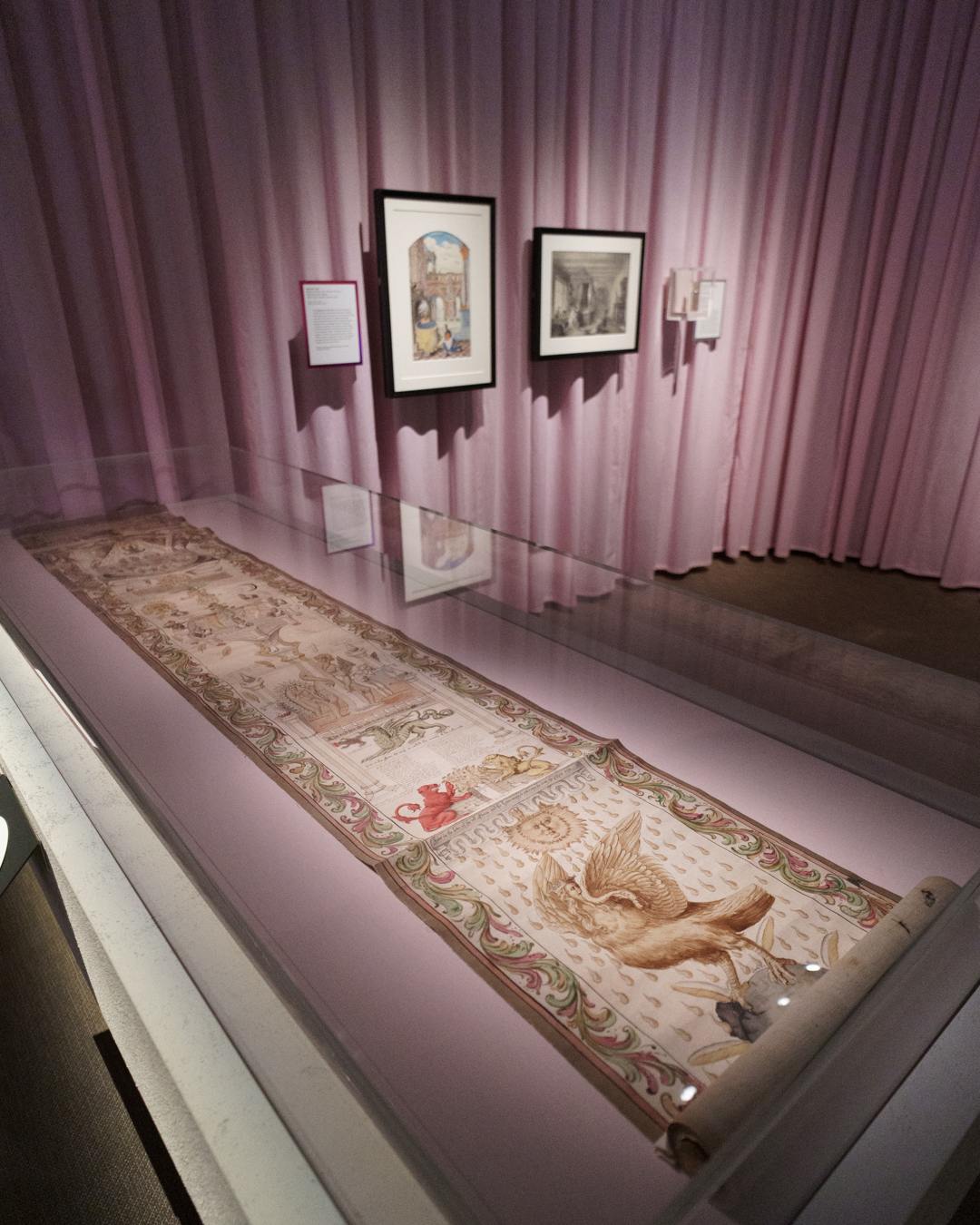


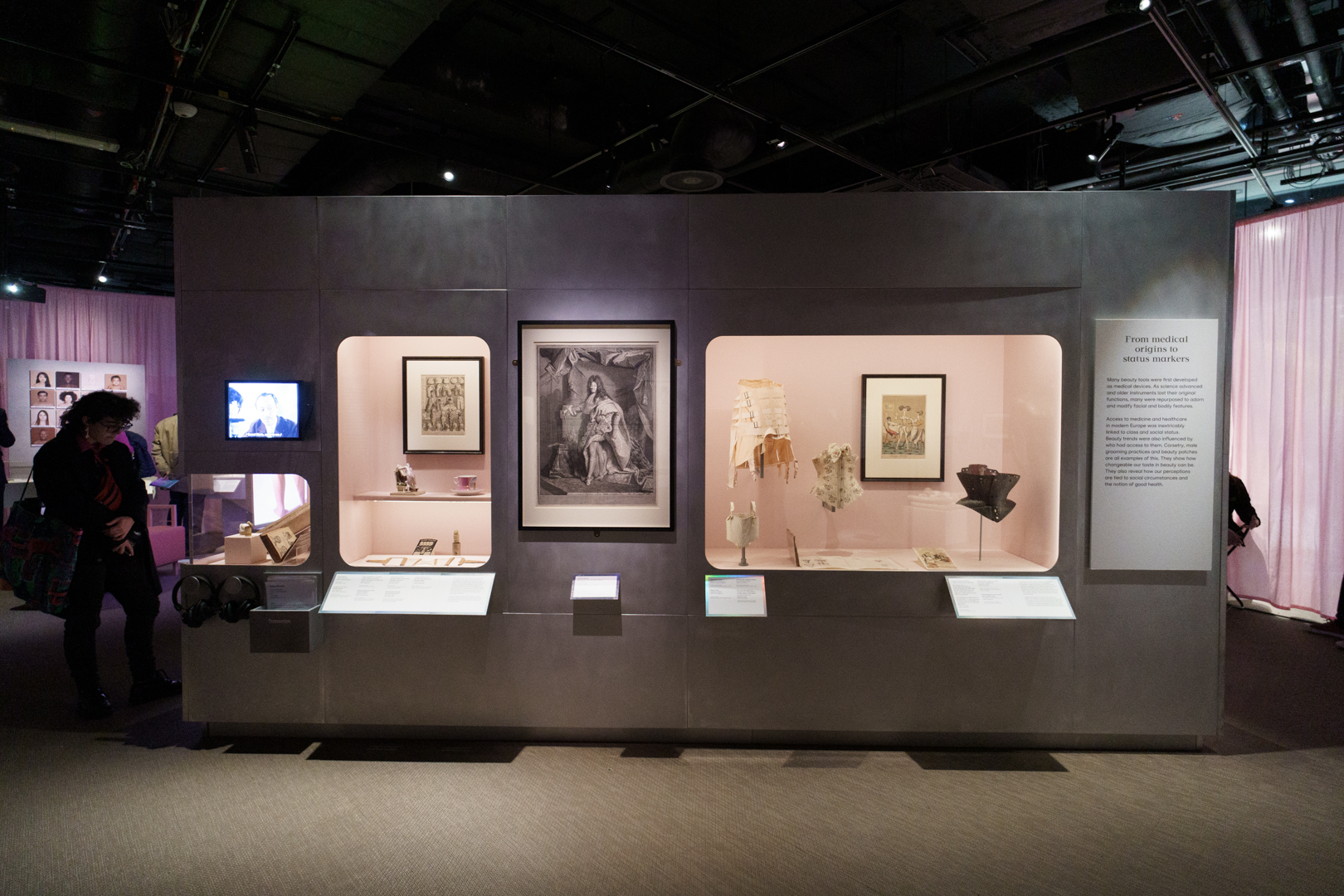

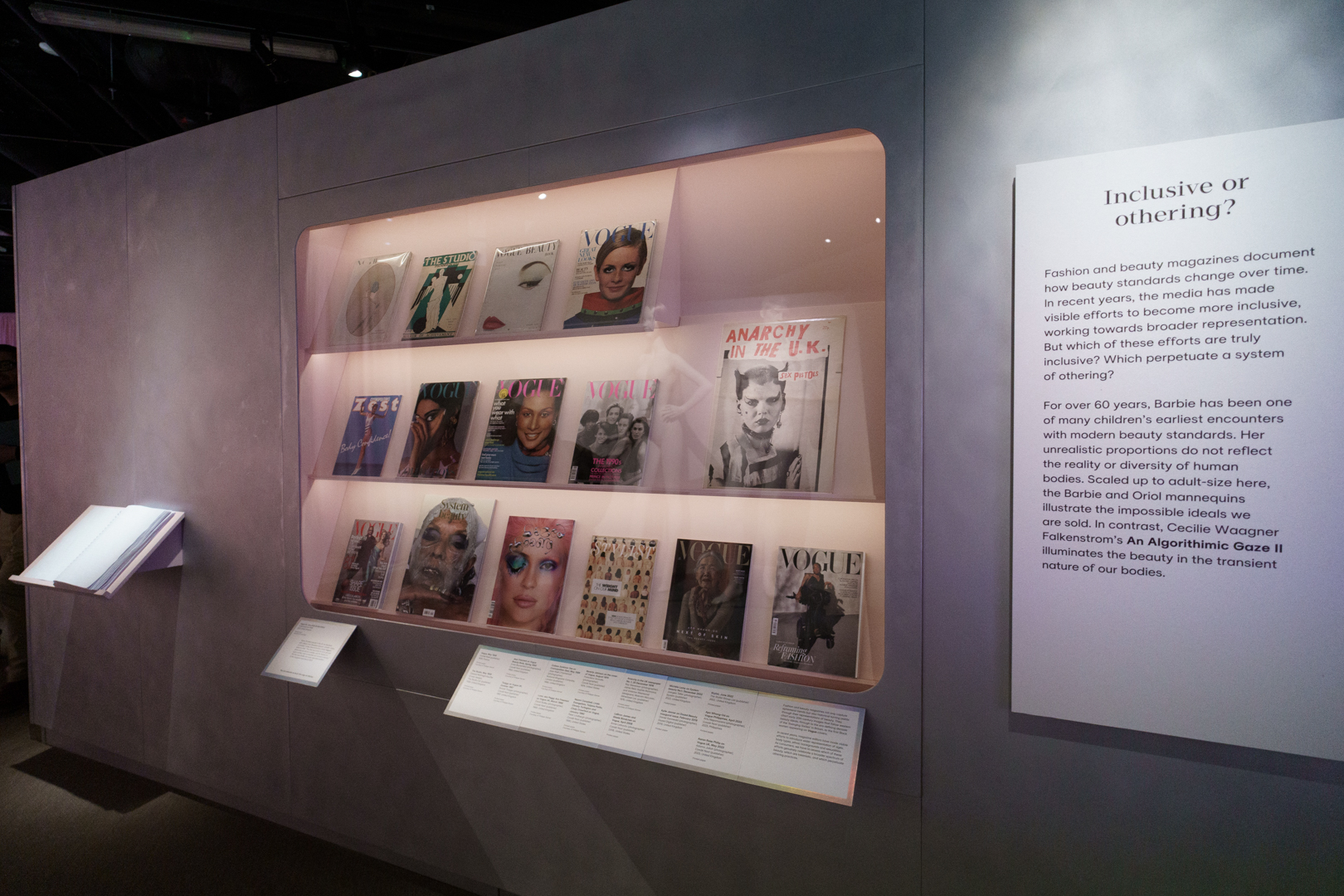


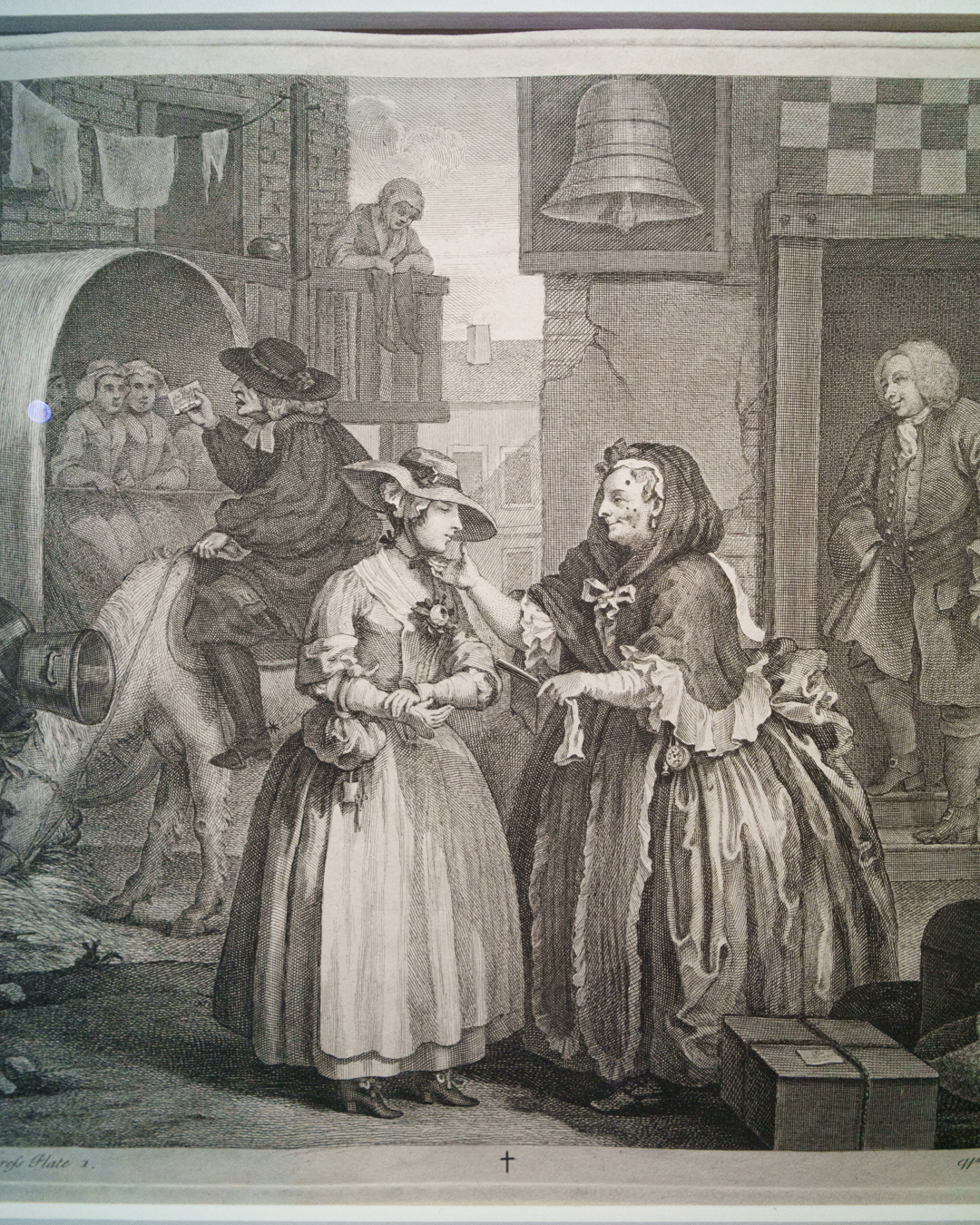
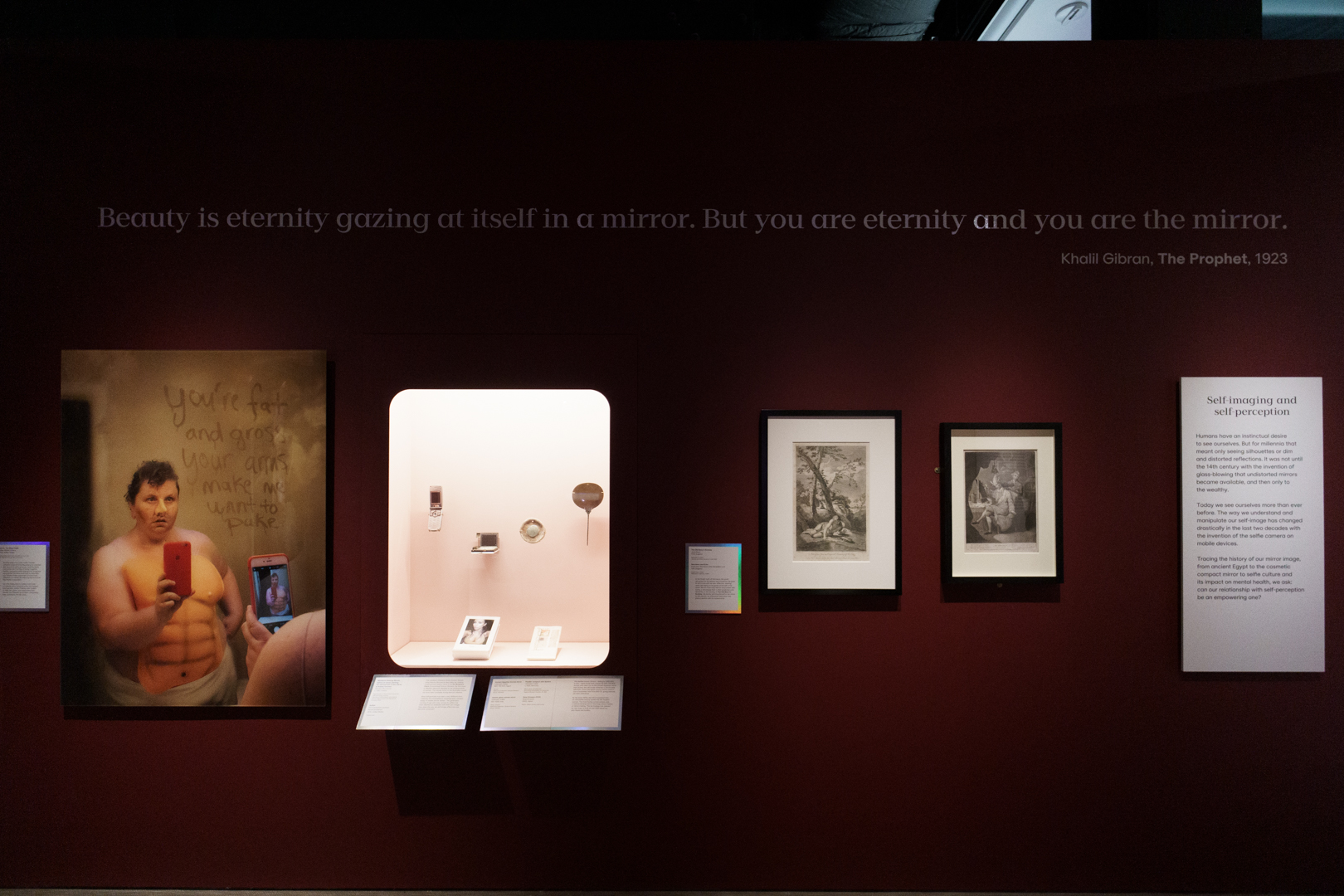

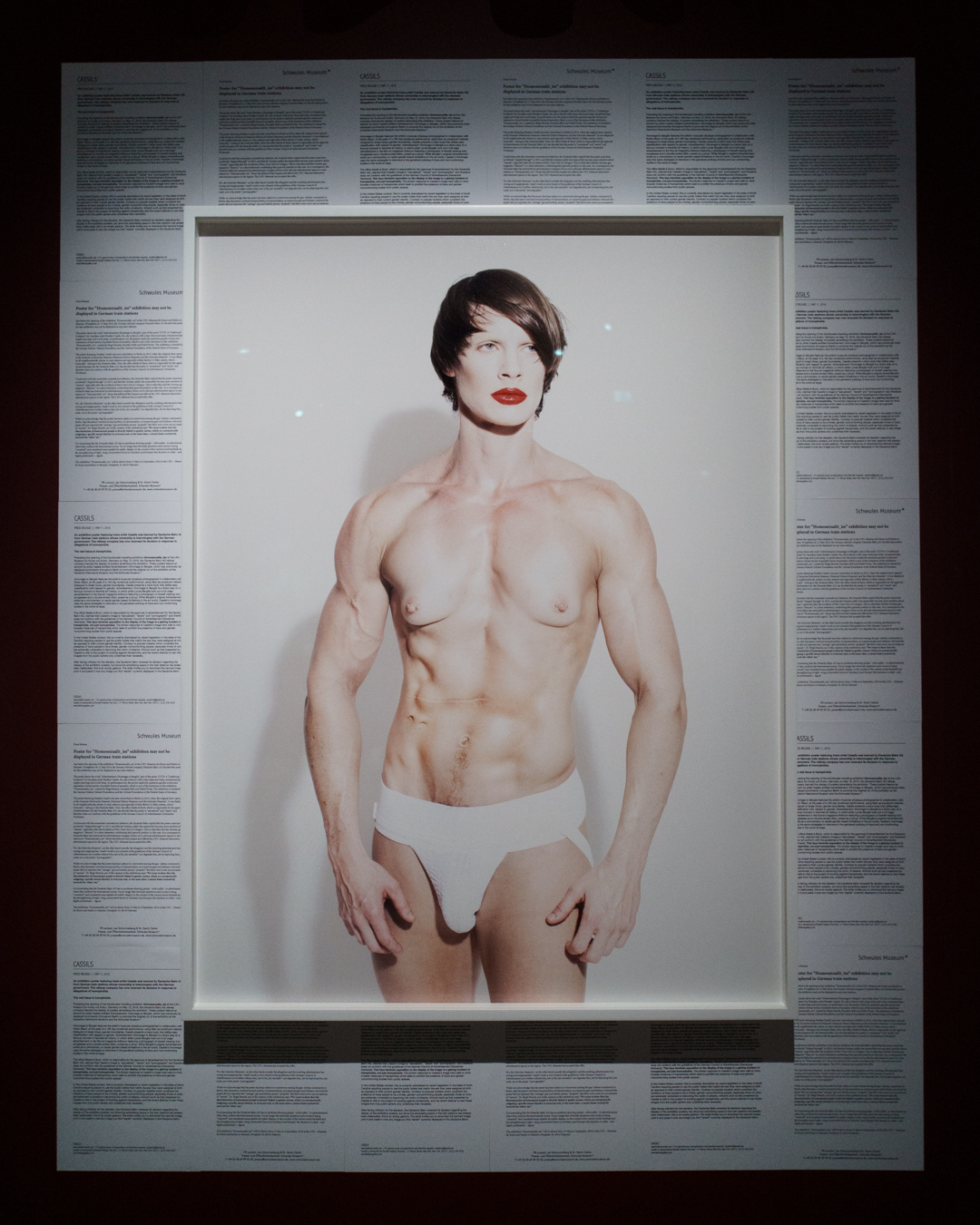
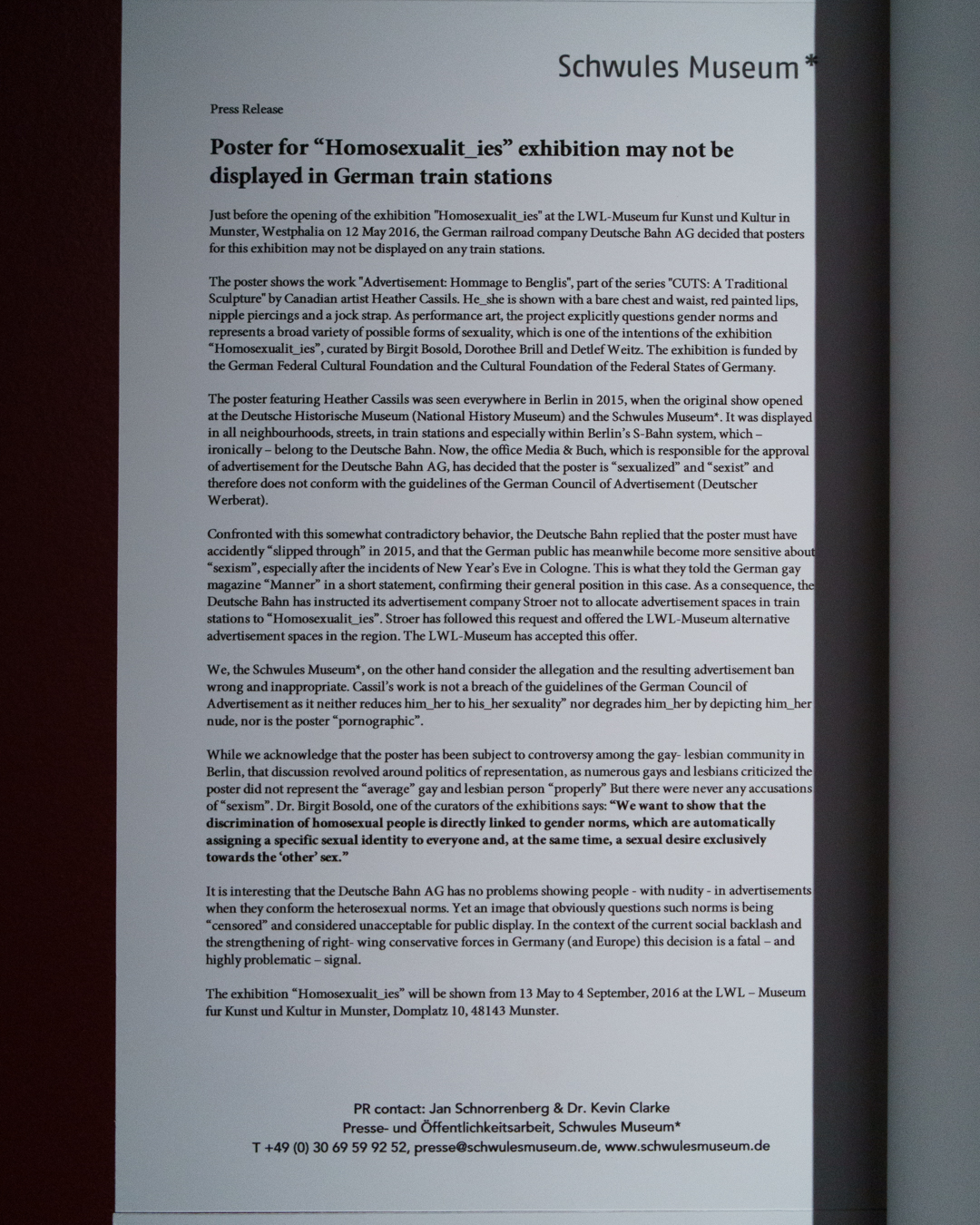
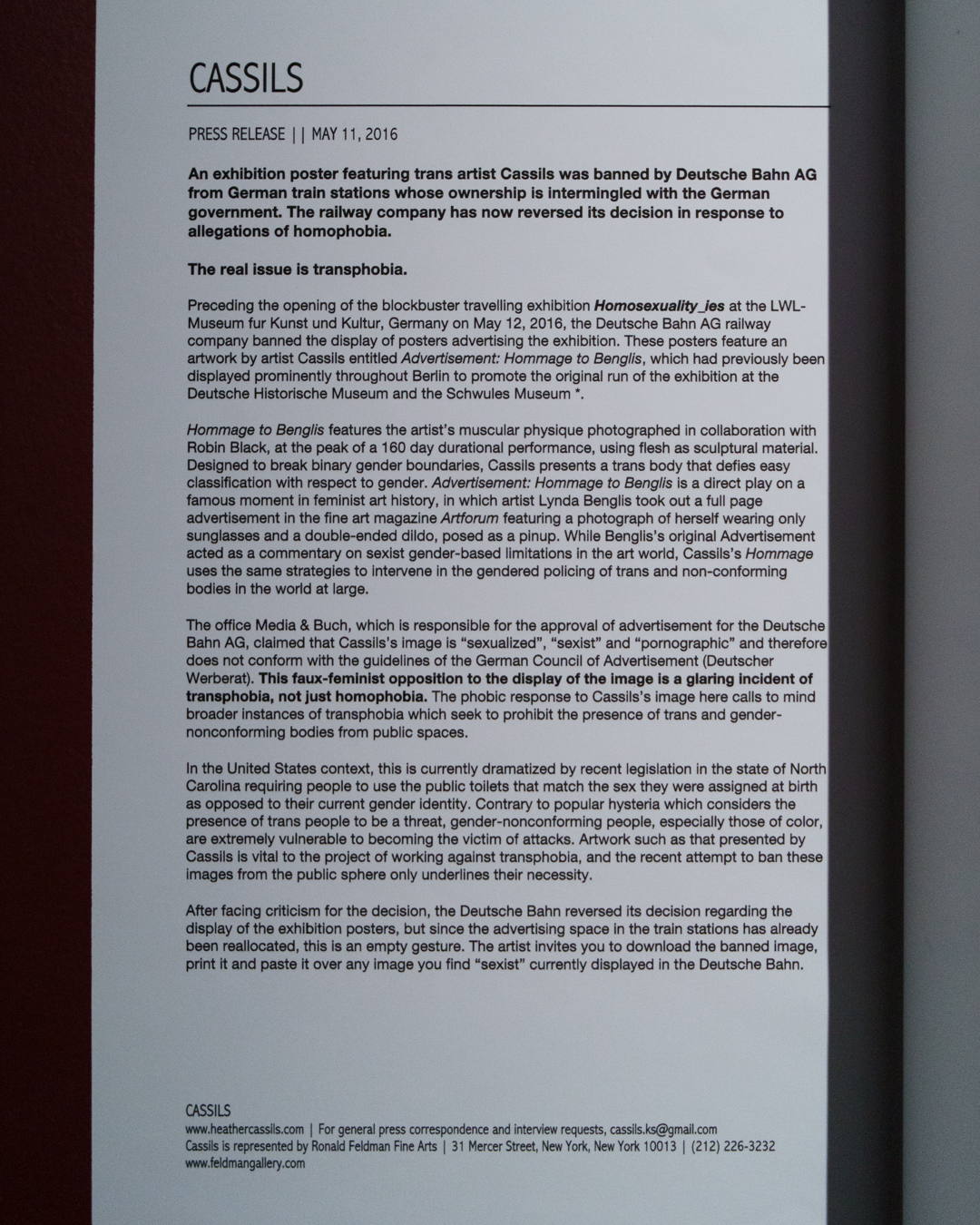
Censorship appears quite early too in the form of a controversial German exhibition poster featuring trans artist Cassils in 2016. In the contemporary sections, issues of identity and racial representation are tied up with consumerism in the beauty industry; a wall of Vogue magazines featuring diverse individuals is even accompanied by a Braille edition. A small section on mirrors eloquently sums up our self-obsessed vanity from Narcissus to the mirror selfie.


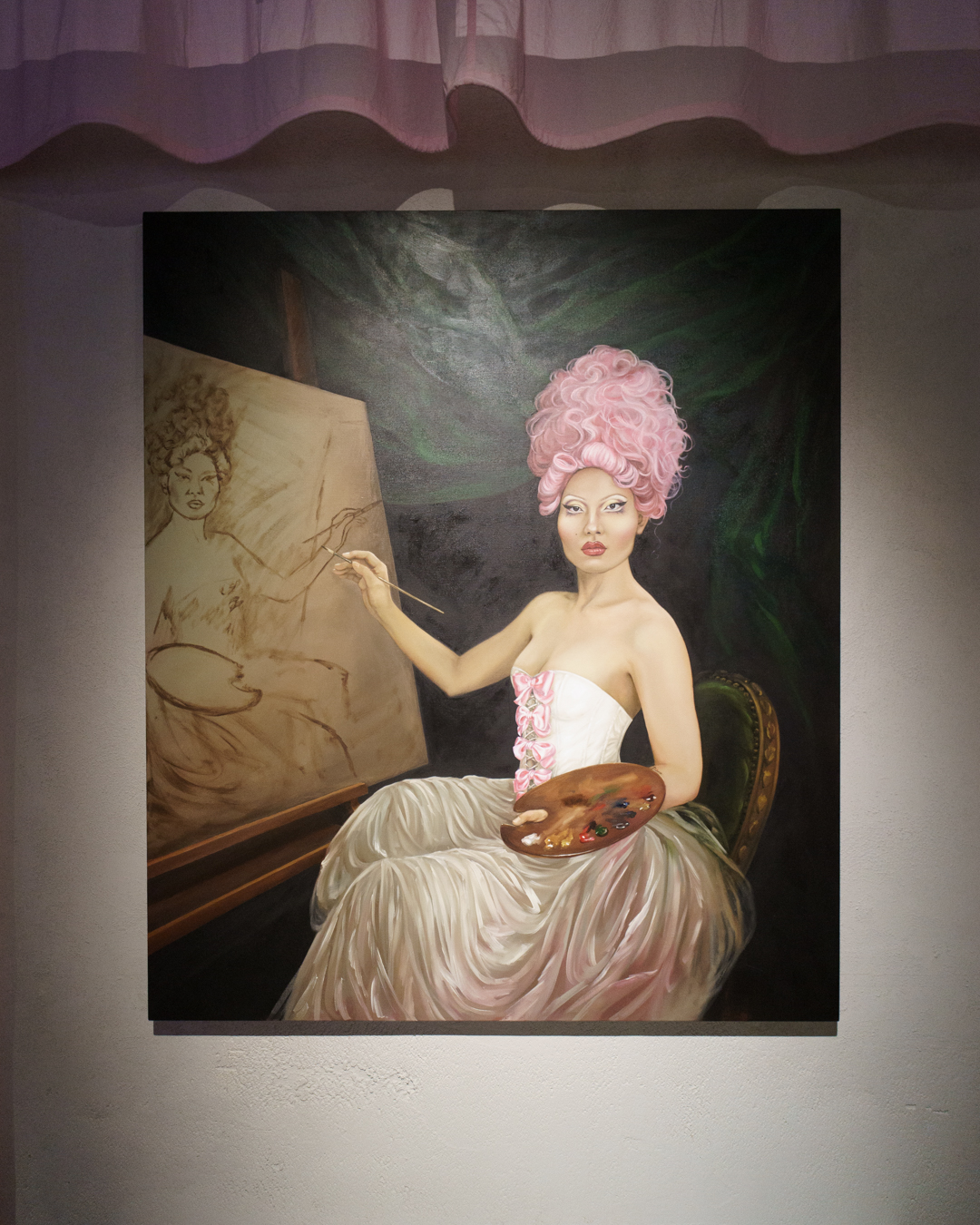
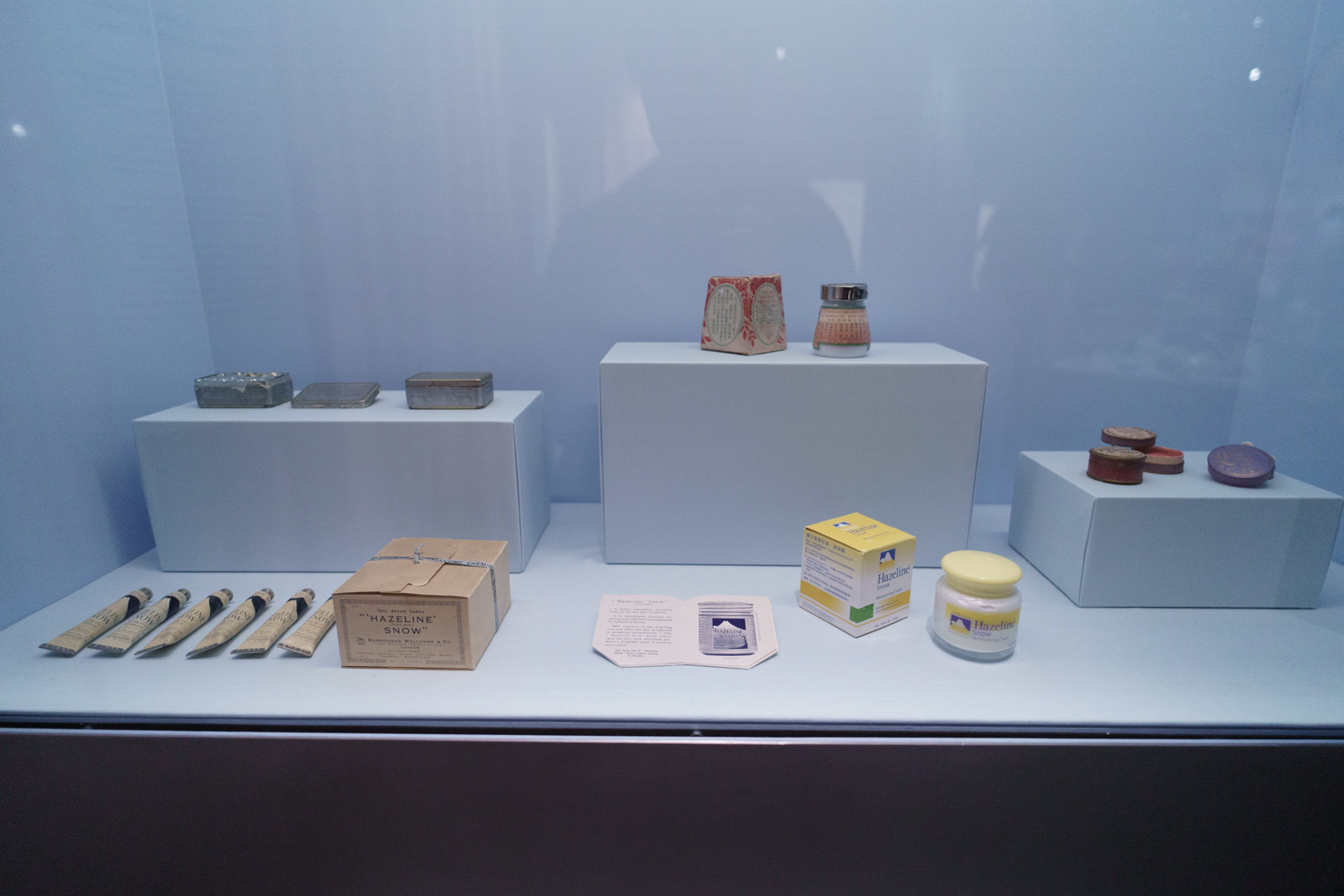
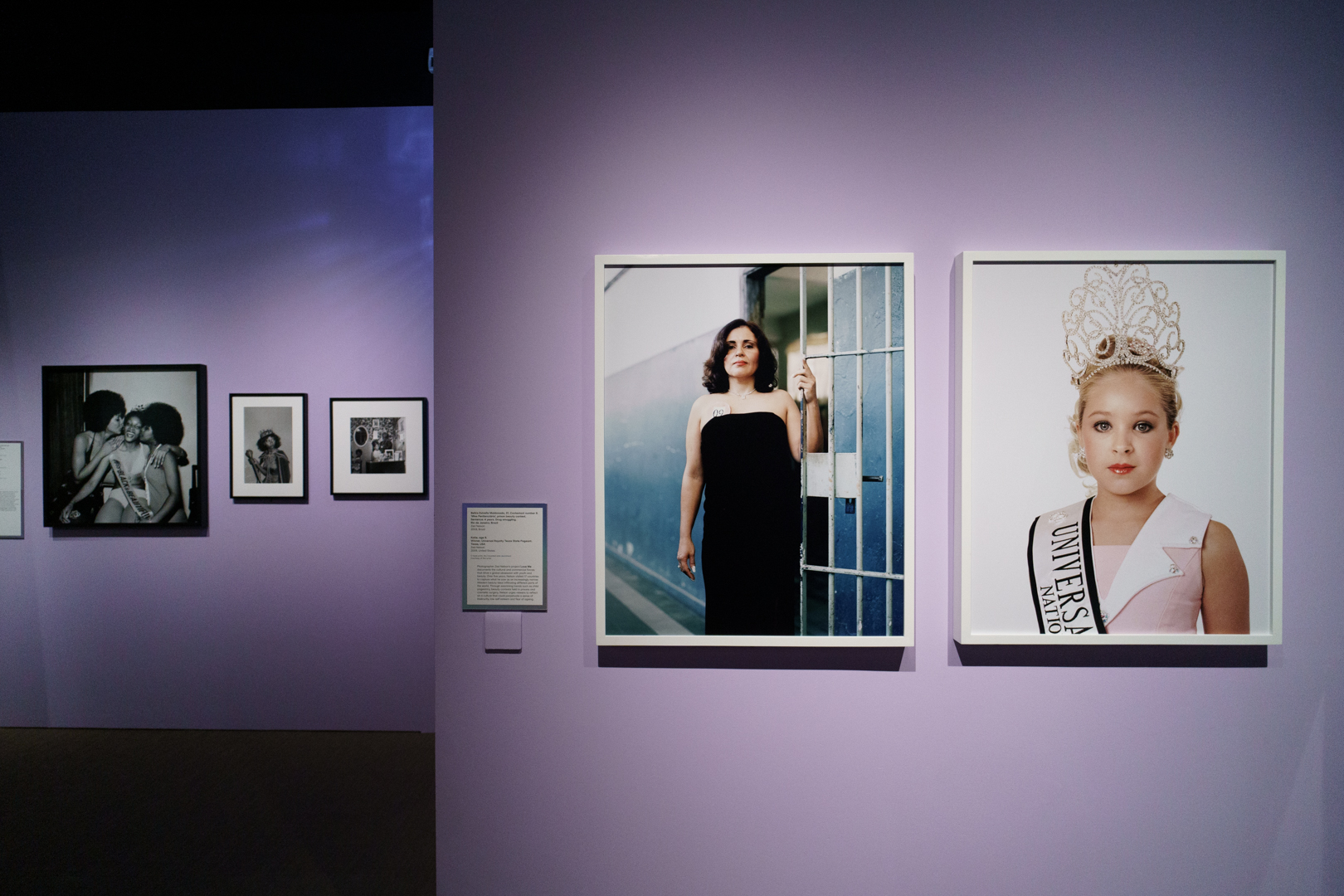
The skincare industry underpins the second section, and it is very cult-like. From mass-produced facial products to hilarious contraptions, these were well contrasted by an installation corner exploring homegrown DIY recipes in the past. Also explored are beauty pageants, which always disgust me, especially those centred on children. Seeing the simplistic scoring sheet for the Miss Great Britain National Bathing Beauty Contest both fascinated me and saddened me to see the approval of one’s entire beauty confined to a single tickbox.




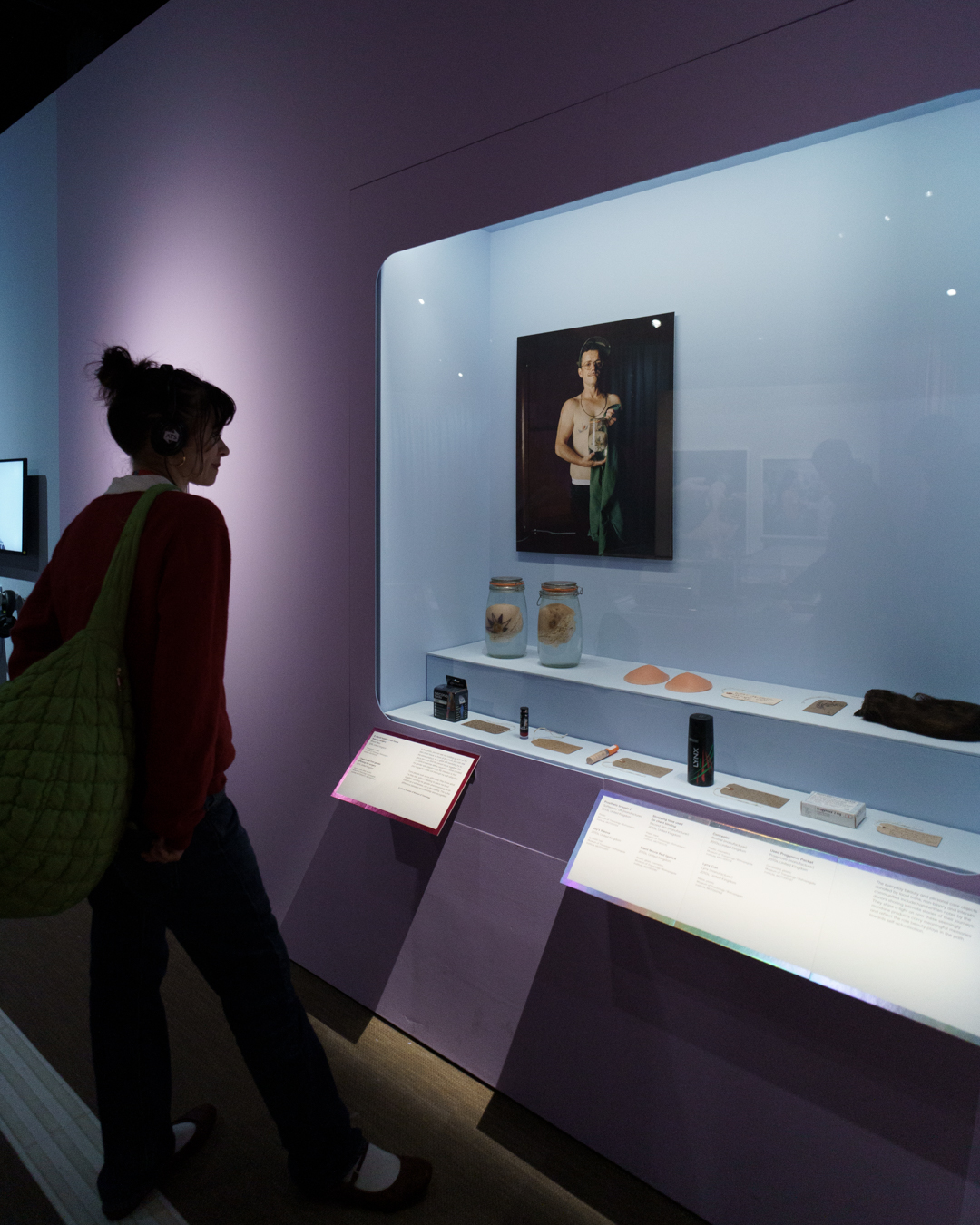
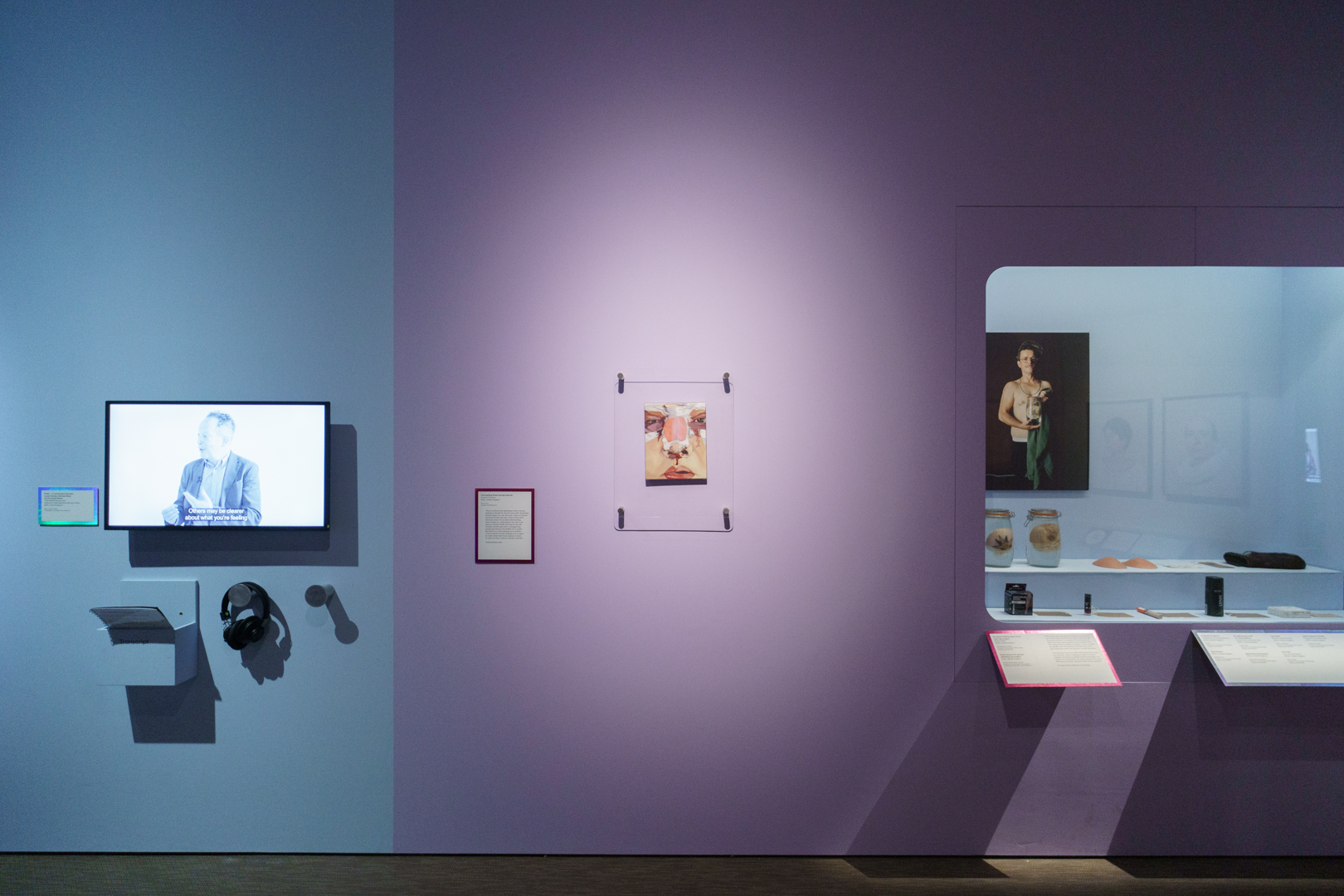
In perhaps the most disturbing section, surgical modifications tie into a sombre understanding of the trans community through personal objects, collected by the Museum of Transology, that offered solace to those transitioning or have entered their new, truer senses of self. The transcripts accompanying each object are well worth reading.




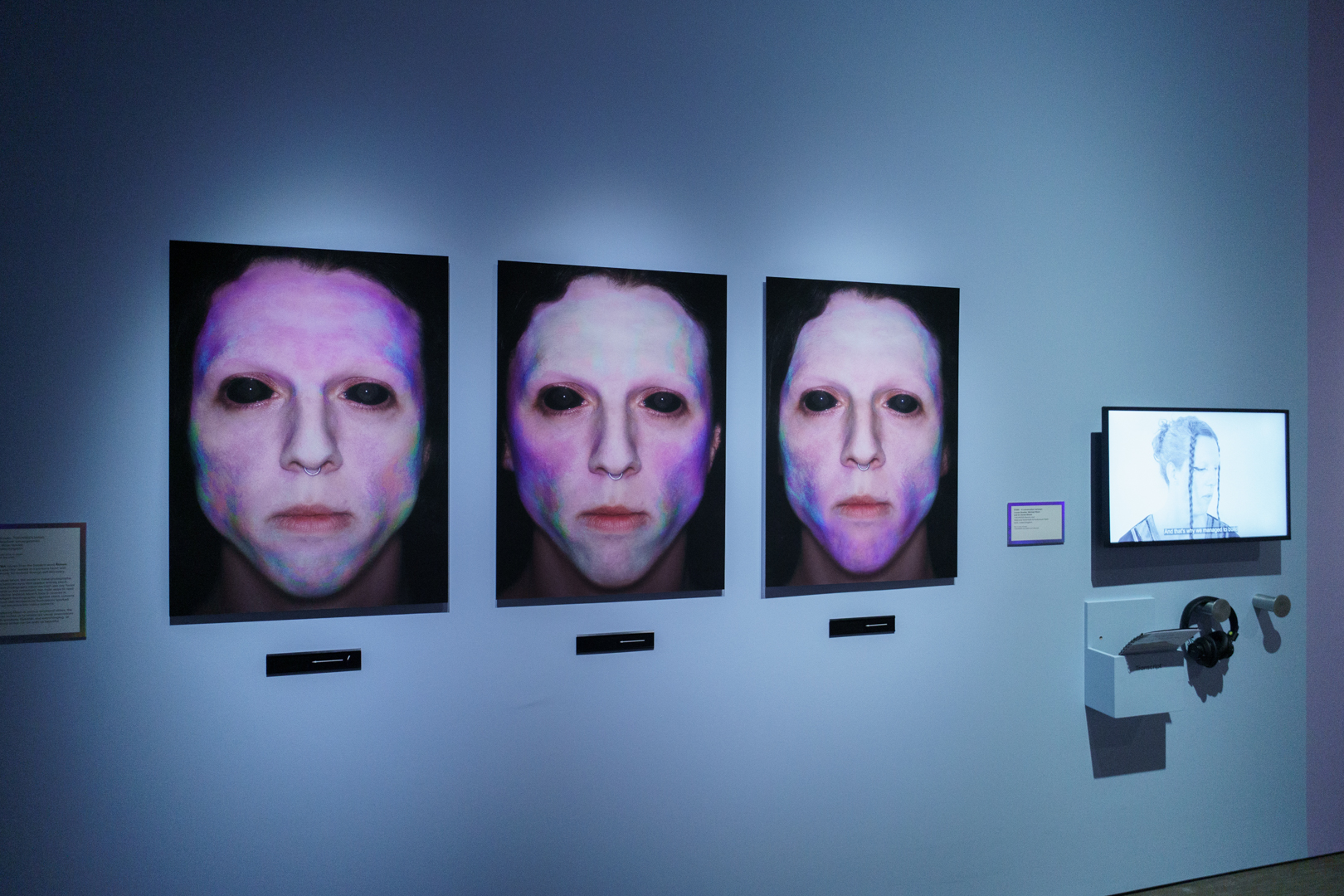
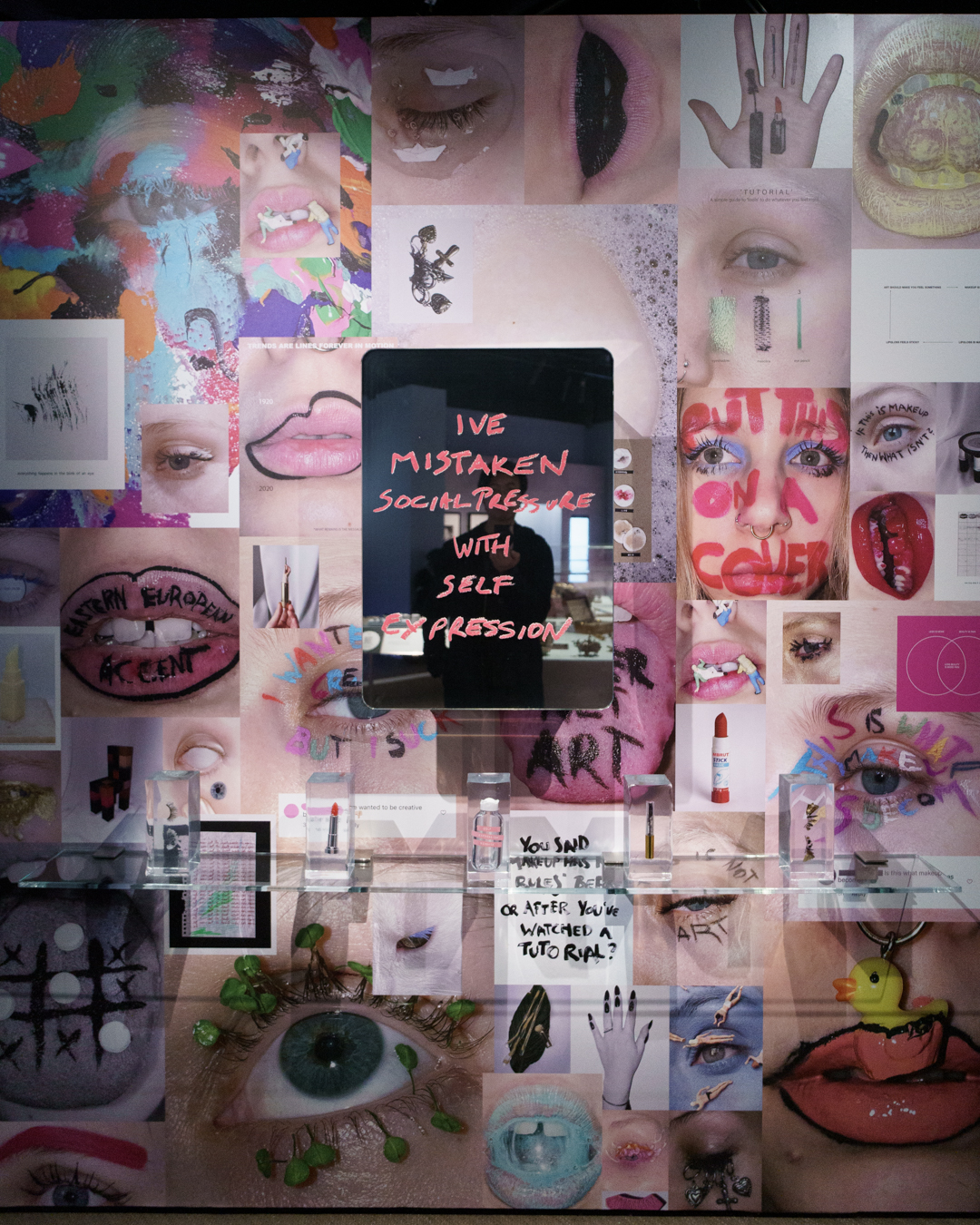
Finally, the exhibition ends with three contemporary pieces inviting us to reflect on previously-introduced themes. A film examines the absence of Black Queer visibility in British national history; a sculptural commission tells Narcissister’s masked persona and her relationship with her mother; and a multimedia installation considers the impact of social media on present-day beauty culture.


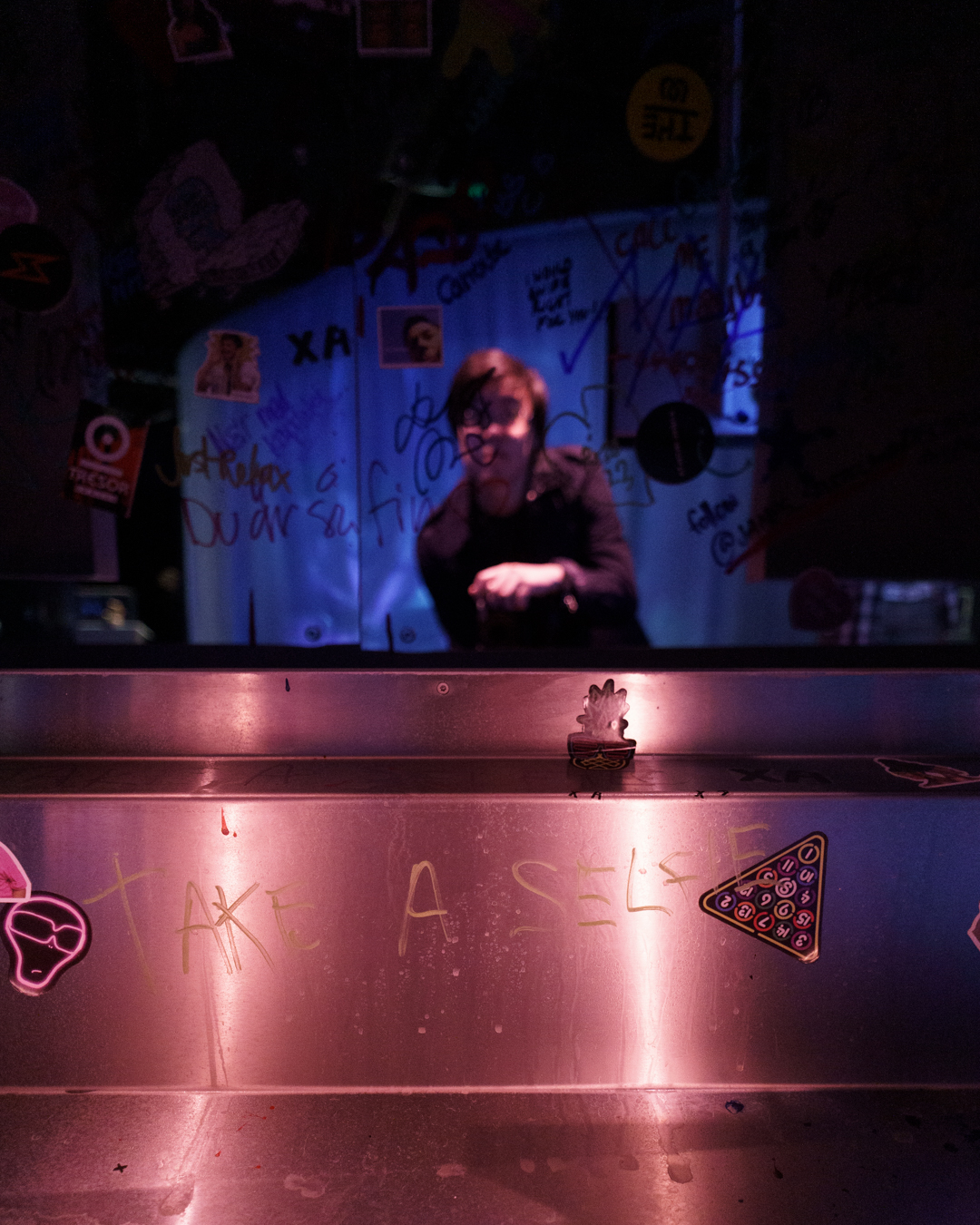
I really like this exhibition, and it’s a shame there’s no catalogue as it contextualises so many interrelated concepts that frequently get swallowed up in their own separate bubbles. This show actually presents them in a clearer light, complete with nuances. Of course, not everything can be discussed, such as gendered power dynamics, but it’s very carefully done and highly recommended.
The Cult of Beauty runs from 26 October 2023 to 28 April 2024 at the Wellcome Collection, London, https://wellcomecollection.org/

 Nigel Ip
Leave a comment