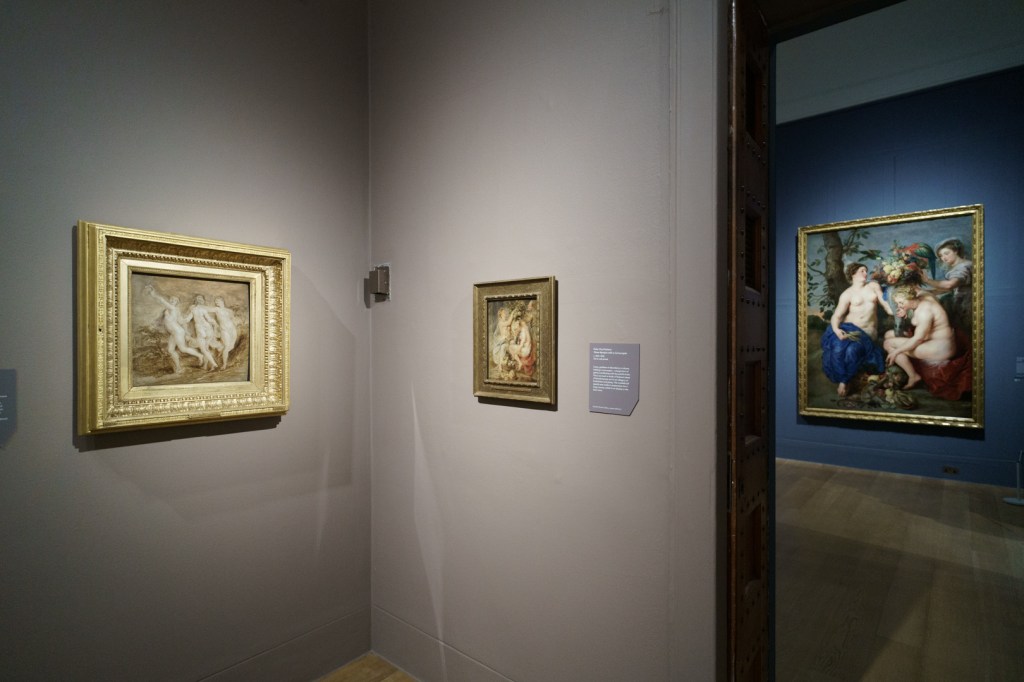
Did Peter Paul Rubens paint only one kind of woman? Despite the Dulwich Picture Gallery’s attempts to challenge this notion, I think it unintentionally reinforces it through no fault of its own.
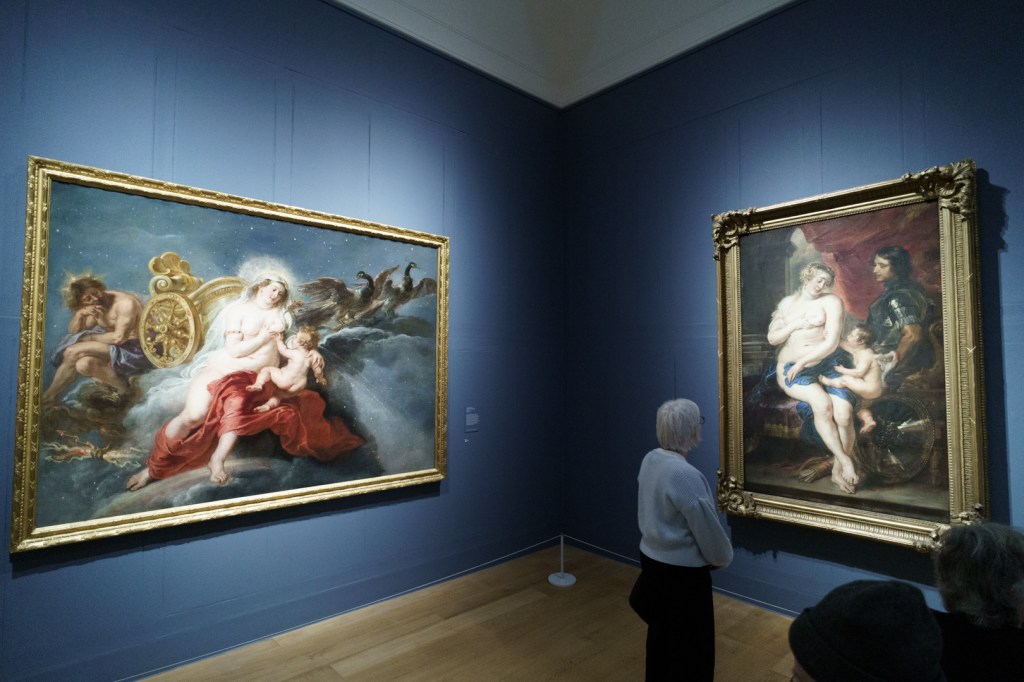
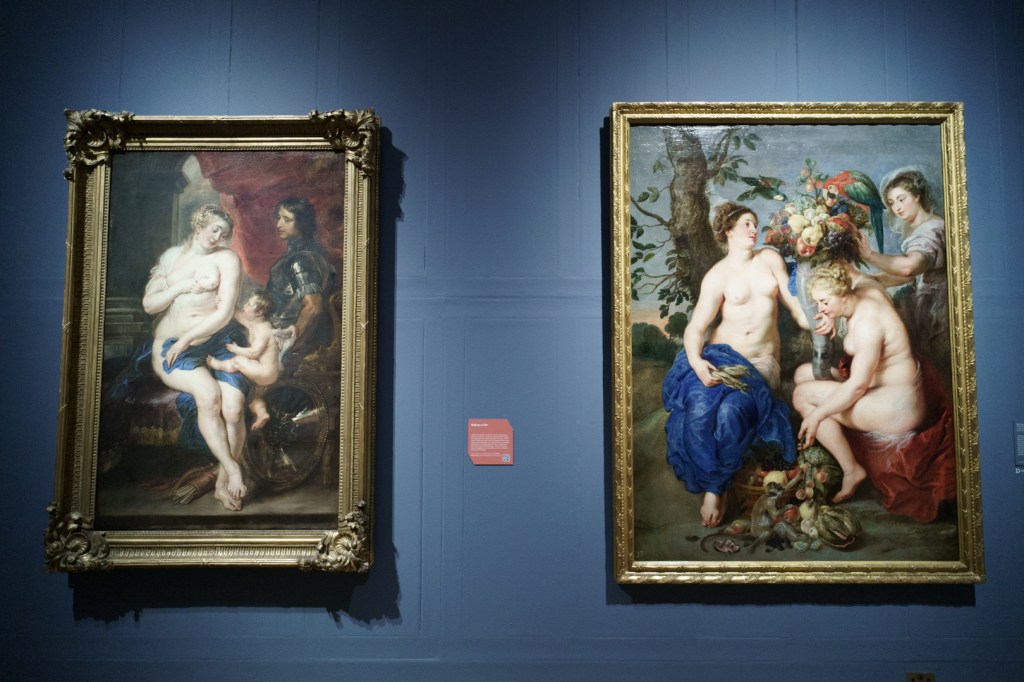
Rubens and Women marvellously illustrates the artist’s many inspirations concerning the treatment of the female body. His nudes are typically quite fleshy, nothing like our modern conception of ideal female beauty as being slim like the Venus de Milo. Rather, Rubens – and much of the early modern period – looked to more lenient forms of classical beauty.
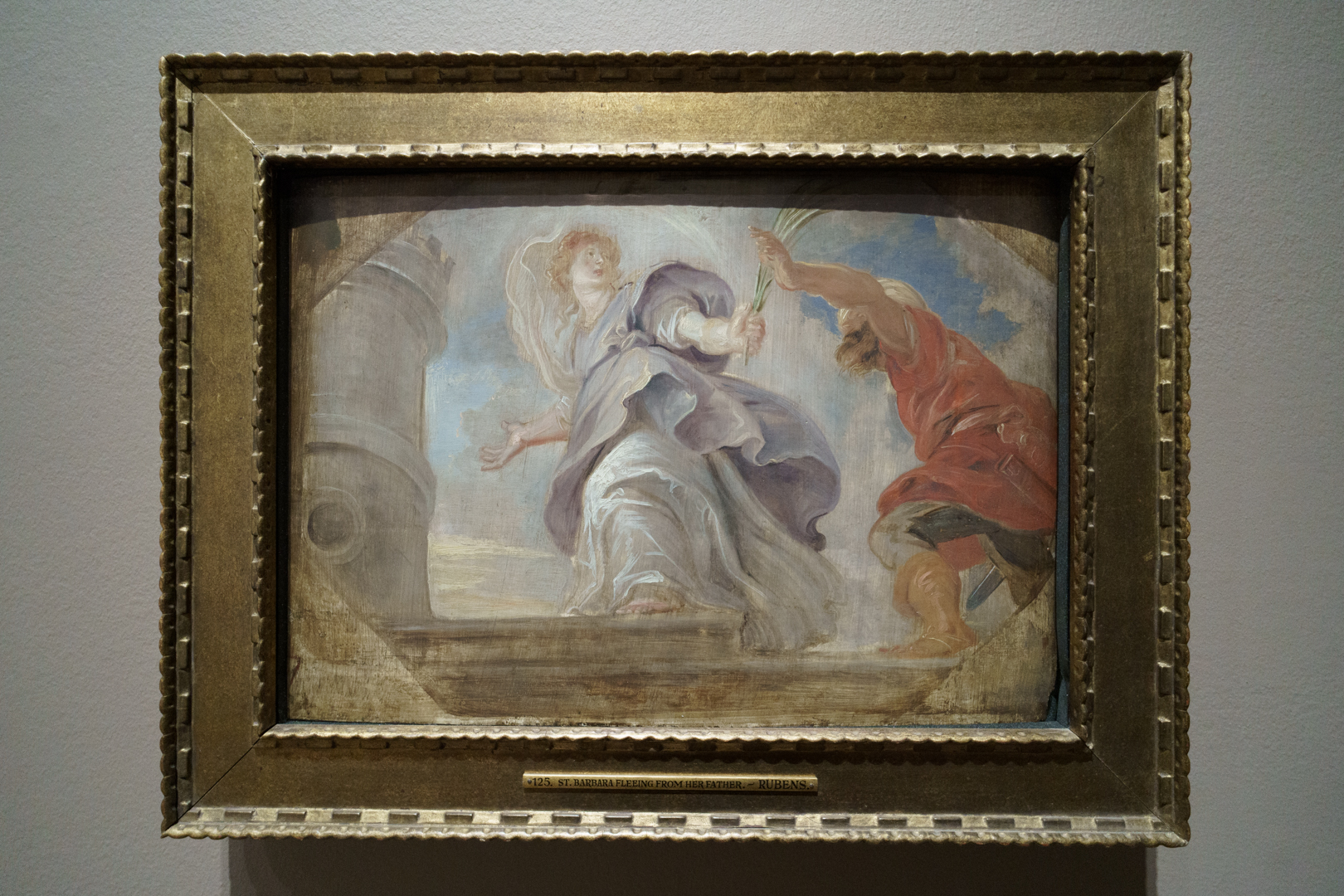
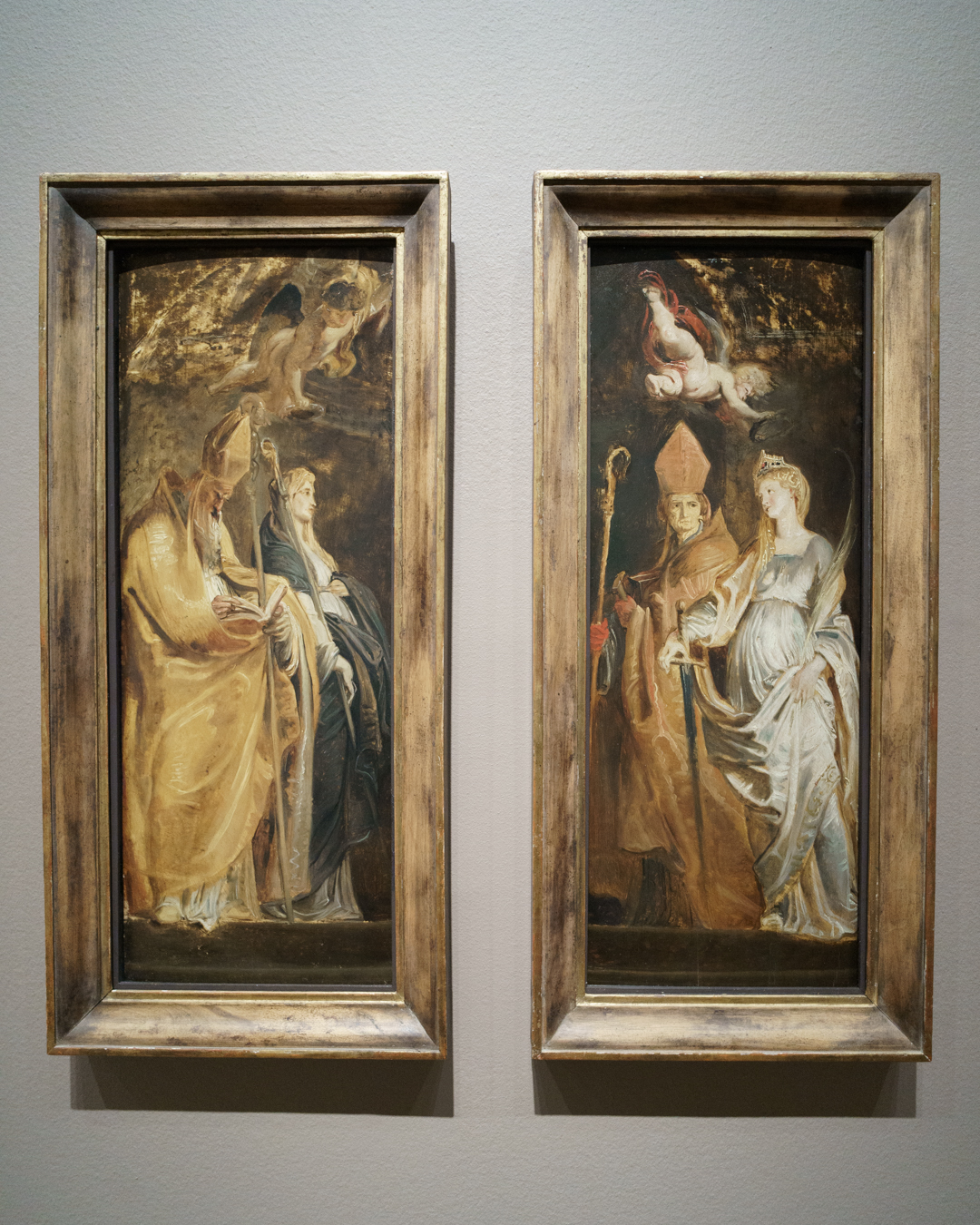

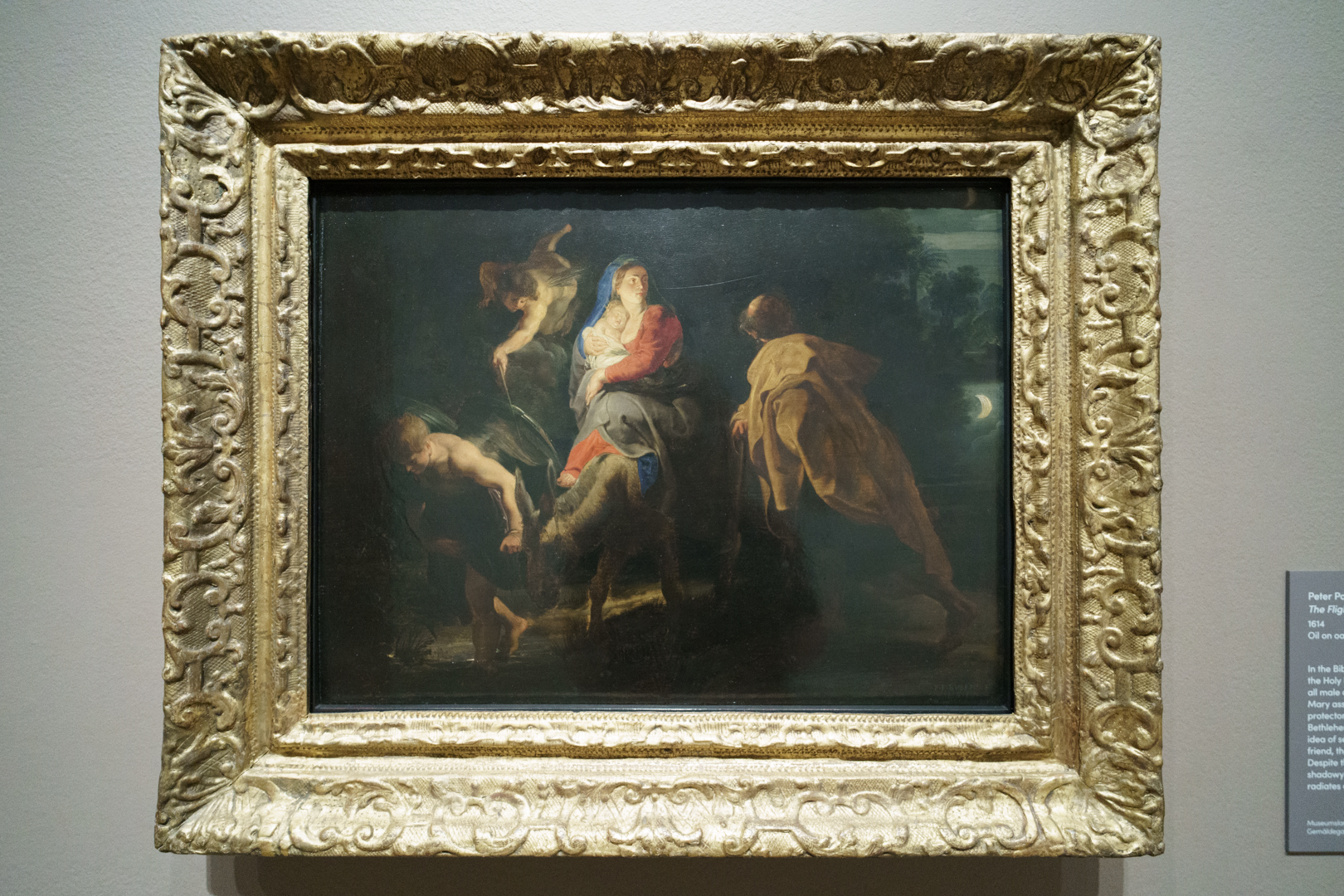



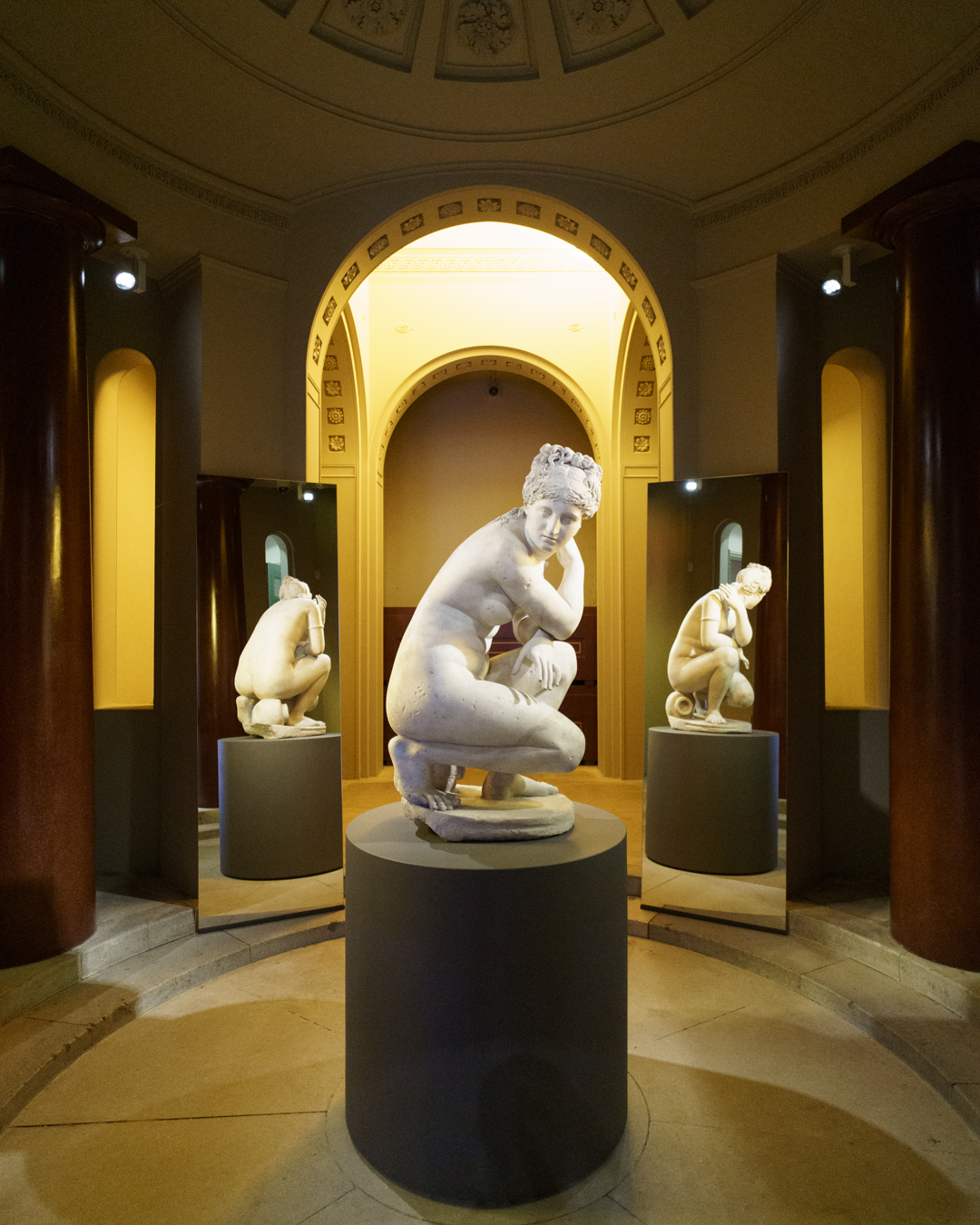
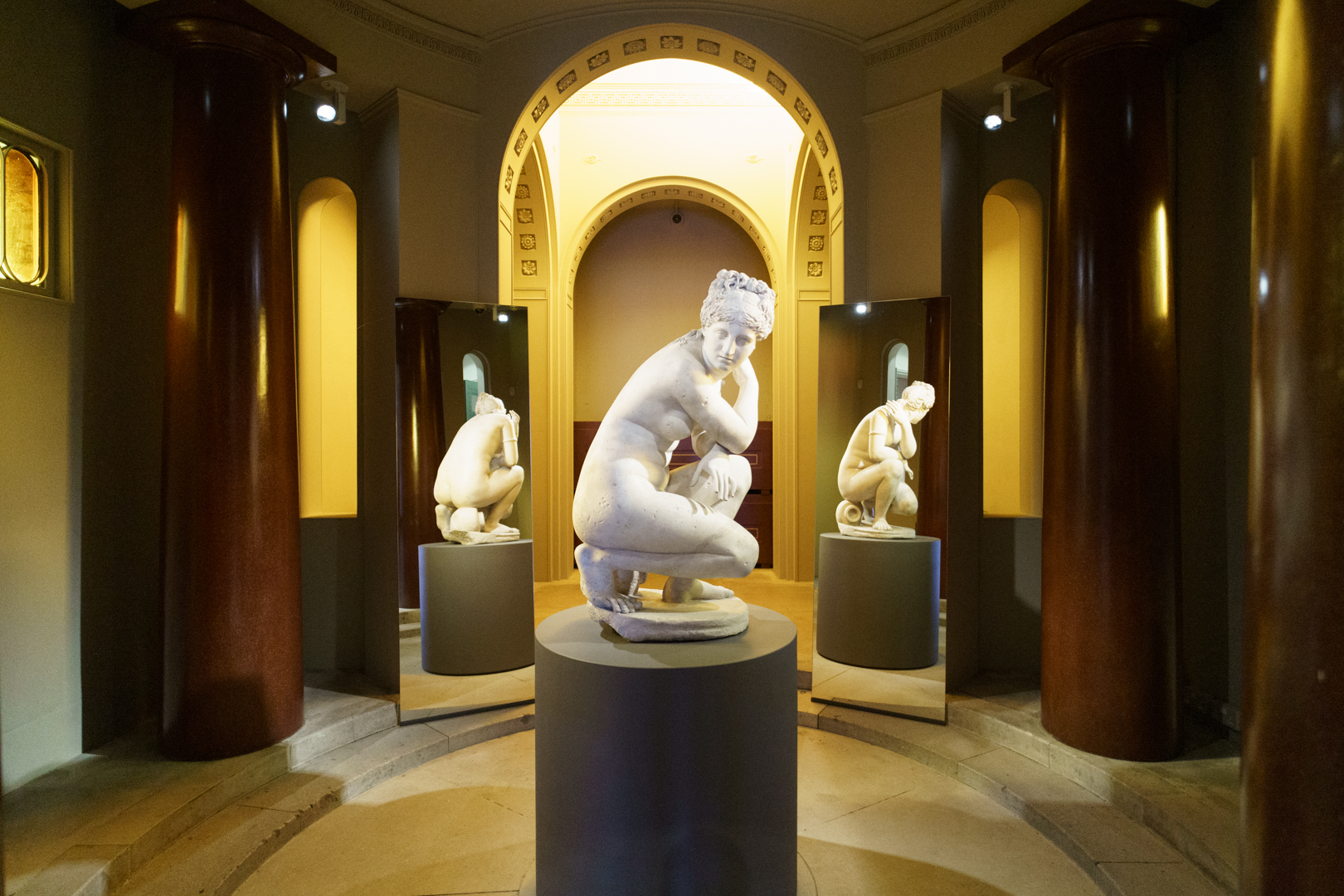
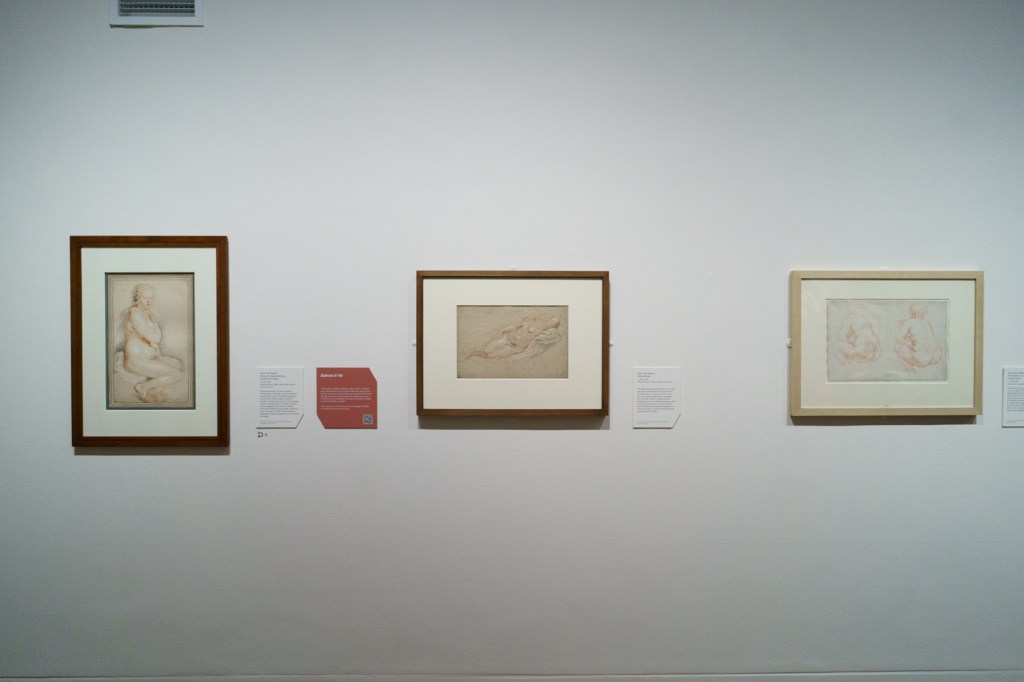
The literal centrality of the antique Crouching Venus in the exhibition, seen by Rubens in Mantua, is a poignant one. Reflected in two mirrors, we are prompted to metaphorically and literally contemplate the different perspectives that converge in Rubens’ vision of female beauty. Throughout the second half, her vulnerable pose is repeated and referenced in multiple drawings and paintings, adapted for different mythological guises, and even emulated from life with the few women models he had access to: his wives.
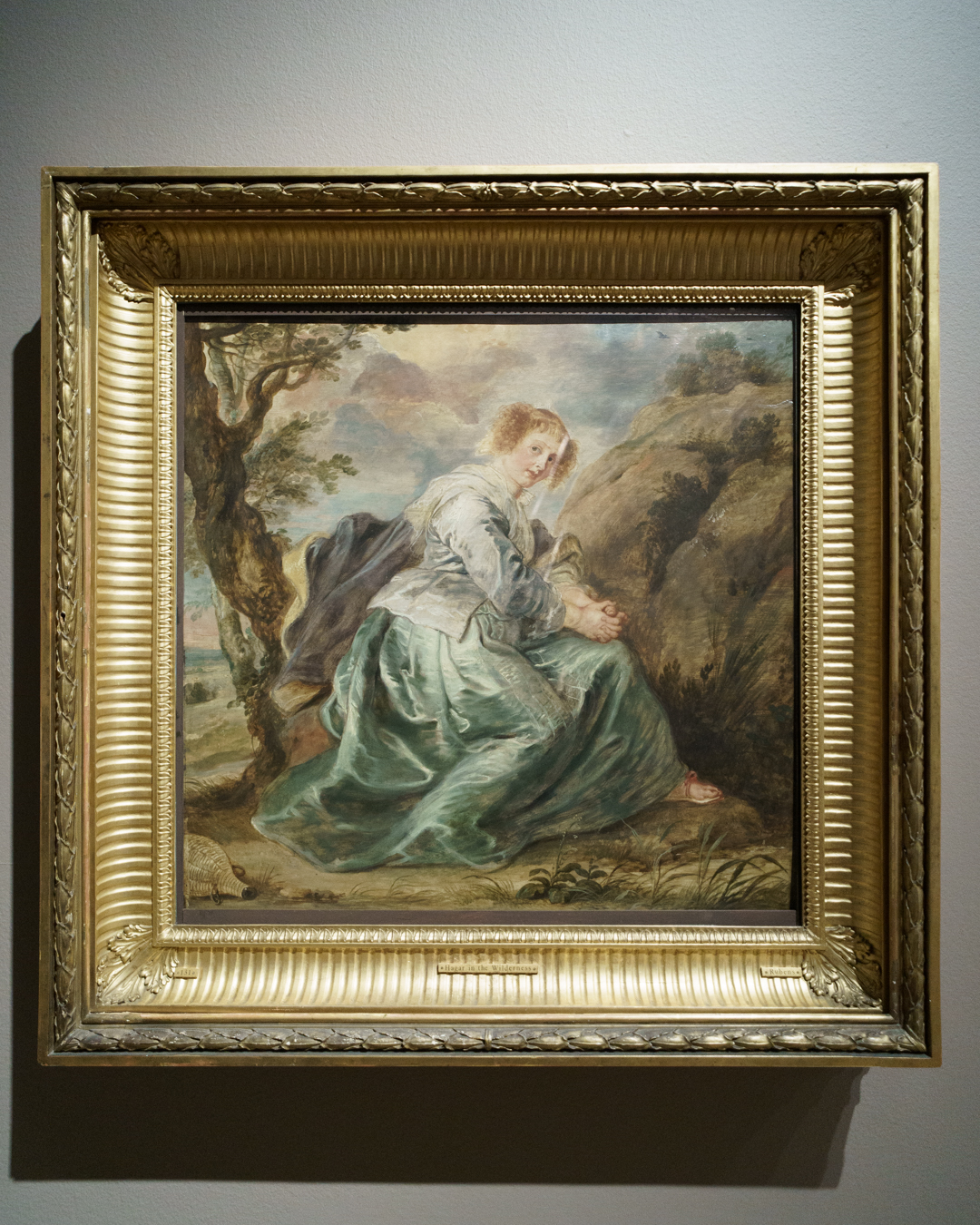


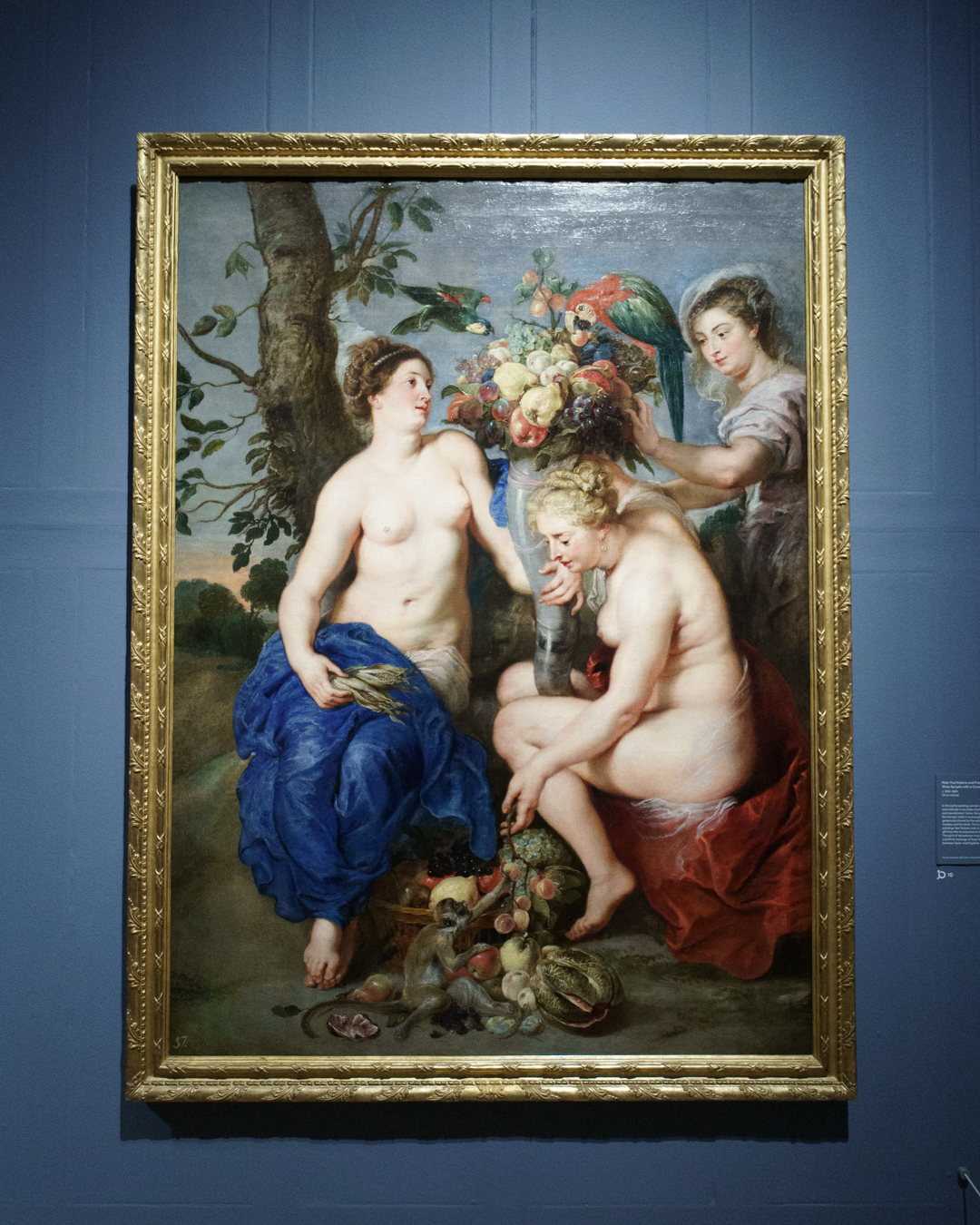
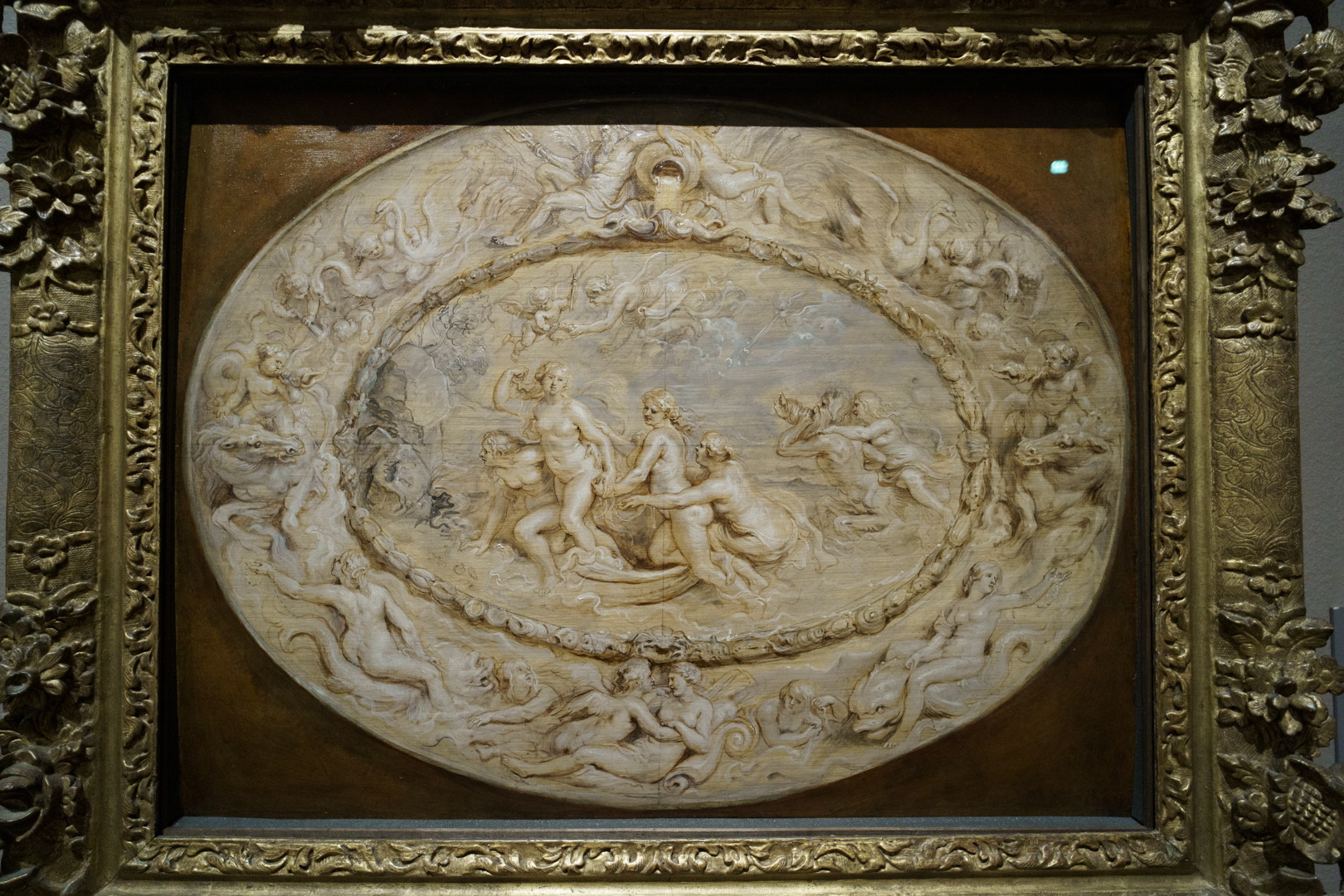
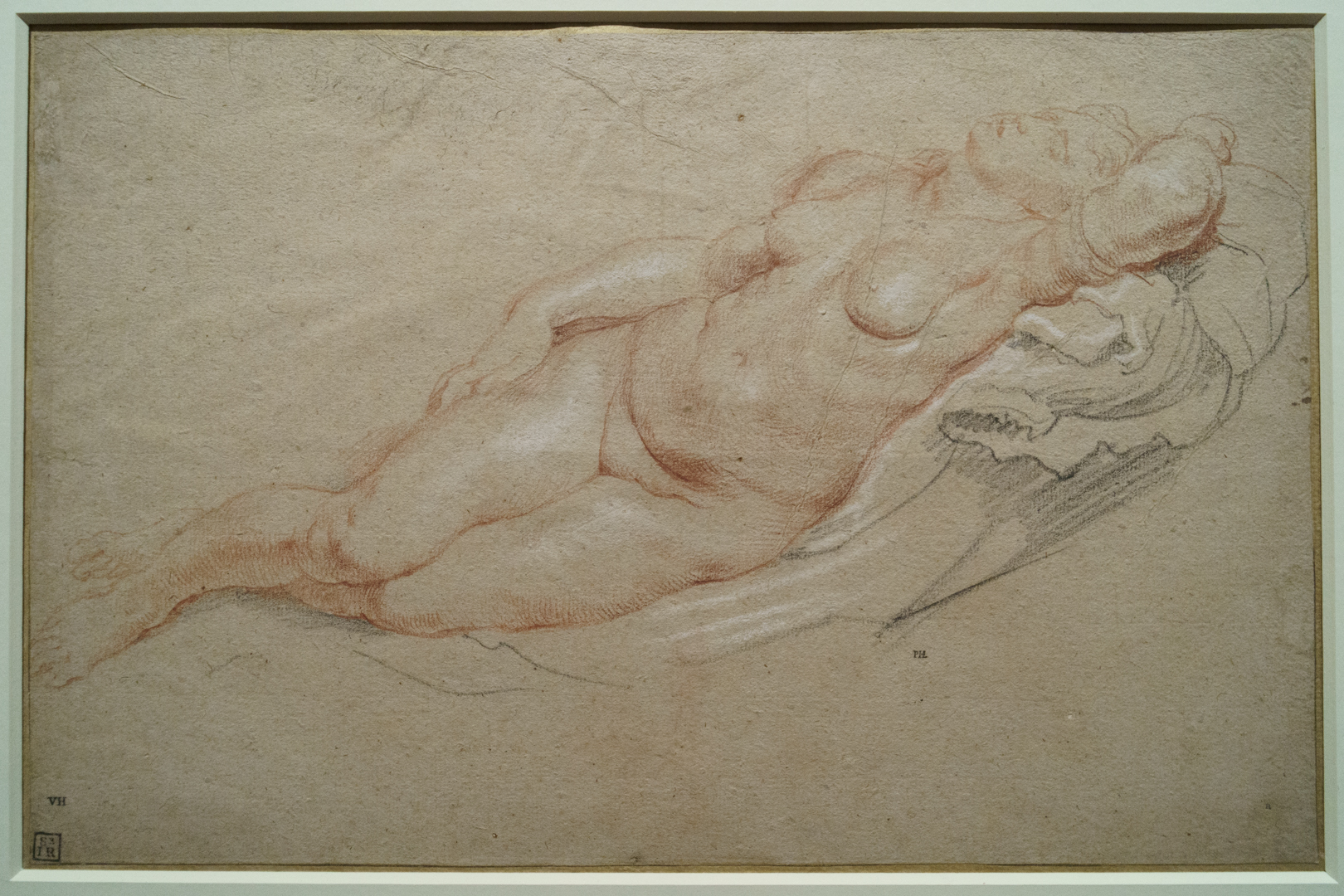
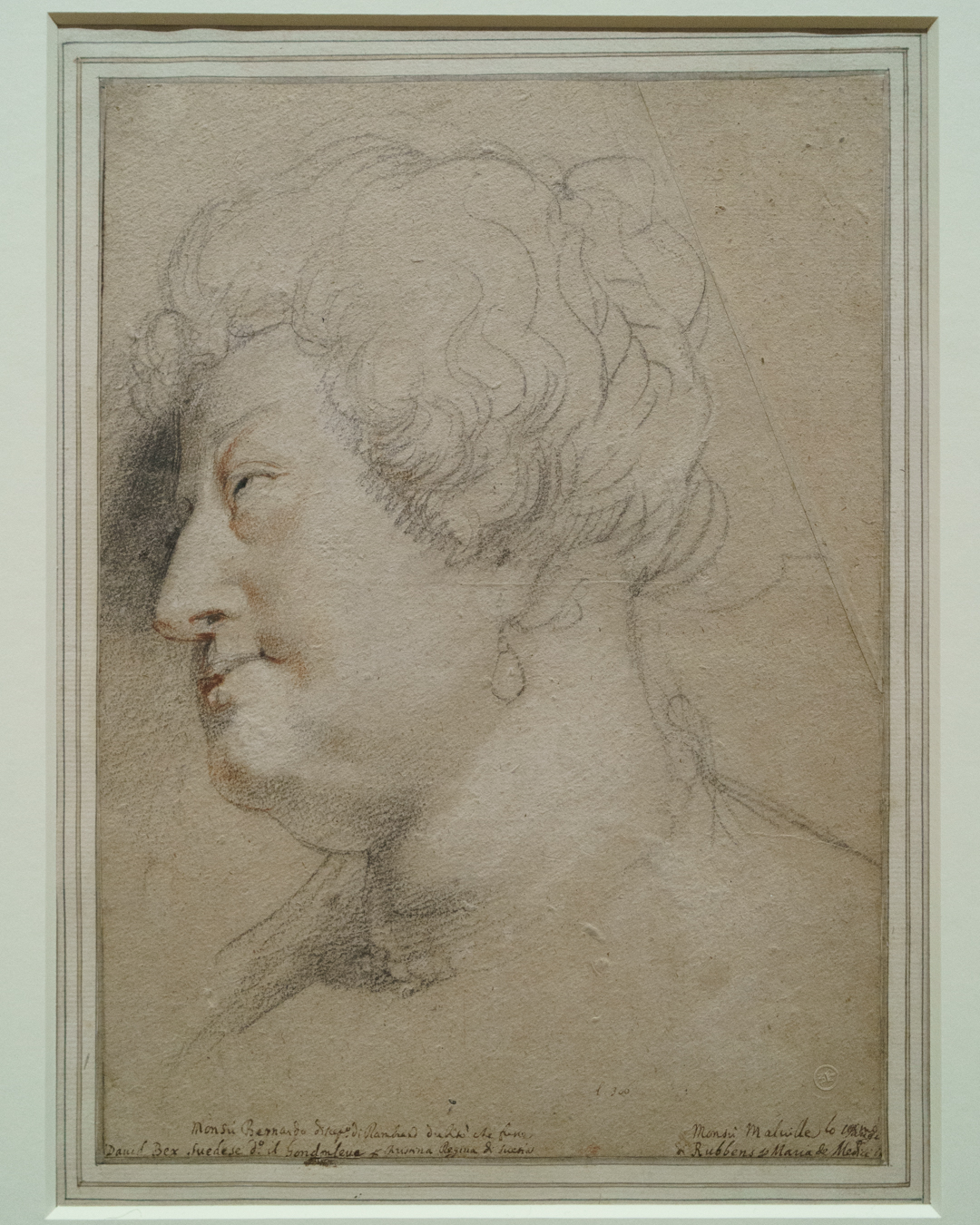
Through Isabella Brant and Helena Fourment – his first and second wives, respectively – Rubens found in reality his fictive Venus. Although his model of ideal beauty was rooted in classicism, classicism turned out to be closer to real life in Rubens’ circle, complete with wrinkles, stretch marks, and cellulite. Life drawing dictated much of the artist’s practice, and he never neglected the power of portraiture. His wives and daughter Clara frequently appear in his paintings; the first room introduces us to their likenesses in a section juxtaposing his informal and formal portrait types. That of Marchesa Maria Serra Pallavicino is a stunner.
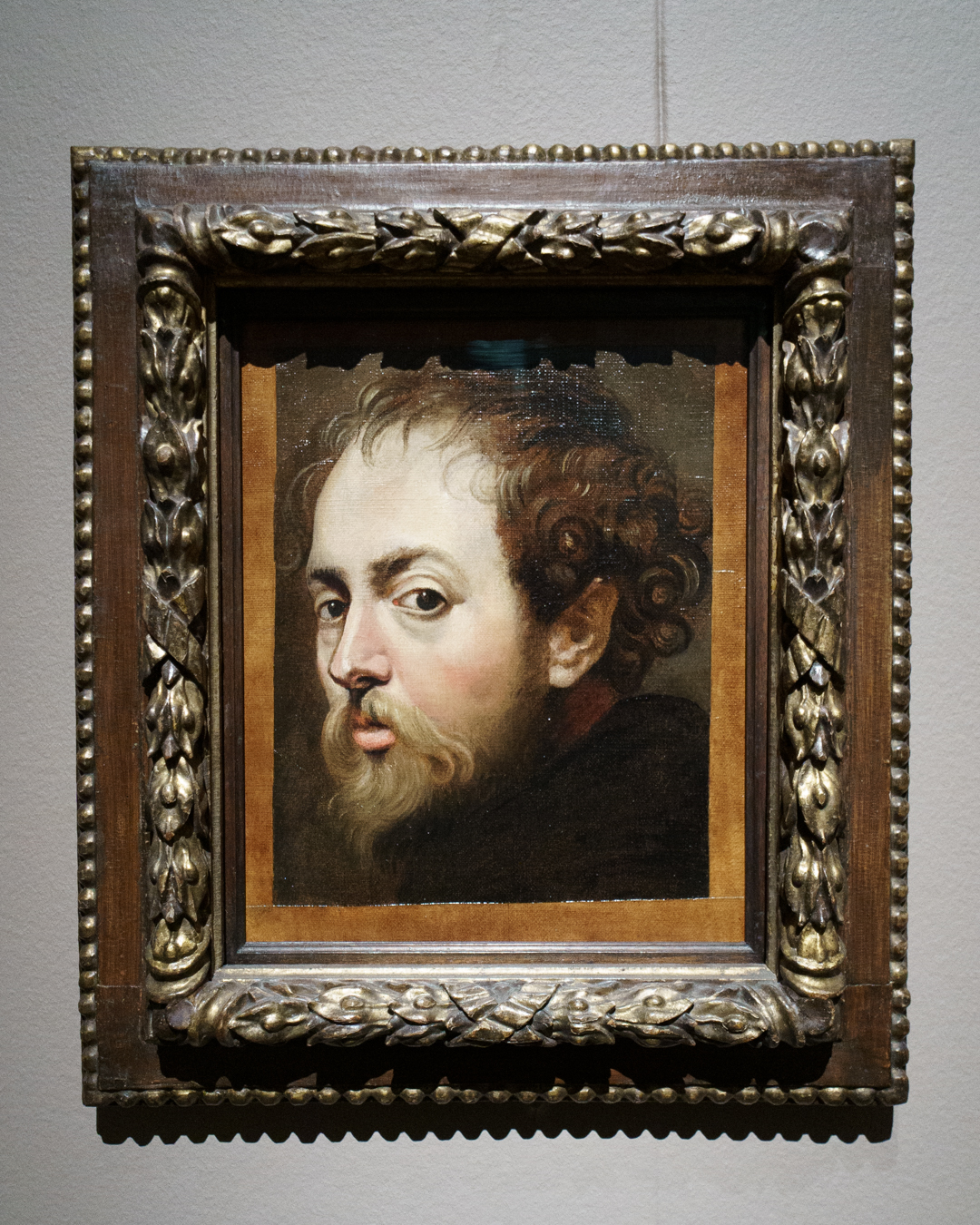


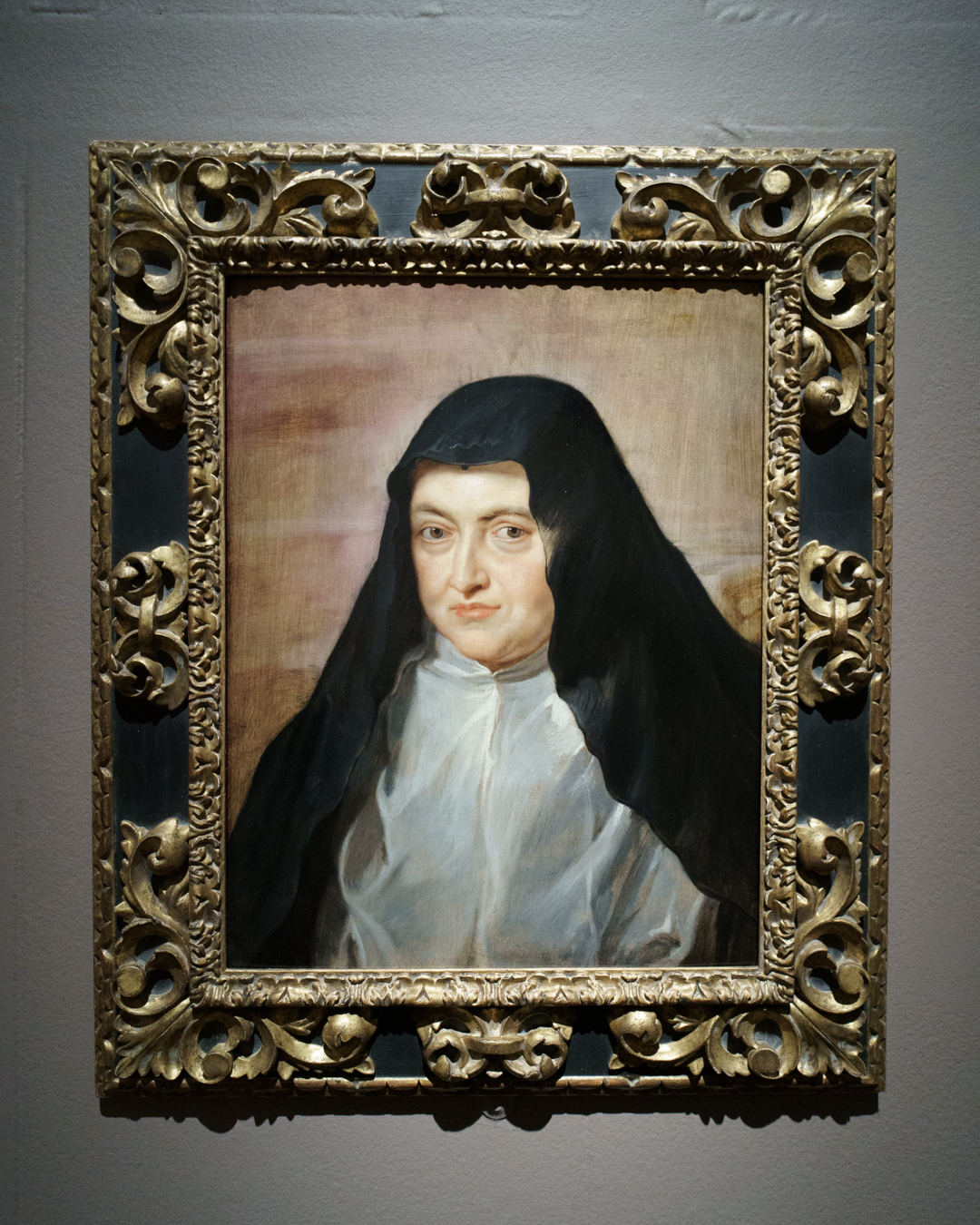

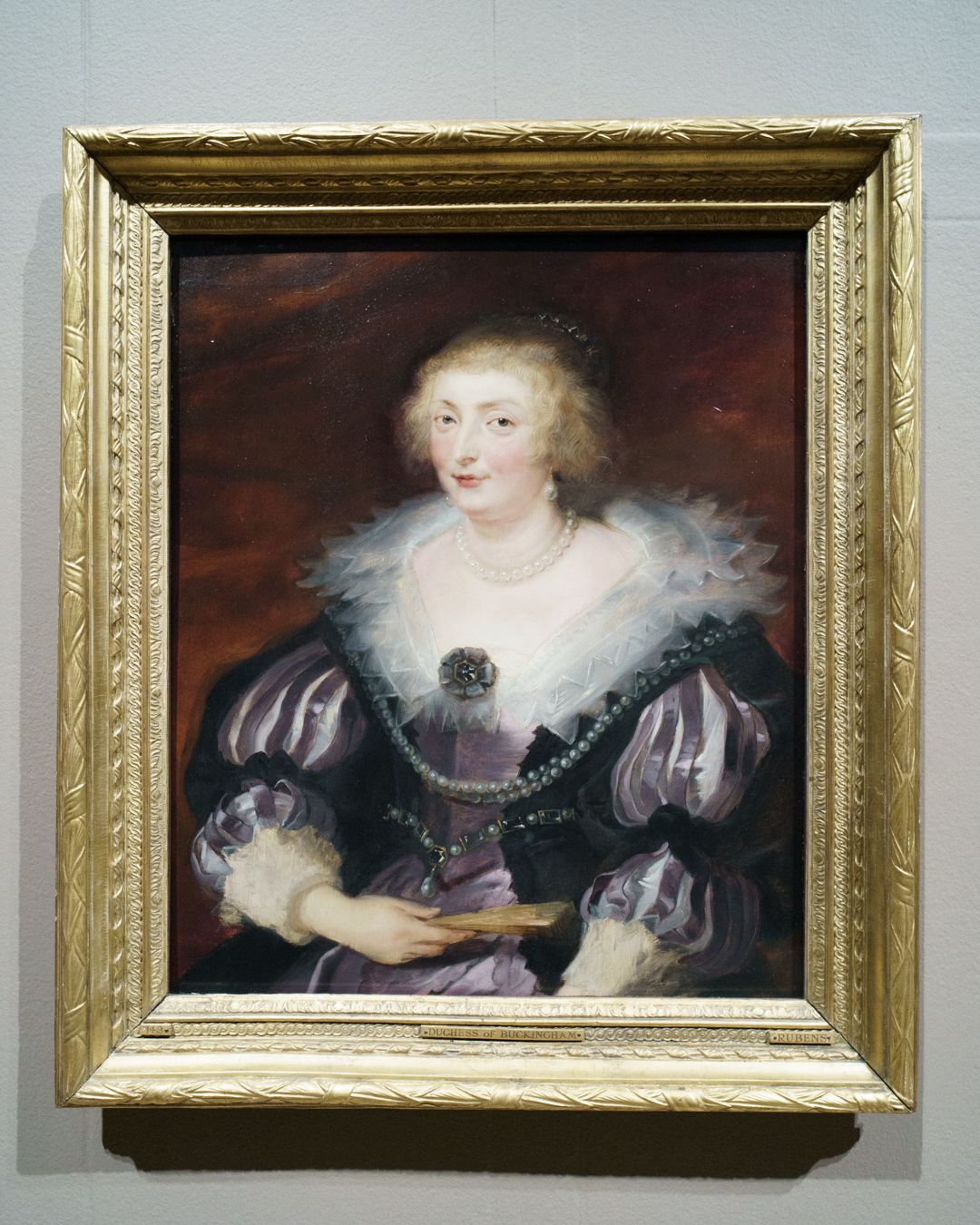




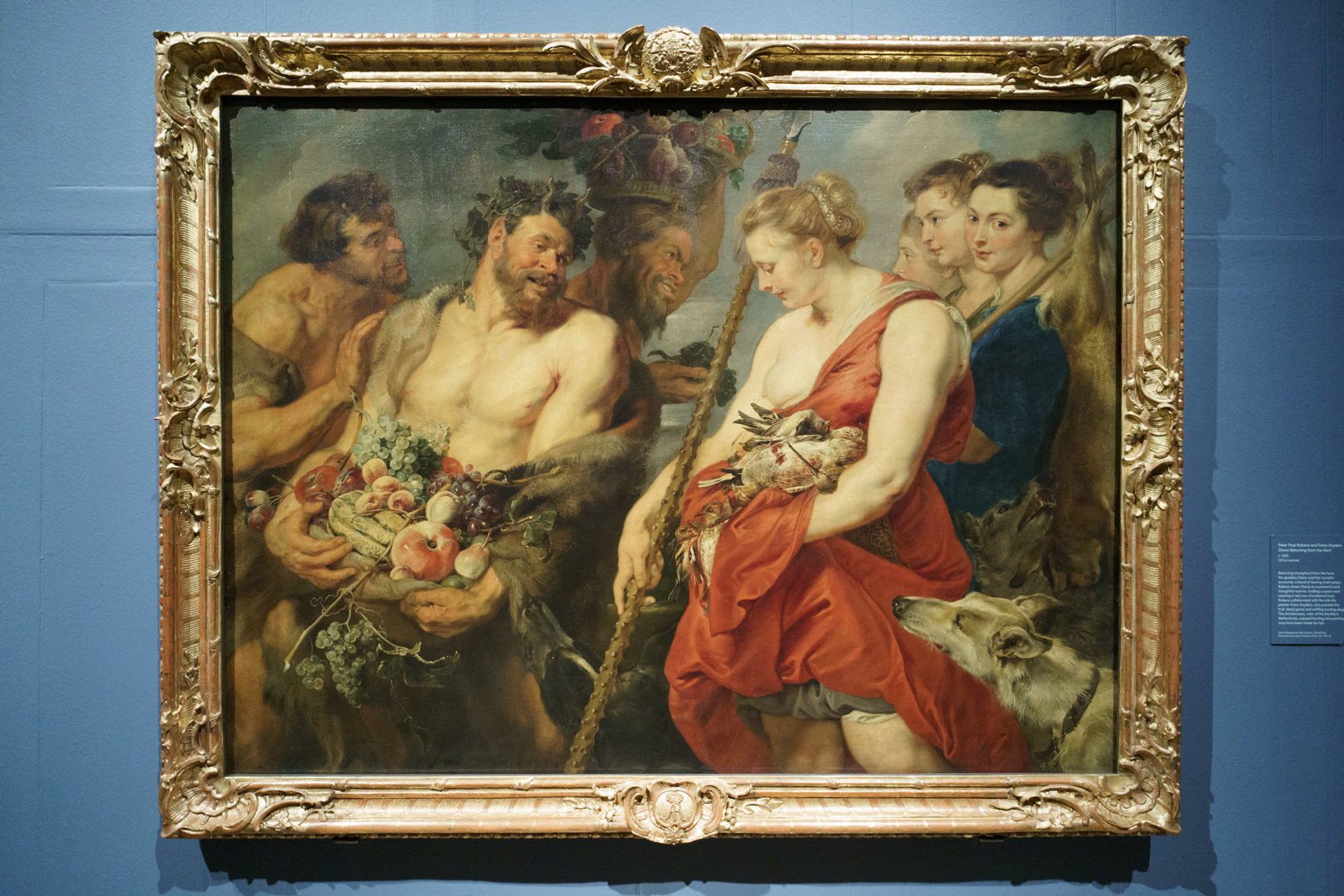


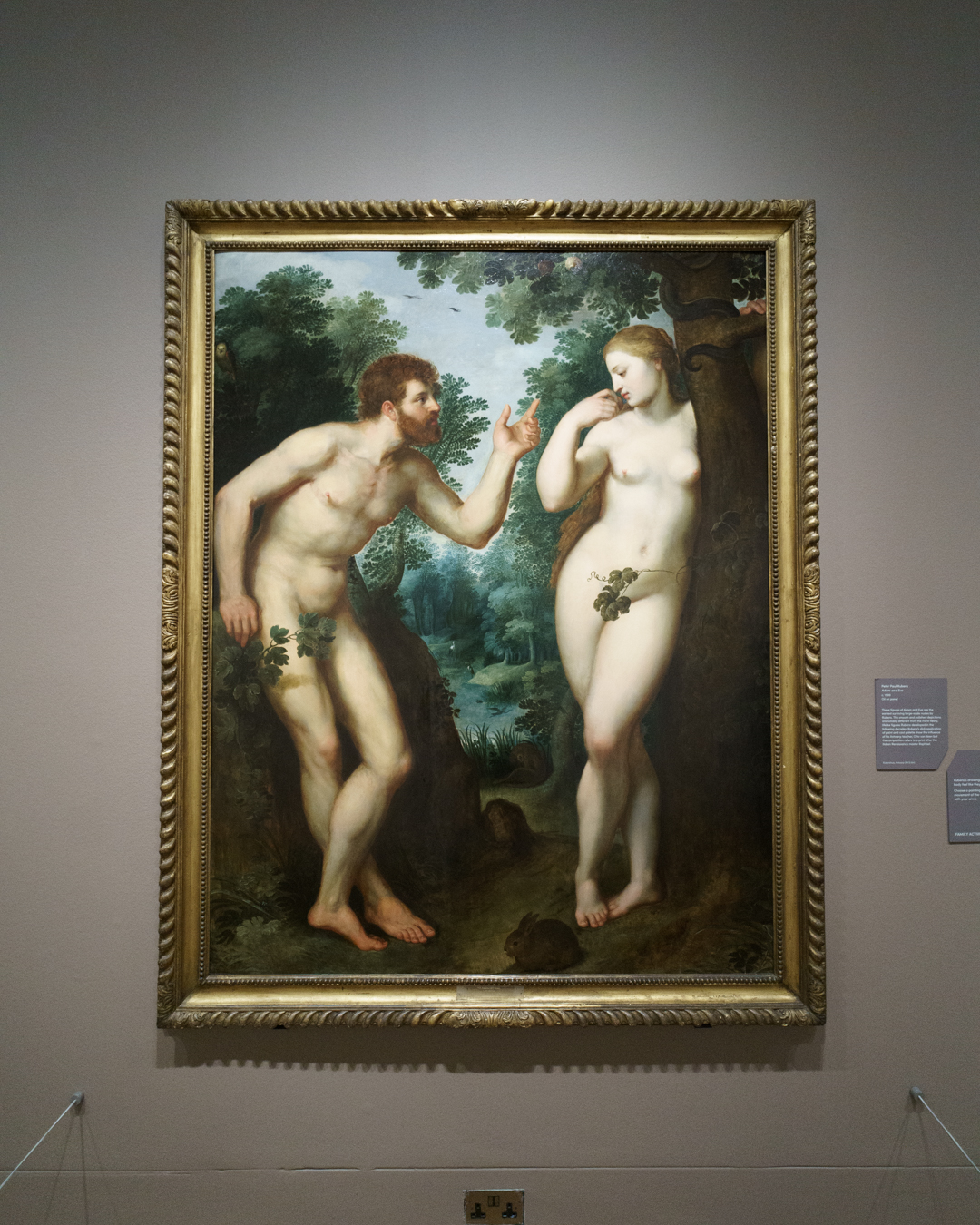
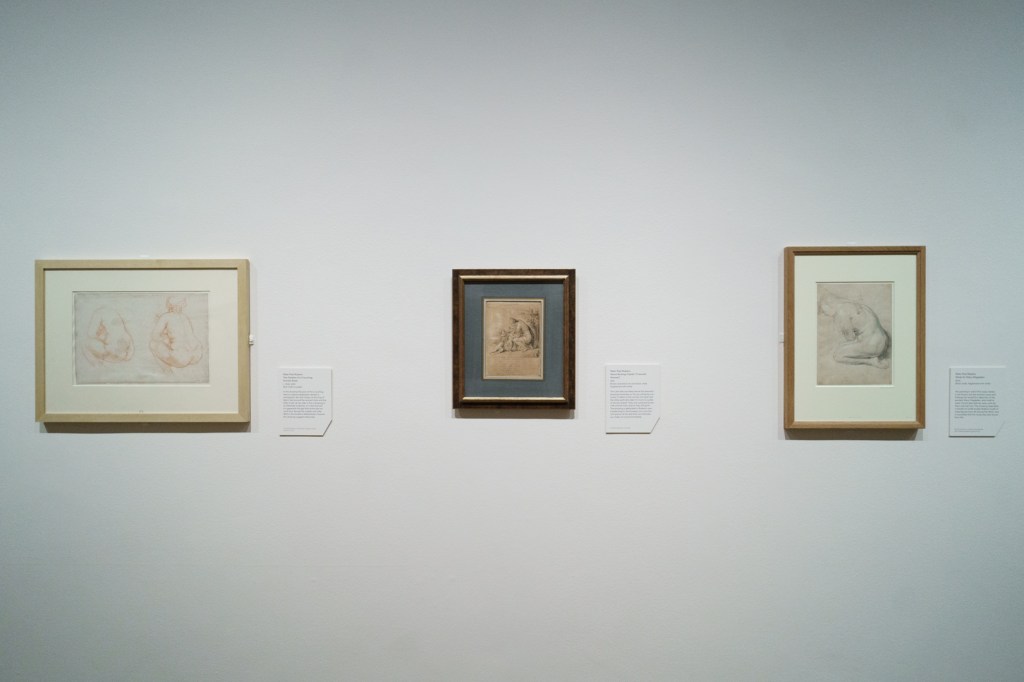
Rubens’ vision of women was also dictated by his artistic idols: Titian and Michelangelo. The first is not known for his slim women, and those by the second are essentially muscly men with female features. One drawing by Rubens shows him doing the very same thing; access to male models was significantly easier and less controversial back then.



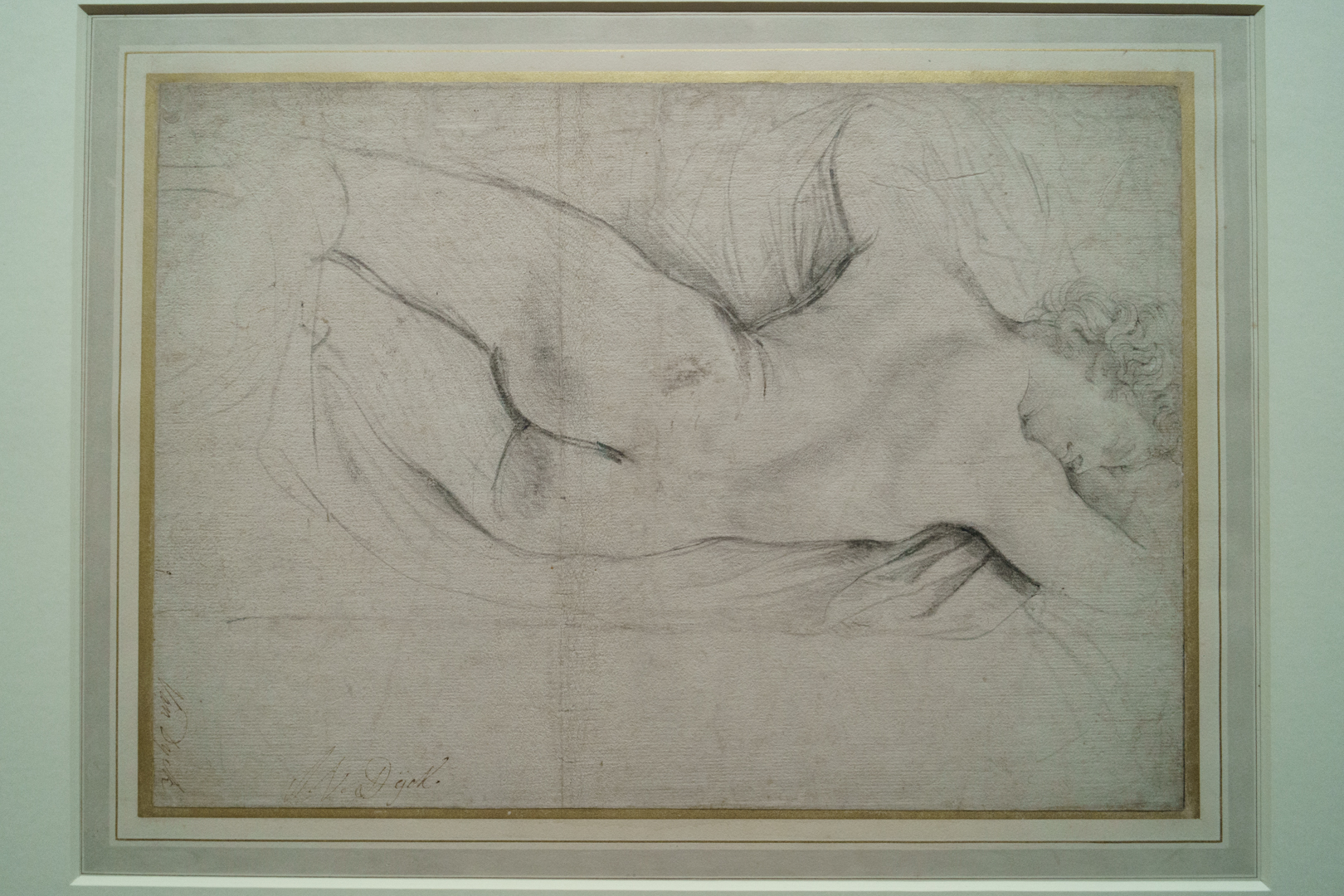

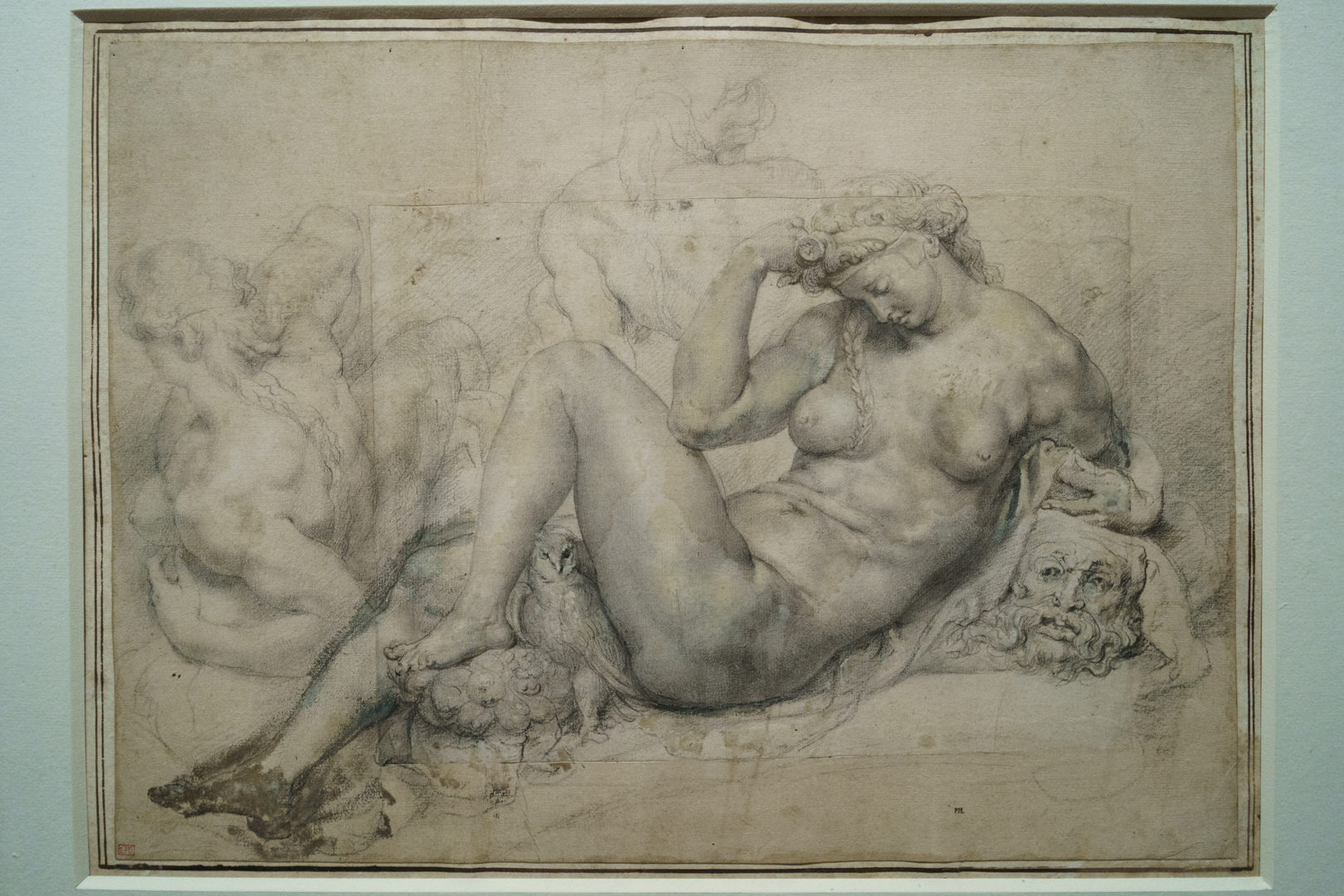
Another drawing, the best in the show, is a copy of Michelangelo’s Night from the Medici Chapels’ New Sacristy, with additions exploring different viewpoints (mimicking the Crouching Venus installation). The left hand of the original sculpture cannot in fact be seen from the front, so this was an addition Rubens made himself. Yet, Michelangelo himself also modelled his own ideals after the antique.
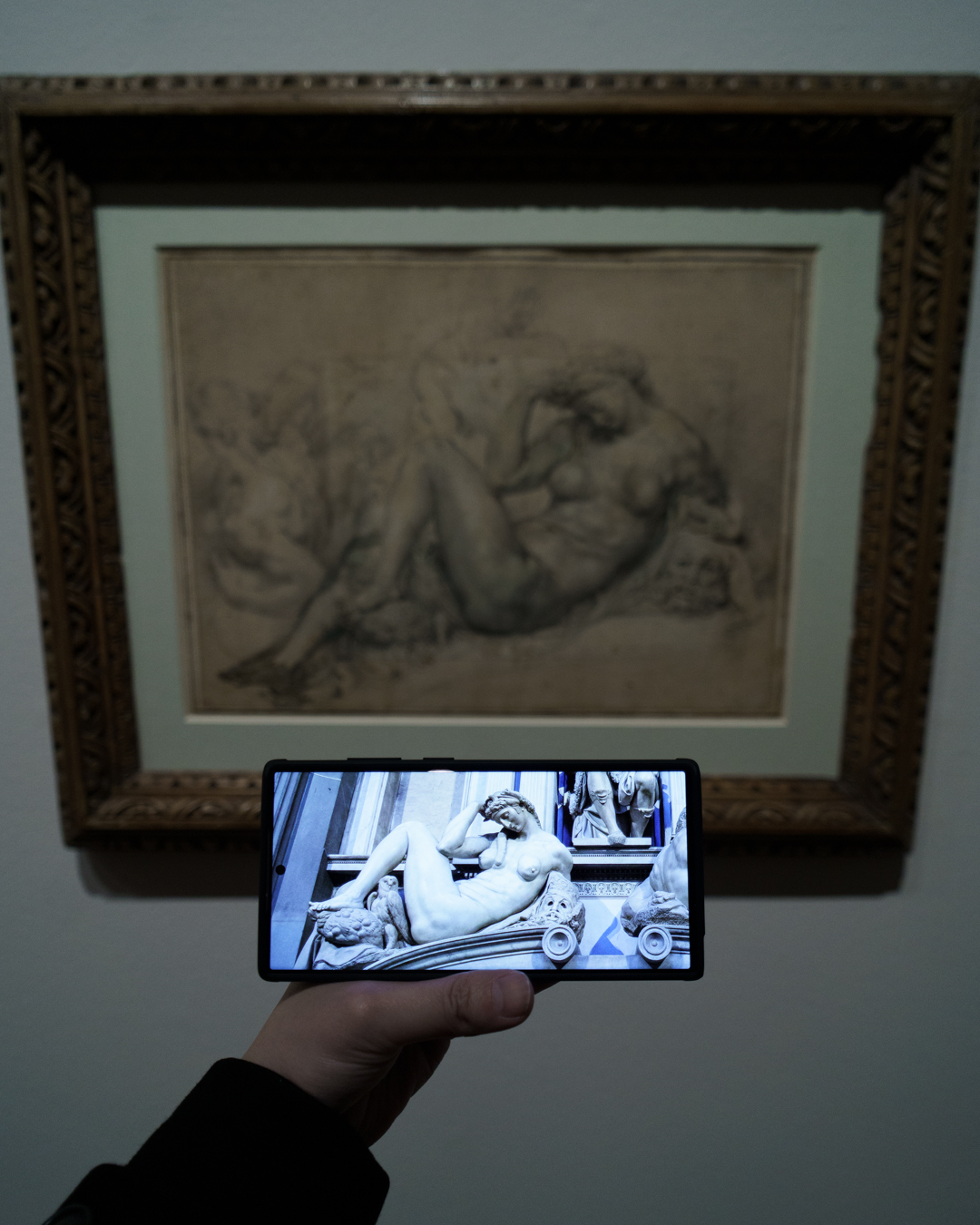
This exhibition is actually a very good demonstration of how antiquity, learning from other artists, and drawing from life converge into a singular artistic vision in the early modern period. This triumvirate of visual sources is not static, shifting based on cultural tastes, and Rubens seems to have found a sweet spot where reality meets fiction.


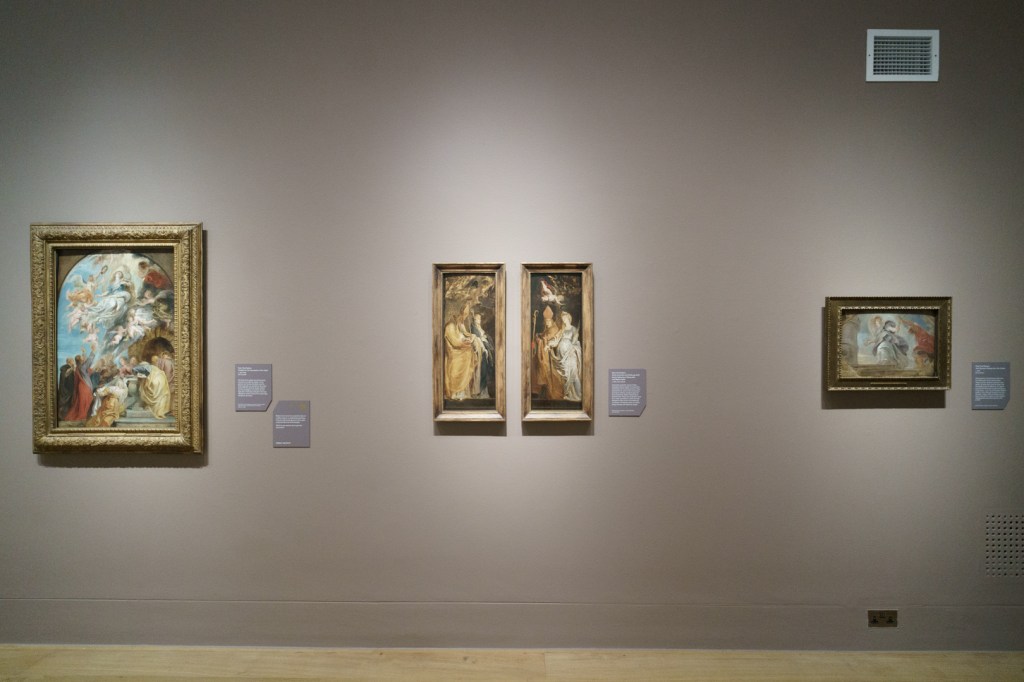




Rubens and Women runs between 27 September 2023 and 28 January 2024) at Dulwich Picture Gallery, https://www.dulwichpicturegallery.org.uk/

 Nigel Ip
Leave a comment