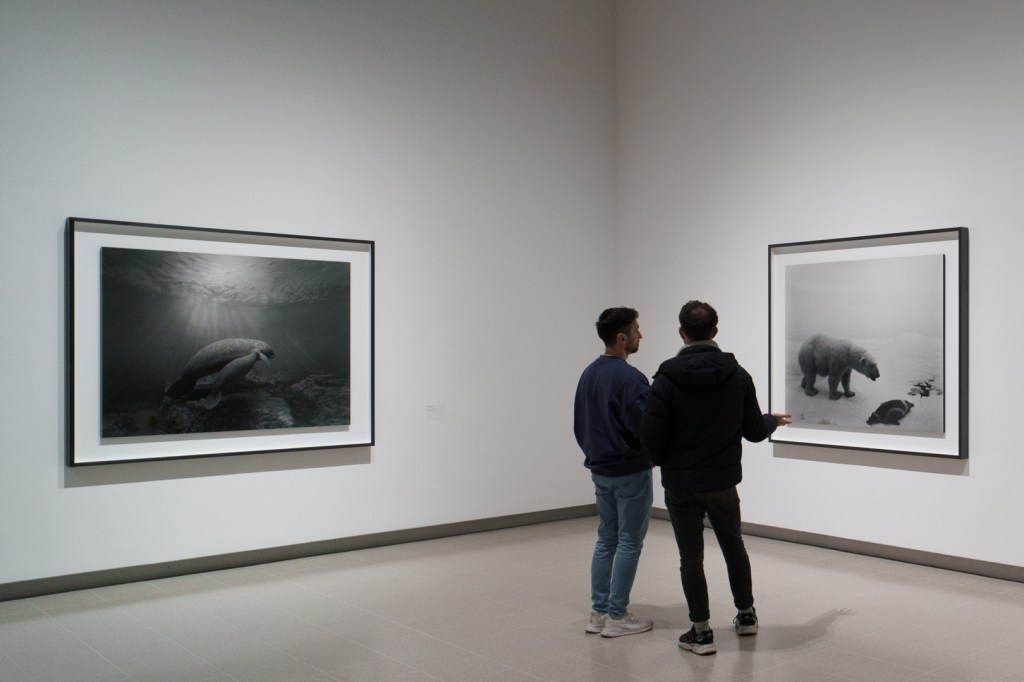
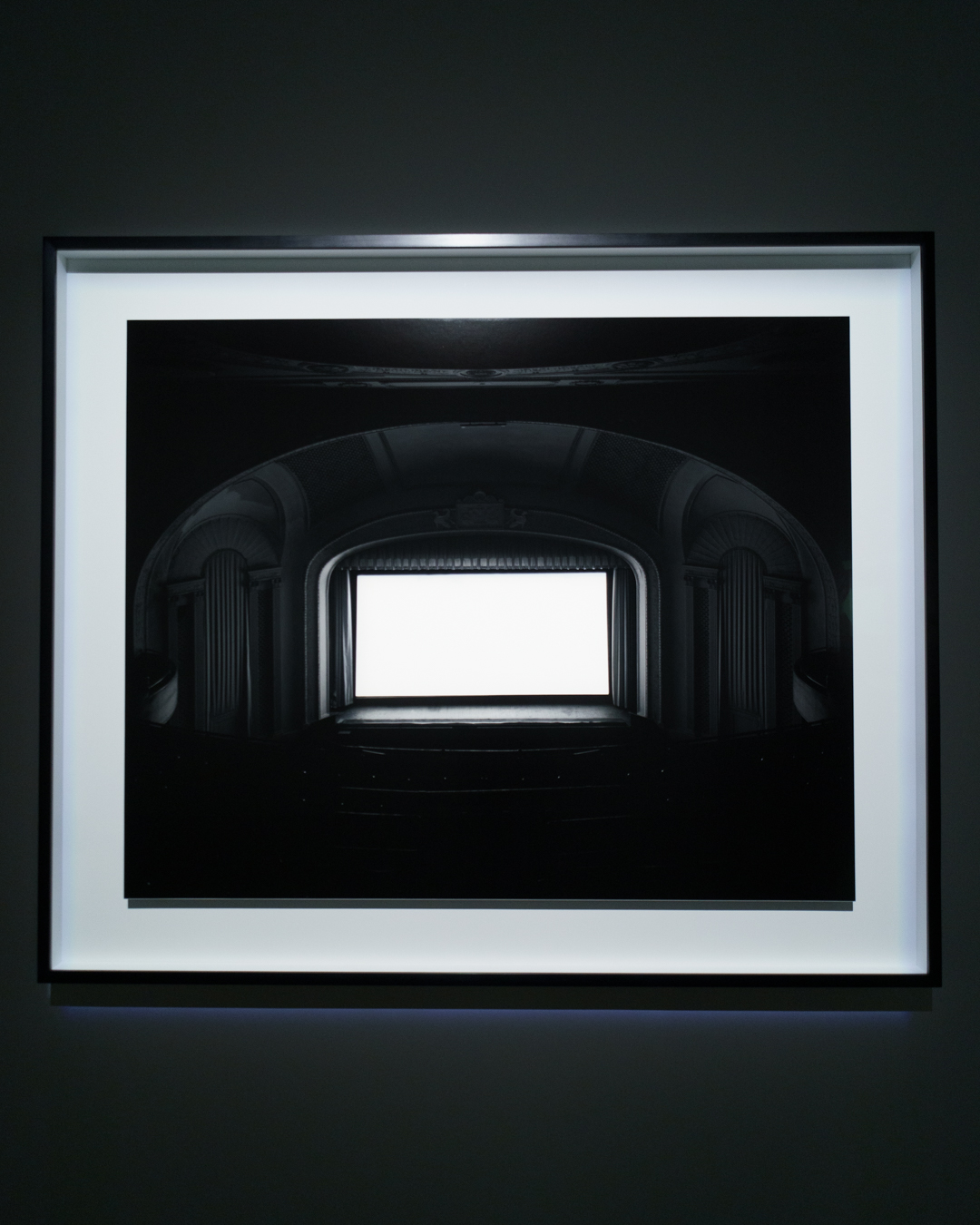
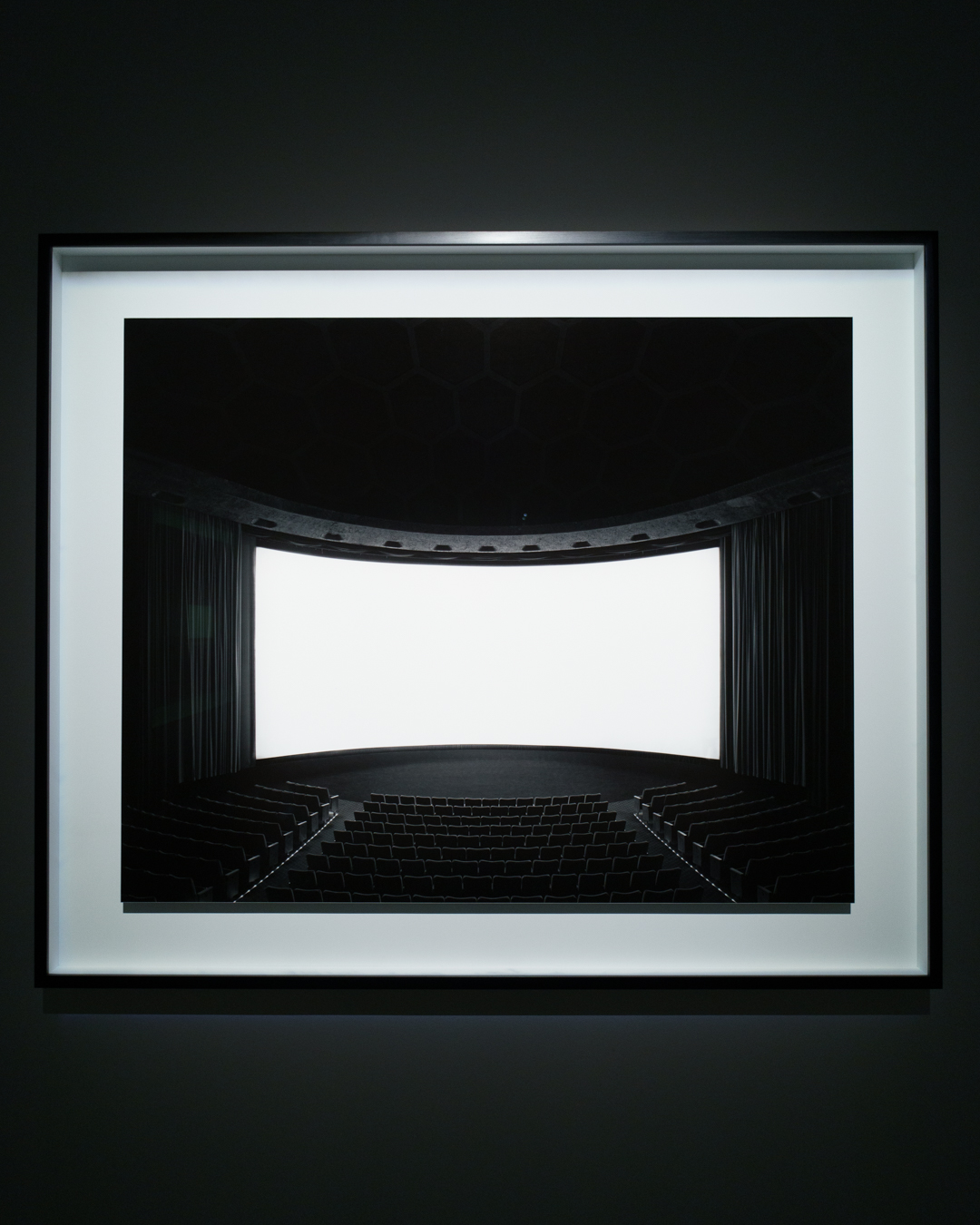
Best known for his Theaters series, Hiroshi Sugimoto at the Hayward Gallery is a revelatory survey that provides a lot more insight into the photographer’s oeuvre than expected.
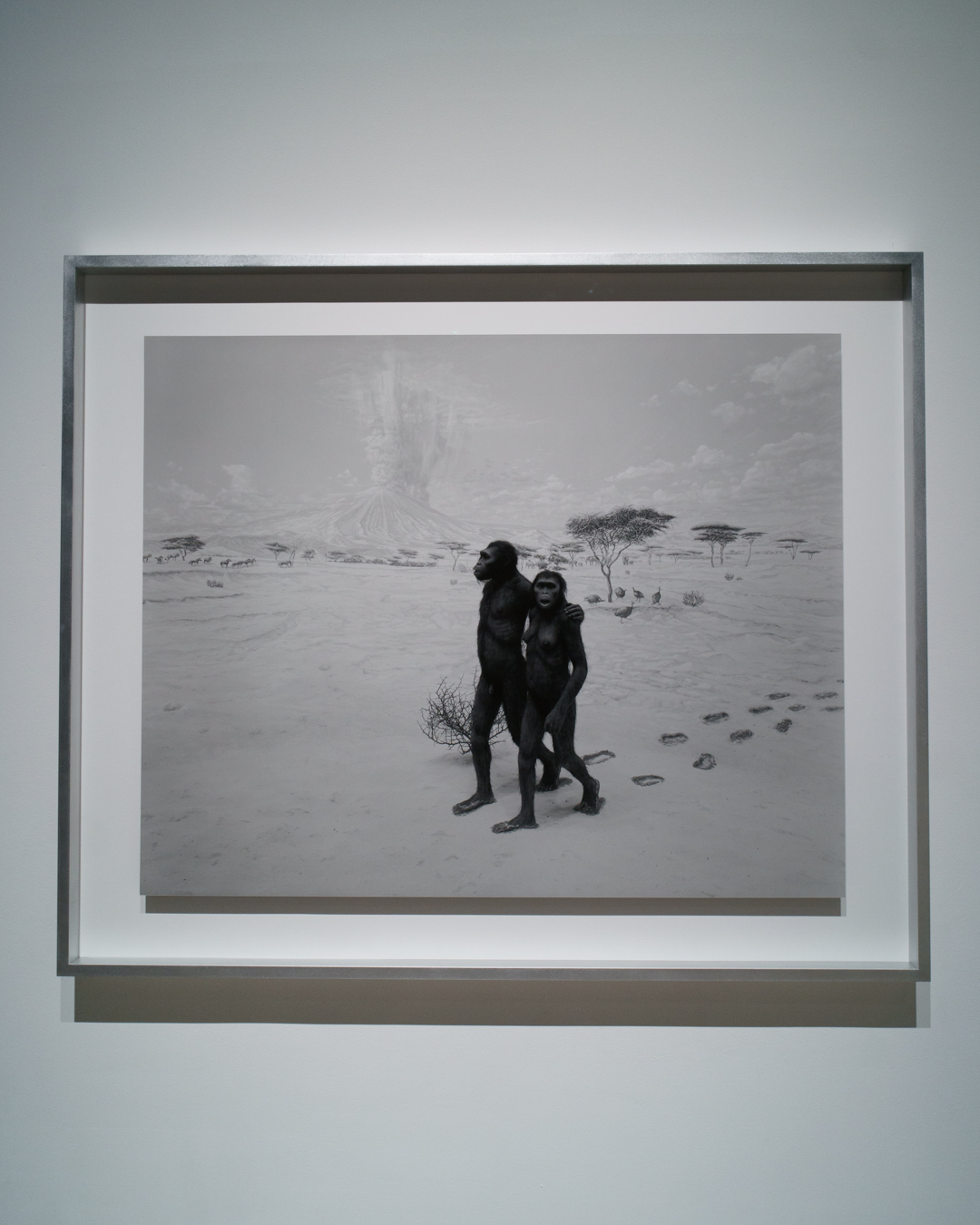
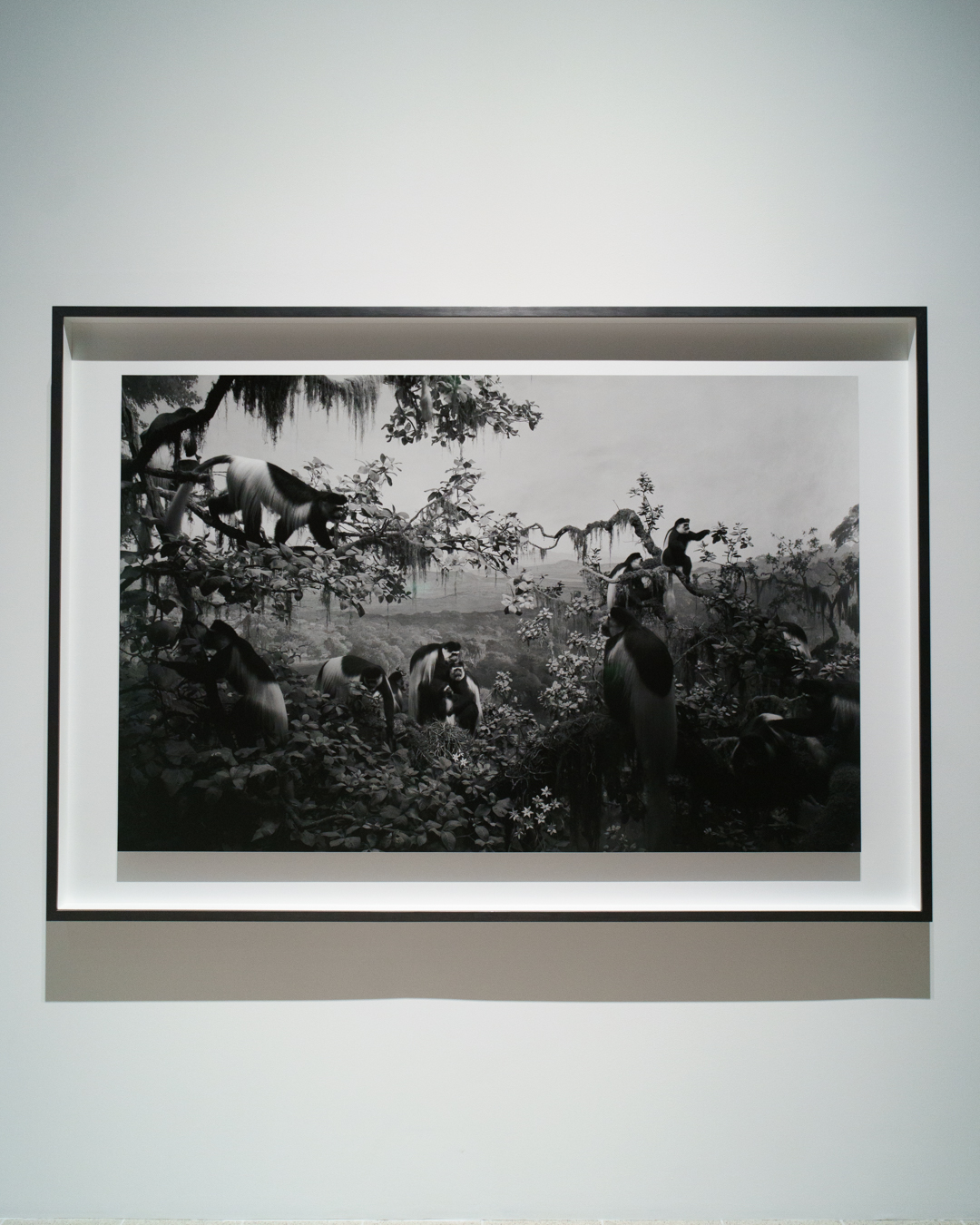
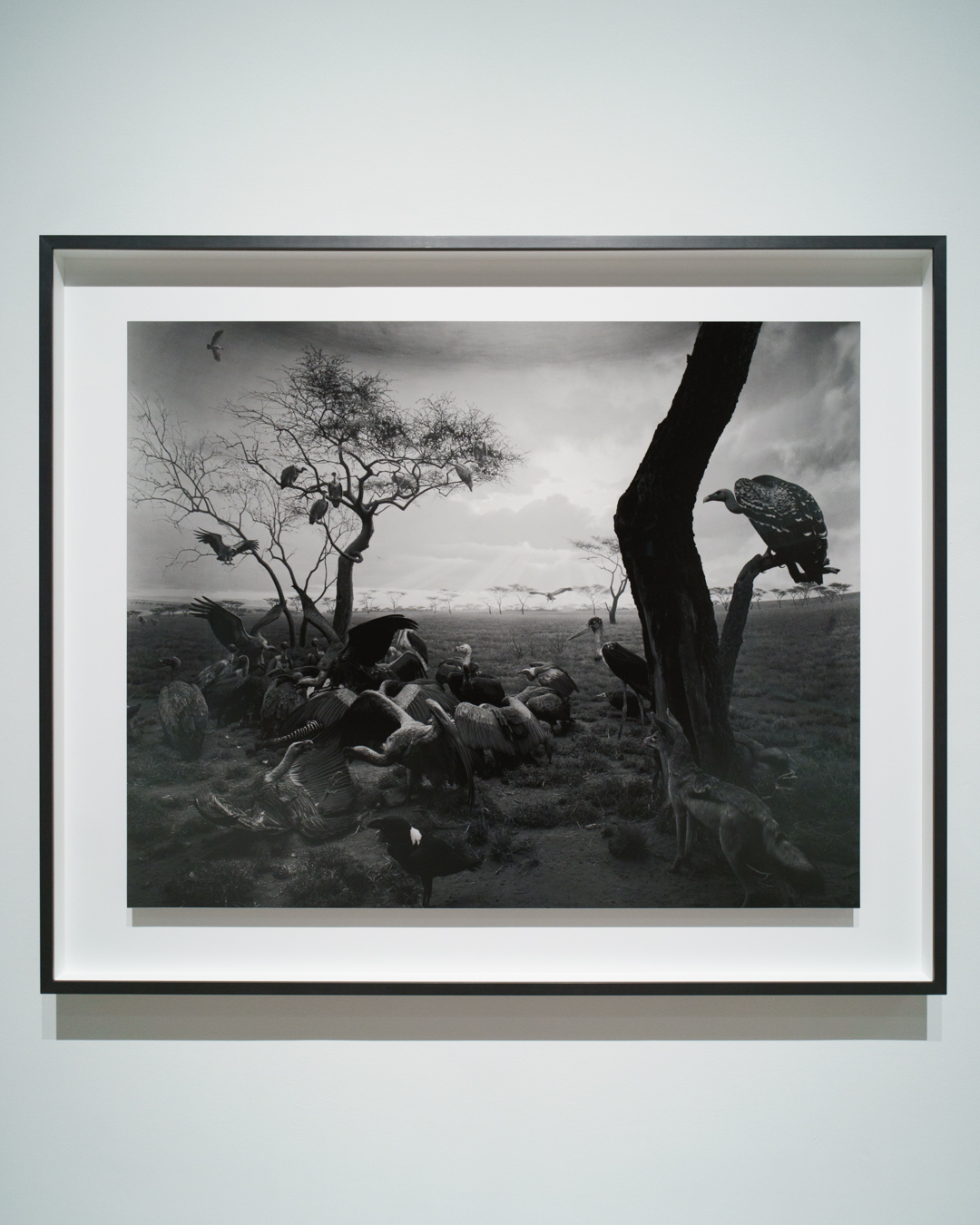
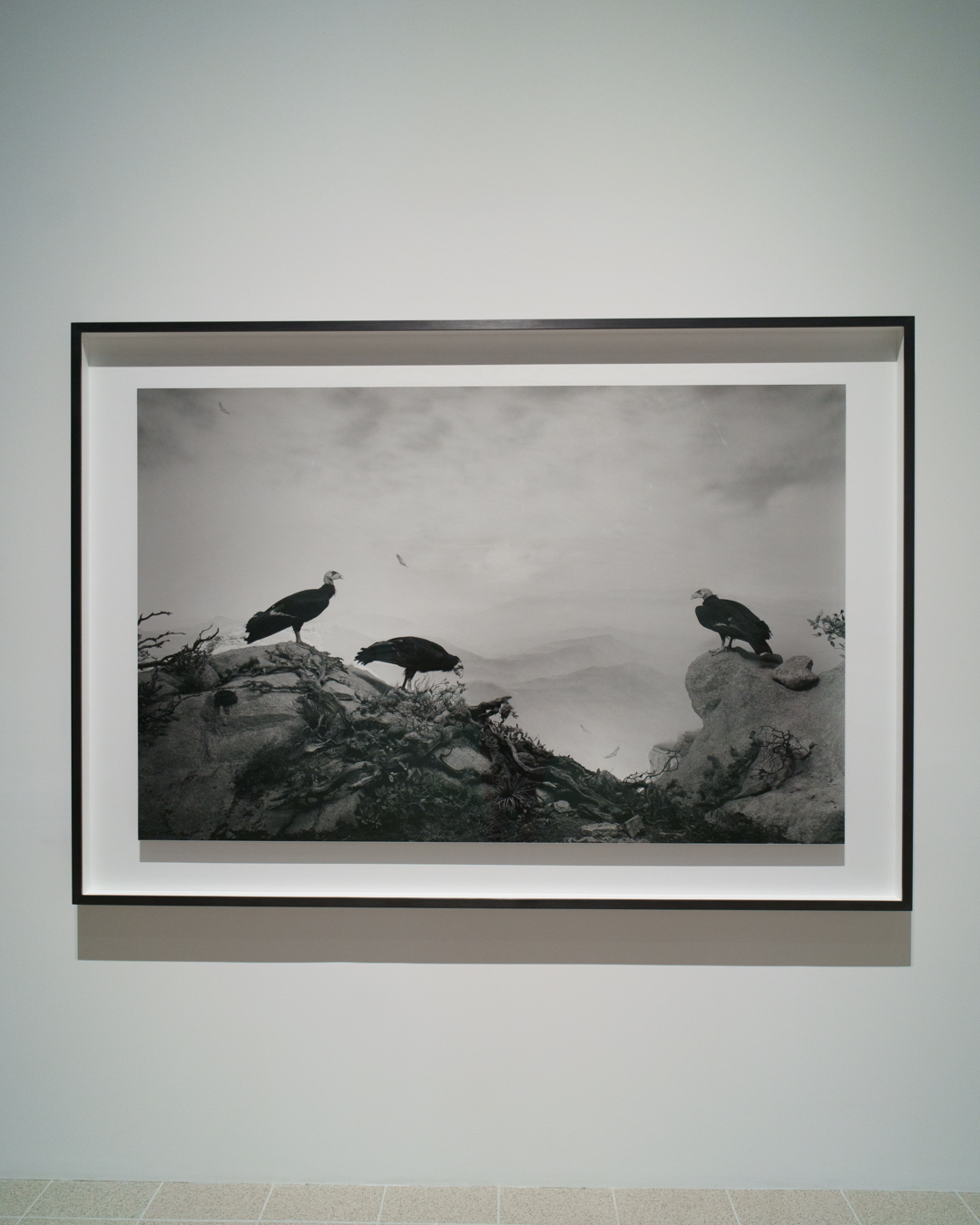
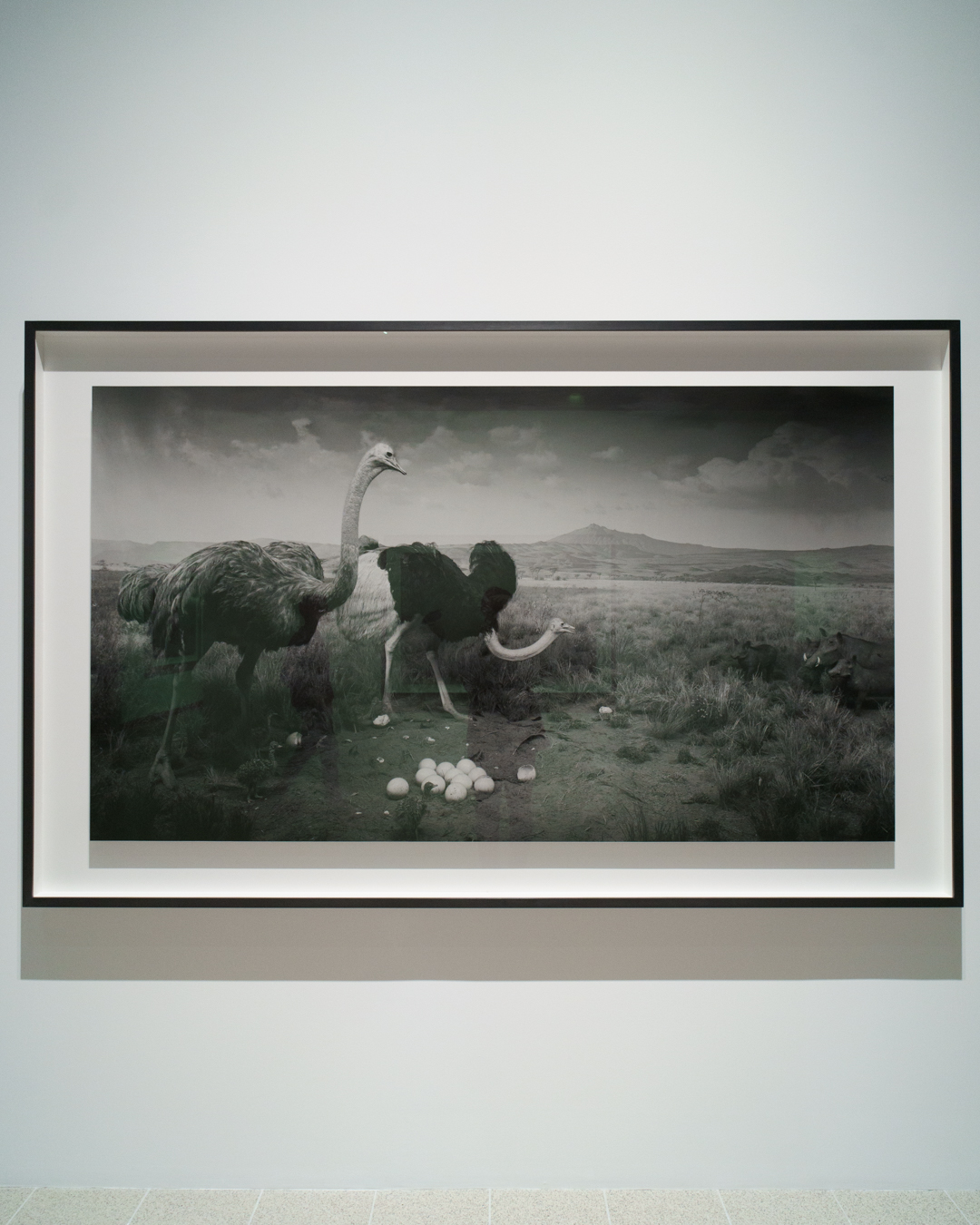
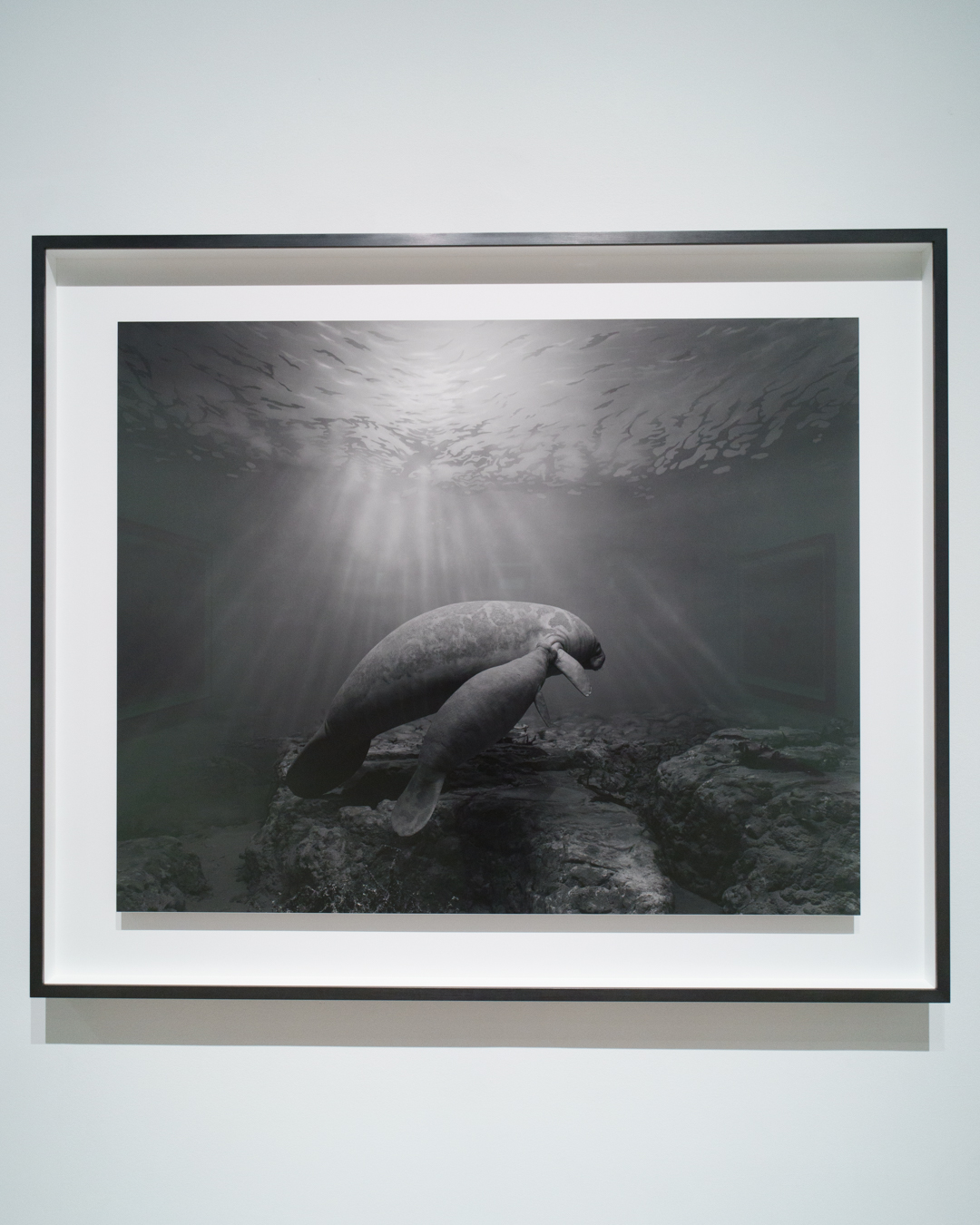
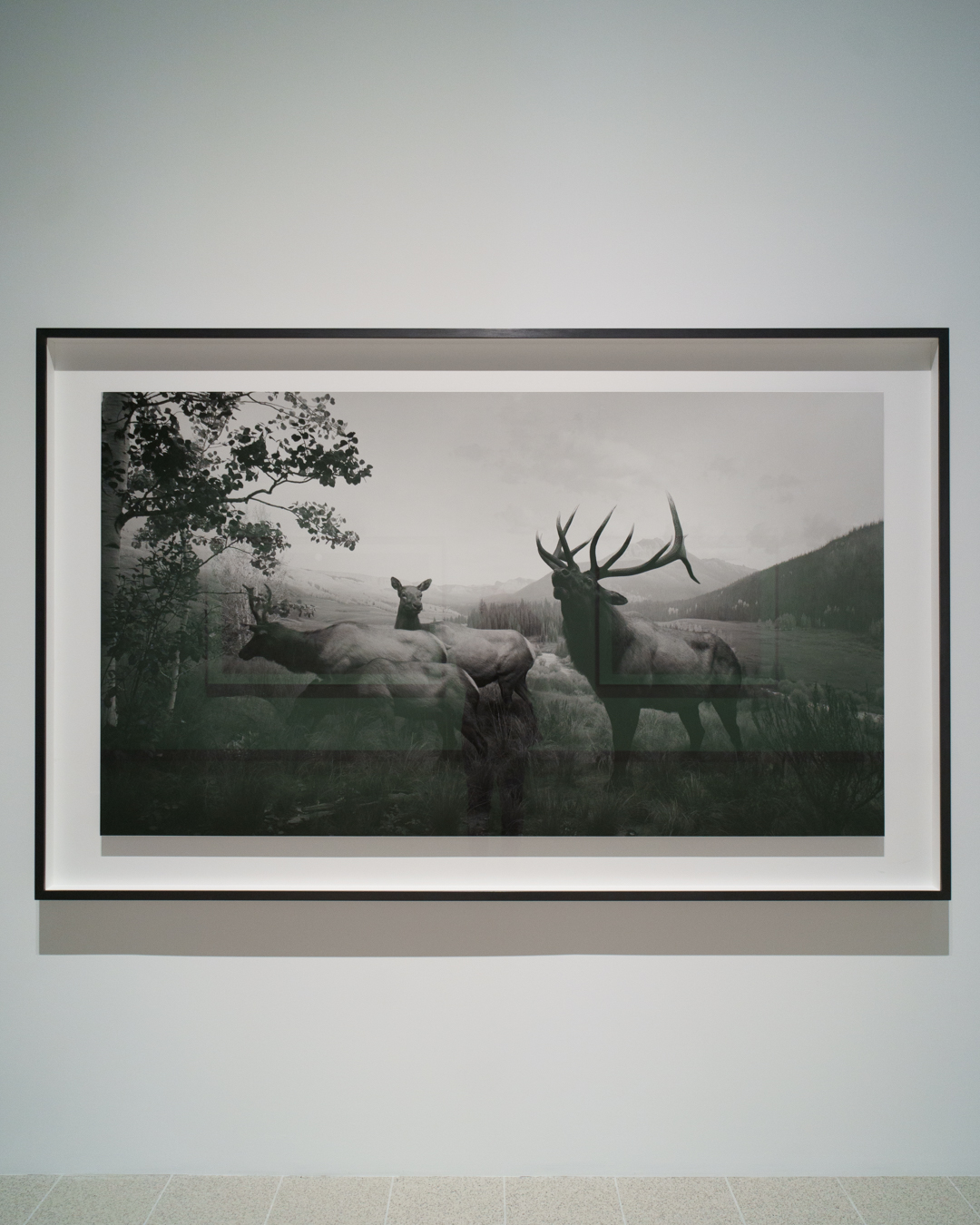
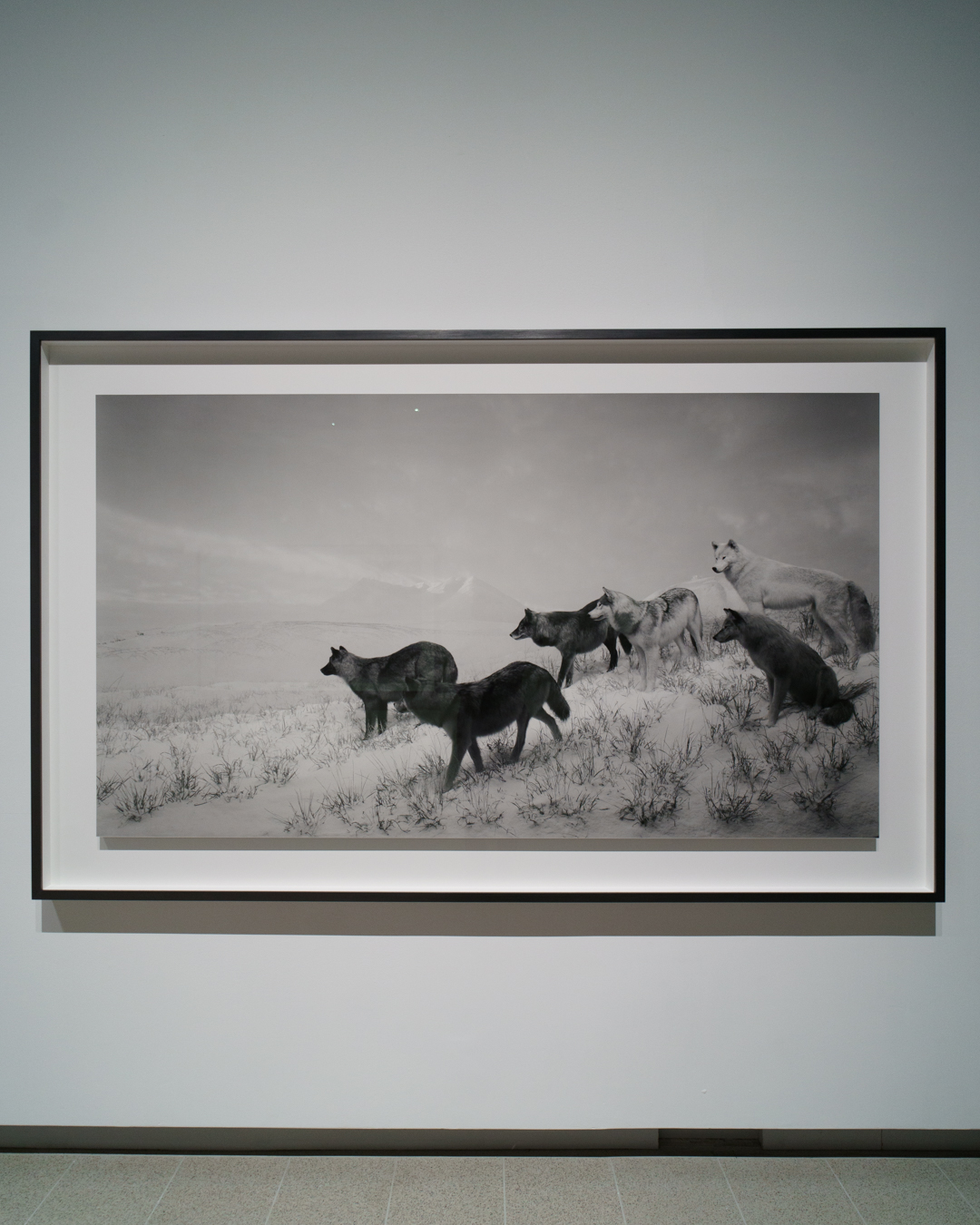
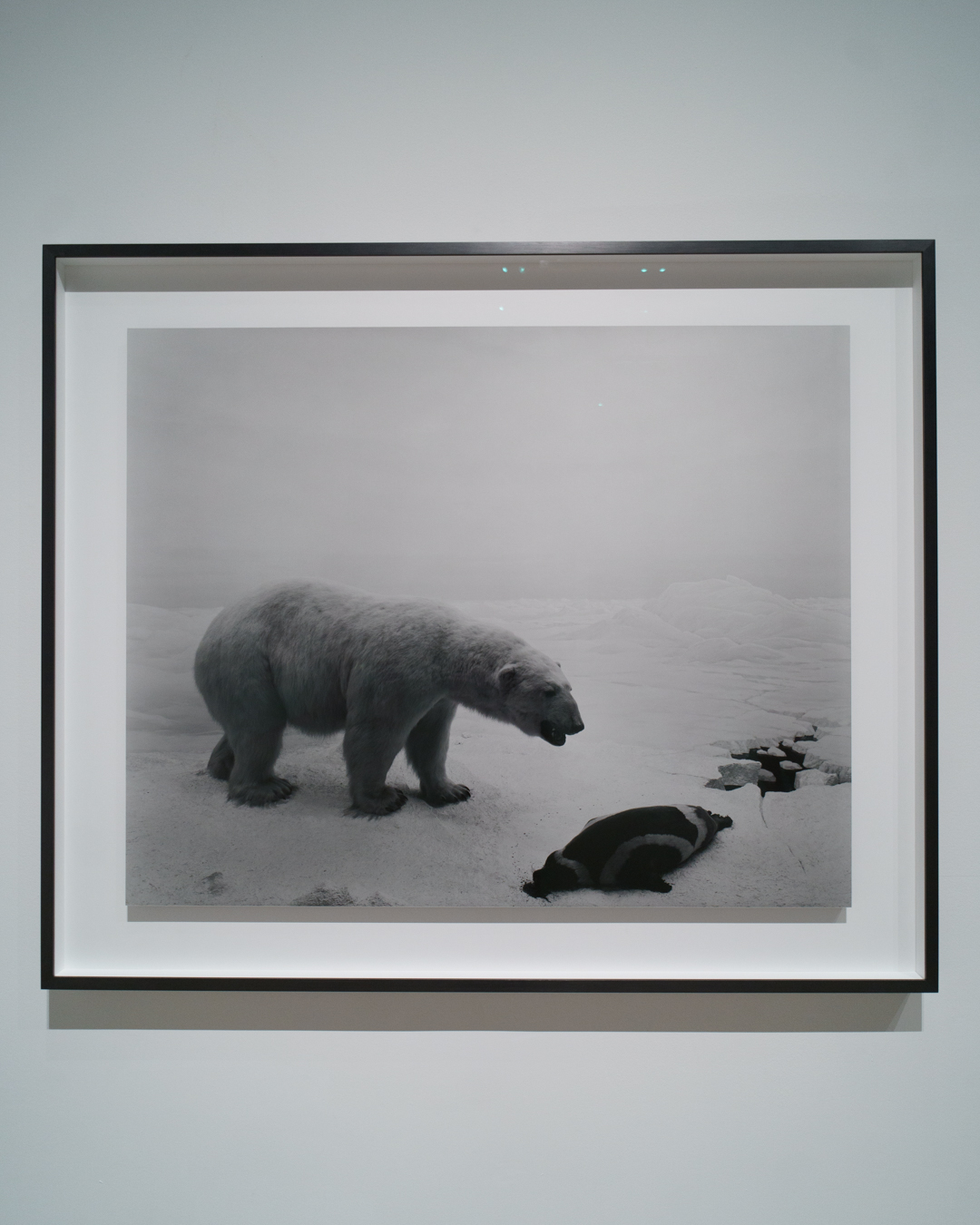
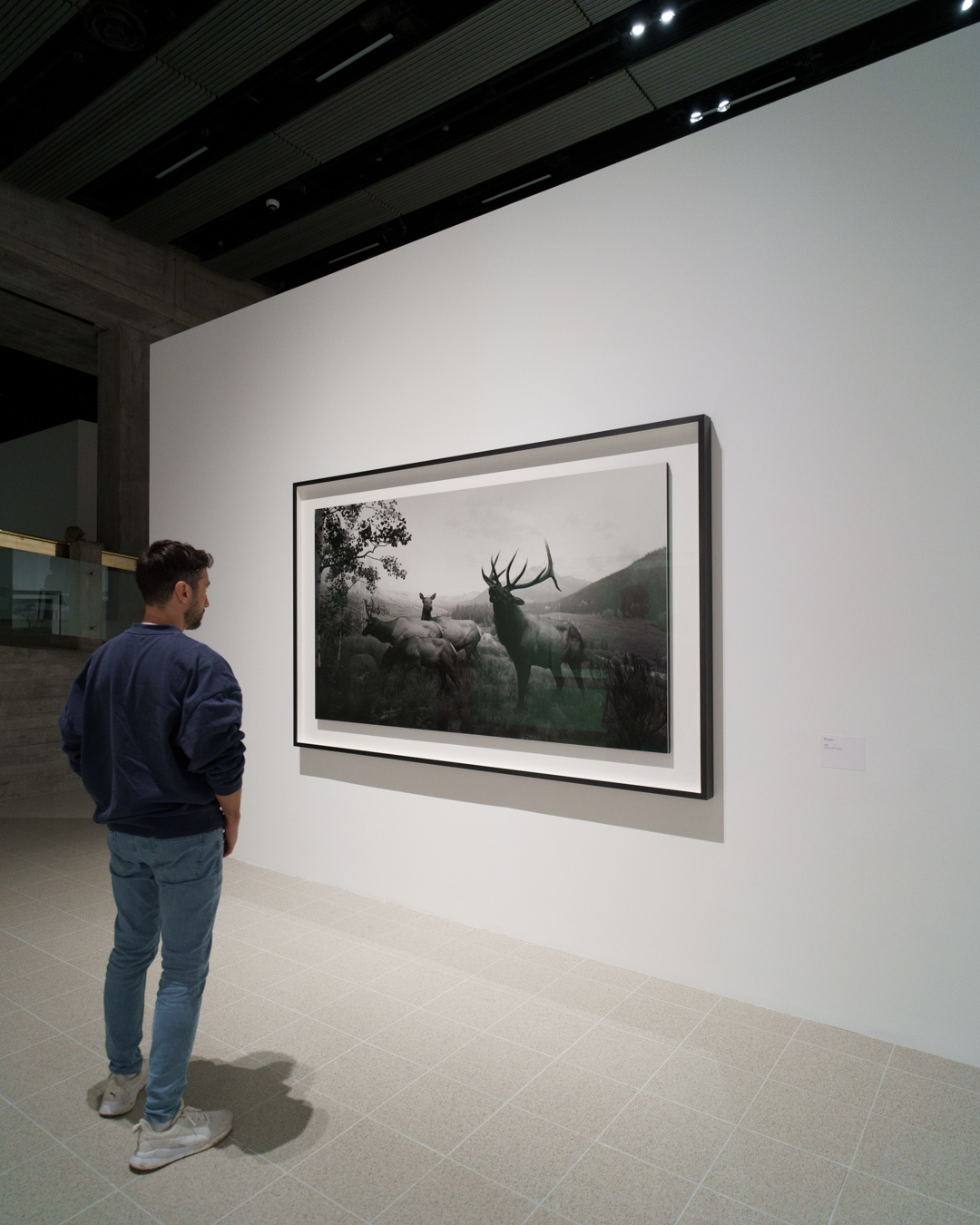
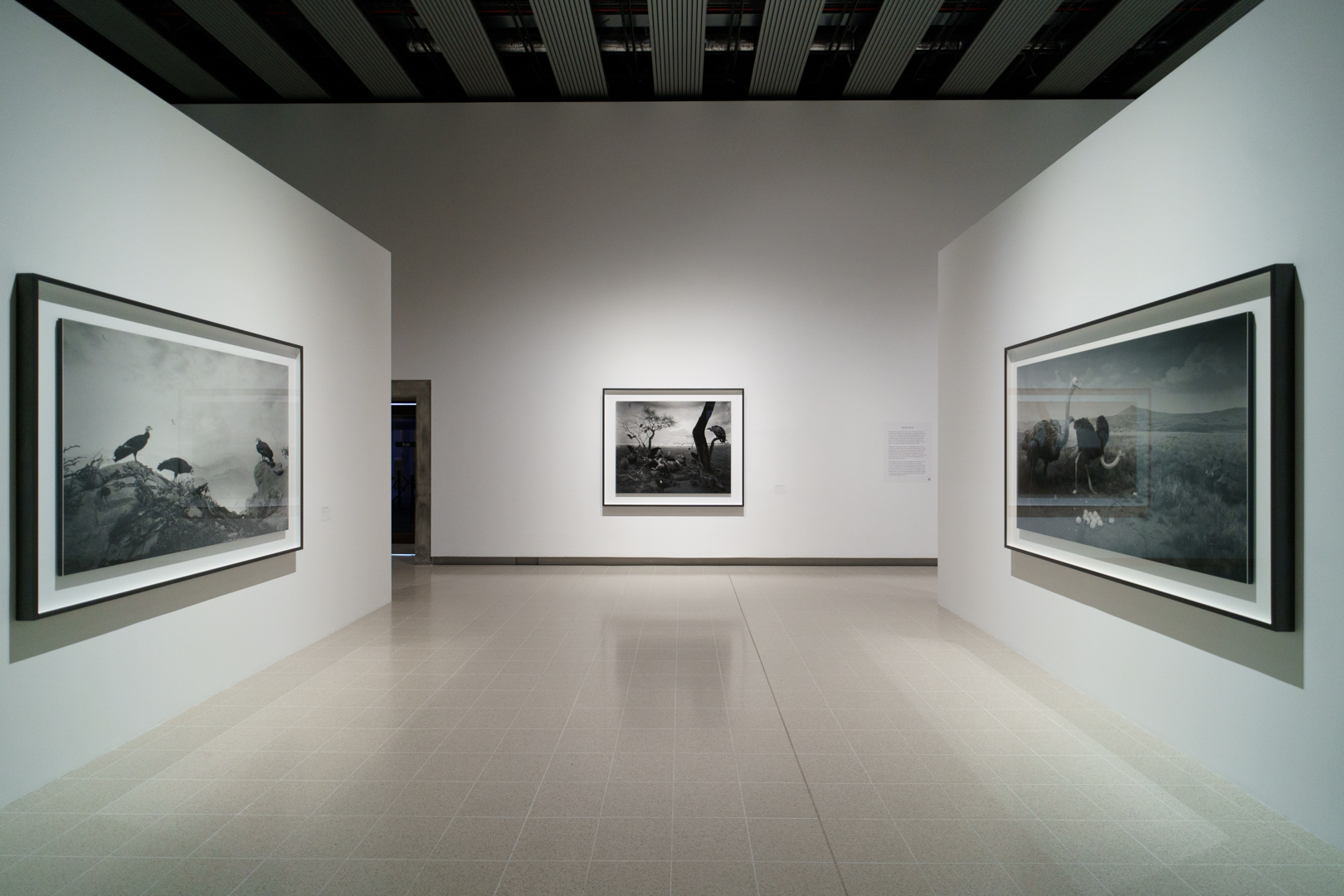
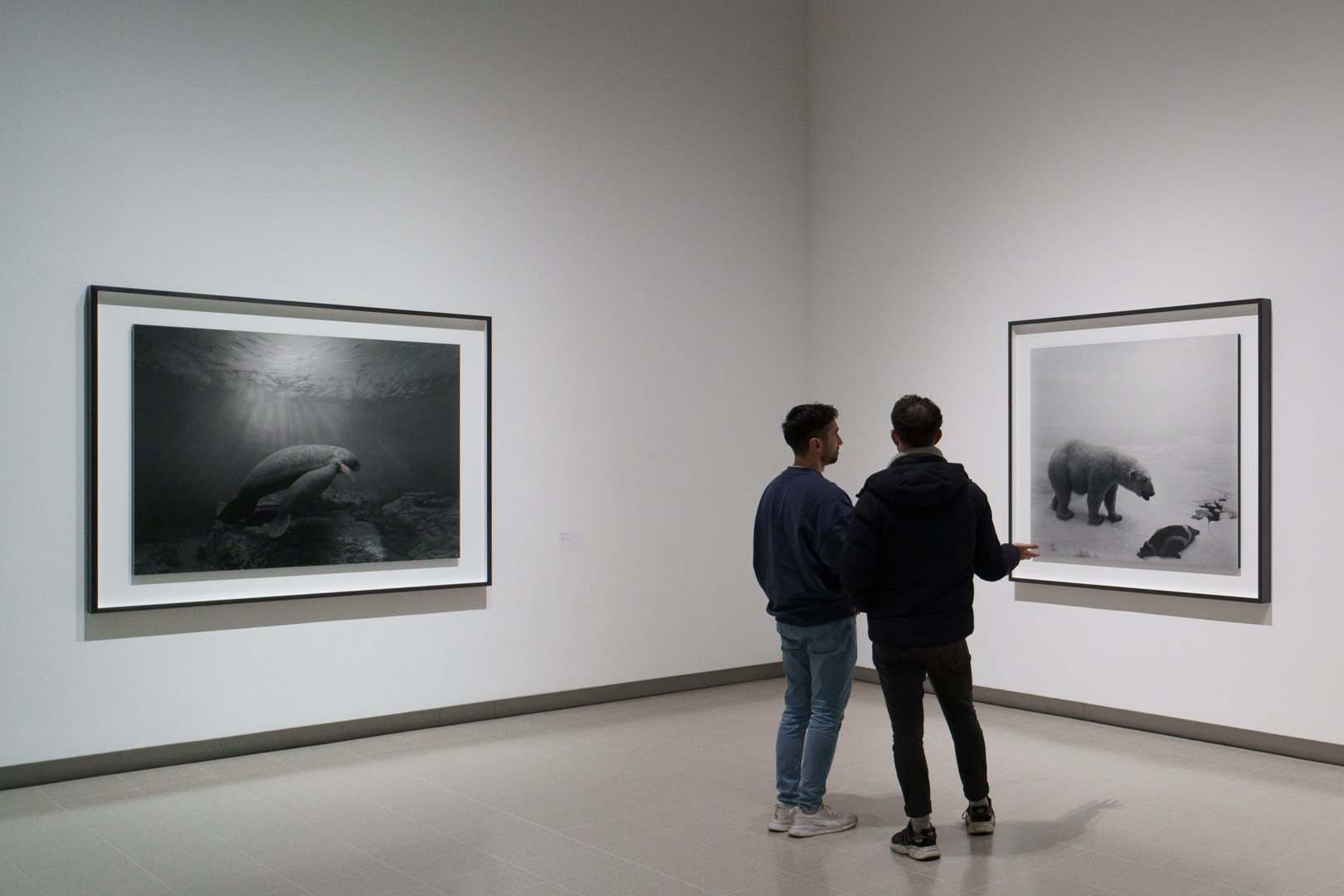
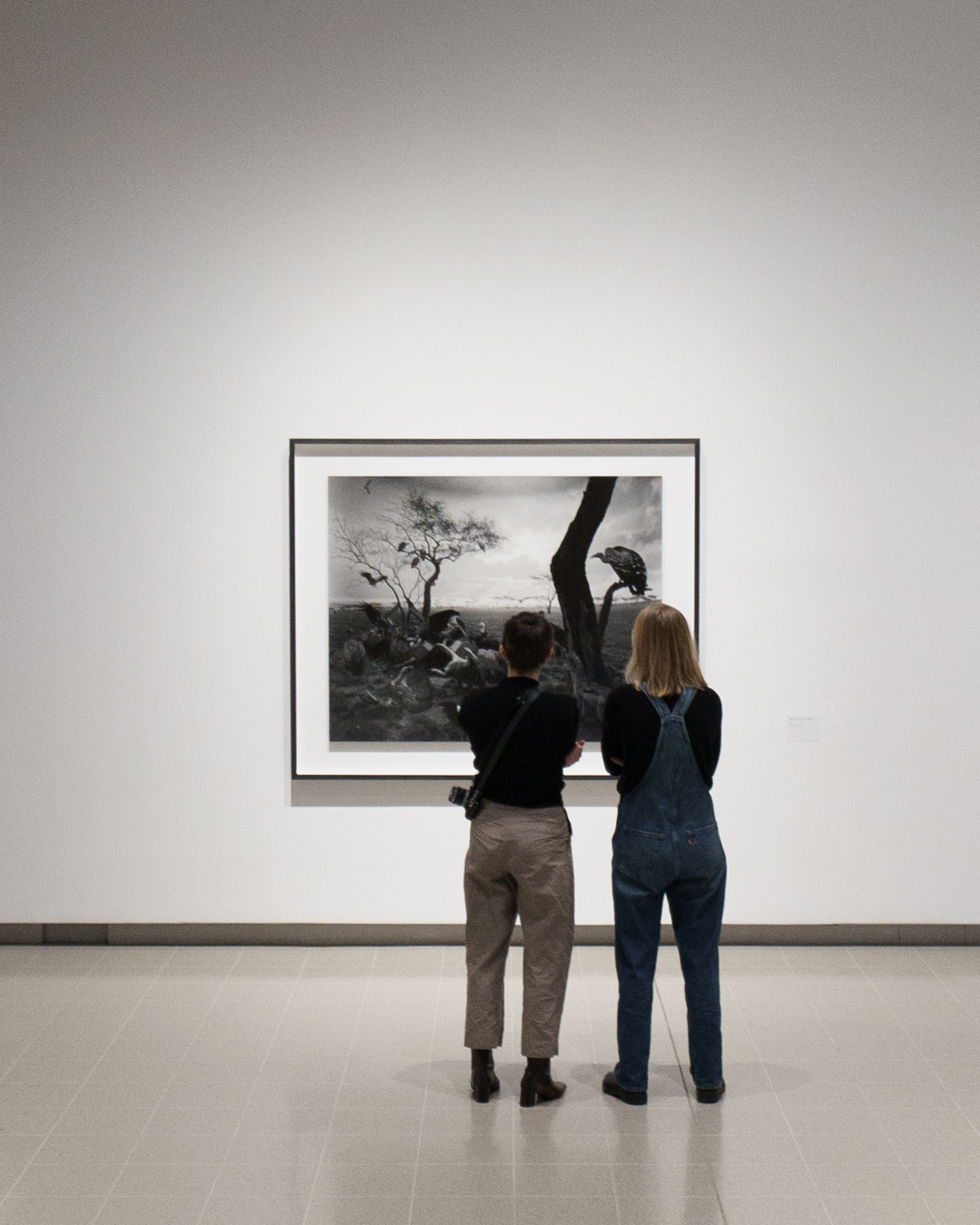

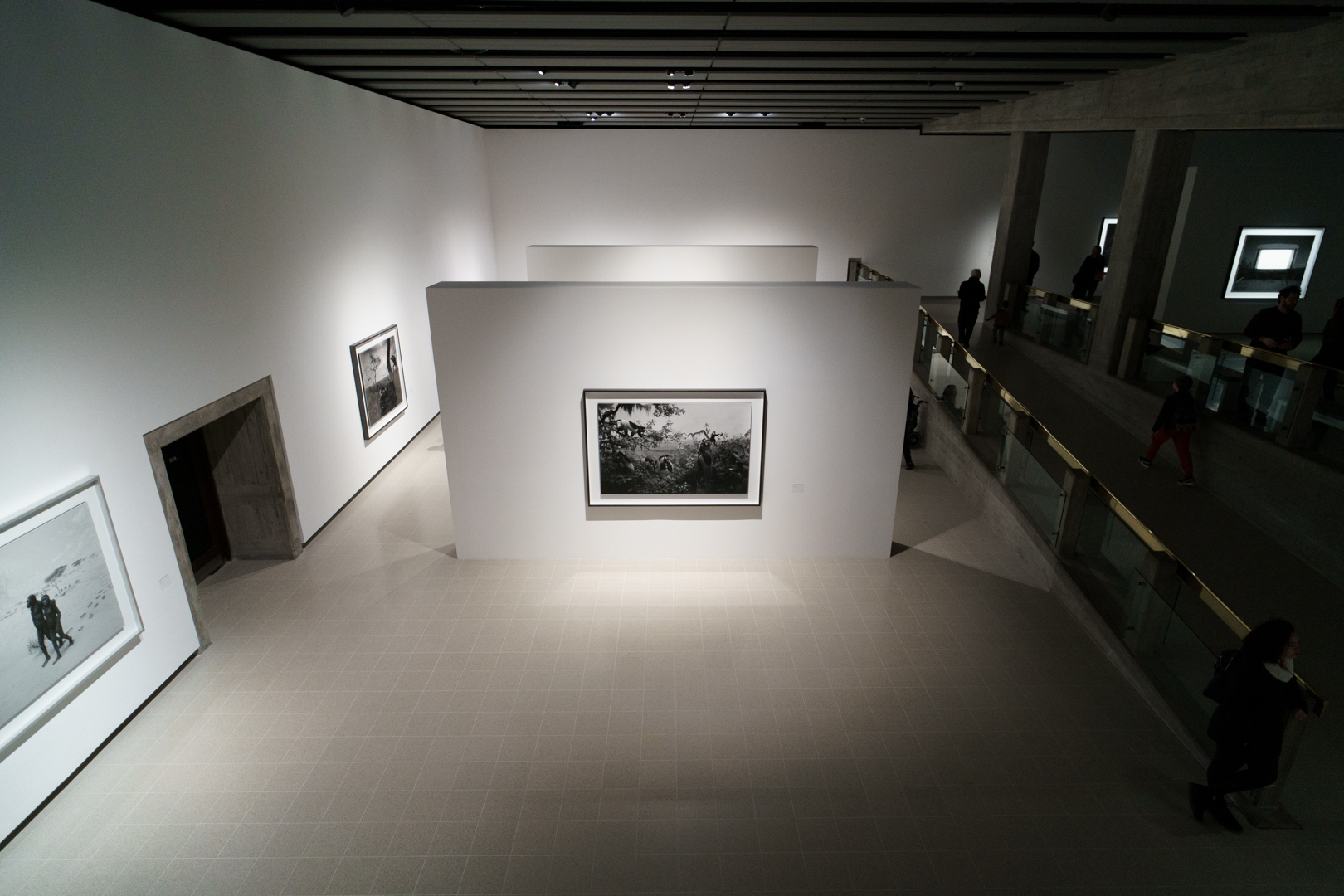
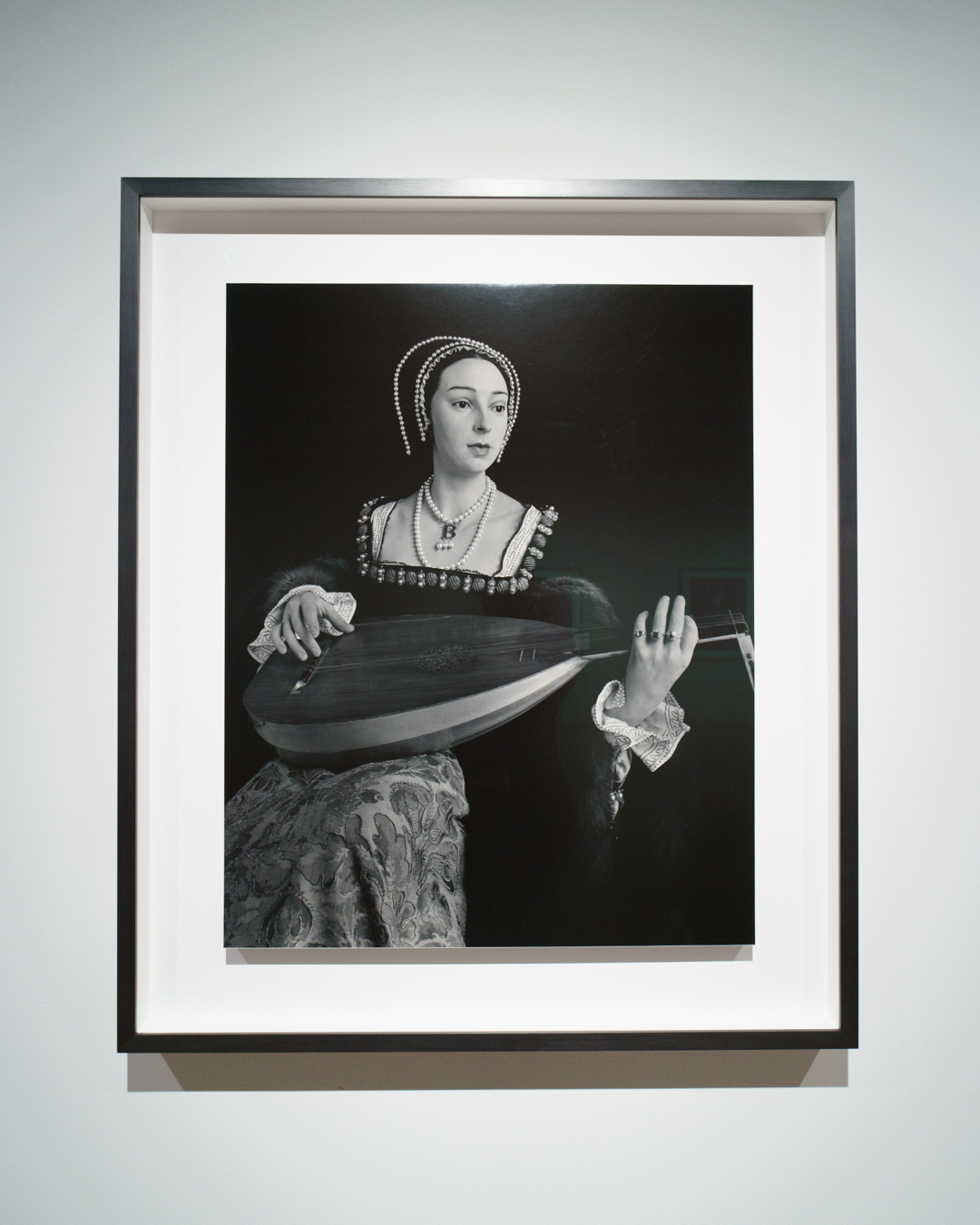
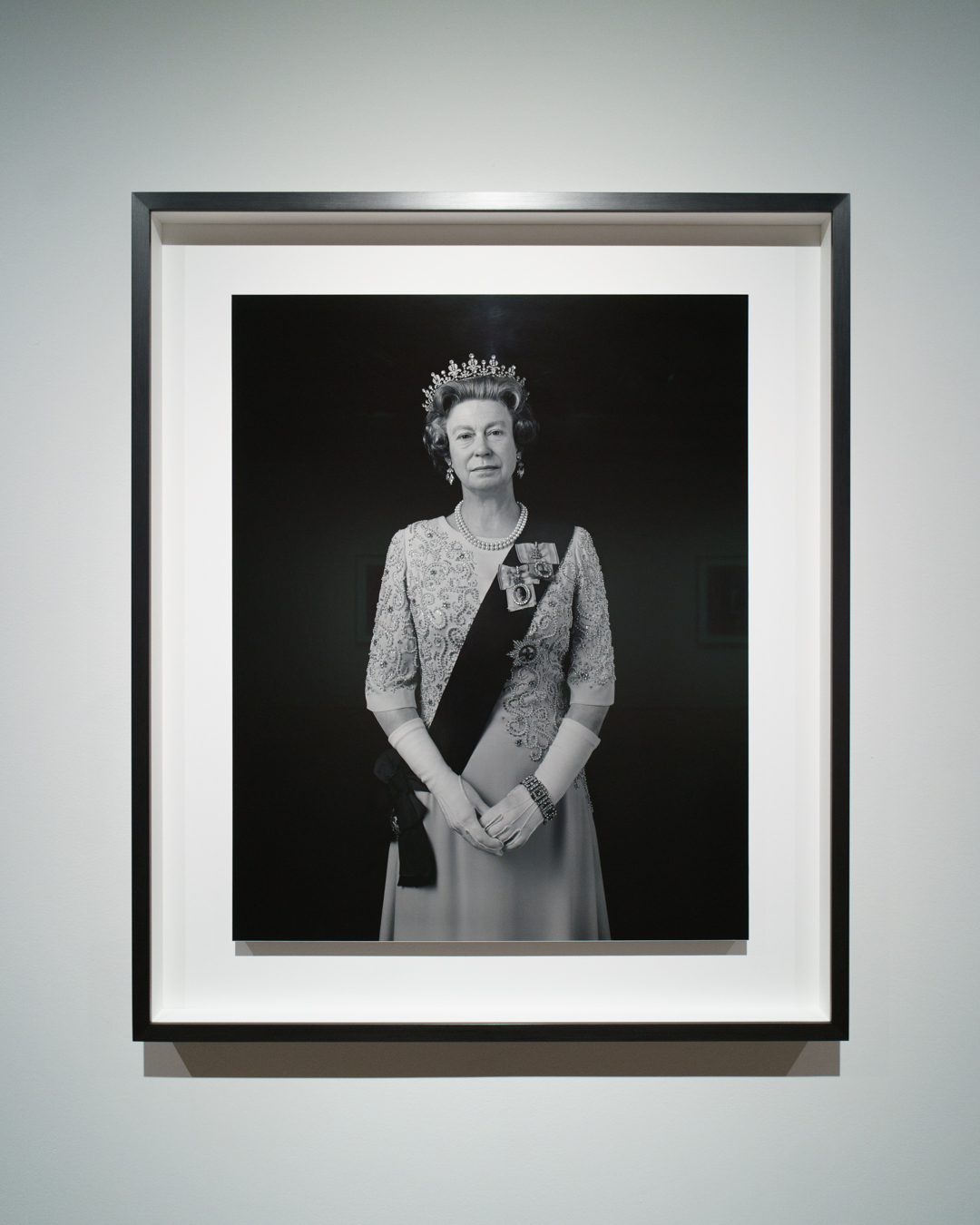
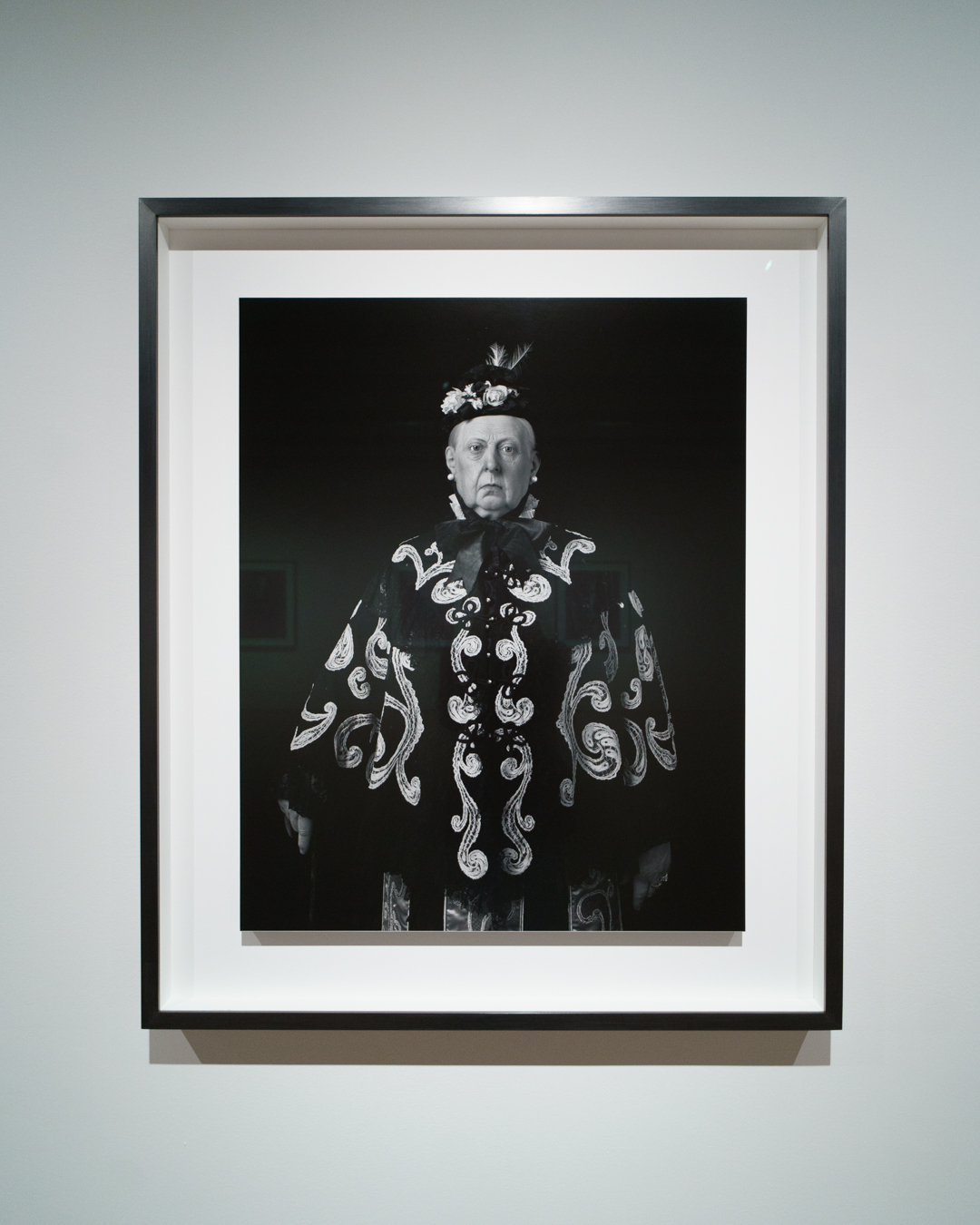
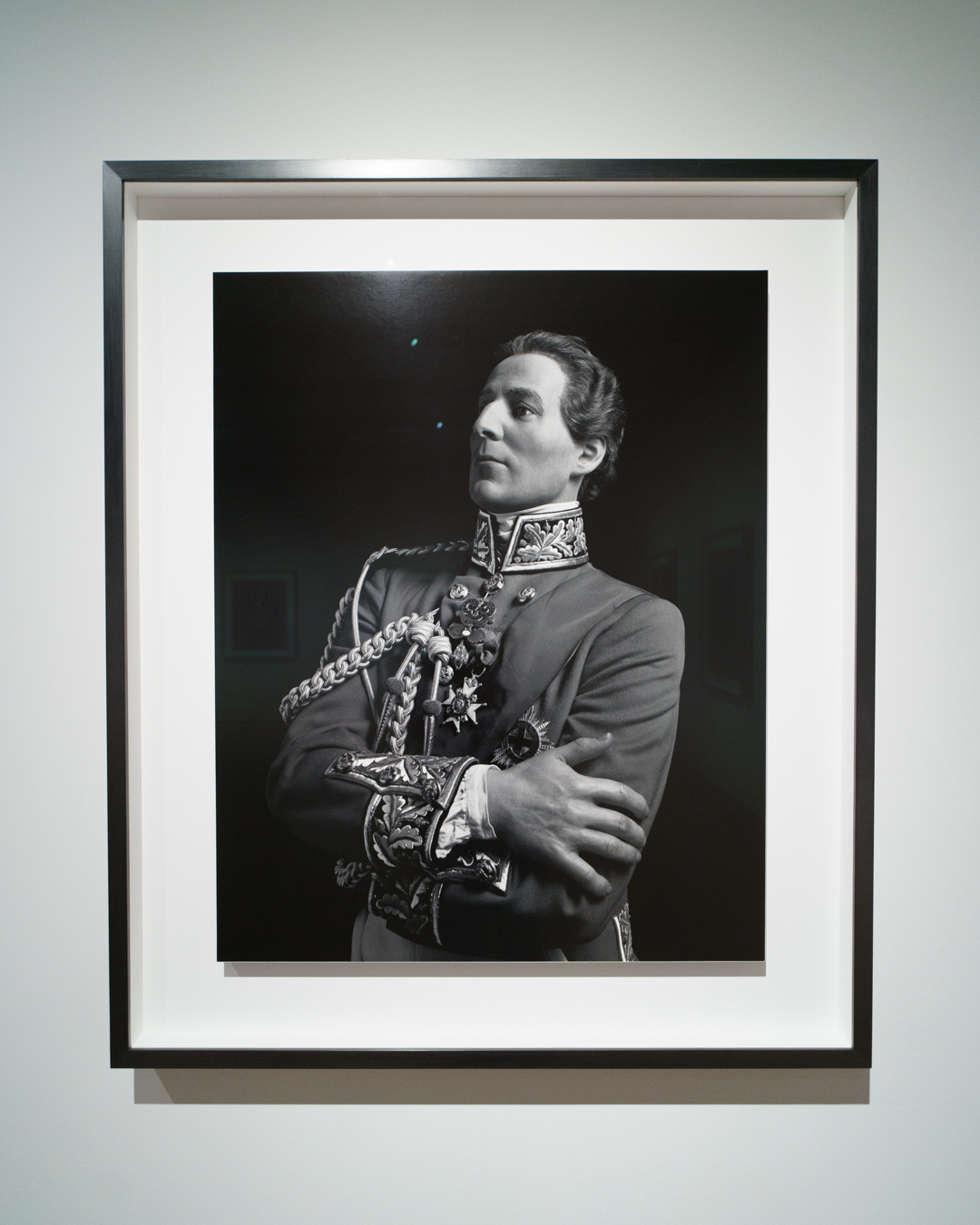
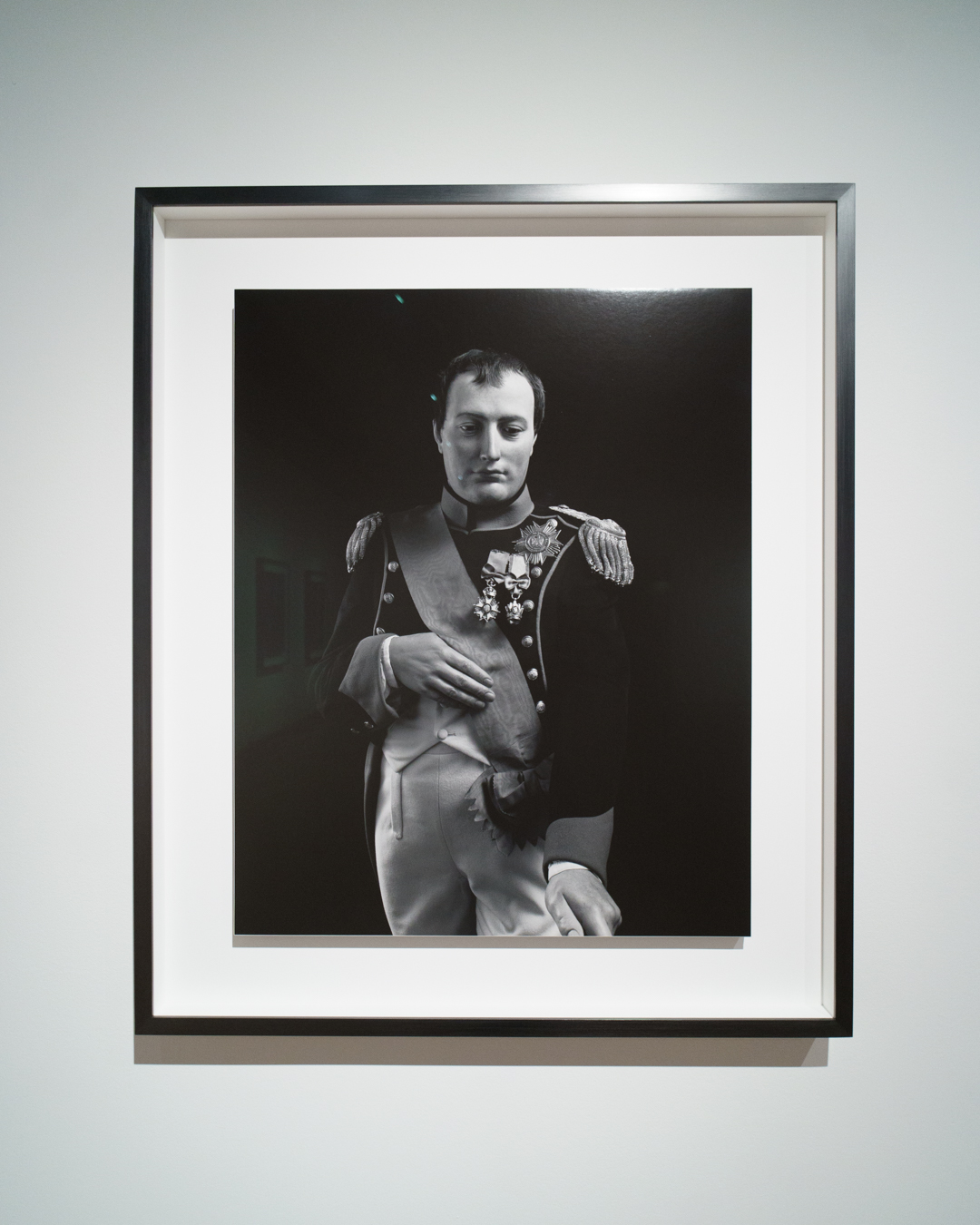
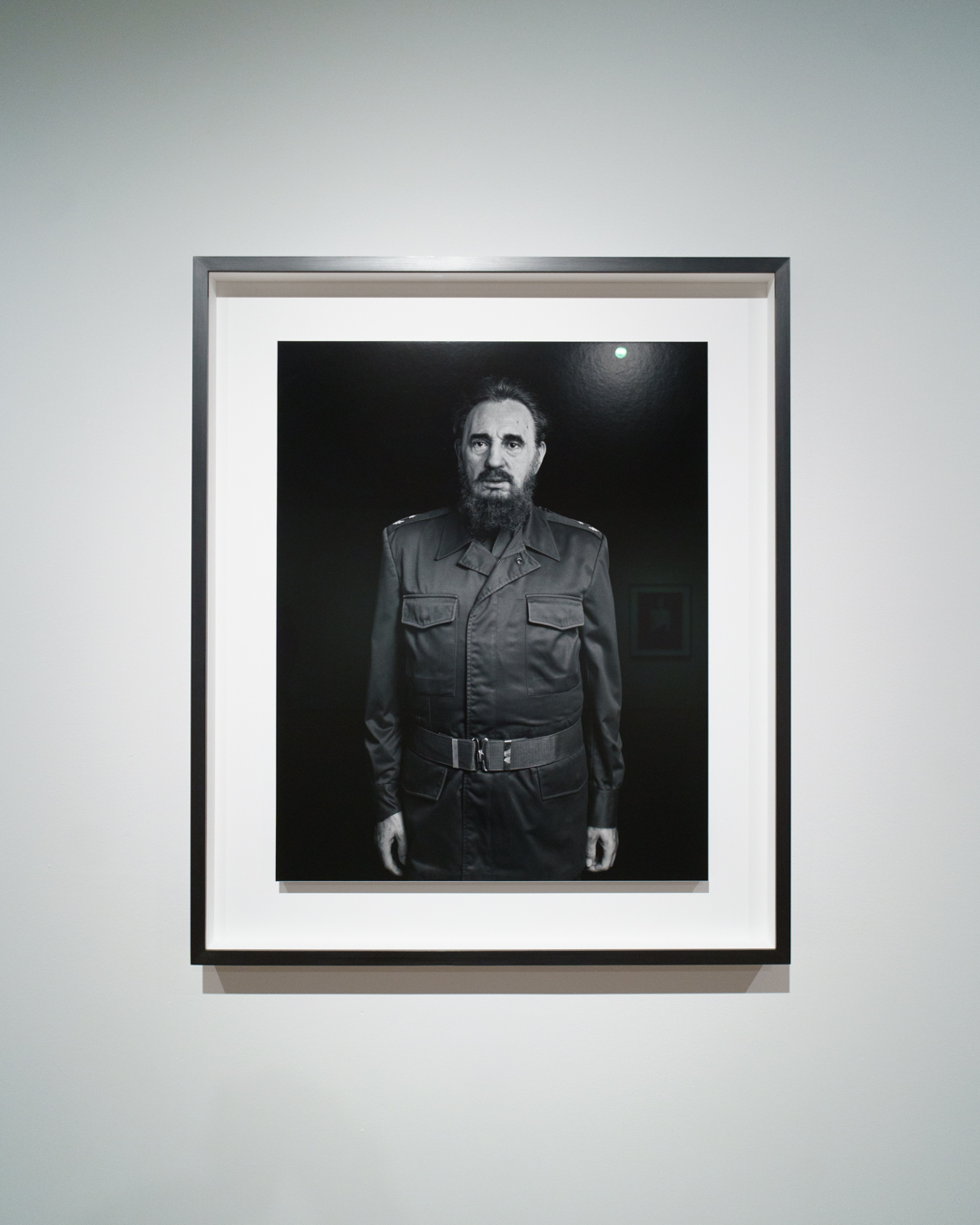
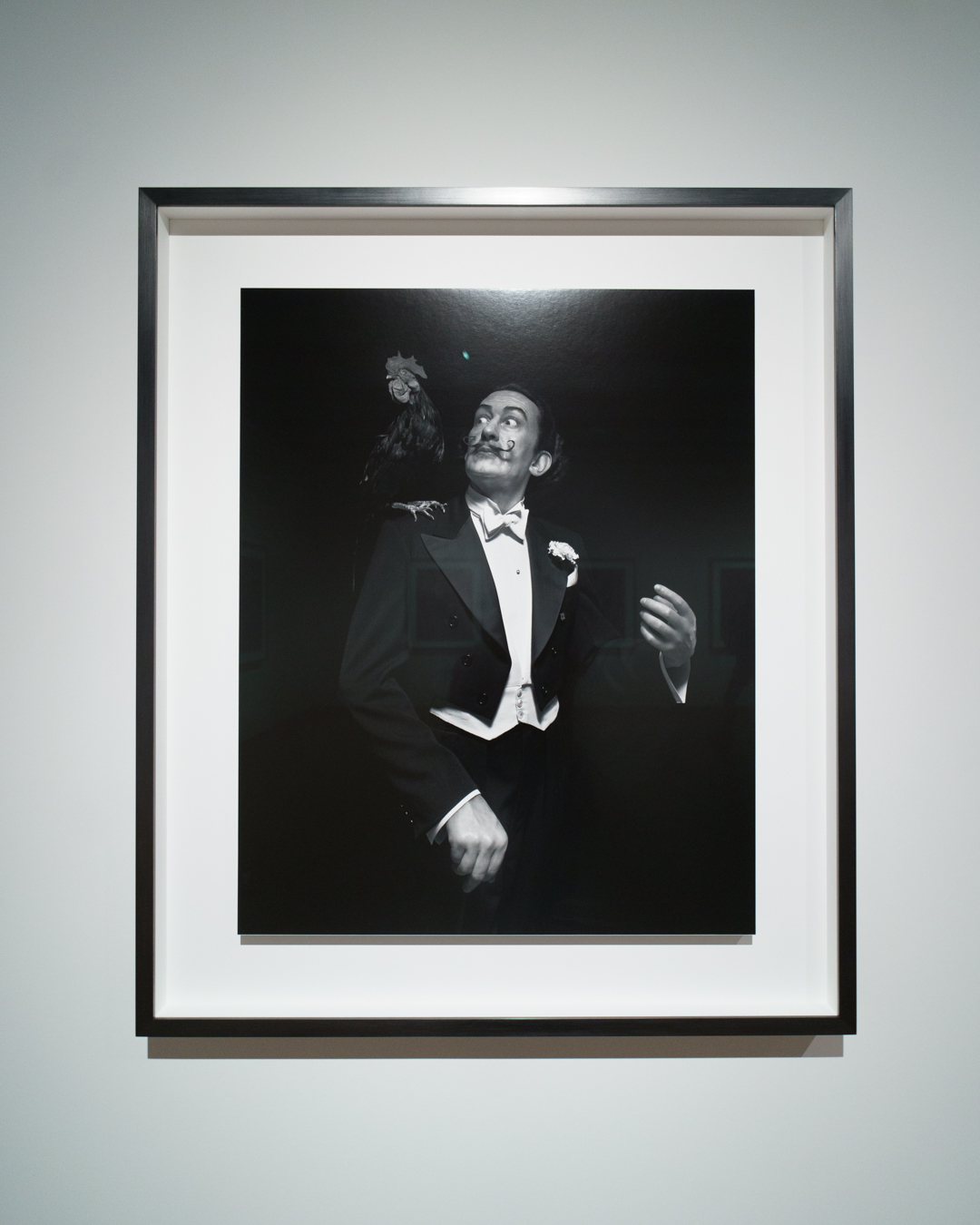
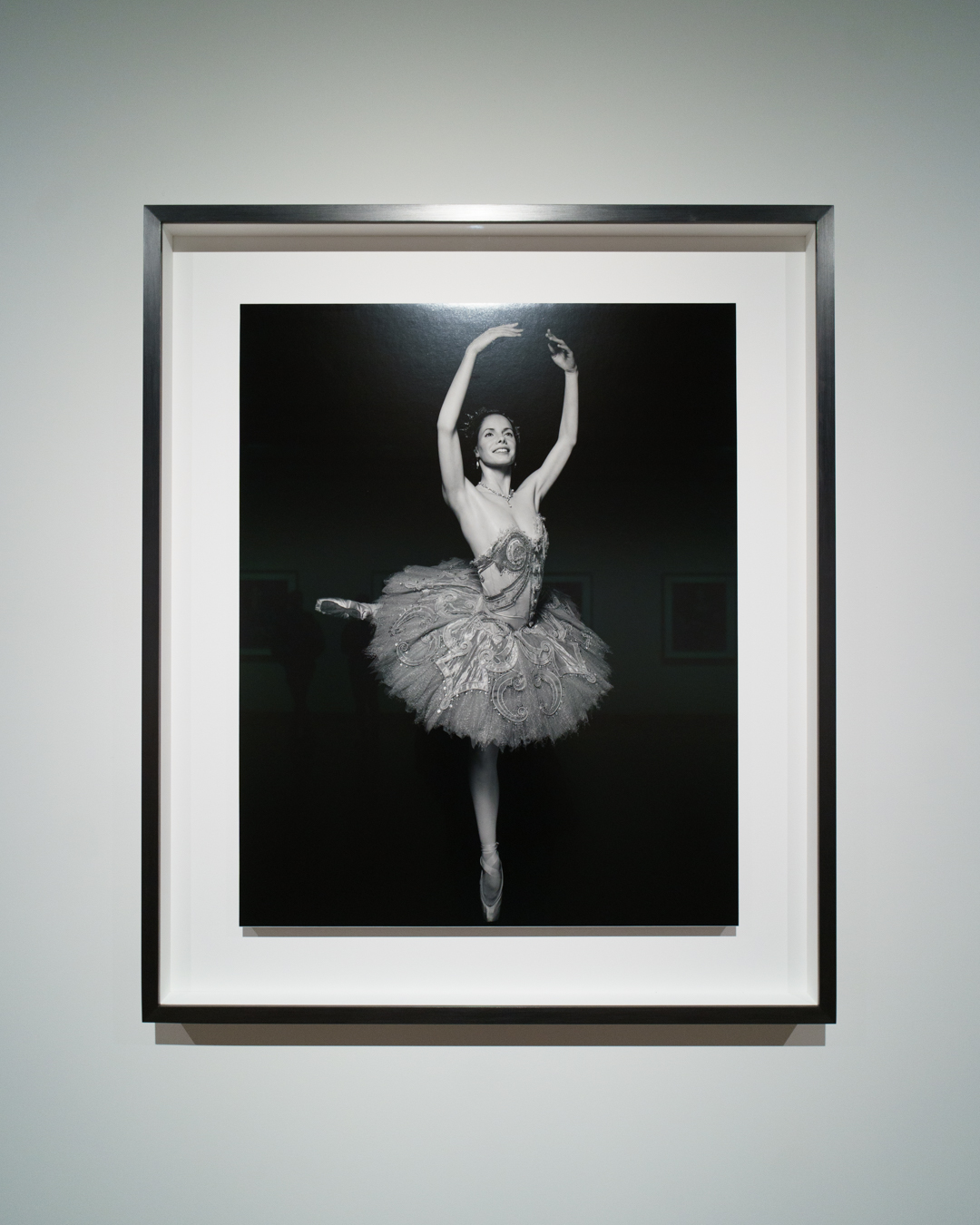
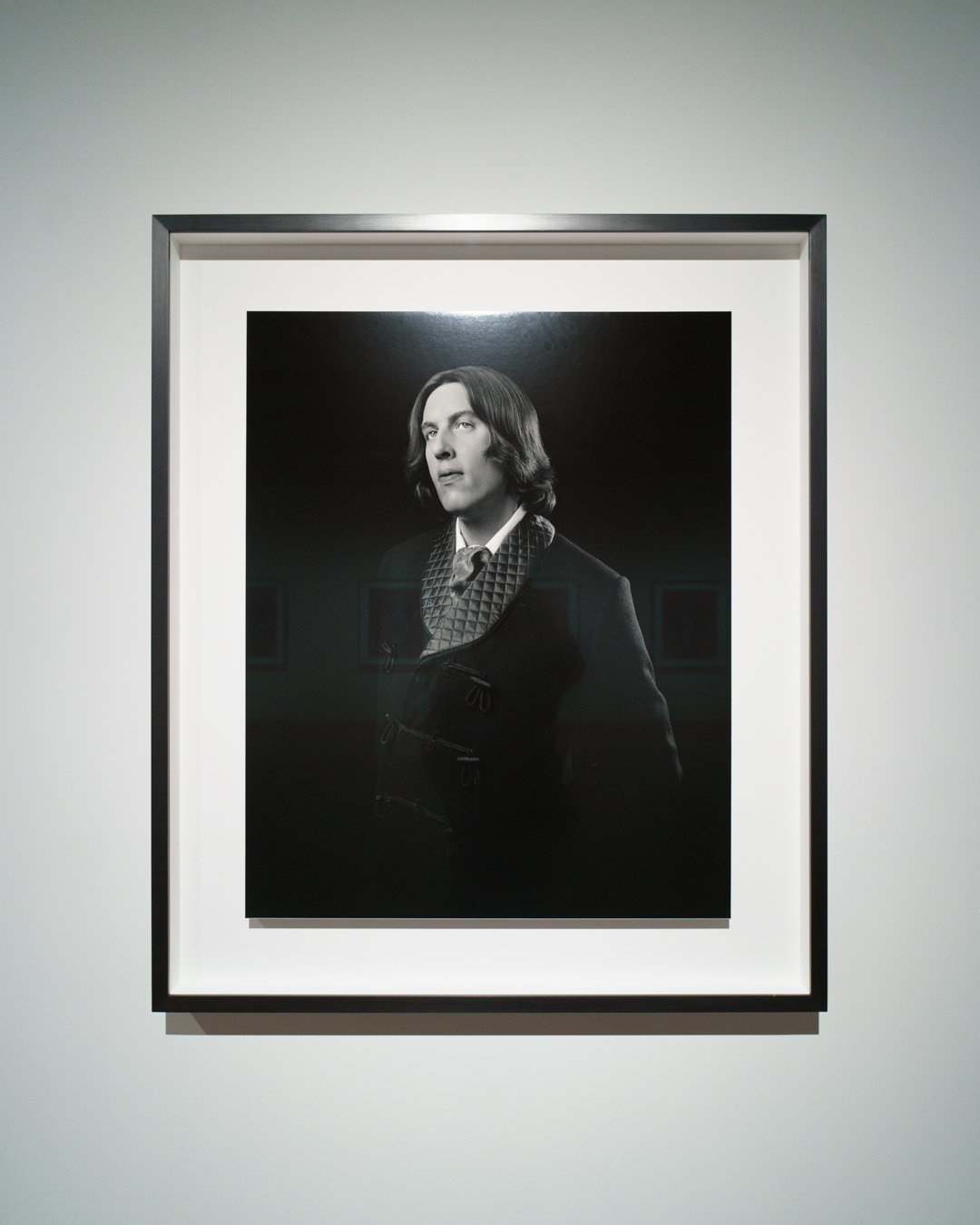
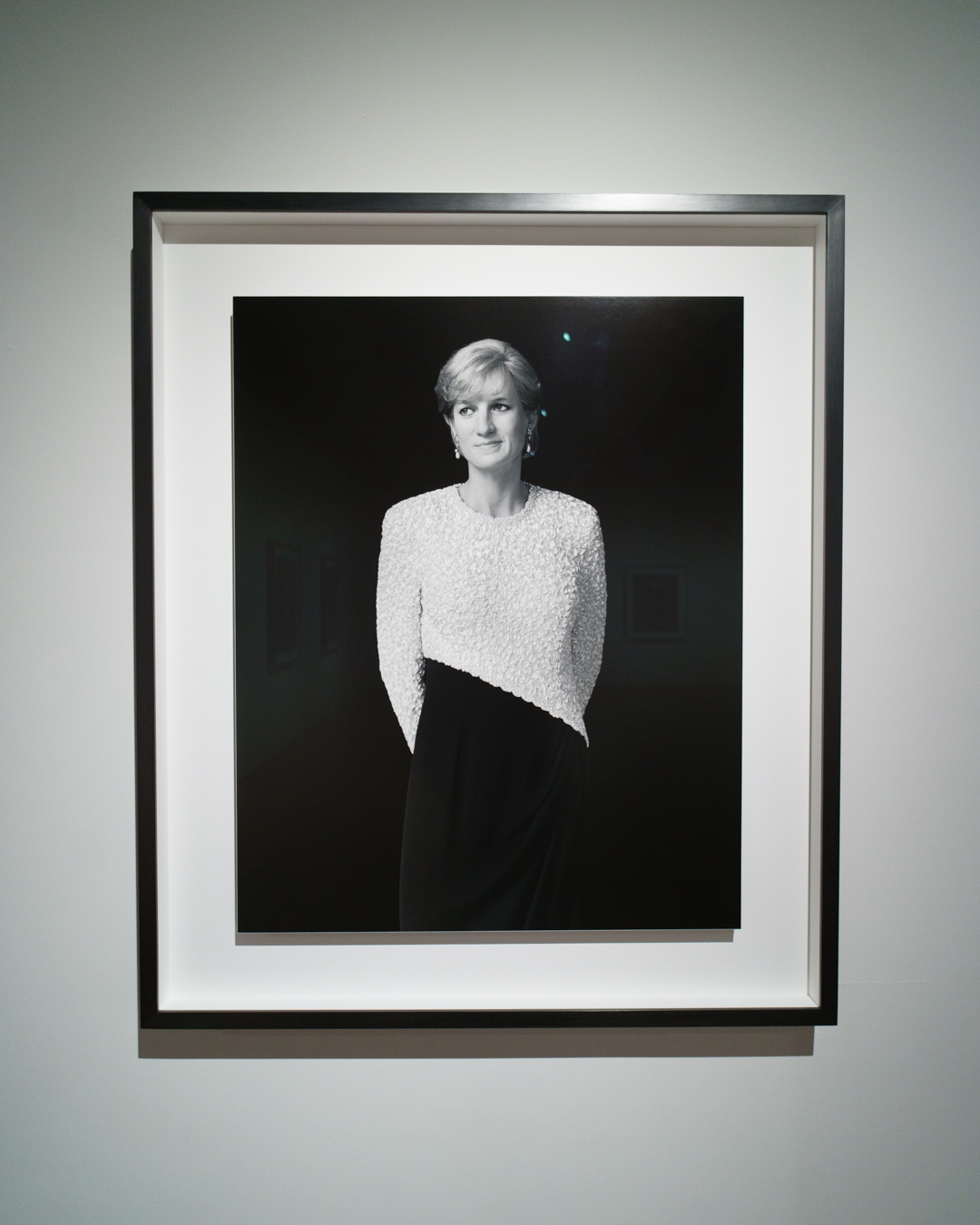
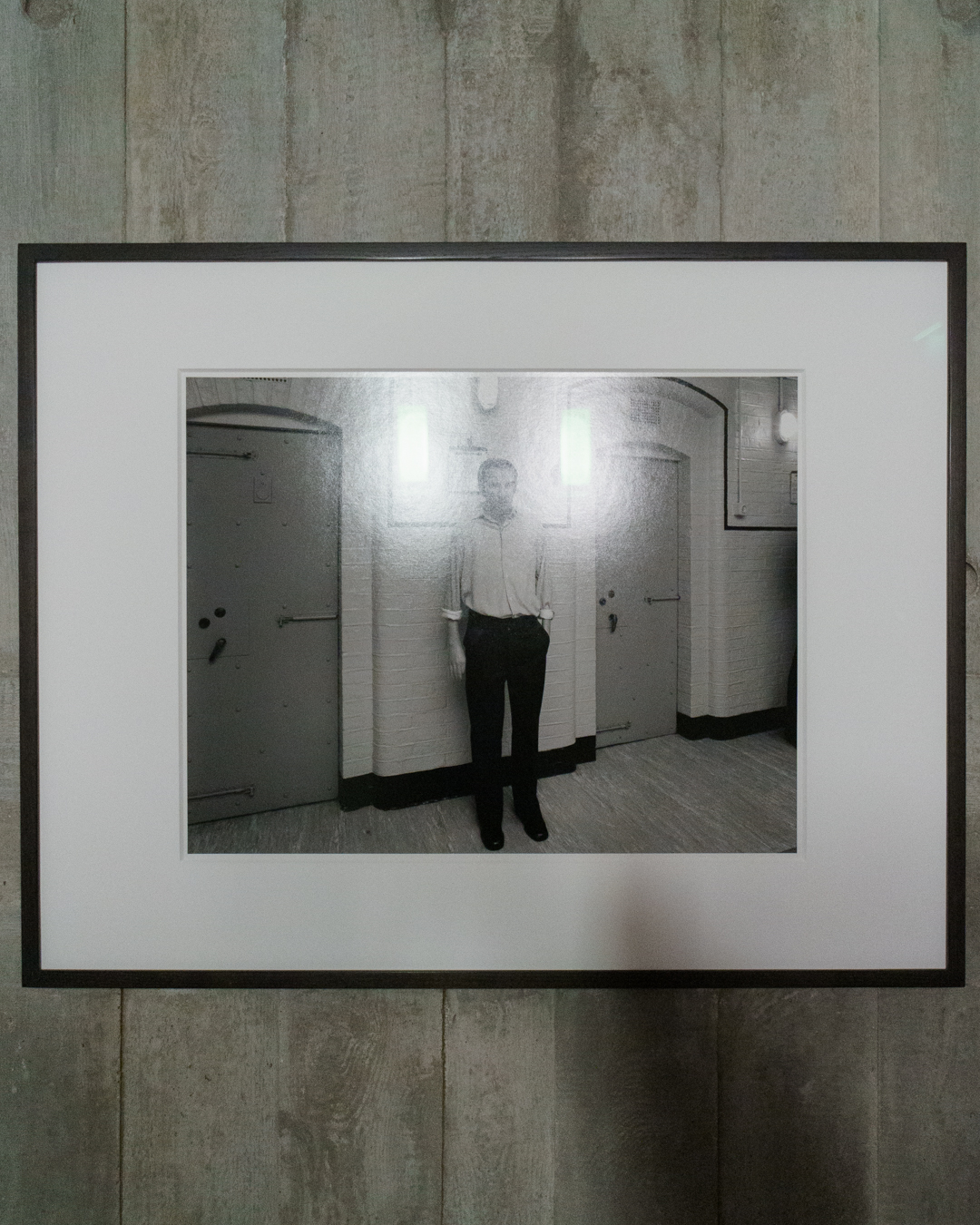
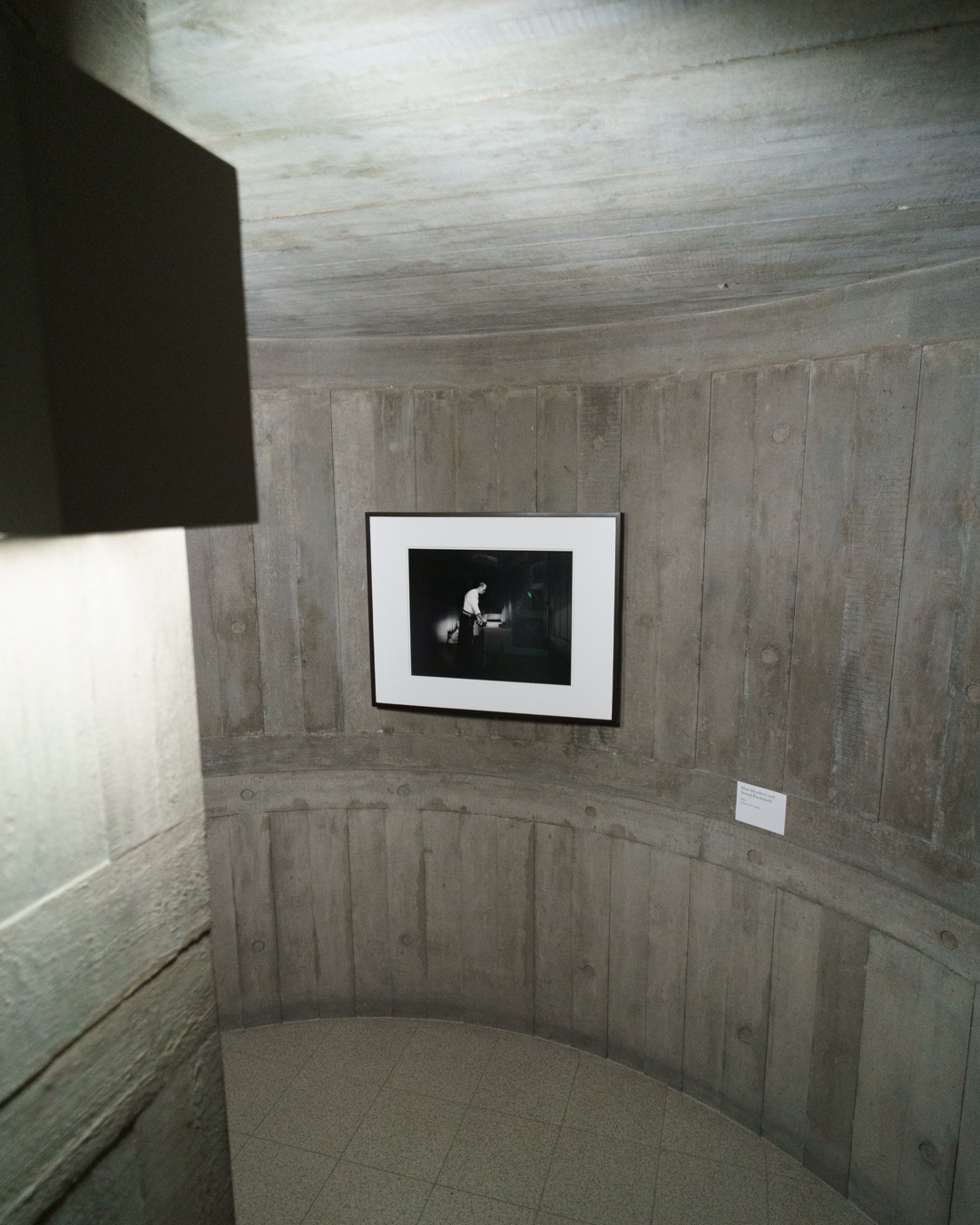
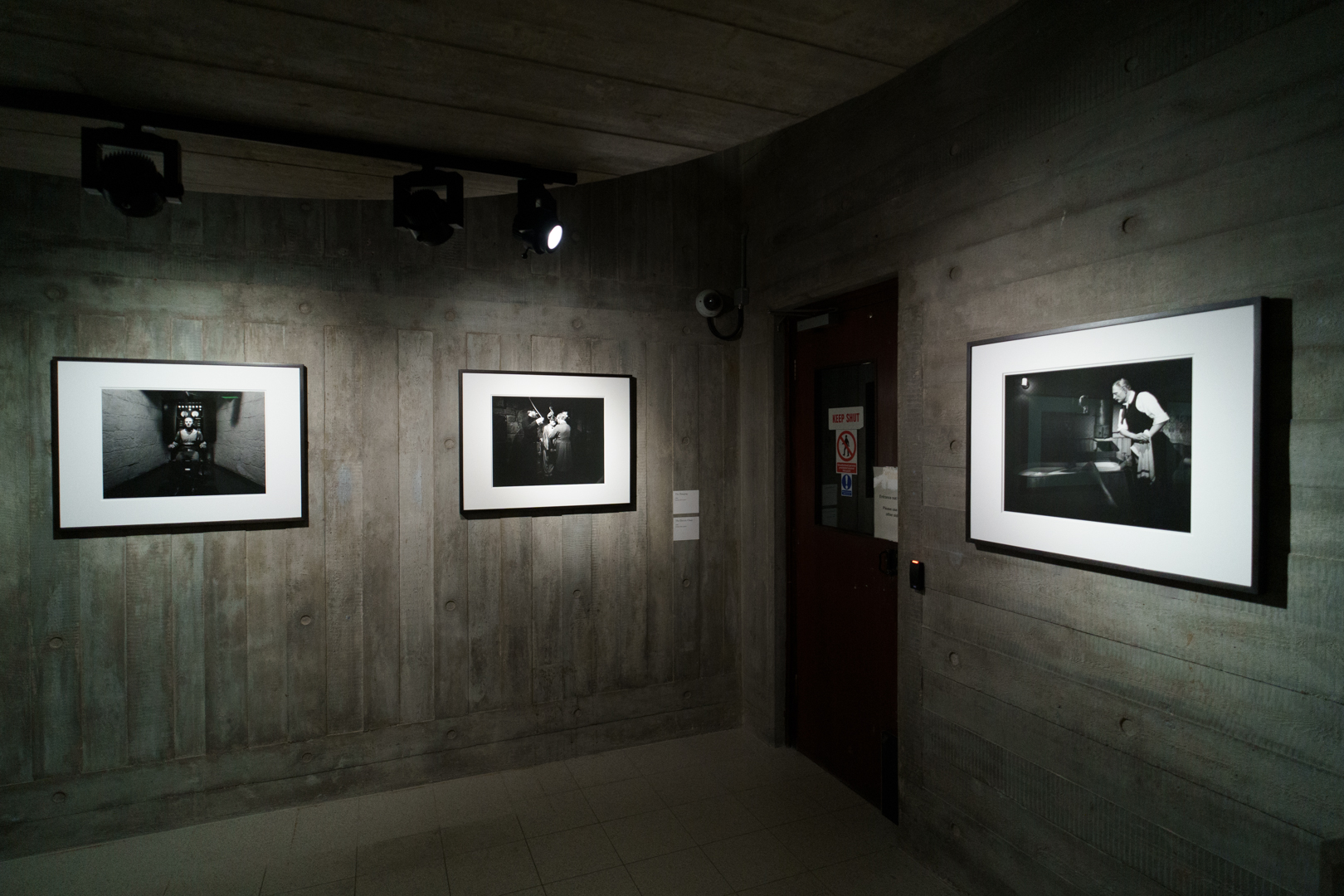
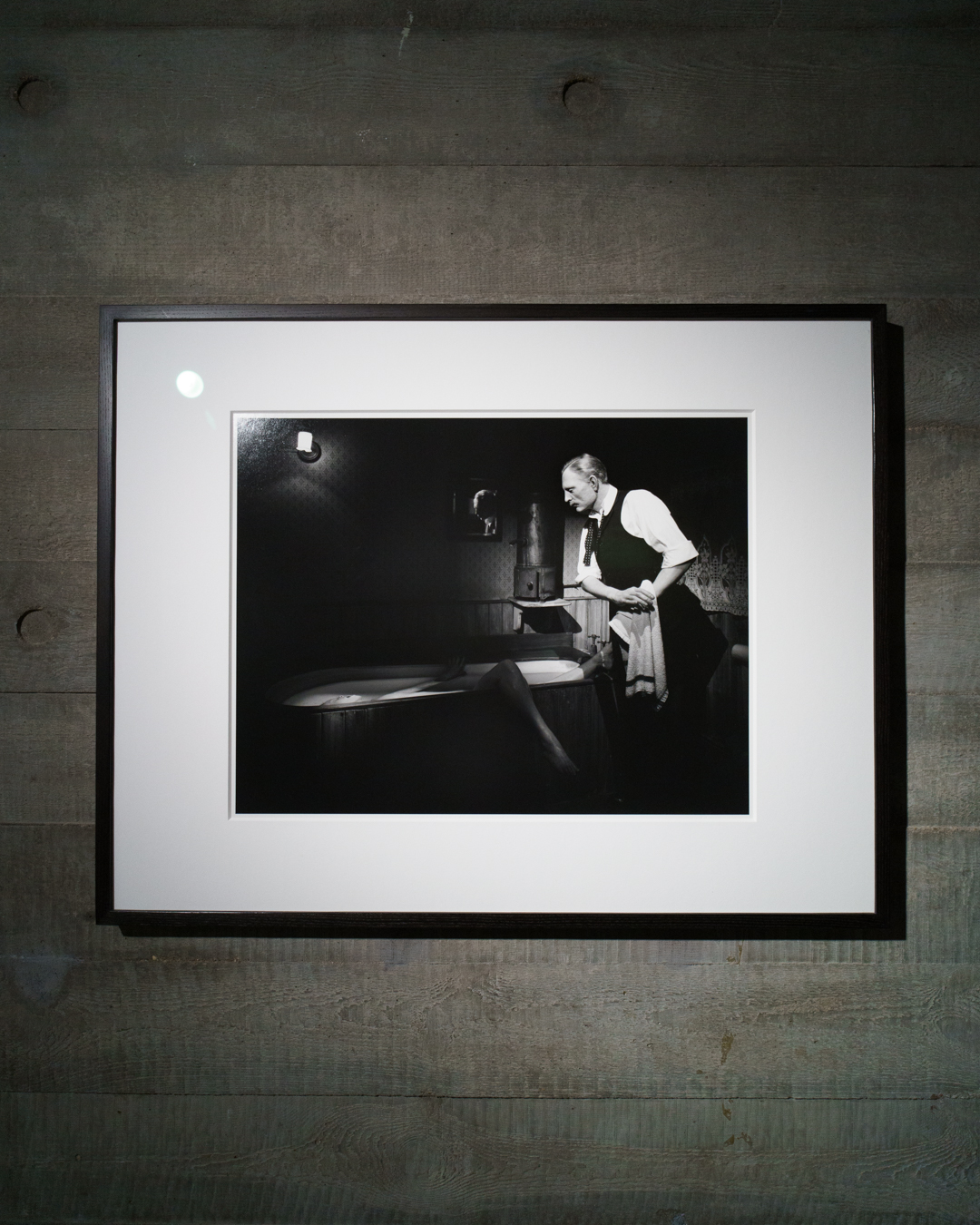
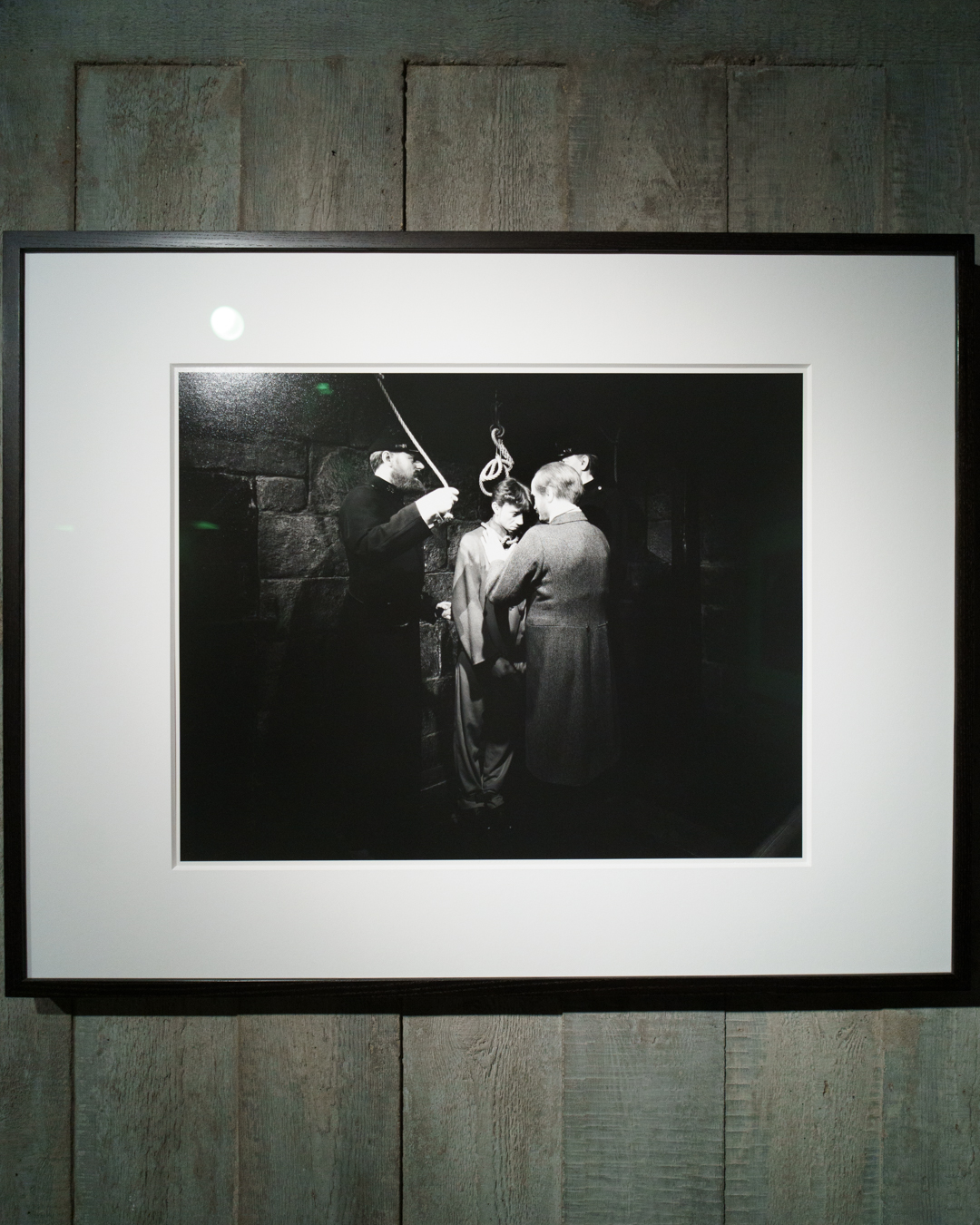
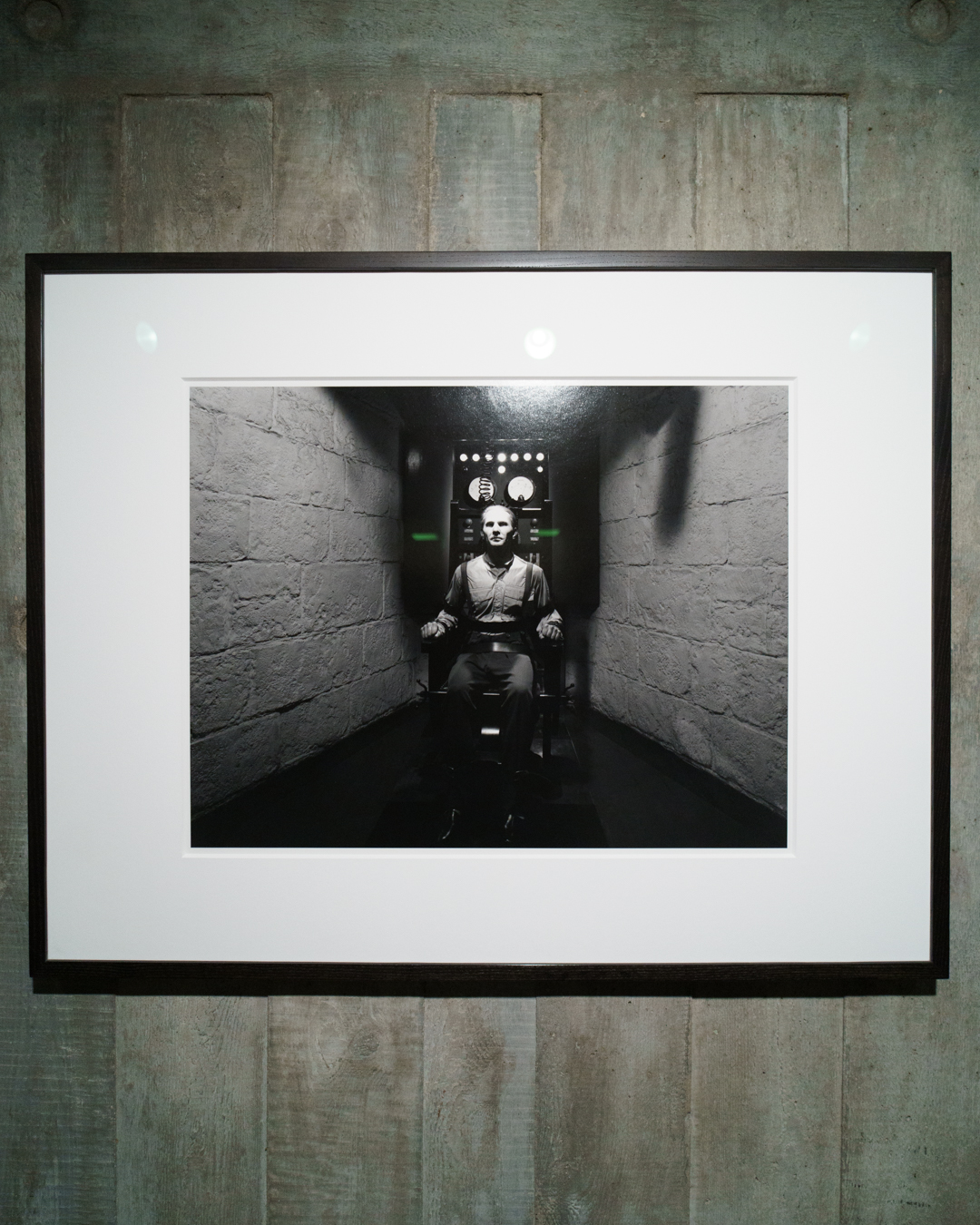
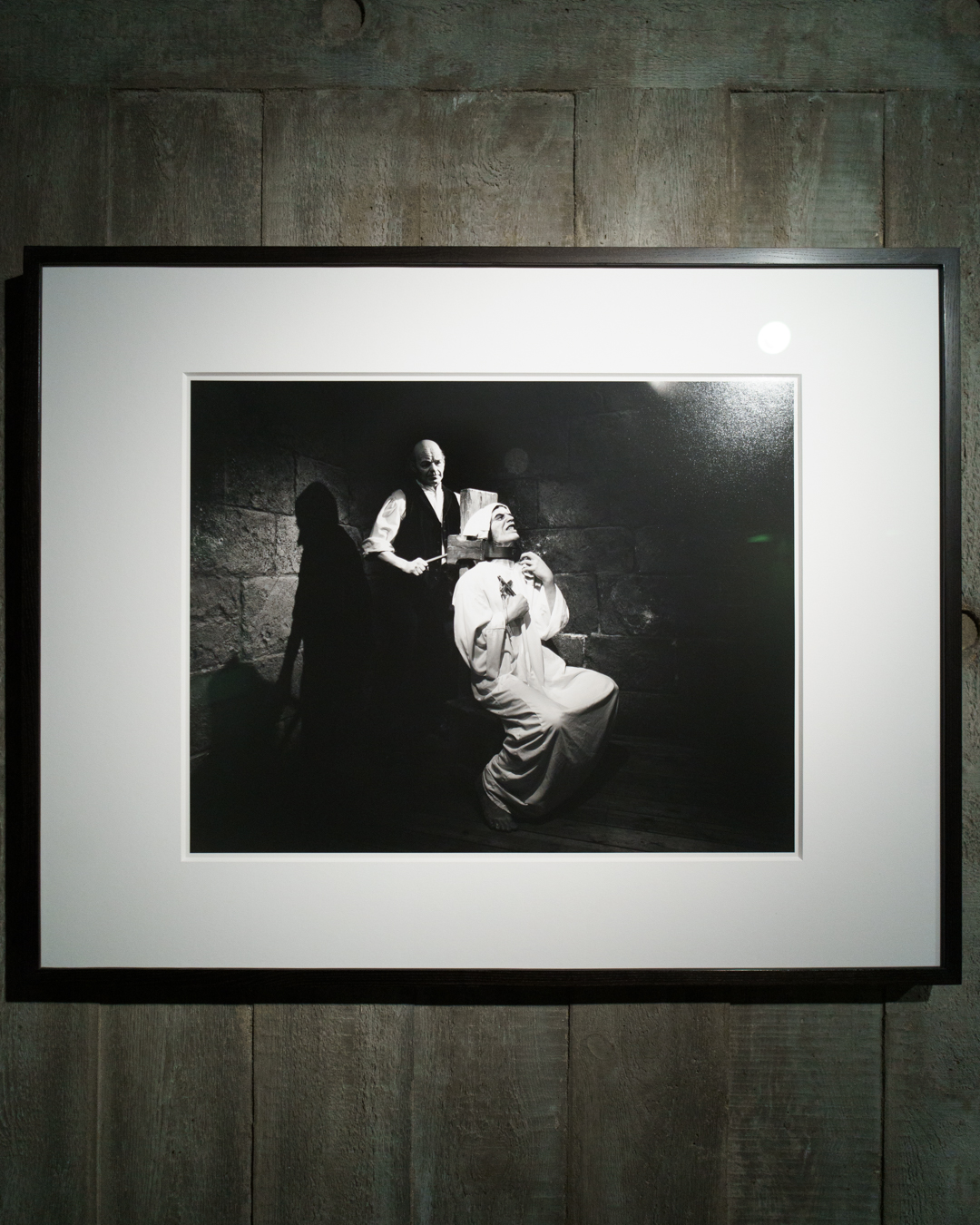
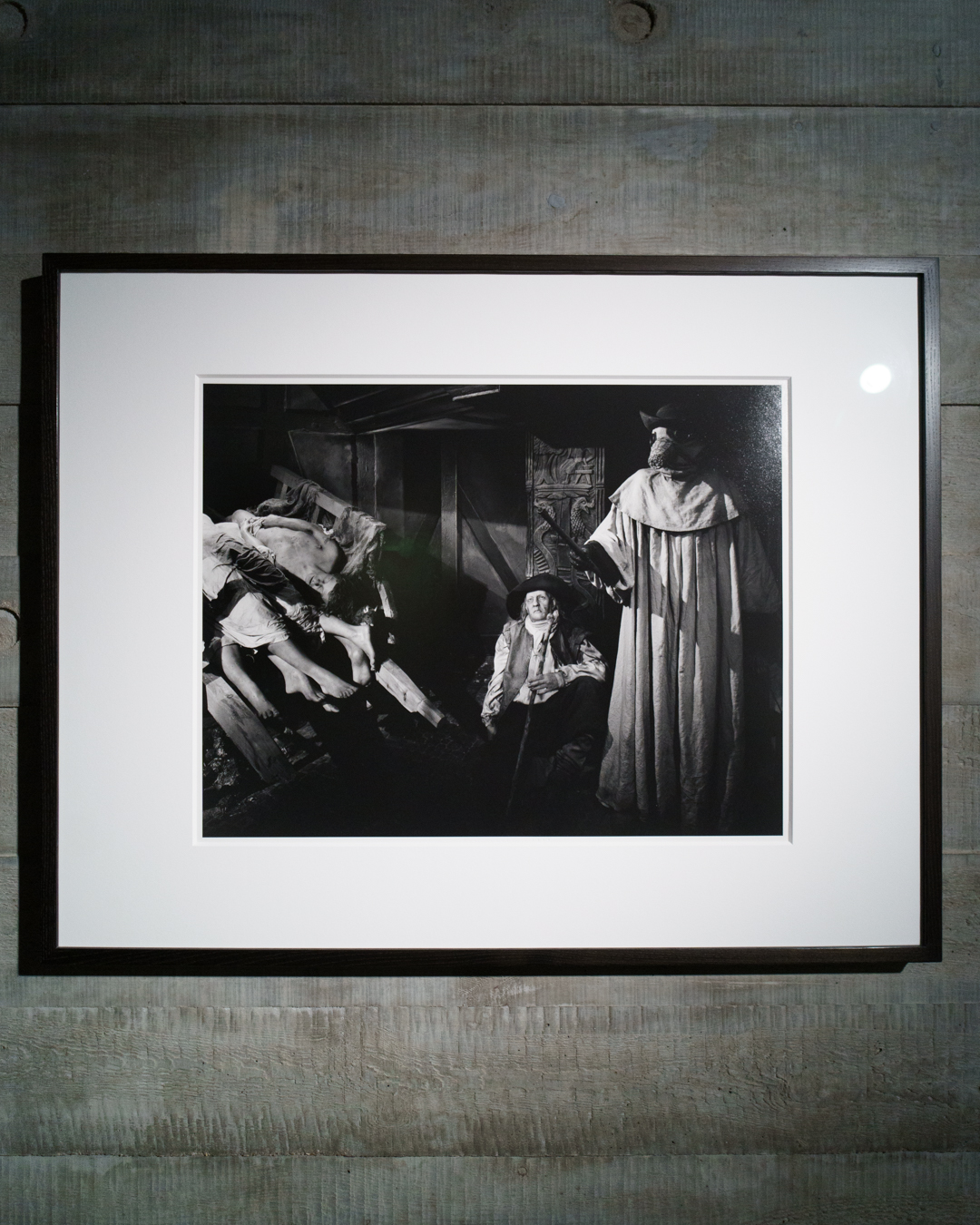
Several distinct themes emerge from this show. The first is his ability to give life to inanimate creatures and personages. His Dioramas series bears witness to the convincing setpieces used to frame lively taxidermy in American natural history collections. As Sugimoto’s photographs are presented in black and white, the absence of colour tricks our eyes into believing these could be real scenarios captured in the wild. Similarly, his portraits of Madame Tussaud’s waxworks from Napoleon Bonaparte to Salvador Dalí have an unsettling warmth to their presence; their plain, black backgrounds almost seem to project their mimetic carcasses into our space like holograms. In the basement, the aptly-placed Chamber of Horrors images of tortured convicts and murderers seems more like a trip to the London Dungeons than Madame Tussaud’s.
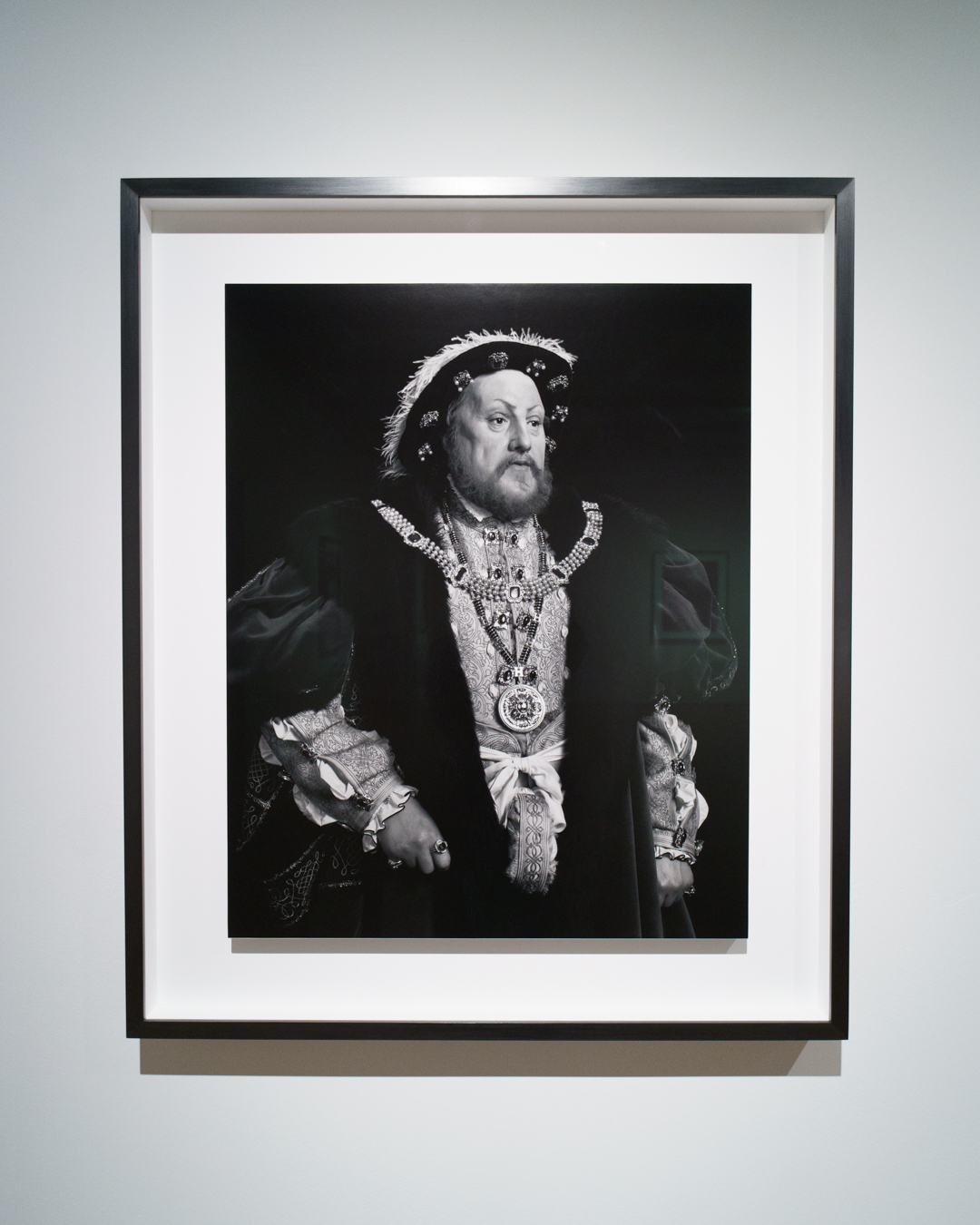

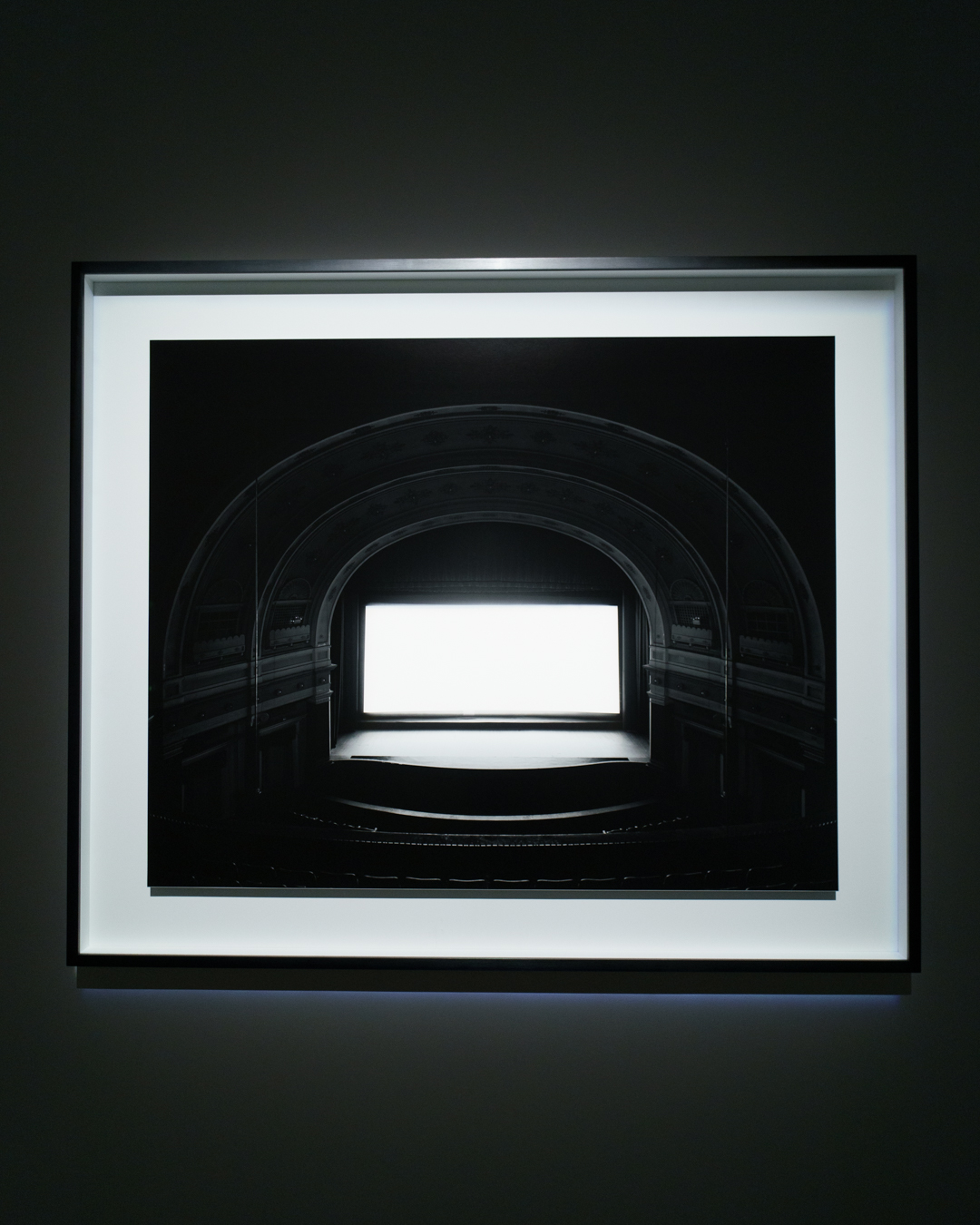
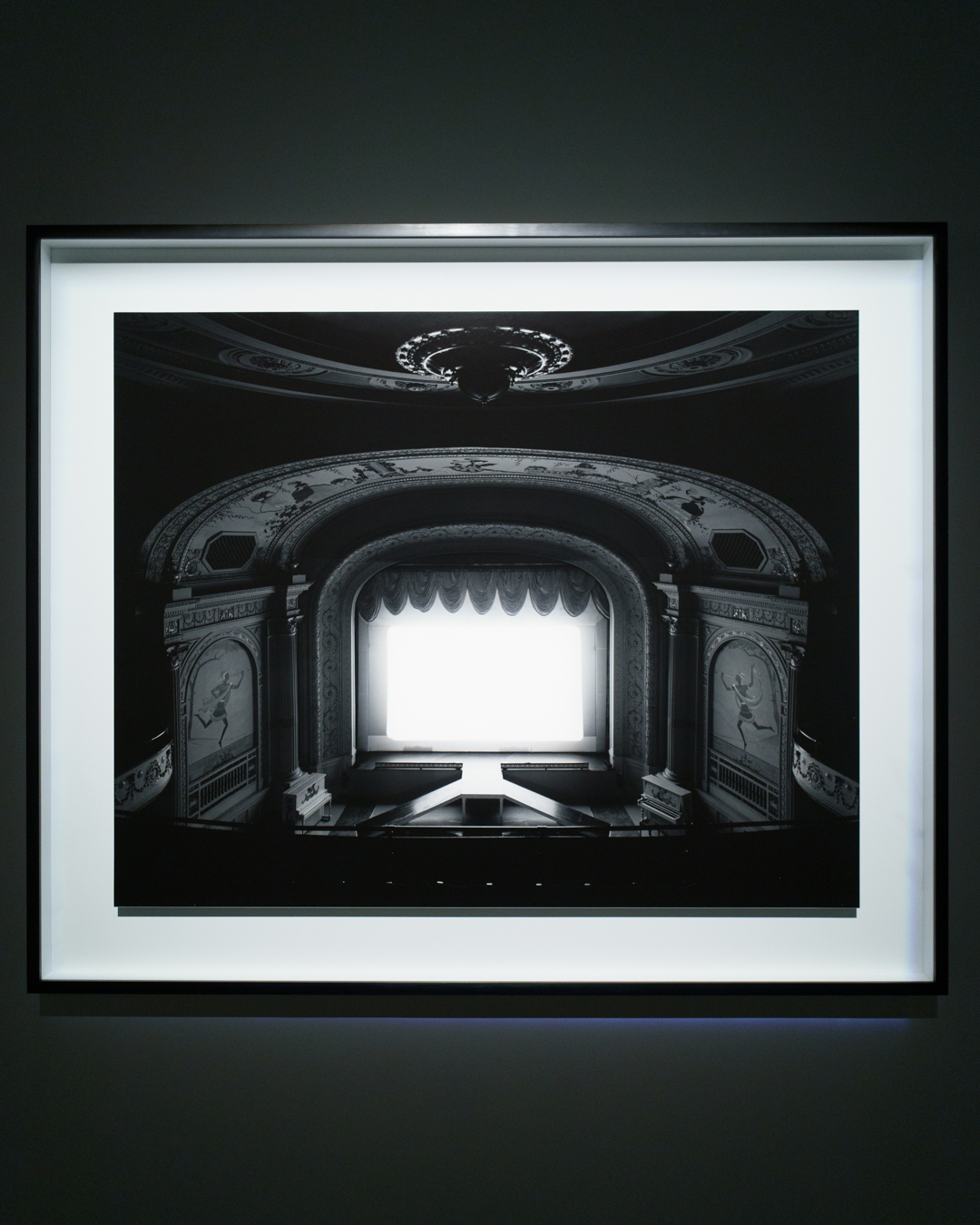
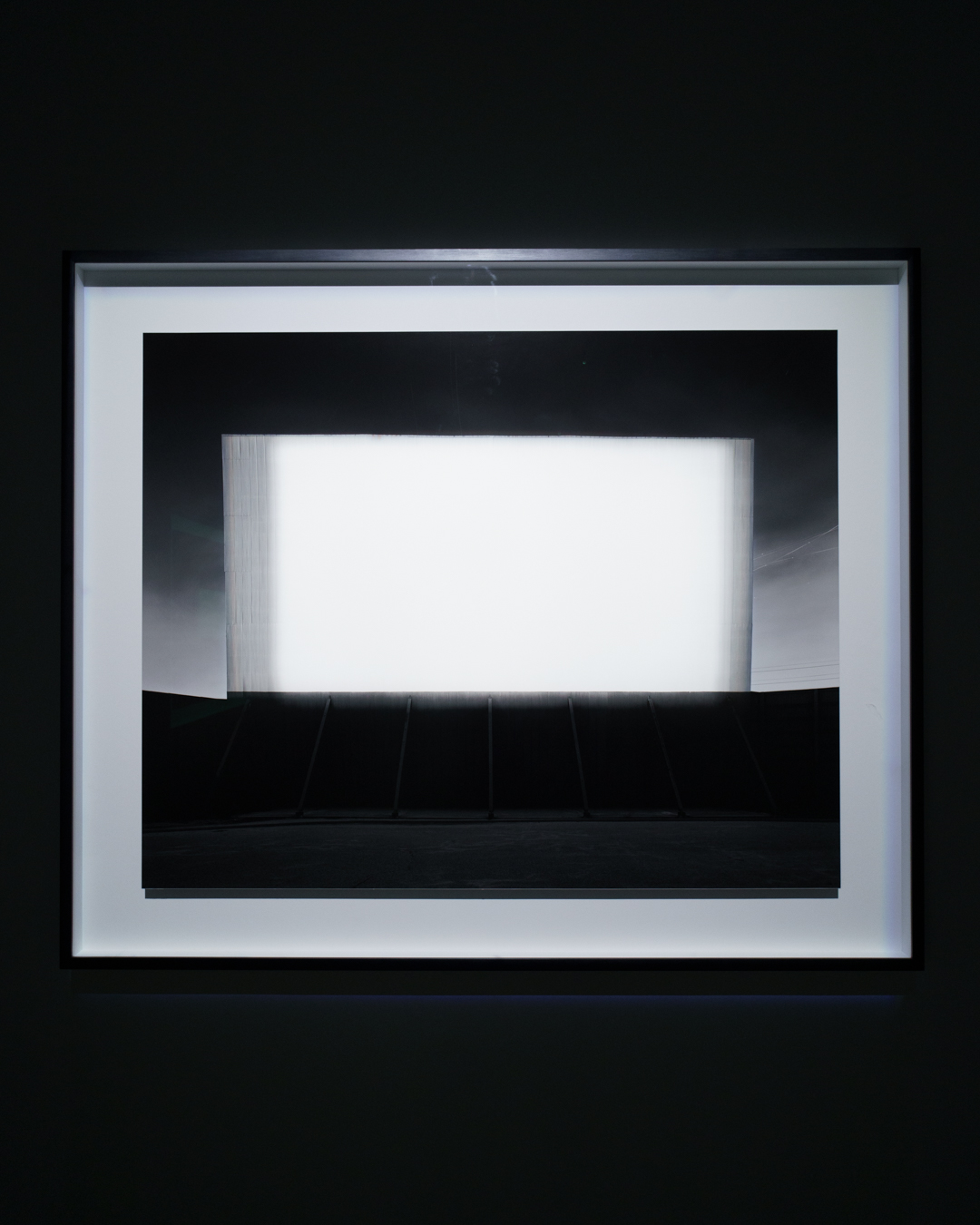
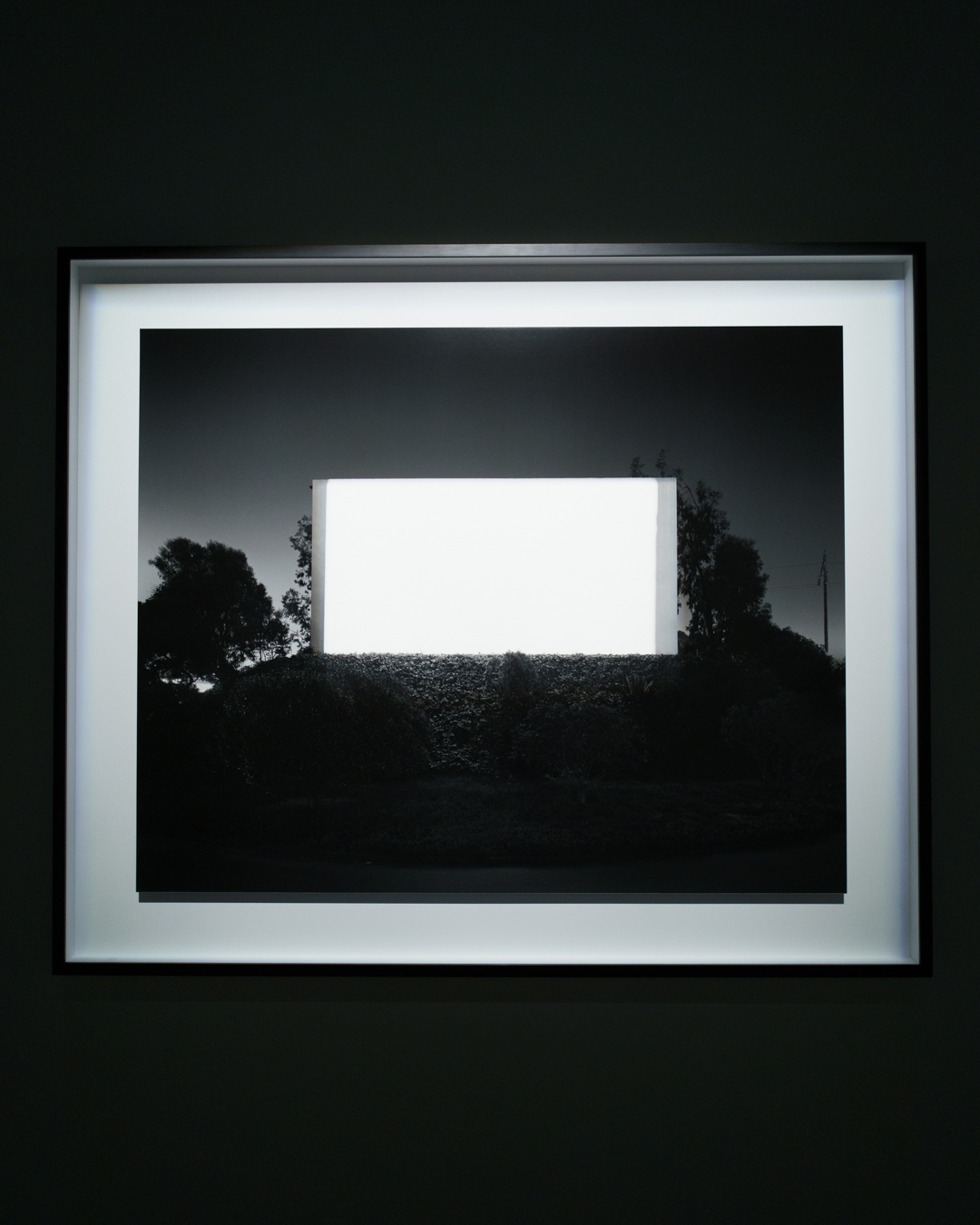
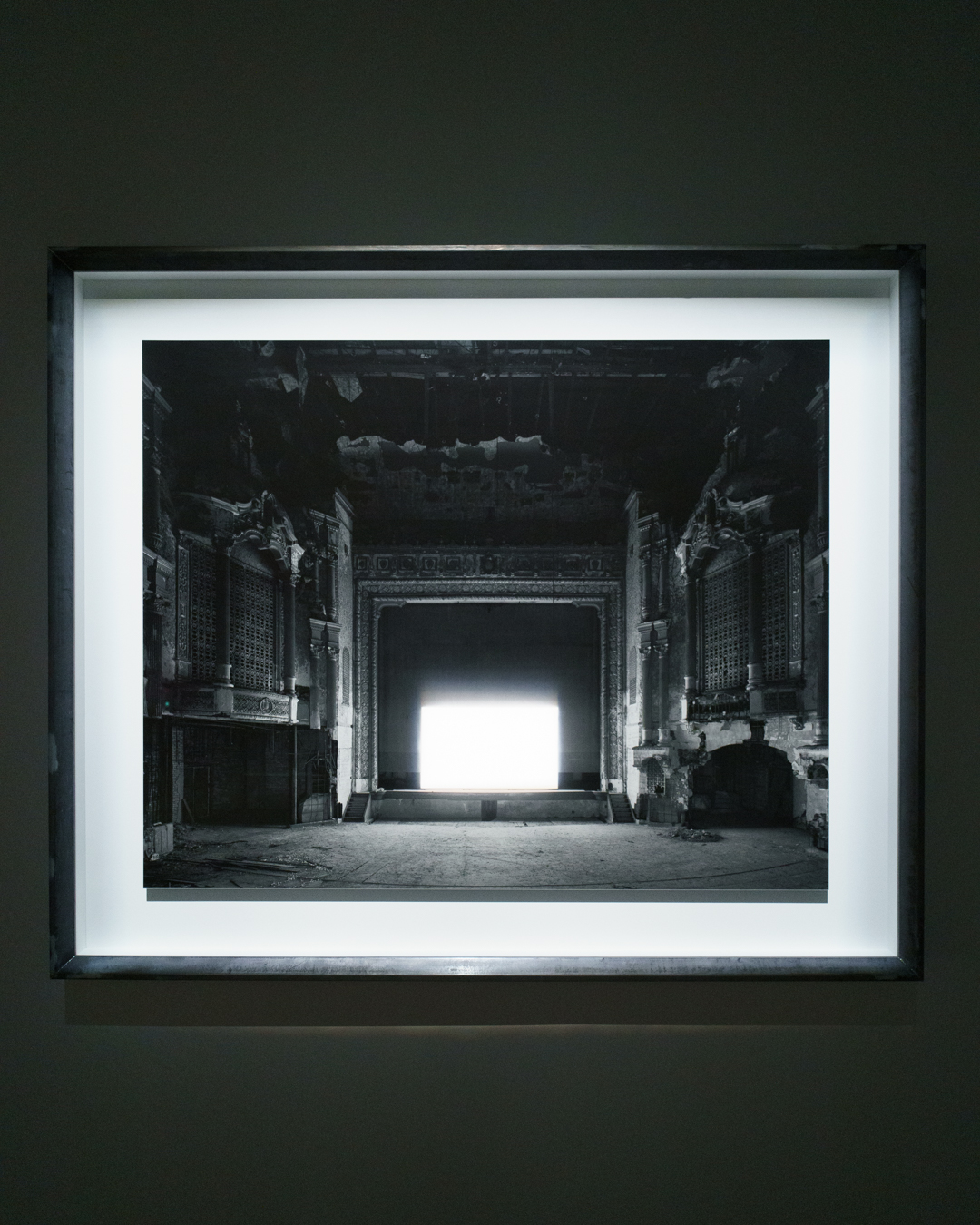
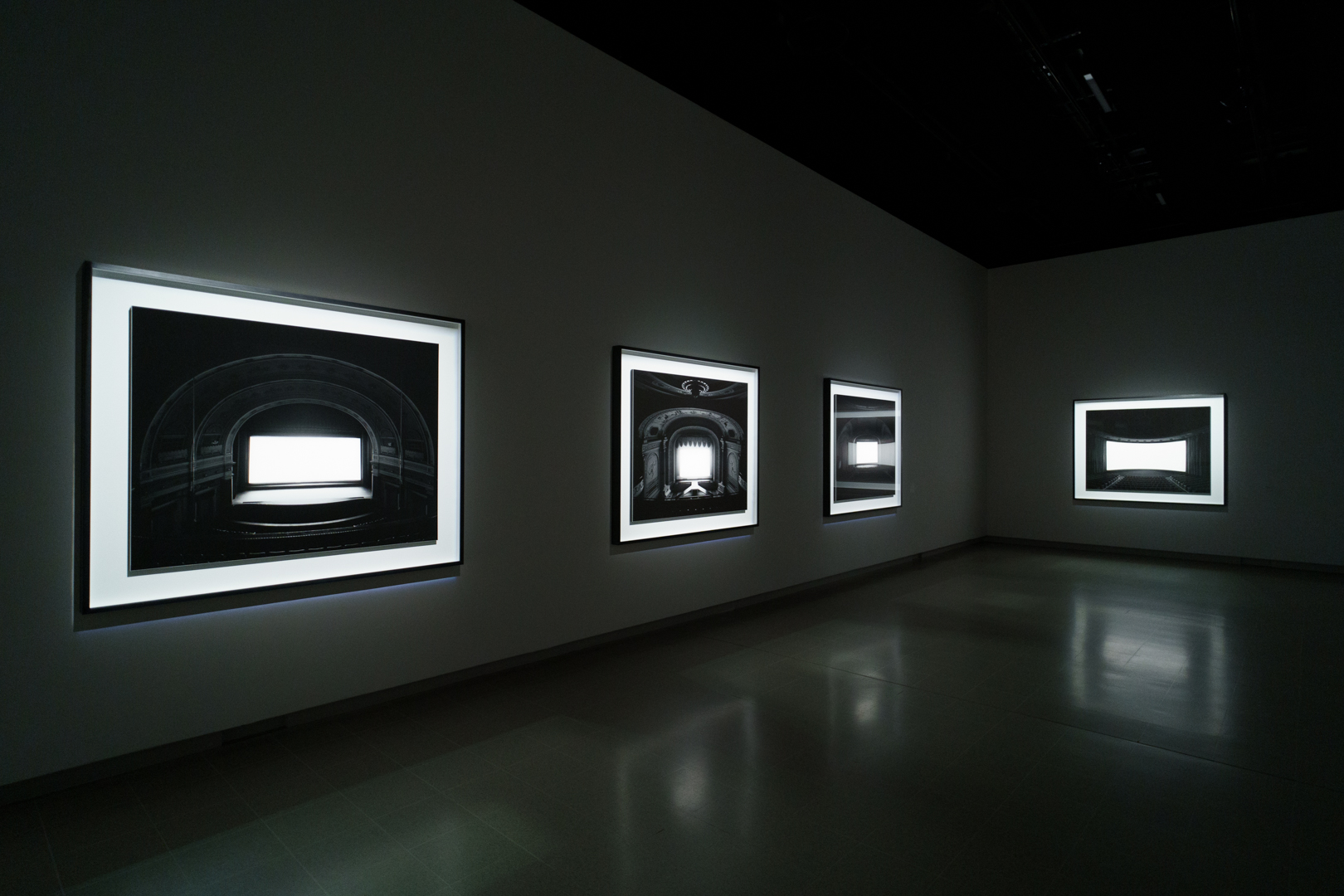
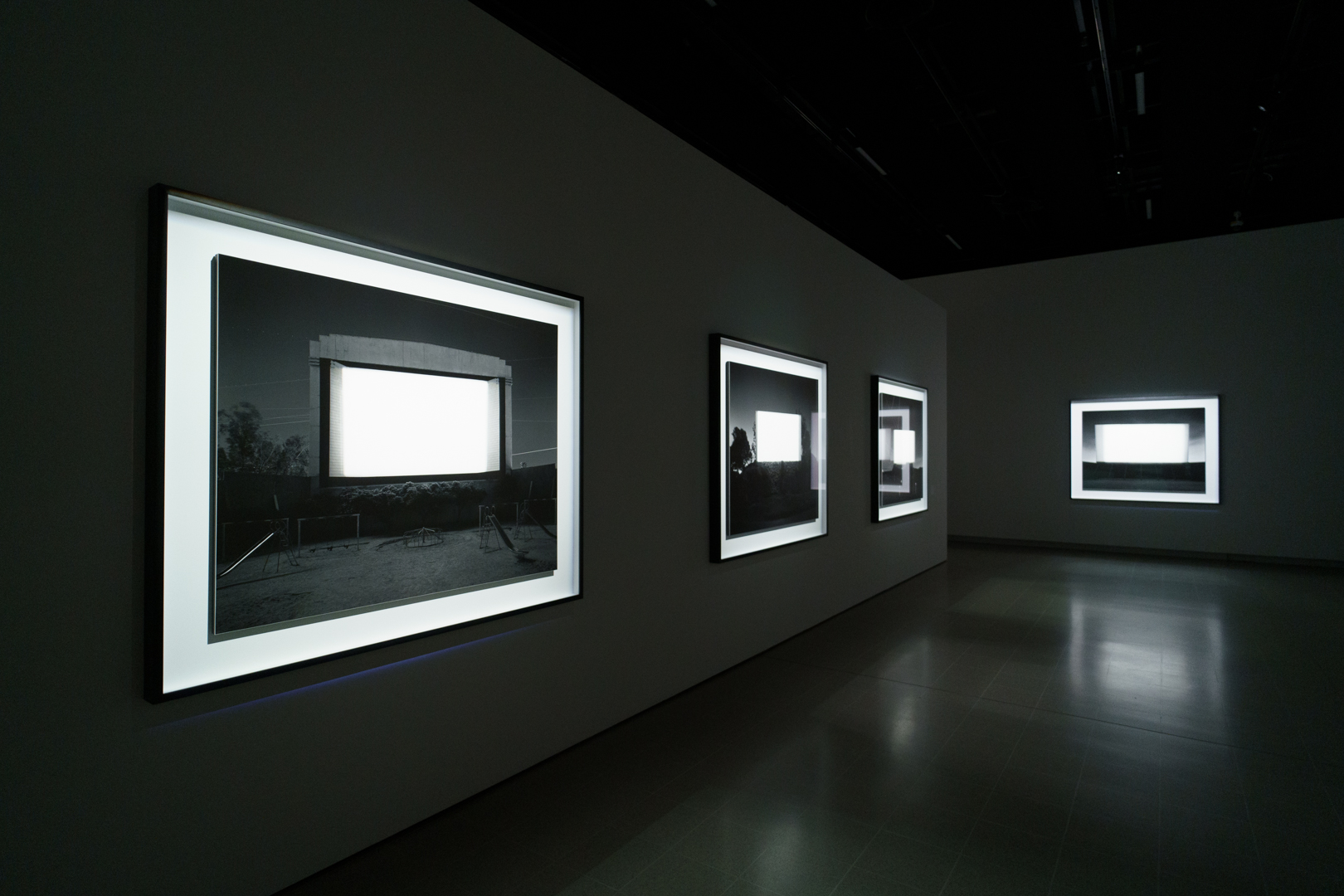
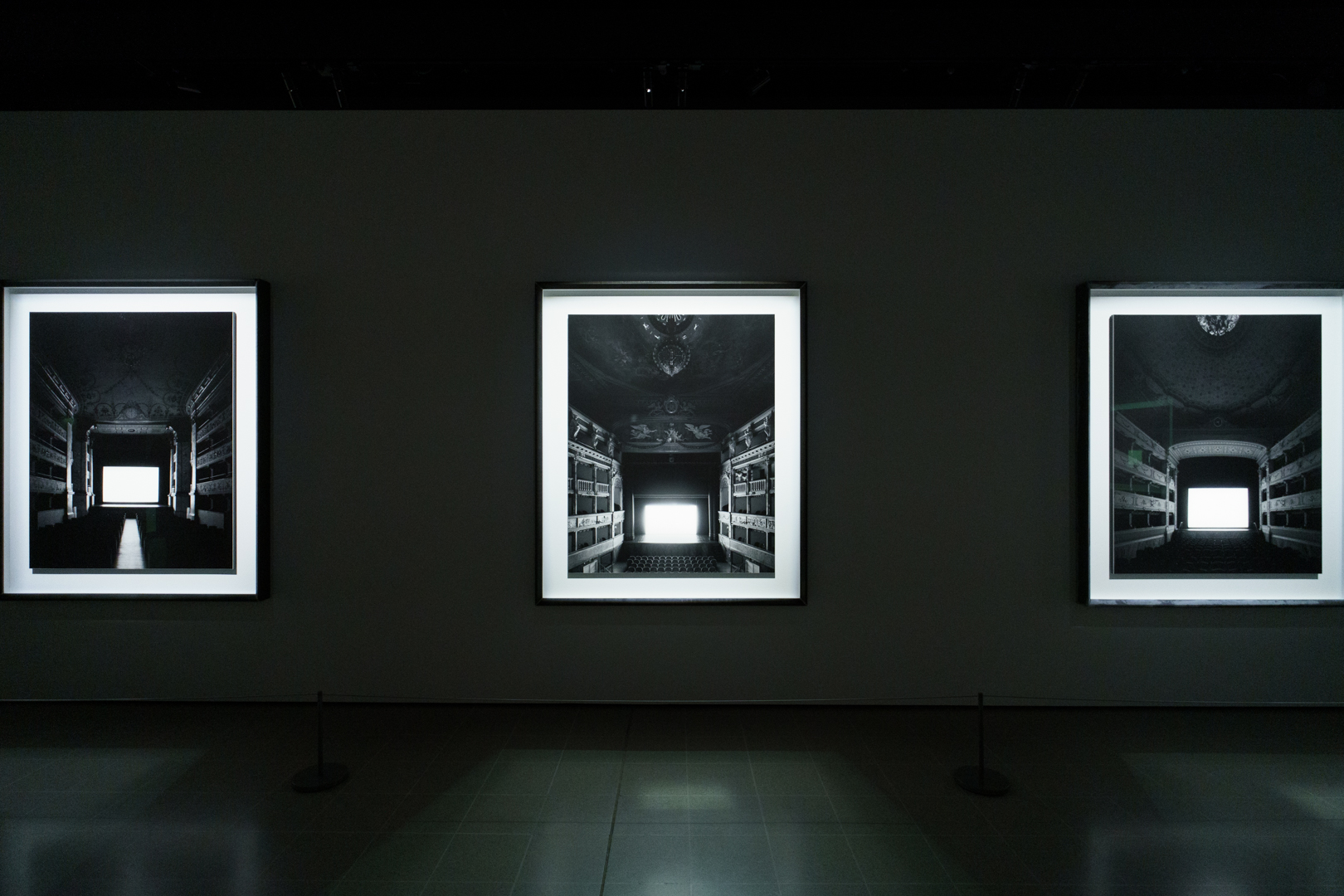
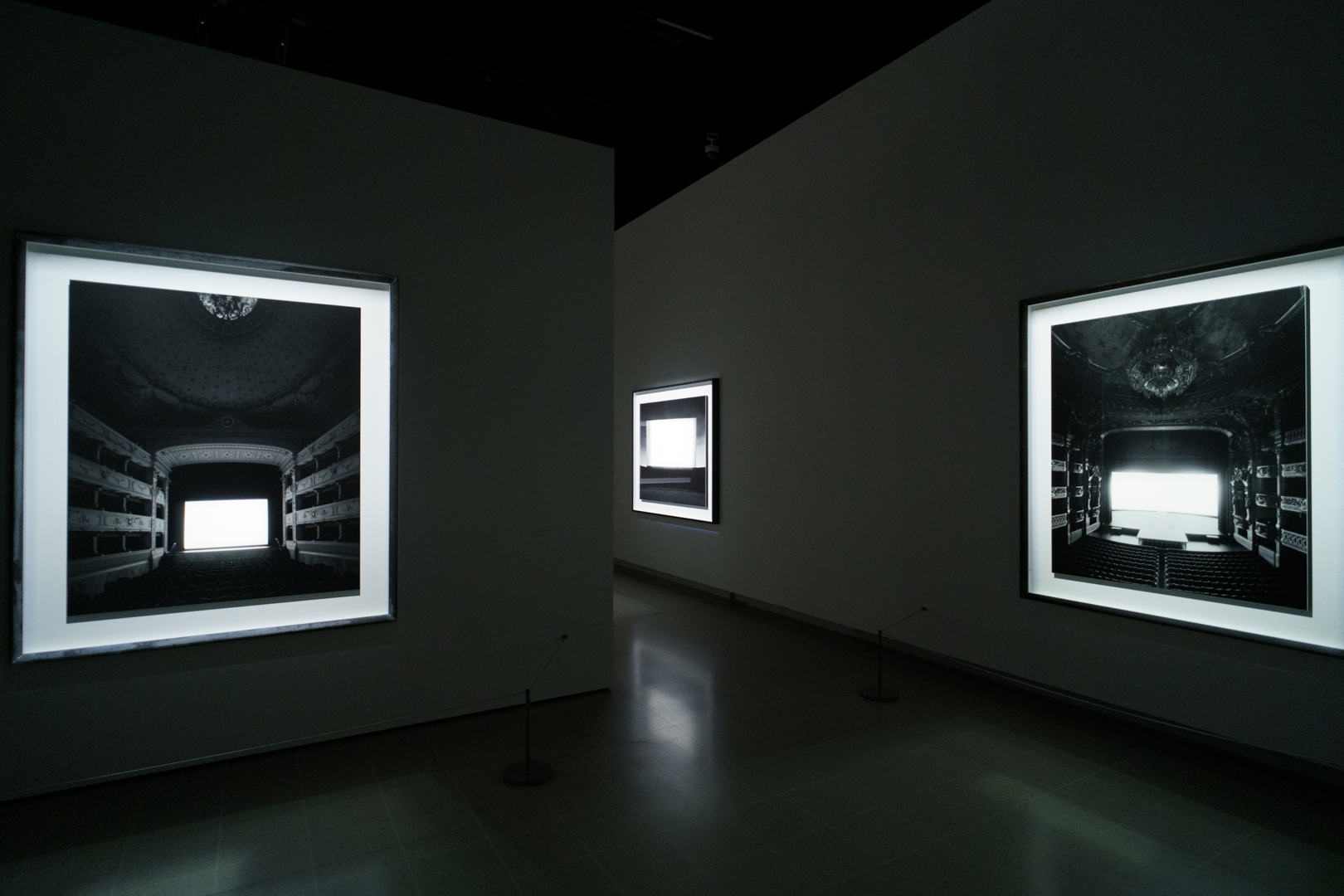
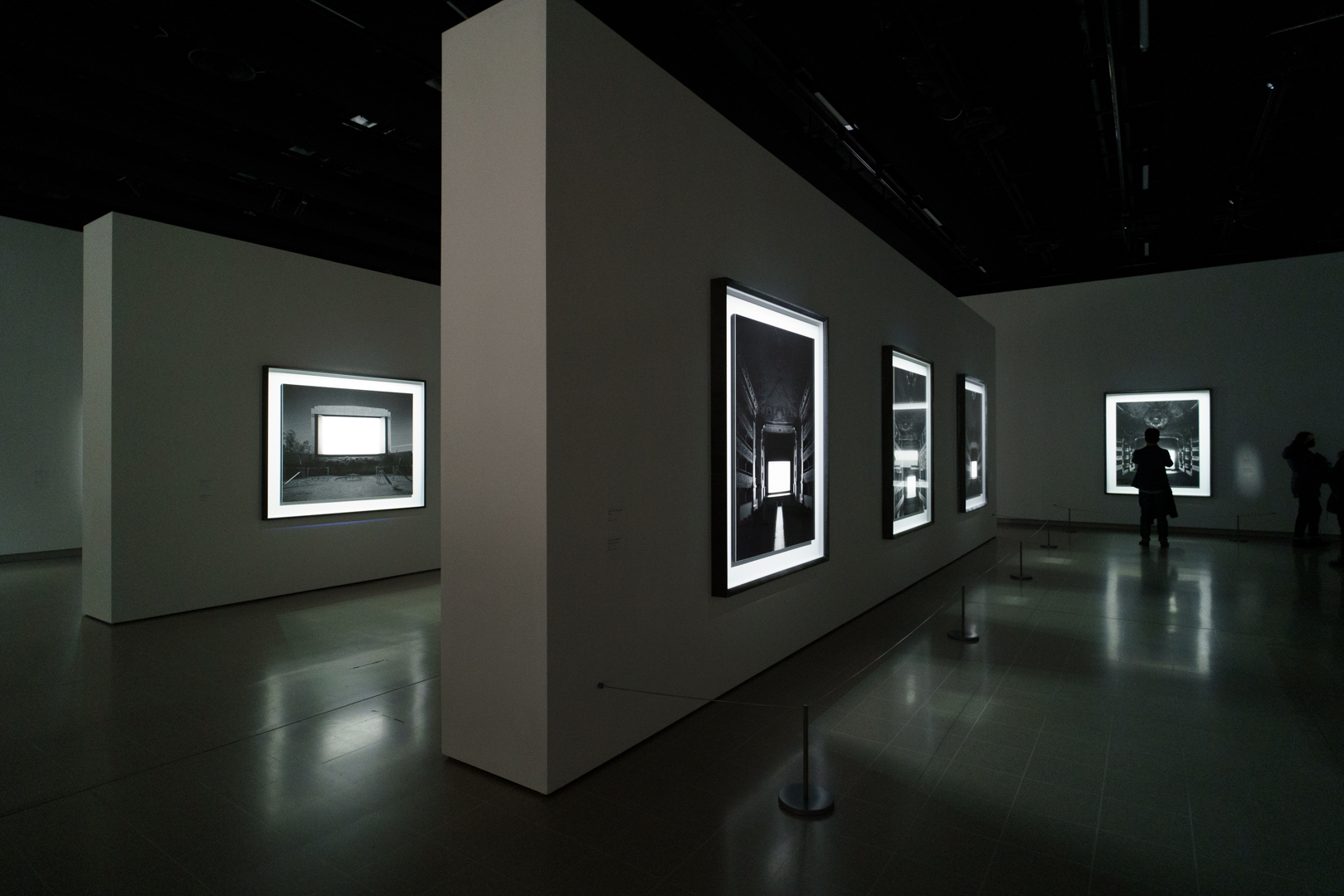
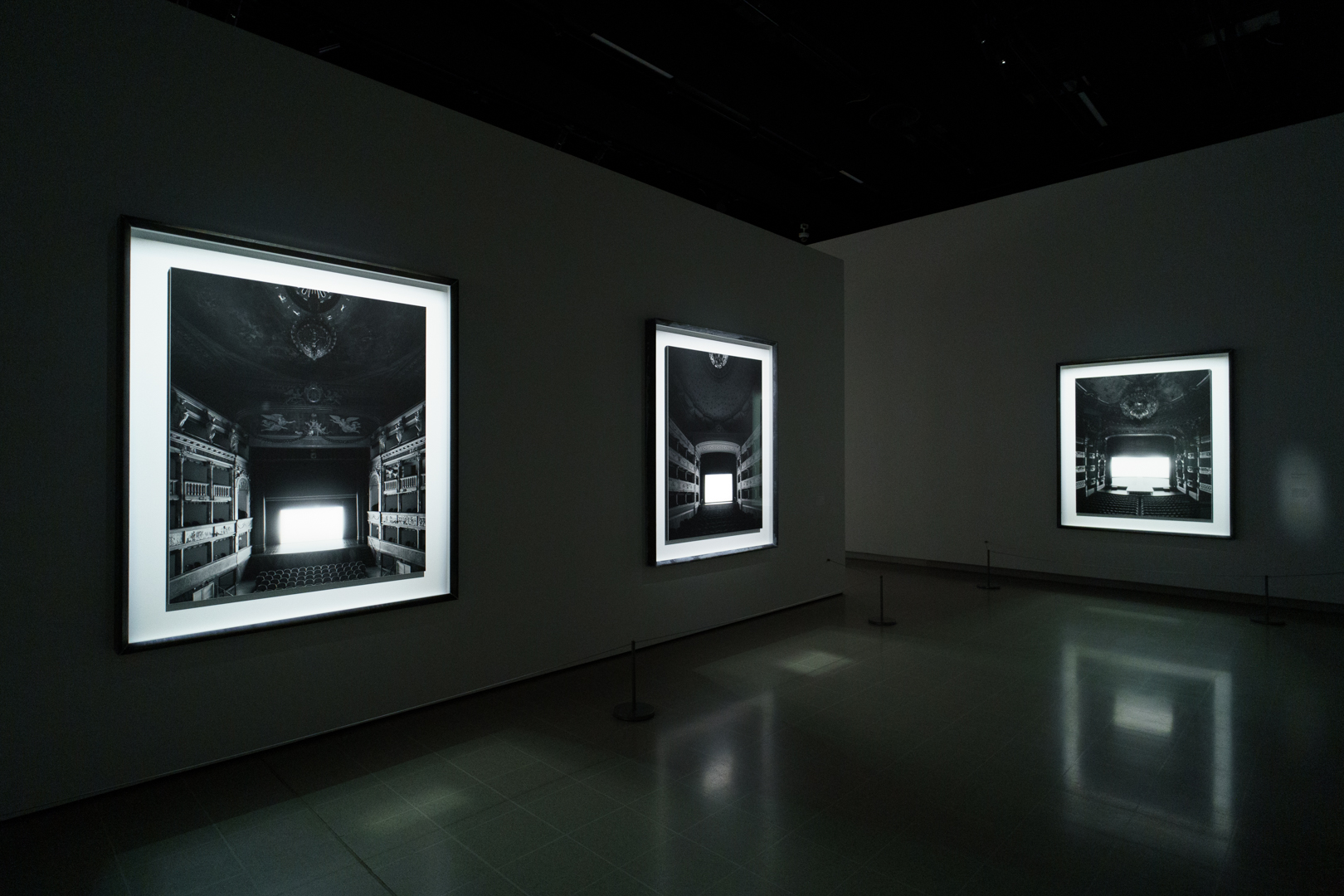
The passage of time characterises his Theaters and Seascapes. Utilising long exposures, their contemplative stillness feels eternal and calming. Each photograph in the Theaters series represents the duration of an entire film being shown on the screen. Yet sometimes it is the surrounding features which offer greater visual interest, such as light trails from planes passing in the background of the Union City Drive-In, or debris and decay from the dilapidated Kenosha Theater where they had to power the movie screen using their own generator. For the Seascapes, their Rothko-esque abstraction has a mesmerising quality to them the more one stares out on to the horizon.

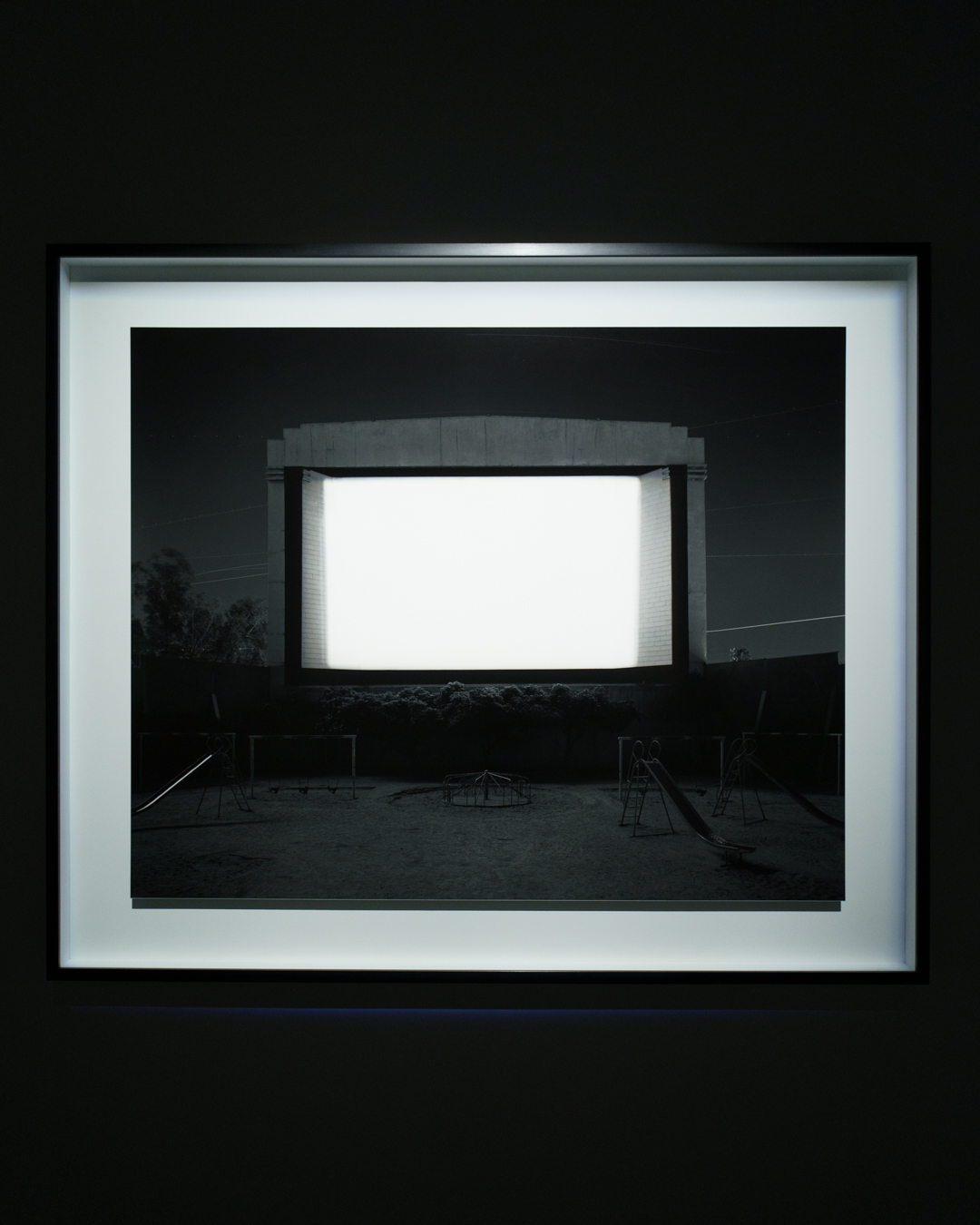
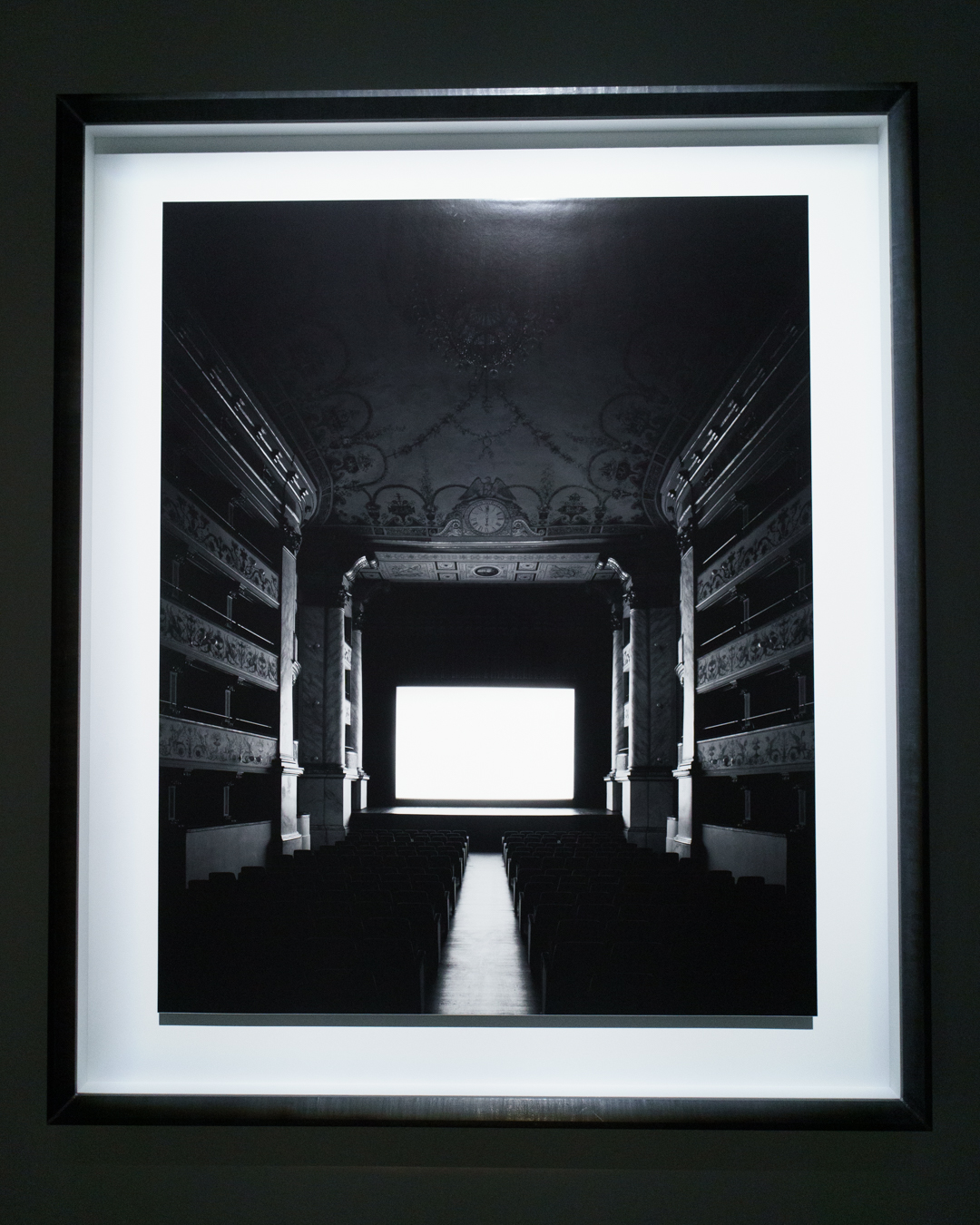
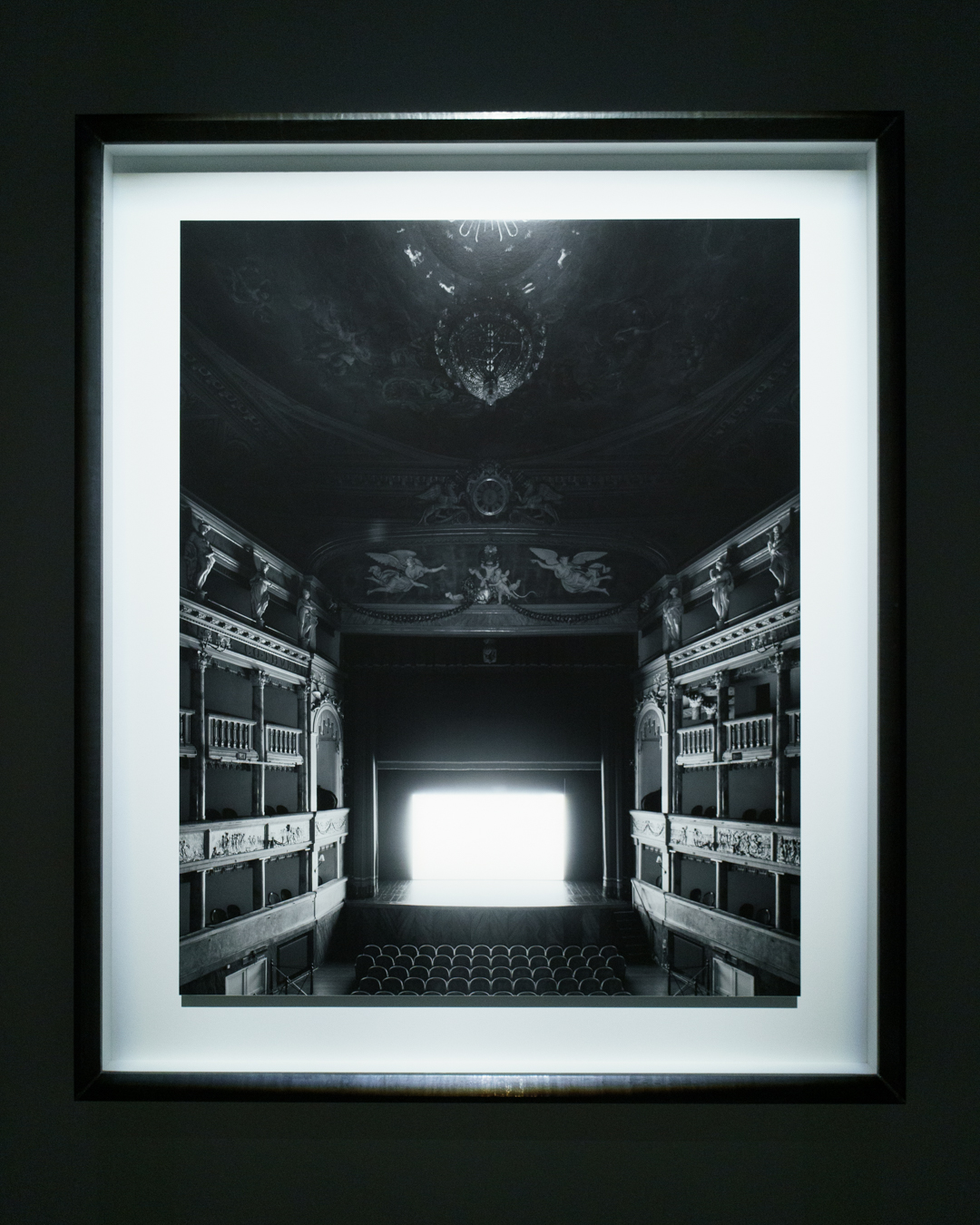
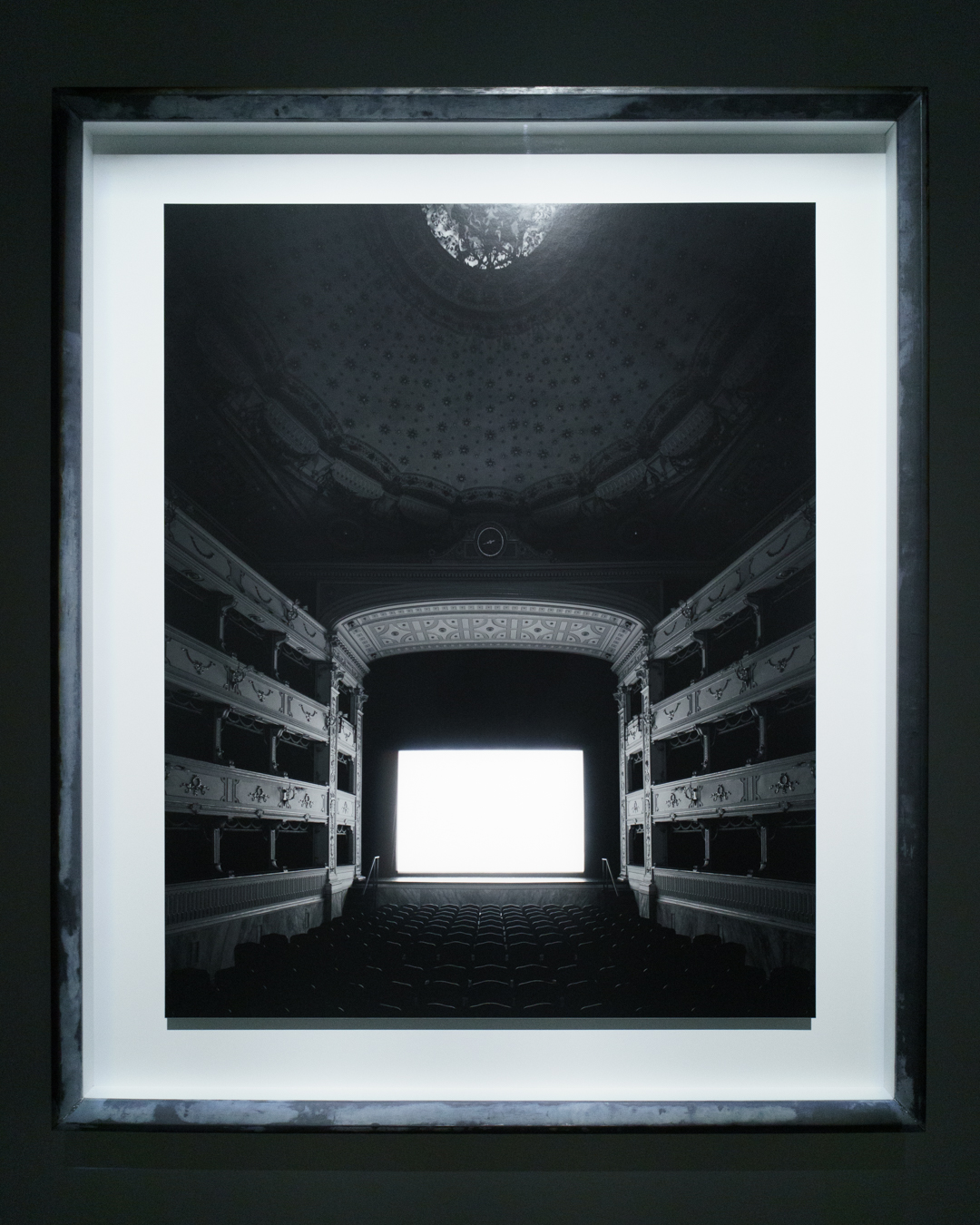
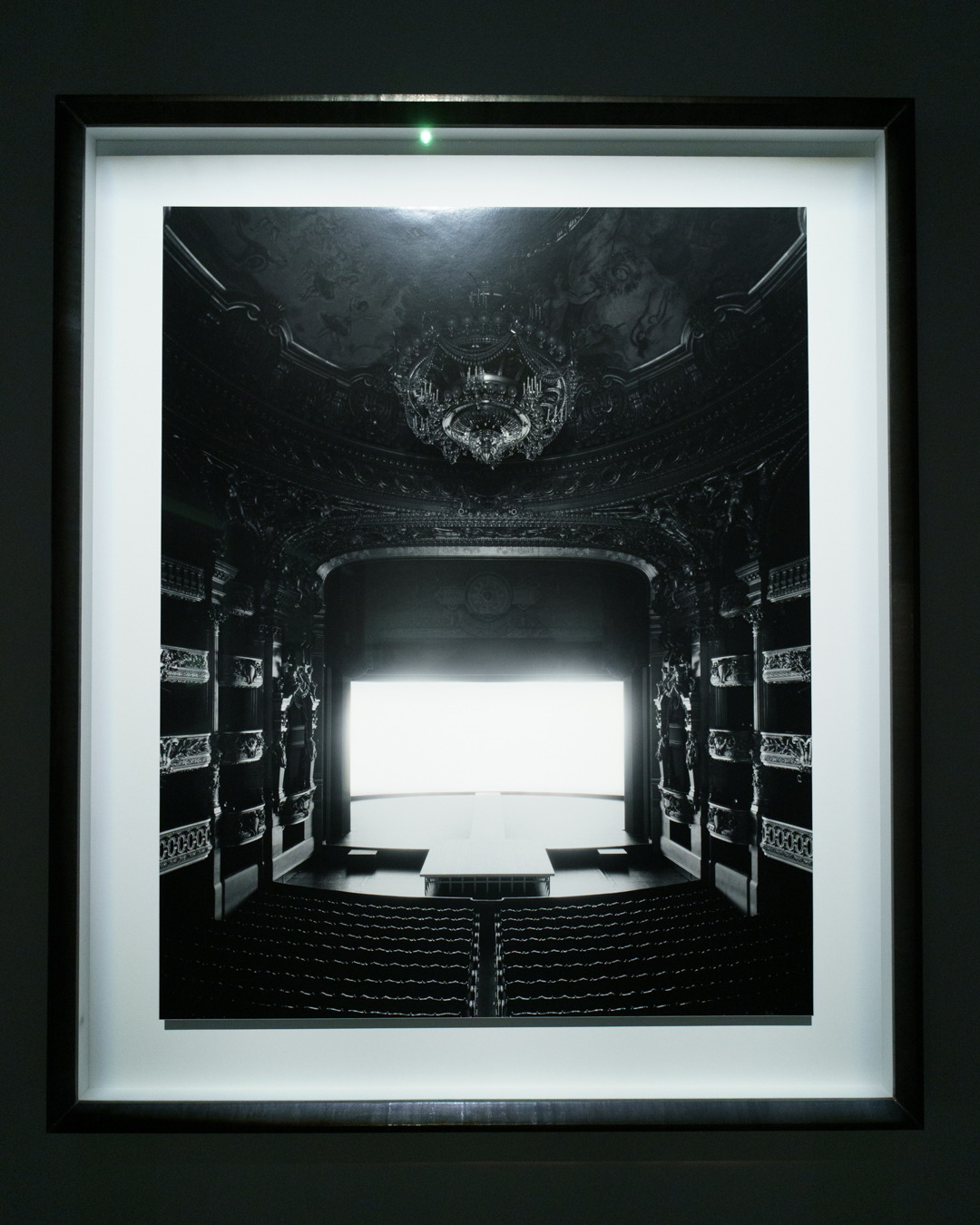
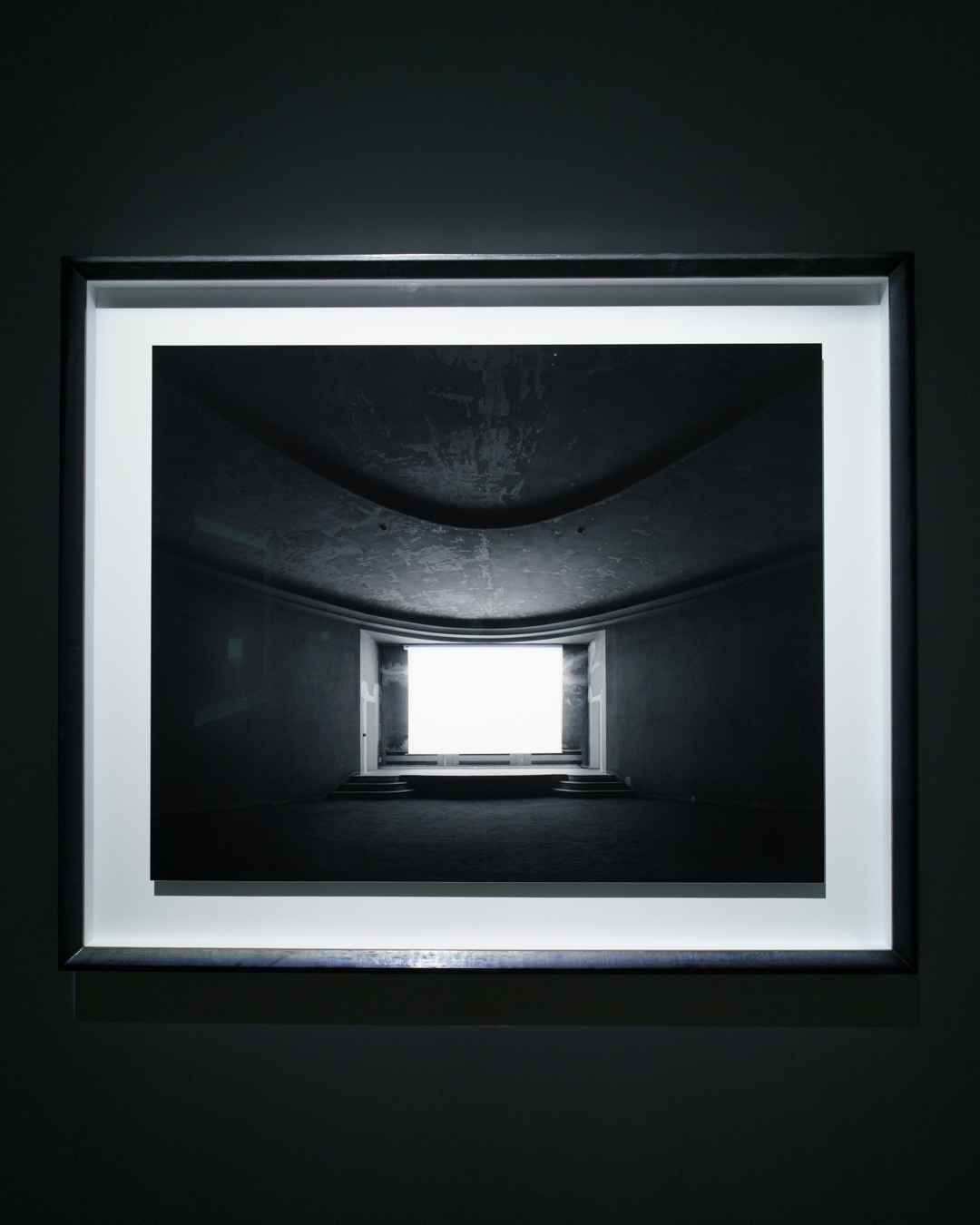
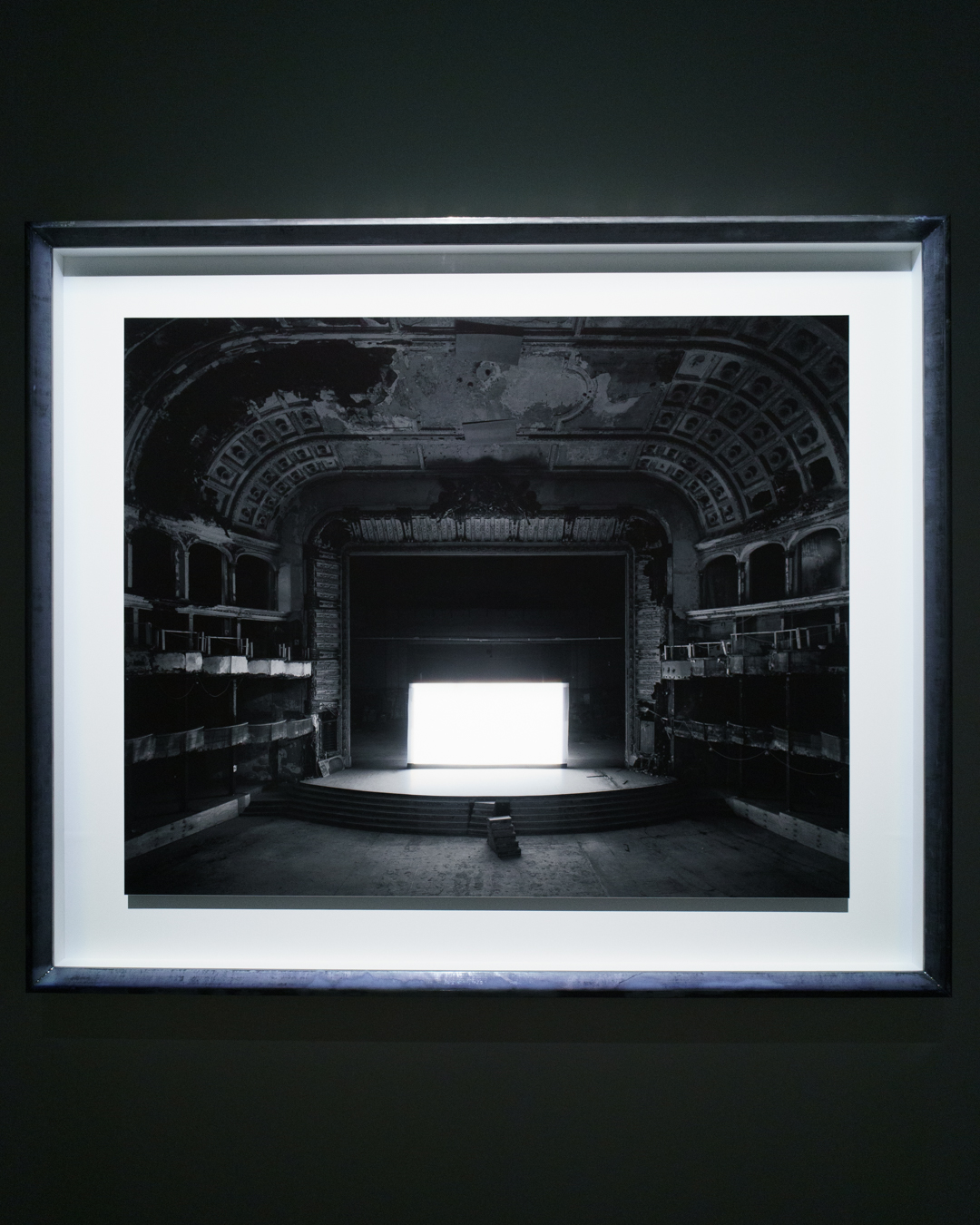
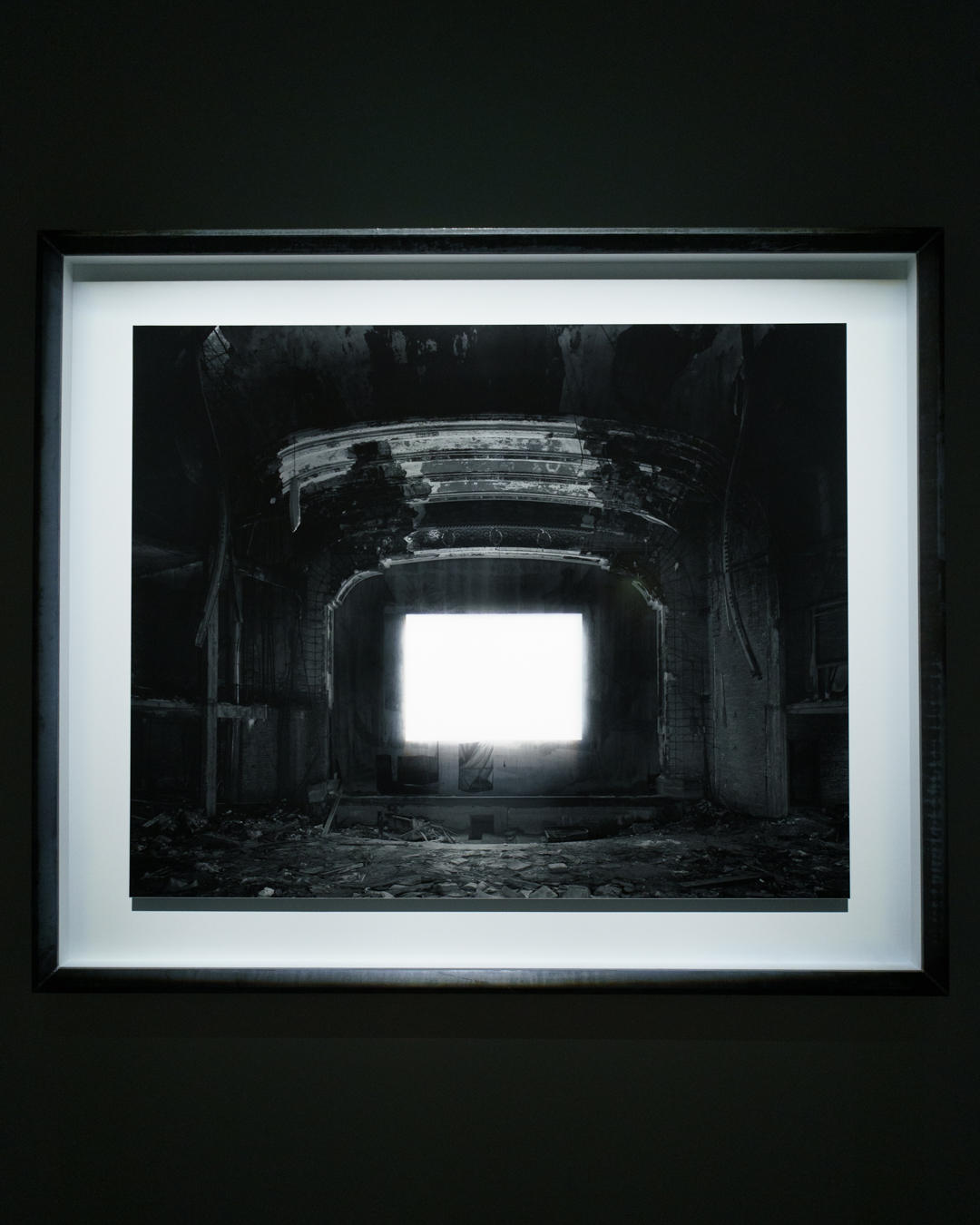
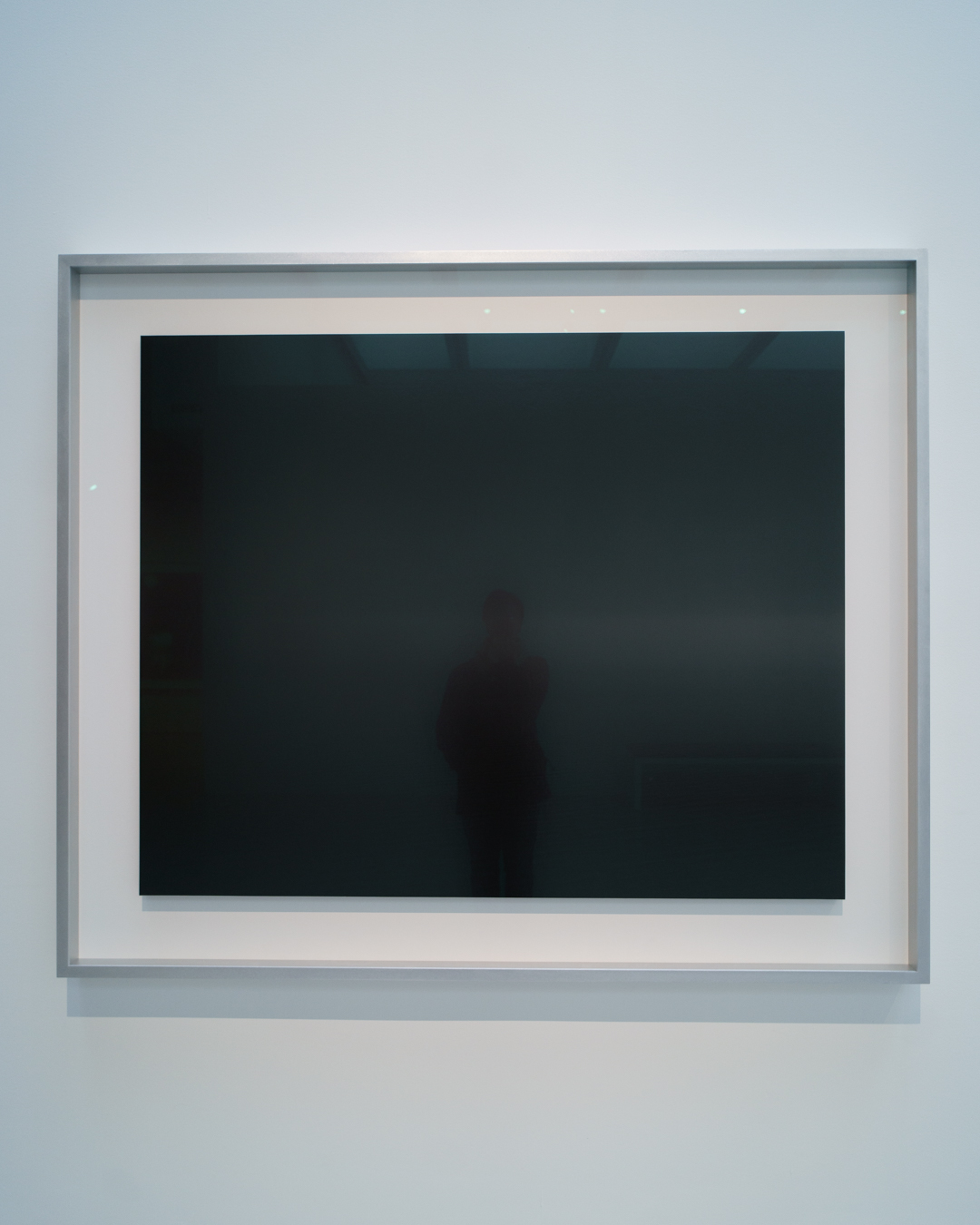
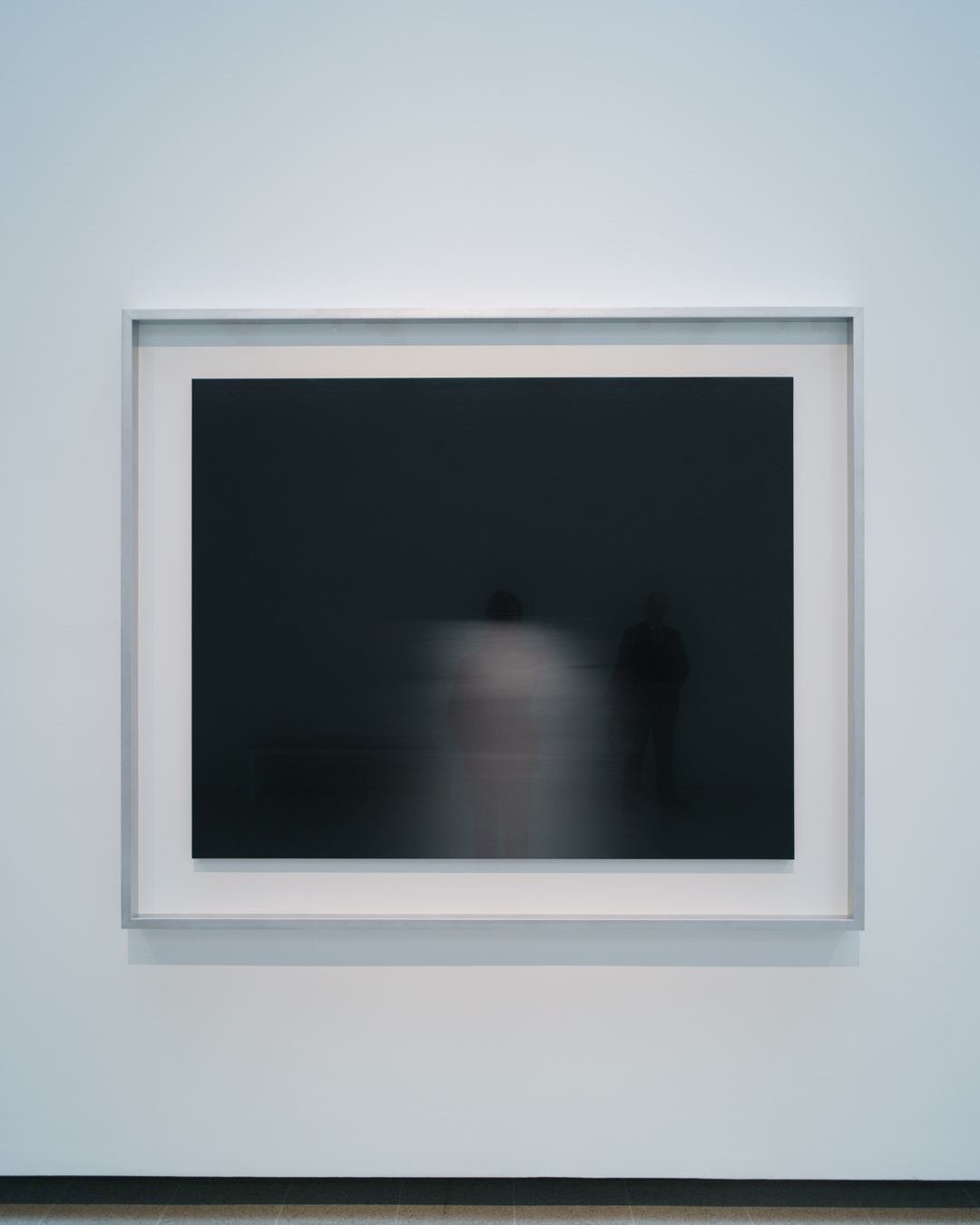
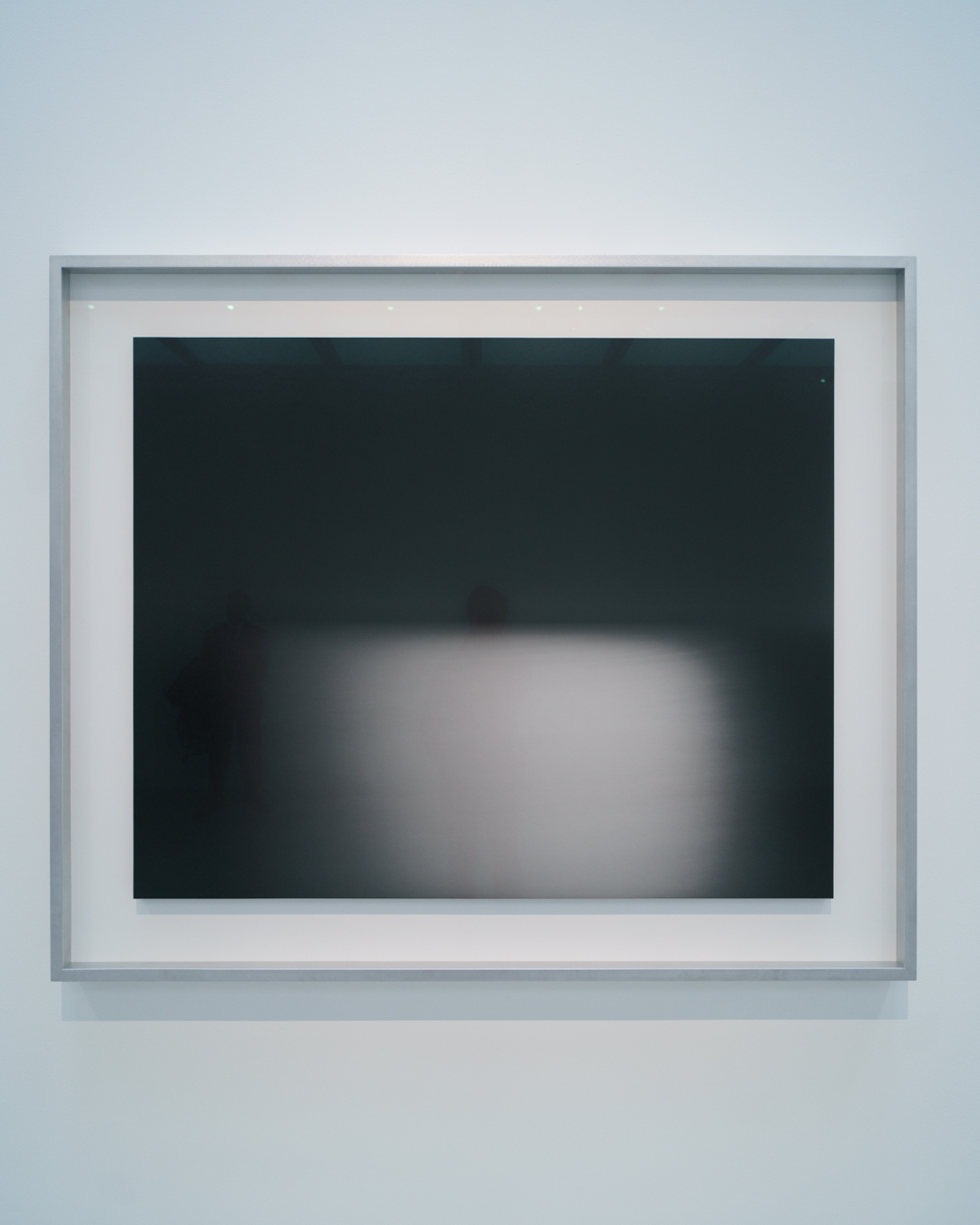
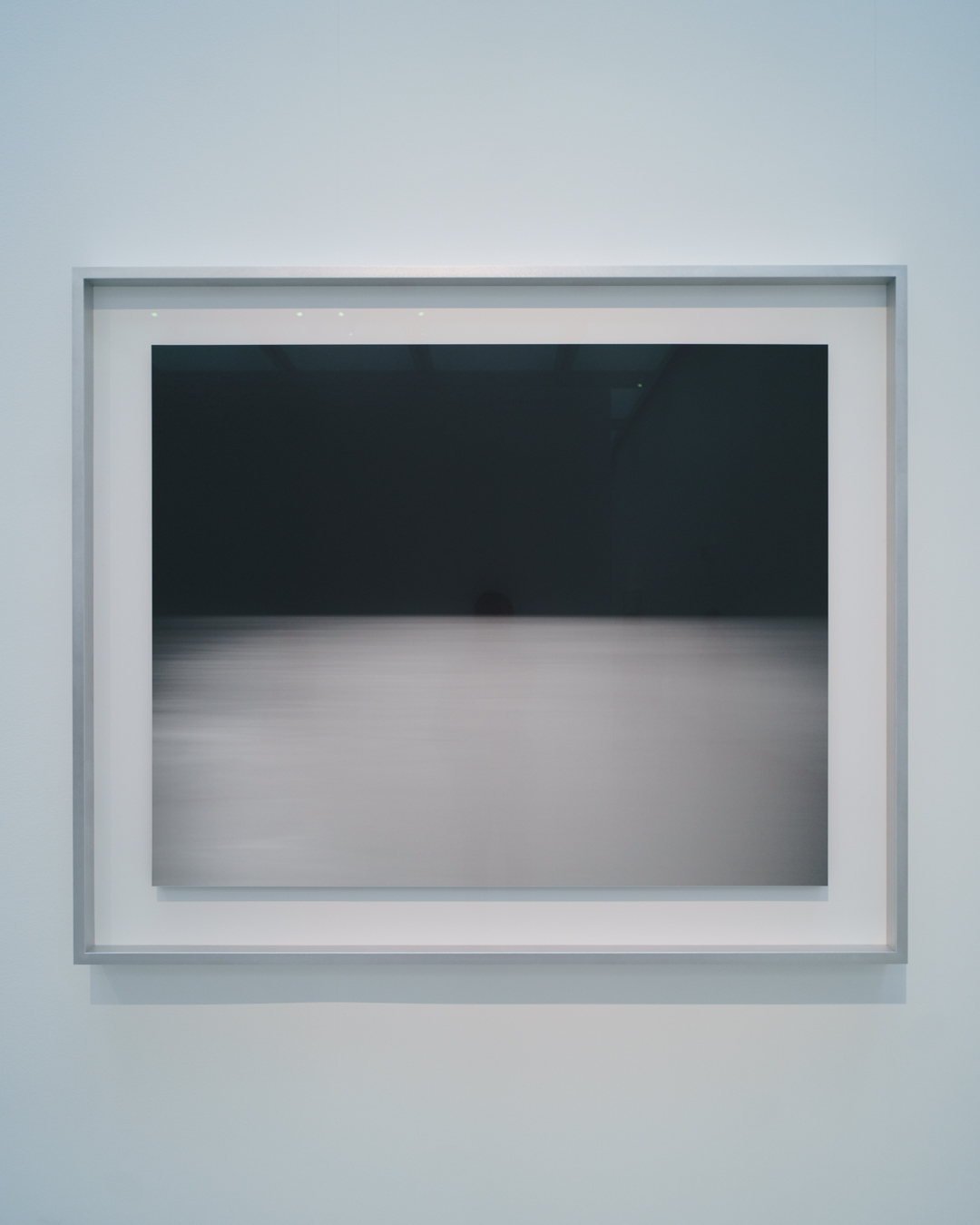
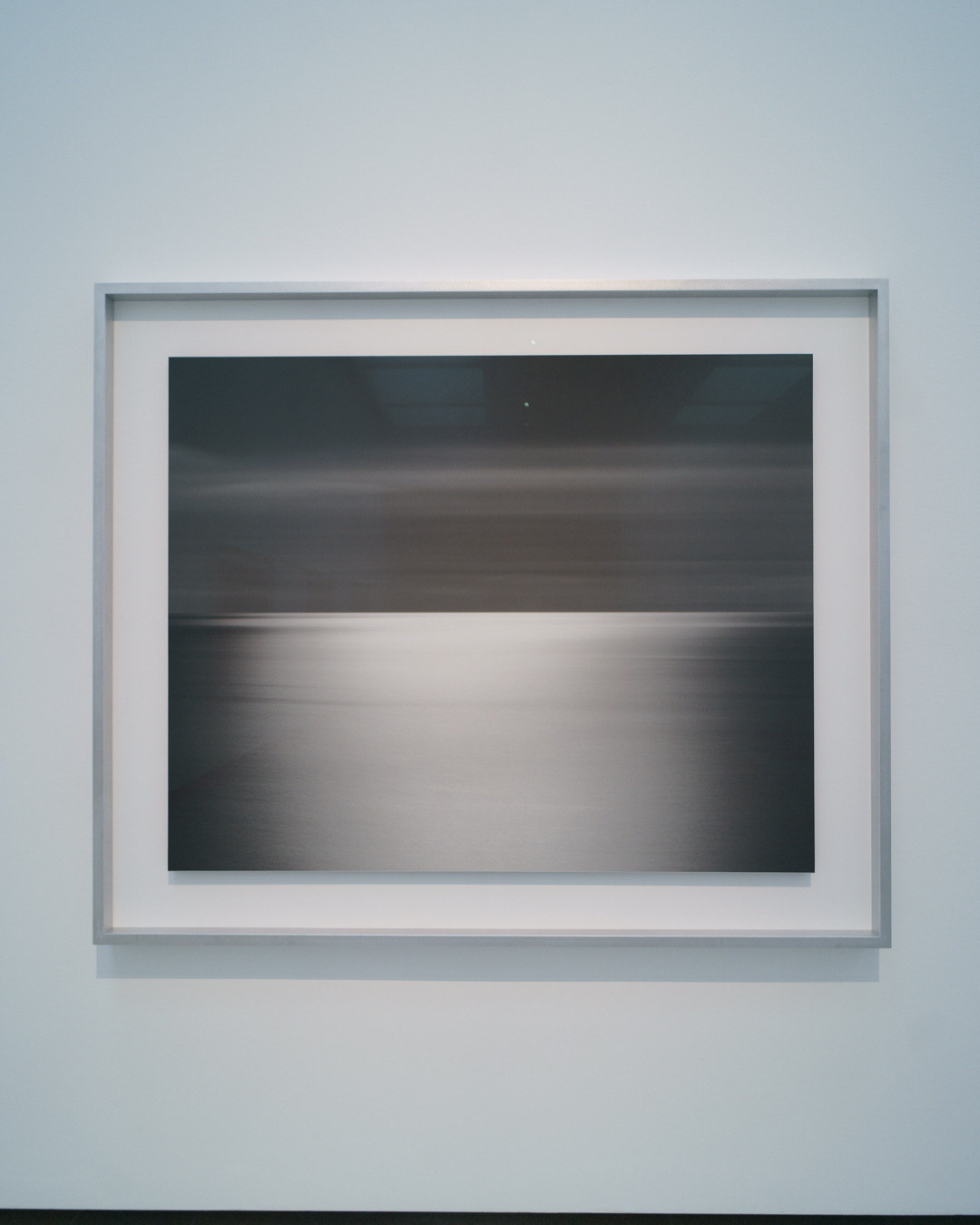
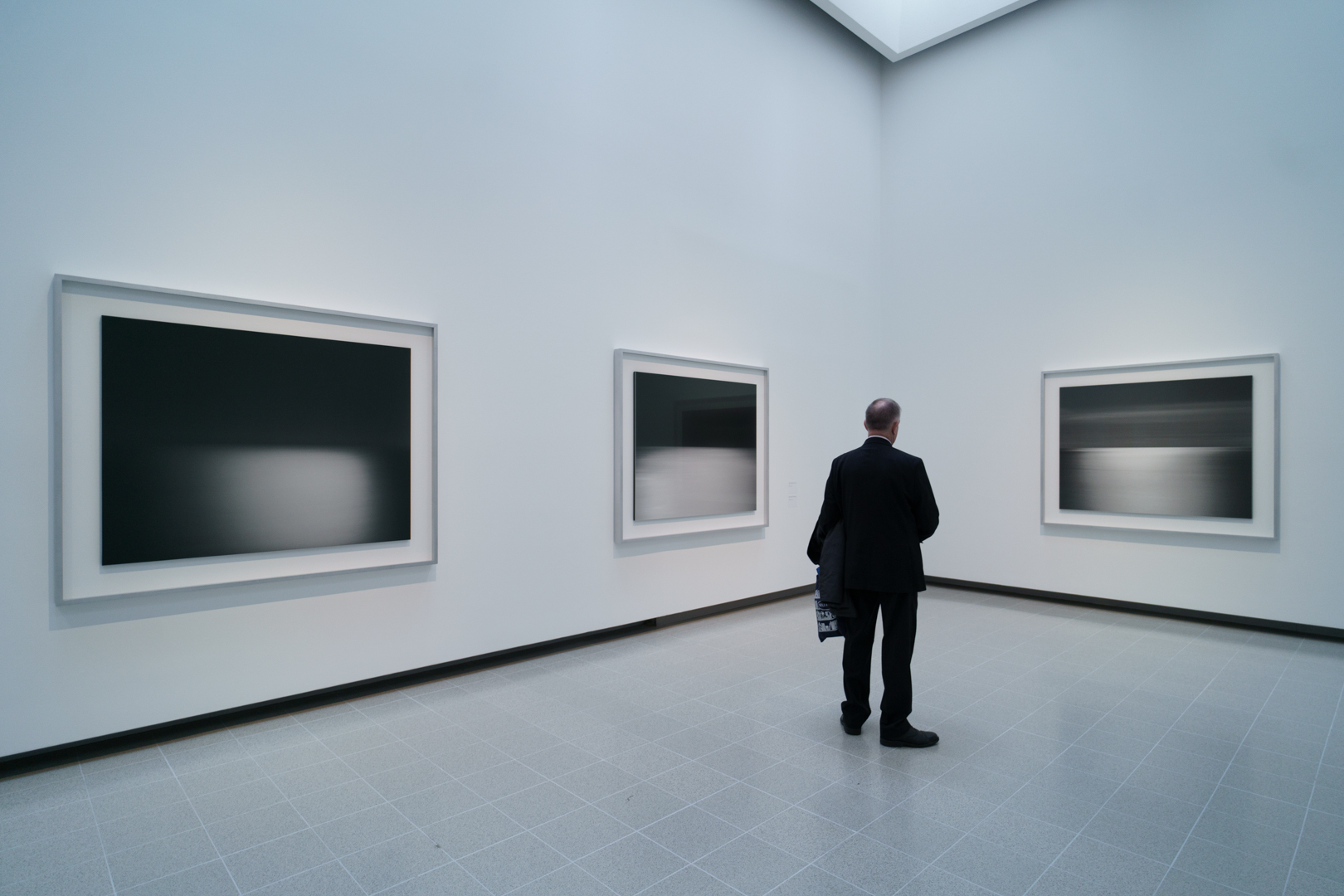
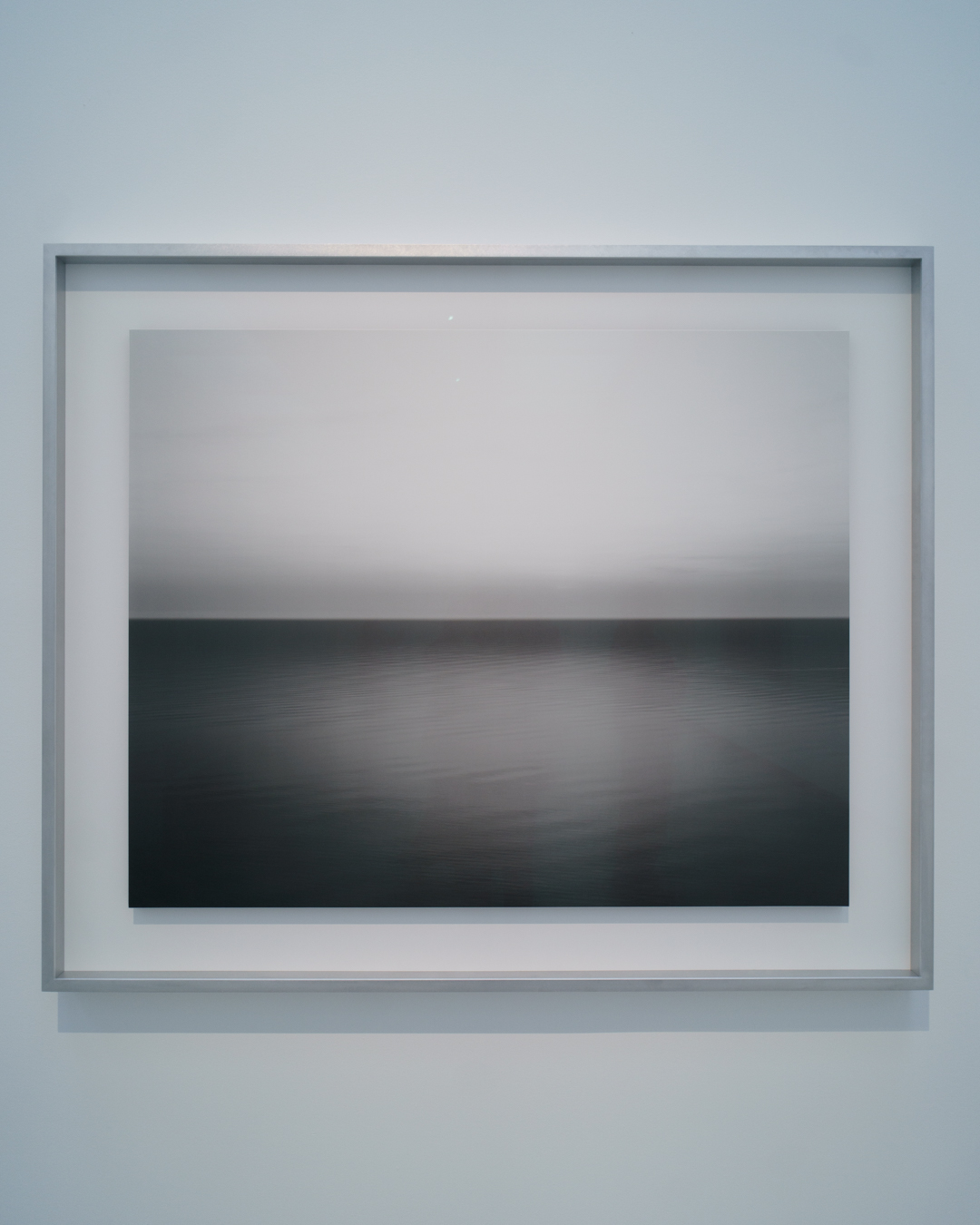
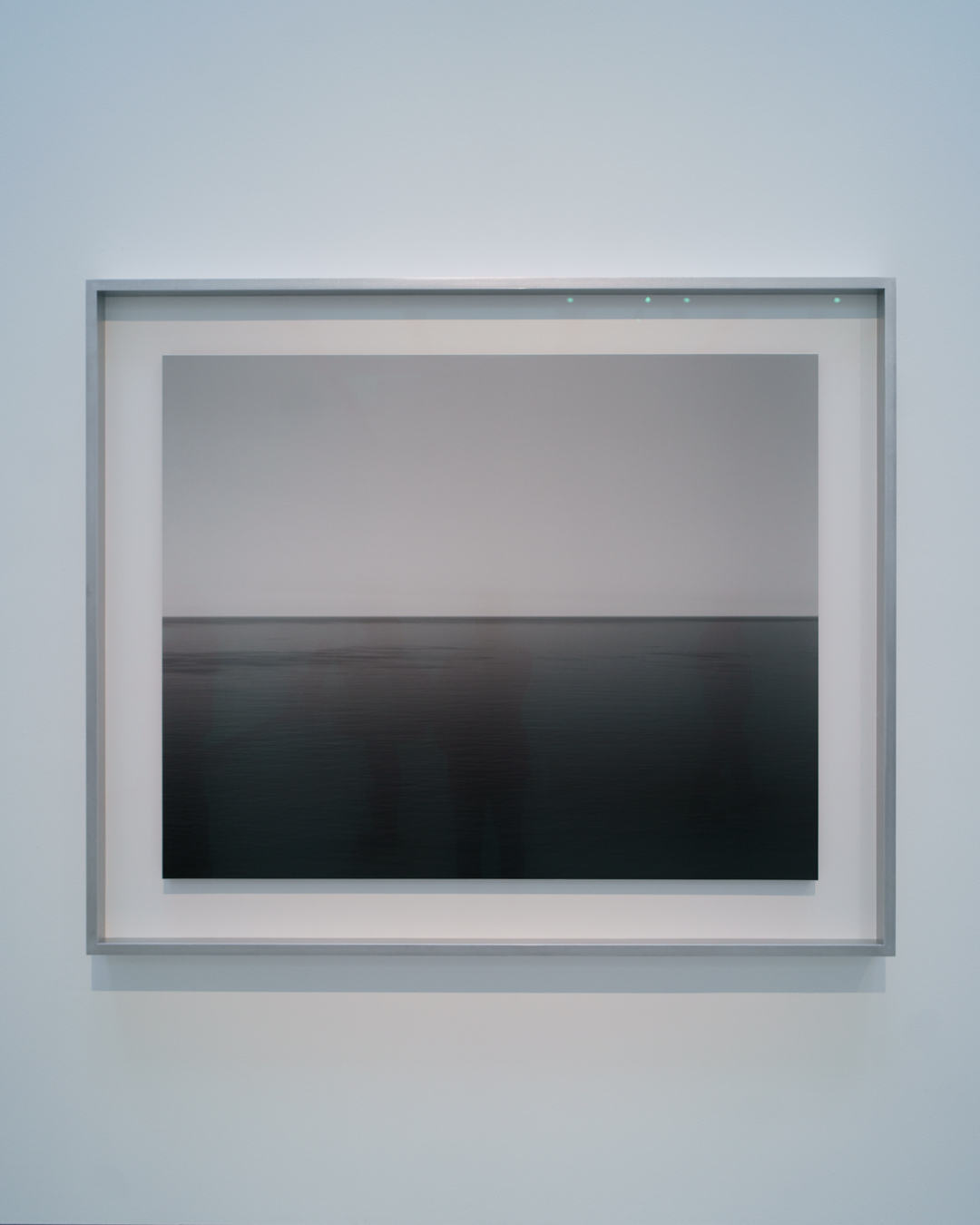
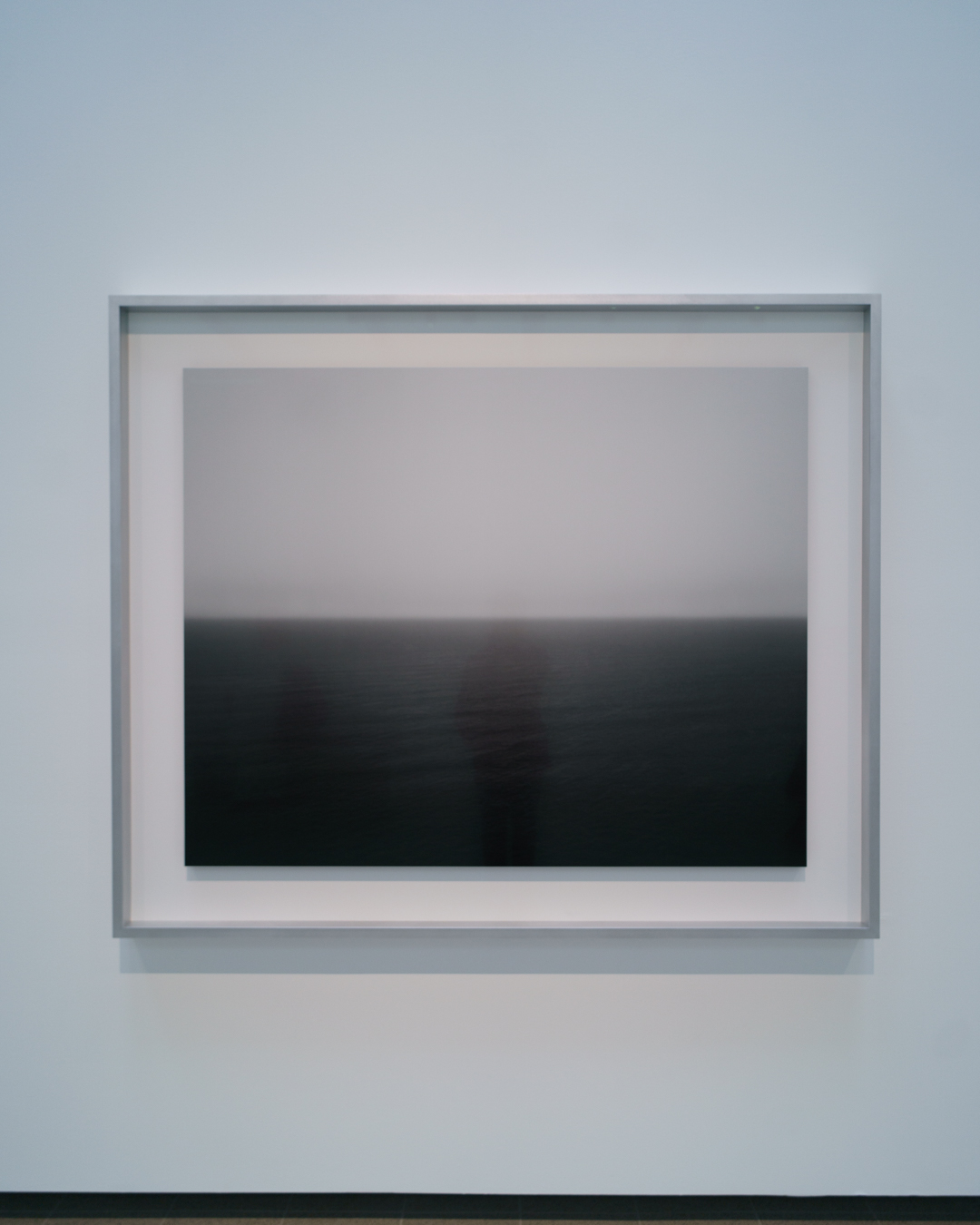
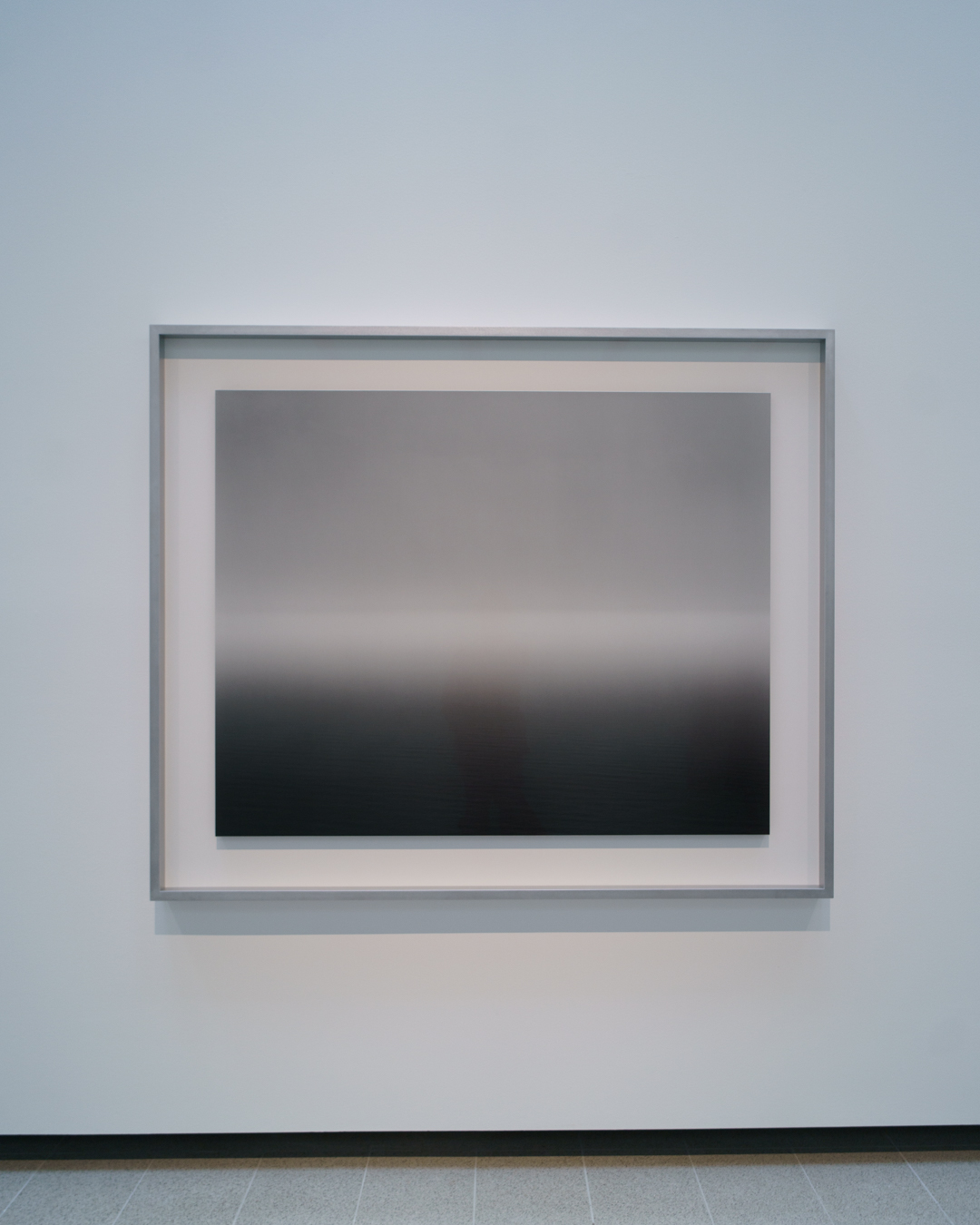
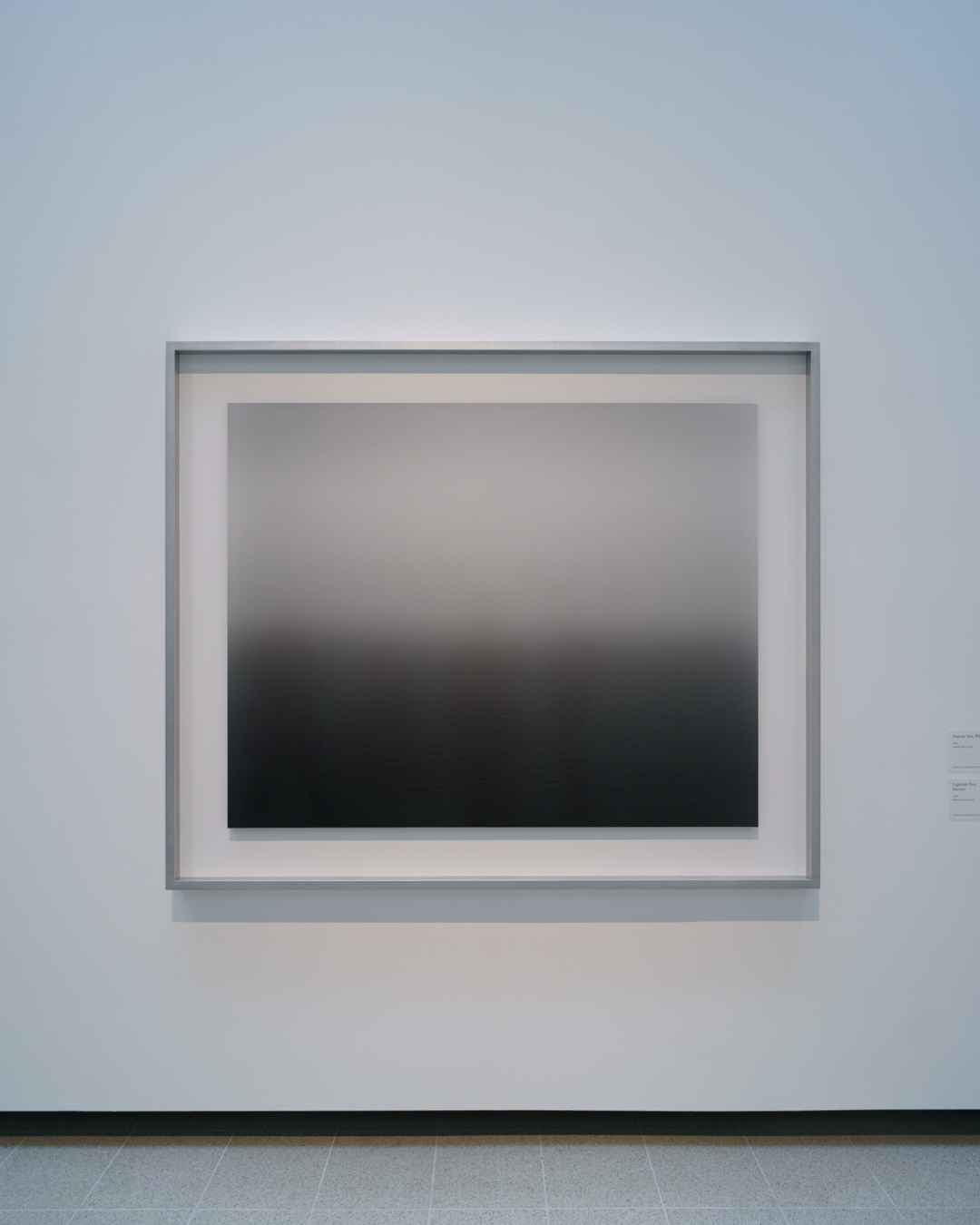
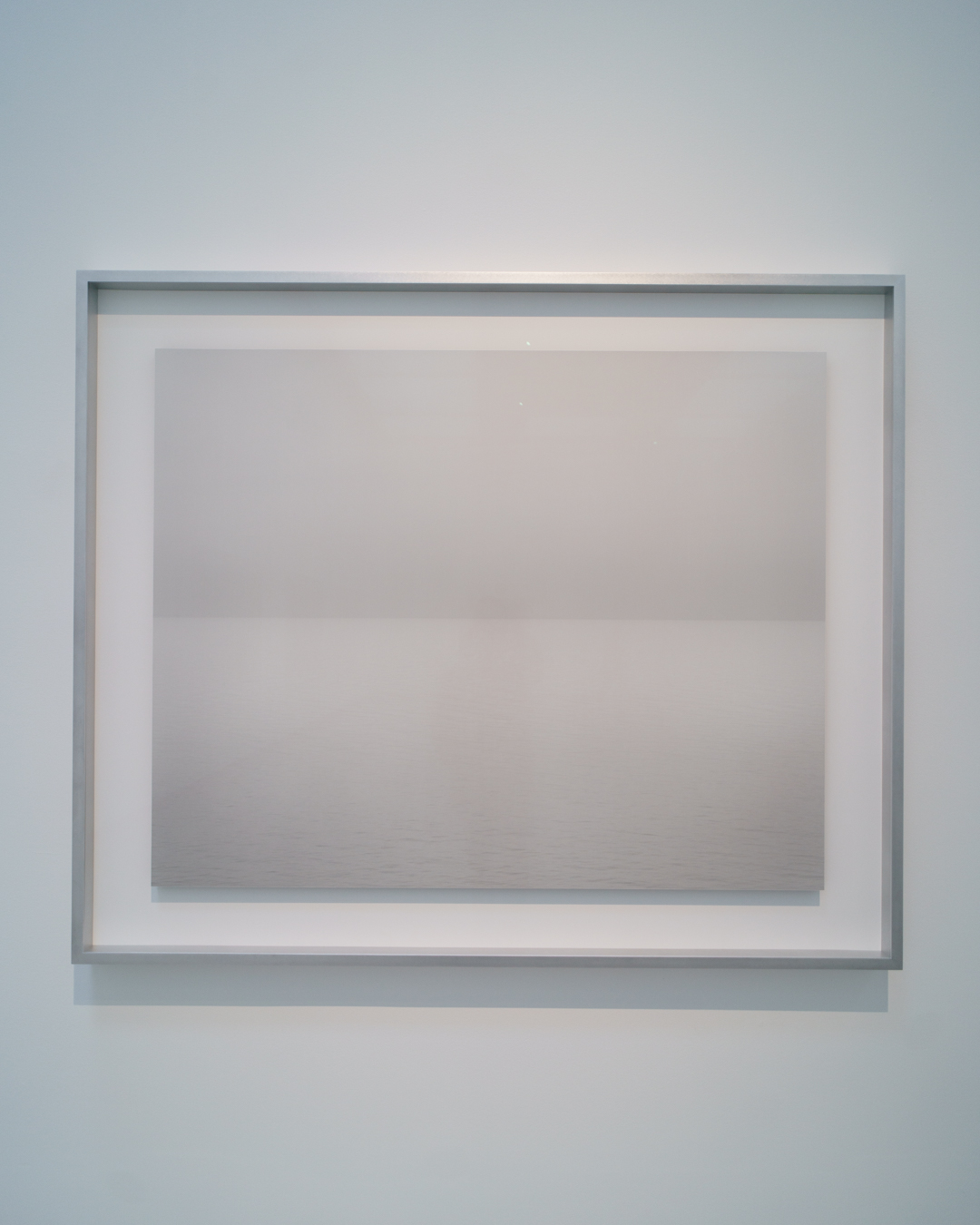
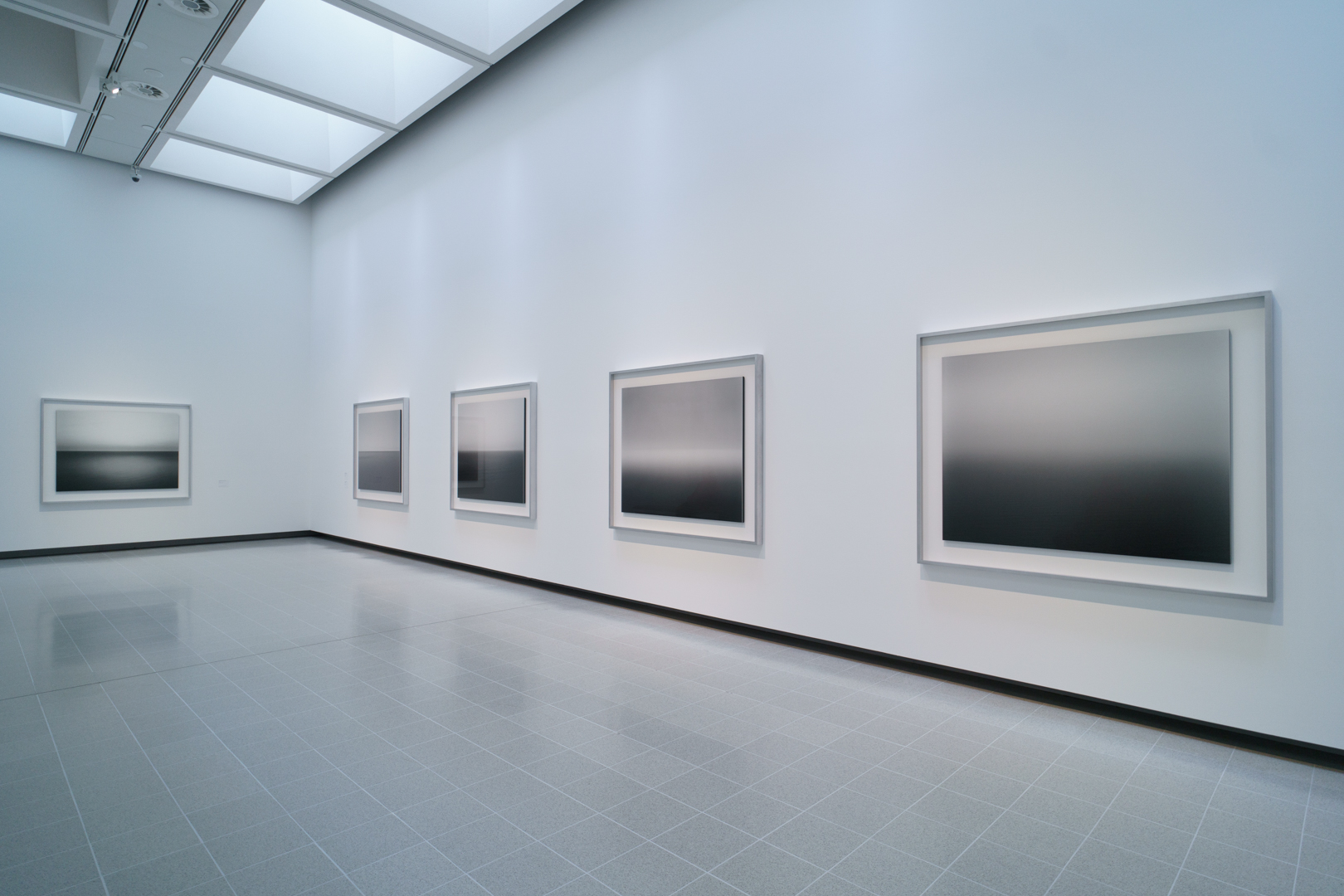
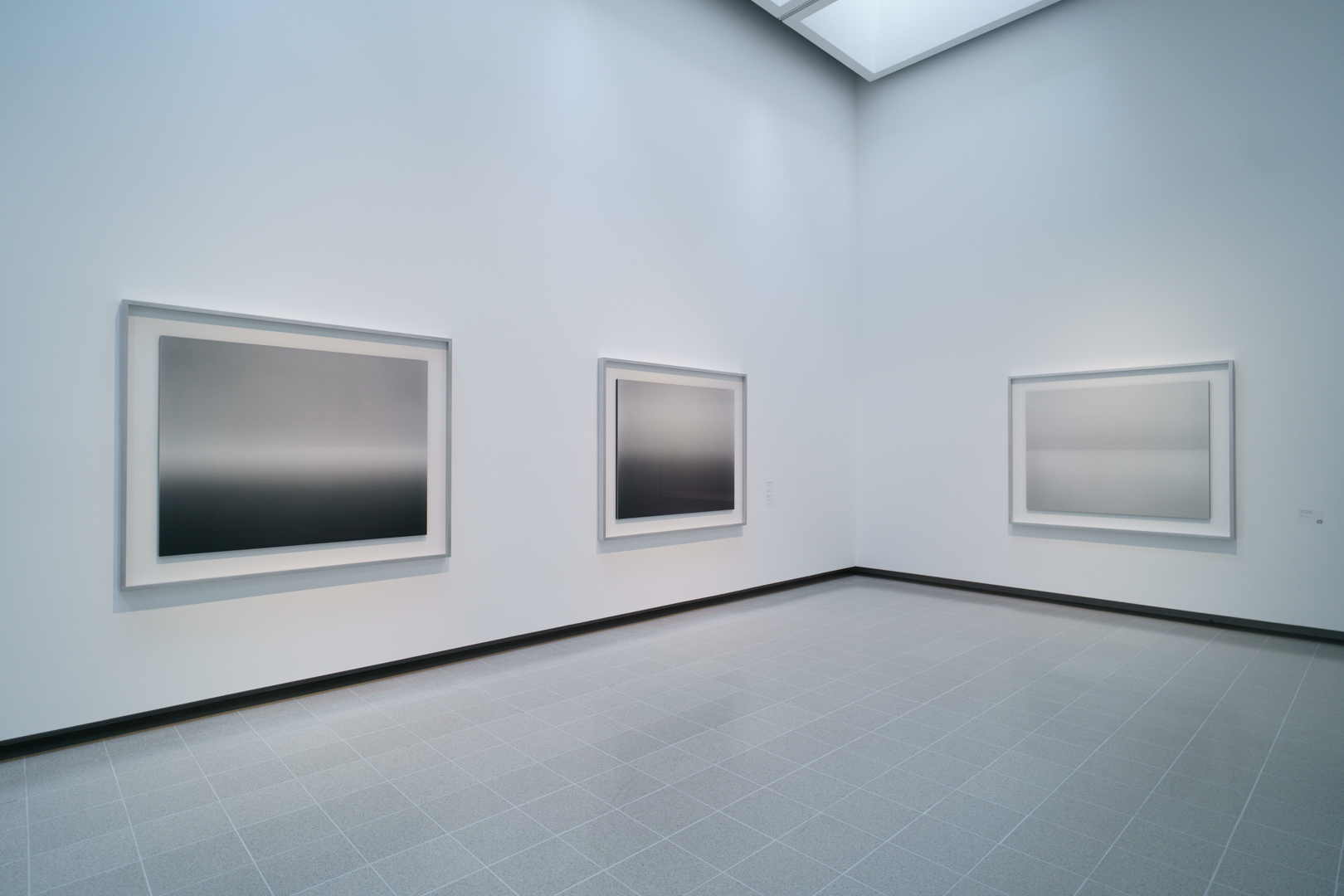
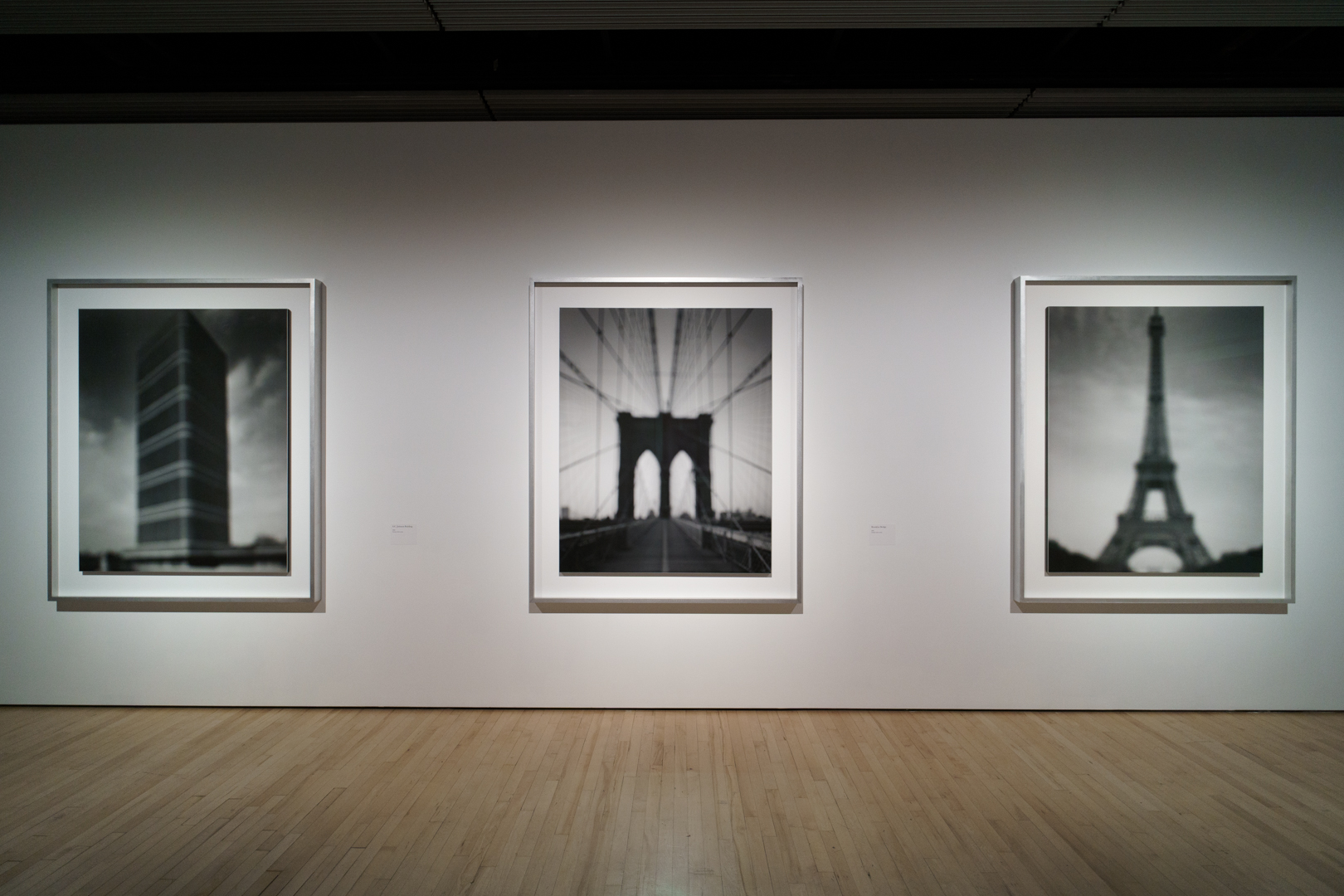
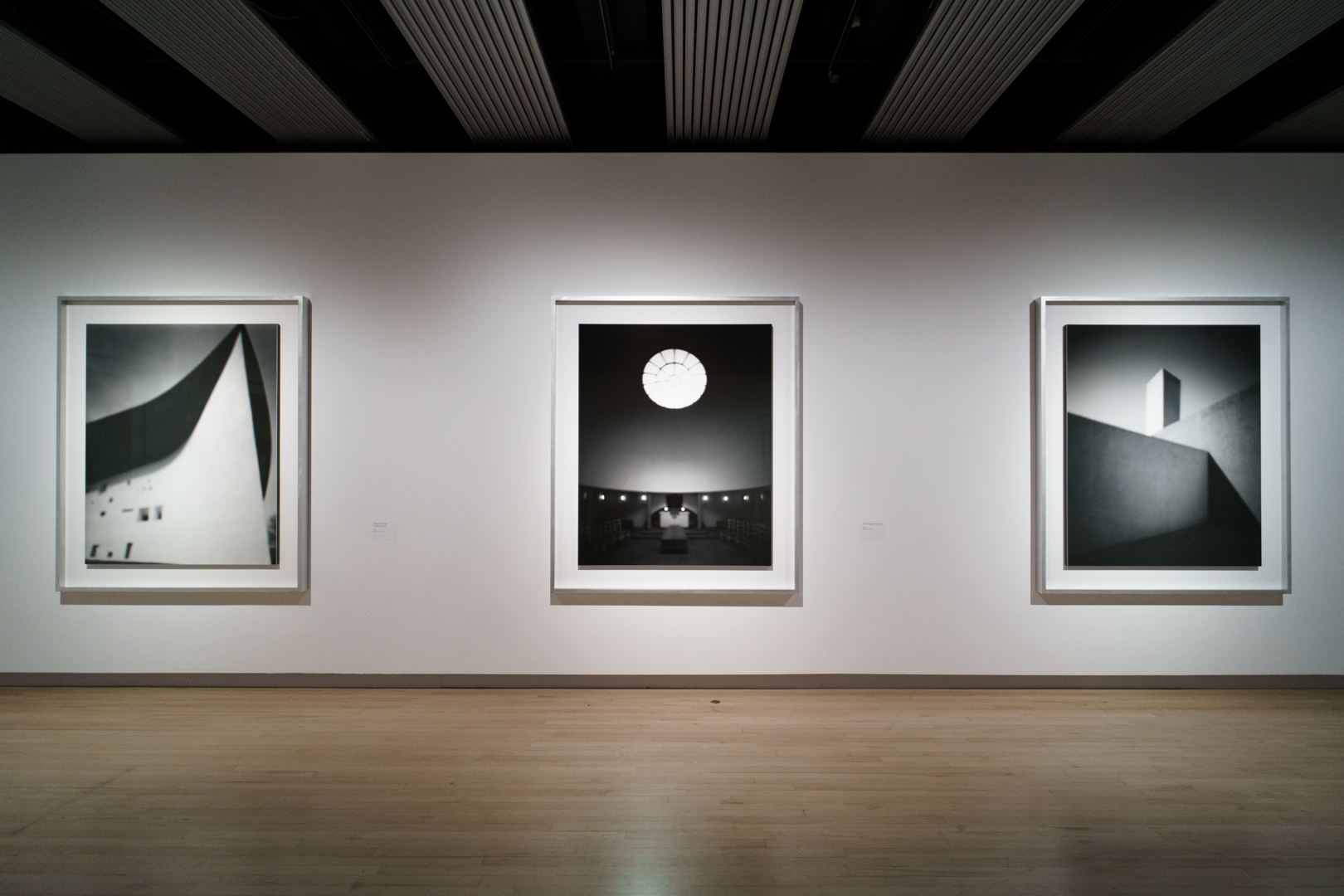
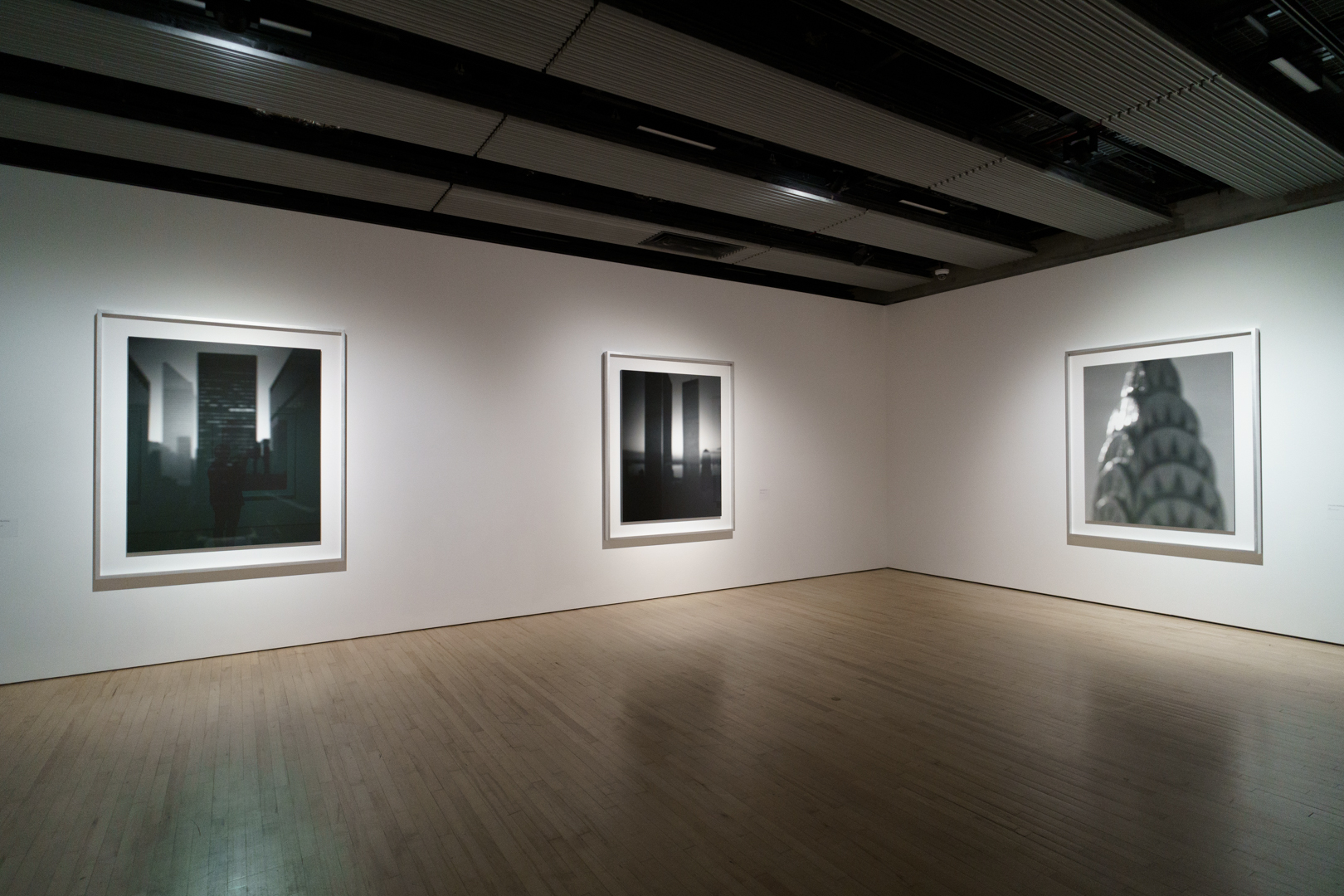
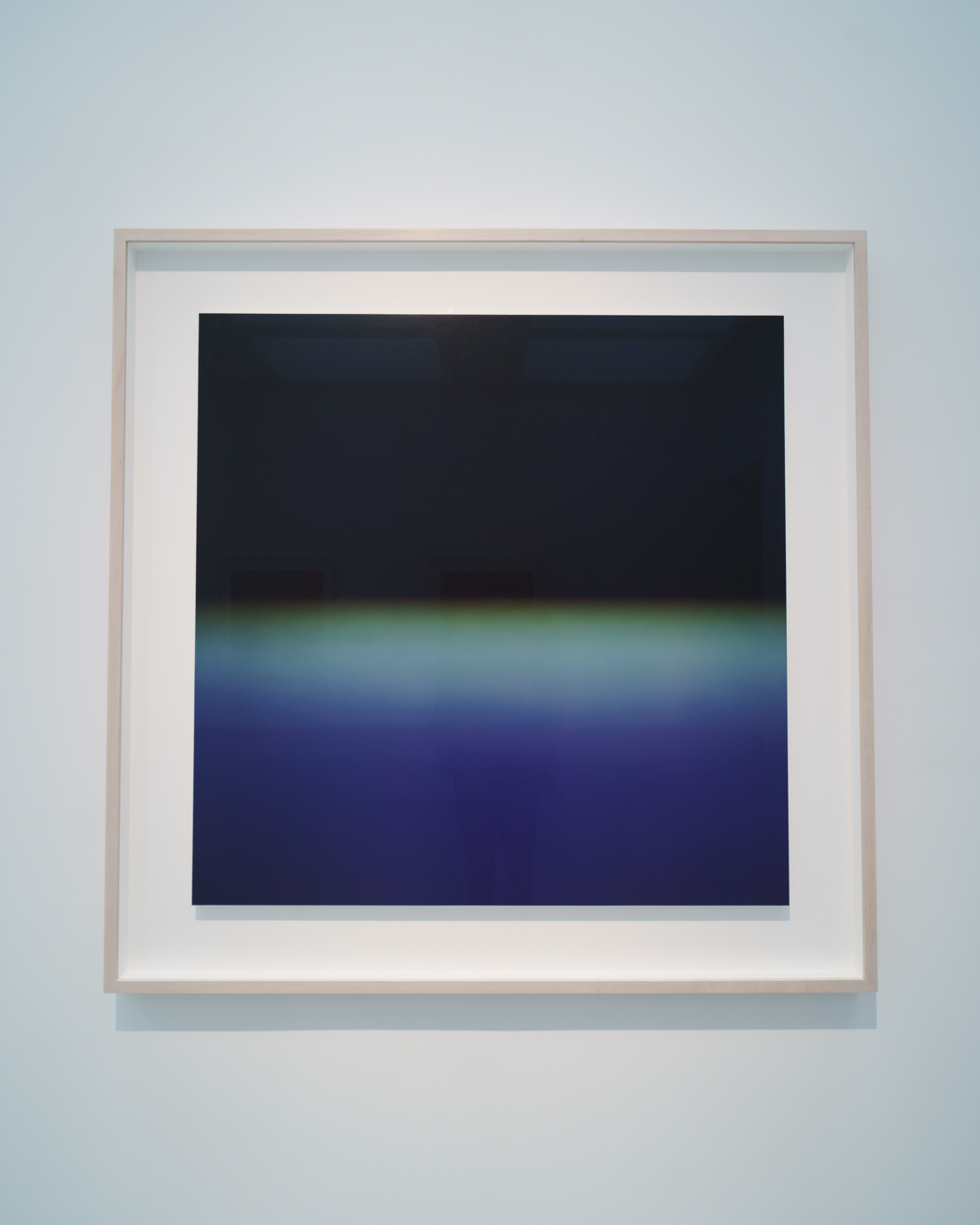
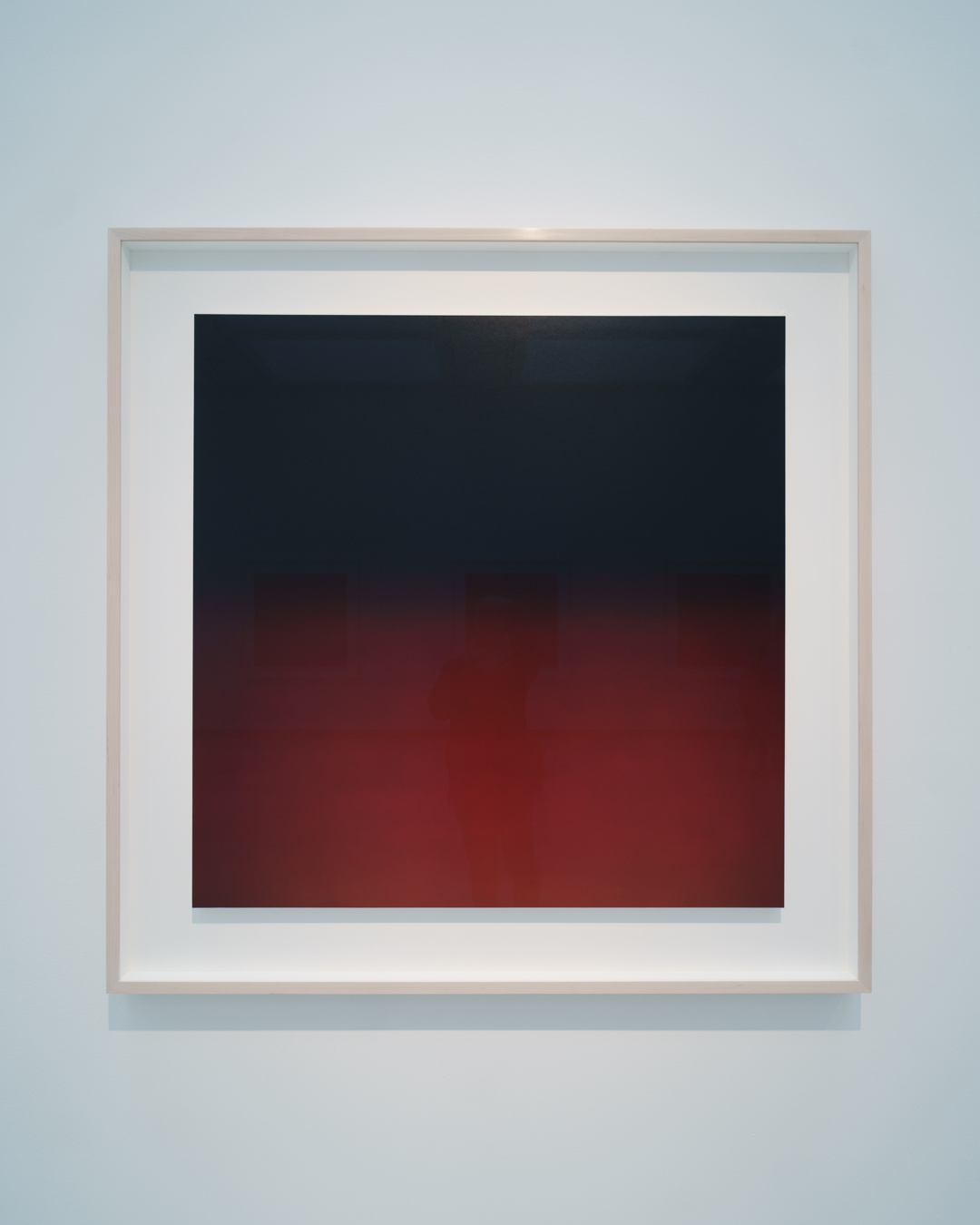
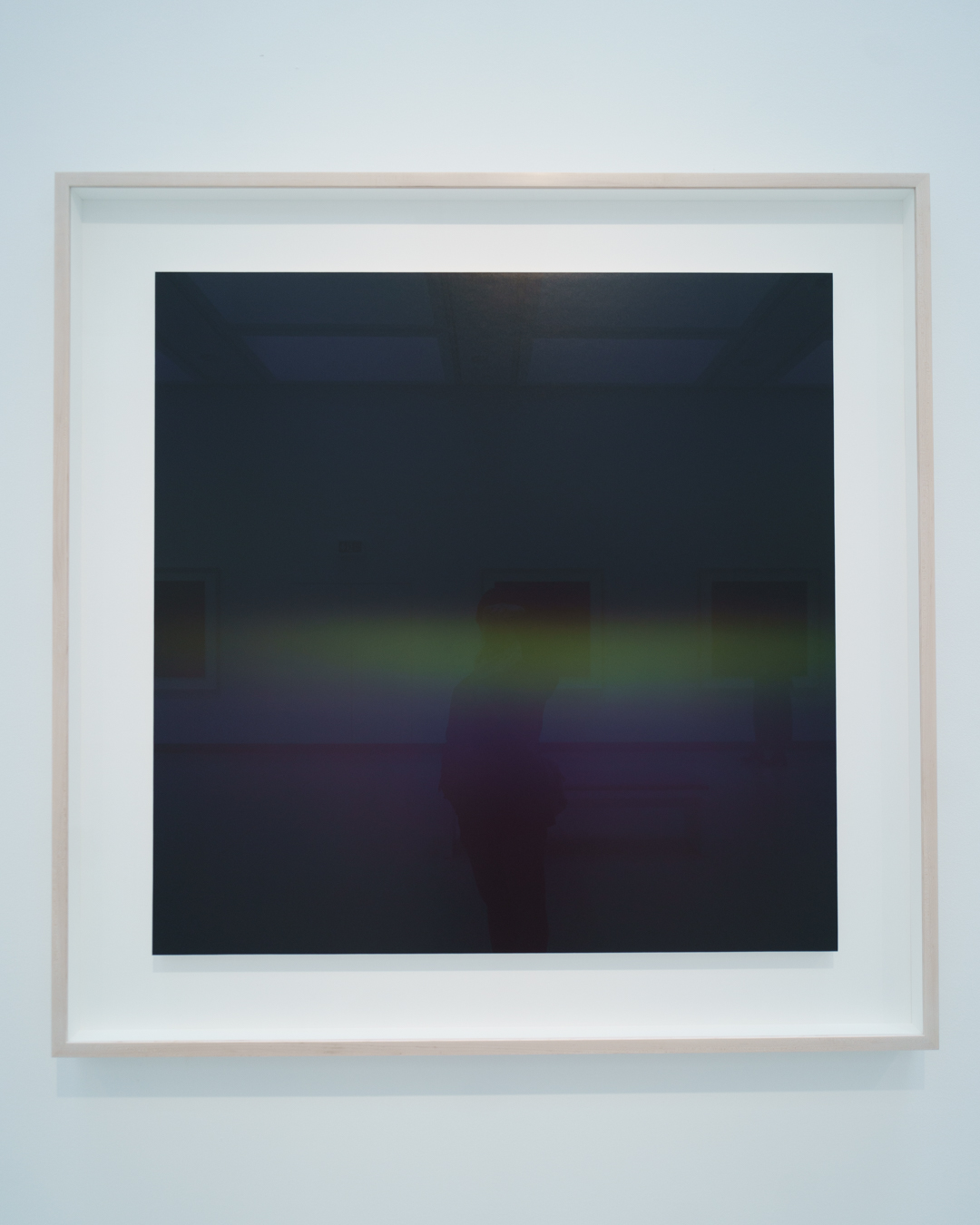
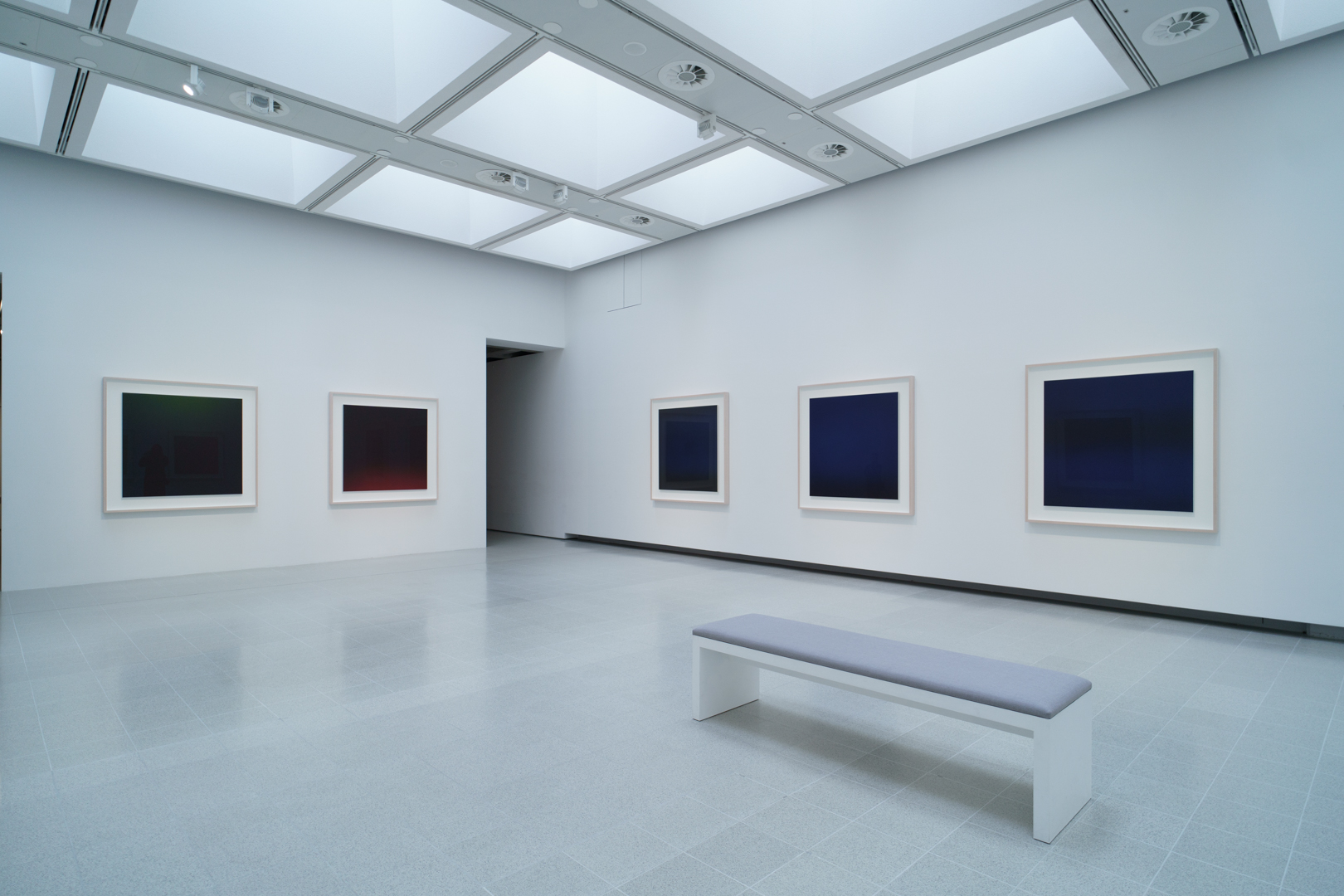
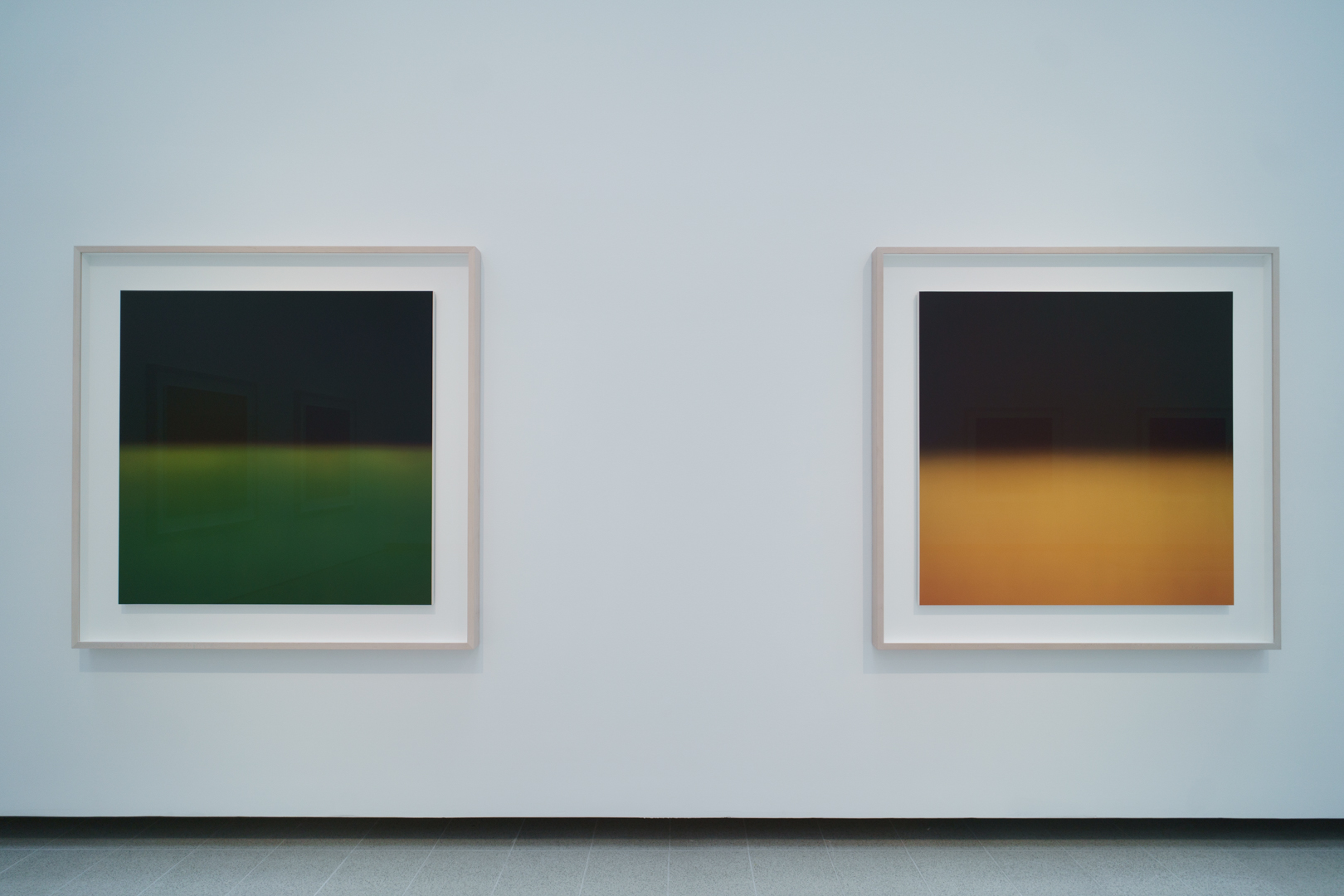
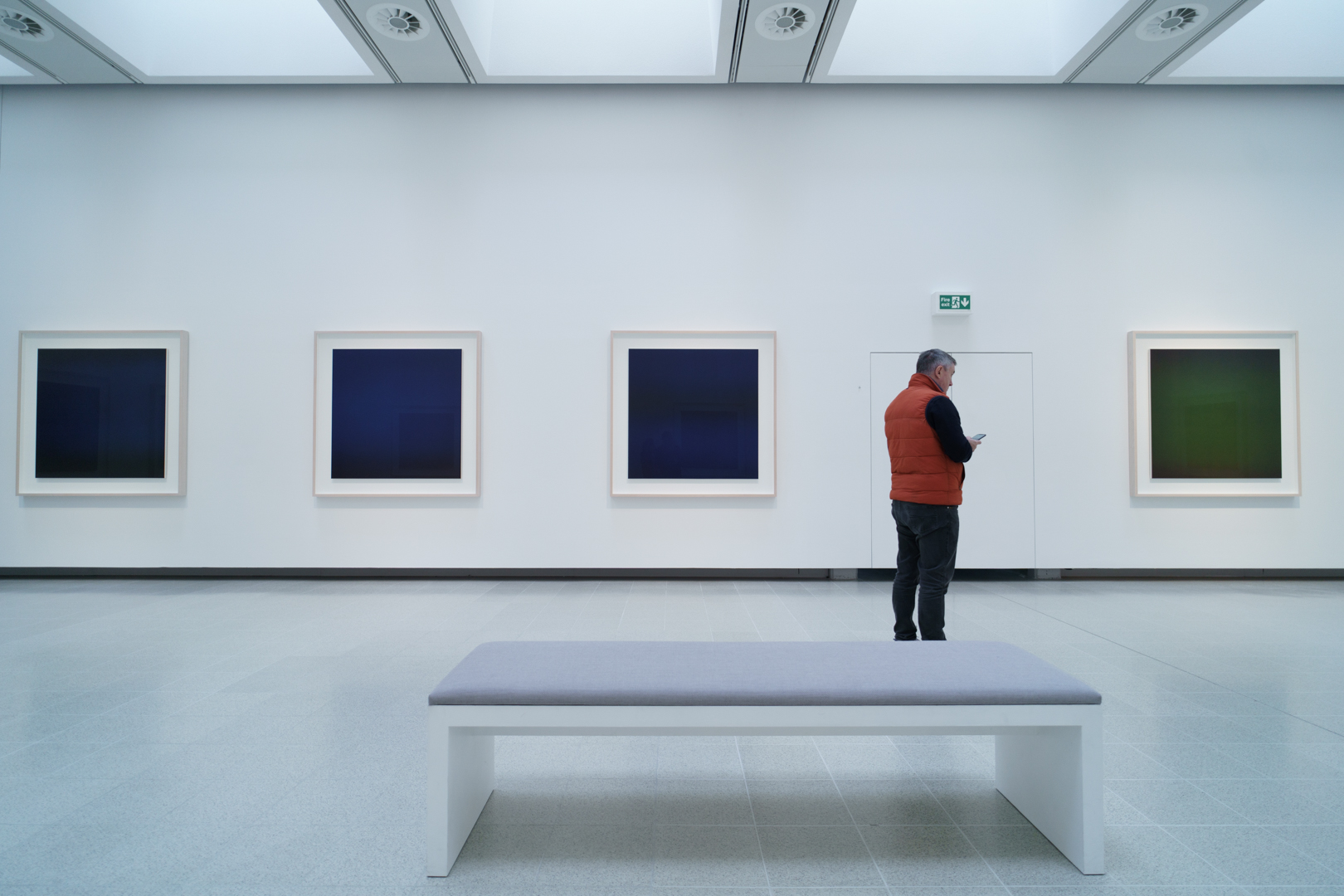
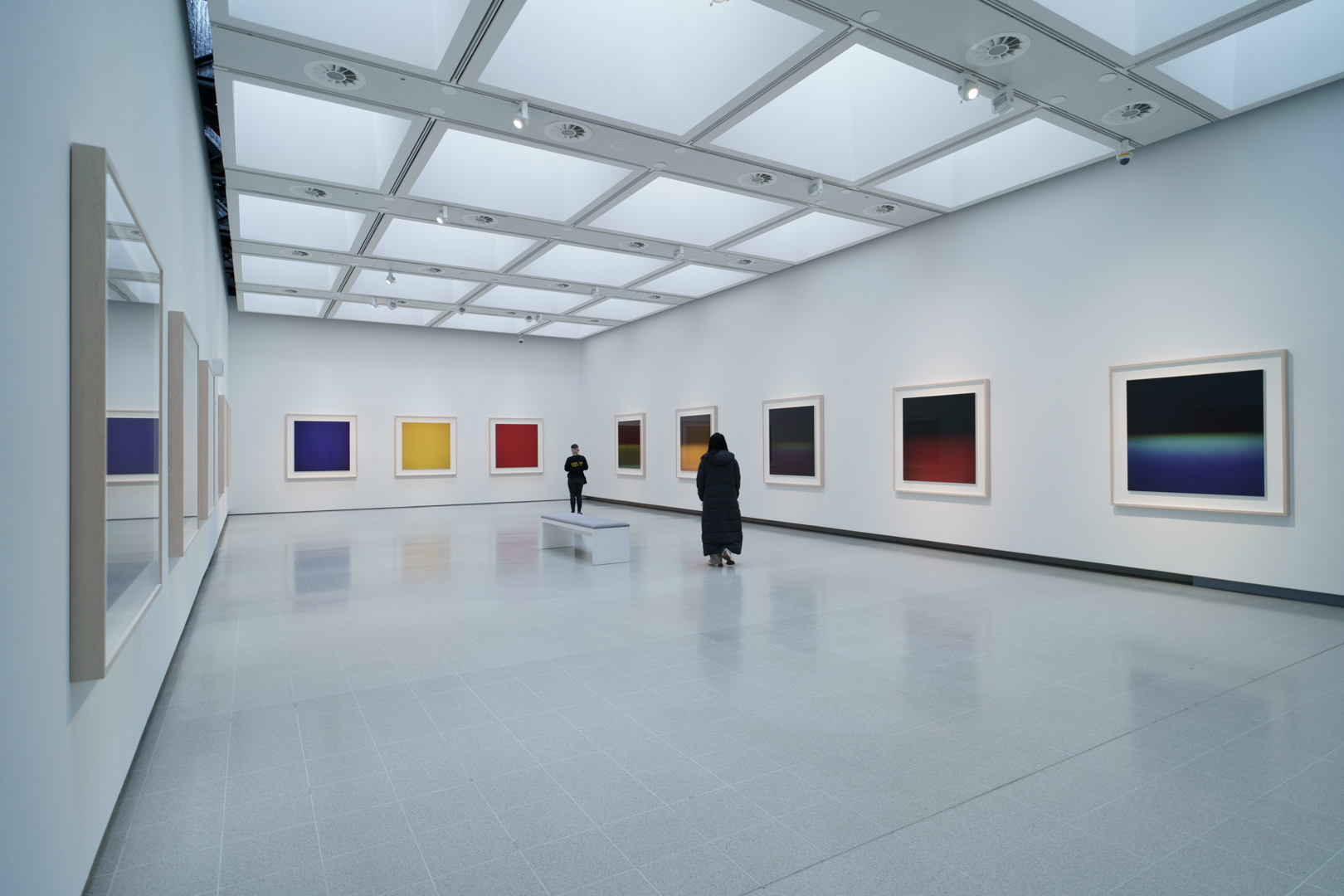
Sugimoto’s interest in abstraction is probably the most surprising takeaway from this exhibition. His blurry images of buildings, although less captivating, offer a gateway into his compositional mindset, centring on the effects of patches of light and shade. This harmonious approach to composition really reflects in his other bodies of work. Yet these architectural photographs are also his attempt to uncover the architect’s initial idea form for the intended building, devoid of detail, only pure form. Sugimoto’s truly abstract works are the Opticks upstairs, the only colour photographs in the show. Although similar to his Seascapes they bear greater resemblance to Josef Alber’s Homage to the Square paintings.
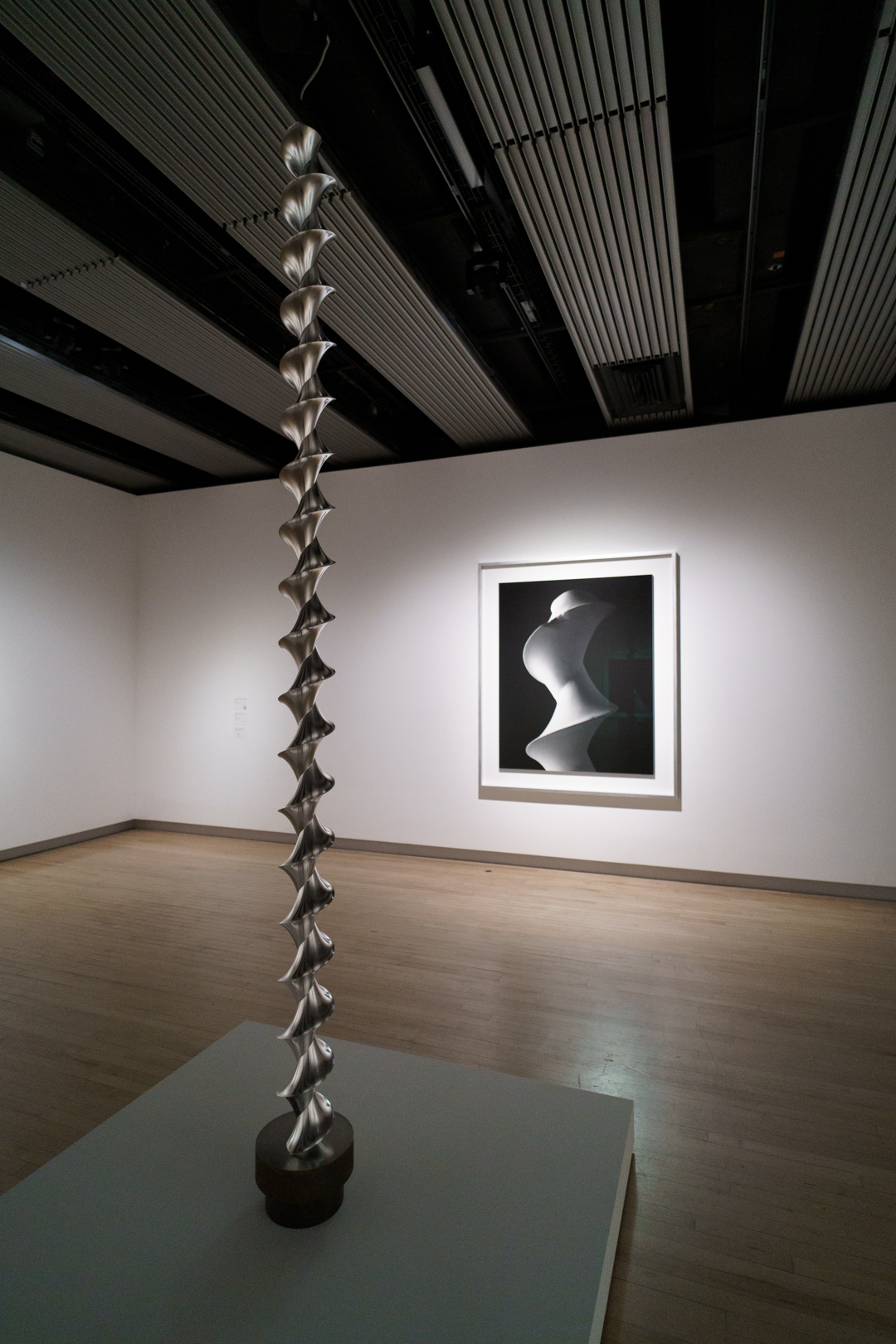
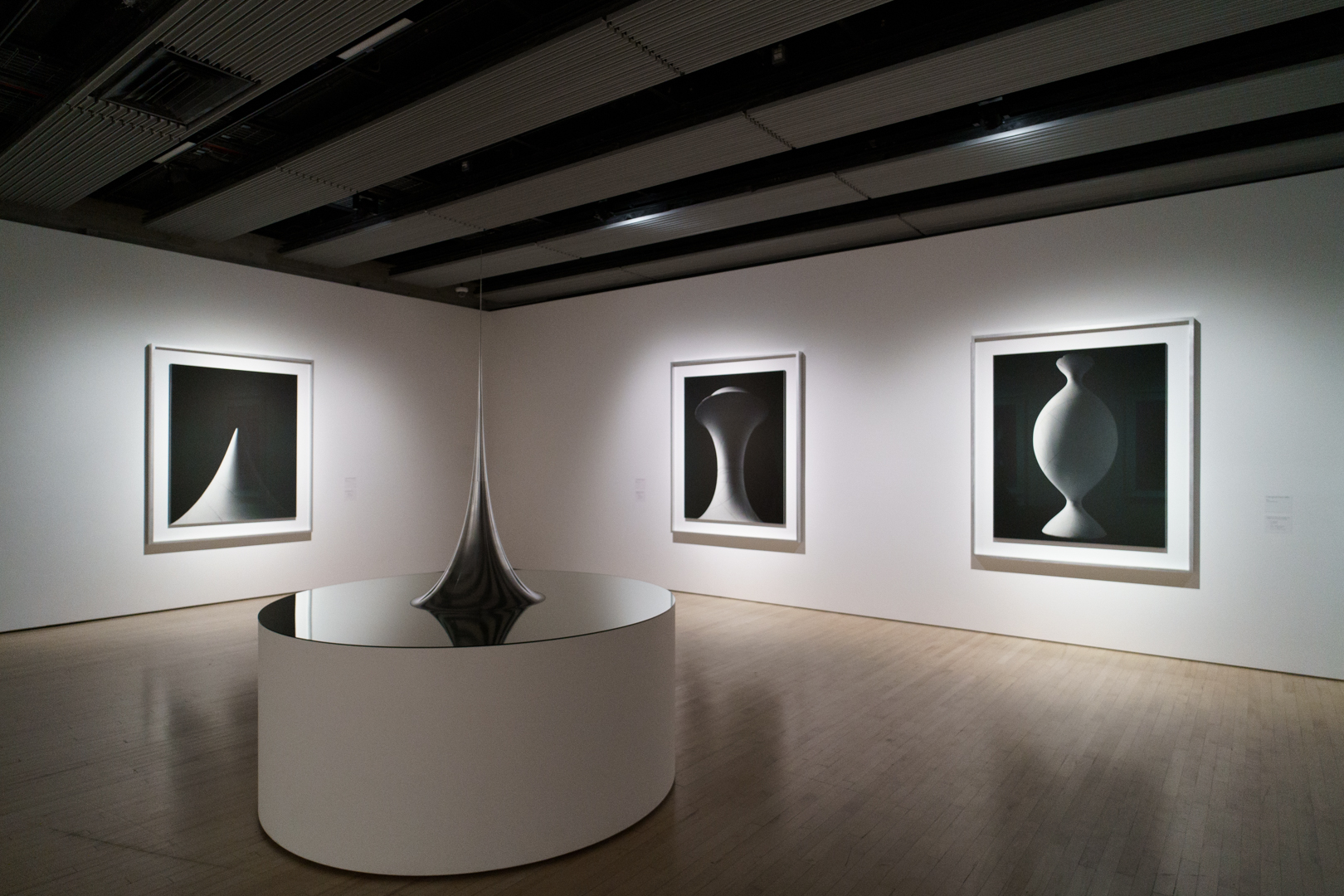
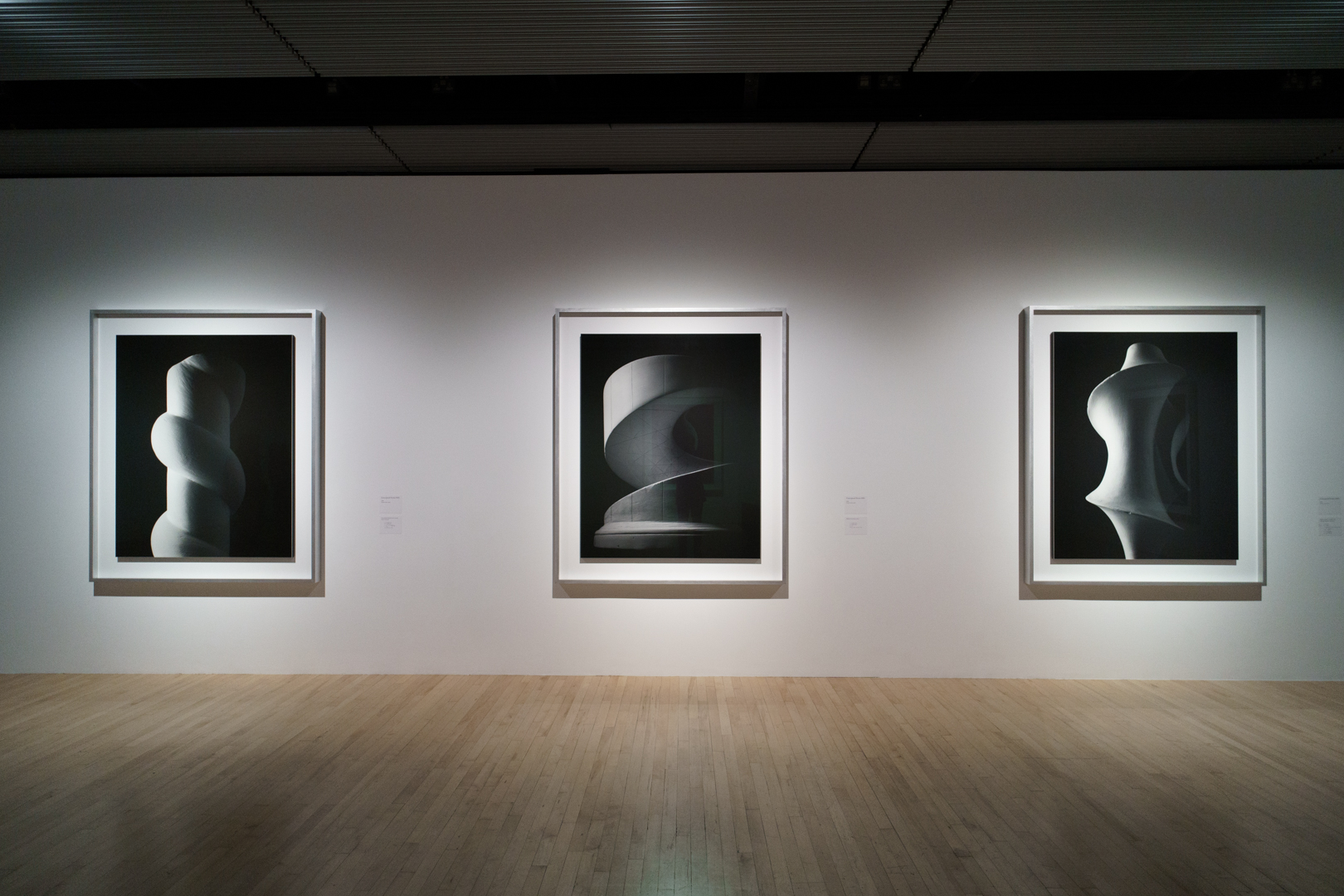
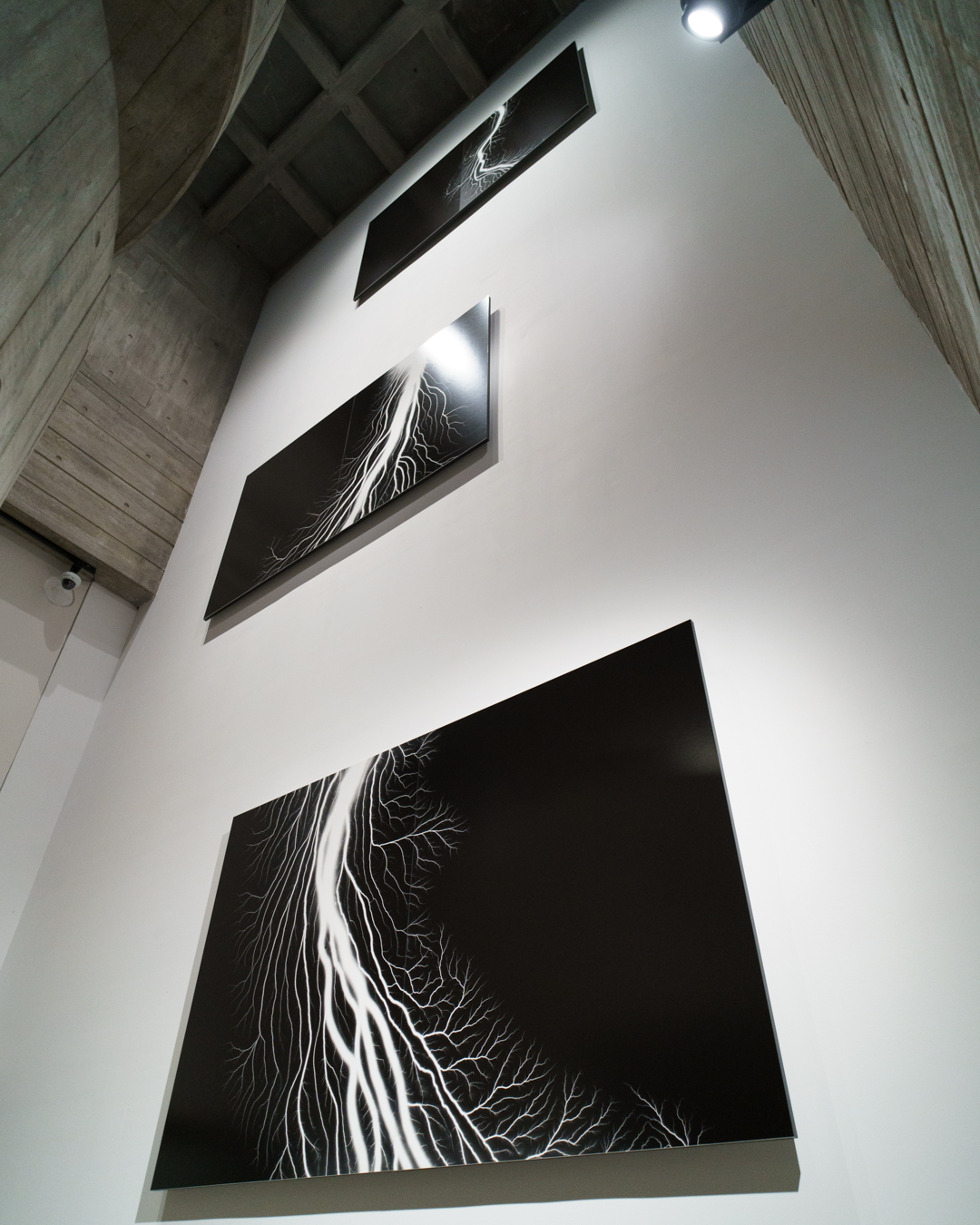
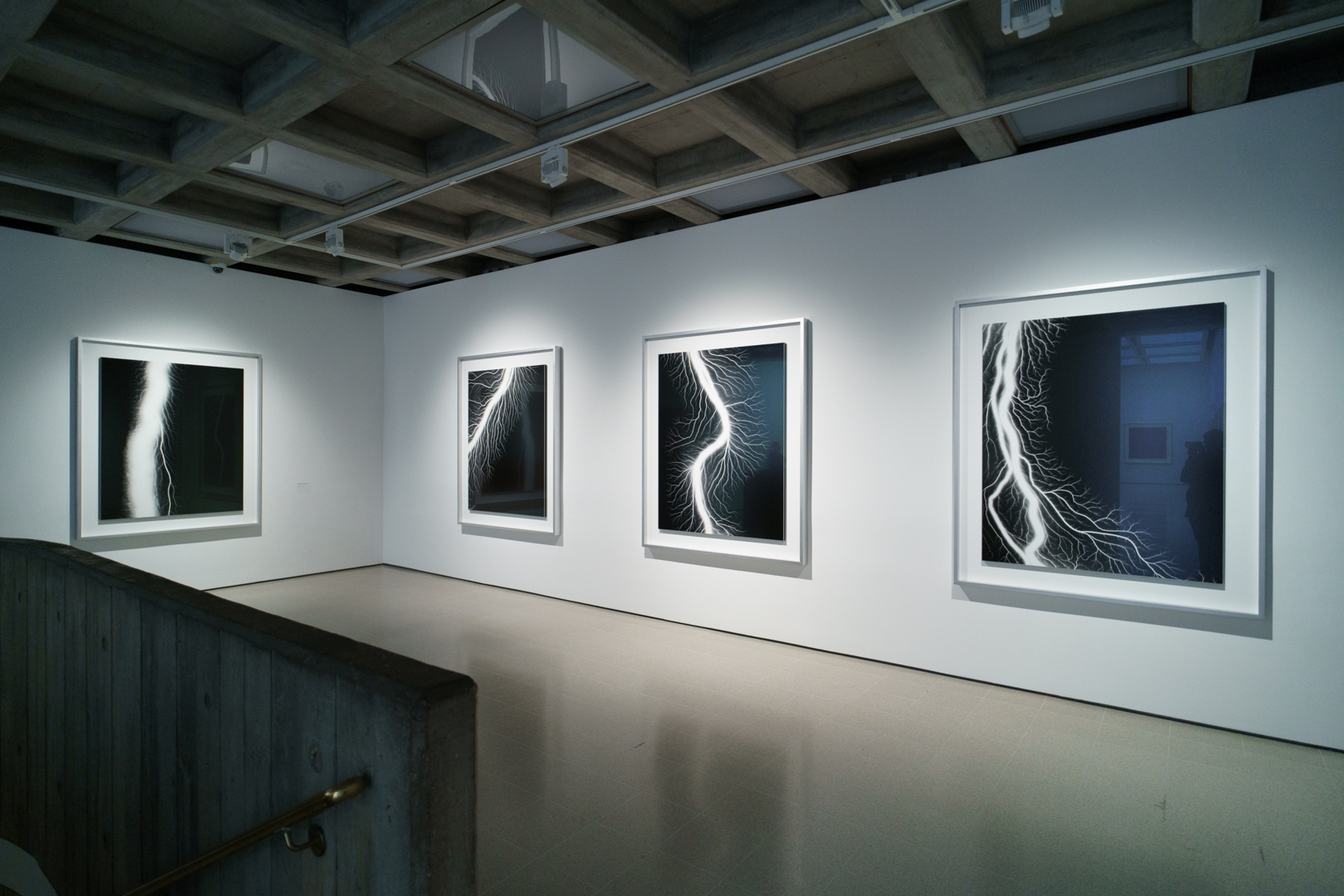
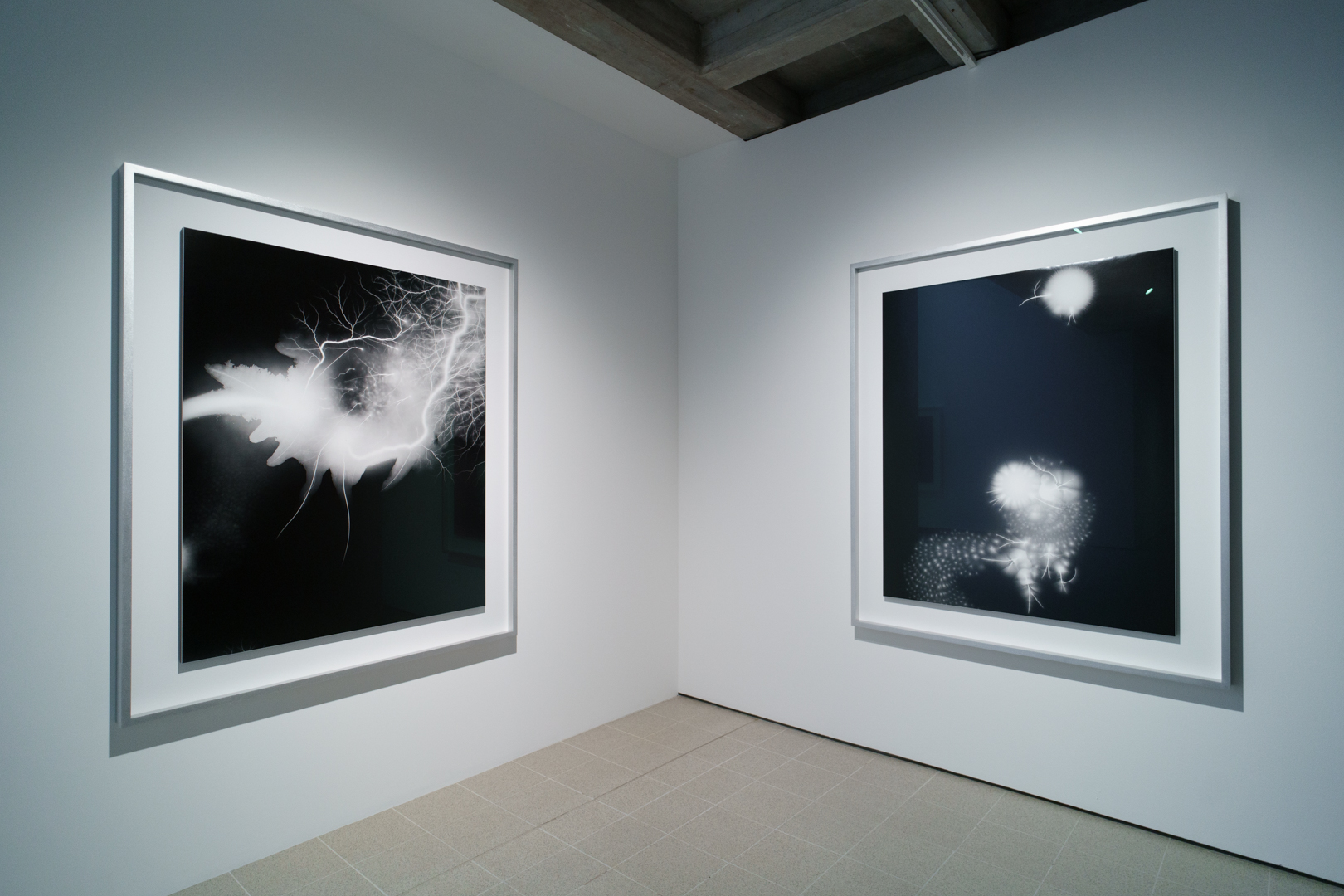
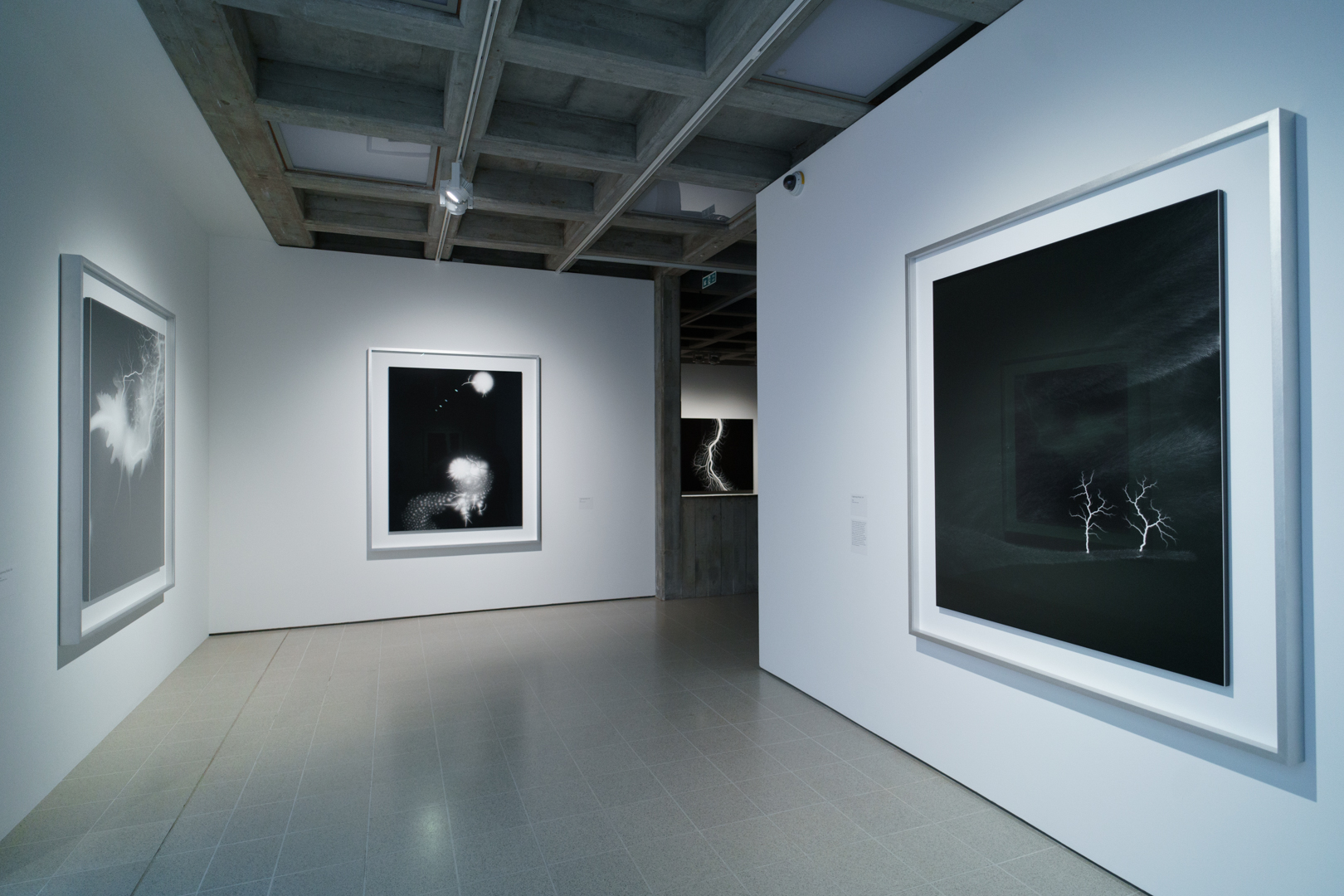
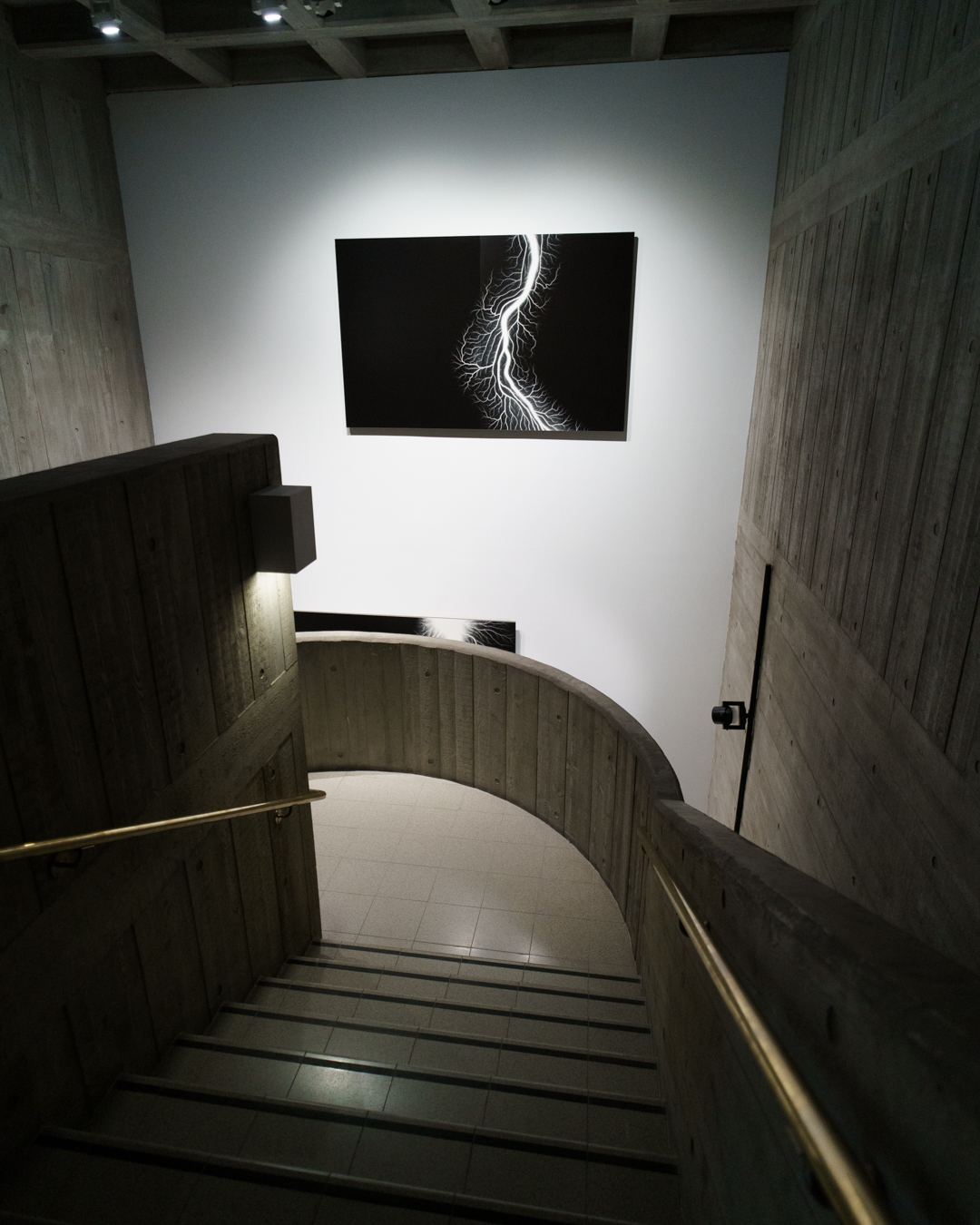
By contrast, his precision experiments with geometric shapes created using mathematical formulas – reproduced in the captions – lead to physical works and images that entertain us with their material form and surface texture. The exciting tale of being able to manufacture a 1mm tip is reflective of the photographer’s determination towards a desired end goal. Similar moments of experimentation can be seen in his Lightning Fields series, the result of static electricity generated by friction between a sheet of negative film and the film holder, normally a technical problem perculiar to photography that can scar the film and ruin the image recorded on it.
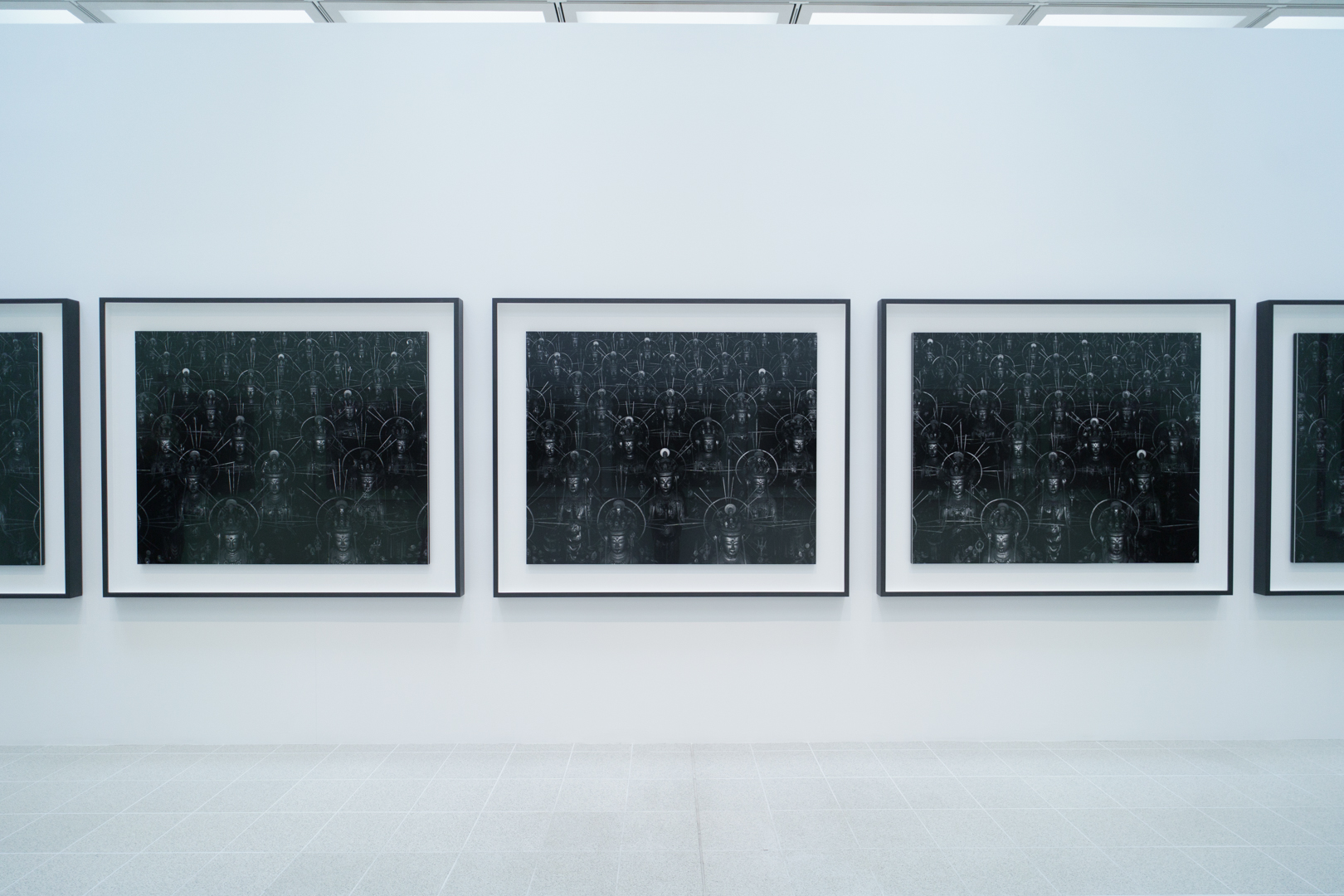
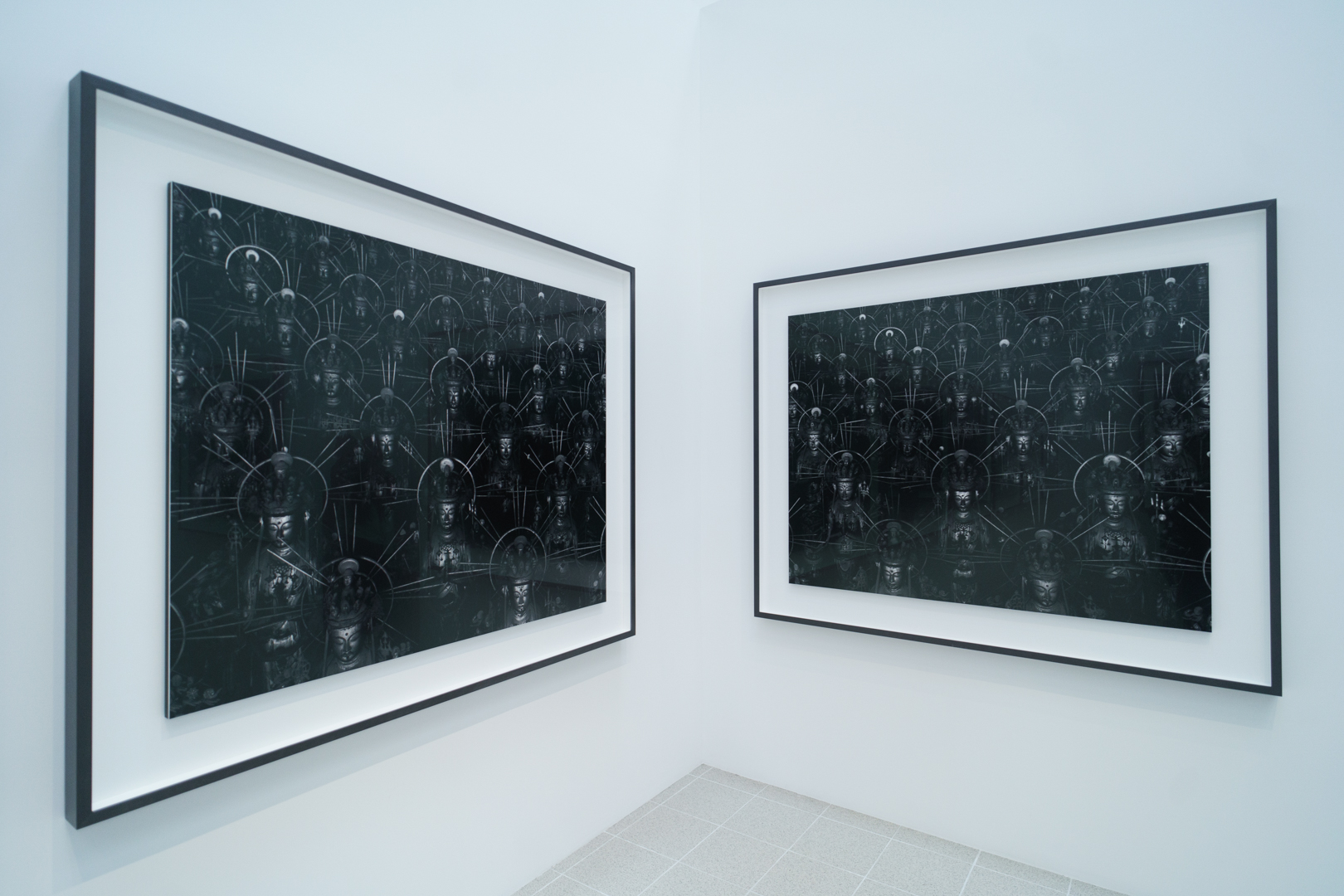
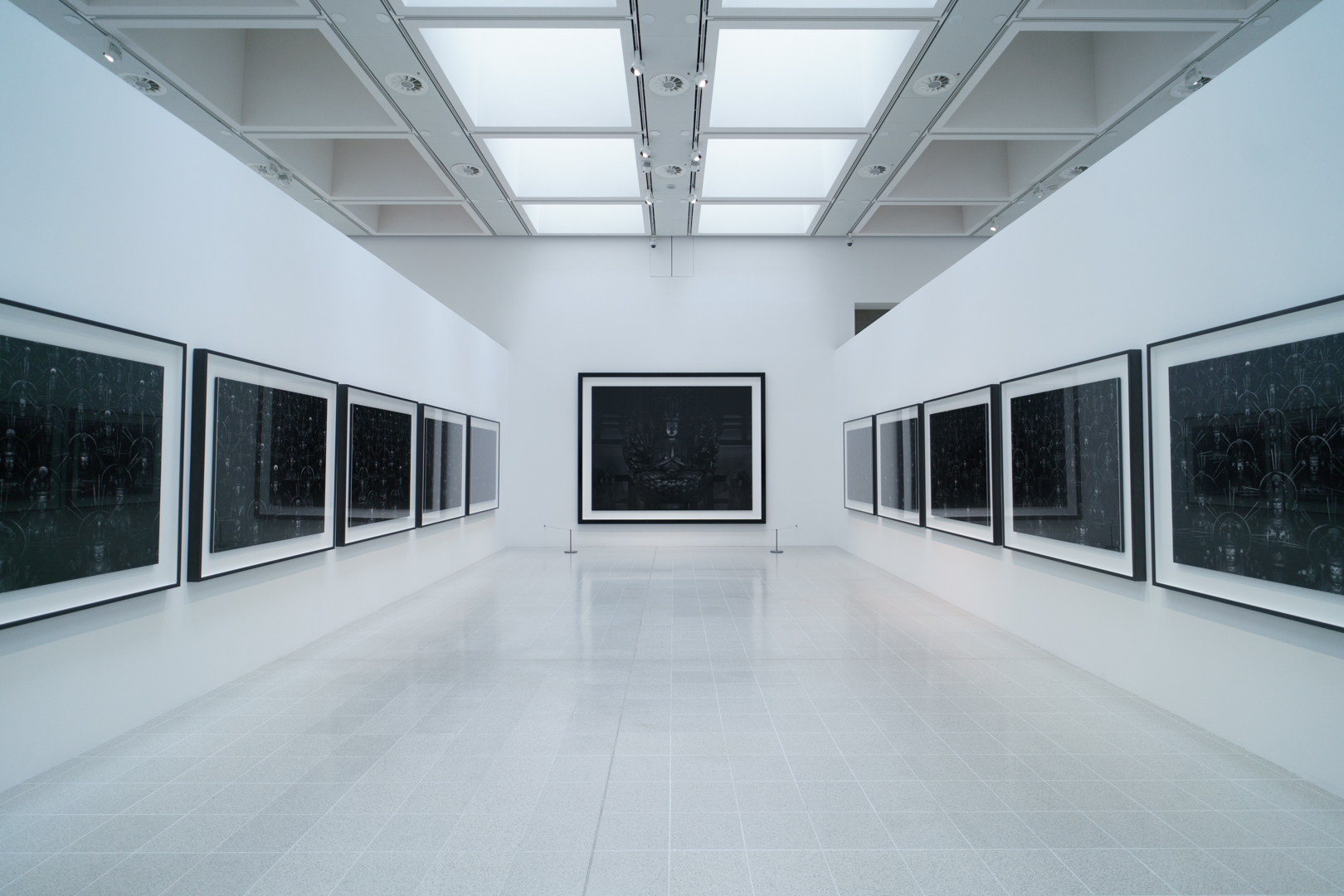
Finally, one comes to the Sea of Buddha pictures, a hard-earned conquest for permission to photograph inside Kyoto’s famed 13th-century Buddhist temple Sanjūsangen-dō (Hall of Thirty-Three Bays). Although only a fraction of the temple’s 1,001 standing thousand-armed Kannon are represented in the show, one still feels their intimidating stares casting judgement upon you as you glide up towards the large Senju Kannon, the main statue of veneration in the temple.

This exhibition is a therapeutic walk through Sugimoto’s inquisitive mind. There is a real sense of curiosity and subversion in his images, always looking to push the boundaries of perception and experience. Uncovering these room by room is an extremely pleasant experience that delights and disturbs the mind in myriad ways.
Hiroshi Sugimoto runs from 11 October 2023 to 7 January 2024 at the Hayward Gallery, Southbank Centre, London, https://www.southbankcentre.co.uk/venues/hayward-gallery

 Nigel Ip
Leave a comment