
I’ve been debating whether or not to review the Royal Academy of Art’s important Marina Abramović show for a bit, or rather whether I have anything at all useful to say about it. While I appreciate and love some of her contributions, I am of the opinion that there are more interesting performance artists out there that do it better.

This is, in fact, the second solo retrospective of a female artist in the RA’s Main Galleries in its 255-year history; Elisabeth Frink was the first in 1985. This is a huge deal and a rightfully momentous occasion to celebrate women artists, past and present. Of course, it also presents the question: why has it taken nearly 40 years for the RA to do another one?
The exhibition presents quite a concise overview of Abramović’s groundbreaking performances, predominately represented by recorded footage, stills, props, and installations. At various points in one’s visit, live performances are re-enacted by her students.
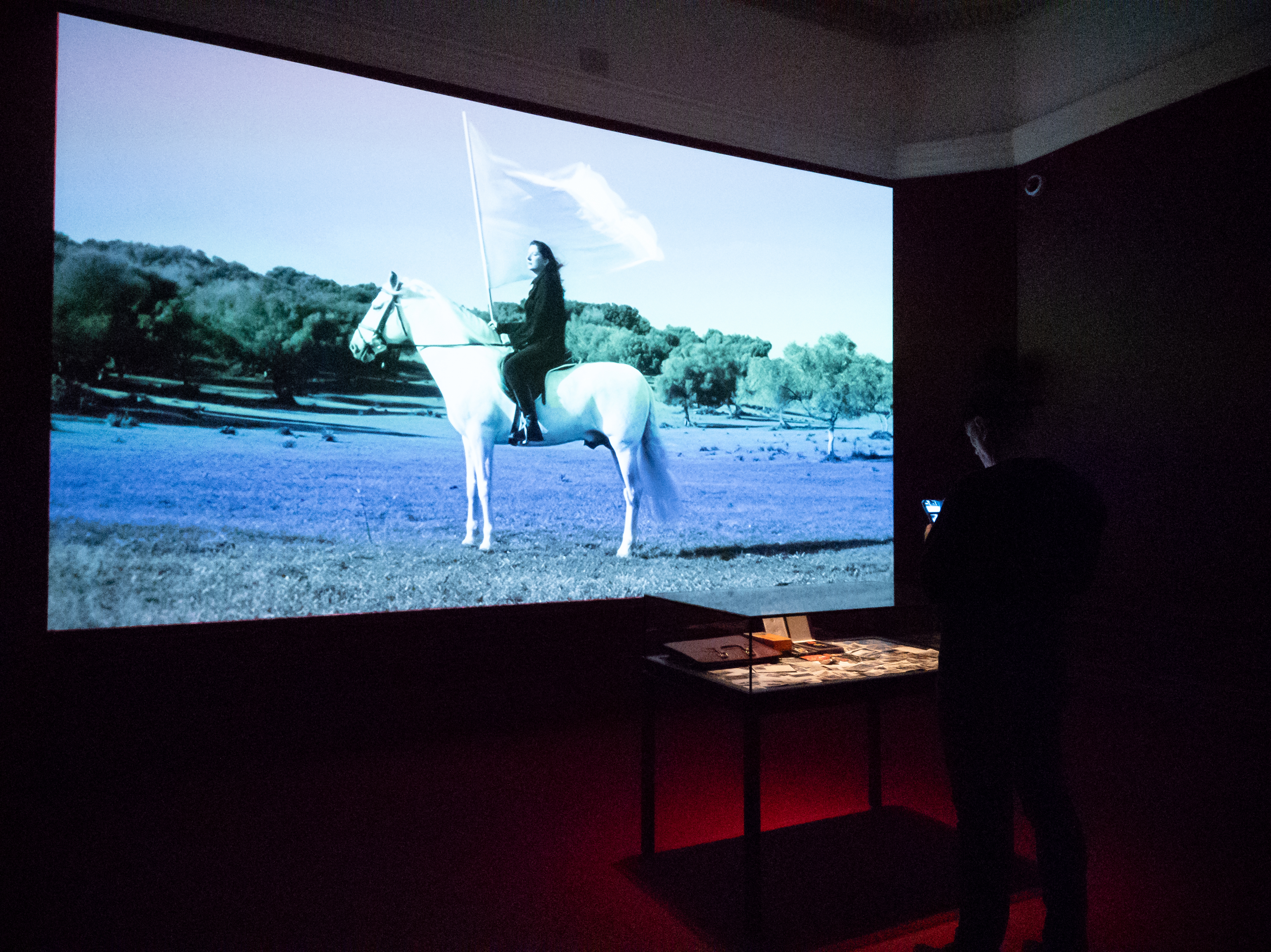
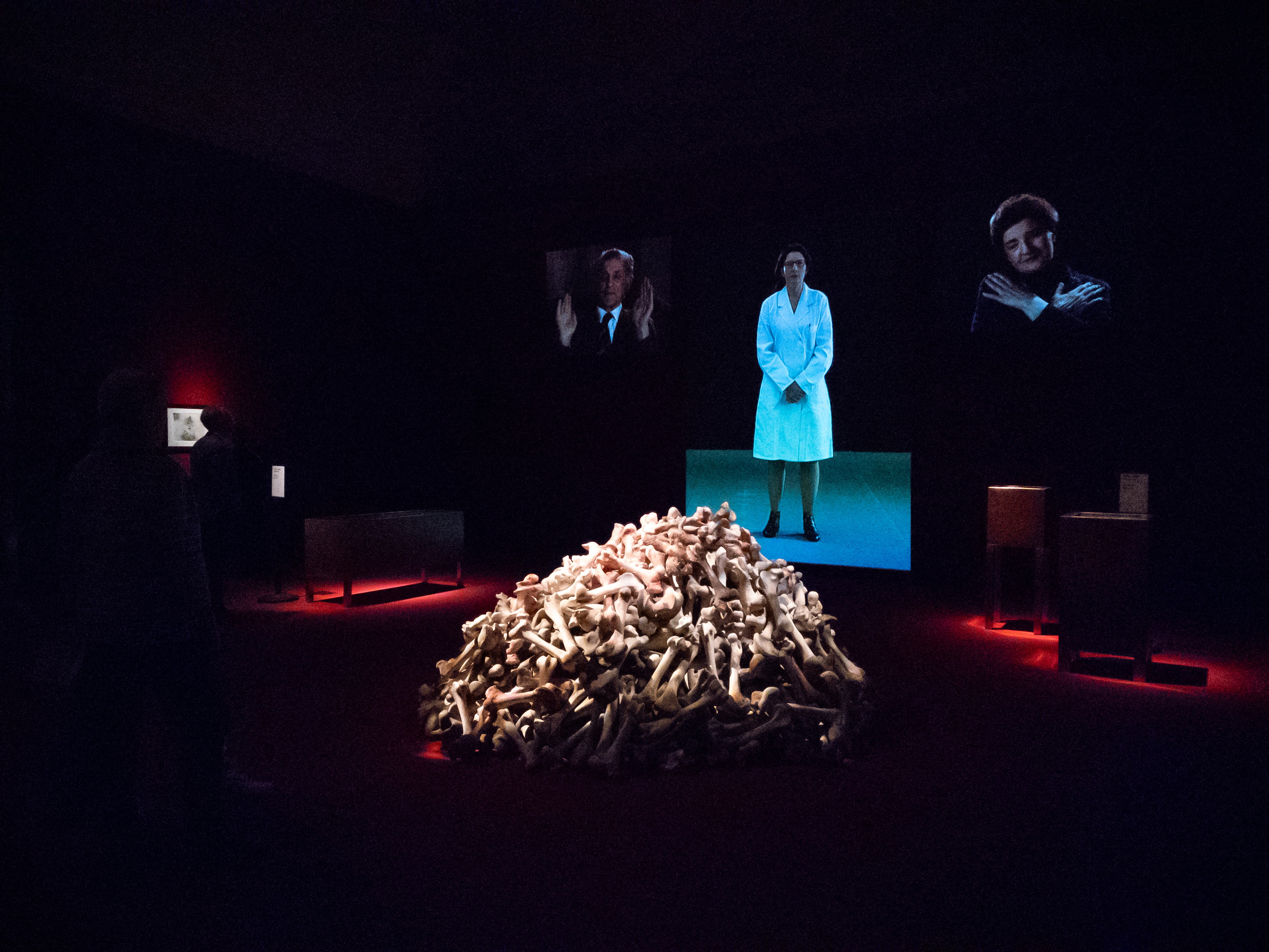
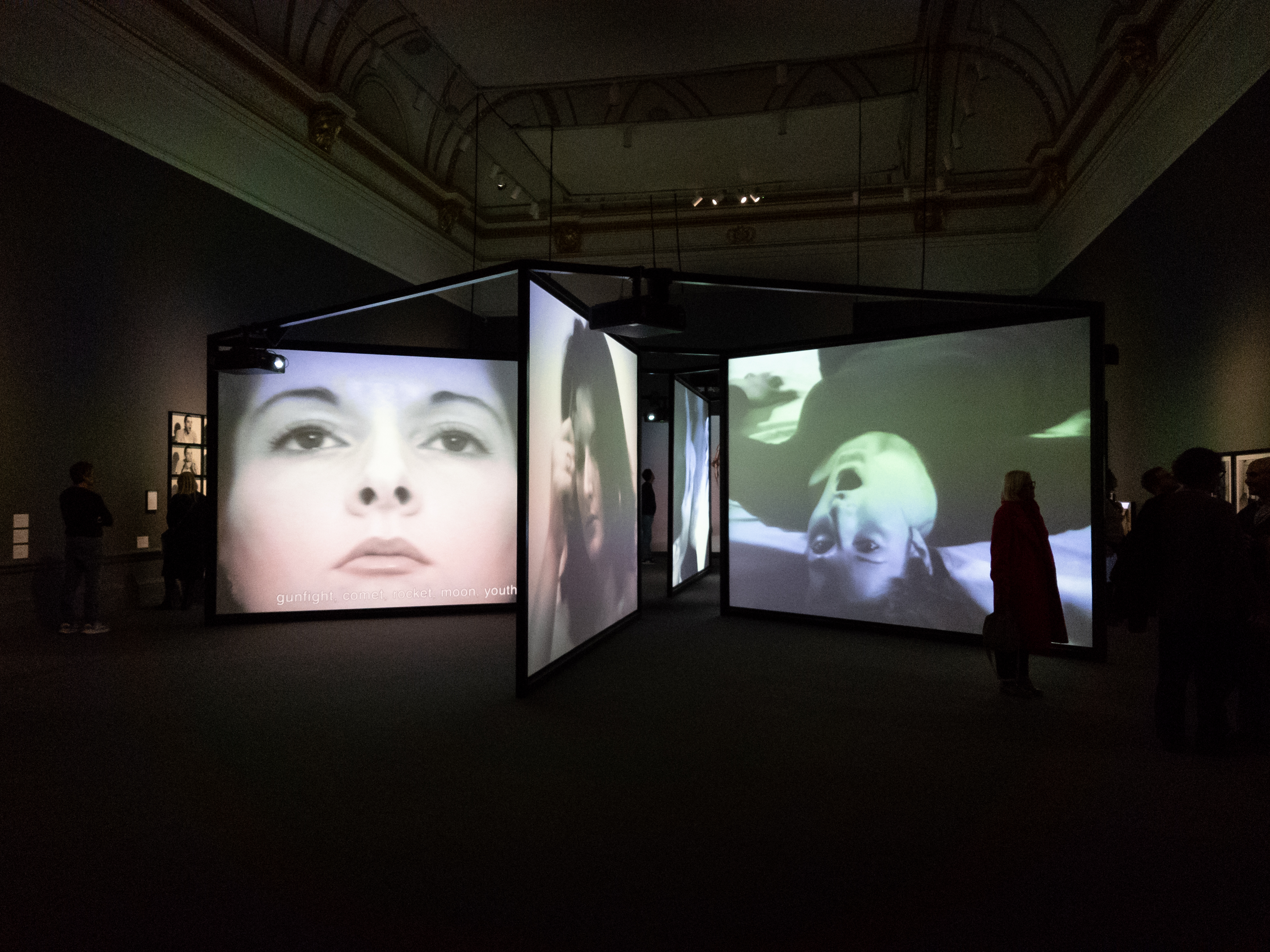


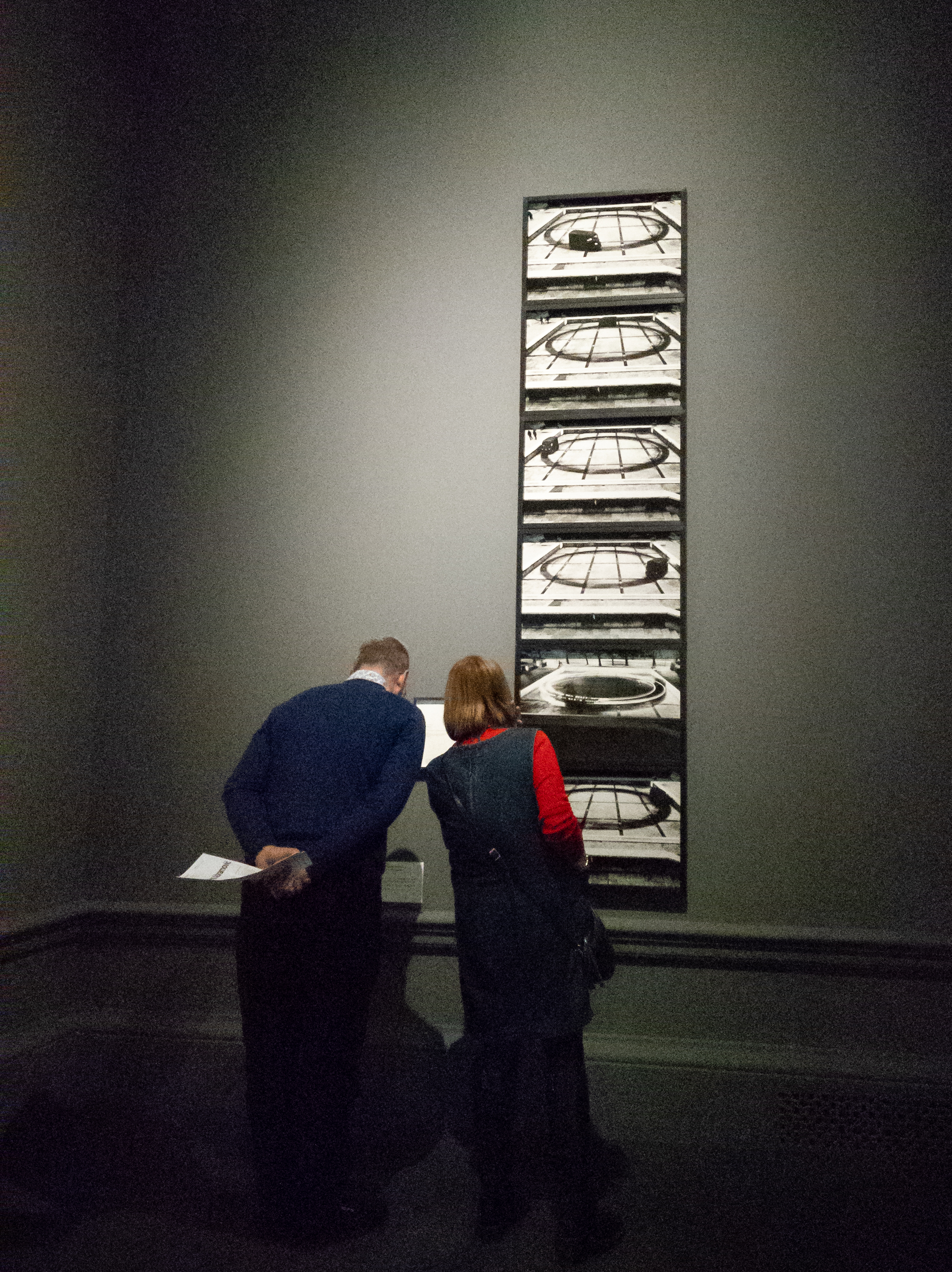


My critique mainly deals with the reception of performance art compared to more traditional artforms, in that it has always been one of the hardest artforms to digest and justify to a general audience. As a result, it often requires quite a bit of explaining. This show does very little in this regard.
While certain iconic performances have been afforded their own rooms with proper explanations, most are bare. A nice touch, however, was the reproduction of the performative instructions underlying each piece.
A dilemma is thus presented, one that is not very useful but conceptually quite clever.
Due to the lack of explanations, one can experience the initial shock and confusion of her performances. No one knows what is going on or what it all means, and they take from it what they want. In this show, Rhythm 0 remains a triumph for its immediate transparency.

However, despite her enduring legacy and ongoing influence on future performance artists, much of what was exhibited prompted the question “Why is this important?” and curious yet bemused expressions from other visitors. The self-participatory Transitory Objects probably didn’t deliver their message other than ‘cultured’ Instagram photos (I, too, am guilty of this). Ultimately, one comes down to “What is the point of all this?” and “Is this really art?”; the latter is sadly a circular discussion. And the truth is, her works aren’t always that impressive. Still, I rank Rest Energy and Lovers among my favourites because their concepts tied very well with the nature of Abramović and Ulay’s relationship.
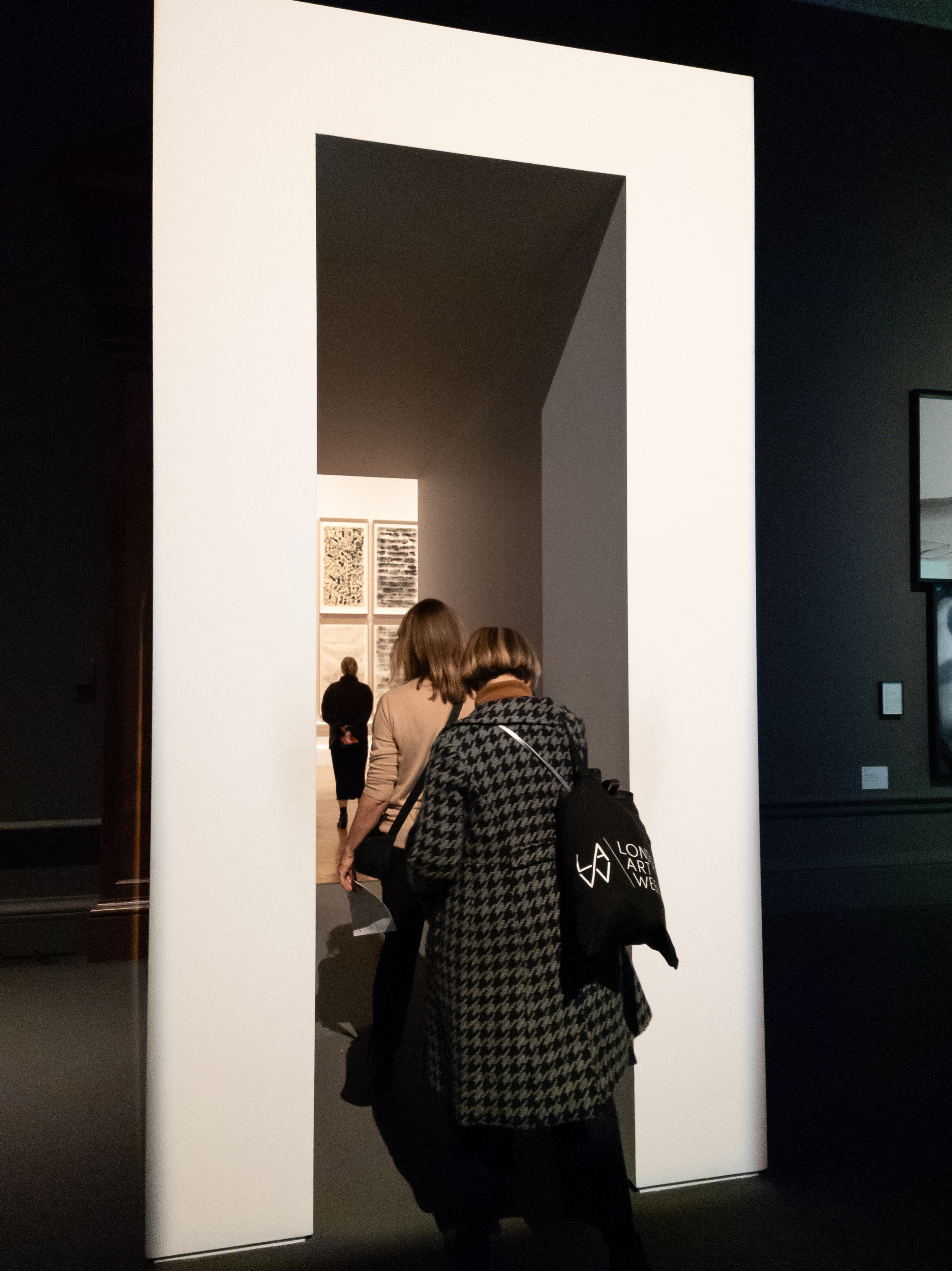
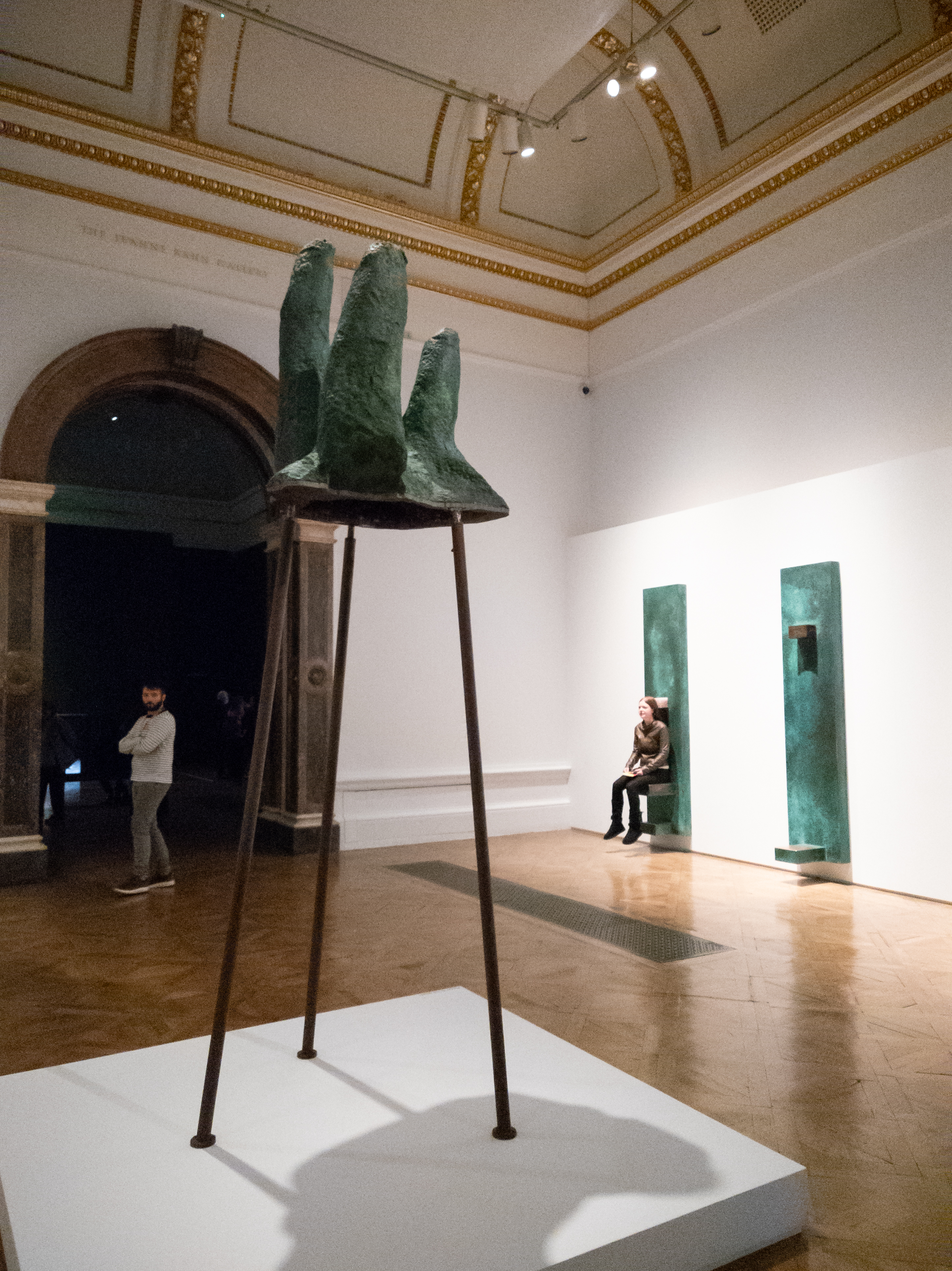


Having once attended 512 Hours at the Serpentine Gallery, I can confidently say that her physical presence is a key factor. Something about her being in the room adds greater weight to whatever is being done; she just has an aura about her, which The Artist is Present shows very well. The re-enactments just don’t have that, as thought-provoking as they are. For Abramović’s works, I believe the performance is tied to the performer, of which an appreciation of her stamina and focus is paramount.

The cult of Marina Abramović is very real indeed, and this is something intangible that the RA retrospective just doesn’t evoke through its exhibition design. Brutally speaking, it feels like a slideshow rather than something to be experienced; Abramović’s category of performance art is very much the latter.
Marina Abramović runs from 23 September 2023 to 1 January 2024 at the Royal Academy of Arts, London, https://www.royalacademy.org.uk/
29/12/2023 – A previous version of this article wrongly repeated a popular assertion that this was the first female solo show in the RA’s Main Galleries. Elisabeth Frink had her retrospective in the same rooms in 1985. The source of this misinformation appears to come from a Guardian interview with the artist (17/9/2023). The Daily Telegraph pointed out the mistake in their own article (29/9/2023).

 Nigel Ip
Leave a comment