
China’s Hidden Century at the British Museum is a fascinating glimpse into the late Qing dynasty’s progression into globalisation during China’s long 19th century. The chronology of the exhibition is cleverly designed, gradually teasing how China went from an imperialist rule to something that was moulded by the layperson, with each section offering a window into the country’s various ways of life.
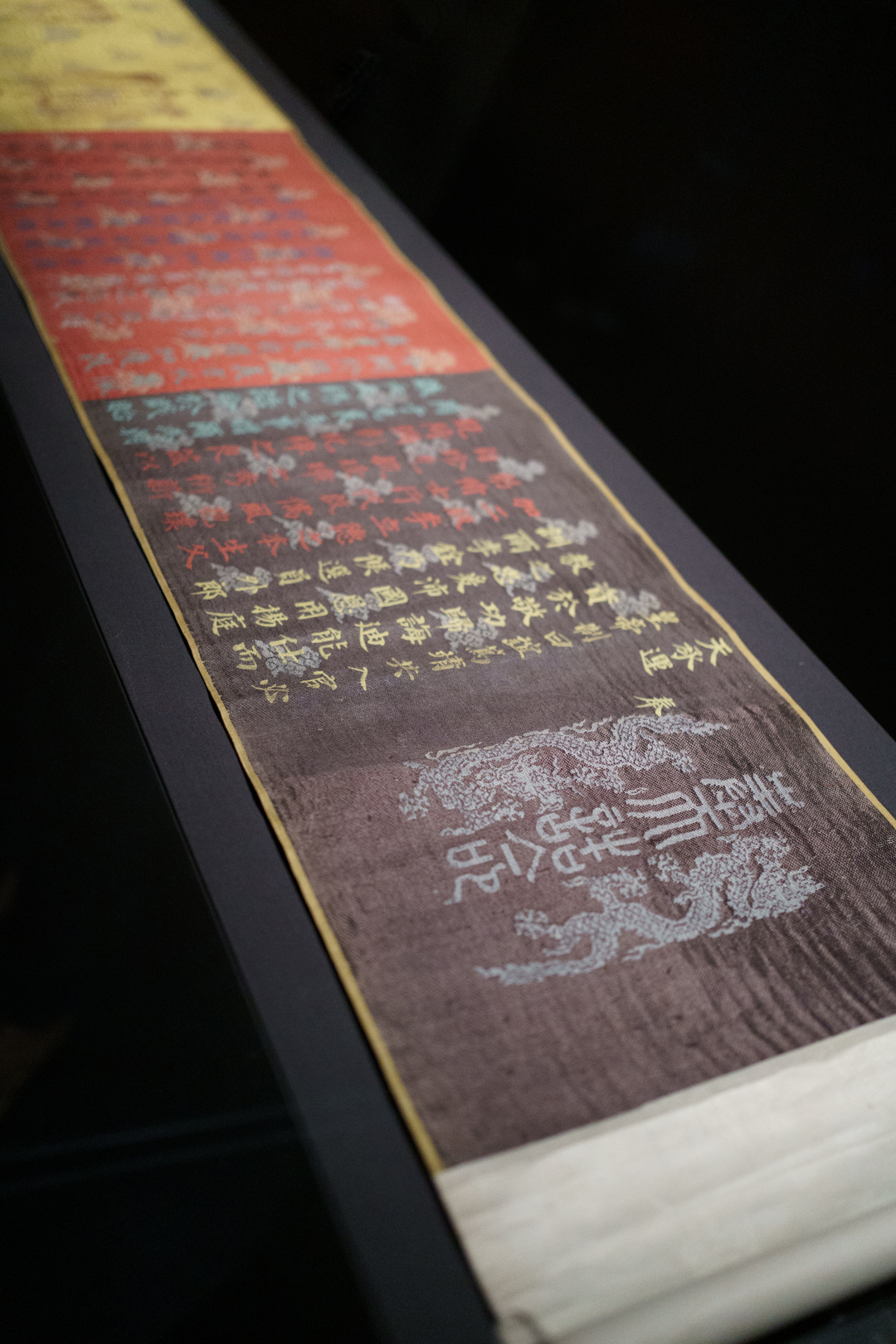
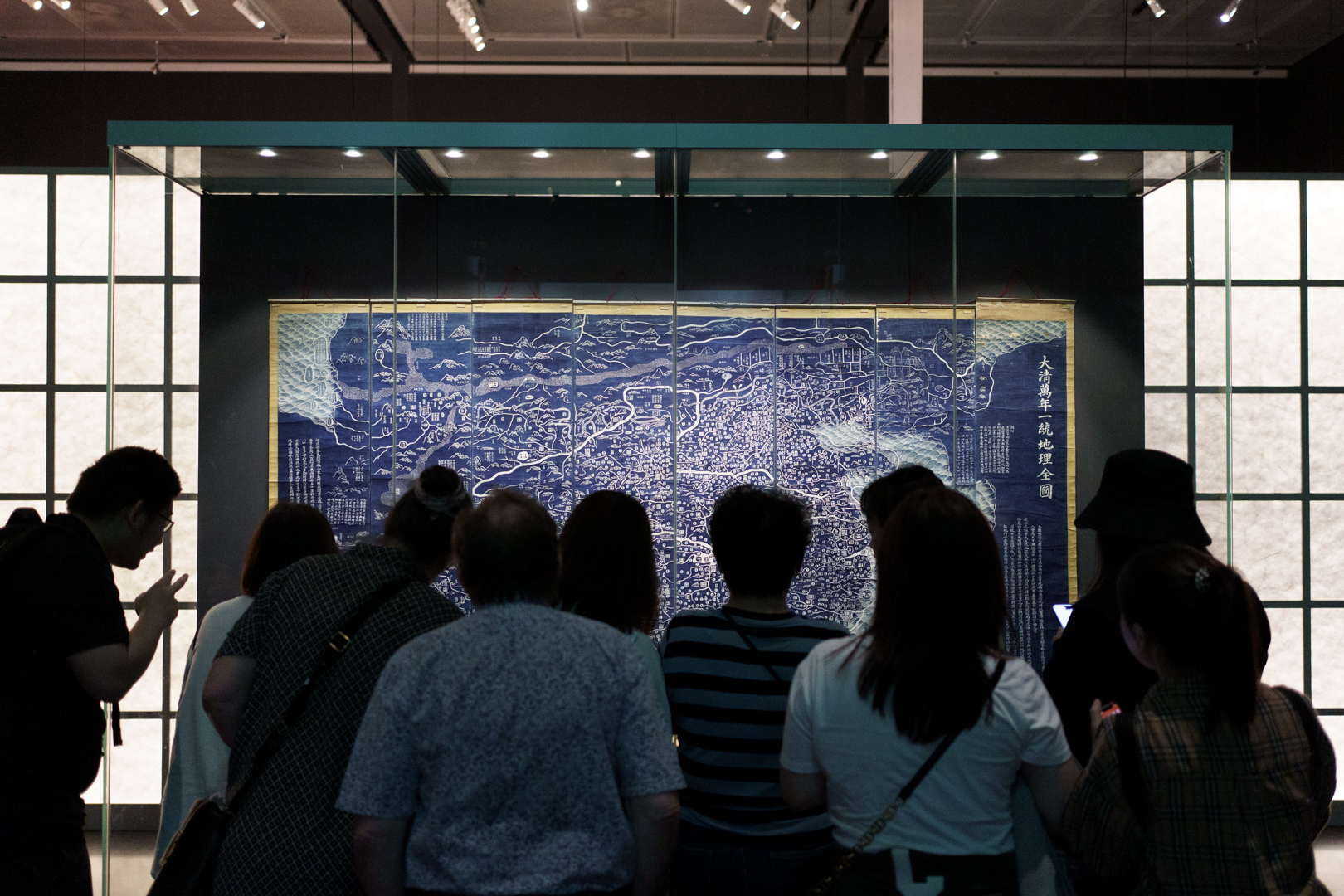
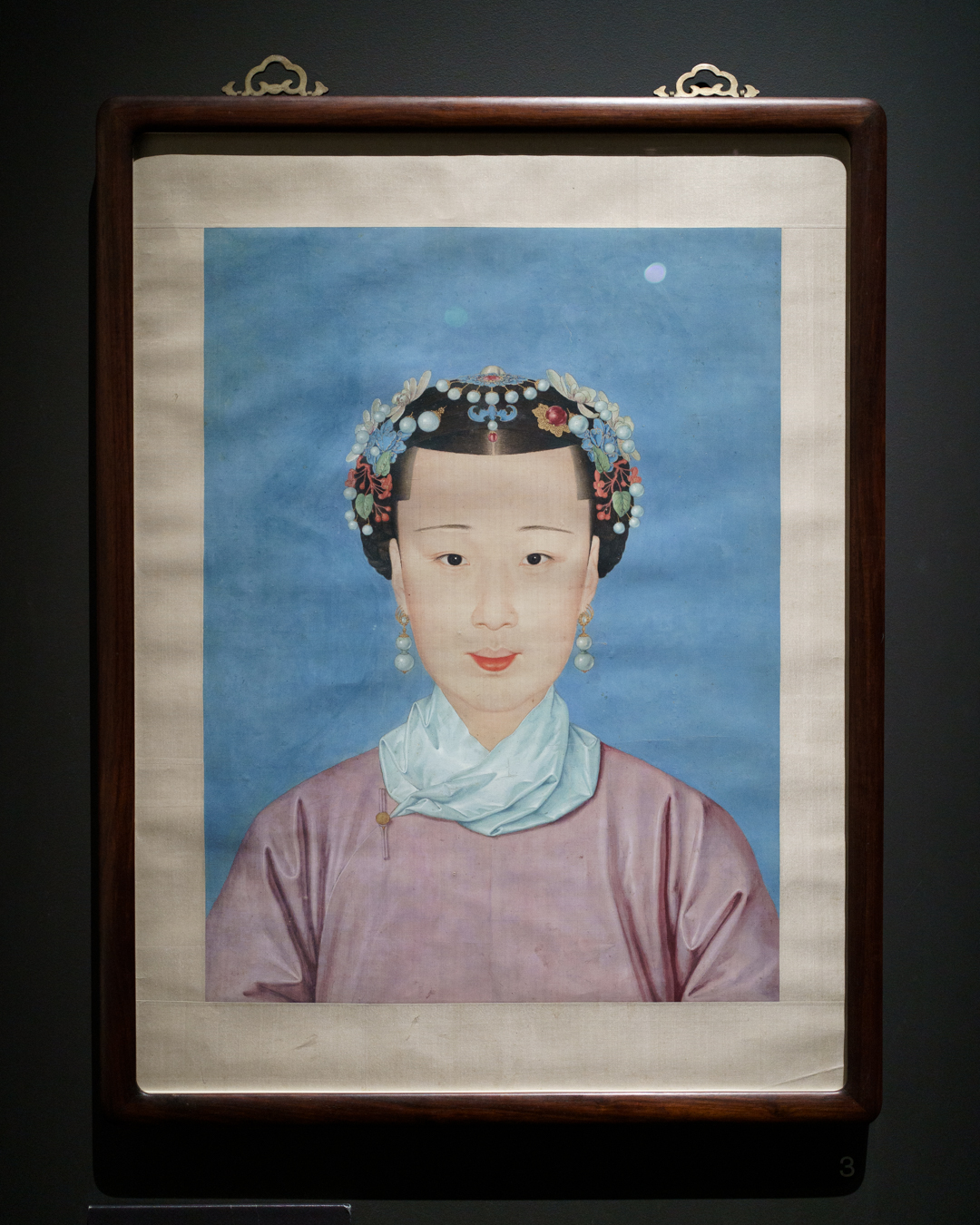

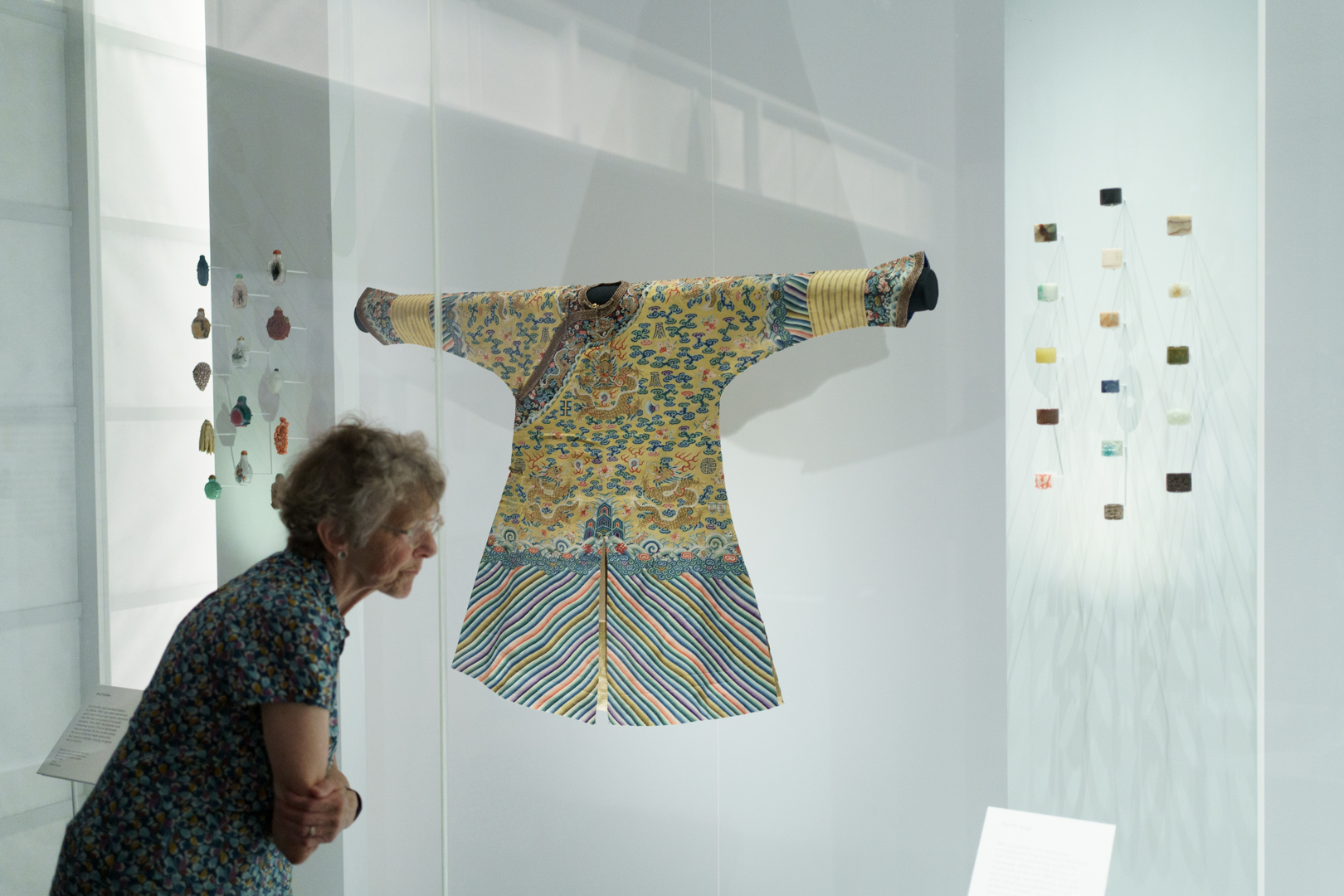
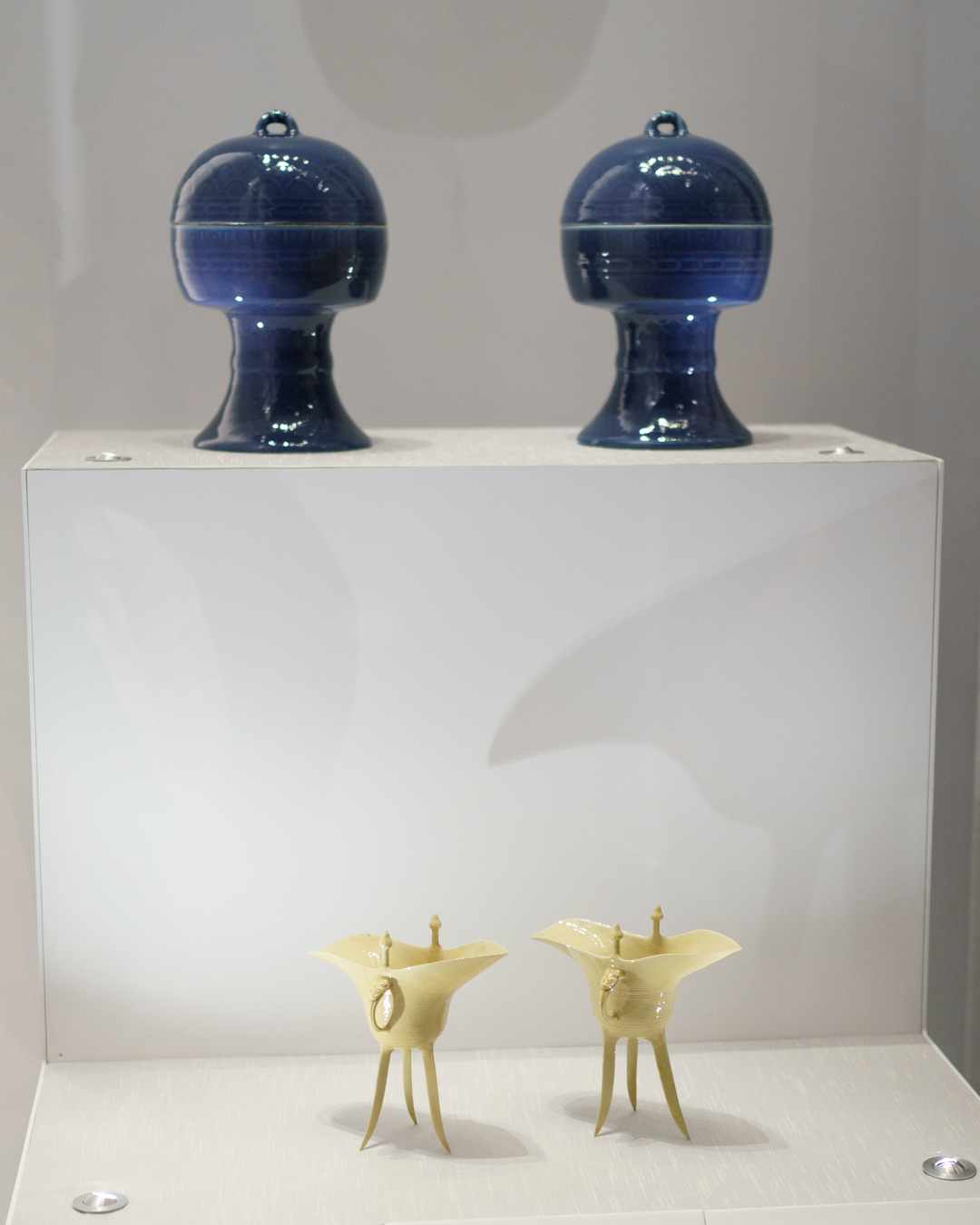
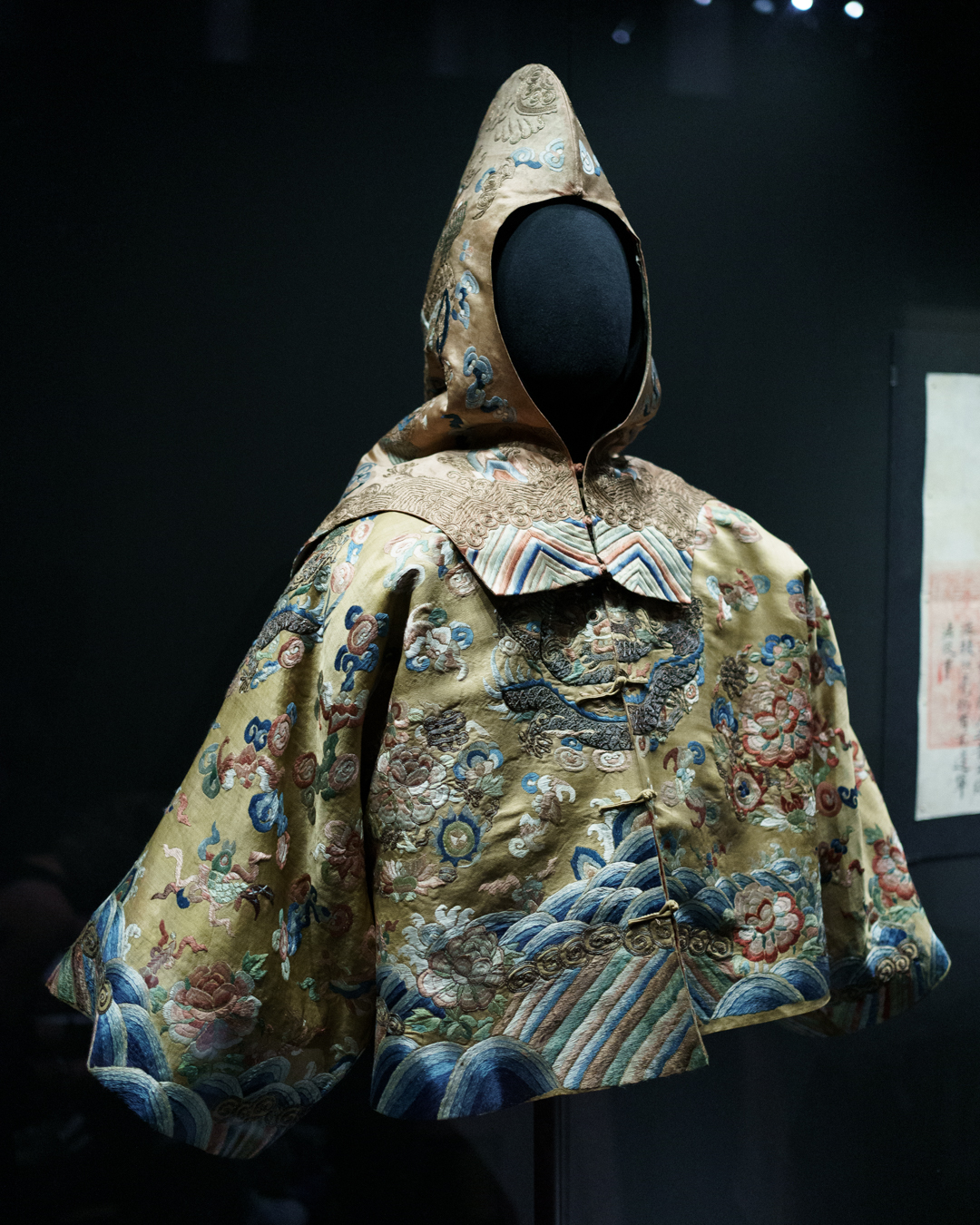
Gracing the entrance, a large blue map of the Eastern Hemisphere showing the vast territory of the Qing empire and a Manchu-Chinese imperial scroll conferring titles. Nearby, a map of Beijing and the Forbidden City guides us into the opulent lifestyles within the court. Imperial robes, including one made for the Empress Dowager Cixi (慈禧太后), hang next to fine accessories, porcelain, furniture, even an opera set, and two huge vases on loan from Buckingham Palace.


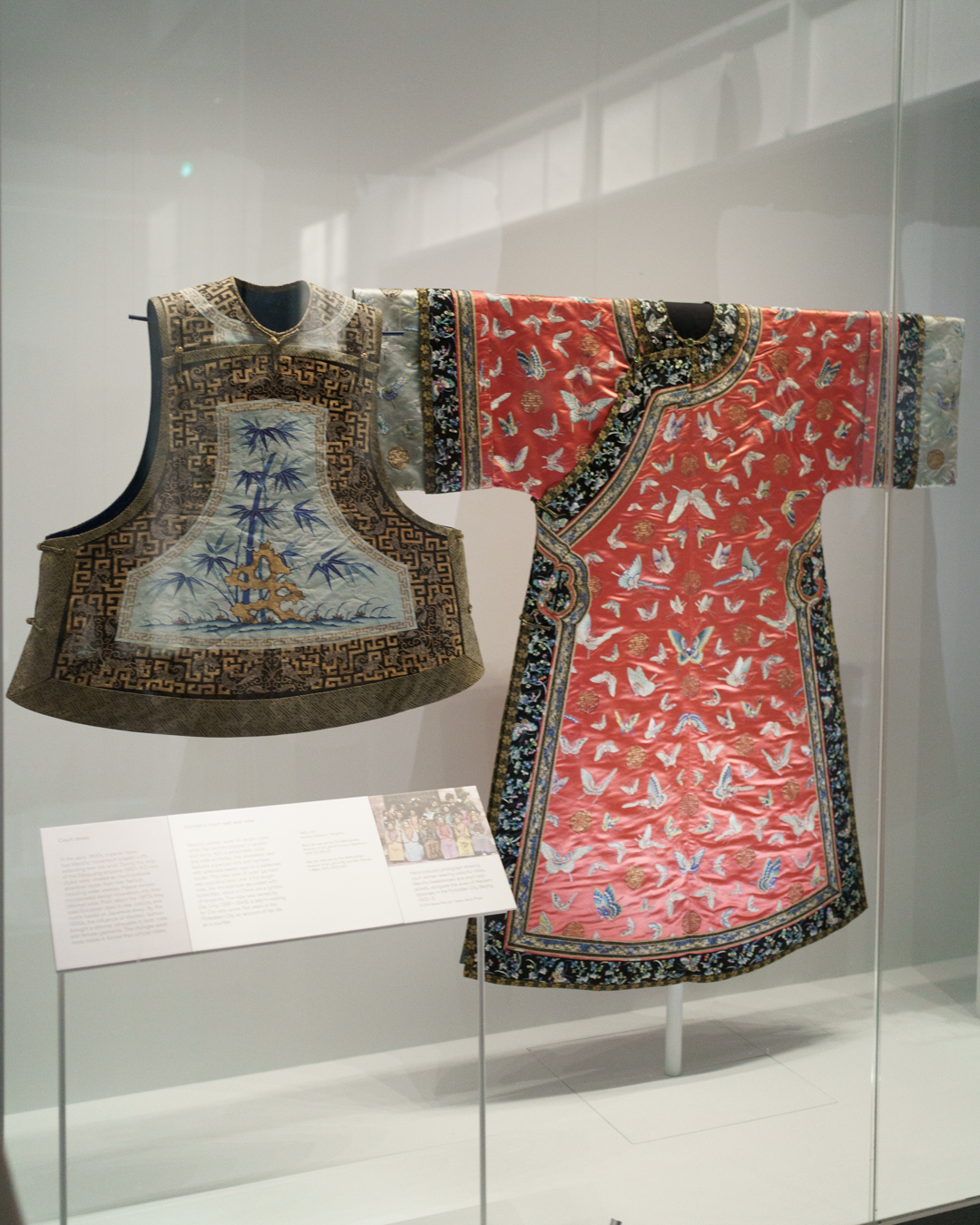



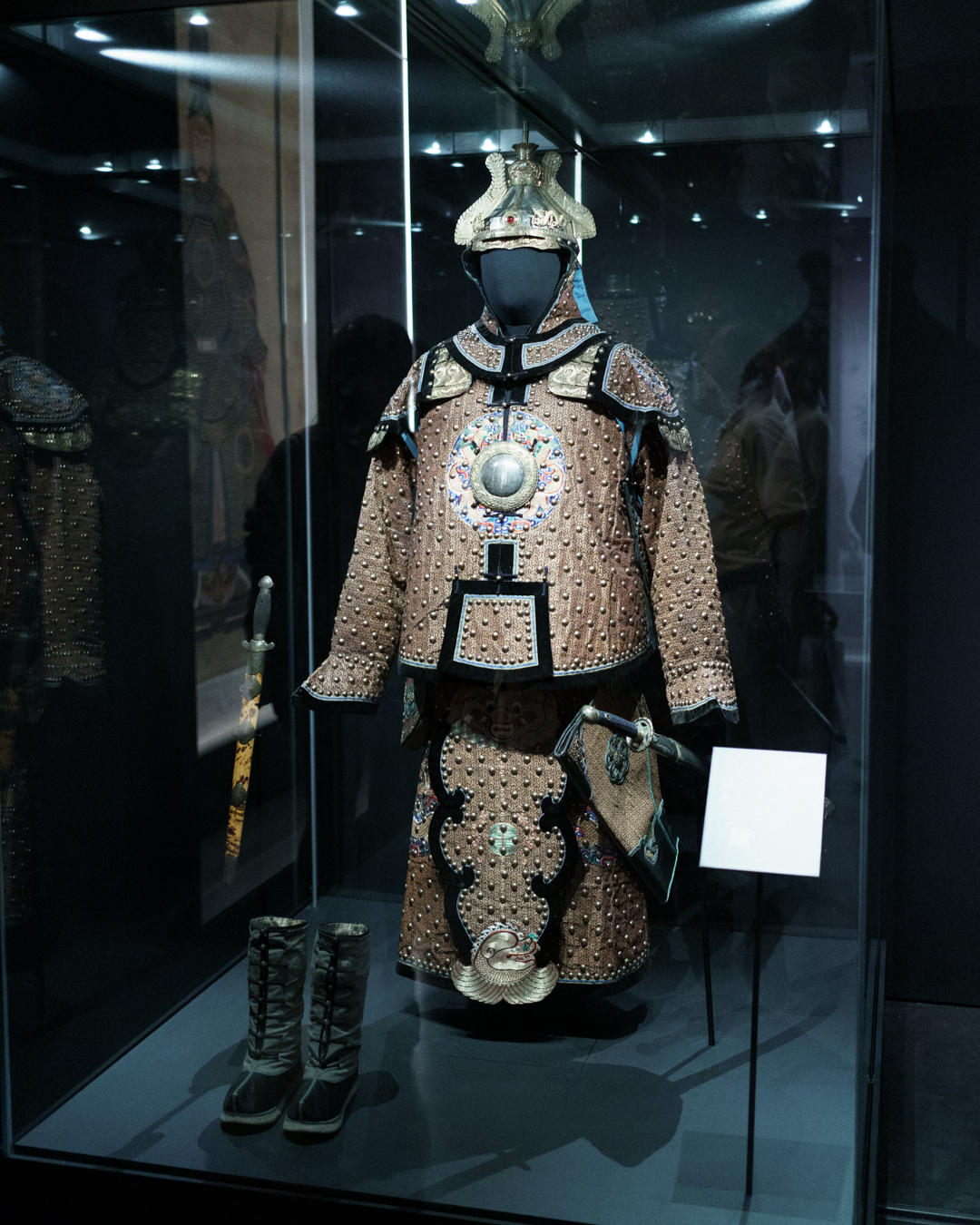
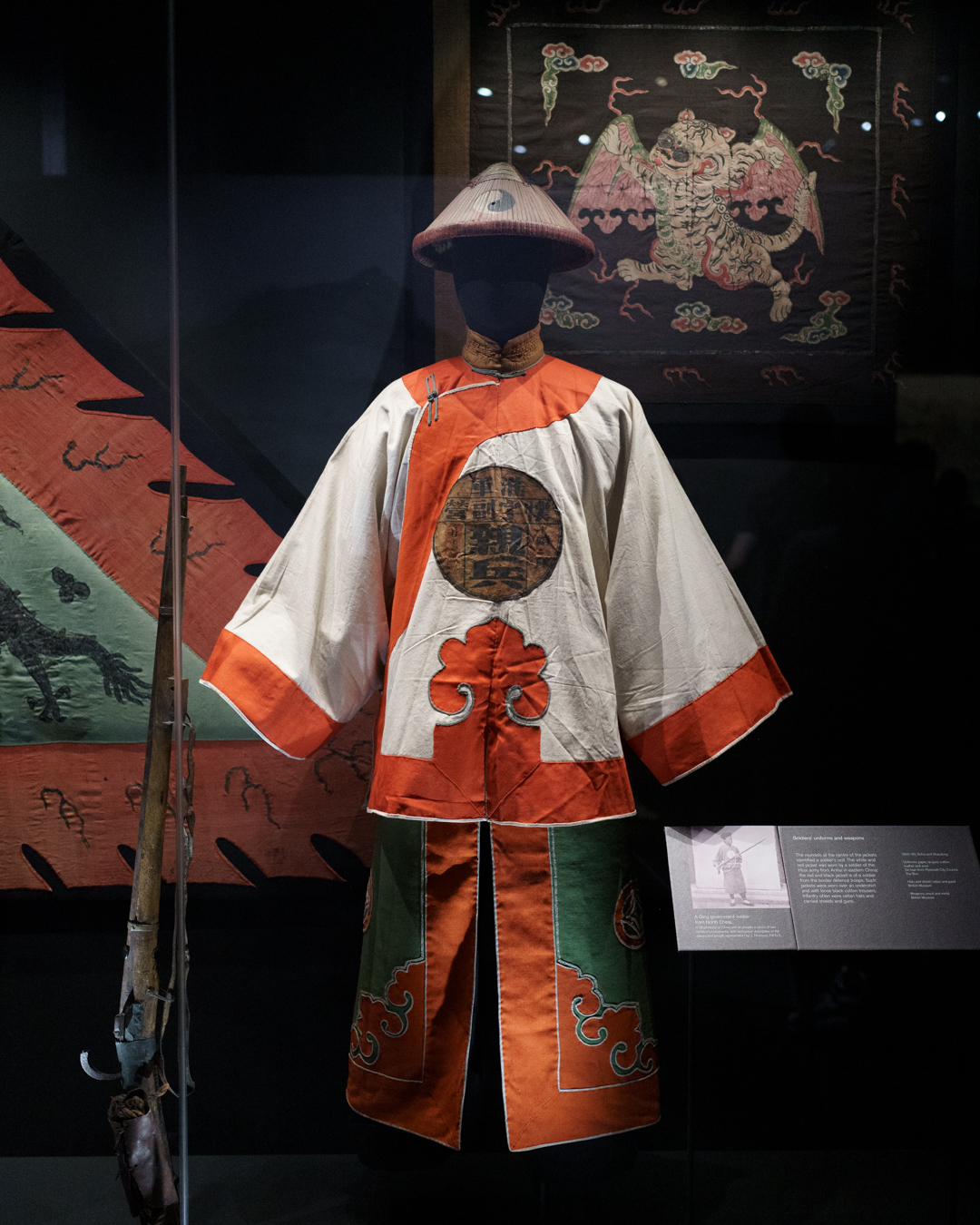
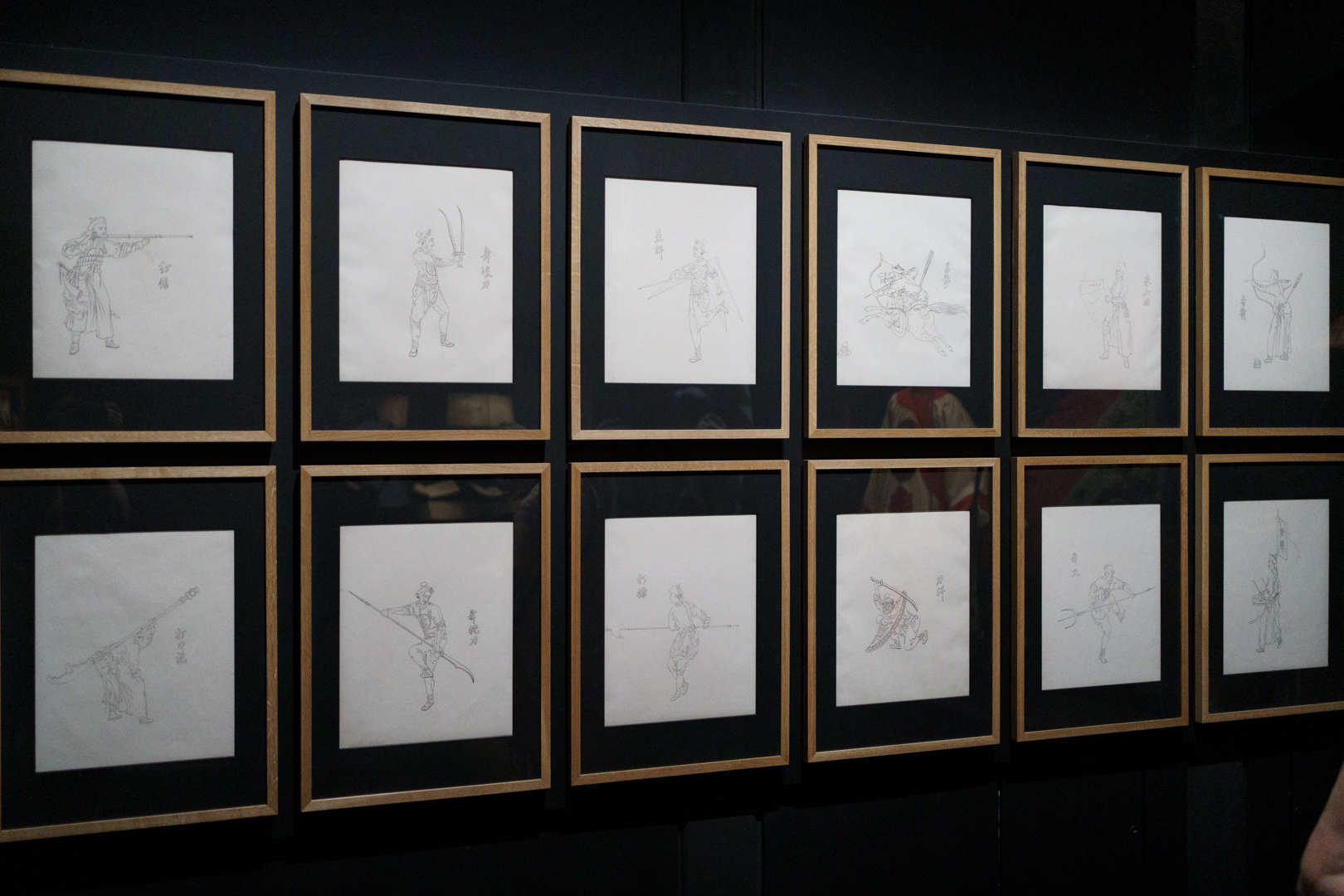
Every powerful empire had an equally strong military, and we are thus presented with a portrait of a bannerman beside a related suit of armour. A set of drawings present an overview of the different kinds of soldiers, also alongside some uniforms and weaponry. This is where the focus shifts towards the Qing’s decline; the exhibition ends with reformists and revolutionaries like Qiu Jin (秋瑾).


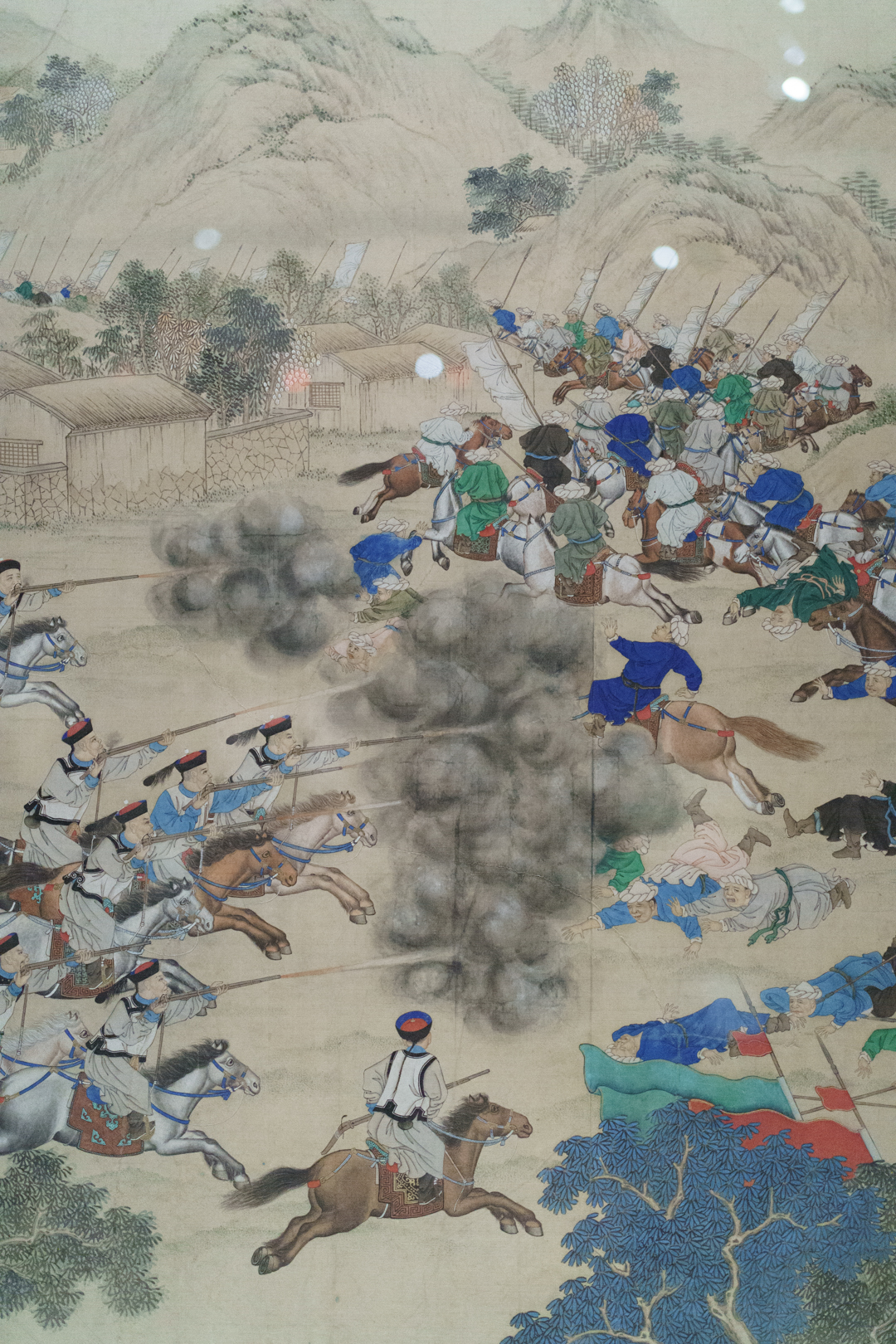
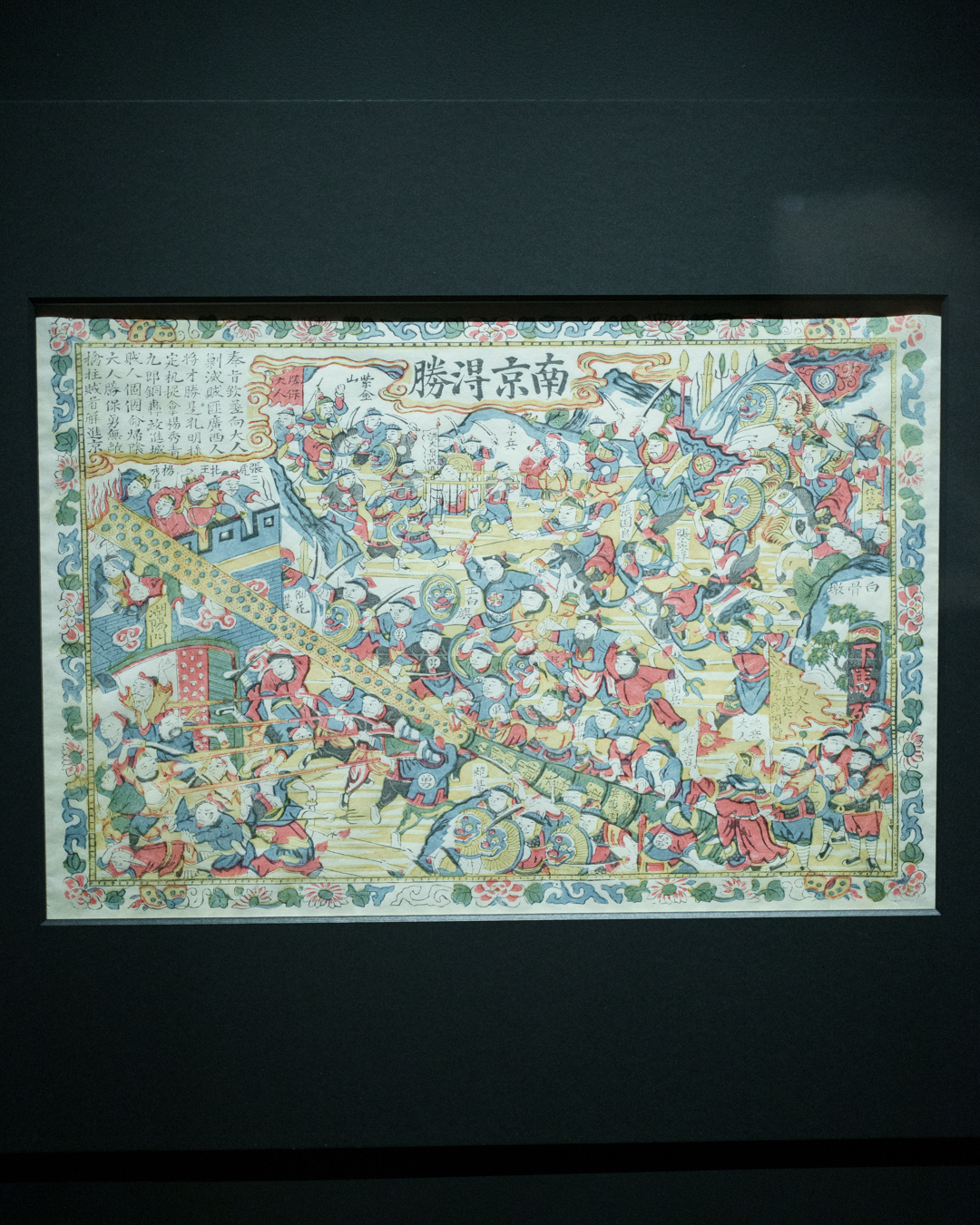
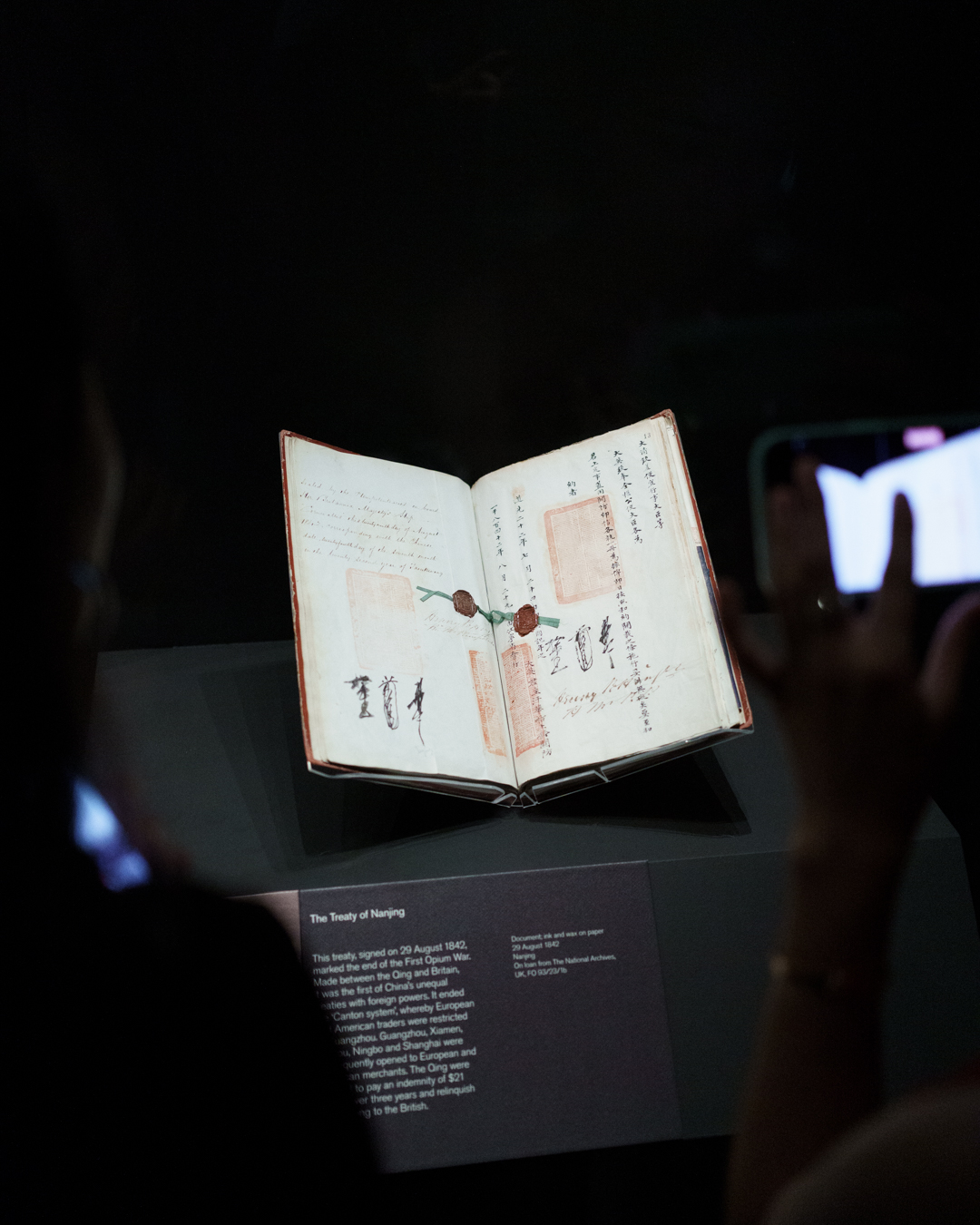
The First Opium War against the British led to the Qing facing several rebellions, such as the Taiping Civil War and Nian Rebellion. One spectacular painting of the Battle at the Wei River represents this internal turmoil. We also see ceramic remnants from the looted Summer Palace during the Second Opium War. But nothing is more emblematic than the Treaty of Nanjing which, among other things, surrendered Hong Kong to the British.



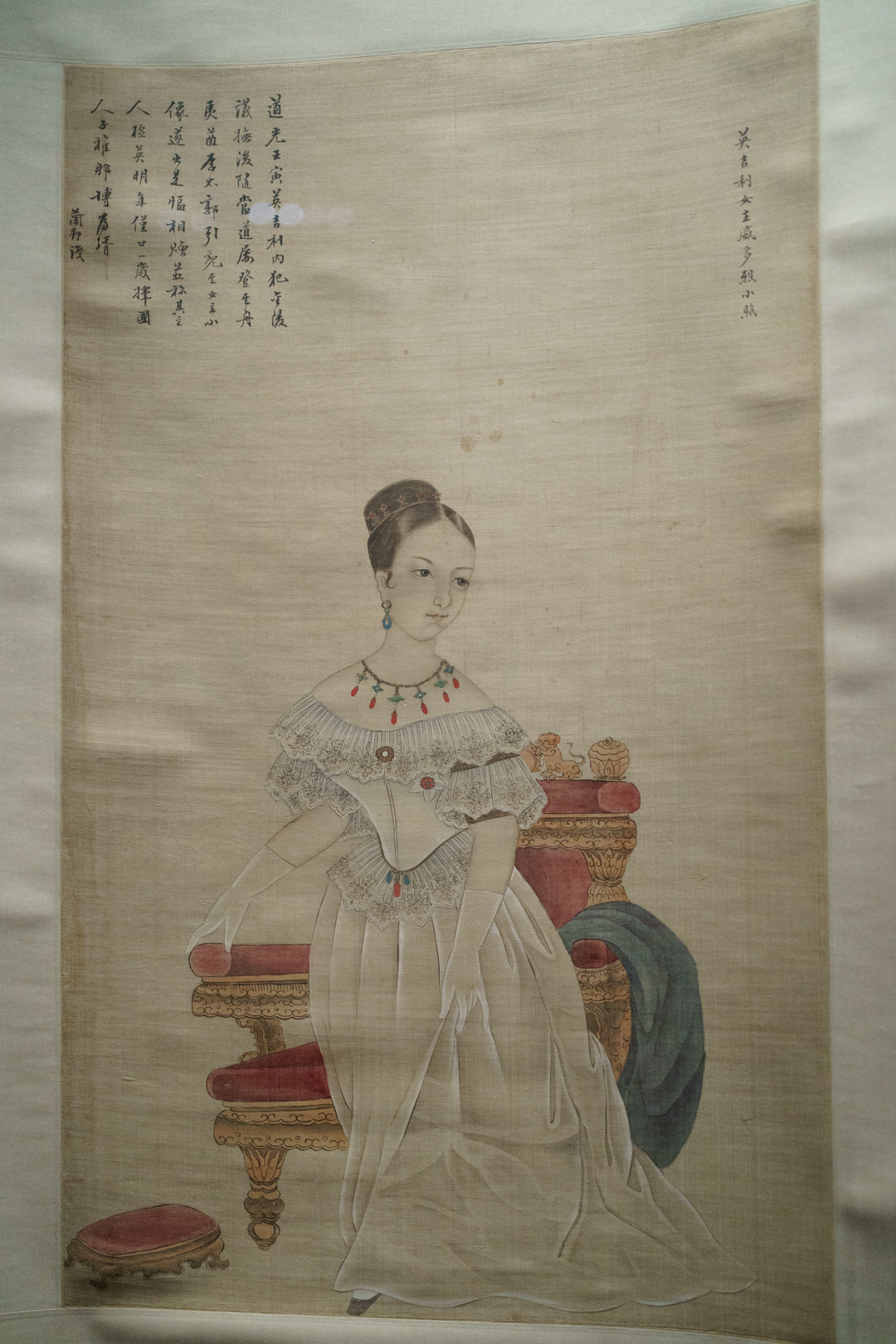
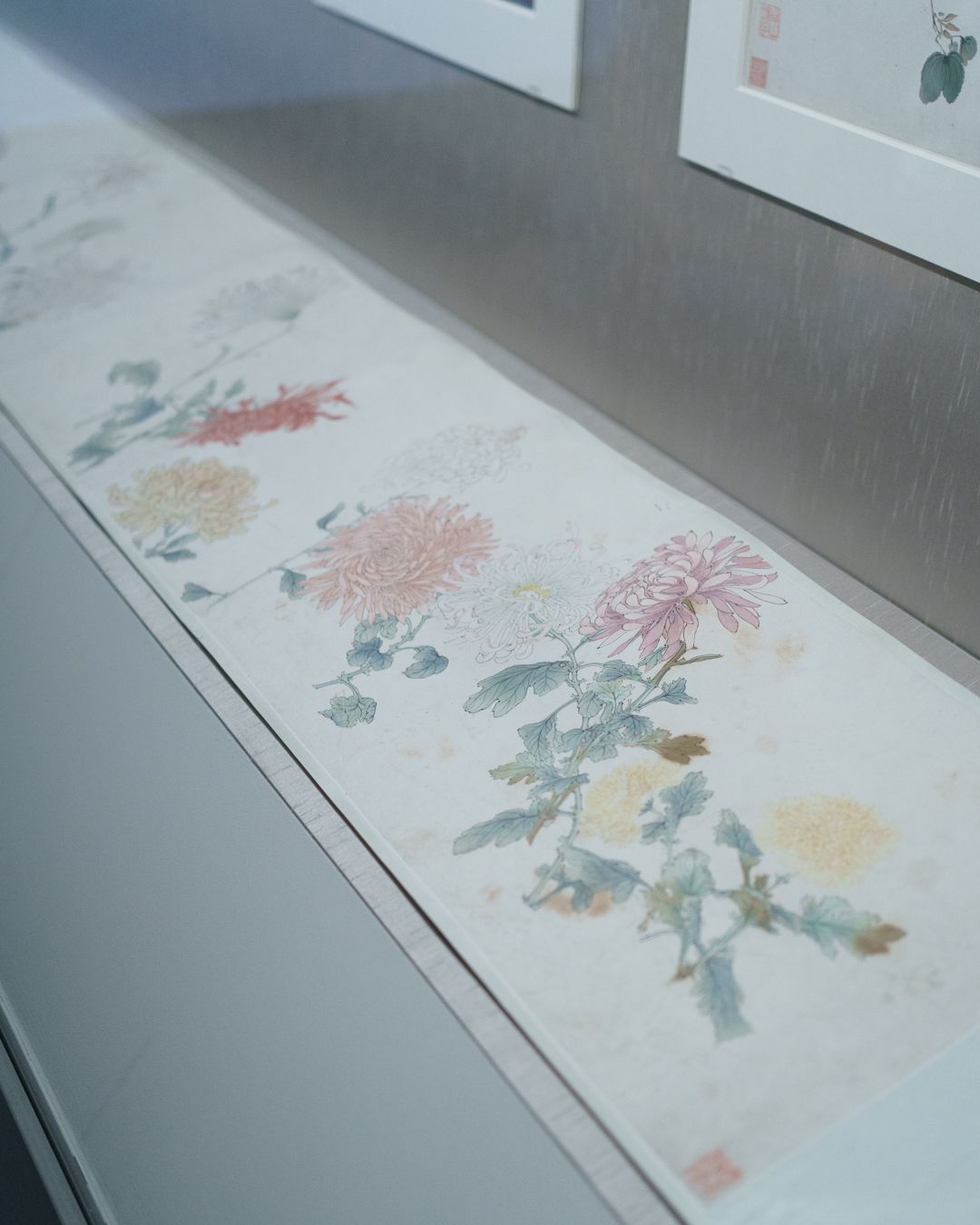
A section on art and calligraphy brightens things up with innovative images of flowers, serene landscapes, and printed books showcasing international curiosities and inventions. This leads wonderfully into a bannered room dedicated to vernacular society and the welcoming of new trade opportunities.

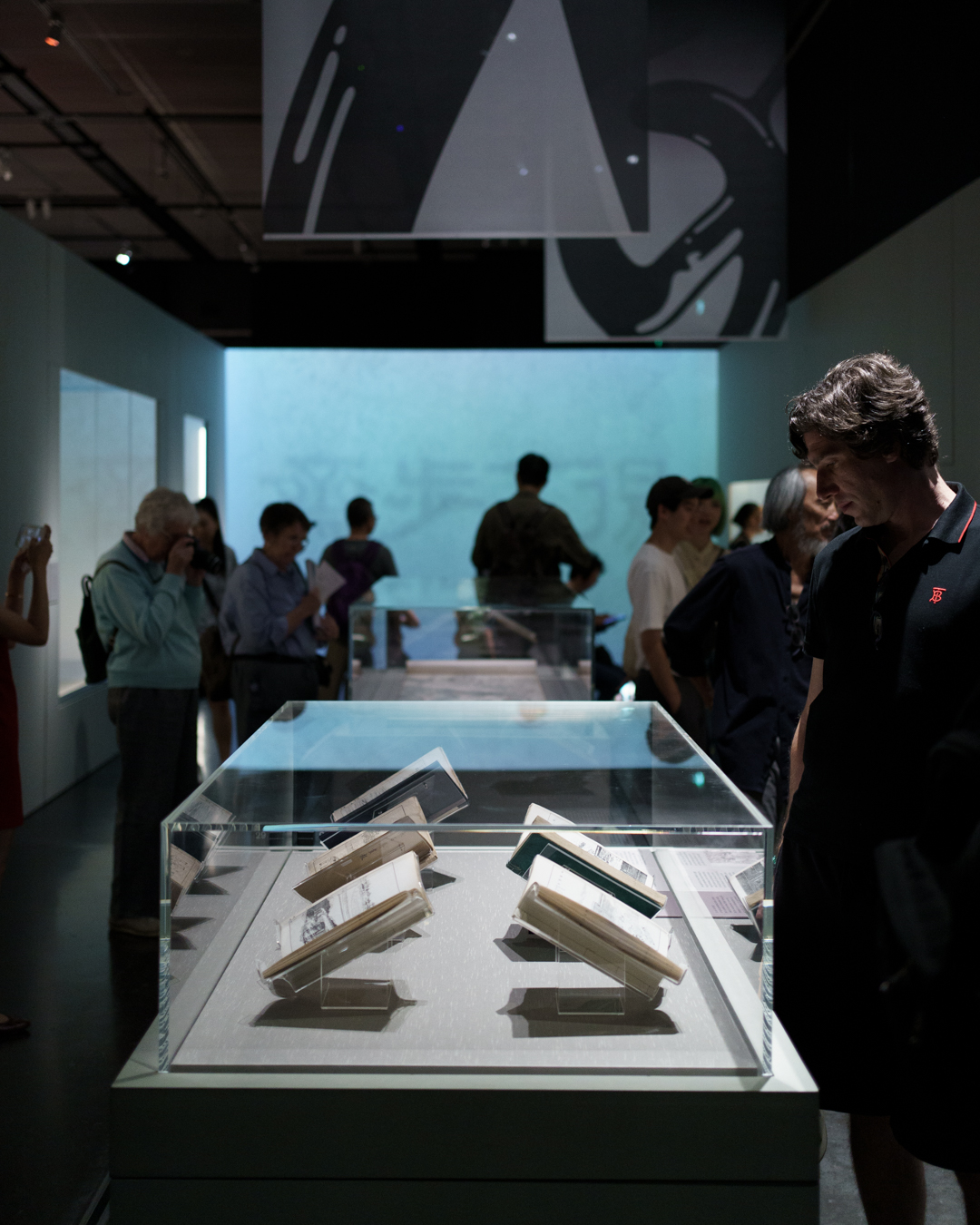
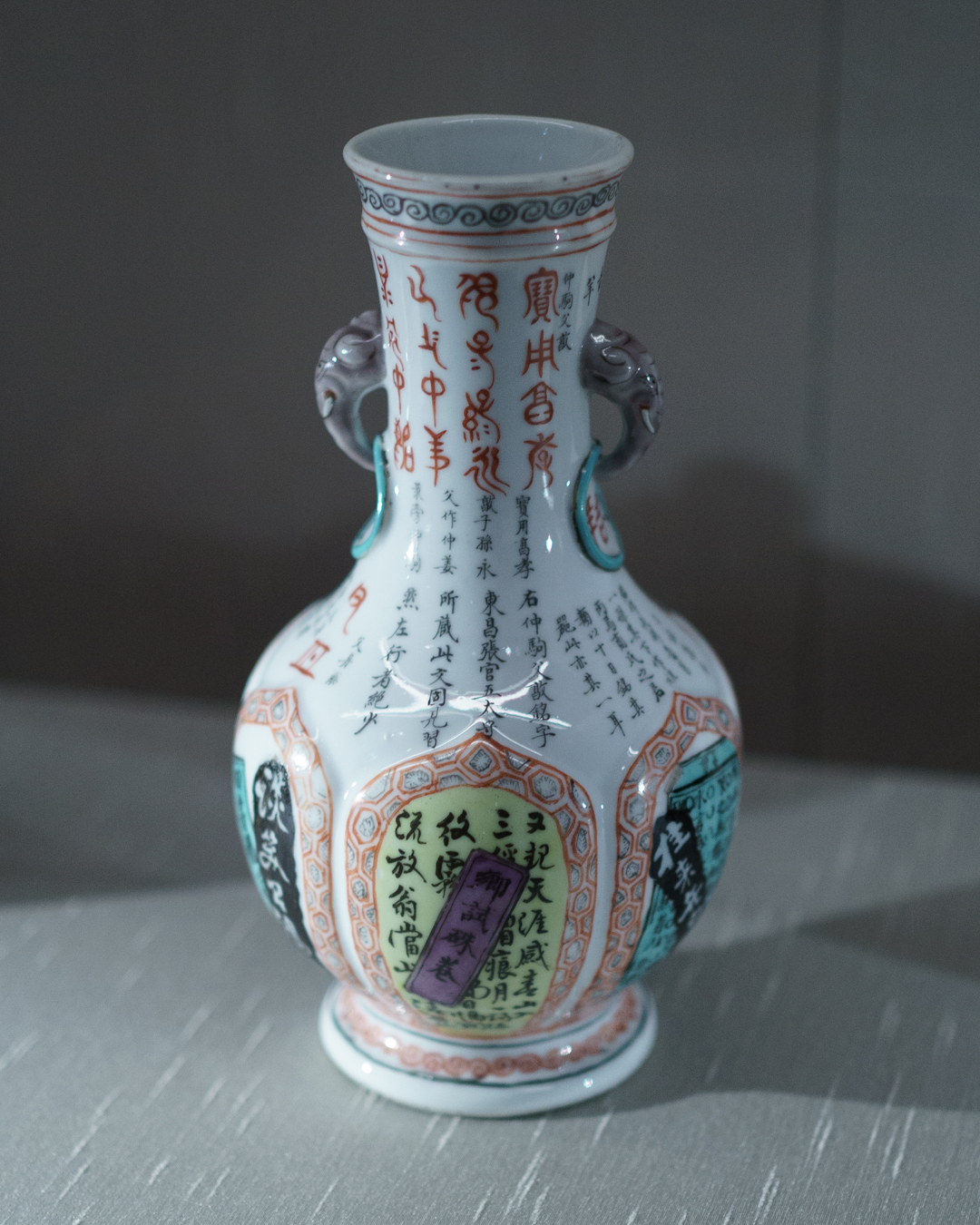




Highlights include a rural farmer’s attire to an embroidered portrait imitating photography. Globalisation truly took hold in Guangzhou and we get to see the various types of products being traded: lacquered caskets, an ivory basket, fans, reverse glass painting, folding screens, clothing, etc. A medicine chest was a cool thing to see.
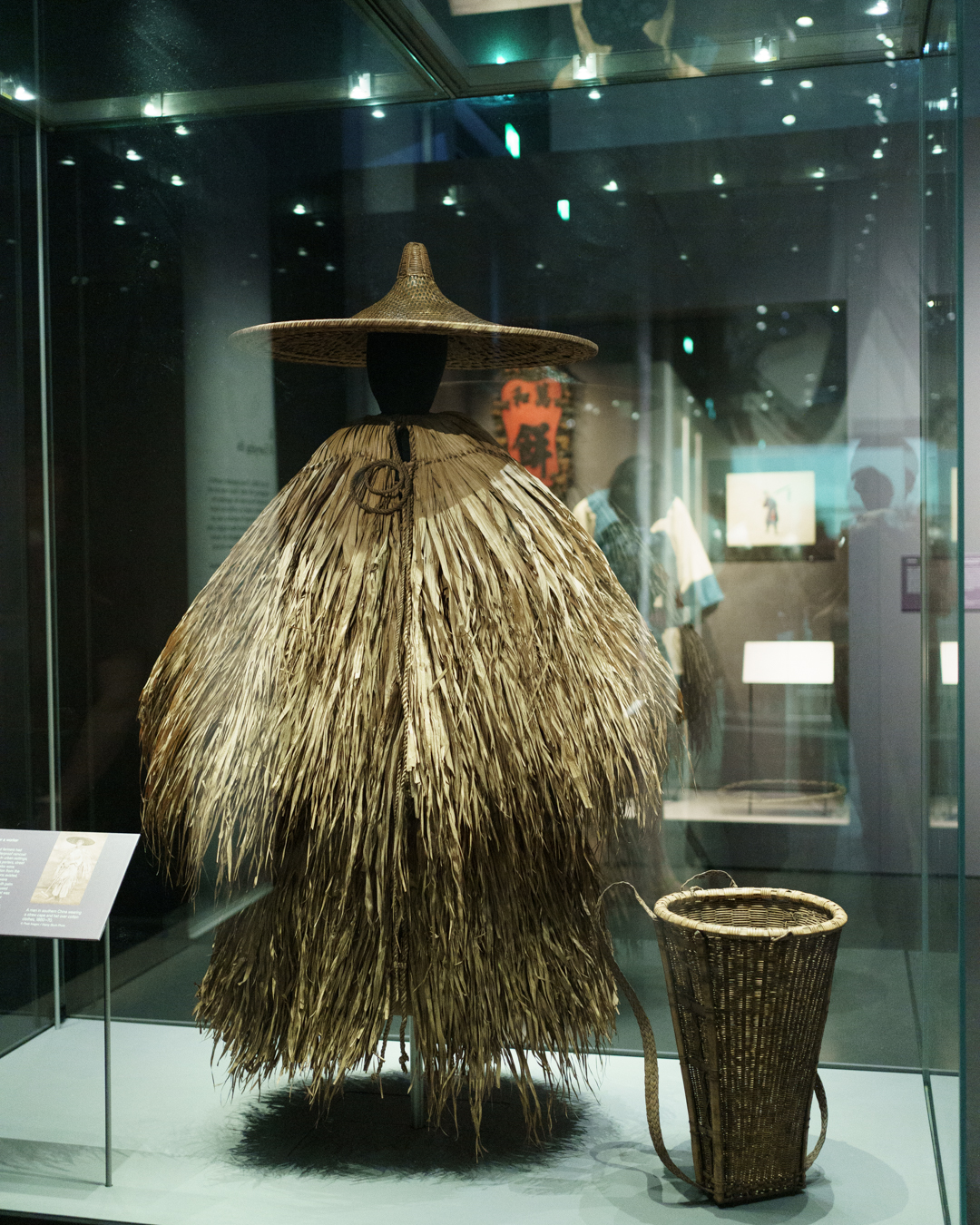
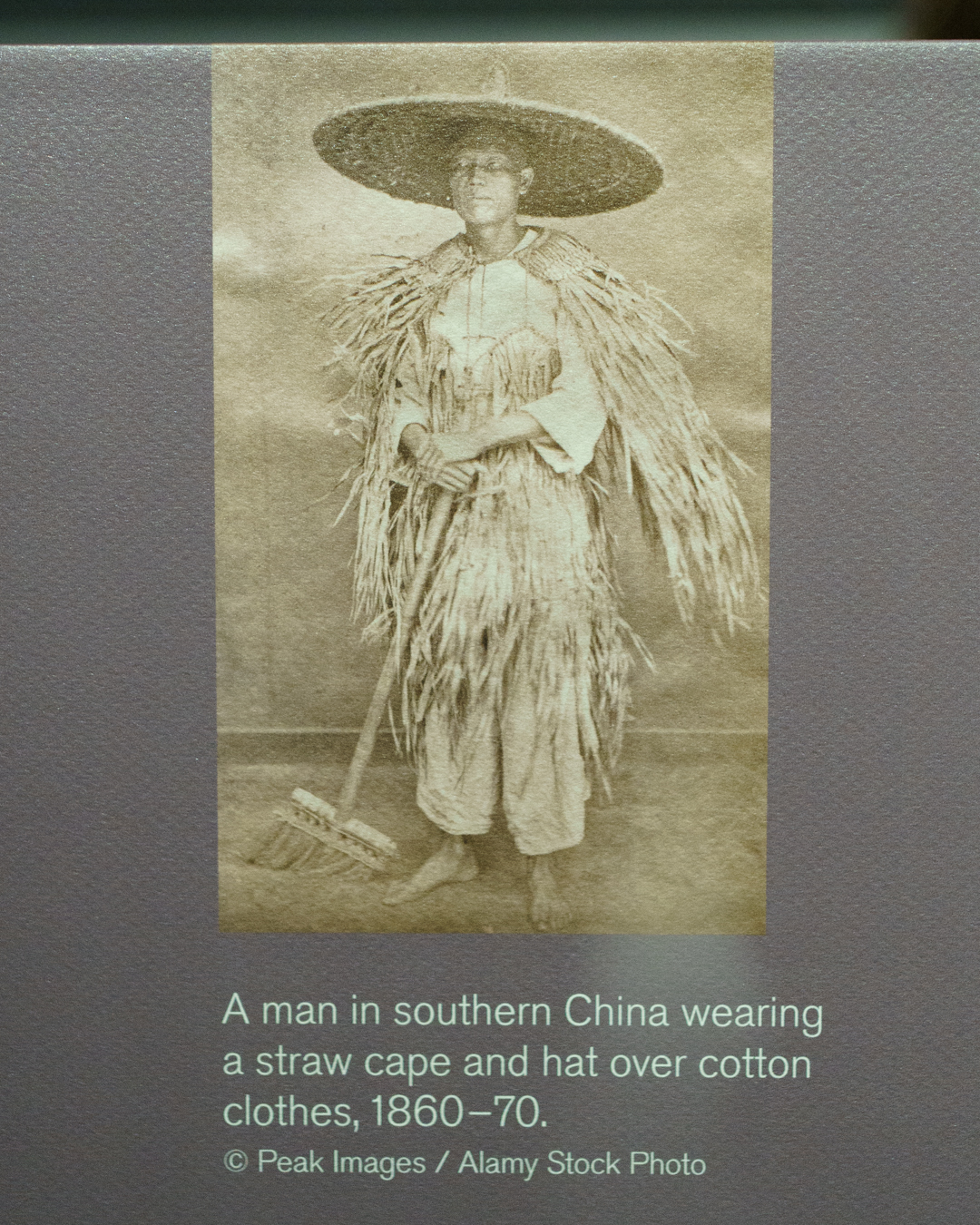
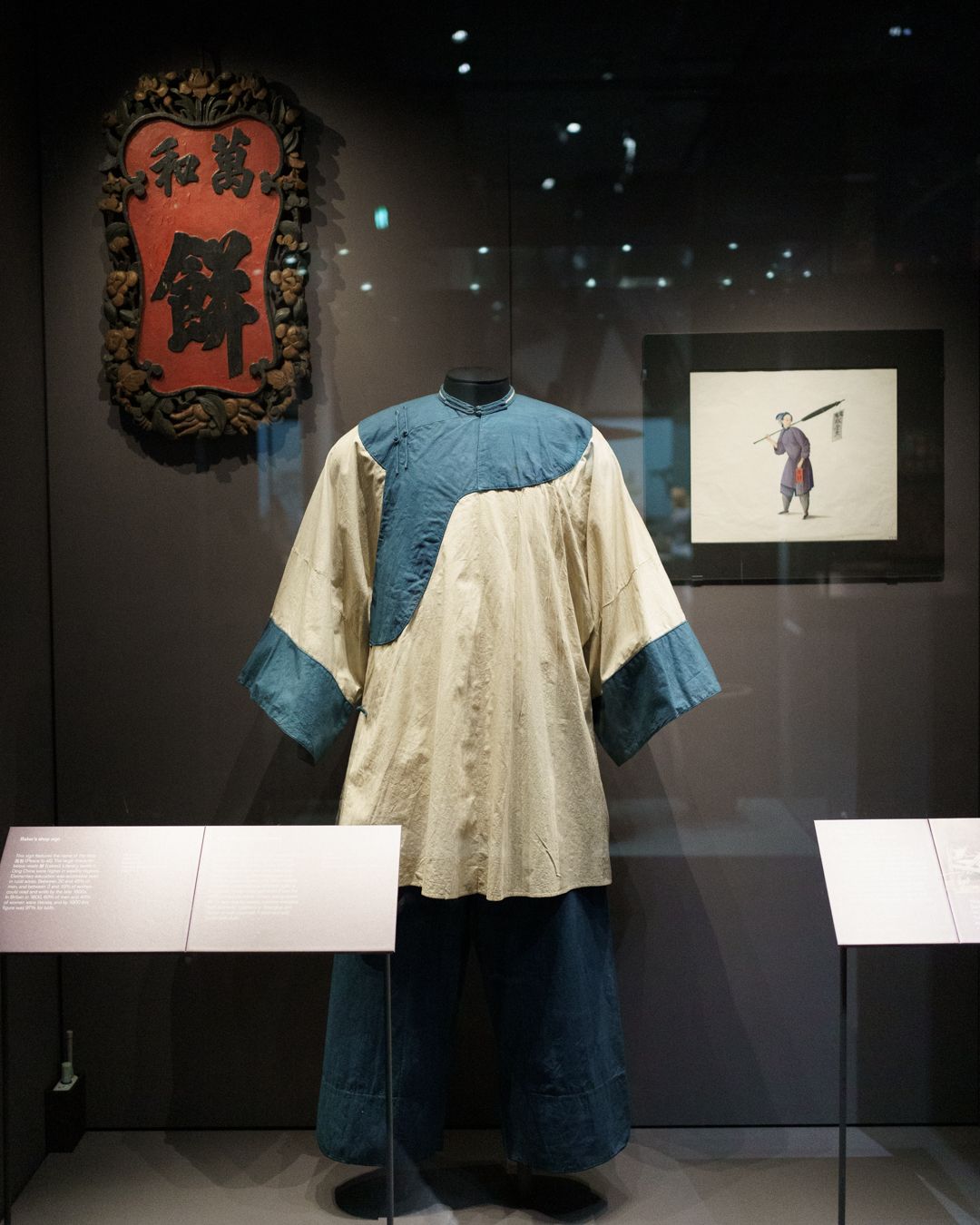
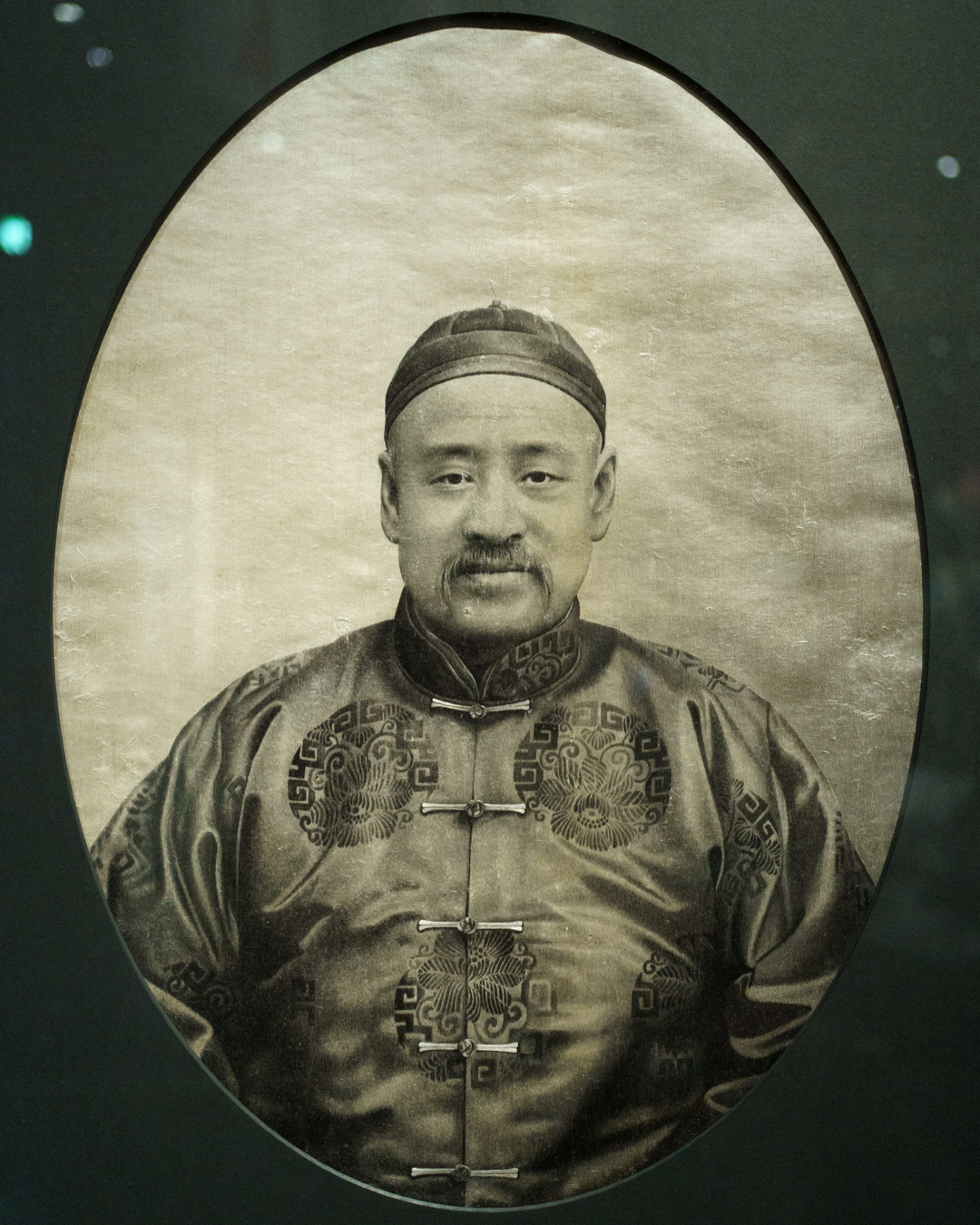


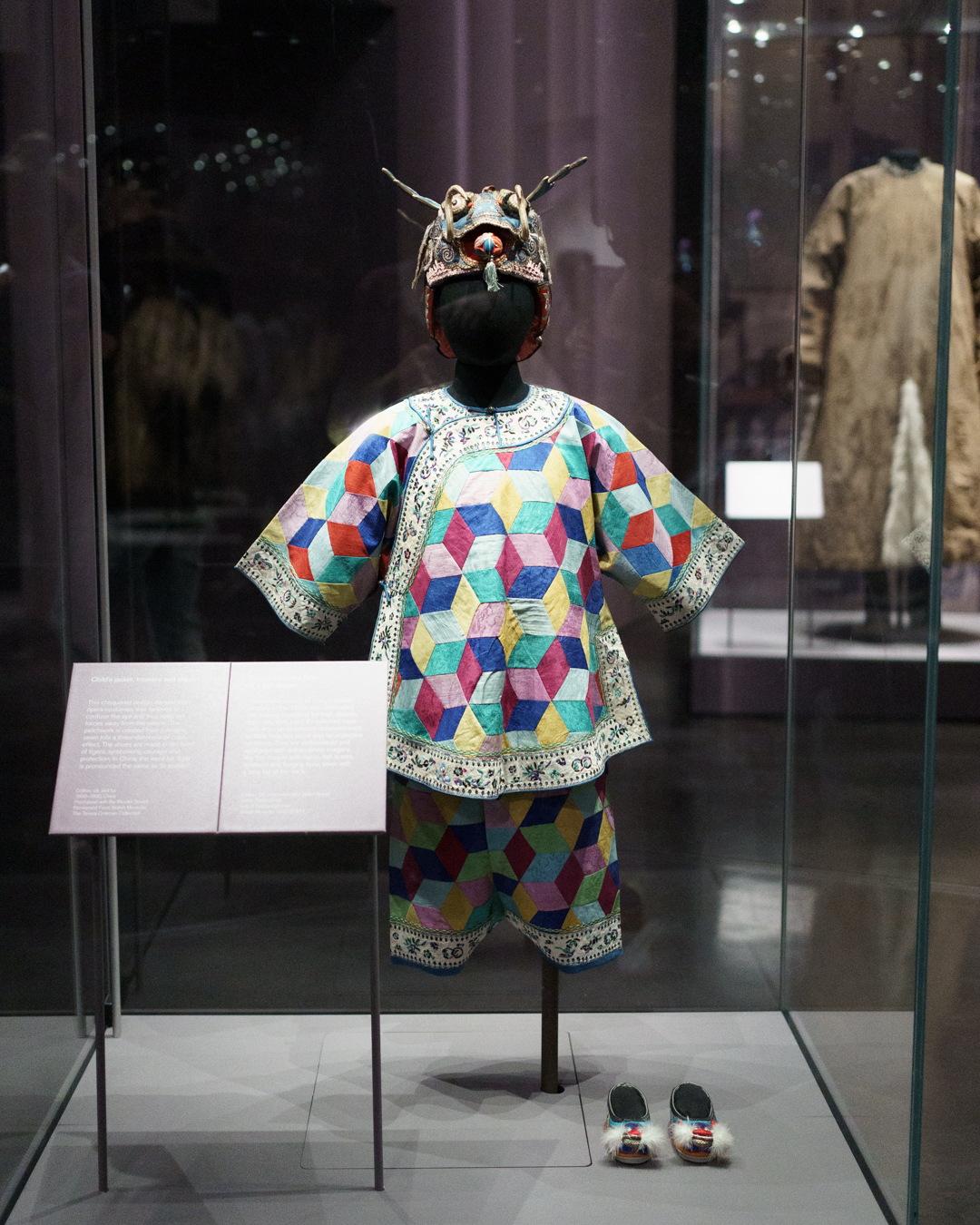

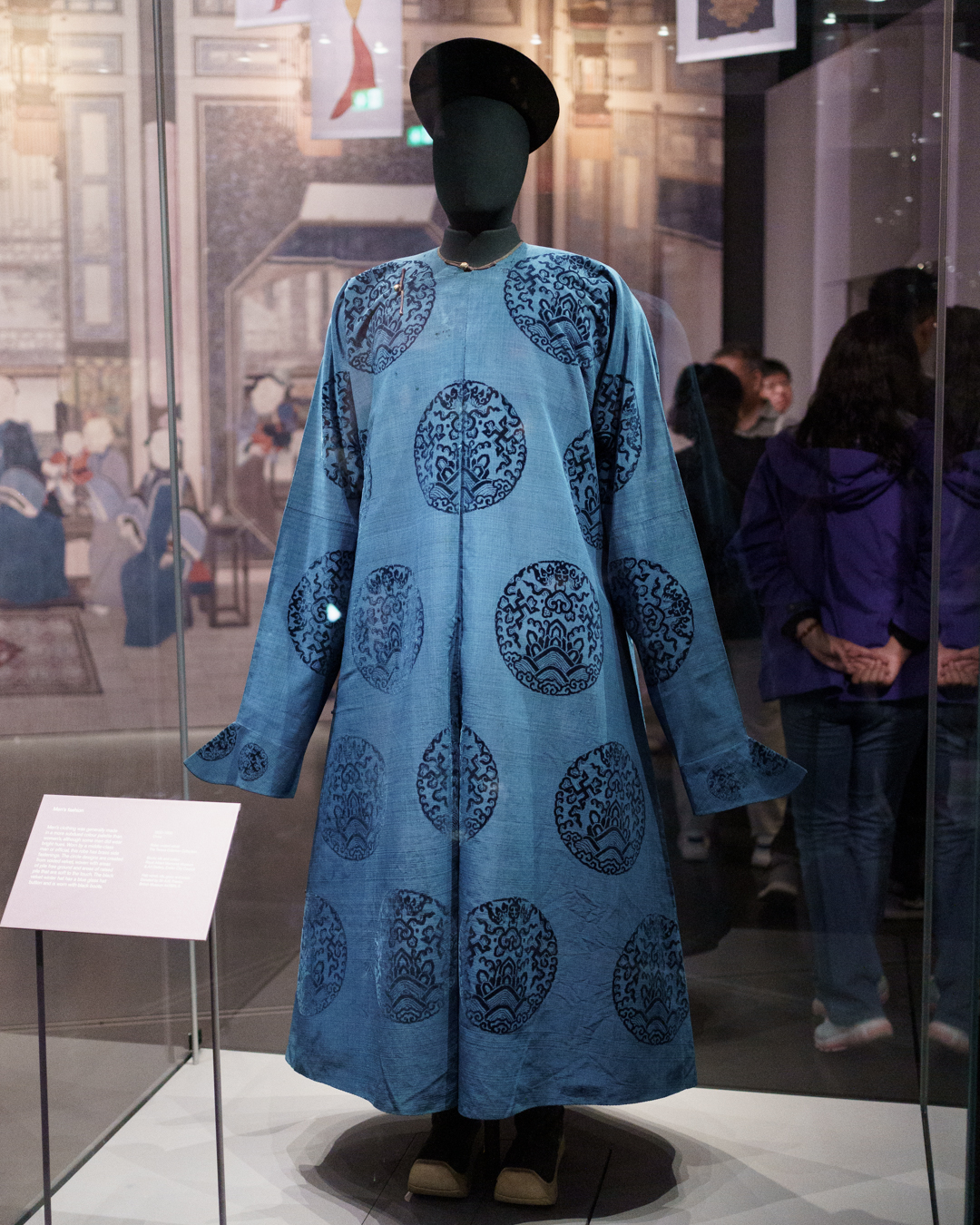
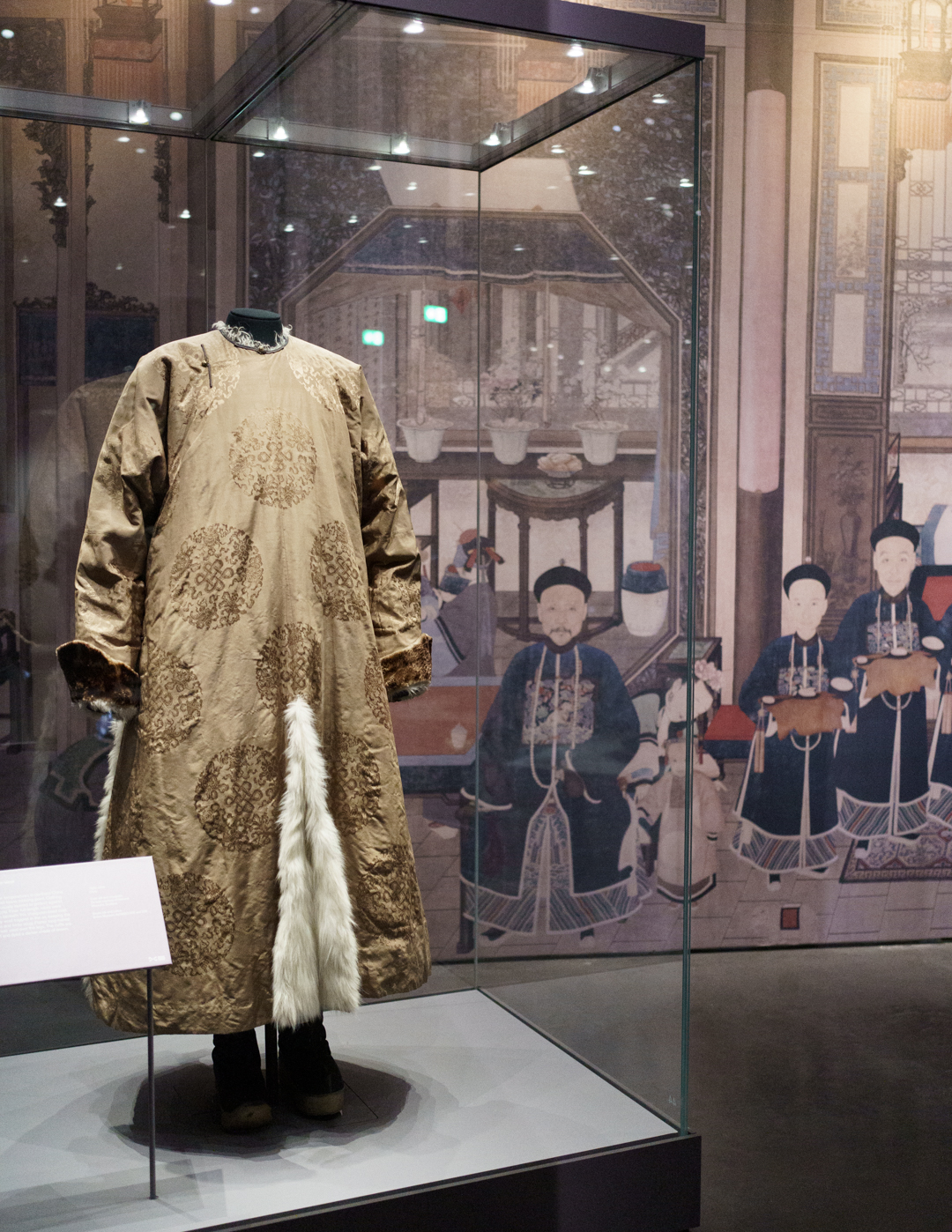

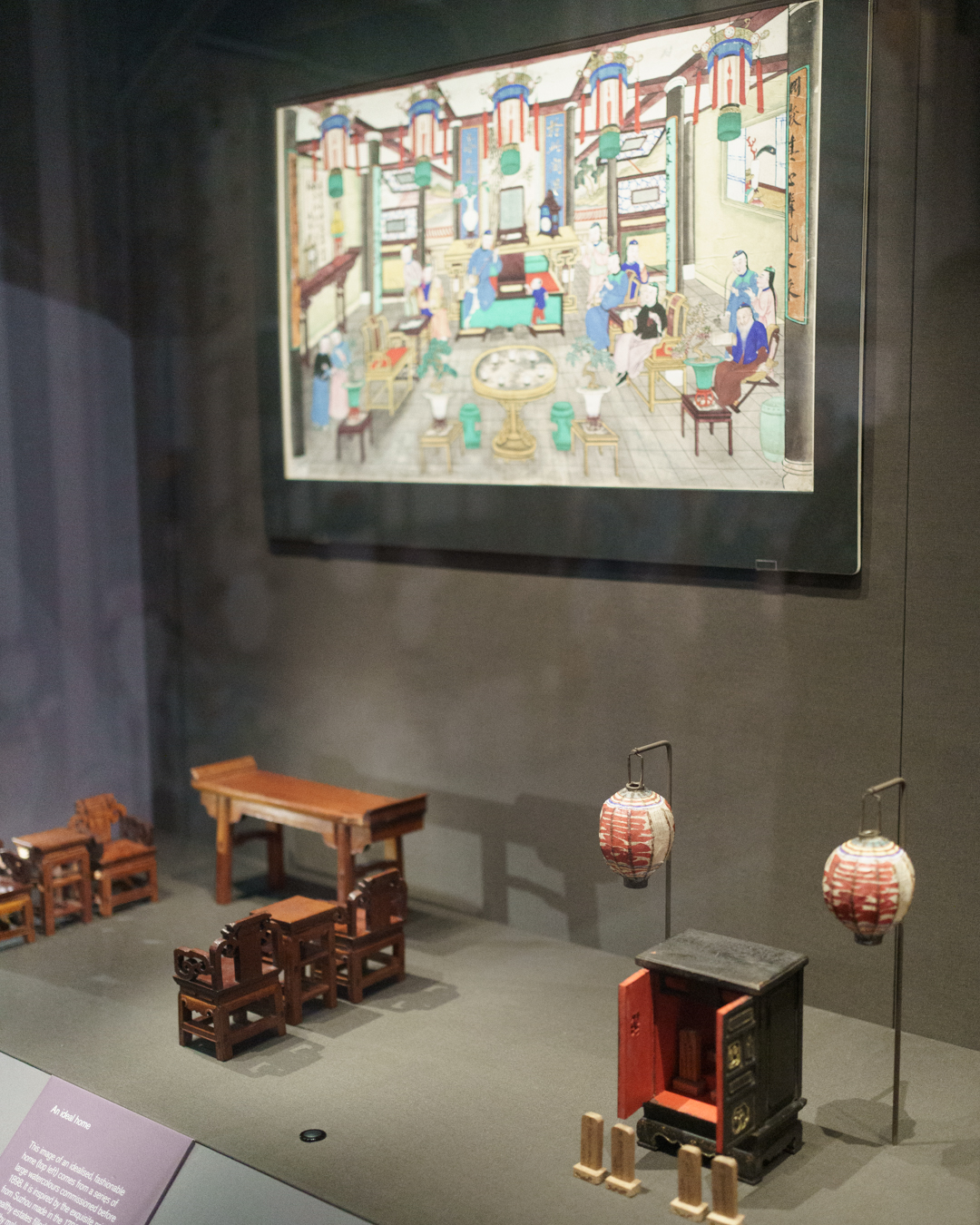

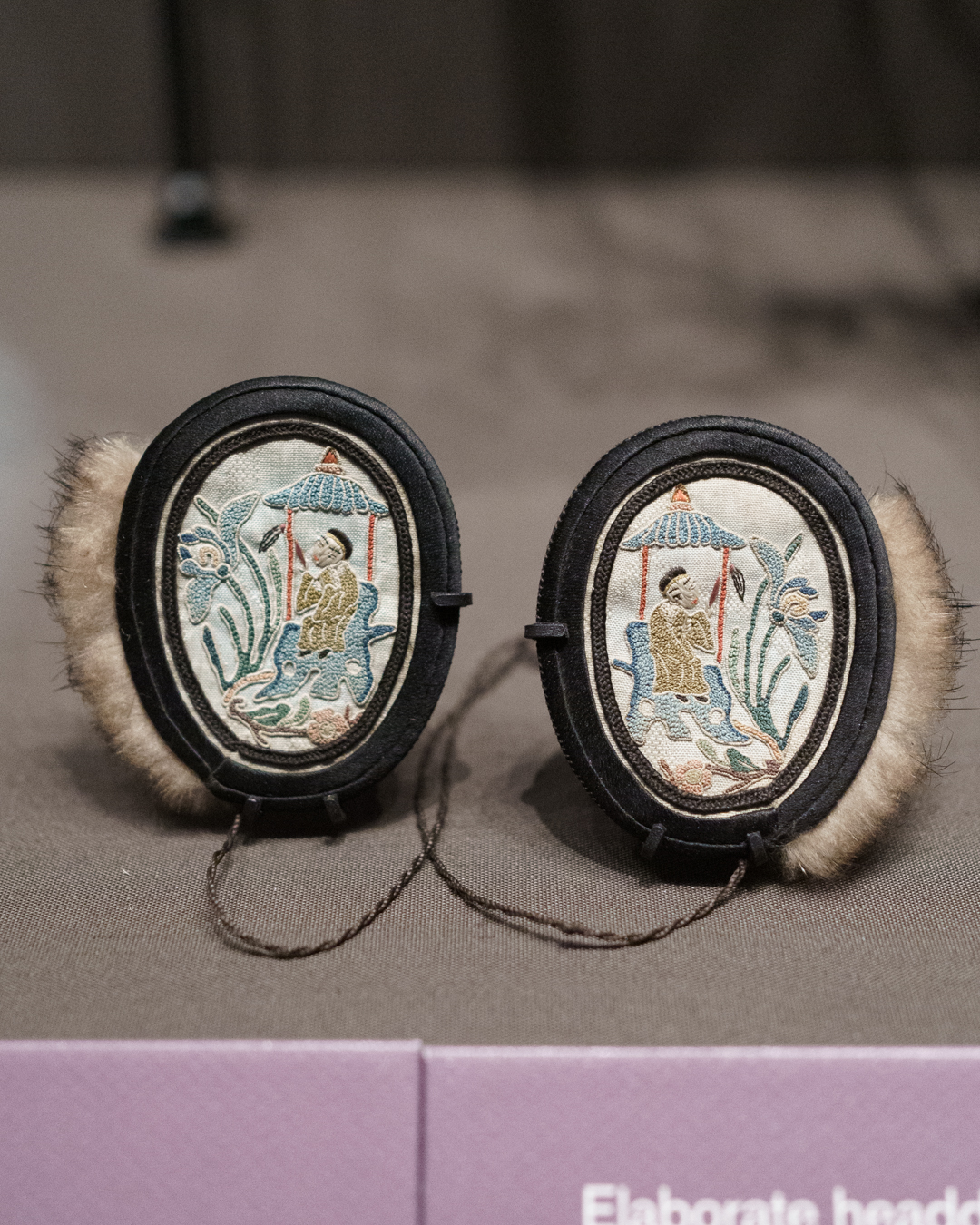


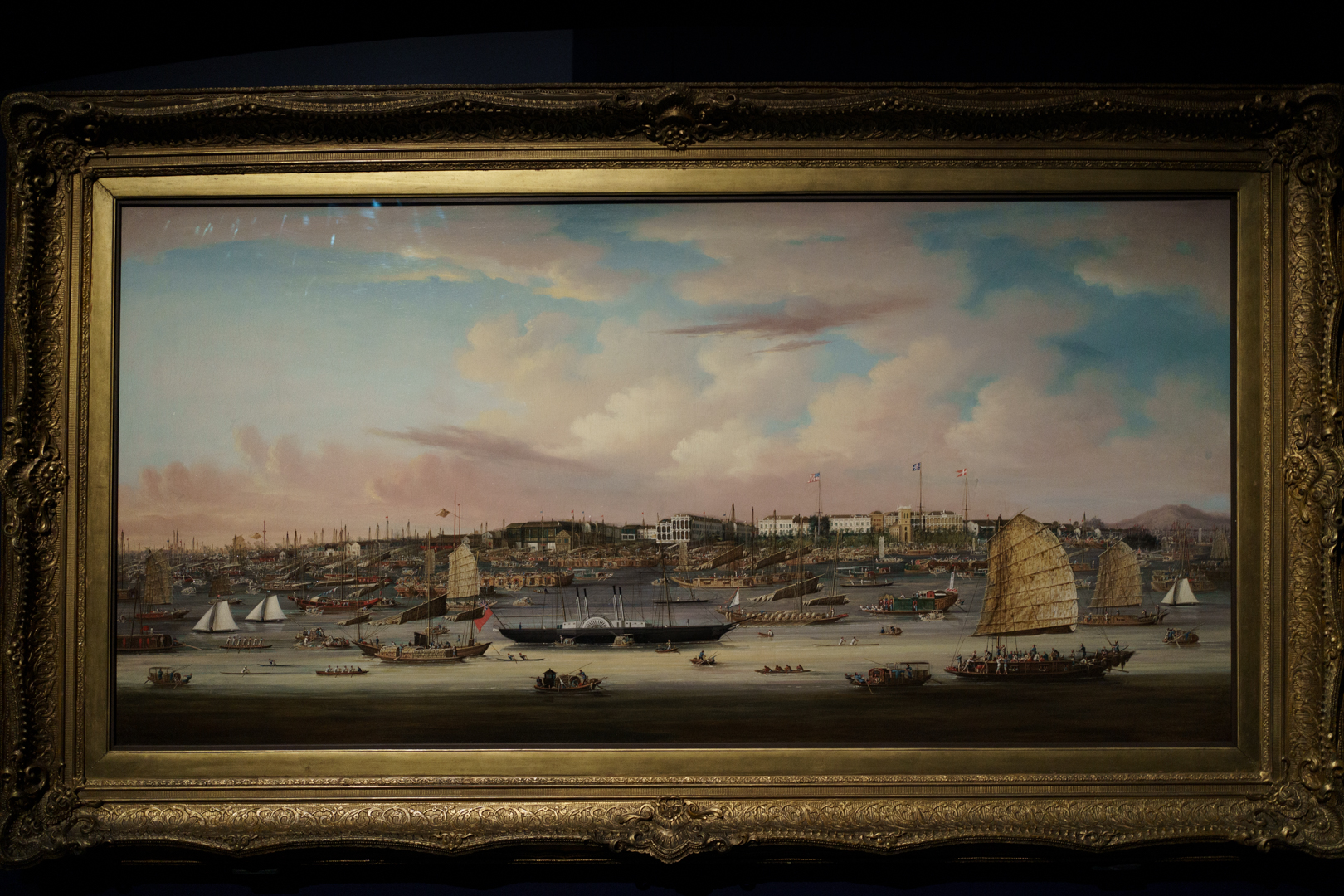
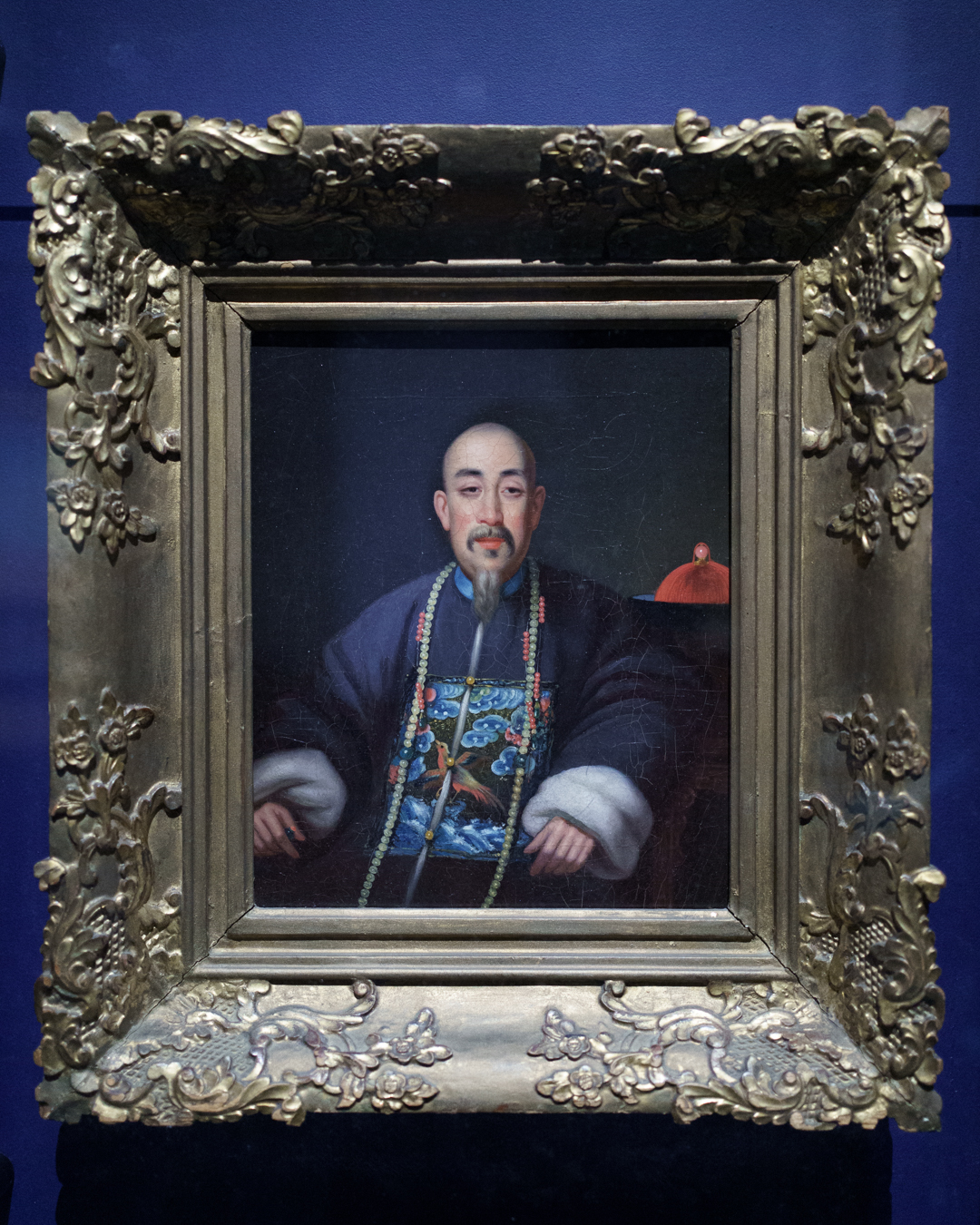


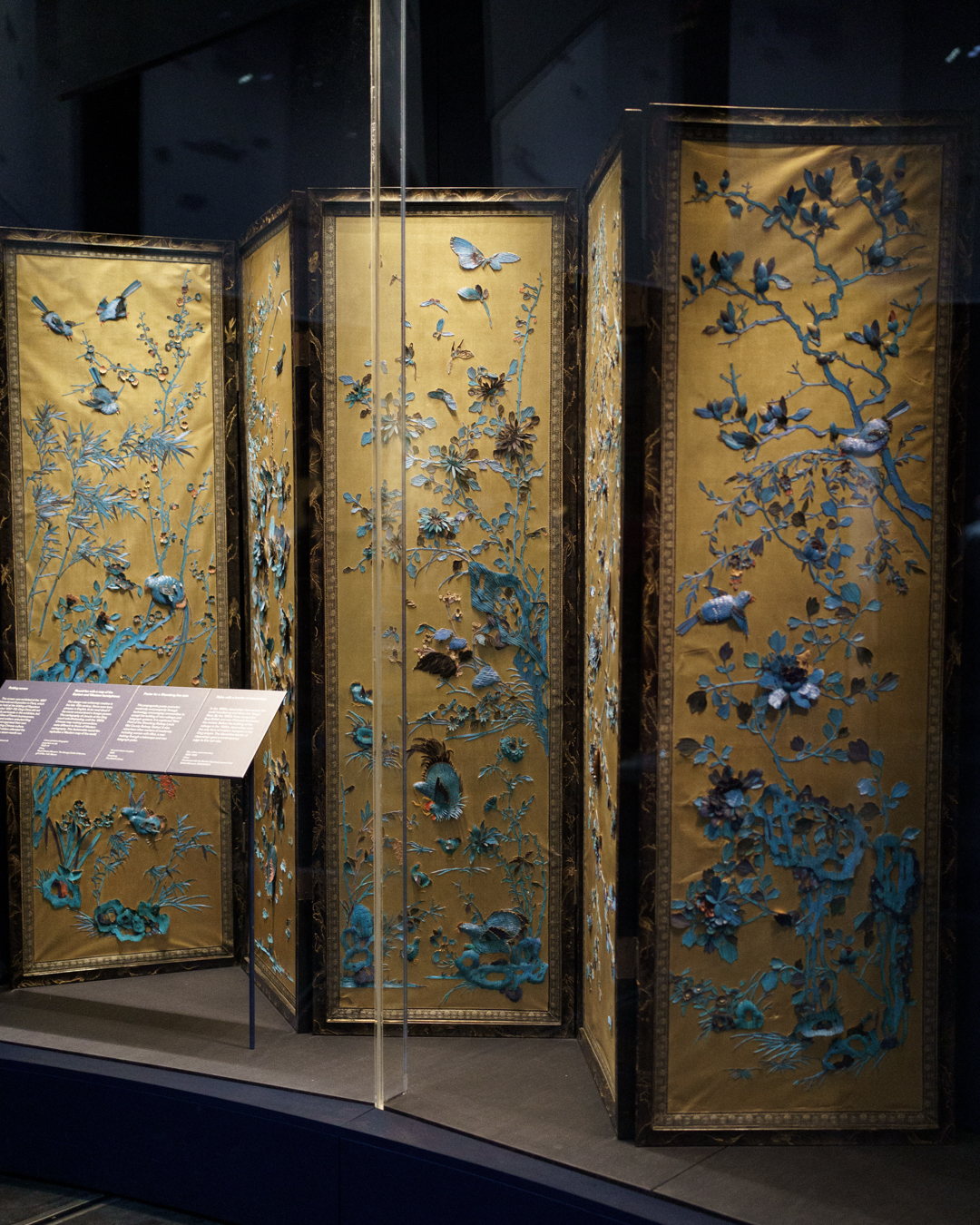
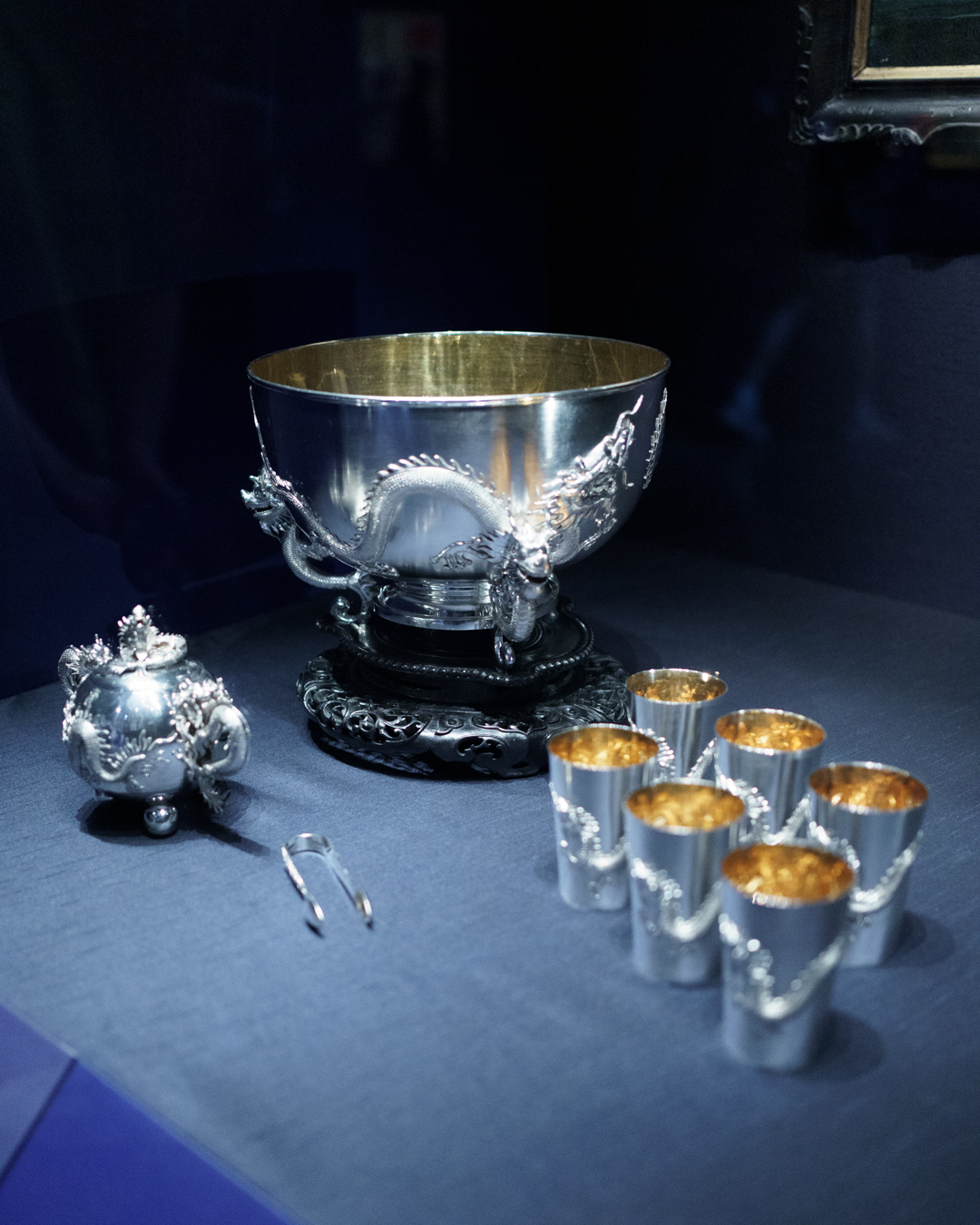
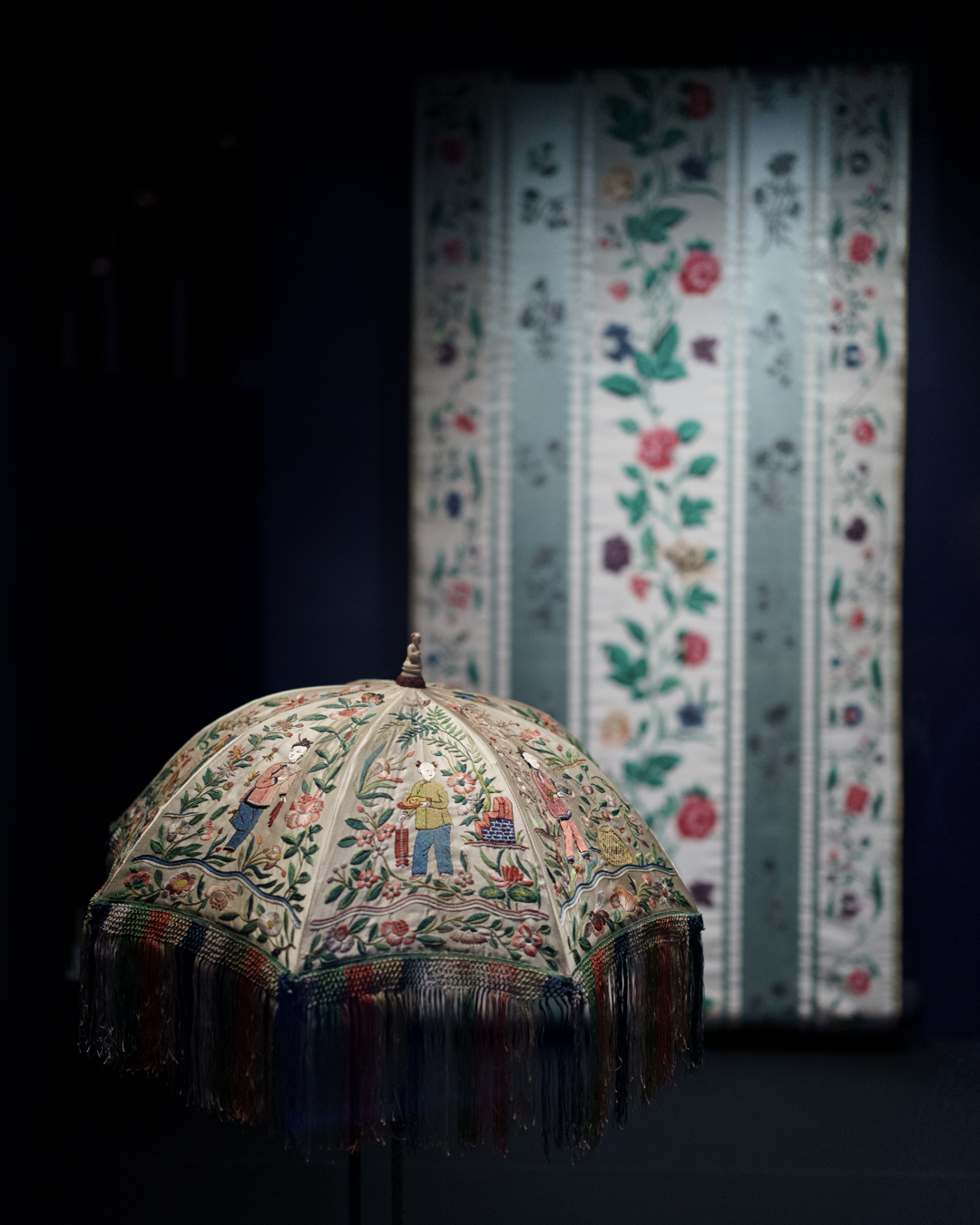


This exhibition manages to replicate – through period outfits, daily objects, remarkable images – the brimming life of a conflicted but modernising China. It’s just so full of insights, I can’t list them all.


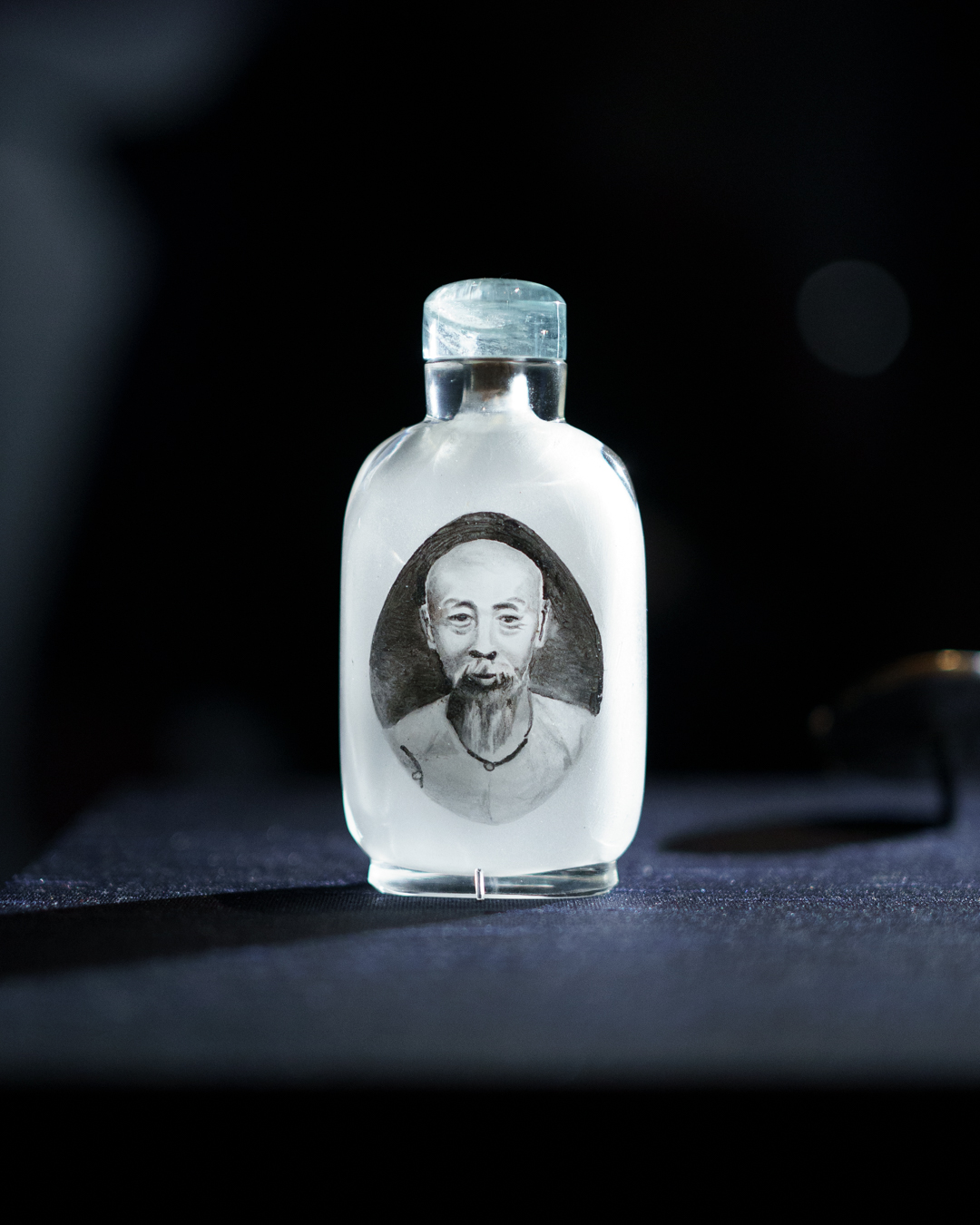
The Citi exhibition: China’s hidden century runs until 8 October 2023 at the British Museum, London, https://www.britishmuseum.org/

 Nigel Ip
Leave a comment