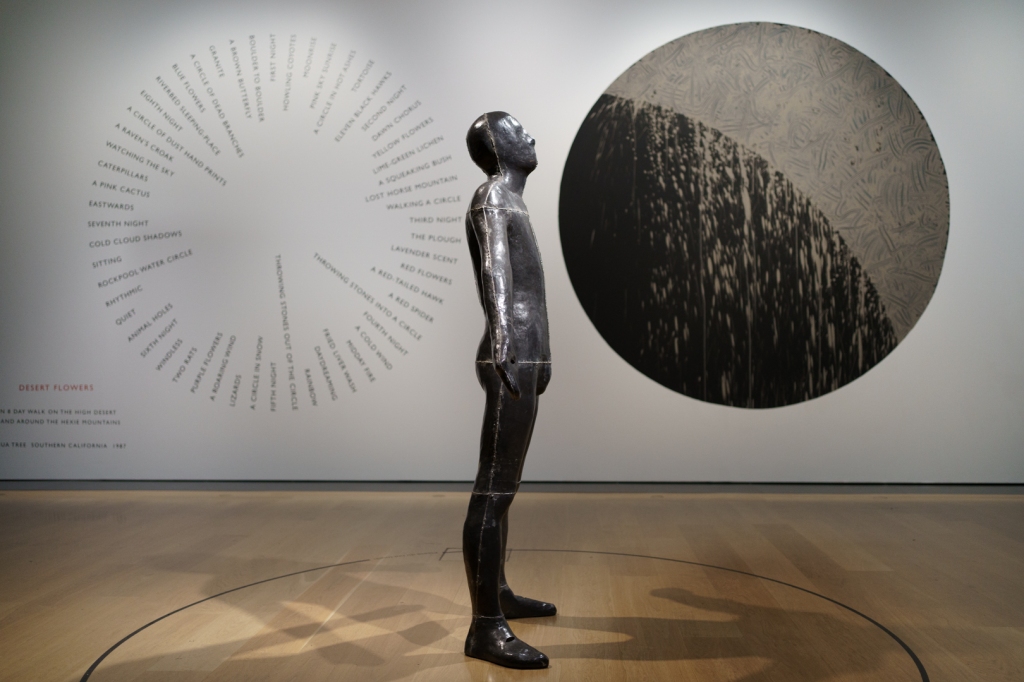
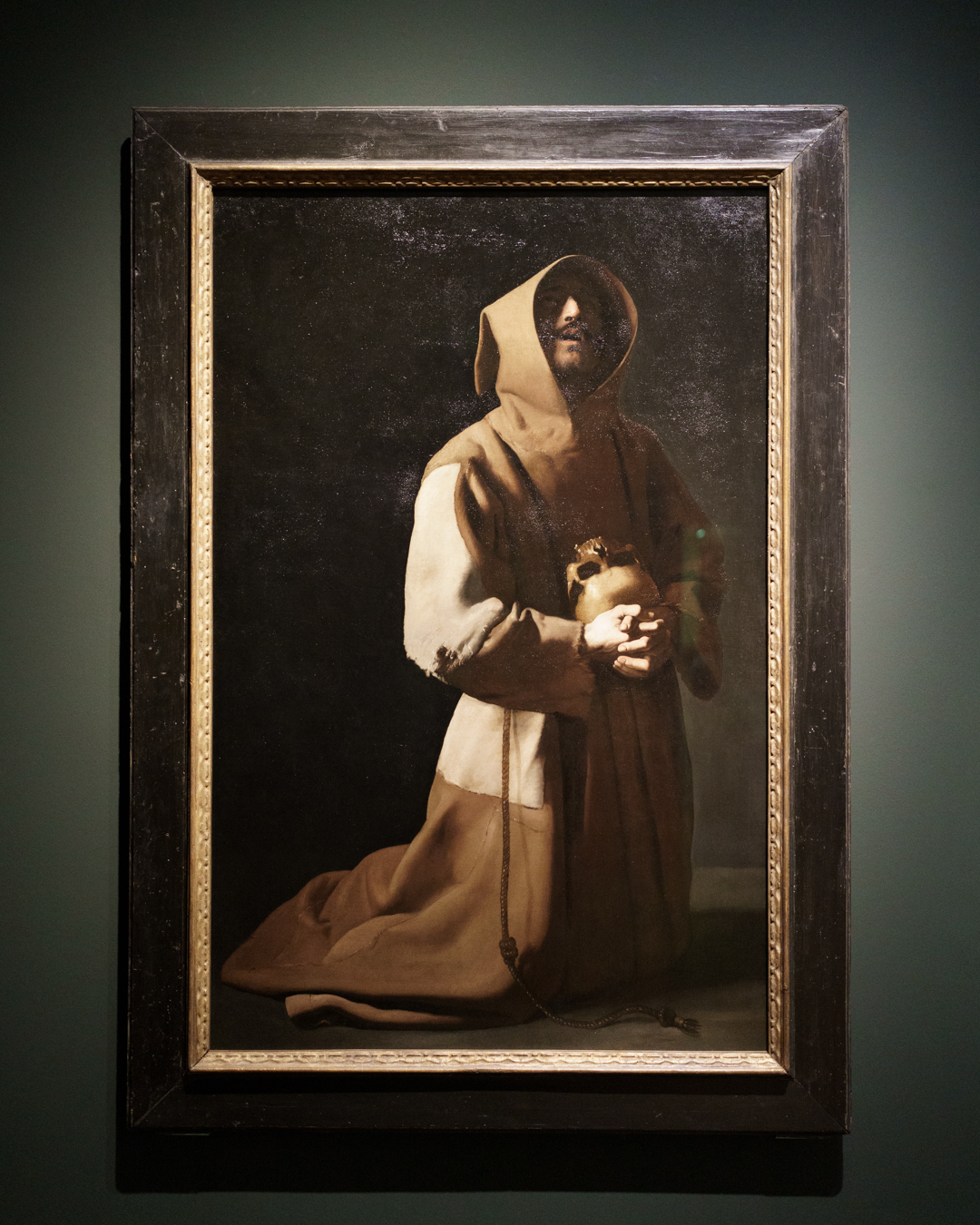
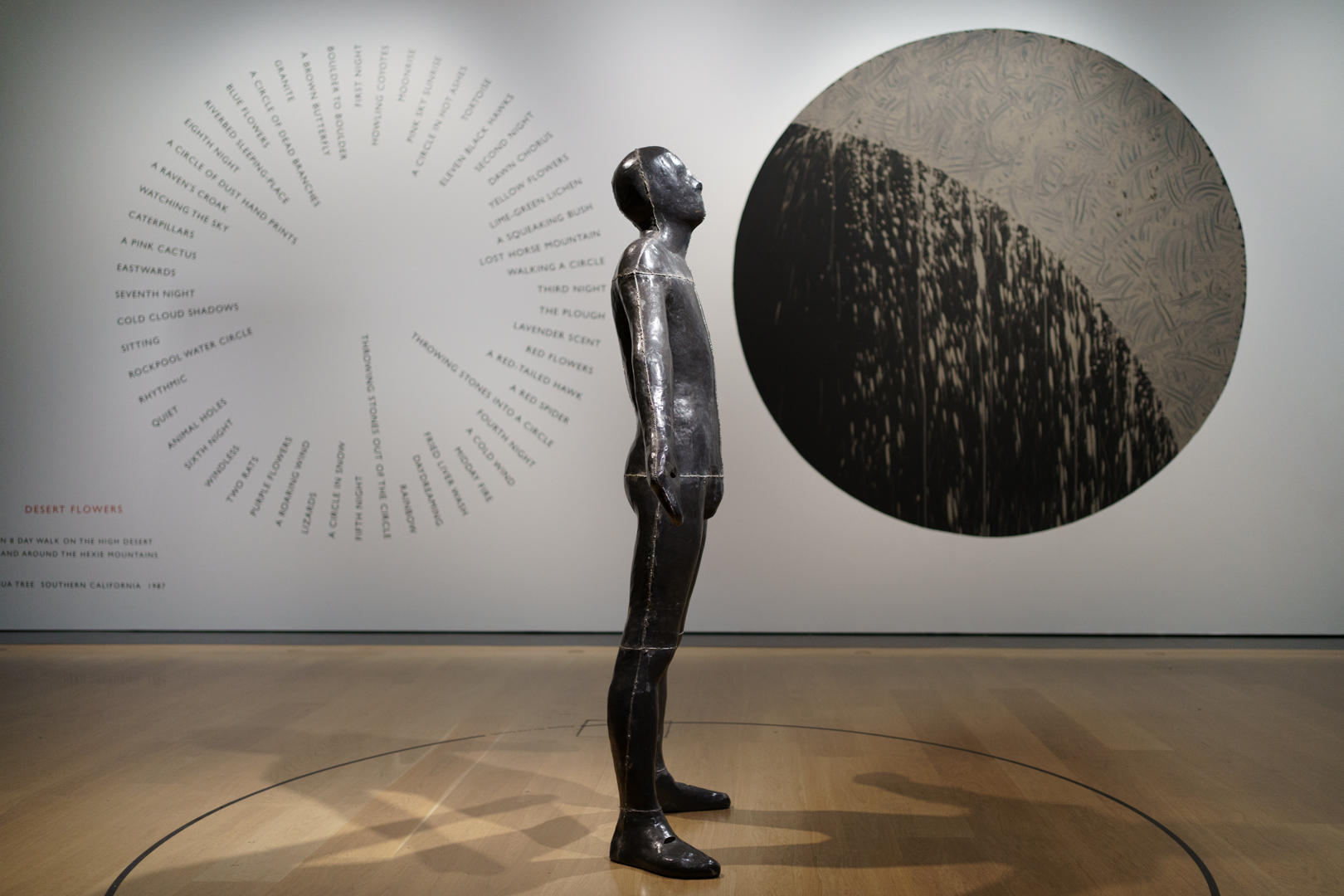
The recently closed Saint Francis of Assisi exhibition at the National Gallery was wholly unexpected in its broad pan-European approach to the Italian saint – this is clear from the first room juxtaposing multimedia works by Francisco de Zurbarán, Antony Gormley, and Richard Long – and the fact they made it entirely free is impressive given the scale and prestige of its international loans.

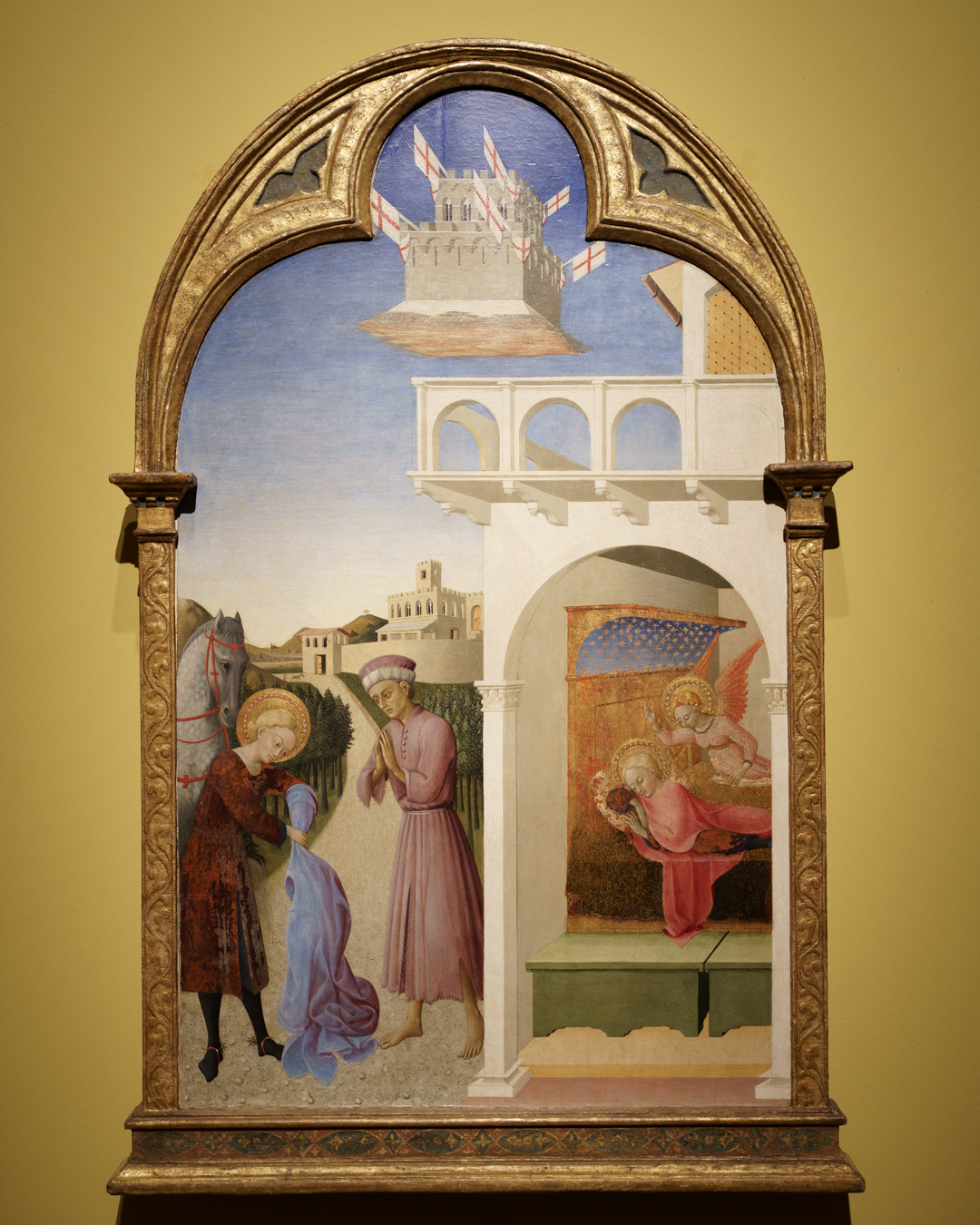
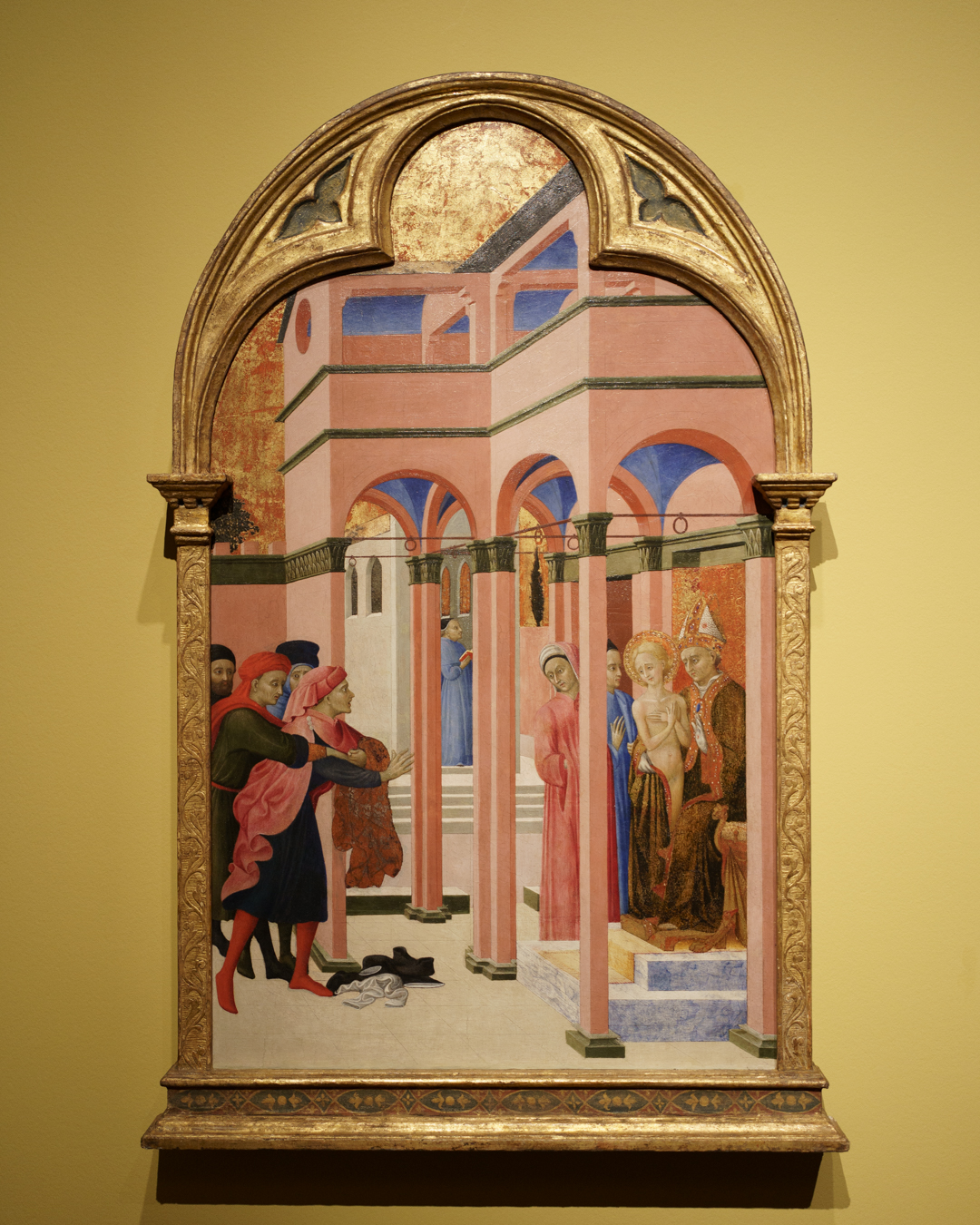
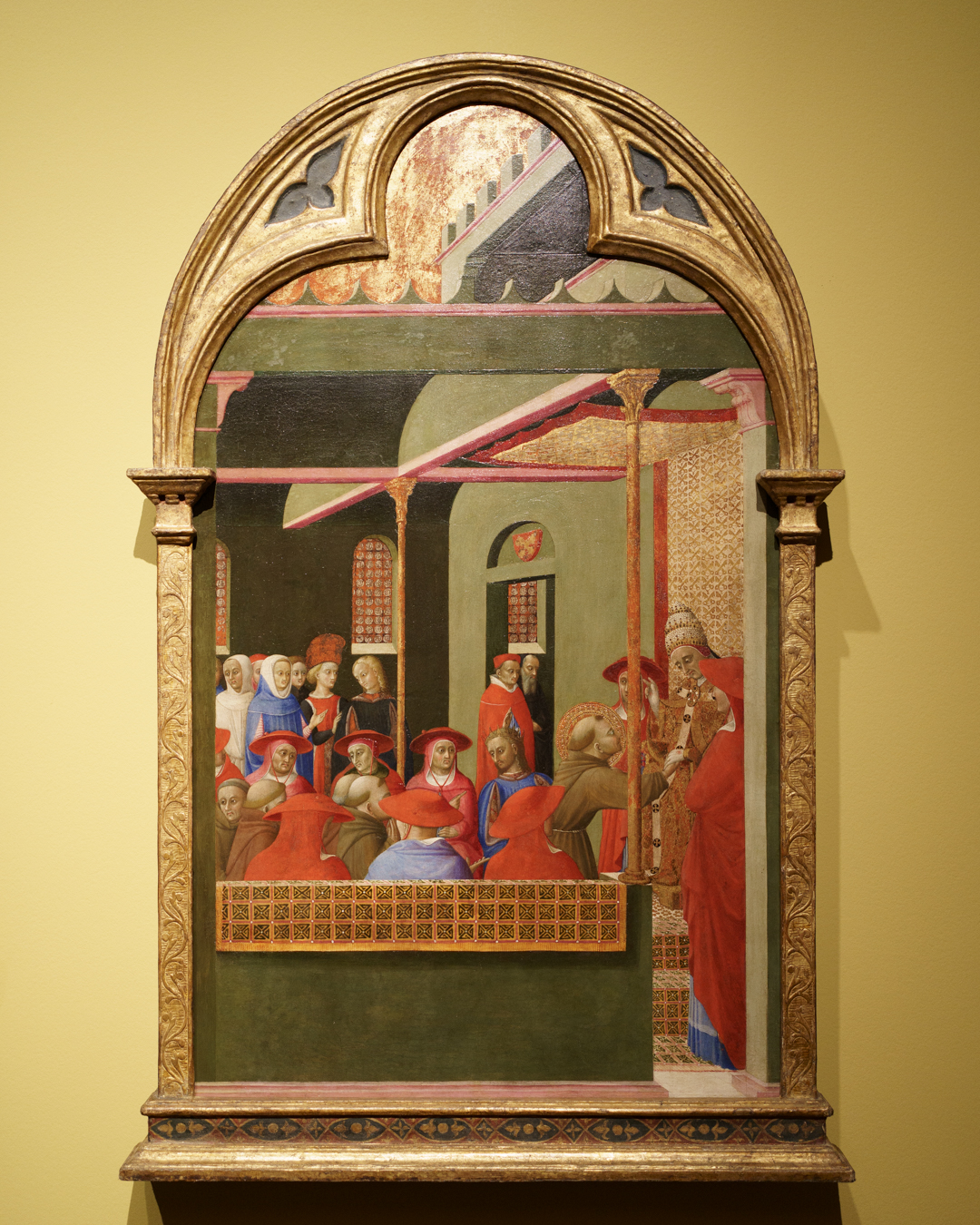
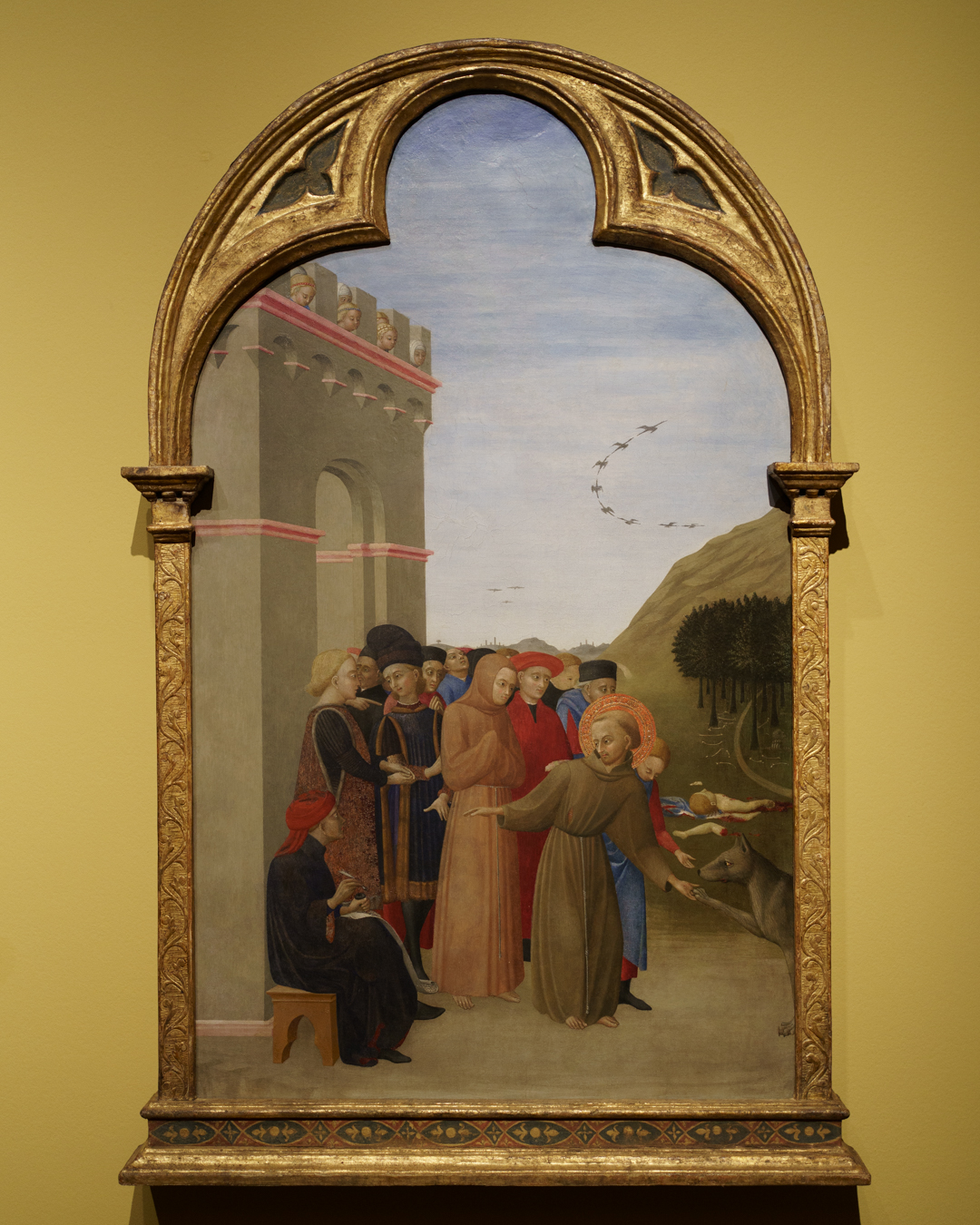
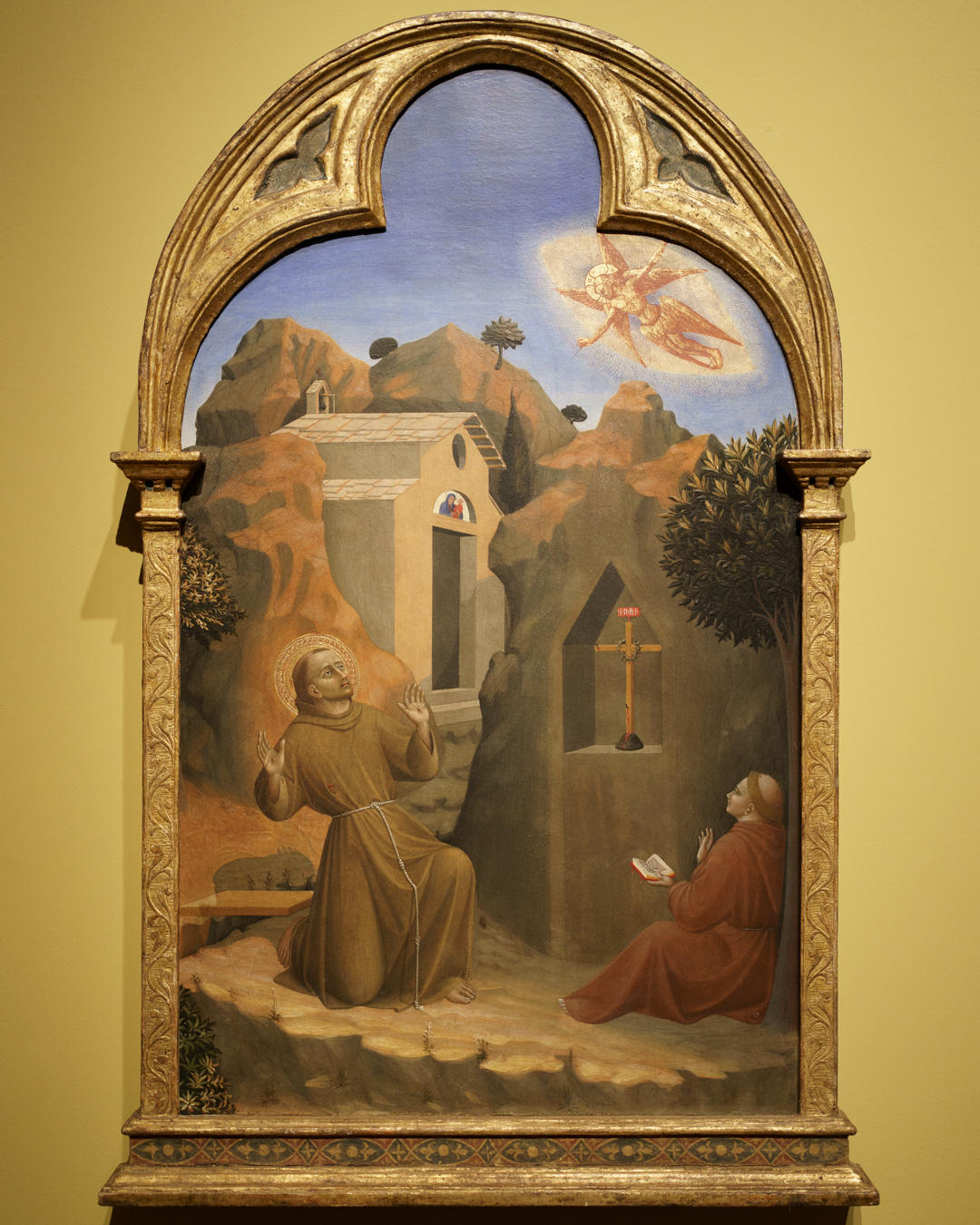
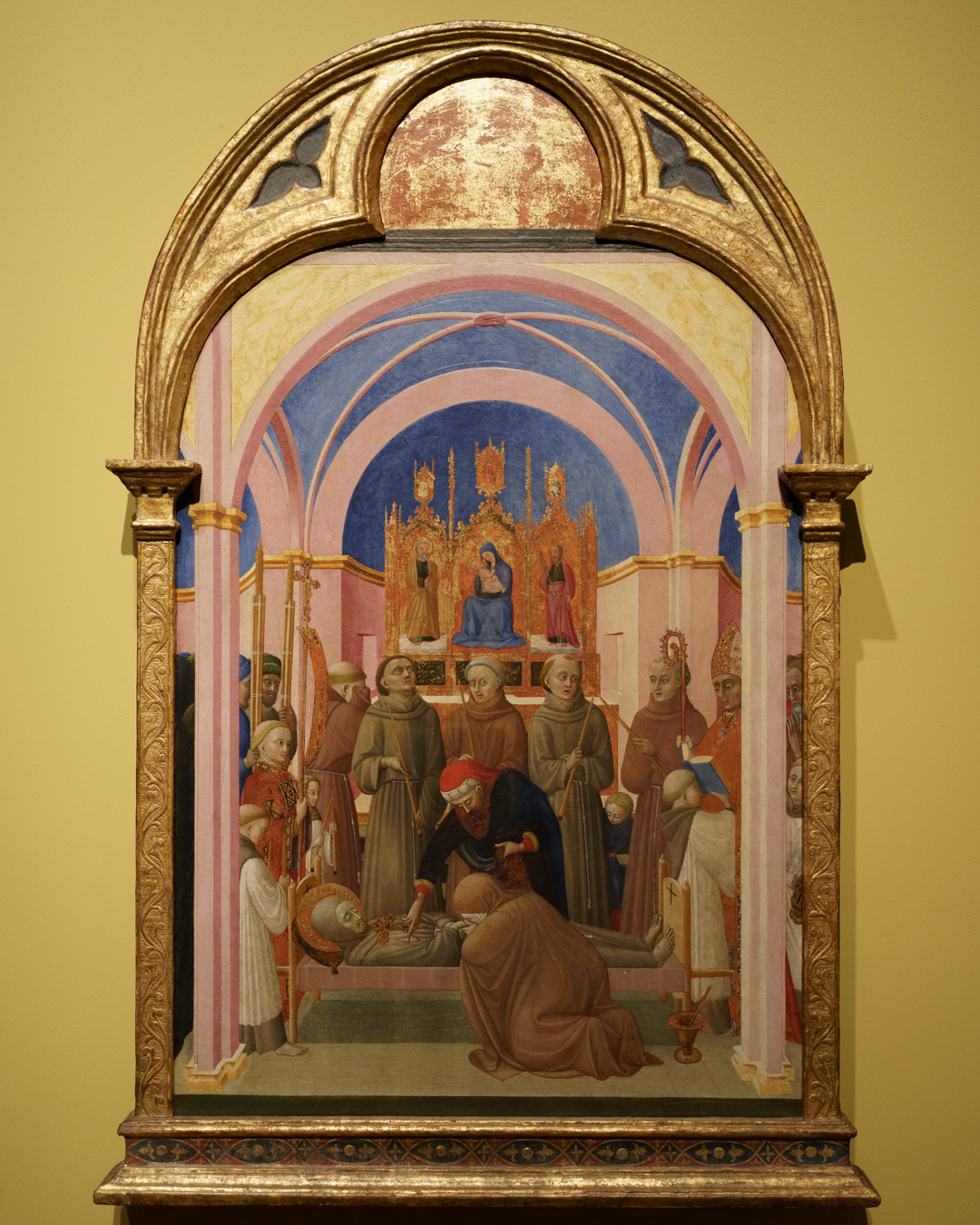
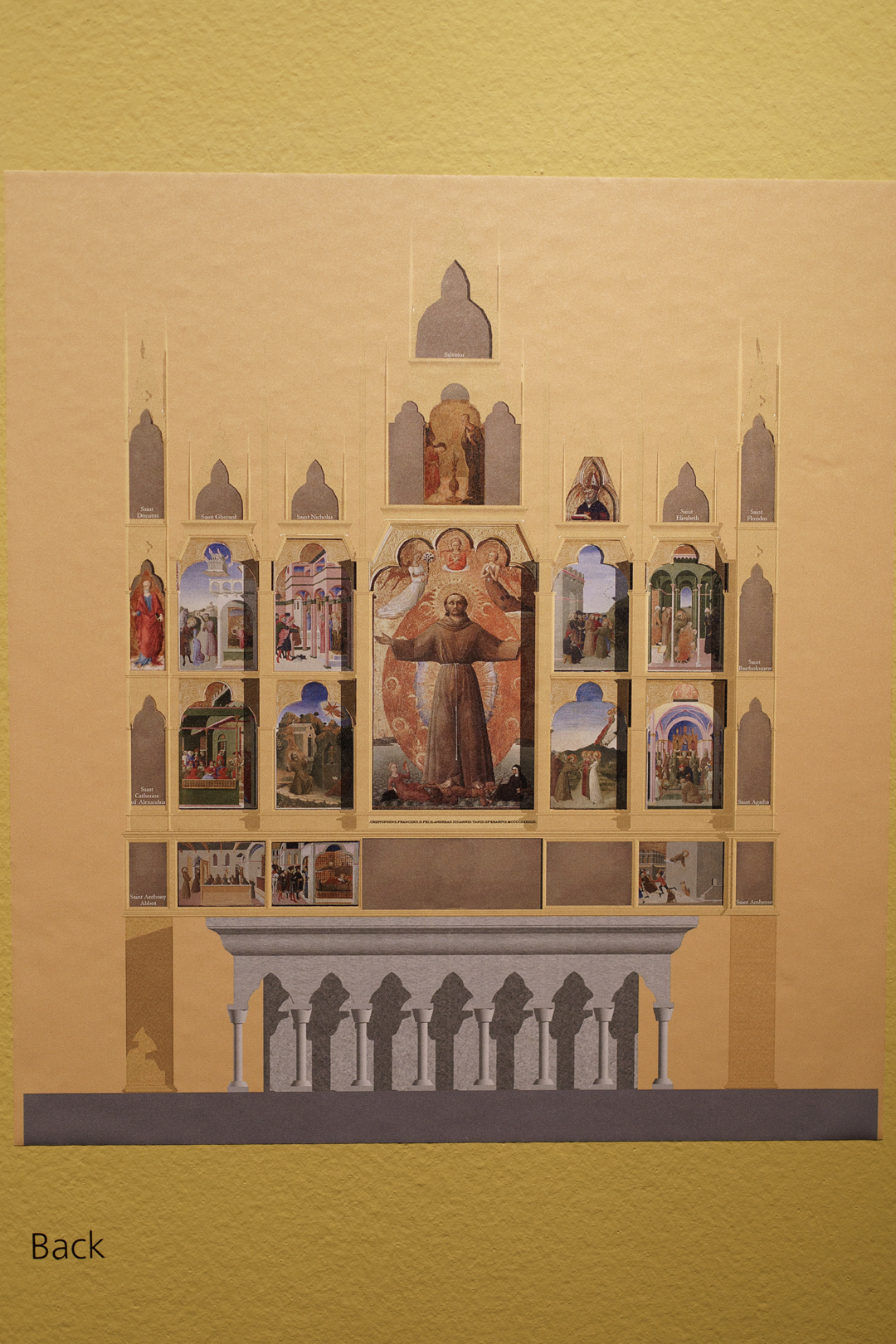
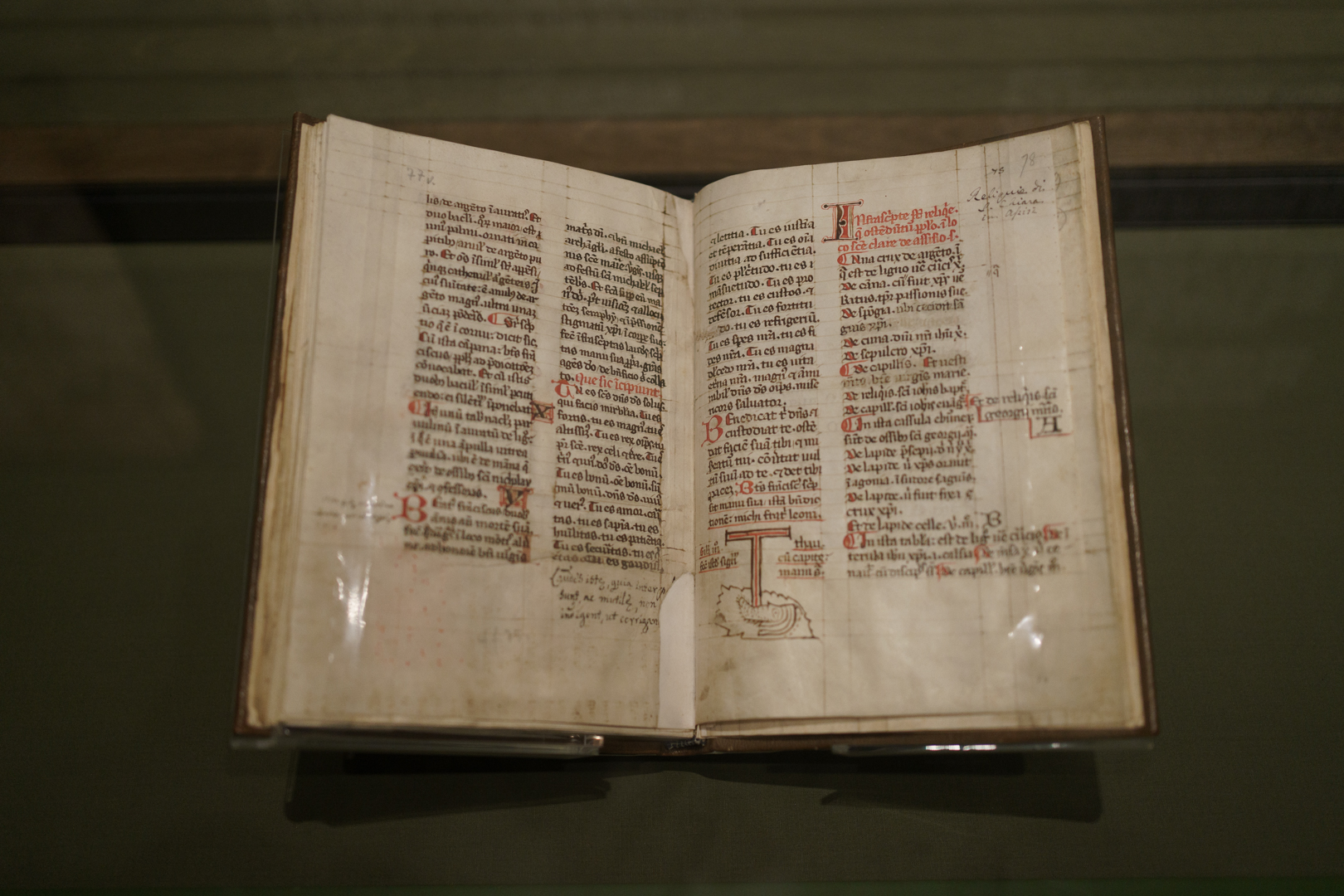
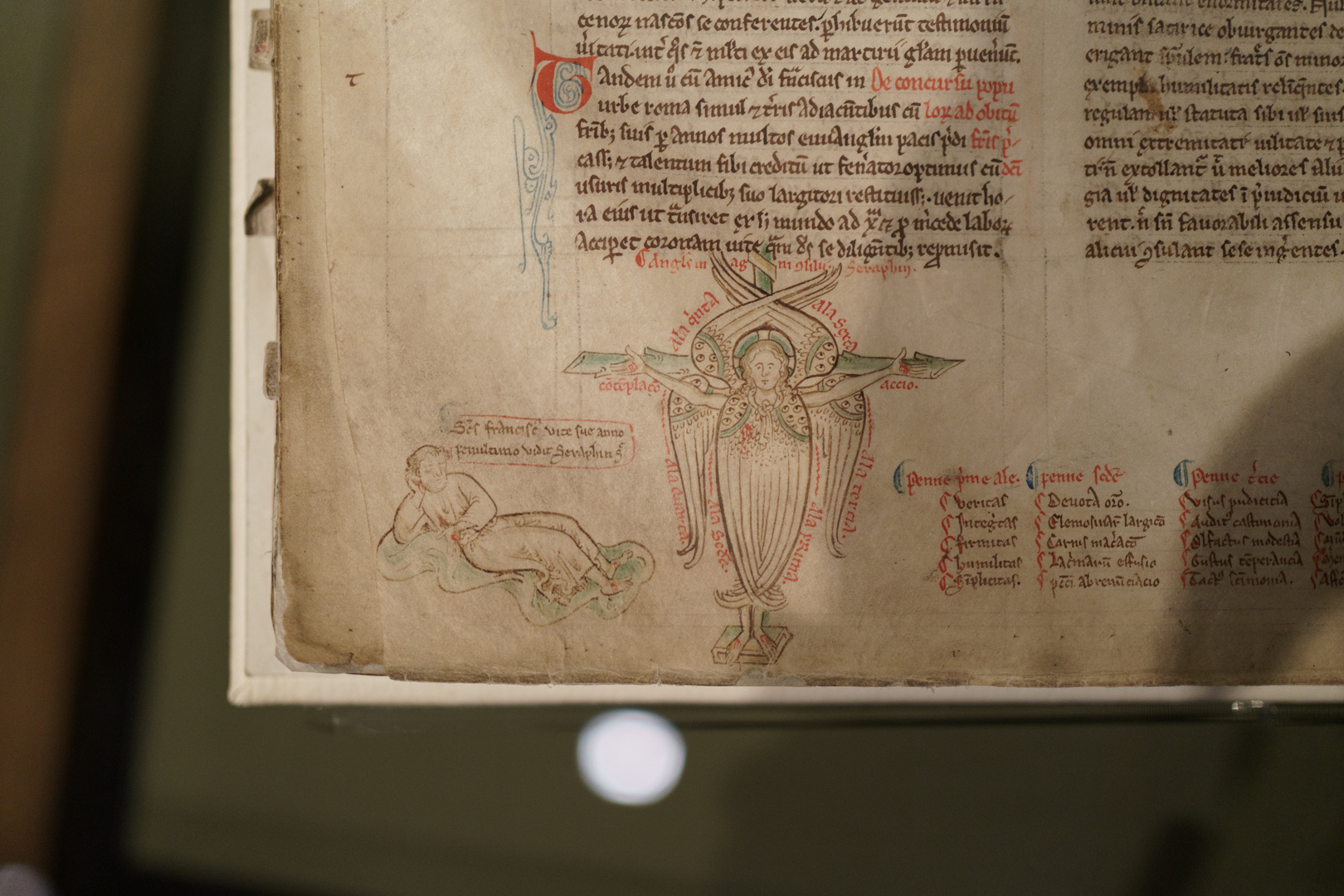
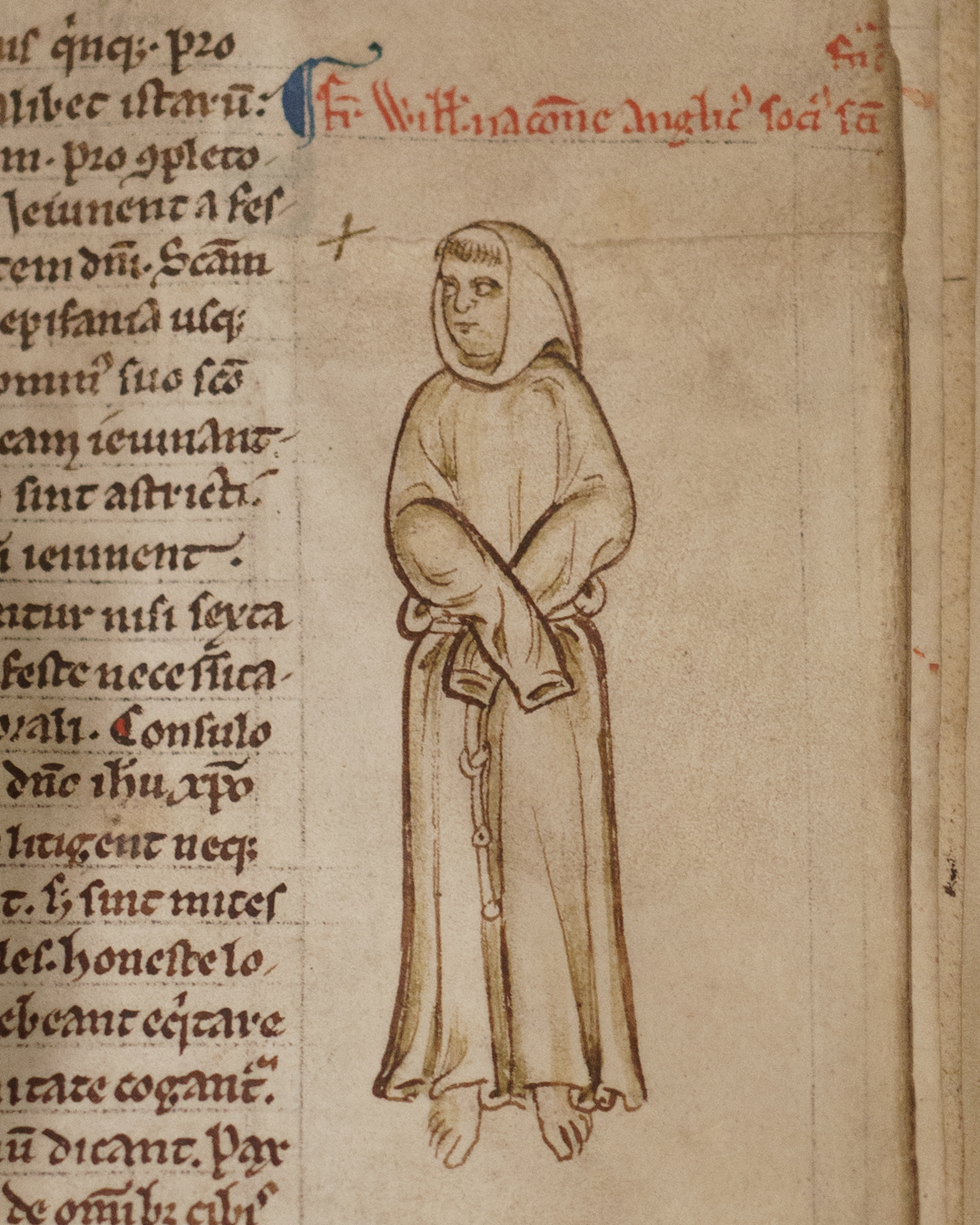
The exhibition sought to illustrate the life of Saint Francis (canonised by Pope Gregory IX in 16 July 1228) while also incorporating contemporary responses, showing how the saint’s teachings remained intensely relevant to society up to the present day. The octagonal room showcasing seven narrative scenes (of eight) from Sassetta’s Borgo San Sepolcro Altarpiece formed an elegant crossroads between the exhibition’s opening rooms, bridging the earliest-known 13th-century depictions of the saint – two vita-retables from Assisi and Pistoia, and manuscript copies of the Assisi Chartula – with modern interpretations by Giuseppe Pennone, Andrea Büttner, even Stanley Spencer. Accompanying the latter was a beautiful vista from Giovanni Costa and a resplendant Frank Cadogan Cowper.








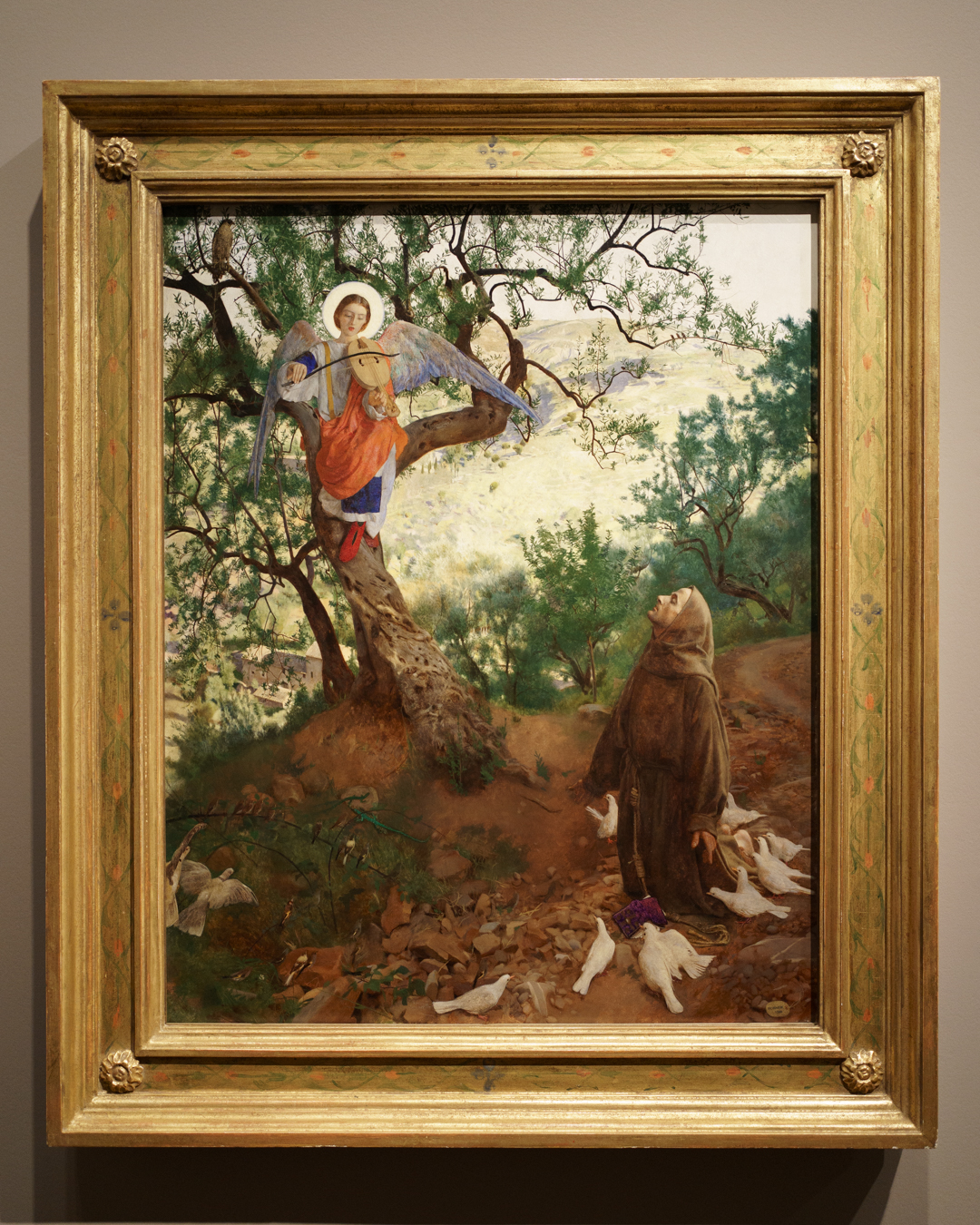

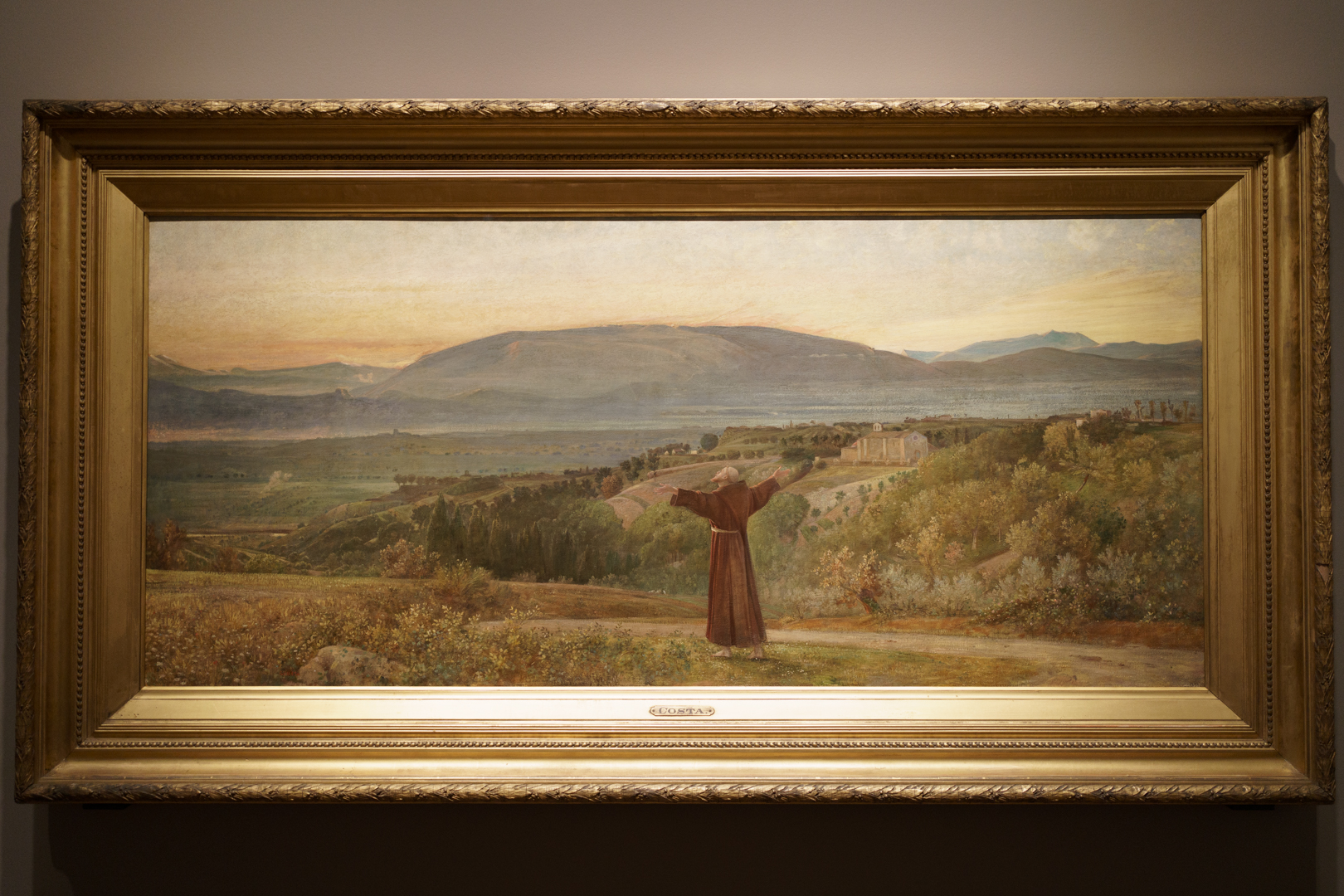

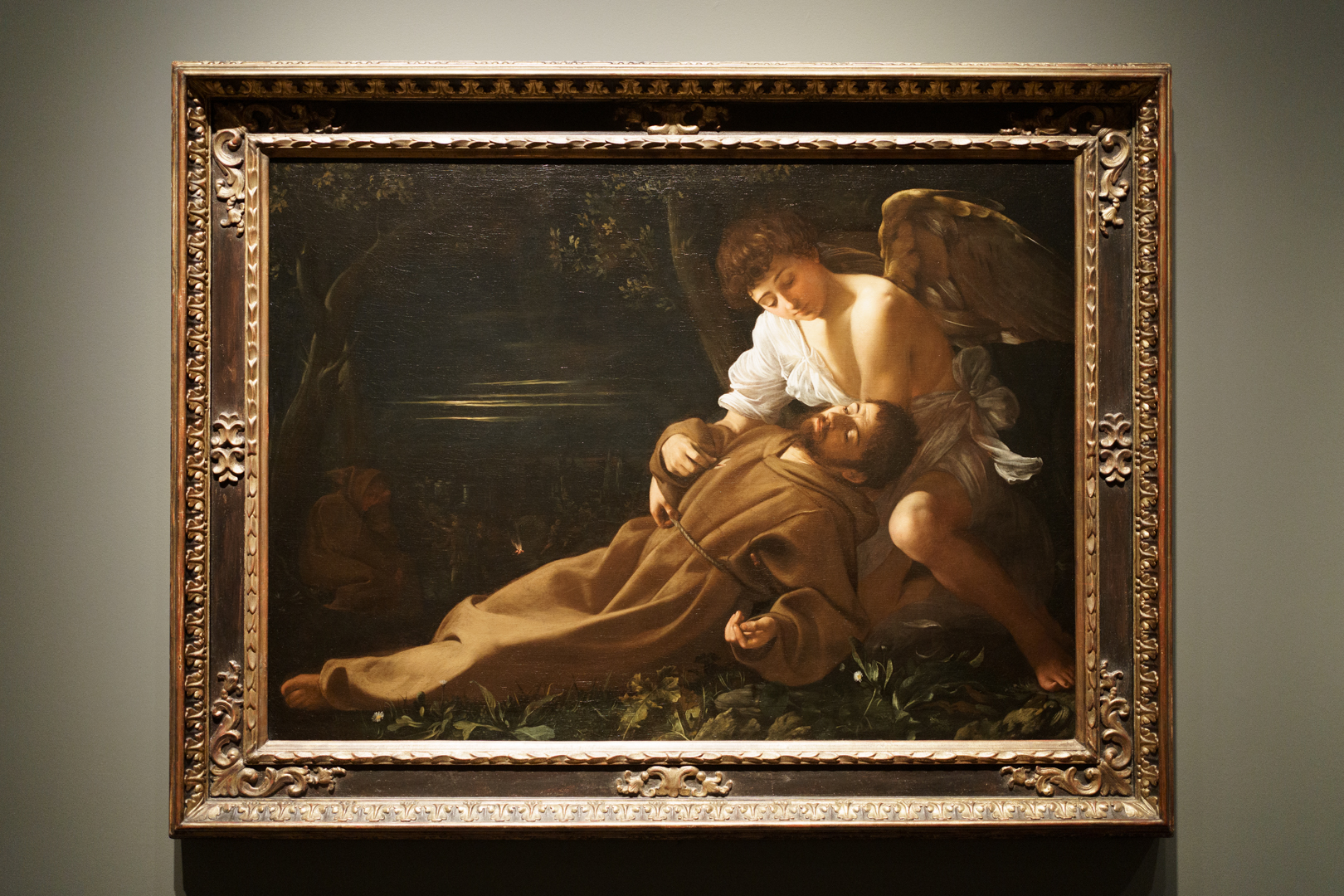
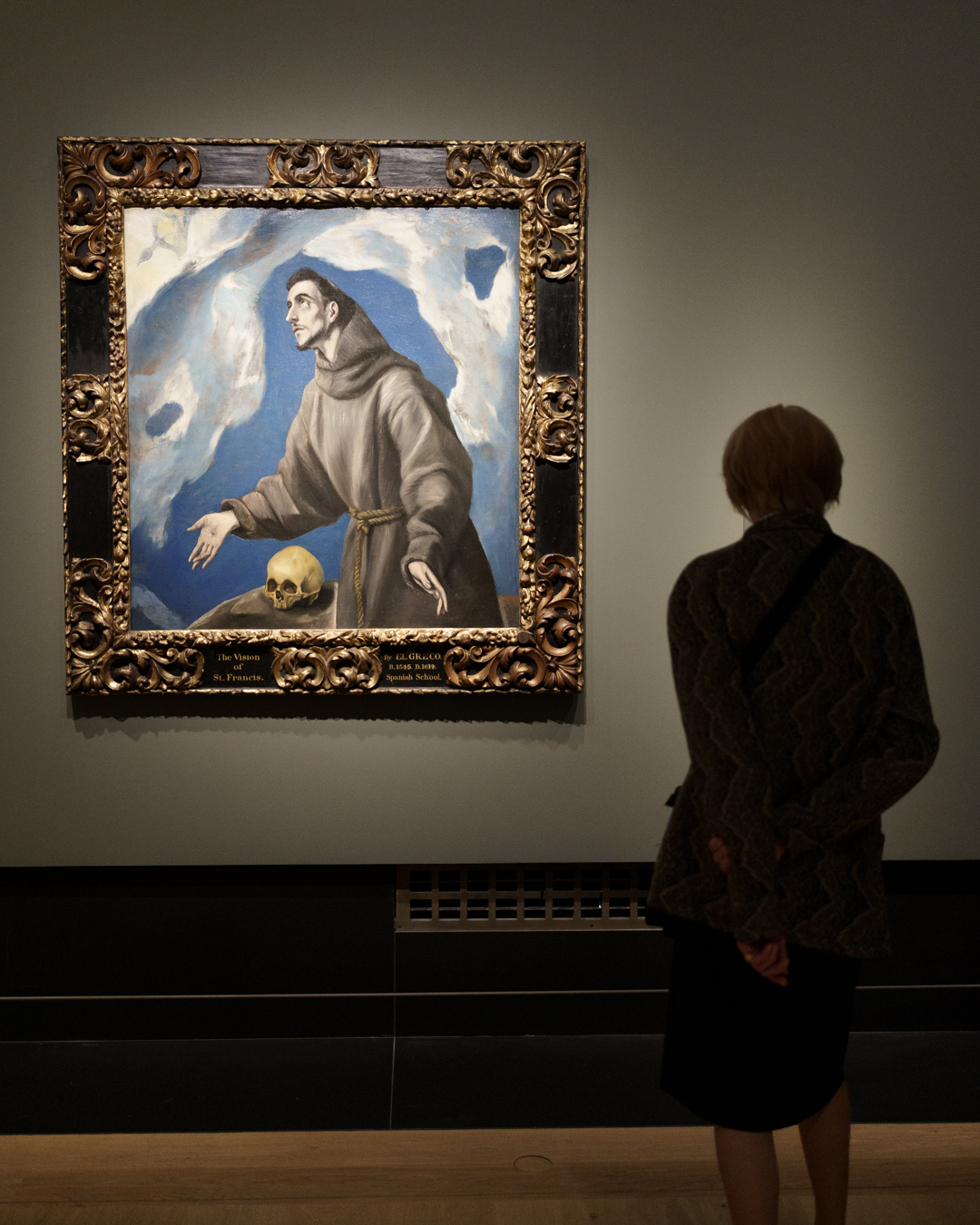
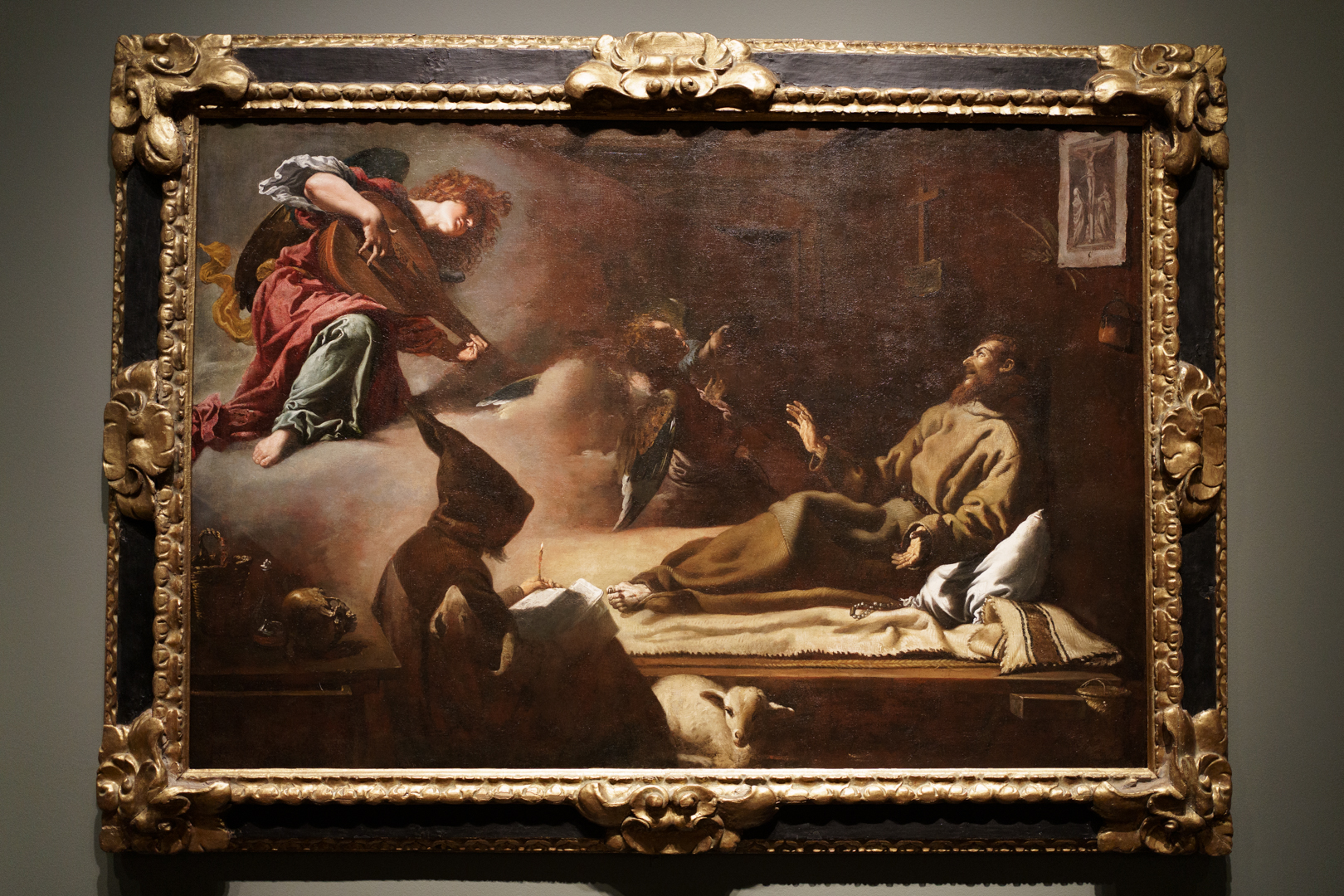
One room devoted to the saint’s mystical portrayal after the Council of Trent (1545-63) brought us Caravaggio’s earliest surviving religious work in dialogue with both vibrant and moody works by El Greco, Frans Pourbus the Younger, Francisco Ribalta, and Bartolomé Esteban Murillo as the figurehead. I was mesmerised by the exceptional array of textures depicted in clothing and settings.


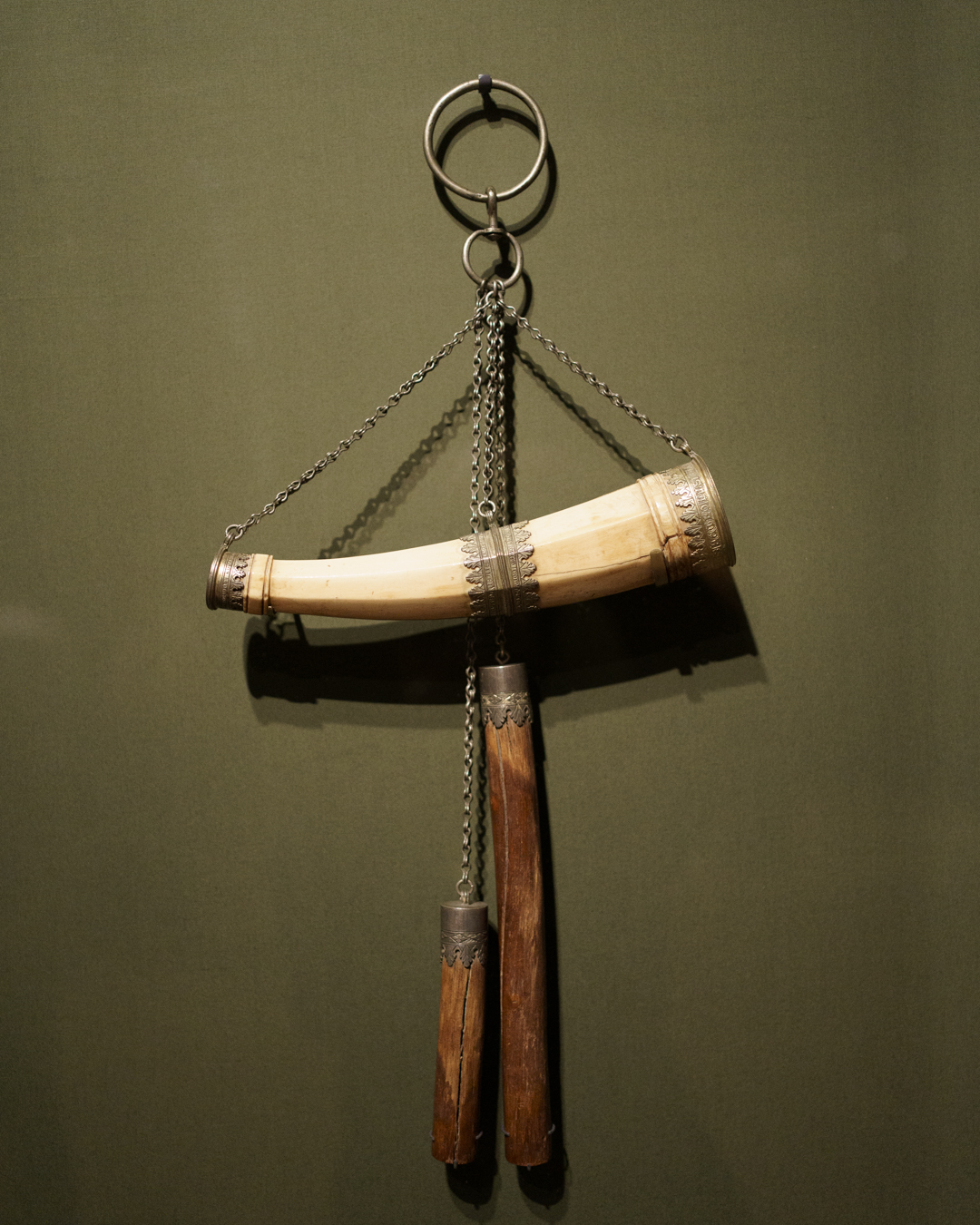
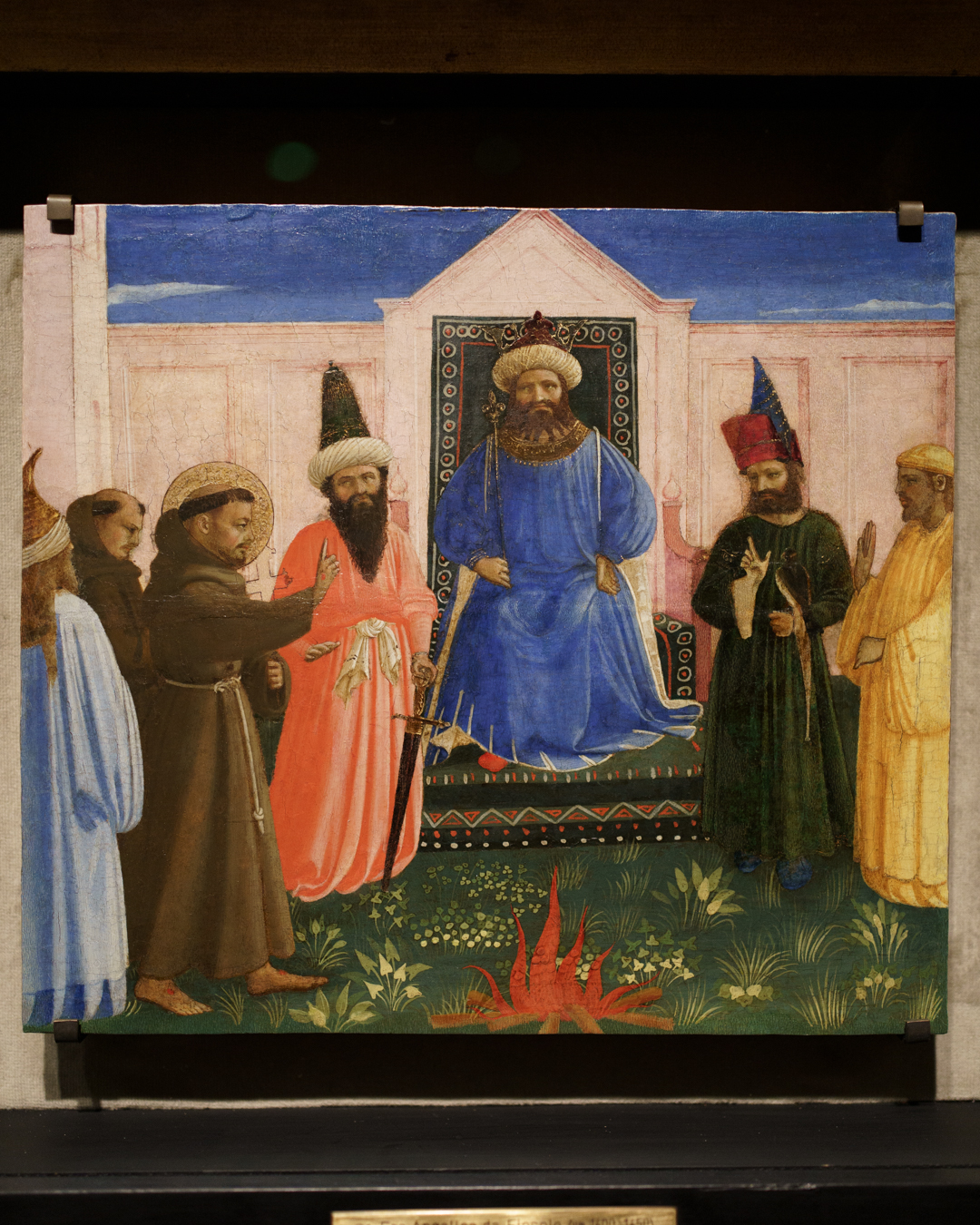
Speaking of clothing, the habit purported to have been worn by Francis himself formed the centrepiece with the National Gallery’s other related Zurbarán, as well as an Alberto Burri sackcloth piece. There was also a second relic, a horn with rods inscribed with the claim that Francis used it to gather people for preaching. But this room – partly dedicated to Saint Clare – also exhibited a marvellous and tiny Fra Angelico predella panel, arguably one of the unsung loans of the show.



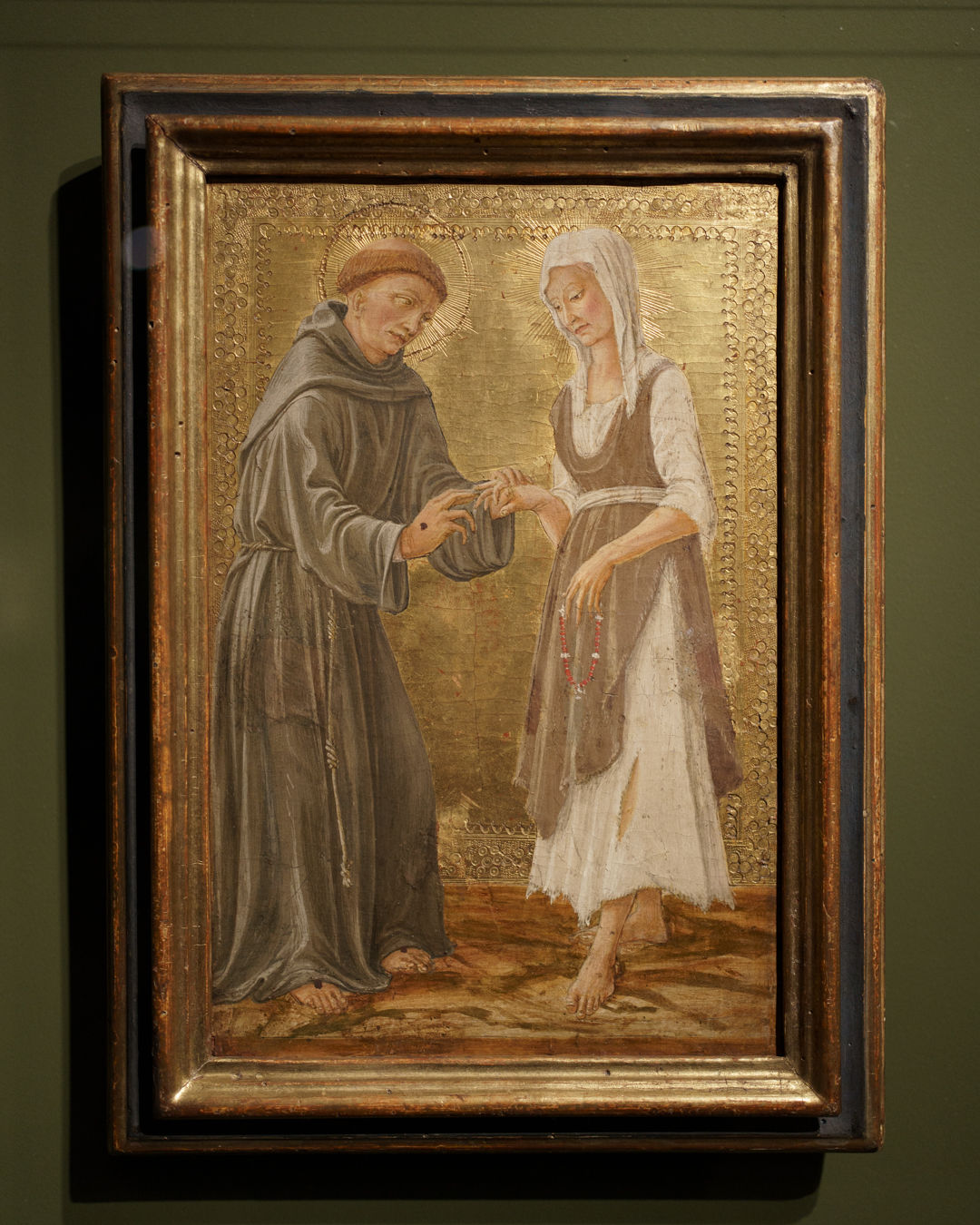
Finally, printmaking gained unexpected prominence, featuring mainly modern lithographs by Arthur Boyd and José Clemente Orozco, and massive Buttner woodcuts. There was even Marvel’s Francis, Brother of the Universe comic to throw us off. The result was an exhibition that blew every expectation I imagined out of the water, expanding our preconceptions about how Francis’ saintliness was interpreted over the years – from the seriously devout to the outright comical – all in collective homage to one of Italy’s oldest recognisable historic figures.
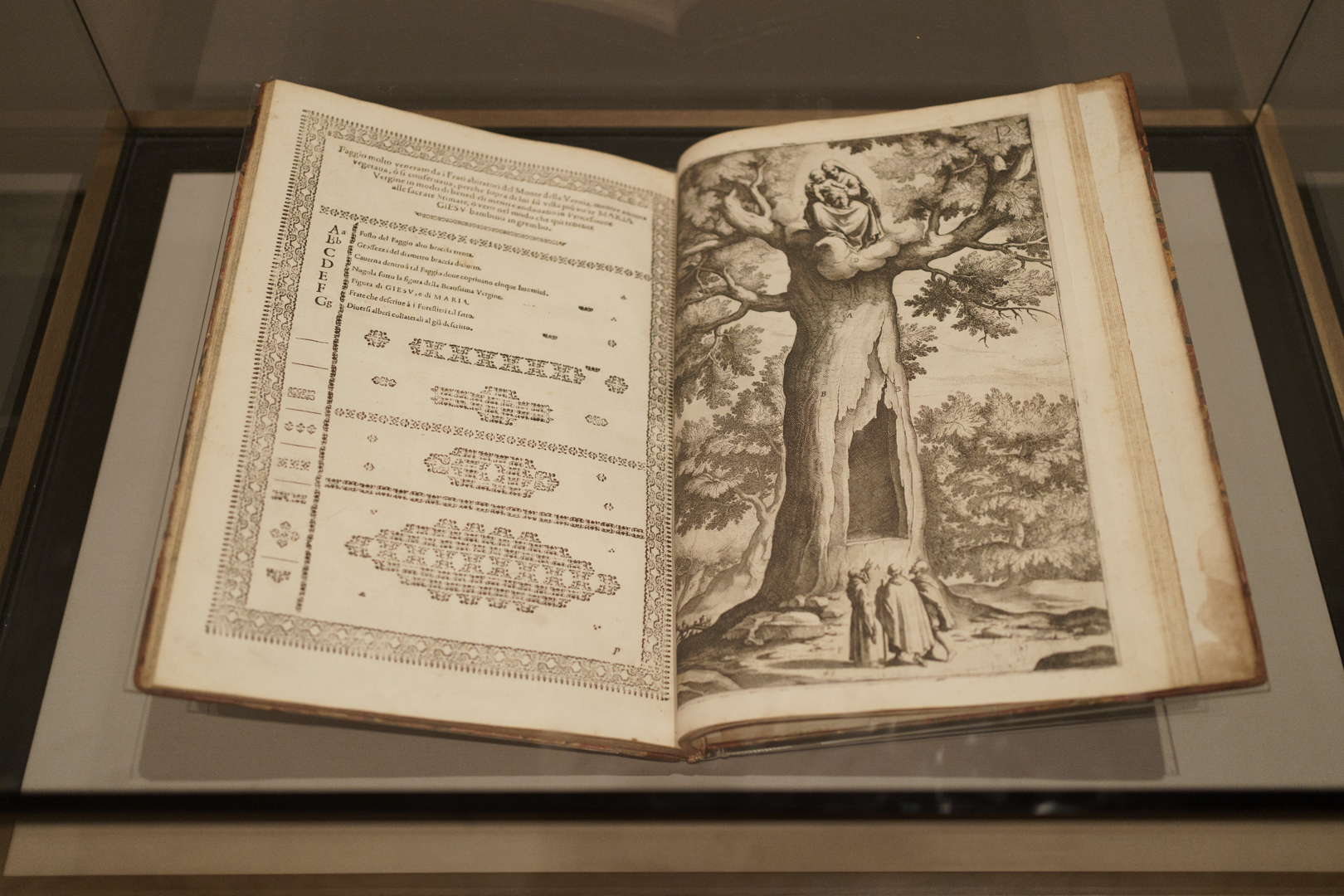
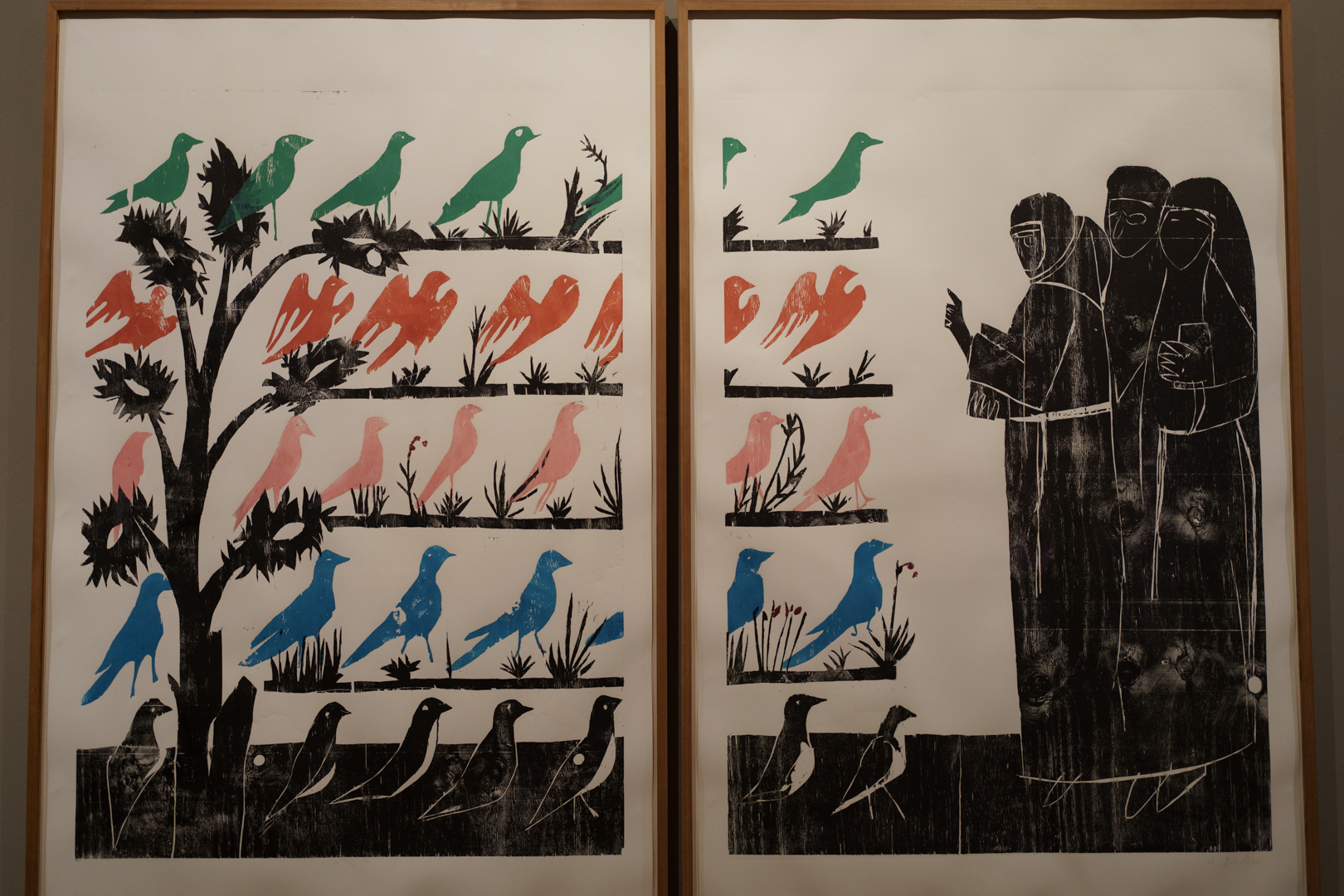


Saint Francis of Assisi ran between 5 June – 30 July 2023 at the National Gallery, London, https://www.nationalgallery.org.uk/

 Nigel Ip
Leave a comment